With your vast experience and accomplishments in the legal field, could you share what initially sparked your interest in law? Was there a defining moment that led you to pursue this career, and what drew you specifically to specialize in intellectual property law?
The greatest reason or inspiration for taking up law was my maternal grandfather who came from a family having many generations of lawyers including his father and uncles. My grandfather was himself a lawyer by qualification but joined the Sales Tax Department and retired as Commissioner of Sales Tax, Government of Maharashtra. He was extremely passionate about law and on behalf of the Sales Tax Department, briefed and closely interacted with many distinguished lawyers of his time including the then Advocate General Mr. H. M. Seervai whom he deeply admired. The countless anecdotes he narrated to me and the zeal he had for the legal profession had a profound impact on me, unknowingly and when the time came for me to choose my profession, law came as a natural choice.
While Law was in the family, Music, Literature and Art also ran deeply in my family, my mother being a Hindustani Classical Vocalist and my grandmother, a vocalist, poet, playwright and writer. They would often participate in seminars on copyright in relation to the fields of music, literature and art. I would accompany them and listen to the sessions with great interest. That sparked my curiosity and by the time I completed my graduation in law, I found IP to be a fascinating and an ever-evolving subject having an application across industries and I was convinced to take it up as my field of specialization.
You began your career as an Associate with a law firm. What were some of the key experiences during this early phase that helped deepen your understanding of the law, especially intellectual property law, and laid a solid foundation for your expertise in this area?
I began my career with a full-service law firm Desai & Diwanji where I mainly worked on corporate and commercial transactions. My experience in intellectual property law began when I joined my present firm in the year 2008. Exposure to myriad cases in the areas of IP prosecution, legal advisory, contentious matters, anti-counterfeiting, IP transactions etc. involving different kinds of IP including trade marks, copyright, designs and some aspects of patents, right in the beginning of my tenure, gave me many opportunities to research, learn, resolve issues and deepen my understanding of the subject. Also, I firmly believe that there can be no substitute for hard work in laying a strong foundation, especially in the initial years of your career. I spent a lot of time reading, researching, studying the suggestions of my seniors and colleagues which I continue to do as learning is a never-ending process and updating yourself from time to time ensures you never feel complacent or stagnant.
Throughout your career, you have worked on complex IP transactions in industries such as media, entertainment, pharmaceuticals, and FMCG. What do you believe are the primary challenges businesses face when dealing with commercial transactions involving IP rights?
As for already existing IP of the parties involved, gaps in IP ownership, lack of proper documentation for securing IP rights, third party claims to IP, vulnerability of registered IP to revocation are some challenges seen in commercial transactions involving IP rights. Similarly, while negotiating strategic collaborations or service contracts, differentiating between already existing IP and IP generated under the contract, deciding upon an ownership structure for the IP generated out of such services or collaboration could be challenging.
Your experience spans both domestic and cross-border IP disputes. How do international IP issues differ from domestic ones?
IP disputes per se, such as infringement, passing off etc., governed by Indian laws and taking place in India may not have material differences only by reason of one of the parties being a foreign entity. However, where these disputes emerge from cross-border contracts governed by foreign laws and have elements of IP protectable or enforceable under Indian laws, there could be challenges. Similarly, when an Indian entity wishes to enforce its IP rights against a foreign entity for acts done outside India, foreign laws may apply. Although IP laws worldwide have many commonalities, they are not completely harmonized. Concepts of authorship, ownership of IP, infringement, exceptions to infringement, availability of overlapping protection under different types of IP laws such as Copyright & Designs or Trade Mark & Designs, subject-matter of trade marks, copyright, designs or patents (more so in light of emerging technologies) might vary from jurisdiction to jurisdiction. Accordingly, these disputes may have different nuances.
Could you share your insights from handling domain name disputes under ICANN’s UDRP? In addition, what role does arbitration play in resolving international IP disputes, particularly within frameworks like the ICC?
The domain name dispute resolution process under ICANN’s UDRP is effective particularly when disputes arise out of cybersquatting or prima facie bad faith registration of domain names. In my experience, this process has been cost effective, expeditious and helpful especially where the adverse party is not located in India or where the registrant’s name and address is not disclosed by domain name registrars. Institutional arbitration, such as under the ICC Rules, plays an important role in resolving multi-jurisdictional / international IP disputes. However, these are typically disputes arising out of contracts and lawyers play a crucial role in informing the arbitrator (who may be qualified in laws other than the governing law of the contract) of nuances in the laws that are applicable to the dispute.
Intellectual property is often crucial in mergers, acquisitions, and private equity transactions. How do you ensure that IP rights are effectively safeguarded during these processes, and what is their role in such transactions?
Intellectual property is often the driving force for most acquisitions, mergers and collaborations. Effectively identifying IP, particularly unregistered IP, ensuring a proper and seamless transfer of all IP, registered or unregistered in favor of the acquirer, designing an efficient IP matrix in cases of joint IP ownership / collaboration, identifying third party contribution, claims or rights in IP creation and devising appropriate techniques to secure all IPR through documentation and statutory filings are some aspects to be considered during such transactions.
What advice would you offer to aspiring IP lawyers or those considering a career in intellectual property law? Also, could you share some resources or strategies you use to stay current with global legal trends, particularly in the IP domain?
To aspiring IP lawyers, I would like to say that IP is a fascinating subject having many dimensions and is ever evolving particularly with newer and emerging technologies. IPR is relevant across industries and with the growing awareness of IP, career opportunities in this field are increasing. You could choose sub-areas of your interest to practice such as IP prosecution, litigation or transactions and advisory. However, aiming for holistic exposure to various kinds of IP cases especially in the initial years will certainly help in the long run. Needless to say, like in any other field, hard work and a well-balanced approach helps one grow in the profession and also as an individual. These days there are several online platforms, newsletters, digital publications and media offering information and updates on IP related transactions and disputes, both domestic and international. There are also many subscription-based databases where one can find articles, copies of judgments and orders for detailed reading.
As one of the youngest and most innovative minds in your firm, looking back, do you feel that law was always your intended career path, or was there a particular experience or influence that steered you toward this profession? Looking back, I feel that law was always destined to be a part of my journey. As a fourth-generation lawyer, I was immersed in an environment where discussions about justice, strategy, and advocacy were part of daily life. While my parents never pressured me to pursue this path, the legacy of law within my family naturally drew me in.
My grandfather deeply inspired me, Mr. Krishna Gopal Bansal, and my father, Mr. Shravan Kumar Bansal, whose unwavering commitment to justice and innovation left a lasting impression on me.
Accompanying them to their office as a child, I was captivated by their meticulous approach to every case and the respect they garnered from peers and clients alike. These experiences shaped my understanding of the legal profession as more than just resolving disputes; it’s about shaping lives, empowering communities, and upholding justice.
This profound sense of purpose motivated me to embrace the profession wholeheartedly. Today, as one of the younger members of my firm, I strive to honor this legacy while bringing a fresh, innovative perspective to an evolving field. My goal is to bridge the richness of tradition with the dynamism of modern legal practice, creating a meaningful impact for those I serve.
What initially drew you to Intellectual Property Law, and what motivated you to pursue an LL.M. (Pro.) in this area? How has your specialization in IP law contributed to your professional growth and success?
My interest in Intellectual Property (IP) Law was rooted in both family legacy and a personal fascination with the intersection of creativity, innovation, and legal protection. My great-great-grandfather once advised my grandfather to delve into IP law, planting the seeds for what has become a multi-generational practice in our family. Growing up in this environment, I witnessed how IP law empowers creators, safeguards innovation, and fuels economic progress, sparking my own curiosity and passion for this field.
Pursuing an LL.M. (Pro.) in Intellectual Property Law was a natural step in deepening my expertise. The program offered me a comprehensive understanding of the intricate frameworks governing IP law, from international treaties to emerging trends and strategic enforcement mechanisms. It also broadened my perspective, exposing me to global practices and equipping me with the tools to address the complex challenges of a rapidly evolving domain.
Specializing in IP law has been a cornerstone of my professional growth. It has allowed me to collaborate with innovators, businesses, and creators, helping them protect their ideas and transform them into impactful realities. This focus has not only strengthened my legal acumen but has also enabled me to carve a unique niche in a competitive legal landscape. It continues to offer diverse opportunities to contribute meaningfully to the intersection of law, creativity, and innovation.
With your extensive experience handling IP-related matters, could you share your journey from Trainee Associate to Managing Associate? How have your roles evolved over time at United & United, and what key lessons from your early years have had the most lasting impact on you today?
My journey from Trainee Associate to Managing Associate at United & United has been enriching and transformative. As a Trainee Associate, I was introduced to the foundational aspects of intellectual property law—conducting meticulous research, drafting applications, and assisting in litigation. Those early years were instrumental in shaping my understanding of the field and building a strong work ethic.
As I progressed, my responsibilities evolved significantly. As an Associate, I began managing cases independently, engaging directly with clients, and devising strategies to address complex IP matters.
Transitioning to a Senior Associate role further broadened my perspective as I took on mentoring responsibilities and played a more active role in developing firm-wide strategies.
As a Managing Associate, I oversee teams, handle high-stakes IP portfolios, and contribute to the firm’s vision of fostering innovation and excellence. Each role has brought new challenges and opportunities for growth, allowing me to refine my skills and leadership abilities.
The key lessons from my early years have left an indelible impact. I carry everyday principles such as attention to detail, clear communication, and continuous learning. Most importantly, I’ve learned that building strong relationships—with clients, colleagues, and industry stakeholders—is the cornerstone of long-term success in the legal profession.
Having represented leading brands in trademark and design matters, how do you adapt your legal strategies for clients across diverse industries? What unique challenges do you face when protecting trademarks for fashion and consumer goods brands specifically?
Representing leading brands across diverse industries requires a deep understanding of not only the law but also the unique market dynamics and creative nuances of each sector. My approach involves tailoring legal strategies to align with the client’s business goals, market position, and competitive landscape. By immersing myself in the specific industry’s trends, challenges, and consumer behaviour,
I can craft solutions that resonate with the brand’s identity and long-term vision. When it comes to fashion and consumer goods brands, the challenges are particularly distinct. These industries thrive on creativity, rapid trends, and high consumer engagement, which make their trademarks and designs both highly valuable and vulnerable. Protecting trademarks in these sectors often involves addressing issues like counterfeit goods, fast-paced design replication, and maintaining exclusivity in a saturated market.
Additionally, fashion and consumer goods brands frequently operate on a global scale, requiring vigilance against cross-border infringement and navigating varying legal frameworks in different jurisdictions. The challenge lies in ensuring comprehensive protection while enabling the brand to evolve and expand without unnecessary legal constraints.
To address these challenges, I focus on proactive measures such as securing robust IP portfolios, continuous monitoring for potential infringements, and leveraging technology-driven tools for enforcement. I also prioritize fostering strong client collaboration, ensuring that my legal strategies not only protect their rights but also enhance their market presence and brand equity. Ultimately, my goal is to help clients thrive in their respective industries by ensuring their creative assets are safeguarded and strategically positioned for sustained success.
Your expertise in international trademark law is highly regarded. What challenges do you face when securing global brand protection for clients, and how do you manage cross-border trademark disputes or registrations? Can you share a particularly challenging case that tested your skills in this area?
Securing global brand protection involves navigating a complex web of legal frameworks, cultural nuances, and market-specific challenges. Each jurisdiction has its own set of laws, procedures, and timelines, requiring a tailored approach to ensure effective trademark registration and enforcement. One of the primary challenges lies in harmonizing these diverse legal standards while maintaining consistency in brand identity and protection strategies.
Cross-border trademark disputes further amplify the complexity. Issues such as conflicting trademark rights, bad-faith registrations, and parallel imports often arise, particularly in regions where trademark squatting is prevalent. Managing such disputes requires a combination of strategic foresight, meticulous research, and collaboration with local counsel to ensure compliance with jurisdiction-specific rules while aligning with the client’s global objectives. One particularly challenging case that tested my skills involved securing a global trademark for a tech company launching an innovative product line. The brand name faced conflicting registrations in multiple key markets, including the U.S., Europe, and parts of Asia, where trademark squatters had preemptively filed for similar marks.
The case required not only legal acumen but also diplomatic negotiation skills to resolve disputes amicably and cost-effectively. In some jurisdictions, we pursued opposition proceedings and cancellation actions, leveraging evidence of bad faith and non-use. In others, we negotiated coexistence agreements to establish boundaries for trademark usage while protecting our client’s interests. Meanwhile, we implemented a robust monitoring system to prevent future infringements and bad-faith filings. This case underscored the importance of proactive planning, thorough due diligence, and creative problem-solving.
By strategically combining legal action with negotiation, we successfully secured the brand’s global footprint, enabling the client to launch their product line seamlessly. Ultimately, challenges in international trademark law demand a balance of legal expertise, strategic adaptability, and cultural sensitivity. My experience in this field has honed my ability to address these complexities while ensuring clients’ brands are well-positioned to thrive in the global marketplace.
Given that IP law is constantly evolving, how do you see the Indian legal landscape adapting to global changes? What is your opinion on the effectiveness of initiatives like the AI and ML-based Trademark Search Technology and IP Saarthi launched by the CGPTM and DPIIT?
Intellectual Property law is inherently dynamic, evolving in response to technological advancements, global trade practices, and the increasing significance of intangible assets. As a rapidly growing economy and innovation hub, India is adapting well to these global changes by modernizing its IP framework and aligning with international best practices.
Initiatives like the AI and ML-based Trademark Search Technology and IP Saarthi, launched by the CGPTM and DPIIT, are commendable steps toward enhancing the efficiency and accessibility of the Indian IP system. For instance, the AI and ML-based Trademark Search Technology has significantly streamlined the trademark registration process, reducing the time and effort required for preliminary searches. It reflects a forward-looking approach, leveraging technology to address challenges like backlog and accuracy in trademark examinations.
IP Saarthi, aimed at creating awareness and guiding stakeholders, can bridge the gap between innovators and the IP system, particularly benefiting startups and small businesses. It underscores the government’s commitment to fostering an IP-friendly environment by empowering creators with knowledge and resources.
While these initiatives are promising, their effectiveness will depend on consistent updates, widespread adoption, and adequate stakeholder training. The continued integration of advanced technologies and robust policy frameworks will ensure India remains competitive globally. As someone deeply invested in this field, I am optimistic about the transformative potential of these initiatives and look forward to seeing their long-term impact on the Indian IP landscape.”
In addition to your legal practice, you contribute to the legal community through seminars, publications, and mentoring. How do you view the role of legal education in advancing trademark law, and what advice would you give to young lawyers who want to specialize in this field? Can you also share some resources that students can refer to for staying updates on the latest legal trends in IP?
I firmly believe in the transformative power of knowledge, particularly in advancing trademark law and strengthening the intellectual property (IP) ecosystem. Education plays a crucial role not only in shaping the next generation of IP professionals but also in empowering key stakeholders to safeguard the rights of creators and businesses effectively. To that end, my team and I actively organize seminars, webinars, and training sessions, particularly for customs authorities and police personnel. By equipping them with a thorough understanding of IP law, we enable them to play a vital role in enforcing brand protection and combating counterfeiting. These efforts help ensure that government authorities are well-prepared to uphold the rights of brand owners. Equally important is our engagement with students and young lawyers who are eager to specialize in intellectual property law. Through mentorship programs, guest lectures, and interactive workshops, we aim to inspire and guide them to explore the immense opportunities within the IP sector. This field is not only a cornerstone of innovation and creativity but also a driver of economic growth in an increasingly knowledge-based global economy.
To young lawyers aspiring to specialize in trademark law, my advice is threefold:
Develop a Solid Foundation: Master the basics of IP law, including trademarks, patents, copyrights, and designs, as well as the intricacies of jurisdiction-specific regulations.
Stay Curious and Updated: IP law is constantly evolving due to technological advancements and globalization. Stay informed about new legal precedents, international treaties, and emerging trends in industries like AI, fashion, and technology.
Cultivate Practical Skills: Beyond academic knowledge, focus on skills like negotiation, litigation, and client management, which are crucial in real-world practice.
For students seeking resources to stay updated, I recommend:
WIPO (World Intellectual Property Organization): A treasure trove of international IP resources, reports, and case studies.
IP Blogs and Journals: Resources like SpicyIP, LiveLaw, barandbench and Manupatra are a great source of IP Blogs, case studies and latest news.
Professional Networks: Engaging with IP-focused organizations like INTA (International Trademark Association) or participating in IP-related conferences is invaluable for networking and learning.
Books: Fostering the habit of regularly reading case laws, bare acts, and staying updated with the latest news is essential for delving deeper into the field of IP law.
By fostering knowledge at all levels—whether among government authorities, businesses, or students—I aim to contribute to a stronger and more secure IP ecosystem where brands, innovation, and creativity can flourish.
As the Managing Associate at your firm, you likely have significant responsibilities. How do you maintain a steady workflow while also balancing personal commitments and obligations?
As the Managing Associate at my firm, maintaining a steady workflow while balancing personal commitments requires a combination of organization, discipline, and clear prioritization. The key to managing both professional and personal obligations lies in setting realistic expectations and creating structured routines. In my professional role, I rely on effective time management tools and techniques, such as setting clear daily goals, prioritizing tasks based on urgency, and delegating where possible. This allows me to stay on top of deadlines, manage client expectations, and contribute to the growth of the firm. However, I also understand the importance of personal time for overall well-being and productivity.
I ensure that I set boundaries by dedicating time for personal commitments, whether it’s spending time with family, pursuing hobbies, or maintaining a healthy lifestyle. I’ve learned that balance doesn’t come from overloading one aspect of my life but by managing them in harmony. Maintaining this equilibrium also requires flexibility; there are days when work demands more time, and other days when personal priorities take precedence. What’s most important is remaining adaptable and staying grounded in both my professional goals and personal values. Ultimately, by fostering a disciplined approach to work and committing to self-care, I’ve found a rhythm that supports both my professional aspirations and personal happiness.
As a first-generation lawyer, what inspired you to pursue law as a career? Were there specific moments or experiences that motivated you to take this path?
As a first-generation lawyer, my journey into law was driven by a deep sense of purpose to stand up for justice and help those in need and underprivileged. I lost my father at the age of 16 which was a transformative moment for me personally. It taught me the value of resilience and perseverance, hard work and determination which eventually became guiding principles in my life.
To be honest, I initially aspired to become an actor or a journalist, as I have always been a creative and artistic person with a deep appreciation for creative pursuits and finer things in life.I remember that in school days we used to perform street Theatre in Association with “Jan Natya Manch”(Founded by Safdar Hashmi), Yuva Ekta Foundation(An initiative of Tehelka) for social causes and spreading awareness like Child Labour, Education and its importance, HIV, Corruption, Right to Information, Right to Education, Child marriage to name a few. I always wanted to do something for the society and I did not want to just stop at spreading awareness but also wanted to empower the underprivileged, give them a voice and make a difference in our society.
The vast experience I gathered from interacting with people from all walks of life and looking at their lives and challenges closely, coupled with the unwavering support of my mother and brothers, instilled in me a sense of purpose and determination to carve out my own path in the legal field. It would not have been possible without my family which is my biggest strength.
I believed I possessed the necessary skills that this profession demands and once introduced to courts and law as a field I felt a deep sense of belonging within the courts. This made law the ideal profession for me to channel my passion and drive to create a meaningful impact in society.
In the early stages of your career, you likely encountered both valuable learning opportunities and challenges. Can you share some key experiences that helped you build a strong foundation in law and influence your career path?
The initial years of my legal career were pivotal in shaping my understanding of the profession. I had the privilege of working under some of the most accomplished legal minds, each of whom contributed significantly to my growth. Starting in the chambers of Senior Advocate K.K. Manan provided me with a solid grounding in criminal law. During my time there, I learned the essentials of court craft and the nuances of legal practice, which played a crucial role in helping me overcome my initial hesitation in appearing before the High Court. This early exposure instilled confidence and prepared me for the challenges of litigation.
Later, my time with Mr. J Ajay Digpaul (before his elevation) and Ms. Arti Bansal allowed me to represent the Union of India/Central Government in significant High Court matters, further refining my skills in drafting, argumentation, and handling complex procedural frameworks. Working with them deepened my understanding of litigation and advocacy, while also reinforcing the importance of meticulous preparation and clarity in legal reasoning.
A defining phase of my career was working with my mentor, Mr. Saurabh Prakash, a disciple of the revered Shri Paramhansa Yogananda and an accomplished IIT Kanpur graduate in Chemical Engineering who transitioned to law. Under his guidance, I gained insights into diverse practice areas, including civil disputes, employment law, and writ petitions and diverse disputes including a Fake encounter case. He emphasized the importance of thorough preparation, reading files meticulously, conducting in-depth research, and crafting well-drafted pleadings, which he often described as the backbone of any case. During this period, I had hands-on experience drafting writ petitions, suits, SLPs, and contracts, among working on other diverse cases.
What truly stood out about Mr. Prakash was his unwavering commitment to maintaining the highest level of morals and ethics in the practice of law. He not only emphasized these principles but lived by them, setting an example for those under his guidance. He frequently reminded me to “always take the longer route in approaching a case, don’t look for shortcuts. While it may take more time, the learning it brings is invaluable.” This philosophy has been instrumental in shaping my approach to legal practice and my outlook on the profession.
Before entering the profession, I received valuable advice from a Judicial Officer, now a High Court Judge, who emphasized the importance of mastering civil law, drafting, and research before delving into criminal law. This guidance helped me lay a strong foundation for my career. Additionally, during a judicial internship with a now-retired judge of the Delhi High Court, I had the rare opportunity to view cases from the bench’s perspective. This experience gave me a deeper understanding of judicial reasoning and the critical role of precision and clarity in legal arguments.
These formative experiences taught me to approach every case with diligence, empathy, and unwavering integrity, laying the groundwork for a career defined by commitment to excellence and ethical practice.
After gaining significant experience with various law firms, what prompted you to establish your own practice? What were the driving forces behind this decision, and what challenges did you face when starting out?
Establishing KG Law Offices was born out of a desire to serve clients with a personalized and solution-driven approach. I wanted to build a space, a niche for myself that reflected my principles, provided personalized legal solutions, and addressed clients’ challenges with integrity and commitment and while having a relief-oriented approach.
Truth be told, starting out on my own and establishing independent practice was not without its hurdles, I literally had not many cases or briefs when I decided to go independent! While there were many raised eyebrows and my friends and colleagues being apprehensive about the step being too early to start out on my own , I was determined and had faith in God and myself. I just kept going on one day at a time.
There were significant challenges; right from building a client base, making a place for yourself, generating enough money to sustaining the practice, earning trust as a first-generation lawyer in this highly competitive environment, getting recommendations which I faced and had to overcome by sheer hard work and having a client centric and relief-oriented approach and needless to say delivering results and relief to clients.
The driving force behind this decision were all these experiences which reinforced my determination to carve a niche and create a firm where professionalism, empathy, and excellence guide every decision.
In this odyssey of self-discovery and finding my calling, I must say that every step of it has been equally humbling and rewarding, allowing me to contribute meaningfully to the profession and society which gives me a sense of satisfaction and fulfilment. I do not have any regrets or would not want to have it any other way.
This is one of my favourite quotes I live by !“Be Among Those who dare to follow their dreams”
Over the years, you’ve represented high-networth individuals (HNIs), NRIs, and international corporations. Could you share one of the most memorable cases and the strategies you employed to achieve successful outcomes?
One of the most memorable cases I handled involved an intellectual property rights dispute related to the works of a revered spiritual figure associated with one of the most prestigious Ashrams or monastic orders. This case was complex, as it spanned multiple jurisdictions and involved overlapping Indian laws, including personal laws, intellectual property rights law, and international law. Additionally, there was a critical need to balance the protection of intellectual property with the sensitivity of cultural and religious considerations, especially since the dispute had international implications.
A particularly valuable aspect of this case was the opportunity it gave me to engage closely with the lives of Sanyasis and Monks, allowing me to gain insights into their practices and teachings. This personal experience enriched my understanding of the subject matter and gave me a deeper appreciation of the spiritual context in which the legal dispute arose.
The complexity of the case was heightened by the fact that the legal framework governing Sanyasis, Monks, and Sadhus is relatively limited, especially when it comes to intellectual property disputes. The dispute was not related to immovable property, which is more commonly associated with religious institutions, but rather to intellectual property rights. In this context, the Sri Krishna Singh vs. Mathura Ahir case (1979) –AIR 1980 SUPREME COURT 707 which became the locus classicus on the laws concerning Sadhus, Yatis, and Sanyasis – proved to be pivotal. This landmark judgment of the Supreme Court of India extensively discusses various aspects of the legal status of Sanyasis and Yatis, and it provided critical guidance on how to approach cases involving religious figures and their intellectual property rights.
The decision of the Apex Court in Mathura Ahir became essential in shaping our strategy, as it was a key reference point for understanding the legal standing of the individuals involved and their rights. The judgment clarified multiple legal aspects that were directly relevant to our case, including the succession and rights of Sanyasis, and it provided invaluable precedents for addressing the unique challenges we faced.
The strategy we employed was comprehensive and meticulous. It involved in-depth legal research, careful documentation, and the alignment of the client’s objectives with the applicable laws. Our approach also emphasized clear communication and teamwork, with each team member contributing to the development of a strong case.
This case and how we evolved the strategy regarding the said case was a testament to the importance of hard work, thorough legal preparation, and collaboration. It underscored how a deep understanding of the legal and cultural context, coupled with a strategic use of relevant case law can resolve the most complex and sensitive legal matters.
It was a collaborative effort, where clear communication and attention to detail played a critical role. The successful resolution of this case reinforced my belief in the importance of clear communication, hard work, meticulous preparation, and team work.
You have handled cases for various clients, including public sector undertakings (PSUs). Can you describe a particularly complex issue you’ve dealt with while representing PSUs, and how does your approach differ in dealing with private clients?
One of the more challenging cases I handled for a PSU involved coordinating with multiple departments spread across different states, each with its own set of processes and jurisdictional hurdles. It was a test of patience and persistence, as aligning everyone on the same page while ensuring all legal and procedural requirements were met was no small task.
What made it particularly complex was managing the flow of communication between the PSU’s central office, regional branches, and external parties, all while adhering to tight timelines and keeping in mind the courts directives. To navigate this, I relied on a systematic approach, breaking the problem into manageable parts, using technology to stay organized, and maintaining open and frequent communication with everyone involved.
Ultimately, we achieved a favorable outcome, and the experience taught me the value of teamwork, clear communication, and strategic planning when representing organizations with such intricate structures. It’s cases like these that remind me how important it is to approach such cases with a steady hand and a collaborative mindset and how paying attention to detail becomes crucial.
Working with PSUs often involves a more structured and procedural approach. There are layers of approvals, formalities, and timelines that require careful management. On the other hand, private clients usually expect faster, more flexible, and tailored solutions. With private clients, it’s about being agile and adapting strategies to their specific needs, while with PSUs, it’s about patience, meticulous planning, and ensuring that everything aligns with institutional frameworks.
Each approach has its own challenges, but both have taught me to balance efficiency with attention to detail, which is essential in delivering the best outcomes.
In addition to your legal practice, you’re involved in social causes. Can you tell us more about your work with organizations like Jan Natya Manch and Yuva Ekta Foundation, and how you use your influence to raise awareness of important social issues?
My involvement with Jan Natya Manch, founded by the late Safdar Hashmi, was one of the most enriching experiences of my life. Under the guidance of Moloyshree Hashmi, I performed street plays addressing critical social issues like child labor, education, HIV awareness, corruption, the Right to Information, and child marriage, among others. Similarly, my association with the Yuva Ekta Foundation, an initiative of Tehelka Magazine, allowed me to connect with young minds and raise awareness about pressing societal concerns while pursuing my creative passions.
During my college years, I continued to explore my artistic side, performing in street theatre and full-length drama productions. I even ventured into professional acting and worked on a few ad films. However, as I approached the completion of my studies, I realized that my true calling was in the legal field. The sense of purpose and belonging I felt in courts and within the legal profession inspired me to fully dedicate myself to this path. Over the years, my passion and admiration for the field have only deepened.
As a legal professional, I firmly believe that our responsibility extends beyond the courtroom. Advocacy isn’t just about arguing cases—it’s about raising awareness and inspiring change in the society we serve. My involvement with these organizations was an expression of that belief.
Recently, my legal team and I worked on a significant case against a renowned educational institution in Delhi that had unlawfully expelled 30 students belonging to the Economically Weaker Section (EWS) category. We secured a favorable interim order, ensuring the students’ reinstatement. The judgment not only upheld the rights of these children under the Right to Education (RTE) Act but also sent a strong message to all schools in Delhi about the sanctity of a child’s right to education. No one should be denied their right to education—it’s a fundamental and valuable right that must be protected at all costs.
Such cases reaffirm my belief in using the law as a tool to bring about meaningful societal change and to stand up for those whose voices often go unheard.
Having faced numerous challenges along your journey, what keeps you motivated to continue striving for excellence in your legal career and contributing to the legal community?
My motivation comes from a deep sense of responsibility toward my clients and the legal profession. Throughout my journey, I have faced numerous challenges, but fortunately with the unwavering support of my mother and two elder brothers, and the blessings of my late father. Their encouragement, combined with the mentorship of individuals like Mr. Saurabh Prakash, has played a pivotal role in shaping my career due to which I was able to overcome these adversities and pursue my passion for law, charting my own path.
My family, faith, and mentors provide constant strength and guidance. An ardent devotee of Lord Shiva, I attribute my strength and success to my mother, my family, my guru (Shivji), my late father’s blessings, and the invaluable mentorship of Mr. Saurabh Prakash.
I find immense inspiration in knowing that my work can bring tangible relief and justice to my clients. Whether it involves mentoring young lawyers, addressing societal inequities, or advocating for those in need, every success reaffirms my dedication to the principles of fairness, integrity, and service.
This blend of professional purpose and personal fulfillment fuels my determination to continue growing and making a positive impact on both the legal profession and the community at large
With nearly a decade of experience, how do you foresee the future of the legal profession, particularly with the rise of technology? What steps are you taking to adapt to these changes?
Technology is transforming the legal landscape, making processes more efficient and accessible. At KG Law Offices, we embraced digitization early, moving away from traditional diaries to digital case management systems a long time ago, that is much before COVID, therefore we have evolved a system of case management of our own and don’t need expensive “Case management” Softwares and tools. We have leveraged technology and use Tools like e-filing, cloud storage, Digitization of case files and paperless operations. Some of the steps like “Efiling”,”Digital e- inspection” and “Video conferencing have really increased productivity and have showcased transparency and accountability but these are just limited to the metro cities and not remote areas of our country which are in dire need of a robust justice dispensation system and lack basic infrastructure. Its surprising that while we live in Metro cities and we see courts being digitised and everything available on a click of button, the remote areas and the rural areas are deprived of even basic infrastructure and are still in the archaic era and leveraging technology In such areas can really bring in a lot of progress and change the whole scenario.
While AI and automation are valuable tools, it is important to recognize their limitations. However, technology can only complement human intervention, it cannot replace the insight and empathy lawyers bring to their work. For instance, AI can streamline research but lacks the nuanced judgment required in legal decision making. We are committed to using technology responsibly to enhance transparency and accountability while ensuring that the human element remains at the forefront. Our goal is to use these advancements not just for operational efficiency but also to contribute to a more inclusive and effective legal system, bridging the digital divide
What advice would you give to aspiring lawyers, particularly those from non-legal backgrounds, who wish to follow a career path like yours? Additionally, could you recommend any resources that help them stay informed about the latest developments and trends in the legal field?
Aspiring lawyers, particularly those from non legal backgrounds, should approach the legal profession with patience, perseverance, and a deep commitment to continuous learning. Establishing oneself in this field requires resilience and a long term vision, much like planting a bamboo tree, which takes years to grow strong roots before it flourishes. Similarly, the initial 3-5 years in law are crucial for laying a solid foundation, building skills, and understanding the nuances of the profession.
It is important to acknowledge that practicing law can be challenging, especially for those without financial support. The profession often demands a substantial investment of time and effort before yielding tangible rewards. Salaries for fresh graduates are often modest, and the competition in the legal field is intense, with a significant increase in the number of practicing lawyers over the years. However, these challenges should not deter determined individuals from pursuing their dreams. With dedication, strategic planning, and a genuine passion for justice, success is achievable.
For those starting their journey, Staying up to date with Judgments , reading Judgments delivered by the Supreme Courts and High Courts of our country readily available on websites is an excellent resource for honing skills and staying informed about recent developments in law, you need not have expensive subscriptions to reporters , you can also effectively use the Libraries of the courts which are well equipped these days. Additionally, reading case law regularly, attending legal seminars, participating in moot courts, and engaging with experienced mentors can provide invaluable insights and most importantly being mindful of your company and who you hang out with also matters a lot. Aspiring lawyers should also focus on cultivating soft skills such as communication, negotiation, PR skills, client counselling, critical thinking, which are indispensable for a successful legal career.
Most importantly, never lose faith in your ability to make a difference, no matter your background. The legal profession is one of service and impact. Stay grounded, work hard, and remember that your integrity and dedication to the cause of justice will define your legacy in this noble profession. One should approach the profession with humility and a sense of service. Remember that our work is about helping people and assisting the courts as we are officers of the court and a crucial part of the justice dispensing system, it is not just about winning cases or making money solely.
Aspiring lawyers must always remember that integrity and principles are the foundation of this profession. Never compromise on your character or values for material gains, this is the golden thumb rule I firmly believe in and follow.
I have a guiding philosophy which I have devised and live by, which emphasizes not only professional success but also the ethical conduct and higher purpose of the legal profession.
As per me broadly speaking, the cases a lawyer handles can be categorized into three types, each serving a distinct purpose and contributing to one’s growth:
Cases for Name and Reputation: These cases, in essence, translate to “Ek kaam naam ke liye karo”—One of the goals is to work for reputation and recognition. These are cases that may not bring immediate financial rewards but provide unparalleled exposure and recognition. Handling such matters puts you in the spotlight, allowing you to showcase your talent and build credibility. I always advise aspiring lawyers that you could be the most talented individual, but without a platform and opportunity, your abilities might remain unnoticed. Moreover, as I often say, “Your network is equal to your net worth.” Lawyers must develop excellent PR skills to build connections and relationships in the profession.
Cases for a Cause or Pro Bono Work: These cases, as I see them, translate to “Ek kaam seva ke liye karo kisi ki madad ke liye”– work for service and for making a difference. Taking on cases to help those who are in need and are underprivileged without expecting financial compensation, is one of the most fulfilling aspects of this profession.The exposure and sense of fulfillment that comes from empowering someone through legal support are unmatched. Pro bono work reminds us of the higher calling of our profession—to seek justice and uplift the underprivileged.
Cases for Financial Empowerment : These cases translate to “Ek kaam paise ke liye karo”—work to earn and build your financial independence. While name and service are important, financial independence is equally vital. Handling cases that offer significant monetary compensation empowers you economically and boosts confidence, especially for first-generation lawyers. There is no greater joy than being self-made and financially secure. This is why I encourage young lawyers to begin accepting briefs even while working under a senior, provided the senior is supportive. I also urge mentors and seniors to provide opportunities to the younger generation, as it helps them grow professionally and personally.
Balancing these three types of cases in your career ensures not only professional growth but also personal satisfaction and a meaningful contribution to society. As lawyers, we must aim to uphold the nobility of our profession, maintaining a fine balance between serving others, earning a livelihood, and building a reputation that lasts a lifetime.
You have a varied educational background, beginning with a B.A. from Delhi University and later pursuing a law degree at Law College Dehradun. What prompted you to transition to a career in law?
My journey from Delhi University to Law College Dehradun was driven by a deep-seated desire to make a meaningful impact on society. While pursuing my B.A., I was captivated by the dynamics of governance, human rights, and justice systems. Law became the natural path to combine my academic interests with my aspiration to serve. It’s a profession that allows you to challenge societal injustices while empowering others—a responsibility I have always embraced with great passion.
You have worked as an Advocate and Legal Researcher in various courts in Delhi and Haryana, as well as with the Human Rights Commission, Tribunals, and Consumer Forums during your initial years of practice. What were the key learning experiences that shaped your career?
Those early years were transformative. Working across courts, commissions, and tribunals taught me the power of resilience, precision, and empathy in legal practice. I learned that every case, no matter how small, represents a life impacted by law. From drafting intricate arguments to navigating complex human rights cases, each experience honed my ability to analyze issues critically and offer pragmatic solutions. These formative years also reinforced my commitment to justice as more than a principle—it became my purpose.
You served as the Court Manager and CPIO at the National Green Tribunal (NGT) for six years. Could you share with our readers how you obtained that role and what your experiences were like working for a government organisation like the NGT?
My role at the NGT was a significant milestone. I was selected based on my judicial experience and my proficiency in legal administration. At the NGT, I had the privilege of streamlining court operations, managing Right to Information (RTI) requests, and contributing to the Tribunal’s mission of ensuring environmental justice. Working in a government organization taught me the value of efficiency, collaboration, and innovation in addressing urgent environmental issues. It was a rare opportunity to be at the intersection of law, governance, and sustainability.
With 14 years of diverse experience across various fields, you have also worked as a Teaching Associate (Law) at LBSNAA in Mussoorie, Uttarakhand. What inspired you to pursue a career in academia, and do you have plans to return to teaching in the future?
Academia is where knowledge meets inspiration. My tenure at LBSNAA allowed me to shape the legal perspective of future civil servants, which was immensely rewarding. Teaching is a two-way process—you give, but you also learn. It inspired me to think deeply about the evolution of law and its practical application. While my current focus is legal practice, I remain passionate about academia and hope to return to teaching, as empowering young minds is one of the most impactful ways to contribute to society.
Could you share your preparation strategies that helped you crack the Rajasthan Judicial Services Exam and become a Civil Judge and Metropolitan Magistrate?
Success in judicial services exams is not about rote memorization but mastering the art of analysis. I approached my preparation with a structured plan, focusing on understanding core legal concepts, landmark judgments, and procedural nuances. Consistent revisions, daily answer writing, and solving previous years’ papers were my pillars of preparation. I also cultivated a habit of staying updated with contemporary legal developments, as awareness of real-world issues is crucial for anyone aspiring to the judiciary.
Serving as a Judicial Officer in the Rajasthan Judicial Services must have been a challenging role, dealing with various court-related matters. What was the most challenging experience in that position of authority that you’d like to share with our readers?
One of the most profound challenges I faced was adjudicating emotionally charged family disputes. These cases are not just about applying laws; they require a delicate balance of empathy, fairness, and legal reasoning. As a Judicial Officer, every decision carries immense weight, impacting lives and shaping perceptions of justice. Those moments taught me the true meaning of responsibility and the need to approach every case with integrity and compassion.
After working as a Judicial Officer for three years, what led you to leave the Judicial Services to establish your own practice at the Supreme Court, handling civil, criminal, and service matters?
My transition from the judiciary to independent practice was guided by a desire to explore broader legal challenges and contribute to precedent-setting cases. The judiciary taught me the importance of impartiality and due process, which I now bring to my practice at the Supreme Court. Handling civil, criminal, and service matters allows me to address complex legal issues while advocating for justice on behalf of individuals and institutions alike. This shift has been deeply fulfilling, as it allows me to combine my judicial insights with advocacy.
What advice would you give to young aspirants who wish to pursue a successful career in law and Judicial Services?
To all aspiring lawyers and judicial officers: Stay curious, stay committed, and never lose sight of your purpose. Master the fundamentals of law, but also nurture qualities like resilience, empathy, and adaptability. For judicial aspirants, focus on clarity of concepts, regular practice, and an unwavering belief in yourself. Remember, this profession demands hard work, but it also offers unparalleled opportunities to make a difference. Always strive to serve justice with integrity, and success will follow.
Considering your background and early life experiences, how did those factors shape your understanding of the role of law in society and what made you eventually decide to pursue a career in law? Was there a specific event, experience, or person that influenced your decision to enter the legal profession?
I was the quintessential mischievous kid—the kind who was always on a teacher’s radar for all the wrong reasons. Academically, I was average, but I had a natural flair for connecting with people and forming relationships. I credit my family for seeing beyond the chaos and recognizing that my energy could be channelled into something meaningful and encouraged me to pursue law.
Coming from a business family with no legal background, I became a first-generation lawyer—a leap into the unknown. Stepping into the legal profession felt like finding the missing piece of a puzzle. The law, with its vast landscape and limitless opportunities for growth, resonated with me. It wasn’t just a career; it became a calling. Law, with its endless possibilities and avenues for growth, gave me hope that I could use my abilities to carve a small space for myself in this landscape.
During the initial phase of your career, you handled disputes for major corporate clients. Could you share some of the formative experiences that enhanced your understanding of the law and helped you to enhance your career trajectory?
I was fortunate enough to have worked with reputed litigation law firms throughout and have a diverse start in my career, experiencing the depths of civil, criminal, and commercial law. However, I sincerely believe that it was not just the big-ticket cases or influential clients that defined my journey—it was the groundwork, the nuts and bolts of practice and procedure, that shaped me.
I made it a point to immerse myself in the procedural workings of courts and tribunals—not just in Delhi but across other states too. This hands-on exposure is my strength, and has added layers to my understanding of legal practice.
A standout highlight of my journey has been regularly briefing some of the most prominent senior counsels across India on a variety of disputes. This experience led me to develop a deeper understanding of law, sharpened my skills and gave me the confidence to handle complex challenges with ease.
One of the greatest blessings in my journey was working under bosses who were absolute masters of their craft. They set the bar high and demanded nothing less than excellence. Their mentorship wasn’t just about honing my legal acumen—it was about instilling discipline and a drive for excellence. That rigorous training has been the cornerstone of the lawyer I am today.
After gaining valuable experience across different law firms and practice areas, what inspired you to take the leap and start your own law firm? What were some of the key challenges you encountered during the process of establishing your firm, and how did you overcome them?
I always knew I had the skills and drive to start and manage my own law firm. While my career trajectory was steady and promising in my previous roles, the entrepreneurial itch was impossible to ignore. It was not just about ambition—it was about carving out my own space and building something from the ground up. So, when the moment felt right, I took the leap of faith.
Starting out, the biggest challenge was managing expectations—both my own and those around me—and embracing the inherent uncertainty of going independent. The move from the steady comfort of a law firm job to the uncertainty of running my own practice was both challenging and exciting.
I knew the key to survival and growth lay in two things: generating work and delivering results. So, I channeled all my energies into building trust with clients in the smallest of assignments, ensuring every case I handled spoke for itself and turning every challenge into an opportunity to prove myself. As someone from outside Delhi with a non-legal background, establishing a full-service law firm here, has been a proud achievement for me. The desire to excel as an outsider fuels my determination even further.
You represent several prominent social media influencers, helping them navigate the legal complexities of the digital age. Could you share how the legal landscape for content creators has evolved, and how you support influencers in managing legal risks?
Social media influencers are the celebrities of the digital age, and the legal landscape around them is evolving rapidly—touching everything from IT and IP laws to even fundamental rights. With their massive follower base, influencers have a unique power to shape public opinion, making their actions resonate far beyond their screens.
My role is to help them navigate this complex terrain by ensuring they understand their rights, responsibilities and laws governing their space. The challenge lies in balancing freedom of speech with the legal and ethical boundaries of content creation. As online content becomes more unfiltered, conflicts are inevitable, and managing them goes beyond simply applying the law. I advise them on content and how to strike the right balance—protecting the integrity of their content while ensuring it doesn’t cross legal boundaries. In disputes, the focus shifts to safeguarding their fundamental right to free speech and the right of the public to have access to different perspectives.
One of your notable cases involved defending a prominent youtuber against Dabur India Limited’s allegations related to a video critiquing. Could you elaborate on the approach towards this case and how you balanced freedom of expression with addressing the company’s concerns?
This case highlighted the delicate balance between a content creator’s freedom of speech and the rights of others. For me, it was crucial to ensure that the YouTuber’s right to free expression wasn’t compromised. I was fortunate to work with a client who was not just willing but determined to fight for this right, recognizing its larger significance for creators and his audience.
At the same time, I understood the importance of avoiding unnecessary litigation that could drain resources and prolong conflict—something neither the YouTuber nor the company wanted. The natural and necessary path was to pursue an amicable resolution.
My focus was on preserving the educational value of the YouTuber’s video, which provided important insights on food and health to the public. After multiple rounds of rigorous negotiation from both sides, to achieve a settlement, we agreed to remove a few minor portions of the video that were the subject of the company’s IP disparagement claims, without prejudice to our client’s right to free speech. These changes did not affect the video’s core message or structure, allowing us to protect both the creator’s voice and the broader value of the content for society. This proposition was also acceptable to the Company, which led to a win-win situation for both sides.
You have advised and represented clients in high-profile criminal cases, such as the CBI chargesheet concerning a PSU tender scam. What are the critical factors you focus on when advising clients in such complex criminal matters, and how do you approach preparing for these high-stakes cases?
In criminal cases, even when companies stand accused, it’s the individuals who bear the weight, as the corporate veil often falls to reveal the human cost. The stakes couldn’t be higher, and this pressure is unlike anything else.
My first priority is to extract every minute detail from the client about the case—no matter how trivial it may seem. In criminal law, even the smallest piece of information could turn out to be a smoking gun or a declaration of innocence.
I also believe that it is equally important to manage expectations and give the client a realistic picture of the situation. Trust between client and counsel takes on a whole new level of significance in criminal matters. It’s not just about building a defense—it’s about standing calm and firm in the face of uncertainty, ensuring that every decision is informed and strategic.
A senior counsel once gave me advice I hold as gospel: to ensure the best defense, preparation must begin on day one. You should envision how the story ends for your client and craft the entire trial strategy around that vision.
What advice would you give to aspiring lawyers who wish to follow a career path like yours? Additionally, could you recommend any resources that help them stay informed about the latest developments and trends in the legal field?
Always see yourself as a student of law, not a master of law. The law evolves with society, and staying curious and adaptable is key. It’s just as crucial to understand your client’s needs as it is to understand the intricacies of a legal case. True innovation in legal practice comes when you bridge the gap between business realities and business laws. Equally, knowing how to connect with a judge’s perspective is vital. Sometimes, a case is not won by citing more precedents but by presenting solutions that create a win-win outcome.
Another important skill worth developing is the art of networking—it’s all about fostering meaningful relationships that can provide fresh perspectives and open doors to many opportunities.
For aspiring lawyers, staying updated and informed is easier than ever. Social media, news outlets and online legal platforms provide relevant updates on legal trends, making it simple to stay current. It is imperative to keep a close eye on these developments because a solid understanding of the world around you is essential—not just to stay updated but to offer sound advice to your clients.
With your career balancing both high-profile legal work and professional responsibilities, how do you manage your work-life balance? What strategies or practices help you maintain personal growth and stay motivated to excel in such a demanding and fast-paced field?
Speaking candidly, in our field—especially for independent practitioners—work-life balance often feels like a distant dream. However, with increasing awareness about its value, it’s worth making an effort to incorporate it, even in small ways. I personally am health conscious; I make it a point to monitor what I eat and stay consistent with my workouts to an extent, which keeps me disciplined and supports the demands of my rigorous professional life. During the court vacations, I like to travel. I also have a close-knit group of friends I regularly meet and spend time with.
With more than two decades of legal experience and background in physics, what was the inspiration for you to transition to law and how has your scientific education, specifically related to physics, influenced your approach to legal practice?
I consider myself an accidental lawyer, as law was not my original ambition during school or while pursuing my graduation in physics. However, circumstances led me to take the law entrance exam, where I was selected. Interestingly, I had also appeared for other entrance exams, including one for mass communication. Before moving into law, I also spent some time training as an Assistant Commander in the Indian Armed Forces. My background in science has been very useful in my legal career, as it has helped me develop strong analytical and problem-solving skills, which are key in law. These skills have made it easier for me to understand and address legal issues.
When I started practising law in 1998, the telecom and IT outsourcing sectors were in their infancy in India. My scientific background enabled me to grasp the technical aspects of these fields with ease. For instance, I worked on matters involving leased lines, the introduction of VOIP (Voice Over Internet Protocol), and regulations like the prohibition on terminating internet calls over PSTN (landline) connections, which required separate devices at the time. This technical knowledge gave me an advantage early in my career, enabling me to work closely with clients and gain valuable experience. Even now, my scientific background remains crucial, especially in emerging fields like AI, machine learning, and medical devices, where a solid understanding of science is often essential in areas like data privacy, data protection and competition law.
While many assume that a lawyer with a science background would naturally gravitate towards intellectual property or patent law, my career path has been far more diverse, involving criminal cases, civil disputes, and regulatory matters across multiple sectors. My science background has been valuable in helping me interpret and analyse complex information accurately. Although I never expected my physics education to connect so closely with my legal work, it has sharpened my analytical skills and allowed me to handle a broader range of issues. My journey has shown that science and law can complement each other in meaningful ways.
Given your background in science, law, and ethics, what is your perspective on the challenges we may face as emerging technologies like AI, IoT, and blockchain become integrated into our legal and societal systems? Specifically, how do you see AI influencing forensic evidence and the practice of law? What ethical dilemmas do you anticipate arising from these technologies, especially considering their potential impact on society and the legal framework in a populous country like India?
With my background in science and law, I see the integration of emerging technologies like AI, IoT, and blockchain into legal and societal systems as both a challenge and an opportunity. AI has the potential to revolutionize legal practice and judicial processes, but its adoption must balance the benefits of innovation with addressing ethical concerns and ensuring societal well-being, especially in a diverse and populous country like India.
India is uniquely positioned to lead in the global AI landscape, with much of the development in generative AI and software engineering being driven by Indian professionals, both domestically and abroad. As a hub of global IT leadership, India has the expertise and resources to shape the future of AI responsibly. This role comes with the responsibility to establish ethical frameworks that ensure AI acts as a tool for justice and societal progress, rather than a source of harm or inequity.
AI’s application in the legal field can be divided into three stages:
Basic Automation: At the most basic level, AI can handle routine tasks and manage high-volume cases, such as traffic violations, where penalties can be automatically issued based on photographic evidence. Bulk cases like recovery suits, small financial claims and builder disputes can also be streamlined, with AI drafting basic judgments. A “maker-checker” system can ensure accuracy and save judicial time for more complex matters.
Case Categorization and Prioritization: The second stage involves AI helping to categorize and prioritize cases, allowing the judiciary to focus on critical matters involving life, liberty, privacy, and public policy. Courts already use categorization for bail matters, and AI could streamline less critical cases. This would free judges to focus on high-stakes issues like corruption and white-collar crimes, improving judicial efficiency without compromising the need for human compassion in decision-making.
Complex and Sensitive Cases: The third stage is AI’s role in supporting complex and sensitive cases, such as those involving fundamental rights or criminal offenses. Ethical dilemmas require nuanced understanding and empathy, which AI cannot replicate. Judges must retain ultimate authority in such matters to ensure justice is served with compassion and context. AI can help with research, analysis, and gathering evidence, but final decisions should be made by humans to ensure fairness and to uphold the law.
AI is set to change the way lawyers work by automating tasks like documentation, research, and drafting. This might reduce the need for some entry-level tasks but opens up opportunities to focus on skills like analysis, strategy, and argumentation. For young lawyers, especially those impacted by the pandemic, the key will be adapting to these changes while building courtroom skills and upholding ethical practices that technology can’t replace.
Ethical dilemmas are a major concern in the use of AI, especially generative AI, which can create false information that may be misused in courtrooms if not carefully monitored. Over-reliance on AI could also lead to decisions being made without adequate human oversight. While AI can be a valuable tool, it must serve human objectives, not replace human judgment. To ensure justice and fairness, India’s legal framework must adapt to technology with regulations that balance innovation and safeguards against its misuse. Training for lawyers and judges on AI’s capabilities and limitations is essential for responsible use. By embracing AI cautiously and ethically, India’s legal system can benefit while ensuring that compassion and fairness remain at the heart of justice.
Given your experience in healthcare, where AI and robotics are increasingly used in elder and newborn care, ethical concerns about privacy, data misuse, and autonomy are growing. Neuroethics, particularly around “brain rights,” is becoming a global issue, yet India lags in addressing it. With India’s focus on fundamental rights, when do you foresee lawmakers accelerating discussions and legislation to protect cognitive liberties and ensure AI respects privacy, autonomy, and dignity?
Unfortunately, what we observe globally, and particularly in India, is that legislation often emerges as a reaction rather than proactive action. Laws, especially key ones, tend to be overhauled only in response to significant events or crises. Whether it pertains to criminal laws or other sectors, this reactive approach delays progress. AI is already prevalent, and we need to regulate it now. If we don’t, we’ll always be reacting to its effects rather than shaping its development. Importantly, no law is cast in stone; even our Constitution permits amendments.
A key example of delayed regulation is the medical device industry, which was initially governed by the Drugs and Cosmetics Act but took years to develop a dedicated framework. As medical devices increasingly incorporate AI, such as blood glucose monitors that use real-time data for more personalized care, the need for timely regulation becomes more urgent. While AI enhances precision, ethical concerns about autonomy and accountability arise. Robust regulation is essential to ensure safety, fairness, and accountability as these technologies evolve.
Neurosciences represent a frontier where technology and ethics intersect, with initiatives like Neuralink, led by Elon Musk, showcasing both promise and controversy. Technologies that bridge physical or neurological impairments, allowing the brain to communicate directly, offer hope for individuals with conditions like neurodegeneration or spinal cord injuries, enabling them to “speak” through neural interfaces. These advancements could also change how we understand patients in vegetative states, distinguishing between natural responses and conscious communication.
Also, the concept of brain preservation opens exciting possibilities, such as preserving the brains of great minds like Einstein or Stephen Hawking to continue their problem-solving and creativity even after their deaths. Breakthroughs in tissue generation, like replicating tumours to test treatments, are already improving healthcare outcomes and paving the way to cure diseases like cancer. Combining brain preservation with AI could extend the knowledge of exceptional individuals, allowing their wisdom to guide future generations and drive progress long after their lifetimes.
Ethical concerns are natural, especially in fields like neuroscience and AI, dealing with issues such as consent, privacy, and misuse. However, these concerns should guide progress, ensuring that innovation aligns with society’s values. Throughout history, humanity has advanced by tackling ethical challenges. The integration of AI, neuroscience, and related technologies offers huge potential, but it must be regulated carefully. By embracing these innovations responsibly, we can push boundaries and ensure technology benefits humanity, with compassion, ethics, and human oversight at the core, especially in medicine and law. Technology should remain a tool in human hands, not the other way around.
Starting LexCounsel early in your career, you’ve worked extensively in litigation and dispute resolution. What challenges have you faced in these areas, and how have you proven your expertise? Additionally, for newcomers entering the field, what advice would you offer on balancing specialization with broader growth opportunities?
When I began my career as a junior advocate, I saw law as a professional degree that offered the unique opportunity to start an independent practice right away, unlike many professions that require applying for jobs. Although law wasn’t my original plan, I knew I wanted to build my own practice. I gave myself six to eight months to try it independently, and fortunately, my first client’s payment covered my expenses, allowing me to grow. Looking back, running my own law firm has been a highly rewarding experience.
In the early years of my career, I intentionally took on a wide range of work because I believed that diverse experience is key to intellectual and professional growth. I handled litigation matters that law firms often take on selectively, such as winding-up petitions, cheque bounce cases, and white-collar crimes. Law offers no one-size-fits-all path to success; some lawyers excel by specializing in a single area or focusing on one court, while others diversify into areas like litigation, arbitration, and regulatory work in forums such as the NCLT or NCDRC. In my view, the early years should be about embracing any work that comes your way, as these formative years are vital for understanding the nuances of different practice areas.
One of the key lessons I have learned is that drafting should always follow a structured approach. Whether you are preparing a reply or initiating a case, it is essential to start by understanding the facts of the case, identifying the key issues, and conducting thorough legal research. Only then should you proceed with drafting, ideally in consultation with a senior or mentor. A common mistake among young lawyers is starting with assumptions and drafting without proper research, which often results in errors. Developing a disciplined approach to drafting and research is a skill that pays dividends throughout your career.
The legal profession demands relentless hard work and dedication. Unlike other fields, there is no concept of a Monday-to-Friday workweek, weekends off, or a casual start to the week. The profession is highly competitive and unforgiving. One of my seniors used to say that law is a “jealous profession.” If you neglect it or treat it as secondary, it will leave you. Success requires consistent effort, particularly in the early years. Moreover, knowledge acquisition is non-negotiable in this field. If a lawyer fails to build a strong foundation of knowledge in the initial years, their career will face significant challenges after seven to ten years. A solid start is critical for long-term stability and growth in the profession.
Hard work is essential, both in law school and in practice. While some believe law is learned only through practice, I’ve seen that students with strong academic discipline tend to perform better professionally. Law school builds skills like hard work and achieving results, which are crucial in the field. Those who neglect assignments or skip classes often struggle later on. In the early years, you may rely on family support or modest earnings, but without a solid knowledge base and experience, meeting expectations becomes challenging. My advice to young lawyers: embrace learning, build a strong foundation, and dedicate yourself to the profession. There is no greater embarrassment than being unprepared, and no greater satisfaction than mastering your craft and earning the respect of your peers and clients.
Could you share your experience representing multinational corporations, which have unique legal needs compared to individuals or smaller companies? How have you navigated complex corporate transactions, dispute resolution mechanisms, and international arbitration systems? Given the importance of international law in these areas, how have you incorporated these learnings into your practice, and what advice would you give to learners on the significance of studying international law, especially with emerging technologies in mind?
In the early 2000s, Indian employees of multinational corporations faced challenges due to the casual approach to bribery and facilitation payments, as the US Foreign Corrupt Practices Act allowed small facilitation fees to expedite routine government actions. However, the introduction of the UK Bribery Act, which banned such payments, marked a shift toward stricter compliance. I’ve witnessed teams being asked to resign due to violations of these laws, often from unintentional actions. Over time, with stronger anti-corruption laws, increased media scrutiny, and corporate training programs, compliance levels have improved. Today, employees understand the importance of following these rules, even if it means losing business, helping create a culture of integrity and reducing issues with non-compliance.
In terms of litigation, our journey began when we established ourselves as a corporate and commercial law firm in 2004. Initially, our work was centred on corporate transactions, but clients began approaching us with disputes related to their franchise agreements, international contracts, and other business dealings. Since we understood their businesses and agreements, they preferred us over others to handle these disputes.
At first, we relied on senior advocates for court appearances, but this approach had limitations, such as difficulties in coordinating with external counsel and a lack of accountability. This led us to take a more hands-on approach, handling many hearings ourselves while engaging while reserving senior counsels only for crucial arguments. This shift improved responsiveness, reduced litigation costs, and built client confidence, with many now trusting us to handle cases independently or to decide when a senior counsel is needed.
This approach has helped us build trust with our clients by ensuring clear communication, accountability, and adherence to timelines. This level of organisation and transparency, combined with our ability to represent clients directly in court, has been a winning formula. However, success in the legal profession doesn’t follow one path. Some lawyers thrive by specialising, while others succeed by maintaining a broad practice. For us, a mix of client trust, responsiveness, and adaptability has been key to building our practice.
The legal profession has evolved significantly over the years. How has this change, particularly in terms of ethical implications and AI, impacted legal practice during your decades of experience? Additionally, with the shift towards a more “glocal” mindset, how do you see this influencing the Indian legal profession and its professionals?
The legal profession has changed a lot over the years, especially with technology, ethical challenges, and AI. In my early days, technology wasn’t as important. Clients would sometimes comment on my youth, which I initially took as a compliment but later realized it was also a sign of their concerns about my experience. Over time, however, the profession embraced technology, especially during the pandemic, which pushed the legal system to adapt to virtual platforms and digital filing systems. Courts, like the Delhi High Court, took the lead in this digital transformation. Today, senior advocates confidently argue complex cases using tablets, with neatly organised digital files. It’s remarkable how the profession has not only adapted to these changes but has also become more environmentally conscious.
This change extends beyond technology. There has also been a generational shift towards more pragmatic and socially conscious thinking within the legal fraternity. Whether it’s landmark judgments advancing the rights of the LGBTQIA+ community, the decriminalisation of outdated laws, or lawyers taking up environmental and social causes, we are witnessing a progressive evolution in our profession. Many lawyers actively assist the judiciary by initiating public interest litigations, serving as court commissioners, or bringing matters before forums like the National Green Tribunal. This heightened social responsibility is not new—lawyers have historically led battles for freedom and human rights worldwide—but it is heartening to see the Indian legal community continue this tradition with renewed vigour and adaptability.
The progress of the legal profession in India is commendable, especially considering the complexity of our multi-religious, multicultural society. The legal community has shown an impressive ability to adapt, turning challenges into opportunities. Advancements such as digitally indexed Supreme Court judgments and QR codes on Delhi High Court rulings, while seemingly small, collectively mark a significant transformation in making the profession more efficient, accountable, and responsible. The evolution of India’s legal fraternity, driven by technological adaptation, environmental awareness, and a commitment to social justice, is inspiring and reflects the resilience of the community in upholding core values in a rapidly changing world.
Given the wide range of portfolios that you manage. How do you see keeping yourself motivated, keeping others around you motivated and keeping the positive environment going as you were talking about?
I have an intellectual drive within me that pushes me to constantly challenge myself and pursue new opportunities, whether in personal growth, financial decisions, my child’s education, or my legal practice. This mindset has shaped my professional journey, where I’ve continually sought to expand into new practice areas and learn something different. Over time, this curiosity has helped me, and my firm evolve into a multi-faceted legal practice, combining both interdependent and independent areas. For example, clients from the healthcare sector may start with litigation services but eventually need help with regulatory matters like medical device registration or navigating the complexities of drug pricing under the Drug Price Control Order (DPCO). This has allowed us to diversify and grow while developing unique expertise in each area.
Adaptability has been key to my journey. Early on, I worked in corporate law, handling tasks like drafting resolutions and conducting due diligence. While important, I found these tasks lacked the creativity I wanted. To stay engaged, I started taking on litigation work, eventually branching out into areas like white-collar crimes and insolvency under the IBC. The constant changes in law, like updates to the Companies Act and the introduction of the IBC, kept me learning. Our firm has always embraced new challenges, which has helped us build a diverse and exciting portfolio of work, which has kept our work dynamic and exciting.
What keeps me going is the constant opportunity to learn. In law, no one can claim to be a master; we’re all lifelong students. I embrace this mindset, viewing every challenge as a chance to grow. This approach has not only shaped my career but also the ethos of our firm. The pursuit of intellectual curiosity and a willingness to adapt have been the foundations of my journey, helping me expand into diverse practice areas and maintain passion for my work. As a student of law, I remain committed to learning and evolving, ensuring my journey is as dynamic as the field itself.
With nearly a decade of experience in civil litigation, arbitration, and related fields, what initially motivated you to pursue a legal career, especially in the area of dispute resolution?
My initial motivation came from my neighbours in my hometown. Literally, every house has a name board with an Advocate written on it and this used to fascinate me a lot. Moreover, I honestly always thought that this is some kind of an easy money-making profession, I was clearly mistaken. I always thought that resolving conflicts through a structured framework inside a court room will be very exciting. My parents were very supportive when I told them that I want to be a lawyer. They supported me in my decision to move out and start a fresh life in Delhi as well. Initially it was a little tough for me, as coming from a small city with no background in legal fraternity, I had to face some challenges.
After a couple of years in the profession, I was curious to know more about Alternate Dispute Resolution and this intrigued me because it not only requires a grasp of the law but also strategic thinking and negotiation skills to achieve amicable solutions. I witnessed situations where unresolved disputes led to prolonged challenges and dirty legal battles so I think Dispute Resolution is one of the best ways for a peaceful settlement.
Having earned your Master of Laws (LL.M) in International Dispute Resolution from King’s College London, with a focus on International & Commercial Arbitration, how did this advanced education influence your approach to handling complex international disputes? Additionally, what were the key criteria for admission to this prestigious institution, and what made you choose it over other options?
Pursuing LL.M in International Dispute Resolution from King’s College London significantly enhanced my ability to analyse complex international disputes. It gave me a lot of confidence in life personally and professionally as well. The program’s curriculum, exposure to diverse legal systems, and interactions with global legal practitioners and intellectual minds helped me develop a well-rounded perspective. I strongly feel that going for a Master’s that too after some work experience was one of the best decisions I ever made. Since I had some professional experience, I was able to relate more and indulge more in discussions with students from around the globe.
Admission to King’s required a good academic record, a compelling personal statement, and a clear vision of professional goals. To some extent my work experience and letters of recommendation from my mentors also helped a lot. I chose King’s over other institutions for its unparalleled reputation in Law, especially in Dispute Resolution and obviously I didn’t want to miss out the opportunity to study in a city that serves as a hub for international legal practice.
Starting your career in 2015 and accumulating over nine years of legal experience, what weresome of the challenges you faced in the early stages of your career? Could you share specific experiences that significantly contributed to your growth as a legal professional?
Being a first-generation lawyer with no background in the legal fraternity, I had to face a few challenges that too in a city like Delhi where I hardly knew anyone in the profession at that point of time. I think the biggest challenge was to survive with minimal resources at a salary of INR 12,000/- per month. It was all very new and overwhelming for me. I had no idea how this profession is going to treat me and how am I going to survive on my own. However, God has always been kind and I truly feel blessed for getting some great helping hands during the initial days of my career. As far as growth in this profession is concerned, I realised that you can only grow in the legal field if you start being honest to yourself, start respecting your seniors and stop comparing yourself with others in the profession. These three key points should never be neglected by young lawyers. Of course, having a good drafting or communication skills, networking etc. helps but realising your own worth by not comparing yourself and by being honest with yourself and by giving respect without any expectations will surely take you to heights.
On a lighter note, reading your files properly and being punctual in court will also help you grow in the profession.
In your current role, you manage high-stakes cases for various significant clients. What is your approach to handling complex litigation matters, and how do you strategize for optimal client representation? Additionally, what do you believe is the most important skill for law students to develop if they want to pursue a career in litigation?
While handling high-stakes cases, I prioritize a deep understanding of the client’s objectives and the legal landscape. My approach involves deep research, anticipating opposing strategies, and clear communication with clients to align on tactics. I also strongly feel that discussing all aspects of the matter internally with your team helps a lot. A junior most lawyer in your team can also give you one of the best advices, which is why discussing with the team and involving your team members while stargazing your next move is highly recommended.
For aspiring litigators/young lawyers, I would suggest to be very patient, calm and diligent reader. Reading with a calm mind can solve most of your issues as it will give you clarity and understanding of what needs to be done and what you need to avoid. Getting into a habit of reading judgments, research papers, articles etc. can be of a great help. Apart from this, I think being vocal in a polite way is also very important in the profession. This will upgrade your confidence and increase your participation in various discussions which will ultimately help you in enhancing your court skills.
You manage a team of senior advocates and advocates, how do you ensure a consistent workflow and minimize burnout? Additionally, what key values do you prioritize when selecting team members?
I treat everyone in the team equally and make sure that we work together as a team on the assigned matters. I prioritize establishing clear processes and maintaining open communication to ensure consistent workflow. I avoid acting like a senior and create unnecessary urgencies. I usually begin by understanding the unique strengths and expertise of each team member and assign tasks accordingly. This ensures that each team member is working in their area of proficiency.
Additionally, we encourage the team to maintain meticulous documentation of their work, ensuring continuity even when team members are unavailable due to court appearances or other commitments. By fostering a collaborative culture, we ensure that the workload is evenly distributed, and knowledge-sharing becomes a norm. I believe that a healthy work environment is crucial for delivering quality results consistently. To achieve this, it is important to encourage family/personal time and equal distribution of work among all team members. I also encourage the team to maintain work-life balance by respecting personal time and being flexible with deadlines whenever possible.
To create a positive and motivating atmosphere, I make it a point to recognize and celebrate accomplishments, both big and small.
While building a team, we should prioritise integrity, collaboration, and a strong sense of responsibility. Integrity is non-negotiable in the legal profession as it directly impacts our credibility and the trust of our clients. One needs to be respectful towards seniors in the profession in order to make it big in the profession. It often makes me wonder why the sense of respect and integrity we had earlier is now missing in the young lawyers. I strongly feel that it is high time for them to realise the importance of working respectfully as a team so that they can individually grow professionally and personally both.
Given your expertise in arbitration, what do you consider the most crucial challenge while dealing with complex commercial or international disputes? How do you think the Indian dynamics are changing when it comes to arbitration in disputes?
The most crucial challenge in arbitration is ensuring enforceability of awards, especially in cross-border disputes and emergency arbitration. Another significant hurdle is managing jurisdictional complexities while balancing client interests. In India, arbitration is undergoing a transformation with legislative reforms and increasing reliance on alternative dispute resolution mechanisms. These changes are fostering a more arbitration-friendly environment. India still has a long way to go especially when it comes to enforceability issues, but I am sure we are on the right path and we will soon be known for our laws on dispute resolution.
In your opinion, what are the major challenges faced by Indian lawyers seeking to specialize in international dispute resolution? What advice would you offer to those aiming to pursue a similar career? Also, could you recommend any resources you use to stay updated with legal trends in this ever-evolving field?
Indian lawyers specializing in international dispute resolution often face challenges like limited opportunities for global exposure and the need for in-depth understanding of foreign legal systems. Indian universities have very less focus on international laws and not everyone can afford to study abroad. When I was in college, I had no idea of the New York Convention or International Settlement of Investment Disputes. All this was introduced to me only when I started working and when I did my research on the international dispute resolution while deciding to go for an LL.M. My advice to all young lawyers looking forward to a career in international dispute resolution is to seek internships with firms involved in international arbitration, build a robust network, and pursue certifications in international law. Attending various webinars and reading about development in international laws can also help a lot in your personal and professional growth.
With a career that blends legal practice and involvement in high-profile legal matters, how do you balance professional responsibilities with personal growth? What keeps you motivated to excel in such a demanding and fast-paced field?
Balancing professional responsibilities with personal growth requires disciplined time management and prioritization. I dedicate time to self-reflection and continuous learning through reading and networking. One should always know where to draw a line and should not raise any false expectations which may become a hurdle in your professional growth. What keeps me motivated is the knowledge that my work contributes to shaping fair and just outcomes, alongside the intellectual challenges and dynamic nature of the legal field. Even after a little more than 9 years of experience, I still learn something new everyday and my mind gets more curious to know about other facets of law and I think this is one of the best things of our profession.
With over a decade of experience across various areas of law, did you always see yourself pursuing a legal career, or were there specific events or influences that led you to choose this profession?
I grew up in a family of lawyers and therefore, law seemed to be the automatic choice of profession to me from a young age. I was often privy to legal discussions at home, which involved interesting yet complex propositions which too ignited my interest in the field of law. Lastly, at a personal level, I find this profession fulfilling, as it involves helping people navigate difficult and challenging situations.
Beginning your career as an associate at a law firm, what were some of the formative experiences that shaped your understanding of the law and sparked your interest in the field?
In law school, we were taught the theoretical foundations of law, but when you enter the profession, you begin to understand how theory translates into real-world legal practice. As an associate at a law firm, I was exposed to the importance and intricacies of drafting and the practice of putting in all your effort for every brief in an attempt to achieve the perfect solution for the client. Law firms also provide you the exposure of working with the big clients and senior counsels on high stake matters right from a young age and teach you the art of dealing with pressure and deadlines. When the stakes are high, you automatically take more responsibility on the brief.
Personally, apart from gaining the confidence to work under pressure and to meet the harshest deadlines, I learnt the importance of effective communication and attention to detail from the law firms that I worked with. Working closely under such great mentors, Mr. Mahesh Agarwal & Mr. Vijay Sondhi in my formative years and now with Ms. Shweta Bharti has offered invaluable learning opportunities as they provided insight into how they approach cases, their reasoning behind legal strategies, and showed how to think out of the box while navigating through complex legal issues. Their mentorship further ignited a passion for the intellectual rigor of law and gave confidence to tackle complex issues.
Reflecting on your time as an Independent Litigation Counsel, can you highlight a pivotal learning moment or turning point that significantly influenced your approach to legal practice?
After working in law firms for almost 9 years, the experience I gained working independently was completely different. Initially, it was quite tough as the nature and type of work that comes to you as in independent counsel is very different from the kind of work you are used to in a law firm. Further, in a law firm, you have a lot of support staff while as an independent counsel, even most of the clerical work is your responsibility.
Apart from learning the approach to working on a diverse range of matters, the most pivotal experience I learnt from independent practice was the ability to take complete ownership of the brief from managing client expectations to drafting, filing, getting the matter listed, arguing etc.
Coming to the turning point that significantly influenced my approach to legal practice, I learnt that eventually, what matters is the client’s ultimate goal. What we need to work towards is to give the client a practical and feasible solution to its problem, most times, the client is not looking to win a case or set a precedent. Therefore, the art is to achieve the client’s goal and it may not be relevant if you win or lose a case.
In your representation of clients in the 2G spectrum case and matters related to the Prevention of Money Laundering Act (PMLA), what were the most challenging aspects, and how did you navigate those challenges?
These cases involve complex legal issues that can be very challenging for any legal professional. These cases require an understanding of both substantive law and procedural nuances, as well as the ability to navigate intricate factual situations and government policies. Further, the intense public scrutiny in the 2G spectrum case created additional pressure on the lawyers. Hence, maintaining a clear communication with clients and stakeholders about the legal strategy, while also working closely with senior counsels to ensure these cases are handled effectively was a challenging task. Therefore, these cases reinforced the importance of attention to detail, strategic thinking, and a multidisciplinary approach to legal practice.
What are the key legal obstacles that real estate companies face in consumer disputes, and how do you manage litigation across various forums such as the NCDRC and RERA?
The Indian real estate sector operates within an intricate regulatory landscape that is fraught with inherent difficulties and delays. As seen first-hand, many times frivolous complaints are filed by such unscrupulous persons who are cognizant of these difficulties and delays and exploit them by alleging deficiencies in service, often citing delay in delivery of possession to exert undue pressure on developers and compel them to grant concessions or monetary compensation. As such, vindicating developers by demonstrating how delay in delivery of possession was beyond the control of the developer becomes the key obstacle.
To manage the litigation across diverse forums, the use of proper planning, proper use of technology, case management, and data storage play an important role. I have mentored my team to ensure that they possess the requisite skills to effectively represent clients before different forums and actively encourage my associates to appear in proceedings. Finally, I also try to formulize a proactive plan by maintaining daily and weekly schedules for task prioritization and time allocation for all court appearances so that the work is streamlined.
In your current role, could you elaborate on your involvement in advising a multinational technology company on the implementation of data privacy laws within its Indian entities? What were the primary legal challenges in ensuring compliance with India’s data privacy regulations, particularly the Personal Data Protection Bill (PDPB)?
The Digital Personal Data Protection Act, 2023 has cross-sectoral applicability and enjoys primacy over sectoral regulations in the event of any conflict. As such, to advise the company it was vital to identify whether the different types of data processed by the company qualify as “digital personal data” under the Act, the internal flow of such data within the company, and evaluate the data storage technology used by the company in order to design consent mechanisms, data principal right mechanisms, data breach mechanisms, and define data retention periods for different categories of data.
A significant challenge encountered during this engagement revolved around the provisions governing cross-border data transfers. As a multinational technology company, the seamless flow of data across international borders is critical for service delivery. Restrictions or prior approvals imposed on data transfers to specific jurisdictions can significantly impede operational efficiency. Furthermore, drafting a unified compliance framework that harmonizes the Act with international regulations such as the GDPR presented a considerable challenge, since varying data processing and security standards across jurisdictions can create conflicts and necessitate careful management to avoid non-compliance.
High-stakes cases must be incredibly demanding. How do you maintain a work-life balance, especially during intense periods of work and tight deadlines?
As a lawyer, there cannot be a straightforward answer to this. This profession is very challenging, where you must burn the midnight oil and work on most of your weekends and sometimes you will feel there is no work-life balance. However, the key to managing this is setting clear priorities—both in terms of work tasks and personal time. I try and evaluate tasks based on urgency and importance, making sure I allocate time for essential activities while also recognizing when to delegate certain responsibilities. Secondly, effective collaboration with my team allows me to focus on high-priority tasks while ensuring that the workload is evenly distributed. Lastly, to maintain my mental sanity and make sure there is no burnout, I try and travel even if it is for a weekend to refuel and reenergize myself.
What advice would you offer to young lawyers aiming to specialize in dispute resolution, particularly in areas like white-collar crime, commercial, and real estate disputes? Additionally, what resources do you rely on to stay informed about emerging legal trends?
First of all, I still think I am a young lawyer. Having said that, I would strongly advise my younger colleagues to master legal research databases, practice drafting pleadings with precision and clarity, cultivate excellent communication and interpersonal skills, understand the intersection of law with finance and accounting since it is crucial for complex commercial disputes such as white-collar crimes, observe seasoned litigators in court to learn from their strategies and courtroom demeanour, participate in conferences and seminars to network with other professionals, and cultivate a strong work ethic to manage multiple tasks effectively. There is no fixed formula and everyone may face their own challenges, however, hard work, perseverance and consistency are some of the key ingredients for everyone to succeed in this profession.
In order to stay informed about emerging legal trends, I rely on legal journals, real estate journals, corporate magazines, online news portals, and participate in continued legal education programs by professional organizations where I have memberships.
As someone without a legal background, what inspired you to pursue a career in law? Was there a specific event or experience that influenced your decision to enter this profession?
Although I didn’t initially have a legal background, my journey into law was driven by a deep desire to create a meaningful change. One defining moment for me was witnessing how many individuals and businesses face barriers in accessing effective legal support. That realization made me see the legal profession not just as a set of rules and procedures but as a vital tool for problem-solving and advocacy.
What also drew me to law was its ability to shape systems and create fairness. I’ve always been passionate about finding solutions to complex challenges, and I saw law as a way to channel that passion into tangible outcomes. It’s a field where you can truly combine intellect with empathy—strategizing to solve problems while making a positive impact on people’s lives.
This inspiration eventually led to the creation of my own law firm, Verbis Legal LLP. Founding Verbis Legal at the peak of COVID was not just about starting a business—it was about creating a space where legal services are not only accessible but also deeply personalized. My goal has always been to provide clients with clarity and confidence, especially when they are navigating difficult or uncertain circumstances.
What excites me most about this profession is how it constantly challenges you to think critically, adapt, and grow. Every client and case is unique, which means every day is an opportunity to learn something new and make a difference. Starting my own practice has been a deeply rewarding journey, and it’s reinforced my belief that law is not just about cases; it’s about building trust, fostering relationships, and being a dependable advocate for those who need it most.
In the early stages of your career, you likely encountered numerous challenges. What were some of the key lessons from that period that helped shape your professional growth?
Honestly, I was lucky enough to have good mentors and have had the privilege to work with some of the finest names in our profession. But just at the top of my head would be that I was not used to spending hours and sometimes even nights on one brief. I would say that Law as a profession is highly demanding and if one learns to train their minds and control their desires in the nascent stages of their careers, the journey becomes much easier.
After working with several lawyers and law firms over the years, what motivated you to establish your own practice? What initial hurdles did you face, and how did you overcome them?
After working with several lawyers and law firms over the years, I realized that while each experience enriched my understanding of the legal profession, there were aspects I wanted to approach differently. Establishing my own practice, Verbis Legal LLP, was driven by a vision to create a firm that prioritizes personalized client relationships, streamlined processes, and innovative problem-solving. I wanted to build a space where clients feel heard, empowered, and confident in the legal support they receive.
The decision to start my own firm was not without its challenges. One of the initial hurdles I faced was transitioning from a structured, established environment to building everything from the ground up. From defining the firm’s mission and values to managing operational details like compliance, staffing, and client acquisition—it was a steep learning curve. Additionally, stepping into an entrepreneurial role required me to balance legal expertise with business acumen, which was a new but rewarding challenge.
To overcome these hurdles, I focused on three key strategies. First, I leaned on the network I had built over the years, seeking mentorship and guidance from experienced professionals. Second, I invested in understanding the business side of running a law firm, from financial management to leveraging technology to improve client services. Lastly, I stayed committed to the principles that motivated me—providing accessible, efficient, and empathetic legal solutions—which served as my compass during difficult times.
Establishing Verbis Legal LLP has been one of the most fulfilling journeys of my career. It has allowed me to create a practice that aligns with my values while offering clients the kind of personalized, results-driven support that I believe makes a lasting difference.
In your role as an Empaneled Advocate at the Supreme Court, you have represented various cases before the Constitution Bench. Could you share an especially interesting case and describe your approach to handling it?
While I was working with Additional Solicitor General of India, Mr. Jayant K. Sud, I assisted him on a very important constitutional bench issue which was “Whether the Demand can be proved through circumstantial evidence in the absence of direct evidence under the Prevention of Corruption Act, 1988?”. This case had a huge impact on all the trials under the Prevention of Corruption Act in our country. I recollect assisting Mr. Sud at this point in time, and his meticulous approach and the hours he put in on the brief was extremely inspirational.
I believe working and assisting the lead counsels on various Constitution Bench cases was a one of a kind experience, and honestly the experience of a lifetime which I can say was a privilege which I got to experience. The learning and experience that I gained from such cases was invaluable.
Another case I had the privilege of working was the case of N.N. Global III where a Seven Judge bench of the Hon’ble Supreme Court was debating a very interesting question of law. It involved very basic but yet unresolved technicalities of Arbitration Law in India.
I also got a very rare opportunity to assist the lead counsel in a Nine Judge Constitutional bench in the matter of State of Uttar Pradesh v Lalta Prasad Vaish, this is a very distinct opportunity which not all lawyers get so in a way I would consider myself extremely lucky. This case settled a significant question of Federal structure of power sharing that the Indian Constitution entails.
Working on all these cases was a great opportunity and a huge learning curve for me. Learning from the best counsels and senior counsels in India and being part of these historic landmarks in the Indian legal system has been a proud moment for me.
In a high-profile case where you represented the Union of India, how did you contribute to the creation of the new protocols for managing motor accident claims? What key changes were introduced, and how do they enhance the efficiency?
So, Bajaj Allianz General Insurance filed a petition before the Hon’ble Supreme Court of India seeking the streamlining of the process of Claims before Motor Accident Claim Tribunals all over the country. Bajaj Allianz General Insurance Co. Ltd. Vs. Union of India & Ors., [W.P. (C) No. 534 of 2020]. At this point I was assisting Mr. Jayant K. Sud who was the Additional Solicitor General of India at the Hon’ble Supreme Court of India.
To give a gist, the key reforms that the came to light because of the said petition were:
Digitalization of Processes: Introducing a centralized, digital platform for filing and processing motor accident claims through a mobile application, which the Central Government is about to introduce to streamline procedures, reduce delays, and ensure transparency.
Direct Payment Mechanisms: In case of motor accident claims, the victims are often made to run pillars to post for getting compensation. However, the Supreme Court directed implementing systems for direct payment of compensation to claimants via insurers, minimizing delays caused by bureaucratic or legal processes.
Establishment of a Motor Accident Mediation Authority (MAMA): Setting up a mediation body to facilitate faster resolution of disputes through alternative dispute resolution (ADR) methods before matters proceed to MACT.
Fixation of Standardized Compensation: Creating a framework for uniform compensation calculations, reducing subjectivity and litigation over quantum disputes.
Improved Coordination Among Stakeholders: Strengthening coordination between insurers, law enforcement, and healthcare providers to ensure timely access to accident reports, medical records, and other critical information.
Reduction in Pendency of Cases: Specific measures to address the backlog of pending motor accident cases in MACTs through enhanced case management and procedural reforms.
Introduction of a Mobile Appellant by the parent body of all Insurance Companies, i.e. GIC which was a one stop shop for all stakeholders be it the Local Police, the Insurance Company, the Claimant or anyone else.
What is one core practice you consistently follow when preparing for a case? What resources do you rely on, and how do you stay informed about the latest developments in law?
One core practice I consistently follow when preparing for a case is meticulous research and strategic planning. I believe that understanding every nuance of a case—whether it’s the facts, applicable laws, or the client’s objectives—is critical to building a strong foundation. My approach involves breaking down the case into its key components, identifying potential challenges, and crafting a strategy that addresses both the immediate and long-term implications. There are times when you need to become the devils advocate to anticipate the questions you may receive from the Bench or things you may need to be prepared for in court.
I rely heavily on a combination of resources to ensure thorough preparation. Legal research platforms like SCC, Livelaw and Bar and Bench are indispensable for accessing statutes, case laws, and precedents. In regards to staying informed about the latest developments in law, I honestly would want to give credit to my colleague Dhruv who actually showed me the ropes when I joined this profession, and it was him who got me into the habit of reading 5 new case laws every week, so that made a huge a difference eventually.
There are times when I also prioritize direct engagement with clients to gather context and insights that may not always be apparent from the documentation. This helps me align the legal strategy with their unique goals and circumstances.
Ultimately, preparation for me is about blending research with foresight. It’s not just about knowing the law but about anticipating how it will apply in the specific context of the case. This disciplined approach ensures that I’m always ready to advocate effectively and deliver the best possible outcomes for my clients.
What advice would you give to young, aspiring lawyers who aim to follow a career path similar to yours and achieve success in the legal field?
If I look back at my journey in the field, I have worked with a lot of young, aspiring lawyers or for that fact even interns. From my observations and experience I have always advised my fellow colleagues to cultivate resilience. A career in law can be demanding, with long hours and tough challenges. It’s important to develop the ability to learn from setbacks and keep your perspective intact. Success in this field is a marathon, not a sprint, and your perseverance will be as important as your skills.
Secondly, an aspiring lawyers must remain endlessly curious not just about the law but about your clients, their industries, and the broader world. A deep understanding of your clients’ needs and the context in which they operate is what sets great lawyers apart.
Last and most importantly I would say young lawyers must invest in relationships. The legal profession is built on trust, collaboration, and mentorship. Seek out mentors who can guide you, colleagues who can inspire you, and clients with whom you can build long-term partnerships. Equally, be generous with your time and support for others; relationships are a two-way street.
Balancing a demanding legal career while managing your own firm requires a significant amount of responsibility. How do you maintain a balance between your professional obligations and personal life, and what strategies do you use to achieve that balance?
It is certainly a challenging process, but I’ve learned that it’s less about achieving a perfect balance and more about being intentional with your time and priorities. For me, it starts with understanding that there will be seasons—sometimes when work demands more of me and others where I can lean more into my personal life. For me the key is making sure neither is neglected for too long.
One of the major principles that I rely on is maintaining clear boundaries. I’ve learned to be present in whatever I’m doing—whether that’s a client meeting or dinner with my family. I make an effort to avoid letting work bleed into personal time unnecessarily. Technology is a double-edged sword, but I use it to my advantage by setting specific times to check emails and stepping away when I need to recharge.
Another key is delegation and trust. As much as I want to be hands-on, I’ve learned to rely on my team. Empowering others not only helps me manage my workload but also creates opportunities for them to grow. My team Dhruv, Vedant and Shivaang deserve all the credit in the world for helping me achieve what I have and for making sure to take on all the pressure so I get to spend that time with my family.
Ultimately, balance is about being honest with yourself about what’s most important in the moment and giving yourself permission to adapt. It’s a constant work in progress, but the rewards are worth it.
Given your career spanning over a decade, did you initially view law as a predetermined path for you, or were there specific factors that influenced your decision to pursue it?
Growing up on the campus of Pune University, I was surrounded by an unspoken expectation to pursue a conventional career in science. I followed the script, diving into science during my 12th grade, with engineering or medicine as my presumed destinations. But somewhere along the way, I realized the script wasn’t written for me (largely thanks to a rocky relationship with Mathematics).
The turning point came when my mother, who has dedicated her life to social and environmental causes through her NGO, National Women’s Organization, suggested I meet the iconic environmental advocate Shri. M.C. Mehta. His passion for using law as a tool for change sparked an idea that law could be a path to make a meaningful impact, an idea that had not even crossed my mind before. Encouraged by my mother, I applied to ILS Law College in Pune, more as an experiment than a commitment.
What unfolded was far beyond what I had anticipated. Law, as I discovered, wasn’t just a career, it was a way of thinking, a discipline that pushed me to question, analyze, and create solutions. While I initially leaned toward environmental law, an introduction to Intellectual Property Rights during my 3rd year in college shifted my focus entirely. I found myself captivated by the intricacies of IP law, and as media and entertainment law emerged as a distinct field, it felt like an organic extension of my interests.
In retrospect, my journey into law wasn’t about finding a career, it was about discovering a passion I didn’t know I had. What began as a casual detour became the foundation of a profession that allows me to blend creativity with structure and create impact in ways I hadn’t imagined. It’s proof that sometimes, the paths we don’t plan for lead to the most fulfilling destinations.
You began your career at an established Media & Entertainment law firm in India. Could you share how your initial experiences shaped your understanding of the intricacies of this specialized field of law, and how did your role evolve your understanding and experience?
Law school gave me a solid foundation in the theoretical aspects of Intellectual Property Rights, but it was not until I stepped into the real world that I began to truly understand the nuanced and dynamic nature of Media & Entertainment law. My early years were nothing short of transformative. I had the opportunity to be involved in pathbreaking litigations, which tested my ability to apply theory to complex, real-world scenarios.
One of the defining experiences was being part of policy-level discussions surrounding the landmark Copyright Amendment Bill introduced in 2010, coincidentally the year I graduated. These discussions offered a rare glimpse into how laws are shaped, debated, and implemented, a perspective few young lawyers get to witness so early in their careers.
I also worked on a variety of transactions, from structuring film projects, complex agreements, to drafting opinions, conducting due diligence, and crafting advisory notes. Each assignment added a new layer of understanding and taught me to navigate the intersection of creativity, business, and compliance that defines this field.
I remain grateful for the early exposure I received to the many facets of Media & Entertainment law, which set the foundation for my practice today.
You played a pivotal role in the landmark statutory licensing case on radio royalties. Could you share your experience of being part of such a significant decision, and your thoughts on the abolishment of the IPAB and its implications for the resolution of IP matters in commercial courts?
Representing Tips Industries Limited and international organizations like SESAC (USA) and SUISA (Switzerland) during the radio statutory licensing matter before the IPAB was an incredible professional milestone. The case, conducted entirely via video conferencing amidst the pandemic, spanned over a month-long virtual hearing and culminated on December 31, 2020. This high-stakes, time-bound hearing saw 10 radio broadcasters seeking statutory licenses to fix royalties for sound recordings broadcast through radio.
The IPAB’s decision was groundbreaking, overhauling the prevailing royalty model and establishing new precedents that reshaped the calculation of radio royalties across India. It was an unparalleled learning experience to witness and contribute to such a transformative legal development.
However, the abolishment of the IPAB has disrupted the framework of statutory licensing and several other matters, which was designed to be a time-bound process. With IP matters now before overburdened commercial courts, delays have become the norm, undermining the efficiency and predictability that statutory licensing aimed to ensure.
In the “Trial by Fire” case, you successfully defended Endemol India in a lawsuit involving defamation and privacy claims. Could you describe the key legal arguments you made to prevent the release of the web series from being delayed or obstructed?
In the “Trial by Fire” case, where our firm successfully defended Endemol India against defamation and privacy claims brought by Sushil Ansal, the primary legal arguments revolved around balancing the plaintiff’s rights with the defendant’s right to free speech and expression enshrined under Article 19(1)(a) of the Indian Constitution. The court was persuaded by the following key arguments:
Public Domain Information: The web series was inspired by a book published in 2016, which was based on public records and widely circulated events related to the Uphaar tragedy. The plaintiff had not sought any injunctive relief against the book for several years, demonstrating acquiescence and diminishing the basis for an urgent injunction against the series.
Freedom of Expression and Public Interest: The series reflected the experiences and perceptions of the victims’ families, who have the right to narrate their anguish and systemic failures. The court recognized that preventing its release would stifle public debate and discussion about a tragedy that had been in the public domain for over 25 years.
High Threshold for Pre-Publication Injunctions: The court reiterated the principle that pre-publication injunctions are granted only in exceptional circumstances. The plaintiff failed to demonstrate that the series was manifestly defamatory or malicious. The disclaimer in the series, clarifying it as a fictionalized account inspired by true events, further bolstered the defense.
Delay and Lack of Good Faith: The plaintiff approached the court at the last minute, despite the series’ production being publicized years earlier. This lack of prompt action undermined the claim for equitable relief.
These arguments collectively established that the plaintiff’s apprehensions of reputational harm did not outweigh the broader public interest in ensuring free expression and access to information on matters of significant public concern.
Content regulation for OTT platforms is a rapidly evolving area of law. What are some of the most pressing legal challenges that OTT platforms face today, and how do you guide your clients through these regulatory issues?
Content regulation for OTT platforms is a rapidly evolving area of law, where platforms face a delicate balancing act between creative freedom and regulatory compliance. The IT Rules, 2021, play a significant role in shaping this landscape, emphasizing a three-tier grievance redressal mechanism and requiring platforms to adopt self-regulatory measures for content classification and viewer discretion. The importance of self-regulation cannot be overstated, as it empowers platforms to address potential concerns while avoiding excessive external interference. However, challenges such as defamation, obscenity claims, claims in relation to hurting religious sentiments or claims due to other socio-political sensitivities and the need to navigate jurisdictional complexities across borders add layers of complexity. In guiding clients, we prioritize setting up robust compliance mechanisms, pro-active script vetting during development stage/ content vetting during production and aligning with industry standards to mitigate risks. Staying abreast of evolving legal precedents and regulatory trends is critical, as courts and policymakers continue to shape this dynamic field. Our focus remains on helping clients adapt to these changes while safeguarding their creative integrity and commercial objectives.
Your work as a trustee for the National Women’s Organization and your involvement in the Save Ganga Movement showcase your commitment to social causes. How do you balance these responsibilities with your demanding legal career?
Balancing a demanding legal career with social responsibilities is undoubtedly challenging, but I believe it’s a matter of purpose and priorities. My work as a trustee for the National Women’s Organization and my involvement in the Save Ganga Movement stem from a deep conviction that we all have a duty to give back to society. While my legal career demands significant time and focus, these causes remind me of the broader impact we can have beyond our professional lives. I approach this balance by integrating my passion for social change into my daily life, leveraging my legal expertise to contribute meaningfully to these initiatives. It’s not about managing time as much as aligning values, when you believe in the importance of giving back, you find the energy and commitment to make it happen. Ultimately, the fulfillment I derive from these efforts enriches my professional work, creating a symbiotic relationship between the two.
You founded IPRMENTLAW, which aims at spreading legal awareness relating to the changing dynamics in the IPR and Media and Entertainment field. What inspired you to create this knowledge-sharing platform, and what impact has it had on the legal community?
Knowledge sharing is a value I hold very close to my heart, and it was the driving force behind the creation of IPRMENTLAW. When I started practicing in the intellectual property and media and entertainment fields, I noticed a significant gap- there wasn’t a dedicated, open-access forum for updates, insights, and discussions specific to these areas. I wanted to bridge that gap and create a platform where legal knowledge could be shared freely and accessibly, not just within the legal fraternity but also with creators, businesses, and students who engage with these fields.
IPRMENTLAW was conceived as a blog to foster dialogue and keep critical issues alive through debate and discussion, similar to the impact platforms like Spicy IP have had. Over the years, I’ve been fortunate to have a group of young lawyers join me in contributing to the platform, bringing fresh perspectives and enthusiasm to the initiative. Together, we’ve built a resource that has become a go-to space for updates, opinions, and legal developments in IP and media law.
The impact has been humbling. It has sparked meaningful discussions within the legal community, encouraged critical thinking, and provided practical insights for practitioners and stakeholders and most importantly inculcated a habit of staying updated and informed about the latest legal happenings in the realm of IP, media and entertainment laws. By making it a non-profit open-access platform, we’ve ensured that knowledge isn’t confined to a select few but is available to anyone seeking to learn and engage. For me, this initiative is more than a professional endeavor, it’s a small step towards democratizing legal knowledge and fostering a culture of informed dialogue.
With your extensive background and experience, what advice would you offer to budding lawyers who wish to have a successful career in IPR and Media and Entertainment Industry?
My advice to budding lawyers aiming for a successful career in IPR and the Media and Entertainment industry boils down to one key principle: there is no substitute for hard work. In a field as dynamic as law, particularly in niche areas like IPR and media, the hustle and hunger to learn must never stop. While every generation benefits from advancements in technology that make knowledge more accessible and work more efficient, success in the legal profession still requires steadfast commitment and effort.
A common observation about Gen Z is their inclination towards balancing priorities, which is undoubtedly important. However, it is crucial to remember that prioritizing knowledge and consistently honing your craft is non-negotiable in this field. Opportunities in law are not handed out, they are earned through diligence, resilience, and an insatiable curiosity to learn. The legal profession demands 100% dedication, irrespective of how sophisticated technology becomes to aid you.
For budding lawyers, I would emphasize focusing on gaining knowledge and building expertise. Read voraciously, stay updated on developments in your area of law, and don’t shy away from putting in long hours when needed. The money, recognition, and work-life balance you aspire for will follow once you’ve laid a strong foundation through your hard work. This profession rewards those who are relentless in their pursuit of excellence, and if you bring that mindset, success will inevitably come your way.
Managing a demanding legal career can be challenging. How do you balance your professional responsibilities with personal life, and what strategies do you employ to maintain that balance?
When you truly love what you do, work never feels like a burden. I consider myself to be blessed to engage in work that I’m incredibly excited about making every day of my life even if it’s difficult, quite worthwhile. But in the same manner, I do think it is important to make sure you set aside time for yourself in your personal life. Balance isn’t about giving equal time to everything; it’s about prioritizing what matters most in each moment. I try to set boundaries where possible and carve out moments for myself, whether it’s through travel, or just downtime to recharge. It’s also important to acknowledge that there will be times when work takes precedence, and that’s okay, as long as one tries to balance the focus and does not forget the aspects of their life that are personal.




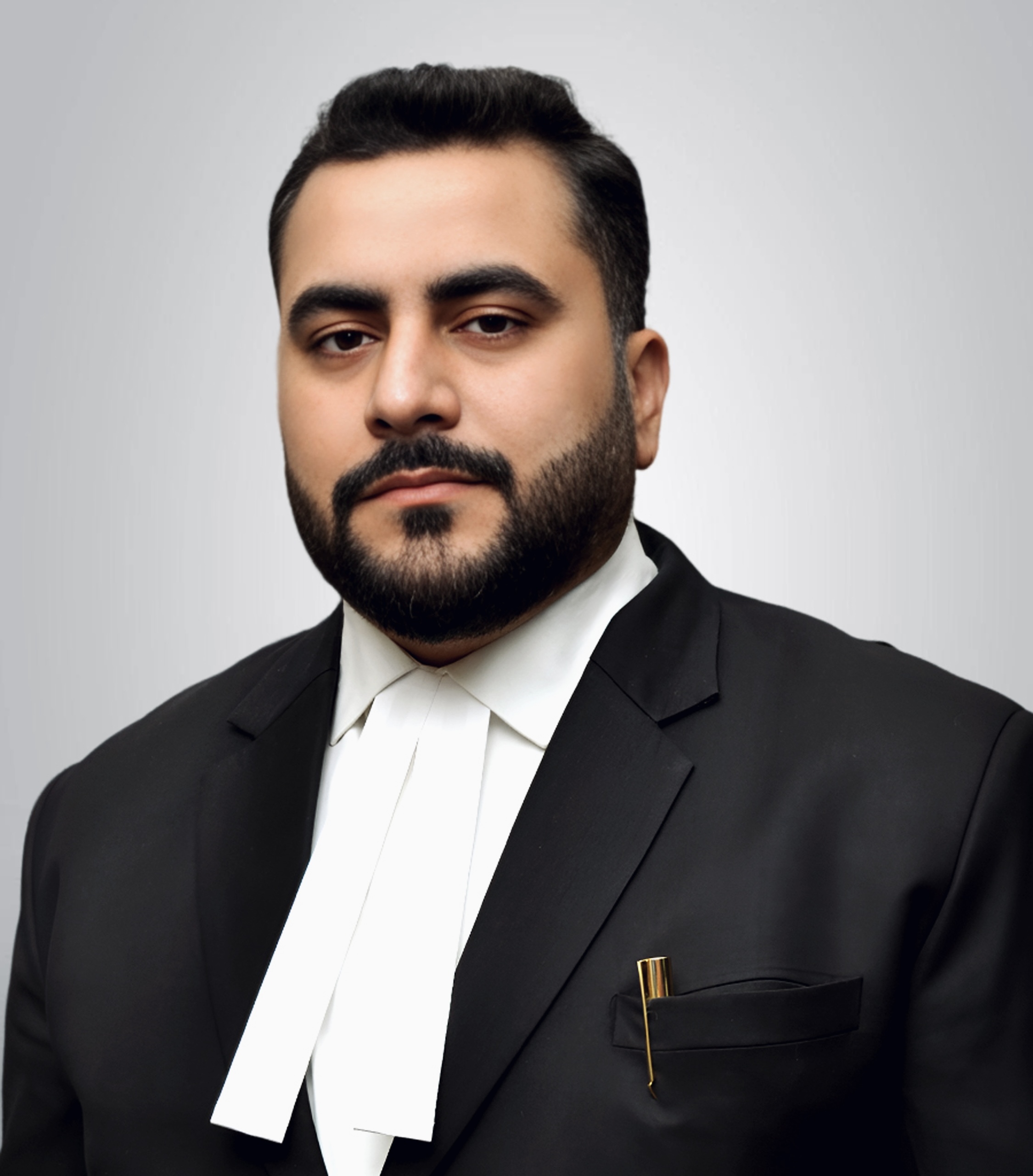

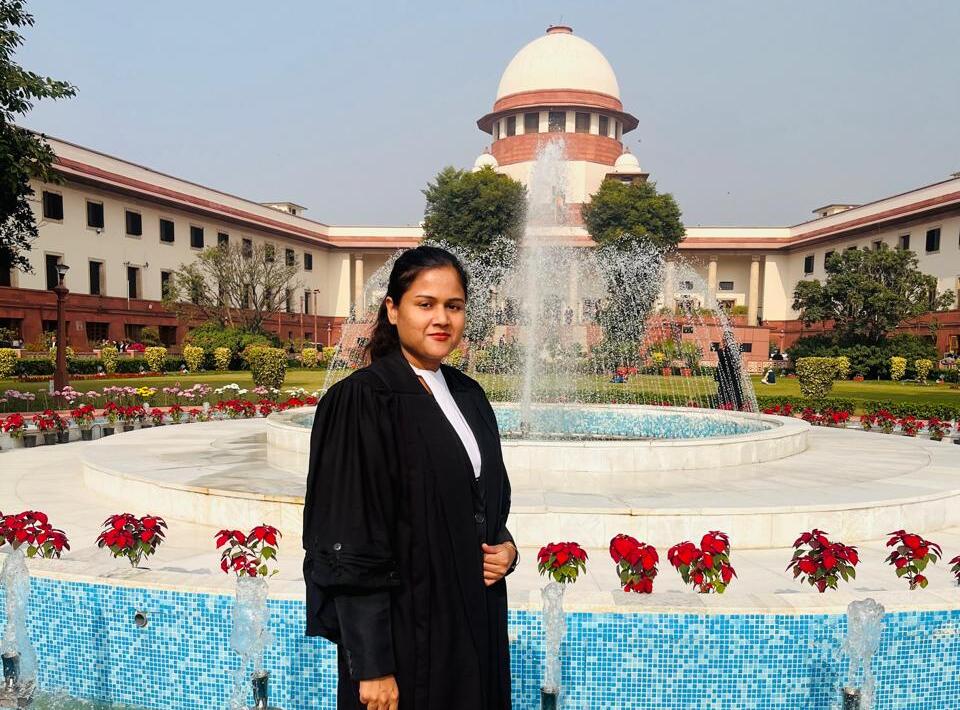

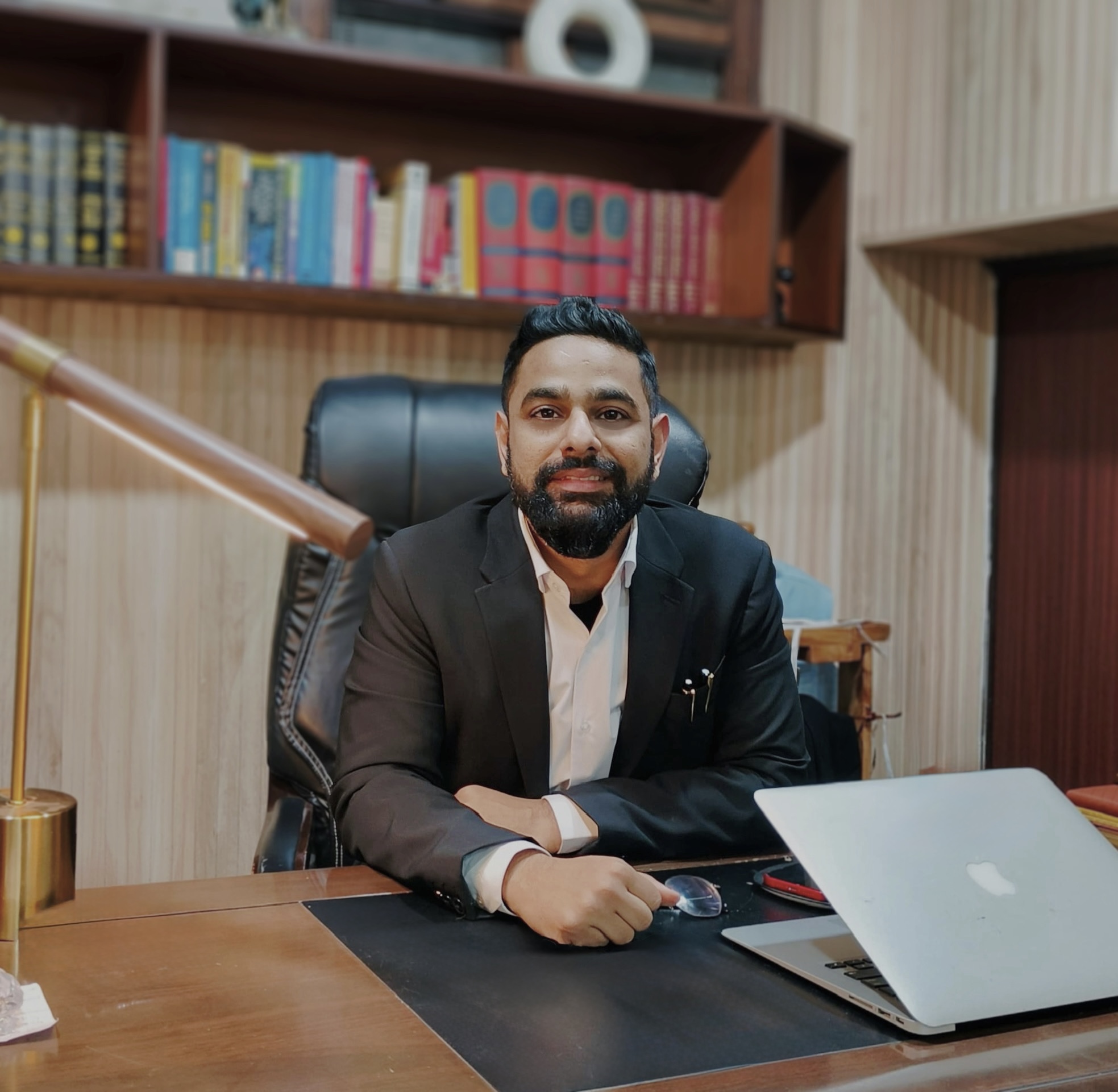

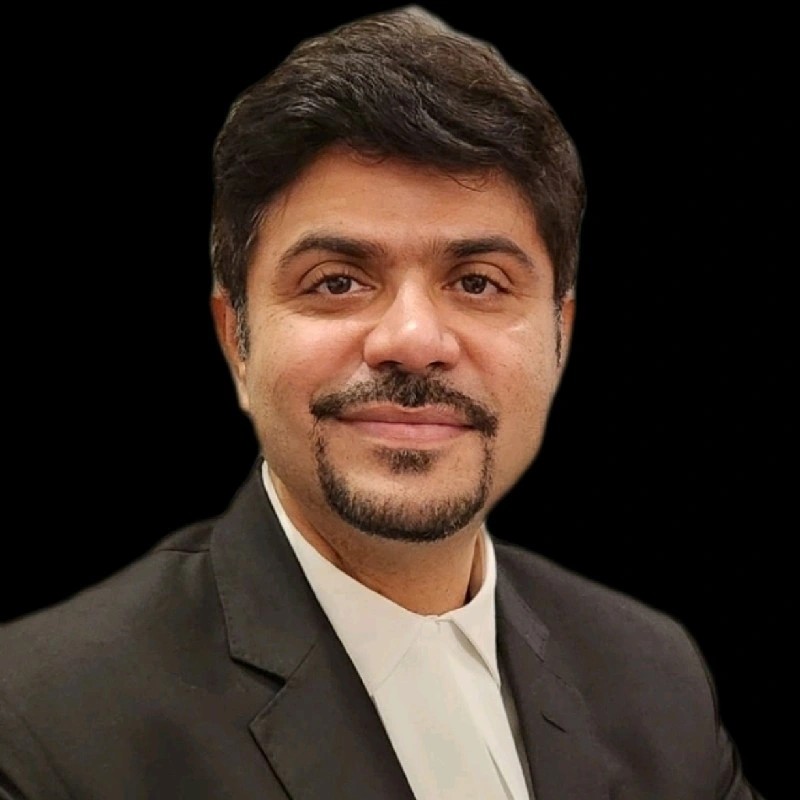






 Allow notifications