Author: SuperLawyerTeam

  • “Be curious; Curiosity doesn’t always kill the cat. It drives you to explore, learn, and innovate, making you a more effective and impactful legal professional” – Senjuti Mallick, Space Law Specialist, Sr. Legal & Compliance Officer, COMSPOC Corp., USA

    “Be curious; Curiosity doesn’t always kill the cat. It drives you to explore, learn, and innovate, making you a more effective and impactful legal professional” – Senjuti Mallick, Space Law Specialist, Sr. Legal & Compliance Officer, COMSPOC Corp., USA

    This interview has been published by Namrata Singh and The SuperLawyer Team
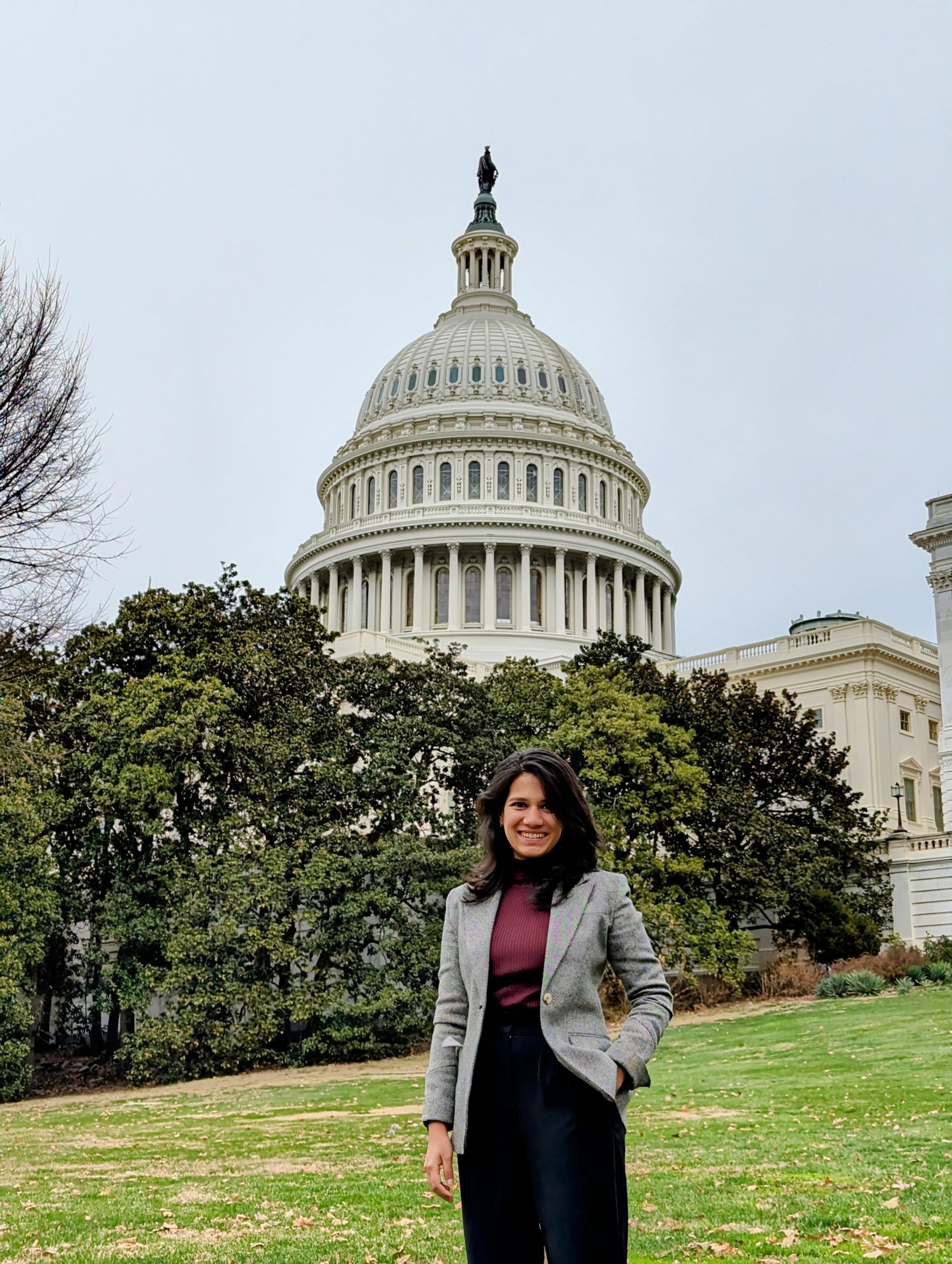
    Senjuti, your journey from ILS Law College in Pune to being a Space Law Specialist is truly fascinating. Could you share a bit about what sparked your interest in space law, and how you found your way into such a unique field?

    My fascination with space law began with a childlike curiosity about the galaxy and a passion for legal intricacies. This unique intersection of cosmic wonder and legal frameworks set me on a path that would ultimately shape my career in a remarkable way. Early on, I embarked on a series of independent research projects focused on various aspects of space law. What made these endeavors particularly intriguing was the dearth of readily available reference material at the time. I soon realized that this field wasn’t merely a collection of regulations governing celestial bodies light-years away. It was, in fact, a gateway to a profound understanding of how we, as a species, interact with our universe. Fueled by this passion, I followed a trajectory of continuous learning through education and specialized training, which eventually opened doors to opportunities where I could translate my knowledge into real-world applications.

    You’ve been recognized as a ‘Next-Gen Space Sustainability Leader’ by the Secure World Foundation and have been on several high-level panels as a subject matter expert. How does it feel to be acknowledged for your contributions, and what advice would you give to aspiring professionals looking to make an impact in the field of space sustainability?

    Being recognized as a next-gen leader and having the privilege of contributing at numerous high-level panels has been an incredibly gratifying and humbling experience. It’s a testament to the collective efforts of individuals and organizations dedicated to preserving the long-term sustainability of outer space, and I’m truly honored to be a part of this community. The recognition serves as a constant reminder of the importance of my work in ensuring the responsible use of space for future generations. As the space industry continues to expand, it is exciting to play a role in shaping the legal frameworks that ensure responsible and sustainable activities in outer space, marking a transformative era for space exploration.

    My humble advice to aspiring professionals in this field would be – stay informed, stay inquisitive, stay connected. Space sustainability is a complex, interdisciplinary arena; seeking diverse perspectives, collaborating across disciplines, and always considering the long-term implications of any space-related actions would be paramount. It’s a field that requires innovative thinking and a commitment to preserving the outer space environment for future generations, so look beyond the conventional and be adaptable.

    Apart from law, you’ve delved into teaching and programming roles at The Fletcher School, Harvard Law School, Space Generation Advisory Council (SGAC) and International Institute of Space Law (IISL). How have these experiences outside traditional legal roles influenced your approach to your profession? 

    Venturing beyond traditional legal roles into teaching and program management at prestigious institutions like The Fletcher School and Harvard Law School, as well as engaging with dynamic organizations like the SGAC and the IISL, has been a journey of immense growth.

    Teaching not only deepens one’s understanding of the law but breaking down complex legal concepts enables one to view these concepts through multiple lenses. On the other hand, project management and programming roles require one to look beyond legal issues and consider broader operational and policy implications. These experiences have allowed me to engage with a diverse array of students, academicians, and professionals from different cultural and professional backgrounds and have broadened my worldview. It has bolstered my belief in the value of diverse perspectives in solving complex global challenges, like those we face in space.  

    Lastly, these experiences have underscored the importance of mentorship and community building, which has inspired me to be not just a legal expert, but also a mentor and advocate for the future generation of space law professionals. They have reinforced the idea that being a space law specialist isn’t just about understanding the law; it’s about understanding people, technology, and the ever-evolving dynamics of space exploration and utilization.

    Your publications cover a wide range of topics, from ‘Artemis Accords’ to ‘Space Debris.’ If you had to pick one issue in space law that you believe deserves more attention or public awareness, what would it be, and why?

    Among the myriad issues in space law, the one I believe urgently warrants greater attention and public awareness is the management and regulation of space traffic. Space traffic management (STM) encompasses how we navigate, operate, and manage the increasing number of satellites and other space objects orbiting the Earth. With the burgeoning growth in satellite launches, the Earth’s orbits are becoming increasingly congested. This congestion poses risks of collisions, which can add significant amounts to the already existing millions of pieces of space debris, further leading to the Kessler Syndrome – a cascading collision chain reaction leading to increased space debris. This in turn poses a threat to functional satellites and, consequently, to crucial services like GPS, weather forecasting, and global communications that we rely on daily. Public awareness about STM is essential because the consequences of neglecting this issue impact everyone. It’s not just about safeguarding assets in space; it’s about maintaining the integrity of vital services that underpin our modern society. 

    My work at COMSPOC Corporation, a leading provider of Space Situational Awareness (SSA) solutions, has given me firsthand insight into the importance of effective space traffic management. COMSPOC’s cutting-edge technologies contribute to the monitoring and tracking of space objects, enhancing the safety and security of space operations. By seamlessly integrating SSA solutions into the broader STM frameworks, we can not only address the immediate challenges but also promote a sustainable and secure environment for future space endeavors.

    Away from the legal arena, you’re a TEDx Speaker and have been featured on podcasts. Can you share a bit about your experience as a speaker and how you connect your passion for space law with broader audiences?

    One of the most exciting aspects of such engagements is the opportunity to ignite curiosity and passion about a niche field, in people who might never have considered it. I find that storytelling is a powerful tool in this regard. By weaving complex legal concepts with narratives about space exploration, the potential future of humanity in space, or the challenges of managing space traffic, I can make these topics relatable and compelling.

    I also focus on the real-world implications of space law and how space improves life on Earth to drive home the fact that these are not abstract concepts; it’s something that affects everyone’s everyday lives. Additionally, these engagements allow me to dispel common misconceptions about space law. Many people think of it as a futuristic field, but when I talk about current issues like space debris or the legal complexities of lunar exploration, it becomes clear that space law is a dynamic and relevant field today. Ultimately, my goal as a speaker is to bridge the gap between the legal and space communities and the general public. I aim to demystify space law, encouraging more people to learn about, engage with, and contribute to this vital area that holds so much potential for our collective future. 

    Given your unique career, you must have had some unforgettable moments. Could you share one experience that felt truly out of this world, whether it’s related to your work or personal life?

    While there have been many unforgettable moments in my career, one of the experiences that stands out as truly ‘out of this world’ was exploring the depths of ice caves in Alaska. Venturing into the heart of these majestic caves, with their ethereal ice exuding hues of blues and greens, and echoing stillness, felt like stepping onto another planet. It seemed as if time had paused, with rocks and boulders suspended in the icy walls, like comets frozen mid-shower. The temperature, a biting -20℃, only added to the sense of being in a completely different world, one far removed from the familiar. It was a surreal reminder of the beauty and mystery that lie in unexplored spaces, whether on Earth or beyond.

    The other was exploring the Biosphere 2 research facility. This offered a glimpse into what sustainable life-support systems on other planets might look like. This experience was a striking example of the delicate balance we must maintain in our exploration and habitation efforts, both on Earth and in space.

    What other hobbies or interests do you pursue to unwind from your busy professional life?

    Gosh, that’s a tough one. I have too many of those. Trekking, hiking, running, dancing, and star gazing are some of my favorites. 

    If you can give one piece of advice to the coming generation who are just starting their legal career, what would it be, and why?

    Be curious; Curiosity doesn’t always kill the cat. It drives you to explore, learn, and innovate, making you a more effective and impactful legal professional. So, ask that extra question, shake that extra hand, give that extra smile, and go that extra mile. In the same breadth, be ready to listen, and accept that you may not have the right answers and that someone else might be more knowledgeable. 

    Get in touch with Senjuti Mallick-
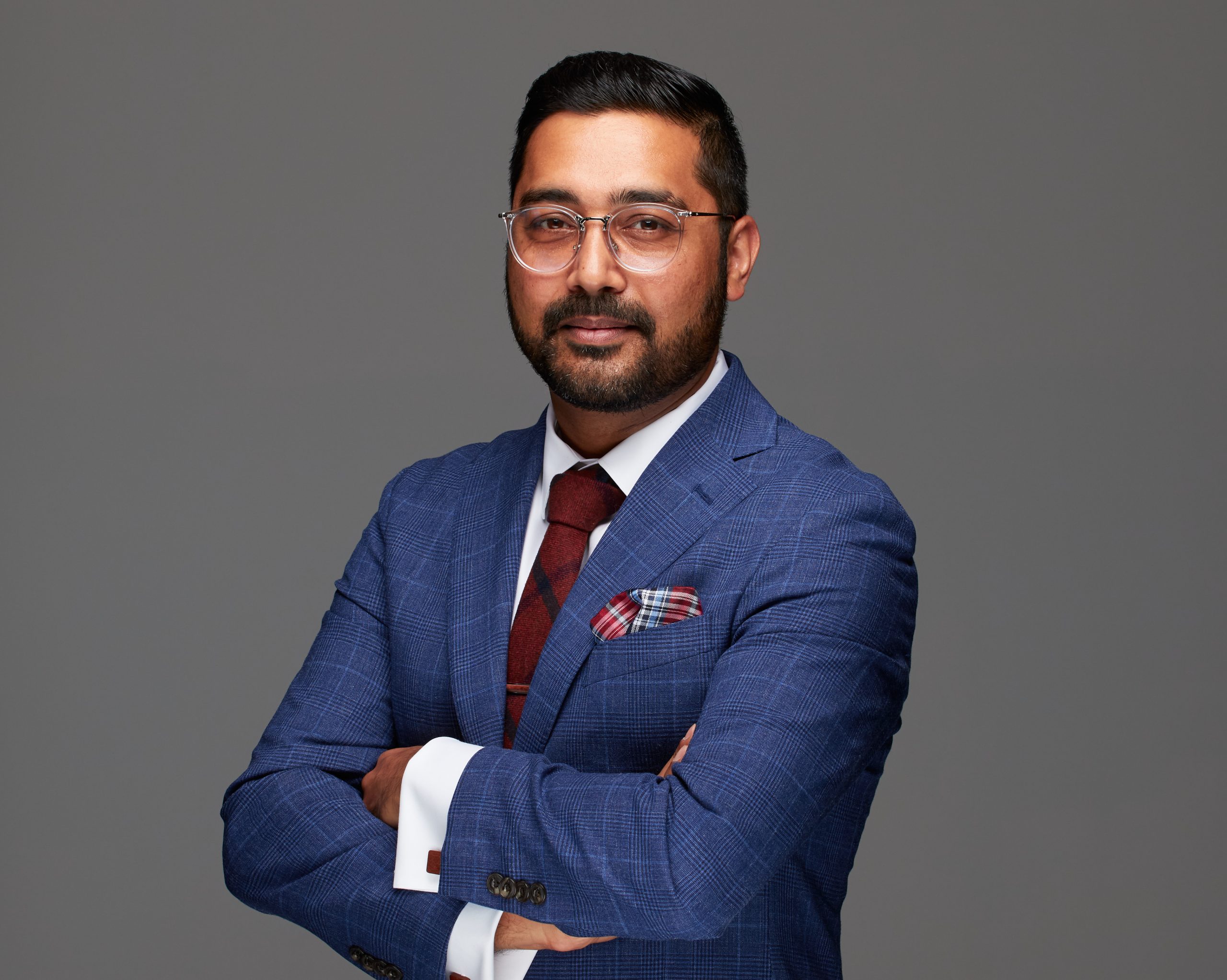
  • “From Corporate Law in India to Shaping US Policies: A Journey of Resilience and Advocacy”- In an illuminating interview, Samar Jha, Government Affairs Director at AARP shares his remarkable journey.

    “From Corporate Law in India to Shaping US Policies: A Journey of Resilience and Advocacy”- In an illuminating interview, Samar Jha, Government Affairs Director at AARP shares his remarkable journey.

    This interview has been published by Namrata Singh and The SuperLawyer Team

    To start, could you please introduce yourself to our readers, providing a glimpse into your professional journey and the pivotal moments that shaped your career?

    I am Samar Jha, a government affairs and advocacy professional working for American Association of Retired Persons (AARP) in Washington D.C. and I lead the state and local housing advocacy for our organization. In my previous role, I was a corporate lawyer in India, having worked in a few of the big law firms in New Delhi, India. I think every professional experience I have had has contributed to my development as a professional. My academic experience in NALSAR coupled with my legal training at law firms has contributed immensely to my government affairs work. I also have to say that my time at University of Pennsylvania (Penn) at the law school (Penn Law) and at the Fels Institute of Government (Fels) was pivotal as it provided me with a massive boost to my work in the US. It took me time to finally find my niche, but I think I am now at a position where I can safely say that I love what I am doing.  

    You’ve navigated through various roles, from law firms to the City Council and now AARP. What motivated your transition from legal practice to government affairs, and how have these diverse experiences shaped your approach to advocacy?

    It has been a fascinating journey for me. After working as a corporate lawyer for close to 6 years, I took a break to study at Penn Law. After my LLM, I was looking to do something different other than corporate law, subsequently, in 2015 I applied for a public policy fellowship at the Philadelphia City Council President’s office. I was lucky to be accepted as a fellow. At that time, I was the first foreign trained lawyer to be accepted as a fellow. That was the pivotal moment in my professional career, as I fell in love with public policy work. I got to work on issues ranging from criminal justice reform to housing issues. It was a wide range of public policy issues that I had the privilege of working on. At the end of my fellowship, I was recommended for a position of Director of Government and Public Affairs at the Greater Philadelphia Association of Realtor® (GPAR), which is a trade association in Philadelphia. I was lucky to get that position, which allowed me to do advocacy and government affairs at the city level and sometimes at the state level due to Philadelphia’s importance in the state of Pennsylvania. While I was working at GPAR, I also got my Master of Public Administration (MPA) at Fels. All these experiences provided me a solid grounding on US public policy and advocacy work. And then in November 2020, I joined AARP as their Government Affairs Director, where I oversee the state and local housing advocacy for our 53 state offices. 

    Your work at GPAR included advocacy at the city and state level.  Could you share some insights into your work at GPAR?

    As I had mentioned GPAR is a trade association that advocates for policies in relation to the real estate industry. As the lead advocacy person at GPAR, I was responsible for tracking legislation that pertained to our industry. I was tasked to review or draft legislation, provide adequate amendments, and/or negotiate legislation on behalf of the association. I was in touch with lawmakers and their staff to discuss the proposed bills. Invariably the work involved, making sure the legislation that eventually is signed into law does minimum harm to our members and residents of the City of Philadelphia. At GPAR, I also was tasked to work on political campaigns and work on fundraising for our political action committee (PAC). 

    With degrees from NALSAR, University of Pennsylvania Law School, and the Fels Institute of Government, your education has been diverse and extensive. How have these academic experiences contributed to your professional roles, especially in the areas of government affairs and public policy?

    I always credit NALSAR, Penn Law, and Fels for providing me with a great foundation to my career. My time at NALSAR afforded me an opportunity to work at some great law firms in India, which provided me with the legal application, which I still use. Penn Law was instrumental in providing me the grounding on US Law and how the legal system works. And having passed the NY State Bar exam, I am hoping to be registered as an Attorney in the state of New York by the end of 2024. Lastly, a huge credit goes to Fels Institute of Government for getting me acclimated to the US public policy and advocacy arena. Each of these institutions have been instrumental in my life as a professional, and I will always be very grateful for that. 

    Your role as the Government Affairs Director at AARP is pivotal. Could you share some insights into your responsibilities and the impact you aim to make in this position, particularly in the context of housing advocacy and policies for Americans aged 50 and older?

    While at GPAR, my work was geographically limited to Philadelphia. Whereas my role at AARP dramatically increased. AARP is a member-based organization that advocates for policies that improve quality of life for all ages, especially for older adults (typically 50+). It is the United States largest member organization with nearly 38 million members. AARP has 53 state offices (50 states and offices in Washington D.C., Puerto Rico, and American Virgin Islands). I am tasked to lead AARP’s local and state housing advocacy, which means I work with state offices on their housing advocacy. States offices reach out to me regarding legislation to be reviewed, provide adequate legislative language that protects our interest, or draft complete legislative text that can be shared with their respective lawmakers. It is interesting how your legal training tends to be so useful in government affairs work. I always say advocacy and government affairs is very similar to being a corporate lawyer. As a corporate lawyer, you work on strategy, drafting, and negotiation. That is exactly what you do in advocacy, as you strategize your legislative work, and then assist in drafting legislation, and it ends with negotiating with lawmakers and other stakeholders to pass an optimal legislation. Similar to clients in law firms, I treat my state offices my clients and try to provide the best quality service that I can. 

    Lastly, in addition to helping state offices, I am also invited to speak at various conferences and panel discussions at the local, state, and national level to discuss our housing policy and advocacy work. This is an important aspect of my work, as we try to engage with as many stakeholders as possible, because any legislative work, in the end, cannot be accomplished alone and needs allies and coalition members to cross the finish line. So, in a nutshell, that is what I do for AARP.       

    As the Co-Chair of the Young Professionals Committee for the World Heritage City Celebration in 2022, how did you contribute to the event, and what significance does preserving global heritage hold for you personally?

    This was one of my favorite volunteering experiences. I was invited by the Global Philadelphia Association (GPA) to be the co-chair of the Young Professionals Committee for the World Heritage City Celebration in 2022. In 2015, GPA was successful in getting Philadelphia recognized as the first World Heritage City in the nation by the Organization of World Heritage Cities. GPA organizes this event every year to celebrate Philadelphia’s World Heritage Status and raise Philadelphia’s international profile and inspire a new level of local heritage recognition and activity. Along with my co-chair Toyin Ogunfolaju, we fundraised for the event, as well as being featured on videos to raise the profile of the event. We also welcomed the attendees at the event, and we were lucky to be part of the team that welcomed Ali Velshi, MSNBC anchor and the main draw of the event. Lastly, I love the city of Philadelphia, as I owe a lot to the city, so being part of the celebration was special to me. 

    You’ve received several awards and recognitions, such as the Audrey Miller Poritzky Award for Leadership. How do you balance professional achievement with your commitment to community service and leadership roles?

    It was a pleasant surprise to be awarded the Audrey Miller Portizky Award for Leadership by the Fels Institute of Government. This was during my second year of my MPA program. My wife (Anjali Chainani) and I believe it is important to give back. For example, many people advised and mentored us while we were coming up during our career. Hence, our way of giving back is to mentor young professionals and hoping they will do the same for the next person. So, we do try to volunteer our time to things we believe in. I am part of the Penn Alumni Ambassador program where I get to have conversations with prospective undergraduate student applicants about their experience and my Penn experience. More recently, I was appointed to City of Philadelphia Mayor-Elect Cherelle Parker’s Transition team for Housing, Planning, and Development. The purpose of the transition committee is to come together and recommend plans and policies that the Mayor-Elect Parker can undertake for the city when she takes oath as the 100th and the first female Mayor of Philadelphia in January 2024. Fortunately, Anjali was also asked to serve on another transition committee. Therefore, as I mentioned, we try to give our time to causes that we believe in.   

    Outside of your professional life, what hobbies or personal interests do you engage in to unwind and find inspiration? How do these activities contribute to your overall well-being?

    Anjali and I are avid cyclists. We love doing long distance cycling and try to go on the long cycling trails that Philadelphia and its suburbs have to offer. We also try to plan our vacations that involve cycling. Especially, if we are in a new country, we typically like cycling and going through the country. It is a great way of seeing parts of the country you may not see while driving. More recently, we were cycling through the Bavarian Alps in Germany and Austria.

    Cycling helps us not only stay fit but also Anjali and I can spend time doing something we enjoy a lot. Both of us get busy with work and travel, therefore, it is important to take out time for ourselves and cycling together helps in doing that. 

    Navigating a career as dynamic as yours surely comes with challenges. Can you share some significant obstacles you’ve faced along the way and how you overcame them, offering any lessons for those aspiring to follow a similar path?

    I have had my share of ups and downs in my professional career. Life after NALSAR looked easy, as I was able to earn a spot as an Associate in one of the biggest law firms in India. However, it took a toll on me mentally and physically. Moving to the US, I had to completely change my outlook towards networking. The way networking happens in India, at least when I was in India, is very different from how it is done in the US. I had to learn how to network for myself, which is not something I did in India, and it took some funny and embarrassing moments before I could find myself in the rooms where I belong. So, when I decided to pursue a policy position in the US, I had to start from scratch. Imagine, being an Indian, working as an advocacy and government affairs professional in a country like the US, and in one of the biggest cities in the country. Initially, I was non-existent for people, and no one knew who I was. I had to go through the grind of proving myself firstly, through my work and then through networking. I always tell upcoming professionals that, let your work product speak for you first before you want the person in front of you to engage with you.   

    As we conclude, we would love to hear your thoughts on the current state and future trajectory of government affairs and advocacy. What trends or developments do you foresee shaping these fields, and how can professionals prepare for the evolving landscape?

    Government Affairs and advocacy is an ever-changing field of work. One must be very aware of, among other things, the political climate at the local, state, and federal level, the legal system, and the stakeholders in your issues. Whenever I talk to students, I explain the process of an idea becoming law. It starts with an idea, which people start talking in conferences and forums, and then policy is developed, which is used to draft a legislation, and is negotiated between stakeholders, and is deliberated in legislative chambers, and then it passes, eventually signed by the Executive. The process does not end there, as it needs to be implemented. Having said that, I think I have oversimplified the process a lot and it does not do justice to the field of work. Therefore, advocacy involves various parts, and students interested in entering the field of advocacy must be aware of the ever-changing aspects of the process. 

    In the US, government affairs and advocacy have rules, which are strictly governed by regulations at the local, state, and federal level. In India, government affairs and advocacy work are still evolving and need more codified legal requirements. When I was a law student in India, there weren’t many opportunities to enter policy and advocacy work apart from taking the UPSC exam and joining the Civil Services. However, currently there are some amazing policy think tanks in India and a lot of students are interested in pursuing policy work and it is very heartening to see more Indian law students willing to enter the field of policy and advocacy work. And I sincerely hope I get a chance to talk to policy and advocacy students in India as I would love to share the US advocacy perspective with them.  

    Get in touch with Samar Jha-

  • “It is extremely important to keep your head down and continue working hard at every stage of your career”- Pratiksha Mishra, Advocate-on-Record, Supreme Court of India

    “It is extremely important to keep your head down and continue working hard at every stage of your career”- Pratiksha Mishra, Advocate-on-Record, Supreme Court of India

    This interview has been published by Namrata Singh and The SuperLawyer Team

    Pratiksha, it’s a pleasure to have you with us. Could you start by introducing yourself to our readers, giving a glimpse into your journey from law school to becoming an Advocate on Record at the Supreme Court of India?

    I graduated from the Army Institute of Law in 2015. I began law school with the idea of venturing into the corporate/transaction side. However, during my early internships I realized that I enjoy litigation and foresee myself practicing in courts. This was largely because of the mentors I came across during the course of internships and, my senior and  very close friend from college, Niyati Kohli who really encouraged me to pursue litigation. 

    I started my career at the chambers of Mr. Balaji Srinivasan, Advocate on Record where I got the opportunity of independently handling matters before the Supreme Court and a variety of other forums such as the TDSAT, NCLAT and the NCDRC. The professional guidance and moral support I got from Mr. Srinivasan helps me with my work even today.  I must also mention that I had a wonderful set of colleagues at the chamber with whom a 7-day work week never felt burdensome. 

    Having worked at an AOR Chamber, appearing for the AOR exam had always been a priority. By the time I became eligible and appeared for the exam, I was at Khaitan & Co. Apart from everything else that goes for any other exam, appearing in the AOR examination also entails handling the pressure of the preparation process, alongside the responsibility of your regular practice. In my case, this entire process was relatively easier because my husband was also appearing for the exam the same year. 

    You’ve had an impressive career at Khaitan & Co. Can you share some pivotal moments or cases that shaped your journey and defined your focus in areas like IBC litigation, commercial and civil litigation, and arbitration?

    I joined the Delhi Office of Khaitan & Co after completing 3 years at Mr. Srinivasan’s chamber. Thanks to the firm and my seniors, Mr. Diwakar Maheshwari and Mr. Karun Mehta, I have had the chance to work on some extremely challenging and nuanced propositions. I got to contribute to several high-stake IBC disputes almost immediately after joining the team. Over five years of working with the firm have given me the opportunity to interact with and represent a variety of clients. One of the most valuable lessons I have learnt is the importance of understanding the commercial objective behind a litigation and coming up with a solution to achieve the same. 

    My expertise in areas of IBC litigation, commercial and civil litigation, and arbitration, essentially came from the work that has come my way during my time at Khaitan and Co. 

    Your practice involves a wide array of legal areas, including IBC litigation, commercial and civil litigation, and arbitration. How do you manage to balance such diverse responsibilities, and do you have a favorite among these areas?

    Irrespective of the subject matter, the way one approaches a case is largely the same.  Having said that, the procedural law followed in an IBC proceeding, an arbitration and a civil suit is very different. The style and structure of the pleadings differ from fora to fora as well. For example, a plaint/arbitration claim is starkly different from a petition under IBC which is largely as per a prescribed form.  

    I work with an extremely competent team of lawyers and support staff from the firm. They make managing the volume and diversity of work much easier. 

    I do not have a particular favorite area of work. I enjoy the pressure that the stakes of an IBC proceeding inevitably brings. At the same time, I find the process of initiating a suit/arbitral claim and seeing it through to its logical end extremely fulfilling. The rush of adrenaline that follows a good cross-examination is unmatched. As I have said earlier, I have been fortunate to have been exposed to a gamut of work. I hope that the same continues in the future. 

    As someone who has represented clients in insolvency proceedings, could you share an interesting or challenging experience that stands out in your career so far?

    IBC as a legislation has been extremely dynamic and fast-paced. There have been numerous cases where amendments to the law have been introduced having completely altered the course of a matter overnight. 

    Another great thing about working on a relatively new subject is that you get to test innovative propositions which have not been examined by the Courts before. I have found it extremely satisfying when arguments based solely on the reading of provisions of the IBC have been canvassed by us and accepted by the Court. The chance to contribute to the development of new jurisprudence in this manner has been both – the most challenging and the most fulfilling experience in my career thus far. 

    Looking ahead, what are your aspirations for the future, both professionally and personally? Are there specific areas of law or causes that you are passionate about and would like to contribute to in the coming years?

    Professionally, I hope to be able to continue doing good work and turn out as a well – rounded and reliable professional for my clients. Having worked on the commercial side for 7 and a half years, I hope to be able to make time for taking up pro-bono assignments in the future and to be able to somehow contribute to society. 

    On the personal front, it has always been an endeavor to maintain the right work-life balance and make time to pursue some hobbies outside work. 

    Beyond your legal pursuits, do you have any personal interests or hobbies that play a role in maintaining a work-life balance? How do you manage the demands of a challenging legal career while nurturing personal well-being?

    I have always enjoyed participating in physical activities such as swimming, running, boxing etc. I believe that taking care of your physical health, in a way, helps you also take care of your mental health. Setting aside, a few hours in the morning before work for exercise helps me decompress and prepare for the day.  

    For aspiring lawyers entering the field, given the competitive environment and long working hours what advice would you offer? 

    There are no shortcuts in this profession. It is extremely important to keep your head down and continue working hard at every stage of your career. Given that we spend most of our time around people we work with, it is essential to be inclusive and have a good equation with colleagues. Like I mentioned earlier, having a good team around you effectively reduces the stress of the long hours one has to put in.

    Get in touch with Pratiksha Mishra-

  • “It’s not just about legal knowledge; it’s about fostering a sense of dignity, self-worth, and the belief that they deserve justice” – From Courtroom to Community: The Inspirational Journey of Advocate Trishla Malik, Director, AmicusLegal Consultancy

    “It’s not just about legal knowledge; it’s about fostering a sense of dignity, self-worth, and the belief that they deserve justice” – From Courtroom to Community: The Inspirational Journey of Advocate Trishla Malik, Director, AmicusLegal Consultancy

    This interview has been published by Namrata Singh and The SuperLawyer Team

    Your journey reflects a unique blend of legal excellence and entrepreneurship. As a first-generation advocate, how did you decide to carry forward the legacy of your late grandfather, an Honorable District Judge, and establish Amicus Legal Firm and Consultancy LLP?

    I am a follower of law and so was my Nanaji, but with a prolonged illness of dementia and then his demise, my Grandfather left me to forego my legal career as my journey. To which I took it as a challenge and A will to serve the nation through the law. This gave me a vision to enact and carry forward the legacy of law through a different medium which included both entrepreneurship and Advocacy. My entrepreneurial spirit craved innovation, a desire to bridge the gap between legal acumen and real-world solutions. It was then that Amicus Legal Firm & Consultancy LLP took shape in 2019, with my Partner Amol Chitravanshi AOR– a firm built on the unwavering principles of legal excellence, infused with the dynamism and client-centricity of a modern consultancy. We registered our offices in Delhi NCR and commenced our journey of Advocacy in Supreme Court litigation and other country courts. Things come up as challenges when you become a First Generation Advocate, but at the same time makes us proud to be going strong at this young age of not even 30 yrs. Each challenge makes us stronger and much more learned than before, so now we become some of the few law firms in the country delivering legal services beyond the courtrooms. AmicusLegal Consultancy LLP isn’t just about winning cases; it’s about forging partnerships with clients, understanding their needs, and crafting custom-tailored solutions. We go beyond legal counsel, offering strategic guidance, risk management expertise, and proactive solutions to navigate the complexities of the legal landscape. 

    Beyond your legal practice, you’re the Co-Founder and Managing Director of Amicus Legal Firm and Consultancy LLP. What led you to venture into entrepreneurship, and how do you balance your roles as an advocate and a business leader?

    It is not wrong to say that the legal profession is not easy for females. There is a hustle every day. During the initial years, I faced a lot of bias from my seniors who through different means let my motivation down. Especially in States like Uttarakhand, UP and Delhi, the mindset of Seniors is not very progressive for Women lawyers, especially those with no background from the same industry. But this did not stop me, this gave me the motivation to have an enterprise of my own. While advocating for clients in a court filled me with purpose, a part of me craved the challenge of building something, of shaping a space where legal expertise could transcend the confines of traditional practice and truly empower clients. This dream came true, when I and my firm’s Co-Founder Amol Chitravanshi Advocate -on- Record (AOR), who was my batch mate in law school, decided to have a law firm of our own. This was a very challenging journey for both of us, as we both do not belong to the family of advocates in fact both-of us were first-generation lawyers but together came up with a goal of a new-generation law firm in India, which was not just stick to court works but aimed in delivering all kind of legal services to the society. In a short span of 4 years we could achieve, make our presence in elite cases across the High Courts and the honorable Supreme Court. 

    My motivation is my will to deliver the society through law which helps me keep creating a balance in practical approach and legalities in the society. My journey of becoming woman entrepreneur and balancing roles as an Entrepreneur and Advocate could not have been possible without the support of family, close friends, efforts of my Team at the workplace and especially My Partner Adv Amol Chitravanshi, as we worked towards a common goal of uplifting the society and a positive and a constant vision of uplifting the legal industry and giving it a new face. AmicusLegal allows me to extend my impact beyond individual cases, shaping a legal landscape where accessibility, innovation, and client empowerment take centre stage. And that, for me, is the true reward – the satisfaction of building a legacy that extends far beyond the walls of the courtroom.

    Being a certified and recognized woman entrepreneur, you’ve achieved certifications from IIM Bangalore and the National Commission for Women. How has your entrepreneurial spirit influenced your approach to practising law, and what challenges have you encountered as a woman entrepreneur in the legal industry?

    It was challenging to understand the essentials of growth for women at a workspace, due to a patriarchal society.  women, though being talented, have been somehow suppressed over the years. But It was in 2021, luckily I got an opportunity to enrich my expertise when the very first time Indian Institute of Management, Bangalore in collaboration with the National women commission of India conducted A Women’s entrepreneurship Course, in which I was selected on merit and was offered a fully funded course after which I was entitled with the tag of woman entrepreneur by IIMBx. The impact of this course from the Indian Institute of Management Bangalore was crucial for me as a female entrepreneur, I was able to recognise the importance of women entrepreneurs in India not only on the social front but also on the economic front for the country. I was inspired by all the women who were actively participating in different fields which also helped me have a vision of a clear progressive career ahead in life and face different challenges that women go through in their daily lives, but the course helped me enrich my self-belief and confidence. The legal industry, like many others, is not devoid of its gendered challenges. Being a woman entrepreneur in this space has meant navigating. After this, not only did I train women for their entrepreneurship journey but I also awarded them with certification which was of utmost importance to them and their career ahead.

    The journey hasn’t been easy, but it has been deeply rewarding. I’ve learned to navigate the intricate dance between advocating for my clients in the courtroom and leading a dynamic legal firm. Through it all, I’ve remained committed to empowering other women entrepreneurs and redefining what it means to be a successful woman in the legal field. This educational qualification also helped me to understand the challenges as a women entrepreneur in India especially in the legal industry where even today there is a lack of professionalism and gender bias when it comes to female advocates, but evolving each day helped me achieve the desired goals over the time and the journey is still on.

    Apart from your legal pursuits, you are a national medalist in pistol shooting and a certified mountaineer. How do sports and outdoor activities contribute to your personal and professional life? How has this experience influenced your approach to challenges, both in your professional and personal life?

    I have been a believer and promoter of sports all my life. The world of sports and outdoor activities offers me a different terrain for challenge, growth, and a unique perspective on overcoming obstacles. My national medal in pistol shooting and experiences as a certified mountaineer has instilled in me qualities that extend far beyond the physical feats, shaping both my personal and professional life in profound ways. They equip me with the resilience, adaptability, focus, and leadership skills that empower me to navigate the challenges of the legal world with greater confidence and a sharper perspective. They remind me to celebrate the journey, find solace in the stillness, and approach every obstacle with the unwavering spirit of a mountain climber, always aiming for the summit, be it in the courtroom or on the next personal Everest. And in this ongoing journey, the lessons learned on the shooting range and the slopes of the mountains or in any field will forever remain my compass, guiding me towards a future of success, fulfilment, and, most importantly, a relentless pursuit of the next peak, both in the courtroom and in life.
    Your involvement with Apoorvarambh Foundation and various NGOs showcases your commitment to social causes. Could you share a memorable experience or initiative that had a significant impact on the lives of individuals or communities you’ve worked with

    My commitment to social causes finds expression through my collaborations with the Apoorvarambh Foundation and various NGOs, allowing me to use my legal expertise to make a tangible difference in the lives of individuals and communities. One such experience, etched forever in my memory, resonates with the transformative power of law intertwined with social service. 

    I have been actively involved in Prisoners’ Rights and activism through it. Not just ensuring Mental health and value for life, we also conduct different types of literacy events, entertainment events etc to make them feel connected to life and living. Apart from this, I encountered a community grappling with the aftermath of cybercrime, Child Sexual Offences, Youth Development, and Education etc., Young lives were devastated by both online and offline stalking, financial fraud, and the emotional scars of abuse. Witnessing their despair ignited a fire within me, a determination to utilize my legal knowledge to empower them. We identified cases where individuals had been physically or emotionally traumatized. Under my NGO we undergo various disciplines of education and provide wholesome education for living eg. Mental health precautions, financial security, Hygiene, Adolescent Development, Art and Culture awareness, Career guidance etc. I took the cases pro bono, navigating the complexities of crime legislation and fighting for compensation and accountability against perpetrators. We also conducted awareness sessions and literacy sessions in Rural India, helping them give some value addition to life and empowering individuals to navigate the complexities of the world around them. 

    One of my such experiences was when a minor girl was sexually assaulted and her Miss-fortune was that her mother was not able to support and fight with her for her justice. It was then that we stood and fought to the best of the US and provided justice to that family and that minor girl. To which, I under Apoorvarambh Foundation NGO have made a short film on Child Sexual Offences which is around the corner to be telecasted soon. 

    As a legal educationist and awareness trainer, specializing in POCSO and Juvenile Justice, how do you approach educating underprivileged women and children on legal matters, and what motivates you to contribute to their empowerment?

    It’s not just about legal knowledge; it’s about fostering a sense of dignity, self-worth, and the belief that they deserve justice. Through education and awareness, I hope to contribute to a society where underprivileged women and children are not just protected by the law, but empowered to claim their rightful place and live lives free from abuse and injustice. As a legal educationist and awareness trainer specializing in POCSO and Juvenile Justice, my approach to educating underprivileged women and children on legal matters is built on understanding and empowerment.  I try and simplify complex concepts using local languages, everyday examples, and interactive activities. Storytelling, role-playing, and visuals become powerful tools to demystify laws and empower individuals to recognize their rights. I work closely with NGOs, community leaders, and local authorities to raise awareness, create referral networks, and ensure access to essential legal and psychosocial support services. 

    My motivation? Witnessing the spark of understanding in a child’s eyes, the newfound confidence in a woman’s voice, or the courage of a survivor seeking justice – these are my rewards. Knowing that my work empowers individuals to navigate complex legal systems, access their rights, and seek redressal fuels my passion to keep doing more. 

    Your media presence is notable, with appearances on national platforms, national media and news channels.” How do you use these platforms to bring attention to important social issues, and what topics do you find most crucial for public discourse, through being in the legal industry? 

    The legal industry isn’t just about interpreting statutes and winning cases. It’s a powerful platform for advocating for societal change and championing vulnerable communities. My national media presence has become a valuable tool in this mission, allowing me to amplify crucial social issues and spark actionable conversations. Not just my episodes of “Reality check with Adv Trishla Malik” on Facebook, but my inputs on National Media like Times of India, News18, Amar Ujala, Sahara Samay, Bharat Express etc, gravitate towards areas where access to justice is skewed and public awareness can bridge the gap. I use these platforms to demystify the legal system, making it more approachable and empowering for the public.

    Championing ethical practices in the society. The legal profession isn’t immune to ethical lapses. I use my media voice to hold the legal system accountable, highlight issues like corruption or judicial bias, and advocate for reforms that uphold the integrity of the justice system. This is what drives me to keep using my platform as a lawyer and media figure – to ensure that the law doesn’t just serve the privileged few, but becomes a tool for empowerment and a catalyst for positive change for all.

    You’ve been recognized with numerous awards, including the Professional Excellence Award by FICCI Ladies Organisation. What achievements are you particularly proud of, and how do these accolades motivate you in your multifaceted career?

    Ans. I have been an achiever since a very young age not just in academics but I have been a national medalist in sports and have won multiple awards in all aspects of life. In a profession as demanding and competitive as the legal field, recognition isn’t just an honor; it’s a vital source of fuel for the long journey towards justice. While I’m humbled to receive multiple accolades like the prestigious Uttarakhand State Achiever award, the Women Influence Award by multiple organisations, International Medals, the Professional Excellence Award by FICCI Ladies Organisation etc., true pride lies in the tangible impact my work has on communities and individuals. But foremost, Witnessing the relief and empowerment in the eyes of a client who finally found justice after years of fighting against abuse is a feeling and accolade unmatched. My professional fulfilment doesn’t stem from awards, but from the privilege of witnessing lives transformed and justice served. Every case taken and every case won, every policy reform achieved, every community empowered through legal awareness – these are the real treasures, the true markers of success in a multifaceted legal career.

    Having received national recognition and awards for your socio-legal awareness training, what advice do you have for young lawyers aspiring to make a positive impact on society beyond their legal practice? 

    My national recognition for socio-legal awareness training highlights a crucial truth: a lawyer’s impact can extend far beyond the courtroom. For young lawyers passionate about making a positive change, here are some nuggets of wisdom gleaned from my journey:

    1. Champion a Cause: Find a cause close to your heart, something that ignites your passion and compels you to act. Immerse yourself in the issue, connect with grassroots organizations, and understand the legal landscape surrounding it.
    • Advocate Beyond the Courtroom: Public education is key to driving societal change. Organize workshops, participate in panel discussions, or write articles raising awareness about your chosen cause. Use your legal knowledge to break down complex issues into digestible chunks for the public, empowering them to advocate for themselves and their communities.
    • Practice Self-Care: Advocacy can be a demanding journey. Prioritise your well-being by setting boundaries, managing stress, and seeking support from your network. Remember, a burnt-out advocate cannot create sustainable change.
    • Celebrate Small Wins: Don’t wait for landmark victories to celebrate. Acknowledge the incremental progress, the lives touched, and the voices amplified. Every step you take, every positive change you achieve, is a testament to your commitment to making a difference.

    Get in touch with Advocate Trishla Malik-

  • “Arbitration procedures have become more and more complex and unpredictable with time while civil procedure is becoming more and more streamlined”- Ankit Parhar, Partner, Poovayya & Co.

    “Arbitration procedures have become more and more complex and unpredictable with time while civil procedure is becoming more and more streamlined”- Ankit Parhar, Partner, Poovayya & Co.

    This Interview has been published by Pragya Chandni and and The SuperLawyer Team

    Can you tell us about your journey and how you ended up pursuing a career in law? What motivated you to choose this profession, and did you always envision yourself working in diverse areas of law?

    The first time I studied the Constitution in school, I was amazed that a single ‘document’ defined our nation, government, laws, freedoms, rights, duties, everything. This got me very interested in the law. As I grew up, becoming a litigator became my default option. Although I was open to exploring other options, nothing else has ever appealed to me.

    After graduating from law school, I was keen on exploring diverse areas of law. In the first few years of my profession, I decided to join law firms that would give me opportunities in as many areas of law as possible. Litigators are always advised to start out at the trial court. So, I joined a firm where I was part of a team handling civil and criminal matters at the trail court.

    In the first five odd years of my career, I was able to gain experience in civil litigation, criminal litigation, arbitrations, regulatory litigation, company litigation, intellectual property matters, consumer matters, tax matters etc. Working in diverse fields in the initial years kept me motivated and gave me the confidence to take on any kind of matter. Even now, having a diverse portfolio of work not only keeps me motivated and excited but also enables me to provide clients with comprehensive and practical advice.

    With over 15 years of experience in civil and commercial litigation, arbitrations, regulatory litigation, and criminal litigation, you’ve had a rich and varied career. What would you say has had the most impact on your professional growth?

    The most memorable and impactful experience for me has been working with excellent seniors, colleagues, and clients over the years. Any complex litigation is always a team effort. Litigation teams mostly work long hours in close quarters. They see each other’s good sides and bad. They challenge and push each other every day. This team dynamic is crucial for every litigator and perhaps plays the most important part in forging your skills.

    Your work seems to span across numerous sectors, from Infrastructure & Real Estate to Banking & Finance to Information Technology. How do you manage to stay well-versed in such diverse areas of law and provide effective representation to clients in each domain?

    It is not only important to identify the areas of law that interest you, but also the areas of law that you have an aptitude for. Once you identify these areas, you need to dedicate some study time every day. I feel that the best way to understand an unfamiliar area of law is to read judgments. I try and read every judgment passed by the Delhi High Court and the Supreme Court in the areas of law that I practice in. It takes a lot of time and discipline, but the insights that you gain are invaluable. Other than that, there are so many good resources to keep yourself updated these days. It is also crucial to meet your clients and other experts in the field and understand the latest developments and issues being faced by them. 

    Arbitrations seem to be a prominent part of your practice. Could you walk us through some of the challenges in handling arbitrations and how you successfully navigate them?

    One of the major reasons that parties choose arbitration is to free themselves from the procedural rigors of civil procedure. The irony is that arbitration procedures have become more and more complex and unpredictable with time while civil procedure is becoming more and more streamlined. The law of arbitration is ever evolving, and legal positions flip every now and then. The recent judgments on Stamp Duty and Arbitration Agreements are a case in point. Therefore, it is very important for an arbitration lawyer to be updated on the present legal position and to anticipate future issues. Failure to do so can land your client in endless procedural hurdles which can take years to resolve. 

    Apart from procedural issues, arbitrations are very fact intensive. For instance, high-stake infrastructure arbitrations normally relate to projects that have taken three to five years to execute. These arbitrations usually involve some technical and scientific issues. There is usually an immense amount of correspondence, records may be scattered, or unavailable, key personnel may have left and so on. Therefore, it is very important for an arbitration lawyer to master the facts to a greater degree than may be required in other proceedings. You need to put yourself in your client’s position and understand the situation that prevailed on the ground. Unless you do this, you cannot present the facts in perspective and ultimately, you will find it difficult to build upon your legal submissions. 

    You’ve also represented clients in proceedings under the Insolvency and Bankruptcy Code. How do you approach these cases?

    The IBC is certainly a work in progress and there are several challenges for every stakeholder. Promotors and Corporate Debtors would say that the law is draconian; Financial Creditors would say that they are frustrated with significant costs, delays, and haircuts; Operational Creditors would say that their interests are not adequately protected; Resolution Applicants would say that they do not get the clean slate that they paid for; the Government and Regulators would say that their claims are being undermined; the Tribunals would say that they are flooded with thousands of petitions and do not have the infrastructure they need. 

    While representing clients in IBC matters, your approach depends on the needs of your client. When representing Creditors, your goal is to get the petition admitted expeditiously. On the other hand, when representing Debtors, your goal is to oppose the admission of the petition or at least provide your client some time or leverage to be able to negotiate a favorable settlement. Representing Creditors and Debtors has its own challenges, but like any litigation, implementing a winning strategy requires preparation and experience. 

    Representing clients in commercial disputes is undoubtedly demanding. What does it take to be a good commercial disputes lawyer? 

    Commercial disputes are very aggressively litigated because of the financial stake involved. When the stakes are high, there is absolutely no scope for any weakness or mistakes. Your pleadings and arguments need to be perfect and precise. Achieving this level of perfection is not easy unless you are willing to work towards it. To handle commercial disputes effectively, you need to have a certain degree of business acumen and a good understanding of the industry. Apart from this, you need to have a strong grasp of contract law and procedural law. Your is not only to resolve the dispute, but to do so as effectively and efficiently as possible. 

    Besides litigation, you have extensive experience in advisory work, providing opinions on commercial contracts, regulatory matters, environmental protection, and more. How do you balance the responsibilities of advisory work with the demands of litigation?

    Balancing litigation and advisory can be challenging at times, but both complement each other. I believe that you can give your clients better advice if you have experience of litigating similar issues in court. Similarly, you can represent your clients better in court if you have been part of the transaction at the implementation stage. For instance, while reviewing a contract, a litigator can provide a new perspective on liquidated damages clauses, limitation of liability clauses, non-compete clauses, dispute resolution clauses and so on. Similarly, if you have advised your client when the contract was being negotiated, you have a better understanding of the transaction and the intent of the parties and can provide better representation should the matter go into litigation. 

    In your secondments with GE India and Wrigley India, you took on in-house roles. How did those experiences differ from working in a law firm, and what insights did you gain from those roles?

    There is a world of a difference between working in a law firm and working in-house. The expectations and requirements are very different. Both have their own advantages and disadvantages. To succeed in either role, you require the same basic legal skills, but you apply these skills very differently. The common thread is that, in both cases, your job is to protect the interests of your client. When you are in-house, you have only one client and when you are working in a law firm you have multiple clients. If you understand this, you can easily transition from one role to the other. 

    Working in-house for some time in the early parts of my career gave me great insights into what in-house legal teams expect from their external counsels. I also understood the day-to-day challenges that in-house legal teams face. This is something that many external counsels do not even consider. At the end of the day, we are providing a service to our clients and understanding their challenges and expectations is crucial.

    As an accomplished professional with years of experience, what advice would you give to fresh law graduates who are just starting their careers in the legal field? 

    The cliché advice about hard work and constant learning holds true without exception. Apart from this, fresh graduates should seek out good mentors and actively build a strong professional network. 

    Get in touch with Ankit Parhar-

  • “A Journey from Pharmaceuticals to Patents: Clearing the Patent Agent exam with All India Rank – 1”- Sachin Bindal, Partner and Patent Attorney at K&S Partners Unveils His Path to Success

    “A Journey from Pharmaceuticals to Patents: Clearing the Patent Agent exam with All India Rank – 1”- Sachin Bindal, Partner and Patent Attorney at K&S Partners Unveils His Path to Success

    This interview has been published by Namrata Singh and The SuperLawyer Team

    Sachin, your professional journey is quite impressive, spanning the realms of pharmaceuticals, law, and intellectual property. What sparked your curiosity in Intellectual Property, eventually leading you to become a partner and patent Attorney at K&S Partners? 

    My first exposure to Intellectual Property is in my academic life when I was pursuing M.Tech. (Pharmaceutical technology) from NIPER, Mohali. We had a course curriculum that also includes a 6-month course on Intellectual Property (IP) conducted by the head of the IP cell of NIPER Mohali. There, I got to know about Intellectual Property rights and general patent laws across the world. My first-hand experience in patent drafting was from my research project on anti-cancer molecules. I myself conducted prior art patent searches and drafted two patent applications at that time in the institute, which were also granted by the Indian Patent Office later on during the examination of the applications. I think that was the time that sparked my curiosity towards Intellectual Property rights, particularly patents and the intersection of science and law.

    Achieving All India Rank – 1 in the Patent Agent exam is a significant accomplishment. Can you share some thoughts on the perspective on patent law and the role it plays in innovation?

    Indeed, clearing the patent agent exam that too with AIR-1 is a memorable achievement for me. I think patent law motivates innovators to create something new for the benefit of society at large. Patents drive innovation and create a significant impact on the ground. Innovators disclose their inventions in return for an exclusive monopoly for 20 years. After 20 years, the invention is open to the public for its use. This way, both are benefited, and the innovation cycle keeps on evolving. 

    Being recognized as a Rising Star and Notable Practitioner by Managing Intellectual Property is a significant achievement. How do you balance staying at the forefront of your field?

    I thank all my colleagues at K&S Partners for guiding me and making me what I am today. I think the IP landscape in India is changing at a fast pace. All the stakeholders in IP – government/private are really contributing to the country’s evolving IP landscape. I try to keep abreast of the latest developments in Intellectual property, particularly patents and any policy updates in this area. Importantly, I also learned a lot of things related to the peculiarity of patent matters of my clients during prosecution before the Indian Patent Office. Overall, as usual for other law subjects, this field also requires regular upgradation of knowledge/understanding of patent laws.

    Your research on the anti-cancer domain earned you the Best Poster Award from a Nobel laureate. Can you tell us a bit about the research and have you patented this anywhere?

    The research was on an improved process for preparing some anti-cancer compounds. Normally, preparing said anti-cancer compounds at that time was very tedious and time-consuming with very little yield in previously known methods. We, as a part of the research team, developed certain new efficient processes and validated the same in labs. Finally, we presented a poster at a scientific conference in CDRI, Lucknow. Fortunately, my poster was selected for the best post award from a Nobel Laureate Dr. Grubbs who pioneered in olefin metathesis chemistry. We did file the patent application in India for said new processes and secured the grant from the Indian Patent Office.

    In your 13 years of professional experience, what challenges have you encountered, and how have you innovatively addressed these challenges for the benefit of your clients?

    As I practice in the pharmaceutical/chemical area, I have handled numerous contentious issues that arise during prosecution of patent applications in India. I have also dealt with several patent oppositions filed by Opponent by way of pre-grant or post-grant opposition. I always make sure to inform my clients timely and my recommendations for any case and seek their inputs. Sometimes, experimental data/additional information is required for defending patent applications and I accordingly try to strategize the case based on the facts/merits of each matter.

    Beyond your professional life, what are your personal interests, and how do you ensure a balance between your demanding career and personal pursuits? Additionally, how do you stay updated on the latest developments?

    I love travelling and like to explore new places. In any demanding career, it is also equally important to take out some time for your mental well being. I personally always try to balance work demands and personal goals and take breaks as and when required.

    To stay updated with the latest development in IP, I strongly recommend cultivating a habit of reading. I personally mark the important articles/judgements in my area of interest and read in my available time.

    Given your extensive experience in patent prosecution and enforcement, what advice would you offer to aspiring patent attorneys or those considering a career in intellectual property law?

    IP is a lucrative field and I am noticing that a lot of law/science graduates are willing to pursue IP as a career option. For aspiring patent attorneys, I would strongly recommend having strong technical expertise in scientific research in the first place and at the same legal acumen to comply with the Indian Patents Act. It is important for them to have a basic understanding of the Indian Patents Act.

    Case laws are really helpful to know beyond the legal language of Patents Act and to be able to provide practical advice in each patent case. Particularly for students of pharmaceutical/chemical background, I strongly suggest having a general understanding of Section 3 of the Patents Act since lot of objections from Indian Patent Office falls within this category and how they can deal with the same.

    Government conducts patent agent exam every year and a thorough understanding of the Indian Patents Act and rules thereof is required to pass the exam to become eligible to practice as a patent agent before Indian Patent Office.

    Get in touch with Sachin Bindal-

  • “As per my experience, judges in the Delhi High Court are very cooperative, and empathetic towards young lawyers who are at the learning stage”-Mohd Fuzail Khan, Advocate on Record at the Supreme Court of India

    “As per my experience, judges in the Delhi High Court are very cooperative, and empathetic towards young lawyers who are at the learning stage”-Mohd Fuzail Khan, Advocate on Record at the Supreme Court of India

    This Interview has been published by Pragya Chandni and and The SuperLawyer Team

    Sir, can you share with our listeners how your journey into the field of law began? What inspired you to pursue a career in law, and how did your early experiences shape your decision to become an Advocate on Record?

    When I completed my law in the year 2023 I had decided to pursue my career as a lawyer so initially I started my practice from the Lucknow bench of the Allahabad high court in 2003 till 2006. After that in July 2005 I joined the chambers of senior Advocate late Shri R K Jain. To start your career in the field of law one has to have a good senior who acts as a mentor. Learning law is also similar to learning about life. If one has to practice in the Supreme Court, a lot of dedication is required.

    Having completed your B.A LL.B (Hons.) from Aligarh Muslim University, could you highlight any specific aspects of your education that you believe significantly contributed to your success as an advocate? What motivated you to enroll in the Bar Council of Uttar Pradesh?

    In order to practice law a student has to work on certain subjects such as IPC CPC CrPC, Evidence Act etc but most importantly one has to thoroughly read a newspaper. The law page is the most important. The availability of a large number of cases and overload on judiciary motivated me to enroll in the Bar Council. 

    You started your practice as an advocate in the High Court of Delhi and the Supreme Court of India. Can you share some memorable experiences from your early years, including the types of cases you handled and any significant challenges you faced?

    To practice in Delhi High Court and the Supreme Court one has to be punctual and secondly good command over English language. As per my experience, judges in the Delhi High Court are very cooperative, and empathetic towards young lawyers who are at the learning stage. I have a lot of experience in civil cases because of the interest. The challenges include adapting with the new age technology and striving for perfection with each amendment.

    Your profile mentions handling matters in various domains, such as criminal, service, civil, and constitutional law. How did you navigate the diverse legal landscape, and were there specific cases or areas that you found particularly intriguing or challenging?

    It is never easy to choose a particular field. In my case, I was fortunate enough to gain experience in diverse types of laws and ultimately, I understood that all of them are equally important. As far as the challenges are concerned, civil law as well as criminal law pose a lot of challenges in college years. 

    You’ve worked with notable legal figures such as Late Mr. R.K. Jain and Mr. P.C. Hota, as well as with organizations like the Yash Birla Group and Karims Mughlai Foods. How did these collaborations influence your professional growth, and what lessons did you learn from working with such experienced individuals and entities?

    All of them have had a great impact on my overall development. Professional growth is a slow and steady process, and it would be wrong to give all the credit to just one organisation. We keep learning through the way. The only lesson that keeps me going is that nothing in life comes easy, irrespective of the field of law chosen.

    Your work experience includes associations with companies like Lemon Entertainment Ltd. and Shambhu Technology Services P. Ltd. Could you share insights into how your legal expertise was applied in the corporate context, and what unique challenges did you encounter in these roles?

    Corporate law offers a plethora of opportunities. When I started practicing, it was never a goal to become a corporate lawyer. Based on the opportunity, I learned a lot about Contracts and other aspects of corporate law. As such, there have been no unique challenges but deep learning all the while. I then apply the learning in upcoming cases to solve them in a more comprehensive manner. 

    You’ve appeared in various tribunals, including the Central Administrative Tribunal and National Green Tribunal. How does advocacy in these forums differ from traditional court settings, and what skills do you consider crucial for success in specialized tribunals?

    Contrary to popular opinion, the nature of work remains the same. It is just that the tribunals have a more streamlined process and the cases are disposed of quite expeditiously. Critical thinking skills will help in the long run, for people who wish to pursue a career on this path.

    Drawing from your experiences and achievements, what advice would you give to law graduates who are just starting their careers? Are there particular principles or strategies that you believe are essential for success in the legal profession?

    Everyone has their own fields of interest. My only advice would be to give your 200% in everything, even in petty cases. It will shape you as a lawyer and definitely make you a better thinker. There are no particular principles, since law is not just a subject but a way of life. All law graduates should try to imbibe everything they hear about the latest laws, for a successful career in any aspect. 

    Get in touch with Mohd Fuzail Khan-

  • “It’s essential to grasp the intricacies of a client’s business, their specific needs and to accordingly offer tailored solutions”- Dhruv Grover,IP Litigation Attorney at Shardul Amarchand Mangaldas & Co.

    “It’s essential to grasp the intricacies of a client’s business, their specific needs and to accordingly offer tailored solutions”- Dhruv Grover,IP Litigation Attorney at Shardul Amarchand Mangaldas & Co.

    This Interview has been published by Pragya Chandni and and The SuperLawyer Team

    Could you please walk us through how you initially decided to pursue a career in law, and what motivated you to specialize in Intellectual Property (IP) Litigation?

    As a first-generation lawyer, I leaned heavily on mentors to guide my path. Initially, my academic inclination was towards science during my 11th and 12th standards. However, an unexpected meeting with a seasoned lawyer (who turned out to be my first mentor in the field) at a family gathering shifted my perspective. He illuminated me on the vast horizons and multifaceted opportunities that were offered by the legal profession (beyond its cliché portrayal in popular media).

    While law school introduced me to a plethora of intriguing subjects, it was Intellectual Property (IP) that resonated the most with me. A defining moment came during an internship when a senior partner posed a thought-provoking question: “Why specialize in IP?” My response: “If it is not new or novel, it is not IP and if something is new or novel on every turn, it is always interesting and worth specializing in”.

    Further fuelling my interest were dedicated professors, particularly in IP and CPC, who recognized and nurtured my enthusiasm. Their encouragement and insights solidified my decision to specialize in IP Litigation.

    Your career has taken you through notable firms like Remfry & Sagar, Khurana & Khurana, and now Shardul Amarchand Mangaldas. Could you share the pivotal moments and experiences that shaped your journey in the field of IP law?

    Every step in my career, from drafting my first legal notice to my first court appearance, has been a significant learning opportunity. One particularly memorable matter involved a client alerting us about an imminent shipment of counterfeit goods destined for India within just two days. The urgency of the situation warranted immediate actions: identifying the shipment, liaising with Indian Customs offices, and swiftly filing a lawsuit seeking injunctive relief in Court. Those intense 48 hours, while challenging, imparted invaluable lessons in handling time-sensitive IP matters.

    Working at a full-service law firm like Shardul Amarchand Mangaldas has further enriched my professional journey by providing me an opportunity to work and interact with experts from diverse legal domains. This experience has further honed my ability to perceive and cater to client’s expectations from a holistic standpoint.

    Having handled diverse aspects of IP, from drafting pleadings to appearing before various courts and tribunals, what aspects of your work do you find most challenging and rewarding in the realm of IP litigation?

    Legal profession is a continuous journey filled with multiple learning opportunities. Reflecting on my early internship days, I recall discovering quicker methods to navigate court files during time-sensitive situations. Drafting intricate pleadings in complex cases was initially daunting during my early professional years. I vividly remember the apprehension of my first solo court appearance; the nerves were palpable. However, with each challenge encountered, I recognized them as important learning milestones that made me the lawyer I am.

    In the realm of litigation, the most rewarding moment is undoubtedly when a favourable order is pronounced. All the hard work and preparation culminating in a successful result is profoundly gratifying.

    Your profile mentions engagement in business development activities, including client meetings and conferences. How do these activities contribute to your professional growth, and what role do they play in enhancing your practice in IP litigation?

    Engaging directly with clients through meetings and conferences is fundamental in any client-centric profession. It’s essential to grasp the intricacies of a client’s business, their specific needs and to accordingly offer tailored solutions. Through these interactions, one can gain deeper insights into the challenges clients face, especially in IP disputes.

    For example, while some clients might prefer a more diplomatic approach to resolve IP disputes through legal notices or mediations, others might seek immediate legal action to safeguard their IP, perhaps on account of the potential impact on their business. By actively participating in such engagements, one can better align their strategies and advisory to suit the unique requirements and preferences of each client, ensuring a more effective and personalized approach to IP disputes.

    You’ve conducted training sessions for clients on IP laws. Could you elaborate on the importance of client education in the field of IP and share any specific challenges you’ve encountered in helping clients navigate intellectual property issues?

    Often, the primary focus of clients is on business growth and revenue generation, sometimes overlooking the critical aspects of IP protection. For instance, we have often seen clients approach us to enforce their design registration, only to later discover that they’ve been using the design for years prior to filing the design application. In such cases, we have to inform them that their design registration might be vulnerable for cancellation due to prior self-disclosure. In these situations, design registration certificates may be nothing more than a toothless paper.

    This underscores the vital role of client education. By proactively educating clients about the nuances of IP and the associated timelines, one can prevent potential pitfalls. It’s essential for businesses to recognize that robust IP protection is integral to their long-term success.

    You’ve appeared before various specialized tribunals and high courts in India. How does your approach differ when dealing with IP matters in these forums compared to more traditional court settings, and what skills do you consider crucial for success in such specialized areas?

    In specialized IP forums, there’s a heightened awareness and appreciation for the technicalities revolving around the field of IP, which often results in more streamlined communication and understanding of complex issues. This environment is conducive for IP practitioners, making it important for them to remain updated with the latest developments in the IP landscape. Unlike traditional court settings, specialized forums demand a deep understanding and familiarity with both domestic and international IP trends. Therefore, staying abreast of advancements in IP not only enhances an IP lawyer’s credibility but also equips them to leverage the unique opportunities presented by these specialized forums.

    Your academic achievements include gold medals, debate/moot wins, and publications. How has your academic background contributed to your success in the legal profession, particularly in the specialized field of IP law?

    During my time in law school, every academic experience was crucial for learning skills that are requisite for becoming a successful lawyer. Participating in debates and challenging moot court sessions didn’t just help me in honing my oratory skills but also taught me how to work in a team. On the other hand, writing research papers on interesting IP topics deepened my understanding of the subject at a jurisprudential level. 

    While I didn’t realise it then, each activity wasn’t just an academic exercise or an assignment, it was a step towards understanding the legal world that was awaiting after 5 years of law school.

    Drawing from your experiences, what advice would you like to share with law graduates who are just beginning their careers, especially those interested in pursuing a specialization in IP law? Are there any lessons or insights you wish you had known when you started your journey?

    Of late, IP practice has become more lucrative and is attracting numerous law graduates to specialize in this domain. While the rewards of this practice are undeniable, I believe it is important for law students and young professionals to determine if the subject truly resonates with them. Engaging in IP internships or dedicating time to study and write about IP can offer some clarity in this regard.

    Reflecting on my early days in the IP practice, I recall focusing all my energy in understanding the developments in and around the field of IP. While this approach enhanced my understanding of the subject, I inadvertently overlooked developments in fields outside of IP. Over time, I realized the value of maintaining a balanced perspective, acknowledging that while specialization requires depth, a holistic understanding of law across domains is invaluable. 

    Get in touch with Dhruv Grover-

  • “It’s about being honest to yourself and respecting yourself by asking what would you want as a client, opponent or colleague for that matter” – Ajesh Kumar Shankar, Founder of AKS Law Associates

    “It’s about being honest to yourself and respecting yourself by asking what would you want as a client, opponent or colleague for that matter” – Ajesh Kumar Shankar, Founder of AKS Law Associates

    This interview has been published by Namrata Singh and The SuperLawyer Team

    We are extremely delighted to have you with us for this interview. Can you please introduce yourself, highlighting your journey from the establishment of AKS Law Associates in 1999 to becoming a prominent figure in the Indian legal fraternity?

    I was in the computer field back in the mid-nineties. Back then, I used to occasionally accompany my folks to meet with lawyers, either seeking advice or to engage them in a matter. It was a learning curve, to understand the complexity of law and/or that it was near to impossible to have a clear vision of the road ahead. So, on the one side, I was professionally engaged in the computer field wherein we were promising solutions for business enterprises with a certain amount of predictability, efficiency and transparency whereas, the real-life legal problems had the dusty road ahead. Intrigued, I studied law. Fascinated by the subject of law and its complexity, I started my independent legal practice after training for about a year under my senior.  For the first 10 years or so, I was predominantly engaged in chamber practice by advising clients in general corporate law and especially in Real Estate law. After 2009, I started attending Courts regularly and have been conducting matters before courts and tribunals across India. I have had the good fortune of appearing before the Supreme Court of India. There have been interesting cases addressed by me before International Arbitration Tribunals and the High Courts of Delhi, Bangalore and Chennai. As far as possible, I take instructions directly from the client and 9.9999 on 10, do not engage any Senior Counsel. I insist that my young colleagues in office must conduct a trial/argue a matter before the High Court. As far as possible practically, adjournment is not an option in our office. We have a small practice and keep a close connection with our clients. If we do not meet the client’s expectations, we own up to our shortcomings and do not pass the buck. What we try to do, in our first meet which is on the house, is to give the client a road map of their case’s journey to set expectations.

    Your areas of practice range from international arbitration to corporate advisory. How do you navigate the diverse challenges posed by different legal domains, and what aspects of your practice do you find most fulfilling?

    Every case is unique. I do not take up any matters concerning matrimonial disputes, service matters, direct and indirect tax. A client wants to hear the problem first and the solution thereafter, especially when it comes to corporate advisory in agreements. Due to our varied experiences in litigation, we can quickly identify the potholes and crossroads in an agreement and the challenges that may come up. Clients weigh in on our experiences in litigation to assist them in identifying clauses in an agreement that may be problematic and also offer solutions when such problems do arise.  As we work very closely with clients and the owners/ top management we have some understanding of their businesses and what they expect out of a dispute. Once we have clarity as to what is a client’s expectation, then to advise them on the legitimacy of their expectations or what would be the best outcomes is quite straightforward. We do not take up a case that we do not feel that we can address. The broad spectrum of cases we take up is because we are confident that we can address the issue in the matter. This is backed by painstaking research and understanding as to what could be the possible outcomes. If it’s an untrodden field, we take a reasonable lead time and tell the client that we lack prior experience in the matter. Quite often, clients come to us in areas we have never worked with to consider if we would approach the matter differently and many a time this has worked well for the client.

    Your commitment to pro bono cases and public interest litigation is commendable. What drives your passion for social justice, and Could you share a memorable experience where your legal expertise made a significant impact on social justice or community welfare?

    India is a land of plenty of everything. For over a decade, I have chosen to provide free legal services for economically weaker persons and work towards creating an efficient legal structure in solid-waste management. There are many anonymous Indians who do a lot, yet they do not find a place on the newsfeed and they are not interested either.  When we take on a pro bono case, the client gets equal treatment as a paid client. I believe that every legal professional must extend themselves to the community/ persons who need them the most. When you go and have a meal with a person who has had a legal closure of their case and you have had a small role in it, the satisfaction you get is much more than being paid by a corporate. I had a client who came to me with a matter where he had signed an agreement at terms that were patently unfavourable to him and he was forced to sign up for a song, he was in financially difficult circumstances and there was a good possibility that his land was going away. After being turned down by many prominent lawyers, he came to me. I confessed that I had no prior experience in dealing with the matter but I would put in an effort if he agreed. The matter was argued by me successfully from the Trial Court up to the Supreme Court and the client ended up with a fortune. 

    Your profile reflects a multifaceted personality with diverse interests such as equestrian sports, chess, running, yoga, and continuing education. How do these passions contribute to your life?

    You have one life, live it and enjoy it to the fullest! I do enjoy exploring my mind and my fears. Many of my decisions have been taken after a long ride with my horse, Ziggy. The best place to be in the world is on horseback… ride one to know it. Playing chess at school helped me to be patient and analyse people’s moves. Chess is such a challenging game and no two games of chess or players are the same. I tried to be fit and I started yoga to experience my inner and external journey of mind, body and soul, with my teachers at the Iyengar school. Learning is a lifelong process and learning for me is to improve my mental gym.

    Upholding the highest ethical standards is a hallmark of your practice. How do you ensure transparency for clients and fairness to opponents while navigating complex legal matters?

    Character must not change. You might get a good reputation if you win many cases, which may not be true if you lose many. It’s about being honest to yourself and respecting yourself by asking what would you want as a client, opponent or colleague for that matter. I would always be ready to apologize to anyone if I have made a mistake or hurt someone. Etiquette to your client opponent and colleagues is not limited to good language skills, it’s about being clear and laying all cards on the table. This helps you to have a committed client and respect from your opponent and colleagues. It is very important to note that while you may not be aware, others observe you and learn from your good and bad. Therefore, it does not cost anything to be a good human being, so why not?

    Your legal outreach initiative focuses on creating legal awareness and education in local communities. What inspired you to take up this initiative, and how do you see it making a difference in the lives of people?

    Many decisions are because you do not know your rights. We spend time educating and creating legal awareness in communities to enhance people’s knowledge about their rights which would help them in making decisions. Some of the most basic legally binding decisions that stare you in the face, are because you did not know better. I have seen this at home. As we come from an army background, going to lawyers was not naturally a done thing unlike how businessmen utilise the services. My folks have had to suffer serious hardships because they were not informed of their legal rights. This has always been in the back of my mind. Therefore, as promised early in my career as a lawyer, I have always been engaged in legal awareness with communities, senior citizens and lonely parents.

    You actively mentor younger lawyers to expand access to legal services. How do you approach mentorship, and what advice do you offer to aspiring lawyers entering the legal profession?

    I refer to all lawyers as colleagues. Once a lawyer has a license to practice we are all equal. The same lawyer younger in age may turn out to be a judge before whom we have to appear and say ‘M’lord’. That’s the most interesting part of the legal profession, there are no limits as to what you can achieve. It is only dependent on you. If you want to be a paper pusher or adjournment lawyer – you can. Or, if you want to be a Palkhiwala – you can. I spend and invest a lot of my time with my colleagues, running through their cases and preparing them for the matter by reviewing drafts, and agreeing on approaches for trial or final hearing. This helps them to be confident as they are well prepared. My only request to them is to do the same for their colleagues. 

    What advice would you offer to the coming generation of lawyers, considering the evolving landscape of legal practice and the societal challenges we face? Could you share a personal or professional mantra that has guided you throughout your career and continues to inspire your work at AKS Law Associates?

    The legal landscape is changing, it has increasingly no place for paper pushers or adjournment lawyers. The young, dynamic and hardworking professionals are dominating the field as either lawyers or judges. Technology is playing a larger role than ever. International arbitration is now becoming commonplace. If you want to find your niche and grow that practice, do it early. Have a general broader practice so that you can have an ear to the ground and earn a steady income and at the same time focus on growing your niche. Small is big! Clients want your time and they are willing to pay for it so long as you deliver. You don’t need a fancy name to your visiting card or a fancy office to start with; you need to focus on understanding how to resolve the client’s issue and after that it is a home run.

    Get in touch with Ajesh Kumar Shankar-

  • “International arbitrations and cross-border litigations might be incredibly challenging, especially if a counterparty is not acting in good faith, falsifies documents, and abuses its rights”- Mariana Antonovych, Foreign Lawyer at Linklaters

    “International arbitrations and cross-border litigations might be incredibly challenging, especially if a counterparty is not acting in good faith, falsifies documents, and abuses its rights”- Mariana Antonovych, Foreign Lawyer at Linklaters

    This Interview has been published by Pragya Chandni and and The SuperLawyer Team

    Mariana, we are delighted to have you for this interview. To start, could you please introduce yourself, providing a glimpse into your professional journey and the factors that led you to specialize in investment arbitration and cross-border litigation?

    It had been my dream to become an arbitration lawyer since university. I am grateful to my professor at Kyiv-Mohyla Academy, Dr. Lyubov Logush, for raising my interest in arbitration. My path was not always smooth. During the first two years after graduating from Kyiv-Mohyla Academy I worked as a journalist and in parallel was doing my LL.M in International Dispute Resolution at Humboldt University of Berlin. Only afterwards I managed to start practicing arbitration in Ukraine. For this, I am grateful to Prof. Dr. Gerhard Wagner as the university not only accepted me to the programme but also granted me a tuition fee waiver without which I would not have been able to pursue my studies. It was very difficult to obtain any scholarship in Ukraine as Russia had just started its war of aggression against Ukraine in 2014 and Ukrainian scholarship funds were focused on priority development areas for Ukraine. During my studies, I always planned to come back home and practice arbitration in Kyiv. 

    Your experience includes significant roles at reputable firms like Linklaters, Avellum, and Kinstellar. Can you share some key moments or cases that have shaped your career as a foreign lawyer, particularly in the realm of international dispute resolution? 

    When I came back to Ukraine in 2016, I applied to two dispute resolution vacancies for junior associate positions in two international firms. One of those firms – Kinstellar – which had just opened its office in Kyiv believed in me and took me on board. It was the beginning of my arbitration career. For the next, roughly 5 years, I worked on various commercial arbitration and cross-border litigation projects involving Ukrainian elements, culminating in my first cross-examination of witnesses before the LCIA tribunal at the remote hearing in 2020. After my boss left Kinstellar in 2021, I left after him to be able to assist the client going forward. 

    On the first day, when I joined Avellum, the tribunal rendered a 250-pages award in that matter ruling in our favour. Avellum added investment arbitrations to my CV. I am very proud of the opportunity to work for the Ukrainian government in those arbitrations in the months preceding the war and afterwards. 

    When the war started, many Ukrainian law firms took drastic measures to ensure that the firms would stay afloat. This was a key reason why I applied for a part-time job in Linklaters Warsaw in July 2022. I had been working at two jobs until October 2023. At present, I work only for Linklaters focusing primarily on business development and pro bono activities in the areas of international arbitration and cross-border litigation. 

    Having represented clients in various jurisdictions, including Ukraine, Cyprus, Belize, France, Liechtenstein, Switzerland, and the UK, how do you navigate the complexities of cross-border disputes? Are there unique challenges that arise, and how do you address them?

    International arbitrations and cross-border litigations might be incredibly challenging, especially if a counterparty is not acting in good faith, falsifies documents, and abuses its rights. Furthermore, these projects may take years. One of my projects lasted for seven years and one of its “branches” still continues. It takes time to get to the truth and, therefore, it is important to stay patient, not to give up when you fail and focus on the end game. With various parallel proceedings, sooner or later, the untruthful counterparty always makes a mistake. So it is very important to keep an eye on various developments happening in other proceedings, keep your position consistent and straight-forward and, when the time comes, use the inconsistencies in the other party’s case to your advantage. As my former colleague once told me and I continue repeating this to others “This is a long run”, so one needs to be prepared for everything, including, as it turned out, COVID and war. This is not a resilience they teach at school or university. 

    In your current role at Linklaters, you’re actively involved, among other things, in business development and pro bono assistance. Please elaborate.

    Both during my last year at Avellum and now at Linklaters, I spend more time than usual on business development and pro bono activities. When the war started and especially before the Kyiv region was liberated, there were days when I would not receive a single email to my email box, which was frightening. The situation improved towards the end of 2022 and 2023 was very active again. At the same time, it was and remains clear that it is not sufficient to focus exclusively on billable projects. More needs to be done for the community. I am very proud of certain pro bono projects I have had a chance to pursue since February 2022, including collecting evidence of russia’s war crimes in Ukraine, suspending russia’s membership in the Financial Action Task Force, assisting Gateway Ukraine with its activities aiming to boost investment in Ukraine, helping Ukrainian refugees and so forth. On the business development side, it is great that many international firms worldwide set up Ukrainian desks in anticipation of Ukraine’s victory and seek to strengthen their relationship with the Ukrainian market. I am happy to facilitate this process. 

    Your publications cover a range of topics, from legal professional privilege to sham agreements. What drives your interest in legal writing, and how do you balance this with your demanding professional responsibilities?

    Unlike other lawyers, I do like writing. As I mentioned, I worked as a journalist for a few years in 2015-2016. My primary task was to choose content and prepare it for Kyiv Post’s supplement, Legal Quarterly. I also helped fact-check Panama Papers for Organized Crime and Corruption Reporting Project (OCCRP). As Ukraine was undergoing major reforms in 2015, it was very interesting to follow this process by interviewing the high-ranking Ukrainian officials in charge of those reforms.

    Frankly, I never understood senior lawyers and partners who make their associates write articles for them. As a junior and after seven years as a managing associate I always wrote articles on my own based on the experience I obtained in arbitrations and cross-border litigations. This is why my publications cover a broad range of topics.

    Having interned at Wegnerpartner and the German Institution of Arbitration, how did these experiences contribute to your understanding of international arbitration, and what cultural insights did you gain?

    Those internships, which were part of my master programme at Humboldt University, cemented my belief that I want to work in the area of arbitration. I am grateful to Korinna von Trotha, the former head of Berlin office of German Institution of Arbitration (DIS), and my professor, Dr. Adrian Müller-Helle, the partner at Wegnerpartner, for giving me an opportunity to become acquainted with arbitration from institutional and counsel perspectives during my studies. Of course, there are differences between Ukrainian and German approaches to arbitration, but, in my view, they are minor. 

    Juggling a demanding legal career and coaching moot court competitions must require a delicate balance. How do you manage your time effectively, ensuring success both in your professional and coaching endeavours?

    Indeed it is very demanding and challenging. Last time, I acted as a coach in 2019-2020. Overall, I coached various moots for six years. I was heartbroken when my team did not go to Washington in 2020 to compete in Jessup due to COVID-19. This year, I advise the Kyiv-Mohyla Vis Moot team and plan to arbitrate the moot in Vienna. It is still time-consuming, but much less than coaching. Despite various burdens that come with coaching, I treat this as a community investment. I believe that students deserve to have good mentorship and I am proud that students I coached now also act as coaches and succeed in their careers. 

    Away from the legal arena, what are your favourite hobbies or activities? How do you unwind and recharge outside of the legal world?

    At first, I was focused only at work and moots, but then it became clear that it could not continue that way. I am passionate about sports – gym, swimming, hiking, cycling – and languages. Unfortunately, in my case, learning each language requires a lot of time and effort, but I am happy I am slowly progressing and hopefully, soon I will be able to say that I speak five languages – Ukrainian, English, Russian (unfortunately), German and Polish. And I assure you it will not be the end of my language journey.

    Given your journey from being a junior associate to your current role, what advice would you give to young professionals aspiring to build a successful career in international dispute resolution and foreign law practice?

    I would advise you to follow your passion. If you love arbitration, certainly do it. But don’t have any illusions. Legal world is extremely demanding and competitive; the world we live in is extremely challenging and unpredictable; arbitration projects are getting only more complex; co-counsels and clients are not always easy to deal with. Make sure you realise that when you start your career. And when you do – make sure you remain the best version of yourself down that road.