Category: Academics, Researchers and International Organisations

  • “From Corporate Law in India to Shaping US Policies: A Journey of Resilience and Advocacy”- In an illuminating interview, Samar Jha, Government Affairs Director at AARP shares his remarkable journey.

    “From Corporate Law in India to Shaping US Policies: A Journey of Resilience and Advocacy”- In an illuminating interview, Samar Jha, Government Affairs Director at AARP shares his remarkable journey.

    This interview has been published by Namrata Singh and The SuperLawyer Team
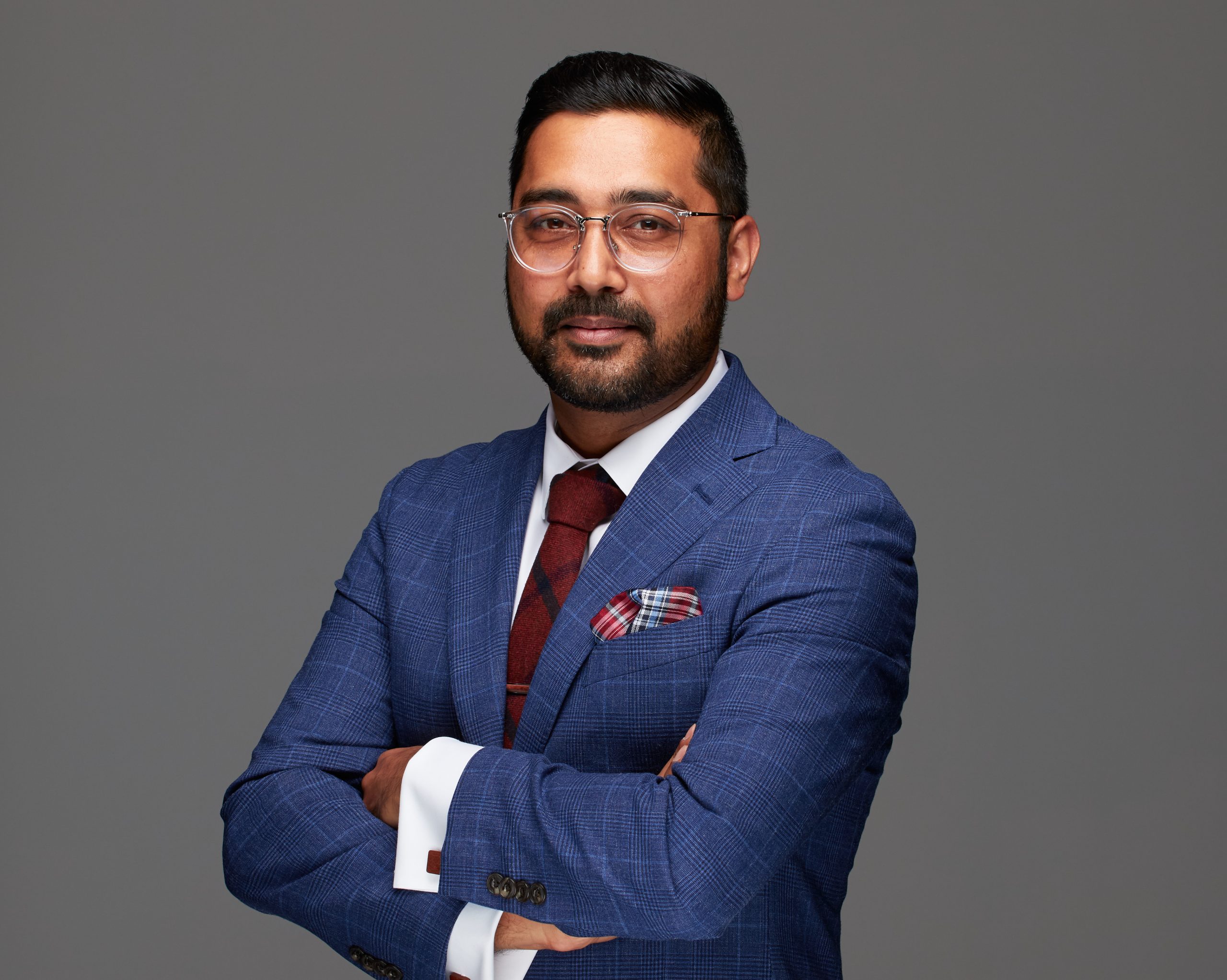
    To start, could you please introduce yourself to our readers, providing a glimpse into your professional journey and the pivotal moments that shaped your career?

    I am Samar Jha, a government affairs and advocacy professional working for American Association of Retired Persons (AARP) in Washington D.C. and I lead the state and local housing advocacy for our organization. In my previous role, I was a corporate lawyer in India, having worked in a few of the big law firms in New Delhi, India. I think every professional experience I have had has contributed to my development as a professional. My academic experience in NALSAR coupled with my legal training at law firms has contributed immensely to my government affairs work. I also have to say that my time at University of Pennsylvania (Penn) at the law school (Penn Law) and at the Fels Institute of Government (Fels) was pivotal as it provided me with a massive boost to my work in the US. It took me time to finally find my niche, but I think I am now at a position where I can safely say that I love what I am doing.  

    You’ve navigated through various roles, from law firms to the City Council and now AARP. What motivated your transition from legal practice to government affairs, and how have these diverse experiences shaped your approach to advocacy?

    It has been a fascinating journey for me. After working as a corporate lawyer for close to 6 years, I took a break to study at Penn Law. After my LLM, I was looking to do something different other than corporate law, subsequently, in 2015 I applied for a public policy fellowship at the Philadelphia City Council President’s office. I was lucky to be accepted as a fellow. At that time, I was the first foreign trained lawyer to be accepted as a fellow. That was the pivotal moment in my professional career, as I fell in love with public policy work. I got to work on issues ranging from criminal justice reform to housing issues. It was a wide range of public policy issues that I had the privilege of working on. At the end of my fellowship, I was recommended for a position of Director of Government and Public Affairs at the Greater Philadelphia Association of Realtor® (GPAR), which is a trade association in Philadelphia. I was lucky to get that position, which allowed me to do advocacy and government affairs at the city level and sometimes at the state level due to Philadelphia’s importance in the state of Pennsylvania. While I was working at GPAR, I also got my Master of Public Administration (MPA) at Fels. All these experiences provided me a solid grounding on US public policy and advocacy work. And then in November 2020, I joined AARP as their Government Affairs Director, where I oversee the state and local housing advocacy for our 53 state offices. 

    Your work at GPAR included advocacy at the city and state level.  Could you share some insights into your work at GPAR?

    As I had mentioned GPAR is a trade association that advocates for policies in relation to the real estate industry. As the lead advocacy person at GPAR, I was responsible for tracking legislation that pertained to our industry. I was tasked to review or draft legislation, provide adequate amendments, and/or negotiate legislation on behalf of the association. I was in touch with lawmakers and their staff to discuss the proposed bills. Invariably the work involved, making sure the legislation that eventually is signed into law does minimum harm to our members and residents of the City of Philadelphia. At GPAR, I also was tasked to work on political campaigns and work on fundraising for our political action committee (PAC). 

    With degrees from NALSAR, University of Pennsylvania Law School, and the Fels Institute of Government, your education has been diverse and extensive. How have these academic experiences contributed to your professional roles, especially in the areas of government affairs and public policy?

    I always credit NALSAR, Penn Law, and Fels for providing me with a great foundation to my career. My time at NALSAR afforded me an opportunity to work at some great law firms in India, which provided me with the legal application, which I still use. Penn Law was instrumental in providing me the grounding on US Law and how the legal system works. And having passed the NY State Bar exam, I am hoping to be registered as an Attorney in the state of New York by the end of 2024. Lastly, a huge credit goes to Fels Institute of Government for getting me acclimated to the US public policy and advocacy arena. Each of these institutions have been instrumental in my life as a professional, and I will always be very grateful for that. 

    Your role as the Government Affairs Director at AARP is pivotal. Could you share some insights into your responsibilities and the impact you aim to make in this position, particularly in the context of housing advocacy and policies for Americans aged 50 and older?

    While at GPAR, my work was geographically limited to Philadelphia. Whereas my role at AARP dramatically increased. AARP is a member-based organization that advocates for policies that improve quality of life for all ages, especially for older adults (typically 50+). It is the United States largest member organization with nearly 38 million members. AARP has 53 state offices (50 states and offices in Washington D.C., Puerto Rico, and American Virgin Islands). I am tasked to lead AARP’s local and state housing advocacy, which means I work with state offices on their housing advocacy. States offices reach out to me regarding legislation to be reviewed, provide adequate legislative language that protects our interest, or draft complete legislative text that can be shared with their respective lawmakers. It is interesting how your legal training tends to be so useful in government affairs work. I always say advocacy and government affairs is very similar to being a corporate lawyer. As a corporate lawyer, you work on strategy, drafting, and negotiation. That is exactly what you do in advocacy, as you strategize your legislative work, and then assist in drafting legislation, and it ends with negotiating with lawmakers and other stakeholders to pass an optimal legislation. Similar to clients in law firms, I treat my state offices my clients and try to provide the best quality service that I can. 

    Lastly, in addition to helping state offices, I am also invited to speak at various conferences and panel discussions at the local, state, and national level to discuss our housing policy and advocacy work. This is an important aspect of my work, as we try to engage with as many stakeholders as possible, because any legislative work, in the end, cannot be accomplished alone and needs allies and coalition members to cross the finish line. So, in a nutshell, that is what I do for AARP.       

    As the Co-Chair of the Young Professionals Committee for the World Heritage City Celebration in 2022, how did you contribute to the event, and what significance does preserving global heritage hold for you personally?

    This was one of my favorite volunteering experiences. I was invited by the Global Philadelphia Association (GPA) to be the co-chair of the Young Professionals Committee for the World Heritage City Celebration in 2022. In 2015, GPA was successful in getting Philadelphia recognized as the first World Heritage City in the nation by the Organization of World Heritage Cities. GPA organizes this event every year to celebrate Philadelphia’s World Heritage Status and raise Philadelphia’s international profile and inspire a new level of local heritage recognition and activity. Along with my co-chair Toyin Ogunfolaju, we fundraised for the event, as well as being featured on videos to raise the profile of the event. We also welcomed the attendees at the event, and we were lucky to be part of the team that welcomed Ali Velshi, MSNBC anchor and the main draw of the event. Lastly, I love the city of Philadelphia, as I owe a lot to the city, so being part of the celebration was special to me. 

    You’ve received several awards and recognitions, such as the Audrey Miller Poritzky Award for Leadership. How do you balance professional achievement with your commitment to community service and leadership roles?

    It was a pleasant surprise to be awarded the Audrey Miller Portizky Award for Leadership by the Fels Institute of Government. This was during my second year of my MPA program. My wife (Anjali Chainani) and I believe it is important to give back. For example, many people advised and mentored us while we were coming up during our career. Hence, our way of giving back is to mentor young professionals and hoping they will do the same for the next person. So, we do try to volunteer our time to things we believe in. I am part of the Penn Alumni Ambassador program where I get to have conversations with prospective undergraduate student applicants about their experience and my Penn experience. More recently, I was appointed to City of Philadelphia Mayor-Elect Cherelle Parker’s Transition team for Housing, Planning, and Development. The purpose of the transition committee is to come together and recommend plans and policies that the Mayor-Elect Parker can undertake for the city when she takes oath as the 100th and the first female Mayor of Philadelphia in January 2024. Fortunately, Anjali was also asked to serve on another transition committee. Therefore, as I mentioned, we try to give our time to causes that we believe in.   

    Outside of your professional life, what hobbies or personal interests do you engage in to unwind and find inspiration? How do these activities contribute to your overall well-being?

    Anjali and I are avid cyclists. We love doing long distance cycling and try to go on the long cycling trails that Philadelphia and its suburbs have to offer. We also try to plan our vacations that involve cycling. Especially, if we are in a new country, we typically like cycling and going through the country. It is a great way of seeing parts of the country you may not see while driving. More recently, we were cycling through the Bavarian Alps in Germany and Austria.

    Cycling helps us not only stay fit but also Anjali and I can spend time doing something we enjoy a lot. Both of us get busy with work and travel, therefore, it is important to take out time for ourselves and cycling together helps in doing that. 

    Navigating a career as dynamic as yours surely comes with challenges. Can you share some significant obstacles you’ve faced along the way and how you overcame them, offering any lessons for those aspiring to follow a similar path?

    I have had my share of ups and downs in my professional career. Life after NALSAR looked easy, as I was able to earn a spot as an Associate in one of the biggest law firms in India. However, it took a toll on me mentally and physically. Moving to the US, I had to completely change my outlook towards networking. The way networking happens in India, at least when I was in India, is very different from how it is done in the US. I had to learn how to network for myself, which is not something I did in India, and it took some funny and embarrassing moments before I could find myself in the rooms where I belong. So, when I decided to pursue a policy position in the US, I had to start from scratch. Imagine, being an Indian, working as an advocacy and government affairs professional in a country like the US, and in one of the biggest cities in the country. Initially, I was non-existent for people, and no one knew who I was. I had to go through the grind of proving myself firstly, through my work and then through networking. I always tell upcoming professionals that, let your work product speak for you first before you want the person in front of you to engage with you.   

    As we conclude, we would love to hear your thoughts on the current state and future trajectory of government affairs and advocacy. What trends or developments do you foresee shaping these fields, and how can professionals prepare for the evolving landscape?

    Government Affairs and advocacy is an ever-changing field of work. One must be very aware of, among other things, the political climate at the local, state, and federal level, the legal system, and the stakeholders in your issues. Whenever I talk to students, I explain the process of an idea becoming law. It starts with an idea, which people start talking in conferences and forums, and then policy is developed, which is used to draft a legislation, and is negotiated between stakeholders, and is deliberated in legislative chambers, and then it passes, eventually signed by the Executive. The process does not end there, as it needs to be implemented. Having said that, I think I have oversimplified the process a lot and it does not do justice to the field of work. Therefore, advocacy involves various parts, and students interested in entering the field of advocacy must be aware of the ever-changing aspects of the process. 

    In the US, government affairs and advocacy have rules, which are strictly governed by regulations at the local, state, and federal level. In India, government affairs and advocacy work are still evolving and need more codified legal requirements. When I was a law student in India, there weren’t many opportunities to enter policy and advocacy work apart from taking the UPSC exam and joining the Civil Services. However, currently there are some amazing policy think tanks in India and a lot of students are interested in pursuing policy work and it is very heartening to see more Indian law students willing to enter the field of policy and advocacy work. And I sincerely hope I get a chance to talk to policy and advocacy students in India as I would love to share the US advocacy perspective with them.  

    Get in touch with Samar Jha-

  • “I would rather believe that we can be energized by our daily routine, by the challenge of difficult cases, or by victories of small wins or overturning of a case on appeal”- Philip Teoh, International Lawyer and Arbitrator

    “I would rather believe that we can be energized by our daily routine, by the challenge of difficult cases, or by victories of small wins or overturning of a case on appeal”- Philip Teoh, International Lawyer and Arbitrator

    This interview has been published by Priyanka Karwa and The SuperLawyer Team

    Can you share your journey and what inspired you to pursue a career in law, specifically specializing in Maritime & Admiralty, International Law, and other related fields?

    When I started my law studies, I was interested in exploring the role of law as a foundation of business dealings, especially international business. 

    I was intrigued to discover the area of shipping was the connecting factor in these areas. Unlike some perceptions, the area of shipping was not small in scope. It encompassed international trade as traders used ships to transport their goods, international finance as banks financed these transactions, and insurers insure these shipments. I later found out there was Wet and Dry Shipping, Corporate or Transactional Shipping and Maritime Arbitration as well.

    That was the launch pad for my interest in shipping. With that interest, I took shipping and shipping-related subjects in law school. I was fortunate to be able to study at the National University of Singapore where I was taught and inspired by great teachers.

    Professor EP Ellinger was a powerhouse in Banking and International Finance, Professor FMB Reynolds who hailed from Oxford taught Agency and Shipping subjects and the most brilliant teacher was the late Professor Tan Yock Lin who taught Conflicts of law, he was a brilliant legal mind who made difficult concepts in Conflicts easily understandable. I did well in school and constantly called upon what I studied in my cases. I do encourage law students to concentrate well on their studies because these are invaluable foundations for practice.

    With over 33 years of experience, you have vast expertise in both contentious and non-contentious areas of law. How did you navigate and develop such a diverse skill set throughout your legal career?

    I saw law as a technical field, that cases and principles are building blocks to craft agreements, transactions and eventually. In litigation, I soon discovered that strategy and effective advocacy win cases, the more cases we handle we develop muscle memories which we can call upon in advocacy.

    Soon I was able to see that each witness can present a treasure trove of evidence to cross-examine. I also learnt to adapt; as much as we can prepare for a case, the circumstances of a trial or a judge’s questions and directions may force us to abandon our prepared script to adopt a better and different strategy.

    I started in litigation. After a few years into practice, I wanted to have both a transactional as well as a disputes practice and I am happy to say I handle both contentious and non-contentious areas.

    Some of the notable transactional work in which I was involved was various ship sale and purchase as well as ship financing cases. When MISC the Malaysian Carrier wanted to go into the energy business, it bought Newbuildings from Japanese Yards, these were the Puteri Vessels that kickstarted the business and MISC is not a major LNG carrier. I was the Syndicated Lenders’ local lawyer.

    I was also involved in several due diligence of Shipping Companies, Joint Ventures and reorganization of the Shipping Companies Malaysian assets and companies. When the Genting Group sold its luxury yacht Tranquility to a US buyer I acted for the buyer.

    Being recognized by Chambers and Legal 500, among others, for your expertise in Maritime Law, what do you believe sets you apart in this field, and how do you approach resolving matters to the satisfaction of your clients?

    In legal practice, it is not an effort if we enjoy our work and I do. Every case presents a challenge and a new learning opportunity. I do not believe that I possess any qualities different from other lawyers, apart from that I enjoy what I do.

    Some talk of finding one’s purpose in what we do, I don’t agree. I think purpose can change. I would rather believe that we can be energized by our daily routine, by the challenge of difficult cases, or by victories of small wins or overturning of a case on appeal. We need these to sustain us because law is a very involved and demanding profession.

    In addition to your legal practice, you’re also a Practising Arbitrator empanelled with various international panels. How does your role as an arbitrator complement your work as a lawyer, and what unique perspectives do you bring to dispute resolution?

    Arbitration and litigation are contentious legal practices. The skills of a litigator are important skills for arbitration too, whether one sits as an Arbitrator or as Counsel in Arbitration.

    You’ve been involved in notable cases, including arguing the inaugural reported decision of the Malaysian Admiralty Court. Could you share insights into the challenges and rewards of handling such significant cases in the maritime industry?

    Difficult cases challenge me. That forces me to figure out how to best strategize the handling of the case, the conduct of the litigation. There will always be an approach we can adopt which can make complex cases managable or make them simple. We need to develop muscle memory for this. Along the way the bonus is when the cases we argue establish law, a principle not established before. I have had a few of these.

    Your extensive contribution to legal literature, including authoring key practitioner texts, speaks to your commitment to legal scholarship. How has academic writing and research influenced your understanding of the law and your approach to legal practice?

    Some 2 decades ago I found a dearth of Shipping Texts in Malaysia. I convinced LexisNexis (then Malayan Law Journal) to introduce these in Malaysia and eventually, I wrote the original editions of Halsbury’s Malaysian titles in Shipping and related subjects. I was particularly happy to write the Volume on Conflict of Laws; Conflict of Laws issues often crop up in Shipping and International Arbitration.

    I also authored the Annotated Merchant Shipping Laws, Forms and Precedents on Shipping which contain transactional agreements. I was later invited by Sweet and Maxwell to write the Chapter on Carriage of Goods by Sea which contains precedent pleadings used in litigation and arbitration.

    The writing ensures that I have a good grasp of the law, and this is invaluable when I handle cases. Funnily I have faced opponents in Court citing my writing unknowingly.

    Having practiced in both Singapore and Malaysia, what are the unique challenges and opportunities you’ve encountered in each jurisdiction, especially in the context of maritime law?

    I started my practice in Singapore before returning to Malaysia. I was very happy when Malaysia established the Admiralty Court in 2010 and I was able to argue the inaugural reported case of the Court in the case of The Istana VI. Since then, I regularly handle cases in the Court amongst others prosecuting ship arrests or challenging them. 

    The laws applied by the Singapore Courts are not much different and I believe that both the Singapore and Malaysian Shipping Bar have good lawyers. The Singapore ecosystem however is more varied with a healthy variety of international firms including many specializing in maritime law.

    As an Adjunct Lecturer in BAC Malaysia’s law school, what advice do you give to law students looking to specialize in maritime law or pursue a career similar to yours?

    Be interested in what is taught. Not many universities have maritime law as a subject at the LLB level. Curiosity, Initiative and Hard Work are most important.

    It is good to have a specialization in mind, but maritime law can be acquired after graduation. It is important that the young lawyer enters a firm that handles the area. The on-the-job training is much more important.

    I have trained many young lawyers in this field, and they picked up the areas well. Tan Sri Nallini Malaysia’s first Admiralty Judge never did Shipping cases when she was a practitioner and Her Ladyship had done much to establish jurisprudence in the area. She is easily amongst Malaysia’s top judges.

    In your experience, how important is it for legal professionals to stay updated on evolving legal landscapes, especially in areas like maritime law, and what strategies do you employ to stay abreast of industry developments?

    Keeping up to date is crucial. I find that LinkedIn is a great tool to do that because the lawyers do post and share useful content. I do post from time to time too. Reading outside of the law widely is also important. 

    Lastly, considering your wealth of experience, what advice would you like to share with recent law graduates who are entering the field today, particularly those interested in maritime and admiralty law?

    Be curious about learning. Read widely. Seize opportunities when they appear, do not neglect the training experience, it is an invaluable time, not to be squandered. Get onto complex cases early even if the role is a minor one. Your friends and family will be your invaluable support through challenging times.

    Get in touch with Philip Teoh-

  • “Former DJS Officer and Law Specialist, sheds light on his transition from the Delhi Judicial Services to becoming a Law Coach. Explore the motivations behind his shift, the passion for teaching, and insights into effective mentoring for aspiring judicial officers.” – Bhavya Nain, Law Specialist

    “Former DJS Officer and Law Specialist, sheds light on his transition from the Delhi Judicial Services to becoming a Law Coach. Explore the motivations behind his shift, the passion for teaching, and insights into effective mentoring for aspiring judicial officers.” – Bhavya Nain, Law Specialist

    This interview has been published by  Priyanka Karwa and The SuperLawyer Team

    Having served as a former member of Delhi Judicial Services, what motivated your transition from a judicial officer to a Law Coach? Please tell us about your journey.

    Before coming to the question asked, let me introduce myself: I hold a Bachelor of Laws degree from GGSIPU, Delhi, which I obtained in 2009.   I completed my LLM degree at the Indian Law Institute in Delhi in the academic year 2015-2016, having been awarded a scholarship based on my academic achievements. Subsequently, I participated in the Delhi Judicial Service Examination-2018. Thereafter, I was appointed as a Judicial Officer in Delhi. I voluntarily resigned from the esteemed Delhi Judicial Service in September 2023. The primary impetus for transitioning from being a member of the esteemed Delhi Judicial Services to becoming an independent Law Coach in Delhi was my fervour for teaching as a vocation. Prior to my appointment as a Judicial Officer in Delhi, I had already held the position of Assistant Professor of Law at Amity Law School, Noida, UP. Therefore, teaching law is a familiar undertaking for me.   Teaching Law to young students brings me great happiness and a sense of fulfilment as I contribute to the education sector, which plays a vital role in the development of our nation. During my tenure at the esteemed Delhi Judicial Services, I acquired a comprehensive understanding of the intricacies of law, niceties of law and nuances of court practice/procedure. This motivated me to transition into a role as a Law Coach in order to share my extensive legal knowledge and skills with the judicial aspirants in Delhi-NCR. I have accumulated this expertise over a span of around 14 years as a legal professional, including my rigorous training at the esteemed Delhi Judicial Academy and my first-hand experience observing court proceedings as a Trainee Judge in Delhi. The shift from serving as a Judicial Officer in Delhi to working as a Law Coach in Delhi mostly stems from my instinctive desire to impart legal knowledge, driven by my natural inclination to guide and encourage aspiring legal professionals.

    As a Law Coach, you are contributing to the development of future legal professionals. What inspired you to take up coaching, and how do you approach mentoring and tutoring to ensure effective learning for your students?

    After my tenure in the Delhi Judicial Services, I have made the decision to devote my life to the education sector by becoming an independent Law Coach in Delhi. I plan to provide mentorship and coaching to those aspiring to become judges in the Delhi-NCR region. This is because I possess a distinct strong legal background by my unique exposure to academic positions, legal advocacy, judicial services, and legal research responsibilities. I am currently in the process of preparing and upgrading study materials to ensure that I can offer my services as a Law Coach in Delhi in a thorough and efficient manner. In the near future, I intend to officially establish my independent physical centre/office to cater to the needs of aspiring judges in the Delhi-NCR region. This launch is expected to take place within a few months. Meanwhile, I disseminate legal developments online and produce concise law articles for the benefit of online judicial hopefuls. Additionally, I am currently offering mentorship to anyone aspiring to enter the field of judiciary through online platforms. My primary objective is to alleviate the challenges faced by individuals aspiring to become judges and facilitate their transition from being students to becoming judges as seamlessly as feasible.

    You’ve authored and co-edited books on legal topics. Can you tell us about the motivation behind your literary pursuits and how these publications contribute to the legal knowledge landscape?

    I have collaborated in the editing of law books published by prominent law publishers and have also authored academic papers. This is mostly due to my inherent propensity towards academia and my intellectual orientation.   The majority of my detailed articles were released while I was an Assistant Professor of Law at Amity Law School, Noida, UP.   I continue to produce legal content through online platforms due to my strong passion for legal knowledge and my desire to share the knowledge I have obtained.   I have co-edited two law volumes that focus on the subjects of post-colonialism in India and Sports Law in India.   Both of these legal subjects are highly relevant in the present day, and the primary motive behind editing these books was to enhance the existing academic knowledge in India.   I trust that I have adequately fulfilled this objective.   Lately, I have transitioned to composing concise legal articles/notes on subjects of general legal knowledge and recent cases due to their frequent inclusion in Judicial Service Examinations.

    Your profile showcases an impressive balance between academic roles, judicial services, and advocacy. How do you manage to balance these diverse roles, and what insights can you share with professionals looking to diversify their legal careers?

    The shift from being an advocate to being a Law Coach has been a gradual process for me. Consequently, I firmly believe that individuals should always trust their instincts and their gut-feeling. Balancing is a skill that is cultivated when one is completely prepared to engage and is committed to giving their utmost effort towards achieving a specific objective within the constraints of time and available resources. Acquiring the skill of balancing can only be achieved via practical experience in a work environment. Young professionals have the opportunity to expand their expertise into several related industries, as long as they are open to acquiring new skills while working and adapting to the ever-changing circumstances that come with diversifying. It is imperative to consistently enhance one’s skill set in order to remain competitive with others in any professional domain. To make the decision to diversify one’s legal career, it is necessary to possess courage and self-confidence. Having faith and patience in one’s own ability is also an essential prerequisite.  

    Having been a law researcher in the Hon’ble Supreme Court of India, how do you think your passion for research influences your coaching style or philosophy?

    I served as a Law Clerk and Research Assistant in the Hon’ble Supreme Court of India from 2009 to 2010. It was an immense privilege.   As a Law Clerk, one is responsible for creating daily summaries of cases scheduled to be heard by the Court, as well as conducting research and preparing notes for ongoing cases.   Furthermore, much research is necessary on many legal matters that necessitate resolution by the Court. Through engaging in these activities, I significantly refined my research skills. This skill set has proven beneficial in various domains, including advocacy, education/academic roles and judicial services. The skill of legal research is a valuable asset for the position of a Law Coach in Delhi. It is essential to stay updated with current legal issues that are frequently reported in the news. Questions related to this area often appear in judicial service examinations under the category of latest legal general knowledge. Furthermore, the current law has been altered/modified by recent rulings of the Hon’ble Supreme Court of India and numerous Hon’ble High Courts in India. Once again, it is necessary to conduct legal research in order to comprehend and inform the pupils about these legal advancements.  

    With approximately 14 years of experience in teaching, advocacy, and research, you’ve worked on notable cases and served in various legal capacities. Could you share an experience or case that left a lasting impact on you and influenced your approach to the law?

    I can think of one recent instance where I served as a lawyer. In that instance, my contribution brought me great gratification and made a lasting impression on me. The case before the Ld. The Disability Commissioner concerned the terms and conditions of service for a disabled employee working for a PSU. Only tenacity and a lot of work were able to change the life of a disabled person who was being denied both his monthly salary and a transfer to a position close to his home/native place. The disabled person received both reliefs on the first hearing date because the case was structured in a way that the Ld. Commissioner was satisfied with the grounds raised in that particular case. This case has left a lasting impact on me. This instance taught me that there might be some differences between the written law on paper and the actual law in practice. Though they may have many rights in theory, disabled people may not be able to really exercise those rights in real practice for a variety of reasons. A lawyer’s or disability activist’s job is to ensure that the person with the disability may truly use all of the legal rights that have been granted to him in the black letter of the law.

    Beyond your professional endeavors, are there specific personal interests or hobbies that you find rejuvenating, providing a balance to your demanding roles in the legal domain?

    Due to the demands of my work, I have limited opportunities to engage in my other interests. However, I manage to allocate some time each day to browse the Internet and listen to Indian music, which really revitalizes me.   Occasionally, I also keep track of cricket matches taking place in major tournaments, particularly the matches being played by India against other major cricketing nations. I also try to stay updated on current events in India by regularly reading newspapers, both in print and online, during my leisure time.

    Drawing from your experiences, what advice would you give to the next generation of law students and legal professionals, especially those aspiring to join the judiciary?

     My short advice to the next generation of legal professionals aspiring to join the judiciary in India is that one should always follow his passion and should always work in a planned and dedicated manner and only then can one achieve one’s goal. Dedication and hard-work alone help in clearing the Judicial Service Examinations in India and there is no short-cut to success. Proper planning and careful strategic thinking may reduce the degree of effort required, but without hard work, clearing such examinations would not be possible because there are far more applicants for judicial services compared to the limited number of available seats in India.

    Get in touch with Bhavya Nain-

  • From being the youngest Registrar of a State Private University to leading initiatives that earned accolades, Subramanya’s story unfolds as an inspiration for the next generation – “A Conversation with Subramanya V. Mysore, Deputy Director of Administration at RV University”

    From being the youngest Registrar of a State Private University to leading initiatives that earned accolades, Subramanya’s story unfolds as an inspiration for the next generation – “A Conversation with Subramanya V. Mysore, Deputy Director of Administration at RV University”

    This interview has been published by  Priyanka Karwa and The SuperLawyer Team

    You’ve had a diverse journey, from legal counsel to now being the Deputy Director of Administration at RV University. Managing a team of 50 members and overseeing various departments is undoubtedly challenging. Please tell us about your journey.

    This question seems to be the most asked for me. I started out with legal practice, then to couple of in-house roles in leading MNCs, further in public policy consulting for law makers and finally as of today, in university administration. From the law school days to now, I have found exploring diverse career avenues intriguing and one must feel free to do so. I’m grateful that my law qualification has helped me sail through without any hindrance. There is so much to do in multiple fields and each industry has its own essence which is worth experiencing. In terms of team management, creating responsibility and ownership at each level of team structure ensures effective task dispensation. I would say, managing mindsets of 50/100 odd teammates is the key. 

    You’ve seamlessly transitioned from a Legal Counsel to University Administration. How do you think your legal background influences your approach to running a university, and have you ever found yourself wanting to bring a gavel to a staff meeting?

    Every day at office, I involuntarily end up reasoning the decisions I take from the legal lens. This is most definitely because of my legal training. The policies I make, interactions I have with vendors, collaborations with industry folks etc. are all tied to test of “whether it is legally justifiable or not”. Additionally, it is always fun to bring your colleagues up to speed with the law and to see their startling faces. 

    As someone deeply involved in non-teaching operations, including infrastructure upkeep and ERP implementation, you wear many hats. Can you share a behind-the-scenes moment or a challenge you faced in ensuring a smooth digitization process for the university?

    The National Education Policy of 2020 and UGC’s ODL and OL Regulations of 2020 have emphasized on the fact that varsities shall strive towards automation in their administrative processes and on curriculum delivery while maintaining a world class standard. Implementation of digitization efforts are mostly affected by reluctant acceptance by the end user. Albeit, investment concerns and supporting IT infrastructure remain, the most pressing issue would be the speculative approach to use digitized tools at a varsity. Constant IEC (Information, Education and Communication) efforts coupled with incentives for optimum usage would go a long way towards successful implementation.

    You’ve been a part of the legal departments at HSBC Bank and Ennar Fin-Tech before transitioning to higher education administration. How did your experiences in corporate law shape your approach to managing the non-teaching operations of RV University?

    A University is also a body corporate emanating from an independent statute or from deemed status of the UGC Act of 1956 having its own legal existence. Statutory bodies such as Academic Council, Senate, Board of Management etc. help administer a University and under its common seal university enters into multifarious contracts usually through its Registrar or an authorised representative. Therefore, whether it is policy preparation, drafting commercial contracts, negotiations, handling legal suits and importantly Internal Quality Assurance as per the norms of National Assessment and Accreditation Council require knowledge of the corporate law broadly.

    Beyond your professional accomplishments, we’re curious about your interests outside of work. What’s a hobby or activity you engage in to unwind and recharge when you’re not immersed in the world of education and administration?

    I take immense pleasure in savoring cuisines across the country and abroad while travelling. I like to remain active and choose to mostly to go on hikes on the weekend. Catching up with latest current affairs in order to stay up to date is a habit of mine since law school days. 

    You were a key contributor to Bosch’s BRIDGE program. If you could build a bridge connecting two areas of your life or interests, what would they be, and why do they need a connection?

    I believe that there exists a symbiotic bridge between your personal life and professional life. If the former is malfunctioning, the later tends to get strained. Therefore, knowing one’s limitation and drawing respectable boundaries between these two facets is instrumental. Health is a luxury, youngsters need to ensure that they are physically and mentally intact in order to take on everyday challenges. 

    You’ve studied under the guidance of some influential figures. If you could have dinner with one of your mentors from your legal or academic days, who would it be, and what’s the first question you’d ask them?

     I have had the good fortune of working with a senior Member of Parliament, learned Advocates, corporate leaders in the legal industry. The one experience which stuck on with me was when I discharged my duties as the youngest Registrar for a State Private University in Andhra Pradesh. The Chairman of that University (1985 batch IAS officer) and my mentor Sh Bharat Lal Meena’s influence on me has been immense. To put it in fewer words, I learnt to be fearless when daunting challenges stand against you in the administration realm. I would like to ask him despite being a celebrated bureaucrat in the state of Karnataka with over three decades of rich experience in public administration, what keeps him going every day and what’s the secret of his abundant energy. 

    What’s one thing about you that your colleagues might find surprising or intriguing? What is one piece of advice you’d give to our readers, who are looking for a career in the same profession?

    People around find it surprising that a youngster is in the position once held or in position I’m in. I find it surprising too. Without going into the debate of age versus experience, I would say if I’m chosen to be in a role, I’m sure the fitness required for assumption of such role is the first thing that would be assessed and I would have passed it. For young lawyers and readers looking to transition, I would convey that always push yourself towards exploration and trust me it will be fun and worthwhile. Choose to do and be different.

    Get in touch with Subramanya V M –

  • By doing my profession I feel a sense of happiness and boost my ego because when you win a case to make a good argument you are highly appreciated by the judge the client and sometimes by the opposing counsel-Dr. Aparrajitha Ariyadasa, Senior Partner, ATD Legal Associates

    By doing my profession I feel a sense of happiness and boost my ego because when you win a case to make a good argument you are highly appreciated by the judge the client and sometimes by the opposing counsel-Dr. Aparrajitha Ariyadasa, Senior Partner, ATD Legal Associates

    This interview has been published by  Priyanka Karwa and The SuperLawyer Team

    Dr. Aparrajitha Ariyadasa, what was the motivating factor in your life that pushed you to pursue law?

    I have a family reason because my role model the father was an interdisciplinary person who was a lawyer as well as a lecturer. He inspired me to be an interdisciplinary personalty if I wanted to be socially and financially stable. I saw the luxuries of my father and from the childhood, I wanted to become a law scientist. Therefore after my Advanced Level, I joined the science faculty and simultaneously, I joined law college and became a lawyer and a science graduate at the same time. Now I enjoy all the luxuries what my father wanted me to have because of my profession.

    What aspect of your profession makes you beam with pride on a day-to-day basis?

    By doing my profession I feel a sense of happiness and boost my ego because when you win a case to make a good argument you are highly appreciated by the judge the client and sometimes by the opposing counsel. Due to that appreciation, you get a lot of motivation about the profession. As a woman specifically in a male dominated society when you become, he spotlight, it will generate you confident and sometimes over confident., appreciation, motivation, and productivity. On top of that, when you walk in a society, a lady lawyer is highly recognised socially and politically. Being a reputed lawyer will lead you to get social invitations of different societies, social events and gain lot of respect from the society as a credible and a n honourable person.

    You have touched on various areas of law in your practice, Intellectual Property, Immigration Law, Competition Law, Criminal Justice etc. Which area of practice is the most preferred by you?

    I adore Intellectual Property Law and cyber law due to the very reason that both of them are inter disciplinary law subjects which involves together with Science and IT which are my other specialized subjects in my other degrees.

     Can you tell us your experience of getting through your obstacles and setting up ATD legal Associates?

    I TOOK MY OATHS AS A LAWYER IB 2000 AND THEN I JOINED TWO MULTI NATIONAL COMPANIES AND a government organization. I ended up as a Director legal in 2008, due to the very reason my husband was pressurizing me to resign as my daughter needs to be taken to school. With this conventional attitude, I had to find my way making everyone happy. I WANTED TO BALANCE MY FAMILY and the work. I had a decent amount of capital with me and therefore, I did not want to waste my time as a housewife. No sooner had I resigned, I planned to start a law firm and rented an apartment and collected the equipment needed. I was lucky that I had only one apprentice and I took the first step to my firm. I could manage my work and the family because I was my own boss. I expanded the employees and my legal services as I had exposure to multinational companies. At last, during the covid, I could link my firm to a number of countries. My main obstacle was my conventional husband and his grumbling about a working wife who gets late home which I could manage due to my patience. Second obstacle was that the anti-feminist discourses in the country. Men did not want to retain a lady lawyer for their cases. To prevent that, I partnered a male attorney for marketing and networking, and I was in the operation. Once the first consultation was done, male clients were highly impressed and with the time, the anti-feminist attitude in males were eliminated. By now its been 21 years of my practice by now and I do not face any problem of discrimination.

    How important do you think, protecting data privacy and taking appropriate actions pertaining to cyber security are for start-up companies?

    Data privacy of startups safeguards information from loss through backup and recovery. Data security needs specifically to measures taken to protect the integrity of the data itself against manipulation and malware. It provides defence from internal and external threats. Data privacy refers to controlling access to the data in startups.

    How in your opinion have IPR laws developed and transitioned over the years in Asia?

    Yes. But the management should be streamlined. Training should be given to Patent agents. Patent drafting and registrations need more experts.

    Being a full-time lawyer and also giving your valuable time as a visiting lecturer, how do you manage to achieve a perfect equilibrium when it comes to work-life balance?

    I am my own boss. I manage my flexible times without disturbing kids and the family I play by the ear.

     Having extensive work experience across several countries in Asia, how do you think budding law graduates can pursue an international career in Law?

    They have massive opportunities if they specialize several areas such as IP, Cyber Law and data privacy.

    As the Senior Partner of ATD Legal Associates can you tell our curious readers how an average work day would be at your firm?

    8 hours

    What are the qualities you would look for in interns and new job applicants if they should apply to work at ATD Legal Associates?

    Preciseness, self-motivated, research oriented and punctuality

    What would be your words of advice for young lawyers who aim to set a career in corporate law?

    Know your law. Learn your law, further learn it until you die.

  • Organisations all over the world will now need to develop a data protection/management and Artificial Intelligence strategy, especially given the pace with which these technologies and our reliance on them are growing-Dinkar Kalra, Solicitor, Senior Courts of England & Wales and Advocate On Record, Supreme Court of India

    Organisations all over the world will now need to develop a data protection/management and Artificial Intelligence strategy, especially given the pace with which these technologies and our reliance on them are growing-Dinkar Kalra, Solicitor, Senior Courts of England & Wales and Advocate On Record, Supreme Court of India

    This interview has been published by  Priyanka Karwa and The SuperLawyer Team

    Can you tell us about your journey and how you ended up pursuing a career in law, specifically as a Dual Qualified Solicitor (England & Wales) and Advocate on Record?

    My mother was a Civil servant who served both at the Parliament and the Ministry of Home Affairs. It was through her that I was introduced to the world of Legislation and law enforcement and the important role that they play in society. I also had the opportunity to interact with the then Attorney General, Senior Advocate Shri Soli Jehangir Sorabjee. That really sparked my interest in law and I decided to pursue it as a career.

    After completing my studies and enrolling in the Bar I started my practice in the Supreme Court. As is the rule, all filings were done through an Advocate on Record and I had the opportunity to work with several very talented and inspiring advocates. This strengthened my resolve to appear for the AoR examination as soon as I was qualified and I was lucky enough to qualify in my first attempt.

    As an AoR I represented certain clients who had business interests in the UK and occasionally had to deal with English Solicitors. I was fascinated by how far the English law had come since our independence and decided to qualify in their Jurisdiction so as to get a better understanding of it.

    You have extensive experience in Privacy Laws, including GDPR and CCPA, as well as expertise in Crypto Currencies and Artificial Intelligence. How did you develop an interest in these areas of law, and what drew you to specialize in them?

    I have always had a keen interest in technology. Through my education and practice I have been a witness to how and why technology outpaces legal developments and what the lack of effective guardrails can mean. These last couple of decades have redefined how we socialize, communicate, share/absorb information and take decisions. The more I engaged with technology the more I realized that a convergence of scientific developments, ethical considerations and legal boundaries are necessary to ensure that these developments are a boon for society and not its bane. The connections and sometimes, the tensions between Technology and law have not only become my profession, but my passion as well.

    Could you share some of the notable cases you have handled, particularly those where you appeared and argued before the Supreme Court of India? How did those experiences shape your career?

    One of the most impactful cases where I got the opportunity to argue before the Hon’ble Supreme Court was in the batch petitions challenging Aadhar linkage with various schemes and benefits. The manner and speed with which Aadhar was being linked with every facet of live for Indian citizens raised serious fears about the creation of a surveillance state. On 24th August 2017, the Hon’ble Supreme Court delivered a landmark judgement that declared privacy to be a fundamental right under Article 21, overruling verdicts given in the M.P. Sharma case in 1958 and the Kharak Singh case in 1961.

    Another very interesting and impactful case that I was fortunate enough to act as an intervenor in a batch of petitions that sought legislation for the regulation of Crypto currencies and challenged an R.B.I. Notification which barred regulated entities (Banks and other regulated Non-Banking Financial Entities) from dealing with Crypto Currency entities before the Hon’ble Supreme Court.  The R.B.I. had not taken any regulatory stance on Crypto Currencies and yet it effectively sought to scuttle the Crypto Currency industry by denying them access to banks. The Hon’ble Supreme Court was pleased to hold that the circular was a disproportionate restriction on fundamental rights, as RBI needed to show at least some semblance of any damage suffered by its regulated entities and there was none. The Court also held that there was no law that made dealing in Virtual currencies illegal.

    In both these cases, I was blessed enough to appear alongside Industry stalwarts and the decisions of the Court renewed my faith in law and the independence of the Judiciary.

    As a legal professional, you have advised companies, web/application developers on compliance with various data protection laws and regulation of Artificial Intelligence. What are some of the key challenges faced by organizations in navigating these complex legal landscapes?

    Organisations all over the world will now need to develop a data protection/management and Artificial Intelligence strategy, especially given the pace with which these technologies and our reliance on them are growing. A lot of concerns arise from the lack of understanding about what shape regulation will take and how it will impact the development of these technologies. The fact is that there are no Internationally accepted rules for their regulation, there are certain laws such as the G.D.P.R and guidelines issued by the O.E.C.D but the fact is that legal regimes everywhere are adopting different and sometimes conflicting standards. Organisations also need to be wary of the fact that any mistakes involving the use of these technologies can substantially damage their brand value. It is time to start making substantial investments in R&D to address the issues of data protection, bias, accountability and transparency.

    You have also provided guidance on data subject rights, reporting of data breaches, and dealing with regulators. What are some of the best practices you recommend for companies to ensure they handle data responsibly and maintain compliance?

    The O.E.C.D. had in 1980 issued its “Recommendations of the Council Concerning Guidelines Governing the Protection of Privacy and Trans-Border Flows of Personal Data” containing the following 7 principles for protection of personal data:

    1. Provide notice—data subjects should be given notice when their data is being collected;
    2. Disclose Purpose—data should only be used for the purpose stated and not for any other purposes;
    3. Obtain free and fair consent—data should not be disclosed without the data subject’s consent;
    4. Maintain system and data security—collected data should be kept secure from any potential abuses;
    5. Honour the data subjects right of disclosure—data subjects should be informed as to who is collecting their data;
    6. Provide data subjects with access—data subjects should be allowed to access their data and make corrections to any inaccurate data
    7. Be accountable —data subjects should have a method available to them to hold data collectors accountable for not following the above principles

    These 7 principles have formed the bedrock of many international treaties such as the Convention 108 and national laws such as the G.D.P.R. There are, of course, many national rules such as those concerning Children’s data and other special categories of data such as Financial, Health and sexual orientation that must be complied with.

    With your expertise in cryptocurrency and blockchain, you wrote a paper about the introduction of a Central Bank Digital Currency in India. Could you elaborate on some of the issues raised by such a digital currency and its impact?

    A CBDC is the legal tender issued in digital form and is exchangeable one-to-one with government-issued money. In theory a CBDC could offer multiple benefits to users such as lower transaction costs and faster settlement times. However, there are several concerns that have not been addressed so far. The primary concern is that since the digital rupee would be programmable money, it could encompass features that were never really meant for a central bank. Some examples would include retail operations, surveillance over the citizenry and the power to introduce negative interest rates on accounts maintained with it. All this merits legislative and judicial oversight, not to mention the fact that a CBDC creates a centralised point of failure that could cripple the entire financial infrastructure in case of a hack, or even a simple system outage. The provisions of present laws were simply not drafted keeping in view these considerations.

    Throughout your career, you have worked as both an in-house counsel and a litigator. What are some of the unique perspectives and skills you gained from these different roles?

    In my experience acting as an in-house counsel makes one more focused on compliance and timely resolution of issues, preferably through means of alternative dispute resolution. It helps that you access to have better resources and more man power. You also learn to be quite proactive, identifying problems before they arise and resolving them and adopt a business focussed approach.

    Litigation instils a strong sense of public service and gives you a more straightforward and cost-effective approach. It gives you more independence but also makes you more accountable. It can be quite daunting, but quite rewarding as well.

    As a successful legal professional with a diverse background, what advice would you give to fresh graduates who are aspiring to pursue a career in law? What key skills or experiences should they focus on developing?

    The most important advice I can give to any aspiring lawyers is to hone their research skills. This is an important and often overlooked part of legal education and initial years of practice. They must learn not to be limited to their text books, but must also read through judgments, legal journals and periodicals. This will empower them and give them enough confidence to conduct original research and write papers themselves, thus giving them invaluable domain knowledge.

    Get in touch with Dinkar Kalra-

  • I have learnt the three important cardinal principles behind the making of a good advocate- knowledge,  perseverance and discipline- SS Ahluwalia, Managing Partner-Chambers of SS Ahluwalia

    I have learnt the three important cardinal principles behind the making of a good advocate- knowledge, perseverance and discipline- SS Ahluwalia, Managing Partner-Chambers of SS Ahluwalia

    This interview has been published by  Priyanka Karwa and The SuperLawyer Team

    Can you tell us about your journey and how you ended up pursuing a career in law? What inspired you to choose this profession?

    I belong to the family of lawyers. I am a third generation lawyer. My grandfather Sardar Kuldeep Singh started his practice from Lahore High Court and after 1947 he continued the practice in India. Thereafter my father Mr APS Ahluwalia Sr. advocate started his practice in 1971. Our chamber is almost a hundred years old in the legal profession. In order to continue the legacy I chose to be a lawyer. I qualified LLB in 2004; and after qualifying LLM from Cardiff University, United Kingdom in international corporate laws, I joined JSA in the team of general corporates and capital markets. I did many private equity transactions and IPOs during my three years experience at JSA. But my love for litigation had never ended. I always used to see the working of litigation lawyers at Ahluwalia Chambers that always fascinated me. Someday I had to make a decision to join my family office, to continue and pursue the legacy left behind by my grandfather. So I joined my father’s chamber known as Ahluwalia Chambers. 

    You have extensive experience in various areas of law, including commercial arbitration, corporate commercial and contract law, media-entertainment, property & succession laws, banking and recovery laws, fraud and white-collar crime laws, and constitutional disputes. How did you develop such diverse expertise, and what attracted you to these specific practice areas?

    I have almost 19 years of experience at the bar. As a lawyer, I have always learnt that one should never try to focus on a particular subject in the initial stages of practice. With the advantage of joining a family chamber I tried working on every case as and when it was required and it is required. According to me a lawyer is always a student of law who has to learn from everyday experience in the court. Having said that, the lawyer has to look for the opportunity to appear in as many legal issues which helps him build his practice and experience at the Bar. It is this experience by working on various legal issues the judicial mind starts working which is also the building of the court craft.

    Throughout your career, you have represented clients in the Hon’ble Supreme Court of India, Delhi High Court, and various tribunals and appellate authorities. Can you share some notable cases or achievements that you are particularly proud of?

    According to me every brief on the Advocate’s table is important. But at times there are certain cases which are labelled as landmark judgements. This experience is always in the career every practising advocate. This also helps in building a in him/her a true lawyer and a confident practitioner. Some of my noted judgements in which I had been able to get legal points establish as precedents such as Arun & ors. Vs State, NHPC vs. Patel L&T JV, Brig.Dhir vs. Parsvnath Developers Ltd, Aroon Purie vs. OP Bhola & Ors. ; IFCI vs Ceylon Biscuits, Sunil Sikri vs GHPS & Ors., Hargovind vs. State; And few more. But I think that every case has always been very important to me and I always try to put the best of my abilities. As an advocate, I am first officer of the court to assist the court for adjudicating the dispute. It is my duty that I do put the case before the court to achieve the success for my client. We can’t be emotional to any brief. To get the justice, an advocate is duty-bound to his client to do justice with his brief.

    You have represented a wide range of clients, including statutory bodies, PSUs, private limited companies, and infrastructure companies. How do you approach representing different types of clients with varying legal needs and challenges?

    Chamber practice is very different from the corporate firm practice. As a litigation lawyer. We don’t approach the client. The clients look for the lawyers suitable to them in the market as per their requirement. I also believe that good work is always recognised in the commercial world. There is always space for everyone but abilities are to be shown. Under the Advocates Act we have many restrictions. Primarily we cannot advertise ourselves so the only way to make yourself recognised in such a huge competitive world is to perform to the best of your abilities and the client will definitely follow. To some extent, networking and word of mouth by friends and existing clients also helps in building up the client base.

    As an advocate, you have been involved in high-stakes disputes involving substantial sums of money. Could you share some insights into handling such complex cases and the unique challenges they present?

    Every case has unique facts and legal issues involved. Not only that every case has its own line of action irrespective of the stakes involved. The sum of money doesn’t matter, what matters is the resolution to the problem. So as an advocate we have to get into the complexity of every dispute with the existing precedents. Without the application of proper law, it is not possible to convince the court. The most difficult challenge arises when the opposite lawyer is a senior advocate. Although it’s a learning experience, at the same time, it becomes more challenging to contest against someone who is designated by the court as a judicial expert. Nevertheless, such challenges help in making you a hard-working and laborious lawyer.

    Apart from your litigation practice, you also have experience in legal drafting and have several reported judgments to your name. How do you balance the different aspects of your legal practice, and what skills are essential for success in both litigation and legal drafting?

    A good drafting skill is inevitable for an advocate. Until and unless he/she doesn’t have the skill of putting the case properly in the pleadings, it is not possible for an advocate to put it before the court. Drafting and arguing are related to each other. Both the skills are learnt with the experience. There is no automatic or quick route to it. While preparing the case always remember to refer to the statutory provisions and the settled law. It is very important that a lawyer should be very conscious about each and every fact before preparing the pleadings. At the same time, this experience also helps in drafting, legal opinions, contracts and other legal documents. 

    You have been recognized for your professionalism, ethics, and pragmatic legal advice. Can you share some strategies or principles that guide your approach to client representation and legal advocacy?

    I think it is discipline. I have inculcated discipline while looking at my father; and the ethics he follows in the profession. It is very important that we always follow our respected seniors at the bar. They are the real mentors for the budding lawyers. Their experience guides us to become a good lawyer as well as the officer of the court. It is from that experience, I have learnt that I should always be honest to the client. False promises are always dangerous. Be true to your brief and guide the client within the legal perspective.

    Being appointed as amicus curae by the Hon’ble High Court of Delhi and serving as Standing Counsel for Delhi High Court Services Legal Aid Committee, you have been involved in civil and criminal cases from a broader perspective. How has this experience shaped your understanding of the legal system and the role of advocacy in promoting justice?

    It is very important as an advocate to serve the society. India is a huge country with various kinds of people in Indian society. As the litigation has become expensive. At times it is difficult for everyone to afford lawyers, especially good lawyers. The legal aid provides legal services at free of cost to the citizens who are not able to afford litigation. While working as a legal aid lawyer, it made me realise the sufferings of the needy. I also got the opportunity to appear in a variety of issues before the Hon’ble High Court. It is the true experience, where you put forth the case without any financial interest and that’s the passion needed in you to provide the best of the output. It gives immense satisfaction and of course the appreciation of the court. 

    As an advocate, it is an honour to be appointed as amicus curae. It is an opportunity for assisting the court as its friend. Any kind of assistance given by the lawyer is always appreciated by the court. So it is important to give the best as Amicus. 

    Given your vast experience and knowledge in the legal field, what advice would you give to fresh law graduates who are just starting their careers? What key lessons or principles should they keep in mind as they embark on their professional journey?

    I have learnt the three important cardinal principles behind the making of a good advocate- knowledge,  perseverance and discipline. Success in the legal profession is not overnight. My father always says that the youth of the lawyer is lost on the table. Spend maximum time reading the latest judgements, and update your knowledge. Always prepare the brief well in advance. While entering the court, a lawyer should always be ready with brief. Avoid seeking adjournment because every hearing is an opportunity. Always sit in the courtrooms and attend the court proceedings attentively. 

    Lawyer needs to have patience in order to establish himself as a litigation lawyer. This might lead to difficult days as well but the passion and sincerity towards the establishment of practice is the only driving factor for a lawyer. It is important that young lawyers should encash every opportunity and should not refuse any brief for the sake of fee.       

    It is important that a lawyer is socially strong. From the very first day while entering the profession Start working to Develop your goodwill amongst the members of the bar. Young lawyers should be respectful to the seniors and the court because one day you will also become a senior member of the bar.

    Lastly, with your involvement in legal conferences and your contributions to various media publications, could you share some insights into the importance of staying engaged with the legal community and sharing knowledge with a broader audience?

    Indeed, it’s a wonderful experience to share knowledge at conferences, not only that by listening to other speakers we also gain knowledge. Legal conferences also help you be introduced to potential clients. It also helps in building your social network. The client building process is very gradual- out of sight is out of mind. So it is necessary that an advocate continues to show his existence by way of writing articles or attending legal conferences as and when the opportunity is given.

    Get in touch with Sukhamrinder P. Singh Ahluwalia-

  • I think the only thing that any legal professional can do is to be open to new learnings, think outside the box and adapt to the changing regulatory landscape- Anubhuti Mishra, Partner at P&A Law Offices

    I think the only thing that any legal professional can do is to be open to new learnings, think outside the box and adapt to the changing regulatory landscape- Anubhuti Mishra, Partner at P&A Law Offices

    This interview has been published by  Priyanka Karwa and The SuperLawyer Team

    Please tell us about your educational background and the path that led you to pursue a career in law, particularly specializing in competition law?

    I have always had a keen interest in economics and competition law. I studied an optional paper on competition law while pursuing B.A. LLB (Hons) at Hidayatullah National Law University, Raipur and participated in a few antitrust law moot court competitions. I graduated in 2013. During the first couple of years post my graduation, I was working across general corporate and project finance. But even during this period, I was closely involved in adjudicating competition law moot court competitions and academic writings related to the field. So eventually, I decided to pursue a specialized post graduate degree course in competition law in order to switch to this practice area.

    What motivated you to focus on competition law, and how did your LLM in Competition Law from King’s College, London contribute to your expertise in this field?

    As I mentioned, I was always interested in competition law as an academic stream and a practice area. I had interned in various competition law teams during my undergraduate degree and I had worked with the alumni from King’s. I also researched about the faculty in various universities offering an LLM in Competition Law and the faculty at King’s seemed to be a remarkable group of full time academicians, practitioners and ex-members of competition regulators from various jurisdictions. I had an offer from a few other universities in London and in the USA, but I ultimately decided to go to King’s. I would always encourage people to check the particular department they are interested in before deciding on a university, as this is directly related to the kind of exposure you would get and the type of people you will be networking with. This will decide the kind of opportunities you will likely encounter post your degree. Given the diverse academic and professional background of the faculty at King’s, I feel studying at King’s not only offered me a good insight into the practice of competition law in mature jurisdictions like the UK, EU and USA, but also helped me understand varied perspectives on the subject – that of academic scholars, practitioners and people who had been involved in policy making. Such understanding and exposure helps shape your own approach towards the practice area and definitely contributes immensely to your learning curve.

    Could you share some of your experiences and highlights from your work as a Partner at P&A Law Offices, especially in the area of merger control? What are some notable cases you have worked on and the outcomes you achieved?

    I have had the opportunity of working on some challenging combination filings as well as gun jumping cases, during my stint at P&A. One case that stands out is the Amazon-Future Retail case, where the Competition Commission of India (CCI) has passed an order keeping in abeyance an approval granted by it more than two years ago. This case is currently pending in appeal before the Supreme Court. It is one of the most interesting and challenging cases I have worked on not only because it involved a lot of economic analysis during the filing and review of the notification itself, but also because it involves a lot of important questions around the interpretation of the CCI’s powers of review in relation to combinations and the threshold for establishing a case of gun jumping and non-disclosure or misrepresentation in combination filings.

    In the field of enforcement and litigation, you have represented major companies like Tata Steel and Amazon. Can you discuss a specific case where you successfully defended a client against allegations of cartelization or unfair trade practices?

    I have personally worked on a cartel investigation against the Bearings Division of Tata Steel and I would consider that case to be a success as well, because despite the fact that the investigation was initiated on the basis of two leniency applications, no penalty was ultimately imposed on the opposite parties. It was quite an interesting case as it involved a lot of economic analysis of challenges faced bythe industry as such as well as examination of the evidence on record to prepare our defense. I have, in the past, successfully represented Amazon in some informations that were dismissed by the CCI at the prima facie stage itself. However, with the shift in regulatory focus since the publication of the market study on e-commerce in India, digital markets are facing increased scrutiny and it is immensely humbling and rewarding, at the same time, to have the opportunity to work on cases which will set the regulatory standards for e-commerce in India.

    As an advocate, you have also been involved in coaching and adjudicating various moot court competitions. How have these experiences shaped your understanding of competition law and its practical application?

    I have always believed that the learning of law transcends the classroom and moot courts are definitely one of the best ways to achieve conceptual clarity and test your skills of interpreting the law. This is more so in the case of Indian competition law, as the regime itself is barely a decade old and the body of jurisprudence is still evolving. And given the underlying economic and commercial analysis that is inherent to this field of law, mooting can certainly provide budding competition lawyers with the necessary skillset of legal analysis, research, procedural nuances and interpretation which can help them in the actual practice of the law.

    Apart from your legal work, you have also published articles on topics related to competition law and commercial dispute resolution. Can you briefly discuss the key points of one of your publications and its significance in the context of the Indian legal landscape?

    I think one of my first publications in the field of competition law was an article on the approach taken by the CCI in 2015 in relation to online marketplaces like Amazon, Flipkart and Snapdeal and highlighted how the CCI affirmed the principle that competition law is for the protection of the market as such, and not individual competitors. The e-commerce sector was still evolving at that time and the regulatory intervention was limited. In fact, it is serendipitous that my dissertation during my LLM was on merger review standards for multi-sided platform markets and I eventually went on to work on such cases involving digital markets. And now the regulatory focus is changing in light of the evolution of e-commerce in India in the last few years and the need of the hour is to balance the incentive for innovation while protecting competition.

    In your opinion, what are the emerging trends and challenges in the field of competition law in India, and how do you think the legal profession can adapt to these changes?

    I think these are some exciting times for practitioners of competition law, given the review of the last decade of enforcement of the Competition Act and the new amendments that have been introduced (and some of which that are yet to come into force). Both the merger control regime as well as the enforcement regime are set to undergo significant changes, both procedurally as well as substantively. Recent and proposed changes such as the introduction of confidentiality rings, green channel combination filings, settlement and commitment mechanisms, etc. are yet to be tested on ground, against the unique Indian commercial reality. This is already making businesses as well as legal practitioners recalibrate the conventional approach that was carefully developed over the past decade. I think the only thing that any legal professional (not just competition law professionals) can do is to be open to new learnings, think outside the box and adapt to the changing regulatory landscape. Learning is always a continuous process in the legal profession and that is the way to cope with evolving legal systems.

    Can you share any memorable experiences or lessons you have learned throughout your career that have had a significant impact on your professional growth?

    I believe you can always find something to learn from every new case and from every new person that you come across. It’s tough to choose any one experience which has shaped my professional growth. But if I have to cite one instance, then it would probably be working on a writ challenge that we had filed on behalf of a client against an ex parte prima facie order issued by the CCI, directing an investigation against our client. We were before the Karnataka High Court and Mr. Gopal Subramanium was leading us in the matter. The admission stage hearing went on for three consecutive days and we eventually got an interim stay. But those three days were harrowing as well as exciting. I personally believe, that I learnt the most – in terms of statutory interpretation, legal analysis, preparing for briefings and just a general sense of grit and resilience that this profession demands. Of course, working with Mr. Subramanium is a cherishable experience in itself. But I believe those three days shaped not only my knowledge of law but also my work ethic itself.

    What are your future goals and aspirations in the field of law, and what steps do you plan to take to achieve them?

    I have always admired the confluence of academia and practice in the education system abroad, in countries like the UK and USA. Being taught by both practicing lawyers and academics certainly gives you a more holistic perspective of the subject you are studying. I don’t see that as a very common practice in India and I personally, would like to get into academics at some point, along side my practice. I have been involved in a few guest lectures from time to time over the last couple of years, but I would like to be more involved in academics going forward. For which I need to manage my own time better, and I guess I shall focus on that this year.

    Finally, considering your extensive experience in the legal field, what advice would you give to law students or fresh graduates who are interested in pursuing a career in competition law?

    It is a challenging as well as rewarding area of practice. While it can be exciting to be a part of a niche practice area and an evolving system of jurisprudence, it can be equally challenging, as it will push you to push your own boundaries. While an LLM/specialization in this subject will help you connect with like-minded peers and professionals, it cannot replace hands-on learning. As I have said earlier, the learning curve is much steeper outside classrooms – in moot courts and internships. So if you are interested in this area of practice, you should focus on building your publications in this subject, participate in moots concerning this subject, intern with competition law teams to acquaint yourself with the law as well as individuals practicing this law.

    Get in touch with Anubhuti Mishra-

  • India being the fifth largest economy in the world, is now being viewed by the world as an upcoming player in the field of arbitration- Ankit Sharma, International Dispute Resolution & Litigation Lawyer

    India being the fifth largest economy in the world, is now being viewed by the world as an upcoming player in the field of arbitration- Ankit Sharma, International Dispute Resolution & Litigation Lawyer

    This interview has been published by  Priyanka Karwa and The SuperLawyer Team

    Sir, to start this conversation, can you tell us about your journey and how you ended up becoming a corporate commercial lawyer with a focus on litigation, arbitration, and advisory work?

    At the outset, I thank you for providing me the platform to express my thoughts and also a huge thank you to the readers for taking out the time to read this interview. Hope this will provide answers to any questions that they may have.

    I am a first-generation lawyer who had no background, guidance or mentor in the legal field. Most of my family, including my father, were government officers working with different ministries and sectors. While growing up I would often see that despite having ample authority in their jobs, they did not have the power to go beyond their employment duties and change the system. This prompted me to chose a career that provided me independence, authority and the means to reform the system. Thus, my initial years in the career right after college were spent practising mostly in the NGT and High Court working primarily on Environmental, Writ, PIL’s and Civil matters. Further, to explore more areas of laws, I switched to Civil, property, consumer, family and some criminal matters. Whilst working on ground, I was exposed to ADR techniques like Mediation and Arbitration. I was immediately drawn towards the aforesaid inexpensive and more efficient methods of dispute resolution. However, I saw that there was a dearth of awareness, skills and resources. That time most of the lawyers and judges were still ill-equipped to deal with complex arbitration procedures and cases. This led me to pursue higher education from a foreign institution to learn more about the practice and procedures as applied around the world.

    Upon my return after earning a Master’s degree, I began applying my skills and knowledge to the field and shifted the focus of my practice to commercial litigation and arbitration, which remains my core area and personally, my area of preference.

    Thereafter, the advent of the new Insolvency Code and Bankruptcy Code, 2016 (“IBC) completely shifted the legal landscape. Initially, Arbitration replaced litigation as the primary method for dispute resolution but, with the provisions of moratorium, arbitrations were being stayed and kept aside and hence, it become a ‘trend’ to initiate proceedings in NCLT rather than invoking arbitration. Nonetheless, there were many coinciding points in the lifespan of a dispute, wherein insolvency, corporate and dispute resolution laws came face to face. This was the reason that more and more work started coming in from the corporate side as well. Further, as IBC was (and is) in its evolving stage, the joy of moulding and developing the law through my representation before the Tribunals lead to this becoming my main areas of practice.

    Therefore, it would not be incorrect to say that it is was an organic process for me to become a corporate commercial litigation and arbitration lawyer.

    You mentioned that your practice involves a significant multi-jurisdictional component. Could you elaborate on how you handle cases that involve appearances before the Courts of England, India, and International and Domestic Arbitral Tribunals? What are some of the challenges and opportunities in dealing with such diverse legal systems?

    Yes, that is correct. I am presently based out of London and practicing both in India and London. The advancement of technology and the digitalization of the Court systems and hearings has been a catalyst to my practice being spread in different countries.

    Initially, I was practising from New Delhi, my hometown and would physically go and appear in the jurisdiction where the case was filed or heard. During those times, the virtual hearings were rare and only allowed in exceptional circumstances to the concerned parties, like a witness being based abroad. Therefore, initially, my practice involved travelling to different states and cities in India along with international travel to the seat or venue of arbitration. However, after covid, almost all of the Courts in India and abroad switched to virtual hearings which provided me the flexibility and ease to appear remotely. Presently, I am appearing virtually in almost all of my cases in India (with the assistance of the local lawyers). On the other hand, I am physically appearing and attending my cases listed in the Courts here in England and Wales.

    I would say the challenges and opportunities are two sides of the same coin as one can only get the opportunities if they can overcome these logistical and procedural challenges. When I expanded my practice and relocated to England, it required a lot more hours of work due to the time difference between the countries. I would often get up early morning as per Greenwich Mean Time (GMT) to appear before the Indian Courts which were 5:30 hours earlier (IST) and thereafter, begin my work here in England. Due to the difference in time, I also had to schedule my calls with clients and colleagues in a way that I could keep the two separate and this led to a situation where my work days turned unusually long.

    Another challenge that I faced was the difference in practice and procedures between the two countries. It is a common misconception that as India has derived most of its laws from England, they’re mostly the same. Even though the broad concepts are largely similar, the practice in the two countries is very different. Therefore, getting acquainted with the difference in terminology, style of drafting and presenting the claim/defence and also, presentation of arguments before the court initially posed a great challenge. However, with time, this difference has now faded and made things relatively easier. Moreover, I now handle my India & UK assignments separately by allocating different days to each. This provides me ample time to prepare with ease for each assignment.

    All things considered, maintaining two different practices requires diligent efforts, extensive work hours and efficient management. Moreover, it also demands you to be socially active.  There is saying in our field, especially for litigation lawyers, “out of sight-out of mind”, and hence, it is imperative to maintain and build professional and personal contacts by attending social events like conferences, meetings and seminars.

    How does being a dual-qualified lawyer enhance your practice? In what ways has it broadened your understanding of international law and cross-border transactions?

    I would say this dual training and qualification provided me an edge over my peers and opened new avenues for me. While studying in India, we were mostly taught about our legal system and how the Courts in India dealt with cases historically and in the present times. However, we were not provided exposure to the functioning of the Courts in other international jurisdictions especially in countries like the USA or the UK who are the founders of some of the modern-day legal concepts and techniques.

    The education I received during my masters, filled this knowledge-gap and exposed me to international practice areas. My brief time in the US gave me exposure to how the different jurisdictions in the US, from New York to Florida and California to Washington DC, dealt with the arbitration disputes. I was also part of the very first Mediation scrimmage organised by the American Bar Association and other developmental activities which further enhanced my inter-personal skills to handle disputes in a more informal and personal setting. Moreover, I became more familiar with the functioning of the Courts and Tribunals of some of the most pro-arbitration jurisdictions like Switzerland, Singapore, England and Paris.

    The aforesaid exposure, education and knowledge has made me better equipped to advise and deal with international cases and client. Further, I learnt to keep myself abreast with the legal developments around the world that enabled me to come-up with better solutions and reasonably infer the outcomes of the cases.

    As an avid writer, you contribute to international journals, blogs, and publishers. How has your passion for writing complemented your legal career? Are there any specific topics or issues that you enjoy writing about the most?

    At the outset, I truly believe that legal writing is a necessary skill for our profession and not merely a complementing factor. Our profession requires deep understanding of the subjects. Whilst writing an article, the author has to research, read and understand the past, present and future usage and implications of that particular topic.

    My passion for writing developed through my inquisitiveness to read about new topics and concepts. I believe I am still a student of law learning new things every day and therefore, whenever I come across a new concept which is still unknown to me, I am keen to research and read about it. Most of the articles I have written were either new to the world (like Singapore Mediation Convention) or new to me. Therefore, it would be apt to say that this passion increases my knowledge in the field and eventually helped me in the practice.

    My topics of interest are mostly based on the new developments in the field of law. In today’s time when there is an abundance of resources and free access, I believe that the historic concepts already have numerous sources and publications. Therefore, my preference is writing about a relatively novel concept, case or practice so as to provide a fresh perspective to the world and contribute to the literary resources.

    Could you share with us some of your most memorable or significant cases or achievements in your career so far? What were the key factors that contributed to those successes?

    To be honest, all of my cases are personally significant for me as I am 100 % involved in all of my cases whether they become distinguished or not. But few of the cases stand out for me as these are mostly my ‘firsts’ or the cases that brought a change in the system.

    Starting with my firsts, a PIL filed by me along with a colleague before the Delhi High Court to term the senior citizens as “co-morbidites” during the covid phase and thereby imposing greater obligations on the state to protect the senior citizens and children during the outbreak of corona virus. Another case that I want to highlight is another PIL filed before Delhi High Court (still pending) turned into a representation by the Court to the State Transport Department, Police and Policy makers. The Petition dealt sought creating a dedicated corridor on all main roads of Delhi providing unrestricted and free movement to all emergency services.

    I would also like to mention one of the Arbitration Petitions which was decided by the Delhi High Court in our favour. We had opposed the unilateral appointment of an arbitrator by the opposite party. What made the case landmark was that not only the Court allowed our objection to the unilateral appointment, the Court while considering our objections regarding the invalidity of the arbitration agreement, quashed the proceedings in the same Petition.

    The significant ones would involve one of the first cases in India wherein the NCLT, Kolkata had held that personal guarantor’s liability is co-extensive and insolvency process was initiated against the guarantors. There was also a rather unique case before the NCLT wherein I represented the respondent, a leading real estate company who had come face to face with the most renowned business families in India in lieu of an existing debt. Even though the debt amount was disputed, our clients decided to repay the amount during the subsistence of the Petition. The Petitioner disputed the acceptance and sought initiation of CIRP against our client company, however, despite an apparent default, the NCLT was compelled to decide the case in our favour due to the extinguishment of debt.

    One of my recent cases that is regarded as landmark is a Writ Petition decided by the Punjab & Haryana High Court wherein the Petition was filed seeking to consolidate more than 100 criminal trials pending before my clients in different cities and towns in the two states. It was the first time ever that any High Court in the Country realising the infringement of the fundamental right to fair trial, allowed the transfer of more than 100 criminal trials before a single magistrate to hear all of these cases together.

    With the rapid changes and advancements in the legal industry, what are some of the emerging trends or challenges that you see in your practice area? How do you stay updated and adapt to these changes to provide the best possible legal solutions to your clients?

    One of the most prevalent developments and personally, my favourite, is India coming to the forefront as an emerging upcoming seat and place for Arbitration. India has come a long way in terms of its Arbitration practice. India was not regarded as an ideal place for arbitration due to some blatantly incorrect arbitration judgments and several refusal for enforcement of awards. However, India has now evidenced its pro-arbitration approach by taking steps in the right direction. From ease of business to establishment of International Arbitration Centres and facilities are all beneficial for India to emerge as a choice of seat for arbitration. Further, the ease of restriction for foreign law firms would also provide some respite to the international practitioners that weren’t earlier keen to set up their offices in India.

    India being the fifth largest economy in the world, is now being viewed by the world as an upcoming player in the field of arbitration.

    I stay abreast with the new developments by reading legal articles, publications and news. The legal field per se does not have many resources for reporting latest developments and therefore, I follow a handful of genuine journals and news services that keep me up to date. I also try and stay active in the professional circuit by attending major events and conferences. Often times, new concepts are discussed and presented in these events to gage audience’s reactions and that also provides a first mover advantage in terms of being familiar with new developments. But most importantly, the best legal solutions are often developed by discussing with colleagues and seniors in the field. It is really important to gain different perspectives before finalising a strategy and that is what I do. When there are complex issues, I seek additional advice and sometimes seek experiences of the lawyers who have been in similar situations to create creative and helpful solutions for clients.

    Finally, looking back at your journey as a lawyer, what would be the one piece of advice or words of wisdom you would like to share with fresh graduates who are just starting their legal careers?

    I do not consider myself to be a person who can give “words of wisdom” rather I’d be happier sharing my experiences. One mantra that I know definitively works in our field is “Consistency is the key”. I can say from experience, good or bad, happy or sad, if a person walks even one step forward that’s progress! So, somebody who is determined to succeed should not forget to keep walking and working as Rome was not built in a day and it was turtle who won the race and not the rabbit.

    Get in touch with Ankit Sharma-

  • It’s paramount to have an understanding rather than mere knowledge of various Acts, as litigation is the intersection of various laws- Disha Singh, Advocate-on-Record,Supreme Court of India and Certified Mediator

    It’s paramount to have an understanding rather than mere knowledge of various Acts, as litigation is the intersection of various laws- Disha Singh, Advocate-on-Record,Supreme Court of India and Certified Mediator

    This interview has been published by Priyanka Karwa and The SuperLawyer Team

    Ma’am, could you please tell us a little about your background and what led you to pursue a career in law?

    I’m a law graduate from Campus Law Centre, Faculty of Law, University of Delhi, and thereafter I’ve done my masters from Queen Mary, University of London. I’m also an advocate on record at the Supreme Court of India. The areas of my expertise include civil and commercial law, property law, writ litigation, and advisory. I represent clients and appear before the Supreme Court of India, the High Court of Delhi, and District Courts. I had a fair idea that I wanted to pursue law as a profession since my school days, and that developed further after my graduation.

    You’ve worked for various organizations as a panel advocate. Could you walk us through what you learned from each experience and how it has contributed to your overall growth as a lawyer?

    My work as an advocate and my engagement as a panel advocate of government bodies have made me appreciate the importance of the complex interaction of centre, state, and local law. I decided to pursue law because I believe that the law is a critical tool for addressing problems facing our national and immediate environments and for securing a high quality of life for the citizens of society. The work undertaken by me as a panel advocate helped me build on my background, skills, and knowledge, which propelled my growth in the legal profession.

    In my previous experience as a panel advocate, I have learned and grown due to the complexity of litigation involved in such assignments and the responsibility of representing government agencies. I would like to believe that working directly with government entities in the legal system has given me opportunities to see how the law affects real people and how it works in real time.

    Could you share with us some of the most challenging cases you’ve handled in your career so far, and how you approached them?

    The most challenging cases that stand out distinctively in my mind would be a batch of review petitions for enhancement of compensation in a land acquisition matter in the Supreme Court early on in my career. This was my first independent appearance and an opportunity to argue a case before the Supreme Court. This case gave me the confidence to draft and plead a case from its inception to its rightful conclusion. These are rare opportunities for a young lawyer, and I would like to thank my senior, Sh. S. K. Pabbi, for the same.

    You’ve also been involved in legal aid and pro bono work. Could you tell us a little bit about your experience in this area and why it’s important to you?

    I’ve worked as a panel advocate with the Delhi State Legal Services Authority for three years. This has allowed me to observe the workings of our justice delivery system and has allowed me to contribute my small bit to the better implementation of reforms that legal aid strives for. After working with legal services authorities, I have gained a fair understanding of how the various elements of the justice system operate and how essential legal aid is for fulfilling the promise of access to justice for every citizen.

    Could you walk us through your research and publications, particularly your dissertation on Drawing Adverse Inferences from the Non-Production of Evidence in International Arbitration?

    I have developed my writing and research skills as a postgraduate student while writing my dissertation. The opportunity to write my dissertation taught me the basic research skills that any legal professional must master. This experience helped me gain insights on effective research techniques and improve my writing skills, which assisted me in sculpting my drafting skills as an advocate.

    How did you approach your academic studies, and do you have any tips for aspiring law students?

    My approach has always been to understand the fundamental principles of any law instead of knowing the number of the section or the name of a certain principle. It’s paramount to have an understanding rather than mere knowledge of various Acts, as litigation is the intersection of various laws. It’s also important to develop a sense of curiosity and keep it alive as the years pass by. I would also advise law school aspirants to cultivate a healthy habit of reading.

    What advice would you give to fresh graduates who are just starting their careers in law?

    I would like to share something I read that has stuck with me as a first-generation lawyer, especially with those who want to work in litigation: “patience is not something you develop out of choice but because nothing else works.” At the risk of sounding preachy, I would advise law graduates who want to work in litigation to have perseverance and patience.

    Get in touch with Disha Singh-

