Category: AOR

  • The multi-dimensional folds of this profession have a lot in store for everyone and if you have conviction in your actions then pursue it without any fear or doubt- Malak Bhatt, Advocate-on-Record, Supreme Court of India

    The multi-dimensional folds of this profession have a lot in store for everyone and if you have conviction in your actions then pursue it without any fear or doubt- Malak Bhatt, Advocate-on-Record, Supreme Court of India

    This interview has been published by  Priyanka Karwa and The SuperLawyer Team
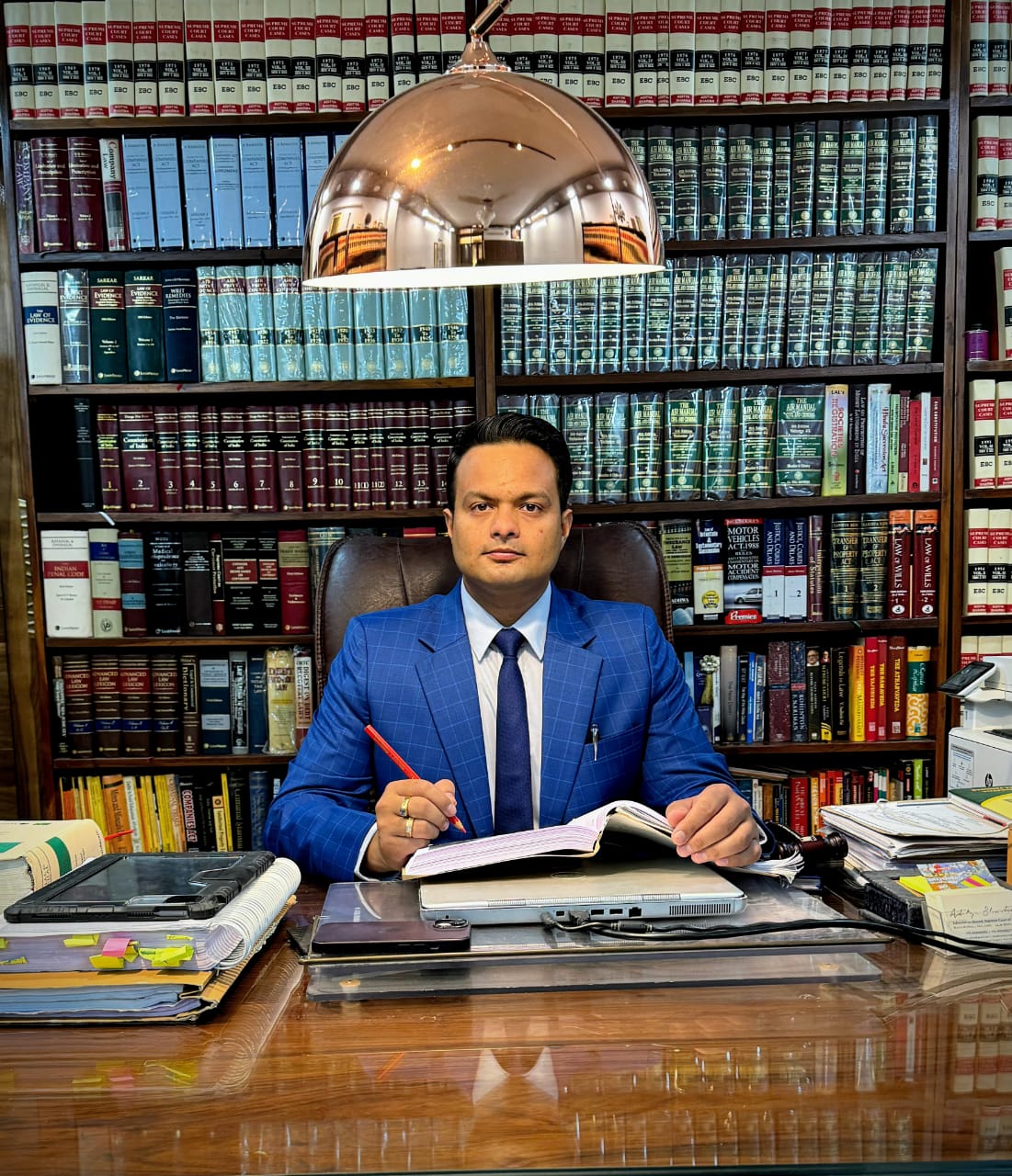
    Can you share your journey of how you ended up pursuing a career in law, and what led you to specialize in commercial litigation and white-collar crime?

    Being a third generation lawyer, choosing a career in the field of law became a natural progression at the crossroads of life. While I was pursuing a science based professional during my high school, I always remained fascinated with my parents talking about cases at home, how things unfolded in court etc. and as it would turn out, my passion and aptitude for law took over.

    While working at Shardul Amarchand Mangaldas since 2012, my Partner Anuj Berry and I were representing certain clients in large scale litigation and anti-corruption compliances in India for foreign companies. Under his able guidance and together with him, we started working to build the white-collar crime practice as a niche area at SAM. As luck would have it, our in-depth work on the advisory side soon translated into many courts facing white-collar crime matters around 2017-18 when there was a surge of criminal investigations by specialized agencies like CBI, ED and SFIO. Once I branched out to pursue my independent practice, I developed this expertise further and continue to ride the learning curve in this field. What is the most interesting part of white collar crime practice is the inter-sectional dynamics it holds between criminal law on one hand and commercial laws, taxation laws on the other. 

    You completed your B.A., LLB (Hons.) from NALSAR University of Law and later pursued a Bachelor of Civil Laws from the University of Oxford. How did these academic experiences shape your perspective and approach to practicing law?

    I believe the holistic course structure at NALSAR and the increasing importance given to procedural laws really helped in shaping my understanding of the court processes. One always found these subjects boring in class – however, once I got into active practice, the realization dawned soon that the foundational stone for easing out court related process and practices was set through these subjects taught phenomenally well at NALSAR. As a word of advice, I always harp on the fact that one must always pay utmost attention to the finer details of our procedural laws – the CPC, CrPC, Evidence Act etc., which are the heart and mind for a career in litigation.

    Coupled with this, the Socratic method of teaching at Oxford really instilled the practice of self-reading, analysis of finer details and most importantly, joining the dots across subjects – a key aspect which one should practice when it comes to a court case.

    You’ve been recognized as a “Rising Star” by Legal 500 in the Asia Pacific Region for White Collar Crime Practice. Could you tell us about one of your most challenging or high-profile white-collar crime cases, and how you navigated the complexities of such cases?

    Undoubtedly, the most challenging case was the investigations being conducted by multiple agencies into the affairs of Frost International Limited and its group companies. What later turned out to be one of the biggest cases – started with 3 different agencies probing the companies on the same set of facts. We were faced with several complex legal issues – such as whether different agencies could look into the same transactions for alleging different offences under special statutes, what would be the evidentiary value of a one sided forensic audit, whether a counter audit would be a plausible defence at the investigation stage itself. Faced with these complex questions, our team was able to ably navigate through these issues with a 3 step simple approach – (i) break down the issue and assess the answer from a first principles perspective (ii) a textbook approach may not always work in niche situations which the law would otherwise not have contemplated – think out of the box when the situation requires (iii) always keep the fundamental rights of the persons facing investigation at the forefront. Since liberty remains at stake in such cases – prompt action and immediate responses are key.

    Your career includes a role as a Panel Counsel for the High Court of Gujarat to represent at the Supreme Court. How has this experience informed your understanding of the judicial process, and what unique challenges does representing a high court at the apex court pose?

    Representing a High Court is the most valuable and honourable experience one can get. Time and again the Supreme Court has reiterated that the High Courts are no subordinate courts – they are equal constitutional courts as the Supreme Court. To appear on behalf of the High Court requires a lot of preparation and is a position of very high responsibility. At times, the High Court is required to take an adversarial stand, in some cases it may not. It is my role and responsibility to assess the High Court’s position for an effective representation before the Supreme Court. 

    You’ve advised and represented multinational companies in litigation proceedings before the Supreme Court and High Courts. Could you share a memorable case where your legal expertise made a significant impact on the final outcome?

    One of the most significant and interesting cases I worked on was the case of Neeharika Infrastructure Pvt. Limited v. State of Maharashtra, which is now a landmark reported judgment. The Supreme Court was faced with a very interesting, yet peculiar question of law – can the High Court give protection to accused while hearing petitions under S. 482 CrPC and in what cases can the trials/investigations be stayed. Knowing that Mr. K.V. Vishwanathan (as he then was before Lordship’s elevation as a Judge of Supreme Court) will be arguing for the Petitioner, I knew my preparation had to be top notch and very detailed. Appearing for the private Respondent in the case, I presented a detailed comparative approach on how this issue had been addressed not only by High Courts, but also by other foreign jurisdictions having similar provisions. The bench was very accommodative and patient during arguments – which really helped me in arguing full length before the Supreme Court. Albeit having lost the matter, it was a great experience which really helped me at the preparation stage of the matter, a practice which I now adopt in all matters.

    Your involvement with organizations like the ICC Young Arbitrators’ Group and the Oxford Cambridge Society of India showcases your commitment to professional growth. How have these affiliations enriched your legal career and influenced your approach to the law?

    Man is a social animal. A lawyer is “social-er”. Our interactions with other members of the society, our intersections with people across other forums, professional and walks of life shapes our outlook and understanding of law. Being a member of these bodies and actively participating in the events has really developed my understanding of one very basic fact – there may be different approaches to the same set of facts and a lawyer’s appreciation of this helps immensely in setting out preparing for a court case.

    As someone who has successfully represented both companies and individuals, what advice do you have for aspiring lawyers seeking a balance between providing effective representation and upholding ethical standards?

    A career in litigation is a steep slope. Gestation periods are high, rewards are initially low and recognition is seldom easy at an early stage. However, my only advice to young lawyers on this difficult path would be not to lose hope or your passion for law. Easy money is easy for a reason – but reputation and recognition is for those who persevere. Never let down your guard when it comes to maintaining the ethics of this noble profession. I echo the words of the one I look upto, Mr. Mukul Rohatgi– don’t count the hours you put in as a young lawyer.

    Lastly, what advice would you give to fresh law graduates who are about to embark on their legal careers, especially considering the evolving landscape of the legal industry?

    The field of law is ever expansive , inclusive and experimental. At the crossroads of choosing what to do, you will always get the conventional options and yet some new avenues which may not only interest you, but may be the path of your passion. Do not ever hesitate to try something new in the field of law. The multi-dimensional folds of this profession have a lot in store for everyone and if you have conviction in your actions then pursue it without any fear or doubt.

  • As a first-generation young litigator, it is always hard to have a clientele flowing in clinically and to be substantial enough to learn and grow-Ilam Paridi, Advocate-on-Record, Supreme Court of India, and Founding Partner, Vox Populi Legal

    As a first-generation young litigator, it is always hard to have a clientele flowing in clinically and to be substantial enough to learn and grow-Ilam Paridi, Advocate-on-Record, Supreme Court of India, and Founding Partner, Vox Populi Legal

    This interview has been published by  Priyanka Karwa and The SuperLawyer Team

    Can you share with us your journey from your undergraduate studies in law at Christ University to pursuing an LL.M. at Tilburg University in the Netherlands and O.P. Jindal University, Sonepat? What inspired you to take this path?

    Growing up in a household where both my parents are Ph.D. holders, my fondness for academics was always subconsciously ingrained. Having chosen law professionally, I was exposed to various philosophies and jurisprudences, which shaped my interest towards academia. Having said that, it was also important for me to not jump into LL.M. right after my undergrad and approach it like just another degree or as an exercise of CV building. It was really important for me to enjoy this process. So I decided to work for a minimum of three years and see for myself where my interest organically built. Even in my undergrad, I had the opportunity of being the Convener of Model United Nations Society and had consciously chosen to only do international moots like Oxford Price Moot- South Asia rounds and Jessup India Qualifiers, upon realising that I might not be able to learn much international law once I graduate and start litigating. Once I started practising, just like any other fresher, I had engrossed myself in learning law and court craft. With the unfortunate onset of COVID-19 pandemic in India, where courts and offices were operating in virtual mode, I was able to give space to my academic interests. It was then that I enrolled and completed various certificate courses on contract law, anti-discrimination and citizenship laws from Harvard Law School, Stanford Law School and the University of London respectively. In the meantime, I had also applied to O.P. Jindal University to pursue an LL.M. and was fortunate enough to get ERASMUS+ Scholarship and was sent as an exchange student for a semester to Tilburg University, Netherlands. The semester exchange at Tilburg University is certainly one of my fondest experiences, both personally and academically.

    Your academic achievements, including the Gold Medals and Rank 1 recognition, are impressive. Could you tell us about some of the key experiences or strategies that contributed to your success during your LL.M. studies?

    Personally, I think that one cannot and should not plan to top the course or win Gold Medals, at least while doing LL.M. At the cost of sounding preachy, it should be a natural outcome of one’s inclination, understanding and efforts put into that course. Having said that, what I personally think helped me to achieve Nani Palkhivala Memorial Trust Gold Medal, Savitri Jindal Merit Scholarship, Gold Medal for Academic Excellence and Rank 1 in Outstanding All-Round Performance in LL.M. was certainly the maturity that I garnered with my 4 years of practice, as against jumping into LL.M. right after undergrad. I was able to see the visible difference in my approach to law subjects in my undergrad and those in my Masters. Since I had chosen my area of interest to be human security and dispute resolution, it fell right in the midst of my prior work experience and academic interests. I was able to connect the dots much better than I could in my undergrad, which gave me an edge over the majority of the students who enrolled in Masters right after their UG.

    You’ve worked on a wide range of cases in the Supreme Court of India, including some landmark ones. Can you share a memorable case or experience that had a significant impact on your legal career?

    For this, I certainly have to thank Hon’ble Justice Ms. Neela Gokhale, with whom I was working, prior to her elevation as a Justice of the Hon’ble High Court of Bombay. Justice Gokhale had a wide range of matters from the lowest court to the highest court with an experience of over 30 years. Under her guidance, I worked on a variety of matters ranging from civil, criminal, and arbitration to matters of constitutional importance. One such case was Sakshi Bhattacharya v. Union of India where we had challenged various provisions of the Hindu Minority and Guardianship Act, 1956 since the Act did not deem the mother as a ‘natural guardian’ as against the father, amongst various anomalies. The research for this matter was astounding since a huge amount of literature had to be read and understood to get a perspective of the legislative intent, though archaic and colonial. This matter did have a significant impact on my understanding and approach to law as a young litigating lawyer. This did teach me that I did not have to be bound by the constraints of law if it is principally in breach of one’s fundamental rights. This also taught my younger self that I could and should question everything, including the laws in force to secure ends of justice. This certainly enhanced and nuanced my approach to every dispute, more so the ones before the Hon’ble Supreme Court since the aspect of substantial questions of law was involved in every appellate filing.  

    Your experience also includes internships and chamber experience with notable legal figures. How did these experiences shape your perspective on the legal profession, and what valuable lessons did you learn from them?

    As a first-generation aspiring lawyer, I did intern in different offices with a variety of work. I interned with Mr. Amit Anand Tiwari, Advocate-on-Record, followed by World Wildlife Fund and Nishith Desai and Associates, Delhi to get a first-hand idea of how chamber practice differs from a corporate practice. It was only thereafter did I started interning with Justice Gokhale in my third year and continued to work with her until I started my own Firm and independent practice. Working with Justice Gokhale has been the biggest influence on my perspective on litigation and the justice delivery system. As an intern, I used to take dictation and would often be given a blank document to draft an affidavit/petition, without the benefit of a format to merely fill in. The biggest takeaway from the said exercise was that the template formats should be used for convenience and not in substitution for actual learning. It should not be the case that if a template format is not available, one is not able to draft. This is a practice I till date put my junior colleagues through. Despite having done a certain type of matter a few times, we were still made to re-read the same provision every time I did a new matter. As redundant as it might sound, but it always does wonders as one would interpret a certain word/ingredient of a section differently in light of the peculiar facts of the case. It was the aforementioned that made it easier for me to crack the Advocate-on-Record examinations on my first attempt.

    As a founder partner of Vox Populi Legal, what motivated you to start your own law firm? Could you tell us about the focus areas and goals of your firm?

    The idea of starting Vox Populi Legal [meaning Voice of the People] was long pending. It really grew in shape while I was doing my Masters in the Netherlands. As a first-generation young litigator, it is always hard to have a clientele flowing in clinically and to be substantial enough to learn and grow. To overcome this, I along with my friends from my UG started Vox Populi Legal, so that we could pool our resources to run our office and at the same time work together on a variety of matters to grow. Once we started working with each other, the influx of matters automatically increased and we were able to manage offices in three different cities- now grown to five. Vox Populi Legal is primarily a litigation firm which specialises in civil and criminal dispute resolution, arbitration, insolvency proceedings, intellectual property rights etc. from the lowest to the highest courts. Apart from the objective of rendering services to people throughout the country, we are also attempting to change how a law firm ought to work. We attempt to prioritise better work-life balance and mental health, while not compromising with the quality of service. We also strive to fairly compensate our junior associates and also our interns so that they remain motivated to perform optimally.

    In addition to your litigation work, you have experience in arbitration. Can you explain the differences and challenges between litigating in court and handling arbitration cases?

    Personally, I see arbitration and litigation in courts as two strong pillars of dispute resolution in India, though with its own limitations. While arbitration is predominantly founded on the principle of consent, litigation in courts may not necessarily revolve around consent- arbitration clause, appointment of arbitrator, seat of arbitration etc. That being said, arbitration is more flexible in terms of schedule and also spends more time on each claim made by the Claimants than what courts generally do. So essentially, arbitration demands a lot more attention from determining the timeline of proceedings, and schedule of fees to the smallest of the arithmetic detail to justify one’s claim. Though the general principle is to ensure least interference by courts in arbitration, one would often find themselves being in court against every order passed by the Arbitrator. The said ping-pong between the arbitrator and the courts would often lead to delay, which is antithetical to the idea of arbitration as an alternate dispute resolution itself. Thus as a practitioner, it is of utmost importance to constantly evaluate the needs of one’s client and choose forums and strategies accordingly.

    You’ve published several research papers on various legal topics. Could you highlight one of your research findings or publications that you’re particularly proud of and explain its significance in the legal field?

    Though I have had the privilege of having my work considered worthy of publication in esteemed journals, but the one I thoroughly enjoyed working on was ‘Report on Legal Assistance at the stage of Pre-Arrest’ for National Legal Services Authority [NALSA]. Having worked in cases involving criminal law from the stage of pre-arrest, the need for effective legal assistance became more glaring and obvious. For effective functioning of a vibrant democracy, equal access to justice is a sine qua non, not just after proceedings have been initiated, but also at the stage of pre-arrest. So essentially, legal aid serves as the contact point between law and people who are living in poverty and is a catalyst for social change. By way of the said report, various structural, qualitative, policy-based reforms were suggested to ensure prompt access to legal advice and assistance to guarantee a fair trial and the rule of law, keeping up with the latest technological advancements.

    Finally, what advice would you give to fresh law graduates who are just starting their legal careers? What key principles or strategies should they keep in mind as they embark on their professional journey?

    As a fresh law graduate in litigation, it is reasonable for one to feel ‘not sure’ about the field of law or type of practice one intends to partake in. But what is important is that one should not close themselves to learning new things constantly. In my opinion, a common mistake fresh law graduates often make is that they pre-define their area of specialisation, even before they try new fields. Though people might differ on this, I strongly feel that one’s specialisation should be determined organically wherein one ends up doing/enjoying a certain kind of matter a lot more than other. As a fresh law graduate, the best thing that one can do for themselves is that one has to be the ‘Master of their Brief’, without any exception. It is a non-negotiable that one ought to know every fact, every page, every document, and every law involved in the said matter, better than anyone else on the given day in the said courtroom. This will not only help a fresh graduate to be more confident but will also help one grow consistently. There is no shortcut to hard work in litigation. When the same is coupled with consistency and integrity, one would find results visibly quicker than the rest of the legal professionals. Having said that, one also needs to strive to maintain a healthy work-life balance and mental health to enjoy the journey of life-long learning.

    Get in touch with Ilam Paridi-

  • While I fully acknowledge my responsibilities as an advocate and my duty as an officer of the court, I work with an outlook that the client has engaged my services to secure the victory, not merely to secure my best efforts- Vishal Gehrana, Advocate on Record, Supreme Court of India

    While I fully acknowledge my responsibilities as an advocate and my duty as an officer of the court, I work with an outlook that the client has engaged my services to secure the victory, not merely to secure my best efforts- Vishal Gehrana, Advocate on Record, Supreme Court of India

    This interview has been published by  Priyanka Karwa and The SuperLawyer Team

    Sir, can you tell us about your journey and how you ended up becoming a lawyer and Advocate-on-Record before the Supreme Court of India?

    My journey in the legal profession started in my small hometown, Shikohabad, Uttar Pradesh. Despite hailing from the legal background, I initially found myself more drawn to the field of biology. The complexities of biology truly piqued my interest during those early days. However, fate had a different path for me, and in 2002, following my father’s steps, I decided to pursue my career in law. Little did I know that this decision would completely change my perspective and ignite a sincere passion for legal practice. I excelled as a student in my law school, and I was fortunate to have the valuable opportunity to extensively attend the civil and revenue courts and to also engage in case preparation right from my very first year in law college. I still have vivid memories of sitting in courtrooms, attentively hearing the lawyers’ arguments in unrelated cases, and diligently noting down the references of each judgment and provision cited during the hearing in my notebook. This enabled me to read most of the relevant judgments and provisions that may be used in a dayto-day practice and also gave me insights into the diverse categories of disputes. Also, my father encouraged me to regularly read the monthly law reports. He advised me to maintain a diary and write down the details of relevant judgments of each month. This not only helped me develop a good understanding of law but also improved my analytical skills as a student. Later, after relocating to Delhi, I decided to become the Advocate-on-Record before the Supreme Court of India and fortunately, I cleared it despite the challenges that came along with way. My journey has been enriching, and I am grateful for every twist and turn that led me to where I am today.

    You started your career as an independent legal practitioner at the original side. How did this experience shape your approach to resolving civil-commercial disputes? 

    I joined my father’s practice upon completing my graduation and worked on civil cases ranging from personal and family disputes to those involving the government departments and also public sector undertakings. At the same time, I also started handling and arguing my own cases at the revenue side. These early experiences honed my legal skills. I still cherish a wise advice my father gave me during my first year in law school. He told me to first seek the answers in the Bare Act, Commentaries, and the Law Reports before approaching him for any guidance. This advice gave me a strong sense of self-reliance. Undoubtedly, practical experience plays a vital role in shaping one’s journey as a lawyer. Being a good lawyer entails not just knowing the concepts but also the practical aspects of litigation! My experience as an independent legal practitioner has significantly shaped my approach in handling civil-commercial disputes. I approach every case with empathy for my client and a deep dive into the intricacies involved. My passion for law, however, remains the driving force behind my career as a lawyer. While I fully acknowledge my responsibilities as an advocate and my duty as an officer of the court, I work with an outlook that the client has engaged my services to secure the victory, not merely to secure my best efforts.

    Over the years, you have developed expertise in handling high-profile matters before various forums nationwide. Could you share some key insights or experiences from your practice that have had a significant impact on your legal career?

    Having accumulated valuable experience in civil and revenue cases, I consider myself fortunate to have had the opportunity to work on and handle noteworthy cases that not only tested my skills but also contributed significantly to the enhancement of my legal expertise. Upon relocating to Delhi, the first case assigned to me was a high-profile multi-pleading international arbitration, seated in London, wherein the dispute between the parties was related to the oil and gas fields in the western cost of India. In the course of this arbitration, I had the privilege of working with some of the most distinguished legal counsel from both India and Britain, who imparted to me invaluable lessons and knowledge. In addition to that, I also worked on international arbitrations related to the transfer of technology in the defence sector. This experience provided me with invaluable firsthand insights into arbitration procedures in different jurisdictions, level of preparation required, and the working of the foreign lawyers/law firms. After joining Karanjawala & Co., I worked on several high-profile cases, and I am deeply appreciative of the firm for placing trust in me. I would love to share about two of these notable cases. First case, that has a special place in my heart, is the Centrotrade Minerals case. I did the matter during the last two crucial rounds before three-judge benches of the Supreme Court of India. This led to the two landmark judgments of the apex court wherein the apex court legalised the concept of two-tier arbitration in India and the gave a green flag to the enforcement of arbitral award passed therein. It was an experience I will always cherish. The entire team, including the senior advocate, dedicated themselves to the case, and thanks to the collective hard work, we were able to achieve a positive outcome in this matter. The other case is Essar Steel Insolvency, which has been one of the largest cases under the Insolvency and Bankruptcy Code 2016 (IBC) regime. I have had the privilege of being part of the core legal team at all levels and working closely on this case. It all started in 2017 from a small room in NCLT, Ahmedabad and ended with the approval of the resolution plan on November 15, 2019, in the magnificent Court No. 5 of the Supreme Court of India. These two years were quite intensive and exhausting, with numerous hearings and multiple rounds at NCLT, Ahmedabad, NCLAT, and the Supreme Court. In this case, we found ourselves navigating through the intricacies of a statute that was in its nascent stage. Back then, we did not have a privilege of case laws or commentaries to lean on for guidance. This added an extra layer of complexity to our preparations. So, our team used to engage in rigorous discussions, which often escalated into spirited debates on the various possible interpretations of the relevant provisions. It was an intellectual tussle that we willingly accepted. These debates were crucial to ensure that we put our best foot forward. The entire team put in an incredible amount of effort, and their collective dedication and hard work paved the way for the positive results we achieved in these matters. Throughout this process, our senior advocates also played a vital role by guiding us in making the well-informed decisions. This case holds special importance in my heart as the two landmark judgments played a decisive role in shaping insolvency laws in India.

    You have an impressive track record in handling Corporate Insolvency Resolution Processes under the IBC. What drew you to this area of law, and how do you navigate the complexities of such cases?

    Indeed, my voyage into the world of the IBC has been nothing short of fascinating. What particularly impresses me about it is how a financially distressed corporate debtor revives under the IBC, much like a phoenix that rises from the ashes. Also, the necessity to properly balance the interests of all stakeholders distinguishes these cases from other forms of disputes. I must that the sense of satisfaction that comes from navigating thought it, as a lawyer, is truly fulfilling. My approach to handling these intricate cases revolves around thorough no-nonsense preparation, which means having an in-depth knowledge of the applicable laws and the facts of the case. It is also important to stay informed on the insolvency law developments and to understand the industry-specific dynamics at work.

    Your experience in international and domestic arbitration is extensive. Can you share some of the unique challenges and rewards of representing clients in diverse sectors during arbitration proceedings?

    Handling arbitration, whether on an international or domestic level, has been a journey filled with both unique challenges and incredibly rewarding experiences. Each case presents its own unique set of complexities, technical nuances, and industry-specific requirements, and I have had the privilege of representing clients in a variety of sectors, both in India and overseas. Effectively navigating these difficulties requires an in-depth knowledge of the specific subject. It is undoubtedly difficult, but the joy that comes from consistently growing your legal knowledge is very fulfilling. One of the main challenges in arbitration is the rigorous preparation it demands. Every facet of the case, from building your case to producing evidence or conscripting your arguments, requires thorough research and meticulous preparation. However, the satisfaction of presenting a well-prepared case and achieving favourable outcome for the clients makes all the effort worthwhile.

    As an accomplished lawyer, you have represented clients in various sectors, ranging from Real Estate and Healthcare to Information Technology and Pharma. How do you approach advising clients on legal matters in such diverse industries?

    When it comes to advising clients in diverse industries, I approach it with a practical and clientcentric perspective. I believe that understanding the client’s commercial interests is fundamental. My professor used to remind us that law is a multidisciplinary subject, and you cannot truly become a legal expert unless you are ready to delve into the subjects where you have to apply your legal knowledge. What I mean to say is that while practicing law, lawyers come across various disputes relating to industries, ranging from technology to healthcare to real estate to defence, and so on. To give clients the best legal advice, it is essential for us to have the basic understanding of these industries and the difficulties they encounter. These days clients expect more than just a legal counsel, they want trustworthy lawyers who can guide them through the practical implications of the law on their businesses. It is not just about giving textbook advise, but also about understanding how the law is developing and impacting the industries in which the clients operate. This approach allows me to give practical and strategic legal advice to the clients, ensuring that their wants are met with tailored solutions.

    You’ve been associated with well-known litigation firms like Karanjawala & Co. Can you talk about the significance of being part of such esteemed professional associations in your legal career?

    My association with Karanjawala & Co. has been a transformative experience for me. The firm handles a wide range of cases, from high-stakes and complex commercial cases to straightforward family matters. It is certainly one of the best litigation firms in the country, and the opportunities it provides cannot be equated with anything else. Every case I handled or worked-on during my association with the firm, gave me an opportunity for my professional and personal growth. I want to express my sincere gratitude to my seniors/colleagues, both within and outside the firm, who immensely contributed to my growth as a lawyer. Throughout this journey, their support has been crucial.

    Looking back at your educational journey, how did your LL.M. in Corporate Law & Governance from NALSAR University of Law contribute to your career growth as a lawyer?

    After some years of practice, I decided to pursue post-graduation at NALSAR University of Law, Hyderabad. It was a crucial turning point in my academic career. The university provided a two-year masters’ program in Corporate Law and Governance. These two years not only gave me with invaluable insights, but also provided me with an alternative perspective that benefited my career as a lawyer. The unique mix of students and the presence of prominent faculty members from all around the globe made my experience at NALSAR very special. Apart from the academics, I understood the immense power of networking and the importance of building connections within the legal community.

    Having accomplished so much in your legal career, what advice would you give to fresh graduates who are aspiring to succeed in the field of law? What qualities and skills should they focus on developing to excel in the legal profession? 

    When I reflect on my legal career, I realize that it is only the beginning. Having said that, and given my limited experience, my first and foremost advice to fresh law graduates is to work with sincerity and dedication, but also prioritize your health. This profession is stressful and draining and, therefore, selfcare is important. Second, establish a strong network of personal and professional contacts. These connections can provide crucial help and collaboration opportunities. Third, keep your client’s interest in mind at all times, try to understand their concerns from their point of view, and come up with sensible and ethical answers. Fourth, while your dedication to work is necessary, don’t forget to spend quality time with your loved ones. They sacrifice a lot for your success. Lastly, in our profession, English is gold, and it forms the foundation of effective communication at all fronts. Embrace it as your first language so that it would become a valuable tool for your legal journey.

    Get in touch with Vishal Gehrana-

  • Technology has significantly permeated the legal field, and currently, physical files are virtually non-existent in my practice- Devansh Srivastava, Advocate on Record at Supreme Court of India

    Technology has significantly permeated the legal field, and currently, physical files are virtually non-existent in my practice- Devansh Srivastava, Advocate on Record at Supreme Court of India

    This interview has been published by  Priyanka Karwa and The SuperLawyer Team

    Your journey in law has been quite impressive, with experience in various aspects of dispute resolution. Can you share with us what initially drew you towards pursuing a career in the legal field?

     My journey into the legal field has been driven by a simple but unwavering passion. I am a first-generation lawyer, with no prior family ties to the profession. Despite not being the top student in school, I was determined to become a lawyer from an early age. Influenced initially by depictions in the media, I soon delved into the lives of real legal luminaries like Ram Jethmalani, Soli Sorabjee, and Shanti Bhushan. Convincing my father, who had reservations about the traditional image of lawyers, was a challenge. However, I explained the modern opportunities in law, from law firms to in-house roles, and he eventually supported my decision. In over six years of practice, I’ve never regretted my choice. Law has never been just a career; it’s been a transformative force. It has provided me with a new perspective in life, for which I’m profoundly grateful. To those considering a career in law, remember that it can open diverse doors and create a meaningful impact. Embrace your passion, work diligently and the legal profession may offer you a rewarding journey, as it has for me.

    Over the years, you’ve gained expertise in Arbitration, Insolvency, Civil, Criminal, and Commercial Litigation. Could you tell us about a particularly challenging case you’ve worked on and the strategies you employed to achieve a successful outcome?

    Upon completing my college education, I had the privilege to meet Mr. Manish Bishnoi, an established Advocate on Record. Although there were no immediate openings in his Chambers at that time, Mr. Bishnoi expressed his willingness to accommodate me in the future. Eventually, an opportunity arose when one of his junior associates departed, and he offered me a position in his Chambers. At that time, I was relatively inexperienced compared to most of my peers, but I was determined to learn and grow in the legal profession with my hard work and compassion. During my early years, I engaged in a wide range of tasks, including drafting applications, filing cases, and rectifying procedural issues. Mr. Bishnoi provided me with extensive dictations to help me grasp both the facts and legal nuances of each case. Over time, my confidence in drafting grew. One particularly challenging case that stands out from my early career involved the National Highways Authority of India (NHAI) and a dispute over a price escalation formula, which was litigated before the Hon’ble Supreme Court. NHAI had faced unfavourable outcomes in multiple Arbitral Tribunals, with Section 34 applications under the Arbitration and Conciliation Act dismissed, along with unsuccessful Section 37 appeals. NHAI then approached the Supreme Court via a Special Leave Petition (SLP). This case demanded extensive legal research, meticulous documentation, and countless late-night efforts. As a junior practitioner, I was responsible for reviewing case law, annotating relevant decisions, and preparing comprehensive compilations. The hard work paid off when the Supreme Court granted relief in the SLP, marking a significant victory for NHAI. This experience taught me the importance of diligence, thoroughness, and unwavering dedication in navigating complex legal matters. It reinforced my commitment to the legal profession and the pursuit of justice through meticulous legal practice.

    From your work at different law firms, including your current position at Agarwal Law Associates, you’ve been involved in drafting pleadings, working with senior advocates, and appearing before courts. How do you manage the dynamic nature of court proceedings and the intricacies of drafting legal documents?

    Embarking on my legal journey was an exciting challenge. From the outset, I was determined to learn and evolve as a lawyer. It’s important to acknowledge that a lawyer’s life is filled with demanding hours, often starting in court from 9:30 am and extending well into the afternoon, sometimes beyond. Following our courtroom commitments, we retreat to our offices or chambers to delve deeper into our cases. 

    In my case, before I start drafting, I adhere to a structured routine. I begin by thoroughly reviewing the Impugned order, the core of the legal dispute. I meticulously compile a concise yet comprehensive list of crucial dates, which serves as a foundational reference point. Once I have a firm grasp of the facts and have conducted extensive research on the relevant laws, I start to draft the petition. 

    Through my journey, I’ve come to appreciate that the List of Dates is akin to a legal compass; it guides the way through the drafting process, simplifying what can often be a complex endeavour. 

    You’ve also been a part of cases involving insolvency and bankruptcy matters. Given the complex legal landscape in this area, could you share some insights into your approach when dealing with such cases and ensuring compliance with the Insolvency and Bankruptcy Code?

    In the initial years of my legal career, spanning until 2020, I hadn’t encountered a single Insolvency and Bankruptcy Code (IBC) matter. However, when I joined the Chambers of Mr. Nakul Mohta and Mrs. Misha Rohatgi Mohta, my very first assignment turned out to be an IBC case. Acknowledging the challenge, I fully immersed myself in the intricacies of the IBC and diligently studied the pertinent case laws in this specialized area. As I gradually grasped the foundational principles, my understanding of this complex subject deepened, and I can proudly say that I’ve played a role in several crucial judgments involving intricate IBC regulations. 

    This experience instilled in me a crucial lesson: the legal profession should never restrict itself to a single narrow field of law. Instead, we should remain open to exploring a diverse range of legal disciplines. While it might appear daunting initially, with unwavering dedication and a commitment to continuous learning through extensive reading and effort, any branch of law can become as intellectually stimulating and rewarding as the next..  

    Devansh, you’ve had the opportunity to work with various senior advocates and establish your presence in the legal community. Can you tell us about a mentor or experience that has significantly shaped your understanding of the legal profession?

    I’ve had the privilege of working alongside prominent Senior Advocates who currently practice before the Hon’ble Supreme Court, including legal luminaries such as Mr. Mukul Rohatgi, Mr. Kapil Sibal, Dr. Abhishek Manu Singhvi and Mr. Shyam Divan, among others. What I’ve gleaned from these experiences is that each senior advocate has their unique approach to case analysis, and crafting a Briefing Note tailored to their preferences is essential. There is an abundance of wisdom to be gained from senior advocates, especially in their exceptional ability to bring depth and nuance to a case. On numerous occasions, these seasoned practitioners have unearthed critical points that may have eluded others. 

    The legal field is constantly evolving, especially with technological advancements. How have you incorporated technology and legal research tools into your practice to stay ahead and provide the best possible service to your clients?

    Yes, technology has significantly permeated the legal field, and currently, physical files are virtually non-existent in my practice. I’ve transitioned entirely to digital files and documents. I must commend the efforts of our Hon’ble Chief Justice of India (CJI) in promoting the use of electronic devices, which has led to even senior advocates adopting iPads over traditional paper files. One noteworthy change worth mentioning is that senior advocates now request bookmarked and OCR (Optical Character Recognition) files instead of hard copies, a shift that has substantially reduced paper consumption. From filing to file service, everything in the Supreme Court has become electronic, and in my experience, nearly 50% of Supreme Court practitioners have embraced digital files. 

    Personally, I’ve become proficient in using software such as Adobe, PDF Expert and Liquid Text, enhancing my ability to read and manage files more effectively than was possible in the past. I recall numerous instances where case files spanned thousands of pages, making it exceedingly inconvenient to transport them to court. Now, everything is securely stored in the cloud, ensuring easy and instant accessibility. 

    Having recently cleared the Advocate on Record exam held by the Supreme Court, could you walk us through your preparation process and share any tips for aspiring lawyers looking to excel in their legal careers?

    I recently cleared the Advocate on Record (AOR) exam conducted by the Supreme Court in December 2022. It was my first attempt, undertaken immediately after becoming eligible. Before delving into my preparation process, it’s important to provide some context about this examination. 

    The AOR exam is an annual exam organized by the Supreme Court. Simply put, passing this exam grants you the eligibility to file cases before the Hon’ble Supreme Court. Currently, there are approximately 3000 AORs. The exam comprises four subjects: Practice and Procedure, Ethics, Drafting, and Leading Cases. To pass, you must achieve a minimum of 60 percent marks in each subject. Typically, this exam is held in June each year. As it coincides with the start of court holidays in mid-May, candidates have approximately 25 days to prepare. 

    In the year I took the exam, there were no court holidays, leaving me with limited preparation time. However, if you are a regular practitioner at the Supreme Court, your need for extensive preparation is diminished. Most aspects, including procedures and leading cases, are already familiar to you. Your goal is to refresh crucial aspects of each subject so that key points are readily accessible. 

    The most critical element for success in this exam is your writing proficiency. The AOR exam is primarily a written test, and the time allocated is relatively short. Therefore, to complete the exam successfully, you must have legible handwriting and maintain a good writing speed. This skill is essential to effectively address the examination’s demands

    Throughout your journey, you’ve navigated different law firms and areas of practice. What factors do you consider when choosing the cases or clients you take on, and how do you ensure a balanced workload?

    In addition to my full-time commitment at Agarwal Law Associates, which is a prominent Supreme Court litigation firm, I have managed to handle practice of my private cases. Learning from initial mistakes, I’ve adopted a strategy of exclusively handling Supreme Court matters. This decision ensures that I can consistently meet the demands of my casework, as timely attendance at other courts might pose challenges. My principle is to prioritize the firm’s work above all else, reserving nights and weekends for my private matters. So far, this approach has proven effective without significant difficulties. In my view, the primary consideration in taking on a case is whether I can deliver complete and impeccable service. It is paramount that clients do not harbour doubts that someone else could have handled their matter more proficiently. I am committed to ensuring that every case receives the utmost attention and diligence, aimed at achieving client satisfaction and upholding the highest standards of legal representation.

    Lastly, what advice would you give to fresh law graduates who are just starting their careers and looking to make a positive impact in the field of law?

    The field of law is not merely a subject learned from textbooks; it’s a practical domain that relies heavily on common sense. Throughout my journey, I’ve been consistently reminded by mentors that there are no shortcuts in the legal arena. Success hinges on relentless hard work and unwavering consistency. To the fresh graduates embarking on their legal careers, I offer this advice to be diligent and cultivate a “Never Give Up” attitude. When commencing our journey as lawyers, we often remain unaware of the hurdles ahead. Many who start this journey may feel inclined to quit prematurely. Initially, compensation may seem meagre, and the workload demanding. You’ll hear from friends in other fields that they earn more while working fixed hours, leaving you questioning your choices. However, rest assured, these initial challenges are temporary. Every lawyer, including the most accomplished, has navigated through this phase. Believe me, this initial grind will ultimately pay off, and you’ll emerge as a proud and accomplished professional. As a fresh graduate, your ability to contribute significantly to your senior may be somewhat limited initially. However, here are some pointers to make your mark which I have gained through my experience: 

    A. Good File Management: Prior to the day of a hearing, thoroughly review the case file and ensure it is complete. In the case of digital files, confirm that they are well-organized with proper bookmarks and OCR (Optical Character Recognition) applied. 

    B. Legal Research Mastery: Invest time in researching relevant laws and creating a comprehensive case law compilation. 

    C. Efficient Note-Making: Create concise, organized notes with page numbers, enabling you to navigate the case file seamlessly. I vividly recall a situation where I had to brief a senior advocate at the last minute when my immediate senior was unavailable. My well-structured notes proved invaluable, allowing me to brief the senior advocate effectively. Ultimately, it’s essential to have a firm grasp of the case’s facts, supported by page and paragraph references. This meticulous approach will not only assist your senior but also elevate your standing in the legal field. Remember, the early challenges are stepping stones to a rewarding and accomplished legal career. Keep the faith, persevere, and you’ll emerge stronger and more resilient in the world of law.

    Get in touch with Devansh Srivastava-

  • With technological advancement, the access to justice and quality education is more probable now then ever- Dr. Charu Mathur, Independent Counsel, Supreme Court of India

    With technological advancement, the access to justice and quality education is more probable now then ever- Dr. Charu Mathur, Independent Counsel, Supreme Court of India

    This interview has been published by  Priyanka Karwa and The SuperLawyer Team

    Ma’am,  please introduce yourself to our listeners and provide an overview of your current role as an Advocate-on-Record at the Supreme Court of India?

    Hi! I’m a mom, wife, daughter, sister and also a lawyer and a lifelong learner. I’m deeply privileged to practice as an Advocate-on-Record before the Supreme Court. AORs as original envisioned have a deep role in efficient functioning of the apex court. An AOR is personally responsible to the court; there’s reason why close proximity to Supreme Court complex is provided in SC Rules. The idea is an AOR must be available to assist the court. Since the inception we have around 3000 lawyers who became AOR. The year I cleared my AOR Exams, some 20-25 people made the cut. Earlier only 3 or 4 people could clear AOR Examination. I’m particularly not happy that since past few years over 250 people are made AORs. It is good that so many people are able to clear the examinations but then it also speaks volume about the quality of assessment and nature of question paper set. It is actually disheartening to see that some of the speakers who conduct the lecture series on behalf of SCBA/SCAORA actually give out complete paper. This to me lowers the sanctity of examinations.

    Coming back to my own journey, I come from a family of lawyers and some of them were elevated as judges as well. I did my LLB from LA Shah Law College, Ahmedabad. Right from my student days I worked under my senior Sh SN Shelat, Sr Adv and former AG of Gujarat. In my entire professional life, I have just one enduring motive that whatever I do or not do should bring glory to my senior- Sh SN Shelat and my father Justice NN Mathur; I pray that even accidently I should not do something that blemishes their fair name.

    Post marriage I moved to Delhi. My husband is a fellow AOR and represent few States before the Hon’ble High Court. He has also penned a book on GST, one of the earliest. I’m particularly proud of that. His book explains conceptual GST soundly. He is a man of few words but probably the sharpest person I have come across.

    You have an impressive academic journey with degrees in law, business laws, and even a Ph.D. in Legal Aspects of Pharmaceutical Patents. How did you find your way into the field of law and what motivated you to pursue such a diverse range of qualifications?

    I think the answer to this lies in my gender and role attributed by the society. As long as I can remember, I always wanted to be a lawyer. Constitution of India is my only sacred book. My mother retired as a Professor from Jai Narain Vyas University, Jodhpur. So, I believe I have received some academically genes from her. As for my PhD and even AOR examinations I cleared while being a young mother. I absolutely believe in spending quality as well as quantity time with family. For me spending time with my son, reading to him was very important. I have read him many books multiple times. So, yes, at one point of time in my life reading to him and searching for books for him was my number one priority. I’m glad that our initial efforts turned him into a lifelong reader. He was judging MUNs at St Stephen’s and Hindu while he himself was a school kid. He did us proud by securing place to read Undergraduate law at Trinity College, University of Cambridge and topping the University in the 1st year. As for my own academic journey, I could devote time because I was master of my own time. I was privileged that as I was working with my husband I could decide on my own working hours and even choosing what I will work on what I will not. Saying all that, I do miss the fact that I could have advanced my litigation professional profile at better speed but it was the choice I made, so that it is.

    With over 20 years of experience as a practicing lawyer before the Hon’ble Supreme Court, you’ve handled a wide range of legal matters. Could you share some highlights or cases that have been particularly memorable or impactful in your career?

    Some of the memorable cases I can rattle is- my 1st appearance before the Supreme Court. It was a bail matter. My SLP was dismissed but not before the judge (Justice Rajender Babu) narrated the story of Bruce, the spider- try try again until you succeed.

    I remember arguing murder reference of Purshottam Dashrath Borate before the three judges bench headed by the Chief Justice. One case which I particularly remember was fighting for an old father against her daughter. I could secure win for the father. It was emotionally charged matter. We have been doing medical entrance examination matters fairly regularly. We have seen pre and post NEET era. We have got relief in many of these matters. However, seeing these matters closely, I really question our medical education. Just like AOR exams the bar is getting lower and lower. I do educational matters also. I’m counsel for some of universities as well. I’m happy that relying upon an earlier judgement (where I was part) in a subsequent Writ under Article 32 could change the way seats are allocated in PG AIIMS.

    You’ve also been involved in advisory work for various corporates and organizations. Could you elaborate on your role in providing legal counsel to corporate clients and startups?

    I’m fortunate to get the diverse work. I believe, startups need hand holding. Legal issues are complex and to navigate this maze they need some guidance. Sometimes only discussing the point help them see the point with greater clarity. I do help them on transaction side as well as in drafting and vetting agreements, and even in arraying partners for them.

    Your list of appearances before different high courts and your engagements as a speaker on various legal topics are extensive. Could you tell us about your motivations behind sharing your expertise through speaking engagements and publications?

    I have started taking out station matters. I derive great satisfaction by arguing before various High Court. Recently, we could persuade a High Court to quash demand notice worth Rs 12 Crores, in another High Court could persuade the court that the fault was not of the tax official but the assessee and could get notice issued against his discharged. Likewise in Delhi High Court could persuade the court for relief in arbitration matter.

    As for speaking engagement, I enjoy interacting with young law students and absorb their worldview.

    You’ve also been involved in e-learning content development and have written books on legal topics. Could you elaborate on your experience in creating educational content and how it helps in disseminating legal knowledge?

    Legal education is something close to my heart. With technological advancement, the access to justice and quality education is more probable now then ever. As a continuous lifelong learner, this is my way of giving back to society. 

    Lastly, what advice would you give to fresh law graduates who are just entering the legal profession? Are there any key lessons you’ve learned that you believe would be beneficial for them to know?

    Like each successive generation, this generation is far smarter than the previous one. It has more resources at its disposal. However, there is no substitute for in-depth understanding, reading and introspection. You must have sometime to reflect, assimilate knowledge. We are not machines who keep on downloading information, idea is to read and reflect. In my opinion, running around for internships is meaningless. First, have conceptual clarity, read case laws, read provisions. Now, with live streaming you can witness finest oral advocacy. 

    Get in touch with Dr. Charu Mathur-

  • As a dispute resolution lawyer, I have understood that what a litigant desires the most is to be heard by an adjudicator and the arbitration proceedings conveniently affords that comfort to a litigant- Soumya Priyadarshinee, Advocate-on-Record, Supreme Court of India

    As a dispute resolution lawyer, I have understood that what a litigant desires the most is to be heard by an adjudicator and the arbitration proceedings conveniently affords that comfort to a litigant- Soumya Priyadarshinee, Advocate-on-Record, Supreme Court of India

    This interview has been published by  Priyanka Karwa and The SuperLawyer Team

    Ma’am, please tell us about your educational background and how you ended up pursuing law? What motivated you to choose this career path?

    Prior to joining law school, my educational trajectory was fairly linear-small town CBSE schooling. I am a first generation lawyer. I decided to become a lawyer when I was just 13 years old. It was largely borne out of the urge to depart from the trend of making the stereotypical choices of either becoming an engineer or a doctor. Some of the credit also goes to the copious amounts of legal fiction which I read at that time.  However, all these years later, for entirely different reasons, the decision to become a lawyer seems more correct than ever.

    You have an impressive work experience, ranging from independent practice to working at various prestigious offices. How did your journey progress from your early career to where you are now?

    The seeds of my litigation career were sown through my law school internships where  I first learnt grasping legal propositions and delivering accurate legal research. Then, as a lawyer, being the youngest member of the team, executing the smallest of tasks with responsibility became a priority. Reading my corrected drafts several times to understand the shortfalls was a practice which has stood me in good stead. With time my drafts have evolved. As the years passed, my approach shifted from finding the correct law to finding the optimum solution for the client. The sweetest part came around the 5th year of my practice, when I started arguing before the Hon’ble High Court of Delhi. What seemed overwhelming in the beginning, slowly became thrilling and enjoyable. The feeling of having conveyed my case satisfactorily across the bar, is by far the most gratifying feeling for me; irrespective of the win or loss that follows.

    During your stint at the Office of Ms. Rukhmini S. Bobde, you handled criminal matters and intellectual property disputes, among others. How did these experiences contribute to your growth as a legal professional?

    Litigation is a nuanced craft. Working with Ms. Bobde, first as an intern and then as a lawyer has helped me immensely. Crystal clear instructions and  adherence to professional practices have been a good primer for me. For example, one can never expect a hassle free briefing session with her without having read the brief cover to cover. Similarly, remaining poised and attentive even in high pressure situations during court hearings is a core part of her arguing style which I have been able to imbibe.  The best part about working with her has been her inclusive way of teaching me. She would always ask my opinion about the possible outcome of a hearing or about the starting point of an argument. The deliberation that follows has taught me the difference between arguing a fresh matter for admission before the Hon’ble Supreme Court and addressing final arguments before an Arbitral Tribunal. In the former, identifying and pitching the best point of a case becomes cardinal. While in the latter, being lucid while marshalling facts is a must. 

    Your work experience at various law firms involved handling cases related to environmental matters, infrastructure disputes and mining regulations. How did you navigate through these complex and diverse legal areas?

    Every new kind of dispute poses a two-fold challenge. The first is to understand the law around it and the second is to get the technicalities straight.  Over the years, I have found that a thorough reading of the brief (however unfamiliar it may be) followed by a meticulous session with the clients who are experts in their fields, such as Engineers and Chartered Accountants etc. gives me good control over the brief. From this point, traversing through the law becomes simpler. Capturing the crux through written submissions seals the deal. This approach cuts across the different domains of disputes. 

    During your independent practice, you dealt with a diverse range of disputes, including public law matters and commercial arbitrations. Could you share some memorable experiences or cases that had a significant impact on your legal career?

    There are many. But one experience from March, 2023 is extremely bittersweet. I was representing a client for the very first time before the Hon’ble High Court of Judicature at Bombay in a case under s. 9 of the Arbitration and Conciliation Act, 1996. I had worked very hard. However, I somehow felt that my arguments did not meet the mark at all. And as my luck would have it, I also managed to get scolded by the Judge that day. The clients were present in court. I was disheartened. I even made the affidavits and the vakalatnama and sent it to the clients in anticipation of having to file an appeal. However, two days later, on the date of pronouncement, I was pleasantly surprised to know from the local lawyer that not only had the Judge decided partly in my favour but he had also praised me in open court. He in fact appointed me as an arbitrator in another matter. I was relieved and so was my client. Needless to say, more work has followed since, from that client.

    You have also lectured for educational organizations such as Law Sikho and Adani University. What drove you to take up teaching alongside your legal practice?

    I belong to a family of teachers which includes my mother and my grandmother. So, I think I have some natural inclination for teaching.  

    My stint at M.V Kini & Co, New Delhi had me working on the litigation portfolios of NHAI, BHEL, AAI and the likes. This acquainted me with technical nuances  of those industries such as the different kinds of Infrastructure Contracts including Engineering Procurement and Constructions Contracts, Build Operate Transfer-Annuity Contracts, Hybrid Annuity Contracts etc. As a result I was able to contribute with a mix of practical experiences and theoretical information while teaching. 

    Similarly, I am taking some classes for Law Sikho which caters to the aspirants of the Advocate-on-Record (‘AOR’) Examination. I just cleared this exam in December, 2022. The curriculum is fresh in my mind. Therefore, I decided to take up the opportunity to help out AOR aspirants.  

    Balancing a successful legal career and taking on outstation assignments can be challenging. How do you manage your professional commitments effectively?

    The challenges behind taking up outstation matters include getting used to the listing process and ensuring defect free filing. The style of drafting also differs. Similarly, when it comes to handling arguments, a new court and a new judge can be disconcerting in the beginning. But these are challenges that disappear sooner than they appear provided one is a keen observer and relies on a good local lawyer. I manage my professional commitments vis-a-vis outstation matters by appearing through video conferencing on non-effective dates, by maintaining my court calendar carefully and by collaborating with competent local lawyers. 

    Throughout your career, you’ve been involved in arbitration proceedings and mediation. Could you share some insights into the benefits of alternative dispute resolution methods in the legal system?

    As a dispute resolution lawyer, I have understood that what a litigant desires the most is to be heard by an adjudicator and the arbitration proceedings conveniently affords that comfort to a litigant. Additionally, the earnest effort of the parties, advocates, and arbitrators to dispose of the matter within a limited time frame augurs well. As judicial intervention is restricted and can be exercised only on limited grounds, the parties are much more likely to accept the arbitral award and save themselves from the seemingly endless cycle of appeals and revision etc.

    Mediation has also proven very effective, particularly for certain genres of disputes. Long years of litigation between family members on matters of property etc have an emotional cost. Thicker the tie, the harder it is to remain objective. However, when mediated effectively, I have seen parties settling old property disputes resulting in disposal of long drawn disputes. The same is true in Matrimonial disputes as well. I have attended many mediations in the Supreme Court Mediation Cell where often chequered disputes between estranged spouses end with a reasonable and dignified settlement. 

    Many fresh law graduates aspire to have a successful legal career like yours. What advice would you give to these graduates who are just starting their journey in the legal profession? What key qualities or skills do you believe are essential for their success?

    Success is a relative term and still seems elusive to me. Delivering my best on each and every opportunity has been my only priority. The two indispensable qualities that come in handy for a lawyer are humility and honesty. As rhetorical as it may sound, I feel with humility, one can identify and embrace one’s shortcomings and work on them effortlessly . With honesty, one can win trust and reliability. These eventually translate into valuable social capital. 

    As a successful legal professional, what are your future aspirations? Are there any particular legal areas or causes that you are passionate about and would like to focus on in the coming years?

    I wish to develop a career as an arguing counsel. Till that materializes, I am happy doing it all, namely arguing, drafting, filing, briefing etc. The core idea is to deliver quality legal services in every case.

    Lastly, could you share a personal or professional mantra that has guided you throughout your legal career and life in general?

    It is true that personal life and professional life tend to run hand in hand. But keeping the two separate is the test of a true professional. Having clinical objectivity towards my professional life has helped me protect and nurture it against the inevitable and sporadic turbulences in my personal life.

  • I believe, the practice of law is very deep rooted with our society and social leanings and learnings- Adeel Ahmed, Advocate-On-Record at Supreme Court of India

    I believe, the practice of law is very deep rooted with our society and social leanings and learnings- Adeel Ahmed, Advocate-On-Record at Supreme Court of India

    This interview has been published by  Priyanka Karwa and The SuperLawyer Team

    Can you share with us how you became interested in pursuing a career in law and what motivated you to specialize in litigation?

    From my childhood itself, i have looked up to lawyers and the way they represent the destitute and the needy. that they are the Voice for the Voiceless, and it always intrigued me to see the process of Justice being administered in various Courts of law. I was always interested in various aspects of Law, and later on, during my studies of Political Sciences and law, i became more passionate about the same. 

    As a qualified lawyer and legal practitioner, you’ve had the opportunity to represent litigants in various courts and tribunals, including the Supreme Court of India. Could you tell us about one of your most challenging or significant cases and the impact it had?

    Every case is a challenge and is a frontier to test new boundaries and arenas of law. But some of the most perplexing of  cases have been the Public Interest Litigations with which I have been involved on ‘hate-speech’, CAA-NRC, Foreigners detention Laws, Conversion cases, Hijab ban, et al. These have been cases where not only the matter is to be handled inside Court, but also the challenge lies in containing various aspects of the case, outside the Court as well, in that dealing with public anxiety and conscience has definitely been a most daunting and uphill task

    Your expertise spans across a wide range of legal areas, such as corporate and commercial matters, taxation, real estate, family laws, women’s rights, intellectual property, and more. How do you manage to stay updated and proficient in such diverse fields?

    I’ve been an avid reader, and I try to stay updated with various legal events. Not only do Journal and Reports provide you various insights, but the fact that they are available on a digital platform, makes it easier to learn the nuances of the trade. Moreover, if your a patient listener, many a times, it’s the Client which gives you keen insight into the case.

    In addition to your litigation practice, you also work as a legal consultant to the Indian Statistical Institute, Delhi Center. Could you share some insights into your role and the type of legal issues you handle in that capacity?

    It’s been a privilege being associated with  Indian Statistical Institute, Delhi Center. It has led to a more fulfilling experience in terms of diverse kinds of legal problems with which the Institute has had to grapple with including for that matter it being an Institute of academic importance. Vetting Contracts involving international grants and funding can be a tricky piece of legal advice where you do not want the Institute to suffer, and at the same time, maintain an amiable atmosphere for academicians and staff.

    You have been empanelled with various state governments and government bodies, including the State of West Bengal and the High Court of West Bengal. How did you establish these professional relationships, and what are some key responsibilities that come with being empanelled?

    I have had the fortune of being associated with a Chamber cum office of the Late G.S. Chatterjee, and subsequently, Mr. Raja Chatterjee, who’ve been always represented and worked with and for these and other numerous States, and Bodies thereunder. It is indeed challenging to defend Government Policy, and stance, particularly, like that of West Bengal, which could be at a difference with the Center. But then such is the beauty of the Federation that we are, and such are the peculiar workings of the great Nation that we are part of.

    As a representative for public sector units (PSUs) like GAIL and NAFED, you have experience in arbitration matters and representing clients before specialized bodies like the Debt Recovery Tribunal (DRT) and the Debt Recovery Appellate Tribunal (DRAT). Could you discuss some of the unique challenges and strategies involved in these types of cases?

    The DRT and DRAT are the protectorate of “public money”. And if you are a defaulter the noose tightens. But yes, if you can explore alternative ways to resolve disputes, and be creative in seeking redressals, both sides stand to gain. 

    Apart from your professional work, you have also dedicated your time to social causes and volunteered for various social organizations. How do you balance your legal practice with your commitment to these important causes, and how do they complement each other?

    I believe, the practice of law is very deep rooted with our society and social leanings and learnings. During my college days, I was a peer-ed with NAZ Foundation, and was trained as an educator to educate fellow friends and students on HIV and AIDS. By being associated with such concerns, it has given my practice a social side which helps me better understand various social issues and their implications.  

    Finally, based on your vast experience and knowledge, what advice would you give to fresh law graduates who are about to embark on their legal careers? Are there any particular skills or areas of focus you would recommend they develop to succeed in the field?

    Keep your Mind Open ! You probably learned something today, but that doesn’t mean you cannot learn better, or rather unlearn tomorrow. Decide if possible which area of law you wish to pursue, and then start taking measures to achieve that by equipping yourself with the skills required. It’s these ripples which cause waves later on ! 

    Get in touch with Adeel Ahmed-

  • The practitioner must give a candid and honest opinion to the best of his ability and also let the client know the probable results of anticipated or ongoing Litigation- Rahul Krishna, Advocate on Record at Supreme Court of India

    The practitioner must give a candid and honest opinion to the best of his ability and also let the client know the probable results of anticipated or ongoing Litigation- Rahul Krishna, Advocate on Record at Supreme Court of India

    This interview has been published by  Priyanka Karwa and The SuperLawyer Team

    Can you tell us about your journey and how you ended up practicing law, particularly in the areas of indirect tax cases, company law, intellectual property rights, and the Anti-Money Laundering Act?

    I gravitated towards law as a career because I felt practicing law gives you an opportunity to articulate yourself and is an intellectual challenge. Our professors back in college (Faculty of Law, Delhi University), while taking lectures and discussing case laws, would often take us to the stories of courtroom duels. Being a First Generation lawyer, I had very little exposure to the field of law. However, hearing about the Legal Luminaries and their art of advocacy fascinated me a lot. While pursuing LL.B from Law Faculty at Delhi University, the stories of its stalwart alumni further pushed me towards Litigation. I guess that’s how I ended up practicing law after my LL.B. Being a legal practitioner, in the initial years of your practice may not be monetarily rewarding, but as that is taken care of as you grow in practice, additionally, the social recognition that comes with experience is a reward in itself.

    The chamber I joined after graduation majorly had matters pertaining to Indirect Taxes and Financial Crimes. What attracted me the most about tax Statutes is that it touches practically everything and their dynamic nature. Benjamin Franklin famously said, “In this world, nothing can be said to be certain except death and taxes.”  Since Tax touches almost everything and everyone, Tax law is equally important for individuals, small businesses, MSMEs, or big enterprises. That widens the scope of practitioners of Tax law to practice before different forums for a variety of clients.

    Much is the same for corporate law, IPR, and Anti Money laundering. India, post-liberalization, has witnessed massive growth. The growing economy and greater integration with the world economy have necessitated laws to be in sync with international standards. Thus we have seen overhauls in Company law, Competition laws, the introduction of stringent Anti Money Laundering guidelines for financial/reporting entities, and an overhaul of IPR laws such as copyright, Patents, etc. Such changes have also created the need for specialist legal counsel. 

    You have extensive experience practicing before judicial and quasi-judicial authorities. Could you share some notable cases or experiences that have shaped your career as an advocate?

    The last quarter decade has seen tremendous growth in the role of Administrative Law and Quasi-judicial bodies. The Tribunalisation has opened a great many avenues for legal practitioners. Soon after I joined the Profession, I started in tribunals and before the administrative adjudicating authorities. In Tribunals, we have both Judicial Members (who are mostly Retired judges or legal practitioners) and Technical Members (those retired from Governmental departments and are no longer attached to the Government). The challenge before the Departmental adjudicating authority is that they are the serving officers of the Department itself. This raises the issue of Official Bias, which appears to be one of the biggest challenges in the adjudication process. In one of my cases, objections were raised by the Governmental Audit department with respect to the benefit of duty exemption on manufactured goods. The client had availed the said exemption, which was based on the Department’s own Notification. At the pre-Show Cause Notice Consultation stage, we furnished the authorities, precedents, and genesis of the exemption notification and the concerned law. Despite having precedents in our favor, our contentions were dismissed, and the Department went on to issue the SCN. The Original adjudicating Authority also held against us, confirming the demand. However, in a concise judgment, the Tribunal upheld our contentions and ruled in our favor. The entire process took a little over five years. That not only increased the cost of business for the client but also blocked a part of his working capital. 

    The case being adjudicated by the serving officers is a phenomenon not unique to the law related to Taxation but also pervades other statutes. Take, for example, “The Prevention of Money Laundering Act 2002 (PMLA)”; the Director of the Financial Intelligence Unit- India has the power to issue the Show Cause Notice to the Reporting entities. The Director heads the investigation and adjudicates the SCN, which is the culmination of his own investigation. The cardinal principle that no one should be a judge in his own case goes for a toss. Even in the new Goods and Service Tax Act (GST Act), as in the erstwhile Central Excise Act, the adjudication proceeding is carried by the departmental officers depending upon monetary limits, and they discharge functions in the capacity of quasi-judicial officers.

    Therefore, in the context of administrative adjudication, client counselling assumes great importance. The practitioner must give a candid and honest opinion to the best of his ability and also let the client know the probable results of anticipated or ongoing Litigation. This may help the client to decide the future course of action and be prepared for any adverse situation.

    As an Advocate on Record before the Supreme Court of India, what are the key responsibilities and challenges you face in this role?

    Practicing before the Apex court of a country is a matter of great honor and pride. But practitioners have to be mindful of the fact that they are pleading and arguing before, and sometimes against, some of the best legal minds in the country. Therefore once a year, the Supreme Court conducts an examination before enrolling an Advocate as an AOR. The examination, in addition to testing the legal understanding of the candidate, also ensures that the candidate is well-versed with the Court’s rules, practices, and procedures. But for me, the most significant duty of an advocate on record is Professional Ethics. The Apex court has frowned and has shown its discontentment with AORs who just lent their names to the pleadings without studying and verifying the same. Recently the Hon’ble Court raised concern over the indiscipline of AoRs who had filed pleadings in which derogatory remark was made about a High Court judge. Since an AOR is accountable for pleadings filed in the Apex court, he is expected to perform all due diligence. I, for example, make sure that I read every word of the draft and that the pleadings are concise and to the point. The synopsis filed along with pleadings should never be extravagant or too voluminous. Using simple language and sequential structuring of the facts and law are the main pillars of good drafting. One has to be mindful that in Fresh matters before the Supreme Court, 90 percent of the chances of getting notice issued are based on the pleadings alone. 

    Intellectual Property Rights seem to be an area of particular interest for you. How did your interest in this field develop, and how do you assist your clients in securing their intellectual property rights?

    IPR has attracted me since the days of my college. The fact that something as trivial as a Pen, an object of our daily usage, has an IP history going back more than 100 years is truly astonishing. The case laws we studied during our college days, exposed me to the novel arguments raised in the context of IPR, which were very unlike those raised in other traditional subjects.

    In fact, the first case I handled independently before the Delhi High Court dealt with the issue of Trademark infringement concerning the exhaustion of rights in parallel import cases. While researching the case, I went through several journals and articles. I specifically remember the one article written by Late Prof Shamnad Basheer, in which he examined the ambiguities in the law regarding the exhaustion of rights and Trademark infringement. These articles and case laws helped me realize the potential of issues concerning Intellectual Property Rights. Another aspect of intellectual Property that attracted me the most was the ethical aspect. The balancing of monopolistic rights and free and fair use of Intellectual Property in the face of rapid technological development is another area to watch out for.

    As for my clients, especially start-ups and freelancers, my first line of questioning is about the protection of their Intellectual Property. There are many reasons why it should be done. A simple Google search will give you a number of reasons for protecting your IP rights. 

    You mentioned your dissertation coursework on “Sports and its Interaction with the Antitrust Law.” Can you elaborate on this topic and explain the connection between sports and antitrust law?

    The origin of sports was exclusively a social phenomenon. With the increasing dominance of economics in the sporting arena, conflict with the law was only natural. One such apparent conflict we have seen the world over is the conflict between sports and antitrust laws.

    Take, for example, Sporting Bodies/Federations. We have the ruling from the Competition Commission of India that the Sporting federations are Dominant entities in terms of Section 4 of the Competition Act, 2002. Therefore the question that comes to mind is whether the restrictions or the interference with the right of staff and players to carry on their Profession will amount to ‘Abuse of their dominant position.’ 

    Since these federations enjoy power under the pyramid structure of sports governance, it gives a practical monopoly to them. However, these sports federations are unique in the sense that they are the sole players in the market and have no competition from any other quarter. One of my arguments was the concept of ‘Position of strength’ as envisaged in the definition; will it necessarily need to have another existing competitor in the market, or is it sufficient to cover a single entity in the market?

    There are other hosts of issues such as broadcasting and merchandising rights, ownership and acquisition of player’s contracts by franchises, illegal cartel behavior and collusion between sporting Franchises, anti-bidding behavior between the sporting clubs, etc. 

    We have authorities from foreign jurisdictions concerning anti-competitive practices in sports, which are almost close to 100 years old. The Competition Commission of India has also caught up with the anti-competitive activities in Sports, but there is a host of issues with sports that we may see ripening into dispute in times to come. 

    Apart from your professional endeavors, you also mentioned your interest in sports. How has your involvement in sports influenced your career as an advocate, and what lessons have you learned from it?

    I am a sports enthusiast. I like spending time on the field playing sports. I have played cricket for my school and college teams. Over the period of time as a practicing advocate, I have realized the importance of fitness and a sports-ready mind. Starting point for any good practitioner of law, like any other profession, has to be a fit mental and physical setup. Sports bring a sense of discipline, instill perseverance and resilience in a person, and teach about dealing with uncertainties in life. To that extent, sports resemble the Profession of advocacy where irrespective of the intensive preparation, on a given day; it may or may not work out for you. Even if a day doesn’t work for you, given you have a good mental and physical setup, it’s relatively easier to bounce back and be better prepared next time. 

    Could you share some insights into your role as a partner at LexAlly Advisory LLP? What motivated you to establish the firm, and what kind of Litigation and consultancy support do you provide to your clients?

    We co-founded LexAlly Advisory LLP in 2015 with a vision to bring within its umbrella both the Litigation and the Advisory/consultancy part. The law firm was essentially set up, realizing the fact that it gives me more freedom and control over my working ecosystem. We started modestly and are trying to find our way. But it gives me immense satisfaction that besides the litigation work, we have been able to advise our clients in their day-to-day legal matters. What gives us greater satisfaction is the fact of dealing with new-age entrepreneurs who are coming out with all kinds of novel issues in their business. In a short period of time, we have advised our clients on issues such as business transfer/slump sale agreements, Taxation, IPR protection, general contract management, privacy policy, etc. With a rapidly changing legal landscape, we also try to keep ourselves updated with respect to the newer business models and potential legal complications with such business models. There may be challenges of great proportion running your own shop, but it also gives you that extra independence and flexibility to deal with any legal problem, and the satisfaction that comes after a good job is a reward in itself.

    As someone with experience in providing legal consultancy to business corporations and start-ups, what are some common legal compliance issues that companies face, and how do you assist them in navigating these challenges?

    Issues with the start-ups are basically domain related. For example, an App developer may face the issues of privacy policy and data protection. Another issue may be with respect to managing the IPRs related to the source code and object code of its application. And it’s a possibility that the owner of the App or IT Programme may not be the original author of such codes. Similarly, those working on disruptive technologies may need assistance in dealing with a host of issues such as IPR, Competition law, etc. The traditional business models need assistance with respect to advisory on issues of Taxation, dealing with administrative authorities, compliances under Company law, etc. Our primary goal is to guide them, provide consultancy to such entities or individuals, and avoid possible conflicts. 

    Having practiced law for over a decade, what advice would you give to fresh graduates who are considering a career in the legal Profession? What key lessons have you learned throughout your journey that you believe would be valuable for them to know?

    Over time, I have realized that the work of a legal professional requires an analytical and objective thought process. It doesn’t matter whether he/she is working as a corporate counsel, working in a law firm, or having an independent practice. For those wanting to enter the arena of Litigation, patience and perseverance are the most essential tools. Withstanding criticism and maintaining the dignity of the Court is essential. For any new entrant in the Profession of advocacy, it is also essential to listen to those who have years of experience. I recall an interesting precept that I received early in my career. While I was arguing a case, the opposite counsel started interjecting me in a loud and unsavoury tone. Naturally, I got agitated and wandered off from the line of my argument. When the matter got over, a senior Bar member sitting in the courtroom very briefly counselled me, asking me to control my reactions, maintain composure, and give due respect to the Bench. These virtues are non-negotiable for advocates. The decorum of the Court must never be disturbed. That left an indelible mark on me. 

    A legal Practitioner shall always have the insight to learn and unlearn. There will come many occasions for a practicing advocate who might not get direct counselling or words of wisdom, but just by observing the legal ecosystem and watching court proceedings,  one can learn so much. In the world of advocacy, experience is the best teacher.

    Is there anything else you would like to share with our audience, or any final thoughts or advice you would like to leave them with?

    My only advice to young advocates wanting to make a career in law is to always be thoroughly prepared. Only enter any courtroom or client counselling with thorough preparation of facts and law. Becoming a law expert may just not be enough, but keeping oneself updated with General Knowledge and current affairs is also important, as it goes a long way in developing the intellectual understanding of a legal practitioner.

    Get in touch with Rahul Krishna-

  • Organisations all over the world will now need to develop a data protection/management and Artificial Intelligence strategy, especially given the pace with which these technologies and our reliance on them are growing-Dinkar Kalra, Solicitor, Senior Courts of England & Wales and Advocate On Record, Supreme Court of India

    Organisations all over the world will now need to develop a data protection/management and Artificial Intelligence strategy, especially given the pace with which these technologies and our reliance on them are growing-Dinkar Kalra, Solicitor, Senior Courts of England & Wales and Advocate On Record, Supreme Court of India

    This interview has been published by  Priyanka Karwa and The SuperLawyer Team

    Can you tell us about your journey and how you ended up pursuing a career in law, specifically as a Dual Qualified Solicitor (England & Wales) and Advocate on Record?

    My mother was a Civil servant who served both at the Parliament and the Ministry of Home Affairs. It was through her that I was introduced to the world of Legislation and law enforcement and the important role that they play in society. I also had the opportunity to interact with the then Attorney General, Senior Advocate Shri Soli Jehangir Sorabjee. That really sparked my interest in law and I decided to pursue it as a career.

    After completing my studies and enrolling in the Bar I started my practice in the Supreme Court. As is the rule, all filings were done through an Advocate on Record and I had the opportunity to work with several very talented and inspiring advocates. This strengthened my resolve to appear for the AoR examination as soon as I was qualified and I was lucky enough to qualify in my first attempt.

    As an AoR I represented certain clients who had business interests in the UK and occasionally had to deal with English Solicitors. I was fascinated by how far the English law had come since our independence and decided to qualify in their Jurisdiction so as to get a better understanding of it.

    You have extensive experience in Privacy Laws, including GDPR and CCPA, as well as expertise in Crypto Currencies and Artificial Intelligence. How did you develop an interest in these areas of law, and what drew you to specialize in them?

    I have always had a keen interest in technology. Through my education and practice I have been a witness to how and why technology outpaces legal developments and what the lack of effective guardrails can mean. These last couple of decades have redefined how we socialize, communicate, share/absorb information and take decisions. The more I engaged with technology the more I realized that a convergence of scientific developments, ethical considerations and legal boundaries are necessary to ensure that these developments are a boon for society and not its bane. The connections and sometimes, the tensions between Technology and law have not only become my profession, but my passion as well.

    Could you share some of the notable cases you have handled, particularly those where you appeared and argued before the Supreme Court of India? How did those experiences shape your career?

    One of the most impactful cases where I got the opportunity to argue before the Hon’ble Supreme Court was in the batch petitions challenging Aadhar linkage with various schemes and benefits. The manner and speed with which Aadhar was being linked with every facet of live for Indian citizens raised serious fears about the creation of a surveillance state. On 24th August 2017, the Hon’ble Supreme Court delivered a landmark judgement that declared privacy to be a fundamental right under Article 21, overruling verdicts given in the M.P. Sharma case in 1958 and the Kharak Singh case in 1961.

    Another very interesting and impactful case that I was fortunate enough to act as an intervenor in a batch of petitions that sought legislation for the regulation of Crypto currencies and challenged an R.B.I. Notification which barred regulated entities (Banks and other regulated Non-Banking Financial Entities) from dealing with Crypto Currency entities before the Hon’ble Supreme Court.  The R.B.I. had not taken any regulatory stance on Crypto Currencies and yet it effectively sought to scuttle the Crypto Currency industry by denying them access to banks. The Hon’ble Supreme Court was pleased to hold that the circular was a disproportionate restriction on fundamental rights, as RBI needed to show at least some semblance of any damage suffered by its regulated entities and there was none. The Court also held that there was no law that made dealing in Virtual currencies illegal.

    In both these cases, I was blessed enough to appear alongside Industry stalwarts and the decisions of the Court renewed my faith in law and the independence of the Judiciary.

    As a legal professional, you have advised companies, web/application developers on compliance with various data protection laws and regulation of Artificial Intelligence. What are some of the key challenges faced by organizations in navigating these complex legal landscapes?

    Organisations all over the world will now need to develop a data protection/management and Artificial Intelligence strategy, especially given the pace with which these technologies and our reliance on them are growing. A lot of concerns arise from the lack of understanding about what shape regulation will take and how it will impact the development of these technologies. The fact is that there are no Internationally accepted rules for their regulation, there are certain laws such as the G.D.P.R and guidelines issued by the O.E.C.D but the fact is that legal regimes everywhere are adopting different and sometimes conflicting standards. Organisations also need to be wary of the fact that any mistakes involving the use of these technologies can substantially damage their brand value. It is time to start making substantial investments in R&D to address the issues of data protection, bias, accountability and transparency.

    You have also provided guidance on data subject rights, reporting of data breaches, and dealing with regulators. What are some of the best practices you recommend for companies to ensure they handle data responsibly and maintain compliance?

    The O.E.C.D. had in 1980 issued its “Recommendations of the Council Concerning Guidelines Governing the Protection of Privacy and Trans-Border Flows of Personal Data” containing the following 7 principles for protection of personal data:

    1. Provide notice—data subjects should be given notice when their data is being collected;
    2. Disclose Purpose—data should only be used for the purpose stated and not for any other purposes;
    3. Obtain free and fair consent—data should not be disclosed without the data subject’s consent;
    4. Maintain system and data security—collected data should be kept secure from any potential abuses;
    5. Honour the data subjects right of disclosure—data subjects should be informed as to who is collecting their data;
    6. Provide data subjects with access—data subjects should be allowed to access their data and make corrections to any inaccurate data
    7. Be accountable —data subjects should have a method available to them to hold data collectors accountable for not following the above principles

    These 7 principles have formed the bedrock of many international treaties such as the Convention 108 and national laws such as the G.D.P.R. There are, of course, many national rules such as those concerning Children’s data and other special categories of data such as Financial, Health and sexual orientation that must be complied with.

    With your expertise in cryptocurrency and blockchain, you wrote a paper about the introduction of a Central Bank Digital Currency in India. Could you elaborate on some of the issues raised by such a digital currency and its impact?

    A CBDC is the legal tender issued in digital form and is exchangeable one-to-one with government-issued money. In theory a CBDC could offer multiple benefits to users such as lower transaction costs and faster settlement times. However, there are several concerns that have not been addressed so far. The primary concern is that since the digital rupee would be programmable money, it could encompass features that were never really meant for a central bank. Some examples would include retail operations, surveillance over the citizenry and the power to introduce negative interest rates on accounts maintained with it. All this merits legislative and judicial oversight, not to mention the fact that a CBDC creates a centralised point of failure that could cripple the entire financial infrastructure in case of a hack, or even a simple system outage. The provisions of present laws were simply not drafted keeping in view these considerations.

    Throughout your career, you have worked as both an in-house counsel and a litigator. What are some of the unique perspectives and skills you gained from these different roles?

    In my experience acting as an in-house counsel makes one more focused on compliance and timely resolution of issues, preferably through means of alternative dispute resolution. It helps that you access to have better resources and more man power. You also learn to be quite proactive, identifying problems before they arise and resolving them and adopt a business focussed approach.

    Litigation instils a strong sense of public service and gives you a more straightforward and cost-effective approach. It gives you more independence but also makes you more accountable. It can be quite daunting, but quite rewarding as well.

    As a successful legal professional with a diverse background, what advice would you give to fresh graduates who are aspiring to pursue a career in law? What key skills or experiences should they focus on developing?

    The most important advice I can give to any aspiring lawyers is to hone their research skills. This is an important and often overlooked part of legal education and initial years of practice. They must learn not to be limited to their text books, but must also read through judgments, legal journals and periodicals. This will empower them and give them enough confidence to conduct original research and write papers themselves, thus giving them invaluable domain knowledge.

    Get in touch with Dinkar Kalra-

  • I always believe law as a profession and precisely litigation requires serious discipline, dedication and perseverance and for that every successful lawyer has to have one or two antidotes to overcome the challenges of this profession- Dawneesh Shaktivats, Advocate on Record, Supreme Court of India

    I always believe law as a profession and precisely litigation requires serious discipline, dedication and perseverance and for that every successful lawyer has to have one or two antidotes to overcome the challenges of this profession- Dawneesh Shaktivats, Advocate on Record, Supreme Court of India

    This interview has been published by  Priyanka Karwa and The SuperLawyer Team

    Sir, can you elaborate about your educational background and how it influenced your decision to pursue a career in law?

    I was born and raised in Ayodhya and I did my schooling from there itself. In an initial part of my career I was keenly interested to enter medical profession therefore after passing high school in 2009 I opted for science stream and started self-preparation for medical entrance examination. Thereafter after passing intermediate in 2011, I sat for medical entrance examination but I couldn’t clear the same.  In the meantime my sister Diva Devarsha (NLU Jodhpur Graduate, currently working as Principal associate in Economic Law Practice Mumbai)  inspired me to pursue law as a serious career option and prepare for various law entrance examinations as it requires similar dedication and hard work as compared to medical profession. On lighter note I would like to share that during my teenage days while traveling to my school I used to take one short-cut via District and Session Court, Faizabad (now Ayodhya) so I used to pass through various courtrooms near to which various staffs, police personal and litigants use to chit chat between each other but I was always having curiosity to know that what exactly used to happen inside those courtrooms so subconsciously in the back of my mind this acted as a fuel to my leap of faith to opt law as a career option. Thereafter finally after proper consultation with my parents I decided to start self-study for pursuing law as a career. Fortunately after one year of sincere dedication and self-study I qualified various law entrance examinations across the country.  Being new to this legal field I was always craving for proper guidance and practical exposure for witnessing application of law in courts & administration. This inspired me to join the Faculty of Law, Jamia Millia Islamia, New Delhi to pursue my legal education as it is India’s finest Central University and it is situated in the Heart of Delhi which is the best place to get all kinds of exposure required for a budding lawyer.      

    You have interned at different organizations during your education. How did these internships contribute to your overall growth and understanding of the legal field?

    Whether it was my MHRD IPR Research Associate work in collaboration with IIT Madras, SEBI’S (Headquarters) Legal Team, Greenpeace Pune, HRLN Delhi or in the Direct Tax team of Lakshmikumaran & Sreedharan, Delhi.  I always believed that the more exposure I will get after working as an intern for these prestigious organizations the more clarity I will get while finalizing my stream in the legal profession. Here I would like to emphasize one of my major internships which was in the winters of January 2014 when I was interning under AOR, Sudhanshu Chaudhari in Supreme Court. I witnessed Late Sr. Advocate. T.R.Andhyarujina making submissions before the Hon’ble Supreme Court in one of the matter their I got so much mesmerized by his way of speaking, legal knowledge and humility that on that day itself I made one internal conviction that after passing my law school I will be pursuing litigation as my career option. In the similar fashion Late Sr. Advocate Ram Jethmalani and Sr. Advocate Fali. S. Nariman gave me inspiration to pursue litigation as my career option.

    Could you describe your current role as an Advocate on Record at the Supreme Court of India? What types of cases do you handle, and what are your primary responsibilities?

    My primary role as an Advocate on Record is to properly safeguard my client’s right and prepare my case file considering all the facts and legal provisions mentioned in the impugned order or the corresponding proceedings of any other forum. I usually handle civil, criminal and commercial, white collar matters in the form of Special Leave Petitions, Writs, Transfer Petitions, Civil and Criminal Appeals. Further my duty is to properly draft the matter , if required then briefing matters to the Senior Advocates, preparing Argument note with proper precedents, handling of Chamber and Registrar Courts and making  proper submissions before the Hon’ble Supreme Court whenever the case demands.

    In your previous work experiences, you have dealt with a wide range of legal matters, including civil, criminal, commercial, white-collar crimes, and more. How do you manage such diverse cases, and what challenges do you face in handling them?

    Being a first generation lawyer I am able to handle a wide range of legal matters which includes civil, criminal, commercial and white-collar crimes matters. Here I would like to emphasize that it only got possible because of proper guidance by my mentors (AOR Mr. Deepak Parkash and AOR, Pallav Mongia) in my initial years of this profession. I always believe law as a profession and precisely litigation requires serious discipline, dedication and perseverance and for that every successful lawyer has to have one or two antidotes to overcome the challenges of this profession. My antidote of multitasking with proper planning, deadlines, documentations, research, client discussion with my team members and mentors before working on any matter helps me to counter a wide range of legal matters with its complexities.

    Can you share a notable case or project that you worked on, which had a significant impact on your career? How did it shape your perspective or approach to law?

    I have worked on many landmark cases listed before the constitution bench of the Hon’ble Supreme Court of India which includes Data Localization matter , Ayodhya Land Property Dispute (Ram Mandir matter ) , Land Acquisition matter (Indore development authority matter ). But the matter which had a significant impact on my understanding or approach towards the application of legal procedure altogether is the Gain Bitcoin matter. Unfortunately I would refrain myself from further elaborating about this matter as it is still sub judice before the Hon’ble Supreme Court of India.

    Could you discuss any workshops, conferences, or moot court competitions that you have participated in? How have these experiences helped you grow as a legal professional?

    Yes, in my law school days I used to participate in various workshops, conferences and moot court competitions. But the most memorable experience I had was while preparing and participating for India Rounds of 56th Philip C. Jessup International Law Moot Court competition held in the year 2014 as this is a very special and prestigious moot which requires extensive research and preparation before participation. Though we as a team were unable to qualify for the world rounds of this prestigious moot, this moot gave me a very in-depth understanding of International Law  including  its inception. As a legal professional this made me explore various research tools and methodologies which till date help me in my various matters going on at different forums.

    You have been involved in various extracurricular activities, such as legal literacy programs and discussions with media persons. How do you balance your professional and social responsibilities?

    Whenever I get free time in this profession I love to devote myself to fulfill my larger life goals of doing something for society at large which includes legal literacy programs, engaging in social work for downtrodden strata of the society and participating in various discussions on social issues and issues of national importance. The only passion which drives me to do all these extracurricular activities is to give back to society its due as many selfless people helped me during my struggling days when I was a budding lawyer.

    What advice would you give to fresh graduates who are considering a career in law? What are some key lessons or insights you have learned along your journey that you would like to share with them?

    Being a first generation lawyer I will be very blunt in advising all the fresh graduates who are considering a career in law that you will not get bed of roses in the initial part of your years and you might also face many ups and downs but with proper discipline, hard work and perseverance you can melt the mountains of challenges coming in the path of your professional journey. 

    Get in touch with Dawneesh Shaktivats-