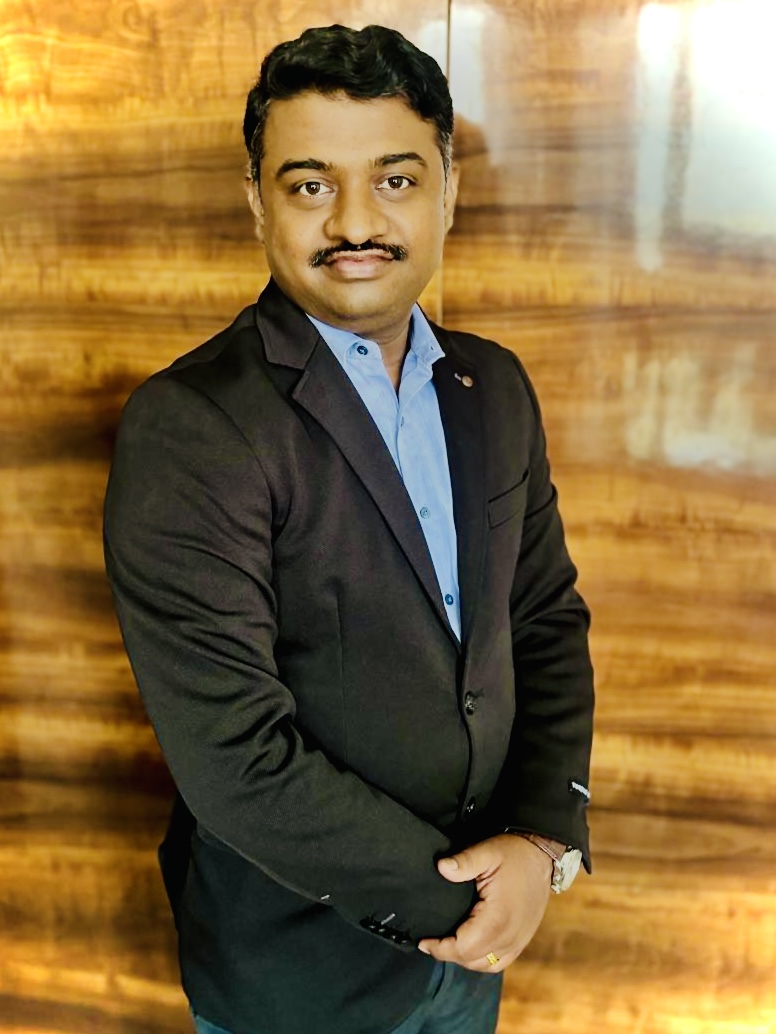
Category: Associates, In-House Counsels and Advocates

  • “I had no ambition, no aspiration, no other option but to study law and to serve and aid the ailing humanity with the power of Law.” – Champion of Heritage Conservation: Syed Mohammad Haider Rizvi, Advocate at the High Court Of Judicature at Allahabad

    “I had no ambition, no aspiration, no other option but to study law and to serve and aid the ailing humanity with the power of Law.” – Champion of Heritage Conservation: Syed Mohammad Haider Rizvi, Advocate at the High Court Of Judicature at Allahabad

    This interview has been published by Namrata Singh and The SuperLawyer Team

    Can you share how you began your career in law and what motivated you to pursue this path? Was there someone who inspired or motivated you to make a career in Law?

    I have seen my father crusading the cause of litigants, most of whom were poor and oppressed, and his commitment to the cause of justice, irrespective of whether his clients could pay his fees. With his excellence as a private counsel, who rose to the position of the Chief Standing Counsel for the State, rescuing public departments from many a piquant situation that arose during his tenure, I held him (and still keep him) as my role model and therefore I had no ambition, no aspiration, no other option but to study law and to serve and aid the ailing humanity with the power of Law. 

    With over 25 years of diverse experience in the legal field, what significant changes have you observed in the practice of law?  

    The technological developments worldwide have lessened the gap between fellow humans across the globe and social interactions which now happen worldwide on various social media platforms have not only broadened the horizons for budding lawyers but have enhanced their capacities and abilities. In olden times, legal research which mandated visits to libraries, and reading through books, journals and digests is now available with the click of a mouse. The information, which is available freely on the world wide web can be accessed by anyone and everyone, but then, there is certainly a word of caution for those who just believe in cut and paste, as many times, deceptive websites may offer a concocted information which may land the user in trouble. Technology and Law go hand in hand, but so do caution and care, which need to be exercised by those using technology to aid their research. 

    In your private legal practice, you have handled various cases in Family Laws, Civil, and Criminal Litigation. Can you share a memorable case and its impact on your professional growth?  

    Post Covid, there has been a spurt in cases relating to matrimonial relationships where the couple fight a concerted battle, which results in multiple FIRs being filed from either sides and related litigation in the form of a maintenance case, a case under Domestic Violence Act also being agitated in courts of law. A close look at the cases would reveal that these cases are mostly an outcome of an ego clash between the spouses where the role of an Advocate is more of a counsellor, who must use his skills to mediate and bring the parties to a consensus as, in a matrimonial case, and the cases that ensue, it is not only the couple which suffers, it is their families which suffer the trauma. In my role as an Advocate in matrimonial cases, I have successfully closed dozens of cases brought about an amicable settlement between the parties, withdrawn criminal cases, ensuring a better tomorrow for the estranged couple, by way of an agreement that created a win-win for the estranged couple. 

    A Memorable case that I would share related to a frantic phone call to me from a lady, a mother whose daughter aged about 13 years, complained of stomach ache and was taken to a nearby hospital where it was revealed that the girl child was pregnant and was carrying a live foetus. The family extremely poor, was devastated. On our intervention and request made to the SP, an FIR was registered and the culprit was arrested and sent to judicial custody. The bigger concern was the pregnancy which would have cost the girl child, her life. We coordinated, got a petition filed in the High Court and procured permission to abort the foetus, at state expenses. Post this traumatic incident, we handheld the girl, ensured that she was treated well and left her home, while also ensuring the payment of a compensation of 3.00 Lacs from the government, which would go a long way in sustaining her in the drama called life. All this was done gratis, pro-bono for which not a single penny was charged from the family/child.

    Another memorable achievement, which is worth sharing, is the case of tourist guides of the all-famous Husainabad Trust, which owns the majestic and most beautiful monuments of Lucknow, the cultural hub of north India, and includes the signature monument of Lucknow – Rumi Darwaza, Asafi Imambada and Bhool Bhulayya, Chota Imambada etc. These tourist guides were not even paid the wages that were payable to an unskilled worker. At their request, we took up their cause pro-bono and ensured the grant of the minimum pay scale to these lesser privileged brethren, besides other social security initiatives, an effort which was lauded worldwide.  

    Having worked both as an in-house counsel and as an independent advocate, can you share your experiences and insights on the distinct challenges and rewards of each role, and how they have shaped your overall legal perspective?  

    Having aced my academics with distinction (Securing First Place in the LL.B. Examination from Jamia Millia Islamia and then having topped the Merit list of LL.M. from the University of Lucknow, securing 2 gold medals), I always craved knowledge on the working of the public as well as private institutions and I spent a considerable time, working for a central government PSU and a corporate giant, heading their legal wing. I learnt that while in government, officers are only conscious about saving their skin and trying how to delay and thereby stall a project (as one only becomes accountable when a particular action that is taken turns bad after a few years, making those who initiated and concluded the said appraisal vulnerable) private sector is just the reverse. The private sector is result/solution oriented, meaning thereby that the private sector understands the concerns and procedural hiccups but an in-house counsel is required to provide solutions on how to get a project going. In the private sector, it is the result that matters and the result is the determinant of the continuance of a job in a private entity, notwithstanding the business group which controls it. 

    The learnings from both the government and provide sectors which I have gathered through these formative years of my professional career are helping me in discharging my functions as a private counsel, as I understand the concerns and issues of both these enterprises and have an edge on my peers who are less aware on how the decision making takes place on these divergent sides. This knowledge and understanding help me serve my clients in a better and promising manner.

    Your work in the preservation of heritage monuments in Lucknow is well-known. What inspired you to take up this cause, and what has been your most rewarding experience in this area?  

    Protecting and preserving culture, which is a determinant of an individual’s personality is a fundamental duty of every Indian, and when I work towards the concertation and preservation of monuments, I do so in the discharge and fulfilment of my fundamental duty. The monuments of Lucknow and adjoining districts are uniquely distinct and have an aura that resonates once you even have a cursory glance over them. These monuments have always fascinated me as a child and I used to fight with my friends who would scribble on the monuments. The fascination turned into a passion when in the year 2008, I was entrusted with a monument (Mausoleum of King Amjad Ali Shah, Hazratganj, Lucknow constructed in 1847)  as a trustee appointed by the State Waqf Board. In a struggle that ensued, it transpired that the monument, which was a centrally protected monument was obscured, vandalised and on the verge of an imminent collapse, forming a part of the “Lost Monument” of Lucknow. Since neither the Wakf Board, nor the earlier committee of the Waqf had any documentation regarding this monument, the RTI Act came to our rescue and the RTI Applications we filed before the concerned authorities, visits to the Archives, regular follow-ups with the authorities resulted in the initiation of action, initially with the removal of encroachments from within and around the monument, and then its conservation and preservation, as a result whereof, the monument now stands restored as a live monument. Unfortunately, during the first COVID lockdown, the outer gate of the monument crumbled down, which has also now been fully repaired and conserved as a result of our efforts and follow-ups with the concerned stakeholders. The most rewarding moment was being adjudged “One Man Preservation Movement” by the internationally acclaimed magazine “The Economist” in Oct 2016.

    The learnings gathered from the Mausoleum of King Amjad Ali Shah are now being replicated for the other similarly situated monuments of Lucknow which are equally vandalised, encroached and unkempt. I am confident that I shall be able to ensure a proper conservation of our cultural heritage, with guidance from the Hon’ble High Court where my PIL on this count is engaging regular attention of the Hon’ble High Court whose intervention is proving to be a boon for the monuments and their conservation. 

    Your research on the Allahabad High Court Rules led to a significant amendment. What drove you to undertake this research, and what impact has it had on the legal community?  Please share some insights if you can.

    An Advocate, to be able to do justice with his profession, has to be inquisitive. In my endeavour to secure the rights of my fellow citizens, I came across this provision of the Allahabad High Court Rules in the form of Chapter XVIII Rule 18(3)(a) which mandated a 10 days notice to the Government Advocate (to enable him to seek instructions from the districts regarding criminal antecedents of the bail applicants and instructions on the said applications). This notice period was necessary before the bail application was placed before the Hon’ble Court for hearing. This rule indicated the deprivation of the right to life and personal liberty of an individual sans “due process of law”. This intrigued me and I initiated research on the subject, studying similar rules across the country only to note that no rule akin to this patently unjust rule existed in any High Court across the country, irrespective of geographical areas of the states. The rule was therefore challenged before the Hon’ble Supreme Court, by way of a PIL which was drafted after thorough research and in terms of the directions of the Hon’ble Supreme Court, the Rule was amended from 10 days to 2 days, to the respite of thousands of those who languished in jails without hearing, for a minimum period of 10 days, which even extended further on account of procedural technicalities. The rule that stood in the rulebook for almost 4 decades was not challenged and led to the deprivation of the rights of scores of citizens. This in fact, is my contribution towards my fellow citizens and profession which I cherish.

    Winning the prestigious Changemaker Award for five consecutive years is a remarkable achievement. How did these awards influence your work and inspire others?  

    The corporate sector, especially the larger companies with substantial turnover has a CSR wing, adhering to a legal mandate, and some of these companies including the Bharti group get involved in several far-reaching social initiatives and walk the talk by motivating their personnel towards public causes. I, for one, have been a Samaritan for whom public service and aiding the ailing humanity has been a priority had been crusading for many public causes all through, which were identified by the company’s foundation which enlisted my socially oriented individual efforts in the category for in-house professionals and post a detailed review which comprised of a committee of distinguished personnel and social activists selected globally, my initiatives were found laudable and creditworthy and they were rewarded by way of Changemaker Awards 5 years in a row, till I switched to a different role and reverted to hardcore advocacy.

    As a visiting faculty at various institutions, what key lessons do you impart to your students, and how do you prepare them for a successful legal career? Also, what advice would you give to young legal professionals who are just starting their careers in the current legal landscape?

    We, Indians have proven acumen and are conscious about our rights and reach the authorities whenever any of our rights are infringed, seeking prompt redress. While agitating for our rightful claims is our right, we have an equally important set of duties that are enshrined in Article 51A of the Indian Constitution. Unfortunately, most of my fellow countrymen are hardly aware of these duties and those who are aware, do not perform these duties. In all my interactions with the students and officers, I always insist that we must not only read, understand and perform the fundamental duties, but also imbibe upon our younger generation, especially the budding lawyers to inculcate these fundamental duties in our persona, and I am confident that if we do so, our country shall gradually rise and shine, becoming a world leader, a position which we aspire for and rightly deserve. 

    The young lawyers who are about to enter the unfathomable legal profession need to know that there is no alternative to hard work, and their interactions with the clients and the needy need to start with a notebook in their hands, where they need to give a patient hearing to the concerned, note down the concerns and then decide upon the course of action suited for a particular situation. 

    Outside of your professional life, what personal hobbies or interests do you pursue, and how do they influence your approach to your legal practice?  

    My personal hobbies include social interactions, reading and writing and these hobbies enable me to learn the human values of commitment, dedication, and devotion and to a larger role of a social reformer which an Advocate has to play as a person who is not only leaned but also knows how to interpret laws and write the petitions aimed at aiding the ailing humanity. The knack of a lawyer as a crusader for the rights of the poor and the oppressed is beautifully expressed by poet Waseem Barelvi when he writes : 

    Kaun see baat, kahan, kaise kahee jaati hai,

    Ye saleeqa ho toh, har baat suni jaati hai ……

    Get in touch with Syed Mohammad Haider Rizvi-

  • “Legal tech can eliminate the mundane routine tasks and save the time of the lawyers in focusing on the core legal areas.” – Sridevi Sidharthan, Principal Associate at M&CO Legal, Dubai

    “Legal tech can eliminate the mundane routine tasks and save the time of the lawyers in focusing on the core legal areas.” – Sridevi Sidharthan, Principal Associate at M&CO Legal, Dubai

    This interview has been published by Namrata Singh and The SuperLawyer Team

    Could you share the pivotal moments and personal motivations that inspired your journey into the field of law, and how did you navigate the initial challenges and struggles as you embarked on your career?  

    My father is an advocate on record practicing in the Supreme court of India. So, most people naturally assume that is the reason why I chose law. While my father is my personal motivation however, there is quite a bit of story behind why I chose law as my career. I was in grade 5 in school when I first visited the Supreme Court with my dad during my winter vacation. The Court was also closed and there were very few visiting lawyers in the court premises. I was in the cafeteria, when a couple of lawyers approached me and my dad, probably they were curious about seeing a 10-year-old kid in the court premises. They started having a conversion and asked the cliché question, what I want to become in the future. I recollect mentioning wanting to become a scientist and they suddenly asked me, “Why don’t you become a judge”. I said okay and they said, “ promise us that one day you will become a judge of the supreme court”. The young me just went with the flow and promised them. But from that day onwards, I was clear that I wanted to pursue my career in the legal field. Even though later, I decided to take a different path and steer towards corporate practice. Nonetheless, I don’t regret the decision till date.

    I guess, the fact that I was determined to be a lawyer and that I wanted to become a corporate lawyer has made it easier for me to focus; the academic faculty at my university, notably Dr. Mamta Biswal, also helped me crystallize my decision to become a corporate lawyer. Our Commerce professor, Mr. Satya Ranjan Mishra encouraged me to pursue the Company Secretary course during my LLB, which helped me in gaining extra learning experience in the subject. While at university, acquiring an internship opportunity was quite stressful and I ended up getting rejected twice by Amarchand for the internship. However, perseverance and proper guidance from my seniors in the University helped me land a job with Shardul Amarchand Mangaldas & Co. (Erstwhile Amarchand Mangaldas Suresh Shroff & Co.)  during the campus placement.

    Given your diverse experience in both India and the UAE, how do you navigate the legal nuances and cultural differences in your practice, and how do you stay updated with the latest legal developments and industry trends to integrate these insights into your work?  

    I am indeed grateful to have worked in such diverse legal landscapes.  In India, working with Shardul Amarchand Mangaldas under the leadership of Mr. Inder Mohan Singh was a great learning experience. I remember when I joined the firm in 2013, the new companies’ law had just been enforced and our team was primarily working on dissecting the law, making submissions on the lacunas and shortfalls to the ministry as well as other organizations like FICCI. I am really thankful to my mentors, Mr. Aayush Kapoor and Mr. Harish Kumar, who moulded me as a lawyer and became a role model for me. In UAE, I work with M&Co Legal, which is a DIFC-registered law firm run by Emirati lawyers. The legal landscape of both India and UAE is completely different, as you may know, UAE is primarily a civil law country and has two common law jurisdictions in free zones (Dubai International Financial Center and Abu Dhabi Global Market). The transition from India to unlearn and learn civil laws in UAE was challenging in the beginning, especially, trying to understand the legal systems in place.  However, the partners and the colleagues at M&Co. Legal were quite helpful during this transition phase, and additionally, the training that I had received at Shardul Amarchand Mangaldas, also helped me to quickly complete the learning phase. Since I am working at a local law firm with a very niche clientele, it naturally assisted me in my understanding of not only the local culture, but also provided exposure in interacting with as well as dealing with clients and peers from different nationalities. The peculiarity of working in UAE (or rather interesting part) is that you get to work under both Civil and Common law jurisdiction, and I have thoroughly enjoyed maneuvering through both these jurisdictions simultaneously.  Both India and UAE have fast-changing economic and legal terrain, and I continue to keep myself abreast with the changing legal dynamics, as this is pertinent to provide plausible legal solutions to the client. I normally do that by following media (through news and professional social media platforms), from newsletters released by legal knowledge platforms, and keep a look-out for any important changes by setting a Google alert on the pertinent topics.

    Your profile mentions your involvement in drafting insider trading codes and handling related investigations. What insights have you gained from such regulatory experiences, and how do they inform your approach to compliance?

    During my tenure in India, drafting insider trading codes and especially handling related-investigations from regulatory authorities in India like SEBI was an interesting opportunity. The experience from dealing with insider trading investigations gave an insight to the regulators point-of-view as well as stance on the points and identify the key areas of focus. This experience in turn guided me while drafting such insider trading codes for the listed entities to ensure the key focus areas, and to effectively deal with the challenges as well as provide proper guidance on these matters to the client. Such matters are extremely delicate and there is a fine-line when it comes to becoming non-compliant, hence, it was important to lay down a proper strategy to ensure effective mechanism to deal with the price-sensitive information with the top management and employees of the organization.

    It is also interesting to mention that in UAE, as well, I have dealt with various investigations issued by the Ministry of Economy related to the breach of DNFBP (Designated Non-Financial Business or Profession) obligations and breach of licensing conditions raised by Abu Dhabi Financial Services Regulatory Authority. All these experiences with the regulators teach you to think from a different angle while approaching a matter, and helps you to visualize everything from a macroscopic level as well as gives you guidance to navigate through the regulatory requirements.

    With your expertise in employment laws, what advice would you offer to companies navigating labor-related challenges, especially in cross-border transactions?  

    During my practice in India, employment used to be one of the crucial areas of concern during the M&A deals, and the matter considering the impact on the livelihood of people had to be dealt with caution and delicately. UAE is a labour friendly country and the employment laws strike a balance between the Employers requirements and Employees rights. I would personally like to advise the companies in UAE to specifically be aware of the local employment laws and to understand that the common law free zones (ADGM & DIFC) have a separate employment law. It is important that the terms of employment are carefully drafted to ensure compliance with the local laws. I would specifically recommend the corporates to have an employee handbook to note down the various employment policies while dealing with matters such as disciplinary actions, internal grievance redressal, employee policies tailor-made to the specific industry and educate the employees about these policies.

    In relation to cross-border transactions, the areas of transfer of employees and secondment needs to be tackled carefully. Employees in international companies with offices in UAE are normally subjected to the group policies wherever applicable, however, it is to be noted that notwithstanding the group policies and benefits available to the employee, such that an employee in UAE will be receiving the necessary benefits and protection mandated by the local laws. Hence, it is important to reconcile these policies to include the local labour laws and the emoluments accordingly.

    In your opinion, how can the legal profession leverage technology and innovation to enhance efficiency and client service while maintaining confidentiality and security?  

    The advent of digital technologies is positively impacting the legal profession as well. At the moment, I don’t believe that AI can take over a lawyer’s job, however, I firmly agree that it can increase the efficiency in doing the job. Legal tech can eliminate the mundane routine tasks and save the time of the lawyers in focusing on the core legal areas. This will in turn ensure faster delivery of tasks and ensure economic efficiency for the clients by reducing the additional billable hours payable by them. Another area where legal tech can help lawyers is in data entry and research. Even though legal tech ensures efficiency, lawyers have to be responsible enough not to use free and public AI platforms to provide inputs on confidential information. It is always key to ensure that only secured legal tech platforms are used to avoid data leakage and breach.

    What motivated you to move your career to Dubai, and how has this transition influenced your professional growth and perspective on corporate law?  

    My career-move to Dubai was purely due to personal reasons and was not a calculated move from my end. However, I am thankful that it happened as UAE was truly resilient to the challenges during the covid times, and post-covid, the country has seen an economic upward trend. UAE is now increasingly becoming the hub not only for all the international businesses but also for the high-net-worth individuals from various parts of the world. Obviously with the increase in business activities in the country, the legal requirements also follow. Being in UAE and working with M&Co Legal has provided a vast exposure to me to develop my personal and professional growth. Being part of a small yet niche corporate team has expanded my horizon in practicing various aspects of the corporate laws and in various industries. This has helped me understand the business and regulatory requirements for various sectors such as F&B Industry, real estate among others.

    As a legal influencer recognized by Lexology, what advice would you offer to aspiring lawyers seeking to establish their presence in the legal community? 

    I would advice aspiring lawyers to carefully understand the law. “ The devil lies in the detail” is especially true in our legal profession. I understand that nowadays everything is available on AI and legal tech platforms, however, it is important not to blindly rely on it for research without reading the underlying law itself. While I am not against using AI, it is important to use these platforms as a reference and not base the entire work on it without using your own analytical skills. You leave a mark in the legal profession and on your client by using your analytical as well as problem-solving skills.

    The acquisition of Al Huraiz Packaging Industry LLC by Hotpack Packaging Industries LLC was a significant deal. What were the most complex aspects of this transaction, and how did you navigate them?  

    We represented the Seller, AL Huraiz Packaging Industry, which is a local Emirati Company involved in manufacturing packaging materials. The deal was a 100% shareholding acquisition by the major packaging company, Hotpack Packaging Industries LLC.  The transaction, considering 100% shareholder takeover included transferring the factory unit and other equipment to the new shareholder. Additionally, there was debt restructuring as part of the transaction; the aspect of regulatory approval and debt restructuring was the challenging part of the deal. However, the negotiations based on good-faith between the parties and legal representatives assisted in finding the appropriate resolution for the concerns.

    When advising on mergers and acquisitions, what key factors do you consider to ensure the transaction is legally sound and beneficial for your clients? 

    Fact-finding by way of due diligence (either legal or financial due diligence) is the most important part of ensuring whether the deal is legally plausible. Additionally,  it is commonly believed that the lawyers should not interfere with the commercial aspect of the transaction. However, I would opine otherwise; since commercial considerations have major legal impact, it is crucial that lawyers carefully review the commercial understanding and advice the client as well as provide any alternative solution for the client.

    Outside of your professional work, what hobbies or personal interests do you pursue, and how do they influence your approach to your legal practice?  

    I love travelling! I know it’s a cliché statement, but I consider myself a “traveller instead of tourist” while exploring a new place. My research skills are utilized prior to and while travelling, especially planning the travel. I plan the itinerary down to every intricate detail. I ensure I understand the local culture, interact with local people, and try out the local cuisine. I use travelling not only to unwind from my daily routine, but also the things I learn my travel helps me understand different people, including my clients and peers. I truly believe that to become a successful corporate lawyer and leader to your team, you not only need technical expertise but also need to have interpersonal as well as people-management skills.

    Get in touch with Sridevi Sidharthan

  • “Integrity is paramount. Build a strong foundation in legal principles, network actively, and gain practical experience through internships.” – AGM, Head – Business Ethics Compliance Officer at MANKIND PHARMA LTD

    “Integrity is paramount. Build a strong foundation in legal principles, network actively, and gain practical experience through internships.” – AGM, Head – Business Ethics Compliance Officer at MANKIND PHARMA LTD

    This interview has been published by Namrata Singh and The SuperLawyer Team

    Could you please tell us about how you started your career in law? Who or what inspired you to choose this path, and can you walk us through your journey, including the struggles you faced in the initial days of your career? 

    My journey into law started with a deep fascination for the legal system. My father wanted me to be a Chartered Accountant, so I chose commerce in high school and enrolled in a B.Com course at Delhi University. However, after just a month, I had a sudden realization that it was “now or never” to follow my true passion. Almost overnight, I moved to Pune to pursue a 5-year law course.

    Growing up, I was inspired by my uncle, a renowned lawyer in Assam. His approach to complex situations left a profound impression on me. This, combined with my interest in understanding the intricacies of the law, was all the motivation I needed to pursue a career in law.

    I started my career at R. K. Dewan & Co., a law firm known for its expertise in intellectual property law, thanks to a pre-placement offer I had received from them. The initial days were tough—the transition from academic learning to practical application was a steep learning curve. I faced the typical struggles of a novice lawyer: long hours, complex cases, and the pressure to prove myself, all while adjusting to a new city, Mumbai. However, looking back, I’m thankful for these experiences as they helped shape my professional skills and resilience.

    You started your career working with R. K. Dewan & Co., and after 1.5 years, you transitioned to Reliance Communications. What motivated your shift from working in a law firm to taking on a role in the corporate sector? 

    Joining Reliance was a strategic move for me, marking my entry into the corporate sector. I wanted to be more directly involved in business operations and strategy. The opportunity to work within a company, helping to shape its direction and growth from the inside, was incredibly appealing. Honestly, I was excited by the variety of challenges the job would involve.

    During my time at RKD, I developed a strong understanding of Intellectual Property laws, which was immensely valuable. However, as I mentioned, I wanted to gain a broader perspective and immerse myself in the business environment. Moving to the corporate sector offered me the chance to see how various legal frameworks operate within the broader context of a business, beyond just IP law.

    How do you see the field of business ethics and compliance evolving in the next five to ten years, and what new challenges and opportunities do you anticipate? 

    In the next five to ten years, the field of business ethics and compliance will be significantly influenced by technological advancements, globalization, and increasing societal expectations.

    Technologies such as AI, blockchain, and big data analytics will enhance compliance monitoring and fraud detection but also pose challenges related to data privacy and algorithmic bias. As businesses expand globally, they will need robust compliance frameworks to navigate diverse regulatory landscapes. The growing demand for transparency and sustainable practices will drive more stringent reporting requirements and elevate the importance of environmental, social, and governance (ESG) considerations.

    The primary challenges will include integrating ethical considerations into advanced technologies and maintaining compliance across different jurisdictions with evolving regulations. However, businesses that effectively leverage these technologies can achieve cost savings and operational efficiencies. Companies that prioritize ethics and compliance will gain a competitive edge by building strong reputations and fostering trust with stakeholders.

    As the Head of Business Ethics Compliance at Mankind Pharma, what are your primary responsibilities and how do they contribute to the organization’s success?

    My primary responsibilities at Mankind Pharma include overseeing the implementation of the company’s business ethics compliance program, ensuring adherence to regulatory requirements, and fostering a culture of integrity and accountability. I work closely with various departments to develop and enforce policies that align with the company’s mission of delivering affordable and quality healthcare.

    These responsibilities directly contribute to the organization’s success by mitigating legal risks, enhancing the company’s reputation, and building trust with stakeholders.

    In high-stress roles like yours, maintaining work-life balance can be challenging. What strategies do you use to maintain this balance effectively? Also what hobbies or passions do you follow to unwind yourself?

    It requires a deliberate effort and effective time management. I prioritize tasks based on their urgency and importance, delegate responsibilities when possible, and ensure that I set aside time for self-care and family.

    Listening to music is my favourite way to unwind; it helps me relax and recharge. Finding time for hobbies can be challenging in today’s fast-paced world, but I’ve discovered that taking short vacations, spending quality time with friends and family, and carving out small moments for personal gratification are essential.

    Based on your extensive experience, what advice would you give to young professionals aspiring to build a career in legal and compliance, particularly in the field of business ethics? 

    To develop a strong foundation in legal principles and continuously update their knowledge to keep pace with evolving regulations. Integrity is paramount in this field, so always strive to uphold the highest standards of honesty and fairness.

    Networking is also crucial. Building relationships with peers, mentors, and industry professionals can provide valuable insights and opportunities for career growth. Additionally, gaining practical experience through internships in compliance-related roles can help you understand the real-world applications of theoretical knowledge.

    How important do you think networking is in the field of legal and compliance, and how do you go about building and maintaining your professional network? 

    Extremely important. It not only helps in staying updated with industry trends and best practices but also provides opportunities for professional growth and collaboration. I actively participate in industry conferences, seminars, and professional associations to connect with peers and experts.

    What are some key qualities and skills that you believe are essential for success in the field of business ethics and compliance?

    First and foremost, integrity is paramount. They must lead by example. Analytical thinking is another crucial skill. The ability to dissect complex regulations, identify potential risks, and develop effective compliance strategies is essential. This involves a keen eye for detail and the capacity to anticipate and address issues before they escalate. Communication skills are also vital. Whether it’s training employees or reporting to senior management, the ability to clearly and effectively convey information is crucial. This also includes the ability to listen and understand the concerns of various stakeholders. Adaptability is important given the dynamic nature of regulations and the business environment.

    Finally, leadership and interpersonal skills are critical. Building a culture of compliance requires influencing and motivating others, often without direct authority. This means fostering strong relationships, earning trust, and inspiring a shared commitment across the organization.

    What are some common misconceptions about business ethics and compliance that you have encountered?

    The most common misconception is that “Business ethics and compliance are primarily about policing and punishment”. Many people view compliance departments as only enforcers who are there to catch and penalize wrongdoers. Maybe this was even true a decade ago! Not anymore. The true essence of business ethics and compliance is to act as advisors who guide and support the organization in making decisions.

    Another misconception is that compliance is solely the responsibility of the compliance department. In reality, business ethics and compliance are the responsibility of every employee, from the top executives to the entry-level staff.

    Lastly, some believe that compliance is a static, one-time effort. In truth, it’s an ongoing process that requires continuous improvement and adaptation to new challenges and regulatory changes.

    How has your background in law influenced your approach to managing business ethics and compliance?

    Significantly. Firstly, it has provided me with a strong foundation in legal principles and regulatory frameworks, which is essential for developing and implementing effective compliance programs.

    Moreover, my legal experience so far has honed my analytical and critical thinking skills, enabling me to identify potential risks and develop strategies to mitigate them. Additionally, it has taught me the importance of clear and precise communication. Whether drafting policies, conducting training sessions, etc., the ability to articulate complex legal concepts in an understandable manner is key to fostering a culture of compliance.

    Get in touch with Abhimanyu Dasgupta-

  • “Embracing technology tools and resources, such as legal research platforms, case management software, and artificial intelligence applications, streamlines workflows and facilitates efficient information retrieval in diverse legal areas”- Ajinkya Patil, Senior Legal Counsel – Dentsu

    “Embracing technology tools and resources, such as legal research platforms, case management software, and artificial intelligence applications, streamlines workflows and facilitates efficient information retrieval in diverse legal areas”- Ajinkya Patil, Senior Legal Counsel – Dentsu

    This Interview has been published by Pragya Chandni and The SuperLawyer Team

    Can you share a pivotal moment or experience from your early career that solidified your decision to pursue law as a profession?

    My grandfather was a significant influence on my career path! He was a Prothonotary and Senior Master in the Bombay High Court. On summer vacations when I used to visit his place, he used to tell me how his day at work was like. Just seeing him get all decked up in crisp formals and a coat with his suitcase ready to go to work is what inspired me to pursue law. The discipline in life which comes along with it is just an icing on the cake.   

    You’ve had an extensive journey through various law firms and corporate positions. What motivated you to transition from law firms to corporate roles, and how did each experience shape your expertise?

    Transitioning from law firms to corporate roles was motivated by a desire for a different perspective and new challenges in my career journey. Each experience has played a significant role in shaping my expertise in different ways. Starting in law firms provided me with a strong foundation in legal practice. In this environment, I honed essential skills such as legal research, writing, and advocacy. Working on diverse cases and projects allowed me to develop a broad understanding of various areas of law and learn to navigate complex legal issues efficiently. Additionally, collaborating with experienced attorneys and receiving mentorship helped me refine my approach to legal analysis and client representation. Also, as it is necessary to have a strong foundation before constructing a building, I always believed the law firm experience provides with that strong foundation and basics at the starting point of your career. 

    Transitioning to corporate roles offered a unique vantage point to apply my legal skills in a different context. In a corporate setting, I gained insights into the business side of legal matters, including contract negotiation, regulatory compliance, and risk management. Working closely with internal stakeholders, such as executives, department heads, and cross-functional teams, enhanced my ability to align legal strategies with organizational goals and priorities. Moreover, navigating corporate environments provided me with valuable experience in understanding the interplay between legal considerations and business objectives, fostering a more holistic approach to problem-solving.

    Each experience, whether in law firms or corporate settings, has contributed to my growth as a legal professional. 

    With your background in handling litigation matters across different forums, could you highlight a particularly challenging case you managed and the strategies you employed to navigate it successfully?

    I strongly believe that each case has its own complexities and challenges, and it cannot really be segregated to the most and the least challenging. However, one case which stands out particularly is an international arbitration before the Swiss Arbitration Centre. I chose this one not because of the complexities involved (though it was extremely complex) but considering that it was my first international arbitration involving a completely different process altogether. I had to collaborate with a top tier law firm of Geneva for assistance and working with their team was itself very challenging and at the same time a big learning experience. To navigate this case successfully, several key strategies were employed:

    • The first step was conducting a comprehensive analysis of the facts, contracts, and applicable law. This involved reviewing extensive documentation, including contracts, emails, financial records, and other evidence, to gain a deep understanding of the case’s nuances and intricacies.
    • Based on the analysis, a strategic litigation plan was devised to address the various legal and factual issues effectively. This plan involved identifying strengths and weaknesses in our position, anticipating opposing arguments, and formulating proactive strategies to mitigate risks and maximize favorable outcomes.
    • Diligent Discovery: Given the complexity of the case, diligent discovery was crucial. This involved conducting thorough investigations, propounding targeted discovery requests, and strategically responding to discovery demands from opposing parties. Leveraging electronic discovery tools and expert assistance facilitated the efficient management of voluminous documents and data.
    • Collaborative Approach: Collaboration with colleagues, experts, and clients played a pivotal role in the successful management of the case. Regular communication, teamwork, and coordination ensured that everyone involved was aligned with the litigation strategy and working towards common goals.

    I will always remember this case as I got the opportunity to work with one of the best law firms in Geneva and in the process gained sight of their working ways and culture and made some lifelong contacts. 

    Your experience spans across diverse legal domains such as civil laws, corporate laws, real estate, and arbitration. How do you manage to stay updated and proficient in such a wide array of legal areas?

    Staying updated and proficient across diverse legal domains requires a combination of ongoing learning, strategic focus, and effective resource management. My senior always used to tell me that ‘Reading’ is the key and that it is never enough and one has to keep reading more and more. This has stuck with me ever since and I make sure to take time to do that. It does not specifically mean that one has to read Law books and commentaries. A simple novel, newspaper, articles are enough. I prefer to categorize the reading process in the following manner. 

    • I prioritize continuous learning through various channels, including legal seminars, webinars, workshops, and professional development courses. These opportunities allow me to stay abreast of legal developments, emerging trends, and best practices across different practice areas.
    • I dedicate time to conducting legal research regularly to stay informed about recent case law, statutory changes, and regulatory updates relevant to each legal domain. Leveraging online legal databases, scholarly journals, and reputable legal publications helps me access timely and accurate information.
    • Engaging with colleagues, mentors, and legal professionals across different practice areas fosters knowledge sharing and collaboration. Participating in professional associations, bar committees, and industry forums provides valuable insights and perspectives from peers and experts in various legal fields.
    • Embracing technology tools and resources, such as legal research platforms, case management software, and artificial intelligence applications, streamlines workflows and facilitates efficient information retrieval in diverse legal areas.
    • Seeking guidance from experienced mentors and senior colleagues provides invaluable support and guidance in navigating complex legal issues and expanding expertise across different practice areas.

    As someone who has held leadership positions, including leading teams and managing departments, what strategies do you employ to foster effective teamwork and collaboration within legal environments?

    The teamwork and collaboration should not be restricted only within the legal team. The key in a corporate setting is to be a business enabler rather than just finding legal solutions to the problem. The first and foremost thing I tell the team is that working in the corporate sector is completely different from that of a law firm (from experience!) and the objective is to find a solution which is viable for the business and one which does not put the company exposed to any potential liability or conflict. I make sure to set up weekly catch-up calls with the business leaders and stakeholders just to discuss casual business and their expectations from the legal team. Likewise, acknowledging and celebrating team achievements (legal and business), both big and small and seeing failures as opportunities for learning and improvement help in the long run. 

    In your role as a legal professional, you’ve undoubtedly encountered complex contract negotiations. Can you share some insights into your approach to negotiating contracts and ensuring favorable outcomes for your organization?

    Absolutely! Negotiating contracts can be intricate and demanding, requiring a blend of legal expertise, strategic thinking, and effective communication skills. Before entering into negotiations, conducting comprehensive research and analysis to fully understand the terms, conditions, and potential implications of the contract is important. This includes reviewing relevant laws and regulations, understanding industry standards, and gathering information about the other party’s preferences and priorities. Working closely with stakeholders to understand their objectives is equally important. Clear and concise communication is essential throughout the negotiation process. Effective communication helps build understanding and facilitates productive dialogue.

    Given your involvement in Mergers and Acquisitions, could you discuss some of the key legal challenges you’ve faced in such transactions and how you navigated them to ensure compliance and success?

    Certainly! Mergers and acquisitions (M&A) transactions present a plethora of legal challenges, ranging from regulatory compliance to contractual issues. Here are some key legal challenges I’ve encountered in M&A transactions, along with strategies for navigating them to ensure compliance and success:

    1. Regulatory Compliance: One of the foremost challenges in M&A transactions is navigating the complex web of regulatory requirements and obtaining necessary approvals from regulatory authorities. This includes antitrust regulations, securities laws, foreign investment regulations, and industry-specific regulations. 
    2. Contractual Issues: M&A transactions involve negotiating and drafting numerous contracts and agreements, including purchase agreements, shareholder agreements, and employment contracts. Ensuring that these contracts accurately reflect the parties’ intentions, protect their respective interests, and comply with legal requirements is critical. 
    3. Intellectual Property (IP) Issues: IP considerations are often paramount in M&A transactions, particularly in technology-driven industries. Identifying and assessing the target company’s IP assets, including patents, trademarks, copyrights, and trade secrets, is crucial to evaluating the transaction’s value and mitigating risks. 
    4. Employment and Labor Law: M&A transactions can have significant implications for employees, including potential changes in employment terms, benefits, and job security. Ensuring compliance with employment and labor laws, including regulations governing layoffs, severance pay, and employee benefits, is essential to minimizing legal risks and maintaining positive employee relations. 
    5. Data Privacy and Security: In an increasingly digital world, data privacy and security considerations are critical in M&A transactions, particularly when handling sensitive personal or proprietary information. Ensuring compliance with data protection laws and regulations, such as the GDPR and CCPA, is essential to protecting both parties’ interests and mitigating potential legal and reputational risks.

    By proactively addressing these and other legal challenges in M&A transactions, I aim to facilitate smooth and successful transactions that create value for all stakeholders involved while minimizing legal risks and ensuring compliance with applicable laws and regulations.

    Drawing from your extensive experience, what advice would you offer to fresh law graduates stepping into the field today, especially regarding career growth and navigating the complexities of the legal profession?

    For fresh law graduates entering the legal profession, here are some key pieces of advice to consider as you embark on your career journey:

    1. Continuous Learning and Skill Development: The legal profession is constantly evolving, so it’s essential to prioritize continuous learning and skill development throughout your career. Stay updated on legal developments, industry trends, and emerging areas of law through ongoing education, professional development programs, and networking opportunities.
    2. Seek Mentorship and Guidance: Find mentors within the legal profession who can offer guidance, support, and advice as you navigate the complexities of your career. Mentors can provide valuable insights, help you develop professionally, and offer perspective based on their own experiences in the field.
    3. Embrace Technology and Innovation: Embrace technology and innovation as valuable tools for enhancing your legal practice. Stay abreast of advancements in legal technology, such as case management software, research tools, and e-discovery platforms, and leverage them to streamline your work processes, improve efficiency, and deliver greater value to your clients.
    4. Cultivate Professionalism and Integrity: Uphold the highest standards of professionalism and integrity in all aspects of your legal practice. Adhere to ethical guidelines and codes of conduct, maintain confidentiality, and always act in the best interests of your clients while upholding the rule of law.
    5. Develop a Strong Work Ethic and Resilience: The legal profession can be demanding and challenging, requiring perseverance, resilience, and a strong work ethic. Be prepared to put in the time and effort necessary to excel in your career, and don’t be deterred by setbacks or obstacles along the way.
    6. Stay Flexible and Adapt to Change: The legal profession is dynamic and constantly evolving, so be prepared to adapt to change and embrace new opportunities as they arise. Stay flexible in your career trajectory, be open to new experiences and challenges, and seize opportunities for growth and advancement along the way.

    Get in touch with Ajinkya Patil-

  • “As a Panel Advocate, I developed ethical practising skills and increased my corporate legal field knowledge.” – From Ayurveda to Advocacy: The Transformative Journey of Deen Dayal Purohit, Advocate at the Jaipur High Court & Purohit & Associates,

    “As a Panel Advocate, I developed ethical practising skills and increased my corporate legal field knowledge.” – From Ayurveda to Advocacy: The Transformative Journey of Deen Dayal Purohit, Advocate at the Jaipur High Court & Purohit & Associates,

    This interview has been published by Namrata Singh and The SuperLawyer Team

    Could you please introduce yourself to our readers and walk us through your journey? Also before pursuing your LL.B., you completed a diploma in Ayurveda Ratna. What motivated you to switch to law after seven years in Ayurveda? What inspired you to pursue law?

    Yes, I’ll feel grateful to introduce myself and about my journey to you. From 1985 to 2000, I served as a consultant in the renowned Ayurveda Pharmaceutical company, meanwhile, in 1997 my brother B.P. Chhangani was selected for judicial service. He motivated me to do an LLB course, and as you know I cleared LLB in the year 2000 and started practising as an Advocate from 2000 onwards to continue.

    Could you please elaborate on the main practice areas you specialize in and the types of cases you most frequently handle in your legal practice?

    My main practising areas are Criminal, and Writs in the High Court.

    What responsibilities does your position as a Public Notary for the Government of India entail, and how does it integrate with your other legal work?

    In the tribunals and high courts, documents need to be notarized, so, it is a part of day-to-day professional practice.

    You have been a panel advocate for numerous institutions. How does this role differ from private practice, and what skills have you developed from these experiences? Please share some insights from your work as a panel advocate.

    Panel Advocating work is different from private practice. As a Panel Advocate, I’m working in corporate culture. During my work as a Panel Advocate, I developed ethical practising skills and increased my corporate legal field knowledge. 

    Could you please discuss the significance of the reportable judgments you were involved in, such as Priyanka Shrimali Vs. State of Rajasthan and Hindustan Zinc Ltd. Vs. State of Rajasthan and Ors.? Also you could share some insights from the case.

    In the case of Priyanka Shrimali Vs. State of Rajasthan the significance of this matter was “Married daughter is entitled to the compassionate appointments in the Government service”. Before this judgment, the Married daughter was not entitled to the compassionate appointment. In the case of Hindustan Zinc Ltd. Vs. State of Rajasthan and Ors., the significance of this matter is “the challenge to the vires of provisions of sec 38(C) & 39 of the Act and Rule 24(1) of the Rules fails. The writ petitions are dismissed. However, the petitioners, if aggrieved by the entry made in the provisional assessment list, shall be at liberty to file the appropriate objections before the Assessing authority and in the matters wherein final assessment orders have already been made. The demands have been created, they shall be at liberty to file an appeal before the Appellate Authority, if not already filed, within thirty days from the date of this order. The amount, if any, deposited by the petitioners against the demand created in terms of interim orders passed by this court or otherwise, shall be adjusted against the amount payable to satisfy the condition of pre-deposit for maintainability of the appeal”.

    Beyond your areas of expertise, which other fields of law do you find particularly fascinating or are passionate about exploring further, and why?  

    In Legal Service Authority Act, Insolvency and Bankruptcy Act and Companies Act, but especially in Article 39 A of the constitution of India enacted Legal Service Authority Act because the Legal Service Authority Act, sec 12 is about free and competent legal services for the needy person and other persons that need the justice.

    As an experienced lawyer, what do you think the current generation can do to prepare themselves for successful careers in law and beyond?  

    The current generation has ample opportunities to prepare and develop for successful careers in legal fields, like International Arbitration, Companies Law, Banking Law, Legal Drafting and several other fields.

    Outside of the legal realm, what are your hobbies or interests that help you unwind from the demands of your profession?  

    Outside the legal realm, I’m working for several legal awareness campaigns at various places like schools, colleges, and public places on subjects like POSH, POCSO, IT, CYBER CRIME, SENIOR CITIZEN’S RIGHTS, LABOUR ACT, PCMA ACT etc.

    Could you tell us more about Purohit and Associates, the types of legal practices they specialize in, and what opportunities they offer for interns looking to gain experience in the legal field?  

    The Purohit & Associate practices in the subordinate court, tribunals, High Court, DRT, State Commission and various other fields, and It develops the skill of Associates in practice as well as in the competition of judicial exams and gives enough opportunities to the Associates working under the Purohit & Associates, and also provide opportunities to intern about “earn while learn”.

    Get in touch with Deen Dayal Purohit-

  • “I believe we should have an institute or organization for in-house legal counsel, similar to those for other professions”- Saagar Gaikwad, In-house legal counsel at Bayer Crop Science

    “I believe we should have an institute or organization for in-house legal counsel, similar to those for other professions”- Saagar Gaikwad, In-house legal counsel at Bayer Crop Science

    This Interview has been published by Pragya Chandni and The SuperLawyer Team

    Can you share what initially inspired you to pursue a career in law and how your journey began?

    By a stroke of fate, I found myself on the path to becoming a lawyer just a day before my 12th-grade results. It was a decision made by my father and sister to guide me towards law instead of medicine. Little did I know that this unexpected turn would lead me to a remarkable legal journey.  Was fortunate to meet some great people and books in the legal field.

    I pursued a Bachelor of Laws degree from Shivaji University in Sangli, Maharashtra. Subsequently, I pursued a Master of Laws in Business Law at Symbiosis Law School, where I had enriching experiences such as internships with the Competition Commission of India, contributing to international publications, and engaging in advanced legal research.

    My time at Symbiosis Law School marked the beginning of a remarkable professional journey. I ventured into the corporate sphere, contributing to esteemed organizations such as Kirloskar Brothers Limited, John Deere India, Thermax Limited, and now, Bayer CropScience. Also got the opportunity to work with some great managers.

    Your career spans various notable companies and roles. Can you walk us through the major milestones and transitions in your professional journey?

    Well, there are many, but few are very special, like high stake arbitrations against dealers, NGO’s or PSU’s where you work hard and obtain favourable orders for your company. Arbitration requires continuance focus, as these matters are not time bound and will finish quickly.

    Also implementing a compliances tool from scratch for manufacturing sites, establishments and EPC sites was a great learning experience. Further, implementation of new legislations like HSRP, EPR, Legal Metrology Packaging Rules too enriching experience. Last year I received an award by Legasis for ‘40 Under 40’.

    I started my corporate journey with a capital goods manufacturing and EPC company, where I delved into the intricacies of commercial contracts, navigated complex real estate issues, and delved into the realm of Patents and Trademarks. This experience laid the groundwork for my subsequent endeavors, as I transitioned to an automobile company, where I gained invaluable insights into legal operations, statutory compliances, MACT and labour cases, advising on employment laws, and the complex web of EHS regulations.

    In my subsequent roles within the power/renewable sector, I found myself immersed in a range of commercial disputes spanning India and various regions across the globe. This journey also brought me face to face with the complexities of MSME and IBC issues, enriching my understanding of the multifaceted legal landscape.

    Currently, I stand as a Legal Business Partner for Legal Operations, overseeing sites and their litigations, navigating the contracts, and ensuring adherence to employment laws and EHS regulations.

    As the Legal Business Partner at Bayer CropScience, what are some of the key responsibilities and challenges you face in leading legal operations in India?

    The role of a Legal Business Partner is to serve as a strategic advisor and collaborator within a business, working closely with various stakeholders. Being a part manufacturing site’s leadership team- understand business needs, collaborate and advise on varieties of issues like License to operate, show cause notices from Govt. authorities, leading arbitration/litigation, dealing with complex real estate issues, negotiating commercial contracts & compliances advice.

    India Legal operations have unique challenges- first, Regulatory Complexity- Navigating the intricate web of laws and regulations at the national, state, and local levels, as well as the dynamic nature of regulatory changes, can pose significant challenges for legal operations. Second, Compliance Management-Ensuring real time compliance with a wide array of statutory and regulatory requirements, including labor laws, environmental regulations, tax laws, and industry-specific regulations, requires robust compliance management systems and processes.

    You have many notable achievements in resolving high-stake litigation. Can you tell us more about these experiences and what they entailed?

    It was a profound experience. It demands a strong legal strategy. Further, it involves analyzing complex legal issues, anticipating opposing arguments and being ready with counter strategy. Being an in-house counsel you have to explain the complex business issue to the lawyer in a simple way and explain complex legal issues to business in a simple way, that is the advantage of being an inhouse counsel. It will also teach you  resilience in intense pressure, tight deadlines, and the need to maintain composure. Being a meditation teacher is an advantage.

    You will soon find that the reward for good work is more work.

    However,  I personally believe that litigation and arbitration are expensive, and the recent Mediation Act will  play an important role in future legal disputes.

    Given your extensive experience in various sectors like agriculture, renewable energy, and manufacturing, what are some unique legal challenges you’ve encountered in these industries?

    In any manufacturing industry, more or less, 3 tasks are always there, 1. Employment Laws: Adhering to labor laws, industrial relations, and employment regulations, including issues related to labor disputes, contract labor, and workplace safety, presents legal challenges for manufacturing industries. 2. Product Liability and Consumer Protection: Managing product liability risks, compliance with consumer protection laws, and addressing consumer grievances and product safety standards are critical legal considerations for manufacturers. 3. Environmental Compliance and Pollution Control: Ensuring compliance with environmental laws, pollution control norms, hazardous waste management, and addressing industrial pollution concerns are significant legal challenges for manufacturing entities.

    This is not about legal operations, but I believe we should have an institute or organization for in-house legal counsel, similar to those for other professions. This would help in the growth and development of in-house legal counsel.

    Compliance with regulatory requirements is a critical part of your role. How do you ensure that your company stays ahead of regulatory changes and maintains compliance across various legal domains?

    Technology plays an important role here. We have good numbers of compliance management tools in India, which monitor thousands of compliances and hundreds of legislations in real time.  Further, the tool needs to be updated with the latest legislation. In my personal opinion no tool will work on its own, it is people who make the tool work. The success of a tool will depend on how simple and convenient the tool is. Also, we need to acknowledge employees’ efforts on compliances and compliance needs to be celebrated.

    Shifting gears, GenAI has the potential to significantly impact legal compliances, it can predict and monitor compliance trends, anticipate regulatory changes, automated compliance reporting and provide Compliance Training.  Inhouse counsel needs to take the advantage of the GenAI, my current organization offers a ‘Prompt engineering’ course to employees.

    Finally, what advice would you give to fresh law graduates who are about to embark on their legal careers, especially those interested in working in-house within corporate legal departments?

    In corporate you need to have Business Acumen, understanding the broader business context, including financial implications, risk management and strategic decision-making. You also need meaningful collaboration. Start your journey being a generalist and then move to specialist. And keep enrolling to new courses/programs.

    Get in touch with Saagar Gaikwad-

  • “IP law is not just limited to conventional ideas of trademarks and copyright”- Anooja Padhee, Senior Associate at K&S Partners, Intellectual Property Attorneys

    “IP law is not just limited to conventional ideas of trademarks and copyright”- Anooja Padhee, Senior Associate at K&S Partners, Intellectual Property Attorneys

    This Interview has been published by Pragya Chandni and The SuperLawyer Team

    Can you share your journey into the field of law, particularly focusing on what drew you to specialize in intellectual property law?

    My interest in intellectual property developed in my third year when we were first taught ‘Trademark and Copyright law’. I found the subject to be interesting and relatable, as it dealt with brands and ideas that I would come across and use in my day to day life. Soon I found myself looking for the TM or ® symbol on top of brands on hoardings or while using products and wondering whether use of a song in a TV series or a similar tune or idea was copyright protected. 

    In law school, besides focussing on IP related projects for my curriculum, I also participated in an IP moot. 

    To explore this interest further and to understand what a career in IP could entail, I went on to do a few IP internships at Singh and Singh and K&S Partners. At both these places I worked on ongoing cases across various subject areas including trademarks, copyright and patents, which further helped me understand various legal concepts and their practical application. 

    With all this, early on, I realized that this was a subject that I enjoyed and found interesting and that I wanted to make a career in it.

    With over a decade of experience, you’ve likely encountered a diverse array of cases in trademarks, copyrights, and geographical indications. Could you tell us about a particularly challenging case you’ve handled and how you navigated it?

    My work primarily revolves around a diverse array of brands and their protection. It is difficult to talk about a single case as each case comes with its own unique set of facts and challenges, which require you to devise customized strategies that may not work in other scenarios. 

    Where it often gets tricky for international brand owners is when rogue Indian parties adopt, apply and use brands that are popular internationally but are not in use in India. India being a common law country, use of a brand precedes its registration with the trademark registration authorities. For example, brands such as Macy’s or Hulu or Skims, are not in commercial use in India but are known to a large portion of the Indian consumer base due to exposure to western movies, TV series and social media. Under Indian law, if an Indian party were to use and apply for such brands in India before the actual brand owners, they could potentially block or raise issues for the launch of the genuine brands in India in future. Such a scenario is problematic as companies invest thousands of dollars to launch a brand in India and stand to potentially get injuncted from using their own brands. 

    To navigate such issues, brand owners have to inter alia submit documentation to show that their brand was well known in India on the date of adoption by the Indian party. This is often difficult as the burden of proof is fairly high. Also not all companies maintain sales or publicity records going back several years. As a trademark lawyer, I have worked with several clients to assess their options in the face of risk of being sued, and helped find efficient, bespoke, and commercially viable solutions in such cases. 

    A niche subject area that I have had the opportunity to work on is that of geographical indications. There are not too many firms in India that have expertise in the field as the subject has various angles and legal intricacies that are still widely unexplored and for which there is no settled legal position. However, my mentors at K&S Partners have been extensively involved in the registration and protection of numerous Indian and foreign GIs, both at a legal and at a policy level. Due to this, I have had the rare opportunity to closely work with several such Indian and foreign GI right holders and stakeholders and advise on unique issues that have far reaching domestic and international consequences.

    As someone deeply involved in managing IP portfolios and brand strategies, what strategies have you found most effective in protecting your clients’ intellectual property rights, especially in such a competitive market?

    When devising an appropriate strategy for a client, few basics are key- such as the business they are in, how aggressively they wish to promote, how litigious they are and most importantly, what their existing rights are. As mentioned before, maintaining, and producing relevant documentation showing commercial use in India is imperative. Such documentation is vital to establish the rights of parties. 

    Secondly, when a new brand is being launched in the market, it may also be relevant to conduct a thorough check of the Trademarks Register and the market to ensure that there are no existing brands that are similar or identical. This simple pre-emptive measure helps clients identify risks in advance and prepare for a potential action. Similarly, we also advise clients on the strength of a brand from a protection and enforcement point of view. For instance, if one were to use ‘apple’ for a food item, it would be considered non-distinctive and/ or descriptive. However, ‘apple’ for electronics, is a distinctive brand. 

    Thirdly, it is important for clients to conduct market surveys and conduct other checks to identify copycats/ infringers and take appropriate action against them. If action is not taken and infringers are allowed to co-exist, it may eventually lead to dilution of the brand making it common to the trade. This is also equally applicable to geographical indications. In India, we come across numerous names that have been accorded GI status. However, post registration, there is little to no enforcement or quality control of the products bearing the GI tag. In due course, this will lead to the GI losing to have any commercial significance and it may end up becoming generic. 

    Your work spans across various industries, from FMCG to pharmaceuticals. How do you adapt your legal strategies to suit the unique needs and challenges of each industry?

    An understanding of the industry in question is important while devising a legal strategy. Depending on the industry and the needs of the client, we look at how long a particular brand will be in use in the market and what is the level of investment that the client is making for it. This gives an idea of the kind of risk the client may be willing to assume. Some clients are very keen on adopting a specific brand and are willing to take the risk that may come with its launch and use. On the contrary, sometimes they give us multiple options and seek an assessment of which would be the most risk free. It depends on how risk averse or aggressive the client is.

    When it comes to industry, FMCG and F&B clients usually launch sub-brands for a short period of time that may be for a promotional event during the festive season. In such cases, separate assessments for use and registration of a brand may be given, also keeping in mind the brand placement and packaging. Automobile or clothing companies, on the other hand, usually have one main brand and their primary intent is to enforce their rights in the brand and protect it. While they may adopt a few ancillary brands sometimes, these instances are comparatively fewer. For pharma brands, clients mostly derive extensions from the name of the main salt in the product, which may be difficult to protect in some cases. This is because no monopoly can be claimed in the name of the salt.

    Given the constantly evolving nature of intellectual property law, how do you stay updated with the latest developments and trends in the field?

    From a registration point of view, I keep myself updated with the practices of the Trademarks Office to understand the objections being raised by them and the timelines being followed by them. The kind of stands being taken in hearings and the orders being passed are kept in mind. One also needs to keep track of the notifications and public notices that are issued by them. 

    From a strategy point of view, I go through the articles published on SpicyIP, like almost every IP lawyer! When I find an article particularly interesting or believe that it may be applicable to our day to day working, I go through the case law to properly understand the reasoning being adopted by the Courts. I have recently started writing about such cases, which requires a further deep dive into the legal proposition. Such research is also done while providing opinions to clients to ensure that the advice being given is up to date and accurate. 

    Lastly, our team members try to meet on a weekly basis to discuss the relevant cases of a particular week and to bounce off ideas and consider their applicability in our matters. 

    Managing projects with tight deadlines and high volumes requires a great deal of efficiency. Can you share some insights into your approach to multitasking and maintaining quality in deliverables under pressure?

    First and foremost, as IP work is deadline centric, maintaining deadlines is crucial. In the office, we have an ERP system which sends a reminder a few days before and on the day a matter is due. In addition to that, I also maintain deadlines and reminders on Outlook, for matters which I or any of my associates are delivering. This not only ensures that no matter is missed out, but also helps me make sure that incoming and outgoing matters are attended to timely.

    It also helps to maintain a priority-based to-do list. The most time sensitive and urgent matters get first preference and so on and so forth. Also being in a managerial and supervisory capacity, I rely on associates and support staff to make sure that matters are smoothly and timely attended to. Efficient allocation of resources, by identifying the strengths of each team member, assessing the complexity and urgency of the matter at hand, is key. It is imperative to have open communication channels with the team so that a collaborative approach may be taken, without micromanagement. Setting realistic deadlines after discussion with the team and being clear with the client regarding their expectations and requirements goes a long way. For complex matters, I usually first discuss the strategy with the team, and then review the final advice/ draft being sent to the client, to ensure that all relevant points have been covered. For other matters, a review may not be needed after a discussion, unless of course a team member wants their draft to be looked at by a second set of eyes. I also discuss legal propositions and opinions with my peers and mentors to get their ideas and to provide a well rounded opinion which considers all possible angles.

    Most importantly, one needs to take ownership and responsibility of their work and strive to put in their best efforts to get the best work product. 

    Finally, what advice would you offer to law graduates aspiring to specialize in intellectual property law, based on your extensive experience in the field?

    First and foremost, read! The more you read, the better your understanding will be. IP law is not just limited to conventional ideas of trademarks and copyright. Given the prevalence of social media and extensive amounts of content being circulated, there are various interesting and unique propositions that come up that have not been explored in the past. The challenges of IP in the metaverse is one such example. Because of the Make in India campaign of the government, we are seeing a huge surge in IP protection, including in related fields such as data protection and media law.

    Another suggestion would be to intern with a few IP law firms or with IP teams of full-service law firms. There is a vast difference between theoretically learning the law in law school and applying it in cases in practice. An internship is the best way for law students to get exposure to the practical aspects of IP law.

    Get in touch with Anooja Padhee-

  • “One should always state the truth before the court and making incorrect statements or half truths before the court should be completely avoided”- Advocate Chandrachur Bhattacharyya

    “One should always state the truth before the court and making incorrect statements or half truths before the court should be completely avoided”- Advocate Chandrachur Bhattacharyya

    This Interview has been published by Pragya Chandni and The SuperLawyer Team

    Could you please share with us what motivated you to pursue a career in law, particularly specializing in areas such as consumer protection, banking disputes, and money laundering prevention?

    The idea of arguing in a court of law fighting for justice for the client appealed to me. It is a powerful profession wherein the work you do can have a huge impact positively on others as well.  The judgments which are rendered by the courts have the potential of having an all India impact and it gives a sense of satisfaction. 

    Your work has had a significant impact on consumer rights, as seen in numerous landmark cases handled by you.  What inspired you to champion the cause of consumer protection in your legal practice?

    When you are taking up cases for consumers against a service provider which are large corporate entities , you are essentially fighting for the weaker party against a stronger party having superior bargaining power. The service providers  have more financial resources at their disposal and often engage the best of lawyers and have the best in-house legal teams,  thereby making it tough for consumers to get speedy and good quality of  justice. This is one of the reasons why I take up cases for consumers. It is a challenge  to fight cases against a party with more financial strength. 

    With your expertise in navigating complex legal frameworks like the Prevention of Money Laundering Act, could you shed some light on the challenges and strategies involved in handling such cases effectively?

    The only strategy is to go fully prepared to court on facts as well as law for each and every hearing and avoid taking unnecessary adjournments. Completion of pleadings in time is another important aspect. If one has completed the pleadings in time and one is  fully prepared to argue, the bench also appreciates it and it creates a positive impact on the court. 

    You’ve been involved in several high-profile cases that have garnered attention from the press. Can you share any insights or lessons learned from these experiences that have shaped your approach to legal advocacy?

    The lesson learnt is that a laid back attitude is to be avoided and one has to be constantly alert and on one’s toes. Having an enthusiastic approach to work also helps. One should always state the truth before the court and making incorrect statements or half truths before the court should be completely avoided. This helps in gaining the trust of the court. 

    The legal landscape is constantly evolving. How do you stay abreast of changes in legislation and judicial precedents to ensure the best representation for your clients?

    There are many good legal websites like Livelaw,  Barandbench and other newspapers which keep lawyers and the public in general  informed about the latest judgments being delivered by the courts. One must keep reading the articles published in these websites and newspapers to stay updated about the latest judgements and the development in law.  

    One of your notable achievements includes a Supreme Court judgment which laid down the law in favour of homebuyers’ rights overturning the earlier law which was against the homebuyers. Can you walk us through the process of advocating for such a significant legal shift and the impact it has had on consumer rights protection?

    One of the  landmark cases which I handled  was earlier the law. Once a homebuyer accepted possession or executed the sale deed/ conveyance deed, he would lose his right to claim delay compensation from the builder. I was a part of the  SC judgment where this law was reversed in the homebuyer’s favour where homebuyers’ right to claim delayed compensation even after accepting the possession or executing sale deed survives. This judgment was passed in view of the fact that in a consumer dispute the service provider has a superior bargaining power and it often bulldozes its way to get things done the way it wants which are sometimes prejudicial to the rights of consumers. Many service providers have a take it or leave it approach thereby leaving very little for the consumers to bargain on or negotiate with including unfair terms of contract. This judgment will change that. 

    Your career spans 14 years in legal practice. What have been the most rewarding aspects of your journey so far, and what challenges have you faced along the way?

    The most rewarding aspect is the fact that we get the opportunity to be part of judgments which have the potential of having an all India impact and positively affect and impact the rights and lives of  others.  The challenges are that sometimes delays happen in the adjudication of a case and clients get frustrated. This can be solved by appointing more judges and filling up the large number of vacancies in judicial offices. 

    As someone with extensive experience in the legal field, what advice would you offer to fresh graduates who are considering a career in law, especially those interested in specializing in consumer protection, banking disputes, and commercial litigation?

    The advice is to be patient and keep  working  hard. To be fair to your client as well as to the court. Go to court fully prepared for every hearing and be courteous to the court and put your point across forcefully but  in a respectful manner. Making incorrect statements on facts should be completely eschewed.  This will also help earn the trust of the court. 

    Get in touch with Chandrachud B-

  • “Drafting legal documents and notices requires meticulous attention to detail and a keen understanding of the relevant legal principles”- Astha Nigam, Managing Associate at Luthra and Luthra Law Offices

    “Drafting legal documents and notices requires meticulous attention to detail and a keen understanding of the relevant legal principles”- Astha Nigam, Managing Associate at Luthra and Luthra Law Offices

    This Interview has been published by Pragya Chandni and The SuperLawyer Team

    Could you share a bit about your journey into the legal profession and what inspired you to specialize in Arbitration, White Collar Crimes, Company, and Insolvency Laws?

    My journey into the legal profession was deeply influenced by my upbringing in a family that valued justice and integrity as I have seen my grandfather perform his duties as a High Court Judge. As a first-generation lawyer, I was inspired by the power of law to effect positive change in society. My interest in arbitration, white-collar crimes, company law, and insolvency laws stemmed from a desire to navigate complex legal landscapes and provide strategic solutions to clients. These areas not only challenge me intellectually but also allow me to contribute meaningfully to corporate governance, dispute resolution, and ensuring compliance with regulatory frameworks.

    With over 9 years of experience, you’ve handled a diverse range of cases from representing individuals against gambling regulations to corporate disputes worth billions. How do you navigate such varied legal landscapes?

    Indeed, my experience has been diverse, spanning from advocating for individuals facing regulatory challenges in areas like gambling to handling high-stakes corporate disputes worth billions. To navigate such varied legal landscapes, I rely on a combination of thorough research, collaboration with experts in specialized fields, and a deep understanding of legal principles. Each case presents unique complexities, but by staying adaptable, keeping abreast of legal developments, and leveraging my interdisciplinary skills, I’m able to provide effective representation tailored to the specific needs of my clients, regardless of the legal terrain

    You’ve had significant experience in representing companies before various courts and tribunals. What are some key strategies you employ when handling high-stakes cases, particularly those involving complex contractual disputes or insolvency matters?

    When handling high-stakes cases, especially in corporate matters, several key strategies come into play. Firstly, thorough preparation is paramount. This includes comprehensive case analysis, anticipating potential challenges, and developing robust legal arguments. Secondly, effective communication with clients is essential to ensure alignment on goals and expectations. Thirdly, strategic negotiation and alternative dispute resolution methods are often explored to mitigate risks and achieve favorable outcomes outside of court. Additionally, building strong relationships with opposing counsel and maintaining professionalism in all interactions can help in navigating complex legal proceedings. Ultimately, my approach revolves around a combination of meticulous preparation, strategic thinking, and proactive communication to safeguard the interests of my clients in high-stakes scenarios.

    Given your extensive experience in drafting legal documents and notices, could you walk us through your process for ensuring accuracy and effectiveness in such critical tasks?

    Drafting legal documents and notices requires meticulous attention to detail and a keen understanding of the relevant legal principles. My process begins with a thorough review of the relevant laws, regulations, and case precedents to ensure accuracy and compliance. I then work closely with my clients to understand their specific needs and objectives, tailoring the language and content of the documents accordingly. Throughout the drafting process, I employ rigorous quality control measures, including multiple rounds of review and peer feedback, to catch any errors or inconsistencies. Additionally, I prioritize clarity and precision in language to ensure that the documents effectively convey the intended message and stand up to scrutiny in legal proceedings. By combining legal expertise with a methodical approach to drafting, I strive to deliver documents that are not only legally sound but also strategically crafted to achieve the desired outcomes for my clients.

    In your experience, what are some common challenges or misconceptions clients face when dealing with arbitration proceedings, especially in complex commercial disputes?

    In my experience, clients often face several challenges and misconceptions when dealing with arbitration proceedings, particularly in complex commercial disputes. One common challenge is understanding the intricacies of the arbitration process itself, including the selection of arbitrators, procedural rules, and the enforceability of awards. Additionally, clients may underestimate the time and cost involved in arbitration compared to traditional litigation. Misconceptions about the finality of arbitration awards and the ability to appeal decisions also arise frequently. Furthermore, navigating multi-jurisdictional issues and enforcing awards across borders can pose significant challenges in international arbitration cases. To address these challenges, I prioritize proactive communication and education, ensuring that my clients have a thorough understanding of the arbitration process and its implications. By providing strategic guidance and advocating for their interests effectively, I help clients navigate arbitration proceedings with confidence and achieve favorable outcomes in even the most complex disputes.

    Your expertise extends to navigating the intricacies of criminal law, including cases involving white-collar crimes. How do you approach defending clients in such cases, balancing legal strategies with maintaining their reputation and integrity?

    When defending clients in cases involving white-collar crimes, I approach each situation with a dual focus on legal strategy and reputation management. Firstly, I conduct a comprehensive analysis of the legal aspects of the case, examining evidence, statutes, and precedents to formulate a robust defense strategy. This may involve challenging the prosecution’s evidence, negotiating plea deals, or presenting compelling arguments in court.

    Simultaneously, I prioritize protecting my client’s reputation and integrity. This involves proactive communication with stakeholders, including the media, investors, and the public, to ensure transparency and maintain trust. I work closely with my clients to craft messaging that emphasizes their commitment to ethical business practices and compliance with the law.

    Throughout the legal proceedings, I remain vigilant in safeguarding my client’s rights while also advocating for fair treatment and due process. By balancing legal strategies with reputation management, I aim to achieve the best possible outcome for my clients while minimizing the impact on their personal and professional integrity.

    You’ve been involved in high-profile cases ranging from extradition proceedings to representing leading manufacturers and exporters against allegations of corruption and money laundering. How do you handle the pressure and public scrutiny that often accompanies such cases?

    Handling high-profile cases, whether they involve extradition proceedings or allegations of corruption and money laundering against leading manufacturers and exporters, certainly comes with its share of pressure and public scrutiny. To effectively manage these challenges, I rely on a combination of resilience, professionalism, and strategic communication.

    First and foremost, I prioritize maintaining a steadfast commitment to upholding the principles of justice and due process. This serves as the foundation for my approach to every case, regardless of its profile or complexity.

    Additionally, I recognize the importance of proactive communication and transparency in managing public perception. By keeping clients informed and involved in strategic decisions, and by being accessible to address concerns from the media and other stakeholders, I aim to foster trust and confidence in the legal process.

    Moreover, I surround myself with a supportive team of legal professionals who share my dedication to excellence and integrity. Collaborating with experts in various fields enables us to leverage diverse perspectives and resources to mount a robust defense or pursue legal remedies effectively.

    Ultimately, I draw strength from my belief in the power of the law to bring about fair and just outcomes, even in the face of intense pressure and scrutiny. By remaining focused on the merits of each case and maintaining a commitment to ethical conduct, I strive to navigate high-profile cases with integrity and professionalism.

    Finally, as someone with considerable experience in the legal field, what advice would you offer to fresh law graduates looking to establish themselves in the industry, particularly those interested in pursuing a career path similar to yours?

    For fresh law graduates aspiring to establish themselves in the legal industry, especially those interested in a career path similar to mine, I offer the following advice:

    1. *Continuous Learning:* The legal landscape is constantly evolving, so never stop learning. Stay updated on changes in laws, regulations, and industry trends to remain relevant and effective in your practice.

    2. *Build a Strong Foundation:* Invest time in honing your foundational legal skills, such as research, writing, and critical thinking. These skills form the bedrock of a successful legal career and will serve you well across various practice areas.

    3. *Find Your Niche:* Explore different areas of law to identify your interests and strengths. Specializing in niche practice areas, like arbitration or white-collar crimes, can set you apart and open up unique career opportunities.

    4. *Network Strategically:* Cultivate professional relationships with mentors, peers, and industry professionals. Networking can provide valuable insights, opportunities for collaboration, and referrals for potential clients.

    5. *Embrace Challenges:* Don’t shy away from challenging cases or opportunities. Embrace them as learning experiences that will help you grow and develop as a legal professional.

    6. *Maintain Integrity:* Uphold the highest ethical standards in your practice. Integrity and professionalism are essential for building trust with clients, colleagues, and the broader legal community.

    7. *Stay Resilient:* The legal profession can be demanding and unpredictable. Develop resilience to navigate setbacks and challenges, and remember to prioritize self-care to maintain your well-being.

    By following these principles and staying committed to your professional development, you can lay a solid foundation for a successful and fulfilling career in the legal field.

    Get in touch with Astha Nigam-

  • “Advocating for self-belief, risk-taking, active listening, persistence, and mental well-being as essential pillars for success in legal and managerial domains.” – Sachin Yadav, Deputy Manager (Law) at Power Grid Corporation Of India Limited.

    “Advocating for self-belief, risk-taking, active listening, persistence, and mental well-being as essential pillars for success in legal and managerial domains.” – Sachin Yadav, Deputy Manager (Law) at Power Grid Corporation Of India Limited.

    This interview has been published by Namrata Singh and The SuperLawyer Team

    What motivated you to choose law as a career? and how has been the journey so far for you?

    Choosing law as a career has been a deeply personal and reflective decision for me. Coming from a family with three generations serving in the Forces, where they dedicated their lives to safeguarding the nation on its borders, the motivation to contribute to society was ingrained in me from a young age.

    Initially, my inclination was towards humanities, driven by a desire to directly serve the community. However, societal expectations led me to pursue the science stream after my 10th standard, even though my true passion lay elsewhere. After completing my 12th standard, I mustered the courage to break away from the confines of the science stream and follow my genuine calling for law.

    The decision to pursue law was rooted in its direct connection to societal issues. I wanted a career where I could witness the real-time impact of my actions on society. Law, with its profound connection to societal structures and issues, provided the ideal platform. It presented an opportunity for me to serve society actively, particularly aiding those from marginalized communities in their struggle for rights.

    While my current role doesn’t involve litigation, I have found avenues to contribute significantly. By creating legal awareness and providing advice, I am able to empower individuals in my village and beyond. Moreover, my network in the legal field allows me to connect those in need to peers engaged in litigation, ensuring comprehensive support for those seeking justice.

    In essence, my choice of law as a career is not just a professional pursuit but a commitment to contribute meaningfully to societal well-being, extending the legacy of service that runs deep in my family.

    Your journey from Executive Trainee (Law) to Deputy Manager (Law) at Power Grid Corporation of India has been remarkable. Could you share some pivotal moments that shaped your career progression within the organization?

    I appreciate your acknowledgment of my career progression at POWERGRID. My journey from Executive Trainee (Law) to Manager (Law) has indeed been marked by pivotal moments that have significantly shaped my professional trajectory.

    Commencing in 2016 as an Executive Trainee (Law) based at the Western Region-1 Headquarter in Nagpur, I encountered substantial responsibilities even during the training period. One notable instance was the Arbitration Case involving M/s Indo Nabin. Despite the challenges, we were able to restrict the Arbitration award to Rs. 48 Lacs against the Claimant’s demand of Rs. 4.53 Cr. Subsequently, through effective communication with M/s Essar Power, the owner of the consultancy works, we successfully transferred the liability arising from the Arbitration Award to them, saving POWERGRID Rs. 4.53 Cr.

    Following the completion of the one-year training period, I was confirmed as an Officer (Law) in 2017 and later promoted to Assistant Manager (Law) in 2018. Collaborating with my colleague Govinda Yadav, we played a pivotal role in shaping the Law Department of Western Region-1. Overseeing more than 500 cases, spanning Land Acquisition, Arbitration, IBC, Contractual Matters, and Tree & Crop Compensation Matters, we managed to significantly reduce the contingent liability of our region by over 100 crores across multiple proceedings. My responsibilities also extended to coordinating with over 20 substations and approximately 10 departments.

    In 2021, I achieved a promotion to Deputy Manager (Law) and underwent a transfer to the Corporate Law Department in Gurugram. This transition provided me with the opportunity to draft crucial policies and SOPs, including those related to IBC cases, T/L works, and RoW cases. Notably, I contributed to the unique Transmission Agreement between POWERGRID and Reliance Industries Limited (RIL) for the construction of a dedicated transmission system for the Jamnagar Oil Refinery of RIL.

    Furthermore, my involvement in the Africa 50-POWERGRID Project, where POWERGRID is constructing a Transmission Line in Kenya on an equity basis, marked a significant departure from previous international projects undertaken on a consultancy basis. I contributed to Project Agreements, Transmission Service Agreements, and other legal aspects of this ground-breaking initiative.

    My journey at POWERGRID has been challenging yet personally satisfying, as I’ve had the opportunity to navigate complex legal scenarios and contribute meaningfully to the organization’s success.

    Handling over 500 cases and 100+ contractual matters is undoubtedly challenging. Can you walk us through a particularly memorable case or project that you worked on during your tenure at Power Grid Corporation of India? 

    Handling over 500 cases and more than 100 contractual matters at POWERGRID has indeed presented numerous challenges, and among the many notable cases, I would like to share a particularly memorable one – the resolution of Right of Way (RoW) matters in Aurangabad.

    The project in question had been stagnant for several years due to RoW issues, prompting our decision to address the matter through legal remedies. We initiated the process by filing an application under Section 16(1) of the Indian Telegraph Act, 1885, seeking the intervention of the District Magistrate for the removal of obstructions. Despite the challenges posed by the prevailing COVID situation, I undertook frequent travels and stationed myself at Aurangabad to personally follow up with the District Magistrate.

    Initially, the District Magistrate displayed reluctance to issue an order in our favour, considering local factors. However, through persistent convincing and follow-up efforts, we eventually secured a favourable order from the District Magistrate. Subsequently, despite encountering hostile behaviour and resistance from the locals, with the support of the local administration, we were able to successfully construct the Transmission Line. The line was finally commissioned in 2021, just a few months before my transfer to the Corporate Center.

    This project stands out as the most memorable in my career thus far, not only due to its legal intricacies but also the tangible impact it had on resolving long standing issues, facilitating the completion of the project, and contributing to the overall success of POWERGRID.

    Transitioning from a legal background to pursuing an executive MBA at esteemed institutions like XLRI is quite a leap. What motivated you to pursue further education in management, and how do you envision blending your legal expertise with strategic HR leadership roles? 

    Embarking on an Executive MBA journey, particularly at esteemed institutions like XLRI, marks a significant transition in my career. With approximately 9-10 years of experience in the legal field, I find immense satisfaction and fulfillment in my current domain. However, my decision to pursue an Executive MBA (PGDM) from XLRI is rooted in my unwavering commitment to continuous learning.

    Beyond the initial acquisition of legal skills, I recognize the paramount importance of staying abreast of industry trends and acquiring new knowledge to ensure professional relevance and adaptability. This decision aligns seamlessly with my vision of ascending to senior positions in the Public Sector. Opting for an MBA in HRM is a strategic choice, as it not only equips me for leadership roles in the future but also provides a diverse perspective on various situations.

    XLRI, being a reputable institute, holds a distinguished position for imparting quality education in HRM. The decision to pursue an Executive MBA from this esteemed institution was a natural one, given my aspiration to excel in HR leadership roles. As an in-house legal counsel deeply involved in HR matters at POWERGRID, I have witnessed the synergies between legal and HR functions contributing to organizational success. By adding HR to my professional profile through an Executive MBA, I aim to enhance my capabilities and readiness for future leadership roles that may demand a holistic understanding of both legal and HR domains.

    In essence, my pursuit of an Executive MBA at XLRI is a conscious effort to fortify my professional foundation, ensuring that I am well-equipped to navigate the evolving landscape of organizational leadership in the Public Sector.

    Your experience at National Insurance Company Ltd. as Administrative Officer (Legal) involved managing diverse legal cases and providing risk assessment advice. How did this role contribute to your professional growth? 

    During my tenure at National Insurance Company Ltd. as an Administrative Officer (Legal) posted at the Baroda Regional Office, spanning approximately one year and three months, I had the privilege of managing a diverse portfolio of legal cases, significantly contributing to my professional growth.

    In this role, I was tasked with monitoring and overseeing over 10,000 cases at the district level from 10 divisional Offices. I, in collaboration with my colleague Rahul Sharma and guided by our Regional Manager P.K. Sharma, also directly handled more than 200 cases before the High Court and State Consumer Forum. One noteworthy achievement during this period was successfully settling over 300 cases at the National Mega Lok Adalat, a testament to our effective legal management strategies.

    This experience marked my first significant endeavour into my professional career, providing invaluable lessons that have laid the foundation for my ongoing professional growth. The exposure to a multitude of cases, the intricacies of legal proceedings, and the collaborative efforts to achieve favourable outcomes have been instrumental in shaping my understanding of legal complexities.

    I am grateful to National Insurance for providing me with this opportunity, as it has been a pivotal chapter in my professional journey, instilling in me the skills and insights that continue to guide my career development.

    Your academic journey includes an L.L.M. in Human Rights and a B.A. L.L.B. (Business Law Hons.), along with a certification program on Harvard Manage Mentor. How do you believe this blend of academic pursuits has shaped your approach to problem-solving and leadership?

    My academic journey, comprising an L.L.M. in Human Rights, a B.A. L.L.B. (Business Law Hons.), and a certification program on Harvard Manage Mentor, has been instrumental in shaping a multifaceted approach to problem-solving and leadership.

    The L.L.M. in Human Rights has honed my understanding of legal frameworks and ethical considerations, fostering a deep appreciation for the nuances of human rights issues. This has equipped me with a compassionate and holistic perspective when addressing challenges, emphasizing the importance of ethical decision-making and social responsibility.

    On the other hand, the B.A. L.L.B. with a focus on Business Law Hons. has provided me with a strong foundation in commercial and corporate legal principles. This academic background has proven invaluable in approaching problem-solving from a strategic and business-oriented standpoint, ensuring that legal solutions align with broader organizational goals.

    Complementing these legal degrees, the certification program on Harvard Manage Mentor has enhanced my leadership skills. From this program, I gained insights into effective management practices, strategic thinking, and leadership development. It has empowered me to navigate complex organizational landscapes, fostering a proactive and forward-thinking approach to leadership.

    Together, this blend of academic pursuits has cultivated a well-rounded and adaptable problem-solving methodology. It enables me to approach challenges with a comprehensive understanding, integrating legal acumen, ethical considerations, and strategic business perspectives. This diverse academic background has been pivotal in shaping my approach to leadership, emphasizing the importance of empathy, strategic thinking, and ethical decision-making in addressing complex issues within the legal and business domains.

    Your participation in moot courts, debates, and pro bono activities has been commendable. Could you share a particularly impactful pro bono experience that left a lasting impression on you? 

    Certainly, during my time in law school, I actively engaged in a variety of extracurricular activities such as moot courts, debate competitions, and pro bono endeavours, understanding the importance of a well-rounded legal education.

    Participating in prestigious moot court competitions, including the Henry Dunant Memorial Moot Court Competition, Philip C. Jessup Memorial Moot Court Competition, Foreign Direct Investment International Arbitration Moot, and Willem C Vis Moot Court Competition, offered me a practical platform to hone essential legal skills. These experiences not only deepened my understanding of courtroom procedures but also significantly enhanced my ability to construct persuasive legal arguments, fostering critical thinking and oral advocacy skills.

    Beyond the realm of moot courts and parliamentary debates, I sought to apply my legal knowledge and skills to make a positive impact on society. During an internship at Senior Advocate K.T.S. Tuli’s office, I had the opportunity to briefly contribute to the Uphaar Cinema Case, where Senior Advocate K.T.S. Tuli was handling the matter on a pro bono basis. This experience, along with my overall internship, left an indelible impression on me as a law student.

    Witnessing the role of law as an agent of change in society, particularly in a pro bono context, reinforced my belief in the transformative power of legal advocacy. It underscored the notion that legal professionals have a responsibility to contribute to societal welfare by leveraging their skills for the greater good.

    Your role involves drafting crucial policies, vetting high-stakes agreements, and managing diverse legal challenges for your organisation. Can you highlight some key principles or methods that guide your approach to legal terminology and research?

    In the past year, my responsibilities have encompassed the drafting of crucial policies and SOPs, including those for IBC Matters, Transmission Line Works, and the Settlement of RoW Cases at POWERGRID. Additionally, my role involves the drafting and vetting of various agreements such as Consultancy Agreements, O&M Agreements, NDA, Novation Agreement, CSR MoUs/Agreements, Share Purchase Agreements, and Concession Agreements. Providing legal advisory services to management on a range of issues further adds to the complexity of my role. Throughout these tasks, my guiding principles revolve around precision and meticulousness. I emphasize clarity in legal terminology to ensure accuracy while making it comprehensible to all stakeholders. Thorough legal research remains foundational, involving a detailed examination of statutes, precedents, and industry-specific regulations. This approach ensures the robustness of my legal analyses, aligning it with the latest developments in the legal landscape. Moreover, I adopt a proactive stance, anticipating potential challenges and proactively mitigating risks. The integration of clarity, thorough research, and proactive risk management serves as the linchpin of my strategy, enabling me to provide effective legal counsel and contribute significantly to the success of the organization.

    Attending various workshops, seminars, and conferences, including those on arbitration, mediation, and managerial effectiveness, demonstrates your commitment to continuous learning. How do you balance your professional responsibilities with ongoing education and development?

    My approach to professional growth revolves around the belief that continuous learning and skill enhancement are pivotal elements within my control. Striving for ambitious goals necessitates a blend of hard work and smart work, and in line with this philosophy, I actively participate in various workshops, seminars, and conferences, with a focus on areas such as IBC, arbitration, Managerial Effectiveness, and Leadership. Balancing these educational pursuits with my professional responsibilities requires meticulous time management and strategic prioritization. I make a conscious effort to align chosen educational endeavors with the current needs and goals of my role, selecting programs that directly contribute to my professional growth and enhance my skill set. Furthermore, I leverage technology to participate in virtual events and online courses, allowing for flexibility without compromising the quality of learning. Regular self-assessment aids in identifying areas that require further development, guiding my selection of educational opportunities. Ultimately, this proactive and targeted approach allows me to integrate ongoing education seamlessly into my professional journey, ensuring a harmonious balance between career responsibilities and the pursuit of knowledge.

    Could you share some of your favourite ways to relax and recharge outside of work? 

    Outside of work, I find relaxation and rejuvenation through various activities that resonate with my interests and passions. A significant part of my leisure time involves watching and playing sports, fostering a healthy balance between physical activity and recreation. Additionally, I closely follow Indian politics, harboring an aspiration to delve into election strategist akin to Prashant Kishore, a realm I find intellectually stimulating. Expressing my thoughts and perspectives, I channel my creativity into writing blogs that span a diverse range of topics, including philosophy, politics, happy living, and food.

    I also consider myself a proficient cook and take pleasure in preparing delicious dishes for my family and friends, exploring different culinary experiences. The joy of travel is another aspect of my life outside work, as I enjoy exploring new places and immersing myself in diverse cultures. Lastly, my love for engaging in meaningful conversations has led me to make friends from various walks of life, providing a rich tapestry of experiences and perspectives. These activities collectively contribute to my relaxation and recharge outside the professional realm, fostering a well-rounded and fulfilling lifestyle.

    As someone deeply entrenched in the legal domain, what advice would you give to the current generation aspiring to build a successful career, especially in the legal or managerial fields?

    For the younger generation aspiring to forge successful careers in the legal or managerial fields, my advice is grounded in personal experiences. Firstly, believe in yourself; no dream is too ambitious if pursued with dedication and hard work. Secondly. embrace the courage to take risks, a lesson I learned with time. Regretfully, hesitating initially limited my potential for success. Taking calculated risks can open unforeseen doors.

    Next, I would advise to develop a habit of active listening. It fosters effective communication and understanding, crucial in both legal and managerial domains. Moreover, persistence is key. I encourage the younger generation to persevere and learn from setbacks. In the legal and managerial arenas, tenacity often separates success from mediocrity. 

    Deviating from professional aspect, one personal advise I would give to younger generation is to take care of their mental health and build a supportive network of people. Seek close connections with whom they can have open conversations, receive honest advice, and feel accepted without prejudice. Imperfections are universal; find those who believe in you as you are.

    In summary, believe in your capabilities, embrace risks, cultivate active listening, gain practical experience through internships, persist in the face of challenges, and prioritize mental well-being through a supportive network. These principles have guided my journey, and I believe they can pave the way for a successful and fulfilling career for the aspiring generation.

    Get in touch with Sachin Yadav-