Category: Associates, In-House Counsels and Advocates

  • “The realm of sports law encompasses a spectrum of legal facets, including trademarks, sex discrimination, tax issues, criminal matters, player selection, employment issues, marketing strategies, doping disputes, and various other aspects relating to sports governance and athletes’ rights”- Prof Dr Amaresh Kumar, Advocate Supreme Court of India and Sports Lawyer & Arbitrator

    “The realm of sports law encompasses a spectrum of legal facets, including trademarks, sex discrimination, tax issues, criminal matters, player selection, employment issues, marketing strategies, doping disputes, and various other aspects relating to sports governance and athletes’ rights”- Prof Dr Amaresh Kumar, Advocate Supreme Court of India and Sports Lawyer & Arbitrator

    This Interview has been published by Pragya Chandni and The SuperLawyer Team

    Sir, could you please share with us the journey that led you to pursue a career in law, particularly focusing on your transition from academia and Sports Management to becoming an Advocate in the Supreme Court of India ?

    My journey toward a career in law, particularly my transition from academia and sports management to becoming an advocate in the Supreme Court of India, is rooted in a pursuit of justice and a refusal to succumb to bureaucratic injustices. The pivotal force behind this shift was my late wife, Smt. Mrinal Amaresh. She began her career as an Advocate in the High Court of Madhya Pradesh, Gwalior, and eventually became a leading female advocate in Gwalior. She encouraged me to challenge the discriminatory practices I faced in academia.

    Having completed my Masters at the Lakshmibai National Institute of Physical Education (LNIPE), Gwalior, I joined as a Research Assistant in 1984. Despite sincere dedication, I faced neglect in promotions due to the lack of political connections. Frustrated by the injustice, my wife suggested pursuing a law course to challenge the system. We sought advice from legal stalwarts, including Shri R.C. Lahoty and Shri Arun Mishra, who advised me to focus on the principle of “equal pay for equal work.

    In 1988, Shri Arun Mishra filed a writ petition on my behalf, challenging the unjust selection process. The High Court of Madhya Pradesh, in 1990, ruled in my favor, directing my appointment as a Lecturer from December 1, 1987. However, the government, instead of complying, terminated my services, leading to further legal battles. Shri R.K. Jain defended me in the Supreme Court, where the SLP filed by the authorities was eventually dismissed.

    In 1998, the Central Administrative Tribunal directed LNIPE and Sports Authority of India to consider my appointment as a Lecturer without open competition. Despite this, the authorities attempted to evade the order, leading to contempt petitions. Shri R.K. Jain’s guidance was crucial during these legal battles, culminating in my reinstatement in July 1999 with all consequential benefits.

    Following my reinstatement, I assumed dual responsibilities at LNIPE, showcasing my proficiency in both sports sciences and law. The then Cabinet Minister, Sadhvi Uma Bharti, entrusted me with the task of reviewing and negotiating settlement for numerous cases against LNIPE. I successfully settled over 91 cases out of court, demonstrating the effectiveness of alternative dispute resolution.

    Throughout this journey, my mentors, including my late wife, Shri Arun Kumar Mishra, and Shri R.K. Jain played pivotal roles in guiding and motivating me. Their mentorship and support were instrumental in shaping my career trajectory from academia and sports management to advocacy in the Supreme Court of India.

    You’ve had a diverse range of experiences, from serving as an academician in Sports Management to practicing law. How have these different roles influenced your approach to legal consultancy, especially in the realms of Sports Law and Academic Institutions?

    Over the course of my career, I have had the privilege of engaging in a diverse array of roles, ranging from academia in Sports Management to actively practicing law. This multifaceted journey has significantly shaped my approach to legal consultancy, particularly within the dynamic intersections of Sports Law and Academic Institutions.

    As a sports enthusiast and a legal scholar, my passion for researching sports laws has been a driving force, especially in my capacity to handle legal matters for various institutes, sports players, and governing authorities. Initially, my understanding of sports law was limited to the regulations directly influencing the gameplay. However, a pivotal moment in my exploration was the realization, through interaction with experts such as those at the International Sports Law Centers of the TMC Asser International Law Institute in The Hague, that sports laws extend far beyond mere rules of play.

    I attended the 2nd Workshop of the Court of Arbitration for Sports organised jointly by FIFA and the Swiss Bar Association in Lausanne, Switzerland. There, I found two hundred and ten Sports Lawyers from around the world. They all were either players or Olympians turned to Sports Lawyers. Similarly, while attending the 16th World Congress of Sports Law at Seoul, South Korea, there were 25 Chinese Sports Lawyers in attendance. To my surprise, all of them were former sports players and Sports Teachers in Colleges, Universities and Schools and then turned to Sports Law. With Physical Education and Sports qualifications for high level Sports Participation, like Olympic or International Sports, you can experience the requirement of Sports Persons and Sports disputes.

    Broadly speaking, the realm of sports law encompasses a spectrum of legal facets, including trademarks, sex discrimination, tax issues, criminal matters, player selection, employment issues, marketing strategies, doping disputes, and various other aspects relating to sports governance and athletes’ rights. The breadth of topics spans contracts related to sports events, player associations, and clubs, intellectual property rights, broadcasting rights, tort laws, and the expeditious resolution of sports disputes—a critical consideration given the relatively short peak performance span of players and athletes.

    In the context of India, where I have primarily operated, it’s noteworthy that most sports-related disputes find their way to traditional courts, resulting in prolonged resolution times. This protracted legal process can inadvertently diminish the essence and spirit of sports, a concern that underscores the importance of seeking quicker and more efficient methods of dispute resolution within the realm of sports law.

    Could you tell us about a significant case or project you’ve worked on that stands out to you the most in your career, whether it’s in the field of Constitutional law, Sports Disputes, or Educational Consultancy ?

    Undoubtedly, the Madhya Pradesh Triathlon Association case marked a watershed moment in my legal career, showcasing my proficiency in navigating complex legal landscapes. The Supreme Court’s directive, emphasizing structured dispute resolution mechanisms within sports federations, not only underscored my involvement in high-stakes cases but also highlighted my commitment to upholding the integrity of sports governance.

    Similarly, my contribution to the intervention application in the matter involving Kalyan Chaubey showcased my dedication to ensuring fair play and transparency in sporting organizations. By advocating for the lifting of the stay on the All India Football Federation’s elections, the court’s decision set a precedent for restoring democratic processes within sports bodies after an extended hiatus.

    In the realm of legal innovation, I played a key role in shaping the Code for Sports Arbitration for the Indian Olympic Association in 2012. Responding to a call from Dr. Randhir Singh, the Secretary-General at the time, this initiative demonstrated my forward-thinking approach to address challenges within the National Olympic Movement. The subsequent adoption of the code in 2018 reflected not only legal acumen but also a commitment to international standards of sports governance.

    These experiences collectively underscore my versatility and effectiveness in handling diverse legal challenges within the dynamic field of sports law.

    These are just a fraction of the broader spectrum of legal complexities I’ve encountered and successfully managed in the field of sports law and constitutional matters. My diverse portfolio includes cases for Universities, student unions and teachers handling a myriad of cases, each presenting unique nuances and demanding a tailored legal approach. This breadth of experience has not only honed my legal skills but has also equipped me with a comprehensive understanding of the intricacies inherent in sports-related disputes.

    Your involvement with various International Sports Law Organizations and Institutions is quite impressive. How have these Global Experiences shaped your perspective on Sports Law, especially in the context of Indian Regulations and Practices ?

    Absolutely, my engagement with various International Sports Law Organizations has been a transformative journey that significantly impacted my understanding of Sports Law, particularly in the context of Indian regulations and practices. One pivotal opportunity arose in 2010 when Dr. Randhir Singh, the Secretary of the Indian Olympic Association, entrusted me to represent the association at the 2nd Workshop on “CAS Jurisprudence and New Developments in International Sports Law” organized by the Court of Arbitration (CAS) and the Swiss Bar Association in collaboration with FIFA in Lausanne, Switzerland.

    Attending this workshop was an eye-opener as I interacted with 223 advocates, including eminent sports personalities and graduates in Sports Sciences or Physical Education from Member National Olympic Committees. Exploring the library of the International Olympic Committee, I discovered that the Statutes of the Court of Arbitration for Sports (CAS) were ratified by the International Olympic Committee in India in 1983. 

    As a legal advisor to numerous Educational Institutions and Sports Organizations, what are some common challenges you’ve encountered, and how do you navigate them effectively ?

    Challenges and negativity serve as the roadmap to success in life. We must transform these challenges and negative experiences into opportunities. As the challenges during the coronavirus pandemic have taught the human beings a lot. Due to the challenges faced during the coronavirus pandemic, the judiciary has developed a new mode of filing cases, arguing the matters, and judgments being uploaded online meaning thereby there has been a complete digitization of the Judiciary. I was persuaded for a long time when I had an opportunity to visit the International Court of Justice at the Hague in the year 2010. But this has now become practical after 2020. 

    Similarly, the challenges and negativity in my life, both as an individual and as the legal advisor of numerous educational institutions, have been encountered and effectively shaped. Especially noteworthy is the constant advocacy for the cause of the national language Hindi in my alma mater by way of Legal Activist through a PIL before the Madhya Pradesh High Court referred to as, “AIR 1997 MP:43 Dr. Amaresh Kumar Vs. Lakshmibai National College of Physical Education” now is being advocated by the Prime Minister of India Shri Narendra Modi and Chief Justice of India Shri D.Y. Chandrachud in their Speeches and Practice in various High Courts and Supreme Court of India. Whereas, on 29th October, 2018, I was invited to present my advice and suggestions related to, “Strengthening the Justice Delivery Process before the Department Related Standing Committee on Personnel, Public Grievances, Law and Justice” headed by Shri Bhupendra Yadav, M.P. Rajya Sabha comprised of 31 Members of Parliament of both the houses, where I have suggested followings :

    (i). I suggested that all hearings should be video recorded, a practice that has been initiated due to the coronavirus pandemic. The Hon’ble Chief Justice of India is now giving more weightage to the digitization of the court. 

    (ii). I suggested the selection and promotion of Judges after the Training of Judges/Judicial Officers – which has been started for the Judges as well as for the Advocates

    (iii). The language of courts shall be allowed to file, plead, and argue in their National Language Hindi. – This has been supported by the Prime Minister of Bharat, Shri Narendra Modi during the Conferences of the Chief Justices of the High Courts and Chief Ministers of the States and also during the Dimond Jubilee celebration of the Supreme Court. The Chief Justice Hon’ble Mr. Justice D.Y. Chandrachud has also bated the need to teach Law in Hindi. Speaking at Prayagraj, UP, after inaugurating the maiden academic session of Dr Rajendra Prasad National Law University (RPNLU), Prayagraj, UP, the CJI said, “I appeal to the authorities of the National Law University here at Prayagraj to ensure that the medium of instruction takes place in Hindi, so that the best students from Uttar Pradesh will become the best lawyers that will practice in the high court. I am therefore of firm belief that as in other countries like Russia, Germany and France etc. language of the Courts is of their National Language. In the Amrit Kal of the Swatantra Bharat the Language of the Indian Courts and especially the Supreme Court will be of our National Language. Because nowadays translator machines can be used by Judges who do not understand Hindi in their regional languages. 

    (iv). I suggested that there are no relevancies of the so many Tribunals in the Judiciary systems without there being the Judicial Members. – The Supreme Court of India comprising of the Hon’ble Mr. Justice Surya Kant, Hon’ble Mr. Justice Dipankar Datta and Hon’ble Mr. Justice K.V.Viswathan had advocated for the presence of Judiciary Members in the Tribunals and the Government is also trying to cut short the numbers of the Tribunals. 

    (v). I also suggested the development of ICT support for filing of Petition/Plaint, Summon or issue of Notices to other Parties, Recording of Evidence and Arguments during the Arguments for easy and quick access to the Justice System by the Clients. – The Government and the Chief Justice of India are also of the same view now. 

    (vi). Strengthening Legal AID system and Promoting Alternate Dispute Redressal Mechanism – The Hon’ble Chief Justice of India, the Judges of the various High Courts of India are nowadays putting more stress on the ADR System. Even the Government of India has enacted the Mediation Act, 2023, for advocating the ADR for the Resolution of Disputes. The same will also be encouraged by the AMAMRI Lawyers LL.P. for evolving the ADR in the Resolution of the Sports Related Disputes in Bharat. Which can be availed by Athletes, Sports Persons, Sports Organizations, National Sports Federations, State Olympic Associations, Indian Olympic Association and Sports Business Organizations. 

    You’ve authored several books and publications on Sports Law and related subjects. Could you highlight some key insights or principles that you believe are crucial for understanding the intersection of the law of Sports ?

    Throughout the process of crafting authoritative works on Sports Law and related subjects, my overarching goal was to disseminate a profound understanding of the multifaceted legal landscape to a diverse spectrum of stakeholders. This includes athletes, sports entities, such as sports organizations, national sports federations, state Olympic associations, the Indian Olympic Association, and businesses operating within the sports industry. These publications intricately explore a myriad of legal dimensions governing sports within the Indian context, providing a comprehensive overview encompassing the management and organization of sporting events.

    One of the primary focuses has been to enlighten athletes and sports organizations about the inherent challenges posed by doping and to instill a vigilant approach against the use of prohibited substances. The works also serve a crucial role in educating individuals on the intricacies of contesting doping charges, particularly those initiated by the National Anti-Doping Agency (NADA). It is noteworthy that these publications address the perceived gaps in NADA’s efforts to adequately inform Indian athletes about the potential legal ramifications associated with doping charges.

    In essence, the books aim to act as a beacon of knowledge, empowering individuals within the sports community to navigate the complex legal landscape effectively. By offering comprehensive insights into the legal intricacies of sports, these publications stand as valuable resources for those seeking a nuanced understanding of the legal dimensions governing the dynamic and evolving field of sports law.

    Throughout your extensive career, you’ve actively engaged in social-legal activism, championing causes like advocating for the use of Hindi in examinations and promoting the establishment of Sports Dispute Arbitration Tribunals. How do you manage to strike a balance between your professional legal work and these broader societal initiatives?

    I perceive myself more as a nationalist than merely a professional advocate. I’ve always believed in the importance of contributing to broader societal issues alongside my professional legal work. Advocating for the use of Hindi in examinations and promoting the establishment of Sports Dispute Arbitration Tribunals are causes that align with my values and passion for social-legal activism.

    To strike a balance between my professional legal work and these societal initiatives, I prioritize effective time management and organizational skills. I allocate specific time slots in my schedule dedicated to these causes, ensuring that my professional commitments are not compromised. Having an organization AMAMRI LAWYERS with like-minded peoples helps me to pursue my desires of social activism allowing for a more efficient and impactful approach.

    Furthermore, I integrate aspects of social-legal activism into my professional work wherever possible. This synergy not only allows me to address societal issues but also enhances the relevance and effectiveness of my legal contributions.

    In summary, balancing professional legal work and social-legal activism requires meticulous planning, collaboration, and a strategic integration of these two aspects to create a harmonious and impactful approach.

    As someone who has transitioned between Academia, legal practice and Advocacy, What advice would you offer to law graduates who are just starting their careers, particularly those interested in specializing in Sports Law or pursuing similar interdisciplinary paths?  

    The young advocates aspiring to specialize in Sports Law are embarking on a promising journey within the legal field. Throughout human history, sports have been an integral part of our lives, evolving from personal entertainment to a global industry valued at over $486.61 billion USD in 2022. Projections indicate further growth, with expectations reaching $512.14 billion USD by the end of 2023 and $623.63 billion USD by 2027. The sports industry, one of the largest revenue-generating sectors globally, is poised for even more rapid expansion, fueled by the Internet and other media forms. In India, the sports industry witnessed a remarkable 49% growth in 2022, totaling Rs 14,209 crore, with sponsorships increasing by an impressive 105% to reach Rs 5,907 crore, according to the Financial Express Report. With the industry’s pervasive global presence and worth billions of dollars, it naturally gives rise to disputes, leading to the establishment and evolution of sports law as an independent discipline. My advice to law graduates is to embrace this dynamic field, recognizing the immense opportunities it presents and positioning themselves strategically to contribute effectively to the resolution of legal challenges in the ever-expanding realm of Sports Law.
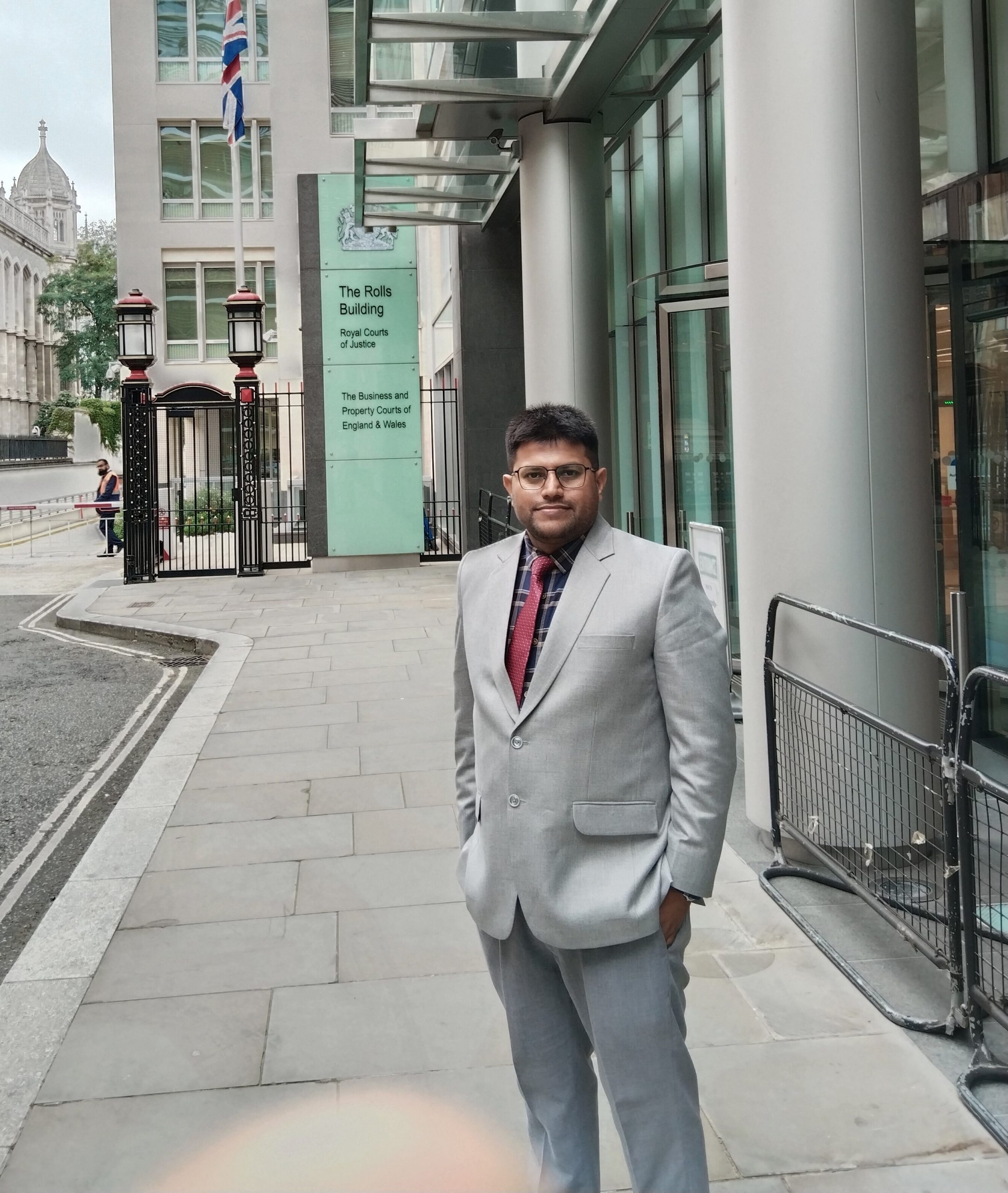
  • “Litigation is more than just a career and livelihood source. I believe that by this work I can contribute positively to society and bring about good changes in lives which I come in touch with.” – Amit Dwivedi, Supreme Court Litigator and Pegasus Scholar

    “Litigation is more than just a career and livelihood source. I believe that by this work I can contribute positively to society and bring about good changes in lives which I come in touch with.” – Amit Dwivedi, Supreme Court Litigator and Pegasus Scholar

    This interview has been published by Namrata Singh and The SuperLawyer Team

    Amit, could you take us through your journey and share how you embarked on your career in law? What inspired you to pursue this path, and how did your early experiences shape your professional trajectory?

    I come from a humble village background. I pursued my schooling from the government residential school of rural Madhya Pradesh, Navodaya Vidyalaya. Thereafter, I studied in the North campus of Delhi University for six years i.e., my graduation and law degree. These years have, indeed, been trans-formative for me. I made friends coming from myriads backgrounds and learnt to adjust in different environments. I started to participate in extracurricular activities including debating competitions during my graduation and soon found that I would like to spend the rest of my life doing the same as a litigation Lawyer.

    For the last six years, I have been working in various Courts and Tribunals of Delhi and across India. For me litigation is more than just a career and livelihood source. I believe that by this work I can contribute positively to society and bring about good changes in lives which I come in touch with. Since September 2022, I have been working independently.

    Having worked extensively in various legal domains, from real estate disputes to representing marginalized sections of society, what drives your passion for justice and advocacy?

    Besides being an Advocate, I am a citizen of this country. There are so many things which bother me on a day-to-day basis. Lack of access to quality healthcare services to most of the population of our country troubles me a lot. However, there is little I could do about it. 

    At the same time, this profession gives me an opportunity to right a wrong. Be it a street vendor harassed by police officials, a homebuyer robbed by a builder or a contractual employee working without any job security, I can feel their pain and wrong committed upon them agitates me a lot. Being a lawyer gives me a position to do something for them and it is my primary motivation to strive for another day. On some occasions, raising a voice means everything!    

    You’ve recently returned from the UK after participating in the Pegasus Scholarship program. How did this international experience influence your perspective on legal practice, especially in comparison to your work in India?

    My inspirational senior Ms. Namita Wali nudged me to apply in the first place, she deserves the complete credit. After the initial screening process, I was interviewed by Senior Advocate Aman Hingorani and seasoned Mediator Dr. Shweta Hingorani. Thankfully, I was selected as a KNH Foundation-Pegasus Scholar for the year 2023. I was the only lawyer with five years standing who was selected for the said scholarship in the year 2023 from India. This scholarship is a world-renowned international lawyer exchange program run by Hon’ble Society of Inner Temple, England. My fellow scholars came from different jurisdictions like the United States, Australia, and New Zealand. As a scholar, I spent Eight weeks in England and Scotland working in esteemed Barrister chambers like Blackstone, Lamb and 39 Essex. I attended court hearings in the Supreme Court of the United Kingdom, Court of Appeal, High Court, Crown Courts, and County courts. I participated in conferences held among barristers, solicitors, and clients. I interacted with judges, jurists, and policy makers. It was a life-changing experience, and I could see a different way of life and working.

    The United Kingdom has a comparatively small population and for that reason alone, they do not encounter a lot of nagging logistical issues as we in India do. The number of cases listed per day before a judge is not in two digits most of the time in the UK and in India, you might even see a three-digit cause list peculiarly on the criminal side in High Courts and consequent crisis of pendency, matters not getting heard and a bit of chaos. However, the zeal of the advocate community keeps the access to justice smooth in India and that is indeed a great achievement.

    In your role as a Panel Advocate with Counsel to Secure Justice (CSJ), you’ve been advocating for child survivors of sexual violence. What unique challenges do you face in such cases, and how do you navigate them?

    CSJ has taught me a lot. Sexual violence against a child is not only inhumane, barbaric, and brutal but it also creates multidimensional problems. The child suffers physically and emotionally. Family also finds it difficult to handle the situation. There are a lot of social stigmas attached to it as well. So, meeting a survivor and his/her family requires a lot of preparation. Most of these people have suffered at the hands of the system also so making a connection with them requires some genuine effort. However, when they see your sincerity, they rely on you, and you start working as a team. It was my affectionate senior Ms. Arushi Anthwal who guided me on this pro bono panel. She heads the CSJ’s lawyer’s team. Her commitment to the welfare of women and children is unimpeachable.    

    I have observed an unfortunate pattern in such cases. Reporting from poor strata of society against child sexual violence is good but the middle and upper classes are still finding it difficult to report this violence and they try their ‘best’ to save their shallow ‘honor’ as in these cases, usually, the perpetrator is a person of trust. Efforts to encourage reporting of child sexual violence are needed on a large scale. It is a silent pandemic!

    You’ve authored articles and participated in webinars on diverse legal topics. What motivates you to share your expertise through writing and speaking engagements?

    We all are part of a shared world. We do not exist in isolation and interdependence is the order of our society. I believe in a democratic society; exchanges of ideas have potential to bring much needed changes in society. The Right to Information (RTI) Act was born out of such efforts and it has served society so well. An ordinary citizen can file a simple application and ask for information which might unearth wrongdoings in public offices. So, I make it a point to speak and write about issues which are important and need our attention like universal access to healthcare and misery of undertrial prisoners. I believe and hope these discussions are small steps which will bring about great changes.  

    Your journey includes working with different legal mentors and chambers. How have these experiences contributed to your growth as a lawyer, and what valuable lessons have you learned along the way?

    As a first-generation lawyer, I had great difficulty finding mentors. Formally, I worked as an associate with two Advocates. My first senior was Mr. Amit Bhagat. He works on the Civil and Commercial side. He taught me how to navigate hearings and insist on reliefs. His energy was unmatchable.

    My Second senior was Advocate on record Mr. Joel. He taught me how to keep patience in tough situations and client handling. He has exceptional skills to mediate a complex dispute and I found his calm approach imitable.

    I interned under Mr. Madhav Khurana in 2017 and since then, he has always been there to support and guide me. He is very organized and conducts his cases with plans and strategies. Working with him as a briefing counsel is always a delight.

    Advocate on record Mr. Vikram Hegde is a known lawyer and his writing skills keep twitter and newspapers warm. In my independent practice, he has been a constant guide. If I lose a case in high court, then I know he would help me to take it to the Supreme Court and get the necessary relief.  

    Mr. Adarsh Priyadarshi is a guide on the criminal side. His skills to puncture a prosecution’s story is great and he has been kind enough to allow me to argue his criminal matters in Delhi High Court.  

    As a Pegasus Scholar, you had the opportunity to immerse yourself in the legal system of the United Kingdom. Were there any striking differences or similarities you observed between the UK and Indian legal systems that surprised you?

    Legal systems in both the countries are similar and have been made by the same people for obvious reasons. So, on paper we are almost the same. But, on the grounds, the situation is different. Their courts are strictly formal at all levels and in India, the informal nature of trial courts gives a breathing space to Indian masses. 

    In the UK, Civil trials get completed in three to five days, I witnessed an eviction trial getting completed and judgement pronounced in four days in Central London County Court. With due respect, such expeditious disposal in India is nearly impossible. Due to the strict cost rules, frivolous litigations and appeals get discouraged a lot there. Due to lax rules, in India litigation, at times, becomes an adventure and all disputes eventually reach the supreme court, destroying decades of people’s lives and leading to docket explosion.  

    With the rapid advancement of technology, how do you see the role of AI and automation shaping the future of legal practice, and what implications do you foresee for young lawyers entering the profession?

    Let’s look at the past to appreciate the future developments. When Covid came, almost no one was relying on e-filing and virtual court hearings were not even part of our imagination. But a small virus nudged us to use technology which was already with us. Soon, we all were filing online and appearing online. This transition has been significant.

    As far as filing and defects in court registries are concerned, I hope AI will make life easier for lawyers and court staff. I hope there will be a day when ‘defect in file’ will be a thing of the past. At the same time, I believe that there will never be a substitute for earned human experience and wisdom. So, technology will help us but eventually, human prudence will decide how it will be used.  

    Balancing personal interests and professional responsibilities can be demanding. How do you manage to find time for hobbies or leisure activities amidst your busy schedule?

    Being self-employed is not as rosy as it sounds. Being away from work means a loss of income in that situation. So, working slowly becomes a part of your life. And this is how eventually things start to find a place in your life. I like stories. I have become a bit lazy to read books for leisure, so I watch movies and tv series and these things happen at the end of day most of the time. I like watching theater and Delhi offers a good variety for the same. Being a foodie gives me the opportunity to explore new places and tastes.

    Finally, Amit, if you could offer one piece of advice to the upcoming generation of lawyers, what would it be, considering the evolving landscape of the legal industry and societal challenges?

    Decide your priorities. If you come from a humble background, then joining a law firm and having a steady income is a fairly good idea in the initial years. Such a way of functioning ensures exposure and income for you. The way litigation is structured in India, it is not very welcoming for an outsider without significant resources and infrastructural support. So, calculating and managing expectations is important. 

    The position of legal researcher in High Courts and Supreme Court is something to aspire to. It gives you a steady income in the initial years and the exposure is unparallelled. These places are likely to motivate you to pursue academic endeavors abroad on scholarships. 

    Arbitration is here to stay as India has become the focus of global trade due to its huge population. World creates and India consumes, as the joke goes! So, there would be a lot of disputes, even of an international nature, in such a setup. This field could show you the world and teach you how to look beyond your self-created boundaries. Opportunities to work abroad may also cross your way and the sky’s the limit.

    So, my advice would be to plan your way out and be brave to walk on that path!

    Get in touch with Amit Dwivedi-

  • “The key to realising  a dream is to focus not on success but significance, and then even the small steps and little victories  along your path will take greater meaning” – Jossy Cherian, Associate Advocate at Law Veritas : North

    “The key to realising  a dream is to focus not on success but significance, and then even the small steps and little victories  along your path will take greater meaning” – Jossy Cherian, Associate Advocate at Law Veritas : North

    This interview has been published by Namrata Singh and The SuperLawyer Team

    Could you share your journey into becoming a legal and social work professional, emphasizing how your professional and personal experiences have shaped your path?

    My journey into the fusion of law and social work has been intertwined with personal experiences, academic pursuits, and a deep-rooted desire to effect positive change in society. I started my career in 2013, after completing a degree in Law and Post-Graduation in Social Work. Over the last decade I have had the opportunity to work with government organisations, NGOs, private sector organisations and law firms in various capacities which has made my professional journey more meaningful & richer and quintessentially varied from most people in our line of work.

    My perspective has been significantly shaped by my parents, who have consistently demonstrated a strong commitment to giving back to society. Witnessing their compassion and advocacy for what is right has deeply influenced my own values and beliefs. Further I always believed and has been quoted by Oprah Winfrey that “the key to realising  a dream is to focus not on success but significance, and then even the small steps and little victories  along your path will take greater meaning”

    Since joining Law Veritas: North in 2021, you’ve independently led the litigation department of the Firm. Share insights based on your personal experience regarding the journey towards attaining professional success.?

    I hold the belief that the success of individuals within an organization is directly correlated with the quality of the work environment. Upon joining Law Veritas: North in 2021, I initially had reservations about committing to a law firm, uncertain about exclusively focusing on litigation, especially the one that predominantly dealt with banking and insurance. However, adhering to the notion that nothing happens by chance but rather as preparation for greater things, I embraced the opportunity.

    Initially, my decision to work at Law Veritas: North was rooted in logistical convenience. As a new mother, proximity to home was a priority for maintaining flexibility in my professional pursuits. Since joining Law Veritas North, I’ve experienced a work environment that is both challenging and supportive. I’ve received substantial support in achieving my professional goals within the organization, and my mentors have not only acknowledged but also actively promoted and encouraged my specific area of interest. Additionally, the trust and acknowledgment extended to me by my seniors served as a catalyst for improved performance. This, in turn, strengthened my commitment to steering the litigation department towards success.

    I also hold the view that passion and authentic interest in one’s work are essential and serve a pivotal role in setting goals and achieving success. Additionally, the continuous refinement of skill sets has become vital in reaching professional goals, particularly in areas such as networking, knowledge enhancement, technological adaptation, effective communication, leadership, initiative, and persistent hard work and dedication.

    Managing diverse responsibilities, from civil and criminal litigations to community development initiatives, requires effective balance. How do you navigate these various roles, and what challenges have you encountered?

    The process that may appear as navigating between roles actually, feels organic to me. In litigation, being selective about the type of work one engages in can be challenging. Regardless of the nature of the case, every case and every story holds numerous perspectives and untold truths about human life. 

    Navigating between cases as an advocate presents a multitude of challenges that require careful consideration and adept management. One such challenge lies in the diversity of legal matters an advocate encounters. Each case comes with its unique set of facts, legal intricacies, and client needs. This necessitates a constant need for adapting one’s approach, strategies, and legal arguments to suit the specific nuances of each case. Furthermore, the time constraints imposed by multiple cases can be demanding. Effectively managing and prioritizing cases while ensuring each client receives the necessary attention requires strong organizational and time management skills. Juggling the intricacies of various legal issues, court appearances, and client interactions requires a delicate balance to ensure the best possible outcomes for each case.  However, it’s crucial to bear in mind that achieving this balance often involves the collaborative efforts of a team, and success is truly achieved when all members work in harmony. 

    Additionally, the emotional toll of dealing with diverse and often sensitive legal matters is a substantial challenge. Advocates frequently encounter clients facing distressing situations, and maintaining empathy while remaining professional is crucial. Striking this balance requires emotional resilience and a nuanced understanding of the human aspects intertwined with legal issues. Moreover, staying updated on the evolving legal landscape, precedents, and statutory changes across different areas of law is vital. This continuous learning process ensures that advocates are well-equipped to provide the most effective representation and counsel to their clients.

    Beyond the legal realm, your passion lies in advocating for social causes. Could you share a specific initiative or project that is particularly close to your heart, and why?

    I have a profound passion for social issues, particularly with respect to child rights, which holds a special place in my heart. To advance this cause, I have actively involved myself in initiatives related to education, child health care, adoption etc. Through my efforts, my aim is to foster a fair and inclusive social environment for children across all segments of society.

    What adds to the significance of children for me is their vulnerability and complete dependence on others. Children have the potential to instigate positive change in numerous aspects of life. With appropriate guidance, education, and nurturing, they can evolve into responsible and compassionate individuals, making positive contributions to their communities and the global society. Ensuring their safety and creating a nurturing environment are fundamental societal responsibilities. To echo the words of Kailash Satyarthi, the Nobel Peace Prize laureate, “Every single minute matters, every single child matters, every single childhood matters.”

    Can you elaborate on the specific aspects of CSR and adoption that have had a notable impact on your approach and understanding of the legal landscape?

    In the realm of Corporate Social Responsibility (CSR), companies often align their practices with legal requirements, recognizing that adherence to laws and regulations is an essential aspect of responsible business conduct. 

    Furthermore, ensuring compliance with local, national, and international laws becomes imperative for businesses to fulfil their CSR commitments. As they embark on CSR activities, business entities must be cognizant of and adhere to these legal frameworks. The integration of CSR commitments into contractual agreements and legal documents further underscores the connection between CSR and law. For example, companies may incorporate specific clauses related to environmental sustainability, fair labour practices, or community engagement in their contracts. Failure to meet these CSR obligations carries the potential for legal consequences. Therefore, the relationship between CSR and law is intricate, encompassing various facets such as legal compliance, regulatory frameworks, contractual obligations, and the management of legal risks associated with social and environmental impacts. By incorporating CSR into their business practices, companies align themselves with legal expectations, fostering a more responsible and sustainable business environment.

    My tenure at the Central Adoption Resource Authority (CARA) provided a structured environment where I consistently prioritized children’s safety and well-being. Managing the entire litigation and legal aspects of inter-country adoptions added an exciting dimension to my role. It exposed me to intricate legal issues, particularly from a foreign policy perspective, and involved collaboration with external affairs agencies and international organizations.

    Legal safeguards in adoption extend protections to adopted children, guaranteeing them equivalent rights and privileges to those of biological children. These rights encompass inheritance, medical access, and the entitlement to information about their adoption history, maintaining confidentiality, and more. Moreover, adoption agencies, whether public or private entities globally, are bound by legal regulations. These laws describe licensing prerequisites, ethical standards, and procedures that adoption agencies must adhere to, ensuring the legality and ethical integrity of the adoption process. It is crucial to highlight that the legal procedure extends to post-placement supervision, a measure taken to ascertain the well-being of the child within the adoptive home.

    Hence personally these experiences have helped to broaden my overall understanding of various laws, different approaches and strategies involved in the procedure.

    In your profile, proficiency in legal technology is mentioned. How do you see the integration of technology impacting the legal profession, and how have you embraced it in your practice?

    The fundamental transformation of the legal profession is underway through the integration of technology, giving rise to a wave of innovations that amplify efficiency, precision, and accessibility. This impact extends across multiple aspects of legal practice, including a revolution in legal research, the automation and management of documents, enhanced communication and collaboration, and an increased focus on cybersecurity and data protection. Adapting to this changing technology is an essential need of the hour for professional as personal growth.

    You’ve received a scholarship for an international workshop on “End Of Life Care” and have diverse experiences. Can you elaborate on your experience and learning?


    At the Summer University in Lausanne, Switzerland, where I was awarded a scholarship, I delved into a comprehensive study of ‘End of Life Care,’ exploring its social, psychological, and legal dimensions. Exposure to this program at the University enlightened me about the rights of individuals facing the end of life, regardless of whether it was due to old age, critical illness, or other reasons. Key topics included diverse legal frameworks, varied end-of-life care practices in different countries, honoring the wishes of the dying, palliative care, socio-psychological support for family members, and the dignified treatment of deceased individuals. These discussions and exchanges not only highlighted the current global health practices and legal considerations but also emphasized the need for a systemic approach in addressing the care of vulnerable individuals, considering the cultural nuances of each country.

    With your diverse experiences, what advice do you have for aspiring lawyers and professionals looking to make a positive impact on society through their legal careers?

    Addressing ICFAI University, Jharkhand as a Keynote Speaker representing Law Veritas: North in a panel discussion on ‘Advocacy as a Profession: Prospects & Challenges’ on the eve of Advocate’s Day last year, I highlighted advocacy’s pivotal role amid today’s information complexities. Advocates serve as catalysts for change, bringing attention to issues that may otherwise be overlooked or ignored or miscommunicated. The use of legal technology, artificial intelligence, and online platforms can streamline legal research, improve case management, and facilitate communication between advocates and their clients.

    In present scenario a whole lot more skills are required to establish yourself like:

    1. Effective Communication skills: Mastering the art of communication is fundamental. It involves not just speaking but also active listening and empathetic understanding.
    2. Creative Problem Solving: In the complex legal world, creative solutions often pave the way for resolving intricate issues. A flexible, innovative approach is invaluable.
    3. Analytical and observational skills- Attention to detail is key. The ability to analyze information critically and observe nuances can significantly impact legal strategies and outcomes.
    4. Reading- Cultivating a habit of continuous learning through reading is invaluable. It not only expands knowledge but also refines approaches to various legal challenges.
    5. Networking- Building professional networks is crucial for success. Collaborations, mentorships, and connections can open doors to opportunities and growth.
    6. Negotiation Skills: The art of negotiation is a powerful tool. It involves finding common ground while advocating for your client’s interests.

    My father’s insightful advice resonates deeply, “In this profession, be prepared to work harder than the money you receive.” Hard work, dedication, and a commitment to the cause are vital. 

    As advocates, our approach to these challenges should embody unwavering determination and resilience. Let us continue to champion the voices advocating for positive change, working together towards a more equitable and just future for all.

    Get in touch with Jossy Cherian-

  • Embark on a journey from the blend of common law and civil law in India to the purely civil law system in the UAE barring DIFC and ADGM, the two free zones which follow common law”, diverse projects from advising on healthcare services to managing trademark portfolios for Fortune 500 companies – Rajiv Suri, Senior Associate-Intellectual Property & Corporate, Alsuwaidi & Company, Dubai

    Embark on a journey from the blend of common law and civil law in India to the purely civil law system in the UAE barring DIFC and ADGM, the two free zones which follow common law”, diverse projects from advising on healthcare services to managing trademark portfolios for Fortune 500 companies – Rajiv Suri, Senior Associate-Intellectual Property & Corporate, Alsuwaidi & Company, Dubai

    This interview has been published by Namrata Singh and The SuperLawyer Team

    You’ve had an impressive journey in the field of law, especially in Intellectual Property and Commercial laws. Could you share some pivotal moments or experiences that shaped your career since you started practicing in 1994?

    I started off my journey as a lawyer in the year 1994 in the field of IP with a very well-known and IP-focused pioneer Firm in India i.e., Remfry and Sagar. The work I did in this firm particularly laid the foundation for me as an IP/Commercial lawyer. I was fortunate enough to have been exposed to various IP forms especially when in the year 2002, I took up a challenging role with UK based International Consultancy Firm, Rouse & Co., in Dubai, UAE. My stints at both these organisations helped me in my career by getting a very wide exposure to various aspects of intellectual property and commercial/transactional laws. Thereafter, in 2010, I was offered the role of a Partner with an Indian Firm, RNA, based out of India. For this Firm, I was heading their trademark prosecution and Transactional law practice. In 2022, I shifted my base once again to Dubai, UAE. I took up the role of a Senior Associate with a full-service law firm, Alsuwaidi and Company, It was founded in the year 1997 by a UAE national, Mr Mohammed Alsuwaidi, who is a very well-known and established Arbitrator in this region. My areas of practice cover intellectual property and commercial corporate matters including contracts, information technology and media laws”.    

    With a rich legal experience spanning both India and the UAE, how do you navigate the nuances and differences in legal systems and practices between the two jurisdictions?

    For navigating the legal nuances between two jurisdictions, it is very important to have an understanding of the basic fabric of the two judicial systems. India’s legal system is derived from common law, civil law and to some extent religious customs as well. In my areas of practice in India i.e., IP and Commercial/Transactional laws, it was mainly the mix of common law and civil law along with precedents – which are given their due importance in judgements – while formulating guidelines and legal opinions. On the other hand, UAE’s Onshore judicial system purely follows civil law and is not precedent-based. Hence, to practice UAE laws it is very important to know the laws and their interpretation as well. For this, it is very important to have access to the practical knowledge base through your interaction with peers within your organisation as these would offer insights into the pragmatic application of laws, local court practices, and nuances that might not be apparent in legal texts. Another key area is educating clients about such laws as what works in one jurisdiction may not work in another and thus customizing strategies to fit the specific legal landscape. Lastly, I would say ‘continuous learning’ which is very important in our profession, especially with changing laws and legal scenarios as only then you can keep yourself abreast with the latest developments in your areas of interest. 

    Being a facilitator for trademarks in the STARTUP INDIA initiative, how crucial is intellectual property protection for emerging startups, and what advice do you often find yourself giving to them?

    Intellectual property protection is extremely crucial for emerging startups not only in India but in any other emerging markets including UAE. It safeguards their innovations, ideas, and brands, giving them a competitive edge and fostering growth. One of the foremost things is to educate 

    Startups about the different types of IP. Many times, I’m asked this question of what form of protection they can get for their logos/designs or innovations. So, it becomes very important to help them identify their unique assets that require protection. For instance, if they have an innovative product, they might need a patent. If they have a distinct brand name or logo, a trademark is essential. I also advise them to conduct thorough prior searches to ensure their IP doesn’t infringe on any of the existing rights. Similarly, they should protect their innovations promptly to prevent others from claiming similar ideas. Further, Startups should always budget for IP protection in their business plans. Sometimes, Startups overlook this aspect due to budget constraints, but it’s critical for long-term success. I would also guide them on utilizing government initiatives on Startup India that offer support and resources for IP protection including financial assistance. Ultimately, the goal is to help Startups recognize the value of their intellectual property and take proactive steps to protect it. Doing so can significantly impact their ability to attract investors, scale their business, and establish a strong market presence.

    You’ve worked on diverse projects, from advising on healthcare services to handling trademark portfolios for Fortune 500 companies. Could you share a project that was particularly challenging or rewarding, and what lessons you drew from it?

    One challenging yet immensely rewarding project involved assisting an American Corporation in navigating the intricacies of trademark law while safeguarding its interests in the Indian market. This corporation had developed a unique brand identity and was rapidly expanding its business. The challenge lay in devising a comprehensive trademark strategy(ies) that protected their brand/s while ensuring compliance within the parameters of the law. The rewarding aspect stemmed from successfully guiding the company through this process. This involved conducting thorough trademark searches, advising on the availability of trademarks, maintenance of their registrations, and implementing strategies to safeguard their brand’s identities.

    Currently, working as a Senior Associate at Alsuwaidi & Company, how do you balance your role in Intellectual Property with corporate matters, and what unique challenges and opportunities does this dual expertise present?

    Balancing roles in Intellectual Property and corporate matters can be intricate but incredibly rewarding. I would say that handling Intellectual Property and corporate matters requires a blend of legal expertise. It is essential to not only know and understand the intricacies of IP law but also the corporate laws including regulations and transactions. This dual expertise helps me in my practice by providing comprehensive solutions especially when it comes to drafting and/or vetting contracts for clients. When advising on corporate strategies, I’m able to integrate IP considerations ensuring that clients safeguard their intellectual property assets while pursuing business objectives. Sometimes, conflicts may arise between IP and corporate interests. For instance, a merger might impact existing IP rights. It is our role to then somehow find a balance that preserves these rights while supporting the corporate transition.  Further, in an international market like the UAE, understanding global IP laws and corporate practices becomes crucial. You may face challenges related to harmonizing differing IP laws across jurisdictions while aligning them with corporate goals. For instance, in data protection laws, it is essential to know the local laws and also GDPR as these do come in handy when dealing with any sort of contract that provides for such data protection. It does require a deep understanding of both domains and effective communication with clients to align their interests. The challenges are unique, but so are the opportunities to provide comprehensive legal counsel and help clients maximize the value of their intellectual assets within their corporate strategies.

    You have received several accolades in your career. How do these recognitions impact your approach to your work and the legal community at large?

    Yes, I did receive accolades and because of this, it becomes incumbent upon me to rightly assess legal perspectives. These certainly boost confidence leading to increased motivation and dedication to maintaining high standards in my work. Further, it has also created a sense of responsibility to give back to the legal community. This has involved mentoring younger professionals within the organisations I’ve worked for, contributing to legal education by writing articles on related topics, being a speaker at events, round tables, seminars, webinars or actively participating in initiatives that benefit the profession or society. Overall, in my view, accolades do often serve as a source of motivation and a reminder of the importance of one’s work within the legal community, potentially pushing individuals to strive for further excellence and innovation.

    You’ve been recognized for your expertise in both Traditional and Non-Traditional Trademarks. Can you share an example of a unique or unconventional trademark case that you found particularly interesting or challenging?

    Yes, there was this sound mark of an American corporation, a giant in the field of computer processors, which has a distinctive musical note for the presence of their software. Traditionally, trademarks often involve logos or words, so attempting to trademark a sound was a unique challenge and interesting at the same time. We were made to provide the musical notation in the print form to the authorities along with the CD of the sound sought to be registered.

    Outside of the legal realm, what are your personal hobbies or interests that provide you with a sense of balance and rejuvenation?

    The hobbies and interests which I enjoy outside the legal realm are photography and travelling to different places along with spending time with my family.  

    With your extensive experience in handling commercial agreements, could you share a piece of advice for businesses, especially startups, when entering into legal agreements to protect their intellectual property?

    When dealing with intellectual property in commercial agreements, especially for Startups, IP protection is critical as it often forms the core value of their products or services or for that matter any commercial venture. Taking proactive steps to safeguard it through robust legal agreements is a crucial aspect of business strategy. Given below are some key points to consider while entering into legal agreements to protect intellectual property.

    • Specify what constitutes your IP, whether it’s patents, trademarks, copyrights, trade secrets, or any other proprietary information including any form of data. Be as precise as possible to avoid ambiguity.
    • Clearly outline who owns the IP and establish the rights and limitations regarding its use.
    • Also, determining ownership of any new IP developed during the collaboration is very important to avoid any conflict vis-à-vis ownership at a later date. For this, it is crucial to determine whether the IP remains with the creator or is jointly owned.
    • Include robust confidentiality clauses to safeguard any sensitive information. This prevents the other party from disclosing or using your proprietary information without permission, even after the agreement ends.
    • Specify the permitted use of your IP. Define how the other party can use your IP, whether it’s for a specific purpose, duration, or geographic area. Outline any restrictions or limitations clearly.
    • Include provisions for resolving disputes related to IP, such as arbitration or mediation. This can help avoid lengthy and costly legal battles and resolve issues more efficiently.
    • Provide details as to what happens to the IP post-termination. Also, provide details as to how the return or destruction of confidential information/IP will be handled to protect your assets.
    • Review your agreements periodically, especially as your business grows. Ensure that the terms regarding IP protection remain relevant and in line with your business objectives. 

    Get in touch with Rajiv Suri-

  • “It’s not just about legal knowledge; it’s about fostering a sense of dignity, self-worth, and the belief that they deserve justice” – From Courtroom to Community: The Inspirational Journey of Advocate Trishla Malik, Director, AmicusLegal Consultancy

    “It’s not just about legal knowledge; it’s about fostering a sense of dignity, self-worth, and the belief that they deserve justice” – From Courtroom to Community: The Inspirational Journey of Advocate Trishla Malik, Director, AmicusLegal Consultancy

    This interview has been published by Namrata Singh and The SuperLawyer Team

    Your journey reflects a unique blend of legal excellence and entrepreneurship. As a first-generation advocate, how did you decide to carry forward the legacy of your late grandfather, an Honorable District Judge, and establish Amicus Legal Firm and Consultancy LLP?

    I am a follower of law and so was my Nanaji, but with a prolonged illness of dementia and then his demise, my Grandfather left me to forego my legal career as my journey. To which I took it as a challenge and A will to serve the nation through the law. This gave me a vision to enact and carry forward the legacy of law through a different medium which included both entrepreneurship and Advocacy. My entrepreneurial spirit craved innovation, a desire to bridge the gap between legal acumen and real-world solutions. It was then that Amicus Legal Firm & Consultancy LLP took shape in 2019, with my Partner Amol Chitravanshi AOR– a firm built on the unwavering principles of legal excellence, infused with the dynamism and client-centricity of a modern consultancy. We registered our offices in Delhi NCR and commenced our journey of Advocacy in Supreme Court litigation and other country courts. Things come up as challenges when you become a First Generation Advocate, but at the same time makes us proud to be going strong at this young age of not even 30 yrs. Each challenge makes us stronger and much more learned than before, so now we become some of the few law firms in the country delivering legal services beyond the courtrooms. AmicusLegal Consultancy LLP isn’t just about winning cases; it’s about forging partnerships with clients, understanding their needs, and crafting custom-tailored solutions. We go beyond legal counsel, offering strategic guidance, risk management expertise, and proactive solutions to navigate the complexities of the legal landscape. 

    Beyond your legal practice, you’re the Co-Founder and Managing Director of Amicus Legal Firm and Consultancy LLP. What led you to venture into entrepreneurship, and how do you balance your roles as an advocate and a business leader?

    It is not wrong to say that the legal profession is not easy for females. There is a hustle every day. During the initial years, I faced a lot of bias from my seniors who through different means let my motivation down. Especially in States like Uttarakhand, UP and Delhi, the mindset of Seniors is not very progressive for Women lawyers, especially those with no background from the same industry. But this did not stop me, this gave me the motivation to have an enterprise of my own. While advocating for clients in a court filled me with purpose, a part of me craved the challenge of building something, of shaping a space where legal expertise could transcend the confines of traditional practice and truly empower clients. This dream came true, when I and my firm’s Co-Founder Amol Chitravanshi Advocate -on- Record (AOR), who was my batch mate in law school, decided to have a law firm of our own. This was a very challenging journey for both of us, as we both do not belong to the family of advocates in fact both-of us were first-generation lawyers but together came up with a goal of a new-generation law firm in India, which was not just stick to court works but aimed in delivering all kind of legal services to the society. In a short span of 4 years we could achieve, make our presence in elite cases across the High Courts and the honorable Supreme Court. 

    My motivation is my will to deliver the society through law which helps me keep creating a balance in practical approach and legalities in the society. My journey of becoming woman entrepreneur and balancing roles as an Entrepreneur and Advocate could not have been possible without the support of family, close friends, efforts of my Team at the workplace and especially My Partner Adv Amol Chitravanshi, as we worked towards a common goal of uplifting the society and a positive and a constant vision of uplifting the legal industry and giving it a new face. AmicusLegal allows me to extend my impact beyond individual cases, shaping a legal landscape where accessibility, innovation, and client empowerment take centre stage. And that, for me, is the true reward – the satisfaction of building a legacy that extends far beyond the walls of the courtroom.

    Being a certified and recognized woman entrepreneur, you’ve achieved certifications from IIM Bangalore and the National Commission for Women. How has your entrepreneurial spirit influenced your approach to practising law, and what challenges have you encountered as a woman entrepreneur in the legal industry?

    It was challenging to understand the essentials of growth for women at a workspace, due to a patriarchal society.  women, though being talented, have been somehow suppressed over the years. But It was in 2021, luckily I got an opportunity to enrich my expertise when the very first time Indian Institute of Management, Bangalore in collaboration with the National women commission of India conducted A Women’s entrepreneurship Course, in which I was selected on merit and was offered a fully funded course after which I was entitled with the tag of woman entrepreneur by IIMBx. The impact of this course from the Indian Institute of Management Bangalore was crucial for me as a female entrepreneur, I was able to recognise the importance of women entrepreneurs in India not only on the social front but also on the economic front for the country. I was inspired by all the women who were actively participating in different fields which also helped me have a vision of a clear progressive career ahead in life and face different challenges that women go through in their daily lives, but the course helped me enrich my self-belief and confidence. The legal industry, like many others, is not devoid of its gendered challenges. Being a woman entrepreneur in this space has meant navigating. After this, not only did I train women for their entrepreneurship journey but I also awarded them with certification which was of utmost importance to them and their career ahead.

    The journey hasn’t been easy, but it has been deeply rewarding. I’ve learned to navigate the intricate dance between advocating for my clients in the courtroom and leading a dynamic legal firm. Through it all, I’ve remained committed to empowering other women entrepreneurs and redefining what it means to be a successful woman in the legal field. This educational qualification also helped me to understand the challenges as a women entrepreneur in India especially in the legal industry where even today there is a lack of professionalism and gender bias when it comes to female advocates, but evolving each day helped me achieve the desired goals over the time and the journey is still on.

    Apart from your legal pursuits, you are a national medalist in pistol shooting and a certified mountaineer. How do sports and outdoor activities contribute to your personal and professional life? How has this experience influenced your approach to challenges, both in your professional and personal life?

    I have been a believer and promoter of sports all my life. The world of sports and outdoor activities offers me a different terrain for challenge, growth, and a unique perspective on overcoming obstacles. My national medal in pistol shooting and experiences as a certified mountaineer has instilled in me qualities that extend far beyond the physical feats, shaping both my personal and professional life in profound ways. They equip me with the resilience, adaptability, focus, and leadership skills that empower me to navigate the challenges of the legal world with greater confidence and a sharper perspective. They remind me to celebrate the journey, find solace in the stillness, and approach every obstacle with the unwavering spirit of a mountain climber, always aiming for the summit, be it in the courtroom or on the next personal Everest. And in this ongoing journey, the lessons learned on the shooting range and the slopes of the mountains or in any field will forever remain my compass, guiding me towards a future of success, fulfilment, and, most importantly, a relentless pursuit of the next peak, both in the courtroom and in life.
    Your involvement with Apoorvarambh Foundation and various NGOs showcases your commitment to social causes. Could you share a memorable experience or initiative that had a significant impact on the lives of individuals or communities you’ve worked with

    My commitment to social causes finds expression through my collaborations with the Apoorvarambh Foundation and various NGOs, allowing me to use my legal expertise to make a tangible difference in the lives of individuals and communities. One such experience, etched forever in my memory, resonates with the transformative power of law intertwined with social service. 

    I have been actively involved in Prisoners’ Rights and activism through it. Not just ensuring Mental health and value for life, we also conduct different types of literacy events, entertainment events etc to make them feel connected to life and living. Apart from this, I encountered a community grappling with the aftermath of cybercrime, Child Sexual Offences, Youth Development, and Education etc., Young lives were devastated by both online and offline stalking, financial fraud, and the emotional scars of abuse. Witnessing their despair ignited a fire within me, a determination to utilize my legal knowledge to empower them. We identified cases where individuals had been physically or emotionally traumatized. Under my NGO we undergo various disciplines of education and provide wholesome education for living eg. Mental health precautions, financial security, Hygiene, Adolescent Development, Art and Culture awareness, Career guidance etc. I took the cases pro bono, navigating the complexities of crime legislation and fighting for compensation and accountability against perpetrators. We also conducted awareness sessions and literacy sessions in Rural India, helping them give some value addition to life and empowering individuals to navigate the complexities of the world around them. 

    One of my such experiences was when a minor girl was sexually assaulted and her Miss-fortune was that her mother was not able to support and fight with her for her justice. It was then that we stood and fought to the best of the US and provided justice to that family and that minor girl. To which, I under Apoorvarambh Foundation NGO have made a short film on Child Sexual Offences which is around the corner to be telecasted soon. 

    As a legal educationist and awareness trainer, specializing in POCSO and Juvenile Justice, how do you approach educating underprivileged women and children on legal matters, and what motivates you to contribute to their empowerment?

    It’s not just about legal knowledge; it’s about fostering a sense of dignity, self-worth, and the belief that they deserve justice. Through education and awareness, I hope to contribute to a society where underprivileged women and children are not just protected by the law, but empowered to claim their rightful place and live lives free from abuse and injustice. As a legal educationist and awareness trainer specializing in POCSO and Juvenile Justice, my approach to educating underprivileged women and children on legal matters is built on understanding and empowerment.  I try and simplify complex concepts using local languages, everyday examples, and interactive activities. Storytelling, role-playing, and visuals become powerful tools to demystify laws and empower individuals to recognize their rights. I work closely with NGOs, community leaders, and local authorities to raise awareness, create referral networks, and ensure access to essential legal and psychosocial support services. 

    My motivation? Witnessing the spark of understanding in a child’s eyes, the newfound confidence in a woman’s voice, or the courage of a survivor seeking justice – these are my rewards. Knowing that my work empowers individuals to navigate complex legal systems, access their rights, and seek redressal fuels my passion to keep doing more. 

    Your media presence is notable, with appearances on national platforms, national media and news channels.” How do you use these platforms to bring attention to important social issues, and what topics do you find most crucial for public discourse, through being in the legal industry? 

    The legal industry isn’t just about interpreting statutes and winning cases. It’s a powerful platform for advocating for societal change and championing vulnerable communities. My national media presence has become a valuable tool in this mission, allowing me to amplify crucial social issues and spark actionable conversations. Not just my episodes of “Reality check with Adv Trishla Malik” on Facebook, but my inputs on National Media like Times of India, News18, Amar Ujala, Sahara Samay, Bharat Express etc, gravitate towards areas where access to justice is skewed and public awareness can bridge the gap. I use these platforms to demystify the legal system, making it more approachable and empowering for the public.

    Championing ethical practices in the society. The legal profession isn’t immune to ethical lapses. I use my media voice to hold the legal system accountable, highlight issues like corruption or judicial bias, and advocate for reforms that uphold the integrity of the justice system. This is what drives me to keep using my platform as a lawyer and media figure – to ensure that the law doesn’t just serve the privileged few, but becomes a tool for empowerment and a catalyst for positive change for all.

    You’ve been recognized with numerous awards, including the Professional Excellence Award by FICCI Ladies Organisation. What achievements are you particularly proud of, and how do these accolades motivate you in your multifaceted career?

    Ans. I have been an achiever since a very young age not just in academics but I have been a national medalist in sports and have won multiple awards in all aspects of life. In a profession as demanding and competitive as the legal field, recognition isn’t just an honor; it’s a vital source of fuel for the long journey towards justice. While I’m humbled to receive multiple accolades like the prestigious Uttarakhand State Achiever award, the Women Influence Award by multiple organisations, International Medals, the Professional Excellence Award by FICCI Ladies Organisation etc., true pride lies in the tangible impact my work has on communities and individuals. But foremost, Witnessing the relief and empowerment in the eyes of a client who finally found justice after years of fighting against abuse is a feeling and accolade unmatched. My professional fulfilment doesn’t stem from awards, but from the privilege of witnessing lives transformed and justice served. Every case taken and every case won, every policy reform achieved, every community empowered through legal awareness – these are the real treasures, the true markers of success in a multifaceted legal career.

    Having received national recognition and awards for your socio-legal awareness training, what advice do you have for young lawyers aspiring to make a positive impact on society beyond their legal practice? 

    My national recognition for socio-legal awareness training highlights a crucial truth: a lawyer’s impact can extend far beyond the courtroom. For young lawyers passionate about making a positive change, here are some nuggets of wisdom gleaned from my journey:

    1. Champion a Cause: Find a cause close to your heart, something that ignites your passion and compels you to act. Immerse yourself in the issue, connect with grassroots organizations, and understand the legal landscape surrounding it.
    • Advocate Beyond the Courtroom: Public education is key to driving societal change. Organize workshops, participate in panel discussions, or write articles raising awareness about your chosen cause. Use your legal knowledge to break down complex issues into digestible chunks for the public, empowering them to advocate for themselves and their communities.
    • Practice Self-Care: Advocacy can be a demanding journey. Prioritise your well-being by setting boundaries, managing stress, and seeking support from your network. Remember, a burnt-out advocate cannot create sustainable change.
    • Celebrate Small Wins: Don’t wait for landmark victories to celebrate. Acknowledge the incremental progress, the lives touched, and the voices amplified. Every step you take, every positive change you achieve, is a testament to your commitment to making a difference.

    Get in touch with Advocate Trishla Malik-

  • “Embrace challenges as opportunities for growth, fail fast, and learn from these failures, prioritize ethical practices, and strive for innovative problem-solving to thrive in the evolving legal landscape” – A Conversation with Harshit Ratan, Senior Corporate Counsel, Amazon.

    “Embrace challenges as opportunities for growth, fail fast, and learn from these failures, prioritize ethical practices, and strive for innovative problem-solving to thrive in the evolving legal landscape” – A Conversation with Harshit Ratan, Senior Corporate Counsel, Amazon.

    This interview has been published by Priyanka Karwa and The SuperLawyer Team

    Your journey from Kingfisher Airlines to Amazon is quite diverse. How did your early experiences in aircraft leasing shape your legal career, and what motivated you to transition into the e-commerce landscape?    

    My tenure at Kingfisher Airlines provided a strong foundation in navigating complex contractual arrangements, particularly in the aircraft leasing domain. This experience honed my skills in negotiation, risk assessment, understanding compliance in multiple jurisdictions and introduced me to work in regulated space. The dynamic nature of aviation taught me to adapt swiftly to evolving regulations, contractual intricacies (an eye for detail- what we say crossing your t’s and dotting your I’s) and apply them when such contracts are disputed in litigations. In these formative years, I was blessed to be trained by Clyde & Co. one of the top law firms in aviation finance. Kingfisher, also helped me understand importance of contractual clauses and how different jurisdictions can interpret them differently.  Transitioning to e-commerce was driven by a desire to explore new challenges and contribute legal expertise to a rapidly growing sector, which operated more in the grey due to lack of specific regulations. The burgeoning potential of the digital marketplace, prospect to innovate and contribute to its legal landscape motivated my transition.

    Having worked across various industries, from aviation to FMCG and now e-commerce, how do you adapt your legal strategies to fit the unique challenges each industry presents?

    Working across diverse industries taught me the importance of adapting legal strategies to fit unique challenges. In aviation, process for contract execution and adherence to regulatory compliance were paramount. Moving to FMCG demanded a focus on consumer laws, manufacturing, labor laws and supply chain intricacies. Now, in e-commerce, the emphasis shifts to innovate business structures in absence of specific laws, having high judgement skills and ability to assess risks. Flexibility, understanding industry nuances, and aligning legal strategies with business objectives are crucial elements in navigating these distinct landscapes. Over and above, I believe working in any industry to be an able legal counsel, innate understanding of the business/industry is crucial, each industry is unique in its own way and to understand critical parts of business where we can partner as a counsel is the expectation.  

    You’ve been recognized with awards such as the “Cowboy Award” at Amazon and “Best Employee of the Year” at Kingfisher Airlines. Can you share a memorable moment or achievement that stands out in your career and made you particularly proud?

    Winning the “Cowboy Award” at Amazon was truly a standout moment. It recognized my collaborative effort in successfully restructuring the business within challenging timelines. Working cross-functionally and limiting the impact on an ongoing business was complex.  Similarly, being awarded “Best Employee of the Year” at Kingfisher Airlines for spearheading a debt restructuring initiative was a proud moment. While we do so many important issues in our day to day engagements, but some standout given there shear impact on business continuity. These accolades reinforce the value of teamwork, resilience, and innovative problem-solving.

    From your early years negotiating complex agreements in aviation to your current role at Amazon, what have been the most significant lessons you’ve learned, and how have these lessons shaped your approach to legal counsel?

    The journey from being an aviation finance lawyer to my current role taught me the significance of meticulousness, adaptability, and foresight. Understanding the bigger picture while focusing on intricate details, anticipating regulatory changes, and fostering proactive legal strategies have become key elements in my approach as a legal counsel. I am a great believer in hard work and learning from mistakes – in my view to innovate it’s essential for you to fail fast and move quickly. Especially at Amazon, I have an equal seat at the table, the culture fosters independent thinking, and the ability to go beyond legal realms and be able to drive decisions and execute these in real world. Factors that help me shape myself are understanding the business and its needs, having a pragmatic approach and solution orientation.

    Given your experience in international negotiations and dealings with companies like Honeywell, how do you approach building and maintaining effective relationships with stakeholders, both within and outside the organization?

    Building effective relationships in international dealings involves understanding diverse cultural nuances and aligning legal strategies with mutual interests. Communication, transparency, and a collaborative approach are vital. Being proactive in addressing concerns and maintaining open channels of communication has been instrumental in fostering lasting relationships. Additionally, what I have realized is that you keep meeting folks you would have dealt in the past, so keep your relationships flourishing and even in most difficult situations treat people respectfully.

    As a Senior Corporate Counsel, you’ve been instrumental in setting up legal, secretarial, and product compliance teams. What challenges did you face in building these teams, and how did you foster a culture of innovation and efficiency within them?

    Each function requires a unique skill set, it is critical to understand the deliverables for each role and look for subject matter (SME) experts. Once you have the SME, it’s essential to help them scale up, making them aware of organizational nuances and let them flourish, help them build their respective teams and reducing your oversight to ensure their independence. Establishing legal, secretarial, and compliance teams presented challenges in resource allocation, skill development, and instilling a culture of innovation. Encouraging open communication, investing in professional growth, and fostering a culture of collaboration and creativity were vital in building efficient and innovative teams.

    Your success story highlights your ability to provide pragmatic legal advice for scaling up businesses. Can you share a specific instance where your legal insights played a crucial role in a significant business decision or strategy?

    Given we are bound by confidentiality; it may not be possible to provide a specific example. However, I can talk about implementing a business structure that operates pursuant to a regulatory approval and in this case a plain reading of the approval may have not have permitted us to even have a sustainable business model, I had the opportunity to interpret it ensure compliance and find the right balance for the business to operate. The one practice I find helpful in providing pragmatic advise is risk assessment frameworks – One way Door Vs Two Way Door i.e. reversible vs Irreversible decision making, risk heat matrix – judgment calls with an understanding what was legislative intent to have law/ regulation in place. On multiple occasions, my legal insights identified potential risks in a proposed partnership. Addressing these concerns strategically enabled us to reframe the deal terms, mitigating risks, and ensuring a mutually beneficial collaboration. This underscored the critical role of legal counsel in shaping pivotal business decisions.

    Apart from your legal expertise, how do you find a balance between the demanding legal world and personal life, and do you have any hobbies or activities that help you unwind?

    Achieving a balance between the demanding legal sphere and personal life involves prioritization & time management. I love to Ride and Drive, have driven cross country, I also enjoy going for long walks and playing table tennis occasionally, every year I make a list of books to read (albeit haven’t been able to accomplish this feat for the last two years), and spend quality time with family. These rejuvenate me and help maintain a healthy work-life balance.

    As a seasoned legal professional, what advice would you give to the upcoming generation of legal minds entering the workforce, particularly in navigating the complexities of the legal and business landscape? 

    To the upcoming generation of legal professionals, I emphasize the importance of continuous learning, adaptability, and developing a holistic understanding of the interplay between law and business. Embrace challenges as opportunities for growth, fail fast and learn from these failures, prioritize ethical practices, and strive for innovative problem-solving to thrive in the evolving legal landscape.

    Get in touch with Harshit Ratan-

  • The single most important trait to have for young legal professionals is self-belief, There is no alternative to self-belief. Starting from his aspirations as a scientist, detouring into management, and eventually finding his true calling in law – “An In-Depth Conversation with Rohan Kusnur, AVP-Legal at Kotak Mahindra Bank”

    The single most important trait to have for young legal professionals is self-belief, There is no alternative to self-belief. Starting from his aspirations as a scientist, detouring into management, and eventually finding his true calling in law – “An In-Depth Conversation with Rohan Kusnur, AVP-Legal at Kotak Mahindra Bank”

    This interview has been published by Priyanka Karwa and The SuperLawyer Team

    Rohan, thank you for joining us. To kick things off, could you please introduce yourself to   our readers, highlighting key aspects of your professional journey and areas of expertise?

    Hi! I am Rohan Kusnur. I am currently working as Associate Vice President – Legal at Kotak Mahindra Bank Ltd. My professional journey has been very colorful with diverse experiences across different fields. In school, I wanted to become a scientist. The things that intrigued me about science were understanding natural phenomena and applying that knowledge for the benefit of mankind. After completing my B.Sc. in Biotechnology, I started working with a coaching institute as a branch manager. I also enrolled for my M.Sc. in Biophysics. By the time I completed my masters while doing my coaching institute job, I realized that I have a much better aptitude for management and administration than scientific research. I had considered two options while deciding my future career trajectory namely, MBA and civil services. I decided to go ahead with preparation for civil services as I always had a keen interest in current affairs and wanted to do something in public service. While preparing for civil services, I fell in love with the Constitution of India. After an unsuccessful attempt at the UPSC civil services exam, my love for the Constitution led me to pursue LLB. During my UPSC preparation, I built a good network of seniors who were preparing for the exam or teaching in coaching institutes. One of my seniors recognized my talent and offered me a teaching job. I started teaching at ‘Sankalp IAS’ institute on weekends along with my LLB. 

    During my final year of LLB, I started interning at Bhave & Co. where I eventually joined as an associate after receiving my degree. I could continue at Bhave & Co. only for a few months as my mother was diagnosed with breast cancer. I had to manage her entire treatment protocol. Managing my mother’s treatment was not possible with a full time law firm job. Hence, I quit that job to start my independent practice. I was clueless about how to proceed at that point in time. Being a first-generation lawyer with a very brief experience at a law firm, it was very difficult to start. I just started sitting in the Bombay High Court Law Library hoping to network with other advocates and find some work. Adv. Rachana Chavan was kind enough to guide me in this anxious phase of my career. Soon, I built a good network and started getting small matters. During this phase, I advised a client with a tricky real estate matter, filed two writ petitions, appeared in a criminal matter, worked on a highly technical arbitration matter among other things. Independent practice gave me the time flexibility that I needed to manage my mother’s cancer treatment. By God’s grace, my mother fought hard and survived cancer. Towards the end of my mother’s treatment, I got to know about an opening in the legal team at Capri Global Capital Limited. Taking up this job would mean giving up practice and I was really enjoying my practice. However, since I started my career in law late, I didn’t have a lot of time to struggle in practice. I was already 30 years old when I completed my LLB and my parents were worried about the marriage prospects for their struggling advocate son. So, I decided to interview for the job and luckily, I was hired as a legal manager at Capri Global Capital Limited. That’s how my corporate career started. After 2 years at Capri, I decided to move to Kotak Bank. My current areas of expertise revolve around banking and real estate laws. 

    Your journey from being an Independent Practitioner to the Associate Vice President at Kotak has been diverse. How did your early experiences in independent practice shape your approach to the banking and financial services industry, and what motivated your transition to an in-house counsel role?

    It has been a wonderful journey. Situations in my personal life have prompted certain decisions in my professional life as I have described in reply to the previous question. When I started my independent practice, I was a complete novice. Although I didn’t have expertise at that time, I had the desire to work hard and succeed. You need a lot of self confidence to succeed as an independent practitioner especially in the early days of the career. You are still learning every day but you need to convince prospective clients to trust you with their matter. So, it was a very steep learning curve. This ability to work hard with self-belief helped me to make the transition to an in-house legal role. The transition to an in-house role was initially necessitated by the need for greater financial security but gradually I started enjoying my new role.

    The personality traits required for success in independent practice are different from those required for an inhouse role. However, the fundamental values don’t change. You need good people skills in both roles. Networking is the cornerstone of success in both roles. You need to anticipate situations and prepare. The difference lies in developing the skill of balancing legal risks with business growth. As an in-house counsel, you are helping your company to grow, while minimizing their legal risks. You can’t err either on the side of caution or be too liberal. Striking the right balance between the two aspects is the key to success in an in-house role.

    Having held significant roles at Kotak Mahindra Bank, including Chief Manager and now Associate Vice President, could you share some challenges you’ve encountered in the banking and financial services legal landscape, and how you navigated through them?

    When I started my career in an in-house role, I had very little knowledge about the financial sector. I was lucky to have Adv. Sujata Angadi as my first boss and mentor at Capri Global Capital Ltd. I knew the law but I didn’t know the nuances of the lending business. I observed and I learnt very fast. I was fortunate to have stalwart leaders like Adv. Muneesh Dhawan and Kaushik Chatterjee sir to inspire me. After I moved to Kotak Bank, I realized that the risk appetite of every company is different. My experience at Capri Global helped me greatly to navigate through Kotak. As I have stated earlier, the real skill to develop is understanding the risk appetite of your company and striking the right balance between business growth and legal risk.

    I began my stint at Kotak as a legal manager where I was assessing the title of the properties being offered for mortgage against different types of retail loans like housing finance, loan against property and working capital. Kotak is great at nurturing and developing talent. I was soon promoted through the ranks and given charge of a team for supporting the primary market sales team in housing finance. The primary market sales team builds relationships with different builders and developers for sourcing housing finance business directly from the developers. This reduces the cost of customer acquisition and improves the margins of the company. I was also designated as a legal deviation approval authority for taking informed calls on some legal deviations in the interest of business growth. I was also granted rights to give final legal approval for disbursement of loans in housing finance and loan against property up to a certain loan amount. In each of these roles, I come across various challenges which I navigate with the help of a great team. 

    Let me illustrate the balance of legal risk and business growth with an example. While assessing the title of builders for approving real estate projects, we sometimes come across pending litigations on project land. We need to approve projects in order to help the primary market sales team to source home loan applications from those projects. A practicing advocate will simply highlight the pending litigation in their title report and we know about the doctrine of lis pendens under the Transfer of Property Act. However, as an in-house lawyer, it is our job to assess the real risk of the pending litigation and advise the business leadership accordingly. We cannot theoretically apply the doctrine of lis pendens and reject everything. The skill lies in differentiating between real risk and theoretical risk. Once we highlight the real risk, the business team is in a better position to make an informed decision.

    In Kotak Bank, there is excellent support from the leadership and a wonderful work culture. This helps me in performing more effectively.

    You have a background in biophysics and biotechnology. How has your scientific education shaped your approach to legal problem-solving, and do you find any parallels between the two fields?

    My scientific education has helped me greatly in legal problem-solving. I would like to share one of the famous quotes of Albert Einstein. The great scientist had once said, “Education is training of the mind to think”. Every discipline of learning imparts a unique style of thinking and problem-solving to the learner. My scientific education helped me to develop very strong logic and reasoning skills. This greatly helped me in shaping my legal career. I had to simply apply the same style of thinking to law which I learnt while studying science. Further, scientific education also teaches you the importance of research. Good research skills are very important in both science and law. 

    Your career involves a mix of corporate legal roles and teaching civil service aspirants. What motivated you to engage in coaching, and how does teaching law influence your own understanding and application of legal principles?

    Of all the different things which I have done in my career, I have enjoyed teaching the most. I have loved teaching since the time I was a student. I have always helped my friends in understanding certain concepts which I understood better. I believe that you develop a better understanding of the subject every time you teach. This happens because you think about how to help the students to understand some concept and in the process, delve deeper into the subject yourself. Also, when the students ask you questions, you are prompted to think in a different way about the same subject and thereby your understanding of the various aspects of the subject is enhanced.

    When I was teaching Indian Polity to civil service aspirants, I had a peculiar challenge. I was teaching the Constitution of India and how it is applied in the functioning of Indian democracy. My students came from diverse educational backgrounds like humanities, commerce, management, engineering, medicine, law etc. I had to ensure that the law students don’t get bored and other students are able to understand the concepts. This greatly improved my communication skills and understanding of legal principles.

    Legal practice often involves intense scrutiny and attention to detail, especially in areas like title flow for mortgage creation. How do you manage stress and maintain accuracy in your work, and do you have any unique methods for unwinding after a challenging day?

    I am a family man. There is no greater joy than spending time with family. I have a wonderful 5- year-old daughter. She takes away all my stress every day when I return from the office. I have a very supportive life partner with whom I share all the highs and lows of my day. This helps me to unwind and relax after a challenging day. I love listening to music and watching web series in my free time. Proper relaxation is very important to recharge your batteries and perform your job accurately. 

    On a lighter note, outside of your professional life, do you have any hobbies or interests that you are particularly passionate about? How do you strike a balance between your career and personal life?

    I love food and frequently visit different restaurants and street food joints to explore newer tastes with my family and friends. I love hanging out with friends. I have a keen interest in personal finance. Apart from law, understanding the art of investment in equities is one of my passions. During my civil services exam training, I developed an interest in macroeconomics. I have built upon that knowledge over the years. I like to explore correlation between macroeconomic events and investment opportunities in the stock markets. I read a lot of finance related content and follow many experts in my free time to enhance my knowledge and skills. Investment is an art of predicting the future based on current data. I get great intellectual satisfaction from this activity. It is up to us to strike a balance between career and personal life. One should never forget that a successful career is just a part of a happy life. Happiness should be the ultimate objective

    Considering your journey, what advice would you offer to young legal professionals entering the banking and financial services industry, and what skills do you believe are crucial for success in this field?

    The single most important trait to have for young legal professionals is self-belief. There is no alternative to self-belief. Out there in the professional world, people will believe in your skills only after you have successfully demonstrated your skills. When you start a new journey, you don’t have any track record. You have to back yourself completely to succeed. Once you develop this self-belief, the next step is to have a vision and commitment towards that vision. To succeed in the banking and financial services industry, you need to understand the needs of the industry. There are a wide variety of legal functions that one can perform in an in-house role. Title related due diligence is just one of the functions. Likewise, if you wish to develop yourself as a practicing advocate catering to BFSI, you can perform a wide variety of functions. 

    The most important advice which I can give to young legal professionals is to not be rigid about specific areas of work or practice. Don’t refuse good opportunities just because it is not exactly what you wanted. Just start and learn along the way. Eventually you will find your niche area. Most young lawyers have preferences about areas of practice but nobody knows whether you will find meaningful work in those specific areas at the beginning of your career. Don’t say no to work. Take up the challenge and learn along the way. This brings us back to the most important trait to succeed which is self-belief. If you believe in yourself, nothing is impossible.

    Get in touch with Rohan Kusnur-

  • Self-doubt is like a cancer for your soul, Positive mindset and self-love are very important factors for your career growth – “Khushboo Kataruka: Navigating Legal Waters, Chasing Northern Lights, and Advocating for the Environment”

    Self-doubt is like a cancer for your soul, Positive mindset and self-love are very important factors for your career growth – “Khushboo Kataruka: Navigating Legal Waters, Chasing Northern Lights, and Advocating for the Environment”

    This interview has been published by Priyanka Karwa and The SuperLawyer Team

    Khushboo, it’s a pleasure to have you here, how would you introduce yourself and your multi-faceted journey to our readers?

    Thank you. I’m so glad to be here. 

    To begin with, I’m a full-time lawyer and a part-time homemaker.  I say this because no matter how busy I get, I can’t help but manage certain chores on my own, despite having support staff. I think it’s an innate trait in most women. Most importantly, I’m a mother and I can’t put this category in either of the boxes mentioned above. So simply put, I am a mother to an adorable three-year old. I also try to espouse some social causes for my hometown, whenever I can and plan to invest more time in it, in years to come.  

    I’m a first-gen lawyer and have my own chamber also known as “Law Chambers of KKM”. We majorly practise in the High Court of Jharkhand. Albeit I have practised in district courts and various tribunals in the past and still try to appear in district courts, whenever possible. I studied law from Gujarat National Law University, Gandhinagar in the 2008-13 batch.

    Well, my professional journey commenced in Mumbai in 2013 as a maritime lawyer with Maersk Line, one of the world’s largest shipping companies. Starting as an Associate, I swiftly progressed to a managerial role within seven months due to my team leader’s sabbatical, presenting a timely and favourable opportunity. During my tenure, I handled nationwide legal matters, affording me the chance to collaborate with and brief some of the legal stalwarts of our country.

    Although I found fulfillment in my work, I decided to return to my hometown, Ranchi, in 2015 for personal reasons. Back in Ranchi, I associated with the office of the then Advocate General of Jharkhand. This experience allowed me to contribute to legal opinions for the Government of Jharkhand and gain extensive knowledge of the newly amended mining laws, particularly in response to legal precedents such as those in the Goa Foundation and Common Cause cases.

     Since the year 2017, I have been working independently with a team of young lawyers, handling land disputes, recoveries, government contracts and other commercial disputes, some family and partition suits as well, through litigation and dispute resolution. I’m also empanelled counsel for National Highways Authority of India, Central Coalfields Limited, Jharkhand State Human Rights Commission, Flipkart and have regular clientele of MSMEs and private individuals.

    From maritime law in Mumbai to championing environmental causes in Jharkhand, your legal voyage is truly diverse. If you had to relate your legal career to a type of ship, what would it be, and why does it capture your professional journey?

    That’s a thought-provoking question. Upon reflection, I would choose the Triple-E, an E-class container ship built on three core principles: economies of scale, energy efficiency, and environmental improvement.

    In the context of my legal career, economies of scale for the vessel translate to maximizing container capacity in a single voyage. Similarly, in my legal practice, it involves a dedicated effort to maximize work for my chamber. The second principle, energy efficiency, correlates with fuel efficiency for the ship. In the legal realm, it parallels the need to efficiently utilize time and energy, maintaining a work-life balance. For litigation-focused lawyers like myself, time is akin to a finite resource, and the demanding schedule often extends beyond conventional working hours.

    Spending around 7 hours in court and additional hours in chambers for case preparation, conferences, and drafting, seasoned advocates invest at least 10-12 hours daily. This demanding schedule can be particularly challenging for mothers in the legal profession, impacting their ability to spend quality time with their children and family.

    The third principle of Triple-E, “environmental impact,” aligns with the commitment to environmental protection. Like Triple-E manifests for eco-friendly voyages, consistent environmental advocacy by raising pertinent issues is one of the core principles of my chambers. 

    In essence, I aim to embody these three principles in my legal career: maximizing efficiency, balancing workload, and contributing to environmental protection.

    Your PILs for restoring water bodies are impactful. Could you take us through the journey of this PIL, and how it feels to make a positive impact on environmental issues through legal avenues?

    When I relocated to my hometown in 2015, I noticed the deteriorating condition of the water body commonly known as “Ranchi Lake” or “Bada Talab,” situated near my house. Concerned that it might soon dry up or be reduced to a sewage dump, similar to a couple of other water bodies in Ranchi, I began reaching out to authorities such as the Ranchi Municipal Corporation (RMC) and the Urban Development Minister. Despite my efforts, these authorities did not take concrete actions. The RMC instead initiated a beautification project costing several crores, but the project lacked any mention of cleaning of the water. Ranchi Lake, constructed by a British Colonel in 1842, holds historical significance as it is situated in the heart of Ranchi city. Having grown up near this lake and cycled around its periphery as a child, its deteriorating condition had a profound impact on me. 

    After numerous appeals to the authorities yielded empty promises, I decided to take the matter to court in 2020. The lake had become overrun with water hyacinths, resembling a green expanse from a distance. Filing a Public Interest Litigation (PIL) as a party-in-person, I brought the situation to the court’s attention. The PIL also encompassed issues related to other water bodies in Ranchi, and the court began hearing them collectively on a regular basis.

    The Hon’ble Court directed the authorities to provide a detailed plan for reviving the lakes. Additionally, an immediate clearance of all the water hyacinths from the lake. An order was obtained for the installation of a Sewerage Treatment Plant (STP) for Ranchi Lake, as the drain water from nearby areas had been flowing into the lake untreated for years. Owing to the order of the court, RMC was quick enough to get into action and get clearance of all the water hyacinths within a couple of months. Now we are able to see clear lake water again. 

    An interesting fact which I may like to share, which also reflects upon the mindset of people and risks that an advocate may have to be prepared for, while pursuing public interest litigation. During the hearings, encroachment issues also arose, leading individuals from various communities, who had made some constructions on the lakes’ boundaries, to speak against me. In fact, other pending encroachment matters also got attached to my name. Anonymous threats followed, especially after the Municipal Corporation published my name in notices for encroachment removal. Bringing this matter to the court’s attention, the Chief Justice of Jharkhand at the time was kind enough to provide me with security.

    After 2.5 years of active monitoring, the case was finally disposed of earlier this year with directions to the authorities to complete the installation of the STP in Ranchi Lake and take continuous measures to clean and preserve the water bodies and lakes in the city. The STP work is 80% complete but not yet operational. If the RMC fails to make the STP operational by the end of this year, I am planning to file a contempt petition as they have taken enough time already.

    As for my feelings on this issue, it is empowering to be able to contribute to the environment, the people, and future generations. Seeing results on paper is one thing, but witnessing the impact on the ground is another. The fight is not over, and I will continue addressing such issues, one water body at a time. Jharkhand is endowed with numerous forests, waterfalls, lakes, and ponds, and it is our duty to preserve and protect these gifts of nature.

    Managing your Master of Laws alongside your responsibilities as a new mother during the COVID period is commendable. How did you balance these roles, and do you have any advice for other mothers pursuing higher education or career growth during challenging times?

    It all transpired swiftly, yet it felt like the longest period of my life. The timeframe from 2020 to 2022, which I refer to as the “pandemic year,” proved to be one of the most challenging for me, akin to many others. Virtual hearings turned out to be a blessing in disguise, allowing me to continue working without a prolonged break, even during maternity. I had several cases of Covid in my family and like many others, even I was isolated. Owing to the fact that I was pregnant at the same time, the isolation took a toll on me. I also faced certain postnatal issues which were challenging to deal with at first, but now my health is much better.

    Being a new mom and handling work and studies together, some inexplicable force guided me to handle these responsibilities simultaneously, and in hindsight, staying occupied consistently helped me cope with depression. One piece of advice I would offer to all mothers facing challenging times is to persevere and stick to your “plan de vida”. Don’t give up and trust yourself.  

    You’ve been conferred the “Women and Child Rights Protection Samman” and the “Bravo Award” for your contributions. How do you feel about being recognized for your work, and what motivates you to excel in your legal career?

    Being recognized definitely lifts your morale and helps you raise the bar further, for your own self. It makes you feel your own worth, especially for people who are always self-doubting. I have now come far from there and have learnt the hard way that self-doubt is like a cancer for your soul. Positive mindset and self-love are very important factors for your career growth. 

    The most cogent reason that motivates me towards this pursuit is my family. They usher me to carry on, especially at times when I feel a burnout in my litigating career.   

    As a legal member of the Complaint Committee for Sexual Harassment of Women at Workplace at State Bank of India, Ranchi, you play a crucial role in fostering a safe work environment. How do you approach and contribute to creating awareness and preventive measures in such matters?

    During our meetings, I have always harped upon understanding the basics of gender sensitisation, stereotypes and gender roles and also a need to also give due importance to the harassment faced by male employees and not just women. It is pertinent to handle the cases with utmost neutrality and not be susceptible to confirmation bias. Also, many times I have seen some employees show reluctance in actively participating in such workshops. It becomes equally important to garner their interest and make them feel comfortable. 

    In addition to being an advocate, you are an avid traveler with a penchant for winter destinations. How do you manage to blend your love for travel with the demands of a legal career, and do you have a favorite travel memory you’d like to share?

    Travel works like therapy for me. Every time I have my court holidays, I plan a trip, mostly with my husband. We are blessed to have each other as perfect travel companions. I also do some solo trips from time to time and just came back from one.   

    A favourite memory for me would be chasing the Northern Lights for the first time in the year 2019. In Fact it was one of those years when the solar activity was not really at its peak, unlike the current year. We were not very hopeful and had a short stay in Tromsø. For 2 nights, we had no sighting at all. Zilch. It was our last night in Tromsø and my husband and I were just spending time on a catamaran tour with no real hopes of seeing the auroras. However, we got lucky and how. The auroras came dancing from all directions and graced us. In fact, this year again, we saw her properly only on our last night in Finland, despite having spent about a week, chasing lights. On our next trip, I’d definitely take my son along, to have him experience this beautiful celestial phenomenon.   

    For the aspiring legal minds, especially the young advocates, what’s one piece of unconventional advice you’d offer that they might not find in a law school textbook?

    If you plan to be an advocate, don’t just stick to the Supreme Court or a High Court or a couple of tribunals only in your initial few years; even if you are not a first-gen lawyer and have several briefs to handle in your well-established chamber. Appear in whatever forums you get opportunity at. Be it a Rent Controller, Revenue Board, Railway Court or even if required to go to Thana with your client for recording of statement. One should understand the functioning of the system. Such a myriad of experiences before different authorities will definitely give you an edge and take you a long way. 

    Thank you. It was a pleasure interacting with Team Superlawyer. You guys are doing a great job.

    Get in touch with Khushboo Kataruka–

  • “Navigating Legal Landscapes Globally – A Journey of Learning, Leadership, and Legal Excellence” Her journey mirrors resilience, international acumen, and a commitment to legal education – Saloni Rai, Director – Legal & Compliance at Aurionpro Payments.

    “Navigating Legal Landscapes Globally – A Journey of Learning, Leadership, and Legal Excellence” Her journey mirrors resilience, international acumen, and a commitment to legal education – Saloni Rai, Director – Legal & Compliance at Aurionpro Payments.

    This interview has been published by  Priyanka Karwa and The SuperLawyer Team

    You’ve had an extensive career spanning over 14 years in the legal field. What inspired you to pursue a career in law, and how has your journey evolved from your early days to your current role as Director – Legal & compliance at Aurionpro?

    A deep interest in Humanities since my school days and an unusual career choice are the two prime factors that inspired me to pursue law as a profession. For me, Law as a career was never a substitute, rather it was deeply ingrained in my mind as I find it extremely intellectually challenging. The journey, so far has been quite enriching and fulfilling coupled with highs and lows. There have been some noteworthy remarkable achievements – be it an association with National Payments of India (NPCI) during its inception, which is the Centre of India’s world-acclaimed digital revolution or an association with Micro land where my promptness to business requirements despite time zone difference was widely appreciated by both the external and internal stakeholders. Nonetheless, it is explicitly implied that my achievements so far have been an outcome of all the learnings and experiences that I gained in various organisations with diversified job profiles but with a common goal of business progression. The current role as Director – Legal & Compliance has ushered in a new leadership segment to my journey. The tenure to this point has been quite challenging and satisfying marked with freedom of decision-making and leading the organisation from legal standpoint.

    What unique challenges or experiences in your various roles have had the most significant impact on your growth as a legal professional?

    Law as a profession is known to be ever challenging irrespective of the years of experience gained. However, for me, one of the common unique challenging experiences across all the organisation has been in the form of adapting and doing deep-dive in understanding the organisation’s business so as to be positioned to provide suitable legal opinion and guidance without hindering the business growth. The opportunity to be associated with NPCI during its inception time, came with an ardent task of managing and setting up the Legal Department solely, which I navigated through every day learning and guidance from an external Legal Consultant from RBI. The journey is a milestone in my career graph as I am extremely proud to be associated with the roll out of some landmark products such as IMPS, RuPay Domestic Card, Aadhar which have made India standout in the financial world across the globe. This has been an extremely satisfying engagement which keeps me inspired in my current role as well.

    Beyond your role as a legal professional, you’ve conducted legal awareness sessions and training. What motivated you to take on this role, and how do you believe legal education contributes to a more robust business environment?

    Legal awareness and training sessions are equally important in one’s career as they give you a completely different perspective and outlook. It helps in broadening your learning horizon. This also entails first educating yourself from various journals and through deep research from the open domain. The conduct of training sessions gives an opportunity to interact with a variety of audience from various sectors and knowing their perspective and thought process. The questions and queries posed provides you ample in-depth knowledge and broaden your spectrum with solid foundation. The legal awareness and education are essential for robust and healthy business environment as we have seen so many businesses failing due to financial roadblocks and a lack of adherence to legal compliances. The current corporate world has realised the importance and this is visible in the form of a surge in the demand of seasoned legal professionals.

    Having managed legal and compliance workflows across continents, how do you ensure that your approach aligns with diverse regulatory landscapes, especially in the APAC, AFRICA, and MIDDLE-EAST regions?

    The legal and compliance workflows across continents and geos do require in-depth studies about various regulatory aspects of different countries and devising a solution in alignment with the same without hindering business growth. This also requires engagement with local legal team for any local conflict resolution for business to proceed further without much delay. Promptness and Collaboration are key in handling such diverse regulatory landscape.

    As a legal leader, you’ve been involved in setting roadmaps and providing quick assistance to internal stakeholders. How do you balance legal rigor with the need for agile and efficient business operations?

    Sound legal knowledge, strong work ethics and practical solutions to any problems have been my forte. I was fortunate to have been engaged in various diverse projects since the inception of my legal journey which has given me the adequate opportunity to play a key role in business decision-making. Besides, being part of the business team in various meetings and discussions has additionally helped me gain a better grasp of the business requirements.

    Beyond the legal domain, are there specific activities or hobbies that you engage in to unwind from the demands of your role? How do you strike a balance between your professional and personal life?

    I do engage myself in travelling around and exploring new places both in India as well as abroad. I also engage myself with music and reading especially new developments in the industry that I am associated with. I do value time and believe in balancing both my professional and personal commitments and growth.

    Looking ahead, what’s a legal or compliance frontier you’re excited to explore or address in the coming years, and how do you see it shaping the industry?

    Looking ahead, the legal or compliance frontier that I am excited to explore or address would be either in the Euro Zone or the U.S.A. to further upskill my international exposure.

    Having worked with various organizations, you’ve likely encountered emerging legal professionals. If you were to advise the current generation of legal enthusiasts, what crucial skills or knowledge areas do you believe they should focus on to excel in today’s legal landscape?

    My advice to the current generation of legal enthusiast would be to have a very strong foundation and knowledge about the core legal subject-matter, develop an agile approach rather than following a set pattern and be open to new learnings at every stage. Learning coupled with application makes a worthy lawyer.

    Get in touch with Saloni Rai-

  • “From Mumbai Courts to High-Profile Cases: A Chronicle of Legal Excellence and Advocacy Leadership,” Also known for his unwavering commitment to justice, innovative approach, and diverse expertise – Advocate Hitesh Ramchandani

    “From Mumbai Courts to High-Profile Cases: A Chronicle of Legal Excellence and Advocacy Leadership,” Also known for his unwavering commitment to justice, innovative approach, and diverse expertise – Advocate Hitesh Ramchandani

    This interview has been published by  Priyanka Karwa and The SuperLawyer Team

    Hitesh your legal journey has taken you to various courts and forums, representing clients at a national level. If you were to encapsulate your advocacy career in a tweet length summary what would it say?

    Being a Second generation lawyer, I persuaded my family that I want to be a lawyer and make a good career in law. To be very frank, I must say the journey in this legal profession has been a roller coaster ride for me. Let’s dive back in time to know more about why and how I chose the legal profession as a career. In the year 2005, I did my schooling from St. Pius X High School.  I was least interested in accounts so it was easy for me to make up my mind about not pursuing CA/CS Course for sure. I always had dreamed to pursue Law from top law Schools either from KC Law College or Government Law College in Mumbai. With Parents Blessings, in the year 2010 I pursued my Law from KC Law College, Churchgate Mumbai and I graduated law in the year 2013. In the Year 2013, I was enrolled as an Advocate with the Bar Council of Maharashtra & Goa.

    I have dedicated my career to defending the rights of individuals and organizations across India’s diverse legal landscape. My unwavering commitment to justice has earned me a reputation as a formidable force in the courtroom.

    My Expertise spans a broad spectrum of legal domains, including corporate law, Criminal law, Family Law, Consumer law, Labour Law and constitutional law.

    A staunch proponent of the rule of law, I am renowned for my meticulous preparation, persuasive arguments, and unwavering dedication to my clients’ best interests. 

    Beyond the courtroom, I am actively engaged in shaping the legal landscape through my contributions to legal education and professional development initiatives. I am always a speaker and mentor, inspiring aspiring lawyers to uphold the highest standards of legal practice.

    My legal journey is an embodiment of unwavering commitment to justice and a deep-seated belief in the power of law to transform lives. I stand as a beacon of hope for those seeking legal recourse, demonstrating the transformative impact of a dedicated legal professional.

    Your practice covers a diverse range of legal areas. From Family courts to National company Law Tribunal. Is there a specific type of case or legal matter that you find particularly intriguing or challenging ? Could you share an experience that stood out in your career?

    One intriguing type of case in family court involves navigating complex child custody disputes in the context of international relocation. These cases often arise when one parent wishes to move abroad with the child, potentially impacting the other parent’s access and involvement in the child’s life. They entail multifaceted considerations, including the child’s best interests, maintaining relationships with both parents, cultural adjustments, and legal complexities across different jurisdictions. The intricacies of international law, cultural factors, and the emotional dynamics involved make these cases both challenging and fascinating from a legal standpoint. Finding a resolution that prioritizes the child’s welfare while addressing the rights of both parents within an international context requires a delicate balance and often involves creative legal arguments and mediation strategies.

    As someone who has conducted lectures and served as a judge in Moot court Competitions, what’s one legal misconception you’ve encountered that you find yourself debunking frequently.

    One legal misconception that often requires debunking is the belief that the law operates in absolute black-and-white terms. The reality is that the law is often nuanced and context-dependent, shaped by various factors including precedents, legislative intent, and evolving societal norms. Encountering the misconception that legal matters always have a clear-cut right or wrong solution is common. In educating aspiring legal minds, I emphasize the importance of understanding the complexities within the law, acknowledging that interpretations can vary, and advocating for the exploration of multiple perspectives to arrive at a well-reasoned and just conclusion.

    As the President of the Maharashtra Mediation Cell at IEFCI (International Economic Forum for Commerce and Industry), you’re involved in Alternative Dispute Resolution (ADR). What drew you to this field and how do you approach mediating disputes to achieve amicable settlements

    I am drawn to the field of alternative dispute resolution (ADR) because I believe it is a more efficient and effective way to resolve disputes than traditional litigation. ADR processes are typically less adversarial and more collaborative than litigation, which can help to preserve relationships between the parties involved. Additionally, ADR processes are often more cost-effective than litigation.

    When mediating disputes, I use a facilitative approach. This means that I help the parties to identify the issues in their dispute and to develop their own solutions. I do not impose my own solutions on the parties, but rather I help them to reach a mutually agreeable resolution.

    ADR’s appeal lies in its capacity to facilitate constructive dialogue and foster mutually beneficial resolutions outside the courtroom. My interest in this field stems from a belief in the power of mediation to empower parties in dispute by providing them with a voice in the resolution process. I approach mediation by prioritizing active listening, fostering empathy, and encouraging open communication. By creating a conducive environment for dialogue, I aim to identify common ground, encourage collaborative problem-solving, and guide parties toward crafting their own, mutually acceptable solutions, ultimately aiming for amicable settlements that address the interests of all involved.

    Handling cases involving Bollywood celebrities and public interest litigations against regulatory authorities is quite unique , Can you share a bit about experience of handling high profile cases and how do you navigate the intricacies that come with such cases?

    Handling such cases demands a unique approach due to media scrutiny, public interest, and often, heightened emotions involved. Maintaining confidentiality while managing public perception is key. Detailed preparation, strategic communication, and a focus on legal nuances are crucial. Building strong client relationships and ensuring clear expectations help manage the complexities. Navigating these cases requires a delicate balance between legal expertise, public relations, and a thorough understanding of the industry’s dynamics.

    Outside the legal realm, what hobby or activity that brings you joy and relaxation serving as a counterbalance to the intensity of legal proceedings?

    Outside the legal realm, one activity that brings me immense joy and serves as a perfect counterbalance to the intensity of legal proceedings is photography. Capturing moments through a lens allows me to immerse myself in the beauty of the world, offering a serene escape from the intricacies of the legal sphere. The creative aspect of composing shots and exploring different perspectives brings a sense of calm and rejuvenation, offering a much-needed balance to the demanding nature of legal work. 

    Your commitment to providing the best legal representation to your clients is evident Outside the courtroom, what’s one piece of advice you find yourself frequently giving to individuals facing legal challenges whether they are corporations or private parties.

    One recurring piece of advice I often offer to individuals, whether they’re part of a corporation or private parties, when facing legal challenges is to prioritize communication and documentation. Clear and open communication between all involved parties is crucial in navigating legal matters effectively. Documenting every interaction, agreement, or important detail ensures a comprehensive record that can be pivotal in resolving disputes or presenting a strong case in court if needed. Whether it’s emails, meeting minutes, or formal agreements, maintaining a detailed record significantly strengthens your position and can serve as a valuable asset in achieving favourable outcomes. In Legal matters, patience is a must. Legal matters can take time to resolve. Be Patient with your Advocate / Counsel and trust that they are working in your best Interest. The Parties should also consider the Alternative Dispute Resolution process to resolve legal disputes without going to Court. This can be a more cost effective and efficient way to resolve your legal issues. The parties should not panic in any situation, it is normal to feel stressed and overwhelmed when you are facing legal challenges. However it is important to stay calm and rational. I always advise everyone that if you think the legal issue is simple, it is always best to consult with an Advocate. An Advocate can help you avoid making mistakes that could jeopardize your case.  

    As a seasonal advocate how do you see the current generation of legal professionals contributing to the evolution of traditional legal practices? What advice would you give to young advocates navigating the modern legal landscape? 

    The current generation of legal professionals is actively reshaping traditional legal practice through technological integration, diversified skill sets, and a dynamic approach to client representation. Embracing advancements in legal tech, they’re leveraging AI-powered research tools, online platforms for case management, and virtual courtrooms to streamline processes and enhance efficiency. Moreover, this generation is recognizing the importance of interdisciplinary knowledge, incorporating business acumen, technology expertise, and communication skills into their legal repertoire. To young advocates navigating this modern landscape, I advise embracing technological advancements while maintaining a strong foundation in legal principles. Continuously upskill by learning about emerging technologies and their applications in law. Cultivate a diverse skill set, including negotiation, critical thinking, and adaptability. Building a strong network within and outside the legal sphere can also be pivotal for career growth and opportunities in this evolving legal landscape. One more thing, everything progresses at its own pace, so never feel frustrated/agitated if something is not happening at your whims/desires time and destiny will certainly make it happen for you if you are honest and keen about it.

    Get in touch with Adv. Hitesh Ramchandani –