Category: Interviews

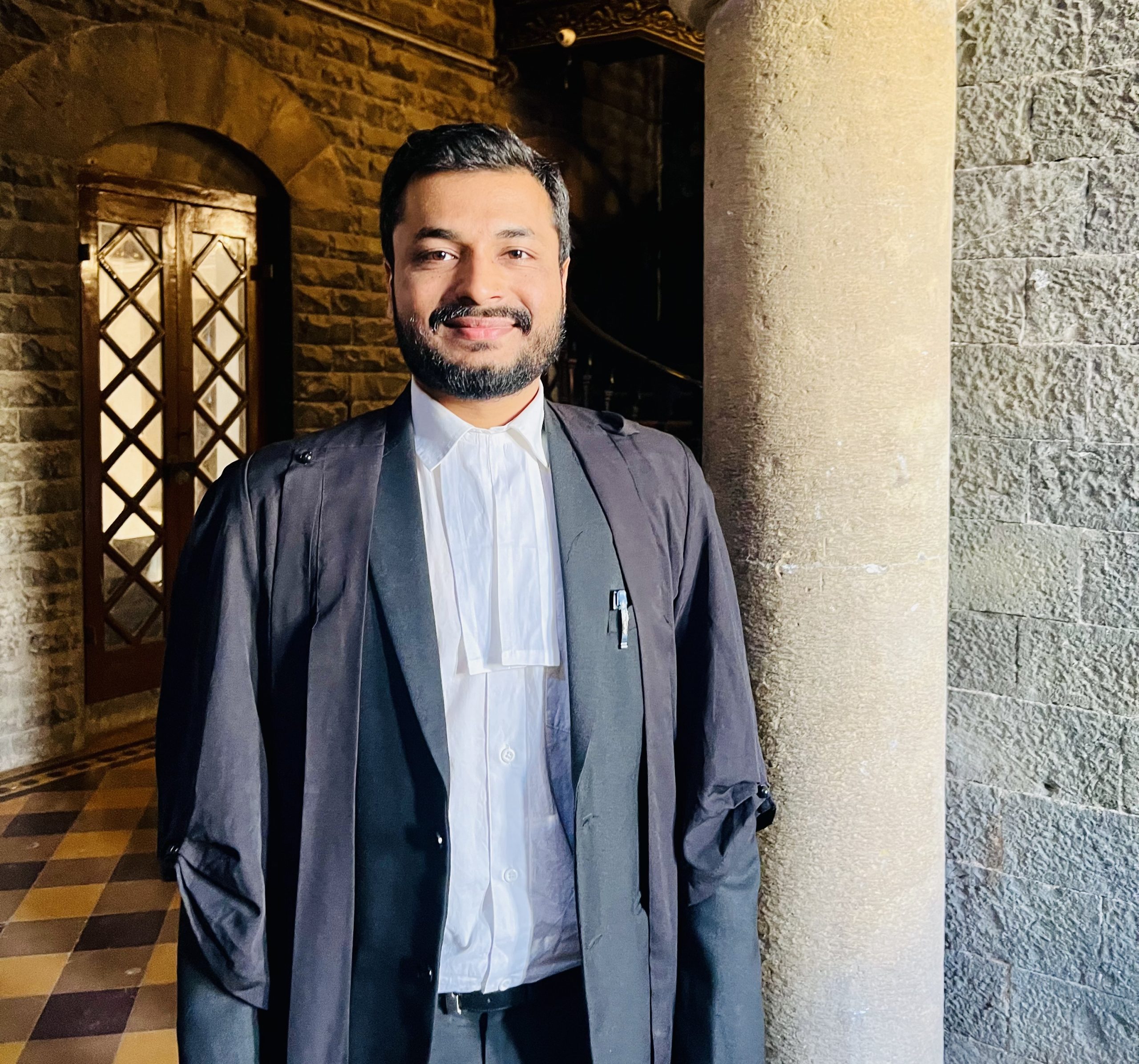
  • “Stay focused, work hard, and build discipline as a core habit. Success comes from commitment, perseverance, and consistently applying these principles in both practice and life.” – Tariq Ahmed, Co-Founder of Ahmadi Law Offices.

    “Stay focused, work hard, and build discipline as a core habit. Success comes from commitment, perseverance, and consistently applying these principles in both practice and life.” – Tariq Ahmed, Co-Founder of Ahmadi Law Offices.

    This interview has been published by Anshi Mudgal and The SuperLawyer Team
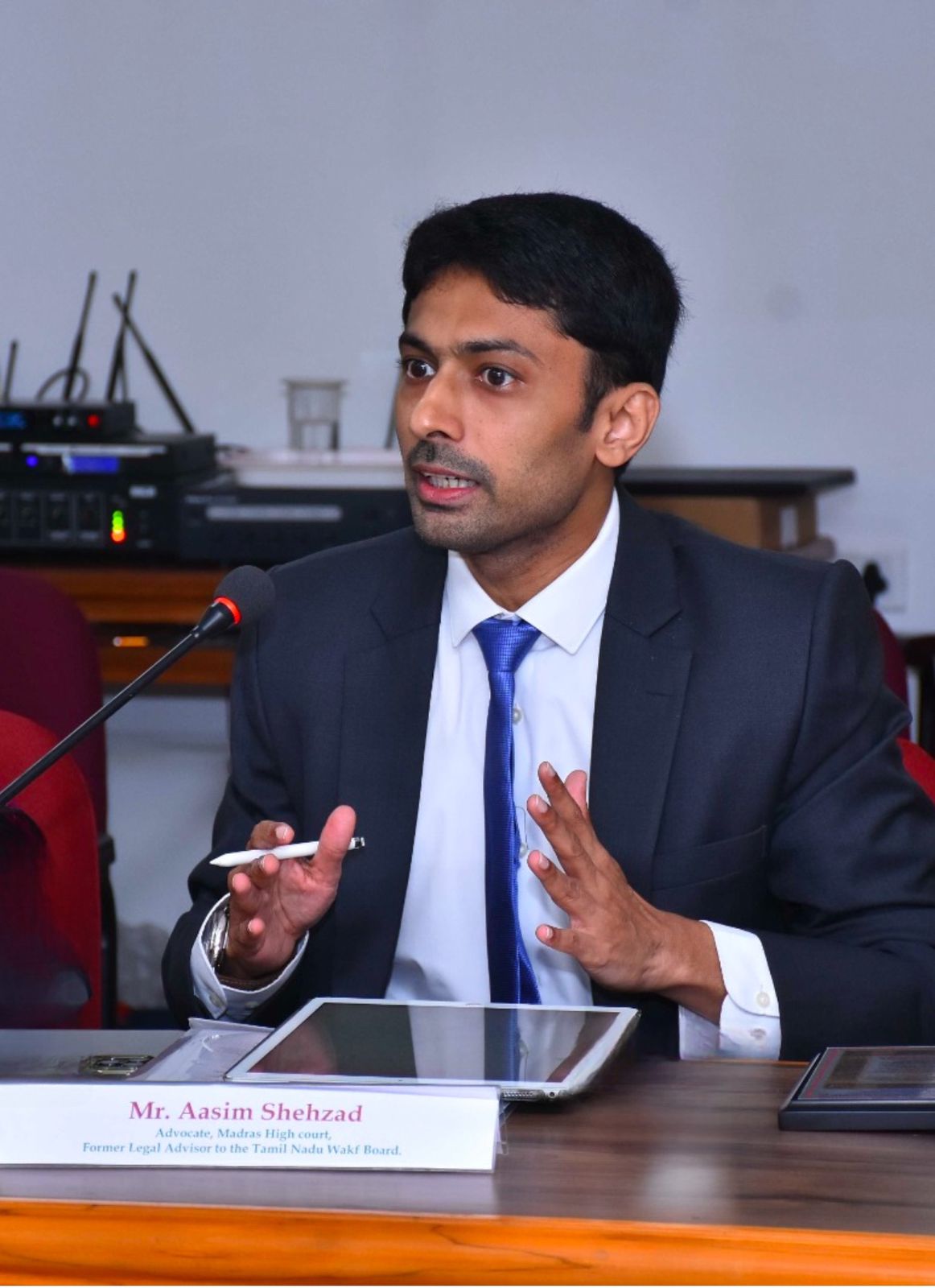
    Your legal career spans a wide range of practice areas. What inspired you to pursue law as a profession, and what led you to specialize in Corporate Law at NLU Jodhpur?

    My journey into law was deeply influenced by my early childhood experiences. Growing up in a household where my father, both a law graduate and government officer, instilled a profound respect for the legal system, I developed a natural gravitation toward the profession. His influence, combined with my inherent desire to pursue justice, solidified my decision to study law during my school years.

    During my time at Aligarh Muslim University, I was fortunate to learn from distinguished law professors who shaped my understanding of legal principles. 

    A particularly transformative experience was my exposure to Nehru studies, which opened my eyes to the crucial relationship between economics and law. This course helped me understand how even minor policy oversights could significantly impact market dynamics and national growth. A pivotal moment in my academic journey was my introduction to Eric Posner’s groundbreaking work on law and economics. His analytical framework and insights into how legal rules affect economic outcomes resonated deeply with me and ultimately shaped the trajectory of my legal career. Looking back, I see how this exposure laid the intellectual foundation for my current approach to my practice.

    These experiences naturally led me to pursue a specialization in Corporate Law at National Law University, Jodhpur. The robust curriculum in the course, with its strong emphasis on foreign trade and corporate governance, perfectly aligned with my growing interest in the legal framework that emerged in the wake of India’s transformative 1991 liberalization policies. This has proven invaluable in my practice, enabling me to better serve clients navigating the complexities of modern corporate law.

    Having worked alongside senior advocates like Mr. Irshad Ahmed and Mr. A. Samad, what were some key lessons or insights you gained during your early practice that have shaped your approach to law?

    My early legal career began under the mentorship of a senior law officer of Uttar Pradesh, which provided an excellent foundation in legal practice. While those initial years were enriching, I soon recognized that staying within my comfort zone would not serve my professional growth. This realization prompted me to pursue a more challenging path in economic offenses and white-collar crimes.

    A defining moment in my career was the opportunity to work with Mr. Abdul Samad, whose visual impairment never hindered his exceptional legal acumen. His mastery over money laundering laws, indirect taxation, customs, DRI, and financial fraud matters was remarkable, which I had the privilege to observe and imbibe first-hand. What truly set him apart was his meticulous attention to detail and unwavering professional discipline. Under his guidance, I had the privilege of working on diverse cases across India, from Guwahati to Bengaluru, including complex corporate matters and cases under COFEPOSA. 

    After spending nearly six years working as an associate with senior lawyers, what motivated you to start your own practice? What were some of the initial hurdles you encountered in that transition?

    After two enriching years with Mr. Samad, I began to recognize that independent practice would allow me to fully embrace the challenges and responsibilities of the legal profession. The timing proved fortuitous – as the market began recovering from the second wave of COVID-19, my elder brother, Mr. Shariq Ahmed, and I established Ahmadi Law Offices, which is a registered Advocate on Record Firm based in Delhi.

    While we faced the typical challenges that first-generation lawyers encounter, our journey was thankfully smooth, thanks to our strong foundation and support system. My brother’s unwavering faith in divine justice and constant encouragement were instrumental in our success. I must also acknowledge the invaluable guidance of Ms. Vibha Datt Makhija, Senior Advocate, whose mentorship has been crucial in our professional development.

    As stated earlier, our background had equipped us with the mental fortitude necessary to overcome professional obstacles, and this resilience has been key to our firm’s growth. Looking back, what might have seemed like hurdles were actually stepping stones that helped shape our practice into what it is today.

    With over a decade of experience, you’ve regularly dealt with complex Money Laundering and FEMA matters. Could you share details of one particularly challenging case, and how you approached its preparation?

    White collar crimes and economic offences particularly those involving Money Laundering and FEMA, represent some of the most challenging areas of legal practice. The sensitive nature of these cases, combined with constantly evolving jurisprudence, demands exceptional attention to detail and precision in deploying the appropriate legal strategy.

    In my experience handling these matters, I have learned that no two cases are identical, as each presents its unique set of complexities and challenges. The stakes are invariably high, and the margin for error is effectively non-existent.

    For me, each case is a child I nurtured, requiring careful preparation, from researching relevant precedents to crafting precise legal arguments. While every case has been uniquely challenging, success consistently depends on meticulous planning and effective presentation. The key lies not only in understanding the law but also in anticipating its application to each distinctive situation.

    Handling cases that intersect environmental, industrial, and corporate law can be challenging. How do you ensure a smooth workflow while effectively managing your practice?

    My answer might seem clichéd but success in legal practice follows a compound effect which means that one well-handled case leads to many opportunities. The practice of law, especially when dealing with intersecting areas, requires more than just technical knowledge. It demands unwavering confidence and self-belief to effectively manage both the practice’s growth and workflow complexities. I have found that maintaining strong organizational capacity while staying adaptable to changing circumstances is key to handling these cases effectively.

    Given the high demands of your role, particularly Independent Practitioner and Co-founder Ahmadi Law Offices, how do you manage personal obligations? What strategies do you employ to recharge and stay motivated in your legal career?

    Maintaining work-life balance is crucial in our demanding profession. I make it a point to spend quality vacation time with my family, and always outside Delhi, to truly disconnect from work. While weekends tend to sometimes blur into workdays due to professional commitments, I ensure we maximize our vacation time. 

    To stay grounded, I find solace in literature and arts – reading biographies, enjoying poetry in Hindi, Urdu, and English, and listening to Ghazals.  I am particularly drawn to Satyajit Ray’s work, especially “The Apu Trilogy.” The way he portrayed human relationships and societal transitions in films like “Pather Panchali” resonates deeply with me. They are a constant reminder of the human elements that underlie our professional work.

    Given your broad experience across different legal domains, what advice would you give to young legal professionals who aspire to have a corporate practice as you?

    My advice to law students and aspiring lawyers is very straightforward: maintain unwavering focus and work consistently toward your goals. Remember that no challenge should shake your confidence. Success in this field is built on the fundamental pillars of commitment, hard work, patience, and perseverance. Most importantly, make discipline your core habit – it is not just about managing your practice, but about making it an integral part of your life. This discipline will naturally reflect in your work quality and professional relationships.

    Get in touch with Tariq Ahmed-

  • “Young lawyers should not lose themselves in over planning everything about their career. Work hard, be authentic and allow things to happen.” – Kaushik Sochannam, Managing Partner at Sochannam Legal Indian Advocates.

    “Young lawyers should not lose themselves in over planning everything about their career. Work hard, be authentic and allow things to happen.” – Kaushik Sochannam, Managing Partner at Sochannam Legal Indian Advocates.

    This interview has been published by Anshi Mudgal and The SuperLawyer Team

    Having extensive experience in shipping, insurance, commodities, and international trade, can you walk us through the journey that led you to choose law as a career and to specialize in these areas?

    My decision to study law was an unplanned act of desperation based on a two-minute argumentative interaction with women’s rights lawyer Flavia Agnes who visited KC college (where I was pursuing BSc – Statistics and Economics) to conduct a seminar on women’s rights. During the discussion, Flavia touched upon the topic of martial rape of wife by the husband. The impatient rebel in me promptly asked her whether the wife could be guilty of martial rape when the husband didn’t want to have sexual intercourse. This interaction with Flavia and her articulation stayed with me.

    When I completed my Bsc – Statistics and Economics, I realised that as much as I enjoyed statistics as a subject, I was not good at it. pursuing it further would be a torture that I preferred to avoid. I had to tell my parents that I was pursuing higher studies to get them off my back!!!   

    Right next to KC College was KC Law College. I recollected my discussion with Flavia Agnes which I found intellectually refreshing. In an act of desperation (or a leap of faith) I decided to apply for admission at KC Law and secured my seat!!! That’s it. No research, no carrier prospects analysis, no guidance counsellor, never met a lawyer previously, neither saw a court room nor did I know how a court room looked, no idea what a solicitor/counsel meant!!! etc. I was the antithesis of what most prospective law students went through when they enrolled in law school and what most law students endure today!!!     

    To be honest, I did not choose to specialize in shipping and insurance law. Shipping law chose me. I would like to think that.  During law school, I was eager for internships to gain experience. I was sending my CV wherever I could to secure an internship. I received a call from Crawford Bayley for an interview. I met the partner who asked me a few generic questions. He asked me to join the next day. While leaving his office, I asked him what law he practices. He said shipping. I said, cool!! I am doing shipping law now. That’s it. No grand plan or scheme was hatched. I stumbled into the field of shipping law!!

    You have worked on admiralty cases across Indian courts. Could you share one of the most complex or interesting cases you have handled in the admiralty space?

    There are so many. A case involving the Salgaocar Group and Goldgen Ocean Group involving ani-suit injunctions against English court proceedings, arrest of vessel in South Africa as security and eventual settlement on favour of the client. 

    Another case involving European creditors against a fleet of vessels controlled by Jaisu Shipping. This involved the arrest of their entire fleet in India, dealing with multiple creditors, challenging port claims, priority of claims and arriving at a resolution where my clients made a full recovery of their claims from the sale proceeds.  

    Allison incident with a chemical jetty where shipowners were straddled with inflated claims. This was one of those cases where you delve into root case analysis, construction path analysis, remoteness of damages, delay analysis, liability in tort, contract and statute. At the end of the journey, the owners were not held liable for any of the claims made by port authorities. 

    In your experience, how has the legal landscape surrounding maritime law in India evolved in recent years, particularly in terms of regulation, enforcement, and the role of the courts?

    The biggest change in the legal landscape is the Admiralty Act, 2017. The Admiralty Act 2017 vested more high courts with admiralty jurisdiction. Previously, it was only the chartered high courts and their successor courts that were vested with admiralty jurisdiction. In terms of substantive legislation, regarding maritime claims and liens, we are following Arrest Convention, 1999 with some variations. 

    Could you share some of your experiences from the early years of your practice as an associate that helped shape your career? And, after almost five years of working with a law firm, what motivated you to establish your own practice? What were some of the key challenges you encountered in the initial stages?

    Looking back, the early years in the profession were exciting, challenging and rewarding. Challenging in part – as I was argumentative, impatient, and blunt without due regard to the person I was dealing with. I was fortunate enough to have worked with Ananjan Mitter at ALMT Legal who encouraged me to soften the rough edges of my personality. His guidance helped me a long way in adjusting to the requirements of the profession. I am indebted to him. The biggest take away from those years – the profession is about people. Dealing with people in an honest, fair and respectable way goes a long way in getting things done.   

    Ananjan decided to pursue other interests and left the firm. I was at crossroads in terms of where I wanted to be. At that point, I did not see myself in the law firm architecture. I was securing decent amount of work through my contacts.  In a leap of faith or madness, at the age of 29 in the year 2013, I set up my private practice under the banner – Sochannam Legal. I sought freedom and had a load of dreams.  In return, I received a rewarding roller-coaster ride that I would not trade for the world!!!  

    The key challenge when setting up practice is migrating from just servicing a client to managing and servicing the client while keeping in mind the value for the services you are offering. It’s a 360-degree role. Private practice is not meant for everyone. Once you endure the practice for a few years, you get a hang of it. 

    How do you manage the complexities of different legal jurisdictions and international laws when handling maritime cases that involve multiple parties across borders?

    Research, research and more research. Speaking with lawyers in other jurisdictions to understand how things work there. You start from a position of understanding what you do not know and then work towards finding answers to them.  

    When dealing with parties across multiple jurisdictions, it is always good to understand the culture they come from. Every culture is unique. Understanding another culture (without being judgmental!!) goes a long way in dealing effectively with clients and parties. 

    You have significant experience in handling arbitrations related to COA disputes, Off-hire disputes, charterparty disputes, and demurrage. What strategies do you find most effective when preparing for and managing arbitration proceedings in these areas?

    1. Get the facts right.
    2. Provide documentary proof for damages. Especially in cases of repudiatory breach of charterparty/COA. Depending on the market situation, these claims can go into millions of $$. 
    3. There are many reasons for demurrage and dispatch claims.  When your clients are relying on adverse weather to defeat demurrage claim, make sure there is adequate documentary proof to demonstrate adverse weather. Vanilla weather reports won’t do. The weather report will be unique to the location of the weather station. The moot point will be if the weather was prevailing at the port.    

    Given your experience in corporate structuring, particularly when advising companies looking to set up operations in India, what are the most critical legal considerations for international businesses entering the Indian market?

    The critical issues are FEMA compliance and sectoral caps. Restrictions on foreign shareholders. Whether they intend to form a wholly owned subsidiary or form a Joint Venture company with a local partner. In which case, shareholding interest in the JV company plays a significant role. Assessing consequences of DTAA which may impact the operations in India and the global parent company. Repatriation of profits.    

    What advice would you give to a young lawyer starting out in the areas of shipping, insurance, and international trade law?

    After a year/two into the practice, young lawyers should ask themselves if they really like this area of law. If they do not, they should be honest enough to admit it and be open to make changes to their career path. These days, a lot of aspiring lawyers at very early stage of their career set their agenda in the profession. This is good when there is clarity of thought. In most cases, it is based on insufficient information, and this is where people get stuck.   

    It serves no purpose to do something you do not like. In my case, I knew I was not good at statistics though I enjoyed it. I took a chance and decided to study law and got involved with shipping. The journey has been enriching and rewarding. More importantly, young lawyers should not lose themselves in over planning everything about their career. Work hard and allow things to happen. Be authentic and don’t be an imitation!!! be open to change!!!

    Get in touch with Kaushik Sochannam-

  • “There is no short cut to hard work. Success can only be achieved with patience, hard-work and perseverance fuelled by honesty and integrity.” – Shilpi Mehta Nanda, Founding and Managing Partner at Zeal Attorneys.

    “There is no short cut to hard work. Success can only be achieved with patience, hard-work and perseverance fuelled by honesty and integrity.” – Shilpi Mehta Nanda, Founding and Managing Partner at Zeal Attorneys.

    This interview has been published by Anshi Mudgal and The SuperLawyer Team

    You have completed your Masters degree from University of New Hampshire School of Law, USA specializing in Intellectual Property Law, Commerce and Technology. What was your motivation to choose this specialization?

    I remember taking the ‘Intellectual Property Law’ as a mandatory subject in third year of my law school. I was so intrigued by the subject that I finished the entire course curriculum even before our professor taught it in the class. To further increase my knowledge on the subject I started a diploma course in Intellectual Property Laws at the Indian Law Institute, Delhi and attended the evening classes. I believe my attraction towards fancy colorful logos and brands along with my passion for reading stories and inclination towards dramatics and storytelling attributed to my decision of specialising in Intellectual Property Law. 

    Starting your career at prominent IP firms like Lall and Sethi and Anand & Anand must have been a rewarding experience. What key lessons did you learn during your time there that significantly influenced your career?

    It was an enriching experience to work with two of the prestigious law firms in the field of IP. One of the most important lessons I learnt at the beginning of my career at Lall and Sethi was to be always honest with your clients. I run my present firm ZEAL on the same principles –  honesty and integrity. At Anand and Anand, I learnt to handle bulk work and multi-tasking and the importance of billable hours in a lawyer’s life.    

    Serving as an Intellectual Property Attaché for India at the British High Commission and the UK Intellectual Property Office (IPO) must have provided valuable insights. Could you share your observations and experiences on how the UKIPO operates differently from the CGPDTM?

    At the British High Commission and the UKIPO, I majorly did policy related work relating to Intellectual property. This role was quite challenging as I was contributing to developing policies and engaging with Ministers and high-level officials of both the UK and India.  At the UKIPO, I polished my skills in the art of networking. The same holds immense importance to me even today.  While each job helped me in building my career and skills, my policy driven role at British High Commission assisted my vision and career path exponentially. 

    I particularly worked in the international division of the UKIPO which was responsible for serving the British stakeholders in India. My main profile was to assist and launch British businesses and work on their IP portfolios while working on their IP issues with DPIIT (at the policy level) and CGPDTM.  I majorly worked with DPIIT and CIPAM instead of CGPDTM during my tenure at UKIPO. 

    After gaining experience with various firms, you founded your own practice. What initial challenges did you encounter, and how did you navigate those obstacles?

    To my surprise, I did not face a lot of challenges after setting up my own practice. On the contrary, I faced a lot of criticism while leaving a prestigious job at the UKIPO. Everyone around me, except for a few people, discouraged me to start my own practice, advising it was a difficult market and I might not be able to survive, especially being a woman with two kids. However, my heart was set on building my own independent law firm. I successfully have been running my own firm for the past five and a half years now (special thanks to my supportive husband). 

    Six months after I started my own practice, covid crisis devastated the whole world and my newly established business was severely affected and so was my health. However, I bounced back both on the work and health front with the help of my family and my business partner Swati Mehta who joined the firm in 2020 as litigation head. With her joining and setting up of litigation department we expanded and diversified our practice areas significantly.     

    While advising clients on brand protection strategies and domain name disputes, what key factors do you consider? Can you discuss a time when your advice significantly helped a client?

    While advising our clients on brand protection strategies or domain name disputes, we take multiple factors into consideration for instance, statutory and common law rights of the client,  how big and important the brand is for the client, infringer’s economic and business strength, for how long the infringer has been in the market and most importantly, the client’s budget.

    One of our clients was struggling with getting his trade marks renewed by the Trade Marks Office for almost 2 decades. We advised the client to file a writ petition before the High Court of Delhi and am proud to say that we successfully received a favourable order for our client within merely 2 court hearings. 

    In another case, {Om Logistics Ltd. vs Sh Mahendra Pandey (CS (COMM) 447/2021)} we (along with Adv. Rahul Ajatshatru and Adv. Gitika Khanchandani) got a prominent order under Order 39 Rule 4. An ex-parte ad interim injunction issued by our client was set aside by the Delhi High Court. The Court held that the descriptive Words/ Religious Symbols/ Names of Deities cannot be monopolized. This order proved to be a significant milestone in field of Intellectual property and is often cited by the Judges while deciding trade marks matters. 

    Further, in another case {Usha Varia vs Rupinder Kaur & Ors (CS(COMM) 446/2022)}, the Defendants represented by us and Adv. Rahul Ajatshatru were restrained from infringing the Plaintiff’s registered trade mark ‘SAMOOLAM’ and from passing off of Plaintiff’s trade mark and Copyright material.

    You have mentioned that you’re an Independent Director at the Phonographic Performance Limited, India (PPL, India). How does your position on the board influence your broader goals and strategies in the IP landscape?

    As an Independent Director at the PPL, India, we collectively make sure that piracy is reduced, people get quality music and stakeholders get their dues. Being on the PPL Board assists me to approach the issue of Piracy and illegal distribution of music not only from the legal point of view but also business point of view as well as from the perspective of creators and distributors of music. 

    You have worked on various IP portfolios of National and International Clients, what has been one of the most interesting issues that you have dealt with that you’d like to share with our readers?

    One of the most interesting and recurring issue that keep on resurfacing in most of our matters is unauthorized registration of trade mark by the distributors. The domestic distributors get the registration of the trademark before the original international proprietor can get the trademark registered in India. I have seen this in several matters where the international clients have distributors in India operating for years and got their trademark registered in their own name and the clients are absolutely unaware of such registration for decades until one day they move to a new distributor and are threatened by the previous distributor of being the registered proprietor of international entities’ trade mark in India . 

    As a member of the Panel for Standardization at the Bureau of Indian Standards, what specific strategies are you advocating to combat piracy in India, and how do you envision these standards impacting both creators and consumers?

    Some of the strategies to combat piracy is India would include collaborating with all the stakeholders to ensure that the music is original, flagging websites that infringe copyright, giving proper credits to the creators, framing guidelines to not promote channels/ websites/ domain names that infringe copyright of the creators, creating an infringing website list (IWL) and spreading awareness amongst consumers as well as encouraging them to buy from the original source  are few measures that will help both creators and consumers.  

    In your opinion, what is the biggest challenge stakeholders are facing in the field of intellectual property law specially and what role do emerging technologies play in shaping these challenges?

    Some of the biggest challenges that stakeholders face in current IP scenarios include high litigation cost, widespread counterfeiting and piracy, lack of intermediary accountability and fallacious use of AI technology. Emergence of technology can work both as a catalyst for such challenges as well as a preventive tool to deal with them. Another major setback stakeholders are facing is that the technology is fast emerging and changes / progresses every day; however the pace at which the law agencies work is not only at the speed of a snail but also expensive and time consuming. Thus, it would not be wrong to say that infringers are often left unpunished and their illegal businesses (affecting rightsholders’ IP) keep on flourishing contributing immensely to heinous crimes like terrorism, drug and child trafficking etc.    

    How have accolades like the Indian Achievers Award impacted your career trajectory and the growth of ZEAL Attorneys?

    The awards have assisted us in gaining recognition among the existing and future clientele. Getting recognized for the hard work and efforts helps the organization to provide better services to our clients. To be candid, however, client’s feedback and satisfaction matters to us more than the Awards itself. 

    As a guest lecturer and author of numerous research papers, what core messages do you hope to convey to students and young professionals in the legal field that aspire to become IP professionals in the future?

    My advice to the students and young professionals would be that “there is no short cut to hard work”. Success can only be achieved with patience, hard-work and perseverance fuelled by honesty and integrity.

    Get in touch with Shilpi Mehta Nanda-

  • “In essence, success is about creating value, making a positive impact, and finding joy in the journey. It’s an ongoing, evolving goal rather than a single milestone.” – Dr. Abhimanyu Singh, Founder and Managing Partner at Manulegal & Associates.

    “In essence, success is about creating value, making a positive impact, and finding joy in the journey. It’s an ongoing, evolving goal rather than a single milestone.” – Dr. Abhimanyu Singh, Founder and Managing Partner at Manulegal & Associates.

    This interview has been published by Anshi Mudgal and The SuperLawyer Team

    Can you tell us about your academic journey, starting from your undergraduate studies at National Law University, Patiala, to completing your Ph.D. at the University of Rajasthan? What motivated you to specialise in criminal law and criminology?

    Well, I hail from Bharatpur, Rajasthan which is a very small town; got my initial education there till 12th Standard and thereafter my academic journey in Law began with my under graduation at National Law University, Patiala, where I pursued a Bachelor in Law with a specialization in criminal law. My years at NLU Patiala were full of new and inspirational formatives, providing me with a solid foundation in various aspects of law and life including improving and working on my articulation skills. This period marked my initial exposure to the multifaceted nature of how the world is revolving around law  and deepened my interest in understanding the mechanics of the criminal justice system.

    Upon completing my postgraduate studies, I sought further specialization through a Ph.D. program at the University of Rajasthan. The decision to focus on criminal law and criminology stemmed from a combination of personal motivation and academic curiosity. Growing up in an environment where societal issues, particularly crime, were frequently discussed, I developed an early interest in the root causes of criminal behavior and the societal mechanisms to address it. Criminal law and criminology offer insight not only into punitive measures but also into preventive aspects, which I find particularly compelling. My Ph.D. thesis, focusing on “Crimes Against Juveniles in India,” allowed me to delve deeper into specific issues affecting vulnerable populations, contributing to both academic discourse and practical solutions in the field.

    You worked as a Junior Associate with an IP Law Firm before establishing your own practice. What motivated this transition and what were the initial challenges you faced while starting your firm?

    I guess all experiences matter, be it me working as a Junior Associate in an IP law firm or any other, provided me with invaluable experience in routing all my legal impressions towards what laws says and its implementation. Talking specifically about the IP Law Firm I honed my skills in client management, legal drafting, and courtroom proceedings, which prepared me for the multidimensional demands of independent practice. However, I soon felt the urge to branch out on my own, driven by a desire to apply my legal skills across a broader spectrum of law and cater to a more diverse clientele.

    The transition to establishing my own practice was both exciting and challenging. Initially, I faced difficulties in building a client base, as the legal industry is highly competitive, and establishing credibility as a new firm takes time. Managing administrative tasks, securing office space, and setting up operational systems were other hurdles. Yet, these challenges were instrumental in shaping my resilience and business acumen. Overcoming these obstacles strengthened my commitment to my clients and fortified my understanding of what it takes to thrive in independent legal practice.

    As a Managing Partner at ManuLegal & Associates, you deal with complex legal matters in domains like corporate law, taxation, ADR, IPR, and criminal law. Could you share a memorable case or challenge you’ve encountered in your legal practice?

    One of the most memorable cases I encountered at ManuLegal & Associates involved a complex corporate dispute intertwined with criminal allegations. This particular case required a nuanced approach, as it involved corporate stakeholders and accusations of embezzlement. We needed to navigate both corporate law and criminal proceedings simultaneously, balancing civil legal remedies with criminal defenses.

    The case taught me a great deal about the intricacies of handling multi-dimensional legal matters, particularly the importance of collaboration across legal domains. Our team’s efforts ultimately helped secure a favorable outcome for our client, while reinforcing my commitment to a holistic approach in managing cases. This case underscored the value of multidisciplinary legal expertise and reminded me of the profound impact that comprehensive legal strategies can have on a client’s life and livelihood.

    Your career spans across both legal practice and academia. How do you balance the practical demands of running a law firm with your academic pursuits and publications?

    Balancing the responsibilities of running a law firm with academic pursuits is challenging but rewarding. I have always been passionate about contributing to academic literature, as it enables me to share my insights and learnings with future legal practitioners. I believe the more knowledge we share the more knowable we become. My approach to balancing these roles involves structured time management and a commitment to prioritizing both facets of my career.

    I often schedule my academic commitments, such as lectures and research, around my practice’s caseload. Engaging in academia also keeps me updated with evolving legal theories and practices, which, in turn, benefits my clients. This dual commitment has enhanced my professional versatility and enriched my contributions to both the academic and legal communities.

    Your Ph.D. dissertation focused on ‘Crimes Against Juveniles in India’ with a special reference to Rajasthan. Could you elaborate on the key findings of your research and how it contributes to the understanding of juvenile crimes in India?

    My Ph.D. dissertation, “Crimes Against Juveniles in India,” focused on understanding the patterns, causes, and implications of juvenile crimes, with a particular emphasis on Rajasthan. One of the key findings of my research was the alarming prevalence of crimes perpetrated against juveniles, highlighting the need for targeted reforms in juvenile protection laws. I discovered that socio-economic factors, educational disparities, and lack of awareness contribute significantly to the vulnerability of juveniles.

    My research also underscored the need for a stronger legal framework that specifically addresses juvenile protection, beyond the general provisions of the Juvenile Justice Act. The study’s findings advocate for improvements in preventive measures, awareness programs, and the establishment of rehabilitative support systems. By contributing to the understanding of juvenile crimes in India, I hope my research will aid policymakers and legal practitioners in implementing more effective protection mechanisms for vulnerable young individuals.

    As a lawyer specialising in both criminal and corporate law, how do you see the intersection of these fields, particularly in areas like corporate crime, data protection, and intellectual property rights?

    As a lawyer with a specialization in both criminal and corporate law, I often encounter cases where these fields intersect, especially in areas such as corporate crime, data protection, and intellectual property rights. Corporate crime has become a pressing issue, as global businesses face increasing scrutiny over issues such as fraud, insider trading, and data breaches. These cases not only involve criminal liability but also impact corporate reputation and operational integrity.

    Data protection is another area where criminal and corporate law intersect. With the rise of digital platforms, protecting sensitive data has become paramount, and legal frameworks must address both corporate responsibilities and criminal liabilities associated with data breaches. Intellectual property rights also face challenges from digital piracy and infringement, which have criminal implications. My expertise in these fields allows me to offer clients comprehensive guidance that addresses both regulatory compliance and criminal accountability, ensuring they are well-prepared to navigate today’s complex legal landscape.

    You’ve worked with a variety of organisations and governmental bodies. What changes or improvements would you recommend for enhancing the legal and institutional support for child protection laws in India?

    Working with various organizations and governmental bodies has given me insights into the strengths and gaps in India’s child protection laws. To enhance legal and institutional support for child protection, I recommend several key improvements. First, there should be greater emphasis on preventive measures, such as community-based awareness programs, to educate families and children about their rights.

    Second, the judicial process for child protection cases should be expedited to minimize the trauma and uncertainty faced by young victims. Establishing special courts with trained professionals dedicated to child protection cases could ensure faster and more sensitive handling of these matters. Finally, I believe that better coordination among governmental agencies, law enforcement, and non-governmental organizations is crucial for effective child protection. With these improvements, India’s child protection framework can become more resilient and responsive to the needs of vulnerable children.

    As someone who has worked both as an educator and as a practitioner, what is one piece of advice you would give to those entering the legal field in India today?

    For those entering the legal field in India, my advice is to embrace the learning process and maintain resilience. The legal profession is challenging and demands a lifelong commitment to learning, as the law is ever-evolving. New lawyers should focus on developing a strong foundation in legal principles and gaining practical experience through internships or clerkships.

    Additionally, I encourage aspiring lawyers to be adaptable, as the legal field often requires one to navigate diverse areas of law and adjust to changing regulatory environments. It is also important to cultivate professional integrity and uphold ethical standards, as these qualities form the bedrock of a reputable legal career. By embracing these values and committing to continuous growth, new lawyers can make meaningful contributions to the legal field and their communities.

    You have handled intricate legal matters across areas such as corporate law, taxation, ADR, IPR, and criminal law. What does success look like to you now?

    To me, success has evolved far beyond conventional measures like profit or growth. Success now means creating a lasting impact and making a difference in people’s lives and in my industry that continues to resonate, even when I’m not directly involved.

    Today, I define success as building a business that’s sustainable, resilient, and purpose-driven. It’s about more than just reaching short-term goals; it’s about creating a legacy, something meaningful that reflects my values and contributes positively to society. 

    I’ve learned that if my work is not aligned with my personal values or if it detracts from my well-being, it doesn’t feel like real success. I aim to build a business that not only thrives but allows me and my team to thrive alongside it.

    In essence, success is about creating value, making a positive impact, and finding joy in the journey. It’s an ongoing, evolving goal rather than a single milestone, and it motivates me to keep learning, adapting, and growing every day.

    Based on your extensive experience, what advice would you offer to aspiring entrepreneurs?

    Embrace learning and adaptability as your greatest assets. In business, nothing will go exactly as planned. Markets shift, trends evolve, and obstacles arise when you least expect them. So, rather than striving for perfection, focus on building resilience and agility.

    One of the most important lessons I’ve learned is that failure is a stepping stone, not an endpoint. You’ll make mistakes, and you’ll face setbacks—probably more than once. But each mistake brings a new insight, and each setback is a chance to grow stronger and smarter. Don’t let fear of failure hold you back; lean into the challenges, and let them teach you.

    Build a strong support network too. Surround yourself with people who challenge and inspire you—mentors, advisors, or even fellow entrepreneurs who understand the journey. No one builds success alone, and the perspectives of others can help you see things you might miss or encourage you when things feel tough.

    Finally, remember to stay true to your values and your “why.” Having a clear purpose will ground you in moments of uncertainty and remind you why you started in the first place. Passion is a powerful motivator, but a meaningful purpose is what keeps you going over the long haul.

    Get in touch with Dr. Abhimanyu Singh-

  • “To have a future, we must try to understand the impact of AI on our lives, working and otherwise, and to harness AI by working with it.” – Mark Lewis, Solicitor in England and Wales, Senior Consultant (Technology) at Stephenson Harwood LLP, London.

    “To have a future, we must try to understand the impact of AI on our lives, working and otherwise, and to harness AI by working with it.” – Mark Lewis, Solicitor in England and Wales, Senior Consultant (Technology) at Stephenson Harwood LLP, London.

    This interview has been published by Anshi Mudgal and The SuperLawyer Team

    You started your educational journey with the University of Cape Town (UCT), and then went to the University of Warwick, and from there went on to do your master’s at The London School of Economics and Political Science (LSE). Was law a planned choice for you and what were the challenges you faced in law school?

    To be honest, I really didn’t want to study law, let alone be a lawyer of any kind.

    But the BA degree I took at UCT gave me a much broader education, majoring in English and Comparative African Government and Law. This allowed me to study in depth English language and literature, and the rise of African independence movements and the politics of liberation. Some of the lecturers on those two courses were inspirational – and brave. In my final year, I was taught by Mary Simons (both of whose parents were major figures in the ANC and were then in exile) while she was under a succession of 90-day banning orders.  I have her to thank for the most important part of my education there – or anywhere.  In summary, being a student at UCT at that time, and opposing Apartheid, I faced challenges just being there.

    The BA I took was part of the (then) South African legal qualification, leading to a second, LLB, degree. During my BA, I was exposed to some legal studies, as we had to take Roman Law, Roman Dutch Law and Constitutional Law.  Roman Law was historically and intellectually interesting and challenging as it also required university-level Latin, but bore no relationship to the socio-political, economic and human reality of Apartheid SA. As I saw it, Roman Dutch law was equally irrelevant to the lives of most South Africans. 

    I knew that I wanted to leave South Africa because of my views on Apartheid. And I was lucky enough to have British nationality, so the UK was, thankfully, my first and only choice.  I left SA forever as soon as I could, soon after graduating from UCT. 

    I had become interested in English law – mainly through my constitutional law studies at UCT (which were largely based on UK constitutional law). So, when I arrived at Warwick to study for the LLB degree, I was committed to studying law, and about four-five years older than most of my undergraduate class.  Being a mature student, I understood why I was there and was committed to my UK legal studies. Warwick had (and still has) an exceptional and pioneering Law School – having developed its “law in context” approach to studying law.  I had several inspirational teachers, too.  It was at Warwick that I became so interested in English law that I then seriously considered an academic legal career. 

    The main challenge I faced at Warwick was settling into a very different institution, approach to teaching and studying law, and, of course, learning what it was actually like to live in the UK – a challenge that many international students are likely to face when arriving in the UK for their studies.  I had no doubts about being there, studying law, or the value of its LLB degree. And it didn’t take too long to settle.

    In my final year at Warwick, I realised that I wanted, if possible, to take a master’s or equivalent degree to broaden my legal thinking and to allow me to study and think about subjects that weren’t available to me as an undergraduate. Financial constraints meant that it had to be a one-year degree course.

    The LSE was my first choice, mainly because of its outstanding reputation as an institution and because of the quality and fame of its Law Department.  Again, I was lucky to have some inspirational teachers and mentors. I studied the law of restitution and English legal history. I was also able to study in much greater depth constitutional and administrative law and wrote my dissertation on administrative law. (It was subsequently published in The Modern Law Review in 1984.) Again, I had no doubts about being at LSE. 

    The challenges I faced as a law student were different at each of UCT, Warwick and LSE.  Those I faced at UCT are obvious from the way I have outlined my background. The main moral challenge I faced at UCT is that you can’t divorce law from its place in its social, political, economic and human contexts, and that, as in Apartheid SA, it was an instrument of oppression for the majority. The Law Faculty at UCT did what it could under very challenging circumstances.  As I said, some of my teachers were trying to live and teach under a series of banning orders (in effect, house arrest, and under near constant surveillance). Others were arrested, charged and imprisoned for serious offences in resisting Apartheid.

    At Warwick, I had to settle into a new country and a very different university and academic life. Those challenges were more personal. By the time I arrived at LSE my challenges were mostly financial, especially as I had then decided to become a barrister. I knew I was going to have to find ways of keeping myself for some time beyond LSE, at the Inns of Court School of Law for my Bar Final Examination studies, and into 12 months’ pupillage in London barristers’ chambers.  I was fortunate – and I am grateful to this day – that the Law School at Warwick offered me extensive part-time lecturing and tutoring, and the LSE Law Department engaged me as a part-time teacher, too. These, among other jobs I held while studying at LSE for my LLM and at the Inns of Court School of Law, kept me afloat.

    More broadly, one challenge I have come across often is trying to answer the question asked by many in the UK who are contemplating a legal career: should I study law at university, or something else? 

    There are two opposing schools of thought here: one is that it is better to have a broader education than the typical, three-year, UK undergraduate law degree offers, and to take the law conversion course later, and then the professional examinations.  The argument is that this creates a more rounded individual with broader perspectives to bring to legal practice. There are many, including some of our most senior judges, who advocate this thinking.  

    The other is that it is better to immerse yourself in law from the start to get a deeper understanding of, and grounding in, law as an academic discipline. And besides, that saves you taking a law conversion course, so there is a timing and financial advantage, too.  

    I realise that, for many prospective law students in India and elsewhere, this may not be a dilemma, but I thought this challenge may resonate for some.

    You’ve been involved in the technology and outsourcing sectors since the mid-80s. How have you seen the landscape evolve, particularly in terms of regulation, client needs, and technology advancements like AI and cloud computing?

    The information technology landscape has evolved markedly from product (think mainframe computers that occupied entire buildings) to software and applications and then to IT-enabled services, including IT and business process outsourcing (which has of course, led to the dominance of India as an offshore IT services destination). This isn’t to say that the infrastructure – information networks and systems and their components – aren’t important. Obviously, they’re critical, as we’re now seeing at GPU level in AI compute. It’s just that, over the years, there’s been greater focus on software and services, especially from market and client perspectives. This broad evolution has obviously led the focus of regulatory responses and client needs from a product-supplier perspective leading to a service-service provider perspective. 

    To illustrate this evolution from hardware to software – cloud computing is a good example of a business model – less a technology (though some may argue with that), that has evolved to become all-pervasive “as a service”.. 

    AI has been and is evolving all the time and will continue to evolve. To be honest, I think it’s too early to call how AI will evolve.

    But, based on experience of tech hype cycles to the point where tech ultimately delivers real value, I think we must take the long view of all technology developments. This means that it’s probably wrong to take either of the extreme views that, on the hand, AI spells the end of humanity as we know it and should be regulated accordingly, while, on the other, AI will be the saviour of humanity and should, if it’s regulated at all, be regulated as lightly as possible.  AI’s actual benefits, risks and challenges will become clearer over time. This makes regulation today, and even client needs, much more difficult to formulate – and to deliver.

    Today, the greatest challenge facing governments and regulators with AI – as with any significant, fast-developing technology – is if, how and to what extent to regulate it.  We can see at either end of the spectrum the US approach (broadly, don’t regulate federally or we’ll stifle innovation) and the European Union response evidenced in the recent and comprehensive AI Act, with which I am sure all your readers are familiar. The UK is perhaps somewhere in the middle, for now. It’s hard to read the direction of travel that the current UK government and our sector regulators will take. For those interested in this subject, have a look at writings on “the Collingridge Dilemma” and “the Pacing Problem” in technology regulation.

    Can you walk us through your journey from starting your career with the UK Civil Service to your current role? How has your career evolved over the last 40 years, and what were some pivotal moments that shaped your path?

    In the 1980s while in the UK government, I was lucky enough to have access to some leading-edge information technologies, systems, and products. I became fascinated by them and their potential.  I also started to understand – at a very basic level – how those technologies, products and systems were supposed to work and what their implications might be for the mission-critical networks and computer systems then deployed by the UK government and its agencies – and for the outputs and outcomes of those networks and systems.   At the same time, in the mid- and late-‘80s, I found myself as probably the only lawyer in the UK government having to advise on some leading-edge technology applications and the start of what we’d now call outsourcing (then, we called it “facilities management”). 

    I had to learn very quickly to apply traditional legal rules and principles, that had no apparent application to the transactions before me, to developing technologies and the services around them, where there were no textbooks or precedents – in fact, no guidance at all, either from the UK, the USA, or elsewhere.  So, I learned the hard way, and certainly made some big mistakes of various kinds along the way. Those mistakes were all my own.

    I found this challenge both daunting, but also exhilarating and fascinating, and I still do today, for example, when I must think about and advise on AI. That’s what drew me to becoming a technology lawyer. IT law and the challenges of being an IT lawyer aren’t for everyone.  But they were pivotal for me and made me want to practise “computer law” (I am not sure it even had a name then) when I left the UK government and went into legal private practice in the City of London.  And so I became a highly specialised (some would say, too narrowly specialised) advisory and transactional commercial lawyer, focusing on the strategic and operational aspects of IT and related regulation. As I am today.

    Recognising that I had chosen such a narrow path in my legal career, as soon as I’d established myself as an IT legal practitioner, I realised that I needed to broaden my perspective.  It wasn’t common then – and it’s still relatively uncommon – for lawyers like me in private practice to represent IT suppliers and service providers.  But I decided that I should represent some selected suppliers and service providers, because this would broaden my transactional perspectives, my legal, contractual, and negotiating experience, my practice base, and my career prospects. And I thought it would make me a more rounded, effective IT lawyer. 

    Also, I started to engage with others in the IT ecosystem, for example, management and procurement consultants, business advisers, corporate financiers, banks that debt- funded IT companies and projects, and private equity and venture capital houses – all of which increased my networks, live connections, and opportunities. That isn’t to say that I became a corporate, corporate finance, finance or any other kind of lawyer – but I was (and am) able to introduce my colleagues who were (and are) to those IT-market and client-related opportunities.  So, this was a career- and practice-enhancing pivot. 

    Another major development in my career comes from, and is about, India. When India started opening up economically in the early 1990s, its IT sector became recognised, and Jack Welch at GE had decided to site GE’s back-office operations in India. This eventually opened a very important new practice for me.  It came about because my team and I were often instructed by Western organisations to advise on the newly emerging offshore outsourcings from India to our client locations, as well as to represent our Western clients in the development and operations of Indian-based captive and build-operate-transfer structures.  This took me to India frequently, and I came to know the giants of the Indian IT sector: Tata Consultancy Services, Infosys, Wipro, HCL, Satyam (as was) and Tech Mahindra, along with most of the other major IT and newly emerging business process service providers like L&T Infotech (as was), NIIT Technologies (as was), WNS, Genpact and EXL Service.  Consistent with my desire to broaden my practice and client base, I started representing many of those Indian Tier 1 and 2 service providers in their first major IT and outsourcing transactions in the UK and Europe, as well as being involved in their first M&A transactions in the UK.  India being India, and with such a highly networked business community, I found myself drawn into a wide range of Indian transactions and opportunities, irrespective of my legal experience. I have spent many happy years travelling in India, also on family holidays, from the far North to the deep South.

    Another one of those unexpected developments that proves to be pivotal in a career: while I was making my way as a partner in Stephenson Harwood (where I started my IT private practice legal career in earnest in the 1990s), a fellow SH partner and I were approached by the UK firm of Coopers & Lybrand, then one of the global accountancy practices, to set up and lead their first associated UK law firm.  So we established Tite & Lewis. This meant learning new, very different, and much broader management skills alongside running an IT law practice and serving clients. Coopers & Lybrand very soon merged with Price Waterhouse, to become what is now PwC. We became, in effect, PwC Legal. So, my co-founder and I, along with our T&L colleagues, saw a massive, complex, global merger at close quarters. All I can say is that it was quite an experience, and not an especially comfortable one, either. 

    The direction of travel and aspirations for PwC’s legal practice changed, but not in a way that appealed to all of us. So, when Ernst & Young (EY) UK approached us to create their first associated UK law firm, we moved shop and created Tite & Lewis a second time.  I learned much from the experience, too, as this was a complete start-up that needed to scale up rapidly and, on the EY side, it was led with a different senior management style to PwC’s. Again, I had to combine senior management learning with running a successful IT law practice and serving clients, often in places like Europe, the USA, Hong Kong and Australia.  That experience came to an end because of Enron, the demise of Arthur Andersen, the Sarbanes-Oxley Act, and changes in SEC public audit rules, all of which meant that a standalone UK legal practice was no longer viable for EY.

    So, I returned to mainstream legal private practice as an IT specialist and held various practice leadership and senior partnerial positions. And I now find myself – very happily – back where I started my specialist IT legal career, at City of London and international law firm, Stephenson Harwood LLP, but this time, as senior consultant, not a partner. 

    Finally, another direction that proved pivotal for me has been serving as a non-executive director and adviser to various companies, including chairing a UK plc. The first opportunity arose because an important academic client needed someone to represent it on the board of a funding body operating in the medical and scientific technology areas. I had never served on such a board. So I learned. 

    The next, much more significant, opportunity arose because a client who had become a close friend had been appointed chief executive of one of Europe’s leading IT and outsourcing advisory groups and wanted me to support him and the board as non-executive chair. The other directors interviewed me and agreed. As this was a UK public company, I had to learn, understand, and apply corporate governance rules and London Stock Exchange regulations, as well as – and most challenging of all – boardroom dynamics and politics.  This was a powerful and valuable, if occasionally unnerving, experience, from which I learned more than I could have imagined. As the company I chaired operated in the IT and outsourcing markets, often involving my clients, I had to consider and negotiate my way through potential conflicts and other legal practice governance rules. But, overall, my part-time, non-executive, chairing and later non-executive director role at this company complemented my legal private practice very well and helped me to develop my skills and experience.  

    Other corporate and academic non-executive director and senior advisory roles followed, all of which were complementary to my practice as an IT lawyer, and actively enhanced my career. I had to ensure that none of these roles was going to cause difficulties for my work as a private practitioner, which was always top priority.

    Based on my experience, are there any messages for readers?  Maybe these: 

    1. broaden your networks and horizons, 
    2. learn from your colleagues, your clients, and others you meet along the way, 
    3. keep an open mind about the opportunities that may come your way (some which you may make for yourselves, some of which may be entirely fortuitous),
    4. be open to taking up those opportunities, even if you decide, ultimately, not to take them,
    5. consider all opportunities and roles that are complementary to, and will enhance, your personal, business, and legal skills and experience, 
    6. think about helping, giving opportunities to, and nurturing others when you can. It’s rewarding in so many ways, and
    7. above all, it’s really important that you enjoy your work and your role(s), accepting that there will inevitably be moments that are definitely less enjoyable. 

    In your experience, what are the key legal or regulatory risks that companies face when outsourcing critical IT services or adopting cloud computing solutions.

    Each critical IT outsourcing or cloud computing transaction raises legal and regulatory risks depending on specific contexts and conditions, including on the customer side, for example its operational readiness for the transaction and the strength of its IT and compliance functions.  It would be wrong and potentially misleading to set out a long list of specific legal or regulatory risks in such situations. Instead, based on my experience, I’ll list some of the most common key legal and regulatory risks concerned.

    1. Regulatory compliance, especially in the UK and Europe, with the financial services sector outsourcing and cloud controls under, for example, the European Banking Authority outsourcing guidelines, the EU Digital Operational Resilience Act (DORA) and the UK Operational Resilience requirements.
    1. Similar regulatory compliance in the EU critical national infrastructure (CNI) sectors, under the Network and Information Systems Directive (NIS2). The UK should soon be legislating to introduce similar rules in our CNI sectors. NIS2 has important implications – and obligations – for the IT, data centre, internet infrastructure, managed services and outsourcing markets.
    1. Third-party supply chain transparency, especially in the context of cloud sub-outsourcing, clearly identifying where the cloud service provision is in the customer supply chain and putting in place suitable contractual governance.
    1. Concentration risk in contracting with one of the small group of cloud hyperscalers, and how to relocate and ensure continuity of service in the cloud-delivered services in the event of a hyperscaler service outage or failure.
    1. EU and UK GDPR compliance, including in cross-border data transfers outside Europe.
    1. The application of the Acquired Rights Directive (ARD) and its UK equivalent, the TUPE Regulations (TUPE), effecting the mandatory transfer of in-scope staff on outgoing employment terms to the new outsourcing service provider or back to the customer where it takes the outsourcing back in house, especially where certain contractual pensions and enhanced redundancy rights are included in the transfer.  It has not (yet) been established conclusively that the ARD and TUPE will apply to cloud computing transactions (especially public or hybrid deployment models), but in principle these rules could apply to certain kinds of cloud outsourcing.
    1. Exit provisions to ensure efficient and timely migration of IT and cloud services on the expiry or termination of the outsourcing or cloud service provision.

    As a trusted advisor to boards of some of the world’s largest corporations, what are the key strategic factors you emphasize when advising companies? Additionally, could you describe a particularly complex IT or outsourcing transaction you’ve been involved in, and how you approached overcoming the challenges associated with it?

    In my experience, corporate boards do not usually call on external counsel in my practice area early enough in transactions or projects to advise on key strategic factors. Maybe they should, but usually that advice has been given before by a combination of external consultants and internal stakeholders. 

    When I’m called on to advise boards, it’s most often in the final stages of a transaction or technology implementation, when the board wants an external counsel’s view, delivered face-to-face and supported in writing, on the particular material risks in the IT or outsourcing transaction or project, and how those risks are being mitigated by contract, operationally, or in some other way.  The board wants final legal sign-off. The key strategic risk factors vary from transaction to transaction, and from board to board. There is no one list of these factors, so it would be misleading to list them here.

    In many cases, my role is to support board and corporate governance to enable the board to reach a critical “go/no-go” decision. You may think that it seems too late for such a decision, and you would be right, but that’s often the way it is.  Usually, I’m able to give the legal assurance sought.

    One exceptional (in every way) transaction that fell into the above category was a massively complex, business- and mission-critical IT outsourcing and data migration project for a UK bank.  Because of the history of the bank, its financial situation, and its standing in the UK retail banking market, for the first time in my experience, this outsourcing project was under the regular, direct supervision of the three UK financial regulators – the Bank of England, the Prudential Regulation Authority and the Financial Conduct Authority. Such was the importance of this outsourcing in the UK retail banking market, that I was interviewed personally by the three regulators on the risks of the outsourcing to the bank concerned, and how they were being mitigated.

    I was then asked to attend a full board meeting of the bank with the bank’s then general counsel to address those risks and the mitigation. My team and I prepared a graphic chart to illustrate and clarify the transactional risks to the bank’s board – this helped to explain and emphasise the issues and concerns. The board questioned me and, finally, the chair asked me directly if I would sign the outsourcing contract in its present form, given the legal and contractual risks we had identified and the mitigation in place. I said I wouldn’t unless certain contractual and operational measures were put in place, which was consistent with the advice we had been giving as the outsourcing progressed.

    The board did not sign off the transaction until, sometime later, we had been able to negotiate various additional risk and operational mitigations with the outsource service provider and other entities. When these had been achieved and the documentation was finally agreed, I was able to confirm to the board that the outstanding risk areas had been addressed in contractual and operational mitigation. 

    The deal signed and is still considered one of the most effective banking technology and data migrations and outsourcings in the UK market.

    As a Visiting Professor in Practice at LSE Law School, you teach subjects like AI, cloud computing, and legal technologies. What do you think are the most pressing legal issues in the realm of advanced technology today, and how do you prepare your students to tackle them?

    LSE’s motto is “rerum cognoscere causas” meaning “to know the causes of things”. I am going to apply the motto broadly in answering this question. 

    In the realm of advanced technologies today, I think – and it’s a personal view that others in LSE Law may disagree with  – that what serves our students best is an intellectual framework to help them “know the causes” of advanced technologies and their implications, and understand and analyse the most pressing legal issues that follow from those causes. So when I am preparing and delivering lectures, I have in mind a framework, which I hope will help our students to know and to understand the following kinds of things (this is not intended as an exhaustive list): 

    1. the way(s) that the advanced technologies concerned work
    2. their macro and micro impacts, positive or negative or both, on the world, for example, the environment, society at large, on human activities and interactions, and in all relevant contexts, including in the commercial sphere(s) concerned. For example, in the context of AI in retail financial services markets, how bias in datasets and skewed algorithms might result in denying credit to particular, say ethnic, groups in society,
    3. the specific risks and harms, as well as the positive impacts, associated with those technologies (see the example in (2) above),
    4. the main providers of such technologies and their market position, for example, if those providers are dominant, as the hyperscalers are in the cloud infrastructure markets, and especially if this creates systemic concentration risk in, say, the regulated financial markets, 
    5. the ancillary issues and considerations that may arise from such technologies, for example, the impact of the growing cyber risk on the insurance markets, how AI and sovereign actors and their proxies may be contributing to that risk, and the decreasing insurability of certain kinds of cyber risk, or the private right of self-defence in response to cyberattacks,
    6. the geopolitical consequences of advanced technologies, for example, the so-called “arms race” for GPUs in AI, and the rush to acquire alternative energy sources to drive the increasing power demands of data centres in AI compute, as well as the strategic importance of AI in the “Third Offset”,
    7. how current law and regulation may apply to those technologies and those risks, especially in unintended or unexpected ways, and
    8. how proposed law and regulation may apply to those technologies and those risks.

    How do I try to prepare our students to tackle these issues?  By encouraging them to think about them, to discuss them in class and, if students wish, to write about some or all of these issues in their summative essays.

    You may be surprised that I follow this approach. I think that having a framework to “know the causes of things”, then trying to understand and think more about the impact of those things, is a more adaptable, flexible and useful approach in considering the most pressing legal issues in advanced technologies like AI, which are constantly evolving and changing.  Our thinking needs to be able to keep track, and to evolve, too.

    You’ve played significant leadership roles at firms like PwC and EY. How have you navigated the challenges of managing large teams of lawyers while maintaining a focus on technological innovation and client service?

    The honest answer is that it was a struggle, though an exciting and rewarding one in many, though not all, ways. And it remains so for all senior lawyers in private practice and, similarly, for general counsel in corporate roles.  There is an inherent and constant tension in balancing the following: 

    1. developing new and maintaining existing client relationships, 
    2. delivering the best possible legal service to clients, 
    3. being aware of, and deploying, new technologies, processes and techniques in legal service delivery, 
    4. nurturing, managing and retaining teams, 
    5. taking difficult decisions about people and the business, 
    6. general management, and
    7. interacting with other, non-legal, colleagues.

    I don’t mean this to be a complete list. 

    There is another, more personal and, maybe for your readers, more important challenge here. I allowed work to come first. Because of those challenges, I wasn’t at home much, I wasn’t around to support my wife much of the time and missed my three children growing up. While being an international technology lawyer looked, and was, exciting and took me all over the world serving household-name clients, I was away from my family and home for long periods over many years.

    So, as I say, while it was exciting for me, and materially rewarding for my family, there were significant downsides in trying to balance these challenges. If I had my time again, I hope I would do, and be more able to do, things differently in that respect.

    Your career spans across both legal practice and academia. How do you balance the practical demands of being a Senior Consultant at Stephenson Harwood LLP with your academic pursuits and publications?

    These roles are actually quite complementary.  My main academic commitments, which involve lecturing to the LLM and LLB classes in LSE Law, are concentrated in a relatively short period, around which I can plan my legal practice and academic work. I also have an understanding, supportive and inspirational leader in LSE Law, Professor Andrew Murray, who happens also to be one of the foremost academic lawyers globally in IT law and regulation. 

    My title at LSE says it: Visiting Professor in Practice. What LSE expects from me is exactly that – perspectives from practice. It says much about the LSE Law School that it recognises that a perspective in practice benefits both undergraduate and taught postgraduate students.

    More importantly, I find that the learning and experience I have from my practice and academic careers enhance each other. I have the chance to think more widely and deeply about subjects like cybersecurity, cloud computing and AI when I’m preparing and delivering my lectures. This, in turn, brings additional perspectives and also opportunities to my private practice work, both substantively and in offering new and creative ideas to clients.

    At Stephenson Harwood, I’m grateful to Simon Bollans, Technology practice global lead partner, and Dan Holland, overall practice leader, for their vision, understanding, and the opportunity to work in their team.

    Given your involvement in legal innovation and technology, do you have any personal projects or initiatives that you’re particularly passionate about in the field of legal technology?

    I’m going to interpret “legal technology” here as it applies to legal practice thinking and operations, and to client delivery of legal services in the broadest and narrowest senses.

    In answer to this question, I wouldn’t single out one single personal project I can say I am particularly passionate about.

    What I am passionate about is an initiative, both in my private practice and academic roles, which starts from this proposition:  all lawyers, especially those studying law at university or elsewhere, and those coming into legal private or in-house practice, need to understand as best they can, and to embrace, developing legal technologies and processes, wherever and whenever they have the opportunity to do so.  A current example is AI in legal use cases and applications, legal analytics, document assembly tools, workflows, and so on.

    All lawyers today need to be aware of and to manage the implications of legal technologies and new processes for their clients, their markets, their own legal careers, and for their effectiveness as lawyers, especially in the age of artificial intelligence.

    And, as senior lawyers, whether as practitioners or academics, we have a responsibility to our junior colleagues and students to provide them with opportunities to help them understand, and to embrace where suitable, legal technologies and processes. This doesn’t mean that all lawyers should become legal technologists, software developers and coders, or data scientists – just that all lawyers nowadays must understand the impact of these technologies and processes on their work to be able to operate effectively as lawyers, in whatever capacity. 

    This is a subset of the much wider challenge of AI in society: to have a future, we must try to understand the impact of AI on our lives, working and otherwise, and to harness AI by working with it. If it will let us!

    In your career, you’ve mentored numerous lawyers and young professionals. What advice do you typically offer to those considering starting out as technology lawyers?

    While I’m often glad that those who approach me are considering becoming technology lawyers, I feel dutybound to point out that, whether they intend to be and remain in legal private practice or work in-house, they are choosing a narrower career path for themselves than many others for lawyers.

    To be blunt, in legal private practice IT law is not mainstream in most law firms, unless they are IT law boutiques. And even in boutiques, there is likely to be a need for more broadly based practitioners, for example those who can advise clients on VC or PE deals, fundraising, IP rights protection, as well as on operational IT commercial work. 

    So, the first piece of advice I give anyone thinking of starting out as a technology lawyer is this: understand that you would be choosing a much narrower career path than other areas of legal practice. I discuss the obvious and real implications of that choice, whether in private practice or in-house practice, including a smaller range of career opportunities, more limited opportunities for career advancement, and in many scenarios, lower levels of remuneration. I also emphasise the upsides of choosing IT law as a career, which I hope everything I’ve said here supports. But obviously it’s a personal decision.

    If anyone then remains determined to pursue a career in technology law, I encourage them to find ways of broadening their perspectives, markets and market opportunities, networks, and potential client bases, and I explain how (as I have earlier in this interview) this could benefit them. Above all, my message to them – and to you – is that you need to have fun!

    Get in touch with Mark Lewis-

  • “Success in law isn’t just about winning cases, it’s about the respect you earn, the difference you make, and the justice you help deliver.” – Juhi Arora, Founder of Juhi Arora and Associates and Counsel at Supreme Court of India.

    “Success in law isn’t just about winning cases, it’s about the respect you earn, the difference you make, and the justice you help deliver.” – Juhi Arora, Founder of Juhi Arora and Associates and Counsel at Supreme Court of India.

    This interview has been published by Anshi Mudgal and The SuperLawyer Team

    You have an incredibly diverse legal career with expertise in several areas. Could you share with us what initially inspired you to pursue law as a profession?

    Thank you for the kind words! Honestly, my decision to pursue law wasn’t something I planned from the beginning—it grew out of a strong desire to help people navigate a system that often feels overwhelming and inaccessible. Coming from a family with no legal background, I saw how intimidating the legal world could be for those without connections or guidance. That’s what inspired me: the idea that I could bridge that gap for people who felt unheard or unsupported.

    When I started Juhi Arora & Associates, it wasn’t just about building a career—it was about creating a space where clients feel seen and empowered, knowing they have someone who genuinely cares about their rights and their story. Law, for me, has always been about standing up for fairness and justice, and every case reminds me why I took this path.

    It’s been a journey filled with learning, growth, and moments of real impact. I often say that the beauty of law is that it’s not just about solving problems; it’s about giving people the courage to face them. That’s what keeps me going.

    As the Founder of Juhi Arora & Associates, how do you manage the challenges of running a law firm along with your practice in high-profile cases and on several legal panels?

    Honestly, it’s not easy, and there are days when it feels like I’m juggling too many things at once. But I’ve learned that you can’t—and shouldn’t—do it all alone. My team at Juhi Arora & Associates is my biggest strength. I’ve always believed in trusting and empowering the people I work with. They handle so much with confidence and dedication, which lets me focus on the things that really need my attention, whether that’s a high-profile case or contributing to a legal panel.

    I also rely on good planning. It’s about taking things one step at a time and being realistic about what can be done in a day. I try to keep my priorities clear—clients always come first, but so does ensuring my team has what they need to succeed.

    Of course, there are moments when it feels overwhelming, but that’s part of the journey. I remind myself that it’s not about being perfect—it’s about staying committed. What keeps me going is knowing that the work we do matters. Whether it’s helping a client in crisis or shaping a broader discussion on a legal issue, it’s all worth it.

    At the end of the day, I think the key is to stay grounded, take a deep breath when things get hectic, and remind myself why I started this journey in the first place.

    One of your notable cases was challenging a tender issued by NCERT in the matter of Samit Khanna v. UOI & Ors. What was the motivation behind this case and how did you prepare for it?

    This case was particularly close to my heart because it wasn’t just about legalities—it was about fairness and accountability in public processes. The motivation came from the realization that the tender process in question wasn’t transparent. The eligibility criteria were vague, and the evaluation process seemed unfair, raising questions about whether it truly allowed equal opportunity for all participants.

    Preparation for this case was intense and detail-oriented. We started with a thorough review of the tender documents, comparing them against legal standards for public procurement. This involved identifying where the process fell short and how it potentially violated principles of fairness and equality under Article 14 of the Constitution. We also researched past judgments to strengthen our arguments and present a clear picture of why this tender needed scrutiny.

    For me, the case wasn’t just about challenging NCERT’s actions—it was about standing up for the idea that public institutions must be held to the highest standards of integrity. Fairness isn’t optional; it’s foundational. Cases like this remind me why I became a lawyer: to ensure that the principles of justice are upheld, no matter how complex the issue.

    In family law, you have represented clients in cases such as Sandhya v. Manish and Kavita Malik v. State of NCT of Delhi. What are some of the key takeaways for you from these cases, especially regarding the evolving dynamics of marriage and divorce laws in India?

    Family law cases are always deeply personal, and working on cases like Sandhya v. Manish and Kavita Malik v. State of NCT of Delhi has been both challenging and eye-opening. These cases have really shown me how the law is evolving in response to the changing dynamics of marriage and divorce in India.

    In Sandhya v. Manish, we dealt with issues of domestic violence and financial dependency. It made me realize just how hard it can be for women to assert their rights within a marriage, especially when societal pressures or economic factors come into play. This case highlighted the importance of legal safeguards that protect women’s rights—both emotionally and financially—during and after a marriage.

    Then, in Kavita Malik v. State of NCT of Delhi, the focus was on post-divorce maintenance, and it was heartening to see how the courts are increasingly taking a more holistic approach to divorce. It’s no longer just about ending a marriage; it’s about making sure that both parties can move forward with dignity and financial security.

    The key takeaway for me has been how marriage and divorce laws are no longer seen just through the lens of tradition but are also evolving to protect individuals and ensure fairness. Whether it’s about addressing domestic violence or ensuring financial stability after a divorce, the law is moving toward a more inclusive and balanced approach, one that recognizes the complexities of relationships today.

    These cases remind me why I’m passionate about family law—because it’s not just about the law itself, but about making sure people feel supported and heard in some of the most difficult moments of their lives.

    You’ve been a strong advocate for women’s rights, and your efforts have earned you several awards, such as the Nari Shakti Award. In your opinion, how can the legal profession further empower women and ensure gender equality?

    As a woman in law, I believe the legal profession plays a pivotal role in empowering women. One of the first steps is to increase women’s representation in leadership roles—whether in law firms, the judiciary, or academia. Diverse leadership brings new perspectives, and that’s essential for shaping a fairer legal system.

    Mentorship is also crucial. Senior women lawyers need to actively support and guide younger women in navigating career challenges, from overcoming biases to achieving work-life balance. It’s about creating a support system that helps them grow and thrive in the profession.

    We also need stronger policies to tackle discrimination head-on—ensuring equal pay, offering flexible work arrangements, and creating more inclusive environments for women.

    Finally, training lawyers to handle cases involving women’s rights with greater empathy and sensitivity is key. When the legal profession takes these steps, we can set the stage for gender equality, not just within our field, but across society.

    Your expertise as a Certified Mediator by DDRS shows your dedication to Alternative Dispute Resolution (ADR). How do you think ADR is transforming dispute resolution in India, and how can it be more widely accepted?

    As a Certified Mediator by DDRS, I am deeply committed to Alternative Dispute Resolution (ADR) because it aligns with my core belief that disputes can be resolved more peacefully, efficiently, and collaboratively. ADR methods such as mediation, arbitration, and conciliation offer not just a cost-effective solution, but also one that prioritizes mutual respect and understanding. Given the growing pressure on our judicial system, ADR is an essential alternative that helps parties resolve their issues quickly, while encouraging a more cooperative approach to conflict.

    In India, we’re starting to see a cultural shift towards ADR, particularly in commercial disputes, family matters, and labor issues. ADR creates a platform where parties can engage in open, productive conversations, leading to mutually beneficial outcomes. However, awareness around ADR is still developing, especially in smaller towns and rural areas, where many are unaware of its advantages or lack access to trained professionals.

    To make ADR more effective, we need to focus on increasing awareness, providing better training for mediators, and ensuring ADR services are accessible and affordable for everyone. Legal reforms that integrate ADR into the mainstream legal framework would further promote its use. With continued support, ADR can not only help ease the burden on our courts but also foster a more peaceful, efficient, and collaborative approach to resolving disputes across the country.

    As a lawyer, how do you maintain a work-life balance, especially when handling complex cases and public appearances? Are there any personal practices that keep you grounded?

    Maintaining a work-life balance as a lawyer, especially when dealing with complex cases and public appearances, is certainly challenging, but it’s essential for both professional success and personal well-being. For me, it’s about prioritizing and setting clear boundaries.

    Firstly, time management is crucial. I make sure to plan my day carefully—balancing court appearances, client meetings, and my family time. Of course, there will be days when work demands more attention, but I ensure that I carve out personal time in my schedule, whether it’s spending time with my children or pursuing my hobbies, like cooking or painting, which help me recharge.

    I also delegate tasks to my trusted associates at the firm. Delegation is not about relinquishing control; it’s about empowering your team to handle matters effectively while you focus on the bigger picture. This helps in reducing the pressure on myself and ensuring that we’re all working together efficiently.

    On a personal level, I’ve always found it important to stay grounded and connected with my roots. I practice gratitude regularly and believe in taking moments to reflect on how far I’ve come and how much I still have to achieve. This perspective helps me stay focused on what truly matters. I also make it a point to exercise—a good workout or a walk always clears my mind and helps me stay energized throughout the day.

    Above all, self-belief is the key. When you’re confident in your abilities, you can handle the pressure without losing sight of your personal life. And yes, having a support system—especially family—plays a big role. My mother, for instance, has been a huge source of inspiration and support for me. Balancing work and personal life aren’t easy, but it’s all about managing your time, staying organized, and remembering that you’re in control of your journey.

    As a woman in a highly competitive profession, what advice would you give to young women who aspire to pursue law, especially those who wish to establish themselves as successful legal practitioners?

    As a woman in this highly competitive profession, my advice to young women aspiring to pursue law would be simple yet powerful: believe in yourself and never underestimate your potential. The legal field is demanding, and yes, it’s tough, but remember, as women, we are naturally resilient, intuitive, and capable of handling challenges that come our way.

    First and foremost, education and continuous learning are key. Law is a dynamic profession that evolves with time, so you need to stay updated with the latest developments, case laws, and legal trends. Secondly, embrace hard work and discipline. There will be times when you’ll feel overwhelmed, but your perseverance will be what sets you apart. Don’t expect shortcuts to success; it’s the long hours and dedication that will ultimately take you far.

    Additionally, don’t be afraid to take up challenges. When opportunities come your way, grab them with both hands, even if they seem daunting. Seek mentorship from senior lawyers and build relationships with your peers. Your network will help you grow both personally and professionally.

    Lastly, I cannot stress enough the importance of integrity and honesty. In our profession, we deal with the truth, and the way you practice will define your reputation. Stand by your values, be ethical, and ensure that justice remains at the heart of everything you do.

    Remember, success in law isn’t just about winning cases—it’s about the respect you earn, the difference you make, and the justice you help deliver. Keep your vision clear, stay grounded, and trust the process. You’ve got this!

    Get in touch with Juhi Arora-

  • “Commitment to continuous learning and professional development drives success in the legal field. Aim big, do bigger tasks, explore territories where you were never before.” – Devendra Joshi, General Counsel(Vice President-Legal) at Crystal Crop Protection Limited.

    “Commitment to continuous learning and professional development drives success in the legal field. Aim big, do bigger tasks, explore territories where you were never before.” – Devendra Joshi, General Counsel(Vice President-Legal) at Crystal Crop Protection Limited.

    This interview has been published by Anshi Mudgal and The SuperLawyer Team

    With over two decades of experience across various areas of law, what initially motivated you to pursue a legal career, especially coming from a science background?

    After passing my Law Exam from GPG College Gopeshwar Uttarakhand, I began my journey as a lawyer in 1998. My path into law was driven by a deep-rooted curiosity and a desire to make a tangible impact on society. As a very social and emotional person, I have always been keen to see the world as a happier place. Coming from a science background, I was trained to think critically and solve complex problems. However, I soon realized that many societal issues required not just scientific understanding but also a framework for justice and advocacy. This realization led me to enroll in a law course.

    During my B.Sc. days, I actively participated in debates, wrote poetry, was student editor of college Magazine, I was also involved in the Separate Uttarakhand Movement at that time. Some untoward incidents during this movement were a turning point for me, highlighting how legal systems could drive change and protect rights. Witnessing these events firsthand solidified my belief in the power of law to effect positive change.

    As technology and computers advanced, I became increasingly inspired by cases where law intersected with technology and environmental issues. These areas allowed me to leverage my science knowledge to address complex legal challenges. This blend of science and law offered a unique opportunity to contribute to meaningful advancements and uphold justice.

    My journey into law has been shaped by a combination of personal experiences and professional aspirations. The intersection of my scientific background with legal practice has enabled me to approach problems with a unique perspective, ensuring that I can make a significant impact in both fields. This multidisciplinary approach continues to drive my passion for law and my commitment to creating a just and equitable society.

    You began your career as an associate lawyer before transitioning to the corporate sector. What inspired this shift, and how does working in-house at a corporation differ from private practice?

    After Coming to Delhi, I started my Journey from Patiala House Courts at New Delhi. I have done my Private Practice for almost 9 Years. Although my transition from private practice to the corporate sector firstly was solely driven by a desire to earn livelihood but later it was converted for a more integrated role within a business environment. As an associate lawyer, I enjoyed the intellectual challenge and the variety of cases I handled. With the passage of time in Delhi, I was keen to see the broader impact of legal decisions on a company’s strategy and operations and was very much willing to be part of entrepreneurial Journey.

    I am very fortunate that I have started my journey very closely with Late Sh. DC Jain Ji, who was promoter of AKUMS DRUGS & PHARMACEUTICALS LTD which is the largest Contact manufacturing Company of Medicines in India. He honed my skills as a person, changed my perspective to see life, and gave me liberty to work as I am the owner of my organization. As you know, working in-house offers a unique perspective. Unlike private practice, where the focus is often on specific legal issues, in-house counsel are involved in the day-to-day business decisions and long-term strategic planning. This role allows for a deeper understanding of the business, fostering a proactive approach to legal risk management and compliance. Additionally, being part of a corporate team provides the opportunity to collaborate closely with various departments, contributing to the overall success of the organization.

    I am fortunate that my promoters always gave me liberty to think out of the box and always believed me, as a result in every organization where I worked I have tried to do maximum work inhouse so that legal cost can be curtailed and ownership can be elongated.

    Now a days Both Private Practice and Inhouse roles are becoming the same, and as far as I am concerned In-house roles are of more onus than Private Practice, however in Private practice you can have more flexibility of time, money and autonomy. 

    Your career includes a range of leadership roles. How have these experiences shaped your approach to legal practice, and what key lessons or insights continue to guide you today?

    When I joined the AKUMS Group, the Legal Department was initially managed by individuals without a legal education background. However, as the industry grew, the visionary approach of Mr. Jain and his sons, Sanjeev and Sandeep, led to the establishment of a dedicated Legal Department within the group. At that time, it was uncommon for Indian companies to have a formal Legal Department, with Company Secretaries often leading legal functions. Mr. Jain’s proactive approach provided me with the opportunity to establish and lead the Legal Department.

    In my current organization, Crystal Group, I found myself in a similar role. Under the mentorship of our Chairman, Mr. N.K. Aggarwal, and the leadership of our Managing Director, Mr. Ankur Aggarwal, I received full support in my endeavors.

    My leadership roles have profoundly influenced my approach to legal practice, instilling a blend of strategic thinking, empathy, and adaptability. Leading teams has taught me the importance of clear communication, collaboration, and fostering a supportive environment where every team member feels valued and empowered.

    One key lesson I’ve learned is the significance of proactive problem-solving and leading by example. In leadership, anticipating challenges and addressing them before they escalate is crucial. This mindset has translated into my role as GC, where I prioritize risk management and strategic planning to mitigate potential issues.

    Another insight is the value of continuous learning and adaptability. The legal landscape is ever evolving, and staying abreast of changes is essential. My leadership experiences have reinforced the need to be flexible and open to new ideas, ensuring that my legal strategies are innovative and effective.

    Lastly, empathy and ethical integrity are cornerstones of my approach. Understanding the human element behind legal issues and maintaining a strong ethical compass guide my decisions and interactions, ensuring that my practice not only serves the business but also upholds justice and fairness.

    My experiences have taught me to trust my team, give them challenges, approach tasks with an entrepreneurial mindset, and always lead by example when they seek guidance.

    Given your extensive experience in civil, criminal, and commercial litigation, which type of case do you find most challenging? Could you share a particularly complex case you’ve handled and how you navigated its challenges?

    Among civil, criminal, and commercial litigation, I find criminal cases to be the most challenging. The stakes are incredibly high, often involving someone’s freedom or significant societal implications. As a legal professional, whether it concerns the top management of the company or an employee, each case holds equal importance to me. In pharmaceutical or agrochemical companies, sample matters are particularly significant. The complexity of criminal law, combined with the need for meticulous attention to detail and the emotional weight of these cases, makes them especially demanding. Nowadays, matters related to the CBI, PMLA, FEMA, or other authorities are equally important.

    While I would not like to disclose details of any specific case due to the privileged nature of lawyer-client communication, I can elaborate on my approach to handling such situations. In promoter-driven organizations, the most complex scenarios often arise when top management is accused of a serious offense. These cases are further complicated by extensive media coverage, which adds public pressure and potential bias. Navigating this requires a multi-faceted approach by the legal team, who do internal investigation in the matter, communicate with relevant stakeholders, gather documents, mitigate risk by strategic communication with outside stakeholders, taking expert legal advise, giving hope to Client, which is in our case our management; to give them hope that ultimately all is well.

    Ultimately, our comprehensive approach often leads to favorable outcomes, highlighting the importance of diligence, strategic planning, and empathy in handling complex criminal cases.

    Besides criminal cases, I have a strong interest in intellectual property rights (IPR) matters, including trademarks, patents, and copyrights. As for commercial litigation and contracts, these are routine matters in my practice.

    With the ever-evolving legal landscape, particularly in areas like commercial law, IPR, and mergers & acquisitions, how do you stay updated with changes in the law? What strategies do you use to ensure continuous professional development?

    To stay ahead in the ever-evolving legal landscape, particularly in commercial law, IPR, and mergers & acquisitions, I employ a multifaceted approach to continuous professional development. I leverage advanced legal research software and databases to access the latest case laws and statutes. Reading two newspapers daily keeps me informed about current events and legal trends, ensuring I stay updated.

    I believe that true knowledge enhancement often happens outside office hours, so I dedicate time after work to study new legal developments, attend webinars, and participate in online courses. Collaboration is key; I actively seek insights from colleagues and engage in discussions to gain diverse perspectives. Delegation is another strategy I embrace, as it allows me to focus on strategic tasks while empowering my team.

    Professional development programs, workshops, seminars, and conferences are integral to my growth, providing opportunities to learn from experts and network with peers. Mentorship from seasoned professionals offers invaluable guidance, helping me navigate complex legal issues. Staying adaptable and open to new ideas ensures my strategies remain innovative and effective. Networking is crucial for success in any field.

    By combining these strategies, I ensure continuous learning and professional excellence, enabling me to provide top-notch legal services to my organization. I would like to take this opportunity to thank my boss, Ankur Aggarwal, Managing Director of Crystal Crop Protection Ltd, who gave me the freedom and opportunity to be part of the Deal Team. I am happy to share that in my journey of over four years with Crystal Group, I have been part of five deal transactions. Commitment to continuous learning and professional development drives my success and effectiveness in the legal field.

    With your wealth of experience in drafting commercial contracts and agreements, how do you see legal technology impacting case management, contract drafting, and legal research? What tools or innovations have you found most helpful in your practice?

    There is no doubt that Legal technology is revolutionizing case management, contract drafting, and legal research, significantly enhancing efficiency and accuracy. Advanced software like Manupatra, Mykase, Mikelegal, and Complinity are some tools I use for case management, organizing and tracking details, deadlines, and documents. I do not use Automated contract drafting tools as every organization requires Customisation and we do it without help of software. Legal research platforms like Manupatra and Casemine provide access to vast databases with powerful search, delivering relevant results swiftly. For IPR we are using Mikelegal, software is beneficial, allowing us to focus on strategic thinking. The new generation is very tech-savy and embracing these innovations is essential for staying competitive and delivering high-quality legal services. However, I strongly advise against total dependency on software. While technology offers incredible tools, it is our unique human qualities of critical thinking and imagination that truly drive innovation and effective problem-solving. These abilities should be nurtured and strengthened, not allowed to weaken or become extinct. Balancing the use of technology with our innate human insight ensures we leverage the best of both worlds, maintaining our creative and analytical edge in the legal field.

    Can you outline your responsibilities in your current role? Given the demanding nature of your career, how do you manage to maintain a balance between your professional obligations and personal well-being?

    In my capacity as the General Counsel (Vice-President) and Head of Legal at Crystal Crop Protection Ltd, I am entrusted with a broad spectrum of legal and strategic duties. My primary responsibilities include overseeing litigation, intellectual property rights (IPR), and contract management. Additionally, I am an integral part of the Deal Team. I manage litigation cases, represent the company in legal disputes, and safeguard the company’s interests in court. Ensuring regulatory adherence is crucial, so I ensure compliance with all pertinent laws and regulations, including those related to the CBI, PMLA, FEMA, and other regulatory bodies. I provide strategic legal counsel to the board and senior management on various business initiatives and transactions, and identifying potential legal risks and formulating strategies to mitigate them is a key part of my role.

    In contract management, my team and I draft, scrutinize, and negotiate various agreements such as Contract Manufacturing Agreements, Principal to Principal Agreements, Loan-License Agreements, and Confidentiality Agreements. Most of the IPR matters, especially trademarks, are handled in-house. Additionally, I lead and mentor the legal team, fostering a collaborative and efficient work environment.

    Balancing a demanding career with personal well-being requires a strategic approach and effective time management. Earlier in my career, I used to seek validation from others, but now I focus on myself. If you are honest, you don’t need validation from others. In my organization, we believe in the FITECS values (Family, Integrity, Trust, Entrepreneurship, Customer-centricity, and Sustainability), and adopting these values in daily life helps achieve work-life balance.

    Remember, we are all ‘musafirs’ (travelers) in this journey called life. Be a traveler, not a tourist; enjoy every moment of #thejourneyoflife. Prioritizing my personal well-being by setting boundaries and ensuring I have time for family and personal interests is essential for maintaining long-term productivity and job satisfaction.

    What advice would you offer to young aspiring lawyers who are eager to excel in the field of law? What key qualities or practices should they focus on to build a successful career?

    For young aspiring lawyers eager to excel in the field of law, all I can say is, work hard, do not procrastinate, try to learn new things, do not be afraid of life, what will happen tomorrow? Aim big, do bigger tasks, explore territories where you were never before. This is the best profession in the world, you are king here, explore your kingdom. For inhouse lawyers my advice is treat your job as if you are running your own company. Approach every task with dedication and responsibility. Face each challenge with the precision of a trial, avoiding procrastination and leaving your ego aside. Continuous learning is essential; stay updated with the latest legal developments through research tools, journals, and newspapers. Dedicate time outside office hours to study, attend webinars, and take online courses. Collaboration and networking are vital for success now a days. 

    One thing I strongly wish to communicate is that you decide early whether you wish to pursue an in-house role and as Practicing Lawyer? Because confusion will take you nowhere and you will suffer. Prioritize personal well-being by setting boundaries and ensuring time for family and interests. Surround yourself with friends who are more intelligent than you, more visionaries and having big dreams. Always Remember that you are an average of 5 persons around you. Lastly whatever you achieve in life remember that best is yet to come, “Abhi Udaan Baki hai”

    Lastly, Commitment to continuous learning and professional development drives success in the legal field.

    Get in touch with Devendra Joshi-

  • “Law is demanding and requires continuous learning. Be open to mentorship, value hard work, and understand that building a reputable practice takes persistent dedication over time.” – Abhas Mishra, Founder at Chambers of Abhas Mishra.

    “Law is demanding and requires continuous learning. Be open to mentorship, value hard work, and understand that building a reputable practice takes persistent dedication over time.” – Abhas Mishra, Founder at Chambers of Abhas Mishra.

    This interview has been published by Anshi Mudgal and The SuperLawyer Team

    With over 14 years of experience, do you consider law to be a planned choice for you? What was your motivation to pursue this field?

    It was certainly not the case in the beginning. Back in the early 2000s as students of a government school, we didn’t know any better than doing engineering. However, once I started giving the entrance examinations, I realised that I’ll not make it into the elite government institutions, and I felt it would be a waste of time, money, and effort to graduate from a mediocre university. Around this time, a friend mentioned he was taking law entrance exams, which was news to me—I hadn’t known that law colleges had entrance exams! This was pre-CLAT, so each university had its own exam, and deadlines for many had already passed. Among the remaining options, I was waitlisted at a National Law University, which led me to consider alternatives. By this time I became really passionate about Law, Polity and Jurisprudence. I got an admission in DES Law College, Pune and loved it so much that I did not even try elsewhere. Rest, as they say, is history.

    With more than a decade of experience across different sectors, what inspired you to focus on mediation as an additional vertical in your office? Could you share a specific example from your mediation practice where you successfully navigated a particularly challenging dispute?

    Mediation is a relatively new vertical in my chambers. I was selected for mediation training by Samadhan – the Delhi High Court Mediation and Conciliation Centre in 2019 but only qualified in 2022. No, I did not flunk! The pandemic years delayed the process. 

    My interest in mediation grew as I witnessed how timely intervention by expert mediators resolved issues without prolonged litigation. If you follow the news, mediators are being appointed in various disputes including between governments.

    There are many complex mediations and each brings its own unique challenges. Family disputes are often emotionally charged, while corporate disputes tend to involve parties digging their heels in and refusing to change their positions. However, most rewarding mediation for me was one where I got the matter settled between a Music Company and a Government Department. Government officials are often reluctant to settle, fearing accusations of corruption. Navigating this case was challenging due to the power imbalance between the parties, but through structured dialogue over multiple sessions, we managed to salvage the relationship and reach a mutually beneficial agreement.

    During your early years of practice alongside senior advocates, what key lessons did you learn that significantly shaped your legal career?

    My first office taught me the importance of efficiency and understanding all aspects of practice. In a boutique law firm, it is easy to be inundated with work and get burned out. from drafting to filing, handling registry objections, getting matters listed, and even standing in for seniors. This experience made me self-sufficient quite early on in my career. 

    My second office is where I actually felt mentored. Just like me, my senior was also a first generation advocate. When I asked him about which specialisation or field of law should I concentrate on, he told me to “Just be an Advocate” and the clients will determine what they want to engage you for. Working with a senior advocate taught me the art of strategy and patience. Observing his approach to complex cases, I learned that thorough preparation and clear communication are crucial. These early experiences instilled a respect for detail, discipline, and the importance of upholding integrity in advocacy. 

    You also undertake legal-aid activities. How has your experience with the Delhi High Court Legal Services Committee influenced your perspective on access to justice for marginalised communities?

    It has been a rich and rewarding experience. My work with the Delhi High Court Legal Services Committee reinforced my desire for inclusive access to justice. Through this role, I’ve seen firsthand the hurdles that marginalized individuals face. The idea is to ensure that legal aid to the poor is not poor legal aid. Recognizing that equitable access to legal assistance is essential for a fair justice system has deepened my commitment to pro bono work. 

    Having argued various landmark cases and the most recent of them being Balaji Exim v. Commissioner, CGST reported in 2023 (73) G.S.T.L. 350 (Del.). Can you share a few insights with us regarding the key legal principles involved in your approach to the case?

    I don’t think one can plan to get any landmark case. In each case, one should keep an open mind and look at the issue thoroughly from all angles. In Balaji Exim, a critical point was upholding procedural fairness in GST adjudication. The department was implementing a constricted reading of the law in case of Input Tax Credit by denying the recipient benefit because of an ongoing investigation against the supplier. We argued that suspicion cannot be a ground for denial of credit. The court agreed and observed that the accusation of availing fake credit by the supplier could not be a ground for rejecting the petitioner’s refund application of ITC unless it is proved that the petitioner has not received the delivery of goods or had not paid for them. Our approach aimed to balance statutory interpretation with principles that prevent arbitrary power.

    After working with various Law Offices for 4 years you established your own practice. What motivated this transition and what were the initial challenges that you faced?

    There’s never a perfect time to go independent; it’s a leap of faith. As long as one is learning and growing, it’s natural to stay associated with an office. However, at some point of time, we must ask ourselves the hard question. Do you wish to climb the corporate ladder of a firm or fly solo? I was very clear that I enjoy being the counsel the most and that is the most important thing for me. It helped that my senior allowed me to take up my own matters so the transition was not so sudden.

    I started my chambers with a total of 3 good clients. So the initial challenge was to get more clients and make enough money to sustain the people who have decided to be part of your whimsical dream. I spent all my savings on setting up the office and it would have been very easy to call it quits. Fortunately, the staff was cooperative and clients also spread word of mouth. After some years, the next set of challenges emerge which is hiring the right people and putting processes in place so your ability to do everything on your own does not become an inefficient obsession.

    How do you stay updated on the evolving dynamics of Indirect Tax Laws, such as GST, Customs, Central Excise, Service Tax, FEMA, Foreign Trade Policy, Anti-Dumping Duty, and related regulations, particularly from an international perspective?

    Indirect tax is just like any other field of law that requires you to go through recent decisions, amendments and government notifications. The only issue is that these are far more frequent when compared with the traditional fields. Therefore, staying updated involves a multi-pronged approach—regularly reviewing amendments, studying landmark judgments, attending seminars, and engaging with professional networks globally. The practicing advocates of CESTAT also have a very helpful WhatsApp group for new developments in the field. Additionally, I try to follow developments in international politics, as these often influence policies domestically.

    As the founder of your law chambers, how do you ensure effective communication workflow while balancing it with your personal life?

    I prioritize streamlined communication within my chambers by implementing clear protocols and encouraging teamwork. I avoid micro-management as it is very frustrating and time consuming. Instead, I delegate and only follow up on specified deadlines. Since we are a small team, everyone is comfortable directly approaching me in case of an issue they are not able to resolve themselves. On a personal level, I allocate time for family and personal well-being, which helps me stay balanced and focused. Unfortunately, through all this, sleep sometimes is a casualty but I am actively trying to remedy that.

    You frequently visit various law colleges and universities for guest lectures and chairing various competitions. What advice do you give to the younger generation who wish to achieve excellence in the field of law?

    To quote a Louis Armstrong song, “They’ll learn much more than I have ever known”. It is hard to give advice to the younger generation who already have vast knowledge and exposure. But since you have asked for it, my advice is to cultivate perseverance, curiosity, and ethical integrity. Law is demanding and requires continuous learning. Be open to mentorship, value hard work, and, most importantly, understand that building a reputable practice takes persistent dedication over time.

    Get in touch with Abhas Mishra-

  • “Attributes like hard work, discipline, determination, self-reflection, and honesty have been pivotal in shaping my professional journey.”  – Daleep Kumar, Partner at RNA, Technology and IP Attorneys.

    “Attributes like hard work, discipline, determination, self-reflection, and honesty have been pivotal in shaping my professional journey.” – Daleep Kumar, Partner at RNA, Technology and IP Attorneys.

    This interview has been published by Anshi Mudgal and The SuperLawyer Team

    Looking at your educational background you initially pursued B.Com from Delhi University and thereafter a Masters in Finance & Control. What motivated you to transition to a career in Law, particularly in Intellectual Property?

    My academic journey began with a focus on commerce, which led me to pursue B.Com and later a Masters in Finance & Control. During this time, I joined a top-tier law firm as a Trademark Assistant, where I was introduced to the dynamic world of Intellectual Property (IP) law. This exposure sparked my interest in IP, as I began to appreciate its vital role in brand protection and innovation. Inspired by the field’s unique impact on business and creativity, I decided to pursue an LL.B. and dedicate my career to IP.

    Transitioning into IP law has been immensely fulfilling, enabling me to work at the intersection of law, business, and creativity. This path allows me to guide clients through complex legal landscapes, helping them safeguard and grow their brands in an increasingly competitive market.

    You began your career with Top-Tier Firms which provided you with a strong foundation in IP fundamentals and allowed you to gain extensive experience. Can you take us back to your key learnings from the period that played a pivotal role in shaping your career?

    Starting my career at a top-tier law firm was invaluable in shaping my path in IP law. Those early years provided a solid grounding in the fundamentals of IP, from understanding the nuances of trademark registration to managing the complexities of opposition and enforcement. Working on a diverse array of cases allowed me to understand the strategic role IP plays in protecting and advancing business interests. 

    One of the key leanings was the importance of precision and attention to detail. IP law demands meticulous attention to both procedure and strategy, as a single oversight can significantly impact a client’s rights. I also gained a deep appreciation for balancing legal rigor with commercial insight. Early exposure to high-stakes cases taught me to think about IP from a business perspective, a skill that continues to shape my approach today.

    Finally, attributes like hard work, discipline, determination, self-reflection, and honesty have been pivotal in shaping my professional journey.

    As a Partner at RNA, Technology and IP Attorneys you oversee various domains such as Trademark Prosecution, Opposition, Litigation etc. What in your experience has been the most interesting case you’ve come across in your vast practice and how do you prepare for such a challenging case?

    Throughout my practice, I have handled a variety of complex and compelling IP enforcement cases. One such case involved trademark and copyright infringement, where a third party was mixing counterfeit products with genuine ones and selling them in packaging that closely imitated our client’s. The primary challenge was tracing the source, as these products were not sold online or stored at any physical outlet, making detection difficult. Moreover, the necessary lab testing sometimes confirmed product authenticity due to the blending of genuine and counterfeit products, further complicating the case.

    This case required innovative legal strategies, extensive evidence gathering through in-house investigations, and close collaboration to refine our arguments. We carefully assessed both sides’ positions, developing a robust plan while maintaining clear communication with the client to keep them informed and engaged.
    Through detailed research, strategic planning, and strong teamwork, we successfully navigated the complexities of the case to protect our client’s interests.

    As someone involved with the Trade Marks Journal and TM Watch Projects, what are the key challenges you encounter in this area? Additionally, how effective do you find the recently launched AI and Machine Learning-based Trademark Search Technology Portal by the Ministry of Commerce & Industry?

    We currently employ a third-party AI-powered tool to streamline the review of Trade Marks Journals, conduct comprehensive clearance searches, and enhance our trademark watch services. A key challenge in these projects is managing the extensive volume of data that requires thorough review and analysis. Ensuring consistency and accuracy in further refining the system-generated results is crucial, as even minor oversights can lead to significant implications for our clients. The team’s meticulous attention to detail is essential in filtering and verifying these reports to uphold the high standards our clients expect.

    The AI and machine learning-powered Trademark Search Technology, introduced by the Union Minister of Commerce & Industry on September 18, 2024, became publicly accessible recently on October 28, 2024. Although its full capabilities and effectiveness are still being assessed, this innovation is anticipated to significantly improve the accuracy and speed of trademark searches, creating a more efficient process for stakeholders and examiners alike. As with any new technology, some refinement may be necessary over time, but I believe that, as it evolves, this tool will become an invaluable asset to IP professionals.

    With more than 15 years in the legal field and your extensive expertise in IP management and strategy, what key changes do you believe the government should implement in the IP landscape to benefit all stakeholders?

    Enhancing IP awareness, particularly among startups, SMEs and law enforcing agencies, is essential. Streamlining IP registration processes to minimize delays and fostering cross-border IP collaboration would significantly benefit stakeholders. Further, integrating advanced tech tools like AI-driven analytics for faster IP clearance and infringement detection could make IP protection more accessible and effective. Strengthening enforcement mechanisms would also provide more robust protection, reinforcing India’s IP infrastructure and making it a stronger player on the global IP stage.

    You mentioned that you participated in the “JPO/ IPR Training Course for Practitioners Specialising in Trademarks” conducted by Japan Patent Office (JPO) and were awarded a Certificate of Appreciation. Can you share with us what that experience was like and what are the key differences in your opinion in the workings of JPO and Office of the CGPDTM?

    The training at JPO was an enriching experience that deepened my understanding of trademark law, especially from an international perspective. The JPO stands out for its remarkable operational efficiency and its forward-thinking use of advanced technology to streamline key processes, including trademark registration. While both the JPO and the Office of the CGPDTM share the goal of safeguarding intellectual property, the JPO’s use of AI in processing applications is a notable difference. Incorporating similar AI-driven solutions at CGPDTM could lead to significant advancements in process optimization and user satisfaction.

    As a Partner, you handle multiple areas, including IP management and strategy, domain name and company name disputes, as well as data privacy and protection laws. How do you balance your demanding workload with your personal life?

    Balancing a demanding workload with personal life requires disciplined time management and a clear prioritization of tasks. I have found that setting boundaries for work and dedicating time to personal interests—such as exercising, meditation, and travel—helps me stay grounded. Additionally, having a strong support system and a talented team at RNA enables me to delegate effectively, ensuring that both my work and personal life receive the attention they deserve.

    As a guest speaker at numerous IP training workshops, what advice would you offer to our young readers who aspire to become successful IPR attorneys like you in the future?

    My advice would be to embrace learning, stay adaptable, and focus on building a solid foundation in IP fundamentals. Understanding the broader implications of IP law on business and innovation is crucial. Equally important is to stay informed about technological advancements and evolving legal landscapes. Finally, developing soft skills—such as communication, resilience, and ethical integrity—is invaluable in this field, as it enables you to connect with clients effectively and grow as a trusted advisor.

    Get in touch with Daleep Kumar-

  • “No matter what you did or achieved in college, when you’re out, you’re at the very bottom of a vast and cavernous system that is extremely demanding. So, best to put your head down, loose the chip on your shoulder, and work.” – Gautam Swarup, Principal at Mittal Swarup & Srinivasan Law Chambers.

    “No matter what you did or achieved in college, when you’re out, you’re at the very bottom of a vast and cavernous system that is extremely demanding. So, best to put your head down, loose the chip on your shoulder, and work.” – Gautam Swarup, Principal at Mittal Swarup & Srinivasan Law Chambers.

    This interview has been published by Anshi Mudgal and The SuperLawyer Team

    Your educational background is impressive, spanning from NALSAR to the University of Oxford. Could you share how your journey into law began and how it has shaped your understanding of litigation today?  

    That’s a rather loaded question, and I’ll try and summarise the last 11 years as best as I can. 

    I must confess firstly that pursuing law was by no means my profession of choice initially. Back in 2007 I’d graduated from one military institution (the Rashtriya Indian Military College, Dehradun), and was headed to another (the National Defence Academy, Khadakvasla) as an Air Force cadet; I’d always wanted to be a pilot. However, a series of injuries due to active sports prevented me from going forth with that, and left me in the lurch looking for alternatives to pursue a career in. 

    Thankfully, the first CLAT was held soon after, and the exam itself seemed to be a breeze, so I landed up in NALSAR (which is when my journey in law began). The institution itself is quite phenomenal – at that time NALSAR was an extremely popular law school to be in, and boasted for fantastic faculty, great infrastructure and promised exposure to the very best experiences on offer to a law student in India. Notable faculty for instance were legends of the Bar and academia such as Prof. Vepa P. Sarathi, Prof. Errabi, Prof. Amita Dhanda, Prof. Kalpana Kannabiran, Prof. Sridhar Acharyulu etc. with Dr. Ranbir Singh at the helm – these are folks who really made an impression on a student in their formative years, and their tutelage had tremendous impact on us; so that would be one of the major inputs on my journey in law, being the role model faculty we were fortunate to have at university.

    As it turns out, despite not being academically gifted (so to speak), I enjoyed studying law and doing well at certain academic endeavours I pursued. I recall being quite good at research, drafting and some amount of mooting. I also was fairly diligent at studying beyond classroom teaching. These have all stood me in very good stead throughout my practice in law subsequently. I’ve realised now that each of the smaller extra-curricular academic pursuits do an immense amount in influencing ones outlook to practice later in life. Not only did I end up publishing a lot of my research, I also gained a certain amount of confidence at applying what I knew in theory.  

    One thing I was always clear about through my law school time was that I wanted to be a litigation lawyer; the fancy of transactional law or big law firm money did not allure me. I now know that I was under certain illusions as to the glamour of litigation life, but back then all that I (and some of my close friends) aspired to do was to grow up and argue big constitutional law matters before the constitutional courts. That moment is obviously still yet to come. We were also well aware that the life of a litigator was a long period of drudgery and low pay, an idea that did not bother me. In fact, regular encounters with senior lawyers in college and during internships only fortified our romanticism with litigation.  

    With that goal in mind, I had planned my time in and after law school quite meticulously. Given my inclination to taxation and fiscal laws, I had decided to keep taxation law as my mainstay and be a jack of other trades as far as commercial law was concerned. My trajectory in practice after college (which I discuss later) followed a carefully curated pattern. I’ve been a bit fortunate to have found the right mentors along the way, and also a bit unfortunate to have not gotten the breaks I wanted at the right time. For instance, I always wanted to join a proper chamber of a senior at the Bar, as opposed to litigation firms; then also, I think having worked at a hardcore filing office had significant learning to offer; but somehow these never really worked out, mostly because of timing. But the takeaway here is perhaps that there is no straightjacket formula to ending up and finding your feet in litigation.

    Matriculation at Oxford and my subsequent graduation were only the icing on the cake – while the courses I pursued there were the academic highlight of my time in law, I do not however think that my practice or its trajectory would have been much different had I not gone to Oxford. I’ll address this aspect a bit later.

    You hold an MSc in Taxation from Oxford, which complements your legal expertise. How has this interdisciplinary knowledge impacted your approach to complex tax litigation cases?  

    So to start with, in many ways it was my background in tax law that perhaps influenced how I approached these courses, more than the other way around. By the time I went to Oxford, I had already worked at Nishith Desai Associates, pursued a clerkship on the Tax and Original side of the High Court and later worked at DMD Advocates. In each of these places, I was exposed to the very best that international tax and litigation had to offer. Our training at Nishith Desai was really the building block, and the senior lawyers on the team – Shreya Rao, Rajesh Simhan and Mahesh Kumar etc. ensured that us junior folks were drilled with really solid, fundamental learning in tax law. Shreya has of course been a mentor to me ever since.  Then at DMD, right from the leadership and craft of Ms. Anu Dutt, the culture at the firm and down to the kind of matters we worked on, I believe in many ways we were doing the best matters in international tax at that time. Just as an illustration, in a span of 2 years, we did a batch of 148 appeals for GE before the ITAT, PE issued in Formula 1, the Entry Tax matter before 9 Judges of the Supreme Court, and the massive tax case against NDTV in the ITAT and High Court. These all, interestingly, were hotly discussed case studies in my classes at Oxford. So it was quite visceral to be studying at the foremost University in the world, dealing with many cases I’d already worked on!

    But your question is extremely pertinent in that, even despite having not preferred a career in transactional law and advisory work, I would perhaps not be half the lawyer I hoped to be, had I not done a lot of this work during my formative years. It is also something I advise a lot of youngsters about. A multi-disciplinary approach to law is of paramount importance (I cannot emphasise this enough). Not only does it make you a drastically better lawyer generally, your approach to legal strategy, the ability to advise clients on several different resources and options available, and also your understanding of the background to various disputes, all of these become much more comprehensive. 

    This is in many senses, also the benefit of working in a big law firm, as long as it is a cohesive set-up. The strength of having several practitioners under the same roof and being able to draw from their knowledge and expertise is a very strong foundation to work from. 

    But coming to Oxford a little bit, the takeaway from Oxford itself is so substantial I may not be able to articulate it well. The course I pursued, which was the M.Sc in Taxation, was started only recently by the Law Faculty, and spearheaded by Prof. Judith Freedman and Prof. Philip Baker. These, and the other faculty such as Prof. Richard Collier, Prof. Geln Loutzenheiser, etc., as any tax lawyer will tell you, are individuals who have been at the forefront of international tax law for decades now. My classmates in our small cohort of around 30 students were from every walk of life – there may have been not more than 5-6 lawyers. So our approach to each of our courses was just a fantastic mixed bag of experience and perspective. The learning curve was very steep, and the commercial underpinnings of a highly academic set of courses was my biggest takeaway from it.

    To answer your specific question, an interdisciplinary approach to law, and not just tax litigation, is something that has been my strongest craft, so to speak. Firstly, I learnt that having a commercial understanding of a dispute is always crucial; this involves understanding why transactions were structured in a particular way, what the financial and fiscal motivations may have been, as also specific commercial terms agreed. What being at Oxford helped me gain a fantastic understanding of, was the State’s perspective on the imposition and enforcement of fiscal levies themselves. There is additionally the perspective of the businessman, and the finance professional who are being subject to the fiscal framework. When all of this comes together in a single classroom, filled largely with non-lawyers, finance professionals, representatives of the Revenue, etc., your takeaway ends up being very holistic. This is applicable across disciplines, and hardly to just tax litigation. 

    During your time studying at the University of Oxford, what key differences did you observe between the education system there and your experience at your Indian law college? How did these differences influence your approach to legal education and practice?  

    Despite that Oxford is perhaps the best University in the world, I’d like to answer this in a way that doesn’t reflect very badly on my time in NALSAR. The key difference really would be the amount we were expected to prep for each class, and what we brought to the table. The class at Oxford was a lot more selective, and my peers were extremely bright professionals, who were all at the forefront of what was happening in tax and finance around the world. In some sense, in a class of 25-30 odd students, we were also representing our countries and its legal systems, and that added some degree of pressure; which is very different from the pressure of an 18-23 year old pursuing an undergraduate law program. But besides that, I think the learning curve was equally steep at both places, and while the faculty at Oxford was truly world class, the faculty at NALSAR at least at my time (and earlier) was quite something. 

    With significant experience in international tax and cross-border disputes, what new dimensions do you believe tax law practitioners must be aware of in the rapidly globalizing business world?

    Tax law is rapidly changing, and in fact I’d mark it out as an area of law that may be the most dynamic of legal disciplines. This is not a recent phenomena, but the past decade has perhaps been more vibrant than previously. As you may be aware, international tax law in India has had a very rewarding, but also a slightly tumultuous trajectory. What perhaps began with the recourse to the now infamous Mauritius route, was later subject to enormous judicial and legislative scrutiny over the years. But developments in international tax have been witnessing a rare coming together of developed and developing nations to jointly evolve a new order of international tax law. The most exciting developments in international tax is ofcourse the OECD’s efforts in the Base Erosion and Profit Shifting (BEPS) Framework.  The work on BEPS 2.0 in terms of Pillar 1 and Pillar 2 are quite significant as far as international tax is concerned. Pillar 1 applies largely to reallocate taxable income of large multinationals to market jurisdictions, i.e. where the consumers and users may be situated. This has consequences not just to the effective tax rate, but also in some sense to transfer pricing arrangements. The current rules on these are quite complex, and should be quite an exciting area to study and practice in. Pillar 2 on the other hand deals with the objective of setting down a Global Minimum Taxation of multinational enterprises, so as to abolish double non-taxation of enterprises (i.e. No taxation in the country of source or residence). 

    On the issue of cross-border disputes, there are some very exciting developments as well; my experience so far has mostly been in strategizing litigations in cross-border scenarios. This can be very interesting as it delves into multi-jurisdictional and multi-forum litigations, and really for deploying strategic litigations to achieve commercial/business objectives. India is a bit late to the party in the sphere of complex commercial litigations, and I feel the legal systems and judicial discourse in other jurisdictions appears to be far more evolved; but this jurisprudence is thankfully moving towards India as well, and courts/tribunals appear to be quick to catch on. 

    You have worked extensively in domestic and international arbitrations. What are some of the unique challenges and opportunities you see in arbitration, especially with regard to commercial and cross-border disputes?

    I am not sure if “opportunities” would be the right word for it, but in the realm of commercial disputes (as including court litigation and arbitration), we do sort of specialise in strategizing and conducting multi-pronged legal proceedings across forums and jurisdictions. This has happened perchance, in the sense that one doesn’t get to pick what matters come to us; but we’ve been fortunate enough to be doing a lot of cross-border multi-forum disputes. In the cross border context in particular, we’re seeing a lot of matters in the nature of shareholder disputes; but that itself is now a very broad category of cases. In particular, these could include disputes between co-founders, founders and institutional investors, acquirers and former promoters, lenders (of convertible debt) and the firms themselves, etc. There is a lot of very interesting work happening in all these spheres.

    One component of these tends to be arbitrable disputes, but in the context of tech or IP heavy firms, there are often court focused litigations on intellectual property matters. Then there may be certain recourse before the company courts/tribunals, regulatory proceedings, as well as criminal legal actions (in the genre of white collar crimes). How you deal with each of these, depending on which side of the aisle you’re on, is really quite a creative endeavor and can be very exciting. What is most important is to be steadfast about the interests of your clients, and to not get carried away with the idea of victory. There tend to be few, if not no winners, in such litigations. These may either end up being battles to mitigate damage, or even legal battles of attrition. The objectives will differ from case to case. The problem however, is that these sorts of litigations are very expensive, and therefore the client should have the wherewithal to finance these, and also the stakes should justify engaging in such expansive legal actions. 

    How does your approach differ when handling cross-border disputes versus domestic litigation?  

    Almost everything differs across these two contexts. The most important difference in approach is obviously on account of the procedural trappings that the disputes may be subject to (ie. Domestic procedural law versus institutional rules). There are drastically different considerations while strategizing court litigations (in India in particular) versus while dealing with offshore arbitrations or litigations. The factors weighing in on court litigations in India could perhaps demand its own chapter; these would tend to include considerations towards which court’s you can approach, choice of counsel, and really come down to how well you‘ve cracked the system. I use the word “cracked” in the sense of having learnt with time as to how best to approach and conduct a litigation efficiently to achieve your desired results – everything needn’t be contingent on the “merits” of your case. At the end of the day, everyone is at the mercy of the system, and depending on which end of the stick you’ve drawn, you’re either stuck playing defence or offence. Everyone knows for instance that a first movers’ advantage counts for a lot in Indian courts; this is effectively about how well you’ve managed the first legal action(s) so as to gain the initial favourable orders. Once you’ve got those, things are very difficult for the other side to get around. The system is really well suited in that sense to the initial aggressors. Things would perhaps be a bit different in arbitrations, and even there, vary between ad hoc and institutional settings.

    But purely in the context of cross-border mandates, choice of law becomes a big question, as that determines the extent and limitations of your own role in the disputes. While we are increasingly doing a lot of offshore disputes, this is only where the mandate involves Indian parties or Indian law (which is rare). Working with offshore/local lawyers is always a very enriching experience with a lot of learning. That is something I look forward to a lot. I would also point out that owing to the typical scale and stakes involved in such matters, it is very difficult and rare to act as sole counsel in such matters; Big teams are very important, and so are the resources available at your disposal to conduct these litigations offshore. But very often, despite typically being an arguing counsel before Indian courts, we act more as attorneys/solicitors in cross-border and offshore work. So there are a lot of such considerations that weigh differently in a domestic versus cross-border context.

    Having accumulated a wealth of experience across various legal domains, what do you believe are the key skills young legal professionals need to develop in order to succeed in litigation?

    I would barely count myself as successful at this very early stage in my career; however, I think academic grounding is very important. For those who haven’t put in the effort during their law school years, or perhaps even otherwise, putting in the effort to continue learning is quite important. Lawyers, including myself, have often gotten caught up in the “practice” of law, and don’t devote enough attention to focusing on the academic exercise that underpins our practice. So that is definitely a good skill to have.

    There are several skills that would be quite obvious, such as speed reading, being able to devote singular attention over hours to reading files, being able to prioritize work that needs attention etc. As and when you grow senior, the requirements of your role tend to evolve, so adapting to that change is also quite important. 

    I have recently started using some amount of AI for research and have seen what it can be capable of even in terms of drafting etc. That is definitely the future, and learning how to use AI is definitely a skill I would recommend developing. Most skills otherwise are picked up on the job.

    Since you were a faculty member at Jindal Global Law School, what differences do you see in students of the current generation compared to students from your time? Has technology led to a lack of reading and research skills, or has it made them better prepared for the legal profession?  

    Let me begin by pointing out that I’m not really of a different generation, compared to law students today, so to speak. But even so, as they say, the more things change, the more they tend to remain the same. So I haven’t seen too much of a difference in the current generation versus mine, in a broad sense at least. There’s always a certain component of bright, eager to learn students, and those that are either not terribly bright or not very eager to learn. I think the quality of legal education now is definitely way ahead of what it was when we were students. So the average qualitative benchmark of students graduating from law schools today is, I think, quite good. But then there are attitudinal differences my peers and I notice in students/graduates today, which are not very complimentary. I do not want to comment on it much, but I think the willingness to really “slog it out” (so to speak) is much lower in a lot of the graduates we’re seeing today. This would vary across law schools, cities, practice areas etc. and it wouldn’t be fair to paint them all with the same brush. 

    What’s the one piece of advice or insight that you wish you had known earlier in your career? How can today’s young legal professionals benefit from this knowledge?  

    I’m very bad at lecturing, but let’s just say that if you’re front-side focused on generally being a good lawyer, the right advice will somehow reach you at the time you need it the most, and are ready for it. I’ve received good advice at various points from several of my mentors. To do justice to this question however, I should perhaps narrate some. 

    On the slightly funny side, very early at the Bar, one of my mentors made it a point to tell me that I was essentially a “liability” to the team, and that practice was not the same as law school. No matter what you did or achieved in college, when you’re out, you’re at the very bottom of a vast and cavernous system that is extremely demanding. So best to just put your head down, loose the chip on your shoulder, and work.

    Sometime later, Justice Shakdher, in whose chamber I worked, while I was leaving, gave me the advice that as a litigation lawyer, I would never be able to choose my work, and that it would be the work that would choose me. That was an uncomfortable thing for me to digest, given that I was a meticulous planner of everything. But I now know that to be very true. He also gave the advice that we must treat our work as our god-given duty – this advice tied in with my existing belief system in many ways, so I was glad that my senior saw fit to pass this value on to me.

    With such a demanding career, how do you find time to unwind, and what hobbies or activities help you maintain balance in your personal and professional life?  

    I’m very actively into sports. While not the most gifted athlete, I enjoy playing a lot of squash, and exert at a very high level towards it. I used to also do a lot of long distance running, but am now nursing a few injuries. I must confess that once every few days, I indulge in a game of Age of Empires on the network.

    I also have a very fulfilling role as a dad to an almost 3 year old; so that keeps me occupied plenty. In my life before that, I used to read a tonne of both fiction and non-fiction books. I hope I will get back to those ways soon.

    Get in touch with Gautam Swarup-