You have extensive experience in handling multiple legal sectors including insurance, electricity distribution, healthcare, financial services, and corporate law. How would you describe your professional journey until now?
My professional journey has been exhilarating! I’ve been fortunate to explore the legal intricacies of diverse sectors like insurance, electricity distribution, healthcare, financial services, and corporate law, each with its unique challenges and legal complexities. Embracing change whenever new opportunities arose has been the key to my growth and success. This journey wouldn’t have been possible without the unwavering support of my parents, who gave me the courage to move forward and face each challenge head-on.
To start at the beginning, was studying law a pre-decided career path for you? What was your motivation behind growing within the legal field?
Studying law was never a pre-decided career path for me. I initially aspired to become a veterinary doctor but was destined to become a lawyer. Once I began my legal journey, I realized that law is like a vast ocean—how much you explore depends on your commitment to integrity and hard work.
My journey from Faculty of Law, University of Delhi, to becoming a Senior Partner at Law Veritas: North has been one of constant growth and learning. After completing my studies, I was drawn to law for its potential to positively impact society, inspiring me to contribute to the legal framework and serve justice.
You have headed various legal departments of different companies and managed legal and compliance matters and now are the Senior Associate Partner and the Head of Corporate Legal & Litigation at Law Veritas North where being client centric is one of the fundamental values. How do you ensure a smooth workflow and a collaborative and supportive environment within your team?
Ensuring a smooth workflow and fostering a collaborative environment begins with empathy. Being empathetic costs nothing, yet it builds trust and mutual respect within the team, which is essential for a cohesive work culture. I believe in empowering my team rather than micromanaging. Tasks are delegated equitably, with clear deadlines and responsibilities, allowing each member to take ownership of their work.
I also implement work rotation to keep things dynamic and encourage skill development. Additionally, we hold fortnightly knowledge-sharing sessions, where team members present case studies, fostering an environment of continuous learning and collaboration. This not only sharpens our collective expertise but also reinforces a supportive and client-centric approach, aligning with our core values at Law Veritas North.
With 25 years of comprehensive legal expertise across various sectors of law. What is your work day like and how do you balance your personal commitments with a demanding career?
With 25 years of comprehensive legal experience across various sectors, my workdays are typically fast paced and demanding. When I’m in the office, time flies as I manage complex legal matters, client consultations, and team collaborations. However, balancing personal commitments with a demanding career is essential for me. Once I’m home, the digital ecosystem plays a significant role in maintaining this balance. With most tasks accessible via smartphone, I can manage urgent work issues efficiently while still making time for my family. This flexibility allows me to stay connected professionally without compromising on quality time with the loved ones.
Your expertise in structuring legal frameworks that align with business goals of your clients is commendable. What are the key instances in your professional career that you’d credit to have shaped your career?
Key factors that have shaped my career are integrity, hard work, and adhering to promised timelines. Maintaining integrity has helped me build long-lasting relationships with the clients, while hard work has been the foundation of every success I’ve achieved. Sticking to deadlines, no matter how challenging, has allowed me to gain trust and credibility with both clients and colleagues. Over the years, I’ve also had the opportunity to work on complex legal frameworks that align with clients’ business goals, and these experiences have not only sharpened my skills but also strengthened my commitment to delivering best results.
In your experience negotiating complex contracts and handling high-stakes litigation for insurance and financial institutions, what has been one of the most challenging experiences for you that you’d like to share with us?
One of the most challenging experiences I’ve faced in negotiating complex contracts and handling high-stakes litigation is aligning all stakeholders. It can be incredibly time-consuming and mentally draining to ensure everyone is on the same page, but it’s crucial for achieving a successful outcome and maintaining strong professional relationships throughout the process.
Your contributions to the legal field have been widely recognized and you have received several prestigious awards and accolades. How do these recognitions motivate you in your career?
While I appreciate the recognition and awards, I’ve received, they don’t significantly motivate me. My true drive comes from the work itself, the challenges I face, and the positive impact I can make in my clients’ lives. Focusing on results and client satisfaction is what truly inspires me.
What advice would you give to the younger generation, especially women lawyers who aspire to excel in the field of law?
Stay focused in all your endeavours and distance yourself from people and environments that don’t respect you. Never compromise your integrity. The legal field is vast and ever-changing, so it’s essential to keep up with the legal developments. Manage your finances wisely and invest early. Finally, maintain a strong support system at home and delegate time-consuming tasks to ensure a balanced and productive life.
You are also involved in various CSR activities, including cancer awareness camps and vaccination drives for children in rural areas which reflects your commitment to social responsibility. What drives you to be involved in such activities and are there more such activities that you’re involved in?
As citizens, we have a moral obligation to give back to society in any way we can. Participating in CSR activities, such as cancer awareness camps and vaccination drives, not only supports those in need but also enhances our sense of purpose and fulfilment. This commitment to social responsibility inspires us to strive for greater positive impact in our communities.
Your legal journey began after completing your education at NALSAR University of Law. What motivated you to pursue law, and how did you get started in your career after graduation?
It was in the year 2003 when I completed my 12th class schooling. Thereafter, my orientation towards preparation for the civil services exam made me pursue Bachelor of Arts (B.A.) in a college at Hyderabad. It was during such time, where my inclination for pursuing Law degree course from the recognised National Law Schools in India made me to prepare for writing competitive entrance exams for each of the National Law Schools in India which enabled me to secure a Rank in Nalsar University of Law, Hyderabad in the year 2004 after discontinuing the graduation in Arts course. So, my basic motivation to pursue law was for one reason, to have a demanding and captivating career by having a graduation degree in law thinking it can also be useful for practicing law as a career and for the second reason that at the same time it can be used for preparation of Civil Services Examination through UPSC by taking Law as one of the optional subjects.
It was in the year 2009, I graduated with B.A., LL. B(Hons.) from Nalsar University of Law, Hyderabad and got enrolled as an Advocate in the year 2009 in the Bar Council for the State of Andhra Pradesh (Now State of Telangana). I had joined as an Associate in a law firm at Hyderabad in the litigation team. During that stage, my keen interest towards corporate litigation practice developed and my drafting abilities for preparation of various memos, petitions and counter affidavits for writ petitions were learnt including the observation of court proceedings in different judicial forums and arbitrations.
You have worked on a wide range of cases under the Companies Act and received commendations for achieving convictions. Can you share a memorable case that had a significant impact on your professional growth?
There are around three to four specific cases which were dealt by me under the Companies Act in which I have successfully achieved convictions with imprisonment, and they were claimed to be one of the rarest of rare cases as well under the Companies Act. One such interesting prosecution was related to a case filed under Section 628 of the Companies Act, 1956 where the Managing Director and a Director of a Company were impleaded as the accused on the basis that they were the signatories to the Balance Sheets which were uploaded online to the jurisdictional Registrar of Companies (ROC), and that case was proved by concluding that the Balance Sheets filed by the Company were false statements / false documents under Section 628 of the Companies Act, 1956, in which the Hon’ble Special Judge for Economic Offences Court at Hyderabad has sentenced the said accused with imprisonment and with fine.
As someone who handles corporate frauds and violations, what have been the most challenging aspects of prosecuting such cases, and what insights have you gained that you think every legal professional should be aware of?
When the Going Gets Tough, the Tough gets Going. Every prosecution is in itself a very challenging task, as the prosecutors never know on which point a defence counsel can challenge the whole case for it to be proved as a false case initiated and achieve acquittal of the accused. Sometimes, though the case has been properly conducted by the prosecutors, the end results don’t seem to have achieved the required result which disappoints us. However, it is stated that winning a case or losing a case should not be the priority but rather such results should enrich our knowledge thereby leading to improve our work experience in future times. Nevertheless, the prosecutor’s job is not always to secure the convictions of the accused at all costs but to place before the courts all such evidence to enable the courts to decide the cases appropriately in the interest of justice and equity. To be honest, a prosecutor’s job is tiring / stressful and is never appreciated. It is under these circumstances, when appreciation letters from the Government of India Ministry of Corporate Affairs were issued to me with the kind cooperation and supporting roles from the higher authorities of the office of ROC and the Regional Director, made me relieved with such stress and made me to be more responsible, diligent and furthermore to work hard. On the other hand, I would also like to state that there are various persons in my life since the time that I have joined the law course who have made me a complete person of what I am today. So, my gratitude towards such persons whether from family or friends or relatives is always heartfully indebted.
One of the challenging aspects of prosecuting cases where corporate frauds and violations are observed is about making ourselves equipped with the knowledge of latest precedents and apply the same to be fitted into the facts of each case. As the Companies Act is an evolving law day by day and is being amended with a view to strengthen corporate governance with the ‘ease of doing business’ for making the companies to be incorporated, the prosecution gets tougher to prove a case because non-compliance under the provisions of the Companies Act is not about always having elements like ill motive / malafide intention to defraud the public at large which includes public interest (non-compoundable offences) but rather it is also about technical in nature for the companies to comply certain mandatory compliances within stipulated time periods given under the law (compoundable and adjudicable offences).
What really matters is not only about how the prosecution is dealt with and conducted by a prosecutor or by an advocate being the defence counsels to defend their clients but to know the art of court craft / tactics to enlighten the Hon’ble Courts with the new set of precedents and on the new interpretations of law set by various judicial forums and to know for their applications in the times of need. It is important to enlighten the Hon’ble Courts with the exact interpretation of laws and the provisions available to enable the Courts to arrive at a just decision of a case. This skill also includes to immediately refer to the relied citations or draw the Court’s attention to the relevant document(s) on the point of alleged issues, so as to be clarified to the Hon’ble Courts when sought for.
Could you share some of the most significant challenges and learning experiences you’ve encountered as a Company Prosecutor in the Central Government service, and how these experiences have shaped your approach to corporate litigation and prosecution under the Companies Act?
I am a first-generation lawyer nor was there any first-hand experience at the time when I was recruited as a Company Prosecutor through the UPSC, to deal with prosecutions under the Companies Act. Therefore, each case dealt by me in the initial days was with a fear that I had in my mind that I should not commit any errors or mistakes while conducting trial proceedings like marking of each document as exhibits which also included the task to produce additional documents as exhibits to be marked wherever required, or by re-calling the prosecution witnesses / defence witnesses whenever required, etc. That thought of mind made me study the cases with attentive mind with the importance of the prosecution documents relied during trial and put forth in my final arguments before the Hon’ble Courts that the prosecution case on hand is a fit case to be prosecuted for making the accused punished in accordance with law beyond all reasonable doubt. My significant challenge or the learning experiences was when I needed to prepare for cross examination of the defence after Section 313 Examination of the Accused was completed. The questions that I prepare and pose during the cross examination of the defence emphasized on the allegations of the prosecution relevant to the facts of the case i.e. ‘the art of cross examination’ and at the same time to make the defence to admit the suggestions being put forth while referring to the exhibited documents, which made / makes my job easy during hearing of final arguments.
Therefore, my outlook towards corporate litigation is all about mandatory compliance of the Companies with the laws within stipulated time periods. On other hand, the Prosecutor should make sure that the prosecution is launched within the limitation period in order to realize that the accused or the defence side does not have an extra edge to get an acquittal / discharge based on the very technical issue of the prosecution complaint being barred by limitation. In other words, it means Vigilantibus Non Dormientibus Jura Subveniunt – “The law assists only those who are vigilant, and not those who sleep over their rights.” So, wherever I felt there was a necessity to file an application for delay condonation for filing the prosecution complaint before the Hon’ble Court of law, I made sure that the prosecution complaint was calculated with the exact number of days being delayed in filing the same before the Hon’ble Court and with a prayer being made before the Hon’ble Court on the grounds elicited in the petition so as to condone the delay in the interest of justice and equity. Merely an application for filing of Condonation of Delay is filed on behalf of the Prosecution, it does not mean the Hon’ble Courts will always accept the said Application. Therefore, it was one of the challenges that I specifically faced to apprise the Hon’ble Court that the delay being sought to be condoned on various grounds as requested does not make the defence / accused to be prejudiced and pray that it is also a matter of fact that public interest is involved so that the Company and its Directors are prosecuted rightfully in the interests of justice.
You have published legal articles and won accolades for your writing. How important do you believe legal research and writing are for a successful legal career, and what role have they played in your journey?
During my law school days, we used to have project works for each subject in each of the semesters. It was during those days, my interest for writing legal articles developed with my initial research work in projects. As law students we need to also undertake internships during semester breaks in various academic / government institutes, organizations, advocate offices, law firms, etc. When I started writing legal articles it was all about making my resume look better to draw the attention upon my resume on such skills I possessed with interest. For example, one of my project works in Law and Poverty course had made me to publish an article about the child labour issues which was related to an internship in an NGO that I underwent during 1st year law student. Later the said project work was further improvised with the concepts studied in Law and Poverty course and thereafter it was published in one of the leading journals of the Indian Institute of Public Administration (IIPA), New Delhi. I won the first prize in the best-case study competitions conducted by IIPA, which was an article written based upon the practical exposure that I had undergone during my internship and as well as by application of concepts that I learnt in the Law and Poverty Course. This was one such instance, where I can say my drafting skills and legal research were improved. As learning is a continuous process, I am still striving to continue with improving my skills wherever possible. In today’s scenario, writing and drafting skills are also helpful in all my court crafts while preparing for the written arguments to be submitted before the Hon’ble Courts.
Definitely, legal research and writing skills makes one life easier in terms of litigation practice when the advocates issue legal notices, file their petitions / applications / affidavits etc., before the Hon’ble Court of Laws by praying for the causes for which such applications are filed and seek for Orders. So as to reiterate once again, one has to keep themselves updated with the overall developments and legal precedents which can be useful for their cases in future. So writing skills or legal drafting skills helps once self to critically evaluate the issues in hand of a case and makes us think about concluding the issue with the application of provisions of law at the right stage and right point of time including providing the actual suggestions to improve the current situations in hand. Such skills can make one think about pursuing other professional plans in their career as well.
Your career journey has taken you from private law firms to a significant government role. How has this transition shaped your understanding of law and governance, and what advice would you offer to lawyers considering public service?
As stated earlier, my career plans were altogether different for the purposes of choosing law as a course subject during my graduation. So, my destiny made me pursue law which enabled me to join the Central Government Services as a Prosecutor under the Companies Act, though my action plan for the career was different. To be honest, it was only after joining as a Prosecutor that I can say that I fulfilled my dreams of getting into a Government Service though it was in a different field. By having stated the same, when my career with a private law firm was started, I was not confident enough in the litigation practice. It was only when the role of prosecutor’s job was undertaken before the Designated Special Court under the Companies Act, I feel I have improved my understanding of law, its true interpretation with its application to the facts of each case and then my argument skills were developed to impress upon the Hon’ble Courts for the desired results. Therefore, according to me, one can do their best when their performance of the task is done with whole heartedness and with passion towards it seeking for the end results as anticipated.
What has worked for me may not work for everyone pursuing law so that they may end up in Government Services. However, I can surely advise the younger lawyers to keep their options open when deciding about their future plans for litigation practice, that being in Government Services (whether State of Central) by conducting prosecutions as a Prosecutor can also fulfil their dreams of having a litigation practice from the Government’s perspective. This type of trail court practice enables one to understand the Government’s policies, Governance and application of law from the Government’s view. Therefore, one may also consider entering into public services, if interested, as one of their litigation practice plans by becoming Public Prosecutors / into Judicial Services etc.
As a mentor to upcoming lawyers and legal professionals, what advice would you give to those who aspire to specialize in corporate prosecution and arbitration? What are the key skills they should focus on developing?
Qualities like Focus, Priorities, Dedication and Determination (FPDD) are essential for the upcoming lawyers to be developed within themselves. One must firstly choose a field in which he/she is interested to pursue in their career. Based on such a chosen option, one must give priority to that chosen field to get the best results out of it by way of keen practice and acquiring knowledge on the chosen subjects. That can be possible by focusing on such priorities, without any unnecessary deviations in the mind set. Finally, it is only with utmost dedication and determination that those priorities focusing on end results can successfully be achievable.
Corporate Laws are one of the law subjects which have been evolving rapidly and amendments to various laws are being taken place by the Government of India with an intention of making Companies / LLPs to be incorporated ‘with an ease of doing business’. All the upcoming lawyers or legal professionals must keep themselves informed with such latest amendments by regularly updating themselves through legal references like law journals, newspaper articles etc. One must also have the practical exposure to appear before different judicial forums especially before the trial courts, as trial courts are the first and foremost important forums where the applicability of basic knowledge of laws studied during the study of law courses at graduation level are applied practically. For these purposes, all law students should try to participate in the moot court competitions that are being carried out as a part of their curriculum during their law course. This will enable them to articulate their ideas into expressions without any hesitation or vanish their stage fear and at the same time they inculcate the habit of learning about how to acknowledge the crux of the issues involved in a case by implementation of law provisions into the case on hand. Therefore, one should not only be involved in just study of law subject as a course in itself but must also jump into the practical field work for getting the true essence of being a lawyer by practicing law, right from doing internships during their law study etc. For such work experiences, one must need a source of inspiration from their friends or family or any senior professionals / colleagues who can be their guide throughout their career, which in turn can help them to get the in-depth work experiences as may be required.
As someone deeply involved in corporate prosecutions, what emerging trends in corporate law do you foresee, and how do you think legal professionals should prepare to address these new challenges?
Corporate Social Responsibility included as a part of Corporate Governance is one of the emerging trends in Corporate Laws. Further, important topics like acceptance of deposits by the Public, Corporate Frauds including related party transactions, oppression and mis-management, mergers and amalgamations under the Companies Act, Dissolutions and Voluntary Liquidations under IBC provisions are few important topics among others to mention a few, for which every legal professional interested to pursue litigation in corporate laws must be thorough with. One must comprehend that they advise their clients based on their own legal due diligence on what makes their corporate decisions to be good for their companies rather than doing an act which only appears to be good on paper but not in accordance with the true spirit of law. Further, I also advise that any legal opinions / advice to their clients must always ensure that their clients respond to the Notices issued from any Government body / agency for alleged non-compliance of laws, if any, by way of a reply to be issued within a stipulated period mentioned in the said Notices. The clients should be also advised that they should not ‘refuse’ nor ‘un-claim’ those Notices addressed to them from the regulatory / administrative bodies. By doing so, they will not welcome any unnecessary litigation that may crop up by side-lining the real concerns related to the companies concerns. Therefore, it is not only the requirement for the companies to be vigilant in compliance with the laws in a time frame but also the legal professionals to be watchful enough to oversee their client’s requirements with correct advice to be given at the right time to avoid any unforeseen legal complications. The duty of the lawyer is to make sure that their client’s grievances are addressed before the appropriate courts of law timely who are seeking for justice, whenever the proposed cause of action will arise or ought to have arisen.
With such a demanding career, what do you do in your free time to unwind and maintain a healthy work-life balance?
I travel with family, I like to paint and draw, I spend time with friends and watch movies during free time. I also like to focus on my physical and mental well-being / appearance by way of maintaining a fit body with exercises and walking / running.
You started your career in 2009 after completing your law from Dr. Ambedkar Law University, Chennai. What motivated you to pursue law as a career and could you walk us through your journey from your early years in law to where you are now?
From a young age, I always knew that a career in law was my calling. Even at my early days, I was fascinated by the idea of solving complex problems, advocating for justice, and using my skills to make a real difference. This early passion led me to meticulously develop the essential traits of a successful lawyer—command over written and spoken language, keen analytical thinking, and a strong sense of discipline and time management.
In 2004, I embarked on my formal legal education at Dr. Ambedkar Law University, Chennai. During my time there, I had the privilege of interning under a couple of Senior Advocate at Kanchipuram Courts and Madras High Court, gaining practical insights into the legal profession. My active participation in moot courts, where I won two gold medals, helped refine my skills in advocacy and legal reasoning. These experiences solidified my decision to pursue law as a lifelong career.
Upon graduating in 2009, I chose to deepen my expertise by pursuing a Master of Laws (LLM) with a specialization in Contracts, including Mercantile Law. This academic foundation provided me with a nuanced understanding of the complexities of contract law, further shaping my ability to provide strategic legal advice.
Over the past 15 years, I have built a diverse and rich career in the legal field. My journey has taken me through various industries, including logistics and shipping, insurance, automobile manufacturing, elevators/escalators, and the IT/ITES sector. My practice areas have expanded to include litigation and contract management, compliance, corporate advisory, data privacy, real estate, labor disputes, statutory compliance, mergers and acquisitions, and intellectual property rights.
In my current role as a Corporate Legal Counsel, I have learned the value of being both a collaborative team player and an independent problem solver. I pride myself on thriving under pressure, approaching challenges with a solution-oriented mindset, and maintaining a meticulous attention to detail. My ability to communicate fluently in English, Tamil, and Hindi, along with my experience in managing legal operations across PAN India, has equipped me to navigate complex legal landscapes effectively.
Today, my journey in law continues to be driven by the same curiosity and commitment that motivated me as a young aspiring lawyer. I am excited to bring this passion, along with my extensive legal expertise, to new challenges and opportunities, as I continue to grow and make an impact in the legal field.
You started your career with litigation at the Madras High Court. How did working in litigation shape your perspective towards law and what are your key takeaways from your early years?
Starting my career in litigation at the Madras High Court provided me with a strong foundation in the legal profession. The experience taught me the importance of meticulous research, attention to detail, and the ability to think on my feet. It gave me a firsthand understanding of courtroom dynamics, judicial processes, and the art of persuasive advocacy.
Litigation exposed me to diverse legal challenges, from civil disputes to intricate constitutional matters. This exposure sharpened my analytical skills and deepened my understanding of how the law operates in practice. It also instilled in me a sense of resilience and adaptability, as I learned to navigate the complexities of legal proceedings.
My key takeaways from those early years include the value of thorough preparation, the significance of clear communication, and the importance of empathy towards clients. These principles have been instrumental as I transitioned into corporate roles, enabling me to offer practical and effective legal solutions in a business environment.
Over the years, you have managed legal departments of many big companies in the past, what has been the most challenging experience for you and how did you prepare to tackle that challenge?
Over the years, I have had the privilege of managing legal operations for large companies across diverse industries, such as logistics and shipping, insurance, manufacturing, and IT/ITES. Each role brought its own set of challenges, but one of the most formidable experiences I faced involved navigating a complex regulatory compliance issue for a multinational company in the manufacturing sector.
The challenge involved navigating a dynamic legal landscape, where new regulations were being introduced, requiring the legal team to adapt swiftly. Preparing for this involved a multi-pronged approach. I began by immersing myself in the new regulations to understand their full implications. Simultaneously, I collaborated closely with other departments, like compliance and finance, to ensure a holistic understanding of the challenges and their impact on the business.
To tackle this, I also ensured continuous training for my team, so everyone was aligned with the latest legal developments. Regular consultations with external experts helped us stay ahead of potential risks. Ultimately, the challenge taught me the value of proactive communication and strategic foresight in legal risk management. It reinforced my belief that, as a legal leader, it’s crucial to be both a subject matter expert and a strategic business partner, providing solutions that support the company’s objectives while ensuring compliance.
You are currently pursuing your Master’s Degree in Contracts including Mercantile Law. What motivated you to pursue this field as a specialisation?
Pursuing a Master’s Degree in Contracts, including Mercantile Law, was driven by my passion for understanding the intricate relationships that form the backbone of business operations. Over the years, as I handled various legal roles, I realized that contracts are not just legal documents; they are crucial frameworks that drive business strategy and risk management.
My experience working with diverse companies exposed me to the complexities of commercial transactions and the importance of well-drafted contracts in safeguarding business interests. This motivated me to deepen my knowledge in this area, so I could provide more strategic advice, mitigate risks, and support my clients or employers with robust contract management.
Specializing in this field allows me to better navigate the evolving commercial landscape, offering solutions that are not only legally sound but also aligned with business goals. It has also enhanced my ability to negotiate and structure deals more effectively, which is essential in today’s competitive market
You started your career with litigation. What were the instances that made you switch to corporate in the later years of your career? What advice would you give to lawyers who also wish to transition into corporate roles?
Starting my career in litigation at the Madras High Court was an enriching experience that laid the foundation for my legal skills. However, as my career progressed, I found myself increasingly drawn to the strategic aspects of law, especially how legal frameworks shape business decisions and drive growth. The desire to be a part of this strategic decision-making process motivated my transition to corporate roles.
One pivotal instance was when I was working on a case that involved intricate contractual disputes for a corporate client. I realized that my contributions could be even more impactful if I could help structure deals and provide legal insights upfront, rather than addressing issues after they arose in litigation. This led me to explore opportunities in corporate legal departments where I could be involved in preventive legal strategies, compliance, and risk management.
To lawyers considering a transition to corporate roles, my advice would be to focus on understanding the business side of things. It’s important to develop a commercial mindset and see how legal advice can align with business objectives. Building expertise in areas like contract law, compliance, and regulatory matters can be incredibly valuable. Additionally, networking and seeking mentors who have made similar transitions can provide insights and guidance on navigating this shift effectively.
Since law is an ever-evolving field with compliances and procedures changing rapidly. Being the Senior Legal Manager at your organization how do you keep up with such changes and what strategies do you employ to mitigate any inconvenience?
Law is indeed a dynamic field, with new regulations and compliance requirements emerging frequently. As a Senior Legal counsel, staying updated with these changes is critical to ensuring that the organization remains compliant and that legal risks are effectively managed.
To keep up with the evolving legal landscape, I follow a multi-layered approach. Firstly, I make it a point to stay informed through continuous professional development, including attending webinars, seminars, and legal conferences. Subscribing to legal journals and updates from reputable law firms and regulatory bodies also keeps me abreast of the latest developments.
In addition, I actively engage with external legal experts and participate in industry networks, which provide valuable insights into trends and best practices. I ensure that my team and I participate in regular training sessions, which helps us collectively stay prepared for any upcoming changes.
To mitigate inconvenience and ensure smooth transitions, I believe in proactive planning. This includes conducting regular compliance audits and updating our internal policies and processes in anticipation of new regulations. I also prioritize open communication with other departments, making sure that they are aware of any legal changes that could impact their operations. By taking a collaborative approach, we are able to adapt more quickly and minimize disruption to business operations
You have had over 15 years of experience in the legal profession and have received various awards and recognitions from companies you have worked with. How do these recognitions motivate you and how do you manage your personal life with such a demanding career?
Having over 15 years of experience in the legal profession, I’ve been fortunate to receive awards and recognitions from the companies I’ve worked with. These acknowledgments are deeply motivating, as they validate my dedication and the value I bring to my role. They encourage me to strive for excellence, constantly refine my skills, and approach each challenge with a renewed sense of commitment.
However, I also believe that true motivation comes from a passion for the law and the desire to make a meaningful impact—whether it’s providing sound legal counsel, protecting my organization’s interests, or mentoring the next generation of legal professionals. Awards are milestones, but they also serve as reminders that there’s always more to learn and achieve.
Balancing a demanding career with personal life is indeed challenging, especially in a field like law. For me, time management and setting clear priorities have been key. I ensure that I carve out time for my family, particularly my daughter, and make the most of those moments by being fully present. This balance keeps me grounded and helps me return to work with greater focus and energy.
I also believe in self-care and pursuing activities outside of work that help me recharge, such as reading and spending time outdoors. Maintaining this balance has been crucial in ensuring that I can continue to give my best both at work and at home.
You have had an exceptional career with expertise in Litigation, Contracts, Compliance, Corporate Affairs and Liaising with Labor & Govt Authorities across Diverse Sectors. What advice would you give to the younger generation who aspire to have a successful corporate career in the future?
Having had the opportunity to work across various areas like Litigation, Contracts, Compliance, Corporate Affairs, and liaising with Labor and Government Authorities, I’ve learned that a successful corporate career is built on a foundation of continuous learning, adaptability, and integrity.
For the younger generation aspiring to build a career in the corporate world, my advice would be to first master the basics. A strong understanding of the law and its application is crucial, as it serves as the bedrock for offering sound legal advice, regardless of the sector you work in.
It’s also important to develop a commercial mindset—understanding how businesses operate and how legal decisions impact broader business objectives. This allows you to provide practical, business-friendly solutions. Embrace challenges and don’t shy away from stepping out of your comfort zone, as each new challenge is an opportunity for growth and learning.
Networking is another key aspect—build relationships with mentors and peers who can offer guidance and support. Stay updated with industry trends and changes, as the legal landscape is ever-evolving, and being proactive will set you apart. Lastly, maintain a strong sense of ethics and professionalism. In the long run, trustworthiness and integrity are qualities that will shape a lasting career and reputation in the corporate world.
By focusing on these aspects, young lawyers can not only navigate the complexities of a corporate career but also make a meaningful impact in the organizations they serve.
We see that you are committed to pro bono work with various NGOs and indulge also in career guidance. Can you share your motivation for the same and are there any other hobbies that you’d like to share with us?
My commitment to pro bono work with various NGOs and providing career guidance stems from a desire to give back to the community and make a positive impact beyond the corporate world. The legal profession has given me a lot, and I believe it’s important to use my skills and experience to support those who may not have access to quality legal advice. It’s incredibly fulfilling to help those in need, and it also allows me to stay grounded and connected to the core values of justice and fairness.
Similarly, offering career guidance, especially to young law graduates, is my way of paying it forward. I remember how valuable mentorship was for me in my early years, and I aim to offer the same to the next generation, helping them navigate the challenges of the legal profession.
If any young law graduates are seeking career coaching, they are welcome to share their updated CV at barathkumar.legal@gmail.com. I will circulate it within my network for any suitable opportunities. Additionally, they can connect with me on LinkedIn at https://www.linkedin.com/in/barath7887/ and join the Legal Job Updates group through this link: https://chat.whatsapp.com/JAzckYGhIfW2ixww31T4gl.
As for my hobbies, I find a lot of joy in outdoor activities, particularly hiking and nature walks, which help me recharge and find balance amidst a demanding career. I am also passionate about sports like badminton and cricket—they are great ways to stay active and foster a sense of teamwork and discipline. These activities allow me to maintain a well-rounded lifestyle, which I believe is essential for personal and professional growth.
You completed your law degree from National Law School of India University, Bangalore and received various awards and accolades, what were the instances that made you pursue a career in law?
I think my decision to pursue law as a career was influenced by two distinct phases in my life. The first phase was before I joined NLSIU, Bangalore. I was an avid reader and enjoyed the works of Erle Stanley Gardener and Henry Denker. The former created Perry Mason who was an excellent criminal defense attorney and the latter combined law and medicine in his books which appealed to my background as a science student. The second phase was after I joined NLSIU, Bangalore. NLSIU, Bangalore was a nascent institution at that time but the structure that had been put in place ensured that I truly appreciated the intricacies of law. NLSIU, Bangalore had a superb Director in the late Dr. N. R. Madhava Menon, who all of us students admired, a dedicated group of teachers, an excellent student pool and extremely supportive staff. The curriculum of NLSIU, Bangalore was rigorous. It was based on the trimester system. Each trimester had 4 subjects. For each subject a project had to be submitted. There were also two sets of exams and a viva voce for each project. Attendance was also marked and anyone with less than 75% attendance could not sit for the final exam. This challenging curriculum made me appreciate the various laws and the intricacies involved. Initially my performance was average but in the 3rd year when the subjects were all legal, I flourished and my cumulative grade point average rose. I fully appreciated that law was about problem solving with regard to which my science background helped immensely. This convinced me that law was a sound career option.
You have completed your master’s degree from the University of Cambridge, United Kingdom where you specialised in subjects such as International Banking and Financial Law, Corporate Finance, International Commercial Litigation and Jurisprudence. What piqued your interest in Corporate and Commercial Laws as a specialisation?
My interest in corporate and commercial laws was piqued during my first job at Amarchand & Mangaldas. I was recruited from campus by the erstwhile Amarchand & Mangaldas to work in Mumbai. I was assigned to the team of Mr. M. P. Bharucha and Mrs. Alka Bharucha. At that time, I was completely green on the practice of corporate and commercial law and made some embarrassing mistakes at the start. Mr. and Mrs. Bharucha were excellent seniors and mentors who provided superlative advice and guidance which helped me appreciate the nuances of corporate and commercial law. Also, their practice was not specialised so I was exposed to different kinds of matters. As time went by, I got to work on more and more complex matters. Amarchand was the premier law firm of the time and as a result there was no dearth of such transactions. I worked for 6 years at Amarchand and in the end I had an abiding interest in corporate and commercial law. Therefore, it was natural to choose corporate and commercial law as a specialisation at University of Cambridge, UK (“Cambridge”). At this point I must mention what my experience at Cambridge was like. Cambridge is one of the premier institutes of learning in the world. I did my Masters in Law or LL.M at Cambridge. Students from different nationalities come to Cambridge each year making it a melting pot of cultures and backgrounds. Cambridge also exudes a sense of learning by fostering the growth of knowledge. A Masters at Cambridge focusses on self-study. Classes are few although taken by giants in their field. A Masters student is expected to spend the rest of his or her time studying on their own. At the end of the course period examinations are held which are difficult. If you want to broaden your mind by being exposed to a different approach to education than institutes like Cambridge are for you. The only factors you need to keep in mind are the challenges in getting admission and the costs.
You have worked with various law firms and advised domestic as well as international clients with issues relating to corporate and commercial laws. What has been the most interesting issue you have faced and how did you resolve that issue?
This is a difficult question to answer. In my experience, every matter you work on throws up interesting issues. Of the many issues I have had to grapple with, a few come to mind. The enforceability of pre-emption rights and put and call options in a shareholders agreement or joint venture agreement, the enforceability of notice periods in employment contracts given the legal restrictions on restraint of trade, whether the indemnity provisions in the Indian Contract Act, 1872 are a complete code, the relationship between indemnity and damages, the distinction between representations and warranties, the effect of imperfections in the procedure followed under SARFAESI on the ultimate sale of the secured asset and finally, stamp duty on documents executed outside a state when brought into a state and effect of non-payment of stamp duty. These issues aside, I think my most memorable experience with a prickly issue happened when I was at Lakshmikumaran & Sridharan (“L&S”). The question was whether a subsidiary company would include a limited liability partnership (“LLP”) for the purposes of the Companies Act, 2013. The definition of a subsidiary company provides that the expression “company” in the definition includes any body corporate. The definition of “body corporate” is an inclusive definition and includes a company incorporated outside India. These two definitions did not provide any clarity on the issue before us. I then sat down with a person I consider to be one of the finest lawyers in India, Mr. V. Sridharan, Senior Counsel and one of the founders of L&S to examine the issue. At Mr. Sridharan’s behest we examined all the background material pertaining to this issue. This included the Companies Act, 1956, the Companies Act, 1913, the Statement of Objects and Reasons and Notes on Clauses contained in the various Companies Bills that preceded the Acts and various Committee reports. At the end of this comprehensive analysis, we concluded that an LLP was a body corporate for the purposes of the definition of a subsidiary company under the Companies Act, 2013. This experience with Mr. Sridharan was an eye-opener for me on the importance of thorough research where every aspect is examined before a conclusion is reached. It also emphasized one of the cardinal rules of statutory interpretation which postulates that when a statute is ambiguous you must look to the objects of the clause in the statute to determine its meaning. I am eternally grateful to Mr. Sridharan for the lessons he taught me during our interaction.
You have immense knowledge and practice in areas relating to corporate and commercial laws, private equity investments, mergers-acquisitions and joint ventures, financing, insolvency and bankruptcy matters and other allied areas. Which of these areas is the most interesting to you and how do you keep up with the changing trends in law pertaining to these areas?
I think that the areas that I enjoyed the most were private equity investments, joint ventures, insolvency and bankruptcy and general corporate advisory. There is no fixed way to keep current in a field of law. Some professionals read law journals and others follow the latest news. My methodology was a little different. When an issue came before me in any of these practice areas, I researched every aspect of the law related to that issue so that I was current. Another thing I do is regularly read newsletters of top law firms on latest developments.
Your expertise in the Commercial and Corporate law area is commendable, would you like to share with us how your journey has been so far?
My journey so far has been exhilarating even though it has had some extreme lows. The only things I wish could have been different is if I had been re-instated as partner in Khaitan & Co and if I had continued at Lakshmikumaran & Sridharan where I am confident, I could have made a difference. That said I am ever grateful that I got to work with, and learn from, some of the finest legal and business minds in India and abroad. I have also had excellent juniors who were quick to learn, helped me learn and made my job so much easier. I have advised on significant, complex and cutting-edge transactions all thanks to the faith reposed in me by the various organisations I worked for. All this has helped me grow as a professional and as a person.
Would you like to share with us one key learning that you have always followed throughout your career which has helped you navigate the rough patches?
There are a few things that I follow that give me strength and courage. The first is the motto of my school – Never Give In. No matter what happens in your professional career it is important that you soldier on without giving up. After all there is always light at the end of a dark tunnel. So be positive and look ahead with vigour. The second is a quote of Abraham Lincoln which my father swears by, “If I had eight hours to chop down a tree, I’d spend the first six hours sharpening my axe.” This quote emphasizes the importance of preparation and how working smart is sometimes better than working for long periods of time. The third is a coffee mug quote which resonated with me “Quality only happens when you care enough to do your best. Always care about what you do to ensure that the outcome is of a high standard. I have tried to stay true to these sayings to my benefit.
You have advised many national and international clients in investments that involve a huge amount of money, what is your experience in dealing with such responsibility and pressures?
I have never had a problem handling the responsibility and pressures of my work. This is because I loved what I was doing and always had very good professionals working with me to lessen the burden. I handled these big matters when I was part of top firms with several bright professionals and I never did it alone. There was always a team working with me to ensure that the load was not concentrated in any person.
What advice would you give to the young lawyers just starting out, aiming to pursue a career in the field of Commercial Laws and Private Equity Investments?
My primary advice to young lawyers is that every practice area is unique and it is important to understand the basic and key elements of the practice area you are working in and the main drivers of such practice area. Also, a young lawyer must not be afraid to speak up and raise doubts because only then will he or she learn. If a young lawyer is given a piece of research, he or she must examine the issue threadbare by looking at the statute book, commentary, case law and articles by prominent authors. Finally, a young lawyer must pick his or her senior’s brain when he or she hits a roadblock because many a time experience trumps book learning.
As regards private equity investments, a young lawyer must understand the various kinds of investment and the various kinds of companies that receive such investment. A start-up company receives seed funding and venture capital funding which could be spread over a number of rounds. Private equity investment on the other hand is risk free capital (for the investee company) invested in a mature company for a minority stake. From the investor’s perspective the investment is high risk but the potential returns can be substantial. The investment has a certain horizon and the investor must be given an exit at the end of this period, either through an initial public offering (“IPO”) by the investee company or a buyback by the promoters / investee company at a certain internalised rate of return. Most private equity investors prefer to exit through an IPO since the return can be very high but that may not always be feasible given market conditions. The other thing to bear in mind for private equity investments is that the investor only holds a minority stake. The Companies Act, 2013 has various thresholds of shareholding each of which give a certain set of rights to the shareholder who holds that percentage or more. Depending on the extent of a private equity investor’s holding and considering the thresholds under the Companies Act, 2013, a basket of rights must be granted to the investor.
The reason I have discussed some aspects of private equity investments is to give young lawyers a flavour of the issues that they need to grapple with and provide some insight on how these issues need to be addressed. A prominent private equity investor once told me that the most important consideration while negotiating a deal is fairness. If a demand made by the other side is fair, there must be very strong reasons to reject it. If this mantra is followed not just in private equity deals getting a deal done would be expedited.
You must have a fast-paced work schedule, how do you manage a work life balance with a demanding career?
I strongly believe that a legal professional must ensure that he has a life outside the workplace. To do this he or she must not spend long hours at the workplace unless warranted by the demands of the job. In my case, I made it a point not to waste the normal working hours at the office. If you use the 9-10 hours at the office wisely, there is no need to sit late. This would ensure that after you got home you could pursue your other interests allowing you to maintain a healthy work-life balance. Another point in this regard is the importance of cultivating your interest in a myriad areas of life so that there is never a point when you feel bored.
What have been some of the most important cases you have dealt with and is it possible for you to share details of any of your cases and your modus operandi to approach and prepare for that case?
There are three matters that I would like to share but unfortunately due to confidentiality constraints I can only give you the broad contours. I cannot go into details or my modus operandi to approach and prepare for the matters. The first matter is the failed consolidation of the erstwhile Birla, Tata and AT&T with BPL Communications. As part of the Amarchand & Mangaldas team we helped draft the consolidation agreement. After the consolidation failed, BPL approached the Bombay High Court. The matter was argued before Justice A. P. Shah by Mr. M. C. Chagla, Senior Counsel and Mr. P. Chidambaram, Senior Counsel. This was the first time I witnessed an agreement drafted by us being tested in court.
The other two matters involve Blackstone’s investments in Gateway Rail Freight Limited and Jagran Prakashan Limited.
If the question pertains to litigation, I must admit I have not appeared in many cases before the courts. For the cases where I have appeared, I have found that strong preparation is very important. Knowing the dates and events is paramount. Also, it is very important to know the pleadings and the exhibits. You also must know all relevant case law. You must weave a story for the judge while also anticipating the arguments of the other side and pre-empting such arguments.
Welcome to SuperLawyer, Mr. Rishabh Gandhi! We’re excited to have you here with us today.
Thank you so much for having me here! It’s truly a pleasure to be speaking with you, and I’m looking forward to our conversation.
We’re going to ask you a few questions about your journey as a lawyer, academician, judge, and your general experiences in life and learning. Shall we begin?
Certainly! I’m all yours. I’m looking forward to sharing my experiences and thoughts.
Your academic journey is truly distinguished, including topping the MPSC interview, being a Gold Medalist, achieving top ranks as a university topper, receiving the Chief Minister’s appreciation, winning in national research, debates, and moot court competitions, presenting and publishing internationally, and now as a PhD research scholar of law and religion with a thriving legal practice. How have these accomplishments shaped your legal practice, and how do you integrate these experiences into your daily work as a lawyer?
(Smiling after hearing the question) Ah, now I get why your team was so keen on my CV!
My academic journey has been truly fulfilling. Coming from a Marathi medium background until the 12th standard, English was my 5th language, so the early years were certainly challenging. I had to work harder, learn faster, and adapt quickly. But once I found my rhythm, I was able to keep pace.
I wouldn’t say I was the most brilliant or intelligent, but I was certainly the most sincere. Looking back now, these accomplishments don’t seem as significant as they once did, but at the time, each one pushed me to work a little harder and aim a little higher.
What I truly gained from this journey was a deep appreciation for sincerity and hard work. These values have shaped my approach to everything—whether it’s diving deep into legal research or crafting arguments for arbitration and litigation.
The discipline of thorough preparation, structuring complex arguments logically, and presenting them persuasively—all stem from the principles that guided me throughout my academic years.
And perhaps, more than anything, it’s about maintaining that sense of curiosity—always wanting to learn more, to dig deeper, and to apply that knowledge in ways that can truly make a difference, whether in the courtroom or beyond.
Clerking with Hon’ble Justice Dr. D. Y. Chandrachud at the Bombay High Court, interning at Fox Mandal and other law firms, and working with firms like J S Wad & Co. and Karnik and Karnik Advocates must have been highly formative experiences. Could you share any particularly interesting or challenging situation from these roles and what you learned from it?
I vividly remember my first day clerking with Justice Chandrachud—it was November 11th, his birthday, and in the evening after court hours. I walked into his ante chamber and introduced myself, and he responded by saying, ‘Hello, I am Dhananjay.’ A senior high court judge introducing himself with his first name—it was remarkable. I was nothing compared to his stature, yet his humility and grace left a lasting impression on me.
I also recall how Justice Chandrachud would take a bag full of files home with him every day, preparing for the next day’s work. His dedication and commitment to preparation were powerful lessons that have stayed with me throughout my career. I still think about the case we discussed involving Section 295A of the IPC and Section 95 of the CrPC before a full bench. His depth of analysis was inspiring and shaped my approach to complex legal issues.
(Pauses, reflecting) At Karnik and Karnik Advocates, I learned the ABCs of civil procedure. It was the first time I appeared in court, even if it was just for an adjournment. But for me, it was a big opportunity to successfully convince the judge. I also gained my first experience drafting plaints, applications, and written statements. I’ll never forget one incident during the Facebook era—I was in the court chambers during lunch, using the office computer to check Facebook, when suddenly my senior walked in! Panicking, instead of closing the page, I shut off the computer—losing hours of unsaved work. It was a naive mistake, but it taught me two valuable lessons: never mix social media with work and always save your files—Ctrl + S became my best friend after that! (Chuckles)
(Pauses, then continues) At J S Wad & Co., I had the opportunity to handle civil and commercial disputes from start to finish. I was heavily involved in drafting, arguing interim and final matters, and conducting witness examinations and cross-examinations. I even got a taste of the corporate working style.
Turning down an MNC offer to pursue litigation must have been a significant decision, especially as a first-generation lawyer practicing away from your hometown. What factors influenced that choice, and how did you navigate the obstacles you faced early in your career? Reflecting on your journey, what advice would you give to others in similar positions who may be considering a similar path?
The offer from Infosys appeared quite lucrative, but I wasn’t drawn to the job profile. I felt that litigation and dispute resolution were where I truly belonged. Litigation is fascinating—each day brings new challenges, different cases, different people.
In the beginning, there were financial challenges, but over time, you find your rhythm. I’m happy I chose litigation over that offer, and if I had to make the decision today, I’d still do the same.
For those starting out, don’t focus on money early on. There will be struggles, but with patience and perseverance, the rewards will come. Patience is the key.
Your time as a Trial Court Judge must have offered unique insights into the legal process. Can you share an experience that challenged your views or required you to rethink your approach to law?
(Pauses, reflecting) As a Civil Judge and Judicial Magistrate, I had the opportunity to handle many complex partition suits relating to agricultural lands, specific performance suits, and injunction cases. These matters required extensive reading and strengthened my understanding of contractual obligations. I particularly recall granting a status quo ante in a case, which required deep thought and careful consideration.
Apart from that, I also served as a judicial member of the Juvenile Justice Board. Handling juveniles was quite different—it required a more humane and understanding approach. The process and environment were kept less formal to make it less intimidating for the juveniles. It was challenging, but also incredibly rewarding.
In my time as a Magistrate in criminal cases, I often encountered witnesses turning hostile. Navigating those situations required quick thinking, patience, and adaptability.
I must also mention the incredible training we received from the Maharashtra Judicial Academy. The training was rigorous and went beyond legal skills—it worked on discipline and integrity as well. The academy instilled a strong ethical foundation in us, which has shaped my approach to every case since.
Why did you leave the judiciary? What motivated you to transition from the judiciary back to legal practice, and how has your experience as a judge influenced your work in arbitration and litigation?
Why did I leave the judiciary? That’s a question I’ve been answering since 2016, and it still follows me! There’s no single reason, but I’ll share some pivotal moments.
The thought of resigning first crossed my mind just two months into my appointment when my leave application for my pre-planned wedding was rejected by the Principal District Judge. Fortunately, after escalating the matter to the Bombay High Court, the Principal District Judge was directed to grant me two days of leave.
However, that wasn’t the reason I ultimately left. After completing my training and taking charge, I enjoyed my work in the judiciary. But over time, there were some health issues and personal reasons. After much reflection, I made the decision to step down. I paid the compensation for the bond to the Government and resigned.
That said, my experience as a judge continues to shape my work in arbitration and litigation. Sitting on the bench taught me how arguments are perceived, what judges prioritize, and the importance of precision in presenting a case. I apply these lessons in every case I handle, whether it’s arbitration or litigation, giving me a more well-rounded approach to dispute resolution
You’ve handled high-profile cases, including the defamation case involving Justice P. B. Sawant and the Osho will forgery case. How did you approach these complex cases, and what lessons did they teach you about advocacy?
The Osho will forgery case was incredibly complex. It involved multiple police statements and a voluminous record, with the media closely watching. The case required detailed preparation, touching on international legal aspects like letters rogatory, multi-country assets, and the accused residing in another country who was never arrested. The police investigation had its flaws, and the case is now sub judice before the appellate court, but it remains one of the most interesting cases I’ve worked on.
As for Justice P. B. Sawant’s defamation case, I was retained by J. S. Wad & Co. as the advocate on record, alongside Late Adv. Nahar in the trial court. The case involved Times Now mistakenly displaying Justice Sawant’s photo and name in connection with a scam involving another judge, Justice Samanta. The trial was intense, with many witnesses and considerable media attention.
In the end, the court ruled in our favor, ordering Times Now to pay ₹100 crore in damages, though the case is now under appeal. The judge didn’t just refer to one of my submissions but actually included it in her judgment. I had quoted the Bhagavad Gita, where Lord Krishna tells Arjuna that damage to one’s reputation is worse than death, and she wrote that shloka verbatim in her decision.
Both of these cases taught me that working on minute details is crucial. As lawyers, we must not only refer to laws and precedents but also draw inspiration from broader sources, like the Gita in this case. It reminded me that advocacy goes beyond legal knowledge; it involves a deeper understanding of context and philosophy as well.
With experience in commercial litigation, real estate, and arbitration, how do you manage the demands of these different areas? Are there common challenges across these fields, and how do you address them?
In commercial litigation, the parties are typically corporate entities, which means communication must be prompt, and clients expect regular updates. Having a strong understanding of contract law and specific reliefs is essential, but it’s also about thinking with a businessperson’s perspective. You need to understand the business context in which the dispute arises to offer strategic legal solutions that align with the client’s goals.
Real estate, on the other hand, presents its own unique challenges. One of the biggest is untangling complex revenue records and land ownership histories. Real estate disputes often involve intricate, layered documentation, and resolving these disputes requires a meticulous approach to both historical and legal records.
Arbitration brings a different set of challenges. Domestic arbitration, especially when led by retired judges, has unfortunately become time-consuming, resembling traditional court processes. International arbitration, particularly institutional ones, tends to be more streamlined, although the complexity of cases can be higher due to jurisdictional issues. Arbitration has also become more expensive, and recently, the Government of India has discouraged arbitration for government-related cases below ₹10 crores in value.
It’s clear that Indian arbitration stakeholders need to reflect on this trend and revisit how the process can be streamlined. Making domestic arbitration more cost-effective and efficient is essential for restoring faith in the system. Across all these fields—whether commercial litigation, real estate, or arbitration—careful preparation, client communication, and strategic thinking are key to managing the demands and challenges effectively.
Arbitration is becoming increasingly important in India. What trends do you observe in this area, and how do you see arbitration evolving in the future, particularly in light of recent legal developments?
The legal profession is undergoing significant transformation due to technological advances, particularly AI. How do you view the role of AI in law, and do you see it as more of an opportunity or a challenge?
AI is playing an increasingly important role in law, and I see it as more of an opportunity than a challenge. Tools like live streaming, live transcription, and auto-dictation are revolutionizing court proceedings, making them more transparent and efficient. Research has become easier with AI-powered tools that can analyze case law and statutes in seconds. These advancements allow lawyers to focus more on strategy and less on routine tasks. However, it’s vital to remember that while AI can enhance efficiency, it can never replace human judgment, empathy, and ethics in legal practice. So, while AI is a powerful tool, it should complement human expertise rather than replace it.
Looking ahead, what do you see as the most significant trends or challenges that will shape the future of the legal profession? What skills and attributes will be most crucial for young lawyers in this evolving landscape?
(Pauses, reflecting) Looking ahead, the legal profession will be shaped by several transformative trends. Technology, particularly AI, will continue to streamline legal processes, but it will challenge lawyers to balance efficiency with human judgment. Globalization will intensify cross-border disputes, and alternative dispute resolution mechanisms like arbitration will become even more prominent as courts face backlogs.
For young lawyers, adaptability and technical proficiency will be crucial, but patience will be equally important. This is not a profession that yields instant rewards. You need to give it time—years, even—before it truly bears fruit. It’s essential to build a solid foundation of experience, knowledge, and client trust, which only comes with time. Emotional intelligence, resilience, and a strong ethical foundation will remain indispensable as well.
Patience, combined with a willingness to embrace new challenges, will set apart those who not only succeed but thrive in this evolving landscape.
Reflecting on your career, what have been some of the most important lessons you’ve learned? Were there any experiences that particularly shaped your philosophy as a lawyer?
(Pauses, reflecting) One of the most important lessons I’ve learned throughout my career is that patience and persistence are key. As the Mahabharata says, धैर्यं सर्वत्र साधनम्। ‘Patience is the solution to everything.’ Success in law takes time—years, even—and it’s essential to build a solid foundation before you see the real rewards. Equally important is humility. Be humble; humility helps. As the shloka says: अश्वस्य भूषणं वेगो मत्तस्य भूषणं क्षमा। वश्यस्य भूषणं विद्या विनयः शीलस्य भूषणम्।। ‘The ornament of a horse is its speed, of an elephant, its forgiveness; the ornament of a wise person is knowledge, and of character, humility. You don’t need to exhibit your knowledge or oratory skills to impress the courtroom. Instead, focus on persuading the judge. Argue to convince, not to show off. Don’t play to the gallery—play to the judge. It’s about expressing to persuade, not expressing to impress.”
This version effectively integrates the shloka with your original thoughts, reinforcing the importance of humility and persuasive advocacy in law.I’ve also learned that every suit has its own fate. You may feel you have a favorable case, or the law is on your side, or you’ve argued brilliantly, but the outcome might still go against you. Likewise, there are times when the facts and law aren’t favorable, and yet you receive a favorable order. Don’t let outcomes—favorable or otherwise—affect your state of mind. Remember, there’s always an appeal in case of an unfavorable judgment.
Networking is crucial in this profession, as is clear communication with your clients. Always be transparent and never give false hope. Be clear about the realities and complexities of their cases.
Above all, READ. You must constantly educate yourself. Reading will always be your most powerful tool in law. And finally, respect your peers, whether senior or junior. It’s important to show respect to opposing lawyers, as professional courtesy will always take you further.
With your extensive experience in trial court practice, what do you believe are the most critical skills or mindsets for young lawyers who want to succeed in litigation?
(Pauses, reflecting) For young lawyers entering litigation, several critical skills and mindsets are key to success. Preparation is everything—mastering the facts and anticipating courtroom questions is vital. Patience and persistence are equally important, as litigation is a long journey with inevitable setbacks.
Cross-examination skills are crucial: knowing what to ask, what not to ask, and how to read a witness can make or break a case. Understanding the foundational principles of evidence and a deep knowledge of procedural laws are essential. Minute procedural understanding ensures that you’re not caught off-guard by technicalities.
Communication is key, both in court and with your client. And finally, humility and respect—towards judges, staff, and opposing counsel—are non-negotiable. Litigation isn’t just about legal knowledge; it’s also about how you conduct yourself professionally.
As someone deeply involved in both legal practice and academia, what areas of law do you think need more attention in legal education? How can law schools better prepare students for the practical challenges they will face in the profession?
There are a few areas in legal education that I believe need more attention. First, there needs to be a greater focus on procedural law and its practical applications. Many young lawyers enter practice without a deep understanding of procedural intricacies, which can be critical in litigation.
Cross-examination techniques and understanding the nuances of evidence law should also be emphasized more. Law schools should introduce more hands-on training, such as moot courts, mock trials, internships, and regular court visits, to provide practical insights into how the legal system operates and bridge the gap between theory and practice.
Research skill enhancement is vital, as the ability to conduct thorough legal research underpins strong advocacy. Moot courts and mock trials are invaluable for simulating real-world courtroom experience, while regular court visits provide students with a real-time understanding of courtroom proceedings. Internships allow students to apply what they’ve learned in real-life scenarios, helping them gain practical exposure.
Moreover, legal education should adopt a multidisciplinary approach, integrating subjects like business, technology, and international law, which are increasingly relevant in today’s legal landscape. Finally, developing skills like client management, ethics, oratory, debating skills, and clear communication—often learned on the job—should be incorporated into curricula to better prepare students for the profession’s demands.
Your role as an Arbitrator and Mediator offers a unique perspective. What trends do you observe in dispute resolution in India, and how do you see the future of arbitration and mediation evolving?
In recent years, there’s been a noticeable shift toward arbitration and mediation, with more businesses seeking quicker and less adversarial alternatives to litigation. However, domestic arbitration in India is becoming slower and more expensive as many arbitrators, particularly retired judges, follow procedures resembling court litigation. This is a trend that Indian stakeholders need to revisit to ensure arbitration remains efficient and cost-effective.
On the other hand, international arbitrations, particularly institutional ones, are more streamlined and efficient, despite the complexity of the cases. The processes are smoother, and parties benefit from a structured framework. One recent development is the government’s decision to discourage arbitration for disputes under ₹10 crores in value for government contracts, which raises questions about the accessibility of arbitration for smaller cases.
Mediation is also growing in acceptance, particularly in commercial disputes and family matters. Its ability to resolve disputes amicably without prolonged court involvement is being increasingly recognized. I believe mediation will continue to evolve, with a focus on better training for mediators and a more robust framework for implementation.
A model that I think has great potential in India is Arb-Med-Arb. This hybrid approach allows parties to begin with arbitration, transition to mediation to seek a collaborative solution, and return to arbitration if mediation fails. It combines the best of both processes, reducing the adversarial nature of disputes while ensuring a final, enforceable resolution through arbitration. I see a bright future for Arb-Med-Arb, especially in complex commercial and civil matters.
You’ve been a visiting professor at many law colleges and frequently give guest lectures. How has your experience been in these academic roles?
Teaching is, to me, one of the most pious professions. I genuinely enjoy it, and I believe one learns a lot while teaching. The curiosity and enthusiasm of students are always fascinating. I fondly remember giving coffee lectures under the trees at one college—those informal discussions were some of the most memorable. I also cherish moments like when a class at ILS Law College, Pune, choreographed a dance on the last day of my lecture—it was such a sweet gesture, and I’ll treasure it forever.
One of the most rewarding experiences is seeing my former students standing across from me in court, arguing passionately. It makes me feel incredibly proud to see how far they’ve come and to know that I played a small part in their journey.
You manage a team of lawyers and paralegals while running a boutique law firm in Pune. What are some of the challenges you face in operating the firm, especially when dealing with high attrition rates? Is it difficult to manage and sustain a law firm in such a competitive environment?
High attrition rates are a universal challenge for law firms, and the key is to avoid becoming overly reliant on any one individual. You need to operate with the understanding that any employee may submit their notice at any time, which is why strong management and delegation skills are so important.
Some lawyers struggle with delegation—they prefer to handle everything themselves. However, effective delegation allows you to focus on high-priority work without micromanaging. Trusting your team empowers them and creates an efficient workflow while enabling you to invest time in strategic decisions.
Balancing client expectations, case management, and team dynamics can be challenging, but with clear leadership, a vision, and consistent professional development, it becomes manageable. Ultimately, running a successful law firm is about nurturing relationships—both with the team and clients—while ensuring everyone is aligned with the firm’s goals.
With your demanding career, how do you manage to unwind and find balance in your life? Are there any hobbies or activities that help you recharge and stay grounded amidst your busy schedule?
Balancing work and life is tricky, but I make it a priority because it’s essential to stay sharp. I wish I could say my hobbies include something fancy like golf or late-night partying! But I’m quite simple—a good book, good food and a solid night’s sleep, and I’m happy. Eating is honestly my hobby! I love trying different vegetarian cuisines, and sleep is my ultimate relaxation.
I enjoy visiting temples, especially old ones. I find a sense of peace there that helps me reconnect with myself. I also enjoy Family get-togethers, meetings with friends, beach vacations. It’s all about finding balance, and in the end, it’s the little things that keep me grounded and ready for the challenges ahead.
Reflecting on your diverse career, what advice would you give to aspiring lawyers or young professionals who are just starting their journey in law? What mindset or approach has been most valuable to you, and what would you encourage them to focus on as they build their own path?
For aspiring lawyers and young professionals, I would say: patience, persistence, and humility are key. The legal profession is a long game—success doesn’t come overnight, and you’ll face your share of challenges and setbacks. Embrace the process, and don’t focus solely on the end result. Learn from every case, whether you win or lose.
We must always remember the wisdom from Hitopadesha: उद्यमेन हि सिद्ध्यन्ति कार्याणि न मनोरथैः। न हि सुप्तस्य सिंहस्य प्रविशन्ति मुखे मृगाः।। ‘Success is achieved through effort, not by mere dreams. A deer doesn’t enter the mouth of a sleeping lion.’ With this in mind, we must put in all the efforts required.
Most importantly, maintain integrity. Be ethical in your dealings with clients, colleagues, and the court. Focus on continuous learning—read widely, stay curious, and never stop honing your craft. And remember, law is not just about knowing the law; it’s about understanding people, managing relationships, and balancing the technical with the human side of the profession. If you can do that, you’ll go far.
Can you take us through your early journey as a lawyer? What inspired you to choose law as a career, and how did you build your path to where you are today?
“I am standing in a courtroom before one of the senior most judges of the Hon’ble High Court, and I started, My Lord, the Petitioner wants immediate intervention of My Lord in the nature of a mandamus (I wanted to sound important, I guess and college made me superfluously over-confident); The immediate reply, though a simple one came in a resounding baritone- ‘Yes, Mr. Counsel, Mandamus! Why? Tell me, what do you want! ’, while I took the Hon’ble Court through the merits of the Petitioner’s case, the Hon’ble Judge listened to me intimately with an amusing chuckle on his face to denote that he was already abreast with the relief claimed and the merits of the matter, however he, with immense patience granted a hearing to an absolutely green junior and awarded me with a win”- An overwhelming pleasure as a lawyer but I was rewarded with a fee, so meagre that would not even cover the expenses; it’s quite evidently a mixed feeling. Albeit, one experience should never deter a young practitioner from going on especially since each and every experience is unique and distinct in its flavour and nature, not always salty and more often than not it’s actually rewarding. A legal career, just like Rome is never built in one day, it’s like trust and based on it, which is built over a longish period of time and even greater service through GRIT, sincerity and hard work.
With a career that bridges multiple aspects of law, how do you see the legal landscape in India evolving, particularly with respect to consumer protection, banking disputes, and taxation?
It’s rightly put by you and it really seems to be the future of the legal landscape where monetary disputes would seem to rule the profession in the coming days.
As someone who upholds the rule of law, how do you balance professionalism with empathy when dealing with cases that involve sensitive or personal matters, such as criminal defense or family disputes?
Your question warrants two separate answers, I believe. With regard to empathy, I have my own standards and method of choosing the clients I represent and often I choose to represent client’s pro bono and with regard to criminal defense I believe it ought to be the ethical code which should guide us in efficiently representing the clients. In family matters, well it’s really the worst of it all since it’s where everything including each and every intimate details of a household comes to be strained through the test of evidence and testimony and is often exhausting. Nevertheless, it’s your legal aptitude which saves the day and rescues you from the difficult trenches of matrimonial mudslinging. It’s not easy, but it’s the job and it demands your objectivity and so it lets you go on with the interests of the client at heart.
With a strong foundation in arbitration and dispute resolution, what are your views on the importance of Alternative dispute resolution methods in the Indian legal system? How can they help reduce the burden on courts and offer quicker justice?
Alternative Dispute Resolution is without any ambiguity the future and we must resort to it more often, especially since the need of the hour is avoidance of protracted litigation in any matter.
What advice would you give to young lawyers who aspire to specialize in diverse areas of law, from arbitration to constitutional law? How should they navigate the complexities of building such a broad skill set?
Specialization in terms of academic qualification cannot be equated with professional specialization. A young lawyer must aim to and actually practise each and every aspect of law and if so desired and necessitated navigate towards one or more specializations later on not before.
With your experience in both litigation and arbitration, which of the two do you find more rewarding and why? Can you share an instance where you felt arbitration was a more effective approach than traditional litigation?
It would be unfair to compare traditional litigation to arbitration and to be truthful both are equally rewarding. However, since arbitration tends to do away with strict rules of procedure it certainly aims at an expeditious resolution.
You hold a diploma in Medical Jurisprudence & Forensic Science, which is quite unique for a civil and criminal law practitioner. How has this specialized knowledge influenced the way you approach cases, particularly those involving forensic evidence?
I must confess, I am more based in the High Court which more often than not lets me not use my knowledge gained in studying Forensics however at conducting Trial at Trial Courts I am at an immense advantage where I am easily and quite effectively able put such knowledge to use in deciphering the case details put forth by the prosecution and find the obvious and not so obvious loopholes in it favouring in criminal defense to my benefit.
Could you share some of the key differences you’ve experienced in practicing law across different courts, and what do you see as the major distinctions when representing a government client versus a private client?
Yes, Trial Courts are often so accommodating to you to put forth facts, law and so on in a detailed manner however, the Hon’ble High Courts are often so about your capacity to put forth your submissions in a concise manner supported by sound legal principles which are ‘jointly and severally’ so rewarding.
After handling intense and high-profile cases across various legal domains, what are some of your favourite ways to unwind and recharge outside of work?
My unwinding is far away from the legal domain. We’ve heard ‘all work and no play…’ and I believe it verbatim. As a matter of fact, I love trekking, travelling the most besides having a Bengali Adda with friends with a simmering hot tea and incidentals.
Can you share the pivotal moment or motivation that inspired you to pursue a career in law, and how that decision has shaped your professional journey?
Growing up, I wanted to be many things. At different points, I was certain I wanted to play cricket for India, be a pilot, architect, astronaut, historian etc. I liked science, math, and humanities. I also loved sports and music. My parents allowed me to dream and never really tried to influence me towards a particular profession. I perceived the world as my oyster in an ocean of possibilities.
After finishing my high schooling in India, I went on to pursue my undergraduate studies in the USA from 2007 to 2011, with a full scholarship, double majoring in Economics and International Relations and minoring in mathematics.
Shortly after arriving in college in the US, the global financial crisis hit, with ripple effects felt all over the world, lasting over half a decade. Businesses went insolvent overnight, and tons of people lost jobs. Multiple lawsuits were filed, massive legal battles initiated, and a lot of discourse on what went wrong and who was to blame. While studying international political economies, foreign affairs, corporate finance, and many other fascinating subjects offered by my liberal arts college, I slowly but surely also started developing an interest in law.
After finishing my stint in the USA, I came back to India and pursued the three-year law degree at Government Law College, Mumbai. GLC allowed me to intern in a lot of great law firms while also pursuing my LLB degree.
The rest, as they say, is history!
You are a dual-qualified lawyer, both as an Advocate in India and a Solicitor in England and Wales. Do you think this dual qualification has given you a unique advantage in your career? If yes, how has it shaped your professional approach, and what kind of legal professionals do you think should pursue this path?
Having studied abroad early in my life, I always knew that I would never want to be limited by borders.
The first five years of my law career were spent at Nishith Desai Associates, where I was involved in several complex, cross border disputes spanning multiple jurisdictions. Even during my later stints at CAM and Trilegal, I was part of several foreign seated arbitrations in Singapore, London, Paris, New York all with their own challenges and nuances.
Getting a dual qualification in this increasingly intertwined world and given how my career had begun seemed like the way to go. So, I started looking up options.
At the time, the route to qualification as a Solicitor in England and Wales was known as QLTS. Nowadays, it is known as the SQE route. Pertinently, this route did not require you to compulsorily do an LLM in the UK and spend tons of money. It only required you to ace the two stages of the QLTS exams. The fact that English law is the most used law in multi-jurisdictional transactional documents was another factor in me choosing English law. It also certainly helped that English jurisprudence has developed for almost a millennium, ever since the Magna Carta, and is the genesis of the common law system as we know it today. So, choosing English law was a no brainer.
Studying for the qualification and dealing with the exam format (first stage in India and second in London) was an absolute pleasure. While my experience in some of India’s best law firms has taught me a lot, the rigour of the English law qualification exams truly took my skills and understanding of the first principles to a whole new level. As a newly minted “international lawyer”, I started seeing legal problems with even more clarity. Dissecting complex contracts became simpler. Deconstructing multi-jurisdictional legal quagmires, easier.
I don’t know whether the “dual qualified” brand by itself has given me any specific advantage in my career yet. However, it has certainly advanced my knowledge and better equipped me as a “global lawyer.’
I see that a lot of young lawyers today want to pursue this dual qualification immediately after graduation. I would strongly advise that initially, young lawyers should focus on learning the basics before trying too much “fancy stuff”. Priority should be to get 8-9 years of work experience. Learn as much as possible. See where your career is going, and then do it, if you think it would help you in your line of work.
Doing it with the expectation of some immediate gains may only disappoint you.
Do it as a quest for knowledge, and to challenge yourself, if you must.
Looking back at your experience in international arbitrations under various institutional rules (SIAC, ICC, LCIA), what have been your key learnings, and how do these frameworks differ in practice?
All these international arbitration institutions essentially follow the common principles of ensuring efficient, effective and swift arbitrations, managed in an extremely professional manner. Each rule comes with its own nuances and options offered. Diving into these nuances is an entire subject on its own. All of them offer some of the most advanced features and cutting-edge global practices in arbitration.
My experience in such arbitrations has given me firsthand experience and knowledge in arbitration’s global best practices.
I must mention that I have also done several Indian institutional arbitrations. The facilities and features that they have to offer these days are up there with the best in the world, are far more cost effective, and deliver equally efficient results.
What motivated your transition from starting off at law firms initially to becoming the Head of Litigation at Nuvama Group?
I have spent over a decade in some of India’s best law firms –have had some great mentors over the years, and the experience of some incredible matters along the way. I did not really have a pre-set plan to shift to a corporate in-house role. However, I had noticed of late that more and more companies were seeking to strengthen their legal teams and onboard talent. So, I was never averse to the idea if the right opportunity came along the way.
When this opportunity arose, I could not resist – a challenging role with a great profile, in an exciting and fast-growing industry. Also, I am truly dialled into the India economic growth story. The wealth management and financial sector in my opinion is going to be a front-runner in India’s quest to become an economic superpower this century. Also, I read up about Nuvama and was bought into its mission, vision and culture of excellence. It seemed like an ideal next step in my career where I could also use my multidisciplinary educational qualifications, my keen interest and knowledge in economics and finance, to add value in an exciting company making strides in a cutting-edge sector.
How did your experiences in law firms shape your approach to leading a corporate legal team?
My experience at India’s premier law firms helped me form a sound legal knowledge base, learn high level legal skills and put them into practice. It also instilled in me essential attributes, such as discipline, work ethic, attention to detail and the ability to perform under pressure.
Leading a function in a company requires clever use of “EQ’ along with “IQ”, understanding and coordinating between various functions and finding practical and strategic solutions to the every-day problems faced by companies in highly regulated sectors through a collaborative approach. Having a sound legal knowledge base and sharp skills is very important. You are required to make tough decisions every day to mitigate potential liabilities and protect the company. You may not always have time to do the necessary research and then come back with an answer. Businesses cannot wait too long for answers and solutions, especially in a fast-paced and fast-growing sector.
You are put under the spotlight almost every day and you need to perform with alacrity. You need to provide solutions immediately. If you do not have strong legal principles and skills to back you up, then you will not be able to do the firefighting that the company requires you to do.
It’s been about five months since you transitioned to the corporate world with Nuvama Group. How has your experience been in adapting to the corporate culture compared to your previous experiences in law firms? Do you feel more aligned with the corporate side, or do you still lean towards the law firm environment, and why?
These five months have added a whole new perspective in my approach as a legal professional. I can now see how businesses perceive law firms. Having seen both sides, I am able to identify the gaps in terms of what law firms have to offer, and what businesses truly desire.
In terms of pure work environment, one refreshing difference for me is the variety of people with different educational backgrounds and qualifications that you are surrounded by. In law firms, you are surrounded by mostly lawyers. In my current role, I am interacting with MBAs, CFAs, CAs etc every day.
It’s too soon to say which side I am more aligned to. There is a lot to learn from both sides. What I can certainly say is that these five months have been the most unique in my work experience so far as this is the first time I am working somewhere which is not a law firm. What I have learned in these five months, I haven’t in my decade long experience in law firms. So, I am already a better lawyer now than I was five months ago along with the added wisdom that new and unique experiences and challenges provide.
I believe every lawyer should experience both sides at some point.
With your unique experience across both Indian and international legal landscapes, how do you perceive the evolving role of technology in dispute resolution, particularly in areas like international arbitration and commercial litigation?
One of the main concerns for businesses, while dealing with legal issues, is the costs involved. Technology is already doing a lot in terms of reducing legal costs. Hearings can happen over VC reducing travel costs. The use of technology in online dispute resolution is also quite promising.
Technology will further reduce “billable hours” by using AI to accomplish various more monotonous legal functions. Gone are the days when a law firm could charge a business endless hours for “research” and basic drafting and documentation work.
As technology improves, arbitrations and commercial litigations will continue to become more and more efficient and cost-effective.
In the future, technology and AI , through objective cost-benefit analysis, will help businesses assess whether it is worth fighting a case or merely settling a case through mediations.
The possibilities are endless.
You’ve worked on cases spanning sectors from fintech to renewable energy. How has this diverse exposure shaped your approach to problem-solving, especially in legal situations requiring cross-sectoral knowledge and multi-jurisdictional strategies?
This is another major advantage of starting off your legal career in law firms. You get to work with a diverse set of clients from various sectors. Legal solutions cannot always be black and white. A solution should be practical and enforceable. To be enforceable, they must account for practical realities. To understand these practical realities, it is important to understand the nature and characteristics of the business and the sector that you are dealing with.
Exposure to a diverse set of clients and sectors provides much needed agility and flexibility that is required in today’s world of technological and socio-economic disruptions.
You have represented clients in high-stakes disputes across various forums, including the Supreme Court and High Courts. What advice would you give young lawyers aspiring to excel in the legal field?
Getting the basic habits right very early on in your career is most essential. Be disciplined, have a good work ethic and be an eager learner. Keep yourself up to date with the latest laws, regulations and judgments.
Particularly, young lawyers should note that legal drafting is one of the most difficult skills to acquire. And this skill comes only through practice. So, take up as much drafting work as you can early on. If you are good at drafting, you will eventually get noticed.
As a lawyer, the art of using language is your main weapon. As they say, the pen is mightier than the sword. This is your bazooka! So, hone it as much as you can.
Importantly, young lawyers should be aware that there will be a lot of ups and downs early on in their careers. So, keep your chins up, always find time to unwind and have a good time. Meet friends often and shut off work once or twice a week.
What hobbies or passions do you pursue outside of your legal career, and how do they help you unwind and maintain a healthy work-life balance?
I am a cricket fanatic. However, it is difficult to gather a group of friends all the time to play. So, squash is something I have been playing frequently. I also try and ensure that I put in at least 4-5 rigorous work out sessions in a week. Being physically fit goes a long way in reducing the mental stress at work. It also helps in keeping negativity at bay and getting the positive juices flowing.
Apart from this, I like listening to music and watching shows and movies on OTT platforms.
Having a good work life balance is the most important. No point working hard and for that extra bonus, if at the end of the day, you do not feel mentally and physically at ease.
Work smart, play hard and try and get sufficient down time.
What inspired you to pursue a career in law, and how did you begin your journey in this field? What motivated you to establish your own practice in 2016, and what challenges did you face in the initial stages?
Belonging to the family of civil servant, I was influenced by prominent members of legal fraternity who were family acquaintances. When I was around 9-10 years old, my father pursued LLB course from Agra University (though he never practised), which gave me access to judicial precedents that I used to read as bed-time stories. Being academically inclined, I was pursuing the IIT-dream, when I came across Harper Lee’s To Kill a Mocking Bird, which fructified my decision to pursue law.
My parents readily agreed to allow me to pursue law with the condition that I get admitted to one of the top law schools. I missed NLSUI-Bangalore seat by a whisker. However, I got selected in almost all other top law schools in country, but decided to join ILS Law College-Pune. During my five-years at law school, I worked hard on academics as well as all extra-curricular and sports activities. During college vacations, I did my internships with law firms, senior advocates, and high court judges for my all-round development as a complete lawyer.
With an initial focus on work-discipline, I joined Remfry & Sagar, where I had an illustrious career for nearly five years. My memorable tenure at Remfry & Sagar taught my punctuality and sharpened my comprehension skills, which I feel are the key essentials for every good lawyer. Thereafter, for short periods, I joined few other legal offices, law firms, senior advocates, etc. to learn court-craft and get an exposure on the variety of work on offer in the market, and then, I set up my own chamber practice in the year 2016. With my experience, I advise that in our country, the legal profession is structured in a manner that one gets complete creative and financial freedom for work and growth only in self-owned law-firm/chamber practice. However, being a first-generational lawyer, the biggest initial challenge that I faced was handling clients and sometimes the lack of them. My advice to every aspiring and young lawyer is to not indulge in comparative analysis, and instead focus on enhancing the lawyering skills, and success will follow.
How did your time working with former Solicitor General Mr. Ranjit Kumar and former Additional Solicitor General Mr. Sanjay Jain shape your legal acumen? Can you share some insights from your time working with them?
Both these two gentlemen are God’s men, and my two gurus, and legal legends in the true spirit. They have completely different lawyering kills and court-craft, but humbleness and kindness are common to them. When you spend long hours with someone together, especially your teacher/guru, a special bond develops with them. My life is deeply indebted to both of them in a lot many ways. Having worked elaborately with both of them, I say that Ranjit Kumar sir has an orthodox teacher-pupil like approach, where for gaining true knowledge, one has to first completely surrender and unlearn everything. Whilst Sanjay sir has a rather modernized approach, to teach and learn at the same time.
Can you share some insights and experiences from handling high-profile cases like Lajpat Nagar Bomb Blast case or the 2G scam?
My third guru, Uttam Datt sir has taught me that all cases are equally important. The nature of court forum and the nature/gravity of the case should neither cause anxiety/over-keenness, nor deserve any special attention/concession. I do my best in every case and opportunity that lands at my door step. It is the small steps we take on daily basis that prepares us for the one large big step. Certainly, Rome was not built in a day. In my short career of fifteen years, God has been kind enough to provide me the opportunity to be associated with several high-profile cases defining legal jurisprudence in the country. I am grateful to Sanjay Jain sir for providing me with the opportunity to be involved in several high-profile cases such Lajpat Nagar Bomb Blast, 2G scam, and Antrix-Devas. All high-profile cases come with the baggage of voluminous court records and long-sitting hours. The happiness and satisfaction achieved by success obtained in these high-profile cases has no bounds and cannot be measured.
What are the unique responsibilities and challenges of being an Advocate-on-Record at the Supreme Court of India? Could you describe a typical day in your life as an Advocate-on-Record, and how do you manage the demands of such a prestigious and demanding role?
Being an Advocate-on-Record at Supreme Court of India is a prestigious designation for any lawyer. We must understand that Supreme Court is the final frontier for all litigation disputes, and therefore, the biggest responsibility and challenge faced is to meet the expectation of clients. With the court hearings being conducted via hybrid mode – physically/virtually, and considerable infrastructure development, appearing before the Court has been made easier for the lawyers as well as the litigants. However, for listing of the case, one has to coordinate with the Registry, which since past few months has not been functioning at optimal level. Though the silver lining in the dark clouds is that some changes are lined-up, and we can expect things to improve in near future.
My chamber-practice is very structured and organized. Having an efficient and loyal clerk like Anand-ji helps. We are planned/prepared in all our cases a week before the court-date, courtesy which I am able to appear before two-three different courts in a day. In my initial days of practice, I would be working 15-16 hours a day. However, things have changed post-COVID. Now, as opposed to the general practice of law chambers starting work post 4:00 pm, I start my work day at 7:30 am, and try to finish the major drafting work by 9:30 am. Courts are attended to from 10am to 4:30pm. The time available between court hearings is spent on reading case files, legal research, client meetings, etc. After court hours, 5:00pm to 6:30pm is spent on preparing for the next day or some client meetings. Unless there are some urgent pressing work commitments, I do not attend to any office work after 7:00pm. On a daily basis, 30 minutes is specially dedicated on reading the latest judicial precedents as bed-time reading.
As a legal advisor to media companies and projects like the documentary series “HUNT FOR THE INDIAN MUJAHIDEEN”, how do you balance creative freedom with legal compliance?
Contrary to popular belief, the only role lawyers play in media and corporate houses is to red flag possible legal hurdles and issues, and suggest ways to avoid any hurdles/issues by making changes in the document, script, characterization, dialogues, nature of depiction / representation, drafting / vetting agreements/ NOCs / disclaimers etc. with the objective of retaining the creative freedom for the artists, who are essentially your clients. The final outlook of the visual content created and the market reception of the same is not in domain of the lawyer, whose job is to be handle and avoid all legal objections / possible legal objections from all sections of the society. This is relatively easier for fictional works, but for documentary works a lot of time is spent verifying the sources, whilst the problematic areas from lawyer perspective are inspirational works and biographical works.
Outside of your legal career, what hobbies or interest do you pursue, and how do they help you maintain a work-life balance?
Litigation practice is a full-time job and serious work. I do not get time for pursuing hobbies and interests. I am immensely fond of reading and playing chess, but it has been a decade since I read a novel or played chess at club-level. All my days are structured and planned about a fortnight in advance. Whatever limited time I get from work, I spend with my family and go out for shopping, movies, social gatherings, temple visits, picnics, long-walks, sports, vacations, etc. During winters, I do play sports like badminton, cricket, and hockey at club-level. As a rule, I keep one day a week exclusively for family. I do cook once a week, which calms my mind.
Are there any specific legal reforms or policy changes you are passionate about advocating for, based on your experience in the field?
My litigation practice is diverse to include civil, corporate and criminal matters, both at original and appellate levels. I strongly believe that the drastic changes need to be made in the judicial system to make it speedier. Justice delayed is Justice denied. We need more competent Judges at District Court level. All civil and criminal trials should be done on day-to-day basis. All cases should be processed chronologically. Hefty costs should be imposed for seeking adjournments. There are numerous judgements by Supreme Court and High Courts on this issue, but in ground reality, things still move at snail pace.
What trends do you foresee shaping the future of legal practice in India, and how are you preparing your firm to stay ahead of these trends?
I feel law firm practice will be way forward. However, independent counsels / people with small chamber-practice will never be out of work. The focus is to keep enhancing the lawyering skills on daily basis. People with top skills are never out of work, be it in any field.
As someone with significant experience, how do you approach mentorship and leadership within your firm and broader legal community? What advice would you give to young aspiring lawyers who are just starting their legal careers and looking to make significant impact in the field?
At this stage, mentorship are big shoes for me to fill. In the past, I have visited quite a few colleges to share my experience with the students. I am accessible to all young lawyers for guidance and advise, and many of them do consult me from time to time. My general advice to everyone aspiring to be a litigation lawyer is to keep head down, learn, work, and be patient for at least 8-10 years. As opposed to other professions, the legal profession requires considerable maturity, compassion, and years of skill and learning. I would suggest them to not compete with anyone or to do comparative analysis or to be influenced by social media influencers, and rather they must try to be a person with substance, and an empty noisy vessel.
How did you come to choose the legal profession, and who has been your biggest inspiration along the way? Could you please walk us through your journey from the beginning to where you stand today?
It’s often said that sometimes the best plan is not having a plan at all. My journey reflects that sentiment perfectly. Initially, I followed my passion for food technology, but as life progressed, my career path took unexpected turns. I found myself exploring an array of choices being accounting, languages while learning Spanish, preparing for the entrance exam to pursue a career in hospitality management, and even considering a master’s in business finance or becoming a chartered accountant. Becoming a lawyer was never part of the plan.
Then, one day, I stumbled upon a short course in corporate law. I was pleasantly surprised when my perspectives in class were appreciated, which sparked the idea of pursuing law. As I explored further, I came across an intriguing course on intellectual property rights, and that was the moment I decided this was the direction I wanted to follow.
Looking back, every deviation taught me something valuable. In fact, I find myself applying the knowledge from those diverse experiences to the best interests of my clients today. Whether it is handling patents in food technology, understanding the intricacies of accounting in business, drawing insights from the hospitality industry while drafting legal documents for clients in such businesses, or even reading contracts in Spanish. Each skill I picked up along the way has become part of my legal toolkit.
This diverse background allows me to approach legal issues from a unique perspective, enabling me to offer well-rounded, thoughtful solutions that benefit my clients across industries. In hindsight, my unplanned journey shaped me into the professional I am today, equipping me with insights that a more linear path may not have provided. It reinforced the cliched yet unfinished saying, A jack of all trades is a master of none, but oftentimes better than a master of one!
Having worked with renowned firms like Amarchand Mangaldas, Crawford Bayley & Co. and Tata Chemicals, how did those experiences help you develop a new dimension of understanding in Intellectual Property Rights and how all these experiences helped you start your own firm? Please share your challenges you came across while opening your firm.
Although I was initially hired to handle corporate legal matters, my interests always gravitated towards intellectual property rights. This alignment, even if unexpected, enriched my skills in ways I had not anticipated. Handling corporate legalities gave me a solid foundation in drafting intricate clauses, formalizing agreements, and negotiating through deadlocks. I found that bringing a fresh perspective to the table helped resolve even the most complex issues. The meticulous process of proofreading multiple times sharpened my attention to detail, and I quickly learned that no amount of research is ever truly enough.
While I was learning on the job, I wished to pursue a master’s in law. However, juggling the demands of a law-firm eventually, led to the decision to quit my job. But sitting idle was never an option for me. With the support and encouragement of those around me, I embarked on the journey to establish Intellexsys, with just enough savings to cover my expenses for a few months.
As a doe-eyed girl new to entrepreneurship, I faced a constant challenge of convincing potential clients to believe in my legal skills. More often than not, I was met with sceptical glances that questioned my abilities. But slowly, as I delivered results, perceptions began to change. The doubt faded, and there was no looking back from there.
As a participant in the WIPO Summer School, what new dimensions did you uncover about Intellectual Property on a global scale, and how do you apply those insights in your practice today?
I gained invaluable insights into the global applicability of intellectual property. One of the key takeaways was understanding the intricacies and the differing legalities involved across jurisdictions. This gave me a broader perspective on how to strategically position clients’ intellectual properties in a way that ensures longevity and relevance in multiple markets.
I also learned nuanced contract negotiation tactics that emphasized a global perspective and helped me shift focus on learning how to solve problems creatively, and look at the bigger picture, i.e. how my work can impact innovation, society, and global markets. I realized that in international negotiations, the objective is often about building long-term relationships rather than short-term wins. Today, I am more focused on constructing agreements that prioritize sustainable collaboration.
Moreover, this experience helped me understand that intellectual property law is about fostering innovation on a global scale. I now approach each client’s IP strategy with a long-term vision, ensuring that their creations are protected and can thrive in an interconnected world.
You have worked on high-profile trademarks, including securing name trademarks for A-list celebrities. What was the most challenging case in your career, and what did you learn from it?
One of the most challenging cases I worked on involved conducting a comprehensive trademark search across more than 26 countries. The complexities were multifaceted, as we had to navigate different legal frameworks, languages, and classifications unique to each jurisdiction. For instance, translating a brand name into Chinese revealed potential issues with cultural sensitivity. Moreover, the limitations of classification systems in various regions often created obstacles, requiring us to reframe strategies to ensure our clients’ trademarks were protected globally.
Similarly, when securing a name trademark for a high-profile celebrity, the stakes were incredibly high. In that case, we had to gather years of data to demonstrate goodwill through continuous use, which was critical to proving trademarkability. Likewise, we have faced similar issues with securing trademarks for brands for family-run generational businesses.
In another instance, negotiating innovative service offerings with government bodies and large corporations presented its own set of challenges. The process of overcoming layers of approvals and navigating the limitations imposed by the prevailing party tested our resilience and creativity. Despite the hurdles, each experience taught me that no challenge is insurmountable if you remain committed, think creatively, and leave no stone unturned in your pursuit of a solution.
Your firm has worked with over 2000 global clients. What strategies do you employ to stay updated with global legal developments, and how does this help you provide innovative solutions to your clients?
Staying updated with global legal developments is critical to providing cutting-edge solutions to our diverse client base. The cornerstone of this strategy is simple: learn, unlearn, and relearn. Reading legal journals, industry reports, and global legislative updates allows us to stay ahead of the curve. However, given the fast-paced nature of the legal landscape, we have also integrated artificial intelligence tools to streamline this process. AI helps us track recent developments, new regulations, and shifts in jurisprudence in real time, enabling us to stay informed reasonably.
Our approach goes beyond merely working for clients, we work with them. We invest time in understanding their industries, goals, and pain points, which enables us to offer tailored solutions. Whether it is navigating international filings, understanding cross-border data privacy regulations, or providing strategic counsel on matters, our focus is always on creating value through collaboration.
Moreover, word-of-mouth referrals are what continue to drive our business. The trust we build by staying updated and offering relevant, forward-thinking solutions has led to a steady influx of clients referred by those who have experienced the effectiveness of our approach firsthand.
You have a strong focus on mediation and a litigation-free approach. Could you explain the importance of mediation in today’s legal world, and how it can transform the traditional practice of law? What advice would you give to aspiring lawyers who want to specialize in Intellectual Property Law, especially in emerging areas like AI and data privacy?
Mediation is crucial because it offers a faster, more amicable solution than traditional litigation. It saves time, money, and relationships, which is especially important in industries like entertainment or technology, where long-term partnerships are essential. By focusing on resolving disputes collaboratively, we can prevent the fallout that often comes with litigation.
Mediation also allows for more creative solutions. In a courtroom, decisions are binary, you win or you lose. In mediation, however, both parties can work towards a mutually beneficial outcome, which often leads to more satisfactory results.
For aspiring IP lawyers, particularly in emerging fields like AI and data privacy, I would say that one requires a constant willingness to deepen your knowledge in ever-changing sectors like technology. Learning never stops, one has likely only scraped the surface, there are always new developments and unexplored areas. Whether it is AI innovations, blockchain, or data privacy regulations, with the issues we are facing now, one needs to secure a client from anticipated legal challenges that may not even exist yet. The law will continue to evolve as technology grows, and your ability to pivot and adapt will be crucial in staying relevant.
Moreover, as AI advances, legal issues surrounding liability are also emerging. For example, the question of who is responsible when an AI-powered autonomous vehicle is involved in an accident depends on the software license agreements, vendor agreements, manufacturer’s liability, user terms, amongst other conditions such as malfunctioning equipment, glitches, violation of traffic rules, loss of internet and applicable regulations. I recently watched a film titled “Leave the World Behind,” where AI-powered cars crashed due to a global internet shutdown. Such scenarios could raise complex liability questions, as they may fall under force majeure events. Therefore, understanding and adapting to these legal complexities is critical for aspiring lawyers.
As a visiting faculty and mentor, you interact with the next generation of legal professionals. What trends do you see shaping the future of Intellectual Property Law, and what key skills should aspiring lawyers focus on developing?
As I interact with the next generation of legal professionals, it is clear that technology is reshaping intellectual property law at an unprecedented rate. Fields like AI, blockchain, data privacy, and digital content protection are becoming central. The trend toward globalization of IP is another, where businesses must protect their innovations across multiple jurisdictions, all with differing regulations.
Aspiring lawyers need to focus on developing technical proficiency, not just in legal terms but in understanding how emerging technologies work. Also, foresight is crucial having the ability to anticipate potential legal challenges with tech that does not fully exist yet. You will also need collaboration skills, as IP law increasingly requires working with cross-border teams, clients, and governments. And most importantly, a learning mindset, the law will evolve, and you must continuously adapt.
For instance, in response to the growing misuse of artists’ personality rights through AI technologies like deepfakes, we have incorporated specialized clauses in our contracts to protect against unauthorized replication or manipulation of their likeness, patterns, voice, or image. These provisions ensure the safeguarding of a client’s rights against new methods of exploitation, addressing unknown risks with varying potential.
With your vast experience and accolades, including recognition from Idex, Asian Legal Business and Forbes, what is one piece of advice or learning from your career that you believe has been instrumental in your success and can help others?
Neversettle for the first answer or solution. I have learned that no amount of research is ever truly enough. There is always more you can do, another perspective to consider, or a more innovative approach to take. This relentless pursuit of improvement has been instrumental in my career, and it is something I encourage others to embrace. Whether you are drafting agreements or solving complex legal issues, push beyond what has been done and think creatively. It is this continuous learning and commitment to growth that can set you apart.
What is the most pressing change required in the legal fraternity and judiciary today, and what suggestions would you offer to young law graduates entering the field?
One of the most pressing changes required in the legal fraternity and judiciary is to embrace technology and streamlining of processes. The pace of technological advancement is far outpacing the legal systems that govern it. We need more efficient case management systems, a deeper understanding of emerging technology by the judiciary, and faster adaptation of regulations that address modern IP challenges like AI, data privacy, and digital rights.
I would recommend the next generation of lawyers to be adaptable and proactive. The legal world is evolving, and you must be ready to innovate with it. Equip yourself with technical knowledge beyond just the law, understand the industries and technologies you will be working with. Be ready to embrace change, whether in how cases are handled or how laws are interpreted. The future of law will be as much about innovation as it is about tradition. Stay curious, diligent, and forward-thinking, and you will thrive.
What inspired you to pursue a career in law, and how did starting as a law clerk for Justice Kurian Joseph at the Supreme Court shape your early understanding of the legal profession?
From a very early age, I was fascinated by the concept of law, justice and the judiciary. Conversations about justice, ethics, and the intricate workings of the legal system would often surround me. I would often visit the courts or spend time in my father’s chambers. It was all these things coupled with the conversations that generally happened at home that played a monumental role in piquing my interest in Law. His thriving practice, a short stint as a Sessions Judge, and power-packed career as a special prosecutor painted a vivid picture of what I wanted my tomorrow to be.
Over the years, my father encouraged me to look at multiple viewpoints or to think critically. I would look forward to the lengthy dinner-time discussions with him, where he would dissect varied matters and he would explain to me the nitty-gritty. I can recollect the lengthy discussions that would span over a few hours to a few days over civics lessons relating to working of the parliament and the judiciary, etc. Though I could grasp only as much in my nascent years, early interactions with several legal luminaries and their working etiquettes taught me that law is more than just a set of rules- it is a breathing, evolving framework that shapes the society. This was enough to gravitate towards the profession.
Now for the second part of your question, I want to tell you after graduating from Symbiosis Law School, Pune, I was fortunate to work as a judicial clerk cum research assistant with Justice Kurian Joseph, a former judge of the Supreme Court of India. As a raw professional, learning from a noteworthy Supreme Court Judge was an unforgettable experience that was instrumental in paving my legal journey from there. My responsibilities involved undertaking extensive research (they could sometimes get pretty daunting) and learning how landmark judgements come into existence. I remember sitting in the judge’s library of the Supreme Court on many occasions for hours like once we had to look at the Cooperative Societies Act of all the Indian states to find out which states have the provision to recall the elected nominees or during the NJAC case when we had to look at all the countries of the world how they appoint their higher judiciary. I used to be pleasantly surprised as Justice Joseph would spend quality time with all the clerks and interns, providing feedback to our research and perspectives to the cases argued in front of his bench on that day. I also had the opportunity to watch the country’s best lawyers showcase their impeccable court craft and legal acumen. It was like a dream brought to life for an aspiring counsel like me.
However, something else about him will forever be etched in my mind and soul. My precious takeaways were that I could closely observe his dedication, discipline, work ethic and eye for the most astute and acute details. I would love to tell you how on a couple of occasions he would take Suo Moto cognizance of Delhi’s most neglected causes like the case of the deplorable conditions of the Delhi public parks. In my interview he had asked me questions about the lesser-known fundamental duties, something which the law students generally miss out on while learning constitutional law, and the fact that he has authored a book on the same shows his eye for detail. The way he made the work look effortless is evidenced by the fact that he was a very vibrant judge and has authored 1110 judgements, the 10th highest among all the supreme court judges till today. Working under a visionary like Justice Kurian Joseph sir not only broadened my vision horizon but was also instrumental in shaping my core principles.
You’ve mentioned providing pro-bono legal services. What drives you to take on such cases, and how important do you think it is for lawyers to contribute to access to justice for all?
There is a quote by the American author, Raymond Chandler,” The law isn’t justice. It’s a very imperfect mechanism. If you press exactly the right buttons – and are also lucky – justice may show up in the answer. A mechanism is all the law was ever intended to be.” And I swear by it. As an officer of the court and a member of the legal fraternity, I feel, the importance of public trust in the judicial system is paramount. People will put their faith in the legal system only if they believe in it. The access to the justice system shouldn’t be restricted to the top 1%; it must also extend to the remaining 99%. More and more people need positive experiences with the system to build trust and to retain it. Hence, many litigants who cannot afford the best legal services but fight for just causes need to be seen and heard. I genuinely believe that, as lawyers, we are the voice of the common man who stands behind the closed doors of justice waiting and hoping for the miracle to happen.
It is about giving back to society. Do you know that once, while working at the office of Mr. Sidharth Luthra, he asked me if I knew why lawyers with extensive practice opt for the bench, the positions like the ASG/SG/AG, or undertake pro bono cases? After a few moments of pondering, he told me they want to make society a better place for their children. These words have never left me and have acted as my compass as I walk this journey.
With such diverse experience, what would you advise young legal professionals who are just starting their careers and aim to navigate the complexities of litigation?
As a budding lawyer or a young professional, you must explore various fields before finding your true calling. As popularly quoted by Julian Assange — ‘What we know is everything, it is our limit, of what we can be.’ So, budding legal entrants should try to know everything to find out where and how they can channel themselves.
My father’s wisdom often reminds me that law is prudence- it is a manifestation of common sense. It revolves around what a person of normal prudence would do in a given situation. This practical, judicious perspective is the foundation of interpreting any law.
One common myth I encountered early in my legal journey was the idea of ‘Sundays in litigation’. There is a very famous interview of a Senior Counsel who has said that there are no Sundays when you work at a litigation office. It is absolutely true. While the entire week goes attending to matters in court, weekends are spent in litigation offices drafting and conducting conferences. It’s a life of dedicated hard work and discipline. I believe, success in litigation is not about being a born genius, but about years of hard work, dedication, honesty, patience, integrity and self-belief. In the end, like my father says, law is just common sense.
As far as my journey as a young professional goes, my clerkship at the Supreme Court was immensely helpful. I took lessons in court craft from the country’s best counsels which was through self-learning as they argued in front of the court. I would say, that for those who don’t have time to invest in clerkship, spend some time sitting in the court halls and observing the court proceedings— that is where the best learning experience lies. One should also invest time in learning about the trial court proceedings even if you aspire to practice in the appellate courts. If you are unaware of how the artist performs critiquing the art, is something you cannot self-learn. Keeping up with the latest judicial pronouncements by the High Courts and the Supreme Court is something that you can’t miss on this journey. These are the basic blocks to making a career as a sound counsel.
You’ve worked on both prosecution (such as the 1993 Bombay Bomb Blast case) and defense (such as the Kamala Mills fire case). How do you balance these two perspectives, and what key lessons have you learned from each side?
Once you get a decent grasp of the law, you realise that defence and prosecution are just two sides of the same coin. It is a matter of perspective. A good litigator should be able to anticipate both the prosecutor’s and defence’s arguments trajectory. It’s like when you argue at the Writ court, there are several parties involved. As a legal counsel, you must safeguard the client’s interests while also keeping an eye out for the bigger picture.
At the trial stage, the prosecutor shoulders the most challenging task. As per the Supreme Court, the prosecutor’s job is to assist the court to come to a judicious conclusion, but in reality, it involves proving every fact in the chargesheet beyond a reasonable doubt. This requires presenting the entire chain and sequence of events with utmost precision while the defence attempts to discredit their narrative.
The defence tries every trick in the book to get some relief for the undertrial accused persons. I remember in one of the recent trials the defence lawyer did everything in his ability to delay the trial and he also argued on the fact about the continued delay to try to secure bail. The issue of systemic delays in courts in India has become so rampant that the courts have laid down precedents to avoid punitive detention of the undertrials. But the same is now being misused in this fashion. While the prosecutor is proving the charges, he also has to counter the defence’s attempt to take undue advantage of the systematic delay. Balancing these multiple counteracting factors while being fair to the accused is akin to balancing on a tied rope.
The job of a defence attorney is akin to that of a hawk. They must meticulously examine the entire prosecution story, searching for the weak links that can be exploited without disturbing certain aspects of the prosecution’s story. As a defence lawyer, you align with the prosecutor until it doesn’t incriminate you, and you must converge just enough to avoid liability. The goal is not to disprove the whole theory but to create enough doubts to hint at the fallacies in the prosecutor’s premise.
Practically, therefore, it’s not a difficult task to balance out the two perspectives and as a lawyer, professionally, you should not let the moral compass get in the way of your balance.
How did pursuing your LL.M. at Queen Mary, University of London, enhance your understanding of international legal systems, and how has that influenced your practice in India?
Pursuing my LL.M. at Queen Mary, University of London, significantly enhanced my understanding of international legal systems. The program allowed me to interact with peers representing different nations and learn from globally renowned professors. This exposure broadened my perspective on legal frameworks in various jurisdictions, particularly in the context of commercial law and arbitration.
When the Supreme Court faces any legal dilemma, we look up to the legal frameworks of other international jurisdictions to find solutions, especially the commonwealth countries. Similarly, a commercial law-arbitration comparative study assists in determining how the law is going to evolve.
Studying alongside brilliant legal minds from multiple jurisdictions allowed me to gain insights into how different courts behave and interpret laws. Understanding these differences has been invaluable in my practice in India, especially when dealing with cross-border disputes. It has also helped me navigate the complexities of international arbitration and work towards establishing uniformity in interpreting and implementing arbitration awards.
Overall, the experience has equipped me with the knowledge and tools to navigate the complexities of international legal systems and apply comparative insights to my practice in India.
Looking back on your career so far, what do you believe is the most significant impact your work has had on your clients and the legal system, and how do you hope to continue shaping the legal landscape moving forward?
Every small relief we secure has a profound impact on the lives of the litigants. For them, it can be a life-changing moment. We deal with people’s lives, and it feels like a lifesaver when you bail out an innocent person or secure an acquittal. A favorable judgement not only impacts their life but also extends to many more lives dependent on them. I recall a case from Kolhapur in which I had taken pro bono. The accused and his father had killed the accused’s brother over a property dispute, leaving three women in the family without any support or protection. We fought tirelessly to get his bail rejected, knowing that this rejection order meant saving the lives of those three women. For every client, each order we secure makes a significant impact.
There was another case in which, as sad as it may sound, a 13-year-old girl was molested by her own uncle. The accused secured anticipatory bail from the trial court within a week without notice to the victim. We approached the High Court to get his anticipatory bail cancelled, even the Supreme Court refused to grant him protection and thereafter he was finally arrested.
However, there are many systematic delays which happen in the judicial system. So many times, the essence of the order is only when the court decides in a time-bound manner. Otherwise, the impact can be subdued or the meaning entirely lost. Hence, I strive to resolve matters as early as possible through my work. I do not believe in unnecessary adjournments to fuel selfish goals. There have been instances when I have secured an ABA from the Bombay High Court for a client within 4 days from the filing date. I try and minimise systematic delays at my end as much as possible. Sometimes, the delays are imminent, but as an officer of court, you can at least try. A pioneer of this can be Justice Kathawala, who sat till 5:00 AM on the day before Diwali vacations. Not that in one day he could solve the issue of pendency, but everyone deserving relief on the day got one which could have been prolonged for a month at least.
The unfortunate reality is that many have lost faith in the country’s two limbs, but there is still hope in the efficacy of the judiciary system. It is crucial that justice is not just done, but, done in a timely manner. Justice delayed is justice denied, and it is only by ensuring timely justice that we can restore faith in the judiciary and uphold the rights of every individual.
With your busy schedule and involvement in high-profile cases, how do you unwind and maintain a work-life balance? Are there any specific hobbies or activities that help you recharge?
As a litigating lawyer, I know that there are effectively no Sundays. But everyone deserves and needs that breath of fresh air now and then to keep re-fueling the inner juices. But, as we are city dwellers, there is a way to escape. Hence, as litigating lawyers, court vacations must be spent out of your residential town, somewhere you can’t be disturbed. I love travelling. I travel with my wife on longer weekends and during court vacations. It helps me ease out of the monotone.
When time is short, I turn to simple activities like swimming or running. These acts of self-care can work wonders, refreshing and rejuvenating the mind, body, and soul. There’s something almost therapeutic about a peaceful run or a swim before starting a hectic day, it’s like meditation. And on those rare days when I wrap up early, indulging in OTT content is my guilty pleasure. On rare occasions, I also love to don my chef’s hat and cook up a storm. Finding time for these activities and also indulging in meaningful conversations with my law school friends keeps me grounded during this journey.
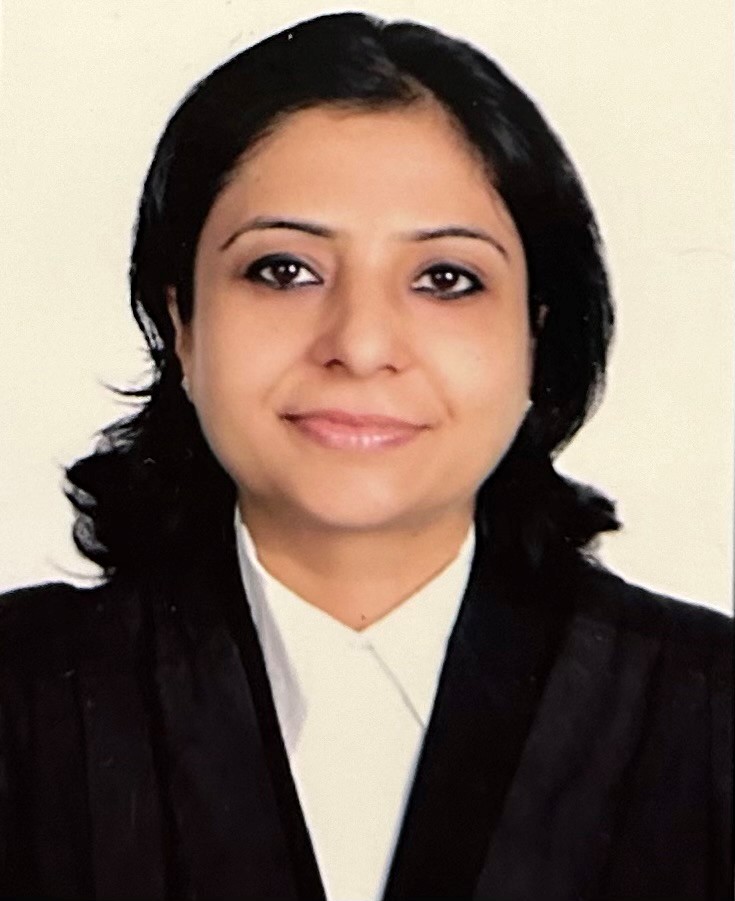

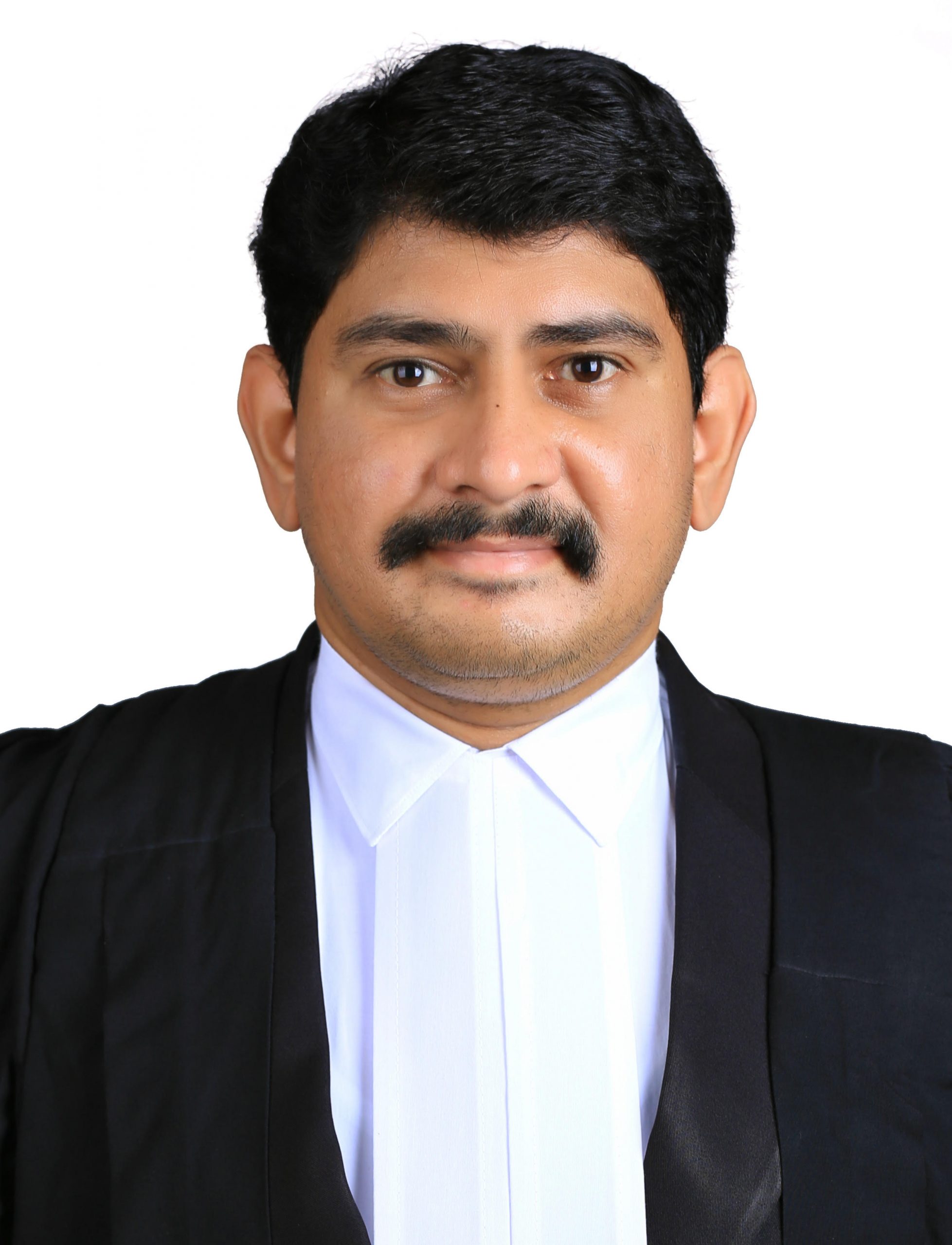

















 Allow notifications