Can you share with us your journey into the field of law? What initially inspired or motivated you to pursue this career path?
My journey into law was less about being a lawyer pr pursuing a career in law and more about pursuing something that I thought might be interesting and engaging to study. And here I was not wrong. While I was unaware of what the practice of law entailed, I was fascinated by the study of it! I took it up as a challenge and as a way to study something I enjoyed while I took the time to find my “true” career. My love for the field and its practice developed later, as I began to study more and engage with the subject matter in a more practical manner.
I discovered that I thrived on navigating the nuances of law and developed an analytical outlook on issues. I also found that I would get easily bored when things become monotonous, which is not the case with legal practice.
I’m always on the lookout for new challenges and the field I started my law career in (IPR) just happened to be one where things are constantly evolving. I also got to be at the forefront of new technologies and legal issues arising from them. The law was being developed in real-time as real-world problems from compliance and business issues emerged.
This dynamic environment, where I could apply the word and spirit of the law and provide practical, often creative solutions, was something I thoroughly enjoyed and loved. This passion has driven me forward for the last 16 years, keeping me engaged and motivated in a constantly evolving legal landscape.
You’ve had an impressive career trajectory. Could you walk us through some of the key milestones or experiences that shaped your journey in the legal profession?
Over the years, I have had the chance to explore various fields of law. My outlook as well as my career has been shaped by these diverse experiences and have significantly contributed to my growth as a legal professional. While the initial years of my journey were at a law firm, I have since worked in-house for several years as well.
Being at a law firm was quite a rigorous experience in the intellectual and purely legal aspects of my field. This is where I developed technical legal skills, gaining deep insights into Intellectual Property Rights (IPR) and understanding how it applied to different fields.
The transition to an in-house counsel role was, on the other hand, transformative. It required not only a shift in mindset but also your approach to problems. Working closely with business teams, I learned to integrate legal advice with business objectives, which in my opinion can only make you a more well-rounded practitioner.
This experience was incredibly rewarding as it allowed me to view legal issues through a business lens. The opportunity to collaborate with teams from diverse business areas and on multiple projects broadened my understanding of multifaceted legal issues.
These experiences naturally steered me in the direction of establishing WSA Legal, a niche practice focusing on IPR, technology, media, and data protection. Additionally, I have a keen interest in legal tech and developing processes that utilise legal acumen to make technological advancements in law. This has led me to work with the brilliant team at Curated LegalTech on developing some amazing legal-tech products.
These cumulative experiences have provided me with a broad perspective on the legal field and expertise, but also keep me engaged and fascinated.
Many people view law as a challenging and rigorous field. What were some of the challenges you faced early on in your career, and how did you overcome them?
The practice of law is both challenging and rigorous. Early in my career, one of the primary challenges I faced was the steep learning curve and the demanding nature of legal work. Handling large volumes of work with a high degree of intellectual engagement requires significant time management skills. You need to shift from looking at problems as hurdles and instead embrace a growth mindset.
Balancing physical and mental well-being in such a demanding field is also important and for most of us, not as easy as it sounds. In this, the role of mentors cannot be understated. They can help you thrive and achieve results even when you doubt yourself. I have been fortunate to have a strong and capable set of mentors and friends to guide me at all stages of my career – whether or not they come from the legal background.
Again, the change in outlook necessitated shifting to an in-house role was also quite challenging initially. Unlike before, my viewpoint had to expand and incorporate an understanding of business processes and goals into legal advice. You are called upon to be precise in answering complex questions and decisive in the way forward that you guide business in. You need to be engaged with your stakeholders and clients and can overcome these challenges if you grasp the business side and can communicate and collaborate with diverse teams.
Your expertise spans across different areas of law. Could you tell us about a particular case or project that you found particularly impactful or memorable in your career?
One of the most impactful projects in my career involved navigating the complexities of AI and its use by business in a specific area of operation which was earlier broken down into multiple steps and tedious and expensive review. This area was particularly challenging because the law is still in its nascent stages, and there were practically no precedents to guide new practices.
We had to innovate and provide resolutions, trusting that our advice would stand the test of time. The project required us to create a comprehensive framework, and SOPs and integrate risk mitigation for AI-driven solutions, ensuring compliance with existing laws while anticipating future regulatory developments. This meant developing novel legal strategies and creative solutions from scratch.
Working on AI from such an early stage was challenging but also incredibly rewarding. This experience also reinforced the value of integrating legal expertise with business strategy and working closely with technical experts, demonstrating that innovative legal solutions can drive business success even in uncharted waters.
In your opinion, what are some of the essential qualities or skills that aspiring lawyers should cultivate to succeed in today’s legal landscape?
Aspiring lawyers should cultivate strong analytical skills to navigate complex legal issues, excellent communication abilities to interact effectively with clients and colleagues, adaptability to respond to rapidly changing legal environments, a thorough understanding of technology and its implications on law, and a commitment to continuous learning to stay updated with evolving legal trends and practices.
The legal profession is known for its continuous evolution. How do you stay updated with the latest developments and trends in your area of expertise?
Staying updated on legal developments is crucial, but what I find truly enriching is engaging with individuals from diverse fields and gaining their perspectives, regardless of their connection to law. This fosters an open-minded approach and helps anticipate and adapt to changes that keep you at the forefront of your field. These interactions also cultivate a mindset that is innovation-enabling. Additionally, I believe it’s important never to be too proud to seek the guidance of mentors, whose insights and experience can provide invaluable direction in navigating complex challenges and seizing opportunities.
As someone with substantial experience in the field, what advice would you give to recent law graduates who are just starting their careers?
I would advise recent law graduates to focus on building a strong foundation of legal knowledge and skills through practical experience. Seek out mentors who can provide guidance and insights based on their experience. Stay curious and continuously seek opportunities to learn and grow professionally. Interacting and building relationships within and outside the legal profession can also be crucial for career development. Lastly, maintain a strong work ethic, integrity, and a commitment to delivering high-quality work—it’s often these qualities that set apart successful lawyers in the long run.
Your journey in law began with an inspiration from Hindi movies. How did this fascination shape your career, and what were the initial challenges you faced as a first-generation lawyer?
From a young age, I was inspired by the portrayal of lawyers in Hindi movies, passionately advocating for justice. This fascination ignited my dream of becoming a lawyer, viewing it as a noble profession where I could make a real difference. These cinematic representations motivated me to pursue a career in law with a vision of being a beacon of hope and justice, much like the heroes on screen.
One significant challenge I faced was the lack of mentorship. Unlike some of my peers who had family members in the profession, I had to seek out mentors and resources independently. This, however, turned into a strength, making me resilient and resourceful. I learned to leverage every opportunity for learning and growth, from internships to networking events.
Entering the professional world meant proving myself in a highly competitive environment. As a first-generation lawyer, I had to work twice as hard to establish my credibility and demonstrate my skills. The early stages of my career were marked by long hours, continuous learning, and a relentless drive to excel.
Despite these challenges, my journey has taught me the value of perseverance, hard work, and the importance of building strong professional relationships, which have been instrumental in my growth and success as a lawyer.
You started your career at a leading publishing company and then transitioned to Legal Process Outsourcing (LPO). What motivated this shift, and how did your experience at Pangea3 influence your professional growth?
In 2006, as the Legal Process Outsourcing (LPO) industry was rapidly emerging, I saw an opportunity to explore this new field, knowing I could return to litigation if it didn’t meet my expectations.
I joined Pangea3 with an impressive client base, including top US law firms and some of the world’s largest companies in various sectors. I started in the corporate division where my role was reviewing, summarizing and abstracting technology, finance, and real estate agreements. This role gave me valuable insights into intricate legal transactions, enhancing my understanding of these areas.
Later, I transitioned to the litigation department, where I got an opportunity to manage teams of high-performing lawyers. Leading a team that critically evaluated and challenged every decision was a unique and challenging experience. We often worked on projects with tight deadlines, requiring long hours, including weekends. Maintaining team spirit and motivation under such high pressure without compromising quality was a formidable task.
My experience at Pangea3 significantly influenced my professional growth by developing my leadership skills, deepening my understanding of complex legal agreements, and providing me with a global perspective on legal practices.
Working with stakeholders across the globe has given you a global outlook. Can you share some key insights or experiences that have shaped your understanding of global legal practices?
Working with global companies, often involves collaboration with diverse teams, each bringing their frameworks and practices. Establishing trust and rapport with international stakeholders often requires consistent and proactive engagement. During my time managing high-value transactional agreements, I found that regular discussions with an intent to understand the stakeholders’ goals and challenges were key to successful collaboration. There is also need of clear and precise communication as concepts and terminologies can vary significantly between countries. Therefore it’s essential to articulate legal advice in a way that clients and colleagues from different backgrounds easily understand.
At Maersk, you set up and managed the legal team in India. What were the significant challenges and accomplishments during this period, and how did it enhance your expertise in complex negotiations?
One of the key lessons I learned at Maersk was the distinction between setting up a legal team versus managing an established one. My team in Mumbai, including myself, were new hires in the legal department. While my team members often looked to me for guidance, I was also learning alongside them about the work, culture, and policies. However, I was fortunate to receive valuable support from my General Counsel and CFO, who instilled confidence in me and reminded me not to be too hard on myself despite the initial challenges. My team played a crucial role in alleviating much of the pressure.
As an in-house counsel at Maersk, my role extended beyond just advising and identifying risks to actively negotiating and defending the company’s best interests while closing agreements. The hands-on negotiation experience with the support and mentorship I received, significantly developed my skills and confidence in managing complex legal matters.
Transitioning to Firmenich, you moved into the sales side of legal work. How did this shift in focus help you grow professionally, and what unique skills did you develop during your time there?
At Maersk, I was always in a dominant position representing the procurement team. In contrast, at Firmenich, I needed to be more accommodating to ensure timely deal closures without compromising the company’s interests. Striking the right balance between being aggressive and stepping back when necessary was challenging at first.
Further, at Firmenich, I had the opportunity to work with Legal Heads for Europe, Asia, and the Americas region. Each one of them had a unique style, allowing me to learn significantly from their diverse approaches.
My colleagues and seniors in the legal department were incredibly helpful and supportive, that allowed me to transition from a procurement-focused lawyer to a business-driven counsel.
With your vast experience, what advice would you give to current in house legal professionals who are looking to navigate and succeed in the ever-evolving legal landscape?
Regardless of whether you are a first-generation lawyer or not, maintaining an open mindset is crucial. Embrace the continuous learning that the legal profession demands. As an in-house counsel, it’s essential to have a comprehensive understanding of your company’s business and the nature of its transactions. This insight enables you to provide relevant and strategic legal advice.
Never hesitate to ask questions – whether about a transaction, legal concept, or business process. Seeking clarity is key to ensuring that you can offer sound legal advice.
Most importantly, cultivate resilience. The legal field can be demanding, and navigating its complexities requires the ability to adapt and persevere through challenges.
In your opinion, what are the most critical ethical considerations for in-house attorneys, and how do you ensure that these principles are upheld in your daily work?
From a young age, I viewed the law as a profession dedicated to justice and integrity. For in-house attorneys, upholding ethical principles such as honesty and transparency is paramount.
In my practice, I ensure that I present an accurate assessment of risks so that the organization can make informed decisions. I believe in providing clear and honest advice without overselling or exaggerating potential outcomes. If I am uncertain about any aspect of a legal issue, I ask for the necessary time to research and provide a well-informed response.
Can you share a personal development or mentorship experience that significantly impacted your career trajectory?
The mentorship that I received in Maersk was invaluable as I began my career as an in-house counsel. Maersk emphasized the importance of praising in public and reprimanding in private, a principle that has deeply influenced my working style. The company’s zero tolerance for any form of belittlement, regardless of a person’s seniority, reinforced the idea that effective leadership don’t require being disrespectful or domineering.
The weekly meetings with the General Counsel and CFO were particularly impactful. Their guidance not only boosted my confidence but also equipped me with the skills needed to lead high-performing teams effectively. This experience has been pivotal in my professional development and continues to shape my working style till today.
As someone with extensive experience, how do you mentor and guide young lawyers entering the field? What key qualities do you believe are essential for their success?
In India, many career decisions are often influenced by family expectations or the allure of someone else’s success. I will tell all young lawyers that don’t be afraid to take bold steps and embrace opportunities to learn, even if they seem outside your immediate area of expertise rather than simply following someone`s footsteps. While you may get inspiration from people around you, do remember that you have to pave your path to make the mark.
Key qualities for success in this field include curiosity, resilience, and a willingness to continuously learn and adapt. By embracing these qualities and valuing every experience along the way, young lawyers can effectively navigate their careers and achieve long-term success.
With such a demanding and multifaceted career, how do you unwind and relax? What activities or hobbies help you maintain a healthy work-life balance?
The role of an in-house counsel can indeed be demanding and exhausting but a strong family support helps me manage stress effectively.
For me, travelling serves as a form of therapy. I take at least one vacation each year to explore new places and immerse myself in different experiences. This not only provides a refreshing break but also broadens my perspectives.
When time permits, I find relaxation in watching movies or web series, particularly those with compelling courtroom drama. It may sound cliche, but engaging with legal dramas allows me to enjoy my passion for the law in a more relaxed setting.
STT Global Data Centres (“STTGDCI”) is a prominent name in the data centre industry. Could you share more about the company, your role and your experience so far.
STT GDC India (4th consecutive winner as Great Place to Work) is one of the leading data centre providers in India and hosts critical business infrastructure for many of the top Fortune 500 companies.
I oversee the end-to-end closure of commercial contracts for both the procurement and sales departments. My role also extends to day-to-day advisory services, resolving disputes arising from commercial contracts, and acting as the legal SPOC for regulatory matters related to sales contracts. In the past, I supported real estate transactions and handled customer recovery.
At STT Global Data Centres, I’ve had an incredible experience of working in a fast-paced, high-growth industry. My team and colleagues are extremely helpful and are willing to lend support whenever needed. My General Counsel has been instrumental in my development so far. He cultivates a positive and supportive work environment within the team. His management style is flexible, and he doesn’t believe in micromanaging, which instils confidence and allows me the autonomy to handle situations with a greater sense of responsibility.
Can you share the story of how you started your career in law and the journey that led you to become the Founding Partner of MMA Associates and a Senior Panel Counsel for the Union of India?
Incipiently, my father encouraged me to pursue judicial services, however as I delved deeper into the field, I realized that litigation was where my true passion lay. Thereafter, I started my law career as an associate Advocate at Ahlawat & Associates, whereby I was afforded opportunities to appear before CAT and DHC, gaining valuable experience in service matters. Following this, I worked as a law researcher with former judge of Delhi High Court Justice VK Jain. This experience broadened my perspective on legal research and judicial reasoning, further solidifying my commitment to the field. After completion of this role, I joined SKV Associates where I specialized in consumer law and appeared in all the DCDRC’s throughout Delhi, SCDRC and NCDRC.
The next significant phase of my career was at ASA Legal Services LLP, where I joined as a senior litigation associate and after working there for a considerable period of 6 years, whereby I honed skills in litigation and advocacy, which prepared me for the next big step i.e. venturing into private practice. Founding MMA Associates was a natural progression in my career. It allowed me to bring together my experiences and insights to build a practice that prioritizes client-centric solutions and innovative legal strategies. Concurrently, I was honored to be nominated as one of the senior panel counsel to represent the Union of India, a role that has been both challenging and rewarding. In essence, my journey in law has been one of continuous growth and learning and each step has been a testament to my dedication and passion for the legal profession.
With your extensive experience in handling a wide range of disputes, can you discuss a particularly complex case you worked on and the innovative strategies you employed to achieve a favorable outcome?
In my career of 14 years, I have encountered numerous cases involving complex issues, however, most recently, in the capacity of a nominated counsel, I received an opportunity to represent the Hon’ble Delhi High Court in a complex matter (Karan S.Thukral versus Registrar Delhi High Court & Ors, WP(C) 6082/2019) which changed the landscape of how filings are done in all District courts in and around Delhi NCR. During the course of the matter, I embarked on an extensive study and research of the existing procedures, including the various modes and manners of filing, record-keeping, and the operational constraints faced by the courts. I delved into understanding the issues related to manpower shortage, space limitations, and how these factors affected the efficiency of the judicial process.
This experience reinforced my belief that the only strategy that is fruitful, is to ensure that there are no short cuts being employed and irrespective of what the eventual outcome is, one is working in such a manner that at all times the best foot is being put forward and 100 Percent is being given.
As a nominated counsel for the Hon’ble High Court of Delhi, can you share some insights into the unique challenges and responsibilities that come with representing such a prestigious institution?
Being a nominated counsel does come with its own share of responsibilities and challenges. One of the unique challenges in this role is the need to coordinate and communicate with multiple departments, to arrive at most appropriate solution.
Another key responsibility is to present these solutions before the Hon’ble Court, ensuring the same are both legally sound and practically feasible. This involves extensive research, thorough preparation, and a careful balancing of interests to ensure that the recommendations align with the broader objectives of the judiciary as well as public interests.
Additionally, representing such a prestigious institution demands a high level of professionalism and integrity. There is an expectation to uphold the values and standards of the court, which means being meticulous in your work, transparent in your dealings, and dedicated to achieving fair and just outcomes.
You have authored a book titled “A Girl with Brain Tumour – A Story with a Happy Ending” How has your passion for writing influenced your legal career, and what inspired you to write this book?
I am a cancer survivor. I was detected with brain cancer in 2019, which was a life-altering experience. My purpose to write this book was to educate people at large about the term “brain tumor” and how one can come out of it victorious. I felt a deep need to share my story, not just to chronicle the challenges and triumphs I faced, but also to offer hope and guidance to others who may be going through similar battles. I wanted to convey that, despite the odds, it’s possible to emerge victorious. Writing this book has been a therapeutic and empowering experience, allowing me to connect with readers on a personal level and inspire them with a message of hope and perseverance.
As someone who has transitioned from being a Legal Researcher to a Founding Partner, what key lessons did you learn early in your career that continue to influence your professional decisions today?
At the very early juncture of my career, I fathomed that a litigating lawyer needs to be a very patient individual and a very good listener. Patience and being a good listener go hand in hand, which gives you enough fuel to understand the perspective of the client and enables you to resolve the respective issue involved. Often as Litigators we come across client(s) whose sole desire is that their version of the issue/lis/dispute be heard and understood by their Advocate and once their counsel listens to them is gives them immense satisfaction.
What advice would you give to young lawyers who aspire to have a diverse practice area like yours? How should they approach building a career that spans multiple legal disciplines?
My advice would be to grab every opportunity to work with different firms/advocates/senior advocates during the nascent stage of their career in order to understand/fathom their inclination/path in a particular field of law. They should embrace versatility and remain open to exploring the various fields of law. Irrespective of what task you have been assigned be it inspecting a Researching Judgments, Inspecting Court Records, Assisting the Clerk(s) etc. consider the same as an opportunity to gain knowledge. Start by gaining experience in different practice areas, even if they don’t initially seem to align with your long-term goals. This exposure will broaden your knowledge base and help you discover your strengths and interests. No work is small or big, this is the golden period for budding lawyers and they should try their hand at everything and with time they will understand in which way they want to proceed. Furthermore, if a first generation lawyer like me can do it, then you also can do it but by being curious, adaptable, and willing to learn, which shall enable you to build a career that is both diverse and fulfilling.
Given the current legal trends, what areas of law do you believe will become more prominent in the next decade, and how should legal professionals prepare for these changes?
I believe that the concept of Mediation/Conciliation and other forms of ADR will become prominent, and more and more litigants instead of filing the case in respective courts, would pivot towards resolving disputes amicably with the help of legal mechanisms provided under law such as Mediation/Samadhan centers/Online Dispute Resolution Platforms established in each and every court.
Furthermore, with the advent and advancement of Technology in the recent times in the field of law, we have to embrace the same and be adept enough to inculcate it in our work environment.
How do you balance your demanding legal career with your personal passions? Please share some of your interests other than profession. How do these interests influence your professional life?
Personally, I think too much is made out of work life balance, there are days when your work has to be your absolute priority and you wouldn’t want to be any other place apart from your work, whereas there are times when one can afford some down time and do things apart from work, for me personally whenever I get the time I like to travel and explore new places. Movies are also a big interest of mine particularly thrillers and crime dramas, I also like to dance a bit and whenever I can, I like to indulge in it.
If you could bring about one change in the Indian legal system, what would it be and why? How do you believe this change would benefit the legal community and society as a whole?
The one change I would want in Indian legal system is to recruit more efficient manpower, on both judicial and administrative side, in order to streamline the pending cases which leads to delayed justice. This change would benefit the legal community by reducing the pressure on existing judges and court staff, allowing them to focus more effectively on each case. It would also lead to more timely justice for litigants, which is crucial for maintaining trust in the legal system. Simultaneously, digitalizing court processes—such as e-filing, virtual hearings, and electronic case management—would streamline procedures, enhance accessibility, and reduce delays.
This change would benefit the legal community by easing the strain on personnel and improving case handling efficiency. For society, it would mean faster access to justice, reduced case delays, and a more transparent legal system. Digitalization would also make it easier for people to interact with the court system remotely, making justice more accessible and reducing the need for physical presence in courtrooms.
MMA Associates offers a wealth of experience and expertise. Are there internship or mentorship opportunities available at your firm for aspiring legal professionals, and how can one approach you for such opportunities?
Yes. Any interested lawyer/law student can approach us at mmatassociates@gmail.com
Hello and welcome to another episode of Super Lawyer. Today, we have with us esteemed advocate Vishal Khattar, who is the founder of Patine Law Offices in New Delhi. He is also the Additional Advocate General for the State of Haryana at the Supreme Court of India. Welcome, sir, to our episode. Thank you for accepting our invitation and for being here.
Let’s start our journey of questions and answers in a more conversational manner. Sir, I would like to begin with a very basic question. When you decided to become a lawyer, how was that journey? What kind of challenges did you encounter when you started focusing on this career for yourself?
Just a small correction: the office goes by the name of Patine Law Offices. Now, I understand it’s a unique name. I attended a school where the alumni are called Patines, so out of dedication and affection for my school, I decided to name the office after it.
I’ve been a debater throughout my time in school and college, participating in several debates and declamation competitions. I earned some good distinctions and ranks in those competitions. As a result, one day, my principal—Mr. BBS Pathania, a great man—told me, “You will become a good lawyer.” However, being from a small town, the challenge was that I scored high marks in my matriculation exams, and since I was among the top students in the state at that time, my father’s expectations shifted. He wanted me to become a doctor.
I was a medical student in school, but despite my best efforts, I couldn’t make it to medical college. There were three colleges in my city, Rohtak: one for B. Pharmacy, one for MBA, and one for law. To avoid wasting a year, I applied to all three. When I didn’t get into medical college, I was accepted into all three of these institutions. Initially, I planned to pursue an MBA, but after discussing it with my principal, who advised me to go to law school, I decided to study law. He assured me that I wouldn’t regret the decision, and I believe he was absolutely right.
So, I chose to study law because I had an interest in it from the beginning, and it turned out well. I completed my five-year law degree at Maharshi Dayanand University in Rohtak. From my third year, I started interning in Delhi, and since then, I’ve been working here.
Sir, it definitely worked out for you. It seems the path was paved by your faculty, but you’ve made a huge name for yourself.
I was fortunate to be taught and guided by such learned teachers, my professors, and lecturers. I frequently visit my college to mentor students. They often ask, “Vishal, why don’t you come here more often?” I jokingly reply, “It’s because of all the extra blessings you’ve given me that I’m so busy. If you reduce your blessings, I’ll start coming more often.”
I did my final-year internship with a very good organization—sometimes called the most preferred employer in the world—General Electric (GE). They have a finance division here called GE Countrywide, and after my internship, they offered me a job. At that time, it was quite rare for my college to receive such offers, so it was a big deal.
In fact, it was the first campus placement offer received by our department. I joined GE as a legal analyst, though it was a contractual position. During one of the court proceedings, I was noticed by a professional who referred me to ICICI Bank. Early in my career, I joined ICICI Bank as the State Head Legal for Punjab and Chandigarh.
I gained experience with corporates, working at ICICI Bank and later with Tata Capital, where I was responsible for their North India legal operations. However, I never intended to pursue a lifelong career in the corporate sector, so I eventually decided to return to practice.
Sir, with such a trajectory in your career, when did you decide to start Patine Law Offices? What was the inspiration behind its establishment? What exactly sets it apart from others in the legal landscape? Additionally, if possible, we would request you to share some of the challenges and successes you’ve encountered.
See, If I talk about motivation, it always comes when there is a loophole in the system that you want to fill or a need in the industry. In the legal fraternity, we don’t use words like ‘market’ or ‘industry,’ but obviously, the driving and limiting factors are the same. However, I always believe in focusing on the positive aspects. There were good things happening, and we were part of those good things. So, we wanted to start something good on our own. It’s time that we should get independent. I should get independent.
So, we decided to start Patine Law Offices. The name ‘Patine’ and the email ID for Patine Law Offices were things I had already created during my final year. It was clear in my mind that every lawyer wants to be independent. We were just waiting for the right time, when we had some clients who could entrust us with work.
We started Patine Law Offices with a small 300 square foot office. Slowly, we have been able to serve clients from both corporate and non-corporate. We have a reasonable number of practice cases from non-corporate clients, as well as from corporates. In the corporate sector, we are involved in finance, banking, Fintech, and then also in the automobile industry. We have some e-commerce clients, and now we’ve started working in FMCG as well. Being a first-generation lawyer, I had to hustle for every client and for every bit of learning.
About six months ago, we started some operations in the UAE as well. We’re working for two clients in Dubai—one is a Fintech client, and the other is in renewable energy. So, we’ve started working for them as well. Every benchmark we’ve reached has been a story of hustle for us.
But I believe every first-generation lawyer has to go through that. You have to keep learning, reading, and seeking references every time. You’ll face rejections because clients tend to go for big names. This is a trend in our industry.
It’s like when you want to go for a bypass surgery, you’ll always ask who’s the best doctor. No one asks for a doctor who’s available; they want the best. The same principle applies to some extent in our profession—clients want big lawyers. But you have to find those who can trust you.
We were fortunate to find some clients who trusted us. Some corporate officers who had worked with me at that time knew how I performed, and somehow, things worked out.
So, sir, given this fact, you are holding currently, a very esteemed office of being an Additional Advocate General for the state of Haryana, at the Supreme Court of India, which in itself is one of the very prestigious things.
We would request you to shed some light on this particular role and the insights related to the responsibilities and how do you face the challenges, what kind of things do you do over there because that also will become an aspiration for learners as well.
For a litigation lawyer, it’s a very important milestone to have the opportunity at some point in their career to work for a public undertaking or the government.
When we talk about government panels or government cases, the documents, orders, laws, working methods, protocols, and hierarchy—these are things you can only learn when you start working for them. Like any other litigation lawyer, I was also looking for such opportunities.
So, when this position was advertised, I applied for it. I was fortunate enough to be appointed as one of the nine Additional Advocates General (AGs) for Haryana. My role involves handling cases in the Supreme Court.
So in these cases, in government work, there is a well-organized structure. Duties are well-defined, protocols are clear, and there is a very detailed bureaucratic structure. The protocols, documents, and their implementation are all clearly laid out. This makes it a great learning experience for any litigation lawyer working on a panel. Every case comes with its own challenges.
Sometimes, students or juniors who are close to us ask very genuine questions. They often ask, ‘What is the main challenge? How long will it take for me to become a good lawyer? How long will it take to become an independent lawyer?’ I remember something I learned from a senior at the Delhi High Court.
When I used to sit in the canteen, feeling worried, he would come up to me. Once, I remember discussing my concerns with him. He asked me, ‘What happened? You look very upset. What’s on your mind?’ It was 5:30 p.m. at the Delhi High Court. I told him, ‘I’ve been working so hard for two years, and though I’m earning, it’s not what I hear from seniors—about getting many cases, high fees, and having a good office.
He told me, ‘Look, our legal profession is not like an aircraft; it’s like a train. In a train, you have to stay on track. There’s no provision for overtaking. If you try to overtake, you’ll have an accident. There’s no going faster than your schedule, because if you do, you risk an accident. And if you slow down, someone will hit you from behind. All you can do is stay on time and keep moving. This is how a train operates, and this is how our profession works too.
Every day, you need to start at the same time, reach the courts on time, meet your clients properly, meet your deadlines, and do your research timely. If there’s a new law coming in, give extra time to study it. You need to keep improving. If you follow this schedule, just like a train, that’s how you’ll succeed in this profession.
And believe me,’ he said, ‘believe me, Khattar, every station will come. If you stay on track, you’ll reach every station.’ From this, I understood that perseverance is essential in this profession. You need to be consistent, regular, sincere, and disciplined. Whatever benchmarks are set for any professional lawyer, you will achieve them.
You know, my first mentor in Delhi was a Special Public Prosecutor. He used to speak to me in Punjabi and would say, ‘Khattar, you should know how to work, and then you should get work too. So these are the raw standard things we have learned from our seniors.
Absolutely beautiful standards and tried-and-tested tracks. The way they have taught you— ‘Kaam aana bhi chahiye aur kaam milna bhi chahiye’—is an absolute gem. Even running like a train is fascinating. But sir, you were ready to accept that as well, which is very important when someone is teaching or guiding you.
You took it as a challenge to follow this, and I believe that has probably been a key factor in your success. Sir, with all of this in mind and knowing that you specialize in constitutional law, what kind of thought process do you observe in the current generation? Since you encounter many individuals joining you as interns or juniors, how do you guide, train, or mentor them to contribute meaningfully to legal reforms and societal progress, particularly through constitutional law matters?”
Over time, as we began receiving more work related to commercial and marketing law, our main focus shifted to handling contractual and commercial cases—what we often refer to as ‘bread and butter.’ However, constitutional law has always been my favorite subject.
Whenever we receive a brief involving a constitutional issue or aspect, I make sure to keep that brief on my table and not delegate it to anyone else. This is a very good question and one of my favorite topics of discussion with new joiners in my firm. This perspective is something I learned from one of the great mentors I had.
He once quoted some lines from the Bhagavad Gita, telling me, ‘You are part of a bigger system. This bigger system means you are contributing to something larger.’ Let’s consider it in a straightforward way: A person whose rights have been infringed—whether by a family member, a government agency, or a private company—is unable to get what he rightfully deserves. He goes to a lawyer, and what does the lawyer do? The lawyer ensures that his case is presented correctly before the judge, and that justice is delivered to him. And not just justice, but meaningful justice—justice that is also executable.
As they say, justice should not only be done; it should also be seen to be done. So, justice shouldn’t only be on paper. This is what a lawyer does for such a person. If society is suffering from injustice, it is you who are ensuring, through your professional advice and service, that justice is imparted.
When justice is imparted, it restores balance. A society only survives and sustains itself when balance is maintained. Without balance, society will not survive for long; it will become chaotic. Therefore, young lawyers must understand that you are not entering this profession solely for its glamour or money.
You are not entering this profession just to become a good advocate. You must also realize that you are becoming part of a bigger system, and you will contribute to maintaining balance in society. The key to that balance, in this country, is our Constitution. You need to have trust in our Constitution.
You need to have trust in your country. Cursing the Constitution or the country won’t help. What helps society is having trust in the Constitution. The best thing the Indian Constitution provides is balance in society.
For the weaker sections of society, it strengthens them. For those who wish to speak for themselves, it empowers them. For those with different opinions, it empowers them as well. For state authorities and bodies that wish to work, it gives duties to the citizens toward those authorities.
It is a balance: you have rights, and you have duties. So, trust the Constitution. If you are able to work on and win some constitutional cases in the form of writs or public interest litigations, and make a difference through the orders you obtain from these petitions, you will be performing your duties in a more meaningful way.
Unlike many other constitutions that focus primarily on rights without emphasizing duties, ours strikes a balance. I may be wrong, sir, but that’s my understanding of our Constitution. The passion you’ve shown is overwhelming for me, especially when you discuss these matters with young lawyers. They also need to connect with societal progress as you do, giving back to society.
Sir, how do you involve or engage young lawyers, and how do you advise them on handling cross-border litigation or cross-border cases? Since you are involved in many domestic and international cases, I’m sure there must be some learnings that differ from how we work in India compared to how international entities operate in the legal field.
What insights or learnings would you like to share with the learners?
One thing I always make clear to anyone joining my firm is that you’ve entered a profession where, mark my words, the hard work required is extraordinary. When I say extraordinary, it is extraordinary. So if you want to run away, run away now, because you will never like yourself to be a kind of lawyer, wherein you will be spoiling cases of your clients, or him suffering losses because of your mistakes.
You might recall the recent NEET issue where memes were circulating about doctors who graduated that year making such mistakes. You don’t want to become that kind of lawyer. So, the first thing I make them realize is that today is your first day, and this is your first file.
There is no point keeping them busy for another year, just doing research, so that by the time they are in actual practice, they’re 28 or 29 years old and considering switching careers to pursue an MBA or GMAT. No, the only practice that we do here is different from other firms, and I have been a junior in many other firms also, so we allocate cases on day one only.
If not the entire case, then at least a part of it, so they have something to work on right from the start. Every day, you’ll find all my associates attending court, either virtually or physically, carrying the files. We are a pure litigation firm.
Another thing that I felt was missing in my previous experience with firms is the lack of interactive sessions. My associates expect me, as their mentor, to guide them on how a case should be handled. While I can’t do every time, I make sure that every seven to ten days, or every two weeks, we sit down together. I pick up one case or a specific issue, and we all gather in the conference room. I then explain the case, discuss how it’s being handled, and how it should be handled, along with some standard rules of drafting, pleading, and convincing—essentially, how these cases should be done.
Sometimes, I do this on an individual basis as well. This kind of one-on-one teaching and interactive session was missing during my junior ship at other firms. I always felt that if I’m working with a successful lawyer, I should benefit fully from their experience, rather than just being impressed by their performance.
So that’s what we are doing. And one thing we’ve noticed across all litigation firms is the new kinds of assignments we’re receiving. Corporates have now started thinking that since we are the lawyers handling their cases in court, where their agreements, contracts, and other documents are being interpreted by the honorable courts, we should be the ones drafting those agreements as well.
I believe it was around six years ago when we received an assignment from one of our leading passenger car manufacturers. They asked us to come to their office in Pune, stating that the redrafting of their agreement had to be done there. We were surprised because such assignments typically don’t come to us; they usually go to specialized drafting lawyers. But they explained that what needs to be included or excluded in the agreement is something we only learn in court. Since we’re the ones who defend and argue these points in court, they felt we should be the ones drafting the agreements as well. So, we conducted a two-day workshop and began the drafting process.
Now, this has become an additional task for my associates, who, while primarily focused on litigation, are also learning the art of drafting contracts.
And believe me, with both drafting and litigation coming under one banner, the outcome will likely be fewer litigations in the future. If you have a well-crafted agreement, it leads to fewer disputes, which will directly and positively impact the health of businesses in the country. This approach will also help reduce the burden on the courts.
As a small, first-generation law firm, we are committed to this idea. I believe there isn’t a single associate in our firm who doesn’t have a client assigned to them. Each associate handles at least one client, either independently or as part of a team of two to three people.
Wow! Sir. You are such an amazing law firm and the strategy is so good. Actually, the thing which you are talking about is absolutely innovative and it will rise to a standard where there will be lesser litigations related to it. You being so busy with all of these commitments, professional, and obviously your office commitment, then being an AAG as well is a bigger commitment.
How do you recharge yourself or unwind yourself from this kind of commitment centric approach? And are there any hobbies or activities which you keep on doing with your law office as well? Because obviously everyone is going through some of the other stress for sure. So how do you unwind yourself?
What kind of activities do you follow?
The way our schedule is, ma’am, this is a tricky question to ask a lawyer. Most of us might tell you that we play golf, but honestly, we don’t even have time for that. Let me share an incident I learned from one of my principal associates, Vandana. That day, someone was accompanying me, and I had a sudden change in the timing of a meeting.
I was back from court and was supposed to meet someone at 12:30 PM. The meeting got rescheduled to 2:00 PM, and this associate of mine was with me. When she returned, she was asked, “What does he do when sir’s meeting gets postponed by an hour?” She replied, “He goes to Connaught Place, takes a full round on foot, and buys some books.” The person then asked, “What happened? Why do you ask?” She said, “He took me with him, and we went walking for a full round.”
So, that’s what I do. If a meeting gets delayed and I have some time, I go to Connaught Place, take a full round, and visit some bookshops. It’s also a learning experience for young lawyers.
Read as much as possible. You never know when a topic will come up, and if you’re well-read, you’ll be ready with a response. The more confidently and content-rich you respond, the more it adds to your personality as a lawyer. The more books you read, the better you’ll evolve in your career.
In my free time, I read books. I still prefer older authors—I’m yet to be impressed by any new ones—and I hardly get any time. Although I have plans for the future, I’m not sure if they’ll happen. The best way to cool your mind and relax is to meet some friends at the High Court lobby and talk about this and that. After some time, we’ll end up talking about our children and how they’re growing up.
Other than that, we mostly talk about watches and pens.
Absolutely amazing and honest answer from your side.Yes, reading should be a favorite pastime for everyone. It’s a very new thing that everyone talks about everything around books. But if all of us will start sharing those wisdoms as well, it will help the people who work with us, although we talk about it, but somehow the books are not there in hands and I feel like that is something which I see only in High Courts and Supreme Courts that all our learned friends, they definitely carry books now. Earlier also it was the reality and now also.
Sir, given this particular inclination towards books and you’re always interested in reading and finding new books, many a times juniors or the new entrants, they have this particular point that we do not have this much to invest in this. How should we go ahead and do it? Sir, I would request you to answer this because we all have gone through this particular phase where we do not have enough to immediately buy so many books.
So how can we garner that particular reading habit? Probably you will be able to guide us through that as well.
When I started reading, I was in school and had access to a library. Later on, I realized that I could ask the librarian for a book I had heard about, even though there was no Google at that time.
All the new books’ information used to get published in Hindustan Times usually on the second or third page. I would tell my librarian about the book I wanted, and he advised me to write an application to the principal requesting it. When I went to university, I had access to a much larger library.
Then I began studying international law, but there wasn’t enough material in the central library at my university. So, I started coming to Delhi. I would take a bus from Rohtak to Delhi or a train that dropped me at Tilak Bridge, and from there, I would walk to the Indian Society of International Law (ISIL), which has an excellent library for international law. I also had friends who helped me access the Indian Law Institute (ILI) library. Delhi has some great libraries, and although books can be quite expensive, libraries are invaluable resources.
You know, if you start buying 10 books, for example, I can read around 10 books over a period of one to three months, it can cost around 3,500 to 4,000 rupees, which is not feasible for a young lawyer. We have WhatsApp groups, so why don’t we have a system for sharing books? My daughter does it.
I’ve noticed that my daughter, even though she’s a growing teen and doesn’t share everything with me, but I’ve seen that she shares books with her friends. Though there is an old saying, my father used to tell me in Punjabi: One who lends the book is a fool.
The one who returns that book is an even bigger fool. So, if you truly want books to be your friends, you have to follow one rule. I can’t recall the author’s name, but he once said, ‘Before buying a new coat, buy a new book.’ I think youngsters should understand this old-fashioned diversion of funds. If they grasp its importance, it will significantly benefit their careers. Especially considering those Gen Z slangs—they’re getting into them, and I wonder where these slangs will be useful. God bless them all
Books offer a profound way to understand the art of storytelling and the essence of contentment. They teach you how to balance a paragraph, a line, and how to learn from experiences that took place thousands of kilometers away from where you live. When you choose an author with the skill of storytelling, you can feel those experiences as if you were there. You can realize that this is so much richer than the 10- or 20-second reels or shorts we often watch, which are only made perfect after 20 or 30 retakes, right?
And the beauty of learning a language can bring so much. You’ve learned the language, you bought all the beads and threads from the market, and you made a necklace out of it. This is how a book is written. The author or the writer learns the language, gains experience, and talks to people. You know, writers are a different kind of species.
So they do wonderful things, beautiful things. If you get to see that beauty in a book, then let it imbibed inside you. Tomorrow, you will start performing more effectively because of those books. This proves the saying: before buying a new coat, buy a new book.
Sir, this brings me to ask you about your views related to technology. How is it helping us and our future grow in terms of legal practice considering everyone is skeptical about the disruption that technology has brought in. It has reduced our reading time and everything about technology’s impact on us is questioned.
How do you see it affecting legal practice as well? And what kind of future do you foresee that may help us grow? How do you get acquainted with technology better?
As far as litigation and other allied services in the legal industry are concerned, we have tried most of the technologies, including ChatGPT and research tools, as well as references provided by some companies. However, I have yet to find a satisfactory solution. I share this opinion with many of my friends and colleagues as well.
We have yet to find a truly helpful technology that would effectively bring about or disrupt this industry. The reason, I believe, is that a more humanely touch is required in handling matters and preparing briefs. Initially, when we started using ChatGPT, we realized that the volume and number of contracts processed even in a particular region are so vast that even an AI might fail. The main issue is that if you cannot properly customize a contract for a client, it is of no use. Even one small mistake can turn the entire agreement into a disaster.
The same goes for drafting your cases as well. So when it comes to technology, particularly the technology that is often discussed, I believe the real game changer is yet to come, if it is coming at all in the future. I have spoken to many AI lawyers and some AI experts, and it seems the transformative impact is still awaited. The good thing is that we started using resources like Manu Patra and SCC since college.
This paperless approach, which has emerged, has significantly reduced the burden of maintaining a law office. My office is almost paperless. As for law reporters, the new generation of lawyers never really used physical law reporters or books. Our fathers, who were not lawyers, had different practices.
So we never inherited those practices from them. The only difference I now see is that when we used to do research from books, we often ended up reading something extra as well. However, if a new associate or lawyer adapts to this modern method of research and also does extra research in their free time, these tools like Manu Patra, SCC, and other websites are very nice, well-organized, and their search functions are excellent. They are also widely accepted in courts. Technology helps everyone—it helps you, it helps me. We saw during the COVID days how technology kept the courts functioning. Now, we take all our briefs on our iPads and tablets, and we have many software tools that help us with note-taking.
As a practice, we often hold a pencil rather than a pen. But one thing, I don’t know why sometimes I think if, in another four or five years, when the next junior associates come to us, they might call me old school. However, believe we should not leave the habit to write, read, and read randomly also, anything.
Somehow, I have this belief in my mind that if you are using technology, you should not leave the habit of writing. Whenever a client comes, we take notes, we have journals. Even today I keep a journal in my own handwriting. So new lawyers who are joining this profession or are very much new to this profession should know, do not lose the habit of writing.
Do not lose the habit of reading and do not lose the habit of maintaining a file also if it is required. Let technology grow. I believe that tomorrow it can help us even more because today it’s only partly helping us.
Thank you, sir, for taking us back to that era of reading, writing, and taking journals. Sir, we are already towards almost the end of the interview.
We would request you, sir, to share some of your insights that you believe are essential for the new entrants or the interns who are seeking opportunities at Patine Law offices as well as others. And if you could share some insights as well about characteristics or attributes that you prioritize while selecting or taking the candidates to join your team.
One thing I always tell them is that lately, as you’ve also noticed, a lot of law colleges have emerged. I don’t know whether I should say this or not, but if you look at the quality of teaching, it has declined in these law colleges. You need to inform a law student about what the profession will look like so that they can start preparing themselves accordingly.
Students will come to us after completing 12 internships, and then I would ask them 10 questions, but they cannot answer 11 of them. The reason is that the idea being circulated to these students is that they need to do an internship at a prestigious place, but they are not asked what they have actually learned. Whenever I ask, they just say they’ve done an internship with this or that judge.
So what did you learn? They never used to tell us anything. If you don’t have anything to share, don’t include it on your resume. The first question I ask anyone applying to my firm is, How much did you score in your matriculation exams? Now, people will tell me, even my daughter, why marks are important? But they are important. It’s not that the subjects of matriculation and 12th grade are important.
What’s important is whether you were able to work hard and move forward. The academic performance you show us will help us understand if you can perform when given an assignment or not. A student who scored 65 percent in 10th grade but achieved 75 percent in 12th grade is more impressive to me than a student who scored 90 percent both times, because it shows that the student was able to improve and turn things around.
This is what he will be doing in this profession as well—interacting with police officers, district-level judges, high court judges, bureaucrats, and public prosecutors. He should not, however, say that he can only communicate with certain types of people and not others.
All students should understand that academics are very important. The second thing is that you need to work on both your written and spoken language skills. This is a profession where you cannot compromise at all. When I say language, I mean both Hindi and English. When you are talking about working in North India, you cannot compromise by saying I don’t know how to read Hindi Just because you learned in a convent. We have been taught by ex-army and navy officers. But one thing we know is that every language has its own glory and you have to learn it. Even today, there will be many drafts which will be coming across which will be in Hindi. So you cannot come tomorrow and say, I want an English version of it.
This is how I make the assessment for any associate or a young student who is applying for an internship or a job with our firm. I want this message to go to all young students: stop saying academies do not matter. The people who are motivating you on Instagram or those featured in shows like Shark Tank are often from IITs and IIMs.
You are law students, and IITs and IIMs are often the first choices for many. If you are starting in this profession, remember that it requires extraordinary hard work. You have to read extensively, work diligently, and be consistent. You also need to take care of both your mental and physical health. If you can manage all this, you are entering one of the world’s most wonderful professions.
From any point of view—whether it’s learning, building confidence, or earning—this is the best profession you can be in. The only condition is that the hard work required will be extraordinary. There is no compromise. It’s a railway track: you cannot overtake it or jump over it
Thank you for such an honest opinion and a beautiful enriching experience we have had so much learning today. Thank you, sir, once again, for being here and accepting our invitation at SuperLawyer I hope our learners will understand the critical importance of you saying all these things that you can not only depend on online learning, you have to get into the field and you have to be like railways where you cannot jump and race.
You just have to be on time and keep on moving. That’s the best possible advice you can get. Thank you so much, sir. Thank you once again.
A very warm welcome to everyone! The SuperLawyers team is back with another enriching and informative session. Today, we are thrilled to introduce our guest, Mr. Avinash B. Amarnath. Thank you so much for accepting our invitation. Avinash sir is currently a Partner in the Competition and Disputes team at Chandhiok & Mahajan Advocates and Solicitors. He leads the firm’s Hyderabad office and South India disputes practice, specializing in advising clients on complex competition law and dispute matters.
A very warm welcome from the entire SuperLawyers team.
Thank you. It’s a pleasure to be here.
Sir, after a decade of commendable excellence in the legal profession, could you share with us why you chose law? Was it a calling, or a conscious decision from the start?
For me, law has always been part of the family. My father is a practicing lawyer, and my mother, though not a practicing lawyer, is a law graduate. However, law was never imposed on me—I had the freedom to choose. I would say it was a conscious decision. Honestly, I chose law almost by a process of elimination. I didn’t want to pursue science, and I had a choice between commerce and law. Law seemed intriguing, especially because I had an interest in humanities during school. I felt that studying law would allow me to explore subjects like political science, which is why I chose it.
That was concise and insightful. Moving on, you’ve been working in the corporate sector for years now. What keeps you going in this environment? Do you have any particular routine or professional discipline that you follow?
So, I think the first thing I would say is that the routine that works for me may not work for everyone. My first piece of general advice is that everyone has to find their own routine. However, a few tips I’ve noticed that generally help include sleeping early, waking up early, and avoiding screen time.
You’ll find that you actually have a lot more time in the day than you think, especially if you follow these guidelines. It’s also very important, particularly in this stressful corporate culture, to prioritize your family and yourself.
One of the best pieces of advice I received as a young lawyer was from someone who used to run a law firm. This advice has stuck with me for a long time, and I try to follow it: no matter how much work you have or how tight the deadlines, always dedicate three to four hours to the following things:
Spending time with your family.
Engaging in physical exercise.
Pursuing any personal hobbies.
Guard this time scrupulously and strictly. This is what I try to follow to maintain discipline. Of course, the most important thing in this is that, the corporate culture demands flexibility.
So, while this is a routine, it often gets broken, and you have to be innovative. For example, I travel a lot, and when I do, some of this strict routine gets disrupted. But you have to be innovative and find alternatives.
If I’ve been traveling too much, I make sure to completely reserve that weekend for my family. Even when I’m traveling, I try to fit in quick 10 to 15-minute exercises in the morning. This is something I’ve realized over time. It took me 10 years to figure out this routine, so it will take time. As I mentioned at the beginning, this works for me; it may not work for someone else. The idea is to find your own routine and what makes you tick.
Thank you, sir. I’m sure we all recognize the importance of limiting screen time and balancing various aspects of life, especially in such a high-pressure environment. This wisdom is particularly valuable for those of us just starting out. Let’s move on to our next question: Dispute resolution involves a lot of strategizing and planning. How did you develop your flair in this area, and how much do you enjoy it?
Absolutely. I was fortunate to have very good mentors and guides when I started in the profession. The most important thing in litigation, especially in strategizing and planning, is paying attention to detail. One of the first things I was told very early on is to read the entire file—whatever it is, even if it’s a small transfer petition matter.
Even if the matter is just getting adjourned, I was still told to read the file as thoroughly as possible, front to back. This habit, ingrained in me from the beginning, made me realize that sometimes, the more you read and reread, new things come to light that you wouldn’t have noticed before.
This attention to detail really helps in planning and strategizing. When a client first approaches you, they provide a broad perspective, often their own, which may not be reflected in the documents. So limiting yourself to just what the client says isn’t sufficient. You need to verify their perspective by examining the documents. As I mentioned, the devil is in the details.
This practice slowly developed my flair for this work. The more I read, the more confident I became with the case, and the better I could strategize. It’s a process of evolution, right? As a young lawyer, your role is often limited to knowing the facts well. If you have a strategy, great, but usually, you’re expected to have a solid understanding of the facts, along with thorough legal research.
As you grow older in the profession, you start engaging in actual strategizing. It’s like a game of chess—you make a move and see how it plays out. Sometimes it works, sometimes it doesn’t. When it doesn’t, you go back, regroup, and try a new move. It’s a constant game of chess, and I enjoy that.
Strategizing and planning, especially in litigation, is like sports. It’s not always going to be a perfect victory on the first try. There will be setbacks, but what’s important is to focus on the long-term goal—for both the client and yourself—and work towards that in the best way possible. You may lose some small battles, but the idea is to win the war, not every single battle. That’s how I approach and enjoy it.
You have been involved in a lot of high-profile cases. That has received media attention. And we all know how media attention can turn both ways. It can celebrate you one day. It can suddenly criticize you unnecessarily the other day. How do you keep calm in these specific high-profile matters where really high stakes are involved?
I think I’ve been a bit fortunate because I haven’t had to face intense media pressure directly. However, there were instances where difficult questions were asked, and I received calls from media houses seeking comments on a very contentious case. In such situations, we were strictly instructed by the client not to make any comments.
Generally, in cases, I always try to focus solely on the case itself and block out any external noise, as I call it—whatever is happening outside. I believe that in high-profile cases, it’s even more important to understand that your role is limited to being a lawyer in that case and not to worry about the repercussions or consequences. Your job is to provide the best strategy, whether it’s a defense or prosecution, and offer the best advice to your client. The outcome is not in your hands, nor is what people make of it or think about it. You have to let it go. In one word, you need to develop a thick skin and ignore what the media is saying.
Moving on to the next question, your academic excellence at King’s College is truly commendable. As someone who has studied both in India and abroad, how was your law school experience different there compared to India?
I should start by saying that my law school experience was 10 years ago, so I’m sure things have changed in India since then. However, back then, my experience in India was that law education was still heavily focused on rote learning and less on application. When I studied abroad, that was the biggest difference I noticed.
The way classes were conducted there was different. Typically, in India, you come to class, open the book, and learn the concept then and there. But there, the structure was different—you were given a set of reading material before class, and you were expected to read it on your own. This might also be because it was a master’s course, so there was an assumption that most people already had a basic understanding of the law. Still, I really liked that system. You do your reading at home, and when you come to class, you’re taking the discussion to the next level. You’re applying the knowledge you’ve already gained to difficult questions or discussing specific, controversial, or complex topics in more detail.
Even the exams were different. The questions were mostly problem-based, requiring you to apply what you’ve learned and provide solutions, rather than just reproducing information. This was a significant difference for me. Another major difference was the encouragement from the faculty to have and express opinions. They would encourage students to form their own opinions and make it clear that there is no right or wrong answer, as long as you can back it up with solid logic. They might challenge your logic if they disagreed, but if you could defend your position, they respected that. This openness and application-based learning were aspects I truly enjoyed at King’s College.
That was very interesting. I’m sure law schools in India are also starting to embrace these changes, though we still have a long way to go in fully adopting application-based learning. How did this experience shape your legal perceptions once you returned to India and began practicing?
To be honest, it was partly that education, but also working with some lawyers here who were educated abroad, that really changed my entire perspective on law.
In most subjects in India, let me take law or even medicine as an example—you’re often considered a good doctor if you can quickly prescribe the right treatment. Similarly, the expectation for lawyers in India is that you should know every section and answer legal problems on the spot, complete with section numbers and details. However, I realized that’s not what practicing law is really about, nor is it what makes a good lawyer.
It’s impractical for a lawyer to know every single law by heart, especially given the vast range of knowledge required. What’s important, and what changed my perspective, is knowing how to read and interpret the law. When presented with a problem, you should be able to identify the relevant subject, pick up the relevant law—perhaps one you’ve never read before—and immediately apply yourself to it. You should be able to analyze the law and argue points based on the definitions and sections. The focus should not be on merely retaining knowledge, but on how to use that knowledge effectively and strategize.
So, in that sense, my approach to practicing law changed completely. I no longer stress about remembering every detail; instead, I focus on how to strategize and apply the knowledge that’s available in front of me.
How to read the law is such an application-based concept, which we should all imbibe no matter whether or not our colleges and our educational setups are telling that. We can definitely make it a practice. Thank you so much, sir.
Talking on these lines, sir, how do you balance this personal life with professional commitments, any hobbies or any passion, or interests, that keeps you lively?
As I mentioned earlier, I think it’s important to revisit the discipline points we discussed because maintaining those habits helps me balance professional and personal life. I want to touch on hobbies, but something else just came to mind. When you’re at work and you get a call from home, you might answer, but usually, even if you do, you say, “I’ll call you back, I’m at work.” I believe the key is to give that same level of importance when you’re at home, spending time with family, or doing something personal. There will be emergencies, and sometimes you genuinely need to take a call and work, and I completely understand that. However, more often than not, if someone calls you, even if it’s from work or a client, you can tell them, “I’ll call you back.” It’s important to give the same respect to your personal time as you do to your work time. If someone calls you while you’re with your family, it’s okay to tell them, “I’ll call you back in a bit.”
Now, regarding hobbies, I’ve always been a sports fan, particularly passionate about cricket, especially test cricket. When I’m not working, I’m usually either following cricket, trying to play wherever I can, or discussing it with everyone I know. One of the things I love about sports is how it parallels what we do as lawyers, especially in court. It’s like a game of chess, similar to sports where you constantly see strategies and counter-strategies. I find that very appealing, so I try to follow and play sports as much as possible.
Moving on, how would you compare the corporate work culture in law firms versus the litigation culture in chambers? If you had to choose between the two, which would you prefer based on your experience? Could you elaborate on that?
Sure. Both have their pros and cons, and I’ll explain my preference based on my personal reasons. I found litigation chamber work more appealing, but I think the ideal scenario is to combine the best aspects of both, which I see happening, especially in our firm.
In corporate work culture, one of the pros is that you are more directly in touch with the client, which gives you a very different understanding. In corporate and commercial law, there’s a legal position and a commercial reality. For a client, especially a company or a business, the end goal is that commercial reality—whether they’re trying to make or save money or achieve some other goal. The legal position may not always support that goal, so the challenge is to find an alternative or a middle path that satisfies that goal while staying within the confines of the law. In pure litigation chambers, responses can be more black-and-white: “This can be done, this cannot be done.” But in a corporate law firm, you develop the art of finding solutions, saying, “This strictly cannot be done, but we can explore this alternative.” That’s crucial as a commercial lawyer—you have to be solution-oriented, not just give yes or no answers.
Another advantage of law firms is that you get more time to work on a particular case. In litigation chambers, files often come to you the day before a hearing, leaving you little time to fully understand the case. In a law firm, you might work on the same case for two to three months, allowing you to interact with the client, get all the necessary clarifications, and build a strong strategy.
On the downside, one con of law firms, and this varies, is that sometimes there’s too much focus on presentation—form over substance. A document might look very polished, but if the substance isn’t strong, it shouldn’t pass the test. Another con is the lack of court time—you don’t get to go to court every day, maybe once a week or a few times a month.
In litigation chambers, the focus is primarily on the substance because you don’t have time to worry about presentation. The emphasis is on points of law, developing legal arguments, and finding and interpreting judgments. In a litigation chamber, you’re expected to read judgments thoroughly, knowing both the points that favor you and those that don’t. Plus, being in court every day is a significant advantage.
However, a con of litigation chambers is the lack of time to fully apply yourself to a file, as you would in a law firm.
At Chandhiok & Mahajan, especially within the disputes team, we’re trying to combine the best of both worlds. We don’t just recommend briefing senior counsel for every matter; we’re happy to argue cases ourselves, which gives us the litigation chamber experience while also benefiting from the client interaction typical of a law firm. We try to push for this as much as possible, although it’s ultimately the client’s preference.
So, to sum up my long-winded answer, I would say that combining the best of both worlds would be my ideal scenario.
Thank you, sir. Talking about work and everything, first of all, since you have been involved with dispute resolution and you so beautifully summarize the entire strategizing process as a game of chess, how do you think the new ADR mechanisms, such as the mediation bill, will impact India’s ADR structure in the coming years?
I think we’ve all realized that with arbitration, certain mistakes were made as a system, which is why it hasn’t worked the way people had hoped. The main issues were delays and court interference. If we don’t repeat those mistakes with mediation, I believe it could be very effective—perhaps even more so than arbitration. The reason is that mediation is fundamentally based on the consent of the parties. In arbitration, you consent to having a decision made by someone outside the court, but in mediation, you consent to the substance of the settlement itself. This significantly reduces the scope for court interference.
I think we’ve got a great opportunity now, and rightly so, the government is pushing mediation as a preferred form of ADR. However, we must be cautious and learn from our past mistakes. Firstly, we need to minimize court interference. Secondly, it all comes down to the will of the parties involved. Sometimes, as litigation lawyers, we see ADR as just another method to delay things. Everyone might agree to mediation, but they might not take it seriously. The mindset often is, “Okay, it will go into mediation and take another six months.” If that’s the approach, it won’t work.
So, perhaps some level of court interference could help. Currently, once a case enters mediation, courts are very hands-off, and extensions are given when requested. I think courts should perhaps ask for interim reports on how the mediation is progressing. If the court feels it’s not working out, it might be better to pull out of mediation rather than prolong an unnecessary process.
I genuinely hope mediation works, but it will come down to addressing these challenges and the will of the parties involved.
Understood, sir. You’ve highlighted several important aspects, and it’s crucial to exercise caution as we move forward with the mediation bill and act, as you mentioned, to avoid repeating the same mistakes and to hope for a better structure. Sir, this next question is from young lawyers and law aspirants who are in the early stages of their careers. As someone who has emphasized the importance of strategizing, what advice would you give to those who are struggling to find a strategy in the initial phase of their legal careers?
I would say, keep it simple. Sometimes, people tend to project law as more complicated than it really is. So the first thing I would say is, don’t worry—it’s not rocket science. I often tell my colleagues that people who work in science and innovation require a much more complex skill set. Law, at its core, is a social science; it’s human-related.
One of the key aspects to understand is that it’s a lot about psychological insight, especially for litigation lawyers. Of course, you need to know the substance of your matter, but it’s equally important to understand who you’re talking to and where they are coming from—not just the judge, but also your client. This is something we focus on extensively in our sessions. One of the most important things to remember is that the client is ultimately a human being with certain considerations. Understanding what the client wants and the pressures they are under can make things a lot easier.
The only other piece of advice I would offer is that young lawyers today are much more aware of their rights, which is a very good thing. They demand work-life balance, recognizing it as a right rather than a luxury, and they are comfortable with technology, which makes them efficient. However, I would advise them to occasionally go back to being old school. With technology, you might miss out on important details, and those details are crucial. So, use technology to your advantage, but don’t forget the importance of manually double-checking and thoroughly reading every document. It’s sometimes good to be old-fashioned in this regard.
If you’re feeling confused about your career path, I’d say there are many opportunities in law now, so don’t be afraid to try different things. Coming out of law school, it’s impossible to be clear about what you want to do because you don’t get enough exposure. Internships can help, but they don’t provide the full picture. So, try out different things—corporate law, litigation, clerking, media reporting—everything. Don’t think it’s too late to make changes. There’s plenty of time to find your niche.
Sir, the way you’ve elaborated on this point, particularly the notion that coming out of law school doesn’t always equip you with the decision-making skills needed to know exactly what you want to do, is a relief to many of us who are just starting out in our careers. We also appreciate the emphasis you’ve placed on planning and the balance you’ve achieved at your firm. So, what are your long-term plans in terms of your personal trajectory in this profession, as well as your plans for your firm?
I was working in Delhi until two years ago, and most of my career has been based there. For both professional and personal reasons, I saw a unique opportunity to come to Hyderabad and set up an office. I believe Hyderabad has a lot of untapped potential, and the proposition we’re building here is unique. We’re aiming to run an entire South India disputes practice out of Hyderabad.
We faced several challenges initially, especially when virtual hearings weren’t common, as travel could be quite a problem. But thanks to the initiatives taken by the current Chief Justice of India, high courts are now hybrid, which really helps us manage matters. For district courts, we sometimes have to rely on local counsel, but overall, it’s a very unique proposition, and I’m enjoying the roles we’re building here.
My immediate goal is to continue developing this practice into what we envisioned—a comprehensive South India disputes practice. In the long term, I plan to continue in litigation, with a particular focus on competition law. I don’t see myself leaving competition law, as it’s a specialization I consciously chose early in my career. Eventually, I hope to argue more matters in court and continue doing interesting work.
Your insights have been amazing today. Once again, thank you so much from the entire team of LawSikho and SuperLawyers. We are sure that with the wealth of practical experience and tips, which you have given us today, we have benefited all the young ones.
Can you share the journey of your career from starting your practice at the District and Sessions Court in Dehradun in 2008 to becoming the President of the Youth Bar Association of India?
I got an opportunity to join the Office of Mr. TS Bindra, Advocate in Dehradun, who is having a flourishing practice. His hard work and devotion to the profession is tremendous. I have seen him working as “One Man Army” nay to say, dealing with clients, and then settling the petitions, doing research work i.e. finding the case-laws and finally arguing the matter before the Hon’ble Court. Furthermore, working at the grassroots level i.e. the original side taught me invaluable lessons in legal practice, ethics, and the importance of diligence in serving as a legal practitioner.
During my early years, I handled a diverse range of cases, which provided me with practical experience and a deeper understanding of the complexities of the law. This period was crucial in shaping my foundational skills as a lawyer and instilling in me a passion for justice and advocacy.
As I progressed in my career, I became increasingly involved in various legal forums and associations. These experiences expanded my professional network and fuelled my interest in addressing broader issues within the legal community. I recognised the need to empower young lawyers and advocate for their rights and professional development.
When I started practising on the criminal side, obtaining a copy of FIR was a very troublesome and difficult task. However, it was readily made available to influential lawyers and even the litigants were suggested to engage said lawyers. Poor litigants, having no option, were constrained to engage and pay a hefty amount to such lawyers, in the guise of professional fees. I found the situation to be vulnerable. Apart from this, I noticed that the young lawyers have very limited say and their ideas and voice were throttled. I have seen my friends losing hope in this profession, due to lack of proper guidance and support at the initial stage of practice. That was the moment, which prompted me to have an Association of Young Advocates.
Finally, they discussed the idea with some of my seniors, who mocked it but at the same time, few appreciated this idea. I must mention the names of Mr. Saurabh Pandey, Mr. Nirpendra Singh Rautela, Ms. Anjali Chauhan, Mr. Gaurav Pandey and Mr. Lovekesh Choudary. Ultimately, we got the Society registered under the name of Youth Bar Association of India (in short YBAI) to create a platform to support young lawyers across the country. Serving as President of YBAI has been a privilege and a responsibility that I cherish deeply.
It has allowed me to contribute to initiatives that promote legal education, advocate for reforms beneficial to the legal fraternity, and foster a sense of community among young lawyers. We have conducted various webinars and Virtual Summer School on Mediation, which are available on the YouTube Page.
My journey from starting at the District and Sessions Court in Dehradun to leading YBAI has been marked by continuous learning, dedication to service, and a commitment to advancing the interests of young lawyers in India. I am grateful for the opportunities I’ve had and look forward to continuing to make a positive impact in the legal profession.
What inspired you to pursue a career in law, and how has your father’s influence shaped your legal practice and career choices?
I was inspired to pursue a career in law due to a deep-seated passion for justice and a desire to make a meaningful impact in people’s lives. Growing up, I witnessed firsthand the dedication and integrity with which my father practiced law. His commitment to upholding justice and serving his clients ethically left a profound impression on me.
My father namely S. Bhupendra Singh, had worked in the original civil side at the grass-root level i.e. the District Court. Later in the year 2001, after the creation of the State of Uttarakhand, he got an opportunity to serve as a “Standing Counsel” for the Govt. of Uttarakhand, which he continued for almost 10 years. My father is a first-generation lawyer, who comes from a very humble background. He started his journey with a lot of struggles for sustainability. My mother passed way, leaving the responsibility to me and my younger sibling (Dr. Jaspreet Kaur); I was just 2 years of age. We have spent a considerable long time, in rented accommodation. I have witnessed my father carrying bulky files. Sometimes he has to wait at the taxi stand, as travelling in a sharing cab is cost-effective. His hard work and dedication taught me, the value of money and being humble. At the same time, what is more powerful to learn from him, is he never opted for short cuts and unethical ways. His continuous study and determination still influences me. His influence has been instrumental in shaping my legal practice and career choices. He instilled in me the importance of empathy, integrity, and diligence in every aspect of legal work. His guidance has taught me to approach each case with a holistic perspective, considering not just the legal nuances but also the human aspects involved.
Moreover, seeing my father’s dedication to his clients has motivated me to strive for excellence in my legal career. His mentorship has been invaluable in helping me navigate challenges and make informed decisions that align with ethical standards and the pursuit of justice.
Your wife, Harsheen Anand, played a significant role in the formation of the Youth Bar Association of India (YBAI). Can you elaborate on how her contributions have influenced your professional journey?
She is a vigilant person and more educated than me. Though she has done a Masters in Law, she is currently practicing as a Chartered Accountant. She helped us to give a legal entity to YBAI, which we got registered under the Societies Registration Act. She actively participates in the affairs of YBAI.
I feel, I have been unfair to her, because where both the parents are working, either one has to compromise in terms of career; as the responsibility of kids is fastened upon them. In our case, she has groomed and nurtured the kids more than me, for which I shall always remain indebted to her. However, now, I used to devote my maximum time to the kids. It’s a mesmerising feeling. I have started living my childhood with my kids.
Was practicing independently the choice you made from the beginning of your career, or was there a specific theory or reason behind your decision to establish an independent legal practice? Can you share the thought process and motivation behind this decision?
I must mention here about my appearance at the Supreme Court. I got my first independent case but frankly, the law point involved was not much impressive. However, while discussing the matter with my senior colleagues, particularly Mr. Nagendra Singh Ji, I was made to learn the basics of legal practice, nay ‘not to be judgmental’, as the work of an Advocate is to put forward the grief and facts of the litigant before the Court, which alone has the jurisdiction and competence to decide the same. With the able guidance of my senior colleagues, I prepared the matter and I was made to understand by Mr. Nagendra Singh Ji that he will argue the matter. I still remember it was a cheque bounce matter (U/s. 138 NI Act), the transfer of which was sought from Kolkatta (West Bengal) to Pithoragrah (Uttarakhand). The matter was listed before the Bench of Hon. Justice Altamas Kabir, one of the most humble Judges, who later became CJI. After reaching the court premises, I called Mr. Nagendra Singh Ji, who asked me to argue the matter, as he intended that I must confront the Court. There I was guided by another senior colleague Mr. Rabir Singh Kundu, a very eminent lawyer. Ultimately, I got a favourable order. From that point of time, I made up my mind, to establish my independent legal practice. But at the same time, I got loosely associated with my seniors.
Initially, I joined the chamber of Mr. Jitendra Mohan Sharma Ji, Senior Advocate, with whom I am still associated. He is a most humble person and there is a lot to learn from him. I have worked with and briefed various legal luminaries. When I joined the Supreme Court, Mr. Ram Jethmalani Ji was the President of SCBA and I had attended various legal conferences and programs with him. Age was just the number for him. He was bold and dynamic. His arguments in some cases are tremendous.
Anyways, establishing an independent legal practice was a deliberate choice that evolved throughout my career, influenced by both personal aspirations and professional considerations. From the beginning, I was drawn to the idea of having the autonomy to shape my legal career.
Early in my career, while gaining experience at the District and Sessions Court in Dehradun, I recognized the value of independence in providing legal services that align with my ethical principles. This firsthand experience solidified my belief that establishing an independent practice would allow me to best fulfil my commitment to advocating for justice and serving the needs of litigants effectively. Moreover, the decision was also driven by a desire to contribute to the legal profession in a meaningful way. By founding my practice, I aimed to create a platform where I could apply my expertise, engage in diverse legal matters, and foster a supportive environment for both, clients and colleagues.
Ultimately, the thought process behind establishing an independent legal practice was rooted in the belief that it would afford me the flexibility to pursue my passion for law while upholding the highest standards of integrity and professionalism.
What motivated you to take up the leadership role in the Youth Bar Association of India, and what initiatives have you introduced to support young legal professionals? Please share some insights in your role as a president and your contributions.
As I mentioned earlier, the situation for young, budding advocates has been quite disheartening. There was a lack of mechanisms to address their challenges or offer them the necessary support. Young lawyers often became easy targets for exploitation—they were given inadequate guidance and then reprimanded for unintentional mistakes. Despite being hardworking, many young advocates face discouragement at various levels due to a lack of procedural understanding. What they truly need is a proper mentor to guide them on the right path.
One of the first significant achievements of the Youth Bar Association of India (YBAI) was obtaining a directive that mandated the uploading of every FIR on the police website. This directive can be found in AIR 2016 SC 4136 or 2016 (9) SCC 473, “Youth Bar Association of India versus Union of India and Others.”
YBAI also organized its First National Conference, which was graced by many legal luminaries, including Mr. Soli Sorabji. The Chief Guest was Hon’ble Justice Ranjan Gogoi, the then Chief Justice of India, and the conference was moderated by Senior Advocate Ms. Aishwarya Bhati. The event was a resounding success.
I was motivated to take up the leadership role at YBAI out of a deep commitment to empower and support young legal professionals across India. Recognizing the challenges young lawyers face in their careers, I felt compelled to create a platform where they could thrive, receive mentorship, and advocate for their rights.
As President of YBAI, I introduced several initiatives aimed at enriching the professional lives of young legal professionals. One of our key initiatives is providing educational workshops and seminars to enhance their legal skills and knowledge. These sessions cover a wide range of topics, including legal research, advocacy techniques, and career development strategies. Additionally, we have established mentorship programs where experienced lawyers guide and support young members, helping them navigate the challenges and opportunities within the legal profession. This mentorship not only fosters personal growth but also strengthens our legal community by passing on invaluable insights and experiences.
Another important aspect of my role has been advocating for policy reforms that benefit young lawyers. We actively engage with policymakers to address issues such as access to legal education, professional development opportunities, and equitable representation within the legal system.
Moreover, I have worked to create networking opportunities through conferences, forums, and social events, enabling young lawyers to connect with peers and mentors from diverse legal backgrounds.
We also conducted a Virtual Summer School on the topic of Mediation during the COVID-19 pandemic to ensure that the process of learning continued. All the sessions are available on the YBAI’s YouTube and Facebook pages.
Serving as President of YBAI has been both a privilege and a responsibility that I approach with dedication and enthusiasm. My goal is to continue expanding our initiatives, advocating for the rights of young legal professionals, and fostering a supportive community that empowers the next generation of lawyers in India.
With your vast experience, can you share some insights on the evolution of arbitration law in India and how new lawyers can prepare for the future of these fields?
With the evolution of civil and arbitration law in India, we’ve witnessed significant advancements that have reshaped the legal landscape and opened new opportunities for young lawyers. Civil law has undergone reforms aimed at expediting judicial processes, enhancing access to justice, and promoting alternative dispute resolution mechanisms like arbitration.
Arbitration, in particular, has seen substantial growth as a preferred method for resolving commercial disputes. The enactment of the Arbitration and Conciliation Act, along with amendments to streamline procedures and enforceability of arbitral awards, has bolstered its credibility and efficiency. This evolution reflects a broader trend towards a more robust legal framework that supports both domestic and international arbitration.
For new lawyers aspiring to excel in these fields, preparation involves several key strategies:
Developing a solid understanding of civil procedure codes, arbitration laws, and recent judicial precedents is crucial. Keeping abreast of legal updates and participating in relevant training programs or workshops can provide essential insights.
Actively seeking opportunities to gain hands-on experience through internships, clerkships, or apprenticeships with experienced practitioners in civil litigation or arbitration firms is invaluable. Practical exposure helps bridge the gap between theoretical knowledge and real-world application.
Embracing legal technology tools for research, case management, and document review is becoming increasingly important. Familiarity with e-filing systems and digital evidence management enhances efficiency and client service in civil litigation and arbitration proceedings.
Effective communication, negotiation, and client management skills are essential for success in these fields. Building a professional network through bar associations, legal forums, and industry events facilitates mentorship and career opportunities.
Upholding ethical standards and professionalism is non-negotiable. Demonstrating integrity and reliability enhances credibility and trustworthiness as a legal practitioner.
In summary, the future of civil and arbitration law in India holds promising opportunities for young lawyers who are prepared to adapt to evolving legal trends, leverage technological advancements, and uphold high professional standards. By cultivating specialized knowledge, gaining practical experience, and nurturing essential skills, new lawyers can position themselves for a rewarding and impactful career in these dynamic fields.
Beyond your professional life, what hobbies or personal interests do you pursue, and how do they contribute to your overall well-being and professional effectiveness.
Outside of my professional life, I am passionate about roaming around. I love to visit new places and meet different people. These pursuits play a crucial role in maintaining my overall well-being and enhancing my professional effectiveness in several ways.
Firstly, I love to do matters involving public interest or legal questions, which require the indulgence of the Hon’ble Courts. There are various such matters, wherein YBAI has been successful in obtaining directions. I must mention the case of “Habib Khan versus of State of Uttarakhand”, wherein after many rounds of litigation; the Hon’ble Supreme Court has held that Class-IV employees are entitled to PENSION by reckoning the period of their temporary services i.e. from the date of their initial engagement. Later, the said decision was approved by the larger bench in the case of “Prem Singh versus State of Uttar Pradesh”. This is a case, that is very close to me because the clients were elderly people of having age of about 70 years and I have seen them struggling for livelihood.
Further engaging in outstation matters, provides me with a creative outlet and a sense of fulfilment that rejuvenates me after demanding workdays. This helps me approach challenges with renewed energy and clarity.
What are your views on the importance of pro bono work, and can you share an experience where your pro bono efforts have made a significant impact?
I believe that pro bono work plays a crucial role in ensuring access to justice for underserved communities and advancing the principles of fairness and equality within our legal system. It is not only a professional responsibility but also a moral imperative for lawyers to contribute their skills and expertise to serve those who may not have the means to afford legal representation. Moreover, pro bono work not only enhances professional skills and broadens legal knowledge but also strengthens the bonds between lawyers and the communities they serve. It fosters a sense of civic duty and reinforces the ethical foundations of our legal profession.
In conclusion, pro bono work is not just about providing free legal services; it is about promoting justice, equality, and the rule of law. It is an integral part of my commitment to using my legal skills to make a meaningful difference in the lives of others and to contribute positively to society.
What advice would you give to current law students and young professionals to help them navigate their careers and make meaningful contributions to the legal field?
As someone who has navigated the legal profession and is committed to its advancement, I have several pieces of advice for current law students and young professionals:
Build a Strong Foundation: Focus on developing a solid understanding of foundational legal principles and procedures. Mastering the basics will provide a robust framework upon which you can build specialized knowledge and expertise.
Seek Diverse Experiences: Take advantage of internships, clerkships, and opportunities to work with experienced lawyers in different practice areas. Exposure to diverse legal environments will broaden your perspective and help you discover your interests and strengths.
Embrace Lifelong Learning: The legal landscape is constantly evolving. Stay informed about current legal developments, case law, and legislative changes. Continuously seek opportunities for professional development and continuing legal education.
Cultivate Practical Skills: Beyond legal theory, hone practical skills such as legal research, writing, negotiation, and client management. These skills are essential for effective legal practice and client representation.
Build a Professional Network: Networking is invaluable in the legal profession. Attend industry events, join bar associations, and connect with peers, mentors, and senior professionals. Building relationships can open doors to opportunities for collaboration, mentorship, and career advancement.
Commit to Ethics and Integrity: Uphold the highest standards of ethical conduct and professionalism in all your interactions. Trust and integrity are essential for building a credible and successful legal career.
Engage in Pro Bono and Community Service: Dedicate time to pro bono work and community service. Contributing your legal skills to help those in need not only serves a noble purpose but also enhances your professional growth and fulfillment.
Stay Resilient and Persistent: The legal profession can be challenging, but perseverance pays off. Stay resilient in the face of setbacks, learn from your experiences, and keep striving towards your goals.
Find Balance: Maintain a healthy work-life balance. Taking care of your well-being is essential for sustained success and happiness in your legal career.
Make Meaningful Contributions: Ultimately, aim to make a positive impact through your legal career. Whether it’s advocating for justice, advancing legal reforms, or championing causes you believe in, strive to leave a lasting and meaningful mark on the legal field and society.
By following these principles and continuously refining your skills and knowledge, you can navigate your legal career successfully and make significant contributions to the legal profession.
Last but not least; I would like to thank my intern Ms. Prachi Agarwal, a student of Law College Dehradun who helped in completing this task.
I would also like to thank my current team, namely Mr. Kuldeep Singh, Mr. Bhavya Pratap Singh Rautela, Mr. Amit Kumar, Ms. Ayushi Arya, Mr. Sanyam Thareja and Ms. Japjeet Singh along with Ms. Amitoz Kaur, Mr. Arpit Jain and Ms. Pallavi Tripathi
Was pursuing law an inner calling for you, or did someone or something inspire you to choose this path? Please walk us through your journey to becoming a legal professional.
I have my mother to thank for me becoming a lawyer… but not in the way you are probably imagining. I was your typical college student, very sure of what I did not want to do; but not very sure what I wanted to do.
My mother is a Professor of Psychology and one of her areas of specialization is in career counselling. I turned to her for advice and learnt that I was best suited for a career in either law or journalism. While I enjoy writing as well, law particularly appealed to me.
Perhaps it was my love for mystery novels and crime-solving that drew me to law. At that time, problem-solving and law seemed intrinsically linked in my head. While I have since learnt that law is far more nuanced, the intricacies of it have only made it more interesting for me. Now, I cannot imagine doing anything else.
Your college notes have been a legacy for future batches at University Law College. How do you feel about this, and what impact do you think it had on the students who used them?
I had no clue that my notes would get distributed the way they did! When I first prepared them, they were a means of studying for my law exams. It was the practice in college for seniors to hand down their notes to their juniors. Like many other, I did as well. I thought the story ended there.
It was only a couple of years later, when unknown students started contacting me and thanking me for my notes, that I realized that they were still in circulation and had taken on a life of their own. It’s still a bit of a shock to be recognized for my notes. The most memorable time was when we had recruited a new associate in my previous firm and he was being introduced to the team. I was about three years into the profession at that time. On being introduced to me, he went “So, you’re Pallavi Bhogle who wrote all the notes? I thought Pallavi Bhogle was some old lady…..”
Other than being mistaken for an old lady, I will admit that I derive deep satisfaction from knowing that a lot of people benefitted from my notes. As the law keeps evolving, my notes may not retain their relevance for much longer, but until then I hope that they make exams a little more bearable for future lawyers.
Huilgol Law Chambers has been making a significant impact under your leadership. Can you elaborate on the major practice areas your firm focuses on and how you are helping to develop and support the next generation of legal professionals within your firm?
My partner, Sandeep Huilgol, who heads the litigation and tax practice in the firm is the true ‘captain of the ship’. He founded Huilgol Law Chambers in 2019 and laid the foundation stones for a successful practice. Sandeep provides litigation and advisory services in diverse practice areas, especially in taxation proceedings. He has also addressed numerous training programs on the Insolvency and Bankruptcy Code and has authored articles on taxation issues that have been published in tax journals.
I joined Huilgol Law Chambers in 2022 to head the corporate and commercial law practice of the firm. I advise on general corporate agreements, private equity and venture capital investments, joint ventures, mergers and acquisitions, legal structuring and labour matters. I particularly enjoy mentoring start-ups. There is a joy in seeing something grow from an idea to a business.
It is similar to the next generation of legal professionals. Watching a junior become the lawyer he or she was meant to be and knowing that you have played a small part in their journey, is a wonderful feeling. I enjoy mentoring and hope one day to find the time to teach as well. Being a mentor is a huge responsibility. Your mentor, especially your first boss, plays a big role in defining who you are as a lawyer. The way you think, the way you approach any deal, and even the way you interact with a client are all influenced by the person who mentors you. I am very conscious of this fact and actively remind myself of this every time I mentor any law student.
What motivated you to co-found Huilgol Law Chambers, and how has leading the corporate and commercial law practice been different from your previous roles?
There comes a time in every professional’s life when the only way to grow is to push yourself out of your comfort zone and take a risk. Co-founding Huilgol Law Chambers was the biggest leap of faith I have taken, in my professional life. I can truly say, there has not been a single day so far that I have regretted putting faith in my ability.
My previous roles prepared me well for this position and I had no difficulty in handling the clients and doing the legal work. The biggest learning experience was in handling a firm. Like a start-up, in the beginning, you have to wear every hat. I had to learn to handle the accounts, the administrative work, the staff and the everyday issues that crop up when you have your own business. It gave me an insight into what start-up promoters experience and reinforced my desire to help them and at least take the legal work off their plate.
You emphasize maintaining a healthy work-life balance. How do you manage to balance your demanding career with personal time, and what advice would you give to young legal professionals in this regard?
“Unfortunately, the legal industry isn’t naturally conducive to a work-life balance, so making that choice can feel like a compromise, especially early in your career. In India, unlike some of our colleagues overseas, lawyers are expected to work long hours and be available 24/7. The consequence of not prioritizing work often means missing out on promotions or pay raises. It’s a culture that I strongly believe needs to change—and we can change it! We should recognize hard work and dedication without glorifying overtime.
For me, achieving a balance has been possible due to the flexibility I have in managing my work schedule, coupled with incredible support from my family and colleagues. However, this balance is a recent development; I, too, spent years compromising on sleep and missing family events due to deadlines. It took time to learn how to work smart, prioritize, and eliminate unnecessary stress.
To young professionals, I would offer the same advice that was given to me: communicate. Speak with your law partners and clients about timelines, and set realistic goals. Once everyone understands the timeline for deliverables, you can plan your days and make room for personal time as well.
Can you discuss a particularly challenging case or transaction you’ve worked on, such as the acquisition of Funtoot by Reliance Industries Limited’s (RIL) subsidiary Embibe, and what unique insights you gained from it?
The Funtoot transaction is particularly memorable for me. Our client, Edreams Edusoft Private Limited, popularly known by its brand name Funtoot, was being acquired by its rival ‘Embibe’. Embibe had, at that time, recently become a subsidiary of Reliance. Being in the same business sector, and rivals no less, our client was extremely (and understandably) hesitant to disclose some of its more confidential information, as there was always the risk that the acquisition may fall through. This made the negotiation for us all that harder!
This transaction underscored my belief that for a transaction to be successful, there needs to be trust between all persons involved. The Funtoot transaction finally closed because the parties explained their concerns to their lawyers and trusted us to look out for their interest in the investment documents. As lawyers, we need to envision the worst-case scenario and protect from that. As parties, you need to envision the future and work towards that.
You regularly mentor start-up companies and their founders. What are some common legal challenges start-ups face, and how do you help them navigate these issues?
Start-ups often overlook the legal compliances that every company must adhere to, as their promoters are (understandably!) more focused on building their business. As a result, essential legal requirements, such as proper employment agreements or safeguarding confidential information, may be neglected.
A core area of my practice involves acting as the legal department for start-ups, helping them establish the contracts and policies necessary to operate smoothly. We create templates for the day-to-day agreements they’ll need and educate their teams on the importance of these practices. When start-ups receive contracts from other parties, they often pass them on to us for review. Our role is to ensure that no burdensome obligations are inadvertently accepted, while still protecting the start-up’s rights and maintaining positive business relationships with their counterparts.
You have pursued various diplomas and courses in different legal areas. How important do you think continuous learning is for legal professionals, and what areas do you think they should focus on in the future?
Continuous learning is essential for every professional, regardless of their field. There’s no doubt that knowledge gives you an edge in your career. However, I must admit that reading about the same subject day in and day out can become monotonous. This is why, alongside studying subjects directly related to my specialization, I pursued diplomas in other legal areas as well. Currently, I hold diplomas in IP law, media law, and cyber law.
There are so many fascinating fields within the law, each offering vast learning opportunities. Even though corporate law is my primary focus, my knowledge of other areas allows me to provide more comprehensive advice to clients and tailor contracts to better suit their business needs.
Having worked on numerous private equity investments, what are some of the most unique or unexpected challenges you’ve encountered, and how did you overcome them?
I have had the benefit of working on both sides of the table in private equity investment and this has helped me understand what each party considers critical or a ‘deal breaker’ for them. You would be surprised to see how this can change in every investment! Understanding your client’s motivation for the transaction is crucial. Once you understand this you will know where to push back to protect your client and where to compromise.
Having to compromise on certain clauses and explaining to your client the necessity of doing so can be particularly challenging. A contract that will stand the test of time is fair to both parties. This necessarily means that you would need to compromise on some of your asks in the agreement.
For me, taking the time to understand your client’s point of view and building trust with them is extremely important for you to be a successful lawyer.
In your experience, what are the most critical aspects of corporate governance and ethics that companies often overlook, and how do you ensure that your clients adhere to these principles?
Companies often forget that they are what they are, because of their employees. Employee agreements and employee handbooks are quite often a low priority for companies. Something to put in place to satisfy a condition precedent or condition subsequent in an investment document.
An employee can so easily make or break a company, and it is important to have a document clearly defining the relationship between a company and its employees. This protects both the employee and the company.
This is one area I try to regularize in all clients, especially my start-up clients. I find that when I give my clients a clear roadmap and put in place an onboarding and offboarding policy for their employees, it reduces the labour issues they face. The employees also have a clear picture of what benefits they can expect from the company and recourse if they do not receive what is promised to them.
Can you share some key milestones in your 9-year career as a civil lawyer? Please allow us to walk through your journey.
My upbringing was immersed in legal discussions as my father, Mr Rakesh Malhotra, an established lawyer, handled high-profile cases and provided legal aid to those in need. Despite financial constraints, these clients compensated him with unwavering loyalty and respect. Witnessing this left a lasting impression on my brother, Mr Kushal Malhotra, and me, shaping our understanding of the legal profession. Since then, we have strived to emulate his dedication and principles.
During my tenure as a civil lawyer and senior partner at Tritent Legal LLP, I have undergone a remarkable and transformative journey marked by numerous challenges and triumphs. My unwavering faith in God and a steadfast commitment to my work have granted me the strength and clarity to navigate the intricacies of the legal profession.
In the early stages of my career, establishing myself in a competitive field proved daunting. Despite moments of uncertainty and setbacks, the invaluable learning experiences balanced these challenges and shaped my approach to law. A significant early success was securing a favourable order in my first week of litigation, boosting my confidence and solidifying my reputation within the firm and the broader legal community.
A defining aspect of my career has been my involvement in legal aid work, focusing on representing clients from underprivileged backgrounds. Winning cases for these individuals has been profoundly rewarding, and witnessing their relief and gratitude is a powerful reminder of why I chose this profession—to make a tangible difference in people’s lives.
In addition to these victories, mentoring young lawyers has been an honour, as I encourage them to pursue their passions while upholding the highest standards of integrity and dedication. Their growth and achievements bring me tremendous pride, as do the respect and recognition I have earned from my colleagues and clients.
Throughout this journey, the support of my team, my parents, and my mentors has been instrumental. Their unwavering encouragement and belief in my capabilities have been a driving force, propelling me to overcome challenges and celebrate victories with humility and gratitude.
Overall, my career has been a long, emotional, yet motivating journey, filled with challenges and profound moments of satisfaction. These experiences have enriched my professional life and strengthened my determination to continue advocating for justice and equality for all.
Each day, I am reminded of the privilege of serving as a voice for those in need and the profound impact that dedicated legal work can have on individuals and communities.
In conclusion, the transition from witnessing my father’s legal practice to leading a successful law firm, Tritent Legal LLP, has been a profound evolution guided by a fundamental principle—the commitment to good work. This commitment is reflected not only in the high-profile cases in our portfolio but also, more importantly, in the continuation of a tradition that places pro bono work at the heart of our legal practice. It is a commitment to justice, compassion, and the understanding that the true impact of the legal profession extends beyond courtrooms and legal precedents—it resonates in the lives touched and the societal change fostered through the pursuit of justice for all.
What motivated you to pursue a career in civil litigation? How do you envision the future of civil litigation evolving, and how are you preparing for it?
With unwavering conviction, I’ve chosen to pursue a career in civil litigation. My deep-rooted belief in the law’s ability to champion justice and amplify the voices of the overlooked has been the driving force behind my decision. The intricacy and dynamism of civil litigation have always captivated me, offering unique opportunities to grapple with complex legal matters and deliver powerful resolutions. I take on the responsibility of representing individuals and organizations in disputes with utmost reverence and dedication.
When I envision the future of civil litigation, I foresee a rapidly evolving landscape propelled by technological advancements and the emergence of artificial intelligence. These groundbreaking innovations are poised to revolutionize the legal sphere, reshaping how we approach e-discovery, case management, client interactions, and legal research.
Integrating AI-driven insights and automation tools can bolster our analytical prowess and streamline processes, resulting in more efficient, precise, and accessible legal services. Our commitment to harnessing technology is instrumental in ensuring that our firm remains competitive and adept at meeting the diverse needs of our clients.
Furthermore, the legal domain is experiencing a noticeable shift towards embracing alternative dispute resolution (ADR) methods like mediation and arbitration as clients seek cost-effective and expedited solutions. This transformation necessitates a focused drive towards honing negotiation and conflict resolution skills, which I actively pursue to provide clients with innovative and tailored solutions.
By embracing these methods, we can offer flexible approaches that align with our client’s objectives and priorities. Sailing through the future requires vigilance in adapting to new laws and regulatory challenges arising from societal and technological advancements. Staying abreast of these developments is pivotal to offering informed and effective representation to clients. Whether deciphering the implications of new data privacy regulations or adapting to changes in employment law, a proactive approach ensures that we can anticipate and address the challenges that lie ahead.
I am dedicated to perpetual learning and professional development to thrive in this dynamic environment. At Tritent Legal LLP, we cultivate a culture of innovation and adaptability, encouraging our team to partake in ongoing educational opportunities and embrace pioneering ideas and methodologies. This proactive approach doesn’t just bolster our firm’s capabilities but reinforces our commitment to delivering exceptional service to our clients. As we embark on this journey into the future, I am both exhilarated and prepared to confront the challenges and seize the opportunities. With a firm foundation of integrity, excellence, and client-centred service, I am confident that we will continue to wield a positive influence in the legal profession and beyond, championing justice and propelling progress in an ever-changing world.
How do you manage and balance your extensive responsibilities as a senior partner at Tritent Legal?
Balancing the extensive responsibilities as a senior partner at Tritent Legal LLP is like juggling flaming swords while riding a unicycle—it’s all about focus and timing, with a dash of humour to keep things light! Effective time management and delegation are key to managing these responsibilities, allowing me to focus on what truly matters while ensuring our firm operates smoothly.
One of my guiding principles is to emphasize effort over outcomes. I constantly remind my team to care about their efforts when pursuing a case rather than getting overly fixated on the results. After all, if you love what you do and give it your best, everything tends to fall into place. This mindset helps us stay motivated and passionate, even during the most challenging times.
Delegation is essential in maintaining balance. I trust our talented team to handle significant tasks and decisions, fostering a collaborative environment where everyone feels valued and motivated. By leveraging our team members’ strengths, I can concentrate on high-level strategic initiatives and client relations, knowing that the daily operations are in capable hands.
Time management is another crucial component of my approach. I allocate specific blocks of time for focused work, client meetings, and team collaboration while keeping some flexibility to handle the unexpected. Regularly reviewing my schedule and adjusting priorities ensures I stay agile and responsive to the ever-changing demands of legal work.
Maintaining a healthy work-life balance is also essential for long-term success and well-being. I make it a point to spend time with family, pursue personal interests, and care for myself. After all, a happy lawyer is a productive lawyer, and a balanced life enhances both professional performance and personal fulfilment.
Of course, I do make mistakes, but I view them as valuable learning opportunities. Each mistake is a chance to gain insight and improve, and I believe in moving on with lessons learned. Ultimately, managing and balancing responsibilities as a senior partner involves a combination of strategic planning, effective delegation, and a healthy dose of humor. I strive to lead Tritent Legal LLP with integrity and a smile—values I’ve learned from my father, who is the managing partner. By fostering a supportive and collaborative environment, embracing flexibility, and prioritizing professional and personal well-being, I aim to lead with the same integrity and warmth he embodies.
You have been recognized with several awards and honors, such as the Indian Achiever’s Award and being appointed as an Amicus Curiae. How do these accolades impact your professional journey?
The recognition of receiving several awards and honors, such as the Indian Achiever’s Award and being appointed as an Amicus Curiae, has profoundly influenced my professional journey. These accolades are not just a validation of my hard work and dedication, but also a source of motivation and inspiration. They remind me of the responsibilities that come with being a lawyer and the trust placed in me by many people.
Receiving the Indian Achiever’s Award was a significant milestone that reinforced my commitment to excellence in the legal profession. It’s gratifying to see our efforts at Tritent Legal LLP being recognized on such a prestigious platform. This award has not only bolstered my confidence but has also heightened my sense of responsibility to uphold the standards of integrity and professionalism it represents.
Being appointed as an Amicus Curiae was another honor that allowed me to contribute to the legal system in a different capacity. This role provided an opportunity to offer impartial advice and contribute to the development of legal principles in cases of significant public interest.
These accolades carry the weight of responsibility, as many look to me for guidance and leadership. They enhance my visibility within the legal community and beyond, opening doors to new opportunities for collaboration and leadership.
They inspire me to continue pursuing excellence and contribute meaningfully to the legal field, all while maintaining the values of integrity, fairness, and service that are central to my practice. Looking ahead, these recognitions also motivate me to set higher goals and seek further achievements. I am committed to continuously improving and expanding my contributions to the legal profession, ensuring that I continue to meet and exceed the expectations set by these honors.
What advice do you offer to aspiring legal professionals under your mentorship?
Dear aspiring legal professionals under my mentorship, I would like to offer some comprehensive guidance. It is paramount to always uphold fairness and honesty in your interactions with both yourself and your superiors, as integrity forms the bedrock of a prosperous legal career. When approaching your duties, do so with a clear purpose and have faith in your own abilities, understanding that the pursuit of excellence is defined by your unwavering commitment to doing your absolute best. Regard your professional journey as an ongoing process, akin to a wolf ascending a hill; concentrate on the climb and the continual advancement rather than fixating on attaining a specific high-ranking position. Even as you accomplish significant milestones, remember that the journey persists, presenting an array of new challenges and prospects to pursue. Embrace each phase with modesty and enthusiasm, relishing the experience of development and knowledge acquisition. By maintaining this outlook, you will not only thrive in your career but also discover fulfillment in the voyage itself.
How do you stay updated with evolving legal precedents and industry trends?
I am looking forward to staying updated with evolving legal precedents and industry trends through a dynamic and engaging approach. While it will certainly be challenging to keep pace with the constant flow of new information, I am excited about actively seeking out diverse sources of knowledge. I am eager to read legal journals, periodicals, and online resources to stay informed about recent case law and regulatory changes. I am also looking forward to attending conferences, seminars, and continuing legal education (CLE) programs to gain valuable insights and stay connected with current discussions in the legal community. I am excited about engaging with the people around me to learn and grow. I am looking forward to interacting with colleagues, mentors, and clients, gaining insights from their experiences and perspectives. Observing court proceedings will also be a vital source of learning for me, as it will allow me to see firsthand how legal principles are applied in practice. In addition, I am eager to follow influential legal blogs and thought leaders on social media to stay updated on emerging trends and debates. At the firm, I am enthusiastic about encouraging knowledge sharing by organizing internal discussions and workshops on recent developments, fostering a collaborative learning environment. As our elders used to say, “Don’t waste your time but keep your head and mind open to learn.” This mindset will help me gather knowledge and stay adaptable, ensuring that I remain at the forefront of legal practice and can provide the best possible representation for my clients.
How important do you believe internships are for securing a position at Tritent Legal LLP? Can you share any advice for interns looking to transition into a full-time role within your firm?
Internships at Tritent Legal LLP serve as a crucial bridge between aspiring legal professionals and our esteemed firm, providing a vital opportunity for both interns and the firm to assess the potential for future collaboration. These immersive experiences offer hands-on training that allows interns to gain insight into our firm’s unique culture and operations, while enabling us to evaluate their skills and commitment. For individuals aspiring to transition into a full-time role, my recommendation is to approach your internship with a blend of eagerness and proactive determination. Display a proactive attitude by enthusiastically embracing new challenges and demonstrating genuine zeal for the work. Pursue additional responsibilities that resonate with your interests and career objectives, surpassing the fundamental requirements.
Maintaining a steadfast commitment to professionalism in all interactions and tasks is paramount, as it underscores your dedication to upholding our firm’s exacting standards. Seize every learning opportunity by actively seeking feedback and leveraging it to enhance your performance.
This willingness to evolve and adapt demonstrates resilience and a dedication to continual improvement. Equally crucial is comprehending and aligning with our firm’s culture and values. Communicate your career aspirations and illustrate how your skill set and ambitions harmonize with our mission and values.
By amalgamating enthusiasm, a growth-oriented mindset, professionalism, and cultural alignment, you will not only showcase your worth but also instill confidence in your ability to make a substantial contribution to our firm. Your proactive endeavors and unwavering commitment will pave the way for securing a permanent position, steering you toward a successful and rewarding legal career.
Balancing a demanding career with personal life can be challenging. How do you manage work-life balance, and any hobbies or interests that help you unwind
Juggling a high-pressure career with my personal life can be quite an adventure, but I tackle it with boundless enthusiasm and a dash of humor. I must establish clear boundaries between work and personal time, allowing me to fully immerse myself in activities that rejuvenate and inspire me. I love unwinding with music – both playing and listening – as it provides a much-needed creative escape from the daily hustle. And guess what? I’m currently diving into the world of dance(Just Kidding) ! It’s a whole new journey that brings immense joy and growth to my life. While I am still mastering golf, taking up dancing reaffirms my belief that it’s never too late to embrace new experiences and keep learning.
Cricket is my ultimate passion – whether I’m playing in a friendly match or cheering from the sidelines, it’s a thrilling physical outlet and a wonderful way to bond with friends who share the same zest for the sport. And family time? It’s priceless. From shared meals to engaging activities and simply enjoying each other’s company – family time is the foundation of my life, providing unwavering support and boundless joy. By intertwining these diverse interests into my daily routine and making family time a top priority, I create a vibrant and fulfilling life. This perfect blend of relaxation, play, and personal connections not only enhances my well-being but also ignites my drive and effectiveness in both my professional and personal pursuits.
Welcome back to the SuperLawyers channel! As our journey as an educational platform continues to grow, we have the privilege of gaining insights from esteemed professionals in the legal fraternity. Today, we are fortunate to have with us Mr. Ajay Sharma, a highly respected figure with over 35 years of experience in corporate law and human resource complexities. He has served as the Chief Legal Advisor for several distinguished organizations and currently holds the position at CorpoTech Legal.
Sir, on behalf of the entire SuperLawyers team, we extend a very warm welcome to you. We are thrilled to have you with us today and are eager to learn from your vast experience. We look forward to sharing this knowledge with a broader audience.
Thank you, Akash, for having me here. I’m glad to share my experiences from the last three and a half decades. I prefer to say “three and a half decades” because saying “35 years” might make me seem older than I feel. So, feel free to ask any questions that you think will benefit the audience, especially the upcoming generation and young lawyers. I’m happy to contribute to that.
Thank you so much, sir. This would be slightly a nostalgic retreat for you because the first question is, even after having three and a half decades of experience in corporate law. If I may ask you, sir, why did you decide to pursue law?
So, I don’t have a full 35 years of corporate law experience. However, during my post-graduation, when I was pursuing my master’s in psychology, I developed an interest in understanding the legal side of things. After completing my master’s, I enrolled in law school and graduated from Delhi University Law Centre I in 1992.
The knowledge of law stayed with me. Once you study law, it’s not something you forget—it remains with you. When I entered the world of HR, this legal background gave me an edge compared to other HR professionals who only had an MBA in HR. I had degrees in psychology, a PGD in HR, and law.
I began exploring how I could apply my legal knowledge, particularly in labor and employment laws, which further fueled my interest. Throughout my career, I worked for both government and private organizations in India and abroad. The knowledge and inclination to learn the laws of the land were always there.
When I was in Europe, I handled HR for around 13-14 countries, each with its own legal framework. It was both interesting and relatively easy for me to adapt to the local systems, understand their laws, and provide corporate solutions.
I also gained considerable exposure to contract law, particularly while working with semiconductor companies. There was significant involvement in software licensing and patent work, as the semiconductor industry heavily focuses on patent writing. My role involved encouraging employees to document and write patents, helping them understand how their ideas could be patented, and assisting patent attorneys in advancing those ideas. If an idea wasn’t patentable, I guided them on how to innovate further to create patentable solutions.
Though I wasn’t a legal professional per se, I applied my legal acumen in my work. That journey has always been a part of me. As I reached a stage in my life where I wanted to formalize my legal expertise, I registered with the Bar Council of Delhi. Now, I’m a practicing advocate, working in the Delhi District Courts as well as the High Court.
Sir, my next question would be related to your trajectory and also something which is a very important question to someone who has a wealth of experience like you, who has seen the change, especially the technology driven changes, what do you think is the contemporary attitude of the lawyers or Indian lawyers towards this robust, disruptive technology change?
I think this issue isn’t limited to Indian lawyers; it’s a global phenomenon. I have connections worldwide, and I’ve spoken to lawyers in the US as well. Some lawyers are more tech-savvy than others.
The key point is that just because legal technology is available doesn’t mean a lawyer will automatically adopt it. We need to see the value it brings. In the last three to four years, as technological advancements have emerged—especially with the advent of generative AI—more solutions have become available. However, some are still rudimentary.
For example, basic case management is more about automation than high-tech solutions. It can improve productivity for law firms or individual lawyers, but each lawyer evaluates technology based on the value it offers.
We have a basic maxim in management called WIIFM—What’s In It For Me? Why should I adopt this technology? Does it genuinely help, or is it just another trend? Legal tech providers must ensure their solutions add real value rather than just being another tool.
The core question is whether the technology provides a solution or is just another piece of technology. Once lawyers understand its value, they will likely adopt it. Another factor is the career trajectory in law. Lawyers typically start young and spend three to four years establishing themselves. By the time they reach their late 30s or 40s, they are deeply involved in their work and may not have the time to learn new technology. So, the technology must present itself as a solution that fits seamlessly into their work.
I recall an incident in 1996 or 1997 when I was working with a company that wanted to introduce email. Many people questioned why we needed email when memos and peons worked just fine. We organized a three-day program to teach senior executives about email, but they still didn’t see the benefit. We had to show them that email could empower them to communicate directly without relying on their secretaries.
If I draw a parallel to the legal profession, much of the legal drafting is done by paralegals. But if a lawyer can use AI to draft documents, it could be a significant advantage. However, generative AI is still in its early stages. The results from platforms like Gemini, Perplexity, and Meta AI are not yet perfect. So, as a lawyer, I might think, “Why should I invest my energy in something that isn’t fully reliable?”
This is a process of evolution, and things will gradually improve. It’s not about Indian versus overseas lawyers; it’s about managing change. Several stakeholders play a role in this. First, legal tech professionals need to work closely with lawyers. You can’t develop a legal tech solution in isolation. Second, the Bar Council of India could get involved to assess what solutions are available and what needs to be developed. Third, lawyers themselves need to engage with younger lawyers.
I’ve wondered if law firms or senior lawyers could have roles like “legal analysts” who use legal tech tools and assist senior lawyers, helping them appreciate how these tools work.
Today, there’s a lot of hype around AI, but it’s not a magic solution. It only works well if you input the right data—garbage in, garbage out. In summary, this is a process of change. All stakeholders must support this change management, and gradually, the legal community will start adopting and adapting to these new systems.
You have mentioned some of the inputs that it’s not only a domestic problem, it’s a global problem. Taking this issue a bit forward, my next question would be, sir, since you have this entire diverse experience of working both with domestic as well as global international organizations, consultancies, and firms, how do you think is the international work culture different from the Indian setup?
“We need to consider this from two perspectives.
First, the lawyer as an individual entity, and second, law firms as a whole. In India, we are governed by the rules of the Bar Council of India, which serve as our guiding principles. These rules are different from those in the US or Europe.
For instance, in the US and Europe, law firms are often treated as profit centers or businesses, so everything operates accordingly. In India, however, law firms are typically centered around individual lawyers. This is evident from the firm names, such as ‘X and X Company’ or ‘X and Associates,’ where the person who founded the firm remains at the top.
When it comes to management practices, it’s important for those approaching retirement to think about how the next generation should take over. That’s a fundamental aspect of management.
Abroad, what is written is strictly followed. They are very precise in their approach. In contrast, we Indians are more flexible, often going the extra mile to help clients. There is an advantage to this Indian way of working; our flexibility and adaptability allow us to navigate the unique challenges of our legal system.
Law isn’t just mechanical; it involves a great deal of emotional intelligence, as we deal with people. Thus, we need to engage with clients on a personal level.
The ideal approach would be to adopt a system-driven method, as seen in the West, while also incorporating the Indian way of flexibility and going the extra mile. By merging these approaches, we can create an eclectic system that draws the best from both worlds. That’s my submission.”
Sir, tagging along with this one is when you have described this differentiation in mechanism of working or the difference in attitude, what do you think should be learned from the global work culture?
The court has mandated that there must be a minimum stipend paid to young lawyers, and I fully support this. The issue is that without adequate financial support, talented individuals may leave the legal profession for higher-paying jobs in other fields. They may start with law, but if they find better-paying opportunities elsewhere, they are likely to pursue them.
Therefore, it’s essential to have a minimum threshold for stipends, as is common outside India. Another crucial point is the adoption of technology to enhance productivity. I’m very pleased to see the implementation of e-Courts and the e-Filing system. The encouragement for people to use virtual conferencing is a significant change that has taken place over the last three to four years. Our Chief Justice of India strongly supports the transition to these new systems, and we are also moving towards Online Dispute Resolution (ODR).
Things are moving in the right direction, but there’s still more to be done. For example, why can’t we have a world-class arbitration center in India? Recently, the GIFT City in Ahmedabad started an international arbitration center. We should be developing such systems and processes in India, rather than relying on places like Singapore for arbitration.
A system-driven approach is crucial. We also need to consider the productivity and well-being of lawyers. Expecting them to work 12, 13, or 18 hours a day can lead to burnout, especially at a young age. We need to create a work-life balance. At a young age, many people are working extremely hard, so it’s important to consider how to create a healthy work-life balance. Law is a profession, not just a relentless pursuit of earning money.
Additionally, I believe the Bar Council is making efforts in this direction, and I recently saw a judgment from the Madras High Court that reflects this. While I’m not suggesting that we should completely mimic the Western or global approach, we can certainly adopt the best practices from around the world. By combining that with our own ingenuity and the passion we have for our clients, we can create a balanced and effective solution.
Since you have been involved with providing unique technology solutions, you have been involved with HR automation, and much of your legal advisory also rests on technology. And we have this digitalization push in India also going on for quite a time, especially since after COVID this thing has been increased.
Sir, we would like to know your views on how important do you think is this digital and technological upskilling in lawyers and what would be your advice or how would you manage this entire technology upskilling operation in your team, or maybe in your organizations. We would love to hear your insights, sir.
Learning is a lifelong journey—you can’t stop. Even at 59, I’m still attending classes regularly. When it comes to legal education, particularly through alternative channels, it’s quite affordable compared to traditional college programs. Some institutions offer courses that are far less expensive, making continuous learning more accessible.
I strongly encourage young lawyers, including my own team, to continually take refresher courses because law is an evolving field. The beauty of law is that it’s never stagnant; there’s always something new to learn.
Take, for example, the recent changes in criminal law—the three new acts that have come into force. If you go through the provisions, you’ll notice that electronic evidence plays a significant role now. Electronic evidence isn’t just about technology law; it’s a form of evidence that is now integral to criminal, civil, and even family court cases. It’s crucial for legal professionals to understand what electronic evidence is and how to secure it, including the cyber forensic aspects.
In the Bhartiya Saksha Adhiniyam, electronic evidence is treated as equivalent to other forms of evidence, but it requires a certificate that details the source and hash value of the evidence. Now, if a lawyer doesn’t understand what a hash value is, how can they effectively present their case in court? Adapting to new technology is essential, and I always encourage my team—and myself—to stay updated with what’s available online.
Today, there’s a wealth of information on the internet, but it’s important to approach it in a structured manner. For example, when learning about the new criminal laws, I focus on understanding both the legal changes and the technological aspects, like electronic evidence. This process of continuous learning is ongoing.
Looking ahead, two significant acts are on the horizon: the Digital India Act, which may replace the IT Act, and the AI Act. Everything is interconnected. For instance, with the AI Act, we need to consider whether AI will be treated as an entity or a support system. If AI manipulates a copyrighted document to create a new one, who bears the responsibility? Is it the AI tool, the owner of the AI platform, or the user? Understanding these complexities requires deep engagement.
So, my advice to everyone, including myself and my team, is to stay at the cutting edge. Dedicate at least three to four hours each week to learning new developments in the legal field.
I really liked the way you have presented that there is no plateauing in the learning curve in the legal fraternity, it’s always a rising and so is upskilling. There’s no end to it. And sir, your words are truly powerful. When you see that even after having so much experience, you still choose to learn.
And that itself is such a motivational dialogue for all youngsters like me and even everyone else in this fraternity. I would like to ask, sir, that with this immense importance of data in today’s world, as is often said, that data is the new oil what are your views on the data legislation framework with reference to India and the other jurisdictions which you might have worked upon?
Let me rephrase that—data is like fuel. It can energize a system, but it can also cause damage if mishandled. Data has both positive and negative aspects.
We first started working with data in the corporate world through GDPR and even earlier with SOX compliance. So, data privacy isn’t a new concept for us. Today, we’re seeing the introduction of new laws—GDPR has established itself in Europe, CCPA is in place in the US, and in India, the DPDP Act has been passed, although it’s not yet enacted. But it will be soon.
The challenge exists on both ends: for those who provide data and for those who collect and process it. For example, how many of us actually read through all the terms when we download an app on our phones? We tend to just accept them without a second thought. The same goes for cookies on websites—we often accept or reject them without fully understanding what we’re agreeing to.
This is why education on data privacy needs to start at the user level. People should be aware of what constitutes personal and sensitive data, to whom they’re giving it, and for what purpose. Do we know that we have the right to request our data to be erased later? Or if we receive unsolicited calls or messages, do we realize that our data might have been leaked?
So, the first step is educating users. The second is ensuring those who collect data are also held accountable. Once the new laws are in place, there will be a stronger emphasis on enforcement. However, even with GDPR, I’m not sure how many companies have faced prosecution for data breaches. Enforcement is crucial.
Data is undoubtedly a powerful tool. We’re constantly surrounded by it, even in our interactions right now—this is all data. Both users and the originators of data, like ourselves, need to be educated to understand the impact of data on individuals, systems, and the world at large
This was very insightful, sir. I am really excited to approach you that as a professional who has indulged in diverse roles from law to tech to HR automation, what is your success mantra?
I believe that being a lifelong learner is crucial. The moment you think you’ve learned everything and reached the pinnacle, it’s like you’ve ceased to grow—you’re done. The quest to learn should never end. Even on your last day, you should be thinking, ‘What else can I learn? Is there something I can grasp in the next 10 minutes?’
Secondly, as professionals, we must learn to balance work and life. I was once like any other young professional, constantly working long hours. This eventually took a toll on my health. Fortunately, I had the opportunity to live in Sweden for a few years, where I met a cultural mentor. He was a simple man with around 55 patents to his name, mostly related to 3GPP and telecom technologies.
One day, he asked me, ‘Why do people in India, or Indians in general, work so hard?’ I responded, ‘We don’t have the kind of social security system you have here in Sweden.’ He then pointed out something that stuck with me: ‘Look at the average lifespan in India—around 70 years. People work hard until 60 or 65, trying to secure their future. After that, they often fall ill, and soon after, they leave this world. Where’s the life in that?’
You’d be surprised to know, that in Sweden, there’s a mandatory summer leave for all employees because that’s when they get to see the sun most often. The rest of the year is mostly dark. They believe you need to spend time with yourself and your family. I’m not saying we should imitate them entirely, but there’s a valuable lesson here. As professionals, we often think that our profession or company is everything. But when you reach old age, it’s your body that remains with you, not your job or your clients. The pain you’ll feel will be yours alone, not shared by your organization or clients. So, work-life balance is critical. I’m still working on it myself, but it’s something we all need to practice.
Lastly, professional integrity is paramount. I’ve never compromised on it. If something is wrong, you must have the courage to call it out and not engage in it. The world isn’t going to change because you decide to bend the rules or circumvent something when no one’s watching. The first gatekeeper is your own conscience. Maintaining professional integrity is essential to being a good professional. At the end of the day, you should be able to sleep peacefully, knowing you haven’t done anything wrong.
So, to sum up, three key things will help anyone grow: continuous learning, work-life balance, and professional integrity. These are timeless pieces of wisdom that I’ve learned from others and strive to follow.
Sir, you’ve placed a strong emphasis on sustainability, which is something we are eager to learn more about, especially given your long and distinguished career across various sectors. How do you view sustainability, both in your work and on a personal level? What does sustainability mean to you?
Sustainability, to me, is about using fewer resources while still achieving your goals. It’s about maintaining what you want to accomplish with minimal impact. This can apply to environmental sustainability, where we focus on preserving our planet, or personal sustainability, where you manage your life with the resources you have.
We often discuss sustainability in the context of global issues, which is aligned with the United Nations’ Sustainable Development Goals (SDGs). These 17 goals remind us that our purpose extends beyond just sustaining ourselves; we are here to contribute to the world as well.
Self-sustainability is crucial, but we must also consider the broader implications. For example, if the global temperature rises by two degrees in the coming years, what challenges will we and the next generation face? In cities like Delhi, we’re already experiencing water crises, and these issues are becoming more widespread.
Resource conservation is key, whether it’s on a personal level, in our homes, offices, or the broader environment. I’m not advocating for a minimalist lifestyle, but it’s important to be mindful of our actions and their impact on the climate. We have a responsibility to the world we live in.
My basic advice is to understand the resources you are consuming and strive to sustain with those, ensuring that you’re contributing positively to the environment.
Thank you for your response, sir. It feels like we’re learning from a wealth of experience. I’m sure all of us are trying to absorb these words of wisdom from you.
Lastly, I’d like to ask, what advice would you give to young lawyers, first-generation lawyers, and anyone who is aspiring or has just begun their journey in the legal fraternity?
The first and foremost thing is to understand why you are entering the field of law. Are you here to earn money? Are you here to provide justice? Or are you one of those who wants to support and uphold the legal system? This purpose is crucial to define early on.
I’ve been in the professional world for the last 35 years, and I’ve seen people who become engineers but aren’t engineers at heart. Passing an exam doesn’t make you a true engineer, just like earning an MBBS degree doesn’t necessarily make you a true doctor. A doctor is defined by their inner drive to serve humanity, not just by their title. Similarly, in law, you must have a clear purpose for why you’re entering this field.
Secondly, I recognize that it can be difficult for young lawyers to find internships and opportunities. I believe the system should do more to support them. My advice isn’t just for young lawyers, but also for seasoned, established lawyers: give opportunities to young professionals. It’s vital because the best way to learn law is through practice, not just by reading books. That’s why we say we “practice” law. You need a real-world platform to apply what you’ve learned.
Third, the world is changing rapidly. If you find that law isn’t the right fit for you, don’t hesitate to explore other professions. Don’t stay in the field if you don’t have the logical mindset or the empathy needed to understand your client’s needs. Technology is also changing the practice of law, and if you can’t adapt to these changes, consider moving to a different profession.
Just because you’ve studied law doesn’t mean you’re obligated to remain in the field. Sundar Pichai, for example, did his B. Tech in Metallurgy, but he’s now the CEO of Google. Education should develop your mind, not just secure employment. If studying law has sharpened your logic and awareness, you can apply those skills in other fields. No one is stopping you from becoming a great manager or technocrat.
In summary, focus your thoughts on whether you truly have the inner drive to be a lawyer. Seek out practical experiences, and if you find that this isn’t the right profession for you, don’t hesitate to make a change. Don’t become someone who constantly complains about the system. Instead, find a solution and move in that direction.
Thank you so much, sir. Your final statement about avoiding negativity and always seeking opportunities is incredibly inspiring. I’m confident that this message will resonate with young minds and serve as a guiding principle to motivate themselves through both highs and lows.
Today’s experience has been truly remarkable. It’s not every day that we have the privilege of interacting with someone who has witnessed such significant technological and social changes, both in India and abroad. Your insights have been enlightening for me and the entire SuperLawyers team. On behalf of everyone here, I extend our deepest gratitude for taking the time to address these important issues. It has been a wonderful experience.
My pleasure. As a parting thought, I’d like to emphasize that years of experience alone don’t hold much value; what truly matters is the wisdom gained. I believe in learning from the younger generation, a concept often referred to as reverse mentoring. As Darwin suggested, evolution implies that younger generations are more intelligent. So, it’s often more beneficial to learn from younger people than to rely solely on repeated years of experience.
Thank you very much for the opportunity to speak with you. I wish the SuperLawyers team continued success. The way you’re bringing together experiences from people across different stages and fields is sure to benefit the entire legal community. Thank you.
Can you share what inspired you to pursue a career in law and how your journey began at Amity Law School, New Delhi?
From a young age, I was drawn to a career in law. The respect and prestige associated with the profession initially piqued my interest while I was still in high school. The influence of my uncle further solidified the decision. J.K. Das, a Senior Advocate. His practice and the engaging stories he shared about the legal field deeply inspired me.
Determined to pursue law, I discussed my career choice with my parents, who supported my decision. I opted for an integrated five-year law course and focused solely on preparing for the entrance examination. At that time, Amity Law School in New Delhi was highly regarded for its five-year law program. After successfully clearing the entrance exam, it became the natural choice for my legal education. At Amity Law School, I gained a solid understanding of legal concepts. Many of the professors, who were former practitioners, provided invaluable practical guidance and insights, enriching my academic experience with real-world applications.
You’ve represented clients across various sectors, from telecom sector to real estate to dispute resolution. How do you adapt your legal strategies when switching between such diverse industries?
Every case and client has unique demands, making understanding their wishes and aims fundamental to effective representation. Each industry requires a tailored strategy, and adaptability is crucial. For example, in the real estate sector, my primary focus is to protect my client at the stage of contract execution. The goal is not to suppress the consumer or customer but to ensure that the contract remains balanced and fair within the statutory framework and compliance requirements. This approach ensures that the contract does not become lopsided, protecting the client’s interests while upholding legal and ethical standards. In commercial arbitration matters, the aim is to try and attempt to get a just and quick resolution for the client.
The emphasis is thus to have a client-centric legal practice and adaptability in meeting their needs effectively.
What motivated you to start your independent practice in 2017, and what challenges did you face during this transition?
After working as a junior lawyer under seasoned and experienced professionals, transitioning to establish my independent practice felt like a natural progression. During my tenure as a junior, I dealt with a variety of legal issues and gained significant experience in briefing senior counsel. I was fortunate to have skilled mentors who guided me through the formative years of my career. Their support and mentorship provided me with the confidence and foundation needed to embark on my legal practice.
For a first-generation lawyer, establishing an independent practice presents significant challenges. Without a family background in law, navigating the complexities of setting up a practice and building a professional network can be daunting. However, the support and mentorship I received from experienced seniors played a crucial role in overcoming these obstacles and achieving success in my practice.
Independent practice as a litigating lawyer has two facets to it, on the one hand being an independent practitioner gives you the freedom to have complete control over your schedule or work, working style cases etc, whereas on the other hand having a sustained clientele in the beginning is a constant concern. Transitioning to an independent legal practice often also involves a significant shift from the stability of a regular income to the uncertainties of variable financial stability. However, with hard work and sincere efforts, one can overcome these difficulties and achieve success in establishing an independent practice.
Your experience spans multiple judicial fora. How do you prepare differently for cases in the Supreme Court versus other tribunals?
Arguing before any legal fora may appear glamorous, but it demands significant hard work and effort. Although there is not much difference in preparing for cases before the Hon’ble Supreme Court or any other fora, the basics remain the same i.e. being fully prepared with the facts of your case. Being prepared with your file, and its minutest detail is essential for preparing your case before any legal fora.
Given your extensive experience with the NCLT and NCLAT, what trends do you see in corporate law and insolvency matters today?
Insolvency laws are indeed evolving, and each case can bring new interpretations and clarifications. The distinction between “Operational Creditor” and “Financial Creditor” is a prime example of how nuanced and complex these laws can be.
In the context of the Insolvency and Bankruptcy Code (IBC) in India, “Operational Creditors” are typically those who provide goods or services to the debtor, while “Financial Creditors” are those who lend money or provide financial assistance. The confusion you mentioned, particularly regarding authorities like NOIDA, highlights the challenges in applying these definitions to specific cases.
The Supreme Court’s ruling in NOIDA vs. Anand Sonbhadra was indeed pivotal. By clarifying that NOIDA qualifies as an Operational Creditor rather than a Financial Creditor, the Court helped to resolve ambiguities and set a precedent for similar cases. This kind of judicial intervention is crucial for providing clarity and ensuring that insolvency proceedings are conducted fairly and consistently.
You’ve written about the US Supreme Court conducting hearings via telephone. How do you see technology shaping the future of legal proceedings in India?
During the COVID-19 pandemic, while the world came to a standstill, our judiciary continued its operations. I recall that at the pandemic’s onset, Justice Siddharth Mridul (as he was then) conducted urgent court hearings via WhatsApp to address the well-being and transportation of students stranded in Kazakhstan. These instances highlighted the pivotal role of technology in the administration of justice. The global pandemic underscored the importance of technological advancements, demonstrating that even the legal profession is now deeply intertwined with technological progress.
The legal field by its very nature is dynamic and ever-evolving and our legal system has adopted such advancement. The introduction of technology has indeed made our courts much more accessible, and transparent. Hybrid hearing is a norm in courts in Delhi, from District courts to the Hon’ble Supreme Court.
While I acknowledge the benefits of technological advancements, I believe there are still limitations to address, such as the need for a reliable internet connection. Additionally, I feel that traditional in-person arguments can be more effective than virtual ones. Face-to-face interaction with the Court often provides a significant advantage in conveying your arguments persuasively and effectively. What was the process like for you to qualify as an Advocate-on-Record with the Supreme Court of India, and what key strategies or insights would you share with those preparing for this examination?
What advice would you give to young legal professionals aspiring to specialize in corporate law and dispute resolution?
For any young professional aiming for success, there’s no substitute for hard work. Burning the midnight oil, especially in the initial years, is often necessary. Alongside diligence, the ability to think on your feet and read the room is crucial. For lawyers, this means not only focusing on the facts of a case but also being attuned to the judge’s reactions to achieve the best outcome for their clients. Also one should be open to exploring diverse practice areas for gaining valuable experience.
Staying updated on recent developments in the law is non-negotiable. The legal landscape, particularly in dispute resolution, is constantly evolving. For instance, the correctness of an arbitral award can now be decided through a curative petition, despite the general principle of minimal judicial intervention. Thus, being aware of these changes is essential.
Lastly, one important lesson I learned early in my career was the value of respecting opposing counsel. Maintaining professionalism and courtesy is key in any legal practice.
Outside of your legal career, do you have any hobbies or interests that you feel contribute to your effectiveness as a lawyer?
Reading short anecdotal stories related to the legal field is a wonderful way to stay connected to your work while enjoying some downtime. It can also provide valuable insights and inspiration for your practice.
Playing team sports like volleyball and cricket is a fantastic way to unwind and develop important skills beyond the courtroom. The teamwork and strategic thinking involved in sports can translate to a more collaborative and strategic approach in your legal work. Physical activity is a great way to relieve stress and keep your mind sharp. It’s great to hear you’re managing to integrate these passions into your busy life!



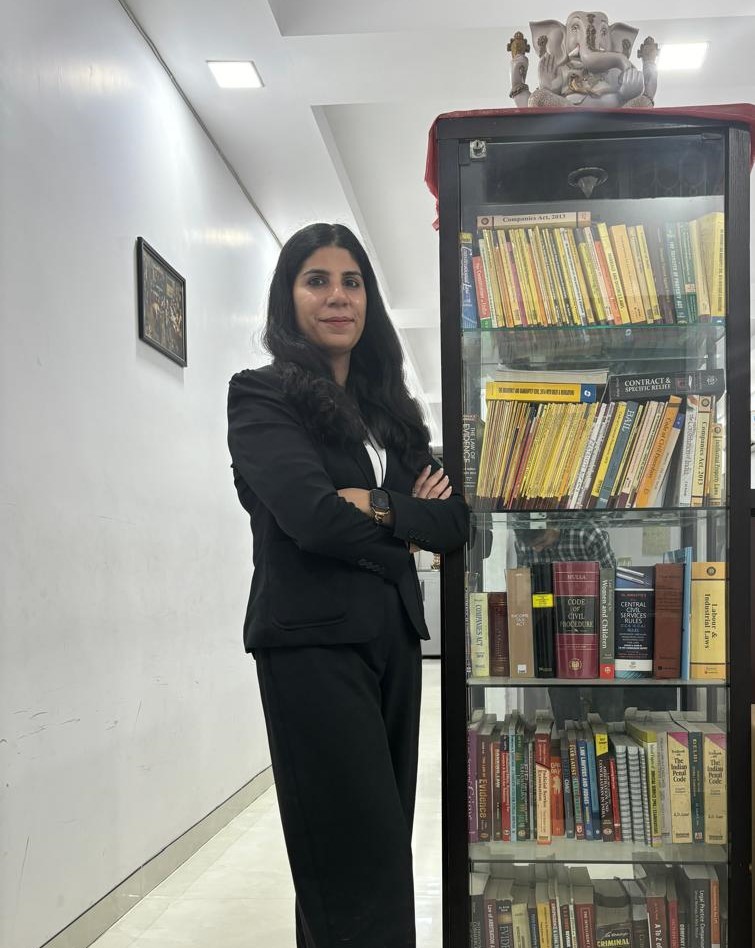












 Allow notifications