You’ve had a remarkable career spanning over a decade in Civil & Commercial Litigation, Arbitration, and Protection of Intellectual Properties. What initially drew you to pursue a career in law, particularly in these specialized areas?
Reflecting on my journey, it’s incredible to see how far I’ve come since my early days. My interest in law began in an unconventional way. As a science student, I realized that engineering wasn’t my path, supported by my teacher’s advice to explore other options. This pivotal moment led me to law school, where I found myself torn between corporate law and litigation. Ultimately, my passion for the dynamic and strategic nature of litigation drew me in.
During my time with Justice Rajiv Sahai Endlaw (Retd.), I had the privilege of observing numerous court proceedings. This experience deepened my appreciation for the intricacies of Civil & Commercial Litigation, Arbitration, and Intellectual Property laws. The strategic thinking required in these fields captivated me, particularly the dynamic nature of the work, which allows me to serve a diverse client base. Working on matters deeply entrenched in business operations demands meticulous examination, precise contract interpretation, and strategic planning. This complexity and the need to understand different business operations truly cemented my decision to specialize in these fields.
My journey in litigation truly began when I found myself managing several matters in a litigation chamber. The immense challenge pushed me to my limits and beyond, but it also provided vast growth opportunities. Winning independent cases built my reputation and boosted my confidence.
Joining Dua Associates marked a significant milestone in my career. Here, I found a place that resonated with my values and aspirations. Each dispute I handle presents unique challenges with intricate questions of fact and law. I thrive on the intellectual rigor required to navigate these complexities and derive immense satisfaction from crafting innovative legal solutions that align with my clients’ best interests.
You’ve been involved in a wide range of high-stakes cases, from defending Fortune 500 companies to representing public sector undertakings. Could you share with us one of the most challenging cases you’ve handled and how you navigated through it?
One of the most challenging cases I handled was defending a Fortune 500 company against an injury claim that arose from a chemical disaster. The brief provided in the case was very unique and extremely challenging, posing very peculiar factual and legal questions for determination—questions that had not been previously considered or dealt with. This one-of-a-kind case involved multiple jurisdictions, requiring an in-depth review and examination of a voluminous record dating back nearly three decades.
The case also necessitated a thorough study and examination of key principles concerning jurisdictional arguments, particularly from the US standpoint. I played a key role in developing the strategy, coordinating with external counsels, and managing the litigation process. My approach was meticulous, ensuring that every detail was scrutinized and every possible defence explored.
This experience taught me the importance of strategic planning and thorough preparation. Ultimately, our team secured a favourable outcome for the client, which is now one of the leading cases of the Constitution Bench of the Supreme Court. This outcome was a testament to our rigorous and coordinated efforts, and it reinforced my belief in the power of teamwork and meticulous legal strategy.
Your profile highlights your involvement as Amicus Curiae with the NCDRC and your recommendation by Legal 500 Asia Pacific Guide. How have these experiences influenced your approach to legal practice and your career trajectory?
Being appointed as Amicus Curiae by the NCDRC was a significant milestone in my career. Having the privilege of working on several consumer disputes, this appointment was a testament to my consistency before the forum. It allowed me to provide impartial advice and support on complex service-deficiency appeals, enhancing my understanding of consumer protection laws and judicial processes. This role honed my analytical skills and reinforced the importance of ethical practice. I hope to make a significant impact on consumer jurisprudence through my continued efforts in this area.
Similarly, being recommended by the Legal 500 Asia Pacific Guide for ‘Dispute Resolution-Litigation’ was a recognition of my expertise and dedication. I am grateful for the springboard provided to me by SKV Associates and the platform Dua Associates, which have both played crucial roles in honing my skills. Recognition such as this helps enforce the belief in one’s abilities. But I firmly believe that wins, whether big or small, do not necessarily equate to favourable outcomes. Often, an acknowledgment from the presiding judge, adversary counsel, or positive client feedback can be equally gratifying.
Dispute resolution often provides instant gratification, whether it comes from a favourable ruling or a simple nod of respect from peers and clients. These moments keep me motivated and committed to my work, driving me to pursue excellence and integrity in every case I handle.
With such extensive exposure across different courts and tribunals in India, including the Supreme Court, what have been some of the key lessons you’ve learned about effective litigation management and strategy?
One of the key lessons I’ve learned is the importance of preparation and adaptability. Effective litigation management requires a deep understanding of the case, meticulous preparation of evidence and arguments, and the ability to adjust strategies as proceedings develop. Collaboration with clients and colleagues is crucial to ensure all perspectives are considered and the team works cohesively.
Being thorough with the facts is essential. Detailed notes and a list of important dates, especially in extensive briefs with multiple orders, assist in memory recall and guide the presentation of correct facts before the court. Clear and concise communication, written and oral is vital for presenting compelling arguments and ensuring the court understands the case’s nuances.
Sound and comprehensive pleadings must be backed by thorough legal research. While legal arguments can evolve, their foundation should be in the pleadings. Pursuing litigation with vigilance and attention to detail is crucial, as some cases are won on finer points. It’s important to focus on research, know the case against you well, and be prepared to distinguish facts if necessary. Always run an authority check before citing cases.
Strategically, it’s crucial not to lose sight of the long-term objective while pursuing interim reliefs. Always know the end goal from the client’s perspective while developing your strategy. Adapt strategies as proceedings develop, and don’t reveal all your arguments at once. Hold back some arguments for the right stage in the proceedings. Learn from setbacks and remain practical.
These lessons have been instrumental in achieving favourable outcomes for my clients and have reinforced my commitment to excellence in litigation management and strategy
You’ve also delved into trade remedy laws and anti-dumping investigations, securing significant outcomes for your clients. Can you explain the intricacies of these areas of law and how they impact your clients’ business operations?
Trade remedy laws and anti-dumping investigations are critical for protecting domestic industries from unfair trade practices. These areas involve complex legal and economic analysis to determine whether imports are being dumped and causing injury to the domestic industry. This specialized field requires a deep understanding of legal frameworks and industry dynamics.
Anti-dumping duties are imposed when foreign companies sell goods at prices lower than their home market or production cost. These duties typically last five years but can be extended or revised if a review investigation finds the conditions for duty imposition continue to exist.
In any anti-dumping investigation, a proactive approach is essential for exporting companies to defend their interests, mitigate risks, and maintain their competitive position in the global marketplace. The concepts of dumping and injury are central to assessing the impact of imports on the domestic industry and determining the need for anti-dumping measures to restore fair competition and protect domestic producers.
Dumping occurs when a foreign company sells its goods in an export market at a price below the price it charges in its home market or below the cost of production. “Injury” refers to the harm or adverse effects suffered by the domestic industry as a result of dumped imports. When determining whether to impose anti-dumping duties, the authority assesses whether the domestic industry has been materially injured or is threatened with material injury due to the dumped imports.
To evaluate injury, the authority examines various economic parameters of the domestic industry, including production, sales, market share, and profitability. The third relevant criterion for recommending duty is the causal link between the dumped imports and the injury.
My role involves representing clients in investigations, preparing detailed submissions, and regularly appearing before the authority. Favorable outcomes, such as duty waivers or reduced duties, significantly impact my clients’ business operations by protecting their market share and viability.
Trade remedy investigations and appeals are not just about legal principles but also involve detailed facts, data analysis, and presentation. An in-depth understanding of production processes, industry-specific dynamics, and the ability to gather material information by closely working with clients on data assimilation and analysis is crucial.
Being part of the actual investigation process provides an edge in cases where appeals are filed before competent Tribunals and higher courts. Navigating these intricacies demands meticulous legal and economic analysis, a thorough understanding of the client’s industry, and strategic thinking. By mastering these complexities, I have helped my clients achieve favorable outcomes and protect their business interests in a highly competitive global market.
Transitioning from an Associate to a Partner at Dua Associates is a significant achievement. What advice would you give to young lawyers aspiring to advance their careers in law firms, especially in competitive fields like litigation and arbitration?
For young lawyers, proactive engagement and continuous learning are key. To build expertise in your chosen field, dedicate yourself to tackling challenging cases and stay updated with the latest developments through regular reading. Take advantage of technology for efficient research even during court waiting time.
Specialization is increasingly important today. Identify your area of interest early and seek mentorship from experienced colleagues. Stay current with legal trends and enhance your skills through practical experience. Consistency, a strong learning attitude, and initiative are vital.
Networking and fostering professional relationships are equally critical. Showcase your value with consistent, high-quality work and reliability. Balancing professional growth with personal well-being ensures sustained success and fulfilment in your legal career.
You’ve published articles on Intellectual Property Rights, Arbitration, and Trade Remedies Laws. How important has thought leadership and staying updated with legal developments been in shaping your professional journey?
Thought leadership has been crucial to shaping my professional journey. Publishing articles on Intellectual Property Rights, Arbitration, and Trade Remedies Laws has kept me abreast of legal developments and enabled me to engage deeply with emerging trends in my fields of expertise. This commitment to staying informed allows me to provide cutting-edge advice and innovative solutions to complex legal challenges for my clients.
Moreover, my thought leadership has cultivated a strong passion and enthusiasm for the intersection of technology and law. Areas such as data privacy, navigating challenges within current criminal laws in the context of artificial intelligence, responsible adoption and policy frameworks for AI, and the interplay between intellectual property and AI, including gaming laws, have become focal points of interest for me. This exploration fuels my continuous learning and enhances my ability to contribute meaningfully to the evolving legal landscape
Finally, for fresh law graduates entering the legal profession today, what advice would you offer based on your own experiences and the evolving landscape of legal practice?
To fresh law graduates, I would say that the legal profession offers immense opportunities for those who are passionate and dedicated. Focus on building a strong foundation by gaining practical experience and learning from every case and client interaction. Embrace the evolving landscape of legal practice, particularly the integration of technology and data analytics, which are becoming increasingly important. Develop strong research, analytical, and communication skills, and be open to continuous learning. Networking and building professional relationships will also play a crucial role in your career. Most importantly, uphold the highest standards of ethics and integrity, as these principles will guide you throughout your career. I’ve learned that success often arises from unexpected situations and that embracing change is a vital part of growth. To all the young lawyers and aspiring legal professionals out there, remember that your path may not always be clear, but every step forward, no matter how uncertain, is a step in the right direction. Embrace the challenges, seize the opportunities, and keep moving forward with unwavering determination. Your journey may surprise you in the most wonderful ways.
Looking back, what ignited your passion for law? Can you walk us through your journey, from those early inspirations to the defining moments that led you from ICICI Bank to your current leadership role at Avery Dennison?
When I finished school, the options seemed to be either medicine or engineering, but neither appealed to me as such. As a first generation lawyer, I didn’t know much about anything to do with law, except being intrigued by the popular image of them as fiery eloquent champions of justice. It started out mostly as wanting to build a career while doing the right thing, being able to stay connected with my long-term fascination with logical reasoning & puzzles to solve problems, and also perhaps from watching too many Bengali courtroom dramas!
In hindsight, joining ICICI Limited was a great decision because it helped me build a solid foundation in financial transactions and accounting principles – which are the bread and butter basics for a corporate lawyer. It helped that ICICI Limited at the time used to do most of its work in-house, so we got a lot of practice in drafting & reviewing complex contracts and working with (very talented) cross-functional teams.
Over the years, I have had a lot of mentors and I would not have been here without the guidance and advice received. I have worked at a couple of law firms, Cisco, United Spirits Ltd and Avery Dennison, and what shaped my path was an abiding desire to excel, to do challenging work without being afraid to put in the hours needed and to go the extra mile to enable/ support the business teams.
You worked for a while with Morgan Walker Solicitors in London. How was your experience working there, and what brought you back to India? Can you share the transition part of your career and how it influenced your professional growth?
Before joining Morgan Walker Solicitors, I was able to complete the Qualified Lawyer Transfer Test(QLTT) and successfully qualify as a Solicitor in England & Wales. MWS was a deeply useful addition to my UK stint, as I was exposed to complex transactional contracts and the more strategic advice needed for cross-border transactions.
I returned to India for personal reasons but am grateful for the years I worked in the UK, because it broadened my perspective significantly, exposing me to a different culture and way of doing things that I integrated into my own approach to the profession.
As the Executive Sponsor for certain APAC DEI Council initiatives, what initiatives have you implemented to promote diversity and inclusion? How do these initiatives contribute to the overall success and culture of the organization?
The three main areas I have focussed on in the past four or five years in the APAC DEI Council are the Safe to Speak Up initiatives, setting up an employee resource group (WeRise) separately for women employees in South Asia distinct from the APAC group and starting a need-based mentoring program in the region. I think we have a long long way to go where DEI is concerned. Yes, the number of diverse employees is increasing and the talent acquisition team is working to balance the playing field at the entry level, but the problems of unconscious bias and years of patriarchy are tough to root out.
The initiatives I have chosen to work address three important aspects – providing a platform to raise concerns, bringing women together to support each other and trying to provide advice/ guidance on specific areas identified by employees themselves.
DEI is something I am deeply passionate about, and I try to stay involved even when there is little bandwidth available. I feel that as a woman leader I should do whatever I can to make things easier for those who have (or will) come after me. Manufacturing is still such a male dominated industry, that women on the shop floor and in leadership roles are limited. The benefits of diversity are too obvious to ignore. But we have to move from mentorship to sponsorship, from silent supporters to active allies, from the safety of status quo to active challenging, from tokenism to owning the outcome.
You have advised on legislation related to plastic waste management and are involved in sustainability and governance. How do you balance corporate interests with regulatory compliance and environmental responsibilities?
Both go hand in hand, specifically to meet the de facto and potentially to surpass the law de jure. At Avery Dennison, we strive to ensure a much higher standard than what legislation prescribes, ensuring that sustainability is upfront and centre of all our products and solutions. While I will not deny there are operational challenges, if the value-add is clearly captured and (if possible) quantified, in my experience there is complete support from the business leadership.
Among your many achievements, you’ve been awarded the Global Leadership Excellence Award multiple times. Which project or initiative are you most proud of and why?
I have been awarded the Global Leadership Excellence Award four times and I am most proud of the one I received for designing and setting up the Compliance Ambassador Program globally across the company. This program invites participation at the ground level (including the shop floor) from colleagues in a structured program format to help broadbase compliance initiates and messaging, to ensure that we involve every person in building a robust compliance culture in the company.
We know to focus on the tone-at -the-top, but it is when the tone-across-the-organisation is in sync with the tone-at-the-top that we can truly change culture and make integrity our true North. I have been amazed and humbled by the talent and motivation of colleagues in finding innovative ways to communicate and engage with all employees on compliance issues and messaging.
You’ve held leadership positions across India, the UK, and other regions. What are some key differences in navigating legal landscapes across these diverse markets?
In my current role as Senior Director – Legal for South Asia I support all business divisions of Avery Dennison across India, Bangladesh, Pakistan, Sri Lanka, Indonesia, Malaysia, South Africa and Kenya. While having a wide portfolio is great, it also means a lot more homework, especially when there is a different official language & business culture at play and multiple P&Ls in a matrixed structure. I think there are two critical but oft-ignored components to success as a business partner – familiarity with the legislation, precedents, practices and the ability to find the most suitable support needed for more complex matters.
Since we also play an active role in government relations, there is a need to be agile, on the ground and to build key relationships with multiple external stakeholders. Managing crisis and business continuity remotely is, of course, a completely different ball game.
Outside of your professional life, what are some of your personal hobbies or interests that help you maintain a work-life balance?
First I have to say that personally I think that ‘work-life balance’ is a misnomer! It is almost impossible to find a balance, as work is such a huge part of life itself, therefore impossible to categorise in separate buckets. What works for me is to prioritise what I need to do every day and then not to waste time thinking about my choices!
I am the mother of two boys (aged 20 and 16) and love spending time at home with my family as much as I enjoy being a legal professional. Other than that, I travel a lot, enjoy being with friends, cooking and working on various creative crafts (decoupage, resin art, Tanjore painting, crochet, cross-stitch etc). Am also a gardening enthusiast and an orchid addict! I find that being flexible with your hobbies is the key to fitting them into your career in a fulfilling manner.
What advice would you give to the current generation of aspiring lawyers who wish to build a successful career in corporate law?
Instead of advice, I would call them my tips for a successful career in-house and they would be as follows:
Be focused and sincere, and know that there are no short-cuts or substitutes to hard work, which means read, read, read some more and never stop learning;
Be intelligent about how you work, chasing solutions and outcomes, but be wary of being a mere post-box counsel;
Appreciate that most corporations are under transformational change in this VUCA world and advising on doing the right thing and finding ethical solutions is becoming more difficult. However, it is not impossible and thats really our job as in-house counsel;
Whether we practice or work inhouse, we lawyers should all uphold the honour of the profession and its standards of conduct; and finally
Don’t focus too much on the designation or the job title but on learning and acquiring skills/ knowledge. At the end of the day, what is most important is to enjoy what you do and to do it with passion and pride.
What motivated you to pursue a career in law after your schooling at Sainik School Tilaiya and your experience with the NDA? How did your time at Campus Law Center, Delhi University, shape your legal perspective?
After completing my 10+2 from a Sainik School, I was selected for the NDA but could not join due to some medical issues. I then moved to Delhi for my graduation and enrolled in History (H). Initially, I chose Law to prepare for competitive exams, but I soon developed a genuine interest in the field and decided to pursue it as a career. During my college years, besides NLUs, the Campus Law Centre stood out with its excellent faculty and talented students. The case study method of teaching there fostered my interest in developing legal acumen.
What is your personal philosophy or mantra that you live by? How has it guided you through various phases of your life and career?
My philosophy and mantra in life is to be kind to others and work hard. Try not to pass the pressure on others. try to do the basics right and make things simpler.
Can you share your experiences working as a Legal Retainer at Indian Express Newspapers and simultaneously doing court reporting for UNI? How did this dual role contribute to your legal acumen?
I joined Indian Express Newspapers as a Legal Retainer immediately after completing my final semester exams. In this role, I represented the organization before various Courts and Tribunals. During my time with Indian Express, I had the privilege of working closely with some of the finest legal minds, particularly Mr. Nachiket Joshi. This period was a tremendous learning experience, and the knowledge I gained continues to benefit me in my current role as an in-house counsel. It has enhanced my decision-making abilities and problem-solving skills, which I feel are often lacking in colleagues without direct courtroom experience.
My extensive court reporting experience helped me build a strong rapport with court staff. Attending high-profile case hearings and grasping the essence of judgments early in my career was invaluable. Regular interaction with the judiciary significantly boosted my confidence. It became routine for me to visit the court in the evening and inquire about any significant judgments of the day. Publishing exclusive stories always brought a great sense of satisfaction.
You have worked in various sectors including mining, manufacturing, environment, real estate, media, and the automobile industry. How has your experience been in learning and adapting to the legal intricacies of each sector? What strategies did you employ to efficiently transition and excel in such diverse fields?
I feel that when you start thinking about how our legal system works in a given situation you can adjust and add value to any particular Industry. Many times you bring a fresh perspective to a new Industry. Yes, you need to understand the Business processes and intricacies in detail. Before joining any new industry, I spend some time reading the landmark judgements that have disrupted a particular industry. My exposure to Mining Industry when nothing was going in favour of the Industries due to court orders related to wildlife and Environmental clearances, renewal of Leases, and Illegal mining. It was a great challenge to convince the Management that everything would be normal over time.
This experience is now helping me cope with stress when things are not going my way.
As the Head of Legal at C K Birla Group Company, what are some of the most challenging cross-border transactions or contract law cases you’ve handled? Can you share any unique experiences or lessons from these cases?
During my present stint with C K Birla Group Company wherein I am heading NBC Bearings, an automotive Component manufacturer, one of the challenging situations I faced was when I joined the organisation there was a pending CCI investigation faced by the Industry, Now when the final judgement is pronounced and are in public domain I feel that there is no harm in sharing the details, Company has volunteered and filed a leniency application and accepted participating in one of the meetings, Though they were second in the marker therefore not eligible for full leniency. Now my concern was how to get full relief for the Company, in my view the Cartel was not made out. We tried to build our case on that principle. We pleaded that it was a case of coercive cartel even if we participated in one of the meetings. finally, CCI directed a cease and desist order but didn’t impose any penalty. On the Contract front also many of our customers are large OEMs who have standard contracts and are reluctant to modify them for different suppliers, in that case, you have to show your soft skills and put up your point and document it so that in case of any future dispute it can be relied upon. As I have worked for the OEM I also initially found it a little difficult but later on I realised that the real test is to convince the other party when you have lesser bargaining power.
We always approach the Big Four firms and top consultants for foreign acquisitions. However, challenges arise when it comes to managing the small companies we have incorporated abroad, especially in a cost-effective manner. This company has experienced substantial growth during this period, which has consistently kept the legal team on its toes.
How do you mentor and drive your legal team to ensure they are equipped to handle complex legal issues? What are the key qualities you believe are essential for a successful legal team?
Our legal team is not big as compared to many other companies but I always try to motivate them with challenging situations and rewards. Many times the aspirations of the legal team do not match with the company’s policy of reward and recognition but we always try to push the case of a specialist. Mentoring the young talent is the most crucial part of our team, I do not micromanage the things with my team. A firm believer in delegating work and decision-making.
What advice would you give to young legal professionals who aspire to have a diversified and impactful career like yours? What are the key skills and experiences they should seek out?
My advice to young lawyers particularly the first-generation lawyers would be to work hard and read the bare acts and judgments. nowadays with ready-made apps and online search engines we all at times take shortcuts and settle for superficial knowledge. Also, they must get some additional professional degrees like CS and others. It helps in difficult times. Also, be connected to the Bar.
Outside of your legal career, what personal interests or hobbies do you pursue? How do these activities help you maintain a work-life balance and stay motivated in your professional life?
I like to Travel, and now most of my leisure time is spent with my Pet. It helps me to be in the present.
Based on your extensive experience, what do you see as the future trends in legal practice, especially in the fields of litigation and compliance? How should current and future legal professionals prepare for these changes?
I believe that mediocre-level legal tasks will face significant competition from AI. However, I also feel that it will be a while before people start relying solely on AI tools. Certainly, these tools can be helpful to legal practitioners. In the coming days, legal professionals will need to be versatile advisors, sometimes offering counsel in fields beyond law. While it is easier to build a repository for compliances, there are many instances where taking a calculated risk is necessary to compete and succeed. That’s where sound legal advice becomes invaluable for risk assessment.
How have recent global events, such as the pandemic or changes in international trade policies, impacted your legal strategies?
Pandemics have touched and changed all strata of society including the Legal field, We have also gone for a complete paperless documentation system, remote working is seen as a norm today. Sometimes it increases productivity also. Many times when you are in the office it is difficult to concentrate on high-stakes documentation.
Finally, I can say that when I started my career it was a time when we used to point out that this is not permissible as per Law, Slowly I moved to the narration that it’s a Business call, now with more than 20 years of experience I am in a position to say it’s my call, As I understand both Business and Law.
Hello and welcome to SuperLawyer Youtube channel. And once again, we are here with a phenomenal personality Vibhav Mithal and a very dear friend. I have known him for more than a couple of years now. Welcome Vibhav. Thank you for agreeing to this interview. And yes, I should introduce him as a partner at Anand and Anand and other than that, he will carry forward with his own story.
I would request you to tell us about your journey into the legal field, and how you decided to become a lawyer, especially in intellectual property rights, which you are fascinated about and have made a name in. What inspired you to specialize in such a niche area? And please take us through your journey. Welcome Vibhav and thank you.
Thank you so much, Divya. It’s an absolute pleasure to do this with you. I’ll start from the beginning of my journey. My parents are doctors, and there’s a conventional expectation in India that a doctor’s son will become a doctor or an engineer’s son will become an engineer, right?
My father told me clearly, “Son, you won’t be able to do engineering,” so it was between medicine or another profession. I honed in on law because, at that point, it was more a process of elimination. I didn’t want to do engineering, and although I considered medicine, I wasn’t sure. Both my parents cast long shadows, being very successful in their fields. I felt that pursuing law would give me the flexibility to move into journalism, which interested me at the time. I was heavily involved in theater during school, and I thought I might explore laws around theater and playwrights, or perhaps even pursue an MBA after law school. Thus, I chose law, keeping my options open.
Once I made up my mind, I started coaching during class 12. Even though I was busy with my board exams, I began career launcher coaching from SDA market in New Delhi. I remember this very clearly; it was back in 2007-2008 when I took the CLAT exam while also preparing for my 12th boards. Despite taking up the coaching, I couldn’t focus entirely on it because I prioritized my 12th exams. However, I was very mindful and present during the coaching classes, which were held every Monday from 5:30 to 7:30 PM.
By the time I reached the CLAT exam, I had a good understanding of how to approach competitive exams. I also did a crash course with Career Launcher in April before the exam. Fortunately, I made it to NUJS, Calcutta. I had a clear strategy for the CLAT exam, knowing how many marks each section was worth, how much time to allocate to each section, and the order in which I would tackle them. I prepared thoroughly for the black-and-white sections like GK and English vocabulary, while practicing the more nuanced sections through mocks.
NUJS was fantastic for five years, but I won’t go into too much detail. Moving on to the question about intellectual property, one of my uncles, Ratan Masaji, introduced me to the concept when I was in my second year of law school. We were at the Indian Habitat Center, having tea on the terrace, and he mentioned an IP case. The idea of intellectual property intrigued me
By the end of my third year at NUJS in May 2011, two significant events occurred. First, I interned with Geeta Luthra, a renowned civil litigator, which ignited my passion for litigation. It was an intense internship, with long hours from 10 AM to 1 or 2 AM, spanning four weeks. During this period, I experienced the trial courts in Delhi, which remained active until June.
The second notable event was meeting Rodney Ryder, a prominent figure in intellectual property law, in CP. He shared his experiences and recommended I read “Rembrandts in the Attic,” a book on intellectual property rights and monetization, particularly focusing on patents. This book, written in the early 2000s, discussed the evolving perception of intellectual property in America.
After reading the book in the summer, my fourth-year courses in intellectual property began. My professors, Anirban Majumdar (copyright law), Vishwas Devaiya (trademark law), and Shamnat Basheer (patent law), further solidified my interest. Anirban sir’s teaching resonated with me, especially due to my background in theater. Shamnat sir shifted my focus from copyright to patents, and Vishwas Devaiya sir introduced me to trademark law.
By the end of my fourth year, I was certain about pursuing intellectual property law. Despite being in the top 20 of my batch, I chose not to participate in placements. My commitment was clear to my peers, who often went on weekend trips while I focused on internships and coursework to enhance my CV.
In my final year, I faced pressure from my mother to consider placements, but I remained steadfast in my decision to specialize in intellectual property. I dedicated my time to relevant internships and coursework to ensure my CV reflected my focus on IP. This was a stressful period as IP litigation jobs were scarce.
Fortunately, in March 2013, Anand and Anand held a recruitment fair at my college. I was interviewed and selected the same day, about 40 days before my final exams. The interview, which has become part of ANA folklore, involved questions on patent law and the concept of a person of ordinary skill in the art. My current boss and Mr. Anand himself conducted the interviews.
This journey, from my third year to securing a position at Anand and Anand, highlights my commitment to intellectual property law and the steps I took to achieve my goal.
Your story is truly fascinating, especially how you were so determined to focus solely on intellectual property litigation. This field is still quite niche and hasn’t become mainstream yet. Thank you for your dedication, as it ensures we have skilled lawyers in India who specialize in intellectual property litigation.
With that in mind, you must have witnessed significant changes over the past decade in this field. What kind of advancements or enhancements have you observed, and how have you contributed to these changes? Please share your story.
I think one of the main aspects of changes in intellectual property law over the last decade is my tenure at Anand since I left law school. One important thing for the audience to understand is that Anand and Anand is a pro-IP firm.
We protect and enforce intellectual property rights, standing up for the IP owner across various fields, including trademark law, patent law, and copyright. For instance, in patent law, we represent the patentee, such as a cancer drug owner. In trademark law, we stand with brand owners, and in copyright law, we support individual artists or singers against any opposing party. The changes we’ve seen in IP law are viewed through this protective lens. Much of the intellectual property rights litigation occurs at the Delhi High Court.
Let me highlight two to three major changes in IP law from different perspectives. First, regarding the reliefs granted by the court: On my first day on the job, my immediate boss handed me the 275-page judgment passed by Justice Manmohan Singh in the Roche Cipla patent infringement dispute. This was the first lawsuit filed under the Patents Act of 1970 after the product patent regime had begun. My first two and a half years involved being part of the Roche versus Cipla appeal. Roche, a cancer drug maker, had initially lost before the single judge, and the first appeal was before the division bench. During this process, I learned a great deal about patent law, conducted extensive research, and honed the art of handling complex matters.
A significant change occurred on November 27, 2015, when we won that appeal. The court laid down several concepts of patent law and jurisprudence, particularly in the context of pharmaceutical patents, which remain relevant today. This victory marked a shift towards a pro-patentee stance about two and a half years into my profession.
In terms of substance, trademark law reliefs have blossomed, now including costs and damages against infringers. Copyright law jurisprudence has also been evolving and growing. The reason I emphasize this from a patent perspective is that it illustrates how jurisprudence evolves, especially in the more nuanced areas of law.
Another significant experience was my involvement in the Monsanto dispute at the Supreme Court level after returning from my LLM. This dispute provided a different type of experience, where I was not only the most junior member but also deeply familiar with the case files.
So, the issue was more in the context of patent eligibility tests. Simply put, it was about determining whether an invention qualifies as a plant variety, a gene, or something else. The court was able to understand the various legal issues, set aside the decision of the division bench, and sent it back to a single judge for reconsideration and trial.
I highlight these points from a patent perspective to show how courts adeptly understand the nuances of legal issues. Outcomes can vary, but this change shows progress.
The second change relates to procedural aspects. In India, associates involved in litigation ensure that once a lawsuit is filed and summons are served, service is coordinated through their office. I remember in 2015, about two years into my career, I had to serve a defendant in a foreign country. I got their address from public domains and gave it to our courier service, but they reported the address as incorrect. This led to a lengthy argument, as an incorrect address meant the defendant wouldn’t be served, prolonging the litigation unnecessarily.
One notable change is the introduction of WhatsApp service by the Delhi High Court in 2018, which streamlines this process. Additionally, procedural laws have evolved, imposing strict timelines. If a written statement isn’t filed within 120 days, the right is forfeited. Previously, after filing a written statement, separate processes like admission denial affidavits would extend the timeline significantly. Now, these processes are clubbed together, expediting litigation.
For example, in 2022, post-COVID, I handled a trademark case where the defendant had no viable defense. We moved for summary judgment, argued, and received a favorable ruling, saving the client’s costs for a full-fledged trial. These changes, largely due to the Commercial Courts Act, recognize IP as a commercial dispute, altering litigation timelines and procedures. The Delhi High Court’s rules also include WhatsApp service, reflecting significant procedural advancements.
Lastly, with the abolition of IPAB, the Delhi High Court’s Intellectual Property Rights Division now handles both IP infringement cases and appeals from the registry. This has expedited the resolution process; for instance, two trademark appeals were decided within 36 days.
For students and new practitioners, these rapid changes require a clear understanding of timelines and meticulous planning. While litigation often focuses on immediate deadlines, having both a macro and micro view is crucial. Balancing short-term responses with long-term planning helps navigate the evolving legal landscape efficiently.
Your explanation is meticulous. Your ability to recall dates, days, years, and everything in such detail is impressive. It’s not easy to maintain that level of precision, and it’s commendable.
As you mentioned your LLM, could you elaborate on that a bit more? Specifically, what differences did you notice between the study process in India and in the US? A comparative analysis would be very insightful. Additionally, how did your thought process change after completing your LLM and returning to rejoin your work? Would you be willing to share those experiences?
Of course, it’s an excellent question. Before I address the differences and changes, I think it’s essential to first discuss when to pursue an LLM. The decision is highly personal.
An LLM’s value depends significantly on what you make of it. One of the most crucial aspects of an LLM is how you utilize the program, the choice of the program, the professors, and the course combinations. How you spend your time in the program defines your LLM experience and impacts your time after completing it.
Whether to pursue an LLM immediately after college or after gaining work experience is a personal choice. I chose to do it after working for a few years for several reasons. Firstly, you gain better clarity about your goals with an LLM after having two to three years of work experience. While two to three years of work experience is ideal, a minimum of two years is necessary. This experience teaches you discipline, how to handle stressful situations and deadlines, and it clarifies your mind after some time in practice.
For instance, if you’re practicing in a specific area, you might decide to pursue an LLM in that same field. In my case, I was practicing intellectual property law and chose to do an LLM in the same area because my practice confirmed my interest in intellectual property. However, it could have gone the other way. After two or three years in intellectual property practice, I could have concluded that I wasn’t enjoying it and decided to pursue an LLM in a different field.
There are advantages to gaining work experience before pursuing an LLM. The overall LLM experience is different because, with work experience, you don’t get overwhelmed by tough professors, challenging assignments, or grading concerns. You’re able to handle situations on their merits and substance, focusing on what you want to learn without being overly concerned about grades. This clarity often comes with work experience.
Additionally, work experience helps you decide which LLM college to attend. I had a few options, but I chose to attend Boston University School of Law for their niche LLM in Intellectual Property program, even though it didn’t qualify me for the US bar exam.
Of course. It’s an excellent question. Before I address the differences and changes, I want to first discuss when to pursue an LLM. This decision is a personal choice.
I made a conscious decision in my journey. I remember having an informal interaction with a leading law firm in the US. They mentioned that they had encountered many Indian lawyers who come to America, but I was the first one they met who didn’t intend to take the bar exam or even choose a course that required it. I explained that given my job experience and exposure in India, achieving an equivalent position in America would take three to five years, perhaps even less, but it would still require significant time. Therefore, the bar exam was not a priority for me. Instead, I focused on learning intellectual property.
During my studies, I took diverse courses, including Trade Secrets Law, Food and Drug Administration (FDA) Law, and an IP Workshop at Boston University School of Law. In the IP Workshop, we critiqued leading academics’ papers, including one on the Oracle-Google Java API copyright dispute, which the US Supreme Court later decided in favor of Google. I wrote a paper supporting the copyright owner, diving deep into the history of the dispute.
This academic course, seemingly detached from practical practice, taught me to understand and formulate arguments based on the underlying positions of opposing papers. This skill has been invaluable, even aiding me in the Monsanto decision when I returned to India.
In terms of differences and takeaways, one significant aspect of American legal education is the required study time. For every hour of class, an average reader needs at least three hours of study outside class. For instance, 10 hours of class time a week, or 10 credits, translates to 40 hours of study. This means dedicating eight hours every day, Monday to Friday, solely to studying.
Each lecture comes with assigned readings, and professors ask questions based on these readings. If you’re unprepared, you’ll fall behind and have to catch up on your own. Staying on top of readings is crucial for continuous learning. Professors will push you if you’re diligent. For example, in my Food and Drug Law course, my professor encouraged me to compare the biologic and biosimilar regimes in India, rather than taking an end-semester exam. She is an authority in the food and drug space, and her guidance was invaluable.
This commitment to preparation and engagement defines the American law school experience and is a key difference from other systems.
I ended up writing a 70-page paper for that course, not because I had planned to, but because the professor engaged with me continuously, rather than assessing me on an end-semester exam. She kept giving me deadlines, saying things like, “I like the discussion. Why don’t you come back with a title next week?” So I went back with a title. Then she said, “I like the title. Why don’t you come back with an abstract next week?” I wrote the abstract. Then she said, “Now that you have the abstract, let’s work on the informative portion of the paper, and then we’ll come to the analysis.” This created a different kind of engagement.
On the academic side, the LLM experience involves investing in your education and studies. However, an equally important aspect is the exposure outside the classroom, where you meet people from different countries. During orientation, I made sure to meet every single batchmate. This is common across any law school, but I made a concerted effort to connect with everyone. As a result, my friend circle grew to 16 people from 11 different countries. Despite the craziness of studies, we managed to do three trips together. We went to Mexico during spring break with half of the group, and after exams, all 16 of us took a trip to Cape Cod in Massachusetts. We rented a large house that could accommodate all of us, which took half an hour just to explore fully.
One memorable moment was when we arrived at the house in May, around this time of year. The American winter had just ended, and summer hadn’t fully started yet. We got there around noon, but by 7 PM, we realized no one had entered the kitchen, and we were all hungry. We discovered the stove didn’t work, so we called the person who arranged the rental. He panicked, saying he would send someone to fix it, but that person didn’t speak English. We assured him it wasn’t a problem, given our diverse group from 11 different countries; we would manage.
This experience highlighted the value of an LLM beyond academics. It teaches you many skills and builds lasting friendships and big ideas. It’s been seven years since I finished my LLM, and I’m still in touch with my alma mater, BU Law. I even spoke there recently. We had a reunion in 2019, reinforcing the strong connections formed during that time. My LLM books are still on my shelf, and I refer to them when needed. Some recent matters I’ve worked on directly relate to my LLM studies, particularly in IP law.
An LLM experience isn’t just about ticking off a checklist; it’s about growth and development, both consciously and subconsciously. It’s important to be clear about why you’re pursuing an LLM and how you intend to use it. The combination of professors and courses you choose is crucial, but so is enjoying the journey. My schedule was set: I studied from Sunday to Friday evening, then spent Friday evening and Saturday with friends. Saturday morning was for house chores and a bit of study, and Sunday was dedicated to studying. Every weekend, from September until graduation, we had fun on Friday and Saturday nights. Looking back, I feel like I balanced my studies and social life well, and I certainly made the most of my time with friends.
Wow, what a fascinating journey you have had! I don’t know whether you planned it all or if it just happened flawlessly for you, but you always seem to achieve the best possible outcomes in whatever you do. From my experience with you on AI and law, as well as AI and IP, I can certainly attest to that.
As you enjoyed your LLM and your work with Anand and Anand, where you decided to prioritize IP, it has clearly become your niche. You are now an authority in the field. I want to ask, how did you come to love AI and law, as well as AI and IP, in the same manner? What prompted this interest, especially since you started working on it long before it became a popular topic? Additionally, could you please share your perspectives on the current impact of AI on IP and what you foresee in the future, given your extensive experience?
Thank you for that question. My interest in AI is something that often surprises people, both at my workplace and elsewhere, especially considering my passion for IP. They often wonder how I got into this field. I think it boils down to a couple of key factors.
First and foremost is curiosity. I’ve always been curious, and AI intrigued me way back in 2019, just two years after completing my LLM. Second, my brother-in-law, who is heavily involved in AI, played a significant role. Similar to how I had a masaji who spoke about IP, I had a jijaji who mentioned AI in conversations. Additionally, in 2019, Mr. Anand organized a moot court focusing on AI issues, which led to further discussions and piqued my interest in AI.
The real turning point came during the COVID lockdown. With the extra time on my hands, I stopped watching TV by mid-April 2020, just a month after the lockdown began. Instead, I started reading more. I came across articles by Karen Hao, who wrote for MIT Technology Review and published a weekly newsletter called “Algorithm.” Her writings sparked my interest further. I even wrote to her, and she knows about my admiration for her work.
Around the same time, I joined the MKAI (Milton Keynes Artificial Intelligence) community. They held weekly events on AI, which I found fascinating. They also had a WhatsApp group for discussions. By November 2020, I was actively participating in these discussions, dedicating an hour or so each evening to reading, responding, and sharing my views instead of watching TV.
This routine continued for about six months until Richard Foster Fletcher asked me to become the voluntary head of the MKAI community in early 2021. I held this role until the end of 2022. During my one and a half years with MKAI, we conducted numerous LinkedIn Live sessions, where I often served as the lead panelist. This period significantly enriched my understanding and involvement in AI.
So, my journey into AI began with curiosity and was fueled by influential people and timely opportunities during the COVID lockdown.
My journey into AI ethics began with what could be termed as a long-distance LLM, or an interactive LLM, if you will. Monthly events and my role as a lead panelist in LinkedIn Live sessions required extensive reading, sparking my interest in AI ethics. One particularly impactful read was a book on AI ethics authored by Mark from MIT, alongside literature on machine learning and “Transforming in the Age of AI,” which I began exploring in 2020, just before COVID-19. These discoveries were driven purely by curiosity.
Soon after, I became involved with a Springer journal titled “AI Ethics,” joining its peer review board upon nomination. This marked my formal introduction to the field. Subsequently, my tenure as voluntary head of community at MKAI, an organization dedicated to general AI, spanned one and a half years. MKAI proved invaluable for anyone looking to delve into AI and establish themselves in the field.
My involvement with MKAI coincided with my joining ForHumanity, a role closer to home as they were then developing an AI systems audit framework under data protection laws. This move solidified my commitment, and I haven’t looked back since. With ForHumanity, initiatives like Koli Team India were launched, focusing on India’s AI policies from 2021 onwards. We meticulously reviewed the national strategy, responsible AI reports, and contributed to shaping the AI audit scheme proposed in the withdrawn data protection bill. Throughout 2022, I actively participated in responding to industry calls for comments, forging connections that furthered organic growth.
LinkedIn played a significant role during this period, facilitating high-quality interactions and connections across the globe, especially during the COVID-19 pandemic from 2020 until early 2022. Although initially centered on IP and AI debates, my focus evolved towards understanding AI comprehensively—exploring AI ethics, responsible AI, and its ethical implications. This broadened perspective led to collaborations with industry bodies and engagements with legal aspects, particularly concerning generative AI and IP issues.
My involvement extended to providing initial feedback to NASSCOM on their generative AI guidelines, an effort recognized in their published report of June last year. These experiences have shaped my understanding of AI from a legal lens, highlighting its impact on intellectual property and sparking debates on ownership and authorship.
Looking back, my journey has been defined by a deliberate curiosity and a strategic choice in how I allocate my time. Engaging with AI holistically, I’ve maintained a non-technical approach, leveraging my legal background to translate ethical considerations into responsible AI practices—focusing on data protection, IPR, and security implications. As the landscape continues to evolve, my commitment remains steadfast, anchored in a clear understanding of AI’s legal implications and its transformative potential.
Wow, “Chip War” is one of my favorite books. Yes, Lord Tim Clement. I’ve read a lot about him and have interacted with him a couple of times. I enjoy how with every sentence he speaks, there’s always a book reference. That’s something that makes me really happy. It’s rare to find someone who always has a book to refer to, and I love that. I’m an avid reader myself. I have all the books in the series, like “Chip War,” “Breached,” and others that explore AI and law from a non-technical perspective. It’s important not to always view it from a technical standpoint.
Knowing you as someone who demystifies AI from a non-technical angle, I’d like to ask: What key points do you think everyone should understand about AI, not just from a technical standpoint but also from a legal perspective? Additionally, for students and young lawyers in fields like litigation or IP law, how do you suggest they approach building a career similar to yours? What should they focus on as law students or early-career lawyers?
I appreciate these insightful questions. I’m glad to see the flow of our conversation touching on various aspects. Let me share my journey, focusing on two key areas you’ve highlighted: understanding AI and what students can do in this domain.
Firstly, it’s crucial to grasp the current AI landscape. AI can be categorized into two main types: artificial narrow intelligence (ANI) and artificial general intelligence (AGI). ANI, as a pattern recognition tool, generates outputs like images or text based on recognized patterns, albeit within its defined tasks. AGI, on the other hand, envisages AI reaching human-level intelligence, a frontier still distant despite ongoing research and occasional claims.
For students entering this field, understanding these distinctions is pivotal. Current laws and regulations, including those from bodies like the World Intellectual Property Organization and recent EU AI Act amendments, predominantly address ANI. This underscores the importance of comprehending AI’s present capabilities and limitations.
AI pervades everyday experiences—from entertainment streaming to social media interactions. Viewing AI through a non-technical legal lens helps appreciate its omnipresence and anticipate associated legal challenges such as privacy and security.
Regarding AI’s impact on employment, it’s essential not to confine discussions solely to job displacement. While some roles may shift, others will emerge, akin to historical technological shifts. Embracing AI comprehensively demands holistic perspective, encompassing its societal, economic, and ethical dimensions.
For aspiring students, clarity in career aspirations is crucial. Whether pursuing AI or intellectual property (IP) law, introspection into personal interests is foundational. Knowing oneself—what interests and excites—is pivotal in shaping a fulfilling career path. My own journey into IP law stemmed from personal curiosity and academic exploration rather than mere prestige.
Specializing in IP law necessitates a focused approach. Awareness of diverse opportunities beyond prominent firms is vital. During my own career search, I meticulously researched roles across various tiers of firms, aligning each with specific career goals and progression plans.
Internship experiences are pivotal in this journey. Commitment and diligence during internships often translate into tangible career opportunities. I recall instances where interns’ dedication during intense projects led to permanent roles—a testament to the importance of commitment and understanding one’s responsibilities.
Opportunities in AI and related fields abound for those passionate about technology and policy. Playing to one’s strengths, whether technical or legal, is essential. My advice to younger individuals exploring AI is to leverage their interests and strengths effectively within this dynamic field.
In conclusion, navigating the evolving landscape of AI demands not only technical acumen but also a clear understanding of its legal and societal implications. By aligning personal passions with professional pursuits and seizing internship opportunities with dedication, aspiring professionals can forge rewarding careers in AI and IP law.
“You’ve highlighted a crucial aspect: respect for the job and for the person assigning you tasks. Upholding this can significantly increase your chances of securing a job offer or a pre-placement opportunity, even during internships.
I believe this perspective you’ve raised is vital. It’s not just about putting in 16, 18, or even 20 hours of work. What stands out is the importance of being respectful and mindful of the consequences that follow. The significance of a task isn’t solely determined by whether it’s handled in the Supreme Court or High Court.
It should be seen in terms of its impact on your career. When you assist, recognition follows. That’s the essence of your suggestion, as I understand it. It’s crucial for students to grasp this concept, and it’s what we aim to convey here.
We’ve covered much ground in this interview, but there’s one important question I haven’t asked yet about your personal life. How do you manage to maintain balance amidst your rigorous reading and work schedule? What advice would you give to others who struggle to find time for their personal lives?
Could you share how you’ve managed this so far and offer insights on how others can emulate your approach?”
Work-life balance is a crucial topic, especially in the post-COVID era. Personally, my parents, family, friends, and my wife have played pivotal roles in maintaining this balance.
Initially, living with my parents in Delhi before marriage provided significant support. Litigation demands time to develop, and being able to consult and spend quality time with my parents was invaluable. Both of them are doctors, and observing their disciplined work schedules—from leaving early in the morning to returning by evening—left a lasting impression on me since childhood.
After marriage, my wife’s unwavering support has been transformative, particularly from 2017 onwards, coinciding with significant milestones in my career, including Supreme Court cases and ventures into AI. Her background as a former corporate lawyer, now a teacher, brings a deep understanding of professional challenges, which greatly contributes to maintaining balance.
Finding balance, for me, involves consciously investing time in activities that bring joy and relaxation. During the COVID period, this meant pursuing hobbies like reading about AI, alongside family time with shows like “The Crown.” As life resumed, balance shifted to outings for movies or enjoying quiet mornings together.
Balancing responsibilities extends to our household, where everyone, including my sister-in-law who is a teacher, contributes. Even our dog plays a role in keeping spirits up. Quality time spent together during leisure hours significantly impacts our overall balance.
Self-care is crucial. Taking time to connect with oneself amidst busy schedules is essential for maintaining equilibrium. Structuring my day with discipline has been key—I start work promptly in the morning and ensure to leave by early evening unless urgent matters demand otherwise. This routine allows for dedicated time at home, whether it’s enjoying moments with family or unwinding with entertainment.
Achieving work-life balance hinges on transparent communication about priorities and mutual understanding within the family circle. This approach has been instrumental in shaping my perspective on balancing professional and personal commitments effectively.
Thank you, Vibhav, for bringing such insightful perspectives to our conversation. Your thoughts on work-life balance were particularly inspiring, emphasizing the importance of discipline in achieving harmony. I’m certain our learners and listeners will find your approach worth emulating, and I encourage them to connect with you. Your responsiveness and generosity are truly commendable.
I also appreciate your role as a community builder, bridging the gap for us lawyers in AI and other emerging fields, making these advancements accessible in India and beyond. Lastly, thank you for agreeing to this interview. I hope you found it enjoyable, and once again, your participation is greatly appreciated.
It’s been my absolute pleasure.
I have just shared my perspectives and more than happy to listen to anyone. Any questions and you’re right I do respond to everyone almost who reaches out to me. So there’s absolutely no problem. Anyone is confused. If there’s anything they have questions, they want to ask more, happy to converse.
So thank you so much. It’s been an absolute pleasure interacting with you.
Your career journey showcases an impressive trajectory in the realm of Intellectual Property Rights. Could you share the pivotal moment or experience that motivated you to pursue this field? Also, when you first started practicing, what were some of the most significant challenges you faced, and how did you overcome them?
Initially with a strong passion for finance, I earned my bachelor’s degree in commerce, however, noticing the importance of Intellectual Property Rights (IPR) I, tilted towards law with clear standing of pursuing career in IPR. My journey to where I am today is a testament to consistency and dedication towards work. In the early days of my career, I was young, enthusiastic, and eager to understand the complexities of law. Finding a mentor was crucial, and I dedicated myself to learning and hard work. Patience and perseverance were my guiding principles until I eventually established my own firm. I’m grateful to all who supported me on this journey.
Your previous associations highlight diverse experiences, from attending hearings to coordinating raids. How have these experiences enriched your understanding of the legal ecosystem?
My past roles, from attending hearings to coordinating raids, have significantly broadened my understanding of the legal world, especially in intellectual property law. At hearings, I learned about courtroom dynamics, legal strategies, and how judges interpret laws. Coordinating raids taught me practical enforcement tactics, gathering evidence, and dealing with challenges in IP protection. These experiences gave me real-world insights into how the law works in practice, essential for effective advocacy and helping clients navigate legal issues.
Apart from legal expertise, what other skills or qualities do you believe are essential for a successful career in Intellectual Property Law?
According to me, effective client relationship management, proper preparation and thorough documentation collection before starting work, creative thinking etc. are essential for a successful career.
Given your extensive experience, you’ve likely encountered various misconceptions about Intellectual Property Rights. What is one common myth or misunderstanding about IP law that you often find yourself dispelling in your practice?
What I have encountered mostly is the basic misconception amongst the client that
“If he makes even a slight change to his commercial benefit and file mere trademark application, it becomes his property.” “Further, registration of trademark is expenses which client wishes to do once they earn good amount of money under that trademark”
Trademark law protects only distinctive words, symbols, logos, signs, names that are capable of distinguishing the goods and services from those of others. Any modified version cannot be granted protection until the same is distinctive.
As a guest faculty at various institutions, you likely interact with aspiring legal professionals. What differences, if any, do you observe between students of today’s generation and those from when you were in their shoes? How do these differences influence your approach to teaching or mentoring young legal minds.
With students increasingly digitally savvy and globally connected, they are more aware of international issues, which shapes our discussions on legal topics with global impact. I integrate real-world examples from around the world to enrich their legal education.
I also stress the values of ethical behaviour, professionalism, consistency, and empathy in legal practice. This instills in students a strong sense of responsibility and integrity as they prepare to enter the legal profession.
As someone who has witnessed the evolution of Intellectual Property Law over the years, what emerging trends or developments do you find particularly intriguing or promising for the future of IP protection and enforcement?
In recent years, I’ve seen a significant shift in intellectual property (IP) towards protecting digital innovation and technology. Advances in AI, blockchain, and biotech have created new challenges and opportunities in IP.
Businesses and consumers are increasingly aware of and enforcing IP rights, especially post-pandemic. This cultural shift is fostering innovation and entrepreneurship, promising a bright future for IP for India’s economic growth and competitiveness on the global stage.
Beyond the courtroom, Intellectual Property disputes can sometimes involve alternative dispute resolution methods like mediation or arbitration. How do you approach these alternative methods, and what unique advantages do they offer in resolving IP conflicts?
Alternative dispute resolution (ADR) provides a special way to settle intellectual property conflicts, standing out from traditional litigation. It offers confidentiality, speed, and cost-effectiveness, making it appealing for resolving disputes amicably while protecting sensitive business details and avoiding long legal battles.
I focus on the client’s business interests and try to create an environment that encourages open communication, emphasizing active listening, strategic negotiation, and exploring creative solutions tailored to the unique complexities of each dispute. These are a few of benefits of mediation.
Beyond legal pursuits, what are your personal hobbies or interests that you find enriching or rejuvenating?
As a legal professional, I strongly advocate for maintaining a balanced lifestyle that includes regular outdoor activities to foster mental and physical well-being. I try to spend quality time with my family and indulging in my hobbies. I particularly enjoy playing table tennis and badminton with my family whenever possible. Additionally, I have a passion for driving.
Internships play a crucial role in shaping the careers of law students. Could you elaborate on the significance of internships in providing practical experience and mentorship opportunities for aspiring legal professionals? Additionally, what advice would you give to law students or young lawyers aspiring to specialize in Intellectual Property Law?
For those looking to specialize in Intellectual Property Law, I would advise seeking internships in Tier 2 or Tier 3 firms, as they offer opportunities to learn about prosecution, opposition, and litigation all at the same time. Typically, internships in Tier 1 firms only provide exposure to either prosecution, opposition, or litigation. It’s also important to maintain a network with professionals, stay updated on industry trends, and take a proactive approach to learning. This field is dynamic and rewards dedication and hands-on experience.
I would like to extend my heartfelt thanks to Team Superlawyer for inviting me and giving me this opportunity.
We’re delighted to have you here. Could you walk us through your journey from your college days at the Faculty of Law, University of Delhi, to where you are today as a respected founder partner at Acumen Juris?
I’ve always been a regular student, not particularly the outstanding, studious type one might expect. Unlike those who decide early on what they wish to pursue, I hadn’t planned that far ahead. However, I found myself fascinated by the profession of law.
During my college days, I stayed connected with people and even contested in college elections, which helped me build valuable relationships and skills. The path wasn’t always clear, but I realised my passion for taking on new challenges while working in the industry. This realisation led me to establish my independent practice and eventually run a full-service law firm. Embracing challenges with a positive attitude has been key to my journey.
Starting a legal practice and establishing oneself in the industry requires determination and perseverance. Can you share some challenges you faced during the initial stages of founding Acumen Juris, and how you overcame them to build a successful law office?
Indeed, establishing oneself in the legal industry requires immense determination and perseverance. With years of experience, these qualities became ingrained in me.
When I decided to start Acumen Juris, I envisioned creating something different. After years of working long hours six days a week, I sought a balanced life that included time for family and adventure. With this in mind, my partners and I founded the firm with a simple strategy: to operate as a firm from the outset, rather than as individual practitioners, to gain recognition and trust from corporate clients. Our extensive experience and commitment to delivering high-quality, timely services have been key to our success.
I worked across multiple time zones, advising clients globally, supporting their business setups in various jurisdictions, and handling complex transactions.
Your expertise extends beyond M&A to areas like commercial contract, drafting, venture capital funding, and legal due diligence. What inspired you to venture into these diverse areas, and how do they complement your overall legal practice?
My expertise extends beyond M&A to encompass critical areas such as commercial contract drafting, venture capital funding, and legal due diligence. These skills were cultivated during my tenure at a mid-size firm, where I approached challenges with a proactive mindset and a commitment to achieving excellent client outcomes.
In addition to traditional legal responsibilities, I have successfully undertaken corporate valuations required under FEMA 1999 for major corporations. This involved dedicated efforts, often beyond regular work hours, supported by a collaborative and supportive, firm environment.
My deep knowledge of FEMA laws, a focus since the start of my career, enhances my capacity to provide strategic guidance in transaction advisory, resolving complex structures and related legal matters.
These varied experiences have significantly enriched my legal practice, enabling me to offer comprehensive solutions and strategic insights that effectively address the diverse needs of my clients.
You’ve recently handled a notable transaction that garnered attention within the legal community. Could you share some highlights or key takeaways from this case, and how it showcased your expertise in navigating complex legal issues to achieve a favorable outcome for your client?
One recent standout in my career was overseeing a significant 900 crore share swap transaction where we represented the seller side. This transaction was particularly challenging because of its complexity, involving multiple intricate legal components and several limitations. I played a pivotal role within the core team, contributing to discussions, providing strategic advice, finalizing agreements, and devising efficient tax structures across sell-side entities.
Throughout the transaction, our approach began with a thorough legal assessment to gauge feasibility, followed by comprehensive risk assessments, and tax planning to design efficient structures.
Success in such endeavors hinges on years of experience navigating diverse transactions, a robust knowledge base, adept interpretation skills, a proactive attitude, and, crucially, a skilled and cohesive team. I am privileged to work alongside a talented and efficient team that played a pivotal role in achieving a favorable outcome.
This experience underscores my capability to manage complex legal challenges and deliver results that meet the strategic objectives of our clients.
You’ve co-authored multiple editions of a bestselling book on the Companies Act, 2013. Can you tell us about the journey of writing and updating this book, and how it has contributed to your understanding of corporate law?
Contributing to a bestselling book on the Companies Act 2013 has been a pivotal milestone in my career, marking a journey of personal and professional growth. The experience of co-authoring and witnessing its success has been immensely gratifying.
Throughout the process of writing and updating the book, I drew extensively from my practical experience advising clients on corporate law matters. This real-world application provided invaluable insights into the statutory provisions, case law developments, and practical implications of the Companies Act 2013.
Overall, this experience has deepened my understanding of corporate law and strengthened my ability to provide informed counsel to clients. It underscores the importance of continuous learning and practical application in evolving legal landscapes.
In addition, key person in developing the only website for FEMA Laws while working in the previous firm.
With your extensive experience in providing transaction advisory services, what do you consider as the most critical factors for ensuring mutually beneficial terms in agreements related to funding processes or joint ventures?
In the realm of transaction advisory services, securing mutually beneficial terms in agreements related to funding processes or joint ventures requires a multifaceted approach. This approach involves conducting thorough assessments of all parties involved, encompassing their financial health, market positions, potential synergies, and strategic intents.
It’s crucial to establish clear and precise objectives upfront to ensure alignment of expectations and goals among stakeholders. Addressing potential obstacles with innovative solutions and structuring agreements that mitigate risks while maximizing benefits are paramount factors. Moreover, building trust and fostering transparency among stakeholders throughout the negotiation process is essential for cultivating a collaborative and mutually advantageous partnership.
Navigating negotiations with skilful diplomacy, knowing when to concede and when to stand firm, while maintaining open and constructive communication, ensures that agreements are not only favourable, but also set a solid foundation for long-term success and value creation for all parties involved.
You’ve been actively involved in speaking at various forums and contributing articles on corporate laws. How do you balance your commitment to legal practice with these extracurricular activities, and what motivates you to share your knowledge with others in the legal community?
Balancing my commitment to legal practice with speaking at forums and contributing articles on corporate laws can be challenging, as it often requires allocating time from either my personal or professional life. However, these activities are integral to establishing and expanding the presence in the legal industry.
The primary motivation behind engaging in these extracurricular activities is twofold. Firstly, they serve as crucial avenues for showcasing and publicizing my knowledge within the legal community, thereby enhancing my professional reputation and attracting potential clients. Secondly, participating in speaking engagements and writing articles allows me to stay updated on evolving legal developments, enriching my expertise and broadening my perspective.
While there may not always be a perfect balance, I find immense value in contributing to the legal discourse through these platforms, both for personal growth and for the benefit of my legal practice.
You’ve provided legal services across a wide range of sectors, including retail, logistics, hospitality, and more. Is there a particular sector or type of client that you find most rewarding to work with, and if so, what makes it stand out for you?
Having served diverse sectors, including retail, logistics, hospitality, and others, each offers distinct challenges and rewards, making it difficult to single out one as the most fulfilling. However, if I were to identify a particularly rewarding sector based on personal interest and professional satisfaction, it would be the technology industry.
Technology is integral to operations across various sectors, from hospitality to healthcare and education. Working with clients focusing on technology is particularly gratifying due to the sector’s rapid pace of innovation and the continuous evolution of associated legal frameworks. Staying abreast of emerging technologies, regulatory shifts, and industry trends keeps me intellectually engaged and drives ongoing professional growth.
Furthermore, technology firms often operate on a global scale, facilitating complex cross-border transactions and international collaborations. This global dimension adds depth to legal engagements, involving interaction with diverse cultures, legal systems, and business practices.
In my practice, I have had the privilege of supporting technology-driven enterprises across more than 25 jurisdictions, assisting with business structuring, ensuring regulatory compliance, and navigating intricate cross-border transactions through our extensive global network of associates.
Working with technology clients not only challenges me to deliver strategic legal solutions but also broadens my perspective as a legal professional, reinforcing my commitment to excellence and innovation in every client engagement.
Balancing professional responsibilities with personal interests is crucial for overall well-being. What are some of your hobbies or interests outside of the legal realm, and how do you find time to pursue them amidst a demanding legal career?
Maintaining a balance between professional responsibilities and personal interests is crucial for overall well-being, albeit challenging in the demanding legal profession. Outside of my legal work, I have a keen interest in leisure travel, immersing myself in diverse cultures around the world, engaging in adventure sports, hiking, swimming, golf and indulging in cricket—a passion shared by many in India.
I make it a priority to play cricket every weekend and ensure I travel at least twice a year, either with my family or solo. One memorable experience was a biking expedition from Delhi to the highest motorable road in Ladakh and back, where I joined a group of strangers connected through mutual acquaintances—a journey that enriched my perspective on camaraderie and adventure.
Achieving this balance is only possible with the support of a dedicated and responsible team. Their commitment allows me the flexibility to pursue my interests while maintaining the high standards required in our legal practice.
In your experience, what are some emerging trends or challenges in corporate law that you believe young lawyers should be prepared for as they enter the legal profession today?
In today’s legal landscape, young lawyers face a dynamic environment characterized by evolving trends and challenges in corporate law. Initially, they must master the art of understanding and interpreting the law, which forms the foundation of their practice. Law is inherently practical and continuously evolves to meet industry demands, interpreting a crucial skill.
Emerging trends that young lawyers should prepare for include the increasingly complex global legal frameworks due to globalization. Understanding the differences across jurisdictions and navigating international transactions are essential skills. Moreover, the rise of technologies like artificial intelligence, blockchain, and big data analytics is transforming corporate practices. Young lawyers must grasp these technologies’ implications for legal strategy and compliance.
Another significant trend is the growing emphasis on sustainability and Environmental, Social, and Governance (ESG) laws globally. Companies are facing greater scrutiny and regulation regarding their environmental and social impacts, requiring legal advisors to integrate these considerations into corporate strategies.
In summary, young lawyers entering the legal profession today must be ready to navigate a rapidly changing landscape. They should embrace continuous learning, adaptability, and a proactive approach to stay ahead in corporate law.
Internships play a crucial role in shaping the careers of aspiring lawyers. What advice would you give to current law students seeking internships to ensure they make the most out of these opportunities and build themselves into proficient legal professionals?
Internships are essential milestones for aspiring lawyers, offering critical opportunities to gain practical experience, hone essential skills, and establish professional networks early in their careers. Based on my experience and insights, I advise current law students seeking internships to maximize their impact and readiness for a corporate legal career:
Actively pursue internships with law firms and corporate legal departments aligned with your career aspirations and areas of interest within corporate law.
Approach your internship with a proactive mindset to absorb knowledge and insights from experienced corporate lawyers. Take the initiative to understand corporate transactions, regulatory compliance, and strategic legal advice.
Cultivate meaningful relationships with mentors, senior lawyers, and peers during your internship. Networking within the corporate legal environment can provide valuable guidance and potential career opportunities.
Uphold the highest standards of professionalism, ethics, and confidentiality in all interactions and assignments. Demonstrate reliability, punctuality, and a strong work ethic to earn trust and respect within the organization.
Strive for excellence in every task assigned. Deliver accurate, thorough work products and demonstrate your capability to handle corporate legal matters with attention to detail and precision.
Regularly assess your performance, seek constructive feedback from supervisors, and proactively incorporate learnings to enhance your skills and knowledge base.
Internships serve as pivotal experiences for aspiring corporate lawyers to develop foundational skills, gain practical exposure to corporate legal practice, and pave the way for a successful career in corporate law.
“This is the era of technological dynamism where the web, blockchain and AI are making a lot of changes in the world. The legal field is not an exception to this and a lot of things are happening in both the legal world as well in the legal profession. So, obviously the lawyers who are the forerunners in this profession are adopting this technology induced change and they can only survive by doing that.My advice to the young generation of lawyers would be to adopt this technological change very fast. They should be the fastest runners, otherwise, they will be out of the race. Especially AI is causing a lot of job loss in the legal profession..”
– Ajmal Khan Nadakkal, Partner & Head of Corporate Khalifa Bin Huwaidan Alketbi.
Mr.Ajmal Khan Nadakkal is based in Dubai and he has more than two decades of experience with a wealth of expertise in setting up regulated and non-regulated firms all across Europe, Africa and the Far East, as well as in major cities and states in India. He has a proven track record of handling complex corporate issues, including compliance and anti money laundering policies, taxation matters, and real estate transactions to name a few.
We would like to start our journey of question answers by asking you what inspired you to pursue a career in law, and please share your story of reaching to the top.
I’m a first generation lawyer. There are no other lawyers in my family and my family circle. From my school days, I had a passion to become a lawyer. I don’t know exactly what the reasons are, but there was definitely one teacher who really influenced me and he is the person who persuaded me to become a lawyer. So from those days, I was always thinking about how to become a lawyer. Then after my pre-degree, I tried my law entrance exams and got into a law college. It was definitely not an accident. I should be honest about the fact that I came to this profession by choice.
So when this was an inspired choice and you made it with all the diligence, what prompted your decision to transition from practicing law in India, then to Dubai as well?
After college, I started my career in the local courts- District Court, Manjeri. I practiced for almost six to seven years there, in Manjeri and other Courts and then I got an opportunity to switch to an in-house legal counsel role in Bangalore. In fact, that is the reason I got to a different domain of legal field. When I took up that opportunity, I got a lot of exposure. I traveled a lot across India to handle various complex legal issues for the group, to meet regulatory authorities. Also, I traveled outside India for investment facilitations. regulatory setting ups, then also got the scope of liaison with various international law firms for handling their legal issues. This gave me a really good exposure and then I felt, international legal opportunities are bigger and I should explore more if I can get an opportunity.Luckily again I got an opportunity in the UAE. Then I took up that assignment and came to Dubai. That is how I shifted.
What difference have you seen in the kind of practice we do in India as lawyers and the kind of practice you may have seen in Dubai? And when you compare these two how do you support this transition? Let’s say if someone obviously wants to move, what kind of lookout they should have in making that transition because you have smoothly sailed this.
The Indian legal system is more traditional, which is derived from different customs and different complex laws. It took centuries to evolve that legal system. So it has its plus and minus also. We always carry that baggage of our history, even in the legal system, which causes a lot of, you know, delay in the legal proceedings and complexities. Even though now we are trying to make big changes by technology ventures and all, but still the Indian legal system is too complex and people are facing a lot of difficulties, especially the delay in the litigation, dispute resolution, then red tapism everywhere.
We cannot avoid this and that is the problem.When I switched to UAE, I realised that this system does not carry much history. It is a new law and new entities, a new legal system. It was a Sharia backed legal system, but when the international business opportunities came to UAE, the rulers were really pushing the business opportunities and trying to be the global hub. During this time, they developed the legal system and the laws also to that standard, very fast developing and, technologically advanced and which always cater the needs of the business people. They gave priority to the business people who are going to come to the UAE and invest. So accordingly they made rapid changes and that favours a person who is making strong decisions, as there is nothing to curtail that speed. This is because one person can take the decision here without being impacted by many complexities.
That is the major difference. It’s all new and transparent, moving at a very fast rate, which makes the legal dispute resolution effective. People get a quick solution to their problem when they are approaching the courts and dispute resolution authorities. This helps them to continue with their business further. In our place, sometimes it even takes decades, especially in case of family disputes. So these are major differences I could feel in the two domains. So for somebody who wants to shift from India to Dubai, my advice is that there are a lot of opportunities here, and you can cater to the world and you can feel the international legal complexities here because of the presence of almost all the nationalities, whose disputes range from personal issues to business disputes. Now because of the estate planning and foundation trust systems here,people from different parts of the world are setting up the foundation and trust here taking advantage of the easy environment,giving a lot of opportunities to new lawyers.
The only thing is they have to be very fast in upgrading themselves and follow the new developments in the legal field, especially, with the help of technology. Technological advancement is also very much required, which is something the Indian legal system is still not that advanced for which even the law colleges in India are also lagging behind in this. So these are the things they should always keep in mind when they are planning to switch to Dubai.
You have talked quite a bit about dispute resolution mechanisms as well, and you specialize in managing these disputes, especially related to commodity derivative trading, investments, forex, gold, and bullion trading as well. We would request you to elaborate a little bit about these areas and their significance in the legal field, because it is an absolute niche of the niche field and most of us are eager to understand these fields and try and see the future in it.
I was also very new to this domain when I joined the in-house team in Bangalore, but that group I was associated with was into online trading, forex, commodity derivatives, securities, and that kind of a domain. So, obviously I happened to handle a lot of that kind of complex issues, disputes, crisis management and learned about trading -forex trading ,leverage trading And futures trading. I had to learn all these things. In fact, I would say I started an account and lost some money and learned from that experience too because without practical training this is almost impossible. After a year or two I realised that I was really struggling to cope up with this environment so I decided to start an account in trade because that gave me a lot of insights, how the positions have to be taken, how the leverage trading happens, how the margins are called for. This gave me a lot of input when I switched to Dubai and started my legal career. The legal profession here really helped me because UAE is also a place of online trading, leverage trading and all people sitting here are trading across different platforms across the world and also here.
In India, though there is a clear regulation about online trading licensing and regulation which all has to happen, still people are using shortcut methods and opening up phishing companies to fraud like taking people’s money and then vanishing. Many people lose their money because they don’t know what this regulation is, they are just fantasized with this leverage trading and the opportunity to make big money swiftly.
The marketing people always give them the positive and never the negatives. So they open the account and start trading. Then in the demo, they will show some profits while in real time they will lose. They can’t even pump in for the margin calls, so obviously they will lose the money.
So many such disputes came and which came to me. So as a person who understands this domain, whenever a client comes and discusses this with me, we will get the synergy. And I have managed a lot of such disputes. In many of the issues, I managed to get back their money and in some of the cases, the accused were convicted, definitely in many of the cases, the people who vanished, we cannot do much, but still we can educate the people and also the companies who wanted to regulate and do it in a streamlined way.
They also started approaching us because of their domain knowledge. So this has become a real opportunity for me and also my team members to learn about this leverage trading and domain. Now we have started a division where we are setting up regulated entities in UAE and abroad because of this domain knowledge.
What kind of critical factors do you consider while dealing in corporate structuring and restructuring? Because they are definitely out of reach of most of us. We don’t understand that, or it is not taught in schools or colleges. Now, how do you see that platform can be built in order to make sure that these subjects reach to most of the students so that you also get a little workforce because as I can understand having that kind of the niche, you end up having very limited number of people with that understanding?So how do you see that happening anytime sooner in future?
Corporate structuring is a very important aspect of the business. Especially when somebody is starting a business, they should structure their business in a proper legal manner. What entity they should start, where is the destination they should start the business, what kind of license they should take up, and how the shareholding has to be allotted, and how the control mechanism has to be managed.All these kinds of things are very, very crucial when somebody starts a business. So, since we have a lot of this experience, we are able to advise all the entrepreneurs properly how to structure their business in the initial phase. Here, one thing, in UAE, most of the people who came here in seventies, eighties and nineties. Most of them are not very educated. They came here chasing their dreams. They faced a lot of struggles, hardships in the initial phase. They worked and then they started small businesses with whatever available corporate sector at that time was available, the legal corporate sector, then they started it like a civil company or a sole establishment and so on.
Then their business ventures grew really fast, beyond their imagination. Many of the big businesses here have all started like that and after reaching this stage of growth ,they are apprehensive about the fact that when the next generation is going to be onboarded the legal sector would not be intact and that it should be rectified as well. This is a very critical position because already the business is loaded and there is a lot of exposure . From here if they want to restructure their existing legal corporate system, this needs real advice, a proper advice with experience which only experienced persons can do because they need real time solutions.
It is in this area that we advise a lot of clients now who are passing their business to the next generations -How to structure the holding company, create foundation and trust to manage their will and wish in the subsequent generations and if the next generation is not interested in the business and a working partner is onboarded, how to sector the company in that way.
We also advise on creating an ESOP by stimulating the business through that channel.These are all things in which we really need proper advice and here liesour experience, that we gathered from the last 10 to 14 years of having real time experience in Dubai.
You started as a first generation lawyer, and now you own a company which works for all these corporate structuring, restructuring and licensing agreements. We would request you to elaborate on that as well.
I was part of a local law firm as a partner for the last 10 plus years and then recently, last year, we got a license of a legal consultancy in Abu Dhabi, which is named ABS Partners Legal Consultancy, otherwise the mainland was not allowing legal consultancy licenses. This is a recent development and we are one of the very few lawyers who got this license in our own names. In that we strategize these kinds of activities, especially this corporate structuring, estate planning, regulatory licensing, trademarks and intellectual laws, all these specific areas, especially the central bank licensing, Crypto licensing, VARA and other regulatory ESCA. So those kinds of activities we do in that legal consultancy license, which is based in Abu Dhabi.
Sir, about the ABS partners, which is doing this kind of work and you are one of the very first lawyers you have got in Dubai, the kind of transition you have seen when you were doing it in India as an Indian lawyer and when you are doing it in Dubai, when has it started? Because if I remember correctly, very recently, Dubai introduced its legal system in January this year. So would you care to elaborate on that as well, please?
In the UAE, Dubai and Abu Dhabi are the major hubs. Dubai is still very strict on issuing legal consultancy licenses in the mainland to foreign lawyers. They have a regulation, but it is a bit stringent. It is not easy to get a license there, unless we have three international branches and all. But Abu Dhabi relaxed it a bit in the last year. We got a license almost a year back now. It was last year they introduced this and maybe the second or third license is issued in our name and we should have 10 plus years standing in the UAE. Since me and my partners had this eligibility criteria we applied and got it and now we are developing that to a different level, towards a niche area.
I have to cater to the niche area, which is not much explored by the other lawyers and law firms.
So while you are doing all these things, which are very much corporate centric, you must be going through a lot of mediation and conflict resolution techniques also. How do you make sure that you employ effective techniques for these and what kind of further assistance do you provide?
Because in mediation, it’s not only the end of the case, it’s like, it is just a kind of start if there is any conflict over there. So how do you cater to such clients? And there are clients who must be very, very, very big and not that approachable. How do you make sure that everything is done in the best manner possible for them?
Basically, we are business lawyers and we have a very good connection in the business world. So obviously when some issues happen, some disputes happen, they will ask us for solutions. Obviously always the first method is to try and amicably settle the dispute.
While getting into an amicable settlement area, I always try to understand the client psychology. We need to understand the client’s situation as of now. What is his financial capacity or whether he’s really in a bad shape or this dispute is derived from the ego of the business people. This kind of initial knowledge is what we need to gather, only then can we effectively mediate a dispute. When it comes ultimately, what I realized is everybody, if we can convince them properly to avoid a lengthy litigation and a time consuming process, they will always try to find a way for mediation and settlements.
Only in mediation and settlement, we should not have any agenda. We should try to resolve the matter in accordance with the requirements of both the people. So there, our expertise and experience again, we can give different options. If one option is not comfortable for the person, we can give another option.This is all by experience that we can now give different options and scenarios where we can effectively do dispute resolutions. And we have done quite a lot of such dispute resolutions as well.
Can you share any kind of case which can be very educating for learners as well. If at all you can.
Yeah. Recently, one scenario is where a local stake was involved. The locals were very adamant while the other people were the actual investors. But the local was just a sponsor, with some agreed terms. This was a big business house, and this was almost on a deadlock because both were fighting.As it came to me, I tried to understand the actual reason behind this local person’s issues and then I realized that he has a genuine cause for this as whatever the investors agreed with him initially, this was not honored.
Conveniently, the locals were not asking, not demanding, so they were not giving as well. But when they are parting from the partnership, obviously he asked for his latkes to be honoured. Then I convinced the other party, instead of losing the entire business for a small amount, honour the right because all these years, almost 20, 25 years, he did justice. It was in his name, but still he helped the investor in all ways to build the empire. So with this kind of convincing, the dispute was settled very smoothly and they are still good friends now.
I’m just a reason for it as actually there is not much difference between them. This is where sometimes a mediator is required so that the roles can be effectively played by knowing the psychology of the people. That’s it!
Sir, in all this, there is a lot of technology disruption happening even in the legal field worldwide. How do you see it is going to work out for us lawyers on national and international platforms both, as well as what kind of areas do you see are going to come up or are already there, which are bringing a different kind of practice, even in business laws or in business entities?
This is the era of technological dynamism where the web, blockchain and AI are making a lot of changes in the world. The legal field is not an exception to this and a lot of things are happening in both the legal world as well in the legal profession. So, obviously the lawyers who are the forerunners in this profession are adopting this technology induced change and they can only survive by doing that.My advice to the young generation of lawyers would be to adopt this technological change very fast. They should be the fastest runners, otherwise, they will be out of the race. AI is causing a lot of job loss in the legal profession.
But to me, as I have realized, AI is also giving a lot of opportunities to lawyers in terms of precedence search, the formats, many of the things, especially the legal research, everything is made very easy now because of the AI advancement and these kinds of things, the new lawyers should learn. They should be very fast in learning the new technologies, especially the blockchain, the web. Now, it is going to be a different era than the web. So with these technology adoptions they should do and then cope with the new trends in the law and in the technology.
Sir, how have you driven your life with these kinds of philosophies? And would you care to share some of them with us for us to get inspired as well? How have you lived your life and how have you achieved all this in your legal career?
I’m very savvy with technology, but what I do is I employ associates with good knowledge of technology and I learn from them.There is no hesitation in learning from the juniors when it comes to technology because they are my masters and there’s no ego on this. We should learn from the new generation. My son teaches me about new technology. My daughter teaches me about this. This should be our approach when we are not good in something we should learn from who is good in this.
Then about the philosophy of my career, we should be very transparent and we should not compromise our professional ethics. However, rewarding the other opportunity is there. We should not compromise our professional ethics. If we compromise, that will give you some gain, short term gain, but it will never give you a long term mileage.
Your professional advancement is possible only when you build a reputation. That is very crucial, which I always try to stick on
How do you make sure that you have your own time for your mental health, for your personal life and obviously for other activities as well?
Yes, the personal space is for my family and my small entertainments. I always kept that space, from the beginning itself. I like traveling. I like Hindi songs, then family time. I always try to find time for this. Even though my family will always complain but still, I’m always trying to find some time, especially two days in a week. I always try to give my family time.
Sir, thank you so much for such positive thoughts and sharing it with us. And it has been a learning experience that there are certain niche fields which our learners can look up to and can reach out to you as well.
And once again, thank you for agreeing to be on SuperLawyer YouTube channel. And it has been a pleasure, sir. Thank you so much for being here. Absolute pleasure
Can you walk us through your decision to study law? What inspired you to pursue a career in the legal field, and how did your time at Campus Law Center, University of Delhi, shape your outlook on the profession? What were some of the initial challenges you faced in launching your career, and how did you overcome them?
Like many others, I too was uncertain about my career path, so I explored various fields. I had a background in science from school and pursued a Commerce degree in college. It was during this time that I discovered law, which sparked a deep interest in me.
My time at the Campus Law Center, University of Delhi, played a pivotal role in shaping my outlook on the legal profession. The dynamic environment, enriched by diverse peers, inspiring mentors, and numerous opportunities, fuelled my enthusiasm. The rigorous academic curriculum, combined with practical experiences, provided me with invaluable insights into the complexities of legal practice.
Challenges that I Initially faced were transitioning from academia to professional practice, adapting to the practical demands of legal work, such as client interactions, case management, and navigating the intricacies of the legal system, which required a steep learning curve. However, I overcame these challenges through perseverance, continuous learning, and seeking guidance from experienced colleagues and mentors.
In your experience, what are the most common misconceptions people have about arbitration, and how would you clarify them?
Some common misconceptions about arbitration include that it is always faster and cheaper than litigation, that the arbitral awards are final and binding and hence cannot be appealed. Actually, arbitration can be more efficient, but not always. Although there are limited grounds for appealing a decision of the arbitrators, they can be set aside.
A common misconception that I often come across doubts the integrity of the arbitrators. I have always sought to reassure the clients that arbitrators are bound by strict ethical standards and the selection processes as provided in law ensures impartiality.
What inspired you to co-found SAMAGRA LAW, and what unique value do you believe your firm brings to clients?
While working at established firms has its merits, there’s a certain spark that comes with building something new. Perhaps that was my inspiration for Samagra Law to co-found a more dynamic and collaborative legal environment. A place where clients aren’t just cases, but partners in achieving their goals.
Our team structure prioritizes a well-rounded approach. Senior partners with extensive experience bring a wealth of knowledge and strategic thinking. This, combined with a team of enthusiastic associates, fosters a blend of expertise and fresh perspectives.
Outside of your professional life, what hobbies or interests do you pursue to maintain a balance? How do they contribute to your work-life balance?
Balancing the demands of my legal career with personal interests can be quite challenging. Beyond my professional commitments, I prioritize reading and cherish quality time with my family, especially as a dedicated father and son to my aging parents and with childhood friends. While these roles occupy a substantial portion of my time, I also make sure to carve out time for reading, swimming and exercise.
As someone who handles technically complex cases, what strategies do you employ to communicate effectively with clients who might not have a legal background?
When dealing with technically complex cases, effective communication with clients who lack a legal background is essential. To ensure that clients understand the complexities of their cases without feeling overwhelmed, I make a conscious effort to use plain language instead of legal jargon. I break down complex legal concepts into clear and simple explanations and use relatable analogies or real-life examples to illustrate key points. Additionally, I actively listen to my clients to understand their concerns and questions, enabling me to tailor my explanations to their specific needs. I encourage clients to ask questions throughout our discussions to create an open dialogue where they feel comfortable seeking clarification on any aspect of their case. Regular updates on the progress of their case are provided in straightforward language to keep clients informed and reassured about the status and next steps. I approach each client interaction with empathy and patience, creating a supportive environment where clients feel empowered and informed. Managing expectations and providing realistic insights about case outcomes and the legal process helps foster trust and reduce anxiety. By implementing these strategies, my goal is to ensure that clients with limited legal knowledge feel informed, supported, and confident in their understanding of their cases and the legal strategies being pursued on their behalf.
How do you envision the role of technology shaping the future of legal proceedings?
Over the next few years, technology is poised to take legal proceedings to a whole different level. In my view, artificial intelligence will be vastly applied in legal research and review, which will really speed up the preparation stage of a case and involve reduced costs associated with case preparation. Virtual hearings—the creation of necessity throughout pandemics—will have become much more common, bringing improved accessibility and efficiency. Video conferencing and data analytics are going to further revolutionize courtrooms and litigation strategies. Blockchain technology could provide frontiers in smart contracts and secure document storage. We do, however, have to be very conscious of the challenges that are to be contended with, such as access to technology by all and efficient security and confidentiality processes in the legal proceedings.
Reflecting on your early days in the legal profession, do you remember the first time you fought a case? Could you share with us some anecdotes or memorable moments that occurred in the courtroom during that experience?
Yes, I do remember the first case that I fought in court. It was a civil suit filed by a vendor against my client, an automobile manufacturing company before the Agra district court.
An interesting anecdote, I used to be very curious every time I went to that court because the tablecloth on the judge’s table, which was white in color but the portion falling on the side where the lawyers used to stand and argue was varying shades of red. I couldn’t help but ask the court master about this and was most amused to hear from him that some of the local lawyers used to wipe their tobacco chewing mouths while making submissions before the court.
My opposite counsel was a veteran lawyer of the district court. He was somehow deeply impressed by my dedication to reach the court early in the morning on each date of hearing from Delhi as well as my research skills – citing relevant judgements before the court. I finally succeeded in getting the suit dismissed for lack of cause of action. I was pleasantly surprised when he congratulated me and wished me success in my career. Later, he recommended me to some of his colleagues for their cases before the NCDRC, which was really a sweet gesture from him.
With your background in aviation law and dispute resolution, how do you see the landscape evolving in the next decade, particularly in India?
In the first place, I hope to see specialized tribunals in India at the national level, such as the HCAA in Europe, to deal with aviation-related disputes, therefore providing a forum possessing the necessary expertise in handling complex aviation cases.
Arbitration is set to play an increasingly prominent role in resolving aviation disputes. It is uniquely suited to the aviation sector because it is fast, confidential, and expert-driven. We may see an increase in institutional rather than ad hoc arbitration to obtain greater consistency in results and to build up a jurisprudence of sorts.
There is also a growing requirement for more global legislation and arbitration within aviation. Environmental considerations can easily be envisioned to feature largely in aviation law in the future. We are going to witness more sustainability- and reducing-emissions-centered rules and disputes in the near future.
What advice would you give to young professionals aspiring to succeed in the legal field, especially in areas like litigation and arbitration?
What I’d like to tell young professionals who want to excel at litigation and arbitration would be:
Develop a habit of continuous learning. Laws and regulations are constantly evolving, especially where the field is so dynamic.
Specialize in a niche area within litigation & arbitration, as that will further enhance career prospects by showcasing your expertise and differentiation.
Establish a professional network. These are the relationships that will sustain you during your career with colleagues, mentors, and even opposing counsel.
Uphold high standards of integrity and ethics. Your character is your most valuable asset in the legal profession.
In your role representing government regulatory agencies and advising aerospace companies on offset contracts and technology transfer, Please share with us what unique insights have you gained about the intersection of legal frameworks and the rapidly evolving aerospace industry?
In my previous role, the interface with government regulatory agencies and aerospace companies provided me a vantage view of just how complex the intersection of legal frameworks and an evolving aerospace industry really is. This sector is controlled by a multi-faceted regulatory environment involving agencies like DGCA to AERA, coupled with multiple acts and policies. Consolidation is turning into a trend across global supply chains, driven by digitization and environmental factors. Such consolidation is producing new legal challenges and opportunities, especially within M&A activity, where due diligence is an increasingly important function.
Nishant, amidst your diverse legal expertise, is there a particular area of law that you’re especially passionate about or that resonates with you on a personal level? If so, could you share why it holds such significance for you?
I was introduced to arbitration in 2002 or 2003 and since then my passion for the same has only increased. In subsequent years, I was fortunate enough to be part of domestic and international arbitrations, ad hoc & and institutional arbitrations where I represented foreign clients and sometimes the PSUs. I got to work with some of the finest arbitrators and arbitration expert lawyers. Not only that, it also gave me an opportunity to interact with engineers, IT experts, financial analysts and the valuable takeaways helped me in my future cases.
The reason that I like arbitration is that it not only involves months of hard work but also the strategy behind the constitution of the tribunal and the structuring of the claim statement or the statement of defense. Conducting cross examination of the opposition witness has always been an enjoyable experience.
Besides that, it is an extremely dynamic field where law is constantly evolving, be it by the legislature or the courts. There were also instances where we could not find helpful judicial precedents under the Indian law and therefore had to look at English and other jurisdictions. So, to be constantly updated on various aspects of arbitration is an intellectual challenge that constantly drives me to learn and improve.
Can you please introduce yourself to our readers? As a third-generation lawyer, how has your family legacy influenced your approach to the legal profession and your career choices? How did those early conversations about legal matters shape your understanding of the profession and its nuances?
I am a third-generation lawyer, born in 1979 in New Delhi, and I recently completed twenty years of law practice. I completed my schooling at Hansraj Model School, New Delhi, in 1997, and thereafter had the privilege of attending Ramjas College, Delhi University, where I earned my Bachelor’s Degree in Commerce, B.Com (Hons), in 2000.
While graduating, I considered various career options, including MBA and Chartered Accountancy. During this process, I discovered my acumen and passion for law and decided to pursue my LL. B degree from the Campus Law Centre, Faculty of Law, University of Delhi, which I completed in 2003.
Additionally, I hold a postgraduate diploma in IPR Laws from the Indian Law Institute. I joined the bar in 2003 and began practicing at the High Court of Delhi in New Delhi, joining the family practice, which has now spanned more than 60 years. The practice was started by my grandfather, Mr. O.P. Dutta, and later joined by my father, Mr. Vinod Datta. My late mother, Dr. Savita Datta, was initially a lecturer who taught astrophysics, among other subjects, and went on to become the Principal of two colleges: Deshbandhu College and later Maitreyi College. She was my biggest source of inspiration and was appointed Director of the School of Open Learning, University of Delhi.
My specialization lies in litigation and arbitration, with a particular focus on cases on the Original Side of the High Court of Delhi as well as in the newly introduced genre of commercial suits.
I currently run two firms, each focusing on different practice areas within the wide genre of commercial laws, primarily before the Supreme Court of India, the High Court of Delhi, the National Company Law Tribunal, the National Consumer Disputes Redressal Commission, and other tribunals and commissions.
After completing my law degree, although joining my family’s law practice was a readily available option, I chose to join an outside office to broaden my horizons. During this time, I had the opportunity to intern with a leading law practitioner of the High Court of Delhi. After spending two years in this office and learning the ropes, I joined my family’s law practice, working alongside my father and later my wife, Ruchita. Speaking of the family practice, it began with my grandfather, the late Mr. O.P. Dutta, who moved to India from what is now Pakistan. At the time of Partition, he had a family (wife and children) and was working in a job. While working, he began studying law, completed his degree, and commenced his legal career in the 1960s. My grandfather was primarily a criminal law practitioner, and a successful one at that. My father, the late Mr. Vinod Datta, enjoyed a blend of High Court cases (civil and public law) in addition to trial court-level practice of both civil and criminal cases.
One of the biggest benefits of growing up in a family of lawyers is that you get to hear your elders talk shop in your younger days. Client handling, in terms of managing expectations and making full disclosures about cases, goes a long way in retaining long-term clients and maintaining fruitful and healthy professional relationships with them. However, the most important aspect of practicing law is to communicate well with clients. Client satisfaction, especially in the legal profession, is directly linked to managing client expectations and maintaining attorney-client communication. Making lofty and unfounded claims that are unlikely to be delivered will lead to a breach in the professional relationship with the client. Thus far, I have been able to fulfill my clients’ expectations and deliver the desired outcomes in almost all of my cases. Therefore, working in accordance with and within these parameters is what makes me stand out from the crowd.
What inspired you to specialize in litigation and arbitration, particularly focusing on commercial law?
To understand one’s inclination towards litigation in general, and commercial litigation and arbitration in particular, it is essential to appreciate what lies at its core: strategy. One must grasp the complexity of layers in intricate commercial disputes and formulate appropriate strategies and courses of action aligned with the desired outcomes, which may range from protecting intellectual property rights and preserving properties to handling purely ego-driven battles among rivals. It’s the thrill of the hunt. The early exposure to such discussions at home with my father, and the excitement he experienced in technical and complicated matters (which also came with bragging rights), made the lure of commercial law practice irresistible, and my professional journey has never been monotonous. There is another underlying reason that draws a person towards commercial law practice: with higher stakes and risks come better compensation for the counsel. This specialty, in addition to being the most exciting for me, also pays rather well.
You’ve emphasized the importance of adopting technology in legal practice. How do you see technology shaping the future of law, and what role does it play in your firm’s operations?
I believe in constantly innovating and adapting to the changing needs of the legal landscape. One of the key ways I have adopted an innovative approach is by embracing technology in my practice.
From the early days of my practice, I have digitized my office, making us more efficient and effective in our work by adopting use of applications such as Manupatra, SCC online, Live Law, Bar & Bench and Provakil. I have taken my offices’ legal research capabilities and automation to the next level, we also subscribed to various websites which assist in AI based document drafting. This means we can quickly and easily access documents and information, reducing the time and effort required to complete tasks. I have always been ahead of my peers in adopting the latest technology and software for legal research and dictation in my office. This has helped us stay ahead of the curve and deliver superior service to our clients.
Another way we have been innovative is by leveraging technology to stay connected with our clients during the COVID-19 pandemic. Despite the challenges posed by the pandemic, we were able to continue serving our clients without interruption by transitioning to virtual consultations and meetings, executing all our work from home using just our laptops.
This ensured the safety of our clients and staff alike while providing even greater flexibility and accessibility to our clients.
Given your commitment to providing pro bono and legal aid services, can you share a rewarding experience where your legal expertise made a significant difference in someone’s life?
We understand the importance of giving back to the community, and we handle pro bono cases for clients who cannot afford to pay for legal services. We take pride in helping those who need legal assistance the most.
Our commitment to providing fast, efficient, and effective legal solutions, mentoring young lawyers, and giving back to the community has made a positive impact on the industry. We will continue to strive for excellence and provide the best possible service to our clients.
For young students aspiring to excel in litigation, what actionable steps or practices would you recommend they adopt to distinguish themselves and thrive in the competitive legal landscape?
The first and most important aspect that young students must understand is that excelling in litigation takes time and tremendous effort. The usual speech that law students get to hear about the three Ps (Patience, Perseverance and Persistence) is spot on. There has to be constant endeavour not only to outdo yourself more than your peers. One thing I picked up on early in my career was that stagnation is the enemy of growth and this encouraged me to handle and pursue litigation in various industries and sectors instead of limiting myself early on in my career to one forum or speciality. Today’s litigation landscape is constantly evolving at a rapid pace, I cannot emphasize enough the importance of being well-acquainted with technological advancements in the legal sphere and the need to adapt and stay ahead of the curve. Consequently, young lawyers must divert their time and energy to pursuing online and certification courses on diverse topics especially in the first ten years of their career.
Beyond your legal career, you’ve mentioned your mother’s influence and her achievements in academia. How has her legacy impacted your personal values and approach to life?
My mother was perhaps the hardest-working person I have ever known. Two important values that I learned from her are the importance of hard work and maintaining one’s integrity. Both are crucial in assessing one’s self-worth. In simple terms, being able to look at yourself in the mirror and feel confident and proud only comes from these virtues.
Could you please introduce yourself to our readers and share your journey from your early days in law to becoming an advocate-on-record at the Supreme Court of India? We’d love to hear about the pivotal moments, challenges, and inspirations that have shaped your remarkable career trajectory.
After graduating from Symbiosis Law School, Pune in 2009 I joined the Legal (Tax and Regulatory) Department of PriceWaterhouseCoopers (PwC) where I had a short stint of about a year. My work at PwC mainly included doing due-diligences for various organizations and businesses, opening on labour law and employment law queries from pan-india PwC locations. While my time at PwC gave me a lot of exposure to the regulatory side of work, from the point of view of Indian as well as international clients, I felt that I wasn’t being challenged as much – mentally as well as academically. I started speaking to my law school batchmates who were pursuing litigation and that’s when it became clear that I was missing out on the real deal. Even though the economy was in a recession in the year 2009, I did the unthinkable and put in my papers at PwC and joined Parekh & Company, which is a full-service litigation firm. To be honest, it was very difficult to take a 50% pay-cut and say goodbye to the 9 to 5 job where I had the weekends all to myself. Looking back, it was the best decision ever. Upon joining litigation, I realized that there is no concept of weekends and no fixed timings. Juniors were expected to carry work home and make sure the filings were done in time, seniors were briefed well in advance and the clients got the reliefs they wanted. There were moments where I felt I’d bitten off more than I can chew but I just kept at it and before I knew it, I fell in love with the entire process. At Parekh & Co, I was under the guidance of my “first boss” as I call him to this very day – Mr. Sameer Parekh. At Parekh & Co., I had the privilege of working on matters being argued by some of the most distinguished legal luminaries like Mr. Harish Salve, (Late ) Mr. Ashok Desai, (Late) Mr. Ram Jethmalani, Dr. Abhishek Manu Singhvi, (Late) Mr. Goolam Vahanvati, (Late) Mr. T R Andhyarjuna, Mr. Rohinton Nariman, K K Venugopal, Justice P S Narsimha, (Retd.) Justice U. U Lalit to name a few. After working in Parekh & Co. for about three years, I had a short stint at TMT Law Practice which is a technology, media and telecommunications law firm where I had the opportunity to represent clients across the entire spectrum of the media and entertainment industry, including television, films, radio, music, print and publications. Thereafter, I got married to my batchmate from law college – Diggaj Pathak, who was also pursuing litigation full time. Since we had put in about five years into the profession and got a fairly decent amount of work to pull us through, we decided that it was time now to take the plunge and go independent. That was truly the best decision of our lives. Now we were two like-minded individuals ready to take our love affair with litigation to the next level. People say it is difficult to work with one’s spouse and that one mustn’t mix business with pleasure but that has been far from the truth for us and we have had such a successful partnership where both of us have immensely contributed to each other’s growth in this profession. After spending 7 years in litigation, we became eligible to take the Advocate – on – Record examination and cleared it in the first attempt. There was really no looking back after that.
You have an impressive portfolio of legal representation spanning various tribunals and courts. Could you share a memorable experience from your early days in the legal profession that shaped your career trajectory?
Due to the work ethic I was exposed to at Parekh & Co., I learnt that one must never say no to any kind of work and that litigation encompasses more than just the Supreme Court or the High Court. There are so many tribunals and quasi-judicial bodies in Delhi like National Green Tribunal, Ministry of Mines, Central Information Commissions, National Consumer Fourm, Employees Provident Fund Appellate Tribunal, Debt Recovery Tribunal, Central Electricity Regulatory Commission, Armed Forces Tribunal, Appellate Authority for Revenue cases etc. So there is really no dearth of work. There were times when I wasn’t sure if I could do justice to a matter but I was fortunate enough to be surrounded by such encouraging seniors and mentors who provided me with the necessary push so that I could give my 100% to the cases in question. I had the opportunity to appear very frequently before the Telecommunications Disputes Settlement Appellate Tribunal (TDSAT) when Justice Aftab Alam (Retd.) was the Chairman. Justice Alam was extremely encouraging of women practitioners and would often appoint me as Advocate Commissioner in matters which really helped me build my confidence. Similarly, Justice Shiva Kirti Singh (Retd.) also appointed me as Local Commissioner in several cases for which I had to travel outstation and that again really helped me understand the telecommunications and broadcasting sector from close quarters. Apart from TDSAT, I had the privilege of working with Mr. Krishnendu Datta, Senior Advocate on various company matters before the NCLT. I was greatly inspired by Mr. Datta’s work ethic and the way he completely immerses himself into cases really had an impact on me. I also love to brief Mr. Gopal Sankaranarayanan, Senior Advocate for my Supreme Court matters from whom I get to learn so much. He is truly an exceptional individual. Then I had the good fortune of working with Mr. Meet Malhotra, Senior Advocate on several telecommunications and broadcasting matters. Words cannot describe how much Meet Sir helped me in building my practice in the energy sector. His trust and faith in my work has helped me immensely. I am deeply indebted to these individuals.
With your extensive involvement in telecommunications and energy sectors, what sparked your interest in these particular areas of law?
To be honest I never imagined that I would be practicing so extensively in these sectors but that’s the beauty of being a first-generation litigating lawyer – you never know what you’re going to get and sure enough you never say no to any kind of work! Having said that, I had the opportunity to work in the telecommunications sector early on because my partner was already handling the work in that area for a few clients. So, when we started working together, I had to naturally shoulder the responsibilities with him. Some of the cases before TDSAT were extremely high-stakes and in those matters we would brief Mr. Meet Malhotra, Senior Advocate from whom we got to learn so much. As far as work in the energy sector is concerned, I owe most of what I know in this field to Mr. Buddy Ranganadhan. Buddy Sir is an outstanding lawyer and briefing him is such an enriching experience, every single time.
Balancing a career in law with personal interests is crucial for holistic well-being. Could you share some of your hobbies or interests outside of the legal realm that help you maintain a sense of balance?
To be very frank, it is super hard to maintain a work – life balance being a litigating lawyer and even more so if you’re a female litigating lawyer. And if you are a mother, then you need multi-tasking skills of a different level. Even if you ace this time management, be prepared to pay the ‘motherhood penalty’. Yes, the legal profession is not immune to it. Every day of the week, we are in court and the evenings are spent lamenting on the cases listed for the next day. Sometimes, you’re in multiple courts on a single day and your meal-timings go for a toss. Then Saturdays are for the district court cases and Sundays are for drafting assignments, conferences with senior advocates and client meetings. One has to also take out time for social and professional commitments. In all this chaos, it is very easy to actually lose sight of your own health and the health of your loved ones. So, keeping fit – mentally as well as physically – is of utmost importance. I try to be active and take out time to take my toddler out to the park and ensure that I take at least 4 vacations a year. I carry work with me on those vacations too, much to my partner’s dislike, but that’s another story. I also enjoy judging moots and have had the privilege of judging some moot court competitions like the FDI International Arbitration Moot, the KTS Tulsi Mock Trial Competition etc. I also love to interact with young law students, especially first-generation lawyers who are sometimes overwhelmed by litigation practice and have had the privilege of speaking at the Delhi Faculty of Law on the topic of Career as an Advocate-on-Record. I also try to give my services to those who cannot afford it and have done a few pro-bono matters. The appreciation I receive from my pro-bono clients is really immeasurable.
Starting a legal career can be daunting for many young aspirants. What advice would you offer to the current generation of law students and aspiring lawyers looking to make their mark in the legal profession?
There are a couple of things that one must mentally prepare before joining the legal field. Firstly, always and I mean always remain an “eager beaver”. Everyone will see it – Judges, clients, seniors as well as colleagues – it will help you generate new work. Secondly, never say no to any case even if it is small research – you will learn so much from it and that knowledge is to be treasured. Thirdly, be prepared to sometimes miss out on important personal events like weddings, funerals, birthdays etc. as you may have a deadline or the limitation would be expiring in a particular case. If you have taken up some assignment or matter, you cannot leave it halfway no matter what. Having said that, it is also incumbent upon you to then make it up to that family or friend who’s function you missed. Fourthly, there will be times when you may be reprimanded at – by the Judge or your senior. Do not take it to heart, listen to what they are saying as they have experience which you don’t and experience must be respected at all costs. Fifthly, be kind to your support staff – court clerks, driver, office boy, nanny, cook etc. You will be most effective if you have a strong team backing you up. Sixthly, be grounded and grateful. It is easy to lose sight of where you started from when you’re making a lot of money but one must never take any matter – big or small, for granted. Lastly, be fair to your opposite counsel. There is life outside court also. We are a small fraternity and people talk. Not all cases you get would be very high stakes, but be determined to prove yourself. Slowly but surely, the work will start pouring in from all quarters.
Being a female practitioner in a male dominated profession do you have any specific advice for women who are keen to join litigation?
Let’s face it, the ratio of women-to-men in the legal profession is abysmally low. But the demographics are changing over the past few decades. While it is true that the legal profession demands long hours and constant availability, I want to tell these women who want to join litigation that the fruits of the hard work you will put in will be immense. If you are a working mother, and this holds true for any field, you will be perceived as less committed to your career because it is assumed that you choose to work only because you have financial needs to fulfil. Employers are wary of hiring mothers as it is thought that since they have familial responsibilities, they will be less dedicated to their roles. But this notion is completely wrong, and, if at all, only applies to a very small percentage of working women. We can be as passionate, as driven and as ambitious as our male counterparts. We are currently blessed to have Justice D Y Chandrachud as our CJI who is a staunch supporter of increased participation of women in the legal profession. He values inclusivity of women lawyers and makes a mention of it not just in open court but also at every public platform he speaks at. He was very pleased to see a dramatic increase in the number of women appearing virtually before the courts during and post-covid as it provided them the comfort of appearing from the safety of their homes. In 2024, a committee headed by our CJI designated the highest number of female senior advocates that have ever been designated by the Supreme Court in its entire history since 1966. Just imagine, 12 in 75 years and 11 in just one year! Justice Chandrachud has also encouraged more and more women to come forward, contest elections and hold positions of responsibility in the bar associations and the bar councils. He has further advocated for institutional support (like creches in courts) to ensure more and more female lawyers are inducted and retained in the profession. This augurs really well for us women practitioners. We should take full advantage of this changed scenario. In the coming times, I’m sure there will be more designations and more elevations. Personally speaking, I feel so inspired looking at the women senior advocates practicing today. Few senior advocates whom I have briefed and who had a great impact on me include Mrs. V Mohana, Mrs. Madhavi Divan and Mrs. Haripriya Padmanabhan. I hope to one day have the opportunity of working with (Retd) Justice Indu Malhotra, Mrs. Indira Jaisingh and Mrs. Aishwarya Bhati as well, all of whom are outstanding lawyers. So, my advice to young women aspiring to join litigation would be to perform decently at law school, write legal articles, if possible, take your internships very seriously and once you start a career in litigation, just stick with the grind. The results are inevitable.
As an advocate-on-record and panel counsel for esteemed organizations like TRAI, WBSETCL, Eastern Coalfields Limited and Central Coalfields Limited, what strategies do you employ to effectively represent your clients’ interests while upholding your own ethical standards?
Preparation is key obviously. Secondly, I inform the client of all the eventualities because anything can happen in court so one has to be prepared in advance. If the client has been slightly in the wrong, and is informed in advance of the probable reaction from the court, then it can give suitable instructions to his lawyer about the extent of the concession the lawyer can make on its behalf. Thirdly, if there is a senior counsel being briefed in the matter then he/she has to see how invested you are in the case. It makes it all the more interesting for them. Since some of the matters for these clients are very high stakes, I always get instructions in writing to avoid any miscommunication later on.
Your educational journey includes international exposure during your schooling in the United States. How do you think such cross-cultural experiences contribute to a lawyer’s ability to navigate diverse legal scenarios?
I studied in California for about three years and it was such an enriching experience. Since my father was in a transferable job, I changed almost eleven schools and had the opportunity to stay in many different parts of India too. This gave me so much exposure as I had to get used to adapting to a new place every few years. That helped me tremendously. The legal professional is so multi-faceted. You may be able to impress your client with your legal knowledge but if you’re not able to smooth talk your way in a Bihari or a UP accent with the Court Master or the Alhmad to get a certified copy or a shorter date then what is the point of all the fancy education that you have had?
Becoming an Advocate-on-Record involves rigorous training and examination. What motivated you to pursue this prestigious designation, and how has achieving it impacted your legal career and approach to advocacy?
So, it is very important to understand that one doesn’t magically start getting Supreme Court briefs simply because one has cleared the Advocate-on-Record examination. In order for a steady stream of Supreme Court cases to come your way, you have to have what we refer to as a “parent high court” where the advocates from that particular high court keep sending you matters regularly to be filed in the Supreme Court. But the fact of the matter is that many first-generation advocates like myself do not have any such contacts with any high court so the cases initially will be far and few. One has only to ensure that they give their 100 percent to those cases. Soon enough, your client, your colleagues, your seniors will spread the word which will certainly translate into more matters. Having said that, choosing to practice exclusively in the Supreme Court is a completely personal choice and if that is the path you have chosen as a first-generation lawyer then you must keep reaching out to the lawyers practicing at various High Courts to generate Supreme Court work. But I speak for myself, I consciously did not want to restrict myself to practicing only in one court. I took the exam because I wanted to have this added qualification so that in the event a situation arises where I’m required to approach the highest court of the land, I should be able to do so myself without asking anyone else to be my AoR. I was also able to generate supreme court work by practicing in various forums like the National Company Law Appellate Tribunal, TDSAT, National Green Tribunal, Appellate Tribunal for Electricity etc.
You’ve been associated with the law office of DPSS, which holds a prominent position in the legal landscape. Could you share some insights into the working of your firm?
The Law Offices of DPSS was founded by my husband (Diggaj Pathak) and I about ten years ago. Diggaj was my batchmate at law school and we started out with just a handful of matters. We are soon going to complete 1000 files together. Though we have grown since our founding, we are the same agency at heart. We approach each of our clients with fresh eyes to offer them customized and unique strategies. We are result oriented, in as much as we try and get speedy relief for our clients instead of keeping them embroiled in litigation which can sometimes last for several years in our judicial system. If the circumstances permit, then we actively try to mediate and settle the cases for our clients which can sometimes get better and faster results than adversarial litigation. We feel we owe this to our clients and to our judicial system. Ultimately, as lawyers we must not burden our courts unnecessarily and if there is a way to sit across the table and negotiate terms of a settlement then we always explore that option.



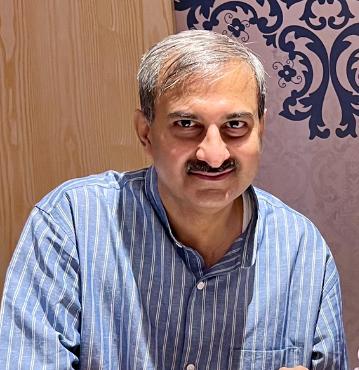
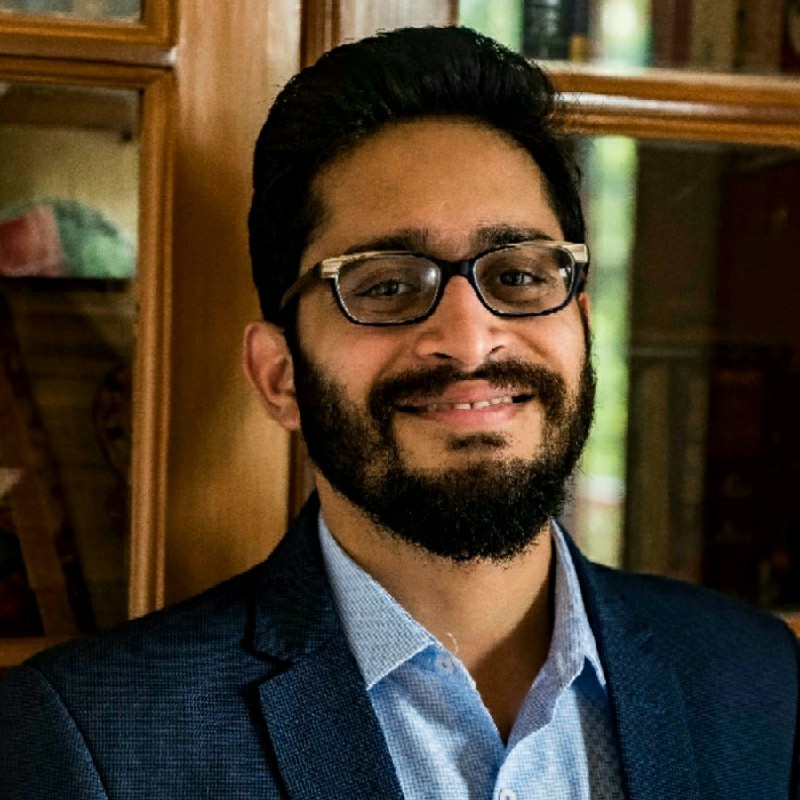





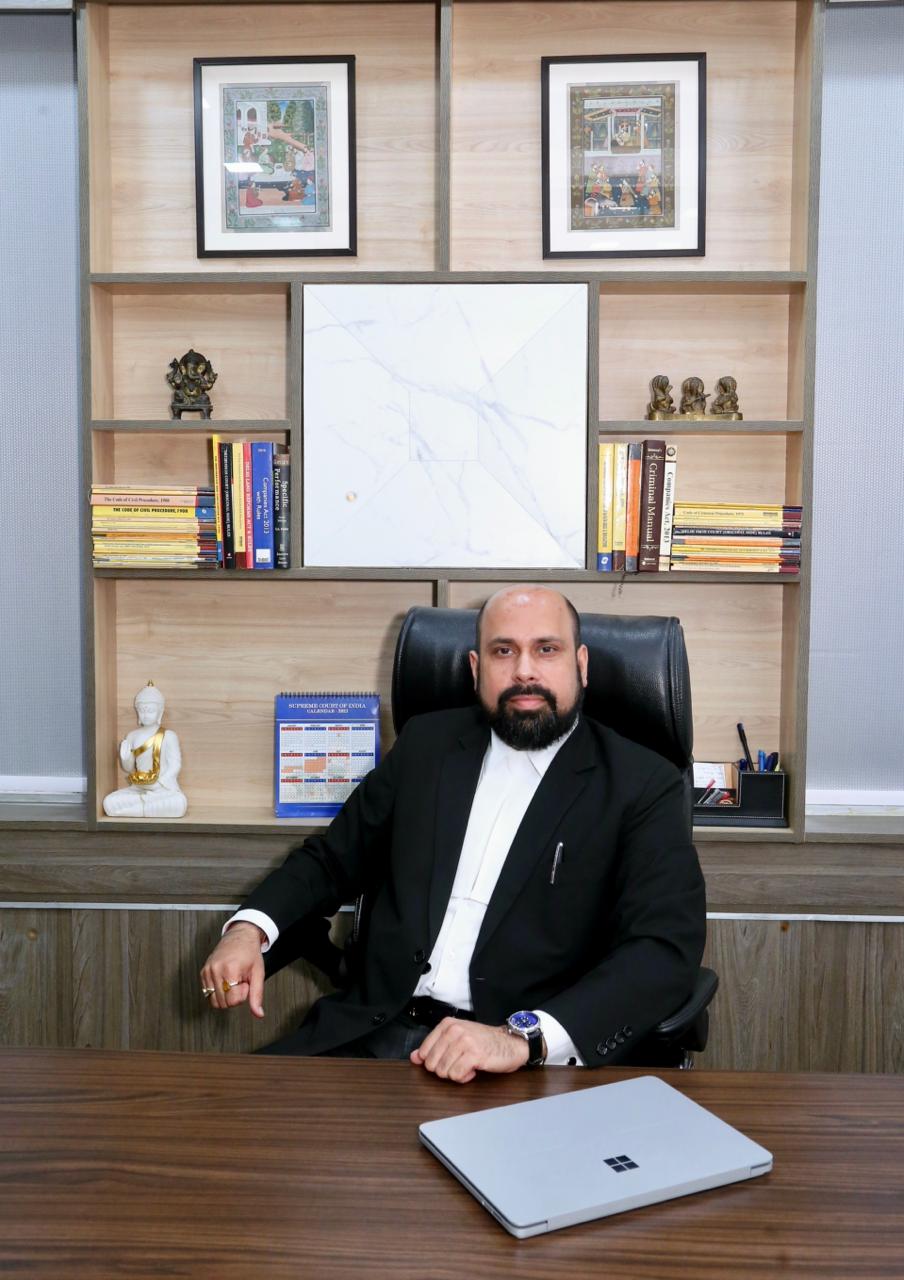

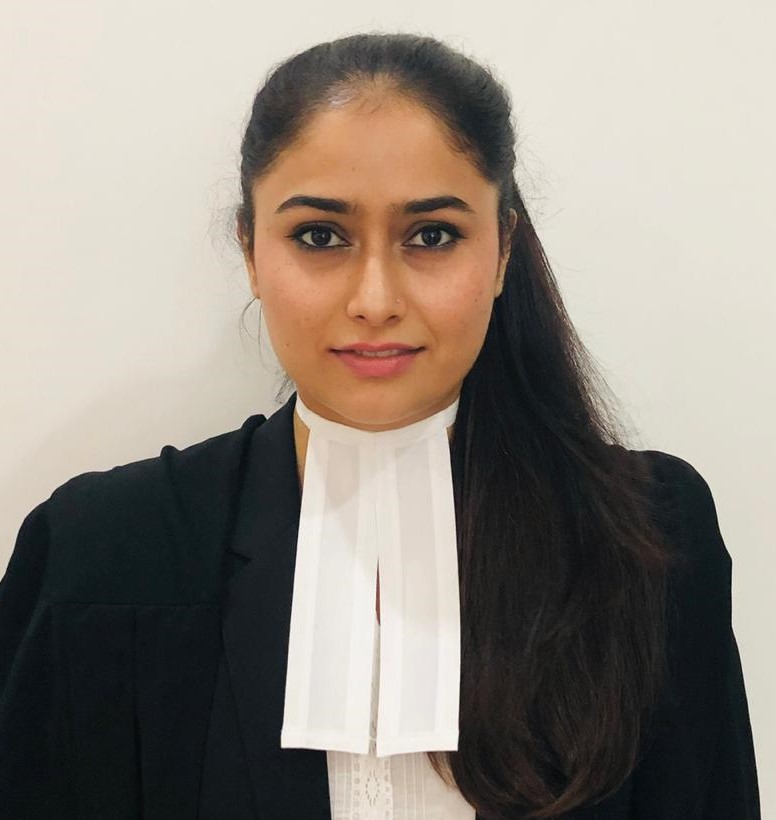


 Allow notifications