Category: Interviews

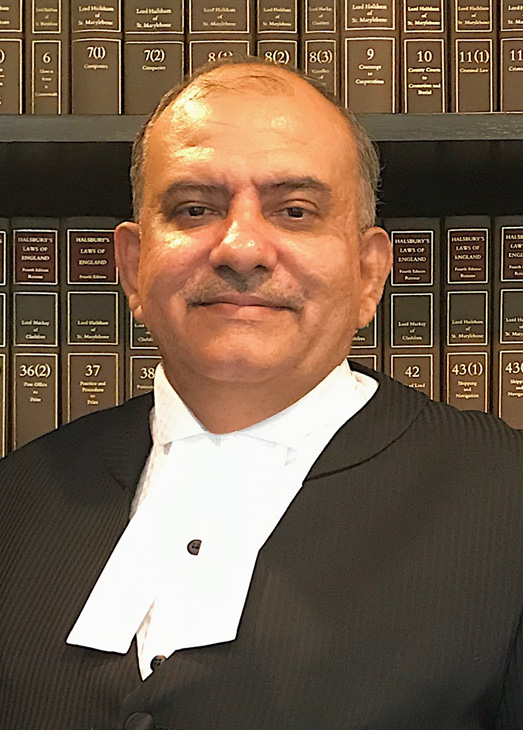
  • “Continuous learning and knowledge sharing are vital in navigating the complexities of the legal landscape. Understanding one’s strengths and finding the right career path requires introspection and exposure to different experiences.” – Awanish Srivastava, Managing Partner & Founder of Naks & Associate (Advocates & Solicitors)

    “Continuous learning and knowledge sharing are vital in navigating the complexities of the legal landscape. Understanding one’s strengths and finding the right career path requires introspection and exposure to different experiences.” – Awanish Srivastava, Managing Partner & Founder of Naks & Associate (Advocates & Solicitors)

    This interview has been published by Namrata Singh and The SuperLawyer Team

    Before we delve into your remarkable career journey, could you please introduce yourself to our readers, sharing a bit about your background, your passions, and what drives you professionally and personally?

    I am Awanish Srivastava having experience of more than 22 years in Corporate & Core Litigation, Corporate Law, Agro Litigation, Intellectual Property Management, Contract Management and Corporate Consultancy.

    I am Founder & Managing Partner of NAKS & Associates (Advocates & Solicitors), a Pan India Law firm. I am also a Fellow member of Institute of Company Secretaries of India and Regional Council Member, currently holding the post of Treasurer of NIRC of ICSI. I am Law graduate from Delhi University, Master in Law, Post Graduate in Commerce and M.B.A. (Finance). I am an active member of the ICSI, Bar Council of Delhi, Supreme Court, Delhi High Court Bar Association and NCLT Bar Association.

    My journey has been driven by a passion for justice and the belief in law as a tool for societal improvement. Professionally, I am driven by the challenge of navigating the complex legal landscape to deliver solutions that not only serve our clients but also contribute to the legal profession’s evolution. Personally, I am motivated by the impact we can make through our work, in both the corporate sphere and community initiatives like Pink & Blue.

    You’ve played a significant role in defining new standards of legal services in India through your firm, NAKS & Associates. What motivated you to establish NAKS with such a unique vision of operating as a Corporate Law Firm in a Retail Concept?

    The vision for NAKS & Associates stemmed from recognizing a gap in the legal services market – the need for accessible, reliable corporate legal solutions across India. The Idea of Pan India Litigation came into my mind when I was working with a future group where we, as In-house Counsel, were struggling to hire lawyers in small cities and at Taluka level. In the Year 2012, we started Naks as PAN India law Firm with the aim of providing one stop solutions to our clients. 

    This initiative really created a platform for Corporate at one end and Lawyers in small cities at the other. Further, this platform makes legal assistance more accessible and also allows us to reach a wider level, ensuring that businesses, regardless of size, have access to top-notch legal counsel. Our System helped small Cities Lawyer to handle Big Corporate Clients.

    Your work with Pink & Blue- A Symbiotic Living initiative is commendable. Can you tell us more about the initiative and how it’s making a difference in society?

    Pink & Blue – Symbiotic Living (A unit of Chamber of Professional (CoP)- A Registered NGO) is a team of expert professionals, working for welfare of Working Women and Prevention of Sexual Harassment at Workplace and this is very close to my heart.

    Pink & Blue is operating with the aim of creating awareness among each and every member of society about the ill impacts of Sexual Harassment and the means to prevent & redress the complaints of Sexual Harassment. We have taken a pledge to give Free training and Support to Maximum People for the betterment of the Society and promoting Happy & Healthy Co-Living Workspaces.  We are a team of expert Company Secretaries, Advocates, HR Professionals & Social Workers.

    We have conducted more than 200 Training sessions so far and trained and empowered more than 2 Lakh People. We have trained and certified more than 140 Posh Trainers who are CS, CA, Advocates and CMA.  Our Trainers have successfully conducted training in more than 500 organisations. 

    Our work is making a difference by educating employers and employees alike, fostering environments where everyone can feel secure and respected. This initiative is a reflection of our commitment to social responsibility, aiming to enact real change in society through education and awareness.

    Handling cases involving complex corporate litigation and intellectual property management requires a unique skill set. What are some of the key challenges you’ve faced in your career, and how have you overcome them?

    One of the key challenges in handling complex litigation and intellectual property cases is staying abreast of the rapidly changing legal landscape. Keeping updated with the latest laws and judicial precedents requires continuous learning and adaptability. In today’s era, where litigation and judiciary is taking turns frequently, one cannot make distance with reading or upgrading himself with legal knowledge even for a slightest of time period.

    I’ve overcome these challenges by fostering a culture of ongoing education, Reading, making notes and knowledge sharing within our firm, ensuring that we remain at the forefront of legal upgradation and best practices.

    You’ve served in senior positions as in-house counsel for prominent Corporate like Videocon Telecommunications Ltd. and Future Group. Could you share some insights into your experience in these roles and how they have influenced your approach to legal practice and corporate consultancy?

    My career took an airlift when I joined Future Group as Junior Manager. I was responsible for the Supervision and Monitoring of Legal & Liaisoning team of 12 members of PAN India for Legal, Contract Management, Regulatory, Liaisoning and Compliance related issues/matters. I was awarded Best Employee at Future Group for 2 (two) consecutive years and an Appreciation Award from CEO for my performance in supervising PAN India Legal & Liaisoning Team.

    Thereafter, I joined Videocon Group as Deputy Manager, Videocon Telecommunication Ltd. and I was responsible for Litigation and Contract Management. I have handled highly reported 2G Litigation matters in Videocon.

    Working with Future Group and Videocon Telecommunications Ltd. was a defining period in my career. These roles taught me the importance of aligning legal strategies with business objectives. 

    This experience has been instrumental in shaping my approach to corporate consultancy, where the focus is not just on legal compliance but on facilitating business growth and protecting intellectual assets in a strategic manner.

    Your firm, NAKS & Associates, operates in more than 700 districts in India, which is quite impressive. What strategies have you implemented to ensure such extensive coverage and maintain high-quality legal services across different regions?

    With the increase in technology and awareness in the small Cities, the litigations against the companies are also increasing day by day. Due to increase in consumer cases, Civil Cases, Criminal Cases and others litigation, big corporates are facing the problems of appointing counsels at various places in India including small cities to represent them even at the remote locations. I faced similar kind of difficulties when I was working in Future Group and Videocon and these difficulties motivated me to start Naks in this concept to provide Pan India Litigation services support to our clients where they get representations even at far reaching locations. 

    The strategy for achieving extensive coverage while maintaining high-quality legal services hinges on leveraging technology and building a strong network of legal professionals. We’ve implemented robust training programs to ensure uniformity in service quality and employed technology to manage cases efficiently across different regions. This blend of human expertise and technology enables us to serve our clients even in far corners of the country with a high standard of legal assistance.

    As a Fellow member of the Institute of Company Secretaries of India, what advice would you give to young professionals aspiring to build a successful career in corporate law and litigation?

    For those aspiring to build a career in corporate law and litigation, my advice is to join the Company Secretaryship Course. 

    A ‘Company Secretary’ is a senior, strategic-level corporate professional who plays a leading role of a Key Managerial Personnel (KMP) entrusted with the responsibility of the company’s Corporate Governance. Corporate Governance is more than just complying with laws, regulations, standards and codes; it is also about creating a culture of good management practices. The position of a Company Secretary as the KMP comes close to that of the Chief Executive Officer or the Managing Director and underlines the importance of the role played by him in the company. 

    After completing Company Secretary course, one has enormous opportunity to become KMP, Secretarial Heads, Head Contract Manager, Compliance Head, Regulatory heads, General Counsel, Practicing Company Secretary, Insolvency Professional, Registered valuer, Appearance before various tribunals. 

    Young professionals can build successful careers in corporate law and litigation by continuous Learning and Practice. The legal field is ever-evolving, and success requires not just a solid foundation in law but also an understanding of business principles and technological advancements. Focus on building a diverse skill set that includes legal expertise, business acumen, and emotional intelligence.

    Balancing a successful legal career with social responsibility and community service can be demanding. How do you manage to juggle these responsibilities effectively?

    Balancing a demanding legal career with social responsibility involves setting clear priorities and being passionate about your social initiatives. For me, initiatives like Pink & Blue are not just additional responsibilities but integral part of my professional identity. Effective time management and a supportive team are crucial in managing these dual aspects seamlessly. Decentralising decision making at execution level, wherever necessary and having established a tried & tested reporting system helps minimizing any unfortunate incident of error in the system which indirectly helps me spare some moments for initiatives like Pink & Blue.

    Given your extensive experience and expertise, what are your thoughts on how the current generation can better understand their strengths and identify the right career path for themselves, especially in the legal profession or corporate world? Do you have any advice on discovering one’s true calling and leveraging their strengths effectively?

    Understanding one’s strengths and finding the right career path requires introspection and exposure to different experiences. I encourage the current generation to seek mentorship, engage in diverse internships, and participate in community service to gain a broader perspective. Discovering your true calling is a journey of exploring your passions and how they align with your professional aspirations. Embrace opportunities to learn and grow, and don’t be afraid to chart your own path in the legal profession or any field you’re passionate about.

    Get in touch with Awanish Srivastava-

  • “The intersection of law and company secretaryship provides a comprehensive perspective for addressing legal intricacies within a corporate environment.”- Varun Prabhakar, Legal Head at Devyani International Limited

    “The intersection of law and company secretaryship provides a comprehensive perspective for addressing legal intricacies within a corporate environment.”- Varun Prabhakar, Legal Head at Devyani International Limited

    This Interview has been published by Pragya Chandni and The SuperLawyer Team

    Sir, could you please  share your journey and the pivotal moments that led you to pursue a career in law, eventually becoming the Legal Head at Devyani International Limited?

    During my school days, I frequented Tiz Hazari District Courts in New Delhi due to my grandfather’s profession as a lawyer. His encouragement fueled my interest in attending court sessions whenever possible, marking the inception of my journey into law. This passion was further nurtured during my academic years, especially under the guidance of Rahul Sir from the Rahul IAS institute. His notes continue to be a valuable resource, serving as a foundation for resolving intricate legal issues.

    As my career progressed, I recognized the importance of a well-rounded skill set. This realization led me to pursue Company Secretaryship alongside law. This dual expertise eventually culminated in my role as the Legal Head at Devyani International Limited. In this capacity, I oversee legal strategies, compliance, and contribute to the success of the company in the dynamic Food and Beverage Industry.

    With a background in both law and company secretaryship, how do you find these two roles intersecting, and how has this unique combination of skills shaped your approach to legal matters within a corporate setting?

    The intersection of law and company secretaryship provides a comprehensive perspective for addressing legal intricacies within a corporate environment. The legal background ensures a profound understanding of legal frameworks, while company secretaryship fosters a practical approach to corporate governance, compliance, and administration, particularly for listed companies.

    This unique combination empowers me to align legal strategies with the organization’s overarching objectives. It facilitates a cohesive approach to navigating legal matters within a corporate setting, seamlessly integrating legal compliance into the fabric of the company’s operations. 

    In your current role, you’ve been involved in a variety of agreements and legal due diligence. Can you elaborate on a specific challenging scenario you encountered and how you navigated through it successfully?

    Expanding into new markets is a challenge for almost all the industries. Thorough legal due diligence revealed discrepancies in local regulations that could potentially impede the business activities. To navigate this, we engage the regional legal experts, conduct exhaustive consultations with regulatory bodies, and meticulously tailored our agreements to comply with nuanced legal requirements. This proactive approach, coupled with collaborative efforts between legal and operational teams, allowed us to successfully navigate the complexities.  

    As an In-house Counsel, you’ve been responsible for ensuring compliance with various regulations. How do you stay abreast of the evolving legal landscape, and how do you ensure that your organization remains compliant with the relevant laws? 

    Being an in-house counsel exposes you to a myriad of scenarios. Analytical and problem-solving skills are essential to skim through each case. Given that law demands constant courtship, possessing knowledge not only about the law but also about the organization’s operations is vital. This necessitates a quest for understanding the company’s role to prevent mismanagement in the long run.

    Developing these skills involves attending workshops, seminars, conferences, and engaging with professionals in the sector. This keeps you updated with current developments and exposes you to diverse opinions, fostering out-of-the-box thinking. Lastly, cultivating a habit of reading is crucial for professional growth, challenging preconceptions, analyzing the status quo, and confronting ideas outside one’s comfort zone.

    In your experience, you’ve handled pre-litigation and post-litigation matters, including drafting legal notices and representing the company in court. Can you share a particularly complex or high-stakes litigation case you’ve dealt with and the strategies you employed to achieve a favorable outcome?

    Handling pre-litigation and post-litigation matters, one complex case involved a landlord refusing to take over the property. To navigate this, a comprehensive legal strategy was devised, emphasizing thorough case analysis, diligent research, and timely collaboration with the external legal counsel. Open communication with all stakeholders, including senior management, allowed for a holistic understanding of the case’s intricacies. A strategic negotiation approach was adopted to explore settlement options, mitigating potential risks. Ultimately, a favourable outcome was achieved through a combination of legal expertise, strategic foresight, and effective communication.

    You have been recognized for your leadership skills and contributions to the business expansion, having successfully closed over 400 property agreements in a short span of 4 years, as acknowledged by the Chief Legal Officer of KFC Global/Pizza Hut. Could you please share some insights into the challenges and key strategies you employed during this expansion process?

    During an expansion process, challenges often arise, ranging from regulatory hurdles to cultural integration. Key strategies involve meticulous due diligence, identifying and mitigating potential risks, and fostering effective communication between all involved parties. Transparent communication with the existing workforce helps manage concerns and ensures a smoother transition. Flexibility in adapting strategies based on the unique aspects of each acquisition is crucial. Leadership in this context requires a holistic understanding of legal, financial, and operational facets, aligning them with the overarching business objectives. 

    Having worked on issues related to intellectual property rights and trademarks, what advice would you give to businesses, especially in the food and beverage industry, regarding protecting their intellectual property in a competitive market? 

    Intellectual property protection is crucial in the competitive food and beverage industry. Businesses should proactively register trademarks to safeguard their unique assets. Regular monitoring of the market for potential infringements is essential. Developing a comprehensive intellectual property strategy involves legal counsel to identify and address potential risks. Collaboration with regulatory bodies and industry associations provides additional layers of protection. Educating employees about intellectual property rights and implementing strict confidentiality measures internally is equally vital. In essence, a proactive and multi-layered approach is key to preserving intellectual property in a fiercely competitive market

    Given your diverse experience, what advice would you offer to fresh law graduates aspiring to build a successful career in corporate law and company secretarial roles?

    For fresh law graduates aspiring to excel in corporate law and company secretarial roles, I would offer the following advice:

    Continuous Learning: Stay updated with legal developments, industry trends, and business dynamics. Invest time in ongoing legal education to enhance your skills and adapt to changes. 

    Networking: Build a strong professional network within the legal community and the industries you serve. Networking provides valuable insights, mentorship opportunities, and career advancement.

    Communication Skills: Develop effective communication skills, both written and verbal. Clear and concise communication is crucial in legal roles, especially when conveying complex information to diverse stakeholders.

    Adaptability: The legal landscape evolves, and corporate environments can be dynamic. Be adaptable and embrace change, leveraging it as an opportunity for growth.

    Ethical Practice: Uphold the highest ethical standards. Integrity is foundational in the legal profession, and maintaining a reputation for ethical practice is essential for a successful career. 

    Team Collaboration: In corporate settings, legal professionals often work collaboratively with various departments. Foster strong teamwork and collaboration skills to contribute effectively to overall business objectives.

    Incorporating these principles into your professional journey can help build a solid foundation for a successful and fulfilling career in corporate.

    Get in touch with Varun Prabhakar-

  • “If I were to offer advice to the next generation aspiring to build a successful career in law, it’ll be to focus on three essential principles – adaptability, continuous learning and ethical grounding.” – Raunak Bapna, Senior Legal Counsel at Philips

    “If I were to offer advice to the next generation aspiring to build a successful career in law, it’ll be to focus on three essential principles – adaptability, continuous learning and ethical grounding.” – Raunak Bapna, Senior Legal Counsel at Philips

    This interview has been published by Namrata Singh and The SuperLawyer Team

    Raunak, could you please take us through your journey from college to where you are today? How was your experience at Symbiosis Law School, and what inspired you to pursue a career in law? Can you share how you started your career after graduating and the pivotal moments that shaped your professional trajectory?

    As a first-generation lawyer, my journey into the legal profession was not inspired by family tradition but by a keen observation of the law’s impact as an outsider. My time at Symbiosis Law School, Pune (SLS) was transformative, providing me with a great academic foundation.

    Upon graduation, I joined a mid-size full-service law firm where I spent 7 years. This period was not only formative but also deeply influential, helping me grow into the professional that I am today. It was here that I developed a nuanced appreciation for the law’s intricacies and its real-world applications. The challenges I faced and the successes I celebrated at the firm built my confidence and sharpened my expertise.

    My subsequent transition to in-house roles began with Ola Electric, a multi-billion dollar start-up at the forefront of India’s electric mobility space. Joining Ola Electric in its nascent stages was a ground-breaking shift. I witnessed and contributed to pivotal moments: from the construction of the factory to the launch of its first electric two-wheeler. Following my tenure at Ola, I joined Tala, an American fintech company, as their primary counsel for the India region. Tala, already a successful entity in Kenya, Mexico and the Philippines, was looking to replicate its success in India – its newest market at the time. My role involved establishing legal frameworks that accommodated the local regulations while supporting Tala’s mission of financial inclusion.

    Most recently, I joined Philips as their counsel for the Indian Subcontinent region – where I am tasked with guiding the organization through the legalities of the healthcare and technology sectors while also supporting Philips’ mission of improving billions of lives through meaningful innovation. 

    Your role at Philips involves managing legal affairs across the Indian Subcontinent. What are some unique challenges you’ve faced in navigating legal landscapes in different regions, and how do you ensure consistency in legal practices across borders?

    That’s a great question. One of the unique challenges you face is the variance in legal standards and practices across different countries. For instance, the regulatory requirements in India can differ significantly from those in neighboring countries like Bangladesh or Sri Lanka, particularly in areas such as consumer protection, data privacy, and healthcare regulations.

    To effectively manage these differences, you rely on a combination of strategies. First, you maintain a robust network of local legal experts in each country. Second, you leverage technology to streamline communication and document management across countries. Lastly, you place a strong emphasis on proactive compliance. This involves not just adhering to current laws but anticipating potential legislative changes that could impact our operations. 

    Transitioning from a law firm to in-house counsel often involves a shift in perspective. What are some of the major differences you’ve noticed, and how has this transition influenced your approach to legal counsel?

    Transitioning from a law firm to an in-house role indeed marked a significant shift in my perspective and approach towards legal practice. At a law firm, the focus is often on providing specialized legal advice to multiple clients on a case-by-case basis – with a broad spectrum of legal issues presented by each client.

    In contrast, as in-house counsel, my role extends beyond legal counsel to being a strategic partner for the business. Here, the focus shifts towards understanding the business’ objectives comprehensively and integrating legal considerations into the broader business strategy. One of the major differences that I’ve personally noticed is the need for a more proactive approach to legal issues. Rather than reacting to legal challenges as they may arise, my role involves anticipating potential legal risks and implementing strategies to mitigate them before they impact the business.

    Another significant difference is the depth of involvement in one organization’s operations and its success. This deep-dive into the business also fosters a greater alignment of the legal function with the organization’s long-term strategies.

    As to how this transition has influenced my approach, I’d say it has done so in several ways. I’ve become more integrative in my thinking, always considering the legal implications of business decisions not just from a compliance standpoint but from a strategic and operational perspective as well. I’ve also cultivated a more collaborative approach, working closely with various departments to ensure that legal considerations are embedded in the early stages of business planning and decision-making.

    Overall, the move to an in-house role has greatly enriched my professional experience, enhancing my ability to contribute not only legally but also strategically to the growth and success of the organization. 

    Apart from your professional endeavors, do you have any personal hobbies or interests that you enjoy pursuing outside of work? How do you find balance between your personal and professional life?

    As someone who has a hard time switching off from work mode, it’s a continuous challenge, but I try. My love for cricket, movies, and travelling provides me with much-needed downtime when the legal world starts to overwhelm.

    Finding this balance between personal and professional life is a bit like being a juggler at a circus – it requires patience, timing and occasionally, picking up things that I’ve dropped. But it’s always worth the effort to keep all the balls in the air. 

    Reflecting on your journey so far, what advice would you give to the current generation aspiring to build a successful career in law, especially in the dynamic landscape of corporate counsel?

    If I were to offer advice to the next generation aspiring to build a successful career in law, it’ll be to focus on three essential principles – adaptability, continuous learning and ethical grounding.

    Adaptability is crucial – being able to pivot and embrace change is not just helpful but necessary. Continuous learning is equally important – staying updated and informed with the latest legal developments, understanding new business models, and even gaining knowledge in related fields such as technology can vastly engage your capability to provide comprehensive counsel. Lastly, maintain a strong ethical foundation – as you’ll often find yourselves balancing business objectives with legal requirements.

    I’m no expert at this but building a successful career in law is more of a marathon than a sprint. The journey is long and sometimes daunting, even frustrating, but immensely fulfilling for those who are committed. 

    As a senior legal counsel, you’ve undoubtedly faced complex legal issues. How do you approach problem-solving in such situations, and what role does collaboration play in finding effective solutions?

    One fundamental aspect of my approach is recognizing that there is no one-size-fits-all, or straight-jacket formula, for solving legal issues. Each challenge is unique and demands a solution that considers the specific circumstances and needs of the business. This understanding drives my problem-solving process: identifying possible outcomes, assessing the risks associated with each, and weighing them against the legal and business objectives of the organization.

    Collaboration is integral to this process. Legal issues rarely exist in a vacuum—they intersect with various aspects of business operations, from finance and human resources to marketing and beyond. Engaging with stakeholders across departments not only provides additional perspectives but also ensures that the solutions developed are comprehensive and pragmatic.

    Could you share with us the importance of internships during the early stages of a legal career? How did your own internships shape your professional journey, and what advice would you give to law students or young professionals seeking meaningful internships to kickstart their careers?

    Internships are invaluable as they offer a first-hand glimpse into the practical aspects of law that are often not addressed in the classroom. My own internships were instrumental in shaping my professional journey, providing me with a foundation of real-world experiences that I could build upon in my subsequent roles.

    For law students seeking meaningful internships, my advice would be to approach this search with both openness and strategic focus. Be open to exploring diverse legal fields and organizations, from small firms to large multinational corporations. Each setting offers unique learning opportunities and can help clarify your career interests and goals.

    Simultaneously, be strategic in your approach by seeking internships that align with your long-term career aspirations. Research about firms or organizations that are known for their work in your areas of interest and strive to connect with professionals working there. Networking can be a powerful tool in securing internships; don’t hesitate to reach out to alumni, professors, or family friends who might help with introductions or advice.

    Get in touch with Raunak Bapna-

  • “Adapt to change, embrace continuous learning, and maintain a strong ethical foundation—the pillars for a successful legal career.” – Siddharth Krishna Dwivedi, Advocate on Record at the Supreme Court of India

    “Adapt to change, embrace continuous learning, and maintain a strong ethical foundation—the pillars for a successful legal career.” – Siddharth Krishna Dwivedi, Advocate on Record at the Supreme Court of India

    This interview has been published by Namrata Singh and The SuperLawyer Team

    Could you share with us the pivotal moment or series of events that led you to  pursue a career in law? Additionally, how has the support of your family  influenced your journey, and what challenges did you encounter during your  formative years in the legal profession? 

    I got acquainted with law quite early in my life. My father laid down the  foundation of law in our family. During my school days, my father picked me up after school and I used to spend time at his office – Central Agency, Supreme  Court of India before heading back home. So, since class IV, I have been  visiting the Supreme Court. After completing my school education, I pursued  law for graduation and the interest developed. I kept pestering my father about  the legal propositions and understanding of judgments. His library became my favourite place to put what I was taught to test. The like came but love happened later. I joined the chambers of Shri Uday U. Lalit (later elevated as  Judge of Hon’ble Supreme Court of India and appointed as Chief Justice of  India) firstly as an intern and then as a junior, I saw him mastering the art of  reading thick paper-books, applying the legal principles and arguing the matter  the next day with utmost precision. Over the years I fell in love with the  profession. 

    My family, especially my father, kept pushing me to venture out of his office and  explore the diversity which the profession carries. So I developed the habit of  sitting in court and observing seniors argue the matters, preparing notes, noting down judgments advanced and later waiting to read that judgment whenever  pronounced. I recollect that sometime in 2012-13 I was in Court No. 2  (Supreme Court) and a trademark suit was being heard at its appellate stage  about a matrimonial site saying the other one infringed its right. As the  question involved online infringement the Ld. A Senior Advocate assisting the court was asked a question as to how the claim is maintainable. Though I was a  mere spectator it clicked me to online search on my mobile phone and see what happened and there it was. I explained it to his associate, the senior was  impressed immediately and handed the mobile phone to Hon’ble Judges who noticed the issue and granted relief. These experiences keep pushing you and  help you think on your feet. 

    This profession is a hard task master in many ways. One has to keep learning  and being updated about the judicial pronouncements while simultaneously  managing clientele and keeping the ethics above all. I find the legal profession  to be enthralling and at the same time keeping you resilient.  

    Your reported judgments span various legal domains. Could you share a  particularly memorable case and the legal principles it involved?

    There are a few, but I guess I have to refer to Awadhesh Kumar v. State of Uttar  Pradesh reported as (2019) 10 SCC 323 wherein the High Court had erred in  applying Exception 4 to Section 300 IPC and set aside the judgment passed by  Trial court which had found the accused guilty under 302 IPC. The accused  persons tried to kill the mother of complainant Awadhesh Kumar (whom I was  representing) and a case was initially registered under Sections 307, 504, 506/34  IPC, however, subsequently on the death of Awadhesh’s mother, the case was  converted into one under Section 302 IPC. The Trial court had found it to be fit  case for 302 IPC and had passed life sentences against one of them and acquitted  the other three. The convicted accused moved the High Court which modified  the conviction to Section 304 Part I IPC sentencing him to 10 years rigorous  imprisonment. I filed a Special Leave Petition on behalf of the complainant, who  was not a party before the Trial court or the High Court. My submission was that the High Court committed a grave error in modifying the conviction from that of  Section 302 IPC to that of under Section 304 Part I IPC as exception 4 to Section  300 IPC would be attracted only when there is a fight or quarrel which requires  mutual provocation and blows by both sides in which the offender does not take  undue advantage. Hon’ble Supreme court allowed my appeal and set aside the  judgment passed by High Court and modified the conviction from Section 304  Part I IPC to Section 302 IPC and the accused were directed to surrender before  the Court concerned to undergo life sentence as was imposed by the trial court.

    Mr. Awadhesh had tears in his eyes when the judgment was passed as the  accused almost got away with his crime but was finally brought to justice. 

    As someone who successfully cleared the Advocate-on-Record Examination,  could you shed some light on the preparation process? What strategies or  resources did you find most helpful in preparing for such a rigorous exam? 

    This I get to answer a lot. The daily court grinding works as a manure and itself  becomes part of preparation. If you are regular to the Supreme Court and  involve yourself in all the process, right from researching to preparation to  drafting to filing, listing and arguing the matter, you are already preparing  yourself for the examination. 

    I guess the difficult part isn’t the examination itself but the transition from a  professional to a student all in the same day as you have to do everything  above mentioned during work hours and study like a student during the rest of  the day.  

    To the advocates taking this exam, I would suggest taking your time but read  thoroughly the Supreme Court Rules, Leading cases, Bar council rules and  practice writing as by the time you are preparing for the exam this habit starts  fading away. 

    Beyond your legal career, you’ve been involved in guest lectures and events  related to broader societal issues. How do you see your role as a legal  professional intersecting with your broader interests and social  responsibilities? 

    As a person practicing law, you automatically become an activist fighting for  a cause, a critic of the government, a benefactor of humankind and with it comes  responsibilities. I had the privilege of being invited on women’s day to speak  on ‘Women Laws in India’ at an event hosted by Vayu Sanginis (Indian Air Force). Amongst the guest lectures, I recollect one at Rashtriya Raksha  University, Gandhinagar, Gujarat which was an enriching experience speaking  on the topic of Legal Dimensions of Serial Killers. 

    During the legal rigmarole, we come across certain individuals who are in need  of justice but are economically weak and by default I try helping at least a few  by taking up cases pro bono. So, whenever I am approached to educate or help someone needy, I try to serve  the society with my limited knowledge. 

    See we are called ‘officers of the court’ and our foremost duty is towards the  court and so the demeanour of a lawyer outside court is more important than  his obvious humility towards court. It is our collective duty to allocate time  while being committed to the cause. 

    How does the role of an Advocate-on-Record differ from other legal positions,  and what unique responsibilities does it entail? Also what are some common  misconceptions about the Advocate-on-Record role, and how would you  clarify or debunk them? 

    The Supreme Court Rules provide for an Advocate-on-Record to plead and file an appearance or act for a party in the Supreme Court of India. The rules  further say that no advocate other than an advocate-on-record can appear  and/or plead before the Supreme Court unless instructed by an Advocate-on Record. So yes, as you become the natural pleader before the Supreme Court, it  is a big responsibility. 

    Misconceptions are quite a few and I would address one of the most common of them: that only Delhi NCR based lawyers can appear in the AOR exam, this is so far from the truth. Any advocate enrolled with the bar council of any state and  having completed four years at the bar and having undergone training from an  Advocate-on-Record of at least 10 years standing is eligible to appear in the  examination. Yes, having an office within 16 km radius of the Supreme Court and appointing a registered clerk comes later but if one is keen on taking up  the exam and practicing before the Supreme Court, this is a given. 

    Outside of your legal profession, what hobbies or personal interests do you  pursue to unwind yourself? 

    I am glad you asked this, as most people think lawyers are hermits. Someone said that it is very necessary to have vices. The legal profession is daunting  and requires passionate commitment but unwinding becomes a necessity to give tranquility to the otherwise pandemonium-infused mind. I love to travel,  watch movies and I have an ear for music. During my college years I used to  do weightlifting for fun and then couldn’t carry on but I recently developed a  penchant for weightlifting. I feel it provides peace and relaxes the brain. My  wife and I often play badminton in the evenings. 

    Given your experience, what advice would you give to young lawyers aspiring  to practice at the Supreme Court level or aiming to become an Advocate-on Record? 

    Equip yourself with the knowledge, experience and procedure as much as you  can. Young lawyers often think about practicing directly before the Supreme Court,  me included, nothing wrong in it. But from my experience I can say that the  command on law required at the Supreme Court is at a much higher pedestal. It  would not be wrong to say that there is no scope for error. So, my advice to  upcoming advocates would be what I actually did. That is to work with an  advocate who appears regularly before the Supreme Court for some time. Later  find a chamber which allows you to hone up your skills. And finally  associate yourself with a senior who lets you argue to again develop that art  too. I am grateful to my father and Shri Santosh Kumar Tripathi (Standing  Counsel, Delhi High Court) who helped me develop that art.

    As a law officer for the Government of Uttar Pradesh, could you shed some  light on the specific duties and responsibilities that come with your role, and  how these duties contribute to the effective functioning of the government and  the administration of justice? 

    As I have said earlier, assisting the court is our primary duty and being a lawyer, you become a critic of the policies of the government. Being a law officer, one has  to walk the sharp sword of fulfilling both the responsibilities. A lawyer  appearing for a State or any institution bears the load of conveying the cause  behind the action brought in question by the litigant and in some cases bringing  justice where the State acts as a bridge to the society. 

    The balance of power is needed for effective functioning of the government and there comes the administration of justice, we lawyers in our duty as law officers for the government serve as the escapement ensuring that the wheels  never collapse and there is a constant transmission between the government and the justice system. 

    You’ve experienced both independent practice and working within legal  teams. What differences do you notice between the two, and do you find  yourself missing aspects of teamwork when working independently, or vice  versa? How do these experiences shape your approach to collaboration and  autonomy in your legal practice? 

    Litigation itself involves at least three heads, the applicant, the defendant and  the judge. We three work together to bring justice to the aggrieved. Now each  of the three heads have their own way of working and have a team which helps  them fulfill their tasks. So independent practice basically means where you are  heading the show and working within a legal team may or not necessarily mean  spearheading. No doubt working with a legal team supplements your approach  towards a case but if you are not the decision maker sometimes you just wonder  whether there could have been a different outcome. Working independently, you have that liberty albeit risk to proceed forward with your school of  thought.

    Get in touch with Siddharth Krishna Dwivedi-

  • “Each step has been instrumental in defining my approach to legal challenges and contributing to the growth and success of the organizations I’ve been a part of”- Mehak Gupta, Senior Legal Counsel & Insurance Counsel at Infosys

    “Each step has been instrumental in defining my approach to legal challenges and contributing to the growth and success of the organizations I’ve been a part of”- Mehak Gupta, Senior Legal Counsel & Insurance Counsel at Infosys

    This Interview has been published by Pragya Chandni and The SuperLawyer Team

    Can you tell us about your journey into the field of law, from your early education to your current role as Senior Legal Counsel at Infosys Limited?

    My journey into the field of law has been both deliberate and transformative. Initially, I embarked on a path in Chartered Accountancy alongside pursuing Bachelor of Commerce (Honours) program at Delhi University. However, it was during this time that I realized my passion lay more in the realm of company and business law rather than accountancy.

    This revelation prompted me to take the entrance exam for law, and I was fortunate to secure a place at Campus Law Centre, Delhi University. This educational shift allowed me to delve deeper into my newfound interest, laying the foundation for my legal career.

    The academic rigor I experienced at law school made me realize that I enjoyed legal research and the discipline that comes with academic writing. I therefore decided to pursue a master’s degree in law and was fortunate enough to get accepted into one of the world’s best LL.M. programs at the University of Cambridge, United Kingdom. 

    At Cambridge, I had the opportunity to delve into a diverse range of subjects, from International Taxation to IP rights and Corporate Financing. This international exposure broadened my horizons and equipped me with a comprehensive understanding of global legal frameworks and practices.

    Upon completing my education, I joined Vaish Associates, where I honed my practical legal skills. Working on complex matters related to the Income Tax Act, 1961, I had the privilege to collaborate with renowned legal professionals such as Mr. Harish Salve, Mr. P. Chidambaram, and Mr. Kapil Sibal. These experiences not only enriched my legal expertise but also instilled in me the importance of diligence, teamwork, and taking ownership of tasks.

    Transitioning to Panasonic as the legal counsel for their Innovation Center was another significant milestone in my career. Here, I was responsible for providing end-to-end legal advisory for cutting-edge technology platforms. My role was multifaceted, encompassing everything from conducting compliance seminars to drafting policies on vendor procurement, social media, anti-bribery, and privacy law.

    Now, as a Senior Legal Counsel at Infosys, I continue to navigate the dynamic intersection of law and technology. My journey from studying Commerce to choosing law has been a continuous learning experience, shaping me into the lawyer I am today. Each step has been instrumental in defining my approach to legal challenges and contributing to the growth and success of the organizations I’ve been a part of.

    With such a diverse educational background, including law and commerce, what drew you specifically to pursue a career in law?

    During my studies in commerce at Delhi University and chartered accountancy at ICAI, I found myself increasingly intrigued by the intricate legal frameworks that govern business transactions, corporate structures, and regulatory compliance. This curiosity led me to explore law as a potential career path.

    Further, the dynamic nature of the legal profession, coupled with its potential to influence business strategies, drive innovation, and promote ethical practices, resonated with my aspirations and values. I was particularly attracted to the interdisciplinary nature of law, which allows me to integrate my background in commerce with legal expertise to provide holistic solutions to complex business and regulatory issues.

    With my diverse educational background in both law and commerce, it has undoubtedly shaped my perspective and enriched my skill set. While commerce provided me with a strong foundation in financial and business principles, it was my growing interest in the legal aspects of business operations and corporate governance that ultimately drew me towards a career in law.

    Your work experience spans across different sectors, from legal counsel at Panasonic to your current role at Infosys. How has this variety of experiences shaped your approach to legal practice?

    At Vaish Associates, I had the invaluable opportunity to gain field-level exposure as a lawyer, focusing on tax litigation and arbitration. This experience was instrumental in enhancing my understanding of the functioning of the court, the mindset and interpretation of judges, and the intricacies of commercial and tax laws /regulations. I learned to navigate complex legal issues, anticipate potential challenges, and develop effective strategies to advocate for clients and protect their interests.

    Transitioning to Panasonic’s in-house legal team and subsequently to Infosys, I applied the insights and skills gained from my litigation experience to navigate the complex regulatory landscapes and provide strategic legal counsel across different sectors. My ability to analyse complex legal issues, identify creative solutions, and communicate effectively with diverse stakeholders has been greatly enhanced by my deep understanding of litigation.

    Further, at Panasonic, I had the opportunity to work as a legal counsel with its Innovation Center. This provided me with a unique opportunity to immerse myself in the world of technology and innovation. As the lead counsel of the Panasonic Innovation Centre, I was responsible for providing end-to-end legal advisory for cutting-edge technology platforms, conducting compliance seminars, and drafting comprehensive policies. This experience taught me the importance of staying abreast of technological advancements, understanding industry-specific regulations, and effectively communicating complex legal concepts to non-legal stakeholders.

    Transitioning to Infosys, has further broadened my horizons and refined my approach to legal practice.

    As a lawyer with a mix of litigation and in-house experience, it equipped me with a multifaceted skill set, enabling me to become a more rounded lawyer and cultivate a proactive, solution oriented, and forward-thinking mindset.

    Could you share some insights into the challenges you’ve faced while navigating the legal landscape in both corporate and commercial settings?

    One of the primary challenges I’ve faced is staying abreast of the ever-evolving regulatory frameworks and industry-specific regulations across different sectors. The legal landscape is dynamic, with laws, regulations, and compliance requirements frequently changing in response to technological advancements, global trends, and socio-economic developments. Keeping up with these changes requires continuous learning, proactive research, and a deep understanding of the nuances and complexities of each sector.

    Another challenge I’ve encountered is balancing legal rigor with practical considerations and business objectives. In corporate settings, legal counsel often plays a strategic role in guiding decision-making, managing risks, and facilitating business transactions. It’s crucial to align legal advice with organizational goals, foster cross-functional collaboration, and develop tailored legal solutions that support innovation, growth, and compliance while mitigating risks and protecting the interests of the organization and its stakeholders.

    Your expertise includes areas like corporate finance, intellectual property, and international taxation. How do you stay updated in such dynamic fields, and how do you apply this knowledge in your day-to-day work?

    One of my key strategies for staying updated is to cultivate a diverse and extensive professional network, comprising colleagues, peers, and mentors across different sectors, industries, and jurisdictions. It’s essential to actively participate in industry conferences, seminars, and engage in professional associations, and collaborate with external advisors and experts to exchange insights and share best practices.

    Additionally, I leverage a variety of resources and platforms, including legal publications, journals, newsletters, and online databases, to access up-to-date information, case studies, and regulatory updates. I also engage in continuous self-directed learning, professional development, and skill enhancement through online courses, certifications, and training programs- the most recent courses completed by me are Anti-bribery and Corruption, M&A Regulation and Compliance, and Concept of Privacy by Design. 

    Applying this knowledge in my day-to-day work involves analytical skills, and practical experience to address complex legal issues and develop tailored legal advice for stakeholders, and cross-functional teams. I strongly believe that one of the essential elements of being an in-house counsel is to collaborate closely with colleagues and stakeholders to understand their needs, and objectives, and accordingly develop innovative, pragmatic, and ethical solutions that align with business goals. 

    Furthermore, I have always taken every opportunity I’ve had to share the information, knowledge, and experience that I have gained during my years navigating the multifaceted and complex work undertaken by me as the in-house legal counsel for two separate Fortune 500 companies, to other members of the legal community either through presenting my learnings in conferences or conducting trainings for various departments within my organization. I actively mentor and train the Infosys’ Legal Process Management (LPM) Team which comprises young lawyers and routinely help them understand the deeper nuances of technology, IPR and Data Privacy Law, along with advising and guiding them on honing their drafting and negotiation skills.

    In essence, staying updated in dynamic fields requires a proactive, multidimensional, and holistic approach to learning and professional development.

    As someone deeply involved in contract negotiation and management, what are some key strategies you’ve developed for ensuring successful outcomes in complex agreements?

    During my 10-plus years in the legal profession, navigating complex contract negotiation and management has been a critical aspect of my role. I’ve had the opportunity to participate in and lead several ‘first of their kind’ transactions in the IT Services sector. These transactions inter alia involved, advising on innovative structures to provide IT services, negotiating complex high-value software development and licensing agreements, as well as advising on and representing my organization in private and public tendering processes.

    One of the key strategies according to me is to conduct comprehensive due diligence, identifying potential risks, challenges, and identifying creative and innovative, solutions to complex legal, commercial, and regulatory issues, and develop flexible, and adaptive, contract structures, terms, and conditions that align with business goals, support innovation, mitigate risks, and provide clarity, certainty, and predictability for all parties involved.

    A crucial aspect of this approach is the importance of understanding the business and project well to be able to negotiate effectively. By gaining a thorough understanding of the business objectives, market dynamics, competitive landscape, regulatory environment, and the specific requirements, goals, and constraints of the project, I am able to align legal advice and contractual terms with business goals, support innovation, mitigate risks, and provide clarity, certainty, and predictability for all parties involved.

    Additionally, effective collaboration with various internal and external stakeholders to successfully close the time-sensitive transactions is an essential part of being a commercial contracts counsel.

    Your achievements include awards for legal excellence and contributions to data governance programs. In your opinion, how significant do you believe receiving awards and recognition is for legal professionals, and how have such accolades influenced your career trajectory and professional development? 

    While awards and recognition in the legal profession may not always translate directly into monetary gains, their importance, in my opinion, should not be understated. 

    These accolades serve as invaluable markers of expertise, dedication, and contributions to the legal field, bolstering credibility and enhancing reputation among peers, clients, and potential employers. 

    Such awards have been instrumental in shaping my career trajectory and professional development in ways that go beyond financial incentives. They have opened doors to new opportunities, such as networking events and speaking engagements, which have enriched my professional network and professional growth. 

    Moreover, awards and recognition act as motivational milestones, driving me to continually strive for excellence, innovation, and they instill a sense of pride, accomplishment, and responsibility, inspiring me to uphold the highest standards of professionalism and ethics in my legal practice.

    Lastly, considering your journey and accomplishments, what advice would you offer to fresh graduates aspiring to pursue a career in law?

    Reflecting on my journey in the legal profession, I have several pieces of advice for fresh graduates aspiring to pursue a career in law.

    Firstly, prioritize continuous learning and professional development. The legal landscape is constantly evolving, so staying updated by attending workshops, seminars, and training sessions is essential.

    Secondly, focus on building a strong professional network. Networking with peers, mentors, and industry professionals can open doors to new opportunities, provide valuable insights, and offer support and guidance as you navigate your career path. Remember, relationships built early in your career can serve as valuable resources throughout your professional journey.

    Thirdly, seek out diverse experiences and opportunities to gain hands-on experience across different areas of law. This will not only help you discover your passion and areas of interest but also make you a more well-rounded and versatile legal professional, capable of adapting to different challenges and opportunities.

    Additionally, maintain a strong work ethic, integrity, and commitment to excellence in all aspects of your work. Building a reputation for reliability, professionalism, and ethical practice is crucial for long-term success and credibility in the legal profession.

    Lastly, and perhaps most importantly, don’t be too hard on yourself. Achieving your goals and building a successful career takes time, persistence, and patience. Set realistic expectations, celebrate small victories along the way, and remember that setbacks and challenges are opportunities for growth and learning.

    Get in touch with Mehak Gupta-

  • “In a country which is governed by a Constitution and which practices the Rule of Law, it is a privilege to serve the society as a lawyer”- Attreyi Mukherjee, General Counsel at Tata Industries Limited and a  Published Author

    “In a country which is governed by a Constitution and which practices the Rule of Law, it is a privilege to serve the society as a lawyer”- Attreyi Mukherjee, General Counsel at Tata Industries Limited and a Published Author

    This Interview has been published by Pragya Chandni and The SuperLawyer Team

    Can you share with us your journey into the field of law, from your early education to your current role as General Counsel of Tata Industries? What inspired you to pursue a career in law?

    From the early days of my education, I was a keen student of History and Political Science, finally graduating with Honours in History from Lady Shri Ram College for Women under Delhi University. At college I was enthused with the ideals of human rights, rule of law and gender equality. I was fortunate to be able to channelise my interests in my professional journey which started with my LL.B degree from Mumbai University and very recently been admitted as a Solicitor in England & Wales.

    With your experience spanning both law firms and in-house counsel roles, what differences do you find in the challenges and opportunities presented by each environment? How did these experiences shape your approach to legal practice?

    Practice of law remains constant in both these environments. Considering in-house counsels as ‘legal managers’ is a thing of the past. According to me, the key difference between the two is that in private practice, you work from transaction to transaction, whereas in an in-house role, you are much closer to the business and as such have greater ownership of the matters. In-house counsels are also expected to wear a business hat, by that I mean, having a business/strategic perspective.

    Transitioning from practicing at law firms to working as in-house counsel, what adjustments did you need to make in your approach to legal practice and stakeholder management? How do you balance the demands of providing legal advice while also understanding the business needs and goals of the organization?

    It is important to recognise the role of in-house counsel as a key risk manager for an organisation. This is something which sets apart an in-house role from that of private practice. But this does not translate to mean adversarial position with business. Legal must work with business to find the right synergistic solutions which serve the business needs while mitigating any legal exposure for the organisation. That is not to say that there are no situations where there would be a disagreement with your key business stakeholders, and these are precisely the situations where your mettle as the in-house counsel is tested. It is important to stand one’s ground and to find the appropriate approach to convincingly put the point across. Logical and persuasive arguments would always find takers.

    You’ve handled complex transactional matters, including domestic and cross-border M&As, JVs, and Technology Licensing deals. Could you walk us through a particularly challenging deal you’ve worked on and the key lessons you learned from it?

    I have experienced inflections in my learning curve when I have advised on the sell side, especially when the asset has been under stress. It requires enormous fortitude to get through the negotiations, to hold your ground and work towards the best outcome. The key practices which can help in such situations are (i) a thorough vendor diligence, which prepares you for the negotiations points you know might come up; (ii) alignment with management/client, so you know the redlines of your own business team; (iii) a clear strategy for the negotiations; and (iv) speed in execution.

    As the Co-Chair of the Legal Affairs and IPR Committee of the Bombay Chamber of Commerce and Industry, you’re involved in designing and speaking at seminars on diverse legal topics. How do you stay updated on the latest developments and trends in the legal landscape, especially in areas like Tech Laws, Data Privacy, and Gender Sensitivity?

    Thank you for the reference to my work at the Bombay Chamber. It has been my privilege to be associated with one of the oldest and well-respected industry associations of the country. As far as knowledge management is concerned, it is always easy to stay updated on the developments in areas which are of keen interest. I read a lot, both online and offline and also my interactions with peers and seniors enrich me. Ours is a knowledge-based industry and the only way to keep our skills relevant is by staying updated. This is especially important now, when the world is witnessing unprecedented social transformation and technological development, giving rise to whole new legal and regulatory paradigms.

    Your involvement in co-authoring editions of the Handbook on the Law on Sexual Harassment at Workplace demonstrates a commitment to promoting a safe and inclusive work environment. What motivated you to contribute to this important area of law, and what impact do you hope your work will have?

    I have always had an interest in human rights with a special focus on gender issues, more particularly issues around gender-based discrimination at the workplace. So, when India legislated the Sexual Harassment of Women at Workplace (Prevention, Prohibition and Redressal) Act, 2013, it was a welcome opportunity to dive into the research in this field and the result was the book which was first published in 2015 and remains the most detailed commentary on this subject to date. Since the publication, me and my co-author have received notes from many women around the world telling us about their experiences and it is humbling to learn how far we still have to go. It is important for organisations to understand that this has become a Board level issue and requires attention and investment at leadership level. I am frequently invited to hold lectures and training sessions at different forums on the subject and I sincerely hope that I have been able to contribute meaningfully to the cause.

    Given your extensive experience and achievements in the legal field, what advice would you offer to fresh graduates aspiring to pursue a career in law, especially those interested in business law and corporate governance?

    In a country which is governed by a Constitution and which practices the Rule of Law, it is a privilege to serve the society as a lawyer. For those who are aspiring to join the profession, I would say that there has been no better time. The new generation of lawyers will not only get to practice law but would also be an integral part of re-defining the legal landscape which is underfoot around the world. From laws on personal data protection, regulating artificial intelligence, new challenges to intellectual property rights, re-defining consumer protection rights, on the commercial side to securing individual rights, protecting those who identify beyond the gender binary, promoting safe workplaces, fighting against discrimination in all forms, there is so much and more which a fresh graduate can contribute towards. Those who wish to practice corporate law,  the increasing focus on governance through transparency would provide greater opportunities for research and practice and continuing economic growth would fuel transaction practice. Eventually, hard work, research, drafting skills and a strategic mind are the true assets of a successful lawyer.

    Get in touch with Attreyi Mukherjee-

  • “By combining meticulous preparation and a strategic approach to litigation, we can effectively represent our clients’ interests and achieve favorable outcomes in high-value litigation cases.” – Sunav Rastogi, Advocate-on-Record at the Supreme Court of India.

    “By combining meticulous preparation and a strategic approach to litigation, we can effectively represent our clients’ interests and achieve favorable outcomes in high-value litigation cases.” – Sunav Rastogi, Advocate-on-Record at the Supreme Court of India.

    This interview has been published by Namrata Singh and The SuperLawyer Team

    Could you please introduce yourself to our readers and share your journey from growing up in a family of lawyers to becoming an Advocate-On-Record at the Supreme Court of India? Additionally, given your family background, did you ever contemplate pursuing a career outside the legal profession, or was the path of becoming a lawyer a natural and predetermined choice for you?

    My name is Sunav Rastogi, and I am an Advocate-On-Record at the Supreme Court of India. Presently, I am a practising Advocate based in New Delhi. My journey into the legal profession was deeply influenced by my family background, as I grew up in a family of Advocates. From a young age, I was surrounded by legal discussions and immersed in the world of law.

    As the allure of the law was so strong, I, at an early age, have decided to follow in the footsteps of my family members. My academic pursuits led me to pursue a Master of Laws (LLM) degree from Nottingham University, which further solidified my passion for the legal profession. 

    After completing my education, I embarked on my journey as an Advocate, starting from the District Court and gradually progressing to the High Court and eventually becoming an Advocate-On-Record at the Supreme Court of India. It has been a challenging yet rewarding journey, filled with opportunities to advocate for justice and uphold the rule of law.

    Overall, while the path of becoming an Advocate may have been somewhat predetermined by my family background, it was ultimately my passion for justice and legal advocacy that drove me to pursue this career with dedication and determination.

    You have extensive experience in handling high-value litigation cases. Could you elaborate on a specific strategy or approach you’ve used that yielded particularly favorable outcomes for your clients in litigation? What difference can we see in banking cases compared to other cases?

    In handling high-value litigation cases, a key strategy that has often yielded favorable outcomes for my clients is thorough preparation combined with a deep understanding of laws and regulations.

    This means early case assessment and strategic planning. This involves conducting a comprehensive analysis of the facts, legal issues, and potential risks associated with the case at the outset. By understanding the strengths and weaknesses of the case at an early stage, we can develop a tailored strategy to maximize our chances of success.

    Additionally, in banking litigation, it’s crucial to leverage specialized knowledge of banking laws and regulations. Banks operate within a highly regulated environment and legal disputes involving banks often entail complex financial transactions, regulatory compliance issues, and intricate contractual arrangements. Therefore, having a deep understanding of banking laws and regulations allows one to navigate the complexities effectively and present a compelling case on behalf of the clients.

    Furthermore, in banking cases, the stakes are often higher compared to other types of litigation. Financial institutions deal with substantial assets and liabilities, and the outcome of a legal dispute can have significant implications for their business operations, reputation, and financial standing. As a result, there is often a greater emphasis on resolving disputes efficiently and minimizing potential financial losses.

    To conclude I say by combining meticulous preparation and a strategic approach to litigation, we can effectively represent our clients’ interests and achieve favourable outcomes in high-value litigation cases.

    Your educational journey took you from Bangalore to Nottingham, shaping your understanding of both Indian and international legal systems. How has this dual perspective influenced your approach to legal practice, especially in cases with cross-border implications?

    My educational journey from Bangalore to Nottingham has indeed provided me with a unique perspective on both the Indian and international legal systems. This dual perspective has significantly influenced my approach to legal practice, particularly in cases with cross-border implications.

    Firstly, studying in both India and the UK has equipped me with a comprehensive understanding of different legal frameworks, procedures, and jurisprudence. This broad perspective allows me to draw upon diverse legal principles and methodologies when addressing complex legal issues, including those with cross-border elements. By leveraging insights from both the Indian and International legal systems, I can develop innovative strategies tailored to the specific needs of each case.

    Moreover, my educational background has instilled in me a deep appreciation for the importance of cultural sensitivity and global legal competence. It has also honed my skills in cross cultural communication and collaboration.  In cases with cross-border implications, cultural nuances and differences in legal traditions can play a significant role and my learning thus far has proven invaluable in legal practice, particularly in cases involving multinational clients, cross-border transactions, or disputes spanning multiple jurisdictions. By fostering open communication and understanding between parties from different cultural and legal backgrounds, I can facilitate smoother negotiations and achieve more favorable outcomes for my clients.

    As a seasoned professional, you’ve likely encountered situations where the law may not provide a clear solution. How do you approach such scenarios, and what guiding principles do you rely on to navigate legal gray areas effectively?

    Encountering situations where the law may not offer a clear-cut solution is indeed a common challenge in legal practice. In such scenarios, I rely on several guiding principles to navigate legal gray areas effectively:

    Firstly, thorough research and analysis are paramount. When faced with ambiguity in the law, I invest time and effort into researching relevant statutes, case law, legal commentary, and precedents. By conducting comprehensive research, I strive to identify any applicable legal principles or analogies that may shed light on the issue at hand.

    Secondly, consultation and collaboration with colleagues and legal experts can be invaluable. Consulting with colleagues and experts provides diverse perspectives and alternative strategies.

    Additionally, ethical integrity is paramount. In navigating legal gray areas, I remain committed to acting in the best interests of my clients while also ensuring compliance with ethical standards and legal obligations. Upholding the principles of fairness, justice, and honesty is essential in maintaining the integrity of the legal profession and fostering trust with clients.

    In order to sum up, I approach legal gray areas with diligence, collaboration, ethical integrity, and strategic foresight, upholding the highest standards of legal professionalism and advocacy.

    Your work involves representing clients in diverse legal forums, from District & Sessions Courts to the National Company Law Tribunal. How do you adapt your advocacy style to suit the nuances of each forum while maintaining consistency in legal arguments?

    Adapting advocacy style to suit the nuances of diverse legal forums, from District & Sessions Courts to the National Company Law Tribunal (NCLT), requires a keen understanding of the unique procedural rules, judicial dynamics, and audience expectations in each forum. While maintaining consistency in legal arguments across different forums is essential, it is equally crucial to tailor the delivery and presentation of those arguments to resonate effectively within each specific context.

    To achieve this balance, I employ several strategies such as:

    Comprehensive Understanding: Thorough understanding of the procedural rules, judicial preferences, and prevailing practices of each forum. This enables me to anticipate procedural requirements and adapt my advocacy style accordingly.

    Strategic Emphasis: While maintaining consistency in legal arguments, I strategically emphasize aspects of the case that are particularly relevant or compelling within the specific forum. This involves highlighting jurisdictional issues, procedural matters, or legal precedents that resonate strongly with the Tribunal or Court.

    Flexibility and Agility: Legal advocacy often requires flexibility and adaptability in response to unforeseen developments or judicial inquiries. Being prepared to adjust arguments in real-time while staying true to core legal principles.

    Professionalism and Respect: Regardless of the forum, I uphold professionalism and respect for the judiciary, opposing counsel, and all parties involved. This includes adhering to courtroom decorum, presenting arguments cogently and respectfully, and engaging in constructive dialogue with the court or tribunal.

    By integrating these strategies into my advocacy approach, I can effectively navigate the nuances of diverse legal forums while maintaining consistency in legal arguments. This adaptive approach maximizes the persuasive impact of my advocacy and enhances the likelihood of achieving favorable outcomes for my clients across various legal proceedings.

    As someone deeply entrenched in the legal profession, what advice would you give to aspiring lawyers looking to carve out a successful career in today’s competitive legal landscape?

    Aspiring lawyers face a competitive legal landscape today. Here are key tips for a successful career:

    Invest in Education: Prioritize continuous learning to stay updated on legal developments. 

    Develop Strong Legal Skills: Hone your legal research, writing, analytical, and advocacy skills early on. These are the backbone of legal practice and are crucial for providing effective representation to clients.

    Gain Practical Experience: Join law firms or independent chambers for hands-on learning and insights into legal practice.

    Build Professional Networks: Develop and Maintain relationships with seniors, mentors, and professionals within the legal community. Networking can open doors to opportunities, provide guidance and support, and facilitate professional growth and development.

    Embrace Technology and Innovation: Stay current with tech tools to enhance efficiency and client service.

    Maintain Professionalism and Integrity: Uphold ethics and integrity for long-term success.

    Be Resilient and Persistent: Embrace challenges as opportunities for growth and learning.

    Prioritize Work-Life Balance: Cultivate hobbies, interests and relationships for well-being and sustainability.

    Given your experience in drafting and vetting consortium documents for loan accounts involving substantial sums, what measures do you take to ensure legal compliance and mitigate potential risks for all parties involved?

    Drafting and vetting consortium documents for loan accounts involving substantial sums requires meticulous attention to detail, thorough legal analysis. To ensure legal compliance and mitigate potential risks for all parties involved, I implement the following measures:

    Comprehensive Legal Review: Conduct a thorough legal review of all consortium documents, analyzing terms, rights, obligations, and dispute resolution mechanisms to ensure compliance with laws and standards.

    Risk Assessment and Mitigation: Identify and mitigate potential legal risks such as compliance issues, contractual ambiguities, and credit risks through clear drafting and robust due diligence.

    Customized Legal Solutions: Tailor consortium documents to meet the specific needs and concerns of all parties involved, drafting clear provisions to minimize disputes.

    Clear Terms and Conditions: Ensure clarity in all terms related to loan disbursement, repayment, interest rates, collateral, and default provisions.

    Documentation Accuracy: Ensure accuracy and completeness in drafting all consortium documents. Any ambiguity or inconsistency in the documents could lead to disputes or legal challenges in the future.

    By adopting this proactive and systematic approach, I aim to ensure legal compliance and mitigate risks for all parties involved in consortium arrangements. 

    Away from the courtroom, what hobbies or personal interests do you pursue to maintain a healthy work-life balance, and do you find any parallels between these activities and your legal work in terms of skills or mindset?

    Maintaining a healthy work-life balance is crucial for well-being and productivity. I recharge by pursuing hobbies like traveling, which broadened my horizons and fosters cultural appreciation. Mindfulness and meditation help me cultivate mental clarity and resilience amid the demands of legal work, enhancing focus and decision-making. Engaging in physical activities like playing squash and cycling not only promotes physical health but also reduces stress and boosts energy levels. These hobbies enrich my life, fostering qualities essential for success in both my personal and professional endeavors.

    Your dissertation focused on the analysis of non-conventional trademarks. How do you see the evolving landscape of intellectual property law influencing commercial practices, especially in the digital age?

    The evolving landscape of intellectual property (IP) law, particularly in the realm of non-conventional trademarks, is profoundly shaping commercial practices, especially in the digital age. As technology advances and consumer behavior evolves, businesses are increasingly relying on innovative branding strategies and creative forms of intellectual property protection to differentiate themselves in the marketplace and safeguard their competitive advantage. Several key trends in IP law are influencing commercial practices in the digital age:

    Expansion of Non-Conventional Trademarks: Beyond traditional marks, businesses now use smell, color, sound, motion, and holograms for unique branding experiences.

    Digitalization and Online Branding: E-commerce and social media have transformed how brands engage consumers, with trademarks crucial for product distinction, brand loyalty, and fighting online infringement.

    Globalization and Cross-Border IP Protection: Global trade demands international IP protection, requiring businesses to navigate complex legal frameworks for safeguarding brands and innovations across borders.

    Emergence of New Technologies: AI and VR bring new IP challenges and opportunities, necessitating proactive legal strategies for ownership, licensing, and enforcement.

    Focus on Brand Experience and Consumer Engagement: In an increasingly competitive marketplace, businesses are prioritizing brand experience and consumer engagement to drive customer loyalty and retention. Trademarks are not just symbols of origin but also catalysts for immersive brand experiences that resonate with consumers across digital touchpoints.

    Adaptation to Evolving Legal Frameworks: Regulatory changes and court rulings are continually shaping the landscape of IP law, particularly in areas such as copyright, patent, and trademark law. Businesses must adapt to evolving legal frameworks, stay compliant with regulatory requirements, and anticipate future developments to protect their intellectual property rights effectively.

    Overall, businesses that embrace innovative IP strategies and adapt to evolving legal and technological landscapes will thrive in the dynamic digital marketplace.

    In your opinion, what are some of the key challenges facing the legal profession in India today, and how do you think they can be addressed?

    Certainly, the legal profession in India faces several challenges that require collaborative efforts from legal professionals, policymakers, regulators, and the judiciary. Some of the key challenges include:

    Access to Justice: Marginalized communities need better access to justice. This requires expanded legal aid programs, alternative dispute resolution methods, improved legal literacy, and technological innovations. 

    Quality of Legal Education and Training: Legal education needs improvement, including updated courses, better teaching methods, enhanced practical skills training, and continuous professional development for lawyers.

    Ethical Standards and Professional Conduct: Upholding high ethical standards is crucial. This involves strengthening disciplinary mechanisms, promoting transparency, and increasing awareness of ethical responsibilities among legal professionals.

    Legal Reforms and Policy Advocacy: Policymakers and regulators need to undertake legal reforms to address outdated laws, streamline legal procedures, and enhance access to justice. Legal professionals play a crucial role in advocating for legislative and policy changes that promote the rule of law, protect fundamental rights, and advance social justice

    Technology and Innovation: Embracing technology and innovation can enhance the efficiency and effectiveness of legal services delivery.

    Collaborative efforts from legal professionals, policymakers, regulators, the judiciary, civil society, and the private sector are essential to overcome these challenges and advance the rule of law for all.

    Get in touch with Sunav Rastogi-

  • “Every facet of what we do in the legal department has a key role to play in any decision making on the strategy of the organization”- Shalinee Kulshreshtha, General counsel, Dentsu International India

    “Every facet of what we do in the legal department has a key role to play in any decision making on the strategy of the organization”- Shalinee Kulshreshtha, General counsel, Dentsu International India

    This Interview has been published by Pragya Chandni and The SuperLawyer Team

    Can you share with us your journey from practicing law at Daksh Law Firm to transitioning into the corporate sector with multinational corporations like DuPont, PricewaterhouseCoopers, and Honeywell? What motivated this shift, and how did your experiences shape your approach to legal matters in the corporate world?

    It was an interesting one. I had no clue that one can become a corporate lawyer too. Coming from a small town, I only knew about practicing in courts. Then, I started interacting with in house counsels of our clients and understood how much we could do as corporate lawyers. That triggered the interest in being one and I never felt like going back. In the corporate world, you are part of business so one has to own and live the legal advice provided unlike law firms where one can separate themselves from it.

    You’ve had extensive experience in handling various legal aspects such as litigation, contracts, mergers & acquisitions, and compliance across diverse industries. Could you elaborate on how your legal expertise intersects with your role as a business enabler within these industries?

    Every facet of what we do in the legal department has a key role to play in any decision making on the strategy of the organization. For instance, our learnings from a litigation or contract could play a key role in making a decision of what business could be good/ lucrative for the future of the company. Gone are the days when Legal was being consulted only when there was a dispute. These days, Legal plays a crucial role in enabling business and making it profitable.

    Being recognized as a leader with a strong ethos of collegiality and mutual respect, how do you foster a culture of integrity, compliance, and accountability within your organization, especially when dealing with complex business challenges?

    It starts from you. If you stick to integrity and compliance in the very turbulent and stressful situation, people see you as a role model. The cost of non-compliance could be super expensive. It’s not always pecuniary, sometimes it could lead to massive reputational damage. If you are able to show that to others, it’s not difficult to get them on your side.

    Throughout your career, you’ve worked with teams comprising members from different countries and industries. How do you navigate cultural and professional differences to ensure effective collaboration and achieve common business goals?

    I have gone through multiple cultural training sessions that have helped me understand the fundamentals of many cultures. It helps in customizing the messaging when working with people from different countries. The business goals are always the same. So, if you are able to convince others that we are working towards a common goal and how you are there to support and achieve that, it’s not difficult to resolve conflicts.

    Given your background in both law and business, how do you balance legal considerations with strategic business objectives, particularly when advising on high-stakes transactions or corporate governance matters?

    In my view, it acts as a plus. Good understanding of business and law helps strike the balance when working with stakeholders from different departments. You are able to appreciate their perspective and help them see yours.

    As someone who has been involved in multi-billion dollar transaction deals and has set precedents in legal matters, could you share some key insights or lessons learned from your most challenging cases or deals?

    It’s always easy to say “no” but your value is understood by Business when you say it rarely. No business is risk free. So, working towards minimizing the risks could lead to successful outcomes and relationships. There were times when in challenging negotiations, I asked other party questions till I understood the reason for their reluctance in agreeing to something. When I came back home, I did not know what the solution was but since I had understood the problem, it was not difficult to find an answer through some introspection and out of box thinking.

    With your extensive experience in areas such as data privacy, cyber laws, and competition law, how do you stay updated with evolving legal landscapes and ensure compliance with changing regulations, especially in the digital age?

    I spend dedicated time over weekends to study. I also attend conferences and round table discussions where I find topics of interest. Also, I organize monthly knowledge sessions by law firms on evolving subjects for my team to upgrade ourselves. Interactions with peers from industry also help stay updated. This also helps keep a tab on upcoming trends and it makes it easy to keep pace and stay compliant in the changing world.

    Your journey from being a top-performing student to receiving accolades such as the General Counsel of the Year reflects a remarkable career trajectory. What advice would you give to fresh graduates aspiring to pursue a similar path in law and business, especially in terms of navigating challenges and seizing opportunities in the professional world?

    Never compromise on your integrity, stay persistent, keep learning and think “out of box”

    Get in touch with Shalinee Kulshreshtha-

  • “At the stage when the invocation is a threat, it becomes imperative to swiftly seek guidance from legal experts well-versed in the intricacies of the field.” – Gunjan Chhabra, Dual Qualified (India-Advocate; England & Wales-Solicitor, Partner at Adwitya Legal LLP

    “At the stage when the invocation is a threat, it becomes imperative to swiftly seek guidance from legal experts well-versed in the intricacies of the field.” – Gunjan Chhabra, Dual Qualified (India-Advocate; England & Wales-Solicitor, Partner at Adwitya Legal LLP

    This interview has been published by Namrata Singh and The SuperLawyer Team

    How did you first become interested in pursuing a career in law, and what challenges you encountered during your formative years in the field, and how did you overcome them to establish yourself as a successful legal professional today? Also what inspired you to specialize in commercial litigation and arbitration?

    • Believe it or not I come from a science background. I was studying to become an engineer, and was doing very well. It was somewhere towards the beginning of my +2 where I realized that, along with a strong need for intellectual stimulation, I also required my sense of justice to be met. It was the marriage of these two that got me interested in pursuing a career in law.
    • The challenges I encountered in my formative years emerged from the point of view of being a first-generation lawyer. I needed to pick up various skills apart from the execution aspect, including working on people skills and the psychology of associates, seniors, juniors, clients, etc. The recruitment aspects for us first-generation lawyers are one of the most cumbersome, especially if we do not have strong financial backing. Building trust and reputation also requires an astounding amount of hard work confluenced with luck.
    • Another challenge that I faced was a complete lack of guidance. However, I can say that I have found some of my best friends philosophers and mentors—in my colleagues and my clients. This definitely helps.
    • It is this journey, filled with ups and downs, that has shaped me into the legal professional that I am today.
    • As far as commercial litigation and arbitration go, I would say again that it was a marriage of chance and my inherent skills. I was called to work with a commercial litigation and arbitration firm after I completed my internship there. After that, I would say there was no looking back.

    As someone who is dual qualified and experienced in both Indian and English legal systems, how do you navigate the nuances and differences between the two jurisdictions in your practice?

    • I would say rather than navigating nuances, it forms a unique blend of expertise, enabling a comprehensive understanding of both legal systems. This comes in handy when navigating cross-border disputes.
    • It also helps provide me with a broad legal perspective to identify issues early on. My specialised knowledge of commercial and infrastructure disputes allows me to provide very tailored advice to clients.
    • Moreover, broadening one’s horizons also makes one appreciative of diversity, inclusion, and global perspectives, which is the only way to be successful in today’s internationally integrated business world.

    You have an expertise in infrastructure and construction arbitration. How would you say these disputes are different from the usual disputes?

    • Infrastructure arbitration disputes are multifaceted in many ways that other cases are not. Most other cases have a single issue or, at most, a cluster of issues surrounding one transaction.
    • However, I would describe infrastructure disputes as “live” disputes. A construction or infrastructure project goes on for several years. During this time, there are several thousand correspondences that are exchanged.
    •  There are usually several hundred, if not thousand, complex issues concerning the interpretation of ten to fifteen clauses of the contract together.
    • A lot of these contracts are based on FIDIC models, sometimes called the “Rainbow” suite, which in itself is a contract that,  at first glance, appears quite complex. This is due to the different coloured covers of the model contracts, for nstance, the FIDIC  White Book for the consultancy model agreement, the Red Book for Construction, Plant & Design-Build & EPC/Turnkey Contracts, etc.
    • Apart from the above, in cross-border infrastructure disputes, there can even be a pinata of parallel proceedings just waiting to explode the moment a proceeding is started.
    • Moreover, a quandary of technical issues would require the engagement of expert witnesses as well as factual witnesses. Expert witnesses are often key to winning disputes. Finding a good expert means that such a person’s technical knowledge on the issue cannot be shaken in any cross-examination. Usually delay and quantum experts are employed, but some issues require more nuanced expertise.
    • This is why I believe it is necessary to pre-empt issues and for clients to be involved with experienced counsels right from the contract correspondence stage.

    With your extensive experience in handling disputes related to bank guarantees, what advice would you give to companies to mitigate such risks effectively?

    • The key to mitigating bank guarantee risks is to understand the ground reality of when an employer threatens to invoke a Bank Guarantee. This threat arises when the employer loses confidence in the contractor’s ability to fulfil contractual obligations, say due to delays, defects, too many disputes, etc.
    • At the stage when the invocation is a threat, it is important to immediately rush to legal experts well versed in the field. From this stage on a meticulous review of the underlying contract and the Bank Guarantee is required. Potential breaches, the existence of disputes, and evidence supporting the client’s position need to be documented to gain a detailed understanding.
    • After this, communication must be opened with the employer with a strong legal background and preparation. A middle ground needs to be found. Ultimately, re-tendering is an expensive proposition for an employer, and if the cost of having the client cure breaches is less than re-tendering and employing a new contractor, middle ground can usually be found.
    • During the communication stage itself, it is imperative to continue the background work of collecting supporting evidence due to the impending next stage.
    • In case mutual ground cannot be found and the employer insists on invocation, it is important to immediately move the court or emergency arbitrator to obtain a stay on invocation.

    As an empaneled arbitrator, what do you believe are the key qualities required to effectively adjudicate disputes and maintain neutrality throughout the process?

    • I would say key qualities include a thorough grasp of the subject matter and legal principles; adept problem-solving abilities; meticulous attention to detail; impartiality and neutrality; strong communication and time management skills; and organisational acumen, all of which are essential for ensuring a seamless arbitration process.
    • In instances of international or domestic arbitration or mediation where significant cultural differences exist among the parties or between the parties and arbitrators, it is crucial for an arbitrator to be sensitive to these differences and remain adaptable. This underscores the importance of diversity and inclusion in arbitration.
    • Furthermore, an arbitrator must possess a comprehensive understanding not only of the technical aspects but also of how to draft an award that can withstand challenges, such as those under Section 34 or Section 37. Achieving this level of proficiency requires extensive training in crafting well-reasoned awards and a solid grasp of the grounds for challenging an award. By continually refining these skills and adapting to the evolving landscape of arbitration, an arbitrator can effectively meet the demands of the role.
    • I would also like to add that for specialised disputes such as construction, maritime, or infrastructure disputes, arbitrators with prior experience in these fields are much needed. Sometimes parties overlook these issues in technical matters, and these mistakes cost clients dearly.

    In the realm of construction disputes, what kind of issues usually arise, what strategies do you find most effective in pre-emptively addressing potential conflicts and mitigating the risk of disputes during project execution?

    • The main problem in construction disputes arises from how tendering is done. The contractor with the lowest price usually wins. The terms of these contracts are quite onerous to the contractors, but they feel the need to make at least some profit.
    • The claims in construction contracts usually find their way in “variations”, “change of scope” and other changes to work. Claims also centre around rectification of Defects, eg. works not being in compliance with technical specifications, extension of time claims, centred around delay events causing critical delays in projects, basically having a ripple effect on time and cost, disruption, and acceleration issues.
    • One key strategy I have found works in construction disputes is the quality of correspondence. When the client notices that the other side has suddenly increased the quantity of correspondence or that the quality or tone of the correspondence has changed, they should expect that the other party has engaged someone like us for a certain impending issue. It is at this stage that the client should pre-empt disputes and address potential conflicts by engaging and developing effective strategies with their counsel early on in the dispute.
    • Often, it is mistaken that only the letters in a dispute are important. However, the multitude of emails exchanged and, of course, the messages exchanged on WhatsApp or chat give away certain key defaults on the part of the client.
    • Therefore, it is very important to have a legal expert on board from the outset.

    With your background in international and domestic arbitration, what do you think are the emerging trends in dispute resolution, and how are they shaping the legal landscape?

    • It goes without saying that one of the key trends is Online Dispute Resolution. It is receiving increasing acceptance and adoption.
    • The legal profession used to be known for its resistance to change and holding on to traditions. The pandemic broke through the resistance of lawyers, judges and arbitrators against being online.
    • In today’s world, once dispute resolvers master the richness of the use of more creative models of dispute resolution, it brings about a lot of flexibility. Clients now have access to the best legal minds across the globe at the click of a few buttons.
    • Additionally, ODR and increased technology adoption are cost-effective and sustainable dispute resolution methods.
    • If these new trends are properly leveraged, it is a win-win for all stakeholders.

    Beyond your professional pursuits, do you have any personal hobbies or interests that you find complement or enrich your legal practice?

    • Personally, I feel there is a need for legal professionals to disconnect from the chaos for some time each day and practice mindfulness exercises.
    • Apart from that, I also advocate some form of movement, such as exercise, which helps lower cortisol levels.
    • I also enjoy activities such as painting or other creative pursuits, which help me relax from the highly problem-solving and compulsive nature of our profession.

    You’ve been recognized for your work in advising startups to Fortune 500 companies. Can you elaborate on the specific challenges and opportunities you encounter when providing legal counsel to such a diverse range of clients?

    • I would say tailoring legal advice to suit the specific needs and resources of each client. Startups often operate on limited budgets and may require more cost-effective solutions, while Fortune 500 companies typically have more complex legal needs and resources to address them.
    • Startups are often at the forefront of innovation, requiring legal counsel to be proactive and creative in addressing novel legal issues. On the other hand, Fortune 500 companies may require in-depth knowledge of specific regulatory frameworks and industry standards, which can be intellectually stimulating and rewarding.
    • Being a chameleon to suit the needs of the client is key.

    lawyers and arbitrators who aim to make a significant impact in the profession? Considering your extensive experience and achievements in the legal field, what advice or tips would you offer to the upcoming generation of aspiring

    • One thing is that the current legal industry, or, I would say, the big guns, remain old-school in their practices.
    • However, today, the traditional methods of working or rainmaking will not stand the test of time. There is a need to recognise that the legal industry is evolving and that the traditional linear path is no longer ideal to settle into and retire from.
    • The upcoming generation needs to understand what drives them and to latch on to that passion. This informed passion should guide their big picture worldview, which does not need to be restricted to the traditional models of legal areas.
    • Aspiring lawyers and arbitrators must appreciate that we each need to embrace our own unique qualities and drive our own course in the legal profession. We no longer need to be limited by inherited models of law practice.

    As a recipient of the “Pioneering Women Leadership Award,” what initiatives or changes would you like to see in the legal profession to promote greater diversity and inclusion?

    • Despite the diversity seen in law schools today, I see that it is not translating to the legal industry as much as one would like. There is a clear disconnect.
    • Structural issues are present with many law firms. There is an urgent need for diversification in the legal profession. Representatives of various communities, having a diverse set of values and experiences, enrich any solution that a legal professional is trying to look for.
    • It would truly be foolish to have all this talent and not utilise it to its fullest potential.
    • Therefore, it is very important that the government, the bar, the bench, and large established firms avoid monolithic defence mechanisms that prevent diversity. Steps need to be taken to promote diversity, not due to an obligation but from the recognition of a compelling business need.

    Get in touch with Gunjan Chhabra-

  • “One of the unique challenges of balancing litigation and transactional work is managing priorities and deadlines, while maintaining the highest standards of quality and client service”- JV Abhay, Partner at Shardul Amarchand Mangaldas & Co.

    “One of the unique challenges of balancing litigation and transactional work is managing priorities and deadlines, while maintaining the highest standards of quality and client service”- JV Abhay, Partner at Shardul Amarchand Mangaldas & Co.

    This Interview has been published by Pragya Chandni and The SuperLawyer Team

    Can you walk us through your journey into the field of law, particularly specializing in intellectual property rights? What drew you to this area of practice?

    My initial interest in law began during my school days when I had an interaction with one of my close family friends, who was a well-known lawyer, practicing at the Supreme Court. After high school, I wrote the entrance exams of the first five-year L.LB. (Hons.) course offered by the Guru Gobind Singh Indraprastha University in Delhi. I cleared the exams and joined Amity Law School to pursue the L.LB. (Hons.) course. My plan was to join my relatives after graduation. Unfortunately, this was not to be, as my relative passed away before I graduated in 2004. Unlike the present times, job opportunities were few and far (at least for first generation lawyers) during that time but with a little assistance from one of my batchmates, I was fortunate to get an interview at the Indian Red Cross. I joined the Indian Red Cross as a law officer and worked for almost 2 years. At that time, IP was an upcoming field of law and I wanted to explore it. Incidentally, I came across an opportunity at Remfry & Sagar, an IP Boutique Firm, sometime in 2006. I was interviewed for the Trade Marks (Litigation) practice and was selected. This was the beginning of my journey as an IP lawyer. As a part of my first assignment, I was required to work on a large litigation that was transferred from another Firm. As destiny would have it, I ended up handling this litigation, which over time grew manifoldly, till I was with Remfry & Sagar. Working with a boutique IP firm for more than a decade, helped me learn the intricacies of IP law and practice. Additionally, the firm also taught me the significance of time management and discipline at the workplace, which I value to date. While I was a part of the Trade Marks (Litigation) team, I used to work closely with other teams as well. The dynamic nature of IP law, coupled with its intersection with technology, business, and culture, also led me to specialize in this area of practice.

    Your work experience showcases a significant trajectory from being a Law Officer at the Indian Red Cross Society to now being a Partner at Shardul Amarchand Mangaldas & Co. How did your early experiences shape your career path and your approach to practicing law? 

    My early experiences as a Law Officer at the Indian Red Cross Society provided me with a solid foundation in legal practice. Working in a multifaceted organization like the Red Cross exposed me to diverse legal issues ranging from civil cases, review of complex agreements, international humanitarian law issues and advocacy. I was also involved in organizing IP awareness programs at the Red Cross. The experience taught me the importance of being focused, adaptable, and thinking strategically in navigating complex legal matters. 

    As I progressed in my career, each role I undertook further shaped my approach to the practice of law. All throughout my career, I have always strived to leverage my expertise to achieve best outcomes for clients, while upholding the highest ethical standards. My early experiences taught me the value of diligence, discipline, perseverance, and continuous learning in the profession, traits that I have always tried to hold onto till date. 

    Throughout your career, you’ve handled a variety of cases ranging from civil and criminal cases to IP litigation. Could you share with us a particularly challenging case you’ve encountered and how you navigated through it?

    One particularly challenging case that I encountered involved a high-stakes trade mark dispute between a well-known foreign newspaper and a big Indian publishing house. The case involved complex legal issues pertaining to violation of trademarks and newspaper titles. The case, which started as a singular lawsuit, quickly spread across multiple jurisdictions and forums. Additionally, the case had significant commercial implications for both parties, including potential damage to their respective brand reputations and market share. While dealing with the case, I conducted thorough research, gathered extensive evidence, and assisted in formulating a robust legal strategy tailored to the unique facts of the case. This ensured that we were able to safeguard our client’s interests. This experience underscored the value of diligence, thorough research and strategic thinking and decision making in achieving successful outcomes in litigation.

    As a Partner at Shardul Amarchand Mangaldas & Co., you’re deeply involved in both the litigation and transactional aspects of intellectual property law. How do you balance these different aspects of your practice, and what unique challenges do each present?

    Balancing the litigation and transactional aspects of Intellectual Property Law requires a versatile approach that combines expertise with strategic foresight and commercial acumen to understand clients’ specific business needs. 

    In my present role at Shardul Amarchand Mangaldas & Co., I assist and advise clients in IP litigation, prosecution and transactional IP issues such as licensing, franchising, and technology transfer. To effectively balance these different aspects of the practice, I rely on a combination of strategic delegation, collaboration with colleagues from other practice areas and effective case management. One of the unique challenges of balancing litigation and transactional work is managing priorities and deadlines, while maintaining the highest standards of quality and client service. To address this, I emphasize on strategic planning, and proactive assessment to anticipate potential issues and risks. The goal always is to provide holistic legal solutions while keeping clients’ business needs in mind. 

    In addition to your legal practice, you’ve been actively engaged in speaking opportunities and publications, both nationally and internationally. How do these activities complement your work as a lawyer, and what motivates you to participate in them?

    Speaking opportunities and publications complement my work as a lawyer by allowing me to share insights, expertise, and thought leadership on key legal and industry issues. These activities enhance a person’s professional visibility and credibility and also leads to knowledge sharing with other legal professionals and clients. It also fosters strategic partnerships with industry stakeholders. These activities provide a valuable opportunity for professional development, personal growth, and continuous learning. They challenge me to stay informed, think critically, and push the boundaries of my expertise, thereby enhancing my skills as a lawyer and enriching my overall professional experience. I am of the view that sharing knowledge, experience, and perspectives with others, is the best means for updating oneself with the latest developments in law and strategy.

    Your involvement in administrative decision-making and resource management within the IP practice at your firm indicates a leadership role. What strategies do you employ to effectively manage and empower your team?

    For effective management and empowerment of the team, I have always adopted the “people first” approach. The emphasis is also on proactiveness, leadership, mentorship of other colleagues, and professional development. 

    The approach adopted by me is to foster a culture of client excellence, innovation, and accountability for work. I encourage open communication, mutual respect, and constructive feedback to create a supportive and inclusive work environment, where team members feel valued, motivated, and empowered to excel. Team members are also encouraged to enhance their skills, expand their knowledge, and achieve their career goals. I strive to provide guidance, support, and opportunities for growth that enable team members to realize their full potential and contribute to the success of the IP practice. By investing in the development and well-being of my team members, I believe I have been able to create a team which has achieved sustainable growth and success.

    You’ve been recognized as a top IP lawyer in India and have received awards for your contributions to IP litigation. What do you attribute your success to in this highly competitive field?

    In one word “determination”. My success can be attributed to my determination to be able achieve what I set-out to do at various stages of my career. I have always tried to stay ahead of the curve in terms of legal knowledge, skills, and expertise. Additionally, my ability to build strong relationships, both within the Firm and with clients has contributed to this success. I have been able to forge long-lasting partnerships that have fuelled my professional growth and contributed to my reputation as a trusted advisor to clients in the field of Intellectual Property Law. The support and mentorship of seniors throughout my career has also been instrumental in me being what I am today. 

    Lastly, considering your wealth of experience, what advice would you give to fresh graduates or aspiring lawyers looking to specialize in intellectual property rights or law in general?

    For fresh graduates or aspiring lawyers looking to specialize in Intellectual Property Rights or law in general, my advice would be to cultivate a habit of continuous learning. Also, as cliché as it may sound, there is no shortcut to success, especially for a lawyer. So be ready to put in the hard work; be patient; adhere to your values; build a strong foundation in legal theory, research, writing and develop the ability for critical thinking. All these skills are required, especially for someone wanting to specialize in Intellectual Property Law, as it is a dynamic field that requires a deep understanding of legal principles, industry dynamics, and emerging trends. Also, I would advise aspiring lawyers to stay curious, adaptable, and open-minded, as the legal landscape, especially in the present times where technology and market dynamics have come to play a vital role, is constantly evolving. 

    Get in touch with JV Abhay-