Category: Interviews

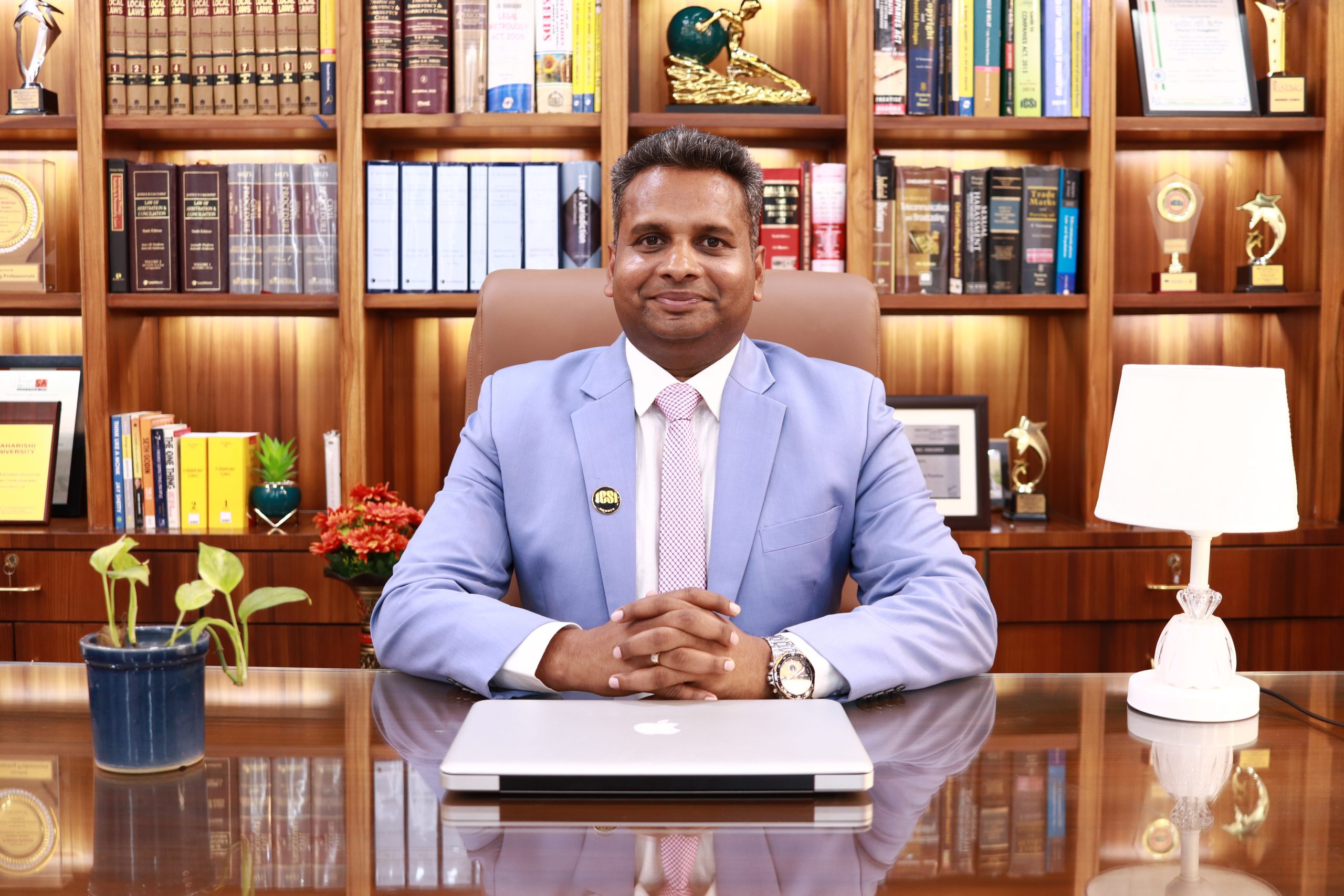
  • “With each appearance before diverse Courts and Tribunals, I find myself enriched by the unique experiences offered by each legal arena”- Sanjay Sethiya, Managing Partner at Law Square Advocates & Solicitors

    “With each appearance before diverse Courts and Tribunals, I find myself enriched by the unique experiences offered by each legal arena”- Sanjay Sethiya, Managing Partner at Law Square Advocates & Solicitors

    This Interview has been published by Pragya Chandni and The SuperLawyer Team

    Can you walk us through your journey and tell us how you decided to pursue a career in law, especially focusing on Commercial and IP Litigation, Arbitration, Corporate and Real Estate Advisory?

    As I embarked on the journey of establishing my legal career, I found myself drawn to the realm of law despite originally intending to pursue the family business. My initial exposure to the legal field occurred when I commenced my law degree in 2003, prompted by a desire to defer an early arranged marriage proposed by my family for my entry into the business fold. During this time, a fortuitous encounter with a respected Advocate specializing in Commercial and Real Estate law, facilitated by a Chartered Accountant friend of my Mother, shaped my trajectory. The warm reception I received in their Chambers led to an extended internship spanning ten semesters, where I balanced academic pursuits with practical learning, immersing myself in the intricacies of Commercial and Real Estate law.

    Upon qualifying as an Advocate in 2008, my focus shifted towards Corporate Law, prompting my apprenticeship under a Senior Advocate renowned for their expertise in various legal domains, including Arbitrations, Intellectual Property Laws, and beyond. By 2013, when I established my independent practice, I had garnered extensive experience across diverse legal disciplines, ranging from Commercial and IP litigation to Arbitration and Real Estate and Corporate Advisory. These formative years were marked by tireless dedication, often spanning from early morning till late at night within the chambers of my mentors.

    During this period, my passion for law deepened as I delved into the jurisprudential insights offered by the Law Journals of the Supreme Court of India and various High Courts. It was during one such exploration that I encountered the seminal case of Malikchand v. Manikchand trademark dispute. This serendipitous discovery paralleled a client’s approach seeking resolution for a trademark infringement matter, igniting my fervor for Intellectual Property law. Immersing myself in the intricacies of Trademarks Law, particularly pertaining to Passing off and Infringement, I successfully navigated the legal complexities, laying the groundwork for subsequent triumphs in IP litigations. This initial success propelled me towards establishing a robust IP practice, encompassing not only litigation but also registration services, thus allowing me to cultivate a multifaceted IP portfolio.

    As my practice evolved, my vision expanded towards establishing a full-service firm, catering to a diverse array of legal needs, encompassing Commercial and IP litigation, Arbitration, Real Estate, and Corporate advisory.

    As the Managing Partner at Law Square, can you share some insights into the challenges you face in managing a law firm with associate offices across multiple cities in India?

    As the Managing Partner at Law Square, overseeing operations across our associate offices spanning multiple cities in India presents a myriad of challenges. While our headquarters in Bangalore serves as our primary base, our status as a full-service law firm engenders a broad spectrum of cases, including appeals destined for the esteemed chambers of the Supreme Court of India. Furthermore, our specialization in IP litigation frequently necessitates our involvement in matters before the Delhi High Court, prompting the establishment of an associate office in Delhi helmed by a seasoned Advocate on Record. This strategic arrangement enables seamless collaboration between our Bangalore team and our counterparts in Delhi, with periodic travel to the capital for court proceedings.

    Similarly, navigating banking arbitration disputes, predominantly situated in Mumbai, demands a tailored approach, necessitating the deployment of resources from our Mumbai associate office. The complexities of appearing before tribunals such as the NCLAT in Chennai and the IP office in the same city have been streamlined through the adoption of online hearing mechanisms, albeit not without initial challenges.

    The success of our Delhi model inspired replication in Mumbai and Chennai, each bolstered by dedicated teams poised to handle our caseload under the guidance of our Bangalore office. Despite the logistical demands of traversing multiple cities, the intrinsic satisfaction derived from our work mitigates the perceived challenges, reaffirming our commitment to delivering excellence in legal services.

    With your extensive experience appearing before various courts and tribunals, what do you find most rewarding about your practice in dispute resolution and arbitration?

    With each appearance before diverse Courts and Tribunals, I find myself enriched by the unique experiences offered by each legal arena. Whether it’s the art of case presentation, the distinct personas of fellow legal practitioners, or the varying standards of preparation, every setting presents its own tapestry of challenges and nuances. In Delhi, legal practitioners are characterized by their assertiveness and acumen, while Mumbai advocates exhibit remarkable agility and efficiency. Meanwhile, in Chennai, a culture of erudition prevails, reflecting in the meticulousness of legal discourse. Despite the inherent disparities, the ultimate satisfaction in dispute resolution and arbitration lies in transcending these differences and achieving the desired outcomes against all odds. This sense of accomplishment amidst adversities is truly gratifying and serves as a testament to the resilience and efficacy of our legal practice.

    Your involvement in pro-bono initiatives is commendable. Could you tell us about a particularly impactful case or project you’ve worked on through JITO or TPF?

    In my capacity as the Legal Cell Convenor of TPF, we conceived and executed a ground breaking initiative termed ‘TPF Paramersh’. This innovative program utilized a WhatsApp Chatbot platform to facilitate individuals in posting their legal queries, subsequently addressed by a collective of legal experts affiliated with TPF. The swift turnaround time of 1-2 days ensured prompt and accurate legal opinions, catering particularly to the marginalized and those grappling with minor legal quandaries often overlooked. This endeavour has significantly impacted over 10,000 individuals, furnishing them with invaluable legal insights free of charge, thereby bridging a crucial gap in access to justice.

    Similarly, within JITO, our commitment to pro-bono endeavours manifests through a series of legal awareness seminars. These seminars convene distinguished speakers from diverse legal and business domains, delivering insights on pertinent legal topics essential for navigating the complexities of contemporary legal landscapes. Through such initiatives, we endeavour to empower our community with the requisite knowledge and preparedness to thrive in an ever-evolving legal environment.

    Your publications and presentations on legal education and IP laws are quite notable. What inspired you to contribute to legal literature and share your knowledge through speaking engagements?

    My engagement with TPF and JITO has been instrumental in moulding both my professional trajectory and personal ethos. Through my involvement in pro-bono activities within these platforms, I became acutely aware of the pressing need to disseminate crucial legal knowledge to a wider audience. This realization served as a catalyst for me to extend beyond the confines of seminars and delve into the realm of legal literature and public speaking. Consequently, I embarked on a journey of crafting scholarly articles and delivering insightful presentations across various academic institutions, legal circles, and esteemed social and business forums.”

    How do you see the landscape of intellectual property laws evolving in India, and what challenges do you anticipate for businesses in this regard?

    In recent years, the landscape of intellectual property (IP) laws in India has experienced a notable expansion, characterized by a heightened societal awareness regarding the significance of protecting intangible assets. Businesses spanning from burgeoning start-ups to established enterprises now demonstrate a heightened consciousness regarding the imperative of safeguarding their intellectual property. India, in response, has undertaken substantial strides, aligning its IP regulatory framework with global standards and leveraging technological innovations to streamline the registration processes. Moreover, legislative reforms have been enacted to accommodate the evolving dynamics of the digital age.

    However, amidst this commendable progress, the emergence of artificial intelligence (AI) represents a potent challenge to conventional IP paradigms. The intersection of AI with copyright and trademark laws poses intricate questions regarding the attribution and ownership of intellectual creations, spanning from literary works to artistic expressions and brand identities. The rapid pace of AI development underscores the need for a nuanced understanding of its implications on intellectual property rights. Consequently, the legal terrain surrounding AI-driven innovations remains largely uncharted, fostering potential disputes and contentions over ownership claims and regulatory frameworks.

    Could you shed some light on the role of alternative dispute resolution methods like arbitration in easing the burden on traditional court systems, especially in complex commercial disputes?

    The introduction and advancement of Alternative Dispute Resolution (ADR) mechanisms, particularly arbitration, have significantly alleviated the strain on traditional court systems, particularly in the realm of complex commercial disputes. The amendments to the Arbitration and Conciliation Act in 2015, which imposed time-bound procedures, have substantially enhanced the efficacy of arbitration proceedings in India. This regulatory overhaul has not only expedited the resolution process but has also rendered arbitration a cost-effective alternative to traditional litigation.

    In the sphere of commercial disputes, where intricacies abound, arbitration offers a bespoke framework tailored to the specific needs of the parties involved. The flexibility inherent in arbitration proceedings allows for tailored procedures, expert adjudication, and confidentiality, thereby fostering a conducive environment for resolving complex disputes efficiently and effectively. Furthermore, the Indian judiciary has consistently upheld and endorsed the use of arbitration as a preferred method for dispute resolution, evident in a plethora of judicial pronouncements.

    The judiciary’s proactive stance towards promoting ADR mechanisms, coupled with legislative amendments aimed at streamlining arbitration procedures, has bolstered confidence in the arbitration process. These measures have not only reduced the backlog of cases burdening traditional court systems but have also instilled a sense of trust and reliability in the efficacy of arbitration as a viable avenue for dispute resolution.

    Overall, the symbiotic relationship between traditional court systems and arbitration serves to enhance access to justice, foster commercial certainty, and promote a conducive business environment conducive to economic growth and prosperity.

    Finally, considering your extensive experience and achievements, what advice would you offer to law graduates aspiring to build successful careers in the legal field, particularly in the areas you specialize in?

    To aspiring law graduates, I wholeheartedly promote litigation as a preferred path in their legal careers. While the initial years may pose challenges, with meagre salaries and rigorous demands, the field holds boundless opportunities for growth and fulfilment in the long run. Upon completion of their legal education, I urge students to seek apprenticeships in chambers renowned for fostering a culture of flexibility, continuous learning, and hands-on experience. Seizing the opportunity to appear in court proceedings, law graduates should dedicate themselves to mastering the intricacies of the law within stipulated time frames, thereby laying a solid foundation for their professional journey.

    Success in this profession, I believe, is predicated on dedication, hard work, consistency, humility, and integrity, virtues that one accrues and refines over time. Unlike the immediate financial rewards of non-litigation corporate practice, the gratification derived from winning a legal battle before a court of law and witnessing the joy on a client’s face is unparalleled. Patience, persistence, and perseverance are paramount in this profession, for there are no shortcuts to enduring success.

    As law graduates progress in their careers, they should remain open to continual refinement and adaptation to meet the evolving demands of the legal landscape. By embodying these principles and committing to a path of lifelong learning and growth, individuals can ascend to unparalleled heights of achievement and fulfilment within the legal profession.

    Get in touch with Sanjay Sethiya-

  • “Being a lawyer is a continuous learning process, Dedication, Punctuality and Patience are the most important attributes to be successful in the profession” – Sankalp Anantwar, Founding and Managing Partner at SMA Law Partners and Advocate at Bombay High Court

    “Being a lawyer is a continuous learning process, Dedication, Punctuality and Patience are the most important attributes to be successful in the profession” – Sankalp Anantwar, Founding and Managing Partner at SMA Law Partners and Advocate at Bombay High Court

    This interview has been published by Namrata Singh and The SuperLawyer Team

    Could you please introduce yourself to our readers and share your journey of how you embarked on the path of law? What inspired you to pursue this profession, and could you walk us through the pivotal moments that shaped your journey from your initial interest in law to becoming a founding and managing partner at SMA Law Partners?

    My journey started in my childhood when I saw my father getting ready for court hearings every day. Initially, as a child, I often wondered what my father did in court. As time passed by, my inquisitiveness grew, and I insisted on going to Chambers with him. I gradually began going to Chambers with my father and I think that’s when I developed a keen interest in law. Thereafter, I never looked back and decided to pursue law. My father realized that I had developed an interest in law and I was allowed to go to his Chambers and sometimes to court to witness proceedings. I can say with conviction that my father is my role model and my first mentor.

    As a second-generation lawyer, I was blessed to have exposure to the legal fraternity even before joining the profession.

    I was always encouraged to pursue further education after my LL.B. Degree which led me to pursue an LL.M. program from the prestigious University of London.

    As my father practices at Nagpur, I always wanted to practice at Nagpur and follow in his footsteps after returning from London. However, my father had a better plan and wanted me to practice in Mumbai and get exposure in Commercial matters and Arbitration. Being my role model and mentor, I could not think of anything but to take his advice for a bright and better professional future and explore opportunities in Mumbai.

    When I was exploring work opportunities in Mumbai, I got through a not-so-known law firm (now one of the leading law firms in Mumbai). Initially, I was sceptical about joining the law firm as I was unsure whether I would get any exposure there. However, I was encouraged to join the firm and was told I would get better opportunities to learn and work on matters in smaller firms. The decision to join a not-so-know law firm changed my life. I was exposed to such diverse matters and practice areas. I got opportunities to argue matters and also brief Counsels and Senior Counsels. I got an opportunity to extensively work on Arbitration matters. My partner and seniors at the firm also encouraged me to appear in the matters and gradually I was given independent assignments and then a Team to work. My first workplace in Mumbai enriched me with good exposure to diverse matters and instilled confidence in me to be a better lawyer. Thereafter, I worked with various leading law firms to gather more knowledge and experience. However, the enriching experience at my first workplace has played a pivotal role in my journey to become a Founding and Managing Partner at SMA Law Partners.

    How has your experience studying law in different locations, such as London and India, influenced your approach to legal practice?

    When I joined Law College, more attention was given to theoretical aspects. That is how the university curriculum was designed. Though theoretical knowledge is essential to understand the basic concepts of law, practical knowledge is also required to shape students for better application of law which is vital for lawyers in practice. The LL.M. course in London changed my perspective towards law and made it interesting by giving a practical approach in understanding the subject better.     

    However, now the scenario has completely changed and legal education in India has transformed to impart better education in terms of practical knowledge to the students.

    You’ve specialized in various areas of law, including Corporate and Commercial, Insolvency and Bankruptcy, Civil and Criminal Litigation, among others. What drew you to such diverse practice areas?

    Mumbai is a financial capital and is a hub for diverse business and financial transactions. This leads to various disputes under the commercial contracts between the parties. As a lawyer practicing in the courts in Mumbai, I was always exposed to disputes related to commercial transactions. I have appeared for various PSU Banks and Financial Institutions. With the introduction of the Insolvency and Bankruptcy Code, 2016, which amended and/or repealed almost 20 existing statutes, I entered this specialized sphere with an intention to explore new opportunities. As I commenced my journey in Insolvency and Bankruptcy Law, I developed a keen interest in it.

    Balancing the roles of an Advocate at Bombay High Court and a Managing Partner at SMA Law Partners must be demanding. Could you walk us through a typical day in your life and shed some light on how you effectively manage your responsibilities in both realms?

    It is undoubtedly demanding. The role at Bombay High Court and various courts is solely of a lawyer whereas the role of a Managing Partner is both, a lawyer and an administrator.

    I start my day early which helps me plan my day effectively. As a lawyer, my typical day is nothing different from other lawyers. The day starts with reading briefs for the matters, sometimes conference with the clients and Counsels/Senior Counsels for the matters which are listed in court on the same day. As the day progresses and the matters before the Courts are over, I return to chambers to work on various drafts to deliver them to the clients within the best possible turnaround time. Evening time is usually dedicated to conferences with either the clients or with the Counsels and Senior Counsels. Though the day is long and ends with preparing for matters that are listed the next day, the thrill of the profession is never-ending.

    Can you elaborate on your involvement with the Rights Protection Programme during the ICC World Cup in 2011? How did this experience shape your perspective on law and its broader societal implications?

    I was one of the fortunate final-year students to be selected from my college to participate in the Rights Protection Programme of the International Cricket Council (ICC) during the Cricket World Cup in 2011. I got an opportunity to interact with the Rights Protection Team of the ICC which comprises of members from various nationalities. The programme gave me an insight into how the Rights Protection Team of ICC worked towards protecting the copyright and trademarks of its sponsors and other associated entities during the World Cup event.

    Could you discuss a particularly complex or challenging case you’ve worked on, and what lessons you took away from it?

    There were many complex and challenging cases that I have worked on. But one case I remember is that of a challenge to the Maratha Reservation Statute in the State of Maharashtra. We were representing the students enrolling for medical courses in one of the Petitions out of many on a similar issue. This was a Constitutional Law matter and gave me an opportunity to work with leading Senior Counsels from Mumbai and Delhi. I was actively involved in the matter working in tandem with lawyers appearing for other bunch of Petitioners and the Senior Counsels. The matter gave me an insight on meticulous way of working on a matter and interpretation of law from the Senior Counsels and Stalwarts of the professional.

    Your LLM program in Commercial and Corporate Law at Queen Mary, University of London, provided you with international exposure. How did this experience shape your perspective on law, and what insights did you gain from studying in a diverse and cosmopolitan environment like London?

    The experience of pursuing an LLM Program in London was indeed a wonderful and once-in-a-lifetime experience. The program was designed to impart practical knowledge to students. The personal interaction with the professors was frequent. Group Discussions and Presentations were a regular affair. Right from choosing a topic for the dissertation/thesis till its completion, the professors guided us well enough to make us comfortable to complete the dissertation/thesis. The Professors also insisted on regular discussions on its progress. All these practical aspects alleviate your knowledge and perspective on law. In addition to academics, we also meet people of various nationalities and understand the laws and legal concepts of their countries and diverse perspectives. Pursuing studies abroad with professors and students of varied nationalities is a life lesson and should be experienced by everyone. 

    Outside of law, you have interests in music, etc. How do these personal hobbies contribute to your professional life, if at all?

    Since childhood, I have been fascinated with Indian Classical music which developed my interest in playing Tabla. Though I could not continue it due to professional commitments, I sometimes play Tabla whenever I get leisurely time. I was also associated with the Society for Promotion of Indian Classical Music and Culture Amongst Youth (SPICMACAY) which is an organisation established by an IIT Delhi Alumni and works towards the promotion and preservation of Indian Classical music. I regularly listen to Indian Classical Music which gives me peace of mind and rejuvenates me to prepare for another hectic day in court.

    Given your experience, what advice would you offer to law students considering further education? Do you recommend gaining practical experience before pursuing an L.L.M., or do you believe it’s beneficial to pursue postgraduate studies immediately after completing an undergraduate law degree?

    Pursuing postgraduate courses is always beneficial as it enhances your knowledge and also improves your perspective. My advice to law students who intend to practice law would be to pursue postgraduate courses immediately after completing an undergraduate degree in law. It is sometimes difficult to pursue full-time post-graduate courses after entering the profession.

    What would be your advice for lawyers who have recently entered the profession?

    Dedication, Punctuality and Patience are the most important attributes to be successful in the profession. As rightly said by Justice Joseph Story, “The law is a jealous mistress and requires long and constant courtship. It is not to be won by trifling favors, but by lavish homage”. Being a lawyer is a continuous learning process. I would advise the lawyers who have recently entered the profession to learn the nuances of the profession and absorb as much as they can around them, follow these attributes and success will follow. 

    Get in touch with Sankalp Anantwar–

  • “Ethics plays a major role in the legal strategies of companies… It contributes to achieving good governance and increases the reputation in the market.” – Panduranga Acharya, General Counsel at Zepto

    “Ethics plays a major role in the legal strategies of companies… It contributes to achieving good governance and increases the reputation in the market.” – Panduranga Acharya, General Counsel at Zepto

    This interview has been published by Namrata Singh and The SuperLawyer Team

    Your journey from the courtroom to the boardroom is fascinating. Could you share with us how you embarked on your career in law, what inspired you to pursue this path, and the challenges you encountered in the initial stages of your career?

    Firstly, it’s a pleasure to share my thoughts at www.superlawyer.in and thank you for this opportunity. I began my career as a litigating lawyer, and over time, I worked my way up the ladder to become a general counsel. Throughout this journey, I’ve consistently applied a general counsel mindset. I’ve also built strong relationships by actively participating in discussions, which has led to a more collaborative and efficient team environment

    I chose to be a lawyer because I was intrigued by how lawyers conduct themselves and their influence on society. I thought lawyers could make a real difference in people’s lives, specifically protecting rights and their ability to help others was always a powerful motivator.

    The initial days of my career weren’t that easy, as a first-generation lawyer, I had to struggle to find a lawyer’s office for my initial training and in those days, the law firms were limited and the scope for legal professionals in the companies was also limited or not much evolved. Thankfully, after visiting many offices, I found an opportunity with an individual legal practitioner and had the privilege to assist him in diverse matters, predominantly in Writs. After a short stint with the court practice, I pursued in-house opportunities. But, the initial period of court practice helped me a lot to grow as a professional.

    With such an impressive journey through various corporations, how do you see Zepto’s approach to quick commerce changing the game in India’s online grocery sector?

    The e-commerce landscape is undergoing a rapid transformation fueled by technological advancements and ever-evolving regulations. The past decade has witnessed high adoption of e-commerce in many segments and has changed the way how India shops. Zepto’s quick delivery service is not only a pioneer in itself but also sets industry standards, only to be followed by other players.

    The meteoric rise of quick commerce, a space where customer satisfaction is king, perfectly exemplifies this need for change. Zepto, loved by consumers for its lightning-fast delivery, is redefining the e-commerce shopping experience for them. Zepto’s success highlights a shift in consumer preferences. People are increasingly seeking immediate gratification, and I think Zepto fills that gap.

    You may even look at the market size, there are a few analysts that estimate a market size exceeding $45 billion, indicating immense room for expansion for quick commerce. Traditional players like grocery chains are also entering the fray, offering quick delivery service options alongside established models. This healthy competition benefits consumers with wider choices and potentially better service. I am glad that I am part of this transition of e-commerce.

    From courtroom battles to corporate boardrooms, you’ve navigated diverse legal landscapes. Your career trajectory began in private practice as an Associate Advocate before transitioning to corporate roles. What prompted your shift from the courtroom to corporate environments?

    While my initial legal experience in practicing counsel was invaluable, it wasn’t until I transitioned in-house that I discovered a particular pull towards the corporate world. There, the focus shifted from handling individual cases to the bigger picture – the strategic legal needs of a company. This appealed to my desire to be a part of something larger and contribute to a company’s overall success. I went on to serve companies in the telecom retail and telecom services sector and during my stint there, I always looked for solutions which make economically sensible to the organization, which led to sharpening my skills to solve with out-of-the-box solutions.

    However, the real turning point came when I witnessed the burgeoning e-commerce industry. The Flipkart experience crystallized my focus. The legal landscape of e-commerce was dynamic, constantly evolving and challenging too. It offered a unique blend of established legal principles applied in a completely new and exciting way. But these challenges were what excited me most. I saw an opportunity to not only be a legal expert but also a pioneer, contributing to shaping the legal framework for this rapidly growing sector.

    Having worked with giants like Flipkart and Swiggy, what inspired your transition to Zepto?

    This is an interesting question, but interestingly my answer is, that when I joined Flipkart and also Swiggy, they were not giants. I have enjoyed working in growth-stage organizations, which will have a lot to achieve and solve unique growth-related legal issues, building companies brick by brick. It gave me a sense of gratification and professional satisfaction. I think I like to be part of companies, which have the potential to scale up faster and rigour in leadership to achieve the same. The growth phase of any organization is gratifying for someone like me. Like Jakma said, one can be part of the process, by joining a big organization or joining a small company, to learn passion.

    Although I have been associated with the e-commerce sector for more than a decade I think e-commerce is still not at its peak and quick commerce is a recent avtaar of e-commerce and Zepto has the rigor and the opportunity with such intensity to lead it from the front.

    Your involvement with INBA and CII reflects a commitment beyond corporate duties. How do you balance professional obligations with your contributions to legal and regulatory frameworks in India’s e-commerce ecosystem?

    As I mentioned earlier, e-commerce is evolving and there the laws also keep updated, rightly so. The involvement with INBA and CII commitments are much aligned with what I do and I take out time from official and personal time to ensure I contribute. It helps me understand the landscape of the ex-ante regulatory framework applicable to e-commerce and helps me with long-term strategic advice. Therefore, it makes sense to take part in the lawmaking process considering these laws will have an impact on the sector and ease of doing business is conducive.

    With 20 years of experience, you’ve witnessed the evolution of India’s legal and regulatory landscape. How do you foresee the role of legal professionals adapting to future shifts in the industry, especially with emerging technologies and business models?

    Yes, the introduction of the Information Technology Act, the new Company’s Act, IBC and the new Consumer Protection Act are significant in revolutionizing the regulatory landscape besides forex laws. The new Digital Personal Data Protection Act, new Labour Codes and the new Criminal laws are expected to be game changers, these laws not only like to bring more clarity for legal professionals but also pose challenges to adoption. Therefore, one should be on the edge always to evaluate their business operations, and ensure compliance with new laws. It in a way enhances the importance of legal professionals be it in-house or practicing ones.

    I think the in-house counsel should wear the hat of risk officers and constantly apply the upcoming regulatory framework to their business practices and identity, mitigate likely risks and thereby contribute to the company’s success. The cost of non-compliance will be huge in the coming years.

    Outside the legal realm, what hobbies or interests do you pursue to unwind and rejuvenate?

    That is most important, I am a sporadic reader and follow current affairs. Apart from that in my free time, I prefer to travel and explore new places and cultures. I generally like to connect with people and learn from their experiences. I follow cricket and kabaddi as sports.

    For those starting their career journey, what lessons or advice would you share from your own experiences, particularly regarding resilience and adaptability in the face of industry disruptions and challenges?

    My advice to the youngsters starting their career in the legal profession is to be as humble as a monk, as empathetic as a therapist, and as fearless as a superhero. Of course, there will be competition, but don’t let that stop you. Stay ahead of the game by keeping yourself updated and making lots of friends. When it comes to making decisions, don’t be afraid to take the plunge. Remember, even the best lawyers make mistakes sometimes. Don’t be afraid of the mistakes, the important thing is to learn from them.

    Your role involves a wide array of responsibilities, from legal matters to policy advocacy. How do you stay updated and informed about the latest trends and developments in the industry, and what sources do you rely on for insights?

    As I mentioned earlier, policy advocacy ensures ease of doing business and helps predict compliance risks. One should think of risk in everything, be it contract, litigation or compliance

    and the goodness one will bring to the table for any organization is to protect the company from business continuity risk and financial risks. Whether or not one likes it, staying updated on the latest developments in the industry has become mandatory. I generally follow the latest developments through the industry bodies and the respective ministry websites. Keep track of ongoing developments in the sector besides, talking to the industry folks.

    With the rapid digitization of commerce, what role do you believe ethics and social responsibility play in the legal strategies of companies, and how do you ensure these values are upheld in your work?

    In my opinion, ethics plays a major role in the legal strategies of companies. It is very important to ensure the business practices adopted by the companies are ethical and it is adopted as a culture (ethics by design), expecting the employees and vendors to maintain the ethical standards and thereby enhance the customer trust. It contributes to achieving good governance and increases the reputation in the market. Social responsibility can be twofold, you may have to comply with the legal requirements of CSR and the other one is ensuring the business practices are sustainable, and environment-friendly, like the adoption of electric scooters, responsible use of plastic etc.

    Get in touch with Panduranga Acharya–

  • “In the current scenario, one must understand that environmental issues are highly critical and should be thoroughly evaluated to avoid huge financial liability for violation of environmental laws”- Dr. Khalid Khan, General counsel for Tenneco, India

    “In the current scenario, one must understand that environmental issues are highly critical and should be thoroughly evaluated to avoid huge financial liability for violation of environmental laws”- Dr. Khalid Khan, General counsel for Tenneco, India

    This Interview has been published by Pragya Chandni and The SuperLawyer Team

    Can you walk us through your journey in the legal profession, from your early days to your current position as General Counsel for Tenneco Inc.’s Indian operations?

    When I started my professional journey back in 1993, demand for in-house counsels was not so promising. You could make your place by really working hard and constantly meeting the expectations of your employer. It is very important for any new in-house counsel to get an opportunity to work under the guidance of a good senior professional. I consider myself lucky to have got that opportunity.

    As you know, learning is a continuous process. I too believe in that, and my quest for knowledge keeps me going.

    When you grow, you have to keep in mind that a good and motivated team plays an important role in your success. I always believe in building teams by having transparency, mutual respect & trust, delegation of authority, counselling & coaching and being there for them. I believe in simplification of legal processes.

    As a highly accomplished legal professional, what have been the most challenging yet rewarding aspects of aligning legal functions with business requirements throughout your career?

    It is a very good question. I always believe that a General Counsel is different from an outside counsel. A GC is expected to understand the business and try to give a solution which not only is in line with the legal framework but always gives a solution to the business. I know this is not easy. One may say that from a legal perspective, either something is permissible or it is not permissible. Based on my experience, I feel that a GC is supposed to provide different workable solutions to the business teams and help them in evaluating and deciding on the best solution.

    Being part of the Board of Directors, I am involved in important business decisions. This gives me an edge to review every transaction from a business perspective and  provide a legal solution in line with the business requirements.

    You’ve navigated through various industries such as Tyre, Financial Services, Chemical, and auto-component sectors. How has your diverse experience shaped your approach to legal strategies and corporate governance?

    Different industries that I have worked with have different challenges, requiring different approaches and strategies. For a GC, it is important to understand who your audience is. You need to have the ability to listen to your internal as well as external customers, understand their issues and provide the best legal options/ solutions.

    Given your extensive involvement in M&A, joint ventures, and divestitures, could you share some insights into the key strategies and considerations you employ when negotiating complex transactions?

    For M&A transactions, the first level of discussion revolves around the feasibility of the new business; what would be its value addition to your existing business and whether it would make a business sense to go for an M&A transaction.

    Once a business decision is taken, the second most important task is to do a thorough due diligence of the entire business involving financial, legal and environmental due diligence. In the current scenario, one must understand that environmental issues are highly critical and should be thoroughly evaluated to avoid huge financial liability for violation of environmental laws.

    For the success of any joint venture, it is important to ensure a lot of transparency in terms of sharing of important information with the JV partner and involve them in all the important decisions. It is very important to build a relationship, based on mutual trust and respect. This would ensure smooth running of the JV as well as future growth.

    How do you balance the need for legal compliance with the demands of business growth, especially in highly regulated sectors such as yours?

    As I said earlier, if you understand the business, you can surely provide a legal solution which aligns with the business.

    With your expertise in corporate governance and securities, what advice would you offer to companies aiming to enhance their governance standards and navigate regulatory landscapes effectively?

    I believe corporate governance is not just complying with the applicable legal provisions. Corporate governance should become part of a company’s culture. It should become the way of life. It has to be followed in the true spirit and, not just as a compliance obligation.

    You’ve been instrumental in implementing legal frameworks and adopting legal tech to support business growth. Can you share some examples of how technology has transformed legal operations during your tenure?

    Automation of processes is the need of the hour. With a lot of focus on having learner legal teams, it is important to keep working on automation. Compliance management tools, litigation management tools and contract management tools are few examples. These tools have not only saved a lot of time but also helped in ensuring accuracy of processes.  

    Lastly, drawing from your vast experience, what advice would you give to fresh graduates aspiring to pursue a career in law, especially those aiming for leadership roles in the corporate sector?

    My advice would be as follows:

    1. First and foremost, it is important to be a good human being. This quality would help you throughout your professional journey.

    2. Always believing in learning new things.

    3. Try to fully understand  and appreciate the perspectives of others. This would help you to provide a better legal solution.

    4. Build a good team. Trust and respect your team members. Always focus on the professional growth of your team members.

    Get in touch with Dr. Khalid Khan-

  • “As a commercial lawyer in order to maintain a strong track record of repeat clients it is necessary to delve into the nitty gritty of the technical and commercial aspects as the same is an intrinsic part of problem solving”- Priyanka Sinha, Co-Founder & Partner at A&P Partners

    “As a commercial lawyer in order to maintain a strong track record of repeat clients it is necessary to delve into the nitty gritty of the technical and commercial aspects as the same is an intrinsic part of problem solving”- Priyanka Sinha, Co-Founder & Partner at A&P Partners

    This Interview has been published by Pragya Chandni and The SuperLawyer Team

    Can you share with us your journey into the field of law, particularly your decision to pursue it as a career path? What inspired or motivated you to become a lawyer?

    After my 12th standard, I was keen on taking up a professional course. I had not seen too many lawyers around me in my growing up years but I was intrigued to take up law as it had multiple disciplines. I had knowledge that during the 5 year course I would get an opportunity to explore the vastness that the law course would offer before treading my own career path. 

    With your extensive experience in handling both domestic and international matters, what challenges have you encountered in navigating different legal systems and cultures, and how have you overcome them?

    Whilst working on international disputes it is necessary to have a team of local councils who are not only a subject matter expert but have a strong understanding about the practices adopted in the particular territory. There is a departure in the practices adopted in different jurisdictions.  On one such instance whilst handling Insolvency matters in Germany it came to our knowledge that apart from preliminary insolvency and the final insolvency proceeding, there also exists a Pre-Insolvency Restructuring that takes place before occurrence of Insolvency. The Insolvency framework although stands structured in Germany but has many complexities which demands finer understanding of the legal aspects and applicability. Moreso, as per the German Insolvency laws it appears that the rights of an Insolvency Administrator is extensive as compared to the legal provisions provided in similar statutes of India. In another matter where a conviction order was passed by the French Court and we had to represent a reputed MultiNational Conglomerate and their officers, we discovered that there is a timeline of 5 days to file an Appeal in the Court of Cassation (The Supreme Court) from the Court of Appeal. We came across peculiarities where a matter of civil nature was transferred from a French commercial court to a French criminal court and subsequently a combined order was passed by both the Courts. These experiences are enriching as it gives a wide and holistic understanding of the subject matter. One feels elevated whilst handling these matters as you begin to appreciate and  engage in a comparative understanding of the practices, judicial precedents adopted/applicable in different jurisdictions. 

    As a trusted counsel to several large Multinational Companies, Indian Corporates, and High Net Worth Individuals, what strategies do you employ to build and maintain strong client relationships?

    We primarily focus on Partner availability for all our mandates as client satisfaction is the primary objective for us. We adopt a problem solving and solution-oriented approach which is ingrained in our Firm’s ethos and acted upon by the team. In today’s time and age with information being widely available, we have noticed that Clients are well read and aware of the legal provisions, however when they reach out to us and need us to handhold them on any particular issue, the same needs to be solution oriented. As a commercial lawyer in order to maintain a strong track record of repeat clients it is necessary to delve into the nitty gritty of the technical and commercial aspects as the same is an intrinsic part of problem solving.  We also adopt a Flexi Model with regard to billing which ranges from hourly billing/ lumpsum/ retainership fees which adds client’s convenience. We appreciate constructive feedback from our clients. For our MNC and corporate clients we are able to maintain a strong relationship with them as our advisory is not limited but it extends post closure of a transaction/ submission of a deliverable. We apprise them of the developments in the relevant sector, extend our support to navigate through concerns that may arise after execution of a contract. 

    You have a strong track record in successfully representing clients in litigation and dispute resolution. Can you share with us a particularly challenging case you’ve worked on and how you approached resolving it?

    Well, every case is challenging in its own respect, however there was a case where we represented the Petitioners (unmarried couple) before Hon’ble Bombay High Court wherein our clients sought to be appointed as the guardian of the minor child. Although the petitioners (both Hindus) were the biological parents of the minor child, the mother i.e. Petitioner No.1 was married to the Respondent (Muslim) when the child was born, therefore the Muslim Muslim personal laws were applicable to the child. It is a well settled position that the Muslim Personal law does not recognize legitimacy of the child and the mother as the natural guardian in such scenarios. However, the Court keeping the interest of the child as paramount consideration appointed and declared the Petitioners, though in a live-in relationship, were appointed as natural and legal guardians of the Minor child by virtue of being biological parents of the child. In the given scenario, apart from the other challenges we encountered the limitation with respect to carrying out a Paternity test in India and proving the Petitioner as the biological Father of the child.

    Given your expertise in various practice areas such as Construction, Corporate and Commercial, Media and Entertainment, and Insolvency and Bankruptcy Laws, what advice would you give to young lawyers who are looking to specialize in a specific area of law?

    In the current times there are multiple niche areas that are growing in the field of Law. An advice that I would like to give to young lawyers is that one should explore each and every area of law. These newer areas have ample opportunities that young lawyers can grab onto. Further, young lawyers need to be agile and take up work in different aspects of law rather than restricting their practice areas in the initial few years of their career. 

    You have been actively involved in mentoring entrepreneurs, startups, and MSMEs. What are some common legal challenges you’ve observed among these clients, and how do you assist them in overcoming these obstacles?

    Many cities in India have seen a growth of MSME’s. These MSME’s however are not familiar with the regulatory framework, and therefore a lacuna arises when they are unaware about certain aspects such as the recovery of dues and claims. For Startups and Entrepreneurs, I have seen Entrepreneurs appoint a lawyer only when there is a dispute or a situation that requires the presence of a lawyer. There are certain important aspects such as those of the regulatory nature and agreements that should be in place at the inception such as a co-founder agreement or a shareholder’s agreement that is ignored by many first time entrepreneurs. It is imperative for Startups to take legal advice during the lifecycle of the company in all its growth stages and not only at a firefighting stage. 

    Lastly, considering your wealth of experience and accomplishments in the legal field, what advice would you offer to fresh law graduates who are just starting their careers?

    As stated above, for fresh law graduates’ agility is one important personality trait that they should imbibe within themselves. Young lawyers need to be agile and should not limit their practice areas in the initial few years of their career. Also, a young lawyer should patiently take interest in understanding commercial and technical aspects whilst working on any mandate/matter.

    Get in touch with Priyanka Sinha-

  • “The best part about being a lawyer is that we can work in any industry”- Jahnavi Upadhyay, Corporate Investigation Counsel, Accenture

    “The best part about being a lawyer is that we can work in any industry”- Jahnavi Upadhyay, Corporate Investigation Counsel, Accenture

    This interview has been published by  Priyanka Karwa and The SuperLawyer Team

    Could you please share your journey of how you ventured into the legal field, especially considering your extensive experience in both litigation and corporate advisory roles?

    I again wanted to study after my divorce as I had the responsibility of a child. One of my seniors and guide introduced me to litigation. When I stepped in Delhi High Court for the first time, I knew this was it. I interned all throughout my LLB during free time and started my own firm after passing the BAR exam. Litigation has always been my passion and while I was in transactional profile for one of the organizations, I requested the organization to assign litigation to me.

    With over 14 years of experience in litigation, arbitration, and legal strategy, what significant lessons have you learned along the way that have shaped your approach to handling high-stakes legal matters?

    Legal profession is practice and not every day is the same, patience, perseverance and discipline are key to surviving and eventually succeeding. To manage high stake matters, one has to have an eye for detail, early stage risk evaluation is must, multiple scenarios have to be worked out and strategies have to be prepared for the same in advance.

    You’ve held various positions in both legal and entrepreneurial domains. How has your entrepreneurial experience influenced your perspective and approach as a legal expert?

    My entrepreneurial experience made me understand the actual difficulties of the businesses and business teams, which made me a solution finder. It’s a well-established fact and has been a matter of research that if a solution is not holistic it’s not a solution but a long-term liability. This understanding is an asset for me, that the solutions or negotiations can’t be one sided and has to be made basis keeping holistic business welfare/ organizational welfare in mind.

    As someone deeply involved in corporate advisory and transactions, could you elaborate on how you integrate legal strategies to mitigate risks for senior management within companies?

    Knowledge set enhancement by keeping an eye on latest developments in the field of law always helps, connecting with the peers in the industry helps, usage of right risk mitigations tools is key these days due to dynamic legal/ business environment and employee training are key.

    Your profile mentions expertise in stakeholder management at the company board level.     How do you navigate the complexities of legal matters while ensuring alignment with broader business objectives and stakeholder interests?

    I have managed stakeholders in regulated industries and across the industry and also at the internal company level. I would say 80% of any job done is people management and 20% is actual work, if you know people, their requirements and you can achieve it in a holistic manner. One should develop soft skills and enhance knowledge set to keep up with the stakeholders.

    Given your background in setting up legal teams and managing cross-functional collaborations, what key strategies do you employ to ensure legal objectives are met efficiently, both in terms of time and budget?

    While setting up the team, one must be mindful of the environment, policies and expectations of the organization. Right fit is difficult to find but it’s better to work hard in the beginning rather than struggling for long after a wrong person is hired. One has to have clear objectives, right partnerships with law firms/ other support organizations, ensuring budget is adhered to by having right contracts in place, evaluation of external counsels performance, etc are a few key aspects one has to keep in mind.

    Your experience spans across multiple industries, from aviation to fintech. How do you adapt your legal expertise to address the unique regulatory challenges and compliance requirements of different sectors?

    Fundamentals of law remain the same. As lawyers we are used to reading/ research and if one surrenders to learning, one can work in any domain. The best part about being a lawyer is that we can work in any industry. One should look at the right value, skills can be learnt.

    Lastly, drawing from your wealth of experience, what advice would you offer to fresh law graduates who are stepping into the legal profession, particularly in terms of navigating the complexities of litigation, corporate advisory, and stakeholder management.

    Focus on basics and fundamentals of law, be flexible, don’t let biases affect you. People see you as a success after hard work of 10+ years, till then it is tough for a first-generation lawyer. But if you follow the code, you will succeed, just believe in yourself.   Another thing I have always believed is that nothing is impossible and don’t follow the rigid thought process, be flexible in approach and strategies. I always wanted to experience all the fields of law, and thus, I ensured that I work in varied profiles and not stick to one stream. I am a generalist and I believe that as lawyers we can venture into any aspect of law as and when needed (litigation background helps here).

    Get in touch with Jahnavi Upadhyay-

  • “Your attention is your most valuable asset, Focus on mastering corporate law and industry knowledge; it’s the cornerstone of expertise in handling complex cases.” – Tanu Priya Gupta, Advocate-on-Record at the Supreme Court of India and Founding Partner of Sarvagya Legal

    “Your attention is your most valuable asset, Focus on mastering corporate law and industry knowledge; it’s the cornerstone of expertise in handling complex cases.” – Tanu Priya Gupta, Advocate-on-Record at the Supreme Court of India and Founding Partner of Sarvagya Legal

    This interview has been published by Namrata Singh and The SuperLawyer Team

    Can you take us through your journey from college to becoming an advocate-on-record at the Supreme Court of India? What inspired you to pursue this path and take the Advocate on Record exam, and what challenges did you encounter during the initial stages of your career?

    Law was not an obvious choice, and in fact, I didn’t really fully comprehend what it entails when I opted to study law at CLC, Delhi University. My friend’s father was a sitting judge in Tis Hazari Court. His encouragement to take the DU Law entrance, along with my active involvement in DU student politics, paved the way for my legal career. After this, I can say that I pursued my career in law with the utmost loyalty, and the journey has been fulfilling and enriching so far. 

    College internships provided practical insights into the legal profession and a glimpse of courtroom procedures. While my peers gravitated towards the lucrative corporate world, I naturally gravitated towards traditional litigation. After completing my law degree, I joined reputed litigation firms, where I had the opportunity to work on diverse cases and regularly and independently appear before courts and tribunals. In late 2016, I decided to go on my own and continued so until last year, when I, along with two other partners, decided to join hands and form a law firm.

    Regarding my decision to become an AOR, I can confidently say that almost every lawyer, including myself, aspires for the privilege to appear before the highest court of this country. As my professional trajectory advanced, I decided to become an AOR so that I could independently represent my client and do the filings in my own name.

    As far as encountering challenges in the initial stages of my career, I must state that working in law firms has its own set of advantages. Consequently, apart from meeting deadlines and managing court cases with diligence and effectiveness, I encountered no typical initial challenges, especially those concerning sustainability. Having said that, there are challenges that are inherent to this profession, such as the constant need to perform, obtain relief, look out for your client’s best interests, and strive for legal excellence. These challenges are timeless, and I still face them today, every day, and in every matter. 

    As a co-founder of Sarvagya Legal, what inspired you to establish your own law firm, and what unique perspective do you bring to the table?

    I have come from a law firm culture and have always felt most at ease in an environment where people collaborate, a structure is in place, roles are defined, and responsibilities are shared.

    After going independent and facing some initial resistance and hiccups, I was able to establish a comfortable practice. However, I still missed the camaraderie and support network that come with being part of a firm. This led to the need to look out for my comrades. Besides this, I have first-hand witnessed the difficulties that individual lawyers face when navigating legal matters. This experience, together with my personal preferences, strengthened my resolve to have a firm that unites like-minded people who prioritise legal excellence and professional ethics. Sarvagya Legal is all I really hoped for. Plus, Mr. Abhishek Birthray and Ms. Reeta Mishra, my partners, have a great deal of experience and expertise. Though Sarvagya Legal is only a year old, I believe the noteworthy standing of its partners is the reason our Firm has already gained a lot of credibility in the fraternity, and I couldn’t be prouder. 

    One of the unique perspectives I bring to the table is a rational approach to legal representation. I believe that the integration of legal proficiency, client-centricity, and a practical mindset leads to successful outcomes. 

    With your forte in infrastructure and construction arbitration, could you share a memorable case that taught you significant lessons about navigating such disputes?

    For me, each case was memorable and had its own set of learnings and takeaways. One case taught me that in construction arbitration, which is primarily document-driven and involves admitted inordinate delays and cost overruns, a thorough cross-examination of cost overrun claims can reveal duplications and discrepancies. This, in turn, can aid in the huge reduction of overrun claim amounts.

    Large-scale construction arbitrations generally involve a multitude of documents and contributory breaches by parties. There, the devil lies in the details. Thus, familiarising oneself with this multitude of documents is crucial. 

    I have also realised that even though in arbitration one is able to extensively introduce and argue its case and cite innumerable documents, it is a story that sticks. Therefore, introduce your case as a story and then substantiate it with supporting documentation.

    Being an advocate-on-record at the Supreme Court of India, what challenges do you face in representing clients before such a prestigious institution, and how do you overcome them?

    The first and foremost challenge is that there is intense pressure to secure a favourable outcome for your client, as it is generally the last resort. Clients often have high expectations when their cases reach the Supreme Court. It’s important to manage client expectations realistically and communicate clearly about the legal process and potential outcomes.

    The Supreme Court has high standards of advocacy. Every minute that the Supreme Court provides is valuable. Thus, keeping arguments persuasive and succinct is often challenging, especially considering that a case that has already travelled this far involves complex issues and a gamut of facts. 

    To overcome this challenge, I ensure that I have a thorough understanding of the facts and legal principles involved, so that I can crystallise relevant issues in the simplest form possible. In addition, I attempt to mentally prepare myself to respond to difficult inquiries by practicing potential answers.

    You’ve been actively involved in academia, speaking at law colleges and conducting online courses. How does this blend of academic engagement enrich your legal practice?

    Maintaining a lifelong commitment to learning is critical, and being actively involved in academia helps me achieve it. Engaging with law students and professionals from non-legal backgrounds allows me to delve deeper into legal propositions from different perspectives. Moreover, these engagements allow me to contribute to the profession in my own little way.

    Given your extensive experience, what advice would you offer to young lawyers aspiring to build a successful career in corporate-commercial litigation?

    Your attention is your most valuable asset. So pay attention to developing a solid understanding of corporate law and industry knowledge. This foundation will serve as the basis for your expertise and confidence in handling complex cases.

    Pay attention to the facts and legal principles involved in the matter. Precision and accuracy are crucial in corporate-commercial litigation, where even small errors can have significant consequences.

    Pay attention to maintaining high ethical standards, and remember that trust and respect in the fraternity will be your professional legacy.

    Lastly, pay less attention to the noise around you, and remember that there is no strait jacket formula for success; there is no singular definition of success. We all have different paths; what matters is whether we gave it our all.

    Could you share a pivotal moment or mentor who significantly influenced your journey as an advocate-on-record?

    It’s difficult to narrow down any particular pivotal moment or mentor who significantly influenced my journey. However, I have been fortunate enough to work closely with brilliant professionals and legal luminaries. Their wealth of experience, strategic insights, and dedication to the profession left a lasting impact on me. Their guidance continues to influence my journey, reminding me of the profound impact mentorship can have on one’s career in law. Perhaps that is one of the reasons that I actively dedicate my time to the world of academia.

    With your involvement in various government organizations and public sector units, how do you navigate the intersection between legal intricacies and bureaucratic procedures?

    While representing government organisations before constitutional courts is a matter of prestige, it comes with its own set of challenges owing to bureaucracy. Therefore, navigating this intersection requires a nuanced approach that involves understanding the organisational workings and a realistic approach, keeping red tapism and bureaucratic barriers in mind. Over the years, I have come to understand that maintaining records of everything in writing, effective communication, and conducting consistent follow-ups are the most effective approaches.

    Considering your role as a guest faculty member, what fundamental skills or knowledge do you believe the current generation of law students should focus on to excel in their careers?

    I believe the current generation of lawyers is far more committed to the profession, which helps them hit the ground running right after their law college. I was recently extended an invitation to serve as a judge in an international moot, and the calibre of advocacy exhibited by law students was tremendously impressive. Even in my engagement with law students as a guest faculty member, I can see how their legal acumen has evolved given their access to a huge digital database. Considering the availability of such an abundance of information, my advice would be to stay inquisitive and think critically and analytically. Also, read and understand Bare Acts first before delving into the ocean of articles, blogs, research papers, reels, etc.

    Beyond your professional endeavors, what personal hobbies or interests do you pursue to maintain balance and rejuvenate?

    Outside of my professional endeavours, I prioritise maintaining a healthy work-life balance. As I prefer to start my day at least by 6 a.m., my constant endeavour is to finish my work by 7-8 p.m. Morning strolls, reading literature from different genres, listening to podcasts, and travelling allow me to unwind. Whether it’s a weekend getaway to a nearby destination or an international adventure, I believe that experiencing the world outside of my professional sphere enriches my overall well-being and keeps me motivated.

    Get in touch with Tanu Priya Gupta–

  • “Handling international commercial arbitration is the most exciting part in the career of an arbitration lawyer”- Dharmendra Rautray, Founder, Rautray & Co.

    “Handling international commercial arbitration is the most exciting part in the career of an arbitration lawyer”- Dharmendra Rautray, Founder, Rautray & Co.

    This Interview has been published by Pragya Chandni and The SuperLawyer Team

    Could you share a pivotal moment or experience that led you to pursue a career in law, particularly in dispute resolution and arbitration?

    Choosing a career in law was a natural process as I chose it to follow my father’s wish to become a Barrister. Again dispute resolution especially arbitration was something I was introduced to at my very early ages. Since my father was into construction of ports, dam and road projects, the word ‘arbitration’ was often heard during family discussions. I was encouraged to go through the arbitration cases of my father and also participate in the meeting with his lawyers. The pivotal moment was when I was asked to conduct a cross examination of a witness in an arbitration matter soon after I had become a law graduate. 

    Your expertise in handling international commercial arbitrations is well-known. What initially drew you to specialize in this area of law, and how has your experience evolved over the years?

    Handling international commercial arbitration is the most exciting part in the career of an arbitration lawyer. Attending international conferences on arbitration law opened up a new gamut of arbitration practice. The  interaction with foreign lawyers from different jurisdictions was a great opportunity to broaden one’s knowledge base and delve into a field of law which is more challenging and stimulating. Over the years the experience has been enjoyable and fascinating. Every case teaches you to work harder, read more on the subject and the need to  conduct in depth research on legal issues involved.

    With such a vast knowledge of Indian law, what strategies do you typically employ when approaching complex disputes, particularly those involving contractual matters?

    It is important to be thorough with the facts before reading up on the law. Without being well versed with the facts of the case it is difficult to succeed in contractual disputes. The more complex the case, the greater is the need to simplify the facts and the issues involved. The handling of documents and being aware of the case bundles is extremely crucial. The entire process requires forming of strategies and changing them if need be, as one goes along. It is necessary to keep evolving new strategies and to be flexible and receptive to clients feedback and comments.

    Your achievements include winning plaudits for your thorough knowledge of contractual disputes. Can you elaborate on how you stay abreast of the latest developments and intricacies in this field?

    One way to achieve it is to attend lawyers conferences on the subject, not limited to one’s own jurisdiction but also overseas. It is also necessary to read more judgments on the subject and also arbitration awards rendered by  arbitral tribunals. Reading and publishing articles on the subject necessitates carrying out in depth study on the issue and an important means to staying abreast with topics.

    As someone with extensive experience in construction arbitration, could you share some insights into the unique challenges and considerations involved in this type of arbitration work?

    The biggest challenge in handling construction arbitration is handling the large volume of documents. It is of paramount importance to know which type of evidence would be relevant and necessary to corroborate your client’s case.  A decision to lead oral evidence must be carefully thought of, and well considered with due consultation with the client. Clients may insist on expert evidence being presented before the arbitral tribunal but the decision whether to opt for expert evidence should always be that of the lawyer. This decision, considering the Indian scenario, should be taken after thorough understanding of the psyche of the arbitral tribunal.

    Given your involvement in drafting arbitration rules and conducting certificate courses on arbitration and dispute resolution, what do you believe are the most crucial aspects for aspiring lawyers to understand in this field?

    The rules are there to simplify procedures and this is exactly what lawyers should be doing when handling a matter. No judge or arbitral tribunal encourages complication of the already complicated disputes between the parties. It may seem a very easy task to achieve but it is perhaps the hardest and most difficult skill to hone. 

    You’ve authored two full-length books on arbitration in India. What motivated you to undertake these projects, and what key messages or insights do you hope to impart to your readers?

    Writing books on arbitration is nothing but a means to expand one’s knowledge in the field. The process involves in depth reading and research on the subject. At the end of the process it is not the reader but the author who gains more knowledge who then is keenly waiting for the reader to achieve the same status. To take up this path, it is imperative to have the desire to learn more, the interest to explore and to work hard till one reaches the point where one is ready to write down the first word of the first chapter of the book. 

    Lastly, based on your wealth of experience and achievements, what advice would you offer to fresh graduates aspiring to pursue a successful career in law, especially in the realm of dispute resolution and arbitration?

    Fresh graduates are normally overwhelmed by the success stories of lawyers who they interact with or come across. But more than being enamoured by their success stories it is their journey and hard work which should act as an inspiration and be a source of motivation. There is no instant success in arbitration and continuous dogged hard work without expectation of reward is the key to a successful career. I do understand that it is very easy to say, one should be hard working but more difficult to find the opportunity to do that hard work especially for fresh graduates. However, being resolute is an extraordinary temperament to have. Lastly, as the great Fali Nariman said, never stop being a student of law.

    Get in touch with Dharmendra Rautray-

  • “Now with last amendments and a proactive approach by the bench over time, we are able to see arbitration proceedings working close to its objectives of being quick and efficient”- Varun Nischal, Partner, Q & A- Advocates

    “Now with last amendments and a proactive approach by the bench over time, we are able to see arbitration proceedings working close to its objectives of being quick and efficient”- Varun Nischal, Partner, Q & A- Advocates

    This Interview has been published by Pragya Chandni and The SuperLawyer Team

    Could you walk us through your journey from completing your LL.B. to specializing in corporate compliance and dispute resolution, particularly in arbitration?

    After completing the 5 yr LL.B. (H) program I joined a law chamber for about a year. The idea was to get an exposure to the trial work and gain an understanding of the ‘real world’ dispute resolution system. I remember on the first day of law school our constitutional teacher told us “you will spend 5 yr in law school to learn certain things that you will spend the next 1 year unlearning when you start practicing”. It was quite true. In fact interacting with a client and analysing facts to understand his underlying desired outcome is something I started learning during that period. I also wanted to add work experience before applying for LL.M. to improve chances of getting admission to a good university. During the LL.M. my focus was on ADR and business transactions. The classes on ADR introduced me to the advanced Mediation process being followed in the US at a time when Mediation was still not considered an effective alternative here. The Arbitration law had undergone a generational shift a few years ago and it was early days. The classes I took in LLM helped me grasp universally applicable principles in Arbitration which helped me when I came back and gradually focussed on ADR practice. Over the years working with several good corporate clients we realised that they were focussed on being legally compliant and always needed legal advice to avoid any pitfalls. I guess I kind of developed the necessary expertise to address the regular compliance issues of clients.

    What motivated you to pursue a Master of Laws (LL.M.) degree with a specialization in ADR and international business transactions law at the University of Southern California (USC)?

    The idea of doing LL.M. from a foreign university is not only to learn but to also develop additional skill sets and make new connections. Most of the faculty are practicing professionals from top tier firms and share the industry specific best practices. At that time there was a lot of focus on Bharat and with a lot of cross border transactions there was a growing market in the US for lawyers with working knowledge of Indian law and understanding of the legal ecosystem here. With the major focus on Arbitration as a dispute resolution option, the International ADR course seemed a logical extension of being prepared for practicing in that area. Unfortunately, the subprime mortgage crisis led to a prolonged economic downturn and cut short the plans to work on transactions but being taught ADR by some of the best faculty motivated me to focus part of my practice area on Arbitrations. It only helps to service clients today with a global presence as I am still connected to my fellow classmates from the LL.M. program who are based in Europe, Middle East and SouthEast Asia.

    Your work involves representing both private and public sector corporations (PSU). How do you navigate the differences in handling legal matters for these different types of clients?

    Whether you represent a government entity or a private party, a counsel’s approach towards finding a solution to those disputes remains largely the same. However, there is a wide difference between the two sides when it comes to the work culture and decision-making process especially when it comes to matters related to litigation or Arbitration. Whether its negotiating contracts or working on case strategy the private client is either more willing to settle with a reasonable outcome or pursue legal options up to the Apex court but there is finality in the decision making, however when it comes to PSU client we have to weigh the slow decision making process and also impact of any policy decisions made by government on the strategy being followed. We also have to understand that decisions for PSU clients are impacted by legal costs involved as it will burden the exchequers ultimately. I must add that though some lawyers may feel less incentivised to pursue government side work however, I feel that working on the government side allows one to get great exposure to a variety of complex legal problems and it is also a matter of great pride as one gets to be of service to the public in a way.

    Could you share a particularly challenging case you’ve worked on and how you approached resolving it?

    Every case comes with its own sets of challenges and in fact sometimes a case involving most basic issues can throw a completely new challenge at you at any stage of the case. Once a client came to us who was a defendant in a claim involving recovery of money which he was unable to pay due to the financial crisis. His right to cross-examine had been closed by the Court due to failure on part of his legal team, therefore he was clearly facing an adverse outcome ultimately. We were able to get the appeal admitted on legal issues and also conveyed our willingness to the court for closing the matter for a reasonable settlement. Since our client had previous long standing business relations with the plaintiff, I advised him to have the settlement discussion with the management of the plaintiff directly and fairly convey his difficulty and work out a structure for making reasonable payments over a period of time which included a large chunk of interest accrued. During the hearing the Judge appreciated the genuine effort being made by us and understood the financial distress caused during Covid period and prevailed upon the plaintiff to accept a reasonable payment structure. It ultimately saved our client from going out of business.

    You’ve been heavily involved in advising on labour and HR compliance, as well as issues related to Sexual Harassment at Workplace (POSH Act). What are some common challenges you encounter in this area, and how do you address them?

    Most common challenge we face when it comes to HR related issues is that there is a lack of awareness about the enforceability of various clauses that are put in contracts or conditions in the HR manual being followed by the entity. Sometimes the policies put in place are outdated and not in sync with the current legal scenario. Another issue we see is non implementation of policies across the offices in different places of the same company. For example, some organisations have policy for Maternity benefits under the Act but their implementation varies depending on the location and economics involved. When it comes to POSH related issues, I feel that implementation of the law in its true spirit is missing. Sometimes even the top management is not sensitized enough to understand that   training sessions are not meant for female coworkers only but requires equal participation from male coworkers as well. I think the law itself requires to be redesigned to address some of the grey areas, the current issues and evolving work culture. But there is a serious need to at least have a system for enforcing the provision, as they exist, so that it is followed uniformly in every organisation / entity covered under it. 

    Your involvement as a certified Mediator and being empaneled with various legal bodies is impressive. How do you balance your role between advocacy and mediation, and what benefits do you see in offering both services to your clients?

    I am a certified mediator empanelled with the Delhi High Court Mediation and Conciliation centre called “Samadhan” as well as the Mediation cell with NCDRC. In my 6-7 years of experience in mediating a range of disputes, I have realised that settling disputes through mediation is much more fulfilling professionally as it helps the litigants with timely relief compared to endlessly litigating with greater costs and worsening relationships. As a mediator, I do not have to think about the interest of only one party as there is no side to choose and the ultimate goal is to help parties in reaching an amicable solution to the entire dispute. While at the same time the process helps me in honing the negotiation skills as well.

    I must confess that many of our colleagues believe that mediation is antithetical to a lawyers’ dispute resolution practice which is incorrect. In fact being a certified Mediator helps me in advising the client holistically. I always initiate a counselling session with the client to understand their underlying expectation of the outcome of either a negotiation or litigation with the opposite party and use mediation skills to help them understand their best-case scenario in case of failure to settle. The process helps the client to have a realistic assessment of his case and the actual time and costs involved. The ever growing importance of mediation was highlighted by the CJI Hon’ble DY Chandrachud at the National Conference on Mediation held last year, who called for a ‘Youth-based mediation’ and even J. Manmohan, the current acting Chief Justice of Delhi High Court remarked that mediation be made a part of curriculum for students as early as possible to ‘catch them young’.

    I find mediation to be very rewarding and I hope more lawyers consider taking up mediation as a prominent part of ADR practice. In fact at a recently concluded Arbitration event, Hon’ble J. Sanjiv Khanna, Judge, Supreme Court of India remarked that some mechanism needs to be evolved to merge mediation process with the Arbitration Act in order to have a quick, party-driven dispute resolution mechanism. 

    With nearly 17 years of practice, what changes have you observed in the legal landscape, especially concerning arbitration and dispute resolution, and how have you adapted to them?

    Arbitration proceedings in India were very different prior to the amendments introduced in 2015. Though the time consuming issues were addressed but still it was fraught with difficulties that made it challenging to obtain the arbitral award and far more challenging to execute it. Now with last amendments and a proactive approach by the bench over time, we are able to see arbitration proceedings working close to its objectives of being quick and efficient. However as recent decisions have shown, that many issues involved are still getting adjudicated and will take some more time to authoritatively address many complexities in interpretation of the clauses and unfettered powers of arbitrator which sometimes lead to situations where outcome in similar situations are not based on legal principle but on the understanding of particular arbitrator. I believe that greater push is rightly being made by the government towards institutional arbitration in the country to bring some sort of uniformity in the whole process. 

    When it comes to the dispute resolution system, I believe the greatest change brought in recent years is through complete digitisation of the court records especially in Delhi High Court and the availability of virtual hearings which has truly taken the justice delivery to every doorstep. As lawyers, efficiency and productivity of our practice has immensely grown due to the above changes and in almost all the Arbitrations I am involved in they are being conducted through virtual platforms. I believe that the continued promotion of digitisation of courts led by the Hon’ble Supreme Court and equally adopted vigorously by the Hon’ble High Court is commendable and deserves appreciation.

    As a member of various legal associations and advisory boards, how important do you think networking and community engagement are for legal professionals, and what advice would you give to those looking to establish similar connections?

    Aristotle is famously quoted for saying “Man is by nature a social animal” I believe he was thinking of lawyers when he said it!  But on a serious note, I think networking for lawyers is as important as any other skill and maybe some have used it exceptionally to be quite successful. Not only does a good network allow one to bounce off different ideas and broaden their own horizons but can also help by opening doors for more opportunities and growing as a professional especially when it comes to young lawyers. I think young lawyers who are not part of lawyer networking events should try to attend conferences and lectures as much as possible which can help them with finding an opportunity or connecting with the right mentor. Also take up the membership of at least a couple of associations even if they are not connected with any particular court.  Being a member of various bar associations especially at Delhi High Court has helped in connecting with colleagues over various sports activity or cultural programs and seminars which are organised regularly and in fact are equally supported by the bench also.

    Get in touch with Varun Nischal-

  • “The Legal system, with the myriad issues that it deals with, technology can definitely prove to be  increasingly significant in shaping the future of legal practice across various areas”- Vasundhara Shanker, Founder & Managing Partner, Verum Legal

    “The Legal system, with the myriad issues that it deals with, technology can definitely prove to be  increasingly significant in shaping the future of legal practice across various areas”- Vasundhara Shanker, Founder & Managing Partner, Verum Legal

    This Interview has been published by Pragya Chandni and The SuperLawyer Team

    Can you tell us about your journey into the field of law, from your early experiences to your current role as the Founder and Managing Partner of Verum Legal?

    My journey into the field of law has been one of personal growth, with a vision to create a lasting impact. It all began with my fascination for justice and the legal system, sparked during my childhood but my formal journey into law started with my undergraduate studies at SLS, Pune. SLS Pune gave me plenty of opportunities and space to grow into a professional, exactly the way I liked, with the right guidance and support, through it all. I, like all other driven law students, did over 12 internships in 5 years – at law firms, with practicing lawyers, NGOs, et al! 

    After my law school and upon passing the bar exam, I began my career as an associate at an IP firm, believing IP to be my “calling”. While I gained valuable experience at this firm, I had a persistent desire to delve into criminology and criminal laws. This is when I met a stellar female criminal-law advocate – whom I consider a mentor, even today! 

    However, my entrepreneurial spirit and desire for autonomy led me to establish my own firm, Verum Legal. The vision behind Verum Legal was to create a client-centered practice dedicated to providing personalized legal solutions to upcoming technology-focussed clients – both in the Web2 & Web3 space. As the Founder and Managing Partner, I oversee all aspects of the firm’s operations. From developing client relationships to leading a team of talented attorneys, every day presents new challenges and opportunities.

    My journey into the field of law so far, has been a rewarding one, filled with growth, learning, and a deep sense of purpose. 

    With your extensive experience in both litigation and corporate matters, how do you integrate these two areas to provide practical solutions to your clients?

    I honestly believe that, for a lawyer, integrating different skills and experiences is the key aspect of providing comprehensive legal solutions to clients. Choosing on an expertise too soon in one’s career, without exploring opportunities may be detrimental to one’s overall growth. 

    To become an effective lawyer, the first step is to thoroughly understand the client’s needs and goals and then tailor strategies accordingly. For this, lack of understanding of what is important for a client or how legal solutions today can impact them in the future, can be precarious.

    With changing times, a lawyer is also expected to dexterously implement preventive measures to avoid legal disputes, as these disputes can prove to be expensive and tedious for the client.

    A lawyer must also understand that despite preventive measures, disputes may still occur and a lawyer with experience in both litigation and corporate matters can prepare clients for potential litigation scenarios effectively. 

    You’ve worked with several renowned law firms and also in the legal-tech space. How has this diverse experience influenced your approach to legal practice?

    I’ve in fact worked with law firms, chamber lawyers and a legal-tech company before I started Verum Legal. I believe that my experiences have provided me with a unique perspective that greatly influences my approach to legal practice. 

    While my other experiences helped me enhance my legal knowledge, my stint with the legal tech company helped me understand businesses better, helping me provide a more client-centric approach than a traditional legal practice. My experience has been instrumental in providing me with a multi-dimensional approach with better technology exposure, evolved understanding of the market and focussing on client delivery. 

    As someone deeply involved in advising startups and SMEs on legal and business structuring, what unique challenges do you often encounter in this space?

    As an advisor and service provider, I think the most pressing challenge encountered in this space is the obvious one – Startups and SMEs often operate on tight budgets and may not have the financial capacity or inclination to engage legal services. Since seeking legal services also requires the main stakeholders time and efforts, they tend to overlook it, till they are faced with a legal hassle. We pride ourselves on being “startup-friendly” and work on very tight budgets, timelines and innovative perspectives that help new businesses multifolds. We aim to be strategic partners who can provide practical and tailored solutions to address these unique challenges.

    Your interest in Legal-Technology is evident from your experience at MyAdvo. How do you see technology shaping the future of legal practice, particularly in areas like arbitration, dispute resolution, and intellectual property rights?

    Absolutely, in fact, I consider myself to be a flagbearer of technology, especially in the legal domain. The Legal system, with the myriad issues that it deals with, technology can definitely prove to be  increasingly significant in shaping the future of legal practice across various areas. There are sundry applications of technology in the legal space, and it is ever-evolving too. To list a few, I can think of how Online arbitration platforms can allow parties to engage in proceedings remotely and offer secure communication channels, document sharing, and virtual hearings, reducing the need for physical presence and streamlining the arbitration process, while also creating real-time record of the entire process for accountability and precedential value. In fact, Smart contracts, powered by blockchain technology, have immense potential to automate aspects of arbitration and other forms of dispute resolution as well. If executed well, self-executing contracts can automatically enforce agreed-upon terms and trigger arbitration clauses when disputes arise. 

    In Dispute Resolution, I believe Artificial intelligence can be used to predict case outcomes, assess the likelihood of settlement, and recommend optimal strategies for dispute resolution by analyzing historical case data and legal precedents to provide valuable insights to all parties involved.

    For Intellectual Property, AI-driven search tools can quickly scan vast databases to identify prior art, potential infringements, and registration opportunities. In fact, Blockchain technology offers a secure and immutable way to record and protect intellectual property rights. AI tools can monitor IP assets, track deadlines for renewals and filings, and provide insights for strategic IP decision-making.

    From your background in handling white-collar crime issues to your expertise in intellectual property rights and data privacy, you’ve covered a wide range of legal domains. What motivates you to continuously expand your expertise across different areas?

    I guess I am what they call a “Jack of all trades”. I’ve always been enthusiastic about learning, and doing only work that really interests me. There were times when we picked up assignments that we had, perhaps, never worked on before and learnt most about these assignments, on the job! I would say I’m also blessed to have extremely kind and helpful seniors and colleagues around me who have always lent a helping hand. 

    I love this about being a lawyer – the world is really your oyster. There are so many options that one can explore – depending on their inclinations, interests, skills – and keep evolving with experience. You never have a dull day, as a lawyer. I think all lawyers ought to be driven by a desire to grow their skill set and advance in their careers. By expanding expertise into new areas, they can broaden their practice, take on diverse cases, and develop a well-rounded understanding of various legal domains. This not only enhances their value to clients but also opens up new opportunities for professional advancement.

    Can you share some insights into your role as a Co-Founder of JannAwaaz and how it complements your work at Verum Legal?

    JannAwaaz is a project that has always been very close to my heart. JannAwaaz is a social enterprise dedicated to providing legal education, awareness, and assistance to underserved populations, particularly in rural areas. As a Co-Founder of JannAwaaz, my role revolves around leveraging technology to bridge the gap between legal services and accessibility for citizens of India. It’s a platform meant to help Indians raise their voice against all wrongs, violations, breaches and find their rights, using their voice.

    Finally, based on your journey and experiences, what advice would you offer to fresh graduates aspiring to pursue a career in law, particularly in corporate and investment transactions?

    The only advice I’d give to any aspiring lawyer – don’t decide on your “specialisation” too soon. Experience everything. Technology and the Internet have really changed the game for all young professionals today. You have so much information, available at your fingertips. An individual’s career spans over 40-50 years of their lives, spending around a decade to decide what really interests them, before committing to it, is a fair and required investment! That, and the fact that the legal world has more options and opportunities of careers today than perhaps any other profession does – it is only fair that all of us make the very best of it. 

    Get in touch with Vasundhara Shanker-