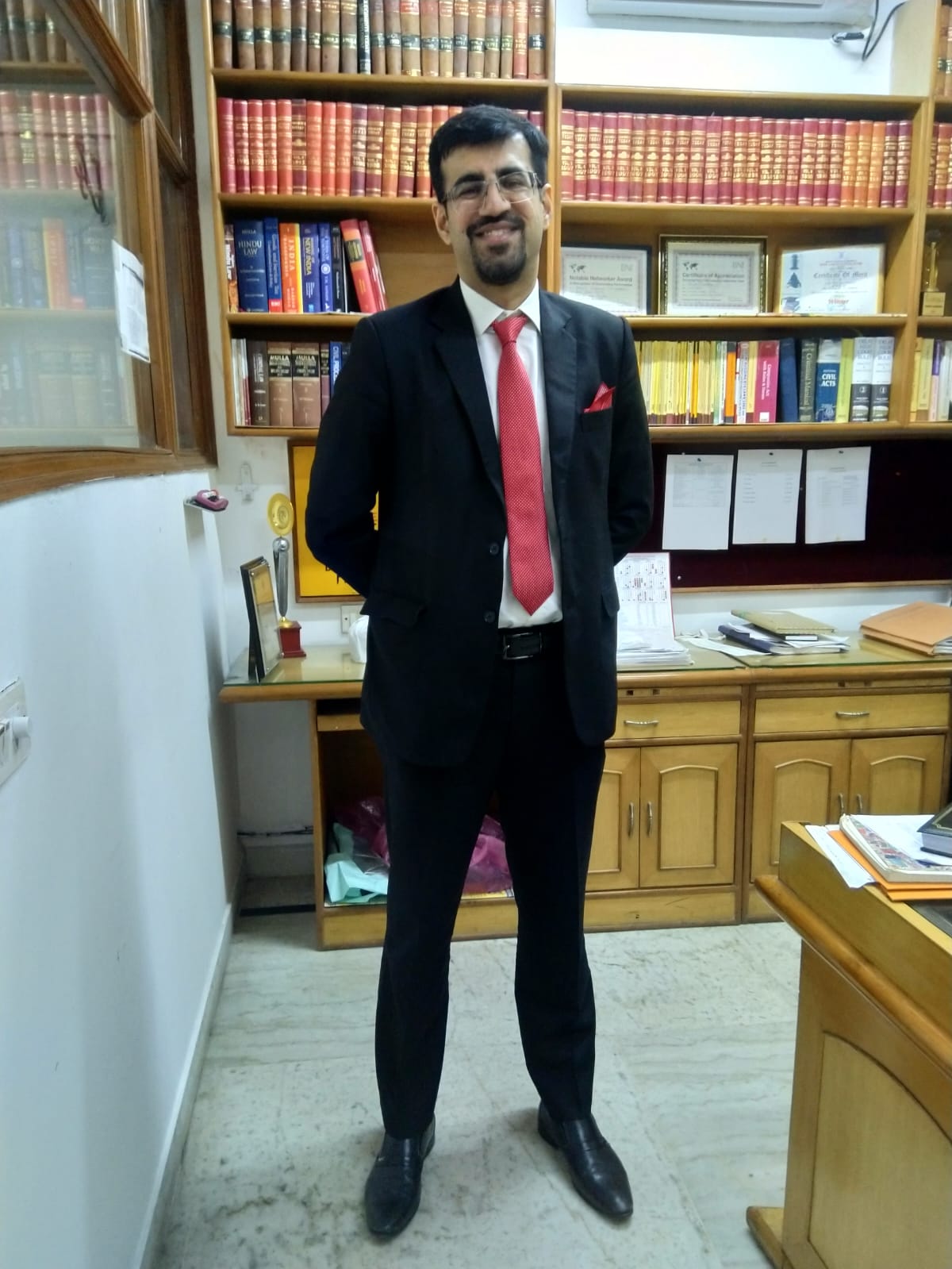
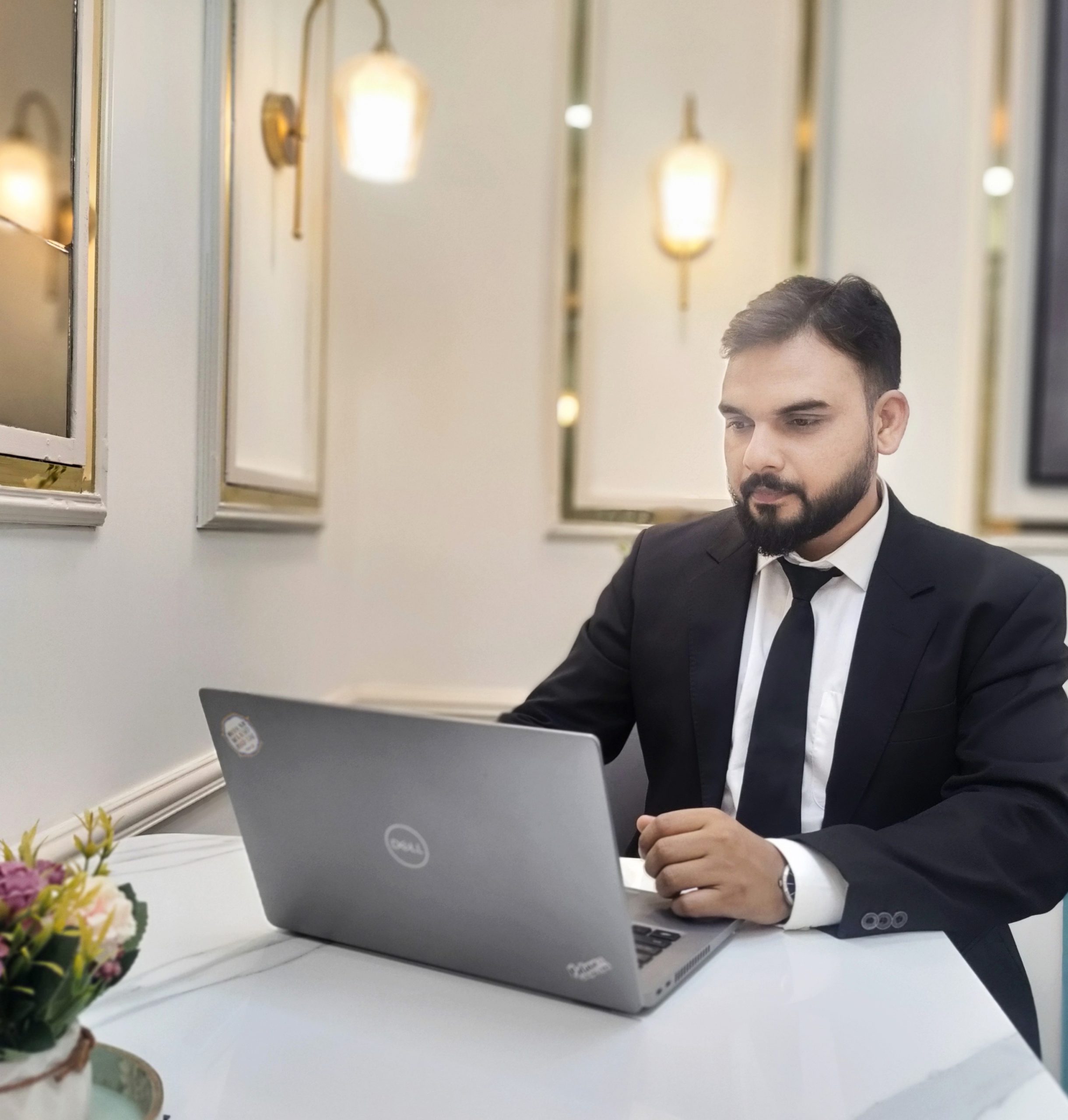
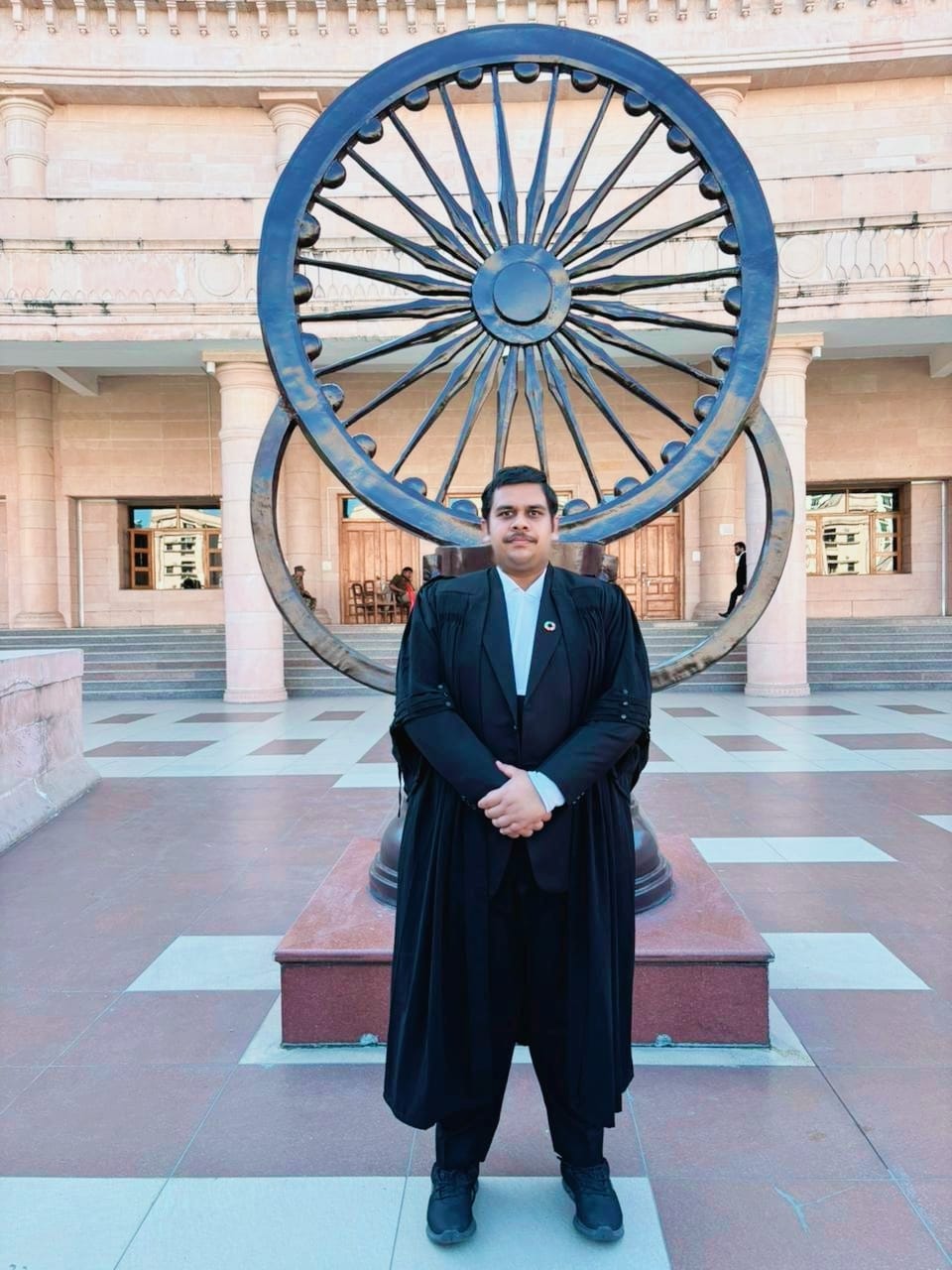
Category: Interviews

  • “Embracing technology is not just a choice; it’s a necessity in today’s legal landscape. By leveraging technology, we can enhance efficiency and deliver superior outcomes for our clients.” – Kamlesh Kharade, Founding Partner at India Law Alliance

    This interview has been published by Namrata Singh and The SuperLawyer Team
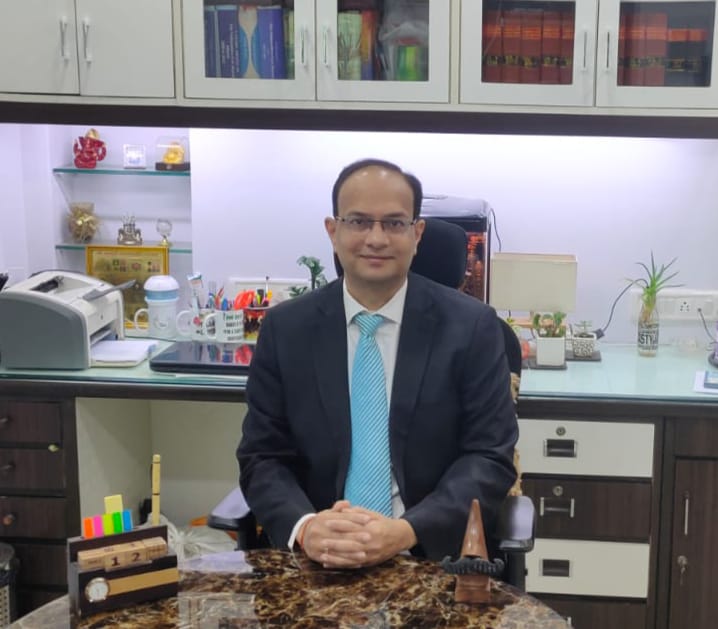
    Could you take us through your journey from your college days to where you are now as a Founding Partner at India Law Alliance? What inspired you to choose a career in law, and can you share some memorable moments from your college days and legal education that have shaped your professional trajectory?

    Actually, I took up law as a career due to an accident that took place in December, 1990. Due to which I had to take a break of 2 years from my studies. Due to the bed rest advised by the doctors, I could not give the final exam of my second year of B. Com. However, I completed my Bachelor of Commerce in May 1993 with first class. At that time two of my best friends had already started studying law at New Law College. Hence, I choose to join New Law College instead of joining the Government Law College. The professors at New Law College encouraged me during the initial years to take up law as a career. I joined Hariani & Co.  in January 1996 as a Trainee and thereafter I completed my LL. B. in May 1996. After I completed LL. B degree, I took up further studying and completed the Masters in Law from Bombay university (LL. M) in May 1998.

    I have studied law graduation from New Law College, Matunga, Mumbai. During the free period, I used to discuss with my Seniors about the career in law. During one of the conversations with my friend Veena Mehta, she happened to inform me about the Solicitor’s Articleship with the law firm. Accordingly, I decided to take up the Articleship in a law firm after I finish my law graduation. However, during my 3rd year of law, upon the recommendation from Veena, I joined Hariani and Co. as Articles clerk. I had to sign my article’s agreement with Senior Solicitor P.P. Hariani. I really had a good working experience at Hariani & Co. being one of the best law firms to work in the year 1996. Thereafter, Hariani and co. got merged with DSK Legal and was known as Anderson Legal. While working in Anderson Legal, I had decided to start my own law firm. Anderson Legal in the due course was renamed as DSK Legal. In the year 2004 after completing my Qualified Lawyer’s Transfer Test in London, I had decided to return to India and start working independently in the legal field. Hence, I took a break from work and started studying for my Ph. D in Law. During my studies at Bombay university, I was exploring the options to start a law firm.  I always wanted to become an independent professional instead of working for Company.  I had met Anupam Dighe at DSK Legal and discussed with him about starting the new venture. Accordingly, we both initiated and founded our own law firm under the name India Law Alliance. Anupam had discussed with his family friend Raghu Aiyar for office. Accordingly, we started working from an office opposite Bombay Stock Exchange.  Later on, two junior advocates joined us and our journey in the legal field formally started in October 2004.

    As the founding partner of India Law Alliance, could you share with us the story behind the inception of your firm? What motivated you to establish your own legal practice, and what were some of the challenges you encountered during the initial stages? Moreover, how do you perceive the growth and evolution of your firm over the past 19 years, and what do you envision for its future trajectory?

    India Law Alliance is formed by Anupam Dighe and myself with guidance from our well wisher Mr Raghu Iyer, Managing Partner of K S Iyer & Co., the esteemed Chartered Accountancy Firm. The initial challenge of getting the clients for the law firm was taken away as our acquaintances and family friends recommended their corporate contacts to us and introduced us as Corporate lawyers to take up the legal work. Initially, I took up the litigation work on behalf of Corporates in Bombay High Court and Bombay City Civil Court. We represented them in the injunction suits and obtained favourable orders. We worked professionally and worked with the experienced Counsel to represent our clients and succeeded in representing them in Bombay High Court. This gave lots of confidence and we continued our journey in representing clients in various litigations in Mumbai City as well as in the Hon’ble Supreme Court at New Delhi. We were fortunate to take up the due diligence assignments with Merchant bankers. 

    We are recognised by our existing clients who recommended our firm to their acquaintances which is helping us in growing moderately despite the Corona Epidemic period. The growth of work in the firm is moderate and continuous which motivates us to upgrade ourselves in using the technology and completing tasks in time.

    You have an impressive array of legal expertise spanning various areas such as Dispute Resolution, Intellectual Property, Real Estate, and Banking & Finance. How do you manage to maintain proficiency across such diverse domains?

    During my Articleship time with earlier law firms, I had an opportunity to represent various corporate clients and high net worth individuals. This gave me exposure to work in a variety of fields and represent them in high value real estate transactions. I continue to represent our esteemed clients in completing transactions in real estate, banking and finance besides protecting their intellectual property rights. As a junior advocate, I was always open to learning new corporate avenues which gave me the opportunity to read various commercial documents and applicable laws. Over the period of time, I sharpened my skills to multitask while reading corporate documents and understanding the intrinsic values in it.

    Even today, I like to read the commercial transaction documents in detail. I like to understand the new terminologies and concepts introduced in that transaction. With change of laws and technology it is important to work in diverse domains which keeps you active in professional life.

    Apart from your legal career, what are some of your personal interests or hobbies that you find yourself indulging in during your free time?

    I have been a Rotarian since July 2004 which keeps me busy working with people with a variety of interests. Rotary has various fellowships and I participate in a few interesting fellowships. The recent fellowship in Rotary is known as Rotary means business. This platform actually gives networking opportunities with various Rotarians from different locations and vocations to interact with each other. Networking is the latest keyword for the legal profession as it gives opportunity to meet people with various types of businesses and their needs. Rotarians do refer to our law firm as one of the recommended law firms as many of the Rotarians know me as an active professional. I do enjoy attending musical concerts including jazz nights. I do enjoy practicing golf at home as well as at the club whenever opportunity is available. In my free time, I often read magazines of various subjects. The latest being on the topic of artificial intelligence.

    In your opinion, what are some of the essential skills or qualities that every aspiring lawyer should cultivate to thrive in the legal profession today?

    Every aspiring lawyer must have acumen to read the latest laws with amendments and keep notes for application in practical life. The lawyers must get acquainted themselves with the latest technology available for the legal field and use it for doing the research, be it for court cases or for any particular transaction. With updates of the law as well as relaxations in many government policies, the aspiring advocates must read it from time to time. The latest updates or amendments must be discussed with concerned partners or colleagues from time to time. These discussions on law keeps the lawyer active in mind as well as in profession. Making notes on latest judgments and using them in applicable cases is required for every aspiring lawyer as it helps in growing his or her presence felt during the meeting.

    You’ve been actively involved in representing both multinational companies and large Indian business houses. From your experience, what are some common challenges faced by clients in today’s dynamic business environment, and how do you assist them in overcoming these challenges?

    Nowadays most of the multinational companies and business houses hire Advocates for their legal work. The company’s law team needs to be updated by the law firm about the latest judgments as well as amendments in law. The challenges faced by the company’s advocates need to be understood correctly by the advocates working in the law firm and keep them updated with the latest changes. Changes in the laws need to be understood correctly by the advocates and accordingly inform the clients to take the correct decision and plan for the company’s requirement. The latest applicable stamp duty rates and exemptions available to the companies need to be discussed and informed to the concerned officials from the company to take the correct decision in time. The regular legal update or knowledge sharing needs to be done with the company professionals which helps advocates from the law firm and corporations bond well. This mutual understanding and support helps both the law firm as well as the company.

    You’ve navigated through legal landscapes both domestically and internationally. Could you shed light on the differences you’ve encountered in working within these two contexts, and what approach you believe is essential when dealing with international law or clients compared to domestic ones?

    International clients require our assistance in understanding the applicable Indian laws to the problems or challenges faced by them. Hence to understand the problem at hand and find the correct solution to the problem in the Indian scenario is very important. Most of the international laws are very simple in understanding however the execution of the transaction or its applicability in India need to be understood correctly. International clients often require our opinions on certain clauses in the commercial transaction. However sometimes those clauses are too complex in application due to changes in technology which may not be available in India. Hence, we face a challenge in finding the correct solution in either amending those clauses as per Indian laws or suggest alternate solutions for those issues. Domestic clients handling is not too difficult nowadays due to experience of dealing with corporates for many years and the standard practice and process followed by us. However, understanding the international client’s requirement in the present scenario gives us the opportunity to learn new concepts and its application in the current international scenario.  

    In your opinion, what new dimensions or emerging trends do you foresee in the legal landscape, particularly concerning areas like intellectual property and real estate?

    The protection of intellectual property in India is widely recognised nowadays. Its awareness and protection of intellectual property rights is very important as nowadays many corporates seek prior opinion and guidance from us before using the intellectual property for their business. This advanced planning assists them in avoiding the unnecessary litigation. With new technology being available for legal work it is very important for us to get acquainted with it and support various clients in protecting their intellectual property rights. The new technology in real estate like satellite mapping off location of company properties gives better understanding of the transaction. Accordingly, we can advice the client. Real estate in Mumbai is protected by various laws including RERA which helps in advanced planning in proper title search of the concerned property. With the help of online searches of the property we can do much better work than earlier times.

    Many of us have one area of work and one passion area which we love to immerse ourselves in. Do you have any particular aspect of your legal practice that you’re deeply passionate about, beyond the professional obligations, and if so, what is it? 

    My legal expertise is in corporate real estate transactions which I enjoy the most. However, my new passion since the last few years is Public Interest Litigation. I represent a few individuals who are fighting for public interest in Mumbai city. I do a lot of pro bono work for the individuals who can’t afford to hire counsel or the law firm. I try my best to find the best practical legal solution for them and negotiate accordingly with the concerned developer to avoid unnecessary litigation. It gives a lot of satisfaction and pleasure to work with individuals who are passionate about the common man’s concern. I enjoy working with the local resident’s associations to protect the interest of locals against the wrong policy or work done by the authorities. I enjoy working with locals and representing them before the authorities which gives some pride to me being an advocate.

    Get in touch with Kamlesh Kharade–
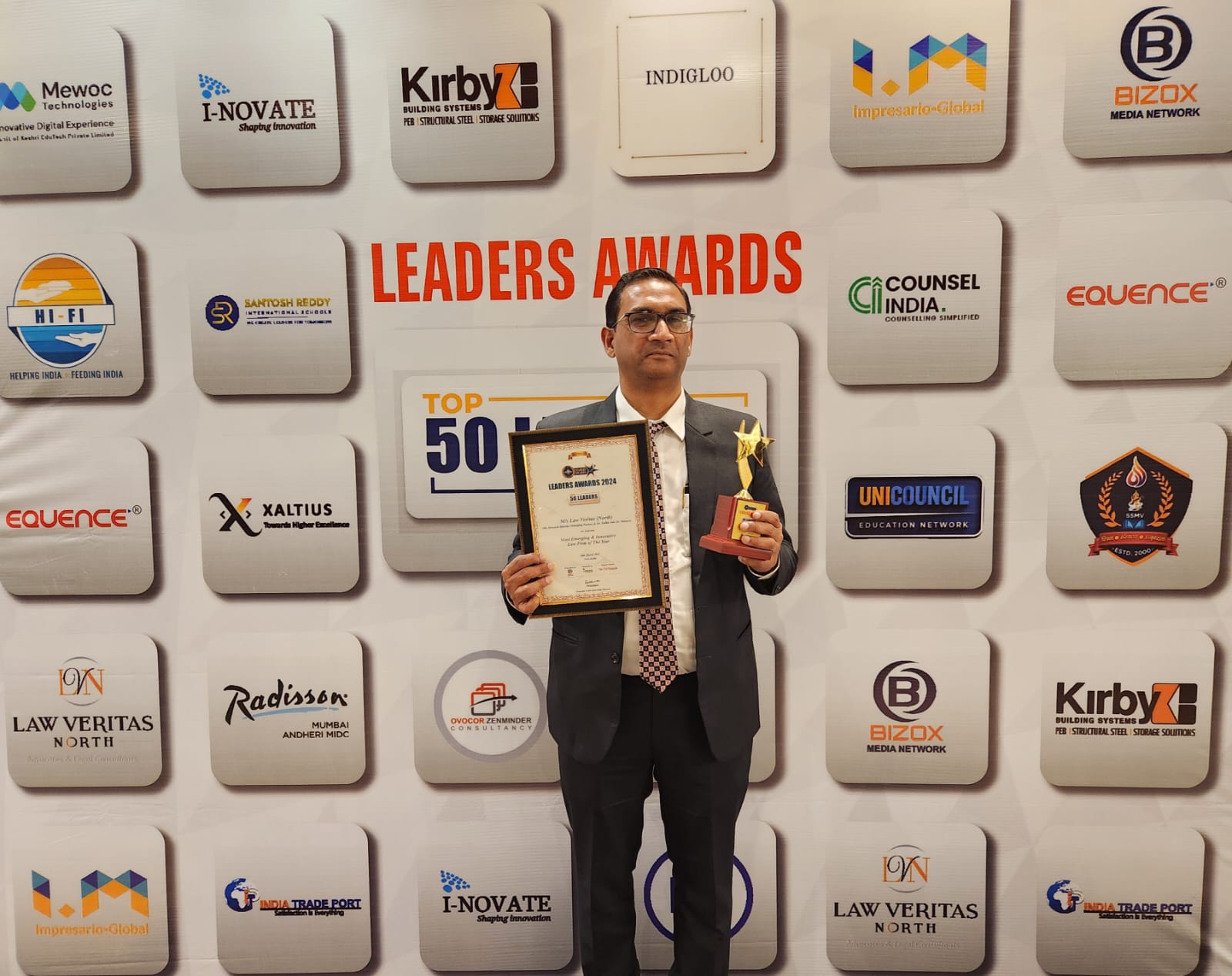
  • “Practical experience and a willingness to learn from challenges are paramount in carving out successful careers in law.” – Sudhir Jain, Sr. Partner at Law Veritas “North”

    This interview has been published by Namrata Singh and The SuperLawyer Team

    Can you share with us your journey from your college days at Campus Law Centre, University of Delhi, to becoming a Senior Partner at Law Veritas North? What inspired you to do Law after completing your B.Com? 

    My journey from my college days at Campus Law Centre, University of Delhi, to becoming a Senior Partner at Law Veritas : North has been one of continual growth, learning, and dedication. After completing my B.Com (Hons.), I was inspired to pursue law due to its inherent potential to impact society positively. As Mahatma Gandhi once said, “The true source of rights is duty. If we all discharge our duties, rights will not be far to seek.” I felt compelled to contribute to the legal framework of my country and serve justice.

    As a senior partner, what leadership qualities do you believe are essential for guiding a successful legal team?

    As a senior partner, I believe essential leadership qualities for guiding a successful legal team include integrity, clear communication, strategic thinking, empathy, and the ability to inspire and mentor others. To quote Abraham Lincoln, “I am a firm believer in the people. If given the truth, they can be depended upon to meet any national crisis. The great point is to bring them the real facts.” Effective leadership fosters collaboration, ensures coherence in strategy, and motivates team members to perform at their best.

    From your perspective, how can the current generation of aspiring lawyers adapt to the evolving landscape of legal practice and carve out successful careers for themselves?

    The current generation of aspiring lawyers can adapt to the evolving landscape of legal practice by embracing technology, honing their communication and interpersonal skills, staying updated on legal developments, and fostering a spirit of innovation and adaptability. The life of the law has not been logic; it has been experience. Practical experience and a willingness to learn from challenges are paramount in carving out successful careers in law.

    With over 24 years of legal experience, what are some key lessons you’ve learned along the way that you would pass on to aspiring lawyers?

    Over my 24 years of legal experience, I have learned several key lessons that I would impart to aspiring lawyers. Firstly, integrity and ethics should always guide your practice. Secondly, continuous learning and staying updated with legal developments are essential. Thirdly, effective communication and interpersonal skills are as crucial as legal expertise. Finally, perseverance and resilience in the face of challenges are indispensable qualities for success in the legal profession.

    How do you balance the demands of litigation with providing strategic counsel to clients in property and revenue matters? 

    Balancing the demands of litigation with providing strategic counsel to clients in property and revenue matters requires meticulous planning, effective delegation, and clear communication. It’s about understanding the priorities of each case and allocating resources accordingly. To quote Benjamin Franklin, “By failing to prepare, you are preparing to fail.” Diligent preparation and a strategic approach enable me to effectively manage both aspects of my practice.

    Could you share with us one of the most challenging cases you’ve encountered in your career and walk us through how you navigated through it to achieve success for your client?

    One of the most challenging cases I have encountered involved a complex property due diligence running in crores with multiple stakeholders and intricate legal issues. Navigating through it required a comprehensive understanding of property laws, strategic negotiation skills, and perseverance. Through meticulous research, strategic planning, and effective advocacy, we were able to secure a favourable opinion/outcome for our client, ensuring justice prevailed despite the complexities involved. However, due to a confidentiality clause I am unable to divulge further details.

    Could you share a moment in your career where you had to adapt to a new dimension or understanding of the law, and how it impacted your approach to future cases? 

    In a pivotal moment in my career, I faced a property law case where traditional principles clashed with modern urban development dynamics. This compelled me to delve into nuanced aspects of property laws, zoning regulations, and authorities provisions. Adapting to this multifaceted dimension of property law not only refined my legal expertise but also emphasized the significance of balancing individual property rights with broader societal concerns. This experience profoundly influenced my approach to future property law cases, fostering a more nuanced and holistic perspective that integrates legal principles with social and economic realities.

    What role do you believe mentorship plays in the legal profession, and have you had any mentors who significantly influenced your career trajectory?

    Mentorship plays a crucial role in the legal profession, providing guidance, support, and valuable insights to aspiring lawyers. I have been fortunate to have some mentors who significantly influenced my career trajectory by imparting wisdom, sharing experiences, and nurturing my professional growth. Mentorship fosters personal and professional development, shaping the future leaders of the legal profession.

    Could you walk us through what a typical day looks like for you as a Senior Partner at Law Veritas North? How do you manage your time and prioritize tasks amidst your various responsibilities and commitments?

    A typical day for me as a Senior Partner at Law Veritas : North involves a blend of client meetings, case reviews, strategic planning sessions, team management, and administrative tasks. Time management and prioritization are crucial, and I rely on effective delegation, leveraging technology for efficiency, and maintaining a structured schedule to balance my various responsibilities and commitments effectively.

    How do you think the current generation of lawyers can leverage technology to enhance their legal practice? 

    Embracing legal technology is paramount in today’s legal landscape. Despite not being a technology expert myself, I recognize its pivotal role in enhancing legal practice. As per an anonymous quote, “Our achievements are the culmination of various influences and collaborations.” Similarly, integrating technology into legal practice enables lawyers to weave a more efficient and effective tapestry of legal services for clients. While I may not possess innate technological prowess, I acknowledge its importance and actively seek opportunities to leverage legal tech tools to streamline processes and deliver better outcomes for those I serve.

    Get in touch with Sudhir Jain-

  • “Our role as in house counsels is to push the limits of permissible law and guide our business to take difficult decisions by explaining possible risk scenarios”- Ankur Deka Rabha, Founder & Managing Partner ~ Λrgħyä Legal

    This Interview has been published by Pragya Chandni and The SuperLawyer Team

    Can you share with us your journey of becoming a lawyer, starting from your graduation at NLSIU, Bangalore, to your current role as Managing Partner at Λrgħyä Legal?

    My journey as a lawyer began when I joined the prestigious National Law School of India University (NLS), Bangalore in the year 1997. Law school gave me a whole new perspective on life, purpose and law in general. The initial years until graduation was a period of great learning and appreciating the law, legal research and developing an analytical mindset. After graduation, I worked under a few senior counsels as a litigating lawyer in New Delhi being fortunate enough to be practising in various courts like DRT, Tis Hazari, Patiala House, High Court and Supreme Court. This is the phase in my life where I learnt the importance of PERSEVERANCE & RESILIENCE. When your salary is meagre  (compared to what your peers earn in a company or law firm) and you need to survive on that, it requires a lot of PERSEVERANCE & RESILIENCE to not give up on your dream. 

    I transitioned from a litigation lawyer to an associate in a law firm in the year 2006 when I shifted from New Delhi to Bangalore to work with a law firm dealing mostly with foreign clientele wanting to set up business in India. I was fortunate to be a part of the team managing contracts drafting and negotiations, M&A for some well known corporate clients.  This experience along with my previous experience as a litigation lawyer helped me to get into Bosch as an inhouse counsel and thus transition myself from a lawyer to a business lawyer. During this phase, I was fortunate to have both local and international exposure on various aspects of business and law in general. This phase was also about understanding and appreciating the importance of forging collaborations, understanding business, numbers, managing stakeholder expectations, managing teams, having the foresight for incoming risks and proactively taking steps to minimise risks.

    Finally the culmination of all that I had learned and experienced over the years helped me in pursuing this new phase in my professional career i.e. the setting up of Λrgħyä Legal  The firm was set up with the aim of providing affordable and high quality services to select clients. Having been an in-house counsel most of my professional life I am able to understand the pain points/areas of concerns of corporations better and provide solutions which are practical and easy to implement from a business standpoint. Currently the firm’s focus is mostly on assisting in house counsels with the day to day issues, mergers and acquisitions, secretarial assistance and compliance training. 

    With your extensive experience in various industries like healthcare, e-commerce, and IT, what motivated you to pursue a career in law, particularly in corporate and regulatory aspects?

    Few factors that contributed to my decision to join NLS and pursue a career in law. The desire to move out of Guwahati to broaden my horizon in life in general and to join a professional course which was equally relevant as that of medical and engineering courses.  I was very fortunate to be a part of this prestigious  institution.  NLS helped bring in a lot of maturity and clarity in my thoughts so once I graduated I had a clear roadmap in mind. Although someday I wanted to be an inhouse counsel, I first wanted to understand law and its nuances and see how it’s actually dealt with by courts, then law firms and finally settling down as an inhouse counsel. These experiences help me immensely while dealing with complex and critical situations which require strategic thinking. 

    Coming to the question of why I focus particularly in the area of corporate and regulatory aspect. Well I would say although these two aspects are very important, it would not be the only ones that I would need to look at if I am an in house counsel in a leadership position. One has to remember that the role of an inhouse legal counsel is about being a generalist in law, being foresighted, proactive, collaborative, approachable and generally having an idea about every aspect of law which applies to the organisation. You are the first line of defence and your internal stakeholders will look to you for answers and solutions. So I would say I am a generalist whose job is to maintain a fine balance between compliance of law while facilitating smooth business transactions. I have been really fortunate to be a part of multinational organisations which exposed me to a whole gamut of issues on various aspects of law which were really complex and some of them even path breaking, both nationally and internationally. Such experience has enabled me handle complex issues with poise and maturity. 

    You’ve held significant positions in both multinational corporations like Bosch and Essilor, as well as in consulting roles. How have these diverse experiences shaped your approach to legal counsel and leadership?

    Experience does matter and as a lawyer, I have been really fortunate to have worked with great senior counsels, being part of great teams at various law firms and finally exposed to a whole gamut of critical issues in a corporate world mostly in the IT and manufacturing side ranging from labour issues, product issues, litigation, M&A, compliance etc. After more than two decades of being in the profession, each stage of my career has taught me something new which I would not have been privy to or learnt had I continued in just one field and not delved into others. I can safely  say I have seen it all but of course with the humility to state that the learning never stops and I still think of myself as a student who has the courage and conviction to unlearn and learn if required.

    These past experiences of what it takes to drive business has an effect on how I counsel my clients today.  I look at the business and then apply law to see to what extent I can stretch my risks. Years of experience helps in a way to already visualise consequences. Hence, every suggestion or an opinion given to clients is based on their business need and practicality within the ambit of the permissible laws.  One size may not fit everyone so one has to be agile, quick and flexible to innovate. For example, I will never advise anyone to go in for litigation as a first step in a dispute situation. It should be the last resort and one needs to understand that the cost of litigation could dent a company’s bottom line.  During my stint as a General Counsel I have facilitated many negotiations and saved huge litigation costs to the companies I was associated with. 

    As someone who’s been recognized for achievements such as “General Counsel of the Year – Healthcare,” what are some of the key challenges you’ve faced as a first-generation lawyer, and how did you overcome them?

    Challenge is a perception and quite subjective. I always saw opportunities in everything that came my way and grabbed them to make a mark. There is also no alternative to hard work. Challenges are always present in life and we have to figure out a way to navigate through these challenges. Everyday something new happens which we may not comprehend nor anticipate and that is what keeps us going. Life without it will be very boring.


    I was never really dependent only on people teaching and guiding me to learn new things. Of course its importance can never be negated. However, I realised early in life to learn from experiences around me by myself as well. Time is always of the essence and sometimes you miss the bus. During one farewell, the managing director of the company asked me what I would have done differently or changed if I had the opportunity to go back in time. I replied saying none. They were valuable experiences and if I had not encountered them then I would have never learnt. Learning is not only about law, at a leadership level it is about how much you understand the business of your organisation, it is about managing people, managing expectations of your stakeholders, maintaining a fine balance between compliance and business, learning leadership skills etc. This attitude helped me rise the corporate ladder faster and become the general counsel of a listed company at a very early age where I also had to lead cross functional peers who were double my age and experience. 

    In your roles at Flipkart and Walmart, you managed legal aspects of B2B wholesale business. Could you elaborate on the complexities and nuances you encountered in navigating regulatory landscapes in the e-commerce sector?

    I will answer this question in a more generic manner rather than answering specifically with regard to my stint at Flipkart as it applies in general with every organisation in the B2B e-commerce sector. Although regulated, it is not as stringent as the B2C ecommerce sector. Nonetheless, one cannot deny the fact that compliance of the applicable regulations is very important and in order to ensure compliance we need to understand the current gaps and that is only possible through regular interactions with internal stakeholders to understand how the business is being driven. Only once you understand what is currently in place can you strategize on whether any alignment or realignment has to be undertaken. Further, there are also changes in certain areas of law or process which are constant in the B2B sector. Most of the time you will see clarifications and circulars issued by the government under FSSAI, ISI or Legal Metrology or CDSCO on a regular basis.  Sometimes interpretation of such changes becomes an issue as they could be interpreted in more than one way and this is where we need to step in to reach out to the right authorities and conclude on the correct interpretation. Likewise we also need to reach out to relevant authorities and advocate for change whenever we find new changes in law detrimental to our business interest. In general I would say in today’s fast paced business and cut-throat competition, agility and quick decision making is critical to the success of a business. Our role as in house counsels is to push the limits of permissible law and guide our business to take difficult decisions by explaining possible risk scenarios. 

    You’ve been involved in various legal domains such as M&A, compliance, and litigation management. How do you stay updated on legal developments, and how do you integrate these insights into your strategic advice for businesses?

    Overall there are a few things which we need to keep in mind as in inhouse counsel. Firstly understanding the law enables me to visualise consequences and such awareness enables me to guide internal clients in the right direction. Hence, having a proactive mindset to look out for new changes in law and how it is going to affect your organisation’s business and ensure mitigation measures well in advance by working with business colleagues to ensure smooth transition is key. I strive to continuously read and research  on relevant and complex legislations/ provisions of law to ensure that I get the required clarity of its nuances from the perspective of courts/case law to not only properly guide and advice clients but also to be able to successfully provide alternatives during negotiations. Sometimes a simple oversight could cost a lot for your clients. Therefore, it is important to have an eye for detail and the patience to read every line and use one’s analytical skills to question whether what one is looking at really applies to the current situation or not. 

    What is the story behind starting Λrgħyä Legal and embarking on a new chapter in your life. Many would see this as a huge risk stepping out of the comfort of a stable job and a successful career.

    I always had a desire of exploring and stepping out of my comfort zone to try something of my own. After a lot of thought and deliberation with my family, my peers in the industry from whom I found acceptance in the concept of our firm, I finally decided that it is about time I pursued this passion. Having spent more than two decades as a lawyer and most of part of that career as an inhouse counsel with various multinational companies gave me great insights into the various nuances/complexities of managing an inhouse team, budget constraints, work pressure and impossible timelines.  It is very difficult most of the time for in-house counsels to manage/outsource work due to the high cost of legal services. I understand that very well being in that situation myself and feeling helpless. Hence, Λrgħyä Legal was born in the month of August, 2023 with the aim of addressing such issue and coming up with affordable services without compromising on quality. Λrgħyä Legal strives to foster partnership and lasting relationship with our clients rather than just mere commercial transaction.

    Λrgħyä in Sanskrit means “Sacred Offering”. Λrgħyä Legal was set up keeping in mind the four principles: (a) Availability; (b) Affordability; (c) Quality; (d) Integrity. We collaborate with in house counsels and work on various models which helps in (i) outsourcing at affordable rates (ii) continuity of work during headcount reduction or headcount freeze (iii) managing critical manpower and reducing headcount costs and (iv) enabling ample time  to the in house counsels to focus on critical issues and (v) assisting organisation to implement compliance trainings on various legal topics. Currently the firm’s focus is mostly on assisting in house counsels with the day to day issues, mergers and acquisitions, secretarial assistance and compliance training. 

    Lastly, given your wealth of experience, what advice would you offer to fresh law graduates aspiring to pursue a career similar to yours, particularly in corporate law and regulatory compliance?

    In general, all I can say is no matter what one does, they should do it with complete dedication. Patience, Perseverance and Resilience is key to any successful career. There are no shortcuts to success. Do not be in a hurry to move on to new things without mastering what you are currently doing. 

    Get in touch with Ankur Deka Rabha-

  • Change is never brought about overnight, it is small efforts made by various people across professions genders and age groups which contribute to the growth of a country – Shohit Chaudhry, Advocate-on-Record at the Supreme Court of India

    Change is never brought about overnight, it is small efforts made by various people across professions genders and age groups which contribute to the growth of a country – Shohit Chaudhry, Advocate-on-Record at the Supreme Court of India

    This interview has been published by Namrata Singh and The SuperLawyer Team

    Shohit, could you take us through the beginnings of your career in law? What inspired you to pursue a career in law, and what were some of the initial challenges you faced as you embarked on this journey?

    I graduated from National Law University Jodhpur, in 2008. I was very clear that I wanted to do litigation. I joined the offices of Mr. Neeraj Malhotra, (now a Senior Advocate), in Delhi. I worked with him for a year and learnt the basics of litigation. Thereafter, I worked as the member of the legal team of Central Vigilance Committee on Public Distribution System of food grain, a committee appointed by the Hon’ble Supreme Court of India under the chairmanship of Justice (Retd.) D.P. Wadhwa, retired judge of the Supreme Court in the Right to Food Case. The Committee was required to submit a report on the functioning and maladies of the PDS in the entire country and suggest remedies in order to improve the system. The Committee was required to visit the States and prepare a report on each State separately. I visited a total of 9 states across the country in a period of 7 months. The exposure was immense, however, it took me away from litigation.

    I then worked with Zeus Law Associates for 1.5 years and started getting experience in high-stake matters. In August, 2011, I left and started taking on independent work. Alongside, I worked with The Chambers of Law under Mr. Dinesh Chand Mathur, Senior Advocate and Mr. Mohit  Mathur (now a Senior Advocate). This office taught me all the criminal law I know today. In May 2012, I became independent, completely. 

    The challenges I faced in my journey were all to do with the real world. Thanks to the curriculum of our University, we were taught laws, public speaking and were comfortable in appearing in Court from the first day itself. However, I did not know networking, how to get a new Client or how to retain a Client. I am a first-generation litigator and have had to happily work for everything I have. I always believe that there is space for merit and that is the quota I target. I was taught to question everything and seek advice from subject-matter experts. Thus, I did. I spoke to parents, friends, colleagues, and coaches on all that our formal education does not teach us. 

    As the President of the NLUJ Alumni Association, you play a significant role in fostering connections and opportunities for alumni. What inspired you to take on this responsibility, and what initiatives have you undertaken to strengthen the alumni network?

    The National Law University, Jodhpur, is a relatively young institution and we are a very young alumni body. Our first batch passed out in 2006 and our oldest alumni may not be over the age of 41. In June, 2020, when we had a lot of time on our hands, our alumni, a number of whom were in a WhatsApp group, started debating on the usefulness and outreach of the Alumni Association. It is then when I realised the generational difference in the thought process of a graduate of 2006 and that of 2020. The only way to keep such a diverse group united was to bring them under the umbrella of the Alumni Association. 

    Our first election was in 2021. I had the option of becoming the President, however, I chose to become the Secretary, as I realised that the maximum amount of work was to be done by the Secretary. In the next elections, in 2023, I became President. The work that we undertook on behalf of the National Law University Jodhpur Alumni Association (NLUJAA) was – 

    But this is just the beginning. We are in the process of raising our game and increasing the number of activities of the Association. 

    Your work profile spans across various areas of law, from civil and criminal to corporate and constitutional matters. Which aspect of law do you find most challenging yet rewarding to navigate, and why?

    I most enjoy the challenge when the chips are stacked against me. The field of law does not matter. It so happens, I mostly represent the underdog – the parents against the school, the pilot against the airline, the homebuyer against the real estate giant, the poor man in judicial custody, the person seeking to enforce the right against the State and so on.

    A lot of times you have a very tough case and the Court is against you and the other side is packed with senior lawyers. It is at such times when your preparation and court craft matters, when as you argue and contest the case, you actually see the expression of the Court change, the opposing lawyers fumble, and the Court realising that you actually have made out a good case where perhaps there was none. 

    The beauty of matter is the journey it undertakes – how each step in a litigation contributes to the victory at last. 

    You’ve been involved in drafting and amending rules for the Delhi High Court, among other prestigious appointments. Can you share some insights into the challenges and opportunities you encountered during these processes?

    Being part of the team which drafted the Delhi High Court (Original Side) Rules, 2018, has been an honour and the most rewarding assignment of my career, so far. I was the youngest in a team comprising the then Acting Chief Justice of the Hon’ble High Court of Delhi, the Hon’ble Judges presiding over the Original Side of the Hon’ble High Court of Delhi and Senior Advocates. When we litigate, we only represent the interests of one side. However, when we legislate, like we did with these Rules, you have to strike a balance with all sides – the bar, the bench, the litigant, the system and of course, the country. 

    It was a massive learning process. For about 6 months, I used to spend a few hours every day on the formulation of these Rules.  It was a privilege, having got an opportunity to do this after spending only 9 years at the bar. I was the point of contact for all the constituents of the Committee and had to keep the answers handy at all times. I used to prepare for the meetings of the Committee like we prepare final arguments for our matters. Queries used to fly thick and fast and we were required to be ready with answers. 

    I had an opportunity to understand, perceive and observe how Judges and senior lawyers, all with a wealth of experience, discuss and debate the nuances of law. 

    I was rewarded with being Nominated by the Hon’ble High Court of Delhi as Counsel to represent the Hon’ble High Court of Delhi, before various fora. 

    In your media coverage, you’ve addressed significant legal issues ranging from aviation safety to real estate disputes. How do you approach communicating complex legal concepts to the public and media, ensuring accuracy and clarity?

    Simple. People don’t read. You have to make them read. One of my seniors said, your draft should be so simple, even a common man can read it. That is what my endeavour is. Every time a journalist calls me to understand something, I try and break it down in a manner that even a common man with a non-legal background can understand. 

    Your contributions to landmark judgments like ‘Pioneer Urban Land and Infrastructure Limited v. Union of India’ have had a profound impact. What role do you believe legal professionals play in shaping societal norms and policies through such cases?

    The success of Pioneer Urban Judgment ultimately led the government to amend the Insolvency and Bankruptcy Code, 2016. I believe all lawyers do their fair share of work which is towards a cause or an advancement of society. However, influencing policy in an evolving system is the best gift we can give in our profession. 

    Change is never brought about overnight. It is small efforts made by various people across professions, genders and age groups which contribute to the growth of a country. Law is one of the most powerful professions in the world. Apart from doing their day-to-day work, a number of lawyers wear several hats. They are part of societies, boards of Companies, political bodies, governments, sports associations, charitable organizations etc. and are often at the helm of these organizations. One way is to influence society by their actions in each of these organizations. Another is changing the legal system for the bar, bench, litigants and legal professionals by participating in various exchanges of ideas when invited by the Government, the Courts and organizations working in this space. It is easy to complain, however, very few reach out to the system and bring to the knowledge of the relevant person, the challenges being faced. The moment you do so, very often a solution presents itself. The system is designed to work, however, it always requires a fresh perspective. 

    As someone deeply involved in legal education and mentorship, what steps do you believe law schools can take to better prepare students for the practical aspects of legal practice?

    Universities must endeavour to bridge the gap between the theoretical aspects of education and practical use in the real world. They must increase interaction between alumni and students from the perspectives of different fields. This is applicable to all professions and more so, in law. 

    Law Schools must make internships mandatory as that provides exposure to the life of a real professional. Fortunately, our University has a robust system for internships. However, sometimes 5th year students of certain Law Schools have come for internships who have never entered Court. It is their first legitimate internship and they appear clueless. Mentoring them is tougher as they have lesser exposure. 

    For our University, we are in conversation and are in the process of increasing the number of guest lectures by our alumni who are leaders in their respective fields. We are also attempting to increase the exposure of our students to fields of law which are not taught in detail in law schools or are barely touched upon. 

    Could you share a memorable experience from your journey as an advocate-on-record, perhaps a case that presented unique challenges but ended with a satisfying outcome?

    Few instances come to mind – 

    1. A landlord despite being successful in the High Court was unable to get his property vacated from his tenant. We were before the Hon’ble Supreme Court of India having assailed an interim order. The Court stated that the matter had to go back to the High Court. I politely pleaded but to no avail. However, the other side was anxious and in their impatience they said that the matter does not even deserve to go to the High Court. The Judges were not happy and enquired as to the reasons. They then heard the entire matter. They were not satisfied with the arguments of the tenant; were satisfied with mine. Directed the tenant to vacate within a year. My Client was pleasantly shocked. He had been waiting for his property to be vacated for decades. 
    1. We were representing the minority Directors of a Board who were being oppressed and suppressed by the majority in their Company. When the file came to me, in 2012, we had been under fire from the Delhi High Court and the Company Law Board and had various orders passed against us. We were fire-fighting every day. We spent the first two months only getting our house in order, filing replies, filing Applications, and making various compliances, as directed by the Court. We then started going on the offence, filing positive Applications and securing small relief(s) for our Client. After 4 months, we got an order by which our Client got hold of certain valuable information and was able to change the composition of the Board of Directors. For the first time, my Client had the upper hand. The other side settled immediately. 
    1. 5 students were made to sit in the library because their parents were opposing the illegal increase of fees by the School. Matter was ongoing before the Court. An Application was prepared overnight and filed. I argued that everything can be compensated or made good later, however, students missing their classes on the issue of fees was simply not acceptable. The Court ripped into the School and reinstated the students.  
    1. The audit by the Comptroller and Auditor General (CAG) of India of the accounts of the Commonwealth Games Village (CWG) was directed by the Hon’ble High Court of Delhi on our insistence. It revealed a lot. The matter is still pending in Court, so no more comments on that. 
    1. Getting directions to conduct the elections of the Boxing Federation of India, when the people in power were refusing to do so.  

    Outside of your legal practice, do you have any hobbies or interests that help you unwind or maintain a work-life balance?

    I am someone who gets bored very easily. So every now and then I take up a new project. I always believe we should always do something which is bigger than ourselves. Work is constant but variety makes it interesting. In litigation, the diverse fields that I work in, ensure that no day is boring. 

    Beyond litigation, I was part of an international networking organization for 2.5 years (2014 to 2016). In 2014, I did a personal development course which is modelled on life transformation. It opened my mind to the endless possibilities in my life. Since then I have not stopped working on myself. For more than 10 years now, I have been consulting a Life Coach.

    The Delhi High Court (Original Side) Rules, 2018, was a project that came my way in 2017-2018. Thereafter, I try to contribute to the Hon’ble High Court in whichever way possible and as and when I am called upon. It has been a wonderful opportunity to work for the Delhi Arbitration Weekend, 2023 and now 2024. I have now started getting involved in my school alumni group. I also have a few things in the pipeline, however, I will share once they happen. 

    Other than this, I love to travel, however, the details of the same will probably be longer than this interview. I love watching Cricket and follow the game passionately. I am a movie-buff and extremely social. 

    Given your vast experience and success in the legal field, what suggestions or advice would you offer to aspiring law students who are just beginning their journey into the legal profession?

    My constant advice to students is that their decision should be based on 3 criteria – (i) Location (ii) Area of Work and (ii) Money. Please consider what is important for you and decide accordingly. 

    If you want to practice in the Supreme Court, however, you are required in your home city as your parents have certain medical needs, then compromise on your location. Once that is resolved then make the move. Similarly, in case you want to do litigation, however, money is important for you, it is not a bad idea to work for a couple of years doing transactional work with a law firm or work in-house, save your money and then move on litigation. 

    It is likely that at a given point of time, you may not get all three, but that’s fine. Prioritise. Bide your time. You will eventually get where you want to be. 

    Get in touch with Shohit Chaudhry-

  • “A meaningful legal career is not just about financial success… It’s about using your legal expertise to make a difference.” – Geetika Jain, Senior Legal Analyst at APCFSS Government of Andhra Pradesh.

    This interview has been published by Namrata Singh and The SuperLawyer Team

    Reflecting on your journey, what inspired you to pursue a career in law, and could you share some of the challenges you faced in the early stages of your career? How did you overcome them, and what lessons did you learn along the way?

    It was soon after my ICSE Board exams, I believe in the year 2007, when I came  across a newspaper article “JOIN INDIAN ARMY- JAG ENTRY SCHEME” I remember reading that article multiple times and checking the eligibility criteria being graduate in law with other requirements. At that moment I knew my calling was Law. I wanted to pursue Law to make my career in the Indian Army. One of the few challenges I faced early in my career was probably lack of guidance and mentorship. I believe my generation was still hesitant to ask questions to Professors or Seniors Advocates in the Law field. I also feel that back in 2007 we had very less practical exposure in the field of Law like we didn’t have field trips to Court back than or limited moot court competitions. However, I was able to overcome the obstacles and I started expressing these issues through my articles for a local newspaper. These articles helped me land internships and various other competitions that helped my overall growth in the early stages of my career. 

    Your journey showcases a remarkable blend of legal expertise and academic prowess. How do you balance your roles as a practicing lawyer, senior legal analyst, and a committed Ph.D. scholar?

    “Time management is an oxymoron. Time is beyond our control, and the clock keeps ticking regardless of how we lead our lives. Priority management is the answer to maximizing the time we have” –John C Maxwell. Practicing Law is my passion ever since I entered Law School. However, being in Practice for more than 12 years now has brought me the opportunities to don many hats and be versatile in my work. Being a Senior Legal Analyst with Government of Andhra Pradesh gave me insights of seeing the difficulties that any Government Office faces during the entire litigation process and with my experience, expertise and knowledge, if I am able to assist and help in resolving an X number of cases, helping the Government is a once in lifetime opportunity. However, at the same time I always had the desire to increase my knowledge and keep my research in various field of law active, hence I decided to pursue Ph.D. I prioritise my time during the day to find balance in my work as well as my personal life. I do prepare my To-do list everyday in the morning trying to tick of all of them during the day thus achieving my roles as a scholar, analyst and an advocate. 

    As a Senior Legal Analyst at APCFSS Government of Andhra Pradesh, you’ve been instrumental in various projects. Could you shed light on a project that particularly resonated with you and why?

    As a Senior Legal Analyst at APCFSS Government of Andhra Pradesh, I’ve been fortunate to contribute to two impactful projects.  The first is the AP Online Legal Case Management System (APOLCMS), a web-based system designed for government departments and officers to manage and monitor court cases.  APOLCMS significantly improves efficiency and transparency in the legal system.

    The second project involved conducting capacity building workshops for Government Officers.  In these workshops, I had the opportunity to explain the Basics of Law, including Writs, Contempt Petitions, and different types of Writ Petitions. I also helped them develop practical skills like preparing para-wise remarks for writ petitions and counter affidavits.

    There are a couple of reasons why this project resonates with me:

    • Improved Efficiency: Prior to APOLCMS, tracking cases and maintaining a complete history was a cumbersome and time-consuming process. APOL CMS allows departments to electronically manage cases, generate reports, and stay up-to-date on the latest developments – all of which significantly improves efficiency.
    • Transparency and Accessibility: APOLCMS promotes greater transparency by providing easy access to case information. This can be helpful for various stakeholders involved in the legal process, including government departments, lawyers, and potentially even the public (depending on the specific case).
    • Overall, I believe APOLCMS is a powerful tool that is making a positive impact on the Andhra Pradesh court system. It streamlines processes, improves transparency, and ultimately helps ensure that legal matters are handled more effectively.

    Your transition from practicing advocate to assistant professor reflects a significant shift. Could you elaborate on what prompted this transition and how your experiences in legal practice inform your approach to teaching law students?

    The transition from practicing advocate to Assistant professor was indeed a significant one, driven by a few key factors:

    A Passion for Knowledge Sharing: While I enjoyed the challenge and advocacy of legal practice, I’ve always had a strong interest in sharing legal knowledge and helping others understand the intricacies of the law. Teaching allows me to delve deeper into legal concepts and ignite a passion for the law in the next generation of legal professionals.

    A Broader Perspective: Legal practice often focuses on specific cases and client needs. As a professor, I have the opportunity to present a broader perspective on the law, exploring its historical context, theoretical underpinnings, and its evolution over time. This allows students to develop a more holistic understanding of the legal system.

    Real-World Application: My experience in practice allows me to bring real-world case studies and practical scenarios into the classroom. This helps bridge the gap between theory and practice, giving students a better understanding of how legal concepts are applied in real-world situations.

    Mentorship and Guidance: Beyond knowledge transfer, I value the opportunity to mentor and guide law students. Witnessing their growth and development as future lawyers is incredibly rewarding.

    In short, the transition was motivated by a desire to share my knowledge, provide a broader perspective on the law, and contribute to the development of the next generation of legal professionals. My experiences in practice inform my teaching in several ways. I can use real-world examples to illustrate legal concepts, discuss the practical considerations lawyers face, and prepare students for the realities of legal practice.

    You’re the founder of The Lawgical Network, a startup aimed at bridging gaps in legal education and professional networking. What inspired you to embark on this entrepreneurial journey, and could you elaborate on the idea behind it and how the venture is progressing?

    The idea for The Lawgical Network actually stemmed from two separate observations I made about the legal field:

    The Gap in Legal Education: Legal education often focuses heavily on theory and case law, but doesn’t always adequately equip students with the practical skills they need to succeed in the real world. This can leave recent graduates feeling unprepared for the day-to-day realities of legal practice.

    Limited Networking Opportunities: Building a strong professional network is crucial for any lawyer, but early-career professionals often lack access to established practitioners or mentors. This can make it difficult to find job opportunities or build a successful legal career.

    These observations fuelled my desire to create The Lawgical Network – a platform that would bridge these gaps.

    Here’s how we’re working towards that goal:

    Practical Skills Development: We offer workshops and online resources focused on practical skills like legal writing, negotiation, and client communication. This supplements the theoretical foundation students receive in law school and prepares them for the practicalities of legal practice.

    Mentorship Programs: We connect aspiring lawyers with established professionals for mentorship opportunities. This allows mentees to gain valuable insights and guidance from experienced practitioners.

    Networking Events: We organize online and in-person networking events (depending on location) that connect law students, recent graduates, and experienced professionals. This fosters collaboration and helps build a strong legal community.

    The Lawgical Network is still a young venture, but we’ve seen positive progress. We have a growing network of members, and our workshops and resources are receiving positive feedback. We’re constantly working on expanding our offerings and building a robust platform that empowers legal professionals at all stages of their careers.

    You’ve conducted workshops and lectures on topics ranging from drafting pleadings to medico-legal practices. How do you see the role of education and outreach in shaping the legal community? what kind of questions you come across from the students in these workshops.

    Education and outreach play a fundamental role in shaping a well-rounded and informed legal community. Here’s how I see their impact:

    • Bridging the Knowledge Gap: Legal practice is constantly evolving, and new areas of law emerge regularly. Educational programs and outreach initiatives help legal professionals stay up-to-date on the latest developments, best practices, and emerging legal issues like cyber law or data privacy. This ensures they can provide competent and relevant legal services to their clients.
    • Promoting Specialization and Expertise: Workshops and targeted programs allow legal professionals to delve deeper into specific areas of law, fostering specialization and expertise. This benefits both lawyers and the public, as clients can seek out lawyers with specialized knowledge tailored to their needs.
    • Enhancing Public Awareness: Outreach programs can educate the public about their legal rights and responsibilities. This empowers individuals to navigate legal issues with more confidence and seek legal help when necessary. It can also foster a better understanding of the legal system as a whole.
    • Promoting Ethical Conduct: Educational programs can emphasize ethical considerations and professional responsibility within the legal community. This helps maintain high ethical standards and fosters public trust in the legal system.

    Now, regarding the questions I encounter during workshops, they tend to fall into a few categories:

    • Practical Application: Many questions seek to bridge the gap between theory and practice. For instance, after a workshop on drafting pleadings, students might ask about specific situations or challenges they might encounter in real-world legal documents.
    • Clarity and Specificity: Sometimes, legal concepts can be complex. I often get questions seeking clarification on specific aspects of a topic or requesting more details about a particular legal procedure.
    • Emerging Areas of Law: As new areas of law develop, like those related to technology, students are curious about their implications and how they might impact their future legal careers.

    These questions highlight the value of interactive workshops and open discussions. They allow participants to gain a deeper understanding of the legal issues at hand and prepare them for the practical realities of the legal field.

    With your expertise, what advice would you offer to aspiring lawyers looking to make a meaningful impact in their careers, particularly in navigating the evolving legal landscape?

    As someone with experience in both legal practice and legal education, here’s some advice I’d offer to aspiring lawyers looking to make a meaningful impact in their careers, especially considering the evolving legal landscape:

    Develop a Strong Foundation:

    • Master the Fundamentals: A solid understanding of legal principles, critical thinking skills, and strong legal research abilities will serve you well throughout your career. Don’t underestimate the importance of a strong foundation in core legal subjects.
    • Stay Up-to-Date: The legal field is constantly changing. Commit to lifelong learning and stay abreast of emerging areas of law, such as cyber law, data privacy, and artificial intelligence’s legal implications. Consider attending workshops, conferences, or pursuing online courses.

    Embrace Practical Skills:

    • Go Beyond Theory: Legal education equips you with the theory, but practical skills are crucial for success. Seek opportunities to develop skills like legal writing, negotiation, client communication, and case management. This can be done through internships, externships, or online resources from platforms like The Lawgical Network (shameless plug!).
    • Technology as a Tool: Technology is transforming the legal profession. Learn how to leverage legal technology tools for research, document automation, and case management. This will improve your efficiency and make you a more valuable asset.

    Find Your Niche:

    • Identify Your Interests: The legal field is vast. Explore different areas of law to discover what interests you and aligns with your values. Don’t be afraid to specialize in a specific area as you gain experience.
    • Focus on Impact: Consider the kind of impact you want to make. Do you want to advocate for social justice issues, work in environmental law, or represent individuals in a specific legal area? Align your career path with your passions for a more fulfilling experience.

    Build Your Network:

    • Connect with Others: Building strong professional relationships is key to career success. Attend industry events, join bar associations, and connect with mentors who can offer guidance and support. Platforms like The Lawgical Network can also be a helpful tool for networking.
    • Give Back to the Community: Consider volunteering your legal skills to pro bono organizations or legal aid clinics. This not only helps those in need but also allows you to gain valuable experience and make a positive impact.

    Remember, a meaningful legal career is not just about financial success. It’s about using your legal expertise to make a difference, whether it’s advocating for a cause you believe in, helping individuals navigate complex legal issues, or simply upholding the rule of law. By continuously learning, developing practical skills, and aligning your work with your values, you can make a lasting impact in the ever-evolving legal landscape

    Your articles in Speaking Tree, including “Self Motivation for Achieving Excellence” praised by Kiran Bedi, reflect a profound understanding of motivational topics. What inspires you to write on such uplifting subjects, and could you share when you first began your journey as a writer?

    Thank you for mentioning my articles on Speaking Tree! It’s truly rewarding to know that my work resonates with others, especially the praise from someone as respected as Kiran Bedi.

    My foray into writing about motivational topics stems from two main inspirations:

    • Personal Growth: I’ve always been fascinated by the power of self-motivation and its ability to propel us towards achieving our goals. Throughout my own life, I’ve encountered challenges and setbacks, and learned the importance of maintaining a positive mindset and fostering self-belief. Writing allows me to explore these themes and share the insights I’ve gained with others.
    • Uplifting Others: Life can be demanding, and it’s easy to get discouraged. I believe that by sharing stories of resilience, perseverance, and the importance of self-motivation, I can help uplift and inspire others to navigate their own challenges and pursue their dreams.

    My writing journey actually began quite unexpectedly at the age of 7, when I started contributing to Champak and Tinkle in the form of poems, limericks and drawing. It wasn’t a predefined path, but rather an organic evolution. Perhaps during a particularly reflective period in my college days, I started penning down my thoughts and observations on self-motivation and achieving excellence. As I delved deeper, I felt compelled to share these ideas with a wider audience.

    Platforms like Speaking Tree provided a wonderful opportunity to connect with others who might benefit from these messages. The positive feedback I received further fuelled my passion for writing on motivational topics. It’s a privilege to know that my words can make a difference in someone’s life.

    As a Senior Legal Analyst at APCFSS Government of Andhra Pradesh, you’re engaged in a multitude of responsibilities. Could you walk us through a typical day in your professional life and shed light on the variety of tasks that keep you occupied?

    The beauty of my role as a Senior Legal Analyst at APCFSS is the variety it offers. There’s no such thing as a “typical” day, but here’s a glimpse into the different tasks that might fill my schedule:

    Morning:

    • Review Case Files: My day often starts with reviewing case files assigned to my department. This involves analyzing legal issues, researching relevant case law and statutes using online legal databases or APOLCMS (the Andhra Pradesh Online Legal Case Management System I helped develop!), and identifying any missing information or potential roadblocks.
    • Prepare Legal Memoranda: Based on my case file review, I might draft legal memoranda for senior attorneys. These documents summarize the key facts, legal arguments, and potential courses of action for a particular case.
    • Respond to Inquiries: I frequently receive inquiries from government departments or officers needing legal guidance on various matters. These inquiries could be related to contract review, regulatory compliance, or specific legal procedures. I provide them with clear and concise legal advice, ensuring it aligns with established legal principles and government policies.

    Afternoon:

    • Attend Meetings: Collaboration is key in our department. I might participate in internal meetings with colleagues to discuss complex legal issues, strategize case approaches, or brainstorm solutions for emerging legal challenges. Occasionally, there might be meetings with external parties, such as representatives from other government agencies, to discuss interdepartmental legal matters.
    • Legal Research: In-depth legal research is a recurring part of my day. This could involve delving into specific statutes, judicial precedents, or legal scholarship to identify the most relevant legal authorities to support our department’s position in a case or provide a comprehensive response to an inquiry.
    • Draft Legal Documents: Depending on the case at hand, I might draft legal documents like petitions, notices, or affidavits. This requires meticulous attention to detail and ensuring the documents adhere to legal formatting and court requirements.

    Later Afternoon/Evening:

    • Stay Up-to-Date: The legal landscape is constantly evolving. I dedicate some time each day to staying abreast of legal developments through legal publications, online resources, or attending webinars on emerging legal issues.
    • Project Work: In addition to my daily tasks, I might be involved in ongoing projects. This could involve anything from developing legal training materials for government officers to working on revisions to departmental legal policies and procedures.

    As you can see, my day is a blend of research, analysis, writing, collaboration, and staying informed. The variety of tasks keeps the work challenging and intellectually stimulating. The ultimate goal is to leverage my legal expertise to support the effective functioning of the government and ensure legal matters are handled efficiently and accurately.

    Amidst your demanding professional life, you’ve managed to pursue diverse interests, including trekking and writing. Could you share with us what aspects of these activities bring you the most joy, and how do you unwind and rejuvenate yourself amidst your busy schedule?

    You’re absolutely right, maintaining a healthy work-life balance is essential, especially in a demanding role like mine. Here’s how I unwind and find rejuvenation through my hobbies:

    Trekking:

    • Connecting with Nature: Stepping away from the urban environment and immersing myself in nature is incredibly restorative. Trekking allows me to appreciate the beauty of the outdoors, breathe fresh air, and clear my head. 
    • Challenge and Accomplishment: The physical challenge of a trek is a welcome change from mental exertion. Reaching a summit or conquering a tough trail brings a sense of accomplishment and boosts my confidence. Watching the first Sunrise at 18000 feet is an incredible sight which comes after gruelling climb of 5-6 hours and that is spectacular. The other thing is unfurling our national flag/tricolour gives you goosebumps and feeling of pride and joy which motivates me to be involved in these expeditions.
    • Mindfulness and Mental Clarity: The repetitive rhythm of walking and the focus required to navigate a trail promote mindfulness. This allows me to disconnect from daily worries and achieve a state of mental clarity.

    Writing:

    • Creative Expression: Writing provides a creative outlet for my thoughts and emotions. It allows me to explore ideas in a different way and express myself creatively.
    • Helping Others: The fact that my writing on motivation and self-improvement resonates with others and can potentially help them on their journeys is incredibly rewarding.
    • Mental Stimulation: Writing keeps my mind sharp and engaged. It requires research, critical thinking, and clear communication, all of which are valuable skills that translate into my professional life as well.

    Unwinding and Rejuvenation:

    • Prioritization: The key to unwinding is prioritization. I schedule time for these activities in my calendar, treating them as important appointments. This ensures I carve out dedicated time for myself amidst my busy schedule.
    • Finding Pockets of Time: Even short breaks can be refreshing. A short walk during lunch or a few minutes of meditation in the morning can help me refocus and recharge.
    • Importance of Sleep: Getting enough quality sleep is crucial for both physical and mental well-being. I prioritize a good night’s sleep to ensure I have the energy and focus to tackle my demanding tasks.

    By incorporating these activities and prioritizing well-being practices, I’m able to maintain a healthy balance between my professional life and personal passions. This allows me to approach my work with a renewed sense of focus and creativity, ultimately making me a more effective Senior Professional. 

    Get in touch with Geetika Jain-

  • “With dedication and active involvement, success in the legal profession is not only achievable but also immensely fulfilling”-Rajiv Mandal ,Senior Legal Counsel – Flipkart 

    “With dedication and active involvement, success in the legal profession is not only achievable but also immensely fulfilling”-Rajiv Mandal ,Senior Legal Counsel – Flipkart 

    This Interview has been published by Pragya Chandni and The SuperLawyer Team

    Can you please share more about your upbringing in a rural village near the Parasnath Hills in Jharkhand? How did your family’s emphasis on education influence your decision to pursue a legal career?

    I was born in a remote village near the ‘Parasnath Hills’ in Giridih district of Jharkhand; I could never have imagined that one day I would call a bustling city like Bangalore my home. I was raised amidst a community where agriculture and daily wage labor were the primary means of sustenance. However, I was fortunate to be born into a family that placed great emphasis on education.  

    My father, a criminal lawyer, held firm to the belief that all his children should receive a proper education. Yet, in a middle-class joint family with my father as the sole breadwinner, this aspiration was not without its challenges. Consequently, to manage our agricultural responsibilities, my mother stayed back in the village while my father practiced law in Giridih town, thirty kilometers away.   

    Witnessing my father’s dedication to his legal practice from a young age deeply influenced my career aspirations. I admired his commitment to justice and the way he prepared for his cases. It ignited within me the desire to follow in his footsteps and pursue a career in law, a dream shared by both my father and myself.  

    Transitioning from a small Hindi-medium school to an English-medium institution like BNS DAV Public School must have presented its challenges. How did this transition impact your academic journey and your consideration of engineering as an alternative career option?

    Navigating through my educational journey posed its unique set of challenges, primarily stemming from financial constraints and the dynamics of belonging to a large joint family of twelve members. I commenced my schooling at a modest Hindi-medium institution nestled near my home in Giridih. There, I diligently pursued my studies up to the 7th grade before transitioning to Saraswati Shishu Vidya Mandir (SSVM), a semi-English medium school, in pursuit of a stronger command over the language. Adapting to SSVM initially proved to be a formidable task as I grappled with the linguistic transition across various subjects. However, through unwavering determination and continuous effort spanning three years from the 8th to the 10th grade, I gradually took hold of the curriculum and achieved good marks in my 10th-grade examinations.  

    Post my matriculation from SSVM, I earned admission to the esteemed ‘BNS DAV Public School’ located in the city, where I completed my 12th grade with a Science stream. Despite nurturing a longstanding aspiration to pursue a career in law, the academic environment at BNS DAV, coupled with the prevalent focus on engineering among my peers and even in two of my elder brothers, prompted me to momentarily entertain the idea of pursuing engineering. In alignment with this shift, I even applied for multiple engineering entrance examinations following the completion of my 12th grade.

    What motivated you to ultimately choose law over engineering, despite the prevailing enthusiasm for engineering studies during your time? 

    From a young age, I held onto a deep-seated desire to walk the path my father paved in the field of law, a dream we both cherished. However, amidst the prevailing fervor for engineering studies in 2009, swayed by the achievements of my peers and elder siblings in engineering, I found myself considering a different direction. I even went as far as clearing a few engineering entrance exams. Nevertheless, my childhood aspiration of becoming a lawyer remained steadfast. After extensive discussions with my father and thorough contemplation of various factors, I made the pivotal decision to pursue law.

    Opting for law over engineering was partly influenced by my struggles with mathematics. Recognizing my proficiency in literature, I believed law would better suit my strengths. Additionally, having my father, a seasoned lawyer, as a mentor was a compelling factor. His guidance and support would prove invaluable in navigating the complexities of legal studies and building a career in the field.

    In retrospect, choosing law has proven to be a wise decision. I flourished academically in my legal studies, reaffirming my passion for the subject matter. 

    Could you describe your experience studying law at M.S. Ramaiah College of Law in Bangalore? How did this experience prepare you for your career in the legal field? 

    Commencing my legal education journey in 2010 at M.S. Ramaiah College of Law (MSRCL) in Bangalore was a pivotal moment in my life. Transitioning from a quaint hometown to the bustling city of Bangalore and enrolling in such an esteemed institution like MSRCL brought forth its own set of challenges and opportunities.

    At MSRCL, I was immersed in a comprehensive legal education curriculum that not only familiarized me with various laws but also honed my presentation and negotiation skills. The college’s stringent academic standards, including mandatory attendance and adherence to proper uniform, instilled in me a sense of discipline and professionalism essential for the legal profession.

    Moreover, MSRCL provided a rich array of extracurricular activities such as moot courts, guest lectures, seminars, and legal aid clinics etc., which played a crucial role in shaping my overall personality and preparing me for a successful career in law.

    One particularly valuable aspect of the curriculum was the requirement for students to complete an internship at the end of each semester. These internships not only provided practical exposure to the legal field but also equipped me with invaluable hands-on experience that would prove instrumental in my future endeavors.

    Overall, my time at MSRCL was not only academically enriching but also personally transformative, laying a solid foundation for my journey as a legal professional. 

    You’ve had a diverse range of internships during your academic journey, including at Law Firms, NGO, MNCs, and even at the Karnataka High Court. How did these internships contribute to your understanding of the legal profession? 

    During my time at MSRCL, I found myself grappling with the decision of which career path to pursue: litigation, corporate law, or the judiciary. To gain practical insight and clarity, I embarked on a series of internships across various sectors. I sought experiences with NGOs, MNCs like Reliance, PSUs like SAIL, esteemed Law Firms like Lakshmi Kumaran & Sridharan Attorneys, and even had the privilege of interning at Karnataka High Court and  Giridih District Court. I also had an internship opportunity in the office of the Ex-Additional Solicitor General of India, Mr. K.V. Vishwanathan. Each internship revealed the distinct nature of legal practices, necessitating diverse skill sets and experiences. These internships proved invaluable, offering me first hand exposure to different legal domains and helping me align my interests with a suitable career path.  

    To support myself financially and further augment my practical legal skills, I actively sought out paid internships through our college placement cell. In my penultimate semester, I secured a position as a ‘Research Associate’ at a law firm in Bangalore, which I diligently balanced alongside my academic commitments. This experience proved pivotal in honing my research and analytical skills. This dedication ultimately led to a job offer from Wipro Ltd., secured through our college’s placement program in my final semester.

    Through this journey of internships, part-time roles, and academic pursuits, I have gained a comprehensive understanding of the legal landscape, allowing me to make informed decisions about my future career trajectory.  

    Joining Wipro’s legal team marked your entry into the corporate legal landscape. What were some of the initial challenges you faced in transitioning from academia to corporate practice? 

    Upon joining Wipro’s legal team, I initially grappled with uncertainties about my ability to thrive in the demanding corporate world, which values commitment, negotiation ability, effective communication, and a robust personality. Understanding the intricacies of Wipro’s diverse business operations, learning the drafting, contract negotiation skills, and mastering stakeholder management posed significant challenges at the onset. However, drawing from my past experiences and interactions with individuals from various backgrounds and cultures during my college years, I found myself adept at building relationships with diverse stakeholders, thereby enhancing stakeholder management. While my academic background provided a solid foundation in legal theory, it was immensely fulfilling and intellectually stimulating to witness how these theories seamlessly translated into real-world contract applications. Despite the initial challenges, I remained committed to my work, leveraging dedication and perseverance to excel in my role as a Corporate Lawyer/In-house Legal Counsel at Wipro. 

    As a Senior Legal Counsel at Flipkart, you’re responsible for a wide range of legal matters. Could you walk us through a typical day in your role and some of the key challenges you encounter.

    Working at Flipkart, a leading e-commerce giant in India, offers me a dynamic environment where I encounter fresh challenges and learning opportunities daily. My typical day revolves around the meticulous handling of drafting, reviewing, and negotiating a variety of contracts and legal documents. Additionally, I provide crucial legal advice across a range of matters of the company’s operations to safeguard its interests and mitigate potential risks effectively.   

    A significant aspect of my role involves navigating the intricacies of contract negotiation. This demands not only substantial effort but also a nuanced skill set to ensure that Flipkart operates within legal parameters while minimizing risk exposure. Given the diverse range of categories in which Flipkart operates, innovation is a constant endeavor. Thus, it’s imperative for me, as a Senior Legal Counsel, to stay abreast of evolving laws and regulations to ensure our compliance and guide the company effectively.

    Moreover, effective stakeholder management is also critical as I engage with stakeholders across various categories. This requires adept communication and negotiation skills to foster positive relationships while aligning with Flipkart’s objectives. In essence, my role extends beyond legal expertise; it entails strategic advice and proactive risk management to support Flipkart’s continued success in the dynamic e-commerce landscape.   

    Finally, based on your journey and experiences, what advice would you offer to law graduates aspiring to build successful careers in the legal profession, particularly in navigating the evolving landscape of business and compliance?     

    In the past, it was common for people to regard law as a secondary option for those who struggled academically. However, the modern business landscape highlights the paramount importance of legal compliance, elevating the demand for skilled legal professionals. 

    To law graduates, I offer this advice: Approach your studies with dedication and focus on understanding the core concepts of law rather than simply aiming for high grades. Regular and active participation in classes and extra-curricular activities are essential for success.  

    Furthermore, seek out diverse internship opportunities in areas such as NGOs, MNCs, PSUs, Courts, and Law firms. These experiences will help you discover your strengths and interests within the legal field.  

    Participation in extracurricular activities such as debate competitions, seminars, and moot courts is equally crucial. These engagements foster critical thinking, communication skills, and exposure to real-world legal scenarios. 

    My advice to law graduates echoes the sentiment that dedication and passion are the true determinants of success, regardless of one’s background. Reflecting on my own journey from a challenging rural upbringing to becoming a corporate lawyer in Bangalore, I can attest to the power of perseverance and dedication. Despite facing obstacles, I have been able to carve out a successful career path, working with prestigious organizations such as Wipro Ltd., Biocon Ltd., and Flipkart Internet Pvt. Ltd. 

    Therefore, I encourage law graduates to believe in themselves, seize every opportunity for growth, and pursue their aspirations with determination. With dedication and active involvement, success in the legal profession is not only achievable but also immensely fulfilling.   

    Get in touch with Rajiv Mandal-

  • “Control the controllables and do not bother about what you cannot control… Hard work will never have a substitute and patience combined with dedication will never go unrewarded.” – Wasim Beg, Independent Counsel & Former Additional Advocate General (Jammu & Kashmir)

    This interview has been published by Namrata Singh and The SuperLawyer Team

    Could you share with us your journey to becoming a legal professional? What inspired you to pursue a career in law, and could you recount any memorable experiences from your college days or your first job that influenced your trajectory in the legal field?

    My fascination with the legal world began (as I believe was common at that time in particular) by following some of the famous criminal trials. And all these controversial or ‘in the news’ criminal matters would invariably have one name in common – Ram Jethmalani. The way he would go about handling these matters certainly piqued my interest and I would pin point that to be the reason I took my first steps in the direction of pursuing a career in Law. It has been over 15 years since I started working at Mr. Jethmalani’s office (first as a long-term intern and then a brief stint as his junior) and even today, his first words (to me) echo in my ears and have inspired and shaped my professional trajectory, he said to me – ‘Remember – you may lose a case, but never lose your conscience’.

    Your legal journey is quite illustrious, marked by your tenure as the Additional Advocate General for the State of Jammu & Kashmir. Could you share some memorable experiences or cases from your time in this esteemed position that left a lasting impact on you?

    It would be extremely hard to lay my finger on one case. The very feeling of representing a State and the responsibility that comes with it gives you a sense of pride. This is where I learnt to really respect and value every file that I worked on. The sheer enormity of the responsibility makes you perform to the best of your ability.

    Your expertise spans across various branches of law, including constitutional law, criminal law, civil law, and more. How do you manage to maintain proficiency in such diverse areas, and do you have a particular favorite among these?

    I am not a huge votary of a lawyer specializing in one particular field of law, especially at the beginning of one’s career. To be a veracious reader is non-negotiable for any good lawyer. Anyone who restricts his/her knowledge to one particular field of law is at the same time closing all the options that lead to one being a ‘complete lawyer’. All the legal luminaries that we are so enamored with have vast experience and knowledge in all fields of the law, they keep reinventing themselves – that is possible only when we keep all doors open and embrace knowledge from all over. I certainly have a leaning towards Criminal and Constitutional Law.  

    Given your extensive experience in litigation, arbitration, and dispute resolution, what advice would you offer to young legal professionals aspiring to excel in these fields, especially in navigating the complexities of the legal system?

    Read, read and read – the right opportunity will come. I have seen youngsters who are over anxious and lose a lot of time lamenting. What is true in general, holds true while you navigate your way through the profession – control the controllables and do not bother about what you cannot control. Hard work will never have a substitute and patience combined with dedication will never go unrewarded. The problem comes-in when we lose patience and try to ‘manufacture’ success. You ‘build’ your success story, you do not ‘manufacture’ it. Keep things simple – be sincere in what you do, work hard, be patient and you will land up on your feet.

    Apart from your legal career, what are some of your personal interests or hobbies that you like to indulge in during your free time?

    I do like to read and write a fair bit. Like most of us, cricket does eat up a lot of my free time. I like to follow world politics and find psychology (especially criminal psychology) to be deeply fascinating and do read-ups and follow TV shows on the subject. 

    Your book on the “Dishonour of Cheques” is a significant contribution to legal literature. Could you share some key insights or lessons from the book, particularly regarding the legal intricacies surrounding dishonored cheques, and how this knowledge can benefit legal practitioners and individuals navigating such matters?

    The book is essentially to help any lawyer who takes up a case relating to dishonour of cheques. The book aims to cover and guide on every aspect/legal challenge that a lawyer would have to face during a proceeding of that nature. It sums-up how Courts have looked at every possible scenario in a cheque bounce case right from the inception to the culmination of the case.

    Your experience at Luthra and Luthra Law Offices India has been quite extensive. What were some of the most rewarding aspects of your role, and how did it shape your approach to legal practice?

    The sheer level of trust and peace of mind while at work always stood apart. The leaders and mentors at the firm like Mr. Rajiv Luthra and Mr. Vijay Sondhi were instrumental at creating that level of trust and the atmosphere where one could always hold his/her own and never be shy to share ideas, no matter who else sat at the table. I was put in a leadership role quite early and that really helped me develop and take rapid and confident strides in the profession. 

    Also, I learnt very early that a youngster can only grow well if he/she is not put in any fear of making a mistake. Once you fear making a mistake, you lose your originality and your independent thought process. Once you lose those two facets of your personality, you will do no better/bring no new perspective than your predecessors – for you will always look to play safe and only tread the path previously taken.

    You’ve recently transitioned into the role of an independent counsel. Could you shed some light on this new chapter of your career and what it entails? How does it differ from your previous roles, and what opportunities and challenges do you anticipate in this capacity?

    I have gotten along with some like-minded colleagues and started a Law Chamber. This is certainly a far more challenging task as compared to working with a Law Firm which comes with its own set of challenges and certain comforts. The beginning of this chapter certainly comes with lesser comforts and more challenges. These exciting challenges and our collective eagerness to scale them is what brought us together. The primary difference between this and my previous role as Partner in a Law Firm is that one comes out of the ‘comfort zone.’ While a Law Firm comes with its own legacy and you can certainly contribute to it, here you get to write your own script. The challenge is that you might have to prove yourself every day, but that is the biggest motivator as well.

    You’ve been recognized with numerous awards and accolades throughout your career, including the Global Lex-Falcon Award and the Money 2.0/Law 2.0 Award. Among these honors, is there one that holds particular significance for you? If so, could you share why it means so much to you?

    While I shall always remain thankful to those who considered me worthy of these awards, I have never attached much attention to these. At the end of the day – what matters is that you should be satisfied with the progress made and should be looking forward to the next day at work. As long as that is the feeling – you are a winner.

    Get in touch with Wasim Beg-

  • “IP law is not just limited to conventional ideas of trademarks and copyright”- Anooja Padhee, Senior Associate at K&S Partners, Intellectual Property Attorneys

    “IP law is not just limited to conventional ideas of trademarks and copyright”- Anooja Padhee, Senior Associate at K&S Partners, Intellectual Property Attorneys

    This Interview has been published by Pragya Chandni and The SuperLawyer Team

    Can you share your journey into the field of law, particularly focusing on what drew you to specialize in intellectual property law?

    My interest in intellectual property developed in my third year when we were first taught ‘Trademark and Copyright law’. I found the subject to be interesting and relatable, as it dealt with brands and ideas that I would come across and use in my day to day life. Soon I found myself looking for the TM or ® symbol on top of brands on hoardings or while using products and wondering whether use of a song in a TV series or a similar tune or idea was copyright protected. 

    In law school, besides focussing on IP related projects for my curriculum, I also participated in an IP moot. 

    To explore this interest further and to understand what a career in IP could entail, I went on to do a few IP internships at Singh and Singh and K&S Partners. At both these places I worked on ongoing cases across various subject areas including trademarks, copyright and patents, which further helped me understand various legal concepts and their practical application. 

    With all this, early on, I realized that this was a subject that I enjoyed and found interesting and that I wanted to make a career in it.

    With over a decade of experience, you’ve likely encountered a diverse array of cases in trademarks, copyrights, and geographical indications. Could you tell us about a particularly challenging case you’ve handled and how you navigated it?

    My work primarily revolves around a diverse array of brands and their protection. It is difficult to talk about a single case as each case comes with its own unique set of facts and challenges, which require you to devise customized strategies that may not work in other scenarios. 

    Where it often gets tricky for international brand owners is when rogue Indian parties adopt, apply and use brands that are popular internationally but are not in use in India. India being a common law country, use of a brand precedes its registration with the trademark registration authorities. For example, brands such as Macy’s or Hulu or Skims, are not in commercial use in India but are known to a large portion of the Indian consumer base due to exposure to western movies, TV series and social media. Under Indian law, if an Indian party were to use and apply for such brands in India before the actual brand owners, they could potentially block or raise issues for the launch of the genuine brands in India in future. Such a scenario is problematic as companies invest thousands of dollars to launch a brand in India and stand to potentially get injuncted from using their own brands. 

    To navigate such issues, brand owners have to inter alia submit documentation to show that their brand was well known in India on the date of adoption by the Indian party. This is often difficult as the burden of proof is fairly high. Also not all companies maintain sales or publicity records going back several years. As a trademark lawyer, I have worked with several clients to assess their options in the face of risk of being sued, and helped find efficient, bespoke, and commercially viable solutions in such cases. 

    A niche subject area that I have had the opportunity to work on is that of geographical indications. There are not too many firms in India that have expertise in the field as the subject has various angles and legal intricacies that are still widely unexplored and for which there is no settled legal position. However, my mentors at K&S Partners have been extensively involved in the registration and protection of numerous Indian and foreign GIs, both at a legal and at a policy level. Due to this, I have had the rare opportunity to closely work with several such Indian and foreign GI right holders and stakeholders and advise on unique issues that have far reaching domestic and international consequences.

    As someone deeply involved in managing IP portfolios and brand strategies, what strategies have you found most effective in protecting your clients’ intellectual property rights, especially in such a competitive market?

    When devising an appropriate strategy for a client, few basics are key- such as the business they are in, how aggressively they wish to promote, how litigious they are and most importantly, what their existing rights are. As mentioned before, maintaining, and producing relevant documentation showing commercial use in India is imperative. Such documentation is vital to establish the rights of parties. 

    Secondly, when a new brand is being launched in the market, it may also be relevant to conduct a thorough check of the Trademarks Register and the market to ensure that there are no existing brands that are similar or identical. This simple pre-emptive measure helps clients identify risks in advance and prepare for a potential action. Similarly, we also advise clients on the strength of a brand from a protection and enforcement point of view. For instance, if one were to use ‘apple’ for a food item, it would be considered non-distinctive and/ or descriptive. However, ‘apple’ for electronics, is a distinctive brand. 

    Thirdly, it is important for clients to conduct market surveys and conduct other checks to identify copycats/ infringers and take appropriate action against them. If action is not taken and infringers are allowed to co-exist, it may eventually lead to dilution of the brand making it common to the trade. This is also equally applicable to geographical indications. In India, we come across numerous names that have been accorded GI status. However, post registration, there is little to no enforcement or quality control of the products bearing the GI tag. In due course, this will lead to the GI losing to have any commercial significance and it may end up becoming generic. 

    Your work spans across various industries, from FMCG to pharmaceuticals. How do you adapt your legal strategies to suit the unique needs and challenges of each industry?

    An understanding of the industry in question is important while devising a legal strategy. Depending on the industry and the needs of the client, we look at how long a particular brand will be in use in the market and what is the level of investment that the client is making for it. This gives an idea of the kind of risk the client may be willing to assume. Some clients are very keen on adopting a specific brand and are willing to take the risk that may come with its launch and use. On the contrary, sometimes they give us multiple options and seek an assessment of which would be the most risk free. It depends on how risk averse or aggressive the client is.

    When it comes to industry, FMCG and F&B clients usually launch sub-brands for a short period of time that may be for a promotional event during the festive season. In such cases, separate assessments for use and registration of a brand may be given, also keeping in mind the brand placement and packaging. Automobile or clothing companies, on the other hand, usually have one main brand and their primary intent is to enforce their rights in the brand and protect it. While they may adopt a few ancillary brands sometimes, these instances are comparatively fewer. For pharma brands, clients mostly derive extensions from the name of the main salt in the product, which may be difficult to protect in some cases. This is because no monopoly can be claimed in the name of the salt.

    Given the constantly evolving nature of intellectual property law, how do you stay updated with the latest developments and trends in the field?

    From a registration point of view, I keep myself updated with the practices of the Trademarks Office to understand the objections being raised by them and the timelines being followed by them. The kind of stands being taken in hearings and the orders being passed are kept in mind. One also needs to keep track of the notifications and public notices that are issued by them. 

    From a strategy point of view, I go through the articles published on SpicyIP, like almost every IP lawyer! When I find an article particularly interesting or believe that it may be applicable to our day to day working, I go through the case law to properly understand the reasoning being adopted by the Courts. I have recently started writing about such cases, which requires a further deep dive into the legal proposition. Such research is also done while providing opinions to clients to ensure that the advice being given is up to date and accurate. 

    Lastly, our team members try to meet on a weekly basis to discuss the relevant cases of a particular week and to bounce off ideas and consider their applicability in our matters. 

    Managing projects with tight deadlines and high volumes requires a great deal of efficiency. Can you share some insights into your approach to multitasking and maintaining quality in deliverables under pressure?

    First and foremost, as IP work is deadline centric, maintaining deadlines is crucial. In the office, we have an ERP system which sends a reminder a few days before and on the day a matter is due. In addition to that, I also maintain deadlines and reminders on Outlook, for matters which I or any of my associates are delivering. This not only ensures that no matter is missed out, but also helps me make sure that incoming and outgoing matters are attended to timely.

    It also helps to maintain a priority-based to-do list. The most time sensitive and urgent matters get first preference and so on and so forth. Also being in a managerial and supervisory capacity, I rely on associates and support staff to make sure that matters are smoothly and timely attended to. Efficient allocation of resources, by identifying the strengths of each team member, assessing the complexity and urgency of the matter at hand, is key. It is imperative to have open communication channels with the team so that a collaborative approach may be taken, without micromanagement. Setting realistic deadlines after discussion with the team and being clear with the client regarding their expectations and requirements goes a long way. For complex matters, I usually first discuss the strategy with the team, and then review the final advice/ draft being sent to the client, to ensure that all relevant points have been covered. For other matters, a review may not be needed after a discussion, unless of course a team member wants their draft to be looked at by a second set of eyes. I also discuss legal propositions and opinions with my peers and mentors to get their ideas and to provide a well rounded opinion which considers all possible angles.

    Most importantly, one needs to take ownership and responsibility of their work and strive to put in their best efforts to get the best work product. 

    Finally, what advice would you offer to law graduates aspiring to specialize in intellectual property law, based on your extensive experience in the field?

    First and foremost, read! The more you read, the better your understanding will be. IP law is not just limited to conventional ideas of trademarks and copyright. Given the prevalence of social media and extensive amounts of content being circulated, there are various interesting and unique propositions that come up that have not been explored in the past. The challenges of IP in the metaverse is one such example. Because of the Make in India campaign of the government, we are seeing a huge surge in IP protection, including in related fields such as data protection and media law.

    Another suggestion would be to intern with a few IP law firms or with IP teams of full-service law firms. There is a vast difference between theoretically learning the law in law school and applying it in cases in practice. An internship is the best way for law students to get exposure to the practical aspects of IP law.

    Get in touch with Anooja Padhee-

  • “Law is an instrument of socio-economic change for me. Being an Advocate is both a privilege and responsibility.” – Aditya Singh, Founder and Chairman of Alexis Group

    “Law is an instrument of socio-economic change for me. Being an Advocate is both a privilege and responsibility.” – Aditya Singh, Founder and Chairman of Alexis Group

    This interview has been published by Namrata Singh and The SuperLawyer Team

    Aditya, looking back at the start of your career, what were some of the biggest challenges you faced, and how did you overcome them? Could you share a bit about your journey from your early days to where you are now?

    I am a first generation Advocate and lifelong student of law. I transitioned from management consulting to law in my late twenties. At the start of my career, some of the biggest challenges were uncertainty about career direction, lack of social networks within the legal profession, moral and ethical dilemmas, cultural and social barriers, facing rejection from potential clients, getting a fair remuneration, and difficulty in building the personal brand. 

    To overcome these challenges, I started seeking guidance and mentorship from seniors at the Bar, gaining practical experience by assisting them in a variety of matters, exploring different industries, prioritizing time management, viewing rejection as a learning opportunity, engaging in networking activities, pursuing continuous learning, and remaining adaptable to change.

    I believe that by persevering, staying resilient, and embracing opportunities for growth and development, I am navigating through these challenges and progressing in my career. 

    Now, I am working on a wide variety of matters in civil, criminal, commercial, constitutional, corporate, service/employment, and labour & industrial relations domains. My focus is on corporate advisory, dispute resolution, governance and compliances, research and analysis, and legal awareness and education. I also serve as a Legal Advisor or Empanelled Advocate for various companies, firms, and organisations such as the Vodafone Idea Limited, Docland Services Limited, and Uttar Pradesh Kabaddi Association to name a few. 

    You may learn more about me and my journey on www.adityasingh.co

    Could you tell us more about Alexis Law? What kind of work does the law firm undertake, and how do you leverage its resources and network to drive your initiatives in legal practice, public policy, and youth empowerment?

    Alexis Law is a full-service law firm based out of Lucknow. The firm offers wide range of legal services, spanning arbitration and mediation, litigation, corporate advisory, policy advocacy, and more. Leveraging its resources and networks, the firm undertakes pro bono work and community engagement efforts, such as legal clinics, legal awareness camps, and educational seminars. Furthermore, the firm supports youth empowerment initiatives by offering internships, and mentorship programs, thereby promoting diversity in the legal profession. 

    Please tell us about your latest initiative – Alexis Legal? What is your vision for this initiative?

    Alexis Legal is a global alliance of legal and dispute resolution professionals. Our team includes leading advocates, consultants, chartered accountants, company secretaries, cost accountants, and insolvency professionals.

    It is a values driven and membership based organization built on the principles of equity, fairness, and trust. Our core values are Integrity, Excellence, Commitment To Justice, and Continued Innovation.

    This alliance is a one of its kind professional development platform for enhancing the income and impact of legal professionals by improving their discovery and expanding their expertise, practice areas, and jurisdictions.

    As an advocate and consultant, you’ve been involved in various legal matters across different jurisdictions. Can you share a memorable experience or case that has shaped your perspective on the legal profession and advocacy?

    Law is an instrument of socio-economic change for me. Being an Advocate is both a privilege and responsibility. I have joined this noble profession for advancing social justice, protecting human rights, and fostering positive change at both the individual and systemic levels.

    In a recent case argued by me, Hon’ble High Court of Judicature at Allahabad, Lucknow Bench observed that True Love Between Adolescents Can’t Be Controlled Through Rigours of Law or State Action in its reportable judgement.

    It was a case of inter-caste love marriage which turned into an ugly legal battle as the family members of the girl lodged criminal complaints against the boy and his family members. The case was of technical nature due to various stringent sections of IPC and POCSO Acts.

    After dealing the case on technical and maintainability grounds, I presented three crystallised arguments, (a) Love knows no caste boundaries, (b) Romantic relationships between consenting adolescents must not be viewed as criminal acts mechanically, and (c) Happiness and well-being of an innocent couple and their children needs to be protected by the Hon’ble Court using its inherent powers u/s 482 Cr.PC. to uphold rule of law in the society.

    Hon’ble Court graciously allowed the application by accepting our submissions along with relevant judgements and quashed all the criminal proceedings.

    In this case, my team could secure relief for the client and his family in an 11-year-old case. Overall, it was a very fulfilling experience. 

    You’ve been involved in initiatives related to the environment and climate change. How do you see the role of law and advocacy in addressing these pressing global challenges, especially from the perspective of youth engagement?

    Law and advocacy play a vital role in addressing global environmental challenges, with youth engagement serving as a catalyst for positive change. Through policy advocacy, young people can push for the development and implementation of sustainable legislation at various levels of governance. Additionally, they can utilize litigation and legal action to hold governments and corporations accountable for environmental harm, demanding justice for affected communities and action on climate change. By raising public awareness and promoting education, youth-led initiatives can mobilize communities to adopt sustainable practices and advocate for environmental solutions. 

    I firmly believe that innovation and collaboration are fostered through interdisciplinary approaches, technology, and creative solutions, driving systemic change in environmental policy and practices. Furthermore, youth engagement in international forums like the United Nations Climate Change Conferences amplifies their voices on a global scale, fostering solidarity and cooperation in addressing shared environmental challenges. 

    Overall, law and advocacy provide a powerful platform for youth to effect positive change, shaping a more sustainable and resilient future for generations to come. Through strategic engagement in legal and advocacy efforts, young people can play a pivotal role in driving forward the global environmental agenda and promoting a healthier planet for all.

    Your participation in the UN Water Conference in New York and the UN Climate Change Conference in Dubai is quite remarkable. What insights or learnings did you take away from these global platforms, and how do you bring them back to your work in India?

    Last year, I got the opportunity to participate in the UN Water Conference in New York and the UN Climate Change Conference in Dubai as a representative of the Alexis Foundation.

    The 2023 UN Water Conference was held at the UN Headquarters in New York. I led a 7-member delegation and hosted an official side event on the topic – Innovative Solutions for a Sustainable Blue Economy through Water Action, Cooperation and Youth Engagement at the conference. 

    During this conference, I gained a deeper understanding of the global water crisis and the importance of collaborative efforts to address water scarcity, pollution, and access issues. Learning about innovative solutions and best practices from around the world has inspired me to advocate for more sustainable water management practices in India. I have incorporated these insights into my work by promoting water conservation, supporting community-led initiatives, and advocating for policies that prioritize equitable access to clean water for all.

    On the side-lines of this conference, I also met several dignitaries from around the world and Indian leaders and diplomats such as the Hon’ble Minister of Jal Shakti, Government of India, Permanent Representative of India to the United Nations, and Consul General of India, New York.

    The 2023 UN Climate Change Conference was held at the Expo City in Dubai. I led a 5-member delegation to the conference and Alexis Foundation was admitted as an Observer to the United Nations Framework Convention on Climate Change. This conference offered me valuable perspectives on the urgency of addressing climate change and the need for ambitious, collective action at both the global and local levels.

    Witnessing the global dialogue and negotiations first-hand reinforced the importance of interdisciplinary collaboration and stakeholder engagement in tackling climate-related challenges. I have leveraged these insights to advocate for climate resilience measures, renewable energy adoption, and sustainable development policies in India. Additionally, I am working to raise awareness about the impacts of climate change on vulnerable communities and promote climate justice principles in my advocacy efforts.

    Overall, my experiences at these global platforms have deepened my commitment to addressing pressing environmental issues and advancing sustainable development goals in India. By applying the insights and learnings gained from these conferences to my work, I strive to contribute to positive change and empower communities to build a more resilient and equitable future for all.

    Your journey includes several prestigious fellowships and certifications. How have these experiences contributed to your personal and professional growth, and what role do you see continuous learning playing in your career?

    My journey has been instrumental in shaping both my personal and professional growth. These experiences have provided invaluable opportunities for networking, mentorship, and exposure to diverse perspectives, all of which have enriched my understanding of the field of law and expanded my skill set.

    Participating in prestigious fellowships has allowed me to engage with leaders and experts, fostering mentorship relationships that have provided guidance and support in navigating complex professional challenges. These experiences have also exposed me to innovative ideas and approaches, pushing me to think creatively and critically about my work.

    Moreover, earning certifications has demonstrated my commitment to excellence and expertise in specific areas of interest such as Arbitration and Mediation, Constitutional Law, White Collar Crimes, Intellectual Property Law, Technology Law, and Right to Information. These credentials have enhanced my credibility and opened doors to new opportunities for career advancement and impact.

    Continuous learning is essential for staying relevant and effective in any career, but particularly in the ever-evolving field of law. Embracing a mindset of lifelong learning enables me to adapt to changing trends and technologies, deepen my expertise, and remain at the forefront of innovation. Moreover, it allows me to constantly refine my skills, broaden my knowledge base, and drive meaningful progress in my career.

    In essence, my journey through prestigious fellowships and certifications has underscored the importance of continuous learning in my career. By embracing opportunities for growth and development, I have become better equipped to navigate the complexities of the legal field, contribute to meaningful change, and achieve my professional goals.

    Given your background in both law and management, what approach do you employ to drive innovation and strategic thinking within your legal practice and social impact initiatives?

    As someone who has navigated the intersection of law and management, I have integrated Environmental, Social, and Governance (ESG) efforts into the firm’s strategy and operations and recommend the same to my clients and partner organizations.

    In legal practice, innovation means adapting to client needs. Therefore, Alexis Law has embraced technology to streamline processes, and enhance client experiences. Our team members embody the values of empathy, integrity, commitment to justice and continued innovation.

    To sum up, my approach combines legal acumen, management principles, and a commitment to positive change.

    When you’re not immersed in your professional endeavours, how do you like to unwind and recharge? Any hobbies or interests you’d like to share with our readers? 

    I am a firm believer in the philosophy of work-life integration. To unwind and recharge, I take short vacations every quarter and travel around the countryside in India and around the world. As a spiritual and religious person who loves nature, history, art and culture, I prefer to visit ancient temples, forts, palaces, museums and art galleries. My hobbies are photography, numismatics (collecting coins and notes), and philately (collecting stamps).

    What advice would you give to the current generation looking to pursue a career in law or advocacy, considering the evolving landscape of legal practice and social issues?

    For those aspiring to pursue a career in law or advocacy, it’s crucial to stay informed on legal trends, policy changes, and social issues, developing strong communication and critical thinking skills, and embracing technology. I believe that building a professional network, prioritizing ethics, and remaining adaptable and resilient are essential for success in the evolving legal landscape. 

    Furthermore, practical experience through internships and clerkships is invaluable, as is focusing on social impact and contributing positively to the society. Last but not the least, it’s imperative to prioritize self-care and well-being to sustain a fulfilling career amidst the demands of the legal profession. 

    Overall, aspiring legal professionals must strive for a combination of knowledge, skills, ethical integrity, adaptability, resilience and a commitment to making a difference in the society.

    Get in touch of Aditya Singh-

  • “I strive to be a collaborative and supportive team member, while also providing leadership and guidance when needed”- Sopin Peerzade, Head of Commercial Legal and IP at Syngene International Limited

    “I strive to be a collaborative and supportive team member, while also providing leadership and guidance when needed”- Sopin Peerzade, Head of Commercial Legal and IP at Syngene International Limited

    This Interview has been published by Pragya Chandni and The SuperLawyer Team

    Can you walk us through your journey from being a junior advocate to your current role as a seasoned legal professional in corporate operations and compliance?

    My journey in the legal profession has been deeply influenced by my upbringing in a family of legal practitioners. Growing up, I was inspired by my father, a senior lawyer, whose interactions with clients and insightful advice amplified my interest in law. Despite this early fascination, my enthusiasm for a legal career waned as I matured. However, tragedy struck during my teenage years with the loss of my father, compelling me to carry forward his legacy.

    Driven by a newfound sense of purpose, I chose to pursue a career in law. Although my initial interest was in corporate law, I began my journey by gaining foundational knowledge in a senior lawyer’s chamber after completing my law degree. During this time, I actively sought opportunities in the corporate legal sphere. It took nearly a year of persistent effort before I secured a position in a corporate setting, marking the beginning of my corporate legal career.

    What motivated you to transition from practicing law in the courtroom to focusing on corporate legal operations and compliance management?

    Transitioning to a career in corporate law was a deliberate choice driven by the desire for a more multifaceted and impactful legal role. Unlike traditional courtroom practice, corporate law offers a diverse range of responsibilities that extend beyond litigation. As a corporate legal professional, my role involves advising businesses on a wide array of legal matters, including contract negotiation, intellectual property rights, mergers and acquisitions, compliance, and regulatory affairs.

    One of the most compelling aspects of corporate law is the exposure to new avenues in the legal field. Corporate lawyers often work closely with other departments within an organization, such as finance, human resources, and operations, gaining valuable insights into the inner workings of businesses. This multidisciplinary approach not only broadens one’s legal expertise but also provides a holistic understanding of how legal issues intersect with various aspects of business operations.

    Moreover, working in corporate law offers the opportunity to engage with multinational corporations, which can be both challenging and rewarding. Multinational coverage exposes corporate lawyers to a diverse range of legal frameworks and cultural nuances, requiring them to adapt their legal strategies to different jurisdictions. This global perspective not only enhances one’s legal acumen but also fosters a greater appreciation for cultural diversity and international business practices.

    Overall, making a career in corporate law provides a unique blend of intellectual challenge, professional growth, and global exposure, making it an exciting and fulfilling choice for legal professionals seeking to expand their horizons.

    With over 15 years of experience in corporate legal affairs, what are some of the key challenges you’ve encountered, and how have you overcome them?

    With over 15 years of experience in corporate legal affairs, I have encountered many challenges, ups and downs. I have failed sometimes and have successfully navigated numerous challenges as well, each of which has contributed to my growth and development as a legal professional. One of the key strategies I’ve employed to overcome these challenges is a commitment to continuous learning and improvement. I make it a priority to stay abreast of recent laws, regulatory changes, and emerging trends in the field of law. This proactive approach not only helps me anticipate and address potential challenges but also allows me to provide valuable insights and guidance to my colleagues, stakeholders and team members.

    Another important aspect of my approach to corporate legal affairs is effective people management. As a corporate lawyer, I have often worked closely with colleagues from diverse backgrounds and disciplines, as well as external stakeholders such as regulators and legal advisors. Building and maintaining strong relationships based on trust and respect is essential in this role. I strive to be a collaborative and supportive team member, while also providing leadership and guidance when needed.

    Additionally, my experience has taught me the importance of adaptability and resilience in the face of challenges. Corporate legal affairs can be unpredictable, and being able to quickly pivot and find creative solutions is crucial. I approach each challenge with a positive mindset and a willingness to learn from every experience, which has helped me grow both personally and professionally.

    In summary, my approach to corporate legal affairs is grounded in continuous learning, effective people management, and adaptability. By staying abreast of legal developments, building strong relationships, and approaching challenges with a positive mindset, I have been able to overcome obstacles and achieve success in my career.

    You have extensive experience in negotiating various types of legal documents such as Master Services Agreements, NDAs, and SOWs. Could you share some strategies you employ during negotiations to ensure favorable outcomes for your organization?

    Negotiating legal documents such as Master Services Agreements (MSAs), Non-Disclosure Agreements (NDAs), and Statements of Work (SOWs) requires a strategic approach to ensure favorable outcomes for the organization. Here are some key strategies I employ during negotiations:

    Thorough Preparation: Before entering negotiations, I do my own research and analysis of the terms and conditions involved. This includes understanding the organization’s objectives, what’s on stake, identifying potential risks, and familiarizing myself with relevant laws and regulations.

    Clear Communication: Effective communication is essential during negotiations. I ensure that all parties involved understand the organization’s priorities and concerns, and I strive to maintain open and transparent communication throughout the process.

    Focus on Win-Win Solutions: I approach negotiations with a collaborative mindset, seeking to find mutually beneficial solutions for all parties involved. This involves identifying common interests and exploring creative options to address any differences.

    Flexibility and Adaptability: Negotiations often require flexibility and the ability to adapt to changing circumstances. I remain open to alternative proposals and am willing to adjust my approach to achieve a favorable outcome.

    Attention to Detail: During negotiations, I pay close attention to the details of the agreement, ensuring that all terms are clearly defined and align with the organization’s objectives and risk appetite. This includes reviewing and revising drafts of the agreement to address any ambiguities or potential issues.

    Seeking Legal Advice: When necessary, I seek input from legal advisors to ensure that the organization’s interests are protected and that the agreement complies with relevant laws and regulations.

    Maintaining Professionalism: Throughout the negotiation process, I maintain a professional demeanor and focus on building positive relationships with the other parties involved. This helps to facilitate productive discussions and achieve favorable outcomes.

    By employing these strategies, I have been able to successfully negotiate various types of legal documents, ensuring that the organization’s interests are protected and that agreements are fair and equitable for all parties involved.

    Given your expertise in compliance and risk management, could you elaborate on how you handle due diligence processes, particularly concerning financial irregularities and regulatory compliance such as FCPA and Anti-Money Laundering laws?

    In my previous roles, I have learnt that handling due diligence processes, especially concerning financial irregularities and regulatory compliance such as the Foreign Corrupt Practices Act (FCPA) and Anti-Money Laundering (AML) laws, requires a meticulous approach. 

    Comprehensive Review:  One needs to begin by conducting a thorough review of the organization’s operations, financial records, and business practices. This helps identify potential areas of risk and ensures compliance with applicable laws and regulations.

    Risk Assessment: Based on the review, we need to conduct a risk assessment to prioritize areas that require further investigation. This includes assessing the likelihood and potential impact of financial irregularities or compliance violations.

    Due Diligence Procedures: I implemented due diligence procedures to gather relevant information and verify the accuracy of information provided my various solutions. This may involve reviewing contracts, financial statements, and other relevant documents.

    FCPA Compliance: For FCPA compliance, I ensure that the organization has adequate policies and procedures in place to prevent bribery and corruption. This includes conducting due diligence on third-party partners and implementing training programs for employees.

    AML Compliance: For AML compliance, I verify that the organization has effective controls in place to detect and prevent money laundering activities. This includes conducting customer due diligence and transaction monitoring, as well as complying with reporting requirements.

    Documentation and Reporting: Throughout the due diligence process, I maintain detailed documentation of my findings and actions taken. This documentation is essential for compliance purposes and can help demonstrate the organization’s commitment to regulatory compliance.

    Continuous Monitoring: Finally, I recommend implementing a system for continuous monitoring of compliance with FCPA, AML, and other relevant regulations. This helps ensure that any potential issues are identified and addressed promptly.

    Leveraging due diligence platforms like Dun and Bradstreet, LexisNexis, and others is crucial for a thorough due diligence process. These platforms provide access to a wealth of information and data that can aid in the identification of potential risks and compliance issues. They enable us to conduct comprehensive background checks on third parties, including vendors, suppliers, and business partners, ensuring they align with the organization’s standards and comply with relevant regulations. These platforms also help in identifying politically exposed persons (PEPs) and assessing government linkages, which are critical in mitigating risks associated with corruption and bribery.

    Additionally, aligning with the World Economic Forum’s guidelines on aspects like FCPA, AML, PEP, government linkages, geopolitical risks, and reputational damages is essential for maintaining a robust compliance program. These guidelines provide a framework for identifying, assessing, and mitigating risks, ensuring that the organization operates ethically and in accordance with global standards.

    In conclusion, the use of due diligence platforms and alignment with the World Economic Forum’s guidelines are essential components of an effective compliance and risk management strategy. By following these steps and leveraging these tools and frameworks, I can ensure that the organization remains compliant with relevant regulations and maintains a strong reputation in the market.

    Throughout your career, you’ve managed contract databases and utilized various tools for risk management. How do you stay updated with the latest technologies and methodologies in this field?

    Staying updated with the latest technologies and methodologies in contract management and risk management is crucial for ensuring efficiency and effectiveness in these areas. 

    Continuous Learning: I actively seek out opportunities for continuous learning, such as attending webinars, workshops, and conferences focused on contract management, risk management, and related technologies. These events provide insights into emerging trends and best practices in the field.

    Professional Networks: I try to maintain a strong network of professionals in the legal and compliance fields, including peers, mentors, and industry experts. Engaging with these networks allows me to exchange ideas, share experiences, and stay updated on the latest developments.

    Industry Publications: I regularly read industry publications, journals, and blogs that cover contract management, risk management, and technology in the legal field. This helps me stay informed about new tools, methodologies, and case studies.

    Vendor Updates: I keep in touch with vendors and providers of contract management and risk management tools to stay updated on new features, updates, and best practices.

    Training: I pursue relevant training in contract management, risk management, and related technologies to enhance my skills and stay current with industry standards.

    Can you share an instance where your strategic legal planning and risk management techniques helped prevent significant revenue leakages or mitigate potential legal issues for your organization?

    In my previous roles, I was involved in many deals where we had to strategically plan, use contract management platforms, and risk management techniques in preventing significant revenue leakages and mitigate potential legal issues for the organization.

    This involves end to end contract management including drafting, redlining, negotiating, and executing and obligation management of complex contracts with a key client/supplier for the provision of critical services. I had to recognize the potential risks involved, conduct a thorough risk assessment and identified several areas that required careful attention/monitoring.

    Firstly, we have to negotiate the terms and conditions that are well within the risk appetite of the organization and are capable of being mitigated. Including clear payment terms, performance metrics, and dispute resolution mechanisms. Second, we need to utilize a contract management platform to track key milestones and obligations under the contract, ensuring compliance and minimizing the risk of breaches. Third, I implemented periodic reviews of the contract performance to identify and address any issues proactively.

    As a result of these efforts, we were able to prevent significant revenue leakages by ensuring that we met all obligations and delivered the services as agreed. Additionally, our proactive approach to risk management helped us avoid potential legal disputes and costly litigation.

    As someone who has worked in fast-paced, high-pressure environments, how do you maintain your composure and make effective decisions under such conditions?

    Maintaining composure and making effective decisions in fast-paced, high-pressure environments is essential for any legal professional.

    Prioritize and Organize: I prioritize tasks based on urgency and importance, ensuring that critical issues are addressed first. I also organize my workload using tools such as to-do lists and calendars to stay on track.

    Stay Calm and Focused: I try to remain calm under pressure by staying positive, and focusing on the task at hand. This helps me think more clearly and make better decisions.

    Seek Input: I consult with colleagues, mentors, or subject matter experts to gather different perspectives and insights. This helps me make more informed decisions and consider alternative approaches.

    Manage Time Effectively: I allocate time, setting aside dedicated periods for tasks that require focus and concentration. This helps prevent feeling overwhelmed and ensures that tasks are completed efficiently.

    Adaptability: I remain flexible and adaptable, willing to adjust my plans and strategies as the situation evolves. This allows me to respond quickly to changing circumstances and make timely decisions.

    Learn from Mistakes: I view mistakes as learning opportunities, reflecting on what went wrong and how I can improve in the future. This mindset helps me grow and become more resilient in high-pressure environments.

    Self-Care: I prioritize self-care activities such as exercise, playing cricket, going for a walk, listening to music, mindfulness, and adequate sleep to maintain my physical and mental well-being. This helps me stay energized and focused during demanding periods.

    Could you highlight the importance of continuous improvement in contracts management and compliance practices, based on your experience in streamlining processes and establishing governance structures?

    Continuous improvement in contracts management and compliance practices is crucial for ensuring efficiency, reducing risks, and achieving organizational goals. Based on my experience in streamlining processes and establishing governance structures, I have seen firsthand the benefits of this approach.

    Efficiency: Continuous improvement helps identify and eliminate inefficiencies in contracts management and compliance processes. By streamlining workflows, standardizing procedures, and leveraging technology, organizations can reduce manual efforts and save time and resources.

    Risk Reduction: Regular review and enhancement of compliance practices help mitigate risks associated with regulatory non-compliance, contract disputes, and legal issues. By staying updated with regulatory changes and best practices, organizations can proactively address potential risks.

    Cost Savings: Continuous improvement leads to cost savings by optimizing resources and reducing the likelihood of fines, penalties, and legal fees associated with non-compliance. By implementing efficient processes and controls, organizations can achieve cost-effective contracts management and compliance practices.

    Enhanced Governance: Establishing governance structures ensures accountability, transparency, and consistency in contracts management and compliance practices. By defining roles and responsibilities, setting clear objectives, and implementing robust monitoring mechanisms, organizations can improve decision-making and compliance outcomes.

    Stakeholder Confidence: Continuous improvement demonstrates a commitment to excellence and compliance, enhancing stakeholder confidence in the organization’s operations. By regularly reviewing and enhancing contracts management and compliance practices, organizations can build trust with stakeholders and maintain a positive reputation.

    In conclusion, continuous improvement in contracts management and compliance practices is essential for organizations to achieve efficiency, reduce risks, and enhance governance. By adopting a proactive approach to process enhancement and governance establishment, organizations can achieve sustainable success in contracts management and compliance.

    Lastly, what advice would you offer to fresh graduates aspiring to pursue a career in law, especially those interested in corporate legal operations and compliance management?

    My advice to fresh graduates aspiring to pursue a career in law, especially in corporate legal operations and compliance management:

    Gain Practical Experience: Seek internships or entry-level positions in law firms, corporate legal departments, or government agencies to gain practical experience and exposure to different areas of law. Try to focus and learn the practical aspects of the law.

    Develop a Strong Foundation: Focus on building a strong foundation in legal principles and practices during your studies. Pay attention to courses related to corporate law, compliance, and risk management.

    Stay Updated: Stay informed about the latest developments in the legal field, especially in areas relevant to corporate legal operations and compliance management. Subscribe to legal publications, attend seminars, read books and participate in professional development programs.

    Network: Build a professional network by attending networking events, joining professional organizations, and connecting with professionals in the field. Networking can help you learn about job opportunities and gain valuable insights from experienced professionals.

    Enhance Your Skills: Develop skills that are important for a career in corporate legal operations and compliance management, such as attention to detail, analytical thinking, problem-solving, and communication skills.

    Consider Further Education: Consider pursuing further education, such as a master’s degree or certifications in areas like compliance or risk management, to enhance your knowledge and skills in corporate legal operations.

    Be Open to Learning: Be open to learning from your experiences and be willing to take on new challenges. A career in law is constantly evolving, so it’s important to be adaptable and willing to grow professionally.

    By following these tips, you can start building a successful career in corporate legal operations and compliance management. Remember to stay motivated, persevere through challenges, and continue learning and growing in your field.

    Get in touch with Sopin Peerzade-