Can you share your education journey into the legal field, particularly what motivated you to pursue law after completing your B.A. in Business Economics?
During my bachelors I decided to pursue masters in economics or psychology but when I saw the career trajectories of Delhi University law graduates I realized that a Delhi University law degree has tremendous potential and is quite cost-effective. I graduated from the Faculty of Law, Delhi University in 2009 and joined the firm where I interned as an associate.
Your profile showcases a diverse range of experiences, from working as a Partner in a lawfirm to holding leadership roles in major corporations. How did these experiences shape yourapproach to legal practice?
I spent my first 10 years in the general corporate practice of a boutique law firm where I worked on several aspects of law ranging from general corporate to litigation and arbitration, and this varied exposure trained me for a larger role. When I got the 10-year itch I decided to move in-house to experience the business side of law. My first in-house role was eye opening because I had to quickly learn how to juggle a higher work volume but with lesser intensity unlike my law firm days where it was about specific assignments but high quality delivery. My rigorous law firm background helped me extensively in increasing the quality of in-house legal work and deliveries. In-house legal practice is vastly different from law firm practice primarily because almost all legal advice and decision matrix has to be delivered to the internal stakeholders in a simplified version for enabling business decisions but without removing the legal essence.
Could you elaborate on your work with the Indian Cyber Crime Coordination Centre (I4C,MHA) ? How did this experience influence your perspective on cybersecurity and online fraud prevention?
Cyber frauds between users were quite high in one of our online business verticals and we collaborated with I4C (MHA) in building an online fraud prevention model for intermediaries like us and others. My major learning from this experience was how introducing customer education, multi-check KYC mechanism (during account creation especially) and dynamic algorithmic filters can drastically increase cybersecurity and reduce online frauds to supplement the in-house legal team’s efforts.
You’ve been involved in various aspects of fintech. How do fintechs navigate the regulatorycomplexities while ensuring innovation and growth ?
Even though fintechs are growing rapidly, it is becoming progressively harder and cumbersome for them to match pace with the regulations and compliances for their existing or new products. Our government is very frequently issuing guidelines, notifications, circulars, and laws which make it difficult for fintechs to quickly design, grow, or tweak products and synchronize with the government’s objectives. I feel that in the near future compliance and regulatory aspects for fintechs will stabilize and the Indian government will have completed building a large part of its fintech regulatory ecosystem. Until then fintechs have to operate on a risk-compliance model to build the most compliant platforms and products which minimize customer, business, and public risk.
You’ve filed a DRHP in December 2023 with SEBI for Awfis Space. What are some of thekey preparatory points pre-DRHP filing ?
Company secretarial documentation and information, promoter identification, consents, litigation disclosures and risk factors form the backbone of a DRHP filing, especially in a company where several investment rounds have occurred and there are pending regulatory litigations. At least 7–8 months prior to DRHP filing it is advisable to be audit ready, collate and complete all secretarial documentation and information, resolve or settle larger vendor payments, litigations, arbitration, and disputes, and avoid new business complexities which can have adverse regulatory or legal impact.
You were part of Prosus’ Olx India business sale to Cartrade Tech in August 2023 for USD65 million. What was a unique aspect of the transaction which you had not anticipated ?
It was a really interesting transaction because we first had to merge the classifieds business with the autos business and then sell the combined entity to Cartrade Tech. I had not anticipated the employee related complexities we would face in moving about 400 employees from one Olx business entity to the other. It was a legal and human resources issue where we had to interact and take written consents from all such employees which extended our closing timelines a bit.
How is AI changing in-house legal teams in routine legal work ? Any advice for newlawyers on maximizing AI use benefits ?
In routine legal work, the positives I see are faster research work and basic drafting. It is easy to generate basic templates for notices, representations, and low-value agreements. The negatives are that new lawyers are not reading articles, books, and case laws and heavily rely and trust AI generated results. Till AI advances to near perfect levels and becomes a default use case, a new lawyer should be able to draft simple documents by writing or typing to hone their legal skills and become comfortable with legalese.
With your background in public policy, including your involvement in amending the MotorVehicles Act in April 2023, what advice would you give to fresh law graduates aspiring to makean impact in shaping legislation and regulatory frameworks?
If public policy work interests a lawyer then it makes sense to practice for a few years especially in litigation to become comfortable with interpreting legislations and developing legal arguments and then work in the public policy department of a company or non-profit, or join a think tank. A masters degree in social sciences or public policy will add tremendous value and can unlock several opportunities.
Your academic background includes a BSc in Science before pursuing law. What inspired your shift from the Sciences to a Legal Career, Could you walk us through the challenges you faced during the initial stages of your legal career and how you overcame them?
To answer this, I will have to take you through my early life which is quite interesting and of course would become inspirational once I establish a successful international law firm of repute for which I am endeavouring.
I was a good student of Science and I was preparing mainly for JEE along with my 12th Board exams. In the Board exams, I could not even secure First Division as my complete focus was on clearing JEE. The only reason for not securing the First Division in my Boards was getting very less marks in Physics and Chemistry practical for the reasons best known to my then respected teachers of respective subjects, though I scored very good in theories. At that time it was a major setback for me which shattered my confidence and (gave me a huge blow)caused a big depression as well. After that I dropped a year for JEE preparation but could not succeed again. Next year, I took admission in B.Sc. but kept preparing for JEE. Just before one and half months from JEE exams I had a fever which turned into Typhoid and later on into Measles , which ruined my entire preparation and so I could not get through the JEE exams again. Since I took admission in B. Sc. Therefore, at least my year did not get wasted and with overnight studies, I could manage a score of around 70% in BSc first year. Getting this kind of marks with very less studies was a big boost to my confidence and again I prepared for JEE. My preparation was good but unfortunately that year I along with my family had met with a very severe accident due to which I could not appear in my JEE exams. The accident was such severe that I lost my memory for more than 20 days. After this I decided to leave the Science stream and decided to join the CA course. After starting the CA course, everything was going very well. In my first year of article ship, I had started conducting audits of Banks and Companies Independently. My first CA attempt was in November 1998, my preparation was good but suddenly in the last week of September 1998, I started feeling severe pain in my hand while writing. I thought it was because of over studying as at that time I used to study for around 14-15 hours in a day. I took lots of medicines but no relief and the result was my first CA attempt went futile. After that I consulted many Orthopaedic Doctors but no relief. Then one of my uncles who was an Orthopaedic Surgeon suggested consulting a Neuro physician. I consulted one of the renowned Neuro Physicians who diagnosed it as WRITER’s CRAMP (a disease wherein a person can do all works except WRITING). I took his medicines for a long time but no relief. In the meantime I lost my May 99 and Nov 99 attempt of CA course. I also tried all the therapies but I could not get relief from any. Since this problem was not curing, therefore, I could not see but a dark tunnel through my future. Then one fine day I read in the newspaper that CCS UNIVERSITY has introduced an LLB course with an objective pattern. I joined the same and because of the objective pattern I could manage to complete the LLB course despite the acute problem of Writer’s Cramp, which still has not cured. To be honest, I wanted to do LLB since beginning but along with CA and never thought that I will practise Law. Therefore, shifting to a legal career from Science was not by choice but then prevailing circumstances as enumerated. I will always remain indebted to CCS University for introducing the LLB Course in an objective pattern during those days, due to which I could complete Law and achieve this success being a first generation lawyer.
In the initial days of my career I faced almost all the challenges which a first generation lawyer from a small town of India faces like rejection by big law firms as I did not have any God Father and I was passed out from CCS University, sometimes insult from near and dears as they used to think that I was wasting my time and I should join my father at his small pharmacy shop. My father never wanted me to sit in his pharmacy shop because he, himself started the pharmacy shop after losing his big Oil Business to his uncle and their son who fraudulently took over the same from my father, frustrations of my earlier failures and obviously monetary challenges. Therefore my early days of my career were full of challenges but I kept patience all the time and never accepted defeat from defeat.
Your firm, MSA Legal, offers a full range of legal services, including corporate advisory work, litigation, and arbitrations. Could you tell us more about the ethos and mission behind MSA Legal, and what sets it apart from other law firms? Additionally, what types of interns do you typically take, and what opportunities do they have to learn and grow within your firm?
Being a small town guy, I was not aware about the Legal Profession and used to think that CA profession is very big as compared to Legal Profession, but after joining The Chambers of Law, as an Intern, I came to know about the Legal Profession in a real sense. I found that it is no lesser than the CA profession. After completing the LLB I joined Gagrat & Company and started my career at the Supreme Court. In the initial days of my career while with Gagrat & Co. I handled Bofors Case on behalf of Hinduja Brothers, briefed almost all renowned Senior Advocates of India independently and leant about all renowned law firms of India. Then only I dreamt of establishing my own Full Service Law Firm. After working with Gagrat where I did majorly Supreme Court & High Court Litigation and Construction Arbitrations, I joined Mr Atul Chitale, Senior Advocate. At that time he used to run his Corporate Law Firm. There I did lots of Corporate Work like Merger & Acquisitions, JV Agreements and Corporate Litigation before the Company Law Board. After working with him, I started my own company along with working with one US Company where I did a lot of work on US laws but because of some financial reasons I had to join the Corporate Houses. I joined Jubilant Energy, an Oil & Gas Company, after that Monnet Group a mining, power & steel Company, then GMR Energy a Company involved in Thermal, Hydro, Renewable and Transmission and finally Vedanta Cairn, an oil & gas company. While working in these big Corporate Houses, I understood business very well and while dealing with lots of Law Firms as an In House Counsel, I realised that Lawyers understand Law but not the business and therefore applicability of law in the given business scenario always remain a challenge even for a lawyer who has good understanding of law. Though since the beginning of my career, I always wanted to start my firm but when I noticed this scenario, my determination got stronger and I took a plunge of starting my own law firm.
I have the business knowledge of certain sectors like Oil & Gas, Power, Mining, Steel & Infrastructure besides me there are business experts of all these fields in our firm, our approach always remains very practical & solution oriented and we believe in continuity of business. That’s how our Law Firm is different from other firms.
I always prefer to take interns who are first generation budding lawyers, having a humble background and willing to devote time to the profession without seeking any short cuts. Being a (comparative)small full service law firm, exposure in our firm is much more as compared to other big law firms as in our firm everyone gets an opportunity of doing all kinds of matters. Therefore, in our firm, a person gets all kinds of exposure.
Your expertise includes contract negotiation, arbitration, and legal documentation across industries like IT, energy, and mining. What drew you to such a broad spectrum of sectors, and how do you navigate the unique legal landscapes of each?
At the outset, I would like to state that I am not an expert and still learning from my daily experience. Advocacy is an ongoing learning process. It’s correct that I have done a lot of work relating to negotiating the high value contracts with parties situated in different geographical regions of the world. It’s just because I have worked in different industries and could come across the nuances of the business which help a lot in negotiating agreements. As I understand the flow of transactions & steps involved in the entire cycle of the project due to which it becomes easier to find the loopholes and the same can be mitigated while negotiating a contract. Same thing applies in the arbitrations and litigation since you are already aware of the flow of the transaction, you may anticipate questions or arguments encountered by the other side or bench. This gives an edge to you over other lawyers and you can provide better solutions to your clients.
In addition to your professional achievements, you mentioned involvement in cooperative societies and chambers of commerce. How do you balance your legal career with community engagement, and what role do you believe lawyers should play in society?
I am on the Advisory board of some Co-operative Societies one of them is NQOCN i.e. a society funded by WHO for creating awareness for the new born babies. My philosophy of life is that besides your professional duties you owe to the society as well and one has to give it back to the society irrespective of his family or professional commitments. I am an active member of various Chambers of Commerce like ASSOCHAM, PHD Chamber of Commerce, IOFGE and others wherein my role remains to create legal and compliance awareness among the industry. I divide my day into several activities. I want to allocate more time for social activities but due to my other commitments, I spare a minimum 7 hours in a week. The only key is time management. Besides my already fixed commitment, for the rest of the day. I always plan my day one or two days in advance.
A lawyer can play a very important role in society as he is aware of his duties in an equal manner as he is aware of his rights. There is one major problem in our country that here everyone is aware of his/ her rights but no-one bothers to know his/her duties towards nation and society. A lawyer can make the public aware of their duties towards the nation and society and make them more vigilant about their rights.
Your profile highlights involvement in drafting agreements for large transactions and acquisitions. Could you walk us through the process of negotiating such complex deals and ensuring favourable outcomes for your clients?
While starting drafting agreements for large transactions or even for small transactions, the foremost thing is the wish of your client. One has to understand in a very clear manner what exactly is the client’s requirement. After understanding the requirements of the Client, the process needs to be identified through which the transaction will go through. After understanding of the process, one has to see which laws and provisions thereof will impact the transaction. All these laws and provisions are required to be read in a very thorough manner including the precedents available as on date so that all mitigation strategies can be decided. Contract Negotiation is an art which develops over a period of time and there are no set rules for the same. It is different in all the matters and depends on your client’s wishes and how hard it is the other side.
Your career spans across different roles, from in-house counsel to managing your own law firm. What motivated you to transition into entrepreneurship, and what challenges did you face along the way?
As I told you in my earlier answers after joining the profession in 2003 and joining Gagrat & Co then only I decided that one day I have to start my own law firm but being the first generation lawyer, not belonging to Delhi, not having any Godfather, I had lots of challenges to face. I always wanted to do good work for the big corporates and in the starting phase of your career, it’s very difficult that any big corporate will assign you any work, I could not get entry in any big law firm so that I could do the niche work moreover my financial position was not that I could survive in the city on my own therefore I took a cautious decision to first work as an In House Counsel to understand business, to do the niche work from the other side of table and also to collect some amount so that after starting my own practise, I can have some time to sustain in the market easily and do the quality work even on the lower rates. So that I can work for big companies and gain their trust. With the grace of God, it’s happening in a nice way.
Considering your involvement in policy advocacy and corporate affairs, how do you perceive the evolving regulatory landscape in India, and what implications does it have for businesses and legal practitioners?
According to me, the kind of environment this Government has created in the entire world about the INDIA and the target which the Government has put before everyone to reach up to 5 Trillion Economy in next few years and to be a developed nation by 2047, there would be lots of investment in India in next two decades. This Government, has simplified lots of things but simultaneously to maintain transparency in the business, has introduced lots of regulatory compliances (checks and balances). With the liberal policies of the Government lots of investment is coming to India due to which Indian local businesses are also growing. In case the business will grow, there would definitely be more work for the lawyers particularly who are into corporate advisory. In the present regime the involvement of a Lawyer is equally necessary and required as of CA for finance function.
Your experience includes working with multinational companies and startups alike. How do you adapt your legal strategies to cater to the diverse needs and scales of these organizations?
As explained earlier, my approach to every assignment remains very unique. There is no straight jacket formula which applies to all the situations, it’s all based on the requirement of clients be it an established multinational or a start up. The bottom line is to understand the needs of the client, understand his business, apply the prevalent law in the given scenario, that’s it.
Apart from your legal career, what are some of your personal interests or hobbies that you find equally fulfilling? How do you manage to balance your professional life with your personal passions?
My foremost personal interest is to serve my nation but for that it’s not the correct time as at this stage I have my other commitments. After sometime when things will be settled, I will start giving my maximum time in serving the nation. As far as my hobbies are concerned, I used to like watching movies but in the last five years I watched very few movies and in most of them I slept. I like cooking and driving and am fond of listening to music of Mukesh, Jagjit Singh’s Ghazals and songs of the 90s. To relax myself while cooking or driving alone I listen to songs or ghazals.
Given your extensive experience, what advice would you offer to young professionals aspiring to build a career in law, especially in today’s competitive landscape?
I would like to advise following to the young professionals especially who are first generation lawyers and belong to a humble background:-
There are no shortcuts in the Profession;
Reading, Reading and Reading is the only mantra to be successful;
Whenever you start working don’t see the time . I’m not saying that time management is not important but not at the cost of quality. and not fix any time to complete any task. Keep on working till the time you are not satisfied with your work. After submitting your work, you should not have any regrets like if I had put in some more effort ,results could be different. Therefore always give your best;
Be a good listener;
Always read judgements in its entirety not the relevant para or head notes;
In the initial days of the career don’t run after the money;
Don’t compare yourself with your other friends who are in different professions especially in engineering or in management as they start earning very good from day one while in Legal Profession money comes late. After 20 years when you will compare you will find that you are on equal footing and after 30 years you will find yourself much ahead. Obviously some exceptions always remain;
Whatever be the circumstances, don’t compromise with your integrity;
This is the profession where Sky is the limit but with continuous hard work and labour. You can’t take anything lightly at any point of time when you are in this profession.
Can you share with us your journey into the field of law, and what motivated you to pursue a career in corporate and investment transactions specifically?
I am a first-generation lawyer. Despite my brother’s suggestion to follow his path in journalism, I was determined to carve out my own journey. Interestingly, my brother himself is a first-generation journalist.
During my law studies, I diligently applied for internships at numerous prestigious law firms in the city. Unfortunately, responses were scarce, contrasting sharply with the experiences of friends who secured internships in known law firms and corporations. However, perseverance paid off, and I eventually secured internships in my final year.
Following my tenure at Agama Law Associates, I moved to LexStart Partners, a Mumbai-based law firm specializing in providing tailored support to startups. Joining as the firm’s first associate, I had the privilege of working directly under the guidance of Anisha Patnaik, the founder. With a clientele predominantly composed of startups, my role encompassed a broad spectrum of responsibilities, including helping them with incorporating their companies, managing day-to-day operations, structuring their employee incentivisation plans and facilitating fundraising. I credit my time at LexStart and the mentorship provided by Anisha for laying the cornerstone of my career in corporate and investment transactions.
Then, I joined Economic Laws Practice (ELP), where I worked on more complicated and high value deals. At ELP and then at Stratage Law Partners (Stratage), I learned a lot from my Partner, Shyam Pandya. He showed me how to handle intricate transactions, meet tight deadlines, and build good relationships with everyone involved in the deal, making it easier to close deals smoothly. Shyam not only honed my legal acumen but also taught me the significance of effective collaboration and communication in facilitating seamless deal closures, marking pivotal milestones in my professional growth as a lawyer.
Your experience spans across various prestigious law firms and companies. How have these different environments shaped your approach to legal practice, especially in the realm of venture capital and private equity?
Having had the privilege of working in top ranked law firms such as Economic Laws Practice and then moving to fast growing firms like Stratage, alongside experience in leading companies like Pepperfry, I’ve been exposed to diverse environments that have significantly influenced my approach to legal practice, particularly within the realms of venture capital (VC) and private equity (PE).
At ELP and Stratage, renowned for their expertise in corporate and commercial law, I honed my skills in structuring complex transactions, conducting due diligence, and navigating regulatory frameworks. This exposure instilled in me a meticulous approach to legal analysis and a deep understanding of the complexities involved in VC and PE deals.
Transitioning to Pepperfry, India’s top marketplace for furniture and home furnishings, provided me with invaluable insights into the operational side of businesses seeking VC and PE funding. Working closely with internal stakeholders, including the business, finance and strategy teams, I gained firsthand experience in identifying growth opportunities, mitigating risks, and aligning legal strategies with broader business objectives.
These varied experiences have equipped me with a holistic perspective on the VC and PE landscape, enabling me to offer strategic counsel. In essence, my journey through various prestigious law firms and companies has not only enhanced my technical expertise but also filled me with an understanding of the intricacies of venture capital and private equity, enabling me to deliver strategic, commercially astute legal counsel.
Could you highlight some of the most memorable or challenging transactions you’ve been involved in throughout your career, and what lessons did you learn from them?
One such deal I remember was representing the promoter of a large company. It was in mid-March, and everyone wanted to finish the deal before March 31. I worked till early morning hours at the client’s office with the partners I was working with. We would get drafts of agreements from the investor’s lawyer late at night, and we would quickly discuss and send back our changes within a few hours. It showed great teamwork, and we managed to close a high value deal in about two weeks. From this experience, I learned the importance of effective communication, quick decision-making, and teamwork in meeting tight deadlines and closing deals successfully in the fast-paced world of investment transactions.
Another notable deal I worked on was a 100% acquisition deal where we represented all the existing investors who were exiting. It was quite complex because the business was structured through multiple group companies. Moreover, the parties involved were located in different time zones across the globe. From this deal, I learned the importance of thorough understanding of complex business structures, effective coordination across international time zones, and the significance of clear communication in navigating intricate investment transactions.
As someone who has worked extensively with startups, what unique legal challenges do you often encounter in this space, and how do you address them?
As someone deeply immersed in the startup ecosystem, some of the unique legal challenges I come across are:
Not obtaining IP registration.
I have also come across situations where the startup did not procure a trademark registration for their brand name and consequently the competitor applied for a similar trademark which was later granted registration. The startup lost its court battle to protect its brand name and was directed to pay damages to its competitor and also incur huge expenses in rebranding. I advise all founders to obtain registration of their brand name even if it is unique. This will provide you exclusivity over the brand name and also the right to object if someone tries to copy your brand name.
Not having IP registration in the name of the startup.
IPs such as trademarks and domain names are often registered in the name of the founders or in some cases in the names of the founder’s relatives. Investors want all the assets including the IP to be owned by the company which means that they should be registered in the name of the company and not in the name of any individual. Prior to a fund raise the investor would want the IP to be transferred in the name of the company but transferring the IP could take time, especially if it is a complex IP which can delay the fund raise.
Not having a co founders’ agreement in place.
First time founders do not realise the importance of a co-founders’ agreement between the startup’s founders. They feel that at the time of fund raising the investor will put in place a shareholders’ agreement then why unnecessarily invest time and money in a co-founders’ agreement. Until a startup has raised funds from an external investor, a co-founders’ agreement provides clarity and sets expectations among startup founders regarding ownership, responsibilities, and decision-making authority. It helps prevent disputes by outlining procedures for resolving conflicts and addressing key scenarios such as founder departures.
Ignorance of labour laws.
Early stage startups often tend to ignore labour laws due to lack of knowledge which pose significant risks for startups, leading to legal liabilities, penalties, and reputational damage. For example, in India, failure to comply with provident fund and employee state insurance laws or employment termination laws can result in costly litigation and hefty fines. To overcome this challenge, startups should invest in educating themselves about relevant labour laws, seek guidance from legal experts or consultants specializing in employment law, and implement robust HR policies and procedures to ensure compliance. By prioritizing legal compliance and staying informed about labour regulations, startups can mitigate risks and create a positive work environment conducive to growth and success.
In your current role as General Counsel at Pepperfry Limited, what are some of the key legal considerations you prioritize to ensure the company’s growth and compliance in a rapidly evolving market?
As General Counsel at Pepperfry Limited, I prioritize several key legal considerations to ensure the company’s growth and compliance in a rapidly evolving market. Firstly, I focus on maintaining a robust regulatory compliance framework, staying abreast of changing laws and regulations relevant to our industry and geographic locations. Secondly, I prioritize intellectual property protection, safeguarding our brand, products, and innovations through registrations and objections. Thirdly, I emphasize contract management and negotiation, ensuring that our agreements with vendors, partners, and customers are fair, enforceable, and aligned with our business objectives. Lastly, I foster a culture of legal awareness through regular legal updates to key stakeholders. Whenever there is any amendment to an existing law or a new law is being introduced which is applicable to us, the legal team discusses the implications and the impact it would have on the business and steps to be taken to ensure compliance.
Given your expertise in structuring employee benefit plans, how do you see the role of such plans evolving in the context of modern workplaces, especially within the startup ecosystem?
Employee benefit plans have evolved significantly in modern workplaces, particularly within the startup ecosystem. In the past, they were primarily used as a way to attract top talent with the promise of potential future wealth. However, today, they play a more integral role in employee compensation packages, serving as a key tool for startups to incentivize and retain employees. These plans now offer more flexibility and transparency, allowing employees to understand their value and potential rewards better. Additionally, startups are increasingly using innovative equity-sharing structures to align employee interests with company growth and success, promoting a stronger sense of ownership and commitment among team members.
Could you share some insights into the process of representing venture capital firms and private equity investors, particularly in terms of negotiation strategies and mitigating risks?
Representing venture capital firms and private equity investors involves navigating intricate negotiation processes and mitigating associated risks which predominantly include:
Understanding Objectives.
It is essential to thoroughly understand the objectives and priorities of both the venture capital firm/private equity investor and the target company. This understanding lays the foundation for crafting negotiation strategies that align with the interests of all concerned parties.
Negotiation Strategies.
Negotiation strategies often involve striking a balance between maximizing returns for investors and ensuring the target company’s growth prospects are not compromised. This may involve negotiating terms such as valuation, governance rights, protective provisions, and exit mechanisms. Employing collaborative negotiation techniques while also advocating for your client’s interests can lead to mutually beneficial outcomes.
Risk Mitigation.
Mitigating risks is paramount in venture capital and private equity transactions. Conducting thorough due diligence to identify and assess potential risks, including legal, financial, tax, technical and operational concerns, is crucial. Negotiating robust representations, warranties, and indemnification provisions can help allocate risks effectively between parties. Additionally, structuring the transaction in a manner that provides sufficient safeguards, such as milestone-based investments or earn-outs, can mitigate risks associated with uncertainty.
Legal Documentation.
Crafting comprehensive legal documentation, including investment agreements, shareholder agreements, and governance documents, is vital for delineating rights, obligations, and responsibilities of all parties involved. Ensuring clarity and specificity in these documents can help prevent misunderstandings and disputes down the line.
Relationship Management.
Building and maintaining positive relationships with all stakeholders throughout the negotiation process is key. Effective communication, transparency, and professionalism contribute to furthering trust and collaboration, which are essential for successful outcomes.
Adaptability.
Flexibility and adaptability are essential qualities when representing venture capital firms and private equity investors. Flexibility in negotiation means being able to change plans if needed during discussions. It helps find solutions that work for everyone involved, even if things do not go as expected. By staying open to different ideas, flexibility can lead to better agreements that satisfy both sides and this will help you close the deal efficiently.
Lastly, what advice would you offer to law graduates aspiring to specialize in corporate law and investment transactions, based on your own experiences and observations in the field?
To law graduates aspiring to specialize in corporate law and investment transactions, I would offer the following advice based on my own experiences and observations in the field:
Develop a Strong Foundation.
Invest time in building a solid foundation in corporate law fundamentals, including contract law, corporate governance and securities laws. A strong understanding of these core principles will serve as a springboard for success.
Gain Practical Experience.
Seek opportunities to gain practical experience through internships, or entry-level positions at law firms or investment funds. Firsthand experience is invaluable for developing practical skills, understanding client needs, and navigating real-world legal challenges.
Specialize and Stay Informed.
Consider specializing in specific areas within corporate law, such as venture capital, private equity, mergers and acquisitions. Stay abreast of industry trends, regulatory developments, and emerging best practices through continuous learning, attending seminars, and participating in professional associations.
Develop Soft Skills.
Cultivate essential soft skills such as communication, negotiation, and problem-solving, which are crucial for success in corporate law and investment transactions. Effective communication with clients, colleagues, and stakeholders is essential for building trust and fostering productive relationships. Your communication skills should be so clear that at an early stage also your partner should be comfortable letting you speak with the clients directly.
Network Strategically.
Build a strong professional network within the legal community, including mentors, peers, and industry professionals. Also, connect with the investment bankers and tax experts that work on the investment transactions. Networking not only opens doors to career advancement opportunities but also facilitates mentorship and collaboration on intricate transactions. Over time, cultivating these relationships can lead to a diverse clientele base and enhance professional development within the legal field.
Embrace Challenges.
Embracing challenges presents valuable opportunities for personal and professional growth. It is important not to shy away from assignments or projects that push you beyond your comfort zone. Additionally, being adaptable and open to working with individuals across all levels and teams of the organization is crucial. By regarding failures and setbacks as opportunities to learn and grow, you can use them to propel yourself towards achieving your long-term career goals.
Can you walk us through your journey into the field of law, particularly focusing on how you found your niche in brand protection and litigation counsel?
Law as a subject had never been on my mind until school. It was a passion for my mother who due to her corporate profile at a major multinational bank and regular interactions with seasoned professionals inspired me to take up law. So, I can easily say law wasn’t planned for me; however, it just happened to me. Having said that, now 11 years down the line, I feel it was a beautiful accident which helped me shape my life both personally and professionally for the better. Being born and brought up in Delhi, I embarked on my journey of law through Guru Gobind Singh Indraprastha University, Delhi.
My first professional assignment was with Kochhar and Co.; however, owing to my area of interest in IP rights right from college, I made a switch to Saikrishna & Associates, a very well known name in the field of IP laws. It was my stint at Saikrishna & Associates that helped me identify my passion towards brand protection and enforcement of IP rights and eventually into associated litigation. I would take this opportunity to thank my mentor, Mr. Bharatvir Singh (Partner at Saikrishna & Associates) who led me through this journey of brand protection and made me aware of this vast space where brand owners and their niche brands are always at risk due to rampant counterfeiting. His vast experience, expertise and leadership and constant encouragement into direct client dealing made this otherwise difficult ride a smooth one.
Thereafter I had a stint with Semita Legal, Advocates & Solicitors specializing in litigation and brand protection. It was during the tough COVID-19 times that the brand protection industry faced a tough challenge with ground movements and investigations being restricted. However, it was a great learning time as the industry re-invented with a major focus towards online counterfeiting. While strengthening the IP portfolio at Semita Legal, I was offered an interesting position with Flipkart to look after their litigation and regulatory issues. Hence, I moved to an in-house role to better equip myself with the corporate side of the legal challenges and to better appreciate the business angles and legal nuances.
With your extensive experience across various industries such as e-commerce, FMCG, media, and apparel, what common challenges have you observed regarding brand protection, and how do you approach addressing them?
Counterfeiting or sale of dubious quality products is a rampant issue being faced across all industries in general. The foremost sensitization should come to the brands that their goodwill which has been built over years of efforts and constant hustle is at major risk with brand dilution caused by counterfeiters by offering low quality products and ultimately putting the public at risk. Second major challenge is identifying and setting up a robust ground team and training them for identifying both offline and online counterfeits. The primary challenge kicks in when after successfully completing the two stages, the task of involving the law enforcement authorities comes into play. This involves strong liaising with enforcement authorities including Police, sensitising the authorities from time to time about the importance of copyrights and trademarks and the law which empowers them to undertake appropriate actions to curb this menace. We need to have regular interaction with authorities and keep them abreast about the latest developments and training in this space. The major fallout sensed by me when interacting with the authorities is that they feel once brands get their complaints registered, they don’t adequately support the further process of answering notices or attending Court dates. This to a large extent can be controlled by being vigilant to all requests related to complaints received from the authorities and providing them prompt support so that they are also not caught off guard before the Courts. Lastly, regular checks in the market and follow up actions on enforcements already conducted can help mitigate this evil to a large extent.
Given your background in handling regulatory matters, could you share some insights into navigating the complexities of compliance in industries with stringent regulations, such as food safety and legal metrology?
All industries today are bound by numerous applicable laws, rules and regulations and strict compliance is not only the need of hour from regulators perspective but also from a perspective of maintaining good business hygiene. Firstly, we need to set up separate teams to look after the food safety and legal metrology compliances. They need to regularly conduct training at the ground to ensure awareness about the compliance requirements. Having said this, regular checks on the already compiled parameters need to be maintained to ensure non-expiry or any additional requirements that are required to be met. Constant tabs on the daily regulatory updates need to be kept so that the same can be promptly synced in with the business activities to avoid any actions from regulatory authorities by way of combining actions etc.
Your role involves coordinating with law enforcement authorities and external stakeholders. How do you effectively manage these relationships to ensure swift action against counterfeit activities while maintaining a positive rapport?
A4. Strong coordination and regular liaising with law enforcement authorities can take you a long time in initiating swift actions against the counterfeit activities. The most effective way to handle this is to always be prompt and responsive to any support being sought from the authorities, whether understanding the law, conducting regular training, providing them prompt responses to notices which ultimately aids in timely filing of chargesheets. Once the authorities develop confidence that proper support has been provided, they equally support in nabbing down the counterfeiters. Basically, it’s two-way traffic and to foster a positive roadmap to curb this menace, we need to be transparent and responsive to each other’s requirements.
Could you elaborate on your strategies for identifying brand-specific threats and formulating proactive brand protection measures, especially in an increasingly digital landscape where counterfeiting is rampant?
This requires a multifaceted approach. Here are some strategies: 1. Monitoring and Surveillance – employment of advanced tools and services such as keyword monitoring etc to track online mentions on social media and e-commerce platforms 2.Collaboration with Online Marketplaces for reporting counterfeit listings and consequent takedowns 3.Legal Measures to actively monitor infringements and take legal action against counterfeiters to protect brand’s goodwill and market share 4. Consumer Awareness to identify genuine products and distinguish them from counterfeit ones; provision of information on official websites and packaging about authentication methods etc. 5.Supply Chain Transparency and Security– to prevent unauthorized access to products or intellectual property. Implementation of technologies such as blockchain to track and authenticate products from manufacturing to distribution 6. Dedicated Brand Protection Team to work with specialized professionals that have expertise in identifying and combating counterfeit activities 7.Engagement with Law Enforcement– to investigate and prosecute counterfeiters 8.Continuous Improvement and Adaptation– regularly review and update the brand protection strategies to stay ahead of emerging threats and technologies used by counterfeiters.
In your experience, what are some key considerations when devising litigation and brand protection strategies for corporate entities, and how do you ensure alignment with their overarching business objectives?
When devising litigation and brand protection strategies, several key considerations should be taken into account: 1.Intellectual Property Portfolio Assessment including trademarks, copyrights, patents, and trade secrets 2. Risk Assessment to evaluate the potential risks and vulnerabilities faced by the company, including threats from competitors, counterfeiters, and unauthorized use of intellectual property; assess the likelihood of litigation and the potential impact on the company’s reputation, market share, and financials 3.Proactive Monitoring and Enforcement to detect and address instances of infringement, counterfeiting, and unauthorized use of the company’s intellectual property 4.Litigation Strategy Development that aligns with the company’s business objectives and risk tolerance; Factors to be borne in mind include strength of the company’s intellectual property rights, the nature of the infringement, the potential costs and benefits of litigation, and the likelihood of success in court 5.Alternative Dispute Resolution such as mediation or arbitration, as cost-effective alternatives to litigation 6.Continuous Evaluation and Adjustment of brand protection and litigation strategies and make adjustments on a need basis depending on changing business conditions, legal developments, and emerging threats.
Can you share a memorable case or project where you successfully mitigated risks related to thefts, frauds, or process violations through timely legal intervention? What were the key factors contributing to its success?
There was a huge theft and shrinkage of materials at the warehouse of a large corporate house wherein prime suspects were internal and contractual workers. A thorough enquiry was conducted, and an FIR was registered. Thereafter with promptness of Police officers and liaising with the legal team, the Police filed a chargesheet before the Court. This enabled the Company to recover the losses through insurance in a time bound manner.
Drawing from your journey and expertise, what advice would you offer to fresh law graduates aspiring to specialize in brand protection and litigation counsel roles?
Fresh law graduates aspiring to specialize in brand protection and litigation counsel roles should foremost develop a strong foundation in IP Law and have a solid understanding of trademarks, copyrights, patents, trade secrets, and related areas of law. They should seek gaining as much practical experience as possible by way of internships, clerkships, or entry-level positions at law firms, corporate legal departments that specialize in intellectual property law or brand protection. Effective brand protection and litigation counsel needs strong research and writing skills to analyse complex legal issues, draft legal documents, and advocate on behalf of clients. Attend industry events, conferences, and networking opportunities to connect with practicing attorneys, legal professionals, and industry experts which helps to stay Informed about industry trends and developments. Most important in this field is to stay ethical and strictly professional in all enforcement related interactions. Integrity and ethical conduct are essential qualities for success in not only the legal profession but any field of work.
Can you walk us through your journey from being a law student to becoming a founding partner at TKC Partners LLP? What pivotal moments or experiences shaped your career trajectory?
I would say my journey toward becoming who I am today began even before law school. As an Undergraduate at St. Stephen’s College I had the opportunity to explore not only where my interests lay academically, but also to begin to explore who I was, and who I wanted to become, as a person. I wasn’t always certain about pursuing law, at the time I was quite keen on exploring the dramatic arts. By my third year I was more set on my path towards the law. Reading History helped inform that decision.
That was followed by three years at CLC, Faculty of Law. I was not the most academically gifted student, nor, to be candid, the most hard-working. When I first joined I was not certain whether I was pursuing law because of the expectations of family, or because it was right for me. But I found myself drawn to certain courses, particularly Jurisprudence and Intellectual Property Law, which reinforced my decision to pursue law as a career.
After LL.B. I joined the Office of Mr. Gourab Banerji, Senior Advocate, who was Additional Solicitor General in the Supreme Court at the time. They say you never forget your first boss – and I certainly couldn’t. Mr. Banerji provided a nurturing and professional environment for a young legal professional to learn the ropes, and to make mistakes without fear or judgment. Many of the habits I try to inculcate in my Office even today I imbibed from my boss and my colleagues in that Chamber.
While practicing in the Courts in India has a thrill that cannot be matched, I had already begun thinking about pursuing higher studies in England. The drive had been fuelled over the years by visits to my family in the UK, and my father’s stories of his time at Oxford. The University of Oxford was my first choice. Having marginally missed a First Division I didn’t make it through. But sometimes life finds a way to give you what you need, even if it isn’t what you think you want. I joined Queen Mary, University of London for the LL.M. in Intellectual Property Law. That definitive year studying in the heart of London provided some of the most pivotal moments in my journey. Far from the nest, and challenged to break free from the shackles of rote learning, I got the opportunity to truly develop a zeal for the study of law, a joy for learning and analytical reasoning, and to dive deep into the study of Intellectual Property Law. Truly enjoying what I was learning pushed me to strive like never before, which happily culminated in graduating with Distinctions in each of my Courses. QMUL enlivened my passion for the law, and gave me some of my most endearing and enduring friendships. I can truly say that if not for that year, I would not find myself where I am today.
After my academic success at QMUL I was accepted into Oxford, which fulfilled a burning desire I had held in my heart for a quarter of my lifetime. I spent two years at St. Edmund Hall, University of Oxford pursuing the BCL and then the M. Phil in Law. Oxford helped me take my abilities and my ardour for academia to new levels. I had the opportunity to study under and with some of the sharpest intellectual minds I ever had the privilege of interacting with, both inside and outside of the legal realm. Though I probably did struggle with “imposter syndrome” at first, being intimidated intellectually pushed me to challenge and better myself. I was privileged to have this opportunity, and I did my best to take the fullest advantage of it. I was scared, I was excited – I had worked hard to get there and I hope it’s okay to admit that, despite all my anxieties, I was proud of myself. Reaching Oxford helped me believe in my capabilities and shape the confidence that I feel one needs to push oneself to the next level professionally. Not only did I meet my best friend at Teddy Hall, but I found the freedom and space to strive towards becoming my best self.
After returning from England, it was an adjustment being back in litigation in Delhi. The Oxford bubble had popped, and I had to find a way to transfer the skills developed during my time in academia to my professional pursuits. Despite offers and advice pushing me in other directions, I relished the chance to work under my father Mr. Salman Khurshid, Senior Advocate. His practice was varied, his grasp of the law disparate, and his academic bent familiar. Many days were spent having intellectual debates over lunch with all his juniors in the Office, and countless hours running from forum to forum – calling for familiarity with everything from Constitutional and Administrative Law to Competition and Anti-Trust. Exposure to so many different fields developed my general appreciation and grasp of law and, despite my specialisations, convinced me of the value of being a generalist – A jack of trades, master of none – but better than just the master of one.
After a few years the opportunity presented itself to join with dear friends and colleagues to set up our own firm – TKC Partners. Once again I found myself anxious, doubting myself and my potential – but the time had come to take the skills and abilities developed over the last decade and to push myself to the next step.
Pivotal moments in life rarely present themselves as such when they are before us. For most of us, in life the key moments are often gradual or imperceptible until we’re much further down our path. I think every step has culminated to bring me where I am today. While some may feel more definitive, none would be the same without those that have come before.
You’ve had significant experience in both litigation and arbitration, particularly in high-stakes cases before various forums, including the Supreme Court of India. What draws you to these areas of law, and how do you navigate the complexities they present?
From the very beginning I knew that I was more drawn to the Courtroom than the Boardroom. While Corporate Law offered more stability and remuneration, and many of my friends went in that direction, I knew my first love was litigation. Perhaps it is, as my friends and family often insist – that I am a born lawyer – eager to argue with anyone and everyone, about anything. Or perhaps it is as my father once told me when I had more whimsical fancies of being a stage actor – that litigation and theatre have many correlating and overlapping skills – oration, diction, the ability to command a room and capture the attention of your audience.
While litigation in India certainly has its share of drama, I think along with being an inherent performer, what draws me to dispute resolution is the thrill of argument, and the excitement and pace of litigation in India (though sometimes there is more excitement than necessary). Once I joined the profession I also had the opportunity to explore arbitration, and see many of the advantages it offers over litigation in an often over-burdened system.
Each area of law has its own thrills and its own obstacles. Navigating the complexities is often just about weathering the storm of backlog, managing the expectations of clients unfamiliar with the system, pushing your colleagues and contemporaries to help improve the system rather than take advantage of its shortcomings, and most importantly – patience. And in today’s world, with increasing globalization and the opening up of the “legal market” with the proliferation of international arbitration, we also need to be proactive about adopting best practices from other practitioners and jurisdictions.
As someone who has been deeply involved in intellectual property rights (IPR) practice, could you share some insights into the evolving landscape of IPR enforcement, both domestically and internationally? What are some of the key challenges you’ve encountered in this field?
Intellectual Property is an ever-evolving discipline. While its foundational concepts may not change, its application can rapidly adapt and develop in the face of technological advances, globalisation, the clash between the interests of developed countries and the needs of developing nations, and several other such factors. One of the most important developments however, especially for growing markets such as India, is cross-border recognition and enforcement, both for international brands that bring investment and economic growth into India, as well as for home-grown brands that have found an international market.
India has made great strides when it comes to the awareness, proliferation, recognition, and protection of IP rights. But we cannot rest on our laurels. Our infrastructure needs to catch up with the pace and requirements of market demands; we need to be proactive about facing the challenges of IP enforcement in the digital age; the level of expertise required from offices and the judiciary is not uniform across the country; and we need to ensure that a robust IP system does not create a space for IP bullying or takeover by larger vested interests against the freedom of creation and innovation.
Your time as a Research Assistant and then co-Author for your Chapter in the publication by the Office for the Harmonisation of the Internal Market (OHIM) involved studying the enforcement of intellectual property rights in the European Union. How has this experience influenced your approach to handling IPR matters in your legal practice?
The opportunity to co-Author a Chapter in European Case Law on Infringements of Intellectual Property Rights (Bruylant, 2016), published by OHIM (now known as the EUIPO) was an exciting opportunity to delve deep into a specific issue from an unfamiliar perspective. It helped acquaint me with some of the potential conflicts and challenges that proprietors and practitioners can face when it comes to the cross-border enforcement of IP rights.
It also helped me truly appreciate the impact and importance of Intellectual Property Law in commerce. Now known by a more appropriate name, the EU Intellectual Property Office used to be the Office of the Harmonisation of the Internal Market – which started with the remit to administer the new EU-wide unitary property right, the EU Trade Mark. Through the application and enforcement of various EU Directives, this Office played a vital role in breaking down several trade barriers in IP, showing how IP plays a pivotal role in creating, facilitating, and influencing cross-border trade and growth of mutual economies.
I think the experience has helped me develop a foundational expertise with the issues associated with such enforcement, which aids me in advising clients with multi-national offices or businesses, and also helps with a key aspect of IP advisory – litigation management and avoidance.
In addition to your legal practice, you’ve been actively involved in academia, including co-interviewing undergraduate law candidates at the University of Oxford. How do you balance your legal career with academic engagements, and what value do you see in contributing to legal education?
During my time at Oxford I was primarily dedicated to purely academic pursuits. But I also had the opportunity to carry on some of my practice, in an advisory capacity. The opportunity to co-interview undergraduate students, along with Professor Aileen Kavanagh, was interesting. It was funny to be on the other side of the table just a year after getting into Oxford myself – to try and gauge and appraise these young candidates and to make recommendations on whether they should be offered a place. This was perhaps the first time I felt the weight and gravity of the influence we in the profession can have on the future of the next generation of legal practitioners, jurists, and policy makers.
After re-joining the profession back in India I have attempted to make time to make myself available for similar opportunities through symposiums, lecture series, podcasts, etc. But balance is always the greatest challenge in the legal profession. I’ve not been able to make the time to take on more formal and structured academic roles, despite being approached a few times, as I’ve felt that I needed to provide more time to my role in growing my Firm. But it is always on my agenda to find ways to reach law students and young professionals when suitable opportunities present themselves – the worlds of academia and practice cannot be divorced from each other – this is a loss to both. I think it’s important that law students have the opportunity to know the realities of the legal profession, and to explore the profession before making the heavy commitments that it demands – this is only possible through access to practitioners who can help them gain a better understanding of law beyond their textbooks. The value in this is elementary – better, more well-rounded students will lead to a better, well-rounded legal profession.
Your publication on ‘State-State Arbitration and its Role in Entrenching the Rule of Law in the International Legal Community’ explores a crucial aspect of international arbitration. Could you elaborate on the significance of this topic and its implications for the legal profession globally?
First let me say what an honour it was to be given the opportunity by the PCA to co-author a Chapter in International Arbitration and the Rule of Law.It was such a privilege to be part of the PCA’s recognition of the work and contributions of the eminent and unmatched jurist and legal luminary – Mr. Fali S. Nariman – who sadly is no longer with us.
This piece, as indeed much of the collection, focussed on various aspects and examples of international arbitration and inter-state arbitration, and how they have influenced the development and entrenchment of the Rule of Law, a traditionally domestic principle, in the realm of international law – which is traditionally driven by the concepts of sovereignty and State autonomy.
Our article focussed on the role of interstate arbitration in promoting the rule of law, focussing on two significant PCA arbitrations – the Bay of Bengal Maritime Boundary Arbitration (between India and Bangladesh) and the South China Sea Arbitration (between China and the Philippines). An examination of cases such as these highlights several challenges that practitioners in the field of international law and international arbitration must contend with – the Rule of Law remains a somewhat contested concept in the international context, though there is a greater uniformity to the dimensions of the principles under domestic law. The nature of the disputes under these cases, and the stands taken by the Nation-States – both during and in the aftermath of these cases – highlights the challenges to international law, and the continuous necessity of the willing participation of States in maintaining its principles. Some of the lessons from the comparative analysis of these cases are particularly relevant for India today.
Collaboration seems to be a recurring theme in your career, from assisting Senior Advocates to co-authoring publications. How do you approach collaboration within the legal field, and how has it contributed to your professional growth?
‘If you want to go fast, go alone; if you want to go far, go together’. This traditional African proverb quite succinctly exemplifies my outlook towards law and the legal profession. In a fast-paced and often aggressive landscape, legal practitioners become hard-wired for competition – treating their practice as a zero-sum game. This can cultivate unproductive outlooks that can harm the system long-term.
I believe some of my greatest successes have come, not from side-lining or “defeating” competitors, but from finding opportunities to collaborate and cooperate. But often this is easier said than done. Collaboration requires trust, and as they say – once bitten, twice shy. Maintaining a collaborative attitude can be difficult, especially in the face of emulous elements. But patience, belief, and a little luck, can help one find genuine contemporaries to work and grow with.
This also informs the manner in which I aim to guide and advise Clients, encouraging them to look at conciliatory approaches, focussing on larger interests and benefits. Though Clients ca be similarly motivated/programmed – to see conciliation as a mark of timidness and weakness – but I have found that many stay with us because we show them that our approach focusses on their best interests, and often bears results in otherwise quagmired situations.
Finally, considering your diverse experiences and accomplishments, what advice would you offer to aspiring law graduates who are about to embark on their legal careers? What key principles or strategies should they keep in mind as they navigate the legal profession?
There may honestly be no end to the advice someone could dole out to aspiring graduates poised on the brink of starting their journeys in the profession. There is just so much to learn and experience. Some of it you may have guides and mentors that can prepare you, some you will just learn the hard way.
One thing I would emphasise is that law is a life-long pursuit of knowledge. You must constantly be open to learning and growing. Your early years are the best time to chase diverse and varied experiences – don’t hem yourself in early – there is plenty of time in life to “specialise”. One must also focus on foundational concepts, and don’t be afraid to grow slowly – chasing the “30 under 30” label can often lead to shortcuts or missed opportunities that could be hard to make up later. You must look inwards to define your image of success, don’t chase someone else’s.
You shape the system as much as it shapes you. It may be difficult, but always strive to better yourself, and those around you, and be slow to frustration. Surround yourself with people who push you to expand and grow. Take the best habits from your mentors, ignore the worst. You will have many unwelcome experiences, learn from them but don’t let them define you.
Can you walk us through your journey from studying law at Dr. Ram Manohar Lohiya National Law University to becoming a Partner at IndusLaw in Bangalore? What inspired you to pursue a career in law, especially focusing on corporate and commercial matters?
I did my schooling in Chennai, loved writing, public speaking and was enthusiastic about problem solving. Around the time I was contemplating my career choice, the national law schools in India had decided to come together to conduct the common law proficiency test (CLAT), which looked like a good opportunity to explore.
Studying law at RMLNLU, Lucknow was a beautiful experience. I had a plethora of opportunities at my disposal, ranging from moot courts, parliamentary debates, MUNs to paper publications/presentations. Having said that, while law schools have a well thought out curriculum and they do help initiate efforts on building skills, they don’t prepare you for the fine print of any practice area and only just about scratch the surface in terms of concepts. This results in a significant void between theory and practice. To make up for practical knowledge and exposure, I spent each of my vacations doing internships, largely in the cities of Chennai and Mumbai. Mid-way through law school, I started interning with law firms, dabbling across practice areas such as litigation, project finance, intellectual property and corporate/commercial matters. I was still however looking for a specific practice area of interest, though I had developed a focused interest towards contract law and by then, corporate laws had been introduced as a subject. Around this time, an opportunity came by to participate in a national corporate law moot court competition, and we ended up winning it. What I loved about that experience was how interesting, vast and ever-evolving corporate and commercial laws were. I thoroughly enjoyed researching, drafting, preparing arguments and advocating them for that problem statement. It gave me direction that this is something I could really immerse myself in. I shifted my focus thereafter to internships solely in corporate law practice.
From there on, it has been a voyage of dedicated and diligent learning across firms I’ve been a part of. Being a first generation lawyer, a lot of effort went into building my principles, knowledge and processes with focus on what I wanted to be and stand for as a professional. The initial years in practice went into establishing my fundamentals and processes which enabled me to deliver well thought out work products. Each deal that came by helped me build expertise on different sectors and issues around them. I’m a believer of self-assessment and feedback, used to approach my seniors on where I could improve after each deal. This helped me identified the chinks in my armoury and I worked consistently towards getting better at those. It has been a long yet fulfilling journey so far and I’m excited about what the future has in store for me.
You’ve had a diverse range of experiences across various law firms such as Phoenix Legal and HSB Partners. How did these experiences shape your understanding of legal practice, particularly in the realms of mergers & acquisitions, private equity, and venture capital?
Each firm I worked at contributed in a significant way to my growth and development as a lawyer. In the initial years, when I started out in Chennai post graduating from law school, I was lucky enough to be at the crossroads of the biggest overhaul of company law in Indian history. With the Companies Act, 2013 being introduced and to take effect from June 1, 2014, my first year in practice was almost entirely focused on interpretation of the new legislation and how it differed from the 1956 Act. These exercises were in fact driven by a plethora of queries from clients seeking advice on specific provisions of the 2013 Act. There were many engaging and interactive sessions with my seniors at the time to get a grasp of what we were dealing with, coupled with research drill downs, both in terms of interpretation of statutes and precedents in case laws. This helped me a great deal to get confident with my understanding of the legal practice involved in transactions and advisory. I had dealt with the 1956 Act in my internships. Hence, being able to deploy that understanding against the change in positions vis-à-vis the newly effective legislation in the 2013 Act gave me ample avenues to get better at shaping my understanding of the practice area. My stint in Mumbai was largely focused on mergers & acquisitions and venture capital. I got to do a lot of domestic and cross-border acquisitions and venture capital deals. It was a big learning curve for me which I embraced with all the efforts I could possibly put in. In your early years, observing your seniors negotiate on deals teaches you a lot, and over time, you tend to develop your own style of negotiating and handling multiple facets of the profession.
In any law firm, the work environment is dynamic, providing a diverse range of opportunities to learn from. With good mentors, exposure and diligence, one can dive deep into the requirements of a client and cater to its basis the demands of a given problem statement. From there on, it’s akin to polishing a precious stone, every bit of experience aggregates to fine tune a lawyer’s understanding and it only gets better with time. This, I believe, provides valuable insights and practice guidelines to develop oneself as a well reasoned and articulate legal professional capable of providing sound legal advice to clients. A couple of valuable lessons I’ve learnt over time with experiential learning are identifying client demands early on into a transaction and reflecting on them to deliver the desired results at every stage of the transaction. This varies based on the deal as well as from one client to another. For instance, a venture capital investment is akin to occupying a space in a newly built house while an acquisition is cleaning up and buying the entire house. What an investor is looking for from an investee company in an early stage venture capital investment differs vastly from what they are looking at in a late stage investment or what a buyer is looking to achieve from an acquisition. These differences range right from the level of detailing and lookback period involved in the diligence to the rights matrix to be negotiated for the relationship going forward. Negotiation is yet another skillset which requires constant learning and unlearning. With every deal, you take back something new from negotiations. Reassessment and reworking your approach to essentially figure out if your existing modus operandi could be better with the new learnings adds immense value in terms of reflecting on the outcomes of a deal.
Your work at IndusLaw involves advising on a multitude of transactions, including mergers and acquisitions, venture capital investments, and private equity deals. Could you share with us some of the most memorable or challenging transactions you’ve worked on and what lessons you’ve learned from them?
There are quite a few deals I’ve absolutely loved working on at IndusLaw. Some memorable transactions I’ve done here include a series of acquisitions which set up daily delivery and instant vending businesses of a leading entity in the food and groceries space. These acquisitions included a business transfer, an asset purchase and a share purchase acquisition, and each acquisition structure came with its own set of challenges. In addition, these acquisitions taught me a lot about integrating new business models into an already well-grounded and flourishing model and practical challenges in terms of doing that. One of those acquisitions also included a founder exit, which was my first experience of a co-captain leaving the ship. Another transaction recently was internalization of a leading quick commerce brand from Singapore to India as part of a larger acquisition transaction. We dove deep into the process which happens at Singapore, including by working closely with our counsel there. The timing had to be spot on, given this internalization would need to seamlessly flow into the larger goal of the internalized entity being acquired by a listed company in India. The learnings from this deal were invaluable and while we faced multiple challenges on a daily basis, solving for each of them gave me a strong understanding of the process and its possible pitfalls.
More recently, with the changing trends, I’ve been closely involved with startups in the fashion space and manufacturing of materials (deployable across multiple industries), in both cases, with emphasis on sustainable and eco-friendly models. Transactions I’ve worked on have taught me a lot, in addition to fine-tuning my skills as a lawyer. These learnings range from interpersonal skills, understanding and appreciating the nuances of each product ecosystem (and the innovations that come with it) in this dynamic startup environment to understanding perspectives of founders who invested a lifetime of dedication, commitment and diligence to building successful businesses, and eventually decided to call it a day and sell.
Your expertise spans across sectors like e-commerce, healthcare, logistics, and media & entertainment. How do you stay updated with the legal developments and industry trends in such diverse areas, and how does this knowledge contribute to your advisory role?
In a way, this was one of the main reasons I moved from Mumbai to Bengaluru. To get involved in the exciting startup ecosystem, in my area of competence. For A Long time, each sector presented itself in deals, and I loved working on each of those sectors.
In terms of staying updated, early on in my career, I used to visit the websites of regulators such as RBI, MCA and SEBI to look for recent updates. Eventually, I figured out some useful hacks, which still serve me well to date. One of these was setting up Google alerts in my email driven by keywords. I placed a few alerts on keywords which most mattered to me, such as ‘venture capital’, ‘ministry of corporate affairs’, ‘reserve bank of india’, ‘foreign direct investment’, to hit my inbox at a time I could catch up on updates. So everyday, I get a collection of articles sourced from the web in my mailbox, to catch up on. In addition to this, I also spend some time on a weekly basis to stay updated by reading newsletters/articles by IndusLaw and other law firms (not just in my practice area but others as well), articles on legal and professional network platforms, publications by legal databases/journals, funding trends (generally through accessing periodic analysis reports released by various investors), sectors which get more traction than others and so on. Updating oneself regularly is of paramount importance in the legal services industry, and it helps a lot in staying honest and relevant with the trends. This has helped me in striking conversations with clients about what’s happening and could be expected in their sectors, the sector’s outlook going forward and so on. Another efficient way to stay updated is also to write articles. Along with our team at IndusLaw, I endeavour to write articles regularly and we put out a lot of content expressing our thoughts on a plethora of subjects. The firm also chalks out and conducts training sessions on specific subjects in each practice area, which gives me an overview in terms of thinking through and updating my understanding on those and our views on contentious issues.
In addition to your transactional work, you’ve also been involved in drafting legal opinions, conducting due diligence, and providing compliance advice. How do you balance the demands of these different aspects of legal practice, and what advice would you give to young lawyers looking to excel in these areas?
Every deal is an opportunity to learn something new and nail the brief. First up, having a positive outlook on the profession is vital. Yes, the demands are rigorous and in a given day, you may be switching between multiple matters ranging from transactions to opinions to conducting due diligence to providing compliance advice. The ability to switch off from one matter to another is quite critical (and a skill in itself) in the profession and that can happen seamlessly only with a well grounded and firm understanding of each given matter. Preparation and planning prior to commencement of the transaction, establishing a workflow process and regular review sessions with the team are some of the other practices which help me navigate through multiple matters at the same time.
I still have a long way to go in this profession, so I wouldn’t call this advice, rather a rational thought to ponder for young lawyers. Each matter is unique, treat each one of them with the attention to detail it deserves. A lawyer cannot convince a client unless they are convinced themselves. Deliberate, research and reflect on your own thought process and solutions which result from it until you’re convinced that it’s the way forward.
There is a quote by the former secretary of state of the United States, Colin Powell, in his Thirteen Rules of Leadership – It ain’t as bad as you think! It will look better in the morning. Couldn’t ring truer in terms of being stuck in a thought loop on a problem statement. Anything complex is only an aggregation of simpler problems stacked over one another. So if you’re facing a complex problem statement, break it down into simpler ones and solve for each of them.
Your publications reflect a deep understanding of complex legal issues, including trending topics such as GIFT City, relocation of supply chains to India and ESOPs/stock appreciation rights. Could you tell us about your approach to legal research and writing, and how it helps you in your day-to-day work?
Research forms the fundamental base of any understanding. The more your research, the more you achieve in terms of clarity of conceptual understanding of a subject matter. I’m generally on the lookout to write articles on subjects which my practice area requires clarity on. This invariably helps me get better at my understanding of the subject as well. Once the topic is identified, conducting comprehensive research (including perspectives by various stakeholders) helps me to chalk out a framework for the article. From there on, I go into analysing precedents, statutory provisions and commentaries available on the subject. Once the above checkpoints are complete, the writing requires further deliberation (and a fair bit of drafting and rehashing) in terms of achieving coherence and flow in the article.
Legal research and writing has been a part of my life ever since law school. Establishing a process (as explained above) and following it religiously helps a lot, not only in terms of legal writing, but also to deal with multiple transactions at any given point of time.
As someone who has been deeply involved in the startup ecosystem, what are some common legal pitfalls or challenges that startups often face, and how do you guide your clients through these obstacles?
Some of the common challenges which I’ve seen early stage startups face are keeping up with compliances, which sometimes includes obtaining necessary licenses and permits. This is understandable as startups invest a lot of their energies into solving the problem which is the genesis of their creation. Given the gamut of laws which apply to a company in India, it is quite possible to miss getting some of that paperwork done. Another challenge I would say is standardization of contracts. In early stages, there may be quite a few commercial contracts with multiple stakeholders in the startup ecosystem, such as suppliers, vendors, service providers etc., whereunder a startup may have signed up to onerous terms, such as say uncapped indemnity or not adequately covering for risks which may arise from the counterparty’s role in a contract.
For any such pitfalls, I prefer to explain the problem upfront to a client and then proceed to providing options which may be considered to resolve such issues, ranging from ones which could provide a quick fix for the time being to more robust and elegant long term solutions. Of course, there is gradation of the risk involved as well which goes into this process, so the client is aware which issue (and options available to fix it) needs their immediate attention as against the ones which could be addressed a little later in time.
Transitioning from being a law student to a successful legal professional can be challenging. What advice would you give to law students or young lawyers who aspire to follow a similar career path in corporate law and specialize in areas like mergers & acquisitions, venture capital, and private equity?
Having interacted with quite a few students looking to enter the practice area, I would encourage young lawyers to explore their interests in law school and understand what their possible options could be. Thereafter, they should shortlist their areas of interest over the others, understand further on what each such shortlisted practice area demands. This can be easily achieved through their peer network of seniors who may be involved in those practice areas, and with the information publicly available. Understanding the rigours of the profession and what is required from their end in their formative years will go a long way in setting their expectations straight.
In addition to this, if young aspirants are interested in deal making, they need to do more than just understanding and reflecting the law in practice. Making a conscious effort to develop their commercial knowledge and understanding practical challenges and aspects which come along with deal making (including in terms of execution and implementation of structures) would give them a competitive edge by getting familiar with the challenges associated with deal making and solving for them. Such proactive steps would help them establish the contours of the profession and their capabilities quite early on.
Could you take us through your journey from deciding to pursue law as your education to establishing Lex Loretta? What motivated you to choose law as a career path, and how did you transition from your legal education to starting your own practice?
My name is Kunal Basu. I am a first-generation lawyer. As a child, I was fascinated by stories of the judicial services, but it wasn’t till many years later that I decided to enter law school in a bid to carve out a niche for myself in the profession. I always originally wanted to enter the judicial services & be a judge but chose to be an attorney. But when I started practicing law in ’22, I saw the reality of the legal system & how quickly shattered the hopes of a litigant could get. There are problems involved in the judicial system. On this note I told myself that come what may, I would be there for each litigant /lost soul who wanted my aid to traverse the labyrinth of long adjournments et al. That’s how my solo practice was initially born. Whilst my LLB degree provided groundwork, having a basic Drafting, Pleading & Conveyancing paper at law school easily helped me to draw up pleadings quickly sans relying on proformas.
Your areas of practice cover a wide range, from estate transactions to criminal law. What drew you to such diverse fields, and how do you manage to navigate the complexities of each?
In law school, I was fascinated by papers like the Transfer of Property Act, Indian Trusts Act & the Indian Stamp Act to begin with. We also had a Drafting, Pleading & Conveyancing paper as well. Being an only child, I realised that the world over, many parents have the same common pressing worry–how to pass their assets to their children in an effective manner whilst minimising chances of potential litigation. With this in mind & keeping in mind that for successful practice in trial courts, CPC & CRPC basics were crucial, I employed the system of concept-based learning–a trait that I still use to this day when practicing law in court. Using the method is how I manage to still retain the basic legal principles that help me to navigate.
As someone who mentors fellow attorneys facing burnout or feeling lost in their career, what advice would you give to young lawyers navigating the early stages of their profession?
Be calm. Think with a cool mindset whenever approaching problems in your professional life. A lawyer is expected to resolve the problems of others in a calm & impassioned manner; and if this trait is followed in personal life, it can work wonders. Financials are a problem, but it’s only temporary.
Your profile mentions a specialization in domestic violence cases involving male victims. Can you share some insights into the unique challenges faced by male victims in seeking legal recourse, and how you approach these cases?
Whilst most cases I handle involve DV cases from the woman’s perspective, there are genuine cases involving male victims. This is because I have seen that in 99.9% cases, the victim of DV is mostly a female. At times the legal system can be biased towards a male victim & in such cases, it is a test of patience for both the lawyer & male client to navigate the legal system accordingly. As DV cases involving a male victim are special, one has to know not only the DV Act well, but also CrPC too & the basics of criminal drafting. As well as exercise a high degree of empathy.
With the rise of remote work and digital platforms, how has it impacted the way you deliver legal services, especially with Lex Loretta being a worldwide remote practice?
Well… to be honest, delivery of legal services doesn’t always require a brick-and-mortar structure. All that’s required is a stable Internet connection, a secure (client) portal & a communication device. I anticipate that digital nomadism will be the new thing in the next 10 – 15 years. Remote work, I anticipate & digital platforms, I think, will be the new revolutionary approach for any business, including legal profession, to thrive post-COVID. However, I take strict measures to ensure that at no point should Lex Loretta violate advertising standards laid down by the Bar Council of India.
As a solo practitioner, what are some of the key challenges you face, and how do you overcome them to ensure the success of Lex Loretta?
Being a first-generation lawyer, the hardest thing for me when I started practicing was the lack of a mentor. When I started solo practice, I faced challenges from all corners, primarily given the fact that I was a first-generation lawyer. See, most folks are biased towards any first-generation attorney (with exceptions). As days passed, I realised that the only way I could thrive was if I viewed the legal profession from a business perspective instead of cribbing. Keeping this in mind, I set up Lex Loretta on 28th Nov. 2023 by way of a written stamped charter. And it’s been a rollercoaster ride for me ever since then.
Given your experience, what do you believe the current generation of law graduates can do to build successful and fulfilling careers in law?
Believe in yourself. Period. Walt Disney said “If you can dream it, you can do it. Always remember that this whole thing started with a dream and a mouse.” It just takes a spark in you, faith, tons of patience & perseverance to set the ball rolling in this profession. If you are prepared to accept failures/rejections on the way & are determined to be a continuous learner (in addition to thinking outside the box) nothing in this profession is impossible & you can soar to great heights. But if you are influenced easily by other’s perceptions of you, then nothing good will ever happen to you.
Away from the legal world, what are some of your personal hobbies or interests that you enjoy indulging in?
I enjoy listening to music, sketching & going on long walks. I enjoy disconnecting from the world for a while & giving more time to myself. I also like sketching abstract objects using vivid imagination & listening to music of all sorts.
Internships play a crucial role in a law student’s journey. How important do you think internships are for students, and what kind of internships would you recommend for aspiring lawyers to gain valuable experience and insights into the legal profession?
See, internships are important for every law student & fresh law graduate to realise whether they are suited for a specific area of law or not. As each area of law is different, I feel that one should choose an internship based on how they view themselves in the next five years & proceed. For instance, if you like being a criminal lawyer, focus on internships under a lawyer, Corrections Department & the judiciary (if possible). Similar goes for any other areas of law. It’s not general.
Can you walk us through your journey to becoming a disputes lawyer, particularly focusing on what drew you to this field and how you navigate your career path to reach your current position at Cyril Amarchand Mangaldas?
I was drawn to the law because of my love for debating and for solving puzzles. For the same reason, disputes were a natural choice. Being a first-generation lawyer, I opted to join a law firm because I felt that is where I would have the most opportunities. I was recruited directly from campus by what was then the Mumbai office of Amarchand & Mangaldas & Suresh A. Shroff & Co. (AMSS). After AMSS split in 2015, I continued working with the same set of colleagues at Cyril Amarchand Mangaldas (CAM). I worked hard and tried to approach each assignment with the same amount of intensity. Having the opportunity of working on unique cases has ensured that I have been regularly confronted with new challenges in areas of law that I have not previously encountered. I have been fortunate to have excellent mentors to guide me through my professional journey. This positive experience caused my continuation with AMSS/ CAM for over a decade. Becoming a partner in 2019 brought with it a new set of responsibilities. I believe that the most important of these involves managing a team and being responsible for the professional growth of my team members.
With your extensive experience in handling complex commercial litigation and arbitration cases, often with international aspects, could you share with us a particularly challenging case you’ve worked on? What were the key strategies you employed to navigate through the complexities of that case?
A particularly challenging case I handled involved advising a court-appointed committee of administrators tasked with implementing reforms in a sports body. There were several stakeholders whose interests needed to be considered. Apart from the legal complexities involving multiple proceedings before the Supreme Court and different High Courts, I had to fulfil different roles including those of a traditional disputes lawyer (drafting pleadings, briefing senior advocates, and appearing in court) as well as those of a board-room advisor. There was little progress before the Supreme Court during the initial period. However, when different High Courts started passing orders in related proceedings and these were carried in appeal, the Supreme Court realised the need to expedite hearing of the matter. In this way, the strategy of precipitating matters before various High Courts helped progress the matter in the Supreme Court.
Your work spans across various sectors including sports, corporate governance, construction, infrastructure, media, banking/finance, securities, and energy. How do you approach transitioning between these different sectors when handling disputes? Are there any unique challenges or opportunities presented by each sector?
I try to understand how each sector is organised and how the interests of each stakeholder are accommodated by the laws governing that sector. Applying this approach has helped me to understand the dynamics of the sector and I have found this invaluable when dealing with challenges unique to each sector. I have also been able to apply the learnings from one sector to another when I found similarities between them. The quality of the experience also plays a significant role. When you work at a large law firm, the nature of disputes that you work on are usually intricate and often first-of-their-kind. The experience of handling such complex disputes is significantly more rewarding and provides greater insight into sectoral dynamics.
You’ve represented several large Indian conglomerates, a national sports body, court-appointed committees, and directors. Could you share some insights into how you adapt your approach when working with such diverse clients and stakeholders?
Just like every sector has its own dynamics, each client has its own values and ethos. Often, two clients in the same sector will have different approaches to similar issues because of their organisational DNA. Some clients are primarily concerned with mitigating the potential financial consequences of a dispute whereas others are more concerned with retaining the trust of their customers/ suppliers and protecting their reputation even if that entails financial consequences. Working with such diverse clients and stakeholders requires a flexible approach that is in sync with the values and ethos of the client in question. I try to discern client priorities and, as far as possible, provide solutions that I believe will fit their value system.
Recently, you completed your LL.M. in International Commercial & Economic Law from the School of Oriental & African Studies, University of London. How has this additional qualification influenced your approach to handling disputes, particularly those with an international dimension?
The experience of being in a classroom after over a decade of working in a law firm was enriching. Several of my professors were active disputes practitioners and came from different jurisdictions in Africa, continental Europe, the Middle East and the USA. The varied ways in which they dealt with issues that I faced during my work in India was extremely helpful in understanding the approach in their respective home jurisdictions. This insight is invaluable when handling disputes with an international dimension, especially in advising international clients and collaborating with international law firms. The course also helped me build upon my existing work experience in commercial dispute resolution and deepen my understanding of evolving areas like business and human rights.
As a partner at Cyril Amarchand Mangaldas, you’ve not only handled legal aspects but also been involved in business development activities and managed teams. Could you share some strategies you’ve found effective in maintaining and strengthening relationships with key clients, as well as in managing and mentoring your team?
I have found that understanding the commercial and other considerations that drive client behaviour is useful for empathizing with the client’s situation. For corporate clients, this helps me understand the pressures that the instructing legal officer is likely to be facing from the company’s business teams. This understanding is critical to ensuring delivery of quality advice in a timely manner. It is natural for clients to want to avoid disputes but I try to ensure that they remember me as the person who helped them on their last one.
Empathy has also been critical to managing and mentoring team members. For this purpose, I have drawn upon my own early experiences as a junior associate and listened patiently when my team members express themselves. One thing I have learnt over the years is to recognise that each team member is different. Staffing them on assignments that play to each team member’s strengths while giving them time to become more well-rounded professionals is a strategy that I have frequently employed. In my interactions with team members, I try to be as forthright as possible whilst ensuring that they remain motivated to constantly become better versions of themselves.
Looking back at your career journey, what advice would you give to law students or young professionals aspiring to build a successful career in disputes law, especially in the context of the Indian legal landscape?
Based on my personal experience, I believe that there is no substitute for hard work. I have tried to treat every assignment as an opportunity to learn something new and not merely as a task to be completed. When appropriate, I did not shy away from making suggestions and providing inputs that went beyond what was asked of me. Having a positive attitude towards learning has helped me significantly. I have found that there is something to be learnt from each and every person, no matter how young or old. This has worked out positively for me and I believe that it will do so for any law student or young professional as well.
Could you please share with us what motivated you to pursue a career in law, particularly specializing in areas such as consumer protection, banking disputes, and money laundering prevention?
The idea of arguing in a court of law fighting for justice for the client appealed to me. It is a powerful profession wherein the work you do can have a huge impact positively on others as well. The judgments which are rendered by the courts have the potential of having an all India impact and it gives a sense of satisfaction.
Your work has had a significant impact on consumer rights, as seen in numerous landmark cases handled by you. What inspired you to champion the cause of consumer protection in your legal practice?
When you are taking up cases for consumers against a service provider which are large corporate entities , you are essentially fighting for the weaker party against a stronger party having superior bargaining power. The service providers have more financial resources at their disposal and often engage the best of lawyers and have the best in-house legal teams, thereby making it tough for consumers to get speedy and good quality of justice. This is one of the reasons why I take up cases for consumers. It is a challenge to fight cases against a party with more financial strength.
With your expertise in navigating complex legal frameworks like the Prevention of Money Laundering Act, could you shed some light on the challenges and strategies involved in handling such cases effectively?
The only strategy is to go fully prepared to court on facts as well as law for each and every hearing and avoid taking unnecessary adjournments. Completion of pleadings in time is another important aspect. If one has completed the pleadings in time and one is fully prepared to argue, the bench also appreciates it and it creates a positive impact on the court.
You’ve been involved in several high-profile cases that have garnered attention from the press. Can you share any insights or lessons learned from these experiences that have shaped your approach to legal advocacy?
The lesson learnt is that a laid back attitude is to be avoided and one has to be constantly alert and on one’s toes. Having an enthusiastic approach to work also helps. One should always state the truth before the court and making incorrect statements or half truths before the court should be completely avoided. This helps in gaining the trust of the court.
The legal landscape is constantly evolving. How do you stay abreast of changes in legislation and judicial precedents to ensure the best representation for your clients?
There are many good legal websites like Livelaw, Barandbench and other newspapers which keep lawyers and the public in general informed about the latest judgments being delivered by the courts. One must keep reading the articles published in these websites and newspapers to stay updated about the latest judgements and the development in law.
One of your notable achievements includes a Supreme Court judgment which laid down the law in favour of homebuyers’ rights overturning the earlier law which was against the homebuyers. Can you walk us through the process of advocating for such a significant legal shift and the impact it has had on consumer rights protection?
One of the landmark cases which I handled was earlier the law. Once a homebuyer accepted possession or executed the sale deed/ conveyance deed, he would lose his right to claim delay compensation from the builder. I was a part of the SC judgment where this law was reversed in the homebuyer’s favour where homebuyers’ right to claim delayed compensation even after accepting the possession or executing sale deed survives. This judgment was passed in view of the fact that in a consumer dispute the service provider has a superior bargaining power and it often bulldozes its way to get things done the way it wants which are sometimes prejudicial to the rights of consumers. Many service providers have a take it or leave it approach thereby leaving very little for the consumers to bargain on or negotiate with including unfair terms of contract. This judgment will change that.
Your career spans 14 years in legal practice. What have been the most rewarding aspects of your journey so far, and what challenges have you faced along the way?
The most rewarding aspect is the fact that we get the opportunity to be part of judgments which have the potential of having an all India impact and positively affect and impact the rights and lives of others. The challenges are that sometimes delays happen in the adjudication of a case and clients get frustrated. This can be solved by appointing more judges and filling up the large number of vacancies in judicial offices.
As someone with extensive experience in the legal field, what advice would you offer to fresh graduates who are considering a career in law, especially those interested in specializing in consumer protection, banking disputes, and commercial litigation?
The advice is to be patient and keep working hard. To be fair to your client as well as to the court. Go to court fully prepared for every hearing and be courteous to the court and put your point across forcefully but in a respectful manner. Making incorrect statements on facts should be completely eschewed. This will also help earn the trust of the court.
Could you please introduce yourself to our readers and share the journey that led you from your early days as an Articled Clerk to your current role as a Counsel, Mediator, and Arbitrator?
In 2009 I was a judicial intern with the then Bombay High Court Judge Mr. V. C. Daga that was the period when I decided to practice as a litigation lawyer upon my graduation. In the year 2010 I joined a Solicitor Firm M. S. Bodhanwalla & Co. as an articled clerk and had 4 years of work experience in the practice areas such as conveyance, civil and commercial litigation, legal opinions and advisory assignments from corporates like Hindustan Times, Lowe Lintas, RCF Ltd. etc. I recommend the young and buddying law students to undergo such a training process. In Mumbai, we have the option to appear for the Solicitors examination which is conducted by Bombay Incorporated Law Society. I appeared for said examination after which I joined Cyril Amarchand Mangaldas (“CAM”) in their dispute resolution team in Mumbai. My experience of working at CAM was very enriching. Handling litigations of high stakes involves tremendous readiness and preparedness in the back end. Also, in Mumbai, we follow a dual system of practice where Solicitor firms brief an arguing counsel and therefore, firms have to be always ready with briefing notes, compilation of judgments, and ensuring court records are updated and in order. My practice at law firms is of 6 years after which I started my counsel practice at Bombay High Court. I first joined the Chambers of Justice Mohit S. Shah (Former Chief Justice of Bombay High Court and Calcutta High Court) where I gained my Tribunal Secretary training and also had wide exposure to large stake arbitration matters. I then joined the Chambers of Mr. Sanjay Jain. Mr. Jain is an arguing counsel at Bombay High Court with a standing of 26 years. As an arguing counsel, my entire approach towards the practice has changed. I had to undergo a process of reformation where my basics of law were refreshed and my skills of drafting pleadings and evidence affidavits were sharpened to a great extent. In my view, these are the fundamental learning for every lawyer who desires to practice dispute resolution/ arbitration. In the year 2022 I completed my Masters in Mediation and Conflict Resolution from MNLU, Mumbai. It’s a two-year full-time course with a magnificent syllabus to enrich skill sets in mediation practice. After completing this Masters Course, I started getting references to act as an arbitrator and mediator in civil disputes. I have also been appointed as an Arbitrator by the Bombay High Court recently in a few matters and I consider myself to be fortunate that the Hon’ble Bombay High Court has entrusted with such a responsibility. While performing my role as a counsel, arbitrator and mediator I have to be constantly conscious that my responsibility is to assist the courts and parties in this process. We have to think about professional ethics and etiquttes while we take up our role as we are directly working in a public field/ domain and our actions and steps matter a lot to our clients and society at large. In the last 12 years of my practice, I have learned a lot from my seniors and colleagues. Law is a practice where learning does not stop till we retire. Our openness to learn even from our juniors testifies to our real approach towards problem-solving.
Could you walk us through what a typical day in your professional life looks like? What are some of the tasks and responsibilities that fill your day as a Counsel, Mediator, and Arbitrator?
As litigation counsel, we have a long day of about 10-12 hours of working which involves court and arbitral hearings, conferences with client and senior counsels, reviewing/ settling of the pleadings and conducting legal research to keep ourselves updated. While doing this, I do spend time at our Advocate’s Bar Association Hall in High Court where interacting with senior counsels and colleagues provides me with an opportunity to exchange ideas and knowledge with them. I have seen that in the last 15 years, the trend of young Advocates sitting in the Bar Association Hall has drastically reduced. According to me, it’s a loss to such junior Advocates as they miss opportunities of gaining first-hand interactions with senior counsels and colleagues at the Bar. Having a little know-how of the practice and profession adds to the skill-set of lawyers which makes them multi-facet in approach.
As a trained Mediator and Arbitrator, you’ve been involved in resolving several disputes. Could you tell us about a particularly challenging case you’ve handled and how you navigated through it to achieve a resolution?
During my training process, I was taught that the goal of a good mediator is not to arrive at a settlement but to move the parties from their rigid position to a flexible one and provoke them to think about the solutions by encouraging dialogue between the disputing parties. My endeavour had always been to follow this teaching. So far I have handled about 150 mediations referred through the ODR platform SAMA to me and a couple of arbitrations that involve Bombay High Court-referred matters as well. Being a young practitioner sometimes I do find my role as a Mediator and Arbitrator challenging, but once we start practising to be a good listener and adopt neutrality it helps us a lot to navigate the parties towards solutions. This requires a lot of patience and controlled temperament. In one of the mediation matters (I cannot disclose particulars of parties due to confidentiality) where the dispute was between a multinational bank and a customer, the bank constantly tried to use the mediation meetings to pressurise the customer to pay back the alleged outstanding loan with interest. This was during the COVID period. The customer alleged that the bank was charging a higher interest wrongfully. Instead of speaking to each other parties initially resorted to the issuance of strong-worded legal notices, which triggered their egos. When the matter was referred to me, I had the challenge of bringing both the parties on same platform for a dialogue as they were not willing to see each other’s face. However, gradually with the mediation process moving further parties started attending mediation meetings. There was a time when they started exchanging verbal talks during the joint caucus. That was the time when I encouraged them to exchange some without prejudice written proposals. The parties did that and the dispute was resolved amicably. In this matter I see the victory of both parties, however, to bring them on same table to start the communication was a herculean task, by putting open ended questions to them, I had to prepare them mentally to leave their ego aside and come forward to have a joint talk.
Transitioning from working at Cyril Amarchand Mangaldas (“CAM”) to starting your own practice must have been quite a journey. What motivated you to take this leap, and what are some key lessons you’ve learned along the way?
My tenure of working at law firms was 6 years. I joined CAM after I worked at M. S. Bodhanwalla & Co. for 4 years. I was conscious that my role at CAM is going to be challenging as I was hired as a direct lateral and not through their campus recruitment annual training program. However, my earlier experience of working at a mid-size Solicitor firm helped me to navigate the work challenges of big law firm. At a big law firm, the infrastructure and support team provided to us is very helpful and efficient. Team learning and working is the main feature there. Delivering work before time is always expected on high mandate matters and that keeps us on our toes. If one cannot do this at the age of 25-26 when else will we do such action learning. This golden opportunity provided me the launch pad for leaping independent counsel practice. As a litigation counsel in Mumbai, the initial years are quite challenging in terms of getting briefed and generating revenue on your own. At the same time, the role of a counsel is of much more responsibility than the role of an Associate of a law firm. As counsel, we are all on our own when we appear before the court to argue a matter. We are shouldered with the responsibility to present the case before the court by applying the best of our abilities. Some cases have merits few don’t but our readiness to face the court and ensure best assistance to the judge is far more challenging. I got my inspiration from my spiritual mentor His Holiness Spiritual Sovereign Jainacharya Yugbhushansuriji Maharaj Saheb to take up this challenging role of an arguing counsel. His Holiness has entrusted upon several significant matters pending before the Supreme Court and High Courts/ Trial Courts in India, involving the rights of the Shwetamber Murtipujak Jain community. This role was challenging initially but later on after gaining good learnings from my seniors and colleagues I now do not find any challenge while appearing before the Supreme Court in such significant matters. The lessons which I have learnt so far is that we must first have faith in ourselves before we start looking for help outside. Litigation is a practice which provides fruit at a later stage but the sacrifice and rigours of initial days makes us efficient and better individual/ professional. So far I have had opportunities to assist legal stalwarts like late Mr. Fali Nariman, Mr. K V Viswanathan (presently a Supreme Court Judge), Mr. Harish Salve, Mr. Dushyant Dave, Mr. Arvind Datar, Mr. Darius Khambata, Mr. Navroze Servai, Mr. Ravi Shankar Prasad, Mr. C S Vaidyanathan in various matters involving tricky constitutional and such other legal issues. This was possible only after I chose to practice as a litigation counsel.
You’ve been a frequent contributor on various issues, including public policy, diplomacy, and the use of technology in the legal field. Could you share your thoughts on how technology is shaping the future of dispute resolution and legal practice?
Technology and law can go hand-in-hand. I am working from a paperless office post-COVID rollout. According to me, we lawyers will have to adopt technology wherever possible in our day-to-day practice as it has resulted in ease of doing practice. Imagine it was due to this advanced video conferencing technology that our Supreme Court and High Courts were able to function uninterruptedly even during the COVID lockdown. Today majority of my arbitration and mediation meetings are conducted virtually. Not limiting it to meetings, but data storage and utilisation are also done through cloud cloud-based system. Effectively, all my briefs are accessible to me 24×7. This has resulted in improved efficiency and quick delivery of solutions to the Attorneys/ clients. I am confident that in the next 5 years, we will have the majority of our Trial Courts providing us with virtual hearings and e-filing facilities. This will not only make the legal practice more inclusive and wide but will also cut down the pendency of cases.
Balancing a legal career with personal interests can be challenging. Outside of your legal practice, what are some hobbies or activities you enjoy to unwind and recharge?
Honestly, my first 10 years in the practice have been completely devoted to my work and training process under the guidance of my seniors and mentors. However, I have found my interest in reading the autobiographies of legal luminaries from India’s legal practice. I also read spiritual books regularly as it motivates me to take up higher challenges. Post-COVID health and fitness have been my priority and I ensure that I have physical exercise or morning walk sessions daily along with yoga. I have realised that those who do not take care of their mental and physical health during the early days of practice have to face tough times in the later phase. Our legal practice is such that with the rising age number of dockets keeps increasing, in such a scenario it is necessary to focus on health and mental well-being from the initial days. My thoughts for all my young colleagues is to stay away from addictions of smoking, drinking alcohol and drugs or any such harmful habits that shall severely affect our mental, physical and financial well-being. To be vocal about this, to some extent smoking a fancy cigar or cigarette might have been glamourised in our profession by some stalwarts but young lawyers should be mindful to understand that besides addictions we have many more other good qualities to adopt from them. I also, dedicate some time to pro bono matters which have been my activity to pay back to society. I am empanelled with the Bombay High Court Legal Services Committee where I am entrusted with cases to argue for the underprivileged and marginalised individuals. Appearing in these matters gives me a feeling of satisfaction.
Your work involves advising clients on an array of transactional matters, including contracts and tenancy laws. What are some common misconceptions clients have about these areas, and how do you address them?
Since I am practicing as a counsel in Mumbai my direct exposure to dealing with clients is very minimal. Conferences through a Solicitor with a client are a very easy thing to handle. But, there are occasions when I am entrusted tasks either through the Legal Aid Committee or through such pro bono service or social obligation where I have to come across direct interaction with clients and at such times I have to be mindful to keep very simple and lucid language while interacting with them. Using legal jargons during client counselling is not at all necessary. What matters is to give a simple solution within the framework of law. I have needed to recuse myself from situations where my advice was sought on some issues which to my mind were not legally feasible. I have made a point that I take a strong stand in such a situation rather than surrendering to the situation for the consideration of fees. Ours is a noble profession nobility of which is to be maintained by we people as the famous saying is “charity begins from home”.
Reflecting on your experience as an Ad Hoc Committee Member of the Students’ Council and your participation in moot court competitions, how do you feel moots help students in their legal career or enhance their skills? Can you share some insights into the practical benefits you gained from participating in moot court competitions during your law school days?
I was fortunate to have good exposure to moot court competitions at Government Law College, Mumbai (“GLC”). My college has been at the forefront in producing great mooters who have won several national and international moot court competitions. I participated in about 10 moot court competitions which are state, national and international. My first-hand experience in drafting a memorial for such a moot court competition is the foundation of my drafting skills. The mannerism to argue at moot court competition forms the bedrock of my present arguing skill. Conducting legal research by reading commentaries and journals was taught to us during our moot court preparations. I feel every law student must participate in at least 2-3 moot court competitions during their academic career. Also, today I cherish those days of preparing for the moot court competition where we used to fearlessly argue the propositions and by doing so regularly we developed a skill to argue real-life matters. I had many friends in my law school days who had stage fear and benefitted a lot due to their participation in moot court competitions. Being part of the Ad-Hoc Committee of the Students’ Council I feel it provided me with an atmosphere to develop a leadership skill and work in a team with modesty for shared goals. We executed several remarkable events (M C Chagla Lecture Series and many more) in GLC through the Students’ Council. I was also part of the legal aid committee at GLC during my college days. I have had an opportunity to visit central jails and help the poor needy under trials to make their representations and letters for bail application.
Starting a career in law can be daunting for many young professionals. What advice would you give to the current generation aspiring to make a mark in the legal field?
Unlike other professions, ours is not a profession to only earns money. Rather ours is a “practice” which word is predominantly used to address the legal profession (a noble profession). May it be litigation or non-litigation; the practice provides us with several opportunities to serve the society. If we go back in the past, the majority of our freedom fighters and founders of the independent India were lawyers. They played a pivotal role in nation-building through their legal knowledge and acumen. Just like doctors we lawyers are also pillars of the society. My message to the current generation aspiring to make a mark in the legal practice is that have an ethical practice with honest conviction of the work which we do. Even the top practitioners and law firms in India and abroad have highlighted the importance of ethical practice in legal profession. This is because ethics and values play a big role in what we advise and perform. I often come across my Solicitor’s complaint regarding law students abruptly changing law firms during their internship/ para-legal period. I feel this practice should be discouraged as while doing these students create an image of being not reliable and credible. Always remember our credibility is something that will get the best work and results in the profession for us without which we cannot consider ourselves to be in the noble profession. Also, there is a hot issue in discussion these days whether interns/paralegals should be paid hefty stipends or not. I feel that generally during the internship days our priority should be learning. We should be thankful to those seniors who take up the responsibility to teach us initially at the cost of their time and resources. Few cases of exploiting interns cannot overshadow the process prevailing in our practice i.e. teaching and investing time in a junior/ student to make them efficient lawyers. If we observe the history of our profession in Mumbai, several of the stalwarts have undergone this process of training during their initial days without getting paid any salary/ or hefty stipend. At times, non-issues are glamourised more than the significant issues and that results in setting a wrong narrative in society. What I see now and for the next 50 years in India, the legal profession will have a paradigm shift i.e. 360 degree change. The systems are becoming more transparent now. We have a live streaming of court proceedings. The introduction of digital filing and virtual hearings has made things easy and economical for everyone. Those lawyers who are afraid to adopt technology may find it difficult to sustain with time, therefore, an open mindset to adopt technology wherever feasible is the only solution.



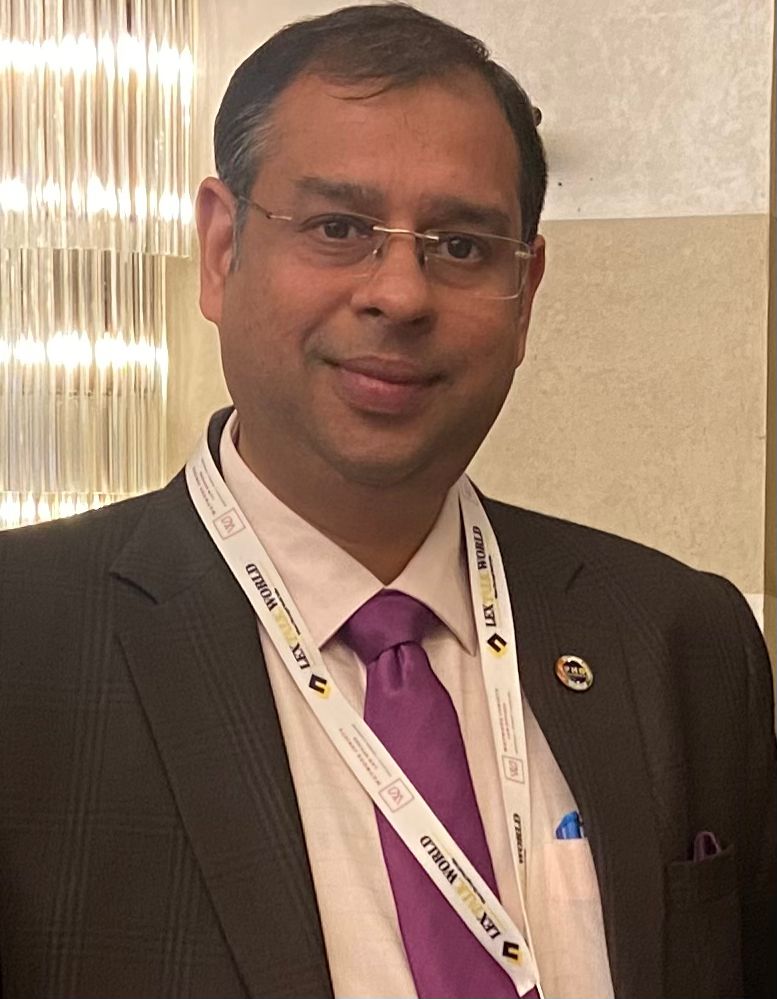




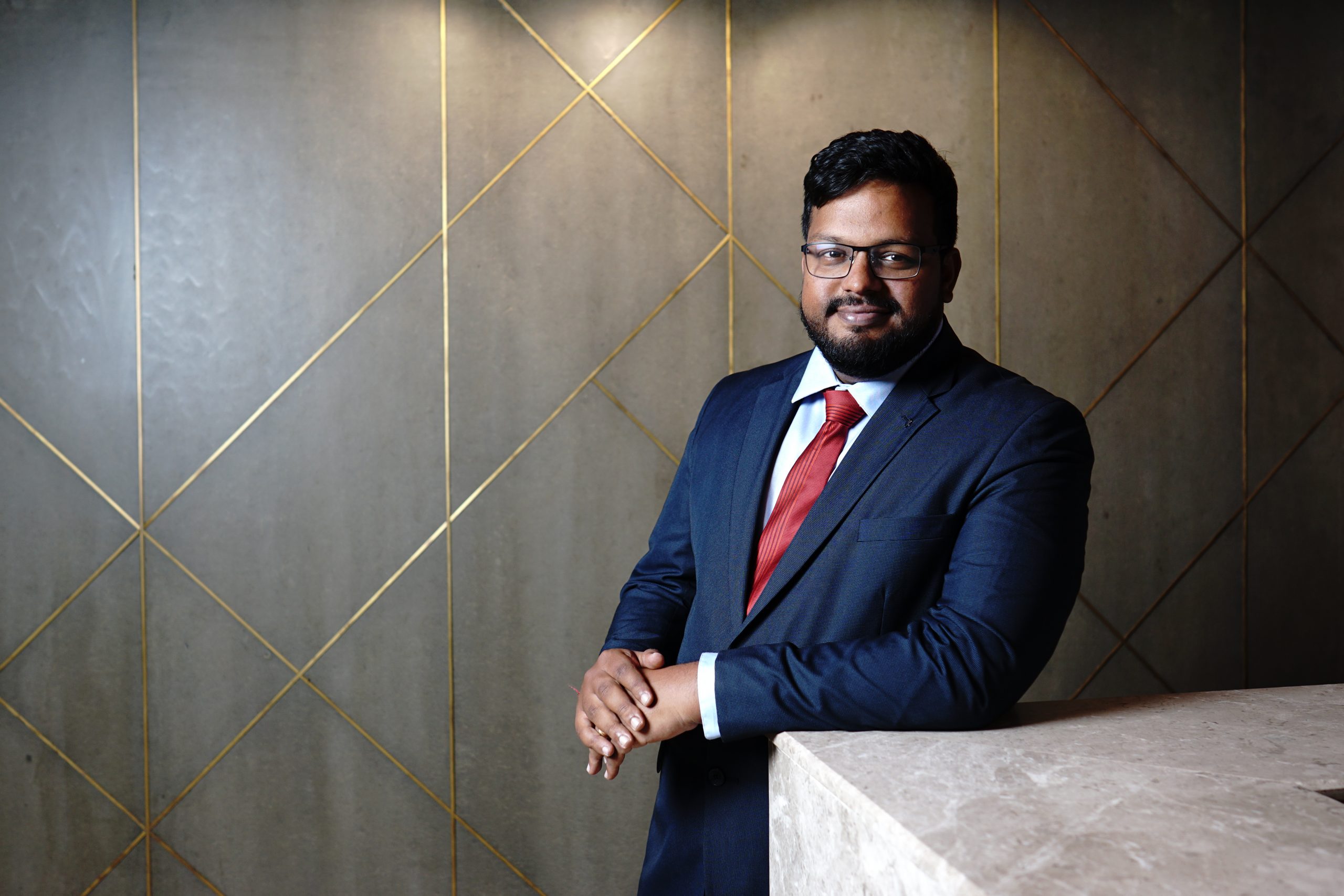





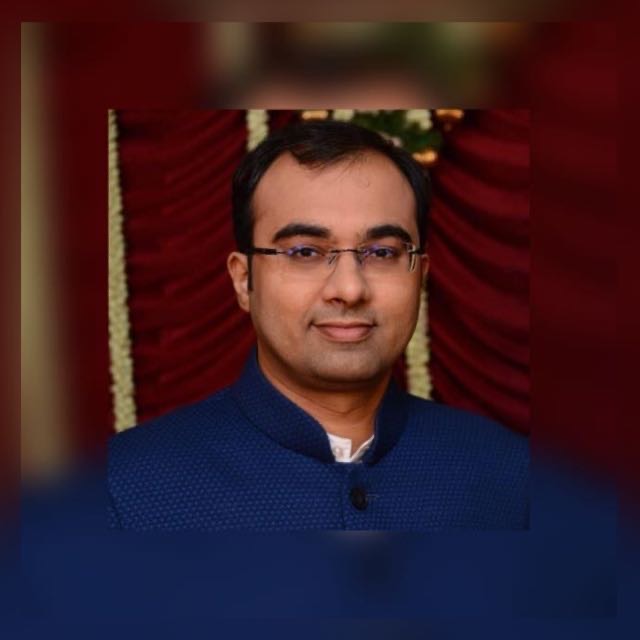


 Allow notifications