Tag: Arbitration

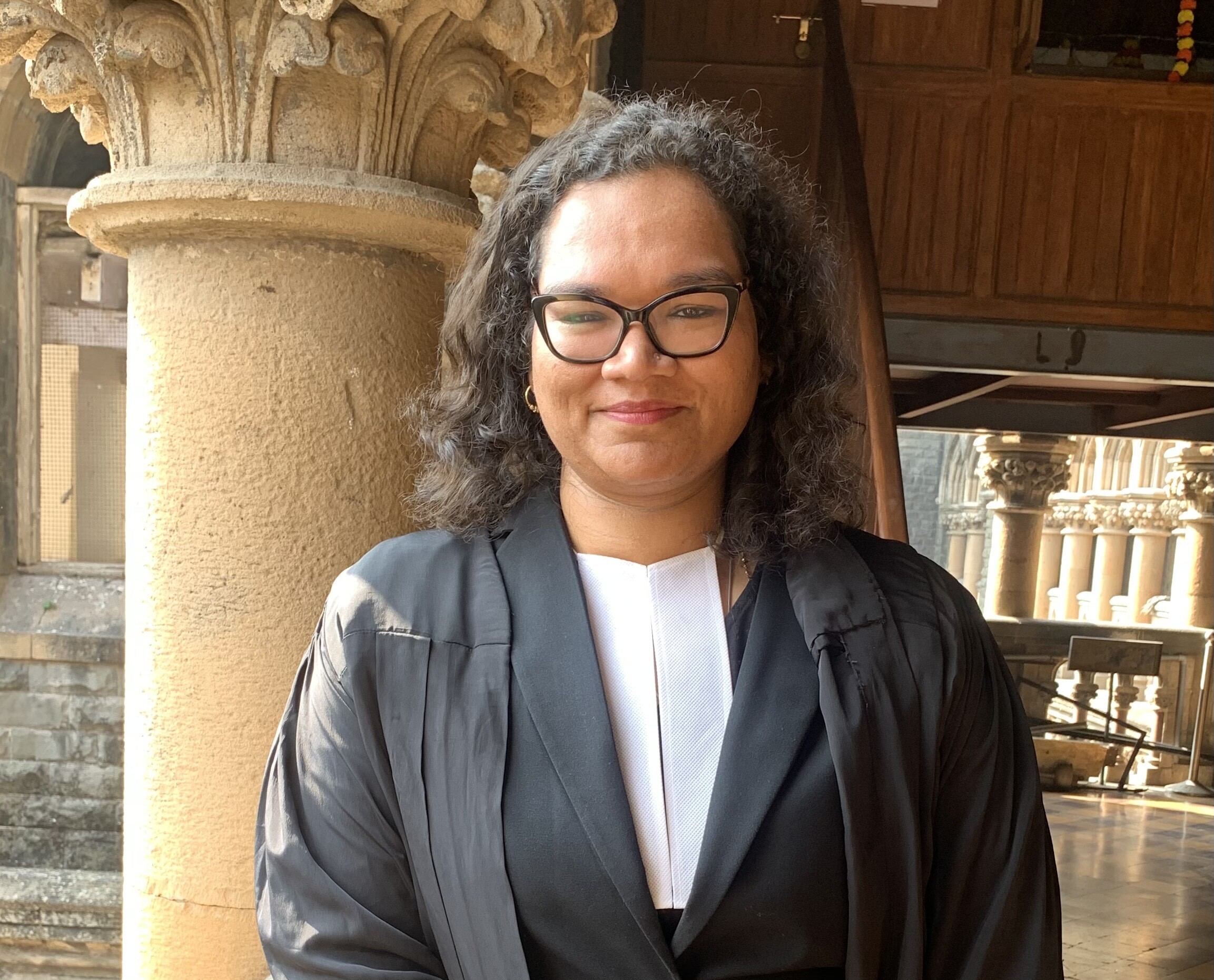
  • “For me, law has always been more than a profession; it’s a way to create meaningful change.” – Pooja Dua, Founder of Law Chambers of Pooja Dua.

    “For me, law has always been more than a profession; it’s a way to create meaningful change.” – Pooja Dua, Founder of Law Chambers of Pooja Dua.

    This interview has been published by Anshi Mudgal and The SuperLawyer Team

    Ma’am, you have extensive experience in litigation, arbitration, and white-collar crime. What initially drew you to law as a career? How has your approach evolved over the years?

    I was drawn to law by a deep interest in how it shapes society and protects rights. From the start, I saw it as more than just statutes, it’s about people, justice, and creating real impact. Over the years, my approach has evolved from simply arguing cases to offering holistic solutions. Handling complex disputes in arbitration, construction, corporate matters, and white-collar crimes has taught me to blend legal strategy with commercial insight and human understanding. Today, I focus on resolving conflicts in a way that is not only legally sound but also practical and aligned with my clients’ broader goals.

    Having completed your law degree, what motivated you to focus on arbitration and alternative dispute resolution, and how did your education shape your career trajectory?

    My interest in arbitration and alternative dispute resolution grew during law school, but it truly took shape during an internship with BHEL, where I was first introduced to the practical side of arbitration. Seeing how complex commercial disputes could be resolved more efficiently and collaboratively outside traditional courts left a deep impression on me. This experience, combined with my Advanced Diploma in ADR from NALSAR, strengthened my resolve to pursue this field. It taught me to view disputes not merely as battles to be fought but as challenges to be resolved strategically, with solutions that balance legal precision and business realities. That foundation has shaped my career path, enabling me to build a strong practice in construction arbitration, commercial disputes, and complex contractual matters, where I focus on delivering outcomes that are both effective and commercially viable.

    You founded your own practice, handling complex and high-stakes matters. Which early experiences laid the foundation for establishing your independent practice, and what challenges did you face in building it?

    My early work in litigation and arbitration, particularly before High Courts, tribunals, and arbitral forums, laid a strong foundation for building my independent practice. A pivotal part of this journey was my longest professional association with H&A Associates, where I had the privilege of working under the guidance of Mr. S.W. Haider, one of the finest mentors one could have. His mentorship and insight shaped my understanding of complex legal strategy and advocacy at a very early stage. During this period, I gained vast experience handling high-stakes disputes, including those involving major government authorities such as Indian Railways, NHAI and CPWD. This experience gave me the confidence and capability to establish Law Chambers of Pooja Dua. Although building an independent practice came with challenges from creating a strong client base to managing multifaceted matters each milestone strengthened the firm’s foundation. Today, it stands as a multi-specialty practice known for handling intricate disputes with legal precision, strategic foresight, and client-centric advocacy.

    Your practice spans both domestic and international arbitration, particularly in infrastructure, construction, and industrial projects. How do you navigate the strategic and procedural differences between domestic and international arbitration?

    Domestic and international arbitrations may share the same foundation, but they demand very different approaches. In domestic matters, especially in infrastructure and construction disputes, the focus is on procedural efficiency and aligning with Indian laws and judicial precedents. International arbitration, on the other hand, brings in added layers different institutional rules, cross-border legal issues, cultural nuances, and enforcement across jurisdictions. My experience in both has taught me to adapt quickly and plan strategy from the outset, ensuring the process is not only legally sound but also practical and commercially effective for my clients.

    Having handled a variety of cases, could you share a particularly challenging dispute or arbitration, and how you approached dealing with such a high stake matter?

    One of the most challenging matters I handled was a multi-crore construction arbitration against a government authority, involving complex technical issues, strict contractual timelines, and significant financial exposure for my client. The stakes were extremely high both commercially and reputationally. My approach was to go beyond pure legal strategy: I collaborated closely with engineers and technical experts, dissected every contractual clause, and built a case theory that combined legal strength with technical clarity. Anticipating and countering the other side’s arguments well in advance proved crucial. Ultimately, our meticulous preparation and strategic advocacy led to a favourable award, reaffirming my belief that success in high-stakes disputes lies in deep preparation, multidisciplinary collaboration, and a solutions-oriented mindset.

    In an era of rapidly evolving commercial, technological, and regulatory landscapes, how do you stay ahead in advising clients on emerging legal challenges, and what trends do you foresee in dispute resolution and commercial law?

    In today’s fast-changing commercial and regulatory environment, staying ahead means thinking beyond the present. I focus on continuous learning tracking legal developments, technological shifts, and global best practices and aligning that knowledge with my clients’ evolving business needs. The future of dispute resolution will be shaped by specialisation, digitisation, and stronger institutional frameworks. We’re moving toward faster, tech-enabled processes, AI-assisted case management, and a more collaborative approach to resolving cross-border disputes. I believe the next decade will redefine how law interacts with business and my goal is to help clients not just adapt to these changes but use them as an advantage, turning legal foresight into strategic strength.

    For young lawyers aspiring to specialize in arbitration and corporate disputes, what key skills or experiences would you recommend prioritizing early in their careers?

    For young lawyers aspiring to build a career in arbitration and corporate disputes, my biggest advice is to focus on the fundamentals, strong research, precise drafting, and clear communication but never lose sight of the bigger picture. This field is about more than just legal knowledge; it’s about strategic thinking, commercial awareness, and the courage to take ownership of complex problems. Seek out every opportunity to observe proceedings, assist in drafting, and work closely with mentors. Those experiences will shape you far more than textbooks. My own journey was deeply influenced by the mentors I learned from, and that guidance was invaluable. Most importantly, stay curious and resilient. Arbitration is a constantly evolving space, and those who keep learning and adapting will find themselves not just practising law, but shaping it.

    Beyond your professional work, you are engaged in advisory roles with foundations, universities, and industry clients. How do you view the role of pro bono work and community engagement in a high-pressure legal career?

    For me, law has always been more than a profession; it’s a way to create meaningful change. My involvement with NGO’s and various universities allows me to use my legal skills beyond the courtroom, whether it’s empowering women, raising awareness about rights, or mentoring young lawyers. I also remain closely connected to Amity Law School, Noida, my alma mater, by engaging with students and contributing to alumni initiatives, something that allows me to give back to the institution that laid the foundation for my career.

    Alongside this, I work closely with real estate developers, industry leaders, and major brands on long-term retainers, advising them on projects that shape urban landscapes and impact lives at scale. Balancing high-stakes commercial mandates with community-focused initiatives keeps me grounded and reminds me why I chose this profession, to serve, to protect, and to make a difference. These diverse experiences not only add purpose and perspective to my work but also make me a more strategic and empathetic lawyer.

    Looking back at your career so far, what key lessons or principles have guided your practice in complex litigation, arbitration, and white-collar crime, and how would you advise the next generation of lawyers to approach similar challenges?

    Looking back, one of the most important lessons my career has taught me is that there are no shortcuts in law,  success is built on unwavering commitment, deep preparation, and continuous learning. Whether dealing with complex litigation, high-stakes arbitration, or white-collar crime matters, I have always approached every case with integrity, precision, and perseverance. Equally crucial is the ability to look beyond statutes — to understand the human, commercial, and strategic dimensions that shape every dispute.

    My journey, from working under the exceptional mentorship of Mr. S.W. Haider at H&A Associates collaborating with legal firms like Panda Law, and ultimately establishing Law Chambers of Pooja Dua, has reinforced the value of resilience, curiosity, and purpose at every stage. Each experience has contributed to the lawyer I am today and strengthened my belief in the transformative power of the law.

    To the next generation of lawyers, my advice is simple: master the fundamentals, seek out mentors who challenge and guide you, stay curious, and always remember that the law’s ultimate purpose is to serve and deliver justice. Embrace challenges as opportunities, not obstacles, and let hard work and integrity be the cornerstones of your practice. If you do that, you won’t just succeed, you’ll help shape the future of the legal profession.

    Get in touch with Pooja Dua –

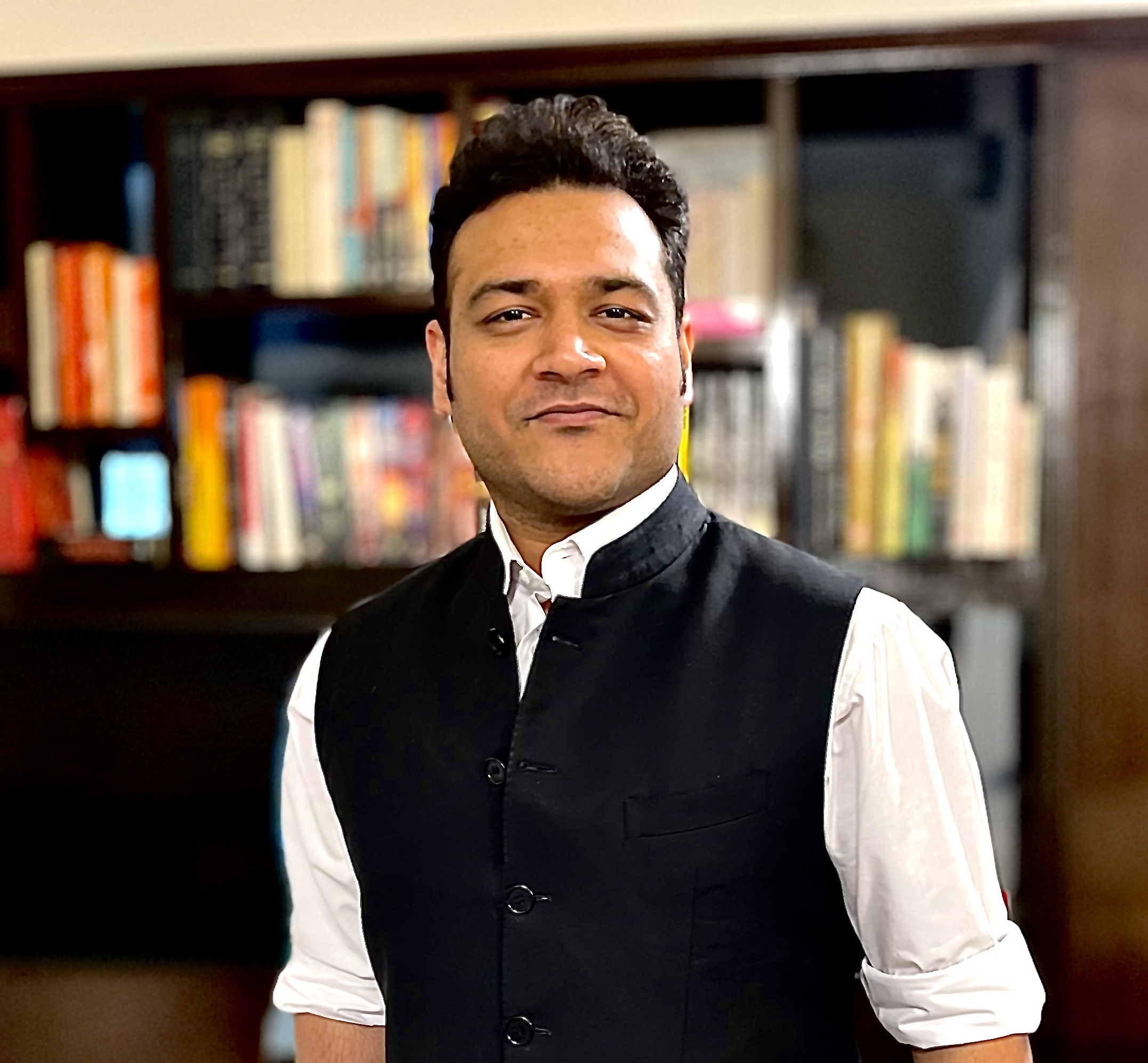
  • “The responsibility of being an AOR is immense as you’re a bridge between the Registry and the Hon’ble Judges, not just in argument, but in procedure.” – Udian Sharma, Advocate-on-Record at the Supreme Court of India.

    “The responsibility of being an AOR is immense as you’re a bridge between the Registry and the Hon’ble Judges, not just in argument, but in procedure.” – Udian Sharma, Advocate-on-Record at the Supreme Court of India.

    This interview has been published by Anshi Mudgal and The SuperLawyer Team

    Coming from a background in Science from Hindu College, University of Delhi, what inspired you to pursue a career in law? How has your technical background  influenced your approach to complex commercial or infrastructure disputes? 

    As a first-generation lawyer, I often say that I did not choose law, law chose me. Growing  up, I was deeply influenced by my grandfather, who fought legal battles for decades to  protect our ancestral land. His relentless perseverance, even against an unresponsive  system, left a profound impact on me. By the time I graduated in Science from Hindu  College, I had already seen how the law could be both an obstacle and a tool for justice.  

    My scientific training gave me a structured way of thinking. In Science, you learn to  analyze problems by breaking them down into fundamentals. That has greatly helped me  in disputes involving infrastructure and complex commercial contracts, where one must go  through technical details like engineering reports, financial data, regulatory compliances,  and present them in a manner that is both legally persuasive and technically accurate. It  allows me to approach my cases not just as a lawyer, but as someone trained to understand  the “nuts and bolts” of technical issues. 

    It has been an interesting journey, from solving arithmetic problems and arriving at ‘LHS  = RHS’ to addressing complex questions of law and concluding with ‘Hence, this SLP’. 

    In the early stages of your career, you worked with various senior judges and  advocates. How did these experiences shape your approach, and which lessons from  that time have had a lasting impact on your professional philosophy? 

    I had the privilege of clerking with Justice A.K. Sikri at the Supreme Court and Justice Siddharth Mridul at the Delhi High Court. Observing them up close taught me two  invaluable lessons: the importance of clarity, and the importance of compassion. Justice  Sikri had an extraordinary ability to simplify the most complex constitutional questions,  and Justice Mridul always emphasized the human element in adjudication. 

    Later, when I began working with senior advocates and counsels at the Supreme Court, I saw how preparation and integrity defined good lawyering. One lasting lesson I carry is that courts are not swayed by theatrics- they are swayed by sincerity and substance. These  experiences shaped my professional philosophy, that law is not just about winning cases, but about ensuring justice is meaningfully served. 

    What motivated you to establish an independent practice, and what hurdles did  you face while launching your chambers during COVID? How did you overcome  them, and what was your vision for the practice? 

    The decision was born partly out of necessity and partly out of conviction. During COVID, the legal profession itself came to a halt. Many colleagues struggled, and I realized that if I wanted to carry forward my vision of a client-centric and socially conscious practice, I  had to build something of my own. 

    I started my chambers quite literally from one room in my home (with immense gratitude  to my parents who allowed me to turn it into an office) with files stacked in the boot of my car. The hurdles were immense, no physical hearings, clients uncertain about the future, and the financial strain of running an independent practice in such times. But adversity also  brought clarity. I invested in technology, conducted virtual hearings, and slowly built a  team that shared the same values of hard work and service. My vision was, and remains to create a Chambers that combines courtroom advocacy with policy thinking, and where  every matter, whether commercial or public interest, is handled with the same dedication. 

    You have handled complex commercial disputes and arbitration, including cross border infrastructure matters and international arbitration, across areas such as  employment law and customs law. Can you share some major challenges you faced in  a complex arbitration case and the unique difficulties it presented? 

    One of the most challenging arbitrations I handled involved a cross-border infrastructure project. The difficulty lay not just in the scale, but in the diversity of the issues, technical  construction delays, regulatory clearances, and overlapping jurisdictional laws. 

    The unique challenge was coordinating with multiple stakeholders, engineers, financial  experts, and foreign legal teams, while presenting a coherent case before an arbitral tribunal presided over by a retired Supreme Court judge. It taught me that arbitration advocacy  requires more than just legal arguments, it demands the ability to understand complex  technical data into a persuasive legal narrative. 

    You have demonstrated a commitment to advancing legal discourse and  contributing to scholarly debate. How do you balance active practice with legal  writing and academic contributions? 

    For me, writing is not separate from practice, it is complementary. Courtroom advocacy is about the urgency of the present; academic writing is about reflecting on the future. Balancing both is difficult, but I make time because writing forces me to step back and  critically examine the jurisprudence I am part of. Recently, I have also begun teaching law  to students and interns- a pursuit I deeply enjoy, as it allows me to give back to the fraternity  while shaping the next generation of lawyers. 

    During the pandemic, for instance, I wrote extensively on the importance of impartiality in arbitrations and timelines in insolvency laws. These writings later informed some of the  arguments I made in court. In a way, legal writing sharpens my practice, and practice keeps  my writing, whether it’s articles, blogs, or pleadings, grounded in reality. 

    Clearing the Advocate-on-Record exam on the first attempt is a remarkable  achievement. What were your preparation strategies, and what primary  responsibilities come with being an AOR? 

    The AOR exam is as much about discipline as it is about knowledge. I prepared with the  belief that procedural law is the backbone of effective litigation. My strategy was simple:  treat every question as a live brief. I wrote my answers as if I were filing in court or briefing  a Senior Advocate. That practical approach helped me clear the exam on the first attempt. 

    The responsibility of being an AOR is immense. You are the face of your client before the Supreme Court and a bridge between the Registry and the Hon’ble Judges, not just in  argument, but in procedure. You are responsible for ensuring filings are correct, deadlines are met, pleadings are true and that clients receive the highest level of professional care.  It’s a trust that must never be broken. 

    How has the arbitration landscape in India evolved over the last decade? With the  advent of technology, what changes do you see in Supreme Court litigation strategies  post-COVID? 

    Over the last decade, arbitration in India has been projected as having matured from an  ‘alternative’ mechanism to the preferred mode for commercial disputes, with a legal framework aligning with international standards.  

    However, the ground reality is far more complex. Arbitration has, in practice, become less  formal, yet more vulnerable to judicial intervention at almost every stage. In one matter I argued before the Supreme Court, the Arbitral Tribunal, the Single and the Division Bench  of the High Court, each gave separate findings every time a cross appeal was filed by the  parties, resulting in six different outcomes before the case finally reached the Supreme  Court. This not only delays justice but also makes arbitration extremely costly and  cumbersome. Increasingly, I see my clients preferring to opt out of arbitration clauses  altogether, choosing and trusting Courts as their primary forum for dispute resolution,  driven largely due to the greater efficiency brought in through the Commercial Courts Act. 

    Post-COVID, technology has changed Supreme Court litigation in profound ways. Virtual hearings, digital filings, and e-briefs are now routine. This has enhanced accessibility and opened new opportunities. Lawyers today can complement their oral advocacy with strong  digital advocacy, while clients too can easily attend and witness hearings in real time from  anywhere in the world, ensuring greater transparency and participation. 

    What has been the most challenging matter you have handled, and how did you  navigate it? You have also worked extensively in animal welfare, environmental law,  and public interest litigation. What motivates you to take up these cases? 

    One of the most challenging yet fulfilling matters I handled was Jaggo v. Union of India, 2024 SCC OnLine SC 3826, which I argued before the Supreme Court on behalf of the  Appellant. The case involved a woman Safai-Karamchari, who had been working with the  Central Water Commission for over two decades, as a so-called part-timer. Despite her  long service performing essential duties, her plea for regularisation was rejected not only  by her employer but also by CAT and the Delhi High Court. To make matters worse, she  was illegally terminated, even though she was the sole breadwinner of her family, surviving  on a meagre salary of just ₹4,000 per month. 

    I decided to take up her case pro bono, moved by her plight and the larger issue of systemic exploitation of temporary workers. The challenge was immense, not only did I have to  defend her against three concurrent adverse findings, but I was also pitted against the office  of the Additional Solicitor General (ASG). But the Hon’ble Supreme Court heard me  patiently, and it was deeply encouraging to see the Court give weight to every argument  raised by me in Court. 

    Ultimately, the Supreme Court held that such long-standing service warranted regularisation rather than termination, and that arbitrary dismissals without cause, violated natural justice. Drawing from constitutional principles under Articles 14 and 16, as well as international labour standards and comparative jurisprudence, the Court delivered a  landmark judgment that has since been widely relied upon across the country to protect the  rights of temporary and contractual workers. 

    For me, this case reaffirmed why I chose litigation. It was an uphill battle against the odds,  but it showed me that with persistence, empathy, and conviction, the law can restore dignity  and transform lives. 

    I’ve also had the privilege of being appointed as amicus curiae by the Hon’ble Delhi High Court to represent victims/ prosecutrix in POCSO cases, an experience that has deepened  my commitment to matters of public interest and justice. 

    How do you balance your personal life with such demanding professional  responsibilities, and how do you manage stress and maintain personal well-being? 

    Honestly, balance is not always easy. The legal profession demands long hours and deep  emotional investment. What helps me is grounding myself in simple things, spending time  with family, unwinding with my office colleagues, catching up with my close circle of  friends, and taking out time to travel with them. These moments keep me centered amidst  the demands of practice.

    I’ve realised balance in this profession is a constant work in progress. The long hours and  high stakes can be demanding, so I make a conscious effort to attend therapy and stay  grounded, whether by taking out time for myself, slowing down when needed, or ensuring  I maintain a non-toxic and supportive environment around me. 

    I try different ways to manage the stress that inevitably comes with the job, but what keeps  me going is focusing on the parts I truly enjoy, being on my feet in Court. That’s where I  feel most alive. After all, we lawyers live to hear the three words, ‘Issue Notice. Stay’.

    Get in touch with Udian Sharma –

  • Across Borders and Benchmarks: A Journey in Disputes, Insolvency and Restructuring. – Urvashi Salecha, Dual Qualified Lawyer and Legal Manager at Harneys, Hong Kong.

    Across Borders and Benchmarks: A Journey in Disputes, Insolvency and Restructuring. – Urvashi Salecha, Dual Qualified Lawyer and Legal Manager at Harneys, Hong Kong.

    This interview has been published by Anshi Mudgal and The SuperLawyer Team

    Your career trajectory is truly inspiring. Having started your journey in India, what initially motivated you to explore opportunities abroad? Was an international legal career always your goal, or did it evolve with time and experience?

    While an international career was always intriguing, I did not really plan for this move. I relocated to Hong Kong for personal reasons and in hindsight, this was the best God gifted turn in my career destiny. 

    After working at Khaitan & Co for over two years, I was constantly fidgeting with the idea of pursuing an LLM from the UK/US to enhance my skills. In fact, my initial career plan was always aimed at being part of the Indian Judiciary after procuring an LLM. However, I ended up with a real life LLM (something like the real life MBA) upon my move to Hong Kong. 

    Sorry but nothing riveting about my international legal career albeit a very fulfilling one indeed (whatever be the catalyst). 

    In the early stages of your career, you worked with several top-tier law firms. What were some of the key takeaways from those experiences that helped shape your foundation in dispute resolution?

    Yes, I was fortunate to intern and work with many reputed law firms, legal professionals and even clerks with a High Court Judge before joining Khaitan & Co in Mumbai. Given our Indian legal education system is largely based on rote learning and lacks the practical and critical thinking aspects of the law, it is crucial to explore your interests by way of practical traineeships during your law school breaks. I would say these internships not only built a foundation in dispute resolution (for me personally), they were essential in preparing me for the private practice role I undertook with Khaitan & Co. It is your first tryst as a professional and guides you to (i) figure out where your interests lie (i.e. private practice, corporate in-house, academia and several other fields within the practice of law), (ii) develop interpersonal and communication skills, and (iii) really get a hands on experience on the culture and workings of that specific role (e.g. a law firm or a company). 

    After spending two years at a leading Indian law firm, you transitioned to international practice. What prompted this shift, and how did you navigate the cultural and professional differences between the Indian and Hong Kong legal environments?

    As mentioned earlier, my relocation to Hong Kong was part of God’s plan. When I moved to Hong Kong, my only professional acquaintance in this new jurisdiction was my husband, who is a banker. Basically, I had to start from scratch, reintroducing myself as an Indian disputes lawyer looking for private practice roles. To make things more exciting, shortly after my arrival, the COVID-19 pandemic struck, bringing layoffs and market uncertainties.

    Despite these challenges, I reached out to numerous professionals, sent cold messages, and built new connections daily. This journey required humility and grit, as the Hong Kong legal industry is highly competitive. Being a newcomer without Hong Kong qualifications or international law experience, I was rarely a recruiter’s first choice.

    Transitioning from a top-tier law firm in India, with an established pedigree, to being completely unrecognized in Hong Kong was a profound experience. However, these initial years in Hong Kong marked my steepest professional growth. I learnt the art of networking and the benefits of a strong follow-up. I knew that positions won’t be created for a junior lawyer such as myself and I needed to keep hunting for the appropriate opening so that when there is one, I get a chance to interview for that role. 

    I also did not want to wait for the perfect opportunity and I took up an in house role with a leading manufacturing company (Rochdale Spears Group) immediately upon my move to Hong Kong (before transitioning to private practice at Harneys (my current role)).  Whilst at Rochdale, I also simultaneously prepared for the Hong Kong qualification exams given my interests always lied in pursuing litigation. 

    You’re currently focused on cross-border insolvency litigation and restructuring. Having practiced dispute resolution in India as well, how would you compare the Hong Kong legal system with the Indian system? Are there specific procedures or practices from Hong Kong that you believe could be effectively adapted into the Indian context?

    While both Hong Kong and India are common law jurisdictions, the practice, procedures and especially case management are fairly distinct. To clarify, whilst I am Hong Kong qualified, I’m currently working at an offshore law firm where we advise clients on BVI, Cayman Islands and Bermuda laws (all systems largely based on UK and common law). 

    In my experience, litigation in Hong Kong, UK or any of the offshore jurisdictions mentioned above, is more mature and structured. 

    Firstly, there is an emphasis on early settlement (i.e. out of court resolutions). There are even certain pre action protocols to be followed and pre trial settlement is highly encouraged. 

    Second, if a matter does go to trial, it won’t last for several decades unlike in India. In fact, the courts will block a week or two for a specific matter to complete the trial (including evidence and final arguments). Adjournments are rare as compared to India (and mostly at the behest of both parties i.e. by consent if they are exploring settlement negotiations for instance)

    Having said that, India courts (i.e. higher courts SC/HCs as well as tribunals and lower courts) have a very high workload with judges handling large volumes of cases daily compared with the courts of the other jurisdictions I mentioned earlier. So it’s obviously remarkable how the Indian judges are managing these volumes. However, an intrinsic balance needs to be found, with perhaps higher no. of judicial officers and moving towards a less adversarial approach towards disputes and incentivising pre trial settlement. 

    Lastly, even alternative dispute mechanisms such as arbitrations are concluded more efficiently, with challenges to the final award considerably lesser as compared to India (where majority of the arbitral awards are challenged in Courts). 

    Being qualified to practice in both India and Hong Kong, how has this dual qualification enhanced your cross-border legal practice?  Could you also share your experience preparing for and clearing the Overseas Lawyers Qualification Examination (OLQE)? What strategies or resources were most helpful to you during the process?

    As challenging as it was, I thoroughly enjoyed preparing for the OLQE. To put things in perspective, the pass rate for these exams is as low as 20% so you know the odds are not exactly in your favour. 

    The exams are highly technical with all questions being completely application based. So you are essentially answering real life legal queries (in a time bound manner). As Indian law school graduates, we are so used to rote learning and exams lacking critical analysis, I was not only preparing for the HK law exams, I was re-learning the study techniques too. 

    It was a test of disciplined, structured learning  and being consistent and completely focused in your preparation leading up to the exams. You also need to keep ample time for revision given the vast breadth of topics that are covered within a single head of an exam. With some luck, and blessing coupled with hard work and finding the right tutors, I was able to clear all heads in my first attempt. 

    To answer your first question i.e. engaging in different jurisdictions and legal systems, it really allows you to widen your scope of learning, you are not just learning two sets of laws, you are also exploring and servicing different cultures. For me, at Harneys, we deal with several Chinese clients on one hand and common law judicial systems on the other. So that’s balancing a lot of interests at the same time. I think being curious, understanding client’s needs and ensuring efficient service has kept me afloat while working in both jurisdictions

    You’ve taken on leadership roles in both diversity initiatives and business development, with BD and networking now being a key part of your responsibilities. Since these skills aren’t typically taught, especially in traditional legal training, how did you cultivate them, and what guidance would you give to legal professionals looking to build confidence in this area?

    Yes, I lead the Tone from the Top committee at Women in Law Hong Kong and have been part of WILHK as well as other DEI committees/member groups. I’m also quite actively involved in the BD initiatives at Harneys. Whilst both are distinct and serve differing objectives, it all stems from the art of networking. 

    As you rightly point out, this is neither taught or even considered as part of your skillset in law school or as junior lawyers. I believe this is a quintessential ability to develop in any profession (not just law).  

    So how to develop these skills. To me, it happened very organically. I was in a new jurisdiction, completely out of my comfort zone. All regular methods of finding a job had failed (i.e. through recruiters or applications to law firm websites or HR personnel). So, I had to be creative with finding opportunities. I started reaching out to people on LinkedIn (even if I did not know them), asking for 30 mins of their time/ or a coffee chat. At every meeting, I tried to expand the network by asking for introductions to more connections or membership in communities. This really helped build foundations on communication skills and confidence to hold conversations. 

    The transition to being involved in BD meetings and initiatives at Harneys was easier based on the foundations I built early on. I think it all comes down to being aware of the opportunities available if you can take that first step. It’s important to have a strong legal foundation and technical skills such as writing, analysis and research. However, at the same time, it is equally important to  ensure that you’re perceived as a good lawyer, who is capable of being the face of a firm or representing the firm in front of potential clients. As you get elevated (e.g. at partner level), these are the skills that matter more. So it’s always better to build on these from the beginning rather than waiting to be in a leadership position. 

    As a Hong Kong-qualified lawyer currently advising on various offshore litigation matters (including such as the implementation of schemes/restructuring) in the Cayman Islands, Bermuda, and BVI, how do you navigate the distinct legal nuances of these jurisdictions? Furthermore, how would you compare the commercial and dispute resolution frameworks Hong Kong and India, and what key differences do you observe in their approaches to cross-border transactions?

    A very good question indeed and while I marinate in these challenges daily, not something I discuss often haha. The key is compartmentalising. Given the niche I’m in, its very easy to get muddled up with the laws of different jurisdictions. Given I assist with several cross border matters and a single work day may involve drafting pleadings for a Cayman scheme of arrangement court sanction, assisting in a BVI law advice on insolvency laws and end with a client call exploring litigation in Bermuda. 

    I ensure that I have separate notes and sections (physically in my room as well as digitally on my desk) for each of the jurisdictions and then each of the matters. You have to be extremely organised with filings, matter segmentation etc. And of course, with some time and experience, you just get more confident in dealing with complex issues by breaking them down into simpler soluble pieces and then attending to each of them separately. And as lawyers, the most important thing is to have a mindset of continuous learning. 

    For students aspiring to build a career in international dispute resolution, what guidance would you offer? Are there any practical tips, skills, or experiences you believe are especially valuable as they prepare to enter this field?

    International dispute resolution is a pretty wide term. I’ll answer it this way, to build a career in law (whether in India or globally) requires consistent learning, hard work, resilience, critical thinking and most importantly patience. Unlike other career paths like AI, bankers (which are fast paced and also highly technical), law requires a lot of patience and experience. 

    As for practical tips, I’d say apart from the basics (i.e. building a strong foundational knowledge in your chosen niche, working on the succinct legal drafting/writing skills (again something not given enough attention to during law school) …

    Find a sponsor within your firm and a mentor outside. It is very important to build trust based networks and have someone back you within the organisation who genuinely is invested in your growth and development and a guide outside the firm, you can confide in and get the required support and learning. 

    Is there a motto or guiding principle you’ve followed throughout your legal career? In addition, how do you see the future of alternative dispute resolution evolving, especially with technological and global shifts in the legal profession? How do you personally stay updated on the latest developments in dispute resolution?

    Failure is not fatal, success is not final, it is the courage that counts~!

    This profession especially requires a lot of patience and resilience. In my opinion, there is no scope for instant gratification in law. You need to be thorough and keep learning and updating your knowledge base. 

    As for the impact of technology, we are definitely going to see some transformations. A lot of the tasks will be automated (are already being automated) which is potentially a good change because this may free up a lot of time spent by lawyers on admin/mechanical tasks and compliment the legal industry. As far as I’m concerned, I did attempt to get AI assistance at times, for presentations etc. I personally feel the problem of hallucinations needs to be solved, especially for legal tech AI – we cannot be citing wrong judgments made up by AI. Hopefully this will change soon. 

    Lastly, I would part by saying the cliché, you have to be curious and keep upskilling yourself (whether it is knowledge or technology). The world is moving and transforming very fast and one needs to keep pace. Having said that, this doesn’t mean you lose out on life, loved ones or your hobbies/interests. Almost every organisation (in law or elsewhere) values these additional extra curricular skills. For me it’s the water, and related outdoor activities like sailing, kayaking, windsurfing. A weekend in the sea and I feel refreshed to take on the work week!

    Get in touch with Urvashi Salecha –

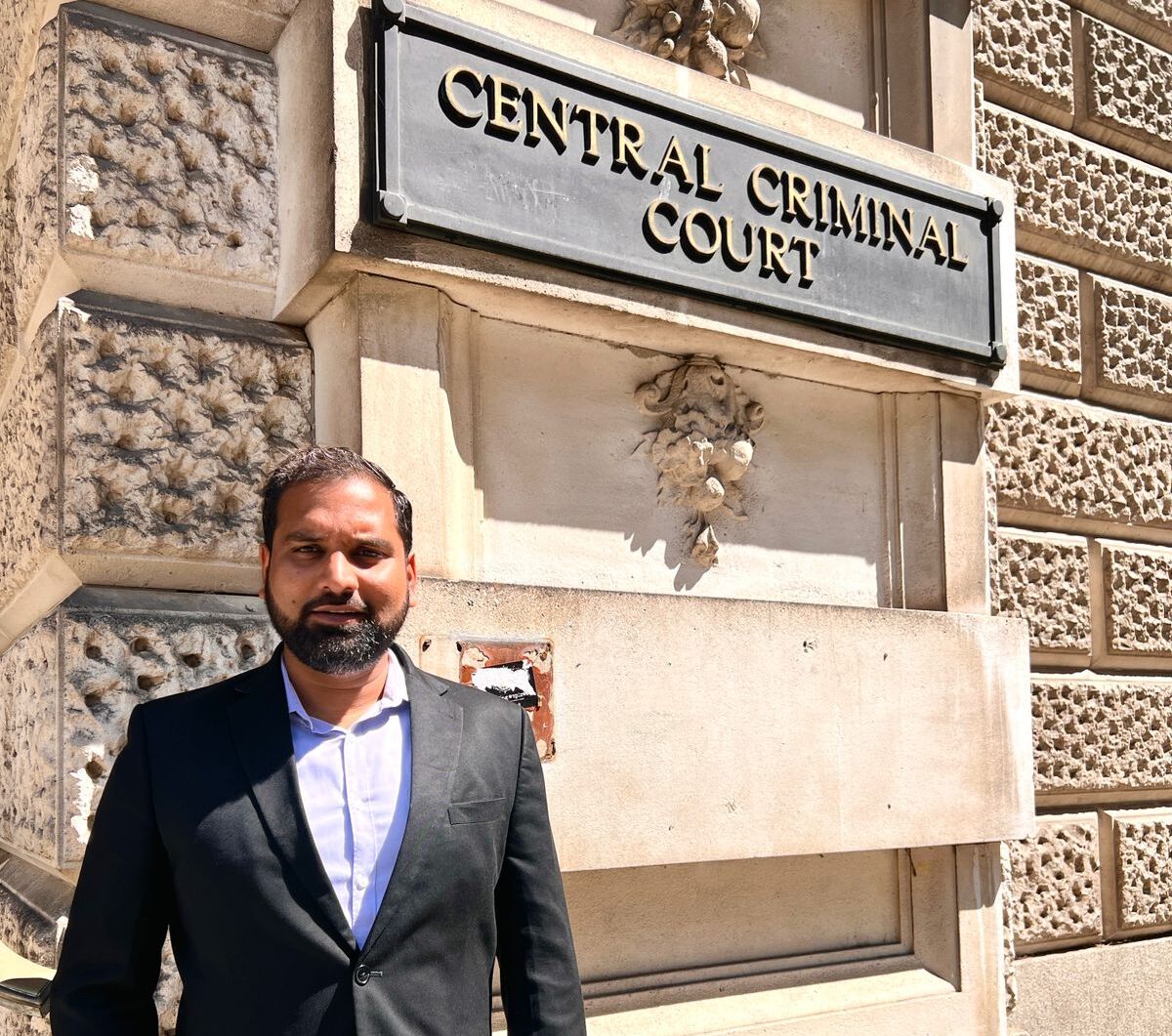
  • “I chose to study the law because I knew with it, I would be empowered, independent and in a position to make a meaningful difference.” – Rajat Gangwar, Advocate, Allahabad High Court.

    “I chose to study the law because I knew with it, I would be empowered, independent and in a position to make a meaningful difference.” – Rajat Gangwar, Advocate, Allahabad High Court.

    This interview has been published by Anshi Mudgal and The SuperLawyer Team

    Coming from a family deeply rooted in public service, what inspired you to chart a different path as a first-generation advocate, and how has your family’s background in public service influenced your perspective as a lawyer?

    Since childhood I had seen my parents being posted at different places in the State of U.P. I soon also realized how demanding their work was. There were times when both parents found it difficult to even make it for school events like parent teacher meetings or the Annual Founder’s Day Programme. As I grew older and came close to choosing a career, I was certain that I did not want to join the administrative services as I found them to be very demanding, unpredictable and not free from external pressures.

    I chose to study the law because I knew with it, I would be empowered, independent and in a position to make a meaningful difference. Initially like most joining an NLU I too had dreams of working in a law firm but that was extremely short lived and after having interned in Courts and seen advocates make submissions, I found litigation quite attractive. I still remember as a young intern having seen Late Mr. Fali Nariman argue a matter before the Supreme Court for an entire day- though I understood little of it then but it left a lasting impact on me which only got further cemented during the course of my subsequent litigation internships.

    My family’s background in public service has significantly influenced my perspective of the law. Having heard accounts from my father of his experiences from the times when he was a City Magistrate in Allahabad (now Prayagraj) till he retired as a Special Secretary, and incidents from the time of my grandfather, who was the first Director General of Police U.P., I expected and continue to expect officers to have high standards in administration and in the discharge of their functions. Often these expectations have not been and are not met. I firmly believe in the separation of powers and the fact that the executive is primarily there to ensure the welfare of the people as per the law of the land and it should never exceed its jurisdiction or arrogate to itself powers which the law otherwise does not confer on it. 

    In the early phases of your career, what were the defining instances that shaped your understanding of the law, and which experiences do you still hold close to your heart today?

    Law as we learn it in the classrooms is very different from how it is applied in Courts. Also, litigation is not just contingent upon the understanding of the law but in my opinion, it also has got to do with understanding of the process of the law or in other words how it unfurls in the courtroom and ultimately applies to real life situations in the  form of an order or a decision. The proverb ‘There’s many a slip ‘twixt the cup and the lip’ applies best to litigation. Often it happens that one comes across a brief and after perusing it thinks that it is simple enough in the sense that the law applicable is clear and there could be only one way it could be decided. However, often to one’s surprise the decision might be the exact opposite. The Court may have proceeded on a consideration which was not only not anticipated by the counsel but perhaps seemed least relevant.

    An interesting incident happened with me early on in my practice. We had filed an application for recalling an ex-parte order of transferring the case from one district to another in favour of the wife. After a long and heated hearing the application for recall was dismissed and to my dismay without dealing with the main argument which I thought was the sheet anchor. However, the Hon’ble Judge was kind enough to tell me later that one can never get an order by fighting with the Court, no matter how meritorious one might think his/her case is, and the secret lay in calmly but repeatedly urging the Court to accept your point of view. What I also realized later was that it was always better to get a rough idea of the Judge’s view on the subject matter before one goes for the hearing, one should be prepared to the hilt and anticipate anything and everything and one should always while putting one’s case across be in a position to provide a plausible solution to the Court. 

    You have been empaneled with the Allahabad High Court Legal Services Sub-Committee. What are the different challenges involved in this role, and what responsibilities does it bring with it?

    My work with the Allahabad High Court Legal Services Sub-Committee has essentially revolved around filing and appearing in matters, mostly criminal appeals and bails, of convicts and under-trials who have not been able to engage a counsel independently by their own means. The fact that this work not only directly affects the life and liberty of the litigants but also requires representation of underprivileged litigants makes it extremely sensitive. I always try to ensure that this work is done on a priority basis and is given equal if not more importance than other regular matters of the chamber. 

    What has been the most memorable or challenging case in your litigation career, and how did it shape your approach to handling complex legal disputes?

    The most memorable case that I have worked on till now was a writ petition that we had filed before the Lucknow bench of the Allahabad High Court at the behest of the informant, in an FIR, challenging the transfer of the investigation from the State Police to the CBI.

    In most cases it is the informant who seeks transfer of the case from the local police to the CBI and approaches the Court for such directions. However, in this case what we wanted was the exact opposite. The informant had lodged an FIR under the prevention of Corruption Act against an extremely high-ranking and resourceful individual involved in the administration of a State University. The State police had made significant progress and was at the verge of filing a chargesheet against the accused, though they had not been able to arrest the primary accused, and all of a sudden notifications were issued by the State and Central Government transferring the investigation to the CBI.

    This transfer was not at the request of the informant.

    The informant then preferred a petition before the Lucknow Bench of the Allahabad High Court praying for quashing of these notifications amongst other reliefs as he wanted the State police to complete the investigation which was anyway at its last leg. The petition, as drafted, addressed questions of Constitutional law ranging from Federalism to exercise of powers by the President and the Governor, the necessity for such action, its procedural and substantive limitations and internal procedures that had to be followed by the Ministries and Departments concerned.

    It was a task to keep the petition getting listed and taken up on different dates because it was a race against time as the investigation had already been transferred to the CBI. This matter not only exposed me to engaging aspects of Constitutional law but also gave a glimpse of ingenious and crucial strategies advocates from both sides employ to anticipate the next move and to finally win. I became aware of several tricks of the profession which otherwise I was unbeknownst of. The petition was ultimately dismissed by the High Court and so was the SLP. Thereafter an interesting event occurred. Some months after the dismissal of the petition, the informant was arrested by a Central Government investigating agency in relation to some offence pertaining to marksheets of students of another State University. I believe the informant is still in jail and the matter in which he is now an accused is sub-judice.

    I would say that in handling complex legal disputes my approach still remains mostly the same. One is required to research thoroughly, draft well, observe the benches and put one’s best foot forward. One however, in high stake matters, has to be weary and mindful, for the purposes of strategy, of what is happening around the matter especially if the matter is of a political nature or concerns important people. In such cases information and the timing of the information is extremely crucial and can make or break situations.

    There is a lot of information and also misinformation and sometimes things seem to be pulling you in all directions and you really don’t know how to plan ahead. What is therefore required is to keep a level head, a fearless and extremely professional attitude towards things and perhaps the guidance of someone trustworthy who has more years than you behind him in the profession. One must always give one’s best with the resources at one’s disposal and not worry about the result.

    The last and most important thing that I took away from this matter was that one should never take things personally and not have an emotional reaction to things. With this particular matter I was extremely fortunate to have the guidance and wisdom of my seniors from the bar at Lucknow and Allahabad. They guided me through what I think was a difficult terrain of dilemmas and decisions.

    In your experience appearing before various courts and tribunals, what strategies or principles have you found most effective in managing high-stakes litigation?

    In my opinion in high stake litigation, one has to be extremely mindful of time. Since these matters are extremely sensitive often due to the imminent threat and irreparable consequences. Even a few hours of delay can have disastrous consequences. Take the demolition of a property for example. There have been instances of petitions being heard while the local administration is already at the doorstep with bulldozers. One should be in a position to multi-task and move with lightning speed and take chances even if the odds don’t seem favourable.

    I recall a matter in which a part of the house of a litigant was being demolished for the operationalization of an airport and the matter had been listed on some other future date. By the time that date would’ve come the authorities would have very easily and conveniently demolished the property. Given the immediate nature of the threat, after a short discussion with a colleague who was also a co-counsel in the matter, we decided to mention the matter before the Court and make a request for the hearing to be advanced to that very day and for it to be taken up.

    We thought that the chances of success were rather slim and the Court would turn down the request but we still wanted to give it a shot. To our surprise the Court accepted the mention and summoned the file. What followed was a quick trip to the office of the Registrar and the section, written intimations to other counsels culminating in a stay order against the demolition.    

    Another important strategy in high stake matters, especially with voluminous paperwork, is to simplify the matter as much as one can for the convenience of the Court. Most Courts are burdened with work and often do not find time to go through hundreds of pages unless the matter is at the stage of final hearing. For the purposes of interim relief, I think it’s best to very succinctly put across the illegality in the impugned action at the start of the submission and then follow up with facts as and when they are needed. The strongest point which hits the core of illegality should be put across earliest, avoiding verbiage. Obviously, what that point is and how it has to be put across is a thing to be learnt over time. Hitting the nail on the head is crucial and arguments have to be honed and distilled for this purpose. I have had seniors tell me that if a petition has too many grounds then it essentially means that there are no grounds worth taking. I think the same applies to submissions.

    I have also found that in some important matters the responding side may want to delay the interim relief on some pretext or the other. Delay often results in denial for all practical purposes. Therefore, one has to be vigilant and tie up as many loose ends as one can. Serving of advance notices wherever possible, getting matters listed early or peremptorily on the board or getting a time fixed for hearing on a given day, making mentions and in the odd event getting proactive directions from superior courts are some measures one can adopt to ensure effective prosecution of one’s case.

    Having appeared before multiple forums, High Courts, Arbitral Tribunals, Consumer Forums, and Industrial Tribunals what strategies do you adopt to adapt your advocacy style depending on the forum?

    Sun Tzu in the Art of War has said that “If you know the enemy and know yourself, you need not fear the result of a hundred battles….”. Court hearings are obviously not like battles and the Judge is never an enemy but it never harms one to know what one is going to be faced with. Therefore, I believe it is imperative to know and understand the turf before one gets onto it. Different forums have different ways of functioning and adopt different procedures of doing the same thing. It is therefore crucial that one understands the procedures of the place where one is appearing. 

    The second aspect would be to understand the manner of functioning of the Judge or what people call reading the judge or reading the bench. Some Judges are more inclined towards equity while some prefer the dead cold letter of the law and apply it as it is. Some prefer long drawn arguments while some prefer that one straightaway comes to the main point. One therefore has to mould the manner of argument as per the nature of the Judge. Understanding the nature of the Judge helps you structure not only the arguments but also the manner in which you would want your case to proceed and avoid possible pitfalls.     

    With over a decade of diverse practice and multiple empanelments, what professional values have guided you throughout your journey, and what advice would you give young aspirants on building a career like yours while balancing professional commitments with personal life?

    I have always endeavoured to maintain my integrity and be honest with the Court. I have always advised litigants to adopt ethical means in the process of adjudication before the Courts and I don’t hesitate from saying that that has cost me work. I believe that at the end of the day it is a person’s integrity and reputation that matters most and as long as his/her conscience is clear nothing else really matters. Apart from joining a good chamber my advice to young aspirants would be to maintain a strong work ethic and to always keep their eyes and ears open as one learns most through observation. One must always keep the company of colleagues and seniors who are similarly aligned in their objectives and hold similar if not the same value system and imbibe not only knowledge and wisdom but also desired professional values. A good part of the initial years should be spent in learning and thereafter the focus should be on procurement of work. Since the journey of a litigating lawyer is long and arduous one should, as a matter of habit, definitely take out time for family, friends and oneself as work never ends. 

    Get in touch with Rajat Gangwar –

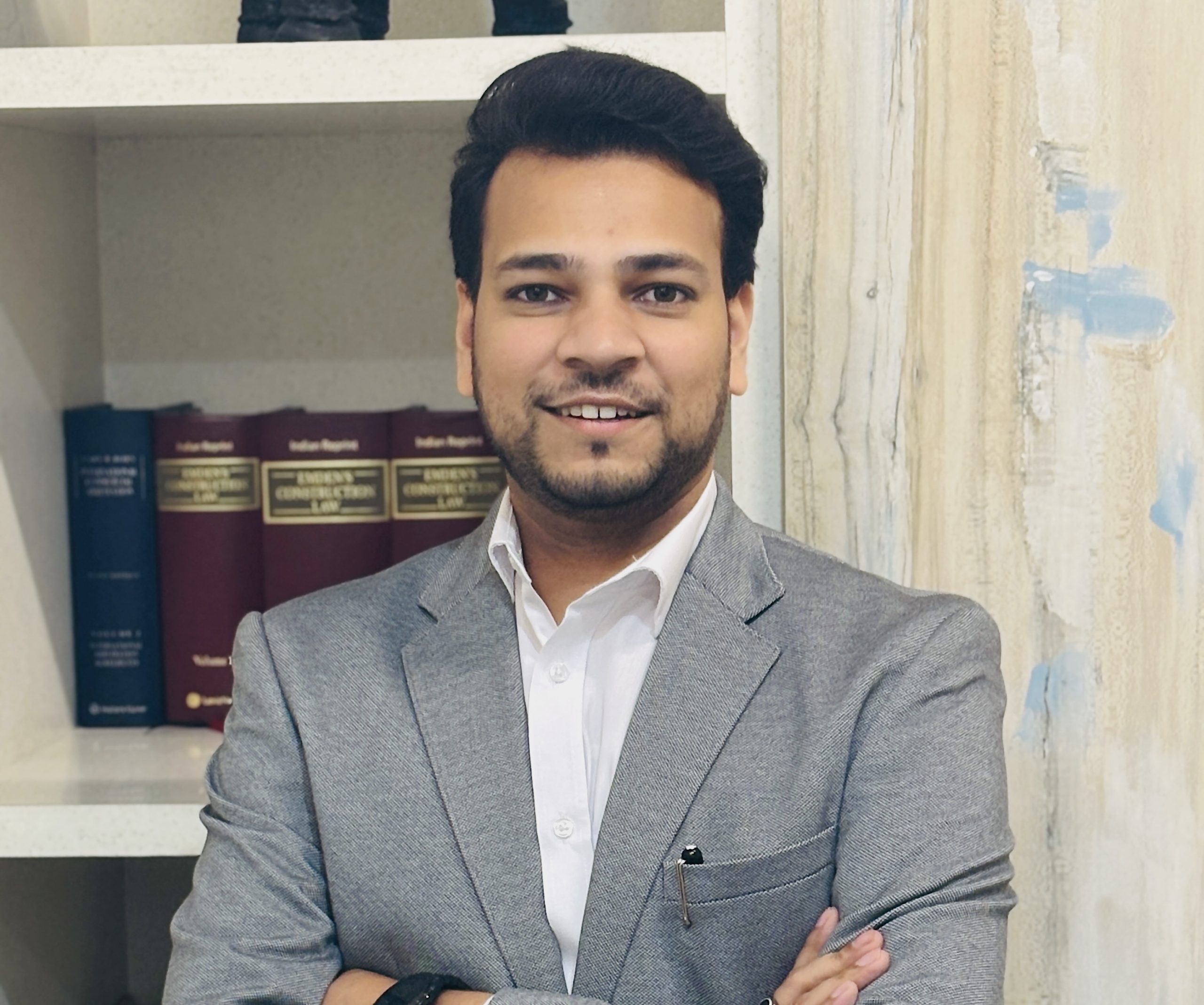
  • Blending Advocacy, Strategy, and Technology in Modern Litigation – Kunal Sinha, Independent Litigation and Dispute Resolution Counsel.

    Blending Advocacy, Strategy, and Technology in Modern Litigation – Kunal Sinha, Independent Litigation and Dispute Resolution Counsel.

    This interview has been published by Anshi Mudgal and The SuperLawyer Team

    With over eight years of experience appearing before the Supreme Court of India, the Delhi High Court, and various tribunals, you have had a diverse legal journey. Given all that, when did your interest in law first develop? What inspired you to choose this field, especially considering that law was not always a highly sought-after career?

    Yes, absolutely. I think if I have to go back in time, it is around my high school and why I chose law. I had a keen sense of justice. I wanted to do the right thing, stand up for what’s right. More than anything, I was also, I believe, influenced by a lot of novels and movies. It would instill a lot of pride in me when I saw a lawyer really fighting for justice on screen, you know, things like those.

    So those were the points which sort of nudged me in this direction to explore more about it. Later on, I always had an inherent attraction towards psychology. I used to read a lot of Sigmund Freud and criminal psychology and other things, just out of interest. And somehow, at that time, I think especially around the time when I was graduating high school, things were really looking up. A lot of law schools were opening. Especially, what really I think made a difference in my life personally is that around that time Jindal Global Law School really came up, and I was really in awe reading about it. And so Jindal sort of pulled me in this direction.

    I also cleared the CLAT exam. I hope it’s the same exam now. And so I cleared one of these NLUs. And you know, the first week I was like, no, I’m going to drop out of law, because it brought me back to the things which I hated the most: monotony. The way it was taught there in the government institution was a lot of just reading out things. The professor would come and everybody would start taking notes, and I was like, what is happening? Why can’t we just share the notes online or come to what’s important?

    Maybe talk about law. Talk about how you apply law instead of just everybody copying the exact same thing which the professor narrates. I found it extremely useless, the way of teaching, the traditional way of teaching. Then I moved to Jindal Global Law School, and I was really impressed by the way they were teaching.

    It was a lot of hypothetical, research-oriented, open-book examinations, no note-taking. Notes were up to you, how you wanted to take them. There would be slides shared after class, so you already had everything that had been taught to you. So a lot of technologically advanced ways of teaching, which I think mirrored a lot of universities abroad, and we had a lot of faculty from abroad as well. So it was just all those mixes of things which made me understand law, and that initial attraction happened, that pulled me into the career. It wouldn’t have been possible if it wasn’t for my alma mater.

    And especially the way technology was used, and the break from monotony of just remembering case laws, citations, or sections. I mean, we had open-book exams, so all the questions were very hypothetical. I would just conclude this by saying that it’s a mix of a lot of legal dramas I saw in movies, novels, inclination towards criminal psychology, and a contribution of the university. All of them played a role.

    Strictly from a point of view of going to university for a job, I think that wasn’t my intention. I really liked it. And my family, we come from a sort of background where engineering plus MBA is equal to an IT job, something like that. So it was a tried and tested path for success. You try to do IIT, then IIM, and then you get a great job, then you move to the US, and you settle. That was sort of the ladder in which my family saw success. So this was really a breaking-tradition sort of thing for me to do law.

    From breaking traditions at home to experiencing a diverse environment in your law program, do you think this influenced the diversity in your practice as well? When you interact with peers or colleagues and notice the differences in approach or understanding, how do you encourage and motivate yourself in such situations? Additionally, how have you brought the learnings from your alma mater into your practice, and how have you implemented these experiences in running your own law firm?

    Again, it’s very difficult to word it in a few sentences, but I would say it’s a contribution of a lot of things. Let’s say, the first limb of your question about my colleagues, I would say that all my colleagues have been extremely, extremely smart, winners of different moot courts and all when we were in university.

    So, a lot of friends and everything. I think the difference which I saw was that they had a more structured way of growing in their profession. And a lot of structured internships, a lot of structured interviews to get a job and everything.

    Well, I wanted my early twenties to be about exploration. So, that way I differentiated from my friends. It’s definitely better to have more structured planning and a more concrete way of progressing in a career than just going out there in the world and just seeing what comes your way.

    So definitely, I think when I was just in law school, I think every year, like the first year I would want to be a corporate lawyer, second year I would want to be something else. So I could never really have a static thing in my mind. What happened was during the internships, I interned with IndusLaw, ITC, different places in different capacities.

    And I enjoyed the Patiala House Court trial matters the most. While talking to you, I think a lot of self-reflection is happening. And I think, again, the answer is monotony. So every day you end up learning something new, interacting with newer clients.

    So that way I got pulled towards litigation. It wasn’t my first preference in law school because I wanted to get a more stable income career and everything. So a lot of good fortune to have landed in chambers where I was not treated just like a junior or just like a person who does research.

    All the seniors I have met were very, very good mentors. And I think spending time as a mentee during those formative years is so important and depends on your luck as well to fall in these kinds of chambers. But that person can really pull you up and teach you a lot, or you can just do a dedicated task every day.

    And you may not grow at the same speed as somebody whose mentor really wants to help. So what I really realized is that a lot of your growth is not just merit, it’s a lot of relationship building. How you come across to your mentor, how much trust he has in you. So this trust starts from very basic things, like if your senior has asked you to come to court at nine and you are there at 8.45 every day, every time, you never miss a date. Little things really make a big difference. And then they start trusting you with bigger cases, start telling you to handle clients yourself. So a lot of my experience and confidence came because of my seniors who handheld me in different areas.

    So that being said, while you were establishing your career, how soon did you decide that you would go for independent practice? Because there is a lot of planning that goes in, even when you are working with or for someone, you start planning for that. So what was that particular reason or maybe what kind of thought went into deciding this factor so early in your career that you wanted to have your independent practice?

    So it was just, let’s say, more like a breakfast conversation. One of the designated seniors, now she’s a very good lady lawyer in the Supreme Court, and what she told me was that you can very well be a part of the chamber, we’ll refer you cases, you do that, do my case, and time will fly and you’ll be in your forties and you’ll still be here.

    She said, take the leap, ask your seniors to refer you cases. Open up your thing, and instead of spending time with us, go and pitch to the government, PSUs, or other places. Spend your time pitching and not in the way of asking for a job, but more like getting an empanelment and an association.

    And she said that associations never die. You’ll always be our friend in this community, but what really matters is that you tend to be comfortable. So once you’re comfortable, you might as well reach your forties, and there won’t be a day dedicated like, okay, this day he’s getting independent. So she was like, if you’re just waiting for that spark or that amazing muharat or something like that, that day is not going to happen, and you just take the leap now. And the best time to take a leap is when you have certain savings, I think.

    So you have a little bit of savings, you know you can survive for the next six months. Take the leap. Most likely, in six months, you won’t be that profitable. But these things only start coming into action when you really go independent. And all these seniors, they were also reminiscing the days they chose to be independent.

    And she said that there were times that she used to cry because she couldn’t pay the rentals or the fees of the clerk. But she held herself strong. She managed, pushed through it. And again, a lot of focus on relationship building, meeting people. Those things are very, very important.

    So it was sort of, let’s say, a cushion which I got from my seniors in the initial days. My best clients, the highest-paying clients, were the referred clients from my senior. I don’t think there was any other way I would have reached these clients if it wasn’t for my seniors. So a lot of trust, a lot of confidence they had in me to have referred to me like that.

    Having such mentors and seniors is also very good luck because it is not easy to find one. In very early stages, like when you started, even before that, you worked with several companies and a variety of law firms, both nationally and internationally, in different capacities. What was the most valuable learning that you had during that time? How did that learning shape your understanding not only about the foundation of the law but also to pave the way for the foundation of your independent practice as well? How has that worked out for you, other than your seniors and mentors being in the picture?

    Right, with respect to that, especially, I think the younger you are, it impacts you a lot more, like your first jobs would impact. The first year of working has a lot of impact and then it just gets routine.

    So there is a very significant impact in the initial years. And I think I was working in Toronto with a barrister there, and a lot of things which I incorporated in terms of, I don’t know if it is relevant to this question, but I see a lot of transparency.

    There is a lesser senior-junior gap in these law firms abroad, especially in Toronto, the US culture in general. And there is a lot of opportunity to just meet them without that fear of talking to a very senior person, which I see quite visible in the law firms here, or the kind of practice there is in chambers here in Delhi. So as soon as that comfort level is there, a lot of transparency in terms of what a person will be able to do and what he won’t be able to do is there instead.

    And you can also ask doubts. I think that is also one of the issues which I faced in a law firm here, that comfort level is not built where the associate can just go up to the partner and say, I have this doubt, can you clarify? What exactly do you need from me? What output can I give?

    And that person is working to the best of his ability. And there is this gap, this unsaid hierarchy, where you have to put your head down. So that sort of thing, which I did not experience in the beginning, gave me a lot of knowledge and understanding with respect to speaking directly to the senior and really discussing things with the senior. And I wasn’t just like a cog in the machine, if that is the right metaphor, where you are just doing one part and you are just showing up and doing your thing. That freedom, that open-door policy, is something which I experienced early on and I really incorporated that. Other than that, a lot of things like, I think somewhere in India, we have this colonial, British-era, archaic way of writing judgments, or these judgments which are often published and all that.

    It is so complex. It is far away from the comprehension of a layman. And I feel a certain level of clarity and predictability and structure, which I learned there, and I found it missing here. So I tend to incorporate that in whatever I can do at present in my small office.

    I try to incorporate things which I learned of transparency and making your clients understand their petitions and not get swayed away by fancy legal lingo. Especially when discussing contracts and everything, I try to really simplify for the person who is sitting in front of me, for the client, and even how I would present myself in court would also be a lot simpler. I wouldn’t just go around beating around the bush with respect to fancy words and everything. So this is something which I have incorporated.

    You have also been empanelled with the Punjab National Bank and Central Warehousing Corporation, where you regularly handle high-stake commercial and civil disputes. What kind of challenges do you see or face while managing these disputes, keeping in mind that you work for the government sector there? And there are multiple stakeholders who are also involved, so you have to take care of all the sides related to that particular challenge. So in these kinds of disputes, how do you work around them and how do you convince or formulate a strategy for such high-stake issues?

     Like most of the government PSUs I have worked in,  there have been times I’ve been on the other side. I would really think that we have to be very, very pro solution oriented and going through litigation is tedious.  The government doesn’t really want that.

    They want solutions, they want settlements. A person as a lawyer, one’s duty is not to just be very good at presenting yourself in the court. It’s to have that intention, to be solution oriented, to tell the people responsible that this is the realistic judgment.

    This is the realistic order we are about to get or we’ll get in future. And this is where we are.   So why not just try to get to a solution now instead of waiting for the court to take its due time to come to an order. So especially with all these government PSUs, my intention is to have an arbitration clause. 

     Their intention also, it reflects that they want to avoid litigation, they want to go into arbitration. They want to have quick redressal,  and as a lawyer, as their panel counsel, my job is to ensure that  the least amount of litigation happens and we can come to an understanding at the earliest moment.

    Thanks for sharing those insights. So when we started the conversation, you talked about data privacy and other aspects, and your background is also in data protection and privacy management, along with the training in Canada and Europe. How do you see the kind of evolving landscape for the Indian DPDP Act and where do you see that we stand when we compare these kinds of acts, especially the new technology-driven acts around the world and what India is doing? What kind of difference do you see, and how do you make sure that you practice it in the best format possible, keeping in mind your international clients as well?

    Well, I really think our act mirrors and reflects the GDPR, which is in Europe, and a lot of concepts are there. So very, very similar, very progressive. But just coming to the ground reality, I think this conversation should be more reflective of what really happens.

    And in our practice, what I have seen is a lot of sharing of documents within law firms, within lawyers, through WhatsApp, through emails. So one should be really, really careful with all that, about sharing confidential information, even amongst our peers.

    And first, that cultural shift has to be there to really understand that there will be consequences. In general conversations, I see a lot of lawyers talk in the cafeteria, talking about their cases. One has to be very, very careful not to disclose your clients, not to disclose anything personal, or not even say something from which a person can really predict who I am speaking about.

    So that cultural shift has to be there with respect to privacy, and I think that is missing. Also, the way our websites are made, or our shopping websites are made, or any website for that matter, it is not humanly possible to read the cookie, the privacy policy, etc.

    So really, there is a great disbalance. You can take consent from a person on a 300-page document within one second, and a person just has to click OK. It is not humanly possible to read 300 pages before entering a website. So again, regulation has to come from the side of the government or from an authority, which we are doing, because it is not a contract between equals.

    Because if you are one big corporation, you have so much power. You have great lawyers to draft these contracts, and you expect a layman who is buying maybe a golf club, and then he will have to sign these pages, to just click OK. In a way, it is implied consent to accepting their policies.

    So there is definitely a lot of disbalance. And what I have seen is that I go to a shop and they ask for your number so easily, like it is nothing, like I have to give it. They don’t even bother with your consent.

    If you need the bill, you need to give the number. I am like, what kind of a relationship is this? You are putting pressure that if I need the bill, I need to give you the number, and then the number is just available out there, and you will be getting random calls and promotions.

    So where do we draw the line? Why don’t we have that power as consumers to say no, to say to the company that, okay, forget me, erase my data, whatever you have on me? These provisions are there, but to what extent are we really incorporating them and to what extent are we really educating the consumers about them?

    I mean, there is a huge gap. And I think as consumers, we are on the losing end of this battle. The way private data is shared, I think everybody would have experienced talking amongst their friends about a certain product and then seeing the advertisement of that online all of a sudden.

    So who is listening to what? To what extent is our data being shared? There is a lot of gray area in this, and there is absolutely a lack of transparency and a huge imbalance of power between us and the technology, the people out there who want the data. So regulation has to come from the government, from the authorities, so that there is some fear in the people or in the corporations or technology-related companies to be careful with the data.

     So true that we should be aware of our privacy as well as the child’s privacy. Nobody talks about child rights either, which is something absolutely missing from what we are doing, although it is there in the act. But if we are not aware of our own privacy, then how are we going to be inspired by child rights and other aspects.

     Absolutely. I think that it is just that the act, that legislation has to reflect or be incorporated in societal culture. And there’s seriously a big gap when it comes to that.

    Everything, even if you visit somebody’s apartment these days, they need your phone number, data, everything to let you in. And then you have been profiled. And you don’t know who’s buying this profile. How many times have you visited the hospital? Maybe the insurance company is buying the profile.

    So there’s a lot of sharing of data which a person has not expressly consented to. Consent can be skewed in a way that you click okay on a cookie policy or something like that and then, in a way, legally the companies are protected. But is it really a balanced contract?

    I don’t think so. The consumers, the regular people, have been taken for a ride.

    Keeping all this kind of technological advent and the kind of issues that arise with it and the regulations that are required, you have extensively worked in this field as well. How do you keep yourself ahead of the times and learn about all these things? Where do you learn from? What kind of research do you do around this, and what will be your advice to the younger generation who are entering this particular field in this specifically technologically advanced era? Things have changed before COVID and after COVID, the kind of world we are living in. So how do you see yourself, your practice, your firm, and how do you see the young generation learning from it?

     Right at the outset, I would say the old schoolers, the law firms, are hesitant. Even today they are very non-AI, they have these internal policies, but AI is so powerful. It’s not so easy to just reject it outright. The more realistic thing will be to adopt it and regulate it.

    And I think the younger generation, we know that you are using AI, we know that you are using it for research and drafting and whatnot. So there doesn’t have to be shame in it. Be outright. Be transparent with your bosses and professors and say that this is the kind of research you’ve collated, and as long as you’re using a tool, do good work.

    That’s what matters. As long as that tool is not misused to the extent of plagiarism, I think it’s absolutely fine. One should adopt it. I have been using AI tools for my scheduling. So imagine earlier if you typed so-and-so versus the state, versus the case number, et cetera.

    Now I can just, I have this app. I can just update my data, say put it up in my calendar for so-and-so date. So everybody’s using it and younger people are using it. It’s a great tool. So imagine going through a contract of 200 pages and you really want to understand if there are any loopholes, what exactly the termination conditions are.

    For instance, if you just go to the termination clause, there will be clauses talking about termination. But you need to really holistically understand the contract because a lot of times these clauses have a bearing on each other.

    And a lot of times these clauses are extensions of each other. So you cannot read these clauses in isolation. Let’s say one person uses AI to really understand the termination clause, or let’s say whatever period, indemnity clause in totality, and see how it assists you.

    So use AI like an assistant. You wouldn’t put your assistant’s work directly to the client. You’ll ask a paralegal to help you out and then filter things out for you, and then you apply your legal mind to it and then take it ahead. So as long as you’re using it as a paralegal or an AI agent, it’s fine.

    It’s absolutely fine. There’s no shame around it. I know my partners are really upset because of some interns who used AI and found these AI-hallucinated case laws, which do not exist. And this I’m talking about in some tier-one law firm.

    So it is concerning, but use it as an agent. If, let’s say, your intern brings you a case law, you don’t just directly sign it, right? You would go to SCC Online, a more legitimate sort of legal resource, and cross-check it. But, in essence, I would just like to say be adaptable.

    See how the situation is changing. Very soon there won’t be a lot of paralegals. As a job, it may become obsolete. Stenographers may become obsolete. So be realistic. There is an aspect of what’s morally correct and what’s not. Let’s not go there at the moment.

    But what’s real is that yes, jobs are going to move, a lot of clerical jobs will go away. So be mindful of that and use this as an opportunity to do really good legal work. Be better than your seniors because they didn’t have these tools. Now your senior would’ve taken a day to read a contract.

    You can do it much faster and try to do the law analytical stuff because your clerical stuff is taken care of. So use it like you have hired an intern or a junior paralegal and then be the person who vets everything before forwarding it to the court or client.

     Thank you for talking about all these aspects of AI and how to use those kinds of tools for your own benefit and for your work’s benefit. It has been a very enriching conversation with you where you have talked about your understanding and the way your seniors have helped you, all of it hopefully is going to help our learners to understand how they should pave their way in being not only first generation lawyer, but I would say first generation using technology at this level because this is something which is absolutely new for legal fraternity, so thank you for this conversation.

    Just adding one last thing with respect to the AI, it’s bridging the gap. Imagine if nobody has the excuse now that I do not have good professors. I do not have a good education, my college isn’t good enough.

    You have these sources, you can get access to a lot of great sources online, so there is no excuse now. A level playing field has been made because of AI and technology. So you can be anyone, you can be a first-generation or third-generation lawyer. Now the third-generation lawyers have their own challenges.

    Being under the shadow of someone, someone a great lawyer sometimes. So that kind of sometimes limits the third or the fourth-generation lawyer. So a lot of these seniors, which I know, have sent their kids to absolutely different chambers.

    Far away from their chamber so that they learn to stand on their own feet. I see a lot of LinkedIn posts about first-generation, second-generation differences. It’s not as rosy as people think to be a third-generation lawyer or a fourth-generation lawyer. One always has to show merit and everybody, in a sense, is a first-generation lawyer.

    This is not like a food business or a restaurant that, okay, it just came to you. Everybody has to show merit. Everybody has to show their skills to really last in this profession. So, in essence, now that AI is there and other technology, which makes it easier to navigate cases, easier to do research.

    One should learn all that and this is a great time to be a lawyer in a way that now you have a level playing field, you can go against the best.

    Get in touch with Kunal Sinha –

  • “I truly realized that law was my calling when I began to understand how the legal system serves as a tool to help individuals identify and secure their rights, while safeguarding their interests.” – Vrinda Daga, Founder at VR LAW.

    “I truly realized that law was my calling when I began to understand how the legal system serves as a tool to help individuals identify and secure their rights, while safeguarding their interests.” – Vrinda Daga, Founder at VR LAW.

    This interview has been published by Anshi Mudgal and The SuperLawyer Team

    With over a decade of experience spanning litigation, arbitration, and corporate advisory, what inspired your transition from an academic background in economics to a full-fledged legal career? What drew you to the practice of law?

    Anyone who chooses to pursue a challenging or demanding field must first ask themselves a fundamental question about their motivation and commitment. For me, the transition from Economics to Law was shaped by a single, thought-provoking evening discussion with my mentor, who questioned me about my future career path while I was in the second year of my undergraduate program. Unlike many of my peers who found Economics dry and difficult subject to grasp, I had a different perspective. Economics not only deepened my understanding of fundamental commercial principles, such as demand and supply, but also sharpened my analytical thinking and ability to evaluate situations rationally. I truly realized that law was my calling when I began to understand how the legal system serves as a tool to help individuals identify and secure their rights, while safeguarding their interests.

    You’ve represented clients in high-stakes civil and commercial disputes. Could you share one of the most challenging cases you’ve handled so far, what made it particularly demanding, and how did it shape your approach?

    Maintaining the confidentiality of parties is essential to preserve their dignity and integrity. One such instance involved a family dispute where the daughter-in-law claimed rights over the assets of her mother-in-law based on a Memorandum of Family Arrangement executed among the family members. The mother-in-law and daughter-in-law were residing in the same house, while the son (and husband of the daughter-in-law) was living abroad.

    The mother-in-law, who had inherited both movable and immovable assets from her deceased husband, was dependent on the court’s intervention to access and utilize these assets for her daily maintenance. However, due to the COVID-19 outbreak, court proceedings were delayed, disrupting the entire legal process. Eventually, through the intervention and mutual discussions facilitated by the legal representatives of both parties, a settlement was amicably reached.

    The family settlement not only resolved long-standing disputes and differences but also brought much-needed relief to the family members, allowing them to move forward amicably in their respective lives. Personally, this case gave me immense satisfaction, as the elderly mother-in-law finally found peace and solace in her old age, gaining relief from what could have been an unending cycle of family disputes and disagreements.

    This experience was one of the most significant family settlements I have been involved in, and it changed my approach to handling family disputes. Since then, I have consistently advised my clients to consider amicable resolution and mutual settlement wherever possible, rather than engaging in prolonged and indefinite litigation.

    In your advisory work with startups on legal compliance and employment law, what are some of the common legal pitfalls you’ve observed? How do you tailor your guidance to meet the unique needs of early-stage businesses?

    Each startup venturing into the development of its unique business model in today’s competitive market is not only driven by innovation but also holds confidential and proprietary data and information. At inception, the intent is almost always to build the business in an atmosphere of complete confidentiality and discretion. However, due to a lack of awareness regarding legal requirements and compliance frameworks, many startup founders inadvertently overlook key statutory obligations.

    When a startup founder or their associate seeks legal advice, I make it a priority to first educate them on the bare minimum legal and compliance requirements necessary to establish their entity in a structured and compliant manner. I then advocate the importance of legal structuring to ensure smooth and sustainable business operations.

    In my view, guidance is not a one-time exercise—it is a continuous process. However, the role of a legal advisor extends beyond merely offering guidance. Accessibility and consistent availability are equally critical in enabling early-stage businesses to remain legally compliant and to gradually manoeuvre independently with confidence. A legal advisor must act not just as a consultant, but as a reliable partner throughout the startup’s journey, ensuring that the foundation is strong and the business is equipped to navigate complexities on its own over time.

    I firmly believe that it is an advocate’s professional and ethical responsibility to provide clients—whether a startup or an individual—with clear interpretations of the law, as well as a thorough explanation of their roles, responsibilities, rights, and duties. This, to me, goes beyond a moral obligation; it is part of our code of conduct as legal professionals.

    Having worked both as an independent practitioner and within a law firm, how would you compare the dynamics, responsibilities, and client expectations in each setting? What motivated your decision to establish a law firm?

    In my view, independent practice and firm practice are two sides of the same coin. As an independent legal practitioner, the focus is largely on litigation matters, including Alternative Dispute Resolution. On the other hand, firm practice generally offers a broader scope—you cater to both litigation and non-litigation matters.

    That said, if a firm intends to maintain a more focused approach, it can adopt a boutique law firm model, which specializes in a limited set of core areas. This ultimately depends on individual choice and the vision one has for their practice.

    At VR Law, we follow the boutique law firm model. We handle a mix of litigation and non-litigation work, such as general commercial litigation and contracts, while consciously narrowing our focus to ensure depth and quality. Our primary intention is to deliver optimum outcomes to our clients.

    Now, if I were to compare firm practice with independent practice, I would say it’s not a matter of one being better than the other—they simply operate differently. In firm practice, there is more structured client interaction, compliance, documentation, and continuous updates to clients. It also requires being consistently aware of amendments, circulars, and procedures in order to provide prompt and accurate solutions.

    Independent practice, of course, carries responsibilities as well, but compared to firm practice, the quantum of compliance and client management is relatively lighter. In the end, both have their own value depending on what a lawyer seeks in their professional journey.

    Your legal practice spans a wide range of sectors from real estate to intellectual property catering to a diverse clientele. How do you keep yourself abreast of changing regulatory frameworks and sector-specific legal developments?

    This is actually a tough one, but I believe there is one thing common to all lawyers—whether attorneys, counsels, or legal practitioners—and that is reading. Regardless of the format or medium we adopt in our daily routine, reading is a must. Like most budding and practicing lawyers, I make it a point to read or listen to the latest judgments, legal updates, circulars, or notifications.

    There are times when professional or administrative responsibilities take over, and I may not be able to keep up on a daily basis. But I always make sure to go back, revisit, and update myself. Thanks to social media platforms and digital resources, access to legal updates has become much easier.

    That said, I firmly believe that nothing can replace the bare act. I make it a habit to go back to the law itself—read the provisions, understand the legislative intent, and refresh my interpretation at regular intervals. What’s interesting is that each time you read a bare act, your understanding of a concept deepens, and your perspective evolves, allowing you to apply it in a more refined and effective manner.

    Most importantly, I would like to share an advice given by my senior, Mr. Chaitanya Mehta (Managing Partner, Dhruve Liladhar & Co.) in the early years of my practice i.e.‘Whatever you read in life never goes wasted.’ This advice has always stayed with me and continues to guide my approach to learning and paving my journey as a lawyer.

    You’ve contributed to legal education through seminars and guest lectures. What drives your commitment to academic engagement, and what is your idea to bridging the gap between classroom theory and real-world legal practice for aspiring lawyers?

    As a first-generation lawyer, my curiosity and drive to learn have always pushed me to attend seminars and lectures that broaden my understanding of different areas of law. Over time, I realized that while these forums provide valuable insights, the information is often presented in a complex and highly technical manner. So, when I got the opportunity to conduct sessions myself, I made it a point to simplify the content, weave in real-life professional and personal experiences, and make it relatable for aspiring lawyers.

    To bridge the gap between classroom theory and real-world practice, I focus on making law relatable and practical. Beyond seminars and guest lectures, I also got opportunities to mentor juniors/budding lawyers. Along with sharing case experiences, I encourage juniors to read and critically evaluate the law, and whenever possible, I give them opportunities to appear and represent clients. 

    This combination of theory, mentorship, and hands-on exposure not only motivates them but also builds their confidence as aspiring lawyers. For me, academic engagement is not just about transferring knowledge—it’s about empowering young lawyers to connect theory with practice and grow into confident professionals.

    Looking back to your early years in the profession, what were some of the initial hurdles you faced as a young lawyer? Now, with a diverse practice in place, what vision do you have for your future and that of your firm?

    The challenges faced as a young legal practitioner vary for each individual. When I began my career as an independent lawyer, I quickly realized that building a practice from scratch extended far beyond courtroom appearances. Key initial hurdles included:

    • Establishing a Professional Network: Building meaningful relationships with fellow colleagues, including senior counsels and peers, was critical to gaining credibility and support in the legal community.
    • Client Accessibility and Trust: Ensuring clients could easily approach me required consistent availability, clear communication, and regular updates on their cases to build trust and confidence.
    • Staying Updated with Legal Developments: Keeping abreast of the ever-evolving legal framework, including new provisions, amendments, and modifications, demanded continuous learning and adaptability.
    • Balancing Multiple Roles: As an independent practitioner, I had to manage not only legal work but also administrative tasks, client consultations, and providing well-reasoned legal opinions.

    When I transitioned from my independent practice to establishing my boutique law firm, the scope of responsibilities expanded significantly. Beyond administrative duties, new challenges emerged such as :

    • Team Management: Leading a team of juniors, associates, and interns involved reviewing their work, discussing their perspectives on cases, assigning clients, and fostering a collaborative environment through team-bonding sessions.
    • Feedback and Growth: Providing constructive feedback to team members while also seeking their input was essential for creating a supportive and dynamic workplace.
    • Self-Evaluation: Continuously assessing my own performance and behavior as a leader and colleague ensured I maintained strong relationships within the team and the broader legal community.

    Hurdles in a legal career never truly disappear; they evolve with time. However, these challenges become more manageable with a supportive team and a strong professional network. My vision for the future of my practice and firm is rooted in growth, collaboration, and excellence by Building a Resilient Team, Expanding Client-Centric Services, Contributing to the Legal Community and Personal and Professional Growth.

    With the unwavering support of my family, colleagues, and team, combined with divine blessings, I was and am still able to navigate challenges and achieve my vision as a lawyer.

    What advice would you offer to students aspiring to enter the legal profession? Are there any resources, reading materials, or experiences you would recommend to help them build a strong foundation?

    Although I personally believe that I am still in the process of maneuvering and exploring the dynamics of legal studies and practice, I firmly believe that one must continuously focus on Learning, Reading, and Adapting.

    Learning goes beyond textbooks—it is about broadening one’s knowledge through practical exposure, observation, and critical engagement with real-world issues. Reading, on the other hand, does not merely mean going through books, judgments, or case studies; it also means reading between the lines, evaluating facts, analysing circumstances, and interpreting the unstated aspects of a situation. Adapting is equally vital—it requires embracing the ever-evolving dynamics of law and thoughtfully adopting them into one’s practice.

    One of the most important lessons I have imbibed and also share with aspiring lawyers is this: always place yourself in the situation first, and then prepare your legal framework. This approach not only safeguards the client’s interest but also enables a lawyer to anticipate potential challenges and assess the possible adverse implications of any act or deed.

    Today, we are surrounded by umpteen sources of knowledge—both in print and digital media. Yet, the strongest foundation for any lawyer lies in the habit of reading bare acts thoroughly. This means not just skimming through provisions, but studying them holistically—from the long title, statement of objects and reasons, and definitions, to the substantive provisions, explanations, and even the repealing and saving clauses. At the initial stage, the significance of this practice may not be apparent. However, as one delves deeper into the subject, it becomes evident that every word in a statute carries its own weight, purpose, and interpretation.

    With the growing judicial backlog in India, ADR mechanisms are increasingly being viewed as effective alternatives. How do you foresee the evolution of ADR in India, especially in light of recent legislative reforms and institutional developments?

    Alternative Dispute Resolution (ADR), particularly arbitration, has fundamentally changed the

    approach to dispute resolution in India. Increasingly, parties—especially in small and medium-sized businesses—are making it a practice to include arbitration clauses in their contracts, reducing judicial dependency and facilitating resolution through neutral third parties.

    The enactment of the Mediation Act, 2023 has given further impetus to ADR by providing statutory recognition to mediation as a structured process, thereby enabling early resolution of disputes and further reducing the burden on courts but at a preliminary stage. Alongside this, the shift towards institutional Arbitration and Mediation is a development we should accept with open arms. Institutional mechanisms ensure greater consistency, procedural discipline, and credibility, in contrast to ad hoc practices which often lead to delays and inefficiencies.

    That said, the evolution of ADR in India will require time and investment in capacity building— whether in terms of institutions, trained professionals, or awareness among litigants. Encouragingly, the interest of the younger generation of lawyers in ADR is growing rapidly. Coupled with legislative reforms and judicial support, these developments are poised to revolutionize India’s dispute resolution framework, making ADR a central pillar of justice delivery in the years ahead.

    Get in touch with Vrinda Daga –

  • “Whether arguing corporate disputes, pursuing PILs, or handling sensitive criminal trials, every brief is a trust placed in my hands, to be discharged with integrity and dignity.” – Shashank Singh, Founding Partner, CTS Partners LLP.

    “Whether arguing corporate disputes, pursuing PILs, or handling sensitive criminal trials, every brief is a trust placed in my hands, to be discharged with integrity and dignity.” – Shashank Singh, Founding Partner, CTS Partners LLP.

    This interview has been published by Anshi Mudgal and The SuperLawyer Team

    How did you transition from your early years in litigation to regularly appearing before the Hon’ble Supreme Court, the Delhi High Court, and various other forums across the country? What were some key early learning experiences that laid the foundation for your practice?

    My transition from the early years of litigation to regularly appearing before the Hon’ble Supreme Court, the Delhi High Court, and other forums across the country was not sudden but a steady climb. I began in the trial courts of Delhi, handling matters where stakes for clients were immediate and personal. Those formative years taught me that advocacy rests on preparation, precision, and respect for procedure. Drafting pleadings instilled discipline, cross-examination taught patience, and interim applications honed the ability to think on my feet.

    Gradually, I began assisting in matters before the Delhi High Court. The shift required a different skill: structuring arguments with clarity and economy so that cases could survive preliminary objections. As clients entrusted me with appellate work, I appeared before various High Courts and Tribunals, while also briefing senior counsel in complex matters, learning how to condense large records into strategic briefs.

    The opportunity to appear before the Hon’ble Supreme Court followed naturally. It began with assisting in Special Leave Petitions and transfer petitions, and over time, I began appearing independently in interlocutory and final hearings. The guiding principle, instilled in me early on, has remained the same: never step into court without absolute command over your brief.

    Looking back, the lessons that shaped me did not come from one case or one forum but from consistently engaging with diverse matters, from trial disputes to appellate work and public interest litigation. Each stage built upon the last, creating a practice grounded not in chance but in cumulative discipline.

    As the Founding Partner of CTS Partners LLP, how do you balance leading the firm’s litigation and advisory verticals, and what vision do you have for the firm’s growth in an evolving legal market?

    Balancing litigation and advisory is less about dividing time than ensuring both strengthen each other. Litigation shows how contracts hold up when tested, while advisory allows disputes to be anticipated and avoided. At CTS Partners, we built our practice on this philosophy. Our litigation work is rooted in preparation, advocacy, and navigating complex forums, while our advisory practice focuses on precise drafting, foresight, and regulatory clarity, sharpened by lessons from court.

    As Founding Partner, I ensure insights flow between the two. A dispute in arbitration refines our contract reviews, while advisory on transactions always factors potential litigation risks. This constant feedback loop is what makes us effective across both fronts.

    My vision for CTS Partners LLP is to be recognised not only for competence but for partnering with clients through the entire lifecycle of their ventures, from inception and compliance to disputes and enforcement. In a rapidly evolving legal market shaped by technology and sectoral change, we aim to combine the rigour of the traditional bar with innovation in delivery. With a deliberate focus on sectors like Aviation, Biotechnology, Renewable Energy, and Infrastructure, we seek to build a firm that creates enduring value for clients while shaping standards in emerging industries.

    Your grandfather, Hon’ble Mr. Justice K. N. Singh, was a towering figure in the legal fraternity. How did his guidance shape your professional philosophy and influence your career choices?

    Law in my family has never been just a profession, it has been a legacy of values passed across generations. My great-grandfather was a judge, my grandfather, Hon’ble Mr. Justice K. N. Singh, served as the 22nd Chief Justice of India, and several of my uncles and cousins have served on the Bench. Growing up, the lessons came not from books, but from conversations with my grandfather where governance, justice, and human dignity were discussed as naturally as daily affairs.

    The principle he impressed upon me was simple: “You may choose to earn or choose to learn. If you choose to learn today, Lady Law shall ensure you never have to worry about the other.” From him I learned that credibility rests on preparation, judgment, and integrity, not just oratory. Even after holding the highest judicial office, he valued respectful disagreement if it was backed by logic and research. That humility before the law left a lasting mark on me. I still recall my first matter, a bail application under the Official Secrets Act. Nervous as I was, I narrated every detail to him afterwards. His focus was not the outcome, but the strategy, questions of law, and procedural nuances. The lesson was clear: never enter a courtroom unprepared.

    These principles have remained my compass. Whether arguing corporate disputes, pursuing PILs, or handling sensitive criminal trials, every brief is a trust placed in my hands, to be discharged with integrity and dignity. My family’s service to the law is not a pedestal for me to stand on, but a standard to live up to. Legacy, in my view, lies not in offices held, but in the work you do case by case, client by client, cause by cause.

    You have worked extensively in the aviation sector, including regulatory compliance, aircraft leasing, and contractual review involving sovereign obligations and global norms. What are the sector specific challenges you encounter, and how do you balance domestic legal frameworks with international regulatory requirements?

    My work in the aviation sector began with PSUs such as Air India Engineering Services Ltd. (AIESL), where every matter sits at the intersection of domestic law, international treaties, and operational realities. Whether it is a long-term aircraft lease, an MRO agreement, or a procurement contract, the advice must be technically sound, commercially viable, and compliant with sovereign obligations.

    The sector’s foremost challenge is reconciling India’s regulatory framework with global commitments. For instance, an aircraft lease must satisfy the Cape Town Convention while also meeting the Directorate General of Civil Aviation’s requirements. Counsel must draft provisions that withstand scrutiny in Indian courts yet remain recognisable abroad. The PSU context adds another layer, requiring compliance with General Financial Rules and vigilance norms, often at odds with international market standards. Bridging this gap without diluting compliance or commercial feasibility is where legal strategy becomes critical.

    Aviation also evolves faster than legislation. Engine configurations, safety protocols, and maintenance cycles change constantly, making flexibility in drafting essential. This requires working closely with engineers, procurement teams, and regulators so that legal language keeps pace with operational realities.

    Balancing domestic and international frameworks comes down to identifying the non-negotiables: statutory mandates, governmental approvals, and compliance procedures on one hand; treaty obligations, OEM standards, and global safety norms on the other. Once these are secured, agreements and dispute strategies can be structured to preserve both sides. In aviation, the cost of error is never just financial – it touches reputation and safety. That is why I approach every matter with the objective of delivering solutions that are watertight in compliance, workable in execution, and defensible before both domestic regulators and international counterparties.

    You have worked on plant genetics and environmental sustainability. How do you see biotechnology law evolving in India, especially in light of climate change and sustainability concerns?

    My engagement with biotechnology law has been rooted in real-world solutions. A case in point is my intervention before the Hon’ble Delhi High Court on the city’s air pollution crisis, where I proposed structured plantation of tissue-cultured Bamboo developed through plant genetics. This variety grows at nearly 1.5 feet per day, reaching 40 feet within two years, is non-invasive, requires minimal maintenance, and has one of the highest carbon absorption capacities among terrestrial plants. Its significance goes beyond ecology—it is also a raw material for CNG, ethanol, and electricity generation, aligning environmental goals with renewable energy targets, employment generation, and revenue creation for the State.

    This experience reflects the direction in which biotechnology law in India must evolve. Our current framework, spanning plant variety protection, patents, biosafety rules, and biodiversity obligations, largely operates in silos, whereas real biotechnology projects cut across them. As climate change accelerates, the law will need to shift from merely managing risk to actively enabling innovation with measurable environmental and social value.

    Three changes are critical. First, integrating climate and sustainability targets into sectoral approvals so projects with clear ecological benefits face streamlined pathways. Second, creating predictable and time-bound regulatory clearance systems that allow innovators to move from laboratory to field efficiently. Third, balancing commercial exploitation with safeguards for biodiversity, soil health, and community rights. My experience shows that when legal strategy is integrated at the inception of a scientific plan, both compliance and commercial viability are far more likely. The future of biotechnology law in India lies in anticipating regulatory concerns early while enabling science to deliver climate resilience, food security, and economic opportunity.

    In the media and entertainment industry, you have handled intellectual property rights, contractual enforcement, and content regulation. How do you approach safeguarding creative rights in an age where digital content is expanding at an unprecedented pace?

    Safeguarding creative rights today requires more than reactive enforcement. With content created and distributed at unprecedented speed, the law must be embedded from the inception of a project. Contracts need to be precise and anticipatory, covering ownership, attribution, territories, and protection across emerging platforms, including streaming, interactive media, and AI-assisted formats.

    Infringement now extends beyond copying to unauthorised adaptations, derivative works, and misappropriation of concepts. My role is to anticipate these risks and ensure that protective clauses and enforcement mechanisms are in place upfront. Globally, frameworks like the US Digital Millennium Copyright Act provide structured procedures for takedowns and intermediary liability. India, however, still relies on broader provisions under the Information Technology Act, which were not designed for AI-driven content or mass online distribution. This absence of a dedicated framework, especially for AI training on copyrighted material, creates significant gaps for creators.

    In this environment, I adopt a proactive approach: contracts that are both jurisdiction-specific and internationally aware, active monitoring of infringement, and swift enforcement across forums. Protecting creative investment requires foresight and adaptability. My objective is to ensure creators can innovate and share their work with confidence, knowing their rights remain secure even as technology evolves.

    What has been one of the most challenging cases in your career, and how did you navigate the legal and personal complexities involved?

    In the course of practice, we encounter matters that test our interpretation of law, our procedural skill, or our ability to strategize under pressure. Then there are cases that demand far more, cases that place you directly before the rawest realities of human cruelty and compel you to carry forth with both the composure of an advocate and the compassion of a human being.

    One of the most difficult matters I have ever handled involved grave offences under Sections 376 and 377 of the Indian Penal Code, along with offences under the POCSO Act. The accused included the father of the victims, a young girl and her brother along with his associates. Representing the children in such circumstances is not merely about applying the statute. It requires a trauma informed approach, where every interaction is measured, where every question is weighed against the risk of inflicting further pain, and where the dignity of the victims is the paramount consideration. The courtroom in such matters is not just a place of law, it becomes a place where emotional safeguards are as vital as legal safeguards.

    What made this case uniquely difficult for me was how close it felt to home. My own nieces and nephews are of the same age as the victims. In the conference, as I listened to these children speak about their lives, their words were those of any child – school, friends, small joys, yet behind them lay a history no child should have to bear. In their eyes I could see my own kin, and that realisation was unsettling. It is one thing to know the facts as counsel, and quite another to feel them through the lens of your own family. The challenge was to channel that proximity into determination rather than distraction. The law required me to be measured, precise, and unwavering in court, while the human reality urged me to protect them as if they were my own. Every procedural choice, every submission, had to preserve the strength of the case while ensuring the children did not have to relive the trauma unnecessarily.

    In the end, what stays with me is not just the legal conclusion but the resilience of those two young lives. Despite their ordeal, they bore themselves with a quiet strength that left an impression far deeper than any verdict could. For me, this case was a stark reminder that advocacy is not only about securing justice on paper, but also about ensuring that those we represent are met with dignity, protection, and faith in the process.

    From environmental issues to governance reforms, your PIL work has addressed causes of broad public significance. In your view, what role will PILs play in shaping India’s legal landscape over the next 20 years?

    Public Interest Litigation has been one of India’s most transformative judicial innovations, allowing citizens to seek structural remedies for systemic wrongs. Its strength lies in a legacy built on landmark interventions: from Kesavananda Bharati’s Basic Structure doctrine which expanded judicial responsibility, to M.C. Mehta’s environmental cases that introduced CNG in Delhi’s transport fleet, to Vishaka which created an entirely new framework against workplace harassment. These cases show how PILs can reshape governance where legislation lags.

    When I intervened in Delhi’s air pollution crisis, I sought not rhetoric but a science-based solution: structured plantation of high-yield tissue-cultured Bamboo with extraordinary carbon absorption capacity and multiple commercial uses in clean fuels. The aim was to confront ecological, economic, and employment concerns in a single implementable measure.

    Looking ahead, the frontier of PILs will broaden to issues like climate change, cross-border crimes, digital privacy, and algorithmic governance. With India yet to enact a comprehensive AI law, it is conceivable that the first major questions of AI ethics and accountability will reach the courts through PILs. The challenge will be to preserve credibility by ensuring PILs remain grounded in research, evidence, and workable outcomes rather than quick, media-driven filings.

    If pursued with rigour and foresight, PILs will remain one of the most powerful levers of systemic reform, holding the State accountable, shaping public policy, and safeguarding constitutional values for the next generation.

    You have been active in mentorship and legal aid. What advice would you give young lawyers who aspire to appear in higher courts and work across diverse legal domains?

    The first thing I realised in practice is that there is no shortcut in law. This profession is not a place for instant gratification. The cases that test you, the seniors who challenge you, and the long hours of research for a matter that may be over in two minutes in court, all form part of the process that shapes a lawyer’s instinct.

    For those aspiring to appear before the Hon’ble Supreme Court, the High Courts, or even specialised tribunals, it is essential to understand that higher court practice is not built on clever argumentation alone. It rests on a solid command over facts, procedure, and precedent, as well as the ability to anticipate the bench’s concerns and respond with clarity. This requires discipline in preparation, not just reading the brief but living with it until every argument becomes second nature. Equally important is the ability to listen. Sometimes, knowing when not to speak is as strategic as knowing what to say.

    In my own journey, one of the most formative experiences was working with Hon’ble Mr. Justice R. S. Endlaw, Retired Judge of the Delhi High Court. He not only taught me how to carry myself in court but also encouraged me to observe the craft of Senior Advocates who argued complex matters before him. He would remind us that the art of advocacy lies as much in how an argument is presented as in the law that supports it. From him, I also learnt the discipline of research, not simply gathering material, but knowing what to look for, how to sift through competing strands of law, and how to present it with clarity. Perhaps most importantly, working under him gave me perspective on how a Judge, not one from my own family background but from outside, views a matter. To this day, I try to place myself in that position, to imagine how a Judge thinks, reacts, and weighs an argument. That training continues to guide me.

    In terms of practice, I feel that the wide range of matters I have handled—from aviation and energy to medical science and biotechnology, has been a real advantage. Some of these areas are highly technical, but that is precisely what the profession demands: the ability to absorb, adapt, and make sense of disciplines far outside one’s own training. The law, by its very design, pushes you to step beyond comfort zones and to develop the capacity to present almost anything with clarity and conviction. In India, this adaptability is becoming even more important. With a rapidly expanding Bar, seniors with decades of experience, and the recent entry of foreign law firms, competition is only going to get more intense. Against that backdrop, being multifaceted is not simply a matter of choice but of survival and effectiveness, since clients increasingly expect lawyers who can handle diverse and often overlapping fields. This is not to suggest that there is anything wrong with focusing on a single specialised field. But in our system, cultivating breadth in the early years gives a young lawyer resilience, perspective, and the confidence to meet very different kinds of challenges.

    Lastly, I believe it is important to never lose sight of the fact that law is a profession of service. Mentorship, legal aid, and pro bono work are not optional extras. They are reminders of why many of us entered the field in the first place. Whether representing a corporation in a regulatory matter or a victim in a criminal trial, the lawyer’s role is not just to safeguard rights but to protect dignity and trust. If one carries that ethic forward, higher courts will not only be places to appear in, but arenas where a lawyer can contribute meaningfully to the living fabric of the law.

    Get in touch with Shashank Singh –

  • “I began without grand design, yet my early immersion in constitutional law revealed something compelling: a practice that could simultaneously satisfy intellectual rigor and serve consequential social purpose.” – Siddharth Sijoria, Advocate at Supreme Court of India.

    “I began without grand design, yet my early immersion in constitutional law revealed something compelling: a practice that could simultaneously satisfy intellectual rigor and serve consequential social purpose.” – Siddharth Sijoria, Advocate at Supreme Court of India.

    This interview has been published by Anshi Mudgal and The SuperLawyer Team

    Looking back, what motivated you to pursue law as a career? Did you have a particular vision for yourself when you first started, and were there any formative incidents or mentors who significantly shaped your path?

    Law discovered me rather than the reverse. During my formative years, I found myself deeply absorbed in poetry and literature—disciplines that demand precision in interpretation, sensitivity to nuance, and the ability to wield language as both artistic expression and analytical instrument. Law emerged as the natural culmination of these inclinations, a field where critical reasoning and linguistic precision determine outcomes of profound consequence.

    As a first-generation lawyer, I navigated without inherited wisdom. My education came through careful observation and, ultimately, through the extraordinary fortune of mentorship. During law school, I joined the chambers of the late T.R. Andhyarujina as an intern, spending afternoons and evenings there while attending classes. After graduation, I transitioned to full-time practice under his guidance. His influence proved transformational.

    Mr. Andhyarujina embodied a particular philosophy: that sustainable excellence emerges not from momentary brilliance but from disciplined preparation. His observation—”What a brilliant mind accomplishes in twenty minutes, a methodical mind achieves in thirty, provided it commits to the work”—became foundational to my approach.

    I began without grand design, yet my early immersion in constitutional law revealed something compelling: a practice that could simultaneously satisfy intellectual rigor and serve consequential social purpose. That understanding continues to inform my work today.

    Your LL.M. at Central European University offered a deeply comparative and international perspective on constitutional law. How did this global exposure influence your understanding of Indian jurisprudence?

    My constitutional law foundation was established during my Supreme Court years, working on landmark cases that revealed the sophistication of Indian jurisprudence—particularly our Basic Structure Doctrine, which represents one of India’s most profound contributions to global constitutional thought. When I decided to pursue advanced study, I received offers from several prestigious institutions but chose Central European University, which offered me a scholarship and possessed an unparalleled focus on comparative constitutional analysis.

    The academic experience was transformative. My thesis examined how the Basic Structure Doctrine operates across India, Colombia, and Benin—three democracies grappling with similar challenges of constitutional preservation against majoritarian excess. What emerged was striking: Indian constitutional jurisprudence commands extraordinary international respect. Our Supreme Court’s reasoning isn’t merely cited abroad—it actively shapes constitutional interpretation in courts from Bogotá to Johannesburg.

    This revelation fundamentally altered my understanding of constitutional practice. Indian constitutional law isn’t an isolated national phenomenon but part of a global conversation about democracy, rights, and institutional design. The comparative methodology I learned—analyzing how similar constitutional challenges are resolved across different legal traditions—has become central to how I approach constitutional interpretation. It revealed that while constitutional texts may be national, constitutional principles increasingly transcend borders.

    Working under T.R. Andhyarujina exposed you to landmark constitutional cases. How did that experience shape your litigation philosophy, particularly in handling complex constitutional matters?

    Mr. Andhyarujina approached constitutional interpretation with scientific rigor. He demonstrated that constitutional adjudication represents not rhetorical exercise but systematic methodology—testing state action against established principles while defining the proper relationship between governmental authority and individual liberty.

    The cases themselves were instructive. Yakub Memon v. State of Maharashtra engaged fundamental questions of due process in death penalty jurisprudence, particularly the safeguards surrounding curative and mercy petitions at the final stage. Subramanian Swamy v. Union of India tested the constitutional validity of criminal defamation, requiring the Court to balance free expression with the reputational rights protected under Article 21, and ultimately upholding criminal defamation as a reasonable restriction. State of Karnataka v. Selvi J. Jayalalitha reaffirmed that even a sitting Chief Minister enjoys no immunity from prosecution, emphasizing constitutional accountability. RBI v. Jayantilal N. Mistryadvanced transparency under the RTI Act, holding that the RBI, as a public regulator, cannot shield information behind claims of fiduciary duty. Union of India v. V. Sriharan clarified the distribution of remission powers, underscoring Union primacy in matters implicating terrorism or CBI investigation. Nabam Rebia v. Deputy Speaker addressed the Governor’s discretionary powers in state politics, reaffirming that—save in narrow constitutional exceptions—Governors cannot act independently of ministerial advice, thereby strengthening federalism and the principle of separation of powers.

    Each matter reinforced constitutional law’s practical consequences. Whether protecting individual liberty, defending democratic discourse, ensuring governmental accountability, or preserving federal balance, our arguments carried implications extending far beyond immediate parties. That methodology—meticulous preparation, analytical precision, unwavering constitutional fidelity—continues to guide my approach to complex constitutional matters today.

    After completing your master’s degree, you returned to India and chose to start practice independently. What motivated you to take that path, and what were the major challenges you faced in building your practice?

    I had always aspired to establish my own independent practice. In my view, every lawyer, sooner or later, has to  build their own chamber to truly establish themselves in the profession. Having already gained valuable experience at the Supreme Court and various High Courts, I felt it was the right time to take on greater responsibility. When you practice independently, you are directly accountable to your client—successes and failures alike rest on your shoulders. Unlike in a traditional chamber, where you are guided step by step in filing, drafting, or tracking matters, going independent compels you to learn these processes innately while carrying the full weight of client expectations.

    I went on to establish offices at the Madhya Pradesh High Court, primarily at the Gwalior and Indore Benches, while continuing my work in Delhi. Over the years, I have also been entrusted with significant responsibilities. I was appointed as Additional Advocate for the State of Maharashtra in the Krishna River water dispute following the formation of Telangana. I have been empanelled as Counsel for the State of Madhya Pradesh, and I also regularly represent institutions and industry bodies, including the Indian Association of Hallmarking Centres and other organisations connected with hallmarking regulation. Each of these experiences has enriched my practice and strengthened my resolve to continue balancing litigation with advisory work across diverse forums.

    After building a successful independent practice, what led you to join Clavius Legal? How do you envision the firm’s role in India’s evolving legal landscape?

    After years building independent practice—including state government representations and my appointment as Additional Advocate for Maharashtra in the Krishna River dispute—I reached a threshold where the matters I was handling demanded institutional sophistication commensurate with their complexity and global dimensions.

    Clavius Legal represented something distinctive in the Indian legal market: a boutique firm with genuinely international standards and integrated practice architecture. Aside from a very busy arbitration and white-collar crime practice that is marked by both scale and the magnitude of mandates we handle, we are building a public law, regulatory, and policy practice that increasingly intersects with our dispute resolution work. As India becomes increasingly central to the global economy, legal challenges no longer respect traditional practice boundaries. Modern disputes involving sovereign asset recovery actions, multinational enforcement investigations, or cross-border regulatory matters require teams capable of seamlessly integrating constitutional law, dispute resolution, regulatory expertise, and international legal cooperation.

    The firm’s vision aligns perfectly with contemporary realities. Today’s complex transnational matters—whether involving sovereign states, multinational corporations, or international arbitration—demand scale and sophistication that isolated practitioners simply cannot provide. Working as part of global teams on complex transnational cases has become the norm rather than exception. Our integrated model reflects this understanding: constitutional principles inform commercial disputes; regulatory compliance intersects with international law; dispute resolution increasingly involves multiple jurisdictions and enforcement mechanisms.

    As Practice Co-Chair for both Dispute Resolution and Public Law, Regulatory & Policy, my role involves ensuring that these different practice areas work seamlessly together. When we’re handling a cross-border investigation, for instance, it might simultaneously involve regulatory compliance issues, dispute resolution, and constitutional questions about procedural fairness.

    Alongside litigation, you have maintained an active presence in writing, teaching, and research. How do these engagements complement your courtroom practice?

    In my early years, I often read columns by eminent lawyers who could distill complex legal issues into short, sharp pieces. When I first attempted to write during my college days, I realized how difficult it actually was. Over time, and after several failed attempts, I began publishing articles in newspapers. That discipline of concise writing has greatly helped me in practice, especially in drafting synopses for the High Court and Supreme Court, where the ability to present arguments briefly and persuasively is crucial.

    I have always believed that writing, research, and teaching are integral to legal practice. They keep one updated on developments in the law while also strengthening analytical clarity. Even today, I remain engaged in such work—most recently with the Commonwealth Lawyers Association and the Dr. Bhimrao Ambedkar Centre, where we are working on a series of publications to mark 75 years of the Indian Constitution. Academic engagement and international conferences also provide opportunities to exchange ideas and learn from colleagues worldwide, which in turn enriches my courtroom advocacy.

    Teaching forces intellectual discipline—you cannot explain constitutional principles clearly unless you have mastered them yourself. Writing requires precision of expression. Both skills prove indispensable in advocacy, where clarity is paramount and time is often scarce.

    How does your international engagement, particularly through the Commonwealth Lawyers Association, enhance your practice?

    My role as Co-Chair of the Young Commonwealth Lawyers Organisation provided invaluable exposure to legal challenges across fifty-four jurisdictions while building networks essential for contemporary practice. The position involved creating platforms for professional dialogue, organizing training programs, and facilitating knowledge exchange.

    The collaboration opportunities proved particularly meaningful. Meeting the President of the Gambian Bar at our Goa conference led to involvement in constitutional amendment projects and subsequently to representing the Bar against Maiden Pharmaceuticals after contaminated cough syrup exports tragically caused over seventy children’s deaths in Gambia. These experiences underscore how international engagement enriches domestic practice while building capabilities essential for cross-border matters.

    This global perspective has become indispensable in modern practice. Matters routinely involve multiple legal systems—whether handling sovereign asset recovery actions, managing international arbitrations, or coordinating transnational enforcement proceedings. Working as part of global legal teams requires a deep understanding of how constitutional principles, due process requirements, and legal procedures translate across jurisdictions.

    Your practice spans constitutional law, criminal law, arbitration, and regulatory disputes. How does your constitutional grounding influence your approach across these varied areas?

    For me, the Constitution is not confined to writ petitions—it is the foundation that underpins every area of law. Whether I am arguing a criminal matter, an arbitration, or a regulatory dispute, I see the Constitution as the lens through which questions of fairness, due process, and accountability are assessed.

    In criminal cases, constitutional protections—like liberty, dignity, and safeguards against abuse of process—guide how I build defenses. Due process requirements are particularly crucial when representing individuals in white-collar investigations or enforcement proceedings, where constitutional safeguards must be rigorously protected against arbitrary state action. In arbitration and regulatory disputes, constitutional values inform arguments about equality, reasonableness, or the limits of executive power when regulatory aspects are involved.

    Even highly technical cases, such as hallmarking compliance or river water disputes, ultimately return to constitutional principles: how authority is exercised, whether discretion is checked, and whether justice is delivered consistently with rule of law.

    This constitutional grounding provides a unifying framework across diverse practice areas. Modern legal challenges increasingly span multiple disciplines—a regulatory investigation might involve constitutional law, enforcement proceedings, and policy advocacy simultaneously.

    What has been among your most challenging cases, and what lessons did they offer about modern legal practice?

    Every case brings its own challenges, but two stand out for me personally. The December 2021 nationwide protests by hallmarking centers presented extraordinary challenges. When the Bureau of Indian Standards suddenly imposed stringent compliance requirements—demanding costly upgrades while vesting broad discretionary authority in regulators—the entire industry faced potential shutdown. Courts typically hesitate to intervene in technical regulatory matters, yet representing an entire industry carries immense responsibility. Securing comprehensive protection from the Delhi High Court provided crucial relief during a critical period.

    Another case involved defending an individual falsely implicated in criminal proceedings. Drawing on Paramveer Singh Saini v. Baljit Singh—which mandates preserving police station CCTV footage to prevent custodial abuse—I convinced the Madhya Pradesh High Court to direct production of crucial evidence. The case illustrated how constitutional protections, when effectively invoked, can provide genuine relief against injustice while reinforcing due process fundamentals.

    Both matters demonstrated essential lessons about contemporary practice. Effective advocacy increasingly requires understanding technical regulatory frameworks alongside constitutional protections. Moreover, the scale and complexity of modern legal challenges make collaboration across practice areas not merely beneficial but necessary.

    What advice would you offer young lawyers aspiring to excellence in litigation and public law?

    Legal advice cannot be universal—every practitioner navigates unique circumstances and opportunities. However, certain principles prove consistently valuable. Young lawyers must cultivate genuine confidence grounded in rigorous preparation. Establish clear professional vision and develop systematic approaches for achieving defined objectives.

    Preparation remains paramount in litigation. Master both factual details and legal doctrine comprehensively. I learned through experience never to study only provisions directly relevant to immediate arguments—judges frequently pose questions whose answers lie in statutory sections you might otherwise overlook. Complete command of governing law and factual circumstances enables confident responses to both complex inquiries and seemingly simple questions.

    Cultivate disciplined reading habits, careful observation skills, and systematic preparation methodologies. Seek meaningful mentorship—finding seniors willing to teach makes a profound difference, though such opportunities often involve timing and persistence.

    Most importantly for contemporary practice, embrace collaborative approaches. Modern legal work transcends traditional boundaries. Constitutional challenges require understanding of regulatory frameworks; white-collar defense involves international enforcement cooperation; policy advocacy often connects to enforcement proceedings. Working as part of global teams on complex transnational cases demands ability to collaborate seamlessly across practice areas while maintaining doctrinal precision and constitutional grounding.

    Above all, remain perpetually curious about legal developments and committed to continuous learning.

    How do you maintain perspective and balance in such a demanding profession?

    Constitutional law provides inherent perspective. Regular engagement with fundamental questions of governance, liberty, and justice situates individual cases—regardless of complexity—within larger frameworks of professional purpose and social consequence.

    I sustain balance through continued teaching, writing, and mentoring activities. These pursuits remind me that legal practice ultimately serves purposes transcending individual professional achievement—service to clients, to institutional integrity, and to constitutional democracy itself.

    The collaborative nature of modern practice also helps. Complex matters require coordination across multiple disciplines, transforming pressure into shared intellectual engagement. Whether ensuring due process protections in enforcement proceedings or defending constitutional principles in regulatory matters, this collegial approach makes demanding challenges stimulating rather than merely stressful.

    Ultimately, remembering that constitutional law concerns human dignity and democratic governance provides both grounding and meaning beyond professional success. That larger purpose sustains one through the most demanding cases while reinforcing why this work matters.

    Get in touch with Siddharth Sijoria –

  • “International arbitration demands not just legal proficiency but also adaptability, cross-cultural awareness, and a strong grasp of commercial realities.” – Sarthak Gaur, Advocate-on-Record at Supreme Court of India.

    “International arbitration demands not just legal proficiency but also adaptability, cross-cultural awareness, and a strong grasp of commercial realities.” – Sarthak Gaur, Advocate-on-Record at Supreme Court of India.

    This interview has been published by Anshi Mudgal and The SuperLawyer Team

    With your impressive and extensive legal background, what first ignited your passion for law? Was there a defining moment or experience that influenced your decision, or did your interest evolve gradually over time?

    As a first-generation lawyer, my journey into the legal field wasn’t a conventional one, nor was it influenced by early exposure or family tradition. In fact, until I was in 12th standard, I had never considered law as a career option. I was raised in an environment where engineering and medicine were viewed as the most respectable and secure professional paths. Surrounded by mainly engineers and scientists, I too felt the societal pressure to pursue these fields, especially during the early 2000s, when Computer Science and Information Technology were rapidly gaining traction and many of my seniors were securing promising opportunities both in India and abroad.

    Despite this prevailing narrative, I never truly felt drawn to either engineering or medicine. I found myself searching for something different, a discipline that would not only challenge me intellectually but also allow me to connect with the world in a more meaningful way. Around that time, I was also deeply interested in photography, which sparked my curiosity and creativity. However, during those years, building a stable career in photography seemed unconvincing and uncertain, particularly given the expectations around me. It was during my 12th grade in the year 2011-12 that I first came across the 5-year integrated law program. The more I explored it, the more I realised that ‘law’ resonated deeply with me.

    What attracted me most was the law’s interdisciplinary nature, its ability to intersect with almost every aspect of life, from economics and politics to human rights and technology. It struck me as a subject rooted in real-world issues, one that was dynamic, intellectually stimulating, and, most importantly, closely connected to society. This alignment felt natural to me, especially because I had grown up witnessing my parents’ active involvement in social work. Their dedication to community service instilled in me a sense of responsibility and an urge to make a meaningful contribution.

    Convincing my parents initially took some effort, given our family’s lack of familiarity with the legal profession. However, once they saw my determination and passion, they became my strongest supporters. Since then, they’ve been unwavering in their encouragement, always motivating me to excel and make a mark in this field.

    Looking back, choosing law was a turning point that defined not just my career, but my identity. What began as a curiosity evolved into a deep-seated passion, and I remain inspired by the impact this profession can have on individuals, communities, and the broader social fabric.

    Looking back at the early stages of your career, which experiences were pivotal in enhancing your understanding of the law? How did these formative moments shape the trajectory of your professional journey?

    Looking back at the early stages of my legal career, there were several defining experiences that significantly shaped my understanding of the law and laid a strong foundation for my professional journey.

    During my time in law school, I made a conscious decision to pursue a career in litigation. This clarity helped me seek out internships with litigation-focused law firms and seasoned advocates, where I was exposed to the practical aspects of the legal system early on. Beyond classroom learning, it was the experiences in moot courts, college seminars, and conferences that truly enriched my perspective. These platforms gave me the opportunity to engage with practising lawyers, judges, and professionals from diverse areas of law. I was also fortunate to have had the guidance and encouragement of some exceptional professors, whose mentorship played a crucial role in shaping my legal thinking. Their support and accessibility created a nurturing academic environment that motivated me to explore the subject deeply and confidently pursue a future in law.

    One of the most pivotal phases in my early career was my time at Parekh & Co., a reputed law firm in New Delhi. It was here that I transitioned from theory to practice. The firm provided me with hands-on exposure, and the mentorship I received from the partners and senior colleagues was instrumental in helping me build a strong legal foundation. I was entrusted with significant responsibilities early on, which greatly accelerated my learning curve.

    My professional development continued at Karanjawala & Co., where I had the chance to further expand my legal expertise across a wider range of matters. The firm offered a dynamic and fast-paced environment, where I was exposed to varied practice areas and a broad client base. It also allowed me to deepen my understanding of litigation strategy, court procedures, and the practice of law.

    Across both firms, I was fortunate to handle high-stakes and complex litigation, appear for prominent clients, brief some of the country’s top senior advocates, and even gain international exposure in specific legal domains. These experiences collectively played a pivotal role in shaping my professional outlook and strengthening my commitment to the field of litigation.

    Together, these formative years were essential in defining my career path. I had the benefit of working under exceptional mentors, gaining valuable practical insights, and being consistently challenged in ways that helped me grow as a legal professional. These opportunities not only nurtured my passion for law but also instilled in me a strong sense of purpose and resilience that continue to guide me today.

    Becoming an Advocate-on-Record is a significant accomplishment. How has this role influenced your practice, what responsibilities does it entail, and what opportunities have arisen as a result of this distinction?

    Becoming an Advocate-on-Record (AoR) in the Supreme Court of India is a significant professional milestone, and for me, it was a goal I had set early in my career. Having consistently worked with AoR firms (law firms officially registered with the Supreme Court owing to the presence of multiple AoRs), I was fortunate to be immersed in an environment that demanded high standards, deep procedural knowledge, and a commitment to excellence in litigation. This experience not only shaped my early understanding of Supreme Court practice but also inspired me to pursue the AoR qualification. Clearing the exam was both a deeply fulfilling personal accomplishment and a pivotal step forward professionally.

    The role of an AoR comes with exclusive responsibilities and privileges. Only Advocates-on-Record are authorised to file petitions, vakalatnamas, and other pleadings before the Supreme Court in their name. In addition to representing clients, AoRs are responsible for ensuring strict procedural compliance, coordinating legal strategy, briefing senior counsel, and serving as a vital link between the client and the apex court. To become an AoR, an advocate must undergo formal training and clear a rigorous examination, an intensive process that ensures only well-prepared professionals are entrusted with this role.

    For a first-generation lawyer, this distinction has been particularly empowering. It has enhanced my credibility, allowed me to represent more clients before the Supreme Court, and significantly expanded the scope of my practice. The AoR title is widely recognised as a mark of legal competence and reliability, which has naturally led to increased client trust and broader professional opportunities.

    At Vayam Legal, the law firm I co-founded, my qualification as an Advocate-on-Record has further strengthened our firm and added significant value to our litigation practice. It aligns with Vayam Legal’s commitment to delivering strategic, high-quality legal solutions across all forums, including the Supreme Court of India.

    Since attaining the AoR qualification, I’ve experienced a clear evolution in the nature of work I engage with, ranging from constitutional and commercial matters to public interest issues. It has reinforced my belief in the importance of long-term goals, continuous learning, and building a practice grounded in credibility and trust.

    In essence, becoming an Advocate-on-Record has not only strengthened my individual practice but also helped shape the vision and capabilities of Vayam Legal. It’s a responsibility I carry with pride and a milestone that continues to define my professional journey.

    Over the years, handling special leave petitions, civil, and criminal appeals before various courts and tribunals, which case stands out as both interesting and particularly challenging? How did you approach such a case, and what resources did you rely on?

    As I’ve mentioned earlier, I’ve had the privilege of working with some of the leading litigation firms in the country, which exposed me to a wide variety of matters across multiple forums, ranging from the Supreme Court and High Courts to tribunals and regulatory bodies. This diversity of experience has brought with it a number of cases that were both intellectually stimulating and professionally demanding.

    It’s difficult to single out just one case as the most interesting or challenging, as there have been several that tested my legal acumen in different ways. High-stakes commercial litigation, in particular, often stands out. These matters are inherently complex and highly contested, as both sides typically engage top-tier legal teams. The margin for error is minimal, and even the smallest legal point can tip the balance. Crafting a strong legal strategy, whether in advancing a claim or defending against one, requires not only deep legal research but also the ability to anticipate the opposing party’s arguments and prepare precise counterpoints. These cases challenge you to be at the top of your game, both in court and behind the scenes.

    On the other hand, I’ve also found cases relating to accessibility and inclusivity for persons with disabilities to be particularly meaningful. While these matters may not always involve procedural complexity, they are socially significant and present unique challenges in terms of real-world impact. With the introduction of the Rights of Persons with Disabilities Act, 2016, there has been a legal framework in place to empower persons with disabilities, but actual implementation, especially in rural and under-resourced areas, remains limited. Working on such cases provides an opportunity to contribute to a larger social cause, even though the challenge often lies not in obtaining favourable court orders, but in ensuring their effective enforcement.

    In both types of matters, commercial or public interest, the approach remains rooted in meticulous preparation, strategic foresight, and collaboration. I rely heavily on thorough legal research, insights from recent judgments, and sometimes interdisciplinary perspectives, especially in socially sensitive cases. These experiences have deepened not only my legal skills but also my sense of responsibility as a practitioner who can influence both legal outcomes and broader societal change.

    You have dealt with a range of matters in the Indian automotive manufacturing sector. What, in your experience, have been the major legal challenges in cases involving electric vehicles?

    I have had the opportunity to handle several matters in the automotive manufacturing sector, including those involving electric vehicles (EVs). These cases have largely revolved around tender disputes, mediation, and arbitration, each presenting unique legal and strategic challenges.

    The Indian EV sector, being relatively new and rapidly evolving, brings with it a distinct set of legal complexities. One of the major challenges I’ve encountered involves the interpretation and application of tender conditions in public procurement, especially for electric buses and related infrastructure. As government-backed tenders are central to EV adoption, disputes often arise over eligibility criteria, technical specifications, and compliance, requiring a deep understanding of administrative law, procurement procedures, and the technology involved.

    Another recurring issue is the absence of stable regulatory standards. As the policy landscape continues to develop, frequent changes or ambiguities, particularly concerning battery safety, environmental clearances, and fiscal incentives, often create uncertainty. 

    With increased EV adoption, challenges are also emerging in areas such as product liability, safety compliance, and consumer protection. 

    Overall, dealing with matters in the EV space requires not only legal expertise but also a strong grasp of the sector’s fast-changing regulatory and technological landscape. It has been both a challenging and rewarding area of practice, offering insights into the intersection of law, policy, and innovation.

    In handling matters under the Copyright Act, 2012, particularly with respect to the use of music during marriage processions and social events, what key legal challenges have you encountered?

    In matters involving the use of music during marriage processions and social events under the Copyright Act, 1957 (as amended), one of the key legal challenges has been the interpretation of Section 52(1)(za), which exempts performances during bona fide religious and certain social functions from being considered infringement.

    The complexity often lies in determining whether the exemption applies when such events are hosted in commercial venues. The question typically arises as to whether the setting alters the personal or social character of the function, especially when claims are made that licensing fees are required despite the event being a private celebration like a wedding.

    These matters frequently involve navigating the tension between copyright enforcement and longstanding cultural practices. It becomes essential to analyse the legislative intent behind the exemption, relevant judicial precedents, and the extent to which such performances are truly commercial in nature.

    Another layer of difficulty is the practical enforcement and compliance landscape, where different interpretations can create uncertainty for event organisers and service providers. Addressing these challenges requires a nuanced understanding of copyright law, industry practices, and the social context in which such events occur.

    When representing clients in high-stakes international arbitrations, especially where foreign laws are applicable, how do you typically approach the complexities of cross-border legal frameworks?

    Approaching high-stakes international arbitrations, particularly those involving foreign laws and cross-border parties, requires a carefully structured and collaborative strategy. One of the key complexities lies in reconciling different legal systems, especially when the governing law of the contract differs from the procedural rules of the arbitration.

    These matters typically require close coordination with foreign legal experts to ensure accurate interpretation and application of the applicable substantive law. Working across jurisdictions also means navigating diverse legal traditions, commercial practices, and procedural expectations, which makes clarity in drafting, advocacy, and case presentation especially important.

    Effective communication with international stakeholders, whether clients, opposing counsel, or arbitral tribunals, is essential, as is an understanding of cultural nuances and business sensitivities. Strategic planning, well-supported evidence, and cohesive teamwork are all crucial to managing the complexity in disputes.

    Overall, international arbitration demands not just legal proficiency but also adaptability, cross-cultural awareness, and a strong grasp of commercial realities, especially when foreign laws and parties are involved.

    What advice would you offer to aspiring law students who wish to follow in your footsteps and build a successful career in law? What skills or qualities do you think are essential for success, especially in the evolving field of technology law?

    Law has become a highly respected career, and with the rise of top law schools, the standard of legal education has improved significantly. For aspiring law students, it’s crucial to build a strong foundation through both classroom learning and internships. Early exposure to practical work helps in understanding various legal fields and in making informed career choices, whether in litigation, judiciary, corporate law, or in-house roles.

    Clarity of direction, combined with patience, perseverance, and a positive attitude, is key to long-term success. The legal profession often demands time and resilience before tangible results appear, especially in litigation.

    As law continues to evolve alongside technology, students must stay adaptable and committed to continuous learning. Familiarity with areas like data protection, intellectual property, and tech regulation will be increasingly valuable. Above all, success in law comes from consistency, ethical practice, and a genuine passion for the profession.

    Balancing a successful career with a commitment to public service and education is no small feat. How do you maintain a healthy work-life balance, and what advice would you give to others who aim to follow a similar path while managing both professional and personal responsibilities?

    Law is undoubtedly one of the most demanding professions, both mentally and physically. The long hours, high-pressure environments, and the constant need for precision make it challenging to maintain a work-life balance, let alone dedicate time to public service or education. However, I firmly believe that striking this balance is not only possible but also essential for long-term growth and well-being.

    Constantly working without pause or personal reflection can lead to early burnout and diminished productivity. Incorporating activities outside of regular practice, such as contributing to legal education, engaging in pro bono work, or participating in public interest initiatives, provides a healthy shift in perspective. These engagements allow one to step out of a purely commercial mindset and reconnect with the broader role of law in society. They also remind us of the lawyer’s place as a trusted advisor, problem-solver, and social contributor.

    I also find that travelling and meeting people from different walks of life play an important role in maintaining balance and staying inspired. Travel gives me a chance to step back, recharge, and return to work with a fresh perspective. Interacting with people from diverse backgrounds broadens my understanding of society, exposes me to different viewpoints, and often shapes how I approach my work.

    Maintaining balance doesn’t mean taking grand measures; it’s often about small, conscious steps, setting clear boundaries, taking short breaks, or making time for personal interests. Even small efforts can help preserve clarity, resilience, and creativity in a demanding field.

    To those aspiring to build a meaningful and well-rounded legal career, I would say, stay dedicated to your professional goals, but always make space for causes and interests that keep you rooted and inspired. This balance not only prevents burnout but also enriches your journey as a lawyer in ways that pure professional success alone cannot.

    Get in touch with Sarthak Gaur –

  • “The principle that has guided me from the beginning is: Blend legal precision with business pragmatism.” – Saarth Dhingra,  AGM-Legal at GMR Airports.

    “The principle that has guided me from the beginning is: Blend legal precision with business pragmatism.” – Saarth Dhingra, AGM-Legal at GMR Airports.

    This interview has been published by Anshi Mudgal and The SuperLawyer Team

    Having spent over a decade in the legal industry, handling diverse areas such as contract management, litigation and arbitration, trademarks, and legal advisory, what drew you toward in-house roles instead of pursuing a traditional litigation career?

    Over the years, I found myself more inclined toward roles where legal expertise is closely integrated with business strategy. While litigation offers its own challenges, I was drawn to in-house positions because they allow for ongoing engagement with the business, where legal input can shape decisions early and support long-term objectives. What appealed to me most was the breadth of exposure from contracts and disputes to intellectual property along with the ability to work cross-functionally. I’ve always enjoyed being a trusted advisor, not just resolving issues but helping prevent them through practical, forward-looking counsel. In-house legal work gave me the platform to apply the law in a commercially meaningful way, contribute to enterprise-wide goals, and build deeper relationships across the organization. That level of involvement and impact is what truly motivates me.

    Could you share a bit about your law school journey? What inspired you to pursue a career in law, and how did your LL.M. in Corporate & Financial Law shape your legal perspective and contribute to your long-term growth?

    My journey through law school was both intellectually stimulating and personally grounding—it confirmed that law was the right path for me. I was drawn to the clarity and structure that legal thinking brings, especially in navigating complex business scenarios. Early on, I realized I wanted to work at the intersection of law and commerce, where legal insight directly influences strategic decisions.

    What led me to pursue an LL.M. in Corporate & Financial Law from O.P. Jindal Global University (OPJGU) was a desire to deepen my expertise in areas that shape how businesses operate—corporate governance, M&A, financial regulation and cross-border transactions. The program not only sharpened my technical knowledge but also gave me a broader, international outlook, which has been essential in working with diverse industries and stakeholders. This academic grounding has played a pivotal role in my in-house journey. It equipped me to approach legal challenges with a commercial mindset, engage confidently with leadership, and contribute to sustainable, compliant business growth. OPJGU was established as a philanthropic initiative of its Founding Chancellor, Mr. Naveen Jindal, and I am truly indebted to him for establishing a world class university in India which has shaped the future of thousands of students globally including helping me in becoming a successful in-house counsel and working for giants like JSPL, BPCL, ReNew and GMR.

    You began your career with an in-house role, a path not many young professionals take right away. What early experiences or challenges helped build your legal foundation and shape your approach to corporate practice?

    Starting my legal career in an in-house role gave me a unique head start as it allowed me to understand the commercial realities of legal work from day one. Rather than focusing solely on theory or litigation procedure, I was immediately immersed in how legal decisions impact daily business operations and long-term strategy. One of the earliest challenges I faced was learning to tailor legal advice in a way that was both accurate and actionable for non-legal stakeholders. It pushed me to think beyond just identifying issues. I had to propose workable solutions that aligned with the company’s goals and risk appetite. Those early responsibilities, whether it was reviewing contracts, supporting compliance efforts, or advising internal teams, taught me to be responsive, business-minded, and pragmatic. They laid the groundwork for the way I practice today with a clear focus on enabling the business while managing legal risk thoughtfully.

    Over the years, you’ve held in-house roles across various organizations. How has each experience contributed to your legal and leadership development, and in what ways do these roles continue to influence your current position?

    Every in-house role I’ve taken on has added a different layer to my legal and leadership journey. Working across varied sectors and organizations has helped me develop a broad perspective and a flexible approach to handling legal challenges. It’s taught me to quickly understand business priorities and align legal strategies accordingly. Along the way, I’ve learned to navigate cross-functional dynamics, manage stakeholder expectations, and lead initiatives that have both legal and commercial impact. These collective experiences continue to influence how I work today; whether it’s offering practical, business-oriented legal advice, leading teams, or mentoring junior colleagues. They’ve shaped me into a legal professional who’s not just reactive, but someone who adds value proactively across the business.

    At GMR, you manage end-to-end contracts for the entire non-aero business across India. What are some of the recurring challenges you face during contract negotiations in this sector, and how do you typically address them?

    Working in the non-aero space at GMR Airports, one of the recurring challenges during contract negotiations is managing the varied expectations of diverse stakeholders from retail and F&B partners to service providers while staying within a strict regulatory framework. Each agreement involves a careful balance between commercial viability, operational flexibility, and legal compliance. Negotiations often involve complex revenue-sharing models and long-term commitments, which require clarity around deliverables, risk allocation, and exit rights. It can also be challenging to tailor terms that satisfy business teams yet remain aligned with airport concession requirements and regulatory obligations. To navigate this, I intend to focus on building structured, practical agreements with well-defined roles and responsibilities. I work closely with the internal teams to ensure business goals are captured clearly, while also ensuring the contract holds up to legal and compliance standards.

    What are the key legal complexities you encounter during due diligence in airport-sector transactions, especially when working with international investors or structuring joint ventures?

    In my opinion, due diligence in the airport sector, particularly when dealing with global investors or joint ventures, is layered and complex due to the regulated nature of airport operations and the involvement of public authorities. The first area of scrutiny is usually the concession agreement where we assess whether rights can be transferred, what limitations exist, and whether any government approvals could delay or derail the transaction. Issues like land tenure, encumbrances, and use restrictions are also critical, especially since many airport projects are developed on leased government land or under public-private partnership models. These factors often carry legal and operational risks that must be identified early. When foreign investors are involved, we also have to navigate FDI regulations, security clearance requirements, and ensure the investment structure complies with both aviation sector guidelines and company law. In joint venture setups, we focus on clarity around governance, economic rights, dispute resolution, and exit options, which can get intricate in a sector with long concession cycles. To address all this, we ensure to carry out detailed legal risk mapping, engage with stakeholders to understand regulatory expectations, and build robust representations and warranties into the deal documents. This helps ensure transparency and long-term sustainability for all parties involved.

    What advice would you offer to young legal professionals aiming to build a career in corporate law or enter in-house roles early on? Are there particular skills or experiences you believe they should focus on?

    For those starting out in corporate law or looking to join an in-house team early in their careers, I’d recommend focusing on building a well-rounded foundation not just in legal knowledge, but also in understanding how businesses function. Getting comfortable with contracts, compliance, and risk assessment early on will give you a strong advantage. It’s equally important to develop clear and concise communication skills, because in-house lawyers often act as bridges between legal and non-legal teams. I’d also advise young professionals to prioritize adaptability and commercial thinking and the ability to align legal advice with business goals is key in any corporate role. Real-world exposure, even through internships or secondments, can be more valuable than purely academic achievements. Lastly, find mentors, ask questions, and stay engaged with both legal and business trends. The more proactive and curious you are, the faster you’ll grow into a trusted advisor.

    What guiding principle has stayed with you throughout your career, and how does it shape your professional outlook today? What is your vision for the future, both personally and for the legal profession?

    The principle that has guided me from the beginning is: “Blend legal precision with business pragmatism.” This approach has helped me stay grounded in legal integrity while ensuring my advice adds real value to the business. It’s about being a protector of the organization’s interests, but also a facilitator of its goals. Even today, I focus on being solution-oriented and commercially aligned, especially in high-stakes or cross-functional matters. I believe that legal professionals should be trusted not just for their knowledge, but for their ability to guide outcomes and build confidence. In the future, I see myself stepping further into leadership and mentorship roles, using my experience to support both the organization and younger legal talent. As for the profession, I envision a shift toward more agile, tech-savvy legal teams, i.e. the ones that integrate deeply with business strategy and act as co-creators of value, not just risk managers.

    Get in touch with Saarth Dhingra –