Considering your background and early life experiences, how did those factors shape your understanding of the role of law in society and what made you eventually decide to pursue a career in law? Was there a specific event, experience, or person that influenced your decision to enter the legal profession?
I was the quintessential mischievous kid—the kind who was always on a teacher’s radar for all the wrong reasons. Academically, I was average, but I had a natural flair for connecting with people and forming relationships. I credit my family for seeing beyond the chaos and recognizing that my energy could be channelled into something meaningful and encouraged me to pursue law.
Coming from a business family with no legal background, I became a first-generation lawyer—a leap into the unknown. Stepping into the legal profession felt like finding the missing piece of a puzzle. The law, with its vast landscape and limitless opportunities for growth, resonated with me. It wasn’t just a career; it became a calling. Law, with its endless possibilities and avenues for growth, gave me hope that I could use my abilities to carve a small space for myself in this landscape.
During the initial phase of your career, you handled disputes for major corporate clients. Could you share some of the formative experiences that enhanced your understanding of the law and helped you to enhance your career trajectory?
I was fortunate enough to have worked with reputed litigation law firms throughout and have a diverse start in my career, experiencing the depths of civil, criminal, and commercial law. However, I sincerely believe that it was not just the big-ticket cases or influential clients that defined my journey—it was the groundwork, the nuts and bolts of practice and procedure, that shaped me.
I made it a point to immerse myself in the procedural workings of courts and tribunals—not just in Delhi but across other states too. This hands-on exposure is my strength, and has added layers to my understanding of legal practice.
A standout highlight of my journey has been regularly briefing some of the most prominent senior counsels across India on a variety of disputes. This experience led me to develop a deeper understanding of law, sharpened my skills and gave me the confidence to handle complex challenges with ease.
One of the greatest blessings in my journey was working under bosses who were absolute masters of their craft. They set the bar high and demanded nothing less than excellence. Their mentorship wasn’t just about honing my legal acumen—it was about instilling discipline and a drive for excellence. That rigorous training has been the cornerstone of the lawyer I am today.
After gaining valuable experience across different law firms and practice areas, what inspired you to take the leap and start your own law firm? What were some of the key challenges you encountered during the process of establishing your firm, and how did you overcome them?
I always knew I had the skills and drive to start and manage my own law firm. While my career trajectory was steady and promising in my previous roles, the entrepreneurial itch was impossible to ignore. It was not just about ambition—it was about carving out my own space and building something from the ground up. So, when the moment felt right, I took the leap of faith.
Starting out, the biggest challenge was managing expectations—both my own and those around me—and embracing the inherent uncertainty of going independent. The move from the steady comfort of a law firm job to the uncertainty of running my own practice was both challenging and exciting.
I knew the key to survival and growth lay in two things: generating work and delivering results. So, I channeled all my energies into building trust with clients in the smallest of assignments, ensuring every case I handled spoke for itself and turning every challenge into an opportunity to prove myself. As someone from outside Delhi with a non-legal background, establishing a full-service law firm here, has been a proud achievement for me. The desire to excel as an outsider fuels my determination even further.
You represent several prominent social media influencers, helping them navigate the legal complexities of the digital age. Could you share how the legal landscape for content creators has evolved, and how you support influencers in managing legal risks?
Social media influencers are the celebrities of the digital age, and the legal landscape around them is evolving rapidly—touching everything from IT and IP laws to even fundamental rights. With their massive follower base, influencers have a unique power to shape public opinion, making their actions resonate far beyond their screens.
My role is to help them navigate this complex terrain by ensuring they understand their rights, responsibilities and laws governing their space. The challenge lies in balancing freedom of speech with the legal and ethical boundaries of content creation. As online content becomes more unfiltered, conflicts are inevitable, and managing them goes beyond simply applying the law. I advise them on content and how to strike the right balance—protecting the integrity of their content while ensuring it doesn’t cross legal boundaries. In disputes, the focus shifts to safeguarding their fundamental right to free speech and the right of the public to have access to different perspectives.
One of your notable cases involved defending a prominent youtuber against Dabur India Limited’s allegations related to a video critiquing. Could you elaborate on the approach towards this case and how you balanced freedom of expression with addressing the company’s concerns?
This case highlighted the delicate balance between a content creator’s freedom of speech and the rights of others. For me, it was crucial to ensure that the YouTuber’s right to free expression wasn’t compromised. I was fortunate to work with a client who was not just willing but determined to fight for this right, recognizing its larger significance for creators and his audience.
At the same time, I understood the importance of avoiding unnecessary litigation that could drain resources and prolong conflict—something neither the YouTuber nor the company wanted. The natural and necessary path was to pursue an amicable resolution.
My focus was on preserving the educational value of the YouTuber’s video, which provided important insights on food and health to the public. After multiple rounds of rigorous negotiation from both sides, to achieve a settlement, we agreed to remove a few minor portions of the video that were the subject of the company’s IP disparagement claims, without prejudice to our client’s right to free speech. These changes did not affect the video’s core message or structure, allowing us to protect both the creator’s voice and the broader value of the content for society. This proposition was also acceptable to the Company, which led to a win-win situation for both sides.
You have advised and represented clients in high-profile criminal cases, such as the CBI chargesheet concerning a PSU tender scam. What are the critical factors you focus on when advising clients in such complex criminal matters, and how do you approach preparing for these high-stakes cases?
In criminal cases, even when companies stand accused, it’s the individuals who bear the weight, as the corporate veil often falls to reveal the human cost. The stakes couldn’t be higher, and this pressure is unlike anything else.
My first priority is to extract every minute detail from the client about the case—no matter how trivial it may seem. In criminal law, even the smallest piece of information could turn out to be a smoking gun or a declaration of innocence.
I also believe that it is equally important to manage expectations and give the client a realistic picture of the situation. Trust between client and counsel takes on a whole new level of significance in criminal matters. It’s not just about building a defense—it’s about standing calm and firm in the face of uncertainty, ensuring that every decision is informed and strategic.
A senior counsel once gave me advice I hold as gospel: to ensure the best defense, preparation must begin on day one. You should envision how the story ends for your client and craft the entire trial strategy around that vision.
What advice would you give to aspiring lawyers who wish to follow a career path like yours? Additionally, could you recommend any resources that help them stay informed about the latest developments and trends in the legal field?
Always see yourself as a student of law, not a master of law. The law evolves with society, and staying curious and adaptable is key. It’s just as crucial to understand your client’s needs as it is to understand the intricacies of a legal case. True innovation in legal practice comes when you bridge the gap between business realities and business laws. Equally, knowing how to connect with a judge’s perspective is vital. Sometimes, a case is not won by citing more precedents but by presenting solutions that create a win-win outcome.
Another important skill worth developing is the art of networking—it’s all about fostering meaningful relationships that can provide fresh perspectives and open doors to many opportunities.
For aspiring lawyers, staying updated and informed is easier than ever. Social media, news outlets and online legal platforms provide relevant updates on legal trends, making it simple to stay current. It is imperative to keep a close eye on these developments because a solid understanding of the world around you is essential—not just to stay updated but to offer sound advice to your clients.
With your career balancing both high-profile legal work and professional responsibilities, how do you manage your work-life balance? What strategies or practices help you maintain personal growth and stay motivated to excel in such a demanding and fast-paced field?
Speaking candidly, in our field—especially for independent practitioners—work-life balance often feels like a distant dream. However, with increasing awareness about its value, it’s worth making an effort to incorporate it, even in small ways. I personally am health conscious; I make it a point to monitor what I eat and stay consistent with my workouts to an extent, which keeps me disciplined and supports the demands of my rigorous professional life. During the court vacations, I like to travel. I also have a close-knit group of friends I regularly meet and spend time with.
As someone without a legal background, what inspired you to pursue a career in law? Was there a specific event or experience that influenced your decision to enter this profession?
Although I didn’t initially have a legal background, my journey into law was driven by a deep desire to create a meaningful change. One defining moment for me was witnessing how many individuals and businesses face barriers in accessing effective legal support. That realization made me see the legal profession not just as a set of rules and procedures but as a vital tool for problem-solving and advocacy.
What also drew me to law was its ability to shape systems and create fairness. I’ve always been passionate about finding solutions to complex challenges, and I saw law as a way to channel that passion into tangible outcomes. It’s a field where you can truly combine intellect with empathy—strategizing to solve problems while making a positive impact on people’s lives.
This inspiration eventually led to the creation of my own law firm, Verbis Legal LLP. Founding Verbis Legal at the peak of COVID was not just about starting a business—it was about creating a space where legal services are not only accessible but also deeply personalized. My goal has always been to provide clients with clarity and confidence, especially when they are navigating difficult or uncertain circumstances.
What excites me most about this profession is how it constantly challenges you to think critically, adapt, and grow. Every client and case is unique, which means every day is an opportunity to learn something new and make a difference. Starting my own practice has been a deeply rewarding journey, and it’s reinforced my belief that law is not just about cases; it’s about building trust, fostering relationships, and being a dependable advocate for those who need it most.
In the early stages of your career, you likely encountered numerous challenges. What were some of the key lessons from that period that helped shape your professional growth?
Honestly, I was lucky enough to have good mentors and have had the privilege to work with some of the finest names in our profession. But just at the top of my head would be that I was not used to spending hours and sometimes even nights on one brief. I would say that Law as a profession is highly demanding and if one learns to train their minds and control their desires in the nascent stages of their careers, the journey becomes much easier.
After working with several lawyers and law firms over the years, what motivated you to establish your own practice? What initial hurdles did you face, and how did you overcome them?
After working with several lawyers and law firms over the years, I realized that while each experience enriched my understanding of the legal profession, there were aspects I wanted to approach differently. Establishing my own practice, Verbis Legal LLP, was driven by a vision to create a firm that prioritizes personalized client relationships, streamlined processes, and innovative problem-solving. I wanted to build a space where clients feel heard, empowered, and confident in the legal support they receive.
The decision to start my own firm was not without its challenges. One of the initial hurdles I faced was transitioning from a structured, established environment to building everything from the ground up. From defining the firm’s mission and values to managing operational details like compliance, staffing, and client acquisition—it was a steep learning curve. Additionally, stepping into an entrepreneurial role required me to balance legal expertise with business acumen, which was a new but rewarding challenge.
To overcome these hurdles, I focused on three key strategies. First, I leaned on the network I had built over the years, seeking mentorship and guidance from experienced professionals. Second, I invested in understanding the business side of running a law firm, from financial management to leveraging technology to improve client services. Lastly, I stayed committed to the principles that motivated me—providing accessible, efficient, and empathetic legal solutions—which served as my compass during difficult times.
Establishing Verbis Legal LLP has been one of the most fulfilling journeys of my career. It has allowed me to create a practice that aligns with my values while offering clients the kind of personalized, results-driven support that I believe makes a lasting difference.
In your role as an Empaneled Advocate at the Supreme Court, you have represented various cases before the Constitution Bench. Could you share an especially interesting case and describe your approach to handling it?
While I was working with Additional Solicitor General of India, Mr. Jayant K. Sud, I assisted him on a very important constitutional bench issue which was “Whether the Demand can be proved through circumstantial evidence in the absence of direct evidence under the Prevention of Corruption Act, 1988?”. This case had a huge impact on all the trials under the Prevention of Corruption Act in our country. I recollect assisting Mr. Sud at this point in time, and his meticulous approach and the hours he put in on the brief was extremely inspirational.
I believe working and assisting the lead counsels on various Constitution Bench cases was a one of a kind experience, and honestly the experience of a lifetime which I can say was a privilege which I got to experience. The learning and experience that I gained from such cases was invaluable.
Another case I had the privilege of working was the case of N.N. Global III where a Seven Judge bench of the Hon’ble Supreme Court was debating a very interesting question of law. It involved very basic but yet unresolved technicalities of Arbitration Law in India.
I also got a very rare opportunity to assist the lead counsel in a Nine Judge Constitutional bench in the matter of State of Uttar Pradesh v Lalta Prasad Vaish, this is a very distinct opportunity which not all lawyers get so in a way I would consider myself extremely lucky. This case settled a significant question of Federal structure of power sharing that the Indian Constitution entails.
Working on all these cases was a great opportunity and a huge learning curve for me. Learning from the best counsels and senior counsels in India and being part of these historic landmarks in the Indian legal system has been a proud moment for me.
In a high-profile case where you represented the Union of India, how did you contribute to the creation of the new protocols for managing motor accident claims? What key changes were introduced, and how do they enhance the efficiency?
So, Bajaj Allianz General Insurance filed a petition before the Hon’ble Supreme Court of India seeking the streamlining of the process of Claims before Motor Accident Claim Tribunals all over the country. Bajaj Allianz General Insurance Co. Ltd. Vs. Union of India & Ors., [W.P. (C) No. 534 of 2020]. At this point I was assisting Mr. Jayant K. Sud who was the Additional Solicitor General of India at the Hon’ble Supreme Court of India.
To give a gist, the key reforms that the came to light because of the said petition were:
Digitalization of Processes: Introducing a centralized, digital platform for filing and processing motor accident claims through a mobile application, which the Central Government is about to introduce to streamline procedures, reduce delays, and ensure transparency.
Direct Payment Mechanisms: In case of motor accident claims, the victims are often made to run pillars to post for getting compensation. However, the Supreme Court directed implementing systems for direct payment of compensation to claimants via insurers, minimizing delays caused by bureaucratic or legal processes.
Establishment of a Motor Accident Mediation Authority (MAMA): Setting up a mediation body to facilitate faster resolution of disputes through alternative dispute resolution (ADR) methods before matters proceed to MACT.
Fixation of Standardized Compensation: Creating a framework for uniform compensation calculations, reducing subjectivity and litigation over quantum disputes.
Improved Coordination Among Stakeholders: Strengthening coordination between insurers, law enforcement, and healthcare providers to ensure timely access to accident reports, medical records, and other critical information.
Reduction in Pendency of Cases: Specific measures to address the backlog of pending motor accident cases in MACTs through enhanced case management and procedural reforms.
Introduction of a Mobile Appellant by the parent body of all Insurance Companies, i.e. GIC which was a one stop shop for all stakeholders be it the Local Police, the Insurance Company, the Claimant or anyone else.
What is one core practice you consistently follow when preparing for a case? What resources do you rely on, and how do you stay informed about the latest developments in law?
One core practice I consistently follow when preparing for a case is meticulous research and strategic planning. I believe that understanding every nuance of a case—whether it’s the facts, applicable laws, or the client’s objectives—is critical to building a strong foundation. My approach involves breaking down the case into its key components, identifying potential challenges, and crafting a strategy that addresses both the immediate and long-term implications. There are times when you need to become the devils advocate to anticipate the questions you may receive from the Bench or things you may need to be prepared for in court.
I rely heavily on a combination of resources to ensure thorough preparation. Legal research platforms like SCC, Livelaw and Bar and Bench are indispensable for accessing statutes, case laws, and precedents. In regards to staying informed about the latest developments in law, I honestly would want to give credit to my colleague Dhruv who actually showed me the ropes when I joined this profession, and it was him who got me into the habit of reading 5 new case laws every week, so that made a huge a difference eventually.
There are times when I also prioritize direct engagement with clients to gather context and insights that may not always be apparent from the documentation. This helps me align the legal strategy with their unique goals and circumstances.
Ultimately, preparation for me is about blending research with foresight. It’s not just about knowing the law but about anticipating how it will apply in the specific context of the case. This disciplined approach ensures that I’m always ready to advocate effectively and deliver the best possible outcomes for my clients.
What advice would you give to young, aspiring lawyers who aim to follow a career path similar to yours and achieve success in the legal field?
If I look back at my journey in the field, I have worked with a lot of young, aspiring lawyers or for that fact even interns. From my observations and experience I have always advised my fellow colleagues to cultivate resilience. A career in law can be demanding, with long hours and tough challenges. It’s important to develop the ability to learn from setbacks and keep your perspective intact. Success in this field is a marathon, not a sprint, and your perseverance will be as important as your skills.
Secondly, an aspiring lawyers must remain endlessly curious not just about the law but about your clients, their industries, and the broader world. A deep understanding of your clients’ needs and the context in which they operate is what sets great lawyers apart.
Last and most importantly I would say young lawyers must invest in relationships. The legal profession is built on trust, collaboration, and mentorship. Seek out mentors who can guide you, colleagues who can inspire you, and clients with whom you can build long-term partnerships. Equally, be generous with your time and support for others; relationships are a two-way street.
Balancing a demanding legal career while managing your own firm requires a significant amount of responsibility. How do you maintain a balance between your professional obligations and personal life, and what strategies do you use to achieve that balance?
It is certainly a challenging process, but I’ve learned that it’s less about achieving a perfect balance and more about being intentional with your time and priorities. For me, it starts with understanding that there will be seasons—sometimes when work demands more of me and others where I can lean more into my personal life. For me the key is making sure neither is neglected for too long.
One of the major principles that I rely on is maintaining clear boundaries. I’ve learned to be present in whatever I’m doing—whether that’s a client meeting or dinner with my family. I make an effort to avoid letting work bleed into personal time unnecessarily. Technology is a double-edged sword, but I use it to my advantage by setting specific times to check emails and stepping away when I need to recharge.
Another key is delegation and trust. As much as I want to be hands-on, I’ve learned to rely on my team. Empowering others not only helps me manage my workload but also creates opportunities for them to grow. My team Dhruv, Vedant and Shivaang deserve all the credit in the world for helping me achieve what I have and for making sure to take on all the pressure so I get to spend that time with my family.
Ultimately, balance is about being honest with yourself about what’s most important in the moment and giving yourself permission to adapt. It’s a constant work in progress, but the rewards are worth it.
What motivated you to pursue a career in law, and what factors influenced your decision to enter this field?
While I was a PCM (Science with Mathematics) student in school, I always knew that engineering or any science-related field wasn’t my calling. At the same time, my family never imposed their aspirations on me, thus allowing me to focus on what truly resonated with me.
What stood out to me about the law was its dynamic nature and its potential to impact society. During my senior year of school, I had the opportunity to meet one of my father’s friends, now a reputed senior advocate. He shared how the profession is not just about arguing cases in court but about shaping the law, resolving disputes, and bringing meaningful changes to people’s lives. “Curiosity, consistency, and determination,” he said, “are the pillars of success in the legal field.” Those words struck a chord with me and broadened my understanding of what a career in law could entail. Choosing law was not just about ambition; it was about aligning my interests with my strengths. I’ve always been drawn to structured reasoning, persuasive communication, and finding creative solutions to challenges.
Looking back, my decision to pursue law feels both deliberate and intuitive, shaped by personal experiences, influential encounters, and the freedom to chart my own course. It wasn’t a single moment but a combination of factors that made me realize that law was where I could thrive and make a meaningful impact.
You went on to pursue your LL.M. in Dispute Resolution from the Straus Institute at Pepperdine University, California (2015), where you were awarded the prestigious Straus Fellowship Award of USD 25,000. What was the driving force behind choosing this institution for your Masters?
During my bachelors in law, I had the privilege of interning with Mr. Veeraraghavan Inbavijayan, one of the foremost arbitrators in the field, who became both a mentor and an influential figure in my professional growth. This internship, although conducted online in 2013—when digital internships were not as widely recognized as they are today—was an incredibly rewarding experience. Mr. Inbavijayan tasked me with researching and preparing detailed notes on various case laws pertaining to construction, maritime, and commercial disputes, areas in which he was actively serving as an arbitrator. The real value of this internship came not just from the legal research, but from the unique opportunity to observe the intricate process of arbitration from a neutral, impartial perspective.
This exposure gave me invaluable insights into how arbitration operates as a mechanism for dispute resolution. What stood out to me the most was the flexibility inherent in the process, which allows parties to resolve conflicts in a more streamlined, cost-effective manner compared to traditional litigation. The freedom arbitration affords to the parties, especially when it comes to choosing the governing laws and procedural rules, deeply fascinated me. This flexibility allows for the customization of the proceedings, making it an appealing choice for complex, multi-jurisdictional disputes that require tailored solutions. The dynamic nature of arbitration, coupled with its efficiency, was exactly what I was looking for in the field of law.
It was during this time that I became certain that arbitration and dispute resolution were the areas I wanted to specialize in. This passion led me to pursue an LL.M. in Dispute Resolution from the Straus Institute at Pepperdine University in California. I chose Pepperdine not only because of its reputation as a leading institution in the field of dispute resolution and its leading ranking, but also because of its practical, hands-on approach to teaching and its strong emphasis on international arbitration and resolving disputes. The Straus Institute’s unique curriculum, combined with its faculty of esteemed professionals who have made significant contributions to the field, made it the ideal place for me to further my knowledge and skill set. The opportunity to study under experts in the field, while also engaging with a diverse, international student body, further solidified my decision. My experience at PepperdineUniversity, particularly being awarded the prestigious Straus Fellowship Award of USD 25,000, gave me both the academic foundation and the practical tools to excel in this field. It was a pivotal step in shaping my career as a dispute resolution professional, and I look back on it as one of the most transformative periods of my professional life.
During your early career, what valuable insights did you gain from your internships in Dubai, particularly regarding international arbitration? How were they different from the law firms in India?
During the early stages of my career, I had the opportunity to intern at several prominent law firms in Dubai, which provided me with invaluable insights into international arbitration, particularly in the context of the Middle East and cross border disputes. These internships were pivotal in shaping my understanding of the practical aspects of arbitration and the unique challenges faced by practitioners in a globalized legal environment.
One of the most significant takeaways from my time in Dubai was the exposure to the complexity of multi-jurisdictional arbitration cases. Unlike India, where many arbitration matters are still in the process of evolving, Dubai is known for being a hub for international arbitration due to its strategic location and modern infrastructure. The Dubai International Financial Centre (DIFC) and the Dubai International Arbitration Centre (DIAC) offer a dynamic and highly regulated environment for resolving disputes that involve parties from different legal systems. I had the opportunity to work on cases involving international commercial disputes, construction contracts, and trade agreements, often involving parties from diverse backgrounds and legal traditions. This taught me the importance of understanding and navigating the cultural, legal, and procedural differences that impact the way arbitration is conducted in different parts of the world.
The most striking difference I noticed between law firms in Dubai and those in India was the level of global exposure and the emphasis on handling cross border disputes. In Dubai, arbitration is seen as a preferred method of dispute resolution, and the legal landscape is highly international, with professionals from all over the world practising together. This globalised atmosphere made it clear that international arbitration requires not just expertise in local law but also a deep understanding of international conventions, and the nuances of various national legal systems. The law firms in Dubai, where I interned, placed a significant emphasis on teamwork and collaboration with international partners, which helped me develop a more holistic view of the legal process.
In contrast, the firms in India, while still handling complex arbitration cases, were more focused on domestic laws and issues that were more localised, particularly due to the legal framework in India being still relatively in its development phase compared to more established jurisdictions. Arbitration in India often involved navigating a system that had a more procedural and statutory focus, with a stronger emphasis on litigation and court involvement in certain cases. This made the experience in Dubai refreshing, as I was exposed to a more streamlined and flexible approach, where the role of arbitration centres and the autonomy of the arbitrators were much more pronounced.
Overall, these internships in Dubai not only broadened my knowledge of international arbitration but also deepened my appreciation for the importance of adaptability, cultural sensitivity, and global legal practices in today’s interconnected world. The exposure to both global legal practices in Dubai and the evolving legal landscape in India has given me a comprehensive understanding of how arbitration can function on both local and international stages.
How was your experience at Pepperdine University, California? Were there any other courses which were not strictly related to arbitration? How was the experience of learning different from the law school you attended in India?
My time at Pepperdine University in California was an enriching and transformative experience. Studying at the Straus Institute for Dispute Resolution exposed me to a world of legal education that was dynamic, interdisciplinary, and practical. One of the courses which was not strictly arbitration related, and which I truly enjoyed was ‘Mediation – Theory and Practice’, which was taught by one of the most reputed professors at Pepperdine. The professor’s expertise and real-world experience made the class not only intellectually stimulating but also deeply insightful. I came to appreciate how mediation, as a dispute resolution process, can often be more valuable than arbitration, especially in cases where preserving relationships and finding mutually beneficial solutions are paramount. While arbitration is structured and often adversarial, mediation allows the parties to have greater control over the outcome. In mediation, the role of the mediator is not to impose a decision but to facilitate a dialogue that helps the parties reach their own resolution. This process, which emphasizes collaboration, negotiation, and empathy, is especially valuable in disputes involving long-term relationships, such as family businesses or international partnerships. I found that in many cases, mediation can help preserve ongoing relationships that could be irrevocably damaged through arbitration or litigation. For example, in a commercial dispute between two family-owned businesses, mediation could have been a better approach to help the parties maintain their business relationships while resolving their legal issues amicably.
Another course that had a profound impact on me was Cross-Cultural Conflict and Dispute Resolution, which taught me the importance of understanding how culture influences the way people approach conflict and resolution. This course was particularly relevant in the context of international arbitration, where the parties often come from diverse cultural backgrounds. I learned that cultural differences can significantly impact negotiation styles, communication, and even perceptions of fairness. For instance, I discovered that in some cultures, maintaining harmony and avoiding confrontation is more important than directly addressing the issue, while in others, a more direct, assertive approach is preferred. A great example of this is the difference in conflict resolution approaches between Western and Eastern cultures. In the West, particularly in the United States, a direct, problem-solving approach to conflict is common, with a focus on resolving issues quickly and efficiently. In contrast, many Asian cultures, such as those in Japan and China, place a higher value on maintaining face and relationships, often preferring a more indirect, collaborative approach to resolving disputes.
The educational experience at Pepperdine was vastly different from the law school I attended in India. In India, while the legal education is rigorous, it tends to be more focused on theoretical learning and the application of Indian law, with a strong emphasis on preparing students for the Indian legal system. The approach at Pepperdine, on the other hand, was much more interactive, practical, and globally oriented. The emphasis on skills like negotiation, mediation, and understanding cross-cultural differences was something that added a whole new dimension to my legal education. I appreciated the interactive classroom environment, where we engaged in simulations, role playing exercises, and discussions with peers from diverse legal backgrounds. This collaborative learning approach was a refreshing change from the more traditional, lecture-based style that I was accustomed to in India.
Moreover, the diverse student body at Pepperdine University, representing various nationalities and legal systems, provided a unique opportunity to learn not just from professors but also from peers. This multicultural environment enriched my understanding of international dispute resolution and made me more aware of the complexities involved when resolving conflicts between parties from different legal traditions and cultural contexts.
What motivated you to establish your independent litigation practice in 2020, particularly during the COVID-19 pandemic? How did the transition from large firms to independent practice unfold, and how did you manage the shift?
Since the beginning of my law career, I was certain that I wanted to eventually establish my independent practice. While working with several reputed law firms and distinguished lawyers, I gained invaluable insights into the intricacies of legal practice, but I always envisioned carving my own path. By 2020, I felt confident that the time was right to take this step.
Launching an independent practice during the COVID-19 pandemic presented its own set of challenges. The legal landscape had shifted dramatically, with virtual hearings becoming the norm and access to clients and courts being heavily restricted. Yet, I saw this as an opportunity to adapt, innovate, and build a practice rooted in resilience and client-centric solutions.
I distinctly remember my first case under my independent practice—a matrimonial dispute. A wife approached me after her husband had filed a divorce petition on the grounds of cruelty and had even gone so far as to challenge the legitimacy of their child. It was an emotionally charged and legally complex case, especially since the opposing counsel presented substantial evidence to support their claims.
With a methodical approach, I focused on crafting a strategy that emphasized the inconsistencies in their arguments while drawing attention to the factual and emotional dimensions of my client’s situation. After meticulous research, evidence collation, and persuasive arguments, we succeeded in securing reasonable maintenance for both the wife and child. Additionally, we were able to successfully defend the allegations regarding the child’s legitimacy as well as the grounds he had taken for filing the divorce petition. Eventually, the parties resolved their differences amicably and opted for a mutual consent divorce.
That case was pivotal for me—not just because it was my first as an independent lawyer, but also because it reinforced the realization that independent practice requires a broad-based approach. While arbitration had always been a key focus for me, this experience made me realize the importance of diversifying my areas of expertise to serve a wider spectrum of clients. The transition from large firms to independent practice wasn’t without its hurdles. From setting up an office and building a network of clients to manage administrative responsibilities single handedly, it required immense dedication and adaptability. However, the sense of autonomy and the ability to directly impact clients’ lives made the journey truly fulfilling.
Could you describe some of the arbitration cases you handled in your experience over the years?
Throughout my legal career, I have had the opportunity to handle a diverse array of arbitration cases spanning commercial, maritime, construction, and other specialized disputes. My work has taken me across various jurisdictions and arbitration forums, including proceedings governed by the rules of SIAC, LCIA, ICC, and DIAC, among others.
One notable segment of my practice involves construction disputes, which often require a deep understanding of technical issues, contractual frameworks, and project-specific challenges. Many of these disputes are governed by FIDIC contracts, where issues such as delays, price variation, cost overruns, defective work claims, and contract terminations frequently arise. For instance, I successfully represented a client in a complex arbitration concerning a multi million-dollar infrastructure project. The dispute revolved around delay penalties and other related issues and allegations under the FIDIC Silver Book. My approach combined a meticulous analysis of technical reports with a robust presentation of the contract’s terms, ultimately securing a favourable arbitral award for my client.
Another compelling case I worked on involved an international arbitration under LCIA Rules. This dispute was unique, revolving around the ownership and authenticity of a painting by a renowned artist. It was a fascinating blend of legal and art historical issues, requiring close collaboration with art experts, authentication agencies, and valuation professionals. Navigating through conflicting expert testimonies, I was able to establish the authenticity of the artwork and protect my client’s ownership rights, leading to a successful resolution of the dispute.
My experience also extends to maritime arbitration cases, where I have dealt with disputes involving charter party agreements, cargo claims, and shipbuilding contracts. One such case involved a dispute over demurrage claims under a charter party agreement, where my ability to interpret contractual clauses and maritime regulations proved critical in achieving a favourable award for my client. In addition to these, I have handled several high-stakes commercial arbitrations, often involving breaches of contract, shareholder disputes, and joint venture agreements. Each case has contributed to my understanding of arbitration as a dynamic and multifaceted process. I remain committed to delivering effective and pragmatic solutions for my clients in this ever-evolving field.
Having handled various matrimonial cases in your independent practice, what significant trends or changes have you noticed in matrimonial laws?
In my experience handling a wide array of matrimonial cases, one of the most frequent inquiries from clients revolves around questions like, “Do I have to pay alimony to my wife?”, “Can I file for divorce?”, “How much maintenance can I expect?”, etc. While these questions are valid, the answer is often one of the most quintessential lawyerly responses: “It depends.” Matrimonial law does not operate on a one-size-fits-all formula. Alimony, maintenance, and divorce settlements hinge on a variety of factors, including but not limited to: The financial standing and status of the families involved, The standard of living enjoyed by the couple during the marriage, The financial needs of the wife and children (if any), The income sources and earning capacities of both parties., Educational qualifications and professional opportunities are available to both.
It is crucial to emphasize that just because a wife earns more than her husband, it does not automatically disqualify her from seeking maintenance. The courts adopt a balanced approach, taking into account the overarching principles of fairness and justice. One recurring question I encounter, particularly from male clients, is: “Why are matrimonial laws so wife-centric?” This perception is shaped, in part, by social media narratives/influencers that often paint a one dimensional picture. It’s important to understand that laws like the Protection of Women Against Domestic Violence Act are designed to address systemic and pervasive issues of abuse that continue to exist across many regions in India, especially in non-urban areas where such incidents frequently go unreported.
At the same time, I acknowledge that not every case filed by a wife is genuine. Instances of misuse of these laws do occur, leading to false allegations against husbands. However, this does not undermine the broader objective of such legislation. Trusting the judiciary to scrutinize and differentiate between genuine and false claims is imperative. A case that exemplifies this nuanced approach involved a husband with negligible income compared to his wife, who was a high earning professional. Despite the apparent disparity, the court granted maintenance to the husband (and not the wife!) under the Hindu Marriage Act, recognizing his genuine financial dependence and needs. The takeaway here is that matrimonial disputes are inherently complex, and the determination of alimony, maintenance, or grounds for divorce varies significantly from case to case. It is always advisable for individuals to consult a qualified lawyer for tailored legal advice, rather than relying solely on information found online or anecdotal accounts.
Reflecting on your journey, what advice would you offer to students and/or young lawyers who are just starting out in their legal journey?
A piece of advice I’d offer to young lawyers and students embarking on their legal careers is this: “Follow the law, not the money.” In the initial stages, particularly in litigation, the financial rewards may seem modest compared to other legal fields. But the real value lies in the experience you gain, the lessons you learn, and the skills you develop during these formative years. Litigation demands hard work, patience, and resilience. You may take on cases that don’t pay much, or even refer cases to seniors or colleagues, but ensure that you remain actively involved. Follow up, understand the intricacies of each matter, and use every case as a learning opportunity. Remember, the more cases you immerse yourself in, the sharper and more seasoned you’ll become as a litigator.
I was once told: “Curiosity, consistency, and determination are the pillars of success in the legal field.” These words have stayed with me throughout my career. Stay curious, delve into the nuances of the law. Be consistent, work steadily, even when success seems distant. And most importantly, remain determined, litigation is not an easy path, but it is one that rewards those who persevere.
So, to all young lawyers: don’t give up. The early years may feel overwhelming, but with time, effort, and a genuine passion for the law, you will find your place in this profession. Success in litigation is not measured overnight; it’s a journey of constant growth, built one case, one argument, and one lesson at a time.
As a highly experienced legal professional with over 12 years in the field, what initially inspired you to pursue law, and how did your early years shape this decision? Kindly reflect on your time at law school.
My decision to pursue law was driven by a strong sense of justice and a desire to help people understand their legal rights in a system that can often feel overwhelming. Growing up in a family where my grandfather was a police officer and my father an advocate, I witnessed situations where legal awareness and timely assistance could have made a difference. This understanding inspired me to become an advocate. My early years were marked by an interest in understanding human conflicts and resolving disputes fairly.
However, my experience at the law school was transformative. My professors played an important role in cultivating my curiosity for constitutional and dispute resolution matters, which remain central to my practice today. Looking back, I can say the early learnings and guidance shaped my analytical abilities, sharpened my understanding of the legal system, and introduced me to the practical side of the law. Indeed, the experience served as a foundation that gave me the knowledge and the confidence to enter this profession.
How did working with Senior Advocate Mr. Sunil Sethi impact your early career, and what key lessons did you learn?
Working with Senior Advocate Mr. Sunil Sethi was a defining period in my career. He taught me how to develop a meticulous eye for detail and the importance of presenting a case with clarity and conviction. He has a very calm personality, which has influenced my attitude towards life and my profession significantly. Under his guidance, I learned to build strong legal arguments rooted in logic and evidence, which proved invaluable in courtrooms.
Mr. Sethi’s dedication to his clients and ethical practice further taught me the significance of trust and professionalism in the legal field. Additionally, watching him handle complex cases with precision inspired me to adopt a similar approach in my independent practice.
What inspired you to establish Meridian Law Chambers in 2022, and what were your main goals for founding the firm?
After years of experience in independent practice and working with senior legal stalwarts, I founded Meridian Law Chambers in 2022. I started the venture with a vision of creating a law firm that offers effective legal solutions while maintaining personalised client attention. When I began, I wanted to build a team capable of addressing modern legal challenges across sectors like infrastructure, banking, real estate, and defence. However, my primary goal was to address the gap between specialised legal services and a client-centric approach. Today, I am proud to bring the vision to reality. The team has been adept at leveraging expertise across litigation, arbitration, and advisory to deliver tailored solutions to all our clients.
How do you balance leadership responsibilities with your advisory and consultancy roles as Head of Meridian Law Chambers?
During my journey, I have learned that balancing leadership and legal roles requires an effective time management strategy and a collaborative team structure. This insight encouraged me to ensure that responsibilities are well-delegated within the firm so that every case and client receives undivided attention. I oversee major cases personally while empowering my associates to handle specific aspects of litigation, advisory, and due diligence.
Over the years, by maintaining open communication, mentoring my team, and prioritising strategic matters, I have tried to balance my leadership responsibilities alongside my advisory roles. Hence, you can say that the journey so far has been about trusting the team while staying deeply engaged with the firm’s overall direction.
Can you describe your role as Standing Counsel for the Reserve Bank of India in Jammu & Kashmir and Ladakh and the challenges you face?
As Standing Counsel for the Reserve Bank of India, my role involves representing the RBI in key litigation matters, protecting its interests, and ensuring compliance with changing financial and regulatory frameworks. The primary challenge I often face pertains to addressing complex financial disputes and the need to stay ahead of changing legal and economic landscapes.
Throughout my career, my go-to approach to face these challenges has been through proper research and clear advocacy. I have always believed that it is vital to understand the nuances of financial regulations and their interplay with the judicial process to defend a client’s interest. The approach continues to help me uphold the institution’s interests and its beliefs successfully.
What are the significant legal challenges faced by hydropower and infrastructure projects in India, and how do you ensure compliance as a consultant?
Historically, hydropower and infrastructure projects in our country face several challenges, particularly those related to regulatory clearances, land acquisition disputes, environmental concerns, and contract enforcement issues.
Additionally, delays in obtaining permits and disputes over compensation often create hurdles for such projects. As a legal consultant, it is my duty to ensure compliance by conducting comprehensive due diligence, analysing risks, factoring in evolving environmental laws, and advising clients on regulatory frameworks. This approach has helped me draft contracts that account for contingencies to mitigate risks while maintaining compliance with legal and environmental mandates.
Could you share your approach and strategies in the case pertaining to the termination of the Chairman of Jammu and Kashmir Bank?
In this particular case, I had the opportunity to represent the Reserve Bank of India, which is a proud and significant assignment. Since the matter pertained to the termination of the chairman of a reputed bank, it was a high-stakes case for me with wide-reaching implications. Typically, in high-stakes litigation, there is little to no room for errors. So, I had to be extra cautious with my approach.
I focused my strategy on the legal and regulatory framework governing the case and combined the findings with detailed research. However, I made sure my strategy inclined more towards presenting a clear and factual argument for this sensitive case without jeopardising procedural and substantive legal principles.
What advice would you give aspiring lawyers to succeed in today’s competitive legal environment?
My advice for aspiring lawyers is to be confident about your abilities and focus on three core principles: first, master the basics like how to start legal research, draft documents, and conduct court procedures. Next, you must stay informed about the legislative changes and legal trends. Lastly, remember that work ethics, integrity, and perseverance are non-negotiable and key to building trust with clients. Above all, I advise them to be open to challenges and learn from both success and failure to ensure a successful career in the legal profession.
How do you maintain a healthy work-life balance, and what motivates you to write alongside your busy practice?
To be honest, it is quite challenging to balance work and personal life in this profession. However, I try to prioritise spending quality time with my family and indulge in activities that help me rewind and recharge. Over time, maintaining clear boundaries, delegating tasks, and managing time efficiently have helped me strike a much-needed balance in my life.
Writing and researching contract law, consumer law, and cyber law is my passion, which I take seriously. However, what excites me the most is that my insights and contributions to legal discourse could help others understand their legal struggles better.
With over 10 years of experience, can you tell us what inspired you to pursue law and why did you choose to pursue such a diverse range of legal areas?
Accidentally, I stumbled into the field of law abandoning my Chartered Accountancy course after meeting Shri Ahmed Shareef. Watching him handle cases with exceptional skill, wisdom, and the sheer class of advocacy left a profound impression on me. That moment sparked a deep-seated passion for justice and advocacy, and I was inspired to follow in his footsteps, with a clear vision of becoming an advocate of his caliber. From a young age, I was naturally inclined towards using my voice to help others. Whether in school or clubs, I excelled in debating and elocution, winning numerous state and national-level medals. These innate skills, combined with the inspiration I drew from Shri Ahmed Shareef when I began my legal journey, further fueled my commitment to the profession. Over time, I came to appreciate the transformative power of advocacy and the legal system in shaping lives and communities, solidifying my dedication to this path.
The diverse range of legal areas I chose to specialize in stems from the foundational experience I gained under my senior, who had a remarkably varied practice. This early exposure instilled in me the belief that every case is an opportunity to grow, learn, and make a meaningful impact. Over the years, I have had the privilege of working with clients from diverse backgrounds, each presenting unique legal challenges. This inspired me to broaden my expertise, allowing me to approach cases with creativity and provide tailored solutions. Whether it’s civil law, family law, criminal law, corporate law, or even sports law—a specialization that I developed in 2020—I have embraced the variety of challenges with enthusiasm. Ultimately, I find immense satisfaction in the diversity and complexity of my work. It is deeply rewarding to guide individuals and organizations through pivotal moments in their lives, making a tangible difference through my practice. My father, Shri M.M. Pasha, a practicing lawyer in Andhra Pradesh, has been a significant source of inspiration and mentorship. He often emphasized that a strong case is built not just on sound legal principles but on a deep and thorough understanding of the facts.
You began your career working with a prominent Senior Advocate. Can you share some of your experiences or lessons from the time that have shaped your legal practice?
Beginning my career under the mentorship of the esteemed Senior Advocate Shri Ahmed Shareef was one of the most transformative experiences of my life. It gave me a front-row seat to the intricacies of the legal profession and a profound understanding of the depth and complexity of our judicial system. Working alongside someone of his caliber imparted invaluable lessons that continue to influence and refine my approach to law and advocacy to this day.
One of the most valuable lessons I learned early in my career was the importance of meticulous preparation. Observing my father, I realized the transformative power of painstaking preparation—whether it meant poring over volumes of evidence or meticulously researching precedents. This habit of leaving no detail overlooked, regardless of how routine a matter might seem, has become a cornerstone of my practice. Another defining influence was watching my senior, Shri Ahmed Shareef, in action. Observing his mastery of courtroom advocacy, I saw how clarity, precision, and persuasiveness could turn even the most challenging arguments into compelling ones. Both my father and my senior exemplified the art of tailoring arguments to their audience—whether addressing a judge or engaging with opposing counsel—without ever compromising integrity or substance. Their example taught me that effective advocacy is as much about understanding people as it is about understanding the law, a principle that continues to guide me in every case I undertake.
I also gained profound insights into the significance of ethical practice during my formative years. My mentor consistently emphasized the immense responsibility that comes with being an officer of the court. Upholding honesty, safeguarding client confidentiality, and approaching every case with the seriousness it deserves were values deeply instilled in me during that time. These principles have not only shaped my professional conduct but have also been instrumental in building enduring trust with clients and maintaining credibility within the legal community.
One of the most impactful lessons I learned was the art of balancing empathy with objectivity. Working on cases involving deeply personal matters—such as family disputes, criminal defense, or civil rights issues—showed me how my mentor approached clients with genuine compassion while maintaining the professional detachment required to provide sound and effective advice. This ability to connect with clients on a human level while staying focused on their legal needs has been a guiding principle in my practice, and it’s something I strive to emulate every day.
Lastly, the diverse range of cases I was exposed to during that time proved to be invaluable. From intricate constitutional matters to high-stakes commercial disputes, I had the privilege of observing how the law operates across a variety of domains. This experience highlighted the interconnectedness of legal issues and broadened my perspective on the multifaceted nature of the legal profession. It also inspired me to pursue a diverse range of practice areas in my own career, enriching my ability to approach cases holistically and adapt to the unique challenges each one presents.
In hindsight, those early years were more than just a learning experience—they were a foundation for my growth as a lawyer. They shaped my work ethic, sharpened my analytical skills, and deepened my commitment to serving clients with integrity and excellence. I remain incredibly grateful for the mentorship I received, and the lessons I learned continue to influence my approach to the law every day.
Given your diverse practice in areas such as Civil Litigation, Family Law, Consumer Law, IPR, and more, how do you stay informed about the evolving trends in the legal field?
“Practicing across diverse legal areas such as Civil Litigation, Family Law, Consumer Law, and Intellectual Property Rights (IPR) demands not only expertise but also a commitment to continuous learning. The legal field evolves constantly, shaped by new legislation, judicial precedents, societal shifts, and technological advancements. To stay ahead, I have developed a structured and multifaceted approach to staying informed about these trends:
I dedicate time to stay up-to-date with the latest judgments and rulings from courts at all levels, from trial courts to the Supreme Court. Reading legal journals, case law digests, and authoritative commentary helps me understand emerging trends and their implications across different areas of practice. In areas like IPR, where technology and innovation play a significant role, I follow international developments closely, particularly in jurisdictions like the U.S. and EU, which often set global benchmarks.
Engaging with fellow practitioners, academics, and industry professionals through bar associations, legal forums, and conferences is another key strategy. These interactions often provide practical insights into how new trends are being applied and interpreted in real-world scenarios. Collaborative discussions also expose me to diverse perspectives that enrich my understanding of complex legal issues.
Lastly, listening to my clients and understanding their evolving needs is one of the most practical ways to stay informed. Whether it’s a family law client navigating modern parenting arrangements or a business client concerned about data privacy laws, their concerns often signal broader trends in the legal landscape.
By combining these strategies, I ensure that I remain well-informed and capable of delivering high-quality, forward-looking legal services. In an ever-changing legal world, adaptability and a commitment to lifelong learning are not just beneficial—they are essential.”
Given your experience in both corporate law and civil litigation, what has been one of the most memorable or challenging cases you’ve worked on in your career, and how did you prepare for such a challenging case?
“One of the most memorable and challenging cases I worked on involved a high-stakes corporate dispute between two major shareholders of a multinational company. The case revolved around allegations of financial mismanagement, and a contested merger that threatened to dismantle the company’s operations in a key market. This matter was significant not only because of the financial implications but also due to the reputational stakes for both parties and the broader impact on employees and stakeholders.
From the outset, I understood that thorough preparation would be the key to navigating such a complex case. My team and I began by meticulously analyzing thousands of pages of financial records, board meeting minutes, and correspondence to uncover patterns and discrepancies. We worked closely with forensic accountants and industry experts to strengthen our understanding of the technical details and build a compelling narrative around our client’s claims.
Legal research played a critical role as well. Since the case involved cross-border elements, we needed to familiarize ourselves with applicable laws in multiple jurisdictions, ensuring our strategy aligned with both domestic and international regulations. This required collaborating with foreign counsel to address jurisdictional issues and compliance requirements.
What was your motivation behind establishing your own practice with MP Legal and what were some of the key challenges in expanding your firm?
In the year 2020, establishing my own practice with MP Legal was both a deeply personal decision and a professional aspiration. After years of working under experienced mentors and gaining exposure to various facets of law, I felt ready to carve out a space where I could apply my own vision and values to legal practice. My primary motivation was to create a firm that prioritized not just legal excellence but also a client-centric approach, addressing their needs holistically and with empathy.
1.Desire for Independence and Innovation:
I wanted the freedom to shape a practice that reflected my philosophy of law—one that combined technical precision with accessibility and innovation. By establishing MP Legal, I could focus on fostering meaningful client relationships, exploring diverse practice areas, and developing creative solutions to complex legal issues.
2. A Diverse and Inclusive Practice:
Having worked across Civil Litigation, Family Law, Sports law, Consumer Law, Intellectual Property Rights (IPR), and more, I saw an opportunity to create a multidisciplinary firm. The idea was to offer clients a one-stop solution where they could find expertise across a broad spectrum of legal areas without needing to approach multiple firms.
3. Client Empowerment and Education:
Many clients approach law with apprehension, feeling overwhelmed or unsure of their rights. I wanted to build a practice that empowered clients by demystifying legal processes, providing clear guidance, and being a dependable partner during their most critical moments.
4. Contributing to Society:
Establishing MP Legal allowed me to take on pro bono cases and work on matters that resonated with my commitment to social justice. This was especially important to me, as I believe law is not just a profession but a tool for positive change.
Key Challenges in Expanding the Firm:
Building a Client Base:
One of the initial challenges was building a reputation and attracting clients in a competitive legal market. As a new firm, we had to rely heavily on word-of-mouth referrals and demonstrate our competence through consistent results. Establishing trust and credibility took time and effort.
Assembling the Right Team:
A firm’s success is rooted in its people. Finding skilled, passionate, and ethical legal professionals who aligned with the firm’s vision was both critical and challenging. Recruiting and retaining talent required creating a work environment that encouraged collaboration, growth, and a shared commitment to excellence. At present I am proud to have an excellent team of associates namely Advocate Anisha (Senior associate), Advocate Pranvitha, Advocate Sofian, Advocate Sai Krishna, Advocate Govinda, Advocate Suresh, Advocate Shrutha Keerthi and Advocate Sayeed who supported me in all aspects of the work to ensure all the matters are addressed on time. Without the team of hard working associates it is impossible to achieve the best results.
Managing Resources:
Like any new business, resource management was a key hurdle. Balancing operational costs, investing in technology, and ensuring compliance with legal and administrative requirements while scaling the practice demanded careful planning and prioritization.
Expanding the Practice Areas:
As the firm grew, we encountered increasingly complex cases that required specialization. Expanding our expertise in areas like, sports law, corporate law involved rigorous training, attending industry seminars, and fostering partnerships with experts in niche fields.
Staying Adaptable in a Changing Legal Landscape:
The legal field is constantly evolving, with new legislation, judicial trends, and technological disruptions shaping how firms operate. Embracing legal tech, implementing efficient case management systems, and staying ahead of regulatory changes were essential to staying competitive.
Maintaining Quality Amid Growth:
Rapid expansion came with its own set of challenges, particularly maintaining the personalized, high-quality service that MP Legal was founded on. Ensuring that every client, regardless of the size of their case, received the same level of attention and dedication required constant vigilance and internal alignment.
You have specialized in Sports law and advised and represented many sports federations and sports bodies/ Associations and many athletes of National and International level. What do you think are the most common legal pitfalls, and how do you help them avoid these risks?
Advising sports federations, associations, and world-level athletes has given me a unique perspective on the complexities of sports law and the legal challenges that arise in this dynamic field. Sports law sits at the intersection of multiple disciplines, including contract law, intellectual property, labor law, Arbitration Law or ADR and even criminal law, making it both fascinating and intricate.
At the very outset, Sports law is very niche and raw in India right now. There are a lot of gaps that need to be bridged along with many pitfalls that need to be addressed from the governance level. When I started my journey as a sports lawyer I was fortunate enough to be associated with the Cycling Federation of India under the thought leadership of Shri. Onkar Singh (Chairman, Asian Cycling Confederation), Shri. Maninderpal Singh (Secretary General, Cycling Federation of India) through Dr. Maxwell Trevor (Eminent International Cyclist India has produced). The Cycling Federation of India gave me an opportunity to serve them since then and also appointed me as a member of the Grievance Committee and that helped me to understand and address various issues that arise in sports. Sports law being very niche in the country there is a very less scope of opportunities in the country as of now. However, the Cycling Federation of India that works towards excellence and vision, encourages young and new talent in every field, by giving me the opportunity to serve such a pioneer and the best National Sports Federation in the country, the additional perks are that it gives me an opportunity to appear in High Courts all over the country is an honor and privilege. “And there is a lot of work for me”.
Common Legal Pitfalls in Sports Law, Corporate Law and Litigation:
Poorly Drafted Contracts:
Many issues in sports law stem from inadequately drafted contracts. Whether it’s athlete agreements, sponsorship deals, broadcasting rights, or endorsement contracts, vague or imbalanced terms can lead to disputes. These contracts often fail to address contingencies such as injuries, termination clauses, or changes in governing rules.
Intellectual Property (IP) Mismanagement:
Athletes and federations often underestimate the importance of protecting their brands, logos, and trademarks. Unauthorized use of an athlete’s likeness or improper licensing of IP can lead to revenue loss and brand dilution. Conversely, improper use of third-party trademarks or copyrighted material can result in costly litigation.
Doping and Regulatory Violations:
Compliance with anti-doping regulations and other governing body rules is a significant concern. Athletes and federations sometimes fail to keep abreast of updates to anti-doping lists, eligibility criteria, or reporting requirements, which can lead to sanctions, disqualifications, and reputational damage. Additionally the issue of Over The Counter medication is a major concern in India and for athletes right now.
Discrimination and Harassment Claims:
Issues related to gender equality, discrimination, and harassment are increasingly prominent in sports. Federations and associations can face litigation for failing to create and enforce policies that promote a safe, inclusive environment.
Labor Disputes:
Disputes over athlete compensation, contract breaches, and transfer agreements are common. Without clear terms or effective dispute resolution mechanisms, such conflicts can escalate into prolonged litigation.
Governance and Compliance Failures:
Federations are often scrutinized for issues like mismanagement, lack of transparency, or non-compliance with governing body regulations. These failures can lead to penalties, loss of recognition, or diminished credibility.
Ambush Marketing and Sponsorship Conflicts:
In major events, ambush marketing—where brands attempt to associate themselves with an event without official sponsorship—poses challenges for rights holders. Similarly, conflicts arise when athletes’ personal sponsorships clash with federation agreements.
Data Privacy Concerns:
With the increasing use of technology in sports, such as wearables and analytics platforms, managing and protecting athletes’ personal and performance data has become a pressing issue. Non-compliance with data protection laws can result in hefty fines and loss of trust
The world of sports law is as exhilarating as the games themselves, filled with high stakes and rapid developments. My role is to help athletes, federations, and associations navigate this landscape with confidence, ensuring they can focus on excellence in their respective fields while I handle the legal complexities. By combining proactive risk management with a client-centered approach, I aim to safeguard their interests and contribute to the growth and integrity of sports.
How do you prioritize and manage your time effectively when juggling your responsibilities as a litigator, corporate advisor and sports law advisor, especially with the wide variety of clients and industries you serve?
Balancing the dual responsibilities of being a litigator and a corporate advisor across a wide array of clients and industries requires a strategic approach to time management and prioritization.
Managing Time Effectively as a Litigator, sports law advisor and Corporate Advisor:
Juggling the demands of litigation and corporate advisory work is no small feat, given the distinct skill sets, deadlines, and expectations each requires. Over the years, I’ve developed a disciplined and adaptable approach to ensure that I meet the needs of all my clients effectively:
1. Establishing Clear Priorities:
The first step is understanding what requires immediate attention versus what can be planned for later. Litigation often involves strict court-imposed deadlines, so those tasks naturally take precedence. On the other hand, corporate advisory work may involve strategic planning, which allows for a more structured timeline. To stay organized:
• I maintain a detailed calendar for court hearings, filing deadlines, and client meetings.
• I break down tasks into daily, weekly, and monthly goals, focusing on urgent and high-impact activities first.
• For long-term corporate projects, such as contract drafting or compliance reviews, I allocate dedicated blocks of time to ensure steady progress without last-minute pressure.
2. Leveraging Technology:
I rely heavily on technology to streamline my workflow and stay organized:
• Legal Tech Platforms: Tools like case management systems and legal research databases help me manage litigation-related documents, track case progress, and access critical precedents efficiently.
• Collaborative Tools: Platforms like Slack, Microsoft Teams, or project management software enable seamless communication with my team and clients, particularly for corporate matters.
• Automated Alerts: I set reminders for key deadlines and milestones to ensure nothing slips through the cracks.
3. Delegation and Teamwork:
I recognize that I cannot do everything alone. Building a strong, capable team has been essential in managing my workload.
• For litigation, my team assists with tasks like preparing briefs, reviewing documents, and conducting preliminary research, allowing me to focus on strategy and courtroom advocacy.
• For corporate advisory work, I delegate specific aspects of projects, such as compliance reviews or drafting initial agreements, while I oversee and refine the final output.
Regular check-ins ensure that my team remains aligned with client goals and deadlines.
4. Maintaining Flexibility:
The unpredictable nature of litigation often requires me to pivot quickly. A last-minute hearing or urgent client issue can disrupt even the best-laid plans. To accommodate this:
• I build buffer time into my schedule to handle unexpected developments.
• I communicate transparently with corporate clients, ensuring they understand when timelines might shift and keeping them updated on progress.
5. Effective Communication:
Managing diverse clients and industries means tailoring my communication style and approach to each client’s needs. Clear, concise communication ensures that:
• Litigation clients are updated on case progress and understand their options at every stage.
• Corporate clients receive actionable advice that aligns with their strategic objectives without unnecessary legal jargon.
6. Staying Informed Across Industries:
To provide valuable insights to my corporate clients while addressing litigation demands, I dedicate time to staying current on industry trends and legal developments. This often involves:
• Setting aside specific hours each week for reading legal updates, industry news, and case law digests.
• Attending industry-specific seminars or webinars to remain informed about the latest regulations affecting my corporate clients.
7. Balancing Personal and Professional Well-Being:
High-pressure roles like litigation and corporate advisory can be mentally and physically demanding. To stay at my best:
• I prioritize health by maintaining a regular exercise routine and practicing mindfulness.
• I set boundaries to ensure I have time to recharge, knowing that a well-rested mind is more productive and creative.
8. Building Long-Term Client Relationships:
Strong relationships with clients reduce inefficiencies. When I understand a client’s needs, preferences, and long-term goals, I can anticipate their requirements and streamline my work. For example:
• For corporate clients, this might involve creating templates for recurring contracts or compliance processes.
• For litigation clients, maintaining detailed records of past cases ensures I’m always prepared for follow-ups or related matters.
Conclusion:
Balancing litigation and corporate advisory work across diverse industries is both challenging and rewarding. It requires meticulous planning, efficient execution, and a commitment to delivering excellence. By staying organized, leveraging technology, and fostering strong team collaboration, I ensure that every client receives the attention and expertise they deserve, no matter how complex their needs may be.
Given your experience, what advice would you offer to young lawyers who are interested in pursuing a career in both litigation, sports law and corporate advisory roles?
Pursuing a career that spans both litigation and corporate advisory is demanding but immensely rewarding. It requires a unique blend of skills, adaptability, and a strategic approach to learning and professional growth. Here’s the advice I would offer to young lawyers:
1. Build a Strong Foundation in Legal Principles:
• Focus on mastering the basics of law, including procedural rules, substantive legal principles, and statutory interpretation. A strong foundation will serve you well in both litigation and corporate advisory.
• Pay special attention to contract law, corporate law, and dispute resolution, as these areas often intersect in dual-practice roles.
2. Develop Core Skills for Both Roles:
Litigation:
Hone your research and drafting skills. Learn to write clear, concise pleadings and legal arguments.
Practice public speaking and courtroom advocacy to build confidence in presenting your case.
Observe experienced litigators to understand courtroom etiquette and strategy.
Gain Diverse Experience early on
Intern or work with firms or professionals specializing in both litigation and corporate law. This will give you exposure to a variety of cases and clients, helping you identify your strengths and interests.
Participate in pro bono projects or legal clinics to gain hands-on experience, particularly in litigation.
Embrace Lifelong Learning
The legal field evolves rapidly, especially in areas like corporate law, which is influenced by economic trends and regulatory changes.
Attend seminars, workshops, and webinars to stay updated on legal developments. Consider enrolling in specialized certifications, such as arbitration, mediation, or corporate governance, to enhance your skills.
Build a Professional Network
Develop relationships with peers, mentors, and professionals in the industry. Networking can open doors to opportunities, provide guidance, and offer insights into the dual nature of litigation and corporate advisory work.
Join bar associations, young lawyer forums, or industry-specific groups to connect with professionals in your areas of interest.
Balance Assertiveness with Empathy
In litigation, you must advocate strongly for your client while maintaining professionalism and respect for the opposing side and the court.
In corporate advisory, understanding your client’s business goals and challenges is crucial. Approach problems from their perspective and offer practical, actionable solutions.
Be Prepared for Multitasking
Juggling litigation and corporate advisory requires excellent time management. Develop the ability to prioritize tasks, meet deadlines, and handle unexpected challenges efficiently.
Use tools like task management software and calendars to stay organized.
Cultivate Patience and Resilience
Litigation often involves prolonged timelines and unexpected outcomes. Patience and the ability to manage setbacks are critical.
Corporate advisory demands attention to detail and strategic thinking, sometimes under tight deadlines. Stay calm under pressure and focus on delivering quality work.
Choose the Right Mentor or Guidance
Seek mentors who have experience in both litigation and corporate law. They can provide valuable insights into balancing these roles and navigating challenges.
Work closely with them to learn how they manage their time, approach client interactions, and stay updated on legal trends.
Maintain Ethical Standards and Integrity
Whether in the courtroom or boardroom, your reputation as a lawyer is your most valuable asset. Always act with integrity, maintain confidentiality, and uphold professional ethics.
Stay Curious and Open-Minded
Both litigation, sports law and corporate advisory involve continuous problem-solving. Be open to learning from every case and client, and use each experience to sharpen your skills.
Explore diverse industries and types of cases early in your career to broaden your perspective and build a versatile skill set.
Final Thoughts:
A dual career in litigation and corporate advisory is demanding but highly fulfilling. It allows you to experience the intellectual rigor of courtroom advocacy and the strategic problem-solving of corporate practice. With dedication, continuous learning, and a willingness to adapt, you can build a career that is both dynamic and impactful.
After receiving your B. Com Degree, what motivated you to pursue a Law Degree at Tamil Nadu Dr. Ambedkar Law University in Chennai?
I am a second generation lawyer, with my father Mr. Ramachandrudu (Retd IOB Legal Advisor and Deputy Secy. to Banking Ombudsman) hailing from Chennai and an ardent steward from Adv. K.K. Venugopal Offices in Chennai where other stalwarts like Hon. Former Minister Mr. Chidambaram, Late Mr. R. Mohan (Former Addl. Solicitor General of India), so it was inevitable that I was subconsciously tuned from the very beginning to what was expected from a logical, pragmatic solution provider and as a crisis handler. Business Studies culminated interest to further Commercial and Corporate laws in India.
You went on to pursue your LLM from University of Manchester, United Kingdom where you specialised in International Business Law. Can you share with us your experiences and your motivation to pursue this specialisation?
To have a global business acumen, one has to extensively study how different legal environments can impose on businesses. My agenda was to study business law with a mindset of how justice can be delivered for cross border work apart from what is practiced domestically. When laws encompass boundaries, certain denominators are preset – It is important to ascertain them while traversing the dynamism that circumstances create when businesses are perceived and run globally.
You briefly worked with a law firm before moving to the Corporates and then back to founding a law firm. What motivated your transition and could you share your experience working in both cultures?
Honestly, that is what the external world will see, when you see a profile like mine. I started with a law firm, to choose what kind of company or sector that I wished to see myself for the future, after spending some time, I realised I was interested in Cross border contracts, IT contracts and FEMA. When I realised that when money was coming into India, majority had to be invested in real estate as there was a boom around 2008. By end of 2010, I had equipped myself to handle various subjects in International law, along with FEMA and Real Estate. From manning a 10-member team to a team of 100 and also leading legal departments for 15 years across India, I realised with the connect and bandwidth, the natural progression was to lead a team with my own firm, in my case it was more of a rebranding from my father’s sole practitioner firm.
You have headed various legal departments of different big companies before starting your independent practice in 2015. What were the initial challenges that you faced while running your practice and how has your experience in the corporate world shaped your practice?
Advocates largely come from a sole practioner/ promoter/ senior practitioner driven set ups, which means they come unorganised yet they are effective in their own ways to perform a desired task. Corporate experience comes in handy, when we quantify the quality work that is executed, meaning, – adhering to process, setting policies, having TAT’s, Setting the flow of reporting structure, Ensuring Good communication and also to a large extent find time to work as a team and progress to a collective growth and vision. Heading Legal departments gives you an expertise to handle different stakeholders in ahigh paced setup by meeting their already high expectations. Being Agile and flexible at the same time can accommodate one’s decision-making power in a dynamic environment.
As the Managing Director and Principal Attorney of M/s. 5IVE LEGAL, you have experience representing clients in various intellectual property matters, including domain name disputes. What are the key challenges that international entities encounter when dealing with domain disputes in India?
Half the Work is done at the application stage itself. By having a robust application with best precedence and details will ensure your applications are successful. Secondly, when we appear for a dispute, the weightage given more to the research and that sort of research that does not necessarily extend to legal books or precedence alone but reaching and dipping into practical real-world implications. To be honest, common sense alone can half your battles in any court room. We should remember we are not creating anything but delivering what is already created, so we should not lose focus on issues that are primarily important. One main challenge for entities globally is the hesitation to challenge as they are unaware of the cost or timely outcome. They are also blindsided by the procedures involved. Domain disputes and cybersquatting to a large extent has had their disputes resolved by various forums by treating them largely to a Trade Mark that has been existing.
You have extensive experience in Private Equity Financing and advising clients on investment-related matters. How do you stay updated with the evolving trends in private equity, investment law, and regulations?
These PE or Debt Transactions revolve around various stakeholders in a transaction such as a Banker, Loan Provider, Investment Banker, TPA, Tax advisors, Authorities such as RBI/SEBI etc, and clients who are either mortgagors, debenture issuers or purchasers. I might have missed some, these entities ensure we are up to date with what’s happening, so is our language while dealing with such transactions. We treat every deal individually and hence generalisation is a misconception when dealing with such transactions.
We understand that your firm has merged with another large full-service law firm, what does this mean for the future?
The recent merger with AKM and Associates LLP, (A Six-decade old long firm) – “AKM 5ive Legal” stands as a testament to my vision for the firm—a vision that blends deep legal expertise with forward-thinking solutions. By leveraging the combined resources and expertise of both firms, this merger aims to consolidate its position as one of the top tier corporate law firms in Chennai by addressing a broad spectrum of corporate legal needs while upholding a strong commitment to ethics, excellence, and strategic vision. We have embraced technology as a means of improving service delivery, ensuring that our clients receive innovative, future-ready legal support. This transformation is a reflection of my broader belief in the power of adaptability and continuous learning.
With your expertise and experience, what advice would you give to the younger generation who wish to excel in the field of law?
My advice to young lawyers is to find you drive in what you love to practice as a lawyer in this very road that many have travelled. Now your journey may not be like others, so you can pave new paths, create detours, or merge with other knowledge banks, as long as you steer yourself to your destination.
How did you prepare yourselves to get into NLU Bhopal and what was your motivation to pursue a career in law?
I’d like to say that when it comes to choosing law as a profession, it came to me naturally by virtue of wanting to be someone who wanted to solve a problem and be someone of value. I was very fond of reading about providing proper solutions to people. I grew up in a family with a very strong academic background. And they always encouraged me to think about a solution-oriented approach to complex problems. So that’s how eventually I zeroed down to law because I did not want to be an investment banker. I was not great with math. So, that’s the core of my practice when I started the profession. And that’s the core of my practice even today. Solving problems through value addition is really what I wanted to do.
After completing your career as a law graduate, you started with a tier 2 law firm and then moved your way to a tier 1 law firm like Shardul Amarchand Mangaldas & Co. What was your experience relating to the cultural shift in both the establishments and what were the adjustments you made while making this particular transition?
Yes, this is a personal background story that not many people know of. When I graduated from NLIU, I did not get into the Tier 1 law firms although I had a fantastic base, it is just that my interviews did not go as well as was planned because I was anxious, nervous and attached and it was a very human thing. Therefore, I started off with a Tier 2 law firm, but I think everything does happen for a reason.
I’m very thankful for my journey. The entire journey of going to a tier 2 law firm and then moving to a tier 1 law firms through my work, honing client handling skills and learning to deliver value has been a wholesome journey that happened for a reason and therefore now that I look back at it, it all just adds up, beautifully.
If you were to ask me today, there’s nothing about my journey I’d like to change. When I was in a tier 2 law firm, I experienced a lot of personal training. I experienced people paying attention to my work. Seniors were a little more approachable and relaxed and that is also when I started my preparation for the tier 1 law firms. I joined a lot of courses in LawSikho and gradually the preparation led to Tier 1 which was a different experience on its own and boom I had a couple of offers, I could choose from after my experience.
In Tier 1, there was a lot of exposure relating to international clients and a varied work culture while working with a Tier-1 Law firm.
So, both Tier 2 and Tier 1 firms have taught me a lot. The experiences and the values have been different in terms of what I have taken away from both of them. But, like I said, the journey was the journey for a reason.
Moving on from there, would you be interested in sharing any case, which was very interesting for you while you were working in these top tier law firms, especially in the sector of corporate governance?
I think I’ve been very fortunate to be in a lot of very good deals where I’ve had a lot to learn.
But if you were to talk about my work experience in terms of what I learned, I think I learned the most in SAMVĀD Partners in the sense that the training was very in-depth and they taught you how to think. That skill is irreplaceable. I remember a particular bunch of cases that we did for a couple of venture capital investors, where they were investing in different sectors in India. Preparing the diligence reports required a lot more thought than what people generally think it is, it’s not black and white. There were different types of transaction documents and different natures of transactions which I was exposed to.
I think it’s difficult to pick one case. But let me just say it was so perfect and so beautiful. I learned at every step of the journey. Actually, if you’re in a fast-paced law firm, you learn so much on a regular basis because you work with a different team.
There’s so much to take from there. You work with a senior, learn tricks like how to handle a document better, there’s something to take from everyone. So, everything combined goes a long way.
After working with high-profile law firms, when did you decide to switch to freelancing? What key learnings do you continue to uphold while working with these international clients from over 50 countries?
This is interesting, when COVID hit and the markets were down, at least for me in a tier 2 at that time, I felt the wrath of it because there were salary cuts. There was so much happening. That’s when I explored Fiverr, so this was way back in and at that time I remember I did not have the money in my bank account to have an Upwork profile and buy connects, and I still give Upwork the feedback that, they are expensive for somebody who’s trying to begin their journey because on Upwork one keeps applying initially and it takes time to really crack the market. I remember at that time it was so hard, I couldn’t justify buying so many connects. So, I was only on Fiverr for about 2 months and each month I made a decent amount of money at that time, I mean thank God I had food on the table during COVID. So, for me, I did well on Fiverr and I was happy but the scalability was still missing.
Then I thought, okay, let me explore and go to a law firm. So, I happened to get on the law firm track and then life just took a full circle with Upwork, when I finally reached out to Abhyuday, while I was in a tier 1 law firm and talked to him about how I feel like giving Upwork a real shot.
There was something in me at that time that told me I was prepared for Upwork. From January to August, 2023, I was just recouping and was just all over the place, nothing productive but in August, 2023, I told myself, I need to get my life together and my life unveiled to me the most beautiful journey there could have been as that is when I started Upwork. One more noteworthy factor is that I was never attached to the idea of making USD 100,000 in 14 months or 12 months. I was out there genuinely enjoying what I was doing and that is why I was doing what I was doing without any breaks or without any need for a break.
I really liked it and the profile kept growing. I told Abhyuday somewhere around September/ October, 2023 that this is what I was supposed to do all this while. This is my life journey and I attracted my mentors who helped me through it all – Jean-Luc, Abhyuday, Ramanuj, Priyanka. In my family, my parents, specifically my mom, mama and chacha were always there for me and so was my friend Kartika, she has helped me manage my not-so-good days.
Upwork has taught me a lot even in terms of soft skills. It has taught me first that every project is not going to be perfect, maybe one project in a 100 will not go as planned but we should still do the best we can. You learn through your mistakes, say that it’s fine and that everyone has bad days. And the second thing is that if you put out value, people will value you. Like I said, I don’t undersell myself too much on Upwork. It’s not like I’m the cheapest freelancer there and neither am I the most expensive, but I charge my worth and put out real value to the best of my abilities.
So don’t do something that doesn’t make you feel good in the long run. Charge your worth and be reasonable.
Maintaining a constant workflow of projects and dealing with various clients all over the globe must be very tedious to you. How do you actually manage the same while balancing your personal life?
Okay, Number one, the trick to this when I was discussing this with Ramanuj also, is that you save time if you have a repeat client. So, if you have a repeat client, imagine you don’t have to pitch, you don’t have to go out to someone and convince them of your abilities again, the same client hires you again and again.
Establishing a repeat customer rate makes life easier and saves you time. And therefore, you can take out some time for your personal life.
I have 3 pets at home, actually. I have 1 dog and I have 2 rabbits and I’m in the process of, hopefully if everyone in the house agrees, then also have fish in the house. I take care of my pets also. So, there is a personal life and it’s how you save time by virtue of establishing a clientele, which will help you go a long way.
There must be various statutes and laws that you must research before providing the advice to the clients as they are from different jurisdictions. How do you actually prepare for such opportunities? And what kind of strategies have you developed over the years to keep up with the new emerging trends?
So firstly, there are certain jurisdictions where my clients are concentrated. I have a lot of clients in the US, UK and Australia. So those are 3 jurisdictions, which I know I need to focus on. And secondly, there is a certain joy that I find in reading about a more evolved law in certain aspects. Now when I read different laws, I see that there is a certain level of evolution in specific legislative areas.
So, I find a lot of joy in that process, which is the joy of discovering something new. And it comes with practice but it’s about studying, reading and working on something new every day. It compounds and accumulates over time and you don’t have to overwhelm yourself; in one month saying, I’m going to become an expert. There is no expert – we are all works in progress, working on ourselves, striving for excellence.
What would be the advice given to your younger self, going back a couple of years or the younger generation, which is entering the field of law, on how to make this vertical of freelancing a success for them?
I think to my younger self, I would definitely say, please chill, relax a little bit, life’s not going to end and there’s no one victory or one defeat, which will define your career that doesn’t happen. Take care of your mental health, your needs and be kind to yourself first. Then find a bigger purpose. My bigger purpose is to care for animals and maybe create an animal shelter one day, invest in mental health, financially help especially abled people – that gives me more joy than anything else.
I would also tell myself that it is every day work that defines who you are. And there is no such thing as big or small. I remember when I had started working on Upwork, there were a lot of people who felt it’s just not glamorous enough or not “big enough” for them. So, I would say that, there’s nothing that’s too small. If you think there’s a client you want to work with on Upwork or on Fiverr, whatever your place of interest is, if you like and enjoy it, you should do it. There’s nothing like small – you define your small, you define your big.
And second is don’t undersell yourself because of a client. That’s just something I’ve realized because what I feel is that I have only 24 hours in a day. It makes sense for me to define what I want to do in those 24 hours and who it is that I want to be associated with in those 24 hours.
I therefore like to have my own boundaries in terms of what are the prices I charge or what is it that I put forward in terms of value. So, you should define what keeps you in the journey for the long run and work as per those principles and put out values that match those principles and I think that’s just the way of it.
It’s the interweaving of your values, what you put out and what you really think you deserve. Also, it’s just everything put together, which culminates into a beautiful journey.
You started your career in 2009 after completing your law from Dr. Ambedkar Law University, Chennai. What motivated you to pursue law as a career and could you walk us through your journey from your early years in law to where you are now?
From a young age, I always knew that a career in law was my calling. Even at my early days, I was fascinated by the idea of solving complex problems, advocating for justice, and using my skills to make a real difference. This early passion led me to meticulously develop the essential traits of a successful lawyer—command over written and spoken language, keen analytical thinking, and a strong sense of discipline and time management.
In 2004, I embarked on my formal legal education at Dr. Ambedkar Law University, Chennai. During my time there, I had the privilege of interning under a couple of Senior Advocate at Kanchipuram Courts and Madras High Court, gaining practical insights into the legal profession. My active participation in moot courts, where I won two gold medals, helped refine my skills in advocacy and legal reasoning. These experiences solidified my decision to pursue law as a lifelong career.
Upon graduating in 2009, I chose to deepen my expertise by pursuing a Master of Laws (LLM) with a specialization in Contracts, including Mercantile Law. This academic foundation provided me with a nuanced understanding of the complexities of contract law, further shaping my ability to provide strategic legal advice.
Over the past 15 years, I have built a diverse and rich career in the legal field. My journey has taken me through various industries, including logistics and shipping, insurance, automobile manufacturing, elevators/escalators, and the IT/ITES sector. My practice areas have expanded to include litigation and contract management, compliance, corporate advisory, data privacy, real estate, labor disputes, statutory compliance, mergers and acquisitions, and intellectual property rights.
In my current role as a Corporate Legal Counsel, I have learned the value of being both a collaborative team player and an independent problem solver. I pride myself on thriving under pressure, approaching challenges with a solution-oriented mindset, and maintaining a meticulous attention to detail. My ability to communicate fluently in English, Tamil, and Hindi, along with my experience in managing legal operations across PAN India, has equipped me to navigate complex legal landscapes effectively.
Today, my journey in law continues to be driven by the same curiosity and commitment that motivated me as a young aspiring lawyer. I am excited to bring this passion, along with my extensive legal expertise, to new challenges and opportunities, as I continue to grow and make an impact in the legal field.
You started your career with litigation at the Madras High Court. How did working in litigation shape your perspective towards law and what are your key takeaways from your early years?
Starting my career in litigation at the Madras High Court provided me with a strong foundation in the legal profession. The experience taught me the importance of meticulous research, attention to detail, and the ability to think on my feet. It gave me a firsthand understanding of courtroom dynamics, judicial processes, and the art of persuasive advocacy.
Litigation exposed me to diverse legal challenges, from civil disputes to intricate constitutional matters. This exposure sharpened my analytical skills and deepened my understanding of how the law operates in practice. It also instilled in me a sense of resilience and adaptability, as I learned to navigate the complexities of legal proceedings.
My key takeaways from those early years include the value of thorough preparation, the significance of clear communication, and the importance of empathy towards clients. These principles have been instrumental as I transitioned into corporate roles, enabling me to offer practical and effective legal solutions in a business environment.
Over the years, you have managed legal departments of many big companies in the past, what has been the most challenging experience for you and how did you prepare to tackle that challenge?
Over the years, I have had the privilege of managing legal operations for large companies across diverse industries, such as logistics and shipping, insurance, manufacturing, and IT/ITES. Each role brought its own set of challenges, but one of the most formidable experiences I faced involved navigating a complex regulatory compliance issue for a multinational company in the manufacturing sector.
The challenge involved navigating a dynamic legal landscape, where new regulations were being introduced, requiring the legal team to adapt swiftly. Preparing for this involved a multi-pronged approach. I began by immersing myself in the new regulations to understand their full implications. Simultaneously, I collaborated closely with other departments, like compliance and finance, to ensure a holistic understanding of the challenges and their impact on the business.
To tackle this, I also ensured continuous training for my team, so everyone was aligned with the latest legal developments. Regular consultations with external experts helped us stay ahead of potential risks. Ultimately, the challenge taught me the value of proactive communication and strategic foresight in legal risk management. It reinforced my belief that, as a legal leader, it’s crucial to be both a subject matter expert and a strategic business partner, providing solutions that support the company’s objectives while ensuring compliance.
You are currently pursuing your Master’s Degree in Contracts including Mercantile Law. What motivated you to pursue this field as a specialisation?
Pursuing a Master’s Degree in Contracts, including Mercantile Law, was driven by my passion for understanding the intricate relationships that form the backbone of business operations. Over the years, as I handled various legal roles, I realized that contracts are not just legal documents; they are crucial frameworks that drive business strategy and risk management.
My experience working with diverse companies exposed me to the complexities of commercial transactions and the importance of well-drafted contracts in safeguarding business interests. This motivated me to deepen my knowledge in this area, so I could provide more strategic advice, mitigate risks, and support my clients or employers with robust contract management.
Specializing in this field allows me to better navigate the evolving commercial landscape, offering solutions that are not only legally sound but also aligned with business goals. It has also enhanced my ability to negotiate and structure deals more effectively, which is essential in today’s competitive market
You started your career with litigation. What were the instances that made you switch to corporate in the later years of your career? What advice would you give to lawyers who also wish to transition into corporate roles?
Starting my career in litigation at the Madras High Court was an enriching experience that laid the foundation for my legal skills. However, as my career progressed, I found myself increasingly drawn to the strategic aspects of law, especially how legal frameworks shape business decisions and drive growth. The desire to be a part of this strategic decision-making process motivated my transition to corporate roles.
One pivotal instance was when I was working on a case that involved intricate contractual disputes for a corporate client. I realized that my contributions could be even more impactful if I could help structure deals and provide legal insights upfront, rather than addressing issues after they arose in litigation. This led me to explore opportunities in corporate legal departments where I could be involved in preventive legal strategies, compliance, and risk management.
To lawyers considering a transition to corporate roles, my advice would be to focus on understanding the business side of things. It’s important to develop a commercial mindset and see how legal advice can align with business objectives. Building expertise in areas like contract law, compliance, and regulatory matters can be incredibly valuable. Additionally, networking and seeking mentors who have made similar transitions can provide insights and guidance on navigating this shift effectively.
Since law is an ever-evolving field with compliances and procedures changing rapidly. Being the Senior Legal Manager at your organization how do you keep up with such changes and what strategies do you employ to mitigate any inconvenience?
Law is indeed a dynamic field, with new regulations and compliance requirements emerging frequently. As a Senior Legal counsel, staying updated with these changes is critical to ensuring that the organization remains compliant and that legal risks are effectively managed.
To keep up with the evolving legal landscape, I follow a multi-layered approach. Firstly, I make it a point to stay informed through continuous professional development, including attending webinars, seminars, and legal conferences. Subscribing to legal journals and updates from reputable law firms and regulatory bodies also keeps me abreast of the latest developments.
In addition, I actively engage with external legal experts and participate in industry networks, which provide valuable insights into trends and best practices. I ensure that my team and I participate in regular training sessions, which helps us collectively stay prepared for any upcoming changes.
To mitigate inconvenience and ensure smooth transitions, I believe in proactive planning. This includes conducting regular compliance audits and updating our internal policies and processes in anticipation of new regulations. I also prioritize open communication with other departments, making sure that they are aware of any legal changes that could impact their operations. By taking a collaborative approach, we are able to adapt more quickly and minimize disruption to business operations
You have had over 15 years of experience in the legal profession and have received various awards and recognitions from companies you have worked with. How do these recognitions motivate you and how do you manage your personal life with such a demanding career?
Having over 15 years of experience in the legal profession, I’ve been fortunate to receive awards and recognitions from the companies I’ve worked with. These acknowledgments are deeply motivating, as they validate my dedication and the value I bring to my role. They encourage me to strive for excellence, constantly refine my skills, and approach each challenge with a renewed sense of commitment.
However, I also believe that true motivation comes from a passion for the law and the desire to make a meaningful impact—whether it’s providing sound legal counsel, protecting my organization’s interests, or mentoring the next generation of legal professionals. Awards are milestones, but they also serve as reminders that there’s always more to learn and achieve.
Balancing a demanding career with personal life is indeed challenging, especially in a field like law. For me, time management and setting clear priorities have been key. I ensure that I carve out time for my family, particularly my daughter, and make the most of those moments by being fully present. This balance keeps me grounded and helps me return to work with greater focus and energy.
I also believe in self-care and pursuing activities outside of work that help me recharge, such as reading and spending time outdoors. Maintaining this balance has been crucial in ensuring that I can continue to give my best both at work and at home.
You have had an exceptional career with expertise in Litigation, Contracts, Compliance, Corporate Affairs and Liaising with Labor & Govt Authorities across Diverse Sectors. What advice would you give to the younger generation who aspire to have a successful corporate career in the future?
Having had the opportunity to work across various areas like Litigation, Contracts, Compliance, Corporate Affairs, and liaising with Labor and Government Authorities, I’ve learned that a successful corporate career is built on a foundation of continuous learning, adaptability, and integrity.
For the younger generation aspiring to build a career in the corporate world, my advice would be to first master the basics. A strong understanding of the law and its application is crucial, as it serves as the bedrock for offering sound legal advice, regardless of the sector you work in.
It’s also important to develop a commercial mindset—understanding how businesses operate and how legal decisions impact broader business objectives. This allows you to provide practical, business-friendly solutions. Embrace challenges and don’t shy away from stepping out of your comfort zone, as each new challenge is an opportunity for growth and learning.
Networking is another key aspect—build relationships with mentors and peers who can offer guidance and support. Stay updated with industry trends and changes, as the legal landscape is ever-evolving, and being proactive will set you apart. Lastly, maintain a strong sense of ethics and professionalism. In the long run, trustworthiness and integrity are qualities that will shape a lasting career and reputation in the corporate world.
By focusing on these aspects, young lawyers can not only navigate the complexities of a corporate career but also make a meaningful impact in the organizations they serve.
We see that you are committed to pro bono work with various NGOs and indulge also in career guidance. Can you share your motivation for the same and are there any other hobbies that you’d like to share with us?
My commitment to pro bono work with various NGOs and providing career guidance stems from a desire to give back to the community and make a positive impact beyond the corporate world. The legal profession has given me a lot, and I believe it’s important to use my skills and experience to support those who may not have access to quality legal advice. It’s incredibly fulfilling to help those in need, and it also allows me to stay grounded and connected to the core values of justice and fairness.
Similarly, offering career guidance, especially to young law graduates, is my way of paying it forward. I remember how valuable mentorship was for me in my early years, and I aim to offer the same to the next generation, helping them navigate the challenges of the legal profession.
If any young law graduates are seeking career coaching, they are welcome to share their updated CV at barathkumar.legal@gmail.com. I will circulate it within my network for any suitable opportunities. Additionally, they can connect with me on LinkedIn at https://www.linkedin.com/in/barath7887/ and join the Legal Job Updates group through this link: https://chat.whatsapp.com/JAzckYGhIfW2ixww31T4gl.
As for my hobbies, I find a lot of joy in outdoor activities, particularly hiking and nature walks, which help me recharge and find balance amidst a demanding career. I am also passionate about sports like badminton and cricket—they are great ways to stay active and foster a sense of teamwork and discipline. These activities allow me to maintain a well-rounded lifestyle, which I believe is essential for personal and professional growth.
Could you walk us through the pivotal moments and decisions that shaped your career path, from your early days in college to landing your first job, and ultimately, to where you are today? What inspired you to pursue a career in law, particularly specializing in Intellectual Property?
I have always loved reading and listening to the news and have been deeply interested in politics and social issues. Naturally, becoming a lawyer seemed like the right path for me. After finishing college, I developed an interest in company law and moved to Chennai to start my legal career. The turning point in my career came in 1995 when I happened to watch a court case involving a trademark dispute by chance. I attended all the hearings of that case and had the opportunity to listen to arguments in a few other cases as well. I had a fair understanding of Intellectual Property, but witnessing a court argument over IP for the first time was a pivotal moment for me. This was when India became a member of the WTO, and the controversy surrounding India’s WTO membership and TRIPS agreement conditions was a hot topic. Observing these cases sparked my curiosity and deepened my interest in the subject. This inspiration led me to pursue a master’s degree in IP in 1999.
After completing my master’s, I had the opportunity to work for a new law firm in the Middle East that sought lawyers with expertise in then trending subject, Intellectual Property. This firm had several foreign clients dealing with IP issues, marking my initial exposure to Intellectual Property disputes. Later, I joined Abu Ghazaleh Intellectual Property (AGIP), which opened doors to working with Forbes 500 clients. My experience at AGIP significantly shaped my career as an IP lawyer.
Your professional journey includes solo practice as well as working with leading IP firms. What motivated you to establish Suns Legal, and what unique value proposition do you bring to your clients as a solo practitioner?
Being a solo practitioner has its perks. For one, I can give each client my full attention, which means I can create legal strategies that are just right for their specific problems. I can quickly adapt to any changes and offer flexible solutions. Running my practice also lets me keep my prices competitive while maintaining high quality. With my expertise in Intellectual Property law and the experience I have gained from working with top firms, I can provide clients with expert advice and solutions. Building long-term relationships based on trust is very important to me. All these factors help me deliver high-quality service and show my commitment to meeting my client’s legal needs with professionalism and care.
Beyond your professional accomplishments, you’ve also been recognized as a LinkedIn Top Voice for your contributions to thought leadership in Intellectual Property. What motivates you to share your expertise and insights with a wider audience?
I am not a social media expert, but I love creating content. LinkedIn is the only platform I am active on. My strong belief in the power of knowledge sharing and the incredible reach LinkedIn offers drives me to share my expertise and insights.
Intellectual Property (IP) is such a complex and evolving field, and I feel a real responsibility to make it easier for others to understand. My passion for teaching plays a big role in my eagerness to write on LinkedIn. By sharing my experiences and insights, I aim to help individuals and businesses get a better grasp of IP issues.
Engaging with a broader audience helps me stay updated with the latest trends and developments in the field. It also creates a community of like-minded professionals and enthusiasts who can learn from each other. Through LinkedIn, I have connected with many such individuals who regularly interact with me.
I often get direct messages from people who appreciate my efforts to explain these complex topics in simple terms. It makes me especially proud when teachers tell me they use my insights to help them teach the subject more effectively. That kind of recognition means a lot to me.
I often find my associates and interns through this platform. While generating leads was not my primary goal, many of my clients have come through LinkedIn. Plus, the platform has allowed me to connect with the vibrant Kerala Creators community, which has been fantastic.
Being recognized as a LinkedIn Top Voice was such a pleasant surprise! I humbly accept it as a testament to my efforts, and it inspires me to keep contributing to the IP community.
Your extensive experience spans across various countries and cultures. How do you navigate the nuances of Intellectual Property laws in different jurisdictions, and what challenges do you commonly encounter?
Dealing with Intellectual Property (IP) laws across different countries and cultures can be quite challenging. However, many advantages made the experience rewarding. The basics of intellectual property are the same worldwide, which provides a solid foundation. The support from bilingual lawyers was invaluable. Working with Forbes 500 companies and their lawyers was a rare and valuable experience.
That said, the challenges were more significant than the advantages. Most Middle Eastern countries follow civil law, while many of my clients are from common law countries. This difference needed careful adjustment. Additionally, Arabic is the main language in most Arab countries, which introduces additional complexities. The judicial systems in these regions were still developing, with few established precedents. IP was a new subject, and there were only a few judges or officers with knowledge of it. Many countries were monarchies, making it difficult to resolve disputes, especially when the other side had the support of the ruling families. The bureaucracy was often not transparent or easily accessible, and there were significant differences in culture and values that needed to be addressed.
Despite the challenges, I survived and thrived, gaining incredible learning and exposure. It was a journey filled with learning and growth, and I continue to overcome the challenges.
In addition to your legal expertise, you’re also a Certified Mediator and a Distinguished Toastmaster. How do you think these skills complement your role as a legal professional, and how have they influenced your approach to advocacy and negotiation?
I have been a Toastmaster for around 15 years, and it has helped me improve my public speaking and leadership skills. In law, effective communication is crucial, whether it is presenting a case in court, negotiating with opposing counsel, or talking with clients. Toastmasters has made me more confident and articulate. It has also significantly boosted both my verbal and non-verbal communication skills, and my ability to handle unexpected questions or situations gracefully. It also taught me how to manage my time effectively and handle spontaneous questions during seminars, classes, and training programs.
I love mediation. It has always come naturally to me, but I decided to get certified later in my career to validate my skills. Mediation is all about finding common ground and facilitating communication between parties. It has taught me to listen actively, understand different perspectives, and work towards solutions that benefit everyone involved. This approach not only helps resolve disputes but also prevents them from escalating. It plays a special role in settling Intellectual Property disputes, which often demand time-bound solutions.
These skills have changed how I handle advocacy and negotiation. They have made me more understanding, patient, and thoughtful. I can better understand what everyone needs and worries about, which helps me make stronger arguments and find effective solutions. Overall, these skills have made me a better and more effective legal professional.
You’ve been involved in numerous high-profile cases, such as advising multinational corporations and assisting in preventing unauthorized use of copyrighted material. Can you share a particularly challenging case and how you navigated through it?
One of the toughest cases I handled was quite unusual. A Ministry in a Middle Eastern country, which was responsible for handling copyright matters, ended up using a copyrighted design from an internationally known magazine. The irony was that we had to contest a copyright violation against the very government department that oversees copyright issues! This made the situation delicate and complex.
After a lot of negotiation and presenting a strong case, we managed to convince the Ministry of the violation they had committed. They eventually agreed to rectify the mistake by removing the copyrighted design. This case was particularly challenging due to the involvement of a government entity, but it was incredibly satisfying to reach a successful resolution.
Given your experience in portfolio management strategies, what advice would you offer to businesses looking to safeguard their intellectual property assets in an increasingly digital and globalized world?
It is very important for businesses to regularly review their IP portfolio to keep track of all assets and identify any areas that might need attention. Registering IP, such as trademarks, patents, and copyrights, in all the places where they do business provides legal protection and makes it easier to defend their rights.
Monitoring the market for any unauthorized use of IP is essential. When working with third parties, using clear contracts that outline IP ownership and usage rights helps prevent disputes and ensures proper use. Leveraging technology is another great strategy.
Staying informed about changes in IP laws and regulations, both locally and internationally, helps you adapt your strategies to stay compliant and protect your assets effectively. Finally, seeking professional advice from IP lawyers and consultants can provide you with expert advice tailored to your specific needs and challenges.
On a personal note, what do you enjoy doing in your leisure time? Any hobbies or interests that help you unwind and recharge outside of your demanding legal practice?
In my free time, I love spending quality moments with my family. Watching movies together is always refreshing, especially when we find one everyone enjoys. I also value the time I spend with close friends; their company is always a joy. Listening to spiritual talks helps me find peace and balance, and I find it very calming. I also enjoy reading psychology books, which offer interesting insights into human behaviour. Attending Toastmasters meetings is something I look forward to as well. It’s a fantastic way to connect with like-minded individuals.
You’ve mentored many young law graduates and interns throughout your career. What advice would you give to the current generation aspiring to build a successful career in Intellectual Property or law in general?
Staying curious and always learning is crucial, as the legal field is constantly changing. Keep your eyes open and stay updated on the latest developments. Networking is crucial, so build strong relationships with peers, mentors, and professionals in the industry. These connections can provide valuable insights and opportunities. Gaining practical experience through internships helps you understand the field better and apply what you have learned. Patience and persistence are essential, as building a successful career takes time and effort. Being a self-starter and giving one hundred percent dedication to your work will make you unique. Loving what you do and always striving to improve will set you apart.
Suns Legal has recently completed six years, marking a significant milestone. Could you share some of the key achievements and challenges you’ve experienced during this journey, and how they have shaped the firm’s growth and vision for the future?
Celebrating six years at Suns Legal is indeed a significant milestone for us. We have had our share of achievements and challenges that have shaped our journey and vision for the future.
One of the biggest challenges has been keeping up with fast-changing technology, which requires huge investments. During our early growth stage, we were hit by the pandemic, which forced us to adapt quickly to remote working. We also faced extremely high competition, with undercutting and fly-by-night firms making the market tough.
Despite these challenges, we have had some remarkable achievements. We have built a diverse client base and formed extensive friendships along the way. Stepping out of our comfort zone has allowed us to grow, and we have focused on training young talent and absorbing them into our team. Building trust with our clients has been crucial, and we are now known as experts in our field. This journey has also allowed us to do things we could not do before.
Looking forward, we aim to develop the firm by focusing on quality and expertise. We plan to expand our team, embrace updated technology, and broaden our service areas. Our goal is to continue growing while maintaining our commitment to excellence.
Can you tell us about the beginning of your career in law? What inspired you to pursue this field and how did you navigate the initial challenges?
I’d be happy to share. My interest in law began at a young age when I interacted with a corporate lawyer in Delhi during my civil services exam preparation. He told me that if you wanted to be recognised as a good corporate lawyer, then you must have a Company Secretary degree along with an LL.B degree from a reputed law college. After having this dual qualification you may advise businesses and become an essential part of running them, which intrigued me. Being a first-generation lawyer without much guidance was challenging, but my passion drove me forward.
I studied BA History (Hons.) and thereafter decision to pursue the law and Company Secretary course was unconnected to my domain however my passion and dedication made it easy for me. Additionally, I pursued a Company Secretary (CS) course, deepening my interest in corporate law and governance. Law school was both challenging and rewarding. I specialized in corporate law and was drawn to courses like mergers and acquisitions.
The steep learning curve and balancing work-life demands were significant challenges, but internships provided invaluable practical experience. My first significant step was an internship with a prestigious law firm, where I gained practical insights and faced the realities of the legal profession. Mentorship from senior colleagues was crucial, helping me develop my skills and confidence.
You have both a CS qualification and an LL.B degree. Was Company Secretary your first choice, or did you always plan to pursue law? How do you integrate the knowledge from both fields in your practice?
Initially, I pursued a Company Secretary (CS) qualification to gain a comprehensive understanding of corporate regulations and governance, which I knew would complement my legal education. Law has always been my primary passion, and the CS course deepened my interest in corporate law and governance.
Having both a CS qualification and an L.L.B degree has been incredibly beneficial in my practice. The CS qualification provides me with a solid foundation in corporate law, regulatory frameworks, company management, financial part of transaction and business aspects. It also enhances my ability to analyse financial statements and other relevant documents of a company. This knowledge is invaluable when advising business clients on legal matters related to corporate restructuring, as it allows me to understand and navigate the complexities of corporate law more effectively.
Integrating knowledge from both fields enables me to offer holistic advice to clients. For instance, when working on mergers and acquisitions, my legal expertise helps in drafting and negotiating contracts, while my CS background ensures that all regulatory, compliance, and financial aspects are thoroughly addressed. This dual perspective enhances my ability to provide comprehensive solutions, making me a more effective and versatile legal advisor.
How has your journey been from a Management Trainee at Ashiana Housing Limited to founding Corp Legex? What key experiences shaped your path?
My journey from a Management Trainee at Ashiana Housing Limited to founding Corp Legex has been both challenging and rewarding. At Ashiana Housing, I gained invaluable insights into the real estate industry and corporate law. This hands-on experience in managing compliance and corporate affairs was instrumental in shaping my understanding of the practical applications of law.
A pivotal experience during my training was working on a major merger matter. This exposure to complex regulatory and legal challenges significantly piqued my interest in corporate law and mergers. Additionally, I observed that many in-house counsels outsourced their legal needs to law firms, which sparked my interest in the potential of creating a firm that could offer integrated solutions.
The combination of these experiences solidified my desire to specialize further in corporate law and establish a firm like Corp Legex. My goal in founding Corp Legex was to offer comprehensive solutions that combine legal expertise with corporate governance insights, helping businesses navigate complex regulatory environments. Throughout this journey, mentorship from industry leaders and continuous learning has been crucial, reinforcing my commitment to providing strategic, client-focused services through Corp Legex.
With extensive experience in corporate restructuring, what do you believe are the most critical elements to consider during such processes to ensure a successful outcome?
Successful corporate restructuring hinges on several critical elements. First and foremost, a thorough understanding of the company’s current financial health and operational structure is essential. This involves conducting a detailed analysis of financial statements, cash flow, and market position to identify the core issues that need addressing.
Secondly, clear communication with all stakeholders is paramount. Ensuring that employees, shareholders, creditors, and other relevant parties are informed and engaged throughout the process helps maintain trust and support. Transparent communication also aids in managing expectations and mitigating resistance to change.
Legal compliance is another crucial factor. Restructuring often involves complex legal considerations, including regulatory approvals, contract renegotiations, and potential litigation risks. Ensuring all legal aspects are meticulously addressed minimizes potential obstacles and delays.
Lastly, having a strong leadership team to drive the restructuring process is critical. Effective leadership ensures that the restructuring efforts are aligned with the company’s long-term vision and strategic goals, fostering a successful and sustainable transformation.
Fintech is an evolving field with unique regulatory challenges. Can you share your experiences dealing with fintech companies and the specific legal issues they face?
Absolutely. Working with fintech companies has exposed me to a range of unique legal challenges that are intrinsic to the sector’s rapid innovation.
One significant legal issue is the structuring of complex financial transactions. For instance, I’ve been involved in drafting and negotiating agreements for new digital payment platforms and blockchain-based solutions. These transactions often require careful legal structuring to address the intricacies of new technologies and ensure that all parties’ rights and obligations are clearly defined.
Intellectual property is another critical area. Fintech companies often develop proprietary technologies or algorithms, making it essential to secure patents and protect trade secrets. I’ve worked on securing intellectual property rights for fintech innovations and handling disputes related to technology licensing and patent infringement.
Additionally, navigating contractual relationships between fintech companies and traditional financial institutions involves addressing unique legal concerns. Drafting clear, enforceable agreements that account for the innovative nature of fintech services is crucial.
Having started Corp Legex just five months ago, how are things progressing so far? What are some of the initial challenges you are encountering, and how are you addressing them?
Starting Corp Legex has been an exciting and challenging journey. The progress so far has been encouraging. We’ve been able to establish a solid client base and our team has been working diligently to deliver high-quality services. However, like any new venture, we are facing hiccups, but our collective energies are moving ahead day by day. Ensuring that we have the right team in place has been crucial. We’ve been actively recruiting talented professionals who share our vision and can contribute to our growth. Additionally, we’ve invested in training and development to ensure our team is equipped to handle complex client needs efficiently.
We’ve established robust processes for continuous learning and internal collaboration to stay ahead in these areas. Additionally, we leverage advanced technology to streamline our legal research and analysis, ensuring that we provide precise and informed guidance on our services offered to client. This approach allows us to offer comprehensive and strategic legal support tailored to our clients’ needs.
Overall, while there have been challenges, we’ve tackled them head-on with a proactive and strategic approach. The response from the market has been positive, and we are optimistic about the future as we continue to grow and refine our offerings.
You co-founded Unmukt Udaan, focusing on child education and development in rural areas. How has this initiative shaped your perspective on the importance of education and legal awareness in underserved communities?
I come from very humble background and understand how access to quality education can transform lives. Unmukt Udaan is an initiative to give shape to my belief and hope to spread education to all corners of the nation. It’s not just about academic learning but also about empowering individuals with the skills and confidence to pursue opportunities and advocate for their rights.
The Initiative has highlighted the critical role that legal awareness plays in these communities. Many families lack basic knowledge about their rights and the legal resources available to them. This gap often exacerbates their challenges and limits their ability to address issues like land rights, access to social benefits, and protection from exploitation.
Our efforts to integrate legal education into our programs have shown that when people understand their rights and legal frameworks, they are better equipped to make informed decisions and improve their circumstances. This experience has reinforced my belief in the intersection of education and legal awareness as fundamental tools for societal development and empowerment.
With your extensive experience, what advice would you give to young legal professionals who are just starting their careers? How can they develop a strategic and business-focused approach to law?
For young legal professionals, my advice is to cultivate a blend of technical expertise and strategic thinking. Start by mastering the fundamentals of the law and continually seek opportunities for practical experience. This will build a solid foundation and help you understand the nuances of various legal issues.
Simultaneously, develop a business mindset. Understand your client’’ industries, their strategic goals, and how legal decisions impact their business objectives. Engage in conversations with clients about their broader business challenges and look for ways to align your legal advice with their strategic needs.
Networking is crucial. Build relationships with mentors, colleagues, and industry professionals to gain diverse perspectives and insights. Stay updated on industry trends and regulatory changes, as these can significantly impact legal strategies.
Finally, embrace a problem-solving mindset. Approach each case or issue with a focus on finding effective and innovative solutions rather than just legal answers. This will help you become a valuable advisor and contribute to your client’’ success, thus enhancing your own career growth.
How do you balance your professional responsibilities with your personal interests and hobbies? What activities do you engage in outside of work to maintain this balance?
Balancing professional responsibilities with personal interests is crucial for maintaining overall well-being. I prioritize managing my time effectively by setting clear boundaries between work and personal life. This involves scheduling dedicated times for both work-related tasks and personal activities.
One of my key hobbies is cricket, which I find invaluable for maintaining balance. I try to play on a regular basis and stay physically active, it provides a mental break from work. Cricket helps me in recharging and improving my focus and productivity when I return to work.
In addition to sports, I make time for other personal interests such as reading and traveling. These activities offer me a change of scenery and a chance to unwind. Regularly disconnecting from work and pursuing these hobbies helps me stay refreshed and motivated, ultimately benefiting both my professional performance and personal satisfaction.
Having worked with both domestic and multinational companies, what differences do you observe in handling legal issues across different jurisdictions?
Working with domestic and multinational companies has revealed distinct differences in handling legal issues across jurisdictions. Domestically, the legal environment tends to be more predictable, with established regulations and a clear framework for compliance. This allows for more straightforward legal strategies and risk management.
In contrast, multinational operations introduce complexities due to varying legal systems, cultural norms, and regulatory requirements across countries. This necessitates a more nuanced approach to legal issues. For instance, navigating different regulatory frameworks requires careful coordination and understanding of each jurisdiction’s specific rules, which can impact compliance strategies and operational decisions.
Multinational companies also face challenges related to cross-border transactions, such as differing standards for data protection, intellectual property, and labor laws. Addressing these issues requires a comprehensive approach, often involving local legal experts and tailored strategies to ensure compliance and mitigate risks in each jurisdiction.
Overall, handling legal issues in a global context demands adaptability, thorough research, and effective coordination with local legal teams to address the diverse regulatory landscapes effectively.






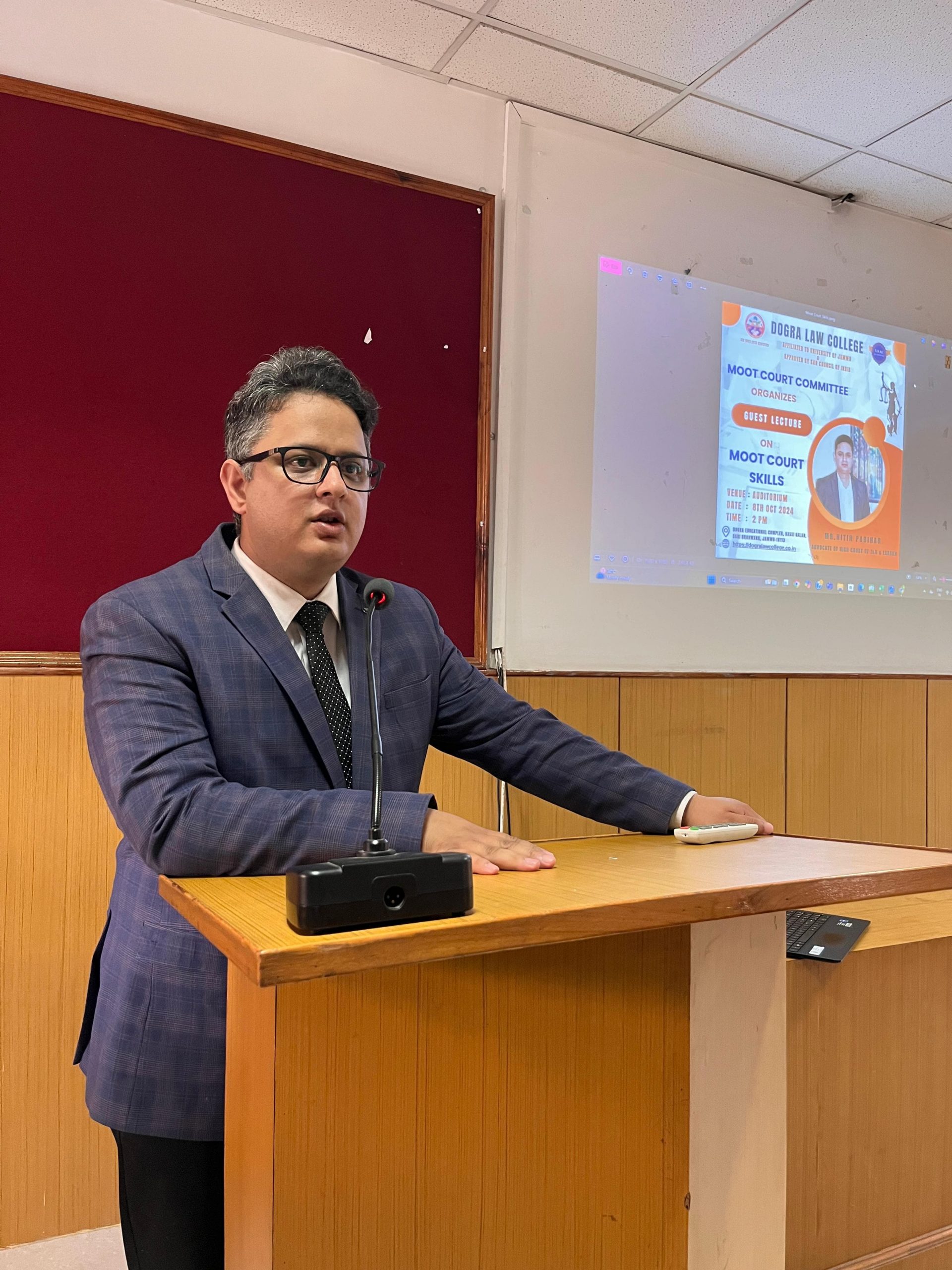












 Allow notifications