Your journey from Kingfisher Airlines to Amazon is quite diverse. How did your early experiences in aircraft leasing shape your legal career, and what motivated you to transition into the e-commerce landscape?
My tenure at Kingfisher Airlines provided a strong foundation in navigating complex contractual arrangements, particularly in the aircraft leasing domain. This experience honed my skills in negotiation, risk assessment, understanding compliance in multiple jurisdictions and introduced me to work in regulated space. The dynamic nature of aviation taught me to adapt swiftly to evolving regulations, contractual intricacies (an eye for detail- what we say crossing your t’s and dotting your I’s) and apply them when such contracts are disputed in litigations. In these formative years, I was blessed to be trained by Clyde & Co. one of the top law firms in aviation finance. Kingfisher, also helped me understand importance of contractual clauses and how different jurisdictions can interpret them differently. Transitioning to e-commerce was driven by a desire to explore new challenges and contribute legal expertise to a rapidly growing sector, which operated more in the grey due to lack of specific regulations. The burgeoning potential of the digital marketplace, prospect to innovate and contribute to its legal landscape motivated my transition.
Having worked across various industries, from aviation to FMCG and now e-commerce, how do you adapt your legal strategies to fit the unique challenges each industry presents?
Working across diverse industries taught me the importance of adapting legal strategies to fit unique challenges. In aviation, process for contract execution and adherence to regulatory compliance were paramount. Moving to FMCG demanded a focus on consumer laws, manufacturing, labor laws and supply chain intricacies. Now, in e-commerce, the emphasis shifts to innovate business structures in absence of specific laws, having high judgement skills and ability to assess risks. Flexibility, understanding industry nuances, and aligning legal strategies with business objectives are crucial elements in navigating these distinct landscapes. Over and above, I believe working in any industry to be an able legal counsel, innate understanding of the business/industry is crucial, each industry is unique in its own way and to understand critical parts of business where we can partner as a counsel is the expectation.
You’ve been recognized with awards such as the “Cowboy Award” at Amazon and “Best Employee of the Year” at Kingfisher Airlines. Can you share a memorable moment or achievement that stands out in your career and made you particularly proud?
Winning the “Cowboy Award” at Amazon was truly a standout moment. It recognized my collaborative effort in successfully restructuring the business within challenging timelines. Working cross-functionally and limiting the impact on an ongoing business was complex. Similarly, being awarded “Best Employee of the Year” at Kingfisher Airlines for spearheading a debt restructuring initiative was a proud moment. While we do so many important issues in our day to day engagements, but some standout given there shear impact on business continuity. These accolades reinforce the value of teamwork, resilience, and innovative problem-solving.
From your early years negotiating complex agreements in aviation to your current role at Amazon, what have been the most significant lessons you’ve learned, and how have these lessons shaped your approach to legal counsel?
The journey from being an aviation finance lawyer to my current role taught me the significance of meticulousness, adaptability, and foresight. Understanding the bigger picture while focusing on intricate details, anticipating regulatory changes, and fostering proactive legal strategies have become key elements in my approach as a legal counsel. I am a great believer in hard work and learning from mistakes – in my view to innovate it’s essential for you to fail fast and move quickly. Especially at Amazon, I have an equal seat at the table, the culture fosters independent thinking, and the ability to go beyond legal realms and be able to drive decisions and execute these in real world. Factors that help me shape myself are understanding the business and its needs, having a pragmatic approach and solution orientation.
Given your experience in international negotiations and dealings with companies like Honeywell, how do you approach building and maintaining effective relationships with stakeholders, both within and outside the organization?
Building effective relationships in international dealings involves understanding diverse cultural nuances and aligning legal strategies with mutual interests. Communication, transparency, and a collaborative approach are vital. Being proactive in addressing concerns and maintaining open channels of communication has been instrumental in fostering lasting relationships. Additionally, what I have realized is that you keep meeting folks you would have dealt in the past, so keep your relationships flourishing and even in most difficult situations treat people respectfully.
As a Senior Corporate Counsel, you’ve been instrumental in setting up legal, secretarial, and product compliance teams. What challenges did you face in building these teams, and how did you foster a culture of innovation and efficiency within them?
Each function requires a unique skill set, it is critical to understand the deliverables for each role and look for subject matter (SME) experts. Once you have the SME, it’s essential to help them scale up, making them aware of organizational nuances and let them flourish, help them build their respective teams and reducing your oversight to ensure their independence. Establishing legal, secretarial, and compliance teams presented challenges in resource allocation, skill development, and instilling a culture of innovation. Encouraging open communication, investing in professional growth, and fostering a culture of collaboration and creativity were vital in building efficient and innovative teams.
Your success story highlights your ability to provide pragmatic legal advice for scaling up businesses. Can you share a specific instance where your legal insights played a crucial role in a significant business decision or strategy?
Given we are bound by confidentiality; it may not be possible to provide a specific example. However, I can talk about implementing a business structure that operates pursuant to a regulatory approval and in this case a plain reading of the approval may have not have permitted us to even have a sustainable business model, I had the opportunity to interpret it ensure compliance and find the right balance for the business to operate. The one practice I find helpful in providing pragmatic advise is risk assessment frameworks – One way Door Vs Two Way Door i.e. reversible vs Irreversible decision making, risk heat matrix – judgment calls with an understanding what was legislative intent to have law/ regulation in place. On multiple occasions, my legal insights identified potential risks in a proposed partnership. Addressing these concerns strategically enabled us to reframe the deal terms, mitigating risks, and ensuring a mutually beneficial collaboration. This underscored the critical role of legal counsel in shaping pivotal business decisions.
Apart from your legal expertise, how do you find a balance between the demanding legal world and personal life, and do you have any hobbies or activities that help you unwind?
Achieving a balance between the demanding legal sphere and personal life involves prioritization & time management. I love to Ride and Drive, have driven cross country, I also enjoy going for long walks and playing table tennis occasionally, every year I make a list of books to read (albeit haven’t been able to accomplish this feat for the last two years), and spend quality time with family. These rejuvenate me and help maintain a healthy work-life balance.
As a seasoned legal professional, what advice would you give to the upcoming generation of legal minds entering the workforce, particularly in navigating the complexities of the legal and business landscape?
To the upcoming generation of legal professionals, I emphasize the importance of continuous learning, adaptability, and developing a holistic understanding of the interplay between law and business. Embrace challenges as opportunities for growth, fail fast and learn from these failures, prioritize ethical practices, and strive for innovative problem-solving to thrive in the evolving legal landscape.
Can you share with us your journey into the field of law, from your early education at Aligarh Muslim University to obtaining a Ph.D. in Law from Sai Nath University? What motivated you to pursue such a diverse range of legal experiences?
It was never in my plan to become a lawyer. After completing my High School in the year of 1999, I had the option to choose between the streams in either Science or Commerce, however, I opted for Commerce stream and completed my higher secondary. Thereafter, I was all set to opt for B.Com. and was even selected for the said course, however, upon the insistence of one of my friends, I sat into Entrance for B.A.(LLB) and was fortunately selected. The interesting part is that my friend, who had also appeared for said B.A.(LLB) Entrance, was not able to make it to the final list and was put on the waiting list. He was also on the waiting list in B.Com. Thus, it was resolved amongst us that in whichever course, his waiting list is cleared, I will go for the said course.
A very interesting aspect is that although we both did our law from the faculty of law at AMU, yet, while I joined the profession, he opted to do M.B.A. in Singapore and is now working with a Singapore based Company in the management sector. I topped the first and second semester of B.A.(LLB), however, while I was in third semester, I was framed and suspended by the Proctorial Department of University in a case related to student protest. This particular unfortunate development, which has led to a paradigm shift in my thinking, I, simultaneously, deviated from my academics and turned out to be a full time student activist. At that time, the student union at AMU was defunct so I led agitation for its restoration. The agitation was successful and the student union was restored.
It is important to note here that to the best of my knowledge, the student union of AMU is the only student union in India, which has its existence in statute i.e. AMU Act, 1920. I am telling all these for a simple reason that my period as student activist and later on, I, being elected as honorary secretary of AMU Students Union by record margin till date, actually honed my skills of public speaking, which is now paying dividends and helps me a lot in my legal profession as an advocate. I completed my B.A.LLB in the year of 2007 and joined the profession. My LL.M. and Ph.D. were completed whilst I was also practicing. Fortunately, in those days, that was allowed. Therefore, my advent into the legal profession was purely accidental, it was never planned, however, as destiny would have it, I became a lawyer.
As the Managing Partner of Diwan Advocates, you’ve been involved in various aspects of law, including corporate, commercial, intellectual property, and civil matters. Could you highlight a specific case or project that stands out as particularly challenging or rewarding in your career?
As an advocate for the last 16 years, I have been fortunate by the grace of Almighty to handle a diversified range of litigation, right from hardcore civil, criminal, corporate & commercial to intellectual property rights and so on and so forth. For a lawyer, every case which he/she handles is very special. However, since you have asked about a particular case, which has been challenging or rewarding, therefore, I would recall a case, where I was appointed by Hon’ble Delhi High Court as Amicus Curiae during the peak of Covid-19 pandemic. The said case was widely reported in the media. It was a case of a widow of the deceased, who was from Himachal Pradesh and while working in Saudi Arabia, he died. Despite the deceased being Hindu, due to certain mistakes on the part of the Indian Embassy and the officials based there in Saudi Arabia, he was buried as per Muslim rituals and customs. The widow, therefore, had approached Hon’ble Delhi High Court by filing a writ petition seeking direction to the Union of India for ensuring repatriation of mortal remains of the deceased.
It was a very challenging case, since the directions only to the concerned officials of the Union of India would not have yielded any result since the mortal remains were to be repatriated from a foreign country and such case was unknown to that country as it did not have any prior history of such exhumation of mortal remains. Despite all these challenges, Hon’ble High Court took up the matter and during the course of the proceedings, I was appointed as an Amicus Curiae in the said matter. It was a time of enormous difficulty as Covid-19 pandemic was at its peak and the movement was restricted. Upon being appointed as an Amicus Curiae, which was then for the first time in my entire career, I was a bit nervous since I did not know what had to be done. However, I started collating all case documents and used my AMU related network to find out persons who are based out in Saudi Arabia so that they could render some assistance.
Saudi Arabia, at that point of time, was also engulfed and confronted with Covid-19 pandemic and the mobility was also limited. However, one of my old friends, after understanding the matter, assured me of his help and he travelled from a far distant city of Saudi Arabia to the concerned hospital where the corpus was kept before its burial for tracking of relevant records. It was learnt by my friend, who later informed me that Saudi Arabia maintains the geo-tagging records of all the graves. Fortunately, with the help of technology, it was revealed that the deceased was buried in which particular grave.
After the above mentioned turn of events and initial breakthrough, the challenge was how to assist the Hon’ble Court to pass the appropriate directions to the concerned person back at Saudi Arabia since it was legally impossible. Accordingly, upon suggestion being made to the Hon’ble Court, the Hon’ble Court was pleased to request the Embassy of Saudi Arabia at New Delhi to explore the options. Simultaneously, directions were also passed to the concerned officials of Government of India to coordinate and facilitate the entire process of exhumation and repatriation of mortal remains.
Last but not the least, after day to day hearing, which had transpired in the said matter, Union of India, under directions of the Hon’ble Delhi High Court, was successful in convincing the officials of the Saudi Arabia for exhumation of the mortal remains and same were repatriated to India by Charter Flight and were then sent to deceased’s native town in Himachal Pradesh, to fulfill the last rites. Appropriate compensations according to the policy of the Union of India and the Government of Himachal Pradesh were also awarded and the Hon’ble Court ensured that the said compensation is timely remitted to the bank account of the widow of the deceased. The aforesaid facts pertaining to the said case, seemingly straightforward, posed a significant challenge for me. Nevertheless, despite the complexity, I successfully contributed to the entire process with God’s grace.
Your work experience extends internationally, including roles in Qatar and as a Legal Advisor to a Spanish corporate conglomerate. How has working in different cultural and legal environments shaped your approach to legal practice, and what unique challenges have you faced?
I completed my B.A.(LLB) in the year of 2007 and got enrolled with the Bar Council of Delhi. Thereafter, I joined a reputed trial lawyer at Patiala House Courts, New Delhi. However, given my political ambitions, which were always at forefront, on account of I having served the student union as honorary secretary, my family was apprehensive that I might leave the profession and could join politics, the idea which my late mother had always resisted. Sensing this, my elder brother, who was working in Doha, Qatar, through his network, got me placed at an IP Law Firm in Doha as assistant paralegal. Though I was reluctant, yet, I joined as a trademark assistant paralegal and started working, where I was soon promoted from trademark assistant paralegal to junior associate in the said law firm.
Thereafter, I changed my job and joined a leading real estate conglomerate in Qatar as their legal officer. The said real estate conglomerate was expanding its business operations in Spain. I was also appointed to look after the legal matters related to the said Spanish expansion of the said company.
I spent nearly two years working abroad, and I found the work environment to be more flexible compared to what we typically experience in India. In those jurisdictions, lawyers rarely face the intense pressure and tight deadlines that are common here. The majority of litigation cases were of a commercial nature, as criminal matters were exclusively handled by Arabic-speaking lawyers.
Despite the language barrier, the atmosphere was friendly, and I had the opportunity to collaborate with professionals from various countries, spanning from the Middle East to North America. They were cooperative, providing valuable assistance in training and mentoring me. My main challenge was my reluctance to learn the Arabic language; however, I was fortunate that commercial related legal aspects were conducted in English, allowing me to navigate and succeed in that environment.
Given your extensive experience in handling high-stakes litigation, could you share insights into a notable case where you successfully defended a client, whether it be a private corporation or a governmental agency, before the courts?
In reply to this question, I would say that I have defended several private entities and corporations in high stake litigations. One case involves the matter that I was handling before the Hon’ble Allahabad High Court at Lucknow Bench. In the said case, the developer was allotted land by an instrument/agency of the State of Uttar Pradesh. Thereafter, the developer, after complying with all the procedures, started developing the said land and have almost sold the entire inventories in the said project. The moment when the construction and development works over the said land became noticeable, an agitation in the name of farmers grappled with the said project.
The state machinery failed to protect the interest of the developer and approximately 1500 homebuyers who were associated with the said project, who turned out to be the collateral damage. Hence, we approached the Hon’ble Allahabad High Court at Lucknow Bench by filing the writ petition. The matter was contested by the erstwhile landowners and the role of the State was not more favorable. However, the matter proceeded for hearing and thereafter a detailed judgment was passed.
By that time, the developer I represented was on the brink of bankruptcy, primarily due to personal circumstances and other compelling factors. Though I did not have any privity or any relationship with any of those homebuyers, yet, they started contacting and asking me to find some solutions so that the developer’s and homebuyers’ rights and interests could be secured. I told them categorically that there is conflict of interest and I cannot act against the interest of the developer. Nevertheless, I endeavored to address the conflicts and discrepancies that regrettably arose between the developer and homebuyers. In pursuit of resolution, multiple rounds of negotiations took place, with approximately 500-700 homebuyers attending each meeting, and I had no option but to navigate and lead the matter.
The trust and confidence that the homebuyers placed in me is something unforgettable in my life. Despite being the counsel for the developer, they consistently relied on me. In the meantime, the Hon’ble Court allowed the said writ petition. Since the State machinery was not implementing the direction as passed by the Hon’ble Court, we approached the Hon’ble Court again by way of a criminal contempt petition against the then concerned officials. During the contempt proceedings, the senior officials were summoned before the Hon’ble Court and following a stern warning from the Hon’ble Court, the encroachment on the specified land was eliminated. Further, the developer, upon my persuasion, inducted some other partner who was flushed with liquidity. Collectively, these measures successfully addressed all concerns between the developer and the homebuyers. As a result, the project was not only built and developed but also delivered, with over 200 homebuyers currently residing in the completed development. Despite the passage of almost 7 years, several homebuyers and residents of the said flats continue to reach out to me through messages and calls. They maintain a friendly demeanor, treating me as if I were a part of their family. Moreover, numerous individuals extend invitations for me to attend events at their homes. The meaningful connections and relationships I created with these homebuyers are truly gratifying. As a lawyer, I often say that while we can attain financial success and recognition, the profound satisfaction of cultivating enduring relationships with clients, even after concluding a case, and being regarded as a trusted friend or family member is immeasurable.
In your role as a Corporate Legal Advisor for “The Wall Holdings” in Qatar, you oversaw legal aspects related to finance, construction, corporate, and commercial operations. How did this experience differ from your work in India, and what valuable lessons did you draw from it?
The work which I was entrusted with while working in Qatar, was of non-contentious nature and was purely transactional works. Since I was not allowed to appear before the courts at Qatar, my duty was only confined to the preparation of cases and drafting of pleadings. While my responsibilities in Qatar were focused on contracts, opinions, due diligence, and other related advisory tasks, my work in India predominantly involved contentious matters, with a primary emphasis on litigation. Nevertheless, I have consistently maintained my relationship with non-contentious and transactional works. I believe that the amalgamation of my experiences in both contentious and non-contentious realms has endowed me with a wealth of valuable insights. The knowledge gained from my endeavors in Qatar significantly aids me in formulating effective defense strategies in litigation and delineating the line of attack in litigation.
With your involvement in intellectual property matters, especially at Aramarks Intellectual Property, could you discuss the importance of intellectual property rights in today’s globalized and technologically advanced business landscape?
Intellectual Property, more particularly, Trademarks are very close to my heart. Actually, you would not believe it but when I was working at Aramarks as Assistant Trademark ParaLegal, I have always dreamt to be an IP Lawyer and even when I rejoined the profession by end of the 2009, I had this planning at back of my mind that I would only work for IP litigation and other non-contentious IP related tasks. However, the challenges for the first generation lawyer, that too, coming from a very remote area of Bihar and trying to survive in the cosmopolitan city like New Delhi are of different magnitude. I was getting less IP Works, therefore, I decided to venture into other aspects of litigations and as the luck would have it, cases of different and diversified nature started coming in, and gradually I started developing as a lawyer and the journey still continues till today and I pray to mighty that it continues till I am alive.
As someone passionate about interacting with law students, could you share an impactful piece of advice you received early in your career that has guided you, and how would you advise fresh law graduates entering the field today?
Interacting with law students is my passion. Since I have been a student activist and student leader during my University days, therefore, when I go amongst them, I still find myself as young as I was in those days. I prefer not to lecture; instead, I aim to listen to them—embracing their questions, anxieties, and experiences and try to answer them from my own experience with this caution that solution and the respective problems pertaining to every person are not identical and anyone who tries to pick a ray of hope from others’ solutions should always be cautious that what has worked for ‘A’ could not work for ‘B’.
Therefore, customization of solution of problems is must according to anyone’s personal needs. For fresh law graduates, since I am an intense litigator, therefore, I advise them to come to litigation and in these aspects, I am a little selfish, I will confess. It does not mean that I am against fresh law graduates going in the corporate or for in-house jobs, however, I always believe that even if a fresh law graduate wants to shape his/her career in corporate- for some initial years, he/she must come to the trial courts because the experience which you get in the trial courts cannot be developed in any other colleges/institution or even in the superior courts. The challenges which a fresh law graduate has to confront within the trial courts, actually strengthen his/her potential and that strength, which could only be developed at the initial stage of the career, is something to reckon with.
Your career spans various sectors, including technology, media, telecom, and pharmaceuticals. How do you stay abreast of the rapidly evolving legal landscape in these industries, and what advice would you give to legal professionals looking to specialize in dynamic sectors like these?
Specialization in the legal sector or legal industry is evolving in India. However, being a hardcore litigator, I have quite an unpopular opinion. I believe that any litigation must have potential and caliber to handle any sort of litigation, for whatever he/she is entrusted with. Why I say this is because even judges who are there to adjudicate upon such specialized disputes are not specialized persons. Specialization of subject does not mean that for any contract or construction related dispute, only an engineer who has turned out to be a lawyer can handle the case or a person coming from a pharmaceutical background can handle a pharmaceutical related IP matter. Laws in India, in my humble opinion, are intertwined and interconnected. If one is an IP Lawyer, he must know the basic nuance and must be trained in civil litigation. The edifice of any IP litigation would be the CPC. What I have seen unfortunately is that fresh law graduates who want to go for specialization are lacking in procedural law and it is not good development for the legal profession in our country. That being said, if somebody wants to handle the special segment of a case aka specialization, in my opinion, that person, at least for 10 years, should work in every branch of law so that after 10 years he/she could caste a niche for himself/herself, and thereafter could shape his/her career.
I am not saying these all out of the context. Let us take examples of legends in our profession, such as the late Mr. Setalvad, the late Mr. Daftari, the late Mr. Ram Jethmalani, and even in the current generation, Mr. Kapil Sibal, Dr. Singhvi, Mr. Mukul Rohatagi, Mr. Arvind Datar, and the list goes on. They possess the ability to handle any legal matter on any subject and can effectively present and argue the matter before the courts. Thus, the specialization in the legal field has to be multi-dimensional. A lawyer, apart from a good strategist, must be a good story teller and must possess the art of presentability. A lawyer, in my opinion, must develop the art of re-calibrating himself into the spur of the moment so that whatever the challenges are, he/she can face the same with calm and politeness.
Khushboo, it’s a pleasure to have you here, how would you introduce yourself and your multi-faceted journey to our readers?
Thank you. I’m so glad to be here.
To begin with, I’m a full-time lawyer and a part-time homemaker. I say this because no matter how busy I get, I can’t help but manage certain chores on my own, despite having support staff. I think it’s an innate trait in most women. Most importantly, I’m a mother and I can’t put this category in either of the boxes mentioned above. So simply put, I am a mother to an adorable three-year old. I also try to espouse some social causes for my hometown, whenever I can and plan to invest more time in it, in years to come.
I’m a first-gen lawyer and have my own chamber also known as “Law Chambers of KKM”. We majorly practise in the High Court of Jharkhand. Albeit I have practised in district courts and various tribunals in the past and still try to appear in district courts, whenever possible. I studied law from Gujarat National Law University, Gandhinagar in the 2008-13 batch.
Well, my professional journey commenced in Mumbai in 2013 as a maritime lawyer with Maersk Line, one of the world’s largest shipping companies. Starting as an Associate, I swiftly progressed to a managerial role within seven months due to my team leader’s sabbatical, presenting a timely and favourable opportunity. During my tenure, I handled nationwide legal matters, affording me the chance to collaborate with and brief some of the legal stalwarts of our country.
Although I found fulfillment in my work, I decided to return to my hometown, Ranchi, in 2015 for personal reasons. Back in Ranchi, I associated with the office of the then Advocate General of Jharkhand. This experience allowed me to contribute to legal opinions for the Government of Jharkhand and gain extensive knowledge of the newly amended mining laws, particularly in response to legal precedents such as those in the Goa Foundation and Common Cause cases.
Since the year 2017, I have been working independently with a team of young lawyers, handling land disputes, recoveries, government contracts and other commercial disputes, some family and partition suits as well, through litigation and dispute resolution. I’m also empanelled counsel for National Highways Authority of India, Central Coalfields Limited, Jharkhand State Human Rights Commission, Flipkart and have regular clientele of MSMEs and private individuals.
From maritime law in Mumbai to championing environmental causes in Jharkhand, your legal voyage is truly diverse. If you had to relate your legal career to a type of ship, what would it be, and why does it capture your professional journey?
That’s a thought-provoking question. Upon reflection, I would choose the Triple-E, an E-class container ship built on three core principles: economies of scale, energy efficiency, and environmental improvement.
In the context of my legal career, economies of scale for the vessel translate to maximizing container capacity in a single voyage. Similarly, in my legal practice, it involves a dedicated effort to maximize work for my chamber. The second principle, energy efficiency, correlates with fuel efficiency for the ship. In the legal realm, it parallels the need to efficiently utilize time and energy, maintaining a work-life balance. For litigation-focused lawyers like myself, time is akin to a finite resource, and the demanding schedule often extends beyond conventional working hours.
Spending around 7 hours in court and additional hours in chambers for case preparation, conferences, and drafting, seasoned advocates invest at least 10-12 hours daily. This demanding schedule can be particularly challenging for mothers in the legal profession, impacting their ability to spend quality time with their children and family.
The third principle of Triple-E, “environmental impact,” aligns with the commitment to environmental protection. Like Triple-E manifests for eco-friendly voyages, consistent environmental advocacy by raising pertinent issues is one of the core principles of my chambers.
In essence, I aim to embody these three principles in my legal career: maximizing efficiency, balancing workload, and contributing to environmental protection.
Your PILs for restoring water bodies are impactful. Could you take us through the journey of this PIL, and how it feels to make a positive impact on environmental issues through legal avenues?
When I relocated to my hometown in 2015, I noticed the deteriorating condition of the water body commonly known as “Ranchi Lake” or “Bada Talab,” situated near my house. Concerned that it might soon dry up or be reduced to a sewage dump, similar to a couple of other water bodies in Ranchi, I began reaching out to authorities such as the Ranchi Municipal Corporation (RMC) and the Urban Development Minister. Despite my efforts, these authorities did not take concrete actions. The RMC instead initiated a beautification project costing several crores, but the project lacked any mention of cleaning of the water. Ranchi Lake, constructed by a British Colonel in 1842, holds historical significance as it is situated in the heart of Ranchi city. Having grown up near this lake and cycled around its periphery as a child, its deteriorating condition had a profound impact on me.
After numerous appeals to the authorities yielded empty promises, I decided to take the matter to court in 2020. The lake had become overrun with water hyacinths, resembling a green expanse from a distance. Filing a Public Interest Litigation (PIL) as a party-in-person, I brought the situation to the court’s attention. The PIL also encompassed issues related to other water bodies in Ranchi, and the court began hearing them collectively on a regular basis.
The Hon’ble Court directed the authorities to provide a detailed plan for reviving the lakes. Additionally, an immediate clearance of all the water hyacinths from the lake. An order was obtained for the installation of a Sewerage Treatment Plant (STP) for Ranchi Lake, as the drain water from nearby areas had been flowing into the lake untreated for years. Owing to the order of the court, RMC was quick enough to get into action and get clearance of all the water hyacinths within a couple of months. Now we are able to see clear lake water again.
An interesting fact which I may like to share, which also reflects upon the mindset of people and risks that an advocate may have to be prepared for, while pursuing public interest litigation. During the hearings, encroachment issues also arose, leading individuals from various communities, who had made some constructions on the lakes’ boundaries, to speak against me. In fact, other pending encroachment matters also got attached to my name. Anonymous threats followed, especially after the Municipal Corporation published my name in notices for encroachment removal. Bringing this matter to the court’s attention, the Chief Justice of Jharkhand at the time was kind enough to provide me with security.
After 2.5 years of active monitoring, the case was finally disposed of earlier this year with directions to the authorities to complete the installation of the STP in Ranchi Lake and take continuous measures to clean and preserve the water bodies and lakes in the city. The STP work is 80% complete but not yet operational. If the RMC fails to make the STP operational by the end of this year, I am planning to file a contempt petition as they have taken enough time already.
As for my feelings on this issue, it is empowering to be able to contribute to the environment, the people, and future generations. Seeing results on paper is one thing, but witnessing the impact on the ground is another. The fight is not over, and I will continue addressing such issues, one water body at a time. Jharkhand is endowed with numerous forests, waterfalls, lakes, and ponds, and it is our duty to preserve and protect these gifts of nature.
Managing your Master of Laws alongside your responsibilities as a new mother during the COVID period is commendable. How did you balance these roles, and do you have any advice for other mothers pursuing higher education or career growth during challenging times?
It all transpired swiftly, yet it felt like the longest period of my life. The timeframe from 2020 to 2022, which I refer to as the “pandemic year,” proved to be one of the most challenging for me, akin to many others. Virtual hearings turned out to be a blessing in disguise, allowing me to continue working without a prolonged break, even during maternity. I had several cases of Covid in my family and like many others, even I was isolated. Owing to the fact that I was pregnant at the same time, the isolation took a toll on me. I also faced certain postnatal issues which were challenging to deal with at first, but now my health is much better.
Being a new mom and handling work and studies together, some inexplicable force guided me to handle these responsibilities simultaneously, and in hindsight, staying occupied consistently helped me cope with depression. One piece of advice I would offer to all mothers facing challenging times is to persevere and stick to your “plan de vida”. Don’t give up and trust yourself.
You’ve been conferred the “Women and Child Rights Protection Samman” and the “Bravo Award” for your contributions. How do you feel about being recognized for your work, and what motivates you to excel in your legal career?
Being recognized definitely lifts your morale and helps you raise the bar further, for your own self. It makes you feel your own worth, especially for people who are always self-doubting. I have now come far from there and have learnt the hard way that self-doubt is like a cancer for your soul. Positive mindset and self-love are very important factors for your career growth.
The most cogent reason that motivates me towards this pursuit is my family. They usher me to carry on, especially at times when I feel a burnout in my litigating career.
As a legal member of the Complaint Committee for Sexual Harassment of Women at Workplace at State Bank of India, Ranchi, you play a crucial role in fostering a safe work environment. How do you approach and contribute to creating awareness and preventive measures in such matters?
During our meetings, I have always harped upon understanding the basics of gender sensitisation, stereotypes and gender roles and also a need to also give due importance to the harassment faced by male employees and not just women. It is pertinent to handle the cases with utmost neutrality and not be susceptible to confirmation bias. Also, many times I have seen some employees show reluctance in actively participating in such workshops. It becomes equally important to garner their interest and make them feel comfortable.
In addition to being an advocate, you are an avid traveler with a penchant for winter destinations. How do you manage to blend your love for travel with the demands of a legal career, and do you have a favorite travel memory you’d like to share?
Travel works like therapy for me. Every time I have my court holidays, I plan a trip, mostly with my husband. We are blessed to have each other as perfect travel companions. I also do some solo trips from time to time and just came back from one.
A favourite memory for me would be chasing the Northern Lights for the first time in the year 2019. In Fact it was one of those years when the solar activity was not really at its peak, unlike the current year. We were not very hopeful and had a short stay in Tromsø. For 2 nights, we had no sighting at all. Zilch. It was our last night in Tromsø and my husband and I were just spending time on a catamaran tour with no real hopes of seeing the auroras. However, we got lucky and how. The auroras came dancing from all directions and graced us. In fact, this year again, we saw her properly only on our last night in Finland, despite having spent about a week, chasing lights. On our next trip, I’d definitely take my son along, to have him experience this beautiful celestial phenomenon.
For the aspiring legal minds, especially the young advocates, what’s one piece of unconventional advice you’d offer that they might not find in a law school textbook?
If you plan to be an advocate, don’t just stick to the Supreme Court or a High Court or a couple of tribunals only in your initial few years; even if you are not a first-gen lawyer and have several briefs to handle in your well-established chamber. Appear in whatever forums you get opportunity at. Be it a Rent Controller, Revenue Board, Railway Court or even if required to go to Thana with your client for recording of statement. One should understand the functioning of the system. Such a myriad of experiences before different authorities will definitely give you an edge and take you a long way.
Thank you. It was a pleasure interacting with Team Superlawyer. You guys are doing a great job.
Your journey from clearing the Combined Defense Services exam to becoming a successful litigator is quite unique. How did your initial interest in defense services shape your approach to litigation, and what inspired you to take the path of law after your graduation?
I have been brought up in a household where serving society has been engrained since childhood. I wanted to join the Indian army after graduating from school itself but that point in time, there were no entries, after 12th class, in defense forces for females therefore I decided to take up law with the thought that if I don’t get to wear the olive green, I will serve the nation by doing litigation. The interest basically is derived from the thought of serving the nation in whichever little way possible. I had seen my father do a lot of hard work and I had also seen the satisfaction he used to get from his work, which was another factor that inspired me.
Discipline, hard work, integrity and perseverance are the things I have seen in all the soldiers and these things have shaped my initial years in the litigation.
Therefore, litigation is one such field where you get to the opportunity to giveback by doing Pro Bono work but good work for those who can’t afford legal fees. It is a very satisfying feeling which cannot be described in words.
Being a graduate from Gujarat National Law University and having revamped your father’s chamber into a full-time litigation firm, what challenges did you face in transforming a longstanding setup, and how do you think it has contributed to the firm’s success today?
I owe a lot to GNLU. I evolved as a person in those five years and found few of the most amazing friends from my law school. The learning, thinking on your feet, decision making is all that I developed in the course of those 5 years which comes handy in litigation. I was lucky to have had a background but even in 2012-2013, it was very hard for a lot of people to digest that a girl had joined hardcore litigation in Indore and was also calling spade a spade. The entire restructuring invited a lot of hostility but it was my father’s support and faith that kept me going. My office was established in 1946 by my great grandfather and to change the system in place was questioned by many but I thought one has to evolve with time and that restructuring has helped the firm in establishing its clientele, Pan India. With a good team, I am now able to diversify the work we do and we now specialize in Labour law but also undertake Arbitration, Criminal, Consumer, Commercial, and NCLT matters.
In addition to your legal expertise, you are a certified trainer under the Prevention of Sexual Harassment at the workplace act. Could you share your experience in training students and professionals on their rights and duties under the POSH act, and why is this area of law important to you?
I think today sexual harassment at workplace is the most rampant issue and it’s a subject close to heart. It’s such an enriching experience to interact with young minds who have so much going on in their head and are full of ideas and questions. I feel delighted that I get a chance to shape their impressionable minds with the right knowledge. If they are told about their rights and duties at an early stage then automatically, they will go as professionals with right knowledge, compassion and attitude towards others at the workplace.
Training professionals is a different ball game altogether, they are all individuals with years of work experience and it takes more convincing to make them open their minds to take in this new field of law, which is of paramount importance for smooth functioning of any office.
The issue pertaining to awareness under the POSH act is close to my heart because like the majority girls, I have also been victim to harassment in some way or the other and I think it is my duty to make everyone aware of the law that exists and educate everyone about their rights and duties.
As the captain of the High Court Women’s Cricket team, how do you manage to find time for sports amidst a demanding legal career? And how has your experience in sports influenced your approach to leadership and teamwork?
I have been into sports since school and I truly believe that playing sports helps build one’s personality. If you are truly passionate about something, you might sleep an hour less but take out time for the thing you are passionate about. Likewise, I take time out from my schedule to play a sport or take boxing classes or some physical activity because litigation is such a stressful job that you need some way to vent it all out and cycling and sports have worked for me.
As you continue to make significant contributions in various domains, what future goals or milestones do you envision for yourself and your firm?
There is a lot to achieve and as a lot of seniors from my field say, by putting in 10 years, you just started crawling in the field of litigation. I envision opening branch offices beginning from Jabalpur and Bhopal and then one in Delhi in next few years. I also want to establish my firm as one of the best Service law firms in the industry. Originating from Indore, it will not be easy but who likes easy.
We’ve learned about your professional endeavors. Could you share a bit about your personal interests or hobbies that bring balance to your life outside the courtroom?
I absolutely love travelling. Whenever I get a chance, I travel. I have changed the phrase work hard, party harder to work hard, travel harder. I think the best kind of experience and learning one gets is only through travel. I like doing artistic workshops on weekends, like pottery making, resin art, mandala art etc., so I spend my Sunday engaging in all such activities which are satisfying.
Having a deep connection with Indore, can you share a hidden gem or favorite spot in the city that you would recommend to someone visiting for the first time?
This is the only city I relate to and I think a place called Ralamandal is a hidden treasure we have. It’s a hill top on the bypass road where in you have to trek up to the top and you can go and meditate there. There is a small museum and platform which gives the necessary space for Yoga meditation and other such activities. Its breezy and you get a panoramic view of the entire city. It is breathtaking during monsoons and you get to see all shades of green, that the nature has to offer.
Drawing from your experiences, what advice would you offer to aspiring lawyers and young professionals navigating the legal landscape, especially those aspiring to balance legal practice with diverse interests? I think it is important to balance legal practice with your interests because litigation can be very stressful and you need an outlet to channelize your energy. One advice which I really want to give is that hard work will never leave your side, come what may and perseverance is the key to success in litigation. Frustration is temporary and there are no short cuts in this field. Be faithful and sincere towards your client and integrity towards bar and bench is the roadmap to success, in my humble opinion.
Could you please share about your formative years of litigation practice in the Supreme Court?
In 2007, after enrolling as an advocate, I set off from Kerala to Delhi with only 5,000 rupees in my pocket, driven by burning determination and dreams in my eyes, all in pursuit of my aspirations. The metropolitan city was new, the people were unknown, my Hindi language skills weren’t fluent, adapting to the fast-moving culture proved challenging, extreme weather posed difficulties, housing rents were high, and adjusting to North Indian food was tough. Moreover, at that point, I didn’t know a single person in the legal circle in Delhi. Despite all odds, I managed to survive.
Fortunately, a friend referred me to a Supreme Court lawyer, leading to opportunities to work with two leading law firms in the Supreme Court. I am grateful to my mentor, Mr. Anand Sanjay Nuli, the founder of the law firm Nuli and Nuli. In a short period, I immersed myself in the intricacies of litigation practice, becoming familiar with the procedures of most courts and tribunals in Delhi.
Starting to receive cases from my home state of Kerala, I launched my independent practice in 2012. Following my successful clearance of the AOR exam in 2015 on my first attempt, I never looked back: my contacts multiplied, cases poured in, and my workload increased day by day.
Your legal journey has spanned from handling cases in the Supreme Court to contributing to legal academia. What motivated you to pursue both active litigation and a role as a Visiting Faculty at various law schools? How do these two aspects complement each other in your professional life?
While pursuing an LLM from Amity University, several friends encouraged me to take the UGC-NET exam and fortunately, I cleared it in 2015. Technically being qualified as an Assistant Professor ignited my interest in academia and led me to take up teaching assignments in law schools and business schools.
Active litigation challenges me to stay current with legal developments and sharpens my analytical skills. It offers real-world experiences I bring to the classroom, giving students practical insights beyond theories. Simultaneously, academia allows me to delve deeper into legal theories, engage eager minds, and contribute to shaping future legal professionals.
Teaching keeps me intellectually engaged, refines my communication for the courtroom, and broadens my perspective through a constant exchange of ideas. This synergy between litigation and academia enriches my understanding of legal concepts and enhances my effectiveness both as a lawyer and educator.
Your involvement in drafting Private Member Bills is noteworthy. Can you share a bit about the inspiration behind bills like the Anglo-Indian Welfare Bill and The Waste Management and Recycling Bill?
I provided advice to several Members of Parliament (Lok Sabha), irrespective of their political affiliations. During this time, the Lok Sabha MP named Dr. Richard Hay expressed a desire to address the unique needs and concerns of the Anglo-Indian community within the legal framework. This community possesses a distinct cultural identity and faces challenges that may require tailored legislative attention.
Another legislative initiative involved waste management, aiming to align India’s practices with cleaner standards akin to Western countries. The inspiration behind The Waste Management and Recycling Bill stemmed from the urgent need to address environmental concerns, specifically focusing on efficient waste management and promoting recycling practices. Extensive research on similar laws in other countries formed the foundation for drafting these bills.
Both Private Member’s Bills were introduced in different Lok Sabha sessions, and I felt immensely gratified and proud to have had the opportunity to apply my legislative skills to these initiatives. Dr. Richard Hay later expressed gratitude in his book, acknowledging the significant role I played in the formulation of these two Bills—an overwhelmingly fulfilling experience for me.
As an advocate-on-record with a focus on election laws, you’ve completed a Ph.D. in the same field. What prompted you to delve into this area, and how do your academic pursuits enhance your ability to navigate complex legal issues in electoral matters?
Firstly, I completed my LLM in Constitutional Law. Secondly, while advising a few Members of Parliament, I became increasingly fascinated by the captivating nature of election laws due to their intrinsic connection to democracy, governance, and the fundamental rights of citizens. Both these led me to choose a PhD topic focused on the critical study of statutory provisions and judicial decisions regarding hate speeches for electoral gain.
Besides, my decision to specialize in election laws stems from a profound interest in upholding democratic principles and ensuring fair and transparent electoral processes. Academic pursuits in this field significantly enhance one’s ability to navigate complex legal issues in electoral matters. Researching and studying electoral laws at an advanced level equips individuals with a comprehensive understanding of election procedures, electoral disputes, and policy insights, providing an edge in handling intricate electoral legal issues.
Winning the Family Medicine Advocacy Award in 2019 is a unique accomplishment. How has your legal work contributed to the cause of family medicine, and what role do you see for lawyers in advocating for broader societal issues beyond the courtroom?
The award, conferred upon me by the Academy of Family Physicians of India (AFPI), recognized my efforts in advocating for the establishment of a separate department of family medicine in all hospitals and incorporating a course on family medicine into the MBBS curriculum through a Writ Petition filed in the Supreme Court. Consequently, the Court directed the Union of India to make an appropriate decision, which ultimately resulted in a positive conclusion. This decision significantly benefited family medicine practitioners and millions of our countrymen by supporting accessible and quality healthcare.
Lawyers can play a pivotal role in advocating for broader societal issues beyond the courtroom through various means. One such avenue is policy advocacy, wherein lawyers engage in lobbying efforts and collaborate closely with policymakers to shape laws and policies addressing social justice, human rights, environmental sustainability, healthcare, education, and more. Another effective approach is filing Public Interest Litigation (PIL) or representing marginalised groups, NGOs, or individuals in legal cases that challenge unjust policies, protect civil liberties, and seek remedies for systemic issues. Other impactful methods include legal education and empowerment, raising public awareness through media, Corporate Social Responsibility (CSR), conducting research, and providing data-driven solutions for societal challenges.
Overall, lawyers serve as advocates, advisors, educators, and catalysts for societal change. Their expertise in law and understanding of legal systems position them as crucial agents for advocating broader societal issues, striving to create a fairer, more just, and inclusive society.
You’ve been involved in some ground-breaking Constitutional Bench cases. Can you share a moment from your career that stands out as particularly impactful or challenging?
Several cases I handled were notably challenging, with two among them considered landmark judgments. One instance involved the judgement pronounced by the Constitution Bench in the Sabarimala temple case, permitting women’s entry into the temple. In this case, I filed the petition on behalf of the royal family of Pandalam who constructed the Lord Ayyappa temple at Sabarimala, advocating for the continuation of tradition. This decision caused significant upheaval in the state of Kerala. Another significant case was a Constitution Bench judgement that decriminalized the provision of adultery i.e., Section 497 from the Indian Penal Code (IPC). I filed a Writ Petition representing an activist named Joseph Shine. Both of these cases are widely regarded as landmark judgments.
One instance that I can’t forget in my career was the research and drafting that my legal team did challenging the Citizenship Amendment Act (CAA) in the Supreme Court on behalf of one Member of the Parliament named T.N. Prathapan. We completed the same in just a matter of 6 hours starting from 1:00 am till 7:00 am. That night was a marathon, intense and unforgettable.
The list is endless, encompassing various subject matters of law—ranging from service jurisprudence to environmental laws, civil remedies to criminal matters, constitutional issues to corporate advisories, arbitration proceedings to family disputes, and more. I am thankful to my colleagues Mr. Vibhor Ahlawat, Ms. Vijayalakshmi Raju, Ms. Somlagna Biswas, Ms. Deepika Singh, and Ms. Disha Puri for their relentless efforts and contributions, without which I can’t be where I am now.
Beyond the courtroom, we know you’re into Artificial Intelligence and enjoy a game of online chess. Is this your way to unwind or do you have different hobbies that help you relax and recharge?
For the past few years, I have immersed myself in reading about Artificial Intelligence (AI). In the realm of litigation practice, embracing technology, especially AI has become increasingly essential. My focus lies on advocating for ethical AI, a concern that unfortunately garners attention from only a few.
Additionally, I am deeply intrigued by billionaire stories. I used to watch their interviews that reveal their tales spotlighting resilience, innovation, and their strategies for success. Exploring their stories unveils their mindsets, work ethics, and pivotal choices. It’s not just about wealth, but also their visions, failures, and societal contributions, making their journeys both compelling and relatable.
Being a Visiting Faculty at various law schools, what motivates you to engage with the next generation of legal minds? Any advice for budding lawyers based on your experiences?
Interacting with budding legal minds as a Visiting Faculty is profoundly fulfilling. The drive behind this engagement springs from a fervent passion for imparting knowledge, moulding future legal luminaries, and witnessing their transformative journey. It’s truly inspiring to play a part in the growth of the next generation, fostering and guiding them through the intricate pathways of the legal world.
My advice to budding lawyers: embrace lifelong learning; hone communication skills; uphold ethical standards all the time; build a strong network; prioritise clients over your personal and political inclination, and be anti-fragile. Always, embrace technology and AI-driven solutions in litigation as well as non-litigation. That’s the future.
You have an extensive career in the legal field, spanning various industries and positions. Can you share your personal journey and what initially sparked your interest in law?
To talk about my background, I was born and brought up in Mumbai and I come from a family of doctors and engineers. No one from my family has worked in the field of corporate law and hence I am a first-generation corporate lawyer. My parents, now retired, were both hardworking individuals and were working. My father worked as a CS (Company Secretary) in various companies and my mother was in government service. Hard work and a zeal to learn was thus instilled in me from a very young age, since I grew up watching my working parents. I have completed my B.com and LLB from the Mumbai University along with a couple of additional diplomas and certifications. I was initially interested in being a Company Secretary (CS) which is a professional course, however my inclination towards being a corporate lawyer grew once I started studying law.
It was only after studying law alongside CS, I realized that it is of my interest and I would want to pursue it as my career. Law can be complex and challenging due to its interpretation at times and I enjoyed decoding its interpretation and studying its application. I cannot really point to a specific reason for choosing law – I just had a sense that in future the legal profession would gain importance & distinction, and I am very glad that it did.
As a seasoned professional with experience in law firms, manufacturing, and FMCG sectors, can you tell us about the most significant challenges you’ve encountered in each sector and how you navigated them?
That’s a very good question! A general perception about lawyers is that we know and do everything under the sun. However, one must know that the skills required for every vertical and industry differ from each other and while we know the foundation, many times it’s more of learning on the go for us.
I started my career with a law firm named, Oasis Counsel & Advisory (Chambers of Senior Counsel, Mr. Haresh Jagtiani) and I must say that my first taste of practical applicability of law and litigation was very exciting. Like every other law student, I too started my internships with law firms and while at Oasis, as an intern, my work mainly focussed on researching on case laws, finding precedents and drafting short documents like affidavits and letters. I qualified as a lawyer in 2014 and was lucky enough to be absorbed as an associate at Oasis. The kind of work that is handled at law firms is completely different than at corporates. At Oasis the challenges that I faced related to drafting court documents and handling clients at such a nascent stage of my career. I was blessed with amazing mentors during my tenure there who guided me to the right path and taught me the intricacies of practicing law. I would say that starting my career with a law firm was the best decision since this made my foundation of understanding law and the interpretation of it very strong.
Post this came my biggest challenge of transitioning from a law firm to a corporate since there is vast difference in the working culture and the system in general. For eg. In a law firm you deal with one client at a time, at a corporate you deal with multiple stakeholders which involves business partnering. One needs to align their goals with the vision and values the organization holds. The manufacturing sector is pretty compliance specific, and my role at PPG Asian Paints as well as Blue Star Limited, being a generalist one, included everything right from drafting contracts, identifying and ensuring compliances, handling trademarks and patents and business advisory. Wearing multiple hats and getting work done was challenging here, but then again my seniors helped me out and ensured that along with getting the work done it also gives me a good learning and enriching experience.
Post PPG Asian Paints, I worked with Bajaj Consumer Care Limited (BCCL) for a short while. BCCL is the FMCG wing of the Bajaj Group. It was a different industry than PPGAP and that’s what made it interesting. I worked extensively with the marketing and R&D teams on product claims and product packages, distributor contracts and IPR. It was during my time here, I learnt about product development and all the groundwork that happens on the same – on the legal front this was my first time working with and learning the workings of The Drugs & Cosmetics Act, The Advertising Standards Council of India (ASCI) guidelines, The Legal Metrology Act and International Trademarks. Quite an exciting space to be in. The challenge here was meeting tight deadlines before product launches. This included drafting of the product claims along with the R&D team, approving artworks, approving advertisement scripts in line with the ASCI guidelines and then gearing up for the product launch. The best way to overcome any challenge is to get adapted to the environment that you are in. Also, asking people around really helps. The business teams here were collaborative and hence the challenge no longer seemed like one.
You’ve been involved in areas such as consultation and advisory, civil and commercial law, and corporate and cyber law drafting. How do you balance such a diverse skill set, and how has it contributed to your success in the legal profession?
Working in multiple sectors helped me build acumen on the diverse skill set that I possess today. Even after a decade of experience in this profession, I am still as curious as a beginner and that helps me in honing my skills and learnings further. In house roles do require wearing multiple hats and catering to the needs of various divisions in the company, therefore, one cannot limit themselves to only one stream of law. My observation has been that most of the mid/large cap companies in India prefer having a counsel with a generalist experience rather than a specialised one and that’s what sets you above the rest. Balancing a diverse skill set can be challenging, but staying up to date with amendments and changes in your field is a must, especially, when the field is as dynamic as the legal gamut in India.
Could you share some notable milestones and achievements from your career, especially in your current role at Mahindra & Mahindra Limited?
Of course! As an in-house counsel, simply knowing the law is not enough. In-house counsels deal with a lot of complex transactions which need a deeper understanding of the business and its technicalities. Therefore, the first step that a corporate lawyer needs to excel in is business partnering. All my milestones have been possible due to business partnering in all the projects that I worked on and I cherish each of these milestones equally. However, if I have to point out specific ones, it would be implementation of compliance tools at two of the organizations I worked with. While I was working with PPG Asian Paints and Blue Star, I got the opportunity to digitize compliance reporting and monitoring. This helped the companies to a great extent since we transitioned from manual work to robust softwares. It involved a lot of effort and time since we had to coordinate with multiple functions and stakeholders before finalizing the compliances. I was recognized and rewarded for this effort at both the organizations and hence it’s one of my close memorable experiences. I have also handled and closed POSH complaints as a member of the IC committee at one of the organizations which was a huge learning experience and which I consider as a milestone too.
At Mahindra & Mahindra Limited (M&M), I am a part of the business legal team for the farm equipment sector. I have been a part of various benchmarking exercises through which we implemented anti-counterfeit strategies in the Agri space. Also worked extensively on the Drone Rules, 2021 and on drone operations in India. Since we have a lot of exposure to international markets, we devised a risk mitigation matrix for our contracts in Europe & China. That’s the benefit of working for large conglomerates, the diversity of the work that one can handle has no bounds.
You’ve held positions involving compliance, policy development, and risk mitigation. How do you approach the complex task of ensuring legal compliance for your organizations, and what advice do you have for legal professionals working in this area?
As we are aware, ESG (Environmental, Social, and Governance) is the buzzword in our field currently. ESG is a framework used to assess an organization’s business practices and performance on various sustainability and ethical issues. It also provides a way to measure business risks and opportunities in those areas. Organisations worldwide are becoming ESG compliant for their investors and shareholders. Be it in the form of disclosures in the board reports, accountability to the shareholders or the reputation of an organization, ethics & compliance are the two very important aspects of conducting any business these days.
Having said that, I believe that ensuring ethics & compliance is never a one man’s job – the compliance manager therefore has to collaborate with every function of the organization, create awareness, conduct training and instill the importance of compliance in every employee working at the ground & top level. There has to be constant talk about compliance in the organization along with tone from the top. I am fortunate enough to have worked with leaders who have always kept compliance at the forefront and this helped me drive compliance at all the organizations I worked with.
My advice to professionals working in the area of compliance would be to stay updated with the changing laws and rules. Implementation of a digital tool helps and supports in this regard. Compliance training and awareness sessions are equally important, be it in the form of mailers, quizzes, celebrating compliance week etc. One can start with a compliance audit as a dipstick to check where their organisation stands today. A good starting point could also be to go through the ISO 37301:2021 for Compliance management systems. This document specifies requirements and provides guidelines for establishing, developing, implementing, evaluating, maintaining and improving an effective compliance management system within an organization.
As someone who’s been recognized for your efforts and contributions, what key factors have contributed to your professional recognition in the field of law, and what advice do you have for others aspiring to make a meaningful impact in their legal careers?
In my case, thinking outside the box has immensely helped me. Especially as in house counsels, we need to constantly think about initiatives that will reduce manual work and move towards digitization. Being proactive and actively partnering with the business teams always gets recognized. For example: conducting knowledge sharing sessions for awareness, standardising templates, making risk mitigation matrixes helps the cross functional teams and also reduces future efforts, so that you can focus on more important things at work. Everything counts when one gets recognized, with a primary focus on the change that you have brought about in the organization. Recognition comes in when you move out from your comfort zone and do more than just your KRA’s. My advice would therefore be don’t limit yourself. Do whatever work that comes your way, it’ll certainly not go unnoticed and will be a learning experience for you!
As you’ve achieved success in your career, what advice would you like to offer to fresh graduates who are just starting their legal journey or considering a career in law?
I get asked a lot, especially by young law students, on whether they should start their career as an in-house counsel or with a law firm. It’s of course their preference, however I would suggest starting out with a law firm. Corporates in India do not really have many entry level vacant positions for freshers. They are always on the lookout for someone with law firm experience or someone shifting from another corporate. Also, as I mentioned earlier, a law firm experience would give a good foundational base of law which would really help fresh graduates at a later part of their careers.
Other than this, a few takeaways for aspiring fresh lawyers are as below:
Unless you ask, the answer is always no: we as humans, have the fear of being rejected. And this fear holds us back from taking the first step. I would say take the step anyway. You’ll either succeed or fail. Same goes with asking people for help at organizations. For being a successful corporate lawyer, knowing law alone is not enough. You need to collaborate with business teams effectively for valuable inputs and commercial reasoning. Therefore, be curious, ask multiple questions and most importantly, ask for help whenever required.
While at work, do anything and everything that comes your way: In the initial years, do not be picky with the kind of work that is handed over to you. Every assignment comes with a learning curve which will help you in some way or the other in the long run. Experiment with whatever comes your way and be a lifelong student!
Do not take up a profile which matches 100% with your previous role: Taking up a profile exactly similar to the previous one limits your growth. There should always be room for learning and doing more. Growth starts when you move out of your comfort zone.
Wishing all the readers a rewarding and fulfilling career!
I belong from a small town Ajmer, Rajasthan, my father is a lawyer in the same town, and I grew up watching him dress in black and white attire every day. We have a small office in the home where the clients used to come and share their cases in his office. Listening to them hiding behind the doors and watching my father helping them in every possible manner would always attract me towards this profession and here I am.
You graduated from M.S. Ramaiah College of Law, Bangalore in 2013. How does it feel being from (Non NLU) Law college – could you share your experience with us.
Before joining this college I did give entrance exams of various National Law Colleges in 2007 (as CLAT was introduced in 2008) but was not selected in any.
It was late mid-June when almost all the college admissions were closed and after rejections from all the national law colleges, I chose to travel alone by train from Ajmer for almost 42 hours to reach Bangalore in search of a good college.
I made a list of reputed law colleges and decided to visit each one of them to try for a seat. The first on the list I visited was M.S. Ramaiah College of Law. At the entrance of the college, a big board was fixed displaying “admissions closed”. Not to lose hope I still managed to push myself and enter into the building walking towards the administrative room. I swiftly entered the room where the manager had just ended a landline call by putting the receiver down and in a low voice I said “I want admission”. I was told to wait and have a seat, while the administrative persons had a meeting among themselves. After some time I was told by the manager that 80 seats of this academic year are full, however, a moment ago one candidate refused to join and now we have a single seat, are you carrying all your documents with you and the rest is history. This is the day when I learned the value of at least giving it a try and not giving up.
It is true in today’s life various offices and firms judge based on the name of colleges, however, I would like to add that in my opinion being from NLU or non-NLU College does not make much difference, if you are sincere and are passionate about your work. In fact, being from Non-NLU in my case had only benefitted me for making me strong enough to face the challenges of a litigating lawyer as a career.
Not being the icing on the cake will only make you the bottom part of the cake which is hard and filling, meaning thereby stronger and in a way fruitful for your future if you want to pursue a career in litigation which is itself full of challenges. A will to learn and zest for life will never depend on what college or institute you belong to. Face the challenges and enjoy the journey.
You graduated, Coming from a small town then working under an Advocate-On-Record at the supreme Court of India to becoming Yourself an Advocate-On-Record, How was the journey?
Being a lawyer is not easy, it demands lots of hard work, dedication and devotion. Especially, when you do not belong to this city that is in itself challenging. You have to live away from home starting from scratch. It almost seems like a never-ending struggle. After my graduation, I came directly to Delhi and shared a flat with my immediate seniors at Law College who were kind enough to give me some guidance.
I worked at various law offices where I was fortunate to be given the responsibility to handle matters individually. I used to draft, type and prepare it for filing and thereafter visiting courts for filing, everything right from:-
page numbering,
attestation,
notarizing,
court fees
Photocopies etc,
waiting in the queue for submission of the case at filing counter
curing defects
getting it listed and
arguing before the court
While deciding a case in the court of law there is an abbreviated form of Latin Maxim de minimis non curat lex, “law is not concerned with small things.” However, in the practice of law, it works the other way round .i.e. “the practice of law is concerned with each and every small thing”. Until and unless you learn how in litigation the small and minute things work you will find it difficult to deal with major things.
While digging the ground I never stopped looking at the sky. At the Supreme Court, I used to sit inside the court watching the proceedings in and out, observing the Hon’ble Judges their reactions and how learned advocates and senior advocates argue their cases and present themselves before the Court. Making notes, and learning the process and it is only a decade into 2023, with never to stop trying attitude and as they say “When there is a Will there’s a way” I cleared my Advocate-on-Record Exam.
Your work involves a mix of civil, criminal and corporate matters. If you had to choose, which type of case do you find more thrilling and why?
As recently Hon’ble Justice L. Nageswara Rao said:
“There Is No Profession Thrilling Than Legal Profession”
Well practice of the Supreme Court does require mixed knowledge of every subject, there is a CASE LAW paper in AOR Exam where one has to study all case laws around 64 judgments right from KESAVANANDA BHARATI SRIPADAGALAVARU VS. STATE OF KERALA & ANR. (Doctrine of Basic Structure Case) or LALITA KUMARI V. GOVTOF UTTAR PRADESH (Registration of First Information Report) to INDORE DEVELOPMENT Vs. MANOHAR LAL (Land Acquisition Case).
Either Civil, Criminal or Corporate matters, the recipe is the same .i.e. mastery of facts, relevant statutes, research, and application of law/judgments, only the taste changes .i.e. the result.
The thrilling part is not the subject, but the journey and the relief for which the client has engaged you and trusted you with the responsibility of seeking justice. When you give your best in the matter and present your true capabilities, knowledge, ideas, and skills of your experience, only then the whole process right from the first meeting with client up to the final argument stage the journey as a whole will thrill you and no matter what the subject is, your inner soul will always give a sign that yes you have done something worth for.
Balancing a career as an Advocate-on-Record with various high profile cases, you must have some unique strategies for managing stress. What do you do outside of work to unwind and recharge?
I am a son, a husband, a brother, and a friend. I am an old-school guy, I love being close to nature which keeps me calm and soothing and I also love to spend time with my family. Whenever I get time I travel back to my hometown and spend most of the time with family. In the morning I do give time to myself for at least 20 to 30 minutes, where I practice yoga, stretching, meditating, and gardening and relax with myself.
In my opinion, there are no unique strategies for managing stress, in reality, there are not any because the simpler you live the simpler your life will be. In these hectic times of the world, people have stopped realizing that we work to stay away from these so-called words like stress, tension and problems etc., so how come working would give you stress. I am not denying that these issues don’t exist but once you are doing your work with true passion and dedication and have opted for the right profession that keeps you motivated you will automatically ignore the unwanted things in your life and would focus on improving yourself every single day.
Being an Amicus Curiae in a service matter is an interesting role. How is the experience compared to your usual courtroom battles?
Well, it is a privilege and a great honour to be appointed as amicus by the Hon’ble Supreme Court of India and I am fortunate enough to play this role in my small legal career. As the Service matter is still pending consideration before the Hon’ble Supreme Court it would not be possible for me to discuss it.
However, in comparison to usual courtroom battles, there is definitely a different sense of pride within you when the court recognizes you and shares the burden of responsibility on your shoulders. As an amicus you have to act as a “friend of the Court” and your endeavour must be to guide the court with all the facts and laws to reach every possible way of finding the right solution both for the Court and the litigant.
Your journey involves work with a diverse range of legal matters. If you were to give advice to your younger self starting in the legal profession, what would it be, considering both the professional and personal aspects of your career?
OBSERVE THE COURT:-
I still remember in my initial days I attended a chamber matter before Hon’ble Mr. Justice Amitava Roy. My matter was listed as Item No. 12 and all the matters that were listed were for the reason of not curing the defects, for that reason the matters were pending in the registry.
During Item 1 to 10, I observed that in every Item Your Lordship was asking how much time you need to cure the defects and the Advocates were asking for 6 weeks, some asked for 4 weeks or 3 weeks time, the court was strictly taking Action against the advocates for not curing the defects timely and in almost every matter your lordship were passing order “as a Last opportunity counsel is given 2 weeks to cure the defects, failing which the Special Leave Petition will stand dismissed”
In item 11 your lordship had again asked “how much time” counsel replied “4 weeks”, and the Court said “2 weeks and failing which the Special Leave Petition will stand dismissed” with a comment “pull up your socks”.
When item 12 was called out I walked towards the desk and was asked by Your Lordship “Yes sailing in the same Boat, how much time do you need” I replied It is my fault for not curing the defects timely and I leave it to my lords any time as would be directed I would cure the defects” and in response, an order “6 weeks’ time granted to cure the defects”, without any condition of dismissal.
In short, it is very important to read the mind of the court and decide in what manner you can drive the court in your favor.
BE PATIENT:-
My message to the readers is: Be patient, and be diligent as this profession does not give any overnight success stories. This profession sometimes also demands sacrifices, as I can relate with those who come from outside the city in the hope of fulfilling their dreams, “you might lose many things but believe me you will achieve everything”. In the end I can only share the slogan by Great Swami Vivekananda:
Sir, could you please share with us your journey and how you ended up pursuing a career in law, especially with such a diverse background that includes corporate, commercial, and employment law?
Prior to joining Law School (National Law School of India University) I was lucky enough to have interacted with Prof. Dr. N. R. Madhava Menon. It was these interactions that led me to sit for the entrance exam.
At the time I graduated, law firms did not put lawyers into specific practice areas as is the case today. I, therefore, got exposed to various areas of laws during my initial years. At that point of time, the liberalisation of the Indian economy was slowly gathering steam and owing to the same, I ended up doing a lot of corporate and commercial work and found that I enjoyed it.
You have extensive experience in mergers, acquisitions, private equity investments, and joint ventures. Could you tell us about a particularly challenging or memorable deal you’ve worked on and what made it stand out?
Every transaction is memorable since by its very nature a transaction consists of balancing competing interests and arriving at a result which is a win-win. Personally speaking, the learnings from each transaction have been different since nearly all of them required me to ‘re-learn’.
In addition to your work in M&A and private equity, you’ve also advised on real estate transactions. What are some key considerations for clients when navigating the complexities of real estate deals, especially in India?
Real estate practice in India is fairly varied in terms of local practices and on-ground situations. A good real estate practitioner needs to be familiar with multiple laws which impact real estate such as stamp duty laws, succession laws under various communities, environmental laws, land acquisition, etc.
For a good real estate practitioner, balancing commercial needs with on-ground realities and legal protection is key and this is something which requires time and experience. A diligent real estate lawyer is one who is aware of the legal precedents on a continuous basis.
You’ve had the opportunity to work both in India and internationally, including with European clients on investment opportunities in India. What are some key differences you’ve noticed in the legal landscape and business practices between these regions?
One of the key differences I noticed while working abroad was the focus and attention given by law firms to the mental well-being of their lawyers. The other big difference was the way big law firms were structured to ensure focus on quality of deliverables, knowledge management, standardisation of work products, etc. Indian law firms have taken time to walk down this path.
Shareholder and commercial disputes can be intricate and sensitive matters. Can you discuss some strategies or approaches you’ve used to successfully resolve these types of conflicts for your clients?
In India, given the stress our judicial system has, it becomes imperative to resolve disputes efficiently in a time bound manner. This makes alternative modes of dispute resolution including negotiation and mediation particularly important. Drafting commercial agreements which will stand the test of a legal challenge is a first step towards ensuring prevention of such disputes. Furthermore, a key aspect in intricate shareholder and commercial disputes is the careful balancing of interests of both parties that a lawyer must strive for to ensure a speedy redressal of grievances of the parties involved. In my experience, commercial disputes usually arise when the thought process of the people at the time of entering into the transaction has shifted which leads to one of the parties trying to ‘re-interpret’ the intention behind a particular provision of a transaction document. By drafting documents using language which is not capable of multiple interpretations, some of these disputes can be resolved without having to go down a lengthy process of dispute resolution.
In my view, mediation seems to be the way forward, especially for shareholder and commercial disputes considering the many benefits it offers. Lawyers and law firms would be well advised in educating themselves in this area and then advising their clients to use mediation as a process to resolve issues.
Your career has spanned various roles, including Managing Partner at Lumiere Law Partners and Director (Legal) at the Avenue Capital Group. How have these diverse experiences shaped your approach to legal practice and client service?
During my formative years as a legal professional, I was very fortunate to have worked directly under lawyers who I would consider as doyens of the legal profession. Their kindness in taking the time out to mentor me is perhaps the biggest reason why I enjoy what I do even today. While reading and constantly updating oneself is a prerequisite for a lawyer to do well in the profession, client servicing (learning how to deal with clients) is something which is equally important. I built upon my client servicing skills gradually over the course of my career while working at law firms in India and abroad. When I was working at Avenue Capital, I was essentially a client for law firms and that stint was invaluable in giving me the perspective from the other side – how a client ‘measures’ law firms/ lawyers and what he expects from his legal counsel(s).
You’ve been recognized by prestigious legal publications like the Legal 500 and Chambers and Partners. What do you attribute to your success in the legal field, and how do you stay current and relevant in such a dynamic industry?
One of my professors in law school had once made a comment, “Lawyers are not brilliant by birth, they become brilliant only by working hard”. The legal profession is one of those where knowledge trumps everything else. When I started off my career, there was no internet, no google, which have now become an integral part of our lives. Reading and researching, the two essential elements that form a key part of a lawyer’s arsenal, were to be approached differently as compared to today’s times. This, however, is only half the story. Truly brilliant lawyers, in my experience, have a third element which is ‘analysis’. In order to stay relevant in an ever-evolving legal landscape, especially in India, the first order of business is to read as much as possible and then analyse what one has read to see how to best use that learning. Further, having a problem-solving attitude is critical in order to be able to serve your clients effectively and efficiently.
You’re currently the Managing Partner of EVA Law. Can you tell us about your vision for the firm and the areas of law where you see the most growth and potential in the coming years?
The word ‘EVA’ stands for life itself. My vision for EVA Law is not so much for the firm but for the lawyers who work with us. My learning over nearly three decades is that for any vision to be successful, it has to first become a value system for the people in the organization.
My vision for EVA would be threefold:
(a) Building a culture of extraordinary mentorship. Lawyers in EVA Law must instil a culture of thirst for knowledge and achieving excellence. The culture must embrace openness and inclusiveness. The mentorship must encourage everyone to aspire to become leaders and decision makers.
(b) Recognising teamwork is critical. Every team member in EVA Law will be respected and appreciated for their contribution and learn from each other in that process. Younger members of the team must feel committed to the process.
(c) Dealing with mistakes and failures – The work culture must empower people to be secure enough to admit wrong decisions. Failures and mistakes are not about putting blame on someone but learning individually and collectively.
In terms of the areas of law that have a lot of potential, data privacy is right up there. I also feel that with the growing trend towards digitisation, cyber security laws will be in vogue. Also as I mentioned above, mediation will be an important area.
As someone who has achieved remarkable success in the legal profession, what advice would you give to law school graduates and young professionals aspiring to excel in their legal careers?
All the recognitions and accolades that I have received in my career are not by any stretch of imagination attributable to anything extraordinary done by me. They are a reflection of all my team members who have worked extremely hard to ensure that our work got noticed. Success means different things to different people. For me, success is the fact that people who have worked with me have gone on to become remarkable lawyers; success is the fact that lawyers in my team who are less than half my age call me by name; success is the fact that my clients allow me to tell them what they ought to hear rather than what they want to hear. To all the law graduates out there aspiring to make a mark in the legal profession, all I would like to say is that be the lawyer who other lawyers call when they need good advice and (quite importantly) don’t take yourself too seriously.
Could you please share your journey and the pivotal moments that led you to pursue a career in Intellectual Property Rights and Corporate Law, especially considering your diverse experience and background?
I am a first-generation lawyer and belong to a through and through business oriented family. So it would be fair to say, Business instinct runs in my genes. My journey in law began with a genuine passion for understanding the intricacies of business and innovation. Throughout my educational years, I was deeply intrigued by how businesses evolve, and the role intellectual property plays in safeguarding creativity and fostering innovation. Those formative years allowed me to delve deep into the nuances of Intellectual Property Rights. It’s not just about trademarks or patents; it’s about safeguarding the very essence of an individual’s or a corporation’s innovative spirit.
Corporate Law, on the other hand, appealed to my analytical side. It provides a framework for businesses to operate, grow, and expand. I was particularly interested in how businesses navigate the complex regulatory landscape, make strategic decisions, and ensure compliance while still being competitive and innovative. Over the years, with my diverse experience, I’ve come to appreciate the nuances, the intricacies, and the beauty of both these fields. They might seem poles apart for some, but to me, they are two sides of the same coin – both essential for a business’s growth and protection.
How has your global academic exposure shaped your perspective and approach in law?
Pursuing my education from the University of Torino and WIPO was a transformative experience that deeply influenced my approach to the legal landscape. The University of Torino, with its rich academic traditions and its location in Italy—a hub of art, culture, and innovation—offered a profound understanding of the historical and contemporary nuances of IP law. This foundation was complemented by WIPO’s expertise, which is the Mecca of IP. The synergy of these two esteemed institutions offered a unique blend of academic rigor and practical insights into the global IP landscape.
Interacting with a diverse group of peers, professors, and industry experts, I gained a holistic view of legal frameworks across various jurisdictions. This experience not only sharpened my technical acumen but also cultivated a global perspective in me. Today, when I advise clients or engage in multifaceted legal cases, I frequently draw upon this reservoir of international knowledge, ensuring that the counsel I provide is both globally informed and locally pertinent.
In fact, this was not just an academic endeavor; it was an opportunity to be part of a global community of legal professionals. This rich network that I cultivated during my L.L.M has since become an invaluable asset in my practice back in India. With this international network at my fingertips, I can confidently assist and represent my clients on a global stage. It ensures that they receive not only locally tailored advice but also benefit from a wealth of international insights and collaborations.
What prompted you to start your own journey and launch your Firm in 2019?
After years of working in the bustling legal environment of Delhi, life took an unexpected turn and led me to relocate to Dehradun in 2019, owing to personal circumstances. Having been deeply rooted in a corporate framework for most of my career, I felt a distinct void in Dehradun’s legal landscape. Rather than viewing this shift as a setback, I saw it as an
opportunity – a chance to create the very ecosystem I thrived in. It was a confluence of this need, my passion, and years of experience that drove me to establish MAK LAW. Launching my own firm wasn’t just about continuing my profession; it was about recreating the dynamic environment I was so accustomed to and contributing to the legal community in Dehradun.
Although launching it single-handedly, especially as a first-generation lawyer, presented its own set of unique challenges, I was not alone in this journey. The wonderful support and guidance of my family, friends, colleagues, mentors, and even my professors were instrumental in helping me take this bold step. Every challenge faced, every hurdle overcome, served to solidify the foundation of MAK LAW, making it the reputable law firm it is today.
Could you shed light on some of the most significant cases you’ve handled, and the complexities or challenges they presented?
Among the cases that deeply resonate with me, the one involving a seasoned Silicon Valley professional with over three decades of experience, engaged our firm in a multi-faceted case encompassing violation of contractual obligations, IP infringement, and theft of intellectual property between his company and two other entities.
The case was particularly challenging due to its international scope, requiring adept handling of both Indian and US laws. However, what sets this case apart was not just the complexity but also the swiftness with which it was resolved. Within a mere span of two months since initiation, we managed to settle the case for an impressive amount of 200 million dollars against a prominent US company. Achieving such a settlement in a short time frame was a testament to our meticulous strategy, transparent communication, and relentless pursuit of our client’s best interests. It’s cases like these, where the stakes are high and the complexities manifold, that truly underscore the essence and importance of the legal work we do at MAK LAW.
You also practice Family Law along with IPR and how does that intersect in your practice, and what inspired your involvement in both areas?
In my practice at MAK LAW, I’ve had the privilege of delving deeply into both Intellectual Property Rights (IPR) and Family Law. While they might seem worlds apart to many, I approach them with equal commitment and passion. My foray into Family Law began organically, initially assisting on pro bono cases and extending a helping hand to friends and family. Over time, this transformed into a specialized vertical within our firm.
Handling intricate matters of Family Law, especially matrimonial disputes, demands a high degree of sensitivity, discretion, and compassion. At MAK LAW, we’ve tackled some of the most challenging familial disputes, always prioritizing the well-being of the aggrieved parties. Being a woman-led firm, I’ve emphasized an approach that is empathetic, yet ensures fairness, striving to offer relief without any gender bias. We are known to have settled family disputes effectively in shorter spans than the usual legal scenarios.
What are the challenges you faced while floating your own law firm and how has that journey been for you?
Launching MAK LAW was both a dream realized and a massive challenge, especially as a first-generation lawyer. Establishing a new law firm in a market already populated with well entrenched firms was not easy. I was resolute that MAK LAW would not just be another firm
but would stand for ‘Legal insight. Business instinct’. Our initial struggles ranged from convincing potential clients to entrust their legal matters to a relatively new firm was a hurdle. However, our emphasis on strong relationships and transparency gradually solidified our reputation in the market. The most difficult to handle was personal pressure: Being at the helm meant my successes were the firm’s successes, but so were my failures. The weight of responsibility, especially in the initial years, was immense.
Despite these challenges, the journey has been immensely rewarding. Each time we win a case, we win a client’s trust, and we solidify our base automatically. The testimonials from satisfied clients have been constant reminders of why I embarked on this journey. It has truly been a path paved with lessons, growth, and sheer hard work.
Given your background and expertise, what do you believe are the most significantchallenges and opportunities in the field of Intellectual Property Rights and CorporateLaw today, and how do you see it evolving in the future?
At MAK LAW, we pride ourselves on navigating the complex arenas of IPR and Corporate Law with meticulous precision and dedication. That said, practicing these domains hasn’t been without its challenges. With technology evolving at a lightning pace, keeping up with IPR changes to safeguard digital creations and inventions has been a continuous effort. Especially in fields like AI, IoT, and blockchain, where the line between innovation and IP often blurs.
Representing clients with global portfolios has meant grappling with diverse IPR laws across countries. Each jurisdiction has its nuances, making it essential to continuously update our knowledge. On top of that, the digital age, while presenting opportunities, has also been a breeding ground for copyright and trademark infringements. Monitoring digital platforms and swiftly acting against violations remains a consistent challenge. Especially in M&A or joint ventures, ensuring IP assets are correctly valued, transferred, or protected can be intricate.
It’s a delicate balance of safeguarding IP while also looking at the broader corporate picture. I envision the realms of IPR and Corporate Law becoming even more intertwined in the future. As businesses increasingly rely on their IP assets for growth, corporate strategies will need to be framed with IP protection and monetization at their core.
In future, I foresee an increased emphasis on digital IP rights, sustainable business practices, and more collaborative, international legal frameworks to address the challenges posed by a globalized business environment. We are continually preparing and adapting for this future, ensuring we remain at the forefront of these evolutions.
Finally, what is your Advice for aspiring law graduates stepping into the legal world?
For those stepping into the legal world, my advice is multifaceted –
– Stay curious, passionate and keep pace with the evolving legal landscape – in short read, read and read the relevant laws and new developments, especially in the world of Artificial intelligence – create your niche.
– Building and cherishing relationships should be paramount; they are as invaluable as your legal skills.
– Engage in continuous internships, stay actively connected with your alumni, and network diligently. Especially for first-generation lawyers, embrace every opportunity and task, no matter how daunting.
– Additionally, never underestimate the importance of your academics and participation in moot courts. They provide the foundational bedrock upon which you’ll build a successful legal career.
Remember, in this profession, the combination of a solid academic base and a strong network often determines your net worth. While at it, please also remember to have fun – this profession is already notorious for being taxing!
Sir, can you share your journey from working as an Associate to becoming the Managing Partner at The Valid Points Law Offices? What motivated you to establish your own law firm in 2023?
Absolutely, I appreciate the opportunity to share this journey. The trajectory from an Associate to the position of Managing Partner at The Valid Points Law Offices is an intricate tapestry of professional growth, personal revelations, and a deepening commitment to my ethical practice, committed client service and effortless relationship management.
Starting as an Associate, I was initiated into the world of legal practice under the aegis of seasoned professionals. This foundational period was critical. My days were characterized by exhaustive research, drafting legal memoranda, interfacing with clients, and assisting senior attorneys in court proceedings. As an Associate, one learns not just the letter of the law, but its spirit. It was a period of intense learning, where every case and every client interaction added a new dimension to my understanding of the legal profession.
As years rolled by, I gradually climbed the ladder of hierarchy in the firm, transitioning from a Senior Associate to a Joint Partner. This phase was marked by increased responsibilities. I was now leading teams, handling more complex cases, and directly strategizing our approach to advisory and management roles. The transition also brought with it the need to mentor younger associates, something I found deeply fulfilling. It gave me an opportunity to give back, to share the insights I had gleaned over the years, and to shape the next generation of lawyers.
The decision to move towards the role of a Managing Partner was not one I took lightly. It was precipitated by a combination of factors. My vast experience, the trust and respect I had garnered from peers and clients, and an innate desire to shape the direction of the firm all played a part. As a Managing Partner, my role transcended beyond mere legal practice. It now encompassed administrative responsibilities, shaping the firm’s vision and mission, ensuring its financial health, fostering a conducive work environment, and setting high standards of professional conduct and ethics.
The year 2023 was a watershed moment in my career. The decision to establish The Valid Points Law Offices emanated from a deep-seated desire to craft a legal institution that was reflective of my beliefs and principles. Over the years, I had identified gaps in the legal service delivery model, areas that could benefit from innovation, and sectors that were underserved. The Valid Points Law Offices was conceptualized to address these very gaps. Another motivating factor was the rapidly evolving legal landscape. The dawn of the digital age, the globalization of businesses, and the increasing complexity of legal issues demanded a fresh approach, a new kind of law firm that was agile, forward-thinking, and deeply committed to excellence.
Furthermore, my interactions with clients over the years made me realize the importance of a client-centric approach. Clients were not just seeking legal advice; they were in pursuit of holistic solutions, of partnerships that added value to their endeavors. The Valid Points Law Offices was founded with the vision to be not just a law firm, but a trusted partner to our clients, an institution that stood by them through their challenges and triumphs.
In conclusion, the journey from an Associate to the Managing Partner has been both arduous and enlightening. It is a testament to the power of perseverance, continuous learning, and an unwavering commitment to the ideals of the legal profession. Establishing The Valid Points Law Offices in 2023 was a natural progression, a step towards shaping a law firm that was in sync with the needs of the modern world while being deeply rooted in the timeless principles of justice, integrity, and service.
With your extensive background in corporate and commercial law, what inspired you to focus on sectors such as e-commerce, edtech, fintech, and medtech? What unique challenges and opportunities do these sectors present from a legal perspective?
The transition of my focus to sectors like e-commerce, edtech, fintech, and medtech was not merely an arbitrary choice but a conscious decision influenced by a myriad of factors, both personal and professional. The proliferation of the internet and the ubiquitous nature of smartphones and digital devices have fundamentally transformed the way businesses operate and consumers interact. As a legal practitioner with a background in corporate and commercial law, it became imperative for me to remain au courant with these seismic shifts in the market and to understand their implications on the legal domain.
The surge in e-commerce is a direct consequence of the digital revolution. As brick-and-mortar stores gradually gave way to online platforms, new legal challenges emerged. Issues related to consumer protection, data privacy, cross-border transactions, and digital taxation became prominent. What further intrigued me about e-commerce was its inherent interdisciplinary nature. It amalgamated elements of contract law, intellectual property rights, competition law, and more. This confluence presented a rich tapestry of legal challenges and opportunities, making it an irresistible area of focus.
The edtech sector, or educational technology, represents the confluence of education and technology. My interest in this sector was piqued by its potential to democratize education. However, with this potential came a slew of legal challenges. IP issues in content creation, data protection of student information, regulatory compliance for educational institutions operating online, and issues related to accreditation and recognition of online degrees were areas that required legal navigation.
The financial sector’s evolution, spurred by technology, has been nothing short of revolutionary. Digital wallets, cryptocurrency, blockchain technology, and online banking platforms have radically altered the financial landscape. But with these innovations arose a plethora of legal issues. Regulatory compliance, anti-money laundering protocols, digital fraud prevention, and the legal status of cryptocurrencies were areas that demanded in-depth legal scrutiny. The dynamic nature of the fintech sector, coupled with its profound impact on the global economy, made it an area of both challenge and opportunity for a legal professional.
The medtech sector, encompassing innovations in medical technology, stood out due to its direct impact on human lives. With advancements like telemedicine, wearable health devices, and AI-driven diagnostic tools, the medical field witnessed unprecedented growth. But these advancements brought forth legal challenges. Patient data protection, regulatory compliance for medical devices, issues related to medical malpractice in the age of AI, and intellectual property rights in medical innovations became pivotal areas of concern.
From a holistic legal perspective, these sectors presented unique challenges. Given the nascent nature of these sectors, many jurisdictions grappled with regulatory ambiguities. Existing laws often fell short in addressing the unique challenges posed by these sectors, necessitating the formulation of new regulations or the reinterpretation of existing ones. The inherently global nature of digital businesses meant that they often operated across jurisdictions. This brought forth challenges related to jurisdictional disputes, cross-border taxation, and compliance with multiple regulatory frameworks. As businesses transitioned online, the volume of data generated skyrocketed. Protecting this data, ensuring its privacy, and navigating the complex web of data protection regulations became a paramount concern. With innovations driving these sectors, issues related to patents, copyrights, trademarks, and trade secrets gained prominence. Ensuring the protection of intellectual assets while fostering an environment conducive to innovation posed a delicate balance.
On the flip side, these sectors also presented immense opportunities. The dynamic nature of these sectors offered legal professionals an opportunity to craft pioneering solutions, draft innovative contracts, and play a role in shaping emerging legal doctrines. These sectors were not siloed. They offered an opportunity for interdisciplinary engagement, allowing legal professionals to collaborate with technologists, educators, financial experts, and medical professionals. Given the nascent nature of these sectors, there was an opportunity for legal professionals to contribute to policy formulation, ensuring that regulations were both progressive and protective.
In conclusion, my foray into sectors like e-commerce, edtech, fintech, and medtech was a deliberate response to the changing contours of the global business landscape. These sectors, with their unique challenges and opportunities, offered a fertile ground for legal exploration, innovation, and contribution. They provided a platform to not just practice law but to shape it, to contribute to its evolution, and to ensure that it remained a beacon of justice, fairness, and equity in an increasingly digital world.
Over the past two decades, you’ve advised clients on various aspects of Indian business
laws, including entry strategies and due diligence. Could you highlight a particularly
memorable or challenging project that stands out in your career?
My journey over the past two decades, entrenched in the intricate facets of Indian business laws, has been marked by a series of intriguing assignments, each contributing to my professional growth and broadening my perspective. However, if I were to spotlight one project that was especially memorable and challenging, it would be the advisory role I undertook for a major European conglomerate aiming to establish its presence in India’s renewable energy sector.
The early 2010s witnessed an uptick in global interest in renewable energy. India, with its vast geographical diversity and commitment to sustainable growth, emerged as a lucrative destination for investments in solar and wind energy projects. The European conglomerate, having made significant inroads in renewable energy in its home territory, sought to expand its footprint to the Indian subcontinent. Given the potential scale of the investment and the complexity of the Indian regulatory framework, this project was poised to be one of the most challenging undertakings of my career.
India’s renewable energy sector, though promising, was characterized by a rapidly evolving regulatory landscape. Central and state-specific policies, incentive structures, and licensing requirements necessitated a meticulous understanding and navigation strategy. Acquiring land for large-scale renewable energy projects is fraught with complexities in India. Navigating the legal intricacies of land rights, ensuring proper compensation, and addressing local community concerns were paramount. The conglomerate was considering partnerships with local entities. This necessitated exhaustive due diligence to assess the financial health, operational viability, and legal compliance of potential partners. Beyond the black-letter law, there were challenges related to understanding and navigating the Indian business ethos, cultural nuances, and negotiation tactics. India’s taxation laws, especially concerning foreign investments and profit repatriation, required careful strategizing to ensure compliance and fiscal prudence. Protecting the conglomerate’s proprietary technologies in a new jurisdiction involved understanding India’s IP laws and ensuring their robust enforcement.
Given the myriad challenges, a multi-pronged approach was adopted. We constituted a multidisciplinary team comprising experts in energy law, land rights, taxation, and intellectual property. This allowed for holistic strategizing and ensured that all facets of the project were addressed concurrently. Recognizing the importance of local insights, we engaged with local legal experts, community leaders, and industry stakeholders. This provided invaluable on-ground insights and facilitated smoother negotiations. Keeping the client abreast of developments, challenges, and potential solutions was pivotal. Regular briefings ensured that the client was well-informed and could make timely decisions. Given the scale of the investment and the uncertainties in the regulatory landscape, a robust risk mitigation strategy was formulated, covering potential regulatory changes, contract breaches, and unforeseen disputes.
After nearly two years of rigorous legal work, negotiations, and strategizing, the conglomerate successfully established its renewable energy venture in India. The project, today, stands as one of the most significant foreign investments in India’s renewable energy sector.
This project, beyond its professional intricacies, was a lesson in persistence, collaboration, and adaptability. It underscored the importance of understanding not just the letter of the law but its spirit. Engaging with local communities, understanding their concerns, and ensuring that the project was not just legally sound but also socially responsible added a dimension of fulfillment to the endeavor. In summation, this assignment, in its scale, complexity, and impact, stands out as a testament to the multifaceted nature of legal practice. It showcased the interplay between law, business, society, and ethics, and reinforced my belief in the power of legal professionals to shape, facilitate, and guide transformative ventures that have a lasting impact on economies and communities.
Given your experience in advising companies on anti-bribery laws and assisting in the
formulation of internal policies, could you share some insights into the importance of
compliance and ethics in today’s business landscape?
The realm of anti-bribery, compliance, and ethics represents a fundamental pillar in the edifice of modern business practices. In an era marked by globalization, digital transformations, and heightened public scrutiny, the imperatives of adhering to compliance standards and fostering a culture of ethics have never been more pronounced. My experience in advising corporations on these matters has offered a panoramic view of their intricacies, challenges, and undeniable significance.
To comprehend the current emphasis on compliance and ethics, one must glance back at history. The latter half of the 20th century saw a series of corporate scandals, frauds, and instances of bribery that shook the global business community’s very foundations. These events, apart from their immediate economic ramifications, eroded public trust in businesses and underscored the need for robust regulatory frameworks and internal corporate governance mechanisms.
Many jurisdictions worldwide, including the U.S. with its Foreign Corrupt Practices Act (FCPA) and the UK with its Bribery Act, have instituted stringent anti-bribery regulations. Non-compliance with these regulations can lead to severe penalties, both financial and reputational. For businesses operating in multiple jurisdictions, understanding, and adhering to these varied regulations become paramount. In today’s digitally interconnected world, a company’s reputation is one of its most invaluable assets. Instances of bribery or ethical lapses can tarnish this reputation, leading to lost business opportunities, diminished customer trust, and a potential decline in shareholder value. A strong compliance framework is not just about avoiding penalties. It can enhance operational efficiency by streamlining processes, reducing redundancies, and ensuring that all business activities align with regulatory requirements. Comprehensive anti-bribery policies and ethical guidelines serve as a bulwark against unforeseen risks. They provide a roadmap for employees, delineating acceptable behaviors and actions, thus mitigating potential legal and operational hazards.
Assisting companies in crafting their internal policies has revealed certain universal truths. While there are common principles, each company is unique in its operations, culture, and challenges. Internal policies must be tailored to reflect this uniqueness, ensuring they are both effective and implementable. The formulation of policies should not be a top-down approach. Engaging with various stakeholders, including employees, management, and even external partners, can provide valuable insights and foster a sense of collective ownership. Policies, once formulated, are not static documents. Regular training sessions, workshops, and seminars are crucial to ensure that all members of the organization understand, internalize, and adhere to these guidelines. The business landscape, regulatory environment, and societal expectations are in a state of constant flux. As such, internal policies must be periodically reviewed and updated to reflect these changes.
Beyond the black and white of legal compliance lies the gray area of ethics. Ethical considerations, while often intertwined with legal ones, delve into the realm of moral imperatives and corporate social responsibility. Adhering to ethical standards fosters trust among stakeholders, be it customers, shareholders, employees, or the community at large. While unethical practices might offer short-term gains, they are invariably detrimental in the long run. An ethical approach ensures sustainable growth and long-term business viability. Today’s businesses are not mere economic entities. They have a social responsibility, a commitment to the broader community, and the environment. Ethical guidelines often encompass these responsibilities, ensuring businesses contribute positively to society.
In conclusion, the interplay of anti-bribery laws, compliance, and ethics in the contemporary business milieu is profound. It reflects a collective realization that businesses, beyond their profit motives, have a duty to uphold. This duty is towards their stakeholders, the legal frameworks they operate within, and the very fabric of society. My experiences have only reinforced the belief that businesses that embed compliance and ethics into their core DNA are not only better positioned to navigate legal challenges but are also more attuned to their broader purpose and societal role. The importance of this triad – anti-bribery, compliance, and ethics – cannot be overstated, for it is the bedrock upon which sustainable, responsible, and impactful businesses are built.
Your career spans roles in different law firms across multiple cities in India. How have
these diverse experiences shaped your approach to legal practice and leadership as the
Managing Partner of The Valid Points Law Offices?
The trajectory of my career, marked by engagements with diverse law firms across the multifaceted landscape of India, has been both an odyssey of professional growth and a journey of introspection. Each city, with its unique socio-cultural milieu, and each law firm, with its distinct ethos, contributed to the tapestry of experiences that have molded my approach to legal practice and leadership. Let us delve into the intricacies of this journey and understand its profound impact.
Geographical Diversities and Their Influence: India, often referred to as a subcontinent, is a mosaic of cultures, languages, and traditions. Each city has its rhythm, its challenges, and its opportunities. Working in Delhi exposed me to high-stake litigation, intricate corporate transactions, and a clientele that included multinational corporations and high-net-worth individuals. These cities, being the epicenters of commerce and politics, provided insights into the nuances of complex legal matters, ranging from mergers and acquisitions to international arbitrations. My tenure in cities such as Chennai and Bengaluru offered a different flavor. With their burgeoning IT industries and startup ecosystems, the legal challenges here were distinct. Intellectual property rights, tech contracts, venture capital, and startup regulations became focal points. Beyond the professional realm, each city imparted lessons in cultural understanding. Navigating client relationships, understanding local business etiquettes, and even courtroom dynamics varied significantly across regions.
Diverse Law Firm Cultures: Each law firm, much like an individual, possesses a unique character – an amalgamation of its history, its leadership, its successes, and its failures. Engaging with legacy law firms, with their storied histories and established practices, was akin to walking through corridors of tradition. These institutions emphasized rigorous legal research, impeccable drafting, and a mentorship-driven approach to junior lawyers. Boutique firms, often specialized in niche areas, offered a different experience. They fostered a culture of innovation, agility, and deep specialization. Working in such environments honed my skills in specific domains, be it tax law, environmental law, or intellectual property. With the evolution of the legal industry, I also had the opportunity to engage with modern, progressive firms. These firms were characterized by their emphasis on technology, interdisciplinary collaborations, and a global outlook. They championed diversity, inclusivity, and often blurred the traditional hierarchies of legal practice.
Impacts on Legal Practice and Leadership: The cumulative experiences across diverse cities and firms endowed me with a holistic perspective. I learned to appreciate the macro and micro aspects of legal issues, understanding not just the legalities but also the broader socio-economic implications. Exposure to varied clientele, from tech startups to traditional family businesses, reinforced the importance of a client-centric approach. I recognized that legal services, beyond their technicalities, were about solutions, trust, and relationships. The ever-evolving nature of law and the diverse challenges I encountered underscored the importance of continuous learning. It became clear that a successful legal practitioner must be a perpetual student, always curious and always willing to adapt.
As I transitioned into leadership roles, my diverse experiences shaped my leadership philosophy. I championed a mentorship-driven approach, emphasizing collaboration, open dialogue, and a culture of mutual respect. Drawing from the progressive firms I had engaged with, I also became a proponent of technology adoption, diversity, and global collaborations. Working across firms also provided insights into the ethical dimensions of legal practice. Encountering situations of moral ambiguity, witnessing instances of impeccable integrity, and sometimes, unfortunately, lapses in judgment, I realized the indispensable importance of ethical grounding. It became clear that a law firm’s reputation, its most invaluable asset, was built on the bedrock of ethics, integrity, and unwavering commitment to justice.
In summation, my journey across the length and breadth of India’s legal landscape has been profound. As the Managing Partner of The Valid Points Law Offices, these experiences serve as both a compass and a beacon. They guide my decisions, shape my interactions, and influence the very ethos of the firm. Each city, each firm, and each case encountered over the years has been a lesson, a story, and a stepping stone towards crafting a legal practice that is not just about statutes and judgments but about people, principles, and purpose.
You’ve been involved in various dispute resolution processes, including mediation and
arbitration. Can you discuss the advantages of these alternative dispute resolution
methods and when they are most effective for clients?
My engagement with dispute resolution processes over the years has provided me with a vantage point to appreciate the intricate dynamics, advantages, and potential limitations of alternative dispute resolution (ADR) mechanisms, chiefly mediation, and arbitration. The realm of ADR, with its promise of offering avenues beyond traditional litigation, has always intrigued me, both as a practitioner and a proponent of effective legal solutions. I am a trained mediator.
Mediation – The Collaborative Dialogue: Mediation, at its core, is a facilitated negotiation process. It hinges on the principle of collaborative dialogue, with a neutral third-party mediator assisting the disputing parties in reaching a mutually agreeable resolution. What always captivated me about mediation was its inherent flexibility and emphasis on preserving relationships. Given its non-adversarial nature, mediation is particularly effective in disputes where preserving the ongoing relationship between the parties is paramount. This is often witnessed in family disputes, business partnerships, and long-term contractual relationships. Mediation proceedings are confidential, ensuring that the nuances of the dispute, as well as any shared information during the process, remain private. This can be especially crucial for businesses and individuals concerned about reputational risks. Unlike the rigid procedural structures of courts, mediation offers flexibility. The parties can define the process, choose their mediator, and even delineate the boundaries of discussions. Mediation is faster and less expensive than traditional litigation. This becomes a significant advantage in scenarios where parties are keen on a swift resolution without the financial and emotional drain of prolonged court battles. Mediation is particularly effective in situations where the parties have an interest in preserving their relationship or where the dispute involves subjective issues, such as feelings, perceptions, or miscommunications or where is a desire for a swift and confidential resolution.
Arbitration – The Private Adjudication: Arbitration is a process where disputing parties agree to be bound by the decision of an arbitrator (or a panel of arbitrators). It is akin to a private court proceeding, where the arbitrator plays a role analogous to that of a judge. My engagement with arbitration often involved high-stakes commercial disputes, where parties sought a specialized adjudication process.Parties can choose arbitrators with specific expertise relevant to their dispute. This is particularly advantageous in complex technical or commercial disputes where specialized knowledge can aid in a more informed decision-making process. Parties have significant control over the arbitration process. They can decide on the rules, the venue, the language, and even the applicable law. Thanks to international conventions like the New York Convention, arbitral awards are enforceable in over 160 countries. This makes arbitration particularly appealing for cross-border disputes. Like mediation, arbitration proceedings are confidential, protecting the interests of parties concerned about public disclosure. Arbitration is especially effective when the dispute involves technical or specialized knowledge, parties intend to seek a final and binding resolution, the dispute spans multiple jurisdictions and there is a need for an enforceable decision across borders and there is a preference for a structured yet private adjudication process.
Throughout my professional journey, I have always been an advocate of choosing the right tool for the right task. While litigation has its place in the dispute resolution spectrum, the advantages of ADR mechanisms like mediation and arbitration are undeniable. They offer parties an opportunity to craft their narrative, define their process, and seek resolutions that are not just legally sound but also emotionally and commercially satisfying. However, a note of caution I often share with clients is that ADR’s success is contingent on the willingness of parties to engage in good faith, the competence of mediators or arbitrators, and the nature of the dispute itself. There are scenarios where traditional litigation might be more apt, especially when there is a need for judicial precedent or when the power dynamics between parties are significantly skewed.
In conclusion, my experiences with mediation and arbitration have reaffirmed my belief in the power of dialogue, the importance of specialized adjudication, and the potential of alternative avenues in delivering justice. In an ever-evolving legal landscape, ADR stands as a testament to the commitment of the legal fraternity to innovation, efficiency, and the timeless pursuit of equitable resolutions.
With your expertise in data protection and privacy laws, could you elaborate on the key
considerations for businesses operating in the digital age to ensure they are compliant
and protect sensitive information?
In an era emblematically dubbed the “Information Age”, data has emerged as the new currency, driving economies, shaping businesses, and influencing socio-political landscapes. My foray into the domain of data protection and privacy laws was not just a mere professional inclination but a response to the clarion call of the times. The confluence of technological advancements, the proliferation of digital platforms, and the inherent value of data have made data protection and privacy paramount. Let us embark on an elucidation of the vital considerations for businesses in this digital epoch.
The first order of business is to understand and navigate the labyrinthine world of data protection regulations. Numerous jurisdictions have instituted robust data protection frameworks like GDPR (General Data Protection Regulation) in the European Union that has set a benchmark for data protection, influencing similar legislation worldwide and now India’s Digital Data Protection Act, 2023 that reflects data protection and privacy practices tailored to the Indian context.Businesses must ensure they are conversant with the regulations pertinent to their operational regions. This often necessitates a multi-jurisdictional compliance strategy, especially for businesses with a global footprint.
One of the foundational tenets of data protection is the principle of data minimization and purpose limitation. Businesses should collect only the data that is necessary and use it solely for the purpose for which it was collected. This principle serves a dual purpose – it minimizes potential risks associated with data breaches and ensures regulatory compliance. Transparency is the bedrock of trust. Companies must be forthright about their data processing activities. Clear, concise, and comprehensible privacy notices, detailing the nature of data collected, the purposes of processing, and the rights of data subjects, are indispensable. The digital realm, while replete with opportunities, is also fraught with threats. Cyberattacks, data breaches, and unauthorized access are ever-present dangers. Implementing robust cybersecurity measures, ranging from encryption to intrusion detection systems, is non-negotiable. Regular audits, vulnerability assessments, and penetration testing further fortify these defenses.
Modern data protection regulations champion the rights of data subjects. These include the right to access, rectify, erase, and port one’s data. Businesses must institute mechanisms to honor these rights, ensuring timely and effective responses to such requests. In our globalized world, data often traverses borders. Such international data transfers are subject to stringent regulations, especially when moving data from regions with robust data protection laws. Mechanisms like Standard Contractual Clauses, Binding Corporate Rules, or adequacy decisions become pivotal in ensuring compliant data transfers.
In today’s interconnected business ecosystems, data often resides with or is processed by third-party vendors. Due diligence during vendor selection, coupled with stringent data protection clauses in contracts, ensures that the data’s sanctity is maintained throughout the supply chain. Often data breaches are a result of human errors or oversights. Regular training sessions, workshops, and awareness campaigns for employees ensure that they remain the first line of defense against potential data mishaps. Despite the best precautions, breaches can occur. Modern regulations often mandate timely breach notifications to both regulatory authorities and affected data subjects. Having a well-defined breach response and notification protocol is critical. The realms of technology and data protection are in a state of flux. What is deemed compliant today might be obsolete tomorrow. Regular reviews, updates to data protection policies, and staying abreast of regulatory changes ensure that businesses remain compliant.
Throughout my engagements with data protection and privacy, a recurring epiphany has been the realization that data is not just a mere digital entity. It reflects individuals, their identities, their preferences, and their lives. Protecting this data is not just a legal obligation but a moral one. Every byte of data entrusted to a business is a testament to the trust individuals place in that institution. Upholding this trust, ensuring the sanctity of this data, and navigating the intricate web of regulations is not just a professional challenge but a profound responsibility. In summation, as we navigate the digital age, the imperatives of data protection and privacy become not just legal checkboxes but pillars of ethical business conduct. They represent a commitment to individuals, a reverence for their digital footprints, and a pledge to uphold the principles of transparency, integrity, and respect in all data-driven endeavors.
Lastly, as someone with a wealth of experience in the legal field, what advice would you
offer to recent law graduates who are embarking on their own career journeys in law and
looking to make an impact in their respective fields?
Navigating the multifaceted realm of the legal profession, with its myriad challenges and unparalleled rewards, has been akin to a Socratic journey for me, one filled with introspection, discovery, and continuous evolution. As I reflect upon this odyssey and gaze upon the eager faces of recent law graduates embarking on their own quests, a compendium of insights, lessons, and advice crystallizes, seeking to serve as a beacon for these fledgling legal eagles.
Embrace the Journey with Passion:Law, unlike many professions, is not just a vocation; it is a calling. It demands not just intellectual acumen but also a fervent passion. My initial years in the profession taught me that passion serves as the bedrock upon which perseverance, dedication, and excellence are built. So, to every nascent lawyer, I say, find your passion within the vast expanse of the legal field, and let it be the North Star guiding your journey.
Lifelong Learning is the Key:The edifice of law is in perpetual evolution, shaped by socio-economic changes, technological advancements, and the inexorable march of time. The academic rigors of law school, while foundational, are just the beginning. Embrace a mindset of lifelong learning. Attend seminars, engage with legal journals, and never let the flame of curiosity be extinguished.
Cultivate a Holistic Perspective:Law does not operate in a vacuum. It intersects with politics, economics, sociology, technology, and numerous other disciplines. Cultivating a holistic, interdisciplinary perspective enriches legal understanding and fosters innovative solutions. My engagements with complex cases were often illuminated by insights gleaned not just from legal times but from literature, philosophy, and even the arts.
Develop Robust Communication Skills:The power of eloquence, clarity, and persuasion cannot be overstated in our profession. Whether drafting a contract, presenting an argument in court, or negotiating a settlement, effective communication is paramount. Invest time in honing these skills – participate in moot courts, engage in debates, and never underestimate the power of the written word.
Build Relationships and Networks:The legal profession is as much about relationships as it is about laws. Building a robust network, nurturing mentor-mentee relationships, and cultivating camaraderie with peers can open doors, offer fresh perspectives, and provide invaluable support during challenging times.
Uphold Ethics and Integrity:In the grand tapestry of legal practice, the threads of ethics and integrity shine the brightest. They are the very soul of our profession. In every decision, every case, and every interaction, let these principles guide you. The trust of clients, the respect of peers, and the sanctity of our profession hinge on unwavering ethical conduct.
Embrace Technology:In our digital age, technology is revolutionizing legal practice. From AI-driven legal research tools to digital dispute resolution platforms, the confluence of law and technology is undeniable. Embrace these advancements, be tech-savvy, and harness the potential of digital tools to enhance your practice.
Resilience in the Face of Adversity:The path of legal practice is strewn with challenges – difficult cases, professional setbacks, daunting opponents, and moral dilemmas. In these moments of adversity, resilience becomes your greatest ally. Draw strength from past successes, learn from failures, and always remember why you chose this noble profession.
Continuous Self-assessment:Take yourself seriously and train yourself well. Periodically pause and introspect. Assess your growth, realign your goals, and recalibrate your strategies. This self-assessment ensures that you remain on your desired path and allows for course corrections when needed.
Give Back to Society:Law is not just a tool for justice; it is a force for societal betterment. Engage in pro bono work, contribute to legal education, and advocate for the marginalized. In giving back, you enrich not just society but also your own professional and personal journey.
As I offer this mosaic of advice, drawn from the annals of my experiences, I am reminded of my own nascent days in the legal realm, filled with trepidation and excitement. To every young lawyer embarking on this journey, I say cherish every moment, embrace every challenge, and always strive for the confluence of excellence, ethics, and empathy. The legal profession, in its essence, is a commitment to justice, a pledge to society, and a journey of self-discovery. May your legal odyssey be as fulfilling, enlightening, and impactful as you envision, and may you leave an indelible mark on the annals of legal history.











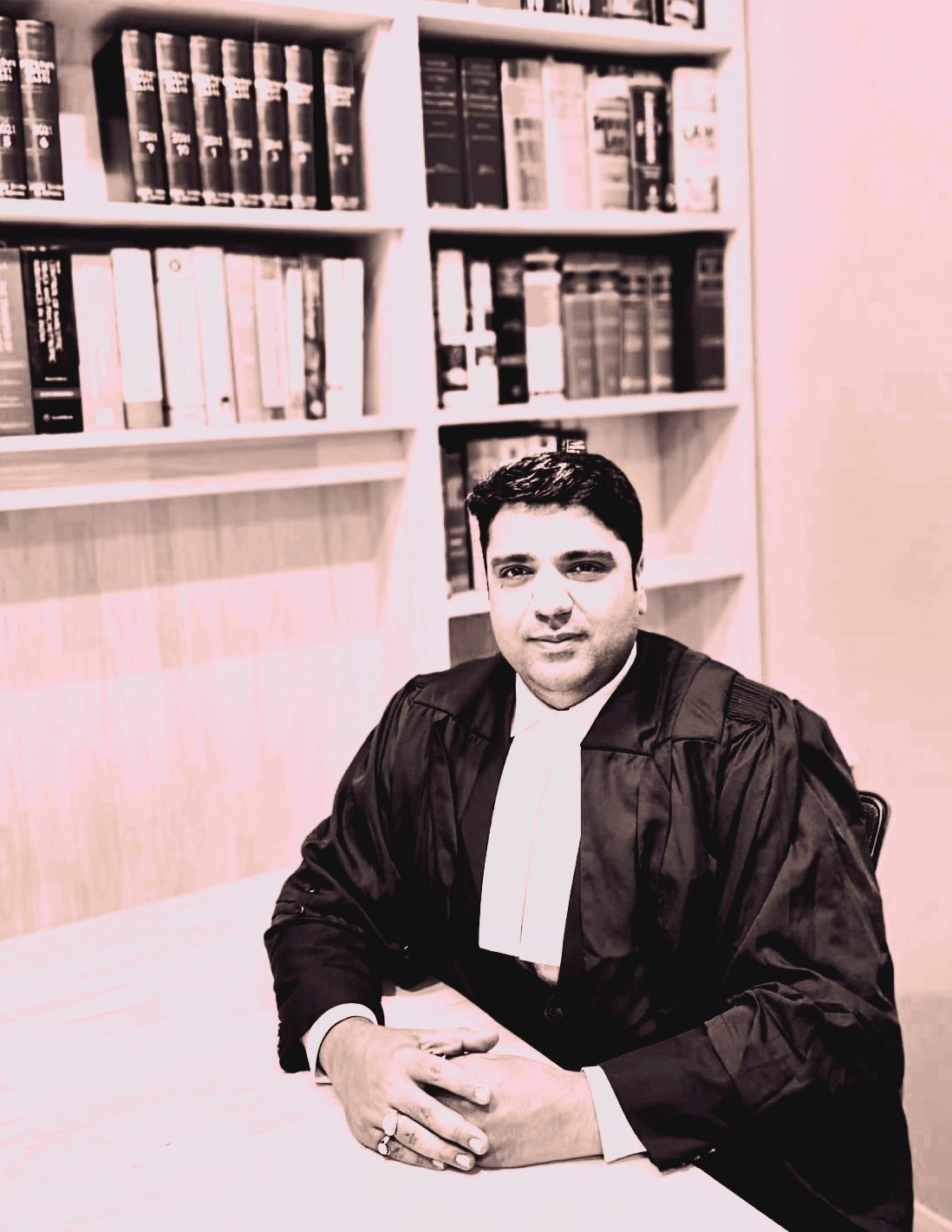
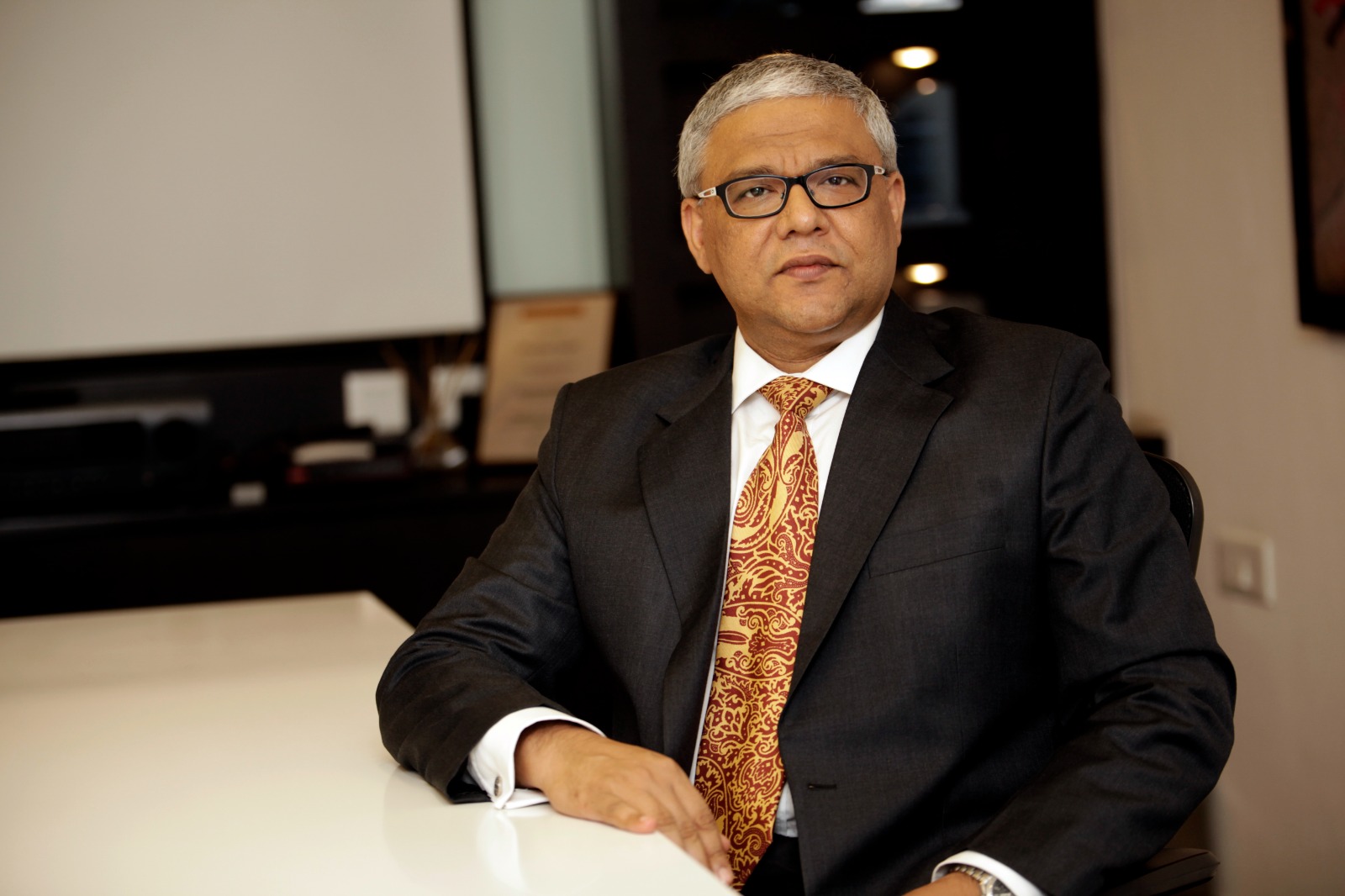





 Allow notifications