Can you share what initially inspired you to pursue a career in law? Was there a specific moment or influence that set you on this path?
From a young age, I had a strong inclination towards law because it represented a pathway to justice, which deeply appealed to me. The idea of being able to contribute to fairness and uphold the rights of individuals and communities was incredibly motivating. There wasn’t a single moment that set me on this path, but rather a consistent interest in the principles of justice and equity. This passion ultimately guided my decision to pursue a career in law.
You have an impressive educational background, including an LL.M. from Penn State Law. How did your studies there shape your legal perspective, particularly in specialized fields like Antitrust, Bankruptcy, and Energy Law?
Thank you for your kind words. Indian competition law has largely evolved from U.S. antitrust law, so studying this area in the U.S. provided me with valuable insights that I could apply back home. Bankruptcy law was particularly intriguing, as it was a nascent field in India with the recent enactment of the Insolvency and Bankruptcy Code (IBC). Engaging in a comparative analysis with U.S. bankruptcy laws provided me with a robust foundation, which has been incredibly beneficial as I now specialize in this area. Energy law, while still evolving in many respects, is a field where the growth of renewable energy sources presents significant opportunities. My studies at Penn State Law allowed me to explore emerging trends and regulatory frameworks in the U.S., equipping me with the knowledge to anticipate and navigate similar developments in India.
Being a dual-licensed attorney in both the State of New York and India is quite an accomplishment. What challenges did you face while obtaining these licenses, and how do they complement your practice?
Obtaining licenses to practice law in both the State of New York and India was incredibly rewarding. Passing the New York Bar exam felt like a wonderful accomplishment. It was a daunting exam, but successfully navigating it instilled a sense of confidence and added credibility to my professional profile. Being dual-licensed complements my practice by allowing me to offer a broader range of legal services and insights, bridging the legal frameworks of both jurisdictions. This dual qualification enables me to better serve clients who operate internationally and provides a unique edge in comparative legal analysis.
Your work primarily focuses on resolving civil and commercial disputes. What drew you to this area of law, and what are some of the key challenges you encounter in these cases?
I have a profound understanding of the intricacies involved in civil and commercial fields like tax and bankruptcy, which provides a specialized edge in my practice.
I enjoy tackling challenging subjects, and given the vastness of civil and commercial law, it’s akin to navigating an ocean with no shore. The complexity and diversity of issues keep me intellectually engaged and continuously learning.
One of the key challenges in these cases is the depth and breadth of knowledge required to address the multifaceted legal and factual issues that arise. Each case is unique, demanding a thorough analysis and a tailored approach to achieve a resolution. Additionally, staying updated with constantly evolving laws and regulations is crucial. Overall, the dynamic and challenging nature of civil and commercial disputes aligns perfectly with my passion for the law and my desire to make a significant impact in this field.
You’ve advised both domestic and international clients on complex legal issues. How does working with international clients differ from domestic ones, and what unique perspectives do you bring to the table?
Working with international clients often involves navigating diverse cultural backgrounds and managing a broader range of projects. This variety provides access to a wider array of legal issues and challenges, making the professional journey more enriching. Being well-versed in multiple jurisdictions allows us to offer valuable insights and advice that are beneficial from both regulatory and compliance perspectives. We guide clients on a macro level, considering the broader implications of their legal matters across different legal systems. This comprehensive understanding enables us to tailor our advice to meet the unique needs of international clients, ensuring they receive well-rounded and effective support and do not have to rely upon or engage multiple professionals across different jurisdictions.
As a trained mediator, how do you integrate mediation techniques into your legal practice, and what benefits do you see for your clients in resolving disputes through mediation?
As an Advocate, it is essential to weigh the best interests of the client. Often a client is warring within their corporate circuit or amongst their familial relationships which could be settled out-of-court with third party intervention. Significant court backlogs and investment of time and resources required for litigation often motivate clients to pursue mediation, if counselled well. We do take pride in facilitating communication between disputing parties, by mediating between them and subsequently drawing up agreements, reiterating that issues can be resolved more efficiently and amicably through ADR than court proceedings. Even once litigation has been initiated, mediation techniques can play a crucial role in guiding parties towards a settlement. Overall, the use of mediation not only provides a more amicable and cost-effective resolution for clients but also helps preserve relationships that might otherwise be damaged by adversarial litigation.
Finally, what advice would you like to give to fresh law graduates who are about to start their legal careers, especially those aspiring to achieve similar milestones as yours?
My advice is not to fret and take the time to understand how vast the field of law truly is. It’s no longer confined to the dual choice of litigating or working for a corporate firm. The profession has expanded to offer numerous new, untapped opportunities.
I delved into the specialized field of taxation law two years after graduation, which demonstrates that you don’t have to figure everything out during law school. Use internships to explore different areas and weigh where your interests lie. This practical experience will help you discover your passion and guide your career path.
Remember, the journey to achieving milestones takes time, and each step, whether big or small, contributes to your growth as a legal professional. Stay open to learning and embrace the diversity of opportunities the legal field has to offer.
Can you share with us the journey that led you to specialize in Corporate and Commercial law, particularly in the non-contentious aspect?
I am a second-generation lawyer, so attending law school, especially coming from a South Asian background, was almost a ‘fait accompli’. However, during law school, I discovered a keen interest in contract and commercial law modules. I found myself drawn to these modules much more than those dealing with subjects such as criminal or constitutional law, and I also realized that I had a natural aptitude for them. This interest led me to pursue internships that would allow me to delve deeper into related fields. My first internship was with the legal department of Unilever Sri Lanka, followed by another at a corporate law firm in Sri Lanka (where I got to directly work on M&A transactions and corporate restructurings). From then on, I never looked back.
What inspired you to pursue your master’s degree in International Trade Law after your undergraduate studies?
Pursuing a master’s degree was largely circumstantial. I had just returned to Sri Lanka after completing my LLB and was getting ready to sit for my attorney’s exams. I had also started working with a law firm as a legal assistant, which was a full-time commitment. The master’s degree in question was being administered by the Advanced Legal Studies Unit of the Sri Lanka Law College and was a part-time course specifically targeting working lawyers. Incidentally, it was a first of its kind at the time, although external LLM degrees from UK universities are now offered by various institutions in Sri Lanka. So, when I saw the advertisement, given the specialisation, the timing of classes (Saturdays and one evening a week) and the lecture panel (which consisted of some of the most eminent subject matter experts in the country, including two current Supreme Court judges – Justice Janak de Silva and Justice Arjuna Obeysekera), I was very keen to apply.
I would generally advise any young lawyer or aspiring lawyer to get some real-world experience before pursuing a master’s degree or doctorate, unless you’re inclined towards an academic career or very passionate about the topic of study. It shouldn’t simply become an exercise in enhancing your resume.
With your experience spanning across different regions and legal systems, particularly Singapore and Sri Lanka, what are some of the key differences you’ve observed in handling cross-border M&A transactions?
I’ve only practiced in Singapore and Sri Lanka, but both have involved a lot of cross-border work. In the last 6 months alone, I’ve handled acquisitions, corporate restructurings and VC transactions in the US, Kenya, India and Singapore. In my current role I’m predominantly a domestic lawyer in Sri Lanka, focusing on transactional and legal advisory work within the country, but I have some clients from my stint in Singapore keeping me occupied on offshore transactions. My firm also specialises in helping Sri Lankan companies expand internationally. Each jurisdiction is different; sometimes their legal systems are easier to reconcile and understand because of a common history. For example, Sri Lanka and India share a lot of similar laws and administrative practices due to both having been British colonies, and sometimes they can be very different (such as in civil law countries, as I experienced on a power sector investment in Germany a few years back). M&A or projects/project financing work in Singapore, as compared to Sri Lanka for instance, generally involves more sophisticated and voluminous documentation but comparatively less administrative or practical hurdles; this can perhaps be attributed to the maturity and size of the Singaporean economy.
A lawyer must be open-minded and adaptable enough to quickly adjust to different circumstances, for a successful legal practice. I think this is true regardless of practice specialisation, and it is a perspective and approach that my firm endeavours to instill in all our new trainees.
As a former Executive Committee member of the Sri Lanka Singapore Business Council and Vice-President of the Inter-Pacific Bar Association, how have your involvement in these organizations influenced your approach to legal practice?
It has reaffirmed my belief in the value and power of networking. The IPBA in particular (as well as the International Bar Association – IBA) is a fantastic place for any lawyer to make connections, learn of developments globally as well as in other jurisdictions and engage in knowledge-sharing.
Could you walk us through a particularly complex transaction or project you worked on, highlighting the challenges faced and how you navigated through them?
That’s a fairly difficult question to answer, as almost all large transactions and projects I’ve handled have come with some form of complexity.
One transaction does however stand out, just because of the timing and the circumstances. In mid-December 2021, I was engaged by an international law firm to assist in the sale of the majority shareholding in two Sri Lankan listed companies for a foreign headquartered MNC client. Whilst that would ordinarily be a challenging transaction in itself, this one had to be negotiated and completed during the Christmas break, when most offices in Sri Lanka were closed and I was on a wildlife safari with my family in Chitwan, Nepal! I remember navigating four different time-zones, negotiating documents from the back seat of a safari jeep and roaming around the camp at 4am for some internet connectivity to send out emails. Thankfully I almost never travel without my laptop and a roaming data connection. I also had fantastic support from the transaction intermediaries, including the Colombo Stock Exchange, the brokers, bankers and another Sri Lankan law firm which was acting as a share trustee. They went above and beyond, working through Christmas eve and Christmas day to ensure that we completed the transaction on time.
I think it’s important for lawyers to build and maintain close business relationships, particularly with regulators and other professional service providers in the market – you may never know when you need to ask for a favour. I think it’s also important, if you’re an M&A lawyer, to be prepared for a transaction to kick off at any time. Admittedly, this might mean less of a ‘work-life balance’ and more of a ‘work-life blend’.
In your opinion, what are some emerging trends or developments in corporate law, especially in the context of evolving regulatory frameworks and global economic shifts?
From a Sri Lankan viewpoint, I can say that we are seeing a lot more economic activity with India. Between 2013 and 2018, China was arguably the largest source of FDI into the country, particularly towards various infrastructure projects under the Belt-Road Initiative. From 2019 onwards, and particularly post Covid-19, India appears to have taken the overall lead in trade & investment relations with Sri Lanka. This is perhaps a result of PM Modi’s ‘Neighbourhood First’ policy, and consistent with a growing international perception that there is an emergent India – one that is utilising its clout and reach, and leveraging on its potential, as the world’s fifth largest economy. India also appears to be an economic beneficiary of worsening US-China relations, with US and European companies seeking to de-risk and diversify their supply chains.
Given the cultural and geographical links, as well as the substantial similarities in legal and administrative frameworks, I’ve long been an advocate for greater economic integration between India and Sri Lanka; it is, now more than ever, ‘low hanging fruit’ towards reaching our own development objectives in a mutually beneficial manner.
Finally, considering your wealth of experience, what advice would you offer to law graduates aspiring to specialize in corporate and commercial law, especially in today’s dynamic legal landscape?
I would say go for it. There are so many emerging practice areas to explore now, within the broader framework of non-contentious corporate and commercial law work, from data privacy to the developments in blockchain technology, cryptocurrency and the use and application of AI. The best way is to get insights and hands-on experience through internships and work placements etc.
Reflecting on your journey, what initially drew you to pursue a career in law, and what inspired you to choose this path? Could you share some of the challenges you faced during your early days in the legal profession and how you overcame them?
My first inspiration towards the legal profession came from my father who himself was a lawyer and practiced income-tax for a few years in Jammu and Kashmir. While my father’s initial footsteps were in law, he eventually transitioned to the family business of manufacturing high tension aluminum wires. However, he would always lovingly recount memoirs and anecdotes from his practice days and would consistently motivate me to take up law as a profession. From a very young age, I was exposed to the intricacies of the legal world through his work, experiences and stories. His influence remained a constant in my life, serving as a beacon of inspiration as I forged my own path in the legal profession. His commitment to integrity, diligence, and service instilled in me a deep respect for the law and a desire to become a lawyer.
Entering the legal profession, I encountered a range of challenges typical of any newcomer to the field. One of the most significant hurdles was navigating the transition from academic halls of college to practical application of law in Courtrooms. The theoretical knowledge gained in law school provided a solid foundation, but applying that knowledge in real-world scenarios required a different skill set altogether. Be that as it may, I guess I always had the vision and belief in myself to navigate these challenges. Even though I come from a small town, Jammu, I decided to practice in the capital of the country, which offers the best exposure to fresh law graduates. I was never attracted to practice in the comfort of my hometown.
Another challenge was building credibility and establishing myself within the legal community. As a young lawyer, earning the trust of seniors, clients and colleagues was quintessential for success. I faced skepticism and uncertainty from some quarters, but I approached each interaction with unwavering professionalism, competence, and a commitment to excellence. Over time, through hard work and dedication, I earned a reputation for integrity and competence, gradually gaining the confidence of those around me.
Despite these challenges, the inspiration that I drew from my father’s example kept me focused and motivated. His unwavering support and blessings and belief in my abilities gave me the strength to persevere during the tough times and celebrate the victories along the way. Reflecting on my journey, I am grateful for the foundation he provided and the lessons he imparted, which continue to guide me in my career as a lawyer.
Your journey from Associate to founding your own full service law firm, i.e., Expert Legal Services is inspiring. What personal qualities or characteristics do you believe played a significant role in your career progression, and how do you nurture these traits in your team members?
Reflecting on my journey, I believe that humility, focus, hard work, attention to detail, approachability and giving precedence to the interest of the client have been the core tenets of my practice. I cannot single out any one quality that helped in my career progression and it is always the right mix of attitude, aptitude, luck and hard work that helps you grow.
While mentoring my team members, I focus on their all-round development. I give them exposure to deal with clients independently under my supervision and to argue matters before various forums. This provides them with the much-needed exposure and also helps them in learning from their own mistakes and enables them to think on their feet. I always tell them to learn from their lows and to perform better. I am otherwise, in my peers’ view, an easy going and jovial person. This in my view helps them to perform without any stress and anxiety and to give their best in everything that they do. I also encourage open communication and constructive criticism. By fostering an environment, based on core values, we promote collaboration, respect, and continuous growth within our team.
Given your expertise in litigation, could you share a memorable anecdote that exemplifies the dynamic nature of legal advocacy and the importance of quick thinking under pressure?
I believe every day in court brings new lessons and stories. Through divine grace, I have been blessed with the opportunity to represent clients in diverse jurisdictions, providing me with first hand insight into the dynamics of these various courts across India. I believe that preparation and patience are the key virtues for any litigation lawyer. You may not get favorable orders everyday and therefore, you should carefully weigh all factors and avoid pushing your luck.
While there are many instances in my 17 years of practice, a recent incident that vividly comes to my mind, where a case demanded urgent interim protection for our client in securing a disputed amount. The opposing party was in the process of winding up their operations in the country and therefore, swift action was imperative. We immediately approached the court and recognizing our urgency, the court directed the party to obtain prior permission before parting with their assets in India. At the end, we had a very happy and contented client.
Instances like these are the heartbeat of daily courtroom engagements, offering invaluable learning opportunities for legal practitioners at every level. In the realm of law, growth is perpetual, and each day brings forth new lessons to enrich our understanding.
Your clientele includes renowned fortune 500 companies spanning different industries. What are some common legal issues or trends you have observed across these sectors and how do you tailor your approach to address their specific needs?
In my experience, serving a diverse clientele across various industries has exposed me to several legal issues and trends. Every industry has its own set of issues and there is an overlapping legal trend as such. Consequently, there is no one-size-fits-all solution when it comes to addressing these diverse challenges. As a lawyer, it is our responsibility to tailor our approach to each unique situation, providing customized solutions that best align with the specific needs and circumstances of our clients.
One requires a comprehensive understanding of both the legal framework and the practical realities of the business world, to successfully cater the needs of any client. At Expert Legal Services, we try to achieve the best possible outcome for the client while ensuring compliance with legal requirements and ethical standards. Cultivating an approach that prioritizes innovation, collaboration and problem-solving, has helped our clients succeed in an ever-evolving business environment.
Collaborating with esteemed legal professionals such as Senior Advocate Mr. Amarjit Singh Chandhiok, Senior Advocate Mr. Siddharth Luthra and Mr. Raian Karanjawala must have provided invaluable insights. Can you share a lesson or mentorship experience that significantly influenced your legal career?
Certainly, being associated with esteemed legal luminaries like Senior Advocate Mr. Amarjit Singh Chandhiok, Senior Advocate Mr. Siddharth Luthra and Mr. Raian Karanjawala has provided me with invaluable experiences that have profoundly shaped my legal career. These experiences have instilled in me values of perseverance, decision making, hardwork and efficiency. From understanding the minutiae to grasping the broader legal implications, I have learned that attention to detail is of paramount importance. Moreover, the significance of punctuality has also been deeply ingrained in me.
One important lesson that I learnt from Mr. Chandhiok was that a good lawyer is one who is not impacted by the outcome of the case. One should always give their best and leave the rest to the judge.
As someone deeply entrenched in the legal domain, how do you maintain a work-life balance amidst the demanding nature of the profession? Are there any mindfulness practice or routines that you find particularly beneficial in managing stress and staying focused?
Balancing work and life in the legal profession, especially in litigation, is indeed a constant juggle. While striving for equilibrium between professional demands and personal well-being, I’ve found that maintaining a structured approach to my workday helps manage this delicate balance. Each task is allocated a specific time slot, allowing for a more disciplined workflow.
However, the unpredictable nature of legal practice means that flexibility is key. Clients may require urgent assistance at any hour, whether it’s seeking bail or filing a habeas corpus writ. In such instances, attending to these immediate needs takes precedence, often disrupting planned schedules. Nonetheless, amidst the demanding nature of the profession, I make a conscious effort to carve out time for personal pursuits and family. Engaging in hobbies or spending quality time with loved ones serves as a crucial counterbalance to the intensity of legal work.
Your expertise in navigating anti-bribery and anti-corruption investigations is commendable. What proactive measures do you recommend to prevent such occurrences in businesses?
To overcome illegal practices, I always advice clients to follow best practices and confirm to ethical standards. It is also important to introduce a system of checks and balances for early detection of any such occurrences. Swift Action can help the companies to minimize the impact and nip such instances in the bud. Though, one cannot guarantee against any possible leaks but in my view, this shall considerably safeguard the exposure to a significant extent.
Beyond legal practice, you’re known for your philanthropic efforts. How do you integrate social responsibility into your professional life, and do you believe there’s a symbiotic relationship between community engagement and legal advocacy?
Compassion, generosity and large heartedness are again virtues that I have inherited from my parents. Their dedication and persistent desire to help others has left a profound impact on me. I was always taught to help the poor and the needy. This is an extremely relevant trait that I also wish to pass on to my daughters. I also believe that being an advocate comes with a profound responsibility to serve the less fortunate, especially within the context of the legal system.
At our firm, we prioritize social responsibility and actively integrate it into our daily practice. We are committed to serving not only our well to do clients but also individuals and causes that may not have the means to afford legal representation. We are engaged in various pro bono matters, dedicating our time and expertise to assist marginalized communities, champion social justice causes, and address systemic inequalities. To give an example, we recently assisted a young boy who had been charged under POCSO and was languishing in jail and helped him in securing bail from the High Court. I see a clear symbiotic relationship between community engagement and legal advocacy. Our involvement in the community fosters trust, builds meaningful relationships, and amplifies the voices of those who may otherwise go unheard.
You’ve been instrumental in mentoring young lawyers throughout your career. What advice do you impart to aspiring lawyers entering the field today, and what qualities do you believe are essential for success in the legal profession?
Certainly, mentoring young lawyers has been a rewarding aspect of my career, and I’m always eager to share insights with aspiring lawyers entering the field today. My advice to young lawyers is that success is not an overnight journey and requires considerable hard work, toil and burning the midnight oil. The key to success lies in developing expertise and being consistent and punctual in your work. Invest in your work and you’re bound to reap success. Also, it is important to realize that one should not get disheartened by adversities and remember that the castle of success is not built on victories but on failure.
Your career spans over 15 years, with diverse experiences in corporate law and litigation. Could you share with us how your journey began and evolved to your current role as a Legal Consultant at Paoletti Law Group? Please walk us through your Journey from choosing Law as a career to working in Dubai?
Law has always been my calling. Since the age of 14, I have had a deep desire to pursue a career in law. Despite coming from a business-oriented family, I knew that my path lay in the legal profession. I am the first lawyer in my family in 3 generations.
My journey in law began with my internship under the guidance of a senior advocate in Gauhati High Court in the year 2009. My senior, Mr. S.S. Sharma was a very patient and attentive teacher, and I learned a lot from him. I practiced under my senior’s guidance for 4 years and then started my own independent practice.
My thirst for knowledge is what led me to Dubai, UAE. I wanted to learn and experience law on an international level and Dubai offered me the perfect opportunity to do so. I landed in Dubai, UAE just before the lockdown in 2020, but I was blessed to still have found work here.
Throughout my career I have encountered an endless supply of legal issues, most of them demanding a unique solution. Navigating and resolving these issues have constantly kept me going. I love facing new challenges and finding out different ways of solving them.
As a legal consultant, you’ve navigated various legal landscapes, from India to Dubai. How do you perceive the differences in legal practice and client expectations between these regions, and how has this impacted your approach to advising clients?
Having experience in both India and UAE jurisdiction, I have had the opportunity to deal with diverse legal landscapes and understand the nuances of the expectation a client may have in each region. In both India and UAE, clients may have different legal requirements, but their needs, overall, are similar. All a client wants is someone to guide them through the legal maze and provide support and solutions for their issues.
Adjusting and adapting to the needs and requirements of clients and tailoring the services to the specific needs of each client is the best way to go. By utilizing my knowledge and expertise, I offer strategic and pragmatic advice that tackles each unique challenge and difficulties encountered by each client.
Moving from India to Dubai for your legal career marks a significant transition. What factors influenced your decision to relocate, and how has this move impacted your professional growth and experiences?
Like I have explained already, my thirst for knowledge and zeal to learn about law on an international level is what brought me to Dubai, UAE. Since moving here, I have had the good fortune to grow both personally and professionally. Working in Dubai has exposed me to diverse cultures, legal systems and business practices broadening my skill set as a legal consultant. This experience has been vital in shaping my understanding of cross-border legal practices.
Overall, the decision to move to Dubai, UAE has been instrumental in the development of my professional career.
Your role involves advising on Environmental, Social, and Governance (ESG) matters. Could you elaborate on how you integrate ESG principles into your legal strategies, and why they are increasingly important in today’s business landscape?
Integrating Environmental, Social, and Governance (ESG) principles into legal strategies involves a multi-faceted approach that encompasses compliance with environment regulations, promoting social responsibilities and best practices. This includes advising on risk mitigation strategies, conducting due diligence on ESG issues, and implementing policies and procedures to ensure compliance with applicable laws and standards. By aligning legal advice with ESG objectives, organizations can enhance their reputation, mitigate risks, and drive sustainable growth.
Considering your experience in international legal consulting, particularly in the UAE, what unique insights have you gained about cross-border legal practices and the challenges involved?
My experience in international legal consulting, particularly in the UAE, has provided me with unique insights into cross-border legal practices and the challenges involved. One of the key challenges in cross-border legal practice is navigating the complexities of different legal systems, cultural norms, and business practices, which can vary significantly from one jurisdiction to another. I strive to provide clients with advice that addresses their legal needs and helps them achieve their business objectives in an increasingly interconnected world.
Your expertise in drafting legal documents ranging from complex joint venture agreements to trademark registrations is commendable. What strategies do you employ to ensure clarity and efficacy in your drafting process? Any tips for students?
Drafting any kind of a legal document requires extensive research and accurate analysis of the issues and requirements involved in drafting that particular document. This includes reviewing relevant statutes and industry norms to ensure that the document is legally sound and meets the objectives of the parties involved.
For students aiming to excel in legal drafting, I recommend prioritizing clarity, precision, and meticulous attention to detail. Proper research and analytical skills, along with honing the ability to convey intricate legal concepts in straightforward language, will be instrumental in shaping their success in future legal endeavours.
With the demands of your profession, maintaining work-life balance is crucial. How do you unwind and rejuvenate after challenging days or intense legal engagements, and how do these activities contribute to your overall effectiveness as a legal consultant?
With the demands of my profession, maintaining a healthy work-life balance is crucial to my overall well-being and effectiveness. After challenging days or intense legal engagements, I prioritize activities that help me unwind. One of my favourite ways of unwinding is spending time with my family and friends. Additionally, I find solace in travelling and exploring new places. Engaging in these activities rejuvenates me, enabling me to return to work with renewed energy.
With your extensive experience in diverse legal matters, what advice would you offer to aspiring lawyers looking to build a successful career in corporate law and litigation, especially in today’s rapidly evolving legal landscape?
Aspiring lawyers aiming to build a successful career in the legal field should focus on several key points:
First and foremost, continuous learning is essential. Stay updated on the latest developments through ongoing education, attending seminars, webinars, and conferences, and engaging in professional development opportunities. Networking is another key aspect of building a successful legal career. Build a strong professional network by connecting with colleagues, mentors, and industry professionals. Embrace new technologies and methodologies that can improve efficiency and effectiveness in your practice. Develop strong communication skills, both written and verbal, as effective communication is essential for a successful legal career. Uphold the highest standards of ethics and professionalism in your practice to build trust with clients and colleagues.
You’ve had an illustrious career spanning various sectors including telecommunications, e-commerce, and disaster management. What initially drew you to the field of law, and how has your legal background influenced your approach to corporate affairs and public policy?
Two decades back I started my career as a lawyer from Lucknow Session court under the senior ship of Advocate Askari Anwar known for his legal intelligencia and criminal trials in Judiciary. Got my first case of a poor boy who was in judicial custody for a month as his widow mother had no money & resources to help his 18 years old son arrested for the scuffle during a cricket match with the son of an influential local municipal corporator. Advocated the case in court and bailed him out on the first hearing for which I got the Prasad of Hanuman Mandir and blessings from the mother of my client as the legal fee of my first case.
It is pertinent to mention that I got the legal fraternity in legacy, my grandfather and father were both prominent lawyers of their times. My father Late Haider Yaqoob Advocate was known as the legal pillar of the Medical health department, Govt of UP having expertise in service and waqf laws. Continuing my rich legal legacy I appeared in several matters in Hon’ble High court, Lucknow bench and set the new success stories specially in cyber laws cases with the rapid relief to my clients.
In 2006, I started getting the cases from the corporate organisations & got the opportunity to set the new benchmarks of success. I was the pioneer of telecommunication Lok Adalat, by organising the first Lok Adalat in Lucknow to resolve the recovery cases of Reliance communication pending since long.
Noticing legal acumen and rapid legal remedials I was approached by Mr Anil Ambani’s office directly and has been offered to join Reliance Communication as legal Manager for Uttar Pradesh. After several brainstorming sessions with my family and seniors in the fraternity I stepped into the corporate domain and joined RCOM.
During the job era in Reliance, created a large network of lawyers covering all the districts of Uttar Pradesh and delivered remarkable results in the telecommunication domain which resulted in the garnering of additional new responsibilities of Corporate & Government affairs in the organisation. Utilising the legal acumen rapid results could be delivered in consumer forum, State Commission, NI Act, Recovery suits, Labour cases and matters related to IPC etc.
Later on, I was offered a job by several corporate houses and have worked with Tikona Digital networks , Reliance Jio, Vodafone Idea, Walmart’s Flipkart, Inmobi Group.
As a leader in both the Legal & corporate sectors, you’ve played a pivotal role in bringing about positive change in Uttar Pradesh. What advice would you offer to aspiring professionals looking to make a similar impact in their communities, especially fresh Law graduates & Lawyers to enter in corporate affairs careers?
I believe that transitioning from a legal career to corporate affairs can be a natural progression for lawyers looking to broaden their skill set and explore new avenues within the business world. Corporate affairs professionals play a crucial role in managing an organization’s relationships with stakeholders, shaping its public image, and navigating complex regulatory landscapes.
Lawyers bring valuable skills to this role, including legal expertise, analytical thinking, and the ability to navigate intricate regulatory frameworks. They may leverage their understanding of laws and regulations to ensure the company complies with relevant requirements and mitigate legal risks. Additionally, their experience in contract negotiation, dispute resolution, and problem-solving can be beneficial in addressing various challenges that arise in corporate affairs.
Transitioning to corporate affairs may involve acquiring additional skills such as communications, public relations, and strategic planning. Networking, professional development opportunities, and gaining practical experience in corporate settings can help lawyers successfully make this transition. Overall, the move from a legal career to corporate affairs offers lawyers a chance to apply their skills in new ways and contribute to the success of organizations in different capacities.
Throw some light on how you have been instrumental in leveraging telecom, e-commerce platforms to empower artisans and MSMEs & overall society in Uttar Pradesh, thereby contributing to entrepreneurship and women’s empowerment. What strategies do you believe are crucial for ensuring the sustained growth for the society through corporate initiatives?
Other than my regular job practices, I always focus on bringing transformation in society by changing the livelihood of common men, empowering women and introducing sustainability models by virtue of corporate domain resources.
I am glad to share that using personal connections and intervention in the corporate world more than one thousand youth of Uttar Pradesh have been employed in different corporate companies so far.
Played a prominent role in changing the livelihood of thousands of artisans & MSMEs of Uttar Pradesh by supporting them through E-commerce platforms which expanded their reach nationwide and increased their products visibility and revenue in high numbers, promoted entrepreneurship and women empowerment.
Using my E-commerce strength, also gave a new height to UP ODOP program through Online digital selling of ODOP products, I was instrumental in boosting the sale of ODOP products in thousands of crores which was appreciated by hon’ble Prime Minister Modi during GIS 2022 at IGP Lucknow, ODOP products sale on Flipkart is only more than 2500 crore in last 3 years. Also developed a dedicated ODOP & Khadi storefronts for online sale with worldwide access. This initiative was appreciated by Hon’ble CM Yogi and Defence Minister Shri Rajnath Singh as well.
I also supported the farmers and agriculture system of Uttar Pradesh by doing the capacity building and making farmers Samarth for showcasing, expanding their agriculture business at national level by the help of online platforms and opportunities.
I opine that society development through corporate excellence and initiatives involves leveraging the resources, influence, and innovation capabilities of corporations to address social challenges and contribute to the overall well-being of communities. Here are some ways this can be achieved:
1. Corporate Social Responsibility (CSR) Programs:- Education and Skill Development: Companies can invest in educational initiatives, providing scholarships, building schools, and offering vocational training to improve local workforce skills. Healthcare Initiatives: Corporations can support healthcare by funding hospitals, running health camps, and promoting health awareness programs. Environmental Sustainability: Implementing eco-friendly practices and supporting environmental conservation projects can help tackle issues like climate change and pollution.
2. Inclusive Business Practices: Fair Trade and Ethical Sourcing: Ensuring fair wages and safe working conditions in supply chains supports economic development and reduces poverty. Local Hiring and Procurement: Prioritizing local hiring and sourcing from local businesses can boost local economies and create job opportunities.
3. Innovation and Technology: Tech for Good: Developing and deploying technologies that address social issues, such as renewable energy solutions, healthcare innovations, and educational tools, can drive societal progress. Research and Development (R&D): Investing in R&D for products and services that meet the needs of underserved communities.
4. Public-Private Partnerships: Collaborating with governments and NGOs to implement large-scale development projects, such as infrastructure development, public health campaigns, and educational reforms.
5. Philanthropy and Corporate Foundations: Establishing corporate foundations that focus on specific societal issues, providing grants, and supporting non-profits and community-based organizations.
6. Employee Engagement: Encouraging and facilitating employee volunteerism, where employees contribute their time and skills to community projects and initiatives.
7. Sustainable Business Practices: Implementing sustainability practices that reduce environmental impact and promote long-term ecological balance, benefiting both the company and society.
8. Impact Investing: Investing in social enterprises and projects that aim to generate both financial returns and positive social impacts, such as affordable housing, clean energy, and sustainable agriculture.
9. Advocacy and Leadership: Using corporate influence to advocate for policies and regulations that promote social equity, environmental protection, and economic inclusivity.
By integrating these strategies into their core operations, corporations can play a pivotal role in societal development, creating a positive impact that extends beyond their immediate business interests.
Your role in supporting the government’s response to the COVID-19 pandemic, including sourcing essential medical supplies and arranging transportation, demonstrates a unique intersection of corporate and social responsibility. Could you share some insights into how corporate entities can effectively collaborate with government bodies during crises like the pandemic?
During covid times using corporate excellence and connects, we as a team acted as a support system for the government and society, hundreds of Modern Ventilators, Oxygen concentrators, numerous Oxygen plants, lakhs of PPE kits, N95 masks and other preventive goods were arranged by us through different corporate houses which saved the lives of people in large numbers. We played the role of saviour by the arrangements of dedicated commercial aircraft which bought covid goods from the foreign lands to India.
Corporate entities can support government efforts during a crisis through a variety of proactive and strategic initiatives. Here are several ways they can come forward:
Financial Contributions and Donations, Providing Goods and Services, Essential Supplies, Critical services like telecommunications, transportation, and healthcare support at no cost or reduced rates, Logistical and Operational Support, Supply Chain and Distribution, Facility Use – Make company facilities available for emergency use, such as converting office spaces into temporary shelters or medical facilities, Technological Assistance, IT Infrastructure-Provide technological infrastructure and support, such as cloud services, data analytics, and cybersecurity measures, to help manage crisis response. Innovation and Development – Develop and deploy technology solutions, such as apps for crisis communication, contact tracing, or resource allocation, Human Resources and Expertise, Skilled Volunteers Consultation and Training, Public-Private Partnerships, Community Engagement and Support, Awareness Campaigns, Research and Development- Innovative Solutions: Invest in R&D to develop new technologies and solutions that can aid in crisis management and recovery. This includes everything from medical research to environmental technologies, Corporate Social Responsibility (CSR) Initiatives- Crisis Focused CSR- Integrate crisis support and disaster relief into CSR programs, ensuring sustained engagement and support during and after crises . By taking these few steps, corporate entities can significantly bolster governmental efforts during crises, leveraging their resources, expertise, and infrastructure to provide comprehensive and effective support.
Your advocacy for environmental sustainability, including your initiatives like installing anti-pollution air purifiers near the Taj Mahal, highlights the importance of corporate leadership in addressing pressing societal issues. How can corporations effectively balance profitability with environmental stewardship?
Sustainable Practices by corporate organisation is a mandate of late, Promotion of sustainability and resilience in business operations helps to mitigate future crises, particularly those related to environmental and climate-related challenges.
Adopting sustainability practices in business operations offers numerous benefits to corporations, including:-
1. Cost Savings: Sustainable practices like energy efficiency, waste reduction, and resource optimization can significantly lower operating costs over time. 2. Brand Reputation: Companies committed to sustainability can enhance their brand image and attract customers who prioritize environmental and social responsibility. 3. Regulatory Compliance: Proactively adopting sustainable practices helps businesses stay ahead of environmental regulations, reducing the risk of fines and legal issues. 4. Competitive Advantage: Sustainability can differentiate a company from its competitors, appealing to a growing market segment that values ethical practices. 5. Employee Engagement: A commitment to sustainability can boost employee morale and attract talent, as many workers prefer to be associated with socially responsible companies. 6. Investment Attraction: Investors are increasingly looking for sustainable businesses, as these are often seen as lower risk and more future-proof. 7. Innovation and Efficiency: Sustainability initiatives can drive innovation, leading to the development of new products and services and improving operational efficiencies. 8. Risk Management: Sustainable practices can help mitigate risks related to resource scarcity, supply chain disruptions, and climate change impacts. 9. Long-term Viability: By focusing on sustainability, companies ensure they are not depleting resources needed for future operations, supporting long-term business success.
These benefits collectively contribute to a more resilient, profitable, and socially responsible business model.
With your extensive experience in corporate affairs and public policy, particularly in the realm of telecom, e-commerce and AI domain, what are your inputs and suggestions to make Uttar Pradesh as an AI & Digital hub of nation ?
Firstly thanks to the Government of UP for notifying the UPAI committee consisting AI experts from different tech companies to be part of the AI journey in Uttar Pradesh. Furthermore, We need to create an AI ecosystem in Uttar Pradesh and transforming Lucknow into an AI-powered city requires a multi-faceted approach involving government, industry, academia, and the public. Here are some key initiatives that could help achieve this vision:-
Establishment of AI COE in Lucknow.
Education and Skill Development centre for AI ,AI-focused Curriculum: Integrate AI and data science courses into the educational curricula of schools, colleges, and universities.
Training Programs: Launch vocational training programs to reskill the existing workforce in AI technologies.
Research Centers: Establish AI research institutes in collaboration with top educational institutions to foster innovation and development.
Policy and Regulation: AI Policy Framework: Develop a comprehensive AI policy framework to guide the ethical and sustainable use of AI technologies.
Industry Collaboration: Public-Private Partnerships: Encourage partnerships between the government and private sector to fund and develop AI projects.
Start-up Ecosystem: Create a conducive environment for AI start-ups through incubators, accelerators, and funding opportunities.
By undertaking these initiatives, Uttar Pradesh can pave the way to becoming a leading AI state, enhancing the quality of life for its residents and positioning itself as a hub for technological innovation.
Lastly, tell us about your legal, corporate journey and what honorary positions you are holding in the government domain? And drawing from your rich and diverse experiences, what advice would you give to recent law graduates or young professionals aspiring to pursue a career path similar to yours, particularly in navigating the complexities of corporate affairs and public policy while staying true to their values and principles?
I am currently serving as the Director Corporate Affairs, in Inmobi group, India’s first unicorn and now a double unicorn with Glance also notching up incredible growth in less than two years since its inception. Have held leadership positions in north India leading telecoms, E-commerce companies, industry bodies, chambers and as a think tank. Currently Chairman of UP E-commerce & logistics council, Honorary advisor to District Disaster Management Authority, LKO, Govt of UP & Advisory Member on AI -I T & Electronics Department, Govt of UP.
Holds Masters in Human Resource management, bachelor in Laws, Journalism experiences, my penned down articles widely published and a leading voice for developing countries and emerging economies on digital economy, global markets, deepening democracy, political economy, media ecology, disruptive technology, regulatory affairs and public policy. My interest is only to serve the nation through my Corporate excellence as my professional expertise has always directed towards serving both people and the state, signifying a commitment to social responsibility and community welfare. By fostering legal acumen, ethical business practices, prioritizing employment of youths & well-being, and actively engaging in philanthropy, have contributed in societal development of state. My approach has led to economic success with broader social and governmental objectives, creating a harmonious balance between corporate growth and public welfare. Have been admired by Hon’ble Governor of UP, Deputy CM, Several Ministers and Govt stakeholders at several instances for his dedicated contributions for the upliftment of state and bringing glory to Uttar Pradesh through his corporate excellence!!
Answering the second part of the question, I think building a career in corporate affairs while maintaining ethics, principles, and values involves a multifaceted approach. Here are some key strategies to help youths in achieving this:
1. Professional Integrity:
– Adherence to Ethics: Always adhere to a personal code of ethics and the ethical guidelines of your profession.
– Transparency: Be transparent in your communications and actions. Build trust by being honest and straightforward.
– Conflict of Interest: Avoid situations where personal interests might conflict with professional responsibilities.
2. Building Relationships:
– Networking: Build a network of like-minded professionals who value ethics and integrity.
– Mentorship: Seek mentors who exemplify ethical leadership and can guide you in your career.
– Stakeholder Engagement: Engage with stakeholders ethically, ensuring their needs and concerns are addressed fairly.
3. Corporate Governance:
– Best Practices: Advocate for and implement best practices in corporate governance within your organization.
– Policy Development: Develop and enforce policies that promote ethical behaviour and compliance with laws and regulations.
– Ethical Leadership: Lead by example, demonstrating ethical behaviour in all professional activities.
4. Ethical Decision-Making:
– Decision Frameworks: Use ethical frameworks and decision-making models to guide your actions.
– Long-term Perspective: Focus on long-term benefits rather than short-term gains, ensuring decisions are sustainable and ethical.
– Accountability: Hold yourself and others accountable for ethical behaviour. Encourage a culture of accountability within your organization.
5. Communication Skills:
– Clear Communication: Communicate clearly and honestly with all stakeholders.
– Crisis Management: Handle crises ethically, ensuring transparent communication and accountability.
– Reputation Management: Maintain and protect the organization’s reputation through ethical practices.
6. Regulatory Compliance:- Stay Informed: Keep up-to-date with relevant laws, regulations, and industry standards.
By integrating these strategies into your career development, you can build a successful career in corporate affairs while maintaining your ethics, principles, and values. Remember, consistency in ethical behaviour not only builds personal integrity but also fosters a trustworthy and sustainable business environment.
Can you share your journey into the field of law with us?
My Bachelor’s and Master’s degrees in Corporate Secretaryship got me interested in Corporate Law. Thereafter, I finished the Company Secretaryship course as well as a Degree in Law. I enrolled as an advocate with the Bar Council of Tamil Nadu. I had the spectacular opportunity to work under Senior Advocate Mr. R. Murari whose mentoring gave me a great start.
Three years later, I finished my Chartered Governance programme at the Chartered Governance Institute (UK and Ireland).
A solid foundation in corporate and commercial law is very essential to becoming a successful corporate lawyer. Fortunately, the academic and professional courses I pursued gave me this much-needed in-depth understanding which enables me to handle corporate cases effectively. The journey of my 20+ years in legal practice has been very exciting throughout.
With your background in corporate secretaryship and law, what drew you to specialize in mergers and acquisitions?
I was very passionate about Mergers and Acquisitions right from the beginning of my practice. It is my constant endeavour to know as much as possible about this topic to facilitate providing extensive in-depth services to our clients. It is this interest that led me to complete a program on ‘Value Creation through Mergers and Acquisitions’ from the Indian School of Business (ISB, Hyderabad). At our Firm, we handle various M&A transactions and we enjoy facilitating each of the aspects involved for our clients. Presently, there is constant activity in the M&A space and it’s a very exciting area of practice for our Firm.
You co-authored a book on ‘Supreme Court on Insolvency and Bankruptcy’. What inspired you to delve into this topic, and what key insights did you gain from the process?
The Insolvency and Bankruptcy Code brought about very interesting changes and the law has seen substantial and rapid developments. The Hon’ble Supreme Court has been settling this law on various aspects. I proposed to author a book on this topic and the team at LexisNexis was very supportive. The process of authoring this book gave me a deeper sense of understanding various aspects of the Insolvency and Bankruptcy Code.
As the Managing Partner of PSS Legal Advisors LLP, could you elaborate on the range of services your firm provides in corporate matters?
‘PSS Legal Advisors LLP’ is a boutique corporate law firm. The Firm’s Advisory Practice deals with a wide variety of matters including all matters relating to foreign exchange law. The Firm’s Transaction Practice deals with a variety of M&A and contract-related matters. In our Litigation Practice, we provide comprehensive end-to-end support on all aspects of Corporate, Civil and Commercial Law and represent our clients before all Courts including the Supreme Court, High Courts and various Tribunals such as NCLT, NCLAT, DRT, DRAT, Enforcement Directorate etc., The Firm also has an active alternate dispute resolution practice on Mediations and Arbitrations. We also have a successful real estate legal practice.
Being a co-founder of Beej Network, how do you balance your legal expertise with your involvement in angel investments and startup support?
I am a mentor by nature and I always look forward to making a difference to people around me. It is because of my knowledge domain and mentoring activities that I was made a Co-founder at Beej Network, which is an angel investing network.
The founders of startups need to focus on their business and hence they require immense legal and other professional support at all stages. It is my endeavour to understand the business of a startup and their business plan, the vision of the promoters, their pain points etc., from a legal standpoint and guide them suitably to enable them to focus effectively on developing their business without facing non-compliance.
As a corporate lawyer, I am fortunate to have assisted clients at different stages of their life cycle over the years and it is this experience that empowers me to mentor the start-ups and its promoters.
Could you share some highlights from your involvement with the Indo-Japan Chamber of Commerce and Industry?
I am fortunate to have about 15+ years of long association working closely with Japanese companies on their requirements in India. A few years ago I was appointed as a Member of the Governing Council, which is the core governing body of the ‘Indo-Japan Chamber of Commerce and Industry’ (IJCCI). The IJCCI has been focussing exclusively on Indian and Japanese trade and cultural activities for over 32 years.
At the IJCCI we endeavour to connect enquiries from Japan to Indian businesses and vice-versa. We have organised several delegations from India to Japan to give Indian businesses both prospects and exposure to doing business in Japan. I front-ended an economic survey on ‘Indian Industry expectations from Japanese Companies in TamilNadu’. This report is widely circulated in key offices in Japan with an intent to effectively integrate investments from Japan into India.
Our Law Firm supports IJCCI by hosting knowledge-sharing programs.
Your efforts in attracting foreign investments into India are commendable. What strategies have you found most effective in fostering these international collaborations, particularly with organizations like the United Nations Industrial Development Organization?
We have arranged programmes for Japan on investing in India with the help of the IJCCI and the United Nations Industrial Development Organisation, ITPO Tokyo. I have been fortunate to travel to Japan extensively on several occasions during which I learnt more about their culture, business practices, expectations on investing in India and other important aspects.
In our practice and otherwise, we receive enquiries from Japan and other countries. Japanese Investors expect complete clarity on all aspects and it is only thereafter that they execute their decision to invest in India. Of course, the simplicity of setting up and operating in India is the key to attracting foreign investments.
Generally, the main focus is on attracting foreign investments into India. However, what we need is to continue to support such foreign investors even post their investments in India by addressing their pain points on priority. The endeavour of the Government must be to turn foreign investors into extremely happy customers which in turn will get such foreign investors to spread the word about and highly recommend their countrymen on investing in India.
I have dedicated a lot of time and effort to advancing Japanese investments in India and I look forward to continuing to assist many more foreign businesses with their requirements in India.
How do you ensure your team stays ahead in such a dynamic field?
This process is the most challenging and yet very interesting. We start each word day with an individual-centric session focussed on their personal development with a brief meditation, mentoring and affirmations. Our teams are aligned to the Firm’s vision. Each member is focused on doing meaningful work every day and on every assignment. The team embraces challenging work willingly and this helps them grow professionally.
I have addressed sessions at various institutions on succeeding in the profession, fast-tracking careers and other aspects and I endeavour to enable this for the team at the firm as well.
What is your approach at the Firm to protect the interest of your clients?
At the Firm we operate on the principle of ‘Prevention is better than the Cure’. Every commercial action has multiple legal implications and we endeavour to provide clarity to our clients on such implications and also take the necessary steps to protect their interests. Litigation or prosecution leads to complex situations involving huge costs resulting in a financial depletion in a company, diversion of human resources and stressful situations. We proactively address issues with our clients early on by working with them continuously and this enables us to take care of the client’s interest as and when a requirement arises thereby reducing the possibilities of litigation or prosecution.
Based on your extensive experience, what advice would you offer to fresh graduates aspiring to pursue a career in law, especially in the realm of corporate law and entrepreneurship?
To excel in the legal profession, one must be very sincere, have patience and work diligently with dedication. The long hours at work must be seen as a pleasure and must be embraced willingly. Fresh graduates must understand all aspects of the profession in detail and happily align with such requirements. They must also have a clear goal in mind and proceed with a long-term approach and it is necessary to stay on track throughout consistently. Horizontal exposure to a variety of laws is vital, but it is also critical to develop core competencies in a select few areas so that, over time, one can establish oneself as an authority in at least a few selected fields. Interest in and investing in continuous education in chosen areas is critical.
Hello, everyone! We are back again with SuperLawyer. Today we have senior advocate Harish Narasappa, Sir, who has graciously and humbly accepted our invitation to be here and tell us about his life journey, how he chose to become a lawyer and how he has achieved so much in his life. So, Sir, most welcome and thank you again for being here.
I would start with a very simple question and would love to understand how you started on your journey of choosing law as your career to becoming a senior advocate. And if you have faced any challenges, how did you come ahead of those challenges in your initial stages while pursuing law as a profession?
My journey with law actually started as an accident. I didn’t consciously choose law. During my 12th standard, the bundle commission report was implemented by the then Prime Minister V.P. Singh. Following this, there was significant agitation by various student groups, resulting in a couple of deaths and one student attempting to immolate himself. This deeply impacted me, prompting my interest in societal issues beyond science. Despite being a science student, a botany professor encouraged us to look beyond our textbooks and engage with societal issues.
This triggered an interest in social affairs and the potential impact of law. Coincidentally, the examination for that year was delayed, and I happened to write the entrance exam for the National Law School. The results were announced before those of the engineering and medical college entrance exams.
Instead of waiting at home, my uncle suggested I join for a couple of months. If I didn’t like it by then, I could quit and pursue engineering or medicine, he said. However, I ended up staying even after the other results were announced. In short, I initially joined law for a month, but I have now been in the field for nearly 30 years.
We would love to hear about your insights that you have gained through practicing law in both India and UK. What kind of differences have you seen or encountered in these two legal systems and the kind of jurisprudence that these two states or jurisdictions havenurtured for themselves?
In comparison, there are two or three points of comparison, right? One is the legal system, of course. But also in connection with how the legal profession is organized and because we started, you know, even when we were chatting before the formal interview about how do we train youngsters?
How do we train people who are just starting in the legal profession? How do we sort of help each other? How do we train each other? All these are important questions. And I feel that in India, we have not addressed these questions and if you ask me, the primary difference between the legal profession in England and the legal profession in India is the organized training and organized knowledge sharing that happens in the UK.
Primarily England, because I worked in London and not in other parts of the UK, but I had to go to London. And if you compare that to what happens in India. I mean, in India, there’s no organized system, right? You just pick up as you go on. If you’re lucky, you get seniors or mentors who will teach you the right things.
Otherwise, it’s just hit or miss in terms of which office you join. What you learn in court or whatever, nobody points you in the right direction. And there’s no continuing legal education in a formal fashion. Whereas in England, they’re a very organized set.
So I worked in a law firm for about four and a half years, between 98 and 2002. And the things that I learned there have stood me in great stead over these years. They’ve helped me a lot. For example, drafting. Simplicity in drafting, use of simple language is something that I learned in England.
And it gave me the confidence that you’re as bright as any other lawyer in the world. And with the right amount of training and the right focus on what to read, what not to read you can do much better. And the other thing that I learned in the UK is how do you transform a sort of non-legal idea into a legal document, so drafting a legal document, whether it’s an agreement or a plain or counter objections.
Or anything. How do you make it simple? And how do you get people to read it? So that’s it! The training that the English law firms, the training mechanism of the English law firms in particular and the English legal profession in general. The way they have instituted it, I think that is something amazing, and we have a lot to learn from that.
I think corporate law firms in India now have these mechanisms, but they’re still evolving. Whereas in courts and among litigation lawyers, there’s hardly any formal training. You’re expected to look, learn, and absorb.
That’s the primary difference. It also transforms the legal system itself. That kind of training and knowledge-sharing transforms into the legal system. The UK has a more predictable legal system compared to ours. We have a very dynamic legal system, to be kind to our own.
I feel there’s a lot we can learn from the English legal system in terms of organization and knowledge-sharing. The firm I worked for had almost all documents and opinions issued for 30 to 40 years available on their internal system. If faced with a difficult question and unable to find the answer among colleagues or in a textbook, all you had to do was look into the firm’s history, and you would find the answer.
That is something we don’t have here, partly because law firms are relatively new in India. They’re only about 20 to 25 years old in terms of large law firms. The way knowledge is shared and transferred, it’s hit or miss. If you’re lucky and get a good senior, then you get to learn.
Otherwise, you learn to swim on your own. Even when a couple of friends and I started, we tried to inculcate this in the firm. Even when we were just a four-lawyer firm, we had knowledge-sharing sessions among ourselves.
As we grew, it became non-negotiable. Every week, for about an hour and a half, the entire firm would gather, even now they do. It’s across offices now, of course, through VC and others, it’s easy.
Either someone is talking on a topic or they share what’s happening on different transactions in terms of knowledge, what’s happening in court. We share various things. I think that is a critical aspect. I know now that a few other firms also do it, but we need to go beyond that.
We need bar associations and bar councils to organize these sessions. Every month there should be some session for lawyers to attend, to learn. Simple things like how to dress in court, for example. I see a lot of young lawyers wearing unpolished shoes, mismatched socks, trousers of different colors, shirts of different colors, messy hair, and so on.
I mean, you can express yourself differently, but nobody has taught them. Nobody in law colleges tells them how to appear in court on day one. Now there are a lot of videos from different courts where judges are shouting at young lawyers, like, you don’t know how to address a court.
You’re not dressed properly. You know, what is this? I think these things can be avoided. Bar associations and bar councils can take the lead. But they don’t do it, unfortunately. Then also organized training on where to research, how to research, these are things that are easily possible but are not done. And I think that’s the biggest difference between the English legal professional and the Indian legal professional.
Based on what you’ve shared, I can grasp what likely motivated you to establish Samvad Partners and Daksh, the legal research organization you’ve passionately promoted and dedicated your efforts to for so long. I’m curious about the inspiration behind your book, “Rule of Law in India: A Quest for Reason.” Was it driven by the same reasons, or did you discover a distinct understanding of the disparity between legal ideals and their practical implementations in India? What ignited this realization? Your insights are poised to profoundly impact students, to be candid. They stand to gain valuable perspective from your experiences and reflections.
The challenges the Indian legal system faces are evident all around us. An example I often give is our disregard for basic legal norms, such as stopping at red signals. We seem to lack discipline in adhering to these norms.
Anyone who has traveled to different parts of the world knows that we are unique in this aspect. While some other countries may also witness similar behavior in traffic, such as jumping signals or driving on footpaths, it ultimately affects everyone negatively. If everyone were to follow traffic rules, we would all reach our destinations much faster, but unfortunately, chaos reigns on our roads.
This chaos symbolizes the disorder present in other aspects of the law. Our weak implementation mechanism is evident in our courts, where despite the high number of cases, there is minimal resolution on a daily basis. Chaos and confusion seem to be the norm, rather than organized proceedings.
Despite having comprehensive laws in place, as reflected in our legal texts and statutes, the contrast between what is written and what is practiced is stark. While the intent to establish a rule of law society has been present since 1947, practical challenges persist.
This disconnect between theory and reality led me to explore the lack of respect for the rule of law in India. Whether from individuals, government, political parties, or even the police and certain parts of the judiciary, there seems to be a general disregard for the law.
This exploration forms the basis of my book. It evaluates the dichotomy between legal theory and practice, delving into what the rule of law means in India and the type of rule of law envisaged by the Indian Constitution. After pondering these issues for some time, I decided to document my thoughts in writing, resulting in the creation of my book.
Sir, during this period, you pursued your master’s degree at Oxford University. What differences did you observe between your postgraduate experience there and the systems followed at NLSIU in India? How did this experience impact your approach to understanding law and academia simultaneously?
I think, to be completely honest, Oxford was an accident. Many of my friends were applying to study masters, and I also applied. Thankfully, I got a scholarship at Oxford, which is why I chose it over other universities.
Coming from a modest financial background, I am the first generation lawyer in my family. A full scholarship was available at Oxford, which influenced my decision. However, I’ve always felt that I gained more from National Law School than from Oxford. I’ve expressed this sentiment in other forums as well. Perhaps it’s because I joined National Law School in its early stages, with a dedicated faculty and inspirational leadership.
The learning experience at National Law School, both inside and outside the classroom, was invaluable. We were like a family in the initial years, all striving to prove the success of this new experiment in legal education.
In contrast, the depth of reading expected at Oxford was much greater. While the master’s course at Oxford focused on knowledge rather than creating lawyers, National Law School had a more practical approach. For instance, in my jurisprudence class at Oxford, the expectation was to read the entire reading list, including works by renowned legal philosophers like Raz and Dworkin, not just excerpts.
Overall, the teaching approach was similar, but Oxford’s tutorial system sets it apart from other universities.
Even now, small groups of three to four students sit with professors, engaging in in-depth discussions on every problem and topic, which is a unique system. In hindsight, I feel that perhaps I should have spent more time at Oxford; I only pursued a one-year master’s course. I likely would have benefited more from a two-year stint at Oxford. However, attending a venerable institution like Oxford, which boasts a legacy of 500 to 600 years, was a stark contrast to NLS, which was only five years old when I joined. It was a lesson in institution building and maintaining excellence over centuries, which has stayed with me alongside the legal knowledge I acquired.
Regarding the difference between the two institutions, the ability to delve deep into a problem is something Oxford instills in its students. NLS, on the other hand, imparted great fundamental principles of law. I often advise law firms and lawyers that the focus of law school should be on teaching fundamental principles rather than specialized courses, especially at the undergraduate level. While specialized courses have merit at the master’s level, a strong grounding in fundamental principles is essential during the undergraduate years.
Oxford, with its diverse student body, provided insights into various legal systems, planting the seeds for evaluating the Indian legal system and inspiring my book. Interacting with international students from countries like Germany, France, the US, and the UK allowed for comparisons between legal systems, leading to a deeper understanding of the Indian legal framework.
Sir, I would like to now ask you about when you became a designated senior advocate the kind of advice which you would like to give to our aspiring lawyers who are trying, or I would say who are looking to make an impact in the legal field as you have made, or maybe they can try, what would be your advice?
There’s no clear path to success. You need to follow your own interests and there’s no substitute for hard work. Everybody keeps telling that, and I fully agree. You have to work hard. There’s no shortcut unfortunately. Yes, you need to develop more skills because the profession is competitive. Clients can easily find out about your reputation and your peers who also have a reputation in the same area you’re working in.
Getting clients and legal work is challenging. It’s not easy. Unless you’re part of an establishment that supports you. Then you have time, but if you’re an individual lawyer with a solo practice, then you have to follow your interests, do things that interest you, develop an interest outside the law as well.
For example, if you have an interest in the environment, or AI as we talked about earlier, or computer science, learn that. And then, you don’t have to give up the law, but marry the two, try and marry the two. So you don’t treat your legal profession as something only sitting in the office and reading case laws or judgments.
Law is a profession rooted in society. So you have to see what’s happening around you in society. And try to interact with people in other professions, people in civil society. You may have cousins who are computer engineers, software engineers; talk to them, understand different things.
Expand your horizons. Hard work, expanding your horizons, reading, and following your heart. Follow your passion. And there’s no one road to success. You’ll get there eventually, but do what you like. Not because of what other people are doing, but because of what you like.
You have already worked as a partner in law firms, and as an independent practitioner also, what kind of differences have you observed in the kind of work culture these two roles had, and particularly when you became a senior advocate, there must have been different kind of responsibilities and kind of domains must have come where you had to find new ways to take care of those responsibilities also. So how have you adapted those changes in your life professionally, mostly, and what kind of journey you have had through all this going through more than two decades now?
As a partner in a law firm, teamwork is essential. It’s about building an organization, not just about individual efforts. You have your fellow partners and junior colleagues, and collectively, you ensure the firm’s operations run smoothly.
In a law firm, there’s a dual aspect – it’s both a profession and a business. Managing a team, including juniors and colleagues, is crucial for the firm’s success. Ensuring profitability is key, and this requires effective organization not only in executing tasks but also in areas like HR, accounts, and business development.
Transitioning to an independent senior advocate has its differences. The focus shifts from impressing clients to earning respect from fellow lawyers who brief you. What I miss most about the law firm environment is the camaraderie among colleagues.
Now, with a smaller team in my office, interactions with other legal professionals are broader but lack the close-knit atmosphere of a firm. Informal learning through spontaneous discussions and consultations is something I miss as an independent practitioner. Furthermore, the absence of backup when one falls ill poses challenges in solo practice. Unlike in a law firm where others can step in, an independent practitioner bears the sole responsibility.
However, being a senior advocate offers unique opportunities. Dealing with complex legal matters and high-stakes cases provides a sense of fulfillment. Though client pressures are still present, the focus shifts to a more profound engagement with legal questions and expertise.
While I miss the collegial environment of a law firm, the focus on pure legal matters in my current role is intellectually stimulating and rewarding. It presents new challenges and opportunities for growth at this stage of my career.
Thank you for sharing so candidly about how you feel being a senior advocate from being a partner to an independent solo practitioner. You have made your name in commercial arbitration, I would say that’s your niche and you have found that space for yourself by working for so long and so diligently. What kind of misconceptions have you seen that people have related to arbitration and how do you address them when it comes in front of you or maybe someone is apprehensive about those understandings? Would you like to suggest some pointers or maybe your own experience?
I won’t say misconceptions. If you’re dealing with large commercial organizations and they’re handling arbitration, everyone pretty much knows what arbitration is about. Clients understand what arbitration entails.
The challenge with arbitration in India currently, as noted by Justice Raveendran, one of the best arbitrators in the country, is the lack of professionalism. I couldn’t agree more with him. What does this mean? He didn’t elaborate. This is my view; he pointed it out in a different context. For example, arbitrations need to be held on time, adhering to the prescribed time limits.
If you’re appointed as an arbitrator or conciliator in arbitration, we forget it’s not just a private form of dispute resolution, but a serious one. In India, we’re still struggling with situations where arbitrators don’t arrive on time.
The other day, an arbitration scheduled for 10:30 AM had all participants logged in, but the arbitrator didn’t join until 10:45 AM due to illness, without prior notice. This poses professional challenges for lawyers, as we need to manage client expectations.
It’s not just arbitrators; sometimes even lawyers don’t show up on time, causing delays. Awards are not passed on time either. These are challenges we face in arbitration.
Many lawyers think arbitration is a diluted form of arguing disputes in court. They forget that regular provisions like the CPC and the Evidence Act need not apply. We can follow a procedure as long as natural justice is met. Some people cite lengthy provisions from the CPC and the Evidence Act, prolonging cross-examination.
The misconception that arbitration is a substitute for trial is something the Indian arbitration system needs to address. The biggest challenge is improving professionalism among all involved, including lawyers and arbitrators, and developing arbitration institutions to make the system more efficient.
See, because there are two challenges, Divya, in terms of the moment cases get taken out of the court system and they’re arbitrated. We are losing the jurisprudence, right? Arbitral awards are not available in public. They’re not published in ACC or AIR or whatever. And that is what’s happening in most commercial disputes. Commercial jurisprudence is not becoming available to all the general lawyers. Only the small set of lawyers who are arguing arbitration cases are aware of that.
So when we’re doing that, we’re taking away from the courts an enormous opportunity to develop commercial jurisprudence. Then we need to do it properly. We can’t mess it up. Currently, because there are no, except one or two, significant arbitration institutions in this country.
Mostly we have ad hoc arbitrations, and they have become unfortunately very expensive, very long, and extremely unprofessional. This is a combination of all three things. Yes, things are changing now. There are a lot of people making a lot of effort to improve things, to follow professional organizations from other parts of the world, etc.
But as I said, the examples in other countries have been around, like I was talking about the legal profession earlier, that has been there for a long time. Other countries have organized their professions much better. But we have not been able to do it. Those are challenges that we have not been able to overcome.
And that, I am afraid, and I hope it doesn’t happen, is plaguing, and probably will continue to plague our arbitration system. So, well, there are no misconceptions, but people come rosy-eyed, with rose-tinted glasses to arbitration thinking they’ll get an award in six months. Sometimes it drags on for three years, four years.
And that’s frustrating. So that is a challenge that we are facing in arbitration. But I’m hopeful because there are a lot of developments in the arbitration world in India. Hopefully, things will improve.
How do you take care of your personal hobbies and interests? And balance your personal life with the kind of busy professional life that you have outside the law.How do you do all these things? Keep yourself calm and learn and understand how world works. Please tell us that as well, Sir.
That’s what all of humanity has been searching for, right? I mean, we’ve been searching for peace. From the times of the Buddha. We’re all searching for peace. Apart from all that, I think you raised an important question.
And I think Indian lawyers, in my view, work way too hard. For example, judges also, while we complain about the delays and all, I think Indian judges work extremely hard and so do Indian lawyers. There’s no respect for their own time.
And it’s something when we started Samvad we were very conscious of, and Samvad has a reputation even today that it’s a firm that balances work and life. And we were able to do that in that organization, but that comes with challenges, you know, young people want to make money, because their peers and other law firms are making money, more money.
So how do you deal with that? And it’s a difficult conundrum. In terms of whether you want to make money when you’re young and save all the money for later. And you don’t know whether you will be able to enjoy or do you want to do it now? I mean, these are questions that are difficult to answer. I have been lucky in the sense that I’ve been able to manage a reasonably good work-life balance.
So two things are important. One, you need to enjoy what you’re doing. Okay. And I know you asked me the question about Daksh earlier. The fact that I started Daksh at the same time as I started my law firm, and I continued to be involved in Daksh sort of encouraged me to spend more time in the profession also.
So you should do what you’re interested in. The fact that I was doing things beyond the pure practice of law and into policy research made me focus more on the profession also. Because I knew what I was doing, what I’m able to do. So all that is important. And at the same time, along with policy work or legal professional work, having time for your family or kids.
And what you like otherwise is also important. So in a long way, I’m coming, answering the question you asked. I’m lucky to have a few things that I enjoy. I like running. I run regularly. I like climbing mountains, I do a fair amount of trekking.
My daughter started playing tennis, so I began learning the sport to join her. Simple activities, when focused on, can yield significant benefits. My grandfather, now deceased, was a farmer who shared insights on various crops and fruits he cultivated.
Showing interest in the world around you is essential. Sometimes, we become engrossed in our tasks, but paying attention can naturally develop hobbies. These experiences have prompted me to realign my focus on work.
Regarding learning from others, observing their actions is crucial. For instance, I recall reading about Soni Saurabh ji, who was renowned in jazz music circles. Lawyers engage in diverse professions; recently, I visited an organic restaurant in Bangalore owned by a lawyer. Exploring different interests can enhance focus and efficiency in one’s profession.
Could you share a bit about your journey into the field of law, particularly what drew you to specialize in Funds, Banking, Finance, Debt Capital Markets, and Corporate Laws?
My journey into the field of law has been shaped by a combination of rigorous academic training and hands-on experience across prestigious institutions and diverse sectors. Graduating from Gujarat National Law University (GNLU) and subsequently studying at The London School of Economics and Political Science (LSE) broadened my perspective on legal principles and practices.
At GNLU, I had the privilege of learning from some of the best legal minds in the country. The practical insights gained from internships at firms like Little & Co., Nishith Desai Associates and ALMT Legal complemented my theoretical learning, providing invaluable exposure to real-world legal challenges.
Continuing my academic journey at LSE, one of the world’s top law schools, deepened my understanding of global legal frameworks and their intersection with business dynamics. Interacting with students from diverse backgrounds enriched my perspective, fostering adaptability and cultural sensitivity, qualities crucial for navigating the complexities of a globalized legal landscape.
My passion for law stems from a problem-solving mindset, drawn to complex legal issues that demand innovative and business-friendly solutions. Internships provided me with early exposure to complex legal issues within Funds, Banking, Finance, Debt Capital Markets, and Corporate Laws. Specializing in Funds, Banking, Finance, Debt Capital Markets, and Corporate Laws aligns with my inclination towards strategic thinking and continuous learning. These areas offer a diverse range of legal challenges across various business sectors, avoiding monotony and stimulating intellectual curiosity.
Throughout my 15-year journey as a legal professional, I’ve had the privilege of working directly under lawyers who are stalwarts in their respective areas of practice. Their mentorship provided invaluable guidance, reinforcing the importance of understanding client business and delivering practical, strategic legal counsel.
My experiences working across prestigious law firms and in an in-house role at Aditya Birla Sun Life AMC Limited, have honed my skills in navigating complex legal landscapes. Today, as the Head of the Legal Team, I draw upon this diverse background to provide innovative solutions that drive business growth and mitigate risks effectively.
In essence, my journey into law has been guided by a quest for continuous learning, a passion for problem-solving, and a commitment to delivering value-driven legal solutions. Specializing in Funds, Banking, Finance, Debt Capital Markets, and Corporate Laws allows me to leverage these strengths while contributing to the success of my clients (internal stakeholders in my current role) and organizations.
As the Head of Legal at Aditya Birla Sun Life AMC Limited, you oversee various legal aspects, including contract management and dispute resolution. What challenges do you commonly face in these areas, and how do you navigate them?
As the Head of Legal at Aditya Birla Sun Life AMC Limited, I oversee various legal aspects, including contract management and dispute resolution, in a dynamic industry fraught with unique challenges. With our diverse lines of business spanning mutual funds, alternate investment funds, and portfolio management services, navigating the rapidly changing regulatory landscape presents intricate and ever-evolving legal hurdles.
Our team’s strategic approach to managing these challenges is rooted in a clear and systematic process. We begin by meticulously understanding the nuanced business requirements and objectives, engaging closely with stakeholders across different verticals. This ensures that our legal strategies are not only legally sound but also seamlessly aligned with the company’s overarching goals and group’s values.
Simultaneously, we systematically analyze legal risks associated with each initiative, conducting thorough due diligence and staying attuned to regulatory developments. Continuous learning and regularly tracking regulations are essential aspects of our legal operations. We subscribe to legal resources and newsletters to remain abreast of the latest legal developments, ensuring our business objectives are consistently aligned with regulatory requirements.
One common challenge we frequently encounter is understanding the mindset of concerned stakeholders and persuading them to accept a path that is not only legally and regulatorily compliant but also aligned with the company’s overarching goals. This often involves engaging with and convincing stakeholders to deviate from their initial approach in favor of a more legally sound solution.
We have implemented robust legal policies and processes to ensure that documents, matters, and notices do not escape legal scrutiny, thereby protecting the organization from exposure to legal risks. Additionally, we engage in continuously sensitizing employees and conducting training to ensure they understand the legal processes, rules, and regulations applicable to them, further safeguarding the company against legal risks.
Leveraging legal technology for contract and litigation management enhances operational efficiency and saves time, enabling us to proactively focus on identifying potential pitfalls and implementing preemptive measures. Each team member plays a defined and vital role, fostering collaboration in resolving legal challenges effectively.
Whether it’s crafting tailored contracts, providing strategic advice to senior management, or implementing proactive risk management strategies, our actions are guided by a deep understanding of both business imperatives and legal intricacies.
By following this clear and systematic approach, we not only mitigate legal risk but also contribute to the achievement of our broader strategic objectives. Our focus on understanding business requirements, assessing legal risks, leveraging legal expertise, and harnessing technology for enhanced efficiency ensures that we remain agile and responsive in addressing the evolving legal landscape.
With your extensive experience in collaborating with legal counsels and law firms, what strategies do you employ to ensure effective communication and alignment of objectives between your team and external legal partners?
While collaborating with legal counsels and law firms, I’ve found that effective communication and alignment of objectives are paramount to successful partnerships and achieving our goals. One strategy I employ is to establish clear lines of communication from the outset, ensuring that expectations, timelines, and deliverables are clearly defined and understood by all parties.
Regular communication channels, such as scheduled meetings and status updates, help maintain alignment and ensure that any issues or concerns are addressed promptly. Additionally, I believe in fostering an open and collaborative environment where both internal and external teams feel comfortable sharing ideas, feedback, and insights.
Furthermore, I prioritize building strong relationships with our external legal partners, fostering trust and mutual respect. By understanding each other’s strengths, capabilities, and areas of expertise, we can leverage our collective knowledge and experience to achieve common objectives.
Lastly, I believe in the importance of ongoing feedback and evaluation to assess the effectiveness of our collaboration efforts. This allows us to identify areas for improvement and make adjustments as needed to ensure continued alignment and success.
Overall, effective communication, collaboration, and relationship-building are key strategies I employ to ensure alignment of objectives between my team and external legal partners.
You’ve been instrumental in implementing legal training programs for employees. How do you approach balancing regulatory adherence with fostering a culture of innovation within the legal department?
As a leader in the legal department, I’ve been implementing legal training programs for employees, and I approach balancing regulatory adherence with fostering a culture of innovation through a multifaceted strategy.
Firstly, I prioritize creating a culture of trust and autonomy within the team. This involves providing flexibility for innovative thinking while ensuring strict adherence to regulatory requirements. By empowering team members to think creatively within the bounds of law, I encourage innovative solutions while upholding legal standards.
Secondly, continuous legal development is crucial. Our organization invests in ongoing education initiatives, such as seminars, workshops, and access to online resources, to keep the team updated with the latest legal developments. This ensures that innovation is informed by a comprehensive understanding of regulatory requirements.
Additionally, practical exposure and direct interaction opportunities with key stakeholders play a significant role. By involving team members in meetings, negotiations, and other crucial aspects of legal practice, I foster a deeper understanding of legal and regulatory challenges and encourage innovative approaches to address them.
Ultimately, my approach aims to strike a balance between regulatory adherence and fostering innovation. By creating an environment of trust, investing in continuous legal education, and providing practical exposure, we cultivate a culture where innovation thrives within the applicable legal and regulatory framework.
Happy to address this alternate question instead – “You’ve handled transactions in banking and project finance, leading negotiations and client meetings. Can you share a particularly challenging project you managed and how you successfully navigated it?”
One particularly challenging project I managed involved transactions in banking and project finance, where I served as the legal counsel for a consortium of about 20 lenders, comprising significantly large banks. The complexity of the project lay not only in the intricacies of the transaction but also in the sheer scale of stakeholders involved, each with their own unique perspectives and priorities.
As the legal advisor representing the lenders, one of the most daunting challenges was to navigate the decision-making process among the consortium members. With a large number of stakeholders, each with varying degrees of influence and interests, reaching a consensus on critical legal matters posed a considerable challenge.
To address this challenge and streamline the decision-making process, I proposed a solution that ultimately proved to be highly effective. I suggested forming a steering committee comprising the top five lenders by contribution and size. This committee would be tasked with making decisions on legal challenges and strategic matters, thereby expediting the decision-making process and ensuring that key decisions were made in a timely manner.
Despite initial skepticism from some stakeholders, I was able to effectively communicate the benefits of this approach and garner support for the formation of the steering committee. By highlighting the advantages of having a smaller, more agile decision-making body, I was able to overcome resistance and gain consensus among the lenders.
The implementation of the steering committee proved to be a game-changer for the project. With a more streamlined decision-making process and faster resolutions to legal challenges, we were able to expedite the transaction timeline significantly. By empowering the steering committee to take decisive action, we minimized delays, resolved issues proactively, and ultimately closed the transaction in a remarkably short time frame.
This experience taught me the importance of creative problem-solving and effective stakeholder management in complex transactions. By proposing a solution that addressed the specific challenges of the project and gaining buy-in from key stakeholders, I was able to navigate a challenging situation successfully and achieve a positive outcome for all parties involved.
Given your expertise in legal risk mitigation and fraud prevention, could you share some key strategies or best practices for identifying and addressing potential legal risks within financial institutions?
In my experience, effective legal risk mitigation and fraud prevention within financial institutions require a multifaceted approach that combines proactive measures with ongoing vigilance. Some key strategies and best practices include:
Conducting thorough risk assessments: Regularly assess the legal and regulatory landscape to identify emerging risks and vulnerabilities. This involves analyzing regulatory changes, market trends, and internal processes to pinpoint areas of potential exposure.
Implementing robust compliance programs: Develop comprehensive compliance programs that are tailored to the specific regulatory requirements and business operations of the financial institution. This includes establishing clear policies, procedures, and controls to ensure adherence to legal and regulatory standards.
Enhancing due diligence processes: Strengthen due diligence processes for onboarding clients, vendors, and business partners to mitigate the risk of fraud and misconduct. Conduct thorough background checks, verify credentials, and assess potential risks before entering into any business relationships.
Promoting a culture of compliance: Foster a culture of compliance throughout the organization by providing regular training, education, and awareness programs to employees. Encourage open communication channels for reporting potential issues and promote ethical behavior at all levels.
Implementing robust internal controls: Establish robust internal controls and monitoring mechanisms to detect and prevent fraudulent activities. This includes implementing segregation of duties, regular audits, and reviews of financial transactions to identify anomalies and potential red flags.
Leveraging technology and data analytics: Utilize technology-driven solutions and data analytics tools to enhance fraud detection and prevention capabilities. Implement advanced monitoring systems, artificial intelligence, and machine learning algorithms to identify patterns of suspicious behavior and potential fraud risks.
Collaborating with regulatory authorities and industry peers: Maintain open communication channels with regulatory authorities and collaborate with industry peers to share best practices, insights, and emerging trends in legal risk mitigation and fraud prevention.
By adopting these strategies and best practices, financial institutions can proactively identify and address potential legal risks, safeguarding their reputation, financial integrity, and long-term viability.
Your career trajectory showcases a progression from Associate to Head of Legal. What were some pivotal moments or lessons learned along the way that contributed to your professional growth and leadership development?
My career journey from Associate to Head of Legal has been shaped by pivotal moments and invaluable lessons that have contributed significantly to my professional growth and leadership development.
One such pivotal aspect has been the opportunity to work directly under legal stalwarts in their respective fields. Their mentorship and guidance have been instrumental in shaping my approach to legal practice, imparting invaluable insights and best practices that have enriched my skill set and strategic thinking.
Moreover, collaborating closely with business heads and key stakeholders has provided me with a deep understanding of their perspectives and priorities. This exposure to the business side of operations has been transformative, enabling me to offer innovative, business-friendly solutions to legal challenges. Understanding the business goals, challenges, and industry dynamics has allowed me to deliver tailored solutions that align seamlessly with our business objectives.
Furthermore, working across diverse sectors has provided me with a unique perspective, allowing me to view legal issues through the lens of a businessman. This holistic understanding of client expectations and business realities has been particularly invaluable in my current role at Aditya Birla Sun Life AMC Limited.
In essence, the combination of mentorship from legal experts, collaboration with business leaders, and exposure to diverse sectors has been key to my professional growth and leadership development. These experiences have not only enhanced my legal acumen but also honed my ability to provide strategic counsel that drives business success.
Finally, what advice would you offer to fresh graduates aspiring to pursue a career in law, especially those interested in the areas of Funds, Banking, Finance, and Corporate Laws?
For fresh graduates aspiring to carve a career path in law, particularly in the domains of Funds, Banking, Finance, and Corporate Laws, my advice revolves around fostering a strong foundation in legal fundamentals and cultivating a solution-oriented mindset.
Firstly, it’s paramount to build a robust understanding of core legal principles such as the Contract Act, Companies Act, Transfer of Property Act, and principles of interpretation. These foundational laws serve as the cornerstone upon which specialized areas like finance and corporate law are constructed. By mastering these fundamentals, young lawyers can develop a solid framework for analyzing legal issues and offering effective solutions to clients.
Additionally, I urge aspiring lawyers to adopt a solution-oriented approach to problem-solving. Clients in fields like finance and corporate law often seek pragmatic solutions to intricate legal challenges. Rather than just identifying problems, young lawyers should focus on crafting innovative and practical solutions that address clients’ underlying needs and objectives. This necessitates critical thinking, creativity, and a readiness to explore alternative legal avenues.
Moreover, maintaining a curious mindset and a commitment to continuous learning is crucial. Given the dynamic nature of finance and corporate law, staying updated with legal developments and industry trends is imperative. Aspiring lawyers should embrace opportunities for learning, ask pertinent questions, and seek growth opportunities to enhance their problem-solving skills and legal acumen.
Lastly, I encourage young lawyers to seek mentorship and guidance from seasoned professionals in the field. Learning from experienced practitioners can offer invaluable insights, practical wisdom, and networking opportunities that accelerate career growth and development.
In summary, my advice to fresh graduates aspiring for a rewarding career in finance and corporate law is to prioritize building strong legal fundamentals, adopting a solution-driven mindset, fostering curiosity and continuous learning, and seeking mentorship from experienced professionals. Embracing these principles equips aspiring lawyers to embark on a fulfilling and impactful journey in the legal profession.
You’ve had a diverse and extensive career in law. Could you share with us how you ventured into the legal profession and what inspired you to specialize in litigation? Could you please walk us through your journey from your college days to where you are today?
As I was pursuing my high school in Bhavan’s Gandhi Vidyashram, Kodaikanal, like any other family, I was also asked to pursue my career in engineering. However, I was clear I wanted to be a lawyer and fancied those black gown and the band. Pursued my B.A.LL.B from Bangalore University and LL.M from Hidayatullah National Law University. I was placed in a law firm dealing with international trade. Despite the work being amazing, somehow it did not satisfy my desire for the band and those “My Lord” moments. I later on switched my job but finally I started with my career in litigation and since then there has never been a day that I have regretted my decision.
Shree & Associates is renowned for its expertise in Civil, Corporate, and Family Law among other areas. What motivated you to establish this boutique law firm, and how do you differentiate your services from larger firms?
When I started my career in litigation, I was overwhelmed by the work and pay disparity. And then while practicing I realized that only two things work:- Dedication and timely delivery of solutions to the client. Clients need to be satisfied and we being lawyers have to be very good listeners. I remember while dealing with matrimonial disputes, I have even acted and taken up a title as a marriage counselor. Just having knowledge of law will not suffice. One has to be lawyer with empathy and should also be ready to understand the agony of client. It has also taught me to be resilient.
While practicing in district court, one should be ready to face a high profile client and also a client from village who speaks only the local dialect. The spectrum of clientele is big and so is the paying capacity. Having a fixed fees does not work in lower courts and to start the career, fees should not be priority. Number of cases matters as you get to research and learn and present the best you can at that moment of time.
When I started practicing the big advantage I had was the knowledge of local language and the local history pertaining to land, So when somebody referred to a particular document I knew what exactly did he want to say. In Jharkhand a lot of old documents pertaining to land is written in “Kaithi” which is in devangiri script but tough to understand and read. So knowledge of that helped to gain a lot of civil matters. It is very surprising that even today in few district courts computer literacy of lawyers is quiet low.
Client nowadays need speedy disposal of their cases and if we are in a position to convince the parties to go for mediation or arbitration, it is a win win for all.
Shree & Associates is a boutique firm and the lawyers in the firm are very well versed with the local laws and also updated with technology and ready to work and settle the dispute by alternative methods.
Your involvement in Corporate Law, particularly with the Real Estate Regulatory Authority and the National Company Law Tribunal, suggests a broad scope of legal expertise. How do you manage to navigate such diverse legal landscapes effectively?
Firm assists clients in establishing sound corporate governance structures, ensuring compliance with regulations, and fostering ethical business practices. Our team is very closely knitted and takes care of needs and specific details of the client while dealing with the boards of directors and executive teams. We can relentlessly work to create a framework in a company to enhances transparency, accountability, and overall organizational effectiveness. We have been very fortunate to not have lost any matter in NCLT so far. NCLT
With the growth in Real estate sectors in form of apartments, even in small town, it has opened new avenues. Before RERA, matters were usually sorted out amicably wherein a lot of time the buyers were not very satisfied with the service provided by builders or the land owners, but with new laws in force, the scenario has changed and the buyers are now more vigilant pertaining to their rights. Real estate litigation is complex and involves multiple parties, extensive discovery, expert testimony, and specialized legal issues. It’s essential for parties involved in real estate disputes to seek experienced legal representation to navigate the complexities of the legal process and protect their rights and interests. We at our firm have specialized team working specifically in this field to provide the best remedy and solutions to the client.
Our team has been very dedicated team of young energy and expertise of senior lawyers. Despite being a firm working at grassroot level and growing upwards, our sole moto of client satisfaction has also been taken care of.
In addition to your professional achievements, you’ve presented papers on Corporate Governance and participated in international conferences. How do you balance your legal practice with academic pursuits?
I am also a Guest Faculty in University Law College, Vinoba Bhave University, Hazaribag, where I (when time permits) take classes on the practical application of procedural laws, usage of evidence act in trial and also in civil matters and the importance of Local land laws for proper understanding of roots of the civil dispute.
One must invest in continuing legal education and be updated with current development in laws. This will definitely give a niche above others.
Your bio indicates a passion for mediation and arbitration. How do you believe alternative dispute resolution methods contribute to the legal landscape, and what advantages do they offer over traditional litigation?
ADR is the present and also the future and the earlier we understand this, the chances of growth will be faster. ADR is not only efficient but also cost effective. In today’s time, nobody wants to get “tarikh pe tarikh”. One is ready to spend a little higher to get quick, easy and effective solutions to their problem. In such a situation, the best option is that of mediation and arbitration. Best part of ADR is that it can be tailored to the specific needs and preferences of the parties involved.
Given your vast experience in the legal profession, what do you believe the current generation of aspiring lawyers can do to carve out successful and fulfilling careers in law amidst evolving societal and technological landscapes?
I have also recently posted on my Linkedin profile regarding the same. There are a lot of pointers but the few are hard work, professional ethics, managing client expectations, being resilient, being updated with new laws and cases are important for learning and growing. The current generation are technologically way more advanced and this will help them to work smartly. Aspiring lawyers needs to have at least few pointers mentioned above to have a positive trajectory of growth in field of litigation.
You’ve been actively involved in legal practice across different regions of India. How do you adapt your approach to suit the unique legal environments and cultural contexts of each location?
I alongwith the team, travel a lot and appear in various courts all over India both physically and virtually. Every court has its own way of working and pace to resolve the cases. One important point is to always have a local team or a lawyer to understand the local scenario of courts and work culture, until we branch out to various places. It has also given our firm cases and matters which would not have been accessible otherwise.
Apart from your legal expertise, what are some personal hobbies or interests that you enjoy outside of work, and how do they contribute to your overall well-being and professional effectiveness?
I spend my time exploring new places, spending quality time with my kids and paint when ever I can. I love cooking as well so when ever I am not loaded with work I try allocating time and enjoy my fullest. It is more like setting a reset button. I love the work I do so there is no “job stress” and thus makes me little more efficient in the work I do.
Your educational journey has taken you to various parts of India, including Nepal. Could you share how these diverse experiences have shaped your perspective, and what factors led to your decision to settle in Jharkhand, establishing your practice there?
Well, my father was an employee in State Bank of India. I pursued my primary and middle school education in various small towns in Jharkhand. Later since my father was being transferred every 3 years, I was put in boarding School, Delhi Public School situated in Dharan, Nepal, where I completed my 10th std. While in 10th std. I came to know about Bhavan’s Gandhi Vidyashram located in Kodaikanal, Tamil Nadu through a brochure given by my parents. I was very keen in joining for many reasons but one most important being my love for south Indian cuisine. Pursued my High School in Kodaikanal. Thereafter, since, I wanted to pursue B.A.LL.B, Bangalore was my first preference then. Got my degree from Bangalore Institute of Legal Studies, Bangalore.
I always had desire to earn a specialization in corporate and also have a masters degree, I applied for few Universities in United Kingdom. I got offer letters from Edinburgh University, Manchester University and also from Cardiff University. However, that was the year when CLAT(PG) had also started for the first time and I like any other law graduate aspiring for masters, appeared in the test. Got AIR 162 and got into Hidayatullah National Law University, Raipur. Since I could not get a scholarship and the fees being high in Universities in U.K., I preferred joining HNLU, Raipur and I think it was a great decision. Got placed before completion of my course and since then I have never looked back.
While travelling to different places, I learned various languages and I am now proficient in Nepali, Tamil, Kannada and ofcourse my mother tounge, Maghi. Since I have travelled so much in India, it has expanded my horizon. Experiencing different ways of life and witnessing socio-economic disparities has lead to perspective shifts and introspection and these factors affect positively, while we deal with clients in the firm.
Since, Jharkhand is my home state, I wanted to establish my practice base in Jharkhand. Staying close to family and loving the work I do, is nothing less than bliss and I am filled with gratitude.
With your extensive experience and expertise, what qualities or characteristics do you typically look for in students who apply for internships or seek training opportunities at Shree & Associates? How do you nurture and mentor aspiring legal professionals to help them thrive in the field?
Well, the firm has been very open in getting interns every now and then. We have a selection process wherein we look into the academic background and schedule an interview via meet or if possible personally in the office. The most important aspect that we look is the desire to learn. A person has to have a desire to learn and grow and then ofcourse the mundane questions of reason for joining the firm etc.
The new members joining us as an associate, are firstly provided with clear objective as to what are motive and vision is and the work ethics and environment in the firm. Emphasis is given on continuous learning and by providing constructive feedback so that they can self assess and learn.
Beyond your primary areas of legal practice, such as Civil, Corporate, and Family Law, are there any specific niche areas or emerging legal domains that particularly pique your interest or passion? How do you see these areas evolving, and what draws you to explore them further?
With the advancement in technology and advent of Artificial Intelligence in law, Technology law along with AI and Robotics law is one evolving area which I would like to explore and have a dedicated team for this.
Shohit, could you take us through the beginnings of your career in law? What inspired you to pursue a career in law, and what were some of the initial challenges you faced as you embarked on this journey?
I graduated from National Law University Jodhpur, in 2008. I was very clear that I wanted to do litigation. I joined the offices of Mr. Neeraj Malhotra, (now a Senior Advocate), in Delhi. I worked with him for a year and learnt the basics of litigation. Thereafter, I worked as the member of the legal team of Central Vigilance Committee on Public Distribution System of food grain, a committee appointed by the Hon’ble Supreme Court of India under the chairmanship of Justice (Retd.) D.P. Wadhwa, retired judge of the Supreme Court in the Right to Food Case. The Committee was required to submit a report on the functioning and maladies of the PDS in the entire country and suggest remedies in order to improve the system. The Committee was required to visit the States and prepare a report on each State separately. I visited a total of 9 states across the country in a period of 7 months. The exposure was immense, however, it took me away from litigation.
I then worked with Zeus Law Associates for 1.5 years and started getting experience in high-stake matters. In August, 2011, I left and started taking on independent work. Alongside, I worked with The Chambers of Law under Mr. Dinesh Chand Mathur, Senior Advocate and Mr. Mohit Mathur (now a Senior Advocate). This office taught me all the criminal law I know today. In May 2012, I became independent, completely.
The challenges I faced in my journey were all to do with the real world. Thanks to the curriculum of our University, we were taught laws, public speaking and were comfortable in appearing in Court from the first day itself. However, I did not know networking, how to get a new Client or how to retain a Client. I am a first-generation litigator and have had to happily work for everything I have. I always believe that there is space for merit and that is the quota I target. I was taught to question everything and seek advice from subject-matter experts. Thus, I did. I spoke to parents, friends, colleagues, and coaches on all that our formal education does not teach us.
As the President of the NLUJ Alumni Association, you play a significant role in fostering connections and opportunities for alumni. What inspired you to take on this responsibility, and what initiatives have you undertaken to strengthen the alumni network?
The National Law University, Jodhpur, is a relatively young institution and we are a very young alumni body. Our first batch passed out in 2006 and our oldest alumni may not be over the age of 41. In June, 2020, when we had a lot of time on our hands, our alumni, a number of whom were in a WhatsApp group, started debating on the usefulness and outreach of the Alumni Association. It is then when I realised the generational difference in the thought process of a graduate of 2006 and that of 2020. The only way to keep such a diverse group united was to bring them under the umbrella of the Alumni Association.
Our first election was in 2021. I had the option of becoming the President, however, I chose to become the Secretary, as I realised that the maximum amount of work was to be done by the Secretary. In the next elections, in 2023, I became President. The work that we undertook on behalf of the National Law University Jodhpur Alumni Association (NLUJAA) was –
Launching the website (https://www.nlujaa.com/) and invite alumni, faculty and students to register on the same
Visit to the University and reach out to the Vice-Chancellor, Faculty Members and students
Launching various City Chapters, including, Delhi, Mumbai, Bangalore, Jaipur, Kolkata, Dubai, Singapore and United Kingdom
Conduct Chapter events. Most of the Chapters have already held or are in the process of holding their 2nd annual meet ups.
Accept Fundraiser requests from all constituents of the Society. We have successfully run fundraisers for students requiring financial assistance.
Assist the University in the recruitment process and also provide a platform for our alumni both to recruit and be recruited through the Job Board on our website.
Assist the University in their academic endeavours such as Guest Lectures and their Legal Aid outreach programmes.
But this is just the beginning. We are in the process of raising our game and increasing the number of activities of the Association.
Your work profile spans across various areas of law, from civil and criminal to corporate and constitutional matters. Which aspect of law do you find most challenging yet rewarding to navigate, and why?
I most enjoy the challenge when the chips are stacked against me. The field of law does not matter. It so happens, I mostly represent the underdog – the parents against the school, the pilot against the airline, the homebuyer against the real estate giant, the poor man in judicial custody, the person seeking to enforce the right against the State and so on.
A lot of times you have a very tough case and the Court is against you and the other side is packed with senior lawyers. It is at such times when your preparation and court craft matters, when as you argue and contest the case, you actually see the expression of the Court change, the opposing lawyers fumble, and the Court realising that you actually have made out a good case where perhaps there was none.
The beauty of matter is the journey it undertakes – how each step in a litigation contributes to the victory at last.
You’ve been involved in drafting and amending rules for the Delhi High Court, among other prestigious appointments. Can you share some insights into the challenges and opportunities you encountered during these processes?
Being part of the team which drafted the Delhi High Court (Original Side) Rules, 2018, has been an honour and the most rewarding assignment of my career, so far. I was the youngest in a team comprising the then Acting Chief Justice of the Hon’ble High Court of Delhi, the Hon’ble Judges presiding over the Original Side of the Hon’ble High Court of Delhi and Senior Advocates. When we litigate, we only represent the interests of one side. However, when we legislate, like we did with these Rules, you have to strike a balance with all sides – the bar, the bench, the litigant, the system and of course, the country.
It was a massive learning process. For about 6 months, I used to spend a few hours every day on the formulation of these Rules. It was a privilege, having got an opportunity to do this after spending only 9 years at the bar. I was the point of contact for all the constituents of the Committee and had to keep the answers handy at all times. I used to prepare for the meetings of the Committee like we prepare final arguments for our matters. Queries used to fly thick and fast and we were required to be ready with answers.
I had an opportunity to understand, perceive and observe how Judges and senior lawyers, all with a wealth of experience, discuss and debate the nuances of law.
I was rewarded with being Nominated by the Hon’ble High Court of Delhi as Counsel to represent the Hon’ble High Court of Delhi, before various fora.
In your media coverage, you’ve addressed significant legal issues ranging from aviation safety to real estate disputes. How do you approach communicating complex legal concepts to the public and media, ensuring accuracy and clarity?
Simple. People don’t read. You have to make them read. One of my seniors said, your draft should be so simple, even a common man can read it. That is what my endeavour is. Every time a journalist calls me to understand something, I try and break it down in a manner that even a common man with a non-legal background can understand.
Your contributions to landmark judgments like ‘Pioneer Urban Land and Infrastructure Limited v. Union of India’ have had a profound impact. What role do you believe legal professionals play in shaping societal norms and policies through such cases?
The success of Pioneer Urban Judgment ultimately led the government to amend the Insolvency and Bankruptcy Code, 2016. I believe all lawyers do their fair share of work which is towards a cause or an advancement of society. However, influencing policy in an evolving system is the best gift we can give in our profession.
Change is never brought about overnight. It is small efforts made by various people across professions, genders and age groups which contribute to the growth of a country. Law is one of the most powerful professions in the world. Apart from doing their day-to-day work, a number of lawyers wear several hats. They are part of societies, boards of Companies, political bodies, governments, sports associations, charitable organizations etc. and are often at the helm of these organizations. One way is to influence society by their actions in each of these organizations. Another is changing the legal system for the bar, bench, litigants and legal professionals by participating in various exchanges of ideas when invited by the Government, the Courts and organizations working in this space. It is easy to complain, however, very few reach out to the system and bring to the knowledge of the relevant person, the challenges being faced. The moment you do so, very often a solution presents itself. The system is designed to work, however, it always requires a fresh perspective.
As someone deeply involved in legal education and mentorship, what steps do you believe law schools can take to better prepare students for the practical aspects of legal practice?
Universities must endeavour to bridge the gap between the theoretical aspects of education and practical use in the real world. They must increase interaction between alumni and students from the perspectives of different fields. This is applicable to all professions and more so, in law.
Law Schools must make internships mandatory as that provides exposure to the life of a real professional. Fortunately, our University has a robust system for internships. However, sometimes 5th year students of certain Law Schools have come for internships who have never entered Court. It is their first legitimate internship and they appear clueless. Mentoring them is tougher as they have lesser exposure.
For our University, we are in conversation and are in the process of increasing the number of guest lectures by our alumni who are leaders in their respective fields. We are also attempting to increase the exposure of our students to fields of law which are not taught in detail in law schools or are barely touched upon.
Could you share a memorable experience from your journey as an advocate-on-record, perhaps a case that presented unique challenges but ended with a satisfying outcome?
Few instances come to mind –
A landlord despite being successful in the High Court was unable to get his property vacated from his tenant. We were before the Hon’ble Supreme Court of India having assailed an interim order. The Court stated that the matter had to go back to the High Court. I politely pleaded but to no avail. However, the other side was anxious and in their impatience they said that the matter does not even deserve to go to the High Court. The Judges were not happy and enquired as to the reasons. They then heard the entire matter. They were not satisfied with the arguments of the tenant; were satisfied with mine. Directed the tenant to vacate within a year. My Client was pleasantly shocked. He had been waiting for his property to be vacated for decades.
We were representing the minority Directors of a Board who were being oppressed and suppressed by the majority in their Company. When the file came to me, in 2012, we had been under fire from the Delhi High Court and the Company Law Board and had various orders passed against us. We were fire-fighting every day. We spent the first two months only getting our house in order, filing replies, filing Applications, and making various compliances, as directed by the Court. We then started going on the offence, filing positive Applications and securing small relief(s) for our Client. After 4 months, we got an order by which our Client got hold of certain valuable information and was able to change the composition of the Board of Directors. For the first time, my Client had the upper hand. The other side settled immediately.
5 students were made to sit in the library because their parents were opposing the illegal increase of fees by the School. Matter was ongoing before the Court. An Application was prepared overnight and filed. I argued that everything can be compensated or made good later, however, students missing their classes on the issue of fees was simply not acceptable. The Court ripped into the School and reinstated the students.
The audit by the Comptroller and Auditor General (CAG) of India of the accounts of the Commonwealth Games Village (CWG) was directed by the Hon’ble High Court of Delhi on our insistence. It revealed a lot. The matter is still pending in Court, so no more comments on that.
Getting directions to conduct the elections of the Boxing Federation of India, when the people in power were refusing to do so.
Outside of your legal practice, do you have any hobbies or interests that help you unwind or maintain a work-life balance?
I am someone who gets bored very easily. So every now and then I take up a new project. I always believe we should always do something which is bigger than ourselves. Work is constant but variety makes it interesting. In litigation, the diverse fields that I work in, ensure that no day is boring.
Beyond litigation, I was part of an international networking organization for 2.5 years (2014 to 2016). In 2014, I did a personal development course which is modelled on life transformation. It opened my mind to the endless possibilities in my life. Since then I have not stopped working on myself. For more than 10 years now, I have been consulting a Life Coach.
The Delhi High Court (Original Side) Rules, 2018, was a project that came my way in 2017-2018. Thereafter, I try to contribute to the Hon’ble High Court in whichever way possible and as and when I am called upon. It has been a wonderful opportunity to work for the Delhi Arbitration Weekend, 2023 and now 2024. I have now started getting involved in my school alumni group. I also have a few things in the pipeline, however, I will share once they happen.
Other than this, I love to travel, however, the details of the same will probably be longer than this interview. I love watching Cricket and follow the game passionately. I am a movie-buff and extremely social.
Given your vast experience and success in the legal field, what suggestions or advice would you offer to aspiring law students who are just beginning their journey into the legal profession?
My constant advice to students is that their decision should be based on 3 criteria – (i) Location (ii) Area of Work and (ii) Money. Please consider what is important for you and decide accordingly.
If you want to practice in the Supreme Court, however, you are required in your home city as your parents have certain medical needs, then compromise on your location. Once that is resolved then make the move. Similarly, in case you want to do litigation, however, money is important for you, it is not a bad idea to work for a couple of years doing transactional work with a law firm or work in-house, save your money and then move on litigation.
It is likely that at a given point of time, you may not get all three, but that’s fine. Prioritise. Bide your time. You will eventually get where you want to be.




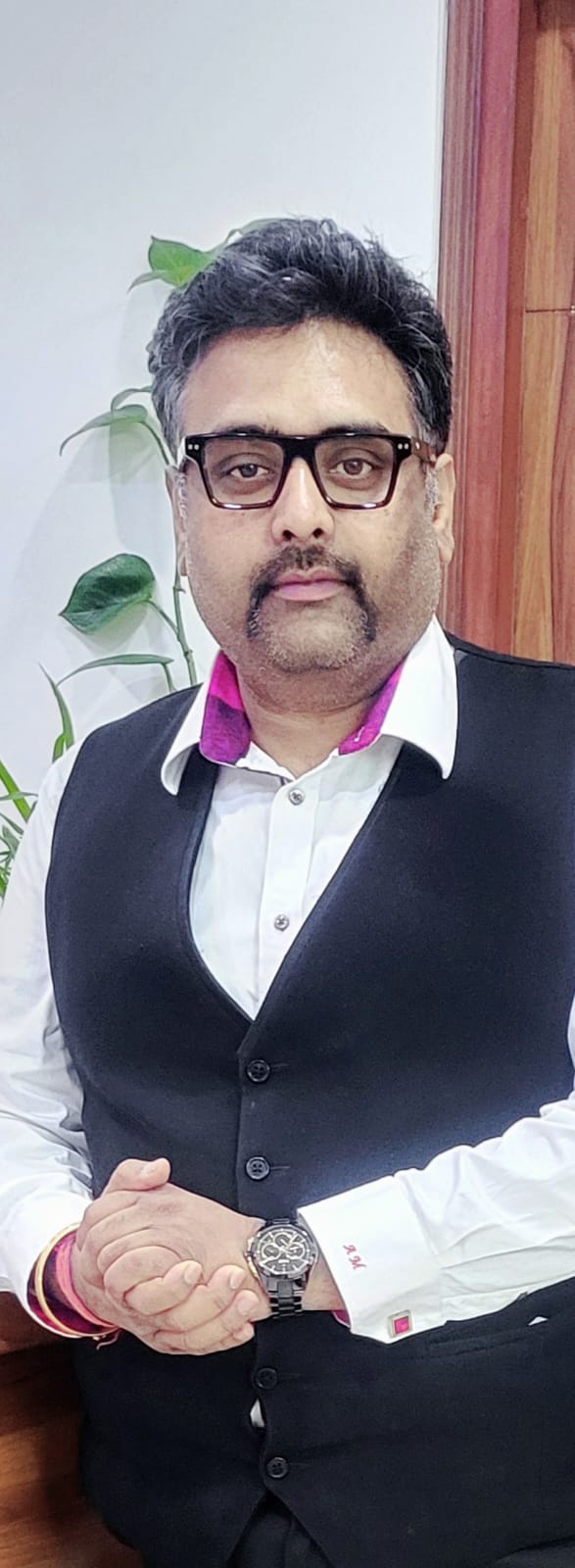


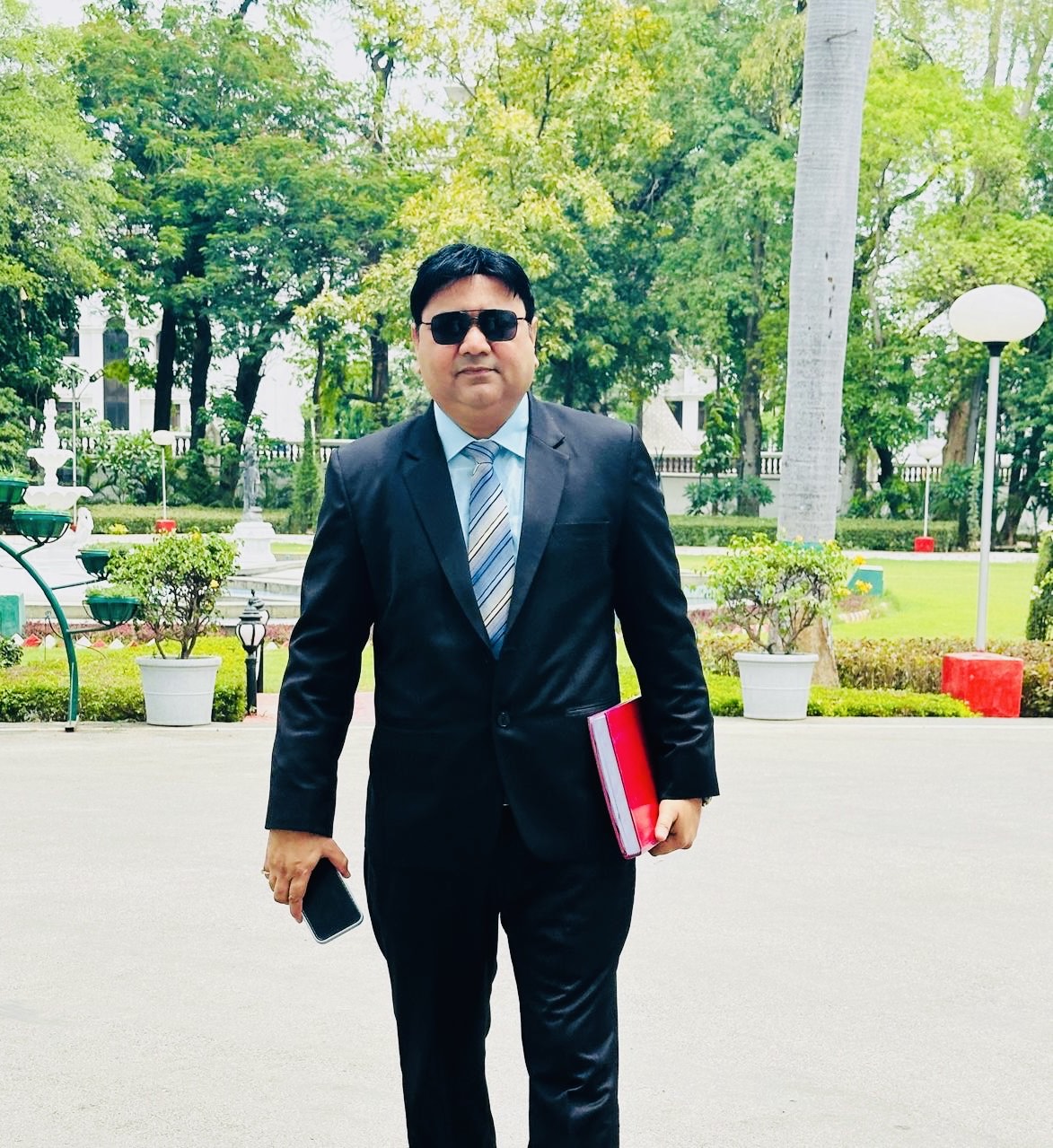










 Allow notifications