Tag: corporate lawyer

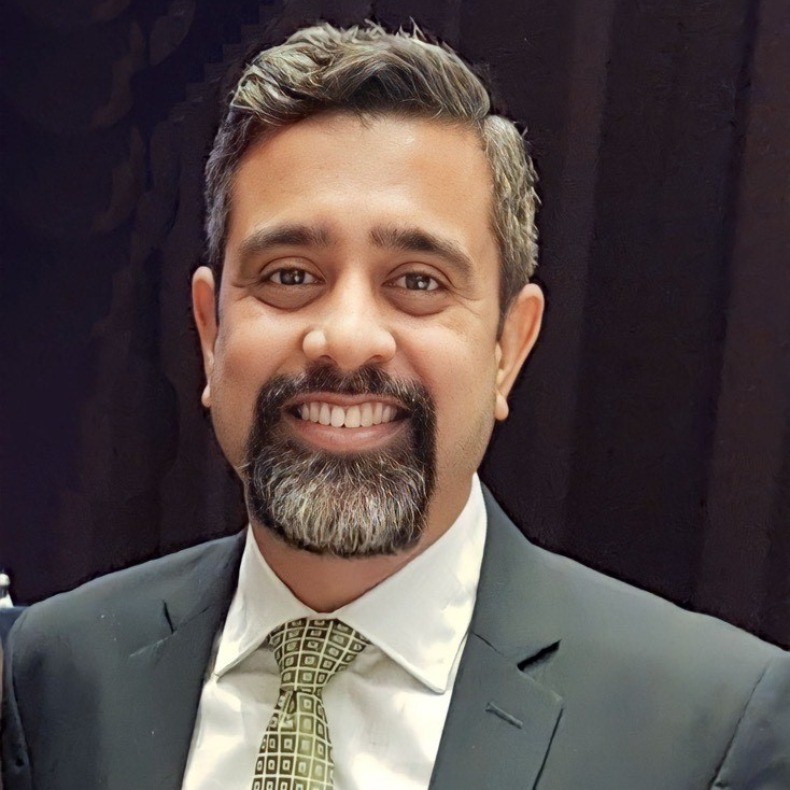
  • Global Perspective, Local Roots: Shaping Law, Leadership, and Impact – Yashasvi Tripathi, Corporate Associate at Davis Wright Tremaine LLP, United States.

    Global Perspective, Local Roots: Shaping Law, Leadership, and Impact – Yashasvi Tripathi, Corporate Associate at Davis Wright Tremaine LLP, United States.

    This interview has been published by Anshi Mudgal and The SuperLawyer Team

    As a dual qualified lawyer, we would love to start from the very beginning. How and when did you decide to pursue law, and how did you end up deciding that it was the right time to move on and do your LL.M. as well? We would love to understand your journey, challenges, and how you built your road to excellence.

    I’m from Benares. I did my schooling there, and my father has a business and is also very active in social work. Back then, when I was in school, he used to write letters to authorities on various legal issues, troubles, or policy changes he thought were required for businesses in India. I used to take an active interest in what he was writing, and sometimes he would ask me to draft those letters. I think that’s how writing and my early interface with law and business began at home.

    When I was faced with the question of what I wanted to do, looking back now, I find it quite funny. There were many doctors in my family, so the obvious choice seemed to be medicine. But when I said I wanted to be a doctor, everyone at home said, “Oh no, we already have too many doctors, you should become a civil servant.” So, I initially wanted to become a civil servant, and that’s why I went to National Law University, Delhi. I thought, in Delhi we have everything, all the coaching, and law was considered a great subject for IAS aspirants.

    But when I started studying law, even before entering college, while preparing for CLAT and AILET, I fell in love with it. I used to read The Indian Express and The Hindu daily in Benares. I joined online coaching with Career Launcher because law wasn’t a very well-known option there at that time. This was back in 2012, and now it feels like history. Those days of reading newspapers and following legal developments made me fall in love with law. I realized that after studying law you could do everything a civil servant or even a politician could do in public interest litigation, fighting for the rights of disadvantaged people, becoming a corporate lawyer, anything was possible. The sky was the limit. So, I decided I wanted to stick with law.

    You don’t necessarily have to be a public lawyer, or a corporate lawyer, or any one thing you can carve your own path. That’s when I firmly decided to become a lawyer. Initially, I thought I would practice in the Supreme Court of India. I never imagined I would go to the US. My frame of mind was always to practice in Indian courts.

    By God’s grace, I was selected for National Law University, Delhi, with an All India Rank of six, and I was the first person from Banaras to enter that institution. For a long time, I think I was the only one from my city there. My parents were very supportive, and Delhi gave me tremendous exposure. One thing I learned is that if you work hard, you will succeed.

    I had no legal background, and I didn’t know where I would end up after five years. So, I focused on exploring. I did about 21 or 22 internships in college, which was one of the highest numbers in my batch. I never went back to Banaras during vacations I stayed in Delhi and kept interning. I was not sure whether I wanted to go into the private sector, NGOs, or litigation, so I tried them all.

    Eventually, I realized that I am guided by two principles: hard work and being the best version of myself. When I thought about how to achieve that, I felt pursuing an LL.M. would help me grow further. I also felt my education was incomplete without it. So, after all the internships and hard work in college, I decided to pursue an LL.M. I wrote my SOPs, appeared for exams, and went through the application process, which eventually led me to New York University.

    But more importantly, I want law students, especially those from smaller cities, to know that anything is possible. I consider myself from Banaras, which back then was not a Prime Minister’s constituency or the sought-after city it has become today. I am happy to see its growth now, but at that time it was still considered a small city. I want students from such places to believe that if you work hard and your aim is excellence, you can reach wherever you put your mind to.

    From being in one of the top universities in India to one of the top universities in the world. So how was your journey and the transition? There must be a lot of difference between the academia of NLU Delhi and New York University School of Law. While you were pursuing, what did you do and how did you make sure that your hard work paid off in the US as well? And what was your challenge over there, or maybe whatever you felt was very different and how you approached it differently with all your diligence and hard work. We would love to hear that story as well so that students and learners can understand that for a person who has done 22 internships in NLU Delhi and ended up at NYU, she has made a name for herself. How have you done that?

    It should be near 22, 21, or 25. I’m not sure of the number now. You can check my LinkedIn and I’m not even sure if I put all of them there. But anyway, I would want current students or current law students to take the LL.M. not only as an academic pursuit, not only as an academic course. I want them to take it as a professional pursuit as well. Since it involves a lot of investment, I don’t want students to just go and study. Of course, those who can afford it and who have academic inclinations or want to pursue academia should, by all means, go and do that. But many students fail to understand that the LL.M. is also an opportunity to pursue professional opportunities, and for that they have gone to the US. So utilize the LL.M. for networking opportunities, for exposing yourself to different careers and career professionals.

    I don’t want current NLU students or any law students who are in their fifth year to think they will just study as much as they can in one year when they’re going to the US, London, or Singapore. They should have a balanced course, take the minimum number of credits required, and then start learning outside of college and the classroom as well.

    You have conferences every day. You meet professors, you go to law firms, attend their networking events, and learn what the profession really is. That is very important. This is something students should start thinking about when they are in their fifth year of law school.

    This is one takeaway that I had. And to answer your question, the difference between NYU and NLU Delhi was that at NYU, it’s a totally Socratic method of education. No one is going to check if you are studying or not. You have to guide your own education.

    You have to pick your own subjects, you have to guide your own education, and you are fully responsible for your future, like any adult. So I think an LL.M. or Master’s should be done by an adult who knows what he or she is doing, and what he or she wants to pursue. If you are not sure about that, I would say work a few years in India before going to NYU or doing any LL.M. for that matter. At NYU, I had amazing faculty members who were already great and accomplished professionals. Even in the classroom, we were getting both theoretical and practical knowledge, how you would actually do something in a law firm or in court. That’s what makes the LL.M. different. That’s why it is a Master’s.

    And again, landing a job in the US was very difficult. As Indian citizens, we have to get H-1B sponsorship.

    You have to qualify through a lottery, then you have to get H-1B sponsorship, and you have to qualify the bar exam. Again, if you want, I can elaborate on the subject of how to land a job in the US, but that itself is a different conversation.

     We’d love to understand that also because obviously the people or the students who would like to maybe see how they can plan it. Like you have explained that these are the processes, it’ll be very, very helpful if you can talk a little bit about this aspect as well. How to actually land a job, because that is another struggle. The first struggle is to reach there, and then the second struggle is to find a better job where you can stay and work as well.

    Sure. So when we are in LLM, first of all, we are outside of our shelter. We have to start managing our food, our household, and it’s a foreign country. You are away from your family. It’s new people, plus it’s the pressure of finding a job. It’s a lot of things. So I always tell students to prioritize their wellbeing.

    Give full hundred percent to your education because, at the end of the day, all employers are going to look at your transcript. So you should be very sure not to overburden yourself and not to take extra credits just for your academic satisfaction. Take those kinds of credits which will help you land jobs in the US.

    Like if I’m a corporate lawyer, if someone wants to be a corporate lawyer, they should take mergers and acquisitions, securities, business law, contracts drafting, subjects like this, which make you eligible to sit for the bar exam and which make you a good candidate for the law firms over there. First take only those kinds of subjects. This can be a very controversial thing that I’m saying, don’t do subjects for your academic interest, but to each its own.

    And if you have been there with a lot of financial difficulties and with a lot of struggles, you want to make sure that you get the best opportunity when you are out of that college. I speak with several students from India and all they want is a job in the US after doing LLM because they have put in that kind of resources to get selected for an LLM to go there.

    So I would say, manage your academics well. Don’t overburden yourself and do well in academics. Start networking outside of your law school, inside your law school, network with your law professors. And networking is a long process. Like everyone says, network, network, network. But what is it? First, I would say it’s a sport.

    The more you do, the better you become at it. And it’s going to be a two-way process. Like mentoring, you are going to be a mentee to someone, but again, just don’t be entitled to anyone, don’t just walk up and say, I need a job. You have to learn from their experiences.

    You have to invest time with them so that the people you are speaking with in the US, who you are networking with, should understand that this person is worthy of mentoring. Become mentees to some good professionals in the US. Learn from their experiences. Follow them, genuinely follow them, genuinely learn from them.

    And it’s a two-way street. Everyone knows when you’re speaking with them that you’re looking for a job. So at the end of the day, if they find an opportunity, they will let you know. And you have to keep talking to multiple people, reach out on LinkedIn, email people.

    That’s what I did and that’s how I got a job. And that’s how law students from India who have no connections or who don’t have a background in law, have to make their own connections and that’s how they land a job. But it’s all about hard work and perseverance. It’s not about how smart you are to get a job in the US, it’s about your perseverance and your hard work.

    While in the US, when you started your LLM and began working, you were also a Legal Research Analyst with Jethmalani & Nallaseth PLLC. After that, you were associated with Nishith Desai Associates as well, in the US itself. So how did you plan it? Why did you decide to join these institutions? And how did your internships or the kind of work profile you had in India help you understand the working environments of India and the US, because there is also a huge difference? Also, how did you adjust, and what kind of strategies did you follow to make sure you adapted well, and obviously worked as hard as you always do?

    I started my professional journey, I would say, in the US. I did all kinds of internships in India, but I never worked professionally there. I went directly for my master’s. But I worked with two institutions, as you named: Jethmalani & Nallaseth and Nishith Desai Associates, whose headquarters or main offices are in India. So I have worked with Indian institutions, I would say. And then I went to Dechert, which is a big law firm. After that, I went to Davis Wright Tremaine, which is also a big law firm.

    As you said, it’s different. But I always wanted to be a New York lawyer, a US attorney, and I was in New York, so I wanted to be a NY attorney when I was doing my LLM. As I told you initially, I have always been driven by hard work and by striving to be the best, at least persevering for the best where I am.

    When I was in LLM, I understood that being in the US and getting employed there is very difficult. You have to be hardworking, strong academically, good at networking only then can you land a job in the US. So that became a challenge for me, and whenever I’m faced with any challenge, I am motivated to tackle it.

    I had to come back to India after LLM, but I thought, “Oh no, this is very challenging. Only the best of the best, apparently, can do it.” But after these many years of experience, I can say it’s not about the best of the best, it’s about hard work and perseverance.

    Then I told my father, “Dad, why not pursue a few years of employment in the US? I want to get a job and then I’ll come back.” I felt my education in the US was not complete without a few years of professional experience. He said, “Okay, go.”

    Back then, I started looking for opportunities. As I said, I had no professional experience from India, so I went directly from NLU Delhi to NYU. So landing a job for me was very difficult. That’s why when I speak to current LLM students who have a few years of experience, I tell them, You are already at an advantageous position compared to what I was.

    I started with the first opportunity I got, which was an immigration law firm. It was not a corporate law firm. My employer was Mr. Anil Jethmalani at Jethmalani & Nallaseth. He still continues to be my mentor. He was very kind to give me my first job. He saw that I was genuine. I had interned, but had no professional experience. He sponsored my visa, and I started working there very diligently as an immigration attorney.

    We don’t have immigration practice in India, of course it is outsourced, but it’s not established there. I started working there, but I was always interested in corporate law. So I used to network, network, network. Before going to the office to do my job, which, you know, was paying my bills, I would go to different law firms, attend conferences, meet people, write to folks on LinkedIn, and request coffee chats or informational interviews. That’s how I moved to Nishith Desai Associates.

    Again, Mr. Vaibhav Parikh of Nishith Desai Associates, the head of the US offices, has been amazing and a great mentor. This was my first corporate law job. I didn’t have a corporate law background from India. I was interested in pursuing something else, but when I was exposed to different things, having done all my internships, met people, followed the news I gradually decided what I wanted to do next. I had no fixed plan initially.

    Then I decided I wanted to be a corporate lawyer, and I decided on this in New York. Some people plan it beforehand: they want to be a corporate lawyer, then do an LLM, then get the job. I decided this after finishing my LLM. Mr. Vaibhav Parikh saw potential in me, thankfully, and offered me my first corporate law job in New York. At Nishith Desai Associates, I also worked very diligently, and I hope they felt the same. I worked there for almost one and a half to two years.

    At Nishith Desai Associates, the work involved practicing Indian law. We were co-counsels with foreign law firms, doing work for US clients who wanted to have Indian operations. So essentially, we were practicing Indian law for US clients or US law firms. Having done my LLM in New York and cleared the bar exam, I wanted to be part of even bigger global law firms, working on more complex deals. That’s how I shifted to big law, to Dechert. This required a lot of networking and meeting people, and then I came to Davis Wright Tremaine, where I am currently.

    Here, I’m practicing US law as a US attorney, focusing on M&A. The clients I work for and the cases I handle are very complicated and high-profile, and I thoroughly enjoy working on them. It has been a very enriching and challenging journey so far.

    Moving from an Indian law firm to a US corporate law firm, which is one of the biggest over there, what was your way to transition? How did you make that transition so easily or with a challenge, with your hard work? Also, the kind of understanding of international jurisdictions is absolutely different when you are practicing in litigation or practicing corporate law in-office, in-house. What is your understanding about that? Also, what prompted you to decide on corporate law, and how have you managed so far?

    So I thought of corporate law and I decided on corporate law because it’s very dynamic and fast-moving, and I’m a person, sorry to say with less patience. So I want fast-moving things or fast results. Litigation takes many years, and the same applies to arbitration.

    I was interested in international arbitration as well, and I pursued a lot of courses in that. I have publications in those areas, but I saw that corporate law is dynamic and fast-moving. I would be counsel to businesses, which was my motivation to be a lawyer in the first place, having seen my father.

    I would be their go-to person. I would meet clients from the business community. It’s very fast-paced, dynamic, and logical. You have things in your control. You don’t have to stand in court for hours. You are not in front of any tribunals. If things are in your control and your co-counsel or your peer controls, I am working for my client, and the other law firms are working for their clients. I’m a very collaborative person as well. So we collaborate and give results like we collaborate to merge two companies, acquire, merge, sell, or spin off.

    I wanted to do business law. That’s how I decided to be a corporate lawyer. I’m happy about my choice of law. You can see the results of your hard work in real time, which is very satisfying.

    And how did I prepare for my roles in US firms? I would say there are a lot of similarities. Of course, the working culture is different. In Indian firms, it’s very hierarchical and fast-paced. In US firms, it’s also fast-paced, but there’s less hierarchy. Senior lawyers are actually invested in your development. That’s what I experienced in my law firms, Dechert and Davis Wright Tremaine. My seniors are heavily invested in my mentorship and learning, and that’s what I also pass on to my juniors. I get to learn a lot and also pass on that knowledge.

    It’s high-paced, with complicated cases. At Davis Wright Tremaine, we try to simplify solutions or innovate solutions for complicated problems. For example, something you could do with a 50-page SPA (Share Purchase Agreement) might be condensed to 20 pages. We try to be very efficient for our clients because they’re paying us by the hour. We try to be as efficient as possible and innovate where we can.

    So these are the differences between the two law firms, but again, to each their own. People can do whatever they want in different places, and I got to learn a lot from all of these experiences, for sure.

    What kind of qualities do you look for in candidates? Because that is also a very major part of preparation for any student. And not only qualities the way they act, the kind of etiquette that you see in them, how do you judge them? After all, an interview is just one day, but the person will be with you for a longer period of time.

    So what kind of checklist, or anything, can you share about what you observe while recruiting someone for such a big law firm?

    First of all, this is, again, a very controversial thing to say. I should feel comfortable in that person’s company. Our work hours can at times get very challenging. We have signings and closings; we are rushing, and sometimes it’s fine, but at other times it’s super stressful. So you want to work with a person who is collaborative, who is nice, who can handle tasks independently if I assign them. Of course, it varies depending on the candidate’s year, but being nice and hardworking is key.

    They should be able to take initiative. I should see from that candidate whether they are proactive and helpful, because we all work in teams, and you want people who support each other during stressful hours. Hardworking, collaborative, and nice.

    When you are interviewing with law firms like these, you are already smart. You can only get to these interviews if you are smart. So all the candidates are intelligent. The challenge is to find someone who fits our culture wherever you are. The culture I look for is collaborative, hardworking, independent, and responsible for someone who says “yes” when given responsibilities. These are the things I would look for.

    But again, this is something for law entrants to think about later. First, I would encourage them to have a spectacular CV, to be smart, and to be eligible to reach these places.

    Intern in a lot of places. If you are sure you want to do corporate law, do internships with top-notch law firms in India. Go there, do research associateships with professors during your LLM, and then go for these interviews.

    So at the very end, we would love to understand that with such a demanding professional life, the kind of commitments that you have for something you have worked so hard for, and now that you have reached that particular space, how are you planning to manage a healthy work-life balance along with being a new mom? How are you going to delegate your responsibilities, and how do you see that so far, both with your earlier life and now with being a new mom yourself? So what are your plans for times to come, and how have you managed it so far?

    So far, I think I have managed it well. Not perfectly, but at least I have reached where I am and have managed it fine. I would say strategy is key. You have to be a pre-planner and be strategic about what you’re planning.

    So far, every morning, I make my to-do list and try to prioritize things at the very beginning: what is urgent, what has to be done, what can be delegated to someone else, and what is something that has to be done by me. This is something I have to complete and submit to my seniors.

    Every morning, I do my to-do list and plan accordingly, and I make sure that I have some time for myself for walking, for the gym, or whatever. I do that in the evenings and then have dinner. But at times, you don’t get enough time, given how corporate jobs are. I think strategy, pre-planning, and thinking about the urgency of a matter of what is delegatable, non-delegatable, and what to do in the mornings is very important.

    But honestly, I’m a new mom now. I myself don’t know how I’m going to manage my motherhood, which I absolutely cherish, and I’m thankful to God for this blessing. I am just ending my maternity leave and have to rejoin my law firm job, which I really enjoy and love doing.

    So let’s see how I manage those. I’m sure in my law firm, I have a lot of mothers who are balancing work and family. At Davis Wright Tremaine, we have a very good support system and a strong group of working mothers who have been very kind with their advice. I’m sure I will learn from them. But this is something I should share with you in a few years down the line how I manage my work-life balance after being a new mom.

    Get in touch with Yashasvi Tripathi –

  • Bridging Borders: Making Law Accessible for Startups Worldwide – Priyanka Mandhani, Corporate lawyer, Company Secretary and Founder of Juris Summit.

    Bridging Borders: Making Law Accessible for Startups Worldwide – Priyanka Mandhani, Corporate lawyer, Company Secretary and Founder of Juris Summit.

    This interview has been published by Anshi Mudgal and The SuperLawyer Team

    I will start backwards. I’ll not start with the very first question, why you chose law, but I would request you to answer first why and when you decided to start Juris Summit, what was the reason that you started it so soon? What are your plans? How are you going to work on the cross border business laws, and what do you see and where do you see yourself and Juris Summit in next, let’s say five years and a decade?

    I’m so thankful and grateful for all of the SuperLawyer team for bringing this opportunity to me. And yes, I’m looking forward to collaborating with you people and also to giving guidance to all the newcomers who are wishing and willing to start their career on an international platform.

    So, yeah, you know, there are some things, like we said, we get it out of WhatsApp chat.

    So me and my partner Sohan, we met in a WhatsApp group, like in a freelancer group, and at that time, back after two years, we had started our individual freelancing journey. So, we individually found that startups, they struggle, particularly startups, they struggle a lot because there are two things.

    First thing is, particularly I’m talking about the US startups. The United States law firms charge a lot. I would say 800 dollars per hour, and even beyond that. So I was like, what is this? Why are they charging this much?

    Of course, they provide services and they do everything that needs to be done, but we also are authorized to do that, and we can also do it at a lesser price. So that was the first point. And the second point, startups, they want everything fast. They approach any lawyer or somewhere that gives us a template, we will do it ourselves. And in that template, the alignment of business, the clauses, they’re not properly as per their business. They’re not aligned with their business.

    So these are the two things which I felt that I needed to bridge a gap between this thing. So at that time, I had a talk with Sohan. Sohan, this is the problem, we need to fill it out. So he said, so let’s go, let’s build an agency. Then let’s work together.

    And I said, yeah, let’s do it. Why not? And then without a second thought, it was just like bam! Out of a WhatsApp chat. We set up an agency.

    Amazing journey. Amazing start. So let’s now get back to the basics. How did you become convinced that you have to do law as well as company secretaryship?

    And with this kind of dual qualification, how did you pave your way towards not only being an Indian lawyer, but also a lawyer who’s internationally acclaimed and who has moved to Germany and is working from there?

    So, the thing is, I wanted to become a chartered accountant firstly, so I started my journey back then. I’ve cleared my CPT, and after that I could not understand what was happening, but suddenly in that period of time, my interest was very much into law. Then I thought of the professional course of company secretary, and without second thought, again, I enrolled myself into company secretary and successfully I’ve completed everything in the first attempt. And side by side, as this is a law field, I also enrolled myself for an LLB course, a three years course. So I’ve also completed my LLB, and fortunately in the last year of LLB I topped the university, Swami Ramanand Teerth Marathwada University.

    So, this is how I wanted to prepare myself fully, and after all these things were done, still I felt like something was missing. Then I found courses like US corporate laws, then diploma in international business laws.

    And that thing fascinated me. I said I want to do this. I want to set up a remote practice for myself. I wanted to do this thing. So without a second thought, I enrolled myself. And today I’m here so that I can work from Germany with US law firms, and not only US, all over the world, I can work with every country’s client.

    So, with all these things, which you decide on a first go, what kind of experience do you have of the transition that you have done from traditional legal practice to starting, founding and running a specialized legal agency, which is right now catering mostly to international clients, particularly in US, like you already have explained about startups. How is your experience about the agency and how does it work for you and your partner and the kind of challenges that you see in having Indian laws, having international laws and their comparison? How does that work for you?

    I would start with the traditional law firms in India or wherever we can say. So, at the law firm I had access to a predictable environment, and consistent staff support was there. Then we had a particular library where we can read and where we can update ourselves. But mostly there were domestic clients, and there were Indian timelines, as you must be aware of, then billing expectations. And so all these things were somewhere I feel they’re keeping me down, they’re setting up boundaries for me.

    So, when I started a legal agency, these were not the things. There were, obviously, challenges because time zone and communication are the biggest challenges when we start an agency that is hundred percent remote and which deals with international clients.

    So, we have staff, obviously we have staff, and what we do is someone between us is always awake at US time zone so that we can grab all the opportunities, so that we can reply to all the clients. And even if he’s not there, what do we do, because we use technology, right?

    We have to use technology. We set auto replies to that particular person. In that way, we don’t push the client, we can’t talk right now, and it’s not our time zone. This is how we work.

    So even if there is any urgent matter or something  because we see clients that want something within 24 hours, within a few hours we actually do that. We don’t say we can’t do this. This is not a timeline to deliver everything, nothing like that. We’ll do everything.

    Someone from us will have to do that. And we have set our agency like that only. So these are the challenges: timeline and communication.

    So, talking about communication, recently we had a client from Saudi Arabia, and I personally had to deal with him.

    So, the first time I didn’t understand what he’s talking about, his accent was so difficult to understand. But thanks to the notes we take, whenever we start a meeting, on the other end we start taking notes. So thanks to all these things, thanks to technology, we understand these things.

    So these are the challenges we overcome, and that’s how it works.

     This shows that the kind of work that you are doing is getting more and more  reach, and that is something which is the value addition to your work at Juris Summit.  So the kind of driving force that you, your partners and the people who work with you have, what kind of gaps or insufficiencies or legal issues you have seen in US business laws as compared to Indian business laws? And the kind of observation that has helped you overcome those challenges and help US companies or businesses have their legal work done with you.

    Okay, so, I mentioned this before, that for billing, the US firms charge a lot. So this is the first thing that we wanted to fill the gap  to provide services at a lower price than the US law firms.

    The second thing, obviously, about the DIY route you know, templates from online platforms and Reddit forums they get. So these are the gaps Juris Summit set out to fill. We offer a third party responsive, startup-savvy legal support delivered by us. Like we are experienced, we have an experienced team and at a cost that makes sense for early-stage companies.

    I’m talking particularly here about the early stage because businesses which are already set, normally, they don’t hesitate or they don’t struggle this much. So, we focus on flat fees. Not an hourly basis. There’s no surprising billings and nothing like that. Scope-defined engagements and what we call it legal sprints.

    So, founders know exactly what they are paying for. So for example, what if there is a review document with us, we have to review that document, we make sure we provide another document  that we just don’t review it and tell him that these are the findings and these are the loopholes that we need to fill.

    And these are the liability clauses and everything. Not like that. What we suggest from the very first clause, to try to make him understand in a simple language. We make a document and we write it in a simple language, clause to clause, that you should know what you are signing. So this is our approach  to make him understand everything.

    We speak their language in short, I can say we speak their language. We don’t just recite, deliver code or GDPR clauses, we explain what it means for their product, their fundraising, or any contractor agreement. So this is how we work.

    And Juris Summit is all about delivering clarity, speed, strategy at the point where founders need it most. We don’t just drop documents, we help build legally sound businesses one decision at a time. And that’s the gap we saw and the reason we are here.

     So on that note, how do you guys keep yourself updated with the new changes in laws in different jurisdictions. Not only the US, like you just now said that you dealt with a client from Saudi Arabia, then other jurisdictions also. So what is your way of keeping yourself updated and keeping your team updated as well?

     So, what happens is normally when we start our day, normally, we start our day at 9:00 AM. 

    So for the first half hour, particularly of mine, I look for all the US jurisdictions, the updates and everything.  There are many newsletters which I have subscribed to.  Then I also have many attorneys. Like we have a group with US attorneys to get the updates. Hey, what’s going on? What’s new? We talk normally like that. So  I get updates from them. And on the other hand, Sohan, he handles Indian jurisdiction, all the Indian and Asian. So basically our first hour or half an hour is only to update ourselves with all the knowledge.

    And apart from this, what we do is set a meeting every 15 days or weekly, biweekly. And, we exchange each other’s knowledge. Hey, what’s new? What did you see? What did you see in the last 15 days? Please share with us what’s up? And everything is online, so we keep a very friendly manner, very relaxed atmosphere, everyone shares his or her thoughts. So like that we exchange our thoughts and we keep updated.

    Are there any specific reading materials or any channel which you especially look out for? Because there are so many of them. If you could name a few, it would be very helpful for the learners as well.

    There are many channels, newsletters. See, it depends upon the learner, how they find it, how easy it is to get the knowledge from that particular newsletter or particular journal or everything.

    So it depends upon the learner, there are many. If you Google it, you will find it. And there are many AIs. Research tools or even if you go to LexisNexis or Westlaw websites. These are the websites where you get all the knowledge.

    Even if you type, what’s the update here tonight? If you even Google it, you’ll get an idea. You will get a list thoroughly. So not a particular channel or anything I follow, but it depends upon, what exactly I want to see on that particular day, that’s how I Google it. And there are a number of websites and journals and everything.

     So let’s move ahead and understand how you help the startups and SMEs, especially those that are led by non-US founders,  but they are being navigated by US federal laws or state laws. How do you make sure that you explain those things, especially tax compliance and other overwhelming aspects of law to your client and make sure that it has been taken care while you help their startup being established in us from scratch until the time they need your help.

     Yeah, as you mentioned that US Federal and tax compliance may be overwhelming and to simplify this is our job, so we simplify US federal and state tax compliances for non-US founders by removing the overwhelm and breaking everything into clear and actionable steps. So for example, we begin with a founder friendly roadmap.  We draft a simple PDF, a simple agreement or like an information document and that outlines all the key tax obligations across federal or state levels.  So this includes important filings like the EIN, then form 5472 then franchise tax and sales tax registration with its timeline and responsible parties that is clearly indicated in that particular document. So since we don’t use a client portal, we ensure accessibility and clarity by sharing checklists and guides over email and tools like Google Drive, we use that. So, you know, founders can track their progress step by step.

     We provide all necessary templates where it’s 83 B, election letter or a sales tax exemption certificate with instruction return in plain English. This is how we manage it. And for ongoing compliances as well, we partner with experienced CPAs.

    Like we have many CPAs in our touch and bookkeepers who specialize in cross-border entities. So this is how we provide all the information to them.  And once introduced, we stay in loop to ensure filings are accurate, then deadlines are met. And the startup stays in solid ground.

    So, as I mentioned earlier, our goal is very simple. Remove all the complexities, bring structure to compliances and let non-US founders focus on building and remove that overwhelmingness.

    How do you manage your physical and mental health while you are doing all of this in different timelines?

    Because obviously sitting in one timeline and working. But managing different timelines, having that presence all the time, that all 24 hours we are available for clients. How do you manage that particular aspect of your life where you have to take care of your physical health as well as your mental health?

    Yeah, start your day with meditation. And hitting a gym, that thing keeps me going all day because, as you have also already mentioned, I have to keep aligned with every time zone and everything. So obviously, this is hectic, this is not easy. But if you manage things properly, it’s all about time management.

    We can’t say we don’t have time, we can’t say that. We have to manage the time, and then we’ll have time automatically. And for my mental health, I walk a lot. It gives me clarity when I walk. It clears my mind. Take a walk in nature for, let’s say, 15 to 20, even 20 minutes, just one round or something.

    It’ll help you boost your thinking and give clarity on what you are doing. And after every two hours, take a break of 10 minutes. It’ll boost your productivity, we would say. So we have to manage. I don’t say no to anything.

    I say I can do it. So there is nothing that you can’t do, I feel. You have to do it. If you decide, there will be a way. You will have to find a way and you can do it.

     You can do everything with an amazing understanding and the way you are doing it, may you have all the success that you have planned for yourself. It’s an amazing experience to understand how you have gone so far, just by the sheer willpower of being able to do anything and everything under the sun.

     It’s an overwhelming thought as well that you carry forward yourself with the thought of being able to do it.

     One more thing. It’s not easy to keep motivated and to stay positive all the time. Because there were times in my life as well where  I started this freelancing journey, there were times where I didn’t get clients. I had to struggle. But the thing is we have to keep going without giving up.

    This is the mantra. Don’t give up. Stand back. There will be your time.  You can’t give up. That’s it. You can’t give up. You have to keep putting in the hard work.

    Get in touch with Priyanka Mandhani –

  • “Cryptocurrency in India still sits in a grey area. It’s taxed, monitored under money laundering laws, but still not officially recognised as currency.” – Aashish Patankar, Trial and White Collar Crime Lawyer.

    “Cryptocurrency in India still sits in a grey area. It’s taxed, monitored under money laundering laws, but still not officially recognised as currency.” – Aashish Patankar, Trial and White Collar Crime Lawyer.

    This interview has been published by Anshi Mudgal and The SuperLawyer Team

    Your doctoral research focuses on economic frauds with special reference to the Maharashtra Protection of Interest of Depositors Act, 1999 (MPID). How has your academic background in commerce, finance, and corporate law influenced your understanding of white-collar crimes? Could you also highlight some key gaps or challenges you’ve identified in the enforcement of the MPID Act during your research?

    My academic background in commerce, finance, and corporate law has helped me develop the way I think about economic offences. Once you have grasped the mechanics of finance and corporate structures, it is easier to understand how the system is exploited. 

    During my research on the MPID Act, one challenge I have consistently noticed is that while the legislation is well-intentioned and aimed at protecting depositors, its enforcement often struggles because of delays in attachment and prosecution. Many times, by the time the authorities act and pursue the offender, the trail has already grown cold and recovery is nearly impossible. Another gap is the edges of enforcement and conflict of central legislation as PMLA, Companies Act, SEBI laws and the MPID Act being a state level enforcement, and derails any sense of priority in jurisdiction or proceedings.

    The Act is strong, but sometimes its effectiveness can be compromised in practice through procedural delays, poor agency coordination, and attempts to strike a balance between depositors’ protection and the rights of bona fide third parties. This is where I see a need for more extensive reform and clarification.

    You have handled several high-profile and complex criminal defence cases involving multi-crore corporate frauds and GST evasion. Could you share one particularly challenging case experience and how you strategized your way through it?

    Certainly! One case that comes to my mind right now involved a large corporate fraud and GST evasion worth several crores – and it was particularly significant as it was one of the first arrests in Maharashtra specifically for fraudulent availment of input tax credit, but more than the amount, it was the structure of the operation that made it really demanding for me. It was a well-orchestrated network of multiple shell companies, benami directors, and several documents that had been carefully planned to appear legitimate. By the time I stepped in, the arrest had already been made.

    From the remand hearing stage itself, I appeared for the accused and continued representing them through the entire process until we successfully secured bail.

    We also highlighted violations of procedural safeguards under the CGST and MGST provisions. Beside this, we took help from an independent forensic accountant who examined the financial transactions. Our goal from the beginning was to show that these were not necessarily fraudulent movements of money, but could also be read as genuine business activity with commercial rationale. 

    You successfully defended clients in a multi-crore Bitcoin scam case, an area where financial fraud converges with evolving technologies. With the advent of the new Digital Personal Data Protection (DPDP) rules, how do you see defence strategies evolving in cases involving cryptocurrencies and digital financial crimes?

    Yes, I have defended some clients in Bitcoin scam cases, including matters related to one of India’s biggest cryptocurrency frauds, the GainBitcoin scam case. This was a massive Rs 6,600 crore Ponzi scheme that was allegedly masterminded by Amit Bhardwaj and his brother Ajay Bhardwaj, and it really opened my eyes to how technology and financial laws are starting to collide. Because of the introduction of the new Digital Personal Data Protection Act, I think defence strategies are going to change in very different ways.

    I appeared for my clients from the remand stage itself and continued through the entire process until we secured bail. 

    For one, we now have a solid legal basis to question how agencies are handling personal digital data, how it’s collected, stored, shared. In crypto cases, most of the evidence is digital, so if investigators skip steps or mishandle that data, we can raise serious doubts in court. Earlier, we didn’t have a clear law backing that argument, now we do.

    Also, cryptocurrency in India still sits in a grey area. It’s taxed, monitored under money laundering laws, but still not officially recognised as currency. And this confusion gives us room to argue that our clients were operating within what was legally understood at the time, even if the law was unclear.

    As part of your professional and social commitment, you’ve provided pro bono legal aid to under-trial prisoners and represented numerous indigent accused across Maharashtra’s trial courts. What systemic barriers have you observed in ensuring fair representation for under-trials, and how can the legal fraternity work towards making justice more accessible for marginalized communities?

    Working in trial courts across Maharashtra and providing pro bono aid to under-trials has helped me understand how the system functions on the ground. One of the biggest issues, I would like to share, is the absolute lack of legal aid lawyers compared to the number of under-trial prisoners(UTP). Most legal aid lawyers, I know, are handling 200+ cases at once, that’s why it’s not surprising that many under-trials meet their lawyers for the first time in court. There’s no time for proper case prep, and that really affects the outcome in my perspective.

    Let me share two specific cases that highlight these challenges. I appeared for an accused in a case punishable under Section 328 IPC and other relevant sections, who had been in jail for five years. While I successfully secured his bail, he didn’t have the financial condition to furnish the surety. The only viable option was to file a discharge application, which I presented before the Baramati District Court, and the court was pleased to discharge the accused from the case.

    In another case, I represented a person charged under Section 302 IPC who was languishing in jail for six years. I conducted the entire trial, and he was ultimately acquitted by the Pune District Court. These cases show how prolonged incarceration affects the most vulnerable.

    Even when bail is granted, release gets delayed, sometimes for weeks or months, just because of delayed paperwork and sometimes, miscommunication between courts and jails. I have seen people stay behind bars for months after getting bail, which is truly heart-breaking. Add to that the language barriers, missing documents, and financial struggles, and you have got people stuck in the system with no help.

    If you ask me about my opinion, then I would suggest that we need more trained legal aid lawyers, regular jail visits, digital tools to track cases, and also we need to make communities aware about their basic legal rights. If we, as lawyers, law students, bar associations, and NGOs, come together and build a more connected, grassroots-level support system, it can make a big difference.

    You have authored several papers and conducted numerous lectures and seminars. In your view, what role does academic writing and legal scholarship play in shaping legal practice? What advice would you offer to young legal professionals looking to contribute to this space?

    For me, academic writing has played a meaningful role in connecting and relating legal theory with day-to-day practice. With the help of writing and research, I have been able to step back from the routine of litigation and examine the different patterns and challenges within the legal system. Well-reasoned legal scholarship usually finds its way into judgments, reforms, and legal education, and I have seen how it can directly influence how the law is interpreted and applied.

    To all the young professionals, I would recommend starting with small, focused pieces, perhaps a case law or analysis of a recent development in your area of practice. Choose topics that reflect current legal challenges or procedural issues you observe in court. Try to show your practical experience with the help of your writing. Engage with ongoing academic conversations, attend seminars, and collaborate with others in the field. Writing regularly with purpose sharpens your thinking and builds your skills.

    You’ve appeared as counsel across various jurisdictions, including trial courts and the Bombay High Court, and have assisted in representing prominent politicians, bureaucrats, and celebrities. In the initial phases, what were the endearing experiences that laid the foundation to your practice?

    In the early years, what really changed me was the time I spent observing and working with senior advocates at the Bombay High Court. Watching them argue, handle the pressure, and understand tough situations have taught me more than any class or lecture ever could. I was fortunate to assist in matters that ranged from bail to high-stakes commercial disputes, and that variety gave me a good solid base to start my own practice.

    I still remember my first proper argument in court, it was a small matter, but for me, it was a big moment. The judge asked a tough question, and while I fumbled a bit, I also learned how to hold my ground. Those moments, when you get knocked a little and then find your footing, are mostly the ones that stay with you.

    Working with senior counsel also taught me how much court preparation matters. And when I started assisting in high-profile matters, I realised a new thing about managing the expectations of well-known clients, is a skill in itself.

    Looking back, it was those early experiences, good and tough, that gave me both clarity and confidence. They still guide me on how I approach my cases today.

    Looking back at your robust and diverse career, what inspired you to pursue law? What was your original vision, and how has that evolved over time? What are your aspirations going forward?

    To be honest, law was not always the plan. Coming from a family business in finance and share broking, I was naturally exposed to the financial world from an early age. I even pursued an MBA in Finance, thinking I would follow that path. However, my interest in law kept growing stronger than anything else.

    I didn’t grow up with the idea of becoming a lawyer; it came more from curiosity and also with a need to find something that combined structure with impact. Over time, I realised how powerful the law could be in changing lives and solving problems. That’s when it became more than a profession and started feeling like a purpose.

    My early vision was probably moulded by the usual excitement of arguing in court, but as I started handling cases, my understanding of the law grew more. I began to see it less as a tool to win arguments and more as a way to balance justice.

    Now, my focus is on deepening that expertise, working on policy-heavy cases, white-collar crimes, and contributing to the law around data and tech laws. I also work on the corporate advisory side. A major part of my corporate practice involves drafting and negotiating commercial agreements, including non-disclosure agreements. I regularly advise companies on confidentiality matters and information security protocols that align with both legal requirements and business objectives.

    This dual exposure has helped me a lot in understanding how preparation and preventive corporate advisory go hand in hand.

    In the future I would like to build a practice that will represent and also educate, mentor to create awareness about legal reform. The law is always evolving, and I want to keep evolving with it.

    What advice would you give to law students and young professionals hoping to build a career in economic offenses and financial crime litigation? Is there a particular roadmap or mindset you’d recommend to help them stay ahead in this rapidly evolving space?

    Economic offences are really wide, which makes it hard to grasp it all at once. If your goal is to start a practice focused on economic offences and financial crime litigation, I would suggest learning as much as you can about financial systems and how they actually work. This area is much more about understanding how money travels in the economy and how the regulators generally think. So, alongside your legal studies, make sure you have spent time on basic accounting, and the financial regulations.

    In your early years, try to work alongside lawyers, or firms dealing with white-collar crime, with the ED or CBI issues, and with cases of corporate fraud. Try to watch closely how investigations are conducted, and how documentation is compiled, the process of taking statements, and how enforcement agencies operate. This will give you an initial understanding of the concept.

    Given the high-stakes and often intense nature of  litigation, how do you maintain your composure in stressful situations? What practices help you manage pressure while also taking care of your mental well-being?
    Litigation matters are intensive, long hours, and involve tight timelines, high stakes. It’s very easy to lose your balance if you don’t actively protect it. With time, I have learnt that managing pressure means building the capacity to carry stress without letting it overwhelm you.

    I maintain a strict routine of one hour of meditation and one hour at the gym daily. This combination has become non-negotiable for me, regardless of how demanding my case load gets. I have also become very mindful of boundaries. I have stopped glorifying all-nighters. I delegate when I need to, I disconnect when I must.

    Law can really push you. If you don’t pace yourself, you’ll burn out before you build anything that lasts.

    Get in touch with Ashish Patankar –

  • “Litigation is not about instant rewards, it’s a long game. It tests your patience, builds your  character, and teaches you lessons that no textbook ever can.” – Kauser Husain, Advocate at Supreme Court of India.

    “Litigation is not about instant rewards, it’s a long game. It tests your patience, builds your  character, and teaches you lessons that no textbook ever can.” – Kauser Husain, Advocate at Supreme Court of India.

    This interview has been published by Anshi Mudgal and The SuperLawyer Team

    In the early stages of your career, you interned with several leading law firms. Could you  share specific experiences or lessons from those internships that significantly shaped your understanding of the law and laid the foundation for your litigation practice?

    Thank you very much for inviting me—it’s a pleasure to be here at this platform, and I  truly appreciate the opportunity. 

    Coming from a non-NLU background, having pursued my BA LL.B. from Aligarh Muslim  University followed by an LL.M. from NALSAR, the path to breaking into top-tier law firms  wasn’t straightforward. However, through determination and consistent effort, I was fortunate to  secure internships with leading firms such as the erstwhile Amarchand Mangaldas and Luthra &  Luthra. 

    I consciously chose to work across both corporate and litigation teams to gain a well-rounded  understanding of the legal landscape. On the corporate side, I was involved in drafting commercial  contracts, conducting due diligence, and assisting in deal structuring—experiences that honed my  attention to detail, regulatory knowledge, and commercial insight. 

    However, it was in Litigation that I found my true calling. Attending court proceedings, grasping  procedural intricacies, drafting legal responses, and conducting research using platforms like SCC  Online and Manupatra, etc. significantly shaped my litigation skill set—tools, which I still continue  to rely on in my current practice. 

    A particularly formative experience was assisting in a complex arbitration matter, where I had the  opportunity to observe Senior Counsels navigating the procedural and substantive challenges with  strategic finesse. This experience further solidified my interest in litigation, especially in the realm  of Criminal law, which demands keen analytical thinking, real-time problem-solving, and  persuasive advocacy. 

    Beyond technical proficiency, these internships instilled in me essential soft skills—discipline, time  management, and the ability to perform under pressure. They laid a strong foundation for my  litigation practice and continue to influence the professional I aspire to be. 

    What drew you to the legal profession? Was law always a planned career path for you, or did your interest develop gradually over time? 

    To be honest, Law was not my initial career plan. Coming from a commerce background,  I had originally considered pursuing professional courses like CA or CS. Around 2010, when I  completed my 12th grade, awareness about legal education—especially institutions like National  Law Universities and entrance exams like CLAT—was still quite limited, particularly at the  grassroots level.

    It was actually through my father that I first came to know about the option of studying law. That  sparked my curiosity, and I began researching about the Law schools, the Legal Profession,  placements, top law firms, and prominent lawyers. The more I explored, the more I found the  field fascinating—it felt like an opportunity to do something meaningful and different. 

    Once I joined law school, my interest deepened gradually. Studying various legal subjects and  gaining practical exposure through internships helped me understand the vastness and depth of  the profession. 

    Most lawyers tend to pick a specialization early on—fields like IPR, corporate law, or tax. But I  deliberately took the longer route. I wanted to earn clarity through lived experience rather than  rushing into a niche. By working across different domains, I gained a broader perspective and  eventually discovered that my true passion lies in Litigation. 

    What motivated you to pursue an LL.M. in Corporate & Commercial Laws from  NALSAR University of Law? How did that specialization deepen your grasp of commercial legal  issues and impact your practice? 

    After qualifying CLAT, I thoroughly researched LL.M. specialization options offered by  various National Law Universities. NALSAR stood out to me for its diverse range of  specializations and academic excellence. Given my prior internship experience with corporate  teams in Law Firms as well as Litigation Chambers, I decided to pursue Corporate and Commercial  Laws as my primary specialization. 

    I was particularly drawn to this field because of its dynamic interplay between legal reasoning,  business strategy, and regulatory frameworks. However, my interest didn’t stop there. During my  internships, I also discovered a genuine passion for litigation. I initially aimed to pursue a dual  specialization with Criminology but couldn’t formally opt for it due to program constraints.  Nevertheless, I chose Criminology as an elective to complement my corporate focus. 

    This combination—Corporate & Commercial Laws with an understanding of Criminology— equipped me with a well-rounded legal perspective. It allowed me to develop the skill set needed  for both corporate advisory roles and litigation practice, offering me flexibility in career direction  while deepening my understanding of complex commercial and criminal legal issues. 

    You’ve worked on landmark constitutional cases like Aadhaar and M. Nagaraj alongside  senior advocates. What were some of the most challenging or rewarding aspects of those matters?  How have those experiences shaped your current approach to litigation? 

    After completing my legal studies, I was fortunate to work under the guidance of  esteemed Legal Professionals, including under Chambers of Advocate-on-Record and prominent Senior Advocates such as Mr. Arun Kathpalia and Mr. Sidharth Luthra. Working in their Chambers  gave me the rare and invaluable opportunity to contribute to Landmark Constitutional matters  such as M. Nagaraj, Aadhaar, Ayodhya, and cases concerning mob lynching, among others. 

    One of the most enriching aspects of these experiences was engaging with complex constitutional  questions and the evolving landscape of public law. Tasks such as conducting in-depth legal  research, preparing concise briefing notes for senior counsels, and closely observing courtroom  strategy helped refine my analytical abilities and broaden my legal perspective.

    What I came to appreciate deeply is that litigation extends far beyond courtroom appearances— it’s about the discipline, consistency, and integrity brought to each stage of a case. The rigorous  process of preparing briefs, anticipating counterarguments, and grasping the wider constitutional  ramifications of a judgment has significantly shaped my litigation approach. I’ve learned to pay  close attention to detail, think critically, and always stay anchored in the constitutional values  underlying each matter. 

    These experiences have cemented my long-term interest in constitutional litigation and criminal  law practice. They’ve also taught me that even behind-the-scenes contributions play a vital role in  shaping outcomes and influencing the development of the law. 

    You’ve had the opportunity to work under Chambers of the most  distinguished Senior Advocates in the country, including Mr. Sidharth Luthra and Mr. Arun  Kathpalia, predominantly in areas like criminal law and insolvency. What were some of your key  takeaways from working in their Chambers, both in terms of legal acumen and professional  growth?

    I began my legal career after completing my studies by joining Chambers of Advocate on-Record Mr. Fuzail Ahmad Ayyubi, who has a robust criminal law practice, followed by Mr.  Sanjay Kapur, a leading counsel for the State Bank of India with a strong practice in civil and  commercial laws. These initial experiences were truly foundational. I was actively involved not  only in legal drafting but also in understanding court procedures and clerical work—skills, which I believe are essential for any young lawyer starting a career in litigation. Gaining this procedural  insight early, gave me a practical edge and helped solidify my interest in courtroom advocacy. 

    While working under AOR’s Chambers, I gradually developed a deep interest in Criminal law. One  of my aspirations was to work under the guidance of Mr. Sidharth Luthra, Senior Advocate— an opportunity I knew would be both rare and competitive, given his stature in the field. Before  joining his chamber, I had the privilege of working with Mr. Arun Kathpalia, Senior Advocate,  who is widely regarded as a top-tier Counsel for complex IBC matters before the Hon’ble Courts. 

    Mr. Kathpalia’s exceptional memory and mastery of Insolvency Law were immensely inspiring.  Assisting him in high-stake matters and undertaking intensive legal research helped me build a  strong foundation in commercial litigation and develop a more strategic, structured approach to  handling complex cases. 

    Eventually, I was fortunate enough to get a chance and join the Chambers of Mr. Sidharth Luthra— a long-standing goal of mine. Working under his mentorship has truly been a best once-in-a lifetime experience. He is a tough master yet a remarkable mentor one can ever have. As I often  say, you may enter his Chamber like a puppy, but you leave it with the strength and discipline of a  Rottweiler. The transformation is that intense, but incredibly rewarding. 

    Mr. Luthra’s Chamber molds you into a well-rounded Litigator, regardless of your area of  specialization. But particularly for someone inclined toward Criminal Law, the exposure is  unmatched. From sharpening your legal research and drafting skills to preparing argument notes  and managing the pressure of a fast-paced litigation environment, you are constantly challenged  to grow. You lose the fear of reading voluminous bulky case files and develop habits that sustain  a long-term career in litigation. 

    While I may never match his brilliance, what I’ve truly tried to internalize are his work ethic, time  management, argumentation style, command over case laws, and unwavering dedication to the craft of advocacy. These experiences have been pivotal in shaping both my legal acumen and  professional outlook, instilling the discipline and resilience required for a meaningful career in  litigation. 

    What inspired you to establish your independent practice? What initial challenges did you  face while setting it up, and what vision did you have for your role as an independent counsel? 

    From the early days of my undergraduate and postgraduate legal studies, I was  determined to immerse myself in every dimension of the law—be it Corporate practice or  Litigation—rather than confining myself to a single niche. My internships across leading Law  Firms and prominent Chambers exposed me to the nuances of drafting, court procedures, and  client handling. But it was through those hands-on experiences that I discovered my deeper  inclination toward Litigation. I came to understand that Litigation isn’t just about mastering  statutes and precedents; it’s about crafting compelling narratives, building trust through  connections and referrals, and delivering real justice to clients. 

    Starting an independent practice as a first-generation lawyer—from a mid-tier city to the legal  landscape of Delhi—was undoubtedly daunting. I had no legacy to rely on, no ready-made client  base, and there were days in the beginning when court appearances were few and far between.  Establishing credibility meant more than just refining my research and drafting abilities; it meant  absorbing the invaluable lessons I learned under mentors like Mr. Arun Kathpalia and Mr. Sidharth  Luthra, developing strong interpersonal and conversational skills with a blend of strong command  over the Laws. 

    The vision behind KH Law Office has always been twofold. First, to build a practice rooted in  integrity, meticulous preparation, and genuine client empathy—ensuring that anyone who walks  through my doors, whether for a criminal matter, commercial dispute, NGT proceeding, or an  IBC case, feels assured that they have a dedicated and dependable advocate. Second, to maintain  intellectual and professional versatility. While my core focus lies in Criminal and White-collar  matters, I actively take up the cases in civil litigation, GST, environmental law, and Insolvency. 

    Today, with established branches in both Delhi and Gorakhpur and a steadily growing practice,  I look back with pride and can say, it was perseverance, belief in myself, and the understanding  that true excellence in Litigation goes beyond specialization, that helped turn my vision of  independent practice into a growing, dynamic reality. 

    As an empanelled legal counsel for the Competition Commission of India, what are some  of the unique challenges that arise in representing regulatory authorities? How do you address  complex, sector-specific legal issues in such matters? 

    Representing a regulatory authority like the Competition Commission of India brings a  unique set of challenges. One of the key responsibilities is to ensure that legal arguments not only  align with statutory mandates but also uphold public interest and regulatory integrity. Unlike  private clients, where strategy often centers on protecting individual interests, working with a  regulator demands a broader, sector-wide perspective. 

    As an independent practitioner, I value the objectivity and responsibility that comes with such  empanelment. It’s not just about winning a case—it’s about reinforcing regulatory frameworks and  promoting fair competition in the economy.

    Many of your publications explore important issues like trials by media, cybercrime, and  gender justice. How do you manage to balance the demands of a full-fledged legal practice, your  commitment to writing on socially relevant topics, and finding time for your personal life? 

    Balancing a full-fledged legal practice with writing on socially relevant topics and  maintaining a personal life does come with its challenges, but it’s something I’ve been passionate  about for a long time. Since my college days, I’ve been actively involved in academic writing and  have had several papers published. After completing my post-graduation, my inclination toward  academia only grew stronger, and I made a conscious decision to pursue it alongside my litigation  practice. 

    Over the years, I’ve delivered lectures on various legal subjects—predominantly in criminal law— which has not only helped me deepen my own understanding but has also allowed me to stay  updated with evolving legal concepts. I genuinely enjoy interacting with law students; those  engagements are often mutually enriching and offer fresh perspectives. 

    Balancing litigation, academic writing, and teaching definitely requires good time management. I  usually try to dedicate some of my weekends—Saturdays and Sundays—to research, writing, or  preparing for lectures. I firmly believe that a lawyer should possess dynamic qualities and should  actively contribute to both the practice and academic sides of the profession. Engaging with the  next generation of legal minds is both energizing and intellectually stimulating, and that’s how I  strive to maintain balance in my professional life. 

    What advice would you offer to young law graduates aspiring to enter litigation? Are  there any specific resources or practices you would recommend to help them stay updated on the  latest legal trends and developments? 

    My genuine advice to young Law graduates aspiring to enter Litigation, especially from  the lens of someone who built an independent practice as a first-generation lawyer with no legal  background, would be this—have a strong vision, stay persistent, and believe in your ability to  grow through the process. 

    Litigation is not about instant rewards—it’s a long game. It tests your patience, builds your  character, and teaches you lessons that no textbook ever can. Many freshers walk into Chambers  asking, “What’s the starting salary?” And while it’s understandable, Litigation doesn’t begin with a  CTC—it begins with court. If your first instinct is to calculate income before understanding the  practice, Litigation might not be for you. This profession pays, but only after it shapes you. It pays  when you’ve shown that you’re worth paying. 

    In the initial phase, your goal should be to learn—not to earn. Some may pay you in the first  month, others may wait until you prove your contribution. What matters is your presence, your  commitment, and your curiosity to grow. 

    My advice: 

    Keep reading—not just judgments and articles, but also good books on legal reasoning, advocacy,  and even biographies of great lawyers. 

    Develop the habit of going through Bare Acts—they are the backbone of Legal interpretation. Strengthen your Legal Research and Drafting Skills—these are the tools of your trade.

    Build your communication skills and cultivate professional relationships—referrals and a good  reputation can take you a long way. 

    Stay updated with legal developments through platforms like SCC Online, LiveLaw, Bar & Bench,  and newsletters by reputed firms or legal portals. 

    Also, don’t try to immediately narrow your focus. In the early years of your independent practice,  take up all kinds of matters—Civil, Criminal, Commercial, Environmental, Tax, IBC—whatever  comes your way. It helps you gain exposure across various Hon’ble Courts and develop command  over a range of subjects. Gradually, you’ll discover where your core interest lies. 

    Ultimately, the path is tough, especially if you’re starting from scratch—but if I could do it with  perseverance and a clear vision, so can you. Stay consistent, stay grounded, and don’t be afraid of  the slow climb. Because in litigation, once you rise, the view is absolutely worth it.

    Get in touch with Kauser Husain –

  • “Start with substance before specialisation. If you master the fundamentals, then transferring those learnings and skills to a specialisation such as international arbitration becomes easy.” – Satjit Singh Chhabra, Senior Associate at Khaitan & Co.

    “Start with substance before specialisation. If you master the fundamentals, then transferring those learnings and skills to a specialisation such as international arbitration becomes easy.” – Satjit Singh Chhabra, Senior Associate at Khaitan & Co.

    This interview has been published by Anshi Mudgal and The SuperLawyer Team

    Having gained intensive experience and developed commendable expertise in dispute resolution, what initially inspired you to pursue law as a career? Could you share some insights from your law school journey that helped shape your path?

    When I was deciding what career to pursue, I knew that I wanted to do something that was stimulating and intellectually challenging – and law fit the bill perfectly. Growing up, my dinner table conversations often revolved around legal issues, thanks to my father being a lawyer himself. So early on, I got front-row tickets to watch him in action which undoubtedly influenced my decision to pursue law. His anecdotes and insights into the legal world were like  fascinating stories that gradually drew me into the profession.

    Law school was a whirlwind of case studies, moot court competitions, and sleepless nights. The mentorship I received was instrumental in shaping my career path. Academic learning apart, what helped me immensely was the chance to get an insight into all areas of law, whether through internships or moots, that finally helped me decide my calling. Participating in moot court competitions gave a taste of the adversarial nature of legal practice, while internships provided practical insights into the real-world workings of the legal profession. While you leave law school one day, it is the friends you make and the professors you meet along the way that stay, who I continue to learn from and consult from time to time.  

    Reflecting on my journey, I realize that every step—from those dinner table conversations to the academic pursuits—played a crucial role in my development as a lawyer. 

    What motivated you to pursue a Master’s in International Commercial Law at University College London? How do you believe your experience at UCL differed from other institutions offering similar programs, and in what ways has it broadened your perspective and enhanced your practice?

    I chose UCL for my Master’s because of a few things that really stood out to me. The biggest draw was the unique composition of their faculty. Unlike many institutions where professors are primarily theoretical scholars, UCL’s program was taught by professors who were actively practicing. This made a huge difference because everything we learned was based on real cases and situations they were dealing with, not just textbook theory. The insights I gained were immediately relevant to the challenges I would face in practice, giving me a significant advantage. 

    What I also loved about UCL was the flexibility to pick and choose courses that interested me. As someone just starting out, I was not sure exactly which area of law I wanted to focus on, so I took courses in arbitration, commercial law, and corporate finance. That mix turned out to be perfect—today, when I am reviewing financial documents for clients, I am able to quickly comprehend what I am looking at because of that corporate finance background. It helped me figure out that arbitration and commercial law were really my thing, and those subjects form the core of my practice today.

    The alumni network has been incredibly helpful too. UCL has a really strong presence in India and internationally, and I have found that UCL alumni are genuinely willing to help each other out. When I get a case that involves foreign law—I often reach out to UCL graduates practicing in those countries for advice. Plus, being in London was amazing because it’s basically the hub of international arbitration. I could attend industry events, see how things actually work, and meet people in the field while I was still studying. Those connections and that exposure to the real arbitration world have been invaluable.

    Looking back after six years of practice, choosing UCL was definitely one of my best decisions. The experience taught me to think beyond just Indian law and spot international issues that other lawyers might miss. I believe that my clients benefit from this broader perspective, especially when their businesses have cross-border elements. 

    You’ve worked alongside several prominent lawyers and leading law firms early in your career. Could you share some of the most formative or memorable experiences during that time, and how they laid the foundation for your current practice?

    I was incredibly fortunate to work with some of the most respected names in Indian law early in my career, and honestly, those experiences shaped everything about how I approach the profession today. Getting a chance to observe and work with stalwarts like Mr Sibal and Mr Jethmalani was inspiring beyond words. Each day was genuinely exciting—I don’t think there was a single day I came home without being amazed by how productive and intense their work was. Watching them up close taught me that there’s absolutely no replacement for hard work in this field, and the level of discipline it requires is something you can only truly appreciate when you see it in action.

    What struck me most was their work ethic and attention to detail. These weren’t just naturally gifted lawyers coasting on their reputation—they were putting in the hours, preparing meticulously, and constantly pushing themselves. That observation really drove home the point that success in law is not just about being smart or having good arguments; it’s about the relentless effort you put in behind the scenes. That lesson has stayed with me throughout my career, and I try to bring that same level of commitment to every case I handle.

    After that experience, I moved to a premier law firm in India, and that’s where I really learned the art of legal writing. My mentors there were incredibly particular about quality drafting—they taught me how to think through legal arguments systematically and then put them on paper in a way that was clear and compelling. I’ll be honest, at the time, the constant revisions and re-revisions of drafts often felt unnecessary and frankly exhausting and I remember thinking some of the feedback was nitpicking − but looking back now, I can see what a huge difference that process made in developing my drafting skills – a crucial skill as a lawyer.

    You’ve handled high-stakes arbitrations across diverse industries such as energy, chemicals, aviation, and mining. When it comes specifically to the energy sector, what are some unique legal or regulatory challenges you’ve encountered?

    The energy sector is one of the most challenging areas I work in because energy arbitrations can get incredibly technical and complex. As lawyers, we can’t just rely on legal knowledge—we really need to understand the commercial perspective, and of course, the science behind these projects to grasp the facts properly and apply the law correctly. I’ve spent hours trying to understand power generation technologies, transmission systems, and renewable energy processes because without that foundation, you’re essentially preparing your case in the dark.

    Another unique challenge is how many different laws and regulations intersect in energy disputes. You’re dealing with contract law, environmental regulations, power sector reforms, electricity acts, renewable energy policies, and often state-specific regulations all at once. The research becomes much more extensive because each regulatory framework can significantly impact your case strategy. What makes this even more complex is that the energy sector is extremely important for the government given their emission targets and climate goals, which means they’re constantly revising regulations and policies. This dynamic regulatory environment can be challenging, but it’s extremely important to stay abreast of these developments to properly represent your clients. When foreign clients are involved, you’re also navigating FDI regulations and FEMA compliance, which adds another layer of complexity.

    Energy arbitrations are also extremely document-heavy, with tons of technical documentation that can be overwhelming. What’s crucial is having strong communication with clients who can distil these technical points into simpler terms that we as lawyers can then convey effectively to a tribunal. 

    Being qualified to practice law in both India and the UK is a notable accomplishment. How has your dual qualification influenced your strategy and perspective in handling cross-border disputes?

    Having dual qualification in both India and the UK has been really helpful in my practice, especially when dealing with cross-border disputes. The biggest advantage is when I’m working on arbitrations that involve English law—I can understand English law concepts much more easily because of my UK qualification rather than having to rely entirely on expert opinions or academic research.

    When you’re dealing with English law governed contracts or English legal principles in international arbitrations, having that background makes a huge difference. I can read English case law and understand the nuances in a way that feels natural, rather than struggling to interpret concepts from an outside perspective. This helps me structure arguments better and anticipate how English law points might be argued by the other side.

    The dual qualification also helps when I’m coordinating with English solicitors or barristers on cases. There’s a common understanding of how things work, which makes collaboration smoother. I can communicate more effectively because I understand their legal framework and approach, and they don’t have to spend time explaining basic English law concepts to me.

    Overall, it’s made me more confident in handling international disputes where English law elements come up, which happens quite frequently in commercial arbitrations. Instead of feeling like I’m working in unfamiliar territory, I can approach these cases with the same comfort level I’d have with Indian law matters.

    Among the many significant matters you’ve handled, which case stands out as the most complex or strategically demanding, and how did you approach resolving it? 

    While confidentiality prevents me from discussing specific details – generally speaking, arbitration disputes can get quite complex when there are parallel proceedings in multiple jurisdictions. Each proceeding can have an impact on the other, with laws differing in each jurisdiction, and overall, often can be too much to track at the same time – that can be quite challenging. 

    I recently worked on an arbitration, followed by set aside proceedings before Singapore Courts and enforcement proceeding in the US, which was very interesting and complex. Earlier last year, I successfully represented a major oil and gas giant against its downstream purchaser relating to non-supply of gas – that led to a contentious Section 9 before the Delhi High Court. Then, some of the arbitrations I am working on are a bit technical, and they can be quite demanding but equally interesting.

    The way I approach these disputes is to adopt a methodical approach and distil complex issues into simple fragments, making it easier to understand. And then, I align the strategy overall to have a unified approach. There is no substitute to hard work – and the more time I spend on understanding the matter, and going through the material – the easier it becomes to strategize and form arguments. 

    What guidance would you offer to young lawyers aspiring to build a practice in international arbitration? What resources would you recommend to them to stay updated on the latest legal developments?

    Start with substance before specialisation. If you master the fundamentals, then transferring those learnings and skills to a specialisation such as international arbitration becomes easy. The glamour of international arbitration means nothing without a rock-solid foundation. My strategy has been simple, do all kinds of work that come your way early on – each experience teaches you something that will be useful later. 

    For staying current, I would suggest reading arbitration blogs, such as Global Arbitration Review and Kluwer International Law – they are goldmines for understanding trends and recent decisions. Attend webinars and events hosted by organisations like Young ITA, SIAC, ICC etc. 

    As an arbitration lawyer one needs to develop commercial awareness – understand your clients’ businesses. In my experience, the best arbitration lawyers are not just great with legal knowledge, they are strategic advisors who understand how legal outcomes can affect business objectives. To achieve this, read the newspaper. Every morning, read the newspaper, specifically the financial section. If you prefer digital means, get a subscription like Magzter that will get you access to most publications. 

    Looking ahead, how do you foresee the field of international arbitration evolving over the next five years, particularly in the context of emerging technologies like AI and shifting geopolitical dynamics?

    According to me, the next five years will likely see a significant evolution. AI will revolutionise document review and legal research but, in my view, will not replace the strategic thinking that disputes require. We are already seeing firms adopt AI models which has been a blessing for combing through volumes of data. While the existing AI models offer better support to corporate work, I am confident that models that are better suited for disputes will also come soon. I am also hopeful for more technological integration in arbitration – we have already seen virtual hearings being normalised – a trend that is making arbitration more accessible. The adoption of such dispute resolution platforms will make arbitration more accessible, allowing parties to resolve disputes remotely and reducing costs associated with travel. Additionally, the integration of robust cybersecurity measures and compliance with global data protection standards will become paramount as reliance on digital technologies increases. Arbitration rules and procedures will keep on evolving to accommodate these changes, with updated guidelines for digital evidence and flexible procedural frameworks.

    The geopolitical shift is where the things get interesting. Geopolitical tensions, like the Russia-Ukraine conflict and shifting alliances, are fueling a rise in disputes—especially in energy, infrastructure, and sectors affected by sanctions. Now with tensions increasing in Middle East as well, it is possible that we see an increase in disputes in that area as well. With these developments,  the enforcement of arbitral awards may face new challenges as geopolitical tensions affect cooperation between jurisdictions. Specifically, investment arbitration will be impacted by changes in international trade agreements and policies. 

    With such a demanding professional life, how do you manage to maintain a work-life balance?

    The absolute game changer for me has been to have a well organised calendar and better planning. I block out time for everything – client calls, research etc. That helps me plan my day better and find time for things except just work. Start your day with a to-do list and plan your day accordingly.  Better planning = better control over your day. 

    Try your best to set realistic timelines with your seniors and your clients about response times – a concept that might seem shocking at first, but more often than not, if you make a reasonable request to your client / senior, they will likely understand.  

    To sustain this ‘life’, it’s important to find pockets of sanity throughout the day. Maybe it is a proper lunch, a quick walk, a session of pickleball or just an episode of ‘Friends’. Sooner or later, everyone realises that physical and mental health directly impacts your ability to serve your clients well, so always remember to take care of yourself. 

    Of course, the nature of the profession is that you will pulling all-nighters or eat out of a cardboard box some days, or perhaps weeks. But the idea is to try and disconnect when the work becomes manageable and then come back rested and focussed.   

    What keeps you motivated, and is there a personal philosophy or motto that has guided you through your journey?

    As cheesy as it might sound, I genuinely love what I do. Every dispute that I work on is like an intellectual challenge that teaches me something I didn’t already know. One week I am trying to figure out how electrical plants work and then the next I am knee deep in a mining dispute. The thrill of being intellectually tested in completely different ways keeps me on my toes – which is very exciting.

    What really drives me is ambition and the hunger to get better. The goal is to keep improving at what I do and constantly grow. Each case is an opportunity to push myself further than the last one, to understand something new, to develop a skill I didn’t have before. There’s something incredibly satisfying about looking back at cases from a year ago and realising how far ahead I have come and how my approach has improved. I am always trying to level up. 

    Get in touch with Satjit Singh Chhabra –

  • What an Engineering Mind Brings to the Legal World: Navigating Law in the U.S., EU & Beyond – Punit Gaur, Corporate Legal Advisor.

    What an Engineering Mind Brings to the Legal World: Navigating Law in the U.S., EU & Beyond – Punit Gaur, Corporate Legal Advisor.

    This interview has been published by Anshi Mudgal and The SuperLawyer Team

    What inspired your shift from an engineering background to a career in law? How has your technical foundation influenced your legal practice, particularly in areas like technology contracts or regulatory compliance?

    Since my B.tech college days I always believed in learning new things whenever possible.  So, I never considered it as a shift but saw it as upskilling myself through the field of law and with time utilizing my learning from both professional degrees to provide good quality services to my clients. Because of my tech foundation I built strong problem-solving skills, learned to look at something from multiple perspectives. Also, it helps me to bridge the legal and tech communication in a better manner. I am able to ask the right questions from clients to understand their requirements. This helps me to incorporate applicable clauses according to their situation.

    For example, while working with an Australia based software company on a data privacy policy, I noticed they struggled to explain their backend structure in legal terms. Because of my engineering background, I could quickly grasp what their system actually did—how they stored, transferred, and processed user data. I translated that into GDPR-compliant language for their policy. It made the process smoother, faster, and more accurate.

    In the early stages of your legal career, you worked with a range of national and international law firms. What were some formative experiences during this time that helped deepen your understanding of the law and shape your current practice?

    Since my internship days, I got to work in so many different areas of law and I always excitedly said yes! On the litigation side I have worked on a range of cases like cheque dishonour, land acquisition, land compensation cases, high stake arbitrations, industrial disputes, commercial suits, easement cases against Highway authorities, criminal matters, etc. on the Indian side. Also, I worked on employment law cases, probate cases, and personal injury cases in the USA.

    On the corporate law side I have worked on international M&A projects, due diligence work, real estate compliance in USA and India, SaaS contracts, etc.

    The immense experience and learnings that I have received from everyone I have interacted with regarding my work is exceptional. Some taught me how to formulate arguments before district court and how to do it differently before high court, from international clients/firms I understood how legal expectations differ globally, building habit of listening more of what clients want to say to gain clarity and build structure of our thought before we I start working on any legal project. This becomes very important if you have to deliver something that aligns with the client’s purpose.

    A good example that I can think of is about my recent project with a Florida based law firm for drafting employment handbooks. One key learning I took from that experience—and now apply in my own legal practice—is the importance of proactive legal layering. I began building handbooks with layered clauses—clearly identifying what applies universally, what’s state-specific, and where updates may be required as laws evolve. Now, whether I am drafting policies, contracts, or compliance documents, I adopt this layered structure. It not only ensures accuracy but helps clients easily understand and comply with their obligations based on where they operate. This approach also makes future updates more efficient and audit-readiness much stronger. 

    You currently advise businesses across diverse jurisdictions, including the USA, EU, Singapore, and Australia. What are some of the key legal and regulatory differences you encounter, and how do you effectively manage the complexities of cross-border compliance?

    Each jurisdiction has unique laws, cultural considerations, and enforcement mechanisms, requiring tailored strategies. Like in the US, employment is largely at-will but takes all kinds of discrimination very seriously and we have to add a detailed clause for it to cover all kinds of discrimination. 

    In the EU, GDPR is one of the strictest data protection regimes and requires through check in client’s operations to decide whether GDPR applies or not and then draft data protection policy accordingly.

    Singapore is known for its business-friendly environment but has strict anti-money laundering regulations.

    It’s always something new that comes up so you have to stay updated with the laws of the country your client is operating in. For this, I stay connected with local legal experts so I get timely updates and advice if needed for a case. For cross-border legal compliance work, it is better to perform risk assessments to prioritize high risk areas like data privacy in EU, anti-corruption in USA, anti-money laundering law in Singapore etc.

    What are some of the most common pitfalls legal professionals face when negotiating and drafting high-stakes agreements such as SaaS contracts, NDAs, and Master Service Agreements? What strategies do you use to mitigate these risks?

    SaaS, NDA, MSA, are critical to business operations governing IP, service delivery, confidentiality, liability, etc. Errors can lead to financial losses, legal disputes, operations disruptions.

    Pitfall 1: ambiguous terms. For example, not defining scope of services in MSA or not clarifying termination procedure. This can allow a party to avoid its obligations using the cover of ambiguous terms of contract.

    Pitfall 2: neglecting jurisdiction specific regulations such as GDPR in SaaS contracts, minimum wages as per region to be considered before drafting employment contract, which may lead to hefty fines and an invalid contract in some jurisdictions.

    Pitfall 3: not clarifying end goals/purpose of client for drafting this agreement. Client’s intention was to have an easy exit strategy but got stuck for years in litigation due to detailed and inflexible termination clauses. It is very important to understand a client’s business goals before you start drafting any legal document be it a petition or a MSA or any other contract.

    Pitfall 4: inadequate risk allocation- liability for data breaches in SaaS contract, indemnification clauses in MSA, if not specified can expose parties to unforeseen liabilities and long running litigation cases.

    Strategies to mitigate risks:

    1.    Clarity in drafting- using clear, simple and concise language, define the key terms explicitly. I also use schedules and appendices for technical details for SaaS contracts and MSAs.

    2.    Due diligence for regulatory compliance- a thorough due diligence before drafting any contract would be helpful in anticipating risks of non-compliance. Go through laws, rules, regulations, standing orders, or whatever is applicable for your scenario to avoid such risks.

    3.    Draft practical terms: understand the client’s goals and incorporate clauses according to it. For example, in some situations it requires detailed procedure for termination and in some a brief clause would work, you have to use your experience and instincts combined with client’s goals.

    4.    Balance risk allocation: use scenario planning to reduce probability of default by a party and anticipate risk like service failures and data breaches. Definitely have clear indemnification clauses applicable to the scenario. This can only be achieved when you get clarity on what are business goals and purpose to enter such agreements by client. 

    Having incorporated over 10 businesses in the U.S., how do you ensure compliance with federal, state, and local regulations throughout the entity formation process?

    Incorporating so many businesses in the USA has taught me that compliance with all 3 levels of regulations is critical. After I incorporated my first few companies, I prepared a checklist which I follow regularly.

    First and foremost is to understand why the client wants to incorporate in a specific state. Whether it is easy taxation, simple compliance, less fees, quick turnaround, etc.

    Second is to figure out which entity would be the best for the client. Whether an LLC or C-Corp or S-Corp. In some situations, clients are fixed on setting up a C-Corp when clearly it would be better for their business to be an LLC. Have a good discussion with the client so that you convey all relevant points and the client can make an informed decision.

    Do your due diligence once you have answers to 1 and 2nd question. This is important to figure out all compliance documents you might require before incorporating a company. Sometimes business purposes require additional permits or zoning approvals which become relevant to get before you start operating your business.

    Once we have answers to the above 3 questions then I get ready to focus on drafting documents required for the state of incorporation like Articles of incorporation, certificate of incorporation, BOIR (Beneficial ownership information report), EIN SS-4 form, etc.

    Once these documents are ready, we file them before the state either online or by sending them physically through mail or fax.

    Having dealt with various arbitration matters over the years, what do you believe are the advantages or disadvantages of arbitration to traditional court litigation and could you share one of the most interesting arbitrations matters you’ve dealt with?

    In my experience, arbitration offers significant advantages over traditional litigation, especially in commercial disputes. It is faster, more private and allows parties to choose arbitrators with subject matter expertise, this is invaluable in technical or high value matters.

    However, it has its own challenges. Cost can escalate with institutional arbitration; limited appeal rights mean poor awards can’t be easily challenged even if flawed. Another issue is cross border disputes, for example enforcement of a foreign award does become a legal battle of its own, which takes years to decide.

    One of the interesting cases I have dealt with was an arbitration worth 9 cr between a govt institution and a company. The main issue raised by the company was that the govt contracts having unilateral arbitration clauses are invalid. However, after we submitted our evidence and read the arbitration clause along with

    What advice would you give to young professionals aspiring to build a career in international law? Are there specific skills, habits, or resources you believe are crucial for staying current in such a dynamic field?

    For someone like me who has been interested in international legal work since college days, I would recommend giving 2-3 hours daily to build a strong foundation of law and legal work for a jurisdiction you are interested to work in by focusing on research, reading civil/criminal codes, legal templates, etc. There are numerous opportunities in this field, once you start researching and reading more about different areas of law, try finding areas which intrigues you the most like employment law, data privacy, patent law, etc. and then figure out what kind of work is to be done there.

    A lawyer interested in this field must build legal research skills, negotiation skills, strong hold on your focus law, have an open mind, problem solving nature, commercial awareness, be humble and adaptable to fast changing laws.

    If someone is interested to work in this field then certain critical habits are also required like being globally minded i.e., having cultural sensitivity and adaptability to diverse perspective, ready for life long learnings, be comfortable to working odd hours since countries like US, Europe are like 9-12 hours behind so having a quick turnaround time in such odd hours do give you the edge of connecting with right people at right time specially to build trust across geographies, have high ethical standards and respect professional codes of conduct, learn to respect time because it is highly valued in international community. Just an addition though not necessary is to learn French or Spanish if you are interested, it does help if you plan for Europe.

    Regarding resources, join international legal associations like IBA, ICC, YIAG, SIAC, etc. attend various virtual webinars for your topic of interest. You can also follow certain organizations WIPO, UNICTRAL, ILO, etc. because they have provided drafts of laws which most countries follow so there is uniformity and helps build your legal foundation which can be used globally.

    Understand the role of AI but don’t rely on it completely to spoon feed you everything. It will reduce your credibility in the market. It is a friend if you use it right and might become your biggest competitor in the coming future.

    All I can say is persevere and you will reach your goals to work with international clients and law firms.

     Working in a high-stakes, fast-paced legal environment can be demanding. How do you maintain your personal well-being, and what practices help you unwind and recharge outside of work?

    What I can say is having mental clarity about working long hours regularly on odd times and being prepared for it. Consider it as your one-person company, you are working for yourself so define how many hours you are willing to work in a week for your company and be disciplined with it. Though there are days you feel low, drained or lost. So, it is important to have 1-2 persons with positive vibes around you. I meditate regularly (try Silva Method) and try to do at least 3-4 workouts with 1 day focusing on lower back and upper body posture, because you will be sitting for long hours and it definitely helps. Sit with your family, have at least 1 meal together with everyone. Once a week I go to a temple for my spiritual peace and support.

    Other than that I like going on tour to different monuments in Delhi to learn its history and romanticize more with the city I belong to.

    Get in touch with Punit Gaur –

  • “A global legal career is built on persistence, perspective, and an openness to being reshaped by the world you’re trying to serve.” – Vaishali Movva, Staff Attorney at Eimer Stahl LLP, United States.

    “A global legal career is built on persistence, perspective, and an openness to being reshaped by the world you’re trying to serve.” – Vaishali Movva, Staff Attorney at Eimer Stahl LLP, United States.

    This interview has been published by Anshi Mudgal and The SuperLawyer Team

    With a practice that spans commercial litigation and international arbitration, and a skillset that cuts across multiple domains, how do you stay motivated amidst such professional breadth? What drives your sustained commitment to engaging across disciplines, jurisdictions, and complex legal systems?

    Someone I worked with once told me that they looked for three criteria in an attorney: are you decently smart, are you sincere, and do you have a fire in your belly to learn. Keeping that ambition is important, particularly in disputes. Commercial litigation and international arbitration require a high level of grit, because in addition to being passionate about your work, you require sustained patience to be good at what you do. Learning to write storytelling briefs, legal research, and being comfortable appearing before judges all require immense dedication and passion to this profession. It’s simply a longer learning curve than most other specialized areas of law. My motivation lies in knowing that there’s no real end to this learning curve, and there’s always space to grow. 

    Engaging in different jurisdictions and legal systems allows you to move away from a myopic view of learning. While India and the US are both common law systems, they have different legal principles and more importantly – cultural dynamics. Taking the time to understand both markets (culturally and legally) and being curious has kept me committed to serving clients in both jurisdictions.  

    You recently completed an LL.M. in International Economic Law, Business, and Policy from Stanford Law School. Why did you pick Stanford over other law schools, and how did this academic experience shape your perspective on the intersection of international law, economic policy, and business? You also received the prestigious J.N. Tata Endowment Scholarship and Gift Award, what was that experience like, and what advice would you offer to students looking to apply?

    Choosing to attend Stanford Law was one of the best decisions I ever made. I was fortunate to get admission to a few other prestigious law schools, but I ended up picking Stanford because I felt like it was the best personality fit. While picking schools, we tend to make a pros-and-cons excel sheet with what we tend to think are objective criteria: reputation, financial aid, faculty, depth of courses etc. I tried using this approach and didn’t feel comfortable using it. At some level, I felt like I could overcome these objective criteria – I could get a loan, take courses outside the law school, learn online if I needed to – but I couldn’t possibly change my personality to fit into a school. Universities in the United States have a personality too, and it’s important to check if their personality brings out the best in you. I didn’t want to choose a university on a transactional front; I wanted to pick a place where I felt I was a genuine fit and could thrive without having to be anyone but myself. Stanford embodies an entrepreneurial spirit, where despite being highly competitive, there’s a sense to collaborate and create. I’ve always enjoyed building things, and to be given a platform to embrace this side of my personality was pretty life changing. 

    Stanford undoubtedly changed the way I approach international law, economic policy, and business. While the faculty were obviously great in terms of subject matter expertise, they taught me new ways to think by constantly forcing me to ask questions and teaching me to be comfortable with not finding answers. Doubt is key to learning, particularly in law where we learn to question everything. It was truly a drastic change to move from being a senior associate at law firms where “I don’t know” isn’t an acceptable answer (since it’s your literal job to know!), to once again being comfortable in uncertainty. I essentially had to unlearn many things and be open to relearning what looked like was obvious to everyone around me. I specifically recall when I was explained the Stanford Duck Syndrome. The Stanford Duck Syndrome is the idea that while a student may appear relaxed —like a calm duck gliding across a fountain — they’re actually furiously peddling underneath the surface. The idea was to help students overcome the imposter syndrome and learn to accept that there is a learning curve to getting acclimatized, particularly for international attorneys. It’s safe to say that after a few months in Stanford, I wasn’t a duck.

    The J.N. Tata Endowment Scholarship and Gift Award was truly a blessing. Shortlisted applicants need to clear a technical round, followed by an interview round, where you’re questioned not just on technical expertise but given hypothetical scenarios to understand the way you think. I would strongly encourage students to apply for this scholarship. The scholarship is not only prestigious and gives you financial freedom, but it also gave me the privilege of time; I was able to put in time and effort in other extracurriculars at Stanford (particularly when I was running the Stanford International Arbitration Association) which I would have otherwise spent working part-time on campus. 

    You’re admitted to practice in both India and the State of New York. Could you walk us through your preparation for the New York Bar exam, and how this dual qualification has expanded or enhanced your legal practice?

    The New York Bar exam was definitely an experience. I was a practicing lawyer for several years, with court appearances, cross-examinations, and negotiated settlements under my belt, so you wouldn’t think learning law was new to me. But Stanford runs on the quarter system, so everything moves at lightning speed. You’re taking classes, working on assignments, participating in extracurriculars till mid-June — all while preparing for an exam that tests multiple subjects in depth over two days in July. What saved me was accepting early on that this wasn’t a test of brilliance, but rather a test of discipline.

    I remember creating a simple rule: read everything, be patient, and practice. I didn’t aim to master each topic right off the bat but just focused on becoming comfortable with concepts. Eventually, through hours of repetition and simulation, and weeks of practice tests, I managed to do okay. I also began viewing bar prep as a tool to better understand New York law— and that made it far more engaging than rote memorization. 

    Being dual-qualified in India and New York has helped me approach client problems with a comparative lens. It signals to clients that I can bridge the gap across jurisdictions, not just on paper, but in lived experience. For instance, when advising an Indian client on a U.S. motion to dismiss, I might explain it through the framework of an Order 7 Rule 11 application (similarities and differences considered). But beyond procedural translation, what makes a real difference is understanding the cultural texture beneath the law — the instincts, expectations, and communication styles that shape how clients perceive risk. That kind of fluency doesn’t come from textbooks. It comes from having practiced and appeared in courts in both systems. Being dual-qualified, to me, isn’t just about knowing two sets of laws. It’s about being able to speak about two legal cultures, and everything in between.

    You’ve represented a diverse range of clients from state governments to technology and gaming companies, and you’ve appeared in multiple courts. Could you share an especially compelling case in or matter that stood out to you in India, and how you approached it?

    I can share a few I handled, but unfortunately most of the arbitrations are confidential. The ones that strike my mind are a public interest litigation before the High Court of Karnataka in India, a negotiation which I handled for a founder leaving a poker company, and an international ICC arbitration.

    The public interest litigation in India concerned the non-implementation of the Karnataka Preservation of Trees Act, 1976. The object of the Trees Act is to prevent indiscriminate felling of trees and maintain ecological balance by establishing a strict procedure and mandating compensatory afforestation. To cut a tree in the State of Karnataka, an application is to be submitted to a Tree Officer, who must assess if there is a genuine requirement to cut a tree and direct the applicant to conduct suitable compensatory afforestation. By filing several right to information requests with the statutory authorities, we discovered that organizations had failed to follow due procedure, and large-scale permissions were being granted to corporates causing a heavy loss of tree cover in the city of Bengaluru. We filed applications to direct government authorities to conduct a tree census in the city of Bengaluru and engage a company to develop an application to make this data publicly available and obtained an order requiring all permissions and applications to be uploaded on an official government website for the first time since the enactment of the Trees Act in 1976. I had the chance to argue a few applications before the Chief Justice of High Court of Karnataka against the Additional Advocate General and very well-known senior counsel, and these moments reminded me why I chose to be an attorney in the first place.

    I also led a mandate of advising two founders on a heated exit from a leading online poker company. The negotiation took almost two years to complete, and I was working directly with the founding partner of my firm and the client on this mandate. We ultimately negotiated favorable terms for the founders’ exit with some assets of the company. This was a lesson of patience, and the client continues to be a good friend.

    My most memorable arbitration was when I was a lead associate on a London seated ICC arbitration involving a construction dispute where we were able to secure a comprehensive victory for our clients, with costs. We had to draft urgent pleadings, reports and submissions, prepare for a trial by working with fact and expert witnesses, and I assisted the partner with conducting cross-examination and hearings. The expert was so impressed with our work that we got more referrals for arbitration mandates.  

    Your writing and conference portfolio spans topics such as international law, international arbitration and contract termination, all in prestigious journals or sources. How do you select the themes you write about, and what role do you believe legal scholarship plays in informing or influencing real-world legal practice?

    I wish I could say I had a grand plan when it comes to selecting writing or panel topics. But most of my writing is sparked by curiosity or a moment of friction in practice. Something doesn’t sit right. A client asks a deceptively simple question. Or I notice a growing silence in the literature around an issue that’s rapidly evolving. That’s usually my cue to pause, dig deeper, and ask: “Why is no one talking about this?”

    For example, I recently wrote two articles for Bar and Bench and Law360 on the growing legal business need in India, and how foreign firms tend to view these markets. It’s not a typical “law article,” but it does answer a lot of questions that I get from international students who want to make a career in the US regarding how foreign firms make decisions. It also helps foreign firms understand a market that is otherwise considered “tough to crack.” Similarly, when I wrote on contract termination during insolvency, it was because I had dealt with the real-life consequences of clients being caught in the grey zones between regulatory change and contractual rigidity. These were not abstract ideas, but live wires in the matters I was working on.

    As for the role of legal scholarship, it can be a place where practice meets pause. The courtroom is fast, reactive, and adversarial, but writing allows you to reflect, to breathe, and even occasionally critique your own assumptions. More importantly, it helps shape the scaffolding of what tomorrow’s disputes might look like and acts as an informative guide to clients, judges, policymakers, students and even practitioners. For me, writing is a form of contribution. It’s how I participate in the growth of the field — not just as a practitioner, but as a member of a global legal community asking itself how to do better.

    You’ve continued to judge international moot court competitions such as Oxford-Price Media, ICC and Jessup and often participate in and organize international arbitration panels. Why do you continue to do this, and how important do you feel it is to participate in panel discussions? What are other ways that young professionals can get involved in the arbitration community?

    Mooting was a big part of law school for me. International moots taught me the application of law, advocacy skills, brief writing and teamwork; all of which continue to serve me today. I continue to judge some of these international moot competitions to try give back to students what was given to me.

    Panels are a great way to naturally network and meet people in international arbitration. It’s a field where there are multiple conferences every year, and you have the privilege to select panels which interest you. When I was elected as one of the Presidents of the Stanford International Arbitration Association, I used that opportunity to organize panels on interdisciplinary topics that were not commonly discussed in international arbitration, e.g., international arbitration and corporate governance disputes. I also managed to organize a one-of-a-kind panel on US-India disputes during the California International Arbitration Week, where some panelists flew in from India. I was also invited to a wonderful AAA-ICDR panel on how silence can be interpreted in arbitration, with each person on that panel having a broad international perspective. Those panels allowed me to meet many fantastic international practitioners, who were then mentors and are now great friends. The arbitration community is small, and it helps to have a trusted group of friends.

    I would strongly urge students and young practitioners to join organizations that resonate with them. For instance, I’ve been an active member of CalArb since I moved to the US and have continued to attend the California International Arbitration Week as a moderator for the last two years. I’m also a steering committee member of IWIA and a Peer Reviewer for the GNLU SRDC-ADR Magazine. Being at the helm of organizations really helps you naturally connect with your peers in the arbitration community. 

    From GNLU to Stanford and your extensive work across litigation, arbitration, and academia, what advice would you offer to young Indian lawyers aspiring to build a global legal career? What mindset or skills do you believe are essential to thrive in international legal settings?

    Many young lawyers reach out to me with the same question: “What’s the path?” And my honest answer is that there isn’t one path. But if there’s one mindset I think is essential, it is that it’s okay not being the most knowledgeable person in a room. When I moved from India to the U.S., I had already argued in courtrooms, cross-examined witnesses, and led client negotiations. But in the US, I was always surrounded by excellent — and far better— peers, both at my law school and my current law firm. I was always told not to be afraid of being the least experienced person in the room, because that just means you’re in the right room. Second, detach your identity from titles. I’ve been an associate, a senior associate, a student, a tribunal secretary — and each role taught me something profoundly different. The point isn’t to climb a ladder, but rather to try to expand your vision. Finally, be willing to fail. And more importantly, be willing to fail better. One of the most liberating shifts in my mindset was realizing that failure is not static but rather directional. If you’re failing at things that matter and learn from that ‘failure’, you’re probably moving closer to being excellent at the work you’re meant to do.

    A global legal career is built on persistence, perspective, and an openness to being reshaped by the world you’re trying to serve. 

    Reflecting on the early years of your professional journey, what were some of the most formative experiences that shaped your understanding of the law and motivated you to pursue an international trajectory?

    Looking back, I think it was a very natural but not direct progression. I was always inclined towards political science and economics in school, gravitated toward spaces where people debated and defended their ideas, and heavily participated in Model UNs (from Harvard to Doon); all of which gave me a glimpse into how power, diplomacy, and language interact. At law school, I started applying law to defending ideas and participated in international moot court competitions. Jessup and ICC were particularly transformative because they are immensely immersive simulations of international law. I remember spending nights untangling treaties, piecing together arguments on state responsibility, and realizing how layered global law could be. It was also easy to draft briefs because I was simultaneously learning to review drafts while being on editorial boards at journals. Mooting taught me precision and encouraged me to apply for international opportunities.

    An international opportunity that stuck out to me was working at the International Law Commission in Geneva for the Chairman of the Drafting Committee. My law school was also very helpful and awarded me a scholarship once I was selected. Sitting in on discussions where international rules were being drafted, I saw first-hand how legal systems tried (and often struggled) to build consensus. That experience gave me the quiet conviction that I wanted to be in rooms like that, where the stakes were high, but there was a strong intent to collaborate. 

    Those early years weren’t always linear. But they were rich — and they planted the seeds for everything that followed.

    You’re a certified Classical Spanish Guitarist, an extraordinary pursuit alongside your legal career. How do you manage work-life balance, and has your engagement with music influenced your approach to stress management, creativity, or sustained focus in high-pressure legal environments?

    I don’t think I’ve ever liked the phrase “work-life balance.” It feels like a scale you’re constantly failing to calibrate. I follow Indra Nooyi’s thoughts on this: it’s not about doing it all—it’s about prioritizing what matters most today. 

    Having hobbies is important not just to reduce stress but also to help you forcibly take a pause. The classical guitar has always been my little escape. It requires discipline, concentration, and most importantly, to enjoy the music you’re playing. You can’t rush through a Bach prelude — your fingers won’t let you and the music makes no sense. Playing music trains your mind to be fully present, to respect silence, and to pay attention to your notes.

    In law, especially in high-stakes litigation or arbitration, we’re constantly managing pressure, deadlines, and expectations. It’s easy to lose yourself, and needless to say that your family and friends play a huge role in feeling like you have a solid support system. My mom (who was a fantastic business leader in her own right, much like most women I know), had a huge influence in my life growing up and continues to do so. Luckily, neither my mom nor many close friends are attorneys, and their perspective helps me view work from a less “all-encompassing” lens.

    Get in touch with Vaishali Movva –

  • “Legal entrepreneurship is about compound growth. Trust builds slowly; reputation takes time.” – Vedant Pujari, Founding Partner of Accures IP Care LLP.

    “Legal entrepreneurship is about compound growth. Trust builds slowly; reputation takes time.” – Vedant Pujari, Founding Partner of Accures IP Care LLP.

    This interview has been published by Anshi Mudgal and The SuperLawyer Team

    Coming from a commerce background, what initially inspired you to pursue law? Was it a long-standing goal, or did your interest in the legal field evolve over time?

    Like most 18-year-olds, I had little clue of what I wanted to do with my life. The only streams that most people around me suggested were engineering or medicine, but I knew those weren’t for me. Not because I didn’t respect those fields, but they just didn’t click with who I was. I ended up in commerce because I enjoyed business and finance as it felt naturally coming to me. Toward the end of my degree, I started preparing for CA like most commerce students do. But halfway through, I realized I was just going through the motions. It wasn’t exciting me.

    The real turning point was completely random. I was at the canteen at ILS Law College, Pune, chatting with a friend who was studying law. He started talking about constitutional law, contracts, torts and at that point something clicked. The way he described these subjects made me realize law could be the perfect blend of intellectual challenge and real-world impact I was looking for.

    I applied to ILS that same year. Best decision I ever made. What I love about this journey is that my commerce background wasn’t wasted, in fact it actually gives me an edge. When I’m advising startups or corporations today, I understand both the legal framework and the business reality. Law isn’t just rules on paper; it’s a tool to make business happen. My advice to young people feeling lost? Don’t panic if you don’t have it all figured out. Stay curious, take calculated risks, and trust that the dots will connect eventually.

    You began your legal journey with a prestigious law firm in Delhi. What drew you specifically to intellectual property law, and what early experiences deepened your interest and shaped your expertise in this domain?

    I have to credit Prof. Neelima Bhadbade at ILS Law College, Pune for planting the IP seed. Back then, intellectual property was still relatively niche in India, not like today where many are aware of it. She made it fascinating by connecting Indian law with international cases and showing us how IP actually worked in the real world.

    Getting campus recruited by an IP firm in Delhi was lucky timing. This Firm then was a small team of 7-8 people, which meant I couldn’t hide in a corner doing research all day. I was thrown into the deep end patent filings, trademark disputes, copyright issues and other wide spectrum of IP practice. My mentor back then, one of the founding partners thankfully gave me real responsibility early on. Scary at the time, but invaluable in hindsight. My personal rule was simple: “never say no to any assignment”. I’d stay late figuring things out, reading cases, calling up senior colleagues with questions. Resources weren’t as easily available as they are now, we had to dig for everything. But that struggle taught me to really understand the fundamentals.

    The breakthrough for me was learning to translate complex legal concepts into practical business advice. That’s what clients actually appreciate, not a lecture on case law, but clear guidance on what they should do next. That skill of making law accessible and actionable has been crucial throughout my career.

    What keeps me passionate about IP after two decades? The field never stops evolving. From AI-generated content to digital piracy to blockchain, there’s always a new challenge that requires you to think differently.

    After beginning in a law firm environment, you transitioned into a corporate role. What motivated this change, and what key differences did you observe in terms of the challenges, culture, and expectations in both settings?

    This transition wasn’t something I planned. It happened organically. After several years at the firm, the leadership decided to launch an IP outsourcing company to offer specialized services like patent searches, docketing, and portfolio management. They asked me to lead the IP products division, and I thought, “Why not? This could be interesting.”

    The culture shock was immediate and eye-opening. At the law firm, everything revolved around legal excellence. We asked questions like could your argument hold up in court? Would the IP office accept your position? Quality was paramount, even if it took longer. In the corporate environment, it was all about scalable processes, efficiency metrics, and standardized deliverables. Instead of crafting legal strategy, I was building repeatable workflows.

    The work rhythm was completely different too. Law firms operate on client urgency and if something’s critical, you work until it’s done. The corporate side was much more structured: 9 to 6 schedules, shift patterns for international clients, strict turnaround times. Frankly, I found it limiting. As a lawyer, I thrive on diving deep into complex problems, which doesn’t always fit neat time slots. What I missed most was the direct client relationship. In a law firm, we were solving strategic problems with general counsels and business leaders.

    Having said that, this stint was brief but valuable. It clarified what I really wanted from my career. I realized I am energized by intellectual complexity, client relationships, and strategic problem solving, client facing and all of which led me back to traditional legal practice. 

    Sometimes you need to step outside your comfort zone to appreciate what you have.

    What inspired you to establish your own legal practice, and how did you navigate the challenges of entrepreneurship in the legal field? Were there any pivotal moments that helped solidify your decision?

    The decision wasn’t a lightning bolt moment, in fact it evolved over time. After years in firms and that corporate stint, I kept asking myself: “What if I built a practice the way I think it should be done?” The pivotal moment came when I realized if I didn’t try now, I might never get another chance. 

    Let me be blunt about what entrepreneurship in law really looks like:

    Entrepreneurship is lonely. You can have great mentors and supportive family, but at 2 AM when you’re stressing about payroll or a difficult client, it’s just you. Nobody shares your failures, and the tough decisions are yours alone. Accept this reality upfront.

    Think long-term or don’t bother. If you expect quick wins, you’ll be disappointed. Building a respected practice takes years. I tell lawyers considering this path: if you can’t commit to a 10 to 15 year horizon, stay in your firm job. Legal entrepreneurship is about compound growth. Trust builds slowly; reputation takes time.

    Client relationships are everything. In a big firm, you inherit institutional relationships. As a founder, every client relationship starts from zero. I treated every matter, no matter how small, as if it were my biggest client. That approach led to repeat business and referrals.

    Vision with flexibility. I was clear about wanting to create an IP practice that truly served business needs, not just legal technicalities. But I had to adapt constantly because of the client’s changing requirements, the evolution of the legal landscape and market dynamics shift.

    Resilience isn’t optional. There will be lean months, difficult clients, and moments when you question everything. What got me through was believing deeply in what I was building and never compromising on quality.

    My advice to aspiring legal entrepreneurs is “don’t rush it”. Master your craft first, understand the business of law, and build relationships. Then, when you’re ready, jump with both clarity and courage.

    You’ve advised a wide range of clients, from startups and creative agencies to pharmaceutical companies and academic institutions. How do you adapt your IP strategies to meet the unique needs and growth stages of such varied industries?

    After 20 years of practice, I’ve learned that one-size-fits-all IP strategies don’t work. My approach is what I call “protection with purpose” – every IP decision must align with the client’s specific business goals.

    Startups and creative agencies need agility and smart prioritization. They’re usually cash constrained but need to show IP value to investors. I help them identify their crown jewels i.e. what IP assets will matter most for funding, partnerships, or market differentiation. We might focus on key trademarks, core provisional patents, or critical copyrights first, building the foundation they can expand later.

    On the other hand, pharmaceutical companies require sophisticated, multi layered strategies. We’re managing global patent portfolios, complex licensing deals, regulatory considerations. Here, it’s about creating patent thickets around key products such that it covers the compound, formulation, manufacturing process, methods of use. The goal is sustainable competitive advantage across multiple markets.

    Academic institutions have unique challenges – they want to commercialize research but maintain an open academic culture. The strategy focuses on identifying commercializable innovations early, filing strategic patents that don’t hinder further research, and creating licensing frameworks that benefit both the institution and industry partners.

    The key is spending time upfront understanding each client’s business model, competitive landscape, and growth trajectory. I’m not just filing patents or trademarks – I’m helping build strategic moats around their most valuable assets. What remains constant across all clients is the principle that IP should enable business, not complicate it. Whether I’m talking to a first-time entrepreneur or a Fortune 500 general counsel, the conversation starts with understanding what they’re trying to achieve.

    In your experience, what are the most common misconceptions businesses have about intellectual property protection? How do you guide them toward a more accurate understanding?

    After two decades of client conversations, I see the same misconceptions repeatedly. Here are the big ones:

    IP is only for big companies – Wrong. Some of the most valuable IP I’ve worked on came from small startups. Your trademark or patent could be your most important business asset, regardless of company size.

    One filing protects me everywhere – IP rights are territorial. A US patent doesn’t protect you in India. A trademark registered in India doesn’t automatically work in Singapore. Global protection requires global strategy.

    Once filed, I’m protected forever – IP requires active management. Patents expire, trademarks need renewal, portfolios need monitoring. I’ve seen valuable rights lost simply because nobody was paying attention to deadlines.

    My company name gives me trademark rights – Company registration and trademark rights are separate. You can register “XYZ Private Limited” but that doesn’t give you exclusive rights to use “XYZ” as a brand.

    How do I fix these misconceptions? Education and real examples. I show them competitors who got it right and ones who didn’t. I explain IP not as abstract legal concepts but as business tools. How a well-crafted patent portfolio helped one client raise Series A funding, or how trademark vigilance saved another from expensive rebranding.

    The conversation always comes back to business strategy. IP isn’t just legal housekeeping, it’s competitive advantage, asset value, and risk management rolled into one.

    How do you foresee IP law evolving over the next five years, especially considering emerging technologies, shifting regulatory landscapes, and global geopolitical dynamics?

    IP law is entering one of the most dynamic periods in its history. As we look ahead to the next five years, I believe several major forces will reshape how businesses think about and manage their IP and how lawyers will need to adapt their counsel to serve clients effectively.

    The rise of emerging technologies particularly AI and blockchain is challenging traditional IP frameworks. Questions such as who owns AI-generated content, or how blockchain can be used for IP rights management and enforcement are already pressing issues. I foresee regulatory bodies around the world moving to update and harmonise IP laws to address these new realities, though this evolution will be gradual and will require active dialogue between industry, policymakers, and the legal community. 

    We are also witnessing a shift toward a more strategic and data-driven approach to IP management. Businesses increasingly see IP not just as a legal shield but as a core business asset i.e. the one that supports valuation, drives licensing revenue, and enhances market position. In this context, IP lawyers must evolve from being pure legal technicians to becoming strategic advisors who can help clients align IP strategy with business goals. This is where my mantra of “protection with purpose” will be even more relevant going forward.

    Geopolitical dynamics and regulatory fragmentation will continue to pose challenges for global IP strategy. With shifting alliances, evolving trade agreements, and varying national approaches to data protection and IP enforcement, businesses will need tailored, jurisdiction-specific advice. I also expect greater emphasis on IP enforcement and brand protection in digital environments, as e-commerce continues to grow, and cross-border infringement becomes more sophisticated.

    In short, the future of IP law will be more complex, fast paced, and integrated with business strategy than ever before. As lawyers, we must be prepared to continuously learn, collaborate across disciplines, and help clients navigate this evolving landscape with foresight and purpose.

    My advice to clients: don’t wait for perfect regulatory clarity. The companies that adapt quickly to these changes will have sustainable advantages. Those that wait will be playing catch-up.

    Managing a demanding legal practice can be intense. How do you maintain a healthy work-life balance, and is there a personal philosophy or motto that has consistently guided you throughout your professional journey?

    Let me be honest, work life balance in legal practice isn’t about perfect equilibrium every day. It’s about sustainable intensity over decades.

    There are times when the practice demands everything like a major litigation heating up, international deals with tight deadlines or crisis management for key clients. During these periods, I’m all in. But I’ve learned to be equally intentional about recovery periods. When things are quieter, I actively recharge, usually with cycling, hitting the gym, watching mindless TV, or just sitting quietly doing nothing.

    Building a strong team was crucial for long-term sustainability. Early in my practice, I tried to handle everything myself. That’s a recipe for burnout. Learning to delegate and trust others was one of my biggest growth areas. A well-functioning team isn’t just good for business, it’s what allows you to have a life outside the office.

    My personal motto has evolved over the years, but what guides me now is “Do your best, let go of the rest, and expect less.” In a profession where perfectionism is expected, this mindset keeps me sane. I focus on delivering excellence where it truly matters, accept that I’m human and will make mistakes, and maintain perspective about what really counts in life. Law is what I do, not who I am.

    Physical and mental health aren’t luxuries, they’re business necessities. You can’t serve clients well if you’re constantly stressed or burned out. I’ve made peace with the fact that some periods will be all-consuming, but I actively protect time for renewal.

    What advice would you offer to young lawyers who aspire to work on IP law? Were there any specific habits, values, or resources that played a significant role in shaping your professional growth in this field?

    For young lawyers aspiring to build a career in intellectual property law, my foremost advice is this – develop both depth and breadth. IP is a wonderfully multidisciplinary field, it sits at the intersection of law, technology, business and creativity. IP law is constantly evolving whether through landmark judgments, international treaties or emerging technologies like AI. Develop a habit of reading widely not just case law, but also industry reports, scientific advancements and business news. Always act with professionalism and respect for confidentiality. Develop a mindset of “protection with purpose”, understand why each IP asset matters to the client’s business, and align your advice accordingly.

    Lastly, invest time in building mentorship relationships and learning from peers and seniors. In my own journey, I gained immensely from working under exceptional mentors who challenged me and gave me opportunities to grow. 

    After 20 years in IP practice, here’s what I wish someone had told me when I started:

    1. Develop both depth and breadth: Master core IP law principles but also understand the business and innovation contexts you’ll be advising.

    2. Adopt a mindset of continuous learning: Stay ahead of evolving IP law, emerging technologies (AI, blockchain), and global IP trends.

    3. Build strong values early: Always practice with integrity and diligence

    4. Embrace every opportunity to learn: Take on diverse assignments, large and small, and see every task as a learning opportunity.

    5. Learn from inspiring seniors and build trust-based networks. These relationships will shape your growth.

    Get in touch with Vedant Pujari –

  • “Litigation teaches you to think critically, analyze complex legal matters, and anticipate potential risks, all of which are crucial in identifying compliance issues early on.” – Meenakshy Natesan, Associate Director, Compliance at AB InBev.

    “Litigation teaches you to think critically, analyze complex legal matters, and anticipate potential risks, all of which are crucial in identifying compliance issues early on.” – Meenakshy Natesan, Associate Director, Compliance at AB InBev.

    This interview has been published by Anshi Mudgal and The SuperLawyer Team

    Looking back on over a decade in the legal profession, what initially drew you to pursue law as a career? Were there any pivotal experiences or influential figures that shaped your decision to enter the field?

    As a first-generation lawyer, I didn’t have any role models within the profession to look up to or draw inspiration from. Interestingly, I had made up my mind as early as middle school that I wanted to pursue law. It wasn’t a particular person who inspired me, but rather the idea itself — the notion of standing up for justice, giving voice to those who needed it, and fighting for someone’s rights resonated deeply with me. Choosing law felt almost instinctive and was one of the easiest and most natural decisions of my life. 

    One of the most defining moments came when I had to drop out of school in the 10th grade due to an accident that led to some health challenges. During that difficult period, my unwavering wish to become a lawyer became one of the strongest motivators for my recovery and helped me get back on track.

    With your rich experience spanning litigation, arbitration, and corporate advisory, what guidance would you offer to young lawyers aspiring to thrive in the legal field? Are there particular habits, skills, or mindsets you believe are critical for a long and successful legal career?

    Nothing is more powerful than knowledge. Reading judgments, enactments, commentaries, staying updated with news and articles, attending conferences, and having conversations with knowledgeable people — all of these play a huge role. A lawyer or law student must make continuous learning a habit, because knowledge is ultimately your strongest tool in this profession.

    In terms of skills, being able to articulate yourself well — both oratory and written — is absolutely essential, and it is something that needs to be consciously worked on and honed.

    I would also stress the importance of preparation. Whether it’s reading up and preparing detailed notes before a hearing, or organizing your thoughts and materials before a presentation to senior management, preparation — or the lack of it — is always very evident.

    Soft skills are equally important. Learning to read the room and deliver accordingly is something every lawyer must pick up. Whether it’s presenting a case before a judge, cross-examining a witness, or delivering a presentation in a boardroom, understanding your audience and adapting your approach accordingly makes all the difference.

    When it comes to mindset, I believe resilience is key. This profession constantly throws challenges at you, and there will be times when setbacks and failures will dishearten you. Being resilient and persevering through tough phases is critical.

    Lastly, empathy towards your clients and stakeholders goes a long way. Understanding their concerns and perspectives not only helps you give better advice but also builds long-term trust.

    In the formative years of your career, you had the opportunity to work closely with esteemed lawyers and law firms. What were some of the key lessons or takeaways from that phase that helped shape your legal perspective and skillset?

    I truly believe that the first few years of a lawyer’s career are very critical in determining the kind of lawyer you eventually become, and I was fortunate to have had a lot of opportunities and learnings early on. In your initial years, you are like a sponge absorbing everything around you —you learn from lawyers arguing in court while you wait for your matter to be called, from Judges, from clients and even from court clerks.

    That apart, I was lucky to have had some extremely knowledgeable mentors, including my first boss, designated Senior Counsel S. Sreevatsa, many senior partners at J Sagar Associates, and several senior counsels whom I had the privilege to brief. After moving in-house, I have once again been fortunate to receive guidance not just from legal professionals but also from the business side and this has only widened my exposure.

    What I learnt from seniors in the profession has played a huge role in shaping who I am today. The level of excellence they brought to their work is something I continue to look up to, and serves as a constant reminder that there is a long way to go. Some of the most valuable lessons I picked up were not just about legal acumen, but about character — all the successful lawyers I have known are hardworking, disciplined, and deeply dedicated to their craft. I learnt very early that no amount of skill or technical knowledge can replace these traits.

    Another important lesson I carry with me is to never say no to an opportunity. Often, you might be handed a brief at the last minute and the instinct might be to step back out of fear or self-doubt. But I have learnt that it is by stepping up in those moments and by saying yes even when it feels daunting is when you really grow and find your place.

    Since we are in a knowledge-driven profession, your strongest asset will always be your ability to learn, and stay updated. 

    Apart from the bigger lessons, it is also the smaller things that I have picked up from my seniors —even the way a court file is arranged, to how notes are written, to nuances of court craft and argument styles. These are things I have closely observed and tried to emulate, sometimes from one senior and sometimes from a combination of many.

    I must also mention that my peers have played an important role in my growth at every stage. In this profession, learning is a continuous journey.

    What motivated your move from litigation to corporate roles? How would you compare the challenges and learning opportunities in law firm environments versus corporate legal departments?

    They say law is a jealous mistress, and I believe litigation is even more so. While I loved litigating — and it remains one of my greatest passions — after over 11 years in practice, I reached a point where I wanted to broaden my professional experience and gain closer exposure to business decision-making. At the same time, I was also seeking more flexibility and personal time, which an in-house role could offer. The move felt like a natural next step in my career, aligning both with my personal needs and professional aspirations.

    Both law firms and corporate legal departments offer tremendous opportunities to learn and grow, though the challenges differ in each. This transition from law firm to corporate has involved as much unlearning as learning.

    Law firms cement your foundation with strong knowledge of the law, and instill a great amount of resilience. They train you to understand complex legal matters, develop strong research skills, and build a client-centric approach — all of which equip you for any career in the legal profession. 

    When I moved in-house, I quickly realized that the approach is not purely legal anymore. It’s about offering solutions that align with the business, focusing on efficiency and risk management rather than just legal theory. In-house roles require you to think like a business partner, not just a lawyer. To provide meaningful advice and mitigate risk effectively, you need an in-depth understanding of the business and its goals. This agility — to quickly understand the industry, the business model, and to work closely with stakeholders from non-legal backgrounds — has been both challenging and rewarding. Another challenge has been understanding financial concepts, which does not come naturally to me, but is critical in order to give well-rounded, commercially viable legal advice.

    How does your background in litigation influence your approach to compliance? Are there any particular skills or perspectives that you bring from your past roles that help in your current position?

    My experience in litigation has been instrumental in shaping my approach to compliance. Litigation teaches you to think critically, analyze complex legal matters, and anticipate potential risks, all of which are crucial in identifying compliance issues early on. The high-pressure nature of litigation has also honed my ability to stay focused under stress, making it easier to navigate through the complexities of compliance challenges without losing sight of the bigger picture.

    You develop a heightened awareness of legal risks and the need to mitigate them before they escalate into bigger problems. This forward-thinking approach is crucial when it comes to creating and enforcing compliance frameworks that protect both the organization and its stakeholders.

    Additionally, my experience has taught me the value of clear, effective communication. The skills I developed presenting cases in court — breaking down complex issues into understandable points — now serve me well when engaging with stakeholders. In compliance, it’s crucial to not only convey the legal implications but also guide stakeholders through the practical steps to ensure compliance, and this is something I apply every day in my current role.

    Litigation and compliance can be demanding and high-pressure fields. How have you managed to maintain personal well-being and work-life balance over the years?

    To be honest, I am still learning how to find that ever-elusive work-life balance. I genuinely love the work I do, and long hours have never really bothered me. However, over time, I’ve realized that there are other important responsibilities and aspects of life that deserve equal attention.
    What has helped me the most is detailed planning and setting up structured systems to organize my life. I make lists for almost everything — from professional tasks to personal errands — and this habit of organizing and noting things down frees up a surprising amount of time and mental space.

    If I’ve made a mistake along the way, it’s in not giving enough priority to personal health and well-being. That’s an area I am actively working on, and something I would strongly advise others not to neglect. Prioritizing exercise, rest, and overall wellness is absolutely essential, no matter how busy your professional life gets.

    Another crucial skill for a lawyer is learning to manage stress effectively. We operate in a challenging, high-pressure environment, and unless you consciously develop healthy ways to manage stress, it can quickly take a toll. Finding strategies to protect your mental and physical health is not just important — it’s vital for long-term success and sustainability in this profession.

    Get in touch with Meenakshy Natesan –

  • “The key to building a successful legal career is to have a strong understanding of core legal principles. I would advise law students to intern in different practice areas and gain experience in both litigation and corporate law.” – Mansi Singh,   Partner at BTG Advaya.

    “The key to building a successful legal career is to have a strong understanding of core legal principles. I would advise law students to intern in different practice areas and gain experience in both litigation and corporate law.” – Mansi Singh, Partner at BTG Advaya.

    This interview has been published by Anshi Mudgal and The SuperLawyer Team

    With your distinguished and extensive legal career, could you share the initial catalyst that sparked your passion for law? Was there a defining moment or experience that led you to pursue this field, or did your interest develop gradually over time?

    I arrived at my career choice after exploring various options and narrowing down the ones that did not align with my interests or goals. In other words, I kind of chose this career by crossing out everything I did not want to do but once I chose my career path, I dedicated myself fully to it. I consistently worked hard to develop my skills and grow within the field. 

    Looking back at the early stages of your career, what were some key experiences that significantly enhanced your understanding of the law? How did these formative moments influence the direction and trajectory of your professional journey?

    In the early stages of my career, the key learnings came from actual exposure to client work which also included litigation where observing court proceedings and drafting pleadings gave me a strong understanding of the real-world application of legal principles. On the corporate front, client interactions and negotiations helped me understand legal documents from a business perspective. I learnt that no client is looking for a lengthy memo full of disclaimers. Clients seek practical, commercial and easy to implement legal advice. While a strong understanding of the law is of the utmost importance, it is crucial to find business friendly solutions for the client. 

    Another defining moment for me was winning the International Bar Association’s Aviation Law Committee’s Annual Scholarship in 2017 and travelling to Sydney for the Annual Conference. This included an opportunity to make a presentation before senior legal professionals. The IBA conference brings together thousands of legal professionals from across the globe. The opportunity to interact with senior lawyers from different jurisdictions helped me understand the legal trends, opportunities and challenges faced by lawyers in different parts of the world. It also helped me improve my communication skills by engaging in panel discussions and networking events. Most importantly, I made many global connections that I truly cherish. 

    I have also been lucky to find mentors who trusted me when I was a young lawyer trying to understand the nuances of legal practice. Mona Bhide, Managing Partner, Dave & Girish & Co. and Ramesh Vaidyanathan, Managing Partner, BTG Advaya have been instrumental in shaping my growth by not only providing guidance on navigating complex legal issues but also invaluable insights on balancing personal and professional growth.

    Your practice involves advising both multinational and domestic corporations on various corporate and commercial matters. Could you outline some of the primary challenges companies encounter when doing business in India, and how do you assist them in overcoming these obstacles?

    Doing business in India, entails navigating a complex regulatory landscape. Any person looking to invest in India must perform due diligence to ensure that they can invest in the planned activities. It is important to include sufficient contingencies in planning and timelines for setting up business in India.  Indian company laws and labor laws set out extensive operational requirements, and non-compliances can lead to fines, penalties, and criminal liability, including liability attaching to directors and management of the Indian company. The key to successfully doing business in India is to have experienced legal advisors and compliance managers and maintain an annual audit checklist. 

    Corruption risks in India are generally perceived to be high due to the bureaucratic environment, particularly in specialized sectors such as government procurement and real estate. I advise my clients to clearly communicate the company’s ‘zero tolerance’ policy towards corruption and institute whistleblower and anti-bribery training programs for India-specific projects.

    India’s tax regime is complex and evolving, with stringent compliance requirements. The nuances of Indian tax laws and documentation requirements can significantly impact transaction structures. Failure to address these tax considerations early can lead to unexpected tax costs, compliance delays, and potential legal challenges, ultimately derailing business objectives. A proactive approach to Indian tax planning is essential to avoid surprises and safeguard strategic goals.

    As an external member of Internal Committees under the anti-sexual harassment law, what are the key legal considerations companies should keep in mind when establishing these committees? How do you ensure they effectively address complaints and foster a safe working environment?

    The Prevention of Sexual Harassment of Women at Workplace (Prevention, Prohibition and Redressal) Act, 2013 (“POSH Act”) requires an employer to set up an Internal Committee (“IC”) at each office of an organization employing ten or more employees to hear and redress grievances pertaining to sexual harassment. There must be a minimum of four IC members including a senior level woman employee as the Presiding Officer, two other members from employees and an external member. While the minimum requirement is to have four IC members, it is advisable for the IC to have an odd number of members to effectively address any conflicts that may arise. 

    Further, it is important to sensitize employees and train IC members about the requirements of the POSH Act. Many companies rely on online training platforms for employee education but conducting at least one in-person workshop every year led by a professional expert in this field can offer employees and the IC a comprehensive understanding of the POSH Act. Some key aspects that the IC must keep in mind while addressing sexual harassment complaints is that sexual harassment is not just about the man’s intent but the women’s perception, the IC must follow principles of natural justice and provide fair opportunity to both the parties to make their submissions, act in an unbiased manner as per due process, maintain confidentiality and ensure non-retaliation at all times. The IC must document/record every aspect of the enquiry process and adopt an empathetic, objective and fair approach. 

    With your extensive experience in aviation law, particularly regarding aircraft registration and deregistration, what are some of the primary legal and regulatory challenges in these processes? How do you support your clients in ensuring compliance with aviation regulations?

    Registration of an aircraft is a comparatively easier process, but clients often face challenges during deregistration and repossession of aircraft. In case of leased aircraft, once an application is received from an aircraft lessor being the irrevocable deregistration and export request authorization (IDERA) holder in the prescribed format, the Directorate General of Civil Aviation (“DGCA”) must deregister the aircraft within 5 working days. However, the airport operator must be paid the dues relating to the aircraft if the same are unpaid. Similarly, any other entity that has outstanding dues pertaining to the aircraft may also submit their claims to the DGCA. In cases where the lessee refuses to make the above payments, the lessors often end up paying them on behalf of the lessee and thereafter recovering them from the lessee is often an expensive and time-consuming process. 

    India acceded to the Cape Town Convention in 2008, but an enabling legislation was not passed. As a result, some domestic laws such as the Insolvency and Bankruptcy Code, 2016 (“IBC”) conflicted with the provisions of the Cape Town Convention. If an airline filed for bankruptcy (such as the recent Go First case) the lessors were prohibited from repossessing their aircraft during the moratorium period. However, by way of a notification that was issued in October 2023, aircraft and aircraft equipment were exempted from the moratorium provisions under the IBC. Also, the Cape Town Convention Bill is presently awaiting Presidential assent to become the law. Once, the Cape Town Convention Bill is passed, it will accord supremacy to the Cape Town Convention and will streamline the process for deregistration and repossession of aircraft from India. 

    I assist my clients by providing them with regulatory and compliance support, assisting them in liaison with the DGCA and other regulatory authorities, assisting with drafting and reviewing transaction documents such as aircraft purchase and lease agreements and advice on structuring of transactions and risk mitigation strategies.

    In your practice involving airline operations, what are some of the most frequent consumer grievances, and what legal frameworks exist to address these issues?

    Most consumer grievances relate to delays, cancellations and refunds. The DGCA has launched the “AirSewa” web-portal/mobile application to deal with passenger grievances.  The Civil Aviation Requirements also provide for facilities/compensation to be provided to passengers by airlines due to denied boarding, cancellation of flights and delays in flights. Passengers can file grievances related to delays, cancellations, etc., on the AirSewa portal.   The Consumer Protection Act, 2019 also provides for remedies for passengers to claim compensation for any deficiency in the services provided by the airlines.

    As the Senior Vice Chair of the Aviation Law Committee of the International Bar Association and Chair of the India Wing of the International Aerospace Women’s Association, how do you envision the future of Indian aviation?

    The aviation industry in India has emerged as one of the fastest growing industries in the country and has recovered from the Covid-19 pandemic with passenger numbers exceeding the pre-COVID levels.  With disposable income in India growing, the demand for air travel will only keep increasing. To cater to the growing demand, the airlines in India have huge order books and the Government of India has been working towards increasing the number of airports. The success of Indian aviation will depend on infrastructure development to support the growing demand, policy reforms to meet global expectations and availability of skilled labor. Investments in emerging technologies with a focus on sustainability will also be an indispensable consideration for the growth of the industry. 

    For aspiring law students who wish to follow a similar career path, what advice would you offer in building a successful legal career? In today’s evolving legal landscape, especially with the growing impact of technology, what skills or personal attributes do you consider most vital for achieving long-term success?

    The key to building a successful legal career is to have a strong understanding of core legal principles. I would advise law students to intern in different practice areas and gain experience in both litigation and corporate law. This will help in understanding the full spectrum of legal work from courtroom procedures to commercial drafting and negotiations. Early exposure to different practices also helps in discovering one’s interests and strengths. Internships also provide an opportunity to build professional relationships, and this may open doors to future job opportunities.  Further, we live in a fast-paced world driven by technology and it’s a lot easier to stay updated today. One should inculcate a habit of reading every day to stay abreast of legal developments. 

    Throughout your career, what strategies do you employ to maintain a healthy work-life balance, and what advice would you offer to others seeking to balance career ambitions with personal responsibilities and community involvement? 

    Maintaining a healthy work-life balance is not always easy but you have to put that on your priority list. There will be days when you manage work better and there will be days when you manage your personal life better, there is no perfect balance. Prioritizing and having a written to-do list helps me to identify and focus on the most important tasks each day. Over the years I have also learnt the importance of saying ‘no’ without feeling guilty.  If you ever feel overwhelmed by the increasing workload that could result in stress or reduced productivity, I suggest having an open conversation with your seniors. 

    It is also important to build a strong support system. Having colleagues you can trust and rely on and having a family that supports your aspirations and well-being is the biggest blessing. Finally, invest in self-care. Try to find some time to exercise, sleep well and take that holiday that is on your bucket-list to re-energize yourself. Remember that you cannot pour from an empty cup. 

    Get in touch with Mansi Singh –