With your background in B.Sc. Zoology (Hons) from Delhi University, what inspired you to pursue transition into a career law?
I have always loved animals and had a deep desire to conserve the ecosystem. And so, I pursued Zoology (hons.). However, I found myself spending more time dissecting animals in the lab rather than engaging in real-world conservation, and I realized that wasn’t my true calling. Instead, I tapped into my passion for justice, perhaps inspired by my grandfather, who was a distinguished advocate at the Calcutta High Court. Law felt like the perfect path to channel my analytical skills, problem-solving abilities, and commitment to helping others navigate complex systems. The prospect of influencing businesses, individuals and society through legal frameworks ultimately motivated me to choose the legal profession.
Having begun your career with leading companies like Paytm and MakeMyTrip, what are some key learning experiences from these roles that helped shape the foundation of your legal practice?
Beginning my legal career with industry giants like Paytm and MakeMyTrip were deep learning experiences that shaped my professional trajectory. These dynamic, high-growth environments coincided with the emergence of fintech and e-commerce in India, at a time when payment gateways, wallets, and online marketplaces were still novel concepts. As one of the first few legal professionals in India to finalize merchant onboarding processes and payment gateway agreements, I was at the forefront of a rapidly evolving legal landscape. I learned that legal decisions cannot be made in isolation; and that they must align with broader business strategies, technology, regulatory frameworks and stakeholder expectations.
Working in such a dynamic landscape helped me realise the need to understand business at a granular level, recognizing that legal solutions must be both proactive and adaptable to the shifting needs of the market. Equally important was the realization that close collaboration with business teams is essential, ensuring that legal counsel supports and aligns with commercial objectives while managing risk effectively. These formative years shaped my approach to legal practice, grounding it in practical, risk-aware solutions that are strategically integrated with business’s broader goals.
Given your extensive experience in data protection and privacy compliance across jurisdictions such as the EU, USA, Brazil, and India, how do you ensure your organization’s privacy policies remain up-to-date and compliant with evolving global regulations like GDPR, CCPA, and HIPAA? Could you elaborate on the process you follow for conducting Data Protection Impact Assessments (DPIAs) and ensuring ongoing compliance?
Keeping privacy policies compliant in an ever-changing global landscape is a real challenge, but it’s also incredibly rewarding. To stay on top of regulations like GDPR, CCPA, HIPAA, and other global frameworks, it’s essential to have a clear understanding of the data being handled by the organization. Proper classification of data ensures that each type of data is managed according to its specific requirements. Regular audits of current policies are crucial for identifying gaps and aligning practices with the latest regulatory requirement; and ensuring data collection, storage, and sharing are compliant. I actively engage with legal-tech networks like the DPO Club, attend relevant webinars, and consult with experts across different jurisdictions. When conducting Data Protection Impact Assessments (DPIAs), I follow a rigorous process that begins with identifying potential privacy risks. Collaborating closely with business, product, and technology teams helps me mitigate these risks, ensuring our policies are not only compliant but also serve the best interests of our users. Continuous reviews, audits, and training are essential to maintaining ongoing compliance in this dynamic environment.
You have significant experience in standardizing and reviewing high-risk agreements across various teams. Could you describe your approach to negotiating complex contracts, such as technology development or licensing agreements, with international partners? How do you ensure these contracts are both legally sound and strategically aligned with the company’s goals?
Negotiating complex contracts in areas such as tech development, licensing, SaaS, fintech, and transactional agreements is one of the most stimulating aspects of my role. I approach these agreements with a careful yet flexible mindset, and after fully understanding the intricate nature of the technologies involved. The growing integration of artificial intelligence, coupled with the regulatory intricacies of fintech and transactional law, adds another layer of complexity. It’s essential that the terms are not only legally sound but also strategically aligned with the company’s Memorandum of Association (MOA), Articles of Association (AOA), shareholder agreements, and Investor Protection matters. Ensuring compliance and minimizing risk requires close collaboration with cross-functional teams, guaranteeing that agreements are robust, enforceable, and fully aligned with both legal requirements and business objectives.
In your current role, you’ve led cross-functional teams to deliver projects on time, showcasing strong leadership and collaboration. How do you effectively manage teams across legal and business functions, especially in complex projects that require close coordination between multiple departments?
I focus on clear communication and strong collaboration. It’s critical to connect with marketing/sales, tax, finance, tech, and SCM to ensure everyone’s inputs are met and validated. I prioritize regular check-ins and transparent discussions to keep everyone aligned on objectives, timelines, and potential risks. By fostering an environment where cross-functional teams feel comfortable sharing insights, risk can be mitigated.
As an expert in Data Privacy Law with knowledge of various global privacy laws, such as GDPR, PDPB, Australian Privacy, and US laws, how do you view the evolution of India’s privacy landscape, particularly with the DPDP Act? What areas do you think require improvement based on your understanding of these international laws?
India’s privacy landscape is rapidly evolving with the introduction of the Digital Personal Data Protection (DPDP) Act, but much depends on the upcoming rules and their practical application. While the Act is a significant step forward, there are key questions, particularly around defining ‘significant data fiduciaries’ and managing end-user consent within existing tech ecosystems. The success of the DPDP Act will ultimately depend on its enforcement and how businesses implement it in practice.
Managing work commitments and handling stressful situations daily must be demanding. How do you balance your professional responsibilities with personal obligations, and what strategies do you use to remain calm in high-pressure situations? What motto or philosophy helps you stay motivated?
Balancing work and life can feel like juggling flaming swords, but I’ve learned to embrace the chaos. My secret- I’ve made a pact with stress: ‘You can hang around, but we’re not going to be best friends.’ I take regular breaks, go for walks, and create to-do lists so detailed they could be mistaken for novels. Staying organized and setting boundaries is key though sometimes my calendar looks like a colourful game of tetris. When challenges arise, I focus on solutions and try to keep a cool head which becomes tough sometimes. My motto is ‘Focus on what you can control and let go of the rest.
What advice would you give to aspiring legal professionals who hope to follow a career path similar to yours, working for large corporations in a legal capacity? Additionally, could you share the resources you rely on to stay informed about the latest trends in data privacy and cyber law, and recommend them to learners interested in this field?
To aspiring legal professionals, my advice is simple: be curious, stay humble, and embrace continuous learning. The legal field is constantly evolving, especially in areas like data privacy and cyber law. To stay ahead, I recommend diving into resources like IAPP, DSCI and podcasts focused on data privacy. These are great ways to keep up with the latest trends and best practices. Networking with professionals in the field and attending conferences or webinars can also provide valuable insights. Most importantly, don’t be afraid to step out of your comfort zone and take on challenging roles that push you to grow.
With over a decade of experience in the legal field, what was the initial inspiration that motivated you to pursue a career in law?
Honestly, I joined law school primarily because I didn’t want to pursue a career in medicine or engineering, as my parents had hoped. Convincing them that there could be a respectable career outside these two professions was challenging. However, with their blessings, it has turned out to be a better choice for all of us.
You began your professional journey in law during your final year of law school under the mentorship of Mr. A.P. Singh. How did this early exposure to infrastructure arbitration shape your career path, and what key lessons did you learn from working with him that have influenced your approach to legal practice?
For any professional, and particularly for a first-generation lawyer, mentorship is crucial in shaping their skills and understanding of the trade. While time and experience help hone one’s abilities, a professional’s approach often reflects the quality of mentorship they receive and the kind of people and environments they work with.
I began my professional journey in the 4th year of law school under the guidance of my first mentor, Mr. A.P. Singh. I worked with him in my final year of college and continued after obtaining my degree and enrollment for over a year. Working with him provided my initial exposure to infrastructure arbitration, which became the foundation of my early practice—frequenting arbitration tribunals in venues like Neeti Bagh Club, India Habitat Centre, and five-star hotels more than the courts. This unique start gave me a different perspective on legal practice, which proved invaluable later. Mr. Singh has been a constant guide in my professional journey and continues to be so to this day.
After your initial experience, you moved to Fox Mandal to gain experience at a law firm. Could you describe how your time there expanded your legal horizons, especially with regard to high-profile international arbitrations?
My time at Fox Mandal was immensely enriching, offering me the opportunity to work on high-profile, high-value international arbitrations and litigations. The experience of engaging in contests against magic circle firms significantly broadened my understanding of the global legal profession and deepened my knowledge of the complexities involved in cross-border disputes. In fact, I chose to decline higher paying job offers from Tier-1 law firms, opting to remain at Fox Mandal because of the exceptional quality of work and exposure it provided—an opportunity I deeply valued for its impact on my professional growth.
Having worked in a smaller firm environment at Lotus Law Partners, how did this experience differ from working in larger firms like Fox Mandal? What specific aspects of working in a smaller firm did you find most beneficial for your development?
My stint with Lotus Law Partners, led by Mr. Keshav Mohan, was brief but insightful. At the time, Mr. Mohan, counsel for Sahara Chief Mr. Subrata Roy, had recently gained prominence. Tragically, we lost him to the COVID pandemic.
In my experience, smaller offices foster stronger friendships and closer collaboration. They offer greater access to the overall strategy, as well as the finer details of decision-making processes, providing a more holistic understanding of legal practice.
Your time at Jaitley & Bakhshi must be pivotal in honing your leadership skills. Can you elaborate on how your role at the firm helped you develop the skills necessary to lead a team and understand corporate clients’ needs?
There’s a significant difference between executing an assignment and effectively getting it executed by a team. The latter is a critical leadership skill that builds upon mastering the former. My time at Jaitley & Bakhshi challenged me to step into this role, helping me develop the ability to lead a team, manage responsibilities, and understand corporate clients’ needs from a leadership perspective.
What makes my tenure at Jaitley & Bakhshi more special is its personal connection to why I chose law in the first place—my admiration for Mr. Arun Jaitley. His charismatic oratory and debating skills left a lasting impression on me during my younger years. To work with his family office and have the opportunity for personal interactions with him was nothing short of a dream come true. I am deeply grateful to Sonali Jaitley and Jayesh Bakhshi, the firm’s partners, for their invaluable support and mentorship.
In 2018, you made the bold decision to start your independent practice, Alt India Legal, despite being in a stable position. What motivated you to take this leap, and how did you prepare yourself for the transition from working within established law firms to running your own practice?
My decision to start independent practice surprised many, given my stable professional and financial position at the time. However, I had come to realize that true growth only happens when you step outside your comfort zone. This belief motivated me to take the leap, and looking back, I’m glad I did. The transition from working within established law firms to running my own practice was undoubtedly challenging, but it has been incredibly fulfilling. Drawing on the experiences from my previous roles, I focused on building a practice that serves clients across key sectors, striving to deliver practical and effective solutions.
Specializing in contractual and commercial disputes, employment litigation, insolvency, and infrastructure arbitrations, can you share an example of a particularly challenging case from your career, and how you navigated the complexities involved?
There have been many challenging and interesting cases which are worth mentioning here but I would stick to a very recent case wherein the Supreme Court has agreed to consider the issue of lack of procedural guidelines in investigating the crime of fake/ counterfeit drugs being rampantly sold in Indian markets including private and government hospitals.
The background stems from the Supreme Court’s 2020 judgment in Union of India vs. Ashok Kumar & Ors. (AIR 2020 SC 5274), which removed the power of investigation in such cases from the police and entrusted it to drug inspectors. While the decision was well-intentioned, it has led to significant practical challenges. Drug inspectors, primarily functioning as licensing and regulatory authorities, lack the necessary wherewithal to investigate complex criminal activities.
We are representing an association of 23 leading pharmaceutical companies in India, united in their fight against this menace. This case is not only about protecting the rights and business interests of these companies but, more importantly, about safeguarding the right to life of citizens. Counterfeit drugs pose a direct threat to consumers, who are often unaware they are the ultimate victims of such counterfeiting.
Given your extensive career, what advice would you give to law students and young professionals aspiring to succeed in the legal field, particularly those interested in arbitration, insolvency, and corporate law?
I understand that law schools have become more expensive, and students feel pressured to recoup these costs early in their careers. However, it’s important to approach the profession realistically and recognize that it differs from conventional jobs. My advice is to value mentorship and focus on acquiring the right skills—money is merely a by-product. Trust me, in the long run, this profession is financially rewarding and socially empowering.
Balancing the demands of managing your firm, practicing law, and personal commitments, how do you prioritize self-care and find time to unwind?
Balancing the demands of managing my firm, practicing law, and personal commitments is undoubtedly challenging, especially given the constant urgency the profession demands. However, I recognize the importance of allocating time for health and family, making it a non-negotiable aspect of my life. I am fortunate to have a very supportive spouse, an adorable son, and very caring parents who constantly inquire about my health, much like the most diligent clients following up on their assignments.
Looking at your impressive career in corporate law, what initially inspired you to pursue a legal career, and what piqued your interest in areas like Cross-Border Transactions, International Trade, and FDI?
From my childhood days, I always looked forward to pursuing a career in law. Further, my inclination for corporate law started from the days when I was in my seventh semester of the five-year law course. Subsequently, in the initial years of my practice, I had the privilege of working with some of the biggest corporates globally, handling their legal matters. These experiences solidified my passion for corporate law, particularly in Cross-border Transactions, International Trade and Foreign Direct investment they offer dynamic challenges and opportunities to contribute to the global business landscape. So far, I have successfully executed five multi-million dollars foreign direct investments (FDI) in India, providing strategic support to foreign investors in navigating the complexities of Indian market. Further, with respect to International Trade numerous disputes have been handled by me and my law firm/office and amicably resolved, consistently achieving favourable outcomes for a niche and discerning clientele. These experiences have underscored the immense potential for growth, both in terms of professional learning and financial opportunities, in practicing corporate law within specialized areas such as Cross-Border Transactions, International Trade, and FDI in India. This niche focus has allowed me to develop a deep understanding of the legal and commercial nuances in these domains, further enhancing my ability to deliver tailored and effective solutions.
Having gained significant experience with various law firms early in your career, what were the most valuable lessons you learned that deepened your understanding of this profession?
Working with various law firms, the most valuable lessons I learnt are to be thorough with research and respect the timelines. These lessons shaped my approach to providing reliable and timely solutions in my legal practice. Apart from these, one has to follow a proper schedule and endeavour to develop a robust system not only within himself/herself but also within the organisation. One has to be always updated with respect to the latest developments in the legal arena and especially with respect to the practice areas where the Advocate is offering legal services. Court visits are must throughout the career as it gives in depth insights with respect to the constant evolution of the legal system. Certifications and courses should be availed and completed with respect to the particular practice area where the Lawyer choses to specialise or opt for in his/her career path.
At My Lawyers Advice, with your vast expertise in debt recovery, how do you navigate the complexities of cross-border debt recovery in India, particularly when working with multinational clients?
As the Founder of My Lawyers Advice (www.mylawyersadvice.com) I leverage my experience to navigate the complexities of cross-border debt recovery in India, offering customised boutique legal services to our esteemed niche clients. This involves working in close liaison with their in-house legal teams. Our approach involves crafting bespoke legal documents and maintaining a work schedule of 24×7 while duly considering the working time zone of the client. Not only these, we at My Lawyers Advice offer a plethora of legal services to International clients which includes legal services to Non-Resident Indians (NRIs) with respect to addressing legal issues with respect to customs compliances and violations, representation before the Reserve Bank of India and the Ministry of Corporate Affairs, Enforcement Directorate and other Investigating Agencies for FEMA compliances and violations, rendering legal advisory services for foreign institutional investors with respect to legal audit and forensic audit before they invest in Indian companies and other corporate related issues and matters.
With your extensive background in Arbitration, especially dealing with prominent organizations, how do you approach the arbitration process to resolve disputes and what do you see as the future of Arbitration in India?
Arbitration already has a global acceptance and undoubtedly has a bright future in India. I approach the arbitration process with a specific strategy wherein our clients’ claims or counterclaims are strategically presented to be well-placed in the case. Further, continuous efforts for amicable resolution of disputes and entering into firm negotiations are equally important. The Arbitration & Conciliation Act of 1996 has seen requisite amendments and the Union Parliament is making endeavours to make the arbitration process more friendly and swift. Further, International Arbitration Centres are already set up and working in Delhi and Mumbai and the entire arbitration process is being streamlined in such a way to achieve the objective of the Act. The future of arbitration is bright and young Lawyers should endeavour to explore career opportunities. There are also specific certification courses offered by Colleges, Universities and several online platforms which can be definitely pursued by young Lawyers to attain deep knowledge and skills.
After working with several prominent firms and legal entities, what motivated you to establish your own practice, and what were the initial hurdles you faced when setting up My Lawyers Advice?
Motivation to Establish My Own Practice: The idea of starting my own practice wasn’t something that came up overnight. During my college days, my batchmate, Mr. Rituraj Kumar, and I had already decided that one day we’d set up our own firm and work together. We shared a lot of milestones graduating together, enrolling with the Bar Council of Delhi, taking the AIBE exam, and clearing it in one go.
Afterward, we intentionally took separate paths, working with different firms and legal entities to gain as much experience as possible. These years were about sharpening our skills and understanding the profession better. In 2014, we finally took the leap and started our independent practice with a small office in Connaught Place, Delhi. While many have joined and moved on from our team, Rituraj and I have remained a constant, working together as partners since day one.
Initial Hurdles in Setting Up My Lawyers Advice: One of the biggest challenges we faced was figuring out how to create meaningful, value-driven content for the public. My Lawyers Advice (https://mylawyersadvice.com/blog/) was launched as an online platform to provide free legal knowledge through blogs, but producing consistent, high-quality content was a daunting task at first.
This hurdle was overcome thanks to our partnership with LawSikho, which provided us with talented law students who worked as researchers and sometimes even co-authors. With their support, we’ve managed to publish over 750 blogs in the last four years. Today, we still work with fantastic interns from LawSikho and collaborate with their Legal Freelance Team to create top-notch, research-based solutions for our readers.
Looking back, those initial challenges were tough, but they pushed us to grow and innovate, laying a strong foundation for what My Lawyers Advice has become today.
Given your experience in structuring Foreign Direct Investment (FDI) and advising international clients on entering the Indian market, how do you navigate the complexities of aligning foreign businesses with India’s legal regulations, especially in the context of complex cross-border investments?
The Modi Government has streamlined things for foreign Corporations and foreign Investors to set up their businesses in India. However, there exists the ease of doing business in India, yet in some places, it still needs improvement. For India Business Entry/India Market Entry, we work in close liaison with the foreign Attorneys and CPAs of our client and ensure they understand the legal, financial and taxation related compliances before sharing them with the Directors and Founders.
Undoubtedly the Indian legal system and the tax regime stands deeply embedded with complexities and the same needs to be dealt with a lot of caution and care. Now from an Investor’s point of view he/she does not want to involve themselves into such complexities. Here comes the challenge, to balance out compliances and investments. The entire process involves numerous and tedious rounds of dialogues and discussions before a consensus is reached. Once we are on the same page then the actual work commences. Over here I would like to thank our Associates and Partners for their commitment and long-standing support.
What advice would you give to aspiring legal professionals who wish to follow a career path similar to yours?
Young and aspiring legal professional should always substantiate their words and work with proper research. They should decide which practice area of law they want to work in and then put their heart, body and soul into it, and success shall definitely come to them. In the initial three years of career, they should concentrate on learning over earning. Once they are able to attain top notch skills and decide their practice area and career path then earnings shall eventually follow. Next best thing is to team up with likeminded people and work in conjoin and commence practice. Legal profession in a dynamic profession and is ever evolving and thus one needs to be always thorough and updated with all the requisite skills i.e. legal skills, IT skills etc. in order to achieve the desired goals and to remain relevant. One cannot afford to lose relevancy because irrelevant people don’t matter to anyone.
Given the demanding nature of your work, how do you manage to strike a balance between your professional responsibilities and personal life?
A work-life balance is important, but many times it is hard to maintain. The legal profession is always very demanding and time is of utmost essence. There is no straight jacket formula for work-life balance, but for me, short trips in 3-4 months are mandatory. Indeed, it is very difficult to maintain an adequate work life balance and especially when you are working on maximum time zones yet endeavours are definitely made to attain equilibrium. I cannot say that I am perfectly able to maintain a work life balance but I can definitely say that I love doing my work to the fullest and am happily enjoying my life. Yes, sometimes there are ups and downs but they are necessary for a joyful living as things will become monotonous. The basic idea is to enjoy work and life together.
You completed your Law degree while also pursuing a CS qualification. What inspired you to undertake both of these courses simultaneously and how has CS qualification helped you in your career?
My interest in corporate law first sparked during my 12th standard commerce studies, specifically through the organization of commerce subject. But the real turning point came during my law school admission day at ILS Law College. While waiting in the long admission queue, a chance conversation with a fellow aspirant introduced me to the Company Secretary (CS) program and its potential to enhance a legal career. This serendipitous encounter proved to be life-changing.
What made pursuing both qualifications simultaneously possible was the supportive environment at ILS Law College, which actively encouraged students to pursue additional professional qualifications. My hostel mates who were also pursuing their CS qualification became my support system and study partners. Their presence and mutual encouragement created an atmosphere of healthy competition and motivation. Looking back, I realize that the company you keep during your academic journey plays a crucial role in achieving your goals.
The combination of these qualifications has proven invaluable in my litigation practice. I draw upon my CS knowledge almost daily while handling corporate cases. For instance, in one significant case, I had to cross-examine a company director regarding shareholder interests. My CS background provided me with deep insights into directorial duties and corporate compliance, enabling me to conduct a thorough and effective examination. In another case, I successfully defended an independent director by demonstrating that they weren’t involved in day-to-day operations, leveraging my understanding of corporate governance structures and directorial responsibilities.
Today, I view both my law degree and CS qualification as equally vital to my career. They complement each other perfectly, providing me with a comprehensive understanding of both legal principles and corporate governance, which has significantly enhanced my effectiveness as a litigator.
After enrolling as an advocate, how did your early career experiences help you navigate the challenges of becoming a prominent legal professional?
After enrolling as an advocate, I made a strategic decision to first gain experience in a corporate legal environment before committing to litigation. This led me to join ESSAR’s legal and company secretarial department, where I simultaneously completed my mandatory 15-month company secretary articles. This dual experience proved invaluable, as it provided me insight into the workings of an in-house legal counsel while fulfilling my professional requirements. My time at ESSAR actually reinforced my original inclination toward litigation, with my senior colleagues strongly encouraging me to pursue this path despite its initial challenges.
Following my stint at ESSAR, I began my litigation career under the mentorship of my father, Mr. Atul Tungare, who has established a respected practice in civil and criminal law at the Mumbai City Civil Courts. Working alongside him, I gained comprehensive exposure to both civil trials and criminal law. This apprenticeship was instrumental in teaching me the nuances of case management – from gathering client instructions and developing litigation strategies to representing clients from trial through appeal. Perhaps most significantly, working directly with clients from day one helped me understand their expectations and taught me an invaluable lesson: sometimes, the best service we can provide isn’t necessarily litigation, but rather counseling clients and helping them find alternative dispute resolution methods they might not have considered.
What factors have motivated you to establish your own practice and what were the initial challenges you faced while establishing Asahi Legal?
My journey as an independent practitioner has been deeply rewarding, particularly because it has allowed me to pursue a diverse range of legal matters without being constrained by conventional fee structures. This flexibility has enabled me to expand my expertise across multiple domains – from criminal and civil litigation to corporate law and cooperative societies.
While I’ve thrived as an independent practitioner for the past decade, the decision to establish Asahi Legal stemmed from a desire to provide my existing clients – including corporate NBFCs, banks, and individuals – with comprehensive, tier-one legal services through a structured firm environment. In fact, the impetus to transition from an individual practice to a law firm came largely from my existing clients, who recognized that a formal firm structure would enhance the professional services they were already receiving.
Looking back at the six months since establishing Asahi Legal, I realize this transition could have been made earlier. However, I’m gratified to see how the firm has evolved exactly as envisioned. With the invaluable support of my team and colleagues, we’re successfully meeting the needs of our growing clientele while maintaining the high standards of service that have always been central to my practice.
You have significant expertise in handling cases under the Insolvency and Bankruptcy Code (IBC). Could you discuss one of the most challenging cases you’ve worked on in this field and the strategies your team employs to navigate the complexities of the IBC?
One of my most challenging cases involved representing a Resolution Professional in the early days of the IBC, around 2016-17. The case centered on a resolution plan that had been approved by the Committee of Creditors but included several unusual requests – specifically, relief and concessions from prosecution by various government authorities.
The primary challenge we faced was the relative novelty of the IBC at that time. With minimal precedent to draw upon – there were few reported judgments from either appellate benches or coordinate benches in other cities – we had to craft innovative legal strategies. This scarcity of case law required us to think creatively about how to present our arguments.
Our breakthrough came when we decided to deeply examine the parliamentary debates that preceded the IBC’s implementation. These debates proved crucial in demonstrating Parliament’s true intent behind the legislation. Our key argument was that denying these concessions would effectively revert us to the previous Companies Act regime, where government dues took precedence over creditors’ claims – precisely the situation the IBC was designed to reform.
Initially, we faced considerable skepticism from the bench, as courts were traditionally reluctant to grant such broad concessions. However, we successfully demonstrated how approving these reliefs aligned with the IBC’s core objectives of maximizing asset value and ensuring efficient resolution. We also emphasized the potential precedential value of this decision for similar cases across the country.
Ultimately, the NCLT approved the resolution plan with all requested reliefs and concessions intact. This case was particularly significant for my team, as it later became a valuable reference point for similar matters we handled before the NCLT.
This experience reinforced a crucial lesson in legal strategy: when dealing with novel legislation where precedents are scarce, parliamentary debates can serve as powerful tools to illuminate legislative intent. Sometimes, the most compelling arguments lie not in the letter of the law, but in understanding and articulating its underlying purpose.
Given your experience with the Companies Act, how do you approach corporate disputes and regulatory matters, especially when dealing with large corporate entities? Could you share a case where your legal strategy resulted in a significant outcome for your client?
In my legal practice, I maintain a fundamental principle: every client deserves equal dedication and professional expertise, regardless of whether they’re an individual from a modest background or a listed corporate entity. This approach has been crucial in building trust and delivering consistent results.
My methodology for handling corporate disputes and regulatory matters follows a structured approach. First, I conduct a thorough analysis of each case’s merits and challenges. I believe in absolute transparency with clients from the outset. Before taking on any case, I ensure the client fully understands the potential outcomes, legal precedents, and applicable regulations. This upfront honesty serves two purposes: it allows clients to make informed decisions and enables me to proceed with complete ethical clarity.
Let me share a particularly illustrative case. We handled an appeal for a corporate client where the stakes were significant. What made this case successful wasn’t just the favorable outcome, but our approach to it. Because we had established clear expectations with the client from the beginning, our team could focus entirely on the legal merits without the burden of managing unrealistic expectations. This strategic transparency allowed us to channel our entire energy into developing and executing a robust legal strategy.
I’ve found that this approach – combining thorough preparation, transparent communication, and unwavering professional dedication – consistently leads to optimal results, whether we’re dealing with complex corporate disputes or regulatory challenges. It allows us to maintain both ethical integrity and peak performance throughout the litigation process.
As an advocate with experience in both civil and criminal law, how do you balance representing clients across such different legal domains, and how do you stay updated with developments in each area?
In my experience, civil and criminal law are more complementary than different. While there are distinct procedural aspects to master, having expertise in both areas has actually enhanced my ability to develop comprehensive litigation strategies for my clients. This dual perspective often allows me to identify innovative solutions that might not be apparent when viewing cases through a single lens.
I often hear from law students who believe they must choose between civil and criminal practice. However, I strongly disagree with this perspective. As a litigation lawyer, having a thorough understanding of both areas is invaluable. A narrow focus on just one domain can potentially limit the solutions we can offer our clients, preventing them from achieving the best possible outcomes.
As for staying current with legal developments, the digital age has made this task significantly more manageable. Our firm subscribes to several national legal publications, and I actively encourage our associates to make use of these resources. Staying informed about the latest precedents isn’t just good practice – it’s essential to effective advocacy. Missing a recent ruling relevant to a client’s case could significantly impact the outcome, regardless of how strong the underlying position might be.
With the wealth of legal information now freely available online, there’s really no excuse for not staying current, whether you’re a seasoned practitioner or a newly qualified lawyer. I believe this commitment to continuous learning is fundamental to providing excellent client service and maintaining high professional standards.
Having represented clients at some of the most prestigious forums in the country, what personal values and principles have guided your career, and how do you ensure that these values are reflected in the work done by Asahi Legal?
When I began my litigation practice, my primary motivation wasn’t financial gain but rather the opportunity to gain diverse experience across various legal forums. I deliberately kept my fees minimal, just enough to cover costs, because I was driven by the chance to represent clients in different jurisdictions and forums across the country. I’m deeply grateful to my clients who trusted me with their cases, as these opportunities have been instrumental in building my practice.
This fundamental value – prioritizing experience and growth over immediate financial rewards – is something I actively instill in every associate at Asahi Legal. We emphasize that regardless of a client’s size or the fee structure, each case presents a unique learning opportunity. As litigation lawyers, we believe that the chance to appear before a new forum or handle a novel type of case adds invaluable experience to our professional growth, something far more precious than immediate monetary compensation.
This philosophy continues to guide our firm’s approach today. At Asahi Legal, we remain enthusiastic about taking on unusual or challenging cases, including matters in forums where we haven’t previously appeared. We view such opportunities as chances to expand our expertise while delivering favorable outcomes for our clients. This openness to new challenges, combined with our commitment to excellence, has been crucial in shaping both our firm’s culture and our success in the legal field.
What advice would you give to young law students and aspiring lawyers who wish to excel in the field of law?
Based on my experience, I believe patience is the most crucial attribute for young lawyers starting their careers in litigation. Whether you’re practicing independently or working under a senior lawyer, it typically takes 4-5 years to truly gain mastery over your field. These initial years can be challenging, but it’s essential to embrace this period with optimism because it fundamentally shapes your entire career trajectory.
During this phase, you might notice your peers in corporate law or working as in-house counsel earning significantly higher compensation. However, maintaining faith in your chosen path is crucial. Once you successfully navigate this learning period, litigation becomes an incredibly rewarding career. Unlike more routine legal work, litigation offers the excitement of handling diverse cases daily, challenging you to think creatively and keeping you intellectually stimulated.
Additionally, I strongly advise young litigation lawyers to diversify their case portfolio, even if some cases don’t offer substantial fees initially. Each case, regardless of size, provides valuable courtroom experience and opportunities to develop your advocacy skills. Often, these seemingly modest cases can lead to connections with larger clients and more lucrative opportunities. Therefore, I encourage young lawyers not to dismiss cases solely based on immediate financial returns, provided they cover basic costs.
I firmly believe that by embracing these two principles – maintaining patience during the foundational years and being open to diverse cases – young litigation lawyers can build a successful and fulfilling career in law.
With over a decade of experience in various areas of the law, was law a planned career path for you, and what inspired you to specialize in corporate law, particularly in the maritime and international trade sectors?
Law was always a calling for me; the discipline, the analytical rigor, and the opportunity to impact society resonated with my drive for meaningful work. My journey to specialize in corporate and maritime law, however, was shaped by my academic background and early exposure to international trade’s vast complexity. Earning my LL.M. in Maritime Law from the Indian Maritime University, where I graduated with a Silver Medal, gave me a solid foundation in both theoretical and practical aspects of maritime law. Corporate and international trade law present a unique set of challenges and rewards that only a global, multidisciplinary approach can address. This field offers a constant intellectual challenge and an opportunity to work at the intersection of law and global business, which I find immensely fulfilling.
What do you consider the most pressing legal challenges that companies in the shipping and maritime industries face today, especially in the context of cross-border trade?
Today, maritime companies are navigating a minefield of legal challenges, with compliance and risk management at the forefront. Companies face increasingly stringent environmental regulations—compliance with IMO standards on emissions, for instance, is now critical. Global trade tensions have also intensified the need for adaptable legal strategies, as tariffs, sanctions, and embargoes add layers of complexity to cross-border trade. Additionally, cybersecurity risks are an urgent concern as shipping operations become more digitized, making robust data protection policies and crisis management strategies essential. Having represented clients in international arbitration and cross-border disputes, I’ve seen firsthand how preparation and adaptability are key to meeting these multifaceted challenges.
Given the evolving nature of corporate governance in India, how do you advise shipping and maritime companies to navigate compliance with both Indian and international regulatory frameworks?
In today’s regulatory environment, I advise maritime companies to adopt a comprehensive compliance strategy that harmonizes Indian laws with international requirements. With my background in both Indian corporate law and international maritime regulations, I focus on creating frameworks that meet the stringent standards of bodies like the IMO while aligning with Indian regulatory mandates. Regular training and internal audits are invaluable for keeping teams aware of emerging compliance needs. It’s also critical for companies to build relationships with regulators and industry experts, as this fosters an environment of mutual understanding that aids in anticipating and preparing for regulatory changes.
You have extensive experience in international arbitration. Can you discuss a particularly complex international trade dispute that you’ve been involved in, and the strategies you used to achieve a favourable outcome for your client?
Well, there are many, but I’d like to share a notable case involving bunker fraud. This was issue with regards to the time charter party, where charterer hired a vessel on a six-month time charter, incurring losses exceeding million dollars due to severe underperformance (over consumption of fuel). Complicated by a penalty clause for early termination, the charterer sought expert guidance to mitigate potential legal risks.
Our investigation uncovered a Cappuccino bunker fraud conspiracy (cappuccino effect is a type of fuel fraud that occurs when compressed air is introduced into fuel delivery hose during bunkering) involving the ship management company, bunker supplier, and crew. We responded with strategic, multi-jurisdictional legal action:
– Initiated criminal proceedings against the supplier in its concerned jurisdiction.
– Filed parallel arbitration for damages against the owner and ship management company according to Charterparty Arbitration Clause.
– Secured the arrest of a sister vessel in admiralty to ensure payment.
These coordinated efforts across three jurisdictions prompted the respondent to settle, securing justice and recovering our client’s losses.
How do you balance your dual roles as a practicing lawyer and a faculty member teaching maritime law? What are the most common gaps in legal knowledge relating to maritime law that you encounter among students and professionals, and how do you address these in your teaching?
Balancing a legal practice with teaching at institutions like the Indian Maritime University and Narottam Morarjee Institute of Shipping requires a structured approach. Both roles feed into each other: my practice enriches my teaching, allowing me to bring real-world cases to the classroom, while teaching helps me stay sharp and analytical. One common gap I observe is a limited understanding of the global regulatory landscape—students often lack context on how international treaties like UNCLOS and IMO conventions interact with national laws. I address this by emphasizing a global perspective in my lectures, encouraging students to think beyond national boundaries, as maritime law is inherently international. This perspective prepares them to handle the legal and regulatory complexities they will encounter in practice.
Given your extensive experience in Corporate, Shipping/Maritime & International Trade Law, what motivated you to become a Partner at International Maritime Law Chambers, and what were the initial challenges you faced?
Joining International Maritime Law Chambers as a Partner was motivated by my commitment to advancing the field of maritime law in India and beyond. As a Partner, I wanted to not only lead complex cases but also mentor young lawyers interested in this specialized area. Initially, building a team that could meet the high standards we set for international arbitration and complex cross-border cases was challenging. Developing a reputation for excellence required establishing trust with clients, consistently delivering favorable outcomes, and positioning our firm as a trusted advisor in high-stakes matters. These early challenges have since translated into rewarding partnerships with clients and an exceptional team dedicated to the firm’s mission.
How do you balance your corporate law practice and your role as an educator and trainer with your personal life?
Balancing these responsibilities requires setting clear priorities and respecting my personal time. I believe in structured time management—segmenting the day for client work, research, teaching, and personal commitments. I am fortunate to have a supportive family and a team that enables me to manage my workload effectively. Maintaining a balanced life isn’t just about work—it includes time for self-reflection and rejuvenation, which are vital for sustaining the energy needed in a demanding profession. Ultimately, my roles as a partner, educator, and advocate are deeply fulfilling, as they allow me to make meaningful contributions while honoring my personal values and commitments.
What advice would you offer to young aspiring lawyers who aim to excel in the field of maritime law?
For aspiring maritime lawyers, a solid grounding in both Indian and international law is essential. I encourage young lawyers to invest time in understanding treaties, conventions, and the workings of regulatory bodies like the IMO, as maritime law is global by nature. Building expertise in arbitration and cross-border dispute resolution is equally critical, as maritime disputes often require these specialized skills. Finally, cultivate a mindset of continuous learning; maritime law evolves in response to global trade trends, and staying informed will differentiate you in this highly specialized field. As a faculty member, I always remind students that success in this field comes from both expertise and a commitment to lifelong learning.
Having a background in commerce, looking back, what inspired you to transition into law as a profession?
Reflecting on my transition from commerce to law, it was driven by a deep-seated interest in understanding the systems that govern society and the desire to make a meaningful impact. My commerce background provided me with a strong foundation in analytical thinking, understanding corporate finance, problem-solving and understanding economic frameworks, which seamlessly complemented the logical and structured nature of law.
My passion for detailed research evolved into a strong interest in the field of law, where I found a perfect outlet for my drive to explore and solve complex issues. The turning point in my academic career was realizing that law not only offered a dynamic and intellectually challenging career but also a platform to advocate for justice, resolve conflicts and contribute to societal progress. The ability to bridge commerce with law, especially in areas like corporate frauds and insurance law, further motivated me to take this path, blending my prior knowledge with the intricacies of legal practice.
How did your role evolve over time at each of the organizations you worked with, particularly from Legalogic Consulting LLP to Nikhil Kulkarni and Associates? What were some of the key challenges you faced when setting up your own practice?
Being a first-generation lawyer, my ultimate goal was always to start my own practice. The journey from being a fresh law graduate to establishing my own law firm has been one of growth, learning and resilience. At each stage, my role evolved as I gained more responsibility, honed my skills and expanded my understanding of the legal field. All my previous experiences have helped me develop important skills such as client communication, legal strategy formation, preparing arguments for a case, problem solving skills, to name a few. Establishing my own practice marked a significant shift. I transitioned from focusing solely on legal work to also managing the operational, administrative, and business aspects of a law firm.
Establishing one’s own legal practice requires a lot of patience, perseverance and hard work. Building a client base initially was challenging in the initial years, however maintaining a strong work ethic and providing consistent results to earn referrals helped us build a good client base. Building a competent team is also crucial so that all the diverse areas of practice are effectively managed. Juggling the responsibilities of a lawyer, leader and entrepreneur was also a challenge. But prioritizing tasks and delegating effectively helps in overall management of the firm. Each step of this journey has been a learning experience, and the challenges faced have shaped my practice into what it is today. Fortunately, all my clients have had faith in my legal acumen and my team at Nikhil Kulkarni & Associates have given favourable results to most of my clients.
How have you navigated the cases in the insurance sector particularly in your role as an empanelled advocate for United India Insurance Company? What was the most interesting case you had to deal with and what were your preparation strategies?
To deal with cases in insurance sector requires a lot of preparation, particularly the motor accident cases since in most of these cases, the insurance companies are ordered by courts to pay compensation to the victims. Hence, preparing a good defence to mitigate the liability of insurance company is paramount. I will share one of the interesting cases relating to motor accident, which acquired a lot of media attention also. In that case, the relatives of the motor accident victim submitted a fake insurance policy belonging to our client United India insurance to claim compensation from the said insurance company. We had to convince the hon’ble court that in such a case, it is the victim who has not approached the court with clean hands by submitting a fake insurance policy before the court. Our team thoroughly prepared the questions for cross examination and extensively researched on various judicial precedents to support our case. After a series of arguments, counter-arguments and recording of evidence, the court came to a conclusion that our client insurance company is not liable to pay compensation. This verdict is significant since in most of the MACT cases, the courts order insurance companies to pay compensation whereas in this case, we zeroed down the liability of insurance company.
You’ve handled a wide range of criminal proceedings, including FIR quashing, bail, and anticipatory bail in both Sessions Court and the High Court. Can you share the most difficult case you’ve worked on and how you approached it?
One of the most challenging cases I handled involved securing anticipatory bail for a client accused in a highly publicized fraud case. The stakes were high, as the accusations not only threatened my client’s liberty but also had severe professional and personal repercussions. The case involved allegations under the MPID Act, where obtaining anticipatory bail is difficult due to the nature of the offences, which are considered crimes against society at large. Courts typically adopt a stringent stance in cases under special statutes like the MPID Act and MCOCA, given their gravity and impact. Despite these challenges, through a strategic and persistent legal battle, we successfully secured anticipatory bail for our clients, safeguarding their rights and ensuring they could cooperate with the legal process without fear of immediate custody.
We have encountered cases involving cross FIRs, where both parties file complaints against each other, often presenting contradictory versions of the same incident. One particularly challenging case involved a client accused in a molestation case. Securing the quashing of the FIR and related proceedings was especially difficult, given the stringent restrictions imposed by the Hon’ble High Courts and the Hon’ble Supreme Court on the accused’s right to seek such relief. Despite these challenges, through meticulous preparation and strategic advocacy, we succeeded in having the FIR and proceedings against our client quashed. This outcome not only reinforced our confidence in handling complex cross-FIR scenarios but also deepened our understanding of the nuanced approach required in such cases.
Corporate fraud cases often involve intricate details. Can you share an example where your legal expertise helped uncover or resolve a complex corporate fraud case?
One of the most challenging corporate fraud cases I handled involved a Private Limited company accused of financial irregularities and siphoning funds through shell entities. The allegations not only threatened investor confidence but also had serious implications for regulatory compliance and the company’s reputation. The case required navigating a complex web of legal frameworks, including the Companies Act, SEBI regulations, the Partnership Act, and provisions under the Indian Penal Code. The involvement of substantial public funds attracted intense scrutiny from regulatory authorities and the media, adding to the pressure.
Handling such a case demanded a deep understanding of both civil and criminal laws, as the issues often overlapped in unexpected ways. I worked closely with auditors to meticulously analyse financial records, identify discrepancies, and trace the diversion of funds to various entities. My background in Commerce proved invaluable in understanding the transactions and their accounting implications, enabling me to navigate the complexities of the case with greater precision. Defending a company in such circumstances required strategic legal manoeuvring, proactive compliance measures and consistent engagement with stakeholders. We had to clearly defined our client’s scope of work and their specific roles in the alleged offence, which is a crucial aspect when dealing with frauds committed through companies or other entities.
Your experience spans across multiple domains—civil, criminal, insurance, and corporate law. How do you manage and prioritize cases across these diverse legal areas?
I believe in the philosophy “Jack of all trades, master of none, but oftentimes better than a master of one.”
In litigation, we often handle cases where multiple legal domains intersect. Clients may have access to various legal remedies including both of civil and criminal nature. Additionally, corporate law often involves litigation where companies must file or defend both civil and/or criminal cases. Therefore, to provide comprehensive legal solutions, it is essential to be well-versed in multiple areas of law. Corporate clients increasingly demand such all-encompassing legal services. Our firm has carved out a niche in this sector by combining a core corporate law practice with expertise in the litigation aspects of corporate law. We have a dedicated team of lawyers who specialize in diverse domains. My wife, a highly skilled lawyer, leads a team that handles much of our corporate work, including contract negotiation, drafting, contract management, general corporate advisory and handling employer-employee disputes.
With such a diverse and demanding portfolio, how do you maintain a balance between your professional and personal life, especially considering your interests in football, music, and stock market analysis?
I have always drawn inspiration from the famous lines of poet William Henry Davies: “What is this life if, full of care, we have no time to stand and stare.” A healthy work-life balance helps in personal well-being as well as professional performance. Everyone gets the same number of hours in a day; it’s how you manage and utilize your time effectively that determines your success. Hobbies are incredibly useful when we need a rejuvenation from our daily routine. Football serves not just as a passion but also a way to stay physically and mentally fit. Football helps me lead a disciplined routine and enhance team work skills beneficial to legal practice. I have a keen interest in music and stock market analysis. Listening to music is an excellent stress buster. I also follow the stock market regularly.
I started with stock market analysis and gradually shifted my focus towards investments, realizing that analysis alone—without practical application—won’t lead to desired results. Similarly, law is about translating theoretical knowledge into real-world solutions.
How do you think the advancement of technology, particularly through AI and other innovations, is transforming the way lawyers and the judiciary operate, improving efficiency, accessibility, and decision-making processes?
Technology has been significantly transforming the legal landscape in India, offering numerous benefits for both lawyers and the judiciary. The introduction of e-filing systems allows lawyers to submit petitions, affidavits and other documents online, reducing delays and the burden of physical paperwork. It makes accessing court services more convenient, especially for clients in remote areas. With the rise of video conferencing tools, courts have increasingly held virtual hearings, making justice more accessible and reducing the need for physical presence. This is especially beneficial in a country as vast as India where transportation and geographical barriers can delay proceedings. However, the District Courts face certain infrastructure issues which makes it difficult to adopt technology as Hon’ble High Courts and the Hon’ble Supreme Court. Technology is playing a pivotal role in transforming the legal field in India by enhancing efficiency, accessibility and transparency. It helps lawyers manage their workload, conduct thorough research and serve clients more effectively. For the judiciary, technology accelerates case management, improves accessibility and helps in reducing delays, ultimately contributing to a more efficient justice delivery system. The adoption of these tools continues to improve legal processes, making them faster, more accurate and widely accessible to all. Technology in law has also opened various avenues and accelerated the growth of Apps and websites like LawSikho and Superlawyers which give advocates a platform to showcase their skills and experiences.
What advice would you offer to young individuals aspiring to follow a similar career path as yours?
Always consider yourself of the student of the law. The attitude of knowing everything, will only make you complacent. To grow your practise, you need to constantly evolve with changing times. As a first-generation lawyer aspiring to build a career in litigation and having your own law firm, you may face unique challenges but you also have the potential to shape your path with determination and strategy. Building a strong foundation in terms of understanding the basic procedural laws such as Civil Procedure Code and Criminal Procedure Code (BNSS) is crucial for advocates. You must stay up to date with recent judgments and understand the changes in the laws. Plan your internships in advance and spend time in understanding the court procedures, drafting skills and client interactions. Networking is equally important in our field. Stay connected with your faculties, colleagues, batchmates and seniors. Technology in law is constantly growing, and this will create more opportunities for young lawyers, who are tech-savvy and adaptable to the changing times. It can open doors to opportunities and mentorship. Success in litigation is a marathon, not a sprint. Stay dedicated, seek knowledge at every opportunity, and be patient. The respect and recognition you earn will make the effort worthwhile.
With over 10 years of experience, can you tell us what inspired you to pursue law and why did you choose to pursue such a diverse range of legal areas?
Accidentally, I stumbled into the field of law abandoning my Chartered Accountancy course after meeting Shri Ahmed Shareef. Watching him handle cases with exceptional skill, wisdom, and the sheer class of advocacy left a profound impression on me. That moment sparked a deep-seated passion for justice and advocacy, and I was inspired to follow in his footsteps, with a clear vision of becoming an advocate of his caliber. From a young age, I was naturally inclined towards using my voice to help others. Whether in school or clubs, I excelled in debating and elocution, winning numerous state and national-level medals. These innate skills, combined with the inspiration I drew from Shri Ahmed Shareef when I began my legal journey, further fueled my commitment to the profession. Over time, I came to appreciate the transformative power of advocacy and the legal system in shaping lives and communities, solidifying my dedication to this path.
The diverse range of legal areas I chose to specialize in stems from the foundational experience I gained under my senior, who had a remarkably varied practice. This early exposure instilled in me the belief that every case is an opportunity to grow, learn, and make a meaningful impact. Over the years, I have had the privilege of working with clients from diverse backgrounds, each presenting unique legal challenges. This inspired me to broaden my expertise, allowing me to approach cases with creativity and provide tailored solutions. Whether it’s civil law, family law, criminal law, corporate law, or even sports law—a specialization that I developed in 2020—I have embraced the variety of challenges with enthusiasm. Ultimately, I find immense satisfaction in the diversity and complexity of my work. It is deeply rewarding to guide individuals and organizations through pivotal moments in their lives, making a tangible difference through my practice. My father, Shri M.M. Pasha, a practicing lawyer in Andhra Pradesh, has been a significant source of inspiration and mentorship. He often emphasized that a strong case is built not just on sound legal principles but on a deep and thorough understanding of the facts.
You began your career working with a prominent Senior Advocate. Can you share some of your experiences or lessons from the time that have shaped your legal practice?
Beginning my career under the mentorship of the esteemed Senior Advocate Shri Ahmed Shareef was one of the most transformative experiences of my life. It gave me a front-row seat to the intricacies of the legal profession and a profound understanding of the depth and complexity of our judicial system. Working alongside someone of his caliber imparted invaluable lessons that continue to influence and refine my approach to law and advocacy to this day.
One of the most valuable lessons I learned early in my career was the importance of meticulous preparation. Observing my father, I realized the transformative power of painstaking preparation—whether it meant poring over volumes of evidence or meticulously researching precedents. This habit of leaving no detail overlooked, regardless of how routine a matter might seem, has become a cornerstone of my practice. Another defining influence was watching my senior, Shri Ahmed Shareef, in action. Observing his mastery of courtroom advocacy, I saw how clarity, precision, and persuasiveness could turn even the most challenging arguments into compelling ones. Both my father and my senior exemplified the art of tailoring arguments to their audience—whether addressing a judge or engaging with opposing counsel—without ever compromising integrity or substance. Their example taught me that effective advocacy is as much about understanding people as it is about understanding the law, a principle that continues to guide me in every case I undertake.
I also gained profound insights into the significance of ethical practice during my formative years. My mentor consistently emphasized the immense responsibility that comes with being an officer of the court. Upholding honesty, safeguarding client confidentiality, and approaching every case with the seriousness it deserves were values deeply instilled in me during that time. These principles have not only shaped my professional conduct but have also been instrumental in building enduring trust with clients and maintaining credibility within the legal community.
One of the most impactful lessons I learned was the art of balancing empathy with objectivity. Working on cases involving deeply personal matters—such as family disputes, criminal defense, or civil rights issues—showed me how my mentor approached clients with genuine compassion while maintaining the professional detachment required to provide sound and effective advice. This ability to connect with clients on a human level while staying focused on their legal needs has been a guiding principle in my practice, and it’s something I strive to emulate every day.
Lastly, the diverse range of cases I was exposed to during that time proved to be invaluable. From intricate constitutional matters to high-stakes commercial disputes, I had the privilege of observing how the law operates across a variety of domains. This experience highlighted the interconnectedness of legal issues and broadened my perspective on the multifaceted nature of the legal profession. It also inspired me to pursue a diverse range of practice areas in my own career, enriching my ability to approach cases holistically and adapt to the unique challenges each one presents.
In hindsight, those early years were more than just a learning experience—they were a foundation for my growth as a lawyer. They shaped my work ethic, sharpened my analytical skills, and deepened my commitment to serving clients with integrity and excellence. I remain incredibly grateful for the mentorship I received, and the lessons I learned continue to influence my approach to the law every day.
Given your diverse practice in areas such as Civil Litigation, Family Law, Consumer Law, IPR, and more, how do you stay informed about the evolving trends in the legal field?
“Practicing across diverse legal areas such as Civil Litigation, Family Law, Consumer Law, and Intellectual Property Rights (IPR) demands not only expertise but also a commitment to continuous learning. The legal field evolves constantly, shaped by new legislation, judicial precedents, societal shifts, and technological advancements. To stay ahead, I have developed a structured and multifaceted approach to staying informed about these trends:
I dedicate time to stay up-to-date with the latest judgments and rulings from courts at all levels, from trial courts to the Supreme Court. Reading legal journals, case law digests, and authoritative commentary helps me understand emerging trends and their implications across different areas of practice. In areas like IPR, where technology and innovation play a significant role, I follow international developments closely, particularly in jurisdictions like the U.S. and EU, which often set global benchmarks.
Engaging with fellow practitioners, academics, and industry professionals through bar associations, legal forums, and conferences is another key strategy. These interactions often provide practical insights into how new trends are being applied and interpreted in real-world scenarios. Collaborative discussions also expose me to diverse perspectives that enrich my understanding of complex legal issues.
Lastly, listening to my clients and understanding their evolving needs is one of the most practical ways to stay informed. Whether it’s a family law client navigating modern parenting arrangements or a business client concerned about data privacy laws, their concerns often signal broader trends in the legal landscape.
By combining these strategies, I ensure that I remain well-informed and capable of delivering high-quality, forward-looking legal services. In an ever-changing legal world, adaptability and a commitment to lifelong learning are not just beneficial—they are essential.”
Given your experience in both corporate law and civil litigation, what has been one of the most memorable or challenging cases you’ve worked on in your career, and how did you prepare for such a challenging case?
“One of the most memorable and challenging cases I worked on involved a high-stakes corporate dispute between two major shareholders of a multinational company. The case revolved around allegations of financial mismanagement, and a contested merger that threatened to dismantle the company’s operations in a key market. This matter was significant not only because of the financial implications but also due to the reputational stakes for both parties and the broader impact on employees and stakeholders.
From the outset, I understood that thorough preparation would be the key to navigating such a complex case. My team and I began by meticulously analyzing thousands of pages of financial records, board meeting minutes, and correspondence to uncover patterns and discrepancies. We worked closely with forensic accountants and industry experts to strengthen our understanding of the technical details and build a compelling narrative around our client’s claims.
Legal research played a critical role as well. Since the case involved cross-border elements, we needed to familiarize ourselves with applicable laws in multiple jurisdictions, ensuring our strategy aligned with both domestic and international regulations. This required collaborating with foreign counsel to address jurisdictional issues and compliance requirements.
What was your motivation behind establishing your own practice with MP Legal and what were some of the key challenges in expanding your firm?
In the year 2020, establishing my own practice with MP Legal was both a deeply personal decision and a professional aspiration. After years of working under experienced mentors and gaining exposure to various facets of law, I felt ready to carve out a space where I could apply my own vision and values to legal practice. My primary motivation was to create a firm that prioritized not just legal excellence but also a client-centric approach, addressing their needs holistically and with empathy.
1.Desire for Independence and Innovation:
I wanted the freedom to shape a practice that reflected my philosophy of law—one that combined technical precision with accessibility and innovation. By establishing MP Legal, I could focus on fostering meaningful client relationships, exploring diverse practice areas, and developing creative solutions to complex legal issues.
2. A Diverse and Inclusive Practice:
Having worked across Civil Litigation, Family Law, Sports law, Consumer Law, Intellectual Property Rights (IPR), and more, I saw an opportunity to create a multidisciplinary firm. The idea was to offer clients a one-stop solution where they could find expertise across a broad spectrum of legal areas without needing to approach multiple firms.
3. Client Empowerment and Education:
Many clients approach law with apprehension, feeling overwhelmed or unsure of their rights. I wanted to build a practice that empowered clients by demystifying legal processes, providing clear guidance, and being a dependable partner during their most critical moments.
4. Contributing to Society:
Establishing MP Legal allowed me to take on pro bono cases and work on matters that resonated with my commitment to social justice. This was especially important to me, as I believe law is not just a profession but a tool for positive change.
Key Challenges in Expanding the Firm:
Building a Client Base:
One of the initial challenges was building a reputation and attracting clients in a competitive legal market. As a new firm, we had to rely heavily on word-of-mouth referrals and demonstrate our competence through consistent results. Establishing trust and credibility took time and effort.
Assembling the Right Team:
A firm’s success is rooted in its people. Finding skilled, passionate, and ethical legal professionals who aligned with the firm’s vision was both critical and challenging. Recruiting and retaining talent required creating a work environment that encouraged collaboration, growth, and a shared commitment to excellence. At present I am proud to have an excellent team of associates namely Advocate Anisha (Senior associate), Advocate Pranvitha, Advocate Sofian, Advocate Sai Krishna, Advocate Govinda, Advocate Suresh, Advocate Shrutha Keerthi and Advocate Sayeed who supported me in all aspects of the work to ensure all the matters are addressed on time. Without the team of hard working associates it is impossible to achieve the best results.
Managing Resources:
Like any new business, resource management was a key hurdle. Balancing operational costs, investing in technology, and ensuring compliance with legal and administrative requirements while scaling the practice demanded careful planning and prioritization.
Expanding the Practice Areas:
As the firm grew, we encountered increasingly complex cases that required specialization. Expanding our expertise in areas like, sports law, corporate law involved rigorous training, attending industry seminars, and fostering partnerships with experts in niche fields.
Staying Adaptable in a Changing Legal Landscape:
The legal field is constantly evolving, with new legislation, judicial trends, and technological disruptions shaping how firms operate. Embracing legal tech, implementing efficient case management systems, and staying ahead of regulatory changes were essential to staying competitive.
Maintaining Quality Amid Growth:
Rapid expansion came with its own set of challenges, particularly maintaining the personalized, high-quality service that MP Legal was founded on. Ensuring that every client, regardless of the size of their case, received the same level of attention and dedication required constant vigilance and internal alignment.
You have specialized in Sports law and advised and represented many sports federations and sports bodies/ Associations and many athletes of National and International level. What do you think are the most common legal pitfalls, and how do you help them avoid these risks?
Advising sports federations, associations, and world-level athletes has given me a unique perspective on the complexities of sports law and the legal challenges that arise in this dynamic field. Sports law sits at the intersection of multiple disciplines, including contract law, intellectual property, labor law, Arbitration Law or ADR and even criminal law, making it both fascinating and intricate.
At the very outset, Sports law is very niche and raw in India right now. There are a lot of gaps that need to be bridged along with many pitfalls that need to be addressed from the governance level. When I started my journey as a sports lawyer I was fortunate enough to be associated with the Cycling Federation of India under the thought leadership of Shri. Onkar Singh (Chairman, Asian Cycling Confederation), Shri. Maninderpal Singh (Secretary General, Cycling Federation of India) through Dr. Maxwell Trevor (Eminent International Cyclist India has produced). The Cycling Federation of India gave me an opportunity to serve them since then and also appointed me as a member of the Grievance Committee and that helped me to understand and address various issues that arise in sports. Sports law being very niche in the country there is a very less scope of opportunities in the country as of now. However, the Cycling Federation of India that works towards excellence and vision, encourages young and new talent in every field, by giving me the opportunity to serve such a pioneer and the best National Sports Federation in the country, the additional perks are that it gives me an opportunity to appear in High Courts all over the country is an honor and privilege. “And there is a lot of work for me”.
Common Legal Pitfalls in Sports Law, Corporate Law and Litigation:
Poorly Drafted Contracts:
Many issues in sports law stem from inadequately drafted contracts. Whether it’s athlete agreements, sponsorship deals, broadcasting rights, or endorsement contracts, vague or imbalanced terms can lead to disputes. These contracts often fail to address contingencies such as injuries, termination clauses, or changes in governing rules.
Intellectual Property (IP) Mismanagement:
Athletes and federations often underestimate the importance of protecting their brands, logos, and trademarks. Unauthorized use of an athlete’s likeness or improper licensing of IP can lead to revenue loss and brand dilution. Conversely, improper use of third-party trademarks or copyrighted material can result in costly litigation.
Doping and Regulatory Violations:
Compliance with anti-doping regulations and other governing body rules is a significant concern. Athletes and federations sometimes fail to keep abreast of updates to anti-doping lists, eligibility criteria, or reporting requirements, which can lead to sanctions, disqualifications, and reputational damage. Additionally the issue of Over The Counter medication is a major concern in India and for athletes right now.
Discrimination and Harassment Claims:
Issues related to gender equality, discrimination, and harassment are increasingly prominent in sports. Federations and associations can face litigation for failing to create and enforce policies that promote a safe, inclusive environment.
Labor Disputes:
Disputes over athlete compensation, contract breaches, and transfer agreements are common. Without clear terms or effective dispute resolution mechanisms, such conflicts can escalate into prolonged litigation.
Governance and Compliance Failures:
Federations are often scrutinized for issues like mismanagement, lack of transparency, or non-compliance with governing body regulations. These failures can lead to penalties, loss of recognition, or diminished credibility.
Ambush Marketing and Sponsorship Conflicts:
In major events, ambush marketing—where brands attempt to associate themselves with an event without official sponsorship—poses challenges for rights holders. Similarly, conflicts arise when athletes’ personal sponsorships clash with federation agreements.
Data Privacy Concerns:
With the increasing use of technology in sports, such as wearables and analytics platforms, managing and protecting athletes’ personal and performance data has become a pressing issue. Non-compliance with data protection laws can result in hefty fines and loss of trust
The world of sports law is as exhilarating as the games themselves, filled with high stakes and rapid developments. My role is to help athletes, federations, and associations navigate this landscape with confidence, ensuring they can focus on excellence in their respective fields while I handle the legal complexities. By combining proactive risk management with a client-centered approach, I aim to safeguard their interests and contribute to the growth and integrity of sports.
How do you prioritize and manage your time effectively when juggling your responsibilities as a litigator, corporate advisor and sports law advisor, especially with the wide variety of clients and industries you serve?
Balancing the dual responsibilities of being a litigator and a corporate advisor across a wide array of clients and industries requires a strategic approach to time management and prioritization.
Managing Time Effectively as a Litigator, sports law advisor and Corporate Advisor:
Juggling the demands of litigation and corporate advisory work is no small feat, given the distinct skill sets, deadlines, and expectations each requires. Over the years, I’ve developed a disciplined and adaptable approach to ensure that I meet the needs of all my clients effectively:
1. Establishing Clear Priorities:
The first step is understanding what requires immediate attention versus what can be planned for later. Litigation often involves strict court-imposed deadlines, so those tasks naturally take precedence. On the other hand, corporate advisory work may involve strategic planning, which allows for a more structured timeline. To stay organized:
• I maintain a detailed calendar for court hearings, filing deadlines, and client meetings.
• I break down tasks into daily, weekly, and monthly goals, focusing on urgent and high-impact activities first.
• For long-term corporate projects, such as contract drafting or compliance reviews, I allocate dedicated blocks of time to ensure steady progress without last-minute pressure.
2. Leveraging Technology:
I rely heavily on technology to streamline my workflow and stay organized:
• Legal Tech Platforms: Tools like case management systems and legal research databases help me manage litigation-related documents, track case progress, and access critical precedents efficiently.
• Collaborative Tools: Platforms like Slack, Microsoft Teams, or project management software enable seamless communication with my team and clients, particularly for corporate matters.
• Automated Alerts: I set reminders for key deadlines and milestones to ensure nothing slips through the cracks.
3. Delegation and Teamwork:
I recognize that I cannot do everything alone. Building a strong, capable team has been essential in managing my workload.
• For litigation, my team assists with tasks like preparing briefs, reviewing documents, and conducting preliminary research, allowing me to focus on strategy and courtroom advocacy.
• For corporate advisory work, I delegate specific aspects of projects, such as compliance reviews or drafting initial agreements, while I oversee and refine the final output.
Regular check-ins ensure that my team remains aligned with client goals and deadlines.
4. Maintaining Flexibility:
The unpredictable nature of litigation often requires me to pivot quickly. A last-minute hearing or urgent client issue can disrupt even the best-laid plans. To accommodate this:
• I build buffer time into my schedule to handle unexpected developments.
• I communicate transparently with corporate clients, ensuring they understand when timelines might shift and keeping them updated on progress.
5. Effective Communication:
Managing diverse clients and industries means tailoring my communication style and approach to each client’s needs. Clear, concise communication ensures that:
• Litigation clients are updated on case progress and understand their options at every stage.
• Corporate clients receive actionable advice that aligns with their strategic objectives without unnecessary legal jargon.
6. Staying Informed Across Industries:
To provide valuable insights to my corporate clients while addressing litigation demands, I dedicate time to staying current on industry trends and legal developments. This often involves:
• Setting aside specific hours each week for reading legal updates, industry news, and case law digests.
• Attending industry-specific seminars or webinars to remain informed about the latest regulations affecting my corporate clients.
7. Balancing Personal and Professional Well-Being:
High-pressure roles like litigation and corporate advisory can be mentally and physically demanding. To stay at my best:
• I prioritize health by maintaining a regular exercise routine and practicing mindfulness.
• I set boundaries to ensure I have time to recharge, knowing that a well-rested mind is more productive and creative.
8. Building Long-Term Client Relationships:
Strong relationships with clients reduce inefficiencies. When I understand a client’s needs, preferences, and long-term goals, I can anticipate their requirements and streamline my work. For example:
• For corporate clients, this might involve creating templates for recurring contracts or compliance processes.
• For litigation clients, maintaining detailed records of past cases ensures I’m always prepared for follow-ups or related matters.
Conclusion:
Balancing litigation and corporate advisory work across diverse industries is both challenging and rewarding. It requires meticulous planning, efficient execution, and a commitment to delivering excellence. By staying organized, leveraging technology, and fostering strong team collaboration, I ensure that every client receives the attention and expertise they deserve, no matter how complex their needs may be.
Given your experience, what advice would you offer to young lawyers who are interested in pursuing a career in both litigation, sports law and corporate advisory roles?
Pursuing a career that spans both litigation and corporate advisory is demanding but immensely rewarding. It requires a unique blend of skills, adaptability, and a strategic approach to learning and professional growth. Here’s the advice I would offer to young lawyers:
1. Build a Strong Foundation in Legal Principles:
• Focus on mastering the basics of law, including procedural rules, substantive legal principles, and statutory interpretation. A strong foundation will serve you well in both litigation and corporate advisory.
• Pay special attention to contract law, corporate law, and dispute resolution, as these areas often intersect in dual-practice roles.
2. Develop Core Skills for Both Roles:
Litigation:
Hone your research and drafting skills. Learn to write clear, concise pleadings and legal arguments.
Practice public speaking and courtroom advocacy to build confidence in presenting your case.
Observe experienced litigators to understand courtroom etiquette and strategy.
Gain Diverse Experience early on
Intern or work with firms or professionals specializing in both litigation and corporate law. This will give you exposure to a variety of cases and clients, helping you identify your strengths and interests.
Participate in pro bono projects or legal clinics to gain hands-on experience, particularly in litigation.
Embrace Lifelong Learning
The legal field evolves rapidly, especially in areas like corporate law, which is influenced by economic trends and regulatory changes.
Attend seminars, workshops, and webinars to stay updated on legal developments. Consider enrolling in specialized certifications, such as arbitration, mediation, or corporate governance, to enhance your skills.
Build a Professional Network
Develop relationships with peers, mentors, and professionals in the industry. Networking can open doors to opportunities, provide guidance, and offer insights into the dual nature of litigation and corporate advisory work.
Join bar associations, young lawyer forums, or industry-specific groups to connect with professionals in your areas of interest.
Balance Assertiveness with Empathy
In litigation, you must advocate strongly for your client while maintaining professionalism and respect for the opposing side and the court.
In corporate advisory, understanding your client’s business goals and challenges is crucial. Approach problems from their perspective and offer practical, actionable solutions.
Be Prepared for Multitasking
Juggling litigation and corporate advisory requires excellent time management. Develop the ability to prioritize tasks, meet deadlines, and handle unexpected challenges efficiently.
Use tools like task management software and calendars to stay organized.
Cultivate Patience and Resilience
Litigation often involves prolonged timelines and unexpected outcomes. Patience and the ability to manage setbacks are critical.
Corporate advisory demands attention to detail and strategic thinking, sometimes under tight deadlines. Stay calm under pressure and focus on delivering quality work.
Choose the Right Mentor or Guidance
Seek mentors who have experience in both litigation and corporate law. They can provide valuable insights into balancing these roles and navigating challenges.
Work closely with them to learn how they manage their time, approach client interactions, and stay updated on legal trends.
Maintain Ethical Standards and Integrity
Whether in the courtroom or boardroom, your reputation as a lawyer is your most valuable asset. Always act with integrity, maintain confidentiality, and uphold professional ethics.
Stay Curious and Open-Minded
Both litigation, sports law and corporate advisory involve continuous problem-solving. Be open to learning from every case and client, and use each experience to sharpen your skills.
Explore diverse industries and types of cases early in your career to broaden your perspective and build a versatile skill set.
Final Thoughts:
A dual career in litigation and corporate advisory is demanding but highly fulfilling. It allows you to experience the intellectual rigor of courtroom advocacy and the strategic problem-solving of corporate practice. With dedication, continuous learning, and a willingness to adapt, you can build a career that is both dynamic and impactful.
After receiving your B. Com Degree, what motivated you to pursue a Law Degree at Tamil Nadu Dr. Ambedkar Law University in Chennai?
I am a second generation lawyer, with my father Mr. Ramachandrudu (Retd IOB Legal Advisor and Deputy Secy. to Banking Ombudsman) hailing from Chennai and an ardent steward from Adv. K.K. Venugopal Offices in Chennai where other stalwarts like Hon. Former Minister Mr. Chidambaram, Late Mr. R. Mohan (Former Addl. Solicitor General of India), so it was inevitable that I was subconsciously tuned from the very beginning to what was expected from a logical, pragmatic solution provider and as a crisis handler. Business Studies culminated interest to further Commercial and Corporate laws in India.
You went on to pursue your LLM from University of Manchester, United Kingdom where you specialised in International Business Law. Can you share with us your experiences and your motivation to pursue this specialisation?
To have a global business acumen, one has to extensively study how different legal environments can impose on businesses. My agenda was to study business law with a mindset of how justice can be delivered for cross border work apart from what is practiced domestically. When laws encompass boundaries, certain denominators are preset – It is important to ascertain them while traversing the dynamism that circumstances create when businesses are perceived and run globally.
You briefly worked with a law firm before moving to the Corporates and then back to founding a law firm. What motivated your transition and could you share your experience working in both cultures?
Honestly, that is what the external world will see, when you see a profile like mine. I started with a law firm, to choose what kind of company or sector that I wished to see myself for the future, after spending some time, I realised I was interested in Cross border contracts, IT contracts and FEMA. When I realised that when money was coming into India, majority had to be invested in real estate as there was a boom around 2008. By end of 2010, I had equipped myself to handle various subjects in International law, along with FEMA and Real Estate. From manning a 10-member team to a team of 100 and also leading legal departments for 15 years across India, I realised with the connect and bandwidth, the natural progression was to lead a team with my own firm, in my case it was more of a rebranding from my father’s sole practitioner firm.
You have headed various legal departments of different big companies before starting your independent practice in 2015. What were the initial challenges that you faced while running your practice and how has your experience in the corporate world shaped your practice?
Advocates largely come from a sole practioner/ promoter/ senior practitioner driven set ups, which means they come unorganised yet they are effective in their own ways to perform a desired task. Corporate experience comes in handy, when we quantify the quality work that is executed, meaning, – adhering to process, setting policies, having TAT’s, Setting the flow of reporting structure, Ensuring Good communication and also to a large extent find time to work as a team and progress to a collective growth and vision. Heading Legal departments gives you an expertise to handle different stakeholders in ahigh paced setup by meeting their already high expectations. Being Agile and flexible at the same time can accommodate one’s decision-making power in a dynamic environment.
As the Managing Director and Principal Attorney of M/s. 5IVE LEGAL, you have experience representing clients in various intellectual property matters, including domain name disputes. What are the key challenges that international entities encounter when dealing with domain disputes in India?
Half the Work is done at the application stage itself. By having a robust application with best precedence and details will ensure your applications are successful. Secondly, when we appear for a dispute, the weightage given more to the research and that sort of research that does not necessarily extend to legal books or precedence alone but reaching and dipping into practical real-world implications. To be honest, common sense alone can half your battles in any court room. We should remember we are not creating anything but delivering what is already created, so we should not lose focus on issues that are primarily important. One main challenge for entities globally is the hesitation to challenge as they are unaware of the cost or timely outcome. They are also blindsided by the procedures involved. Domain disputes and cybersquatting to a large extent has had their disputes resolved by various forums by treating them largely to a Trade Mark that has been existing.
You have extensive experience in Private Equity Financing and advising clients on investment-related matters. How do you stay updated with the evolving trends in private equity, investment law, and regulations?
These PE or Debt Transactions revolve around various stakeholders in a transaction such as a Banker, Loan Provider, Investment Banker, TPA, Tax advisors, Authorities such as RBI/SEBI etc, and clients who are either mortgagors, debenture issuers or purchasers. I might have missed some, these entities ensure we are up to date with what’s happening, so is our language while dealing with such transactions. We treat every deal individually and hence generalisation is a misconception when dealing with such transactions.
We understand that your firm has merged with another large full-service law firm, what does this mean for the future?
The recent merger with AKM and Associates LLP, (A Six-decade old long firm) – “AKM 5ive Legal” stands as a testament to my vision for the firm—a vision that blends deep legal expertise with forward-thinking solutions. By leveraging the combined resources and expertise of both firms, this merger aims to consolidate its position as one of the top tier corporate law firms in Chennai by addressing a broad spectrum of corporate legal needs while upholding a strong commitment to ethics, excellence, and strategic vision. We have embraced technology as a means of improving service delivery, ensuring that our clients receive innovative, future-ready legal support. This transformation is a reflection of my broader belief in the power of adaptability and continuous learning.
With your expertise and experience, what advice would you give to the younger generation who wish to excel in the field of law?
My advice to young lawyers is to find you drive in what you love to practice as a lawyer in this very road that many have travelled. Now your journey may not be like others, so you can pave new paths, create detours, or merge with other knowledge banks, as long as you steer yourself to your destination.
Looking at your educational background you initially pursued B.Com from Delhi University and thereafter a Masters in Finance & Control. What motivated you to transition to a career in Law, particularly in Intellectual Property?
My academic journey began with a focus on commerce, which led me to pursue B.Com and later a Masters in Finance & Control. During this time, I joined a top-tier law firm as a Trademark Assistant, where I was introduced to the dynamic world of Intellectual Property (IP) law. This exposure sparked my interest in IP, as I began to appreciate its vital role in brand protection and innovation. Inspired by the field’s unique impact on business and creativity, I decided to pursue an LL.B. and dedicate my career to IP.
Transitioning into IP law has been immensely fulfilling, enabling me to work at the intersection of law, business, and creativity. This path allows me to guide clients through complex legal landscapes, helping them safeguard and grow their brands in an increasingly competitive market.
You began your career with Top-Tier Firms which provided you with a strong foundation in IP fundamentals and allowed you to gain extensive experience. Can you take us back to your key learnings from the period that played a pivotal role in shaping your career?
Starting my career at a top-tier law firm was invaluable in shaping my path in IP law. Those early years provided a solid grounding in the fundamentals of IP, from understanding the nuances of trademark registration to managing the complexities of opposition and enforcement. Working on a diverse array of cases allowed me to understand the strategic role IP plays in protecting and advancing business interests.
One of the key leanings was the importance of precision and attention to detail. IP law demands meticulous attention to both procedure and strategy, as a single oversight can significantly impact a client’s rights. I also gained a deep appreciation for balancing legal rigor with commercial insight. Early exposure to high-stakes cases taught me to think about IP from a business perspective, a skill that continues to shape my approach today.
Finally, attributes like hard work, discipline, determination, self-reflection, and honesty have been pivotal in shaping my professional journey.
As a Partner at RNA, Technology and IP Attorneys you oversee various domains such as Trademark Prosecution, Opposition, Litigation etc. What in your experience has been the most interesting case you’ve come across in your vast practice and how do you prepare for such a challenging case?
Throughout my practice, I have handled a variety of complex and compelling IP enforcement cases. One such case involved trademark and copyright infringement, where a third party was mixing counterfeit products with genuine ones and selling them in packaging that closely imitated our client’s. The primary challenge was tracing the source, as these products were not sold online or stored at any physical outlet, making detection difficult. Moreover, the necessary lab testing sometimes confirmed product authenticity due to the blending of genuine and counterfeit products, further complicating the case.
This case required innovative legal strategies, extensive evidence gathering through in-house investigations, and close collaboration to refine our arguments. We carefully assessed both sides’ positions, developing a robust plan while maintaining clear communication with the client to keep them informed and engaged. Through detailed research, strategic planning, and strong teamwork, we successfully navigated the complexities of the case to protect our client’s interests.
As someone involved with the Trade Marks Journal and TM Watch Projects, what are the key challenges you encounter in this area? Additionally, how effective do you find the recently launched AI and Machine Learning-based Trademark Search Technology Portal by the Ministry of Commerce & Industry?
We currently employ a third-party AI-powered tool to streamline the review of Trade Marks Journals, conduct comprehensive clearance searches, and enhance our trademark watch services. A key challenge in these projects is managing the extensive volume of data that requires thorough review and analysis. Ensuring consistency and accuracy in further refining the system-generated results is crucial, as even minor oversights can lead to significant implications for our clients. The team’s meticulous attention to detail is essential in filtering and verifying these reports to uphold the high standards our clients expect.
The AI and machine learning-powered Trademark Search Technology, introduced by the Union Minister of Commerce & Industry on September 18, 2024, became publicly accessible recently on October 28, 2024. Although its full capabilities and effectiveness are still being assessed, this innovation is anticipated to significantly improve the accuracy and speed of trademark searches, creating a more efficient process for stakeholders and examiners alike. As with any new technology, some refinement may be necessary over time, but I believe that, as it evolves, this tool will become an invaluable asset to IP professionals.
With more than 15 years in the legal field and your extensive expertise in IP management and strategy, what key changes do you believe the government should implement in the IP landscape to benefit all stakeholders?
Enhancing IP awareness, particularly among startups, SMEs and law enforcing agencies, is essential. Streamlining IP registration processes to minimize delays and fostering cross-border IP collaboration would significantly benefit stakeholders. Further, integrating advanced tech tools like AI-driven analytics for faster IP clearance and infringement detection could make IP protection more accessible and effective. Strengthening enforcement mechanisms would also provide more robust protection, reinforcing India’s IP infrastructure and making it a stronger player on the global IP stage.
You mentioned that you participated in the “JPO/ IPR Training Course for Practitioners Specialising in Trademarks” conducted by Japan Patent Office (JPO) and were awarded a Certificate of Appreciation. Can you share with us what that experience was like and what are the key differences in your opinion in the workings of JPO and Office of the CGPDTM?
The training at JPO was an enriching experience that deepened my understanding of trademark law, especially from an international perspective. The JPO stands out for its remarkable operational efficiency and its forward-thinking use of advanced technology to streamline key processes, including trademark registration. While both the JPO and the Office of the CGPDTM share the goal of safeguarding intellectual property, the JPO’s use of AI in processing applications is a notable difference. Incorporating similar AI-driven solutions at CGPDTM could lead to significant advancements in process optimization and user satisfaction.
As a Partner, you handle multiple areas, including IP management and strategy, domain name and company name disputes, as well as data privacy and protection laws. How do you balance your demanding workload with your personal life?
Balancing a demanding workload with personal life requires disciplined time management and a clear prioritization of tasks. I have found that setting boundaries for work and dedicating time to personal interests—such as exercising, meditation, and travel—helps me stay grounded. Additionally, having a strong support system and a talented team at RNA enables me to delegate effectively, ensuring that both my work and personal life receive the attention they deserve.
As a guest speaker at numerous IP training workshops, what advice would you offer to our young readers who aspire to become successful IPR attorneys like you in the future?
My advice would be to embrace learning, stay adaptable, and focus on building a solid foundation in IP fundamentals. Understanding the broader implications of IP law on business and innovation is crucial. Equally important is to stay informed about technological advancements and evolving legal landscapes. Finally, developing soft skills—such as communication, resilience, and ethical integrity—is invaluable in this field, as it enables you to connect with clients effectively and grow as a trusted advisor.
How did you come to choose the legal profession, and who has been your biggest inspiration along the way? Could you please walk us through your journey from the beginning to where you stand today?
It’s often said that sometimes the best plan is not having a plan at all. My journey reflects that sentiment perfectly. Initially, I followed my passion for food technology, but as life progressed, my career path took unexpected turns. I found myself exploring an array of choices being accounting, languages while learning Spanish, preparing for the entrance exam to pursue a career in hospitality management, and even considering a master’s in business finance or becoming a chartered accountant. Becoming a lawyer was never part of the plan.
Then, one day, I stumbled upon a short course in corporate law. I was pleasantly surprised when my perspectives in class were appreciated, which sparked the idea of pursuing law. As I explored further, I came across an intriguing course on intellectual property rights, and that was the moment I decided this was the direction I wanted to follow.
Looking back, every deviation taught me something valuable. In fact, I find myself applying the knowledge from those diverse experiences to the best interests of my clients today. Whether it is handling patents in food technology, understanding the intricacies of accounting in business, drawing insights from the hospitality industry while drafting legal documents for clients in such businesses, or even reading contracts in Spanish. Each skill I picked up along the way has become part of my legal toolkit.
This diverse background allows me to approach legal issues from a unique perspective, enabling me to offer well-rounded, thoughtful solutions that benefit my clients across industries. In hindsight, my unplanned journey shaped me into the professional I am today, equipping me with insights that a more linear path may not have provided. It reinforced the cliched yet unfinished saying, A jack of all trades is a master of none, but oftentimes better than a master of one!
Having worked with renowned firms like Amarchand Mangaldas, Crawford Bayley & Co. and Tata Chemicals, how did those experiences help you develop a new dimension of understanding in Intellectual Property Rights and how all these experiences helped you start your own firm? Please share your challenges you came across while opening your firm.
Although I was initially hired to handle corporate legal matters, my interests always gravitated towards intellectual property rights. This alignment, even if unexpected, enriched my skills in ways I had not anticipated. Handling corporate legalities gave me a solid foundation in drafting intricate clauses, formalizing agreements, and negotiating through deadlocks. I found that bringing a fresh perspective to the table helped resolve even the most complex issues. The meticulous process of proofreading multiple times sharpened my attention to detail, and I quickly learned that no amount of research is ever truly enough.
While I was learning on the job, I wished to pursue a master’s in law. However, juggling the demands of a law-firm eventually, led to the decision to quit my job. But sitting idle was never an option for me. With the support and encouragement of those around me, I embarked on the journey to establish Intellexsys, with just enough savings to cover my expenses for a few months.
As a doe-eyed girl new to entrepreneurship, I faced a constant challenge of convincing potential clients to believe in my legal skills. More often than not, I was met with sceptical glances that questioned my abilities. But slowly, as I delivered results, perceptions began to change. The doubt faded, and there was no looking back from there.
As a participant in the WIPO Summer School, what new dimensions did you uncover about Intellectual Property on a global scale, and how do you apply those insights in your practice today?
I gained invaluable insights into the global applicability of intellectual property. One of the key takeaways was understanding the intricacies and the differing legalities involved across jurisdictions. This gave me a broader perspective on how to strategically position clients’ intellectual properties in a way that ensures longevity and relevance in multiple markets.
I also learned nuanced contract negotiation tactics that emphasized a global perspective and helped me shift focus on learning how to solve problems creatively, and look at the bigger picture, i.e. how my work can impact innovation, society, and global markets. I realized that in international negotiations, the objective is often about building long-term relationships rather than short-term wins. Today, I am more focused on constructing agreements that prioritize sustainable collaboration.
Moreover, this experience helped me understand that intellectual property law is about fostering innovation on a global scale. I now approach each client’s IP strategy with a long-term vision, ensuring that their creations are protected and can thrive in an interconnected world.
You have worked on high-profile trademarks, including securing name trademarks for A-list celebrities. What was the most challenging case in your career, and what did you learn from it?
One of the most challenging cases I worked on involved conducting a comprehensive trademark search across more than 26 countries. The complexities were multifaceted, as we had to navigate different legal frameworks, languages, and classifications unique to each jurisdiction. For instance, translating a brand name into Chinese revealed potential issues with cultural sensitivity. Moreover, the limitations of classification systems in various regions often created obstacles, requiring us to reframe strategies to ensure our clients’ trademarks were protected globally.
Similarly, when securing a name trademark for a high-profile celebrity, the stakes were incredibly high. In that case, we had to gather years of data to demonstrate goodwill through continuous use, which was critical to proving trademarkability. Likewise, we have faced similar issues with securing trademarks for brands for family-run generational businesses.
In another instance, negotiating innovative service offerings with government bodies and large corporations presented its own set of challenges. The process of overcoming layers of approvals and navigating the limitations imposed by the prevailing party tested our resilience and creativity. Despite the hurdles, each experience taught me that no challenge is insurmountable if you remain committed, think creatively, and leave no stone unturned in your pursuit of a solution.
Your firm has worked with over 2000 global clients. What strategies do you employ to stay updated with global legal developments, and how does this help you provide innovative solutions to your clients?
Staying updated with global legal developments is critical to providing cutting-edge solutions to our diverse client base. The cornerstone of this strategy is simple: learn, unlearn, and relearn. Reading legal journals, industry reports, and global legislative updates allows us to stay ahead of the curve. However, given the fast-paced nature of the legal landscape, we have also integrated artificial intelligence tools to streamline this process. AI helps us track recent developments, new regulations, and shifts in jurisprudence in real time, enabling us to stay informed reasonably.
Our approach goes beyond merely working for clients, we work with them. We invest time in understanding their industries, goals, and pain points, which enables us to offer tailored solutions. Whether it is navigating international filings, understanding cross-border data privacy regulations, or providing strategic counsel on matters, our focus is always on creating value through collaboration.
Moreover, word-of-mouth referrals are what continue to drive our business. The trust we build by staying updated and offering relevant, forward-thinking solutions has led to a steady influx of clients referred by those who have experienced the effectiveness of our approach firsthand.
You have a strong focus on mediation and a litigation-free approach. Could you explain the importance of mediation in today’s legal world, and how it can transform the traditional practice of law? What advice would you give to aspiring lawyers who want to specialize in Intellectual Property Law, especially in emerging areas like AI and data privacy?
Mediation is crucial because it offers a faster, more amicable solution than traditional litigation. It saves time, money, and relationships, which is especially important in industries like entertainment or technology, where long-term partnerships are essential. By focusing on resolving disputes collaboratively, we can prevent the fallout that often comes with litigation.
Mediation also allows for more creative solutions. In a courtroom, decisions are binary, you win or you lose. In mediation, however, both parties can work towards a mutually beneficial outcome, which often leads to more satisfactory results.
For aspiring IP lawyers, particularly in emerging fields like AI and data privacy, I would say that one requires a constant willingness to deepen your knowledge in ever-changing sectors like technology. Learning never stops, one has likely only scraped the surface, there are always new developments and unexplored areas. Whether it is AI innovations, blockchain, or data privacy regulations, with the issues we are facing now, one needs to secure a client from anticipated legal challenges that may not even exist yet. The law will continue to evolve as technology grows, and your ability to pivot and adapt will be crucial in staying relevant.
Moreover, as AI advances, legal issues surrounding liability are also emerging. For example, the question of who is responsible when an AI-powered autonomous vehicle is involved in an accident depends on the software license agreements, vendor agreements, manufacturer’s liability, user terms, amongst other conditions such as malfunctioning equipment, glitches, violation of traffic rules, loss of internet and applicable regulations. I recently watched a film titled “Leave the World Behind,” where AI-powered cars crashed due to a global internet shutdown. Such scenarios could raise complex liability questions, as they may fall under force majeure events. Therefore, understanding and adapting to these legal complexities is critical for aspiring lawyers.
As a visiting faculty and mentor, you interact with the next generation of legal professionals. What trends do you see shaping the future of Intellectual Property Law, and what key skills should aspiring lawyers focus on developing?
As I interact with the next generation of legal professionals, it is clear that technology is reshaping intellectual property law at an unprecedented rate. Fields like AI, blockchain, data privacy, and digital content protection are becoming central. The trend toward globalization of IP is another, where businesses must protect their innovations across multiple jurisdictions, all with differing regulations.
Aspiring lawyers need to focus on developing technical proficiency, not just in legal terms but in understanding how emerging technologies work. Also, foresight is crucial having the ability to anticipate potential legal challenges with tech that does not fully exist yet. You will also need collaboration skills, as IP law increasingly requires working with cross-border teams, clients, and governments. And most importantly, a learning mindset, the law will evolve, and you must continuously adapt.
For instance, in response to the growing misuse of artists’ personality rights through AI technologies like deepfakes, we have incorporated specialized clauses in our contracts to protect against unauthorized replication or manipulation of their likeness, patterns, voice, or image. These provisions ensure the safeguarding of a client’s rights against new methods of exploitation, addressing unknown risks with varying potential.
With your vast experience and accolades, including recognition from Idex, Asian Legal Business and Forbes, what is one piece of advice or learning from your career that you believe has been instrumental in your success and can help others?
Neversettle for the first answer or solution. I have learned that no amount of research is ever truly enough. There is always more you can do, another perspective to consider, or a more innovative approach to take. This relentless pursuit of improvement has been instrumental in my career, and it is something I encourage others to embrace. Whether you are drafting agreements or solving complex legal issues, push beyond what has been done and think creatively. It is this continuous learning and commitment to growth that can set you apart.
What is the most pressing change required in the legal fraternity and judiciary today, and what suggestions would you offer to young law graduates entering the field?
One of the most pressing changes required in the legal fraternity and judiciary is to embrace technology and streamlining of processes. The pace of technological advancement is far outpacing the legal systems that govern it. We need more efficient case management systems, a deeper understanding of emerging technology by the judiciary, and faster adaptation of regulations that address modern IP challenges like AI, data privacy, and digital rights.
I would recommend the next generation of lawyers to be adaptable and proactive. The legal world is evolving, and you must be ready to innovate with it. Equip yourself with technical knowledge beyond just the law, understand the industries and technologies you will be working with. Be ready to embrace change, whether in how cases are handled or how laws are interpreted. The future of law will be as much about innovation as it is about tradition. Stay curious, diligent, and forward-thinking, and you will thrive.









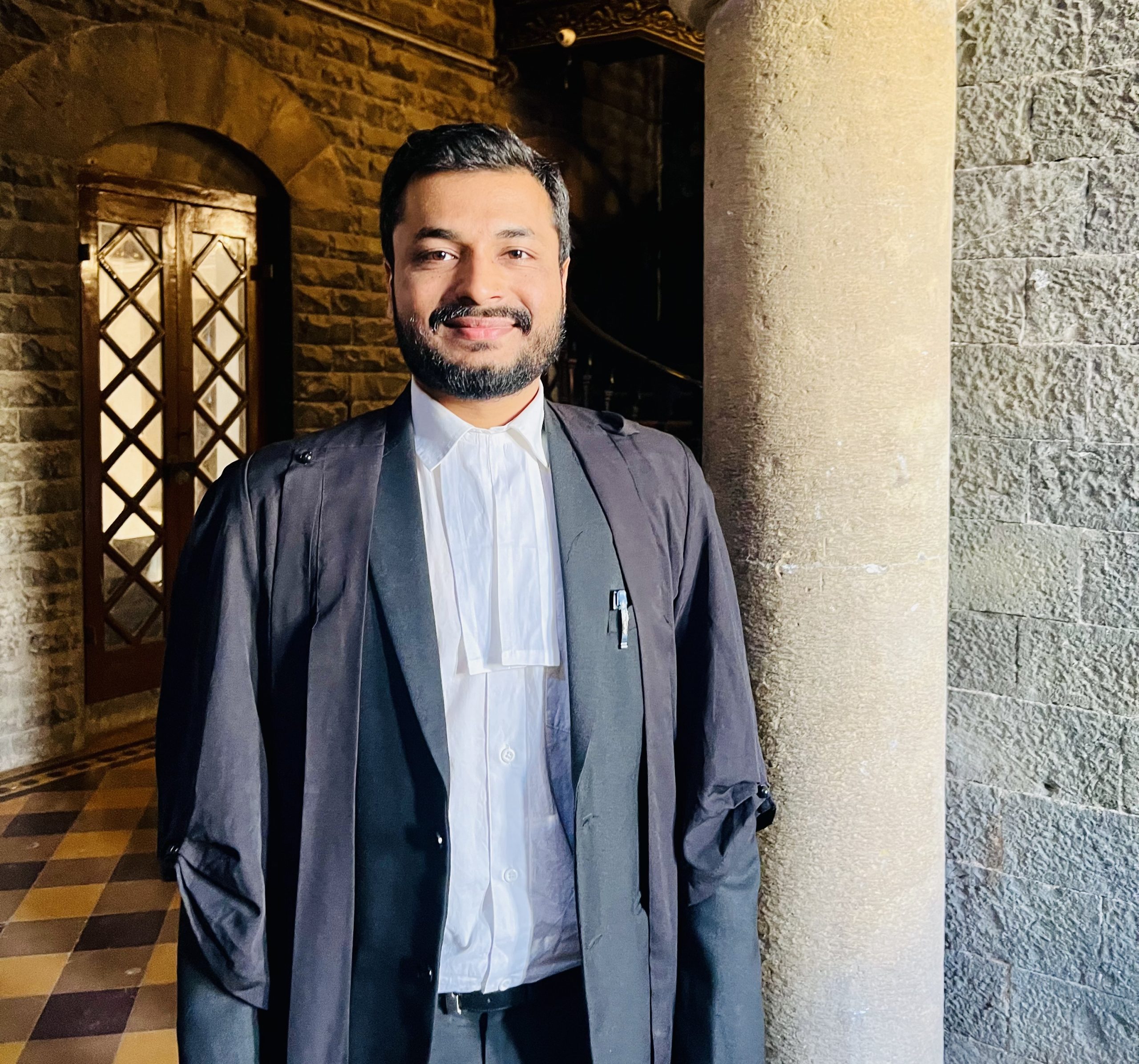







 Allow notifications