Your impressive journey in the legal field is truly inspiring. Whatfirst motivated you to pursue a career in law, and were there anypivotal moments or formative experiences that influenced yourdecision to embark on this path?
My introduction to law was due to my father. He was in the administrative services. While in service, he was posted as an Additional Collector in Pune. The charge required him to conduct appeals arising from revenue authorities. I would see him study the case, read law, dictate orders, which fascinated me. He would often say that having knowledge of law is extremely crucial for every citizen and empowering. That stuck with me.
I was always interested in social science and hence took up Arts stream in junior college. Those two years in Ferguson College, Pune, helped me gain a basic understanding of what law as a subject would entail. I had a wonderful professor of Political Science in Fergusson, she motivated me to study law. Fergusson also conducted lectures and talks by luminaries in the profession, which further inspired me.
With a decent score in 12th board exam and with a State Scholarship, I qualified for admission in the prestigious ILS, Pune.
Your decision to pursue an LL.M. in Corporate Law at Queen MaryUniversity in London is a remarkable step in your career. Whatspecifically attracted you to this area of specialization, and how didyour experience there differ from studying in India? Could you shareany memorable moments from that time?
Subjects such as corporate governance and investment in developing countries were of particular interest to me. So I decided to explore further through a Masters program. Queen Mary, University of London, had one of the best LLM programs.
When I went there, the college offered induction sessions, offering the students to attend classes of all subjects and then take a final call. Having attended various lectures and upon having a basic understanding of the structure and the modules, I decided to opt for LLM in Corporate Law, which included corporate governance and investment in developing countries.
Exposure to a different education system was interesting, as it promotes deeper understanding of the subject, with extensive reading lists. The attempt is to introduce a student to both sides of any given concept and promote analytical thinking. London is a melting pot of international students, interaction with people from diverse backgrounds gives you perspective and appreciation for ideas and expressions of a problem.
The techniquesI learnt during LLM, of reading and research, continue to help me in practice as well.
Your career has clearly been shaped by a wealth of experience. In theearly stages of your professional journey, what were some keyexperiences that helped refine your skills, particularly in ArbitrationLaw, and deepened your understanding of the field?
I was introduced to arbitral proceedings quite early in my career. In my experience, one should not confine oneself to only a particular subject of law. A holistic experience is necessary, especially court appearances and knowledge of trial. What truly helped me was observing hearings in Court Rooms. The lessons one can take away by simply sitting in court and observing court proceedings are massive.
Having been involved in a variety of suits, writ petitions, and trials,your diverse experience speaks volumes. Which case stands out asone of the most interesting, and how did you navigate it?
One of the cases which I dealt with, in early years of my independent practice, was that for Wardha Municipal Council. The issue involved was regarding a works contract and whether the disputes arising out of a work contract can fall within ambit of MSMEDAct,2006. The stage at which the brief came to me was when the order of the lower court rejecting relief under Section 9 Petition was stayed by the Hon’ble High Court. When I read through the papers, I engaged with the executive engineer, who was in charge of the project on behalf of the Council and tried to understand how the contract actually worked. Having realised that it was a composite contract, I re-visited the legal definition of the term “works contract” and the jurisprudence regarding the same. The jurisprudence on the issue was settled by a judgement of the Hon’ble Apex Court and the Hon’ble High Court Bombay, observing that a works contract is a composite contract and hence will not be governed by provisions of the MSMED, Act, 2006. The other issue involved was whether an MSME can take benefit of the MSMED Act, retrospectively, as it registered itself after being awarded the contract. The matter was heard extensively and the Hon’ble Court was pleased to hold in my favour. Subsequently, various High Courts followed the said judgement.
What was interesting about the matter was the research aspect as also the interest I developed in understanding the MSMED, Act, 2006. The Act being an important and beneficial piece of legislation, I was intrigued by it and by researching more, I have also dwelled into writing articles on varied aspects of the MSMED Act.
With your extensive background in handling numerous arbitrationmatters, what do you foresee for the future of arbitration in the country,and how do you see technology influencing the ADR process and itsmechanisms?
I believe that given the current socio-economic status of our country, globalization and with the aim is to make our country a hub/center for international arbitration, the scope and importance of ADR process is going to be massive. Another reason is the fact that it is less time consuming and cost effective. Speaking of commercial disputes, with compulsory pre-mediation requirements under the Commercial Courts Act, 2015, I have seen a large number of commercial disputes being settled at pre-mediation stage. May it be commercial disputes or private disputes, the parties involved will always prefer an effective solution to their problems, which is offered by ADR. Having said that, it is also necessary that institutional arbitrations and mediations are promoted. The advantage that such institutional centers would hold, is availability of technical experts, who can help resolve issues in an effective manner.
Technology and its development has been positively impacting all professions, including the legal profession. Post COVID-19, the comfort and ease in conducting proceedings virtually, has grown immensely. The same is convenient and cost effective. Technology has also given impetus to ODR (Online Dispute Resolution) and one can see a rise in ODR.
Your role as a visiting professor at both NUJS and Government LawCollege Mumbai adds an incredible dimension to your already impressivecareer. What motivated you to take on this role, and how does itcomplement your independent legal practice?
During COVID 19 and the Lockdown, I had an opportunity to co-author an article with a friend of mine, which was carried in the Asian Business Law Journal. It was this article which caught the attention of one of the members of NUJS and they approached my friend and me to conduct lectures.
May it be NUJS or GLC, Mumbai, in both the cases I realised that students are extremely well read and aware. The Internet facilitates immediate access to information. The only edge a lecturer has, is the practical experience of how law is interpreted and applied by Courts of Law.
While preparing for the lectures, I referred to various commentaries and reading materials, which helped me brush up my knowledge. The experience has been extremely enriching. I have thoroughly enjoyed it.
Given your wealth of experience across various areas of law, youradvice would undoubtedly be invaluable to aspiring legalprofessionals. What guidance would you offer to students looking tobuild a successful career in law? Are there specific resources orstrategies you would recommend?
Over the years I have realised that litigation requires a lot of persistence, reliance and tests you at all times. However, it is one of the most satisfying professions.
My senior Mr. M.M. Vashi (Senior Advocate), would always stress on the necessity of reading your brief cover to cover and have a thorough research. He would always maintain that the skill of a lawyer always lies in sticking a fine balance between being an officer of the court and presenting your case persuasively. The fear of the outcome is natural but that shouldn’t deter you from putting forth your case in the best and the most fair manner possible.
This advice continues to guide me as an independent practitioner.Observing and hearing court proceedings is another excellent way of learning both the law and court craft.
Throughout your distinguished career, what strategies have you used tomaintain a healthy work-life balance? What advice would you give toothers striving to balance their professional ambitions with personalcommitments?
It’s extremely important to have a supporting family and good friends, both , within and outside the profession. My family has always been a motivating and an anchoring factor in my life.
During down time, especially on a Friday evening, my other lawyer friends and I often go out to explore different cafes in the city.
I am personally a great believer in leading a healthy lifestyle and having a dedicated fitness regime. My workout sessions are like mediation for me. It not only helps as a stress buster but is also refreshing. I truly believe that if one is looking for longevity in any profession a healthy body and mind is crucial. It brings in the required discipline, a sense of routine and dedication, essentially, all attributes necessary for a steady career, in whichever opted field.
I would surely recommend making concrete efforts in carving out some “me time”, honing a hobby, which helps you unwind and refresh.
We would love to learn more about the mentoring work that you do with the NGO called Youth Against Injustice Foundation and how you ended up co-authoring a book at such a young age. With your 13 years of experience, we would love to know more about how you ended up pursuing law and what motivated you to make that choice.
Thank you for this opportunity. To begin with, I am a first-generation lawyer. There are no lawyers in my family; everyone in my family is an engineer, so in a way, I’m the rebel because they wanted me to pursue engineering, but I chose law instead. Due to peer pressure, I was made to choose PCM (Physics, Chemistry, and Math) in my 11th and 12th. However, after my 12th, I decided not to pursue engineering.
The reason behind this was that I lost my father at a very young age, and during that time, I realized how complicated things could get. For instance, even obtaining a death certificate and managing the transfer of the bank accounts was full of issues. At the post office, they updated my mother’s name with a different spelling, so we had to run to court to get an affidavit declaring that both names referred to the same person.
That experience became a trigger point for me. I realized that this profession needed me, and I should do something to help others who face similar issues. That’s when I decided to pursue law. I joined the LLB course at Pune Law College, Bharatiya Vidyapeeth University, and after completing my LLB, I was fortunate enough to start my career with a lawyer in Defence Colony, who gave me a lot of freedom. I was allowed to argue cases from day one, and that support really helped me gain confidence.
Within five or six months, I was handling my own independent case before the Delhi High Court. It was a writ petition, a service matter, and I had promised myself that I would never take on service matters. But ironically, my first independent case was in service law. I won the case, which gave me a major boost in my career. I started getting more independent cases, and in 2012, I joined the LLM evening course at ILI. I was juggling my time between court, the office, and college, but it gave me confidence that I could do a lot with the limited resources I had.
After completing my LLM, I became an independent lawyer and started working with companies on a retainership basis. I then thought about starting my own law firm that could help young lawyers and mentor them, so they could have the kind of opportunities I didn’t get when I started. I’ve been mentoring interns and associates, making sure that they learn from the work they’re given and aren’t just there for a certificate. I try to teach them the practical nuances of law because most of the interns come for short periods, so it’s important to make the most of that time.
That’s an inspiring journey. We also want to understand your decision to pursue an LLM. It’s often said that once you’ve completed law and are doing litigation, there’s no need to pursue further studies. How did that decision enhance your presence in the legal fraternity?
From the beginning, I’ve had an inclination towards teaching. I used to help teach my junior batchmates during my LLB days. So, I decided to pursue an LLM, and I wanted to study at the best institute. I didn’t want to give up on my litigation practice either because that’s where my passion lies—appearing in courts. There were only two institutes in Delhi offering evening LLM courses—ILI and DU. I chose ILI because it’s one of the best in India, and the fact that it’s backed by the Supreme Court of India was an additional attraction.
I got selected after giving an entrance exam, and that gave me the chance to meet people from various backgrounds, including batchmates who were IPS officers, IAS, and IRS officers. It was fascinating to see how they were at the top of their careers but still pursued further education. The guest lectures from renowned personalities, including Supreme Court judges, were another highlight.
What I also learned during my time at ILI was how to handle pressure. Before joining ILI, I was someone who would always complete my work ahead of time. But during this course, I learned how to manage last-minute work, which has really helped me in my career today, especially when I’m under time constraints in the legal world.
That’s a great lesson on adapting to time pressure. Moving on, we’d love to learn more about your law firm, which functions both as a litigation and consulting firm. Many people often think that law firms are either litigation-based or consultancy-based but not both. How have you managed to maintain this balance in your firm?
My partner, who is also my wife, is a company secretary, and she handles the consultancy side of things, while I focus on the litigation and legal aspects. We’ve divided the work based on our strengths. Clients generally approach law firms for legal services like case representation, agreement vetting, or intellectual property filings, while for consultancy services like company registration or secretarial work, they tend to approach professionals like chartered accountants or company secretaries.
Since my wife is a practicing company secretary, she handles all the consultancy work, and I can focus on litigation. We’ve managed to portray our firm as a one-stop solution for all business needs, from company incorporation to winding up, taxation, secretarial compliance, and more. We also provide a virtual CFO service to startups and assist with funding rounds, negotiations, and business proposals.
The difference between litigation and consultancy is that while lawyers can provide legal consultancy, a consultancy firm provides a full package, handling everything from audits to legal opinions and business strategy.
It’s clear that you’ve built a successful partnership. What inspired you to start your own firm so early in your career? What challenges did you face in the beginning, and how did you navigate them?
I started my firm before I even got married. The inspiration wasn’t my wife—though she has been incredibly supportive—but I wanted to establish a law firm and take it to new heights. The challenges I faced initially were tough. Many people had promised to give me work, but they backed out. It was a very low phase, and I had invested all my savings into setting up the office. I started off getting only two or three cases a month, which was not enough to cover my expenses.
But slowly, I built relationships with people who helped me get more cases. Social media actually played a big role in my early success—I got my first big client through Facebook. From there, the business grew. I also did pro bono work, which helped with word-of-mouth marketing.
During the COVID-19 pandemic, business came to a standstill, but within two to three months, I was back on my feet and getting clients again. Despite having associates, I still prefer to be in court and actively involved in the work. Hard work and dedication have definitely helped me in growing my firm.
After marrying my wife, the consultancy side of our firm expanded, and now we have offices in the GCC region as well. Our services have grown, and we now provide solutions across multiple jurisdictions.
Keeping all that in mind, we would like to move forward and understand more. You are also an empaneled advocate for Punjab National Bank and IIFCL, that is, India Infrastructure Finance Company Limited. Could you share some key challenges that you face while representing these public sector organizations, especially in both litigation and corporate matters? What have you encountered, and how have you managed or made a roadmap for overcoming these challenges?
I’ve been handling their litigation work, not the corporate work of those banks and financial institutions. The challenge I face is that we always have to be on our feet. The trick I’ve learned is that I should do the work before they ask me to. They follow up with me, and because I do not wait to be asked, I stay ahead. I have learned that diligence is key, especially when working for these organizations. I make sure to handle all drafting and compliances well before the court hearings. Additionally, I make sure to follow up with them to get everything done on time.
It’s difficult to get things moving in government organizations because many approvals are required. So, I ensure that I get the necessary approvals early, so things can be done ahead of time before the court registry and the date comes up. One of the things I’ve learned working with them is how the financial sector works, especially how loans are given and the challenges of repayment. Many people come to court blaming the bank or financial institutions, saying they were not properly informed or their documents were not handled correctly. It’s challenging to manage these cases, but I try to be diligent in ensuring everything moves forward smoothly.
You have a booming litigation practice, but you’re also an independent director, registered with the Independent Director Database. How do you manage all of this? How did you end up taking this role, and how do you guide the companies with corporate governance and ethics, particularly as an outsider? How do you influence them to be more ethical and oriented toward better corporate governance practices?
I got my start as an independent director in 2014. I was appointed as an additional director at a company, and that’s how I got my director identification number. I helped them with diligence, corporate governance, and everything happening within the company. Later, I wasn’t a director for 2-3 years, but then I was appointed as an independent director for a company getting listed. However, I had to resign because I couldn’t pursue litigation cases while being an independent director, and I felt it was limiting my ability to perform my job fully.
When the Independent Director Database came about, I registered myself, and during the COVID period, when courts were closed, I qualified for the exam and later received opportunities to be an independent director for a couple of companies. I assist them with all their compliance needs, such as forming committees, handling labor issues, and guiding them through necessary legal updates. For example, I worked with a manufacturing company that had unskilled and skilled laborers. They weren’t aware of changes to daily wage norms, so I helped them avoid potential legal scrutiny.
With your booming career and all the work you’re doing, you also teach as a guest lecturer at Dharmshastra National Law University. How do you engage with the students and bridge the gap between theoretical knowledge and the practical application they will encounter in their legal careers?
When giving guest lectures, I teach them both theoretical and practical aspects. For instance, when teaching them about pleadings, I don’t just explain the theory behind it—I give examples of how this particular order or section is used in court. I teach them how to draft and file applications, the basic nuances to keep in mind while drafting pleadings. I provide formats and give hands-on experience so they can understand how this works in practice.
I also teach them about client counseling, jurisdictional nuances, and the practicalities involved in court cases. For example, I teach them about the pecuniary jurisdiction in Delhi, explaining that cases below ₹3 lakh are filed before the civil judge, while cases above ₹3 lakh go before the District Judge and those above ₹2 crore go directly to the High Court. I also focus on the Commercial Courts Act, explaining how things like recovery suits were impacted after its enactment.
You have extensive experience and are heavily involved in international arbitration bodies such as DIAC, MIAC, and the Young ICCA. How has your participation in these institutions impacted your practice, and what role do you see these organizations playing in the field of commercial arbitration?
I’ve recently got attached to these institutions, so I don’t have hands-on experience yet. However, I can see how they are helping institutional arbitrations move forward. Previously, ad hoc arbitrations were handled by retired judges, but now these institutions are also paneling advocates as arbitrators, which gives a faster, more efficient way to handle cases.
A new aspect that’s coming into play is emergency arbitration, which became prominent after the Future Group case. These institutions provide a platform for urgent interim orders, which helps expedite matters when needed. While I haven’t had hands-on experience yet, I am looking forward to becoming more involved in the future.
You also balance your professional life with being a part of the NGO Youth Against Injustice Foundation, where you’re committed to social justice. How do you manage your time for all your professional responsibilities and still find time for social causes?
I manage my work-life balance by taking family trips regularly. Every month or two, I make sure to take some time off, go on a trip, and spend time with my family, especially my children. This helps them not feel neglected despite my busy schedule.
Regarding my work with the NGO, we focus on helping people involved in false rape cases and those who face difficulties registering FIRs. We also mentor students, providing them with knowledge about the legal aspects of pursuing cases related to harassment or abuse. I assist the NGO in guiding victims through the legal system and help create awareness.
You’re truly making an impact in many spheres. As we conclude this interview, could you offer some advice for law students or professionals who aspire to follow in your footsteps, whether in litigation, corporate law, or social justice?
My advice would be to dream big and be patient. If you want to succeed in litigation, take it step by step. My first five years were all about learning the basics. The next phase was about building a client base. And now, in the third phase, I focus on growing my practice and ensuring success.
I’d advise law students to be patient and go through these phases. The first five years should be focused on learning and building knowledge. Once you get clients, you’ll need to know how to handle them and offer the best services. Do not enter this profession solely for the sake of earning. The journey may be slow at first, but once you start earning, the possibilities are endless. Focus on knowledge, and the success will follow.
With over 17 years of experience, what initially motivated you to pursue a career in law? Was it your first choice, or did you contemplate it later in your academic journey? Additionally, could you share your experience in law school, and how did pursuing your master’s degree further shape your professional path? My entry into the field of law was not by chance, it was a well-thought-out decision. From childhood, my teachers and elders use to praise me for my analytical skills and attention to detail. They suggested I consider joining the field of law. When I was in 10th grade, my father took me to various career counsellors, where I underwent aptitude tests. By unanimous recommendation, the field I was advised to pursue was law. That was when I decided for certain that I wanted to pursue career in law.
After completing my 10th grade, I began preparing for entrance exams. I took entrance exams for various National Law Schools and cleared some of them. My ranking in Guru Gobind Singh Indraprastha University was good, and since I was from Delhi, I decided to pursue law here being home State.
I graduated with “First Class”. While pursuing law, I also did my PG Diploma in “International Trade and Business Law” from the Indian Society of International Law. I completed a summer course on International Trade Law at the same institution and also earned a PG Diploma in Corporate Law from Amity Law School. I also worked as a Rapporteur at the Indian Society of International Law and contributed to a project with the Ministry of External Affairs in the Legal and Treaties Division.
I was fortunate to receive a conditional offer for admission to the prestigious London School of Economics (LSE), one of the world’s most esteemed institutions. I also received admission to the National Law School, Bangalore, for an advanced course. However, I couldn’t pursue it because I became deeply involved in litigation.
I always wanted to pursue my master’s in London, and I collected numerous brochures during seminars. But, as they say, “Destiny” intervened. In my last semester, I had to undergo an internship, and I was fortunate to secure an internship with an Advocate-on-Record at the Supreme Court of India. This was when I decided to postpone my aspirations to study abroad, as I got deeply engrossed in court work, and the desire to pursue a master’s degree faded.
After almost 15 years in the profession, I finally did my master’s. Alternate Dispute Resolution (ADR) has always been close to my heart, so I pursued an LLM in ADR. Doing my LLM in this field allowed me to go back to the basic textbook style of learning, while my professional experience helped me understand the subject better and connect with it.
During the early stages of your career, you must have encountered numerous valuable learning experiences. Can you highlight one particular experience that has stayed with you, and how did you navigate through the challenges of those formative years in your profession?
This is one of those professions where challenges arise every minute, so one has to be ahead of the curve at all times. Even while drafting, you must put yourself in the shoes of the other side to anticipate what their response might be. As they say about the art of cross-examination, “Don’t ask a question to a witness until you know what answer the witness will give.”
Law is a profession where every day is a new learning experience. One simply has to remain open to it. While “stubbornness” may be a strong word, it is essential to survive in litigation, especially as a first-generation lawyer. The key is never to say “NO”. I’d like to quote Sylvester Stallone from Rocky Balboa (2006): “It’s not about how hard you get hit; it’s about how hard you can get hit, how much you can take, and keep moving forward.”
Honestly speaking, there is nothing like “formative years” in this profession. You never truly settle, you comparatively settle. Instead, one reaches a point where you become more cautious because more eyes are on you, and one wrong move can be detrimental. As you gain more years in the profession, you become more cautious, as people are watching and waiting for you to make a mistake.
One learning which I got was, Court is the new class room , try spending as much time possible listening to arguments in matters. Court room is one such place where many facets law and facts are discussed and subconscious mind silently develops legal aptitude.
What inspired you to establish your independent legal practice, and what were the initial challenges you encountered while setting it up? How did you navigate through these obstacles, and what strategies or lessons learned during this phase have contributed to the growth and success of your practice today? The initial challenge is always managing daily expenses, especially in the early days. However, this was not much of an issue for me, as I am a workaholic and found ways to secure work to keep myself going. There is no shortage of work in this profession, but one must be willing to take on challenges and spend sleepless nights.
The advice I would give is that if you develop a skill, there’s no looking back. There are no shortcuts in law, one must work hard to chisel your abilities.
In your experience as panel counsel, could you share your experience working with organizations such as the Delhi Development Authority? What variety of cases did you deal with, and were there any particularly interesting cases? I have served as panel counsel for various government departments, including the Delhi Development Authority (DDA), Indian Tourism, LIC Housing Finance Limited, Delhi Legal Services Authority, and as Amicus Curiae with the Delhi State Consumer Commission, among others.
Serving these government departments gave me extensive exposure to a variety of cases, including real estate, consumer, matrimonial, and criminal matters. This experience helped me understand the workings of government departments, particularly how files move within the system and the importance of an internal Office Noting.
Every case is unique , so talking about one would undermine others. In one case, I was defending a landlord against a tenant who was very intelligent. Before cross-examination, the opposing counsel whispered to his client to deny everything. The opposing counsel was so confident in his client’s preparation that he sat at the back of the courtroom.
I confronted the witness with his signatures on the suit, and the very natural answer was that they weren’t his. This simple answer won me the case, as it invalidated the plaint. Immediately afterward, the other side tried to file an application to bypass the situation, but the damage was already done.
With your extensive experience serving both private clients and government departments, how do you manage the differing legal needs of these two client types while upholding the same level of dedication and excellence in your service? Whether representing private clients or government entities, the law remains the same. However, there are different demands based on the client type.
For instance, for a private client, developments in a case can often be communicated via phone, and that would suffice. For a corporate client, each step must be explained in writing, and updates must be communicated via email to all relevant stakeholders. Similarly, when working with the government, you must ensure that every action is recorded in the official file and directed to the correct officer.
A lawyer dedicated to their work will treat both private and government clients with the same level of service. Both types of clients ultimately want to win and be represented effectively.
Reflecting on your extensive legal experience, what has been one of the most intellectually challenging or intriguing cases you have handled? How did you approach the case in terms of legal strategy, preparation, and research, and what key insights did you gain from navigating such a complex legal matter? All cases are challenging and teach you something new. With each case, we return to the drawing board to research every aspect of it.
At times, lawyers become so focused on a case that they lose sight of the core issue. For complex matters, we often peel back the layers one by one, only to realize that the issue was simpler than initially thought. The key to cracking a case is to follow the old-school method, read the file carefully without focusing on the law first, understand the facts, and then apply the law.
In your experience working with corporate entities and managing cases related to real estate laws, what key pitfalls do these entities often encounter? What proactive measures or legal safeguards would you recommend to mitigate these risks from the outset, ensuring smoother transactions and compliance throughout the process? Faulty paperwork and inadequate due diligence are common problems in real estate matters. Many clients have projects in different states, and each state has its own peculiarities regarding record-keeping, such as local language requirements or state notifications, which corporate entities may overlook.
While due diligence is generally conducted when purchasing land, local experts familiar with regional laws should also be involved in the process to ensure proper compliance.
Balancing a demanding legal career with personal life is undoubtedly challenging. How do you maintain a balance between your professional commitments and personal well-being? What strategies do you employ to preserve your health and overall well-being while excelling in such a demanding profession? It is indeed very difficult for a first-generation lawyer to maintain a balance between personal and professional life and give equal attention to both. A first-generation lawyer faces many challenges, such as engaging and retaining competent staff, as well as maintaining an office, which many second or third-generation lawyers don’t face.
One must work late nights, miss family engagements, and be available even on holidays to meet clients’ needs and deliver timely services. Additionally, corporate clients often work in different time zones, so we must be available 24/7 to respond to queries or emails.
No doubt, this takes a toll on one’s health—grey hair and signs of aging appear earlier than expected. However, the adrenaline rush that this profession provides compensates for the physical toll. Post-COVID, work has become easier in some ways. Virtual hearings and digital tools have made it possible to work from anywhere in the world, making it more convenient for lawyers, especially first-generation ones.
With your expertise spanning multiple legal domains, what advice would you offer young lawyers aspiring to develop a diverse practice similar to yours? What essential skills and qualities do you believe are necessary for success in these competitive and multifaceted fields? Discipline and consistency are the most important qualities I would recommend to any young lawyer entering the profession. By discipline, I don’t mean waking up at 5 a.m. and working late nights, but maintaining a consistent level of reading. Whether it’s law books, self-help books, or spiritual texts, consistent reading is crucial for any lawyer. Without it, a lawyer will not be able to make a mark professionally.
So, be consistent with your reading, stay true to your work, and always advise your clients to the best of your abilities—not just to draw money from them, but to provide the right advice. Gone are the days when lawyers could manipulate clients for unnecessary fees; today’s clients often come prepared with knowledge from resources like Google.
This experience reinforced the idea that litigation is a double-edged sword. Your success or failure often depends on both your preparation and your client’s actions. A well-read lawyer will earn the respect of judges and peers alike, and this silent appreciation will aid your future success.
With your extensive experience across various legal areas, what initially inspired you to pursue a career in law, and what continues to fuel your passion for it? How did you first enter the legal profession, and what led you to specialize in civil litigation, cooperative law, and property-related matters?
Initially, I didn’t come from a legal background. After completing my 11th and 12th grades in the commerce stream, I was inclined toward pursuing a career in commerce, banking, and even considering company secretaryship. At that point, law was never really on my radar. However, as I explored both streams, I realized that my true calling was in the legal profession.
This passion continues to fuel my work today. The opportunity to advocate for clients, to navigate complex legal issues, and to contribute to the fair and equitable resolution of disputes is incredibly rewarding. Every case presents unique challenges and opportunities to learn and grow, constantly pushing me to refine my skills and deepen my understanding of the law.
As I began to practice law, I found myself particularly drawn to civil litigation, cooperative law, and property-related matters. Civil litigation appealed to me because of the intellectual challenge and the direct impact it has on resolving disputes. Cooperative law and property law was another area I gravitated toward because Cooperative law and property law encompasses a wide range of legal issues, from internal governance and member disputes to regulatory compliance and commercial transactions. Advocating for my clients, and helping them achieve the best possible outcomes keeps me motivated every day. Ultimately, it’s the law as a tool to make a real difference in people’s lives that continues to inspire me and drive my career forward.
What were some pivotal experiences early in your career that deepened your understanding of the law, particularly in real estate matters, and how did they shape your professional trajectory?
“Early in my career, I had the privilege of working closely with senior advocates at Bhansali Landmarks. This experience proved pivotal in shaping my understanding of real estate law. I was involved in a diverse range of matters, including land acquisition, property disputes, and construction contracts. I also assisted in drafting and reviewing complex real estate agreements, such as sale deeds, leases, and joint venture agreements.
One particularly challenging case involved a complex land dispute that required extensive research and creative legal solutions. Successfully navigating this challenge instilled in me a strong sense of resilience and a deep appreciation for the importance of client advocacy.
These experiences instilled in me a meticulous approach to detail and a deep understanding of the importance of thorough due diligence in all real estate transactions. This foundational knowledge continues to guide my practice today, enabling me to effectively advise clients on a wide range of property-related matters and navigate the complexities of the real estate market with confidence.”
By incorporating these suggestions, you can create a more compelling and impactful narrative that effectively communicates the value of your early experiences in real estate law.
How has your current role evolved, especially in the context of property law? Could you elaborate on your responsibilities and experience with drafting agreements, sale deeds, and handling RERA-related matters?
My role has evolved significantly over time, especially in the context of property law. Initially, I started by focusing on general civil litigation, but as I gained more experience, I became increasingly involved in property-related matters. Over the years, I’ve developed a specialized focus on real estate law, including drafting agreements, handling sale deeds, search titled report and dealing with regulatory issues, especially under the Real Estate (Regulation and Development) Act, or RERA.
Whether it’s ensuring that the terms of a sale deed are clear, protecting my client’s rights in lease agreements, or structuring development agreements in a way that avoids potential disputes, attention to detail is paramount. My meticulous attention to detail has resulted in the successful negotiation and drafting of numerous complex real estate agreements, minimizing potential risks and ensuring favorable outcomes for my clients. I strive to provide clear and concise legal advice to my clients, explaining the implications of different legal options and guiding them through the complexities of real estate transactions.
In terms of RERA-related matters, my experience has expanded significantly over time as the Act has become a central piece of real estate regulation. I advise developers and homebuyers on compliance with RERA, whether it’s ensuring that developers are meeting the timelines and quality standards promised to buyers, or ensuring that homebuyers are aware of their rights under the Act. I have represented clients in disputes involving non-compliance with RERA provisions, such as delays in possession or failure to provide agreed-upon amenities.
I find that my expertise in this field has allowed me to make a significant impact, helping clients navigate the complexities of real estate deals and ensuring that their interests are protected.
Can you share your experience dealing with disputes involving cooperative societies? What are the major legal issues cooperative societies are facing today and how do you handle conflicts between builders, or management?
I have handled a wide range of legal issues involving cooperative societies. One of the primary challenges these societies face today is property disputes, especially those related to ownership and the transfer of titles, particularly the Conveyance Deed. Disputes also arise when there is confusion among society members regarding membership rights, which can lead to complex and prolonged legal battles. Another significant issue is the non-payment of maintenance charges, which often leads to financial instability within the society, triggering legal action for recovery.
When addressing conflicts, especially between builders or management, my approach is to start by thoroughly reviewing all relevant agreements, including builder-buyer contracts, society by-laws, and other related documents. This helps establish a clear understanding of the rights and obligations of each party. However, when these methods fail or prove unsuitable for resolving the issue, I proceed with issuing legal notices or filing a case in court, depending on the severity of the dispute.
My primary focus is ensuring that both the cooperative society and builders comply with applicable laws. Ultimately, my goal is to facilitate a fair resolution that upholds the rights of society members and ensures that all actions taken are in compliance with the governing laws.
When drafting RERA Agreements, what common issues do you encounter from both builders and property buyers? How do you navigate these challenges to ensure the agreements are comprehensive and balanced?
For builders, a common issue is setting realistic project timelines. Builders may face unforeseen delays, but buyers are concerned about delayed possession. It’s essential to clearly define timelines, including grace periods for delays, and establish penalties for non-completion within the agreed time. On the other hand, buyers often face confusion regarding the carpet area vs. super built-up area. Builders may calculate area differently, which can lead to overcharging concerns. To avoid this, I ensure the agreement precisely defines terms like “carpet area” and “super built-up area,” providing clarity on what buyers are paying for.
Another significant issue is the payment schedule and interest clauses. Builders typically want to ensure timely payments, but buyers seek a payment structure tied to project milestones, ensuring that they don’t overpay before the work is completed. Balancing these interests is key, and I work to establish a fair schedule that protects both parties.
Warranty and defect liability periods are also contentious. Buyers often expect a reasonable warranty on construction defects, while builders may try to limit their liability. I ensure that warranty clauses comply with RERA’s provisions, which mandate clear terms for defect liability periods, providing sufficient protection for the buyer.
Lastly, disputes over possession and handover timelines are common. Builders may seek flexibility, while buyers want guarantees of timely possession. In these cases, I ensure that the agreement complies with RERA’s possession timeline rules and includes clear consequences for delay.
To navigate these challenges, I ensure that the agreement is drafted with clarity and precision, making sure all terms are well-defined and in compliance with RERA regulations. I also incorporate fair dispute resolution mechanisms, often using mediation or arbitration, to address potential issues efficiently. Ultimately, my goal is to create an agreement that protects both the interests of the builder and the buyer, ensuring a balanced and legally sound contract.
During your time at AM Legal, you were involved in IPR and commercial litigations. How did these experiences expand your legal expertise, and in what ways do they complement your current focus on property and civil law?
During my time at AM Legal, I had the opportunity to work extensively on Intellectual Property Rights (IPR) and commercial litigation, which greatly expanded my legal expertise. In the commercial litigation domain, I handled a variety of cases related to contracts, breach of agreements, and arbitration. These experiences deepened my understanding of corporate governance, risk management, and dispute resolution strategies. Working with clients on these matters enhanced my ability to analyze contracts, negotiate settlements, and adopt a strategic approach to litigation, which directly complements my current focus on property and civil law.
These skills align seamlessly with my work in property law. Both areas require precise contract interpretation, attention to detail, and the ability to navigate complex disputes.
Moreover, my experience in IPR has given me a broader perspective on the value of protecting assets, which is crucial in property law as well—whether it’s protecting land titles, construction permits, or real estate branding. Overall, these diverse experiences at AM Legal have enriched my legal practice, allowing me to offer a more holistic and well rounded approach to my current work in property and civil law.
Of all the cases you’ve handled, which one stands out as particularly interesting? How did you approach preparing for that case, and what made it unique?
One case that stands out as particularly interesting involved a property dispute between a developer and a housing society. The developer initiated construction without obtaining the mandatory consent from the society, violating Section 7 of the Maharashtra
Ownership Flats Act (MOFA). This legal oversight led to a court order granting an injunction against the developer, effectively staying the construction. The case highlighted the importance of adhering to statutory provisions and safeguarding the rights of housing societies in redevelopment matters.
To prepare for the case, I thoroughly reviewed the contracts, sale deeds, and RERA compliance documents, carefully scrutinizing every clause for potential misrepresentations. I also gathered evidence from property registries and consulted with land experts to verify title authenticity. Given the complexity of the case, I examined the developer’s obligations under RERA, focusing on consumer protection laws and builder-buyer agreements.
What made this case unique was the interplay between property law, consumer protection, and real estate regulations. The case required me to navigate a combination of contractual interpretation, regulatory compliance, and consumer rights while also addressing the emotional concerns of buyers who had invested their savings in the property. My approach not only focused on legal arguments but also considered alternative dispute resolution methods to settle the matter more efficiently. Ultimately, the case was resolved in favor of the buyers, with the developer agreeing to compensation and fulfilling the missing contractual obligations. This case stands out because it was a rare instance where multiple legal frameworks—from property law to consumer protection under RERA—intersected, requiring a nuanced and multi dimensional approach to resolve the matter.
Given your experience, how do you see the real estate industry evolving, particularly in light of the ever-changing rules and regulations that govern it?
The real estate industry is undergoing a significant transformation, driven by evolving regulations and technological advancements. We’re seeing a clear trend towards greater transparency and accountability, fueled by regulations like RERA, which empower buyers and demand ethical practices from developers. This push for transparency is further amplified by the digitalization of land records and transaction processes, reducing ambiguity and potential for fraud. Sustainability is no longer a buzzword but a necessity, with stricter green building codes and environmental clearances becoming the norm. The rise of proptech is revolutionizing how we search, buy, and manage properties, while construction technology is introducing innovative building methods.Simultaneously, the industry is grappling with the need to provide affordable housing, prompting government initiatives and innovative financing models. Looking ahead, we can expect a stronger consumer-centric approach, with regulations further empowering homebuyers and promoting fair practices. However, challenges remain, including the need for the industry to adapt quickly to these changes, balancing regulation with growth, and ensuring effective enforcement. Ultimately, the real estate sector’s future hinges on navigating this evolving landscape effectively, embracing technology, and prioritizing sustainable and inclusive development to build trust and foster long-term growth.
What advice would you offer to young lawyers aiming to build a career in property law and civil litigation? Specifically, what skills should they focus on, how can they effectively network, and what steps should they take for career advancement?
For young lawyers aiming to build a career in property law and civil litigation, my advice is to focus on honing key skills such as legal research, contract drafting, and negotiation. A solid understanding of property laws, regulatory frameworks like RERA and MOFA, and the intricacies of civil litigation will be fundamental to success. Building strong client relationships is also crucial, as property law often involves direct interaction with clients, whether they’re buyers, developers, or housing societies. Effective networking is essential—attending industry events, joining professional associations, and connecting with experienced mentors will open doors to opportunities and valuable insights. Gaining practical experience early on, whether through internships, associate positions, or working on diverse cases, will help you understand the complexities of the field. To advance your career, focus on specializing in a niche area of property law or civil litigation, continue learning through seminars or certifications, and embrace technology to stay ahead in an increasingly digital legal landscape. Finally, maintaining a reputation for integrity and competence is key, as trust and reliability are paramount in both property law and litigation.
Ma’am, with over two decades of experience, when most people didn’t know about cyber laws, intellectual property laws, let alone media laws, what initially inspired you to pursue a career in this field? And what led you to study at the most prestigious King’s College, London? How did you choose this as your specialization?
Very interesting question at the outset. Well, if I look back at my journey in this field of law, it’s been very fascinating. It’s been evolving just like the dynamic nature of law and technology. Way back when I was studying at Delhi University, I did my law from DU, and at that time, the IT Act 2000 was just enacted, and we were very fascinated to see a new law being enacted in India.
We were looking at what exactly the nuances of this new field would be, what the challenges would be. Everything was so new that this field of law made me very inquisitive about what could be the legal issues that would arise, considering the inherent nature of the internet would be borderless.
You know, questions like, will the conventional laws still apply in this medium? How will it change the way people work? How will it change the way people communicate? What kind of complications could arise? For example, jurisdiction issues: if two parties were interacting and contracting online, and there was a dispute, which court would be the right forum to decide? Because there is no global internet court, and there is no global internet law. So that was very, very interesting to think about, and I wanted to read more in-depth into this field, research it further, and contribute to it.
So, I think it’s basically the fact that it was a completely new and unsaturated area, completely new to explore, and I always like to explore something that is an uncharted avenue of our subject. It makes you brainstorm. And I wanted to do this brainstorming in the field of law.
And that’s what really kept me energized. Even today, I still feel like a student. Every day, there is so much to learn. So I may have been here for 25 years, but I still feel just like a graduate would. There is so much to learn and contribute.
In your early stages, you must have obviously, like us, faced a lot of challenges. There must have been a variety of experiences. As you said, the IT Act had just entered and became a reality. How has all of this understanding helped you make a niche for yourself in technology law? How did you decide where and when to start, what kind of practice you should do, and how you should approach it?
You are also majorly involved in training and developing public policies with the government sector. How have you shaped your practice around this?
Well, as I said, the field was unexplored at that time. It was very new. And I wanted to do anything and everything under the sun because this is, you know, learning. And when you’re learning, you can contribute in multifarious ways. As we say, this was a road less traveled, and I took that.
When I looked at the way in which I could basically learn and gain more experience, I looked at the IT Act. Then I also looked at what was happening across the world. When I studied at King’s, we understood that the approaches to the same issues really varied across various jurisdictions. So we had professors, and we had interactions from different jurisdictions across the world. And with those perspectives and the kind of debates in the classrooms, we discussed issues like criminality. For example, how would criminality apply in the metaverse today? Can we say an avatar is responsible for committing a crime? Is the player liable if it’s an assault in a game that leads to some sort of mental shock to a user? How would one impute criminality in such a scenario?
We also discussed how jurisdiction would apply if a person commits a crime in one location and damages critical infrastructure in another country. If while deciding a court’s jurisdiction for example, if the protective principle applies, then the courts would pass orders. How would one go about enforcing those orders? These kinds of cross-jurisdictional issues were really at the helm of discussions even at that particular point in time.
If you look back, the IT Act, when it was just a basic Act, and the way technology developed, the industry grew, cybersecurity became a huge area in itself because with the rising crime, the industry had to catch up. Cyber safety tools were being floated, right from a basic antivirus to spyware to firewalls, and other kinds of technologies. Nowadays, we have blockchain, VPNs, data loss prevention software, and many network safeguards.
So as the industry developed, they also needed legal compliance, and legal advice. I started advising companies on various issues linked with cyber law, which was also interesting. I helped frame their policies, shape their HR policies, social media policies, and tackled tricky issues like whether companies could scan employee emails in the name of productivity. These policies became very important as e-commerce grew.
So in this way, my role became more advisory. I was also involved in education. I taught cyberlaw at the Indian Law Institute and Amity University. In fact, I was part of the first batch of PG Diploma in cyber law at AmityI completed after LLB from Delhi University, and that was a significant encouragement and motivation for me to learn more about this field. That was just the beginning, I would say. Then I went on to study Masters at King’s and further pursued my Ph.D. in cyber law.
It’s been a fascinating journey, but as far as contributions are concerned, there was a need for capacity-building in the country because law was changing. Cybercrime increased phenomenally, so I dealt with those cases, represented clients in various forums, and assisted law enforcement bodies. I also worked on educating and training judicial academies and police academies across India.
And then came writing, which is also a passion I followed and pursued. I wrote my book on computers, the internet, and new technology laws, which was released in 2012. We have a third edition, the latest edition in the market now. I’ve been writing extensively on this subject, and since it’s been changing so fast, we’ve already had 3 editions since 2012. So you can imagine. This is also one way in which technology has positively impacted me and helped me contribute better to society.
How do you see the advent of artificial intelligence shaping the kind of technology law that we have? How is it going to influence not only the legal system but all systems, especially the defense system, as you are with the DRDO right now, advising them in different capacities? How do you see all of this being impacted by international AI acts as well? There are so many of them from which we also take a lot of references, like with the DPDP Act, as it happened. Where do you see we lie with artificial intelligence, and what kind of track are we going to take? Obviously, it can only be speculation. I’ve been advising the government for more than two decades now, and in my personal experience, it’s been a very enriching journey. The way we have shaped our laws and looked at technology, it’s been a very liberal and progressive approach.
I do believe, and firmly believe rather, that one should allow technology to advance liberally and support R&D in the country because, truly, India, when we say ‘Make in India,’ ‘Viksit Bharat,’ or ‘Digital India,’ we have seen this revolution, and it is ongoing and in process.
We are already working towards India at 2047. Looking at that, we are building our roadmaps, and plans are already being implemented. It’s not just in one department; I’m talking about the Ministry of Law, Ministry of Defense, Ministry of IT and Telecom, Ministry of Home, for example—they’re all trying to bring in coordination. There’s scope for more, but with the adoption of the PPP model we see now in AI, India’s AI projects are truly creating a platform for India to progress in the right way.
There is going to be minimum regulation because if you put too much regulation, it’ll stifle the growth of the industry, and that’s the approach of the government as well. But I do feel that high-risk systems need to be regulated immediately because they can play havoc with people’s lives and bring destruction to countries.
For that reason, I strongly advocate that there should be a regulation. In fact, in my mind, there should be a separate regulation for AI. As a voluntary initiative to support G20 and as country chair of G100 for AI and cybersecurity, I drafted a proposed code, a proposed Act for India on AI.
I would like the government to consider it, and in various roundtables with the Honorable Minister, we’ve had discussions. We know the DPDP Act is already there in the offing and it will have provisions for high-risk systems that need to be prohibited and regulated. There will be some regulation to that extent.
Although I think we’re still far away from having separate AI legislation because there’s no talk on that right now, but you never know. The way technology is progressing, I think this will become indispensable very soon. Let’s see how it goes, but so far so good.
The government is taking a lot of interest and initiative, and we are truly world leaders in the ‘Make in India’ space, and I think the law will support the government’s approach and initiative because it’s in the interest of the industry.
With India being quite active in AI, there has been a lot of conversation surrounding its cultural and diversity impact. Ethical concerns and language considerations are important, but cultural aspects must also play a significant role. Where do you see this intersection of culture, ethics, and AI impacting society, and when will these changes be realized by the common man? Currently, a lot is happening at the policy level, but how do you foresee it affecting society when it becomes a reality, especially given that India is a leader in AI yet culturally diverse? How do you see India impacting the global AI scene with its own AI Act, coupled with cyber and intellectual property laws?
I believe we have already started exploring the key pillars of AI ethics. I’ve been involved in developing ethical frameworks, particularly in national projects and educational institutions, such as my role as a professor at Vivekananda Institute of Professional Studies (VIPS). Here, we’ve introduced an ethical framework for AI, which reflects global principles such as transparency, justice, inclusiveness, sustainable development, and bias elimination. These principles are endorsed globally, though regulations can vary by jurisdiction. In India, while we don’t yet have an AI Act like the EU, we are working on provisions for AI regulation.
On the industry side, AI development is progressing rapidly, with models being developed for multilingual AI systems that consider India’s diverse languages and cultural contexts. This is already ingrained in the AI models being developed in India, and as a result, the laws need to reflect these cultural nuances as well. However, these laws must also be globally synchronized, given that AI models or data may eventually travel outside India for processing or storage, requiring compliance not only with Indian laws but also global standards.
Take, for example, the GDPR and its standard contractual clauses (SCC) for data transfers. Similarly, India’s DPDP law also addresses these concerns. While we have cultural diversity, the core principles, like data protection, remain universal. Therefore, I believe we need a harmonized framework that works both for India’s unique needs and the broader global landscape.
Moreover, there are also concerns about data ownership and intellectual property when training AI models. A current case before the Delhi High Court involving ANI and OpenAI raises these issues, questioning whether permission is required for using copyrighted material in AI training. Such cases highlight the need for clear regulations to determine how intellectual property laws apply to AI and data usage for training.
AI regulation is already becoming a pressing matter, and I believe it will require global cooperation to set clear principles and enforce them. The lack of a universal convention on cybercrime and AI further complicates enforcement, even when jurisdiction is assumed.
You’ve managed so much despite being an author, professor, advisor, and now a law firm founder. What motivated you to start your own law firm, especially considering your already extensive involvement in cyberspace and AI law?
The main driving factor behind starting my law firm was the desire for flexibility. I wanted to contribute to the legal field in multiple ways, integrating the knowledge I gained in various roles—whether it was teaching, advising, policy-making, or litigation. Each experience enriched my understanding of the law, and I believed it was essential to bridge the gap between legal theory and practice.
Through teaching and advising, I gained deep insights into the law’s practical challenges. When engaging with Public policy, I was able to identify gaps that needed to be filled. For instance, there were complications in the law around intermediary content removal, and after handling cases such as the one involving HubPages and a spiritual guru, I realized how critical it was for the law to evolve with changing technology.
This interdisciplinary approach—combining litigation, advisory work, policy-making, and teaching—allowed me to contribute meaningfully to law reforms in India, especially in areas like data protection and AI regulation. By establishing my law firm, I could consolidate these experiences and provide a platform for further contributions to legal practice and public policy.
You’re also well known for your work in women and children’s empowerment, especially in the context of cyber safety. Can you elaborate on your work with organizations like UNESCO and ICMEC, and how these global initiatives are being adapted or modified to protect Indian women and children online?
Child protection and women’s empowerment have always been at the core of my work, particularly in the realm of cyber law. Online harassment and digital abuse were rising concerns, especially as many women and children lacked awareness of the risks and legal protections. The existing laws were inadequate, and that’s what prompted me to focus on researching and advocating for stronger protections.
In 2015, I wrote the first book in India on child protection on the internet, which later became the subject of my PhD thesis. In this, I proposed various reforms to strengthen laws such as the Juvenile Justice (JJ) Act and the Protection of Children from Sexual Offences (POCSO) Act. Additionally, I’ve written extensively about women’s rights against cybercrimes, including a book on cyber safety for women.
Through my work with organizations like UNESCO and ICMEC, I was able to contribute to global policy discussions on child protection and cyber safety. In India, I’ve helped tailor these global frameworks to suit our local context. For instance, I established a not-for-profit organization that focuses on awareness-building in schools and colleges, empowering women and children with cyber safety skills and best practices.
During the COVID-19 pandemic, we conducted over 50 webinars to raise awareness about online scams, fake emails, and malicious content targeting vulnerable populations. We were able to educate women, children, and educators on how to protect themselves from online threats, and the response was overwhelmingly positive.
These efforts were particularly rewarding because we saw tangible changes, with many women and children reaching out for guidance, and schools actively engaging in cyber safety education. Through these initiatives, I believe we were able to mitigate harm and empower individuals to navigate the digital world more safely.
You have also worked extensively in intellectual property protection, particularly in the digital space. Could you share some of the primary challenges you’ve faced in this area and how industries have reached out to you for solutions? Given the rising importance of digital platforms, how can businesses better protect their intellectual property?
Intellectual property (IP) has grown tremendously over the years, and new laws were needed to address these changes. In the early days, it wasn’t clear whether domain names could be protected like trademarks. But over time, legal clarity emerged, affirming that domain names could indeed be protected as trademarks. I’ve had the privilege of serving as an arbitrator for the National Internet Exchange of India, where I resolved many cross-border disputes involving “.in” domains.
The expansion of cyber litigation, especially in areas like music piracy, video piracy, and film piracy, has been notable. I also advised Prasar Bharati in overhauling their royalty contracts, ensuring they accounted for the rise of the internet. Many of their contracts, at that time, did not even mention the internet. More recently, we’ve worked on updating these contracts to align with today’s technological landscape.
Governments and industries are now paying more attention to policies that govern emerging technologies, including AI. In this context, governance and audits have become essential. We must ensure that businesses are not collecting unnecessary data, that the data being used is unbiased, and that proper security measures—such as encryption and data redaction tools—are implemented.
The protection of trade secrets, copyrights, and trademarks through registration is fundamental. However, in the case of trade secrets, businesses must ensure confidentiality through other means. The development of new technologies, including AI-generated images, music, and art, raises questions of ownership. Who owns AI-generated art—the person who provided the prompt or the AI system itself? These are some of the challenges businesses face, and it’s crucial for them to adopt encryption, anonymization, and pseudonymization to protect sensitive data.
Moreover, sectors like the social sector, which deal with sensitive data such as donor and beneficiary information, must ensure that data is encrypted and stays within the country. I’ve been advising these sectors on policies, ensuring they comply with legal frameworks. Protecting confidential information is not just the responsibility of the government; the industry must also play its part by adhering to these laws.
The PPP model is vital. It allows for a collaboration between government resources and industry expertise. The government brings its authority and resources, while the industry contributes its technical know-how and capabilities. When both sectors work together, it results in a win-win situation that benefits the nation’s progress.
How would you guide aspiring lawyers looking to specialize in fields like media law, cyber law, or IT law, which are expanding rapidly? What skills should they focus on, and are there any particular books, journals, or individuals they should follow?
To make a meaningful contribution to this field, aspiring lawyers must have the right mindset. You should always consider yourself a student, as there is always more to learn. If you think you know everything, that’s the end of real learning. Passionate research is also key. You cannot delve into the depths of these fields without thorough research and understanding different perspectives. It’s essential to look at how different jurisdictions address similar challenges and tailor those solutions to India’s context.
Perseverance is another crucial trait. The journey in this field isn’t always easy, and you may face challenges along the way. But consistency and hard work will bring results. The legal profession is full of ups and downs, and while your views might differ from others, time often proves the validity of your perspectives. The world changes, and sometimes the policies you advocate for today become essential in the future. Being open to criticism is important, as it helps you grow.
Cyber law and IP law are highly specialized fields. Today, we have DPDP laws, AI laws, and entire branches dedicated to IPR, all of which often intersect. A lawyer working in this space needs to have a broad understanding of various legal issues. These fields cannot be treated in isolation, as cases often involve multiple areas of law.
There are wonderful resources available today that were not accessible when we started law practice. The proliferation of e-learning platforms, educational apps, and online courses is a game-changer. I have personally taken courses such as the Cybersecurity CS50 from Harvard University, which was a fantastic experience. These online platforms provide a wealth of knowledge, allowing students to access information from anywhere.
Additionally, portals like Manu Patra, SCC Online, and government-backed platforms like Swayam and E Pathshala offer free courses that cover a wide array of subjects. There are also incubation centers at institutions like DSCI and NASSCOM that promote startup culture, which is an excellent opportunity for students to learn hands-on and learn about new technologies.
With more than two decades of legal experience and background in physics, what was the inspiration for you to transition to law and how has your scientific education, specifically related to physics, influenced your approach to legal practice?
I consider myself an accidental lawyer, as law was not my original ambition during school or while pursuing my graduation in physics. However, circumstances led me to take the law entrance exam, where I was selected. Interestingly, I had also appeared for other entrance exams, including one for mass communication. Before moving into law, I also spent some time training as an Assistant Commander in the Indian Armed Forces. My background in science has been very useful in my legal career, as it has helped me develop strong analytical and problem-solving skills, which are key in law. These skills have made it easier for me to understand and address legal issues.
When I started practising law in 1998, the telecom and IT outsourcing sectors were in their infancy in India. My scientific background enabled me to grasp the technical aspects of these fields with ease. For instance, I worked on matters involving leased lines, the introduction of VOIP (Voice Over Internet Protocol), and regulations like the prohibition on terminating internet calls over PSTN (landline) connections, which required separate devices at the time. This technical knowledge gave me an advantage early in my career, enabling me to work closely with clients and gain valuable experience. Even now, my scientific background remains crucial, especially in emerging fields like AI, machine learning, and medical devices, where a solid understanding of science is often essential in areas like data privacy, data protection and competition law.
While many assume that a lawyer with a science background would naturally gravitate towards intellectual property or patent law, my career path has been far more diverse, involving criminal cases, civil disputes, and regulatory matters across multiple sectors. My science background has been valuable in helping me interpret and analyse complex information accurately. Although I never expected my physics education to connect so closely with my legal work, it has sharpened my analytical skills and allowed me to handle a broader range of issues. My journey has shown that science and law can complement each other in meaningful ways.
Given your background in science, law, and ethics, what is your perspective on the challenges we may face as emerging technologies like AI, IoT, and blockchain become integrated into our legal and societal systems? Specifically, how do you see AI influencing forensic evidence and the practice of law? What ethical dilemmas do you anticipate arising from these technologies, especially considering their potential impact on society and the legal framework in a populous country like India?
With my background in science and law, I see the integration of emerging technologies like AI, IoT, and blockchain into legal and societal systems as both a challenge and an opportunity. AI has the potential to revolutionize legal practice and judicial processes, but its adoption must balance the benefits of innovation with addressing ethical concerns and ensuring societal well-being, especially in a diverse and populous country like India.
India is uniquely positioned to lead in the global AI landscape, with much of the development in generative AI and software engineering being driven by Indian professionals, both domestically and abroad. As a hub of global IT leadership, India has the expertise and resources to shape the future of AI responsibly. This role comes with the responsibility to establish ethical frameworks that ensure AI acts as a tool for justice and societal progress, rather than a source of harm or inequity.
AI’s application in the legal field can be divided into three stages:
Basic Automation: At the most basic level, AI can handle routine tasks and manage high-volume cases, such as traffic violations, where penalties can be automatically issued based on photographic evidence. Bulk cases like recovery suits, small financial claims and builder disputes can also be streamlined, with AI drafting basic judgments. A “maker-checker” system can ensure accuracy and save judicial time for more complex matters.
Case Categorization and Prioritization: The second stage involves AI helping to categorize and prioritize cases, allowing the judiciary to focus on critical matters involving life, liberty, privacy, and public policy. Courts already use categorization for bail matters, and AI could streamline less critical cases. This would free judges to focus on high-stakes issues like corruption and white-collar crimes, improving judicial efficiency without compromising the need for human compassion in decision-making.
Complex and Sensitive Cases: The third stage is AI’s role in supporting complex and sensitive cases, such as those involving fundamental rights or criminal offenses. Ethical dilemmas require nuanced understanding and empathy, which AI cannot replicate. Judges must retain ultimate authority in such matters to ensure justice is served with compassion and context. AI can help with research, analysis, and gathering evidence, but final decisions should be made by humans to ensure fairness and to uphold the law.
AI is set to change the way lawyers work by automating tasks like documentation, research, and drafting. This might reduce the need for some entry-level tasks but opens up opportunities to focus on skills like analysis, strategy, and argumentation. For young lawyers, especially those impacted by the pandemic, the key will be adapting to these changes while building courtroom skills and upholding ethical practices that technology can’t replace.
Ethical dilemmas are a major concern in the use of AI, especially generative AI, which can create false information that may be misused in courtrooms if not carefully monitored. Over-reliance on AI could also lead to decisions being made without adequate human oversight. While AI can be a valuable tool, it must serve human objectives, not replace human judgment. To ensure justice and fairness, India’s legal framework must adapt to technology with regulations that balance innovation and safeguards against its misuse. Training for lawyers and judges on AI’s capabilities and limitations is essential for responsible use. By embracing AI cautiously and ethically, India’s legal system can benefit while ensuring that compassion and fairness remain at the heart of justice.
Given your experience in healthcare, where AI and robotics are increasingly used in elder and newborn care, ethical concerns about privacy, data misuse, and autonomy are growing. Neuroethics, particularly around “brain rights,” is becoming a global issue, yet India lags in addressing it. With India’s focus on fundamental rights, when do you foresee lawmakers accelerating discussions and legislation to protect cognitive liberties and ensure AI respects privacy, autonomy, and dignity?
Unfortunately, what we observe globally, and particularly in India, is that legislation often emerges as a reaction rather than proactive action. Laws, especially key ones, tend to be overhauled only in response to significant events or crises. Whether it pertains to criminal laws or other sectors, this reactive approach delays progress. AI is already prevalent, and we need to regulate it now. If we don’t, we’ll always be reacting to its effects rather than shaping its development. Importantly, no law is cast in stone; even our Constitution permits amendments.
A key example of delayed regulation is the medical device industry, which was initially governed by the Drugs and Cosmetics Act but took years to develop a dedicated framework. As medical devices increasingly incorporate AI, such as blood glucose monitors that use real-time data for more personalized care, the need for timely regulation becomes more urgent. While AI enhances precision, ethical concerns about autonomy and accountability arise. Robust regulation is essential to ensure safety, fairness, and accountability as these technologies evolve.
Neurosciences represent a frontier where technology and ethics intersect, with initiatives like Neuralink, led by Elon Musk, showcasing both promise and controversy. Technologies that bridge physical or neurological impairments, allowing the brain to communicate directly, offer hope for individuals with conditions like neurodegeneration or spinal cord injuries, enabling them to “speak” through neural interfaces. These advancements could also change how we understand patients in vegetative states, distinguishing between natural responses and conscious communication.
Also, the concept of brain preservation opens exciting possibilities, such as preserving the brains of great minds like Einstein or Stephen Hawking to continue their problem-solving and creativity even after their deaths. Breakthroughs in tissue generation, like replicating tumours to test treatments, are already improving healthcare outcomes and paving the way to cure diseases like cancer. Combining brain preservation with AI could extend the knowledge of exceptional individuals, allowing their wisdom to guide future generations and drive progress long after their lifetimes.
Ethical concerns are natural, especially in fields like neuroscience and AI, dealing with issues such as consent, privacy, and misuse. However, these concerns should guide progress, ensuring that innovation aligns with society’s values. Throughout history, humanity has advanced by tackling ethical challenges. The integration of AI, neuroscience, and related technologies offers huge potential, but it must be regulated carefully. By embracing these innovations responsibly, we can push boundaries and ensure technology benefits humanity, with compassion, ethics, and human oversight at the core, especially in medicine and law. Technology should remain a tool in human hands, not the other way around.
Starting LexCounsel early in your career, you’ve worked extensively in litigation and dispute resolution. What challenges have you faced in these areas, and how have you proven your expertise? Additionally, for newcomers entering the field, what advice would you offer on balancing specialization with broader growth opportunities?
When I began my career as a junior advocate, I saw law as a professional degree that offered the unique opportunity to start an independent practice right away, unlike many professions that require applying for jobs. Although law wasn’t my original plan, I knew I wanted to build my own practice. I gave myself six to eight months to try it independently, and fortunately, my first client’s payment covered my expenses, allowing me to grow. Looking back, running my own law firm has been a highly rewarding experience.
In the early years of my career, I intentionally took on a wide range of work because I believed that diverse experience is key to intellectual and professional growth. I handled litigation matters that law firms often take on selectively, such as winding-up petitions, cheque bounce cases, and white-collar crimes. Law offers no one-size-fits-all path to success; some lawyers excel by specializing in a single area or focusing on one court, while others diversify into areas like litigation, arbitration, and regulatory work in forums such as the NCLT or NCDRC. In my view, the early years should be about embracing any work that comes your way, as these formative years are vital for understanding the nuances of different practice areas.
One of the key lessons I have learned is that drafting should always follow a structured approach. Whether you are preparing a reply or initiating a case, it is essential to start by understanding the facts of the case, identifying the key issues, and conducting thorough legal research. Only then should you proceed with drafting, ideally in consultation with a senior or mentor. A common mistake among young lawyers is starting with assumptions and drafting without proper research, which often results in errors. Developing a disciplined approach to drafting and research is a skill that pays dividends throughout your career.
The legal profession demands relentless hard work and dedication. Unlike other fields, there is no concept of a Monday-to-Friday workweek, weekends off, or a casual start to the week. The profession is highly competitive and unforgiving. One of my seniors used to say that law is a “jealous profession.” If you neglect it or treat it as secondary, it will leave you. Success requires consistent effort, particularly in the early years. Moreover, knowledge acquisition is non-negotiable in this field. If a lawyer fails to build a strong foundation of knowledge in the initial years, their career will face significant challenges after seven to ten years. A solid start is critical for long-term stability and growth in the profession.
Hard work is essential, both in law school and in practice. While some believe law is learned only through practice, I’ve seen that students with strong academic discipline tend to perform better professionally. Law school builds skills like hard work and achieving results, which are crucial in the field. Those who neglect assignments or skip classes often struggle later on. In the early years, you may rely on family support or modest earnings, but without a solid knowledge base and experience, meeting expectations becomes challenging. My advice to young lawyers: embrace learning, build a strong foundation, and dedicate yourself to the profession. There is no greater embarrassment than being unprepared, and no greater satisfaction than mastering your craft and earning the respect of your peers and clients.
Could you share your experience representing multinational corporations, which have unique legal needs compared to individuals or smaller companies? How have you navigated complex corporate transactions, dispute resolution mechanisms, and international arbitration systems? Given the importance of international law in these areas, how have you incorporated these learnings into your practice, and what advice would you give to learners on the significance of studying international law, especially with emerging technologies in mind?
In the early 2000s, Indian employees of multinational corporations faced challenges due to the casual approach to bribery and facilitation payments, as the US Foreign Corrupt Practices Act allowed small facilitation fees to expedite routine government actions. However, the introduction of the UK Bribery Act, which banned such payments, marked a shift toward stricter compliance. I’ve witnessed teams being asked to resign due to violations of these laws, often from unintentional actions. Over time, with stronger anti-corruption laws, increased media scrutiny, and corporate training programs, compliance levels have improved. Today, employees understand the importance of following these rules, even if it means losing business, helping create a culture of integrity and reducing issues with non-compliance.
In terms of litigation, our journey began when we established ourselves as a corporate and commercial law firm in 2004. Initially, our work was centred on corporate transactions, but clients began approaching us with disputes related to their franchise agreements, international contracts, and other business dealings. Since we understood their businesses and agreements, they preferred us over others to handle these disputes.
At first, we relied on senior advocates for court appearances, but this approach had limitations, such as difficulties in coordinating with external counsel and a lack of accountability. This led us to take a more hands-on approach, handling many hearings ourselves while engaging while reserving senior counsels only for crucial arguments. This shift improved responsiveness, reduced litigation costs, and built client confidence, with many now trusting us to handle cases independently or to decide when a senior counsel is needed.
This approach has helped us build trust with our clients by ensuring clear communication, accountability, and adherence to timelines. This level of organisation and transparency, combined with our ability to represent clients directly in court, has been a winning formula. However, success in the legal profession doesn’t follow one path. Some lawyers thrive by specialising, while others succeed by maintaining a broad practice. For us, a mix of client trust, responsiveness, and adaptability has been key to building our practice.
The legal profession has evolved significantly over the years. How has this change, particularly in terms of ethical implications and AI, impacted legal practice during your decades of experience? Additionally, with the shift towards a more “glocal” mindset, how do you see this influencing the Indian legal profession and its professionals?
The legal profession has changed a lot over the years, especially with technology, ethical challenges, and AI. In my early days, technology wasn’t as important. Clients would sometimes comment on my youth, which I initially took as a compliment but later realized it was also a sign of their concerns about my experience. Over time, however, the profession embraced technology, especially during the pandemic, which pushed the legal system to adapt to virtual platforms and digital filing systems. Courts, like the Delhi High Court, took the lead in this digital transformation. Today, senior advocates confidently argue complex cases using tablets, with neatly organised digital files. It’s remarkable how the profession has not only adapted to these changes but has also become more environmentally conscious.
This change extends beyond technology. There has also been a generational shift towards more pragmatic and socially conscious thinking within the legal fraternity. Whether it’s landmark judgments advancing the rights of the LGBTQIA+ community, the decriminalisation of outdated laws, or lawyers taking up environmental and social causes, we are witnessing a progressive evolution in our profession. Many lawyers actively assist the judiciary by initiating public interest litigations, serving as court commissioners, or bringing matters before forums like the National Green Tribunal. This heightened social responsibility is not new—lawyers have historically led battles for freedom and human rights worldwide—but it is heartening to see the Indian legal community continue this tradition with renewed vigour and adaptability.
The progress of the legal profession in India is commendable, especially considering the complexity of our multi-religious, multicultural society. The legal community has shown an impressive ability to adapt, turning challenges into opportunities. Advancements such as digitally indexed Supreme Court judgments and QR codes on Delhi High Court rulings, while seemingly small, collectively mark a significant transformation in making the profession more efficient, accountable, and responsible. The evolution of India’s legal fraternity, driven by technological adaptation, environmental awareness, and a commitment to social justice, is inspiring and reflects the resilience of the community in upholding core values in a rapidly changing world.
Given the wide range of portfolios that you manage. How do you see keeping yourself motivated, keeping others around you motivated and keeping the positive environment going as you were talking about?
I have an intellectual drive within me that pushes me to constantly challenge myself and pursue new opportunities, whether in personal growth, financial decisions, my child’s education, or my legal practice. This mindset has shaped my professional journey, where I’ve continually sought to expand into new practice areas and learn something different. Over time, this curiosity has helped me, and my firm evolve into a multi-faceted legal practice, combining both interdependent and independent areas. For example, clients from the healthcare sector may start with litigation services but eventually need help with regulatory matters like medical device registration or navigating the complexities of drug pricing under the Drug Price Control Order (DPCO). This has allowed us to diversify and grow while developing unique expertise in each area.
Adaptability has been key to my journey. Early on, I worked in corporate law, handling tasks like drafting resolutions and conducting due diligence. While important, I found these tasks lacked the creativity I wanted. To stay engaged, I started taking on litigation work, eventually branching out into areas like white-collar crimes and insolvency under the IBC. The constant changes in law, like updates to the Companies Act and the introduction of the IBC, kept me learning. Our firm has always embraced new challenges, which has helped us build a diverse and exciting portfolio of work, which has kept our work dynamic and exciting.
What keeps me going is the constant opportunity to learn. In law, no one can claim to be a master; we’re all lifelong students. I embrace this mindset, viewing every challenge as a chance to grow. This approach has not only shaped my career but also the ethos of our firm. The pursuit of intellectual curiosity and a willingness to adapt have been the foundations of my journey, helping me expand into diverse practice areas and maintain passion for my work. As a student of law, I remain committed to learning and evolving, ensuring my journey is as dynamic as the field itself.
As someone without a legal background, what inspired you to pursue a career in law? Was there a specific event or experience that influenced your decision to enter this profession?
Although I didn’t initially have a legal background, my journey into law was driven by a deep desire to create a meaningful change. One defining moment for me was witnessing how many individuals and businesses face barriers in accessing effective legal support. That realization made me see the legal profession not just as a set of rules and procedures but as a vital tool for problem-solving and advocacy.
What also drew me to law was its ability to shape systems and create fairness. I’ve always been passionate about finding solutions to complex challenges, and I saw law as a way to channel that passion into tangible outcomes. It’s a field where you can truly combine intellect with empathy—strategizing to solve problems while making a positive impact on people’s lives.
This inspiration eventually led to the creation of my own law firm, Verbis Legal LLP. Founding Verbis Legal at the peak of COVID was not just about starting a business—it was about creating a space where legal services are not only accessible but also deeply personalized. My goal has always been to provide clients with clarity and confidence, especially when they are navigating difficult or uncertain circumstances.
What excites me most about this profession is how it constantly challenges you to think critically, adapt, and grow. Every client and case is unique, which means every day is an opportunity to learn something new and make a difference. Starting my own practice has been a deeply rewarding journey, and it’s reinforced my belief that law is not just about cases; it’s about building trust, fostering relationships, and being a dependable advocate for those who need it most.
In the early stages of your career, you likely encountered numerous challenges. What were some of the key lessons from that period that helped shape your professional growth?
Honestly, I was lucky enough to have good mentors and have had the privilege to work with some of the finest names in our profession. But just at the top of my head would be that I was not used to spending hours and sometimes even nights on one brief. I would say that Law as a profession is highly demanding and if one learns to train their minds and control their desires in the nascent stages of their careers, the journey becomes much easier.
After working with several lawyers and law firms over the years, what motivated you to establish your own practice? What initial hurdles did you face, and how did you overcome them?
After working with several lawyers and law firms over the years, I realized that while each experience enriched my understanding of the legal profession, there were aspects I wanted to approach differently. Establishing my own practice, Verbis Legal LLP, was driven by a vision to create a firm that prioritizes personalized client relationships, streamlined processes, and innovative problem-solving. I wanted to build a space where clients feel heard, empowered, and confident in the legal support they receive.
The decision to start my own firm was not without its challenges. One of the initial hurdles I faced was transitioning from a structured, established environment to building everything from the ground up. From defining the firm’s mission and values to managing operational details like compliance, staffing, and client acquisition—it was a steep learning curve. Additionally, stepping into an entrepreneurial role required me to balance legal expertise with business acumen, which was a new but rewarding challenge.
To overcome these hurdles, I focused on three key strategies. First, I leaned on the network I had built over the years, seeking mentorship and guidance from experienced professionals. Second, I invested in understanding the business side of running a law firm, from financial management to leveraging technology to improve client services. Lastly, I stayed committed to the principles that motivated me—providing accessible, efficient, and empathetic legal solutions—which served as my compass during difficult times.
Establishing Verbis Legal LLP has been one of the most fulfilling journeys of my career. It has allowed me to create a practice that aligns with my values while offering clients the kind of personalized, results-driven support that I believe makes a lasting difference.
In your role as an Empaneled Advocate at the Supreme Court, you have represented various cases before the Constitution Bench. Could you share an especially interesting case and describe your approach to handling it?
While I was working with Additional Solicitor General of India, Mr. Jayant K. Sud, I assisted him on a very important constitutional bench issue which was “Whether the Demand can be proved through circumstantial evidence in the absence of direct evidence under the Prevention of Corruption Act, 1988?”. This case had a huge impact on all the trials under the Prevention of Corruption Act in our country. I recollect assisting Mr. Sud at this point in time, and his meticulous approach and the hours he put in on the brief was extremely inspirational.
I believe working and assisting the lead counsels on various Constitution Bench cases was a one of a kind experience, and honestly the experience of a lifetime which I can say was a privilege which I got to experience. The learning and experience that I gained from such cases was invaluable.
Another case I had the privilege of working was the case of N.N. Global III where a Seven Judge bench of the Hon’ble Supreme Court was debating a very interesting question of law. It involved very basic but yet unresolved technicalities of Arbitration Law in India.
I also got a very rare opportunity to assist the lead counsel in a Nine Judge Constitutional bench in the matter of State of Uttar Pradesh v Lalta Prasad Vaish, this is a very distinct opportunity which not all lawyers get so in a way I would consider myself extremely lucky. This case settled a significant question of Federal structure of power sharing that the Indian Constitution entails.
Working on all these cases was a great opportunity and a huge learning curve for me. Learning from the best counsels and senior counsels in India and being part of these historic landmarks in the Indian legal system has been a proud moment for me.
In a high-profile case where you represented the Union of India, how did you contribute to the creation of the new protocols for managing motor accident claims? What key changes were introduced, and how do they enhance the efficiency?
So, Bajaj Allianz General Insurance filed a petition before the Hon’ble Supreme Court of India seeking the streamlining of the process of Claims before Motor Accident Claim Tribunals all over the country. Bajaj Allianz General Insurance Co. Ltd. Vs. Union of India & Ors., [W.P. (C) No. 534 of 2020]. At this point I was assisting Mr. Jayant K. Sud who was the Additional Solicitor General of India at the Hon’ble Supreme Court of India.
To give a gist, the key reforms that the came to light because of the said petition were:
Digitalization of Processes: Introducing a centralized, digital platform for filing and processing motor accident claims through a mobile application, which the Central Government is about to introduce to streamline procedures, reduce delays, and ensure transparency.
Direct Payment Mechanisms: In case of motor accident claims, the victims are often made to run pillars to post for getting compensation. However, the Supreme Court directed implementing systems for direct payment of compensation to claimants via insurers, minimizing delays caused by bureaucratic or legal processes.
Establishment of a Motor Accident Mediation Authority (MAMA): Setting up a mediation body to facilitate faster resolution of disputes through alternative dispute resolution (ADR) methods before matters proceed to MACT.
Fixation of Standardized Compensation: Creating a framework for uniform compensation calculations, reducing subjectivity and litigation over quantum disputes.
Improved Coordination Among Stakeholders: Strengthening coordination between insurers, law enforcement, and healthcare providers to ensure timely access to accident reports, medical records, and other critical information.
Reduction in Pendency of Cases: Specific measures to address the backlog of pending motor accident cases in MACTs through enhanced case management and procedural reforms.
Introduction of a Mobile Appellant by the parent body of all Insurance Companies, i.e. GIC which was a one stop shop for all stakeholders be it the Local Police, the Insurance Company, the Claimant or anyone else.
What is one core practice you consistently follow when preparing for a case? What resources do you rely on, and how do you stay informed about the latest developments in law?
One core practice I consistently follow when preparing for a case is meticulous research and strategic planning. I believe that understanding every nuance of a case—whether it’s the facts, applicable laws, or the client’s objectives—is critical to building a strong foundation. My approach involves breaking down the case into its key components, identifying potential challenges, and crafting a strategy that addresses both the immediate and long-term implications. There are times when you need to become the devils advocate to anticipate the questions you may receive from the Bench or things you may need to be prepared for in court.
I rely heavily on a combination of resources to ensure thorough preparation. Legal research platforms like SCC, Livelaw and Bar and Bench are indispensable for accessing statutes, case laws, and precedents. In regards to staying informed about the latest developments in law, I honestly would want to give credit to my colleague Dhruv who actually showed me the ropes when I joined this profession, and it was him who got me into the habit of reading 5 new case laws every week, so that made a huge a difference eventually.
There are times when I also prioritize direct engagement with clients to gather context and insights that may not always be apparent from the documentation. This helps me align the legal strategy with their unique goals and circumstances.
Ultimately, preparation for me is about blending research with foresight. It’s not just about knowing the law but about anticipating how it will apply in the specific context of the case. This disciplined approach ensures that I’m always ready to advocate effectively and deliver the best possible outcomes for my clients.
What advice would you give to young, aspiring lawyers who aim to follow a career path similar to yours and achieve success in the legal field?
If I look back at my journey in the field, I have worked with a lot of young, aspiring lawyers or for that fact even interns. From my observations and experience I have always advised my fellow colleagues to cultivate resilience. A career in law can be demanding, with long hours and tough challenges. It’s important to develop the ability to learn from setbacks and keep your perspective intact. Success in this field is a marathon, not a sprint, and your perseverance will be as important as your skills.
Secondly, an aspiring lawyers must remain endlessly curious not just about the law but about your clients, their industries, and the broader world. A deep understanding of your clients’ needs and the context in which they operate is what sets great lawyers apart.
Last and most importantly I would say young lawyers must invest in relationships. The legal profession is built on trust, collaboration, and mentorship. Seek out mentors who can guide you, colleagues who can inspire you, and clients with whom you can build long-term partnerships. Equally, be generous with your time and support for others; relationships are a two-way street.
Balancing a demanding legal career while managing your own firm requires a significant amount of responsibility. How do you maintain a balance between your professional obligations and personal life, and what strategies do you use to achieve that balance?
It is certainly a challenging process, but I’ve learned that it’s less about achieving a perfect balance and more about being intentional with your time and priorities. For me, it starts with understanding that there will be seasons—sometimes when work demands more of me and others where I can lean more into my personal life. For me the key is making sure neither is neglected for too long.
One of the major principles that I rely on is maintaining clear boundaries. I’ve learned to be present in whatever I’m doing—whether that’s a client meeting or dinner with my family. I make an effort to avoid letting work bleed into personal time unnecessarily. Technology is a double-edged sword, but I use it to my advantage by setting specific times to check emails and stepping away when I need to recharge.
Another key is delegation and trust. As much as I want to be hands-on, I’ve learned to rely on my team. Empowering others not only helps me manage my workload but also creates opportunities for them to grow. My team Dhruv, Vedant and Shivaang deserve all the credit in the world for helping me achieve what I have and for making sure to take on all the pressure so I get to spend that time with my family.
Ultimately, balance is about being honest with yourself about what’s most important in the moment and giving yourself permission to adapt. It’s a constant work in progress, but the rewards are worth it.
Given your career spanning over a decade, did you initially view law as a predetermined path for you, or were there specific factors that influenced your decision to pursue it?
Growing up on the campus of Pune University, I was surrounded by an unspoken expectation to pursue a conventional career in science. I followed the script, diving into science during my 12th grade, with engineering or medicine as my presumed destinations. But somewhere along the way, I realized the script wasn’t written for me (largely thanks to a rocky relationship with Mathematics).
The turning point came when my mother, who has dedicated her life to social and environmental causes through her NGO, National Women’s Organization, suggested I meet the iconic environmental advocate Shri. M.C. Mehta. His passion for using law as a tool for change sparked an idea that law could be a path to make a meaningful impact, an idea that had not even crossed my mind before. Encouraged by my mother, I applied to ILS Law College in Pune, more as an experiment than a commitment.
What unfolded was far beyond what I had anticipated. Law, as I discovered, wasn’t just a career, it was a way of thinking, a discipline that pushed me to question, analyze, and create solutions. While I initially leaned toward environmental law, an introduction to Intellectual Property Rights during my 3rd year in college shifted my focus entirely. I found myself captivated by the intricacies of IP law, and as media and entertainment law emerged as a distinct field, it felt like an organic extension of my interests.
In retrospect, my journey into law wasn’t about finding a career, it was about discovering a passion I didn’t know I had. What began as a casual detour became the foundation of a profession that allows me to blend creativity with structure and create impact in ways I hadn’t imagined. It’s proof that sometimes, the paths we don’t plan for lead to the most fulfilling destinations.
You began your career at an established Media & Entertainment law firm in India. Could you share how your initial experiences shaped your understanding of the intricacies of this specialized field of law, and how did your role evolve your understanding and experience?
Law school gave me a solid foundation in the theoretical aspects of Intellectual Property Rights, but it was not until I stepped into the real world that I began to truly understand the nuanced and dynamic nature of Media & Entertainment law. My early years were nothing short of transformative. I had the opportunity to be involved in pathbreaking litigations, which tested my ability to apply theory to complex, real-world scenarios.
One of the defining experiences was being part of policy-level discussions surrounding the landmark Copyright Amendment Bill introduced in 2010, coincidentally the year I graduated. These discussions offered a rare glimpse into how laws are shaped, debated, and implemented, a perspective few young lawyers get to witness so early in their careers.
I also worked on a variety of transactions, from structuring film projects, complex agreements, to drafting opinions, conducting due diligence, and crafting advisory notes. Each assignment added a new layer of understanding and taught me to navigate the intersection of creativity, business, and compliance that defines this field.
I remain grateful for the early exposure I received to the many facets of Media & Entertainment law, which set the foundation for my practice today.
You played a pivotal role in the landmark statutory licensing case on radio royalties. Could you share your experience of being part of such a significant decision, and your thoughts on the abolishment of the IPAB and its implications for the resolution of IP matters in commercial courts?
Representing Tips Industries Limited and international organizations like SESAC (USA) and SUISA (Switzerland) during the radio statutory licensing matter before the IPAB was an incredible professional milestone. The case, conducted entirely via video conferencing amidst the pandemic, spanned over a month-long virtual hearing and culminated on December 31, 2020. This high-stakes, time-bound hearing saw 10 radio broadcasters seeking statutory licenses to fix royalties for sound recordings broadcast through radio.
The IPAB’s decision was groundbreaking, overhauling the prevailing royalty model and establishing new precedents that reshaped the calculation of radio royalties across India. It was an unparalleled learning experience to witness and contribute to such a transformative legal development.
However, the abolishment of the IPAB has disrupted the framework of statutory licensing and several other matters, which was designed to be a time-bound process. With IP matters now before overburdened commercial courts, delays have become the norm, undermining the efficiency and predictability that statutory licensing aimed to ensure.
In the “Trial by Fire” case, you successfully defended Endemol India in a lawsuit involving defamation and privacy claims. Could you describe the key legal arguments you made to prevent the release of the web series from being delayed or obstructed?
In the “Trial by Fire” case, where our firm successfully defended Endemol India against defamation and privacy claims brought by Sushil Ansal, the primary legal arguments revolved around balancing the plaintiff’s rights with the defendant’s right to free speech and expression enshrined under Article 19(1)(a) of the Indian Constitution. The court was persuaded by the following key arguments:
Public Domain Information: The web series was inspired by a book published in 2016, which was based on public records and widely circulated events related to the Uphaar tragedy. The plaintiff had not sought any injunctive relief against the book for several years, demonstrating acquiescence and diminishing the basis for an urgent injunction against the series.
Freedom of Expression and Public Interest: The series reflected the experiences and perceptions of the victims’ families, who have the right to narrate their anguish and systemic failures. The court recognized that preventing its release would stifle public debate and discussion about a tragedy that had been in the public domain for over 25 years.
High Threshold for Pre-Publication Injunctions: The court reiterated the principle that pre-publication injunctions are granted only in exceptional circumstances. The plaintiff failed to demonstrate that the series was manifestly defamatory or malicious. The disclaimer in the series, clarifying it as a fictionalized account inspired by true events, further bolstered the defense.
Delay and Lack of Good Faith: The plaintiff approached the court at the last minute, despite the series’ production being publicized years earlier. This lack of prompt action undermined the claim for equitable relief.
These arguments collectively established that the plaintiff’s apprehensions of reputational harm did not outweigh the broader public interest in ensuring free expression and access to information on matters of significant public concern.
Content regulation for OTT platforms is a rapidly evolving area of law. What are some of the most pressing legal challenges that OTT platforms face today, and how do you guide your clients through these regulatory issues?
Content regulation for OTT platforms is a rapidly evolving area of law, where platforms face a delicate balancing act between creative freedom and regulatory compliance. The IT Rules, 2021, play a significant role in shaping this landscape, emphasizing a three-tier grievance redressal mechanism and requiring platforms to adopt self-regulatory measures for content classification and viewer discretion. The importance of self-regulation cannot be overstated, as it empowers platforms to address potential concerns while avoiding excessive external interference. However, challenges such as defamation, obscenity claims, claims in relation to hurting religious sentiments or claims due to other socio-political sensitivities and the need to navigate jurisdictional complexities across borders add layers of complexity. In guiding clients, we prioritize setting up robust compliance mechanisms, pro-active script vetting during development stage/ content vetting during production and aligning with industry standards to mitigate risks. Staying abreast of evolving legal precedents and regulatory trends is critical, as courts and policymakers continue to shape this dynamic field. Our focus remains on helping clients adapt to these changes while safeguarding their creative integrity and commercial objectives.
Your work as a trustee for the National Women’s Organization and your involvement in the Save Ganga Movement showcase your commitment to social causes. How do you balance these responsibilities with your demanding legal career?
Balancing a demanding legal career with social responsibilities is undoubtedly challenging, but I believe it’s a matter of purpose and priorities. My work as a trustee for the National Women’s Organization and my involvement in the Save Ganga Movement stem from a deep conviction that we all have a duty to give back to society. While my legal career demands significant time and focus, these causes remind me of the broader impact we can have beyond our professional lives. I approach this balance by integrating my passion for social change into my daily life, leveraging my legal expertise to contribute meaningfully to these initiatives. It’s not about managing time as much as aligning values, when you believe in the importance of giving back, you find the energy and commitment to make it happen. Ultimately, the fulfillment I derive from these efforts enriches my professional work, creating a symbiotic relationship between the two.
You founded IPRMENTLAW, which aims at spreading legal awareness relating to the changing dynamics in the IPR and Media and Entertainment field. What inspired you to create this knowledge-sharing platform, and what impact has it had on the legal community?
Knowledge sharing is a value I hold very close to my heart, and it was the driving force behind the creation of IPRMENTLAW. When I started practicing in the intellectual property and media and entertainment fields, I noticed a significant gap- there wasn’t a dedicated, open-access forum for updates, insights, and discussions specific to these areas. I wanted to bridge that gap and create a platform where legal knowledge could be shared freely and accessibly, not just within the legal fraternity but also with creators, businesses, and students who engage with these fields.
IPRMENTLAW was conceived as a blog to foster dialogue and keep critical issues alive through debate and discussion, similar to the impact platforms like Spicy IP have had. Over the years, I’ve been fortunate to have a group of young lawyers join me in contributing to the platform, bringing fresh perspectives and enthusiasm to the initiative. Together, we’ve built a resource that has become a go-to space for updates, opinions, and legal developments in IP and media law.
The impact has been humbling. It has sparked meaningful discussions within the legal community, encouraged critical thinking, and provided practical insights for practitioners and stakeholders and most importantly inculcated a habit of staying updated and informed about the latest legal happenings in the realm of IP, media and entertainment laws. By making it a non-profit open-access platform, we’ve ensured that knowledge isn’t confined to a select few but is available to anyone seeking to learn and engage. For me, this initiative is more than a professional endeavor, it’s a small step towards democratizing legal knowledge and fostering a culture of informed dialogue.
With your extensive background and experience, what advice would you offer to budding lawyers who wish to have a successful career in IPR and Media and Entertainment Industry?
My advice to budding lawyers aiming for a successful career in IPR and the Media and Entertainment industry boils down to one key principle: there is no substitute for hard work. In a field as dynamic as law, particularly in niche areas like IPR and media, the hustle and hunger to learn must never stop. While every generation benefits from advancements in technology that make knowledge more accessible and work more efficient, success in the legal profession still requires steadfast commitment and effort.
A common observation about Gen Z is their inclination towards balancing priorities, which is undoubtedly important. However, it is crucial to remember that prioritizing knowledge and consistently honing your craft is non-negotiable in this field. Opportunities in law are not handed out, they are earned through diligence, resilience, and an insatiable curiosity to learn. The legal profession demands 100% dedication, irrespective of how sophisticated technology becomes to aid you.
For budding lawyers, I would emphasize focusing on gaining knowledge and building expertise. Read voraciously, stay updated on developments in your area of law, and don’t shy away from putting in long hours when needed. The money, recognition, and work-life balance you aspire for will follow once you’ve laid a strong foundation through your hard work. This profession rewards those who are relentless in their pursuit of excellence, and if you bring that mindset, success will inevitably come your way.
Managing a demanding legal career can be challenging. How do you balance your professional responsibilities with personal life, and what strategies do you employ to maintain that balance?
When you truly love what you do, work never feels like a burden. I consider myself to be blessed to engage in work that I’m incredibly excited about making every day of my life even if it’s difficult, quite worthwhile. But in the same manner, I do think it is important to make sure you set aside time for yourself in your personal life. Balance isn’t about giving equal time to everything; it’s about prioritizing what matters most in each moment. I try to set boundaries where possible and carve out moments for myself, whether it’s through travel, or just downtime to recharge. It’s also important to acknowledge that there will be times when work takes precedence, and that’s okay, as long as one tries to balance the focus and does not forget the aspects of their life that are personal.
Looking back on your early career, was law a profession you always intended to pursue, or was there a specific experience or event that led you to choose this path? Additionally, what sparked your interest in specialising in Arbitration Law?
Reflecting on my journey, while a lifelong fascination with law wasn’t my initial trajectory, a personal experience profoundly influenced my decision to pursue this path. Witnessing the impact of a significant business dispute within my family during my 12th grade board exams instilled in me a deep appreciation for the importance of legal knowledge and the power of the law. As it is said knowledge is power and therefore, law was the natural choice.
Although I initially enrolled in Economics Hons. from Delhi University, my burgeoning interest in the law led me to pursue a law degree at Amity Law School (affiliated to GGSIPU), a decision that was met with both support and a degree of apprehension from my family, as I was the first in my family to venture into the legal profession.
Regarding your second question, my initial foray into the world of arbitration occurred during my internship with Mr. Shaiwal Srivastava at Paras Legal. The intricacies of arbitration practice, the flexibility it provides to parties and counsel, captivated my imagination. This early exposure ignited a deep and enduring passion for this specialized field, ultimately shaping my professional trajectory.
During the early stages of your practice, you were involved in India-seated arbitration for various Public Sector Undertakings (PSUs). What key lessons did you learn from that phase that helped shape your reputation in the field and contributed to your career growth?
My early career involved significant engagement in India-seated arbitrations for various Public Sector Undertakings (PSUs), an experience that proved invaluable in shaping my professional trajectory. This formative period under the mentorship of Mr. S.K. Maniktala, my first mentor, instilled crucial lessons that continue to guide my practice today.
One of the most significant takeaways was the paramount importance of rigorous legal research. As a junior lawyer, I was deeply involved in researching case law, not only from Indian jurisdictions but also from other common law countries, recognizing that certain legal concepts were relatively nascent in India in the field of Construction law like Concurrent delay. Mr. Maniktala imparted a valuable piece of advice: if a particular legal argument/proposition cannot be found through thorough research, it is crucial to question whether the situation is truly unprecedented, if not then further research is required. This guidance has consistently challenged me to delve deeper and ensure comprehensive analysis.
Furthermore, this period underscored the critical role of meticulous drafting. Under Mr. Maniktala’s guidance, I learned to pay close attention to the structure and language of legal documents. His meticulous review of my drafts, often involving hours of discussion, instilled a deep appreciation for the precision and clarity required in legal writing.
Finally, this experience reinforced the ethical obligations of legal practice. Mr. Maniktala emphasized the importance of honesty and transparency before the court. He instilled the principle that a lawyer’s duty is to assist the court in arriving at a just outcome, which may sometimes involve presenting arguments that may not be entirely favorable to their client’s position. This emphasis on ethical conduct has been a cornerstone of my legal career. If a fact or law is not in our favour, it is the responsibility of the lawyer to show that the said fact or law is not relevant or other considerations hold more importance.
After working with a Law Firm in your initial years, what made you switch to Chambers of Senior Advocates Mr. Pravin H. Parekh and Mr. Ramji Srinivasan and what were the key differences that you came across while working in a law firm and Chambers?
After gaining valuable experience in a law firm, I made a conscious decision to transition to the Chambers of Senior Advocates Mr. Pravin H. Parekh and Mr. Ramji Srinivasan. While my time in the law firm provided a strong foundation in procedural aspects, drafting, and legal research, I observed a significant difference in the approach to legal practice between the two environments.
In the law firm setting, I often found myself involved in presenting a considerable amount of information to Senior Advocates. However, I witnessed how Senior Advocates possess an exceptional ability to distill complex legal arguments, identify the core issues, and present them in a concise and impactful manner. This acute analytical ability, honed through years of experience in high-stakes litigation, particularly resonated with me, given the limited time available for oral arguments before courts in comparison to arbitral tribunal.
This realization, coupled with my deep admiration for the expertise and experience of Senior Advocates like Mr. Fali Nariman, who famously described the above practice as “The School of the Hard Knocks,” led me to pursue this path. My time in the Chambers of Mr. Ramji Srinivasan and subsequently Mr. Pravin Parekh proved to be an invaluable and intellectually stimulating experience and enriching in honing my advocacy skills. I had the privilege of assisting them on matters of national significance, including the landmark Sabrimala case before the nine-judge bench and the AGR matter, gaining invaluable insights into the highest levels of legal advocacy.
Presently, you are working with MRP Advisory. Could you please share more about your experience managing various legal disputes across different legal areas you work in?
I am currently a Senior Associate at MRP Advisory, where I have the privilege of working under the esteemed leadership of Mr. Adarsh Ramakrishnan. My role involves a diverse portfolio of international and domestic disputes, encompassing seat of arbitration in India, UAE, Singapore, Qatar, Oman, London, and Nepal.
The firm specializes in high-stakes international and domestic arbitration matters, primarily focusing on construction/infrastructure and complex contractual disputes. This challenging and rewarding work environment provides ample opportunities for professional development and contributes significantly to my legal career.
This exposure to a wide range of legal systems, including both common and civil law, presents a unique and intellectually stimulating environment. The constant engagement with different legal frameworks and cultural nuances fosters continuous learning and prevents professional stagnation.
Furthermore, collaborating with foreign legal counsel from various jurisdictions provides invaluable insights into international legal practices and fosters a deeper understanding of cultural diversity.
MRP Advisory empowers its associates to grow independently, allowing for significant autonomy and minimal supervision. I am particularly proud to have led the firm’s initiative on discussions concerning construction law and policies in both the Middle East and India, through Podcasts/Webinars and assisted in Dubai Arbitration Week.
Given your extensive experience in handling arbitrations across different jurisdictions, how do you stay current with the evolving trends in this field? What advice would you give to newcomers aspiring to build a career similar to yours, and what resources do you rely on to stay informed?
Reading and keeping abreast with the current trends and law is sine qua non. For this my advice would be:
Jurisdictional Focus:Selecting a specific jurisdiction (or a few) is crucial. This allows for deeper specialization and a better understanding of the nuances of that legal system.
Leading Professionals: Following prominent figures on LinkedIn is invaluable. Platforms like LinkedIn, Twitter, and even blogs provide insights into current debates, case developments, and industry events.
Key Institutions: Staying informed about the activities of major arbitral institutions (ICC, SIAC, LCIA, MCIA etc.) is essential. Their websites, publications, and events offer valuable resources and insights into evolving trends. Along with this, regional institutions of the particular jurisdiction must be followed as well.
Legal Databases and Publications: Utilizing platforms like Kluwer Arbitration, Westlaw, LexisNexis, and specialized journals is crucial for in-depth legal research and analysis.
Conferences and Workshops: Attending conferences and workshops is vital for networking, learning from experts, and staying abreast of the latest developments in the field.
Professional Associations: Utilize the resources available on International Bar Association (IBA), Chartered Institute of Arbitrators (CIArb), Society of Construction Law etc.
Advice to new comers:
While I feel I am too junior to offer advice to newcomers on building a career in international arbitration, I would like to emphasize the importance of maintaining an open mindset regarding career paths early in one’s legal career. Law is a vast and multifaceted discipline, presenting a myriad of opportunities.
Internships and the initial years of practice should be approached as a time for exploration across various legal domains. Personally, I have gained experience in diverse areas such as domestic and international arbitration, commercial and civil litigation, insolvency, and constitutional law. Furthermore, I continually seek to expand my knowledge in technology law whenever I have the opportunity.
It is essential to recognize that each individual’s career journey is unique. Rather than simply following in the footsteps of others, I encourage you to carve your own path in the legal profession. Enjoy the process and always be a student of law.
Having graduated from Hidayatullah National Law University, Raipur, what was your experience of getting into an NLU, and was law always the career path you envisioned for yourself?
I got into a NLU in the pre-CLAT era (2005-06) so it was a very different experience back then. Hailing from a small-town, there was a lot of misinformation as to what a 5-year course was like. I remember telling my parents that I want to do law and their reaction was “why would you want to do that. You are good at studies and law is for people who cannot do anything else.” However, I was somehow able to convince them and then came the most difficult part, applying to the institutions. At that time each institution used to have their own selection process. A different exam for each institution. I remember giving at least 12 exams in one season (April-June). I am sure I missed many others.
As regards the exams, most were MCQ based, except a few. And what I realised was that I was a good student mainly in the eyes of my parents. Despite giving 12 exams I got into only a handful and none of the top few. Thankfully, I got into HNLU which happens to be in Raipur which in turn happens to be my hometown too. In a way I was fortunate to enjoy both the campus life on weekdays as well as home-cooked food on weekends.
When it comes to law as a career option, I was (like any other kid in their school days) mostly confused about my career. I was brought up in a joint family so I had already seen some of my siblings/ cousins pursue their careers in medicine, engineering and management. However, none had pursued law by that time. As usual I was mostly inclined towards a career in Engineering (was already pursuing PCM in school), but I’d blame the destiny for my career in law. In my 12th Std. I fell seriously ill (was on bed-rest for almost 5 months) and could barely give my board exams. So naturally I could not even prepare for any competitive exams. During my bed-rest I had a lot of time to read which led me down the path of exploring various aspects of our lives including law. Fortunately or unfortunately, I used to ask a lot of questions, was very opinionated and liked arguing unnecessarily and that’s when someone jokingly suggested that I should pursue a career in law. And again, fortunately or unfortunately, I took that as advice. In hindsight, it turned out to be a good decision.
In the early stages of your career, you worked with various law firms specializing in Customs, Trade Remedial Measures, Service Tax, VAT, and CENVAT Credit. How did these experiences contribute to shaping your legal career?
Initially in my college days I was fortunate to have some opportunities of participating in International Trade Law moots which ultimately laid the foundation for my first job which was in International Trade Remedies. This experience was highly enriching as it got me firsthand experience in not just the legal aspects but also from a cost accounting perspective. To give you an insight – in order to avail these trade remedies, the ‘domestic industry’ (which is suffering at the hands of below cost imported products) was required to prove that there is an injury to it due to the imports. This required a lot of research and analysis into the cost of production (and export to India) for the exporters. Once we established that the imports into India were significantly below the cost, we used to prepare a memo for representing before the nodal agency (current Directorate General of Trade Remedies aka DGTR) mixing it up with the legal principle for determining the injury to the domestic industry. This paved the way for me to do “number-crunching” which most advocates dread.
Over time as I developed some understanding of the numbers, it became easier for me to get an entry into the world of taxes. That is when I got an opportunity in BMR Advisors, Mumbai, which was a consulting stint for me. Being a CA firm, BMR had a different way of working than a law firm and that was also an immensely enriching experience. While the work hours were erratic, it gave me exposure at a level which is incomparable to any. By this time I had become a full-time indirect tax professional getting to work on not less than 35 legislations (pre-GST era) across the country and having a list of marquee clients.
After gaining experience in several law firms in Delhi and Mumbai, you transitioned to corporate practice. What inspired this career shift, and how did the work culture differ between law firms and corporate environments?
While consulting gave me the most extensive exposure into indirect taxes, the work-life balance was not as great for me. Like many lawyers, I hit a burn-out phase, couldn’t keep up with long working hours and also faced some health issues. This led to an introspection and I took a sabbatical from work.
While I was taking a step back, I was also trying to figure out what I want in life as a whole, figuring out the bigger picture. This is when I got an offer from Godrej’s Corporate Legal Team. It was an exciting opportunity, primarily because it gave me an opportunity to continue my passion of practicing taxes and at the same time allowed me some work life balance. Even more interesting was the ability to work on different clientele, as the corporate team in Godrej used to cater to multiple companies under the banner of Godrej Industries and Allied Companies.
Though, there is a general perception that in-house lawyers have it easy when it comes to the work pressure or for that matter the gravity related to it, when I started working I realised the stark difference in the way you have to approach any problem sitting in-house vis-à-vis consulting. Consulting it seems (though I may be wrong) is more focussed and less business-driven. In-house practice requires much more involvement from a business perspective and even more important is a solution-based approach. I was no longer a mere legal consultant but a business partner too at Godrej.
One of the most stark difference in the way of working in an in-house role was the greater autonomy that I got. Unlike a consulting role there is a lesser hierarchy and one gets more room and time to give out a deliverable, although it did come with its own set of accountability. However, this played a pivotal role in shaping my career and the choices I made in the time to come.
Over the four year period that I worked with GILAC I not only got opportunities to work in indirect taxes but other areas as well like general corporate, regulatory/ licensing matters, environment, etc. This broadened my expertise in law and also provided me an insight into the myriad issues that a business has both at macro and micro levels. These four years trained me in being a better lawyer by thinking more like a business person and less like a lawyer. Godrej also gave me a lot of opportunities to travel and develop a network of some great individuals across the country, who helped me later in my career.
Following your role as Manager at Godrej Industries Limited and Allied Companies (GILAC), where you spent four years as part of the corporate legal team, you decided to establish your own practice. What motivated this move, and what challenges did you encounter during the transition?
GILAC and the Epiphany
The role as Manager, GILAC was a very fulfilling role. But everyone outgrows their work and work environment sooner or later, it is a natural progression. This came for me in the form of an epiphany: around 2017 when GST was about to be implemented, I was offered a few roles back to consulting (mostly from law firms and big-fours). However, at this stage I had already had experiences in both these kinds of work environments, I was aware of the ways and the work. This somewhere discouraged me from going back on the same track. However, I had a gut feeling, I knew it was time for me to make a move – where? I did not know.
This brought me to my next pivotal juncture. Between 2017 and 2018 I did my second round of soul searching, figuring out my place in the bigger picture. I had always wanted to set-up something of my own. But how would that happen, I had not a single clue about it. For almost a year, I prepared myself to take that leap of faith. With some guidance from my seniors and colleagues I closed down on litigation. But the road ahead was difficult.
Preparing for litigation
Like in a video game the difficulty keeps increasing with every level, so in life difficulty keeps increasing as one grows. In order to start my career in litigation I had prepared a lot. For me (so I thought) it had to be a calculated risk. Foremost, since it had already been 7 years for me in my career, I could not have relied on anyone else for my sustenance. Hence, I set up a capital fund for myself. Unfortunately, there are no PE/ VC Fund or angel investors in the litigation space.
Next I reduced my liabilities to almost nil, except for my day-to-day expenses. This meant that I could not afford a new car or buy a home for the next few years. This also meant that I live as frugal a lifestyle as possible. Having your own practice is like running a full-fledged business, alone. Club that up with living in the most expensive city (Mumbai) in this country, you have a recipe for disaster. So it was clear to me that the longer I could sustain myself on that capital I had saved, the better are my chances of succeeding. However, all of this was easier said than done.
Creating something of your own is like learning to become a potter from scratch. Even if you know what you need to do, there still is a huge learning curve. During the past 6 years of my independent practice, the one thing I have learnt is – you can never stop learning. There is learning both on the professional and personal front. As lawyers we see a lot of personal trauma and injury – nothing prepares us for the same. Most days, stakes are so high that even the stress level is off the roof. But rarely does anyone prepare you for the same. It is a journey we figure out on our own. For me personally meditation has done wonders and I always advise my juniors to practice daily to have a better life.
Game of Survival
A newly launched car in the market, trying to gain a market share, requires a good deal of marketing and promotion. But what do you do when you don’t have a budget for the same? Well, you don’t sell cars, you sell the next best thing. While starting out when I faced my fair share of rejections, I started taking up all kinds of matters (next best thing), because ultimately it was my own survival at stake. I was away from home, burning cash on a daily basis with limited to no support from elsewhere. Thus, from filing a Section 125 maintenance application to arguing Section 9 applications under IBC, I went for anything and everything. I was no longer just a tax lawyer, I had become an ‘advocate.’ In hindsight, it is this resilience and hunger for survival which ultimately defines one’s existence.
But more than this there is one more thing which played a pivotal role in my survival. It is generally said that it takes a whole village to raise a child, same goes with a law practice. It takes a whole lot of support from a great number of generous people to believe in you enough to give their cases in your hands. I guess I just got lucky enough to have too many of these kind people. Initially one does feel that it’s your fight and you have to fight it alone, but along the way you do find a few great companions having their own fights and looking for and even ready to lend support. Couple that with a little bit of hard-work and you have a recipe for something sustainable.
Only one more learning in my journey so far – “the only way humans have ever figured out of getting somewhere is to leave something behind.” This very important dialogue from a very famous movie, helped me realise my full potential. Most days I was too worried where my next sustenance is going to come from, but it was those really adventurous days when instead of thinking about my sustenance, I cared more about the kind of work that I was doing. I took risks in terms of letting go of work which didn’t fit well in my value system or even my aspirations, though it may have brought in some easy money. Thus, most days it was a mental fight with oneself, marred by self-doubt. How I overcame that, is the story of my life.
As a Counsel at the Bombay High Court, you handle a diverse range of litigation, including tax, corporate-commercial, IP, and constitutional matters for well-known clients. Could you share an example of the most challenging case you’ve worked on and the preparation involved?
It is sometimes said in Hindi: “Mauka milta har kisi ko hai, jazbaat ye hain ki mauke ki tayyari me aapne kya kiya?” (Opportunity will knock on your doors, it is up to you whether you’re ready for it or not) Something similar happened with me when a govt. agency approached me to file a Section 9 Application under IBC before the Hon’ble NCLT in Mumbai. The Application was to be filed against a company which had defaulted in payment of certain dues to the agency under a contract. Prima facie it was a simple case but the remedy for the same was not under Section 9. There were multiple disputes to the claim and I had already informed clients that chances are bleak. Still upon their insistence, we proceeded with the filing of the application and as was expected the same was dismissed.
As already highlighted earlier, there are a lot of generous people out there who are willing to bet on you. One such person was a counsel representing the agency, who despite losing the matter placed his faith in me and requested me to carry out a research as to what can be an alternative remedy. The matter involved an issue of high commerce involving thousands of crores of public money. I took that as a challenge and embarked on one of the longest running and almost awe inspiring litigation journey so far in my life.
Upon deeper study I realised that the agency had contracted with the company to collect some kind of taxes on its behalf and when the company defaulted, there were various coercive mechanisms available with the agency (as with any tax collector like Income Tax Dept. or GST, etc.) which it could have adopted to recover the same. The only hurdle was that the assets of the company against which such coercive recovery could be implemented were not within the jurisdiction of the agency.
A law researcher is like a seeker in a game of Quidditch (Harry Potter), one can’t lose sight of that Golden Snitch, that proposition of law. My focus was to extend the jurisdiction of the agency to the location of the Company and its assets. And the answer I found was in a 130 years old legislation which is still in force – which allowed the agency to request the collectors, in the jurisdiction where the Company and its assets lie, to act on its behalf for the recovery of any dues in the nature of ‘land revenue.’ I know, pretty colonial.
However, up until this point it was simply a prologue and the real battle started now. The actions of the agency were first not accepted by the collectors and were therefore marred by inaction. This led to rounds two of litigation seeking mandamus against the govt. functionaries. Once the govt. functionaries sprung to action upon directions by the Hon’ble Bombay High Court, the defaulting company challenged the validity of recovery. To be honest it was not an easy task to defend a 130 years old legislation which was based on colonial ideas. However, we still gave our best and obtained 4 back-to-back favourable orders (two of which even got reported). This took almost two years.
In the third round of litigation, the issues went up to the Hon’ble Supreme Court and here was a real test of the legal principles which had found some favour with various benches of the Hon’ble Bombay High Court. By this time we were in the third year of this matter’s litigation journey. Defending an already settled position (by a high court) never seemed like an uphill task like it did this time. Endless hours of conferences with not one but three senior counsels, endless volumes of research and from that was derived crisp arguments which should hopefully sit well with the Hon’ble Judges. Every time a senior counsel played the devil’s advocate, we had to recount our steps from the beginning, rethink the proposition of law from the start. However, the hard-work paid off and we got at least two favourable orders from the Hon’ble Supreme Court, upholding the law laid down by the Hon’ble Bombay High Court.
While this should have been a personal victory it felt more like providence. For the first time in my life I understood the meaning of this term which almost every well know lawyer in this country believes in.
But this was not the end; at the beginning of this year, we were back to square one, when just before the auction of the attached assets of the company could be carried out, the company underwent CIRP and Section 14 moratorium was put in place. Remember, we had already lost that battle in the very first round? The matter is now still sub-judice with various other dimensions being opened, including lifting and reverse lifting of corporate veils.
Although, there are other matters which have brought much more fame as well as remuneration to me than this matter, still I feel this matter deserves more to be mentioned in response to this questions than others.
What are the key challenges you have faced while dealing with compliance and disputes under highly specialized regulations like the Drugs & Cosmetics Act, the Insecticides Act, or the Legal Metrology Act?
Most specialised legislation are highly technical as they need to regulate various technical and scientific products. While dealing with such legislation one doesn’t just read the law but also about the products and the science relating to the same. This although is very challenging but it also very interesting and stimulating.
In most cases involving first time registration under such acts, there mostly is an overlap of various IP protection laws (mostly patents). One of the primary concerns of the clients in such cases becomes the protection of their IP when the idea is still undergoing IP registration process and yet it needs to be converted into a product-market fit (PMF), by obtaining relevant licensing and registrations.
Another important aspect of these legislations is the product liability. Under all the recent legislations like FSSAI, Drugs & Cosmetics, Insecticide & Fertilizers, Legal Metrology, etc. there is a concept of default attribution whereunder it is incumbent upon the companies to designate a specific officers who may be held responsible for various defaults which may occur under the Acts. At times the responsibility is even affixed on Managing or Executive Directors of the Company, creating a huge gap in terms of the risks. This is even more aggravated by the fact that while the licensing/ registration requirements under these Acts may be centralised at State/ Union level, but their enforcement is very decentralised. Meaning that when there is a default the same is mostly identified by an official generally at local level in some remote location. An apt example of this is the Maggie (Nestlé) case which started out in Barabanki District in Uttar Pradesh.
As India is growing as a global exporter, especially, in food and pharma sectors, the exposure has become manifold. A number of Indian companies from the pharma sector are on the edge of facing even class action suit due to product liability. In order to mitigate such exposure we are advising a lot of Indian companies to rely on insurances in the form of Commercial General Liability (CGL), Product Liability, D&O, and E&O policies to cushion their exposure.
You have provided advisory and litigation support to startups across various sectors, including Fin-Tech, Agri-Tech, and Edu-Tech. What specific challenges do Agri-Tech startups face in India?
Food security is one of the biggest growing concerns world over and the answer to the same lies in the marriage of technology with agriculture. A huge number of tech companies world over are working towards this much needed collaboration. The five primary aspects of agriculture – soil, water, seed, nutrition and protection – all have seen major technological research being undertaken to improve the quality and quantity of food. Food safety being the biggest concern, there is a lot of emphasis on sustainability and organic production.
Some of the major challenges that Indian Agri-Tech space is seeing in the current times:
Funding: While innovation in a lab can be easily created, replicating it into a commercially successful product is much more difficult. Especially, keeping in mind that agriculture is dependent on various other factors like weather and irrigation. Thus, mere effectiveness of any product is not a guarantee for its commercial success. This result has caused the funding ecosystem to develop unevenly in the Agri-Tech space. A lot of sustainable and organic technologies are facing the brunt of it.
IP Protection: Most start-ups working in this space lack the basic understanding of the IP protection laws. Further, since a lot of research is funded by the govt. (like through agriculture institutes (ICAR) or KVKs in collaboration with some private players) not enough attention is given to this aspect. One more deterrent is the affordability. Since agriculture in India is still very fragmented and individual driven, to make the newer products affordable is a challenge.
Awareness: Making an Indian farmer learn about a new technology or product is likely talking to them through a grapevine. The conventional or rather traditional approaches have marred the efforts of Agri-tech companies in achieving a decent level of adaptability. While the govt. does come out with various schemes from time to time to promote such technologies (e.g. promotion of Integrated Pest Management, bio-gas production, etc.), the sector is so unorganised that it is still difficult to generate adaptability on a large scale and information moves mostly through the word of mouth.
Regulatory: The next aspect is the regulatory issue which plagues the start-up space in general and agri space in particular. Since most of the products used in application of agriculture have a direct impact on the quality and safety of food, there are high levels of regulation. While regulation itself may not be as much of a problem, the difficulty arises in implementation of those regulations. There are primarily three reasons for the same:
Lack of clarity in the laws themselves which lead to confusion. For example, the govt. keeps coming out with notifications making changes to various laws like Fertilizer Control Order in order to cover new and evolving bio-fertilizer and growth promoters. But most of the times such notifications are ad-hoc and badly worded leading to more confusion than clarification.
Lack of understanding amongst the implementing agencies. As already highlighted, the enforcement of these laws is decentralised and at a local level where the resources implementing the same have limited understanding or knowledge about the product at times leading to harassment. Should this happen in a remote location, the problem is aggravated even more.
Agriculture is a space which is already dominated by big corporations working in the chemical fertilizer and pesticide space which tend to try and retain their market share by adopting (not so apparent) predatory practices. This has led to suppression of innovation in sustainable technologies. Agri-tech start-ups coming out with newer and sustainable ways to deal with older problems, may result in displacement of already existing products, which may or may not be as profitable for existing players. However, there are no regulatory frameworks or for that matter incubatory eco-system to address the same.
What advice would you give to young lawyers and law students who aspire to excel in legal practice, based on your own journey and experiences?
This question treats me like a wise old man, which let me assure you, I am definitely not. In terms of knowledge & experience, I may very well be comparable to any other young lawyer. So the best I can share is my learnings:
Patience: The most important aspect of anyone’s life is patience. Whether it be litigation or any other form of employment patience forms the bedrock for achieving anything in life. Be it professional or personal, having patience makes a lot of things easier. But having patience itself is not an easy task, it definitely requires a concerted effort and making up your mind on a daily basis, convincing yourself every few moments.
Basics: So far as the field of law goes, there are certain basic concepts which every law student and any young lawyer should know. Unless you have your basics clear, you will always be far from excellence. I was fortunate to have amazing seniors in college to lead us along a path which started with learning the basics of law. Every student should know the laws on jurisprudence, interpretation of statutes and constitution at the least. Further, there are a body of rules in the form of legal methodology which come in handy whether you know the law itself or not. I always advise students and young professionals to always read a book called “Learning the Law” by Glanville Williams.
Reading: The next in the checklist is a habit of reading. I guess all known and reputed lawyers of the past have recommended this and so shall I. It is a sine qua non to have a regular reading habit. Not just about law but all aspects of life in general. Law is something which regulates every aspect of life and therefore, it doesn’t harm knowing about its various aspects. Bottom line – READ.
Compounding: Warren Buffet describes compounding as building a little snowball and rolling it down a very long hill. As the snowball rolls down the hill, it collects more and more snow until it becomes a huge snowball. This is not just true about money but also about knowledge and experience. As we progress in our careers, we see the effects of this compounding, when we keep practicing our skills and arts. But why am I discussing compounding? Because I see a lot of young lawyers running after easier ways to earn money, focussing more on remuneration than vocation. But what we fail to understand is that Vocation is that very long hill which gives results over time.
I believe the basics of life remain the same wherever we are, whatever we do. There may be a difference in pace and the scenery while we roll down that very long hill.
With such a diverse range of practice areas and an extensive clientele, how do you effectively manage the constant demands of your professional workload while maintaining a healthy work-life balance?
To be honest, I feel that I have not been able to manage my professional workload as effectively as I would want to. However, I must still credit a great team of colleagues who are there to support me and at times even lead me wherever necessary. The best way to manage my work that I have realised is to continue working with my junior colleagues, who grow out of their roles in my chamber. I continue to collaborate with them as peers and at the same time help them achieve their own aspirations.
In terms of the work-life balance, I feel the legal fraternity as a whole is not maintaining enough balance. But I still try to keep things simple by following these mantras:
10,000 steps a day
6 Hours of sleep a day
2.5 litres of water a day
Half an hour of meditation a day; and
At least 2 hours of family-time a day.
Again, easier said than done. Still we can all strive for it, although we can never achieve it – perfection and our tryst with it. I attribute much of my ability to maintain a balance to my family who not only hold me accountable but also support me through thick and thin.


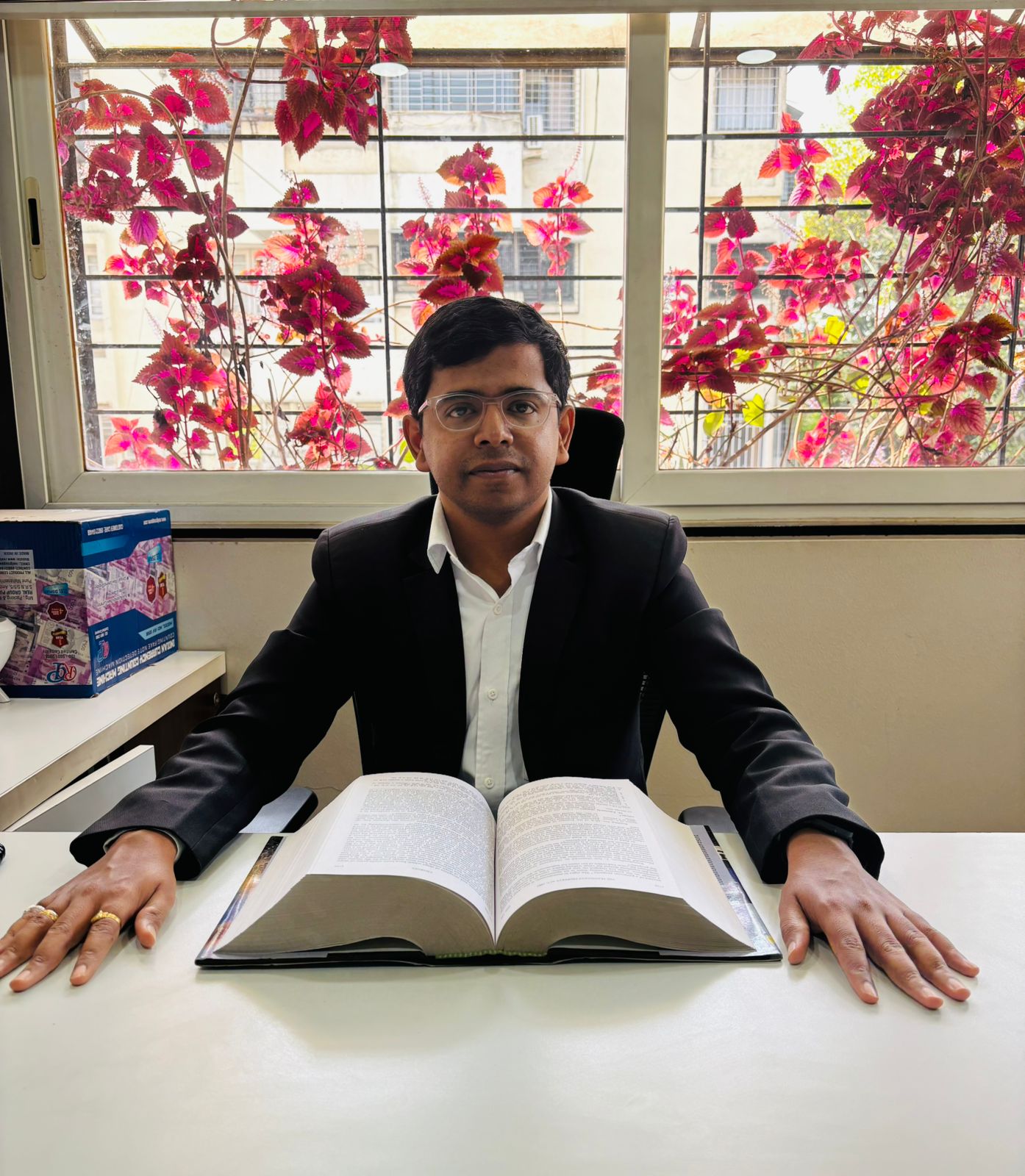

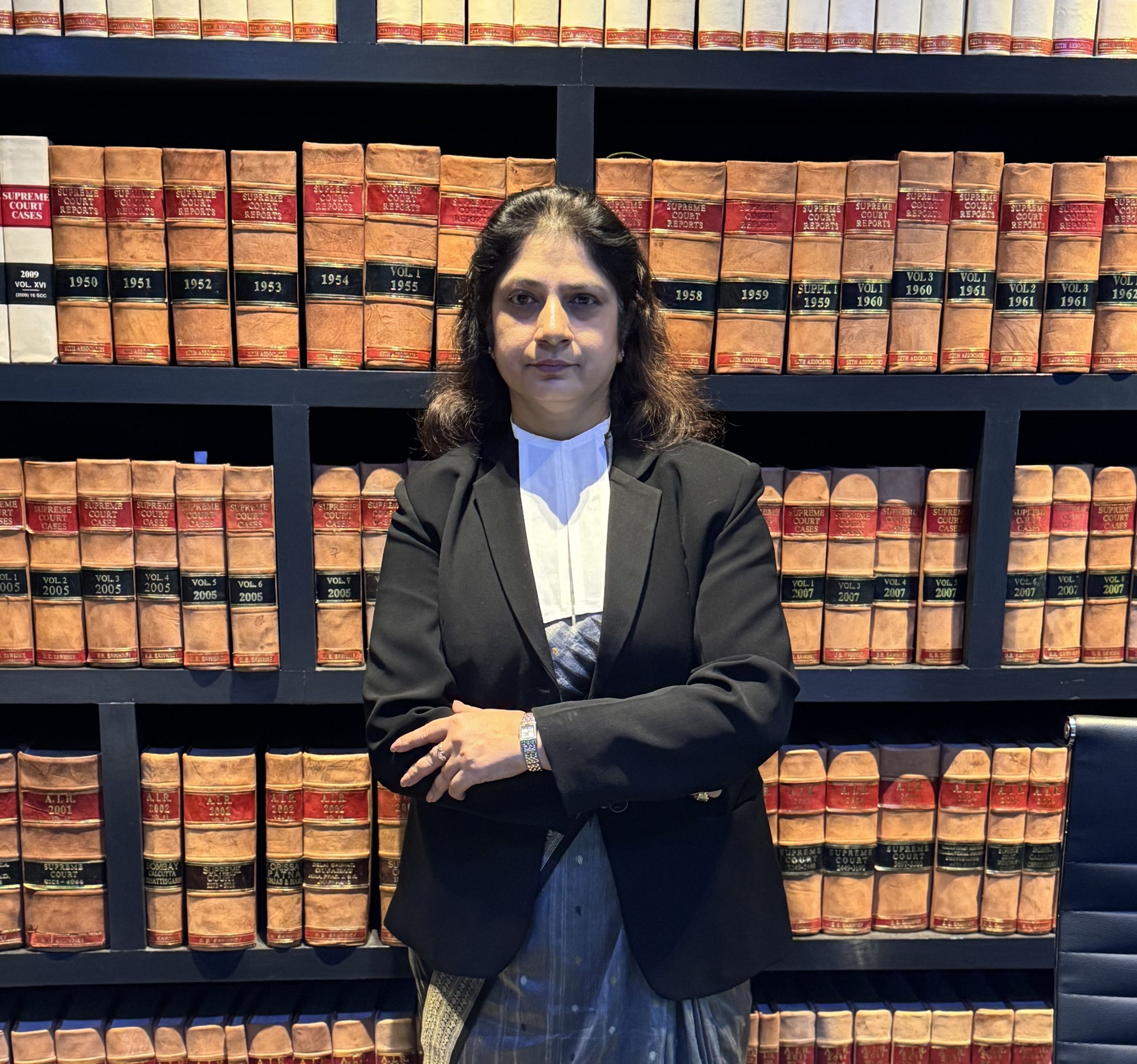

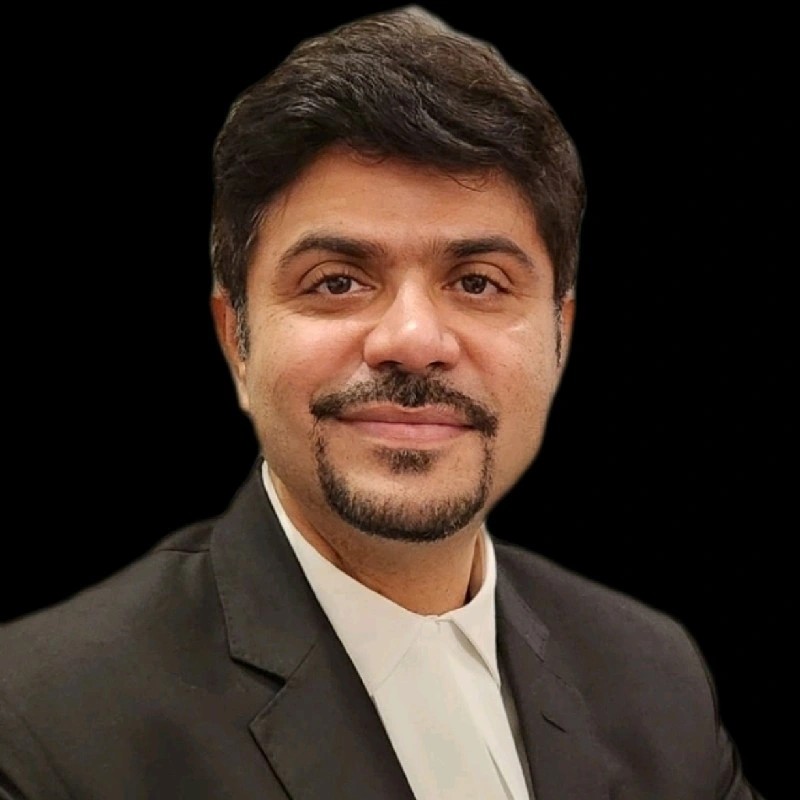




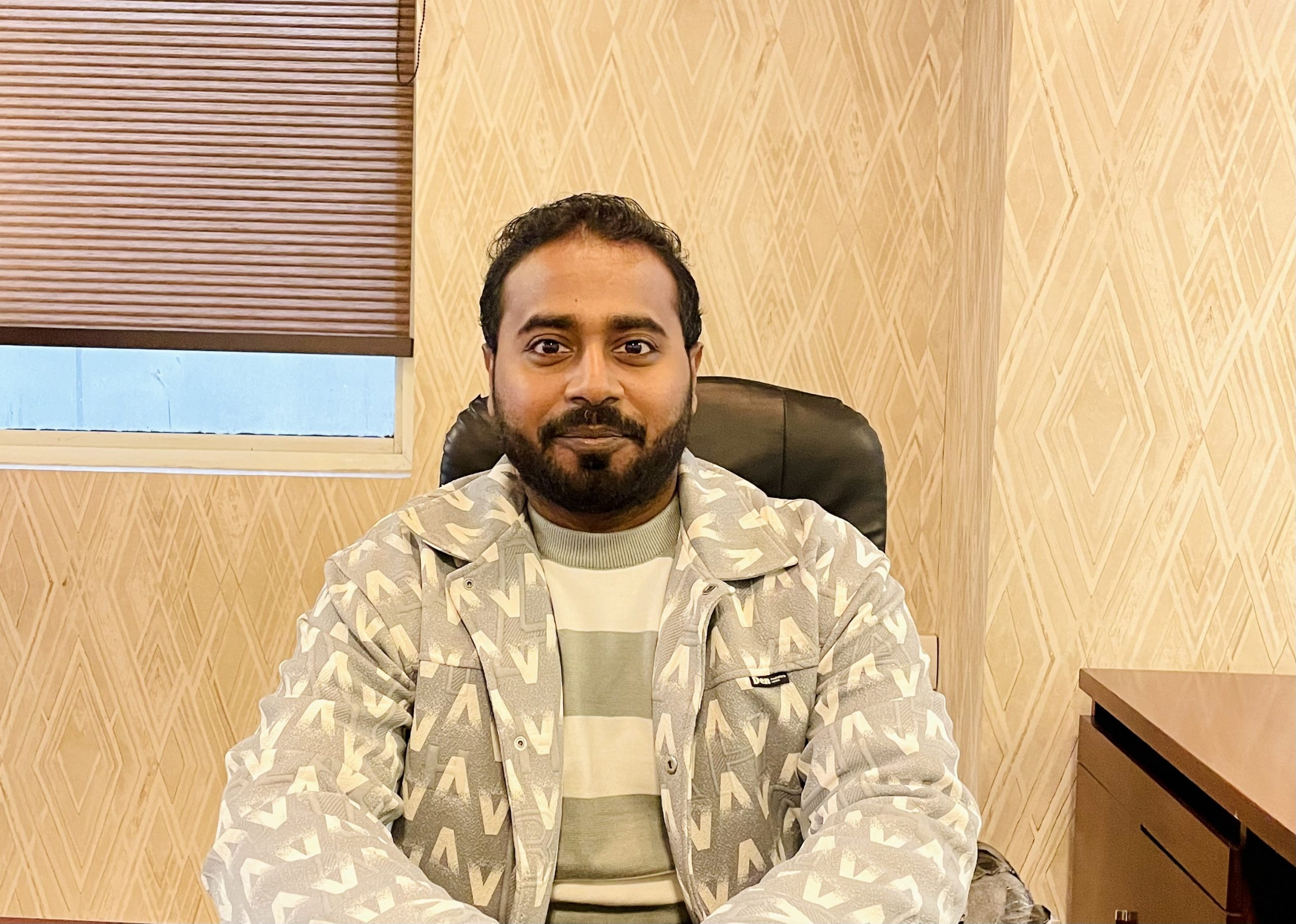




 Allow notifications