Tag: Corporate

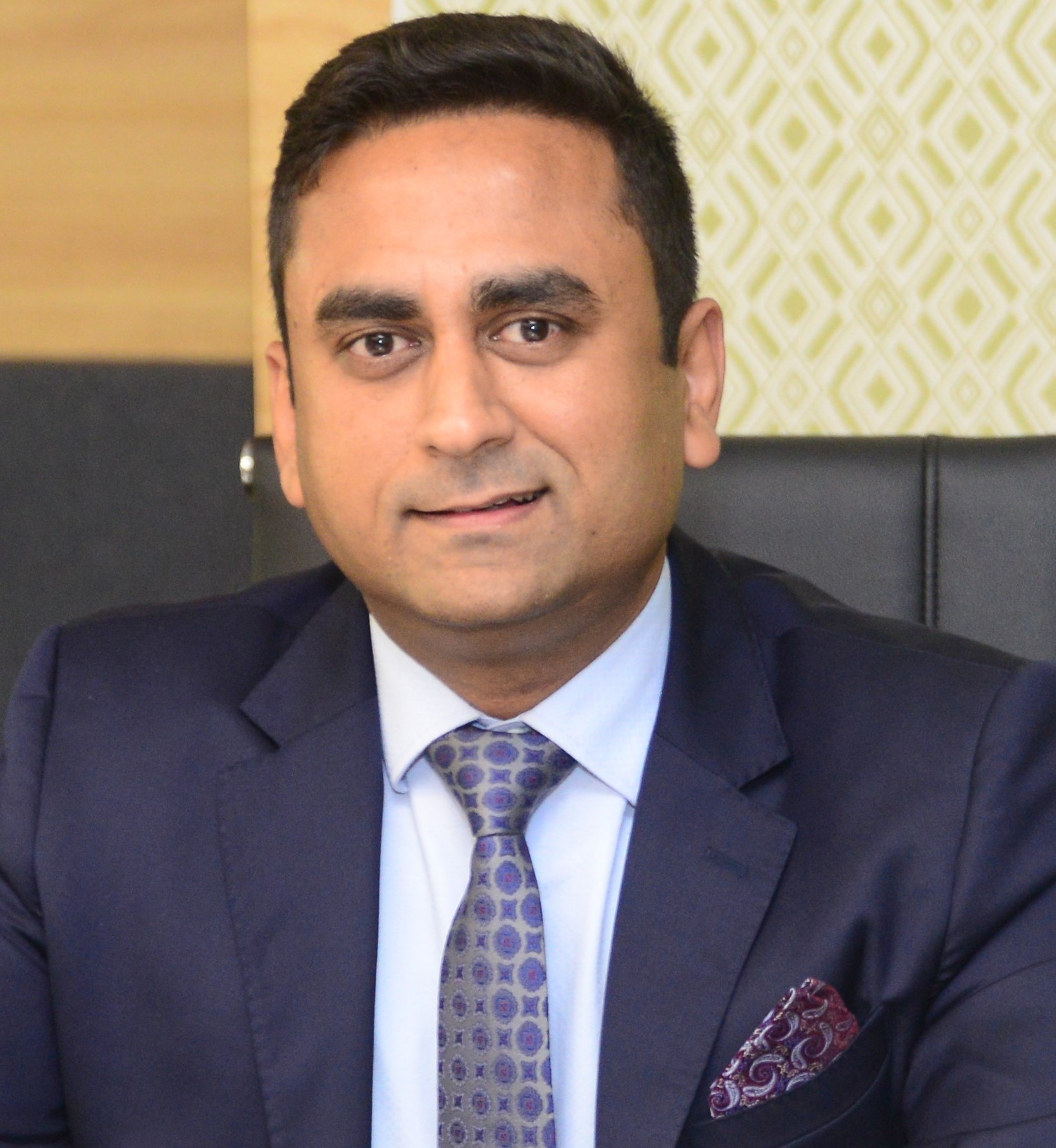
  • “All the three stages- compliance, crisis management and strategic advisory – can be achieved one after another with strategic advisory being the most important and comes last in the sequence”- Atul Juvle, Managing Partner, Ap2 LEGAL CONSULTING LLP 

    “All the three stages- compliance, crisis management and strategic advisory – can be achieved one after another with strategic advisory being the most important and comes last in the sequence”- Atul Juvle, Managing Partner, Ap2 LEGAL CONSULTING LLP 

    This Interview has been published by Pragya Chandni and The SuperLawyer Team

    You’ve had an illustrious career spanning various industries and companies. What initially drew you towards the legal profession, and how did you navigate your way through different sectors over the years?

    I finished my banking qualification because I wanted to pursue a career in banking operations. While studying for the same  I fell in love with the laws governing forex transactions and the legal decisions made by the courts that impact bankers. This motivated me to finish FCS after LLB. I kind of fell into the legal field by accident. Over time, I became permanently married to legal compliance due to complexities and problems. 

    I have experimented with a variety of business sectors because I love challenges and dislike things as they are. My courageous nature, which I developed by exposure to and experiences gained on the job, has also contributed to my success in adapting and delivering in several organizations. Yes, my wife has given me a lot of support throughout my endeavours, which has inspired me to keep going even now. 

    With your extensive experience in both civil and criminal legal matters, as well as crisis management, could you share some insights into how you approach handling high-stakes matters, or complex legal disputes?

    There are three stages when GC gets  involved (1) from the beginning (2) after trying all the methods to correct the situation (3) this may be part of legacy issues, when you join a new organisation. 

    Based on experiences, I have developed a procedure based strategic approach to handle high stake matters. Whatever may be the stage, when we get involved, the first step is always buying enough time from business or judiciary, under any pretext, to prepare well before getting into filing of legal proceedings or start proceedings before authority (when we got in the matter at proceedings stage) in a high-stakes, complex legal issues. Conduct a thorough internal evaluation review of the matter, not only on the basis of documents but also in consultation with the operational managers directly involved in the matter. Create a SWOT analysis of the situation. The matter’s advantages, disadvantages, opportunities, and threats. Create a plan of action and get going. Be flexible for a few surprises from the opposite side, which may provide threats or weaknesses. Remember to leave the door open for dialogue or informal mediation after filing for legal action. 

    Given your roles in compliance and governance, including ensuring statutory compliances for offices and factories pan India, what strategies have you found most effective in maintaining adherence to regulatory standards across diverse business environments?

    There is no Strategy but a Process, for ensuring a satisfactory compliance system in the organisation.  The written down process with identified process owners, has to be followed religiously. A repository of applicable laws and rules must be established, and when changes occur, one designated individual must be responsible for updating the repository. The repository must be updated with the modifications, and all affected process owners must be notified. Every month, the database must be updated to include compliances, delayed compliances, and failed compliances. The organisation has to promote a “Speak-Up” culture, and reliance and dependence on the same should be prioritized over database reports.  The non-reporting, if any, should be dealt seriously and firmly.  I am blessed to have good teammates in every organisation who followed the process religiously and helped me  to be successful in managing compliances. 

    I will never forget 2010-11, when in one business sector there were more than 90 circulars in one year and only because of dependable team-mates, I could communicate and implement them successfully in the system. 

    You’ve been recognized as a leader in legal ethics and compliance. How do you instill a culture of integrity and ethical behavior within the organizations you’ve worked with, especially considering the diverse cultural and operational landscapes?

    The basic rules of integrity and ethical behaviour does not defer with diverse businesses / operational landscapes or different sets of management.   I am lucky to have worked with businesses, who respect ethical business practices. 

    “Yatha Raja, Tatha Praja’.  The Integrity culture starts with tone from the top.  Integrity is behaving right when no one watches.  The employee follows the leaders. So, senior managers must be role models. The second important step is having a written down policy in the company, which clarifies and codifies the standards, rules and expectations.  The third rule is dealing with violations, without making any exceptions, with warnings, sanctions and sometimes drastic sanctions like termination.  Fourth and last rule is encouraging a speak-up culture.  We also call it the whistle-blower system but it works well when it’s formal as well as informal. If we follow all these rules consistently, integrity and ethical behaviour becomes part of business operations. 

    Your expertise extends to transactions such as M&A and restructuring. What key factors do you consider when advising on such strategic decisions, and how do you balance legal requirements with business objectives?

    M&A and restructuring are two big topics and very difficult to answer it together in short.  I would prefer to share experiences on restructuring because it’s a common activity for a good number of companies and also aligning legal requirements with business objectives are more challenging in restructuring.

    Restructuring involves closing of branches / sale of factories / optimisation of labour force etc. Cost of such projects is perceived as a loss. Handling human angles and related risks and challenges is the first concern. Identifying the external support agencies is necessary to avoid last minute running around, when any angle needs care and cure.   Confidentiality is the most important key factor and it starts from the stage of conceptualisation itself.  I remember in one crucial transaction, we as a team didn’t attend the office for two weeks and even not used company cars and regular drivers.    Complete detailed information about the project.  Identification of risk/trouble pointers and resolution strategy to mitigate the same.   Ensuring 100% compliance with the applicable regulatory provisions, to avoid any surprises from the Regulator.  Handling tough decisions with human touch always helps to mitigate the pains.  Focussed attention, 100% compliant process driven activity, taking care of surprises at the first stage. 

    Could you elaborate on your experience in crisis management, particularly in handling fatal accidents and other critical incidents? How do you approach these situations from a legal and strategic standpoint?

    My first accident handling experience was a troublesome experience, but then I started developing a process based on learning.  Strategy in theory and in real life situations differs vastly.   My learning notes helped me to develop the process.  Eventually later I also got training in crisis management, which helped me to excel in more careful handling of such situations. 

    In case of a fatal accident, the first three days are critical.  Initial communication, immediate financial & emotional support to the victim’s family, cooperation with the regulatory authorities, Police and responses to the media are the major areas.  Seven points, one has to keep in mind in the first 24 hours and then follow the same for another two days.  (1) Minute verification of facts. Zero room for guess work / assumption on the incident background. (2) Emotional and financial support to family without any acceptance of fault- until the same is verified with the facts. (3) Responses to regulatory and media, only after double verification of facts.  While handling media – Reading or releasing written statements- If we buy time, we strictly honour commitment.  ‘No Response’ is an absolutely BAD response. (4) Review carefully the documents and responses submitted to Police (5) Complete the Incident report filing with the applicable regulatory authorities well within time. (normally it’s 24 hours) (6) Estimating loss, Insurance claim possibility. Intimation to Insurance companies. (7) Start parallelly root cause analysis and corrective action to avoid repetition.

    As someone deeply involved in drafting and vetting agreements, what are some common pitfalls you’ve observed in contract negotiations, and how do you mitigate risks while ensuring favourable outcomes for your organization?

    In any contract there are 5-6 clauses that need attention, discussion and negotiations to have a fair contract between both the parties.  But a good number of times the Client has the upper hand and it becomes a difficult decision on whether to accept the project or not?   And Management wants to go ahead with the business decision.  Sometimes the project has strategic importance, too. In some cases, organisations want to accept the project with all the risks as a strategic plan.   In such cases only option is risk evaluation, built in safety measures, estimate and include cost plus insurance.  In simple terms when risks are not avoidable, the option is to accept, create buffers in terms of process as well as cost and transfer risk as a second buffer, to insurance.   In terms of risk mitigation management, it’s necessary to have strong project management with an identified responsible person.   We did wonders on many risky projects by this approach, yes with one or two exceptions where we mitigated risks through insurance claims.

    Finally, with your wealth of experience, what advice would you offer to young law graduates aspiring to make a mark in the legal profession, especially in areas like compliance, crisis management, and strategic advisory?

    All the three stages- compliance, crisis management and strategic advisory – can be achieved one after another with strategic advisory being the most important and comes last in the sequence. 

    First and foremost, even if all the youngsters know, but still would like to reiterate that now there will not be legal & compliance, without information & technology. So, whatever domain one choses, s/he has to keep updated with the technological advancements in the domain.  

    Second, I strongly believe in Brian Tracy’s 6-Ps rulePrior Proper Planning Prevents Poor Performance. Never forget to plan ahead, ask for help when needed and be prepared before beginning any legal battle.  As I said herein above while answering question no.2, that there is nothing wrong in requesting time for preparation and planning.

    A leadership mindset is a must to reach the Top.  Always remember that leadership begins with the letter L, which stands for lifelong learning.  It’s a myth that only seniors have to be leaders, every person can be a leader at his/her level with the right mindset. 

    Last but not least, my all-time favourite saying is: “Know & go, always; there’s no such thing as NO-GO.” When there is no way to completely eliminate the risk, we should accept it, handle it carefully with continuous monitoring backed by insurance to cover it. 

    Best wishes for earning and claiming your  share in one of the fastest growing economies, India. 

    Get in touch with Atul Juvle-

  • “To excel in the legal profession, one must be very sincere, have patience and work diligently with dedication”- P S Suman, Managing Partner, PSS Legal Advisors LLP

    “To excel in the legal profession, one must be very sincere, have patience and work diligently with dedication”- P S Suman, Managing Partner, PSS Legal Advisors LLP

    This Interview has been published by Pragya Chandni and The SuperLawyer Team

    Can you share your journey into the field of law with us? 

    My Bachelor’s and Master’s degrees in Corporate Secretaryship got me interested in Corporate Law. Thereafter, I finished the Company Secretaryship course as well as a Degree in Law. I enrolled as an advocate with the Bar Council of Tamil Nadu. I had the spectacular opportunity to work under Senior Advocate Mr. R. Murari whose mentoring gave me a great start. 

    Three years later, I finished my Chartered Governance programme at the Chartered Governance Institute (UK and Ireland). 

    A solid foundation in corporate and commercial law is very essential to becoming a successful corporate lawyer. Fortunately, the academic and professional courses I pursued gave me this much-needed in-depth understanding which enables me to handle corporate cases effectively. The journey of my 20+ years in legal practice has been very exciting throughout.

    With your background in corporate secretaryship and law, what drew you to specialize in mergers and acquisitions? 

    I was very passionate about Mergers and Acquisitions right from the beginning of my practice. It is my constant endeavour to know as much as possible about this topic to facilitate providing extensive in-depth services to our clients. It is this interest that led me to complete a program on ‘Value Creation through Mergers and Acquisitions’ from the Indian School of Business (ISB, Hyderabad). At our Firm, we handle various M&A transactions and we enjoy facilitating each of the aspects involved for our clients. Presently, there is constant activity in the M&A space and it’s a very exciting area of practice for our Firm. 

    You co-authored a book on ‘Supreme Court on Insolvency and Bankruptcy’. What inspired you to delve into this topic, and what key insights did you gain from the process?

    The Insolvency and Bankruptcy Code brought about very interesting changes and the law has seen substantial and rapid developments. The Hon’ble Supreme Court has been settling this law on various aspects. I proposed to author a book on this topic and the team at LexisNexis was very supportive. The process of authoring this book gave me a deeper sense of understanding various aspects of the Insolvency and Bankruptcy Code.

    As the Managing Partner of PSS Legal Advisors LLP, could you elaborate on the range of services your firm provides in corporate matters? 

    ‘PSS Legal Advisors LLP’ is a boutique corporate law firm. The Firm’s Advisory Practice deals with a wide variety of matters including all matters relating to foreign exchange law. The Firm’s Transaction Practice deals with a variety of M&A and contract-related matters. In our Litigation Practice, we provide comprehensive end-to-end support on all aspects of Corporate, Civil and Commercial Law and represent our clients before all Courts including the Supreme Court, High Courts and various Tribunals such as NCLT, NCLAT, DRT, DRAT, Enforcement Directorate etc., The Firm also has an active alternate dispute resolution practice on Mediations and Arbitrations. We also have a successful real estate legal practice.

    Being a co-founder of Beej Network, how do you balance your legal expertise with your involvement in angel investments and startup support? 

    I am a mentor by nature and I always look forward to making a difference to people around me. It is because of my knowledge domain and mentoring activities that I was made a Co-founder at Beej Network, which is an angel investing network.

    The founders of startups need to focus on their business and hence they require immense legal and other professional support at all stages. It is my endeavour to understand the business of a startup and their business plan, the vision of the promoters, their pain points etc., from a legal standpoint and guide them suitably to enable them to focus effectively on developing their business without facing non-compliance. 

    As a corporate lawyer, I am fortunate to have assisted clients at different stages of their life cycle over the years and it is this experience that empowers me to mentor the start-ups and its promoters.

    Could you share some highlights from your involvement with the Indo-Japan Chamber of Commerce and Industry? 

    I am fortunate to have about 15+ years of long association working closely with Japanese companies on their requirements in India. A few years ago I was appointed as a Member of the Governing Council, which is the core governing body of the ‘Indo-Japan Chamber of Commerce and Industry’ (IJCCI). The IJCCI has been focussing exclusively on Indian and Japanese trade and cultural activities for over 32 years.

    At the IJCCI we endeavour to connect enquiries from Japan to Indian businesses and vice-versa. We have organised several delegations from India to Japan to give Indian businesses both prospects and exposure to doing business in Japan. I front-ended an economic survey on ‘Indian Industry expectations from Japanese Companies in TamilNadu’. This report is widely circulated in key offices in Japan with an intent to effectively integrate investments from Japan into India. 

    Our Law Firm supports IJCCI by hosting knowledge-sharing programs. 

    Your efforts in attracting foreign investments into India are commendable. What strategies have you found most effective in fostering these international collaborations, particularly with organizations like the United Nations Industrial Development Organization?

    We have arranged programmes for Japan on investing in India with the help of the IJCCI and the United Nations Industrial Development Organisation, ITPO Tokyo. I have been fortunate to travel to Japan extensively on several occasions during which I learnt more about their culture, business practices, expectations on investing in India and other important aspects.

    In our practice and otherwise, we receive enquiries from Japan and other countries. Japanese Investors expect complete clarity on all aspects and it is only thereafter that they execute their decision to invest in India. Of course, the simplicity of setting up and operating in India is the key to attracting foreign investments. 

    Generally, the main focus is on attracting foreign investments into India. However, what we need is to continue to support such foreign investors even post their investments in India by addressing their pain points on priority. The endeavour of the Government must be to turn foreign investors into extremely happy customers which in turn will get such foreign investors to spread the word about and highly recommend their countrymen on investing in India.

    I have dedicated a lot of time and effort to advancing Japanese investments in India and I look forward to continuing to assist many more foreign businesses with their requirements in India.

    How do you ensure your team stays ahead in such a dynamic field?

    This process is the most challenging and yet very interesting. We start each word day with an individual-centric session focussed on their personal development with a brief meditation, mentoring and affirmations. Our teams are aligned to the Firm’s vision. Each member is focused on doing meaningful work every day and on every assignment. The team embraces challenging work willingly and this helps them grow professionally. 

    I have addressed sessions at various institutions on succeeding in the profession, fast-tracking careers and other aspects and I endeavour to enable this for the team at the firm as well.

    What is your approach at the Firm to protect the interest of your clients?

    At the Firm we operate on the principle of ‘Prevention is better than the Cure’. Every commercial action has multiple legal implications and we endeavour to provide clarity to our clients on such implications and also take the necessary steps to protect their interests. Litigation or prosecution leads to complex situations involving huge costs resulting in a financial depletion in a company, diversion of human resources and stressful situations. We proactively address issues with our clients early on by working with them continuously and this enables us to take care of the client’s interest as and when a requirement arises thereby reducing the possibilities of litigation or prosecution.

    Based on your extensive experience, what advice would you offer to fresh graduates aspiring to pursue a career in law, especially in the realm of corporate law and entrepreneurship?

    To excel in the legal profession, one must be very sincere, have patience and work diligently with dedication. The long hours at work must be seen as a pleasure and must be embraced willingly. Fresh graduates must understand all aspects of the profession in detail and happily align with such requirements. They must also have a clear goal in mind and proceed with a long-term approach and it is necessary to stay on track throughout consistently. Horizontal exposure to a variety of laws is vital, but it is also critical to develop core competencies in a select few areas so that, over time, one can establish oneself as an authority in at least a few selected fields. Interest in and investing in continuous education in chosen areas is critical. 

    Get in touch with PS Suman-

  • “Invest in meaningful relationships with seniors and colleagues and don’t fall into the rat race of titles and pay cheques”- Ketaki Suklikar, Head of M&A, Mahindra Group

    “Invest in meaningful relationships with seniors and colleagues and don’t fall into the rat race of titles and pay cheques”- Ketaki Suklikar, Head of M&A, Mahindra Group

    This Interview has been published by Pragya Chandni and The SuperLawyer Team

    Can you walk us through your journey from starting as an associate at Wadia Ghandy & Co. to your current role as Head of M&A at Mahindra & Mahindra? What motivated you to specialize in corporate M&A law?

    I would say I was extremely fortunate to have landed up at Wadia Ghandy & Co post law school. WG was the best training ground a fresher could ask for. We were taught everything there is to know about being a thorough professional keeping high ethical and quality standards and integrity in our work. I was given responsibility and freedom to navigate complex matters – with the reassurance that my Partner always had my back. To this day, I count my seniors Djena Sunavala and Ankit Majmudar as my mentors and dear friends- I often reach out to them for guidance. 

    Unlike current times where lawyers “specialise” right off the bat, at WG in those days as a fresher you had to work on all types of matters thrown at you be it conveyancing, corporate, M&A, regulatory work etc. across sectors. This gave me a broad view of all aspects of the law. However, within a few years I realised that I am drawn to transaction work and loved to work on PE and M&A matters. I then began focusing more on PE and Corporate M&A. 

    Having 8 years of rich law firm experience meant that I was well placed to join an organisation as in-house counsel. Acumen was a great stepping stone in my transition to in-house life. At Acumen, I was India GC and was responsible for all legal and regulatory aspects of Acumen’s India operations. 

    Mayfield was an exhilarating journey because VC is a very fast paced, high-energy world where the people you interact with are all extremely driven individuals- operating at a high level of efficiency. The expectations were high and I had to quickly step up to the plate. At Mayfield the sense of ownership and responsibility was further amplified which gave me a huge sense of confidence. 

    Again, the experience I gained at Mayfield was the perfect pre-cursor to my current role at M&M. 

    I firmly believe that in a career spanning 4 decades or more, everything happens at the right time when one is ready for the next challenge/shift. I have a very interesting and demanding role at M&M, one that I enjoy thoroughly, but it has come at the right time in my journey when I am well equipped to handle everything it throws at me. 

    Transitioning from a law firm to in-house counsel at Acumen and later Mayfield must have been significant shifts. How did these experiences shape your perspective on legal practice, especially within the context of venture capital and impact investment funds?

    The shift from advisor to decision maker is certainly a daunting one and one must have confidence in one’s abilities to navigate this shift.

    A firm head on your shoulders and being clear & decisive is needed. Understanding the business, the priorities and commercial levers driving an issue or transaction is key. One cannot be a roadblock – being solution oriented and collaborative is important but at the same time you need to set guard rails and ensure transactions are being done in a way that you are comfortable with as GC. You need to set standards and ensure you get buy-in from the business on your way of doing things.

    I would say these experiences have given me a unique perspective of legal practice, in the sense that I know exactly what the business leaders are, or rather, should be, looking to hear from the in-house legal team and what are the key drivers or critical matters concerning the Board. 

    As General Counsel at Mayfield, you oversaw legal aspects of the firm’s India operations, including deal structuring and governance. Could you share some key insights or challenges you encountered while navigating the legal landscape in the venture capital industry, particularly in India?

    As I mentioned, the venture capital space is fast paced and high energy, which is something I loved about it. 

    In terms of insights, I would say that building relationships across participants in the industry is extremely important and it makes deal making very smooth. When dealing with a sticky issue in a deal, often times, after several all-party calls and negotiations fail to resolve an issue,  a personal phone call to the GC on the other side or the law firm partner on the other side to discuss and come to common ground would solve the matter, because there is a personal connect and the person knows you well enough to know it is not an ego trip and you just want to come to an acceptable middle ground. 

    In any role there will be challenges, otherwise there is no fun. There certainly were challenges at Mayfield, but here I would say having a good working relationship with colleagues is very important to brainstorm, discuss, vent and then handle the challenges. Each challenge gives you immense learning and builds a new muscle which you never knew you had! 

    Joining Mahindra & Mahindra marked a shift to corporate M&A, but on a larger scale. What unique challenges do you face as Head of M&A in such a diverse and multinational conglomerate?

    As you have rightly said, M&M is a diverse and large group. The main challenge for me personally when I moved to M&M was that I was used to working independently and taking calls on my own, given that Mayfield (as typical for VC funds) was a small team. For obvious reasons, at M&M one has to work with many stakeholders from different teams and departments and this requires a shift in working style. 

    Apart from this, the sectors are very different from what I was looking at earlier, however, the principles of an M&A deal do not change drastically – it is just a different lens as a strategic player rather than a financial investor.

    Leading a team of lawyers in the M&A department at Mahindra & Mahindra, what strategies do you employ to ensure efficient deal management and coordination, especially across different sectors within the group?

    I think simple strategies like regular check-ins with the team, creating templates and SoPs for deals, and having the right balance of giving independence but still having some oversight, work very well. Most importantly, I seek feedback from my team and I am learning to be a better manager from them. 

    With your extensive experience across various sectors and roles within the legal field, what do you consider the most crucial skills or qualities for success in corporate law, particularly in M&A and venture capital?

    I would say, the following skills or qualities are crucial to success in M&A/VC (and generally as a corporate lawyer):

    • Understanding the commercial rationale for the transaction.
    • Getting comfortable with numbers and basic principles of corporate finance.
    • Balancing attention to detail with having a 30,000 foot view.
    • Being able to anticipate issues before they crop up and having a Plan B ready!
    • Stakeholder management 
    • Great communication and stellar writing skills

    Finally, drawing from your rich experience, what advice would you offer to fresh law graduates aspiring to pursue a career in corporate law or venture capital? What key lessons have you learned that you believe are essential for their success in the legal industry?

    My advice to fresh law graduates aspiring to pursue a career in corporate law or venture capital is to cut your teeth working at a law firm for the first 5-10 years post law school. Do not “specialise” early and work on diverse matters as much as possible. 

    Read the business newspapers in detail. Know what’s happening around you in the world. Keep abreast of changes in law and regulations. Follow some leaders in the field and see what they are talking about. If you don’t know something, ASK someone. Don’t only google it, but have a conversation about it. 

    Invest in meaningful relationships with seniors and colleagues and don’t fall into the rat race of titles and pay cheques. Your career will be very long – there is plenty of time.

    These are some learnings from my experience, every person will have a different journey and experience, and it is important not to compare your journey with others. 

    Get in touch with Ketaki Suklikar-

  • “As digital transformation takes the center stage, the generalist vs specialist debate is taking a definitive turn”- Rai S Mittal, Senior Partner, TITUS & CO., ADVOCATES

    “As digital transformation takes the center stage, the generalist vs specialist debate is taking a definitive turn”- Rai S Mittal, Senior Partner, TITUS & CO., ADVOCATES

    This Interview has been published by Pragya Chandni and The SuperLawyer Team

    You’ve had an impressive journey in the legal field spanning over three decades, with experiences ranging from trial court practice to senior partnership at leading law firms. What initially drew you to pursue a career in law, and how did your early experiences shape your path?

    To tell you what drove me, or what motivated me, to pursue a career in law can be an obvious answer but still it requires a bit of self-reflection. My passion for law and interest in becoming a lawyer came largely from it being intellectually challenging. I was perhaps also passionate about legally connected issues during my school and college days. My father being a lawyer and my interest in watching movies and reading crime fiction also contributed a bit in my desire to become a lawyer. Moreover, to be honest, with little understanding of science and lack of interest in accounting and management professions, I was left with just a few options and law was one of them. 

    I’m normally quite a private person, so my journey as a lawyer wasn’t quite easy. As a ‘baby’ lawyer, I worked across many different areas of law. I was fortunate enough to have some amazing experiences very early in my career on a variety of issues including family laws, labour laws, consumer laws, criminal laws, revenue laws and property matters. While the thrill of being in district courts of my small hometown and learning so much in one go was amazing, it just wasn’t the same as practising in a large city in a professional environment with matters having substantial stakes. I then moved to Delhi and have since then practised all kinds of business and corporate laws across different practice areas. 

    Your expertise encompasses various legal domains, from dispute resolution to intellectual property rights. Could you share a pivotal moment or case in your career that significantly influenced your approach to practicing law or shaped your specialization?

    During the initial years of my law practice, I got an amazing opportunity to work on a complicated matter which required substantial skills in a variety of laws including intellectual property laws, trade and contractual issues, criminal laws, foreign collaboration laws, government policies and tax laws as well as skills in court litigation and arbitration. It is then I realised that complexity requires teamwork and collaboration. In order to manage client matters effectively and efficiently, lawyers have to utilize a more diverse group of skills and people. What is also clear is that teamwork and collaboration require heavy doses of trust and shared responsibility. Furthermore, working on this case and many other interesting assignments of different nature ensured that I enjoy offering a range of diverse skills and an intelligent mix of knowledge from a variety of disciplines. 

    As a seasoned business attorney, you’ve worked extensively with multinational corporations, navigating complex legal landscapes across different industries. Could you elaborate on a particularly challenging situation you encountered and how you successfully resolved it?

    Another challenging work situation I encountered during the initial years of my career was when I was assigned a client project with tight deadlines and high expectations. There were several experienced legal teams working on the assignment for different parties from different jurisdictions including India, UAE, Japan and Mauritius. As someone lacking experience, I somewhat struggled with interactions and communication, which made collaborating with diverse teams a bit challenging. However, I soon recognised the importance of effective teamwork and found ways to navigate this situation. To overcome this difficulty, I proactively communicate my needs and concerns to the client and different teams. I asked for clear guidelines and expectations, ensuring that I had a clear understanding of my role and responsibilities. By focusing on my individual strengths, such as attention to detail and problem-solving abilities, I was able to make valuable contributions to the project. This experience taught me the importance of open communication, seeking support when needed, and the importance of meeting small deadlines to meet the primary deadline. 

    Your track record boasts a high success rate and a remarkable ability to manage legal affairs with a commercial mindset. How do you balance legal intricacies with strategic business objectives to deliver optimal outcomes for your clients?

    We live in a world of strategic compliance – or as I like to call it, “Winning at Business Without Landing in Jail.” Gone are the days when legal compliance was seen merely as a back-office function. Today, it is recognized as a key player in shaping business strategies. This shift is partly driven by the increasing complexity of regulatory landscapes across different jurisdictions, especially for global businesses. The rise of technology, data privacy concerns, and the dynamic nature of international trade laws further complicate this scenario. 

    At its core, strategic compliance is about finding a balance. On one side, there are the business goals – growth, profitability, market expansion, and innovation. On the other, there are legal and regulatory requirements, which can often seem like barriers to these objectives. However, instead of seeing these groups as opposing forces, we should focus on integrating compliance into business strategy, thereby enhancing, not hindering, the pursuit of business. 

    In my view, compliance shouldn’t be seen as the party pooper showing up after the decisions are made; it’s part of the party-planning committee, and we need to ensure that the business goals don’t end up with a noise from the legal department. Ideally, in the world of strategic compliance, it’s all about making the law work for you, not against you.

    Throughout your career, you’ve demonstrated exceptional leadership skills by managing teams of attorneys and fostering a collaborative environment. What strategies have you found most effective in leading legal teams, especially in high-stakes situations?

    Becoming more effective in leading a team is certainly more of an art than a science. Often, it can also mean adapting to the team you have or the circumstances at hand. However, the key is to encourage collaboration across people, teams and departments. It is also important to set an organisation vision and communicate the big picture. 

    What will you say on Client Retention vs. Client Acquisition? Where do you think that most law firms go wrong on this? 

    A law firm’s past and existing clients are a huge asset to the firm, so it’s crucial to maintain a strong relationship with them so that they stay loyal and do not leave the firm. And yet most law firms, in particular small to midsize firms, spend most of their marketing budget on finding new clients instead of nurturing the ones they already have or had not too long ago. It is common knowledge that acquiring a new client can cost 5 to 10 times more than retaining an existing client. In my experience, increasing customer retention by 5% to 10% can increase profits from 25% to 100% in mid term. The success rate of selling your services to a client you already have is 50% or more, while the success rate of selling to a new client is just about 10% in most cases. There are some surveys which have found that loyal clients are 5x as likely to repurchase, 5x as likely to forgive, 4x as likely to refer, and 7x as likely to try your new offering, as compared to a new client/potential client.

    What, in your experience, is necessary for a lawyer to stay relevant in the fast changing legal industry? 

    The legal industry is on the verge of a major transition and it has in fact already changed a lot in the last decade or so, which is driven by the introduction of technology. The legal industry is changing because of the introduction of new innovations related to the industry and hundreds of new legal start-ups emerging every year. Today, machine learning is beginning to transform the legal profession in many ways but in most cases it augments what humans do and frees them up to take higher-level tasks such as advising clients, negotiating deals and appearing in courts. In machine learning, computers use an algorithm, analyze data, learn the pattern and glean insights from the data, so a lot of routine or easy work can be taken care of without much involvement of a senior lawyer. Without a doubt, the ecosystem will continuously affect the way lawyers are working and will work in the future. If lawyers learn legal management practice with the latest technology, then only they will be able to survive in the future. 

    Another very important aspect is that the lawyers have to continuously update their knowledge in order to stay relevant. There was a time when lawyers could do well just by having knowledge of general laws of the land or by having understanding of traditional practice areas, like contract law, torts and civil and criminal procedures. That’s no longer the case in view of special laws and tribunals and specialised practice areas that are coming up very fast. 

    Also, I have a strong feeling that lawyers who don’t add value to the client relationship won’t survive in an ever-competitive environment; they will simply become irrelevant. One should therefore be very efficient in delivering the outcome. So get better at management of client assignments. Give commercially pragmatic advice, not just advice that’s legally correct. Keep in touch with the clients regularly with helpful tips and advice, even if you don’t get paid for this. Pass on the knowledge you are getting about their business or industry. Understand clients’ businesses and the industries in which they operate so you can tell them of pitfalls before they arrive.

    A Generalist or a Specialist: What’s the Best Fit for A Lawyer’s Career?

    Personally I have always been inclined to offer a range of diverse skills and an intelligent mix of knowledge from a variety of disciplines. Hence, I have been a generalist lawyer by choice throughout my career.

    Generally speaking, handling diverse roles provides generalists a good understanding of all the functioning parts of the business or industry. Generalists multitask and collaborate to tap into related domains when opportunities arise. This hones their ability to handle unique situations and formulate enduring perspectives. However, there is a limitation in as much as generalists aren’t sometimes that competent in niche projects. Moreover, there is a higher chance of their early burnout as they work across multiple teams and tackle a host of responsibilities, especially if they are in leadership roles. 

    As digital transformation takes the center stage, the generalist vs specialist debate is taking a definitive turn. One should definitely ask oneself the following questions, amongst others, to gain a comprehensive understanding of one’s needs and goal: Do you like a diverse breadth of knowledge or do you prefer deep research on any specific topic? Do you change your career perspective often and prefer taking time to find the niche you are interested in? Or have you already determined your career trajectory? What kind of work ignites your interests and passions? Does it require you to hone different skills or demand specific subject-matter expertise?

    What are the biggest challenges that the legal sector is facing or will be facing in the short to mid term? 

    From economic pressures to cyber threats, lawyers are facing a number of challenges. The economy remains volatile in 2024, marked by ongoing geopolitical tensions. This is making clients even more price conscious when choosing a law firm. There is also an expectation for greater cybersecurity and verifications for online activity as law firms are wary of increased risks of cyberattacks. Most law firms are however yet to implement effective cyber mitigation strategies. Further, even though integrating legal softwares and systems is not a new challenge, it’s increasingly becoming important as law firms strive for increased profitability while improving client service and experience. Talent attraction and retention in the legal sector will also continue to be a significant challenge in 2024. 

    Get in touch with Rai S Mittal-

  • “The biggest challenge in solar projects across India is acquisition of land, connectivity and uncertainty of regulatory framework”- Faizur Rehman, Partner-Corporate, Energy & Projects at AKS Partners

    “The biggest challenge in solar projects across India is acquisition of land, connectivity and uncertainty of regulatory framework”- Faizur Rehman, Partner-Corporate, Energy & Projects at AKS Partners

    This Interview has been published by Pragya Chandni and The SuperLawyer Team

    Can you walk us through your journey from being an in-house counsel and company secretary to becoming a business leader and now a practicing lawyer specializing in energy and infrastructure?

    Yes, it has been an exciting journey so far. I started as company secretary and became in-house counsel and later on appointed as Head Legal in Fortum India. I had to set up legal, compliance and secretarial practice for businesses ranging from solar & wind projects, acquisition cases for hydro power, waste to energy and laying out EV charging infrastructure. It was a big shift from my earlier role in Schneider Electric and previous organisations. Fortum was a leadership position and businesses were new sun rising sectors in India, like solar and wind, EV, and biorefinery. Regulations are still evolving, hence, I have to push myself beyond legal knowledge, to acquire business and market understanding, which can help me in providing seamless legal support for business growth. I got opportunities for working on land acquisitions, regulatory approvals, funding of projects, selling of assets and a lot of drafting and contracting. All of this developed my understanding of capturing business true intentions into a legal paper and maybe, I started feeling more comfortable with business leadership. 

    After 6 years of leading legal function, got the responsibility as Country Director & Business Head for leading Biorefinery business (or Bio2X as Fortum calls it). It was a completely different role and I have to broaden my thinking. From finding flaws and identifying risks in business proposals, I have to find solutions, resolve issues and manage a big Joint Venture. Completely different work, but I believe my capability of learning fast, with legal knowledge, sector expertise and understanding of board practices helps me. 

    When last year, I joined AKS, as Partner-corporate, energy and projects, I believed that I am perfectly placed to advise my clients with the highest level of legal services and work with required domain expertise of energy sector as well as of projects. I understand the perspective of the in-house team, their business requirements and how to address matters in the energy sector. 

    Your career has seen you working with esteemed organizations like Schneider Electric, Hero Group, and Fortum India. How have these experiences influenced your approach to legal practice?

    I started my career with a couple of Indian promoters driven by mid-size companies and from the last 15 years worked for MNCs like Schneider Electric and Fortum. In mid-size companies, you have opportunities for growing beyond your key responsibility areas, as all the functions are not hard lined. If you have desire, you may take up tasks beyond your key role and that will prove vital for my growth. 

    While working in MNCs you learn the importance of good corporate governance and putting statutory compliances in place. Working with different jurisdiction lawyers helps you sharpen your skills, and gives you a different perspective of thinking about the same issue. Also, I understood how “LESS IS MORE”. How I can plan and strategize my work to become more effective. Like, a legal document need not be lengthy, but sufficient enough to capture business understanding and required legal provisions.

     Your expertise spans a wide range of areas within the energy sector, including renewable energy, EV charging infrastructure, and biofuels. What drew you to specialize in these specific niches?

    Frankly speaking, when I was joining Schneider in 2009, I was going for a big MNC job, without much understanding of a sector specialisation etc. But, as it happened, a lot of contracts, transactions and legal work came through the energy and infra sector, which started developing my interest in this industry. Big opportunity came for me, in the form of a Fortum leadership position in legal, a decade ago. Fortum came to India, with the ambition of replicating their European businesses of Hydro, Nuclear, Waste to Energy etc. As a Legal Head, I had to gather all the possible knowledge and expertise of the sectors my organization was working. This leads to learning and research into specialised fields like EV charging infra, solar & wind, nuclear etc. For a sector, which is developing, you need to be very close to business and keep yourself updated with the latest happenings in the sector.

    Could you share some insights into the process of establishing groundbreaking joint ventures like the one between Fortum & Chempolis and Numaligarh Refinery Limited for the 2G Ethanol Bio Refinery in Assam?

    This one is special, real hard work, not only from legal, but for developing a business case to create a Joint Venture for setting up the first of its kind bio refinery in the world. JV was bringing new technology in India, which was developed in Finland by a company called Chempolis. I was tasked to work on Joint Venture from a legal perspective, and got so involved that I was entrusted with responsibility of leading Joint Venture as Director and key member in high powered committees. 

    Beautiful learning experiences, working between Indian and European Jurisdiction for technology transfer, IPR protection, funding and governance. With the opportunity of developing relationships with industry leaders, learning the whole business ecosystem. Understanding significance of proper documentation, drafting of contracts, resolving disputes along with true understanding of risk identification and mitigation from ground and not only on papers.

    With your extensive experience in setting up solar projects across multiple states in India, what are some of the key challenges you’ve faced in navigating the regulatory landscape and securing investments for such projects?

    The biggest challenge in solar projects across India is acquisition of land, connectivity and uncertainty of regulatory framework. With resolving these three important factors, India will achieve ambitious targets of renewable energy. In one of the projects, between the stage of LOI to signing of PPA, Govt. levied safeguard duty on import of solar panels. Of course, it was covered under Change in Law, but sudden policy changes create hurdles for investments and pose challenges from a legal perspective.  

    As someone deeply involved in the energy industry, how do you see the role of startups and new technology collaborations shaping the future of energy production and distribution?

    It’s like selecting a cricket team. You need a mix of experience and youth to win a championship. If we are looking to solve the biggest challenge of global warming, while keeping the economic pace of India, we require a lot of new technologies and Startups that bring us close to a circular economy. We need new technology in developing green hydrogen, producing batteries with material available in India, utilising biowaste, etc. Without embracing new technologies, we will miss our targets. I personally believe, new technologies with small companies in Europe and other innovative jurisdictions, have great possibility of commercial success with Indian PSUs & Corporate houses. Likewise, India is also becoming a Startups hub and a lot of promising developments are happening. 

    In fact, we at AKS Partners, have a key focus for startups, either Indian or International for providing them, specially designed legal services and in some cases, maybe beyond legal, like connecting right industry players, some funding opportunities with our connection in the sector.       

    You’ve been actively involved in various industry forums and committees, including serving as a member of the Confederation of Indian Industry (CII) National Committee on Bioenergy. How has your participation in these groups enriched your understanding of the sector?

    Absolutely, it has been a pleasure and privilege to be part of these committees and various similar forums, wherein, I got a chance to put my ideas and perspective and educate myself with experiences shared by other leaders. These platforms, like CII National Committee on bioenergy are good forums to deliberate and exchange ideas and make recommendations to the Government for sector growth. In fact, these things prepare you, what is the upcoming trend in the sector. 

    Lastly, drawing from your journey and expertise, what advice would you give to fresh graduates aspiring to build a career in law, particularly in specialized fields like energy and infrastructure?

    First of all, the Indian economy is growing at an unprecedented pace, along with the aspiration of its people and living standards are rising. We are consuming more energy for home appliances, vehicles, data centres, houses, malls, etc. Therefore, the energy sector is going to rise in India. Solar, wind, green hydrogen, electric vehicles will take centre stage, but traditional sources will continue playing their part like Coal, Oil & Gas, etc.  

    To become a specialist in the energy sector, we need to understand the industry in detail. Energy sector is a highly regulated and capital-intensive business. For our clients, or for our organisations, if we are in-house counsel, we need to keep in mind that we are just a notification away from becoming a viable project to unviable business. Therefore, best practices, challenges of the sector, contentious areas and keeping a pace with regulatory development is a must for the energy sector.

    Get in touch with Faizur Rehman-

  • “As an in-house counsel for a technology start-up, my primary focus is to understand the evolving technology changing the nature of the products and services, along with the changing regulatory landscape across the globe”- Debopama Roy, General Counsel, Airmeet

    “As an in-house counsel for a technology start-up, my primary focus is to understand the evolving technology changing the nature of the products and services, along with the changing regulatory landscape across the globe”- Debopama Roy, General Counsel, Airmeet

    This Interview has been published by Pragya Chandni and The SuperLawyer Team

    Could you walk us through your journey from studying law to becoming a prominent figure in the legal field, including some key moments that shaped your career path?

    I am a first-generation lawyer. I found interest during middle school in social sciences, current affairs, debating, quizzing and a flare for languages and writing. In high school, ‘Plan A’ was to pursue a five-year integrated law course and ‘Plan B’ was to pursue higher studies in international studies. I prepared and took the admission tests for different law schools, then there was no CLAT. Plan A worked for me, I chose Amity Law School, New Delhi which was then affiliated with Guru Gobind Singh Indraprastha University in Delhi to be close to home and work in a lawyer’s chamber while studying. I worked in a lawyer’s chamber since my first year of college to learn the dynamics of legal practice. The lessons learnt over these years have shaped me for what I am today:

    Lesson 1: Always do your groundwork in any assignment thoroughly, it will help you in the long term.

    I worked in lawyers’ chambers and law firms to understand the dynamics of legal practice while pursuing my degree to find my area of interest upon graduation. The rigour I went through during the law school internships helped me to get through a campus placement with the Organizing Committee, Commonwealth Games 2010 Delhi. I cracked the interview questions in my campus placement as I knew the laws of broadcasting rights under the copyright laws in India which I had researched for a matter during internships. 

    Lesson 2: The key to being a good lawyer is ‘ATD’ i.e., pay ‘Attention to Detail’ in the documents you draft and review.

    Since my first assignment as a law student, I have developed a keen eye for whatever matter or document I draft and review. Every minute aspect of the matter or document makes a lasting impression on your work ethic. As lawyers, we are known for our choice of words and conduct. Documents we review and draft and the words we speak are reflections of our competence and capabilities.   

    Lesson 3: Every experience counts. Every role and experience brings learning which helps you to achieve your goals. 

    The various roles in India and the US across industries got me learning which helped me immensely as an in-house lawyer and working parent. Recently, while penning down words for an award nomination I realised that the varied roles I had undertaken ranging from a general counsel for a technology firm to a not-for-profit organisation have helped me understand and address a wide range of issues related to their operations, compliance, risk mitigation, fundraising and stakeholder management has groomed me into a resilient person with the ability to resolve legal concerns effectively for my stakeholders in the professional realm. I felt extremely privileged to be among the 5 nominees for the award among so many esteemed counsels of India. 

    Your work spans across various industries and geographies. How do you navigate the complexities of different legal systems and business landscapes?

    The varied opportunities across jurisdictions have taught me to stick to the fundamentals and tackle complexities across different legal systems and business landscapes on a case-to-case basis:

    1. Analytical bent of mind – develop the ability to deal with complex matters to cut across legal areas. I use the ‘IRAC’ (Issue, Rule, Analysis, Conclusion) method learnt in law school to dissect an issue and step-wise resolution. 
    2. Strong cross-cultural communication– the key to being an effective lawyer is communication through drafting, redlining, negotiating, and stakeholder management. Over the years I have learnt and am still learning the art of effective communication which has helped me learn culture across the globe and effectively communicate with my stakeholders across jurisdictions
    3. Business acumen – business knowledge is the key to success as a counsel. To be an effective in-house counsel it is essential to understand the business operations of the organisation/ your client and become a strategic partner to the business stakeholders;
    4. Execution– In the end what matters is effective execution and post-execution assessment. Effective and efficient execution comes with meticulous planning and a flexible mindset to make things work around situations with deviations from the original plan. Effective and efficient executors are always valued and appreciated. Post-execution assessment is important as it helps you understand the gaps and there is always room for improvement for the next time. 

    As someone who has held significant roles in both corporate and non-profit sectors, how do you approach the balance between legal compliance and broader social responsibility?

    Legal compliance and broader social responsibility go hand in hand in both sectors and have the same approach. On a case-to-case basis, the requirement of legal compliance and the obligation an organisation has towards social welfare are weighed against each other on the following parameters: 

    1. Risk Assessment: Is legal compliance mandatory or optional and what implications does it have for the organisation, if not adhered to?
    2. Impact Assessment: Does the broader social responsibility meet the objective of social welfare where the organisation can directly or consequentially give back to society for the resources utilised for its success?

    Balance of these two aspects is important as it ensures organic growth of the organisation while the checks and balances are in place. 

    Your experience involves spearheading legal departments and teams. What are some effective strategies you’ve employed to foster collaboration and drive efficiency within your teams?

    Legal team is a support services function in any organisation, it involves collaboration with internal and external stakeholders regularly. My aim is always to be an asset to my stakeholders by:

    1. Technical knowledge and understanding – Lawyers are subject matter experts so we are here to resolve legal issues, carry compliances, forecast and mitigate risks to ensure the smooth functioning of the organisation; 
    2. Approachability – Make sure you are approachable to everyone in the organisation with visibility of our schedule. It builds trust and transparency with the stakeholders and helps legal become a valued strategic partner for the business; 
    3. Empathy – Always place yourself in the shoes of the stakeholder coming to your desk expecting a solution. It goes a long way for a lawyer during our professional journey;  
    4. Adhere to your commitments– Pay attention to detail, stick to the timelines committed and work towards an efficient turn-around-time with accuracy; 
    5. Assumptions – Never assume, it never works and is a perfect recipe for disaster and miscommunication. Speak up, repeat, clarify and ask for help when required;
    6. Communication– Effective communication with your stakeholders or during a negotiation shows transparency and instil confidence in the other person on the table.

    Given your involvement in various mergers, acquisitions, and strategic collaborations, could you share some insights into navigating complex legal negotiations and ensuring favourable outcomes for your organizations?

    Complexities are natural in any transaction and deal where I always aim to achieve the best outcome in such situations for my client/ organisation by:

    1. Identifying the issues and dealing with the complexities, layer by layer by separating the multiple issues; 
    2. Doing in-depth research of facts and law– I follow the principle of redundancy while undertaking research on any matter to be well-prepared for the unusual, worst-case scenario;
    3. Evaluating the risks by aligning the risk matrix with the management of the organisation and focusing on the concerns on a priority basis; 
    4. Bring the cost-effective solution to the table– I always have multiple solutions and plans for back up which is cost-effective and beneficial for the organisation; 
    5. Being an executor – I always ensure a seamless execution and closure of the matter. Subsequently, I always ensure processes are laid down taking care of the concerns for future risk mitigation.

    Recently, there was success in settling a privacy troll matter without shelling out a single cent to the complainant by tapping into complete in-house resources while following the above steps.   

    With your extensive experience in policy formulation and implementation, how do you ensure that legal frameworks keep pace with rapidly evolving technologies and business practices?

    As an in-house counsel for a technology start-up, my primary focus is to understand the evolving technology changing the nature of the products and services, along with the changing regulatory landscape across the globe.

    The 3 main things which help my strategies in the rapidly changing scenarios are:

    1. Regular interactions with the product, engineering and revenue teams to gain visibility of the changes made or to be made on the products and services platform. Accordingly, assess and align the forecasted changes with the law, regulations and policy formulation well in advance; 
    2. Revisit policies and compliances related to business operations, employment and data regularly. Ensure all policies and compliances are always up-to-date, address business requirements and smooth functioning of the business with an efficient turn-around-time; 
    3. Maintain a detailed repository of all documents related to day-to-day operations, compliances, policies, disputes and other matters, it helps to understand the previous and present framework and its loopholes and make changes effectively and efficiently for the expected transactions.

    While following the above three points, always remember to optimise cost-effective and efficient resources.

    You’ve received recognition for your contributions to the legal field, including awards such as General Counsel of the Year. What do you believe sets exceptional legal professionals apart in today’s competitive landscape?

    1. Work on your concepts – No matter how high you go up on the ranks, stay in touch with your fundamentals, go back to conventional textbooks and revise your concepts; 
    2. Always be a work in progress – Be open to suggestions and learnings. Stay a lifelong student; 
    3. Knowledge sharing – Apply and share your learnings with others. The more you share the more you learn; 
    4. Make mistakes and learn from failures – Always look for challenges, do not shy away from them, make mistakes and learn from them and be better prepared for the next time; 
    5. Empathise – Always place yourself in others’ shoes which will help you understand the situation and arrive at optimal solutions; 
    6. Believe in yourself, then you can make others believe in you. 

    Your work with the Southwest Michigan Human Trafficking Task Force highlights a commitment to social justice. How do you integrate your legal expertise into advocacy efforts for vulnerable populations?

    I was fortunate to spend time with underprivileged children during school holidays as a teenager helping my mother run a not-for-profit school in the slums of Delhi. I understand that policies are easily drafted for the welfare and upliftment of the marginalised section of the society, however, there is a huge gap in implementation and execution of these policies. Learnings from my early days helped me understand the concepts while studying law in India and the US on identification, tackling, resolution, implementation and post-implementation follow-ups. 

    In the US, I again got the opportunity to work in the social welfare sector with the Southwest Michigan Human Trafficking Task Force, the underlying issues were the same i.e., to bridge the gap between policies and their implementation at the ground level. This is where I translate my legal knowledge into words understandable for stakeholders in society to facilitate a better understanding and implementation of the process at the ground level which benefits the human-trafficked survivors and their relocation to mainstream society with a normal means of livelihood. Moreover, efficient implementation involves significant monetary consideration where I also leveraged my knowledge of law and policies with the implementation plan to pitch project plans and raise funds to support the cause. Advocacy for social justice requires a holistic understanding of various factors such as social, political, economic and demographic along with laws and policies of that geography. It requires a lot of patience and empathy to stand for your conviction and belief in the cause as it is a long process for your hard work to yield fruits. 

    Finally, as someone who has achieved significant success in the legal profession, what advice would you offer to fresh graduates aspiring to embark on a similar path?

    I am a student, learning from everyone and anything I come across in this journey called ‘Life’. I consider success relative and temporary based on the circumstances, it is significant but short-term. I always keep the focus on the journey and experience. 

    In the last decade, opportunities have multiplied in the legal job sector especially as in-house counsels. The key to becoming a good lawyer is to stick to your fundamentals and keep patience. These days, I come across law graduates post-graduation who consider corporate or corporate law firm roles non-exciting and want to disrupt the legal field with their brilliant ideas. I feel so good to come across such young brilliant minds, but many need to gain knowledge of operations and administration which seems dull and mundane.  The boring, non-challenging work in the corporate, law firm, and lawyer’s chamber helps one understand the importance of processes and policies crucial for business operations and administration. Yes, learning from one’s mistakes is a must but it is equally important to leverage the things already in place through the opportunities. There is no need to reinvent the wheel as resources are limited and valuable, consider yourself fortunate to have access to whatever opportunities you come across. You never know what opportunity comes your way. 

    Get in touch with Debopama Roy-

  • “Strong coordination and regular liaising with law enforcement authorities is the key in initiating swift actions against the counterfeit activities”- Kshitiz Karjee, Managing Partner,  Semita Legal, Advocates & Solicitors 

    “Strong coordination and regular liaising with law enforcement authorities is the key in initiating swift actions against the counterfeit activities”- Kshitiz Karjee, Managing Partner,  Semita Legal, Advocates & Solicitors 

    This Interview has been published by Pragya Chandni and The SuperLawyer Team

    Can you share a bit about your journey into the legal profession? What inspired you to pursue law, and how did you navigate your career to reach your current position as an Advocate-on-Record before the Supreme Court of India?

    Being a science student in school, I had no idea about law as a profession until just before the Class 12 Board Exams I happened to read in the newspapers about CLAT which was happening for the first time in 2008. Out of curiosity I began to research about the legal profession in general and it struck to me that I have to be litigator given my persona and aptitude. Moreover, I wanted to enrol in a professional course which would enable me to later have my own practice. Though I cracked a few of the prestigious engineering entrance exams, I was firm in my mind that I would study law. Accordingly, I studied law in Delhi during 2008-13.

    Being a first-generation litigation lawyer, I was fortunate to be placed at Economic Laws Practice (ELP) a top tier full-service law firm. I met some amazing professionals and colleagues at ELP who moulded my thought processes and the inherent need of the profession to put in the extra hours. Post gaining experience on commercial matters and client interactions, I set up my independent practice in 2015 in the fields of commercial laws, white-collar crimes and IPR enforcement and litigation under the name SEMITA LEGAL, Advocates & Solicitors.

    While in independent practice, I happened to be guided and groomed by a senior Advocate-on-Record at the Supreme Court who inspired me to keep working without expecting any rewards. Due to his blessings and the support of my entire family, I became an Advocate-on-Record before the Hon’ble Supreme Court. The constant support of seniors, colleagues and juniors through my professional life have played a key part in my practice.

    Your experience covers a wide range of legal areas, from corporate commercial disputes to white-collar crimes and regulatory litigation. What drew you to specialize in these specific fields, and what challenges have you encountered along the way?

    Being trained at ELP in commercial disputes and white-collar crimes, I gravitated towards this branch of law. Our team at ELP focussed on a wide variety of disputes primarily concerning commercial and regulatory issues for large corporate clients. Apart from this, I also happened to be involved in advisory and litigation regarding two of the biggest scams of the times – 2G Spectrum Scam case and the Coal Block Allocation Scam case. Exposure to such matters strengthened my confidence as a lawyer to take up independent mandates.

    Primary challenges for young professionals in commercial disputes and white-collar crimes are instilling trust in the minds of the senior in-house legal counsels in multi-national companies that you can ably assist on the legal challenges and confidently brief senior counsels wherever required. Coupled with this is the challenge to deliver top notch advisory and representation and at the same time hustle for new mandates and clients while keeping abreast with the legal developments wherein currently a lot of regulatory updates flows in every day.

    You’ve been involved in high-stakes litigations and arbitrations, including cases related to government contracts, telecom, and power sectors. Could you share a particularly memorable case or experience from your career and how it shaped your approach to litigation and dispute resolution?

    A corporate client was blacklisted by a PSU, which enjoys a 100% dominance in the railways ticketing and allied services, from participating in any future tenders due to a fault attributable to the railways and the PSU itself. From the time the client got the debarment order, we prepared the petition overnight, filed the petition the next morning and got the matter listed urgently. We were able to secure immediate relief for the client from the Delhi High Court within approx. 24 hours of the debarment. Post this matter, I did a couple of similar matters on blacklisting; however, was not able to secure interim stay in those matters since the clients in those matters had not understood the fact that while approaching the constitutional courts in writ matters, timing was of utmost importance and the alacrity in taking steps weighs in with the judges while deciding interim applications.

    As a member of various legal associations and with extensive experience representing clients before different tribunals and courts, what are some key lessons you’ve learned about effective advocacy and navigating the complexities of the legal system in India?

    During the initial years of advocacy, an advocate must spend some time with the Court clerk to understand the nuances of filing of petitions and removal of defects apart from the drafting of petitions. This helps with getting to know about the intricacies of working at different tribunals and courts and gives an idea about the listing procedure. There are courts which list fresh matters the same afternoon, while there are courts and tribunals which list matters after a week or fortnight of the matters being filed and the defects being removed. Having a clear picture about the same, goes a long way in devising the strategy and appraising the clients.

    The nomenclature and the short names for landmark judgments cited before a particular tribunal and court are to be noted for an effective practice at such forums and to give a sense to the Bench that you are adept with the developments in that particular branch of law.

    Your work also extends to advising clients on regulatory actions and compliance issues, as well as defending against investigations by agencies such as the CBI and ED. What strategies do you employ when representing clients facing such challenges, and how do you ensure the protection of their interests?

    I advise clients to keep records of all transactions and possible leakages/ ramifications flowing therefrom. Drawing down a list of potential threats on liberty and property arising from actions by investigation agencies helps in strategizing the course to be followed while defending the interests of the clients. Pointing out pros and cons to the senior counsels during conferences helps to charter a clear course to be adopted at appropriate stages of trial.

    With your expertise in IPR enforcement and brand protection, could you discuss some notable cases or strategies you’ve employed to combat counterfeiting and piracy issues? How do you stay ahead of emerging threats in this area?

    My practice of IPR enforcement and brand protection at Semita Legal, Advocates & Solicitors, which I spearhead along with my wife involves a multifaceted approach:

    ·         Monitoring and surveillance – employment of advanced tools and services such as keyword monitoring etc to track online mentions on social media and e-commerce platforms

    ·         Collaboration with online marketplaces for reporting counterfeit listings and consequent takedowns

    ·         Legal measures to actively monitor infringements and take legal action against counterfeiters to protect brand’s goodwill and market share

    ·         Consumer awareness to identify genuine products and distinguish them from counterfeit ones; provision of information on official websites and packaging about authentication methods etc.

    ·         Supply chain transparency and security to prevent unauthorized access to products or intellectual property. Implementation of technologies such as blockchain to track and authenticate products from manufacturing to distribution

    ·         Engagement with law enforcement agencies to investigate and prosecute counterfeiters

    ·         Regularly review and update the brand protection strategies to stay ahead of emerging threats and technologies used by counterfeiters.

    Strong coordination and regular liaising with law enforcement authorities is the key in initiating swift actions against the counterfeit activities. The most effective way to handle this is to always be prompt and responsive to any support being sought from the authorities, whether understanding the law, conducting regular training, providing prompt responses to notices, all of which ultimately aids in timely filing of chargesheets. Once the authorities develop confidence that proper support has been provided, they equally support in nabbing down the counterfeiters. Basically, it’s two-way traffic and to foster a positive roadmap to curb this menace, we need to be transparent and responsive to each other’s requirements.

    Your involvement in both domestic and international legal matters is impressive. How do you adapt your approach when dealing with clients from diverse backgrounds and legal systems? Are there any unique challenges or opportunities that arise in such cases?

    My IPR enforcement practice helps me interact with foreign clients quite frequently. While most of them by now are abreast with the Indian legal system, the pace at which the system works really bothers most of them. My interaction with the marketing/ sales team of the corporates seeking enforcement actions on the counterfeiters allow me to break down the processes and present a seamless scenario so as to help them navigate challenges of dealing with enforcement authorities without being bothered about possible harassment at their hands.

    Finally, considering your extensive experience and success in the legal field, what advice would you offer to recent law graduates aspiring to follow in your footsteps? What key skills or qualities do you believe are essential for success in the legal profession, especially in today’s rapidly evolving legal landscape?

    Read law and non-law matters every day for some time. With technology in place, this is sorted and only requires a routine to be followed. Interact with senior lawyers and watch Court proceedings to learn the nuances. In the initial years, work with lawyers in different stages of their careers to learn from each phase of a lawyer regarding how to approach a case. Explore different branches of law. The professional has endless opportunities – if you are patient and keep working and associating with the senior professionals, rewards will flow naturally.

    Get in touch with Kshitiz Karjee-

  • “Although you climb up the professional ladder, you continue to study and learn all throughout your career just like you did in your first year of practice”- Dr. Kanika Arora, Founder & Managing Partner at Nirka Law Advisory

    “Although you climb up the professional ladder, you continue to study and learn all throughout your career just like you did in your first year of practice”- Dr. Kanika Arora, Founder & Managing Partner at Nirka Law Advisory

    This Interview has been published by Pragya Chandni and The SuperLawyer Team


    Can you walk us through your journey from studying Oil and Gas Law to pursuing a Doctorate in Business Administration? What inspired this transition?

    Having studied at the University of Reading, by the end of the degree I was amply clear that I wanted to pursue a specialised LL.M. degree right after. After having done thorough research, I narrowed down to doing a majors in Oil & Gas Law, which touched upon policy as well as commercial learning with regard to the industry vertical. In fact, despite the fact that I was the youngest out of my batch of LL.M. students, I ended up acquiring the first rank at the end of the year. It was a subject-matter that I was passionate about right from the beginning, owing to the fact that I had grown up in the Middle East and had been exposed to the industry from an early age.

    Once I had completed the degree programmes in the UK, I was at the juncture of deciding where I wanted to practice and that is exactly when I took the leap of faith and moved to Mumbai- the commercial hub of India. I spent a couple of years practising on various domestic and international arbitrations- gradually and eventually building my expertise in construction, infrastructure and energy arbitrations.

    Deciding to go ahead with a Doctorate in Business Administration was motivated partly by taking my academic qualifications a notch higher and also coupled with the fact that the profession of law is hugely infused with the education of business and commercial skills. The degree added value to my already existing portfolio, and in fact, helped me to strengthen my business foundations.

    With experience in both legal practice and business advisory roles, how do you see the intersection between law and business, especially in your area of expertise?

    Absolutely- without a doubt. Once you move ahead of your formative years in practice where you acquire experience in research and drafting, you are then exposed to the next level of the legal industry, being the business of law. Just like any other industry, the legal profession also demands one to be fluent enough with commercial sensibility and business development skills.

    In fact, in my opinion, it is important to understand another perspective. Clients share a fiduciary relationship with their lawyers wherein they confide in them to understand that their case possibly involves a huge financial responsibility. Sometimes only legal knowledge does not suffice. Any commercial case would also require one to apply basic financial understanding, technical understanding of certain claims and strategizing the most effective and efficient way of closing the case for the client.

    You’ve worked in various legal positions across different regions like the UK, UAE, and India. How have these diverse experiences shaped your approach to law and business?

    Looking back, I’m very fortunate to have been exposed to multiple markets and jurisdictions. Especially today, when we see that commercial players in India are a part of few of the biggest transactions taking place globally. Since I have focused on construction and infrastructure arbitrations, both domestically and internationally, having exposure to multiple markets has made it simpler to deal with complex cross-border cases. It also makes it easier to understand client mentality and procedures of courts.

    As the founder of Nirka Law Advisory, could you share some insights into the challenges you faced while establishing your own firm and how you overcame them?

    I think I have been lucky enough to have had a range of mentors to look up to and gain inspiration and advice from, which made the process a lot more simpler. This was the ultimate target and I am glad that it worked out in time and just in the way our team had planned for it.

    Initially setting up shop in any industry vertical demands time, money and effort – relentlessly. Unlike employment, the entire burden of ensuring that quality of work generated remains uncompressed, clients are satisfied, the team is well-equipped and happy with the work being done, etc. all lies with the founders. However, having a team and compartmentalizing duties and responsibilities has helped immensely. We have hand-picked our team to provide optimum quality services, and we are thankful to have retained our clients through our quality of work.

    What motivated you to specialize in Oil and Gas Law, and how do you see this sector evolving in the coming years, especially in the context of global energy transitions?

    The conventional energy sector has for decades been a dynamic and interesting sector to study and work in. For someone who wants to gain insight into it, I always recommend watching the documentary, ‘Story of the Seven Sisters’. The sector is vast and ever evolving, that at no point would the learning stop. Yes, the non-conventional energy sector has picked up at a rapid pace in the last couple of years, however, in my opinion we are still largely dependent upon conventional sources of energy and that would be the case even for the next couple of decades.

    Throughout your career, you’ve held roles ranging from Legal Intern to Partner. How have these different positions contributed to your professional growth and perspective?

    I think this is the basic life cycle of any lawyer. It’s a slow yet promising transition. Although you climb up the professional ladder, you continue to study and learn all throughout your career just like you did in your first year of practice. The profession comes along with this.

    Could you highlight some key lessons or insights you gained during your time at Advani Law and AZB & Partners that have been particularly valuable in your current role as a Managing Partner?

    I think all the firms that I had worked with have contributed to my learning curve in one way or another. With Advani Law LLP, I gained a lifetime mentor, Mr. Hiroo Advani who I would all the credit to for making me the professional I am today. The firm worked more like a chamber practice and when I had first arrived I was absolutely clueless about what practice would really entail. The firm taught me everything that I know about being an arbitration lawyer, because I had the best arbitration lawyer in the country as my teacher. AZB & Partners gave me an insight as to how the top law firms in the country work, which is vastly different from how boutique firms run. The learning involved working with a much larger team and the expectations were very different in terms of timelines and performance.

    Finally, considering your journey from law school to founding your own firm, what advice would you offer to recent graduates aspiring to build a successful career in law and business?

    The best thing that a law graduate can do is to get themselves the right mentor at the very beginning of their career. Secondly, it is all about persistence. The learning curve is not just for a couple of years, but for the entire life of a lawyer’s career. Lastly, take risks. Step out of the comfort zone and take the initiative to think out of the box.

    Get in touch with Dr. Kanika Arora-

  • “While collaborating with legal counsels and law firms, I’ve found that effective communication and alignment of objectives are paramount to successful partnerships and achieving our goals”- Trushil Vora, Head – Legal at Aditya Birla Sun Life Asset Management

    “While collaborating with legal counsels and law firms, I’ve found that effective communication and alignment of objectives are paramount to successful partnerships and achieving our goals”- Trushil Vora, Head – Legal at Aditya Birla Sun Life Asset Management

    This Interview has been published by Pragya Chandni and The SuperLawyer Team

    Could you share a bit about your journey into the field of law, particularly what drew you to specialize in Funds, Banking, Finance, Debt Capital Markets, and Corporate Laws?

    My journey into the field of law has been shaped by a combination of rigorous academic training and hands-on experience across prestigious institutions and diverse sectors. Graduating from Gujarat National Law University (GNLU) and subsequently studying at The London School of Economics and Political Science (LSE) broadened my perspective on legal principles and practices.

    At GNLU, I had the privilege of learning from some of the best legal minds in the country. The practical insights gained from internships at firms like Little & Co., Nishith Desai Associates and ALMT Legal complemented my theoretical learning, providing invaluable exposure to real-world legal challenges.

    Continuing my academic journey at LSE, one of the world’s top law schools, deepened my understanding of global legal frameworks and their intersection with business dynamics. Interacting with students from diverse backgrounds enriched my perspective, fostering adaptability and cultural sensitivity, qualities crucial for navigating the complexities of a globalized legal landscape.

    My passion for law stems from a problem-solving mindset, drawn to complex legal issues that demand innovative and business-friendly solutions. Internships provided me with early exposure to complex legal issues within Funds, Banking, Finance, Debt Capital Markets, and Corporate Laws. Specializing in Funds, Banking, Finance, Debt Capital Markets, and Corporate Laws aligns with my inclination towards strategic thinking and continuous learning. These areas offer a diverse range of legal challenges across various business sectors, avoiding monotony and stimulating intellectual curiosity.

    Throughout my 15-year journey as a legal professional, I’ve had the privilege of working directly under lawyers who are stalwarts in their respective areas of practice. Their mentorship provided invaluable guidance, reinforcing the importance of understanding client business and delivering practical, strategic legal counsel.

    My experiences working across prestigious law firms and in an in-house role at Aditya Birla Sun Life AMC Limited, have honed my skills in navigating complex legal landscapes. Today, as the Head of the Legal Team, I draw upon this diverse background to provide innovative solutions that drive business growth and mitigate risks effectively.

    In essence, my journey into law has been guided by a quest for continuous learning, a passion for problem-solving, and a commitment to delivering value-driven legal solutions. Specializing in Funds, Banking, Finance, Debt Capital Markets, and Corporate Laws allows me to leverage these strengths while contributing to the success of my clients (internal stakeholders in my current role) and organizations.

    As the Head of Legal at Aditya Birla Sun Life AMC Limited, you oversee various legal aspects, including contract management and dispute resolution. What challenges do you commonly face in these areas, and how do you navigate them?

    As the Head of Legal at Aditya Birla Sun Life AMC Limited, I oversee various legal aspects, including contract management and dispute resolution, in a dynamic industry fraught with unique challenges. With our diverse lines of business spanning mutual funds, alternate investment funds, and portfolio management services, navigating the rapidly changing regulatory landscape presents intricate and ever-evolving legal hurdles.

    Our team’s strategic approach to managing these challenges is rooted in a clear and systematic process. We begin by meticulously understanding the nuanced business requirements and objectives, engaging closely with stakeholders across different verticals. This ensures that our legal strategies are not only legally sound but also seamlessly aligned with the company’s overarching goals and group’s values.

    Simultaneously, we systematically analyze legal risks associated with each initiative, conducting thorough due diligence and staying attuned to regulatory developments. Continuous learning and regularly tracking regulations are essential aspects of our legal operations. We subscribe to legal resources and newsletters to remain abreast of the latest legal developments, ensuring our business objectives are consistently aligned with regulatory requirements.

    One common challenge we frequently encounter is understanding the mindset of concerned stakeholders and persuading them to accept a path that is not only legally and regulatorily compliant but also aligned with the company’s overarching goals. This often involves engaging with and convincing stakeholders to deviate from their initial approach in favor of a more legally sound solution.

    We have implemented robust legal policies and processes to ensure that documents, matters, and notices do not escape legal scrutiny, thereby protecting the organization from exposure to legal risks. Additionally, we engage in continuously sensitizing employees and conducting training to ensure they understand the legal processes, rules, and regulations applicable to them, further safeguarding the company against legal risks.

    Leveraging legal technology for contract and litigation management enhances operational efficiency and saves time, enabling us to proactively focus on identifying potential pitfalls and implementing preemptive measures. Each team member plays a defined and vital role, fostering collaboration in resolving legal challenges effectively.

    Whether it’s crafting tailored contracts, providing strategic advice to senior management, or implementing proactive risk management strategies, our actions are guided by a deep understanding of both business imperatives and legal intricacies.

    By following this clear and systematic approach, we not only mitigate legal risk but also contribute to the achievement of our broader strategic objectives. Our focus on understanding business requirements, assessing legal risks, leveraging legal expertise, and harnessing technology for enhanced efficiency ensures that we remain agile and responsive in addressing the evolving legal landscape.

    With your extensive experience in collaborating with legal counsels and law firms, what strategies do you employ to ensure effective communication and alignment of objectives between your team and external legal partners?

    While collaborating with legal counsels and law firms, I’ve found that effective communication and alignment of objectives are paramount to successful partnerships and achieving our goals. One strategy I employ is to establish clear lines of communication from the outset, ensuring that expectations, timelines, and deliverables are clearly defined and understood by all parties.

    Regular communication channels, such as scheduled meetings and status updates, help maintain alignment and ensure that any issues or concerns are addressed promptly. Additionally, I believe in fostering an open and collaborative environment where both internal and external teams feel comfortable sharing ideas, feedback, and insights.

    Furthermore, I prioritize building strong relationships with our external legal partners, fostering trust and mutual respect. By understanding each other’s strengths, capabilities, and areas of expertise, we can leverage our collective knowledge and experience to achieve common objectives.

    Lastly, I believe in the importance of ongoing feedback and evaluation to assess the effectiveness of our collaboration efforts. This allows us to identify areas for improvement and make adjustments as needed to ensure continued alignment and success.

    Overall, effective communication, collaboration, and relationship-building are key strategies I employ to ensure alignment of objectives between my team and external legal partners.

    You’ve been instrumental in implementing legal training programs for employees. How do you approach balancing regulatory adherence with fostering a culture of innovation within the legal department?

    As a leader in the legal department, I’ve been implementing legal training programs for employees, and I approach balancing regulatory adherence with fostering a culture of innovation through a multifaceted strategy.

    Firstly, I prioritize creating a culture of trust and autonomy within the team. This involves providing flexibility for innovative thinking while ensuring strict adherence to regulatory requirements. By empowering team members to think creatively within the bounds of law, I encourage innovative solutions while upholding legal standards.

    Secondly, continuous legal development is crucial. Our organization invests in ongoing education initiatives, such as seminars, workshops, and access to online resources, to keep the team updated with the latest legal developments. This ensures that innovation is informed by a comprehensive understanding of regulatory requirements.

    Additionally, practical exposure and direct interaction opportunities with key stakeholders play a significant role. By involving team members in meetings, negotiations, and other crucial aspects of legal practice, I foster a deeper understanding of legal and regulatory challenges and encourage innovative approaches to address them.

    Ultimately, my approach aims to strike a balance between regulatory adherence and fostering innovation. By creating an environment of trust, investing in continuous legal education, and providing practical exposure, we cultivate a culture where innovation thrives within the applicable legal and regulatory framework.

    Happy to address this alternate question instead – “You’ve handled transactions in banking and project finance, leading negotiations and client meetings. Can you share a particularly challenging project you managed and how you successfully navigated it?”

    One particularly challenging project I managed involved transactions in banking and project finance, where I served as the legal counsel for a consortium of about 20 lenders, comprising significantly large banks. The complexity of the project lay not only in the intricacies of the transaction but also in the sheer scale of stakeholders involved, each with their own unique perspectives and priorities.

    As the legal advisor representing the lenders, one of the most daunting challenges was to navigate the decision-making process among the consortium members. With a large number of stakeholders, each with varying degrees of influence and interests, reaching a consensus on critical legal matters posed a considerable challenge.

    To address this challenge and streamline the decision-making process, I proposed a solution that ultimately proved to be highly effective. I suggested forming a steering committee comprising the top five lenders by contribution and size. This committee would be tasked with making decisions on legal challenges and strategic matters, thereby expediting the decision-making process and ensuring that key decisions were made in a timely manner.

    Despite initial skepticism from some stakeholders, I was able to effectively communicate the benefits of this approach and garner support for the formation of the steering committee. By highlighting the advantages of having a smaller, more agile decision-making body, I was able to overcome resistance and gain consensus among the lenders.

    The implementation of the steering committee proved to be a game-changer for the project. With a more streamlined decision-making process and faster resolutions to legal challenges, we were able to expedite the transaction timeline significantly. By empowering the steering committee to take decisive action, we minimized delays, resolved issues proactively, and ultimately closed the transaction in a remarkably short time frame.

    This experience taught me the importance of creative problem-solving and effective stakeholder management in complex transactions. By proposing a solution that addressed the specific challenges of the project and gaining buy-in from key stakeholders, I was able to navigate a challenging situation successfully and achieve a positive outcome for all parties involved.

    Given your expertise in legal risk mitigation and fraud prevention, could you share some key strategies or best practices for identifying and addressing potential legal risks within financial institutions?

    In my experience, effective legal risk mitigation and fraud prevention within financial institutions require a multifaceted approach that combines proactive measures with ongoing vigilance. Some key strategies and best practices include:

    • Conducting thorough risk assessments: Regularly assess the legal and regulatory landscape to identify emerging risks and vulnerabilities. This involves analyzing regulatory changes, market trends, and internal processes to pinpoint areas of potential exposure.
    • Implementing robust compliance programs: Develop comprehensive compliance programs that are tailored to the specific regulatory requirements and business operations of the financial institution. This includes establishing clear policies, procedures, and controls to ensure adherence to legal and regulatory standards.
    • Enhancing due diligence processes: Strengthen due diligence processes for onboarding clients, vendors, and business partners to mitigate the risk of fraud and misconduct. Conduct thorough background checks, verify credentials, and assess potential risks before entering into any business relationships.
    • Promoting a culture of compliance: Foster a culture of compliance throughout the organization by providing regular training, education, and awareness programs to employees. Encourage open communication channels for reporting potential issues and promote ethical behavior at all levels.
    • Implementing robust internal controls: Establish robust internal controls and monitoring mechanisms to detect and prevent fraudulent activities. This includes implementing segregation of duties, regular audits, and reviews of financial transactions to identify anomalies and potential red flags.
    • Leveraging technology and data analytics: Utilize technology-driven solutions and data analytics tools to enhance fraud detection and prevention capabilities. Implement advanced monitoring systems, artificial intelligence, and machine learning algorithms to identify patterns of suspicious behavior and potential fraud risks.
    • Collaborating with regulatory authorities and industry peers: Maintain open communication channels with regulatory authorities and collaborate with industry peers to share best practices, insights, and emerging trends in legal risk mitigation and fraud prevention.

    By adopting these strategies and best practices, financial institutions can proactively identify and address potential legal risks, safeguarding their reputation, financial integrity, and long-term viability.

    Your career trajectory showcases a progression from Associate to Head of Legal. What were some pivotal moments or lessons learned along the way that contributed to your professional growth and leadership development?

    My career journey from Associate to Head of Legal has been shaped by pivotal moments and invaluable lessons that have contributed significantly to my professional growth and leadership development.

    One such pivotal aspect has been the opportunity to work directly under legal stalwarts in their respective fields. Their mentorship and guidance have been instrumental in shaping my approach to legal practice, imparting invaluable insights and best practices that have enriched my skill set and strategic thinking.

    Moreover, collaborating closely with business heads and key stakeholders has provided me with a deep understanding of their perspectives and priorities. This exposure to the business side of operations has been transformative, enabling me to offer innovative, business-friendly solutions to legal challenges. Understanding the business goals, challenges, and industry dynamics has allowed me to deliver tailored solutions that align seamlessly with our business objectives.

    Furthermore, working across diverse sectors has provided me with a unique perspective, allowing me to view legal issues through the lens of a businessman. This holistic understanding of client expectations and business realities has been particularly invaluable in my current role at Aditya Birla Sun Life AMC Limited.

    In essence, the combination of mentorship from legal experts, collaboration with business leaders, and exposure to diverse sectors has been key to my professional growth and leadership development. These experiences have not only enhanced my legal acumen but also honed my ability to provide strategic counsel that drives business success.

    Finally, what advice would you offer to fresh graduates aspiring to pursue a career in law, especially those interested in the areas of Funds, Banking, Finance, and Corporate Laws?

    For fresh graduates aspiring to carve a career path in law, particularly in the domains of Funds, Banking, Finance, and Corporate Laws, my advice revolves around fostering a strong foundation in legal fundamentals and cultivating a solution-oriented mindset.

    Firstly, it’s paramount to build a robust understanding of core legal principles such as the Contract Act, Companies Act, Transfer of Property Act, and principles of interpretation. These foundational laws serve as the cornerstone upon which specialized areas like finance and corporate law are constructed. By mastering these fundamentals, young lawyers can develop a solid framework for analyzing legal issues and offering effective solutions to clients.

    Additionally, I urge aspiring lawyers to adopt a solution-oriented approach to problem-solving. Clients in fields like finance and corporate law often seek pragmatic solutions to intricate legal challenges. Rather than just identifying problems, young lawyers should focus on crafting innovative and practical solutions that address clients’ underlying needs and objectives. This necessitates critical thinking, creativity, and a readiness to explore alternative legal avenues.

    Moreover, maintaining a curious mindset and a commitment to continuous learning is crucial. Given the dynamic nature of finance and corporate law, staying updated with legal developments and industry trends is imperative. Aspiring lawyers should embrace opportunities for learning, ask pertinent questions, and seek growth opportunities to enhance their problem-solving skills and legal acumen.

    Lastly, I encourage young lawyers to seek mentorship and guidance from seasoned professionals in the field. Learning from experienced practitioners can offer invaluable insights, practical wisdom, and networking opportunities that accelerate career growth and development.

    In summary, my advice to fresh graduates aspiring for a rewarding career in finance and corporate law is to prioritize building strong legal fundamentals, adopting a solution-driven mindset, fostering curiosity and continuous learning, and seeking mentorship from experienced professionals. Embracing these principles equips aspiring lawyers to embark on a fulfilling and impactful journey in the legal profession.

    Get in touch with Trushil Vora-

  • “The intersection of law and company secretaryship provides a comprehensive perspective for addressing legal intricacies within a corporate environment.”- Varun Prabhakar, Legal Head at Devyani International Limited

    “The intersection of law and company secretaryship provides a comprehensive perspective for addressing legal intricacies within a corporate environment.”- Varun Prabhakar, Legal Head at Devyani International Limited

    This Interview has been published by Pragya Chandni and The SuperLawyer Team

    Sir, could you please  share your journey and the pivotal moments that led you to pursue a career in law, eventually becoming the Legal Head at Devyani International Limited?

    During my school days, I frequented Tiz Hazari District Courts in New Delhi due to my grandfather’s profession as a lawyer. His encouragement fueled my interest in attending court sessions whenever possible, marking the inception of my journey into law. This passion was further nurtured during my academic years, especially under the guidance of Rahul Sir from the Rahul IAS institute. His notes continue to be a valuable resource, serving as a foundation for resolving intricate legal issues.

    As my career progressed, I recognized the importance of a well-rounded skill set. This realization led me to pursue Company Secretaryship alongside law. This dual expertise eventually culminated in my role as the Legal Head at Devyani International Limited. In this capacity, I oversee legal strategies, compliance, and contribute to the success of the company in the dynamic Food and Beverage Industry.

    With a background in both law and company secretaryship, how do you find these two roles intersecting, and how has this unique combination of skills shaped your approach to legal matters within a corporate setting?

    The intersection of law and company secretaryship provides a comprehensive perspective for addressing legal intricacies within a corporate environment. The legal background ensures a profound understanding of legal frameworks, while company secretaryship fosters a practical approach to corporate governance, compliance, and administration, particularly for listed companies.

    This unique combination empowers me to align legal strategies with the organization’s overarching objectives. It facilitates a cohesive approach to navigating legal matters within a corporate setting, seamlessly integrating legal compliance into the fabric of the company’s operations. 

    In your current role, you’ve been involved in a variety of agreements and legal due diligence. Can you elaborate on a specific challenging scenario you encountered and how you navigated through it successfully?

    Expanding into new markets is a challenge for almost all the industries. Thorough legal due diligence revealed discrepancies in local regulations that could potentially impede the business activities. To navigate this, we engage the regional legal experts, conduct exhaustive consultations with regulatory bodies, and meticulously tailored our agreements to comply with nuanced legal requirements. This proactive approach, coupled with collaborative efforts between legal and operational teams, allowed us to successfully navigate the complexities.  

    As an In-house Counsel, you’ve been responsible for ensuring compliance with various regulations. How do you stay abreast of the evolving legal landscape, and how do you ensure that your organization remains compliant with the relevant laws? 

    Being an in-house counsel exposes you to a myriad of scenarios. Analytical and problem-solving skills are essential to skim through each case. Given that law demands constant courtship, possessing knowledge not only about the law but also about the organization’s operations is vital. This necessitates a quest for understanding the company’s role to prevent mismanagement in the long run.

    Developing these skills involves attending workshops, seminars, conferences, and engaging with professionals in the sector. This keeps you updated with current developments and exposes you to diverse opinions, fostering out-of-the-box thinking. Lastly, cultivating a habit of reading is crucial for professional growth, challenging preconceptions, analyzing the status quo, and confronting ideas outside one’s comfort zone.

    In your experience, you’ve handled pre-litigation and post-litigation matters, including drafting legal notices and representing the company in court. Can you share a particularly complex or high-stakes litigation case you’ve dealt with and the strategies you employed to achieve a favorable outcome?

    Handling pre-litigation and post-litigation matters, one complex case involved a landlord refusing to take over the property. To navigate this, a comprehensive legal strategy was devised, emphasizing thorough case analysis, diligent research, and timely collaboration with the external legal counsel. Open communication with all stakeholders, including senior management, allowed for a holistic understanding of the case’s intricacies. A strategic negotiation approach was adopted to explore settlement options, mitigating potential risks. Ultimately, a favourable outcome was achieved through a combination of legal expertise, strategic foresight, and effective communication.

    You have been recognized for your leadership skills and contributions to the business expansion, having successfully closed over 400 property agreements in a short span of 4 years, as acknowledged by the Chief Legal Officer of KFC Global/Pizza Hut. Could you please share some insights into the challenges and key strategies you employed during this expansion process?

    During an expansion process, challenges often arise, ranging from regulatory hurdles to cultural integration. Key strategies involve meticulous due diligence, identifying and mitigating potential risks, and fostering effective communication between all involved parties. Transparent communication with the existing workforce helps manage concerns and ensures a smoother transition. Flexibility in adapting strategies based on the unique aspects of each acquisition is crucial. Leadership in this context requires a holistic understanding of legal, financial, and operational facets, aligning them with the overarching business objectives. 

    Having worked on issues related to intellectual property rights and trademarks, what advice would you give to businesses, especially in the food and beverage industry, regarding protecting their intellectual property in a competitive market? 

    Intellectual property protection is crucial in the competitive food and beverage industry. Businesses should proactively register trademarks to safeguard their unique assets. Regular monitoring of the market for potential infringements is essential. Developing a comprehensive intellectual property strategy involves legal counsel to identify and address potential risks. Collaboration with regulatory bodies and industry associations provides additional layers of protection. Educating employees about intellectual property rights and implementing strict confidentiality measures internally is equally vital. In essence, a proactive and multi-layered approach is key to preserving intellectual property in a fiercely competitive market

    Given your diverse experience, what advice would you offer to fresh law graduates aspiring to build a successful career in corporate law and company secretarial roles?

    For fresh law graduates aspiring to excel in corporate law and company secretarial roles, I would offer the following advice:

    Continuous Learning: Stay updated with legal developments, industry trends, and business dynamics. Invest time in ongoing legal education to enhance your skills and adapt to changes. 

    Networking: Build a strong professional network within the legal community and the industries you serve. Networking provides valuable insights, mentorship opportunities, and career advancement.

    Communication Skills: Develop effective communication skills, both written and verbal. Clear and concise communication is crucial in legal roles, especially when conveying complex information to diverse stakeholders.

    Adaptability: The legal landscape evolves, and corporate environments can be dynamic. Be adaptable and embrace change, leveraging it as an opportunity for growth.

    Ethical Practice: Uphold the highest ethical standards. Integrity is foundational in the legal profession, and maintaining a reputation for ethical practice is essential for a successful career. 

    Team Collaboration: In corporate settings, legal professionals often work collaboratively with various departments. Foster strong teamwork and collaboration skills to contribute effectively to overall business objectives.

    Incorporating these principles into your professional journey can help build a solid foundation for a successful and fulfilling career in corporate.

    Get in touch with Varun Prabhakar-