Ma’am, could you please share your journey and how you ended up pursuing a career in law? What motivated you to choose this profession?
From a young age I was very bold and would always speak my mind. I also had a very strong desire to help people. I felt like I gravitated towards Law as my elder brother also chose Law as his career path. At that age you are extremely influenced by your siblings. When I started reading different law subjects, I became more and more curious and continue to be curious about everything law has to offer.
I remember feeling so overwhelmed on my first day in court. But I kept accompanying my colleagues / seniors and I slowly became familiar with all the court procedures etc.
My journey has been full of surprises. I have experienced the highest of highs and lowest of lows, but I keep showing up and never despair. I would say litigation is very unpredictable as you never know what will happen in court.
With your extensive experience in handling commercial and civil disputes, insolvency cases, and matters under the Industrial Disputes Act, can you highlight a particularly challenging case that stands out in your career and how you navigated through it?
I represented a company in a case wherein there was an injunctive order against termination of an employee. It was challenging as the company was forced to continue his employment. However, we took the aid of section 14 and section 16 of the specific relief act and were able to demonstrate that contracts solely dependent on personal qualifications cannot be enforced.
Your work involves representing clients in intellectual property rights cases. Could you discuss a memorable case where your skills in IP law played a crucial role in achieving a favourable outcome?
In one of the Intellectual property rights cases there was an ex-parte order operating against our client restraining them from infringing the plaintiff’s trademark. We relied on section 30 of the trademarks act and were able to demonstrate that there was no infringement of trademark as our client was merely showcasing products and was in no way “using the plaintiff’s trademark”. This case was challenging as it is difficult to get an interim order vacated.
From your time at Poovayya & Co., you were involved in representing organizations in electronic and print media. Can you share an interesting experience or case related to media law that you found particularly intriguing or challenging?
An interesting experience was regarding injunctive reliefs against publications (electronic or media) from telecasting defamatory articles / news. In such cases, the plaintiffs tend to include all media channels irrespective of whether they had published defamatory articles. We were representing media houses who were unnecessarily dragged to court who had nothing to do with the alleged defamatory articles. It was an uphill task to demonstrate that the media houses were only reporting facts / actual events that took place.
As someone who has also worked with a Judge of the Supreme Court, could you shed light on how that experience influenced your perspective and approach to practicing law?
This experience was immensely valuable as it gave me first-hand experience as to what the Judge expects from a lawyer irrespective of who he is representing. It made me realise that the arguments must be presented in a manner which can easily be grasped in a short period of time. It also taught me the importance of keeping the pleadings precise and using simple language as opposed to complex sentences.
You’ve been involved in consumer matters and divorce cases. Can you discuss a case that had a significant impact on your understanding of these areas of law, and perhaps a lesson you learned from it?
We had filed a consumer case for an individual wherein the complaint was allowed in part and half of the compensation amount claimed was granted. Although we had good grounds for appeal, it made commercial sense for the client to accept the part compensation considering the costs and time it would take for the Appeal to be decided, finally.
This case provided me with a different perspective of the importance of balancing between the desire to win a case and a feasible remedy for the client.
Your role as an Associate Partner at Klaw involves providing legal advice to various e-commerce platforms. How do you approach the unique challenges and legal issues that arise in the rapidly evolving landscape of e-commerce?
The law pertaining to e-commerce is rapidly evolving and new guidelines are released from time to time. I constantly keep myself updated on the law regarding intermediaries and its interpretation by different courts which equips me with providing the best solution to the client.
Given your diverse experience, what advice would you offer to law graduates who are just starting their careers in the field? What key lessons or insights have you gained that you believe would be valuable for them?
To anyone who is just starting their career, I would advise that gaining practical experience at an early stage would give them an edge over their peers. Exposure to court procedures, being involved in evidence and cross examinations is what they should be aiming at the early stages of their career. They should eagerly look out for opportunities to present arguments be it at the stage of interim hearings or final arguments.
Ma’am, could you please share with our readers how your journey into law began, and what inspired you to pursue a career in the legal field?
Certainly! My journey into the field of law began with a strong desire to have a voice and advocate for what is right. Growing up in India, like many others, I experienced the challenges of a patriarchal society. Having a voice at the right time and articulating oneself intelligently became incredibly important to me.
The legal field stood out as the perfect avenue to channel my passion for justice and equality. It offered the tools and knowledge to not only understand the intricacies of the legal system but also to actively participate in shaping and influencing it. Law, to me, was a means to effect positive change, challenge stereotypes, and work towards a more just and equitable society.
The inspiration to pursue a career in law came from witnessing the power that legal professionals have to make a difference in people’s lives. Whether it’s advocating for the minorities, upholding the principles of justice, or fighting for the rights of individuals, the legal field holds immense potential to drive meaningful change.
I was particularly drawn to the idea of using the law as a tool for social justice and empowerment. My journey into law has been a journey of self-discovery, growth, and a continuous commitment to making a positive impact on the world. It’s a field that allows me to stand up for what I believe in and contribute to a fairer and more equitable society.
In summary, my journey into law was inspired by the desire to have a voice and articulate myself in the right manner, working towards a more just and equitable society where the principles of justice and equality prevail. It has been a fulfilling and purpose-driven path, and I remain passionate about the transformative potential of the legal field.
Given your diverse experiences as a Lawyer at various organizations, what were the key factors that led you to establish Lex Mores as a global law practice?
Pursuing my Masters in Law at Osgoode Hall Law School, York University, in Toronto, Canada, and gaining diverse experiences in both India and Toronto played a pivotal role in leading me to establish Lex Mores as a global law practice.
During my time abroad, I recognized the global perception of law as a noble profession, where clients seek ethical and moral legal guidance. This understanding deeply resonated with me, and it became a top priority to uphold ethical standards in my practice. Hence, I chose the name Lex Mores, which signifies “law with morality.”
My experiences abroad also exposed me to legal ecosystems designed to discourage litigation. Measures such as higher court fees and an informed consumer base facilitated swift dispute resolution. This contrasted with the mindset I encountered upon returning to India, where the focus was often on resolving legal issues rather than preventing them. Here, the importance of legal guidance and establishing clear obligations at the outset of business ventures was frequently underestimated.
My tenure working with one of Canada’s largest retail chains, combined with my Masters in International Business Law, allowed me to draw parallels between business practices in Canada and India. I came to realize the profound impact of legal awareness on business operations. This revelation motivated me to educate my clients, especially startups and MSMEs, about the crucial role of legal counsel right from the inception of their businesses.
While larger companies in India understood the need for corporate legal advice due to their higher stakes, startups and MSMEs often overlooked this essential aspect. I firmly believed that instilling in these smaller businesses the significance of legal guidance from the outset could enable them to structure their operations more effectively and reduce the risk of disputes with partners, employees, vendors, and other stakeholders.
In essence, my international experiences and legal knowledge fueled my passion to establish Lex Mores as a global law practice. My overarching goal has been to empower businesses, especially startups and MSMEs, with the legal insights they need to build well-structured enterprises and contribute to the reduction of litigation in India.
In your role as the Founder and Managing Partner of Lex Mores, how do you navigate the challenges posed by market disruptions and ever-evolving legal landscapes?
As the Founder and Managing Partner of Lex Mores, with over a decade of experience in the legal industry, I have come to appreciate the positive impact of evolution. Change is a constant in life, and I firmly believe that market disruptions and the ever-evolving legal landscape are not challenges but opportunities.
At Lex Mores, we have taken proactive measures to navigate these changes effectively. We understand that disruptions can bring us closer to our purpose, which is to make corporate law accessible and beneficial to startups and MSMEs. To achieve this goal, we entered the realm of Legal Tech through Lex Mores Tech Pvt Ltd, leveraging technology to raise awareness about the importance of corporate law among our clients.
In addition, we have developed a platform called “www.contractbazar.com,” which facilitates proactive legal work conveniently and offers transparent pricing and standardization. This platform is specifically tailored to cater to startups and MSMEs, making it easier for them to establish robust businesses in India.
With the changing dynamics of society, businesses are becoming increasingly aware of the need for the right legal advice. Technology plays a pivotal role in enabling businesses to work with lawyers without the burden of heavy infrastructure investment or exorbitant fees associated with retainers.
In essence, we view disruption as an opportunity to enhance and innovate our services. By embracing technology and adapting to the evolving legal landscape, we can better serve our clients and empower them to thrive in the dynamic Indian market.
Having worked in legal roles across different countries, how do you leverage your global experiences to provide solutions in both developed and emerging economies?
Having worked in legal roles across different countries, I have gained a deep appreciation for the need to adapt to diverse legal systems and cultures. This global experience equips me to better understand the needs, desires, and problems of my clients, allowing me to provide comprehensive solutions to clients operating in both developed and emerging economies.
I leverage my insights from various jurisdictions to offer well-rounded strategies that are not only legally sound but also culturally sensitive. By drawing on the best practices I’ve encountered, I can tailor solutions to address the specific challenges presented by each economy.
In essence, my global experiences enable me to bridge the gap between different legal landscapes and guide clients toward successful outcomes in both developed and emerging markets.
Can you share a memorable or challenging experience from your work experience, either abroad or in India, that has significantly contributed to your professional growth?
Certainly, I have a significant and memorable experience from my legal career, which occurred during my tenure in Canada while working at a law firm. I had the privilege of learning from a senior lawyer while we were providing legal counsel to a small startup entangled in a contractual dispute with a much larger corporation. The founder of the startup was incredibly passionate about his business and was resolute in protecting its interests.
In our initial meeting, the startup founder candidly expressed his concerns, objectives, and the emotional toll the dispute had taken on him. As we delved into the legal complexities of the matter, it became evident that the issue transcended mere contractual terms; it was intricately tied to his dream and vision for his company.
Rather than immediately delving into legal jargon and tactical strategies, my senior chose a different path. He decided to empathize with the founder’s predicament, and we listened attentively, not only to the words but also to the emotions underlying them. This approach allowed us to genuinely comprehend the founder’s ultimate goal.
My senior advised that instead of pursuing litigation, we should explore mediation as a remedy. This approach might require some concessions, but it would help save the company without disrupting its operations, which could have been a possible outcome if the case went against us. This solution served the bigger purpose for the client.
Through this experience, I came to realize that while the legal aspects were undeniably important, what mattered most to our client was not just winning the legal battle but preserving the essence of his startup. It was about safeguarding the dreams and aspirations of his team members who had poured their passion and dedication into the venture.
This experience significantly influenced my understanding of the importance of fulfilling our clients’ expectations as lawyers. However, the professional satisfaction I gain as a lawyer from working in the right manner with my clients and mastering the art of empathy became even clearer when I read the book “Think Like a Monk” by Jay Shetty . The book underscored the concept that true fulfilment comes from meeting the needs of others and highlighted the synergy between “Varna” (passion and skills) and “Sewa” (understanding the needs and serving others). Together, these principles contribute to one’s “Dharma” or purpose in life. This philosophy has since become an integral part of my approach to both my legal career and life as a whole.
As the legal profession increasingly integrates technology, how do you employ cutting-edge legal technology to assist clients in overcoming challenges in today’s economic system?
In today’s evolving legal landscape, technology plays a pivotal role in enhancing the services we offer to our clients. We harness cutting-edge legal technology to efficient and cost-effective solutions. Our focus extends beyond the traditional legal advisory role; we aim to empower clients to make informed business decisions right from the inception of their ventures.
At www.contractbazar.com we are developing solutions that help clients gain a clear understanding of their business needs, enabling them to make strategic decisions. By engaging with corporate lawyers early in their business journey, clients can navigate potential legal challenges with foresight and confidence.
By embracing these technologies, we ensure that our clients are well-prepared to navigate the intricacies of the modern economic system, ultimately helping them achieve their goals effectively and efficiently.
You pursued an LL.M. in International Business Law at York University – Osgoode Hall Law School and then passed NCA exams to be a lawyer in Canada. How has this additional qualification enhanced your capabilities and influenced your approach to handling global legal challenges?
Pursuing an LL.M. in International Business Law at York University – Osgoode Hall Law School and clearing the NCA exams to become a lawyer in Canada has significantly enhanced my capabilities and greatly influenced my approach to handling global legal challenges.
In-Depth Understanding of International Law: The LL.M. program provided me with a comprehensive understanding of international law, trade, and business regulations. This knowledge is invaluable when dealing with cross-border legal issues and international transactions.
Cultural Sensitivity: Studying and practicing law in a diverse and multicultural environment like Canada has heightened my cultural sensitivity. It has taught me to approach legal challenges with an awareness of cultural nuances, which is crucial when working on global matters.
Multi-Jurisdictional Expertise: The NCA exams and subsequent qualification as a lawyer in Canada equipped me with expertise in Canadian law. This dual qualification allows me to navigate legal issues involving multiple jurisdictions with ease and confidence.
Global Network: During my studies and legal practice in Canada, I had the opportunity to build a global network of legal professionals. This network is a valuable resource for gaining insights, collaborating on international cases, and accessing legal expertise from around the world.
Client-Centered Approach: My international legal education and experience have reinforced the importance of a client-centered approach. Understanding the unique needs and goals of clients from diverse backgrounds is essential in providing tailored legal solutions.
Risk Assessment: Handling international business law matters requires a keen ability to assess and mitigate risks. My additional qualifications have honed my risk assessment skills, allowing me to provide proactive legal advice to clients entering global markets.
Adaptability: Dealing with international legal challenges often involves adapting to varying legal systems, languages, and business practices. My education and experience have made me adaptable and resourceful when encountering unfamiliar legal terrain.
Global Perspective: I now approach legal challenges with a broader global perspective. I consider how local and international factors interplay in legal matters, enabling me to provide comprehensive advice that takes into account the bigger picture.
In conclusion, my additional qualifications have not only expanded my legal knowledge but have also shaped my mindset and approach to handling global legal challenges. They have equipped me with the skills, expertise, and perspective needed to navigate the complexities of international business law effectively and provide top-notch legal solutions to clients operating in the global arena.
Considering your journey from being a law student to the Founder of Lex Mores, what advice would you like to give to law students or fresh graduates aspiring to thrive in a dynamic legal environment?
My journey from being a law student to the Founder of Lex Mores has been a rewarding experience filled with valuable lessons. To law students and fresh graduates aspiring to thrive in today’s dynamic legal environment, I offer the following advice:
Embrace Lifelong Learning: The legal field is constantly evolving, and it’s essential to have a thirst for knowledge. Never stop learning, whether through formal education, professional development courses, or staying updated on legal developments.
Develop Soft Skills: While legal knowledge is crucial, soft skills such as communication, negotiation, and problem-solving are equally vital. Focus on honing these skills, as they will set you apart as a well-rounded legal professional.
Build a Strong Network: Networking is key in the legal industry. Cultivate relationships with mentors, peers, and professionals in various legal sectors. A strong network can provide guidance, opportunities, and support throughout your career.
Seek Practical Experience: Practical experience is invaluable. Look for internships, clerkships, or pro bono opportunities to gain hands-on experience and understand how legal theory translates into real-world practice.
Be Adaptable: The legal landscape is dynamic, and adaptability is essential. Embrace change, stay open to new technologies, and be willing to pivot when necessary to meet the evolving needs of clients and the legal profession.
Ethics and Integrity: Uphold the highest ethical standards in your practice. Trust and integrity are the foundation of a successful legal career.
Pursue Your Passions: Find your niche within the legal field that aligns with your passions and interests. Specialization can lead to a more fulfilling and impactful career.
Persistence Pays Off: Success in law often requires persistence and resilience. Don’t be discouraged by challenges or setbacks; they are opportunities for growth.
Balance Work and Life: Achieving work-life balance is crucial for long-term success and well-being. Make time for self-care, family, and personal interests.
Stay Visionary: Have a clear vision of where you want your legal career to go. Set goals, both short-term and long-term, and work diligently towards achieving them.
By embracing these principles, you can not only thrive in the dynamic legal environment but also make a meaningful and lasting impact in your legal career.
Can you share the story of how you embarked on your career in law? What initially drew you to corporate commercial law, litigation, and alternate dispute resolution?
The prompt cause of getting into the legal profession is associated with my father who drew my attention towards this profession in my childhood. While I was growing up I witnessed my father working hard while being always surrounded by his clients and juniors, studying case files, researching All India Reporter, and giving dictation to his typist of cases till late at night. I think those were the facts that played a pivotal role in developing my deep interest in the legal profession.
Immediately, after completing my law from Banaras Hindu University, I started practicing Criminal law before the Hon’ble High Court of Allahabad, at Allahabad Bench, and with the grace of God and my mother’s well wishes I soon presented my very first case and secured the desired order in the form of Direction given by the Hon’ble High Court of Allahabad which boosted my confidence as a lawyer and the journey never stopped after that. While I was practicing in Allahabad High Court, I had opportunities to handle a few corporate matters before the Apex Court which made me realize that I needed to explore my practice to other aspects of law which led me to practice in various Delhi Courts where I explored my practice into the Corporate side of law and matters related to Dispute Resolution since these are new in demand in our industry and becoming primary option of corporates.
Your profile reflects an extensive background in various legal domains, from real estate litigation to corporate litigation at the Supreme Court. How did you navigate these diverse areas, and what motivated you to explore such a wide range of legal practices?
What best worked for me as motivation, is my willingness to learn which I have had from my childhood and I still have so much to learn and I am quite sure that learning will take me to a whole new level of my practice. The pursuit of learning and exploring different aspects of the law have kept me open to the matters of other different dimensions in my law practice where I could deal with the various nature of work including corporate matters such as finalizing Tender with government bodies including RFP/RFQ, LOI, Agreement assimilation, Criminal, Civil, RERA, Consumer matters, matrimonial cases, matter of NDPS, ARMS Act, Environmental issues and especially my Pro Bono works for the Labours.
With a core expertise in winning cases for your clients, can you highlight a specific instance or case that you consider a significant achievement in your career so far?
There have been multiple significant cases that I consider as achievements in my career so far in the duration of the last 10 years, however, I would like to share one of my experiences which has been a milestone case for me till present. I once had the chance to represent a husband who was a victim of false charges under section 308 of IPC and was not able to get released on bail for a long time. Wherein I had the opportunity to Argue before the Hon’ble High Court, extensively based on the medical report of the informant elaborating Medical Jurisprudence related to the Court, and successfully secured the release of my client from jail by filing 3rd Bail Application. Another enthralling experience in the journey of my law practice so far has been pro bono cases that I have been doing across the country for construction laborers whose daily wages are illegally kept by their contractors and sometimes by their principal employer.
Balancing legal management, risk analysis, and project delivery across the country is no small feat. How do you manage such a diverse set of responsibilities, especially when it comes to litigation and arbitration for the company?
I have been blessed with Balancing different dimensions of work with the help of my team in different roles and liabilities as per the requirement of the client. Working across the country on various contracts and projects requires not only a better understanding of the task but also a team effort and leadership. I would say, more than an individual, it is always a collective skill of my team who channelize their expertise and capabilities into their assigned task of legal management and risk analysis of various projects.
Reflecting on your journey from the Bar Council enrollment to your current role, how has your education, including LLB from Banaras Hindu University, contributed to your professional growth?
A lawyer’s journey from the Bar Council Enrollment is always a roller coaster and mine as well is no different as it’s been more than a decade that has passed in this journey which has given me millions of experiences, be it better or worse, complex or simple, all it does is adds up value to my profession as more and more I polish myself into this profession. I still remember being a second-generation lawyer. I started practicing law with nothing in my hand and I kept struggling relentlessly for cases but I made it all meaningful when I got my first case. Even at present, I feel bound to give my best ever effort to every single case I represent before the Court. I would say most lawyers would actually agree when I say that what we study as law students in Law Schools is completely different from what we experience in reality but what remains embedded and enclosed to us during our entire professional journey is the spirit of being a lawyer that has brought us to this journey.
Throughout your career, you’ve worked on diverse cases, including real estate litigation and criminal matters. Can you share a challenging experience that provided valuable lessons and shaped your approach as a lawyer?
In a decade’s journey of practicing law, I would say a few cases were challenging to the level that completely impacted my perspective. I had the opportunity to witness the remarkable change in the Consumer Protection Act while experiencing massive real estate exposure with cases against the Supertech Builders which started from NCDRC with only one client as a home buyer and ended up with a huge bulk of them against the builder before the Hon’ble Supreme Court leading the landmark judgment against Supertech.
Another challenging experience I would say was a pro-bono case when I was approached by a poor laborer for a matter of recovery of his daily wages that were maliciously kept on hold by the Contractor. I took on his case but later on, I started receiving requests from a massive group of laborers for the same issue which made me act on their behalf against not only one big-shot company but a lot of reputed construction companies which were beyond my expectation. Then I realized that the labor class needs representation before big companies for their grievances to get resolved by someone prudent at the ground level because not everyone can gather the courage to file a case before the court and contest it. As a lawyer, I deeply felt it is a big challenge for our fraternity to contribute our service to those classes who are important parts of our society and building our houses but are unable to feed their own family because of lack of knowledge and forced hunger on them.
Drawing from your experiences, what advice would you like to give to fresh law graduates aspiring to build successful careers in law, considering the diverse landscape of legal practice and the dynamic nature of the profession?
Considering the diverse landscape of my legal practice, the only advice I would pass on to the fresh law graduates is that along with building their careers in the legal fraternity they must build up their personalities which reflect their smart work and prudency of the legal knowledge along with its better usage in the society.
Can you share with us your journey and how you ended up practicing law, particularly in the areas of Capital Markets, Derivatives, Financial Services & Regulatory, and Payment and Settlement Systems?
Certainly. Given my interest in commerce, business law and financing I pursued a bachelor’s degree in Commerce. My further interest in the field of law led me to pursue a degree of Bachelor of Commerce (BCom) in 2010. I started my professional career as an Article Clerk at Kanga & Co, gaining valuable experience from August 2011 to August 2013 under the guidance of Mr. Dhaval Vussonji and Ms. Prachi Dave. During this time, I honed my legal skills and developed a keen interest in the intricacies of financial law.
You have a specialization in debt issuances and marked-linked debentures. How did you develop an interest in this area of law, and what are some of the notable projects or transactions you’ve worked on?
My specialization in debt issuances and market-linked debentures evolved over the course of my career. As an Associate at VND & Associates (now Dhaval Vussonji & Associates) and later at Juris Corp, I actively engaged in advising clients on debt issuances, which sparked my interest in this niche area.
As someone who regularly advises the International Swaps and Derivatives Association (ISDA) and various clients in the financial industry, could you tell us about the unique challenges and opportunities that arise in the derivatives market?
Advising ISDA and diverse clients in the financial industry has exposed me to the dynamic landscape of the derivatives market. The challenges often stem from the evolving regulatory framework and the need for precise documentation. ISDA being an industry body requires me as a lawyer to think one-step ahead to foresee the practical challenges that may crop up due to the ever changing legal & regulatory landscape of India and accordingly liaising with them, market participants and the respective regulators to ensure a smooth Indian derivatives market.
ISDA has also been integral in getting my name on the international stage as a derivatives lawyer. I recently went to Singapore to deliver a masterclass on Derivatives and it was a learning experience.
Your involvement with the Fixed Income Money Market and Derivatives Association of India (FIMMDA) and the National Stock Exchange of India Limited (NSE) showcases a broad range of experiences. How has working with these organizations contributed to your expertise in the financial services sector?
Working closely with FIMMDA and NSE has been instrumental in broadening my understanding of the financial services sector. These experiences have provided unique insights into listing compliances, platform establishment, and various facets of the financial markets. Collaborating with these organizations has been a cornerstone in developing a holistic approach to financial law.
The Payment and Settlement Systems Practice is an integral part of your work. Could you shed some light on the role of legal professionals in this area and how it impacts the functioning of financial markets?
In the Payment and Settlement Systems Practice, legal professionals play a crucial role in ensuring the smooth functioning of financial markets. Our responsibilities include navigating regulatory requirements, advising on compliance, and addressing legal challenges to maintain the integrity of payment and settlement systems. By doing so, we contribute to the stability and efficiency of the broader financial ecosystem.
You’ve authored several articles and publications related to derivatives and sustainability-linked financial instruments. Can you discuss the importance of sustainability-linked derivatives in today’s financial landscape and their potential impact on green finance?
Authoring articles on sustainability-linked derivatives reflects my commitment to exploring innovative and responsible financial practices. In today’s landscape, sustainability-linked derivatives play a pivotal role in promoting environmentally conscious investments. These instruments not only align with global sustainability goals but also present opportunities for businesses to contribute to green finance, fostering a more sustainable and responsible financial sector.
Juris Corp is considered a premier law firm in the derivatives space, and you head the derivatives practice there. What sets Juris Corp apart, and how do you ensure the highest level of service for your clients?
Juris Corp stands out in the derivatives space due to its unwavering commitment to excellence and deep industry knowledge. Our team’s collective expertise, coupled with a client-centric approach, allows us to provide tailored solutions. We prioritize staying abreast of industry developments, ensuring that our clients receive the highest level of service backed by cutting-edge legal insights.
Dispute resolution is another aspect of your work, particularly concerning potential disputes arising from derivative transactions. What are some of the common challenges you face in resolving such disputes, and how do you approach these complex situations?
Resolving disputes in derivative transactions presents unique challenges, often rooted in complex financial structures and regulatory nuances. We approach these situations with a meticulous strategy, combining legal acumen with a deep understanding of the financial markets. Our goal is to achieve amicable resolutions while safeguarding our clients’ interests and maintaining the integrity of the financial agreements involved.
Throughout your career, you have conducted presentations and seminars on regulatory changes in the Indian derivatives market. Could you share some key insights from these sessions and how these changes affect derivative products?
Conducting presentations on regulatory changes in the Indian derivatives market has been an enriching experience. Key insights revolve around the need for adaptability in response to evolving regulations. Understanding these changes is vital for crafting effective legal strategies, ensuring compliance, and mitigating risks. Derivative products must align with the regulatory landscape to maintain their relevance and integrity in the market.
As a successful partner and expert in your field, what advice would you give to fresh law graduates or aspiring lawyers looking to pursue a career in the areas of Capital Markets, Derivatives, Financial Services & Regulatory, and Payment and Settlement Systems? What key skills and experiences do you think they should focus on developing?
For fresh law graduates aspiring to excel in Capital Markets, Derivatives, Financial Services & Regulatory, and Payment and Settlement Systems, I recommend focusing on a few key aspects. Firstly, build a strong foundation in financial law through continuous learning and staying updated on industry developments. Develop excellent analytical and problem-solving skills, as these areas often involve intricate legal and financial complexities, this will come with reading case laws. Networking and building relationships within the industry are also crucial, as they open doors to valuable opportunities and insights. Finally, cultivate effective communication skills, as conveying complex legal concepts to clients and colleagues is integral to success in these specialized fields.
You are an international disputes lawyer at Freshfields Bruckhaus Deringer and you also lead Freshfields’ India disputes practice. Can you share with us the journey that led you to where you are today?
I’ve had a somewhat unconventional path. Fresh out of law school in Bangalore in 2009, I took a leap of faith and moved to Delhi to litigate. As a first-generation lawyer who grew up in Mangalore and Bangalore, I wasn’t sure if I’d find my feet, but generous colleagues and mentors made that possible.
My first job was with Mr. Vikas Mehta, an accomplished Advocate on Record in the Supreme Court from whom I learned a great deal about the art and science of dispute resolution. In 2011, I joined Mr. K.K. Venugopal, who, apart from being one of India’s leading lawyers, is a fantastic mentor. His chamber has produced prominent senior advocates and judges, most recently Mr. KV Viswanathan, who was appointed to the Supreme Court last year. I was also fortunate to have the support of Gopal Sankaranarayanan, now a Senior Advocate, who helped me navigate what to me was a new and sometimes inscrutable world.
A few years into my litigation career, it became clear to me that I would set up my own counsel practice. But before doing that, I wanted to pursue an LLM to deepen my study of public and constitutional law–areas of particular focus for me during my time with Mr. Venugopal. I attended Harvard Law School in 2016, an enriching year in which, among other things, I explored core constitutional issues such as equality and free speech. Upon returning, I began working toward establishing an independent practice, while continuing to assist Mr. Venugopal, who by then was the Attorney General for India.
My career shifted quite abruptly at this point. My wife, a journalist, was on a career path that looked increasingly like it would be outside India, which led me to pursue opportunities overseas. International arbitration was a natural fit and I accepted an offer to join the Singapore disputes team at Freshfields, where I have been since November 2018. My focus is international disputes, both commercial and investor-State, across a range of sectors and regions. India is an important part of our practice, and in November 2022, I began leading Freshfields’ India disputes practice.
Your experience with Mr. KK Venugopal means that you have handled a large number of cases before the Supreme Court of India, including landmark constitutional cases. Could you elaborate on one of these cases and share the impact it had on shaping your legal career?
I was fortunate to have worked with Mr. Venugopal on many occasions. They include the case challenging the National Judicial Appointments Commission, the 2G telecom spectrum case, the Aadhar case, and the challenge to criminal defamation in India. The opportunity to work on these legally complex and often politically-charged cases was incredible and gave me a front-row-view to how the greatest Indian legal minds approached these subjects.
Working in Mr. Venugopal’s chamber was also rewarding because his juniors have always been an integral part of his team. That means your voice is always heard, your opinions are considered and your work is always credited.
You transitioned from the Office of Mr. KK Venugopal. How has your previous experience influenced your approach to handling international cases?
My experiences in India, especially with Mr. Venugopal, have been instrumental in shaping my approach to complex, high-stakes international cases. But it wasn’t just the grand battles. Tackling hundreds of commercial cases at the Supreme Court solidified my foundation in core contract and commercial issues. Those cases honed my ability to think strategically like a lawyer, identify key issues, and grasp the commercial context. While specific laws may differ, the core approach to applying legal principles remains strikingly similar. A robust foundation from my India experience allowed me to seamlessly transition to the international disputes arena.
You are on the panel of arbitrators at the Singapore International Arbitration Centre and the Thailand Arbitration Center. How do these panel memberships contribute to your professional growth?
Serving on these panels gives you the opportunity to be appointed as an arbitrator (of course, appointments are not automatic. These institutions have a robust selection process for each case). Sitting as an arbitrator shifts and broadens your perspective and, ultimately, also makes you a better advocate. You gain a new understanding of what counsel can and should do to better serve their clients and the arbitral process.
Being recognized as a Future Leader and National Leader in global and Southeast Asia arbitration publications is a significant achievement. How do you think these recognitions have impacted your career, and what advice would you give to young lawyers aspiring for similar recognition?
Thank you. Such recognition is valuable because it showcases your experience and expertise to a broad swath of the arbitration world and can be a stepping stone to more opportunities. That said, I wouldn’t advise young lawyers to chase it as an endgame. Instead, I’d advise them to focus the early stages of their careers on honing their craft. Good work does eventually get noticed.
You are the current Co-chair of Young ICCA. Tell us a little more about how it happened and your work with Young ICCA?
I’m deeply interested in contributing to the development of arbitration and to ensuring that young practitioners have the support they need to succeed. Young ICCA is a fantastic organization with programs aimed at doing just that. When a co-chair position opened up, I put my hat in the ring.
With over 10,000 members, Young ICCA is one of the largest young arbitration bodies in the world. Our core programs are mentorship (we run mentorship cycles, assigning mentors to small groups of young arbitration practitioners), scholarships (we have tie-ups with leading universities to offer fee waivers for Young ICCA scholars), events (all our events are free, and we try hard to ensure they are focused on skills training), and publications (we run a popular essay competition and the winner gets a chance to speak at the ICCA congress). The work I do with Young ICCA is truly rewarding.
You’ve co-authored several articles. How important is thought leadership in your field, and how do you stay abreast of the latest developments to contribute meaningfully to the discourse?
The law is complex and evolves every day. Thinking beyond your immediate case and grappling with the wider legal landscape is crucial to being a good disputes lawyer. Writing an academic piece allows you to dive deep and dissect tough issues from different angles. It widens your aperture and might force you to think ahead about how a particular area of law is likely to develop.
As a lawyer in private practice, the trick of course lies in carving out the time for such pursuits. I try to make time every day – okay, almost every day – to keep track of the latest developments in my areas of work and interest.
Considering your extensive journey and achievements, what advice would you offer to law graduates who are just starting their careers in the legal field, particularly those aspiring to specialize in international arbitration and dispute resolution?
When I speak to young lawyers, I always tell them to remember that their legal careers are long. In the early years, what’s vital is building the foundational skills of research and writing, and acquiring a rigorous understanding of first principles. It sounds obvious and intuitive, but all too often, young lawyers feel pressured into picking or committing to a specialized field at the cost of the basics.
For lawyers aiming to practice internationally, there are usually two ways to do it. The first is to apply for a training contract with an international law firm, train there, and qualify into an international disputes practice. The second is to work in India for a few years, do a postgraduate degree and then look for opportunities with an international law firm. The second is the harder of the two paths.
Can you provide a brief overview of your journey in the field of law, from your educational background to your current role as an in-house Legal Advisor?
My journey began with a passion for Indian civil services, steering my interest towards law despite an initial background in mechanical engineering. Pursuing a law degree from the University of Pune, I prioritized learning over grades, delving deep into various legal dimensions through diplomas, certifications, and practical experience. Working extensively in real estate law before completing LLB, I continued to expand my expertise in diverse legal areas—Civil, Criminal, Family, Consumer, Cooperative, Commercial, Labour, and Finance.
Joining a Pune-based law firm with a broad spectrum of cases but limited manpower allowed me to rapidly acquire extensive knowledge. Transitioning to a corporate role in a Singapore based company, specializing in commercial, legal, and financial advisory for startups, exposed me to a new realm of laws such as Corporate, Intellectual Property Rights (IPR), and Cyber Law.
Currently, as a Legal Advisor in a cluster of companies, I handle multifaceted legal responsibilities spanning litigation management, corporate agreements, Real Estate law, IPR, Data Privacy, compliance, and due diligence.
In your experience at Bluebox Consulting Pte. Ltd. in Singapore, how did you handle entity creation, management, and dissolution, especially in the context of startup operations?
During my tenure at Bluebox Consulting Pte. Ltd. in Singapore, I navigated entity creation, management, and dissolution within the startup landscape. Singapore’s legal and corporate procedures are notably straightforward, featuring user-friendly applications and streamlined processes that were quick to grasp and integrate into operations. Compared to India, the procedures are notably simpler and less cumbersome. Working closely with government agencies like ACRA & IRAS was a delight; their support further emphasized Singapore’s business-friendly ecosystem, which I found particularly favourable.
How have skills such as Legal Research, Due Diligence, and Litigation Management been crucial in your day-to-day Work, and can you share a specific example where these skills were instrumental?
In my current role, the company faces diverse litigations including SCC under section 138 of NI Act 1881, labor law cases, Special Civil suits, RCAs, among others. An instance that highlights the importance of my legal research skills occurred during a specific litigation where we needed case law to challenge the plaintiff’s authority to file the suit. Despite involving external counsel, my legal research proved pivotal. I uncovered relevant Case Laws that not only addressed the pertinent legal points but also showcased instances where the same individual involved in our case had committed a similar act in different cases across various High Court jurisdictions. This comprehensive research significantly contributed to our case strategy and defence.
As someone with expertise in Contracts & Negotiation, what advice would you give to professionals entering negotiations for international agreements?
For professionals entering negotiations regarding international agreements, I would emphasize the critical role of dispute resolution and jurisdiction clauses. Litigation costs in foreign countries such as the US and Singapore can be exceptionally high. Hence, incorporating arbitration clauses can significantly save on expenses and prove to be a more cost-effective solution.
You have pursued various certifications, including a diploma in “US Corporate Law & Paralegal Studies.” How have these certifications enhanced your legal knowledge and skills in practice?
These certifications I pursued, particularly the diploma in “US Corporate Law & Paralegal Studies,” have been immensely beneficial both in my current role and in my freelance endeavours. In my job, I frequently handle a diverse range of corporate agreements, many originating from foreign countries, necessitating a deep comprehension of international laws and procedures. This certification has served as a strong theoretical foundation that greatly supports and informs the practical work I undertake on a day-to-day basis.
Pursuing a Diploma in Mergers & Acquisition is an interesting choice. How do you see this specialization shaping your future roles or contributions to your current position?
Enrolling in a Diploma in Mergers & Acquisitions is a strategic investment in futuristic skills and opportunities. With India experiencing rapid growth, witnessing a surge in startups and companies undergoing transformations, there is a burgeoning demand for M&A and related expertise. I foresee this specialization playing a pivotal role in future roles or contributions, as M&A, being an extensive domain, already contributes, to some extent, to my current role, and I anticipate it will continue to be an asset as the complexities of M&A transactions become more prevalent in the professional landscape.
Working at Prof. Vijayrao Kale & Associates, you dealt with a variety of litigation matters. Can you share an experience that significantly impacted your approach to legal advocacy?
Sometimes, circumstances unexpectedly come to one’s aid. Learning directly from senior lawyers can be challenging, especially for first-generation lawyers like myself. In such situations, one must proactively seek opportunities and glean as much knowledge as possible despite facing repeated denials, frustration, and dissatisfaction.
Fortunately, during my tenure at Prof. Vijayrao Kale & Associates, I encountered a wealth of diverse litigation cases at various stages. Despite the limited number of Advocates available to handle these cases, this situation placed a substantial burden and responsibility on me as a newcomer in the field. This pressure, however, became a catalyst for my intense learning process, and I embraced it wholeheartedly. Within a remarkably short span, I absorbed an extensive amount of knowledge and procedural insights. I acquired insights that an average lawyer might not gain even after five years in the field, all within a mere 1-2 years.
While the pay scale was disappointing, the experience and knowledge gained were invaluable. This challenging environment became the breeding ground for exponential growth in my understanding and practical experience within the legal sphere.
Considering your diverse experience in law, what general advice would you give to fresh graduates entering the legal profession today?
Considering the diversity of experiences in law, my advice to fresh graduates venturing into the legal profession today revolves around the distinction between theoretical knowledge and its practical application. While understanding substantive law might seem more accessible, grasping procedural laws—often intricate and challenging to remember—poses a hurdle for beginners, especially first-generation lawyers.
Newcomers commonly struggle in acclimating to law practice due to insufficient revision of procedural laws. In my view, it is crucial for budding legal professionals to focus on memorizing procedural laws—prioritizing the relevant and frequently used ones—right from the outset of their practice. This foundational understanding significantly eases the comprehension of court procedures and accelerates progress towards higher levels of learning within the field.
Lastly, I would like to quote Roy Bennett for the first-generation lawyers,
“Your hardest times often lead to the greatest moments of your life. Keep going. Tough situations build strong people in the end.”
Can you tell us about your journey into the field of legal recruitment? What inspired or led you to pursue this career path, especially with a background in international commercial law?
“Choose a path less taken in the professional world, for it is here that you will find the opportunities and adventures that lead to true success ’’
This quote truly resonates with my professional trajectory so far. As a first generation lawyer from a family largely involved in business, I was always interested in exploring the nexus between law and the corporate field. Choosing to pursue a degree in International Commercial Law at the University of Bristol came naturally to me since it gave me the opportunity to delve deeper into modules such as IPR, Trade Law and Corporate Finance, and their applicability in a commercial context.
As they say, destiny had other plans and I stumbled upon legal recruitment by chance post graduation. I was intrigued by the business side of law and being at the forefront of engaging with organisations as well as networking with legal professionals from different backgrounds. I am glad I ultimately took that leap of faith and ventured into the path less taken. My journey at Vahura has been nothing short of fantastic. It has given me the opportunity to be at the forefront of interesting projects such as the Covid-19 helpline, advising Fortune 500 companies on hiring requirements and setting up diverse teams from ground up.
Overall, I have evolved as a person and professional year after year. I have become more confident and less shy of my abilities. Vahura has encouraged me to push boundaries and develop a high level of ownership. As a legal consultant, I have built bonds and enduring relationships based on integrity, trust and genuine care.
You’ve had an impressive career with Vahura and achieved various accolades. Could you share some specific experiences or challenges that stand out during your time as a Senior Consultant, especially in the context of setting up legal teams for diverse organisations?
As a legal search/recruitment consultant, the task of assembling a diverse and dynamic team for various organisations is in itself both a challenging and an exhilarating experience. Traditionally, the legal team demands a thorough understanding of the industry nuances and a keen eye for untapped potential. Legal hiring not only requires one to identify and attract talent from various backgrounds and experiences but also meet the job requirements and contribute to the broader perspective/goals of the organisation. The challenge that I have most commonly faced as a senior consultant has been in addressing unconscious biases, promoting inclusivity and advocating hiring strategies or principles in organisations that may not have been fully embraced in the past. For me, it’s been more than just matching qualifications, rather it has principally been about catalysing the advancement of the legal profession – which is our collective mission at Vahura.
In your role as a Senior Consultant, you’ve handled diverse clients from MNCs to startups. How do you tailor your recruitment strategies to meet the unique needs of such a wide range of organisations?
Tailoring recruitment strategies for organisations as diverse as a MNC or a startup is a nuanced endeavour that necessitates a keen understanding of their distinct needs and cultures.
For instance, when working with Multinational Corporations (MNCs), the emphasis often lies on talent acquisition who are well versed with international regulations, compliance and global stakeholder engagement. The focus is also on aligning professionals with a corporate culture that may be well-established. Essentially, MNCs also focus on comprehensive background checks, language proficiency and adaptability to diverse work environments. The experience can usually be daunting and time consuming which requires patience and thorough screening as a recruiter.
Conversely, with startups, the recruitment approach shifts towards identifying talent who thrives in dynamic and high-growth settings. Here, it’s imperative to recognize and emphasise on qualities such as adaptability, innovation and the ability to wear multiple hats. Startups often require candidates who are not only skilled in their specific roles but are also passionate about the company’s vision and mission. The ideal candidate is someone who will take on responsibilities beyond their job description and handle uncertainty or ambiguity with resilience.
In both cases open communication with the hiring organisation has been a key strategy. Understanding their goals and values has more than often facilitated a precise match of candidates to specific corporate needs and cultures, whether that’s within a well-established MNC or a startup.
Could you elaborate on your involvement in the COVID-19 helpline initiative at Vahura? How did you create a database of legal professionals affected by the pandemic layoffs and assist them in finding new opportunities?
The COVID-19 helpline was a collective initiative within Vahura to help the legal fraternity during the most uncertain and challenging times the world has faced in the recent past. As consultants, we witnessed rampant layoffs, redundancy of roles, restructuring of teams and hiring freeze within various organisations. Given our relationship-focused approach with candidates, the team felt that it was imperative we develop a resource to assist professionals whose careers were directly impacted as a result of Covid-19 pandemic. Through the help of social media, we were able to market COVID-19 helpline and received a registration of over 130 professionals on our hotline. These included people who were laid off, retrenched and were available to join immediately. We were successful in placing most of the professionals either through secondments or as a permanent employee once the market began to slowly pick up.
As a part of the marketing team, I was extensively involved in posting market insights, publishing relevant blogs and creating videos to encourage professionals to sign up on our hotline. Additionally, I was also involved in the ‘Once a Lawyer’ series which focused on interviewing law graduates and lawyers who disavowed the world of law to pursue an unconventional career path. Since several professionals were facing a lack of inspiration due to layoff and retrenchments at the time, we showcased how they could try out new things, follow their passions and overcome certain boundaries. The idea was to help them broaden the horizon of opportunities they could pursue, rather than worry about their current state.
All in all, I am grateful for being involved in such a noble project and being able to give back to the legal community. As they say, “True fulfilment in life is found by focussing on virtuous acts which not only create a deeper and meaningful connection but also contribute to a better world.’’
You’ve been an integral part of Vahura’s social media team and contributed to a significant increase in followers. Can you share some tips on leveraging social media for candidate engagement and outreach within the legal recruitment sector?
In the realm of legal talent acquisition, harnessing the power of social media is a dynamic and essential tool for candidate engagement and outreach. Platforms such as LinkedIn, Instagram, Youtube or even Twitter (now X) offer an expansive stage to not only identify potential candidates but also build and maintain meaningful connections within the legal community. As a part of the social media team, I was involved in strategic content sharing such as publishing informative articles, industry insights on our LinkedIn page through knowledgeable and credible resources which gradually attracted an audience interested in advancing their legal careers.
By staying active on the above platforms, we were also able to address candidate inquiries and concerns promptly. Over the years, as we continued to stay visible within these platforms we were not only able to locate the right talent but were also able to build lasting relationships which were mutually beneficial for candidates and employers and ultimately enhanced the effectiveness of the recruitment process.
Your education includes a postgraduate degree in International Commercial Law. How has this academic background influenced your approach to legal recruitment, and how do you see it benefiting your career in this field?
Although I didn’t take the traditional path and practised law, I still owe my education for having a profound impact on my role as a legal recruiter. It has provided me with a deep understanding of complex legal frameworks that govern international business transactions. Additionally, I can assess candidates better, hold a conversation with them and match their goals with the specific demands of multinational corporations looking to build global legal teams based in India.. Further, I have been able to provide valuable insights to organisations and helped them find legal talent best suited to navigate the intricacies of global commerce. I truly believe that a postgraduate degree not only enhances one’s professional credibility and fosters attention to detail but also amplifies their effectiveness in placing top-tier talent in the legal sector.
With your experience in both India and international markets, what differences have you observed in the legal recruitment landscape, and how have you adapted your strategies accordingly?
Navigating the legal recruitment landscape in national and international markets presents unique challenges and opportunities. In the national market, the focus often revolves around familiarity with local laws, regulations, language and an understanding of regional markets and cultures. Strategy in this context may involve building extensive candidate networks and leveraging local connections for candidate and client engagement.
Conversely, the international market demands a broader perspective. The emphasis is on the complexities of cross border law and talent acquisition having a strong pedigree and exposure in global markets. Herein, one needs to be well versed in cultural sensitivities and diverse legal systems. Strategies in this context have ideally involved building a diverse pool of candidates who are open to cross cultural training and have a strong grasp of international legal trends.
In both markets, the approaches are different and building trust as well as credibility is crucial. Ultimately, a legal recruitment consultant needs to be flexible and adaptable to understand the unique dynamics in each of the markets for operating effectively.
Finally, as someone with extensive experience in the legal recruitment sector, what advice would you give to fresh graduates or aspiring legal professionals who are looking to embark on a career in law or legal recruitment?
For fresh graduates and aspiring legal professionals who are seeking a career in law or otherwise, I would like to offer a few key pieces of advice. First, embrace continuous learning and stay curious. The legal field is constantly evolving and a commitment to stay informed or upskill is vital in the legal industry. Second, build a strong professional network as relationships are valuable in both law and consultancy. Attend legal events and connect with mentors who can offer guidance and support. Third, never underestimate the power of practical experience, Internship, clerkship and entry level positions provide valuable insights. Have realistic expectations of the corporate world and refine your career goals accordingly.
Lastly, always maintain integrity, transparency and ethical standards in your work. In any profession trust and credibility are your most valuable assets, more so in the legal field. Embrace these above principles and you will be unstoppable in achieving a rewarding and fulfilling career.
To start the conversation, please tell us how you ended up pursuing law.
Even as a child, the legal field excited me, though at the same time I could see the uphill battle that it is. My father being a practising advocate, I had seen his long hours of reading and his associates staying in the office till late hours doing drafting. However, when he would share stories of the day of interesting courtroom experiences at dinner time, those discussions would have me hooked for hours. My interest in the field started developing and I started wondering if I could pursue law as a career. I enrolled myself for law entrance coaching for 2 month – crash course, gave my entrance exams, cleared it and joined NALSAR in 2004.
Please tell us how our judicial system has evolved over the years.
During my internship days, the physical access to courts was more. Interns could witness the Supreme Court proceedings and learn. Further, the clients/ litigants did not have to go through such lengthy procedures to obtain court pass. None of the advocates needed a proximity card but of course, this had to be balanced with rising security concerns. Virtual hearings today, are balancing as well as playing their part in increasing efficiency and transparency in court proceedings. It took some efforts to overcome infrastructural and connection issues but it was handled well. Supreme Court has also introduced judgments in vernacular languages to make judgments accessible to more and more people. Recently, the Constitutional Bench of the Supreme Court began live streaming of its hearings which gives an opportunity to law students as well as citizens to virtually observe the approach that the Apex Court is adopting. Efforts by the Supreme Court for e-filing and soft petitions have been environment conscious steps. Over the years, access to justice has seen a sea change.
When it comes to the pendency of cases, the Supreme Court, by making some procedural changes to disposal of cases, took the bull by its horns. The common man has its hope resting on the judiciary. The court has attempted to reign the contents and limits of PIL in order to avoid frivolous PILs. Further the Supreme Court has been giving many landmark judgments such as lifting of the ban on women’s entry to Sabarimala temple, Section 377 IPC decriminalization; recognizing individual rights thereby ushering an era of social transformation. However, judiciary should also take steps to achieve greater transparency and providing access to justice and to maintain the independence of the judiciary.
Given a very busy schedule, please tell us about how do you maintain a work life balance.
This profession is invariably demanding. Running from one court to the other, endlessly waiting for the matters, research, drafting and client dealings starting mostly in the third quarter of the day, every day brings its own challenges which takes up most of your time.
I believe that a fit body is key to an active mind, which is the greatest asset of a lawyer. Apart from law, I love spending time with my family and my dog or watching sports and I try to ensure that I take an hour or so out to do these things every day. It helps me start the day with full enthusiasm. Also, I love to travel both within and outside the country. Take frequent breaks, relax, rejuvenate and re-energize to be back at work or else stress could burn you out.
What skills do you think one must possess in order to draft effectively?
Drafting is very important in a case, it is a winner or a buster.
Firstly, one has to develop the skill of reading the case papers in depth in order to have every detail needed to draft and marshall the facts. Secondly, proper research of the law and applicable case laws. Thirdly, have a structure including a sequence of happenings and not being repetitive, keeping it crisp, to the point and use of unambiguous language. Lastly, we have to keep in mind the prayer that we are going to make even at the time of drafting the pleadings.
We would like to know about that one case you will always remember.
This is a difficult one. Law is dynamic, and every case brings with itself a whole new gamut of challenges, and with that comes new possibilities. I remember this case where a higher judiciary officer’s promotion and annual grading were in question. The opposite counsel was certain of his win (as he was usually winning these cases representing the high court), and overlooked placing some vital documents before the court, and that went in our favour. From this I learnt that no matter where you are in your career, how cast iron your case is, one should never be over-confidant.
Please tell us about the struggles you face during your initial years of practice and how has it changed for you now?
I had taken the plunge of becoming a litigator, and it is tough. Waiting for clients, long hours of research in the Supreme Court library, filing of matters without the help of any clerk. I worked hard to meet the clients’ expectations and make a mark with my arguments on points of law. But the most difficult task was to make the clients pay the fees, obviously.
As years go by, you mature into a wiser, more informed counsel, the clients rely on you and so does the court. Being an AOR also contributes in establishing your name as a regular practitioner.
How far does being a fair counsel take you?
It is very important to be fair to the opposite side and not to try to mislead the court. Concealment of facts that are prejudicial to your client will not benefit anybody. Maintaining your integrity is imperative. The judges should have absolute faith in the assistance provided by the counsel. That a goes a long way in establishing your practice. In Supreme Court when one appears for the AOR exam, he/she has to also study professional ethics. That provides you with an insight with respect to the importance of ethical practice and its positive impact in your relationship with all the stakeholders including your colleagues, clients and the judges.
How do you keep up with the recent developments in your field?
I update myself with legal digests and journals and keep a tab on the online legal news portals. With the emerging legal events in our country, it has become essential to keep yourself informed about the developments which always gives you an edge while strategizing and preparing arguments in the matter.
Could you please give some advice to the young legal professionals who are looking forward to start their practice?
What is constant in this profession is learning and hard work. Perseverance is the mantra. Being only in my 14th year of practice, still one thing that I have learnt and would like to share is that never take your losses to heart and success to mind and do not keep measuring your efforts in terms of the outcomes. As long as you’ve provided the Client and the Court with your best assistance, you should move on. Also, don’t compare yourself to others, everyone has his/her own journey and trajectory. Further, time management is very important and to always be prepared, each time you step in the courtroom. As far as Supreme Court practice is concerned one has to identify the question of law which would get the judges interested in your matter and present it to be easily comprehensible and in least possible time.
As a conversation starter, please tell us about how you ended up pursuing law as a career?
I used to identify myself as an accidental lawyer, but with over a decade behind me since law school I am confident that I was meant to do law. It was through some family friends’ recommendations and guidance from a career counsellor that I ended up prepping for law school entrance exams in the pre-CLAT era and thankfully I landed up at GNLU, Gandhinagar.
Although my earlier aspirations were to pursue accountancy (largely attributable to my having been brought up in Gujarat where pursuing CA has been a perpetual trend) I realised shortly after graduating from GNLU in 2011 that my natural acumen is much better suited for practicing law.
Could you please tell us about the challenges that you faced when you switched to practicing law in India?
So after spending a few years abroad and working with international organizations I realized that I did not want to limit myself to a particular area or a particular court. I figured my ability to crack a regulatory or legal framework in a short span of time worked equally well a variety of practice areas.
With this the natural step was to transition to practicing law. The biggest challenges were making decisions, being to either practice in Delhi or elsewhere, sticking to chamber practice or moving towards consulting.
In the present day I identify myself as a legal strategist and consultant focusing on corporate and commercial disputes. Dabbling in various avenues of practice and gaining a perspective on where I am best suited was the prime challenge and I hope it continues to remain one as a constant growth curve leads one to redefining their position of contribution.
What according to you are the key drawbacks in the current legal and disputes landscape in India?
I think this question is better suited for a thesis. But just at the top of my head, while since Covid we have seen a much welcome transition towards adoption of technology by the Indian judiciary, the impetus must continue to bring further transparency and swiftness in the disputes landscape.
Another challenge that I realise is the disparity in the pay structure for young lawyers, and I partly hold law schools responsible for this. See, a medical school is very closely attached to a hospital where a medical student deals with the rigours of practicalities in an operation theatre or a ward and emergency. However, law schools due to multifarious reasons have the ability to offer mostly theoretical knowledge. A young lawyer even from the best of law schools may not be able to appreciate the nuances of drafting even a basic affidavit from day one; whereas it is rather standard to expect a MBBS to perform stitches on a patient even prior to their graduation.
While internships may offer some bit of exposure, not every internship will turn out to be as equally rewarding in terms of learning. Combining research acumen with a pragmatic approach will help increase the preparedness for young lawyers.
What difference do you see between the legal education system abroad and the one in India?
Speaking from my experience of having pursued a LLM in UK, one of the key differences is the method of pedagogy. Law schools in UK are a lot better equipped for seminar-based interactions whereas courses at Indian law schools are still largely structured around lectures.
Additionally, the method of taking exams is also significantly different as UK law schools assess their students through take home exams which hone their research and legal writing abilities significantly.
What keeps you motivated at work?
Thankfully many things.
I have the constant urge to know answers to my clients’ questions before they ask them and presenting the way forward. I believe that’s the very foundation of expectations of a an in-house counsel from an external counsel and more so when concerning disputes and litigations.
Along with this I have the support of a great team (both mentors and colleagues) at King Stubb & Kasiva which only multiplies my motivation.
Given a hectic schedule, please tell us about how you spend your time off.
Over the years my definition of time off has changed significantly. As a disputes counsel one really needs to shed the ideas of weekends, etc., as that’s when a lot of work actually takes place in terms of briefing conferences, arbitration proceedings and mediations.
While a lot of people highlight the adversities of glorifying long working hours and I do partly agree, balancing the time with a huge chunk falling in favour of spending time doing law is the requirement for any counsel who seeks to add value.
During the time I am not doing law, I tend to interact and catching up with family and friends, planning for travels and travelling, reading and some bit of occasional kite-flying.
Lastly, please tell our audience about the lesson you have learnt the hard way.
Being kind and humane to your colleagues is not only a great attribute but also a much-needed trait in a profession which sees severe stresses, short deadlines, and complexly contentious issues.
A lot of people may say that one should be patient but not many can explain how to achieve it. Patience is actually a great quality for a disputes counsel, and this requires putting in a lot of work to have complete clarity.
Sir, please tell us your motivation behind pursuing law.
Till about class X, there was no real thought about life post school. But yes, somewhere in class XI I started thinking of appearing for the entrance exams for different National Law Schools. During class XI and XII, the focus was only on the board exams so I did not prepare during those two years. But for about 2 months after the board exams, I prepared and appeared for different exams. I got through most National Law Schools and joined the National Law School of India, University at Bangalore in 2003.
I come from a family of bureaucrats so the only introduction to the world of law was through an Uncle who was a Senior Advocate in those days. He had a flourishing practice so I was inspired by what I saw. The world of law looked glamorous and seemed the best out of the available options for me. The thought process also had the approval of my parents so it became a straight forward decision.
Please elucidate about your student life and how was it like to pursue law from the best law college in the country.
I studied at the Doon School, Dehradun. It was a great phase of my life where I made some of my closest friends. The school starts in class VII and is an all-boys boarding school. There was a lot of focus on sports, extra-curricular activities, fitness, and personality development. The life lessons learnt in my years at Doon have been invaluable.
I joined NLSIU, Bangalore in 2003. This is again a phase of life I look back at with great fondness. Having been at the top of my class in school I found myself in the middle of my class in terms of academic performance. This took some time to sink in. I made some great life-long friends at NLS, Bangalore. I had a regular college phase: studies, sports, extra-curricular activities. A very regular and happy existence for 5 years.
I participated in two moots. I took the advice of a senior friend who had advised in jest that make sure the locations of the moots are good and you go as a speaker and not as a researcher. I represented the college in one moot in Goa and one in Pune. I also attended a Model United Nations in Canada. In hindsight, I did this just for the CV. I wrote 6 articles while in college and got them published in different legal journals, in hindsight all this was done with an ulterior motive of cv building rather than for the sheer academic joy of publishing an article-this was not right.
I did different internships: AMSS, Justice Manmohan (then an Advocate), Justice Jayant Nath (then an Advocate), Late Justice Valmiki Mehta (then an Advocate) etc. I got a pre-placement offer from AMSS in their policy team at the end of my 4th year. However, I also got an offer from Boston Consulting Group, one of the top strategy consulting firms towards the middle of my 5th year and I ended up accepting that.
You worked at AZB & Partners for 5.5 years in their M&A team and started litigation post that, how was that transition?
After 18 months of working with Boston Consulting Group as a strategy consultant, I consciously moved back to law. My stint at AZB & Partners was terrific. I learned all my basics of law there in terms of drafting, attention to detail, negotiation skills, appreciating the nuances of legal provisions etc. I worked in the team of Mr. Anil Kasturi who did mergers and acquisitions and incidentally was an alumnus of NLSIU, Bangalore (1996 batch). Working in a top tier firm taught me a lot in terms of professionalism, turn around times, thoroughness, etc. During my time at AZB & Partners the size of firm was not what it is today. Thanks to Mr. Kasturi I got to work for marquee clients like Warburg Pincus and Bain Capital. The experience I gained I am sure is continuing to help me today. The working environment was very congenial and it was common to have friends across teams.
Apart from the work, I also played many cricket matches for AZB & Partners, I used to open the batting and bowling. In one of the years we even won the SILF Tournament which is an inter-firm cricket tournament.
At the beginning of 2015, I was beginning to have a realization that I wanted to transition to litigation. I was quite vocal with my friends at AZB that this step was on my mind. The next big conundrum was which senior to start my litigation journey with. Mr. Percy Bilimoria, a senior partner at AZB in those days, introduced me to Mr. Darpan Wadhwa. I worked at the Chamber of Mr. Darpan Wadhwa for 18 months. It was an uphill learning curve because I was not well versed with litigation procedures. We were a small team of 3 Associates and I learnt a lot in those 18 months. Mr. Wadhwa was nice enough to let us do our own cases while we worked in his chamber. After this 18 month stint, I started my own litigation chamber. In hindsight, this was perhaps the one phase of my life where I was not a good junior. I was somewhat in a hurry to start on my own. It was a little unfair to my senior Mr. Wadhwa who was too kind and generous to tolerate it.
After going independent, I got empanelled with DDA and South Delhi Municipal Corporation. I started handling cases on a regular basis for these entities. Subsequently, I also started handling cases for NHAI, GAIL, ESIC, EPFO etc. Through word of mouth I started getting private clients as well. The growth was not rapid but the upward curve was sufficient to feel that my career move was justified.
Our audience would like to know about that one case which you can never forget.
In my early years of litigation, I had a young man walk into my office who was apprehensive that his father in law would kill his wife since they had just eloped against the wishes of her parents and a few hours back her father had taken her away. We filed a petition for Habeas Corpus [Vikrant v. GNCTD & Ors] before the Division Bench of Justice Sistani and Justice Vinod Goel seeking urgent relief. The court listed the petition the very same day and directions were passed to the SHO of the concerned area to bring the newlywed wife to court along with her father. Despite some counselling from the judges the father was not willing to relent. The court finally directed that there should be no interference in the marital life of the couple from the girl’s family. A few days later the boy invited me to his small marriage reception. There, many of their relatives came and thanked me and some even touched my feet. I had never seen this sort of reactions from a client before. Having been able to positively make a difference in people’s lives, I felt very good. There have been other cases with great financial consequences but in my eyes, they pale in comparison.
How has your experience been of working with the Income Tax Department?
I became a Standing Counsel with the Income Tax Department in November, 2019. I had never really done too much direct tax before. Being a first generation lawyer I wanted to gain expertise in a niche area of law. I handle cases at the Delhi High Court, NCLT and NCLAT. Last 3.5 years have truly been an eye opening experience. Justice Shakdher currently heads the tax Division Bench. He is someone I look upto as a mentor so appearing before him on a daily basis really gives me great happiness. Learning and mastering the nuances of direct tax has really been a pleasurable experience. I really recommend all young lawyers to keep an open mind about taxation law. It’s an acquired taste but something that can be enjoyable once you get comfortable with it. Further, after handling income tax briefs when one picks up a civil-commercial law brief it seems like a breeze.
I have recently applied to become the Senior Standing Counsel of Income Tax Department. If that comes through, there will be more responsibility given to me.
You were involved in the process of amending the Constitution of the Indian Olympic Association, how was that experience?
In September, 2022 the Supreme Court had appointed Justice L. Nageswara Rao with the task of amending the Constitution of the Indian Olympic Association, finalizing the electoral college, and conducting the elections for the Indian Olympic Association. It was an honour to be a part of a very small 2 member team set up by Justice Rao to assist him in this task. I got to work with a man of his caliber very closely on almost a daily basis. The learning I got from this experience will stay with me all my life. Most importantly, I gained a mentor.
The elections have been successfully conducted and the new team of Executive Council Members have taken over. For the first time an athlete Ms. PT Usha is the President of the Indian Olympic Association. My association with IOA is continuing even after completion of the task assigned, I am now a member of IOA’s POSH Committee upto 2026. We are dealing with a few cases and I hope I will continue to discharge my duties to the best of my abilities without fear or favor.
Which are the forums that you work in regularly?
I work most regularly in the Delhi High Court, Supreme Court, NCLT, and APTEL. I handle cases for the Union of India at the Supreme Court where my task is to brief the AG, SG, and ASGs on the cases assigned to me. In the High Court, I am the Standing Counsel for ESIC and Income Tax Department. In APTEL I appear for a few State Electricity Regulatory Commissions. Along with appearing for government clients I also appear for private clients across forums. It is important to have a healthy mix of private and government work and over dependence on one stream of work especially government work is not ideal in the long run.
In order to end this conversation, would you like to give any piece of advice to our audience?
The one issue I am sure youngsters face is the financial struggle in the initial years. There is no sugar coating the fact that second generation lawyers starting out in Delhi and even first generation lawyers with families staying in Delhi have a head start. Having to pay rent and fend for yourself in terms of food etc in the initial years is a challenge no doubt. This is why there is to some extent an entry barrier to litigation and people from good law colleges used to prefer joining corporate law firms but I see this changing. Even the top ranked students are willing to give litigation a shot.
Overall the qualities of hard work and sincerity are the most important ones. As a junior lawyer you must always be well prepared, you never know when the judge will call upon you to assist the bench. Opportunities come your way in this profession when you are not expecting them. Someone who keeps his head down and prepares for each case diligently will eventually start to stand out from the crowd.
Lastly, it is best not to compare yourself with anyone else. There will be people who seem to be ahead of you but their starting points were different. It is best to focus on one’s own journey and take pride in one’s own journey and preserve one’s reputation. It always helps to have a few mentors in your mind whom you have worked with or been associated with. In difficult times, it’s best to ask yourself how they would have dealt with the particular issue/conundrum. This, in my experience helps navigating difficult /tricky phases and issues. Lastly, honesty and integrity will never go out of fashion.









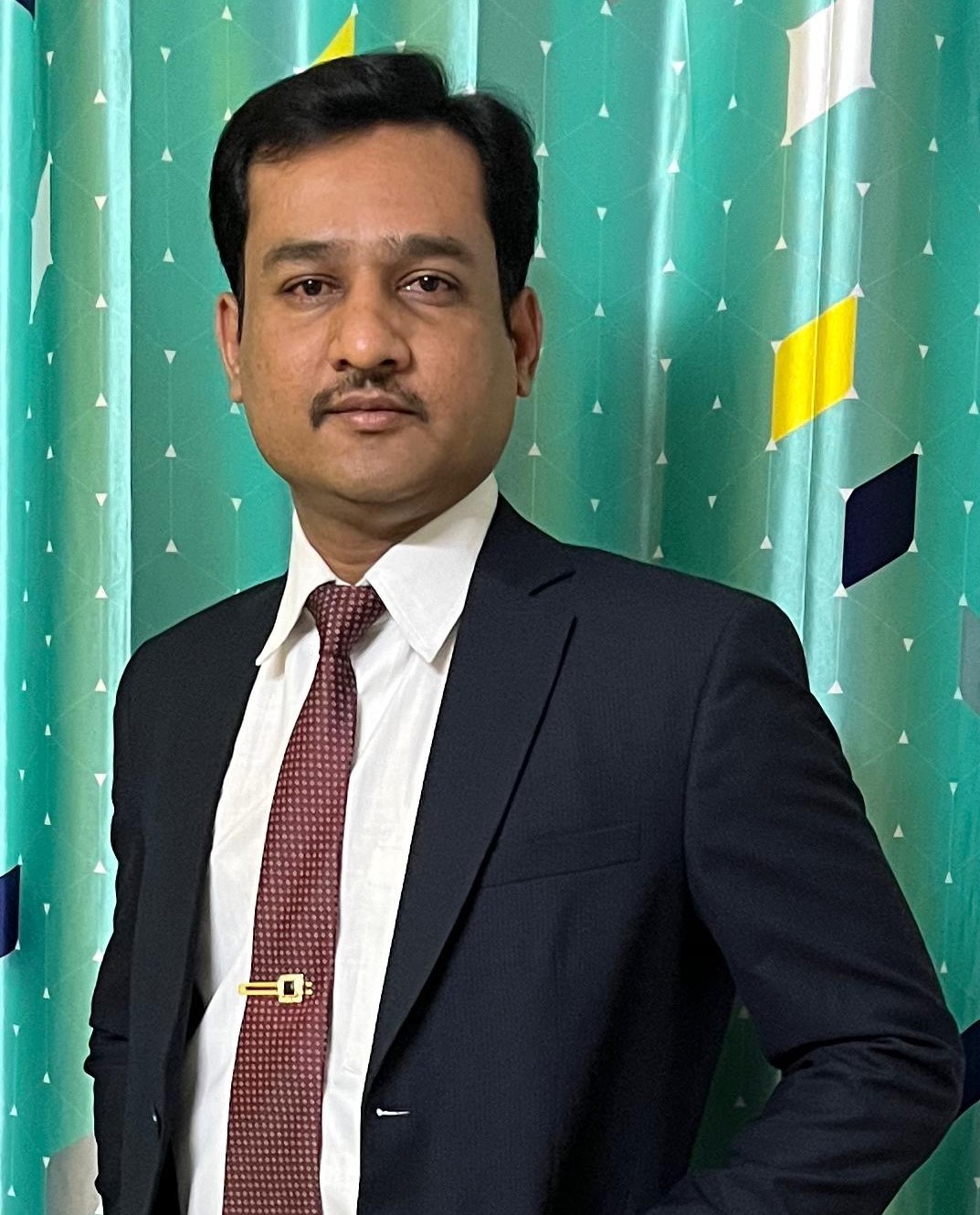




 Allow notifications