Tag: Criminal lawyer

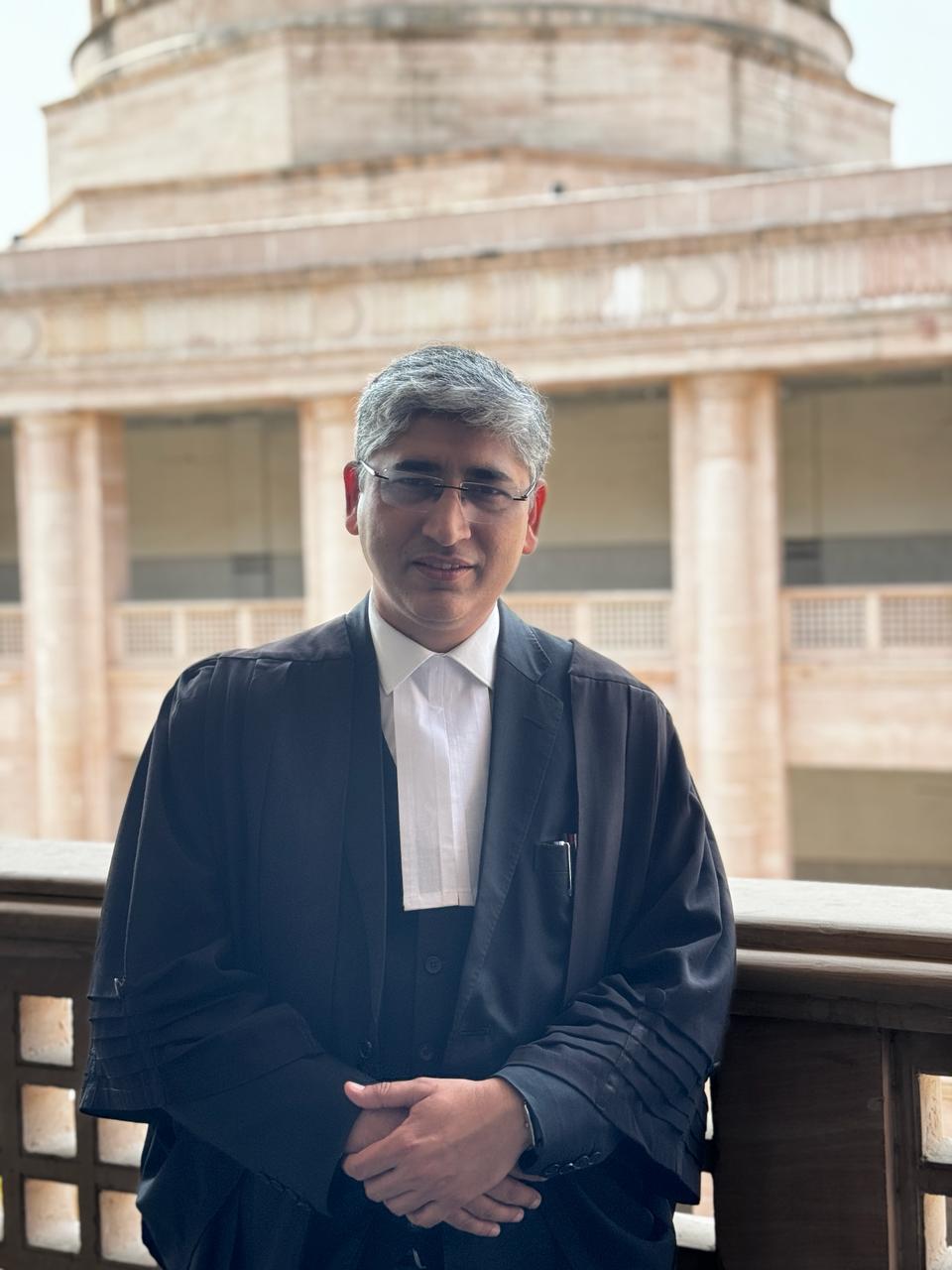
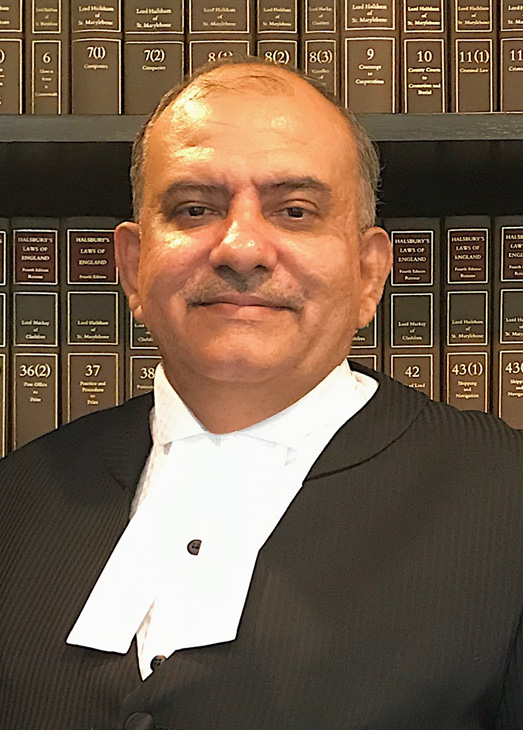
  • “Sports law presents challenges from rights protection to fair play, but it’s a domain ripe for innovation and crucial for athlete advocacy. I urge young lawyers to grasp a breadth of legal fields before specializing.” – Datuk Dr. Baljit Singh,  Founding Partner at Shukor Baljit & Partners

    “Sports law presents challenges from rights protection to fair play, but it’s a domain ripe for innovation and crucial for athlete advocacy. I urge young lawyers to grasp a breadth of legal fields before specializing.” – Datuk Dr. Baljit Singh, Founding Partner at Shukor Baljit & Partners

    This interview has been published by Namrata Singh and The SuperLawyer Team
    What inspired you to pursue a career in law, Sir?

    Firstly, thank you for having me on this forum. I must say, that amazing effort has been made, and I was overwhelmed to see that such a platform exists. Now, coming back to your question, what drove me at a young age is that my background; my father is a policeman, and my grandfather, who came from India in the 1940s, was also a policeman. So, in fact, my entire journey from a young age until I left for university, I grew up in a police station. I understand the dos and don’ts, the whole roll call, every flag post, every corner, what happens, and what doesn’t happen. I was ingrained from day one of my journey. In fact, in Malaysia, even though I’m Punjabi, as my first language, because I used to stay in the police barracks, most of them are Malaysians. So the first language I spoke was Malay. Punjabi came later, of course, and picked up with my parents. That was the influence of staying in the police barracks. When I finished my law degree, my father brought me a police application to join as the cadet assistant superintendent of police. For graduates at that time, they had the scheme for senior police officers. I said, “enough for two generations. I am definitely going to do law.” So, when you are at the age of 16, we have form four here. So you divide between the art stream and the science stream. I was given the science stream. I studied in Penang, a Lasallian school. I still remember my principal, who’s Irish from Ireland, Brother Casimir Hannon. So I was in the science stream. I told him, “Brother, I need to switch to arts.” He said, “What? People want to go to science stream and you want to go to arts?” I said, “yeah, because I’ve decided what I want to do. I want to do law. So I just want to focus on the subjects I want to do.” He said, “No, you focus on science. They give you a bigger perspective and all that.” Anyway, I was also adamant. So I took my dad. I told my dad, whatever it is, I want to do these subjects. I was determined. I knew it. This is what I want. This was my path. I knew it. So, that was my journey.

    So, Sir, you have been involved in a lot of legal publications as well, and you have authored many, many articles. What actually drives your passion for legal writing and how do you balance your time between practicing law and following your scholarly pursuits?

    I also don’t know that. How I do it, but I do it, you know. So sometimes I’m wondering how I do it, but I think I take small steps. I take baby steps and I just do it, like my first book on the criminal litigation process. That’s about 700 pages, but the first book took me about almost 10 years. Of course, when you update, it doesn’t take me long.

    I think when I update the book, it takes me about 6 to maybe 10 months. I can update it. But the first book took some time. So then you just progress and you just build on. Articles I pick up on my practice area, which I find interesting, like recently I’ve written on affidavit evidence by way of quasi-criminal cases. You know, what is the burden stand? What is the timeline and so on to file an affidavit? Do you bother about the timeline? Because I say it’s quasi-criminal offences. It’s a criminal case. So as far as I got the concern, that is the interest of justice and not to be procedurally governed.

    All right, so that article has just been published. So that’s from my cases when I do, so I came up with this topic just to add some jurisprudence to the entire legal community. And then I’ve done one more on the criminal investigation, the court’s perspective, sometimes how it is done, because sometimes when statements are given, the courts will say, Oh, this is an afterthought, but then they have to point out to you, that’s the first time that accused has got the opportunity to say something when he gives them and it cannot be an afterthought.

    And what statement he gave the police must do an investigation. The police must not just shrug it aside, you know, they can’t do that. So that’s the reason, I just take my cases, what I do so that I just come out with an article. So that will interest readers and also will help in the legal journey for others when they have cases and so on there’s something to look at. Then I progressed on to do my Masters at the University of Malaya. Then I also earned a Diploma in Sharia Law in UIA. That was an 18-month course.

    So, that was on Saturday morning. I said, “Why not just do it, you know?” PhD was torturous for me because it was a lonely journey, with no friends, nothing. I got to thank COVID for helping me complete my PhD because I realized I came home, I got nothing else to do other than sit down and work on my PhD. In fact, my viva was done by way of Zoom, my chapters also because towards the tail end. I completed almost seven years, but because of the exemption of the COVID period, I was able to complete it. I think I got, in a way, the blessing of COVID because I’ve been forced to sit down and do my work.

    And then of course, my family also supported me. My wife did the editing and checking everything, paragraphing all in order, giving some advice, and giving some pointers. Because she had done a PhD earlier than me, so I had a tutor at home also to make sure that I’m on track.

    That’s what I did during the COVID time because for months, we were at home base, you see, almost a year or so. That’s where I said, “Okay, now let’s complete this.” And during COVID, I also started on my book. So I always keep myself moving. There’s always something that I’m doing. Nowadays, I also start to get my younger lawyers to come in and to do articles with me so that I want them to also progress, so that they work together with me as a co-author on the articles. So they also gain a track, and of course, for me, I’m more or less walking to sunset already.

    So the younger generation, you are the future. So, you know, whatever I can do, why not? Because whatever I have is all given by the almighty God. So for me, just to hand down, so that’s about it.

    As the president of the Sports Law Association of Malaysia, and being deeply involved in the legal aspects of sports beyond criminal litigation, could you provide some insights into the distinctive challenges and opportunities within sports law? How does it intersect with the broader legal issues you encounter on a daily basis?

    Now, by virtue of sports law, I also chair the Malaysian Football Federation Disciplinary Committee for the entire Malaysia for discipline cases, players, and so on. Of course, that is a disciplinary angle, right? It’d be interesting to see because sports are very close to me. I was an all-rounder, you know. Whether you want me to play volleyball, I can play. Whether you want me to play tennis, I can play. Football, I play. Hockey, I play. The whole works, you know. You want to play basketball, I play. As a son of a policeman those days, we don’t have games, and we don’t have phones. We are out of the house at 4 PM, and we come back at 7. We play everything, including playing kite, playing marbles, the whole works. So sports are very close to me.

    Basically, when it comes to sports law, of course, this is a new area. It is a new jurisdiction. Of course, the law is quite settled, but it’s a new area in many jurisdictions. And of course, the United Kingdom, the US, and London, I think more track because they have the entire sports association like football and all, big thing.

    So, of course, they track more. Here is basically when you’re looking at the rights, the players’ rights, protecting the athletes’ rights. And then to make sure it’s fair play, and then the bigger issue is on doping cases. How to be dealt with, then contractual disputes. So this all derived from this sports law. It’s a good area to come in but sometimes I have this problem with younger members of the bar they say, “Sir, I want to come I just want to do shipping.”

    I want to do construction. I just want to do sports law. I think that’s a bad recipe, a bad formula. So whatever you intend to do, do general first for four, or five years, right? Pick up the entire thing. Then maybe after the seventh, or eighth year, you can think about what you want to do, okay?

    Because you must understand, the legal journey is a continuum, a continuous process. And you just take care. Everything is taken care of you. Because the other problem is nowadays, most of the young generation, I want to make this much. I want to make some X amount. Don’t worry, don’t worry. Be good at your work. Everything will come. Just be good. Be good. Do honesty, okay? Do your work well, prepare your files well, prepare your pleadings well, and prepare before going to court well. Be diligent. Hey, don’t worry. Things will be in your favour, but things will come.

    The younger generation, they can’t wait. So I just say maybe do some breathing therapy. Calm down, relax, and then take baby steps, and then just focus, and also don’t be too… I mean, of course, money, everybody needs, we don’t deny that, you know, you need to pay bills, but take it easy. And the law profession definitely can put a meal on your table, alright? There’s no doubt about that. Doctors, lawyers, and all that, the meal can be on your table, and pay your basic rights, things, what you need, your needs, can be done. But don’t worry. Spend time developing your work, and spend time doing quality work.

    So I build my career like a block, you know, block by block, block by block. So even today, it’s another block, another block. It goes on like that, okay? And of course, I always believe that if you can help anybody, help. There’s nothing, it doesn’t cost you any money. Where you can assist, assist. Alright? Because no man is an island, okay.

    Being appointed to the Royal Commission of Inquiry to review Malaysia’s sovereignty over Pedra Branca, Middle Rock, and South Ledge is indeed a remarkable achievement. What contributions do you aspire to make to this significant inquiry, and what are your expectations regarding the desired outcomes?

    Yeah, because I’m a member of the Royal Commission, I’m governed by secrecy, so I can talk about what is there in the public domain, all right? So, the public domain will be the judgment of the International Court of Justice in 2008, where I gave Pedra Branca to Singapore. Then there’s another process that Malaysia filed for revision and interpretation, in which Malaysia later withdrew the application to ICJ. But basically, that is all in the public domain. On our Royal Commission, I think it’s basically the due processes that took place, how the processes took place for future leaders, future generations to understand what’s going on. It’s a good decision for all students to read from the International Court of Justice, particularly international law.

    When I started my career, I did everything. So whether you’re doing a property transaction, whether you’re doing a civil case, whether you’re doing a criminal case, all I had to do is read up everything I can see. I can see the whole thing in the picture. So that’s why, unless you’re very certain, take one step at a time. I must inform the students. Remember, when I started, I was riding a motorcycle, I rode a motorcycle for two years. Of course, people don’t look. People look now at what I have and what I do but don’t realize that I was also living on my basic needs. I was the son of a policeman, you know, so my father was just a constable, corporal. So, he had to be careful with the budget. Then I used to give tuition to sustain myself. All this is a process. Be calm, relax, focus, and take baby steps. And of course, also to mix with the right company. If you mix with the wrong company, then that becomes a problem because you want to be in the places where you want to be seen.

    Then you start spending more than what you earn. For me, I would just say, if you can, no alcohol until you are established. I would say no alcohol. I didn’t take any alcohol until I was after 40. Because all this, you need to balance out, okay? You need to balance out.

    Of course, you need to enjoy, you need to relax, okay? But all things, you need to calibrate and balance it out. Okay.

    As someone deeply involved in numerous committees and task forces, including serving on the advisory panel to the Malaysian Anti-Corruption Commission, your dedication to combating corruption is evident. How do you perceive the role of legal professionals in tackling significant societal challenges like corruption? Furthermore, how do you envision the pursuit of justice in this context, aligning with the principles you have advocated for throughout your career?

    I think I wear too many hats around. You know, I also sit as honorary assistant commissioner of the police. Also, as a member of the MSCC advisory board, I’m in the preventive panel. So, you see, my role in the MSCC is basically preventive. So, what can we do?

    One is maybe having the syllabus being taught, maybe a small topic being taught in the universities. Start from the school, telling them about the corruption. What is corruption? Introducing some simple thing. Maybe it needs to be less than five pages. It’s all right, but give them an idea that this is not acceptable. This can cause chaos in a country, in a system.

    So one is preventive way, and then you have awareness campaigning in the universities. Even in the primary school, secondary school, you have this awareness campaign. Maybe you have a week of corruption, anti-corruption debate. Or maybe quiz or whatever, to bring the awareness to people and then in the shopping mall, in the big organizations, you have talks, you have anti-corruption pledges by the staff, so on.

    Of course, corruption is not easy. Every country has got it, but we need to make sure we can put it to the very minimum or maybe if possible eradicate, but not easy. It’s an uphill task. And of course, Malaysia, as you know, we have also very interesting cases going on in court which you have seen our former Prime Minister who’s been tried and convicted and other charges are pending. So, you can see Malaysia is okay, you know, in terms of democracy, in terms of processes and all. It’s all right. There is a due process in place.

    Your extensive contributions to society are evident. Did this influence your transition from practicing law to becoming an adjunct professor at multiple universities, offering a unique perspective on your varied approaches? Given your multifaceted background, how do you approach teaching law, and what advice do you typically impart to aspiring lawyers or law students entering this field? You mentioned being open to various practices earlier. Would you care to elaborate on that, Sir?

    I think I bring an interesting perspective because I bring real-life situations to the classroom. They can see how it’s related. I can tell them, “Okay, I picked up on a certain area. This is what happened. These are the facts, this is how this law is legislated, and then this is how it’s been applied. Can you see the case now going on in court? What happened?” So they can see the whole segment connection into one piece. That’s where students, I think—I don’t want to be too overconfident—they truly enjoy my class. They just like the connectivity that I bring from practice-related industry to the academic world, so that is a thing.

    The adjunct professor part is basically for me to bring industry experience to that particular area because, you know, nowadays, for any students, when they go out to work, some of the employers, maybe most of them, have this—they want the students to be the practice-ready approach. Some of the students that start their internship, they don’t even know how to use a photostat machine. They don’t even know how to do a file. They don’t even know how to staple this thing. How do you handle your correspondence? How do you handle your course papers? You know, simple things like that.

    Because nowadays I think some books are available online, but some of the textbooks are good textbooks. Sometimes, you know, must know how to navigate yourself with a textbook. How do you do research with the indexing, with the footnotes, with all this, so you must know how to navigate yourself from the textbook.

    So this is one area I think we’ll soon have a problem. It’s good. It’s good to be tech-savvy, yeah, but some of the books, especially some of the old books which carry, of course, you know, that law of trust. That is a dry area that the law of trust is not going to change, but most of the old books on this area, a lot of salient points are inside the old books, and of course, they’re not going to transcribe anything and put online because it is a question of how much can they earn from that—you can see how much revenue they can generate. Of course, nothing much, but if you’re doing certain areas of law, it is good for you to know how to do manual research, rather than, you know, being tech-savvy.

    Of course, tech-savvy is very good. But manual research also, do not abandon it.

    Given your extensive experience in criminal law, are there common misconceptions about the legal system that you frequently encounter? How do you actively address and dispel these misconceptions to ensure clarity and understanding among individuals seeking your expertise?

    One serious misconception they always have is if you’re innocent, you’ve got nothing to worry about. Let the case go on. But you must understand, you put a person on trial, and the trial then takes years down the road. And then you tell him you’re innocent, and you know, he lost the entire earning and so on.

    So this misconception by saying that, hey, if you’re innocent, you’ve got nothing to worry, that is not true per se. I think most of the investigations that are done are not objectively done, then you put the person through this, right? And of course, another misconception is people will say, Okay, if you sign a document, you’re bound by it.

    Okay, in a criminal case, so on, a lot of things you must see whether the person has authority to do so, whether it’s done by duress, whether it’s done by force, was he misled. So all these things by way of talks, by way of interaction. This misconception must be dispelled.

    We’d love to delve deeper into your passion areas within law. Could you share what specifically drives your passion and what you aim to impart to your learners regarding these exceptional and innovative areas you’re practicing in?

    Other than my practice, I would just say, you must have a balanced life. So if ever I can, if I can do daily walks or simple daily gym, I do it because that is to calibrate myself, to keep my body chemicals in balance, and for me to think better.

    In fact, if I go for walks, I go alone because there’s so many things that I’m thinking about, and I get so many ideas when I go for my walks. And better still, if I walk into a jungle tracking and so on, it gives me amazing. So that’s where I get my inspiration.

    I get my ideas and so on. Reading, reading makes a person, that you cannot deny. And I personally read autobiographies. I read all, I go from the left to right. I think the book that I love best is Long Walk to Freedom by Nelson Mandela.

    In fact, I read that four times, you know. Simple, very simple written. And then how he was incarcerated for almost three decades, you know, 27 years, 28 years put there almost three decades. And how he’s taken and how he’s dealing and coming back into power and so on. So the process.

    So I read the book, at least I think three to four times I’ve read it. I also even read, In Line of Fire by General Musharraf, Pakistani former Prime Minister. Anyway, all these books are available in India, so don’t say that you cannot get it. India has got great autobiographies of judges and so on. You can pick up, and the most famous crimes and all that, they have a lot of these books.

    In fact, one of my favorite bookstores is normally in a Jain bookstore in a corner place in Delhi. So that’s one place where I sit from morning to evening, looking at books. Sometimes I spend days just sitting down there, morning to evening. Vishal is the owner there, a good friend of mine. So he will be entertaining me with coffee and tea. So I sometimes sit one, two days from morning to evening, picking up the books, reading what I need to do. And I send it back. But nowadays, of course, some of it, I get it online.

    So there are other books also, even Gandhi. Of course, Gandhi, the entire book, how his journey, I read his book at least. I find it interesting. I read it twice. But I stumbled upon another book by Nathuram Godse. And into why he assassinated Gandhi. I found that book from Jain bookstore also. I’m not campaigning.

    I’m not selling it. I’m not marketing for Jain. I’m just, don’t get me wrong. So I’m just saying, I found the book from there. So I picked it up. I saw his train of thought. After committing that, after firing the shot, he stood there. He didn’t run away. All right. He wanted to make a statement.

    And then even in court, he refused to engage a lawyer. And he prepared his own printings and so on, and that book that I’ve got, I think I can’t remember. Yeah, but it’s written by himself. Yeah. All right. And the pleadings were done by him. So it’s interesting, you know, to see another perspective.

    And then of course you have Dalai Lama, then you have Bill Clinton, and then the former presidents of the United States. You have Lin Kuan Yew, even in Malaysia, Dr. Mahathir. You have a lot of these books to see their thinking process. How they look at things and their journeys.

    So when I go for holidays, I’ll normally have two books. One is autobiography, one is doing revision. Maybe on criminal procedure, on criminal law, on evidence, or civil procedure. I just have to revise. Just to catch up, and just to keep the momentum.

    I think the students must just not stick to the law books per se, but these books also give you dynamics, help you to build. And then, of course, there are some good movies as well. You know, you can look to articulate your advocacy skills and all that.

    Of course, movies, the movie world and the actual practice is different. But there are some good movies. There’s some good legal movies just to see the advocacy skill, but of course, practice is far away from the movie world, but just, if you’re looking at that, I think Bollywood is really run away, far away from the actual practice, except for the court surroundings. So that’s how you need to balance between yourself. And sometimes you must know when you’re a bit stuck in a particular corner, there’s things to be done, calm down and all that. And also sleep is very important. So do not compromise on your sleep. Do not study last minute. Then you know, when you study last minute, what happens? Then you get everything clamped up, then you get upset, then you’ll be throwing tantrums. And also, take care of yourself by doing your daily exercises. I’m not asking you to run marathon, no, or go for triathlon or go to Ironman. No, simple, simple exercise, 45 minutes walking, stretching, and then take vitamins, I think the vitamins that you really need is, B complex because mental fatigue, you know, because you read and you read, you get tired, you must be able to rest your eyes and all, these are small small things.

    If I presume that you’re doing your reading, and not socializing or gallivanting around town, la, so anything else if I can assist anyone.

    I’d like to inquire about how you navigate the balance between your personal and professional lives. You mentioned the importance of activities like taking walks, engaging in exercise, and incorporating both light and legal reading. How have you managed to strike that balance in your own life?

    I plan my day ahead, one day before, sometimes two days before, and occasionally even three days before. So when I get up in the morning, I know that 8 to 9 is scheduled for this, 9 to 10 for that, 10 to 11 for another task, and so on, with specific time slots allocated for each activity.

    I always have tasks lined up, ensuring a productive day. For instance, Saturday and Sunday afternoons are designated for my nap, while on other days, such breaks aren’t feasible due to work commitments. Sometimes, I also take short 10-15 minute naps in the office to recalibrate.

    I’ve structured my schedule in this manner, planning it out meticulously. For example, when working on an article, I may spend three to four months on it, revising and refining it in stages. It’s an iterative process of drafting, revising, and contemplating.

    As I mentioned, I have allocated time slots for everything, and I adhere to them. If I’m unable to complete a task, I don’t get upset; it’s a part of being human. I simply reschedule it for the next day because planning is crucial. As the saying goes, “If you fail to plan, you plan to fail.”

    It’s essential to plan and prepare a sequence of tasks. I always take time to prepare and analyze my schedule, ensuring efficient utilization of time. That’s how I approach my daily routine.

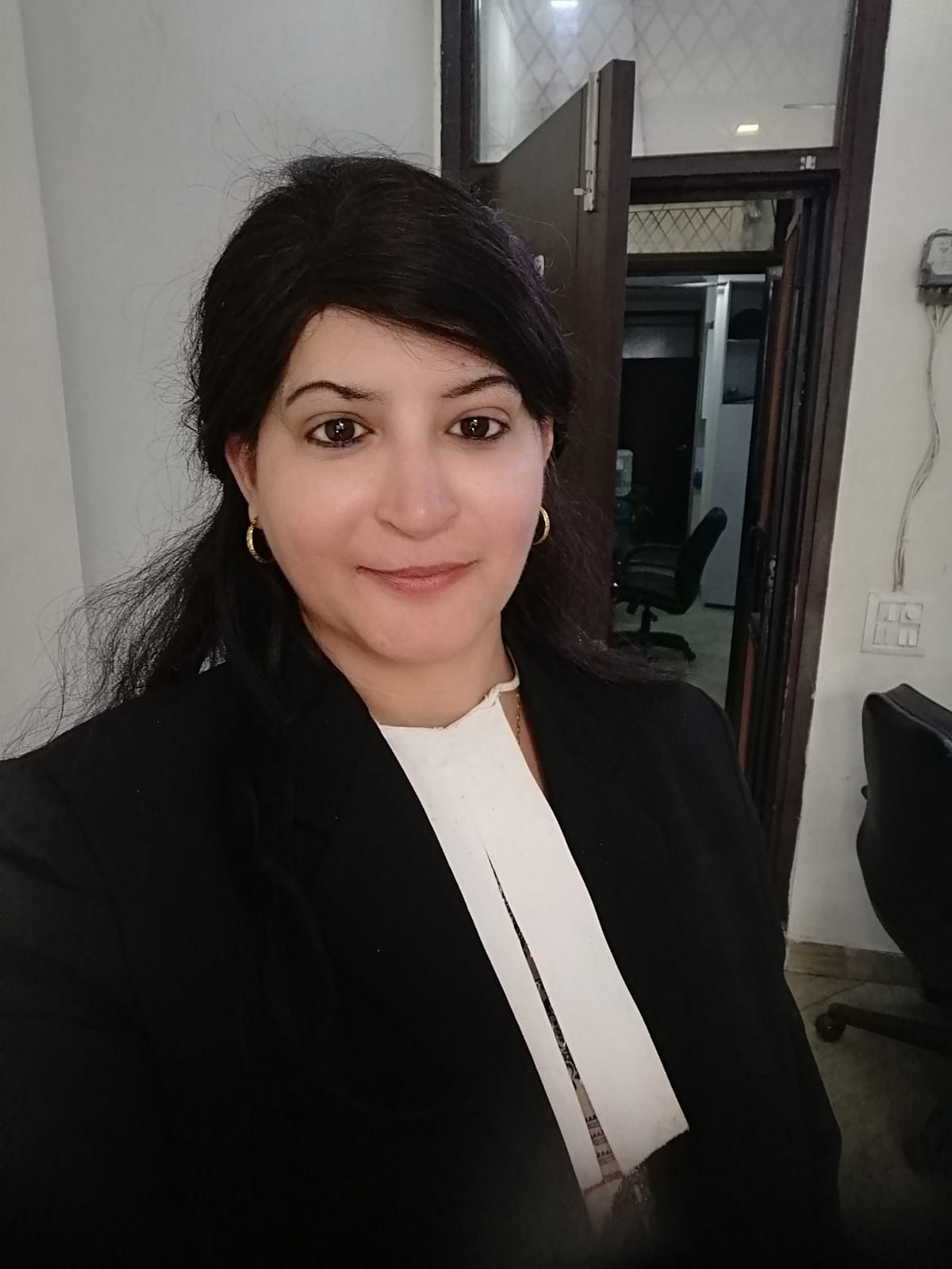
    Get in touch with Datuk Dr. Baljit Singh-

  • “Legal compliance isn’t a burden—it’s an investment in your company’s stability and growth. Seeking professional advice is crucial for navigating complex legal landscapes.” – Gauri Saraswat, Independent counsel, Corporate & Criminal Lawyer | Contract Specialist.

    “Legal compliance isn’t a burden—it’s an investment in your company’s stability and growth. Seeking professional advice is crucial for navigating complex legal landscapes.” – Gauri Saraswat, Independent counsel, Corporate & Criminal Lawyer | Contract Specialist.

    This interview has been published by Namrata Singh and The SuperLawyer Team

     Your journey through law seems incredibly diverse and dynamic, spanning various roles and responsibilities. Can you walk us through your journey telling us what inspired you to do Law and what challenges you faced during your initial stage of your career?

    Certainly! My journey through the legal field has indeed been diverse and dynamic, encompassing various roles and responsibilities. Let me share my story with you. My path in law was not meticulously planned; rather, I embraced opportunities as they presented themselves. I take pride in not adhering to conventional norms. Before venturing into independent practice, I accumulated a decade of experience, including working with different ministries of the Indian government and my days in litigation.

    Law has fascinated me since my early childhood. Growing up in the traditional town of Aligarh, Uttar Pradesh, I pursued my B.A.LL.B from Aligarh Muslim University and later completed my LL.M from Dr. RMLNLU, Lucknow. The initial challenge for me was relocating from UP to New Delhi without a job offer in hand after completing my Masters in Law. Thankfully, my father and family supported my decision, and that’s where my journey truly began.

    Remember, sometimes the most rewarding paths are the ones less travelled.

    Thursdays with Gauri has become quite the sensation on LinkedIn. What inspired you to start this initiative, and what do you hope participants take away from these sessions? Also can you tell us about a particularly thought-provoking discussion or insight that emerged from one of these sessions?

    Thursdays with Gauri was a random thought while having a casual discussion with one of my friend Hamid Ahmed but later became a decision when it actually pushed me to contribute towards the linkedin community to read something which needs to be known. “Thursdays with Gauri” isn’t just about content—it’s about building bridges, sparking conversations, Little did I know that this seemingly random thought would evolve into a meaningful initiative within the LinkedIn community. Honestly, I embarked on this journey with zero expectations, fuelled by the intention to play my part.

    Broadly this LinkedIn post gave me two things: invitation to connect from students to influential people and appreciation in my DMs which again converted into my network. I think the purpose has already been served due to the algorithms of LinkedIn and I am grateful for that.

    As a legal content creator, your articles and thought pieces have sparked conversations and challenged norms within the legal community. How do you see your writing contributing to broader discussions about justice, equity, and the rule of law?

    As a legal content creator, I’ve witnessed the impact of my articles and thought pieces within the legal community. My posts resonate because they delve into practical aspects of law—topics I’ve encountered first-hand. Whether it’s corporate law intricacies, complex agreements, or advisory content for loan seekers, I aim to provide actionable insights.

    Legal discourse often clings to tradition and precedent. However, my writing encourages critical thinking. I write about new norms and practices and advocating for progressive approaches. 

    The rule of law is the bedrock of any just society. Whether discussing landmark cases or legal reforms, I strive to reinforce the rule of law as a safeguard against arbitrary power. In essence, my writing aims to bridge the gap between legal theory and practical application.

    Your work spans across multiple sectors, including technology, fintech, and cybersecurity. What drew you to these specific areas of law, and what challenges have you encountered in navigating their complexities?

    As a law enthusiast and corporate lawyer, my journey led me to explore specific areas of law that overlap with technology, fintech, and cybersecurity. I consider it my duty to stay informed about emerging legal issues related to technology, fintech, and cybersecurity. I realized that even a seemingly simple query from an individual could potentially transform them into a client.

    When I started exploring international markets—both online and offline—I encountered challenges related to different legal processes and procedures. I realised that understanding the intricacies of US, UK, and European legal systems was essential. However, my journey took an enriching turn when I enrolled in courses offered by Lawsikho. Beyond study materials, what truly stood out was their personalized approach—their handholding support. It instilled confidence and efficiency in me. In essence, my work in these specialized areas isn’t just about legal technicalities; it’s about empowering clients.

    Looking back on your career journey thus far, what advice would you give to aspiring lawyers, particularly those interested in pursuing a similarly diverse and multifaceted path in the legal field?

    Reflecting on my career journey, in one sentence my advice would be “Don’t just believe what others say”. With all due respect and humility, the traditional ways are supreme but when time and technology change, so do the challenges in law and the complexities. In the present time when the Data protection bill has been passed and AI law is on the agenda of the government, you think the limited knowledge can help you stand out of the box and earn exponentially. Give it a thought. Stay informed about emerging laws (such as the Data Protection Bill) and understand their implications. According to me, Adaptability is the key.

    Legal education doesn’t end with a degree. It starts from there. Learn to serve in addition to earning out of it.

     Your career has seen you transition across various roles and sectors within the legal field, from corporate law to criminal litigation, and from law firms to government agencies. What motivated these transitions, and how have they contributed to your professional growth and expertise? And what valuable lessons have you learned from the unique challenges and experiences encountered in each position?

    You are right, My career has indeed spanned diverse areas of law, including competition law, electricity and insolvency matters, NBFCs (Non-Banking Financial Companies), and even criminal law. Indeed, it was my friend Syed Jafri who first introduced me to the realm of investment banking and encouraged me to consider it as a viable avenue to apply my legal expertise. Interestingly, I’ve never worked in a traditional law firm. Instead, my father, being an advocate, was my informal mentor. Our dining table discussions often revolved around legal concepts, both civil and criminal.

    My motivation has always been a “go-getter” attitude. When opportunities arose, I seized them without hesitation. Each transition allowed me to explore new facets of law, broaden my perspective, and contribute meaningfully. My journey so far has given me friends for a lifetime and seniors like Mr. Debajyoti Ray Chaudhuri, who in himself is an inspiration for many.

    To my understanding, Legal issues don’t exist in isolation. It also needs an understanding of business, technology, and other inter-related legal issues. In essence, my journey so far isn’t just about legal roles; it’s about lifelong learning as well as meaningful connections.

    You’ve been involved in drafting a wide range of agreements, from Co-founder Agreements to Software Development Agreements. Could you share a special technique or approach that you believe contributes to excellent drafting? Additionally, what do you think sets your drafting style apart and makes it particularly effective in ensuring clarity, fairness, and legal compliance?

    Certainly! Drafting legal agreements is both an art and a science. I have inculcated a special technique I’ve found effective is that before putting pen to paper (or fingers to keyboard), I pause to understand the purpose behind the agreement. Why is this agreement necessary? What are the parties trying to achieve out of it? What risks need mitigation? By clarifying the purpose, I ensure that the agreement aligns with the client’s goals.

    I always get on a call with the client to discuss their context, concerns, and objectives. This dialogue helps me tailor the agreement to their specific needs. Because it happens that the client being the non-legal person confused the franchise agreement with the service level agreements. They deserve such clarity by me as their lawyer.

    In your experience advocating for clients before the Supreme Court of India, what strategies do you employ to ensure that their interests are effectively represented and understood by the judiciary?

    Considering my little experience, one thing I have learnt about the Supreme Court litigation is that “it’s all about a team work” because an effective representation requires a collaborative approach. And I am grateful to Mr. Aditya Manubarwala for giving me an opportunity to work with him and his team on a couple of cases before the Apex Court. Before advising a client, extensive research is essential. We have to delve into legal precedents, statutes, and relevant case law to understand the nuances of the client’s situation which further allows us to provide informed recommendations to the client.

    Case briefs, arguments, and submissions are the part and parcel in every case, especially when you get a very limited window to mark your appearances with your best arguments before the judges of the Supreme Court of India. To decide which point to be picked for arguments in order to provide relief to the client is the matter of utmost importance. Hence, Supreme Court advocacy is a blend of legal acumen, teamwork, and strategic thinking.

    As an authorized representative for a European company, you extend legal representation services in Estonia and Finland. How do you navigate the nuances of international law and cultural differences to effectively advocate for your clients’ interests in diverse legal environments?

    In my professional journey I have had the opportunity to represent my client who was from Estonia. That particular case involving a Gurgaon-based individual and an Estonian lady was unique in the sense that the absence of a formal agreement and the cross-border nature of the transaction posed challenges. I engaged in detailed discussions with the Estonian client to grasp the entire situation and her specific needs. Understanding the nuances of each jurisdiction was crucial. Estonia’s civil law system differs from India’s common law system. However, as an authorized representative, I initiated legal action against the individual.

     Beyond your legal career, what are some of your personal hobbies or interests that you find enriching or rejuvenating?

    Beyond my legal career, I find immense enrichment and rejuvenation in delving into religious texts. These non-fictional scriptures offer profound insights and guide me toward understanding the true purpose of my life. During my teenage years, I immersed myself in fundamental religious literature, often drawn to the extensive collection housed within my father’s library, where the titles of numerous books piqued my curiosity and prompted further exploration. I firmly believe that to read and to know are different concepts. Now, I’m drawn to delve into more advanced texts. These delve into unique teachings and mystical experiences. The pursuit of knowledge is both humbling and exhilarating. The insights I have gained from these scriptures shape my world view and influence my actions.

    As someone deeply involved in consulting and advisory roles, what advice would you give to startups or established companies navigating complex legal landscapes for the first time?

    legal compliance isn’t a burden—it’s an investment in your company’s stability and growth” is  precisely what I want to convey to all sincere start-ups. It is apparent that navigating the complex legal landscape can be daunting, especially for startups and established companies venturing into unfamiliar territory. Therefore, seeking professional advice from a seasoned lawyer who understands the nuances of your specific industry and jurisdiction is a must.

    Diligence in selecting legal advisors pays off. Look for lawyers who specialize in your field—whether it’s technology, finance, or any other domain. They should avoid generic templates. Each business is unique. One has to customize the legal agreements, contracts, and policies in accordance to your specific needs. Also don’t forget to Maintain open channels of communication with your legal team. Transparency ensures that legal strategies align with your overall business strategy. Share your business goals, challenges, and concerns and let the lawyer find you a way.

    I would like to request the given start-ups or companies to rely on someone who is experienced and in the market already. Be diligent in choosing your lawyers and try to keep pace with them. 

    Get in touch with Gauri Saraswat–

  • “Fostering effective collaboration is fundamental, whether engaging in negotiations or providing legal support, this entails a comprehensive approach grounded in clear communication, cooperation, and trust.” – Sudershani Ray, Partner at VantaLegal

    “Fostering effective collaboration is fundamental, whether engaging in negotiations or providing legal support, this entails a comprehensive approach grounded in clear communication, cooperation, and trust.” – Sudershani Ray, Partner at VantaLegal

    This interview has been published by Namrata Singh and The SuperLawyer Team

    You’ve had an extensive career spanning over 13 years in law. What initially drew you to this profession, and how has your journey been so far?

    Law was not my first choice, I always dreamt to become a doctor. But there was no way I could have made it to a medical college, as I was not good in maths and science.  20 years back  professions like law, engineering, and medicine were highly respected and prestigious, the level of respect they receive can fluctuate for a variety of reasons.  So, I decided to pursue law to serve the community. Just as doctors work to heal and improve the health of individuals, lawyers work to uphold justice, protect rights, and ensure fairness within the legal system.

    What inspired you to specialize in divorce law, service matters, civil, and criminal law?

    At my law school I intended to become a corporate lawyer or work for corporates during my internships I discovered a passion for litigation.  

    As a junior I worked in the chamber of prominent lawyers such as Advocate Neelima Tripathi( now senior advocate) , Advocate Gurang Kanth( now Justice Guarang Kanth), Advocate Suparna Srivastava wherein each day was  a learning experience, with victories and setbacks alike serving as fuel for my determination to continuously improve.

    Working in the chamber of my seniors I wealth of knowledge in field of civil law and property law which enabled me to lay a strong foundation in the civil law and property law.

    Why I became a family lawyer?

    This is a question I, admittedly never actually asked myself before, that is until in 2015 when I started considering for opting an additional specialization.  I sat down and actually asked myself … well , why did you  want to become a family lawyer in the first place?

    The answer I discovered was quite simple?

    I am an empathic person, who likes to help people, I love to listen to people’s problems and help guide them through sometimes the most difficult time in their lives.  When you’re going through a divorce, there’s a lot on the line. From your finances to your home and even the time that you spend with your children, it will all be a part of your pending divorce. Being a good Family Lawyer is to be understanding and empathetic, without becoming emotionally involved in your client’s life.

    Family Law is a difficult area of law, it is emotional for clients as they are often at their most vulnerable, people are frustrated with delays and costs (both of which are increasing each year), and no-one ever really wins. But at the end of the day, I would say in nearly every case I have advised or acted for someone I can look back and say I helped that person (even if it was only in a small way) and that is what matters to me and what makes it all worth it.

    You’ve been practicing independently for quite some time now. What motivated you to establish your own firm, RAY & ASSOCIATES?

     Establishing my own firm, RAY & ASSOCIATES, was a decision driven by a combination of ambition, capability, and a desire for autonomy. After gaining valuable experience practicing independently, I felt compelled to create a platform where I could orchestrate operations according to my vision and values. The motivation stemmed from a deep-seated belief in my abilities and the conviction that I could lead a team to success. Founding my own firm allowed me to cultivate an environment where I and my associates could work collaboratively, pooling our strengths and expertise to achieve common goals. Moreover, the opportunity to work on my own terms, setting the pace and direction of our endeavour’s, was immensely empowering. By establishing RAY & ASSOCIATES, I aimed to create not just a business, but a supportive and inspiring workplace where every team member feels valued and motivated to excel. This journey has been fueled by a relentless determination to innovate, grow, and make a meaningful impact in the legal landscape, driving us forward with passion and purpose.

    We understand that you specialize in matrimonial disputes among other legal areas. Can you share some insights or experience from one of your cases where the lady paid alimony to her husband? How do you approach such cases, and what factors might lead to such outcomes in matrimonial disputes?

    There have been a plethora of memorable cases mostly in the field of family law but a  exceptional  case I handled was where a wife  paid a certain amount to husband to get divorce. Certainly, in matrimonial disputes, the payment of amount by the wife to her husband is relatively uncommon but not unheard of.

    I recollect that the client X ( Name not disclosed for privacy) entered by office and presented the brief. He said  Mam I am a victim of false cases .  I want compensation and alimony. I laughed on him and remarked “ You have gone crazy and this has never happened to my knowledge . My client was adamant and persistence  to seek alimony from his wife.

    Family law is patience and perseverance.    This client of mine  cooperated in all legal proceedings and mediation. The man was ready to face the trial without fearing for consequences.

    In today’s time, there are increasing reports of men being victims of false allegations in matrimonial cases. What advice or insights would you offer to individuals who find themselves in such challenging situations and may not know how to navigate the legal complexities effectively?

    Navigating false allegations in matrimonial cases can be an incredibly daunting and emotionally draining experience for anyone, regardless of gender. For individuals facing such challenging situations, it’s essential to approach the matter with composure and strategic thinking.

    Firstly, seek legal counsel from a qualified and experienced lawyer specializing in family law. They can provide invaluable guidance and support, helping you understand your rights, obligations, and legal options.

    If a wife files a false case, then the few advise which I can   provide.

    Stay Truthful and Transparent: Being honest and transparent with your lawyer is crucial. Provide them with all relevant information and facts pertaining to the case to enable them to represent you effectively.

    Consider Mediation or Settlement: In some cases, opting for mediation or settlement negotiations can be a viable option to resolve the dispute amicably and avoid prolonged legal battles. However, this should be done under the guidance of your lawyer and with careful consideration of your best interests.

    Stay Informed: Stay informed about your legal rights and obligations. Ask questions and seek clarification from your lawyer whenever necessary to ensure that you fully understand the legal proceedings and implications of various decisions.

    Maintain Support Networks: Surround yourself with supportive friends and family members who can provide emotional support during this challenging time. Seeking counseling or therapy can also be beneficial in coping with the stress and anxiety associated with false allegations.

    Trust the Legal System: Have faith in the legal system and trust that truth and justice will prevail. While the process may be daunting, having a skilled legal advocate by your side can significantly increase your chances of achieving a favorable outcome in your case.

    By following these advice and insights and working closely with a knowledgeable lawyer, individuals facing false allegations in matrimonial cases can effectively navigate the legal complexities and protect their rights and interests.

     Documenting any evidence that disproves the allegations or supports your case is crucial. This could include text messages, emails, witness statements, or any other relevant documentation. Additionally, maintain open communication with your attorney and follow their advice diligently throughout the legal process. It’s also important to prioritize self-care and seek emotional support from trusted friends, family members, or counselling professionals to help cope with the stress and uncertainty of the situation. Remember, false allegations can be disproven with patience, perseverance, and the right legal representation.

    Looking back at your journey from law school to becoming a partner at VantaLegal, what are some pivotal lessons you’ve learned along the way that you would like to share with our readers aspiring to make their mark in the legal field?

    In reflecting on my trajectory from law school to achieving the status of partner at VantaLegal, I have garnered pivotal insights that I deem invaluable for aspiring legal practitioners seeking to carve their niche in the legal realm. Through this journey, I have underscored the paramount importance of perpetual learning, which serves as a linchpin for professional advancement in the dynamic legal milieu. Specializing in a distinct area of legal expertise has proven to be transformative, allowing me to distinguish myself and furnish exceptional value to our esteemed clientele at VantaLegal. Cultivating robust professional relationships has been foundational to my career trajectory, enabling me to unlock new vistas of opportunity and glean insights from peers and mentors. Upholding an unwavering work ethic and demonstrating perseverance are cardinal virtues in the legal profession, qualities that have been pivotal to my ascension to partnership within VantaLegal. Finally, I accentuate the indispensable nature of ethical standards in the legal domain, advocating for the steadfast adherence to integrity, honesty, and ethical precepts as non-negotiable tenets that engender trust and credibility with clients and peers alike. In culmination, I proffer guidance for aspiring legal professionals to embrace continuous learning, cultivate specialized expertise, prioritize relationship-building, uphold a strong work ethic and perseverance, and maintain unwavering ethical standards, as a blueprint for success and impactful contributions within the legal arena.

    Throughout your career, you’ve handled cases independently and provided legal consultancy services. Can you share a memorable case that taught you something profound about the legal profession or human nature?

    Every case provides a unique opportunity for learning and growth, both professionally and personally in family law. I recollect a case which is quite dear to my heart which was child custody. Cases involving child custody can be emotionally challenging, especially when there is acrimony between the parties involved.

    The parties had acrimonious relationship, due to dispute between parents affected child custody arrangement.  The father was unable to meet the child for 2 years  which had  emotional and psychological consequences on both father and the child involved. In this case, the court’s decision to grant the father custody during the summer vacation demonstrates the court’s recognition of the importance of the father-son relationship and the need to ensure the child’s access to both parents. This decision not only provided the father with the opportunity to spend quality time with his son but also helped to restore and strengthen their bond after a prolonged period of separation.

     This order enabled me to  realize that  moments like these, where the legal system can facilitate positive outcomes for families, that highlight the significance of the work done in family law courts.

    Especially in child custody it is imperative to provide a forum for resolving disputes and making decisions in the best interests of children,  being the officer of courts, we lawyer play a crucial role in promoting the well-being and stability of families.

     Amidst the demands of a thriving legal career, how do you unwind and recharge? Could you share some of your favourite ways to relax and rejuvenate outside of the courtroom?

    Balancing the demands of a busy legal career is crucial, and finding time to unwind and recharge is essential for maintaining productivity and well-being. Outside of the courtroom, I prioritize activities that promote relaxation and mental rejuvenation. Spending quality time with my pets, family and friends are incredibly rejuvenating. I practice mindfulness practices, such as meditation or deep breathing exercises,  helps  me to  promote relaxation and reduce stress. Recognizing the importance of maintaining a healthy work-life balance, I believe that fostering a sense of humanity and camaraderie within our profession is essential for long-term success and fulfilment.

    Collaboration seems to be a key aspect of your work, whether it’s negotiating agreements or providing legal support. How do you cultivate effective collaborations with clients and colleagues?

    In my legal practice, fostering effective collaboration is fundamental, whether engaging in negotiations or providing legal support. This entails a comprehensive approach grounded in clear communication, cooperation, and trust. I prioritize transparent communication channels, ensuring clients and colleagues are consistently updated and engaged, fostering a sense of accountability and mutual understanding. Additionally, I actively listen to and empathize with stakeholders’ perspectives, tailoring legal strategies to align with their goals. Collaboration is further enhanced through teamwork and cooperation, leveraging diverse expertise to achieve shared objectives efficiently. Moreover, I uphold principles of professionalism and integrity, cultivating an environment of trust where all parties feel empowered to collaborate openly and confidently. By adhering to these principles, I facilitate robust collaborations that drive successful outcomes in legal matters.

    Get in touch with Sudershani Ray-

  • “If you are prepared to accept failures/rejections on the way & are determined to be a continuous learner (in addition to thinking outside the box) nothing in this profession is impossible & you can soar to great heights.” – Kunal Basu, Founder of Lex Loretta.

    “If you are prepared to accept failures/rejections on the way & are determined to be a continuous learner (in addition to thinking outside the box) nothing in this profession is impossible & you can soar to great heights.” – Kunal Basu, Founder of Lex Loretta.

    This interview has been published by Namrata Singh and The SuperLawyer Team

    Could you take us through your journey from deciding to pursue law as your education to establishing Lex Loretta? What motivated you to choose law as a career path, and how did you transition from your legal education to starting your own practice?

    My name is Kunal Basu. I am a first-generation lawyer. As a child, I was fascinated by stories of the judicial services, but it wasn’t till many years later that I decided to enter law school in a bid to carve out a niche for myself in the profession. I always originally wanted to enter the judicial services & be a judge but chose to be an attorney. But when I started practicing law in ’22, I saw the reality of the legal system & how quickly shattered the hopes of a litigant could get. There are problems involved in the judicial system. On this note I told myself that come what may, I would be there for each litigant /lost soul who wanted my aid to traverse the labyrinth of long adjournments et al. That’s how my solo practice was initially born. Whilst my LLB degree provided groundwork, having a basic Drafting, Pleading & Conveyancing paper at law school easily helped me to draw up pleadings quickly sans relying on proformas.

    Your areas of practice cover a wide range, from estate transactions to criminal law. What drew you to such diverse fields, and how do you manage to navigate the complexities of each?

    In law school, I was fascinated by papers like the Transfer of Property Act, Indian Trusts Act & the Indian Stamp Act to begin with. We also had a Drafting, Pleading & Conveyancing paper as well. Being an only child, I realised that the world over, many parents have the same common pressing worry–how to pass their assets to their children in an effective manner whilst minimising chances of potential litigation. With this in mind & keeping in mind that for successful practice in trial courts, CPC & CRPC basics were crucial, I employed the system of concept-based learning–a trait that I still use to this day when practicing law in court. Using the method is how I manage to still retain the basic legal principles that help me to navigate. 

    As someone who mentors fellow attorneys facing burnout or feeling lost in their career, what advice would you give to young lawyers navigating the early stages of their profession?

    Be calm. Think with a cool mindset whenever approaching problems in your professional life. A lawyer is expected to resolve the problems of others in a calm & impassioned manner; and if this trait is followed in personal life, it can work wonders. Financials are a problem, but it’s only temporary.

    Your profile mentions a specialization in domestic violence cases involving male victims. Can you share some insights into the unique challenges faced by male victims in seeking legal recourse, and how you approach these cases?

    Whilst most cases I handle involve DV cases from the woman’s perspective, there are genuine cases involving male victims. This is because I have seen that in 99.9% cases, the victim of DV is mostly a female. At times the legal system can be biased towards a male victim & in such cases, it is a test of patience for both the lawyer & male client to navigate the legal system accordingly. As DV cases involving a male victim are special, one has to know not only the DV Act well, but also CrPC too & the basics of criminal drafting. As well as exercise a high degree of empathy.  

    With the rise of remote work and digital platforms, how has it impacted the way you deliver legal services, especially with Lex Loretta being a worldwide remote practice?

    Well… to be honest, delivery of legal services doesn’t always require a brick-and-mortar structure. All that’s required is a stable Internet connection, a secure (client) portal & a communication device. I anticipate that digital nomadism will be the new thing in the next 10 – 15 years. Remote work, I anticipate & digital platforms, I think, will be the new revolutionary approach for any business, including legal profession, to thrive post-COVID. However, I take strict measures to ensure that at no point should Lex Loretta violate advertising standards laid down by the Bar Council of India. 

    As a solo practitioner, what are some of the key challenges you face, and how do you overcome them to ensure the success of Lex Loretta?

    Being a first-generation lawyer, the hardest thing for me when I started practicing was the lack of a mentor. When I started solo practice, I faced challenges from all corners, primarily given the fact that I was a first-generation lawyer. See, most folks are biased towards any first-generation attorney (with exceptions). As days passed, I realised that the only way I could thrive was if I viewed the legal profession from a business perspective instead of cribbing. Keeping this in mind, I set up Lex Loretta on 28th Nov. 2023 by way of a written stamped charter. And it’s been a rollercoaster ride for me ever since then.

    Given your experience, what do you believe the current generation of law graduates can do to build successful and fulfilling careers in law?

    Believe in yourself. Period. Walt Disney said “If you can dream it, you can do it. Always remember that this whole thing started with a dream and a mouse.”  It just takes a spark in you, faith, tons of patience & perseverance to set the ball rolling in this profession. If you are prepared to accept failures/rejections on the way & are determined to be a continuous learner (in addition to thinking outside the box) nothing in this profession is impossible & you can soar to great heights. But if you are influenced easily by other’s perceptions of you, then nothing good will ever happen to you.

    Away from the legal world, what are some of your personal hobbies or interests that you enjoy indulging in?

    I enjoy listening to music, sketching & going on long walks. I enjoy disconnecting from the world for a while & giving more time to myself. I also like sketching abstract objects using vivid imagination & listening to music of all sorts. 

    Internships play a crucial role in a law student’s journey. How important do you think internships are for students, and what kind of internships would you recommend for aspiring lawyers to gain valuable experience and insights into the legal profession?

    See, internships are important for every law student & fresh law graduate to realise whether they are suited for a specific area of law or not. As each area of law is different, I feel that one should choose an internship based on how they view themselves in the next five years & proceed. For instance, if you like being a criminal lawyer, focus on internships under a lawyer, Corrections Department & the judiciary (if possible). Similar goes for any other areas of law. It’s not general. 

    Get in touch with Kunal Basu-

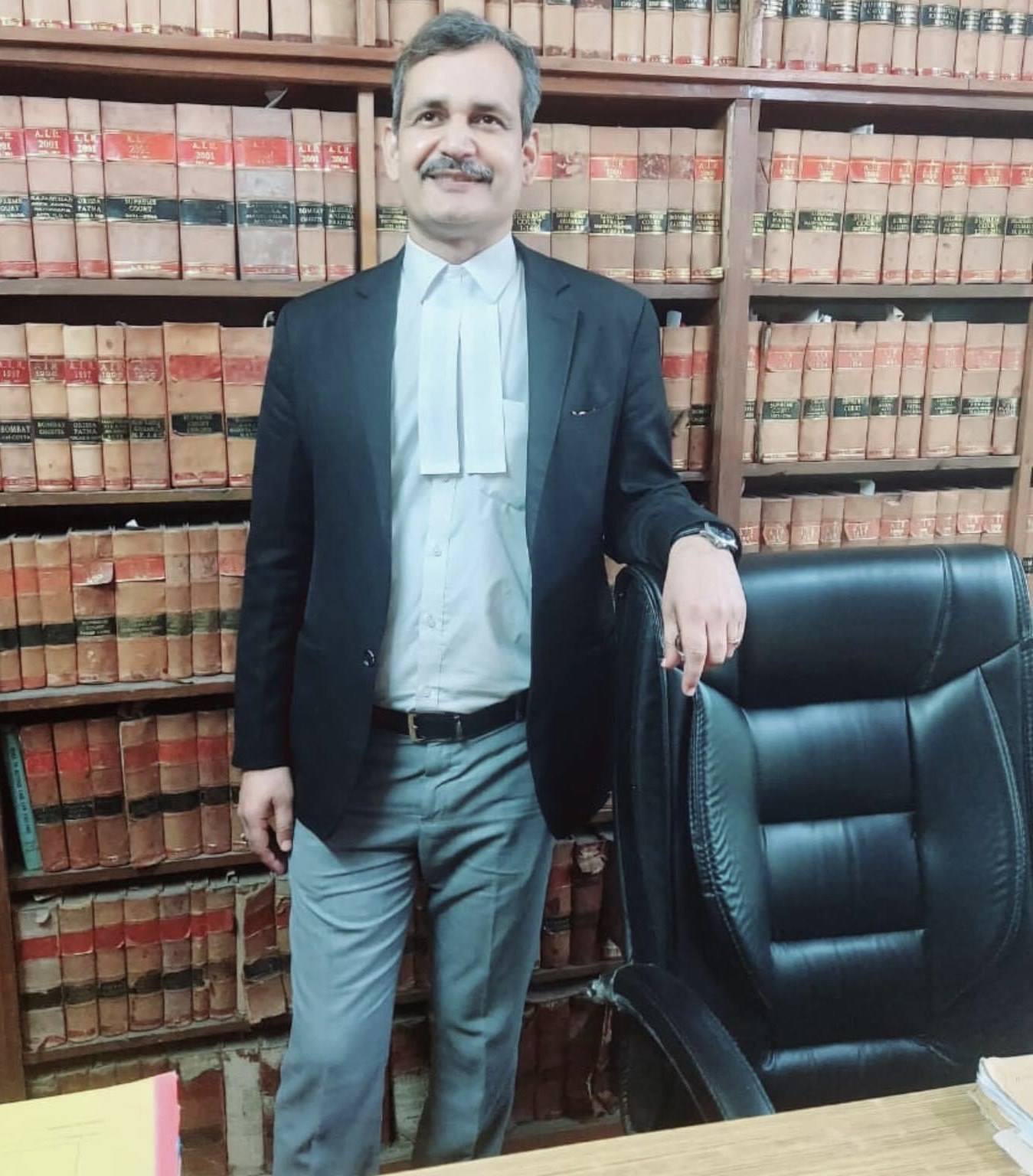
  • “Success in litigation is a journey that demands dedication, patience, perseverance, and a genuine passion for the field.” – Nadeem Murtaza, Partner at Amicus Demos

    “Success in litigation is a journey that demands dedication, patience, perseverance, and a genuine passion for the field.” – Nadeem Murtaza, Partner at Amicus Demos

    This interview has been published by Namrata Singh and The SuperLawyer Team

    Can you take us through the journey of your career, from your early days as a law student to becoming a Partner at Amicus Demos? What were some of the challenges you faced along the way, especially in the initial stages of your career?

    I pursued my B.A. LL.B. (Hons) at the Faculty of Law, Lucknow University, from 1998 to 2003. Throughout my five years in law school, I actively participated in court proceedings as an intern, keenly observing the accomplished lawyers and stalwarts of the Oudh Bar Association, presenting cases before various courts. Post-graduation, I started my legal practice on the criminal side, appearing before the High Court at Lucknow and handling matters in Magistrate Courts and Sessions Court. Despite facing the common challenge of limited briefs at the beginning of my career, I recognized the importance of patience. Early on, the pressure to succeed was intense, but I firmly believed in focusing on developing the necessary skills for effective courtroom advocacy, rather than solely chasing briefs and financial gains, I prioritized honing my talents and improving the quality of my work. It was a challenge to decline cases where a case was not made out, but this approach paid off over time. With time my skills grew, so did the quantity of work, leading to a subsequent increase in remuneration.

    You’ve had extensive experience practicing in the criminal side of law. What drew you to this field initially, and how has your perspective evolved over the years?

    I had the privilege of growing up in a family of legal luminaries. My grandfather, Late Justice Murtaza Hussain, embarked on his legal journey in 1944, ascending from Munsif to the esteemed position of District Judge by 1968. His illustrious career continued with elevation as a Judge of the Allahabad High Court, Lucknow, in 1976. Thereafter, he also served twice as the Lokayukta of Uttar Pradesh from 1983 to 1989. My father, Late Jawed Murtaza, thrived in a flourishing civil practice in Lucknow. Meanwhile, my uncle, Justice Imtiaz Murtaza, made a mark as a prominent lawyer in the criminal side. His trajectory led him to become a Judge of the Allahabad High Court in 2001, culminating in his retirement as the senior most judge in 2015.

    During my college days, I regularly interned at my uncle’s office, immersing myself in the dynamic realm of criminal law. His bustling chamber provided ample opportunities to engage with criminal cases, interact with clients, and witness the intricate interplay of legal provisions such as the Indian Penal Code, CrPC, and Evidence Act. This experience ignited my passion for criminal law, shaping my perspective and fostering a profound interest in the complexities of legal practice.

    As a partner at Amicus Demos, what do you find most rewarding about your role? Are there any particular aspects of your work that you find especially fulfilling or challenging?

    Mr. Gaurav Mehrotra is the senior/managing partner at Amicus Demos. Mr. Gaurav Mehrotra specializes in civil, constitutional, and commercial matters, while I exclusively handle criminal cases within the firm. Our professional collaboration is deeply rewarding, and the law firm feels like an extended family. Dealing with criminal matters presents a unique challenge due to its direct impact on an individual’s life and personal liberty. The stakes are inherently higher, often involving questions of life and death. As a defence lawyer, our focus extends beyond client representation; we strive to protect the rights of the accused and assist the court in uncovering the truth. One particularly challenging role for me was serving as a Special Public Prosecutor in a case involving high-profile officials and public representatives. This role demanded a distinct preparation and approach compared to our usual stance as defence counsel.

    Given your experience as a panel arbitrator for stock exchanges, could you highlight some key differences between arbitration proceedings and traditional courtroom litigation?

    There are some inherent advantages in arbitration proceedings. These proceedings are more expeditious and can be conducted in a manner to suit the better need of the parties.

    Arbitration proceedings differ from courtroom exchanges in several key aspects. Arbitration offers a private setting, allowing for confidentiality, and enables parties to choose arbitrators for a neutral stance. 

    However, there is limitation to arbitration proceedings as the same are limited to inter se parties to an agreement or contract whereas traditional trial or courtroom proceedings are more accessible and cater to the needs of the public at large. The nature and result in an arbitration is only limited to either monetary claims or breach of a contractual obligation and therefore the proceedings are limited to that extent. 

    As an arbitrator on the panel for stock exchanges, my role involves resolving disputes between market participants in a fair and impartial manner. I assess evidence, review financial regulations, and consider market practices to make informed decisions. It’s crucial to maintain transparency and uphold the integrity of the stock exchange. The dynamic nature of the financial markets requires adaptability and a deep understanding of the industry. Serving on the panel has provided me with valuable insights into the intricacies of trading and the importance of fostering trust within the financial community.

    The process is generally less formal, faster, and more cost-effective than courtroom proceedings. Arbitrators often possess industry-specific expertise. Decisions are binding with limited rights to appeal, contributing to a quicker and more final resolution compared to the traditional system.

    You’ve represented some prestigious corporations. What are some common legal challenges these corporations face, and how do you approach addressing them?

    Representing corporations in criminal matters presents unique challenges. One major issue is balancing legal obligations with the corporation’s reputation. Managing public relations during a criminal investigation is delicate, as negative perceptions can harm the company’s brand. Additionally, coordinating communication among various internal departments and legal teams can be challenging. Maintaining attorney-client privilege while interacting with corporate employees adds to the complexity. Lastly, corporations often face potential financial repercussions, including fines and regulatory sanctions, making strategic legal counsel crucial to navigate these challenges effectively.  

    Corporations often face problems due to local law and order situations as well. One such example is that a kisan (farmers’) union once lodged an FIR against a sugar mill and its officials alleging manipulation in quantity of sugarcane purchased. Often, criminal proceedings are sometimes instituted to settle civil and consumer disputes. A fitting example of such abuse is that once a criminal complaint was filed against a leading direct-to-home (DTH) television company and its directors by a consumer for some issue with respect to discontinuation of service. The proceedings were finally stayed by the High Court exercising powers under Section 482 CrPC.  

    As someone who has actively appeared before the Supreme Court of India, can you share any insights or experiences from handling cases at such a prestigious level?

    Handling cases before the Supreme Court is a demanding yet rewarding experience. The process involves intricate knowledge of Constitutional and legal principles. The Court deals with matters of national importance and the stakes are quite high. At times, though we represent a specific client, the question of law involved in the matter affects the public at large and has pan India ramifications. 

    In one of my matters one old and ailing accused who had suffered brain stroke was denied bail by Sessions Court and was sent to custody, at that time there was a Rule in Allahabad High Court to give 10 days advance notice to State before filing bail, we filed SLP before Supreme Court directly challenging the order of sessions court and the Court was apprised about the prevailing rule, Supreme Court not only granted bail to accused but also issued notice to High Court, the same led to amendment of Rules and notice period in bail matters was reduced from 10 days to 2 days in the Allahabad High Court, which hugely benefited the public at large. Similarly, I also appeared in the proceedings before the Supreme Court in the Satender Kumar Antil matter and apprised the Court regarding the laxity in implementation of the guidelines and directions issued by the Court in the State of U.P. In one of the IAs, the Court took stern view of the practice prevalent in Uttar Pradesh where the Magistrate or the Sessions Court would simply deny the grant of anticipatory bail holding that there was no apprehension of arrest since the offences entailed less than seven years of imprisonment and was thus covered by the direction issued in Satendra Kumar Antil case. The Supreme Court strongly deprecated such a practice and since then, there has been a paradigm shift in the matters regarding grant of bail and anticipatory bail in the State of U.P. in consonance with the law laid down by the Supreme Court.  

    In your experience, what would you say is the most difficult or challenging aspect of handling criminal cases, and how do you navigate through those challenges to ensure the best possible outcome for your clients?

    As a criminal law attorney, one of the most challenging aspects is navigating the emotional and personal nature of criminal cases. One of the challenges I feel is informing the client about an adverse order. As these matters relate to the life and liberty of the individual, it is emotionally challenging to inform them that the outcome was not favourable. Balancing legal representation with the human aspect of the client’s predicament requires empathy and a nuanced approach. Engaging with clients who may be facing serious consequences, emotionally charged situations, or societal stigma demands effective communication and understanding. The challenge lies in managing expectations while ensuring a robust legal defence. As a matter of principle, I always give my honest advice and opinion and inform them about the likely outcome of the case without giving them any false hope. I always advise my clients to cooperate with the investigation and trial and never abscond from the judicial process. The adversarial nature of criminal proceedings and the burden of proving innocence can be daunting. To overcome these challenges, maintaining open communication with clients and managing expectations realistically are some crucial aspects necessary in criminal law practice. Crafting a thorough defence strategy, staying abreast of legal precedents, and adapting strategies to suit the unique circumstances of each case are key elements in securing the best possible outcome for clients in the complex realm of criminal law.

    Outside of the courtroom, what are some of your personal interests or hobbies that help you unwind and recharge?

    Outside of the courtroom, I find solace in indulging my passion for poetry. Exploring the intricate beauty of language and the emotional depth of poetic expressions serves as a creative outlet. Traveling is another cherished pursuit, providing a break from the legal intricacies and allowing me to explore diverse cultures and landscapes. Spending quality time with my family is paramount; their support is my anchor amidst the challenges of court. These not only help me unwind and recharge but also contribute to a well-rounded perspective that enhances my legal practice.

    Looking back at your journey from being enrolled as an Advocate to becoming a Partner, what advice would you give to young lawyers aspiring to build a successful career in law?

    Reflecting on my journey so far, my advice for aspiring young lawyers is to embrace continuous learning, nurture a robust professional network, and cultivate a strong work ethic. Sharpen your communication skills, consider specializing in a specific legal niche, and stay adaptable to changes in the legal landscape. Uphold the highest ethical standards, persist through challenges, and strive for a healthy work-life balance. Community involvement and pro bono work not only contribute to society but can also enhance your professional reputation. Remember, success in litigation is a journey that demands dedication, patience, perseverance, and a genuine passion for the field. 

    Get in touch with Nadeem Murtaza-

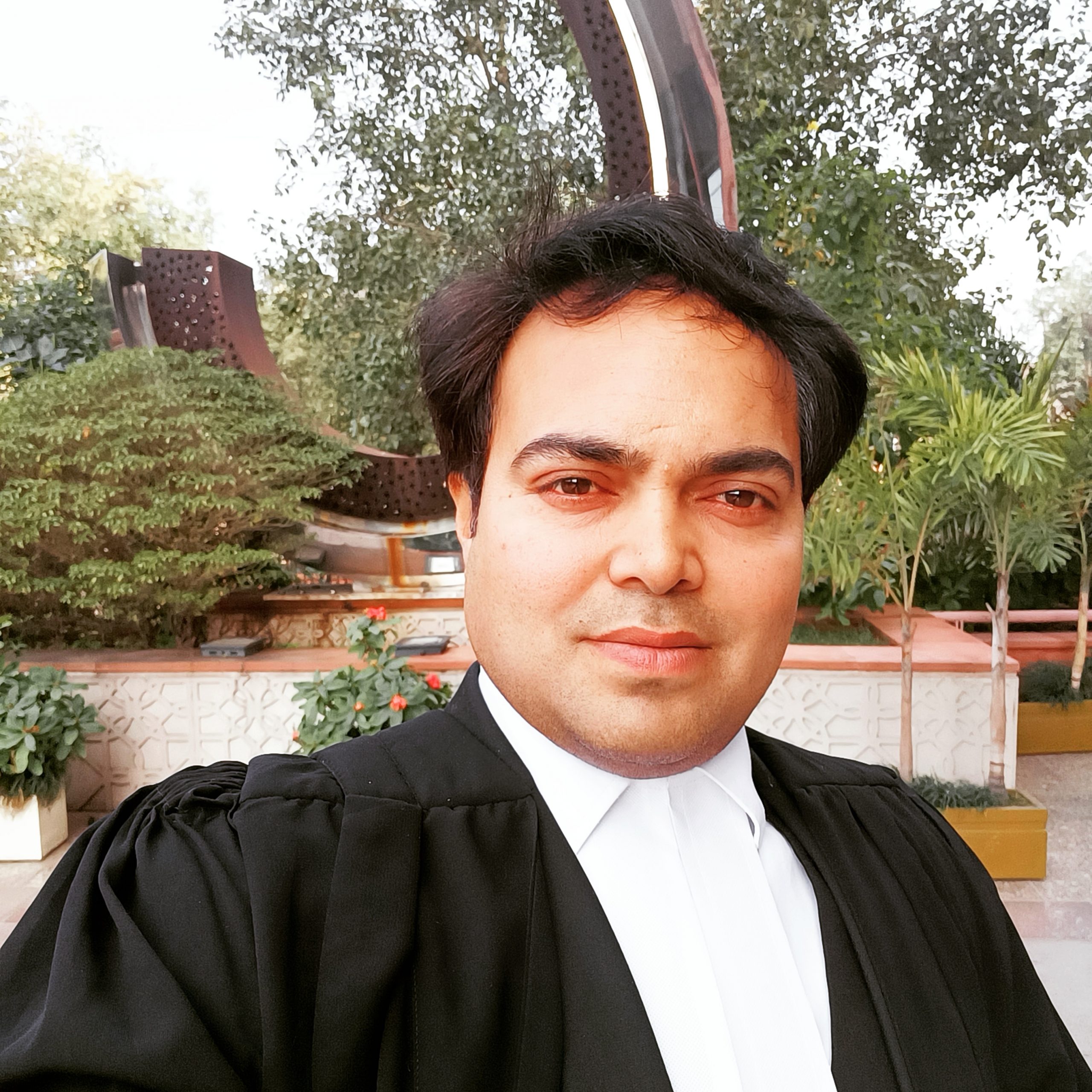
  • “Effective communication with clients and a commitment to upholding justice guide my approach to each case, regardless of its profile and complexity”- Amit Kumar, Advocate at the Supreme Court of India

    “Effective communication with clients and a commitment to upholding justice guide my approach to each case, regardless of its profile and complexity”- Amit Kumar, Advocate at the Supreme Court of India

    This Interview has been published by Pragya Chandni and The SuperLawyer Team

    Can you share with us your journey from studying mathematics to pursuing a career in law? What inspired this transition?

    After studying mathematics, I developed a strong analytical mind-set and problem-solving skills.  However, I realized my passion lies in using these skills to advocate for justice and navigate complex legal issues.  Inspired by the intersection of logic and law, I pursued a career in law to apply my mathematical aptitude to legal challenges, ultimately seeking to make a meaningful impact in society through the legal profession.

    As a criminal defense lawyer, you’ve handled a wide array of cases, including high-profile ones. What drew you specifically to criminal law, and how do you navigate the complexities of such cases?

    From an early stage, I was drawn to criminal law due to its dynamic nature and the opportunity it presents to defend individual’s rights and ensure fair treatment within the legal system.  In navigating complex cases, I rely on thorough research, strategic planning and a deep understanding of both the law and facts.  Effective communication with clients and a commitment to upholding justice guide my approach to each case, regardless of its profile and complexity.

    Founding “The Chambers of Amit Kumar” in 2007 marked a significant milestone in your career. What motivated you to establish your own legal practice, and what were some of the challenges you faced in the early stages?

    Founding ‘The Chambers of Amit Kumar’ in the year 2007 was driven by my vision to provide personalized legal services tailored to clients’ needs.  Motivated by a desire for autonomy and innovation, I sought to create a platform where I could pursue my passion for law while fostering a culture of excellence.  In the early stages, challenges such as building a client base, managing finances, and establishing credibility were prevalent.  However, through perseverance, strategic networking, and a commitment to delivering exceptional results, I overcame these obstacles and steadily grew our practice.

    Could you walk us through how you approach each case uniquely, considering the legal complexities and ethical considerations involved?

    I approach each case uniquely, recognizing that every situation has its own complexities and ethical considerations.  Just as jewellery cannot be crafted with pure gold alone, cases often carry inherent impurities.  I meticulously scrutinize these imperfections, strategically leveraging them to build a compelling defence.  By identifying and addressing these nuances, I aim to achieve favourable outcomes for my clients while upholding ethical standards.

    With extensive experience representing clients in various courts, including the Supreme Court and the Delhi High Court, how do you ensure effective representation while upholding the principles of justice and fairness?

    In representing clients across different courts, my focus remains steadfast on effective advocacy while upholding the principles of justice and fairness.  This involves thorough preparation, detailed discussions with clients, and adherence to ethical standards.  I prioritize understanding the nuances of each case and presenting compelling arguments based on law and evidence.  By maintaining integrity, respect for due process, and a commitment to equity, I strive to ensure effective representation that upholds the highest standards of justice.

    Advocating for causes such as the petition relating to marital rape demonstrates your commitment to social justice issues. What role do you believe lawyers play in advocating for societal change, particularly in addressing sensitive issues like gender-based violence?

    Lawyers play a crucial role in advocating for societal change, particularly in addressing sensitive issues like gender-based violence.  Similar to doctors, lawyers are often at the forefront of observing societal trends and have the opportunity to raise awareness about important social issues through their daily practice.  With this responsibility towards society, lawyers can leverage their expertise to challenge unjust systems, advocate for policy reforms, and provide support for victims of gender-based violence, ultimately contributing to a more just and equitable society.

    Handling cases involving fraud and corruption, such as the JBT recruitment scam and housing society scam, requires a deep understanding of legal intricacies. How do you navigate through the legal complexities of such cases while ensuring transparency and accountability?

    In navigating cases involving fraud and corruption, I prioritize a meticulous approach that combines through legal analysis with a commitment to transparency and accountability.  This involves conducting extensive investigations, research work, collaborating with experts, and presenting compelling evidence in court.  By upholding the principles of due process and ensuring transparency in all legal proceedings, I aim to pursue justice for my client.

    As someone with a significant breadth of experience in the legal field, what advice would you offer to aspiring law graduates who are just starting their careers, especially those interested in criminal law and social justice advocacy?

    My advice to aspiring law graduates interested in criminal law and social justice advocacy is to stay committed to continuous learning, develop strong analytical skills, and cultivate empathy for your clients and their communities.  Seek out diverse experiences, such as internships, pro bono work, and mentorship opportunities, to gain practical insights and build a robust professional network.  Never compromise with the ethical standards.

    Get n touch with Amit Kumar-

  • “Success in law is not just about individual achievements but also about working together and lifting each other.” – Aviral Kapoor, Co-founder & Partner at Alagh & Kapoor Law Offices

    “Success in law is not just about individual achievements but also about working together and lifting each other.” – Aviral Kapoor, Co-founder & Partner at Alagh & Kapoor Law Offices

    This interview has been published by Namrata Singh and The SuperLawyer Team

    Starting your career as a first-generation lawyer, can you share a bit about your journey and what inspired you to pursue law as a profession?

    My fascination with the legal profession stemmed not from its prestige or the challenges it posed, but from the unique chance it gave me to explore the complexities of various businesses and industries. Each case was a new puzzle, and every law was a gateway to understanding a different aspect of the world through a legal perspective. Embarking on this path as a first-generation lawyer was both thrilling and intimidating. With no precedents in my family to guide me, I relied on my determination and adaptability to overcome academic and professional obstacles. The journey was tough, yet rewarding, as every legal concept I understood and every case study I examined deepened my knowledge and love for the law.

    Along the way, I was fortunate to encounter some of the most supportive and insightful lawyers in the field. Their willingness to share knowledge, encourage my pursuits, and guide me through the legal landscape was invaluable. Their mentorship not only inspired me but also highlighted the importance of community within our profession. It taught me that success in law is not just about individual achievements but also about working together and lifting each other. This sense of belonging and mutual support has been a fundamental part of my journey.

    As a co-founder of Alagh & Kapoor Law Offices, what unique approach do you bring to providing legal solutions for companies, and how do you deal with legal hurdles strategically?

    At Alagh & Kapoor Law Offices, our distinctive approach is deeply rooted in a partner-focused model, where each client’s case is meticulously overseen by a partner. This method goes beyond merely addressing the issue at hand; we immerse ourselves in understanding the entirety of our client’s business. This comprehensive insight allows us to devise strategies that are not only tailored to solve immediate legal challenges but are also aligned with the broader business objectives of our clients. By integrating this deep business understanding with our legal expertise, we ensure that our solutions are both effective in the present and beneficial for the client’s future, enabling them to navigate their industry’s complexities with greater confidence and legal foresight.

    You’ve worked with top law firms in India before co-founding your practice. How has this experience enriched your legal perspective, and what lessons did you carry into your own law office?

    Working with top law firms in India prior to co-founding Alagh & Kapoor Law Offices has been an invaluable part of my professional journey, significantly enriching my legal perspective. One of the key lessons I’ve brought into our practice is the importance of transparent and comprehensive communication with our clients. We’ve adopted a unique approach of updating our clients through recording emails, which detail the entire proceedings before a court. This method has been particularly appreciated by our clients, as it ensures they are well-informed and engaged with the progress of their cases.

    Additionally, my tenure at these esteemed firms instilled in me the ability to perform under high-pressure situations. This skill has been instrumental in shaping the ethos of our own law office, where we emphasize resilience, adaptability, and the capacity to deliver exceptional legal services, even under the most demanding circumstances. These experiences have not only enriched my legal perspective but have also been pivotal in defining the values and operational excellence of Alagh & Kapoor Law Offices.

    Being empanelled with prestigious organizations like South Delhi Municipal Corporation and NBCC, how do these affiliations contribute to the breadth and depth of your legal practice?

    Being empanelled with prestigious organizations like the South Delhi Municipal Corporation and NBCC has significantly enhanced the scope and depth of our legal practice. These empanelments have not only broadened our exposure to a variety of legal matters but have also been instrumental in building a strong reputation in various courts. Regular appearances in court, as a result of these affiliations, have allowed me to develop a familiarity with different benches. This familiarity is crucial as it fosters a level of trust and understanding; judges tend to recognize and appreciate lawyers who are consistently present and demonstrate a commitment to their profession. It’s important to note that this recognition is not about bias but rather about the confidence that comes from seeing a lawyer’s consistent performance and understanding of legal nuances over time. These opportunities have thus been pivotal in enhancing our credibility and expertise, allowing us to serve our clients more effectively and contribute meaningfully to the legal community.

    Your legal practice encompasses diverse areas, including technology law, insolvency, and debt recovery. How do you navigate the unique challenges and nuances of each domain, and what skills do you find most crucial in maintaining proficiency across such varied legal landscapes?

    Navigating the diverse realms of technology law, insolvency, and debt recovery requires a dynamic and informed approach, emphasizing the importance of staying current with the latest laws and judgments. In my practice, a strong focus on research and continuous learning is paramount, as these enable me to understand the intricacies of each domain thoroughly. Beyond diligent research, attending seminars, workshops, and conferences plays a crucial role in my professional development, offering fresh insights and perspectives on evolving legal issues. Networking with fellow lawyers and industry professionals further enriches my understanding and approach, allowing me to exchange ideas and strategies that enhance my proficiency. This combination of ongoing education, active engagement in the legal community, and a commitment to thorough research equip me to navigate the unique challenges of these varied legal landscapes effectively, ensuring I can provide high-quality legal services to my clients.

    Internships play a crucial role in a young lawyer’s development. How does Alagh & Kapoor Law Offices engage with interns, and what opportunities do you provide for them to gain practical experience and exposure within the firm?

    At Alagh & Kapoor Law Offices, we deeply value the role of internships in shaping the future of young lawyers. Being a boutique law firm, we offer a unique advantage for interns to engage directly with partners, fostering an environment where they feel comfortable seeking clarifications and engaging in meaningful discussions. Our approachability ensures that interns are not just observers but active participants in the legal process. We maintain a vibrant office culture, including social events that interns are encouraged to join, further integrating them into our team. Interns are considered an integral part of our office, held accountable for their contributions and encouraged to grow professionally. To facilitate this growth, we require interns to present on a topic they’ve worked on during their internship, allowing them to refine their research, analysis, and presentation skills. This hands-on experience, combined with our supportive and inclusive environment, equips interns with practical skills and exposure, preparing them for successful careers in law.

    Beyond your thriving legal career, what activities or hobbies do you enjoy in your free time? How do you unwind and find balance outside the courtroom?

    Beyond the courtroom and legal documents, I find solace and balance in the world of cinema, music, and open roads. As an avid movie enthusiast, I rarely miss any film, often spending my weekends catching a late-night show. This passion for movies offers a delightful way to recharge. Along with my love for movies, music is also a big part of my life. I often play the guitar to relax and find peace in the middle of my busy work as a lawyer. Additionally, I have a profound love for driving, though I steer clear of Delhi’s traffic. During court vacations, I’ve embarked on drives to Leh and Ladakh, Manali, and other serene hill stations. These hobbies not only help me unwind but also keep me connected to the creative and adventurous aspects of life, providing a harmonious balance to the rigor of law.

    Given your diverse practice areas, including criminal law, insolvency, and consumer law, what advice would you give to law students and young lawyers looking to build a versatile legal career like yours?

    For law students and young lawyers aspiring to build a versatile legal career, I’d suggest embracing the unique journey that lies ahead with patience and perseverance. Understand that law school is not just about academics; it’s a golden opportunity to forge connections that can last a lifetime. Internships offer a practical glimpse into the legal profession, so seize them to gain as much real-world experience as possible. Give yourself time to explore and immerse in various fields of law during the initial 5-7 years of your career before deciding to specialize, if at all. Remember, patience is key—there are no shortcuts, and there’s no substitute for hard work. It’s about finding what resonates with you and leveraging that to carve out your niche, ensuring a fulfilling and successful career in law.

    Get in touch with Aviral Kapoor-

  • “Adaptability is key in the legal profession. From District Courts to the Supreme Court, preparation and versatility are crucial for success.” – Prabhat Kaushik, Advocate-on-Record at the Supreme Court of India

    “Adaptability is key in the legal profession. From District Courts to the Supreme Court, preparation and versatility are crucial for success.” – Prabhat Kaushik, Advocate-on-Record at the Supreme Court of India

    This interview has been published by Namrata Singh and The SuperLawyer Team

    Could you take us through your journey from your college days to becoming an Advocate on Record at the Supreme Court? What inspired you to pursue law as a career?

    During my college days, I used to study and make friends who were like-minded and interested in studying and understanding law. I used to make friends whom you could find in the library only or after professors asked questions. Most of our freedom fighters were Lawyers of course that motivates me and of course, the respect a lawyer gets in Society.

    Being the AOR for the Hon’ble Chief Minister of Sikkim is a distinctive role. How did this association come about, and what are some of the challenges and rewards of representing such a high-profile client in the Supreme Court?

    I got the chance to represent the Hon’ble chief minister of Sikkim before the honourable Supreme Court through the Standing Counsel for the state of Sikkim in the Supreme Court who had previously engaged me in many of his cases and therefore gave me a chance. the rewards are always high but the expectations are also high.

    In your extensive career, you’ve handled cases related to Builder-Buyer disputes, Recovery of Refunds by RERA, Criminal Cases, and more. What motivates you to take on such diverse cases, and how do you stay well-versed in multiple areas of law?

    From the beginning of my law career, I, used to handle builder buyer cases as many of my close friends and relatives were cheated by builders and providing them good results brought me many cases. I have offices and associations in Delhi NCR and many of my associates, friends and lawyers keep me engaged in their cases and that keeps me updated with all kinds of cases.

    As someone who has dealt with international companies and MNCs, what nuances or differences do you find in representing their cases compared to domestic ones?

    Cases of MNCs and international companies are not of a very different sort but their challenges are also as same as those of a domestic company for example for a Japanese company I got an FIR registered against the top brass of management in Gurugram a complaint filed by their Parent Company and a Ukrainian company was cheated by Transport vessel company and for other Dubai and Japanese companies facing trouble because of Labour, Employees, Tax and POSH cases.

    Your practice spans different courts and forums. How do you adapt your approach when dealing with cases in various jurisdictions, from District and Session Courts to the Supreme Court?

    The only thing I keep in my mind while approaching any Courts from Distt. to Supreme Court is that I should be well-versed and well-prepared with my case.

    Becoming an Advocate on Record involves a rigorous examination process at the Supreme Court. Can you share your experience preparing for and clearing the AOR exam? What advice do you have for aspiring lawyers who aim to achieve this milestone in their careers?

    I really put all my efforts into clearing the same and was a herculean task. the only mantra is hard work and study plus one should join lectures delivered by examiners THEMSELVES conducted at ILI.

    Your chamber plays a crucial role in shaping the professional journey of budding lawyers. Can you tell us about the work culture and environment in your chamber? Additionally, how do you approach mentoring and guiding interns who join your team?

    Yes, it plays a very important role but I like my colleagues to enjoy work within spheres of discipline in my chamber. I don’t like the late-night work culture. Law interns, they really enjoy a lot because We expose them to every court and forum of Delhi-NCR which enhances their knowledge in unravelling intricacies of Law.

    Having seen the evolution of legal education and the influx of interns and upcoming lawyers, what differences or challenges do you observe in the skill set or approach of students today compared to when you were starting your career? Are there specific areas where you think interns or young lawyers might need additional focus or development?

    Yes, nowadays the legal profession is in vogue. It’s very difficult for a beginner to earn bread and butter in this profession in their initial days. There is a misconception floating around about a lot of money in this profession and therefore the students are choosing this profession but no one tells about the struggle which breaks them. The legal profession is a very noble profession. But not an easy money-making profession. In our days we knew what we were doing and how we would do it and were prepared to face struggles mentally and physically. I used to attend courts by using Public Buses and Trains, which for a modern new Lawyer is not possible if he/she belongs to a humble family and puts a financial burden on their parents.

    Beyond your demanding legal career, everyone needs some downtime. Could you share with us what passions or activities you pursue in your free time? What brings you joy and relaxation outside the courtroom?

    I really enjoy gossiping with friends and of course travelling to the hills.

    Having pursued an LL.M., yourself, could you share your perspective on how further academic specialization contributes to a legal career? What advice would you offer to young lawyers considering pursuing an LL.M. and how can they maximize its benefits for a successful legal career?

    Well, higher studies always help boost your confidence and add a new chapter to your success story. For young lawyers I advise them to pursue all sorts of courses available to help boost their knowledge and enhance confidence, there are so many diploma courses and LL.M helps new lawyers to shape their career by specialising in some chosen field. 

    Get in touch with Prabhat Kaushik-

  • No one with a defeatist or pessimist mentality or an irresolute mind-set can ever start their own practice- Founding Partner at THYNK CELS

    No one with a defeatist or pessimist mentality or an irresolute mind-set can ever start their own practice- Founding Partner at THYNK CELS

    This interview has been published by  Priyanka Karwa and The SuperLawyer Team

    What motivated you to start your own legal practice, and what areas of law do you primarily focus on? Could you please share more about your role as a Founding Partner at Cost Effective Legal Solutions (CELS)?

    I think the majority of advocates are motivated to start an independent legal practice by default. It’s more like a factory setting of the brain after clearing the bar exams. Mine was tuned even before I began studying law. The desire and motivation to go independent further grew in college. But once I stepped into the real world of practice, the scene changed. As a first generation lawyer, I realised that the ball was never in my court. The bubble shattered, after seeing the strength of the bar and the amount of advocates struggling to make a living. I learnt it the hard way. I realised I had to first grow in terms of knowledge. It took me four jobs and ten years to feel, I am sufficiently knowledgeable. I realised over these developing years that knowledge is not enough to keep me motivated so I developed the capacity to do laborious work. I steadily and slowly increased my patience level and self-confidence. It took a lot of mixing of all these emotions before I went independent in 2021 and started CELS. I realised only the ones capable of labour, patience, self-confidence and faith are welcome in this profession. No one with a defeatist or pessimist mentality or an irresolute mind-set can ever start their own practice. In 2021, I finally decided to not merely look to principles but have the readiness to act upon them. I put my art of persuasion to test developing clients in the field I was extremely confident about. 

    I started my practice at tribunals where the law application is quasi –judicial in nature/ sort of easy for any advocate to absorb in terms of procedure. I practiced at the NCDRC, DRT, DRAT, NGT and slowly shifted gears to civil, criminal and commercial trial courts. Now I primarily focus on business/commercial related disputes for Individuals, Corporates, Financial Institutions. The area of law practiced by CELS covers both civil and criminal statutes. As founding partner, I ensure that CELS always has business. We started with a team of two and now we have 25 people in our office in two years’ time directly and indirectly associated with us. 

    You’ve mentioned your extensive experience with Title Search Reports for financial institutions. Could you explain the importance of these reports and how they benefit organizations like National Housing Bank, Indian Bank, Bank of India, and LICHFL?

    We at CELS have rendered more than 15000 Title Search Reports for the above stated Institutions and more. TSR facilitates a buyer to help buy a property, a Bank / FI / NBFC determines the authenticity of a title. The Title Search Report made by CELS helps the Financial Institutions stated above deal with the crucial and imperative aspects of identifying an undisputed title. Identifying an undisputed title is important to all stakeholders involved, be it a buyer, seller, or a lending institution. Our reports facilitate the seeker/FI with an answer, as to whether a property is mortgage worthy as collateral or not. When I started working for the aforesaid FI’s I was put across several questions. Questions which had simple solutions yet no one had compiled the answers in a streamlined manner. CELS then published a hand book for its clients which not only gives its readers theoretical knowledge but practical knowledge which the reader can implement “tout de suite”, while dealing with a title. CELS has published the said handbook primarily keeping the documents, sub-registrar offices, the authorities, legislations, and other aspects which have direct application to the NCT of Delhi and its nearby territories (NCR). But the research base is such, that said fundamentals apply to the whole of India more or less.

    Your experience includes handling Commercial Court Cases. Could you share a challenging case that you worked on and the strategies you employed?

    Recently before the Patiala House Court, New Delhi, I had the opportunity to defend a case in which recovery of more than two crore inclusive of interest was filed against my client. All remedies under the Pre-Mediation and Settlement had been waived as my client had failed to participate. Now I was left to defend a massive recovery. I asked my client how much of the demand was legitimate. He admitted to me that the applicant / suing party is entitled to almost 80% of the amount mentioned in the suit. All though it is difficult to sum up in a paragraph as to what strategies were adopted. I’d say we went at everything from challenging the jurisdiction, to the absence of cause of action. We challenged the clause vesting jurisdiction on a Court which otherwise does not have jurisdiction. I relied on the judgement of Bahrain Petroleum Co., where the Hon’ble Supreme Court had held that neither consent nor waiver nor acquiescence can confer jurisdiction upon a court, otherwise incompetent to try the suit. It is well-settled and needs no authority that ‘where a court takes upon itself to exercise a jurisdiction it does not possess, its decision amounts to nothing. Further strategies adopted were challenging the facts on the basis of evidence available, an applicability of an expired contract etc, filing a detailed written statement. At the end the matter was settled we had to only pay a fraction of the suit amount. The court’s name was Anurag Sain DJ (Commercial Court)-01, CS(COMM)525/22. 

    NCDRC cases against builders on behalf of homebuyers are significant. Can you discuss the typical issues faced by homebuyers and the legal steps you take to address their concerns?

    NCDRC is the highest consumer forum available in India for relief against wrongs done by Builders. But after my experience at the NCDRC I’d suggest all consumers to approach RERA or NCLT. I am not suggesting that NCDRC is not an apt forum for relief, but the fact that the said forum is flooded with cases cannot be discarded. I had filed a class action complaint in 2019. And the matter has recently reached the stage of final arguments. All my home buyers were seeking a refund but had to eventually settle. Even though I was successful in getting them massive discounts, the fact that during the proceedings the builder started to go insolvent project by project, broke the home buyer’s spirits to seek refund with interest and they opted for possession with discounts. The typical issues faced by home buyers are delayed possession, unlawful demands in construction linked payment plan, forfeiture of booking amount, non – construction of Unit & builder / project being declared insolvent. These are some typical cases which are ongoing before the NCDRC. Once a favourable order is passed, the execution of the said order also takes a substantial amount of time. And one just has to keep his fingers crossed on the builder not running away from the country or being sent to jail or being declared insolvent. Hence as an advocate you have to be equipped with alternate remedies for your client. Ref: CC/912/2019

    You’ve also been involved in defamation cases. What is the most interesting or unusual defamation case you’ve handled, and how did you navigate the complexities of civil and criminal aspects in such cases?

    The most interesting defamation case I have had the privilege of filing was for a celebrity YouTuber against another less known You Tuber. The defamation was done vide an impugned video clip uploaded on YouTube and shared across Telegram. Whatsapp and other messenger applications. The statements made in the impugned video were made with the culpable and malicious intention to defame my client. The video was made to spread an untrue, false and scandalous imputation against my client that he is a fraudulent person who has misguided its subscribers. The scandalous, false and defamatory statements were explicitly intended to harm the reputation of my client and to malign him before the public. We argued before the Civil and Criminal Court that a person’s reputation is an inseparable element of an individual’s personality and it cannot be allowed to be tarnished in the name of the right to freedom of speech and expression because the right to free speech does not mean the right to offend. Rather, the object of guaranteeing constitutional protection to freedom of speech and expression is to advance public debate and discourse. However, speech and writings laden with harmful intent or knowledge of causing harm or made with reckless disregard is not entitled to the protection of Article 19(1) (a) since it does not serve any Constitutional purpose. We navigated the complexities by stating that the mental suffering caused to my client cannot even be calculated in terms of money. The words published and spoken on YouTube, the statements made and the video posted were made to cause and to bring my client into hatred, contempt or ridicule and to diminish the good opinion that people at large have of him and, therefore, we prayed before the court to punish the offender. We were able to get the video removed immediately and the matter is now pending adjudication for damages and punishment. Ref :Cc 726/2023 MM-1/NE/KKD and CS(OS) 207/2023 

    You’ve mentioned drafting and arguing a petition for a ban against TikTok before the Supreme Court. Can you walk us through the process and the outcome of this high-profile case?

    I had filed a Writ Petition in Public Interest under Article 32, requesting the court to issue order or direction, in the nature of Mandamus imposing a temporary ban on the mobile application/social media portal such as TIK-TOK and others those are capable of being misused till the Coronavirus / Covid-19 disease subsides in India and/or directing the concerned government authority/authorities to formulate and implement a proper statutory framework or adequate Rules, Regulations or Guidelines thereto in order to prevent the misuse of such platforms during the crucial times when the world is fighting against the pandemic. The videos uploaded back then were adversely promoting cultural, spiritual and theological dimensions, instigating a particular community to violate and not to follow the Rules and Regulations/Advisories for Health and Safety, set out by the Government of India amidst the havoc of Covid-19. The advisories as to social distancing appealed by the Prime Minister had been projected through these adult videos as being contradictory to what is entailed in the Quran. The circulated videos were full of misinformation and were meant to incite fear, hate, or prejudice among communities. Even Dr Tedros Adhanom Ghebreyesus, Director General, World Health Organisation (WHO), had stated as under: “We are not just fighting an epidemic; we are fighting an infidemic. Fake news spreads faster and more easily than this virus, and is just as dangerous. ” I along with adv.J. Sai Deepak had filed this PIL with the motive to upkeep the safety and interest of 227 Million active users of Tik – Tok in India along with a population of 130 crore (approx.) population that has access to such misinformed videos that were causing harm to the public at large. But the Supreme Court dismissed our petition. Thereafter, I went to all the authorities in the legislature such as counsel of states, house of the people, legislative departments and even the Prime Minister. Eventually I was permitted to submit my research to the standing committee of Parliament after which the Government banned the application along with several other Chinese apps in 2020.

    Your experience at HCL Technologies involved managing legal aspects of contracts. Can you discuss how you identify ?

    At HCL Technologies we treated IT risk management as a necessity. At HCL Tech a team of lawyers used to realign their IT risk management processes to meet the constantly evolving regulatory requirements. We ensured that their IT ecosystem struck a balance between cost-effectiveness and efficiency. At the same time, we ensured that the next generation innovation and transformational business went smoothly. As a team we used to discuss and understand the complex IT business ecosystem first. We used to Visualize and understand risk as our first steps. Then we went about assessing the same and once risk elements were identified, we used to try and quantify the impact levels of the same. We used to prioritize the High-impact like situations and manoeuvre by drafting our contracts which would lower the impact. 

    What advice would you give to the fresh graduates who aspire to start their career in the legal industry?

    As law students and fresh graduates, there must have been an era when you, as viewers of TV series, may have grown addicted to ‘Celebrity Lawyer’ shows such as Boston Legal, Suits etc. Furthermore, this begins to seem a reality within the approach when you read about lawyers repeatedly in newspapers every day. To add to this illusion, most of our Government Post from Politicians to Head of Government Organizations are holding a law Degree. Their fee(s) is often a discussion from classrooms to club rooms. But this notion holds true only for a handful. Not every lawyer is paid exorbitant amounts of money and as a fresher, one might even have to work for a mere 15K to 20k. Yes, it’s a rate existing in the inflated year of 2023. Furthermore, the profession reaches a new level of toughness, in small towns, such as Allahabad. Allahabad High Court may be having the biggest Bar strength in terms of numbers but this does not imply that every litigating lawyer is having a ball. One might come across lawyers stating “Cigarette ka kharcha nikalata hai”. Undoubtedly, with experience comes a better Salary/ Fee but it takes perseverance and patience to reach that level. Thus the moral of the story is not to get influenced by hearsay or by the life of a lawyer in glorifying and glamorous TV series. Sorry to disappoint you but, all that you see on TV is a script, which is not only well written, but a gimmick that plays illusions with lawyers wearing crisp suits, swanky shoes and nice hairdos. Law does have a price which we all should aspire not to go by the glamour it has to offer, but by the richness it can offer in terms of knowledge and life skills.

    Get in touch with Vibhor Gupta-

  • My advice to those who dream of practising at the Supreme Court would be to start from the District Level-Sunil Kumar Singh, Advocate, Supreme Court of India

    My advice to those who dream of practising at the Supreme Court would be to start from the District Level-Sunil Kumar Singh, Advocate, Supreme Court of India

    This interview has been published by  Priyanka Karwa and The SuperLawyer Team

    Can you share with us the journey that led you to become a lawyer and eventually specialize in practising in the Supreme Court of India?  

    I come from a family of Lawyers, my grandfather, Late Shri Hari Shankar Singh, and my father Late Shri Rajendra Prasad Singh were eminent Advocates at Varanasi. Since childhood, I loved the environment at my ancestral chamber, and that’s what inspired me to pursue law.  

    The Chamber or the Office Area is in the front portion of our bungalow. Each day at our chamber was very eventful. There were thousands of law books and files, 10-15 lawyers, 4-5 clerks and 50-60 clients at any time. The Clients who used to visit were from various socio-economic strata, ranging from the poorest of the poor to the Rulers of erstwhile Princely States. 

    Unfortunately, my grandfather passed away when I was barely 2 years old, so I have faint memories of him. But I heard a lot about him. He was an alumnus of the first batch of LLB at Banaras Hindu University. He died in 1967 of a heart attack, around midnight, at that time he was amidst his files and books. 

    I was fortunate enough to get the opportunity to learn from my father. He sat in the centre of a large hall, along with my uncles and other advocates and clerks who used to work in our chamber. The walls of the large hall were covered with bookshelves and file racks. The hall always used to be filled with clients. And many clients used to sit outside in the waiting area until their turn came. His table had a fountain pen and an inkwell, and plies of journals and files. Even on festivals such as Diwali, my father used to read the law journals. 

    My father and grandfather were known for their exceptional legal acumen, compassionate nature, and their unwavering dedication to helping the underprivileged access justice. No client was returned for their inability to pay fees. In fact, I remember that it was a regular feature that my father used to give money to those clients who did not have money for the bus fare to return home. 

    The clerks at our chamber were very intriguing personalities in themselves; and left a lasting imprint on my mind. For instance, Munshi Nawal Kishore Lal Srivastava was as learned as a barrister. He had a command over several languages including English, Hindi, Persian, Urdu, and Sanskrit. He used to read law journals and made meaningful contributions to conferences. He hailed from Bhadani-Assi, Kashi (Varanasi), the area where Goswami Tulsi Das had authored Shri Ramcharitmanas

    My Uncles, Late Shri Surendra Narayan Singh and Late Shri Keshav Prasad Singh practised at the Allahabad High Court. Later on, both of them were elevated as Judges of the Allahabad High Court. 

    Since I grew up in such an environment, I developed a keen interest towards law and was able to appreciate the legal profession and its noble character. Thus, I decided to pursue law. 

    My uncle Late Justice Keshav Prasad Singh had asked me to start my practise from the Supreme Court since no one from our family practised there. Adhering to his advice, I came to Delhi in 1990 to start my practice at the Supreme Court. Before starting practice, I visited Late Justice Ram Manohar Sahai, then sitting Judge of the Hon’ble Supreme Court and sought his guidance and blessings. He was the brother of my father’s friend Late Mr. Madan Mohan Sahai, a leading advocate at Varanasi. Justice Sahai encouraged me a lot and was impressed by my commitment. I would like to express my special gratitude to him.  

    You’ve handled numerous high-profile cases throughout your career, including those involving Union Ministers and Members of Parliament. Can you tell us about a particularly challenging case that left a lasting impact on you and your career?

    Although I have represented many Union Ministers and Members of Parliament, if I am asked to share a case that left a lasting impact on my career, it would be the case of Rajinder @ Tinda, a 16-year-old boy who used to shine shoes in the Chambers Block of the Supreme Court along with his brother Rajpal. He used to shine my shoes daily. One day his brother Rajpal asked me “Sahab aapka Vakalat Padhna mere kis kaam ka?” (Sir, your law degree is of what help to me?). Surprised by his question, I asked him what happened. He then told me that his brother had been arrested by the Delhi Police without any warrant and was being subjected to custodial torture at Civil Lines Police Station, Delhi; and asked me what could be done about it. I immediately drafted a Writ Petition praying for the issuance of a writ in the nature of Habeas Corpus. The Supreme Court summoned The Commissioner of Police, Delhi and ordered the release of Rajinder. This case was reported in several newspapers. I still have a copy of the news published in the Hindustan Times on July 3, 1992. This case opened many doors for me and thus left a lasting impact on my career. 2 accused persons in the infamous JJ Hospital Shootout case in Mumbai contacted me and requested me to represent them in the TADA Court, Mumbai. They said that they had read my name in the newspaper in Rajinder’s case and wanted to engage me. Now, from here I got noticed by a Union Minister who wanted me to represent him in the TADA Court too. He was accused of harbouring terrorists/hitmen of the underworld Don Dawood Ibrahim’s Gang. Then I represented him before various courts, including the Hon’ble Supreme Court. 

    Who knew that helping Rajinder would open so many avenues for me? One thing that I have learnt from my father is that I handle all the cases with the same passion, irrespective of whether my client is some Union Minister or, a shoe shine boy or bonded labourer. 

    Serving as the Standing Counsel for the State of Uttarakhand is a significant achievement. Could you describe your experience in the roles and the responsibilities that come with it?

    My role as a standing counsel was to argue the matters and not drafting / filing. It is a common practice that a standing counsel is given multiple cases late in the evening, and he/she has to argue them before the court the very next day. Occasionally, I was even handed over the brief just before the matter was about to be taken up. What further tends to make it a challenging task is that you also have to argue cases of your private clients as well. Thus, you have to strike a balance between your private practice and your responsibility as a Standing Counsel of a State. The responsibilities of the Standing Counsel, or in fact any prosecution counsel, increase manifoldly when there is no private counsel for the complainant. Having served as the standing counsel for the State of Uttarakhand has indeed been an enriching experience. One of the significant reported Judgements in which I argued as the Standing Counsel for the State of Uttarakhand was Paramjeet Singh @ Pamma v. State of Uttarakhand 2010 (10) SCC 439. In this case, the Hon’ble Supreme Court held that the evidence of a person does not become effaced from the record merely because he turned hostile, and deposition must be examined more cautiously to find out to what extent he has supported the case of the prosecution. In other words, it meant that, just because the witness has turned hostile, the guilt of the perpetrator cannot be purged. 

    You have a reputation for taking up pro-bono cases for underprivileged clients. Could you share a memorable experience or case where your pro-bono work made a significant difference in someone’s life?

    I would like to share the case of Dharam Deo Yadav v. State of Uttar Pradesh, which was also reported in (2014) 5 SCC 509. Dharam Deo Yadav, a rickshaw puller, who was accused of murdering Diana Clare Routley, a 22-year-old girl from New Zealand who visited Varanasi in 1997. The Supreme Court in the judgement has emphasised the need to adopt scientific methods in crime detection to save the judicial system from low conviction rates. I appeared for Dharam Deo, who was challenging the High Court’s decision awarding him death penalty, holding that the case falls in the “rarest of rare category”. The Supreme Court altered the punishment from Death Sentence to Life Imprisonment for 20 years. The Supreme Court did not consider the case as the “rarest of rare” and therefore did not award capital punishment. 

    The prosecution’s case primarily rested upon the DNA test and circumstantial evidence. I relied upon a research paper by Yale University that highlighted the unreliability of DNA tests, why they should not be admissible as evidence in the courts and how they were far from foolproof. Another argument was that the case should not be categorized as “Rarest of Rare” on the basis of circumstantial evidence, especially when there was no neutral party to verify the claim of the police that the skeleton was recovered from the house of Dharam Deo, and it was highly probable that the evidence was placed by the police itself.  

    The case is significant not just because of the nature of the crime alleged, but also due to the various law points discussed in the Judgement such as Crime Scene Investigation, Expert Scientific Evidence, admissibility of DNA test, effect of statement of accused under 313 CrPC, meaning of the term custody, etc. This case was also taught in a Workshop at the National Judicial Academy.

    Besides, I have also worked for many bonded labourers, one such case which got published in the newspaper was filed by Subhash 

     (my client) who somehow managed to flee from the brick kiln in Meerut, U.P. where he and 29 others were being forced to work. The court ordered the SSP (Meerut) to produce before it all the 29 labourers, including 10 women and 11 children. On the next date, the Police brought them to the Court Campus on a bus. They were carrying all kinds of things with them like their cots, utensils and even their goats! The Vacation Bench of the Hon’ble Supreme Court was pleased to release these bonded labourers. 

    Over the course of your 34-year career, the legal landscape in India has likely evolved. How have you adapted to these changes?

    When I started my practice, the technology was not as advanced as nowadays. Typewriters were used by the stenographers and a cyclostyle was used to make copies of the petition. It was very difficult to get to know the status of a case. But in the early 1990s Courtnic” was introduced. It was a computer system provided by the Supreme Court which could be used to check the case status etc. Back then, each time we had to check the status of the case, we had to pay Rs. 20/-. Now, of course, the technology is so advanced that any layman can easily check the status of any case from the comfort of their home, using their mobile or computer. 

    Another significant change that has emerged was the emergence of Legal Research Engines. Now with the help of Platforms such as SCC Online and Manupatra, etc., thousands of Judgments and Legal Research materials are available within no time. Earlier we had to go through the yearly digest of important cases and even go through all the journals to find relevant case laws. 

    Nowadays we are lucky that we can just carry an iPad to the court instead of bulky files, and it is better for the environment too. All these changes have only made our job easier, and it was not at all challenging to adapt to them.  

    Being a member of the International Council of Jurists in London and the Supreme Court Bar Association, you have a global perspective on legal issues. Can you tell us how these international affiliations have enriched your legal practice? 

    I have been representing international clients in the Supreme Court of India since the beginning of my career. My first international client was Ms. Pratima Thapar who was from Manhattan. She claimed to be the legally wedded wife of Late Mr. L. M. Thapar, who was a noted industrialist. This case was widely reported in many Newspapers.

    I have been a member of the Supreme Court Bar Association since I started practising here.  

    The Distinguished Membership of the International Council of Jurists was recently bestowed upon me. 

    Finally, what advice would you like to give to fresh graduates aspiring to make a mark in the field of law, especially those who dream of practising at the Supreme Court level?

    My advice to those who dream of practising at the Supreme Court would be to start from the District Level. You need to have a certain kind of foundation that only a trial court can give you. Nowadays everyone wants to practise at the Supreme Court. A great myth I would like to bust is that Trial Court advocates do not earn much. There are many brilliant advocates in Trial Courts who earn as much as, and sometimes even more than what an advocate who practices in the Supreme Court or High Court typically earns. 

    My second advice to budding lawyers would be: work under a good senior and learn as much as you can from him/her. However, those who are 1st generation lawyers and do not get the opportunity to work in a famous chamber should not be disheartened. This profession is time taking and everyone may not be able to reach glorious heights. You would have to consistently work hard to achieve your goal. Perseverance is the key. 

    Get in touch with Sunil Kumar Singh-