With almost two decades of experience in law, what inspired you to pursue this profession, especially considering your background in an agricultural family? Could you share your law school experience and how it shaped your path in the legal field?
My journey into law was driven by a combination of personal ambition, resilience, and the unwavering support of my family. Coming from an agricultural background, legal studies were not a conventional path in my family. However, after facing setbacks in my early academic pursuits—particularly in my 12th-grade science exams—I took it upon myself to carve a new path. The decision to study law was not one of convenience but of deep-seated aspiration, coupled with an innate sense of justice and advocacy.
Being the first in my family to enter the legal profession required me to step out of my comfort zone. I left my rural hometown and moved to Bengaluru, where I pursued my law degree at Al-Ameen College of Law. My time at law school was transformative; it provided not only theoretical legal knowledge but also practical exposure that helped me understand the intricacies of the judicial system. Through academic rigor, moot courts, legal aid camps, and interactions with seasoned advocates, I developed a strong foundation in jurisprudence, constitutional principles, and litigation strategies.
More importantly, law school instilled in me a sense of discipline and perseverance—qualities that have been instrumental in shaping my career. The experience taught me that law is not merely about statutes and case law but about understanding human rights, justice, and the profound impact that legal decisions have on society. This realization further fueled my passion for the profession and set me on a path of continuous learning and advocacy.
How did your early years in practice shape your approach to law? Having worked in esteemed roles, such as with ARK Usmani & Associates, KN Subba Reddy & Vivek Subba Reddy Associates, and the Government of Karnataka, how did each position contribute to the development of your legal expertise?
The early years of my legal career were instrumental in shaping my approach to law. I firmly believe that the foundation of a successful legal practitioner lies in practical experience, mentorship, and an unwavering commitment to learning.
I began my legal journey at an early stage, immersing myself in internships, drafting, pleadings, and court procedures. Under the guidance of seasoned advocates at ARK Usmani & Associates, I learned the fundamentals of litigation, client counseling, and legal documentation. This experience provided me with firsthand exposure to the nuances of civil and criminal law, including how to build strong legal arguments and navigate complex case laws.
Working with KN Subba Reddy & Vivek Subba Reddy Associates further honed my litigation skills, particularly in high-stakes matters. Here, I developed a deeper understanding of procedural laws, cross-examinations, and trial advocacy, all of which proved invaluable in my subsequent roles.
My tenure with the Government of Karnataka marked a significant transition, as I shifted from private practice to public law. This role allowed me to understand the workings of the government, its legal framework, and the intersection between public policy and the judiciary. Engaging in government litigation, regulatory compliance, and policy interpretation broadened my perspective and helped me refine my expertise in constitutional and administrative law.
Each position I held played a crucial role in shaping my professional identity. They collectively reinforced my commitment to justice, legal precision, and ethical advocacy, ultimately guiding me toward a distinguished career in public service and independent practice.
With your experience across areas like Constitutional Law, Civil Law, Criminal Law, Corporate & Banking Law, and more, what was your experience like working as the Central Government Counsel at the High Court of Karnataka from 2015 to 2019? Could you share some key lessons or challenges faced during that period?
Serving as Central Government Counsel at the High Court of Karnataka from 2015 to 2019 was one of the most intellectually stimulating and professionally enriching phases of my career. Representing the Union of India (UOI) in complex legal matters required an in-depth understanding of constitutional provisions, statutory interpretations, and public policy frameworks.
One of the most significant aspects of this role was understanding and advocating for the government’s standpoint behind legislative actions and administrative decisions. Government litigation is unique because it does not only involve individual disputes but often concerns matters of public interest, governance, and national policy implementation. This role deepened my understanding of quasi-federalism, the intricate relationship between the Union and State governments, and the legal disputes that arise between them.
Key lessons from this period include:
1. Strategic Litigation & Policy Advocacy – Representing the government requires not just legal knowledge but also strategic thinking. I had to ensure that legal arguments aligned with the broader policy framework of the Central Government.
2. Balancing Judicial Review & Governmental Authority – A major challenge in government litigation is navigating cases where government policies are challenged under judicial review. Balancing the principles of legislative intent, constitutional validity, and public welfare was a crucial aspect of my role.
3. High-Stakes Litigation – Many cases I handled involved issues of constitutional interpretation, statutory challenges, and administrative law disputes. These matters required meticulous research and well-articulated legal submissions.
Overall, my tenure as Central Government Counsel provided me with a macro-level perspective on governance, public administration, and the critical role of legal professionals in shaping public policy through judicial processes.
As the Additional Advocate General for the Government of Karnataka, you’ve likely handled diverse cases. Which case has been the most rewarding for you in this role, and what strategies did you employ to manage such a complex matter?
Every case assigned to me by the Advocate General of Karnataka has carried its own significance and set of challenges. As Additional Advocate General, I have had the privilege of handling cases that impact public policy, constitutional interpretation, and fundamental rights.
One of the most rewarding aspects of this role has been the opportunity to argue cases that directly influence governance and legislative frameworks. Whether it involves challenges to state policies, high-value litigation, or cases concerning the rights of citizens, each matter requires a strategic, well-researched, and legally sound approach.
My strategy in managing complex cases is based on the following principles:
1. In-Depth Legal Research – Every case demands an exhaustive understanding of relevant precedents, legislative intent, and judicial interpretations. Research forms the foundation of any successful litigation.
2. Calm & Composed Advocacy – Courtroom advocacy requires not just legal acumen but also the ability to present arguments persuasively, counter opposing counsel effectively, and maintain composure under intense judicial scrutiny.
3. Team Collaboration & Case Management – Handling government litigation requires a coordinated approach. I work closely with government departments, legal teams, and policy advisors to ensure comprehensive representation.
4. Strict Adherence to Legal Ethics – As a legal representative of the government, I uphold the highest ethical standards, ensuring that justice is served while safeguarding the interests of the state.
In summary, each case I handle is a learning experience, a test of legal acumen, and an opportunity to contribute to the legal system in a meaningful way.
Final Words
Law is not just a profession—it is a responsibility, a commitment to justice, and a continuous journey of learning. Throughout my career, I have learned that perseverance, dedication, and ethical advocacy are the hallmarks of a successful lawyer.
For aspiring legal professionals, I always emphasize: “Master your craft, stay updated with evolving jurisprudence, and above all, uphold the integrity of the legal profession.”
I Would like to thank my colleague Advocate Mohammed Nawaz Shariff, for his valuable assistance rendered in completion of the interview.
Hello, and welcome to yet another episode of SuperLawyer YouTube channel. Today, we have with us esteemed advocate, Jose Abraham, who is Advocate on Record as well. And we are excited to hear his journey, who has authored five books alongside his booming practice and the kind of the connections he has built and the way he represents his clients. Thank you so much for joining us here. Hope you’ll enjoy the interview. Sir, let’s start with the very, very first question and an interesting one I would say that we want to hear your story from your school days till now, the kind of learnings, the kind of pivotal moments that you have gone through in the making of the Advocate on record and the author of five books, Jose Abraham, sir please.
First of all, Namaskaram to all the viewers of SuperLawyer, and I would like to sincerely thank SuperLawyer for giving me this wonderful opportunity to interact with all of you. The first question is about my journey, from my school days to today.
I am originally from a remote village in Kerala called Madampam, which is in the Kannur district. It’s a very remote area, and I attended a government school, which was a Malayalam-medium school. The reason I am mentioning this is because, nowadays, people might assume that one needs to come from an elite background or have a convent school education to succeed. So, I want to be honest and share my true background, as it might resonate with some of you and be of help.
Coming from a remote area and attending a regular school, I am also a first-generation lawyer. During my school years, I developed an interest in reading books and newspapers, which made me aware of the significant role played by the judiciary and the legal profession. This became my motivation, and by the time I was in the 9th and 10th standards, my aim was very clear: I wanted to enter the legal profession.
For my 11th and 12th grades, I chose humanities, and later pursued my law degree from Government Law College, Kozhikode, which is also in the northern part of Kerala. During my final years of law school, I considered preparing for the civil services. With that ambition, I moved to Delhi.
However, after a month of civil services coaching, I had a realization. I felt that if a lawyer has the potential to be a civil servant, then a lawyer can contribute even more effectively than a civil servant. This realization came to me very quickly, and I decided to focus on my legal career.
I began practicing at the Supreme Court, but I didn’t limit myself to just the Supreme Court. The office I joined handled cases from trial courts, high courts, and various tribunals in Delhi, which is a hub of legal opportunities. I took on cases in all these forums and even handled small matters, such as paying fines for traffic challans. These are cases where a lawyer might not even be necessary, but that’s how I started my journey.
Wow, sir! You knew your passion from childhood. It’s rare to meet someone who decides at such a young age what they want to become and actually achieves it. You’ve been an Advocate-On-Record for over 16 years now. How has the legal landscape in India evolved during this time, and what new challenges have you or your colleagues faced? With the rapid advancements in technology and the constant introduction of new laws, we’d love to hear your thoughts on these changes and how they have impacted the legal profession.
I would like to divide these 16 years of my practice into two periods: pre-COVID and post-COVID, because COVID has changed everything, including our legal profession. Yes, pre-COVID, there were challenges at that time as well. But after COVID, the whole system has changed. Of course, challenges remain, but I prefer to look at it from a positive perspective. New doors have opened for the legal fraternity.
Now, a lawyer sitting in a remote place like Rajasthan can attend matters in the trial court, the High Court, and even the Supreme Court, all thanks to COVID and advancements in technology. Nowadays, lawyers can manage multiple cases simultaneously, sitting in their chambers with several devices in front of them. That’s one of the greatest advantages COVID and technology have brought to us. It’s one of the most positive changes I’d like to highlight.
I also recognize that many law students or newly practicing lawyers might be listening. Virtual streaming is now available, and all courts are on YouTube or other specific platforms. I would like to request all young lawyers and law students: whenever you have time, please watch court proceedings. You can learn a lot by simply observing how things work.
During my initial days, we would go to court just to see how senior lawyers like Nariman Sir, Arjun Sir, and other legal luminaries addressed the court, persuaded judges, and secured favorable orders. Back then, to witness these events, we had to be present in the Supreme Court, and it was rare to see them in High Courts. Today, however, everyone can watch how the Supreme Court’s constitutional bench handles matters. You can see the top lawyers arguing various cases.
COVID has, in fact, given us many opportunities along with advancements in technology. There are numerous platforms now. For instance, SuperLawyer, which I believe is a more recent creation, is a result of technology. We are getting more opportunities, more platforms where we can interact and gain a wealth of knowledge. That’s what the present era offers us.
Sir, beautifully said. The SuperLawyer YouTube channel is a relatively recent addition, but SuperLawyer written interviews have been conducted for over a decade now. This has actually helped us transition to more video interviews, as people often feel more comfortable speaking on camera rather than writing their responses. So, it has been beneficial for us as well.
With that in mind, sir, I would first like to ask: how do you find the time to write such amazing books? One book, in particular, I’d like to discuss is Indians and Immigration Laws: Concerns and Remedies, which addresses the critical issue of migration in Indian society and explores the legal framework surrounding it. Could you elaborate on your thought process while writing this book and perhaps share some insights into the cases you’ve encountered related to Indian migration laws?
Yes, as a first-generation lawyer, to establish a successful practice, we need to do multiple things. One of these things is writing books, as it gives the impression that we may be an authority on a particular subject. That’s why many choose to author books. This helps us gain recognition within the legal fraternity.
I would advise participants and viewers to start writing whenever possible. You can begin by publishing articles in newspapers or journals—there are many available now. Take advantage of these opportunities as they can give you an edge and increase your visibility. Writing, especially authoring books, is one of the best ways to present yourself to your fraternity and potential clientele. It is essential for establishing a solid practice.
The first book I authored is on immigration. Immigration law may be a well-developed area in most developed countries, but in India, unfortunately, it is still underdeveloped. Very few lawyers focus on this area. I realized that this was an untapped field, so I decided to concentrate on it and write a book about it.
A large number of Indians migrate to foreign countries for jobs or studies, and this is covered under the Indian Immigration Act of 1983. There are laws and systems in place governing immigration, but the common person may not be aware of how the entire process works. I authored this book as a way to educate and empower ordinary people migrating abroad, particularly migrant laborers and domestic workers heading to the Middle East. Many of them face exploitation on multiple levels, such as fraudulent recruitment agencies, high fees, human trafficking, and bonded labor.
I wrote this book to help NGOs and society as a whole, particularly those working in the field of migration. It also addresses the broader issues surrounding the migration process. Many cases are now emerging in courts related to recruitment fraud and other issues. When something happens to an Indian citizen abroad, it is often the responsibility of the Indian Embassy to intervene and provide legal support. The high courts can also entertain petitions regarding the kind of legal assistance Indian missions and embassies are supposed to provide if they fail to do so.
What a beautiful area and as you rightly said that there are very few who are practicing this particular immigration laws in India. Outside India, especially developed countries, they have developed their own immigration system, which is more prominent.
Sir, given all of this and your connection with NGOs and you being the global president of Pravasi Legal Cell, what inspired you to establish this particular NGO? And what unique legal issues do you actually encounter while dealing with the cases that are related to NRIs?
In 2009, I was fortunate to have the opportunity to establish an NGO, Pravasi Legal Cell, aimed at providing legal assistance. I came to Delhi in 2007 to start my practice, and despite India being one country, the vast differences in languages and cultures across states made my initial years challenging, particularly as I am from the southern part of India. These early struggles inspired me to create an NGO that would offer pro bono legal aid to migrants, who often face similar challenges.
That’s how Pravasi Legal Cell was founded. Initially, we focused on providing legal support to migrants in Delhi. At the time, a significant portion of these migrants were nurses from Kerala, who were subject to severe exploitation. There was a bond system in the nursing field that was prevalent between 2009 and 2011. Even though the Constitution abolishes bonded labor and specific legislation exists to prevent it, the bond system persisted in the nursing sector. Nurses, after completing their education and joining a hospital, were forced to sign a bond that required them to work for the hospital for three to five years. If they broke the bond, they had to pay a hefty compensation, sometimes as high as five to seven lakhs.
In 2009, I filed a Public Interest Litigation (PIL) on behalf of one of these nurses. The Honorable Delhi High Court ruled that such bonded labor practices were not permissible in the nursing profession. The court directed the Nursing Council to issue proper guidelines and circulars to address this issue. Later, we filed another PIL in the Supreme Court, which led to a national resolution of the matter.
This case was one of the first significant issues Pravasi Legal Cell tackled. Afterward, we gradually expanded our reach to other countries. We started with the Middle East and now have offices in almost all major countries in the Middle East, Europe, and the U.S. Pravasi Legal Cell has established chapters worldwide, and our primary objective is to provide legal aid to those in need and to advocate for policy changes related to immigration.
What an accomplishment, sir! It’s truly amazing to hear about the changes you’ve brought forward. The kind of discrimination that was prevalent and the way you’ve addressed it is remarkable. I sincerely hope we have more dedicated individuals like you in this field, and that many more will follow. These changes are not only necessary but crucial for ensuring that India becomes one of the best countries on the global stage, both for work and immigration. This is something we constantly face, and addressing it is vital.
Sir, considering you’re also an avid writer, how do you view the intersection of education and law, particularly the teaching aspect? As the Chairman of Paideia Institute in Delhi, how do you feel legal education in India has improved? Is it paving the way for a better future, and how are we working to make it even more competitive on an international level?
What are your thoughts on ensuring that our legal education system becomes even more globally compatible than it was before?
Yes, I have seen a lot of changes and improvements in the legal education system over the last decade, especially with the establishment of national law schools in multiple locations. This has significantly enhanced the quality of legal education in India. During my own law graduation, a systematic education was lacking. There were many law colleges that existed only on paper, and by spending some money, anyone could obtain a law degree. I had heard about many such instances at that time.
However, as you rightly pointed out, the system has changed. Now, we can see a more structured approach to legal studies. Students who approach us for internships today are highly qualified. The standard of legal education has improved dramatically, thanks to various authorities, including the Bar Council of India and the State Bar Councils. Additionally, multiple orders from the Supreme Court have helped streamline legal education. Now, like IITs and IIMs, law schools are also offering campus placements, and bright students can secure high-paying jobs straight out of college.
This is a very encouraging scenario. I am also heading an institute called Paidiea Institute, where we provide extensive training focused on capacity building, particularly in areas like POCSO, POSH, and RTI. RTI is one area where we have done a lot of work in spreading awareness about the Right to Information Act. In fact, we filed a PIL before the Supreme Court last year, which led to an order directing all High Courts and state governments to establish online RTI portals. Now, citizens can file RTI applications online, making the process more accessible.
Paidiea Institute aims to provide training and capacity building to empower ordinary citizens.
What has your experience been like while practicing in the Supreme Court, the High Court of Kerala, and other High Courts? What differences have you observed in the legal processes? And what are the challenges between these two levels of the judiciary? There seems to be a misconception among people who don’t fully understand the legal system. They often feel scared or think the case could have been resolved earlier, without moving to the Supreme Court. It’s difficult to explain to clients why a case had to escalate to the Supreme Court. How do you handle such questions, and how do you ensure your clients are satisfied with the solutions you find for them?
In our legal system, we have multiple jurisdictions. At the district level, we have trial courts, at the state level, we have High Courts, and at the top, we have the Supreme Court. The skill set required to practice in these courts can differ significantly. For example, the skills needed in a trial court are different from those required in a High Court, and at the Supreme Court, it’s even more refined.
In the Supreme Court, especially on an admission day, the court may hear around 80 to 90 petitions in just three to four hours. A lawyer only gets two or three minutes to present a case, and within that time, the court decides whether to admit the case. This requires a very specific skill set to handle such cases at the admission level.
However, in a High Court, especially in its original jurisdiction, the process is not as fast-paced, and there is more room to present the case. So, yes, different courts require different skill sets. You also mentioned clients who question why a case wasn’t resolved at the first level itself, or why it had to move to the appellate level.
As lawyers, we can only do our part, but for various reasons, justice may not be achieved at the first instance. That’s why we have a robust legal system with appellate jurisdictions. If there has been a misunderstanding or misapplication of the law, we can seek correction from a higher court. This is the beauty of our legal system.
Yes, different platforms may require different skill sets, but my personal opinion is that it’s crucial to gain experience at the trial court level. The trial is the heart and soul of litigation, the foundation. If a lawyer can gain trial court experience early in their career, they will have a better understanding of the legal system—how to draft a plaint, how to file a complaint, how to conduct examinations and cross-examinations.
This trial experience makes the transition to practicing in the High Court or even the Supreme Court much easier. I’ve seen some very talented colleagues in the Supreme Court, but because they lack trial experience, they sometimes feel a sense of incompleteness. On the other hand, a lawyer who has trial court experience often carries a higher level of confidence. That has been my experience.
There are many aspirants for the AOR exam, but they often don’t know the right approach to prepare or understand the importance of being an Advocate on Record. We would request you to share some of the key details about the kind of preparation one should do, the resources they can use, and the strategies you followed that helped you become an Advocate on Record at such an early stage in your career.
An Advocate on Record (AOR) is a designation given by the Supreme Court, allowing the advocate to file matters before the Supreme Court. This designation is an added advantage for getting cases in the Supreme Court. Yes, clearing the AOR examination requires significant preparation and effort. The passing percentage is around 10 to 15%, which shows that it requires thorough preparation to succeed.
Most of the questions or syllabus for the AOR examination are related to the practical aspects of drafting, practice, procedure, and leading cases. These can be mastered through at least one year of practice in the Supreme Court, which will equip you with the skills needed to draft Special Leave Petitions (SLPs), Article 32 petitions, and transfer petitions before the Supreme Court.
The key to passing the AOR exam is developing practical skills rather than relying solely on theoretical knowledge. Understanding leading cases is also crucial, as it equips you to draft well-supported petitions with settled laws or authoritative pronouncements of the Supreme Court.
Additionally, knowledge of practice and procedure will inform you on when to file or approach the Supreme Court and how it handles matters under Article 136, Article 32 petitions, or even original jurisdiction cases. The Supreme Court can sometimes entertain original suits directly. These are all practical aspects of litigation in the Supreme Court.
A year of sincere preparation will certainly help in clearing the AOR examination. The Supreme Court’s website provides access to previous question papers, materials, and the syllabus for the exam. There is a dedicated AOR section with a separate link where all this information can be accessed. I believe even interviews and other helpful resources may be available on other websites or in similar repositories of information.
Now, I would like to move on and talk about work-life balance, which is such an important topic nowadays, especially when it comes to mental and physical health. How do you balance all of this with the kind of busy schedule you have with your cases? Is it just about hobbies and interests outside of law, or how do you make sure to carve out time for your family as well? I believe that’s one of the most important things, and we’d love to hear your perspective on it. Additionally, I’d like to ask about your views on mental health, especially for lawyers, as we are definitely under a lot of pressure.
That’s a very interesting and relevant question. A balanced life is essential for any professional. Of course, all of us aim to be successful lawyers, but at the same time, we should also strive to be successful fathers, sons, and brothers. A balanced life enables success in all areas—personal, professional, and community life.
You see, there are many “super lawyers” with wonderful practices, but some struggle to maintain their family relationships because they can’t make time for their loved ones. There are also lawyers who, by the time they reach 40 or 45, may have impressive careers but are physically weak due to neglecting their health. So yes, Divyaji, your question is very important. We must learn to balance our personal, private, and professional lives. Only then can we truly achieve success. There’s no point in sacrificing one for the other.
Regarding mental health, it is indeed a growing concern, even for young children. The COVID pandemic gave us opportunities but also challenges, especially with technology. The increase in screen time has reduced personal interactions, whether with family or friends. While technology has its advantages, we must use it wisely to maintain a balanced and successful life. A content and happy life, in essence.
Beautifully said, sir. Yes, screen time has definitely increased, and there are many perspectives we need to keep in check as the world, and India, continues to evolve. As a successful advocate, what advice would you give to first-generation lawyers who are just starting their practice? What kind of challenges do you think independent litigators face, and how can young lawyers stay motivated? Because often, we have a tendency to give up too early. You didn’t give up and made a name for yourself. Could you share your insights on that?
Divyaji, it’s always a bit uncomfortable to talk about oneself. And I don’t claim to be a “successful” lawyer, but as a student of law and someone who has been in this profession for 17 years, I can offer a few observations.
To succeed in this noble profession, certain skill sets are essential, and those can be developed through a committed and dedicated lifestyle. If you are sincere in your profession, it will reward you. Don’t worry if you’re a first-generation lawyer or come from a humble background. These factors don’t matter. A lot of young lawyers come from families with judges or senior lawyers, which may help them in the initial stages, but even for them, this profession requires continuous dedication, hard work, and commitment.
This is a wonderful profession. Every day brings new challenges—new cases, new judges, new legal issues. The legal system is constantly evolving, so we must update ourselves regularly. Being a successful lawyer requires a unique set of skills, including excellent communication, both in drafting and oral arguments. It’s important to learn how to draft effectively and argue convincingly.
Maintaining a good relationship with your clients is another key skill. There will be a lot of pressures—financial, familial, and emotional—but you must be able to manage these while staying focused. This profession, which deals with human issues like family matters and disputes, not only shapes us into successful professionals but also helps us become better human beings. That’s one of the most fulfilling aspects of being a lawyer.
Thank you, Divyaji, for giving me this opportunity to share my thoughts. You’ve asked all the right questions in such a way that I felt comfortable sharing my experiences. Thanks again.
Thank you so much for your humility and for agreeing to join us, sir. On behalf of the SuperLawyer team, Namrata, and myself, we sincerely thank you. You’ve shared your story so beautifully, even though we often hesitate to talk about our personal lives and motivations. I believe that those watching this video will learn so much from you—how to better themselves in life and in this profession. Once again, thank you for your time.
Thank you very much, Divyaji, for giving me this opportunity. You are doing such important work by supporting young professionals. Please keep it up. You’ll always have my support, and best wishes to all the participants. Thanks again.
Hello and welcome, everyone! The SuperLawyer’s team is excited to bring you yet another insightful session today. If you are seeking inspiration through diversification and unwavering dedication, look no further—today’s guest embodies both.
We are honored to welcome Advocate Pinak Mitra, a respected figure in the legal community.
For those joining us today, let me briefly introduce our esteemed guest. Advocate Mitra is a distinguished lawyer at the High Court of Calcutta, serving as Counsel for the State of West Bengal. He is a distinguished Member of the International Council of Jurists and a National Board Member of the Indian Lawyers Association—yet this is just the beginning of his impressive journey.
With a dynamic practice spanning criminal law, constitutional law, consumer law, medico-legal issues, family law, and matrimonial disputes, Advocate Mitra’s legal expertise is truly vast. He continually upskills himself, delving into intellectual property law, and navigating the intricacies of economic offenses.
We are thrilled to have you with us today, sir. Thank you for graciously accepting our invitation and joining us to share your knowledge. Welcome, Advocate Mitra!
Thank you so much, Akash.
Sir, let’s begin with a topic that resonates with many young lawyers. Litigation, as we know, is a challenging path, and it can feel overwhelming, especially for those just starting out.
Given your remarkable achievements in this field, could you share with us how you navigated this journey and what drew you to pursue a career in litigation? We would love to hear about your experiences and the key insights that shaped your path
Actually, for me, law was never my first choice. I wanted to study medicine and become a doctor. Law was my second option. The reason I chose between medicine and law was that I wanted to be a professional and not have a job where I worked under an employer. I didn’t want to be just another employee. That’s precisely why medicine and law were my two options. After failing to crack the medical exams, I shifted my focus to law.
I managed to get into law, took the entrance exams—though without much preparation—and got into the Department of Law at the University of Calcutta for a five-year BA LLB course. Initially, it was very boring because we had several papers related to humanities, and I came from a science background. The first and second years were especially dull since we didn’t have semester exams at that time in Calcutta University. But once we started with the law subjects, things slowly became more interesting.
After graduating and joining court, I realized the stark contrast between what I had heard, seen on TV, and the reality. It’s very different from the common notion that lawyers are flashy people earning truckloads of money. The reality is that it’s a tough nut to crack, especially in the initial years, where you need a lot of resilience to sustain yourself.
I’ve seen many of my batchmates join court after graduating from law school, but within two or three years, their initial energy fizzles out. The struggle is real, especially when you see friends from other fields, like engineering or MBA, earning decent salaries, enjoying job security, buying cars, and investing. Meanwhile, someone who studied law and joined litigation finds it incredibly difficult, not just to sustain themselves, but even to ask family members for basic expenses to travel to court.
It’s quite embarrassing to ask for small amounts of money just to sustain yourself when you’re 24 or 25 years old and should ideally be independent. And when you see your friends with steady salaries, negativity can easily creep in. It’s challenging not to get depressed or bogged down by these realities and to just keep going. This is why some people, despite their potential, eventually give up or lose the patience to hang on after a few years. That’s the biggest challenge anyone entering litigation has to face.
Thank you, sir. Your insights are truly grounded in the practical realities that many face at the start of their careers. I believe the motivational mantra you shared at the beginning of this interview—to persist, remain resilient, and stay dedicated—will resonate deeply with everyone listening today.
Now, moving on to the next question: Your career has spanned the judicial hierarchy, from the trial courts to the High Court and eventually to the Supreme Court. Could you share with us your journey through these stages? Any memorable experiences, key moments, or valuable insights you’d like to pass on from your progression through these courts?
Yes, so I’ll tell you. During my five-year tenure in law school, I only did two internships. The first was as a judicial intern under a Supreme Court judge, and the second was in a trial court for three months. I didn’t have the chance to intern in the high court. There was a stark contrast between my experiences in the Supreme Court and the trial court.
I really enjoyed my time at the Supreme Court, watching the stalwarts of law argue, and I learned a great deal from them. On the other hand, when I returned to the trial court, especially in West Bengal, I found it very difficult to understand what was happening. What I was reading in my books didn’t seem to align with the reality of the trial court. There wasn’t much synchronization between the two. I’ve even heard judicial officers mention that each trial court seems to have its own separate procedures, which, as a law student, was quite shocking for me to hear and witness.
Now, that’s one side of the story. As far as the High Court and the Supreme Court go, particularly the Calcutta High Court, the standard there is exceptionally high and has been maintained over the years. Bengalis, as a community, are very academic in nature, which leads them to always engage in legal discussions and have a deep understanding of the nuances of law, both in letter and spirit.
In my opinion, if you’re practicing in the Calcutta High Court, dealing with complex legal issues or arguing a matter in the Supreme Court becomes relatively easier because of the high standards upheld here.
Now, coming back to the trial courts—without any offense, I have to say there are some brilliant trial court advocates in our state and across India. However, the problem is that their work often goes unrecognized because the judgments from trial courts are rarely reported. Even though they sometimes do a fantastic job, trial court lawyers don’t receive the recognition they deserve.
That’s another side of the story. The second aspect is that a law student or candidate must decide early on which area of practice they want to pursue. For example, if someone is interested in constitutional law, then the trial court is not an option, and they must focus on building their practice in the High Court or the Supreme Court.
On the other hand, if someone is passionate about trial court work, including examination and cross-examination, they should focus on trial courts or the original side of the High Court, where suits are filed and heard. So, it all depends on personal preference. One should first choose their area of practice and then make a decision accordingly. Also, gaining some internship experience in both trial courts and high courts is crucial to understand if they like the setup and environment because, ultimately, after graduation, they need to blend into that environment and become part of it.
In order to make an informed decision, it’s important to get a heads-up about these things beforehand. Otherwise, one might spend three or four years practicing in the High Court only to later realize they prefer trial court work. In such cases, they could end up losing two or three years of their practical life, even though they would have gained valuable experience.
That’s the problem. Experience-wise, they would certainly benefit, but in terms of establishing their own practice, they might lose those crucial years.
Sir, how was your experience when you first argued, represented, or took on a matter in the Supreme Court? Could you share what it was like transitioning from the state level to the Supreme Court?
During my internship at the Supreme Court, I had the unique opportunity to see a side of the Court that most lawyers don’t—working behind the scenes with a Supreme Court judge. This was especially insightful before the miscellaneous days, which are Mondays and Fridays. I saw firsthand how the research is done, and I gained an understanding of the level of preparation and efficiency involved when judges handle SLPs (Special Leave Petitions).
Usually, these hearings last just a few seconds, and at that time, we had to prepare a short note outlining the legal point involved so that the judge could quickly frame his mind. Everything moves very fast, and this experience was incredibly valuable during my internship.
The second significant experience was when I joined the bar at the High Court. At that time, the Criminal Motion Bench was headed by Justice Bagchi for a considerable period, and he was extremely fast. We had to be quick and precise in presenting ourselves, and that definitely helped me when preparing for SLP admissions as well. The way Justice Bagchi conducted motion admission hearings at the Calcutta High Court was very similar to how the Supreme Court handles SLP admissions.
This experience proved invaluable. You must know your brief inside out because you won’t have time to fumble through papers during the hearing. Even in a heavy matter, you might only get one minute to present, and there are always super seniors in the field of law arguing.
As a young lawyer, it’s particularly challenging to get an audience with a Supreme Court judge. You have to make an impact right away, like hitting a six on the first ball. That’s my approach to it.
Thank you so much, sir, for sharing these insights. This discussion feels like a technical workshop with all the nuances you’re imparting. I’m certain that individuals in independent litigation practice who aspire to reach the highest levels will greatly benefit from the wealth of experience you’ve brought to this session today.
Sir, your experience extends beyond India, encompassing both local and global perspectives. If your awe-inspiring trajectory were to be anchored in specific professional virtues, what would those virtues be? And would you be willing to share them with junior professionals?
When it comes to professional virtues, I would highlight three key qualities. First is discipline. There is no substitute for discipline; you need to maintain a fixed routine and adhere to it. This principle applies across all fields—law, politics, Bollywood, and beyond. Successful individuals, regardless of their profession, follow a rigorous and disciplined lifestyle.
The second quality is hard work, coupled with staying updated. Hard work is crucial, and it includes keeping abreast of developments in your field. Nowadays, we don’t wait for a Supreme Court bound volume to arrive; updates are provided through various websites and legal articles. Supreme Court decisions are reported within the same day. Embracing technology and staying informed is essential; otherwise, you risk being outpaced by your opponents if you aren’t up-to-date.
The third quality is the ability to build good public relations skills. In the legal field, especially as a lawyer, connecting with people socially is vital. Initially, clients may come through your relatives, friends, or referrals from teachers. Your network grows over time through these connections. Just as in medicine, where a patient’s choice of doctor is influenced by reputation and referrals, the same holds true for law. Effective social skills help in client acquisition, which in turn drives your success.
To summarize, discipline, hard work, and strong interpersonal skills are interconnected. Discipline ensures you stick to your routine, even on slow days. Hard work involves both effort and staying updated. Building social connections helps in gaining clients, which requires continued hard work. Each quality supports and enhances the others, creating a successful professional path.
Given that you have continually upskilled yourself through various courses and degrees, and considering the current legal landscape with its transformative changes across sectors, what are your thoughts on the legal and technological upskilling of lawyers? How should they adapt to these changes, and how significant is this process within the legal profession?
Regarding the integration of technology into the legal field, I believe it is no longer a choice but a necessity. Whether we like it or not, we have to adapt.
For instance, I recently visited the Supreme Court, which has nearly gone completely paperless. In contrast, the Calcutta High Court still relies heavily on paper and bulky briefs. During my recent appearance at the Supreme Court, my advocate on record provided me with a digital copy of the SLP. Even though I have a tablet and a MacBook, I am accustomed to holding a physical brief. Nonetheless, I tried to go paperless and use the digital copy.
It’s a matter of habit; initially, it was a bit challenging. I can only imagine the difficulties faced by senior members of the bar, who have been trained to handle physical books and documents. Personally, I still prefer having an SCC (Supreme Court Cases) in hand rather than reading judgments on a screen. It may be easier on the eyes, but we must embrace technology.
Furthermore, technology helps us stay updated. Without it, we would miss out on current developments. For a lawyer to grow and evolve, accepting technology is essential.
During the COVID-19 pandemic, courts adopted a hybrid model of physical and virtual hearings. After the pandemic, some high courts moved away from this model, but the Supreme Court mandated that hybrid hearings continue. This has been beneficial, though there is still some resistance to accepting virtual appearances. However, technology allows lawyers who are unwell or cannot afford junior lawyers to participate virtually and seek adjournments without harming their clients.
Technology has also improved court processes. Orders are now uploaded to the high court servers and e-courts, eliminating the need for certified copies. Additionally, we can now view which cases are being heard in which courtrooms via our phones, which was not possible in the past. This advancement saves time and effort compared to earlier practices where one had to physically check courtrooms or rely on clerks.
Another significant benefit of virtual hearings is that clients can observe their representation and proceedings. This transparency helps address issues where clients have been misled about hiring senior advocates or other concerns. Clients can now view hearings and understand the proceedings better.
In summary, technology is crucial in the legal field today, and there is no way to proceed without it in the current age.
Sir, what is the constant drive or motivating force that sustains you in your profession? Is there a particular philosophy or mantra that you believe in?
I have been quite inspired by the story of Mr. Ram Jethmalani. He has been a guiding force for me. During my internship days, I saw him argue a case in the Supreme Court on the principles of bail, and I was awestruck by his aura. After that, I read about him—his struggles and his journey as a lawyer—and I was fascinated by how he transformed himself.
Outside the realm of law, I would also say I have been inspired by the journey of Mr. Shah Rukh Khan. He has been a role model for me, not just as an actor but as a personality as well. His journey is incredible. These people have had a profound impact on my journey as a lawyer. They have motivated me, especially when I see how they faced failures and bounced back.
If you look at the trajectory of any successful person, they go through ups and downs. Even Mr. Amitabh Bachchan, the legend of Bollywood, experienced highs and lows, and his transformation later in life is remarkable. Figures like these—successful individuals in their respective fields—should serve as a motivation for others. Whether it’s sports, Bollywood, film, politics, or the legal field, their journeys and the challenges they faced can guide and inspire aspiring individuals.
Their stories have been a tremendous source of inspiration for me and have helped me in my own journey.
On that note, sir, a demanding profession like law can certainly take a toll on mental health. How do you manage the pressure of work while maintaining your personal space? Are there any hobbies, interests, or general routines you follow to strike a balance that you’d like to share?
Yes, law is very taxing. It is extremely demanding on our mental health as well, because it takes at least 14 to 15 hours of our daily life. Apart from that, you need time for your daily activities—sleep, rest, and spending time with your family. Unfortunately, if you’re in the field of law, especially as a litigating lawyer, you don’t get much time with your family. That is one of the hardest parts. You don’t get time to hang out with friends either.
Initially, you might, but as you become busier, the profession consumes a lot of your time, so you won’t be able to do that. Sometimes it becomes overwhelming. You might feel like taking an evening off to watch a movie or go out with friends or family, but then you remember you have cases the next day and need to study. You’re forced to study, and it can become very difficult and, at times, even depressing. I wouldn’t say it doesn’t. That’s one aspect—if you’re busy.
The other aspect is if you don’t have work, which many lawyers experienced during COVID. The pandemic was a huge eye-opener for everybody. Most courts weren’t functioning properly at first, though they eventually moved to a hybrid model and virtual hearings. But initially, it wasn’t like that.
So, for almost two years, many lawyers didn’t have work. At that time, it was very depressing and mentally challenging for lawyers to sustain themselves and take care of their families. Our profession is already very uncertain. I might have a very busy week now, and the next week, I could be completely without work.
During that free time, how you channel your thoughts is very important. It takes a huge mental toll on every serious lawyer because the insecurity looms large. As for me, I used to enjoy reading as a hobby. But after joining litigation, the profession has taken that hobby away from me. Now, in my free time, I hardly read books because I’m already reading so much during the day. So instead, I’ve taken to watching a lot of content on OTT platforms, which I enjoy.
Another principle I’ve maintained during my 10 years of practice is not going to court during the vacations. Many people work through the vacations, but I’ve made it a point not to work during the three vacations we have in Calcutta. For the good part of that time, I spend it with my family.
I love traveling a lot, so whenever I get the opportunity, I leave the city and go somewhere to spend some time. Traveling helps keep me refreshed. We have such an amazing country with so much to offer, and I love exploring the length and breadth of it. So, that’s how I unwind.
Since you’ve been involved in various editorial and pedagogical activities, where you’ve interacted with both students and practitioners, how do you think this involvement has enhanced your legal acumen and expertise? Additionally, how much do you enjoy these activities alongside your primary role in litigation?
Yes, actually, I would say it is very helpful, even for the growth of an individual as a lawyer. Let me share an anecdote: during my early years of practice, and even more recently during the COVID period, I used to mentor some law students, including my interns. Apart from them interning with me, I would teach them about the practical aspects of the legal field and different statutes that aren’t covered in their syllabus.
I also gave them basic insights into how cases are filed, conducted, and so on. In addition, I was involved in editing journals for CHN at one point in time. This experience was helpful in two main ways. Firstly, for the purpose of editing, I had to go through judgments passed by various courts. In the process of reading those judgments, I was constantly updating myself as a lawyer.
Secondly, reading judgments for editing purposes allowed me to cover a lot of material in a short span of time. This not only increased my reading speed but also improved my ability to quickly identify the key portions of a judgment.
Thirdly, dealing with different aspects of law—whether with law students or fellow lawyers—helped me revise what I had learned earlier, either during law school or later in practice. For example, while I may have studied the Domestic Violence Act or the Negotiable Instruments Act thoroughly during my college days, in practice, we mostly focus on a few sections like Sections 138 to 143, 143A of the NI Act. However, when discussing the entire statute with a student or fellow lawyer, it forces you to revisit and refresh your knowledge of the full text.
In a way, by teaching others, you’re also learning and revising. This helps to reinforce your understanding of the law and ensures you don’t forget important sections. So, it definitely aids in personal growth and keeps you sharp as a lawyer.
Thank you, sir. As a concluding note, could you please share your long-term plans, particularly in light of your impressive involvement with various professional legal groups and associations? What are your long-term goals?
This is a very difficult question for me to answer. In terms of long-term plans, as an individual, I aim to advocate for the cause of law to a certain extent. I also plan to author a few books in the field of law, which I will likely begin working on soon. These books will offer a more practical insight into certain aspects of law, focusing on topics that I choose. The goal is for these books to be beneficial not only for law students but also for legal practitioners.
There are numerous books on various legal topics available in the market, but I’ve observed that some of them exist just for the sake of being there. They don’t provide a proper or meaningful insight into the areas of law they cover. That’s one side of it. On the other hand, I have a long-term plan to establish a legal institute that imparts practical legal training to students.
When or how this institute will materialize, I can’t say. It may never happen, or it could happen in the near future, but I believe it’s very important. Many people who enter law school are not from legal backgrounds, and the five years of legal education often don’t provide sufficient practical knowledge. That’s my perspective on that.
Additionally, many law colleges today focus on ensuring students complete a set number of internships, but it doesn’t necessarily mean that students are learning anything valuable during those internships. It has become more of a target-oriented task—complete the internship, get the certificate, and move on.
However, in reality, interns who come to courts or law offices aren’t truly learning much. I regularly have interns at my law office, and it’s a practice in my office to interact with them after a week or so. I make sure to ask for their feedback on their previous internships—whether it was in someone else’s chamber or a law firm—and also about what they have learned while working with me. If they come here, they should leave with something productive that will help them in their careers.
These are the aspects I want to focus on as part of my long-term plans in the field of law. So, let’s see where this journey takes me.
A very big thanks from the entire team of SuperLawyer. Thank you so much.
Thank you, Akash, for having me. It was truly a pleasure to discuss various aspects of our day-to-day professional lives and to share a glimpse into how I maintain balance in my personal life as well. I’m confident that young lawyers will find value in this, as it will help them gain a better understanding of the practical realities in the legal field. Thank you once again for having me.
Can you share the journey of your career from starting your practice at the District and Sessions Court in Dehradun in 2008 to becoming the President of the Youth Bar Association of India?
I got an opportunity to join the Office of Mr. TS Bindra, Advocate in Dehradun, who is having a flourishing practice. His hard work and devotion to the profession is tremendous. I have seen him working as “One Man Army” nay to say, dealing with clients, and then settling the petitions, doing research work i.e. finding the case-laws and finally arguing the matter before the Hon’ble Court. Furthermore, working at the grassroots level i.e. the original side taught me invaluable lessons in legal practice, ethics, and the importance of diligence in serving as a legal practitioner.
During my early years, I handled a diverse range of cases, which provided me with practical experience and a deeper understanding of the complexities of the law. This period was crucial in shaping my foundational skills as a lawyer and instilling in me a passion for justice and advocacy.
As I progressed in my career, I became increasingly involved in various legal forums and associations. These experiences expanded my professional network and fuelled my interest in addressing broader issues within the legal community. I recognised the need to empower young lawyers and advocate for their rights and professional development.
When I started practising on the criminal side, obtaining a copy of FIR was a very troublesome and difficult task. However, it was readily made available to influential lawyers and even the litigants were suggested to engage said lawyers. Poor litigants, having no option, were constrained to engage and pay a hefty amount to such lawyers, in the guise of professional fees. I found the situation to be vulnerable. Apart from this, I noticed that the young lawyers have very limited say and their ideas and voice were throttled. I have seen my friends losing hope in this profession, due to lack of proper guidance and support at the initial stage of practice. That was the moment, which prompted me to have an Association of Young Advocates.
Finally, they discussed the idea with some of my seniors, who mocked it but at the same time, few appreciated this idea. I must mention the names of Mr. Saurabh Pandey, Mr. Nirpendra Singh Rautela, Ms. Anjali Chauhan, Mr. Gaurav Pandey and Mr. Lovekesh Choudary. Ultimately, we got the Society registered under the name of Youth Bar Association of India (in short YBAI) to create a platform to support young lawyers across the country. Serving as President of YBAI has been a privilege and a responsibility that I cherish deeply.
It has allowed me to contribute to initiatives that promote legal education, advocate for reforms beneficial to the legal fraternity, and foster a sense of community among young lawyers. We have conducted various webinars and Virtual Summer School on Mediation, which are available on the YouTube Page.
My journey from starting at the District and Sessions Court in Dehradun to leading YBAI has been marked by continuous learning, dedication to service, and a commitment to advancing the interests of young lawyers in India. I am grateful for the opportunities I’ve had and look forward to continuing to make a positive impact in the legal profession.
What inspired you to pursue a career in law, and how has your father’s influence shaped your legal practice and career choices?
I was inspired to pursue a career in law due to a deep-seated passion for justice and a desire to make a meaningful impact in people’s lives. Growing up, I witnessed firsthand the dedication and integrity with which my father practiced law. His commitment to upholding justice and serving his clients ethically left a profound impression on me.
My father namely S. Bhupendra Singh, had worked in the original civil side at the grass-root level i.e. the District Court. Later in the year 2001, after the creation of the State of Uttarakhand, he got an opportunity to serve as a “Standing Counsel” for the Govt. of Uttarakhand, which he continued for almost 10 years. My father is a first-generation lawyer, who comes from a very humble background. He started his journey with a lot of struggles for sustainability. My mother passed way, leaving the responsibility to me and my younger sibling (Dr. Jaspreet Kaur); I was just 2 years of age. We have spent a considerable long time, in rented accommodation. I have witnessed my father carrying bulky files. Sometimes he has to wait at the taxi stand, as travelling in a sharing cab is cost-effective. His hard work and dedication taught me, the value of money and being humble. At the same time, what is more powerful to learn from him, is he never opted for short cuts and unethical ways. His continuous study and determination still influences me. His influence has been instrumental in shaping my legal practice and career choices. He instilled in me the importance of empathy, integrity, and diligence in every aspect of legal work. His guidance has taught me to approach each case with a holistic perspective, considering not just the legal nuances but also the human aspects involved.
Moreover, seeing my father’s dedication to his clients has motivated me to strive for excellence in my legal career. His mentorship has been invaluable in helping me navigate challenges and make informed decisions that align with ethical standards and the pursuit of justice.
Your wife, Harsheen Anand, played a significant role in the formation of the Youth Bar Association of India (YBAI). Can you elaborate on how her contributions have influenced your professional journey?
She is a vigilant person and more educated than me. Though she has done a Masters in Law, she is currently practicing as a Chartered Accountant. She helped us to give a legal entity to YBAI, which we got registered under the Societies Registration Act. She actively participates in the affairs of YBAI.
I feel, I have been unfair to her, because where both the parents are working, either one has to compromise in terms of career; as the responsibility of kids is fastened upon them. In our case, she has groomed and nurtured the kids more than me, for which I shall always remain indebted to her. However, now, I used to devote my maximum time to the kids. It’s a mesmerising feeling. I have started living my childhood with my kids.
Was practicing independently the choice you made from the beginning of your career, or was there a specific theory or reason behind your decision to establish an independent legal practice? Can you share the thought process and motivation behind this decision?
I must mention here about my appearance at the Supreme Court. I got my first independent case but frankly, the law point involved was not much impressive. However, while discussing the matter with my senior colleagues, particularly Mr. Nagendra Singh Ji, I was made to learn the basics of legal practice, nay ‘not to be judgmental’, as the work of an Advocate is to put forward the grief and facts of the litigant before the Court, which alone has the jurisdiction and competence to decide the same. With the able guidance of my senior colleagues, I prepared the matter and I was made to understand by Mr. Nagendra Singh Ji that he will argue the matter. I still remember it was a cheque bounce matter (U/s. 138 NI Act), the transfer of which was sought from Kolkatta (West Bengal) to Pithoragrah (Uttarakhand). The matter was listed before the Bench of Hon. Justice Altamas Kabir, one of the most humble Judges, who later became CJI. After reaching the court premises, I called Mr. Nagendra Singh Ji, who asked me to argue the matter, as he intended that I must confront the Court. There I was guided by another senior colleague Mr. Rabir Singh Kundu, a very eminent lawyer. Ultimately, I got a favourable order. From that point of time, I made up my mind, to establish my independent legal practice. But at the same time, I got loosely associated with my seniors.
Initially, I joined the chamber of Mr. Jitendra Mohan Sharma Ji, Senior Advocate, with whom I am still associated. He is a most humble person and there is a lot to learn from him. I have worked with and briefed various legal luminaries. When I joined the Supreme Court, Mr. Ram Jethmalani Ji was the President of SCBA and I had attended various legal conferences and programs with him. Age was just the number for him. He was bold and dynamic. His arguments in some cases are tremendous.
Anyways, establishing an independent legal practice was a deliberate choice that evolved throughout my career, influenced by both personal aspirations and professional considerations. From the beginning, I was drawn to the idea of having the autonomy to shape my legal career.
Early in my career, while gaining experience at the District and Sessions Court in Dehradun, I recognized the value of independence in providing legal services that align with my ethical principles. This firsthand experience solidified my belief that establishing an independent practice would allow me to best fulfil my commitment to advocating for justice and serving the needs of litigants effectively. Moreover, the decision was also driven by a desire to contribute to the legal profession in a meaningful way. By founding my practice, I aimed to create a platform where I could apply my expertise, engage in diverse legal matters, and foster a supportive environment for both, clients and colleagues.
Ultimately, the thought process behind establishing an independent legal practice was rooted in the belief that it would afford me the flexibility to pursue my passion for law while upholding the highest standards of integrity and professionalism.
What motivated you to take up the leadership role in the Youth Bar Association of India, and what initiatives have you introduced to support young legal professionals? Please share some insights in your role as a president and your contributions.
As I mentioned earlier, the situation for young, budding advocates has been quite disheartening. There was a lack of mechanisms to address their challenges or offer them the necessary support. Young lawyers often became easy targets for exploitation—they were given inadequate guidance and then reprimanded for unintentional mistakes. Despite being hardworking, many young advocates face discouragement at various levels due to a lack of procedural understanding. What they truly need is a proper mentor to guide them on the right path.
One of the first significant achievements of the Youth Bar Association of India (YBAI) was obtaining a directive that mandated the uploading of every FIR on the police website. This directive can be found in AIR 2016 SC 4136 or 2016 (9) SCC 473, “Youth Bar Association of India versus Union of India and Others.”
YBAI also organized its First National Conference, which was graced by many legal luminaries, including Mr. Soli Sorabji. The Chief Guest was Hon’ble Justice Ranjan Gogoi, the then Chief Justice of India, and the conference was moderated by Senior Advocate Ms. Aishwarya Bhati. The event was a resounding success.
I was motivated to take up the leadership role at YBAI out of a deep commitment to empower and support young legal professionals across India. Recognizing the challenges young lawyers face in their careers, I felt compelled to create a platform where they could thrive, receive mentorship, and advocate for their rights.
As President of YBAI, I introduced several initiatives aimed at enriching the professional lives of young legal professionals. One of our key initiatives is providing educational workshops and seminars to enhance their legal skills and knowledge. These sessions cover a wide range of topics, including legal research, advocacy techniques, and career development strategies. Additionally, we have established mentorship programs where experienced lawyers guide and support young members, helping them navigate the challenges and opportunities within the legal profession. This mentorship not only fosters personal growth but also strengthens our legal community by passing on invaluable insights and experiences.
Another important aspect of my role has been advocating for policy reforms that benefit young lawyers. We actively engage with policymakers to address issues such as access to legal education, professional development opportunities, and equitable representation within the legal system.
Moreover, I have worked to create networking opportunities through conferences, forums, and social events, enabling young lawyers to connect with peers and mentors from diverse legal backgrounds.
We also conducted a Virtual Summer School on the topic of Mediation during the COVID-19 pandemic to ensure that the process of learning continued. All the sessions are available on the YBAI’s YouTube and Facebook pages.
Serving as President of YBAI has been both a privilege and a responsibility that I approach with dedication and enthusiasm. My goal is to continue expanding our initiatives, advocating for the rights of young legal professionals, and fostering a supportive community that empowers the next generation of lawyers in India.
With your vast experience, can you share some insights on the evolution of arbitration law in India and how new lawyers can prepare for the future of these fields?
With the evolution of civil and arbitration law in India, we’ve witnessed significant advancements that have reshaped the legal landscape and opened new opportunities for young lawyers. Civil law has undergone reforms aimed at expediting judicial processes, enhancing access to justice, and promoting alternative dispute resolution mechanisms like arbitration.
Arbitration, in particular, has seen substantial growth as a preferred method for resolving commercial disputes. The enactment of the Arbitration and Conciliation Act, along with amendments to streamline procedures and enforceability of arbitral awards, has bolstered its credibility and efficiency. This evolution reflects a broader trend towards a more robust legal framework that supports both domestic and international arbitration.
For new lawyers aspiring to excel in these fields, preparation involves several key strategies:
Developing a solid understanding of civil procedure codes, arbitration laws, and recent judicial precedents is crucial. Keeping abreast of legal updates and participating in relevant training programs or workshops can provide essential insights.
Actively seeking opportunities to gain hands-on experience through internships, clerkships, or apprenticeships with experienced practitioners in civil litigation or arbitration firms is invaluable. Practical exposure helps bridge the gap between theoretical knowledge and real-world application.
Embracing legal technology tools for research, case management, and document review is becoming increasingly important. Familiarity with e-filing systems and digital evidence management enhances efficiency and client service in civil litigation and arbitration proceedings.
Effective communication, negotiation, and client management skills are essential for success in these fields. Building a professional network through bar associations, legal forums, and industry events facilitates mentorship and career opportunities.
Upholding ethical standards and professionalism is non-negotiable. Demonstrating integrity and reliability enhances credibility and trustworthiness as a legal practitioner.
In summary, the future of civil and arbitration law in India holds promising opportunities for young lawyers who are prepared to adapt to evolving legal trends, leverage technological advancements, and uphold high professional standards. By cultivating specialized knowledge, gaining practical experience, and nurturing essential skills, new lawyers can position themselves for a rewarding and impactful career in these dynamic fields.
Beyond your professional life, what hobbies or personal interests do you pursue, and how do they contribute to your overall well-being and professional effectiveness.
Outside of my professional life, I am passionate about roaming around. I love to visit new places and meet different people. These pursuits play a crucial role in maintaining my overall well-being and enhancing my professional effectiveness in several ways.
Firstly, I love to do matters involving public interest or legal questions, which require the indulgence of the Hon’ble Courts. There are various such matters, wherein YBAI has been successful in obtaining directions. I must mention the case of “Habib Khan versus of State of Uttarakhand”, wherein after many rounds of litigation; the Hon’ble Supreme Court has held that Class-IV employees are entitled to PENSION by reckoning the period of their temporary services i.e. from the date of their initial engagement. Later, the said decision was approved by the larger bench in the case of “Prem Singh versus State of Uttar Pradesh”. This is a case, that is very close to me because the clients were elderly people of having age of about 70 years and I have seen them struggling for livelihood.
Further engaging in outstation matters, provides me with a creative outlet and a sense of fulfilment that rejuvenates me after demanding workdays. This helps me approach challenges with renewed energy and clarity.
What are your views on the importance of pro bono work, and can you share an experience where your pro bono efforts have made a significant impact?
I believe that pro bono work plays a crucial role in ensuring access to justice for underserved communities and advancing the principles of fairness and equality within our legal system. It is not only a professional responsibility but also a moral imperative for lawyers to contribute their skills and expertise to serve those who may not have the means to afford legal representation. Moreover, pro bono work not only enhances professional skills and broadens legal knowledge but also strengthens the bonds between lawyers and the communities they serve. It fosters a sense of civic duty and reinforces the ethical foundations of our legal profession.
In conclusion, pro bono work is not just about providing free legal services; it is about promoting justice, equality, and the rule of law. It is an integral part of my commitment to using my legal skills to make a meaningful difference in the lives of others and to contribute positively to society.
What advice would you give to current law students and young professionals to help them navigate their careers and make meaningful contributions to the legal field?
As someone who has navigated the legal profession and is committed to its advancement, I have several pieces of advice for current law students and young professionals:
Build a Strong Foundation: Focus on developing a solid understanding of foundational legal principles and procedures. Mastering the basics will provide a robust framework upon which you can build specialized knowledge and expertise.
Seek Diverse Experiences: Take advantage of internships, clerkships, and opportunities to work with experienced lawyers in different practice areas. Exposure to diverse legal environments will broaden your perspective and help you discover your interests and strengths.
Embrace Lifelong Learning: The legal landscape is constantly evolving. Stay informed about current legal developments, case law, and legislative changes. Continuously seek opportunities for professional development and continuing legal education.
Cultivate Practical Skills: Beyond legal theory, hone practical skills such as legal research, writing, negotiation, and client management. These skills are essential for effective legal practice and client representation.
Build a Professional Network: Networking is invaluable in the legal profession. Attend industry events, join bar associations, and connect with peers, mentors, and senior professionals. Building relationships can open doors to opportunities for collaboration, mentorship, and career advancement.
Commit to Ethics and Integrity: Uphold the highest standards of ethical conduct and professionalism in all your interactions. Trust and integrity are essential for building a credible and successful legal career.
Engage in Pro Bono and Community Service: Dedicate time to pro bono work and community service. Contributing your legal skills to help those in need not only serves a noble purpose but also enhances your professional growth and fulfillment.
Stay Resilient and Persistent: The legal profession can be challenging, but perseverance pays off. Stay resilient in the face of setbacks, learn from your experiences, and keep striving towards your goals.
Find Balance: Maintain a healthy work-life balance. Taking care of your well-being is essential for sustained success and happiness in your legal career.
Make Meaningful Contributions: Ultimately, aim to make a positive impact through your legal career. Whether it’s advocating for justice, advancing legal reforms, or championing causes you believe in, strive to leave a lasting and meaningful mark on the legal field and society.
By following these principles and continuously refining your skills and knowledge, you can navigate your legal career successfully and make significant contributions to the legal profession.
Last but not least; I would like to thank my intern Ms. Prachi Agarwal, a student of Law College Dehradun who helped in completing this task.
I would also like to thank my current team, namely Mr. Kuldeep Singh, Mr. Bhavya Pratap Singh Rautela, Mr. Amit Kumar, Ms. Ayushi Arya, Mr. Sanyam Thareja and Ms. Japjeet Singh along with Ms. Amitoz Kaur, Mr. Arpit Jain and Ms. Pallavi Tripathi
More than a decade into your legal career, it must feel like a time lapse to reflect on how it was when you started versus how it is now. How has the experience changed?
There has been a significant shift in the entire concept and perception of legal practice. In India, the legal profession has always been regarded as a noble one, and it has grown rapidly over the past 50 years to become the world’s largest branch of the profession.
When I started, legal practice was not as professionalized as it is today. Now, it is managed like a business, with considerable emphasis on marketing one’s profession through online platforms.
We relied heavily on books, working tirelessly to gain legal knowledge and searching for judgments. Hours were spent just browsing through voluminous texts. However, with the advent of the Internet, there is now greater access to information related to legal practice. All information is just a fingertip away. Nowadays, young professionals have everything at their disposal—from information to apex court judgments and even guidance on how to draft an application. Everything is handed to them on a platter, ready to be served and consumed. Additionally, there has been a growing preference among young graduates to join law firms, which was not a common choice earlier.
Litigation is often very stressful, and managing both professional and personal life must be challenging. Could you please share some tips on balancing both for success?
Litigation is a very time-consuming venture. It demands a significant investment of our time, involving intensive study, research, and hours spent going through documents and drafting applications. Presence of mind is crucial while drafting or making a submission before the court, as even a minor mistake can cause significant harm to our clients. Legal practice is serious business and should not be taken lightly, which leaves us with very little personal time. However, it’s essential to recognize that our mental and physical well-being is equally important. Success in our professional lives is intertwined with our personal lives. A healthy mind and body are vital for a successful career, so we must take adequate care of ourselves. Sufficient sleep and healthy eating habits are essential as well.
Having practiced at both the trial court and high court levels, what differences in work culture have you observed?
The High Court is the highest judiciary in the state. It is the apex court, and all other courts are subordinate to it. The High courts are Courts of Record, and their decisions can be used by subordinate courts as references when delivering judgments. The High Court decisions are binding on all lower courts within the state over which it has jurisdiction.
A trial court, on the other hand, is a court of original jurisdiction where trials take place. Appeals from the decisions of trial courts are usually heard by higher courts with the power of appellate review.
Unfortunately, there has been a noticeable decline in the work culture at all levels of the judiciary in recent years. There are prolonged delays in court proceedings, despite the constitutional guarantee of an expeditious trial under Article 21 of the Constitution of India, which aims to provide relief as quickly as possible to aggrieved persons.
You’ve recently been involved with some environmental concerns. How do you take climate responsibility at the individual level, if you could highlight your efforts?
We are all aware of global warming—a gradual increase in the Earth’s temperature, primarily due to increased levels of carbon dioxide, CFCs, and other pollutants. Various factors contribute to global warming, including deforestation, excessive use of vehicles, air conditioners, refrigerators, and industrialization.
Deforestation is a significant cause of global warming, and the resulting imbalance in the ecosystem leads to droughts and floods.
At present, I am dealing with issues related to rampant, unscientific, and life-threatening illegal mining and stone quarrying activities in certain parts of the Birbhum district in West Bengal. These operations involve activities such as drilling, blasting with heavy explosives, excavation, loading, transporting, crushing, and size separation, all conducted without adequate safety measures. Crushers are being operated without any licenses or permits from the appropriate authorities. The hills have been reduced to half their height. The entire atmosphere is covered in dust, endangering the health and lives of the local population, and threatening to disrupt the ecosystem in the future. Although the Honorable National Green Tribunal, Eastern Zone Bench, Kolkata, has passed an order to immediately halt these illegal operations, the mining and quarrying activities continue in utter disregard of the court’s order. This is a matter of great concern for me.
Recently, the entire criminal justice system received an overhaul with the new criminal codes. We would love to hear your take on this.
Yes, the Indian Parliament recently passed three new criminal laws: The Bharatiya Nyaya Sanhita (BNS), The Bharatiya Nagarik Suraksha Sanhita (BNSS), and The Bharatiya Sakshya Adhiniyam (BSA).
These new laws came into effect on July 1st, 2024, and are set to replace the existing Indian Penal Code (IPC), The Criminal Procedure Code (CrPC), and the Indian Evidence Act, respectively.
The Bharatiya Nyaya Sanhita (BNS) replaces the Indian Penal Code. It introduces several new offenses, such as Clause 69, which penalizes sexual intercourse conducted under deceitful means, such as false promises of promotion or employment, marrying after concealing one’s identity, or through other forms of inducement.
Another significant change is the recognition of murder on grounds of caste, community, or race as a distinct offense, as per Clause 103 of the BNS. There are also provisions related to terrorism and organized crime, as mentioned in Clause 111(1) of the BNS. Additionally, Clause 304(1) of the BNS introduces and defines a new term: “Snatching.”
Similarly, The Bharatiya Nagarik Suraksha Sanhita replaces the Code of Criminal Procedure of 1973. It mandates forensic investigation for offenses punishable by imprisonment of seven years or more and allows the production of electronic communications as evidence during investigations, trials, or inquiries.
The Bharatiya Sakshya Adhiniyam (BSA) permits the introduction of electronic and digital records. To provide better protection and transparency in the investigation of rape cases, the law allows for oral evidence to be taken electronically and recorded via audio-video.
We often overlook client management. How important is it in individual practice, and how can one learn this skill?
The legal profession is a noble one, introduced to assist those aggrieved by serious issues such as threats to their safety or dispossession of their properties. We must always take our clients’ problems seriously and strive to achieve justice for them through appropriate legal proceedings, arbitration, and other means.
You have been involved in both litigation and arbitration. How do you perceive the recent trend towards strengthening ADR (Alternative Dispute Resolution) in the country?
The legal framework for resolving disputes through Alternative Dispute Resolution is provided under Section 89 of the Civil Procedure Code, 1908. This section recognizes arbitration, conciliation, mediation, and judicial settlement, including settlement through Lok Adalat.
For me, providing legal relief to my clients as expeditiously as possible is of utmost importance. The overall delay in legal proceedings can frustrate the timely delivery of justice. Resolving issues through mediation, arbitration, and judicial settlement is less time-consuming and offers an alternative channel of relief.
How do you stay connected with your interns and students? Any tips for youngsters in this profession?
My interns and students are like my own children. I feel a deep responsibility toward them and connect with them on a personal level. I remember my first days in court—the newness, the lack of practical experience, the uncertainties. It was all so alien to me. These memories help me understand the confusion and challenges my interns and students may face. I strive to be understanding and compassionate, going out of my way to make them feel at ease and impart whatever knowledge I have gained over the years.
My advice to youngsters is to remain positive, patient, hardworking, and dedicated to their profession. They should also uphold strong principles in both their professional and personal lives.
Can you share a motivational book or film, or a philosophy that keeps you going?
I believe that my life is a book in itself, filled with experiences—the ups and downs I’ve faced, a deeper understanding of human nature, and the maturity I’ve gained over the years. Observing people and their behavior, especially how their approaches change with circumstances, has provided me with valuable insights. I am writing about my experiences and the lessons I’ve learned during my journey in the legal profession over the past decade.
It may sound a bit introspective, but when I reflect on the incredible experiences I’ve had—from my childhood to becoming the person I am today, a woman with maturity and integrity—I can humbly say that I am my inspiration.
The legal domain is undergoing transformative changes, and lawyers need regular upskilling. How do you keep yourself updated with this tide of change?
The legal profession in India has evolved significantly over the centuries. Since independence, the Advocates Act of 1961 has brought about substantial reforms, contributing to the effective administration of justice in society. The profession has become more globalized, with numerous amendments to the laws of our country. Therefore we as lawyers, must stay actively updated with these changes through both offline and online studies of the latest laws and judgments.
Can you share how you began your career in law and what motivated you to pursue this path? Was there someone who inspired or motivated you to make a career in Law?
I have seen my father crusading the cause of litigants, most of whom were poor and oppressed, and his commitment to the cause of justice, irrespective of whether his clients could pay his fees. With his excellence as a private counsel, who rose to the position of the Chief Standing Counsel for the State, rescuing public departments from many a piquant situation that arose during his tenure, I held him (and still keep him) as my role model and therefore I had no ambition, no aspiration, no other option but to study law and to serve and aid the ailing humanity with the power of Law.
With over 25 years of diverse experience in the legal field, what significant changes have you observed in the practice of law?
The technological developments worldwide have lessened the gap between fellow humans across the globe and social interactions which now happen worldwide on various social media platforms have not only broadened the horizons for budding lawyers but have enhanced their capacities and abilities. In olden times, legal research which mandated visits to libraries, and reading through books, journals and digests is now available with the click of a mouse. The information, which is available freely on the world wide web can be accessed by anyone and everyone, but then, there is certainly a word of caution for those who just believe in cut and paste, as many times, deceptive websites may offer a concocted information which may land the user in trouble. Technology and Law go hand in hand, but so do caution and care, which need to be exercised by those using technology to aid their research.
In your private legal practice, you have handled various cases in Family Laws, Civil, and Criminal Litigation. Can you share a memorable case and its impact on your professional growth?
Post Covid, there has been a spurt in cases relating to matrimonial relationships where the couple fight a concerted battle, which results in multiple FIRs being filed from either sides and related litigation in the form of a maintenance case, a case under Domestic Violence Act also being agitated in courts of law. A close look at the cases would reveal that these cases are mostly an outcome of an ego clash between the spouses where the role of an Advocate is more of a counsellor, who must use his skills to mediate and bring the parties to a consensus as, in a matrimonial case, and the cases that ensue, it is not only the couple which suffers, it is their families which suffer the trauma. In my role as an Advocate in matrimonial cases, I have successfully closed dozens of cases brought about an amicable settlement between the parties, withdrawn criminal cases, ensuring a better tomorrow for the estranged couple, by way of an agreement that created a win-win for the estranged couple.
A Memorable case that I would share related to a frantic phone call to me from a lady, a mother whose daughter aged about 13 years, complained of stomach ache and was taken to a nearby hospital where it was revealed that the girl child was pregnant and was carrying a live foetus. The family extremely poor, was devastated. On our intervention and request made to the SP, an FIR was registered and the culprit was arrested and sent to judicial custody. The bigger concern was the pregnancy which would have cost the girl child, her life. We coordinated, got a petition filed in the High Court and procured permission to abort the foetus, at state expenses. Post this traumatic incident, we handheld the girl, ensured that she was treated well and left her home, while also ensuring the payment of a compensation of 3.00 Lacs from the government, which would go a long way in sustaining her in the drama called life. All this was done gratis, pro-bono for which not a single penny was charged from the family/child.
Another memorable achievement, which is worth sharing, is the case of tourist guides of the all-famous Husainabad Trust, which owns the majestic and most beautiful monuments of Lucknow, the cultural hub of north India, and includes the signature monument of Lucknow – Rumi Darwaza, Asafi Imambada and Bhool Bhulayya, Chota Imambada etc. These tourist guides were not even paid the wages that were payable to an unskilled worker. At their request, we took up their cause pro-bono and ensured the grant of the minimum pay scale to these lesser privileged brethren, besides other social security initiatives, an effort which was lauded worldwide.
Having worked both as an in-house counsel and as an independent advocate, can you share your experiences and insights on the distinct challenges and rewards of each role, and how they have shaped your overall legal perspective?
Having aced my academics with distinction (Securing First Place in the LL.B. Examination from Jamia Millia Islamia and then having topped the Merit list of LL.M. from the University of Lucknow, securing 2 gold medals), I always craved knowledge on the working of the public as well as private institutions and I spent a considerable time, working for a central government PSU and a corporate giant, heading their legal wing. I learnt that while in government, officers are only conscious about saving their skin and trying how to delay and thereby stall a project (as one only becomes accountable when a particular action that is taken turns bad after a few years, making those who initiated and concluded the said appraisal vulnerable) private sector is just the reverse. The private sector is result/solution oriented, meaning thereby that the private sector understands the concerns and procedural hiccups but an in-house counsel is required to provide solutions on how to get a project going. In the private sector, it is the result that matters and the result is the determinant of the continuance of a job in a private entity, notwithstanding the business group which controls it.
The learnings from both the government and provide sectors which I have gathered through these formative years of my professional career are helping me in discharging my functions as a private counsel, as I understand the concerns and issues of both these enterprises and have an edge on my peers who are less aware on how the decision making takes place on these divergent sides. This knowledge and understanding help me serve my clients in a better and promising manner.
Your work in the preservation of heritage monuments in Lucknow is well-known. What inspired you to take up this cause, and what has been your most rewarding experience in this area?
Protecting and preserving culture, which is a determinant of an individual’s personality is a fundamental duty of every Indian, and when I work towards the concertation and preservation of monuments, I do so in the discharge and fulfilment of my fundamental duty. The monuments of Lucknow and adjoining districts are uniquely distinct and have an aura that resonates once you even have a cursory glance over them. These monuments have always fascinated me as a child and I used to fight with my friends who would scribble on the monuments. The fascination turned into a passion when in the year 2008, I was entrusted with a monument (Mausoleum of King Amjad Ali Shah, Hazratganj, Lucknow constructed in 1847) as a trustee appointed by the State Waqf Board. In a struggle that ensued, it transpired that the monument, which was a centrally protected monument was obscured, vandalised and on the verge of an imminent collapse, forming a part of the “Lost Monument” of Lucknow. Since neither the Wakf Board, nor the earlier committee of the Waqf had any documentation regarding this monument, the RTI Act came to our rescue and the RTI Applications we filed before the concerned authorities, visits to the Archives, regular follow-ups with the authorities resulted in the initiation of action, initially with the removal of encroachments from within and around the monument, and then its conservation and preservation, as a result whereof, the monument now stands restored as a live monument. Unfortunately, during the first COVID lockdown, the outer gate of the monument crumbled down, which has also now been fully repaired and conserved as a result of our efforts and follow-ups with the concerned stakeholders. The most rewarding moment was being adjudged “One Man Preservation Movement” by the internationally acclaimed magazine “The Economist” in Oct 2016.
The learnings gathered from the Mausoleum of King Amjad Ali Shah are now being replicated for the other similarly situated monuments of Lucknow which are equally vandalised, encroached and unkempt. I am confident that I shall be able to ensure a proper conservation of our cultural heritage, with guidance from the Hon’ble High Court where my PIL on this count is engaging regular attention of the Hon’ble High Court whose intervention is proving to be a boon for the monuments and their conservation.
Your research on the Allahabad High Court Rules led to a significant amendment. What drove you to undertake this research, and what impact has it had on the legal community? Please share some insights if you can.
An Advocate, to be able to do justice with his profession, has to be inquisitive. In my endeavour to secure the rights of my fellow citizens, I came across this provision of the Allahabad High Court Rules in the form of Chapter XVIII Rule 18(3)(a) which mandated a 10 days notice to the Government Advocate (to enable him to seek instructions from the districts regarding criminal antecedents of the bail applicants and instructions on the said applications). This notice period was necessary before the bail application was placed before the Hon’ble Court for hearing. This rule indicated the deprivation of the right to life and personal liberty of an individual sans “due process of law”. This intrigued me and I initiated research on the subject, studying similar rules across the country only to note that no rule akin to this patently unjust rule existed in any High Court across the country, irrespective of geographical areas of the states. The rule was therefore challenged before the Hon’ble Supreme Court, by way of a PIL which was drafted after thorough research and in terms of the directions of the Hon’ble Supreme Court, the Rule was amended from 10 days to 2 days, to the respite of thousands of those who languished in jails without hearing, for a minimum period of 10 days, which even extended further on account of procedural technicalities. The rule that stood in the rulebook for almost 4 decades was not challenged and led to the deprivation of the rights of scores of citizens. This in fact, is my contribution towards my fellow citizens and profession which I cherish.
Winning the prestigious Changemaker Award for five consecutive years is a remarkable achievement. How did these awards influence your work and inspire others?
The corporate sector, especially the larger companies with substantial turnover has a CSR wing, adhering to a legal mandate, and some of these companies including the Bharti group get involved in several far-reaching social initiatives and walk the talk by motivating their personnel towards public causes. I, for one, have been a Samaritan for whom public service and aiding the ailing humanity has been a priority had been crusading for many public causes all through, which were identified by the company’s foundation which enlisted my socially oriented individual efforts in the category for in-house professionals and post a detailed review which comprised of a committee of distinguished personnel and social activists selected globally, my initiatives were found laudable and creditworthy and they were rewarded by way of Changemaker Awards 5 years in a row, till I switched to a different role and reverted to hardcore advocacy.
As a visiting faculty at various institutions, what key lessons do you impart to your students, and how do you prepare them for a successful legal career? Also, what advice would you give to young legal professionals who are just starting their careers in the current legal landscape?
We, Indians have proven acumen and are conscious about our rights and reach the authorities whenever any of our rights are infringed, seeking prompt redress. While agitating for our rightful claims is our right, we have an equally important set of duties that are enshrined in Article 51A of the Indian Constitution. Unfortunately, most of my fellow countrymen are hardly aware of these duties and those who are aware, do not perform these duties. In all my interactions with the students and officers, I always insist that we must not only read, understand and perform the fundamental duties, but also imbibe upon our younger generation, especially the budding lawyers to inculcate these fundamental duties in our persona, and I am confident that if we do so, our country shall gradually rise and shine, becoming a world leader, a position which we aspire for and rightly deserve.
The young lawyers who are about to enter the unfathomable legal profession need to know that there is no alternative to hard work, and their interactions with the clients and the needy need to start with a notebook in their hands, where they need to give a patient hearing to the concerned, note down the concerns and then decide upon the course of action suited for a particular situation.
Outside of your professional life, what personal hobbies or interests do you pursue, and how do they influence your approach to your legal practice?
My personal hobbies include social interactions, reading and writing and these hobbies enable me to learn the human values of commitment, dedication, and devotion and to a larger role of a social reformer which an Advocate has to play as a person who is not only leaned but also knows how to interpret laws and write the petitions aimed at aiding the ailing humanity. The knack of a lawyer as a crusader for the rights of the poor and the oppressed is beautifully expressed by poet Waseem Barelvi when he writes :
Could you please introduce yourself to our readers and share your journey from your early days in law to becoming an advocate-on-record at the Supreme Court of India? We’d love to hear about the pivotal moments, challenges, and inspirations that have shaped your remarkable career trajectory.
After graduating from Symbiosis Law School, Pune in 2009 I joined the Legal (Tax and Regulatory) Department of PriceWaterhouseCoopers (PwC) where I had a short stint of about a year. My work at PwC mainly included doing due-diligences for various organizations and businesses, opening on labour law and employment law queries from pan-india PwC locations. While my time at PwC gave me a lot of exposure to the regulatory side of work, from the point of view of Indian as well as international clients, I felt that I wasn’t being challenged as much – mentally as well as academically. I started speaking to my law school batchmates who were pursuing litigation and that’s when it became clear that I was missing out on the real deal. Even though the economy was in a recession in the year 2009, I did the unthinkable and put in my papers at PwC and joined Parekh & Company, which is a full-service litigation firm. To be honest, it was very difficult to take a 50% pay-cut and say goodbye to the 9 to 5 job where I had the weekends all to myself. Looking back, it was the best decision ever. Upon joining litigation, I realized that there is no concept of weekends and no fixed timings. Juniors were expected to carry work home and make sure the filings were done in time, seniors were briefed well in advance and the clients got the reliefs they wanted. There were moments where I felt I’d bitten off more than I can chew but I just kept at it and before I knew it, I fell in love with the entire process. At Parekh & Co, I was under the guidance of my “first boss” as I call him to this very day – Mr. Sameer Parekh. At Parekh & Co., I had the privilege of working on matters being argued by some of the most distinguished legal luminaries like Mr. Harish Salve, (Late ) Mr. Ashok Desai, (Late) Mr. Ram Jethmalani, Dr. Abhishek Manu Singhvi, (Late) Mr. Goolam Vahanvati, (Late) Mr. T R Andhyarjuna, Mr. Rohinton Nariman, K K Venugopal, Justice P S Narsimha, (Retd.) Justice U. U Lalit to name a few. After working in Parekh & Co. for about three years, I had a short stint at TMT Law Practice which is a technology, media and telecommunications law firm where I had the opportunity to represent clients across the entire spectrum of the media and entertainment industry, including television, films, radio, music, print and publications. Thereafter, I got married to my batchmate from law college – Diggaj Pathak, who was also pursuing litigation full time. Since we had put in about five years into the profession and got a fairly decent amount of work to pull us through, we decided that it was time now to take the plunge and go independent. That was truly the best decision of our lives. Now we were two like-minded individuals ready to take our love affair with litigation to the next level. People say it is difficult to work with one’s spouse and that one mustn’t mix business with pleasure but that has been far from the truth for us and we have had such a successful partnership where both of us have immensely contributed to each other’s growth in this profession. After spending 7 years in litigation, we became eligible to take the Advocate – on – Record examination and cleared it in the first attempt. There was really no looking back after that.
You have an impressive portfolio of legal representation spanning various tribunals and courts. Could you share a memorable experience from your early days in the legal profession that shaped your career trajectory?
Due to the work ethic I was exposed to at Parekh & Co., I learnt that one must never say no to any kind of work and that litigation encompasses more than just the Supreme Court or the High Court. There are so many tribunals and quasi-judicial bodies in Delhi like National Green Tribunal, Ministry of Mines, Central Information Commissions, National Consumer Fourm, Employees Provident Fund Appellate Tribunal, Debt Recovery Tribunal, Central Electricity Regulatory Commission, Armed Forces Tribunal, Appellate Authority for Revenue cases etc. So there is really no dearth of work. There were times when I wasn’t sure if I could do justice to a matter but I was fortunate enough to be surrounded by such encouraging seniors and mentors who provided me with the necessary push so that I could give my 100% to the cases in question. I had the opportunity to appear very frequently before the Telecommunications Disputes Settlement Appellate Tribunal (TDSAT) when Justice Aftab Alam (Retd.) was the Chairman. Justice Alam was extremely encouraging of women practitioners and would often appoint me as Advocate Commissioner in matters which really helped me build my confidence. Similarly, Justice Shiva Kirti Singh (Retd.) also appointed me as Local Commissioner in several cases for which I had to travel outstation and that again really helped me understand the telecommunications and broadcasting sector from close quarters. Apart from TDSAT, I had the privilege of working with Mr. Krishnendu Datta, Senior Advocate on various company matters before the NCLT. I was greatly inspired by Mr. Datta’s work ethic and the way he completely immerses himself into cases really had an impact on me. I also love to brief Mr. Gopal Sankaranarayanan, Senior Advocate for my Supreme Court matters from whom I get to learn so much. He is truly an exceptional individual. Then I had the good fortune of working with Mr. Meet Malhotra, Senior Advocate on several telecommunications and broadcasting matters. Words cannot describe how much Meet Sir helped me in building my practice in the energy sector. His trust and faith in my work has helped me immensely. I am deeply indebted to these individuals.
With your extensive involvement in telecommunications and energy sectors, what sparked your interest in these particular areas of law?
To be honest I never imagined that I would be practicing so extensively in these sectors but that’s the beauty of being a first-generation litigating lawyer – you never know what you’re going to get and sure enough you never say no to any kind of work! Having said that, I had the opportunity to work in the telecommunications sector early on because my partner was already handling the work in that area for a few clients. So, when we started working together, I had to naturally shoulder the responsibilities with him. Some of the cases before TDSAT were extremely high-stakes and in those matters we would brief Mr. Meet Malhotra, Senior Advocate from whom we got to learn so much. As far as work in the energy sector is concerned, I owe most of what I know in this field to Mr. Buddy Ranganadhan. Buddy Sir is an outstanding lawyer and briefing him is such an enriching experience, every single time.
Balancing a career in law with personal interests is crucial for holistic well-being. Could you share some of your hobbies or interests outside of the legal realm that help you maintain a sense of balance?
To be very frank, it is super hard to maintain a work – life balance being a litigating lawyer and even more so if you’re a female litigating lawyer. And if you are a mother, then you need multi-tasking skills of a different level. Even if you ace this time management, be prepared to pay the ‘motherhood penalty’. Yes, the legal profession is not immune to it. Every day of the week, we are in court and the evenings are spent lamenting on the cases listed for the next day. Sometimes, you’re in multiple courts on a single day and your meal-timings go for a toss. Then Saturdays are for the district court cases and Sundays are for drafting assignments, conferences with senior advocates and client meetings. One has to also take out time for social and professional commitments. In all this chaos, it is very easy to actually lose sight of your own health and the health of your loved ones. So, keeping fit – mentally as well as physically – is of utmost importance. I try to be active and take out time to take my toddler out to the park and ensure that I take at least 4 vacations a year. I carry work with me on those vacations too, much to my partner’s dislike, but that’s another story. I also enjoy judging moots and have had the privilege of judging some moot court competitions like the FDI International Arbitration Moot, the KTS Tulsi Mock Trial Competition etc. I also love to interact with young law students, especially first-generation lawyers who are sometimes overwhelmed by litigation practice and have had the privilege of speaking at the Delhi Faculty of Law on the topic of Career as an Advocate-on-Record. I also try to give my services to those who cannot afford it and have done a few pro-bono matters. The appreciation I receive from my pro-bono clients is really immeasurable.
Starting a legal career can be daunting for many young aspirants. What advice would you offer to the current generation of law students and aspiring lawyers looking to make their mark in the legal profession?
There are a couple of things that one must mentally prepare before joining the legal field. Firstly, always and I mean always remain an “eager beaver”. Everyone will see it – Judges, clients, seniors as well as colleagues – it will help you generate new work. Secondly, never say no to any case even if it is small research – you will learn so much from it and that knowledge is to be treasured. Thirdly, be prepared to sometimes miss out on important personal events like weddings, funerals, birthdays etc. as you may have a deadline or the limitation would be expiring in a particular case. If you have taken up some assignment or matter, you cannot leave it halfway no matter what. Having said that, it is also incumbent upon you to then make it up to that family or friend who’s function you missed. Fourthly, there will be times when you may be reprimanded at – by the Judge or your senior. Do not take it to heart, listen to what they are saying as they have experience which you don’t and experience must be respected at all costs. Fifthly, be kind to your support staff – court clerks, driver, office boy, nanny, cook etc. You will be most effective if you have a strong team backing you up. Sixthly, be grounded and grateful. It is easy to lose sight of where you started from when you’re making a lot of money but one must never take any matter – big or small, for granted. Lastly, be fair to your opposite counsel. There is life outside court also. We are a small fraternity and people talk. Not all cases you get would be very high stakes, but be determined to prove yourself. Slowly but surely, the work will start pouring in from all quarters.
Being a female practitioner in a male dominated profession do you have any specific advice for women who are keen to join litigation?
Let’s face it, the ratio of women-to-men in the legal profession is abysmally low. But the demographics are changing over the past few decades. While it is true that the legal profession demands long hours and constant availability, I want to tell these women who want to join litigation that the fruits of the hard work you will put in will be immense. If you are a working mother, and this holds true for any field, you will be perceived as less committed to your career because it is assumed that you choose to work only because you have financial needs to fulfil. Employers are wary of hiring mothers as it is thought that since they have familial responsibilities, they will be less dedicated to their roles. But this notion is completely wrong, and, if at all, only applies to a very small percentage of working women. We can be as passionate, as driven and as ambitious as our male counterparts. We are currently blessed to have Justice D Y Chandrachud as our CJI who is a staunch supporter of increased participation of women in the legal profession. He values inclusivity of women lawyers and makes a mention of it not just in open court but also at every public platform he speaks at. He was very pleased to see a dramatic increase in the number of women appearing virtually before the courts during and post-covid as it provided them the comfort of appearing from the safety of their homes. In 2024, a committee headed by our CJI designated the highest number of female senior advocates that have ever been designated by the Supreme Court in its entire history since 1966. Just imagine, 12 in 75 years and 11 in just one year! Justice Chandrachud has also encouraged more and more women to come forward, contest elections and hold positions of responsibility in the bar associations and the bar councils. He has further advocated for institutional support (like creches in courts) to ensure more and more female lawyers are inducted and retained in the profession. This augurs really well for us women practitioners. We should take full advantage of this changed scenario. In the coming times, I’m sure there will be more designations and more elevations. Personally speaking, I feel so inspired looking at the women senior advocates practicing today. Few senior advocates whom I have briefed and who had a great impact on me include Mrs. V Mohana, Mrs. Madhavi Divan and Mrs. Haripriya Padmanabhan. I hope to one day have the opportunity of working with (Retd) Justice Indu Malhotra, Mrs. Indira Jaisingh and Mrs. Aishwarya Bhati as well, all of whom are outstanding lawyers. So, my advice to young women aspiring to join litigation would be to perform decently at law school, write legal articles, if possible, take your internships very seriously and once you start a career in litigation, just stick with the grind. The results are inevitable.
As an advocate-on-record and panel counsel for esteemed organizations like TRAI, WBSETCL, Eastern Coalfields Limited and Central Coalfields Limited, what strategies do you employ to effectively represent your clients’ interests while upholding your own ethical standards?
Preparation is key obviously. Secondly, I inform the client of all the eventualities because anything can happen in court so one has to be prepared in advance. If the client has been slightly in the wrong, and is informed in advance of the probable reaction from the court, then it can give suitable instructions to his lawyer about the extent of the concession the lawyer can make on its behalf. Thirdly, if there is a senior counsel being briefed in the matter then he/she has to see how invested you are in the case. It makes it all the more interesting for them. Since some of the matters for these clients are very high stakes, I always get instructions in writing to avoid any miscommunication later on.
Your educational journey includes international exposure during your schooling in the United States. How do you think such cross-cultural experiences contribute to a lawyer’s ability to navigate diverse legal scenarios?
I studied in California for about three years and it was such an enriching experience. Since my father was in a transferable job, I changed almost eleven schools and had the opportunity to stay in many different parts of India too. This gave me so much exposure as I had to get used to adapting to a new place every few years. That helped me tremendously. The legal professional is so multi-faceted. You may be able to impress your client with your legal knowledge but if you’re not able to smooth talk your way in a Bihari or a UP accent with the Court Master or the Alhmad to get a certified copy or a shorter date then what is the point of all the fancy education that you have had?
Becoming an Advocate-on-Record involves rigorous training and examination. What motivated you to pursue this prestigious designation, and how has achieving it impacted your legal career and approach to advocacy?
So, it is very important to understand that one doesn’t magically start getting Supreme Court briefs simply because one has cleared the Advocate-on-Record examination. In order for a steady stream of Supreme Court cases to come your way, you have to have what we refer to as a “parent high court” where the advocates from that particular high court keep sending you matters regularly to be filed in the Supreme Court. But the fact of the matter is that many first-generation advocates like myself do not have any such contacts with any high court so the cases initially will be far and few. One has only to ensure that they give their 100 percent to those cases. Soon enough, your client, your colleagues, your seniors will spread the word which will certainly translate into more matters. Having said that, choosing to practice exclusively in the Supreme Court is a completely personal choice and if that is the path you have chosen as a first-generation lawyer then you must keep reaching out to the lawyers practicing at various High Courts to generate Supreme Court work. But I speak for myself, I consciously did not want to restrict myself to practicing only in one court. I took the exam because I wanted to have this added qualification so that in the event a situation arises where I’m required to approach the highest court of the land, I should be able to do so myself without asking anyone else to be my AoR. I was also able to generate supreme court work by practicing in various forums like the National Company Law Appellate Tribunal, TDSAT, National Green Tribunal, Appellate Tribunal for Electricity etc.
You’ve been associated with the law office of DPSS, which holds a prominent position in the legal landscape. Could you share some insights into the working of your firm?
The Law Offices of DPSS was founded by my husband (Diggaj Pathak) and I about ten years ago. Diggaj was my batchmate at law school and we started out with just a handful of matters. We are soon going to complete 1000 files together. Though we have grown since our founding, we are the same agency at heart. We approach each of our clients with fresh eyes to offer them customized and unique strategies. We are result oriented, in as much as we try and get speedy relief for our clients instead of keeping them embroiled in litigation which can sometimes last for several years in our judicial system. If the circumstances permit, then we actively try to mediate and settle the cases for our clients which can sometimes get better and faster results than adversarial litigation. We feel we owe this to our clients and to our judicial system. Ultimately, as lawyers we must not burden our courts unnecessarily and if there is a way to sit across the table and negotiate terms of a settlement then we always explore that option.
Coming from a family with a strong legal background , did you ever consider pursuing a career outside of law? How did you eventually decide to follow in our family’s footsteps, and what challenges did you face in your initial days as a lawyer?
I believe each person must carve out a profession for themselves based on their capabilities and interests. However, it is a reality of life that, when making a career decision, individuals are consciously or unconsciously influenced by the career choices their parents have pursued. I was no exception. My father was a leading and well-known lawyer during his time. I saw him put in long hours of hard work and be sought after by many. But what influenced me significantly in my career decision-making was the great respect and influence he commanded across a cross-section of society. I believed this was because of his position as a lawyer. In later years of my practice, I realized this was true. My father conveyed through his career that the legal profession was unique in various ways. It was intellectually elevating and honorable in its practice; lawyers were highly respected and commanded a following. I closely watched my father’s analytical skills, which he applied to matters of public importance, domestic issues, philosophical and religious thoughts, and more. I admired his approach to men and matters, which I attributed to his being a lawyer. My father did not actively promote the idea that I should pursue the legal profession; it was my decision, which he supported. Considering my father’s quality of life, I must frankly admit that I did not even consider a profession outside of law. The profession of law was love at first sight, and the bond between me and the legal profession has only grown stronger over time. There has been no looking back, not even a moment of doubt. I have thoroughly enjoyed it.
Being a lawyer’s (later a High Court Judge’s) son had both benefits and challenges. The benefit I derived at the operational level was not very significant because there was a large gap between the time my father stopped practicing and when I started. Nonetheless, the benefits were obvious—infrastructure and the reputation of being so-and-so’s son. However, the challenges were quite intimidating. First, every action of mine and every expectation from me would be compared to my father’s. Any slight deviation would be met with skepticism. Second, I faced the overwhelming challenge of proving myself worthy of being my father’s son. I realized fairly early in my career that no one can ride on the reputation of another, no matter who the other may be; you have to prove your worth. Clients will not stay unless they develop confidence in you. A father’s reputation can take one up to a point and no further. In this profession, everyone has to carve out a niche for themselves.
How did your father’s career as a judge influence your approach to law and justice?
As a judge, I have noticed my father being equally concerned with the problems of a small person and a matter involving high stakes. He would tell me how, in reality, that small person had more at stake in the litigation than the so-called big one. For the former, it was a case of livelihood, while for the latter, it was generally not. Sympathy for the less fortunate was his guiding factor. This has had a significant impact on my approach to my career. This perspective has always remained in the background, even while being deeply involved in commercial law practice.
For example, as a legal advisor for a large public sector corporation, I would receive numerous files for opinions regarding the title for granting house loans to Class IV employees. If I had strictly applied all the rules of title due diligence, none would have qualified for the loan. That would have shattered the dreams of these families to buy or construct a small home. My heart did not permit that approach. I relaxed the rules and cleared the titles on a “by and large basis.” This approach was largely influenced by my father, balancing law and humaneness. I am thankful for that.
During your tenure as partner at Dua Associates, you managed a large team and handled litigation practice nationwide. What were the key lessons you learned from that period which you still apply today, and what led to your decision to leave the firm and become Senior Advocate? What were the main factors that influenced this career move?
During my tenure as a partner at Dua Associates, I interacted with numerous lawyers across the country and beyond. I also dealt with several in-house counsels of multinational corporations. This experience broadened my horizons. I realized that everyone has their unique way of approaching and solving problems, and no one was 100% right or wrong. Incorporating thoughts from all quarters, from senior to junior, enabled us to find the best possible solution to a problem. This was especially true because the lawyers came from different backgrounds and jurisdictions. Some adopted a legalistic approach, others a commercial approach, and a few a practical approach. Each one had their domain expertise. This opened my eyes to the fact that team effort is always more beneficial than when a problem is handled by a single lawyer. No one can have knowledge in all branches of law, and invariably, legal issues have different angles. This exposure humbled me to realize that no one can claim to be superior to another, and each has their role to play, which is as important as the others. This experience has stood me in good stead even today as a Senior Advocate, as I have continued to respect the approach and views of lawyers and in-house legal counsels.
Counsel practice is an art in itself. I realized that my strength lies in that field. I wanted to spend more time sharpening my skills rather than spending time in the actual preparation of briefs through direct client interaction. This is what influenced me to change the course of my practice, even though I have always enjoyed client interaction and strategizing. My stint at Dua Associates has been the most enjoyable phase of my career. Designation as a Senior Advocate during my time was by invitation and not by application as it is today. Generally, when one is invited to take the silk, it is considered an honor and recognition and therefore not refused. Once conferred with the designation, in my view, continuing as a partner of a law firm was not an option.
Since being designated as a Senior Advocate in 2008, how has your approach to handling cases evolved? What are the unique challenges and responsibilities that come with this title?
The first challenge of being a Senior Advocate is to sift the grain from the chaff. That is what I have consistently applied in my role as a Senior Advocate. The briefing counsel will, of course, tell me all the facts and issues involved in the case as they should. It is up to me to pick the best points and highlight them to the court. The second challenge is the manner of presenting a point. It is essential to present it in the most persuasive manner. This requires quiet and deep deliberation even before entering the courtroom. I have rehearsed the opening sentence of a case in my mind several times before uttering it in court. If you engage the judge in your case within the first few minutes, a large part of the case is won.
Duty towards the court and the client is common for all advocates, whether designated or not. The unique challenge and responsibility of a Senior Advocate is towards the briefing counsel. It may be that the briefing counsel is not yet experienced or is lacking in preparation. I would not highlight this in a conference where the client is present, as it would damage the interests of the instructing counsel and/or demotivate them. The art is to gently suggest a corrective course without injuring anyone’s interests. In many instances where I found a fundamental error in the approach or advice of the counsel on record, I have separately called the lawyer and pointed out the error, suggesting corrective action. I believe this to be the duty of a Senior Advocate towards the briefing counsel, in addition to the duty and responsibility towards the court.
As the Chairman of the Bhavan’s BBMP school, you are deeply involved in educational initiatives for underprivileged children. Can you tell us more about this role and its impact on the community?
Our school has over 850 children, most of whom come from the neighboring slum areas. Facilities like electricity, water, and internet connection, which we tend to take for granted, are a luxury for them. The parents come from economically and socially disadvantaged sections of the community. A school-age child is considered another working hand and a potential earning member. In this atmosphere, it was initially a challenge when the school was started to promote the concept of education among that community. After 15 years, we have come a long way. Today, the parents and children are very enthusiastic about the school. Promptly at 8 am, the children arrive at the school, neatly dressed in their uniforms and well-groomed. Seeing these enthusiastic children at school, who might otherwise have been directionless, is a divine experience. The school is an English-medium institution with a CBSE curriculum. The school and the children always remind me that if given the opportunity, children will grow up to be responsible and civil citizens. The biggest mistake and crime is in not providing opportunity, and this thought has always haunted me. In fact, before our school was established, the area was noted for its high crime rate. Now, the police authorities tell us that the crime rate has significantly decreased because the children are the best change-makers.
You regularly contribute to Deccan Herald and other publications on legal and philosophical topics. How do you find time for writing, and what motivates you to share your insights through these platforms?
If one has the interest in doing something, finding time is the least of the impediments. What motivates someone to do something is a genuine interest in that activity. That is the simple answer to the question: how do you find time to write? The sheer desire to write and engage with a reader of average intelligence is what truly motivates me. My target is not the learned or the wise but those who have the interest but don’t know how or where to begin. My desire is to kindle their interest in both the subject and the art of communication. In other words, to provide food for thought.
Looking ahead, what are the areas of law that you believe will be most critical in the coming years, and how should the legal profession prepare for these changes? What advice would you give to the young law students and budding lawyers who aspire to make a successful career in law? What skills and qualities should they focus on developing?
Roscoe Pound famously said, “Law is social engineering.” This has always been true, and it is even more relevant today and in the future as times change. The aspirations of people and social norms are evolving rapidly. Gender equality, same-sex marriages, live-in relationships, LGBTQ rights, privacy obligations, and other issues now occupy center stage in public debate. Notions of morality that were once accepted and taken for granted are changing, and the law must keep pace with these changes.
In my view, these issues will be critical in the coming years, and lawyers and law students must think outside the box to find legal solutions to complex social problems. Additionally, the changing demands of growing technology and transborder relationships—whether personal, business, or professional—must be addressed. The world is becoming increasingly interconnected, and relationships are becoming more seamless. Lawyers and legal researchers can facilitate this change and make the world a better and more peaceful place.
Focusing on these and other emerging branches of law will enable a budding lawyer to succeed in their career. To achieve this, one must develop a thirst for knowledge from all over the world. A successful lawyer should excel not only in the legal field but also cultivate an interest in subjects unrelated to law. It is essential to remember that one is a human being first and a lawyer second. Developing the quality of being a good human being is fundamental.
Furthermore, a lawyer should develop effective communication skills. Learning languages without any mental blocks is crucial, with English being a must. Knowledge and communication skills should go hand in hand with analytical skills. Analytical skill is an art that one can develop only through conscious practice. This can happen if you commit to understanding an issue fully before proceeding further. Finding a solution is the next step.
With the rapid advancement of technology, how do you see the role of technology influencing the practice of law? Are there any particular tools or technologies that you find indispensable in your work?
Technology today has permeated all aspects of our lives and activities, and the practice of law is no exception. In fact, the practice of law should embrace technology more and more so that we lawyers become more efficient in providing services to our clients and assist the court in dispensing quicker justice. I have personally benefited from technology. I am able to present arguments in court without physical papers as I have fully adapted to technological tools like Liquid Text. I find myself faster and more efficient in locating a particular document or fact in a large brief using this technology. The adage “Change or Perish” is truer today than ever before. However, a warning: Technology should supplement our intelligence, not supplant it. Innate intelligence, not artificial intelligence, is the core strength of a lawyer.
Over 45 years of practice, you have represented numerous high profile clients. Can you share a particularly memorable case that had a significant impact on you personally or professionally?
“It is difficult to pinpoint a particular case among the many I have handled in my career. I am who I am today, both as a human being and as a lawyer, because of the amalgamation of lessons learned from various cases. It has been a profound study of human traits and behavior. No case is too big or too small; each has its own lessons and morals to impart, aiding in personal evolution. This defines my approach and personality.”
With such a demanding career, how do you unwind and relax after a long day in court? Do you have any hobbies or routines that help you maintain a work life balance?
The legal profession is a demanding endeavor. Therefore, one must be vigilant not to become so absorbed as to lose the joys of life. I am fortunate to have largely mastered the skill of drawing boundaries, although my family might disagree. Early in one’s career, one should enjoy what they do; as one progresses, they should do what they love. This is a nuanced art, and I am fortunate to have made significant strides in that direction. Whether one likes or loves their work, nothing becomes a source of stress. This is the key to unlocking relaxation and alleviating stress. Writing, reading, religious, and social activities are my ways of unwinding. I particularly enjoy traveling and sightseeing. As I mentioned before, when you are passionate, time never feels like a constraint.
Could you please help our readers get to know you better by sharing how you came into the field of law? We’d love to hear about your journey, who inspired you to join the legal profession, and the challenges you faced initially.
Many of us will agree that growing up in the nineties, there used to be primarily two career choices every student had to make at a certain stage, either medicals or engineering, and similarly I was also in the same mainstream preparing to be a doctor someday. Law was surprisingly introduced to me by my brother which intrigued me when I explored more about it as a profession. As I always believe in the quote that ‘life is what happens to you when you are busy making other plans’. I joined National Law University, Jodhpur as its first batch student and graduated in the year 2006 with Corporate Law Honors in B.B.A. LL.B. and thereafter joined Kanga & Company, Mumbai and also worked with Majmudar & Partners, Mumbai till close to 2011 end. While working with these firms it was purely general corporate, M&A and PE transactional work with almost negligible work related to litigation and the learning I received from both these places left a significant impression in my approach towards work. My initial years into litigation were very challenging and every new case I got was accepted as a blessing. I was appointed as amicus curiae or Court commissioner in many Public Interest Litigations during my initial years which gave me the opportunity to appear regularly before the court and to make myself relevant. I was always open to any area of law and focused myself to take each case as the most important and crucial for me for building myself as a litigation lawyer.
As Senior Standing Counsel for Union of India, GST, Central Excise / Customs, what are the key challenges you face in representing such a broad spectrum of governmental interests?
The most fascinating part of representing tax department in the High Court is that mostly the controversies involved are interpretational issues where constitutional validity is under question and having serious implications wherein invariably I get the chance to argue against the best and top tax lawyers of the country, which I believe is a valuable learning experience for me. As we know that the Goods and Service Tax law is new and evolving so many issues are nascent and completely innovative in its challenge which is a constant learning experience. One has to keep in mind the complexity of Laws, diverse stakes, managing the litigation coupled with the factor in change in the policy. However, balancing the government’s interests with the broader public interest can be a delicate task. Ensuring that legal actions align with public expectations and serve the overall welfare of the society is important. Navigating these challenges requires a deep understanding of legal intricacies, effective communication skills, strategic thinking, and the ability to adapt to dynamic legal landscapes.
We want to understand how different the study of law is compared to the practice of law. What was the most challenging aspect of transitioning from academic learning to actual legal practice?
What we study in law school is a very fundamental yet primitive part of law. The actual application and understating of the practical aspects of law comes only when we enter in the profession. As a first generation lawyer, the journey is altogether different and difficult because you inherit nothing and have to build everything from scratch but the good part is that you have an empty canvas and you are the artist. A fresh law school graduate who wishes to enter into litigation should always start with fundamental and practical aspects including the process of filing or curing of defects therefore I also advise to start from trial courts for at least two years before practicing in higher forums. Nowadays it’s good to see that law schools are also focusing on practical learning aspects other than just theoretical teaching. Applying legal principles to real cases, clients, and situations requires a different skill set than memorizing legal theories. In academia, the emphasis is often on analysing case law and statutes. However, in practice, building strong client relationships, effective communication, and understanding client needs become crucial. Developing these interpersonal skills can be challenging for some. In a practical legal environment, time management becomes critical. Meeting deadlines, handling multiple cases simultaneously, and managing client expectations require efficient time management skills that may not be as emphasized in academic settings. And, most importantly grappling with ethical dilemmas, maintaining client confidentiality, and upholding professional conduct standards are integral parts of legal practice that go beyond academic discussions of legal ethics. I also happen to be a guest faculty at a few law universities. I also give lectures at many intuitions and this helps me keep my own learning in the game.
How do you approach the complexities of constitutional writs compared to other types of legal matters you handle, and what strategies have proven most effective for you?
The unique feature of writ jurisdiction is that it’s an extraordinary remedy and how you can convince the court to get a favourable order depends upon how innovative and ingenious you can be. In my experience of being into litigation, I believe there is only one strategy and that is there is no strategy. You have to be quick on your feet, well prepared and thoroughly researched. One of the key focuses should be on the drafting because there may not be occasion for you to change your pleadings in the later stage if you have missed out a crucial fact or legal ground. You must know what to speak and more importantly what not to speak. Court crafting is an art and it takes patience and keen openness for observing to learn on a daily basis which cannot be taught but has to be learnt. By combining thorough legal research, precise drafting, effective oral advocacy, and a deep understanding of constitutional principles, handling constitutional writs can be approached with the rigor and strategic insight they demand. This ensures that the complexities of these cases are navigated effectively, maximizing the chances of a favourable outcome. When I joined litigation, I ensured to be in the court and get the chance to hear senior advocates arguing their matters because one can learn a lot from mere observation as to how a particular case was presented and how the questions of the court were replied back.
What innovations or changes would you like to see in the Indian judicial system to improve efficiency and fairness in legal proceedings? Additionally, what steps are you personally taking or planning to take to help achieve these improvements?
We are presently in a rapidly growing and evolving legal system. Before the covid pandemic, none ever imagined the idea of having courts running online where lawyers and even litigants were attending courts from home. Now we have a seamless virtual platform where any lawyer can not only do the filing but also attend the court. We just need more adaptability and openness to it. However, that is mostly at the High Court and Supreme Court or other higher forums, which needs to be adopted at all the levels. This requires proper infrastructure and training. Once this is achieved, service of process, examination of witness, inspection etc. many such procedural aspects which delays the justice dispension system can be curtailed. We are currently transitioning our entire office from physical file to digital file and do not carry physical file to the dias. This way we have access to the entire office record, documents and relevant judgments with ease even if we are travelling.
You transitioned from being an associate to a legal head and then switched back to a senior associate role. What differences did you observe in both practice areas during these transitions, and what motivated your move back to the litigation?
You cannot compare being an associate in a corporate non-litigation firm with being an in-house counsel with any corporate organisation with having your independent practice as they all work within their uniquely peculiar sphere. The kind of work you do, the atmosphere you work in, the people you deal with on a daily basis, the issues you have to handle independently, they all are different and distinct. The initial journey is always difficult, nonetheless, they all have their own challenges and benefits. After graduating from law school; my primary interest was to work with a good corporate law firm, either in Delhi or Mumbai. I got a chance to work with two very reputed firms in Mumbai and a brief period to be legal head of a public limited company. However, after working for a few years I realised the quench of working on my own started bubbling up. I remember I had visited the High Court once for a matter related to one of my relatives and after observing the lawyers and court room, from there the idea of starting my own practice triggered inside. It was a very difficult and risky decision to take after investing years into Mumbai and then coming back to Jodhpur coupled with the fact being a first generation lawyer, but somehow I took the plunge. My initial few years as a litigation lawyer were difficult with self-doubts and fear as to who will give me work and how will I sustain; but I also believe that such fear keeps you motivated too.
Mr. Sarswat, transitioning from prestigious firms to independent practice is often a significant milestone. Could you share how your independent practice is evolving, and which specific areas of law are you currently focusing on? Additionally, what qualities do you look for in interns who seek to work under your guidance? Any suggestions you would like to give them?
I practice primarily constitutional writs, civil, arbitration and a few criminal matters too. Public Interest Litigation has inspired me to a significant manner which lead me to file and appear in many such PILs involving public issues around me, where we have been successful to get very favourable orders from Court either as the counsel or as the amicus curiae. We also do a lot of arbitration practice. The qualities which I aspire and look for in anyone who is willing to join litigation is patience, persistence and hard work. There is no shortcut in this profession and if one can maintain that, the sky’s the limit. I firmly believe that every person has a unique journey and the only comparison you should have is with yourself as to what you were one year back in the past. I find young lawyers getting impatient, which is inevitable though, but this is a lifelong building profession and takes time. One has to be well prepared with facts and position of law, latest judgment on the issue involved. If you are sincere and hardworking, you will automatically stand out and become noticeable. If one can manage to do that, one will be picked up at the right time from the right people and the path will appear. Lastly, never be too focused that you miss out little opportunities at the corner of your eyes and if you wish to take litigation as a serious and primary choice of profession, then only join it otherwise don’t start it with as plan B.
Outside of law, what hobbies or personal interests do you pursue that help you maintain a balanced perspective?
I love to read and travel. I believe the more you read and travel, the broader perspective you achieve about various aspects of life. One should have a habit of reading at least 15-20 pages daily, other than office work. I also write and paint at times. Every new place you visit, teaches you a lot about yourself as a person too. I also love running and keeping myself physically fit because a healthy body can only give you a healthy mind. I love to listen to old school music and my favourite bands or artists are U2, Bob Dylan and all time legends Kishore Kumar and Jagjit Singh.
Could you please introduce yourself to our readers and walk us through your journey? Also before pursuing your LL.B., you completed a diploma in Ayurveda Ratna. What motivated you to switch to law after seven years in Ayurveda? What inspired you to pursue law?
Yes, I’ll feel grateful to introduce myself and about my journey to you. From 1985 to 2000, I served as a consultant in the renowned Ayurveda Pharmaceutical company, meanwhile, in 1997 my brother B.P. Chhangani was selected for judicial service. He motivated me to do an LLB course, and as you know I cleared LLB in the year 2000 and started practising as an Advocate from 2000 onwards to continue.
Could you please elaborate on the main practice areas you specialize in and the types of cases you most frequently handle in your legal practice?
My main practising areas are Criminal, and Writs in the High Court.
What responsibilities does your position as a Public Notary for the Government of India entail, and how does it integrate with your other legal work?
In the tribunals and high courts, documents need to be notarized, so, it is a part of day-to-day professional practice.
You have been a panel advocate for numerous institutions. How does this role differ from private practice, and what skills have you developed from these experiences? Please share some insights from your work as a panel advocate.
Panel Advocating work is different from private practice. As a Panel Advocate, I’m working in corporate culture. During my work as a Panel Advocate, I developed ethical practising skills and increased my corporate legal field knowledge.
Could you please discuss the significance of the reportable judgments you were involved in, such as Priyanka Shrimali Vs. State of Rajasthan and Hindustan Zinc Ltd. Vs. State of Rajasthan and Ors.? Also you could share some insights from the case.
In the case of Priyanka Shrimali Vs. State of Rajasthan the significance of this matter was “Married daughter is entitled to the compassionate appointments in the Government service”. Before this judgment, the Married daughter was not entitled to the compassionate appointment. In the case of Hindustan Zinc Ltd. Vs. State of Rajasthan and Ors., the significance of this matter is “the challenge to the vires of provisions of sec 38(C) & 39 of the Act and Rule 24(1) of the Rules fails. The writ petitions are dismissed. However, the petitioners, if aggrieved by the entry made in the provisional assessment list, shall be at liberty to file the appropriate objections before the Assessing authority and in the matters wherein final assessment orders have already been made. The demands have been created, they shall be at liberty to file an appeal before the Appellate Authority, if not already filed, within thirty days from the date of this order. The amount, if any, deposited by the petitioners against the demand created in terms of interim orders passed by this court or otherwise, shall be adjusted against the amount payable to satisfy the condition of pre-deposit for maintainability of the appeal”.
Beyond your areas of expertise, which other fields of law do you find particularly fascinating or are passionate about exploring further, and why?
In Legal Service Authority Act, Insolvency and Bankruptcy Act and Companies Act, but especially in Article 39 A of the constitution of India enacted Legal Service Authority Act because the Legal Service Authority Act, sec 12 is about free and competent legal services for the needy person and other persons that need the justice.
As an experienced lawyer, what do you think the current generation can do to prepare themselves for successful careers in law and beyond?
The current generation has ample opportunities to prepare and develop for successful careers in legal fields, like International Arbitration, Companies Law, Banking Law, Legal Drafting and several other fields.
Outside of the legal realm, what are your hobbies or interests that help you unwind from the demands of your profession?
Outside the legal realm, I’m working for several legal awareness campaigns at various places like schools, colleges, and public places on subjects like POSH, POCSO, IT, CYBER CRIME, SENIOR CITIZEN’S RIGHTS, LABOUR ACT, PCMA ACT etc.
Could you tell us more about Purohit and Associates, the types of legal practices they specialize in, and what opportunities they offer for interns looking to gain experience in the legal field?
The Purohit & Associate practices in the subordinate court, tribunals, High Court, DRT, State Commission and various other fields, and It develops the skill of Associates in practice as well as in the competition of judicial exams and gives enough opportunities to the Associates working under the Purohit & Associates, and also provide opportunities to intern about “earn while learn”.

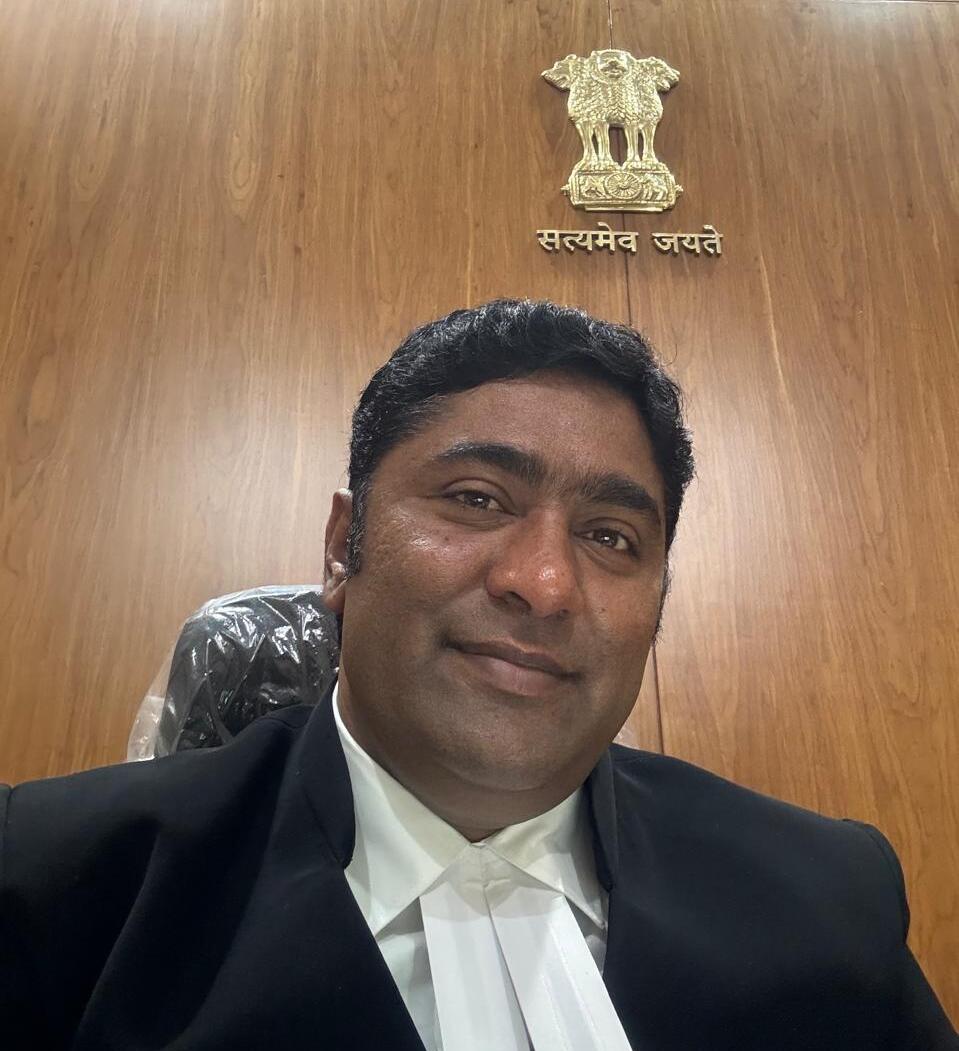

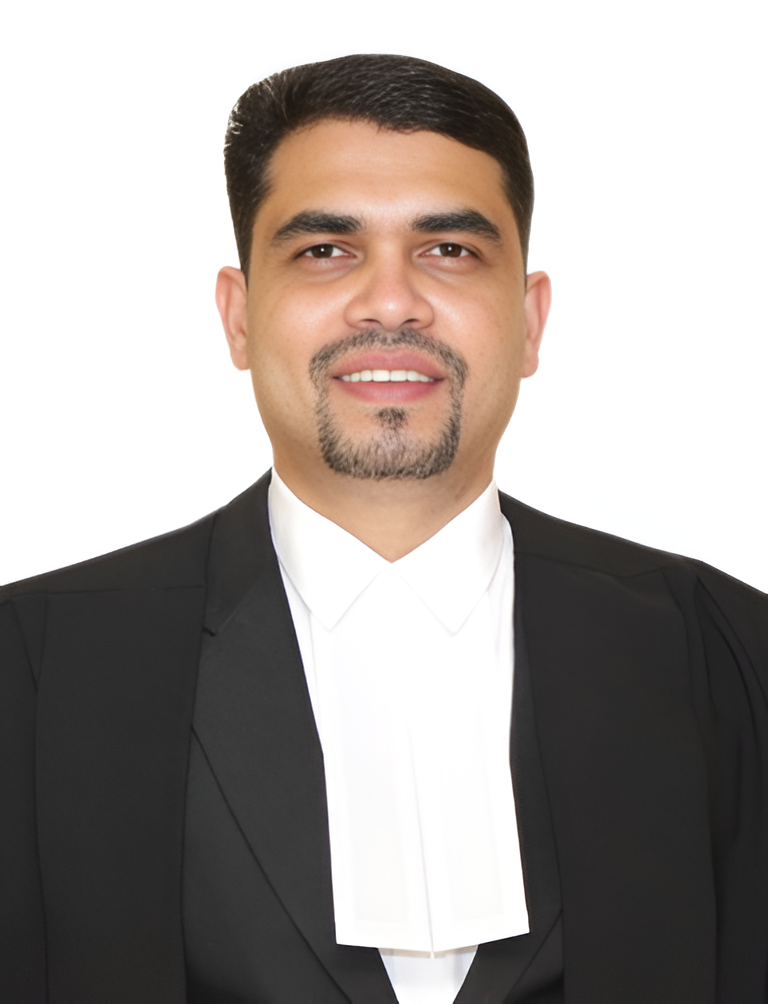

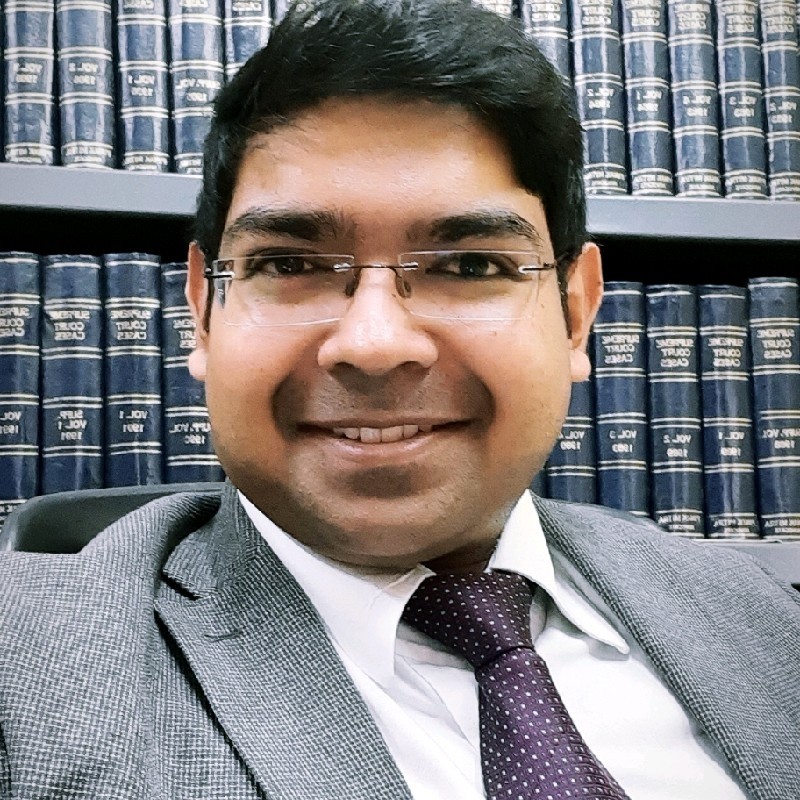

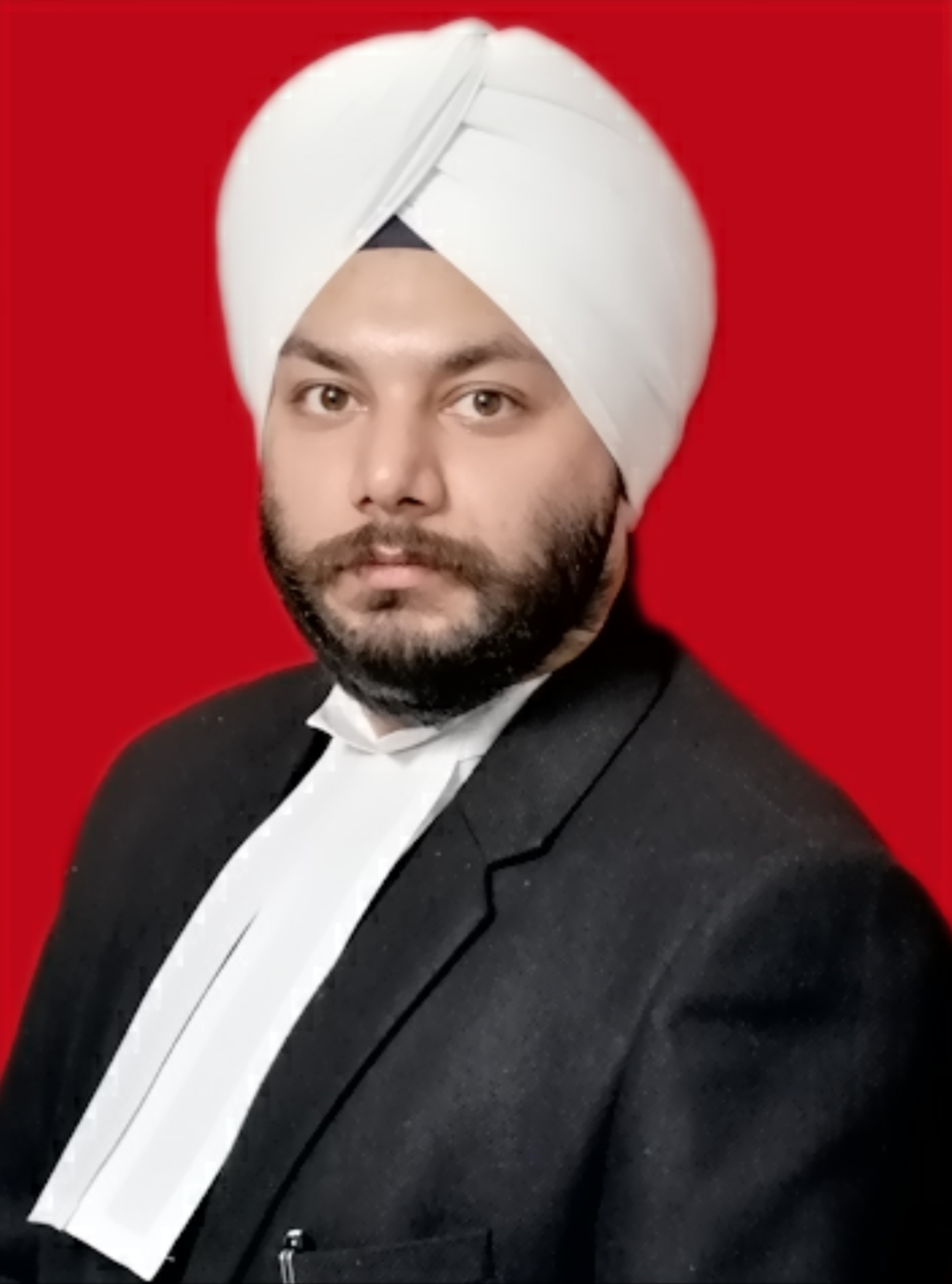








 Allow notifications