Can you walk us through your decision to study law? What inspired you to pursue a career in the legal field, and how did your time at Campus Law Center, University of Delhi, shape your outlook on the profession? What were some of the initial challenges you faced in launching your career, and how did you overcome them?
Like many others, I too was uncertain about my career path, so I explored various fields. I had a background in science from school and pursued a Commerce degree in college. It was during this time that I discovered law, which sparked a deep interest in me.
My time at the Campus Law Center, University of Delhi, played a pivotal role in shaping my outlook on the legal profession. The dynamic environment, enriched by diverse peers, inspiring mentors, and numerous opportunities, fuelled my enthusiasm. The rigorous academic curriculum, combined with practical experiences, provided me with invaluable insights into the complexities of legal practice.
Challenges that I Initially faced were transitioning from academia to professional practice, adapting to the practical demands of legal work, such as client interactions, case management, and navigating the intricacies of the legal system, which required a steep learning curve. However, I overcame these challenges through perseverance, continuous learning, and seeking guidance from experienced colleagues and mentors.
In your experience, what are the most common misconceptions people have about arbitration, and how would you clarify them?
Some common misconceptions about arbitration include that it is always faster and cheaper than litigation, that the arbitral awards are final and binding and hence cannot be appealed. Actually, arbitration can be more efficient, but not always. Although there are limited grounds for appealing a decision of the arbitrators, they can be set aside.
A common misconception that I often come across doubts the integrity of the arbitrators. I have always sought to reassure the clients that arbitrators are bound by strict ethical standards and the selection processes as provided in law ensures impartiality.
What inspired you to co-found SAMAGRA LAW, and what unique value do you believe your firm brings to clients?
While working at established firms has its merits, there’s a certain spark that comes with building something new. Perhaps that was my inspiration for Samagra Law to co-found a more dynamic and collaborative legal environment. A place where clients aren’t just cases, but partners in achieving their goals.
Our team structure prioritizes a well-rounded approach. Senior partners with extensive experience bring a wealth of knowledge and strategic thinking. This, combined with a team of enthusiastic associates, fosters a blend of expertise and fresh perspectives.
Outside of your professional life, what hobbies or interests do you pursue to maintain a balance? How do they contribute to your work-life balance?
Balancing the demands of my legal career with personal interests can be quite challenging. Beyond my professional commitments, I prioritize reading and cherish quality time with my family, especially as a dedicated father and son to my aging parents and with childhood friends. While these roles occupy a substantial portion of my time, I also make sure to carve out time for reading, swimming and exercise.
As someone who handles technically complex cases, what strategies do you employ to communicate effectively with clients who might not have a legal background?
When dealing with technically complex cases, effective communication with clients who lack a legal background is essential. To ensure that clients understand the complexities of their cases without feeling overwhelmed, I make a conscious effort to use plain language instead of legal jargon. I break down complex legal concepts into clear and simple explanations and use relatable analogies or real-life examples to illustrate key points. Additionally, I actively listen to my clients to understand their concerns and questions, enabling me to tailor my explanations to their specific needs. I encourage clients to ask questions throughout our discussions to create an open dialogue where they feel comfortable seeking clarification on any aspect of their case. Regular updates on the progress of their case are provided in straightforward language to keep clients informed and reassured about the status and next steps. I approach each client interaction with empathy and patience, creating a supportive environment where clients feel empowered and informed. Managing expectations and providing realistic insights about case outcomes and the legal process helps foster trust and reduce anxiety. By implementing these strategies, my goal is to ensure that clients with limited legal knowledge feel informed, supported, and confident in their understanding of their cases and the legal strategies being pursued on their behalf.
How do you envision the role of technology shaping the future of legal proceedings?
Over the next few years, technology is poised to take legal proceedings to a whole different level. In my view, artificial intelligence will be vastly applied in legal research and review, which will really speed up the preparation stage of a case and involve reduced costs associated with case preparation. Virtual hearings—the creation of necessity throughout pandemics—will have become much more common, bringing improved accessibility and efficiency. Video conferencing and data analytics are going to further revolutionize courtrooms and litigation strategies. Blockchain technology could provide frontiers in smart contracts and secure document storage. We do, however, have to be very conscious of the challenges that are to be contended with, such as access to technology by all and efficient security and confidentiality processes in the legal proceedings.
Reflecting on your early days in the legal profession, do you remember the first time you fought a case? Could you share with us some anecdotes or memorable moments that occurred in the courtroom during that experience?
Yes, I do remember the first case that I fought in court. It was a civil suit filed by a vendor against my client, an automobile manufacturing company before the Agra district court.
An interesting anecdote, I used to be very curious every time I went to that court because the tablecloth on the judge’s table, which was white in color but the portion falling on the side where the lawyers used to stand and argue was varying shades of red. I couldn’t help but ask the court master about this and was most amused to hear from him that some of the local lawyers used to wipe their tobacco chewing mouths while making submissions before the court.
My opposite counsel was a veteran lawyer of the district court. He was somehow deeply impressed by my dedication to reach the court early in the morning on each date of hearing from Delhi as well as my research skills – citing relevant judgements before the court. I finally succeeded in getting the suit dismissed for lack of cause of action. I was pleasantly surprised when he congratulated me and wished me success in my career. Later, he recommended me to some of his colleagues for their cases before the NCDRC, which was really a sweet gesture from him.
With your background in aviation law and dispute resolution, how do you see the landscape evolving in the next decade, particularly in India?
In the first place, I hope to see specialized tribunals in India at the national level, such as the HCAA in Europe, to deal with aviation-related disputes, therefore providing a forum possessing the necessary expertise in handling complex aviation cases.
Arbitration is set to play an increasingly prominent role in resolving aviation disputes. It is uniquely suited to the aviation sector because it is fast, confidential, and expert-driven. We may see an increase in institutional rather than ad hoc arbitration to obtain greater consistency in results and to build up a jurisprudence of sorts.
There is also a growing requirement for more global legislation and arbitration within aviation. Environmental considerations can easily be envisioned to feature largely in aviation law in the future. We are going to witness more sustainability- and reducing-emissions-centered rules and disputes in the near future.
What advice would you give to young professionals aspiring to succeed in the legal field, especially in areas like litigation and arbitration?
What I’d like to tell young professionals who want to excel at litigation and arbitration would be:
Develop a habit of continuous learning. Laws and regulations are constantly evolving, especially where the field is so dynamic.
Specialize in a niche area within litigation & arbitration, as that will further enhance career prospects by showcasing your expertise and differentiation.
Establish a professional network. These are the relationships that will sustain you during your career with colleagues, mentors, and even opposing counsel.
Uphold high standards of integrity and ethics. Your character is your most valuable asset in the legal profession.
In your role representing government regulatory agencies and advising aerospace companies on offset contracts and technology transfer, Please share with us what unique insights have you gained about the intersection of legal frameworks and the rapidly evolving aerospace industry?
In my previous role, the interface with government regulatory agencies and aerospace companies provided me a vantage view of just how complex the intersection of legal frameworks and an evolving aerospace industry really is. This sector is controlled by a multi-faceted regulatory environment involving agencies like DGCA to AERA, coupled with multiple acts and policies. Consolidation is turning into a trend across global supply chains, driven by digitization and environmental factors. Such consolidation is producing new legal challenges and opportunities, especially within M&A activity, where due diligence is an increasingly important function.
Nishant, amidst your diverse legal expertise, is there a particular area of law that you’re especially passionate about or that resonates with you on a personal level? If so, could you share why it holds such significance for you?
I was introduced to arbitration in 2002 or 2003 and since then my passion for the same has only increased. In subsequent years, I was fortunate enough to be part of domestic and international arbitrations, ad hoc & and institutional arbitrations where I represented foreign clients and sometimes the PSUs. I got to work with some of the finest arbitrators and arbitration expert lawyers. Not only that, it also gave me an opportunity to interact with engineers, IT experts, financial analysts and the valuable takeaways helped me in my future cases.
The reason that I like arbitration is that it not only involves months of hard work but also the strategy behind the constitution of the tribunal and the structuring of the claim statement or the statement of defense. Conducting cross examination of the opposition witness has always been an enjoyable experience.
Besides that, it is an extremely dynamic field where law is constantly evolving, be it by the legislature or the courts. There were also instances where we could not find helpful judicial precedents under the Indian law and therefore had to look at English and other jurisdictions. So, to be constantly updated on various aspects of arbitration is an intellectual challenge that constantly drives me to learn and improve.
Can you please introduce yourself to our readers? As a third-generation lawyer, how has your family legacy influenced your approach to the legal profession and your career choices? How did those early conversations about legal matters shape your understanding of the profession and its nuances?
I am a third-generation lawyer, born in 1979 in New Delhi, and I recently completed twenty years of law practice. I completed my schooling at Hansraj Model School, New Delhi, in 1997, and thereafter had the privilege of attending Ramjas College, Delhi University, where I earned my Bachelor’s Degree in Commerce, B.Com (Hons), in 2000.
While graduating, I considered various career options, including MBA and Chartered Accountancy. During this process, I discovered my acumen and passion for law and decided to pursue my LL. B degree from the Campus Law Centre, Faculty of Law, University of Delhi, which I completed in 2003.
Additionally, I hold a postgraduate diploma in IPR Laws from the Indian Law Institute. I joined the bar in 2003 and began practicing at the High Court of Delhi in New Delhi, joining the family practice, which has now spanned more than 60 years. The practice was started by my grandfather, Mr. O.P. Dutta, and later joined by my father, Mr. Vinod Datta. My late mother, Dr. Savita Datta, was initially a lecturer who taught astrophysics, among other subjects, and went on to become the Principal of two colleges: Deshbandhu College and later Maitreyi College. She was my biggest source of inspiration and was appointed Director of the School of Open Learning, University of Delhi.
My specialization lies in litigation and arbitration, with a particular focus on cases on the Original Side of the High Court of Delhi as well as in the newly introduced genre of commercial suits.
I currently run two firms, each focusing on different practice areas within the wide genre of commercial laws, primarily before the Supreme Court of India, the High Court of Delhi, the National Company Law Tribunal, the National Consumer Disputes Redressal Commission, and other tribunals and commissions.
After completing my law degree, although joining my family’s law practice was a readily available option, I chose to join an outside office to broaden my horizons. During this time, I had the opportunity to intern with a leading law practitioner of the High Court of Delhi. After spending two years in this office and learning the ropes, I joined my family’s law practice, working alongside my father and later my wife, Ruchita. Speaking of the family practice, it began with my grandfather, the late Mr. O.P. Dutta, who moved to India from what is now Pakistan. At the time of Partition, he had a family (wife and children) and was working in a job. While working, he began studying law, completed his degree, and commenced his legal career in the 1960s. My grandfather was primarily a criminal law practitioner, and a successful one at that. My father, the late Mr. Vinod Datta, enjoyed a blend of High Court cases (civil and public law) in addition to trial court-level practice of both civil and criminal cases.
One of the biggest benefits of growing up in a family of lawyers is that you get to hear your elders talk shop in your younger days. Client handling, in terms of managing expectations and making full disclosures about cases, goes a long way in retaining long-term clients and maintaining fruitful and healthy professional relationships with them. However, the most important aspect of practicing law is to communicate well with clients. Client satisfaction, especially in the legal profession, is directly linked to managing client expectations and maintaining attorney-client communication. Making lofty and unfounded claims that are unlikely to be delivered will lead to a breach in the professional relationship with the client. Thus far, I have been able to fulfill my clients’ expectations and deliver the desired outcomes in almost all of my cases. Therefore, working in accordance with and within these parameters is what makes me stand out from the crowd.
What inspired you to specialize in litigation and arbitration, particularly focusing on commercial law?
To understand one’s inclination towards litigation in general, and commercial litigation and arbitration in particular, it is essential to appreciate what lies at its core: strategy. One must grasp the complexity of layers in intricate commercial disputes and formulate appropriate strategies and courses of action aligned with the desired outcomes, which may range from protecting intellectual property rights and preserving properties to handling purely ego-driven battles among rivals. It’s the thrill of the hunt. The early exposure to such discussions at home with my father, and the excitement he experienced in technical and complicated matters (which also came with bragging rights), made the lure of commercial law practice irresistible, and my professional journey has never been monotonous. There is another underlying reason that draws a person towards commercial law practice: with higher stakes and risks come better compensation for the counsel. This specialty, in addition to being the most exciting for me, also pays rather well.
You’ve emphasized the importance of adopting technology in legal practice. How do you see technology shaping the future of law, and what role does it play in your firm’s operations?
I believe in constantly innovating and adapting to the changing needs of the legal landscape. One of the key ways I have adopted an innovative approach is by embracing technology in my practice.
From the early days of my practice, I have digitized my office, making us more efficient and effective in our work by adopting use of applications such as Manupatra, SCC online, Live Law, Bar & Bench and Provakil. I have taken my offices’ legal research capabilities and automation to the next level, we also subscribed to various websites which assist in AI based document drafting. This means we can quickly and easily access documents and information, reducing the time and effort required to complete tasks. I have always been ahead of my peers in adopting the latest technology and software for legal research and dictation in my office. This has helped us stay ahead of the curve and deliver superior service to our clients.
Another way we have been innovative is by leveraging technology to stay connected with our clients during the COVID-19 pandemic. Despite the challenges posed by the pandemic, we were able to continue serving our clients without interruption by transitioning to virtual consultations and meetings, executing all our work from home using just our laptops.
This ensured the safety of our clients and staff alike while providing even greater flexibility and accessibility to our clients.
Given your commitment to providing pro bono and legal aid services, can you share a rewarding experience where your legal expertise made a significant difference in someone’s life?
We understand the importance of giving back to the community, and we handle pro bono cases for clients who cannot afford to pay for legal services. We take pride in helping those who need legal assistance the most.
Our commitment to providing fast, efficient, and effective legal solutions, mentoring young lawyers, and giving back to the community has made a positive impact on the industry. We will continue to strive for excellence and provide the best possible service to our clients.
For young students aspiring to excel in litigation, what actionable steps or practices would you recommend they adopt to distinguish themselves and thrive in the competitive legal landscape?
The first and most important aspect that young students must understand is that excelling in litigation takes time and tremendous effort. The usual speech that law students get to hear about the three Ps (Patience, Perseverance and Persistence) is spot on. There has to be constant endeavour not only to outdo yourself more than your peers. One thing I picked up on early in my career was that stagnation is the enemy of growth and this encouraged me to handle and pursue litigation in various industries and sectors instead of limiting myself early on in my career to one forum or speciality. Today’s litigation landscape is constantly evolving at a rapid pace, I cannot emphasize enough the importance of being well-acquainted with technological advancements in the legal sphere and the need to adapt and stay ahead of the curve. Consequently, young lawyers must divert their time and energy to pursuing online and certification courses on diverse topics especially in the first ten years of their career.
Beyond your legal career, you’ve mentioned your mother’s influence and her achievements in academia. How has her legacy impacted your personal values and approach to life?
My mother was perhaps the hardest-working person I have ever known. Two important values that I learned from her are the importance of hard work and maintaining one’s integrity. Both are crucial in assessing one’s self-worth. In simple terms, being able to look at yourself in the mirror and feel confident and proud only comes from these virtues.
You initially pursued a Bachelor’s in Business Management before shifting to law. What motivated you to transition from BBA to LLB, Can you share how your journey began, including any mentors or specific experiences during your education at College that significantly influenced your career path?
The transition was not voluntary and Hon’ble Supreme Court had a major role to play in it.
In 2003, between the choice of joining National University of Advanced Legal Studies, in Kerala, and ICFAI LAW School, although I hailed from Kerala, I choose to join ICFAI LAW School for B.B.M LL.B. (Hons) at it Hyderabad Campus. The primary reason for choosing to join ICFAI LAW School was being allured by the course content and teaching methodology, advertised in the brochure then, was very promising. The principle ‘Caveat Emptor’ was taught by life example by ICFAI then. Before completion of the 2nd year, in 2005, it was informed that the B.B.M and LL. B degree of the College which was affiliated under Chhattisgarh Private Sector University Act, 2002, was struck down as unconstitutional by Hon’ble Supreme Court and that the batch of ours could not be continued. It had come to almost an existential crisis that not only two years of college life is lost, probably a career in law was never going to be there.
It was after a lot of talks with the College Authorities, solutions emerged and it was offered that we complete the last year of Graduation at the Dehradun Campus of ICFAI University and will be conferred with B.B.A degree and thereafter whoever was interested to pursue M.B.A, would be given lateral admission to M.B.A degree to the ICFAI Colleges and whosoever was interested to pursue law could pursue law from Colleges of their Choice. Although distraught, accepting the offered solution, we went to Dehradun. Undeterred to the dream of being a lawyer, pursuant to final exam, I applied to ILS Law College, Pune and Campus Law Centre, Delhi. Until I secured admission, I moved to Delhi and started working with IBM and later at Convergys (BPO Sector). Working in the BPO sector, improved my communication skills and during the training period, befriended and met a lot of interesting individuals. Spending time with people and understanding their nature, especially from different parts of India, the discussions on various topics improved my perspective on how to narrate the facts and impress upon it. These discussions, had later, came to be of use while drafting Plaints and Petitions and while arguing cases.
I was able to secure my admission in ILS Law College, Pune (2006-09) for three-year course. I was staying in an apartment next to ILS Law College where the other roommates were from Symbiosis Law College including my dear friend Advocate Rony John. Most of my dear friends among the legal fraternity were formed here. The apartment used to house at time more than 30 college students. We had a library with the discarded books of the roommates who left for jobs after the final year college. The apartment was first choice among many students for preparing moot court memorials and research. More law was learnt during the discussions in the apartment with friends who were preparing for moot courts.
During my three-year law course, much to various other factors shaping my decision, I was lured to attempt the Civil Service Examination. After my final examinations in 2009, I shifted back to Delhi for preparing Civil Service Examination. Thrice I cleared preliminary examination, but could not clear Mains Examination. After 2012 Mains attempt which I wrote in Kerala, while waiting for the results, I applied with M/s Menon and Pai Advocates in Ernakulam for the post of Associate Lawyer. The aspirant in me knew there was no further aspiration to attempt once more if I don’t clear the Mains. It was time to adorn the black gown.
I had applied with M/s Menon and Pai Advocates around September, 2012 and my confirmation came in December, 2012. For around two months I was attached with Chambers of Advocate K.S Babu at Ernakulam. Adv K.S Babu Sir’s son, Advocate Babu Shankar, was a dear friend and being absolutely new to Court practices, I was introduced to trial court practice. Representing during roll call is an art in itself and I learnt how to submit during roll calls and obtain adjournments and even ensure adjournment requests by opposite side lawyers are not acceded by the presiding Judge stating the urgency in the case. In fact, the office Clerk Mr. Murali encouraged me to take representation chits from other offices too and make as much representations as possible so as to gain experience, acquaint with other fellow lawyers and be a known face in the Court.
Upon joining M/s Menon and Pai Advocates, I started initially with the High Court practice, primarily Writ Courts, then moving on to Labour Law practice. I had the opportunity to appear before Assistant and Regional Provident Fund Commissioners, Authorities under the ESI Act, EPF Appellate Tribunal Camp Sitting in Kozhikode, Labour Courts at Kollam, Ernakulam, Kozhikode and Kannur, Industrial Tribunals at Trivandrum, Kollam, Idukki, Alappuzha, Palakkad, Kozhikode, Statutory Authorities under the Payment of Wages Act, Bonus Act, Minimum Wages Act and also under Industrial Disputes Act. Cross examination of Claimant and Claimant witness and cross examining the statutory officials, was enriching experience to prep myself for the in depth trial court practice on the Civil side in the years to come. Around 2015, at my instance, I shifted internally within the firm into Civil practice. It is during this tenure, I jumped into the deep waters of Civil law practice starting my tryst with Civil Procedure Code, 1908. I was also fortunate to associate myself on drafting Plaints and Written statements in Original suits; Writ Petitions and counter affidavits in Writ matter; First Appeals from Orders against Interlocutory orders in Original suits, Appeals from Final decrees, Second Appeals from First Appeal Orders; Claim petitions and Defence statements in Arbitration matters; Versions on behalf of Opposite party in Consumer matters. The Pleadings and nature and style of drafting each, are not only different and has to be structured differently according to each Court and sometimes according to the presiding judges. I was fortunate to have my drafts corrected by Senior Partners of Menon and Pai – Justice Jaishankar Nambiar Sir (High Court of Kerala), Justice Gopinath Menon Sir (High Court of Kerala), Senior Advocate E K Nandakumar, Advocate Gopikrishnan Nambiar Sir, Senior Advocate Benny P Thomas Sir (now Senior Partner with Thomas and Thomas Associates), Advocate John Mathai Sir, Advocate Joson Manavalan Sir. What has to be said, how it has to be said and where it should be said are the hallmarks in pleading. I learnt the same and even understood the nuances of how different the pleadings are in Original Suit vis- a-vis Writ Petition, between Claim Petition in an Arbitration and Original Suit for Specific Performance, between Appeal suits and Writ Appeals etc. during my practice at M/s Menon and Pai Advocates.
The journey took me from Kerala to Hyderabad to Dehradun to Delhi to Pune and then back to Delhi and later back to Kerala. The journey although was strewn with hardships, existential crisis at times including closing down of the College I had enrolled with; the people I met at the cross roads of the journey, the problems and how the solutions came across in life, looking aback, prepped me for the life ahead. The hardships were definitely rewarding and as its goes, “What doesn’t kill you, makes you stronger”, made me stronger to face the hardships the life of a Lawyer would bring upon.
Having represented clients in more than 400 litigations since 2017, can you discuss one particularly challenging case and the insights you gained from it?
Being a first generation lawyer, I could never conjure the courage to start my independent chamber practice. Dear friend of mine, Advocate Krishnamohan Menon, inspired me to take the first step. Even if abject poverty could become the outcome, the hunger to practice law with one’s own clientele, was alluring to start independent chamber practice. Another dear friend of mine, Advocate Unni Kappen, offered to share space in his Chamber and thus was born M/s Navodaya Law Solutions in March, 2017. My first work was to draft a Memorandum of Understanding for a purchase of a property. This drafting was done by me carefully wording the clauses. I was fortunate to have drafted and vetted several agreements on behalf of M/s BPCL and M/s Symega Food Ingredients Ltd among many other clients, that Contract drafting and its nuances was taught during my discussion with the senior officials of the respective companies. Mr. Venugopal (Retired Senior Legal Manager) of BPCL and Mr. Mathews Jacob (Retired -CFO- Symega Food Ingredients Ltd) have been instrumental in helping me understanding the nuances of the Contract drafting. These skills came to help in drafting the MOU, which when later had ended up as a land grabbing case by impersonating my client and executing the Sale Deed, I was fortunate to have the confidence of my Client who in spite of being advised to engage a Senior Counsel, entrusted the brief with me and I was able to get the land grabbing undone, the registered documents declared as forged and the revenue records rectified. An act of registration of sale deed by impersonation amounts to an act of fraud. I was able to advise my client, not to resort to the remedial course of Civil Court declaration and injunction simpliciter, but approach the Inspector General of Registration (IGR) for setting aside the document. The land grabbers had grabbed not only my Clients property but also adjoining properties of the relatives of my Clients. While they were suggested by their respective counsels to move the Civil Court and had instituted Original Suits after remitting hefty Court fees, I moved the IGR for cancellation of the deeds and also moved the High Court to direct the sub registrar to not permit any further conveyancing of the disputed property until IGR decided my application. High Court was pleased to issue the directions and also directed IGR to consider my application at the earliest. Finally, IGR was able to ascertain that the Sale deed was registered by an act of impersonation and the sale deeds were cancelled. The clauses of the Agreement were also tested by both Civil Court (in Suit for Specific Performance filed by Land grabbers) and High Court for whether the land grabbers had a charge on account of advance payment and were entitled for prayer of specific performance. I was able to convince the Court that charge was not possible as the clause was clearly worded that Advance payment was not refundable if the sale was not completed at the instance of the purchasers. As the purchasers, admittedly committed the act of land grabbing, there is not possibility of the proceeding with the sale, and therefore, the Advance amounts being not refundable, the charge on the property was not possible and the specific performance was not possible.
The challenge in the entire proceedings was that the land grabbers were politically connected and the police authorities were completely hesitant to act. The complaints before police authorities were on the garb of investigation moving at a snail’s pace, I had to think out of box and invoke the High Court’s writ jurisdiction to ensure that the further conveyancing of the property was not undertaken, albeit the same even if registered may have no validity in the eyes of the law, a further transaction would bring in more respondents to the proceedings and therefore further time spend on that. The lessons learnt from my Seniors and practice at M/s Menon and Pai Advocates, helped to me use statutory remedy for cancellation of sale deed than approaching a civil court for declaration and invoking High Court for interim remedy. This act and course of action, adopted, proved to be successful and the entire course of proceedings culminated in less than a year.
I was also fortunate to be the lead Petitioner Counsel in the issue of Director Disqualification wherein I had filed 100 plus writ petitions on behalf of 100 plus directors of various companies challenging the acti of disqualifying the Directors from acting as Directors of their Companies for five years and was also the lead Petitioner Counsel for candidates who failed in the Review Medical Examination in Combined Examination for Assam rifles and CAPFs. At both occasions, without engaging Senior Counsel, clients had entrusted the matters to me to argue before the High Court, in spite of the stakes involved. I have been also glad that I have always been approached by Lawyers to be handed briefs as I had varied experience in handling matters arising from Arbitration, Intellectual property Law, Labour, Electricity, Consumer, White Collar crime, Company and Insolvency, Securitisation etc. and roughly 40 percent of my cases are Lawyers briefs in my practice at Kerala. I will always recommend that if one can burn the midnight oil, and conduct your cases diligently, you will also be engaged by fellow lawyers to conduct their briefs and this will cement your belief, yes one is moving in the right direction. I would also say, do have the courage to refer mattes to fellow Advocates who have better experience in the subject area so that you do justice to your Client and learn in the process too.
Over the years, you’ve handled numerous arbitration cases, including high-stakes ones like the Tamil Nadu PWD appeal, which had a significant impact. Can you elaborate on how your approach to arbitration has evolved throughout your career? What specific strategies or methodologies have you developed, and how do you ensure you remain at the forefront of arbitration practices?
My tryst with Arbitration Laws started while assisting Advocate Joson Manavalan Sir in Arbitrations. Arbitration resolves disputes, primarily, based on what documented right or obligation has been vitiated and therefore the game is won based on documents. The art of pleading has to more to do with art of pleading the documents. If by documentary evidence, one can substantiate the award can be granted, then the Arbitration is won before it has been awarded. However, if the documents are not a clear winner, then it will all rest on the cross examination and arguments. The art of preparing the Defence Statement in Arbitration is another skill altogether. The difference between Defence statement in Arbitration and written statement in an original suit are two different pleading styles. While at first blush, one would think aint it all a game of denial, however, the art of denial is different in both. While Civil Procedure Code, 1908, clarifies the nature of denial in written statement, denial in defence statement are governed by terms of contract, procedure of the Arbitral Tribunal e.t.c. In arbitration, the Claimant and the Respondent being parties to most of the documents, the defence lawyer has relatively a tougher role to play pleading that the Claimants prayers are to be rejected inspite of admission of documents.
Time and ease of procedure is what attracts the litigants to Arbitration. My approach has been to advise the Client from the time of drafting the Arbitration Clause into the Agreement, including the number of arbitrators, timelines, interest payable, capping of Arbitrator fees etc, the issuance of section 21 notice and the disputes clearly stated in them, filing of Section 9 Application and Section 11 Application. Preferably, prepare the Claim Statement and Section 17 Applications, if any, and file it on the first sitting, thereby cutting timelines for a speedy culmination of proceedings, if appearing on behalf of the Respondent, file section 16 Application, study the documents threadbare, preparing for the cross examinations and be ready for the hearing without taking adjournments. I have not developed any methodologies separately for Arbitration, except the study of documents. Its interesting to see what a documents offers as aid when the documents are examined and re-examined multiple times.
The only way to ensure to remain at the forefront of Arbitration is to update on daily basis the interesting developments in the field of Arbitration law. High Courts are competitively coming out with judgements and interpretations in the field of Arbitration Law and there is never a dull day in the evolving of Arbitration law. Although judicial review has steadfastly attempted to apply the pigeon hole theory and thereby let the sanctity of the Award and the Arbitrators application of facts remain paramount, arbitration is evolving and has unfortunately evolved to absorb all lacunae’s of civil litigation. Throw in the whims and fancies of the Arbitrator, at times, Arbitration stands on the threshold of losing its importance to Mediation. The recent choice of Central Government not to have Arbitration for disputes above 10 crores and above is a clear sign of the weariness of the system of Arbitration has evolved into. If Central Government directs officials to resort to Mediation for disputes above 10 crores, then is time the stakeholders in Arbitration learns how to skim and streamline the present Arbitration process.
Right from appointment of Arbitration under Section 11, the Arbitral Tribunal, if consisting of three Arbitrators, convening and completing the proceedings therein, moving to Section 34 Challenge of Award and Section 37 Appeal results in years of time spend in Arbitration and Court proceedings. A contractor who has not been paid, invoked Arbitration and even after obtaining the Arbitration Award does not see the awarded amounts, will have no use when the money is ultimately paid after 7 to 8 years.
Arbitration Act ought to have a major overhaul to ensure Arbitration achieves what it promised to achieve i.e., speedy and less expensive dispute resolution process compared to Civil Courts, generally tedious and expensive dispute resolution process. However, with Commercial Courts functioning with strict timelines, summary judgement in commercial suits being pronounced much faster compared to the timeline an Arbitral tribunal culminates its proceedings by issuing the Award, it is time for stakeholders and Advocates ‘of’ Arbitration and ‘in’ Arbitration to introspect.
White-collar crime cases often involve intricate financial transactions, regulatory compliance issues, and complex legal frameworks. Could you elaborate on the unique challenges these cases present, and how your approach navigates these complexities to ensure effective representation for your clients?
White Collar crimes stands elusive as a niche area of practice as it involves intricate financial transactions, regulatory compliance issues, and complex legal frameworks. However, as its nothing complex compares to Rocket science, one will need ardent interest to learn the subject, patience to review the document multiple times, threadbare understanding of the technicalities with the help of the subject expert and ability to understand the loopholes. Every Criminal proceedings needs the Advocate to obtain first if possible anticipatory bail, otherwise, custodial bail, interim reliefs during the time at the jail, quash of the complaint or proceedings or FIR or chargesheet, conduct of trial and final hearing. A thorough understanding of the criminal procedure code and the statutory provisions relating to the offence, is key to undertaking the brief. There are certain provisions that without being aware if one undertakes a brief, and not taking recourse to the non compliance of the provision which necessitates grant of bail, are unpardonable mistakes being committed at the cost of the liberty and life of the Accused.
As I said, this field of Law only needs us to be thorough on facts and law in relation to the brief. It wouldn’t take aeons to achieve this optimality to undertake the brief, but anything less would ensure the Accused would spend donkey years in prison.
I have been fortunate to have been guided in defending my Clients under the tutelage of Senior Advocate Raman Pillai, from whom I learnt how to traverse the complex technicalities. I was initially not well versed with the complexity in white collar crime. It took dedicated reading and was able to defend and also presently defending my clients alleged scams over several hundred crores. The proceedings being sub-judice, it will be best I leave the facts arising out of it from my answer herein.
What I have learnt is again threadbare reading of the documents filed by the Police. The eye has to be trained to see the chinks in the FIR, Charge sheet, mahazaar, arrest memo etc. There are mistakes committed by Magistrate Courts too while issuing directions to register FIR. Once these are identified, then ‘go for the kill’ is the best expression I could say. But knowing what it is, is the key. Its need several years of practice and attending Court proceedings on a regular basis.
How do you manage to balance your extensive litigation work across various courts and tribunals in both Kerala and Tamil Nadu?
Over the period of years, I was concentrating my practice around commercial law. Due to various factors including geo-political handicaps, the nature, complexity and variety of Commercial litigations that I could undertake were limited in Kerala. I felt, the my knowledge and depth in practice was getting stagnated and not feeling challenged about the litigations I was being handedover. The neighbouring state, Tamil Nadu, in my observation was having the Appellate Tribunals NCLAT and DRAT; National Green Tribunal for South India. The Principal Bench of High Court at Madras had Original side jurisdiction and that attracted me further to watch the proceedings online during Covid lockdown.
While I did not want to go back to Delhi to further enhance my practice areas, I thought it is best to take a risk to move to Chennai and see if I can make it work. Strong personal reasons too conspired the decision, and I was fortunate to connect with Advocate Thomas T Jacob of M/s Thomas And Associates, Anna Nagar, Chennai through my dear friend Advocate Krishmohan Menon, and was offered to be the Partner, Practice Head-Litigation. It was interesting to learn Letters Patent Act, 1970 and Original Side Rules, 1994 among others to learn about Madras High Court. Although the risk was high in losing out practice in Kerala by moving to Chennai, I was sure of myself that I will be able to make it. I was given several examples of people who attempted this and had to go back. It gave me all the more reasons to go all guns ablaze. In the very first year, I was able to appear before NCLT Chennai, NCLAT, DRT Chennai and DRAT, NGT, High Court, Subordinate Courts initially through matters of M/s Thomas And Associates and slowly briefs were entrusted to me from the brother lawyers. I had quit M/s Thomas And Associates in the month December, 2023 and was Independently practicing.
I was fortunate to meet Advocate Jacob Kurian, Senior Partner, KRIA Law, through a business platform, and an expression of interest to join KRIA LAW was offered to me. After discussions with Advocate M.S. Bharath, Founder and Senior Partner, KRIA Law, and Advocate Jacob Kurian, in the month of April, 2024, I joined M/s KRIA LAW as its Partner (Litigation) and merged my practice with KRIA Law.
I manage both the works at Kerala and Tamil Nadu through KRIA Law. KRIA Law has a very structured litigation handling process put in by Advocate M.S. Bharath and the young lot at the firm are very enthusiastic and its through them I now handle the litigations and Clients of Kerala. The video conferencing and option to reach Kerala by air travel within hours makes it easy to handle the work and Clientele.
As a lawyer, my experiences till date, since moving to Chennai in 2022 has been enriching, daunting and was naturally filled with struggles. I believe, struggles are a constant part of life. Either you create struggles in your life or life will create struggles for you. When you choose your struggles, you have an option to traverse it at your wish and will. Growth follows struggle. Hence, Iam of the opinion, choose your struggles, before life chooses one for you.
Outside of your legal practice, do you have any hobbies or interests that help you maintain a work-life balance?
I have a very rewarding sedentary life which gives me ample time to do more work. I am made to understand that will not fly for long. Hence, apart from my only interest of reading books, I have started on certain other interests. But it’s too early to say, where that road leads.
It’s necessary to have work-life balance. The latest trend being work life integration. I am working towards it. I try to engage myself and spend more time at home on Saturdays and Sundays, and I would not want to be preaching when I have not practiced it, but can definitely say, if the balance/integration is not stable, the repercussions arising out of it makes the heavy work life not worth it. Hence, I would offer as my suggestion, work optimally but live fuller.
What advice would you give to young lawyers who aspire to have a diverse and impactful career like yours?
Diverse Yes, but ‘Impactful career like mine’ is far-fetched, I have just scratched the surface. Dedication and loyalty to the brief, if not to your office; determination and mind set to Grit to traverse through office politics, complaining seniors and irritated judges and sly opposite side lawyers. One of the best quote to know is “your client is your first enemy”. A wrong order will make the Client to go bonkers on you. Hence loyalty to the Client, I would advise is not the right option, loyalty to the brief is what I suggest. Even if the Client irritates you, ignore it, concentrate on the brief. The brief has found its way into your hands, therefore treat it and take care of it with all your wits and determination. Think out of the box and don’t rely on judgements. Have original thoughts and read statutes on the issue of law than trying to find answers to issues of law through judgements. Calm your nerves when Judges are not ready to hear you, understand that they might be having a reason to react. Find that out and resolve it rather than simmering over why you were treated that way.
Invest in Books, invest in yourself. Travel destinations, expensive wines and watches will always be there. Work hard and it will find its way to you than you finding your ways to it.
You’ve represented high-profile clients like SONY and Makemytrip in consumer forums. What strategies did you employ to ensure the best outcome for your client, and what lessons did you learn from the experience that have influenced your approach in subsequent consumer protection cases?
SONY was not a direct client and I was handed the work by Advocate Rajat from Delhi. Consumer cases are mostly skewed in favour of Complainant. Opposite party should be ready to take the beating. Its by raising technical issues, you win consumer litigations in favour of opposite party. Makemytrip matter was also engaged by a counsel Advocate Afif. In that matter, I had cross examined the Complaint on the issue of maintainability as the Complaint was filed in Ernakulam CDRF and the territorial jurisdiction, according to me ought to be in Thrissur CRDF. It was admitted by the Complaint that the booking was made by the Complainant while he was in Thrissur and therefore no cause of action arose in Ernkualam to institute the Complaint. I had to cross examine and bring out the fact that by making the witness affirm the time he took for driving from Ernakulam to Wayanad and the booking time shown in the map would place him further from Ernakulam and more in or around Thrissur, calculating the time he reached the hotel where the deficiency of service was alleged. The questions on time forced the answer.
While at M/s Menon and Pai Advocates, I was representing Corporate Entities mostly Builders, FMCG companies etc. The cases are defended mostly on technical grounds and if the deficiencies are quite evident, reliance on the documents was paramount. It was after starting Independent practice, I was filing complaints for consumers. The learning curve was good as after having defended Corporate entities, I was mostly aware of the grounds that will be taken and while drafting the Complaint I didnt leave any chance for that to be taken as a ground to reject the Complaint.
In Consumer matters and even in any other matter, the search for details among the documents and the relief prayed are important to assess the course of the litigation. If the documents do not clear the path to favourable judgement, then cross examination of the witness is the key. Understanding the witness and knowing when to crack the witness are key traits one picks by diligently assisting Seniors and watching cross examination of good lawyers.
Strategies always depends from case to case. I try not to leave the outcome of the litigation to luck. If I lose a matter, I should be able to say I did my best and no other lawyer could have done any better. Otherwise, the Client would have been wrong in choosing you. That fear drives me to work diligently on the file. There are certain approaches I do employ on being presented with a brief. But its mostly case to case. One should know whether being offensive or defensive and when to be evasive. These nuances, form as though process by working on briefs under guidance of seniors and later on ones on briefs not for the financial benefits but for the value the profession wishes to render to the society. As lawyer, especially trial lawyers, we forge history in the courtrooms and the black gown gives us that power. When you have a stake in creating history, better be prepared to adorn that black gown with dignity.
What skills does your firm look for when selecting interns, and how did your own internship experience shape your professional development?
I had done a two month’s internship in the year 2005, with the Chambers of Advocate Challa Kodanda Ram (who was later designated as Senior Advocate and then elevated as High Court Justice). I was sole intern to nearly twelve plus lawyers, where I was assigned research works, drafting work, make notes of cases in which Challa Kodanda Ram Sir had appeared and was reported in the Law journals. The notes of the cases were completely handwritten and went in two volumes. The arduous task multi-tasking between the research and drafting for all the lawyers single handedly, not having a laptop then, and not being in a position to carry office files to hostel, leading to me taking permission and staying late in the office, resulting me in sleeping in the office and waking early to go to hostel and reach office to brief Advocates of the research done and the drafts corrected. I ended up also drafting a Writ Petition in its entirety under the guidance of Challa Kodanda Ram Sir. Presently Senior Advocate, Mr Vikram Posserla, who was then attached to the office then, was the main Advocate I was reporting to. I learnt a lot of Vikram Sir, who had openly told me that he will make the internship hard enough for me and told me to be ready to go through it. True to his words, Vikram Sir used to ensure that Iam given work load of two days to be completed in a day and ensured that before leaving, ask me the status. It was then when after struggling and coping with the pressure, Vikram Sir had ensured that I was ready to be a Litigating Lawyer. The Chambers of Challa Kodanda Ram Sir was practicing in almost every area of law possible and therefore I was introduced to almost every area of law including the Subordinate Courts functioning and High Court. I stand heavily indebted to Challa Kodanda Ram Sir, Vikram Sir and the lawyers present there then in introducing me to the world of Litigation and giving first-hand experience.
The only skill I look for an intern is the mindset to take the tasks head on and work on it. Figure things out and reach out when they hit the wall. Interns should realise that whatever work given will always be beyond them, but as per the lawyer what they should be ready to explore. Attempt it with full heart and the intern will see how enriching and rewarding will be their efforts. There are time Interns stumble upon certain judgements for a hearing and it becomes useful for the Lawyer. Sometime a third perspective comes from the intern in the issue of law being researched upon. Enjoy and value your Internship time is what I would advise Interns. Keep your statues closely, read them and acquaint yourself with law. You will see its benefits later.
Could you please tell us about your journey from your early days at DAV Jawahar Vidya Mandir to becoming the Sr. Legal Counsel and Department Head at Maruti Suzuki India Limited? What motivated you to pursue a career in law? Please share your journey from your choosing law as a career to where you have reached today.
During my school days the priority for almost all the parents was to get their children to pursue engineering. The same mindset used to flow down to the children. I was not an exception to it. After my matriculation, opting for science stream was an obvious choice for me. I took up mathematics but thankfully I could not get much clarity on concepts of physics, chemistry and math which allowed me to look for a career beyond engineering. I used to read newspapers and take interest in societal and government affairs, and hence my inclination was towards journalism. However, one fine day my father informed me that one of his colleagues is getting his ward admitted to law. That clicked with me and after a few days I asked my father to explore the possibility of my admission as well. That suddenly changed my track, and I ended up taking law.
Once I started college, I was cognizant that it was the second and the last opportunity for me to build my career and there wouldn’t be any third chance. This resulted in a sense of fear as well. I started exploring options available in the legal profession and resultantly started doing internships. I ended up doing 14 internships during my 5 years stint which gave me exposure to a variety of laws ranging from Competition law, FEMA, IP, SEBI regulations, IT laws etc. However, during 2009 recession hit the globe including India and hardly there were available jobs in the market. Fortunately, Bajaj Allianz agreed for campus recruitment from our college, and I too got an opportunity to face the interview. I got selected which relieved me from the stress of getting a job. But the catch was that I was not aware about the job profile and the place of work, but I was excited to join irrespective of what I will be doing. Just a week before the scheduled date of joining, I was informed that I have to join the Raipur office which was a shock but at the same time I was grateful that at least I didn’t have to wait for a job. At Bajaj Allianz I gained excellent exposure to handle litigations, to appear before courts, to draft petitions etc. I learned CPC, Cr.PC, Evidence to which I never had paid attention during my college days. After 2+ years, in order to move to a bigger city, I looked for a change and I switched to ICICI Lombard at New Delhi. However, though insurance was a new subject for me, I exhausted all opportunities to learn insurance laws and at the same time continued reading the laws of my interest which I had developed during my internships. I got an opportunity to work with a law firm as a litigation counsel but due to internal business rearrangement at the firm, I could not continue for long and I ended up going back to insurance and joined HDFC ERGO General insurance as zonal head. Gradually I developed my team over there and handled various matters at all levels of courts spread across north India. Finally, after spending half a decade, I got an opportunity at Maruti Suzuki where initially I handled litigations which were of similar nature. After a while, I was elevated as Department Head at Maruti Suzuki and my then superior and General Counsel gave me the charge of handling matters and advisories relating to Competition law, Metrology, IBC, Customs and other corporate legal issues. My internship exposure and core interest in corporate laws had driven me to accept the challenge and in fact acted as impetus for me to deliver as well.
As the head of the Dispute Prevention & Advisory team at Maruti Suzuki, what are some of the most complex legal issues you’ve had to address, and how do you prioritize and manage these challenges?
There are many complex legal issues that I am currently dealing with. One area which I consider as a challenge is Customs litigation. Customs law comprises multiple notifications, regulations and exceptions which are very dynamic in nature. So no process or approach, which though being followed in an organization for a long time, can be called the right approach since with one small change in law, the entire process/approach may become redundant. The area was new to me but reading and only reading has helped me to forego the challenges. Priority management is a common challenge for everyone. In such situations, it is important to identify what all things will have a greater impact on the management. Accordingly, priorities are to be set.
How has your experience in a law firm influenced your approach to legal counsel in the corporate environment?
I have gained almost 12 months of law firm experience as an intern and almost similar length of experience in working in a law firm. Though the time period is very short as compared to my overall working experience, it has helped me to understand the psychology of the other side. The law firm experience helps me a lot while partnering with law firms in any matter. I believe such experience gives comfort to both clients as well as law firms and the end result that comes out is in the best interest of the organization.
Having transitioned from the insurance sector, where you worked with companies like Bajaj Allianz, ICICI Lombard, and HDFC ERGO, to now being with Maruti Suzuki in the automobile industry for the past five years, what were the major differences or challenges you faced? How did you adapt your legal strategies to meet the distinct needs of the automobile sector?
In fact there was a three tier transition. From corporate internships in law firms to the insurance sector and then to automobiles. All the transitions were challenging. However, my learnings at the insurance sector gave me the dimension to understand the litigation and procedural laws which is very important for becoming a general counsel. Though there was a sudden shift in industry, it did not trouble me much. Firstly, because I already had exposure to laws I am dealing with at Maruti and I got to know that if the fundamentals in law are clear, it hardly matters as to which industry you are catering to. A bit of more reading will be sufficient to adjust in a new environment. The major difference I faced while moving from the insurance industry to auto is in terms of length and breadth of applicable laws. In the insurance sector, knowing four to five legislations will be sufficient, however in the auto sector more than 1000 legislation is applicable and if you are in a function of dispute prevention then you have to be ready to deal with any issue which will come to your table. The only strategy that works is to have motivation and a go to team which loves reading law. I am fortunate to have team members with a like minded approach.
During your internships with prestigious law firms such as Trilegal, J Sagar Associates, and Nishith Desai Associates, how did these experiences shape your career trajectory? Could you share insights into how you secured these internships and what qualities you believe these firms value most in candidates seeking to intern or work with them?
The internship experiences have contributed a lot to my career. It gave me a horizon to think beyond what is taught in colleges. It gave me the push to keep myself updated on corporate legal affairs which resulted in my developing interest in reading Economic Times since I was in my third year. On securing internships at prestigious law firms, I think my then existing internship and the assignments I had taken up there played a vital role. At law firms like Nishith Desai and Lexygen, I had to face interviews. Since my areas of interests, publication works and assignments undertaken during past internships, as mentioned in my CV, were aligned with the practice area of the law firm, it resulted in my selection. I believe these firms assess your focus area and some evidence in your CV to corroborate with your focus area while selecting the candidate for internship. Error free cover letter/email application and crisp but impactful CV do play a vital role in selection.
Over the years, how have you seen the legal landscape evolve in areas like Competition law, Insolvency & Bankruptcy, and Legal Metrology? What future trends do you foresee?
I believe Competition and Insolvency laws are still in a nascent stage but are evolving fast with time. The recent amendment in Competition law has brought Indian Competition law regime almost at par with global practices. Whereas introduction of Digital Competition Bill shows how India has become futuristic and can lead the world. The stringent provisions as well as recent actions taken by CCI have made the corporates extremely cautious with respect to Competition law compliances. Insolvency law is assisting in revival of struggling corporates however there are various challenges being faced by RPs as well as creditors due to the complex nature of transactions happening in today’s business landscape. There have been frequent amendments and landmark judgments setting right the current law, however I believe that there is a long way to go for a stable legislation on insolvency. Metrology law is somewhat stable with changes being brought in to suit today’s business needs. However, there is a strong need to decriminalize the law completely to prevent the misuse of inspector raj in today’s world.
Outside of your professional life, what personal interests or hobbies do you pursue, and how do they contribute to your overall well-being and effectiveness in your legal career?
After office hours there is hardly any time left to think about hobbies. With a small kid at home, it becomes very difficult to pursue my hobbies. Right now, I have made it my hobby to spend maximum time with my kid which also contributes as a stress buster and keeps me rejuvenated which in turn increases my productivity and focus at work.
What advice would you give to young legal professionals aspiring to reach a senior position in a large organization? What skills and experiences do you believe are crucial for success?
It is very important for young legal professionals to first realize that during the initial phase of professional life there is ample time to learn and enhance skills. Learnings can be enhanced by writing articles/blogs/judgment analysis etc. After identification of any particular area of law, one should write on any trendy issue related to that area of law. Such writing requires deep analysis and research which in turn makes the learning forever. One should then focus on perfectionism i.e. flawless writing skills, whether it is email writing, opinion or any drafting. These initial learnings make a big impact at a later stage of the career. One must understand that at a senior position, you will hardly get time to learn and only the knowledge and skills developed during the initial stage of your career will help in the long run.
Given your extensive experience, are there any innovative approaches or methodologies you’ve adopted in legal practice or dispute resolution that have yielded unexpected successes or efficiencies?
As an in-house counsel, it is very critical to have legal as well as business acumen. While I am a lawyer, I have to be cognizant that I am also part of an organization and hence have adopted an approach which is a blend of legal as well as business skills. As an in-house counsel, one does not deal with clients but stakeholders. With this approach, you will give comfort to your stakeholders and ultimately fulfill the organization’s objective. My approach is to partner with business for fulfillment of the organization’s broad goal. This approach has yielded a good and healthy work atmosphere and gained the trust of stakeholders. Once your stakeholders look up to you for any solution, it gives immense satisfaction.
Can you share with us how you initially became interested in pursuing a career in law, particularly in the field of Intellectual Property?
My inclination towards pursuing a career in law, particularly in Intellectual Property (IP) law developed through a combination of academic exposure, personal interests, and professional experiences.
During my academic journey, while studying Intellectual Property Rights (IPR) as a subject, I was always fascinated by how innovation and creativity drive progress in various fields, and I became particularly interested in how these creations could be protected and leveraged legally.
Moreover, my internship provided invaluable real-world exposure to IP issues. Engaging directly with trademark and copyright matters during this period not only equipped me with practical skills but also deepened my comprehension of the nuances of IP law.
In essence, my foray into IP law has been shaped by a trifecta of academic intrigue, hands-on experience, and a personal ardour for innovation and creativity. IP law uniquely amalgamates these passions, offering a vibrant avenue to contribute meaningfully to diverse industries by ensuring rightful recognition and protection for creators and inventors.
What were some of the pivotal moments or experiences during your early career that solidified your passion for Intellectual Property law?
Having a good mentor during the nascent stage of one’s career is imperative, and I consider myself incredibly fortunate to have had one. I was grateful to have a brilliant mentor early on in my career, Mr. Vikrant Rana, whose guidance was instrumental in shaping my career path and deepening my passion for Intellectual Property law.
Early on, I was entrusted with significant responsibilities, such as managing client portfolios and participating in strategic meetings. These experiences not only built my confidence but also reinforced my commitment to this field.
Moreover, I actively participated in various international conferences, including INTA, AIPPI, and APPA, and served as a committee member for INTA in 2019 and the present term. These conferences provided me with the opportunity to interact with industry experts and brilliant legal minds from across the globe. Engaging with the broader IP community during these events expanded my horizons and ignited my enthusiasm for making meaningful contributions to the field.
You’ve worked with a diverse range of clients over the past decade. Could you highlight some of the most challenging cases you’ve worked on and how you navigated them?
Over the past decade, I’ve had the privilege of working with a diverse range of clients in various industries. This experience has exposed me to several challenging cases that required innovative thinking and strategic problem-solving.
One particularly gratifying experience involved facilitating the seamless entry of a Fortune 500 company into the Indian market. This process was comprehensive and multifaceted, requiring meticulous due diligence to ensure a successful outcome. We began by conducting thorough market research to identify any potential conflicts with existing trademarks. This involved analyzing market trends, studying consumer behaviour, and assessing the competitive landscape to ensure our client’s brand would stand out without causing confusion.
Central to this process was the meticulous avoidance of market confusion. Extensive trademark searches and evaluations were conducted to affirm the distinctiveness and legality of our client’s brand, thereby pre-empting any legal disputes that might arise from similarities with existing trademarks.
A significant hurdle we encountered was navigating potential obstacles, notably third-party marks that could hinder our client’s market entry. To address this, we devised a strategic buy-out plan. We approached the holders of these third-party marks and successfully negotiated buy-out agreements, effectively removing any legal barriers and ensuring a clear path for our client’s brand.
In another instance, I managed a trademark dispute for a pharmaceutical company. The challenge here was the potential market confusion due to the similarity of our client’s trademark with that of a competitor. To address this, we conducted extensive market research and gathered evidence to demonstrate the distinctiveness of our client’s brand. Also worked on negotiating a settlement that included coexistence agreements, allowing both parties to continue using their respective trademarks without consumer confusion. This not only resolved the dispute amicably but also preserved our client’s market position.
In each of these cases, the key to navigating the challenges was a combination of deep technical knowledge, strategic legal thinking, and effective communication. Collaborating closely with clients to understand their needs and goals, leveraging expert insights, and maintaining a proactive and solution-oriented approach were crucial to achieving successful outcomes.
Innovation and adaptability are crucial in the legal profession, especially in IP law. How do you stay ahead of the curve and ensure your strategies remain effective in a constantly evolving landscape?
Innovation and adaptability are indeed crucial in the legal profession, particularly in the field of Intellectual Property (IP) law. I focus on several key areas:
· Continuous Learning and Professional Development: Staying updated through conferences, webinars, advanced courses, and leading IP law journals.
· Technological Proficiency: Embracing technology is essential in modern legal practice. I utilize advanced legal research tools and databases to conduct thorough and efficient research.
· Networking and Collaboration: Engaging with IP professionals through associations and forums for knowledge sharing and best practices.
· Client-Centric Approach: Understanding clients’ industries and anticipating their needs to tailor strategies and mitigate risks.
· Emerging Trends: Keeping an eye on emerging trends is vital for staying ahead. For instance, with the rise of digital technologies and artificial intelligence, new IP challenges and opportunities are constantly arising. I invest time in understanding these technologies and their legal implications, ensuring that I can provide informed and forward-thinking advice to my clients.
· Interdisciplinary Knowledge: IP law often intersects with other fields such as technology, business, and international law. I strive to broaden my knowledge base by studying related disciplines. This interdisciplinary approach allows me to address complex IP issues more effectively and to develop comprehensive strategies that consider various legal and business factors.
· Strategic Thinking and Innovation: Lastly, I regularly brainstorm to develop creative solutions to challenging legal issues. I also conduct post-case reviews to identify areas for improvement and to refine strategies continuously.
Can you describe a particular success story where your IP strategy significantly benefited a client? What were the key factors that led to this success?
Recently, I was involved in a comprehensive worldwide due diligence for a client who was acquiring a company primarily based on its intellectual property (IP) assets. During this process, we uncovered a significant discrepancy – a large portion of the IP assets were found to be invalid, which had a profound impact on the agreed amount for the sale and purchase of these assets.
The key factors that led to this success were thoroughness and diligence in conducting the due diligence process. We left no stone unturned in scrutinizing the IP portfolio of the target company, ensuring a meticulous examination of trademarks, copyrights, and other relevant IP assets across multiple jurisdictions.
Additionally, effective communication with the client was crucial. We kept them informed at every stage of the due diligence, discussing findings promptly and transparently. This allowed the client to make well-informed decisions based on accurate information, mitigating potential risks and maximizing the value of their investment.
Furthermore, our ability to adapt and strategize in response to unexpected findings played a pivotal role. Upon discovering the invalidity of a significant portion of the IP assets, we swiftly reevaluated the deal terms and renegotiated the purchase price, ensuring our client was protected from potential financial liabilities.
This experience underscores the importance of conducting thorough due diligence in IP transactions. By meticulously assessing the quality and validity of IP assets, we were able to safeguard our client’s interests and ensure a successful outcome despite encountering unforeseen challenges.
As an innovative thinker and adept communicator, how do you approach complex legal issues to make them understandable for your clients?
As an innovative thinker and adept communicator, I use several key strategies to make complex legal issues understandable for my clients:
· Simplifying Legal Jargon: I break down legal terminology into plain, everyday language to ensure clear and straightforward explanations.
· Using Analogies and Examples: Employing relatable analogies and examples helps convey complex legal concepts in a more concrete and understandable manner.
· Tailored Communication: I adapt my communication style to fit each client’s background and expertise, offering more straightforward explanations for those with less legal knowledge and deeper details for those with a legal or technical background.
· Step-by-Step Explanations: I break down complex issues into manageable steps, walking clients through each phase of the legal process and clarifying the significance and implications of each step.
· Active Listening and Engagement: I actively listen to clients’ concerns and questions, engaging in two-way dialogue to address confusion and ensure clients feel heard and understood.
· Written Summaries and Follow-Ups: Providing written summaries of discussions and next steps reinforces understanding, and I encourage clients to review and ask follow-up questions to maintain clarity on progress.
By combining these strategies, I ensure my clients understand their legal issues, feel confident, and make informed decisions. This approach builds trust and fosters a collaborative, transparent attorney-client relationship.
You’ve held various positions, from Senior Associate to Associate Partner. How has your role evolved over the years, and what have been some of the key lessons you’ve learned along the way?
In my career journey, I’ve seen significant role changes, progressing from Senior Associate to Associate Partner. This progression has been marked by a continuous pursuit of growth and learning, fuelled by my inherent love for hustling and the perpetual fire in my belly to improve every day. One of the key lessons I’ve learned is the importance of adaptability. As I moved up the ranks, I encountered diverse challenges that demanded flexible approaches and innovative solutions. Embracing change and being open to new ideas became essential traits that helped me navigate through various professional landscapes. Another vital lesson has been the significance of effective communication and relationship-building. As I assumed more leadership responsibilities, I realized the critical role that clear communication plays in fostering collaboration and driving success. Building strong relationships, both internally and externally, became instrumental in achieving organizational objectives and delivering value to clients.
What advice would you give to fresh law graduates who are considering a specialization in Intellectual Property law?
Begin by building a strong foundation in Intellectual Property (IP) law and understanding relevant statutes and regulations. Engage in networking opportunities, such as attending seminars and joining professional associations, to gain insights and advance your career. Seek practical experience through internships with IP law firms to gain hands-on exposure to real cases and client interactions.
Lastly, stay curious and hungry in your learning journey, adapting to new technologies and trends to succeed in this dynamic and interdisciplinary field. By staying curious and continuously seeking opportunities to learn and grow, fresh law graduates can position themselves for success in this rewarding and intellectually stimulating area of law.
You’ve had a diverse and extensive career in law. Could you share with us how you ventured into the legal profession and what inspired you to specialize in litigation? Could you please walk us through your journey from your college days to where you are today?
As I was pursuing my high school in Bhavan’s Gandhi Vidyashram, Kodaikanal, like any other family, I was also asked to pursue my career in engineering. However, I was clear I wanted to be a lawyer and fancied those black gown and the band. Pursued my B.A.LL.B from Bangalore University and LL.M from Hidayatullah National Law University. I was placed in a law firm dealing with international trade. Despite the work being amazing, somehow it did not satisfy my desire for the band and those “My Lord” moments. I later on switched my job but finally I started with my career in litigation and since then there has never been a day that I have regretted my decision.
Shree & Associates is renowned for its expertise in Civil, Corporate, and Family Law among other areas. What motivated you to establish this boutique law firm, and how do you differentiate your services from larger firms?
When I started my career in litigation, I was overwhelmed by the work and pay disparity. And then while practicing I realized that only two things work:- Dedication and timely delivery of solutions to the client. Clients need to be satisfied and we being lawyers have to be very good listeners. I remember while dealing with matrimonial disputes, I have even acted and taken up a title as a marriage counselor. Just having knowledge of law will not suffice. One has to be lawyer with empathy and should also be ready to understand the agony of client. It has also taught me to be resilient.
While practicing in district court, one should be ready to face a high profile client and also a client from village who speaks only the local dialect. The spectrum of clientele is big and so is the paying capacity. Having a fixed fees does not work in lower courts and to start the career, fees should not be priority. Number of cases matters as you get to research and learn and present the best you can at that moment of time.
When I started practicing the big advantage I had was the knowledge of local language and the local history pertaining to land, So when somebody referred to a particular document I knew what exactly did he want to say. In Jharkhand a lot of old documents pertaining to land is written in “Kaithi” which is in devangiri script but tough to understand and read. So knowledge of that helped to gain a lot of civil matters. It is very surprising that even today in few district courts computer literacy of lawyers is quiet low.
Client nowadays need speedy disposal of their cases and if we are in a position to convince the parties to go for mediation or arbitration, it is a win win for all.
Shree & Associates is a boutique firm and the lawyers in the firm are very well versed with the local laws and also updated with technology and ready to work and settle the dispute by alternative methods.
Your involvement in Corporate Law, particularly with the Real Estate Regulatory Authority and the National Company Law Tribunal, suggests a broad scope of legal expertise. How do you manage to navigate such diverse legal landscapes effectively?
Firm assists clients in establishing sound corporate governance structures, ensuring compliance with regulations, and fostering ethical business practices. Our team is very closely knitted and takes care of needs and specific details of the client while dealing with the boards of directors and executive teams. We can relentlessly work to create a framework in a company to enhances transparency, accountability, and overall organizational effectiveness. We have been very fortunate to not have lost any matter in NCLT so far. NCLT
With the growth in Real estate sectors in form of apartments, even in small town, it has opened new avenues. Before RERA, matters were usually sorted out amicably wherein a lot of time the buyers were not very satisfied with the service provided by builders or the land owners, but with new laws in force, the scenario has changed and the buyers are now more vigilant pertaining to their rights. Real estate litigation is complex and involves multiple parties, extensive discovery, expert testimony, and specialized legal issues. It’s essential for parties involved in real estate disputes to seek experienced legal representation to navigate the complexities of the legal process and protect their rights and interests. We at our firm have specialized team working specifically in this field to provide the best remedy and solutions to the client.
Our team has been very dedicated team of young energy and expertise of senior lawyers. Despite being a firm working at grassroot level and growing upwards, our sole moto of client satisfaction has also been taken care of.
In addition to your professional achievements, you’ve presented papers on Corporate Governance and participated in international conferences. How do you balance your legal practice with academic pursuits?
I am also a Guest Faculty in University Law College, Vinoba Bhave University, Hazaribag, where I (when time permits) take classes on the practical application of procedural laws, usage of evidence act in trial and also in civil matters and the importance of Local land laws for proper understanding of roots of the civil dispute.
One must invest in continuing legal education and be updated with current development in laws. This will definitely give a niche above others.
Your bio indicates a passion for mediation and arbitration. How do you believe alternative dispute resolution methods contribute to the legal landscape, and what advantages do they offer over traditional litigation?
ADR is the present and also the future and the earlier we understand this, the chances of growth will be faster. ADR is not only efficient but also cost effective. In today’s time, nobody wants to get “tarikh pe tarikh”. One is ready to spend a little higher to get quick, easy and effective solutions to their problem. In such a situation, the best option is that of mediation and arbitration. Best part of ADR is that it can be tailored to the specific needs and preferences of the parties involved.
Given your vast experience in the legal profession, what do you believe the current generation of aspiring lawyers can do to carve out successful and fulfilling careers in law amidst evolving societal and technological landscapes?
I have also recently posted on my Linkedin profile regarding the same. There are a lot of pointers but the few are hard work, professional ethics, managing client expectations, being resilient, being updated with new laws and cases are important for learning and growing. The current generation are technologically way more advanced and this will help them to work smartly. Aspiring lawyers needs to have at least few pointers mentioned above to have a positive trajectory of growth in field of litigation.
You’ve been actively involved in legal practice across different regions of India. How do you adapt your approach to suit the unique legal environments and cultural contexts of each location?
I alongwith the team, travel a lot and appear in various courts all over India both physically and virtually. Every court has its own way of working and pace to resolve the cases. One important point is to always have a local team or a lawyer to understand the local scenario of courts and work culture, until we branch out to various places. It has also given our firm cases and matters which would not have been accessible otherwise.
Apart from your legal expertise, what are some personal hobbies or interests that you enjoy outside of work, and how do they contribute to your overall well-being and professional effectiveness?
I spend my time exploring new places, spending quality time with my kids and paint when ever I can. I love cooking as well so when ever I am not loaded with work I try allocating time and enjoy my fullest. It is more like setting a reset button. I love the work I do so there is no “job stress” and thus makes me little more efficient in the work I do.
Your educational journey has taken you to various parts of India, including Nepal. Could you share how these diverse experiences have shaped your perspective, and what factors led to your decision to settle in Jharkhand, establishing your practice there?
Well, my father was an employee in State Bank of India. I pursued my primary and middle school education in various small towns in Jharkhand. Later since my father was being transferred every 3 years, I was put in boarding School, Delhi Public School situated in Dharan, Nepal, where I completed my 10th std. While in 10th std. I came to know about Bhavan’s Gandhi Vidyashram located in Kodaikanal, Tamil Nadu through a brochure given by my parents. I was very keen in joining for many reasons but one most important being my love for south Indian cuisine. Pursued my High School in Kodaikanal. Thereafter, since, I wanted to pursue B.A.LL.B, Bangalore was my first preference then. Got my degree from Bangalore Institute of Legal Studies, Bangalore.
I always had desire to earn a specialization in corporate and also have a masters degree, I applied for few Universities in United Kingdom. I got offer letters from Edinburgh University, Manchester University and also from Cardiff University. However, that was the year when CLAT(PG) had also started for the first time and I like any other law graduate aspiring for masters, appeared in the test. Got AIR 162 and got into Hidayatullah National Law University, Raipur. Since I could not get a scholarship and the fees being high in Universities in U.K., I preferred joining HNLU, Raipur and I think it was a great decision. Got placed before completion of my course and since then I have never looked back.
While travelling to different places, I learned various languages and I am now proficient in Nepali, Tamil, Kannada and ofcourse my mother tounge, Maghi. Since I have travelled so much in India, it has expanded my horizon. Experiencing different ways of life and witnessing socio-economic disparities has lead to perspective shifts and introspection and these factors affect positively, while we deal with clients in the firm.
Since, Jharkhand is my home state, I wanted to establish my practice base in Jharkhand. Staying close to family and loving the work I do, is nothing less than bliss and I am filled with gratitude.
With your extensive experience and expertise, what qualities or characteristics do you typically look for in students who apply for internships or seek training opportunities at Shree & Associates? How do you nurture and mentor aspiring legal professionals to help them thrive in the field?
Well, the firm has been very open in getting interns every now and then. We have a selection process wherein we look into the academic background and schedule an interview via meet or if possible personally in the office. The most important aspect that we look is the desire to learn. A person has to have a desire to learn and grow and then ofcourse the mundane questions of reason for joining the firm etc.
The new members joining us as an associate, are firstly provided with clear objective as to what are motive and vision is and the work ethics and environment in the firm. Emphasis is given on continuous learning and by providing constructive feedback so that they can self assess and learn.
Beyond your primary areas of legal practice, such as Civil, Corporate, and Family Law, are there any specific niche areas or emerging legal domains that particularly pique your interest or passion? How do you see these areas evolving, and what draws you to explore them further?
With the advancement in technology and advent of Artificial Intelligence in law, Technology law along with AI and Robotics law is one evolving area which I would like to explore and have a dedicated team for this.
What inspired you to pursue a career in law, and can you walk us through your journey from being a science graduate to becoming a notable practitioner in intellectual property and technology law? Who or what influenced your decision to transition into the legal field?
I often call myself an “Accidental Lawyer”. I come from a background where my parents were doctor and teacher respectively. Hence, like any kid from a Tier-III city, my ultimate aim was to either clear the entrance examinations for medicals or otherwise complete my graduation in order to become eligible for UPSC examination. But, destiny had some other decisions for me.
When I could not crack any medical entrance examination, my parents enrolled me in B.Sc. Life Sciences at Kirori Mal College so that I can prepare for the medical entrance examination during the first-year college. To achieve this, they got me admitted to a coaching institute as well and for the whole 1st year of my graduation, I was doing both. However, till that time my interest in medical examinations started to dwindle and I gradually gravitated towards the world of science. I would like to highlight here that since beginning, I was not the one who can walk on a conventional path. Hence, during my graduation, a non-conventional course, B.Sc. Life Science and a motivating mentor, Professor Rajni Gupta, helped and guided to get a scholarship from Government of India, under the name of Kishore Vaigyanik Protsahan Yojna. While working on my research, during the third-year of my graduation, I got exposed to the very first concept of “patents” which kind of fascinated me. Everyone in the college was super sure that I will continue to work in the field of science and then came a second change in my academic career.
My father, a retired Government servant, guided me to sit for UPSC, however I was not prepared for that. Then came my all-time mentor, my mother in the picture, who supported me in my madness and supported my decision. With the sole intention to be around UPSC aspirants, I gave the entrance examination for Faculty of Law, University of Delhi and I still don’t know how I cleared it. All said and done, within a month from a research scholar in science, I became an UPSC aspirant in the first year of my LLB. When I started to study law, I felt that this is one of the most organic educations, which not only deals with actual problems but also provides real solutions for real problems. This shift kind of stuck with me and gradually I decided to give it a try with all my energy and dedication. This was the first time I became aware of Intellectual Property Rights and how I can actually weave my science degree with law.
I started to gain more experience by way of internships and gradually landed with Singh and Singh, where I got an opportunity to work with some of the best legal minds in the field of patents. My mentors there guided me as to how my science background can be utilized in the legal profession. Thereafter, I got an opportunity to work with K&S Partners, which not only provided me with a platform to work on allied areas of Intellectual Property Laws but also provided experience of working in multi-jurisdictional courts and with multi-jurisdictional counts. Needless to mention, colleagues at K&S Partners, and primarily Mr. Ravi Bhola, were always supportive of my non-conventional ways of approaching any problem. With this exposure, my interest gradually tilted more towards allied areas of Intellectual Property Laws, which in general parlance, we call it Technology Laws and then I got an opportunity to work with Akamai Technologies, where I am currently working.
In short, I would say circumstances, my mentors and to some extent my non-conventional mindset, are key contributors in my legal journey so far.
As a Senior Counsel at Akamai Technologies, you’re dealing with cutting-edge issues in cloud computing, and intellectual property. What are some of the most exciting aspects of working in this field, and what challenges do you often encounter?
The most exciting part of my job at Akamai is the opportunity which I get to solve real business problems. As Akamai operates in different jurisdictions across the world, it becomes equally important for us to be at least aware of the law of the land which can be applicable on our services. As I primarily look after Technology Law issues, it becomes all the more important for me to understand how law is shaping up in relation to our existing or any prospective product set. Hence, I would sum up the exciting part of my job as under, as opportunities to:
understand business;
understand a business problem;
to learn and apply legal varies areas of law to solve a business problem.
Having said that, it is very difficult for me to docket challenges at my current job, because I see these challenges as an opportunity to grow, which further satiates my non-conventional mindset. However, I do want to call out some operational challenges, like working across multiple time-zone issues, which everyone will face while working for a multi-jurisdictional organization. But, this is something which varies from organization to organization. I am glad that at Akamai, it is never an expectation to remain available across multiple time zones and all the colleagues constantly endeavor to remain available in a time-zone which is less cumbersome for the other.
You handle various transactional documents and engage with law enforcement authorities globally. How do you stay updated with the rapidly evolving legal landscape, especially in the realm of technology and data privacy?
Yes, as a part of my job, it is an unsaid rule, that although I have educational background in Indian laws, it is an add-on, if I have a working knowledge of the legal landscape of other jurisdictions as well. My first source of truth for understanding legal requirements outside India, are my colleagues, who are trained in laws for that jurisdiction. One need to understand here that you cannot gain or remain updated with ever changing legal requirements across the globe without having collaborative working relationships with your peers in those jurisdictions. Hence, before doing desktop research, I always rely on the expertise of my colleagues and one should always follow this. In today’s era, where information is accessible at your fingertips, I have seen individuals giving knowledge on laws of other countries. But, I always follow the differentiation between theoretical and practical knowledge, because it is the practical application of any law which will give you a solution and not the theoretical knowledge.
Having said that, for an individual’s growth and to quench my thirst for knowledge, I always try to read comparative analysis of any law across the globe with Indian laws. This helps me in identifying the differences and those differences are the key to understanding any legal landscape around the world. One can always refer and reply to comparative analysis prepared by good law firms or think tanks, to begin with.
As a registered Indian Patent Agent, what are some common misconceptions or challenges that an applicant/patentee often faces regarding intellectual property rights, and how did you address them while you were litigating?
There were two critical issues which always used to come while I was doing patent litigation. First and foremost, was whether a patentee is inviting revocation proceedings by suing the other party. Second one was, how to assess damages before initiating any litigation, so that a patentee can do cost benefit analysis well in advance.
For the first issue, my response was pretty simple. I always used to advise my client that if you have taken a business decision to apply for a patent, that decision should also include the decision to defend that patent for its lifetime. Because a patent, whether sitting idle or going to be enforced, will remain vulnerable to get challenged during its entire lifetime.
For the second issue, my advice was to at least get a presumptive idea of loss which they are facing, because of the infringing activities and gather clear and cogent evidence to substantiate the same. Reason being, granting damages are within the jurisdictional realm of court and our duty is to give clear and convincing evidence to the court to assist the court in arriving at a particular decision.
Considering your extensive expertise in intellectual property laws, what advice would you offer to the current generation of law students aspiring to build a career in this field?
My advice to the student would be to first focus on developing a strong grasp over concepts of law and the same can be done by not only reading the statutes but also understanding how a statute was applied to solve a real time issue. A law student in his/her journey should do two things: read judgments with the mindset as to how a statute/legal principle was applied to solve the issue at hand and secondly, to gather experience by way of internships. I would like to highlight here that I am aware that getting internships is not an easy cakewalk for all the law students from different law colleges, because I faced the same issue. But in today’s world there are organizations like LawSikho who are actually guiding and helping students. Having said that, I always believed that actual application of law can be best understood in Courts and this is something which I did when I was a law student. I did not wait to hear back from an organization on my internship application, I simply went and knocked the doors of multiple practicing advocates in the Trial Court, and most of them helped me in understanding practical nuisances of law. I am ardent believer of this phrase:
“You will never know what is there on the other side of the door, until and unless you knock and ask. At the best you will get a clarity, which door to knock later and which door should be avoided”
Looking ahead, what are some emerging trends or legal challenges in the field of IP and technology law that you believe will shape the future of legal practice, both in India and globally?
IP and technology law evolves with evolving technology. With the current set of technology in place, based on my set of expertise, I would bet on Artificial Intelligence, which has the potential to be evolved as a separate area of practice in law.
You’ve authored several articles and publications on intellectual property rights and patents. What motivates you to share your insights and knowledge with a broader audience, and how do you approach the process of writing on complex legal topics?
Writing articles is my way of keeping myself abreast with the evolving areas of law. I have been an ardent believer of the logic that when you write, you learn more. And the beauty of writing articles is that you get feedback from either your peers or from someone who has more experience than you.
Before writing on any subject, there are two things which should be kept in mind: whether the topic is relevant in the present set of circumstances and who your audience is. Once you have cracked this, it is your responsibility to state the correct facts and for which I am very stringent to only rely on trusted sources, like the statute itself, or the judgment itself.
You transitioned from your role as a Senior Associate at K&S Partners to an in-house Counsel. Can you share with us what motivated this transition and how it has impacted your approach to legal practice?
My motivation for this transition was to keep myself in pace with the changing legal landscape. While litigating, I was exposed to certain issues which was mostly relevant from the applicability of Indian laws. However, when working with clients from different jurisdictions, I became aware as to how other jurisdictions are looking at similar issues with a different legal angle which I was looking at from Indian legal requirements. This quest to learn more on multi-jurisdictional approaches, helped me to make this switch. Needless to mention here that at this stage of career you cannot take such decisions without the support of your family. Here, I would like to give a shout out to my wife, Meghana, who herself specializes in IP litigation, in supporting my non-conventional decision here.
My decision has definitely impacted my approach to legal practice, because in India, we often see in-house Counsel as an intermediary between client and its outside counsel. However, after joining Akamai, this myth got broken for myself, because the role of an in-house counsel is to understand the business requirement and give a legal solution for that requirement.
Having transitioned from roles in litigation to that of an in-house counsel, what notable differences did you find in the nature of work, challenges faced, and overall professional satisfaction? How did these experiences shape your career trajectory and approach to legal practice?
While I think I have captured the issues around the nature of work and challenges faced in my earlier answers, I can probably focus here more on professional satisfaction. For me, the definition of professional satisfaction keeps on changing because I always understand and foresee a legal career as an organic career, which keeps on changing with the changing issues in society and technology. I joined Akamai with the sole interest to understand the application of intersection of multi-jurisdictional law on the evolving technologies. This still remains relevant for me with the present set of affairs. In a nutshell, I was fortunate to shape my career based upon my experiences and one should always remain open to changes.
Apart from your professional pursuits, do you have any personal hobbies or interests that you find equally fulfilling? How do you balance your passion for law with other aspects of your life?
In my circle, I am known for my passion for driving. While this may not be considered as a hobby or interest, for me somehow it helps in clearing my head. While I am not quoting from the famous series, “the Lincoln Lawyer”, driving is something which has stuck with me from the very early ages of my life and is still continuing. While some people confuse this with the passion for new cars, this is not the case. I enjoy driving with whatever I have, I have and what I aim to have (off course keeping in mind the budgetary constraints ☺).
For me there is no requirement to balance my passion for law with other aspects. Like driving is a passion for which I will not compromise on anything, similarly for learning new legal nuisances, I do not have set boundaries to learn. I believe that you tend to balance and make time for things which you are forced to do. For your passion, you should not be balancing your time with other things in life. While there are priorities in life for which you need to give time, but whenever you have time give priority to your passion, whether for law or for driving or for anything else.
Starting with your journey, could you share with us how you began your career in law, particularly focusing on your early days and what drew you to specialize in Intellectual Property matters?
A career in law was almost a given, since I grew up seeing my father, who’s also a lawyer, burn the midnight oil to build up his law practice and how despite putting in hours and hours of his day in his cases, he never seemed to get tired, his determination fuelled by the sense of satisfaction he derived from achieving justice for his clients. Since my father’s practice primarily focuses on IP law, my own interest in this branch of law was undoubtedly influenced by him. However, I also consider myself fortunate to have entered the legal profession during a pivotal moment in India’s legal landscape, when our laws were being amended to ensure they are TRIPS compliant. This period marked a significant turning point in the discourse surrounding intellectual property in India, and I was eager to be a part of the dynamic debate and evolution within this field.
Being actively involved in organizations like the International Trademarks Association (INTA), what inspired you to take up leadership roles in the organization, and what are some of the key responsibilities you undertake in your current positions?
I was fortunate to become a part of INTA early in my legal career, joining from the very first year I became a lawyer. INTA has played a crucial role in broadening my understanding of IP law, not just within the context of India but also on a global scale, keeping me informed about the latest developments and trends in the field and forging lifelong friendships with lawyers around the world. As I dedicated my efforts and time to volunteering with INTA to advance its objectives, I found myself taking on leadership roles within the organization.
Currently, I have the privilege of serving as the Chair of INTA’s enforcement committee, which is an integral part of INTA’s Advocacy Group. In this capacity, my responsibilities are to lead a team of about 180 members from around the world examining legislations and IP policies worldwide, particularly focusing on enforcement issues. We advocate on pressing matters in IP, aligning our efforts with INTA’s established positions on these issues. It’s truly fascinating work, and I find great satisfaction in contributing to the advancement of IP law on a global scale.
As the Managing Partner of Worldwide Intellec, you hold a significant leadership role within the firm. Could you tell us about your responsibilities in this position and how you navigate the balance between overseeing the firm’s operations and continuing to actively engage in legal practice?
Running your own firm, regardless of its size, presents a stark contrast to being solely a practicing lawyer. The role of a Managing Partner encompasses a multitude of responsibilities beyond legal matters. It involves overseeing operations, managing human resources, ensuring efficient billing processes, and ultimately taking accountability for anything that goes wrong, regardless of its origins. My responsibilities extend to maintaining a comprehensive overview of all aspects of the firm’s functioning.
While I refrain from micromanaging every detail, as it’s neither feasible nor conducive to productivity, there are instances where my intervention becomes necessary. Striking the right balance between attending to the firm’s administrative needs and continuing to actively engage in legal practice is indeed a delicate task. It entails allocating time effectively to both facets of my role—nurturing the growth of the firm while also fulfilling my duties as a practicing lawyer.
In your opinion, what are some of the biggest challenges currently facing the field of Intellectual Property, and what steps do you think can be taken to address them effectively?
In my opinion, one of the most pressing challenges confronting the field of Intellectual Property (IP) is the rise of artificial intelligence (AI) and its implications for IP law. While it’s challenging to single out one issue as the most significant, the rapid advancement of AI presents a formidable obstacle and challenges the very fundamentals of IP law. The trajectory of AI development is bound to test the boundaries of IP law in unprecedented ways.
As AI continues to evolve, we’re encountering complex questions regarding ownership, authorship, and the protection of creations generated by machines. It’s inevitable that we’ll need to grapple with the legal frameworks surrounding machine-created inventions. Embracing AI-driven innovations will necessitate a re-evaluation of existing IP laws to ensure they remain relevant and effective in the face of technological progress.
As the Chair of the Enforcement Committee and Co-Chair of the Global Advisory Council for South East Asia at INTA, what are some of the key initiatives or projects you’ve been involved in, and how do they contribute to the field of Intellectual Property enforcement?
As part of the Enforcement Committee at INTA, I’ve had the privilege of being part of various initiatives that significantly contribute to the field of Intellectual Property enforcement.
One notable project we recently undertook within the Enforcement Committee was the comprehensive evaluation of laws pertaining to preliminary injunctions across more than 60 countries worldwide. This involved analysing existing practices and identifying best practices in this aspect of IP law. Additionally, we conducted a thorough examination of laws concerning the grant of damages in several jurisdictions, pinpointing areas where legislative gaps exist and improvements are needed.
These endeavours resulted in the formulation of board resolutions by INTA, reflecting the collective insights and recommendations of our team. Witnessing the culmination of efforts into concrete policy positions is immensely gratifying. It underscores the importance of collaborative efforts in shaping the landscape of IP enforcement.
You’ve been invited to speak at various seminars and conferences worldwide on Intellectual Property issues. Could you share a bit about the topics you’ve addressed and the experiences you’ve gained from these speaking engagements?
I have been fortunate to have the opportunity to share my experiences and insights in the field of Intellectual Property (IP) law at numerous seminars and conferences worldwide. Each of these engagements has played a pivotal role in broadening my perspective and deepening my understanding of various facets of IP.
From conducting IP awareness programs aimed at educating stakeholders about the importance of intellectual property rights, to delving into complex topics such as digital rights management and copyright law, I have had the privilege of addressing a diverse range of subjects. These speaking engagements have allowed me to engage with audiences from different backgrounds, facilitating meaningful discussions and exchanges of ideas.
One particularly notable experience was speaking in Geneva at the 15th session of the Advisory Committee on Enforcement (ACE) convened by the World Intellectual Property Organization (WIPO). This platform provided an invaluable opportunity to contribute to discussions on global IP enforcement strategies and initiatives, alongside esteemed delegates from around the world.
In today’s digital age, online infringement of intellectual property is rampant. How do you approach the challenge of protecting your clients’ IP rights in the virtual realm, particularly in the face of emerging threats like deepfakes and AI-generated content?
In today’s digital landscape, the rampant infringement of intellectual property (IP) online presents a formidable challenge for lawyers tasked with protecting their clients’ rights. What I’ve learned is that there’s no one-size-fits-all strategy in this world. Each case presents its own unique complexities, and what works in one instance may not be applicable in another.
Emerging threats like deepfakes and AI-generated content further complicate matters. While it’s tempting to rely solely on legal frameworks to address these challenges, the reality is that a multifaceted approach is necessary. As the saying goes, “When all you have is a hammer, everything looks like a nail.” Instead, the solution lies in a combination of technology and law.
Integrating technological solutions alongside legal strategies can enhance our ability to combat online infringement effectively. This might involve employing digital tools for monitoring and detecting unauthorized use of IP, implementing robust encryption and authentication measures, and leveraging artificial intelligence for proactive enforcement measures.
By embracing a holistic approach that incorporates both technological advancements and legal expertise, we can better safeguard our clients’ IP rights in the virtual realm. It’s imperative that we remain adaptable and innovative in our approaches to address the evolving landscape of online infringement.
Apart from your professional endeavours, do you have any personal hobbies or interests that you enjoy pursuing in your free time?
Well, between the demands of practicing law and running a firm, free time is a rare commodity. But when I do manage to carve out some moments, I like to retreat to my first love – music. Playing the piano has always been a passion of mine, and I’ve even set up a small recording space of my own. It’s my go-to sanctuary when I need a bit of solitude and creative expression amidst the hustle and bustle of professional life.
Given your wealth of experience, what advice would you offer to the current generation of professionals aiming to build a successful career in law, particularly in the realm of Intellectual Property?
The practice of law can be very demanding. Do not give up, and do not work for money in your formative years. Put in all your heart and soul in learning all there has to be learnt in whatever field of law you want to practice. And trust me – truckloads of money will follow you, eventually!
Your journey from being an Intellectual Property Counsel in law firms to your current role as Legal Counsel at HP Indiac. is quite impressive. Could you take us on a brief tour of your career path, highlighting key milestones and what inspired your transition to the diverse legal roles you’ve undertaken?
To say the least, the journey from an Intellectual Property Lawyer to that of an In-house counsel has been dramatic with various challenges during the transition. Being a lawyer has always been my aspiration and I had decided quite early on that I wanted to be a lawyer. I went through the same grunt of attending coaching sessions for the law entrance exams, getting into one of the prestigious colleges in the country and starting my legal career. Just like any other freshly graduated lawyer, I started my career as a litigating lawyer and realized early on that litigation is not my cup of tea. This was a huge setback as I was sure that I wanted to be a lawyer. With this inability to fit myself in the litigation landscape, came self-doubt and a fear that maybe I took the wrong choice. I was at crossroads, where at one side I believed I was inept, and the other was a constant nigger within me that I am at the right place. It’s important to recognize that setbacks and doubts are natural parts of any career journey, but it is also important to remember that the legal profession isn’t limited to only litigation; rather offers a wide range of roles and specialities and finding the right fit often involves exploration and experimentation. This realization and acceptance are a valuable insight that guides you towards a more fulfilling career direction.
At that point, I started exploring my other options in the legal profession and came across the practice of Intellectual Property Rights. When I started my role as an IPR lawyer, I had no clue on the depths and potential of this subject. The significance of Intellectual Property Rights was not completely recognized by companies and as IPR lawyers, we often found ourselves at the intersection of law, technology, and business, helping companies protect their intangible assets. The scope was not limited to just providing legal advice but played a crucial role in educating clients about protecting their intellectual property rights and the potential benefits it can offer in terms of innovation, competitiveness, and revenue generation.
As a next step, there was a need to challenge myself and break out my comfort zone despite being a settled IPR lawyer. Transitioning to an in-house counsel role undoubtedly presented new challenges, especially with the lack of experience in handling compliance of a company, but the trick was to approach this challenge with courage and determination. Moving from a specialized role to a broader role required adaptability, willingness to learn and the ability to grasp new concepts and responsibilities all of this while parallelly handling internal conflicts like self-doubt and imposter syndrome. I tag this transition as one of the toughest phase of my professional journey but embracing new challenges and stepping out of one’s comfort zone is often where the most significant growth occurs, and I believe I have embraced this mindset wholeheartedly.
In your role at HP Inc., you’re involved in day-to-day operational work and deal support across different Business Units. Could you give us a glimpse into your daily work routine, highlighting key aspects of your responsibilities and the challenges you often face in managing the legal aspects of the company’s operations?
As an in-house counsel, you are not just a legal advisor but also a strategic partner to the Business, and the role extends beyond providing legal advice to actively contributing to the company’s success and growth. The dynamic nature of the business environment means that your day-to-day responsibilities can vary widely, and you must be prepared to adapt quickly to changing priorities and unforeseen challenges. Unlike a law firm setting where tasks may be more structured and predictable, as an in-house counsel the need is to be more flexible and responsive to the needs of the Business.
The key aspect is to understand not just the legal implications of decisions but also the broader business context in which those decisions are made. This requires an in-depth understanding of the company’s goals, operations, and industry dynamics as well as the ability to balance legal considerations with practical business realities.
Balancing the needs of the Business with imperative legal compliance is indeed a common challenge for in-house counsels. It is natural for the Business to prioritize growth, innovation, and profitability but it is the responsibility of the in-house counsels to ensure that these objectives are pursued within the bounds of law and ethical standards. When Businesses express frustration about legal constraints hindering their operations, it is important for in-house counsels to engage in open communication and foster a collaborative approach. One important aspect that can help to ease this balancing act includes collaborating early on, by being proactive instead of reactive, in-house counsels should encourage the Business to engage with legal counsels early in the planning stages of the projects or initiatives. Through this, legal counsels can help identify issues upfront and ask the business to address these challenges promptly. Another important consideration for in-house counsels is to provide practical solutions. Instead of simply saying “no” to business requests, in-house counsels should work with stakeholders to find creative solutions that achieve their objectives while mitigating legal risks. This also involves structuring documentation and transactions in such a way that minimizes legal exposure or implementing compliance procedures that streamline operations without sacrificing legal integrity. This helps in navigating business needs with legal compliance and fostering a collaborative environment where both objectives can be met harmoniously.
Beyond your corporate role, you’re actively involved in education and mentorship. How do you balance your professional commitments with your passion for teaching law to aspiring students and guiding underprivileged students toward career opportunities?
I am deeply committed to the cause of education and have a strong belief in its transformative powers. I look at it not only as a means of personal advancement but also as a tool for societal progress and change. The role of mentors and teachers has evolved in the present day. With the proliferation of information and access to diverse perspectives, students are more empowered to question and engage in critical discussions with their mentors. This shift presents an opportunity for mentors to adapt to the modern approach. Emphasizing realistic examples and connecting theoretical concepts with practical scenarios is indeed crucial for students to understand the relevance and applicability of their curriculum.
Balancing professional commitments with a passion for teaching can be surely challenging, but dedication towards this cause is the driving force. The passion of bringing about change, and not something at a large level but a perspective that even influencing one person’s life can have a ripple effect that creates a bigger positive change. This mindset stems from an understanding of the power of education to transform individuals and communities.
It is important to acknowledge the sacrifices and challenges that come with juggling multiple commitments, but the moments of fulfilment and gratitude, such as when a student expresses appreciation, makes it all worthwhile. These moments serve as a reminder of the profound impact that educators can have in the lives of their students. Having a strong support system is invaluable in navigating the demands of both professional life and continuing one’s passion. There have been instances where I have worked for all 7 days a week, it is in those moments when you feel if you’re doing the right thing. My family has been my strongest support system. While I have been away, they have managed everything at the backend. I feel extremely privileged and grateful to have such a support system, which I am mindful that many people do not have. It is important to recognize that not everyone has access to the same resources and support networks and acknowledging this privilege imbibes empathy and a commitment to create opportunities for others.
Having worked in law firms and now in a corporate setting, what are the key differences you’ve observed, and how have these differences shaped your approach to legal counsel at HP Inc?
While both law firm and in-house counsel roles involve practicing law, the focus, scope, and dynamics of work significantly differ. Their priorities and perspectives can differ significantly due to their position within the organization. In fact, each role offers unique opportunities and challenges, shaped by the context in which they operate and the priorities that they must consider. It all depends on the lens that you are looking at the problem with. In-house counsels generally have a unique opportunity to immerse in the legal and operational aspects of a single organization in a specific industry, contributing directly to its growth, whereas law firm lawyers have a varied experience bucket. This immersion allows them to develop a comprehensive understanding of their company enabling them to provide support that is tailored to the specific needs and objectives of their company, with a focus on driving business success while ensuring legal compliance and mitigating risk. This often involves finding practical, business-friendly approaches to legal challenges that enable the company to achieve its objectives while managing risk effectively. In addition to providing legal guidance, an in-house counsel is involved in strategic planning, risk management, contract negotiations, regulatory compliance, and of course crisis management. Ultimately both in-house counsels and law firm lawyers play critical roles in the legal profession, each offering substantial contributions and perspectives. Whether working internally for a single organization or externally as part of a law firm, the ultimate goal is to provide effective legal support that helps their clients achieve their objectives while navigating legal complexities.
Your written contributions have been featured in reputable publications like the Law Asia Journal, Lexology, and Jurisonline.in. Can you share your thoughts on the importance of sharing legal knowledge and insights through such platforms?
Absolutely. Sharing legal knowledge and insights is not only a responsibility of a legal professional but also an important aspect of the legal profession. Knowledge sharing encourages collaboration and learning. By sharing experiences, insights, best practices, legal professionals can learn from each other, expand their expertise, and improve the quality of legal services. This is imperative for personal development as it allows the professionals to stay updated on emerging trends and strategies, which is essential for maintaining competence and excellence. It also ensures accessibility. By making resources readily available, legal professionals can level the playing field and ensure that knowledge is shared in a clear, concise, easily understandable manner to a diverse audience. Leveraging technology and digital platforms can enhance the accessibility of legal knowledge sharing initiatives. Online platforms, websites, and mobile applications can make legal information readily available at any time and anywhere making it easier for individuals to access information, regardless of their background or circumstances. However, this works like a double-edged sword, as it can lead to misinformation and confusion if not managed carefully. By promoting trusted sources, providing education and guidance, and engaging in public education efforts, legal professionals can contribute to ensuring that individuals have access to accurate legal information and are better equipped to navigate legal issues effectively.
Winning the Presidents Club Award at HP is a significant achievement. Can you tell us about the project or accomplishment that led to this recognition and how it contributed to your growth as a legal professional?
Winning the HP Presidents Club Award has been a humbling experience for me. This Award is not limited to a specific project, but the overall support provided to my company. Recognitions like these serve more than just a trophy or accolade but a reminder of the meaningful role that I play in the company’s overall journey. I believe that success in any endeavour is rarely achieved in isolation, and it takes an army to win an accomplishment. My little army has significantly contributed to my success. This Award reinforces the impact of my efforts and fuels motivation to strive for even better. I would say, stay curious, embrace change, and remain open to new possibilities. Continue to challenge yourself, step out of your comfort zone and pursue your aspirations with passion and determination. Success is a journey and each achievement, like this Award is a milestone along the way. It’s good to celebrate your accomplishments, but also stay focussed on the path ahead, seeking new ways to learn, grow and make a positive impact.
Balancing a demanding legal career and your commitment to education can be quite intense. What’s your favorite way to unwind and recharge outside of work, and how do you prioritize self-care in your busy schedule?
In the hustle of managing a legal career and passion for education, prioritizing self-care often takes a backseat. However, it is essential to recognize that self-care is crucial for maintaining well-being and effectiveness. Practicing self-compassion by being kind to yourself is non-negotiable. Curling up with a good book is one of my favourite ways to unwind and escape into another world. Reading allows me to relax, learn and expand my horizons. Spending quality time with my family and friends is incredibly important to me. Whether is it catching up for coffee or going for a holiday, connecting with people keeps me energized. I am not a proactive traveller kind, who can make spontaneous plans. I realize this and plan holidays in advance. This also helps me to establish clear boundaries. When I am away on a holiday, I aim to completely detox from work and teaching. This leads to a more fulfilling and rejuvenating break, allowing me to return with renewed energy and focus.
Considering your background in law firms, corporate organizations, and advocacy, if a law student has the opportunity to choose between interning at a law firm, with an advocate, or in a corporate organization, what factors should they consider, and what would be your recommendation based on their career goals?
I get this question quite often and from my personal experience and I can say that there are several factors to consider while considering internship opportunities. Being a first-generation lawyer, I did not have guidance on what would be the ideal combination of internships that would kick start my legal career, which now, in retrospect, I believe has been a blessing since it allowed me to explore multiple opportunities and learn along the way. I made mistakes, learnt from them, and grew.
During interning years, it is very important to concentrate on learning and mentorship. Law students should look for internship opportunities that offer mentorship and hands-on learning. Consider if the internship opportunity is giving a chance to the student to work closely with an experienced lawyer who can provide guidance and support in their professional development. I cannot stress enough on the importance of having a good mentor.
Law students often enter their studies with a broad interest in the field of law but may not have a clear understanding of which specific practice area or industry they want to professionally pursue. In such cases, seeking internship opportunities that provide exposure to multiple fields of the legal profession can be an excellent way to explore different areas of law and gain valuable insights into various practice areas and industries. This can help students make more informed decisions about their future career paths and focus their efforts on areas of law that align with their interests and strengths. Furthermore, exploring diverse internship opportunities can also help students build a versatile skill set, and develop critical thinking and problem-solving abilities. Overall, I would say that law students should not limit themselves to choosing just one internship opportunity but should strive to gain a full 180-degree exposure by exploring multiple fields of the legal profession during their college years. By doing so, students can maximize their learning and growth opportunities, expand their professional networks, and lay a solid foundation for a successful and fulfilling career in law.
With your experience in the legal field, especially in technology law, what advice would you give to the current generation looking to pursue a career in law, particularly in the rapidly evolving tech industry?
The tech industry is constantly evolving and its intersection with legal profession presents both opportunities and challenges. Many technological advancements have legal implications across various areas such as data privacy, cybersecurity, intellectual property, e-commerce, and digital rights. As technology advances, it gives rise to new legal issues and challenges that may not have been previously anticipated which paves way for new regulatory frameworks to be established to address the emerging challenges. Embrace innovation and adaptability as essential qualities for success in the rapidly evolving tech industry. Be open to new ideas, approaches, and technologies. Gain hands-on experience by working on tech-related legal matters, drafting contracts, conducting legal research, and advising clients on technology-related issues. This practical experience can be gained through internships, clerkships, or summer associate positions at law firms, tech companies, government agencies, or legal tech startups.
With massive changes in the tech industry, it helps to attend industry conferences, workshops, and networking events to connect with thought leaders and innovators in the field.
Staying updated and proactive with the current trends is crucial for the generation looking to pursue law and the legal professionals alike. It enables to better serve their clients, adapt to changes in the legal landscape, and stay ahead in an increasingly technology-driven world. In today’s digital age, candidates with tech-savvy skills and knowledge are prioritized.
Reflecting on your journey from college, where you were a Gold Medallist in your LLM from NLSIU, to your current position as a Partner at Surana & Surana International Attorneys, could you share some insights into the key milestones and challenges you encountered along the way?
I am a first-generation lawyer and embarking on my legal journey as one in 1997, was the initial challenge, where I did not have the benefit of a well-trodden path or sage advice. My parents and my brother gave me their unwavering support in all my decisions. Guided by serendipity, I found myself at the National Law School of India University (NLSIU), Bengaluru, where I secured the Gold Medal in my LLM for the highest CGPA. During this time, I was also appointed as an MK Gandhi National Law Fellow, alongwith other eminent fellows. In 2003, I taught for a year in National Law University, Jodhpur. Prof. (Dr.) N.L. Mitra was the Vice Chancellor of the University at the time. His prudent counsel underscored the importance of perpetual research, continuous upskilling, and an unwavering commitment to staying abreast of dynamic legal developments, and this has held me in good stead throughout my professional trajectory. Teaching for a year was a pivotal advantage, providing me with a unique perspective and reinforcing the importance of continuous learning in the dynamic legal landscape. Most of my students at the time are now distinguished legal professionals.
In 2004, I joined Surana & Surana, immersing myself in intellectual property law within the firm’s IP practice. This marked the beginning of a deep dive into the nuances of IP as I navigated through diverse facets of intellectual property, gaining invaluable insights and practical experience that would prove instrumental in shaping my career trajectory.
In 2006 I commenced my independent practice with my spouse, focusing on intellectual property law and constitutional law before various High Courts and tribunals and as time passed, the briefs slowly trickled in. The practice of law before the courts are unparalleled – from the charged atmosphere of the courtroom to the swift thinking on your feet. The satisfaction derived from presenting compelling arguments, navigating legal intricacies, and securing favourable outcomes for clients was my driving force from 2006 to 2020. Intellectual property law is a multifaceted and dynamic field and the learning was challenging, every day, in the courtroom, observing the various senior counsels, and imbibing the wisdom of the bench.
At times when the family car was not available for my use, I started using the Metrorail, and then used it often for a swift and easy commute to the courts, significantly cutting down travel time, allowing me to optimize my schedule. In 2014, my daughter was born, putting me to the test of balancing my little one and my work. I worked from home for the first four months of the parenting journey and my office handled everything wonderfully. When my daughter was 5 months old, I appeared before the Intellectual Property Appellate Board in the matter of M/s Royal Classic Mills Pvt. Ltd v. The Polo Lauren Company, L.P., ORA/144/2007/TM/DEL/, and rushed back to my daughter waiting for me in my mother’s arms. Following this I slowly eased back into practice and resumed all my professional work by the end of the year. My continued professional journey, without a break, would not have been possible without the support of my family and my colleagues.
In 2020 I was appointed to the Intellectual Property Appellate Board (IPAB) and it was my privilege to serve along with other members under Chairman Hon’ble Mr Justice Manmohan Singh. We gave rulings in various matters concerning prominent brands such as RPG, HP, REDBULL, PAMESA, EVEREADY and several other renowned trademarks. His Lordship’s mentorship proved invaluable, providing guidance and insights into his professional journey in advocacy and adjudication that significantly contributed to my professional experience.
Post my tenure at the IPAB I am now Partner at Surana & Surana, and I lead the Intellectual Property Practice. Other than being engaged for IP litigation before the Delhi High Court, I advise, guide and mentor my practice colleagues on their corporate IP advisory to clients, IP legal strategy, IP audits, IP valuations, IP filing and prosecutions in India and various countries worldwide, PCT filings and MADRID filings, IP monetization, IP contracts & agreements, IP commercialisation and other legalities.
I am indebted to the eminent mentors who generously imparted their legal sagacity, illuminating my path with their professional insights. I did not have one single Guru, rather I am blessed to have learnt from all. Their tutelage through legal discussions, arguments and advice has been the lodestar guiding me through my journey. My family of friends support me unwaveringly.
Choosing law as my career has allowed me to inspire numerous individuals within my family and friends’ circles.
During my 23 + years of professional experience, I have traversed the journey of a law student from teaching to working as an advocate in a law firm to running an independent practice to becoming a Member in the IPAB and currently a Partner in a law firm leading the IP Practice.
Congratulations on your recent recognition as IP Woman Lawyer of the Year! How does it feel to receive such prestigious awards, and what impact do you think they have on the field of intellectual property law?
Thank you for your kind words. Receiving the IP Woman Lawyer of the Year Award, 2023 from INBA was truly an honor and a testament to the collective efforts of women in the field of intellectual property law.
The awards and recognitions I have received in the past year are:
IP Woman Lawyer of the Year, 2023, Indian National Bar Association (INBA)
Leading Individuals in IP in India by the Asia Pacific Legal 500
Leading Individuals in IP in India by the World Trademark Review (WTR) 1000
Leading Individuals in IP in India by IAM Patent 1000
Finalist – Copyright Lawyer of the Year, Women in Business Law Awards, 2023 (APAC)
Finalist – Patent Lawyer of the Year, Women in Business Law Awards, 2023 (APAC)
Finalist – IP Lawyer of the Year, Legal Insider Awards, 2023 (APAC)
Finalist – 2023 Lawyer Monthly Legal Awards
IP Star for India, 2023, ManagingIP
I am grateful for these honors and remain committed to furthering the advancement of intellectual property law with a focus on innovation, ethics, and inclusivity.
These awards serve as a powerful platform to showcase the achievements of women in intellectual property law, promoting gender diversity and inclusion in the legal profession. They inspire aspiring female legal professionals to pursue careers in IP law, breaking traditional stereotypes. Moreover, they bring attention to the field’s critical role in innovation, economic growth, and global competitiveness. By acknowledging excellence in IP law, these awards contribute to raising awareness about the strategic importance of intellectual property in various industries.
Throughout your tenure as a Member Judge at the Intellectual Property Appellate Board, could you reflect on a particular case that not only presented legal challenges but also left a lasting impact on your own understanding of intellectual property matters?
I can detail some cases for professional discussion for practitioners and academic interest for students during my IPAB tenure.
One is Eveready Industries India Limited v. Kamlesh Chadha, 2020(83)PTC575(IPAB), decision upheld by the Hon’ble High Court of Delhi in Mr. Sanjay Chadha Trading as Eveready Tools Emporium and Anr. v. Union of India and Anr., 2022/DHC/004457
In this matter Eveready Industries India Limited, incorporated in 1934 was using the Trademark “EVEREADY” since 1942 registration applied for in 1994. The Respondents has registered trademarks too and contended that the Trademark “EVEREADY” was their bonafide trademark and they adopted it with honest intention in 1985 regarding other goods. Acquiescence can be an issue, so was an assignment deed that had been executed between the parties.
The Bench determined that the term ‘EVEREADY’ qualifies as an invented word, absent from the English dictionary, and also serves as the corporate name for EVEREADY INDUSTRIES INDIA PRIVATE LIMITED. The adoption and registration of the trademark ‘EVEREADY’ in 1985 by the Respondents were deemed to be in bad faith, as no justification was provided for the use of this invented mark. The deceptive nature of the Respondent was further evident in their unauthorized utilization of other well-known marks like “HMT,” “DELUXE,” “CHAMPION,” “CRAFTSMAN,” and “AMUL,” as per documented evidence. Notably, there was a lack of consistent use of these marks, failing to meet the requirement for acquiescence over a continuous period of 5 years in the usage of a registered mark.
The above decision was upheld by the Hon’ble High Court of Delhi and EVEREADY was declared a Well-Known Mark.
Another matter is Sun Pharmaceuticals Ltd v. Macleods Pharmaceuticals Limited, ORA/66/2014/TM/MUM, decision upheld by the Hon’ble High Court of Bombay in Macleods Pharmaceuticals Limited v Union of India, 2023 SCC OnLine Bom 408
In this dispute, Sun asserted its trademark application for OFRAMAX, filed on August 30, 1989, and subsequently granted registration on May 13, 1994, within Class 5 for pharmaceutical goods. On the other hand, Macleods initiated its trademark application for the mark OFLOMAC on January 28, 1999, in the same class, and secured registration in 2005. Macleods argued that OFLOMAC resulted from combining its medicine name OFLOXACIN with the company name MACLEODS. They contended that Sun’s claim of using the trademark OFRAMAX since July 1991 lacked supporting documents, with invoices and statements only demonstrating usage from 2003 onward. The Bench held that Macleods’ trademark is deceptive, recognizing the potential for confusion with Sun’s mark. This was important to prevent any likelihood of confusion on the specific medicinal or pharmaceutical products.
This decision was affirmed by the Hon’ble High Court of Bombay.
The third case that comes to mind is Britannia Industries Ltd. V. Rakesh Kumar Jain, ORA/68/2013/TM/AMD, Order dated 23rd December, 2020, relied on by the Hon’ble High Court of Delhi in Britannia Industries Ltd V. Good Day Oral Care & Ors., CS(COMM) 572/2021, Order dated 5th November 2021.
It concerned the mark GOOD DAY, which was adopted in 1986 by Britannia and soon went on to become one of their most popular brands. The Respondent filed an application for GOOD DAY in 2010 in respect of Salt. The Bench held that the Respondent had no plausible explanation for adopting the GOOD DAY word and no evidentiary proof of usage claimed since 2005. GOOD DAY was declared as a well-known mark and the mark of the Respondent was ordered to be removed from the Trade Mark Register.
You are a part of the International Amicus Committee of the International Trademark Association. How do you see the role of international collaboration in shaping intellectual property laws globally, and what challenges do you foresee in the future?
International collaboration plays a crucial role in shaping global intellectual property laws by fostering consistency, sharing expertise, and addressing cross-border challenges. As a member of the International Amicus Committee at INTA, I get to witness firsthand the impact of collaborative efforts in providing valuable insights to courts and trademark offices worldwide. This exchange of expertise contributes to a harmonized approach in addressing intellectual property issues on an international scale.
However, challenges persist, including diverse legal frameworks, cultural differences, and evolving technologies. Bridging these gaps requires continuous efforts to build consensus and establish common ground. Additionally, staying abreast of emerging trends and ensuring inclusivity in decision-making processes are essential for effective international collaboration in shaping the future of intellectual property laws.
Balancing a role as a Professor of Practice at Christ University School of Law, NCR, New Delhi along with your legal practice must be demanding. How do you manage to stay engaged with both academia and the dynamic legal landscape?
During my early years of teaching, I had the pleasure of guiding students who have now progressed to senior positions in law firms and the corporate sector. I fondly reminisce about those teaching days and the sense of purpose it brought. Presently, I remain engaged in various academic initiatives, actively contributing to legal education through mentorship and guidance in institutions.
As a Professor of Practice at Christ University School of Law, NCR, New Delhi, I am offering a specialised course on IP Litigation. I maintain engagement through efficient time management, leveraging practical insights from my legal practice to enrich academic discussions, and staying updated on the dynamic legal landscape. This synergy allows me to contribute effectively to both education and the evolving legal field.
You’ve been involved in several IP cases. Can you share insights into some of your memorable casesfor academic interest, detailing the challenges faced and the strategies employed that led to a favorable outcome?
I can talk about some cases for professional discussion and academic interest.
In 2009, the matter of Maya Appliances Private Limited v. Jaipan Industries Limited, Suit (L) No 1036 of 2009 before the Hon’ble High Court of Bombay, was a question of design and trademark infringement of the plaintiff’s unique and registered leaf design and trade dress. The Respondent brought forth a registered design stating that they owned it and that their products were based on this design. We convinced the Hon’ble Court that the production of a design certificate owned by one Sairaj Industries only shows that the alleged design is owned by them. The Respondents neither described the relationship between them and the Sairaj industries, nor have produced any documents towards the same. Working on this case of the infringement of a registered design and establishing arguments was interesting.
Another case was that of Karthik Subbaraj G. v. Five Star Films Pvt. Ltd. C.S. No. 810 of 2015 before the Hon’ble High Court of Madras. The dispute was between the Director and screenwriter of the film Jigarthanda and the producer. As per the agreement of 2012 between both, the project was commenced and the move shot and released. The suit was filed seeking an injunction against the producer to prevent selling the remake rights of the movie in any language. No permission has been obtained from the Plaintiff for using it in other languages. The moral rights of the screenwriter, reproduction rights, remake rights vis-à-vis the terms of the Agreement were discussed in detail before the Court.
In Shiv Nadar Foundation v. Registrar of Trademarks C.A.(COMM.IPD-TM) 122/2021, the case was filed against the refusal of the logo mark SHIKSHA for education. The Hon’ble Court appreciated the composite nature of the mark and no other similar logos and struck down the Order of refusal.
As a member of the CII – IP Forum, FICCI – IP Council and a mentor at various institutions such as MAARG, the Founder Institute, how do you think the legal profession can contribute to fostering diversity and inclusion, especially for women in intellectual property law and as startup founders?
Engaging in collaborative efforts with industry forums such as CII and FICCI allows legal professionals to leverage collective influence, driving systemic changes that promote diversity and inclusion. It is imperative for the legal community to uphold these principles and actively contribute to dismantling barriers, thereby creating a more inclusive and representative landscape in intellectual property law and startup entrepreneurship.
To foster inclusivity, legal practitioners should actively promote equal opportunities, advocate for unbiased recruitment practices, support women re-entering the profession after a break for the family and support mentorship programs tailored to empower women in the intellectual property sector. Creating a conducive environment that embraces diverse perspectives not only enriches the profession but also contributes to a more innovative and equitable ecosystem.
When mentoring startup ventures, legal professionals can contribute by advocating for gender-neutral policies, offering legal guidance on inclusive corporate structures, and actively participating in initiatives that provide women entrepreneurs with access to legal resources.
I am also actively engaged in various intellectual property discussions, as part of the panel in various forums and conferences. I’ve served as a Speaker and Panel Chair at various CII, GIPC, WIPF and other events. With talks spanning from online gaming, IP litigation, generative AI, online platforms, performer’s rights, IP monetization to data protection, I have been able to contribute insights and share my perspectives.
Your work involves carving IP legal advisory strategies, performing IP audits, and coordinating IP valuations. What advice would you give to young professionals aspiring to specialize in intellectual property law, especially in the context of the evolving legal landscape?
Having just one degree or having multiple degrees specializing in a single domain is considered outdated or passé in contemporary times. In today’s dynamic and interconnected world, professionals are expected to adapt to a variety of roles and contribute across different fields. Combining expertise from various disciplines not only enhances problem-solving skills but also fosters innovation and creativity.
Employers and industries increasingly seek individuals with a broader range of knowledge and capabilities, transcending traditional disciplinary boundaries. Examples are the combination of law and an engineering or fine arts or a medical background. For instance, someone with a background in both law and technology might be better equipped to navigate the complex legal landscape surrounding emerging technologies.
For aspiring IP professionals in the evolving legal landscape, I recommend gaining diverse experience, staying updated on emerging trends in IP such as the protection of and infringement occasioned by the use of AI, especially generative AI, cybersecurity and IP, blockchain technology, gene editing, sustainable technologies, quantum computing, 3D printing, neurotechnology, IP of and in the hands of influencers and social media, cross border IP litigation, etc and developing a strong understanding of technology and business. Embrace continuous learning, engage in practical training, and build a network within the IP community. A strategic focus on carving innovative legal solutions will position you for success in the dynamic field of intellectual property law.
Additionally, cultivate a deep understanding of global IP laws, invest in honing negotiation and communication skills, and actively participate in industry events and associations. Embrace a proactive and client-centric approach, and leverage technology for efficient legal practice. Remember, adaptability and a passion for innovation will be key drivers of success.
Furthermore, seek mentorship from experienced professionals, explore interdisciplinary collaborations, and consider pursuing relevant certifications to enhance your expertise. Stay attuned to ethical considerations and emphasize integrity in your practice. Finally, contribute to thought leadership by publishing articles, attending conferences, and actively participating in discussions to establish yourself as a knowledgeable and influential figure in the intellectual property legal community.
Continuously build a strong professional network, both locally and globally, to foster collaborations and stay informed about industry developments. Be adaptable to changes in legal frameworks and technology, and proactively anticipate challenges to offer strategic solutions. Embrace innovation in legal research and leverage data analytics to enhance your practice. Ultimately, a holistic approach that combines legal acumen, business understanding, and a commitment to excellence will set you apart in the dynamic field of intellectual property law.
Having excelled in moot court competitions and representing India in international forums like the Afro Asian and Phillip C. Jessup Moot Court Competitions, how did your experience in moot court contribute to your professional development? Furthermore, do you believe participating in moot court competitions is essential for law students and how can it positively impact their growth and skills development?
Engaging in moot court competitions has been a pivotal aspect of my professional journey, contributing immensely to my development as a legal practitioner. Representing India in international forums like the Afro Asian Moot Court Competition in 1999 and Philip C. Jessup International Law Moot Court Competition in 2000 was a transformative experience that provided a multifaceted impact on my skills and outlook.
Participating in moots equipped me with the ability to carefully assess each argument, strategically position them before the bench, identify vulnerabilities in the opponent’s case, adeptly counter their points, skilfully address judges’ inquiries, and cultivate a respectful demeanour towards both the bench and opposing counsels. The experience also facilitated networking opportunities with students and legal practitioners from across India, expanding my professional connections.
When I was a student, the only international competitions that India used to participate in were the Philip C. Jessup International Law Moot Court Competition, Afro Asian Moot Court Competition, Stetson International Environmental Moot Court Competition, and Willem C. Vis International Commercial Arbitration Moot. Now there are so many more mooting opportunities for law students. Law students should actively involve themselves in external mooting as part of the extended curriculum for advocacy skills development, legal research proficiency, confidence building, understanding courtroom dynamics and networking opportunities
Beyond your legal pursuits, what are your personal interests or hobbies that you find yourself passionate about in your free time?
I find joy in quality time with my daughter, indulging in movies and meals with my friends, and making pencil sketches of people. Additionally, I am proficient in playing the mridangam and am a voracious reader of science fiction and mythic fiction. I would have ended up as a writer or a film director, had I not pursued law.
How do you view the above journey as a woman lawyer?
Yatechchā tatra mārgaḥ – where there is a will, there is a way. Balancing both the professional journey and personal life is a challenge for most of us, especially women litigators. However with good time management skills, the ability to plan and prioritise, hard work and a never-say-die attitude, anything is possible.
In the initial years of a legal career, how seniors treat you, with dignity or otherwise, is crucial. It’s up to individuals to quickly grasp the balance between work responsibilities, career growth, and specialization choices. Navigating these opportunities and challenges posed by seniors is common, and it’s recommended for upcoming lawyers to understand this early on. Dealing with uncertainties and potential disrespect becomes more manageable when comprehended early. As a woman lawyer, I had the chance to grasp and overcome these dynamics, and I appreciate the lessons, whether direct or indirect, taught by my seniors. Their guidance helped me shape my decisions and progress in my legal profession.
My 23 + year professional journey or that of any of my women colleagues’, cannot in the true sense be condensed in words. It involves hard work, dedication, sincerity, and a mix of challenges, opportunities, painful, sad, and happy days in both personal and professional realms. The power within, drawn from the Universe, empowers women to overcome challenges, face each day with positivity, and passionately pursue what brings personal and professional fulfilment.
Despite advocating for equality, empowerment, and equity, women often bear additional responsibilities. While these principles are on paper, their implementation can be challenging. The acknowledgment of exceptional women by you as a “Super Lawyer” underscores the extraordinary efforts made to navigate these challenges, providing a satisfying recognition of the exceptional work done by them and their leadership, integrity and dedication to justice.
So, here’s to the unsung heroines of the legal world, the women who every day turn legal briefs into power suits, make every objection a stepping stone to success, and put out board room legal chaos with their excellent strategy.


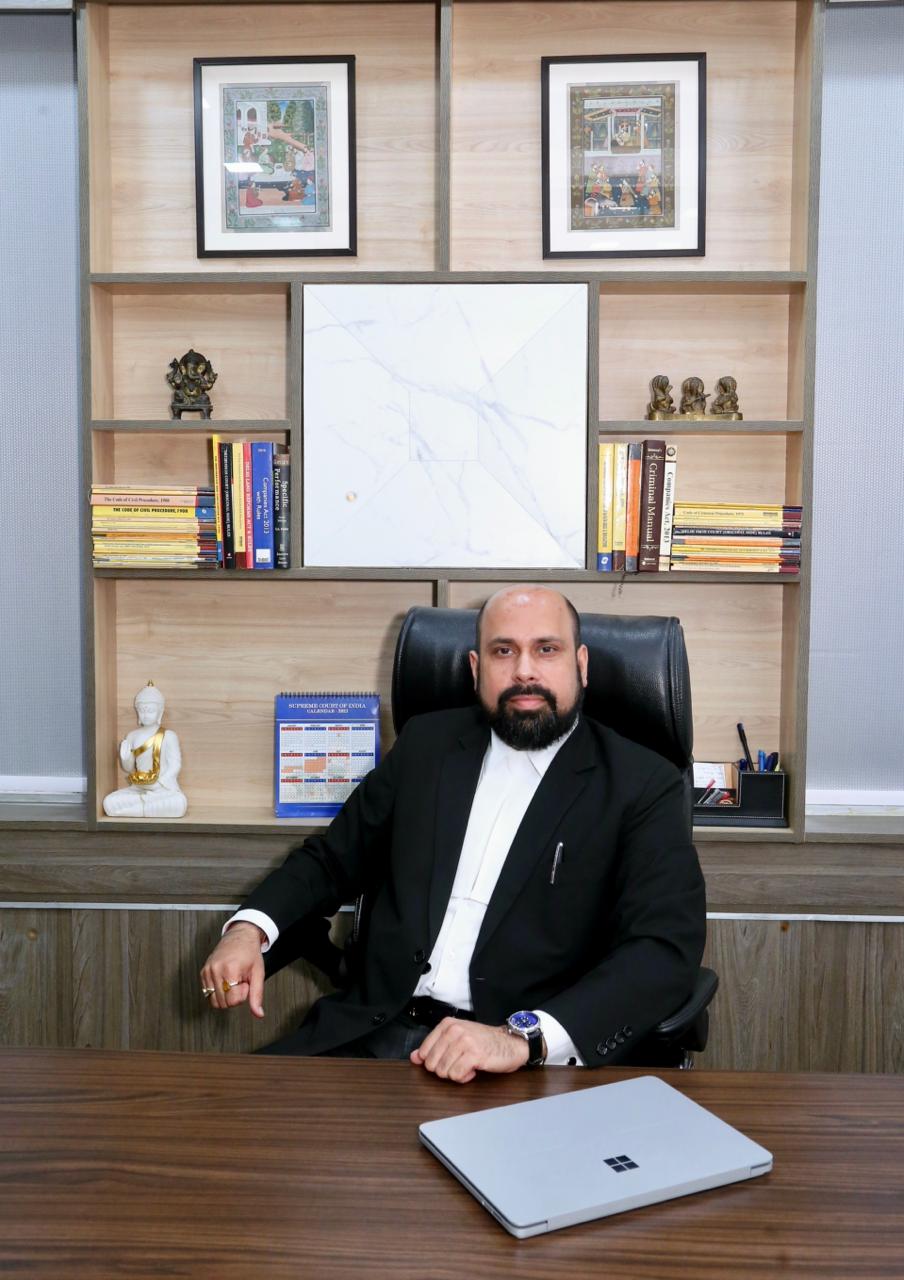
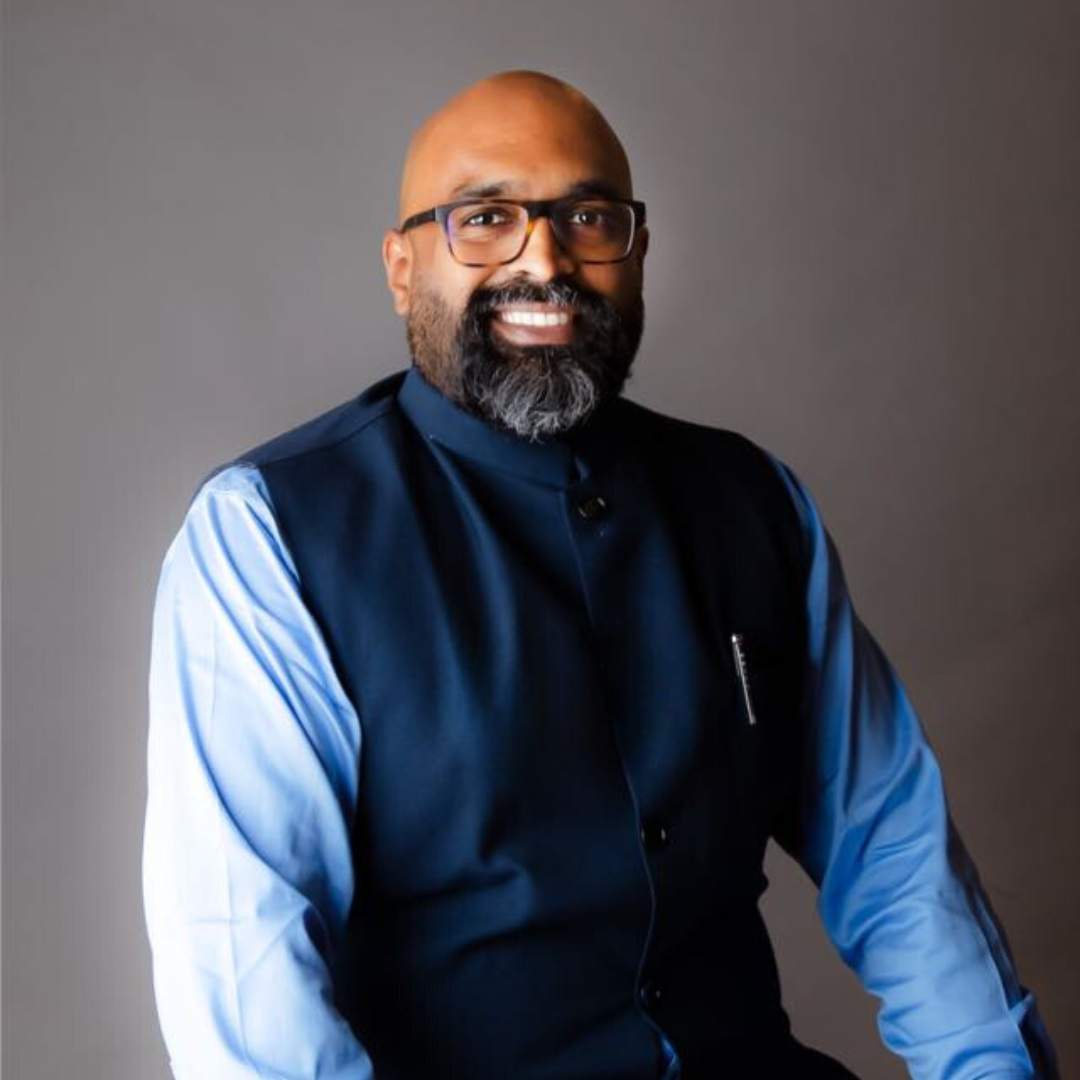











 Allow notifications