Tag: Intellectual Property

  • “The reality is that law isn’t about flashy suits or truckloads of money; it’s about resilience. The initial years are tough, but perseverance will always reward the committed” – Pinak Mitra, Partner at DMG India Law offices LLP

    “The reality is that law isn’t about flashy suits or truckloads of money; it’s about resilience. The initial years are tough, but perseverance will always reward the committed” – Pinak Mitra, Partner at DMG India Law offices LLP

    This interview has been published by Namrata Singh and The SuperLawyer Team
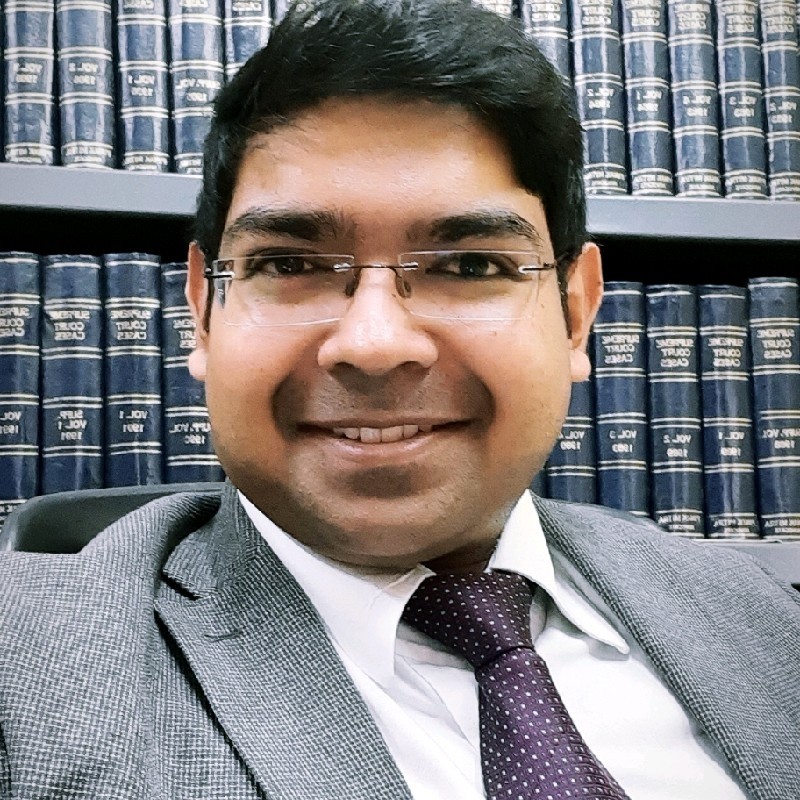
    Hello and welcome, everyone! The SuperLawyer’s team is excited to bring you yet another insightful session today. If you are seeking inspiration through diversification and unwavering dedication, look no further—today’s guest embodies both.

    We are honored to welcome Advocate Pinak Mitra, a respected figure in the legal community.

    For those joining us today, let me briefly introduce our esteemed guest. Advocate Mitra is a distinguished lawyer at the High Court of Calcutta, serving as Counsel for the State of West Bengal. He is a distinguished Member of the International Council of Jurists and a National Board Member of the Indian Lawyers Association—yet this is just the beginning of his impressive journey.

    With a dynamic practice spanning criminal law, constitutional law, consumer law, medico-legal issues, family law, and matrimonial disputes, Advocate Mitra’s legal expertise is truly vast. He continually upskills himself, delving into intellectual property law, and navigating the intricacies of economic offenses.

    We are thrilled to have you with us today, sir. Thank you for graciously accepting our invitation and joining us to share your knowledge. Welcome, Advocate Mitra!

    Thank you so much, Akash.

    Sir, let’s begin with a topic that resonates with many young lawyers. Litigation, as we know, is a challenging path, and it can feel overwhelming, especially for those just starting out.

    Given your remarkable achievements in this field, could you share with us how you navigated this journey and what drew you to pursue a career in litigation? We would love to hear about your experiences and the key insights that shaped your path

    Actually, for me, law was never my first choice. I wanted to study medicine and become a doctor. Law was my second option. The reason I chose between medicine and law was that I wanted to be a professional and not have a job where I worked under an employer. I didn’t want to be just another employee. That’s precisely why medicine and law were my two options. After failing to crack the medical exams, I shifted my focus to law.

    I managed to get into law, took the entrance exams—though without much preparation—and got into the Department of Law at the University of Calcutta for a five-year BA LLB course. Initially, it was very boring because we had several papers related to humanities, and I came from a science background. The first and second years were especially dull since we didn’t have semester exams at that time in Calcutta University. But once we started with the law subjects, things slowly became more interesting.

    After graduating and joining court, I realized the stark contrast between what I had heard, seen on TV, and the reality. It’s very different from the common notion that lawyers are flashy people earning truckloads of money. The reality is that it’s a tough nut to crack, especially in the initial years, where you need a lot of resilience to sustain yourself.

    I’ve seen many of my batchmates join court after graduating from law school, but within two or three years, their initial energy fizzles out. The struggle is real, especially when you see friends from other fields, like engineering or MBA, earning decent salaries, enjoying job security, buying cars, and investing. Meanwhile, someone who studied law and joined litigation finds it incredibly difficult, not just to sustain themselves, but even to ask family members for basic expenses to travel to court.

    It’s quite embarrassing to ask for small amounts of money just to sustain yourself when you’re 24 or 25 years old and should ideally be independent. And when you see your friends with steady salaries, negativity can easily creep in. It’s challenging not to get depressed or bogged down by these realities and to just keep going. This is why some people, despite their potential, eventually give up or lose the patience to hang on after a few years. That’s the biggest challenge anyone entering litigation has to face.

    Thank you, sir. Your insights are truly grounded in the practical realities that many face at the start of their careers. I believe the motivational mantra you shared at the beginning of this interview—to persist, remain resilient, and stay dedicated—will resonate deeply with everyone listening today.

    Now, moving on to the next question: Your career has spanned the judicial hierarchy, from the trial courts to the High Court and eventually to the Supreme Court. Could you share with us your journey through these stages? Any memorable experiences, key moments, or valuable insights you’d like to pass on from your progression through these courts?

    Yes, so I’ll tell you. During my five-year tenure in law school, I only did two internships. The first was as a judicial intern under a Supreme Court judge, and the second was in a trial court for three months. I didn’t have the chance to intern in the high court. There was a stark contrast between my experiences in the Supreme Court and the trial court.

    I really enjoyed my time at the Supreme Court, watching the stalwarts of law argue, and I learned a great deal from them. On the other hand, when I returned to the trial court, especially in West Bengal, I found it very difficult to understand what was happening. What I was reading in my books didn’t seem to align with the reality of the trial court. There wasn’t much synchronization between the two. I’ve even heard judicial officers mention that each trial court seems to have its own separate procedures, which, as a law student, was quite shocking for me to hear and witness.

    Now, that’s one side of the story. As far as the High Court and the Supreme Court go, particularly the Calcutta High Court, the standard there is exceptionally high and has been maintained over the years. Bengalis, as a community, are very academic in nature, which leads them to always engage in legal discussions and have a deep understanding of the nuances of law, both in letter and spirit.

    In my opinion, if you’re practicing in the Calcutta High Court, dealing with complex legal issues or arguing a matter in the Supreme Court becomes relatively easier because of the high standards upheld here.

    Now, coming back to the trial courts—without any offense, I have to say there are some brilliant trial court advocates in our state and across India. However, the problem is that their work often goes unrecognized because the judgments from trial courts are rarely reported. Even though they sometimes do a fantastic job, trial court lawyers don’t receive the recognition they deserve.

    That’s another side of the story. The second aspect is that a law student or candidate must decide early on which area of practice they want to pursue. For example, if someone is interested in constitutional law, then the trial court is not an option, and they must focus on building their practice in the High Court or the Supreme Court.

    On the other hand, if someone is passionate about trial court work, including examination and cross-examination, they should focus on trial courts or the original side of the High Court, where suits are filed and heard. So, it all depends on personal preference. One should first choose their area of practice and then make a decision accordingly. Also, gaining some internship experience in both trial courts and high courts is crucial to understand if they like the setup and environment because, ultimately, after graduation, they need to blend into that environment and become part of it.

    In order to make an informed decision, it’s important to get a heads-up about these things beforehand. Otherwise, one might spend three or four years practicing in the High Court only to later realize they prefer trial court work. In such cases, they could end up losing two or three years of their practical life, even though they would have gained valuable experience.

    That’s the problem. Experience-wise, they would certainly benefit, but in terms of establishing their own practice, they might lose those crucial years.

    Sir, how was your experience when you first argued, represented, or took on a matter in the Supreme Court? Could you share what it was like transitioning from the state level to the Supreme Court?

    During my internship at the Supreme Court, I had the unique opportunity to see a side of the Court that most lawyers don’t—working behind the scenes with a Supreme Court judge. This was especially insightful before the miscellaneous days, which are Mondays and Fridays. I saw firsthand how the research is done, and I gained an understanding of the level of preparation and efficiency involved when judges handle SLPs (Special Leave Petitions).

    Usually, these hearings last just a few seconds, and at that time, we had to prepare a short note outlining the legal point involved so that the judge could quickly frame his mind. Everything moves very fast, and this experience was incredibly valuable during my internship.

    The second significant experience was when I joined the bar at the High Court. At that time, the Criminal Motion Bench was headed by Justice Bagchi for a considerable period, and he was extremely fast. We had to be quick and precise in presenting ourselves, and that definitely helped me when preparing for SLP admissions as well. The way Justice Bagchi conducted motion admission hearings at the Calcutta High Court was very similar to how the Supreme Court handles SLP admissions.

    This experience proved invaluable. You must know your brief inside out because you won’t have time to fumble through papers during the hearing. Even in a heavy matter, you might only get one minute to present, and there are always super seniors in the field of law arguing.

    As a young lawyer, it’s particularly challenging to get an audience with a Supreme Court judge. You have to make an impact right away, like hitting a six on the first ball. That’s my approach to it.

    Thank you so much, sir, for sharing these insights. This discussion feels like a technical workshop with all the nuances you’re imparting. I’m certain that individuals in independent litigation practice who aspire to reach the highest levels will greatly benefit from the wealth of experience you’ve brought to this session today.

    Sir, your experience extends beyond India, encompassing both local and global perspectives. If your awe-inspiring trajectory were to be anchored in specific professional virtues, what would those virtues be? And would you be willing to share them with junior professionals?

    When it comes to professional virtues, I would highlight three key qualities. First is discipline. There is no substitute for discipline; you need to maintain a fixed routine and adhere to it. This principle applies across all fields—law, politics, Bollywood, and beyond. Successful individuals, regardless of their profession, follow a rigorous and disciplined lifestyle.

    The second quality is hard work, coupled with staying updated. Hard work is crucial, and it includes keeping abreast of developments in your field. Nowadays, we don’t wait for a Supreme Court bound volume to arrive; updates are provided through various websites and legal articles. Supreme Court decisions are reported within the same day. Embracing technology and staying informed is essential; otherwise, you risk being outpaced by your opponents if you aren’t up-to-date.

    The third quality is the ability to build good public relations skills. In the legal field, especially as a lawyer, connecting with people socially is vital. Initially, clients may come through your relatives, friends, or referrals from teachers. Your network grows over time through these connections. Just as in medicine, where a patient’s choice of doctor is influenced by reputation and referrals, the same holds true for law. Effective social skills help in client acquisition, which in turn drives your success.

    To summarize, discipline, hard work, and strong interpersonal skills are interconnected. Discipline ensures you stick to your routine, even on slow days. Hard work involves both effort and staying updated. Building social connections helps in gaining clients, which requires continued hard work. Each quality supports and enhances the others, creating a successful professional path.

    Given that you have continually upskilled yourself through various courses and degrees, and considering the current legal landscape with its transformative changes across sectors, what are your thoughts on the legal and technological upskilling of lawyers? How should they adapt to these changes, and how significant is this process within the legal profession?

    Regarding the integration of technology into the legal field, I believe it is no longer a choice but a necessity. Whether we like it or not, we have to adapt.

    For instance, I recently visited the Supreme Court, which has nearly gone completely paperless. In contrast, the Calcutta High Court still relies heavily on paper and bulky briefs. During my recent appearance at the Supreme Court, my advocate on record provided me with a digital copy of the SLP. Even though I have a tablet and a MacBook, I am accustomed to holding a physical brief. Nonetheless, I tried to go paperless and use the digital copy.

    It’s a matter of habit; initially, it was a bit challenging. I can only imagine the difficulties faced by senior members of the bar, who have been trained to handle physical books and documents. Personally, I still prefer having an SCC (Supreme Court Cases) in hand rather than reading judgments on a screen. It may be easier on the eyes, but we must embrace technology.

    Furthermore, technology helps us stay updated. Without it, we would miss out on current developments. For a lawyer to grow and evolve, accepting technology is essential.

    During the COVID-19 pandemic, courts adopted a hybrid model of physical and virtual hearings. After the pandemic, some high courts moved away from this model, but the Supreme Court mandated that hybrid hearings continue. This has been beneficial, though there is still some resistance to accepting virtual appearances. However, technology allows lawyers who are unwell or cannot afford junior lawyers to participate virtually and seek adjournments without harming their clients.

    Technology has also improved court processes. Orders are now uploaded to the high court servers and e-courts, eliminating the need for certified copies. Additionally, we can now view which cases are being heard in which courtrooms via our phones, which was not possible in the past. This advancement saves time and effort compared to earlier practices where one had to physically check courtrooms or rely on clerks.

    Another significant benefit of virtual hearings is that clients can observe their representation and proceedings. This transparency helps address issues where clients have been misled about hiring senior advocates or other concerns. Clients can now view hearings and understand the proceedings better.

    In summary, technology is crucial in the legal field today, and there is no way to proceed without it in the current age.

    Sir, what is the constant drive or motivating force that sustains you in your profession? Is there a particular philosophy or mantra that you believe in?

    I have been quite inspired by the story of Mr. Ram Jethmalani. He has been a guiding force for me. During my internship days, I saw him argue a case in the Supreme Court on the principles of bail, and I was awestruck by his aura. After that, I read about him—his struggles and his journey as a lawyer—and I was fascinated by how he transformed himself.

    Outside the realm of law, I would also say I have been inspired by the journey of Mr. Shah Rukh Khan. He has been a role model for me, not just as an actor but as a personality as well. His journey is incredible. These people have had a profound impact on my journey as a lawyer. They have motivated me, especially when I see how they faced failures and bounced back.

    If you look at the trajectory of any successful person, they go through ups and downs. Even Mr. Amitabh Bachchan, the legend of Bollywood, experienced highs and lows, and his transformation later in life is remarkable. Figures like these—successful individuals in their respective fields—should serve as a motivation for others. Whether it’s sports, Bollywood, film, politics, or the legal field, their journeys and the challenges they faced can guide and inspire aspiring individuals.

    Their stories have been a tremendous source of inspiration for me and have helped me in my own journey.

    On that note, sir, a demanding profession like law can certainly take a toll on mental health. How do you manage the pressure of work while maintaining your personal space? Are there any hobbies, interests, or general routines you follow to strike a balance that you’d like to share?

    Yes, law is very taxing. It is extremely demanding on our mental health as well, because it takes at least 14 to 15 hours of our daily life. Apart from that, you need time for your daily activities—sleep, rest, and spending time with your family. Unfortunately, if you’re in the field of law, especially as a litigating lawyer, you don’t get much time with your family. That is one of the hardest parts. You don’t get time to hang out with friends either.

    Initially, you might, but as you become busier, the profession consumes a lot of your time, so you won’t be able to do that. Sometimes it becomes overwhelming. You might feel like taking an evening off to watch a movie or go out with friends or family, but then you remember you have cases the next day and need to study. You’re forced to study, and it can become very difficult and, at times, even depressing. I wouldn’t say it doesn’t. That’s one aspect—if you’re busy.

    The other aspect is if you don’t have work, which many lawyers experienced during COVID. The pandemic was a huge eye-opener for everybody. Most courts weren’t functioning properly at first, though they eventually moved to a hybrid model and virtual hearings. But initially, it wasn’t like that.

    So, for almost two years, many lawyers didn’t have work. At that time, it was very depressing and mentally challenging for lawyers to sustain themselves and take care of their families. Our profession is already very uncertain. I might have a very busy week now, and the next week, I could be completely without work.

    During that free time, how you channel your thoughts is very important. It takes a huge mental toll on every serious lawyer because the insecurity looms large. As for me, I used to enjoy reading as a hobby. But after joining litigation, the profession has taken that hobby away from me. Now, in my free time, I hardly read books because I’m already reading so much during the day. So instead, I’ve taken to watching a lot of content on OTT platforms, which I enjoy.

    Another principle I’ve maintained during my 10 years of practice is not going to court during the vacations. Many people work through the vacations, but I’ve made it a point not to work during the three vacations we have in Calcutta. For the good part of that time, I spend it with my family.

    I love traveling a lot, so whenever I get the opportunity, I leave the city and go somewhere to spend some time. Traveling helps keep me refreshed. We have such an amazing country with so much to offer, and I love exploring the length and breadth of it. So, that’s how I unwind.

    Since you’ve been involved in various editorial and pedagogical activities, where you’ve interacted with both students and practitioners, how do you think this involvement has enhanced your legal acumen and expertise? Additionally, how much do you enjoy these activities alongside your primary role in litigation?

    Yes, actually, I would say it is very helpful, even for the growth of an individual as a lawyer. Let me share an anecdote: during my early years of practice, and even more recently during the COVID period, I used to mentor some law students, including my interns. Apart from them interning with me, I would teach them about the practical aspects of the legal field and different statutes that aren’t covered in their syllabus.

    I also gave them basic insights into how cases are filed, conducted, and so on. In addition, I was involved in editing journals for CHN at one point in time. This experience was helpful in two main ways. Firstly, for the purpose of editing, I had to go through judgments passed by various courts. In the process of reading those judgments, I was constantly updating myself as a lawyer.

    Secondly, reading judgments for editing purposes allowed me to cover a lot of material in a short span of time. This not only increased my reading speed but also improved my ability to quickly identify the key portions of a judgment.

    Thirdly, dealing with different aspects of law—whether with law students or fellow lawyers—helped me revise what I had learned earlier, either during law school or later in practice. For example, while I may have studied the Domestic Violence Act or the Negotiable Instruments Act thoroughly during my college days, in practice, we mostly focus on a few sections like Sections 138 to 143, 143A of the NI Act. However, when discussing the entire statute with a student or fellow lawyer, it forces you to revisit and refresh your knowledge of the full text.

    In a way, by teaching others, you’re also learning and revising. This helps to reinforce your understanding of the law and ensures you don’t forget important sections. So, it definitely aids in personal growth and keeps you sharp as a lawyer.

    Thank you, sir. As a concluding note, could you please share your long-term plans, particularly in light of your impressive involvement with various professional legal groups and associations? What are your long-term goals?

    This is a very difficult question for me to answer. In terms of long-term plans, as an individual, I aim to advocate for the cause of law to a certain extent. I also plan to author a few books in the field of law, which I will likely begin working on soon. These books will offer a more practical insight into certain aspects of law, focusing on topics that I choose. The goal is for these books to be beneficial not only for law students but also for legal practitioners.

    There are numerous books on various legal topics available in the market, but I’ve observed that some of them exist just for the sake of being there. They don’t provide a proper or meaningful insight into the areas of law they cover. That’s one side of it. On the other hand, I have a long-term plan to establish a legal institute that imparts practical legal training to students.

    When or how this institute will materialize, I can’t say. It may never happen, or it could happen in the near future, but I believe it’s very important. Many people who enter law school are not from legal backgrounds, and the five years of legal education often don’t provide sufficient practical knowledge. That’s my perspective on that.

    Additionally, many law colleges today focus on ensuring students complete a set number of internships, but it doesn’t necessarily mean that students are learning anything valuable during those internships. It has become more of a target-oriented task—complete the internship, get the certificate, and move on.

    However, in reality, interns who come to courts or law offices aren’t truly learning much. I regularly have interns at my law office, and it’s a practice in my office to interact with them after a week or so. I make sure to ask for their feedback on their previous internships—whether it was in someone else’s chamber or a law firm—and also about what they have learned while working with me. If they come here, they should leave with something productive that will help them in their careers.

    These are the aspects I want to focus on as part of my long-term plans in the field of law. So, let’s see where this journey takes me.

    A very big thanks from the entire team of SuperLawyer. Thank you so much. 

    Thank you, Akash, for having me. It was truly a pleasure to discuss various aspects of our day-to-day professional lives and to share a glimpse into how I maintain balance in my personal life as well. I’m confident that young lawyers will find value in this, as it will help them gain a better understanding of the practical realities in the legal field. Thank you once again for having me.

    Get in touch with Pinak Mitra-

  • The real success of a merger or acquisition lies in the integration that follows completion of the transaction.” – Vasanthika Srinath, Founder Partner of Kosmos Partners

    The real success of a merger or acquisition lies in the integration that follows completion of the transaction.” – Vasanthika Srinath, Founder Partner of Kosmos Partners

    This interview has been published by Namrata Singh and The SuperLawyer Team

    Could you share with us your journey into the legal profession? What sparked your interest in law and led you to specialize in international privacy law and corporate law specifically?

    I started working as a business journalist in 1994, after graduating with a degree in commerce and economics from Bombay University (as it was called then). A chance meeting with a friend convinced me to study law, as I believed that it would improve my skills and help me become a better business journalist.  (The Stock Market was still reeling from the effect of the 1992 scam and knowledge of various corporate and business laws would help.) So I enrolled to study at the prestigious Government Law College at Church gate, mostly, because it was close to my workplace and early morning classes allowed us to work all day. I signed up for a moot court competition within a few months of classes and I immediately knew that this is what I want to do in the long run!  So I eventually quit journalism a few months later to focus on my law studies. 

    There were no privacy laws then – and my favourite subjects in college were the law of Torts, Contracts, Interpretation of Statutes and Private International law. I eventually joined Desai & Diwanji, where I was introduced to corporate commercial law, property law and commercial litigation. I wanted to become a counsel, so I joined the chambers of Snehal Paranjape and started my practice as a Counsel in the Original Side of the Bombay High Court. After a year and half I relocated to Bangalore, and as I did not know Kannada then (I am fluent now), I went back to doing corporate work and then moved in-house.

    I worked for a few companies, setting up their legal function and then became the General Counsel of some large IT / ITES companies. Contracts and negotiations are the life blood and most important aspect for any corporate lawyer, and as the legal head, I was also responsible for supporting growth of the business across countries, mergers and acquisitions and compliance, apart from everything else that comes with the role. When I was the General Counsel of Minacs, the Company was acquired by Concentrix, and I set up the Compliance function at Concentrix. That’s about when GDPR happened and I was one person in the company who had no conflict of interest in taking up the role of the Data Protection Officer (DPO). So I learned all about Data Protection and Privacy and set up the privacy function. Gradually, we saw the introduction of Artificial Intelligence where the laws are even more challenging. I was also responsible to ensure that we had a framework in place to ensure ethical and responsible AI design.  I learnt a lot on the job and it was very exciting and enriching for me.

    In December 2023, I joined hands with my old friend, Rashmi Sharma, and we set up Kosmos Partners together.

    So this is my career trajectory in a snapshot – property, corporate advisory, litigation, back to corporate transactions (this time in-house – mostly tech laws), corporate compliance and data protection and privacy, AI regulations and finally – back to practice.

    You’ve had an impressive career spanning over 25 years, with significant roles in various organizations. How have these experiences shaped your understanding of international privacy law and corporate legal practices?

    One can never understate the value of experience. Each and every transaction, incident, case or matter comes with its own learning. I was extremely fortunate to be at the right place at the right time and to handle the kind of matters I got to do. I was very fortunate to have the opportunity to handle quite a few mergers and acquisitions independently right at the start of my in-house career and that was a great learning. I negotiated a couple of very challenging multi-jurisdictional contracts with large corporations, who are known to be very rigid and unwilling to bend on some key terms, but we still managed to get excellent terms from them based on how we positioned ourselves. Some of these learnings taught me how to break up a problem into smaller pieces to solve it better, how to take a step back and understand the big picture, how to bring value to the table and demonstrate that, especially while negotiating.

    I travelled extensively to negotiate contracts with large clients and also, as part of my role as the Compliance leader.  This exposure taught me a lot about the laws and legal practices of many other countries, their cultures and also helped me understand the data protection, privacy and cyber security laws and practices in various countries.  I also began to appreciate how law and privacy are closely linked to the local culture. I think it is necessary to understand the history and culture of the other country before negotiating a contract or working on compliances or data privacy requirements of that country to be more effective.

    One of the biggest challenges is to try to help the business create business processes that comply with the laws of multiple jurisdictions without making it too complicated for the business.

    I also learned how important it is to understand the business and its challenges before we try to teach them the law. Once we understand their challenges, as lawyers, we should partner with the business and help solve their problems in a more practical way, rather than preaching to them. Raising awareness of the laws and regulations among business teams is also very important for business lawyers. 

    Given the dynamic nature of data privacy laws globally, how do you stay updated with the latest developments and how do these changes impact your clients?

    The only way to stay updated is to read, read and read. There are quite a few free online legal subscriptions that one can subscribe to, so one is updated of the latest regulations. Also, consider joining online groups and WhatsApp, which are good at information sharing, many of them are rather helpful too.   

    Could you walk us through a challenging case or project you’ve handled in international privacy law? How did you navigate through it and what were the key takeaways?

    One of the most challenging project was during the outbreak of the COVID-19 pandemic, and having to support the business teams in moving to work from home in a very short time. We barely had time to understand what was happening and we needed to move all equipment to employees’ homes in multiple countries around the same time. These had privacy and compliance implications, which we had to deal with for each country separately. Not only that, every country / city / state kept coming out with various regulations and notifications, which a couple of us were closely tracking real-time.

    Soon enough, the tech teams had to come up with tools to protect the security of the data that was to processed by employees from their homes, which had even more privacy challenges. Our challenge was to walk the fine line between protecting the company and its client data and confidential information and to ensure cyber security on one hand, while on the other hand, ensuring that we do not violate privacy rights. We had a great team that rose to the challenge very well. We had to understand the needs of the business, the proposed solution, its impact on privacy and then map it against the laws of each country, so we could then work with the teams on implementing a viable solution. The biggest takeaway from such projects was the importance of team effort.  Understanding the laws, of course, was important, but none of these challenging projects are successful unless everyone comes together as a larger team. 

    In your opinion, what are some of the most common misconceptions clients have about data privacy laws, and how do you address them in your practice?

    The largest misconception clients have about data privacy laws is that they are fully compliant since they are GDPR compliant. GDPR is considered as the gold standard in data privacy, but one does not need to implement GDPR across board indiscriminately. Some clients take pride in doing that. But the Indian privacy law is more focused on a consent driven approach, and if you needlessly implement GDPR for Indian data principles, you will anyway have to take a look at everything once again.

    Transitioning to corporate law, what are some of the most rewarding aspects of advising on mergers and acquisitions or structuring financial transactions? Could you share a memorable experience from your career in this field?

    I have handled and led quite a few mergers and acquisitions as the legal head. Though mergers and acquisitions are long, complex and challenging transactions, they are just the beginning. The real success of a merger or acquisition lies in the integration, that follows completion of the transaction.  And to ensure that the integration is complete and thorough, one must ensure that the due diligence was as complete and thorough. More often than not, sadly, due diligence is left to junior lawyers, who may not even understand the challenges in the documents they have been checking.

    One very memorable transaction for me, very early in my career was a deal where we were acquiring a company headquartered in the US with a subsidiary in India. The founder had passed and his wife was unable to run the business and hence selling it. There were quite a few challenges in the deal right from the start. We found tax issues and litigation in the due diligence, both in US and India. The seller wanted to retire and did not want to be saddled with any of the issues, especially in India, so she wanted us to buy the stocks in the holding company and take care of everything, while we wanted only to buy out all the assets so we did not have to deal with their tax matters. The negotiations, led by our CFO almost came to breaking point as we could not agree on the transaction structure.

    Finally, we went to our CEO and I will never forget how he broke down the transaction into smaller parts and suggested why don’t we take the stocks of the Indian company as we can deal with their litigation here since we are local and set up a new company in US and buy out the assets there, and leave the Seller to clean up the tax issues in US since she was a local there, which was acceptable to her too. We had to look at the key pain points for both parties and resolve that, and it suddenly became a win-win for both parties.  The same transaction also saw the Seller sacking her CA in the middle of the transaction. She had retained the CA to negotiate the transaction as well as vet the contract for her, but it turned out that he was not really providing her much support on the contract piece. After some time, she ended placing so much trust and faith in me that she would sign any document only if I confirmed that I have seen it and it is ok for her to sign. I had to remind her that I do not represent her, but she still reposed so much trust and faith in me to draft a fair document. That was a very overwhelming experience, and something I can’t forget.

    As someone who has held leadership positions in legal departments of major corporations, what advice would you give to young professionals looking to advance their careers in corporate law and privacy law?

    Young professionals should try to develop an understanding of the business and develop a strategic outlook.

    For in house counsels, focus on developing a deep understanding of the company’s business objectives. This involves not only knowing the law but also understanding how it impacts the bottom line. Additionally, cultivating strong interpersonal and communication skills is crucial. The ability to build relationships with colleagues across different departments, and to articulate complex legal concepts in clear and concise terms, is invaluable.

    Privacy lawyers, should necessarily try to develop some technical expertise. Beyond technical expertise, develop a strategic mindset. Anticipating legal risks and providing proactive solutions is essential for career growth. Seeking out opportunities to take on leadership roles, even at an early stage, can accelerate professional development.

    Also, do seek out a mentor, take their advice, and learn from their experience. Later, as you grow in your career, please do mentor juniors. It is our duty to keep grooming younger lawyers and build a legacy.

    Finally, considering your extensive experience and success in the legal field, what advice would you offer to fresh graduates aspiring to follow a similar path in international privacy law and corporate law?

    This is a very exciting time for fresh graduates – especially with the rapid changes to technology that we are seeing and will continue to see. The most important thing is for them to work on building a strong foundation and develop a deep understanding of the core legal principles and business fundamentals. Secondly, build a global outlook. Both privacy and corporate laws transcend borders nowadays, so it is important to stay updated on the legal and regulatory developments worldwide. Last, but not the least, as lawyers, we have to be committed to a lifetime of learning. Although Continued Legal Education is not mandatory in India, it is something we owe to ourselves. In addition, it is necessary to build a good professional network, and develop skills in legal writing, drafting, negotiations and communication and try to align yourself with a field of law that you feel passionate about. Don’t do something because it appears to be the cool thing to do. Otherwise, it will eventually wear you down. Enjoy your work and you will continue to cherish it. 

    Get in touch with Vasanthika Srinath-

  • “Watching a junior become the lawyer they were meant to be is a wonderful feeling, we should recognize hard work without glorifying overtime” – Pallavi Bhogle, Partner at Huilgol Law Chambers

    “Watching a junior become the lawyer they were meant to be is a wonderful feeling, we should recognize hard work without glorifying overtime” – Pallavi Bhogle, Partner at Huilgol Law Chambers

    This interview has been published by Namrata Singh and The SuperLawyer Team

    Was pursuing law an inner calling for you, or did someone or something inspire you to choose this path? Please walk us through your journey to becoming a legal professional.   

    I have my mother to thank for me becoming a lawyer… but not in the way you are probably imagining. I was your typical college student, very sure of what I did not want to do; but not very sure what I wanted to do. 

    My mother is a Professor of Psychology and one of her areas of specialization is in career counselling. I turned to her for advice and learnt that I was best suited for a career in either law or journalism. While I enjoy writing as well, law particularly appealed to me. 

    Perhaps it was my love for mystery novels and crime-solving that drew me to law. At that time, problem-solving and law seemed intrinsically linked in my head. While I have since learnt that law is far more nuanced, the intricacies of it have only made it more interesting for me. Now, I cannot imagine doing anything else.

    Your college notes have been a legacy for future batches at University Law College. How do you feel about this, and what impact do you think it had on the students who used them?  

    I had no clue that my notes would get distributed the way they did! When I first prepared them, they were a means of studying for my law exams. It was the practice in college for seniors to hand down their notes to their juniors. Like many other, I did as well. I thought the story ended there.

    It was only a couple of years later, when unknown students started contacting me and thanking me for my notes, that I realized that they were still in circulation and had taken on a life of their own. It’s still a bit of a shock to be recognized for my notes. The most memorable time was when we had recruited a new associate in my previous firm and he was being introduced to the team. I was about three years into the profession at that time. On being introduced to me, he went “So, you’re Pallavi Bhogle who wrote all the notes? I thought Pallavi Bhogle was some old lady…..” 

    Other than being mistaken for an old lady, I will admit that I derive deep satisfaction from knowing that a lot of people benefitted from my notes. As the law keeps evolving, my notes may not retain their relevance for much longer, but until then I hope that they make exams a little more bearable for future lawyers. 

    Huilgol Law Chambers has been making a significant impact under your leadership. Can you elaborate on the major practice areas your firm focuses on and how you are helping to develop and support the next generation of legal professionals within your firm?  

    My partner, Sandeep Huilgol, who heads the litigation and tax practice in the firm is the true ‘captain of the ship’. He founded Huilgol Law Chambers in 2019 and laid the foundation stones for a successful practice. Sandeep provides litigation and advisory services in diverse practice areas, especially in taxation proceedings. He has also addressed numerous training programs on the Insolvency and Bankruptcy Code and has authored articles on taxation issues that have been published in tax journals.

    I joined Huilgol Law Chambers in 2022 to head the corporate and commercial law practice of the firm. I advise on general corporate agreements, private equity and venture capital investments, joint ventures, mergers and acquisitions, legal structuring and labour matters. I particularly enjoy mentoring start-ups. There is a joy in seeing something grow from an idea to a business.

    It is similar to the next generation of legal professionals. Watching a junior become the lawyer he or she was meant to be and knowing that you have played a small part in their journey, is a wonderful feeling. I enjoy mentoring and hope one day to find the time to teach as well. Being a mentor is a huge responsibility. Your mentor, especially your first boss, plays a big role in defining who you are as a lawyer. The way you think, the way you approach any deal, and even the way you interact with a client are all influenced by the person who mentors you. I am very conscious of this fact and actively remind myself of this every time I mentor any law student.

    What motivated you to co-found Huilgol Law Chambers, and how has leading the corporate and commercial law practice been different from your previous roles?  

    There comes a time in every professional’s life when the only way to grow is to push yourself out of your comfort zone and take a risk. Co-founding Huilgol Law Chambers was the biggest leap of faith I have taken, in my professional life. I can truly say, there has not been a single day so far that I have regretted putting faith in my ability. 

    My previous roles prepared me well for this position and I had no difficulty in handling the clients and doing the legal work. The biggest learning experience was in handling a firm. Like a start-up, in the beginning, you have to wear every hat. I had to learn to handle the accounts, the administrative work, the staff and the everyday issues that crop up when you have your own business. It gave me an insight into what start-up promoters experience and reinforced my desire to help them and at least take the legal work off their plate. 

    You emphasize maintaining a healthy work-life balance. How do you manage to balance your demanding career with personal time, and what advice would you give to young legal professionals in this regard?  

    “Unfortunately, the legal industry isn’t naturally conducive to a work-life balance, so making that choice can feel like a compromise, especially early in your career. In India, unlike some of our colleagues overseas, lawyers are expected to work long hours and be available 24/7. The consequence of not prioritizing work often means missing out on promotions or pay raises. It’s a culture that I strongly believe needs to change—and we can change it! We should recognize hard work and dedication without glorifying overtime.

    For me, achieving a balance has been possible due to the flexibility I have in managing my work schedule, coupled with incredible support from my family and colleagues. However, this balance is a recent development; I, too, spent years compromising on sleep and missing family events due to deadlines. It took time to learn how to work smart, prioritize, and eliminate unnecessary stress.

    To young professionals, I would offer the same advice that was given to me: communicate. Speak with your law partners and clients about timelines, and set realistic goals. Once everyone understands the timeline for deliverables, you can plan your days and make room for personal time as well.

    Can you discuss a particularly challenging case or transaction you’ve worked on, such as the acquisition of Funtoot by Reliance Industries Limited’s (RIL) subsidiary Embibe, and what unique insights you gained from it?  

    The Funtoot transaction is particularly memorable for me. Our client, Edreams Edusoft Private Limited, popularly known by its brand name Funtoot, was being acquired by its rival ‘Embibe’. Embibe had, at that time, recently become a subsidiary of Reliance. Being in the same business sector, and rivals no less, our client was extremely (and understandably) hesitant to disclose some of its more confidential information, as there was always the risk that the acquisition may fall through. This made the negotiation for us all that harder! 

    This transaction underscored my belief that for a transaction to be successful, there needs to be trust between all persons involved. The Funtoot transaction finally closed because the parties explained their concerns to their lawyers and trusted us to look out for their interest in the investment documents. As lawyers, we need to envision the worst-case scenario and protect from that. As parties, you need to envision the future and work towards that. 

    You regularly mentor start-up companies and their founders. What are some common legal challenges start-ups face, and how do you help them navigate these issues?  

    Start-ups often overlook the legal compliances that every company must adhere to, as their promoters are (understandably!) more focused on building their business. As a result, essential legal requirements, such as proper employment agreements or safeguarding confidential information, may be neglected.

    A core area of my practice involves acting as the legal department for start-ups, helping them establish the contracts and policies necessary to operate smoothly. We create templates for the day-to-day agreements they’ll need and educate their teams on the importance of these practices. When start-ups receive contracts from other parties, they often pass them on to us for review. Our role is to ensure that no burdensome obligations are inadvertently accepted, while still protecting the start-up’s rights and maintaining positive business relationships with their counterparts.

    You have pursued various diplomas and courses in different legal areas. How important do you think continuous learning is for legal professionals, and what areas do you think they should focus on in the future?  

    Continuous learning is essential for every professional, regardless of their field. There’s no doubt that knowledge gives you an edge in your career. However, I must admit that reading about the same subject day in and day out can become monotonous. This is why, alongside studying subjects directly related to my specialization, I pursued diplomas in other legal areas as well. Currently, I hold diplomas in IP law, media law, and cyber law.

    There are so many fascinating fields within the law, each offering vast learning opportunities. Even though corporate law is my primary focus, my knowledge of other areas allows me to provide more comprehensive advice to clients and tailor contracts to better suit their business needs.

    Having worked on numerous private equity investments, what are some of the most unique or unexpected challenges you’ve encountered, and how did you overcome them?  

    I have had the benefit of working on both sides of the table in private equity investment and this has helped me understand what each party considers critical or a ‘deal breaker’ for them. You would be surprised to see how this can change in every investment! Understanding your client’s motivation for the transaction is crucial. Once you understand this you will know where to push back to protect your client and where to compromise.

    Having to compromise on certain clauses and explaining to your client the necessity of doing so can be particularly challenging. A contract that will stand the test of time is fair to both parties. This necessarily means that you would need to compromise on some of your asks in the agreement. 

    For me, taking the time to understand your client’s point of view and building trust with them is extremely important for you to be a successful lawyer. 

    In your experience, what are the most critical aspects of corporate governance and ethics that companies often overlook, and how do you ensure that your clients adhere to these principles?  

    Companies often forget that they are what they are, because of their employees. Employee agreements and employee handbooks are quite often a low priority for companies. Something to put in place to satisfy a condition precedent or condition subsequent in an investment document. 

    An employee can so easily make or break a company, and it is important to have a document clearly defining the relationship between a company and its employees. This protects both the employee and the company.

    This is one area I try to regularize in all clients, especially my start-up clients. I find that when I give my clients a clear roadmap and put in place an onboarding and offboarding policy for their employees, it reduces the labour issues they face. The employees also have a clear picture of what benefits they can expect from the company and recourse if they do not receive what is promised to them. 

    Get in touch with Pallavi Bhogle-

  • “The ongoing appeal is a testament to the complexities and nuances involved in IP litigation and underscores the importance of jurisdictional clarity in legal proceedings.” – Shruhita Amit, Joint Partner at Photon Legal

    “The ongoing appeal is a testament to the complexities and nuances involved in IP litigation and underscores the importance of jurisdictional clarity in legal proceedings.” – Shruhita Amit, Joint Partner at Photon Legal

    This interview has been published by Namrata Singh and The SuperLawyer Team

    Can you share what inspired you to pursue a career in law and how you embarked on this journey?

    Growing up, I always had a keen interest in understanding the intricacies of systems, whether economic, social, or legal. However, after completing my Economics Honors degree, I was still determining my next steps and decided to take the Delhi University LLB exam. The decision to sit for the Delhi University LLB exam was initially driven by practical considerations; law seemed like a vocational course with promising career prospects.

    However, as I delved into my law studies, I developed a keen interest in commercial laws, particularly in the area of Intellectual Property (IP). This interest was sparked during internships at leading IP firms, where I witnessed the importance of trademarks and other IP elements in protecting business identities and innovations. My enthusiasm for law translated into academic success; I consistently ranked among the top 5% of my batch, which comprised around 800 students. My dedication led to an opportunity with Anand & Anand, a prestigious IP firm, which marked the beginning of my professional journey in law. What started as a pragmatic decision evolved into a fulfilling career focused on the intricate and impactful field of IP law.

    You’ve managed high-stakes litigation for leading companies. Can you describe one of the most challenging cases you’ve handled and the key takeaways from that experience?  

    In my career, I’ve been involved in several trademark litigations, successfully enforcing rights related to brand names, logos, trade dresses, copyrights, and other similar IP rights. One of the most challenging cases I’m currently handling is an ongoing appeal at the Delhi High Court in a patent matter. The dispute centers around the appropriate jurisdiction for filing an appeal against a refusal order issued by the Delhi Patent Office, despite the patent application being initially filed in Mumbai. We contend that the Delhi High Court should have jurisdiction since the refusal order was passed in Delhi.

    The case took a complex turn when a single judge bench at the Delhi High Court declared the appeal non-maintainable. We have now escalated the matter to a division bench, seeking a reconsideration of the jurisdictional issue. This case is particularly intriguing as it could set a precedent for similar jurisdictional disputes in IP law. The outcome will significantly impact the strategic considerations for patent litigation in India. The ongoing appeal is a testament to the complexities and nuances involved in IP litigation and underscores the importance of jurisdictional clarity in legal proceedings. [FILO EDTECH INC. Vs UNION OF INDIA LPA 375/2024]

    As an expert in Intellectual Property Law, what do you consider the most critical elements when managing trademark prosecution and litigation?

    In managing trademark prosecution and litigation, I find that the most critical elements revolve around preparation, strategy, and adaptability. First and foremost, comprehensive research is key. Before filing a trademark, it’s crucial to conduct thorough searches to ensure the mark is distinctive and doesn’t infringe on existing rights. This groundwork helps avoid potential conflicts and sets a solid foundation for the trademark’s protection.

    Another important aspect is strategic planning. Anticipating challenges whether, during the prosecution phase or in potential litigation, allows us to develop a proactive approach. For instance, being prepared for opposition or knowing when to negotiate versus litigate can significantly influence the outcome.

    Communication also plays a vital role. Clear and persuasive communication with clients, examiners, and even opposing parties can make a big difference. Whether, it’s drafting responses to office actions or presenting arguments in court, articulating our position effectively is crucial.

    Lastly, I believe in staying adaptive and informed. The landscape of IP law is constantly evolving, so keeping up with the latest legal developments and industry trends is essential. This not only helps in staying ahead of the curve but also in providing the best possible advice to clients.

    Overall, it’s a mix of thorough preparation, strategic thinking, clear communication, and continuous learning that I find most critical in managing trademark prosecution and litigation.

    What emerging trends in corporate and intellectual property law do you believe will shape the future of legal practice, and how should legal professionals prepare for these changes? 

    Emerging trends in corporate and intellectual property law are increasingly shaped by advancements in technology, particularly AI. AI is revolutionizing how we draft legal documents, from contracts to IP pleadings, by streamlining the process and handling repetitive tasks more efficiently. This shift is exciting because it allows us to focus more on the strategic aspects of our work and provides clients with faster turnaround times. However, while AI can handle many routine tasks, we legal professionals must remember that the nuanced understanding and strategic insight we bring to the table can’t be replicated by machines.

    To prepare for these changes, we need to embrace technology and stay updated on the latest tools and trends. Learning how to use AI effectively will enhance our productivity, but we should also focus on developing skills that complement these tools, such as critical thinking and personalized client interactions. By combining technological proficiency with our unique legal expertise, we can continue to add significant value and remain indispensable in a rapidly evolving legal landscape.

    You developed an online certificate course on Copyrights for Lawctopus. How do you see the role of online education in shaping the future of legal training?  

    Online education is revolutionizing legal training by making valuable knowledge more accessible and affordable. Platforms like Lawctopus, where I developed a course on Copyrights, exemplify how online courses provide keen learners with the opportunity to dive deep into specialized areas of law without the constraints of traditional, lengthy, and costly degrees. For me, online courses have been a game-changer. When I wanted to expand my practice to include complex corporate law assignments such as multi-jurisdictional M&As, advisory on equity structures, cross-border transactions, and corporate restructuring, these well-crafted courses allowed me to gain the necessary expertise efficiently and economically.

    The beauty of online education lies in its ability to offer flexible learning options that cater to various levels of expertise and interest. It empowers professionals to stay current with evolving legal trends and deepen their knowledge base, all from the comfort of their own homes. This democratization of education not only enhances individual careers but also contributes to a more knowledgeable and agile legal community.

    Outside of your professional life, do you have any hobbies or interests that you feel contribute to your legal thinking or problem-solving skills?  

    Outside of my professional life, my hobbies play a significant role in enhancing my legal thinking and problem-solving skills. I’m an avid reader with a broad range of interests, including fiction, history, and philosophy. Additionally, I have a strong interest in personal development literature, which offers valuable insights into human behaviour and decision-making. This diverse reading habit sharpens my critical thinking and helps me approach legal issues from multiple perspectives, enriching my problem-solving abilities.

    Travelling is another passion that complements my legal work. Exploring different cultures and engaging with people from various backgrounds provides me with unique viewpoints and approaches to problem-solving. This exposure fosters a more adaptable and open-minded approach, which is essential for tackling complex legal challenges. Both reading widely and travelling allow me to bring fresh insights and innovative solutions to my legal practice.

    As someone deeply involved in the legal aspects of emerging technologies, what do you see as the most pressing IP challenges in areas like AI and cybersecurity?  

    In the realm of AI, one major challenge is defining and protecting intellectual property rights for innovations that are driven by machine learning algorithms. Determining ownership of AI-generated inventions or works can be complex, especially when AI systems are creating novel solutions without direct human intervention. This raises questions about patentability and copyright, and whether current IP frameworks are adequate for these advancements.

    In cybersecurity, the challenge is ensuring that our intellectual property is safe from cyber threats. One notable example was when I was involved in a case where a company’s proprietary encryption algorithms were compromised during a sophisticated cyber-attack. The breach not only jeopardized their trade secrets but also raised complex questions about the effectiveness of their security measures and their legal obligations to protect their IP.

    A key technical challenge here was understanding the intricacies of how the encryption was bypassed. This required working closely with cybersecurity experts to assess the vulnerability and determine how it could have been exploited. We had to delve into the specifics of the encryption technology, analyze the breach, and then figure out how to fortify the IP protection moving forward. This experience highlighted the need for a legal approach that’s deeply integrated with the technical aspects of cybersecurity. It’s not just about having legal protections in place but also understanding the technology to ensure that our IP safeguards are robust and adaptable to evolving threats.

    Considering your diverse experience, if you could create a new area of IP law to address future challenges, what would it be and why? 

    If I could create a new area of IP law, it would focus on AI-generated innovations and Ownership Rights. As AI technology advances, it’s increasingly capable of generating new inventions, designs, and creative works autonomously. However, current IP frameworks are struggling to keep up with these developments, particularly in defining ownership and protection for AI-generated outputs.

    The new area of law would address several key issues: establishing clear guidelines for determining ownership of AI-generated inventions, defining the role of human contributors versus AI systems, and creating a framework for protecting AI-created intellectual property. This would involve setting standards for patent and copyright eligibility when an AI is the primary creator and resolving disputes related to the rights of the developers versus the AI itself.

    This proposed IP domain is crucial because it would ensure that as AI continues to innovate, the legal system can adequately protect and manage these advancements. It would help address the gaps in current IP laws and provide a structured approach to the future of creativity and invention in the age of AI.

    You’ve witnessed the rise of digital platforms and their impact on IP. How do you envision trademark and copyright law evolving to address challenges in the digital space? 

    On the trademark front, online counterfeiting is a significant menace that demands more effective legal measures. In the digital landscape, where brands are prevalent across social media, online marketplaces, and app stores, companies face persistent issues with unauthorized use of their trademarks. This often involves numerous counterfeiters operating anonymously or under false identities, making it challenging to address each instance individually. Therefore, trademark law needs to implement more robust policies and practices to combat these widespread infringements efficiently. Instead of pursuing multiple litigations against individual offenders, we need a streamlined approach that can address these issues comprehensively and proactively.

    As regards copyright, the digital revolution has made it incredibly easy to copy and distribute content, which complicates enforcement. I’ve dealt with cases where copyrighted materials were pirated across multiple platforms, making it a daunting task to track and address infringement. The law will need to evolve with better digital rights management tools and more effective takedown procedures. Additionally, as user-generated content becomes more widespread, we need to rethink how copyright law balances protecting original works by accommodating the way people build upon and remix existing content. This may involve developing new legal frameworks that both safeguard the rights of original creators and support the collaborative and adaptive nature of digital creativity.

    As someone who’s navigated law firms, what insights can you share about the different dynamics and challenges in these environments?   

    Navigating law firms across different cities has given me a unique perspective on the varying dynamics and challenges in these environments. While the essence of law firms remains consistent—a client-driven focus aiming to provide top-notch services and build strong portfolios—there are notable differences influenced by local practices and court systems.

    For instance, I’ve observed distinct operational nuances between law firms in cities like Delhi and Mumbai. The Delhi High Court and the Bombay High Court, for example, have different procedural practices and court cultures. Understanding these regional variations helps law firms tailor their strategies and services to better meet local demands and navigate the specific challenges of each jurisdiction. It also highlights the importance of adaptability and local expertise in providing effective legal solutions across different cities.

    Get in touch with Shruhita Amit-

  • “Whatever you pursue, do it with passion, dedication, and honesty. Integrity is crucial. Trust that your honesty, dedication, and hard work will eventually yield rewards.” – BijoyLashmi Das, Experienced Legal Professional

    “Whatever you pursue, do it with passion, dedication, and honesty. Integrity is crucial. Trust that your honesty, dedication, and hard work will eventually yield rewards.” – BijoyLashmi Das, Experienced Legal Professional

    This interview has been published by Namrata Singh and The SuperLawyer Team

    Bijoylashmi Das is a seasoned legal professional with 16 years of experience, known for her dedication to providing strategic legal guidance to corporations across various industries. Throughout her career, she has consistently demonstrated a deep commitment to helping companies navigate the intricacies of the legal landscape while aligning with their business objectives. Bijoylashmi specializes in corporate law, where she excels in drafting, reviewing, and negotiating contracts to ensure favorable terms for her clients. Her expertise in contract negotiations has been instrumental in securing agreements that protect the interests of the corporations she represents. She is also highly proficient in litigation, where her skills in managing legal disputes have led to favorable outcomes in complex cases. Compliance and risk management are other critical areas of Bijoylashmi’s practice. She has a keen eye for identifying potential legal risks and developing comprehensive strategies to mitigate them. Her proactive approach to compliance ensures that the companies she works with adhere to all relevant laws and regulations, minimizing the risk of legal issues and penalties. Bijoylashmi’s proven track record of success is evidenced by her ability to help companies achieve their business goals despite legal challenges. She is adept at providing strategic legal counsel that aligns with the overall objectives of the corporation, ensuring that legal considerations support rather than hinder growth and innovation. Her extensive knowledge and expertise make her a trusted advisor to executives and stakeholders. Bijoylashmi is known for her ability to communicate complex legal concepts clearly and effectively, empowering decision-makers to make informed choices. Her strategic insights and practical solutions have earned her the confidence of those she advises, making her an invaluable asset in driving corporate objectives and growth initiatives forward. In summary, Bijoylashmi Das is a highly experienced and dedicated legal professional whose comprehensive expertise in corporate law, contract negotiations, litigation, compliance, and risk management has consistently supported the success and growth of the corporations she serves.

    Can you share with us how you started your career in law and what motivated you to choose this field? Could you please walk us through your journey?

    Since childhood, I’ve been known for my courage, fearlessness, assertiveness, and strong sense of justice. My approach to everything has always been logical and evidence-centric—things were either black or white for me. Even from a young age, my parents recognized that my debating skills were unmatched because I always backed up my arguments with solid evidence. I have a deep-seated intolerance for injustice or bullying, and I’ve always felt compelled to stand up for innocent people.

    My journey from being a girl from Guwahati to establishing myself in Delhi has been filled with challenges. I graduated from college in 2008 without any influential connections or shortcuts. I started my legal career by diligently navigating through district courts, district forums, and eventually gaining experience in the High Court and Supreme Court. I strategically planned my career progression, focusing initially on trial experiences before advancing to higher courts. Subsequently, I made the transition to the corporate sector.

    Through my diverse experiences with various lawyers and law firms, I have earned a solid reputation within the organizations I have served. My dedication and hard work have been recognized with numerous accolades and awards along the way.

    You have over 16 years of experience in various legal domains. How has your journey evolved over the years, and what are some of the significant milestones? 

    My journey has been a thrilling roller-coaster ride, marked by both successes and setbacks. Through it all, I’ve remained extraordinarily hardworking and persistent. My strong willpower has consistently propelled me forward, regardless of the challenges.

    Early in my career, I had the privilege of learning from accomplished lawyers who have carved out distinguished reputations in the field. Their mentorship taught me invaluable legal skills.

    Reflecting on some significant milestones, one standout moment was in a service matter where we faced a particularly challenging situation. Through diligent research, I unearthed a case law remarkably similar to our case, and it had been adjudicated by the same judge hearing our matter. This discovery proved pivotal, leading to our victory. I vividly recall my senior exiting the courtroom, giving me a high five, and attributing our success to my efforts—a moment of profound recognition.

    Another memorable achievement was successfully representing a previous organization in the Supreme Court. It was a daunting case with slim chances of winning, but meticulous preparation and thorough counsel briefing enabled us to secure a l win and I ended up recovering a substantial amount for the organization.

    Additionally, I fondly remember negotiating a critical endorsement agreement where the opposing party was a renowned law firm. As the sole negotiator from our organization, I effectively closed the deal on mutually agreeable terms. This accomplishment delighted our department head so much that he even offered me the opportunity to meet a Bollywood icon, though I graciously declined, the gesture left me elated.

    Throughout my career, I’ve also contributed significantly to business transfer agreements and IPO processes, enhancing my professional journey and earning multiple accolades along the way. Each milestone has shaped me and reaffirmed my passion for the legal profession.

    You’ve successfully negotiated numerous complex agreements. Can you share a particularly challenging negotiation experience and the key takeaways from it?

    Negotiating a contract is a critical process that exposes you to potential risks inherent in the business deal. It’s crucial to accurately capture the business understanding and protect your organization from risks and defaults. In one instance, during negotiations where the other party held significant leverage as the revenue generator and threatened not to sign the agreement, I remained composed. I patiently explained the rationale behind each clause, ensuring they understood how each provision aligned with the overall deal. This approach ultimately led to agreement and closure.

    The key takeaway from this experience is to always provide clear rationale behind your suggestions or edits during negotiations. It’s essential for the other party to understand your thought process and how it aligns with the objectives of the deal. Additionally, it’s important not to succumb to pressure and agree to clauses that may be one-sided or disadvantageous to your organization.

    How do you believe your work in the legal field has helped companies achieve success and gain knowledge, and what role does legal support play in business growth?

     I have made significant contributions in business transfer agreements and IPO processes. These efforts have generated substantial revenue, goodwill, and reputation for the companies I have served. Additionally, as part of legal teams, our vigilant monitoring of risks and proactive mitigation strategies has shielded companies from various threats. We protect brand values, recover outstanding dues, and draft contracts that effectively preserve our rights and remedies. Collectively, these actions significantly contribute to the growth of any organization.

    Balancing a demanding career with personal interests is challenging. How do you manage your work-life balance, and what hobbies or activities do you enjoy in your free time?  

    Yes, achieving work-life balance can be challenging. However, whenever possible, I prioritize spending quality time with my daughter. We enjoy engaging in various activities together such as colouring, reading, dancing, and watching movies.

    With the legal landscape constantly evolving, what are some emerging trends in corporate law and compliance that you believe will shape the future of the legal profession?  

    Certainly! In India, the legal landscape in corporate law and compliance is evolving rapidly, driven by regulatory reforms, economic changes, and technological advancements. Here are some emerging trends that are likely to shape the future of the legal profession in corporate law and compliance:

    Digital Transformation and E-commerce Regulations: With the rapid growth of digital platforms and e-commerce in India, there is a need for robust regulatory frameworks governing data protection, cybersecurity, electronic contracts, and consumer rights. Corporate lawyers will need to navigate these evolving regulations to ensure compliance and mitigate legal risks for companies operating in the digital space.

    Regulatory Technology (RegTech) and Legal Tech Adoption: The adoption of RegTech and Legal Tech solutions is on the rise in India, offering innovative tools for legal research, compliance monitoring, contract management, and regulatory reporting. Corporate lawyers who embrace these technologies can enhance efficiency, reduce costs, and provide strategic advice to clients.

    Ethical Business Practices and Corporate Ethics: There is a growing awareness and importance placed on ethical business conduct, transparency, and corporate integrity. Corporate lawyers are expected to advise companies on adopting and implementing ethical frameworks, whistleblower policies, and conducting internal investigations into misconduct allegations.

    These emerging trends highlight the dynamic nature of corporate law and compliance in India. Corporate lawyers who stay abreast of regulatory changes, industry developments, and technological innovations will be well-positioned to navigate complexities and provide value-added legal solutions to their clients.

    Your career includes a significant transition from being an associate lawyer to a legal consultant. What prompted this change, and how did you make the choice to shift from a traditional law firm role to a consultancy position?  

    I’ve always had a passion for exploring diverse areas. If you look at my career trajectory, I’ve immersed myself in every aspect of litigation that a lawyer could possibly undertake. After gaining extensive experience across various courts, I made a deliberate move into the corporate sector to delve into its intricacies and challenges.

    What advice would you give to young legal professionals aspiring to build a successful career in corporate law and litigation?  

    Whatever you pursue, do it with passion, dedication, and honesty. Integrity is crucial. Trust that your honesty, dedication, and hard work will eventually yield rewards. Embrace your struggles and difficult times—they shape who you are today and will make you proud of your journey.

    As senior legal professional, what are your primary responsibilities, and how do you manage the legal challenges you face in daily dealings?  

    My main roles encompass strategic planning, risk management, contract negotiations, dispute resolution, and problem-solving. In addition, I oversee team management, providing guidance and collaborating with them to achieve organizational success.

    A significant challenge I encounter is aligning with diverse internal and external stakeholders whose perspectives may differ from ours. Through extensive discussions and deliberations, we work together to navigate these differences and reach common ground effectively.

    How did you manage to switch industries from the consumer sector to real estate sector and how has it been different?

    After dedicating nearly 8 years to the consumer goods industry, I made a deliberate decision to transition and explore a new industry. My goal was to gain insights into its operations and intricacies. I believe that cultivating diverse knowledge and experience is invaluable, offering broader perspectives and opportunities for growth compared to staying within a single domain.

    Certainly, while the sectors themselves may differ significantly, the core responsibilities of lawyers remain consistent across industries. Whether in consumer goods or any other sector, our primary duties include drafting sound contracts, successfully handling litigations, and establishing processes and policies to mitigate risks. Therefore, apart from the specific business activities of each organization, the functioning of legal teams tends to maintain a consistent approach and focus on these fundamental tasks.

    Get in touch with BijoyLashmi Das-

  • “Balancing IP protection with effective cybercrime response requires a well-rounded approach.” – Navigating the Intersection of IT Law and Intellectual Property, Ravi Goyal, Partner at Scriboard

    “Balancing IP protection with effective cybercrime response requires a well-rounded approach.” – Navigating the Intersection of IT Law and Intellectual Property, Ravi Goyal, Partner at Scriboard

    This interview has been published by Namrata Singh and The SuperLawyer Team

    Your journey in law is both impressive and inspiring. When did you decide to pursue a career in law, what or who inspired you to take this path, and what challenges did you encounter at the beginning of your career?

    I am not sure if my journey can be described as either of these descriptors, but first of all, thank you for taking the time to do this. I was initially swayed towards law during a reading spree of John Grisham’s work. Around the same time, I also read ‘A Civil Action’ by Jonathan Harr and that is when I started considering law as a career option. However, when I attempted to search more about this field on the internet, I could not find any useful details and the information I did find was not too encouraging. I then dropped the idea of pursuing law. 

    Shortly afterwards, I came in contact with a friend’s brother-in-law who had just completed his law course at NLU, Jodhpur. That is when I was introduced to the world of NLUs and the various career options available to law graduates. Our batch eventually became the first to appear in CLAT since up till 2007 all NLUs had their separate entrance exams.

    I think the major challenges I faced after graduation were related to career progression and making the right choices. However, thanks to various mentors, colleagues and friends and some self-reliance I was able to overcome these challenges – or at least I think so!

    You’ve achieved a rare Reverse Domain Name Hijacking ruling under the INDRP. Could you elaborate on the details of this case and the strategic challenges you faced?

    This was an interesting domain name dispute that came our way. Without making this response too academic or technical, the matter involved a generic term that was registered as a domain name by our client. The Complainant attempted to ‘recover’ this domain name under the. IN Domain Name Dispute Resolution Policy [INDRP] claimed trademark rights in the said generic term. We had to conduct a lot of research into the Complainant’s background to establish that our client had registered the domain name before the Complainant started its business in India and that no single entity can have a monopoly on a generic term in typical situations. The matter was a challenging one because we did not have many past precedents under the INDRP to support our arguments and, moreover, a finding of ‘Reverse Domain Name Hijacking’ [RDNH], which we sought, was virtually never accepted under the INDRP. I am grateful that I had a great team and that the client had faith and belief in our strategy, which allowed us to go the full mile in this matter and successfully attempt the best possible outcome. 

    Having represented Fortune 500 companies, what are some of the emerging trends in data privacy and digital brand management that businesses should be aware of today?

    I think that organisations at this point are far more susceptible to liabilities and legal claims due to the ever-increasing use of digital technology. Organisations need to be aware of all new laws and be compliant with them at all times. Moreover, since in many cases, there are no specific laws for emerging technologies such as Artificial Intelligence [AI], Internet of Things [IoTs], etc., it is crucial to self-regulate and follow industry best practices to safeguard the organisation from any unnecessary liability.  Unfortunately, but typically, organisations should be wary of cyber fraud, brand abuse, brand impersonation, data breaches, vulnerability attacks, etc. which could very quickly compromise their reputation and operations.

    Your expertise spans prosecution, management and protection of IP portfolios, and handling cyber-crimes. How do these areas intersect in your daily practice, and what complexities do they entail?

    In my daily practice, managing and protecting IP portfolios, prosecution, and handling cyber crimes naturally intersect and support each other. When I safeguard my clients’ intellectual property, it often involves protecting these assets from cyber threats too. Moreover, data exfiltration/data breaches, data privacy leaks, IP infringement, etc. are closely interconnected and require constant application of both IT laws and IP laws.

    The tricky part is dealing with the ever-changing nature of cyber threats and staying updated with new regulations and tech developments. I need to constantly monitor, adapt, and come up with proactive strategies to tackle risks, always striving to stay one step ahead of bad actors. Balancing IP protection with effective cybercrime response requires a well-rounded approach to ensure that our client’s interests are covered from all angles. I also constantly ensure that our clients comply with all applicable data privacy laws, intermediary guidelines/regulations and consumer protection laws to minimize their liability in this evolving technological landscape.

    Could you share a bit about your transition from being at Shardul Amarchand Mangaldas & Co. to becoming a Partner at Scriboard? How has this transition influenced your approach to client service and leadership?

    Coming back to Scriboard was an interesting transition as I have spent the majority of my time with Scriboard since I started my career. During my time at SAM, I was able to get a first-hand experience of how a large team of nearly 30 members work in close coordination to deliver top-notch legal advice and achieve results in record time. I also had the opportunity to closely work with my Partners and gain insight into how a leading firm in India operates at the highest level. I feel that this broadened my perspective and allowed me to bring a fresh, evolved approach back to Scriboard in my second stint.

    You’ve authored several publications on topics like domain name disputes and cyber laws. How do these academic pursuits complement your legal practice, and how do they contribute to the industry’s knowledge base?

    I believe that it forces me to stay updated on the latest trends, cases, and regulations, which I can directly use for the benefit of my clients. This also helps to start a discourse where hundreds of articles such as mine are open to everyone’s feedback and inputs and sometimes certain views of readers and other peers can lead to interesting discussions and offer new insights and ideas. 

    Outside of your legal career, you’ve been involved with People Canvas, focusing on education and environmental impact assessment, and you have also founded an online education initiative and a nonprofit organization. Could you please share something about this and also How have these experiences influenced your professional perspective, and how do you balance your legal career with these endeavors?

    Yes, I was part of the founding team of People’s Canvas, a registered NGO that we formed during our law school days. A faculty member of our law school, Dr. Ritumbra Manuvie, and a very good friend of mine, Asst. Prof. Shashi Kant Yadav was the primary driving force behind this NGO which aimed to work in the field of environmental law activism. I also co-founded a vertical called People’s Canvas Online Education along with Asst. Prof. Yadav with a focus on imparting awareness about Environmental Impact Assessments [EIAs] to law students, graduates and others through a first-of-its-kind Online Certificate Course. At the time, it was one of the first completely online short-term courses primarily catering to the legal fraternity. Subsequently, I founded a legal education and research organisation called ‘Student at Law’ to foster awareness and knowledge amongst law students and the legal community through a comprehensive web resource.

    I believe that these experiences have played a tremendous role in shaping my professional life. This fair share of an ‘entrepreneurial’ journey during my law school days and early career helped me gain valuable experience, obtain different perspectives, and, most importantly, teach me the importance of discipline and hard work.

    As a ‘Rising Star’ in Intellectual Property, according to the Legal 500, what advice would you give to young lawyers aspiring to specialize in IT laws and intellectual property?

    Regardless of the practice area you choose, the concept of KISS—’Keep It Simple Silly’—is effective in every situation. This principle can be applied in both personal and professional life. While I am still working on practicing what I preach, I believe that keeping things simple is one of the best skills to acquire and enhance.

    In addition, when it comes to the profession, drafting, attention to detail, research, and spoken language are essential skills that everyone should possess, regardless of their practice area. Specifically for IT or IP law, it is crucial to stay updated on developments in both legal and technological advancements to maintain a firm grasp and understanding of the field.

    In addition to your extensive legal career, could you share some of your hobbies or interests and how they help you maintain a balanced and fulfilling life?   

    A few years ago, I would have readily said reading, but I guess I cannot say that anymore because I am now not able to take the time to read more than 3 to 4 books in a year. I am generally fond of Science Fiction, so any books or movies related to it are certainly always on my watchlist or readlist. Apart from that, I have gradually opened up to the idea of travelling and staycations as it provides an opportunity for a few quiet ones. However, during day-to-day, we are parents to a cute little Indie dog and like to spend our time following his instructions.

    Get in touch with Ravi Goyal-

  • “Focus on building a strong foundation by gaining practical experience and learning from every case and client interaction, proactive engagement and continuous learning are key.” – Juhi Chawla, Partner at Dua Associates

    “Focus on building a strong foundation by gaining practical experience and learning from every case and client interaction, proactive engagement and continuous learning are key.” – Juhi Chawla, Partner at Dua Associates

    This interview has been published by Namrata Singh and The SuperLawyer Team

    You’ve had a remarkable career spanning over a decade in Civil & Commercial Litigation, Arbitration, and Protection of Intellectual Properties. What initially drew you to pursue a career in law, particularly in these specialized areas?

    Reflecting on my journey, it’s incredible to see how far I’ve come since my early days. My interest in law began in an unconventional way. As a science student, I realized that engineering wasn’t my path, supported by my teacher’s advice to explore other options. This pivotal moment led me to law school, where I found myself torn between corporate law and litigation. Ultimately, my passion for the dynamic and strategic nature of litigation drew me in.

    During my time with Justice Rajiv Sahai Endlaw (Retd.), I had the privilege of observing numerous court proceedings. This experience deepened my appreciation for the intricacies of Civil & Commercial Litigation, Arbitration, and Intellectual Property laws. The strategic thinking required in these fields captivated me, particularly the dynamic nature of the work, which allows me to serve a diverse client base. Working on matters deeply entrenched in business operations demands meticulous examination, precise contract interpretation, and strategic planning. This complexity and the need to understand different business operations truly cemented my decision to specialize in these fields.

    My journey in litigation truly began when I found myself managing several matters in a litigation chamber. The immense challenge pushed me to my limits and beyond, but it also provided vast growth opportunities. Winning independent cases built my reputation and boosted my confidence.

    Joining Dua Associates marked a significant milestone in my career. Here, I found a place that resonated with my values and aspirations. Each dispute I handle presents unique challenges with intricate questions of fact and law. I thrive on the intellectual rigor required to navigate these complexities and derive immense satisfaction from crafting innovative legal solutions that align with my clients’ best interests.

    You’ve been involved in a wide range of high-stakes cases, from defending Fortune 500 companies to representing public sector undertakings. Could you share with us one of the most challenging cases you’ve handled and how you navigated through it?

    One of the most challenging cases I handled was defending a Fortune 500 company against an injury claim that arose from a chemical disaster. The brief provided in the case was very unique and extremely challenging, posing very peculiar factual and legal questions for determination—questions that had not been previously considered or dealt with. This one-of-a-kind case involved multiple jurisdictions, requiring an in-depth review and examination of a voluminous record dating back nearly three decades.

    The case also necessitated a thorough study and examination of key principles concerning jurisdictional arguments, particularly from the US standpoint. I played a key role in developing the strategy, coordinating with external counsels, and managing the litigation process. My approach was meticulous, ensuring that every detail was scrutinized and every possible defence explored.

    This experience taught me the importance of strategic planning and thorough preparation. Ultimately, our team secured a favourable outcome for the client, which is now one of the leading cases of the Constitution Bench of the Supreme Court. This outcome was a testament to our rigorous and coordinated efforts, and it reinforced my belief in the power of teamwork and meticulous legal strategy.

    Your profile highlights your involvement as Amicus Curiae with the NCDRC and your recommendation by Legal 500 Asia Pacific Guide. How have these experiences influenced your approach to legal practice and your career trajectory?

    Being appointed as Amicus Curiae by the NCDRC was a significant milestone in my career. Having the privilege of working on several consumer disputes, this appointment was a testament to my consistency before the forum. It allowed me to provide impartial advice and support on complex service-deficiency appeals, enhancing my understanding of consumer protection laws and judicial processes. This role honed my analytical skills and reinforced the importance of ethical practice. I hope to make a significant impact on consumer jurisprudence through my continued efforts in this area.

    Similarly, being recommended by the Legal 500 Asia Pacific Guide for ‘Dispute Resolution-Litigation’ was a recognition of my expertise and dedication. I am grateful for the springboard provided to me by SKV Associates and the platform Dua Associates, which have both played crucial roles in honing my skills. Recognition such as this helps enforce the belief in one’s abilities. But I firmly believe that wins, whether big or small, do not necessarily equate to favourable outcomes. Often, an acknowledgment from the presiding judge, adversary counsel, or positive client feedback can be equally gratifying.

    Dispute resolution often provides instant gratification, whether it comes from a favourable ruling or a simple nod of respect from peers and clients. These moments keep me motivated and committed to my work, driving me to pursue excellence and integrity in every case I handle.

    With such extensive exposure across different courts and tribunals in India, including the Supreme Court, what have been some of the key lessons you’ve learned about effective litigation management and strategy?

    One of the key lessons I’ve learned is the importance of preparation and adaptability. Effective litigation management requires a deep understanding of the case, meticulous preparation of evidence and arguments, and the ability to adjust strategies as proceedings develop. Collaboration with clients and colleagues is crucial to ensure all perspectives are considered and the team works cohesively.

    Being thorough with the facts is essential. Detailed notes and a list of important dates, especially in extensive briefs with multiple orders, assist in memory recall and guide the presentation of correct facts before the court. Clear and concise communication, written and oral is vital for presenting compelling arguments and ensuring the court understands the case’s nuances.

    Sound and comprehensive pleadings must be backed by thorough legal research. While legal arguments can evolve, their foundation should be in the pleadings. Pursuing litigation with vigilance and attention to detail is crucial, as some cases are won on finer points. It’s important to focus on research, know the case against you well, and be prepared to distinguish facts if necessary. Always run an authority check before citing cases.

    Strategically, it’s crucial not to lose sight of the long-term objective while pursuing interim reliefs. Always know the end goal from the client’s perspective while developing your strategy. Adapt strategies as proceedings develop, and don’t reveal all your arguments at once. Hold back some arguments for the right stage in the proceedings. Learn from setbacks and remain practical.

    These lessons have been instrumental in achieving favourable outcomes for my clients and have reinforced my commitment to excellence in litigation management and strategy

    You’ve also delved into trade remedy laws and anti-dumping investigations, securing significant outcomes for your clients. Can you explain the intricacies of these areas of law and how they impact your clients’ business operations?

    Trade remedy laws and anti-dumping investigations are critical for protecting domestic industries from unfair trade practices. These areas involve complex legal and economic analysis to determine whether imports are being dumped and causing injury to the domestic industry. This specialized field requires a deep understanding of legal frameworks and industry dynamics.

    Anti-dumping duties are imposed when foreign companies sell goods at prices lower than their home market or production cost. These duties typically last five years but can be extended or revised if a review investigation finds the conditions for duty imposition continue to exist.

    In any anti-dumping investigation, a proactive approach is essential for exporting companies to defend their interests, mitigate risks, and maintain their competitive position in the global marketplace. The concepts of dumping and injury are central to assessing the impact of imports on the domestic industry and determining the need for anti-dumping measures to restore fair competition and protect domestic producers.

    Dumping occurs when a foreign company sells its goods in an export market at a price below the price it charges in its home market or below the cost of production. “Injury” refers to the harm or adverse effects suffered by the domestic industry as a result of dumped imports. When determining whether to impose anti-dumping duties, the authority assesses whether the domestic industry has been materially injured or is threatened with material injury due to the dumped imports.

    To evaluate injury, the authority examines various economic parameters of the domestic industry, including production, sales, market share, and profitability. The third relevant criterion for recommending duty is the causal link between the dumped imports and the injury.

    My role involves representing clients in investigations, preparing detailed submissions, and regularly appearing before the authority. Favorable outcomes, such as duty waivers or reduced duties, significantly impact my clients’ business operations by protecting their market share and viability.

    Trade remedy investigations and appeals are not just about legal principles but also involve detailed facts, data analysis, and presentation. An in-depth understanding of production processes, industry-specific dynamics, and the ability to gather material information by closely working with clients on data assimilation and analysis is crucial.

    Being part of the actual investigation process provides an edge in cases where appeals are filed before competent Tribunals and higher courts. Navigating these intricacies demands meticulous legal and economic analysis, a thorough understanding of the client’s industry, and strategic thinking. By mastering these complexities, I have helped my clients achieve favorable outcomes and protect their business interests in a highly competitive global market.

    Transitioning from an Associate to a Partner at Dua Associates is a significant achievement. What advice would you give to young lawyers aspiring to advance their careers in law firms, especially in competitive fields like litigation and arbitration?

    For young lawyers, proactive engagement and continuous learning are key. To build expertise in your chosen field, dedicate yourself to tackling challenging cases and stay updated with the latest developments through regular reading. Take advantage of technology for efficient research even during court waiting time.

    Specialization is increasingly important today. Identify your area of interest early and seek mentorship from experienced colleagues. Stay current with legal trends and enhance your skills through practical experience. Consistency, a strong learning attitude, and initiative are vital.

    Networking and fostering professional relationships are equally critical. Showcase your value with consistent, high-quality work and reliability. Balancing professional growth with personal well-being ensures sustained success and fulfilment in your legal career.

    You’ve published articles on Intellectual Property Rights, Arbitration, and Trade Remedies Laws. How important has thought leadership and staying updated with legal developments been in shaping your professional journey?

    Thought leadership has been crucial to shaping my professional journey. Publishing articles on Intellectual Property Rights, Arbitration, and Trade Remedies Laws has kept me abreast of legal developments and enabled me to engage deeply with emerging trends in my fields of expertise. This commitment to staying informed allows me to provide cutting-edge advice and innovative solutions to complex legal challenges for my clients.

    Moreover, my thought leadership has cultivated a strong passion and enthusiasm for the intersection of technology and law. Areas such as data privacy, navigating challenges within current criminal laws in the context of artificial intelligence, responsible adoption and policy frameworks for AI, and the interplay between intellectual property and AI, including gaming laws, have become focal points of interest for me. This exploration fuels my continuous learning and enhances my ability to contribute meaningfully to the evolving legal landscape

    Finally, for fresh law graduates entering the legal profession today, what advice would you offer based on your own experiences and the evolving landscape of legal practice?

    To fresh law graduates, I would say that the legal profession offers immense opportunities for those who are passionate and dedicated. Focus on building a strong foundation by gaining practical experience and learning from every case and client interaction. Embrace the evolving landscape of legal practice, particularly the integration of technology and data analytics, which are becoming increasingly important. Develop strong research, analytical, and communication skills, and be open to continuous learning. Networking and building professional relationships will also play a crucial role in your career. Most importantly, uphold the highest standards of ethics and integrity, as these principles will guide you throughout your career. I’ve learned that success often arises from unexpected situations and that embracing change is a vital part of growth. To all the young lawyers and aspiring legal professionals out there, remember that your path may not always be clear, but every step forward, no matter how uncertain, is a step in the right direction. Embrace the challenges, seize the opportunities, and keep moving forward with unwavering determination. Your journey may surprise you in the most wonderful ways.

    Get in touch with Juhi Chawla-

  • “Remain focused and sincere, understanding that there are no shortcuts or substitutes for hard work. Ultimately, what matters most is enjoying what you do and approaching it with passion and pride.” – Mahashwetha Ghosh, Senior legal counsel APAC at Avery Dennison

    “Remain focused and sincere, understanding that there are no shortcuts or substitutes for hard work. Ultimately, what matters most is enjoying what you do and approaching it with passion and pride.” – Mahashwetha Ghosh, Senior legal counsel APAC at Avery Dennison

    This interview has been published by Namrata Singh and The SuperLawyer Team

    Looking back, what ignited your passion for law? Can you walk us through your journey, from those early inspirations to the defining moments that led you from ICICI Bank to your current leadership role at Avery Dennison? 

    When I finished school, the options seemed to be either medicine or engineering, but neither appealed to me as such. As a first generation lawyer, I didn’t know much about anything to do with law, except being intrigued by the popular image of them as fiery  eloquent champions of justice. It started out mostly as wanting to build a career while doing the right thing, being able to stay connected with my long-term fascination with logical reasoning & puzzles to solve problems, and also perhaps from watching too many Bengali courtroom dramas!

    In hindsight, joining ICICI Limited was a great decision because it helped me build a solid foundation in financial transactions and accounting principles – which are the bread and butter basics for a corporate lawyer. It helped that ICICI Limited at the time used to do most of its work in-house, so we got a lot of practice in drafting & reviewing complex contracts and working with (very talented) cross-functional teams. 

    Over the years, I have had a lot of mentors and I would not have been here without the guidance and advice received. I have worked at a couple of law firms, Cisco, United Spirits Ltd and Avery Dennison, and what shaped my path was an abiding  desire to excel, to do challenging work without being afraid to put in the hours needed and to go the extra mile to enable/ support the business teams.

    You worked for a while with Morgan Walker Solicitors in London. How was your experience working there, and what brought you back to India? Can you share the transition part of your career and how it influenced your professional growth? 

    Before joining Morgan Walker Solicitors, I was able to complete the Qualified Lawyer Transfer Test(QLTT) and successfully qualify as a Solicitor in England & Wales. MWS was a deeply useful addition to my UK stint, as I was exposed to complex transactional contracts and the more strategic advice needed for cross-border transactions. 

    I returned to India for personal reasons but am grateful for the years I worked in the UK, because it broadened my perspective significantly, exposing me to a different culture and way of doing things that I integrated into my own approach to the profession.

    As the Executive Sponsor for certain APAC DEI Council initiatives, what initiatives have you implemented to promote diversity and inclusion? How do these initiatives contribute to the overall success and culture of the organization? 

    The three main areas I have focussed on in the past four or five years in the APAC DEI Council are the Safe to Speak Up initiatives, setting up an employee resource group (WeRise) separately for women employees in South Asia distinct from the APAC group and starting a need-based mentoring program in the region. I think we have a long long way to go where DEI is concerned. Yes, the number of diverse employees is increasing and the talent acquisition team is working to balance the playing field at the entry level, but the problems of unconscious bias and years of patriarchy are tough to root out. 

    The initiatives I have chosen to work address three important aspects – providing a platform to raise concerns, bringing women together to support each other and trying to provide advice/ guidance on specific areas identified by employees themselves.

    DEI is something I am deeply passionate about, and I try to stay involved even when there is little bandwidth available. I feel that as a woman leader I should do whatever I can to make things easier for those who have (or will) come after me. Manufacturing is still such a male dominated industry, that women on the shop floor and in leadership roles are limited. The benefits of diversity are too obvious to ignore. But we have to move from mentorship to sponsorship, from silent supporters to active allies, from the safety of status quo to active challenging, from tokenism to owning the outcome.

    You have advised on legislation related to plastic waste management and are involved in sustainability and governance. How do you balance corporate interests with regulatory compliance and environmental responsibilities? 

    Both go hand in hand, specifically to meet the de facto and potentially to surpass the law de jure. At Avery Dennison, we strive to ensure a much higher standard than what legislation prescribes, ensuring that sustainability is upfront and centre of all our products and solutions. While I will not deny there are operational challenges, if the value-add is clearly captured and (if possible) quantified, in my experience there is complete support from the business leadership. 

    Among your many achievements, you’ve been awarded the Global Leadership Excellence Award multiple times. Which project or initiative are you most proud of and why? 

    I have been awarded the Global Leadership Excellence Award four times and I am most proud of the one I received for designing and setting up the Compliance Ambassador Program globally across the company. This program invites participation at the ground level (including the shop floor) from colleagues in a structured program format to help broadbase compliance initiates and messaging, to ensure that we involve every person in building a robust compliance culture in the company. 

    We know to focus on the tone-at -the-top, but it is when the tone-across-the-organisation is in sync with the tone-at-the-top that we can truly change culture and make integrity our true North. I have been amazed and humbled by the talent and motivation of colleagues in finding innovative ways to communicate and engage with all employees on compliance issues and messaging.

    You’ve held leadership positions across India, the UK, and other regions. What are some key differences in navigating legal landscapes across these diverse markets?

    In my current role as Senior Director – Legal for South Asia I support all business divisions of Avery Dennison across India, Bangladesh, Pakistan, Sri Lanka, Indonesia, Malaysia, South Africa and Kenya. While having a wide portfolio is great, it also means a lot more homework, especially when there is a different official language & business culture at play and multiple P&Ls in a matrixed structure. I think there are two critical but oft-ignored components to success as a business partner – familiarity with the legislation, precedents, practices and the ability to find the most suitable support needed for more complex matters. 

    Since we also play an active role in government relations, there is a need to be agile, on the ground and to build key relationships with multiple external stakeholders. Managing crisis and business continuity remotely is, of course,  a completely different ball game.  

    Outside of your professional life, what are some of your personal hobbies or interests that help you maintain a work-life balance?

    First I have to say that personally I think that ‘work-life balance’ is a misnomer! It is almost impossible to find a balance, as work is such a huge part of life itself, therefore impossible to categorise in separate buckets. What works for me is to prioritise what I need to do every day and then not to waste time thinking about my choices! 

    I am the mother of two boys (aged 20 and 16) and love spending time at home with my family as much as I enjoy being a legal professional. Other than that, I travel a lot, enjoy being with friends, cooking and working on various creative crafts (decoupage, resin art, Tanjore painting, crochet, cross-stitch etc). Am also a gardening enthusiast and an orchid addict! I find that being flexible with your hobbies is the key to fitting them into your career in a fulfilling manner. 

    What advice would you give to the current generation of aspiring lawyers who wish to build a successful career in corporate law? 

    Instead of advice, I would call them my tips for a successful career in-house and they would be as follows:

    • Be focused and sincere, and know that there are no short-cuts or substitutes to hard work, which means read, read, read some more and never stop learning; 
    • Be intelligent about how you work, chasing solutions and outcomes, but be wary of being a mere post-box counsel;
    • Appreciate that most corporations are under transformational change in this VUCA world and advising on doing the right thing and finding ethical solutions is becoming more difficult. However, it is not impossible and thats really our job as in-house counsel; 
    • Whether we practice or work inhouse, we lawyers should all uphold the honour of the profession and its standards of conduct; and finally
    • Don’t focus too much on the designation or the job title but on learning and acquiring skills/ knowledge. At the end of the day, what is most important is to enjoy what you do and to do it with passion and pride.

    Get in touch with Mahashwetha Ghosh

  • “My guiding philosophy is to be kind to others and to work hard. I believe in not transferring pressure onto others, focusing on the fundamentals, and simplifying complexities.” – Kumar Bankatesh, Head of Legal at C K Birla group Company

    “My guiding philosophy is to be kind to others and to work hard. I believe in not transferring pressure onto others, focusing on the fundamentals, and simplifying complexities.” – Kumar Bankatesh, Head of Legal at C K Birla group Company

    This interview has been published by Namrata Singh and The SuperLawyer Team

    What motivated you to pursue a career in law after your schooling at Sainik School Tilaiya and your experience with the NDA? How did your time at Campus Law Center, Delhi University, shape your legal perspective?

    After completing my 10+2 from a Sainik School, I was selected for the NDA but could not join due to some medical issues. I then moved to Delhi for my graduation and enrolled in History (H). Initially, I chose Law to prepare for competitive exams, but I soon developed a genuine interest in the field and decided to pursue it as a career. During my college years, besides NLUs, the Campus Law Centre stood out with its excellent faculty and talented students. The case study method of teaching there fostered my interest in developing legal acumen.

    What is your personal philosophy or mantra that you live by? How has it guided you through various phases of your life and career?  

    My philosophy and mantra in life is to be kind to others and work hard. Try not to pass the pressure on others. try to do the basics right and make things simpler. 

    Can you share your experiences working as a Legal Retainer at Indian Express Newspapers and simultaneously doing court reporting for UNI? How did this dual role contribute to your legal acumen?

    I joined Indian Express Newspapers as a Legal Retainer immediately after completing my final semester exams. In this role, I represented the organization before various Courts and Tribunals. During my time with Indian Express, I had the privilege of working closely with some of the finest legal minds, particularly Mr. Nachiket Joshi. This period was a tremendous learning experience, and the knowledge I gained continues to benefit me in my current role as an in-house counsel. It has enhanced my decision-making abilities and problem-solving skills, which I feel are often lacking in colleagues without direct courtroom experience.

    My extensive court reporting experience helped me build a strong rapport with court staff. Attending high-profile case hearings and grasping the essence of judgments early in my career was invaluable. Regular interaction with the judiciary significantly boosted my confidence. It became routine for me to visit the court in the evening and inquire about any significant judgments of the day. Publishing exclusive stories always brought a great sense of satisfaction.

    You have worked in various sectors including mining, manufacturing, environment, real estate, media, and the automobile industry. How has your experience been in learning and adapting to the legal intricacies of each sector? What strategies did you employ to efficiently transition and excel in such diverse fields?   

    I feel that when you start thinking about how our legal system works in a given situation you can adjust and add value to any particular Industry. Many times you bring a fresh perspective to a new Industry. Yes, you need to understand the Business processes and intricacies in detail. Before joining any new industry, I spend some time reading the landmark judgements that have disrupted a particular industry. My exposure to Mining Industry when nothing was going in favour of the Industries due to court orders related to wildlife and Environmental clearances, renewal of Leases, and Illegal mining. It was a great challenge to convince the Management that everything would be normal over time.

    This experience is now helping me cope with stress when things are not going my way.

    As the Head of Legal at C K Birla Group Company, what are some of the most challenging cross-border transactions or contract law cases you’ve handled? Can you share any unique experiences or lessons from these cases?  

    During my present stint with C K Birla Group Company wherein I am heading NBC Bearings, an automotive Component manufacturer, one of the challenging situations I faced was when I joined the organisation there was a pending CCI investigation faced by the Industry, Now when the final judgement is pronounced and are in public domain I feel that there is no harm in sharing the details, Company has volunteered and filed a leniency application and accepted participating in one of the meetings, Though they were second in the marker therefore not eligible for full leniency. Now my concern was how to get full relief for the Company, in my view the Cartel was not made out. We tried to build our case on that principle. We pleaded that it was a case of coercive cartel even if we participated in one of the meetings. finally, CCI directed a cease and desist order but didn’t impose any penalty.  On the Contract front also many of our customers are large OEMs who have standard contracts and are reluctant to modify them for different suppliers, in that case, you have to show your soft skills and put up your point and document it so that in case of any future dispute it can be relied upon. As I have worked for the OEM I also initially found it a little difficult but later on I realised that the real test is to convince the other party when you have lesser bargaining power.

    We always approach the Big Four firms and top consultants for foreign acquisitions. However, challenges arise when it comes to managing the small companies we have incorporated abroad, especially in a cost-effective manner. This company has experienced substantial growth during this period, which has consistently kept the legal team on its toes.

    How do you mentor and drive your legal team to ensure they are equipped to handle complex legal issues? What are the key qualities you believe are essential for a successful legal team?  

    Our legal team is not big as compared to many other companies but I always try to motivate them with challenging situations and rewards.  Many times the aspirations of the legal team do not match with the company’s policy of reward and recognition but we always try to push the case of a specialist. Mentoring the young talent is the most crucial part of our team, I do not micromanage the things with my team. A firm believer in delegating work and decision-making.

    What advice would you give to young legal professionals who aspire to have a diversified and impactful career like yours? What are the key skills and experiences they should seek out? 

    My advice to young lawyers particularly the first-generation lawyers would be to work hard and read the bare acts and judgments. nowadays with ready-made apps and online search engines we all at times take shortcuts and settle for superficial knowledge. Also, they must get some additional professional degrees like CS and others. It helps in difficult times. Also, be connected to the Bar.

    Outside of your legal career, what personal interests or hobbies do you pursue? How do these activities help you maintain a work-life balance and stay motivated in your professional life? 

    I like to Travel, and now most of my leisure time is spent with my Pet. It helps me to be in the present.

    Based on your extensive experience, what do you see as the future trends in legal practice, especially in the fields of litigation and compliance? How should current and future legal professionals prepare for these changes?   

    I believe that mediocre-level legal tasks will face significant competition from AI. However, I also feel that it will be a while before people start relying solely on AI tools. Certainly, these tools can be helpful to legal practitioners. In the coming days, legal professionals will need to be versatile advisors, sometimes offering counsel in fields beyond law. While it is easier to build a repository for compliances, there are many instances where taking a calculated risk is necessary to compete and succeed. That’s where sound legal advice becomes invaluable for risk assessment.

    How have recent global events, such as the pandemic or changes in international trade policies, impacted your legal strategies?

    Pandemics have touched and changed all strata of society including the Legal field, We have also gone for a complete paperless documentation system, remote working is seen as a norm today. Sometimes it increases productivity also. Many times when you are in the office it is difficult to concentrate on high-stakes documentation.

    Finally, I can say that when I started my career it was a time when we used to point out that this is not permissible as per Law, Slowly I moved to the narration that it’s a Business call, now with more than 20 years of experience I am in a position to say it’s my call, As I understand both Business and Law.

    Get in touch with Kumar Bankatesh-

  • “I stress the values of ethical behaviour, professionalism, consistency, and empathy in legal practice. This instills in students a strong sense of responsibility and integrity as they prepare to enter the legal profession.” – Vikas Khera, Managing Partner at Lexfons

    “I stress the values of ethical behaviour, professionalism, consistency, and empathy in legal practice. This instills in students a strong sense of responsibility and integrity as they prepare to enter the legal profession.” – Vikas Khera, Managing Partner at Lexfons

    This interview has been published by Namrata Singh and The SuperLawyer Team

    Your career journey showcases an impressive trajectory in the realm of Intellectual Property Rights. Could you share the pivotal moment or experience that motivated you to pursue this field? Also, when you first started practicing, what were some of the most significant challenges you faced, and how did you overcome them? 

    Initially with a strong passion for finance, I earned my bachelor’s degree in commerce, however, noticing the importance of Intellectual Property Rights (IPR) I, tilted towards law with clear standing of pursuing career in IPR. My journey to where I am today is a testament to consistency and dedication towards work. In the early days of my career, I was young, enthusiastic, and eager to understand the complexities of law. Finding a mentor was crucial, and I dedicated myself to learning and hard work. Patience and perseverance were my guiding principles until I eventually established my own firm. I’m grateful to all who supported me on this journey.

    Your previous associations highlight diverse experiences, from attending hearings to coordinating raids. How have these experiences enriched your understanding of the legal ecosystem?

    My past roles, from attending hearings to coordinating raids, have significantly broadened my understanding of the legal world, especially in intellectual property law. At hearings, I learned about courtroom dynamics, legal strategies, and how judges interpret laws. Coordinating raids taught me practical enforcement tactics, gathering evidence, and dealing with challenges in IP protection. These experiences gave me real-world insights into how the law works in practice, essential for effective advocacy and helping clients navigate legal issues.

    Apart from legal expertise, what other skills or qualities do you believe are essential for a successful career in Intellectual Property Law?

    According to me, effective client relationship management, proper preparation and thorough documentation collection before starting work, creative thinking etc. are essential for a successful career.

    Given your extensive experience, you’ve likely encountered various misconceptions about Intellectual Property Rights. What is one common myth or misunderstanding about IP law that you often find yourself dispelling in your practice?

    What I have encountered mostly is the basic misconception amongst the client that

    “If he makes even a slight change to his commercial benefit and file mere trademark application, it becomes his property.” “Further, registration of trademark is expenses which client wishes to do once they earn good amount of money under that trademark”

    Trademark law protects only distinctive words, symbols, logos, signs, names that are capable of distinguishing the goods and services from those of others. Any modified version cannot be granted protection until the same is distinctive.

    As a guest faculty at various institutions, you likely interact with aspiring legal professionals. What differences, if any, do you observe between students of today’s generation and those from when you were in their shoes? How do these differences influence your approach to teaching or mentoring young legal minds.

    With students increasingly digitally savvy and globally connected, they are more aware of international issues, which shapes our discussions on legal topics with global impact. I integrate real-world examples from around the world to enrich their legal education.

    I also stress the values of ethical behaviour, professionalism, consistency, and empathy in legal practice. This instills in students a strong sense of responsibility and integrity as they prepare to enter the legal profession.

    As someone who has witnessed the evolution of Intellectual Property Law over the years, what emerging trends or developments do you find particularly intriguing or promising for the future of IP protection and enforcement?

    In recent years, I’ve seen a significant shift in intellectual property (IP) towards protecting digital innovation and technology. Advances in AI, blockchain, and biotech have created new challenges and opportunities in IP. 

    Businesses and consumers are increasingly aware of and enforcing IP rights, especially post-pandemic. This cultural shift is fostering innovation and entrepreneurship, promising a bright future for IP for India’s economic growth and competitiveness on the global stage.

    Beyond the courtroom, Intellectual Property disputes can sometimes involve alternative dispute resolution methods like mediation or arbitration. How do you approach these alternative methods, and what unique advantages do they offer in resolving IP conflicts?

    Alternative dispute resolution (ADR) provides a special way to settle intellectual property conflicts, standing out from traditional litigation. It offers confidentiality, speed, and cost-effectiveness, making it appealing for resolving disputes amicably while protecting sensitive business details and avoiding long legal battles.

    I focus on the client’s business interests and try to create an environment that encourages open communication, emphasizing active listening, strategic negotiation, and exploring creative solutions tailored to the unique complexities of each dispute. These are a few of benefits of mediation.

    Beyond legal pursuits, what are your personal hobbies or interests that you find enriching or rejuvenating? 

    As a legal professional, I strongly advocate for maintaining a balanced lifestyle that includes regular outdoor activities to foster mental and physical well-being. I try to spend quality time with my family and indulging in my hobbies. I particularly enjoy playing table tennis and badminton with my family whenever possible. Additionally, I have a passion for driving.

    Internships play a crucial role in shaping the careers of law students. Could you elaborate on the significance of internships in providing practical experience and mentorship opportunities for aspiring legal professionals? Additionally, what advice would you give to law students or young lawyers aspiring to specialize in Intellectual Property Law? 

    For those looking to specialize in Intellectual Property Law, I would advise seeking internships in Tier 2 or Tier 3 firms, as they offer opportunities to learn about prosecution, opposition, and litigation all at the same time. Typically, internships in Tier 1 firms only provide exposure to either prosecution, opposition, or litigation. It’s also important to maintain a network with professionals, stay updated on industry trends, and take a proactive approach to learning. This field is dynamic and rewards dedication and hands-on experience.

    I would like to extend my heartfelt thanks to Team Superlawyer for inviting me and giving me this opportunity.

    Get in touch with Vikas Khera-