Tag: Intellectual Property

  • “Patience, mastering the basics, and developing a reading habit are essential for any young lawyer’s success. Compounding knowledge and experience over time is the true path to professional growth, far beyond immediate monetary rewards.” – Shreyas Shrivastava, Counsel at Bombay High Court.

    “Patience, mastering the basics, and developing a reading habit are essential for any young lawyer’s success. Compounding knowledge and experience over time is the true path to professional growth, far beyond immediate monetary rewards.” – Shreyas Shrivastava, Counsel at Bombay High Court.

    This interview has been published by Anshi Mudgal and The SuperLawyer Team
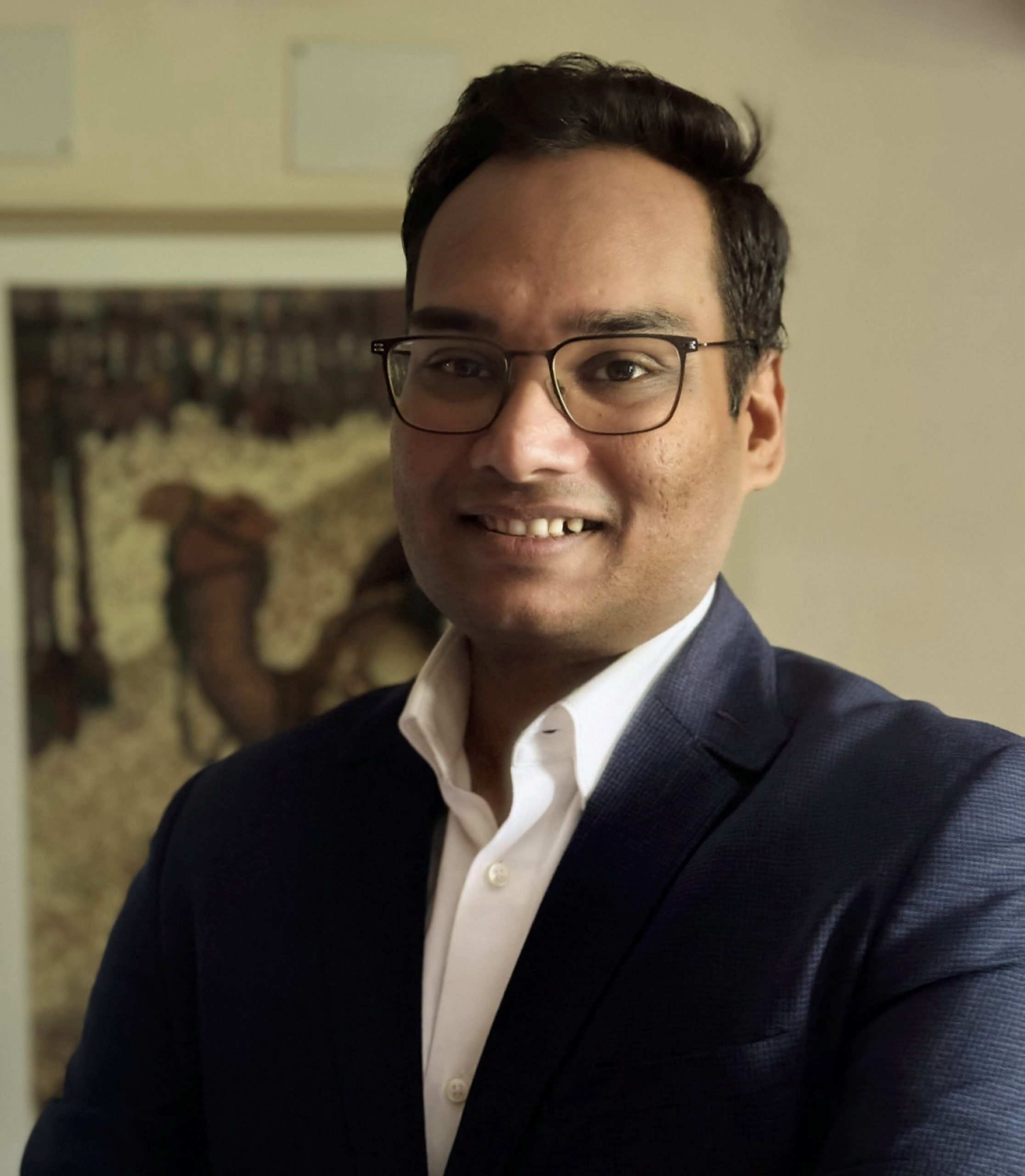
    Having graduated from Hidayatullah National Law University, Raipur, what was your experience of getting into an NLU, and was law always the career path you envisioned for yourself?

    I got into a NLU in the pre-CLAT era (2005-06) so it was a very different experience back then. Hailing from a small-town, there was a lot of misinformation as to what a 5-year course was like. I remember telling my parents that I want to do law and their reaction was “why would you want to do that. You are good at studies and law is for people who cannot do anything else.” However, I was somehow able to convince them and then came the most difficult part, applying to the institutions. At that time each institution used to have their own selection process. A different exam for each institution. I remember giving at least 12 exams in one season (April-June). I am sure I missed many others. 

    As regards the exams, most were MCQ based, except a few. And what I realised was that I was a good student mainly in the eyes of my parents. Despite giving 12 exams I got into only a handful and none of the top few. Thankfully, I got into HNLU which happens to be in Raipur which in turn happens to be my hometown too. In a way I was fortunate to enjoy both the campus life on weekdays as well as home-cooked food on weekends. 

    When it comes to law as a career option, I was (like any other kid in their school days) mostly confused about my career. I was brought up in a joint family so I had already seen some of my siblings/ cousins pursue their careers in medicine, engineering and management. However, none had pursued law by that time. As usual I was mostly inclined towards a career in Engineering (was already pursuing PCM in school), but I’d blame the destiny for my career in law. In my 12th Std. I fell seriously ill (was on bed-rest for almost 5 months) and could barely give my board exams. So naturally I could not even prepare for any competitive exams. During my bed-rest I had a lot of time to read which led me down the path of exploring various aspects of our lives including law. Fortunately or unfortunately, I used to ask a lot of questions, was very opinionated and liked arguing unnecessarily and that’s when someone jokingly suggested that I should pursue a career in law. And again, fortunately or unfortunately, I took that as advice. In hindsight, it turned out to be a good decision. 

    In the early stages of your career, you worked with various law firms specializing in Customs, Trade Remedial Measures, Service Tax, VAT, and CENVAT Credit. How did these experiences contribute to shaping your legal career?

    Initially in my college days I was fortunate to have some opportunities of participating in International Trade Law moots which ultimately laid the foundation for my first job which was in International Trade Remedies. This experience was highly enriching as it got me firsthand experience in not just the legal aspects but also from a cost accounting perspective. To give you an insight – in order to avail these trade remedies, the ‘domestic industry’ (which is suffering at the hands of below cost imported products) was required to prove that there is an injury to it due to the imports. This required a lot of research and analysis into the cost of production (and export to India) for the exporters. Once we established that the imports into India were significantly below the cost, we used to prepare a memo for representing before the nodal agency (current Directorate General of Trade Remedies aka DGTR) mixing it up with the legal principle for determining the injury to the domestic industry. This paved the way for me to do “number-crunching” which most advocates dread.

    Over time as I developed some understanding of the numbers, it became easier for me to get an entry into the world of taxes. That is when I got an opportunity in BMR Advisors, Mumbai, which was a consulting stint for me. Being a CA firm, BMR had a different way of working than a law firm and that was also an immensely enriching experience. While the work hours were erratic, it gave me exposure at a level which is incomparable to any. By this time I had become a full-time indirect tax professional getting to work on not less than 35 legislations (pre-GST era) across the country and having a list of marquee clients.

    After gaining experience in several law firms in Delhi and Mumbai, you transitioned to corporate practice. What inspired this career shift, and how did the work culture differ between law firms and corporate environments?

    While consulting gave me the most extensive exposure into indirect taxes, the work-life balance was not as great for me. Like many lawyers, I hit a burn-out phase, couldn’t keep up with long working hours and also faced some health issues. This led to an introspection and I took a sabbatical from work. 

    While I was taking a step back, I was also trying to figure out what I want in life as a whole, figuring out the bigger picture. This is when I got an offer from Godrej’s Corporate Legal Team. It was an exciting opportunity, primarily because it gave me an opportunity to continue my passion of practicing taxes and at the same time allowed me some work life balance. Even more interesting was the ability to work on different clientele, as the corporate team in Godrej used to cater to multiple companies under the banner of Godrej Industries and Allied Companies. 

    Though, there is a general perception that in-house lawyers have it easy when it comes to the work pressure or for that matter the gravity related to it, when I started working I realised the stark difference in the way you have to approach any problem sitting in-house vis-à-vis consulting. Consulting it seems (though I may be wrong) is more focussed and less business-driven. In-house practice requires much more involvement from a business perspective and even more important is a solution-based approach. I was no longer a mere legal consultant but a business partner too at Godrej.

    One of the most stark difference in the way of working in an in-house role was the greater autonomy that I got. Unlike a consulting role there is a lesser hierarchy and one gets more room and time to give out a deliverable, although it did come with its own set of accountability. However, this played a pivotal role in shaping my career and the choices I made in the time to come.

    Over the four year period that I worked with GILAC I not only got opportunities to work in indirect taxes but other areas as well like general corporate, regulatory/ licensing matters, environment, etc. This broadened my expertise in law and also provided me an insight into the myriad issues that a business has both at macro and micro levels. These four years trained me in being a better lawyer by thinking more like a business person and less like a lawyer. Godrej also gave me a lot of opportunities to travel and develop a network of some great individuals across the country, who helped me later in my career.

    Following your role as Manager at Godrej Industries Limited and Allied Companies (GILAC), where you spent four years as part of the corporate legal team, you decided to establish your own practice. What motivated this move, and what challenges did you encounter during the transition?

                   GILAC and the Epiphany

    The role as Manager, GILAC was a very fulfilling role. But everyone outgrows their work and work environment sooner or later, it is a natural progression. This came for me in the form of an epiphany: around 2017 when GST was about to be implemented, I was offered a few roles back to consulting (mostly from law firms and big-fours). However, at this stage I had already had experiences in both these kinds of work environments, I was aware of the ways and the work. This somewhere discouraged me from going back on the same track. However, I had a gut feeling, I knew it was time for me to make a move – where? I did not know.

    This brought me to my next pivotal juncture. Between 2017 and 2018 I did my second round of soul searching, figuring out my place in the bigger picture. I had always wanted to set-up something of my own. But how would that happen, I had not a single clue about it. For almost a year, I prepared myself to take that leap of faith. With some guidance from my seniors and colleagues I closed down on litigation. But the road ahead was difficult. 

    Preparing for litigation

    Like in a video game the difficulty keeps increasing with every level, so in life difficulty keeps increasing as one grows. In order to start my career in litigation I had prepared a lot. For me (so I thought) it had to be a calculated risk. Foremost, since it had already been 7 years for me in my career, I could not have relied on anyone else for my sustenance. Hence, I set up a capital fund for myself. Unfortunately, there are no PE/ VC Fund or angel investors in the litigation space.

    Next I reduced my liabilities to almost nil, except for my day-to-day expenses. This meant that I could not afford a new car or buy a home for the next few years. This also meant that I live as frugal a lifestyle as possible. Having your own practice is like running a full-fledged business, alone. Club that up with living in the most expensive city (Mumbai) in this country, you have a recipe for disaster. So it was clear to me that the longer I could sustain myself on that capital I had saved, the better are my chances of succeeding. However, all of this was easier said than done. 

    Creating something of your own is like learning to become a potter from scratch. Even if you know what you need to do, there still is a huge learning curve. During the past 6 years of my independent practice, the one thing I have learnt is – you can never stop learning. There is learning both on the professional and personal front. As lawyers we see a lot of personal trauma and injury – nothing prepares us for the same. Most days, stakes are so high that even the stress level is off the roof. But rarely does anyone prepare you for the same. It is a journey we figure out on our own. For me personally meditation has done wonders and I always advise my juniors to practice daily to have a better life.

    Game of Survival

    A newly launched car in the market, trying to gain a market share, requires a good deal of marketing and promotion. But what do you do when you don’t have a budget for the same? Well, you don’t sell cars, you sell the next best thing. While starting out when I faced my fair share of rejections, I started taking up all kinds of matters (next best thing), because ultimately it was my own survival at stake. I was away from home, burning cash on a daily basis with limited to no support from elsewhere. Thus, from filing a Section 125 maintenance application to arguing Section 9 applications under IBC, I went for anything and everything. I was no longer just a tax lawyer, I had become an ‘advocate.’ In hindsight, it is this resilience and hunger for survival which ultimately defines one’s existence. 

    But more than this there is one more thing which played a pivotal role in my survival. It is generally said that it takes a whole village to raise a child, same goes with a law practice. It takes a whole lot of support from a great number of generous people to believe in you enough to give their cases in your hands. I guess I just got lucky enough to have too many of these kind people. Initially one does feel that it’s your fight and you have to fight it alone, but along the way you do find a few great companions having their own fights and looking for and even ready to lend support. Couple that with a little bit of hard-work and you have a recipe for something sustainable. 

    Only one more learning in my journey so far – “the only way humans have ever figured out of getting somewhere is to leave something behind.” This very important dialogue from a very famous movie, helped me realise my full potential. Most days I was too worried where my next sustenance is going to come from, but it was those really adventurous days when instead of thinking about my sustenance, I cared more about the kind of work that I was doing. I took risks in terms of letting go of work which didn’t fit well in my value system or even my aspirations, though it may have brought in some easy money. Thus, most days it was a mental fight with oneself, marred by self-doubt. How I overcame that, is the story of my life.

    As a Counsel at the Bombay High Court, you handle a diverse range of litigation, including tax, corporate-commercial, IP, and constitutional matters for well-known clients. Could you share an example of the most challenging case you’ve worked on and the preparation involved?

    It is sometimes said in Hindi: “Mauka milta har kisi ko hai, jazbaat ye hain ki mauke ki tayyari me aapne kya kiya?” (Opportunity will knock on your doors, it is up to you whether you’re ready for it or not) Something similar happened with me when a govt. agency approached me to file a Section 9 Application under IBC before the Hon’ble NCLT in Mumbai. The Application was to be filed against a company which had defaulted in payment of certain dues to the agency under a contract. Prima facie it was a simple case but the remedy for the same was not under Section 9. There were multiple disputes to the claim and I had already informed clients that chances are bleak. Still upon their insistence, we proceeded with the filing of the application and as was expected the same was dismissed. 

    As already highlighted earlier, there are a lot of generous people out there who are willing to bet on you. One such person was a counsel representing the agency, who despite losing the matter placed his faith in me and requested me to carry out a research as to what can be an alternative remedy. The matter involved an issue of high commerce involving thousands of crores of public money. I took that as a challenge and embarked on one of the longest running and almost awe inspiring litigation journey so far in my life.

    Upon deeper study I realised that the agency had contracted with the company to collect some kind of taxes on its behalf and when the company defaulted, there were various coercive mechanisms available with the agency (as with any tax collector like Income Tax Dept. or GST, etc.) which it could have adopted to recover the same. The only hurdle was that the assets of the company against which such coercive recovery could be implemented were not within the jurisdiction of the agency. 

    A law researcher is like a seeker in a game of Quidditch (Harry Potter), one can’t lose sight of that Golden Snitch, that proposition of law. My focus was to extend the jurisdiction of the agency to the location of the Company and its assets. And the answer I found was in a 130 years old legislation which is still in force – which allowed the agency to request the collectors, in the jurisdiction where the Company and its assets lie, to act on its behalf for the recovery of any dues in the nature of ‘land revenue.’ I know, pretty colonial.

    However, up until this point it was simply a prologue and the real battle started now. The actions of the agency were first not accepted by the collectors and were therefore marred by inaction. This led to rounds two of litigation seeking mandamus against the govt. functionaries. Once the govt. functionaries sprung to action upon directions by the Hon’ble Bombay High Court, the defaulting company challenged the validity of recovery. To be honest it was not an easy task to defend a 130 years old legislation which was based on colonial ideas. However, we still gave our best and obtained 4 back-to-back favourable orders (two of which even got reported). This took almost two years.

    In the third round of litigation, the issues went up to the Hon’ble Supreme Court and here was a real test of the legal principles which had found some favour with various benches of the Hon’ble Bombay High Court. By this time we were in the third year of this matter’s litigation journey. Defending an already settled position (by a high court) never seemed like an uphill task like it did this time. Endless hours of conferences with not one but three senior counsels, endless volumes of research and from that was derived crisp arguments which should hopefully sit well with the Hon’ble Judges. Every time a senior counsel played the devil’s advocate, we had to recount our steps from the beginning, rethink the proposition of law from the start. However, the hard-work paid off and we got at least two favourable orders from the Hon’ble Supreme Court, upholding the law laid down by the Hon’ble Bombay High Court. 

    While this should have been a personal victory it felt more like providence. For the first time in my life I understood the meaning of this term which almost every well know lawyer in this country believes in.

    But this was not the end; at the beginning of this year, we were back to square one, when just before the auction of the attached assets of the company could be carried out, the company underwent CIRP and Section 14 moratorium was put in place. Remember, we had already lost that battle in the very first round? The matter is now still sub-judice with various other dimensions being opened, including lifting and reverse lifting of corporate veils. 

    Although, there are other matters which have brought much more fame as well as remuneration to me than this matter, still I feel this matter deserves more to be mentioned in response to this questions than others.

    What are the key challenges you have faced while dealing with compliance and disputes under highly specialized regulations like the Drugs & Cosmetics Act, the Insecticides Act, or the Legal Metrology Act?

    Most specialised legislation are highly technical as they need to regulate various technical and scientific products. While dealing with such legislation one doesn’t just read the law but also about the products and the science relating to the same. This although is very challenging but it also very interesting and stimulating. 

    In most cases involving first time registration under such acts, there mostly is an overlap of various IP protection laws (mostly patents). One of the primary concerns of the clients in such cases becomes the protection of their IP when the idea is still undergoing IP registration process and yet it needs to be converted into a product-market fit (PMF), by obtaining relevant licensing and registrations.

    Another important aspect of these legislations is the product liability. Under all the recent legislations like FSSAI, Drugs & Cosmetics, Insecticide & Fertilizers, Legal Metrology, etc. there is a concept of default attribution whereunder it is incumbent upon the companies to designate a specific officers who may be held responsible for various defaults which may occur under the Acts. At times the responsibility is even affixed on Managing or Executive Directors of the Company, creating a huge gap in terms of the risks. This is even more aggravated by the fact that while the licensing/ registration requirements under these Acts may be centralised at State/ Union level, but their enforcement is very decentralised. Meaning that when there is a default the same is mostly identified by an official generally at local level in some remote location. An apt example of this is the Maggie (Nestlé) case which started out in Barabanki District in Uttar Pradesh.

    As India is growing as a global exporter, especially, in food and pharma sectors, the exposure has become manifold. A number of Indian companies from the pharma sector are on the edge of facing even class action suit due to product liability. In order to mitigate such exposure we are advising a lot of Indian companies to rely on insurances in the form of Commercial General Liability (CGL), Product Liability, D&O, and E&O policies to cushion their exposure. 

    You have provided advisory and litigation support to startups across various sectors, including Fin-Tech, Agri-Tech, and Edu-Tech. What specific challenges do Agri-Tech startups face in India?

    Food security is one of the biggest growing concerns world over and the answer to the same lies in the marriage of technology with agriculture. A huge number of tech companies world over are working towards this much needed collaboration. The five primary aspects of agriculture – soil, water, seed, nutrition and protection – all have seen major technological research being undertaken to improve the quality and quantity of food. Food safety being the biggest concern, there is a lot of emphasis on sustainability and organic production.

    Some of the major challenges that Indian Agri-Tech space is seeing in the current times:

    1. Funding: While innovation in a lab can be easily created, replicating it into a commercially successful product is much more difficult. Especially, keeping in mind that agriculture is dependent on various other factors like weather and irrigation. Thus, mere effectiveness of any product is not a guarantee for its commercial success. This result has caused the funding ecosystem to develop unevenly in the Agri-Tech space. A lot of sustainable and organic technologies are facing the brunt of it.
    2. IP Protection: Most start-ups working in this space lack the basic understanding of the IP protection laws. Further, since a lot of research is funded by the govt. (like through agriculture institutes (ICAR) or KVKs in collaboration with some private players) not enough attention is given to this aspect. One more deterrent is the affordability. Since agriculture in India is still very fragmented and individual driven, to make the newer products affordable is a challenge.
    3. Awareness: Making an Indian farmer learn about a new technology or product is likely talking to them through a grapevine. The conventional or rather traditional approaches have marred the efforts of Agri-tech companies in achieving a decent level of adaptability. While the govt. does come out with various schemes from time to time to promote such technologies (e.g. promotion of Integrated Pest Management, bio-gas production, etc.), the sector is so unorganised that it is still difficult to generate adaptability on a large scale and information moves mostly through the word of mouth.
    4. Regulatory: The next aspect is the regulatory issue which plagues the start-up space in general and agri space in particular. Since most of the products used in application of agriculture have a direct impact on the quality and safety of food, there are high levels of regulation. While regulation itself may not be as much of a problem, the difficulty arises in implementation of those regulations. There are primarily three reasons for the same:
      1. Lack of clarity in the laws themselves which lead to confusion. For example, the govt. keeps coming out with notifications making changes to various laws like Fertilizer Control Order in order to cover new and evolving bio-fertilizer and growth promoters. But most of the times such notifications are ad-hoc and badly worded leading to more confusion than clarification.
      2. Lack of understanding amongst the implementing agencies. As already highlighted, the enforcement of these laws is decentralised and at a local level where the resources implementing the same have limited understanding or knowledge about the product at times leading to harassment. Should this happen in a remote location, the problem is aggravated even more.
      3. Agriculture is a space which is already dominated by big corporations working in the chemical fertilizer and pesticide space which tend to try and retain their market share by adopting (not so apparent) predatory practices. This has led to suppression of innovation in sustainable technologies. Agri-tech start-ups coming out with newer and sustainable ways to deal with older problems, may result in displacement of already existing products, which may or may not be as profitable for existing players. However, there are no regulatory frameworks or for that matter incubatory eco-system to address the same.

    What advice would you give to young lawyers and law students who aspire to excel in legal practice, based on your own journey and experiences?

    This question treats me like a wise old man, which let me assure you, I am definitely not. In terms of knowledge & experience, I may very well be comparable to any other young lawyer. So the best I can share is my learnings: 

    Patience: The most important aspect of anyone’s life is patience. Whether it be litigation or any other form of employment patience forms the bedrock for achieving anything in life. Be it professional or personal, having patience makes a lot of things easier. But having patience itself is not an easy task, it definitely requires a concerted effort and making up your mind on a daily basis, convincing yourself every few moments.

    Basics: So far as the field of law goes, there are certain basic concepts which every law student and any young lawyer should know. Unless you have your basics clear, you will always be far from excellence. I was fortunate to have amazing seniors in college to lead us along a path which started with learning the basics of law. Every student should know the laws on jurisprudence, interpretation of statutes and constitution at the least. Further, there are a body of rules in the form of legal methodology which come in handy whether you know the law itself or not. I always advise students and young professionals to always read a book called “Learning the Law” by Glanville Williams. 

    Reading: The next in the checklist is a habit of reading. I guess all known and reputed lawyers of the past have recommended this and so shall I. It is a sine qua non to have a regular reading habit. Not just about law but all aspects of life in general. Law is something which regulates every aspect of life and therefore, it doesn’t harm knowing about its various aspects. Bottom line – READ.

    Compounding: Warren Buffet describes compounding as building a little snowball and rolling it down a very long hill. As the snowball rolls down the hill, it collects more and more snow until it becomes a huge snowball. This is not just true about money but also about knowledge and experience. As we progress in our careers, we see the effects of this compounding, when we keep practicing our skills and arts. But why am I discussing compounding? Because I see a lot of young lawyers running after easier ways to earn money, focussing more on remuneration than vocation. But what we fail to understand is that Vocation is that very long hill which gives results over time.

    I believe the basics of life remain the same wherever we are, whatever we do. There may be a difference in pace and the scenery while we roll down that very long hill. 

    With such a diverse range of practice areas and an extensive clientele, how do you effectively manage the constant demands of your professional workload while maintaining a healthy work-life balance?

    To be honest, I feel that I have not been able to manage my professional workload as effectively as I would want to. However, I must still credit a great team of colleagues who are there to support me and at times even lead me wherever necessary. The best way to manage my work that I have realised is to continue working with my junior colleagues, who grow out of their roles in my chamber. I continue to collaborate with them as peers and at the same time help them achieve their own aspirations. 

    In terms of the work-life balance, I feel the legal fraternity as a whole is not maintaining enough balance. But I still try to keep things simple by following these mantras:

    1. 10,000 steps a day
    2. 6 Hours of sleep a day
    3. 2.5 litres of water a day
    4. Half an hour of meditation a day; and 
    5. At least 2 hours of family-time a day.

    Again, easier said than done. Still we can all strive for it, although we can never achieve it – perfection and our tryst with it. I attribute much of my ability to maintain a balance to my family who not only hold me accountable but also support me through thick and thin.

    Get in touch with Shreyas Shrivastava –

  • “The prospect of influencing businesses, individuals and society through legal frameworks ultimately motivated me to choose the legal profession.” – Taniya Yadav, General Manager, Legal and Compliance at Lead Group.

    “The prospect of influencing businesses, individuals and society through legal frameworks ultimately motivated me to choose the legal profession.” – Taniya Yadav, General Manager, Legal and Compliance at Lead Group.

    This interview has been published by Anshi Mudgal and The SuperLawyer Team

    With your background in B.Sc. Zoology (Hons) from Delhi University, what inspired you to pursue transition into a career law? 

    I have always loved animals and had a deep desire to conserve the ecosystem.  And so, I pursued Zoology (hons.). However, I found myself spending more time dissecting animals in the lab rather than engaging in real-world conservation, and I realized that  wasn’t my true calling. Instead, I tapped into my passion for justice, perhaps inspired by my grandfather, who was a distinguished advocate at the Calcutta High Court. Law felt like the perfect path to channel my analytical skills, problem-solving abilities, and commitment to helping others navigate complex systems. The prospect of influencing businesses, individuals and society through legal frameworks ultimately motivated me to choose the legal profession.

    Having begun your career with leading companies like Paytm and MakeMyTrip, what are some key learning experiences from these roles that helped shape the foundation of your legal practice?

    Beginning my legal career with  industry giants like Paytm and MakeMyTrip were deep learning experiences that shaped my professional trajectory. These dynamic, high-growth environments coincided with the emergence of fintech and e-commerce in India, at a time when payment gateways, wallets, and online marketplaces were still novel concepts. As one of the first few legal professionals in India to finalize merchant onboarding processes and payment gateway agreements, I was at the forefront of a rapidly evolving legal landscape. I learned  that legal decisions cannot be made in isolation; and that they must align with broader business strategies, technology, regulatory frameworks and stakeholder expectations.

    Working in such a dynamic landscape helped me realise the need to understand business at a granular level, recognizing that legal solutions must be both proactive and adaptable to the shifting needs of the market. Equally important was the realization that close collaboration with business teams is essential, ensuring that legal counsel supports and aligns with commercial objectives while managing risk effectively. These formative years shaped my approach to legal practice, grounding it in practical, risk-aware solutions that are strategically integrated with business’s broader goals.

    Given your extensive experience in data protection and privacy compliance across jurisdictions such as the EU, USA, Brazil, and India, how do you ensure your organization’s privacy policies remain up-to-date and compliant with evolving global regulations like GDPR, CCPA, and HIPAA? Could you elaborate on the process you follow for conducting Data Protection Impact Assessments (DPIAs) and ensuring ongoing compliance?

    Keeping privacy policies compliant in an ever-changing global landscape is a real challenge, but it’s also incredibly rewarding. To stay on top of regulations like GDPR, CCPA, HIPAA, and other global frameworks, it’s essential to have a clear understanding of the data being handled by the organization. Proper classification of data ensures that each type of data is managed according to its specific requirements. Regular audits of current policies are crucial for identifying gaps and aligning practices with the latest regulatory requirement; and  ensuring data collection, storage, and sharing are compliant. I actively engage with legal-tech networks like the DPO Club, attend relevant webinars, and consult with experts across different jurisdictions. When conducting Data Protection Impact Assessments (DPIAs), I follow a rigorous process that begins with identifying potential privacy risks. Collaborating closely with business, product, and technology teams helps me mitigate these risks, ensuring our policies are not only compliant but also serve the best interests of our users. Continuous reviews, audits, and training are essential to maintaining ongoing compliance in this dynamic environment.

    You have significant experience in standardizing and reviewing high-risk agreements across various teams. Could you describe your approach to negotiating complex contracts, such as technology development or licensing agreements, with international partners? How do you ensure these contracts are both legally sound and strategically aligned with the company’s goals?

    Negotiating complex contracts in areas such as tech development, licensing, SaaS, fintech, and transactional agreements is one of the most stimulating aspects of my role. I approach these agreements with a careful yet flexible mindset, and after fully understanding the intricate nature of the technologies involved. The growing integration of artificial intelligence, coupled with the regulatory intricacies of fintech and transactional law, adds another layer of complexity. It’s essential that the terms are not only legally sound but also strategically aligned with the company’s Memorandum of Association (MOA), Articles of Association (AOA), shareholder agreements, and Investor Protection matters. Ensuring compliance and minimizing risk requires close collaboration with cross-functional teams, guaranteeing that agreements are robust, enforceable, and fully aligned with both legal requirements and business objectives.

    In your current role, you’ve led cross-functional teams to deliver projects on time, showcasing strong leadership and collaboration. How do you effectively manage teams across legal and business functions, especially in complex projects that require close coordination between multiple departments?

    I focus on clear communication and strong collaboration. It’s critical to connect with marketing/sales, tax, finance, tech, and SCM to ensure everyone’s inputs are met and validated. I prioritize regular check-ins and transparent discussions to keep everyone aligned on objectives, timelines, and potential risks. By fostering an environment where cross-functional teams feel comfortable sharing insights, risk can be mitigated. 

     As an expert in Data Privacy Law with knowledge of various global privacy laws, such as GDPR, PDPB, Australian Privacy, and US laws, how do you view the evolution of India’s privacy landscape, particularly with the DPDP Act? What areas do you think require improvement based on your understanding of these international laws?

    India’s privacy landscape is rapidly evolving with the introduction of the Digital Personal Data Protection (DPDP) Act, but much depends on the upcoming rules and their practical application. While the Act is a significant step forward, there are key questions, particularly around defining ‘significant data fiduciaries’ and managing end-user consent within existing tech ecosystems. The success of the DPDP Act will ultimately depend on its enforcement and how businesses implement it in practice.

    Managing work commitments and handling stressful situations daily must be demanding. How do you balance your professional responsibilities with personal obligations, and what strategies do you use to remain calm in high-pressure situations? What motto or philosophy helps you stay motivated?

    Balancing work and life can feel like juggling flaming swords, but I’ve learned to embrace the chaos. My secret- I’ve made a pact with stress: ‘You can hang around, but we’re not going to be best friends.’ I take regular breaks, go for walks, and create to-do lists so detailed they could be mistaken for novels. Staying organized and setting boundaries is key though sometimes my calendar looks like a colourful game of tetris. When challenges arise, I focus on solutions and try to keep a cool head which becomes tough sometimes. My motto is ‘Focus on what you can control and let go of the rest.

    What advice would you give to aspiring legal professionals who hope to follow a career path similar to yours, working for large corporations in a legal capacity? Additionally, could you share the resources you rely on to stay informed about the latest trends in data privacy and cyber law, and recommend them to learners interested in this field?

    To aspiring legal professionals, my advice is simple: be curious, stay humble, and embrace continuous learning. The legal field is constantly evolving, especially in areas like data privacy and cyber law. To stay ahead, I recommend diving into resources like IAPP, DSCI and podcasts focused on data privacy. These are great ways to keep up with the latest trends and best practices. Networking with professionals in the field and attending conferences or webinars can also provide valuable insights. Most importantly, don’t be afraid to step out of your comfort zone and take on challenging roles that push you to grow.

    Get in touch with Taniya Yadav –

  • “While the legal procedures and practices in the United States and India share many commonalities due to their common law roots, they differ significantly in terms of court structures, procedural details, speed of proceedings, and access to justice.” – Ojas Patil, Esq., Associate Attorney at Phillips Law Group, United States.

    “While the legal procedures and practices in the United States and India share many commonalities due to their common law roots, they differ significantly in terms of court structures, procedural details, speed of proceedings, and access to justice.” – Ojas Patil, Esq., Associate Attorney at Phillips Law Group, United States.

    This interview has been published by Anshi Mudgal and The SuperLawyer Team

    Having completed your law degree at Government Law College in Mumbai and your Juris Doctorate at the University of Arizona, how do you think the teaching methods at both universities differ? What steps did you take to prepare for your transition to the University of Arizona for your JD?

    Esteemed faculty members at both the Universities provided an invaluable learning experience. However, their teaching methodology and philosophy differed significantly. While the education system in India often focuses on rote learning and memorization, the US education system tends to focus more on critical thinking, problem-solving, and creativity. More often than not, professors in India are generally seen as authority figures leaving little room for engaging in discussions in such a formal environment. In the US, the teacher-student relationship is more informal and collaborative, with students even addressing their professors on a first-name basis. The Socratic method of teaching is widely prevalent in the US which encourages critical thinking, dialogue, and the development of deeper understanding through questioning. Professors use open-ended questions to stimulate critical thinking, challenge assumptions, uncover contradictions, and deepen understanding. ‘Cold calling’ is a concept used by the US law school professors to randomly call on a particular student to answer questions or engage in a discussion pertaining to the reading assignment for that particular day. Although it was daunting at first, my experience was really enriching since it gave me a chance to put forward my thoughts and get constructive feedback. Transitioning to the US law school system was exciting as well as challenging. It was really helpful to understand the nature of the program, the classroom environment, the cultural nuances, academic expectations amongst several other factors. Speaking with other seniors tremendously alleviated my anxiety as they were super helpful in guiding me each step of the way. 

    Given your specialization in Intellectual Property Law and your thesis on ‘Deciphering Trademark Dilution – A Comparative Analysis of U.S. and Indian Law,’ can you share your key findings on the differences between the U.S. and Indian trademark law?

    In my opinion, the most notable difference in the US and Indian trademark law is with respect to the concept of ‘fair use’. In India, fair use of a trademark is mainly limited to descriptive use, comparative advertising, and honest concurrent use. It is more restrictive when it comes to the scope of nominative use. To simplify Nominative fair use with an example, an auto repair shop may be able to advertise their services with an inclusion of famous automobile brands such as BMW or Audi under this concept. On the other hand, fair use is broader under US law, with provisions for nominative fair use, non-commercial use, and descriptive fair use. US law provides a clearer path for comparative advertising and non-commercial uses, like parody or commentary. 

    During your time at Krishna & Saurastri Associates LLP, you assisted foreign attorneys with trademark registrations in India and through the Madrid Protocol. What were some of the major challenges you faced in navigating both local and international trademark laws? 

    As a trademark attorney, it is pivotal to understand the precise needs of your client. Once that is accomplished, the next step is to identify and categorize the goods and/or services of the client accordingly. Under both, the Indian Trade Marks Act, 1999, as well as the Madrid Protocol, the classification of goods and services for trademark registration follows a system called the Nice Classification (also known as NCL), which categorizes goods and services into 45 classes. Applying for an international application under the Madrid Protocol requires a national trademark application or registration in your home country. This is known as the basic application or basic registration (in the case of India, the trademark must be registered with the Indian Trademark Registry). The World Intellectual Property Organization (WIPO) administers the Madrid application once filed. WIPO does not substantively examine the trademark but ensures that it complies with international standards. The challenging part is deciding on whether to stick with a national application or to opt for the international Madrid application. The Indian Trademark Registration system is ideal for businesses that plan to operate only within India. It is simpler, more cost-effective, and straightforward but limits protection to India. Whereas the Madrid Protocol offers a streamlined and cost-efficient way for businesses that intend to expand internationally to secure trademark protection in multiple countries. However, it requires a valid basic application or registration and involves procedural complexities for each country. Depending on the client’s business areas and their potential to expand internationally, I was able to advise them as to the pros and cons of each system which allowed them to make an informed decision.

    At Family Housing Resources, you reviewed contracts to ensure compliance with affordable housing regulations. Could you describe the challenges you faced initially while ensuring compliance with local, state, and federal laws and how you navigated them?

    At Family Housing Resources (FHR), I was able to contribute in a dual capacity. First, as a program manager for several state and federal programs including Rent and Mortgage assistance. Second, as an in-house counsel for advising and maintaining compliance with the local, state, and federal laws. Joining FHR right after completion of my Juris Doctorate marked a significant milestone in my career as this was my first full-time position in the US. Initially, my focus was oriented towards the research aspect of the affordable housing regulations. Gradually, I was able to acknowledge the differences between the different US states and systems. Once my research was complete, my next goal was to design and frame a robust system for FHR in order to provide safe, secure, and affordable housing to low- and middle-income individuals and families. Identifying the requisite subsidies and tax incentives, land acquisition and zoning laws, city and state building codes, and stakeholder engagement was quintessential. The final step in this process was working and collaborating with several NGOs and social enterprises that specialize in housing solutions for low-income groups. These organizations brought innovative and cost-effective housing designs or financing mechanisms. Being a complete fresher, this journey was enriching and equally challenging. 

    While working as a Summer Judicial Extern under Hon. Greg Sakall at the Pima County Superior Court, what key experiences helped shape your understanding of US family laws and influenced your career in international legal practice?

    During the summer of 2019, I was fortunate to receive a judicial externship under the Hon. Greg Sakall of the Pima County Superior Court. Judge Sakall was the then-presiding judge of the Family Law division of the Pima County Superior Court. As judicial externs, we were able to observe Family Law hearings pertaining to Dissolution of Marriage, Child Support, Parenting Time, Spousal Maintenance, Orders of Protection, and attended Resolution Management Conferences. Each day, we researched relevant statutes and regulations, discussed and deliberated the factual and legal position of the cases listed or heard with the Judge and received his feedback. Toward the end of my externship, I was able to draft an Office Memorandum for the judge pertaining to ‘Third-Party Visitation with respect to children under A.R.S. § 25-409. These courtroom experiences bolstered my confidence and cemented my ambition of litigating cases. This externship provided a crucial insight into the US court system, how legal arguments are presented, and how the judges make decisions. Preparing daily bench memoranda immensely improved and honed my legal writing skills which helps me even today.

    At Cruz & Associates, you handled Workers’ Compensation cases. Can you walk us through a particularly complex case you worked on, including how you managed the case, negotiated and navigated hearings before the Industrial Commission of Arizona?

    After joining Cruz & Associates in April 2023, in their Workers’ Compensation department, I was able to start a new chapter of my life. This was my first law firm experience in the US, and it kickstarted my litigation journey. Workers’ Compensation in Arizona is a no-fault system wherein an employee/worker injured in the course of his employment is offered financial compensation and medical benefits. The aim of this system is to try to make the injured person whole by providing a remedy for workplace injuries. A notably challenging case at hand was of an elderly person who suffered a catastrophic spinal injury at work. The injury was of such a nature that our client was unable to continue working and was provided a permanent impairment rating during an independent medical evaluation with long-term work restrictions. However, even with such severe injuries the insurance company for the employer denied future care benefits under the pretext of a degenerative condition which resulted from old age. Our client was understandably distraught from this decision, and we were able to successfully challenge this stance before the Industrial Commission of Arizona (ICA). This was possible with a thorough investigation and due diligence of the client’s prior medical history and with the medical causation report authored by a neurosurgeon which pointed to the workplace injury aggravating his previous condition. Ever since the COVID pandemic, the ICA hearings were conducted virtually which facilitated ease of access to clients who relocated/migrated to different states in the US.

    In your current role as an Associate Attorney at Phillips Law Group, you draft motions, pleadings, and handle depositions among other tasks. How do you find the legal procedures and practices in the U.S. differ from those in India, especially when dealing with personal injury cases?

    While the legal procedures and practices in the United States and India share many commonalities due to their common law roots, they differ significantly in terms of court structures, procedural details, speed of proceedings, and access to justice. The U.S. system places a significant emphasis on jury trials and adversarial litigation, while India’s system is more judge-centric with a greater focus on written procedures. The US has a dual system of court system – Federal (for Federal matters) and State (for State matters). Each state has its own legal system and judicial infrastructure, although they all follow the basic principles of common law. A personal injury case typically falls under the State court’s jurisdiction, however, can be removed to Federal court if it fulfills the requisite criteria. Once a lawsuit is initiated by filing the complaint, the other side is served with a copy of the complaint and needs to file an answer within 30 days depending on the residential/incorporation status of the entity. Once an answer is filed, both the parties then engage in what is called a discovery process in which information is exchanged transparently, witnesses and documents are disclosed, depositions (formal interviews) are conducted of the involved parties. After the end of discovery phase, typically a mediation is set wherein both parties try to resolve the dispute out of court and attempt to reach a settlement. If no settlement ensues then the case proceeds to trial. The most unique part about a US trial is that the case is decided by the jury and not a judge. A jury of 6 to 12 US citizens decides the verdict based on facts of the case, while the judge instructs them on the law to be applied. I was able to be a co-chair for a trial back in September 2024 wherein I presented the opening statement and conducted examination of a damage witness. The experience was surreal and there were plenty of takeaways by the end of it. 

    How did your educational background in India influence your approach to practicing personal injury law in the U.S.? Additionally, how has passing the Uniform Bar Exam and qualifying to practice across multiple jurisdictions enhanced your practice and understanding of the Law?

    Coming from a family of doctors, my family always embodied altruism through the medium of serving the community. After pursuing the Science stream in my high school years (11th and 12th), I followed my instinct and applied to GLC Mumbai. My ambition to pursue law stemmed from my mother, who had herself completed a law degree after getting married. She encouraged me to follow my passion and commit myself to the profession. During my time at GLC Mumbai, I was able to participate in several moot court competitions and model united nations (MUNs), each time fueling my passion and learning from every single experience. Starting my journey with Family Housing Resources (FHR), which was a local non-profit organization, couldn’t have been more apt. Transitioning from that, I was able to join Cruz & Associates in their Workers’ Compensation team. Being closely knitted with injury law, I realized that my ultimate destination was being able to contribute towards personal injury law. 

    Passing the Uniform Bar Exam (UBE) in October 2020 is one of my most memorable and cherished moments. I still remember those three months wherein my daily routine only consisted of studying for the bar apart from eating and sleeping. It was a life changing moment to pass the UBE with a high score sufficient to transfer and practice in all 41 UBE states. Graduating from an Arizona law school, it made the most sense to get licensed in that state and it has been a truly rewarding journey so far. 

    You enjoy soccer, cricket, and hiking in your free time. How do you manage a demanding legal career while maintaining a healthy work-life balance? How do these activities help you stay relaxed and motivated in your legal practice?

    Maintaining a good work-life balance is pivotal in one’s life and is a priority for me. I have been really fortunate to be with Phillips Law Group who support this practice, which also aligns with our firm’s objectives. Studies have shown that when individuals have time to recharge, they return to work with a clearer mind and increased focus. A well-rested and emotionally balanced person is more productive, creative, and efficient at work. Soccer, cricket, and hiking are those activities for me which help me complete my 3 ‘R’s – Relax, Recharge, and Rejuvenate. Life outside of work is equally essential for personal growth and self-fulfillment. For me, legal profession is a marathon. If one does not take necessary breaks to complete their 3 ‘R’s then chances are pretty high that they might run out of energy to sustain a long-term career. 

    What advice would you give to young law students and professionals who aspire to build an international legal practice, similar to your own career journey?

    Never, ever give up! When we take up law as a profession, this is a motto we should embody every step of the way. We may falter often at first, but everything is a learning process which is gradually building you into a seasoned lawyer. The journey of being a multi-jurisdictional attorney has been full of ups and downs. Fulfilling admission requirements, bearing tuition fees, overcoming language barriers and cultural nuances, navigating through visa challenges, preparing for the bar exam, are some of the most critical challenges a law student faces while studying in a foreign country. Nevertheless, there is always light at the end of the tunnel and your hard work will pay off eventually. If you aspire to pursue a foreign degree, start researching and preparing for every little step in the way. Try to ascertain the area of law you want to pursue and get the requisite experience before taking the next step of applying. Feel free to reach out to me via LinkedIn for more details and I will be happy to share my thoughts and experiences.

    Get in touch with Ojas Patil, Esq. –

  • “Growing up, I often heard stories about beloved authors and musicians who struggled to protect their rights. This sparked my passion for Intellectual Property Rights, as it directly addresses the protection of creators’ rights.” – Udita Kanwar Chavan, Partner at Willow Legal. 

    “Growing up, I often heard stories about beloved authors and musicians who struggled to protect their rights. This sparked my passion for Intellectual Property Rights, as it directly addresses the protection of creators’ rights.” – Udita Kanwar Chavan, Partner at Willow Legal. 

    This interview has been published by Anshi Mudgal and The SuperLawyer Team

    With your extensive experience in law, what initially inspired you to pursue a career in this field, and what factors contributed to your growing interest in Intellectual Property Rights, Technology, and Commercial Contracts?

    I am a bibliophile, and I enjoy listening to music. Growing up, I often heard stories about beloved authors and musicians who struggled to protect their rights. This sparked my passion for Intellectual Property Rights, as it directly addresses the protection of creators’ rights. Additionally, the rapid technological advancements over the past decade have led to evolving legal frameworks, such as the IT Act of 2000 and ongoing discussions around generative AI and online privacy. This dynamic nature of IPR captivated my interest and motivated me to work in this field.

    When I was studying at GNLU during each vacation I was interning with a law firm or a company and getting exposure to various fields of law such as competition law, corporate laws, labour laws,  banking and finance etc and I thoroughly enjoyed each of my internships but when I participated in the G.H, Raisoni IP Moot Competition and thereafter interned at K&S Partners, Gurgaon, I knew that this was the field of law that aligned with my personal interests and therefore, will be a practice area that I would want to pursue my career in. 

    After earning your law degree from NLU Gujarat, what motivated you to pursue an LLM in IP & Technology Laws at the National University of Singapore? How did the teaching methods there differ from other law schools you’ve experienced?

    Pursuant to earning my law degree at NLU Gujarat, prior to joining the work force for good, I wanted to study intellectual property rights and technology laws in detail since we only had the said subject for 1 semester which is a very brief period to deep dive into the subject. NUS offered a rigorous LLM course in Intellectual Property and Technology Laws with some of the most renowned faculty members teaching the subjects. When I was successful in securing a seat at NUS, it was a dream come true for me.

    At NUS the Socratic teaching method fostered critical thinking among students. The professors would often nudge us into diving deeper into a legal issue presented and encourage creative solutions to legal problems.  The diverse classroom environment allowed students from various backgrounds to share unique perspectives, enhancing our learning experience.

    You began your career at Linklaters Singapore Pte. Ltd.,, and later worked with top law firms in India. What were your early years of practice like, and what are some key lessons you learned that you would like to share with our readers?

    My early years at Linklaters Singapore were invaluable. While pursuing my LLM, I worked in their banking and finance team, where I learned the importance of diligence and comprehensive involvement in transactions. My seniors (Mr Michael Vanaselja and Mr Beelee Seah) emphasized the significance of understanding the entire lifecycle of a deal. Upon returning to India, I joined R.K. Dewan & Co., where I was fortunate to work closely with Dr. Mohan Dewan and Late Mr. M.R. Nair (head of Mumbai office). Dr. Dewan is my mentor because he shaped my understanding of Indian IP Laws, he was kind enough to let me lead various IP matters when I was still quite “green” in the field while of course guiding me whenever I required assistance. He and Mr. Nair taught me to approach legal issues from multiple angles and reinforced the need for continuous learning. 

    At Khaitan & Co., I focused on legal advisories and high-value transactions, learning to deliver quality services even under tight deadlines while appreciating the value of teamwork.

    You have had an impressive career trajectory. What factors led to your decision to start your independent practice at Willow Legal, and how do the experiences of working at large firms like Khaitan & Co. compare to running your own practice?

    After nearly a decade in practice, my partner Vikramaditya and I decided to establish our boutique firm, Willow Legal. We recognized a gap in the market where startups often lacked adequate IP protection, which affected their valuations during funding rounds. Similarly, since Vikramaditya and I are fond of arts and music, we wanted to work closely with independent artists to help them negotiate fair contracts with music labels/producers. 

    Working at Khaitan & Co. offered the convenience of having a dedicated paralegal team that handled much of the administrative workload, such as couriering documents, managing invoices, and tracking payments. In contrast, at our practice, we must attend to these details ourselves. However, this shift comes with greater freedom in managing our workloads and deliverables. We can foster stronger relationships with our clients by being readily available for meetings and calls when needed. We also have the flexibility to choose the matters we wish to pursue, evaluating them not solely based on billable hours. If certain cases require more time due to their complexities, we embrace that challenge. Additionally, we engage with a diverse range of issues and dynamic entrepreneurs, making this journey both exciting and worthwhile despite the minor inconveniences.

    Having worked on high-profile IP due diligence, what are some of the crucial aspects of IP due diligence that companies tend to overlook?

    In the music and media related transactions, we often notice that the contracts are not comprehensive to protect one’s IP ownership, specifically copyright. Very often the contracts do not even have the appropriate clauses ensuring the assignment of IP from the artist to the producer, inadequate stamping is a very common issue that is often noticed in the contracts for these industries. With reference to other transactions, we note that very often the employment contracts, founder contracts, consultant contracts also do not have appropriate IP ownership clauses or clauses pertaining to ownership of IP created during the appointment of services of the consultant. Furthermore, in many cases IP is owned by the founders of the company and is being used by the Company without appropriate licenses in place; in many cases IPs filed with the respective authorities are not prosecuted correctly (and applications are abandoned or on the verge of abandonment).

    With over nine years of experience in Intellectual Property, what trends do you foresee emerging in IP law, especially in India, in the coming years?

    Generative AI is the buzz word everywhere and it also applies to IP laws, with the increased use of Generative AI, it is only a matter of time when more disputes pertaining to the use of content developed using Generative AI or copyrights over the content that is fed to AIs to generate the results will arise. Last month we saw the first such dispute filed before the Delhi High Court (ANI v Open AI). This will definitely be an interesting space to watch. Even in the media industry, the recent case filed by Mr. Jackie Shroff seeking to enforce his personality rights has an important area of copyright law being discussed i.e. parody as an exception to copyright infringement. Furthermore, with the increased focus on clean and green technology, it is safe to say that  sustainability and green technology innovations will gain prominence, and there may be more patents filed pertaining to the same.

    Given the demands of your profession, how do you manage to strike a balance between your personal life and professional responsibilities?

    It is extremely important to have discipline in one’s life. Even in our independent practice we ensure that we have fixed work timings, working days and in all of this we ensure that we continue pursuing our hobbies come what may. Many people underestimate the importance of having hobbies, but it is extremely important for one to make time for their hobbies and it can be something as simple as reading a book or meditation. When work demands spill over into personal time, we compensate by taking breaks on non-working days to recharge.

    What advice would you give to law students who aspire to build a successful career in law like yours? Are there any particular resources or tools you regularly rely on when navigating the legal profession?

    I encourage law students to pursue diverse internships to discover their true interests rather than simply following trends or lucrative paths. Every area of law has potential for success if one remains committed to continuous learning and adaptability. Embrace challenges as opportunities for growth; mistakes are part of the journey toward improvement. I would also recommend young lawyers to not be afraid of taking chances, to be a solution provider and if in the process you make mistakes, it is alright everyone has been there, we just have to learn from them and be better as each year goes by. Most importantly, have a close circle of family and friends, sometimes the work may get overwhelming and tiresome at such times your loved ones will help you bounce back with rigour.

  • “I think we’re heading into a phase where Patent Law will become more flexible and open to innovation, not just in tech but in the way we approach regulation itself.” – Sangeeta Singh, Director of Patents at Adastra IP.

    “I think we’re heading into a phase where Patent Law will become more flexible and open to innovation, not just in tech but in the way we approach regulation itself.” – Sangeeta Singh, Director of Patents at Adastra IP.

    This interview has been published by Anshi Mudgal and The SuperLawyer Team

    What inspired you to pursue a career in intellectual property law immediately after completing your Master’s in Organic Chemistry? How has your technical background contributed to your expertise and effectiveness in the patent field?

    After finishing my Master’s in Organic Chemistry, I was all set to dive into a Ph.D., but then a surprising opportunity at an IPR law firm came up. What I thought would be a short-term role quickly turned into a real passion. The idea of taking lab research and turning it into something commercially viable really sparked my interest, and before long, I realized patent law was where I wanted to build my career. My chemistry background turned out to be a huge advantage, helping me dive deep into life sciences and chemical inventions. It gave me the understanding I needed to break down the science behind patents, draft clear claims, and spot potential challenges during prosecution and litigation.

    What challenges did you face when you first entered the patent field, especially coming from a non-legal technical background? How did you overcome these obstacles, and what strategies helped you adapt?

    When I first jumped into the patent field, it felt like diving into the deep end—legal jargon everywhere, and I had no idea how the whole process worked! Coming from a technical background, the legal side was completely foreign to me. But I wasn’t about to back down. I threw myself into learning—devouring books, joining training sessions, and reaching out to my seniors. I remember spending extra hours at the office, diving into patent files and getting the hang of everything—from drafting to filing and grants. I made it a point to ask tons of questions and have lively conversations with my peers/seniors or other industry experts. I didn’t just stick to technical-legal side of patent either; I took on filing, invoicing, client communication, and really got a feel for how the entire patent system runs. That hands-on experience gave me the confidence I needed and helped me build a solid foundation in this new field.

    In your journey from a patent scientist to the Director of Patents at Adastra IP, how have your personal values and work ethics evolved?

    My journey from a patent scientist to the Director of Patents has been a big shift for me, both professionally and personally. Early on, I realized how important it was to get the technical details right and really understand patent law. This strong foundation helped me move forward in my career. As I took on more responsibilities, I also focused on networking, connecting with others, and collaborating with experts from all over the world—things that have helped me grow and expand my knowledge.

    A big part of my growth has been my commitment to lifelong learning. The patent world is always changing, with new technologies and legal updates popping up all the time. Staying open to learning—whether through reading, mentorship, workshops, or industry events—has given me fresh perspectives and helped me take on new challenges. Through it all, the idea of “work is worship” has been my guide. It’s a reminder to put my best effort into everything I do. Integrity has also become a key part of my work. By sticking to high ethical standards, I’ve been able to stay true to my commitment to the profession.

    What is a piece of advice you received early in your career that has stuck with you and continues to guide your decisions and actions in the patent law space?

    Early in my career, I can’t pinpoint one specific piece of advice, but I’ve learned so much from my mentors, and I’m still learning now. One key lesson that has always shaped how I approach my work in patent law isAlways put yourself in your client’s shoes.This shift in mindset was a game-changer for me. It moved my focus from just understanding the technical details to truly considering my clients’ needs and goals. By viewing things from their perspective, I’ve been able to offer more practical, tailored solutions that truly add value.

    Another principle that has been my lifelong guide is, “There’s no substitute for hard work, and never stop learning. This really resonated with me, especially in a field like patent law that’s always evolving. It’s easy to get comfortable with what you know, but this mentality keeps me pushing myself to stay ahead of new trends and developments. It’s a mindset that’s helped me grow both professionally and personally—because when you’re in a field that never stands still, neither can you!

    How crucial is it for professionals to maintain a healthy balance between their work and personal lives, and what impact can this balance have on their overall well-being and performance?

    Finding balance outside of work is super important, especially for professionals. It’s so easy to get lost in the hustle of your career, but taking time for yourself actually makes you better at what you do. For me, spending quality time with family, traveling, and diving into hobbies like designing help me recharge and come back to work with fresh ideas and a lot more energy. It’s all about keeping your mind and emotions in check, which keeps you focused, creative, and productive. Without that balance, burnout can creep in, and both work and personal life can take a hit.

    And honestly, health is everything. Your body is your temple, right? Regular exercise, yoga, and just taking care of yourself physically isn’t just about staying fit—it helps clear your mind and manage stress too. In a fast-paced field like patent law, finding time for personal care is key to staying sharp. So, no matter how busy you are, always make your health a priority. It’s the foundation for everything else.

    Having worked with Indian and Malaysian firms, how have your experiences differed in terms of patent ecosystem, cultural dynamics, and work approach? What insights can you share from navigating these diverse environments?

    Working with Indian and Malaysian firms has been an enriching experience, with both offering unique strengths. In India, the patent system is well-established, and you get to dive into complex cases that require a lot of technical and legal detail. It’s a structured and thorough process. Malaysia, meanwhile, has this fresh, evolving energy. The processes are streamlined, and there’s a clear push to align with global standards, which is exciting to be part of.

    Both experiences have been invaluable, showing me different ways to approach challenges and deliver solutions. I genuinely value what each brings to the table.

    With the rapid advancements in technologies such as artificial intelligence, how do you envision these developments influencing the future of patent law? In particular, how might emerging technologies like AI impact the way patents are filed, granted, and enforced? 

    AI is moving at lightning speed, and it’s shaking up patent law in ways we couldn’t have imagined just a few years ago. On one hand, it’s a game-changer. Tasks like patent searches and prior art analysis that used to take weeks can now be done in hours. It’s even assisting with drafting to some extent. But it’s not without its challenges. For one, how accurate are AI’s outputs? Can we always trust the data it presents?

    And then there’s the bigger question: what happens when AI creates something genuinely new? Does the AI get credited as the inventor, or do we need to completely rethink what inventorship means? We all have seen the DABUS case, current laws don’t quite fit, so do we need to revisit the framework or create new legislation?

    And let’s not forget the ethical side. If AI starts influencing decisions, how do we ensure it’s fair and transparent? These are tricky issues, and they’re not just legal questions—they touch on technology, policy, and even philosophy.

    This is why collaboration is going to be crucial. Lawyers, tech experts, and policymakers will all need to work together to keep the system fair and relevant. I think we’re heading into a phase where patent law will become more flexible and open to innovation, not just in tech but in the way we approach regulation itself. It’s an exciting time, but it’s definitely a space where we need to tread carefully and thoughtfully.

    With your elaborate experience in Patent Law what message would you like to convey to aspiring patent attorneys or professionals considering a career in intellectual property?

    To aspiring patent attorneys or professionals considering a career in intellectual property, my advice would be to be patient and persistent. Patent law can be a rewarding career, but it requires dedication and continuous learning. Building strong technical and legal skills is essential, and don’t be afraid to seek mentorship. Finding a niche that excites you and developing expertise in that area will set you apart in the field. Lastly, always stay curious and open to new knowledge, as the world is evolving rapidly, and so is the law that governs it.

    Given your extensive expertise in the field, are there any resources: books, or organizations that you would recommend for those starting a career in patent law?

    If you’re just starting in patent law, there are a few resources that can really help you get a solid foundation. For books, Patent Law by Hon’ble Justice Prathiba M. Singh, the recently launched Patent Law by Adarsh Ramanujan, and Patent Law by P. Narayan are all excellent choices for understanding the Indian patent system. If you’re coming from a technical background, Legal Writing by Bryan A. Garner is a great resource for honing your legal writing skills. Beyond books, it’s essential to regularly read the Patent Act—think of it as a novel. WIPO Academy’s online courses are good for your basic understanding of patent law. Finally, make sure to stay up to date with court judgments and attend seminars or networking events when you can—it’s a great way to stay connected and keep learning from the latest developments in the field and advance your knowledge.

    Get in touch with Sangeeta Singh –

  • “For anyone starting out in this legal profession, my advice would be to choose a mentor, not just a workplace. If the right balance is hit, you get a family, and not mere bosses and colleagues.” – Dhrupad Das, Partner at Panda Law.

    “For anyone starting out in this legal profession, my advice would be to choose a mentor, not just a workplace. If the right balance is hit, you get a family, and not mere bosses and colleagues.” – Dhrupad Das, Partner at Panda Law.

    This interview has been published by Anshi Mudgal and The SuperLawyer Team

    With over 15 years of experience in law, did you always envision a career in this field? How was your experience studying law at Symbiosis Law School, Pune?

    This is one of those questions that comes up in almost every interview—whether I’m answering it or asking it of others. And I think it’s because it goes to the heart of how focused and dedicated a person is when embarking on a career in law. Law, unlike many other professions, requires an immense amount of internal motivation to push through the tough times.

    To answer your question: no, I did not always envision myself as a lawyer. However, I knew from a young age that my strengths lay in words, speaking, reading, and intellectual work. I felt confident in these areas and knew they would guide me toward a suitable profession. But where exactly they would take me remained unclear for a long time.

    The closest I came to consciously choosing a profession was when I dreamed of becoming a marine biologist. I loved the ocean and was enchanted by the idea of swimming with whales and other large sea creatures—probably inspired by watching numerous nature shows. But once I discovered that marine biology required studying sciences after the 10th grade—subjects like physics, chemistry, and biology—that plan was quickly abandoned. I raised my hands in surrender and asked my parents for guidance.

    The second career I considered was becoming an IAS officer, like my father. However, my father dissuaded me for reasons that are beyond the scope of this interview. Eventually, after family meetings and discussions, a consensus emerged: I should become a lawyer. The reasoning was that law is a “platform profession,” offering a wide range of opportunities and avenues. My family believed I had the temperament and acumen for it, and they also felt that if I ever wanted to change directions later, law would provide a solid foundation.

    I’m grateful for the support and wisdom of my family in steering me toward this profession. They made a great call on my behalf because, in hindsight, I’ve never wanted to do anything else. Being a lawyer has not only worked out for me but has also intellectually stimulated, motivated, and nourished me in ways I couldn’t have imagined.

    As for my time at Symbiosis Law School, Pune, I can only speak positively about it. It was a significant learning experience and, in many ways, transformative. It marked the first time I stepped out of the dual bubbles of home and boarding school—I had studied at Mayo College for nine years. Living on my own in Pune, alongside friends (several of us from Mayo landed there at the same time), was an entirely new experience.

    I would describe my time in Pune with words like fun, educational, and maturity-inducing. It made me independent and helped me understand the value of friendships. We used to joke that ‘Symbi taught us law, but Pune taught us life.” I wholeheartedly agree. Spending half a decade in one place gives you the opportunity to discover yourself—how you want to identify, behave, and respond to both pleasant and unpleasant experiences.

    Of course, it wasn’t without its ups and downs. You get into trouble; you get out of trouble. You make mistakes and grow from them. You learn to navigate relationships, conflicts, and emotions. But that’s the beauty of the experience—it’s all-encompassing.

    On the academic side, Symbiosis did its part as well. Classes were organized well, and while the attendance rules were fairly relaxed (which can be both a blessing and a curse), I think they struck a balance. In the end, I believe the institution delivered, as evidenced by the success of its alumni. Pune and Symbiosis shaped us into who we are today, and I’ll always be grateful for those formative years.

    Your time at the Chambers of Sh. Arun Kathpalia must have been formative. How would you describe your overall experience working with a Senior Advocate and what were some key lessons you learned under his mentorship?

    You’re absolutely right—my time with Mr. Arun Kathpalia was immensely formative. Coming out of Symbiosis, I didn’t have a concrete plan for my legal career. I was clear about what I didn’t want to do—I didn’t want to join a firm (ironic in hindsight) or work in-house at a company. Joining a chamber felt like the natural choice, and I was fortunate to have been introduced to Mr. Kathpalia through my school history teacher.

    I interned with him during law school, and the experience was both enlightening and gave me the confidence which I never realized I was lacking. It was after that internship I fully embraced the fact that I was going to be a lawyer. This was probably because he was kind, knowledgeable, and approachable.

    On the professional front, the biggest lessons I learned from him were many, but let me just list the top few:

    1. Be thorough: Always read your files, know the facts, and leave no stone unturned.
    2. Research is key: He emphasized researching through commentaries and books for deeper conceptual clarity. He was always sceptical of the “Ctrl + F” approach.
    3. Know when to speak and when to remain silent: Discretion is the better part of valor, and knowing when to keep quiet can be as important as knowing when to make your argument.
    4. Know thy judge: Understanding the judge is critical for any case.

    Beyond professional skills, he emphasized the importance of balance. He made time to play tennis regularly, regardless of his workload, which inspired me to prioritize my health as well. He also fostered a positive office culture. He was patient, understanding, and always ready to teach. While he is an exceptional lawyer, I often say he is an even better teacher—and that’s saying a lot.

    He also has a phenomenal memory. He could recall case details effortlessly and recite works of literature—like Oscar Wilde’s Lady Windermere’s Fan—from memory. I vividly remember verifying one of his recitations and finding him word-perfect. His love for English literature and language was something we shared, and I think it shaped both his personality and his practice.

    He encouraged intellectual curiosity beyond the law. During my time there, I explored topics like blockchain, climate change, synthetic biology, Austrian economics, etc., and he was always open to engaging in discussions that went beyond the profession. This approach showed me that being a well-rounded human being makes you a better lawyer.

    Some lessons were smaller but equally profound. For example, after my first car accident, he said, “Now you can truly enjoy the car—until the first scratch, you’re always afraid of it.” His advice on fashion was equally memorable: “Don’t dress so well that people look at you twice, and don’t dress so poorly that they look at you twice.”

    In sum, my time with Mr. Kathpalia was about mastering the larger game that is life. He wasn’t just a boss; he was a mentor. For anyone starting out in this profession, my advice would be to choose a mentor, not just a workplace. If the right balance is hit, which in my case it was, you get a family, and not mere bosses and colleagues. The right mentor can shape your career and your character, and for me, Mr. Kathpalia did both.

    After working with a Senior Advocate for nearly a decade, what inspired you to start your own practice? What challenges did you face in the early stages, and how did you manage to overcome them?

    Starting my own practice was both a push and a pull. In Mr. Kathpalia’s chamber, it was always clear that working there wasn’t a permanent arrangement—it was meant to be a stepping stone for growth. I saw my senior colleagues transition out to start their own practices, and I knew I’d have to take that leap eventually. Law, at its core, is an entrepreneurial profession; sooner or later, you have to go out on your own. For me, that realization came naturally over time.

    Web3 was the perfect opportunity to make that leap. Back then, it was mostly referred to as cryptocurrency, and terms like blockchain and distributed ledger technologies (DLT) were just starting to gain traction. I became deeply interested in the space, and that interest eventually led to work referrals from Dubai. These clients needed a firm—not just an individual—to handle their matters, and that’s what pushed my friends and me to come together to form Panda Law. It was a humble beginning, but a meaningful one.

    Of course, starting a practice came with its share of challenges. The first and biggest was finding clients. When you’re in a chamber, your focus is purely on the work—clients and payments are handled for you. But starting from scratch means building everything yourself: finding clients, setting up billing cycles, paying your team before paying yourself, and relying on your savings to get through the lean days. Financial insecurity was a real struggle in the beginning, and the uncertainty weighed heavily on me at times.

    The trust and support of my partners made all the difference. We were friends before we were partners, and that foundation of mutual respect and collaboration helped us navigate the tough times. It’s hard to overstate how valuable friendship and trust are when you’re building something from the ground up.

    Running a firm also meant adapting to roles I wasn’t used to. Apart from delivering high quality legal work, I had to train and retain associates, manage cash flow, ensure clients paid on time, and sometimes even take loans to keep things afloat in the short term. Balancing the operational demands of running a firm with delivering high-quality work was a steep learning curve. And keeping the team motivated while juggling all of this? Definitely not easy.

    Starting your own practice is, above all, a lesson in humility. You face rejection, financial strain, and setbacks, and it forces you to become collaborative and interdependent. Lone-wolf strategies simply don’t work when you’re building a practice from scratch.

    One unique challenge we faced was establishing our firm in Guwahati. There was this persistent belief—often reinforced—that there wasn’t much scope for corporate lawyers or advisory practices there. Ignoring naysayers, especially when they’re people you respect, and carving out your own path is its own kind of challenge.

    That said, the rewards of running your own practice are immense. While the outside world often sees only the successes, the real journey is a test of trust, self-belief, and determination. My advice to anyone considering this path is to speak to someone who’s done it before. I had a conversation with Mr. Kathpalia about what to expect, and his insights and advice have stayed with me ever since.

    With over 15 years of experience in civil-commercial disputes, what has been one of the most complex cases you’ve handled before various judicial and quasi-judicial forums?
    I’ve always found that cases in new jurisdictions or with unfamiliar subject matter tend to be inherently more complex—there’s no well-trodden path to follow. By that measure, one of the most challenging cases I’ve handled was right at the onset of COVID-19.

    We were representing a publicly listed, well-known electronics manufacturer with a factory on the outskirts of Guwahati. The factory was leased, and for commercial reasons, the client decided to terminate the lease and relocate. The landlord, however, was not happy. He claimed to have made significant investments to customize the property for our client and decided to retaliate by physically blocking the removal of their highly valuable manufacturing machinery.

    These machines weren’t just critical to their operations—they were incredibly sensitive. Moving them required specialized cranes provided by the manufacturers to meet strict insurance and warranty requirements. Mishandling them could result in massive financial and operational losses. Understandably, the client was reluctant to take any hasty action and turned to us for help.

    We triggered the arbitration clause in their lease agreement and secured favourable orders from the local court directing the landlord to allow the removal of the machinery. But just as we were gearing up to enforce the order, things took an unexpected turn.

    The landlord continued to resist, so we involved law enforcement. In the middle of all this, the district administration declared the entire factory premises a COVID-19 containment zone. It was converted into a makeshift quarantine centre, and COVID-positive patients started arriving.

    This threw a wrench into everything. Even though we had a court order in our favour, the realities of the pandemic, disaster relief efforts, and public health priorities added layers of complexity. We had to get creative and act fast.

    To resolve the situation, we brought everyone—the landlord, our client, the district administration, and local law enforcement—to the table. The goal was to balance the immediate need for public health safety with our client’s right to retrieve their machinery. After intense negotiations and careful coordination, we reached a settlement that allowed the machinery to be removed without disrupting the quarantine centre’s operations.

    This case stands out for its sheer complexity. It involved multiple stakeholders, high stakes, and a rapidly evolving crisis. It was also one of the first cases I handled in the Northeast, shortly after opening our office in Guwahati. Navigating a new jurisdiction, unfamiliar courts, and a high-profile client under such unprecedented circumstances was a real test. In the end, resolving it successfully was a testament to the power of collaboration, quick thinking, and proactive problem-solving.

    You’ve represented major publicly listed companies such as Tata Steel and Havells India. How do you manage the legal complexities when advising such large-scale corporations on corporate governance and compliance?

    The secret to managing legal complexities for large-scale corporations—whether publicly listed giants or fledgling startups—is the same: a structured approach, clear collaboration, and a deep understanding of what the client truly wants.

    First up is corporate governance. It’s crucial to align all stakeholders—directors, management, investors, shareholders, employees, and even users or community members where applicable—with shared incentives and secure documentation. This alignment minimizes disputes and lays the foundation for the corporation to thrive. The principle applies to both large and small entities, but the stakes and complexity are much higher at scale.

    Compliance comes next. There’s a simple rule here: if you think compliance is expensive, try non-compliance. Compliance is non-negotiable. Larger corporations often have the resources and systems to handle it, but for startups, it can be a challenge—and sometimes a barrier to entry. Regardless, getting compliance right is critical because the consequences of non-compliance are almost always worse than the costs of doing it properly.

    Understanding the client’s business is just as important. To give meaningful advice, you need to deeply understand their goals, align with their vision, and anticipate challenges before they arise. Proactive solutions are always more effective than reactive fixes, and they can save clients from a lot of trouble down the road.

    Teamwork is the final piece of the puzzle. Large corporations like Tata Steel and Havells typically have smart, driven General Counsel teams who know their businesses inside out. Collaborating with these teams is not only productive but also smooth—when our team is in sync with theirs, it solves half the problem right there.

    Ultimately, all legal advice should aim to give clients peace of mind, reduce risks, and drive efficiencies. The goal is to create strategies that minimize disputes and help the business thrive.

    You’ve worked with Web3 companies like Kucoin, Hike Pvt. Ltd., and others. What are the primary legal considerations when advising startups and businesses in the space, particularly around areas like intellectual property, privacy, and data security?

    When advising Web3 and emerging technology clients, our go-to legal strategy is what we call the GRID framework: Governance, Regulation and Compliance, Intellectual Property, and Disputes. It’s a systematic approach that helps us tackle the unique challenges these entities face in an ever-evolving and often ambiguous legal landscape.

    It all starts with governance. The first step is understanding how these entities want to be structured and managed. Who are the key players—the team, the management, the founders? Are there ultimate beneficial owners? Are we dealing with a DAO, a protocol, or an application? How centralized or decentralized are they? Where do they sit on the decentralization spectrum? These are foundational questions that guide how we set up the corporate structure.

    Most Web3 entities aren’t simple setups—they tend to have complex, internationally spread-out corporate structures. Think HoldCos (for IP or other purposes), DevCos, and OpCos, often housed across various jurisdictions. These roles can be fulfilled by a mix of corporate vehicles, from foundations and DAO LLCs to trusts, exempted companies, and more. It’s a balancing act because every jurisdiction has its own legal requirements, and when your operations span multiple countries, things get even trickier.

    In many cases, we also act as the client’s internal GC team, stepping in to provide comprehensive advice until they’re ready to build their own legal team. At that point, we seamlessly hand over the reins to ensure continuity.

    Next up is regulation and compliance. This area is deeply tied to governance and influences how and where the entity should be set up. For instance, if a protocol is issuing tokens and aiming for decentralization, it’s critical to avoid jurisdictions with restrictive laws on token issuance. And it’s not just about tokens—privacy, data protection, data localization, and industry-specific rules (whether gaming, financial services, or art-based) all play a big role. The regulations of each jurisdiction where the entity operates—or plans to operate—must align with its business model.

    Intellectual property is another big focus. Web3 businesses are constantly creating substantial IP—brand names, software, algorithms, copyrights, trademarks, patents, you name it. While open-source practices are a big part of this ecosystem, centralized entities often hold IP close to their chest. It’s our job to craft robust strategies for IP protection and monetization, whether that’s choosing the right jurisdictions, drafting airtight agreements, or setting up effective IP frameworks.

    And then we have disputes. The aim of the GRID framework is to avoid disputes whenever possible. But if disputes do arise, we ensure there’s a clear dispute resolution mechanism in place—usually arbitration—that can be handled efficiently and remotely. For Web3 businesses, disputes often involve balancing the interests of community members with the stability and security of the entity itself.

    What really sets Web3 businesses apart from legacy businesses is how they view their stakeholders. Legacy businesses typically see their customers as users or consumers. Web3 businesses, on the other hand, view them as community members. This shift changes everything—from governance to operations to how disputes are handled. It’s a new way of doing business, and governance mechanisms are evolving to reflect this shift.

    Given your broad experience, from corporate advisory to litigation, how do you foresee the intersection of traditional legal practice and emerging technologies in the next 5 to 10 years?

    This is a fascinating question and one I’ve given a lot of thought to. Over the next 5 to 10 years, I see emerging technologies overhauling legal systems in ways we’re just starting to grasp. Using my GRID framework—Governance, Regulation, Intellectual Property, and Disputes—let me explain.

    Governance is already being disrupted. For over a century, corporations have been the go-to model for organizing economic activity, but now technologies like large language models (LLMs), distributed oracle networks, and blockchains are reshaping how businesses operate. These tools enable real-time collaboration, transparency, and efficiency.

    We’re also seeing the rise of Decentralized Autonomous Organizations (DAOs), which are becoming the digital-age equivalent of corporations. Jurisdictions are starting to recognize DAOs as legal entities, and I believe they’ll play a major role in the future of governance. Lawyers, in turn, will need to adapt to automation in areas like compliance and governance, with technologies like RegTech taking over many traditional tasks.

    Regulation is heading toward automation. Oracle networks and blockchain systems will streamline compliance, flagging issues in real time and easing regulatory burdens. This shift will free lawyers to focus more on advisory roles and shaping new regulations for emerging tech.

    Disputes may see the most dramatic changes. Blockchain’s ability to record immutable truths and execute smart contracts will reduce ambiguity and human error, cutting down on disputes. When conflicts do arise, automated dispute resolution systems will handle many cases before they even reach a human arbitrator.

    LLMs will also transform how lawyers approach disputes, making research, drafting, and other tasks faster and more accessible. For smaller firms and solo practitioners, these tools are game-changers, allowing them to compete on par with larger firms.

    Overall, the legal profession is at a tipping point. Emerging technologies will make it more efficient, automated, and accessible, but they also demand that lawyers stay informed and adaptable. Those who embrace these changes will thrive, focusing on strategy, ethics, and solving complex problems—ensuring lawyers remain indispensable in a tech-driven future

    The legal profession is at a tipping point, with automation and emerging technologies set to redefine how lawyers operate. Tasks that once required large teams may now be handled by fewer individuals with the aid of AI and LLMs. This presents both a challenge and an opportunity. Lawyers must stay informed and adapt to these changes, as those who embrace technology will thrive in this evolving landscape.

    Given the demanding nature of your work environment, how do you manage to balance your professional and personal life? What activities or practices help you unwind and recharge?

    Balancing work and life are essential in this profession. Without it, things can go south quickly—burnout, ill health, and lack of focus don’t help anyone. So, the big question is how to maintain that balance. For me, it comes down to focusing on three things: exercise, sleep, and diet.

    I stay active by mixing strength training, yoga, and occasional runs. I also try to make my daily life more active—taking the stairs, walking while waiting in court, or just being outdoors. It’s less about squeezing in a workout and more about weaving activity into the day.

    On diet, I keep it simple. I follow intermittent fasting, stick to a few healthy meals, and avoid sugar as much as possible. It keeps me sharp and energetic.

    Sleep is the most underrated but critical factor. I stick to a consistent sleep schedule, avoid late-night meals, and prioritize rest. When I get this right, everything else just flows better.

    I also make time for routines that recharge me. Reading before bed is a must—it helps me unwind. Gardening is another favourite; spending time with nature and doing something as simple as pruning plants is surprisingly therapeutic.

    And, of course, friendships are key. Lawyers are naturally social, especially in court, but maintaining a strong personal network outside of work is just as important. It keeps me grounded and connected.

    Lastly, I’m not a fan of the “cult of overwork.” Overwork isn’t a badge of honor—it’s a fast track to burnout. If you’re overwhelmed, talk to your mentors or managers and find the support you need. It’s all about working smarter, not harder, and building a life that works for you.

    What advice would you give to young lawyers interested in specializing in emerging technologies, given your experience working at the intersection of law, technology, and business?

    If you want to specialize in emerging technologies, the first thing I’d say is this: make sure you’re genuinely interested in the subject. Technology is technical—it’s in the name. You need to have some curiosity about how it works, why it works, and where it’s headed. Without that interest, it can feel like a chore.

    The best way to develop an understanding and explore your interests is to get your hands dirty. Use the technology, especially when it’s still rough around the edges—before it’s hyped and polished. The messy, early stages of a technology’s life cycle can teach you so much about its evolution. Watching how it changes and grows over time gives you a deeper, more nuanced perspective than just jumping in after it’s all figured out.

    Next, read. Read everything you can get your hands on—books, papers, articles. Whatever’s out there. Understanding a technology intellectually complements the practical experience you get from using it. Together, they give you a solid foundation to build on.

    Then there’s the community aspect. Every emerging technology has its own community—on Discord, Farcaster, Reddit, or wherever. Join these spaces, participate in discussions, and get involved in projects. Emerging tech projects are usually in early stages and always need extra hands. This is your chance to dive in, take on responsibilities, and grow your reputation within the space. Plus, being part of the community is invaluable—it gives you a front-row seat to the latest developments and a network of like-minded people.

    Get in touch with Dhrupad Das –

  • “What drew me specifically to IPR was the dynamic nature of the field; I felt a sense of purpose in helping artists, inventors, start-ups, and global corporations safeguard their innovative ideas from infringement, allowing them to flourish creatively and economically.” – Ronil Goger, Founder & Managing Partner at Blaze Legal.

    “What drew me specifically to IPR was the dynamic nature of the field; I felt a sense of purpose in helping artists, inventors, start-ups, and global corporations safeguard their innovative ideas from infringement, allowing them to flourish creatively and economically.” – Ronil Goger, Founder & Managing Partner at Blaze Legal.

    This interview has been published by Anshi Mudgal and The SuperLawyer Team

    Throughout your law degree, you gained valuable experience through significant internships. What initially motivated you to pursue a career in law, and what specifically drew you towards Intellectual Property Rights (IPR)?

    Every journey begins with a spark – an event, an experience, or sometimes just an insatiable curiosity. My journey into the field of law or more particularly intellectual property began during my 5th Grade – when the first live-action Spider-Man movie hit the screens and left me ensnared in a web of intriguing questions.

    As a comic enthusiast with a keen interest in the Marvel Comic Universe, I felt a surge of curiosity when the Sony Pictures logo appeared at the beginning of the film, with only a fleeting reference to Marvel. As I explored the details further, my father (the guiding light) stepped in to clarify that Sony holds the movie rights. This revelation ignited a ‘flame’ in me – a desire to uncover how Sony came to own the rights to my beloved Marvel superhero and trying to decode the complex arrangements of intellectual property licensing and assignments.

    As I progressed through my life, I was exposed to various branches of law including criminal, property, marriage, company regulations, etc. However, what truly set my heart racing was the realm of Intellectual Property Rights (IPR). The world of IPR is a fascinating intersection of law, creativity and innovation. It offers the unique opportunity to protect the fruits of human creativity – be it a catchy tune, an imaginative work of fiction, a brilliant invention, or a ground breaking brand.

    In an endeavour to gain insights, I interned with various companies and leading law firms such as Khaitan & Co., IREO, Sagar Chandra & Associates, AMC Law etc. 

    What drew me specifically to IPR was the dynamic nature of the field. In a world dominated by rapid technological advancements and the internet, the landscape of intellectual property is constantly evolving. Each case is unique, presenting an exciting puzzle to solve. I felt a sense of purpose in helping artists, inventors, start-ups, and global corporations safeguard their innovative ideas from infringement, allowing them to flourish creatively and economically.

    Starting your career at Shardul Amarchand & Co. must have been a formative experience. What were the most valuable lessons you learned there, and how did that experience shape your legal career?

    Entering the professional world can be a daunting yet exhilarating experience, especially when it involves stepping into a field as complex as law. My first job at Shardul Amarchand Mangaldas & Co. (SAM) not only marked a significant milestone in my career but also provided invaluable lessons that shaped my understanding of legal practice. In this role, I was exposed to the intricacies of legal research, client interactions, and the daily operations of a dynamic office environment. The experience illuminated the importance of attention to detail and the impact of effective communication, both essential skills for any aspiring legal professional.

    Further, observing seasoned attorneys navigate difficult cases further reinforced my desire to pursue a career in law, revealing the profound responsibility lawyers hold in protecting and enforcing the rights of clients. Through my experience at SAM, I developed a range of skills that will be invaluable throughout my career. One of the most critical abilities I honed was my capacity for effective communication, both written and verbal. Drafting correspondence and legal documents required clarity and precision, ensuring that complex legal concepts were accessible to clients and colleagues alike. Furthermore, I learned the importance of digital literacy in a legal context, as many tasks involved using specialized software for case management and research.

    The experience of working at SAM served as a profound catalyst for both my personal and professional growth. Engaging with intricate legal cases exposed me to the complexities of the legal system, enhancing my analytical skills and critical thinking. Additionally, my role involved collaborating with diverse stakeholders, fostering effective communication and teamwork. Also, the primary focus in the formative years should be developing dependency and trust. As soon as you secure your first position, the paramount focus should be cultivating a sense of self-reliance and taking charge of your responsibilities.

    Developing the invaluable skills of being ever-ready to lend a hand’ and committing unwavering effort will undoubtedly elevate your professional prowess. While you may not be the sharpest mind in the room, your ability to outwork your peers is entirely within your control. In fact, every critique should be embraced in the most constructive manner. It is expected that one will be a novice, and thus, the occasional misstep is permissible. The most crucial point is how one overcomes their vulnerabilities and emerges stronger from each error.

    Ultimately, these formative experiences not only solidified my aspirations within the legal field but also instilled a strong sense of confidence in my abilities to navigate professional challenges, contributing significantly to my overall development trajectory.

    After working with top-tier law firms, you chose to establish Blaze Legal. What were the key factors that motivated you to venture into your own practice, and what challenges did you encounter in the early stages?

    The decision to establish Blaze Legal was fuelled by a potent mix of passion, vision, and the allure of independence that danced in my mind like fireflies on a summer night. Having navigated the intricate corridors of top-tier law firms like SAM and Archer & Angel, I found myself captivated by the prospect of creating something uniquely mine—an ecosystem where innovative legal solutions merged seamlessly with genuine client relationships.

    One key factor in this venture was the desire for creative freedom. Within the structured entities of larger firms, I often felt confined by the established processes and conventional practices. I envisioned Blaze Legal as a dynamic space where fresh ideas could flourish, where each case could be approached with a blend of ingenuity and empathy, allowing us to truly serve our clients’ needs rather than merely ticking boxes. Another motivating force was the ambition to prioritize accessibility. In my experience, I witnessed too many individuals and start-ups feeling alienated by the legal world – a realm often seen as intimidating and unapproachable. With Blaze Legal, I aimed to break down those barriers, offering a welcoming atmosphere where clients could engage openly and collaboratively. I wanted to usher in an era where legal counsel was not just a luxury for the affluent but a resource available to anyone seeking guidance.

    However, the journey was not without its hurdles. In the early stages, I grappled with the challenge of building a brand from scratch. Establishing credibility in a saturated market demanded not just legal acumen but also strategic marketing and networking efforts. The initial months were a delicate balancing act – juggling cases while cultivating relationships, all while needing to demonstrate that Blaze Legal was a formidable player in the legal landscape.

    Financial uncertainties loomed large, too. Transitioning from the stability of a well-established firm to the unpredictable tides of entrepreneurship tested my resolve. There were sleepless nights spent poring over budgets, forecasting cash flows, and tapping into my savings with a mix of hope and trepidation.

    Then, there were the lessons learned through trial and error—navigating the intricacies of technology, streamlining operations, and moulding a team that shared my vision. Each challenge was a spark igniting growth and resilience, shaping Blaze Legal into a beacon of innovation and integrity.

    In retrospect, launching Blaze Legal was akin to stepping into an uncharted wilderness. It demanded courage, creativity, and countless cups of coffee. Yet, every triumph – no matter how small – felt monumental, lighting the path ahead and affirming that this venture, born from ambition and the desire to make a difference, was indeed worth every effort.

    Blaze Legal provides services related to trademark, copyright, and patent filings. What are some of the unique challenges you face when dealing with IP offices in jurisdictions like Bangladesh, Nepal, Sri Lanka, and others, and how do you navigate these complexities?

    Dealing with Intellectual Property (IP) offices in the Southern Asian jurisdictions such as Pakistan, Bangladesh, Nepal, Sri Lanka, Maldives, etc., presents a unique set of challenges that require a blend of cultural understanding, local expertise, and strategic ingenuity. For starters, the IP registration process in these countries often involves intricate bureaucratic steps that can be time-consuming and opaque – which adds 30-40% extra time to expected timelines. To tackle such issues, we have established strong relationships with local agents or attorneys who are familiar with the nuances of the local bureaucracy. Their insider knowledge can expedite processes and help in navigating red tape efficiently.

    Further, in some of these jurisdictions, the technological infrastructure for IP registration and enforcement may not be as advanced, leading to delays and inefficiencies. Preparing all documentation meticulously and in advance, and maintaining hard copies as backups – can help dealing with any pitfalls. Also, regular follow-ups through both digital and physical means can ensure that your filings are progressing without unnecessary delays.

    Separately, since each jurisdiction has its own set of IP laws and regulations, which can differ significantly from one another and from international standards, conducting thorough legal research and staying updated on changes in local IP laws can be beneficial. Lastly, for protecting IP once registered, we have developed comprehensive and tailored IP enforcement strategies that includes local legal action, public awareness campaigns, and collaboration with local authorities.

    Accordingly, navigating the complexities of IP management in Bangladesh, Nepal, Sri Lanka, and similar jurisdictions requires a proactive and well-informed approach. By leveraging local knowledge, maintaining rigorous documentation, and adopting a culturally sensitive stance, you can successfully manage and protect your intellectual property across diverse legal landscapes.

    Can you share an example of a particularly challenging cross-border IP case you’ve handled, and how you navigated the legal landscape?

    Navigating the complex realms of international law has been one of the most intellectually rewarding and challenging experiences in my legal career. One particular case stands out in my mind, encapsulating the intricate nature of cross-border trademark disputes and the necessity for a nuanced approach.

    The case involved a multinational company that specialized in luxury cosmetics. After years of operating under a specific brand name in Europe, the client decided to expand into emerging markets in Asia. However, upon entering these new territories, the company faced a formidable obstacle: a local competitor had registered a similar trademark in Bangladesh & Nepal that not only created confusion among consumers but also threatened the established brand’s reputation. The stakes were enormous, not only for the financial investment in this expansion but also for the brand’s identity and market position.

    Understanding the gravity of the situation, I led a team that included attorneys specialized in intellectual property law within the jurisdictions involved. Our first step was to conduct a comprehensive trademark audit. We examined existing trademarks in both Europe and Asia, paying close attention to the potential for conflicts and the likelihood of confusion among consumers. This required an in-depth understanding of both the nuances of trademark law in different countries and the cultural perceptions associated with brand names.

    One of the key challenges we faced was the disparity between jurisdictions regarding trademark registration and enforcement. To approach this challenge effectively, we decided to implement a dual strategy. First, we initiated negotiations with the local company that held the conflicting trademark. Understanding the significance of relationships in many Asian cultures, we engaged a local law firm to help facilitate discussions. Highlighting the potential benefits of coexistence was key; we proposed licensing agreements that would allow both parties to operate without infringing on each other’s market presence. This approach not only showcased our commitment to enforcing our client’s rights in the concerned jurisdictions but also resolving the matter swiftly and amicably.

    Simultaneously, we prepared for litigation as a backup plan. This involved gathering evidence of our client’s prior use of the trademark in Europe and building a case that demonstrated the risk of consumer confusion should the status quo continue. We also conducted market surveys in the Asian territories to gauge consumer perceptions regarding brand recognition and confusion. This data would serve as vital support in a potential courtroom battle. Over several months, negotiations fluctuated with moments of tension and progress. Our collaborative efforts eventually yielded a breakthrough: the local competitor agreed to cease all use of the infringing mark and cancelling the registrations – which allowed our client to smoothly expand and use the trademark in specified regions while recognizing our client’s legal rights. This resolution not only avoided a protracted legal fight but also strengthened the client’s position in the new market.

    Reflecting on this experience, I recognize that successful navigation of cross-border trademark cases hinges on a multifaceted approach – combining legal expertise with cultural sensitivity and strategic negotiation. It reinforced the importance of adaptability and thorough preparation in overcoming the hurdles presented by diverse legal systems.

    What advice would you give to young lawyers who are looking to specialize in IPR and litigation?

    As a young Mike Ross or Racheal Zane, embarking on a career into IPR law and litigation, you are entering a dynamic and evolving field that merges creativity with legal acumen. This dual discipline requires not only a firm grasp of complex legal principles but also a keen understanding of the ever-evolving nature of technology and business.

    First and foremost, a comprehensive understanding of IPR law is paramount. Young lawyers must immerse themselves in the foundational doctrines of intellectual property – copyright, trademark, patent, design and other unconventional IP laws, as each area has its own set of regulations and implications. To navigate these complexities, I recommend pursuing an advanced degree or certification specifically related to IPR. Engaging with esteemed institutions that offer specialized programs showcases dedication and equips young lawyers with theoretical knowledge and practical applications crucial for their future practice. Understanding both domestic and international laws is crucial, given the globalization of business and the internet’s impact on IP.

    Secondly, seek mentorship from seasoned professionals in the field. Surrounding yourself with experienced practitioners can provide invaluable insights that textbooks cannot offer. A mentor can help you refine your skills, advise you on best practices, and introduce you to networks within the industry. Take the initiative to attend industry events, where you can meet potential mentors and gain exposure to various aspects of IPR and litigation. Additionally, gaining practical experience is paramount. Look for internships with legal practitioners and firms that specialize in IPR laws. This hands-on experience will not only enhance your understanding of the legal processes involved but also develop your analytical and advocacy skills. Engage in pro bono work related to IPR cases as it can provide you with unique experiences while contributing positively to the community.

    Furthermore, staying abreast of technological advancements and emerging trends in IPR is essential. The rapid evolution of technology – be it artificial intelligence, blockchain, or biotechnology, continually reshapes the IPR landscape. Young lawyers should engage in continuous learning through seminars, webinars, and workshops. Actively participating in discussions surrounding innovation can enhance one’s ability to anticipate and respond to new legal challenges. Reading prominent journals and following influential thought leaders in the field will provide insights into current issues and emerging best practices, further reinforcing their expertise and credibility.

    Lastly, emotional intelligence plays a significant role in successful legal practice. Developing the ability to empathize with clients, understand their concerns, and communicate effectively can set aspiring lawyers apart. Active listening fosters trust and enables lawyers to tailor their services to meet clients’ specific needs. Moreover, handling the emotional weight of contentious litigation requires resilience and composure. Young lawyers should seek opportunities to cultivate these skills, whether through formal training or simply through reflective practice in their everyday interactions.

    In conclusion, specializing in IPR and litigation offers an intellectually stimulating and rewarding career pathway. By committing to ongoing education, honing litigation skills, building a strong professional network, maintaining an adaptable mindset, and cultivating emotional intelligence, young lawyers can establish themselves as proficient advocates in this dynamic field. The journey may be challenging, but with perseverance and passion, they can carve out a distinct niche as leaders in intellectual property law. As they embark on this exciting road, let them remember that their contributions to the protection of innovation not only shape industries but also drive societal progress.

    Get in touch with Ronil Goger –

  • “If you want to build a successful career in IP, there are only two ways to go about it. First is to find your WHY and continue to enrich the answer, and Second is to read as much as you can and as wide as you can.” – Rahul Bagga, Founder of Aumirah.

    “If you want to build a successful career in IP, there are only two ways to go about it. First is to find your WHY and continue to enrich the answer, and Second is to read as much as you can and as wide as you can.” – Rahul Bagga, Founder of Aumirah.

    This interview has been published by Anshi Mudgal and The SuperLawyer Team

    You have a diverse background, both in Patent law and in Chemical Engineering. Can you share what inspired you to transition from a technical field like chemical engineering to a career in Intellectual Property Law? 

    I started with Patent Law, and to practise patent law – one needs to have a science/technology background. So, transition from an engineer to patent attorney was rather smooth and felt natural. However, transitioning to intellectual property law – covering trademarks, copyright, design, geographical indications, plant varieties, contracts etc. has been quite a journey. It was mostly inspired by my own hunger to expand my skills and offerings. The learnings in these areas too felt natural as they seemed like a natural extension of patent law – for the bedrock on which IP laws are framed and promulgated share common or similar pith, substance and motivations. If I am reaching out to a client, I have to then go with an entire set of solutions and deep knowledge on all fronts of IPRs.

    What are some important lessons from the early stages of your career that have stayed with you, and how have they influenced the trajectory of your professional journey?

    First and foremost, lesson that I have taken and retained and continue to expand is about finding my Why. Initially, I wasn’t sure why I am in patent law. Just because it is interesting – I get to work on frontiers of technology and law – wasn’t a good enough answer to Why. It was a self-centered answer. In business and particularly in client facing professions like law – your reasons to pursue those professions cannot be self-centred. You may start with such motivations but you cannot continue and grow with this motivation. Let’s face it – all learning becomes boring after you have spent enough time on it – this is true for me. I learn quickly. I read a lot. I get bored of a subject after having understood its basics/founding principles or first principles and move onto something new.  I continued to expand my Why – which in turn helped me expand my skillset, and which in turn allowed me to offer more and more services – high quality services – to my clients, and this skill or this aspect has shaped my professional journey deeply.  

    Given your extensive experience working with various corporations and legal entities, what inspired you to transition into starting your own practice with Aumirah and what were the initial challenges that you had to overcome?

    Frankly, if you are good at what you do – you won’t face any challenges. High quality clients or Impactful clients will find high quality professionals or Impactful professionals. Also, I have always worked like an entrepreneur. So, when I started Aumirah, for me it was being employed by Aumirah. It is not about entrepreneurship – it is about entrepreneurial mindset – that you can carry  in any form – as an employee or employer.

    Sure, I did face usual problems of cash flow etc. but I didn’t face any problems with respect to the work or getting work itself. For this, I am also obliged to my very dear colleagues who have worked closely with me and understood my “Why”. We have always found friends at the right juncture who took us along on path to growth. I have been blessed with some of the best clients one can get across the domain and they have spread our work far and wide.

    In your role as a mentor to startups, you’ve worked with several incubators like Nexus by the US Embassy and IIITD Incubator. What are the most common IP challenges you see startups facing, and how do you help them overcome these?

    The most common challenges faced by startups is lack of proper advice on IP rights at an early stage. I have seen many established companies with extremely poor IP frameworks and portfolio. Unfortunately, I do not see that improving anytime soon since IP advice right now is being doled out in the market is for sake of making money and not for sake of making the client and especially startups – sail through the initial phase of their journey. We definitely help startups overcome challenges by coming up with advisory on how to defer and when to prioritise what kind of IP. Not all IP is urgent. Not all IP can be deferred. Between these two paradigms – startups can find their right IP framework.

    With your background in chemical engineering, how do you assess the patentability of inventions in the tech or life sciences sectors? What common mistakes do inventors make when filing patents in these industries?

    The assessment of patentability – be it chemical engineering, semiconductors, biotechnology, robotics or automation – is highly similar. Sure, there can be differences in assessment of inventive step – for the context of ontology in each of the mentioned domains – but the first principles are similar. The common mistakes inventors do is to confuse their product as their invention.

    Having extensive experience in Patent Law, can you share a recent case where you helped a client with patent opposition or litigation, and what was the outcome?

    Sure. Recently, we strategized, prepared and litigated in the matter of Falcon Autotech vs Kengic China. We not only got the patent granted but also litigated it against Kengic and got an ex parte injunction in the first hearing itself before Delhi High Court. The matter pertained to sorters used in logistics and warehousing.

    As the leader of Aumirah, how do you foster a culture of innovation and excellence among your team, especially when dealing with high-stakes IP and corporate matters?

    At Aumirah, from very early on, everyone is exposed to clients or clients are exposed to even the junior most associate. This exposure and discussions with clients expose our team to the high stakes and wide range of work that we do, are capable of and can be capable of. The innovation and excellence cannot happen in silos. It is like you cannot be a good boxer if you training only with boxing bags – you have to do technical sparrings, power sparrings and sometimes even a club-level fight routinely to be able to enter the bigger arena eventually. So far, my team has made me proud of the fact that they have very judiciously handled clients. They are miles deep with our clients and also mile wider in law and its applications in handling their matters because of this exposure.

    What advice would you give to aspiring IP professionals who are looking to build a successful career in the field?

    If you want to build a successful career in IP or in fact any field of law – there are only two ways to go about it. First is to find your WHY – and continue to enrich the answer as you go along in your journey. Second is to read as much as you can and as wide as you can and if you cannot read – then keep company of people who read and make sure your choice of reading materials be not restricted to just law or science or business – make it wider – fiction, poetry, news, history, religion, vastu, architecture, biographies – become a sponge – absorb knowledge and become a powerhouse.

    Get in touch with Rahul Bagga –

  • “Intellectual Property Law has been a passion which I have pursued. Almost everyday there is something new in the field, which challenges practicing professionals to re-think how laws are shaped and interpreted.” – Aarohan Bansal, Of Counsel at Archer & Angel Advocates and Legal Consultants.

    “Intellectual Property Law has been a passion which I have pursued. Almost everyday there is something new in the field, which challenges practicing professionals to re-think how laws are shaped and interpreted.” – Aarohan Bansal, Of Counsel at Archer & Angel Advocates and Legal Consultants.

    This interview has been published by Anshi Mudgal and The SuperLawyer Team

    What inspired you to pursue a career in law, and what led you to specialize in intellectual property (IP), particularly in trademarks and copyright and designs?

    Getting into law school was a decision guided by my mother, who is an English teacher, and who made sure I had an excellent grounding and appreciation of the language, which has helped me in the field to a great extent. In my fourth year in college, I was lucky enough to work at an internship at a leading New Delhi law firm – Lall & Sethi. My internship at Lall & Sethi was an eye-opening experience, and seeing the practical aspects of advising brands on their trademarks, copyright and designs was a career shaping occurrence. Since then, intellectual property law has been a passion which I have pursued.

    Even today, after years of practice, the study of this field of law still excites me, since there is so much happening in terms of developments. Almost everyday there is something new in the field, which challenges practicing professionals to re-think how laws are shaped and interpreted. For example, the rising challenge of artificial intelligence is the most immediate and daunting challenge for IP lawyers, since it is a complete game changer in terms of how the law is practiced and implemented.

    The boundaries of intellectual property law touch almost each and every aspect of our lives today, from brands making sure we have safe food and medicines, to e-commerce providing us with almost everything delivered to our doorsteps, to characters and streaming platforms shaping how we entertain ourselves, to our how we earn our livelihoods and more.

    You began your career working with law firms in Delhi, handling intellectual property management for both multinational and Indian clients with global business interests. How did this early experience shape your understanding of IP, and in what ways did it influence the development of your practice?

    I have been fortunate enough to receive the opportunities to work in firms with global clients which has immensely added value to my career growth. I have also had the chance to gain invaluable experience through cross-border collaboration with multiple legal teams. Every company has its tailored methods of working, and as external counsel, learning and adapting to their style is important to be able to provide clear and actionable guidance.

    While the basics of IP remain the same, each and every client has its own distinct way of functioning, meaning that even a straightforward scenario can have unexpected outcomes. In one instance, we were advising the client to take enforcement action against a particularly slippery third party. However, despite our repeated advice, the client did not seem willing to go forward, leading to damages to their local business. It took a call with their senior leadership to understand and overcome their reluctance, which was stemming from a particularly bad case they had handled earlier in another country.

    Working with multinational companies teaches the importance of legal advice that extends beyond an India-centric perspective, to calculate the implications in the other countries that the company operates / functions. For Indian clients expanding abroad, practical advise which works well here in India does not always work well in other countries. In India, there are some deadlines which we know are extendable, in practice, but when we were advising on a deadline in Australia, it turned out to be a couple of weeks shorter than our estimation, due to an early holiday season, leading to a panicked last-minute filing for the Indian client.

    Can you share your experience working on the Trade Marks Manual project with the Controller General of Patents, Designs, and TradeMarks (CGPDTM) and International Trademark Association (INTA), and how did it contribute to deepening your expertise in IP? What were some of the key challenges you faced, and how did you approach resolving them?

    The Trade Marks Manual project, although it still remains incomplete, is a mammoth project on its own. This required distilling decades of office practices, condensing legal procedures, and mapping future changes to the practice, which is likely the reason why a final version has not yet been published by the Indian Trade Marks Registry. Even today, a draft version is available on the IPIndia website, to serve as a guide or a starting point, but it is not binding on its officers.

    My involvement with the project in its early stages meant working with teams of lawyers having experience in similar projects in various countries, and there was much to learn from their guidance. The INTA organisation has a very effective set of professional committees which are meant to share knowledge and advance the study of trademark law worldwide. I highly recommend young lawyers to try and join such committees, and making the most of such collaborations, since the committees are invaluable in terms of practical knowledge and mentorship opportunities. I am glad to say that my participation in the entire process gave me a lot to learn in terms of collaborating on a massive project.

    I do hope that the project is finalised in the near future, since it will serve as a guiding light for trademark practice for future lawyers, who can refer to the manual as a guide for common queries, and perhaps advance the study of this niche field of law.

    Having advised clients on trademark filing strategies in over 25 countries, what are the most important factors you consider when crafting a global filing strategy for international trademark protection?

    An effective filing strategy envisages multiple aspects which are important to a brand and a company, including cost, identifying risks, forecasting solutions, and practical, on-ground advice, and these aspects can generally require years of experience to get them right.

    Even so, it is quite impossible to predict any and all legal challenges which may arise, and quick and effective solutions, require close monitoring and actions. Assignments across multiple jurisdictions are generally very tricky to get it right, particularly when time is of the essence.

    Prior to 2013, filing trademarks outside India meant engaging local counsel. Since India acceded to the Madrid Protocol in 2013, this opened an entirely new avenue of trademark filings in other countries. Initial usage of the Madrid Protocol was low, and this in my opinion, still remains an area of growth in future. Even today, Indian companies can effectively utilise this system for quick and effective registrations abroad. This does not mean that this system is devoid of any risks, and proper legal advise should be sought before considering expanding a trademark portfolio abroad.

    Your success in trademark opposition cases across countries like the USA, Brazil, the EU, and the UK is impressive. How do you approach the preparation and defense of trademark opposition cases in such diverse legal landscapes?

    The creation of a worldwide legal strategy for Indian brands is a tough challenge, but must be done to ensure success in new markets. Each country has its own set of legislations, market forces, and pitfalls, which must be navigated for any brand. In my opinion, the most important step in ensuring success for a brand in a new country would be choosing a trusted local expert. I am glad to say that I have worked with brilliant lawyers in such countries which ensured that I was able to handle legal risks and challenges with positive outcomes for clients.

    I assisted a large Indian IT services company for their worldwide filings which led to a lot of challenges, particularly in navigating legal procedures of countries with advanced legal systems like the US, UK, EU, Brazil, Japan, Australia. The set of deadlines meant keeping constantly in touch with local counsels across multiple time zones and tracking deadlines across countries. This also meant anticipating needs in advance, and keeping multiple solutions forecasted, in case the local business decided that they needed to change their strategy.

    Working with multinational companies means that their brand identities and market strategies are already well-defined, however, working with Indian companies expanding internationally requires extensive groundwork to ensure success in foreign markets. An effective brand strategy which identifies, and balances risk means that solutions to looming problems can be thought of well beforehand. Trademark law stems from international treaties, which means that preparing defense of opposition cases can be done quite consistently. However, practical guidance from local counsel is absolutely indispensable. Brazil, for example, has a completely different procedure for trademarks, as compared to India, and opposition proceedings required extensive research and in-depth studying of local laws. The European Union, requires that adverse parties conduct settlement talks before starting opposition procedures, which is designed to reduce the backlogs on the EUIPO.

    You helped create a Geographical Indications (GI) training module for FICCI. What do you believe are the most critical elements of GI protection, and why is it especially important for India to focus on this area?

    Back when I was assisting in creating a knowledge module for Geographical Indications with FICCI, the act was fairly under utilized, and there was much work to be done in this field. I am glad to see that there are currently about 600+ registrations for various products since the inception of the act, for protecting GIs. India has an immense wealth of knowledge when it comes to products originating from various regions within the country. From Darjeeling Tea, which was the first registered GI, to Basmati rice, Lucknow Chikan Craft, Kullu Shawls, and more, each product is steeped in history and represents unique opportunities for communities to commercially exploit such products for the benefit of the entire region as a whole. Protecting the product ensures that the community reaps the benefits, consumers can identify the GI, leading to increased knowledge and development of the GI itself.

    There are still additional challenges to be overcome, in this field, as shown by the European Union, and China, which currently lead in the number of GIs registered worldwide. The European Union has shown the way in protecting and commercially exploiting their food & beverage products, which are protected under local laws, leading to immense commercial benefits to the producers of such products, particularly in export markets worldwide. I believe that there is an immense scope of expansion of Indian origin products, particularly to international markets, and this can start with the first step of seeking registration under the GI Act.

    The Indian Department for Promotion of Industry and Internal Trade (DPIIT) is currently in the process of amending the GI Act, which will be a welcome improvement for the legislation.

    With such a demanding professional schedule, how do you unwind and maintain a work-life balance amidst your high-level commitments?

    Work life balance is very difficult to achieve, especially in the early years. This does not mean that one should not strive for it, but it may not always work out in the way that you expect. I think that this depends on a lot of circumstances, but most important is the kind of team that you work with. The times when I have been able to rely on my teammates have been good periods of time in terms of work life balance, and similarly, when their schedules demand it, I have stepped in to take over and manage work for them. Your team is quite important in terms of what it takes to have a good work life balance, since you cannot do everything on your own.

    Even then, working in law firms, there are certain days in which much more is expected, since work flow can be quite unexpected. There have been more than a few instances of all nighters, since deadlines need to be met, as well as calls in the wee hours, to accommodate schedules of people from around the world. Slowly you get to learn and understand what to expect, and you can predict busy or lean weeks / months to plan and manage your schedule well.

    My wife has been a blessing in managing my schedule and making sure everything gets done, no matter how busy it gets. She also has a job which is sometimes unpredictable, so we try and split responsibilities between us.

    What advice would you give to young professionals aspiring to follow your path and build a successful career in intellectual property law?

    During the beginning of my career, I had to devote long hours to research and learning. Whenever I came across something new, which was almost everyday, I made it a point to learn about it from whichever sources I could find information, such as bare acts, commentaries, caselaw, blogs, etc. My advice would be to learn about anything new by reading as much as possible. It may not make sense at first, but gradually the pieces start to fit together a few years later. IP law is about intuition and instinct, and not so much about memorisation or rote learning.

    IP laws may differ from country to country, but overall the concepts and fundamentals remain the same. Reading on blogs about practice in the US like TTABlog or EU such as IPKat or other countries also helps build your perspective on how the law should be practiced. Indian court decisions are becoming increasingly sophisticated, but reading foreign decisions is quite interesting, to see how each country’s jurisprudence is evolving.

    Another piece of advice is that every client offers a unique learning experience, and there is no piece of work which is too small at the beginning. Some of the most interesting cases I have worked on have been from start-ups. Advising a small client who relies on you completely requires a certain amount of teaching, and to teach anything is the best way to learn, since you are yourself applying the concepts into practice.

    In about 2015, I had the chance to study a foundational course in copyright law – covering not just the way it is implemented, but also why it was created. I would recommend that anyone who is interested to check out the course called CopyrightX, which is designed by the Harvard professor William Fisher, and is offered online, once a year to anyone. The course, although offered with a US based perspective, offers fascinating explanations on why the field of IP law was created, and what benefit does IP offer our society as a whole.

    Get in touch with Aarohan Bansal-

  • “What particularly appeals to me about IP law is that it is a field where creativity and innovation are protected. It’s fulfilling to contribute to the growth of creative endeavors and ensure that these efforts are legally protected.” – Surabhi Pathak, Intellectual Property Manager at Cat and Pillar, Singapore.

    “What particularly appeals to me about IP law is that it is a field where creativity and innovation are protected. It’s fulfilling to contribute to the growth of creative endeavors and ensure that these efforts are legally protected.” – Surabhi Pathak, Intellectual Property Manager at Cat and Pillar, Singapore.

    This interview has been published by Anshi Mudgal and The SuperLawyer Team

    After completing your law degree, you pursued an LLM in Intellectual Property & Technology Law from the National University of Singapore. What motivated you to specialize in this field, and what aspects of IP law drew you to it specifically?

    During my undergraduate studies, I had the opportunity to intern in various areas of law. It was in my fourth year that I opted for Intellectual Property (IP) law as a specialization and completed my first IP internship at Remfry & Sagar. I thoroughly enjoyed the experience and realized that IP law was where my passion lay, leading me to specialize in it for my career.

    What particularly appeals to me about IP law is that it is a field where creativity and innovation are protected. I find it rewarding to be part of the process that helps individuals and businesses build and safeguard their brands. It’s fulfilling to contribute to the growth of creative endeavors and ensure that these efforts are legally protected, allowing them to thrive in a competitive market.

    Could you share your experience pursuing your specialization in Intellectual Property & Technology Law at the National University of Singapore? What advice would you give to students wishing to pursue a master’s degree? Additionally, what was the process like for you in applying and gaining admission to the university?

    I had a highly rewarding experience specializing in Intellectual Property & Technology Law at the National University of Singapore (NUS). The program provided me with invaluable opportunities to develop key skills, particularly in research paper writing, where I saw significant improvement.

    NUS also offered intensive courses taught by visiting faculty from prestigious institutions. I was fortunate to learn not only from the esteemed NUS professors but also from one professor from Harvard Law School and another from an esteemed Italian university, which was a truly enriching experience. One module that particularly stood out to me was The Fulfilled Life and the Life of the Law, which offered profound insights.

    The coursework was rigorous, with a significant amount of reading material, which required great discipline to stay focused. My advice to students considering a master’s degree at a foreign university is to form study groups early. Dividing assignments and teaching each other different sections is an effective way to manage the workload and stay on track.

    For the application process, I submitted a resume, personal statement, degree transcripts, official TOEFL score report (you can also take IELTS and a waiver can also be requested), and two letters of recommendation. I am deeply grateful to my professors for providing me with glowing recommendation letters.

    With the unwavering support of my parents and family, I was able to turn my dream of pursuing a career abroad into a reality. I was also fortunate to have a dear friend, who was pursuing her PhD at NUS, guide me through the entire application process and my journey at the university.

    Please note that the application process may have changed over time, so I recommend checking the latest details on NUS’s official website: https://law1a.nus.edu.sg/admissions/app_periods_forms.html.

    You started your career at a leading firm like Remfry & Sagar. What were some of the most important lessons you learned in the early stages of your practice, and what inspired you to develop an international career?

    One of the most important lessons I learned in my early career days was the critical nature of managing deadlines, as IP law is particularly deadline-driven. I had to adapt to prioritizing tasks and staying organized under pressure. This process involved considering various factors, such as critical deadlines, client-set timelines, time zones, and the estimated time required for each task. Ultimately, there is no one-size-fits-all approach; it requires navigating different permutations and combinations to ensure that everything is completed efficiently and on time.

    I also realized that working smart is just as important as working hard. It’s essential to optimize your approach, streamline processes, and focus on efficiency without compromising quality.

    Additionally, I learned the importance of maintaining a mindset of continuous learning. The legal landscape, especially in IP, is constantly evolving, and being open to new ideas and approaches has been crucial to staying relevant and delivering the best outcomes for clients.

    Another key lesson was the importance of delegating effectively. As a professional, it’s essential to recognize when tasks can be shared with others to maximize efficiency. Delegating responsibilities not only helps manage workload but also fosters teamwork and collaboration, which are crucial for success in any profession.

    My decision to work in an international setup was driven by my interest in how global legal frameworks intersect with diverse industries and cultures. From the outset of my legal career, I realized that the challenges and opportunities in today’s interconnected world often span multiple jurisdictions. This realization sparked my desire to expand my expertise beyond national boundaries.

    Additionally, working with international clients and understanding the complexities of cross-border legal issues was something I found both intellectually stimulating and professionally rewarding.

    As the head of a department at Mirandah Asia (Singapore) Pte. Ltd., managing trademark portfolios across six continents, how did you navigate the complexities of different legal systems?

    Navigating the complexities of different legal systems requires a solid understanding of each country’s IP laws, procedures, and practices. For example, while Letters of Consent are not accepted in Thailand, they are typically acceptable in Singapore. Therefore, it is essential to be aware of these regional differences before developing a strategy to overcome potential objections and ensure compliance with local requirements. Over time, I became familiar with the IP laws of different jurisdictions, but it helped to consult local experts from time to time to clarify any nuances.

    With experience in both the Indian and Singapore IP Regulations, what do you see as the key differences between the two? How do these differences impact your practice when managing international trademark portfolios?

    The Singapore IP regime is relatively faster compared to the India one. With respect to trademarks, in Singapore, a trademark application with no objections can proceed to registration in 6-9 months while in India it can take about 18-24 months.

    When it comes to the inherent registrability of marks, the approach in Singapore and India differs regarding the stylization of marks. In Singapore, stylizing a mark can often help avoid absolute objections, even when the mark includes descriptive terms. In contrast, India tends to be more rigid in its approach. Even if a mark is stylized, it might still face objections if it contains descriptive terms.

    Another important difference is the approach to citing earlier marks. In Singapore, it is rare for earlier marks to be cited as obstacles unless they are highly similar or identical. However, in India, the Registry has been known to cite even far-removed marks as potential conflicts, making the process more complex.

    These differences impact the management of international trademark portfolios, as brands operating in both regions must prepare for longer timelines and more complex objection handling in India, whereas Singapore offers a relatively smoother and faster registration process.

    Vis-à-vis copyright, while for both countries copyright is automatic upon creation, there is no formal system of registration of copyright in Singapore while there is one in India.

    As an Intellectual Property Manager, what challenges do clients face in global markets when it comes to trademark registration, and brand protection? Could you share a specific example of a case you’ve handled in this regard?

    One of the main challenges clients face in global markets when it comes to trademark registration and brand protection is that many countries have different trademark registration practices.

    Southeast Asian countries, in particular, can present significant hurdles.

    For example, Indonesia operates under a first-to-file system, meaning the first person to file a trademark application gains exclusive rights to it over the person who uses it first. As a result, trademark squatters often register well-known brands’ trademarks before the rightful owners do. Since trademark rights are territorial, these squatters demand compensation to withdraw or transfer the trademark to the legitimate brand owner.

    I have dealt with numerous such cases, often filing oppositions on behalf of clients. Fortunately, Indonesia accepts bad faith as a ground for opposition, which is helpful in cases involving well-known brands. However, for lesser-known brands, proving bad faith can be more challenging.

    Given your international practice across various global markets, how do you stay up to date with the latest trends in IP law and how do you incorporate these trends into your own practice?

    I keep myself informed by staying in touch with industry experts through conferences, networking on platforms like LinkedIn, and being an active member of IP organizations such as the International Trademark Association and the Institute of Singapore Trademark Agents.

    These resources provide valuable insights into the latest trends and developments, which I then incorporate into my work to ensure that clients receive the most current and effective advice. This is achieved by reviewing and adjusting my strategies to align with emerging developments.

    For example, if new regulations or rulings affect trademark protection, I make sure that clients are aware of these changes and adjust the strategies accordingly.

    As a mentor in the Law Alumni Mentor Program, what advice would you offer to younger legal professionals who aspire to build a successful career in Intellectual Property law?

    My advice to younger legal professionals aspiring to build a successful career in IP law is to first and foremost enjoy the subject, which will keep one motivated in the long run.

    Additionally, I recommend pursuing additional certifications or graduate programs to deepen one’s expertise, which can help specialize and stand out in the IP landscape.

    Finally, it’s important to balance work with enjoyment. IP law can be demanding, so finding time for hobbies or social activities is essential for maintaining a healthy work-life balance, which will ultimately support long-term success and satisfaction in career.

    Given the high demands of your legal career, how do you balance your professional responsibilities with personal obligations? What strategies do you use to recharge and stay motivated in your work?

    Balancing professional responsibilities in a high demand legal career with personal obligations requires effective time management. I make sure to prioritize my tasks and set realistic goals for both work and personal life.

    One of the key factors that helps me is having a strong support system, including family, friends, and colleagues—and I consider myself fortunate to have all of these. Having people to rely on for emotional support and a sense of community is crucial.

    Additionally, engaging in some physical activity helps to stay recharged. My personal favorite is playing badminton or cycling which help clear my mind, helping me during demanding times.

    Lastly, sometimes, a little getaway is all you need to recharge.

    Get in touch with Surabhi Pathak-