Tag: International Arbitration

  • “Law does not operate in a vacuum and spreads across different spectrums. The ability to earnestly apply the flexible nature of law to the proposition requiring resolution can be developed through awareness of the entire spectrum.” – Sidhant Kapoor, Legal Director at CSL Chambers.

    “Law does not operate in a vacuum and spreads across different spectrums. The ability to earnestly apply the flexible nature of law to the proposition requiring resolution can be developed through awareness of the entire spectrum.” – Sidhant Kapoor, Legal Director at CSL Chambers.

    This interview has been published by Anshi Mudgal and The SuperLawyer Team
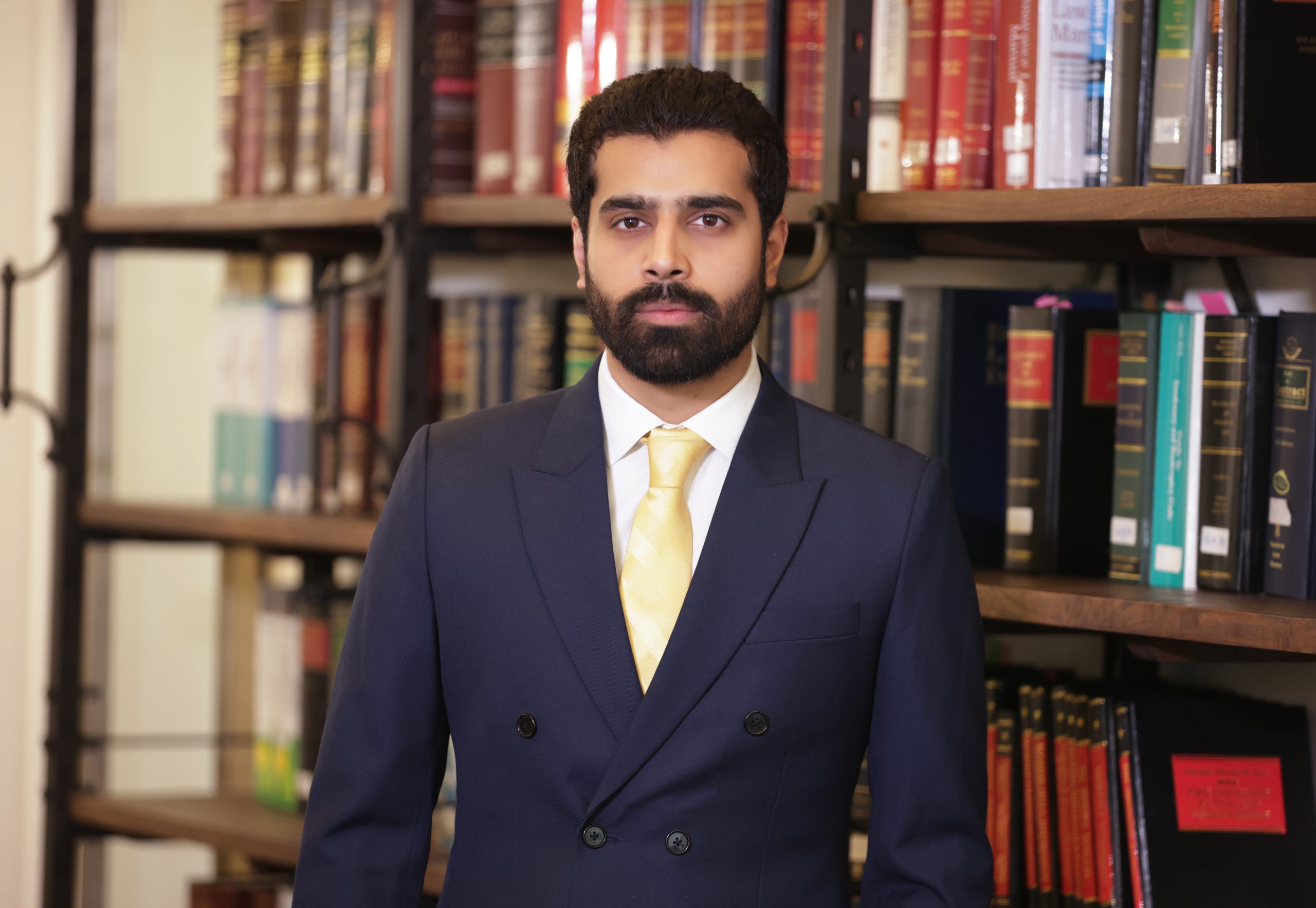
    Not being from a legal background, what motivated you to pursue a career in law? Was there a particular factor or experience that led you to this profession?

    Entering the sphere of law was a culmination of several reasons and some factors which did influence my ultimate decision. The reasons influenced my decision by chance but the factors influenced my decision by choice.

    The reasons of chance, which I mentioned above, were instrumental in aiding my decision. This was a prolonged litigation involving a close relative’s property, which dispute had been on-going for over 20 years. This was rather paradoxical for me, since, in my formative years, the elusiveness and unpredictability associated with the field dissuaded me from even considering it. Perhaps, the age old adage “tareek pe tareek” was not inspiring for a young school boy.

    But my interactions with a school senior, who was at the time pursuing law and a third generation lawyer, somewhat redirected my focus to discern the importance of applicability of law to societal intrigues especially in the Indian landscape. “Tareek pe tareek” has a much deeper connotation in a legal system like ours, where justice is dispensed on the principles of equity, good conscience and after affording sufficient opportunity of hearing.

    Additionally, I may highlight the factor which enabled me to exercise my choice for pursuing this field. I completed my high school education at the Sanskriti School, New Delhi. Sanskriti is a civil services school and the predominant student pool belonged to the services background. Naturally, growing up there was an innate sense of contributing to the society by pursuing a profession having elements of public discourse and service. The first choice was to pursue the administrative/police services which involved studying various subjects including law.

    As time progressed and my understanding developed, I sensed a natural affinity towards the field of law, both in terms of an academic disposition as well as the practical nuances. This etched my curiosity further and although I had the option to enrol myself for a bachelor’s in political science degree at a prestigious college under the Delhi University, I decided to take the plunge. The relevance of law to shape the Indian democracy, whether in terms of administration, economy and society and my enthusiasm for contributing to the public in aggregate could be an arguably strong reason in retrospect.

    I also keep a healthy regard for acting and used to think to myself whether I could pursue the profession of acting. Being a lawyer however, helps in putting up a sincere act. 

    Having spent nearly a decade with the same organization and being a first-generation lawyer, what were some of the key learning experiences early in your career that helped shape your understanding of the law and have had a lasting impact on your professional journey?

    The inter-play of law with every facet of life must be understood in its right context in order to garner a profound interest for the field. I believe, the yearning to acquire knowledge about diverse subject matters, businesses, industries, and economies broadens perspective and assists in hyperlinking and interlinking bringing conceptual clarity. Law does not operate in a vacuum and spreads across different spectrums. The ability to earnestly apply the flexible nature of law to the proposition requiring resolution can be developed through awareness of the entire spectrum.

    I have always taken discipline very seriously and have come to realize that discipline as an attribute takes precedence over everything else if one endeavours to meaningfully contribute to the profession. Overall discipline is a practice and must be consciously cultivated till it becomes a way of life. I lay emphasis on discipline since the profession can be daunting at any stage of one’s professional journey if the foundational structure is frail and that is bound to happen in the absence of discipline. While I can credit myself for being disciplined from the inception of my professional journey, I must express gratitude to the Seniors whom I have worked with/assisted in channelizing the discipline for shaping me into the professional I am today.

    Doctrine of precedents is a fundamental principle of judicial decision making in India. Therefore, assisting the Court through precedents applicable to the factual matrix is an extremely integral skill in Advocacy.  The manner of reading a judgment and sifting through it to examine what constitutes the ratio decidendi of the case and what is obiter may sound elementary, but it is often overlooked for being so elementary.

    I have been privileged to receive guidance from all the Senior Counsels I have briefed and the Senior Partner (Mr. Sumeet Lall), I was and am currently working with on the various aspects of advocacy. Every sentence in a judgment, pleading and document must be carefully examined, orbitally analysed and tactfully applied within the acceptable framework of the statute in question. Every word carries weightage and it can be overlooked not at your peril but at the peril of the party you may be representing. Training in Insurance law taught me that even a punctuation must be heeded to, since it can alter coverage of an insurance claim for an insured and deny it indemnity. 

    Illustratively, some invaluable teachings which I have imbibed from Senior Counsels and my mentor in the profession are fairness while assisting the Courts, mastering the facts so that research of the laws and precedents is expansive and detailed, articulating submissions in an uncomplicated manner while balancing the in-depth research, measured pleadings without any casual averments and a penchant for finding novel propositions supported by research and provisions which could aid in overall development of the law.

    What led to your decision to remain with CSL Chambers, despite the opportunity to pursue an LLM at prestigious universities abroad? How do you believe this decision has influenced your career path?

    My admission to various universities for an LLM in the field of dispute resolution/arbitration was in the year 2020/2021. Incidentally, this was during the onset of COVID-19. It created an extremely complicated situation for me and reminded me of the book, the Road Less Travelled. The uncertainty of pursuing higher education in a different country across the world during a global pandemic and the complexities associated with staying back at CSL Chambers, where I had planned my transition for over 6 months was unsettling.

    I was in the 4/5th year of my practice and the time was ripe to pursue an advanced academic disposition with an aim to immerse myself in examining cross-border issues through a specialized masters’ program. The decision was a well thought out one since I had spent considerable time and focus on a particular field of law i.e. dispute resolution/arbitration. The uniquely structured courses, the quality of education, integration with academicians and foreign practitioners are some of the illustrative reasons which formed my belief to pursue an LLM. Knowledge is liberation and thus, higher education would have contributed significantly to my professional journey.

    Sunlight is the best disinfectant. I decided to confide in the Firm’s Managing Partner about this quandary I was facing. I was cognizant of receiving advice having a negative bias against proceeding for an LLM since a familiar resource of the Firm should be retained. However, I received extremely dispassionate and neutral advice which brought clarity for me to pursue the graver challenge. It was a question of whether pursuing the LLM at that juncture would significantly contribute to my professional journey or could I cultivate my on-going professional journey to make an impact greater than I would, had I pursued an LLM, since ultimately I would come back and pursue my practice in dispute resolution.

    I decided to defer my admission to all the Universities and some even obliged by granting a year to year deferment. COVID-19 brought with itself myriad challenges to businesses, economies, personal and professional lives. Strictly from a professional standpoint, I viewed it as an opportunity to make meaningful contributions towards the Firm’s growth story and service Client needs. As an example, I started writing articles on vexed issues related to COVID-19, which ranged from issues of force majeure, impact on commodities trading covered by trade credit insurance and business interruption claims under insurance to name a few.  These articles attained relevance for individuals/corporates operating in different spheres, which led to significant support being rendered by the Firm on their legal requirements.

    The pandemic years had an adverse impact on the litigation landscape, although there was a rise in the number of cases. Policies of work from home, transitioning into virtual systems and the innate sense of conservation of resources led to challenges of remaining relevant in the field as well as sustaining practices. Navigating some of these challenges with the Firm during the pandemic helped me develop a sense of responsibility, leadership and an ability to craft legal solutions in innovative ways. Perhaps, an LLM would have aided my understanding on an academic level, but to assist with steering the Firm and its Clients and assisting Courts respectively during this period has matured my appetite to understand the finer prints and operation of various laws. 

    The decision to stay back with the Firm has been enriching both in terms of personal growth and professional advancement. Given the circumstances over the 4 years from the on-set of the pandemic, I have been able to meaningfully contribute to the development of law while augmenting my knowledge through learnings at the bar while assisting Senior Counsels, continuously researching on legal propositions and making an endeavour to seamlessly assist Courts. In fact, staying back helped me find my passion in assisting Courts as counsel. Additionally, I have been privileged to be a part of some of the landmark decisions in the field of arbitration, insurance, insolvency and SARFAESI on novel points of law.

    You’re widely recognized for your work in the field of arbitration and insurance. Could you share your experience working on the landmark case GMR Energy Limited v Doosan Power Systems India Private Limited? What were the main issues, and how did you approach and strategize to resolve them?

    The Doosan decision passed by the Hon’ble Delhi High Court was a pathbreaking decision at the time in the year 2017. It involved intricate issues of law which were far from settled by any Court. Some of the issues which were decided by the Court were whether two Indian parties can be referred to arbitration outside India, joinder of non-signatory to an arbitration including the power of a Tribunal to join such non-signatory and the scope of Section 45 of the Arbitration Act.

    We successfully represented Doosan before the Delhi High Court as the parties were ultimately subjected to arbitration in Singapore. The decision of the Delhi High Court in Doosan has been subsequently upheld by the Supreme Court on various occasions while adjudicating similar issues and settling the law.

    Our arguments were led by Mr Nakul Dewan, whose approach to the case was inspiring to say the least, on all levels of advocacy and strategy.  This was a case which involved interpretation of laws of different jurisdictions, since there were no direct precedents in India which had examined or settled the propositions emerging in the facts of the case.

    Developments in the case took place rapidly and any step being taken by a party in one jurisdiction would have a bearing on the rights and contentions of the respective parties’ in the other jurisdiction. Time was extremely scarce as the hearings were taking place daily.  As someone with 2 years’ experience at the time and assisting with a case of that magnitude as the only junior from the Firm, I had to embrace my discomfort and lack of experience. One could feel lost in the initial years when everything is happening on a larger scale and the expectation is able assistance without fetters. Therefore, taking the next step in the supply chain is very important i.e. apply yourself and attempt to contribute to the best of your ability. Rely on the Seniors once you have diligently done your homework. An attempt at developing a submission/proposition even if it may not work is always welcomed by Seniors provided the background work has been sincerely carried out. I immersed myself completely in carrying out extensive research of legal principles, case laws, commentaries across jurisdictions and prepared notes with an endeavour that they could be relied upon for arguments. This would lead to enriching feedback from the counsel, where further propositions would emerge and those propositions would then advance our case. Here was a case where the law on the issues highlighted above was unsettled and thus, reference points and text in India was scarce. 

    Nevertheless, handling the case in terms of managing correspondence with the Tribunal in Singapore, drafting and filing pleadings overnight and assisting with day to day arguments ensuing before the Court with 2 years of practice, was an extremely enriching experience which provided innumerable lessons and learnings for life. The judgment of the Delhi High Court examined judgments from the US, Singapore and England in finally deciding the lis between the parties.

    What challenges have you encountered when advising clients on the enforcement of foreign arbitral awards in India, and how do you assist entities in overcoming these challenges?

    Over the years, the Indian Judiciary has taken pains to pass seminal judgments settling various issues arising in enforcement of New York Convention awards in India. While there are only 7-8 material provisions which govern the enforcement of foreign awards regime, it is a complex subject within itself with its own set of challenges for Clients and Courts. 

    An immediately identifiable issue is exercise of jurisdiction by the concerned Court in India while dealing with challenge to enforcement of foreign awards. This is often a moot question since the language dealing with jurisdiction of a Court under Part II leaves room for ambiguity, although judgments of different High Courts have expressed views to clarify the issue. CSL Chambers successfully represented a foreign award holder before the Hon’ble Delhi High Court where this issue of jurisdiction was raised by the judgment debtor and exhaustively settled by the Hon’ble Court.

    Another area in the realm of enforcement of foreign awards which is highly litigated is the issue of withholding tax on a foreign arbitral award once it is recognized as enforceable. I was fortunate enough to be a part of the judgment passed by the Hon’ble Delhi High Court which settled the issue holding that once a claim merges into a decree of the Court, it transcends into a judgment debt, the decree should be executed according to its tenor and no deductions or adjustments are permissible except those permissible under the Code of Civil Procedure, 1908.

    The two broad issues have been highlighted above since these go to the very root of realizing the fruits of a foreign award. Therefore, the approach for resolving the issues needs to balance the internationally followed practices and customs as well as testing the legitimacy of challenges mounted to the enforcement of foreign awards within the narrow pigeon holes provided under the Arbitration Act.

    At the first blush, recent precedents could suggest that armed with a foreign award, a party is duty bound to succeed in its endeavour of enforcement. However, the statutory in-built safeguards to object to enforcement of foreign awards still posit novel issues and complexities which require extensive study of transnational text and foreign precedents which must be presented before the concerned Courts for further shaping the arbitration landscape of the country.

    It is difficult to summarize the nature of assistance to the Clients in helping them navigate challenges faced in enforcing foreign awards. However, as a suggestion, one must have regard to foreign commentaries, prevailing institutional rules, statutes and precedents for gaining perspective which can bolster seamless operation and development of the domestic law. Needless to state, foreign precedents can only aid in arriving at a decision where there is no existing domestic precedent but it is not the only tool to be considered as the Arbitration Act is a self contained code. This field is such that considering the novelty of propositions and untested propositions, lawyers must be always ready with proposed solutions through research to better assist the Courts when examining issues under part II of the Arbitration Act. Perhaps, that is how BALCO came to shape the arbitration landscape.

    What advice would you offer young lawyers who wish to specialize in arbitration and build a successful practice similar to yours?

    One must bear in mind that as lawyers, we are serving the interests of third parties and espousing the larger cause. There is significant trust reposed by Clients as well as the Courts in lawyers for aiding the process of justice dispensation. Naturally, the only way to honour this trust being reposed is to step up and take full responsibility with sincerity. There must be a sense of ownership for every task being performed and a transparent approach. One should always remain curious to learn and enhance their knowledge base, both practical and academic. Remaining abreast with the latest developments in law, case laws and activity in Courts must be inculcated in the daily routine till it becomes a subconscious habit.

    Your own comfort and ease come last, always and every time. The concept of work life balance may have diverse connotations. However, if one is passionate about and honest to the profession and willing to immerse themselves without regard to the self, then equanimity transcends the struggles associated with the demanding nature of our profession. The search for work life balance may limit productivity and skill development since our profession is extremely dynamic and requires us to constantly remain ahead of the curve. Balance can be achieved when work is not designated as “work” but discharging a duty which inspires others to strive for equity and justice. Mental and physical discipline goes a long way in balancing the requirements of the profession.

    Always approach any proposition, problem or case without any bias or prejudice. A clean slate approach, which brings out novel dimensions for problem solving through application of existing principles of law. Short circuiting the long, laborious hard work route will catch up and reflect somewhere in the scheme of things. It could then erode the confidence of third parties which was reposed in you. One must follow and learn through the journey, experience and immeasurable hard work of Senior Lawyers in the profession, who possess great clarity and problem solving abilities due to their proclivity for learning the law every day.

    Ultimately, the path which one adopts is personal but the customary teachings about the profession and resilience required to sustain in the profession continue to remain relevant till this day and age. In the words of the great Late Fali Nariman, once a student of law, always a student of law. Law being a practice, one can never think they have understood, acquired, or known it all. As an example, a provision under a statute could be interpreted in so many ways and therefore, in my view, a good lawyer is always a student of law. In this regard, it is also very important to remain in Court and sit in Court to observe arguments in other on-going cases for the day since the propositions emerging therefrom could be applied and be relevant for some of your own cases. It also adds to the knowledge bank in terms of identifying judgments on different issues.

    You have a strong passion for writing and contribute to various legal publications. How do you manage to balance your demanding legal practice with writing updates, analyses, and insights on judicial pronouncements?

    Reading and understanding judgments in a vacuum contributes in a limited way to professional development. The essence lies in linking the observations in a judgment, the ratio, obiter to the proposition, case or issue which one is dealing with. This interlinking helps developing new arguments or further provides the scope to appreciate the operation of a statute from an untested standpoint which could ultimately become another precedent. One way of building this expertise is through summary writing since it entails distilling the entire case law into a short piece for readers who may or may not be lawyers.

    Therefore, it is very important to appreciate the text of a judgment holistically and apply it in the context of your existing on-going matters. Alternatively, holistic reading of a judgment contributes immensely for a new case with varied propositions.

    Articles, publications and other academic contributions are a significant tool for acquiring knowledge, understanding the finer nuances of legal principles and gaining experience on the approach of Courts in adjudicating cases. Articles and publications are also important means to disperse knowledge to the concerned audience since it assists with streamlining the dispersed legal developments in a consolidated form. It is also an integral tool for connecting cross border practitioners who may be looking at the Indian jurisdiction as a destination for dispute resolution.

    Frequent articles or contribution to publications helps build a repository of information which can be utilized and relied upon in the future as reference for a case which one may be involved in. Therefore, more than a balancing act, it is a branch of Advocacy which only supports and stabilises the pyramid. 

    Get in touch with Sidhant Kapoor –
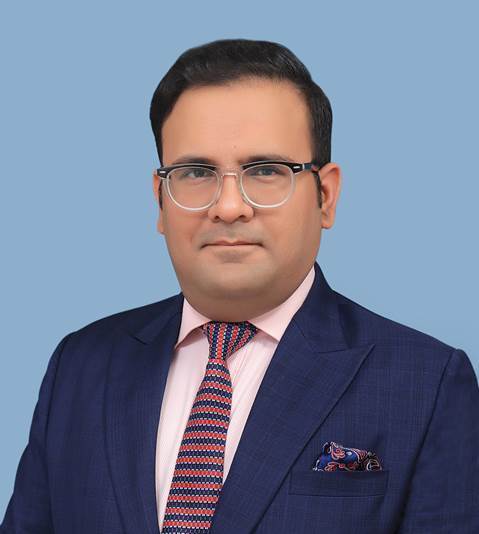
  • “International disputes practice is a highly competitive field in the practice of law. In the long run, this is a game of resilience over brilliance.” – Garv Malhotra, Partner at Skywards Law and Honorary Professor at NLU, Delhi.

    “International disputes practice is a highly competitive field in the practice of law. In the long run, this is a game of resilience over brilliance.” – Garv Malhotra, Partner at Skywards Law and Honorary Professor at NLU, Delhi.

    This interview has been published by Anshi Mudgal and The SuperLawyer Team

    Could you walk us through your educational path from Gujarat National Law University to your LL.M. at the National University of Singapore and Master’s at the Graduate Institute in Geneva. What inspired you to pursue these advanced degrees, and how were you able to secure full scholarships at these prestigious institutions, if you could share with our young readers?

    My legal journey started with a degree in law and commerce from GNLU, Gandhinagar. 5 years in Gujarat were incredible for me thanks to the people I met. I learned a lot and  also developed a fondness for Gujarati language. My law school journey revolved a lot around mooting and internships. I got my first taste of international arbitration through a moot in Frankfurt in 2011. I graduated from GNLU with an all-rounder scholarship and joined the bar. Alongside law school, I had worked with some leading senior counsel including Mr. Mihir Thakore, Mr. Soli Sorabjee, Mr. Siddharth Luthra and Mr. Ram Jethmalani. However, I was guided by my mentors to join a junior counsel office upon my graduation where I would learn written and trial advocacy.

    So fresh out of law school, I had the privilege of being a junior for two incredible lawyers Mr. Debesh Panda and Ms. Amrita Panda. While they are both married and work together, their styles are very different. In addition to their own stellar training as a junior to some of the greats like Mr. AK Ganguly, Mr. Rajshekhar Rao and Mr. Satish Manishinde, both of them had gained advanced academic exposure overseas and this showed in their finesse. I also worked closely with my colleague Mr. Naman Maheshwari who was senior to me and patiently guided me on practical nuances. Inspired by the journey of my seniors, I applied to the MIDS program in Geneva and was fortunate to get awarded a full scholarship to attend the same. 

    Living and studying arbitration in Geneva was amazing. The experience at MIDS is unmatched and the cohort, faculty and alumni go the extra mile in ensuring it. MIDS truly broadened my horizons and made me feel that I had unlocked new levels in a game that I had barely understood before. The chance to study under giants of arbitration like Gabrielle Kauffman-Kohler (my thesis supervisor), Emmanuel Gaillard, Zachary Douglas, Lawrence Boisson de Charzounes, Albert Yan Van Den Berg, George Bermann and others was a sumptuous treat. The learning from other members of the cohort is also enormous. After my time in Geneva, I got the opportunity to continue my education at The Hague Academy of International Law and the National University of Singapore (NUS) on full scholarships. At NUS, I got the chance to study arbitration under leaders like Lucy Reed and M. Sornarajah, and also study subjects like Oil and Gas law. 

    In my view, the key to cracking scholarships is demonstrating a balance between ability and inability to contribute. Ability to contribute positively to the cohort and the larger ecosystem if such an opportunity is given to you; as well as inability to contribute economically to access such an opportunity without assistance. 

    Your career has evolved from starting as an Advocate before the courts at Delhi to key international roles including at Drew & Napier LLC in Singapore. What motivated this transition, and how have these diverse experiences shaped your approach to dispute resolution and international arbitration?

    My stint at Drew & Napier (DN) happened by chance. While I was at NUS, I was working with Dr. Michael Hwang as an intern. He suggested that I also try to gain some experience at one of the leading disputes teams in Singapore. I reached out to my first choice, DN and fortunately got assigned as an intern to the Chairman Mr. Jimmy Yim, SC. I assisted Mr. Yim and his stellar team on a few matters including an arbitration trial. In the middle of a hearing at Maxwell Chambers, Mr. Yim took me out during the lunch break to a nearby restaurant and graciously invited me to join his team full-time after NUS. I was initially hesitant as I had a practice in India to return to but, the world has seen very few charmers like Jimmy Yim. 

    And thus after NUS I joined DN under Mr. Jimmy Yim, SC who was leading the disputes practice. Mr. Yim is one of the fiercest advocates and a master strategist. He is gifted with an unparalleled understanding of people. I think that the incisiveness with which Mr. Yim cuts through to the relevant facts from a bundle of files should be a spectator sport for amateur lawyers. His presence in a room, be it a court, arbitration or simply a meal is unmatched. 

    I also worked under Mr. Mahesh Rai, the youngest ever equity partner in DN’s 130+  year history, and for good reasons. His journey is truly inspirational and I have never seen someone who can handle such large volumes of complex work with such regal finesses, and yet be a good boss and colleague. 

    Even till today I often prepare arguments thinking how would Mr. Yim argue this or think what would Mahesh say if he reviewed this draft of mine. I have tried to train my own team at Skywards Law based on much of what I learned from colleagues at DN.

    During your time at Drew & Napier LLC in Singapore, you dealt with international arbitration and the laws of various countries. Can you share an interesting case or project from that time and how you think the Arbitration landscape in Singapore differs from that of India?

    DN is one of the citadels of disputes practice in Singapore. While I was an International Lawyer at DN, I had the chance to do a variety of matters across sectors like commodities, construction, shipbuilding, oil and gas, aerospace, aviation, hospitality, entertainment and others. 

    I fondly recall being the associate in a 4-member team for an international arbitration against an Indian PSU. Our team which was led by Mr. Jimmy Yim, SC and Mr. Mahesh Rai, acted for a South Korean Chaebol in the matter and the quantum was upwards of 200 million USD. The opposite side was represented by Indian counsel and the tribunal was a mix of retired Indian supreme court judges and a leading British QC (now KC). The arbitration was seated in Singapore, governed by UNCITRAL Rules and Indian Law. The similarities and differences of Indian and Singaporean legal traditions in the background of an intense trial being held in Maxwell Chambers came to the fore repeatedly during that trial. 

    There is much similarity in the letter of Indian and Singaporean arbitration law (both are common law and model law following countries). However, there is a huge difference in the spirit with which it is practiced by lawyers and arbitrators. In my view, Singaporeans have a beautiful pragmatic way of approaching commercial dispute resolution. Everyone conducts their job with military discipline and is respectful of the fact that they are charging by the hour to provide exceptional quality and dedication to the mandate. Timelines are very short and everyone puts their heart into delivering exceptional work within truncated timeframes. 

    Perhaps some of it is also a result of their post degree legal education system. Singaporean legal training is far more rigorous at the start of one’s career than India, and it is an ongoing process throughout one’s professional journey. Their system of admission to the bar is far longer and rigorous than India. Moreover, their CPD points system ensures that lawyers keep up with advancements in the field every single year. 

    Another memorable experience is when Mr. Yim and I supported a client in the entertainment industry in securing a multi-million dollar naming rights agreement i.e. agreement for the name of a theatre, from a leading real estate company.

    Your internship under Dr. Michael Hwang, the former Chief Justice of the DIFC, is a noteworthy achievement. How did working with such a distinguished figure impact your professional development, especially in international arbitration? Can you give an example of how this mentorship influenced your approach to subsequent arbitration cases?

    I had the chance to work under Dr. Michael Hwang for a short while in 2017. My internship was the event that turned my distant admiration for his work into a personal rapport. My learnings from him, over the years, have had a profound impact on my life. 

    Dr. Hwang, who is today one of the most celebrated thought leaders in arbitration, has also been a fierce advocate, an exceptional judge (in Singapore and Dubai), a prolific writer, a teacher of the law and a philanthropist. He is also one of my absolute favorite legal war-story-tellers. 

    In addition to unparalleled credentials, his love for the development of arbitration law is something I resonate very closely. From writing seminal articles which were the genesis of terms-of-art in arbitration (like Guerilla-Tactics), to establishing the Michael and Laura Hwang Chair in International Arbitration at NUS. His actions have truly inspired generations of lawyers, judges and academics, and his singular impact on the practice of international arbitration is outsized. 

    For me, just spending quality time with MH (as he is fondly known in his alumni circles) is a growing experience that shapes perspectives on all cases that my team and I handle. Even till date, I speak to him on videocalls and try to catch an exceptional meal with him every time I am in Singapore. Further, his lessons in written and oral advocacy are ones that have helped our journey the most. We try to emulate parts of his style in the small and big elements of our drafting and speech. 

    Recently, I have had the chance of extending the privilege of Dr. Hwang’s guidance to members of my own firm and my class at NLU, Delhi. Dr. Hwang took the final class of my 55-hour seminar course on the topic Advocacy: The Arbitrator’s Perspective.

    As a Partner at Skywards Law, you lead Dispute Resolution and represent clients in complex multi-party and cross-jurisdictional arbitration cases. Could you discuss your strategy in handling one such high-stakes case?

    Skywards Law is a boutique law firm. Our strategy in every case and situation is bespoke. However, every strategy has to be grounded in a deep understanding of the facts and circumstances. In many cases that also includes developing an understanding of the underlying technical aspects. A mix of our training, experience, teams and specialized technology help us to pre-empt issues and resolve legal matters efficiently. 

    In a recent arbitration involving a coal-related international transaction where we acted for a Singaporean entity, a dispute arose on various issues. The agreement, which provided for a three member tribunal, was governed by Singapore Law and SIAC rules. Upon digesting the facts and numbers we understood the need to balance costs with quantum. So we first got the proceedings converted to an expedited proceeding before a sole-arbitrator. Thereafter, we conducted the procedural hearings virtually and a final physical hearing in Kuala Lumpur (instead of Singapore). Using a few other strategies, we were able to get a favorable award within less than a year at a lower cost than initially estimated with substantial legal costs awarded to the client in the final award. 

    How do you foresee the future of international arbitration in the Indian legal landscape?

    In my view, the future of international arbitration in India appears to be exceptionally bright. As the country emerges as a business hub with massive import and export of capital, goods and services, the preference of companies for arbitration (for international disputes) is clear due to its flexibility and efficiency when compared to alternatives. It is however, an imperfect system with much scope for tactics and abuse. 

    A key driver of this progress is the pool of exceptional lawyers who are not only acting for Indian clients but for global entities, who are acting as arbitrators, leading institutions and becoming thought leaders. Their expertise and dedication is building confidence in India’s arbitration ecosystem and making it increasingly attractive. 

    Legislative and judicial efforts towards bolstering India’s position have played a key role. For example the Arbitration and Conciliation Act has been amended multiple times with a view to fine-tune it and create a robust framework. The appellate courts have pro-actively supported the development of a judicial ecosystem that respects arbitration. 

    The ecosystem is further supported by the efforts of the bar and prominent Senior Advocates such as Mr. Gourab Banerji, our Attorney General and Solicitor General, Mr. R. Venkatramani and Mr. Tushar Mehta respectively, Mr. Gaurav Pachananda, Mr. Shashank Garg and many more.

    While India is far from achieving its goal of becoming a global hub for international arbitration, I believe that it is much closer to this goal than it was just a few years ago. The proliferation of thought-leadership events like the Delhi Arbitration Weekend, the mushrooming of arbitration institutions and the wealth of jurisprudence and literature being developed on the topic are clear indicators of this growth. 

    In 2024, you were appointed as an Honorary Professor at the National Law University, Delhi. Could you kindly share insights about your academic journey with our readers?

    Academia and the progressive development of the law have a special place in my heart. I have been teaching law for over a decade. I started teaching short courses on Investment Arbitration at my alma mater GNLU. I was also involved with some practitioner-oriented sessions at NUS and NALSAR. However, I started dedicating more time to academia after I moved back to India and set up Skywards Law. 

    Initially I taught a 40-hour seminar course on arbitration at the National Law School, Bangalore. Since the last few years, I have been teaching law on Friday evenings at National Law University, Delhi (NLUD) in alternate semesters. I teach a 55-hour seminar course titled “Practical Aspects of International Arbitration”. It is offered to advanced students who have studied arbitration as a subject previously. 

    The University, under the leadership of Dr. G.S. Bajpai was kind enough to appoint me as an Honorary Professor alongside some leading names from India and around the world. In this role, I try to be a catalyst to the University’s broader vision of developing a favorable academic ecosystem for arbitration, business law and international law. I also get the chance to support their thought-leadership initiatives and assist with innovative teaching experiments aimed at grooming young lawyers for the journey ahead. 

    What advice would you offer to young lawyers aiming to excel in International Arbitration, and could you recommend any resources to help them stay updated on the evolving landscape of the field?

    My foremost advice to law students and young counsels is to have fun and enjoy the process rather than fixate on a future destination. International disputes practice is a highly competitive field in the practice of law. In the long run, this is a game of resilience over brilliance. Life is full of ups and downs, focusing on long term progress instead of short term gratification and optics. Focus on ‘doing’ over ‘being’. Excellence is the eligibility criteria for the higher echelons of the game and being a well-rounded personality will help you sustain your journey.

    However, international disputes is a dynamic field with much scope for value addition and innovation in the short term. Young counsels should embrace this spirit and always seek opportunities, however small and try to do their best in it. Another advice would be to find good mentors and build long-term relations. 

    Young counsels can consider gaining practical insights from summer schools such as the Paris Arbitration Academy, Geneva Summer School, Basel Winter School, the Hague Academy of International Law etc. An LL.M. is not essential but goes a long way in building and boosting one’s career by getting you a seat on exclusive tables. Though these courses come with a significant financial commitment, there are various ways to secure funding. In my view, getting into elite programs is often more challenging than securing the funds for it. 

    Given your demanding career and professional obligations, how do you unwind and maintain a healthy work-life balance?

    Maintaining a healthy work-life balance is integral to sustainability in a demanding profession. Temperament and balance are very important for a lawyer to remain objective and efficient. I believe that taking breaks and pauses help a lot. I also believe that philosophical concepts like joie de vivre and pursuit of happiness are very important and thus I intersperse my work life with experiences beyond the law that bring me joy and happiness.

    As an avid traveller, I try my best to take multiple trips every year. Some of these are vacations, some are weekend getaways and some are just extensions to work trips. So far, I have travelled to over 30 countries and over 200 cities. I look forward to exploring more destinations in the Americas and Africa in the near future. I enjoy travelling alone, with my wife (who is a former travel journalist) and with friends and with family. 

    Music is another constant companion in my life. I have a deep love for exploring new musical creations across genres and artists from around the globe. The creative genius in music continually amazes me, reminding me of the boundless possibilities of human expression. Audiobooks have also become an essential part of my routine, especially as they fit seamlessly into busy schedules. Whether I’m driving, waiting for a meeting or at the airport. Skilled narrators made the process of consuming books easy and incredibly relaxing. 

    I also get to maintain a balanced life due to my stellar associates (gratitude shoutout to Eshan Chaturvedi, Arijit Sanyal and Arundhati Kale), and colleagues from other teams at Skywards Law who accommodate my schedules with patience and optimize my time efficiently. 

    Get in touch with Garv Malhotra –

  • “Law is a vast and multifaceted discipline, offering a myriad of opportunities. Maintaining an open mindset regarding career paths early in one’s legal career is essential.” – Nikhil Ramdev, Senior Associate at MRP Advisory.

    “Law is a vast and multifaceted discipline, offering a myriad of opportunities. Maintaining an open mindset regarding career paths early in one’s legal career is essential.” – Nikhil Ramdev, Senior Associate at MRP Advisory.

    This interview has been published by Anshi Mudgal and The SuperLawyer Team

    Looking back on your early career, was law a profession you always intended to pursue, or was there a specific experience or event that led you to choose this path? Additionally, what sparked your interest in specialising in Arbitration Law?

    Reflecting on my journey, while a lifelong fascination with law wasn’t my initial trajectory, a personal experience profoundly influenced my decision to pursue this path. Witnessing the impact of a significant business dispute within my family during my 12th grade board exams instilled in me a deep appreciation for the importance of legal knowledge and the power of the law. As it is said knowledge is power and therefore, law was the natural choice. 

    Although I initially enrolled in Economics Hons. from Delhi University, my burgeoning interest in the law led me to pursue a law degree at Amity Law School (affiliated to GGSIPU), a decision that was met with both support and a degree of apprehension from my family, as I was the first in my family to venture into the legal profession.

    Regarding your second question, my initial foray into the world of arbitration occurred during my internship with Mr. Shaiwal Srivastava at Paras Legal. The intricacies of arbitration practice, the flexibility it provides to parties and counsel, captivated my imagination. This early exposure ignited a deep and enduring passion for this specialized field, ultimately shaping my professional trajectory.

    During the early stages of your practice, you were involved in India-seated arbitration for various Public Sector Undertakings (PSUs). What key lessons did you learn from that phase that helped shape your reputation in the field and contributed to your career growth?

    My early career involved significant engagement in India-seated arbitrations for various Public Sector Undertakings (PSUs), an experience that proved invaluable in shaping my professional trajectory. This formative period under the mentorship of Mr. S.K. Maniktala, my first mentor, instilled crucial lessons that continue to guide my practice today.

    One of the most significant takeaways was the paramount importance of rigorous legal research. As a junior lawyer, I was deeply involved in researching case law, not only from Indian jurisdictions but also from other common law countries, recognizing that certain legal concepts were relatively nascent in India in the field of Construction law like Concurrent delay. Mr. Maniktala imparted a valuable piece of advice: if a particular legal argument/proposition cannot be found through thorough research, it is crucial to question whether the situation is truly unprecedented, if not then further research is required. This guidance has consistently challenged me to delve deeper and ensure comprehensive analysis.

    Furthermore, this period underscored the critical role of meticulous drafting. Under Mr. Maniktala’s guidance, I learned to pay close attention to the structure and language of legal documents. His meticulous review of my drafts, often involving hours of discussion, instilled a deep appreciation for the precision and clarity required in legal writing.

    Finally, this experience reinforced the ethical obligations of legal practice. Mr. Maniktala emphasized the importance of honesty and transparency before the court. He instilled the principle that a lawyer’s duty is to assist the court in arriving at a just outcome, which may sometimes involve presenting arguments that may not be entirely favorable to their client’s position. This emphasis on ethical conduct has been a cornerstone of my legal career. If a fact or law is not in our favour, it is the responsibility of the lawyer to show that the said fact or law is not relevant or other considerations hold more importance.

     After working with a Law Firm in your initial years, what made you switch to Chambers of Senior Advocates Mr. Pravin H. Parekh and Mr. Ramji Srinivasan and what were the key differences that you came across while working in a law firm and Chambers?

    After gaining valuable experience in a law firm, I made a conscious decision to transition to the Chambers of Senior Advocates Mr. Pravin H. Parekh and Mr. Ramji Srinivasan. While my time in the law firm provided a strong foundation in procedural aspects, drafting, and legal research, I observed a significant difference in the approach to legal practice between the two environments.

    In the law firm setting, I often found myself involved in presenting a considerable amount of information to Senior Advocates. However, I witnessed how Senior Advocates possess an exceptional ability to distill complex legal arguments, identify the core issues, and present them in a concise and impactful manner. This acute analytical ability, honed through years of experience in high-stakes litigation, particularly resonated with me, given the limited time available for oral arguments before courts in comparison to arbitral tribunal.

    This realization, coupled with my deep admiration for the expertise and experience of Senior Advocates like Mr. Fali Nariman, who famously described the above practice as “The School of the Hard Knocks,” led me to pursue this path. My time in the Chambers of Mr. Ramji Srinivasan and subsequently Mr. Pravin Parekh proved to be an invaluable and intellectually stimulating experience and enriching in honing my advocacy skills. I had the privilege of assisting them on matters of national significance, including the landmark Sabrimala case before the nine-judge bench and the AGR matter, gaining invaluable insights into the highest levels of legal advocacy.

    Presently, you are working with MRP Advisory. Could you please share more about your experience managing various legal disputes across different legal areas you work in?

    I am currently a Senior Associate at MRP Advisory, where I have the privilege of working under the esteemed leadership of Mr. Adarsh Ramakrishnan. My role involves a diverse portfolio of international and domestic disputes, encompassing seat of arbitration in India, UAE, Singapore, Qatar, Oman, London, and Nepal.

    The firm specializes in high-stakes international and domestic arbitration matters, primarily focusing on construction/infrastructure and complex contractual disputes. This challenging and rewarding work environment provides ample opportunities for professional development and contributes significantly to my legal career.

    This exposure to a wide range of legal systems, including both common and civil law, presents a unique and intellectually stimulating environment. The constant engagement with different legal frameworks and cultural nuances fosters continuous learning and prevents professional stagnation.

    Furthermore, collaborating with foreign legal counsel from various jurisdictions provides invaluable insights into international legal practices and fosters a deeper understanding of cultural diversity.

    MRP Advisory empowers its associates to grow independently, allowing for significant autonomy and minimal supervision. I am particularly proud to have led the firm’s initiative on discussions concerning construction law and policies in both the Middle East and India, through Podcasts/Webinars and assisted in Dubai Arbitration Week.

    Given your extensive experience in handling arbitrations across different jurisdictions, how do you stay current with the evolving trends in this field? What advice would you give to newcomers aspiring to build a career similar to yours, and what resources do you rely on to stay informed?

    Reading and keeping abreast with the current trends and law is sine qua non. For this my advice would be:

    1. Jurisdictional Focus: Selecting a specific jurisdiction (or a few) is crucial. This allows for deeper specialization and a better understanding of the nuances of that legal system. 
    2. Leading Professionals: Following prominent figures on LinkedIn is invaluable. Platforms like LinkedIn, Twitter, and even blogs provide insights into current debates, case developments, and industry events. 
    3. Key Institutions: Staying informed about the activities of major arbitral institutions (ICC, SIAC, LCIA, MCIA etc.) is essential. Their websites, publications, and events offer valuable resources and insights into evolving trends. Along with this, regional institutions of the particular jurisdiction must be followed as well.
    4. Legal Databases and Publications: Utilizing platforms like Kluwer Arbitration, Westlaw, LexisNexis, and specialized journals is crucial for in-depth legal research and analysis. 
    5. Conferences and Workshops: Attending conferences and workshops is vital for networking, learning from experts, and staying abreast of the latest developments in the field.
    6. Professional Associations: Utilize the resources available on International Bar Association (IBA), Chartered Institute of Arbitrators (CIArb), Society of Construction Law etc.

    Advice to new comers:

    While I feel I am too junior to offer advice to newcomers on building a career in international arbitration, I would like to emphasize the importance of maintaining an open mindset regarding career paths early in one’s legal career. Law is a vast and multifaceted discipline, presenting a myriad of opportunities.

    Internships and the initial years of practice should be approached as a time for exploration across various legal domains. Personally, I have gained experience in diverse areas such as domestic and international arbitration, commercial and civil litigation, insolvency, and constitutional law. Furthermore, I continually seek to expand my knowledge in technology law whenever I have the opportunity.

    It is essential to recognize that each individual’s career journey is unique. Rather than simply following in the footsteps of others, I encourage you to carve your own path in the legal profession. Enjoy the process and always be a student of law. 

    Get in touch with Nikhil Ramdev –

  • “Cut Through the Noise and Focus on What Truly Matters: Resilience, Grace, and Patience Will Propel You in Your Legal Career” – Aditi Pawar, Counsel at Bombay High Court and Solicitor (England & Wales).

    “Cut Through the Noise and Focus on What Truly Matters: Resilience, Grace, and Patience Will Propel You in Your Legal Career” – Aditi Pawar, Counsel at Bombay High Court and Solicitor (England & Wales).

    This interview has been published by Anshi Mudgal and The SuperLawyer Team

    With over 13 years of experience in the legal field, what initially motivated you to pursue law as a career? Was it a deliberate decision, or did it evolve over time?

    Interestingly, my decision to pursue law wasn’t deliberate at all—it was a last-minute escape. A week before my engineering and medicine entrance exams, I realized neither path appealed to me. The thought of spending my life crunching formulas or dissecting cadavers didn’t exactly inspire joy.  By chance, I spotted an ad for law entrance coaching and thought, “This seems like a good way out—let’s give it a shot.” I didn’t know if law was my calling but was sure engineering and medicine weren’t.

    The first two years of law school felt like any other degree, but the third year, with its core law subjects, changed everything. It wasn’t an epiphany but a steady realization that I had found something I truly enjoyed. Thirteen years later, I genuinely still love being a lawyer. As a first-generation lawyer, the challenges have been daunting yet rewarding. What started as a spontaneous decision turned out to be the best choice of my life, and I wouldn’t have it any other way.

    Having started your career at a law firm and then transitioning to working as a Counsel in the Chambers of a Senior Counsel, how have these distinct experiences influenced and shaped your legal journey today?

    Starting my career at a law firm was an invaluable introduction to the legal world, exposing me to large disputes and seasoned practitioners. However, within a year, I realized my passion lay in counsel practice, driven by advocacy and the dynamic energy of the courtroom. Transitioning was challenging, but with my family’s unwavering support, I embraced the long-term growth this path promised.

    The turning point was joining the chambers of Senior Counsel Mr. Rahul Narichania, where my journey truly began. His chambers were a crucible of discipline, hard work, and rigorous legal thinking. Sir created an environment where asking “why” was never off-limits, encouraging us to challenge assumptions and delve deeply into the essence of every principle grounding my practice in clarity and first principles. His words, “Make your point—it might be taken, it might not, but make it,” reinforced the value of contribution regardless of seniority and built my confidence.

    In chambers, I learned to sift through complexities, focus on what truly mattered, and embrace the inherent uncertainty of counsel practice. Sir also encouraged me to chart my unique path however different it might to others with utmost courage and dignity, a lesson that has stayed with me. These foundational values have not only shaped my skills but also defined my identity as a lawyer. They have equipped me to navigate legal complexities, collaborate across jurisdictions, and build meaningful global relationships. For this- I remain deeply grateful.

    You successfully defended a high value Special Court Suit concerning securities transactions before the Bombay High Court. What was the most critical legal challenge you faced in defending such a high value case, and how did you prepare for it?

    Defending my client in this high-stakes case was a defining moment in my career, as it was my first final hearing brief as Lead Counsel at just 26 years old. The matter, an offshoot of the infamous Harshad Mehta scam, involved highly complex securities transactions, including Bankers’ Receipts (BRs) and Security General Ledger (SGL) entries, with claims exceeding hundreds of crores.

    The case required me to master intricate financial instruments and alleged misappropriations within the securities market. Understanding these complexities was crucial to framing effective arguments. I immersed myself in the fundamentals of these instruments and their regulatory framework, breaking them down to articulate their nuances clearly in court. Hours of detailed study and conferences with my attorneys, who placed immense trust in my abilities, helped me build a comprehensive understanding and argue with confidence.

    Arguing against seasoned senior advocates was both challenging and motivating. Their expertise pushed me to prepare meticulously, anticipate arguments, and analyse precedents thoroughly. By reconstructing the transaction timeline and exposing discrepancies in the plaintiff’s evidence, I successfully demonstrated that my client’s involvement was administrative and lacked fraudulent intent.

    A loss would have been catastrophic for my client, both financially (as the plaintiff sought to hold him liable for over Rs. 100 crore) and reputationally. The high stakes demanded absolute precision. This case, although daunting, became my greatest teacher, deepening my understanding of commercial litigation and refining my advocacy skills. This experience holds a resonant place in my career, not only for the legal challenges it presented but also for the invaluable lessons it taught me about resilience, collaboration, and the transformative power of belief in oneself.

    As a Solicitor qualified in England & Wales, how has this qualification enhanced your approach to handling cross-border work, particularly in international arbitration?

    My qualification as a Solicitor in England & Wales has profoundly enhanced my approach to cross-border work, particularly in international arbitration. However, the foundation of this expertise lies in the rigorous legal education and practice I received in India. The Indian legal system, with its unique blend of statutory frameworks and common law principles, provided the analytical rigor and adaptability essential for addressing complex legal issues. This solid foundation was further refined through my Solicitor’s qualification.

    The qualification exposed me to global legal standards, emphasizing precision, clarity, and commercial awareness. It deepened my understanding of common law principles, which are widely applied in international contexts, and equipped me to assess multi-jurisdictional risks effectively. As the legal system of England & Wales is a cornerstone of common law influencing global commercial systems, the insights gained were pivotal for navigating international legal principles, commercial practices, and dispute resolution mechanisms.

    Beyond technical expertise, the qualification broadened my cultural and professional perspectives. It enhanced my ability to work seamlessly with international teams, adapt to diverse legal frameworks, and meet the expectations of global clients. This experience fostered cultural sensitivity and strengthened my negotiation skills—critical when dealing with multinational stakeholders.

    Having represented clients in international commercial arbitrations under ICC, SIAC, LCIA, and other major arbitration bodies, what are the major challenges you face and how do you mitigate these challenges?

    Representing clients in international commercial arbitrations under institutions like ICC, SIAC, and LCIA requires a fundamentally different approach than domestic arbitration or commercial litigation. International arbitration emphasizes brevity and precision, (as I call it “appreciation for brevity”) with concise submissions and oral arguments tailored to tight timelines. Distilling complex issues into focused arguments is essential, demanding sharp analytical skills and the ability to present clear, persuasive cases.

    Cross-border disputes add layers of complexity, involving diverse jurisdictions, conflicting legal systems, and varying arbitration practices. Substantive foreign laws often govern, requiring meticulous research and collaboration with local counsel, when necessary to ensure compliance and alignment with the tribunal’s expectations. Sensitivity to cultural differences in legal reasoning further underscores the need for adaptability and global awareness.

    International arbitration operates within a dynamic framework shaped by treaties like the New York Convention, where enforcement strategies play a critical role. Pro-arbitration jurisdictions like Singapore provide robust support, while others with restrictive public policy interpretations demand tailored strategies. Effective arbitration agreements, neutral seats, and enforceable procedural rules are key to navigating these challenges. Emerging trends like ESG disputes, third-party funding, and rapid technological adoption continue to reshape the arbitration landscape. It is imperative to adapt swiftly by staying informed, embracing innovation, and continuously learning to navigate these evolving dynamics effectively.

    What I particularly find challenging, yet invigorating, is the swift adaptability required in presenting cases. International arbitration demands a nuanced alignment with the substantive or governing legal frameworks of a particular jurisdiction and procedural rules of each institution. I ensure that my approach is tailored to meet the specific demands of the arbitration at hand, aligning with its unique requirements while consciously avoiding the mixing of practices from domestic arbitration or commercial litigation. The two disciplines differ significantly in their approach, and maintaining clarity in practice is critical to delivering effective outcomes.

    Your experience spans drafting and negotiating key corporate documentation, such as M&A, joint venture, and licensing agreements. How do you ensure these agreements effectively manage risks and comply with both domestic and international legal frameworks?

    Although I began my career as a disputes lawyer, I also transitioned into transactional work after recognizing that many disputes stemmed from gaps or ambiguities in documentation. Disputes background has been invaluable, giving me a unique perspective on drafting and enabling me to identify potential areas of conflict and mitigate risks effectively through precise and strategic provisions.

    Drafting and negotiating corporate agreements demands a structured approach to manage risks and ensure compliance with both domestic and international legal frameworks. I begin with thorough due diligence, gaining a deep understanding of the transaction’s structure, regulatory environment, and jurisdictional specifics. For cross-border transactions, I analyse foreign investment regulations, tax implications, and competition law requirements within my professional boundaries. Collaborating with local experts in the relevant jurisdiction ensures compliance with foreign legal frameworks, while my research on treaties and international agreements bridges knowledge gaps.

    Precise drafting is central to risk management. I focus on clear definitions of roles, responsibilities, and obligations, and ensure robust indemnity, warranty, and liability clauses. Compliance with domestic laws such as the Companies Act, FEMA, and competition laws is integrated seamlessly with advice from foreign counsel for jurisdiction-specific issues. For cross-border agreements, I emphasize tailored dispute resolution mechanisms, often incorporating arbitration clauses under institutions like ICC or SIAC with neutral seats to ensure enforceability.

    Aligning agreements with the parties’ commercial goals is a priority. Active engagement with stakeholders ensures that contractual terms reflect their objectives accurately. My knowledge of English law, given its global relevance, has been instrumental in navigating cross-border transactions and collaborating effectively with international teams, always supported by local expertise for jurisdictional precision.

    Balancing a thriving legal career with personal commitments can be tough. How do you manage to navigate both your professional responsibilities and personal life?

    Balancing a legal career with personal life? It’s a bit like juggling flaming torches—demanding, precarious, and occasionally singeing. Over time, I’ve realized it’s not about achieving perfect balance but savouring small, meaningful moments amidst the chaos. It takes flexibility, planning, and a sense of humour that outruns even your tightest deadline. For me, balance is about finding joy in both work and life, whether it’s uncovering the perfect case law or unwinding with a good book and jazz.

    The key is giving 100% to whatever you’re doing—work or personal. This clarity didn’t come easily, and I’ve stumbled plenty along the way. I am still “work in progress” when it comes to this. Planning helps, but the unpredictable nature of law demands constant reprioritization. Some weeks, work dominates, while other weeks, I consciously slow down to recharge. I’ve come to embrace this rhythm and focus on what truly matters in the moment.

    Another important lesson is to separate professional pressures from personal life. The disputes or transactions we handle aren’t personal battles, and understanding this fosters a healthier relationship with the profession. Drawing boundaries has helped me maintain perspective and protect personal relationships from work stress.

    Above all, prioritizing health has been a hard-earned lesson. It’s a non-negotiable investment in sustained performance and clarity. Law is a marathon, not a sprint—though it often feels like a 100-meter dash with flaming hoops on heels. The late nights and challenges are part of the journey, but so is the unparalleled satisfaction of seeing hard work pay off.

    What advice would you give to young professionals aspiring to follow your path and build a successful career in commercial litigation and international and domestic arbitration?

    The best advice I can offer young professionals aspiring to succeed in commercial litigation and international arbitration is to be clear about what you want—and equally, what you don’t want. Your journey will be unique, and that’s perfectly fine. Confidence is key—build it daily. It’s not just a professional asset but a life skill that grows with every challenge you overcome.

    In commercial litigation, focus on mastering procedural laws and core areas like contracts and corporate disputes—they form the backbone of your practice. Start with domestic arbitration to develop a strong foundation in procedural nuances, drafting, and hearings before transitioning to international arbitration. Avoid jumping into international arbitrations directly; instead, strengthen your foundation through the rigors of commercial litigation and domestic arbitration. When you transition towards international arbitration deepen your understanding of cross-border principles to effectively navigate global challenges.

    Finally, cut through the noise and focus on what truly matters. Being a lawyer is demanding, so maintain resilience with grace and have dignified patience —it will take you far. Stay true to your goals, trust your instincts, and prioritize integrity, quality of work, and continuous growth. Law is as much about relationships as it is about rules. Nurture meaningful connections, embrace opportunities, and keep evolving and learning. Show up every day, even in moments of self-doubt, work hard, and bring along those who supported you on your journey- they deserve a share in your success.

    Get in touch with Aditi Pawar –

  • “The ability to adapt, learn, and deliver tailored solutions will set you apart in the dynamic world of International Legal Practice.” – Somya Priyadarshini,  Senior Associate at NHB Legal, Dubai.

    “The ability to adapt, learn, and deliver tailored solutions will set you apart in the dynamic world of International Legal Practice.” – Somya Priyadarshini, Senior Associate at NHB Legal, Dubai.

    This interview has been published by Anshi Mudgal and The SuperLawyer Team

    With almost a decade of experience in various areas of the law, looking back, was law a planned career path for you? And, what inspired you to specialise in International Commercial Arbitration from University of Miami?

    Coming from a family with a strong academic tradition and a father who practiced law, pursuing a career in law felt like a natural progression. However, my true passion for the field developed during law school, particularly through my involvement in the Legal Aid Clinic, where I worked on resolving real-world disputes for underprivileged communities. This experience sparked my interest in dispute resolution, especially arbitration, as a means of achieving efficient and fair outcomes.

    Specializing in International Commercial Arbitration at the University of Miami was driven by my aspiration to gain a global perspective. Miami’s reputation as a hub for international arbitration and its proximity to Latin America offered the ideal setting to study cross-border disputes. The program’s focus on both theoretical and practical aspects of arbitration, coupled with mentorship from globally renowned faculty, solidified my decision to specialize in this dynamic area of law.

    From your early days at Siegfried Rivera to your current role at NHB Legal, what are the key experiences that have shaped your approach to arbitration and dispute resolution?

    My journey began at Siegfried Rivera, where I gained exposure to construction law and arbitration under AAA rules, particularly involving complex commercial and construction disputes. Working in a U.S. legal framework sharpened my understanding of structured case preparation, meticulous research, and the strategic use of evidence.

    At NHB Legal, I have been involved in high-stakes multi-jurisdictional disputes under various institutional frameworks IVF, DIAC and ICC. I have also represented clients in industries as diverse as construction to precious metals trading; this has further refined my ability to temper technical legal analysis with an appreciation of the client’s commercial interests. All of these experiences have uniquely influenced my approach to arbitration, with a focus on ensuring adaptable, client-based solutions that are sensitive to the various cultural differences between them.

    Having spent your early years working alongside a Senior Advocate, what were the most valuable lessons you learned during that time, and what motivated you to transition into international arbitration and cross-border legal practice?

    In India, I was fortunate to work with a Senior Advocate who specializes in high-value disputes for government undertakings and private parties — litigations and arbitrations, developing my skills accordingly. That gave me a good sense of how to prepare, be precise in drafting and advocate your case orally. During these formative years, I also learned how to negotiate and navigate procedural intricacies, ensuring that every case was approached strategically.

    The motivation to transition into international arbitration stemmed from my desire to expand my horizons and engage with diverse legal frameworks. Cross-border disputes present unique challenges that require a blend of legal acumen, cultural awareness, and commercial pragmatism. This transition allowed me to bridge the gap between different legal systems, making my practice truly global.

    Can you walk us through your professional journey as a lawyer, highlighting key milestones in both India and the U.S. being a dual qualified lawyer? How have your cross-border experiences influenced your legal philosophy and approach to advising clients in complex transactions?

    My journey began in India, where I worked on domestic arbitration and litigation matters, often involving government undertakings and large corporate clients. A key milestone was securing significant arbitral awards in cases involving infrastructure and construction disputes. These experiences laid a strong foundation in arbitration and procedural law.

    Transitioning to the U.S., I gained exposure to construction law and commercial arbitration, particularly under AAA and UNCITRAL rules. Drafting motions, advising on contracts, and assisting in arbitrations for high-value disputes were integral to my role. As a dual-qualified lawyer, my cross-border experiences have profoundly influenced my legal philosophy. They taught me the importance of adaptability, cultural awareness, and precision when dealing with complex, multi-jurisdictional matters. When advising clients, I ensure that my strategies are aligned not only with the legal framework but also with the client’s business objectives and cultural context.

    How have your previous roles in both the US and India influenced your approach to handling disputes in the Middle East, particularly when dealing with regional legal frameworks like DIFC and DIAC?

    In India, I developed a strong foundation in procedural rigor and arbitration law, while my U.S. experience introduced me to sophisticated commercial arbitration practices. These roles equipped me with a unique perspective, allowing me to adapt to the hybrid legal systems of the Middle East, such as DIFC and DIAC.

    When handling disputes in this region, I leverage my ability to synthesize principles from common law and civil law systems, tailoring my approach to suit the jurisdictional and cultural nuances. This adaptability ensures effective representation in a complex and evolving legal environment.

    Handling ad-hoc arbitrations and working with clients across the globe, how do you keep up with emerging trends and changes in international arbitration law, and how do you incorporate this into your practice?

    Staying current with trends in international arbitration requires constant learning and engagement. I actively participate in forums like the International Council for Commercial Arbitration (ICCA) and attend global conferences to stay updated on developments such as third-party funding, technology integration, and procedural efficiency in arbitration.

    In practice, I incorporate these insights by adapting strategies to reflect emerging trends. For instance, I ensure clients are aware of cost-effective procedural options, the implications of technological advancements in evidence presentation, and jurisdiction-specific updates. This proactive approach allows me to deliver solutions that are innovative and aligned with global standards.

    How do you balance the demands of a high-pressure, multi-jurisdictional practice with maintaining work-life balance?

    Balancing a demanding practice requires a structured approach to time management and delegation. I prioritize tasks based on urgency and impact while ensuring clear communication with my team. Personal well-being is equally important, and I make it a point to disconnect from work during family time and engage in mindfulness practices.

    This balance not only sustains my productivity but also ensures I approach each case with clarity and focus. It’s about maintaining harmony between professional excellence and personal fulfilment.

    Having handled several high-stakes arbitrations, what do you consider your biggest professional challenge to date, and how did you overcome it?

    One of the most challenging cases I’ve handled involved a high-stakes international arbitration concerning a large-scale construction project. The dispute centered on technical claims involving structural defects, delays, and significant financial losses. The arbitration was seated in London, governed by a mix of common and civil law principles, and involved parties, witnesses, and experts from multiple jurisdictions. What stood out in this case and is common to most international arbitrations was the added complexity of navigating diverse perspectives among the parties involved. The counsel teams, witnesses, and tribunal members came from various legal traditions, cultural backgrounds, and generations, each bringing their unique approach to the case. These differences impacted everything, from procedural expectations to how evidence was perceived, and arguments were evaluated.

    To overcome these challenges, I focused on collaboration and adaptability. I worked closely with technical experts to present the evidence in a way that was both legally sound and easily understood by the tribunal. I also ensured our legal strategy was flexible, adjusting arguments and advocacy styles to resonate with the tribunal’s preferences while maintaining consistency in the case’s overall narrative. Recognizing the importance of bridging cultural and generational gaps, I approached the proceedings with openness and respect for differing viewpoints, fostering an environment where constructive dialogue could thrive.

    These kinds of issues are not unique to this case but are a hallmark of international arbitration. Each arbitration comes with its own set of unique challenges, shaped by the diversity of the individuals and systems involved. Successfully navigating these challenges has reinforced my belief that international arbitration requires not only legal and technical acumen but also an ability to adapt to the human elements of the process. This balance is essential to delivering results in complex, multi-jurisdictional disputes.

    In your experience, what common pitfalls do contractors and developers often face in construction contracts, and how do you mitigate these issues during the contract negotiation phase?

    Contractors and developers often face several pitfalls in construction contracts, primarily due to lack of clear documentation. Ambiguities around the scope of work, variations, and payment terms can lead to disputes. Unclear dispute resolution clauses are also common, making it difficult to address conflicts efficiently. Additionally, inadequate risk allocation and unclear deadlines or penalties can cause misunderstandings, especially in projects with complex timelines or unforeseen risks.

    To mitigate these issues, I focus on ensuring precise documentation of all terms, including scope, timelines, and payment schedules. I also stress the importance of clear dispute resolution mechanisms, typically favouring arbitration for its efficiency. Additionally, I ensure proper risk allocation and emphasize the need for consistent documentation of any changes throughout the project. By addressing these issues upfront, we reduce the risk of future disputes and ensure smoother project delivery.

    Given your broad experience across different legal domains, what advice would you give to young legal professionals who aspire to have international practice as you?

    Aspiring international lawyers should build a strong foundation in core legal principles while seeking exposure to diverse legal systems. Developing cultural awareness and language skills is equally important. Networking through global platforms and engaging with mentors in the field can open doors to international opportunities.

    Most importantly, approach every case with diligence, empathy, curiosity and a global perspective, understanding the unique needs of clients in cross-border contexts. The ability to adapt, learn, and deliver tailored solutions will set you apart in the dynamic world of international legal practice.

    Get in touch with Somya Priyadarshini-

  • “Nothing comes free in this world. In this profession you have to do the smart work in addition to the hard work” – Dr. Venkat Reddy Donthi Reddy, Senior Advocate at High Court of Telangana.

    “Nothing comes free in this world. In this profession you have to do the smart work in addition to the hard work” – Dr. Venkat Reddy Donthi Reddy, Senior Advocate at High Court of Telangana.

    This interview has been published by Anshi Mudgal and The SuperLawyer Team

    From the Indian Air Force to a Senior Advocate, your career transition is fascinating. Can you share the pivotal moment that inspired you to pursue law while serving in the Air Force?  

    As part of my job in the Indian Air Force (1985 to 2003), I was posted as instructor to NCC cadets at Hyderabad (Posted to the unit – No.2 Air NCC t at Hyderabad). I have availed the opportunity to study LLB and LLM in evening college under Osmania University. It was my goal to excel myself in life instead of working under someone. 

    Truly speaking Studying law is not planned. Once I joined the law course, I decided to prove to myself as one of the distinguished advocates across the legal fraternity and public at large.

    You have a Ph.D. in Trademark Law and are actively involved in international intellectual property forums. What new dimensions have you observed in global IPR law, and how can India contribute to these evolving trends?  

    I did my Ph. D in Trademark Law. I have been studying all through my life. I have also done a PG diploma in ADR, PG diploma in Cyber Laws and Intellectual Property Rights, PG diploma in Human Resources Development etc., While doing Ph. D, I have done extensive research on the topic “Law relating to Trademarks in India – A study with special reference to passing off and Infringement of Trademarks”. Some of the suggestions were given to be implemented.

    Attending the various conferences in IPR across the globe viz., INTA (International Trademark Association), AIPPI (International Association for the Protection of Intellectual Property), WIPF (World Intellectual Property Rights Forum), GIPC (Global Intellectual Property Convention), APAA (Asian Patent Attorneys Association), MARQUES etc., is of immense help. It enhances the awareness on the subject in different countries. Latest developments happening across the globe and evolution of jurisprudence is being shared. Since the subject of Intellectual Property Rights is global, understanding the developments in the courts across the world is essential.

    The kind of orders, Mareva injunction, Anton pillar order, John doe order and quia timet action etc., are the evolution of new jurisprudence, which are only being heard in IP related matters.

    Contribution of India.:

    On a personal note, abolition of IPAB (Intellectual Property Appellate Board) by Tribunal Reforms Act, is discouraging. Globally, the countries across the world are showing great importance to IPR and contra, the steps taken by the  Government of India are not impressive. Lack of qualified personnel in prosecution of the IPR applications, lack of infrastructure, delay in prosecuting the applications and delay in court proceedings is not encouraging.

    Unfortunately none of the cities in India has got infrastructure to host the seminars/conferences like INTA etc.,

    The Government of India shall.:

    1. Organise seminars/conferences/workshops among the entrepreneurs, judiciary, advocates, technocrats to bring awareness of IPR.
    2. Shall be part of the international conferences.
    3. IPR professionals, Judges and employees working in IPR divisions to be compulsorily trained and made to attend the international and national conferences wherein a lot of knowledge sharing happens.

    As the founder of RVR Associates, you built a successful law firm specializing in IPR and other areas of law. What motivated you to step away from the firm and take up the role of a Senior Advocate at the High Court of Telangana in December 2022? How has this new role enriched your legal journey compared to your experience as a law firm founder?  

    On RVR Associates.:

    Incidentally I have not joined any Senior Advocate or law firm after my enrolment in September 2003 except having undergone the internship for a period of 3 months under Late Srinivasa Murthy, the Trademark agent to understand Trademark Prosecution. As I am interested in litigation, I got associated with my LLM classmate and started the firm by name M/s. RVR Associates, IPR attorneys and advocates. My classmate is no more the partner of the firm.

    The discipline of the Air Force, dedication, hard work and zeal to excel in the field of law were instrumental for my success. Being a late entry into the profession, a lot of challenges were faced by me. Having not worked with any senior advocate and as no one to support in my legal practice, it made me work harder.

    As a Senior Advocate.:

    I believe in strong ethics and morals. Because of the IPR practice chosen by me, I had an occasion to argue against the leading law firms for the Indian Companies (the Defendants) in various courts viz., High Courts at Delhi, Chennai, Bombay, Ahmedabad, Aurangabad, Bangalore, Dharwad, Allahabad, Hyderabad, Amaravathi etc., By my performance and recognition across the legal fraternity, I started appearing for multinational companies (Mostly Plaintiffs). Then I realised the importance of the experience and the role of Senior Advocate. It was my dream to be Senior Advocate. On application made by me in pursuance of the guidelines framed in Indira Jaisingh judgement, I am bestowed with the designation as Senior Advocate by the High court for the state of Telangana in December 2022.

    New role as Senior Advocate.:

    It is tougher to be a Senior Advocate to a person like me. Now I started reading more to upkeep justice. It comes with a lot of responsibility. Occasions, where I have given up some of the briefs, where I am not satisfied with the proposition of law, on which I have to argue. Earning money is not the sole criteria. 

    In principle, I cannot be part of my law firm and accordingly, I got disassociated with the firm sooner I become Senior Advocate in December 2022. The principles laid down, work culture and system created by me is being continued with my colleagues/advocates. I always remain a mentor for them. Now I am getting more time to prepare thoroughly for my briefs. Unfortunately, no one can be a master in every branch of the law. This is only the profession; you need to study till you die. More you become senior, the more work and pressure. Keeping good health is a serious concern for every advocate.

    You have appeared for many prestigious clients across India. Could you share one of your most challenging cases and the key learnings that shaped your approach to advocacy?

    The intellectual calibre of the advocate alone will not bring the results. various court crafts would also be taken into consideration in getting the results to the clients. Understanding the law and mindset of the court is very important, which cannot be ignored.

    For the sake of confidentiality and non-disclosure, I am not disclosing the names of clients and cases and few of the interesting cases are as follows.:

    1. In one of the cases, the court has appreciated the arguments and the legal points raised, the suit is dismissed at the interlocutory stage itself, without any application being filed for such relief.
    1. In one another case, the writ was to be dismissed, as the court was not convinced on the point and arguments rendered. As it is posted for counter and in the meantime, it got posted before another bench, that court has taken a different view being convinced with the arguments and I won the case.
    1. Most of the cases are badly drafted and it would result in losing of the cases despite merits in the case. Several cases are won by me without getting into the merits of the case, due to the bad drafting and the mistakes committed by the other side.
    1. One should have a determined client to support you arguing on a particular proposition of law otherwise, the reputation of the advocate will be at stake.

    You’ve been involved in teaching for over 30 years, lecturing at prestigious universities. How have you seen students and the field of legal education evolve over the years? Additionally, what has teaching law taught you about your own practice, and how has it influenced your legal approach? 

    Teaching is my passion. The students at universities are not taught the practical aspects of law. Practicing in the courts is a different ball game. While I discuss the practical aspects with illustrations and examples, students are benefited. This profession is no more by chance, it is by chance and hence it will be more competitive and encouraging in coming days. Many times, I learnt from the students while they argue effectively in moot court competitions for which we are designated as judges.

    What role do you believe non-governmental organizations like ALERT play in improving access to legal education, and how does your work as its president contribute to the success of aspiring legal professionals?  

    As part of my profession, I do a lot of pro bono cases also. Ignorance of law is not an excuse, if so, all citizens would be taught the basics of law. As an NGO, I feel it is to spread the basics of law among the citizens and downtrodden people. Government colleges are not as equipped in all aspects while compared to the national law schools. The role of NGO plays a vital role.

    You’ve been supporting students in government schools for over 30 years. How has this philanthropic work impacted your perspective on education and community building?  Please share some insights.

    My father was a teacher, and all his students still remember him for his contribution towards his profession and in up bringing of the students in all aspects of life. In his remembrance, I do encourage the students for the last 30 years by motivating and supporting them in their endeavours. Students do not know what they have to do for their career while they complete their 12th standard. Lot of motivation and guidance is required. Sometimes I do engage the professional speakers and motivators to teach them regarding the aspects of life and career.

    With such a vast and varied career, what advice would you give to young lawyers looking to create a successful and meaningful career in law, particularly in intellectual property and other specialized fields?  

    My advice to the aspiring lawyers in Intellectual property cases and specialized fields.:

    1. No substitute for hard work
    2. Stick on to senior/law firm for considerable period of time
    3. Practice at lower courts for relevant period before switching to the constitutional courts (high Court and supreme court)
    4. Get yourself decided whether you fit to be in house counsel or arguing counsel. Your interest and skills to be taken into consideration.
    5. Keep attending the seminars and conferences in relevant field of law to know the developments
    6. While learning at initial stages of practice, do not give importance to the earnings until you become an asset to the institution/advocate you are working for.
    7. No case is small or bigger. Every case will teach you something new and we are playing with the lives and career of citizens. So similar attention be given to all cases irrespective of social and financial status of the clients.
    8. Upgrade with the latest technology.

    With such a diverse and demanding career spanning the Indian Air Force and legal practice, how do you find time to unwind and relax? What activities help you maintain a balanced life outside of work?  

    Very interesting question. I do relax, while I travel abroad for seminars and conferences. Credit to be given to family members, for their understanding and co-operation. I believe in the logic/ paraphrases 

    “more you sweat in peace less you bleed in war” – Avoid last minute preparation

    “to get something, you need to lose something” – nothing comes free in this world. In this profession you have to do the smart work in addition to the hard work

    I am a sports person, so I keep attending the gym workouts and swimming.

    Get in touch with Dr. Venkat Reddy Donthi Reddy-

  • “Exposure to a diverse set of clients and sectors provides much needed agility and flexibility that is required in today’s world of technological and socio-economic disruptions.” –  Siddharth Ratho, Vice President and Head of Litigation at   Nuvama Group.

    “Exposure to a diverse set of clients and sectors provides much needed agility and flexibility that is required in today’s world of technological and socio-economic disruptions.” –  Siddharth Ratho, Vice President and Head of Litigation at  Nuvama Group.

    This interview has been published by Anshi Mudgal and The SuperLawyer Team

    Can you share the pivotal moment or motivation that inspired you to pursue a career in law, and how that decision has shaped your professional journey?  

    Growing up, I wanted to be many things. At different points, I was certain I wanted to play cricket for India, be a pilot, architect, astronaut, historian etc. I liked science, math, and humanities. I also loved sports and music. My parents allowed me to dream and never really tried to influence me towards a particular profession. I perceived the world as my oyster in an ocean of possibilities. 

    After finishing my high schooling in India, I went on to pursue my undergraduate studies in the USA from 2007 to 2011, with a full scholarship, double majoring in Economics and International Relations and minoring in mathematics. 

    Shortly after arriving in college in the US, the global financial crisis hit, with ripple effects felt all over the world, lasting over half a decade. Businesses went insolvent overnight, and tons of people lost jobs. Multiple lawsuits were filed, massive legal battles initiated, and a lot of discourse on what went wrong and who was to blame. While studying international political economies, foreign affairs, corporate finance, and many other fascinating subjects offered by my liberal arts college, I slowly but surely also started developing an interest in law. 

    After finishing my stint in the USA, I came back to India and pursued the three-year law degree at Government Law College, Mumbai. GLC allowed me to intern in a lot of great law firms while also pursuing my LLB degree. 

    The rest, as they say, is history! 

    You are a dual-qualified lawyer, both as an Advocate in India and a Solicitor in England and Wales. Do you think this dual qualification has given you a unique advantage in your career? If yes, how has it shaped your professional approach, and what kind of legal professionals do you think should pursue this path?  

    Having studied abroad early in my life, I always knew that I would never want to be limited by borders. 

    The first five years of my law career were spent at Nishith Desai Associates, where I was involved in several complex, cross border disputes spanning multiple jurisdictions. Even during my later stints at CAM and Trilegal, I was part of several foreign seated arbitrations in Singapore, London, Paris, New York all with their own challenges and nuances. 

    Getting a dual qualification in this increasingly intertwined world and given how my career had begun seemed like the way to go. So, I started looking up options. 

    At the time, the route to qualification as a Solicitor in England and Wales was known as QLTS. Nowadays, it is known as the SQE route. Pertinently, this route did not require you to compulsorily do an LLM in the UK and spend tons of money. It only required you to ace the two stages of the QLTS exams. The fact that English law is the most used law in multi-jurisdictional transactional documents was another factor in me choosing English law. It also certainly helped that English jurisprudence has developed for almost a millennium, ever since the Magna Carta, and is the genesis of the common law system as we know it today. So, choosing English law was a no brainer.  

    Studying for the qualification and dealing with the exam format (first stage in India and second in London) was an absolute pleasure. While my experience in some of India’s best law firms has taught me a lot, the rigour of the English law qualification exams truly took my skills and understanding of the first principles to a whole new level. As a newly minted “international lawyer”, I started seeing legal problems with even more clarity. Dissecting complex contracts became simpler. Deconstructing multi-jurisdictional legal quagmires, easier.  

    I don’t know whether the “dual qualified” brand by itself has given me any specific advantage in my career yet. However, it has certainly advanced my knowledge and better equipped me as a “global lawyer.’ 

    I see that a lot of young lawyers today want to pursue this dual qualification immediately after graduation. I would strongly advise that initially, young lawyers should focus on learning the basics before trying too much “fancy stuff”. Priority should be to get 8-9 years of work experience. Learn as much as possible. See where your career is going, and then do it, if you think it would help you in your line of work.

    Doing it with the expectation of some immediate gains may only disappoint you. 

    Do it as a quest for knowledge, and to challenge yourself, if you must. 

    Looking back at your experience in international arbitrations under various institutional rules (SIAC, ICC, LCIA), what have been your key learnings, and how do these frameworks differ in practice?  

    All these international arbitration institutions essentially follow the common principles of ensuring efficient, effective and swift arbitrations, managed in an extremely professional manner. Each rule comes with its own nuances and options offered. Diving into these nuances is an entire subject on its own. All of them offer some of the most advanced features and cutting-edge global practices in arbitration. 

    My experience in such arbitrations has given me firsthand experience and knowledge in arbitration’s global best practices.  

    I must mention that I have also done several Indian institutional arbitrations. The facilities and features that they have to offer these days are up there with the best in the world, are far more cost effective, and deliver equally efficient results. 

    What motivated your transition from starting off at law firms initially to becoming the Head of Litigation at Nuvama Group? 

    I have spent over a decade in some of India’s best law firms –have had some great mentors over the years, and the experience of some incredible matters along the way. I did not really have a pre-set plan to shift to a corporate in-house role. However, I had noticed of late that more and more companies were seeking to strengthen their legal teams and onboard talent. So, I was never averse to the idea if the right opportunity came along the way. 

    When this opportunity arose, I could not resist – a challenging role with a great profile, in an exciting and fast-growing industry. Also, I am truly dialled into the India economic growth story. The wealth management and financial sector in my opinion is going to be a front-runner in India’s quest to become an economic superpower this century. Also, I read up about Nuvama and was bought into its mission, vision and culture of excellence. It seemed like an ideal next step in my career where I could also use my multidisciplinary educational qualifications, my keen interest and knowledge in economics and finance, to add value in an exciting company making strides in a cutting-edge sector. 

    How did your experiences in law firms shape your approach to leading a corporate legal team?  

    My experience at India’s premier law firms helped me form a sound legal knowledge base, learn high level legal skills and put them into practice. It also instilled in me essential attributes, such as discipline, work ethic, attention to detail and the ability to perform under pressure. 

    Leading a function in a company requires clever use of “EQ’ along with “IQ”, understanding and coordinating between various functions and finding practical and strategic solutions to the every-day problems faced by companies in highly regulated sectors through a collaborative approach. Having a sound legal knowledge base and sharp skills is very important. You are required to make tough decisions every day to mitigate potential liabilities and protect the company. You may not always have time to do the necessary research and then come back with an answer. Businesses cannot wait too long for answers and solutions, especially in a fast-paced and fast-growing sector.

    You are put under the spotlight almost every day and you need to perform with alacrity. You need to provide solutions immediately.  If you do not have strong legal principles and skills to back you up, then you will not be able to do the  firefighting that the company requires you to do. 

    It’s been about five months since you transitioned to the corporate world with Nuvama Group. How has your experience been in adapting to the corporate culture compared to your previous experiences in law firms? Do you feel more aligned with the corporate side, or do you still lean towards the law firm environment, and why?  

    These five months have added a whole new perspective in my approach as a legal professional. I can now see how businesses perceive law firms. Having seen both sides, I am able to identify the gaps in terms of what law firms have to offer, and what businesses truly desire.  

    In terms of pure work environment, one refreshing difference for me is the variety of people with different educational backgrounds and qualifications that you are surrounded by. In law firms, you are surrounded by mostly lawyers. In my current role, I am interacting with MBAs, CFAs, CAs etc every day.  

    It’s too soon to say which side I am more aligned to. There is a lot to learn from both sides. What I can certainly say is that these five months have been the most unique in my work experience so far as this is the first time I am working somewhere which is not a law firm. What I have learned in these five months, I haven’t in my decade long experience in law firms. So, I am already a better lawyer now than I was five months ago along with the added wisdom that new and unique experiences and challenges provide.  

    I believe every lawyer should experience both sides at some point. 

    With your unique experience across both Indian and international legal landscapes, how do you perceive the evolving role of technology in dispute resolution, particularly in areas like international arbitration and commercial litigation?  

    One of the main concerns for businesses, while dealing with legal issues, is the costs involved. Technology is already doing a lot in terms of reducing legal costs. Hearings can happen over VC reducing travel costs. The use of technology in online dispute resolution is also quite promising. 

    Technology will further reduce “billable hours” by using AI to accomplish various more monotonous legal functions. Gone are the days when a law firm could charge a business endless hours for “research” and basic drafting and documentation work. 

    As technology improves, arbitrations and commercial litigations will continue to become more and more efficient and cost-effective.  

    In the future, technology and AI , through objective cost-benefit analysis, will help businesses assess whether it is worth fighting a case or merely settling a case through mediations. 

    The possibilities are endless. 

    You’ve worked on cases spanning sectors from fintech to renewable energy. How has this diverse exposure shaped your approach to problem-solving, especially in legal situations requiring cross-sectoral knowledge and multi-jurisdictional strategies?  

    This is another major advantage of starting off your legal career in law firms. You get to work with a diverse set of clients from various sectors. Legal solutions cannot always be black and white. A solution should be practical and enforceable. To be enforceable, they must account for practical realities. To understand these practical realities, it is important to understand the nature and characteristics of the business and the sector that you are dealing with. 

    Exposure to a diverse set of clients and sectors provides much needed agility and flexibility that is required in today’s world of technological and socio-economic disruptions.  

    You have represented clients in high-stakes disputes across various forums, including the Supreme Court and High Courts. What advice would you give young lawyers aspiring to excel in the legal field?

    Getting the basic habits right very early on in your career is most essential. Be disciplined, have a good work ethic and be an eager learner. Keep yourself up to date with the latest laws, regulations and judgments. 

    Particularly, young lawyers should note that legal drafting is one of the most difficult skills to acquire. And this skill comes only through practice. So, take up as much drafting work as you can early on. If you are good at drafting, you will eventually get noticed. 

    As a lawyer, the art of using language is your main weapon. As they say, the pen is mightier than the sword. This is your bazooka! So, hone it as much as you can. 

    Importantly, young lawyers should be aware that there will be a lot of ups and downs early on in their careers. So, keep your chins up, always find time to unwind and have a good time. Meet friends often and shut off work once or twice a week. 

    What hobbies or passions do you pursue outside of your legal career, and how do they help you unwind and maintain a healthy work-life balance?

    I am a cricket fanatic. However, it is difficult to gather a group of friends all the time to play. So, squash is something I have been playing frequently. I also try and ensure that I put in at least 4-5 rigorous work out sessions in a week. Being physically fit goes a long way in reducing the mental stress at work. It also helps in keeping negativity at bay and getting the positive juices flowing.

    Apart from this, I like listening to music and watching shows and movies on OTT platforms. 

    Having a good work life balance is the most important. No point working hard and for that extra bonus, if at the end of the day, you do not feel mentally and physically at ease. 

    Work smart, play hard and try and get sufficient down time. 

    Get in touch with Siddharth Ratho-

  • “Gender is not a barrier to success. I believe in creating a unique path, and it’s okay to take the road less travelled.” – Ibukunoluwa Owa, Lead, Regulations Unit – Legal Enforcement and Regulations Department at Nigeria Data Protection Commission, Nigeria

    “Gender is not a barrier to success. I believe in creating a unique path, and it’s okay to take the road less travelled.” – Ibukunoluwa Owa, Lead, Regulations Unit – Legal Enforcement and Regulations Department at Nigeria Data Protection Commission, Nigeria

    This interview has been published by Namrata Singh and The SuperLawyer Team

    You’ve had an impressive legal journey from Nigeria to working with leading firms in London and Hamburg. Could you share what inspired you to pursue law, and how your career has evolved over the years?  

    My decision to pursue a legal career was influenced by a combination of factors. While I cannot pinpoint a single defining moment, I am certain that law has always been a natural fit for me. Growing up, I was drawn to reading, arguing, and intellectual competitions. My parents, who are both lawyers, also played a role in shaping my aspirations.

    Before enrolling at the University of Dundee to study English Law, I completed a one-year foundation program at Global College in Lagos, Nigeria. During this time, I excelled in both economics and law but ultimately chose to pursue law due to my stronger aptitude for Law and English. I have never regretted this decision, as law has provided me with a dynamic and fulfilling career.   

    My career has evolved, and this has been marked by a continuous pursuit of knowledge and new opportunities. I have been privileged to work locally and internationally on interesting cases and projects and have also been able to successfully transition from the private sector to the public sector. 

    I believe my career evolution has been largely influenced by direction from God, intentional acts towards my goals, support from family and friends, networking, and a willingness and curiosity to embrace new challenges and opportunities. 

    Having worked with prominent arbitration firms in Lagos, London, and Hamburg, what key lessons have you learned about managing cross-border disputes that could benefit young lawyers entering international arbitration?  

    Before I specifically answer this question, I would like to state what I usually tell my friends and mentors when describing my experience in these three jurisdictions. While working at Aluko & Oyebode in Lagos, I learned the importance of hard work and dedication. 

    While working at WilmerHale in London, I learned that my career advancement requires proactive steps and I have the personal responsibility for my career growth. As one of fifteen international arbitration interns, I had to take proactive steps to stand out and contribute positively to the Firm. 

    While working at Hanefeld in Germany, I learned the value of efficiency and delivering high-quality work within short deadlines. 

    Aside from these anecdotes, thorough legal analysis, cultural sensitivity, effective communication skills and strategic planning are necessary for effectively managing cross-border disputes.

    In your current role with the Nigeria Data Protection Commission (NDPC), you’re shaping the country’s data protection framework. How do you think data protection laws can drive economic growth, and what challenges do you face in balancing innovation with privacy?  

    Thank you for this insightful question. I am proud to be working alongside brilliant professionals at the NDPC and relevant stakeholders to develop comprehensive and effective regulations. It is an interesting and dynamic role. 

    Data plays a crucial role in driving economic growth by enabling informed decision-making, fostering innovation, and improving efficiency. By protecting personal data and ensuring its responsible use, we can create a trustworthy environment that attracts investment, stimulates entrepreneurship, and promotes economic development.

    Balancing innovation with privacy is a key challenge in today’s digital age. At the NDPC, we prioritise the protection of citizens’ privacy rights while recognising the importance of fostering innovation. We strive to develop data protection laws that strike a balance between these competing interests, ensuring that citizens’ privacy rights are safeguarded while allowing for responsible data use in innovation.

    In your opinion, what new dimensions in law, such as technology and data privacy, should upcoming legal professionals focus on to remain competitive in the evolving global legal market?  

    The global legal market is constantly evolving, driven by technological advancements and changing societal dynamics. To remain competitive, upcoming legal professionals should focus on developing expertise in unique and contemporary areas of law to distinguish themselves. A few examples of these are; technology law; data privacy and protection; international dispute resolution; cyber security; anti-trust; and restitution law.  

    While it is important to specialise in specific areas, a strong foundation in general legal principles is essential for a successful legal career. 

    Throughout your career, have there been any cases or projects where the outcome didn’t go as planned? What did you learn from those experiences, and how do you view the role of failure in professional growth?

    Throughout my career, I have encountered cases and projects that did not unfold as planned. In these moments, I focus on understanding the reasons for these outcomes and developing strategies to resolve these issues. This often involves open communication with clients, strategic thinking and exploring alternative approaches. These experiences have been valuable learning opportunities, teaching me the importance of resilience, adaptability, and strategic thinking.

    Most times what we perceive as “failure” is often subjective, and shaped by our individual goals and inspirations. In my journey, I have come to view these “failures” as opportunities for growth and redirection. By embracing challenges and learning from them, young lawyers can develop resilience and a determination to succeed. 

    I believe that “failure” plays a valuable role in professional growth. It helps us to identify our strengths and weaknesses, develop new strategies, and ultimately achieve our goals. So instead of fearing “failure”, we should embrace it as a natural part of the learning process.

    You’ve been recognized as a rising star in the legal world. How do you personally define success in your career, and what values do you prioritize when working on high-stakes legal matters?  

    I define success as continuous growth and development in my legal career. This means staying curious, seeking new challenges, and striving to become better every day. 

    When working on high-stakes legal matters, I prioritise the following values; analytical skills; diligence; hard work; resilience; discipline and respect for colleagues.  

    As a successful female lawyer in international arbitration and data protection, what challenges have you faced in navigating these male-dominated sectors, and what advice would you give to young women aspiring to enter similar fields?  

    One thing that has defined my attitude to work is my belief that I can achieve anything I put my mind to and that my gender does not limit my capabilities as a legal professional. 

    I have also been fortunate to have the support of mentors, both male and female, who have continually provided advice and assistance at various stages of my career. In addition, having female colleagues who are equally excelling in their careers demonstrates that gender is not a barrier to success. 

    Initiatives like the Equal Representation in Arbitration, and ARBinBRIEF have been instrumental in promoting diversity and inclusion in international arbitration. ARBinBRIEF is a practical video guide on arbitration issues led by female practitioners. As a founding member, I had the privilege of working alongside talented and inspiring women from around the world. This experience was insightful and inspirational. 

    I would advise young women to have unwavering confidence in their abilities, work hard, pursue knowledge, seek mentorship, network actively, participate in diversity initiatives, and not be afraid to create their unique path. It is okay to take the road less travelled. 

    You developed a short documentary on the Arbitration and Mediation Act 2023. How did this creative process of storytelling influence your perspective on law, and do you believe more legal professionals should engage in creative forms of legal education?  

    Creating a documentary on the Arbitration and Mediation Act, 2023 (AMA) was a rewarding experience that allowed me to explore my creative side. I decided to pursue this at a period in my life when I had a bit of time. My main goal while developing the documentary was to educate professionals on the significance, potential impact, and rationale behind certain key provisions of the AMA.

    While producing the documentary did not significantly alter my perspective on law, it did open my eyes to the intricacies of visual storytelling. The creative process required skills beyond my typical legal practice, such as developing a theme, creating an effective teaser and video editing. 

    I firmly believe that legal professionals should explore creative forms of legal education. People are more likely to remember information presented compellingly and engagingly. In today’s digital world, incorporating visual storytelling can be a powerful tool for attracting clients, educating the public, and building a strong brand.  

    With such a demanding and diverse legal career, how do you find time to unwind and recharge? Are there any specific activities or practices that help you maintain a healthy work-life balance?  

    Balancing a demanding legal career with a personal life can be challenging. While the traditional concept of “work-life balance” may not always be achievable, I have found that integrating work into my life has been useful. 

    One thing I do to stay organised and manage my workload effectively is to prioritise completing small tasks during downtime. This includes responding to short emails during lunch breaks, catching up with projects on weekends, and creating weekly to-do lists on Sundays. This allows me to stay organised and avoid feeling overwhelmed.

    To fully unwind, I prioritize spending quality time with my family and friends, exploring new places and travelling. One of my personal goals is to visit a new country every year. This year, I was fortunate enough to travel to China as part of the NDPC delegation, which was a truly rewarding and insightful experience. 

    Get in touch with Ibukunoluwa Owa-

  • “My need for intellectual challenge and a sense of justice led me to law, and with dual qualifications, I can now bridge different legal systems and cultures, offering nuanced advice to both domestic and international clients.” – Gunjan Chhabra, Partner at MRP Advisory

    “My need for intellectual challenge and a sense of justice led me to law, and with dual qualifications, I can now bridge different legal systems and cultures, offering nuanced advice to both domestic and international clients.” – Gunjan Chhabra, Partner at MRP Advisory

    This interview has been published by Namrata Singh and The SuperLawyer Team

    Congratulations on your new role as a partner at MRP Advisory. Could you share some insights into your journey from Law School to becoming a dual-qualified legal professional? What inspired you to pursue Indian and UK qualifications, and how will these qualifications enhance your role at MRP Advisory?

    My journey into law began unexpectedly from a science background, where I initially aimed to become an engineer. However, my need for intellectual challenge and a sense of justice led me to law. The pursuit of both Indian and UK qualifications was driven by a desire to gain a comprehensive understanding of global legal systems and to enhance my ability to handle complex cross-border disputes. These qualifications not only broaden my legal perspective but also allow me to offer nuanced advice that bridges different legal systems of law and cultures. At MRP Advisory, this dual qualification will enable me to better serve our domestic clients in contracts with foreign substantive law and international clients, ensuring expert navigation of diverse legal challenges with a well-rounded approach.

    With over a decade of experience in commercial litigation and arbitration, what motivated you to join MRP Advisory at this point in your career? How do you anticipate the firm’s focus and resources will impact your work in the arbitration landscape, both in India and internationally?

    Joining MRP Advisory is an exciting new chapter in my career, motivated by the firm’s reputation for innovation and its robust approach to construction and infrastructure disputes. The firm’s emphasis on leveraging cutting-edge resources and its commitment to a global perspective align perfectly with my background in domestic and international arbitration. At MRP Advisory, I anticipate that our collective expertise and resources will enhance our ability to tackle complex arbitration disputes and further strengthen our position in both the Indian and international arbitration arenas.

    Given your extensive experience representing clients before both national and international arbitration tribunals, how do you plan to leverage this expertise in your new role at MRP Advisory? Are there specific strategies you intend to employ when handling disputes in different arbitration forums, such as ad-hoc versus institutional arbitration?

    In my new role at MRP Advisory, I plan to leverage my experience by adopting a tailored approach to different arbitration forums. For ad-hoc arbitration, I will focus on flexibility and adaptability, ensuring that our strategies align with the specific needs of each case. For institutional arbitration, my approach will emphasize utilizing the established rules and procedures to streamline the process and enhance efficiency. By combining these strategies, I aim to deliver effective resolutions and uphold the firm’s high standards in both national and international disputes.

    Your profile highlights significant expertise in FIDIC contracts. How do you see your knowledge in this area contributing to MRP Advisory’s practice, especially in the context of construction law and dispute resolution? 

    I believe that my expertise in FIDIC contracts will significantly contribute to MRP Advisory’s construction law practice by providing deep insights into the complexities of international construction agreements. FIDIC contracts, with their intricate clauses and global usage, often present unique challenges in dispute resolution. I hope that my knowledge will help the firm navigate these complexities, ensuring that we offer precise and informed advice. This expertise will be integral in managing construction disputes effectively, enhancing our ability to represent clients in both contract management, contractual negotiations and dispute resolution processes.

    Having served as an arbitrator and mediator at various organizations, including the Court of Arbitration for Art and Sama, how will these experiences influence your approach to mediation and arbitration in your new role? What key factors do you believe will contribute to successful outcomes at MRP Advisory, and how will you ensure impartiality and fairness?

    My experiences as an arbitrator and mediator have provided me with a nuanced understanding of the arbitration process and the importance of impartiality. In my new role I hope that these experiences will guide my approach to mediation and arbitration, ensuring that I apply best practices and maintain fairness throughout. Key factors for successful outcomes include a thorough grasp of the subject matter, effective communication, and a commitment to neutrality. I will continue to uphold these principles by carefully balancing the interests of all parties and applying a detailed and reasoned approach to each case.

    You were honored with the “Pioneering Women Leadership Award.” What challenges have you faced as a woman in the legal field, and how have these experiences shaped your approach to leadership and mentorship at your new firm?

    The “Pioneering Women Leadership Award” is a testament to the challenges I’ve faced and overcome as a woman in law. I plan to continue to foster a culture of inclusivity and mentorship. 

    Considering your extensive background in arbitration and mediation, What trends or factors do you believe will drive this shift, and how will the firm position itself in this evolving landscape?

    Yes, the increasing complexity of disputes and the desire for more efficient, cost-effective resolution methods are driving this shift. ADR, particularly arbitration and mediation, offers flexible solutions that can accommodate the needs of modern businesses. We are well-positioned to leverage these trends by continuing to enhance our ADR capabilities and adopting innovative approaches to meet the evolving needs of our clients.

    Outside of your legal career, what hobbies or activities do you pursue to unwind and stay balanced? How do these personal interests contribute to your overall professional life, and do they influence your approach to your new role at MRP Advisory?

    To maintain balance, I believe it is important to engage in mindfulness practices, exercise, and creative activities such as painting. These activities can help manage stress and maintain a clear, focused mind. This in turn contributes to effectiveness in handling complex legal matters. Creative pursuits offer a valuable outlet for relaxation and creative thinking, which enhances overall problem-solving abilities.

    Get in touch with Gunjan Chhabra-

  • “Two important values that I learned from my mother are the importance of hard work and maintaining one’s integrity. Both are crucial in assessing one’s self-worth.” – Nishant Datta, Founding Partner at D&T Juris

    “Two important values that I learned from my mother are the importance of hard work and maintaining one’s integrity. Both are crucial in assessing one’s self-worth.” – Nishant Datta, Founding Partner at D&T Juris

    This interview has been published by Namrata Singh and The SuperLawyer Team

    Can you please introduce yourself to our readers? As a third-generation lawyer, how has your family legacy influenced your approach to the legal profession and your career choices? How did those early conversations about legal matters shape your understanding of the profession and its nuances?

    I am a third-generation lawyer, born in 1979 in New Delhi, and I recently completed twenty years of law practice. I completed my schooling at Hansraj Model School, New Delhi, in 1997, and thereafter had the privilege of attending Ramjas College, Delhi University, where I earned my Bachelor’s Degree in Commerce, B.Com (Hons), in 2000.

    While graduating, I considered various career options, including MBA and Chartered Accountancy. During this process, I discovered my acumen and passion for law and decided to pursue my LL. B degree from the Campus Law Centre, Faculty of Law, University of Delhi, which I completed in 2003.

    Additionally, I hold a postgraduate diploma in IPR Laws from the Indian Law Institute. I joined the bar in 2003 and began practicing at the High Court of Delhi in New Delhi, joining the family practice, which has now spanned more than 60 years. The practice was started by my grandfather, Mr. O.P. Dutta, and later joined by my father, Mr. Vinod Datta. My late mother, Dr. Savita Datta, was initially a lecturer who taught astrophysics, among other subjects, and went on to become the Principal of two colleges: Deshbandhu College and later Maitreyi College. She was my biggest source of inspiration and was appointed Director of the School of Open Learning, University of Delhi.

    My specialization lies in litigation and arbitration, with a particular focus on cases on the Original Side of the High Court of Delhi as well as in the newly introduced genre of commercial suits.

    I currently run two firms, each focusing on different practice areas within the wide genre of commercial laws, primarily before the Supreme Court of India, the High Court of Delhi, the National Company Law Tribunal, the National Consumer Disputes Redressal Commission, and other tribunals and commissions.

    After completing my law degree, although joining my family’s law practice was a readily available option, I chose to join an outside office to broaden my horizons. During this time, I had the opportunity to intern with a leading law practitioner of the High Court of Delhi. After spending two years in this office and learning the ropes, I joined my family’s law practice, working alongside my father and later my wife, Ruchita. Speaking of the family practice, it began with my grandfather, the late Mr. O.P. Dutta, who moved to India from what is now Pakistan. At the time of Partition, he had a family (wife and children) and was working in a job. While working, he began studying law, completed his degree, and commenced his legal career in the 1960s. My grandfather was primarily a criminal law practitioner, and a successful one at that. My father, the late Mr. Vinod Datta, enjoyed a blend of High Court cases (civil and public law) in addition to trial court-level practice of both civil and criminal cases.

    One of the biggest benefits of growing up in a family of lawyers is that you get to hear your elders talk shop in your younger days. Client handling, in terms of managing expectations and making full disclosures about cases, goes a long way in retaining long-term clients and maintaining fruitful and healthy professional relationships with them. However, the most important aspect of practicing law is to communicate well with clients. Client satisfaction, especially in the legal profession, is directly linked to managing client expectations and maintaining attorney-client communication. Making lofty and unfounded claims that are unlikely to be delivered will lead to a breach in the professional relationship with the client. Thus far, I have been able to fulfill my clients’ expectations and deliver the desired outcomes in almost all of my cases. Therefore, working in accordance with and within these parameters is what makes me stand out from the crowd.

    What inspired you to specialize in litigation and arbitration, particularly focusing on commercial law?

    To understand one’s inclination towards litigation in general, and commercial litigation and arbitration in particular, it is essential to appreciate what lies at its core: strategy. One must grasp the complexity of layers in intricate commercial disputes and formulate appropriate strategies and courses of action aligned with the desired outcomes, which may range from protecting intellectual property rights and preserving properties to handling purely ego-driven battles among rivals. It’s the thrill of the hunt. The early exposure to such discussions at home with my father, and the excitement he experienced in technical and complicated matters (which also came with bragging rights), made the lure of commercial law practice irresistible, and my professional journey has never been monotonous. There is another underlying reason that draws a person towards commercial law practice: with higher stakes and risks come better compensation for the counsel. This specialty, in addition to being the most exciting for me, also pays rather well.

    You’ve emphasized the importance of adopting technology in legal practice. How do you see technology shaping the future of law, and what role does it play in your firm’s operations?

    I believe in constantly innovating and adapting to the changing needs of the legal landscape. One of the key ways I have adopted an innovative approach is by embracing technology in my practice.

    From the early days of my practice, I have digitized my office, making us more efficient and effective in our work by adopting use of applications such as Manupatra, SCC online, Live Law, Bar & Bench and Provakil. I have taken my offices’ legal research capabilities and automation to the next level, we also subscribed to various websites which assist in AI based document drafting. This means we can quickly and easily access documents and information, reducing the time and effort required to complete tasks. I have always been ahead of my peers in adopting the latest technology and software for legal research and dictation in my office. This has helped us stay ahead of the curve and deliver superior service to our clients.

    Another way we have been innovative is by leveraging technology to stay connected with our clients during the COVID-19 pandemic. Despite the challenges posed by the pandemic, we were able to continue serving our clients without interruption by transitioning to virtual consultations and meetings, executing all our work from home using just our laptops.

    This ensured the safety of our clients and staff alike while providing even greater flexibility and accessibility to our clients.

    Given your commitment to providing pro bono and legal aid services, can you share a rewarding experience where your legal expertise made a significant difference in someone’s life?

    We understand the importance of giving back to the community, and we handle pro bono cases for clients who cannot afford to pay for legal services. We take pride in helping those who need legal assistance the most.

    Our commitment to providing fast, efficient, and effective legal solutions, mentoring young lawyers, and giving back to the community has made a positive impact on the industry. We will continue to strive for excellence and provide the best possible service to our clients.

    For young students aspiring to excel in litigation, what actionable steps or practices would you recommend they adopt to distinguish themselves and thrive in the competitive legal landscape?

    The first and most important aspect that young students must understand is that excelling in litigation takes time and tremendous effort. The usual speech that law students get to hear about the three Ps (Patience, Perseverance and Persistence) is spot on. There has to be constant endeavour not only to outdo yourself more than your peers. One thing I picked up on early in my career was that stagnation is the enemy of growth and this encouraged me to handle and pursue litigation in various industries and sectors instead of limiting myself early on in my career to one forum or speciality. Today’s litigation landscape is constantly evolving at a rapid pace, I cannot emphasize enough the importance of being well-acquainted with technological advancements in the legal sphere and the need to adapt and stay ahead of the curve. Consequently, young lawyers must divert their time and energy to pursuing online and certification courses on diverse topics especially in the first ten years of their career.

    Beyond your legal career, you’ve mentioned your mother’s influence and her achievements in academia. How has her legacy impacted your personal values and approach to life?

    My mother was perhaps the hardest-working person I have ever known. Two important values that I learned from her are the importance of hard work and maintaining one’s integrity. Both are crucial in assessing one’s self-worth. In simple terms, being able to look at yourself in the mirror and feel confident and proud only comes from these virtues.

    Get in touch with Nishant Datta-