Tag: International Arbitration

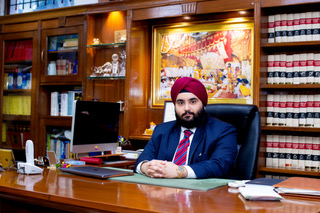
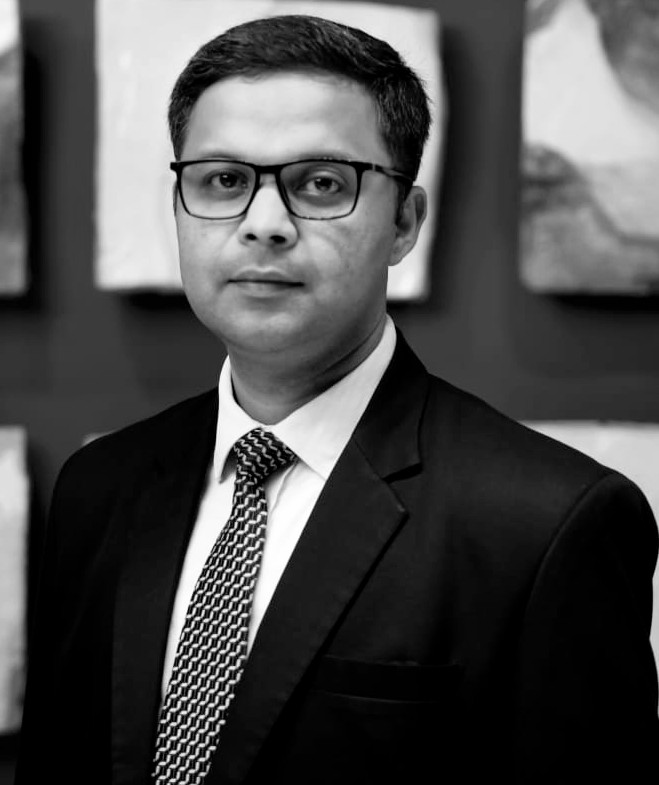
  • “In today’s world, with increasing globalization and the opening up of the “legal market” with the proliferation of international arbitration, we also need to be proactive about adopting best practices from other practitioners and jurisdictions”- Zafar Khurshid, Senior Partner/IP Chair, TKC Partners LLP

    “In today’s world, with increasing globalization and the opening up of the “legal market” with the proliferation of international arbitration, we also need to be proactive about adopting best practices from other practitioners and jurisdictions”- Zafar Khurshid, Senior Partner/IP Chair, TKC Partners LLP

    This Interview has been published by Pragya Chandni and The SuperLawyer Team
    Can you walk us through your journey from being a law student to becoming a founding partner at TKC Partners LLP? What pivotal moments or experiences shaped your career trajectory?

    I would say my journey toward becoming who I am today began even before law school. As an Undergraduate at St. Stephen’s College I had the opportunity to explore not only where my interests lay academically, but also to begin to explore who I was, and who I wanted to become, as a person. I wasn’t always certain about pursuing law, at the time I was quite keen on exploring the dramatic arts. By my third year I was more set on my path towards the law. Reading History helped inform that decision. 

    That was followed by three years at CLC, Faculty of Law. I was not the most academically gifted student, nor, to be candid, the most hard-working. When I first joined I was not certain whether I was pursuing law because of the expectations of family, or because it was right for me. But I found myself drawn to certain courses, particularly Jurisprudence and Intellectual Property Law, which reinforced my decision to pursue law as a career. 

    After LL.B. I joined the Office of Mr. Gourab Banerji, Senior Advocate, who was Additional Solicitor General in the Supreme Court at the time. They say you never forget your first boss – and I certainly couldn’t. Mr. Banerji provided a nurturing and professional environment for a young legal professional to learn the ropes, and to make mistakes without fear or judgment. Many of the habits I try to inculcate in my Office even today I imbibed from my boss and my colleagues in that Chamber.

    While practicing in the Courts in India has a thrill that cannot be matched, I had already begun thinking about pursuing higher studies in England. The drive had been fuelled over the years by visits to my family in the UK, and my father’s stories of his time at Oxford. The University of Oxford was my first choice. Having marginally missed a First Division I didn’t make it through. But sometimes life finds a way to give you what you need, even if it isn’t what you think you want. I joined Queen Mary, University of London for the LL.M. in Intellectual Property Law. That definitive year studying in the heart of London provided some of the most pivotal moments in my journey. Far from the nest, and challenged to break free from the shackles of rote learning, I got the opportunity to truly develop a zeal for the study of law, a joy for learning and analytical reasoning, and to dive deep into the study of Intellectual Property Law. Truly enjoying what I was learning pushed me to strive like never before, which happily culminated in graduating with Distinctions in each of my Courses. QMUL enlivened my passion for the law, and gave me some of my most endearing and enduring friendships. I can truly say that if not for that year, I would not find myself where I am today.

    After my academic success at QMUL I was accepted into Oxford, which fulfilled a burning desire I had held in my heart for a quarter of my lifetime. I spent two years at St. Edmund Hall, University of Oxford pursuing the BCL and then the M. Phil in Law. Oxford helped me take my abilities and my ardour for academia to new levels. I had the opportunity to study under and with some of the sharpest intellectual minds I ever had the privilege of interacting with, both inside and outside of the legal realm. Though I probably did struggle with “imposter syndrome” at first, being intimidated intellectually pushed me to challenge and better myself. I was privileged to have this opportunity, and I did my best to take the fullest advantage of it. I was scared, I was excited – I had worked hard to get there and I hope it’s okay to admit that, despite all my anxieties, I was proud of myself. Reaching Oxford helped me believe in my capabilities and shape the confidence that I feel one needs to push oneself to the next level professionally. Not only did I meet my best friend at Teddy Hall, but I found the freedom and space to strive towards becoming my best self.

    After returning from England, it was an adjustment being back in litigation in Delhi. The Oxford bubble had popped, and I had to find a way to transfer the skills developed during my time in academia to my professional pursuits. Despite offers and advice pushing me in other directions, I relished the chance to work under my father Mr. Salman Khurshid, Senior Advocate. His practice was varied, his grasp of the law disparate, and his academic bent familiar. Many days were spent having intellectual debates over lunch with all his juniors in the Office, and countless hours running from forum to forum – calling for familiarity with everything from Constitutional and Administrative Law to Competition and Anti-Trust. Exposure to so many different fields developed my general appreciation and grasp of law and, despite my specialisations, convinced me of the value of being a generalist – A jack of trades, master of none – but better than just the master of one.

    After a few years the opportunity presented itself to join with dear friends and colleagues to set up our own firm – TKC Partners. Once again I found myself anxious, doubting myself and my potential – but the time had come to take the skills and abilities developed over the last decade and to push myself to the next step. 

    Pivotal moments in life rarely present themselves as such when they are before us. For most of us, in life the key moments are often gradual or imperceptible until we’re much further down our path. I think every step has culminated to bring me where I am today. While some may feel more definitive, none would be the same without those that have come before.

    You’ve had significant experience in both litigation and arbitration, particularly in high-stakes cases before various forums, including the Supreme Court of India. What draws you to these areas of law, and how do you navigate the complexities they present?

    From the very beginning I knew that I was more drawn to the Courtroom than the Boardroom. While Corporate Law offered more stability and remuneration, and many of my friends went in that direction, I knew my first love was litigation. Perhaps it is, as my friends and family often insist – that I am a born lawyer – eager to argue with anyone and everyone, about anything. Or perhaps it is as my father once told me when I had more whimsical fancies of being a stage actor – that litigation and theatre have many correlating and overlapping skills – oration, diction, the ability to command a room and capture the attention of your audience.

    While litigation in India certainly has its share of drama, I think along with being an inherent performer, what draws me to dispute resolution is the thrill of argument, and the excitement and pace of litigation in India (though sometimes there is more excitement than necessary). Once I joined the profession I also had the opportunity to explore arbitration, and see many of the advantages it offers over litigation in an often over-burdened system.

    Each area of law has its own thrills and its own obstacles. Navigating the complexities is often just about weathering the storm of backlog, managing the expectations of clients unfamiliar with the system, pushing your colleagues and contemporaries to help improve the system rather than take advantage of its shortcomings, and most importantly – patience. And in today’s world, with increasing globalization and the opening up of the “legal market” with the proliferation of international arbitration, we also need to be proactive about adopting best practices from other practitioners and jurisdictions.

    As someone who has been deeply involved in intellectual property rights (IPR) practice, could you share some insights into the evolving landscape of IPR enforcement, both domestically and internationally? What are some of the key challenges you’ve encountered in this field?

    Intellectual Property is an ever-evolving discipline. While its foundational concepts may not change, its application can rapidly adapt and develop in the face of technological advances, globalisation, the clash between the interests of developed countries and the needs of developing nations, and several other such factors. One of the most important developments however, especially for growing markets such as India, is cross-border recognition and enforcement, both for international brands that bring investment and economic growth into India, as well as for home-grown brands that have found an international market.

    India has made great strides when it comes to the awareness, proliferation, recognition, and protection of IP rights. But we cannot rest on our laurels. Our infrastructure needs to catch up with the pace and requirements of market demands; we need to be proactive about facing the challenges of IP enforcement in the digital age; the level of expertise required from offices and the judiciary is not uniform across the country; and we need to ensure that a robust IP system does not create a space for IP bullying or takeover by larger vested interests against the freedom of creation and innovation.

    Your time as a Research Assistant and then co-Author for your Chapter in the publication by the Office for the Harmonisation of the Internal Market (OHIM) involved studying the enforcement of intellectual property rights in the European Union. How has this experience influenced your approach to handling IPR matters in your legal practice?

    The opportunity to co-Author a Chapter in European Case Law on Infringements of Intellectual Property Rights (Bruylant, 2016), published by OHIM (now known as the EUIPO) was an exciting opportunity to delve deep into a specific issue from an unfamiliar perspective. It helped acquaint me with some of the potential conflicts and challenges that proprietors and practitioners can face when it comes to the cross-border enforcement of IP rights.

    It also helped me truly appreciate the impact and importance of Intellectual Property Law in commerce. Now known by a more appropriate name, the EU Intellectual Property Office used to be the Office of the Harmonisation of the Internal Market – which started with the remit to administer the new EU-wide unitary property right, the EU Trade Mark. Through the application and enforcement of various EU Directives, this Office played a vital role in breaking down several trade barriers in IP, showing how IP plays a pivotal role in creating, facilitating, and influencing cross-border trade and growth of mutual economies.

    I think the experience has helped me develop a foundational expertise with the issues associated with such enforcement, which aids me in advising clients with multi-national offices or businesses, and also helps with a key aspect of IP advisory – litigation management and avoidance.

    In addition to your legal practice, you’ve been actively involved in academia, including co-interviewing undergraduate law candidates at the University of Oxford. How do you balance your legal career with academic engagements, and what value do you see in contributing to legal education?

    During my time at Oxford I was primarily dedicated to purely academic pursuits. But I also had the opportunity to carry on some of my practice, in an advisory capacity. The opportunity to co-interview undergraduate students, along with Professor Aileen Kavanagh, was interesting. It was funny to be on the other side of the table just a year after getting into Oxford myself – to try and gauge and appraise these young candidates and to make recommendations on whether they should be offered a place. This was perhaps the first time I felt the weight and gravity of the influence we in the profession can have on the future of the next generation of legal practitioners, jurists, and policy makers.

    After re-joining the profession back in India I have attempted to make time to make myself available for similar opportunities through symposiums, lecture series, podcasts, etc. But balance is always the greatest challenge in the legal profession. I’ve not been able to make the time to take on more formal and structured academic roles, despite being approached a few times, as I’ve felt that I needed to provide more time to my role in growing my Firm. But it is always on my agenda to find ways to reach law students and young professionals when suitable opportunities present themselves – the worlds of academia and practice cannot be divorced from each other – this is a loss to both. I think it’s important that law students have the opportunity to know the realities of the legal profession, and to explore the profession before making the heavy commitments that it demands – this is only possible through access to practitioners who can help them gain a better understanding of law beyond their textbooks. The value in this is elementary – better, more well-rounded students will lead to a better, well-rounded legal profession.

    Your publication on ‘State-State Arbitration and its Role in Entrenching the Rule of Law in the International Legal Community’ explores a crucial aspect of international arbitration. Could you elaborate on the significance of this topic and its implications for the legal profession globally?

    First let me say what an honour it was to be given the opportunity by the PCA to co-author a Chapter in International Arbitration and the Rule of Law. It was such a privilege to be part of the PCA’s recognition of the work and contributions of the eminent and unmatched jurist and legal luminary – Mr. Fali S. Nariman – who sadly is no longer with us.

    This piece, as indeed much of the collection, focussed on various aspects and examples of international arbitration and inter-state arbitration, and how they have influenced the development and entrenchment of the Rule of Law, a traditionally domestic principle, in the realm of international law – which is traditionally driven by the concepts of sovereignty and State autonomy.

    Our article focussed on the role of interstate arbitration in promoting the rule of law, focussing on two significant PCA arbitrations – the Bay of Bengal Maritime Boundary Arbitration (between India and Bangladesh) and the South China Sea Arbitration (between China and the Philippines). An examination of cases such as these highlights several challenges that practitioners in the field of international law and international arbitration must contend with – the Rule of Law remains a somewhat contested concept in the international context, though there is a greater uniformity to the dimensions of the principles under domestic law. The nature of the disputes under these cases, and the stands taken by the Nation-States – both during and in the aftermath of these cases – highlights the challenges to international law, and the continuous necessity of the willing participation of States in maintaining its principles. Some of the lessons from the comparative analysis of these cases are particularly relevant for India today.

    Collaboration seems to be a recurring theme in your career, from assisting Senior Advocates to co-authoring publications. How do you approach collaboration within the legal field, and how has it contributed to your professional growth?

    ‘If you want to go fast, go alone; if you want to go far, go together’. This traditional African proverb quite succinctly exemplifies my outlook towards law and the legal profession. In a fast-paced and often aggressive landscape, legal practitioners become hard-wired for competition – treating their practice as a zero-sum game. This can cultivate unproductive outlooks that can harm the system long-term.

    I believe some of my greatest successes have come, not from side-lining or “defeating” competitors, but from finding opportunities to collaborate and cooperate. But often this is easier said than done. Collaboration requires trust, and as they say – once bitten, twice shy. Maintaining a collaborative attitude can be difficult, especially in the face of emulous elements. But patience, belief, and a little luck, can help one find genuine contemporaries to work and grow with.

    This also informs the manner in which I aim to guide and advise Clients, encouraging them to look at conciliatory approaches, focussing on larger interests and benefits. Though Clients ca be similarly motivated/programmed – to see conciliation as a mark of timidness and weakness – but I have found that many stay with us because we show them that our approach focusses on their best interests, and often bears results in otherwise quagmired situations.

    Finally, considering your diverse experiences and accomplishments, what advice would you offer to aspiring law graduates who are about to embark on their legal careers? What key principles or strategies should they keep in mind as they navigate the legal profession?

    There may honestly be no end to the advice someone could dole out to aspiring graduates poised on the brink of starting their journeys in the profession. There is just so much to learn and experience. Some of it you may have guides and mentors that can prepare you, some you will just learn the hard way.

    One thing I would emphasise is that law is a life-long pursuit of knowledge. You must constantly be open to learning and growing. Your early years are the best time to chase diverse and varied experiences – don’t hem yourself in early – there is plenty of time in life to “specialise”. One must also focus on foundational concepts, and don’t be afraid to grow slowly – chasing the “30 under 30” label can often lead to shortcuts or missed opportunities that could be hard to make up later. You must look inwards to define your image of success, don’t chase someone else’s.

    You shape the system as much as it shapes you. It may be difficult, but always strive to better yourself, and those around you, and be slow to frustration. Surround yourself with people who push you to expand and grow. Take the best habits from your mentors, ignore the worst. You will have many unwelcome experiences, learn from them but don’t let them define you.

    Get in touch with Zafar Khurshid-
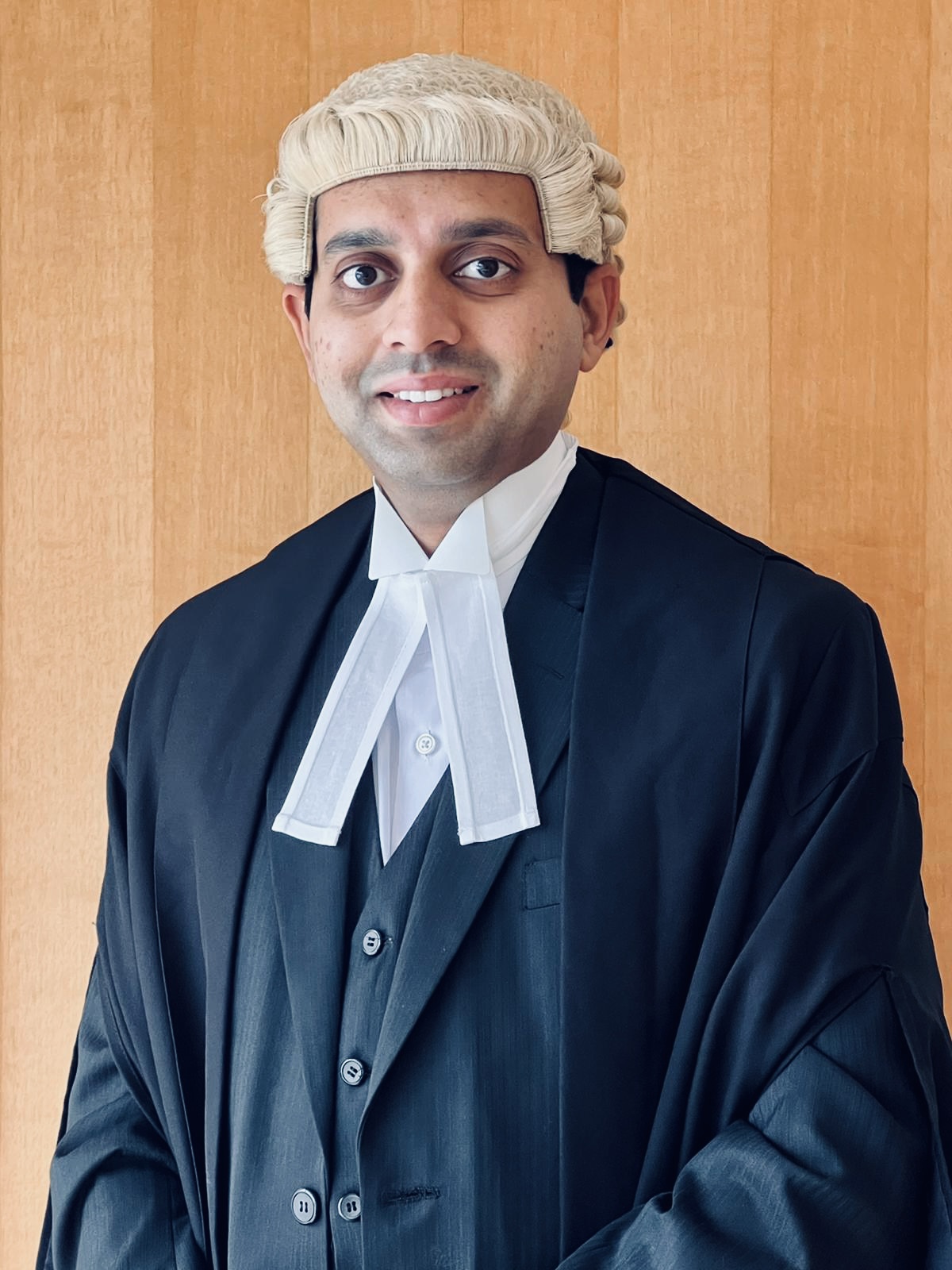
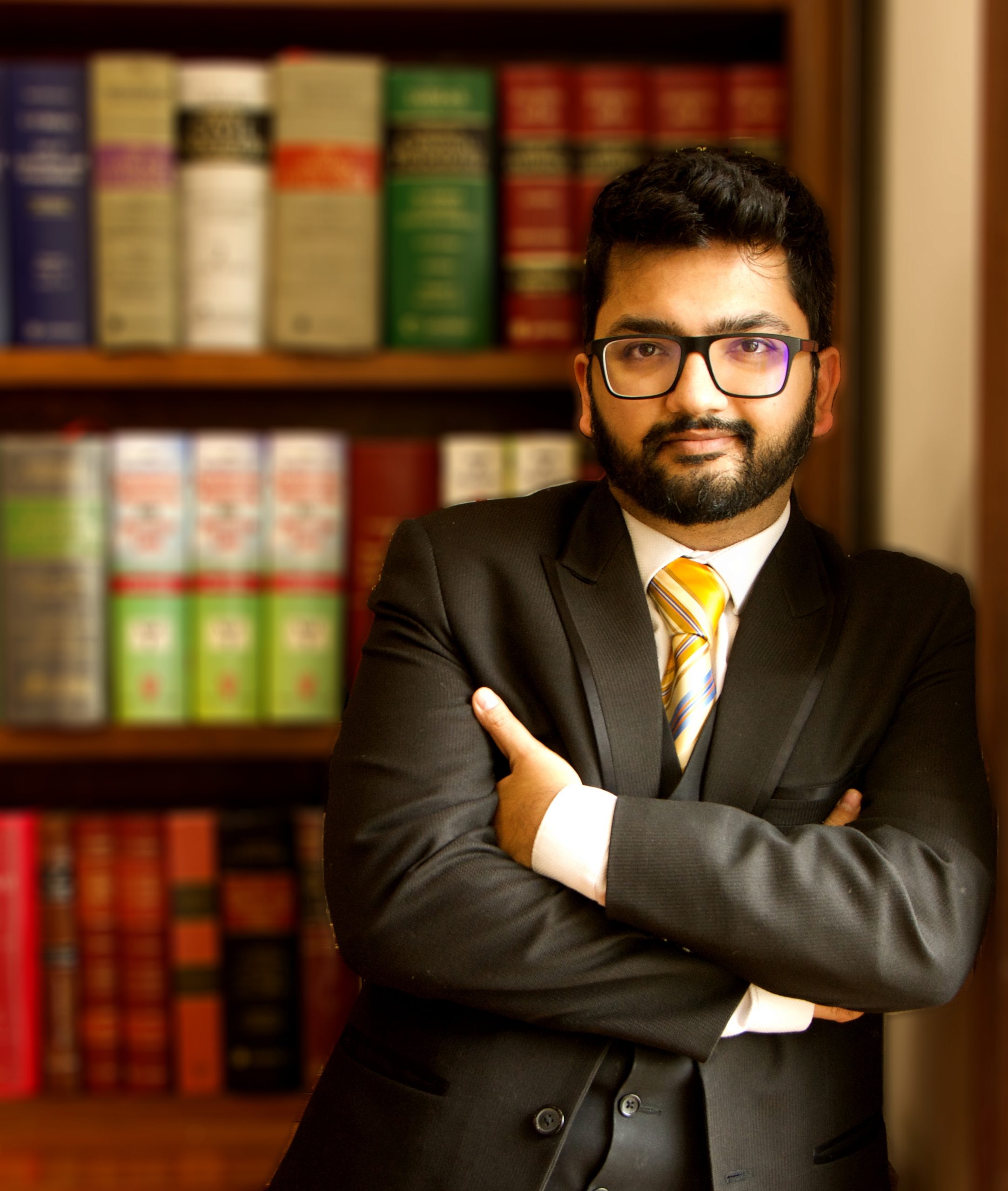
  • “Being close to the core legal principles, practical developments, different viewpoints from commentators and possible areas for reform are essential to make the most of practising the law”- Gautam Bhattacharyya, Partner at Reed Smith LLP

    “Being close to the core legal principles, practical developments, different viewpoints from commentators and possible areas for reform are essential to make the most of practising the law”- Gautam Bhattacharyya, Partner at Reed Smith LLP

    This Interview has been published by Pragya Chandni and The SuperLawyer Team

    Sir, could you please share with us a bit about your journey into the field of international commercial arbitration and litigation? What initially drew you to this area of law?  

    I did my two year training contract between 1991-1993 at the London office of a law firm then called Denton Hall Burgin & Warrens, and, as was customary, did 4 seats each of 6 months duration.  My seat in the dispute resolution group led by a partner called Bob Goldspink opened my eyes to the world of international commercial arbitration and litigation.  Although Bob is now long retired, he was a great mentor to me and remains one of the biggest influences in my career.  Bob made the practice area fun and dynamic, and I thoroughly enjoyed the challenge of solving commercial problems through the analysis of the facts and application of the law, the close interaction with clients, the global nature of the disputes, considering the best strategies to adopt and thinking about how our opponents might act.   When I qualified as a solicitor in 1993, I became an associate in Bob’s team and continued to learn from him through working on a broad mix of arbitrations and litigations.   He also gave me a lot of responsibility and independence from the outset.

    You’ve had an extensive career with Reed Smith, including serving on the global board and executive committee. Can you highlight a few key milestones or cases that have been particularly significant in shaping your career? 

    My time at Denton Hall Burgin & Warrens from 1991-1997 will always be special as that was the first law firm I worked at and we should never forget where we all started.  Apart from Bob Goldspink, I shall always be indebted to two other partners there; Virginia Glastonbury, who interviewed me for a training contract in 1989 and believed in me, and Bill Anderson, another disputes partner, who taught me how to really think through issues.  

    Shortly after I joined Reed Smith in 1997, I became the lead associate on a major litigation acting for the BBC in defending the arrangements it had entered into with the Premier League to acquire the exclusive rights to broadcast highlights of English Premier League football matches on its flagship Match of the Day programme. The BBC was ultimately successful in that litigation following a trial in 1999.  Not only was that a fascinating and high profile case to work on, but it also enabled me to work very closely with Sarah Jones, then the BBC’s head of litigation, and who for many years now has been the BBC’s General Counsel.  Sarah is both a formidable lawyer and wonderful person, and remains one of my very best friends in the law.   Since that Premier League football case,  I have been very fortunate to advise the BBC and its group entities on many significant matters, right through to the present day.  

    In the course of my now almost 27 years at Reed Smith, I have also been very fortunate to have worked with many colleagues on arbitrations and litigations involving clients and disputes all round the globe including India, Africa, the US, the Middle East, Singapore and SouthEast Asia, Mongolia, Kazakhstan and South America, amongst others.   Those matters have all been great learning experiences, and have involved a wide range of industry and business sectors.  The ability to work with clients and lawyers in those jurisdictions has been a real privilege as has being able to travel to so many countries as part of those cases.  I genuinely did not think that I would visit so many countries when I was growing up in London.   It has also been uplifting to see several lawyers who have worked with me on those cases achieve promotion at Reed Smith;  a number are now my partners and a number have moved to prominent in-house roles.   The success of each of my mentees has been a key milestone.   

    I shall always be thankful for being made a partner at Reed Smith in 2000,  being asked to serve as the founding managing partner of Reed Smith’s Singapore office and being based in Singapore from 2012-2015, and for being a member of Reed Smith’s global board, its Executive Committee, from 2017-2023.  

    Looking at the list of representative matters, you’ve represented clients in a wide range of industries and jurisdictions. How do you navigate the unique challenges presented by different sectors and legal systems?

    The variety is stimulating and, as every case is different, each is always a great learning experience.  There is inevitably a core skill set which all disputes lawyers need to have, but being able to adapt, take things in stages, and think flexibly is important.  There is also never a monopoly on wisdom, and everyone on the case team has an essential and valuable role to play.  Working in a wide range of industries has given my colleagues and I the ability to interact closely with a broad spectrum of clients and form several long-lasting relationships.   Almost invariably the external legal team and the client team become a seamless unit, looking out for each other and working towards common goals.   Working on matters involving lawyers in other jurisdictions, apart from my home jurisdiction of England and Wales, is a fabulous way to expand our minds and to think even more broadly.  When you also throw expert witnesses into the mix, that adds to things even further. We all learn a lot from each other, work symbiotically and continually appreciate that there are different ways to approach issues.  That sums up what it means to be involved in international litigations and arbitrations.        

    How has your experience as an educator informed your approach to complex legal matters, and do you see any intersections between teaching and practicing law?

    A phrase I read many years ago is that the legal profession graces lawyers, and lawyers do not grace the legal profession.   It is therefore important to give back and to share knowledge, experience and expertise. I have always enjoyed giving talks on legal topics, speaking at conferences, teaching occasional classes, writing articles and contributing to legal publications.  None of us stops learning.   The law is dynamic and constantly evolving, and being as up-to-date as possible is essential.  Being close to the core legal principles, practical developments, different viewpoints from commentators and possible areas for reform are essential to make the most of practising the law.   Clients also expect us to not only have excellent judgment but to always be on top of legal learning, and so there is no substitute for that.        

    Balancing responsibilities as a former managing partner of Reed Smith’s Singapore office and chair of the India Business Team must have been challenging. How do you balance leadership roles with your legal practice?

    With the support of incredible colleagues.  Doing what we do is all about teamwork and supporting each other.  It is rightly expected that senior lawyers should give back to their firms in a tangible and meaningful way through leadership roles, but no one can do everything.  I am very fortunate to have so many amazing colleagues with whom I have worked closely over the years, and with whom I continue to work, who have enabled me to do what I do.         

    You’ve received numerous honors and awards, including being ranked in Chambers UK and listed as a ‘Leading Individual’ in The Legal 500. How do such recognitions impact your approach to your work, if at all?

    Any recognitions are of course hugely appreciated but they truly primarily reflect on my colleagues with whom I work.  It is also a broad team – my executive assistant, paralegals, trainee solicitors, associates, of counsel, and other partners.   As a mentor,  the objective should not be to have my mentees equal me but instead for them to surpass me.

    Coming towards the end of this conversation, what advice would you give to law students or fresh graduates who are considering a career in international commercial arbitration and litigation?

    Do it.  Go for it.  International commercial arbitration and litigation is an incredible practice area. Working on the resolution of major global disputes and advising clients, be it through arbitration, litigation or mediation or other types of proceedings,  in a mix of industry sectors, will stimulate, challenge and test you,  but it will in equal measure bring great satisfaction, sharpen your legal skill set and continuously broaden your learning.

    Get in touch with Gautam Bhattacharyya-

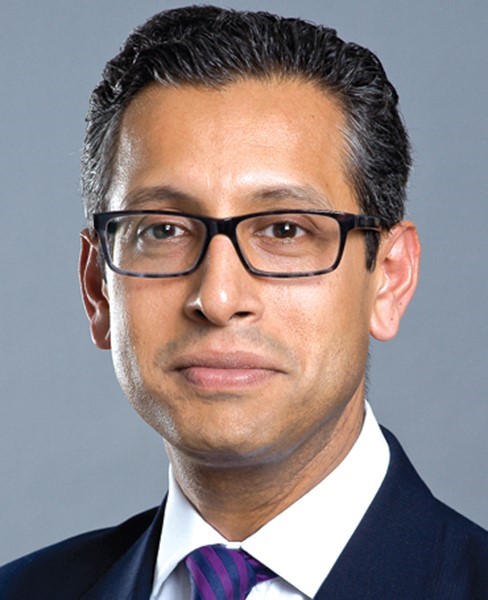
  • “Dream big so that you work hard to achieve the life you want, but in the meantime, don’t forget to live.” Encouraging young legal professionals to approach their careers with positivity and resilience – Karan Bindra, 𝗙𝗼𝘂𝗻𝗱𝗲𝗿 𝗮𝗻𝗱 𝗣𝗮𝗿𝘁𝗻𝗲𝗿 𝗮𝘁 𝗞𝗜𝗔𝗔 𝗟𝗟𝗣

    “Dream big so that you work hard to achieve the life you want, but in the meantime, don’t forget to live.” Encouraging young legal professionals to approach their careers with positivity and resilience – Karan Bindra, 𝗙𝗼𝘂𝗻𝗱𝗲𝗿 𝗮𝗻𝗱 𝗣𝗮𝗿𝘁𝗻𝗲𝗿 𝗮𝘁 𝗞𝗜𝗔𝗔 𝗟𝗟𝗣

    This interview has been published by Namrata Singh and The SuperLawyer Team

    Can you share insights into your journey from college to becoming the Founder and Partner at KIAA, LLP? What were the pivotal moments or experiences that shaped your decision to establish your own firm?

    Like every law student, I too have had my share of carefree days in college but as I progressed into senior years, the zeal of doing something started to kick in. In the early year of 2011, after the completion of our law degrees, the members of KIAA LLP (as they are today) found themselves taking divergent paths in the legal profession. Some ventured into roles as in-house counsels for corporations, while others worked with seniors in the field, gaining valuable exposure and experience. However, as we navigated our journeys, it became evident that establishing one’s presence in the legal field required more than just exposure. While working with seasoned professionals sure helped us create a space for our own in the industry, the opportunities that we had created for ourselves in that space needed to be tapped in time.

    Realizing this, I engaged in discussions with like-minded colleagues, Ankur and Chayan, who shared similar perspectives on the importance of creating a niche for ourselves in the legal arena.

    Fortuitously, our discussions culminated in a collective decision to join forces and establish KIAA LLP in early 2012. This marked the inception of our law firm, where we aimed not only to leverage our individual experiences but also to pool our strengths and work collaboratively. The firm was founded on the belief that client satisfaction using correct knowledge, providing the right information, and ensuring accessibility of service to our clients even if located in the remotest part of the country. Hence, that got us a name for our perspective, KIAA LLP- Knowledge Information Access Associates Limited Liability Partnership.

    Given your involvement in pro bono services for organizations like Malala Funds and Trust Law, how do you balance commercial legal work with contributing to social causes?

    So, it’s not about balancing at all. It’s about aligning your principles of  life with your work, and what is a man without principles?

    I was born and raised in a Sikh Family with the teachings of the Gurus. I want to take this opportunity to refer to a verse from Shri Guru Granth Sahib Ji which has immortalized words of Guru Nanak Dev Ji – “One who works for what he eats, and gives some of what he has in charity, O Nanak, he knows the path to fulfilment.” Taking inspiration from which, we have always been inculcated with a habit of doing ‘Sewa’ which can be either through  ਮਨ,  ਧਨ (tan (physical service), man (mental/emotional service),  or  dhan (financial support)).

    My intention of working for social causes has always been that of giving something back to society in terms of my time and efforts. So, I utilise my knowledge and expertise to earn my livelihood through commercial matters, and I consider myself privileged to be able to utilise some of it for a social cause.

    KIAA, LLP has received numerous awards and recognitions. What do you attribute the success of the firm to, and what sets it apart in the legal landscape? 

    I attribute the success of the firm to my team- my co-founders, associates and every other member of our staff who do not hesitate to work around the clock if need be. It is also about the work culture at KIAA LLP that we have all built through the years. I have always said that we measure our success not by trophies, awards or cheques but by ‘Client Satisfaction’. I think, our ‘Client First’ attitude is our USP!

    You’re a member of various legal associations and clubs. How has being part of these networks enriched your professional life and influenced your perspectives on law?

    To be very honest, networking is very important in our profession and being part of the legal associations and clubs is a great way to socialise and build a meaningful network. I have benefited greatly from it, not only because I met many of my prospective clients through these clubs but I met people from various walks of life including law, seniors & juniors having different experiences.

    These kinds of experiences widen your horizons as a lawyer. The job of the lawyer is to understand the perspective of his client, and the Court both. We all know how dynamic and subjective human nature is. Being a part of these clubs helps you enhance the emotional quotient- the greatest asset of our profession!

    You’ve served as the Central Government Counsel at the Delhi High Court. Could you shed some light on your role during that time and share any experiences or cases that left a lasting impact on your professional journey?

    Certainly! I was pleased to be appointed as Government Pleader in the year 2012, and I remained on the list of empanelled lawyers with the Central Government Litigation branch at the Delhi High Court until 2017-18.

    This six-year period was most significant in shaping my professional journey. It exposed me to the intricacies of handling multi-faceted and high-stakes government matters.

    One of the distinctive aspects of appearing on behalf of the government is the sense of responsibility and accountability because your actions and advice can have a direct impact on the general public. It goes beyond individual client representation, as you are entrusted with safeguarding the interests of the larger public and the government as a whole. That’s the combination of power & responsibility that a government counsel bears on his head.

    A set of experiences that seemed cumbersome to my 10-year younger self but had the most impact on my professional journey was the manual filing process prevalent at the time. Unlike today’s E-filing systems, we used to stand in queues before filing counters with strict deadlines to meet. This hands-on experience taught me the importance of time management, meticulous preparation, and adherence to court procedures.

    Now, the agility and clarity with which a court case needs to be handled comes as a second nature to me. I guess, now I truly understand the meaning of this phrase “The more you sweat in peace, the less you bleed in war.”

    Can you tell us a bit about the talented team at KIAA, LLP? How do you nurture and support your team members, and can you give us an idea of the size of your team or the number of interns involved in the firm’s operations? 

    First things first, I think every person at KIAA, LLP knows their job well and my co-founders & I give our Associates a free hand to conduct the matters. Of course, we discuss each proposition together and work on possible solutions but flexibility is the key.

    We believe people can work better if they are not micromanaged. We allow them to work freely while standing strong and tall as their support should the need arise. We are a happy, hardworking and fun-loving bunch of about 15-17 people including our clerical staff.

    You’ve expanded KIAA, LLP into a multi-service law firm. What inspired this diversification,  how do you ensure the team provides practical legal solutions to clients?

    I’d rather say, WE have expanded KIAA, LLP into a multi-service law firm. Naturally, when we started the firm, we were a boutique firm working only on the matters that our clients got to us. Over time we realised that most of our clients (largely business & commercial houses) face similar problems, and we thought why not have an end-to-end solution for all these problems starting from compliance to representation in appropriate forums?

    That’s how we undertook expansion and diversification. Just as Rome wasn’t built in a day, we also took our time, took one department, one specialisation at a time. Categorised various departments and hired associates having specialised knowledge in that department. KIAA, LLP as you see today is years of hard work, late nights, early mornings, sweat & blood.

    We have only one mantra of providing legal solutions to our clients- WE PUT OUR BEST PERSON ON THE JOB!

    In addition to your legal expertise, you’ve delved into blockchain and cryptocurrency, as seen in your certification from Berkeley Law. How do you see emerging technologies influencing the legal landscape, and how is KIAA, LLP adapting to these changes?

    Well, the emerging technologies can influence the legal landscape in many ways or they have already started influencing the system, I’d rather say. With Smart Contracts, Live Streaming of court hearings, E-Filings, E-tokens etc. It would come as no surprise when there will be an official cryptocurrency being used as legal tender! Maybe there will be dedicated law firms for Crypto Law Practice in the future, who knows!? The possibilities are endless!

    We are talking about two things that are highly dynamic- Law & Tech! An impact on one industry will definitely impact the other.

    Outside of your busy legal career, can you share a personal interest or hobby that might surprise our readers and provide a different dimension to your personality?

    I love travelling! I find immense joy in exploring new places and immersing myself in different cultures. It’s not just about leisure; I often plan my trips strategically, making the most of the court summer vacations to indulge in this personal interest. Whether it’s a serene beach destination, a historic city, or a picturesque mountain retreat, I appreciate the diversity our world offers, and I make it a point to experience it firsthand. It helps me unwind, gain fresh perspectives, and recharge for the challenges of the profession.

    Another hobby that adds a different dimension to my personality is playing golf. I find solace in the greens, it helps me strike a perfect balance between relaxation and skill, offering me a chance to clear my mind while engaging in a sport that requires focus and precision.

    Not many would know but I am also an avid collector of watches and antiques. I appreciate art & craftsmanship. Each watch or antique item tells a unique story, and helps me travel in the era bygone!

    Having navigated through diverse legal challenges, is there a piece of advice or a valuable lesson from your career that you would like to share with the upcoming generation of legal professionals as they embark on their journeys in the legal field?

    I would say to my young colleagues & fellow persons: – Dream, Work & Live! Dream big so that you work hard to achieve the life you want but, in the meantime, don’t forget to live. That would mean allowing yourself to make mistakes, they would teach you lessons no law school and mentor can teach. Keep moving and be positive about your work because like a wise man said-

    ‘A pessimist makes nothing not even a mistake!’.

    It would be most appropriate to end this conversation with a saying of Steve Winwood, “The finer things I feel in me, the golden dance life could be.”

    Get in touch with Karan Bindra-

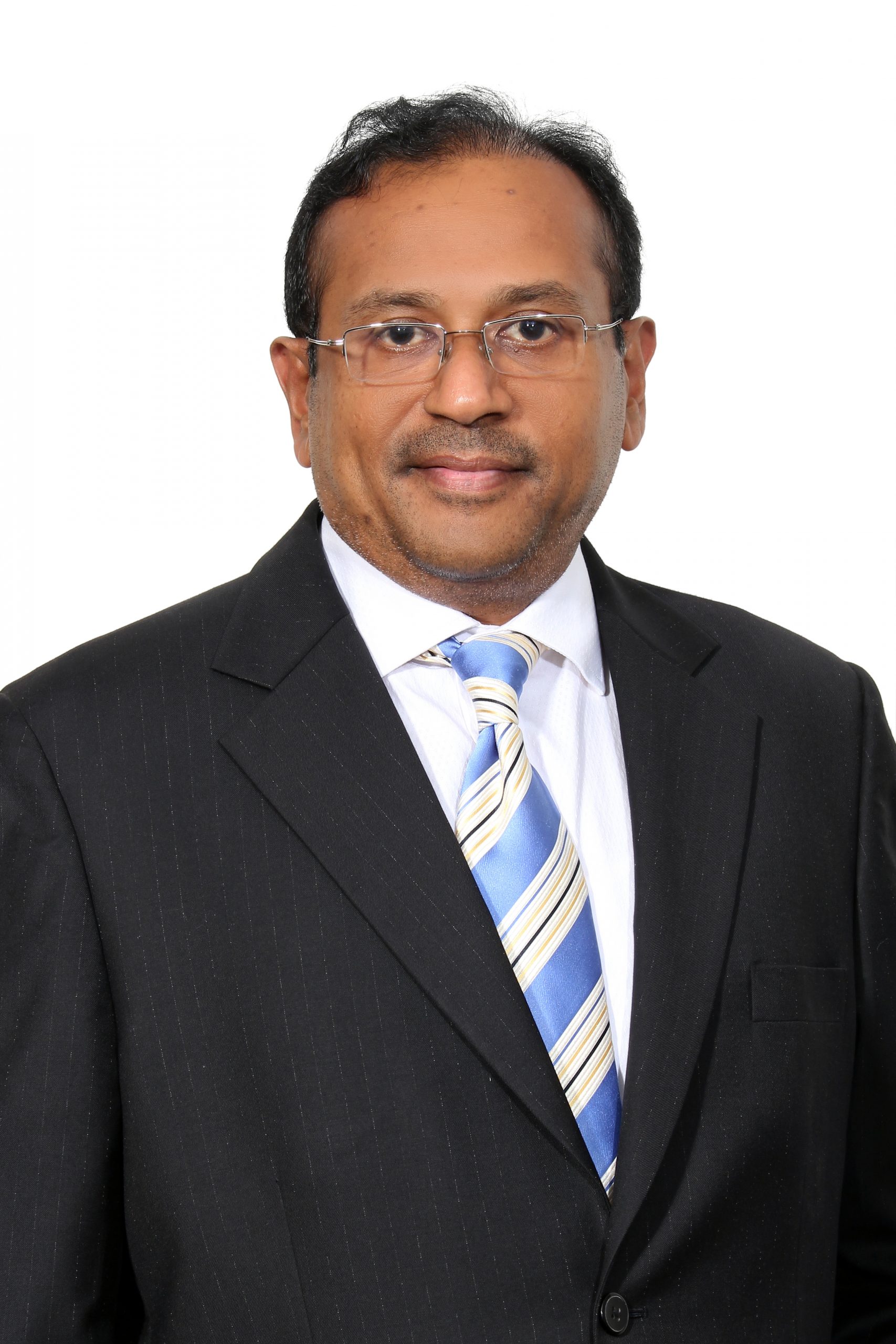
  • “It is a very long and tedious process to become a lawyer and to specialize in a particular field of interest, and to make a name for oneself. But this should not deter anyone from pursuing their dream.”- Vivek B.Siddalingaiah, Civil Servant, Ministry of Justice UK 

    “It is a very long and tedious process to become a lawyer and to specialize in a particular field of interest, and to make a name for oneself. But this should not deter anyone from pursuing their dream.”- Vivek B.Siddalingaiah, Civil Servant, Ministry of Justice UK 

    This Interview has been published by Pragya Chandni and The SuperLawyer Team

    Can you share your journey from practicing law in India to your current role as a Legal Advisor for the Magistrates in the UK’s Ministry of Justice?

    To begin with, I did my B.A.L. LL.B. , five years integrated course from University Law College, Bangalore University. In October 2010, I was called to the bar after completing my All India Bar exam and immediately after being called to the bar at the Karnataka State Bar Council, I started practicing. I started practicing under a senior and my main practice area involved insurance, banking, domestic arbitration, and other civil matters. Along with this, I also used to practice before the Debt Recovery Tribunal.

    After practicing for over four years in Bangalore, I moved to London to do my Master of Laws post-graduation from City University, London. My areas of specialization were Alternate Dispute Resolution and Civil Litigation in reference to the UK law. I completed my post-graduation in 2015 and my final dissertation as part of the course was about International Investment Treaty Arbitration. After this, I had to move back to India because of Brexit issues and I joined a startup company in Bangalore as a legal counsel. After working there for less than a period of six months, I joined Tatva Legal Bangalore as an associate in their litigation team. Working at Tatva Legal gave me a wide exposure to the other fields of law namely Corporate Law, Corporate Litigation and International Commercial Arbitration. In 2016, the New Companies Act and Insolvency & Bankruptcy Code were passed in India and as a result the National Company Law Tribunal were established. I started practicing before the NCLT for a period of two years.

     In 2019, I got an opportunity to work with the Financial Ombudsman Service, London as an investigator/ adjudicator. This role gave me an opportunity to resolve disputes in a quasi-judicial setting.  I had to take a small break during the COVID lockdown to attend to my personal work. 

    In 2022, I started applying for Civil Service roles in the UK.  Civil service recruitment in the UK is based on open competitive examinations. 

    These posts are advertised and applications are invited from eligible candidates, preferably candidates with law degree or experience in a common law jurisdiction. In August 2022, I cleared my competitive examinations and I was appointed as a Crown Court Advisor/ Clerk. I was mainly responsible for most of the administrative and procedural functions of running the Crown Courts. I got a very good opportunity to understand the criminal justice system in the UK. After having worked for one and a half years in this role, I got an opportunity to be promoted through an internal campaign and after having cleared my interview and other written tasks, I was appointed as a Legal Advisor for the Magistrates in the East London local justice area. I have been working in this role for the last two months.

    How did your experience in litigation, merger & acquisition, insurance, and international arbitration prepare you for your role as a legal advisor at His Majesty’s Court & Tribunal Service?

    As we all know, India is a common law jurisdiction, and this acted as an advantage for me. My litigation experience in India gave me all the understanding and the tools required regarding the court procedures. Because of this experience, I wasn’t a stranger to the legal system in the UK, even though there are a few procedural and other administrative differences between the two countries, the overall legal system is very identical. Because of this, I was able to understand, implement and do my best in the roles that I have been performing in the UK till now. 

    My litigation experience in India helped me in clearing my Bar exam in England and Wales, and also in my applications, written tasks and interviews for the legal positions that I applied for in the UK. 

    My experience in the field of insurance was advantageous when I worked at the Financial Ombudsman Service. My main responsibility at the Financial Ombudsman Service was to deal with insurance, banking and pensions disputes between the customers and the businesses. Having practiced insurance law for a period in India, it was easy for me to understand the concept, the difficulties and the nature of cases that were brought to the Financial Ombudsman Service for investigators or adjudicators like me to resolve. My experience in the field of domestic or international arbitration helped me in almost all the roles that I have been performing till now.

    What inspired you to pursue a Master of Laws in Civil Litigation & Dispute Resolution at The City University, London, after practicing law in India?

    In the year 2010, when I graduated with my law degree, it was sort of a practice for every other law graduate to go abroad to pursue Masters. I have had a few friends who went to the UK, the US, Australia and other places to pursue their masters. I had an opportunity to speak with them about their experiences, their expectations, and the advantageous position that they were in when they returned to India. 

    In my experience and understanding it is a bit important for any legal professional to have a specialization in one or more fields of law and I was very keen on specializing in at least one field of law which could give me an advantage over other candidates when it comes to the job market and this was one of the reasons why I decided to pursue my Masters.

    However, I was not sure about which field of law I wanted to specialise in. Initially I started my practice in insurance and banking law, then moved on to property law, then moved on to other fields of law. I wanted to make sure that I understood which field of law I would like to specialise. This could have been possible only by my own experience and work rather than anyone’s advice. After four years of practice, I realised that alternative dispute resolution was my field of interest and that is the field in which I would prefer to specialise in. 

    How has being dual-qualified as a Barrister in India and England & Wales influenced your legal career and approach to practicing law?

    It was always my aim or dream to qualify as a Barrister in England and Wales. Also, being a person interested in history and having read about many well-known jurists, freedom fighters and other people who have been in some of the very responsible positions, I realised that most of them were Barristers. I’ve heard the argument that it doesn’t require a qualification for a person to do great things. However, in my view, I was always interested in belonging to the list of people from India who are qualified as Barristers in England & Wales. Being a dual qualified Barrister does have its own advantages. I get to practice or work in two jurisdictions. It is also a very prestigious and respected profession in both the countries. I have had the opportunity of practicing before the courts in India and working in the courts in the UK. I believe this dual qualification has allowed me to work as I always wanted to. The dual qualification has also given me the advantageous position when it comes to applying for various positions or for my professional growth.

    Could you elaborate on your experience as an Investigator and Adjudicator at the Financial Ombudsman Service in London and how it shaped your understanding of dispute resolution?

    The Financial Ombudsman Service (FOS) is a service which resolves disputes between the businesses and the consumers without having the customers go to the courts. The legal system or the court system in the UK is very expensive when compared to that in India. This is one of the reasons why consumers or common people would like to bring their issues to FOS to be addressed. FOS deals with almost all types of commercial and business disputes including insurance, pensions, banking, credit, frauds and scams etc. 

    The role of an investigator or an adjudicator is to listen to both the parties, be impartial, unbiased and decide in the favor of the party which is right. This could involve penalizing the business or asking the business to do something that they are expected to do. I had the opportunity of working and resolving disputes in the insurance and banking team. I had the opportunity to resolve disputes in the Insurance, Banking and Pensions team. This gave me an opportunity to understand the various requirements, the way of interpretation of the law and drafting judgements. It also gave me an opportunity to speak with experts in the field of law and business to enable me to decide the disputes. Further,  it gave me an opportunity to understand the quasi-judicial setup in the UK and the procedure for parties to go to the courts or tribunals to resolve their disputes. This role prepared me for applying to other legal based positions.

    What unique challenges have you encountered while advising lay Magistrates on legal matters and procedural issues at His Majesty’s Court & Tribunal Service?

    Magistrates in the UK are also known as Justices of Peace. They are individuals from all walks of life who are passionate about making a difference in their local communities. This role is a volunteer role. Magistrates are people from all walks of life, usually with no legal qualification or training. The legal advisor sits with the magistrates in the courtroom to advise them on the legal procedures and the rule of law.

    No two days are the same for a legal advisor as it depends on the experience of the magistrates, the type of cases and the number of cases that are heard. As a legal advisor, we are expected to not only know the law, procedure but also the facts, recent developments in the field of law, recent judgments that might affect a particular case.

    The legal advisors are in a unique position as a lawyer. They are not fighting a case from a particular side, but instead looking at the law itself and ensuring it is applied in the correct way. A legal advisor acts with a judge’s hat on rather than as a stereotypical lawyer. This role places me at the heart of the criminal justice system. It is not only about advising the magistrate, but also assisting the parties who are unrepresented. 

    As someone deeply involved in both Indian and UK legal systems, what differences have you observed in the legal cultures and practices between the two jurisdictions?

    India is a mix of common law and civil law however, mostly adheres to the common law principle just like the UK. The judicial system in India is highly influenced by that of the British system which was framed and practiced pre-independence. The system is very identical and as such is not difficult for an experienced lawyer to understand. 

    Some of the differences that I could point out between India and the UK legal systems are the volume of cases (due to population), the time in disposing of the cases, the police system, and the working of various other departments that are involved in the administration of justice.

    The major difference is that administration of Indian courts is managed by the judiciary themselves. However, in the UK it is managed by the organization which I’m part of called His Majesty’s Court and Tribunal Service (HMCTS). 

    The practice and procedures are very identical, the court language used are very similar, the civil procedure, criminal procedure, admissibility of evidence are all very identical as well. 

    Overall, the Indian and the UK legal system are identical and they’re also complementary to one another.

    Lastly, what advice would you give to recent law graduates aspiring to pursue a career in litigation, arbitration, or judiciary, considering your diverse experiences in the legal field?

    I do not consider myself to have the experience to advise law students, however being a first-generation lawyer in my family, I had very little advice when I wanted to choose law as a career. This resulted in me waiting for a number of years before I could understand and decide what and how to do things. As such, I am keen on advising law students, especially first-generation lawyers who do not have much exposure or understanding about this profession.

    As said, the legal profession is a noble profession. One must have a lot of patience to survive and to do well in this profession. It is a very long and tedious process to become a lawyer and to specialize in a particular field of interest, and to make a name for oneself. But this should not deter anyone from pursuing their dream. Majority of my professional dreams have been fulfilled as I speak. My next and my aim is to enter the Judiciary which in my view will happen in the next few years. 

    Believe in yourself, work hard as there is no substitute for hard work and get the right advice from the right people.

    Career in law need not have to be restricted to civil or criminal practice; there are various fields of law that one can excel in. Make the right choice, take your time, get the right advice and follow your dreams.

    Get in touch with Vivek B.Siddalingaiah-

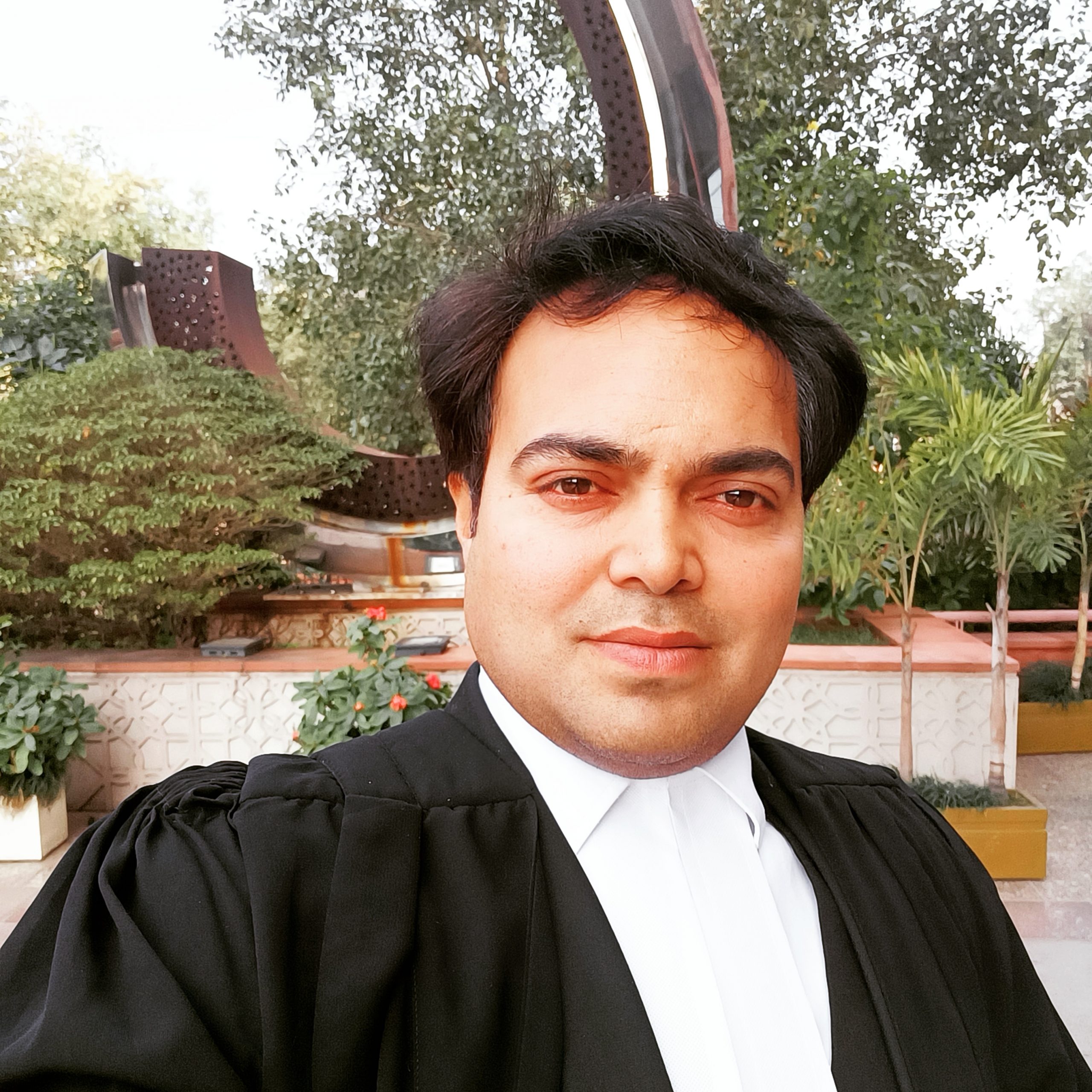
  • “As a cyber security advocate, I strive to strengthen laws and policies to combat emerging threats and safeguard digital ecosystems.” – Media Persona and Legal Luminary Dr. Shruti Bist, Advocate-on-Record at the Supreme Court of India

    “As a cyber security advocate, I strive to strengthen laws and policies to combat emerging threats and safeguard digital ecosystems.” – Media Persona and Legal Luminary Dr. Shruti Bist, Advocate-on-Record at the Supreme Court of India

    This interview has been published by Namrata Singh and The SuperLawyer Team

    For our readers who might be encountering you for the first time,  could you share a bit about your journey in the legal profession and your  various roles in the realms of cyber law, corporate law, and advocacy? Also what made you choose law as your career. 

    I am LLM in Corporate laws, I started my legal career as legal executive at  Thomson Reuters in 2015. I then shifted from Corporate to litigation and  worked with Seth associates under guidance of karnika Seth mam in field of  Cyber laws, arbitration and litigation .Then I joined AOR training under guidance  of Senior Advocate Supreme Court S Janani mam and started my independent  practice in Supreme Court from 2020 and qualified my AOR as well. I had  passion for law since the scope of law is very vast and also legal awareness  empowers women to exist with respect in society. 

    In addition to your legal practice, you are actively involved in media  as a TV panellist and public speaker. How do you balance these different  roles, and how has being a media personality influenced your work in law  and advocacy? 

    Yes I am a media panellist and have appeared on various legal issues and debates in DD  news, Republic Bharat, Zee News, TV 100, Nation live and others. I believe it’s also important for lawyers to increase awareness on legal issues to prevent crimes  from happening .We can balance our media work when we are free from court  hearings and being a media personality certainly adds on to your communication  skill and confidence . 

    You are an international arbitrator and mediator accredited in  London and Singapore. How does international arbitration differ from  domestic cases, and what challenges and opportunities does it present? 

    Yes I am an international arbitrator and mediator both and the work of International  mediation and arbitration certainly is more accountable since you have to  generate work for yourself and also meet International standards. In domestic  mediation matrimonial and commercial disputes are handled comfortably and are having good and huge scope to grow. The challenges of young lawyers entering  is high since big corporates prefer Singapore as base and also retired judges are  preferred as arbitrator hence new arbitrators find it tough. International arbitration is a new arena in India and Singapore leads. We look forward to improving  international arbitration in India as well. 

    As the President of the National Cyber Security Council for Women’s  Indian Chamber and Commerce Industry, you play a key role in policy making for cyber laws. What are the most pressing cyber threats faced by  individuals and businesses today, and how can one stay vigilant in the digital  age? 

    As president of the Cyber Security Council ,WICCI I actively forward  representations to PMO and various ministries for better implementation of cyber  laws in India. I worked on regulations of OTT platforms and drafting on  Intermediary Guidelines And Digital Media Ethics Code Rules 2021. I believe  further amendment on Broadcasting Services (Regulation) Bill, 2023 is must and  provision of cable Tv Act and TRAI regulation to further make the regulations  of OTT platforms stringent is must .Cyber threats such AI crimes Deepfakes;  driverless vehicles as a weapon; tailored phishing; disrupting AI-controlled  systems; large-scale blackmail; AI-authored fake new s are latest threat and is  must to prevent . 

    By going through news on various crimes happening and latest measures to  prevent crime available on google such as internet security, unique passwords etc  can help prevent crimes . 

    Your expertise was sought during the drafting of Information  Technology (Intermediary Guidelines And Digital Media Ethics Code Rules  2021. Can you share a bit about your role in shaping these regulations and  the key considerations that were addressed? 

    Yes representation forwarded to the Ministry on adding Singapore based guidelines  on age gradation in content of programmes shown on OTT platform was accepted  and also the Writ filed before Supreme Court through our Council assisted in  regulation of further provision on Intermediary Guidelines And Digital Media  Ethics Code Rules 2021. 

    Please Describe Work Of IEFCI And Also Your Roles As IEFCI  President.

    The International Economic Forum of Commerce And Industry is one of the  leading business organizations, enabling business to secure peace, prosperity and  opportunity for all. IEFCI is the institutional representative of various leading companies across the globe. A non-government, not-for-profit organization, IEFCI is  the voice of international business and industry. From influencing policy to  encouraging debate, engaging with policy makers and civil society, IEFCI  articulates the views and concerns of industry. Our Mission is to make business  work for everyone, every day, everywhere. We provide networking forums for  Industries, Dispute resolution forum that includes international Court of Arbitration and Mediation, legal consultancy in cyber laws, corporate laws and  other legal issues, Policy forum, and various Online Courses to empower the  Entrepreneurs and professionals to learn better skills. 

    As President and founder of Forum I have responsibility to appoint various people  to prestigious posts and also implement ideas across India through conferences  and seminars and coordinate with people apart from handling ADR and ODR  disputes. 

    Please Explain About The International Council Of Artificial Intelligence,  Cyber Security, Research And Development (ICAI CARD) And Your Role As  Founder And President  

    International Council Of Artificial Intelligence, Cyber Security, Research and  development (ICAI CARD) is an umbrella organization that provides wide ambit of  AI and cyber security solutions to Industries and Government and also works  towards attaining goals on UN Sustainability. It’s an initiative of Shruti Bist Socio  Legal Foundation registered u/s S 8 of Company Act 2013 , Ministry of Corporate  Affairs ,India .www.caics.in 

    Our mission is to attain a high standard of AI and cybersecurity in the country and  attain sustainable development goals that require cyber peace and capacity  building for cyber resilient development. Technologies of 5G and AI (Artificial  Intelligence) have the potential to revolutionise a variety of industries, including  medicine, education, and agriculture. We have a dedicated team to research the latest AI related crimes and technology. Our mission is to provide cyber security  to Industries and government via legal and tech team and ensure Cyber Swachh  Bharat. 

    As president of Council I am working towards attainment of our goals and  mission and make India Cyber safe. I am working designing innovative courses on AI and Cyber laws in collaboration with other Universities and also implementing innovative challenges in AI and Cyber laws to promote the professional skills and  campus recruitment in the field . 

    In your extensive media appearances and speaking events, you’ve covered topics ranging from women’s rights to cybersecurity. Is there a  particular cause or issue that you are most passionate about, and why? 

    Cybercrime related topics and other topics relating to women’s rights in property, Article 370, women’s role in politics and law are my keen areas of interest since it helps women empower themselves and also defend themselves from the latest  crimes happening to them.

    You’ve received several awards, including the Virangana Award and  the Inspiring Citizens Award. Which recognition holds a special place in your  heart, and how have these accolades impacted your professional journey? 

    Certainly the accolades assist in morale boost, social recognition and also inspires  us to work further towards attaining the goals of life . 

    Being a prominent figure in the field of law, how do you unwind and  relax in your personal time? Any hobbies or activities that you find  particularly rejuvenating? 

    I like writing Books, listening to music,Yoga, walking and cooking. Its mind refreshing activities. 

    As someone deeply involved in legal education, having contributed to  conferences, e-books, and online courses, what advice do you have for law  students and young professionals looking to build a successful career in law?

    I advise them to learn law and co relate various laws together in a way that when they read IPC they should also know the provision of CrPc and Evidence applicable and  join an internship to learn practical. Joining courses enhances skills they should learn  more through distance mode forums available it increases employability in  companies.

    Get in touch with Dr. Shruti Bist-

  • “Prioritize learning, dedication, and perseverance in the legal profession. There are no shortcuts to success; hence, young lawyers should embrace challenges, treat professors as legal gurus, and remain committed to continuous growth.” – Neerav Merchant, Partner at Majmudar & Partners

    “Prioritize learning, dedication, and perseverance in the legal profession. There are no shortcuts to success; hence, young lawyers should embrace challenges, treat professors as legal gurus, and remain committed to continuous growth.” – Neerav Merchant, Partner at Majmudar & Partners

    This interview has been published by Namrata Singh and The SuperLawyer Team

    Could you take us through your journey from college to your first job and eventually to becoming a partner at Majmudar & Partners? What were the pivotal moments or experiences that shaped your career path, and how did you navigate the transitions along the way? 

    I come from a legal background. My father, Mr. Pravin Merchant, was a practicing Solicitor for over 35 years, and as a result, I was exposed to law early on.  I took up different part-time assignments, internships, trainings, etc., even when I was studying in college.  However, my first job (as a legal trainee) was at Kanga & Co., one of the oldest law firms.  Thereafter, I spent few years in private practice with other prominent law firms, such as Vimadalal & Co., and Gagrat & Co., before moving as an in-house counsel. My transition to being an in-house counsel was under tenuous circumstances. My father passed away in 1995 (when I was in second year law) and the pay standards in most law firms in India in the 1990s was not that high, as compared to in-house profile.  Hence, I decided to spend few years as an in-house counsel.  Except in a few cases, not many in-house counsels go back into private practice.  I went in-house at a relatively early stage in my career and after having spent seven (7) years in-house, I felt that my learning curve had hit a plateau.  Though, I had done large private equity deals, negotiated large outsourcing contracts and even built an entire legal department, I needed more challenges, which I thought I could get only in a law firm setting.  This was the genesis of my decision to move back into a law firm.  As regards my choice of Majmudar & Partners, I knew about Majmudar’s stellar reputation and had even seen their work on a private equity deal that they did against the company where I was the general counsel.  The high-quality work, top-tier clientele, and fantastic standing, both domestically and internationally, convinced me that this was the place for me.  The transition from an in-house set-up into a law firm was challenging.  The key challenge that I faced as an in-house counsel was that of changing my mindset and approach, to be able to think like a client.  Additionally, in private practice, lawyers deal with various clients (individuals and companies), which makes it more interesting.  To summarise, the main challenge was to switch gears in my overall thinking and perspective, and to give paramount consideration to the business objectives of the company. I believe, I made this transition quite well, and this helps me in my practice today.

    Having experienced both roles as a partner in a law firm and as in-house counsel for companies like Tata Housing and Patni Computer Systems, what notable differences did you encounter in these positions, and what factors influenced your decision to transition between the two roles?

    Good question.  One should understand that the industry and sector plays a critical role for an in-house counsel as regards adapting to the legal function, whereas when it comes to operating in a law firm, one must adopt to the work ethics, culture, etc. Firstly, the in-house lawyer is required to understand the industry and sector in which he or she operates, especially, because vertical line of business brings different and interesting challenges, compulsions, limitations and risk appetite. Secondly, the management approach and focus vary for each business. Thirdly, government rules, regulations and policies vary according to industry, which is not relevant when one works in a law firm set-up.  All of this makes it imperative for an in-house lawyer to remain focussed on the sector and ensure that nothing is missed in terms of legal strategy, advice, approach, risk mitigation, etc.  I think the foregoing factors did influence my decision whilst working as practicing lawyer as also as an in-house counsel.

    Having more than 25 years of experience, you’ve witnessed significant changes in the legal landscape. What key shifts or trends do you foresee in the field of dispute resolution, arbitration, and intellectual property in the coming years? A lot has changed over the years and much of it has been for better.  Whilst, it will be impossible to identify all the major shifts or trends, the most important shifts that come to mind are that, judiciary has evolved and matured over the years, the use of technology has become more rampant, the present-day judges are commercially savvy, procedural laws have undergone various changes as also laws on arbitration have become more stringent and focussed after taking cues from cross border arbitration cases.  In my view, IPR practice deserves a compliment because it is kind of evergreen in its own right and has gained momentum over the years, especially, with an extensive increase in the use of the internet, matters relating to infringement, counterfeiting, etc., has become more rampant, there is tremendous awareness re brand protection, logos, etc.   

    You’ve represented clients in enforcing an ICC arbitration award in India. Could you share insights into the challenges and strategies involved in the enforcement process, particularly in the Indian legal context?

    This question deserves a comprehensive response, and we could end up writing a complete chapter on this issue. Broadly speaking, over the years enforcement of foreign awards in India has become smoother as the courts have become sensitive towards being pro-enforcement and acknowledging India as a signatory to the New York Convention on enforcement of foreign awards in India.  Moreover, there have been various statutory amendments and judicial pronouncements which have helped in reducing the challenges of foreign awards by Indian parties.  In my view, the biggest challenge that persists is that of asset tracing and seeking an interim injunction against disposal of the assets.

    Your role involves advising on technology and telecommunication matters. With the rapid evolution of technology, how do you stay updated on the latest legal implications and challenges in this dynamic industry?

    I have been fortunate to work in these sectors very early on.  My first stint as in-house counsel was at GTL Ltd, which was in the business of installation of radio-frequency towers, laying down optic fibre cables, and providing other related telecom services. All of this compelled me to continuous learn, read and stay on top of the regulations, interact with governmental officials, and constantly review judicial precedents touching this sector.  I had to adopt a similar approach in the areas of technology. The Information Technology Act was introduced sometime in 2000, which, since then has been the legal backbone in relation to technology law.  There has been constant learning, checking new amendments regularly, focusing on the rationale of changes, and then advising clients on a given scenario.

    In your recent transactions, you’ve been involved in diverse matters, from challenging telecom regulations to high-stakes arbitration involving global players. Could you highlight one or two recent transactions that you found particularly intriguing or challenging, and share the key strategies that led to a successful outcome for your clients?

    In the recent past, we had represented one of the large telecom service providers, operating in the business of mobile portability. The TRAI (telecom regulator) brought in a certain regulation that impacted our client’s ability to do business in India. We assessed the relevant law, regulations and provisions and checked judicial precedents, as also researched on important provisions of the Indian Constitution, and filed a constitutional writ before the Delhi High Court considering that the regulation was impacting our client’s fundamental right to do business.  After some deliberation and with excellent arguments made by eminent Sr. Counsels, we eventually succeeded in obtaining a favourable order quashing the controversial regulation.  This allowed our clients enormous commercial relief and the time and efforts spent by the firm were highly appreciated.

    Amidst your demanding legal career, how do you unwind and recharge? Could you share some of your hobbies or activities that bring you joy and relaxation outside the courtroom or office?

    I agree that having a good work-life balance is critical to reduce stress levels and to enhance productivity.  To manage stress levels, I spend my mornings in doing some physical training, reading interesting articles, etc.  In the evenings, I prefer to simply relax with family and occasionally with friends. My hobbies include reading, going for evening walks, long drives, an occasional movie in the theatre, etc.

    Given your extensive experience in the legal field, what advice would you offer to law students regarding the scope of the profession and the mindset they should cultivate while studying law?

    Firstly, all law students should opt to pursue this profession, only if they are mentally and intellectually driven to pursue such profession, and not because of any other reason. Practicing law is a serious profession as it demands commitment, dedication, and devotion.  If one compares the overall mindset of experienced lawyers versus young law students (including newly graduated lawyers), there will always be a general gap in terms of overall approach, thinking, priorities and perceptions.  In my view, law students (or freshly qualified lawyers) are dynamic, aspirational, and savvy, but they lack patience and perseverance. I would like to urge the younger generation to focus on learning, and hard work, and to treat their professors as legal gurus.  Law students should understand that there are no shortcuts to success; hence, they should not cut corners.  Youngsters should be smart in choosing their internships with firms where they genuinely see interesting client work that can help them apply legal theory in practice.

    As a seasoned lawyer, you’ve advised on foreign investment, general corporate matters, and joint ventures. What advice would you give to young lawyers aspiring to specialize in international law or corporate law?

    A simple advice to all young lawyers is to take up all kinds of work in the earlier years of their career, namely, matters relating to commercial disputes, arbitrations, securities law, foreign exchange law, employment law, or on general commercial queries, doing due diligence, working on a commercial contract, etc.  In other words, never say no to any legal work assigned by one’s senior.  After spending around 2 or 3 years as a generalist lawyer, one can pursue the vertical area of practice that is appealing or interesting.

    Get in touch with Neerav Merchant-

  • “Adaptability is key in the legal profession. From District Courts to the Supreme Court, preparation and versatility are crucial for success.” – Prabhat Kaushik, Advocate-on-Record at the Supreme Court of India

    “Adaptability is key in the legal profession. From District Courts to the Supreme Court, preparation and versatility are crucial for success.” – Prabhat Kaushik, Advocate-on-Record at the Supreme Court of India

    This interview has been published by Namrata Singh and The SuperLawyer Team

    Could you take us through your journey from your college days to becoming an Advocate on Record at the Supreme Court? What inspired you to pursue law as a career?

    During my college days, I used to study and make friends who were like-minded and interested in studying and understanding law. I used to make friends whom you could find in the library only or after professors asked questions. Most of our freedom fighters were Lawyers of course that motivates me and of course, the respect a lawyer gets in Society.

    Being the AOR for the Hon’ble Chief Minister of Sikkim is a distinctive role. How did this association come about, and what are some of the challenges and rewards of representing such a high-profile client in the Supreme Court?

    I got the chance to represent the Hon’ble chief minister of Sikkim before the honourable Supreme Court through the Standing Counsel for the state of Sikkim in the Supreme Court who had previously engaged me in many of his cases and therefore gave me a chance. the rewards are always high but the expectations are also high.

    In your extensive career, you’ve handled cases related to Builder-Buyer disputes, Recovery of Refunds by RERA, Criminal Cases, and more. What motivates you to take on such diverse cases, and how do you stay well-versed in multiple areas of law?

    From the beginning of my law career, I, used to handle builder buyer cases as many of my close friends and relatives were cheated by builders and providing them good results brought me many cases. I have offices and associations in Delhi NCR and many of my associates, friends and lawyers keep me engaged in their cases and that keeps me updated with all kinds of cases.

    As someone who has dealt with international companies and MNCs, what nuances or differences do you find in representing their cases compared to domestic ones?

    Cases of MNCs and international companies are not of a very different sort but their challenges are also as same as those of a domestic company for example for a Japanese company I got an FIR registered against the top brass of management in Gurugram a complaint filed by their Parent Company and a Ukrainian company was cheated by Transport vessel company and for other Dubai and Japanese companies facing trouble because of Labour, Employees, Tax and POSH cases.

    Your practice spans different courts and forums. How do you adapt your approach when dealing with cases in various jurisdictions, from District and Session Courts to the Supreme Court?

    The only thing I keep in my mind while approaching any Courts from Distt. to Supreme Court is that I should be well-versed and well-prepared with my case.

    Becoming an Advocate on Record involves a rigorous examination process at the Supreme Court. Can you share your experience preparing for and clearing the AOR exam? What advice do you have for aspiring lawyers who aim to achieve this milestone in their careers?

    I really put all my efforts into clearing the same and was a herculean task. the only mantra is hard work and study plus one should join lectures delivered by examiners THEMSELVES conducted at ILI.

    Your chamber plays a crucial role in shaping the professional journey of budding lawyers. Can you tell us about the work culture and environment in your chamber? Additionally, how do you approach mentoring and guiding interns who join your team?

    Yes, it plays a very important role but I like my colleagues to enjoy work within spheres of discipline in my chamber. I don’t like the late-night work culture. Law interns, they really enjoy a lot because We expose them to every court and forum of Delhi-NCR which enhances their knowledge in unravelling intricacies of Law.

    Having seen the evolution of legal education and the influx of interns and upcoming lawyers, what differences or challenges do you observe in the skill set or approach of students today compared to when you were starting your career? Are there specific areas where you think interns or young lawyers might need additional focus or development?

    Yes, nowadays the legal profession is in vogue. It’s very difficult for a beginner to earn bread and butter in this profession in their initial days. There is a misconception floating around about a lot of money in this profession and therefore the students are choosing this profession but no one tells about the struggle which breaks them. The legal profession is a very noble profession. But not an easy money-making profession. In our days we knew what we were doing and how we would do it and were prepared to face struggles mentally and physically. I used to attend courts by using Public Buses and Trains, which for a modern new Lawyer is not possible if he/she belongs to a humble family and puts a financial burden on their parents.

    Beyond your demanding legal career, everyone needs some downtime. Could you share with us what passions or activities you pursue in your free time? What brings you joy and relaxation outside the courtroom?

    I really enjoy gossiping with friends and of course travelling to the hills.

    Having pursued an LL.M., yourself, could you share your perspective on how further academic specialization contributes to a legal career? What advice would you offer to young lawyers considering pursuing an LL.M. and how can they maximize its benefits for a successful legal career?

    Well, higher studies always help boost your confidence and add a new chapter to your success story. For young lawyers I advise them to pursue all sorts of courses available to help boost their knowledge and enhance confidence, there are so many diploma courses and LL.M helps new lawyers to shape their career by specialising in some chosen field. 

    Get in touch with Prabhat Kaushik-

  • “If matters could be resolved in a time-bound manner, there is always an advantage. If that fails, litigation is always an option. Today mediation is a highly specialized subject.” – Suchishmita Ghosh Chatterjee, Trained Mediator & Independent Counsel.

    “If matters could be resolved in a time-bound manner, there is always an advantage. If that fails, litigation is always an option. Today mediation is a highly specialized subject.” – Suchishmita Ghosh Chatterjee, Trained Mediator & Independent Counsel.

    This interview has been published by Namrata Singh and The SuperLawyer Team

    Your journey in the legal profession is truly remarkable, especially considering the legacy of your family. How did you navigate the challenges of establishing your own identity in a field where family connections can sometimes be both a boon and a burden?

    It was easier for me to get my first break as a Counsel but then to earn my first brief independently took a while longer. Now reflecting I feel family connection for me was both a boon and a burden. I cannot point to a single incident that led to others acknowledging me, shorn of my background, as it was a gradual process. When people saw me assisting my senior single-handedly in very high stake matters regularly and then appearing in matters like the Saradha Chit Fund case for RBI, SST Media- winding up proceedings, Testamentary suit in the estate of Priyamvada Devi Birla, I think I got noticed by others. Today I can safely say I have other law firms and independent Advocates on Records believing in me and giving me work and my background no longer matters. I always wanted to make my independent existence count in my profession and I am walking a step closer every day by the grace of God and the support of everyone who stood by me like a rock!

    Starting your career when there were relatively fewer women in law, how do you perceive the changing landscape for female lawyers today? Have you noticed a shift in attitudes and opportunities over the years?

    Yes, our profession is very demanding and it’s not like a 9-5 job. A conference can be fixed at 9.30 pm or even 10.30 pm in the night and not all women can work in that format. To practice as a counsel, can even involve staying up all night to prepare an urgent draft or prepare for a matter. As a woman, it is certainly not easy unless she gets that support on all fronts. When I joined, women lawyers by number were much less and I greatly admire all those who were practising as Counsel in those days. Their struggle was a telling tale and I am greatly inspired by all of them. I could see the shift in mindset over the years, people starting to take women lawyers seriously and treating them at par with their male counterparts. Today I see the confidence in the eyes of clients as well as solicitors when they interact. It does not matter whether they have a woman counsel defending them as long as they know the gender would not create any difference. Now the ratio has greatly improved even in litigation, which sure is noticeable.

    Starting your career from scratch after college, you faced challenges that many young professionals can relate to. Can you share some of the initial struggles you encountered and how you overcame them to establish a successful legal practice today?

    Well what was a struggle for me was to break the myth that having a solicitor father helped me gain an advantage over my contemporaries. Although it did help me earn my first matter easily, but unless I performed, it wouldn’t have ensured the future briefs coming my way. In fact, I lost a couple of briefs when people learnt about my family background. It was an added pressure for me to conduct myself in a certain way. This made me apprehensive and I never went to anyone asking for a brief, not because I was too proud to ask for it but because I felt my work would be my identity. I believed if I worked honestly and sincerely I would get noticed. So from the end of 1st year in college, I joined the chamber of my senior Mr Hirak K. Mitter, senior barrister and every day after college hours, I used to attend his Chamber, work out briefs, make lists of dates, read judgments, make my own notes and attend conferences in matters where I wasn’t even engaged. That was a huge learning experience. For 5 years even my senior didn’t have much interaction with me. I would return home late in the night and break down at the dinner table. After seeing me attend his chamber every day for 5 years, with not a single break my presence was felt and also acknowledged. I earned my senior’s trust and confidence. At the end of 5 years, with my senior’s recognition, I started assisting him in heavy matters singlehandedly. Then from assisting him to appearing as an arguing counsel, it was a journey in itself that happened over the years. 

    In setting up your chambers, you’ve emphasized creating an environment where everyone can speak their mind. How do you foster such an atmosphere, and why is it important to you?

    I always tell my juniors to read the facts well. Knowing where to find the law and how to apply a proposition of law would all come subsequently once the facts are mastered. Difficult law points are not always there in every matter. So knowing what are the facts on which law has to be applied, reading is important. To understand it better, a discussion and exchange of thoughts are important. In my senior’s chamber, my senior used to invite us to have a one-on-one participation in conference. That helped us think of different outcomes, options, and perspectives to a matter. Logical thinking and reasoning develop only when there is a conducive environment to air one’s views, without fear. If I see my juniors doing well and better than me, it would be a moment of great satisfaction. Knowledge is the only thing that grows with sharing, so I don’t keep anything up my sleeves. Whatever I learn and know, I believe in sharing that. At times I even find my juniors bringing up some fresh ideas on the table, so there are always new things that I even end up learning from them. It is important to give them that confidence since if they can speak freely to me they can address the Court better and fearlessly.

    Having worked on various matters, including some high-profile cases, is there a particular case or experience that stands out as a significant turning point in your career?

    There are about 4 or 5 such cases. Exposure to matters like the Will case of the Late Priyamvada Devi Birla, helped me learn a lot about mutual Wills, and testamentary suits. I was fortunate enough to get an opportunity to address the Hon’ble Division Bench at the request of the then Chief Justice J.N. Patel in this matter as the junior most member on the side of the Birla after all the seniors had finished their arguments. I was asked if I would like to address the Hon’ble Bench on what I understood of Administrator-pendente lite after hearing and assisting my seniors and copiously taking down notes during arguments for so many days. It was too overwhelming for me but I really enjoyed getting to address such a heavy matter for about half an hour. 

    Then addressing on behalf of RBI in the Saradha chitfund case was a great experience. I learnt about goodwill valuation and the company being sold as a going concern from handling the SST Media case which was regarding Kolkata TV. Learnt a lot about Thika Tenancy from the case of Fona Rubber, then came to learn about the Originating Summons suit from Thakurani Sree Sree Durga Mata Jew case where I assisted the late Mr. S.B.Mookerji. I learnt about misfeasance first-hand from the matter of Jamshedpur Cements which was reported in (2011) 4 CNH but my name was not reported. These are some prominent cases that come to my mind. My exposure in arbitration was through Shappoorji Pallonji vs Videsh Sanchar Nigam Limited which was a huge matter with a lot of intricate points. I learnt about liquidated damages and Hudson’s formula on the calculation of loss of profit first from this arbitration. 

    Your approach to technology is interesting, acknowledging its importance while maintaining a preference for traditional methods like reading physical books. How do you strike a balance between embracing technology and preserving traditional legal practices?

    Change is the only constant. So we have to adapt ourselves to the changing times and technology. When we see other High Courts like Delhi and Bombay, most of the counsel prefer going paperless. They have their brief stored in iPads on liquid text, notes, judgments everything in the system. It’s fascinating. I am yet to go paperless that way as now I prefer micro-Xeroxing briefs in big matters but I do appear virtually in matters either for court appearances or conferences. Even arbitrations are being conducted virtually or in hybrid mode. This truly saves time and cost. However, when it comes to reading textbooks on law, I still prefer the touch and smell of the books. I also enjoy writing down points using pen and paper instead of iPad and good notes. But I accept the change with an open mind and also use iPads in courts at times. Research work has become simplified due to online search engines. But once I come across a case online, I take out my journal and read. I feel some things are to be preserved while accepting the changes.

    As a trained classical vocalist and music lover, your interest in sketching with social messages is intriguing. Can you share a bit about your artistic side and how it contributes to your personal expression or advocacy?

    Music is my soul. I have been in training since age 4. Nowadays I don’t get that time for Riyaz but I sing for my daughter now who has a musical inclination. My interest in sketching began only in lockdown when I discovered this new side of me. Whatever I sketch has a social message, starting from acid attack to saving nature. I even write a bit of poetry but that is purely for my own reading. The creative side of me is a gift from God and whenever I am sad or even happy I think I express it through either music or poetry. Creativity helps to channel my emotions and handle pressure better. 

    Looking ahead, you’re pursuing a mediation program. How do you see alternative dispute resolution methods like mediation shaping the future of legal practice, and what motivated you to explore this avenue?

    I always prefer gathering knowledge. Mediation is a well-accepted ADR system in South East Asia, Europe and further West. India is slowly catching up. We have now the Mediation Act in force. There are mediation centers also attached to High Courts where matters are referred for exploring mediation. My interest cropped up when section 12A of the Commercial Courts Act, 2015, which mandates pre-institution mediation in commercial suits. Litigants are wary of mediation and we lawyers need to open up as well in embracing this mediation. Personally, I feel, if matters could be resolved in a time-bound manner, there is always an advantage. If that fails, litigation is always an option. Today mediation is a highly specialised subject and I am the first batch pursuing 60 hours+ program under Indian Institute of Corporate Affairs. Certified Mediators with the right training can facilitate parties resolve their disputes while restoring relationships. 

    How does your involvement with the Robin Hood Army and your dedication to social causes enrich or influence your perspective within the demanding realm of your legal career?

    I associated myself with RHA and signed up as a volunteer during a pandemic. Participating in the drives as a volunteer of RHA and then taking up other blood drive campaigns, and vaccination programs through tie-ups with Institutions helped me grow as a person. Now I do not get that time to act as a volunteer in the demanding realm of legal career but I do my own bit every now and then through Ramakrishna Math and Mission as well as other organisations. Doing pro bono matters for social causes like the Haemophilia Society or handling cases like acquiring land for Palli Mangal where women are trained and earn their own livelihood under Ramakrishna Mission order, are my way of giving it back to society.

    Over the years, you’ve trained numerous law students as interns. Have you noticed any notable differences in the skill sets of students today compared to when you started your career? And in your training programs, what specific advice or guidance do you find yourself consistently offering to the aspiring lawyers of this generation?

    In our formative years we used to work for learning. Now because of the change in society, students are keen on earning from day one. That is a noticeable change for sure. 

    I find today’s generation is quick in research, as they are all tech-savvy. But overall I find they are in a race against time. Quick recognition and quick fame are not lasting and anything of substance requires nurturing, perseverance and time. Whoever is willing to do that, would sure to taste success. This is usually what I keep telling my juniors and interns. There is no magic mantra and anything that is too easily achieved is short-lived, so as my Grandpa used to say- “Hard work first, hard work second and hard work last. If anything is left, it’s hard work again!” I try to live by that and aspire to be a better human being, living on my terms with my head held high and respecting and loving the institution of which I am a part of. 

    Get in touch with Suchishmita Ghosh Chatterjee-

  • “The intricacies you learn from Senior Counsels and how you evolve and transform into arguing the same issues yourself is what stands out for me.” – Gauhar Mirza, Partner at Cyril Amarchand Mangaldas

    “The intricacies you learn from Senior Counsels and how you evolve and transform into arguing the same issues yourself is what stands out for me.” – Gauhar Mirza, Partner at Cyril Amarchand Mangaldas

    This interview has been published by Namrata Singh and The SuperLawyer Team

    We’d love to know more about your journey in the legal field. Can you share what inspired you to specialize in technology law and pursue a career in arbitration and corporate litigation?

    My journey as a lawyer technically started in the year 2010, however, I have regularly interned at different offices since 2006-07 (even during law school). I started my career as a chamber junior to Ms. Manmeet Arora (who is now a Judge at the Hon’ble Delhi High). I can proudly say that I was trained by the best and the initial chamber training prepared me for what I was bound to do in my career. Later I moved to Luthra & Luthra Law offices (which it then was), progressing further to being a Partner at SAM and presently, I am a Partner at CAM. My journey from college days till date has been a roller coaster ride, with different experiences, ranging from doing the Aircel Maxis Spectrum Trial, to representing Tech Giants in almost all spheres, to recently being part of the much celebrated NN Global matter. My interest in Tech law grew with my inquisition towards small issues that we face on a daily basis. If you see, Tech and Arbitration are the two fields that are ever-evolving and I think that’s my inspiration.

    As a “Future Star” in arbitration, could you tell us about a particularly challenging or interesting case you’ve worked on recently and what made it stand out for you?

    In the order of ranking, the most challenging matters that I have been part of as a briefing Counsel would be HCC Ltd. Vs. UOI & Ors. 2019 SCC Onlibe SC 1520, where the 3-Judge Bench of the Supreme Court struck down Section 87 of the A&C Act, second would be Kal Airways vs. SpiceJet Ltd. & Anr. which is still a landmark on Section 9 A&C Act. Recently, I have argued a few important arbitration matters before the Delhi High Court, including HCC vs. NHPC, 2023 SCC Online Del 819, which decided an important question on bank guarantees and till what point the same have to be maintained in case the arbitral award is under challenge. This was special to me as recently I got a call from a Senior Counsel who told me that they relied on this judgment and got an order before the Rajasthan High Court. The next and very important issue on Section 28(2) of the A&C act which I argued before the Delhi High Court is NHPC vs JP Associates Ltd., 2023 SCC Online Del 3294, i argued on Section 31 and 28 (2) and got the award partially set-aside. As mentioned earlier, recently I have made submissions before the Supreme Court in the case of NN Global which put to rest the issue of stamping. Each case was challenging in its own way. The intricacies you learn from Senior Counsels and how you evolve and transform into arguing the same issues yourself is what stands out for me.

    Being a member of the Steering Committee at IAMC, how do you see the landscape of international arbitration evolving, especially in the context of technology-related disputes?

    I believe arbitration is one field that runs totally on stakeholder involvement. We as practitioners and arbitrators are constantly evolving the field and ourselves. Being part of an institution gives us the platform to get more ideas. The evolution of arbitration in the international context and specifically technology-related disputes has been increasing recently. I Have recently finished arguments in an arbitration where the underlying issue was the performance of an App designed in a particular way. While we still have time to see big tech-related disputes being referred to arbitration, we are taking baby steps towards it and the future is bright for the generation that is following us.

    You’ve represented tech companies on issues related to intellectual property and regulatory frameworks. What, in your opinion, is the most exciting or challenging aspect of navigating the legal landscape in the technology sector today?

    As I said earlier, the ever-changing nature of Tech is what is the most challenging part of it. While you learn to deal with one particular issue, you won’t even know that the same is obsolete and you have to move to learn the new version. The IP and regulatory framework issues that I have dealt with personally have also changes their nature and shape. Litigants are becoming smarter by the day and know how to navigate the entire ecosystem.

    In your career, you’ve dealt with a wide range of disputes in infrastructure, real estate, and corporate matters. Is there a piece of advice you often find yourself giving to clients facing such diverse challenges?

    My first advice to every client, whether it’s an infrastructure, real estate, tech or any other issue is to find out a way to settle the matter, so it is a win-win situation for all. Prolonged litigation is what each corporate now wants to avoid and that makes complete sense when it comes to business efficiency and cost benefit analysis.

    Having worked on a variety of international commercial arbitrations, can you share some insights into the differences or nuances you’ve encountered in dealing with disputes on a global scale?

    I have never found anything very different even while dealing with an international dispute. The ways and methods may be different, but the approach is the same. Yes, if I have to point out a few distinguishing factors, I would say the sophistication and systematic approach that is adopted internationally, is something we must even adopt in our domestic arbitrations.

    Representing major tech giants in various matters is certainly impressive. Can you share a bit about the unique challenges or dynamics involved in handling cases for major social media platforms?

    The most unique challenge that a lawyer faces in such cases is that any of your actions/reaction in Court will have a far-reaching impact on the entire industry. So whatever way you are presenting your case- pleadings, submissions or oral arguments, have to be well thought out and based on parameters that do not only do good for your client, but for the industry at large.

    Given your extensive experience, what skills or qualities do you believe set apart successful lawyers in today’s competitive environment, and how can law students cultivate these attributes during their academic years?

    The ability to keep yourself abreast with the latest changes to law, with knowledge of the first principles is what will set you apart. The learning will never stop but one tips I can give to youngsters is that they should be observant. The Red-car theory is something I always believe in. Never say no to any work that comes your way and dedicate yourself to the profession. During academic years, focus on bare acts and law journals. Once you start practising you will constrain yourself to the books that you will be using in your case, so today is the best time to read]

    Many students contemplate between pursuing a career in litigation or opting for judiciary preparation. What factors should they consider when making this decision, and are there benefits to gaining experience in both areas early in one’s career?

    I think if someone wishes to pursue judiciary, they should start visiting District Court in as many districts as they can. See what is happening in Courts and are you up for it. For litigation, similarly start early. Observe how trials are done, how lawyers argue, how they act in Court and how the judges react. By following this, one can totally connect with what they would want to do and develop the Rio interest accordingly.

    Switching gears a bit, outside of the legal realm, what are your personal hobbies or interests that you enjoy in your free time?

    I am a biker and a super bike lover. I love to ride early morning during weekends (if work permits). I also like listening to old songs and ghazals and to justify my surname, I have slight inclination towards poetry 🙂

    Lastly, we’d like to know your perspective on mentorship. Have there been mentors or individuals in your career who significantly influenced your professional growth, and what lessons have you carried forward from them?

    Mentors play a very important role in this profession. Whether some is teaching you with interest or you learn by just following them, the idea is to learn. The most important part of this mentorship is that no one will come and tell you that they are your mentor. You have to choose yourself and follow them. I am lucky to have many mentors in the profession, starting from Ms. Manmeet Arora (“it’s a people’s profession”), Mr. Gaurav Duggal (“anything is possible if you want”), Mr. RS Suri, Sr. Adv (“money isn’t everything”), Mr. Anirban Bhattacharya (“eat, sleep litigate”) and Mr. Tejas Karia (“build your team”). Each one of them I chose as my mentor and all of them at one point or another have taught me things that have helped me grow as an individual and a lawyer and they all continue to inspire me every day.

    Get in touch with Gauhar Mirza-

  • “Sitting as an arbitrator shifts and broadens your perspective and, ultimately, also makes you a better advocate”-Rohit Bhat international disputes lawyer Freshfields Bruckhaus Deringer

    “Sitting as an arbitrator shifts and broadens your perspective and, ultimately, also makes you a better advocate”-Rohit Bhat international disputes lawyer Freshfields Bruckhaus Deringer

    This Interview has been published by Pragya Chandni and and The SuperLawyer Team

    You are an international disputes lawyer at Freshfields Bruckhaus Deringer and you also lead Freshfields’ India disputes practice. Can you share with us the journey that led you to where you are today?

    I’ve had a somewhat unconventional path. Fresh out of law school in Bangalore in 2009, I took a leap of faith and moved to Delhi to litigate. As a first-generation lawyer who grew up in Mangalore and Bangalore, I wasn’t sure if I’d find my feet, but generous colleagues and mentors made that possible. 

    My first job was with Mr. Vikas Mehta, an accomplished Advocate on Record in the Supreme Court from whom I learned a great deal about the art and science of dispute resolution. In 2011, I joined Mr. K.K. Venugopal, who, apart from being one of India’s leading lawyers, is a fantastic mentor. His chamber has produced prominent senior advocates and judges, most recently Mr. KV Viswanathan, who was appointed to the Supreme Court last year. I was also fortunate to have the support of Gopal Sankaranarayanan, now a Senior Advocate, who helped me navigate what to me was a new and sometimes inscrutable world.

    A few years into my litigation career, it became clear to me that I would set up my own counsel practice. But before doing that, I wanted to pursue an LLM to deepen my study of public and constitutional law–areas of particular focus for me during my time with Mr. Venugopal. I attended Harvard Law School in 2016, an enriching year in which, among other things, I explored core constitutional issues such as equality and free speech. Upon returning, I began working toward establishing an independent practice, while continuing to assist Mr. Venugopal, who by then was the Attorney General for India.  

    My career shifted quite abruptly at this point. My wife, a journalist, was on a career path that looked increasingly like it would be outside India, which led me to pursue opportunities overseas. International arbitration was a natural fit and I accepted an offer to join the Singapore disputes team at Freshfields, where I have been since November 2018. My focus is international disputes, both commercial and investor-State, across a range of sectors and regions. India is an important part of our practice, and in November 2022, I began leading Freshfields’ India disputes practice. 

    Your experience with Mr. KK Venugopal means that you have handled a large number of cases before the Supreme Court of India, including landmark constitutional cases. Could you elaborate on one of these cases and share the impact it had on shaping your legal career?

    I was fortunate to have worked with Mr. Venugopal on many occasions. They include the case challenging the National Judicial Appointments Commission, the 2G telecom spectrum case, the Aadhar case, and the challenge to criminal defamation in India. The opportunity to work on these legally complex and often politically-charged cases was incredible and gave me a front-row-view to how the greatest Indian legal minds approached these subjects. 

    Working in Mr. Venugopal’s chamber was also rewarding because his juniors have always been an integral part of his team. That means your voice is always heard, your opinions are considered and your work is always credited.  

    You transitioned from the Office of Mr. KK Venugopal. How has your previous experience influenced your approach to handling international cases?

    My experiences in India, especially with Mr. Venugopal, have been instrumental in shaping my approach to complex, high-stakes international cases. But it wasn’t just the grand battles. Tackling hundreds of commercial cases at the Supreme Court solidified my foundation in core contract and commercial issues. Those cases honed my ability to think strategically like a lawyer, identify key issues, and grasp the commercial context. While specific laws may differ, the core approach to applying legal principles remains strikingly similar. A robust foundation from my India experience allowed me to seamlessly transition to the international disputes arena.

    You are on the panel of arbitrators at the Singapore International Arbitration Centre and the Thailand Arbitration Center. How do these panel memberships contribute to your professional growth?

    Serving on these panels gives you the opportunity to be appointed as an arbitrator (of course, appointments are not automatic. These institutions have a robust selection process for each case). Sitting as an arbitrator shifts and broadens your perspective and, ultimately, also makes you a better advocate. You gain a new understanding of what counsel can and should do to better serve their clients and the arbitral process.

    Being recognized as a Future Leader and National Leader in global and Southeast Asia arbitration publications is a significant achievement. How do you think these recognitions have impacted your career, and what advice would you give to young lawyers aspiring for similar recognition?

    Thank you. Such recognition is valuable because it showcases your experience and expertise to a broad swath of the arbitration world and can be a stepping stone to more opportunities. That said, I wouldn’t advise young lawyers to chase it as an endgame. Instead, I’d advise them to focus the early stages of their careers on honing their craft. Good work does eventually get noticed. 

    You are the current Co-chair of Young ICCA. Tell us a little more about how it happened and your work with Young ICCA?

    I’m deeply interested in contributing to the development of arbitration and to ensuring that young practitioners have the support they need to succeed. Young ICCA is a fantastic organization with programs aimed at doing just that. When a co-chair position opened up, I put my hat in the ring. 

    With over 10,000 members, Young ICCA is one of the largest young arbitration bodies in the world. Our core programs are mentorship (we run mentorship cycles, assigning mentors to small groups of young arbitration practitioners), scholarships (we have tie-ups with leading universities to offer fee waivers for Young ICCA scholars), events (all our events are free, and we try hard to ensure they are focused on skills training), and publications (we run a popular essay competition and the winner gets a chance to speak at the ICCA congress). The work I do with Young ICCA is truly rewarding. 

    You’ve co-authored several articles. How important is thought leadership in your field, and how do you stay abreast of the latest developments to contribute meaningfully to the discourse?

    The law is complex and evolves every day. Thinking beyond your immediate case and grappling with the wider legal landscape is crucial to being a good disputes lawyer. Writing an academic piece allows you to dive deep and dissect tough issues from different angles. It widens your aperture and might force you to think ahead about how a particular area of law is likely to develop. 

    As a lawyer in private practice, the trick of course lies in carving out the time for such pursuits. I try to make time every day – okay, almost every day – to keep track of the latest developments in my areas of work and interest.   

    Considering your extensive journey and achievements, what advice would you offer to law graduates who are just starting their careers in the legal field, particularly those aspiring to specialize in international arbitration and dispute resolution?

    When I speak to young lawyers, I always tell them to remember that their legal careers are long. In the early years, what’s vital is building the foundational skills of research and writing, and acquiring a rigorous understanding of first principles. It sounds obvious and intuitive, but all too often, young lawyers feel pressured into picking or committing to a specialized field at the cost of the basics. 

    For lawyers aiming to practice internationally, there are usually two ways to do it. The first is to apply for a training contract with an international law firm, train there, and qualify into an international disputes practice. The second is to work in India for a few years, do a postgraduate degree and then look for opportunities with an international law firm. The second is the harder of the two paths. 

    Get in touch with Rohit Bhat-