Tag: International Arbitration

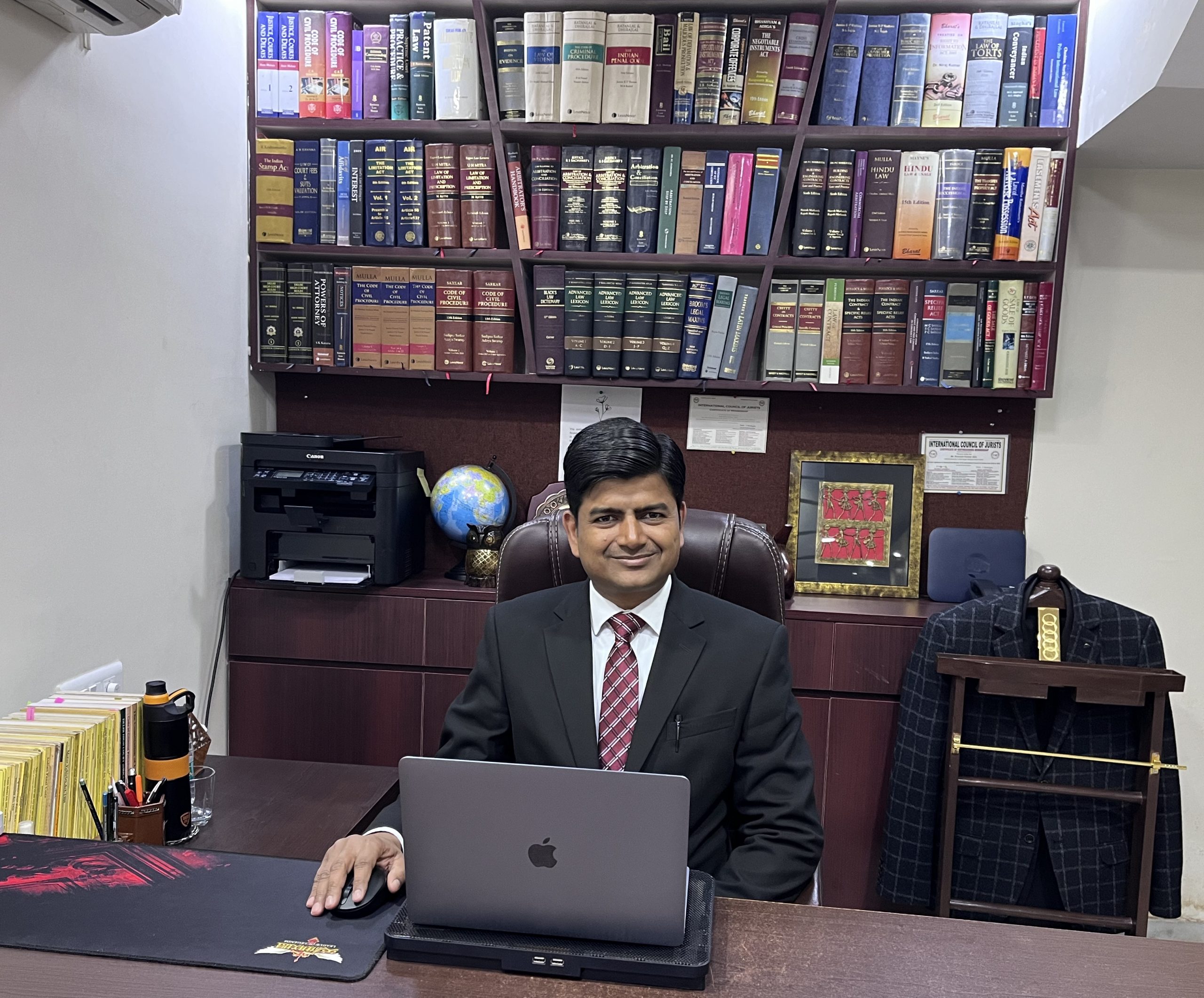
  • “Grey hair or lineage no longer convinces a client of you being a competent lawyer”- Praveen Kumar Jain, Managing Partner of Parens Patrice

    “Grey hair or lineage no longer convinces a client of you being a competent lawyer”- Praveen Kumar Jain, Managing Partner of Parens Patrice

    This Interview has been published by Pragya Chandni and and The SuperLawyer Team
    Could you please share with us how your journey into law began? What inspired you to pursue a career in the legal field?

    In my hometown, lawyers were not looked at with respect due to the low fees they used to command in the twentieth century. It was believed that those who could do nothing else, do LL.B. Hence, it was not a childhood dream fascinated by observing a successful lawyer in my neighbourhood or from some scenes in Bollywood movies. 

    I was living in a hostel while pursuing B.Com. Simultaneously, I was doing an articleship with a CA firm namely AAG & Associates as I wanted to become a Chartered Accountant as we knew only about being doctors, engineers, and CAs at that time. In December 2000, I unearthed a financial scam in the hostel management. However, the administrators of the hostel connived with the grifter and asked me to prove the charge after forging his confession letter. That day, I argued before the influential people to prove the clerk’s wrongdoing but they let him off scot-free. That was one of the worst days of my life when I got harassed despite being a whistle-blower. The proverb “Every cloud has a silver lining” became true to me. That night while introspecting the entire incident with my younger brother Naveen, I realised I had argued very confidently and logically before so many persons in authority. I also underwent the pain of false accusations and injustice done to me. They say जाके पांव न फटी बिवाई, वो क्या जाने पीर पराई”. I realised getting justice was one of the most basic human rights. That was the night when I decided to stand for others in their pursuit of justice. 

    I sought time to meet Shri Ravi Sharma, Advocate, before leaving the hostel who portrayed a very good picture of lawyers in society and advised me to do LL.B. from the University of Delhi. As luck had it, the next day one of the articles of that CA firm called me to come to Delhi as he needed someone to share room rent. I immediately came to Delhi with a small briefcase in hand and cleared the entrance test of the Faculty of Law, DU and that’s how my journey commenced in law. This has turned out to be the best decision of my life to choose law as my profession and I heartily thank God for that incident.

    How did you end up specialising in arbitration and litigation?

    As far as my entry into the arbitration field is concerned, it was in 2005 when I was working in Amitabha Sen & Co., we filed an application u/s 11 of the Arbitration & Conciliation Act, 1996 before the “Chief Justice of India” for appointment of the Arbitrator in an international commercial arbitration titled: Secit S.P.A. vs. NTPC. I signed that application myself without engaging an AOR and approached the Registrar (Judicial) to take it on record who asked me to file it at the filing counters. But I tried to convince him that it was to be filed before the Registrar (Judicial) only as I was not approaching the “Supreme Court of India” but the “Chief Justice of India” in his administrative capacity as per the judgement in the case of Konkan Railway Corporation Ltd. and Anr. v. Rani Construction Pvt. Ltd. (2000)2 SCC 388.

    After several rounds of persuasion, the Registrar (Judicial) called me to his office and informed me that Hon’ble Mr. Justice RC Lahoti, the then Chief Justice of India, had allowed the filing of our application without engaging an AOR that too through the Registrar (Judicial) for the first time and the last time as his Lordship had directed him to amend the paragraph 10 of “The Appointment of Arbitrators by the Chief Justice of India Scheme, 1996” whereby all applications thenceforth would be filed at the filing counter of the Supreme Court only. A few months after his retirement, I joined the late Justice Lahoti’s office as his Legal Assistant. I used to assist his Lordship during arbitral hearings and in writing legal opinions by doing research and preparing drafts. Just after I commenced my independent practice in April 2008, I was engaged in an international commercial arbitration. Advocates from other states and Clients started approaching me thereafter for their arbitration cases. Several cases related to arbitration law were marked to me by the Litigation Incharge, Ministry of Law & Justice when I became Senior Panel Counsel of the Union of India in December 2014 for cases before the Hon’ble High Court of Delhi. To date, I have already argued in approx 100 cases related to arbitration law before the High Court of Delhi and approx 50 arbitration cases before the Arbitral Tribunals consisting of former Chief Justices of India, former Judges of Supreme Court & High Courts, and former officers of CPWD/ MES, etc. Today, I am handling a number of high-stakes international commercial arbitrations and construction arbitrations for several ministries of the Central Government, PSUs, autonomous bodies, and private companies. That’s how my practice heavily tilted towards arbitration law. 

    You had the privilege of gaining first hand training from the Late Hon’ble Mr. Justice R.C. Lahoti, Former Chief Justice of India. How did this experience shape your professional life?

    I was his Lordship’s first junior post-retirement who got the privilege of getting first hand training under his tutelage. His Lordship was very humble and soft-spoken and would never admonish or scold his staff for any mistake whatsoever. His Lordship was very meticulous in doing his day-to-day personal and professional work which deeply influenced me. He was fond of exclusive stationery and the latest gadgets. He guided me to read the autobiographies of legal stalwarts, classic literature, and even stories of Singhasan Battisi, Baital Pachchisi and Panchatantra as they develop decision-making abilities and have hidden messages of imparting justice. I imbibed the habit of gifting books from his Lordship only. So far, I have gifted hundreds of books to my interns, associates, friends, and libraries. The lesson I learned from his way of working was “जिन खोजा तिन पाइया, गहरे पानी पैठmeaning thereby the one who keeps trying deeply gets the desired results. He would always ask me to examine even the repealed Acts and overruled judgments before drafting any opinion or award to find out the reasons for the development of present-day laws. He used to discuss with an open mind and would allow me to change his drafts if gets convinced by my viewpoints. Likewise, I encourage all my associates and interns to come up with ideas that may seem even absurd to make them learn the art of thinking out of the box.

    Could you share insights into the international commercial arbitration case you handled before the ICC International Court of Arbitration, France in 2008-09? What challenges did you face, and how did it contribute to your professional growth?

    I started my independent practice in April 2008 and obviously did not have that much work to do. After the elevation of its counsel as a judge of the High Court of Delhi, an Indian company having business in 70 countries approached me in July 2008 for its international commercial arbitration in which the tribunal consisted of three arbitrators from different countries, the seat of arbitration was in Geneva and laws of UK/ India were applicable as per the arbitration clause. Despite my lack of experience in doing international arbitrations under the aegis of the ICC International Court of Arbitration, one of the Directors of the company who used to take a deep interest in that arbitration, entrusted the case to me. So I had to study many laws at that time including the arbitration rules of the ICC, and the laws of the UK and India. I invested in buying many latest commentaries including Chitty’s Contract, Benjamin’s Sale of Goods, Kluwer’s Yearbook Commercial Arbitration, Buhler Webster’s Handbook of ICC Arbitration, Black’s Law Dictionary, etc which were very expensive for a lawyer who had just come into independent practice. I had written an email to a legal giant of that time to give me a written opinion on a particular issue which he declined by citing the reason that giving an opinion would disable him from appearing in the matter at a later stage. I briefed 3-4 other senior advocates but somehow my client did not get enough satisfaction; hence, asked me to handle the case myself. For final arguments, my client engaged Shearman & Sterling LLP, one of the largest law firms in the USA and asked me to hand him my passport so that he could get a Visa issued to participate in the arbitral hearings in Geneva. Today I regret and laugh at the same time that I had not even heard of passports by that time. Though I immediately applied for a passport but due to no change in the schedule, my client had to leave without me. Though we lost the case, the client again approached me to draft the application u/s 34 of the A&C Act, 1996 to challenge the arbitral award. This case considerably enhanced my interest, experience and confidence in international commercial arbitrations and gave me the opportunities to read laws of different jurisdictions and to brief several senior advocates which helped me in my ensuing practice. No doubt I earned handsome fees which enabled me to get established during those initial times. Of the above incident, I wish to convey to the fresh graduates that you should always be positive and hopeful as God has its mechanism to help you through unexpected ways.

    Your profile mentions the publication of several critical articles and the delivery of speeches/ lectures to law students and professionals. How do you balance your practical legal work with academic pursuits, and how has this dual engagement enriched your legal practice?

    Mr. Vinay Vaish, Managing Partner of Vaish Associates, encouraged me to write my first article titled: Should Capital Punishment Be Given Capital Punishment – A Capital Question” while I was interning in his law firm in June 2004. That article was published in Delhi Law Review – the annual journal of the Faculty of Law, University of Delhi. Thereafter, I wrote many articles that were published in the journals of NLU Jodhpur, Indian Law Institute, the Institute of Company Secretaries of India, Indian Social Institute, CNN magazine, etc. By writing articles, you not only learn to identify the legal issues but also how to do multidimensional research and develop your arguments; particularly when you seek to differ with a judgement of the Supreme Court/ High Court. Further, I have never declined invitations to deliver speeches and lectures to law students and professionals. The latest one was in December 2023 to the serving officers of Military Engineer Services, Ministry of Defence. I have also delivered lectures to 4th year students at a law school in Delhi as a guest faculty during my early days of practice.

    There is no dual engagement and nothing to be balanced to write legal articles. I identify the conflicting issues while researching to argue in my forthcoming cases and shape them into articles/ case comments. I feel grateful to the late Hon’ble Mr. Justice RC Lahoti, Mr. Jagdish Sagar, Advocate, and Professor Alka Chawla, PIC of Campus Law Centre, for vetting my all articles with keen interest by taking time out of their busy schedules. 

    Due to publications, I have got many new clients who read my articles and approached me for their cases. One army man from Kolkata came to my chambers to engage me for his brother-in-law’s case as he believed that an advocate who dares to author and publish articles critical of the Supreme Court’s judgement would be dead honest. Senior Vice President of a pharmaceutical company came down from Bangalore to engage me in his several cases after reading one of my articles. During those days, law students from NLUs approached me to intern in my office after reading my articles as there were no online platforms at that time. I also got appreciation from my peers, seniors, and judges.

    You’ve been representing various government departments, PSUs, and autonomous bodies since 2014. Could you share some highlights or challenges faced while representing them before the Delhi High Court and Arbitral Tribunals?

    Representing the Central Government for me is a matter of gratification and a sense of fulfilment as well. Being the government’s counsel, you are expected to be thoroughly prepared and more responsible than the opposite party in your conduct before the court. You are appointed in cases of a wide range and having issues of national importance which is an exceptional opportunity to learn and get noticed by the judges and others present in the courtroom. Further, you get a close opportunity to learn how the government functions. I might have never appreciated how much effort the government officers make with utmost honesty and sincerity to safeguard the public money had I not been engaged by different government organisations in the last 9-10 years. However, there are certain practical and common challenges that I encounter while representing the government: 

    1. There is no monetary reward for winning the cases for the government. You need to have a strong purpose and abundant willpower that will propel you to keep burning your midnight oil.
    1. Sometimes, you don’t get proper and timely instructions due to frequent transfers of the concerned officers or their heavy workload.
    1. Difficult to find the concerned officers of different ministries as sometimes the cases get marked in late evening and you have to appear before the High Court the next morning when the opposite party might be seeking some urgent relief.
    1. Very low fee irrespective of your standing at the Bar and the nature of cases which makes it difficult to run the office. No clerkage is paid even though you have to file ten thousand pages of documents with applications u/s 34 of the A&C Act, 1996. Payment of bills gets delayed routinely. 
    1. Had a good private practice; particularly, before the Supreme Court, prior to getting panels, which suffered due to heavy workload before the High Court of Delhi and arbitral tribunals. I couldn’t appear before other High Courts also which I used to do earlier.

    Your focus has been on defending various ministries of the Government of India in construction and engineering arbitration cases. What complexities do these cases typically involve, and how do you navigate them successfully?

    Construction law is a specialised field that has its highs and hindrances. Site managers who get the work executed are not available for briefing due to transfers or retirements, and documents related to the site like works diary, site order book, cement register, steel register, test register, drawings, etc are not made available due to non-maintainability of the record properly or lack of coordination between the headquarter and the site offices. Officers briefing me and sending comments to draft pleadings have generally not visited the site. Lack of trained and separate staff leads to delayed drafting and filing which sometimes results in imposition of costs or closure of the right to place on record the pleadings. A few arbitrators held hearings at venues out of Delhi where we could not go due to the lack of provision to reimburse the actual expenses. Some of the officers are unwilling to appear as a witness as they apprehend that in case their answers turn out to be favourable to the claimant, that may land them in the soup or they may be exposed to their inadequate knowledge. There is an acute deficiency of supporting staff and logistics required for efficient conduct of arbitral hearings. Officers as well as I are overburdened which makes us have late-night conferences in the office almost every day to prepare for the arguments the next day. The claimants engage a team of lawyers led by seniors, whereas the government does not have provision for paying a minimal fee to even a single associate of its counsel.

    Further, a few of the sole arbitrators consisting of former judges may not have that much sound technical knowledge while the sole arbitrator being an engineer may not be able to appreciate the basic concept of ‘burden of proof’ and generally get completely baffled by the judicial precedents as to which one to be followed. Having a tribunal consisting of three arbitrators makes it unaffordable and the proceedings get delayed due to the non-availability of matching dates.

    To encounter some of the above difficulties, I deploy my additional staff and I have also visited a few project sites to learn the quality and status of the executed works. I insist on the presence of project managers and site staff who have contemporaneous personal knowledge. Despite so many challenges, we have finished final arguments in more than 12 big construction arbitrations in 2023 out of which 8 awards have been published. All the cases filed by the contractors have either been dismissed, including two wherein our statement of defence not taken on record, or a small percentage of the claimed amount has been allowed. In one case, we have just been awarded 35 crores for counterclaims by a former judge of the Supreme Court. Such successes and genuine appreciation from the court/ tribunal alleviate all hurdles and make you stride with added vigour.

    You’ve consistently pursued professional development, including obtaining a PG Diploma in ADR and currently pursuing an LL.M. in ADR. How do you believe these additional qualifications enhance your capabilities as a legal professional?

    I firmly believe in continuous education in the form of participating in conferences, writing articles, and enrolling in specialised professional courses in which you are practising or intend to practise. I was greatly influenced by the fact that my mentor Justice Lahoti was looking for a tutor to learn Sanskrit language to read the untranslated literature in its original form just after his retirement, showing that age is just a number. Undoubtedly, doing an LLM/ PhD is not the recipe for becoming a good advocate but may help you learn the art of doing in-depth legal research, develop the habit of reading law books for long hours, explore the law library, learn the art of legal writing in the form of research articles and projects, if you have not done all the above in your law school due to the factors of you being in part employment or for lack of guidance, etc at that time. However, you would get to learn theoretical aspects of law and may make new lifelong friends and professional connections in the classroom. Further, additional diplomas and degrees in the same field you are practising in give a little extra credibility to your profile. Moreover, I have seen some government organisations and arbitration centres give added weightage at the time of empanelment if you have done LL.M. 

    Further, my father, who has earned three master degrees, always encourages us to go for higher studies by saying that no degree remains irrelevant and it may come to your aid in future. One of the reasons for attending the classes is that Generation Z keeps me updated with the technology and young at heart.

    Lastly, considering your extensive experience and varied roles, what advice would you like to give to law students or fresh graduates who are just starting their legal careers, especially those interested in arbitration and litigation?

    Ours is such a wonderful profession where all lawyers help each other without having any kind of competition or jealousy. You ask a query in any lawyers’ WhatsApp group and solutions will start pouring in. I would advise fresh graduates to not gripe about being first-generation lawyers or from small towns or being Hindi medium/ non-NLU students – “Count your blessings, name them one by one; Count your blessings, see what God hath done”. After coming into independent practice, I surprisingly realised that grey hair or lineage no longer convinces a client of you being a competent lawyer. 

    Never believe in the cries of nepotism and favouritism. Had it been so, I would not have won so many cases against eminent senior advocates and big law firms. The first case I won before the Supreme Court was where Ld. ASG was appearing for UOI and the recent one is against a senior known for his international arbitration practice. No judge has snubbed me for coming from a humble background. Please understand that every profession has its incomparable gestation period. For establishing in litigation you may have to ‘live like a hermit, work like a horse’ during the initial years.

    Always be grateful to society for giving us affordable education – Most of us have got education in government schools and colleges at a negligible fee. 

    “Stay hungry, stay foolish” is perhaps the most apt quote for Advocates. Keep reading the A&C Act, Contract Act, Specific Relief Act, Partnership Act, Sale of Goods Act, Limitation Act, CPC, Suit Valuation Act, Stamp Duty Act, Registration Act, Bhartiya Sakshya Adhiniyam and General Clauses Act while waiting for your turn in the courts as many cases get dismissed for the technicalities prescribed in the above Acts.

    Pay special attention to the art of cross-examination, which is done by your seniors and even by other advocates – with this skill alone you can batten down the hatches.

    Finally, love your profession, it loves you back. Be proud of being an advocate – you are on an eternal quest of securing justice for the helpless and hapless people – sometimes the animals and nature even. God is always with you!

    The following aspects greatly contributed to the growth of my practice:

    1. One should undergo training for at least 5-6 years before establishing own chamber.
    1. Invest in buying good commentaries and study the relevant provisions before doing any drafting or making arguments in the court.
    1. As a matter of lifestyle make life-long relationships with your clients, classmates, and opposite counsel who often refer clients to you.
    1. Write articles; particularly, for legal news & views websites and professional bodies like Chartered Accountants and Company Secretaries.
    1. Read autobiographies of legal stalwarts and interviews on websites like www.superlawyer.in
    1. Don’t waste your time in cafeteria gossip, at least during the initial years.
    1. Try to grab the opportunities to argue the cases of your seniors. Most of the judges do not pass adverse orders if you fumble but they expect and appreciate good preparation at your end.
    1. Do the same level of work for a fee of rupees one thousand as you would do for a fee of rupees one lakh – this will raise your default standards of working.
    1. It is such a fast-paced profession that if you don’t realise you knew nothing 6 months back then you have wasted your last 6 months. Keep upgrading your skills by adopting technology, attending conferences, and doing specialised courses.
    1. Honesty and Integrity will grow your practice like bamboo after 8-10 years.
    1. It is not your last day in the court, it is not your last case – do your best and leave it to the fate of the client. Don’t get tempted to take a shorter route – it leads nowhere. 
    1. Have good terms with your seniors who may refer some cases to you when you leave their chambers. Mr. Vaish and the late Justice Lahoti have referred a few good cases to me. 
    1. Develop the habit of reading literature. Late Justice Lahoti used to emphasise upon reading books every day. Many times, I have referred to incidents from Ramayana, Mahabharata, Bhagawad Gita and stories of Munshi Premchand/ Ravindra Nath Tagore and recited Dohe & Sher to cut across my viewpoints which significantly impacted the judges/ arbitrators. I listen to classics on Audible these days.
    1. Last but not the least, पहला सुख निरोगी काया. Please take care of your health to be in this unending marathon.

    Get in touch with Praveen Kumar Jain-

  • “There is nothing in this universe that goes to waste.” Channel your energies positively, maintain steadfast faith, and be assured that your efforts will lead to success. First-generation lawyer R.V. Prabhat, Advocate-on-Record at Supreme Court of India.

    “There is nothing in this universe that goes to waste.” Channel your energies positively, maintain steadfast faith, and be assured that your efforts will lead to success. First-generation lawyer R.V. Prabhat, Advocate-on-Record at Supreme Court of India.

    This interview has been published by Namrata Singh and The SuperLawyer Team

    We are delighted to have you for this interview. To kick things off, could you please introduce yourself and share what led you to pursue a career in law, especially with a focus on arbitration and civil-commercial litigation?

    Thank you for having me. I am R.V. Prabhat, an engineer who transitioned into the realm of law, now practising independently in Delhi with a focus on civil-commercial laws, constitutional matters, and arbitration law. My journey into law was somewhat serendipitous. During engineering, a family property dispute piqued my interest in the field of law. This experience, combined with my keen interest in current affairs and policy, steered me away from conventional engineering paths towards a legal career. I am a first-generation lawyer with no direct or indirect background in law.

    The choice did not seem logical to close relatives and well-wishers at the time, but if you are clear in your head what you want to do at the end of the day, that more or less settles the issue. Today, I am happy I took the plunge. 

    I chose to pursue law at the prestigious Indian Institute of Technology, Kharagpur. The thrill of interpreting laws, formulating arguments, and persuading judges to see things from your perspective is exhilarating. It is this intellectual challenge and the dynamic nature of litigation that cemented my decision to build a career in litigation.

    Throughout my law course and subsequent internships, I was consistently drawn to the complexities and nuances of arbitration and commercial disputes. With a background in engineering, I was drawn to the analytical aspects of legal disputes, and arbitration offered a dynamic arena where technical knowledge often plays a crucial role. The satisfaction of unravelling complex legal scenarios and advocating for a client’s position is unparalleled. This passion for litigation and a desire to make a meaningful impact in the legal landscape continue to drive my career as a litigator.

    With degrees in engineering and law, as well as completing the Executive Level of the Company Secretary course, your educational background is quite diverse. How has this multidisciplinary foundation influenced your approach to handling legal cases?

    My multifaceted educational journey has been pivotal in shaping my approach to legal practice. The analytical skills honed during my engineering degree is invaluable, especially when dealing with cases involving complex technical details. It enables me to dissect intricate issues and understand the underlying mechanics of a dispute, which is often critical in technical litigation cases.

    Further, the insights gained from the intermediate level of the Company Secretary course have deepened my understanding of corporate governance and compliance. 

    This multidisciplinary background empowers me to view legal issues through a wider lens, considering various angles and potential implications that might not be immediately apparent. Beyond my formal education, I maintain a keen interest in history, current affairs, technological advancements, and policy changes. I firmly believe that the practice of law is based on continuous learning.

    Overall, the combination of technical knowledge, corporate governance insights, and a broad interest in various disciplines has helped me to bring a unique and comprehensive approach to handling legal cases, often leading to more holistic and effective solutions for my client

    As an accomplished author in the legal field, your commentary book on Arbitration Law has received praise from eminent jurists. What inspired you to venture into legal writing and how does it complement your legal practice?    

    Writing, for me, has always been a profound way to crystallise and disseminate my experiences and insights gained through legal practice. The acclaim my commentary on Arbitration Law received, notably from esteemed jurists, was both humbling and affirming. I owe a debt of gratitude to Eastern Book Company, and particularly to Mr. Sumeet Malik, for their pivotal role in the success of the book.

    The act of writing, in my view, is an exercise in clarity and rigour. It exposes any logical inconsistencies in one’s understanding and compels a thorough comprehension of the subject matter. This process of writing and articulation began during my law school days, under the mentorship of Prof. Dr. Uday Shankar. 

    In the legal profession, where direct advertising of one’s capabilities is not allowed, writing serves as a vital medium for a lawyer to showcase expertise and contribute to the broader legal discourse. It is a pathway through which the world gets to know and understand our legal acumen and perspectives.

    Moreover, the legal profession and academia are intertwined. The depth of knowledge required for writing and the very process of organizing and presenting one’s thoughts in writing contribute significantly to a lawyer’s ability to reason and argue with clarity and coherence. In essence, my venture into legal writing is not just a parallel academic pursuit; it complements and enriches my legal practice, offering a platform for continuous learning and intellectual growth.

    You’ve been empanelled as legal counsel for prestigious organizations like ONGC, ECL, NHPC, and NCL. How does your role as Senior Panel Counsel for Union of India contribute to your professional growth, and what unique challenges does it present?

    As a first-generation lawyer, these roles have provided me with a consistent platform to present cases in court, which is invaluable. As in any profession, the maxim ‘practice makes perfect’ holds particularly true in law. Regular court appearances have honed my advocacy skills and deepened my understanding of legal nuances. Working with government departments has introduced me to the complexities of bureaucratic decision-making processes. Navigating these intricacies has been both challenging and enlightening, significantly enhancing my comprehension of governmental legal frameworks as well as my understanding over administrative law and constitutional law principles. This experience is instrumental in broadening my perspective, enabling me to see cases from both private and public viewpoints. Understanding the motivations and constraints of government entities offers a unique vantage point that enriches my legal strategies for private clients. The learning derived from balancing the interests of private clientele against public responsibilities is profound. It’s not just about legal knowledge; it’s about developing an intuitive understanding of varying perspectives and leveraging this insight to craft more effective and nuanced legal strategies. This dual perspective is invaluable.

    You’ve written on diverse legal topics, but your article about “Balancing Act: Reassessing the Safe Harbour Provisions In the Age of Digital India and Global Connectivity” caught our attention. How do you stay updated on emerging issues in the legal landscape, especially in areas like technology and data protection?

    Staying current with the rapid advancements in technology and data protection is indeed crucial in the modern digital era. To ensure that I am up-to-date with these evolving legal areas, I actively engage with a variety of academic sources, frequently attend seminars, and participate in legal forums dedicated to technology law and data protection. This field, by its very nature, is dynamic and constantly evolving, which necessitates a commitment to continual learning and a proactive approach to stay informed about the latest developments.

    In 2023, the transformation of the Data Personal Data Protection (DPDP) Bill into an Act marked a significant milestone with profound implications on everyday life and legal practice. My involvement in the constitutional challenge of the Aadhaar Act before the Supreme Court’s constitutional bench provided me with a unique perspective on these matters. This experience was instrumental in developing a deeper understanding of data protection laws in India.

    From the early stages of the conceptualization of the DPDP Bill, I have been closely monitoring and analysing its development and continuously engaging with subject matter.  Keeping pace with these changes is not just a professional requirement but a personal interest, as these advancements shape the legal landscape in which we operate and have far-reaching effects on society as a whole.

    What upcoming projects or areas of law are you excited about, and what goals do you envision for your practice in the coming years?

    My legal practice, characterized by its dynamic nature and diverse challenges, keeps me thoroughly engaged. As an independent practitioner, there is an inherent need to balance current commitments with a forward-looking approach towards emerging areas of law. I am particularly excited about delving deeper into the realm of technology laws, specifically focusing on the Digital India Act and the Data Protection and Digital Privacy (DPDP) Act and Constitutional law. My objective is to contribute significantly to the existing legal landscape through comprehensive writing projects in these domains.

    Having recently passed the Advocate on Record (AOR) exam, a major focus for me in the coming years is to increase my presence in the Supreme Court and various High Courts. I aim to seize every opportunity to argue and present matters at these higher judicial forums, enhancing my skills as a litigator.

    In addition to my practice, I am passionate about sharing my knowledge and experience in legal education. I am currently teaching a course on Alternative Dispute Resolution at IIM Bodh Gaya, and I plan to expand my teaching engagements to other law and business schools. This involvement in academia is not just about imparting knowledge; it’s a reciprocal process where teaching sharpens my understanding and argumentation skills, ultimately enriching my capabilities as a counsel.

    Overall, my vision for the future encompasses a blend of active legal practice, scholarly writing, and academic contributions, each reinforcing the other in my quest to become a more effective and knowledgeable legal professional.

    You’ve successfully represented multinational companies in high-stakes arbitration disputes. What unique challenges do such cases pose, and how do you navigate the complexities of international legal matters?

    Representing multinational companies in high-stakes arbitration disputes has been a journey filled with unique challenges and profound learning experiences. There are 3-4 cases, each in a different domain of law, which have not only improved my skills as a lawyer but also gave me the required confidence to have a sense of self-belief to compete and sustain at the highest level. 

    One of the most pivotal experiences in my career was a complex construction arbitration against a public sector undertaking (PSU), which I handled at a relatively early stage of my career. This opportunity, graciously provided by my former senior, was a significant turning point. It imparted lessons and insights that years of working under a senior or within a firm might not have offered. As is often said, the most profound learning comes from first-hand experience. The responsibility of representing a client in such high-stakes scenarios necessitated an extraordinary commitment, leading me to dedicate countless nights in pursuit of a successful outcome. This particular arbitration dispute played a crucial role in shaping my journey as a legal counsel.

    Another defining moment was my involvement in a constitutional challenge before the Constitution Bench of the Supreme Court. The process of daily briefings and brainstorming sessions with some of the most esteemed senior counsel in the field, coupled with the experience of appearing before the nation’s highest court, reinforced my belief in my capabilities to perform at the topmost level of the legal profession.

    A piece of wisdom from the octogenarian Mr. Fali Nariman, as mentioned in his seminal autobiography, has been a guiding light and holds me in good stead in my approach to legal problem-solving. He advises “Always remember, it is better to spend more time thinking about a case than merely reading the brief”. This approach has consistently helped me in unravelling complex legal issues, allowing me to develop more comprehensive and effective strategies for my clients.

    In sum, navigating through the complexities of domestic and international legal matters in high-stakes arbitration cases demands not just a deep understanding of legal principles but also the ability to think innovatively and persevere through challenging circumstances.

    What’s your favourite thing about living in the capital city, and do you have any go-to spots or activities that you enjoy in your free time?

    Living in New Delhi offers a blend of vibrant culture and intellectual stimulation. The city provides endless opportunities for exploration and relaxation. For me, the true essence of New Delhi lies in its diversity and the myriad experiences it presents.

    In my free time, I find great joy in simple yet fulfilling activities. I often indulge in sports, which serve as a perfect counterbalance to the mental rigors of legal practice. Engaging in physical activities provides a much-needed mental refresh.

    Another passion of mine is reading, and there’s no better place for this than Bahrisons’ in Khan Market. It’s a haven where I can immerse myself in the world of books, often losing track of time.

    When it comes to unwinding, I’m not particularly fixated on specific spots; for me, it’s more about the company I’m with. Exploring New Delhi’s diverse culinary scene with friends is something I thoroughly enjoy. The city’s gastronomic landscape is as diverse as its culture, offering everything from local street food to high-end dining experiences. It’s these moments of shared meals and conversations that I cherish the most.

    In essence, living in New Delhi is about embracing the city’s dynamic character. This city always has something new and exciting to offer, making every experience unique and enjoyable.

    For aspiring lawyers looking to specialize in arbitration and civil-commercial litigation, what advice would you give based on your own experiences and the evolving landscape of legal practice?

    Drawing from my experiences and the ever-changing legal landscape, I would emphasize that patience, self-belief, and hard work are fundamental. Litigation is a field where rewards and recognition often come over time, not overnight.

    One valuable piece of advice that has been handed down to me by my seniors, and which I find particularly relevant, is the importance of focusing on the present. Commit to learning something new each day. A practical way to do this is to read at least one case law daily. This steady, incremental learning will compound over time, significantly enhancing your legal acumen.

    Set your goals high, aim for the peak, but do not be daunted by the journey ahead. Instead of being overwhelmed by the distance you have yet to travel, find solace and motivation in each step you take forward. Seek mentorship and guidance whenever possible; the insights and advice from experienced practitioners are invaluable.

    Remember, no opportunity for learning is too small or insignificant. Embrace every chance you get to grow, be it through complex cases or seemingly minor legal tasks. 

    Stay humble and grounded. Keep your friends close. Maintain strong relationships with your peers and colleagues. 

    Swami Vivekananda’s words resonate deeply in this context: “There is nothing in this universe that goes to waste.” Channel your energies positively, maintain steadfast faith, and be assured that your efforts will lead to success.

    Get in touch with RV Prabhat-

  • “It is extremely important to keep your head down and continue working hard at every stage of your career”- Pratiksha Mishra, Advocate-on-Record, Supreme Court of India

    “It is extremely important to keep your head down and continue working hard at every stage of your career”- Pratiksha Mishra, Advocate-on-Record, Supreme Court of India

    This interview has been published by Namrata Singh and The SuperLawyer Team

    Pratiksha, it’s a pleasure to have you with us. Could you start by introducing yourself to our readers, giving a glimpse into your journey from law school to becoming an Advocate on Record at the Supreme Court of India?

    I graduated from the Army Institute of Law in 2015. I began law school with the idea of venturing into the corporate/transaction side. However, during my early internships I realized that I enjoy litigation and foresee myself practicing in courts. This was largely because of the mentors I came across during the course of internships and, my senior and  very close friend from college, Niyati Kohli who really encouraged me to pursue litigation. 

    I started my career at the chambers of Mr. Balaji Srinivasan, Advocate on Record where I got the opportunity of independently handling matters before the Supreme Court and a variety of other forums such as the TDSAT, NCLAT and the NCDRC. The professional guidance and moral support I got from Mr. Srinivasan helps me with my work even today.  I must also mention that I had a wonderful set of colleagues at the chamber with whom a 7-day work week never felt burdensome. 

    Having worked at an AOR Chamber, appearing for the AOR exam had always been a priority. By the time I became eligible and appeared for the exam, I was at Khaitan & Co. Apart from everything else that goes for any other exam, appearing in the AOR examination also entails handling the pressure of the preparation process, alongside the responsibility of your regular practice. In my case, this entire process was relatively easier because my husband was also appearing for the exam the same year. 

    You’ve had an impressive career at Khaitan & Co. Can you share some pivotal moments or cases that shaped your journey and defined your focus in areas like IBC litigation, commercial and civil litigation, and arbitration?

    I joined the Delhi Office of Khaitan & Co after completing 3 years at Mr. Srinivasan’s chamber. Thanks to the firm and my seniors, Mr. Diwakar Maheshwari and Mr. Karun Mehta, I have had the chance to work on some extremely challenging and nuanced propositions. I got to contribute to several high-stake IBC disputes almost immediately after joining the team. Over five years of working with the firm have given me the opportunity to interact with and represent a variety of clients. One of the most valuable lessons I have learnt is the importance of understanding the commercial objective behind a litigation and coming up with a solution to achieve the same. 

    My expertise in areas of IBC litigation, commercial and civil litigation, and arbitration, essentially came from the work that has come my way during my time at Khaitan and Co. 

    Your practice involves a wide array of legal areas, including IBC litigation, commercial and civil litigation, and arbitration. How do you manage to balance such diverse responsibilities, and do you have a favorite among these areas?

    Irrespective of the subject matter, the way one approaches a case is largely the same.  Having said that, the procedural law followed in an IBC proceeding, an arbitration and a civil suit is very different. The style and structure of the pleadings differ from fora to fora as well. For example, a plaint/arbitration claim is starkly different from a petition under IBC which is largely as per a prescribed form.  

    I work with an extremely competent team of lawyers and support staff from the firm. They make managing the volume and diversity of work much easier. 

    I do not have a particular favorite area of work. I enjoy the pressure that the stakes of an IBC proceeding inevitably brings. At the same time, I find the process of initiating a suit/arbitral claim and seeing it through to its logical end extremely fulfilling. The rush of adrenaline that follows a good cross-examination is unmatched. As I have said earlier, I have been fortunate to have been exposed to a gamut of work. I hope that the same continues in the future. 

    As someone who has represented clients in insolvency proceedings, could you share an interesting or challenging experience that stands out in your career so far?

    IBC as a legislation has been extremely dynamic and fast-paced. There have been numerous cases where amendments to the law have been introduced having completely altered the course of a matter overnight. 

    Another great thing about working on a relatively new subject is that you get to test innovative propositions which have not been examined by the Courts before. I have found it extremely satisfying when arguments based solely on the reading of provisions of the IBC have been canvassed by us and accepted by the Court. The chance to contribute to the development of new jurisprudence in this manner has been both – the most challenging and the most fulfilling experience in my career thus far. 

    Looking ahead, what are your aspirations for the future, both professionally and personally? Are there specific areas of law or causes that you are passionate about and would like to contribute to in the coming years?

    Professionally, I hope to be able to continue doing good work and turn out as a well – rounded and reliable professional for my clients. Having worked on the commercial side for 7 and a half years, I hope to be able to make time for taking up pro-bono assignments in the future and to be able to somehow contribute to society. 

    On the personal front, it has always been an endeavor to maintain the right work-life balance and make time to pursue some hobbies outside work. 

    Beyond your legal pursuits, do you have any personal interests or hobbies that play a role in maintaining a work-life balance? How do you manage the demands of a challenging legal career while nurturing personal well-being?

    I have always enjoyed participating in physical activities such as swimming, running, boxing etc. I believe that taking care of your physical health, in a way, helps you also take care of your mental health. Setting aside, a few hours in the morning before work for exercise helps me decompress and prepare for the day.  

    For aspiring lawyers entering the field, given the competitive environment and long working hours what advice would you offer? 

    There are no shortcuts in this profession. It is extremely important to keep your head down and continue working hard at every stage of your career. Given that we spend most of our time around people we work with, it is essential to be inclusive and have a good equation with colleagues. Like I mentioned earlier, having a good team around you effectively reduces the stress of the long hours one has to put in.

    Get in touch with Pratiksha Mishra-

  • “It’s about being honest to yourself and respecting yourself by asking what would you want as a client, opponent or colleague for that matter” – Ajesh Kumar Shankar, Founder of AKS Law Associates

    “It’s about being honest to yourself and respecting yourself by asking what would you want as a client, opponent or colleague for that matter” – Ajesh Kumar Shankar, Founder of AKS Law Associates

    This interview has been published by Namrata Singh and The SuperLawyer Team

    We are extremely delighted to have you with us for this interview. Can you please introduce yourself, highlighting your journey from the establishment of AKS Law Associates in 1999 to becoming a prominent figure in the Indian legal fraternity?

    I was in the computer field back in the mid-nineties. Back then, I used to occasionally accompany my folks to meet with lawyers, either seeking advice or to engage them in a matter. It was a learning curve, to understand the complexity of law and/or that it was near to impossible to have a clear vision of the road ahead. So, on the one side, I was professionally engaged in the computer field wherein we were promising solutions for business enterprises with a certain amount of predictability, efficiency and transparency whereas, the real-life legal problems had the dusty road ahead. Intrigued, I studied law. Fascinated by the subject of law and its complexity, I started my independent legal practice after training for about a year under my senior.  For the first 10 years or so, I was predominantly engaged in chamber practice by advising clients in general corporate law and especially in Real Estate law. After 2009, I started attending Courts regularly and have been conducting matters before courts and tribunals across India. I have had the good fortune of appearing before the Supreme Court of India. There have been interesting cases addressed by me before International Arbitration Tribunals and the High Courts of Delhi, Bangalore and Chennai. As far as possible, I take instructions directly from the client and 9.9999 on 10, do not engage any Senior Counsel. I insist that my young colleagues in office must conduct a trial/argue a matter before the High Court. As far as possible practically, adjournment is not an option in our office. We have a small practice and keep a close connection with our clients. If we do not meet the client’s expectations, we own up to our shortcomings and do not pass the buck. What we try to do, in our first meet which is on the house, is to give the client a road map of their case’s journey to set expectations.

    Your areas of practice range from international arbitration to corporate advisory. How do you navigate the diverse challenges posed by different legal domains, and what aspects of your practice do you find most fulfilling?

    Every case is unique. I do not take up any matters concerning matrimonial disputes, service matters, direct and indirect tax. A client wants to hear the problem first and the solution thereafter, especially when it comes to corporate advisory in agreements. Due to our varied experiences in litigation, we can quickly identify the potholes and crossroads in an agreement and the challenges that may come up. Clients weigh in on our experiences in litigation to assist them in identifying clauses in an agreement that may be problematic and also offer solutions when such problems do arise.  As we work very closely with clients and the owners/ top management we have some understanding of their businesses and what they expect out of a dispute. Once we have clarity as to what is a client’s expectation, then to advise them on the legitimacy of their expectations or what would be the best outcomes is quite straightforward. We do not take up a case that we do not feel that we can address. The broad spectrum of cases we take up is because we are confident that we can address the issue in the matter. This is backed by painstaking research and understanding as to what could be the possible outcomes. If it’s an untrodden field, we take a reasonable lead time and tell the client that we lack prior experience in the matter. Quite often, clients come to us in areas we have never worked with to consider if we would approach the matter differently and many a time this has worked well for the client.

    Your commitment to pro bono cases and public interest litigation is commendable. What drives your passion for social justice, and Could you share a memorable experience where your legal expertise made a significant impact on social justice or community welfare?

    India is a land of plenty of everything. For over a decade, I have chosen to provide free legal services for economically weaker persons and work towards creating an efficient legal structure in solid-waste management. There are many anonymous Indians who do a lot, yet they do not find a place on the newsfeed and they are not interested either.  When we take on a pro bono case, the client gets equal treatment as a paid client. I believe that every legal professional must extend themselves to the community/ persons who need them the most. When you go and have a meal with a person who has had a legal closure of their case and you have had a small role in it, the satisfaction you get is much more than being paid by a corporate. I had a client who came to me with a matter where he had signed an agreement at terms that were patently unfavourable to him and he was forced to sign up for a song, he was in financially difficult circumstances and there was a good possibility that his land was going away. After being turned down by many prominent lawyers, he came to me. I confessed that I had no prior experience in dealing with the matter but I would put in an effort if he agreed. The matter was argued by me successfully from the Trial Court up to the Supreme Court and the client ended up with a fortune. 

    Your profile reflects a multifaceted personality with diverse interests such as equestrian sports, chess, running, yoga, and continuing education. How do these passions contribute to your life?

    You have one life, live it and enjoy it to the fullest! I do enjoy exploring my mind and my fears. Many of my decisions have been taken after a long ride with my horse, Ziggy. The best place to be in the world is on horseback… ride one to know it. Playing chess at school helped me to be patient and analyse people’s moves. Chess is such a challenging game and no two games of chess or players are the same. I tried to be fit and I started yoga to experience my inner and external journey of mind, body and soul, with my teachers at the Iyengar school. Learning is a lifelong process and learning for me is to improve my mental gym.

    Upholding the highest ethical standards is a hallmark of your practice. How do you ensure transparency for clients and fairness to opponents while navigating complex legal matters?

    Character must not change. You might get a good reputation if you win many cases, which may not be true if you lose many. It’s about being honest to yourself and respecting yourself by asking what would you want as a client, opponent or colleague for that matter. I would always be ready to apologize to anyone if I have made a mistake or hurt someone. Etiquette to your client opponent and colleagues is not limited to good language skills, it’s about being clear and laying all cards on the table. This helps you to have a committed client and respect from your opponent and colleagues. It is very important to note that while you may not be aware, others observe you and learn from your good and bad. Therefore, it does not cost anything to be a good human being, so why not?

    Your legal outreach initiative focuses on creating legal awareness and education in local communities. What inspired you to take up this initiative, and how do you see it making a difference in the lives of people?

    Many decisions are because you do not know your rights. We spend time educating and creating legal awareness in communities to enhance people’s knowledge about their rights which would help them in making decisions. Some of the most basic legally binding decisions that stare you in the face, are because you did not know better. I have seen this at home. As we come from an army background, going to lawyers was not naturally a done thing unlike how businessmen utilise the services. My folks have had to suffer serious hardships because they were not informed of their legal rights. This has always been in the back of my mind. Therefore, as promised early in my career as a lawyer, I have always been engaged in legal awareness with communities, senior citizens and lonely parents.

    You actively mentor younger lawyers to expand access to legal services. How do you approach mentorship, and what advice do you offer to aspiring lawyers entering the legal profession?

    I refer to all lawyers as colleagues. Once a lawyer has a license to practice we are all equal. The same lawyer younger in age may turn out to be a judge before whom we have to appear and say ‘M’lord’. That’s the most interesting part of the legal profession, there are no limits as to what you can achieve. It is only dependent on you. If you want to be a paper pusher or adjournment lawyer – you can. Or, if you want to be a Palkhiwala – you can. I spend and invest a lot of my time with my colleagues, running through their cases and preparing them for the matter by reviewing drafts, and agreeing on approaches for trial or final hearing. This helps them to be confident as they are well prepared. My only request to them is to do the same for their colleagues. 

    What advice would you offer to the coming generation of lawyers, considering the evolving landscape of legal practice and the societal challenges we face? Could you share a personal or professional mantra that has guided you throughout your career and continues to inspire your work at AKS Law Associates?

    The legal landscape is changing, it has increasingly no place for paper pushers or adjournment lawyers. The young, dynamic and hardworking professionals are dominating the field as either lawyers or judges. Technology is playing a larger role than ever. International arbitration is now becoming commonplace. If you want to find your niche and grow that practice, do it early. Have a general broader practice so that you can have an ear to the ground and earn a steady income and at the same time focus on growing your niche. Small is big! Clients want your time and they are willing to pay for it so long as you deliver. You don’t need a fancy name to your visiting card or a fancy office to start with; you need to focus on understanding how to resolve the client’s issue and after that it is a home run.

    Get in touch with Ajesh Kumar Shankar-

  • “International arbitrations and cross-border litigations might be incredibly challenging, especially if a counterparty is not acting in good faith, falsifies documents, and abuses its rights”- Mariana Antonovych, Foreign Lawyer at Linklaters

    “International arbitrations and cross-border litigations might be incredibly challenging, especially if a counterparty is not acting in good faith, falsifies documents, and abuses its rights”- Mariana Antonovych, Foreign Lawyer at Linklaters

    This Interview has been published by Pragya Chandni and and The SuperLawyer Team

    Mariana, we are delighted to have you for this interview. To start, could you please introduce yourself, providing a glimpse into your professional journey and the factors that led you to specialize in investment arbitration and cross-border litigation?

    It had been my dream to become an arbitration lawyer since university. I am grateful to my professor at Kyiv-Mohyla Academy, Dr. Lyubov Logush, for raising my interest in arbitration. My path was not always smooth. During the first two years after graduating from Kyiv-Mohyla Academy I worked as a journalist and in parallel was doing my LL.M in International Dispute Resolution at Humboldt University of Berlin. Only afterwards I managed to start practicing arbitration in Ukraine. For this, I am grateful to Prof. Dr. Gerhard Wagner as the university not only accepted me to the programme but also granted me a tuition fee waiver without which I would not have been able to pursue my studies. It was very difficult to obtain any scholarship in Ukraine as Russia had just started its war of aggression against Ukraine in 2014 and Ukrainian scholarship funds were focused on priority development areas for Ukraine. During my studies, I always planned to come back home and practice arbitration in Kyiv. 

    Your experience includes significant roles at reputable firms like Linklaters, Avellum, and Kinstellar. Can you share some key moments or cases that have shaped your career as a foreign lawyer, particularly in the realm of international dispute resolution? 

    When I came back to Ukraine in 2016, I applied to two dispute resolution vacancies for junior associate positions in two international firms. One of those firms – Kinstellar – which had just opened its office in Kyiv believed in me and took me on board. It was the beginning of my arbitration career. For the next, roughly 5 years, I worked on various commercial arbitration and cross-border litigation projects involving Ukrainian elements, culminating in my first cross-examination of witnesses before the LCIA tribunal at the remote hearing in 2020. After my boss left Kinstellar in 2021, I left after him to be able to assist the client going forward. 

    On the first day, when I joined Avellum, the tribunal rendered a 250-pages award in that matter ruling in our favour. Avellum added investment arbitrations to my CV. I am very proud of the opportunity to work for the Ukrainian government in those arbitrations in the months preceding the war and afterwards. 

    When the war started, many Ukrainian law firms took drastic measures to ensure that the firms would stay afloat. This was a key reason why I applied for a part-time job in Linklaters Warsaw in July 2022. I had been working at two jobs until October 2023. At present, I work only for Linklaters focusing primarily on business development and pro bono activities in the areas of international arbitration and cross-border litigation. 

    Having represented clients in various jurisdictions, including Ukraine, Cyprus, Belize, France, Liechtenstein, Switzerland, and the UK, how do you navigate the complexities of cross-border disputes? Are there unique challenges that arise, and how do you address them?

    International arbitrations and cross-border litigations might be incredibly challenging, especially if a counterparty is not acting in good faith, falsifies documents, and abuses its rights. Furthermore, these projects may take years. One of my projects lasted for seven years and one of its “branches” still continues. It takes time to get to the truth and, therefore, it is important to stay patient, not to give up when you fail and focus on the end game. With various parallel proceedings, sooner or later, the untruthful counterparty always makes a mistake. So it is very important to keep an eye on various developments happening in other proceedings, keep your position consistent and straight-forward and, when the time comes, use the inconsistencies in the other party’s case to your advantage. As my former colleague once told me and I continue repeating this to others “This is a long run”, so one needs to be prepared for everything, including, as it turned out, COVID and war. This is not a resilience they teach at school or university. 

    In your current role at Linklaters, you’re actively involved, among other things, in business development and pro bono assistance. Please elaborate.

    Both during my last year at Avellum and now at Linklaters, I spend more time than usual on business development and pro bono activities. When the war started and especially before the Kyiv region was liberated, there were days when I would not receive a single email to my email box, which was frightening. The situation improved towards the end of 2022 and 2023 was very active again. At the same time, it was and remains clear that it is not sufficient to focus exclusively on billable projects. More needs to be done for the community. I am very proud of certain pro bono projects I have had a chance to pursue since February 2022, including collecting evidence of russia’s war crimes in Ukraine, suspending russia’s membership in the Financial Action Task Force, assisting Gateway Ukraine with its activities aiming to boost investment in Ukraine, helping Ukrainian refugees and so forth. On the business development side, it is great that many international firms worldwide set up Ukrainian desks in anticipation of Ukraine’s victory and seek to strengthen their relationship with the Ukrainian market. I am happy to facilitate this process. 

    Your publications cover a range of topics, from legal professional privilege to sham agreements. What drives your interest in legal writing, and how do you balance this with your demanding professional responsibilities?

    Unlike other lawyers, I do like writing. As I mentioned, I worked as a journalist for a few years in 2015-2016. My primary task was to choose content and prepare it for Kyiv Post’s supplement, Legal Quarterly. I also helped fact-check Panama Papers for Organized Crime and Corruption Reporting Project (OCCRP). As Ukraine was undergoing major reforms in 2015, it was very interesting to follow this process by interviewing the high-ranking Ukrainian officials in charge of those reforms.

    Frankly, I never understood senior lawyers and partners who make their associates write articles for them. As a junior and after seven years as a managing associate I always wrote articles on my own based on the experience I obtained in arbitrations and cross-border litigations. This is why my publications cover a broad range of topics.

    Having interned at Wegnerpartner and the German Institution of Arbitration, how did these experiences contribute to your understanding of international arbitration, and what cultural insights did you gain?

    Those internships, which were part of my master programme at Humboldt University, cemented my belief that I want to work in the area of arbitration. I am grateful to Korinna von Trotha, the former head of Berlin office of German Institution of Arbitration (DIS), and my professor, Dr. Adrian Müller-Helle, the partner at Wegnerpartner, for giving me an opportunity to become acquainted with arbitration from institutional and counsel perspectives during my studies. Of course, there are differences between Ukrainian and German approaches to arbitration, but, in my view, they are minor. 

    Juggling a demanding legal career and coaching moot court competitions must require a delicate balance. How do you manage your time effectively, ensuring success both in your professional and coaching endeavours?

    Indeed it is very demanding and challenging. Last time, I acted as a coach in 2019-2020. Overall, I coached various moots for six years. I was heartbroken when my team did not go to Washington in 2020 to compete in Jessup due to COVID-19. This year, I advise the Kyiv-Mohyla Vis Moot team and plan to arbitrate the moot in Vienna. It is still time-consuming, but much less than coaching. Despite various burdens that come with coaching, I treat this as a community investment. I believe that students deserve to have good mentorship and I am proud that students I coached now also act as coaches and succeed in their careers. 

    Away from the legal arena, what are your favourite hobbies or activities? How do you unwind and recharge outside of the legal world?

    At first, I was focused only at work and moots, but then it became clear that it could not continue that way. I am passionate about sports – gym, swimming, hiking, cycling – and languages. Unfortunately, in my case, learning each language requires a lot of time and effort, but I am happy I am slowly progressing and hopefully, soon I will be able to say that I speak five languages – Ukrainian, English, Russian (unfortunately), German and Polish. And I assure you it will not be the end of my language journey.

    Given your journey from being a junior associate to your current role, what advice would you give to young professionals aspiring to build a successful career in international dispute resolution and foreign law practice?

    I would advise you to follow your passion. If you love arbitration, certainly do it. But don’t have any illusions. Legal world is extremely demanding and competitive; the world we live in is extremely challenging and unpredictable; arbitration projects are getting only more complex; co-counsels and clients are not always easy to deal with. Make sure you realise that when you start your career. And when you do – make sure you remain the best version of yourself down that road.

  • “I would rather believe that we can be energized by our daily routine, by the challenge of difficult cases, or by victories of small wins or overturning of a case on appeal”- Philip Teoh, International Lawyer and Arbitrator

    “I would rather believe that we can be energized by our daily routine, by the challenge of difficult cases, or by victories of small wins or overturning of a case on appeal”- Philip Teoh, International Lawyer and Arbitrator

    This interview has been published by Priyanka Karwa and The SuperLawyer Team

    Can you share your journey and what inspired you to pursue a career in law, specifically specializing in Maritime & Admiralty, International Law, and other related fields?

    When I started my law studies, I was interested in exploring the role of law as a foundation of business dealings, especially international business. 

    I was intrigued to discover the area of shipping was the connecting factor in these areas. Unlike some perceptions, the area of shipping was not small in scope. It encompassed international trade as traders used ships to transport their goods, international finance as banks financed these transactions, and insurers insure these shipments. I later found out there was Wet and Dry Shipping, Corporate or Transactional Shipping and Maritime Arbitration as well.

    That was the launch pad for my interest in shipping. With that interest, I took shipping and shipping-related subjects in law school. I was fortunate to be able to study at the National University of Singapore where I was taught and inspired by great teachers.

    Professor EP Ellinger was a powerhouse in Banking and International Finance, Professor FMB Reynolds who hailed from Oxford taught Agency and Shipping subjects and the most brilliant teacher was the late Professor Tan Yock Lin who taught Conflicts of law, he was a brilliant legal mind who made difficult concepts in Conflicts easily understandable. I did well in school and constantly called upon what I studied in my cases. I do encourage law students to concentrate well on their studies because these are invaluable foundations for practice.

    With over 33 years of experience, you have vast expertise in both contentious and non-contentious areas of law. How did you navigate and develop such a diverse skill set throughout your legal career?

    I saw law as a technical field, that cases and principles are building blocks to craft agreements, transactions and eventually. In litigation, I soon discovered that strategy and effective advocacy win cases, the more cases we handle we develop muscle memories which we can call upon in advocacy.

    Soon I was able to see that each witness can present a treasure trove of evidence to cross-examine. I also learnt to adapt; as much as we can prepare for a case, the circumstances of a trial or a judge’s questions and directions may force us to abandon our prepared script to adopt a better and different strategy.

    I started in litigation. After a few years into practice, I wanted to have both a transactional as well as a disputes practice and I am happy to say I handle both contentious and non-contentious areas.

    Some of the notable transactional work in which I was involved was various ship sale and purchase as well as ship financing cases. When MISC the Malaysian Carrier wanted to go into the energy business, it bought Newbuildings from Japanese Yards, these were the Puteri Vessels that kickstarted the business and MISC is not a major LNG carrier. I was the Syndicated Lenders’ local lawyer.

    I was also involved in several due diligence of Shipping Companies, Joint Ventures and reorganization of the Shipping Companies Malaysian assets and companies. When the Genting Group sold its luxury yacht Tranquility to a US buyer I acted for the buyer.

    Being recognized by Chambers and Legal 500, among others, for your expertise in Maritime Law, what do you believe sets you apart in this field, and how do you approach resolving matters to the satisfaction of your clients?

    In legal practice, it is not an effort if we enjoy our work and I do. Every case presents a challenge and a new learning opportunity. I do not believe that I possess any qualities different from other lawyers, apart from that I enjoy what I do.

    Some talk of finding one’s purpose in what we do, I don’t agree. I think purpose can change. I would rather believe that we can be energized by our daily routine, by the challenge of difficult cases, or by victories of small wins or overturning of a case on appeal. We need these to sustain us because law is a very involved and demanding profession.

    In addition to your legal practice, you’re also a Practising Arbitrator empanelled with various international panels. How does your role as an arbitrator complement your work as a lawyer, and what unique perspectives do you bring to dispute resolution?

    Arbitration and litigation are contentious legal practices. The skills of a litigator are important skills for arbitration too, whether one sits as an Arbitrator or as Counsel in Arbitration.

    You’ve been involved in notable cases, including arguing the inaugural reported decision of the Malaysian Admiralty Court. Could you share insights into the challenges and rewards of handling such significant cases in the maritime industry?

    Difficult cases challenge me. That forces me to figure out how to best strategize the handling of the case, the conduct of the litigation. There will always be an approach we can adopt which can make complex cases managable or make them simple. We need to develop muscle memory for this. Along the way the bonus is when the cases we argue establish law, a principle not established before. I have had a few of these.

    Your extensive contribution to legal literature, including authoring key practitioner texts, speaks to your commitment to legal scholarship. How has academic writing and research influenced your understanding of the law and your approach to legal practice?

    Some 2 decades ago I found a dearth of Shipping Texts in Malaysia. I convinced LexisNexis (then Malayan Law Journal) to introduce these in Malaysia and eventually, I wrote the original editions of Halsbury’s Malaysian titles in Shipping and related subjects. I was particularly happy to write the Volume on Conflict of Laws; Conflict of Laws issues often crop up in Shipping and International Arbitration.

    I also authored the Annotated Merchant Shipping Laws, Forms and Precedents on Shipping which contain transactional agreements. I was later invited by Sweet and Maxwell to write the Chapter on Carriage of Goods by Sea which contains precedent pleadings used in litigation and arbitration.

    The writing ensures that I have a good grasp of the law, and this is invaluable when I handle cases. Funnily I have faced opponents in Court citing my writing unknowingly.

    Having practiced in both Singapore and Malaysia, what are the unique challenges and opportunities you’ve encountered in each jurisdiction, especially in the context of maritime law?

    I started my practice in Singapore before returning to Malaysia. I was very happy when Malaysia established the Admiralty Court in 2010 and I was able to argue the inaugural reported case of the Court in the case of The Istana VI. Since then, I regularly handle cases in the Court amongst others prosecuting ship arrests or challenging them. 

    The laws applied by the Singapore Courts are not much different and I believe that both the Singapore and Malaysian Shipping Bar have good lawyers. The Singapore ecosystem however is more varied with a healthy variety of international firms including many specializing in maritime law.

    As an Adjunct Lecturer in BAC Malaysia’s law school, what advice do you give to law students looking to specialize in maritime law or pursue a career similar to yours?

    Be interested in what is taught. Not many universities have maritime law as a subject at the LLB level. Curiosity, Initiative and Hard Work are most important.

    It is good to have a specialization in mind, but maritime law can be acquired after graduation. It is important that the young lawyer enters a firm that handles the area. The on-the-job training is much more important.

    I have trained many young lawyers in this field, and they picked up the areas well. Tan Sri Nallini Malaysia’s first Admiralty Judge never did Shipping cases when she was a practitioner and Her Ladyship had done much to establish jurisprudence in the area. She is easily amongst Malaysia’s top judges.

    In your experience, how important is it for legal professionals to stay updated on evolving legal landscapes, especially in areas like maritime law, and what strategies do you employ to stay abreast of industry developments?

    Keeping up to date is crucial. I find that LinkedIn is a great tool to do that because the lawyers do post and share useful content. I do post from time to time too. Reading outside of the law widely is also important. 

    Lastly, considering your wealth of experience, what advice would you like to share with recent law graduates who are entering the field today, particularly those interested in maritime and admiralty law?

    Be curious about learning. Read widely. Seize opportunities when they appear, do not neglect the training experience, it is an invaluable time, not to be squandered. Get onto complex cases early even if the role is a minor one. Your friends and family will be your invaluable support through challenging times.

    Get in touch with Philip Teoh-

  • Dr. Shrikant Hathi delves into the unique perspectives gained through his dual qualification as an Advocate in India and a practicing solicitor in England and Wales – Dr. Shrikant Hathi’s as Managing & Practicing Partner at Brus Chambers

    Dr. Shrikant Hathi delves into the unique perspectives gained through his dual qualification as an Advocate in India and a practicing solicitor in England and Wales – Dr. Shrikant Hathi’s as Managing & Practicing Partner at Brus Chambers

    This interview has been published by Namrata Singh and The SuperLawyer Team

    Dr. Shrikant Hathi, it’s an honor to have you for this interview. Could you share some insights into your remarkable journey from being admitted to the Bar Council of Maharashtra & Goa to your current role as the Managing and Practicing Partner at Brus Chambers, Advocates & Solicitors, and the recognition you’ve received from prestigious legal entities?

    Certainly, it’s my pleasure to share insights into my legal journey. My legal odyssey began with my admission to the Bar Council of Maharashtra & Goa as an Advocate in India then completing my master’s in law and my doctorate. This was followed by acquiring the qualification of Solicitor from India through the Bombay Incorporated Law Society. Subsequently, I expanded my horizons by successfully completing the solicitor’s examination through the Oxford Institute of Legal Practice (OXILP) (Oxford University and Oxford Brookes University), enabling me to be enrolled with the Solicitors Regulation Authority (SRA), United Kingdom, as a practicing solicitor. This dual qualification, coupled with my admission as an Advocate on Record with the Supreme Court of India, has provided me with a unique perspective on legal matters across India and the United Kingdom.  Mr. Charles J E Grundy played a pivotal role in shaping my career as a shipping professional. As the Managing Partner at Little & Co, Solicitors, he served as my mentor, imparting invaluable knowledge and expertise. I owe a significant part of my understanding of shipping to his guidance and leadership during that time.

    My journey to becoming the Managing and Practicing Partner at Brus Chambers, Advocates & Solicitors, has been shaped by a blend of unwavering dedication, continuous learning, and a passion for legal excellence. Over the years, I have honed my expertise in shipping, projects, and dispute resolution, particularly in ship arrest matters. This expertise has been recognized by esteemed legal entities, including Legal 500, which has consistently ranked me as a Leading Individual for shipping work in India since 2005. I am also part of the Legal 500 Hall of Fame for my contributions to shipping law

    Throughout my career, I have strived to provide exceptional legal counsel to my clients, consistently exceeding their expectations. My commitment to integrity, professionalism, and client-centricity has been instrumental in building my reputation as a respected legal practitioner.

    Here are some key highlights of my journey:

    Admitted to the Bar Council of Maharashtra & Goa as an Advocate in India

    Acquired the qualification of Solicitor from India through the Bombay Incorporated Law Society

    Successfully completed the solicitor’s examination through the Oxford Institute of Legal Practice (OXILP) (Oxford University and Oxford Brookes University)

    Enrolled with the Solicitors Regulation Authority (SRA), United Kingdom, as a practising solicitor

    Admitted as an Advocate on Record with the Supreme Court of India

    Managing and Practicing Partner at Brus Chambers, Advocates & Solicitors

    Consistently ranked as a Leading Individual for shipping work in India by Legal 500 since 2005

    Inducted into the Legal 500 Hall of Fame for contributions to shipping law

    I am grateful for the opportunities and recognition I have received throughout my career. My journey continues, and I remain committed to providing the highest quality legal services to my clients while also contributing to the advancement of the legal profession.

    Your expertise spans shipping, commercial arbitration, infrastructure projects, and more. How has your dual qualification and experience as an Advocate in India and a practising solicitor in England and Wales shaped your approach to handling diverse legal matters?

    My dual qualification and experience as an Advocate and solicitor in India and a practising solicitor in England and Wales have been instrumental in shaping my approach to handling diverse legal matters. This unique blend of legal expertise has provided me with a comprehensive understanding of both Indian and English legal systems, enabling me to navigate the complexities of cross-border transactions and disputes effectively.

    Broader Legal Perspective:

    Dual qualification has equipped me with a broader legal perspective, allowing me to identify potential legal issues early on and advise clients on the most strategic approach to minimize risks and maximize their interests. This in-depth understanding of both Indian and English legal systems allows me to provide seamless legal advice to clients operating in a globalized marketplace.

    In-depth Knowledge of Multiple Legal Areas:

    My expertise in shipping, commercial arbitration, and infrastructure projects stems from my diverse legal practice in both India and England. This specialized legal knowledge enables me to provide tailored advice to clients operating in these sectors, ensuring that their specific legal needs are met effectively.

    Cultural Sensitivity and Global Understanding:

    Dual qualification and experience have instilled in me a deep appreciation for cultural sensitivities and global perspectives. This understanding is crucial when handling cross-border legal matters, as it allows me to build trust with clients from different backgrounds and communicate effectively with international legal teams.

    Ability to Adapt to Different Legal Systems:

    My experience in both Indian and English legal systems has honed my ability to adapt to different legal frameworks and procedures. This adaptability is essential for handling cross-border transactions and disputes, where legal requirements and practices can vary significantly.

    Network of Contacts and Relationships:

    Dual qualification has enabled me to build a strong network of contacts and relationships with lawyers, arbitrators, and industry experts in both India and England. This network provides me with valuable insights into the legal landscape and facilitates collaboration on cross-border matters.

    In essence, my dual qualifications and experience have provided me with a unique toolkit to handle diverse legal matters effectively. I am able to navigate complex legal landscapes, provide specialized advice, and build strong relationships with clients and legal professionals across borders. This combination of expertise and global perspective allows me to deliver exceptional legal services to clients operating in an interconnected world.

    Your career spans across India and the United Kingdom, with impressive credentials in both jurisdictions. How do you balance the legal landscapes of these two countries, and what unique perspectives do you bring to your role as Managing & Practicing Partner at Brus Chambers?

    Balancing the legal landscapes of India and the UK:

    Having practiced law in both India and the UK has enriched my professional journey and equipped me with a unique perspective. Balancing the legal landscapes of these two diverse countries requires an adaptable and nuanced approach. Here’s how I navigate this:

    1. Maintaining a deep understanding of both legal systems:

    I continuously update my knowledge of legal developments in both jurisdictions through ongoing research, engagement with legal professionals, and participation in relevant conferences and seminars.

    I actively cultivate relationships with legal experts in both countries to access local insights and ensure my advice is tailored to the specific legal landscape.

    2. Identifying common grounds and leveraging comparative law:

    While the legal systems of India and the UK differ significantly, there are often common threads and underlying principles. I strive to identify these commonalities to devise legal strategies applicable across both jurisdictions.

    My familiarity with both legal systems allows me to leverage comparative law, drawing on relevant precedents and legal principles from one jurisdiction to inform my approach in the other.

    3. Building cross-cultural understanding and communication:

    Effective legal representation necessitates understanding not only the legal system but also the cultural nuances of each country. I actively engage with both Indian and UK legal communities to stay attuned to cultural differences and ensure culturally sensitive communication with clients and colleagues.

    My ability to navigate both cultures facilitates seamless collaboration with teams and clients across both jurisdictions, fostering trust and effective communication.

    Unique perspectives brought to Brus Chambers:

    This combined legal expertise allows me to offer clients a unique set of advantages:

    1. Strategic guidance across jurisdictions:

    I can advise clients on legal matters spanning multiple countries, providing a holistic and integrated perspective.

    I can identify potential legal challenges and opportunities across different legal systems, enabling proactive risk management and strategic decision-making.

    2. Cross-cultural expertise:

    My understanding of both Indian and UK cultures allows me to build strong relationships with clients and stakeholders from diverse backgrounds.

    I can effectively navigate cultural differences in communication and collaboration, ensuring a smooth and successful legal process.

    3. Global legal network:

    My experience and connections in both countries have allowed me to develop a strong network of legal professionals across the globe.

    This network enables me to access resources, expertise, and support beyond the boundaries of India and the UK, further enhancing the value I can provide to clients.

    In summary, my experience in both India and the UK has equipped me with a unique blend of legal expertise and cultural understanding. This allows me to navigate the complexities of international legal matters and provide clients with strategic guidance, effective representation, and a global perspective, all hallmarks of my role as Managing & Practicing Partner at Brus Chambers.

    You are a co-author of the book ‘Ship Arrest in India and Admiralty Laws of India.’ What motivated you to contribute to the literature, and how do you believe such resources benefit both legal professionals and the broader community?

    My motivation stemmed from two key factors:

    1. Filling a critical knowledge gap: Admiralty law, particularly as it applies to ship arrests in India, is a complex and evolving field. Existing resources were limited and often scattered, making it difficult for legal professionals and academics to access comprehensive and up-to-date information. I saw a need for a comprehensive and authoritative work that would distil the complexities of the law and provide clear guidance on the practical aspects of ship arrest procedures.

    2. Promoting informed practice: The consequences of ship arrests can be significant, impacting both maritime businesses and the broader economy. By contributing to this book, I aimed to empower legal professionals with the knowledge and tools they need to handle ship arrest cases effectively and responsibly. This, in turn, would contribute to a more efficient and predictable legal framework for the maritime industry.

    How do you believe resources like “Ship Arrest in India and Admiralty Laws of India” benefit both legal professionals and the broader community?

    I believe this book offers several key benefits for both legal professionals and the broader community:

    For legal professionals:

    Comprehensive and authoritative reference: The book provides a detailed analysis of the relevant legal framework, including the Admiralty (Jurisdiction and Settlement of Maritime Claims) Act, 2017 and applicable international conventions.

    Practical guidance: The book offers practical guidance on various aspects of ship arrest procedures, including drafting applications, handling objections, and navigating court processes.

    Case studies and precedents: The book includes real-world case studies and precedents, providing valuable insights into how the law is applied in practice.

    For the broader community:

    Improved understanding of maritime law: The book helps to demystify the complex legal framework surrounding ship arrests, increasing transparency and accountability within the maritime sector.

    Enhanced predictability and efficiency: By providing clear guidance on legal procedures, the book can contribute to a more predictable and efficient legal environment for maritime businesses, facilitating smoother operations and reducing costs

    Promoting fairness and justice: By ensuring that legal procedures are followed correctly, the book helps to uphold fairness and justice within the maritime industry, protecting the rights of all stakeholders.

    Overall, I believe that “Ship Arrest in India and Admiralty Laws of India” is a valuable resource that can play a significant role in strengthening the legal framework for the maritime industry in India and beyond. I am proud to have contributed to this important work and hope that it will continue to benefit legal professionals and the broader community for years to come.

    My book Shop Arrest in India is available on the internet you can download the book at free of cost. Very soon my book will be integrated with artificial intelligence and will continue to remain free for all.

    Your career includes significant recognition, such as being listed in the Legal 500 “Hall of Fame” and as a “Leading Individual” since 2004. How do you handle the pressure and expectations that come with such acclaim, and what motivates you to maintain this level of excellence?

    While I am deeply honored to be recognized in the Legal 500 “Hall of Fame” and as a “Leading Individual” since 2004, I don’t see these accolades as pressure or expectations, but rather as affirmations of the dedication and commitment I bring to my work. Instead of feeling burdened, I find these recognitions to be motivational forces, driving me to continuously strive for excellence and exceed my own expectations.

    Here are some key strategies I employ to handle pressure and stay motivated:

    1. Refocusing on My Core Values:

    I ground myself in my core values of integrity, excellence, and client service. These values guide my decisions and actions, and remind me of the purpose and passion that drive my work. By staying true to these values, I feel confident and motivated, even under pressure.

    2. Embracing Continuous Learning:

    I believe that there is always room for growth and improvement. I actively seek out opportunities to learn new things, expand my knowledge base, and refine my skills. This ongoing learning process keeps me engaged, motivated, and confident in my ability to tackle new challenges.

    3. Setting Realistic Goals:

    I set specific, measurable, achievable, relevant, and time-bound (SMART) goals for myself. These goals are ambitious but attainable, and they provide me with a clear direction and sense of purpose. Achieving these goals fuels my motivation and reinforces my belief in my abilities.

    4. Maintaining a Positive Mindset:

    I cultivate a positive and optimistic outlook. I focus on the progress I’ve made and the opportunities that lie ahead. This positive mindset helps me bounce back from setbacks and stay motivated in the face of challenges.

    5. Prioritizing Well-being:

    I recognize the importance of maintaining a healthy work-life balance. I make time for activities that I enjoy, such as spending time with family and friends, exercising, and pursuing hobbies. This allows me to recharge and return to my work feeling refreshed and motivated.

    6. Utilizing a Supportive Network:

    I surround myself with positive and supportive individuals, including mentors, colleagues, and family members. These individuals provide me with invaluable feedback, encouragement, and support, which helps me stay motivated and on track.

    Finally, my greatest motivation comes from the satisfaction of helping my clients achieve their goals. Knowing that I have made a positive impact on their lives is truly rewarding and fuels my passion to continue exceeding expectations

    In conclusion, I don’t view recognition as pressure, but rather as motivation to keep pushing myself and reach even greater heights. By embracing continuous learning, setting SMART goals, maintaining a positive mindset, prioritizing well-being, and relying on a supportive network, I am able to sustain a high level of performance and continue to deliver exceptional results for my clients.

    You’ve been involved in various professional associations and committees. How does your role as the President of Shippinglawyers.NET contribute to your broader vision for the maritime legal community, and what initiatives are you passionate about in this regard?

    I’m passionate about the maritime legal community and firmly believe in the power of collaboration and collective action to advance the field. My involvement in various professional associations and committees, culminating in my current role as President of Shippinglawyers.NET, allows me to contribute to this vision in several ways:

    1. Fostering a Global Network: Shippinglawyers.NET is a unique platform that connects maritime legal professionals worldwide. As President, I strive to strengthen this network by:

    Organizing virtual and in-person conferences and events that facilitate knowledge exchange and collaboration across diverse legal systems and jurisdictions.

    Developing online resources and tools that support the professional development of maritime lawyers, particularly young practitioners.

    Promoting best practices and ethical standards within the industry.

    2. Advocating for Industry Interests: Shippinglawyers.NET plays a vital role in advocating for the interests of the maritime legal community. We actively engage with international regulatory bodies and government agencies to:

    Promote sound maritime legislation and policies that balance economic interests with environmental protection and safety at sea.

    Defend the rights and interests of maritime stakeholders in legal disputes and policy discussions.

    Contribute to the development of a more efficient and sustainable maritime industry.

    3. Shaping the Future of the Profession: The maritime legal landscape is constantly evolving due to technological advancements and emerging challenges. As President of Shippinglawyers.NET, I am committed to:

    Preparing the next generation of maritime lawyers for the challenges and opportunities of the future.

    Promoting innovation and technology adoption within the legal profession.

    Ensuring that the maritime legal community remains agile and adaptable in the face of change.

    Initiatives I’m Passionate About:

    Several initiatives are particularly close to my heart:

    Bridging the knowledge gap between developed and developing nations: I believe it’s crucial to ensure that maritime lawyers worldwide have access to the latest knowledge and resources, regardless of their location.

    Promoting diversity and inclusion in the maritime legal profession: A diverse legal community is essential for fostering creativity, innovation, and effective solutions.

    Advocating for sustainable practices in the maritime industry: We must ensure that the maritime industry operates in an environmentally responsible manner.

    By focusing on these initiatives and leveraging the power of the Shippinglawyers.NET network, I believe we can build a stronger, more vibrant, and future-proof maritime legal community that serves the needs of the industry for generations to come.

    Brus Chambers has been consistently recognized as a top-tier law firm for shipping work in India What, in your opinion, sets the firm apart, and how do you ensure excellence in delivering legal services to your clients?

    Brus Chambers’ consistent recognition as a top-tier shipping law firm in India is a testament to our unwavering commitment to excellence in legal services. Several key factors underpin our success:

    Specialization and Depth of Expertise:

    Dedicated Shipping Practice: Unlike many firms with a general practice, Brus Chambers boasts a dedicated team with extensive experience and expertise in the entire spectrum of dry and wet shipping law. This specialization allows us to provide clients with in-depth knowledge and nuanced understanding of the complexities involved in maritime legal matters.

    Recognized Leaders: Our team includes Dr. Shrikant Pareshnath Hathi, consistently listed as a “Leading Individual” for shipping work in India by Legal 500 since 2004 since few years am also listed in the Hall of Fame by Legal 500. This recognition reflects the exceptional skills and expertise of our individuals, which translates to superior client service Our firms other partners are also listed as Leading Individual; Rising Star ; Next Generation partner and are in the spotlight for shipping work in India. In this regard I would like a special mention of my wife and partner Ms. Binita Hathi who works alongside with me in shipping matters.

    Client-Centric Approach:

    Tailored Solutions: We build strong relationships with our clients, taking the time to understand their specific needs and objectives. This allows us to tailor our solutions to their individual circumstances, delivering practical and commercially-driven advice.

    Proactive Communication: We believe in clear and proactive communication throughout the process. We keep our clients informed of developments and potential challenges, ensuring they are actively involved in all decision-making.

    International Perspective: Recognizing the global nature of shipping, we offer an international perspective, drawing on our network of associates and partners worldwide to provide clients with comprehensive legal support across jurisdictions.

    Unmatched Track Record:

    Proven Success: Our impressive track record in handling complex shipping disputes and transactions speaks for itself. We have successfully represented a diverse range of clients, including shipowners, charterers, cargo interests, and financial institutions.

    Top-Tier Recognition: We are consistently recognized by leading legal directories such as Legal 500; Who’s Who Worldlawyers and Chambers & Partners as a top-tier shipping law firm in India. This independent recognition confirms our expertise and high-quality legal services.

    Commitment to Excellence:

    Continuous Learning: We are dedicated to providing our team with ongoing training and development opportunities to ensure they remain at the forefront of legal knowledge and best practices in the shipping industry.

    Investment in Technology: We leverage technology to optimize our processes and improve efficiency, ultimately leading to a better experience for our clients.

    Quality Assurance: We have a rigorous quality control system in place to ensure the accuracy and consistency of our work.

    By combining specialization, a client-centric approach, a proven track record, and a commitment to excellence, Brus Chambers has established itself as a leading force in Indian shipping law. We are dedicated to exceeding client expectations and delivering exceptional legal services that contribute to their success.

    With a busy and challenging legal career, how do you unwind and find balance? Can you share a bit about your personal hobbies or interests that provide a break from the legal intricacies?

    While the legal world can be demanding and complex, maintaining a healthy balance is crucial for well-being and long-term success. In my personal journey, I prioritize several strategies to unwind and find balance:

    1. Prioritizing Time for Disconnection:

    Setting boundaries: I practice strict boundaries between work and personal time, ensuring I disconnect from emails and calls outside of designated work hours.

    Digital detox: Regular digital detoxes, where I completely switch off from technology, allow me to reconnect with myself and my surroundings.

    2. Embracing the Power of Movement:

    Regular exercise: Physical activities like running or cycling help me release stress, improve focus, and boost energy levels.

    Yoga and meditation: Incorporating yoga and meditation into my routine provides a powerful tool for inner peace and stress reduction.

    3 Cultivating Creativity and Connection:

    Exploring artistic pursuits: I find immense joy in engaging in creative hobbies like painting, writing, or playing music. These activities allow me to express myself and unwind from the analytical demands of law.

    Nurturing relationships: Spending quality time with loved ones, friends, and family provides a sense of belonging and support, fostering a healthy work-life balance.

    4. Engaging in Activities that Spark Joy:

    Learning new skills: Continuously expanding my knowledge base through learning new skills, whether it be a foreign language, or photography, brings me immense joy and keeps my mind active.

    Exploring the outdoors: Immersing myself in nature through hiking, camping, or simply enjoying a quiet walk in the park allows me to reconnect with the world around me and find peace.

    5. Embracing Mindfulness:

    Practicing gratitude: Regularly reflecting on and appreciating the positive aspects of my life helps cultivate a sense of contentment and well-being.

    Living in the present moment: Mindfulness practices, like focusing on my breath and being fully present in the moment, help me manage stress and anxiety, allowing me to savor each experience.

    By prioritizing these strategies, I’ve discovered that maintaining balance is not only possible but essential for achieving personal and professional fulfillment. While legal work can be demanding, by nurturing my passions and dedicating time to self-care, I ensure that I show up energized and focused, ready to tackle any challenge legal practice throws my way.

    For junior lawyers aspiring to excel in the legal field, especially in areas like shipping and commercial arbitration, what new skill sets do you believe are crucial for achieving success in today’s legal landscape?

    Emerging Skill Sets for Success in Shipping and Commercial Arbitration

    The legal landscape is continuously evolving, driven by technological advancements and a rapidly changing global economy. For young lawyers aspiring to thrive in fields like shipping and commercial arbitration, mastering traditional legal expertise is no longer sufficient. Success demands a broader skill set that equips them to navigate the complexities of these dynamic fields. Here are some crucial new skill sets that junior lawyers should focus on:

    1. Technological Proficiency:

    Data Analytics: Familiarity with data analysis tools and platforms is crucial for effectively handling the increasing volume and complexity of legal data in shipping and arbitration. This includes extracting insights from contracts, invoices, and other documents to support legal arguments and identify potential risks.

    Legal Technology: Understanding and leveraging legal technology, such as contract management software, artificial intelligence-powered legal research platforms, and e-discovery tools, can significantly enhance efficiency and accuracy in legal work.

    Cybersecurity: As legal proceedings increasingly move online, understanding cybersecurity principles and best practices for protecting sensitive client information is essential.

    Artificial intelligence: Artificial intelligence is the next hop and is growing at a very high speed, this cannot be ignored. AI assist in improving our quality.

    2. Communication and Collaboration Skills:

    Effective Communication: The ability to clearly and concisely communicate legal concepts and strategies to diverse audiences, both verbally and in writing, is paramount for success in arbitration and complex legal matters.

    Cross-cultural Communication: Understanding and navigating cultural differences is crucial for working effectively with clients and colleagues from diverse backgrounds in international shipping and commercial arbitration.

    Collaboration: Building strong relationships and collaborating effectively with colleagues, clients, and experts from other disciplines is vital for achieving successful outcomes in complex legal matters.

    3. Business Acumen:

    Commercial Awareness: Understanding the commercial realities of the shipping industry and the broader business environment is crucial for providing clients with commercially sound legal advice.

    Negotiation and Dispute Resolution: Mastering the art of negotiation and developing strong dispute-resolution skills are essential for resolving complex legal issues efficiently and effectively.

    Project Management: The ability to effectively manage legal projects, meet deadlines, and stay organized is critical for handling complex legal matters with multiple stakeholders.

    4. Adaptability and Continuous Learning:

    Adaptability: The legal landscape is constantly changing, and lawyers must be adaptable and willing to learn new skills and technologies to stay relevant and competitive.

    Critical Thinking and Problem-Solving: Developing strong critical thinking and problem-solving skills is essential for analyzing complex legal issues, identifying potential solutions, and developing effective legal strategies.

    Continuous Learning: Cultivating a commitment to continuous learning and staying abreast of legal developments, industry trends, and emerging technologies is crucial for long-term success in the legal field.

    In addition to these specific skill sets, young lawyers should also cultivate strong ethical values, professional judgment, and a commitment to client service. By developing these diverse skill sets and remaining adaptable and eager to learn, young lawyers can position themselves for success in the ever-evolving legal landscape of shipping and commercial arbitration.

    Get in touch with Dr. Shrikant Hathi-

  • “Figure out your “why” of continuing with litigation. The practice of law brings me peace and satisfaction”- Anu Shrivastava, Advocate on Record, Supreme Court of India

    “Figure out your “why” of continuing with litigation. The practice of law brings me peace and satisfaction”- Anu Shrivastava, Advocate on Record, Supreme Court of India

    This interview has been published by Priyanka Karwa and The SuperLawyer Team

    Please tell us a bit about your upbringing and what motivated you to study law?

    I was born to a doctor couple in Ranchi. I have an elder brother who is also a doctor. I finished pre-school from St. Mary’s Nursery School and enrolled at DPS Ranchi where I studied until I finished 12th grade. Ranchi used to be a small quiet town. We didn’t have much exposure and the career options were limited to medical or engineering.

    I had seen my parents at their workplaces but was somehow not attracted to their profession. I wanted to understand how the society and our legal system functions. There was a natural inclination to move from the study of sciences to social sciences (This is not to say that I didn’t enjoy science, I did quite well in my 12th board as a Biology student and I miss organic chemistry a lot!). I remember chancing upon the question paper for the first CLAT and finding the questions very interesting. I thought that this was something that would be fun to study. My parents were not keen with the decision at first. But I owe it to my school teachers who played a very important role in convincing them. They eventually came around. 

    How was your law school journey? We see that you’ve done a fair bit of extra-curricular activities as a member and head of the Music Club at GNLU. You’ve also been part of the organising committee for the GNLU International Moot Court Competition (“GIMC”) and the GNLU Moot on Securities and Investment Law (“GMSIL”). Tell us a bit about these. Are co-curricular and extra-curricular roles important for a law student?

    I think 5 year is a really long time if you have to just study law, so it is very important that you keep your interest going with other things. I have always loved playing music. I have even trained in Hindustani Classical. GNLU had a bunch of extremely talented musicians who formed the music club (a tradition that I’m glad to know has continued). Something very special and beautiful happens when a bunch of strangers with very varied backgrounds and interests in music come together to create music. I forged some excellent friendships through the music club, and I did it mostly for myself. It helped survive the grey walls.

    The Organising Committee roles started because I wanted to be among the “cool kids” on campus during GIMC. But over a period of time, it taught me responsibility and very strong organisational skills. The Organising Committee itself is divided into sub-teams for logistics, sponsorship, PR and hospitality, which have their respective team heads or coordinators. Organising a moot which witnesses such wide participation from teams and judges is a crash course in event management. By our 5th year, some of us who were part of the GIMC-OC founded GMSIL because to bridge the need for a moot exclusively for securities and investment law. Our moot court coordinator, Dr. Girish R. liked the proposal and took the idea forward. The University administration was extremely cooperative and helpful, and we had another moot to organise!

    Co-curriculars are definitely important for an all-round development, and somewhat even necessary given today’s competitive environment. I am not sure if extracurriculars help directly. Being involved with the organising committee of a moot court competition may not help you with job applications. But they do form good conversation starters. As an OC member, whether you like it or not, you will know something or the other about the moot problem, and learn a lot simply by hearing the oral arguments. Some of the younger judges who come might also help in mentoring and guiding.   

    Winning the Best Speaker at the 3rd All India Corporate Law Moot Court Competition and receiving an Honourable Mention at the 23rd Willem C. Vis International Commercial Arbitration Moot in Vienna are impressive achievements. Could you share some insights into these experiences and their impact on your career?

    It is incorrect to equate good speaking skills in a moot with a good career in litigation or even law, generally. Moot problems help you think. They come closest to making a student apply the law, think on your feet, and experiment with legal arguments. I picked up a lot on coherent, crisp, and succinct drafting when I was doing Vis (all credits to my team – Muskan, Shweta and Catherine, and to our team coach – Zehaan). Drafting is a very underrated skill. It is extremely important to be able to convey legal arguments in simple words and in a structured manner to have maximum impact on the reader. 

    As far as oral argumentation goes, the preparation for Vis was very different compared to AICLM. With AICLM our focus was very much on the law and clarity of thought and expression. Since it was a national moot we expected the judges to ask questions and preparation was done accordingly. Vis was trickier. We had prepare for arguments before judges from different jurisdictions who were used to hearing very different accents and dialects. I remember hitting rock bottom at one point in my preparation for the oral rounds, because I felt that I wasn’t getting better. Things got better once I identified that I cannot go by a scripted speech. In that sense, moot court competitions helped me discover an individual style of argumentation. 

    Most moot court competitions are based on a new and upcoming legal issue. They’re a great way to keep on your toes about legal developments and interesting areas of law. My main reason for participating moots was because they were a great learning experience. 

    You secured a pre-placement offer with Cyril Amarchand Mangaldas in your 3rd year at GNLU. What would be your placement advice to students?

    Honestly, I had not given much thought to placements back then. Our University had an excellent placement and internship committee which worked towards ensuring that students had internships and placements. I can’t speak of the standard procedures today but back then, a PPO was the culmination of repeat internships at any office. I had performed fairly well at my internships with the erstwhile AMSS. I was amongst the top rankers in my batch and had a well-rounded CV. Those factors did play a very large role in securing the PPO. 

    A strong resume is imperative for higher chances at a placement with any top-tier firm. But that does not necessarily mean an “academically good” resume. I can’t generalise but I think when firms come for placements, they are looking not just for talent, but also for a candidate that fits well with the larger work culture and ethos of the firm. Not everyone is a good fit for every firm.

    How was your experience of working at CAM, Delhi. Did it seem daunting at first? What tips would you give to fresh joinees at a law firm? 

    It was quite daunting in the beginning. It was the first time that I was living in Delhi by myself. But I shared a home with some of my college seniors who took out the time and energy to guide me. There was a fair bit of inhibition and self-doubt. What helped was to have seniors around who could guide, and I was quite fortunate that way. It is important for everyone to understand that there is a bit of a jump from being an intern to being an Associate at a law firm. Nobody is inherently good at law. Good lawyers are a by-product of good training. 

    I don’t have many tips for fresh joinees. Each team and each firm has a different style of working and requires a different skill set. Diligence, honesty, sincerity, humility, patience and a willingness to learn are just the starting points. It’s essential to look after one’s health – we often ignore that when we’re starting out. 

    What were your reasons for leaving a Tier-1 law firm and joining litigation? What advice would you give to students who want to join litigation?

    I wanted to be in and out of court more regularly and practice a wider range of law. I had great exposure at CAM, but the learning curve had started to plateau. I didn’t want to get too comfortable with the money and decided to move out young after finishing 2 years at CAM. That decision worked out really well for me because I had learnt my basics and was able to get up to speed on matters very easily. 

    The usual advice on patience and perseverance in litigation is quite common so I won’t repeat that. I have two pieces of advice for students. First, the horse is as good as the stable (as said by Fali Nariman in his autobiography). Find an office or a chamber which will really help you blossom into the best version of you.

    Second, figure out your “why” of continuing with litigation. Law in general is a demanding and challenging profession, if you want to go about it the right way. It looks very different from the outside than it is on the inside. So, you really need to have a pretty strong reason to be a litigating lawyer – it can be anything, whatever keeps you going. For me, it was not the money, or the adrenaline rush of being in court, or the glamour of being a senior advocate. At the risk of sounding nerdy and naïve, I have continued with this purely because I like reading briefs, I love reading law, I like applying my mind to the case and to the law, and I like drafting. The practice of law brings me peace and satisfaction. 

    Please tell us more about working at a Chamber in Delhi. How is it different from working in the litigation team at a law firm? 

    I joined the chambers of senior advocates after my stint at CAM. With a senior’s office you don’t draft so much but you are handling a larger number of matters on a given day. The drafting is already done by the firms and advocates who come to brief the senior. The input expected from a junior is to be thorough with the briefs they’re marked on, prepare notes for arguments and be quick on the uptake and legal research. All this happens post 3-4 PM when you are back in office from court. In court, a big part of your job is to keep tabs on what matters are reaching, avoid a clash to the extent possible and ensure that your senior appears in them. This last part is very important because all preparation goes to waste if your senior does not appear and the matter gets adjourned.

    Why did you decide to qualify as an Advocate on Record? Can you share some insights into the process of qualifying as an Advocate on Record and its impact on your career?

    The decision to qualify as an AOR was influenced due to the chambers that I had worked or interned at. I had interned with HMJ (Retd.) Indu Malhotra (before her elevation), who had been an AOR before being designated as a senior advocate, another internship with ADP Chambers where Mr. Debesh Panda is an AOR. I was already enamoured by the prospect of being an AOR because I witnessed first-hand the kind of responsibility it came with and the skills that it required. Post CAM, I joined the chambers of Mr. Dhruv Mehta, Senior Advocate who used to be an AOR too. I then joined Mr. Jayant Mehta who was an AOR when I joined him but got designated as a senior during my tenure at his chamber. Both my seniors are not only great lawyers but have been excellent draftspersons. I wanted to emulate that and hence, taking the AOR exam was another step in that direction. I also enjoy Supreme Court practice a lot and hope to build my practice as an AOR office.

    The impact of becoming an AOR is yet to be seen as I have only recently started my independent office. The process of qualifying is pretty straightforward and the details are available on the Supreme Court website itself. The exam comprises 4 papers – Practice and Procedure, Drafting, Advocacy and Professional Ethics, and Leading Cases.

    Your publication record is quite extensive, covering topics from arbitration to competition law. How has academic research and writing contributed to your growth as a legal professional, and do you see a synergy between your academic pursuits and your practical work? Please tell us a bit about your research papers such as, the one on the overlap of insolvency and arbitration laws in India and its implications? How do you decide to write on a particular topic?

    Despite several earnest attempts, I have not been able to keep up with a regular habit of writing. It is not mandatory to be engaged with academics and scholarly writing once you are a professional. Whatever little that I have published was purely because I have academic leanings and I enjoy writing on legal topics. I want to be a lawyer who is very actively involved in academia, and I have unrealistic ambitions of being able to author a commentary (someday, who knows?). 

    The more you read and keep updated, the easier it is to zero in on a topic. Being legally aware and updated automatically leads to a churning and overflow of ideas which often seek release in the form of an article. I also took my research projects in University seriously and chose topics which either piqued my interest or left room for creative scholarly work.

    Why did you decide to read for a masters at the University of Cambridge after working for a couple of years. Is post-qualification experience important to secure an admission? What advice would you give to students who want to pursue an LL.M. abroad?

    A masters’ degree wasn’t on my agenda when I finished my undergraduate. It was only during practice that I got the opportunity to dabble with very different areas of law. I’m truly grateful to my seniors’ chambers for that opportunity and for planting in me a genuine and deep interest in certain areas of law. I wanted to study these civil and commercial laws in depth and spend time in not just understanding how these laws work, but how they should work, and why.

    The importance of work experience depends on the University and the programme that you choose. There is really no one-size-fits-all approach. As far as Cambridge goes, they have a very inclusive selection process and work experience is not a pre-requisite to secure an admission. 

    Like litigation, figure out your reasons for doing your masters, and tailor your CV accordingly. A masters from a reputed University does increase your chances of getting hired with an international law firm but it is not a ticket to that job. There are people who have moved to international law firms without a masters too! It is best to do a masters right after law school if you know that you want to get into academia. But it is certainly not a necessity if you want to continue practicing law.

    How has the LL.M. helped in your career? How did you decide on your LL.M. subjects (International Commercial Litigation, Intellectual Property, Information Law and Advanced Private Law)? 

    As mentioned earlier, I chose these subjects because I was already familiar and interested in them through my work experience. I didn’t pursue my masters for any immediate or direct advantages to my career as far as employability is concerned. It did tremendously expand my knowledge, understanding and overall ability to think about the legal issues relating to my masters subjects. Since I continue to deal with these practice areas, they do contribute towards my outlook to briefs and my engagement with these laws on a regular basis. 

    Tell us a bit about your time at Cambridge – curricular and extra-curricular activities, both. What would a typical day look like for you? How challenging was it to deal with the reading lists and the academic work?

    Cambridge is a very peaceful and engaging place, almost a respite from the busy hustle bustle of my life in litigation. The whole city is full of students and the culture is such that it fosters academic growth. Every attempt is made by the colleges to help focus by taking care of all other pastoral needs. This is done, perhaps, to ensure that students are able to cope up with the humongous amounts of readings. In the LL.M. course it is not enough to know the law. The professors’ expect that you have thought deeply about your subjects and have reasoned with it well. They are more interested in hearing your original ideas.

    During term time, apart from attending class, I used to spend most of my time at my college library or at the reading room trying to cover up just the basic readings for my classes. It was impossible to finish the reading lists during term, so a majority of the break between terms was also spent in finishing the pending readings. For someone who has a genuine interest in their subjects and wants to be thorough, the entirety of the course duration can get used up in just finishing the readings. But the readings were divided into essential and optional to make things easier for students.

    It wasn’t all work though. I helped organise the Cambridge Arbitration Days – 2022 at the Faculty of Law. This was one of the first arbitration events that was being held in person post COVID. We had some of the best barrister chambers and solicitor firms come down for the sessions. I met some of the best legal minds here.

    I was a member of Darwin College at Cambridge which is right by the Cam River. Matter of fact, the backyard of my house opened into the college gardens which were adjacent to the river. Darwin has a special place in my heart – I made friends from all over the world and across disciplines. You could just be sitting and having a cup of coffee in the café and strike a very thoughtful and enriching conversation with a complete stranger who will most certainly have a thing or two to teach you. 

    I founded the Law Society at Darwin. I was very active with the swimming club. I would almost never miss our Saturday swims followed by brunch at the college. I did a fair bit of punting and kayaking. I signed up to become a punt captain at my college and by the end of my course I had become an expert at giving people punt rides along the river. I even did a night punting trip! Darwin has the best (and the most affordable) bar in Cambridge and is run entirely by students. I used to bartend once a week and earn some side money. I played a lot of cricket and football. I think I made the most of my time there, but that is how the environment is like at Cambridge. It ensures that you maximize your involvement with everything. This can also lead one astray. So it is important to not lose track of your priorities.

    In addition to your litigation work, you have advised on various aspects of data protection laws and have drafted privacy policies. How do you stay updated on evolving legal landscapes, especially in areas like data protection, and what advice would you give to legal professionals on staying current in today’s dynamic legal environment?

    I think it is easier to stay updated in today’s legal environment because important cases and developments get reported immediately. I think LiveLaw and Bar&Bench do a pretty good coverage of domestic legal developments. I have also been in the habit of reading international developments by customising my Feedly since I was in law school. There must be newer ways of staying updated now, would appreciate receiving tips on that myself. 

    A question that is often repeated- How difficult is it to be a first generation lawyer in the litigation circle? 

    It is difficult for sure, especially if you are not from Delhi, like me. But then again, it is not impossible either. The starting point differs if you are from a family of lawyers and you certainly have an edge over others. Even if you discount legacy, lineage makes things easier purely in terms of rent, expenses, office space, library and resources. But, I’m hopeful that in the longer run everyone does end up finding their ground. I can’t say for other cities but the Bar in Delhi is relatively more welcoming to outsiders. One of my law professors used to say in GNLU – Everyone will end up reaching the same place. If someone has an airplane, let them use that. You take the bus if that’s what you can afford.

    I must also count my blessings and check my privilege. I managed to work with some of the best chambers even though I didn’t have any connections to secure an entry for me. Hard work does get recognition across the board. My seniors, and the people I have worked and interned with have always been exceptionally kind to me. I have been able to keep litigation because my parents are not dependent on me and I have no liabilities. I have a spouse and in-laws who have been exceptionally supportive. It wouldn’t have been possible for me to transition to independent practice without their backing. I can imagine the trajectory being far more difficult for someone else.

    It is also important to understand that setting up an independent practice is not the only way that one can be a litigating lawyer. People are doing exceptional work at chambers and in law firms, be it small, mid-tier or big law firms. Being part of a team is less stressful than running your own establishment. It also gives more flexibility, allows room for experimenting with varied work, and ability to handle heavy briefs.

    As a woman at the Bar, do you face any particular challenges and how do you deal with them? What changes would you suggest for a more inclusive and diverse Bar? What future opportunities and challenges do you foresee?

    Women face more challenges in every field (personal or professional) and litigation is no different. A comparison of the number of men and women senior advocates and judges is self-explanatory. But I must point out that a career in litigation has a lot of longevity. There is always scope for coming back after a break, albeit, with initial struggles and difficulties. Since there is no linear career progression, it leaves room to carve a distinct path which may be very different from one’s contemporaries. 

    There are definitely a larger number of women at the bar today. With passage of time, courts have become more inclusive and accommodative spaces. There are also a large number of women who are re-joining the field once their children have grown up and they don’t need to be caregivers. I’m grateful for the Bar here which has an amazing set of women who have always been very encouraging and supportive. We have a long way to go but I’m hopeful about the future. We are the products of the hard work of all women who came before us and made our lives easier, and I hope that we’ll continue making things better for the future.

    Lastly, if you were to provide advice to recent law graduates entering the field today, what key pieces of wisdom or lessons learned would you share with them as they embark on their own legal journeys?

    “Own legal journeys” is the operative part here. The legal profession is very wide, diverse and rich. Each person has their fair share of struggles, blessings and rewards. There really isn’t a template to follow. Feel free to experiment, but do a good job with whatever you choose to experiment with. Another piece of advice is to have hobbies outside of law.  The profession (and life in general) is far too long to live without poetry, music, sports, food, art and culture.

    Get in touch with Anu Shrivastava-

  • Explore the diverse legal experiences of Rohit, from international exposure in Israel to influencing cases in India, and his current excitement for delving into corporate governance and ESG regulations – Rohit Kumar, Advocate-on-Record

    Explore the diverse legal experiences of Rohit, from international exposure in Israel to influencing cases in India, and his current excitement for delving into corporate governance and ESG regulations – Rohit Kumar, Advocate-on-Record

    This interview has been published by  Priyanka Karwa and The SuperLawyer Team

    Rohit, your journey from the chambers of Mr. Anand Grover to representing major players like Google and Snapchat is truly remarkable. Can you take us through a memorable moment in your career that shaped your approach to the legal profession?

    My journey has been a roller coaster ride, full of ups and downs, making it hard to recall. As a first generation lawyer getting a first job was very difficult. However, in 2013, I joined Anand Grover as a fresh law graduate. I got this job primarily because of my graduation in Life Science and not because of law. When I joined his chamber he was representing generic pharmaceutical companies before the IPAB and High Court in matters related to pre-grant patent oppositions and compulsory licences.  My job at his chamber was related to finding the prior art of a contentious patent application thus the focus was more on researching chemical compounds of the drugs and tried to simplify enough to submit before courts, during this period I worked on many important drugs like Nexavar (Compulsory Licences case) and Sofosbuvir. After leaving his chamber in 2014 I joined MKSS (Mazdoor Kisan Shakti Sangathan) as a fellow where my job was focused on representing indigent litigants and groups on right based litigation related to NREGA, RTI, panchayat elections etc. This gave me the opportunity to work with two very good lawyers, Senior Advocate Prashanto Chandra Sen and Dr Yug Mohit Chaudhary, I learnt a lot from both of them. Yug is known for his work on Death Penalty cases and thus appeared with him in several death row cases. 

    Later, in 2015 I joined Advocate-on-Record Chirag M Shroff and then joined the excellent chambers of Mr Ramesh Singh Senior Advocate, an outstanding corporate lawyer, where I had the opportunity of assisting him in various arbitration and commercial cases. I learnt the art of articulation and gained confidence in handling complex legal issues from Mr Singh. It was the most significant period of my career, however I had to take a break due to some inevitable things at home and later in 2017 started my own practice. It was a very tough period with no or low monetary gains. 

    In 2019, a recruiter approached me to interview with Bytedance. After a few rounds, I was hired, and the rest is history. Bytedance, the parent company of TikTok, and it was the most challenging job so far for me. When I joined TikTok was facing regulatory issues and  it also was a time when intermediary liabilities and content regulation laws were also developing in India, and as a pioneer in short video format with tendency to become viral TikTok faced many challenges and court cases related to bad content on platform, however, these challenges provided me avenues to learn on the job and grow as as lawyer and as an individual too. Google and Snapchat were settled and very slow companies and hardly a challenging situation occurred when I was there. Now after resigning from my corporate job I am back to pursue my career as a litigating lawyer, I cleared the AoR exam this year and practising primarily before the Supreme Court. 

    We often see lawyers in the courtroom, but what’s something about the legal profession that people might not know? Any behind-the-scenes aspect or interesting anecdote you’d like to share?

    Lawyers in the courtrooms come with huge preparation, background study and efforts of many people involved. In 2019 I got an opportunity to represent the plaintiff in a suit for injunction filed before Bombay High Court against Ayushmann Khurana, the allegations of the plaintiff were that he had stolen his story and made a film called Bala. We had strong evidence to prove the allegations before the court, and his lawyer did not file any convincing reply in initial hearings and somehow we managed to convince the judge for personal appearance of Mr Khurana, however, after several requests made by his lawyer the court dispensed his personal appearance, but it was an exciting day for us in the court, my associate and junior were especially happy in hope to see the glimpse of the bollywood star. 

    You’ve been deeply involved in shaping content policies and legal strategies for social media platforms. With your background, what advice would you give to someone trying to navigate the fine line between freedom of expression and responsible content moderation in the digital age?

    Social media is a powerful medium to communicate. After notification of Intermediary guidelines and digital media code 2021, social media companies are using AI tools and human moderators to curb the obscene and pornographic material however real challenges are related to political speeches and dissent voices, such content shall be dealt with utmost caution and platforms shall not remove any content that does not breach the Article 19 (2) of the Constitution of India, similarly MEITY shall also exercise its power under section 69 A of IT Act 2000 in rare cases and not as a normal routine. As a society we should aim at making the internet safe and secure for everyone. 

     In India the main problems is that some think tanks are over romanticising the “safe harbour” protection and wrongly interpreting the intermediary liabilities. Such protection cannot be granted or taken away by the statute as many policy practitioners and lawmakers think, it’s just an affirmative defence against the liabilities of the platform and only the court can use it to punish or protect the platforms against any liability.  Therefore, I believe that facets of freedom of speech and expressions shall be dealt within the ambit of Article 19 (1)(a) read with Article 19(2). 

    You’ve navigated through roles as Legal Counsel for Snapchat, Google, and Bytedance, offering you a front-row seat to the tech industry’s evolution. What’s the most fascinating or unexpected aspect of tech law that you’ve encountered, and how do you stay ahead in a field that’s constantly evolving?

    While at TikTok I encountered many unexpected and complex legal issues. Most fascinating issues were related to content crawling wherein TikTok content was crawled by competitor apps and they started monetizing it. However, TikTok had a state of art watermarking system on its content that helped the TikTok team to identify its content on other platforms and enforce its legal rights. During Google days most challenging work was related to revenge porn, as per Intermediary Guidelines 2021 platforms have an obligation to remove such content within 24 hours hence, sometimes I had to work beyond office hours to help the trust and safety team to remove content within time. Social Media and new age platforms are posing a new threat towards user safety, issues like deep fakes, AI generative and application of virtual currency in online gaming are some matters that need urgent attention. 

    Your educational journey includes a diverse set of courses, including a recent one on Fintech. How do these ongoing learning experiences contribute to your legal expertise, and is there a specific area of law or topic that you’re currently excited to explore further?

    I am a big fan of MOOCs and distance learning courses. I feel that once we complete LLB, we do not need a master degree especially when we want to be in litigation, therefore I did not want to waste time and money in doing LLM hence, opted for distance learning specialised programs like Fintech, Media Law, CopyrightX etc. These courses played a significant role in getting jobs and recognition. Presently, I am quite fascinated with the changes happening in corporate governance and ESG regulations, and I am excited to explore this area and consider doing specialised training. 

    Your international exposure is quite impressive. How has your experience with diverse legal systems influenced your approach to cases in India? Any notable contrasts or lessons learned?

    I was fortunate to work closely with lawyers from different countries. When TikTok was banned in India I was asked to support other jurisdictions like the UK, Israel and Sri Lanka, whereas  while at Google I was responsible for west Asia litigation and worked with law firms of Pakistan and Bangladesh. Among all these, the best learning experience was with Israeli law firm Fischer Behar Chen Well Orion & Co (FBC) . I was very impressed with their drafting skills. Their team was trained to draft the long brief in a few pages in simple and plain English, a skill which Indian lawyers lack. Now, I am an Advocate-on-Record and I am trying to follow the learning from FBC. 

    We’ve covered your legal prowess, but what’s a hobby or interest you turn to when you’re not immersed in the world of law and litigation? Any hidden talents or passion projects you’d like to share?

    When I am not in court, I like to go to the local market and eat street food, I also spend some time with my plants and I also have interest in collecting samples of leaves from different locations after drying them. I make herbarium. 

    With your background in Intellectual Property Rights and technology law, what’s a piece of legal advice you find yourself frequently sharing with friends, family or upcoming generation, especially in today’s digital age?

    I usually advise my colleagues and friends to understand your client’s business before providing legal advice, to remain quiet and let your client speak more during meetings. I feel that all lawyers are competent to advise but there are very few lawyers who understand the business of the clients. Once we understand the business it will become easy to advise the clients.  In today’s competitive world, start ups are coming with disruptive technologies and products, and if we do not understand their product and business properly, we may not be able to advise our client properly

    Get in touch with Rohit Kumar –

  • At the outset, it is easier said than done because once you don the hat of an Arbitrator, you have to ensure impartiality and neutrality on one hand while ensuring procedural efficiency and effective communication on the other hand- Dr. Shashwat Bajpai, Founder of DRSB Law Chambers

    At the outset, it is easier said than done because once you don the hat of an Arbitrator, you have to ensure impartiality and neutrality on one hand while ensuring procedural efficiency and effective communication on the other hand- Dr. Shashwat Bajpai, Founder of DRSB Law Chambers

    This interview has been published by  Priyanka Karwa and The SuperLawyer Team

    Can you share your journey from being a B.A.LL.B (Hons.) graduate to completing your Master’s degree at the University of Oxford, specializing in Corporate Business Taxation and Arbitration? What inspired you to pursue such specific fields of law?

    My initial inspiration towards litigation emanated from being a 3rd generation lawyer and seeing both my father and grandfather argue in courts. My journey thereafter was fuelled by my deep interest in litigation and commercial law, and during my undergraduate studies I became captivated by the complexities of business transactions and the legal aspects of taxation and dispute resolution. This fascination motivated me to further my education and seek a deeper understanding of these subjects.

    My dream University was of course Oxford for pursuing their coveted Master’s degree  immediately after my graduation, due to its renowned academic reputation and rich legal heritage. Specializing in Corporate Business Taxation and Arbitration seemed natural, given the increasing relevance of these fields in our globalized business landscape.

    In essence, my academic journey reflects my passion for these two very specific and mutually exclusive fields of law.

    Your academic achievements include a Ph.D. from the National Law University, Delhi, and being a Fellow with the Chartered Institute of Arbitrators, United Kingdom. How did these experiences shape your career in law, particularly in arbitration?

    A short tete-a-tete with the legal luminary Dr. Abhishek Manu Singhvi propelled me towards embarking on pursuing a Doctorate degree. Completing my Ph.D. in a very niche area of Transfer Pricing provided me with a deep and comprehensive understanding of the intricacies of international tax law and practice. It allowed me to delve into complex legal issues, conduct in-depth research, and contribute to the evolving body of knowledge in this field. This academic journey not only honed my research and analytical skills but assisted me in my dealing of litigation challenges before the Courts while arguing complex issues.

    Becoming a Fellow with the Chartered Institute of Arbitrators is a pivotal step in my Arbitration career. This globally recognized qualification not only enhanced my credibility as an arbitrator / practitioner but also exposed me to diverse Arbitration and Award Writing perspectives as well as international best practices in the field. It was a transformative experience that broadened my horizons and equipped me with the skills necessary to handle intricate International arbitrations and disputes.

    In essence, these academic achievements have been instrumental in shaping my career by providing me with the knowledge, skills, and global perspective needed to excel in these specialized and rapidly evolving fields. 

    As the Founder Partner of DRSB Law Chambers, you’ve had an impressive career. Could you tell us about some of the significant milestones or cases that have defined your journey in the legal profession?

    Founding and leading DRSB Law Chambers has indeed been a remarkable journey , and I’m proud of the milestones and cases that have defined the Chambers. It’s been more than a decade, so there have been many jewels and it’s a uniquely difficult task to pick out a select few but I’ll highlight two.

    One notable case involved representing a Construction corporation in a complex 1000 Crore construction arbitration dispute. This case tested our expertise in not just the legal but the technical aspects around the much talked about Ashram Metro Station. The nuances argued before a 3-SC judges’ panel (retd.) was a challenging but ultimately successful endeavor that showcased the Chambers’ dedication to achieving the best outcomes for our clients as well as meticulous application of the law to the complicated facts.

    Another milestone was successfully arguing a transfer pricing case before the Delhi HC on the issue of comparables wherein the uphill task was to distinguish our case with the then settled law pertaining to the ‘question of law’ surrounding the issue of comparables. The facts were not only legally intricate but also strategically significant for our client, an international MNC, given its implications for previous and next several years.

    You’re known for your expertise in Domestic & International Arbitration and EPC Construction Claims. What drew you to these particular practice areas, and what challenges have you faced in handling such complex disputes?

    My focus on Domestic & International Arbitration and EPC Construction Claims was driven by a combination of factors, as these practice areas have indeed presented both unique opportunities and encounters in my legal career.

    The attraction to Domestic & International Arbitration emerged from my early experiences with a few established senior advocates practicing in this area. I was captivated by the idea of resolving disputes outside the traditional courtroom setting, especially in the context of infrastructure disputes. EPC (Engineering, Procurement, and Construction) Construction Claims, became an area of specialization due to the intricate and multi-faceted nature of construction projects. These claims involve complex contractual relationships, technical specifications, and often span multiple jurisdictions. My interest in this area grew as I realized the critical role it played in large-scale infrastructure and development projects worldwide.

    While these practice areas have been rewarding, they do come with their fair share of challenges.

    In EPC Construction Claims, the complexity lies in dissecting intricate technical details and translating them into legal arguments. Ensuring that both legal and technical aspects align in a claim can be a delicate balance. Additionally, construction claims often involve substantial sums of money, which adds pressure to deliver successful outcomes for clients, especially when involving ongoing projects.

    Moreover, the evolving landscape of domestic & international arbitration laws and rules requires practitioners like myself to stay constantly updated and adapt to new norms and regulations. Keeping abreast of these changes while maintaining the highest standards of legal representation is a continuous challenge and opportunity for growth.

    In summary, my attraction to Domestic & International Arbitration and EPC Construction Claims stemmed from a fascination with efficient dispute resolution and the complexity of construction projects and though the process can be demanding but eventually, also immensely gratifying.

    With your involvement in various legal associations and committees, such as the Chartered Institute of Arbitrators (CIArb), Society for Construction Law (SCL) and the International Fiscal Association (IFA), how have these affiliations contributed to your professional growth and knowledge in the field of arbitration?

    My involvement in various legal associations and committees, including the Chartered Institute of Arbitrators (CIArb), Society for Construction Law (SCL), and the International Fiscal Association (IFA), has been instrumental in my professional growth and has significantly enriched my knowledge in my fields.

    First and foremost, these affiliations have provided me with invaluable opportunities to network and collaborate with leading experts and practitioners in their respective fields. Being part of CIArb, especially as the Core Committee Member of the YMG (Young Member Group), for instance, has allowed me to engage with a global community of arbitration professionals and mentor young(er) minds. These connections have not only broadened my perspective but have also facilitated the exchange of best practices and innovative ideas in the realm of arbitration. CIArb has the unique distinction of offering excellent mentorship led by Dr. Bhasin, Tejas Karia, Nusrat Hasan and Vyapak Desai, amongst others.

    Furthermore, my involvement in the Society for Construction Law under the tutelage of Mr. Ratan Singh has been profoundly interesting, being in a category of a distinct few organizations of entirely focusing on the niche area of construction arbitration both domestic & international. Additionally, participation in these associations has granted me access to a wealth of resources and continuing qualification opportunities. Whether it’s attending seminars, conferences, or accessing specialized publications, these platforms have enabled me to stay updated with the latest developments and emerging trends in arbitration and related areas.

    On the other end of the spectrum, two tax spearheads, Mr. Ajay Vohra & Mr. Mukesh Bhutani propelled me towards the IFA membership, where I am currently the Vice-Chairman [IFA India-NRC]. It has provided me with unique insights into the intersection of domestic & International taxation perspectives. This multidisciplinary exposure has been invaluable in understanding the complex legal landscape surrounding working and finance mechanisms of multinational companies, especially when it comes to addressing taxation issues.

    These affiliations have also allowed me to contribute actively to the legal community by sharing my knowledge and experiences. Whether it’s through speaking engagements, publications, networking opportunities or committee work, I’ve had the privilege of giving back to the profession and promoting excellence in the field. In summary, my involvement in legal associations and committees, such as CIArb, SCL, and IFA, has been a catalyst for my professional growth.

    You’ve presided as the Sole Arbitrator under the administration of DIAC and Delhi High Court appointments. Can you walk us through your experience in this role and some key takeaways from your time as an arbitrator?

    Serving as a Sole Arbitrator appointed by the Delhi High Court and under the administration of DIAC (Delhi International Arbitration Centre) has been a fulfilling and enlightening experience. It has allowed me to witness first-hand the dynamics of dispute resolution from a neutral perspective. At the outset, it is easier said than done because once you don the hat of an Arbitrator, you have to ensure impartiality and neutrality on one hand while ensuring procedural efficiency and effective communication on the other hand. 

    It is essential to approach each case with an open mind, without any preconceived notions or biases. The realization that donned over me while sitting as an Arbitrator in a construction dispute, is combing through the complex factual aspects disputes assessing evidence, and documentary proof, which is crucial for rendering just awards. Fact-Finding Skills is indispensable to the process, especially while drafting the Award. Crafting a clear, comprehensive, and well-reasoned award is the final and critical step in the arbitration process, even in cases where the parties are settling and the Arbitrator is called upon to provide a settlement Award like in my case. The award should reflect the arbitrator’s understanding of the case and the legal principles applied.

    In summary, my experience as a Sole Arbitrator has reinforced the importance of impartiality, procedural efficiency, effective communication, legal expertise, fact-finding skills, and adaptability. It has been a continuous journey of learning and growth, and I remain committed to upholding the highest standards of arbitration practice in all my future appointments as well.

    In addition to being an advocate in the Supreme Court of India and High Courts, you’re also a voracious writer & author. Could you share some insights into this aspect compared to traditional legal advocacy?

    Being both an advocate in the Courts and a writer/ author has been a rewarding dual journey that has allowed me to explore the legal profession from two distinct but complementary angles, where both the legal advocacy and writing complement each other. I have written several articles and even a Book, and this passion for writing and authorship allows me to engage with legal topics on a broader scale, and not just from the limited perspectives of an argument before the court. 

    Through articles, books, and legal commentary, I can explore complex legal issues in greater depth and detail. Writing provides a platform to share knowledge, insights, and analysis with a wider audience, including fellow legal professionals, scholars, and the public. It allows for a more contemplative and in-depth exploration of legal concepts and developments.

    In fact, I feel writing and legal advocacy are not mutually exclusive but rather complementary. Writing enhances my advocacy skills by deepening my understanding of legal principles, enabling me to stay updated with legal developments, and improving my ability to communicate complex ideas clearly. It also helps in building a reputation as a thought leader in specific areas of law, which can enhance credibility as an advocate.

    Both legal advocacy and writing offer personal fulfillment, but in different ways. Advocacy provides the satisfaction of directly representing clients and securing favorable outcomes for them. Writing, on the other hand, offers the joy of intellectual exploration and the opportunity to contribute to the legal body of knowledge.

    In summary, the roles of an advocate and a writer/author are complementary facets of my legal career and I implore all young professionals starting their careers to embark upon their own writing expeditions.

    Finally, as someone with a wealth of experience in commercial law and arbitration, what advice would you give to fresh law graduates who are just starting their legal careers, especially those who may be interested in pursuing a path similar to yours in arbitration and dispute resolution?

    To fresh law graduates embarking on their legal careers, especially those considering a path in arbitration and dispute resolution, I offer the following advice:

    1. Build a Strong Foundation – Begin by building a solid foundation in the fundamentals of law. Understand the core legal principles, procedures, and jurisprudence. This strong base will serve as the bedrock for your future endeavors.

    2. Embrace Continuous Learning – The legal field is ever-evolving. Stay committed to lifelong learning. Attend seminars, workshops, and courses to keep abreast of legal developments, especially in the area of arbitration.

    3. Seek Mentorship – Find mentors who can guide you in your legal journey. Experienced mentors can provide invaluable insights, advice, and opportunities for growth.

    4. Develop Advocacy Skills – Whether you are interested in arbitration or litigation, honing your advocacy skills is essential. Practice public speaking, persuasive writing, and argumentation. These skills will serve you well in any legal field.

    5. Pursue Alternative Dispute Resolution (ADR) Training – If you are interested in arbitration and dispute resolution, consider pursuing specialized training in ADR methods. This can include courses on arbitration, mediation, and negotiation.

    In the end be patient and persistent and don’t be discouraged by setbacks or challenges. Also, consider engaging in pro bono work or community service ,as it is not only a way to contribute to society but also an opportunity to gain valuable experience and make a positive impact. Remember that your legal career is a journey, and each step, whether big or small, contributes to your growth and expertise.

    Get in touch with Dr. Shashwat Bajpai-