Coming from a lineage of four generations in the legal profession and having been raised in both legal and military environments, what pivotal experiences or influences led you to pursue law as your career? In what ways has your military background shaped your legal perspective and practice?
To be honest I was also one of those confused teenagers who couldn’t decide what direction to steer towards, one day I wanted to become an archeologist and the other day I wanted to become a fashion designer. But when you have so many lawyers in the family, that’s usually the safest option since you have someone to fall back on. I still remember the day my grandfather suggested to my dad that bring her to Law, and since my dad was the black sheep amongst the lawyers in the family, granddad had a sense of pride to have convinced me to pursue law as a family tradition. Being an Air Force kid, born in Bangalore and being brought up all over, I have lived and breathed the blue uniform life, from changing 9 schools in 12 years of school life, I was also taught to adjust and adapt to change almost every 2 years. I started my practice in 2014, with a military upbringing and a legal legacy I somehow felt the need that both had to be utilised to its max potential, and as if the universe had a plan all laid out, I started practice in an office which did military law and service laws as a major field of practice, and 11 years down, there has just been no looking back! Earlier I was fighting for the faujis against the fauj and now I’m proud to be fighting for the fauj instead, from private practice to being a Senior Panel Counsel for the Union of India.
What inspired you to pursue an LL.M. in International Humanitarian Law and Human Rights at Europa-Universität Viadrina in Germany? Could you share how your academic experience there enriched your understanding of law and influenced your professional journey?
The subject of Humanitarian law encouraged me to pursue my masters in the middle of my practice, in 2019. I suddenly took the decision to step aside and study, with an intention to gain experience on an international level and for self growth. Learning International law and understanding its applicability in your country gives you a macro prospective of what you do in court rooms daily, specially in military law, learning how the military law functions internationally changes your prospective and brings a better geopolitical understanding of your country. For a subject like this, I picked a university which is one of the oldest University of Germany, it has seen all the major wars of the world from the Napoleon War to being the centre of the World Wars, the university in fact became a shelter for refugees during the world war, so it could not have been any better than this for a subject like this, with professors from all across the globe, it has certainly had a great influence on both my professional and personal life.
During the initial phase of your career, you worked closely with a senior who later was elevated as the Delhi High Court Judge. What were some formative experiences or lessons from that time that helped build your legal foundation and sharpen your skills as a practitioner?
Every boss teaches you legal expertise but one of the main lessons that I learned from my senior, was the balancing act. We were all women in the office being led by a woman senior, as a lot of people say that a career driven woman usually loses sight of her homebound responsibilities, no matter what women have to cater to work, home and self.. I personally do feel it is a woman CAN do it all! Over the years I have learnt that litigation is one field where a woman can balance things, be the boss on her own terms, be the boss at home and also be your own boss! We were not only taught to be efficient at work but also to be responsible back at home and at the same time celebrate every small accomplishment which is needed for one’s sanity, and I still live by the same and try passing that on to my associates and even interns.
What motivated you to establish your independent practice in 2017? What was the vision behind taking that step, and how has the journey unfolded since then?
I guess, in litigation one has to take that leap of faith and jump, starting your practice is the ultimate milestone, sooner or later one has to just take the plunge and swim without the life jacket. It was a tough call, especially during covid, it was difficult to sustain and build the clientage, but I guess most of us went through the same struggle. 11 years in practice this year, every day is a new day, with a variety of matters on hand, it’s been all about brainstorming and eventually counting accomplishments, and thus, there has been no looking back!
As the Senior Panel Counsel for the Union of India at the Armed Forces Tribunal, Principal Bench, what types of matters do you typically handle? How do you approach cases that involve high levels of confidentiality and complex military legal issues?
So Armed Forces Tribunal has a variety of military related issues it caters to, I have personally been handling cases related to the Disability pensions of officials in forces, matters pertaining to policy decisions of the forces, Cases of NOC and early discharge from service, Agniveer being one of the newest cadre in the forces has its own challenges which has been a part of my expertise before the AFT. I was recently handling a case filed by an Agniveer who was denied appointment due to a criminal case against him before a Juvenile justice court, and we dealt with it in accordance with the Agniveer recruitment rules. Some matters which are filed against the Court of Inquires and General Court Martial proceedings are extremely interesting, where you are not just dealing with procedural aspects but also dealing with the very personal acts and actions of the person involved in the said COI and GCM, now these are matters which may bring in a bit of complexity due to its nature. On the private side I remember dealing with cases involving sexual harassment at workplace by women in uniform in the paramilitary, those issues involve military laws and dealing with the disciplinary inquiries while also making sure the women before the courts are given the due respect they deserve being in women in military fighting for their own protection.
You’ve handled matters involving the Indian Air Force, Navy, Army, and Para-Military Forces, including inquiry proceedings and policy-related issues. What are some of the unique legal and procedural challenges in dealing with cases related to the armed forces, particularly concerning Short Service Commissioned Officers?
One of the most important matters that I truly will always be grateful to be a part of are the right to Permanent Commission to women Short Service Commissioned officers of the Army and Indian Air Force. I joined the profession in 2014 when this legal battle was ongoing in various legal forums and I had the opportunity to assist my senior in these landmark matters and eventually take these matters ahead. We had several designated (rather legendary) seniors who led the show in the Apex court to restore the right to women in forces. When it comes to matter pertaining to the forces, the larger issue might remain common, however the policies around it keep changing, with regards to PC matters in the IAF, I was the first to challenge the 2019 policy for grant of PC to SSC officers, this policy incorporated all that had happened in courts up to date, with new avenues to challenge, in fact in the midst of covid I remember running pillar to post from AFT to Delhi High Court seeking relief for an IAF lady officer, who was denied PC and was to be released from her service while the courts were on a winter break, and I still the remember the feeling when the matter was heard by a vacation bench in HC and the judgement was stayed, we had 2 days in had before our release, and suddenly at 11 in the night the next day, i got a call from the court staff saying her release had been stayed and the order is uploaded online, she was to hang her uniform the very next day. Another such empowering issue was in the initial years of my practice, when I was approached by a young girl who came from a conservative muslim family, but was very passionate to join the paramilitary forces, due to the struggle to convince her family she was delayed and was denied entry to the forces, and I can never forget J Hima Kohli, (who headed the service db in Delhi High Court that time) felt every emotion and passion of this young girl and directed the forces to grant her a joining, and that, was my first reported judgement and my first news article, certainly a major motivational boost for a young counsel. I was also appointed an amicus curiae just 2 years into practice in a matter which laid down the law on delay and latches with respect to the Right to Information Act.
Since 2022, I have been a senior Panel counsel for the Union of India at both the Delhi High Court and the Armed Forces Tribunal, the switch from being against the Union of India to representing the Union has been quite drastic yet full of gratitude, representing the forces and defending them holds a different meaning for me (being a fauji kid). I have been representing the forces in a mixed bag of cases, from issues related to the disciplinary proceedings against officials, which involve Court of Inquiry proceedings and Court Martials which are intense yet interesting at the same time. Recently, I argued a matter before the HC which related to the fast track promotions through a special exam conducted by the UPSC of a para military force, and it was basis a legal opinion I had made, that the entire rule position of the said force changed and assented to by the highest authority, now in implementation. I have been grateful to have been a part of another landmark matter which relates to the disability pension to the personnel of the forces, there are many more policy and disciplinary matters which I have been truly glad to have handled.
What advice would you offer to young lawyers who aspire to work on legal matters related to the Armed Forces? Were there any specific habits, values, or resources that played a significant role in shaping your professional growth in this field?
The advice for young lawyers wanting to enter the AFT practice would be to firstly understand your defence forces’ uniforms, its important to learn their ranks, understand the hierarchy of these ranks and most importantly feel the pride of our country’s forces. Its genuinely upsetting to see the youngsters not even recognising the colours of the uniform of their armed forces, one should just begin with this value and respect, rest the seniors of the profession will teach you.
Legal practice is often incredibly demanding, requiring long hours and intense focus. Given your active involvement in public speaking and participation in DHC Bar Elections, how do you manage to balance these professional responsibilities with your personal life? Are there any routines, habits, or strategies you follow to stay grounded and maintain your focus?
Honestly there is no one way of doing this, elections were a taxing few months, balancing election campaigns, work, and home, did take a toll on me on some days, but I kept telling myself that I need to do it because I CAN do it! Winning or losing was never on the charts, the process of elections changed me in so many ways.. it got me so close to so many seniors, colleagues, juniors which would have not been possible without this process, it’s all win-win by the end of it. Litigation is one profession, where the same set of people who have seen you step into this Black & White life will also see your rise and fall both professionally and personally. The same set of people are also going to be with you in your good and bad phase of life.. I really appreciate how the entire Bar reaches for your weddings, your kids’ weddings, your designation celebrations and they even stand by you in your hard times.. we meet them everyday for years.. this family is here till your last day in practice.
What initially drew you to a career in law, and how did your time at Chanakya National Law University, Patna, equip you to meet the practical challenges of contract management and corporate legal practice?
My interest in law was sparked during my early school days. I have always had an inquisitive nature and a strong desire to view situations from multiple perspectives and ensure fairness in every interaction. These qualities naturally drew me toward a career in law. My legal education at Chanakya National Law University has provided me with a strong foundation in various laws and regulations, including a solid understanding of contracts. It has also equipped me with practical knowledge essential for working as a lawyer.
In your early years, you worked extensively on contract review and litigation. What were the most significant lessons from that experience, and how did it shape your approach to legal analysis and risk assessment?
Working on contract review and litigation has taught me several significant lessons. One of the most important is the need to approach legal negotiations not only from a legal perspective but also with a commercial mindset—thinking like a business lawyer. Contracts often contain complex legal clauses that can lead to prolonged negotiations. However, it is essential to remember that the ultimate goal is to close a commercial deal. Therefore, as lawyers, it is crucial to collaborate closely with business and commercial teams, assess legal and commercial risks effectively, and help facilitate a balanced, workable agreement.
Transitioning into in-house legal roles at the Taj Group and Brinks India marked a shift in your career path. How did these roles differ from your earlier legal service positions, and what changes did you notice in terms of responsibilities and expectations?
My earlier roles were more focused on outsourcing, where I worked alongside legal counsels, but without being directly invested in the company. This experience allowed me to collaborate with in-house lawyers and interact with Fortune 500 companies, but it involved relatively lower levels of risk assessment. In contrast, in-house roles are far more complex and come with higher risks. As an in-house lawyer, it is essential to approach cases from the company’s perspective, thoroughly understanding its business operations, and then making informed, commercial decisions that align with the company’s goals and risk appetite.
You’ve handled complex contracts involving Intellectual Property, especially in technology and AI domains. What are the key contractual safeguards you prioritize during negotiations to protect IP assets?
Protecting intellectual property (IP) involves safeguarding both the customer’s and the company’s rights. This includes ensuring the protection of the customer’s IP, any pre-existing IP, and the company’s rights against potential third-party IP breaches. It is also crucial to protect the customer from liabilities arising from modifications under the indemnity clause. IP breach liabilities should never be left open-ended—it’s important to negotiate and include a super cap on such breaches. Additionally, contracts must include precise language to clearly define IP rights and obligations, ensuring the legal interests of the company are thoroughly protected.
In your experience managing the contract lifecycle and engaging in vendor negotiations, particularly in global settings, how have you handled situations where contractual obligations conflicted with local legal regulations?
It is essential to ensure compliance with all applicable local laws and regulations when entering into commercial agreements. As a commercial legal counsel, one must not only address the legal obligations arising from customer contracts but also ensure that similar obligations and compliance requirements are appropriately flowed down to any third-party vendors involved in the service delivery.
For example, when your company provides services to a customer and relies on a third-party vendor to deliver part of those services, it is critical to ensure that:
All legal rights and obligations are clearly defined and back-to-back between the customer contract and the vendor agreement.
The third-party vendor is fully compliant with the local laws and regulations applicable to the services they are performing.
All necessary legal, regulatory, and contractual compliance requirements are properly captured in the vendor agreement to avoid any downstream risks or liabilities.
This approach mitigates legal and operational risks and ensures a seamless and legally sound service delivery framework.
In your current role as Lead Attorney for the America region, where compliance requirements can vary widely across U.S. states and other jurisdictions, how do you ensure your legal guidance remains locally compliant while upholding global consistency in standards and practices?
As a lead attorney operating in U.S. jurisdictions, it is critical to have a thorough understanding of the applicable federal, state, and local laws and industry-specific regulations. This legal insight ensures that contracts are drafted in a way that aligns with regulatory requirements, mitigates risk, and protects the interests of the company. Tailoring contracts to reflect relevant legal obligations also supports enforceability and compliance throughout the lifecycle of the agreement.
Reflecting on your diverse legal journey, what advice would you give to young legal professionals aspiring to move into in-house roles? Which subjects or skills should they prioritize, and how can they position themselves effectively early in their careers?
Advice for Young Legal Professionals:
Understand the Law and Contractual Framework: Develop a strong foundation in legal principles and contractual positions. Know the legal implications of various clauses and how they align with applicable laws.
Understand the Business and Commercial Context: Go beyond legal text—grasp the company’s business model, commercial goals, and industry dynamics. Legal advice is only effective when grounded in business reality.
Apply the “5Ws and How” Approach: Ask: What is being contracted? Why is it necessary? Where is it applicable? Who are the parties involved? When is it effective? How will it be executed? This approach helps in thorough contract analysis and effective negotiation, especially from an in-house counsel’s perspective.
Collaborate with Business Teams: Engage with internal stakeholders to understand their objectives. Review the contract from a commercial standpoint, not just a legal one, to ensure it serves the broader business strategy.
Be Agile and Prepared for Last-Minute Changes: Flexibility is key. Legal work often involves addressing urgent issues or last-minute gaps—adaptability ensures timely and practical solutions.
Conduct Risk Analysis Based on Business Appetite: Assess legal and commercial risks pragmatically. Identify “must-haves” versus “nice-to-haves,” and evaluate which contractual risks are acceptable based on your company’s risk appetite.
Outside of your professional legal work, what personal interests or activities do you pursue? How have these helped you maintain mental balance, resilience, and long-term effectiveness in such a demanding field?
Outside of work, I’m a proud dog mom to two wonderful dogs whose unconditional love brings me immense joy and comfort. In my free time, I enjoy painting, traveling, and cooking—activities that allow me to express creativity, explore new cultures, and unwind.
With your broad experience as an AOR in the legal field, what first inspired you to pursue a career in law, and what continues to ignite your passion for it today?
The law was not my first love, but like all great romances, it found me when I least expected it. Growing up in a small town, I saw justice as a distant grand ideal, often out of reach for those who needed it the most. At a very young age, I was able to observe and acknowledge the invisible establishments that do not allow equality to breed in society. What keeps me drawn to this profession is how justice is truly poetic, not just in its finality but also in the journey that it takes to get there. Justice, like a perfect poem, is not merely written but felt, its weight resting in the space between reason and longing. I grew into the law much like one grows into the rhythm of an unfamiliar but haunting melody. It wasn’t love at first sight, but somewhere between its Shakespearean tragedies and Wildean wit, I found my art, one that demands precision, patience and the perfect closing.
After completing your law degree, you went on to pursue a Master of Laws in Advanced Studies in Public International Law, specializing in International Criminal Law, at Leiden University. What led you to choose this specific university and specialization? Could you share some highlights from that experience with our readers?
Leiden University has a rich history in international law, and its faculty includes some of the most distinguished names in the field. My decision to specialize in International Criminal Law stemmed from my deep interest in justice beyond national borders. I developed a keen interest in the evolution of this specialised field of law that addresses mass atrocities, often referred to as “crimes of crimes”. Leiden University was therefore, the only University where I had applied for my Masters as it also offers an insight into the practical aspects of international criminal law in action aided by its proximity to most of the international criminal tribunals. One of the highlights of my time there was studying under Prof. William Schabas and Prof. Carsten Stahn who was also my thesis supervisor. The experience not only deepened my understanding of legal principles but also broadened my world view on justice and accountability.
Early in your career, you had the opportunity to intern in various insightful environments, domestic and international. Could you reflect on some of the most memorable experiences from these internships and jobs that helped shape your understanding of the law? Are there any key lessons from that time that have stayed with you?
Early in my career, I was fortunate to intern in diverse and intellectually stimulating environments, both in India and internationally, each shaping my understanding of the law in unique ways. Working with Mr. J.N. Mathur, Senior Advocate and then Additional Advocate General of Uttar Pradesh, exposed me to the complexities of constitutional and administrative law, while my time with Ms. Indu Malhotra, Senior Advocate at the time and who later became a Judge of the Supreme Court of India, deepened my grasp of arbitration and commercial litigation. Under the guidance of Late Mr. Pawan Sharma, erstwhile Standing Counsel (Criminal) for the State of NCT, Delhi, as well as under the guidance of Ms. Manisha Bhandari, I developed an understanding of criminal law, both at the trial and appellate stages. Beyond the courtroom experiences, I had the rare privilege of being awarded the Spic Macay Scholarship that led me to working with the Tibetan Government in Exile in Dharamshala, where I engaged with human rights and international law issues and had the profound honor of meeting His Holiness The Dalai Lama. This was also a unique and humbling experience as I stayed with the monks in H.H. The Dalai Lama’s monastery in Dharamshala during my tenure there.
Perhaps one of the most defining experiences of my early career was my time at the Office of the Prosecutor at the United Nations Special Tribunal for Lebanon, where I had the invaluable opportunity to contribute during a pivotal moment – the commencement of the Ayyash Trial. Being witness to the transition from the pre-trial stage to the trial stage and participating in the first day of the trial was an extraordinary learning experience, offering firsthand exposure to international criminal proceedings. These experiences collectively shaped my legal perspective, reinforcing the importance of meticulous preparation, intellectual curiosity, and a commitment to justice.
Over the years, you’ve represented clients in landmark cases like the Nithari Killings and the IPL spot-fixing case. What were some of the distinct challenges these cases presented, and how did you approach them from a legal perspective?
Working on cases like the Nithari Killings case and the IPL spot-fixing case reinforced a fundamental truth for me – that there are no shortcuts to thorough preparation. I first worked on the Nithari Killings case as an intern at the office of Ms. Manisha Bhandari, who was representing Mr. Moninder Singh Pandher, and over the years, I progressed from being an intern on his case to representing Mr. Pandher as an Advocate on Record in the Supreme Court of India. This case has been a continuous source of learning, and I was fortunate to be led and guided by Mr. R.S. Sodhi, Senior Advocate, Ms. Manisha Bhandari, and Mr. Omkar Shrivastava, who not only allowed me to be part of their defense team but also taught me how to navigate a high-intensity, high-stakes matter. One of the greatest challenges in this case was the media and public’s tendency to arrive at unfounded conclusions long before the courts rendered their verdicts. Managing the crumbling spirits of a client who had spent years in jail, awaiting justice, was another formidable challenge. Jail visits during such a prolonged litigation are emotionally taxing, as one cannot help but feel for the client who loses hope with each passing day. The slow churn of justice, especially in death sentence cases, is a heavy burden. Each passing year is not just time lost but a test of endurance, where hope flickers like a candle in the wind, struggling to stay alight.
You’ve been deeply committed to pro bono work, advocating for marginalized communities. What motivates you to focus on these vulnerable groups, and how do you manage balancing this crucial work with high-profile criminal cases?
Justice, to me, is not just about legal arguments or courtroom victories. It is about who gets to be heard. Too often, the most vulnerable are the least represented. Their stories are lost in a system that moves too fast for those without power. My pro bono work is driven by a simple belief that access to justice should not depend on privilege. Balancing this with high-profile cases is not a challenge but a responsibility. The law is at its best when it serves everyone, not just those who can afford it. And if I have the skills and opportunity to make that balance possible, then that is exactly what I must do.
Criminal law is a constantly shifting field. How do you stay updated on recent developments and emerging trends, particularly in cases related to white-collar crimes or cybercrimes?
The law is a living, breathing entity, constantly evolving to meet the demands of an ever-changing world, and to stay ahead in the dynamic realm of criminal law, especially in areas like white-collar crimes and cybercrimes, one must embrace learning not just as a practice but as a discipline of vigilance. It is not enough to master how the law may be used. One must also understand how it is misused, manipulated, and twisted to serve those who seek to undermine justice. For instance, in cases involving unscrupulous elements, such as the land mafia, the challenge is not merely legal but systemic, as the police machinery is too often found to be not just complicit but, at times, an extension of the very forces the law is meant to curb. To be effective, one must stay immersed in legislative developments, judicial pronouncements, and global trends, ensuring that the law is wielded as a scalpel against injustice rather than a shield for those who corrupt it.
Passing the Advocate-on-Record (AOR) exam is no small feat. What aspects of the exam did you find the most challenging, and what strategies or preparations helped you succeed in this prestigious exam?
The AOR exam is an arduous test, demanding not only a deep reservoir of legal knowledge but also the ability to think critically and apply the law with precision. Its true challenge lies in the depth of one’s understanding of the principles laid down by the Supreme Court. There is no room for superficiality. My approach was rooted in disciplined reading, where I meticulously analyzed leading judgments, unraveling their nuances to grasp the core principles. Drafting, however, is a skill honed over time and refined through constant practice. Some of the most valuable lessons in Supreme Court drafting come not just from the theoretical understanding of the structure of a draft, but from the process of eliminating and curing defects, ensuring that files are cleared for listing by the registry. Ultimately, success in this exam is not just about intellect, but about practice, perseverance, and the invaluable experience gained along the way.
Outside of law, you’re passionate about poetry, music, and surfing. How do these creative pursuits influence your personal development and help you maintain a balance in managing the demanding nature of your legal profession?
Poetry, for me, is a way of making sense of the world. It is where I find my voice beyond the courtroom, where I explore life not through statutes but through metaphor and rhythm. Law, much like poetry, allows for interpretation in the face of ambiguity.
Music is another language by itself. As a DJ, I know that a well-placed beat can shift an entire room’s energy, just as the right argument, delivered at the right moment, can turn the tide of a case. Mixing music is an art of timing, of intuition, of knowing when to hold back and when to let go. It is a lesson that applies just as much to advocacy.
And then there’s surfing. The ocean is the greatest teacher of all. It humbles you. No matter how skilled you are, the waves have the final say. It teaches patience, resilience, and the art of surrender. You can’t fight the sea. You learn to move with it and to respect its rhythm. In many ways, law is the same. You don’t control justice, but you learn to navigate its currents, to read its shifting tides, to time your movements with precision. Each of these pursuits ground me and add balance to what happens to be a highly stressful profession.
What advice would you offer to young law students or aspiring lawyers, particularly those interested in criminal litigation, who are hoping to follow a path similar to yours?
Be relentless in your pursuit of knowledge, but never lose sight of the people behind the cases. Litigation is not just about statutes and precedents, it is also about understanding human behavior, motivations and social realities. Read voraciously, observe experienced lawyers in court, and take on challenging cases even when they seem daunting. Most importantly, swear by the thumb rule – “when in doubt, ask.” One must not hesitate to seek guidance when in need of it.
With nearly a decade of experience in civil litigation, arbitration, and related fields, what initially motivated you to pursue a legal career, especially in the area of dispute resolution?
My initial motivation came from my neighbours in my hometown. Literally, every house has a name board with an Advocate written on it and this used to fascinate me a lot. Moreover, I honestly always thought that this is some kind of an easy money-making profession, I was clearly mistaken. I always thought that resolving conflicts through a structured framework inside a court room will be very exciting. My parents were very supportive when I told them that I want to be a lawyer. They supported me in my decision to move out and start a fresh life in Delhi as well. Initially it was a little tough for me, as coming from a small city with no background in legal fraternity, I had to face some challenges.
After a couple of years in the profession, I was curious to know more about Alternate Dispute Resolution and this intrigued me because it not only requires a grasp of the law but also strategic thinking and negotiation skills to achieve amicable solutions. I witnessed situations where unresolved disputes led to prolonged challenges and dirty legal battles so I think Dispute Resolution is one of the best ways for a peaceful settlement.
Having earned your Master of Laws (LL.M) in International Dispute Resolution from King’s College London, with a focus on International & Commercial Arbitration, how did this advanced education influence your approach to handling complex international disputes? Additionally, what were the key criteria for admission to this prestigious institution, and what made you choose it over other options?
Pursuing LL.M in International Dispute Resolution from King’s College London significantly enhanced my ability to analyse complex international disputes. It gave me a lot of confidence in life personally and professionally as well. The program’s curriculum, exposure to diverse legal systems, and interactions with global legal practitioners and intellectual minds helped me develop a well-rounded perspective. I strongly feel that going for a Master’s that too after some work experience was one of the best decisions I ever made. Since I had some professional experience, I was able to relate more and indulge more in discussions with students from around the globe.
Admission to King’s required a good academic record, a compelling personal statement, and a clear vision of professional goals. To some extent my work experience and letters of recommendation from my mentors also helped a lot. I chose King’s over other institutions for its unparalleled reputation in Law, especially in Dispute Resolution and obviously I didn’t want to miss out the opportunity to study in a city that serves as a hub for international legal practice.
Starting your career in 2015 and accumulating over nine years of legal experience, what weresome of the challenges you faced in the early stages of your career? Could you share specific experiences that significantly contributed to your growth as a legal professional?
Being a first-generation lawyer with no background in the legal fraternity, I had to face a few challenges that too in a city like Delhi where I hardly knew anyone in the profession at that point of time. I think the biggest challenge was to survive with minimal resources at a salary of INR 12,000/- per month. It was all very new and overwhelming for me. I had no idea how this profession is going to treat me and how am I going to survive on my own. However, God has always been kind and I truly feel blessed for getting some great helping hands during the initial days of my career. As far as growth in this profession is concerned, I realised that you can only grow in the legal field if you start being honest to yourself, start respecting your seniors and stop comparing yourself with others in the profession. These three key points should never be neglected by young lawyers. Of course, having a good drafting or communication skills, networking etc. helps but realising your own worth by not comparing yourself and by being honest with yourself and by giving respect without any expectations will surely take you to heights.
On a lighter note, reading your files properly and being punctual in court will also help you grow in the profession.
In your current role, you manage high-stakes cases for various significant clients. What is your approach to handling complex litigation matters, and how do you strategize for optimal client representation? Additionally, what do you believe is the most important skill for law students to develop if they want to pursue a career in litigation?
While handling high-stakes cases, I prioritize a deep understanding of the client’s objectives and the legal landscape. My approach involves deep research, anticipating opposing strategies, and clear communication with clients to align on tactics. I also strongly feel that discussing all aspects of the matter internally with your team helps a lot. A junior most lawyer in your team can also give you one of the best advices, which is why discussing with the team and involving your team members while stargazing your next move is highly recommended.
For aspiring litigators/young lawyers, I would suggest to be very patient, calm and diligent reader. Reading with a calm mind can solve most of your issues as it will give you clarity and understanding of what needs to be done and what you need to avoid. Getting into a habit of reading judgments, research papers, articles etc. can be of a great help. Apart from this, I think being vocal in a polite way is also very important in the profession. This will upgrade your confidence and increase your participation in various discussions which will ultimately help you in enhancing your court skills.
You manage a team of senior advocates and advocates, how do you ensure a consistent workflow and minimize burnout? Additionally, what key values do you prioritize when selecting team members?
I treat everyone in the team equally and make sure that we work together as a team on the assigned matters. I prioritize establishing clear processes and maintaining open communication to ensure consistent workflow. I avoid acting like a senior and create unnecessary urgencies. I usually begin by understanding the unique strengths and expertise of each team member and assign tasks accordingly. This ensures that each team member is working in their area of proficiency.
Additionally, we encourage the team to maintain meticulous documentation of their work, ensuring continuity even when team members are unavailable due to court appearances or other commitments. By fostering a collaborative culture, we ensure that the workload is evenly distributed, and knowledge-sharing becomes a norm. I believe that a healthy work environment is crucial for delivering quality results consistently. To achieve this, it is important to encourage family/personal time and equal distribution of work among all team members. I also encourage the team to maintain work-life balance by respecting personal time and being flexible with deadlines whenever possible.
To create a positive and motivating atmosphere, I make it a point to recognize and celebrate accomplishments, both big and small.
While building a team, we should prioritise integrity, collaboration, and a strong sense of responsibility. Integrity is non-negotiable in the legal profession as it directly impacts our credibility and the trust of our clients. One needs to be respectful towards seniors in the profession in order to make it big in the profession. It often makes me wonder why the sense of respect and integrity we had earlier is now missing in the young lawyers. I strongly feel that it is high time for them to realise the importance of working respectfully as a team so that they can individually grow professionally and personally both.
Given your expertise in arbitration, what do you consider the most crucial challenge while dealing with complex commercial or international disputes? How do you think the Indian dynamics are changing when it comes to arbitration in disputes?
The most crucial challenge in arbitration is ensuring enforceability of awards, especially in cross-border disputes and emergency arbitration. Another significant hurdle is managing jurisdictional complexities while balancing client interests. In India, arbitration is undergoing a transformation with legislative reforms and increasing reliance on alternative dispute resolution mechanisms. These changes are fostering a more arbitration-friendly environment. India still has a long way to go especially when it comes to enforceability issues, but I am sure we are on the right path and we will soon be known for our laws on dispute resolution.
In your opinion, what are the major challenges faced by Indian lawyers seeking to specialize in international dispute resolution? What advice would you offer to those aiming to pursue a similar career? Also, could you recommend any resources you use to stay updated with legal trends in this ever-evolving field?
Indian lawyers specializing in international dispute resolution often face challenges like limited opportunities for global exposure and the need for in-depth understanding of foreign legal systems. Indian universities have very less focus on international laws and not everyone can afford to study abroad. When I was in college, I had no idea of the New York Convention or International Settlement of Investment Disputes. All this was introduced to me only when I started working and when I did my research on the international dispute resolution while deciding to go for an LL.M. My advice to all young lawyers looking forward to a career in international dispute resolution is to seek internships with firms involved in international arbitration, build a robust network, and pursue certifications in international law. Attending various webinars and reading about development in international laws can also help a lot in your personal and professional growth.
With a career that blends legal practice and involvement in high-profile legal matters, how do you balance professional responsibilities with personal growth? What keeps you motivated to excel in such a demanding and fast-paced field?
Balancing professional responsibilities with personal growth requires disciplined time management and prioritization. I dedicate time to self-reflection and continuous learning through reading and networking. One should always know where to draw a line and should not raise any false expectations which may become a hurdle in your professional growth. What keeps me motivated is the knowledge that my work contributes to shaping fair and just outcomes, alongside the intellectual challenges and dynamic nature of the legal field. Even after a little more than 9 years of experience, I still learn something new everyday and my mind gets more curious to know about other facets of law and I think this is one of the best things of our profession.
Not being from a legal background, what motivated you to pursue a career in law? Was there a particular factor or experience that led you to this profession?
Entering the sphere of law was a culmination of several reasons and some factors which did influence my ultimate decision. The reasons influenced my decision by chance but the factors influenced my decision by choice.
The reasons of chance, which I mentioned above, were instrumental in aiding my decision. This was a prolonged litigation involving a close relative’s property, which dispute had been on-going for over 20 years. This was rather paradoxical for me, since, in my formative years, the elusiveness and unpredictability associated with the field dissuaded me from even considering it. Perhaps, the age old adage “tareek pe tareek” was not inspiring for a young school boy.
But my interactions with a school senior, who was at the time pursuing law and a third generation lawyer, somewhat redirected my focus to discern the importance of applicability of law to societal intrigues especially in the Indian landscape. “Tareek pe tareek” has a much deeper connotation in a legal system like ours, where justice is dispensed on the principles of equity, good conscience and after affording sufficient opportunity of hearing.
Additionally, I may highlight the factor which enabled me to exercise my choice for pursuing this field. I completed my high school education at the Sanskriti School, New Delhi. Sanskriti is a civil services school and the predominant student pool belonged to the services background. Naturally, growing up there was an innate sense of contributing to the society by pursuing a profession having elements of public discourse and service. The first choice was to pursue the administrative/police services which involved studying various subjects including law.
As time progressed and my understanding developed, I sensed a natural affinity towards the field of law, both in terms of an academic disposition as well as the practical nuances. This etched my curiosity further and although I had the option to enrol myself for a bachelor’s in political science degree at a prestigious college under the Delhi University, I decided to take the plunge. The relevance of law to shape the Indian democracy, whether in terms of administration, economy and society and my enthusiasm for contributing to the public in aggregate could be an arguably strong reason in retrospect.
I also keep a healthy regard for acting and used to think to myself whether I could pursue the profession of acting. Being a lawyer however, helps in putting up a sincere act.
Having spent nearly a decade with the same organization and being a first-generation lawyer, what were some of the key learning experiences early in your career that helped shape your understanding of the law and have had a lasting impact on your professional journey?
The inter-play of law with every facet of life must be understood in its right context in order to garner a profound interest for the field. I believe, the yearning to acquire knowledge about diverse subject matters, businesses, industries, and economies broadens perspective and assists in hyperlinking and interlinking bringing conceptual clarity. Law does not operate in a vacuum and spreads across different spectrums. The ability to earnestly apply the flexible nature of law to the proposition requiring resolution can be developed through awareness of the entire spectrum.
I have always taken discipline very seriously and have come to realize that discipline as an attribute takes precedence over everything else if one endeavours to meaningfully contribute to the profession. Overall discipline is a practice and must be consciously cultivated till it becomes a way of life. I lay emphasis on discipline since the profession can be daunting at any stage of one’s professional journey if the foundational structure is frail and that is bound to happen in the absence of discipline. While I can credit myself for being disciplined from the inception of my professional journey, I must express gratitude to the Seniors whom I have worked with/assisted in channelizing the discipline for shaping me into the professional I am today.
Doctrine of precedents is a fundamental principle of judicial decision making in India. Therefore, assisting the Court through precedents applicable to the factual matrix is an extremely integral skill in Advocacy. The manner of reading a judgment and sifting through it to examine what constitutes the ratio decidendi of the case and what is obiter may sound elementary, but it is often overlooked for being so elementary.
I have been privileged to receive guidance from all the Senior Counsels I have briefed and the Senior Partner (Mr. Sumeet Lall), I was and am currently working with on the various aspects of advocacy. Every sentence in a judgment, pleading and document must be carefully examined, orbitally analysed and tactfully applied within the acceptable framework of the statute in question. Every word carries weightage and it can be overlooked not at your peril but at the peril of the party you may be representing. Training in Insurance law taught me that even a punctuation must be heeded to, since it can alter coverage of an insurance claim for an insured and deny it indemnity.
Illustratively, some invaluable teachings which I have imbibed from Senior Counsels and my mentor in the profession are fairness while assisting the Courts, mastering the facts so that research of the laws and precedents is expansive and detailed, articulating submissions in an uncomplicated manner while balancing the in-depth research, measured pleadings without any casual averments and a penchant for finding novel propositions supported by research and provisions which could aid in overall development of the law.
What led to your decision to remain with CSL Chambers, despite the opportunity to pursue an LLM at prestigious universities abroad? How do you believe this decision has influenced your career path?
My admission to various universities for an LLM in the field of dispute resolution/arbitration was in the year 2020/2021. Incidentally, this was during the onset of COVID-19. It created an extremely complicated situation for me and reminded me of the book, the Road Less Travelled. The uncertainty of pursuing higher education in a different country across the world during a global pandemic and the complexities associated with staying back at CSL Chambers, where I had planned my transition for over 6 months was unsettling.
I was in the 4/5th year of my practice and the time was ripe to pursue an advanced academic disposition with an aim to immerse myself in examining cross-border issues through a specialized masters’ program. The decision was a well thought out one since I had spent considerable time and focus on a particular field of law i.e. dispute resolution/arbitration. The uniquely structured courses, the quality of education, integration with academicians and foreign practitioners are some of the illustrative reasons which formed my belief to pursue an LLM. Knowledge is liberation and thus, higher education would have contributed significantly to my professional journey.
Sunlight is the best disinfectant. I decided to confide in the Firm’s Managing Partner about this quandary I was facing. I was cognizant of receiving advice having a negative bias against proceeding for an LLM since a familiar resource of the Firm should be retained. However, I received extremely dispassionate and neutral advice which brought clarity for me to pursue the graver challenge. It was a question of whether pursuing the LLM at that juncture would significantly contribute to my professional journey or could I cultivate my on-going professional journey to make an impact greater than I would, had I pursued an LLM, since ultimately I would come back and pursue my practice in dispute resolution.
I decided to defer my admission to all the Universities and some even obliged by granting a year to year deferment. COVID-19 brought with itself myriad challenges to businesses, economies, personal and professional lives. Strictly from a professional standpoint, I viewed it as an opportunity to make meaningful contributions towards the Firm’s growth story and service Client needs. As an example, I started writing articles on vexed issues related to COVID-19, which ranged from issues of force majeure, impact on commodities trading covered by trade credit insurance and business interruption claims under insurance to name a few. These articles attained relevance for individuals/corporates operating in different spheres, which led to significant support being rendered by the Firm on their legal requirements.
The pandemic years had an adverse impact on the litigation landscape, although there was a rise in the number of cases. Policies of work from home, transitioning into virtual systems and the innate sense of conservation of resources led to challenges of remaining relevant in the field as well as sustaining practices. Navigating some of these challenges with the Firm during the pandemic helped me develop a sense of responsibility, leadership and an ability to craft legal solutions in innovative ways. Perhaps, an LLM would have aided my understanding on an academic level, but to assist with steering the Firm and its Clients and assisting Courts respectively during this period has matured my appetite to understand the finer prints and operation of various laws.
The decision to stay back with the Firm has been enriching both in terms of personal growth and professional advancement. Given the circumstances over the 4 years from the on-set of the pandemic, I have been able to meaningfully contribute to the development of law while augmenting my knowledge through learnings at the bar while assisting Senior Counsels, continuously researching on legal propositions and making an endeavour to seamlessly assist Courts. In fact, staying back helped me find my passion in assisting Courts as counsel. Additionally, I have been privileged to be a part of some of the landmark decisions in the field of arbitration, insurance, insolvency and SARFAESI on novel points of law.
You’re widely recognized for your work in the field of arbitration and insurance. Could you share your experience working on the landmark case GMR Energy Limited v Doosan Power Systems India Private Limited? What were the main issues, and how did you approach and strategize to resolve them?
The Doosan decision passed by the Hon’ble Delhi High Court was a pathbreaking decision at the time in the year 2017. It involved intricate issues of law which were far from settled by any Court. Some of the issues which were decided by the Court were whether two Indian parties can be referred to arbitration outside India, joinder of non-signatory to an arbitration including the power of a Tribunal to join such non-signatory and the scope of Section 45 of the Arbitration Act.
We successfully represented Doosan before the Delhi High Court as the parties were ultimately subjected to arbitration in Singapore. The decision of the Delhi High Court in Doosan has been subsequently upheld by the Supreme Court on various occasions while adjudicating similar issues and settling the law.
Our arguments were led by Mr Nakul Dewan, whose approach to the case was inspiring to say the least, on all levels of advocacy and strategy. This was a case which involved interpretation of laws of different jurisdictions, since there were no direct precedents in India which had examined or settled the propositions emerging in the facts of the case.
Developments in the case took place rapidly and any step being taken by a party in one jurisdiction would have a bearing on the rights and contentions of the respective parties’ in the other jurisdiction. Time was extremely scarce as the hearings were taking place daily. As someone with 2 years’ experience at the time and assisting with a case of that magnitude as the only junior from the Firm, I had to embrace my discomfort and lack of experience. One could feel lost in the initial years when everything is happening on a larger scale and the expectation is able assistance without fetters. Therefore, taking the next step in the supply chain is very important i.e. apply yourself and attempt to contribute to the best of your ability. Rely on the Seniors once you have diligently done your homework. An attempt at developing a submission/proposition even if it may not work is always welcomed by Seniors provided the background work has been sincerely carried out. I immersed myself completely in carrying out extensive research of legal principles, case laws, commentaries across jurisdictions and prepared notes with an endeavour that they could be relied upon for arguments. This would lead to enriching feedback from the counsel, where further propositions would emerge and those propositions would then advance our case. Here was a case where the law on the issues highlighted above was unsettled and thus, reference points and text in India was scarce.
Nevertheless, handling the case in terms of managing correspondence with the Tribunal in Singapore, drafting and filing pleadings overnight and assisting with day to day arguments ensuing before the Court with 2 years of practice, was an extremely enriching experience which provided innumerable lessons and learnings for life. The judgment of the Delhi High Court examined judgments from the US, Singapore and England in finally deciding the lis between the parties.
What challenges have you encountered when advising clients on the enforcement of foreign arbitral awards in India, and how do you assist entities in overcoming these challenges?
Over the years, the Indian Judiciary has taken pains to pass seminal judgments settling various issues arising in enforcement of New York Convention awards in India. While there are only 7-8 material provisions which govern the enforcement of foreign awards regime, it is a complex subject within itself with its own set of challenges for Clients and Courts.
An immediately identifiable issue is exercise of jurisdiction by the concerned Court in India while dealing with challenge to enforcement of foreign awards. This is often a moot question since the language dealing with jurisdiction of a Court under Part II leaves room for ambiguity, although judgments of different High Courts have expressed views to clarify the issue. CSL Chambers successfully represented a foreign award holder before the Hon’ble Delhi High Court where this issue of jurisdiction was raised by the judgment debtor and exhaustively settled by the Hon’ble Court.
Another area in the realm of enforcement of foreign awards which is highly litigated is the issue of withholding tax on a foreign arbitral award once it is recognized as enforceable. I was fortunate enough to be a part of the judgment passed by the Hon’ble Delhi High Court which settled the issue holding that once a claim merges into a decree of the Court, it transcends into a judgment debt, the decree should be executed according to its tenor and no deductions or adjustments are permissible except those permissible under the Code of Civil Procedure, 1908.
The two broad issues have been highlighted above since these go to the very root of realizing the fruits of a foreign award. Therefore, the approach for resolving the issues needs to balance the internationally followed practices and customs as well as testing the legitimacy of challenges mounted to the enforcement of foreign awards within the narrow pigeon holes provided under the Arbitration Act.
At the first blush, recent precedents could suggest that armed with a foreign award, a party is duty bound to succeed in its endeavour of enforcement. However, the statutory in-built safeguards to object to enforcement of foreign awards still posit novel issues and complexities which require extensive study of transnational text and foreign precedents which must be presented before the concerned Courts for further shaping the arbitration landscape of the country.
It is difficult to summarize the nature of assistance to the Clients in helping them navigate challenges faced in enforcing foreign awards. However, as a suggestion, one must have regard to foreign commentaries, prevailing institutional rules, statutes and precedents for gaining perspective which can bolster seamless operation and development of the domestic law. Needless to state, foreign precedents can only aid in arriving at a decision where there is no existing domestic precedent but it is not the only tool to be considered as the Arbitration Act is a self contained code. This field is such that considering the novelty of propositions and untested propositions, lawyers must be always ready with proposed solutions through research to better assist the Courts when examining issues under part II of the Arbitration Act. Perhaps, that is how BALCO came to shape the arbitration landscape.
What advice would you offer young lawyers who wish to specialize in arbitration and build a successful practice similar to yours?
One must bear in mind that as lawyers, we are serving the interests of third parties and espousing the larger cause. There is significant trust reposed by Clients as well as the Courts in lawyers for aiding the process of justice dispensation. Naturally, the only way to honour this trust being reposed is to step up and take full responsibility with sincerity. There must be a sense of ownership for every task being performed and a transparent approach. One should always remain curious to learn and enhance their knowledge base, both practical and academic. Remaining abreast with the latest developments in law, case laws and activity in Courts must be inculcated in the daily routine till it becomes a subconscious habit.
Your own comfort and ease come last, always and every time. The concept of work life balance may have diverse connotations. However, if one is passionate about and honest to the profession and willing to immerse themselves without regard to the self, then equanimity transcends the struggles associated with the demanding nature of our profession. The search for work life balance may limit productivity and skill development since our profession is extremely dynamic and requires us to constantly remain ahead of the curve. Balance can be achieved when work is not designated as “work” but discharging a duty which inspires others to strive for equity and justice. Mental and physical discipline goes a long way in balancing the requirements of the profession.
Always approach any proposition, problem or case without any bias or prejudice. A clean slate approach, which brings out novel dimensions for problem solving through application of existing principles of law. Short circuiting the long, laborious hard work route will catch up and reflect somewhere in the scheme of things. It could then erode the confidence of third parties which was reposed in you. One must follow and learn through the journey, experience and immeasurable hard work of Senior Lawyers in the profession, who possess great clarity and problem solving abilities due to their proclivity for learning the law every day.
Ultimately, the path which one adopts is personal but the customary teachings about the profession and resilience required to sustain in the profession continue to remain relevant till this day and age. In the words of the great Late Fali Nariman, once a student of law, always a student of law. Law being a practice, one can never think they have understood, acquired, or known it all. As an example, a provision under a statute could be interpreted in so many ways and therefore, in my view, a good lawyer is always a student of law. In this regard, it is also very important to remain in Court and sit in Court to observe arguments in other on-going cases for the day since the propositions emerging therefrom could be applied and be relevant for some of your own cases. It also adds to the knowledge bank in terms of identifying judgments on different issues.
You have a strong passion for writing and contribute to various legal publications. How do you manage to balance your demanding legal practice with writing updates, analyses, and insights on judicial pronouncements?
Reading and understanding judgments in a vacuum contributes in a limited way to professional development. The essence lies in linking the observations in a judgment, the ratio, obiter to the proposition, case or issue which one is dealing with. This interlinking helps developing new arguments or further provides the scope to appreciate the operation of a statute from an untested standpoint which could ultimately become another precedent. One way of building this expertise is through summary writing since it entails distilling the entire case law into a short piece for readers who may or may not be lawyers.
Therefore, it is very important to appreciate the text of a judgment holistically and apply it in the context of your existing on-going matters. Alternatively, holistic reading of a judgment contributes immensely for a new case with varied propositions.
Articles, publications and other academic contributions are a significant tool for acquiring knowledge, understanding the finer nuances of legal principles and gaining experience on the approach of Courts in adjudicating cases. Articles and publications are also important means to disperse knowledge to the concerned audience since it assists with streamlining the dispersed legal developments in a consolidated form. It is also an integral tool for connecting cross border practitioners who may be looking at the Indian jurisdiction as a destination for dispute resolution.
Frequent articles or contribution to publications helps build a repository of information which can be utilized and relied upon in the future as reference for a case which one may be involved in. Therefore, more than a balancing act, it is a branch of Advocacy which only supports and stabilises the pyramid.
With over a decade of extensive practice, what initially inspired you to pursue a career in law and what factors led you to choose this profession?
My father, Mr. Rameshwar Totala, who is practising at Bombay High Court since 1985, inspired me to pursue a career in law. Since my childhood, I have seen this profession very closely. Since my school days, I accompanied my father and his juniors to courts and spent evening time at his office, so choosing this career came very naturally to me.
What was your area of specialization during your LLM at Bharti Vidyapeeth University, Pune, and what motivated you to choose that particular field of study?
During my LLM at Bharti Vidyapeeth University in Pune, I specialized in Corporate Law. I recognized that expertise in Corporate and Commercial Law would not only enhance my professional capabilities but also allow me to assist clients effectively in navigating complex commercial disputes, making it a strategic choice for my career development especially when you are practising at the financial capital of the country, Mumbai.
Following law school at ILS Law College, Pune, you interned and worked with several prominent advocates and law firms. Could you describe your formative years and the key lessons and experiences that influenced your career path?
My formative years at Law School included internships with esteemed advocates such as Shri Harish Salve, Senior Advocate, Supreme Court of India and Shri Vineet Naik, Senior Advocate, Bombay High Court. I also got an opportunity to intern in my final semester at Lakshmikumaran & Shridharan firm, Delhi, which specialises in indirect taxation. I also actively participated in moot court competitions and got the opportunity to represent ILS Law College both nationally and internationally. I was also an active participant in cultural events during college in drama and music, which also helped me connect with students from 1st year to 5th year and I am proud that I have friends today from college, not only my batch but throughout all the batches of 2005 to 2010. All these experiences were instrumental in opening a new horizon for me in the legal profession. Working closely with the best professionals in the world allowed me to gain practical insights into various legal strategies and the nuances of litigation, which have been invaluable throughout my career. I have been in touch with all seniors and colleagues whom I met during my internship even today, who helped and guided me during my formative years and I take it as my responsibility to pass on the same learnings, tips and methods to the interns and juniors who intern and work at our chambers.
You’ve been an independent counsel for almost a decade and what challenges did you face during this transition after you switched from a law firm?
My journey from working as a Legal Associate at Vidhii Partners, Mumbai after ILS Law College from 2010 to 2011, then working as a Junior Counsel with Shri Chetan Kapadia, Senior Advocate, Bombay High Court from 2011 to 2017, and then to an Independent Counsel at RT LEGAL chambers since then has been both demanding and deeply fulfilling and I am eternally grateful to my seniors, because of whom, I am able to litigate effectively in courts and tribunals across the globe. I was always sure since beginning that I wanted to be a litigating lawyer and be in the Courtroom throughout my Career. I was fortunate to work at Vidhii Partners after college, where I got the exposure to work at every possible court and tribunal at Mumbai thereby understanding the procedural niceties and the said experience helped me throughout my career till today.
Given your extensive experience in arbitration, how do you prepare for representing clients in arbitral tribunals, particularly in international commercial and contractual disputes?
Preparing for representation in arbitral tribunals involves comprehensive case analysis and strategic planning. Our aim is to have the client bring us all the minute details, which may be either in the form of documentary evidence or oral evidence and then we try to understand the factual scenario after keeping ourselves in the shoes of our client. This fact discovery exercise with the client, prior to initiation of legal proceedings is very important, to avoid any surprises from the other side during the course of trial. In the evolving global landscape, arbitration throughout the globe has become the “new normal” for resolution of disputes and I try and keep myself updated with the best international practices in order to effectively represent my clients. Also, my first effort is to try and convince the client to mediate, if that is an option in the given facts and circumstances. In the last 24 months, despite initiation of Arbitral Proceedings in multiple cases, we have been able to effectively settle half a dozen cases through mediation for our clients to their utmost satisfaction. Out of court settlement brings respite to the client and reduces the litigation at all future stages, thereby saving the burden on our judicial system which is already reeling under the pressure of pendency.
What do you consider to be the primary challenges companies face when dealing with Insolvency petitions and liquidation matters, and how do you assist them?
I have represented and advised several companies in Insolvency and Liquidation matters. The primary challenge faced by the companies, who find themselves in such a position, is lack of legal awareness. I assist these companies by providing tailored legal advice which helps them navigate their rights and obligations under the law so that further damage could be controlled and if required, options for restructuring or liquidation of such companies while ensuring compliance with relevant regulations could also be worked out. I have been fortunate enough to have worked on several large insolvency cases which the country has witnessed since 2017.
What advice would you offer to law students aspiring to build a successful career like yours? Are there any resources or tools you regularly refer to while navigating the legal profession?
For law students aspiring to build successful careers, I recommend seeking diverse experiences through internships and actively networking within the legal community. They should explore different areas of practice in Law before choosing a niche area of practice. Engaging with mentors can provide invaluable guidance. Staying updated on legal developments through journals, books, online resources is also crucial for continuous professional growth. The field of law is vast and offers numerous opportunities. Through internships, students can explore and determine their preferred career paths, whether it be litigation, corporate law, serving as In-House legal Counsel, being a part of Judiciary or pursuing a career in academia. Last but not the least, litigation is a marathon race, in which you will succeed only if you stick around. After COVID, Virtual hearings are the new normal and most of the courts have also begun to live stream the proceedings. It is a great opportunity for the law students and lawyers to regularly witness these proceedings virtually in the comfort of your home/office and follow the cases, which are of national importance or involve an interesting question of law.
With the demanding nature of your career and responsibilities, how do you manage to unwind and maintain a healthy work-life balance? What strategies or activities help you cope with stress and stay focused?
Our work often demands frequent travel to different cities for court hearings, client meetings, or case preparations. Amidst the relentless pace of this profession, I strive to carve out moments to unwind. Music, one of my cherished hobbies, becomes a sanctuary where I can momentarily escape the pressures of legal battles. It allows me to slow down, regain my composure, and reconnect with myself and approach my responsibilities with renewed focus and energy. If I would not have been a lawyer, I surely would have been in the music profession.
Looking back on your early career, was law a profession you always intended to pursue, or was there a specific experience or event that led you to choose this path? Additionally, what sparked your interest in specialising in Arbitration Law?
Reflecting on my journey, while a lifelong fascination with law wasn’t my initial trajectory, a personal experience profoundly influenced my decision to pursue this path. Witnessing the impact of a significant business dispute within my family during my 12th grade board exams instilled in me a deep appreciation for the importance of legal knowledge and the power of the law. As it is said knowledge is power and therefore, law was the natural choice.
Although I initially enrolled in Economics Hons. from Delhi University, my burgeoning interest in the law led me to pursue a law degree at Amity Law School (affiliated to GGSIPU), a decision that was met with both support and a degree of apprehension from my family, as I was the first in my family to venture into the legal profession.
Regarding your second question, my initial foray into the world of arbitration occurred during my internship with Mr. Shaiwal Srivastava at Paras Legal. The intricacies of arbitration practice, the flexibility it provides to parties and counsel, captivated my imagination. This early exposure ignited a deep and enduring passion for this specialized field, ultimately shaping my professional trajectory.
During the early stages of your practice, you were involved in India-seated arbitration for various Public Sector Undertakings (PSUs). What key lessons did you learn from that phase that helped shape your reputation in the field and contributed to your career growth?
My early career involved significant engagement in India-seated arbitrations for various Public Sector Undertakings (PSUs), an experience that proved invaluable in shaping my professional trajectory. This formative period under the mentorship of Mr. S.K. Maniktala, my first mentor, instilled crucial lessons that continue to guide my practice today.
One of the most significant takeaways was the paramount importance of rigorous legal research. As a junior lawyer, I was deeply involved in researching case law, not only from Indian jurisdictions but also from other common law countries, recognizing that certain legal concepts were relatively nascent in India in the field of Construction law like Concurrent delay. Mr. Maniktala imparted a valuable piece of advice: if a particular legal argument/proposition cannot be found through thorough research, it is crucial to question whether the situation is truly unprecedented, if not then further research is required. This guidance has consistently challenged me to delve deeper and ensure comprehensive analysis.
Furthermore, this period underscored the critical role of meticulous drafting. Under Mr. Maniktala’s guidance, I learned to pay close attention to the structure and language of legal documents. His meticulous review of my drafts, often involving hours of discussion, instilled a deep appreciation for the precision and clarity required in legal writing.
Finally, this experience reinforced the ethical obligations of legal practice. Mr. Maniktala emphasized the importance of honesty and transparency before the court. He instilled the principle that a lawyer’s duty is to assist the court in arriving at a just outcome, which may sometimes involve presenting arguments that may not be entirely favorable to their client’s position. This emphasis on ethical conduct has been a cornerstone of my legal career. If a fact or law is not in our favour, it is the responsibility of the lawyer to show that the said fact or law is not relevant or other considerations hold more importance.
After working with a Law Firm in your initial years, what made you switch to Chambers of Senior Advocates Mr. Pravin H. Parekh and Mr. Ramji Srinivasan and what were the key differences that you came across while working in a law firm and Chambers?
After gaining valuable experience in a law firm, I made a conscious decision to transition to the Chambers of Senior Advocates Mr. Pravin H. Parekh and Mr. Ramji Srinivasan. While my time in the law firm provided a strong foundation in procedural aspects, drafting, and legal research, I observed a significant difference in the approach to legal practice between the two environments.
In the law firm setting, I often found myself involved in presenting a considerable amount of information to Senior Advocates. However, I witnessed how Senior Advocates possess an exceptional ability to distill complex legal arguments, identify the core issues, and present them in a concise and impactful manner. This acute analytical ability, honed through years of experience in high-stakes litigation, particularly resonated with me, given the limited time available for oral arguments before courts in comparison to arbitral tribunal.
This realization, coupled with my deep admiration for the expertise and experience of Senior Advocates like Mr. Fali Nariman, who famously described the above practice as “The School of the Hard Knocks,” led me to pursue this path. My time in the Chambers of Mr. Ramji Srinivasan and subsequently Mr. Pravin Parekh proved to be an invaluable and intellectually stimulating experience and enriching in honing my advocacy skills. I had the privilege of assisting them on matters of national significance, including the landmark Sabrimala case before the nine-judge bench and the AGR matter, gaining invaluable insights into the highest levels of legal advocacy.
Presently, you are working with MRP Advisory. Could you please share more about your experience managing various legal disputes across different legal areas you work in?
I am currently a Senior Associate at MRP Advisory, where I have the privilege of working under the esteemed leadership of Mr. Adarsh Ramakrishnan. My role involves a diverse portfolio of international and domestic disputes, encompassing seat of arbitration in India, UAE, Singapore, Qatar, Oman, London, and Nepal.
The firm specializes in high-stakes international and domestic arbitration matters, primarily focusing on construction/infrastructure and complex contractual disputes. This challenging and rewarding work environment provides ample opportunities for professional development and contributes significantly to my legal career.
This exposure to a wide range of legal systems, including both common and civil law, presents a unique and intellectually stimulating environment. The constant engagement with different legal frameworks and cultural nuances fosters continuous learning and prevents professional stagnation.
Furthermore, collaborating with foreign legal counsel from various jurisdictions provides invaluable insights into international legal practices and fosters a deeper understanding of cultural diversity.
MRP Advisory empowers its associates to grow independently, allowing for significant autonomy and minimal supervision. I am particularly proud to have led the firm’s initiative on discussions concerning construction law and policies in both the Middle East and India, through Podcasts/Webinars and assisted in Dubai Arbitration Week.
Given your extensive experience in handling arbitrations across different jurisdictions, how do you stay current with the evolving trends in this field? What advice would you give to newcomers aspiring to build a career similar to yours, and what resources do you rely on to stay informed?
Reading and keeping abreast with the current trends and law is sine qua non. For this my advice would be:
Jurisdictional Focus:Selecting a specific jurisdiction (or a few) is crucial. This allows for deeper specialization and a better understanding of the nuances of that legal system.
Leading Professionals: Following prominent figures on LinkedIn is invaluable. Platforms like LinkedIn, Twitter, and even blogs provide insights into current debates, case developments, and industry events.
Key Institutions: Staying informed about the activities of major arbitral institutions (ICC, SIAC, LCIA, MCIA etc.) is essential. Their websites, publications, and events offer valuable resources and insights into evolving trends. Along with this, regional institutions of the particular jurisdiction must be followed as well.
Legal Databases and Publications: Utilizing platforms like Kluwer Arbitration, Westlaw, LexisNexis, and specialized journals is crucial for in-depth legal research and analysis.
Conferences and Workshops: Attending conferences and workshops is vital for networking, learning from experts, and staying abreast of the latest developments in the field.
Professional Associations: Utilize the resources available on International Bar Association (IBA), Chartered Institute of Arbitrators (CIArb), Society of Construction Law etc.
Advice to new comers:
While I feel I am too junior to offer advice to newcomers on building a career in international arbitration, I would like to emphasize the importance of maintaining an open mindset regarding career paths early in one’s legal career. Law is a vast and multifaceted discipline, presenting a myriad of opportunities.
Internships and the initial years of practice should be approached as a time for exploration across various legal domains. Personally, I have gained experience in diverse areas such as domestic and international arbitration, commercial and civil litigation, insolvency, and constitutional law. Furthermore, I continually seek to expand my knowledge in technology law whenever I have the opportunity.
It is essential to recognize that each individual’s career journey is unique. Rather than simply following in the footsteps of others, I encourage you to carve your own path in the legal profession. Enjoy the process and always be a student of law.
After completing your Bachelor of Science at St. Stephen’s College, Delhi University, you chose to pursue a law degree at the Faculty of Law, Delhi University. What inspired you to transition from a science background to law?
Growing up, I couldn’t help but notice the inequalities that shaped the lives of those around me, especially the women in my family and community. It was clear that opportunities were often more accessible to men, while women struggled to break through societal barriers. I wondered why this was the case, and why these disparities seemed to be reinforced by the very structures that shaped our daily lives. These questions sparked a desire in me to understand and challenge the systems that perpetuated such inequalities igniting a passion for social justice that would go on to define both my academic and professional journey.
Like many young people, I didn’t initially know what path to take. With limited exposure to different fields, I chose science, as it seemed like the natural route at the time. However, as I progressed in my studies, I began to feel a growing sense that my true calling lay in something that could directly address the inequalities I had observed. My involvement in student activism during my undergraduate years was a turning point. Working with others who shared my drive for change, I saw how collective action, combined with legal frameworks, could lead to real impact. I started to see the power of law—not just as a career, but as a tool for social change. The more I learned, the more I realized how law could be used to challenge injustices, shape policies, and drive societal transformation. This experience solidified my belief that law was the right path for me—not just to build a career, but to actively contribute to advancing justice and creating lasting change.
You completed your Master’s in Law at the London School of Economics and Political Science, specializing in Public International Law with a focus on International Law. What motivated you to choose this particular specialization, and why did you decide to study at LSE?
My career began as a litigator, and later as theLaw Clerk (Research Assistant) to the then Chief Justice of India, Hon’ble Justice Dr. T.S. Thakur. These formative experiences provided me with invaluable, hands-on exposure to the inner workings of the domestic legal system. I gained a deep, practical understanding of how law operates on the ground—how cases unfold, which strategies are employed, and, most importantly, the profound impact legal decisions have on individuals and communities.
However, as I spent more time in the field, I began to feel a growing sense of unease. While domestic law certainly plays a pivotal role in shaping society, I found myself drawn to the larger, more complex global issues that transcend borders—issues that require solutions beyond the scope of national legislation. The pressing challenges of our time—climate change, human rights abuses, and systemic inequality—are not confined to one nation or jurisdiction; they demand a global response. It was through this realization that I became captivated by the potential of international law to address these global concerns.
The more I learned, the more convinced I became that international law was the key to understanding and influencing these global systems. I saw how it shapes the legal frameworks governing the relationships between nations and people, and how it holds the power to tackle some of the world’s most urgent challenges. This growing fascination inspired me to specialize in international law, with the aim of acquiring the knowledge and skills needed to contribute meaningfully to resolving these complex issues and working towards a more just, sustainable, and equitable future.
To pursue this passion, I sought an academic environment that would challenge me and equip me with the necessary tools to navigate the intricacies of international legal systems. The opportunity to study at the London School of Economics (LSE) felt like a natural next step. Renowned for its interdisciplinary approach to legal education, LSE emphasizes combining rigorous academic analysis with practical, real-world application. This approach resonated deeply with my aspirations and offered exactly what I was looking for—an education that would push me to think critically about global legal challenges and develop holistic solutions by providing me not only quality education but also complementing the same with work experience in the UK, Türkiye and Austria.
I was humbled and honored to be awarded the prestigious Chevening Scholarship by the British Foreign, Commonwealth, and Development Office. This scholarship not only provided the financial support I needed to study at one of the world’s leading institutions but also connected me to a network of passionate, like-minded individuals from diverse backgrounds. The exposure to a broad range of perspectives and experiences enriched my academic journey, broadened my worldview, and deepened my commitment to addressing the world’s most pressing challenges.
Looking back, my journey from a domestic litigator to an international law scholar has been driven by a single, unwavering conviction: to challenge systemic inequalities and create a lasting impact toward a more just and equitable world.
Having worked with various advocates and judges in different roles and forums, you eventually chose to pursue a career in the judiciary. What motivated you to take this step, and how did you approach preparing for the Delhi Judicial Services (DJS) exam, ultimately securing second rank nationwide?
My decision to pursue a career in the judiciary was shaped by two deeply personal influences: my family history and my professional journey.
My father grew up in a small village in Uttar Pradesh, where educational opportunities were nearly nonexistent. He walked miles barefoot to attend school and defied the odds to ensure his children had access to the opportunities he was denied. He often recounts how, in his community, the birth of a daughter was met with pity—a reflection of the deep-rooted gender biases that continue to persist. My mother, too, came from a traditional background where her decision to work full time faced resistance. Despite these challenges, my parents led by example, instilling in me a sense of resilience, perseverance and dedication towards public service. Throughout my career, I made decisions that were unfamiliar and, at times, difficult for my parents to understand. One such decision was my shift from science to law. This was a major transition, and at first, they were unsure about it. However, once they understood my motivations, they fully supported my choice. My parents then encouraged me to pursue the judiciary, seeing it as the perfect blend of public service and my desire to make a meaningful impact on the world.
Further, as a litigator and later a Law Clerk, I saw firsthand the judiciary’s vital role in society. For many, the courts represent the last hope when all other avenues have failed. Witnessing people place their trust in the system during moments of vulnerability left a profound impact on me. These experiences fueled my desire to contribute to a system that provides fairness and resolution to those in need. Joining the judiciary wasn’t just a career choice; it was an opportunity to serve, learn, and grow while making decisions that had tangible impacts on people’s lives.
Reflecting back, becoming the first judge from my father’s village remains a proud moment, not just for my family but for the community as well. It symbolized a shift, however small, in a deeply ingrained cultural narrative—the idea that daughters can rise to fulfill their potential and become agents of change. My father’s journey, from being pitied for having a daughter to celebrating her success, serves as a testament to what can happen when one refuses to be defined by societal limitations.
As far as the preparation of the judiciary goes: it taught me the importance of strategy and focus. Instead of overwhelming myself with an excess of resources, I prioritized the quality of information over quantity. Having clear and solid fundamentals was the key to my preparation. I relied on one or two trusted resources, studying them thoroughly rather than spreading myself thin across multiple materials. This approach not only deepened my understanding but also saved valuable time. When it came to writing the mains, I realized that efficiency mattered more than perfection. Focusing on presenting well-structured, concise answers was far more effective than chasing unattainable flawlessness.
As a Metropolitan Magistrate, you had a wide range of responsibilities. Could you describe some of your key duties in this role? Afterclose to three years in the judiciary, what factors led you to transition out of this career and move into your current position?
My journey in the Delhi judiciary began as a Metropolitan Magistrate in the Negotiable Instruments Court, where my primary responsibility was adjudicating cases under Section 138 of the NI Act. However, like most judicial roles, the work extended beyond just the allotted cases. As a duty magistrate, I handled interim orders, bails, and applications across various laws, including POCSO, IPC, and NDPS. The COVID-19 pandemic further shifted the landscape, introducing new responsibilities like regular prisonvisits to ensure the safety and health of inmates. Alongside this, the shift to digital hearings became a steep learning curve—not just for judges, but for all involved and it was fascinating to witness and be a part of that transformation. Throughout my tenure, I learned not just legal principles, but valuable life lessons. The responsibilities were not just about legal questions; they extended to understanding the deeper ethical and human aspects of justice. It reminded me of the words of the Alexandrian philosopher, Philo: “A judge must bear in mind that when he tries a case, he himself is on trial.”
After more than two and a half fulfilling years as a judge, I made the difficult decision to leave judiciary. It wasn’t an easy choice, but it was a necessary one for my personal growth stemming from a desire to expand my horizons and contribute on a larger scale. The experiences I had on the bench taught me that justice is not just about the law – it’s about transforming lives, and I wanted to create a broader, systemic change.
I recall a moment when I went back to my village after clearing the judiciary exam. I was greeted by a group of 30-40 men from my father’s and the surrounding villages – the first time they had ever seen a judge from their community. In a place where women traditionally cover their faces in the presence of men, this was an extraordinary scene. They had no questions for me, just a deep curiosity as to “what does a judge look like?” I found myself responding to them with a question of my own asking “If you had allowed girls to attend school, perhaps we would have had a judge from this village long ago.” There was a deep silence, and I could feel the weight of their realization. They had never considered the connection between education and opportunity.
It was a moment that profoundly impacted my perspective on the societal barriers we often overlook. It made me realize that systemic issues are deeply interconnected and cannot be solved in isolation. I saw firsthand how societal change requires addressing multiple levels—be it education, social equity, or gender norms. If I wanted to create lasting true societal and systematic change, it had to go beyond the courtroom. My parents’ own struggles to, against all odds, ensure my educationtaught me the power of challenging conventions and pushing boundaries. It became clear to me that the change I sought wasn’t just about interpreting laws; it was about creating environments where every person, regardless of their background, could thrive. This was not just about personal achievement—it was about changing the narrative for future generations.
How did your legal background and experience in the judiciary and litigation influence your shift into the field of corporate sustainability and social impact? What skills and insights from your previous roles have proven most valuable in your current position?
Ruth Bader Ginsburg famously said, “Fight for the things that you care about, but do it in a way that will lead others to join you.” For me, this wisdom became a guiding principle. During my second masters, I saw corporate sustainability as a way to channel my passion for justice into a broader, more integrated approach that not only held businesses accountable but also empowered them to make a positive impact. I knew that by shaping corporate practices to be more socially responsible, I could help create a future where both people and the planet were prioritized—not as an afterthought, but as a core part of business operations.
This transition wasn’t something I planned, but in many ways, it felt like a natural evolution. My time in the judiciary had always been about questioning the status quo—about examining how systems could be more just, inclusive, and equitable. The move into corporate sustainability felt like the next step in challenging conventional narratives. I wanted to challenge the notion that justice is confined to the courtroom, or that sustainability is just a buzzword used in boardrooms to appease shareholders. I believed it was time to reshape these narratives and make them more inclusive, impactful, and aligned with the needs of society and the planet. The skills I honed as both a judge and a lawyer have proven invaluable in my current position. As a judge, I learned how to critically analyze complex situations, weigh diverse perspectives, and make reasoned decisions with fairness and equity at the forefront. These skills are essential in navigating the complexities of corporate responsibility, where the stakes are high, and solutions require a delicate balance of stakeholder interests. As a lawyer, I gained a deep understanding of legal frameworks, negotiation tactics, and advocacy—tools that are indispensable when driving systemic change within corporate structures. My experience in the law and judiciary has shaped the way I think about systems and change. And now, through my present position at Beiersdorf, I believe I have the opportunity to drive that change in ways that are both impactful and lasting.
Looking back, I strongly believe that my journey from judiciary to corporate sustainability was rooted in my deep belief that meaningful change requires us to look beyond traditional roles and systems. More than the skills, it is my core values that have driven this transition. I’ve always believed in challenging conventional narratives, pushing boundaries, and seeking innovative, holistic solutions. In the end, this shift was about embracing a bigger vision of justice—one that extended beyond the courtroom and into the communities, and global marketplaces that shape our future.
During your time at the UNODC, you worked on the United Nations Convention against Transnational Organized Crime. How did this experience shape your understanding of global governance, and how does it inform your current approach to driving social impact at Beiersdorf?
My experience with the United Nations Office on Drugs and Crime (UNODC), in the field of organized crime, significantly shaped my approach towards my future endeavors including the present one in corporate sustainability. At the UNODC, I gained insight into the complex, global nature of transnational crime and its profound social, economic, and environmental effects. I learned how systemic issues—such as poverty, corruption, and inequality—are interconnected, and addressing them requires coordinated, multi-dimensional solutions across borders, sectors, and institutions. I realized that social impact, whether through law enforcement or corporate responsibility, is not about solving isolated issues but addressing them holistically.
Furthermore, working at the UNODC taught me how to navigate complex international frameworks and collaborate with diverse stakeholders. This experience has been invaluable in my present position, where cross-sector collaboration is essential. Whether working with governments, NGOs, or businesses, I understand the power of collaboration in driving systemic change—just as international organizations do in addressing global challenges.
In summary, my time at the UNODC taught me the importance of a comprehensive, multi-stakeholder approach and a commitment to ethical practices. In my current role as Global Impact Strategy & Partnerships Manager at Beiersdorf, I draw heavily on these experiences. I leverage my understanding of interconnected challenges to design and implement strategies that integrate social impact into the corporate framework.The comprehensive perspective I gained at the UNODC ensures that the initiatives I work upon are rooted in a deep understanding of systemic challenges and guided by a commitment to ethical collaboration. By leveraging strategic partnerships, data-driven insights, and a focus on long-term change, I aim to contribute meaningfully to building a more just and inclusive society through corporate social impact.
Reflecting on your career so far, what has been the most rewarding project or initiative you’ve been a part of, and what made it particularly meaningful to you?
My career journey has been shaped by a range of diverse experiences that have both challenged and inspired me such as supporting landmark rulings during my time as a Law Clerk (Research Assistant) to then Chief Justice of India and supporting refugees, particularly women, with their integration process during my internship with the Afghanistan and Central Asian Association in London. These experiences, among others, have been both professionally rewarding and personally transformative for me.
However, when thinking about the most rewarding initiatives of my career, two specific projects stand out—both of which have impacted me and reaffirmed my passion for meaningful work.
The first initiative is a deeply personal experience I had while serving as a judge. I was tasked with adjudicating a more than six-years-old negotiable instrument (NI) case involving a senior citizen complainant, who was over 80 years old. This case had been delayed through the tenure of three judges, including myself, and was delayed further due to the COVID-19 lockdown. Throughout the trial, I witnessed the deep emotional toll that the long wait for justice had on the complainant. When the judgment was finally announced, it took him several moments to grasp that the case had come to a close in that court. He stared at me from a distance for several minutes; with tears and disbelief in his eyes. The case highlighted how complex legal processes, while necessary, can often obscure the truth, leaving the common person to struggle through a maze of procedural stages. For me, this case was a poignant reminder of the judiciary’s role in untangling these complexities and ensuring that true justice is served. The profound impact this experience had on me gave me a deeper understanding of the power the law holds in changing lives, particularly for those who need it most.
The second initiative that has had a deep and lasting impact on me is the Empowering Girls program I’ve worked on for the past two years at Beiersdorf. Focused on providing girls and young women in Africa, Asia, and Latin America with the resources and opportunities to unlock their potential, this initiative resonates deeply with me. Over the course of this initiative, I’ve seen firsthand how corporations can contribute to positive change by applying their resources, expertise, and networks in ways that support long-term development. Despite the challenges, the lessons my team and I have learned about the transformative power of this work have been invaluable. What makes this initiative so rewarding is not just the direct impact on our project participants, but the ripple effect it has had on their families and communities.
While these two projects may seem to come from different worlds—one from my role in the judiciary and the other from my work in the corporate sector—they both embody the same underlying principle: that meaningful impact doesn’t always follow a conventional path. Both experiences have reaffirmed my commitment to creating change and providing opportunities for others, no matter the sphere of influence. These initiatives have been incredibly rewarding, not only because they allowed me to make a difference but because they have been formative in shaping my understanding of how true impact is made: through persistence, compassion, and a commitment to justice.
With your unconventional career trajectory, what advice would you give to young professionals just starting out in their careers, particularly those interested in blending law, international relations, and corporate sustainability?
Like my career, my advice to young professionals—especially young lawyers—is a bit unconventional. Instead of focusing on exams or internships, I want to emphasize something more fundamental: your approach to your career as a whole.
Socrates once said, “The unexamined life is not worth living“. This idea has always resonated with me because I believe real growth happens when we question our paths, reflect on our choices, and dare to push beyond the limits that others set for us.
When I started my career, I faced a constant stream of advice telling me to take the “safe” and “secure” route—a government job, something stable and predictable. Coming from a middle-class family, the pressure to follow this path was immense. My family, like many others, also believed that a government job would guarantee security, respect, and a clear future. The idea of a secure, stable career was so ingrained in my surroundings that for the longest time I simply didn’t know there was any other way. But as I progressed in my career, I wanted to push the boundaries of what was possible. I wanted to step beyond the confines of what people around me thought I could achieve and challenge the very notion of what was “expected.” My ambition was to make an impact not just within a local or national framework, but on a global scale—something that would allow me to contribute to change at a broader, more meaningful level. I didn’t just want to follow the traditional path laid out for me—it was about following the one that aligned with my own passions and values.
This led to a significant turning point. I made the bold decision to leave my position as a judge, a role that many saw as secure and prestigious, and chose to pursue something far less conventional: corporate sustainability. This decision come with its challenges—leaving behind a stable, respected career to start anew in a foreign country was a huge leap. There were moments of doubt. I faced resistance from those who believed I was throwing away a secure future. But it has also been one of the most fulfilling decisions of my life. Every step of this journey has been an opportunity to learn, to grow, and to discover a deeper sense of purpose. It’s shown me that sometimes, the path less traveled holds the most rewarding experiences.
My advice to young professionals—especially young women—is simple, though it might not always be easy: trust your own journey. Growing up, there’s often pressure to follow the “safe” path—specific jobs, predictable roles, and stability. But the truth is, those paths don’t define your worth or your potential. I know many of us feel boxed in by societal expectations.
But here’s something I’ve learned from my journey: many of the limitation’s society places on us—especially on women—are simply the consequence of restrictive viewpoints. We are told which careers are “appropriate,” which dreams are “too big,” and which ambitions are “unrealistic”. But your potential is yours to define. The journey might not always be straightforward—there might be struggles, financial challenges, or familial expectations—but there’s immense value in questioning, reflecting, and finding your own way, no matter how unconventional it may seem. Yes, stability is important, but success isn’t just about job security. It’s about finding a path that aligns with your values, passions, and strengths. And if that path feels risky, even unreasonable, then so be it.
As George Bernard Shaw famously said, “The reasonable man adapts himself to the world; the unreasonable one persists in trying to adapt the world to himself.” I’ve always believed that the world needs the “unreasonable ones”—the ones who persist in trying to shape the world to their vision rather than simply conforming to what’s expected.
So, be unreasonable. Dream big, take risks, and stay true to what feels right for you. Your journey may not always follow a straight path, but that’s where the real growth happens. Embrace the unknown and let it shape you into the person you’re meant to become.
Looking at your impressive career in corporate law, what initially inspired you to pursue a legal career, and what piqued your interest in areas like Cross-Border Transactions, International Trade, and FDI?
From my childhood days, I always looked forward to pursuing a career in law. Further, my inclination for corporate law started from the days when I was in my seventh semester of the five-year law course. Subsequently, in the initial years of my practice, I had the privilege of working with some of the biggest corporates globally, handling their legal matters. These experiences solidified my passion for corporate law, particularly in Cross-border Transactions, International Trade and Foreign Direct investment they offer dynamic challenges and opportunities to contribute to the global business landscape. So far, I have successfully executed five multi-million dollars foreign direct investments (FDI) in India, providing strategic support to foreign investors in navigating the complexities of Indian market. Further, with respect to International Trade numerous disputes have been handled by me and my law firm/office and amicably resolved, consistently achieving favourable outcomes for a niche and discerning clientele. These experiences have underscored the immense potential for growth, both in terms of professional learning and financial opportunities, in practicing corporate law within specialized areas such as Cross-Border Transactions, International Trade, and FDI in India. This niche focus has allowed me to develop a deep understanding of the legal and commercial nuances in these domains, further enhancing my ability to deliver tailored and effective solutions.
Having gained significant experience with various law firms early in your career, what were the most valuable lessons you learned that deepened your understanding of this profession?
Working with various law firms, the most valuable lessons I learnt are to be thorough with research and respect the timelines. These lessons shaped my approach to providing reliable and timely solutions in my legal practice. Apart from these, one has to follow a proper schedule and endeavour to develop a robust system not only within himself/herself but also within the organisation. One has to be always updated with respect to the latest developments in the legal arena and especially with respect to the practice areas where the Advocate is offering legal services. Court visits are must throughout the career as it gives in depth insights with respect to the constant evolution of the legal system. Certifications and courses should be availed and completed with respect to the particular practice area where the Lawyer choses to specialise or opt for in his/her career path.
At My Lawyers Advice, with your vast expertise in debt recovery, how do you navigate the complexities of cross-border debt recovery in India, particularly when working with multinational clients?
As the Founder of My Lawyers Advice (www.mylawyersadvice.com) I leverage my experience to navigate the complexities of cross-border debt recovery in India, offering customised boutique legal services to our esteemed niche clients. This involves working in close liaison with their in-house legal teams. Our approach involves crafting bespoke legal documents and maintaining a work schedule of 24×7 while duly considering the working time zone of the client. Not only these, we at My Lawyers Advice offer a plethora of legal services to International clients which includes legal services to Non-Resident Indians (NRIs) with respect to addressing legal issues with respect to customs compliances and violations, representation before the Reserve Bank of India and the Ministry of Corporate Affairs, Enforcement Directorate and other Investigating Agencies for FEMA compliances and violations, rendering legal advisory services for foreign institutional investors with respect to legal audit and forensic audit before they invest in Indian companies and other corporate related issues and matters.
With your extensive background in Arbitration, especially dealing with prominent organizations, how do you approach the arbitration process to resolve disputes and what do you see as the future of Arbitration in India?
Arbitration already has a global acceptance and undoubtedly has a bright future in India. I approach the arbitration process with a specific strategy wherein our clients’ claims or counterclaims are strategically presented to be well-placed in the case. Further, continuous efforts for amicable resolution of disputes and entering into firm negotiations are equally important. The Arbitration & Conciliation Act of 1996 has seen requisite amendments and the Union Parliament is making endeavours to make the arbitration process more friendly and swift. Further, International Arbitration Centres are already set up and working in Delhi and Mumbai and the entire arbitration process is being streamlined in such a way to achieve the objective of the Act. The future of arbitration is bright and young Lawyers should endeavour to explore career opportunities. There are also specific certification courses offered by Colleges, Universities and several online platforms which can be definitely pursued by young Lawyers to attain deep knowledge and skills.
After working with several prominent firms and legal entities, what motivated you to establish your own practice, and what were the initial hurdles you faced when setting up My Lawyers Advice?
Motivation to Establish My Own Practice: The idea of starting my own practice wasn’t something that came up overnight. During my college days, my batchmate, Mr. Rituraj Kumar, and I had already decided that one day we’d set up our own firm and work together. We shared a lot of milestones graduating together, enrolling with the Bar Council of Delhi, taking the AIBE exam, and clearing it in one go.
Afterward, we intentionally took separate paths, working with different firms and legal entities to gain as much experience as possible. These years were about sharpening our skills and understanding the profession better. In 2014, we finally took the leap and started our independent practice with a small office in Connaught Place, Delhi. While many have joined and moved on from our team, Rituraj and I have remained a constant, working together as partners since day one.
Initial Hurdles in Setting Up My Lawyers Advice: One of the biggest challenges we faced was figuring out how to create meaningful, value-driven content for the public. My Lawyers Advice (https://mylawyersadvice.com/blog/) was launched as an online platform to provide free legal knowledge through blogs, but producing consistent, high-quality content was a daunting task at first.
This hurdle was overcome thanks to our partnership with LawSikho, which provided us with talented law students who worked as researchers and sometimes even co-authors. With their support, we’ve managed to publish over 750 blogs in the last four years. Today, we still work with fantastic interns from LawSikho and collaborate with their Legal Freelance Team to create top-notch, research-based solutions for our readers.
Looking back, those initial challenges were tough, but they pushed us to grow and innovate, laying a strong foundation for what My Lawyers Advice has become today.
Given your experience in structuring Foreign Direct Investment (FDI) and advising international clients on entering the Indian market, how do you navigate the complexities of aligning foreign businesses with India’s legal regulations, especially in the context of complex cross-border investments?
The Modi Government has streamlined things for foreign Corporations and foreign Investors to set up their businesses in India. However, there exists the ease of doing business in India, yet in some places, it still needs improvement. For India Business Entry/India Market Entry, we work in close liaison with the foreign Attorneys and CPAs of our client and ensure they understand the legal, financial and taxation related compliances before sharing them with the Directors and Founders.
Undoubtedly the Indian legal system and the tax regime stands deeply embedded with complexities and the same needs to be dealt with a lot of caution and care. Now from an Investor’s point of view he/she does not want to involve themselves into such complexities. Here comes the challenge, to balance out compliances and investments. The entire process involves numerous and tedious rounds of dialogues and discussions before a consensus is reached. Once we are on the same page then the actual work commences. Over here I would like to thank our Associates and Partners for their commitment and long-standing support.
What advice would you give to aspiring legal professionals who wish to follow a career path similar to yours?
Young and aspiring legal professional should always substantiate their words and work with proper research. They should decide which practice area of law they want to work in and then put their heart, body and soul into it, and success shall definitely come to them. In the initial three years of career, they should concentrate on learning over earning. Once they are able to attain top notch skills and decide their practice area and career path then earnings shall eventually follow. Next best thing is to team up with likeminded people and work in conjoin and commence practice. Legal profession in a dynamic profession and is ever evolving and thus one needs to be always thorough and updated with all the requisite skills i.e. legal skills, IT skills etc. in order to achieve the desired goals and to remain relevant. One cannot afford to lose relevancy because irrelevant people don’t matter to anyone.
Given the demanding nature of your work, how do you manage to strike a balance between your professional responsibilities and personal life?
A work-life balance is important, but many times it is hard to maintain. The legal profession is always very demanding and time is of utmost essence. There is no straight jacket formula for work-life balance, but for me, short trips in 3-4 months are mandatory. Indeed, it is very difficult to maintain an adequate work life balance and especially when you are working on maximum time zones yet endeavours are definitely made to attain equilibrium. I cannot say that I am perfectly able to maintain a work life balance but I can definitely say that I love doing my work to the fullest and am happily enjoying my life. Yes, sometimes there are ups and downs but they are necessary for a joyful living as things will become monotonous. The basic idea is to enjoy work and life together.
How did you prepare yourselves to get into NLU Bhopal and what was your motivation to pursue a career in law?
I’d like to say that when it comes to choosing law as a profession, it came to me naturally by virtue of wanting to be someone who wanted to solve a problem and be someone of value. I was very fond of reading about providing proper solutions to people. I grew up in a family with a very strong academic background. And they always encouraged me to think about a solution-oriented approach to complex problems. So that’s how eventually I zeroed down to law because I did not want to be an investment banker. I was not great with math. So, that’s the core of my practice when I started the profession. And that’s the core of my practice even today. Solving problems through value addition is really what I wanted to do.
After completing your career as a law graduate, you started with a tier 2 law firm and then moved your way to a tier 1 law firm like Shardul Amarchand Mangaldas & Co. What was your experience relating to the cultural shift in both the establishments and what were the adjustments you made while making this particular transition?
Yes, this is a personal background story that not many people know of. When I graduated from NLIU, I did not get into the Tier 1 law firms although I had a fantastic base, it is just that my interviews did not go as well as was planned because I was anxious, nervous and attached and it was a very human thing. Therefore, I started off with a Tier 2 law firm, but I think everything does happen for a reason.
I’m very thankful for my journey. The entire journey of going to a tier 2 law firm and then moving to a tier 1 law firms through my work, honing client handling skills and learning to deliver value has been a wholesome journey that happened for a reason and therefore now that I look back at it, it all just adds up, beautifully.
If you were to ask me today, there’s nothing about my journey I’d like to change. When I was in a tier 2 law firm, I experienced a lot of personal training. I experienced people paying attention to my work. Seniors were a little more approachable and relaxed and that is also when I started my preparation for the tier 1 law firms. I joined a lot of courses in LawSikho and gradually the preparation led to Tier 1 which was a different experience on its own and boom I had a couple of offers, I could choose from after my experience.
In Tier 1, there was a lot of exposure relating to international clients and a varied work culture while working with a Tier-1 Law firm.
So, both Tier 2 and Tier 1 firms have taught me a lot. The experiences and the values have been different in terms of what I have taken away from both of them. But, like I said, the journey was the journey for a reason.
Moving on from there, would you be interested in sharing any case, which was very interesting for you while you were working in these top tier law firms, especially in the sector of corporate governance?
I think I’ve been very fortunate to be in a lot of very good deals where I’ve had a lot to learn.
But if you were to talk about my work experience in terms of what I learned, I think I learned the most in SAMVĀD Partners in the sense that the training was very in-depth and they taught you how to think. That skill is irreplaceable. I remember a particular bunch of cases that we did for a couple of venture capital investors, where they were investing in different sectors in India. Preparing the diligence reports required a lot more thought than what people generally think it is, it’s not black and white. There were different types of transaction documents and different natures of transactions which I was exposed to.
I think it’s difficult to pick one case. But let me just say it was so perfect and so beautiful. I learned at every step of the journey. Actually, if you’re in a fast-paced law firm, you learn so much on a regular basis because you work with a different team.
There’s so much to take from there. You work with a senior, learn tricks like how to handle a document better, there’s something to take from everyone. So, everything combined goes a long way.
After working with high-profile law firms, when did you decide to switch to freelancing? What key learnings do you continue to uphold while working with these international clients from over 50 countries?
This is interesting, when COVID hit and the markets were down, at least for me in a tier 2 at that time, I felt the wrath of it because there were salary cuts. There was so much happening. That’s when I explored Fiverr, so this was way back in and at that time I remember I did not have the money in my bank account to have an Upwork profile and buy connects, and I still give Upwork the feedback that, they are expensive for somebody who’s trying to begin their journey because on Upwork one keeps applying initially and it takes time to really crack the market. I remember at that time it was so hard, I couldn’t justify buying so many connects. So, I was only on Fiverr for about 2 months and each month I made a decent amount of money at that time, I mean thank God I had food on the table during COVID. So, for me, I did well on Fiverr and I was happy but the scalability was still missing.
Then I thought, okay, let me explore and go to a law firm. So, I happened to get on the law firm track and then life just took a full circle with Upwork, when I finally reached out to Abhyuday, while I was in a tier 1 law firm and talked to him about how I feel like giving Upwork a real shot.
There was something in me at that time that told me I was prepared for Upwork. From January to August, 2023, I was just recouping and was just all over the place, nothing productive but in August, 2023, I told myself, I need to get my life together and my life unveiled to me the most beautiful journey there could have been as that is when I started Upwork. One more noteworthy factor is that I was never attached to the idea of making USD 100,000 in 14 months or 12 months. I was out there genuinely enjoying what I was doing and that is why I was doing what I was doing without any breaks or without any need for a break.
I really liked it and the profile kept growing. I told Abhyuday somewhere around September/ October, 2023 that this is what I was supposed to do all this while. This is my life journey and I attracted my mentors who helped me through it all – Jean-Luc, Abhyuday, Ramanuj, Priyanka. In my family, my parents, specifically my mom, mama and chacha were always there for me and so was my friend Kartika, she has helped me manage my not-so-good days.
Upwork has taught me a lot even in terms of soft skills. It has taught me first that every project is not going to be perfect, maybe one project in a 100 will not go as planned but we should still do the best we can. You learn through your mistakes, say that it’s fine and that everyone has bad days. And the second thing is that if you put out value, people will value you. Like I said, I don’t undersell myself too much on Upwork. It’s not like I’m the cheapest freelancer there and neither am I the most expensive, but I charge my worth and put out real value to the best of my abilities.
So don’t do something that doesn’t make you feel good in the long run. Charge your worth and be reasonable.
Maintaining a constant workflow of projects and dealing with various clients all over the globe must be very tedious to you. How do you actually manage the same while balancing your personal life?
Okay, Number one, the trick to this when I was discussing this with Ramanuj also, is that you save time if you have a repeat client. So, if you have a repeat client, imagine you don’t have to pitch, you don’t have to go out to someone and convince them of your abilities again, the same client hires you again and again.
Establishing a repeat customer rate makes life easier and saves you time. And therefore, you can take out some time for your personal life.
I have 3 pets at home, actually. I have 1 dog and I have 2 rabbits and I’m in the process of, hopefully if everyone in the house agrees, then also have fish in the house. I take care of my pets also. So, there is a personal life and it’s how you save time by virtue of establishing a clientele, which will help you go a long way.
There must be various statutes and laws that you must research before providing the advice to the clients as they are from different jurisdictions. How do you actually prepare for such opportunities? And what kind of strategies have you developed over the years to keep up with the new emerging trends?
So firstly, there are certain jurisdictions where my clients are concentrated. I have a lot of clients in the US, UK and Australia. So those are 3 jurisdictions, which I know I need to focus on. And secondly, there is a certain joy that I find in reading about a more evolved law in certain aspects. Now when I read different laws, I see that there is a certain level of evolution in specific legislative areas.
So, I find a lot of joy in that process, which is the joy of discovering something new. And it comes with practice but it’s about studying, reading and working on something new every day. It compounds and accumulates over time and you don’t have to overwhelm yourself; in one month saying, I’m going to become an expert. There is no expert – we are all works in progress, working on ourselves, striving for excellence.
What would be the advice given to your younger self, going back a couple of years or the younger generation, which is entering the field of law, on how to make this vertical of freelancing a success for them?
I think to my younger self, I would definitely say, please chill, relax a little bit, life’s not going to end and there’s no one victory or one defeat, which will define your career that doesn’t happen. Take care of your mental health, your needs and be kind to yourself first. Then find a bigger purpose. My bigger purpose is to care for animals and maybe create an animal shelter one day, invest in mental health, financially help especially abled people – that gives me more joy than anything else.
I would also tell myself that it is every day work that defines who you are. And there is no such thing as big or small. I remember when I had started working on Upwork, there were a lot of people who felt it’s just not glamorous enough or not “big enough” for them. So, I would say that, there’s nothing that’s too small. If you think there’s a client you want to work with on Upwork or on Fiverr, whatever your place of interest is, if you like and enjoy it, you should do it. There’s nothing like small – you define your small, you define your big.
And second is don’t undersell yourself because of a client. That’s just something I’ve realized because what I feel is that I have only 24 hours in a day. It makes sense for me to define what I want to do in those 24 hours and who it is that I want to be associated with in those 24 hours.
I therefore like to have my own boundaries in terms of what are the prices I charge or what is it that I put forward in terms of value. So, you should define what keeps you in the journey for the long run and work as per those principles and put out values that match those principles and I think that’s just the way of it.
It’s the interweaving of your values, what you put out and what you really think you deserve. Also, it’s just everything put together, which culminates into a beautiful journey.

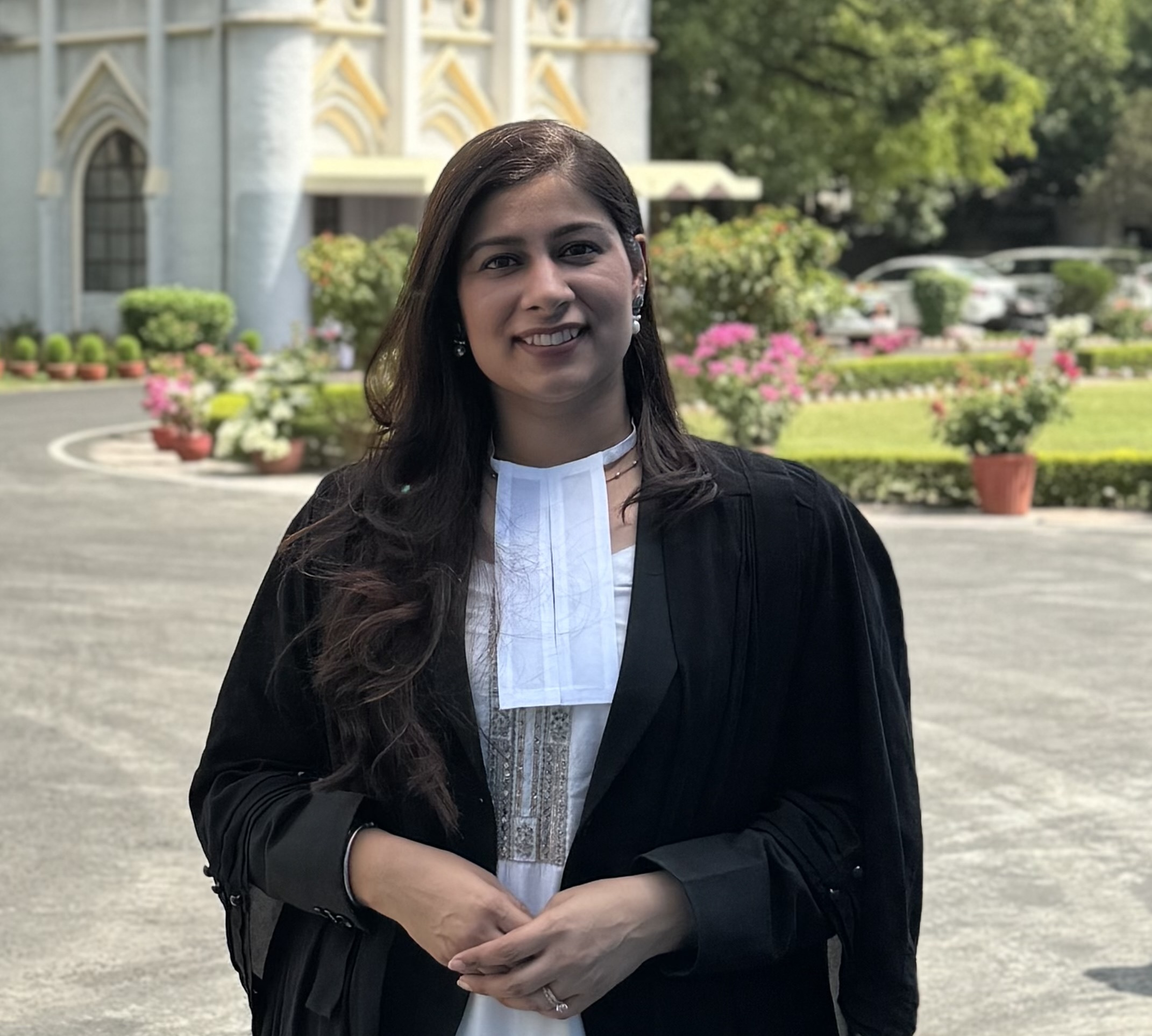



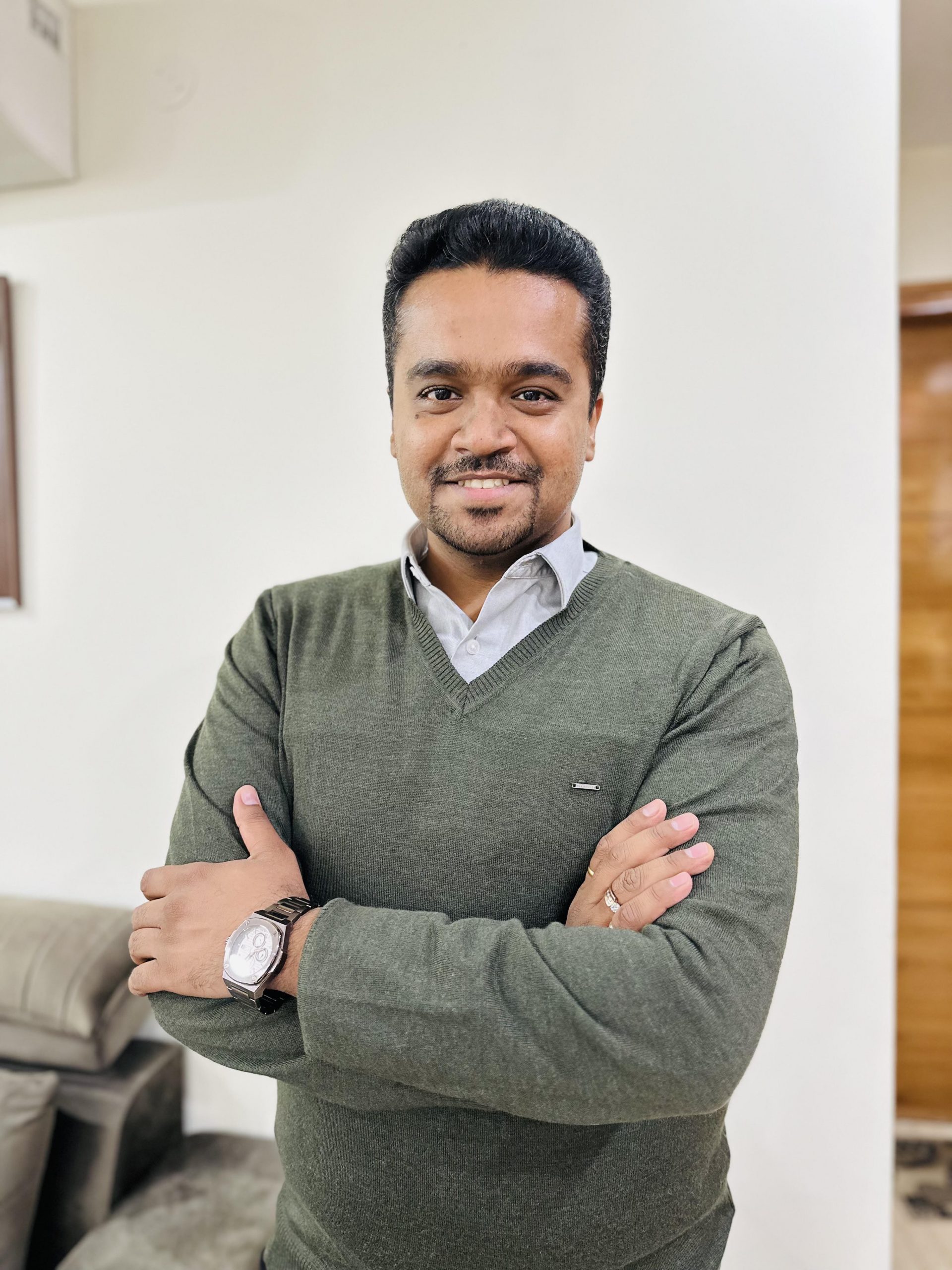




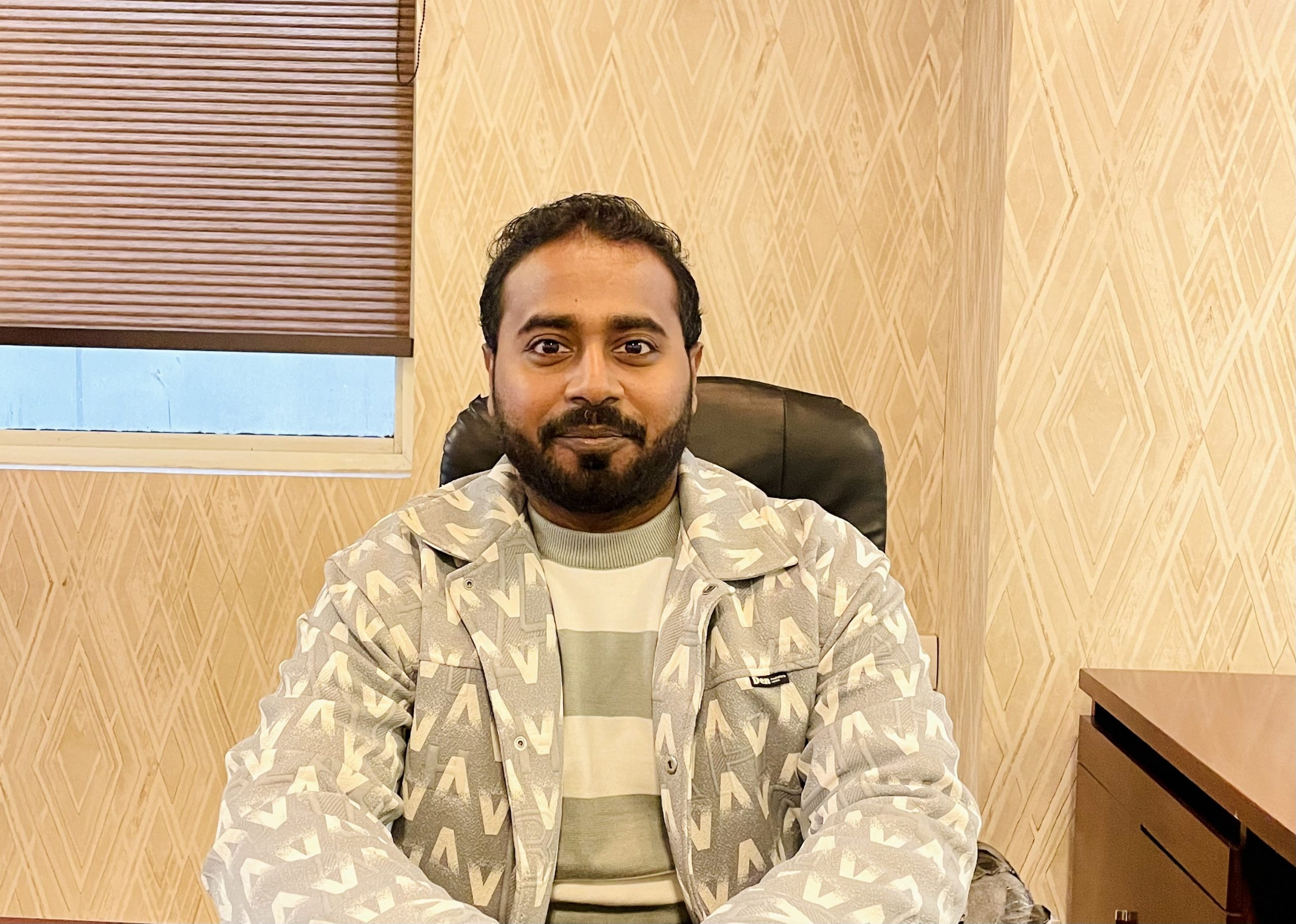








 Allow notifications