Tag: Law Firm

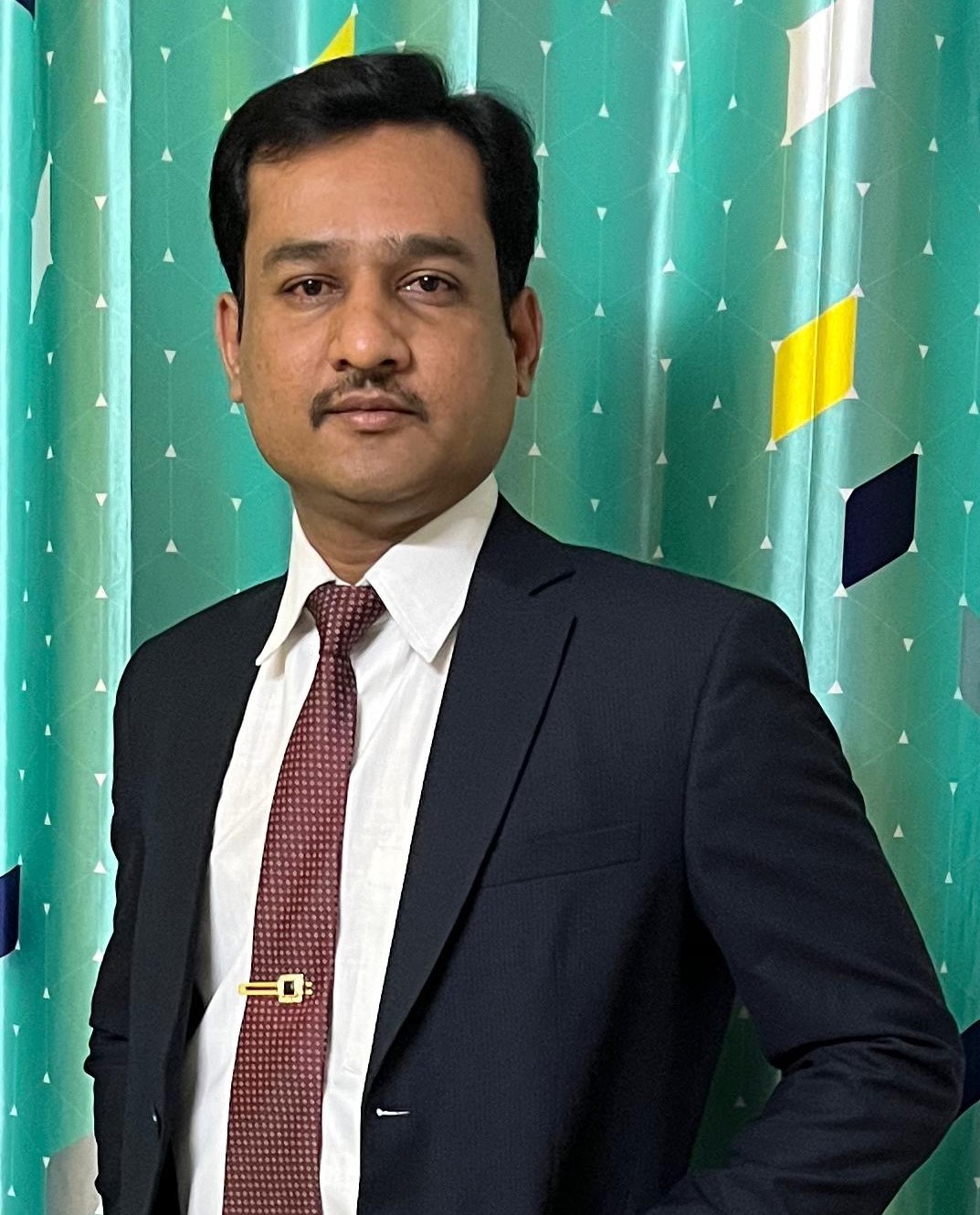
  • “With India experiencing rapid growth, witnessing a surge in startups and companies undergoing transformations, there is a burgeoning demand for M&A and related expertise”- Corporate Lawyer Sandip Patil

    “With India experiencing rapid growth, witnessing a surge in startups and companies undergoing transformations, there is a burgeoning demand for M&A and related expertise”- Corporate Lawyer Sandip Patil

    This Interview has been published by Pragya Chandni and and The SuperLawyer Team
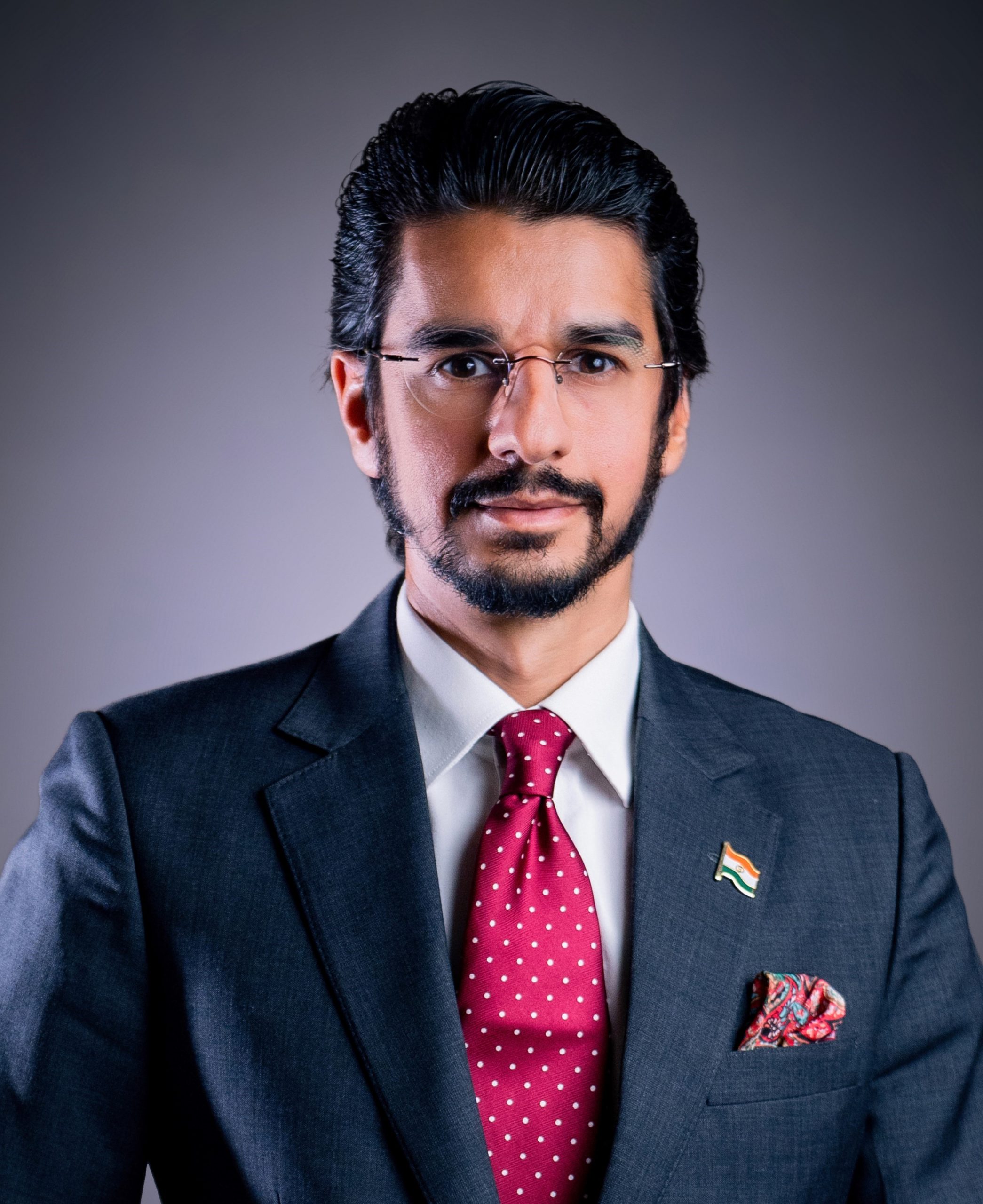
    Can you provide a brief overview of your journey in the field of law, from your educational background to your current role as an in-house Legal Advisor?

    My journey began with a passion for Indian civil services, steering my interest towards law despite an initial background in mechanical engineering. Pursuing a law degree from the University of Pune, I prioritized learning over grades, delving deep into various legal dimensions through diplomas, certifications, and practical experience. Working extensively in real estate law before completing LLB, I continued to expand my expertise in diverse legal areas—Civil, Criminal, Family, Consumer, Cooperative, Commercial, Labour, and Finance. 

    Joining a Pune-based law firm with a broad spectrum of cases but limited manpower allowed me to rapidly acquire extensive knowledge. Transitioning to a corporate role in a Singapore based company, specializing in commercial, legal, and financial advisory for startups, exposed me to a new realm of laws such as Corporate, Intellectual Property Rights (IPR), and Cyber Law. 

    Currently, as a Legal Advisor in a cluster of companies, I handle multifaceted legal responsibilities spanning litigation management, corporate agreements, Real Estate law, IPR, Data Privacy, compliance, and due diligence. 

    In your experience at Bluebox Consulting Pte. Ltd. in Singapore, how did you handle entity creation, management, and dissolution, especially in the context of startup operations?

    During my tenure at Bluebox Consulting Pte. Ltd. in Singapore, I navigated entity creation, management, and dissolution within the startup landscape. Singapore’s legal and corporate procedures are notably straightforward, featuring user-friendly applications and streamlined processes that were quick to grasp and integrate into operations. Compared to India, the procedures are notably simpler and less cumbersome. Working closely with government agencies like ACRA & IRAS was a delight; their support further emphasized Singapore’s business-friendly ecosystem, which I found particularly favourable.

    How have skills such as Legal Research, Due Diligence, and Litigation Management been crucial in your day-to-day Work, and can you share a specific example where these skills were instrumental?

    In my current role, the company faces diverse litigations including SCC under section 138 of NI Act 1881, labor law cases, Special Civil suits, RCAs, among others. An instance that highlights the importance of my legal research skills occurred during a specific litigation where we needed case law to challenge the plaintiff’s authority to file the suit. Despite involving external counsel, my legal research proved pivotal. I uncovered relevant Case Laws that not only addressed the pertinent legal points but also showcased instances where the same individual involved in our case had committed a similar act in different cases across various High Court jurisdictions. This comprehensive research significantly contributed to our case strategy and defence.

    As someone with expertise in Contracts & Negotiation, what advice would you give to professionals entering negotiations for international agreements?

    For professionals entering negotiations regarding international agreements, I would emphasize the critical role of dispute resolution and jurisdiction clauses. Litigation costs in foreign countries such as the US and Singapore can be exceptionally high. Hence, incorporating arbitration clauses can significantly save on expenses and prove to be a more cost-effective solution.

    You have pursued various certifications, including a diploma in “US Corporate Law & Paralegal Studies.” How have these certifications enhanced your legal knowledge and skills in practice?

    These certifications I pursued, particularly the diploma in “US Corporate Law & Paralegal Studies,” have been immensely beneficial both in my current role and in my freelance endeavours. In my job, I frequently handle a diverse range of corporate agreements, many originating from foreign countries, necessitating a deep comprehension of international laws and procedures. This certification has served as a strong theoretical foundation that greatly supports and informs the practical work I undertake on a day-to-day basis.

    Pursuing a Diploma in Mergers & Acquisition is an interesting choice. How do you see this specialization shaping your future roles or contributions to your current position?

    Enrolling in a Diploma in Mergers & Acquisitions is a strategic investment in futuristic skills and opportunities. With India experiencing rapid growth, witnessing a surge in startups and companies undergoing transformations, there is a burgeoning demand for M&A and related expertise. I foresee this specialization playing a pivotal role in future roles or contributions, as M&A, being an extensive domain, already contributes, to some extent, to my current role, and I anticipate it will continue to be an asset as the complexities of M&A transactions become more prevalent in the professional landscape.

    Working at Prof. Vijayrao Kale & Associates, you dealt with a variety of litigation matters. Can you share an experience that significantly impacted your approach to legal advocacy?

    Sometimes, circumstances unexpectedly come to one’s aid. Learning directly from senior lawyers can be challenging, especially for first-generation lawyers like myself. In such situations, one must proactively seek opportunities and glean as much knowledge as possible despite facing repeated denials, frustration, and dissatisfaction.

    Fortunately, during my tenure at Prof. Vijayrao Kale & Associates, I encountered a wealth of diverse litigation cases at various stages. Despite the limited number of Advocates available to handle these cases, this situation placed a substantial burden and responsibility on me as a newcomer in the field. This pressure, however, became a catalyst for my intense learning process, and I embraced it wholeheartedly. Within a remarkably short span, I absorbed an extensive amount of knowledge and procedural insights. I acquired insights that an average lawyer might not gain even after five years in the field, all within a mere 1-2 years.

    While the pay scale was disappointing, the experience and knowledge gained were invaluable. This challenging environment became the breeding ground for exponential growth in my understanding and practical experience within the legal sphere.

    Considering your diverse experience in law, what general advice would you give to fresh graduates entering the legal profession today?

    Considering the diversity of experiences in law, my advice to fresh graduates venturing into the legal profession today revolves around the distinction between theoretical knowledge and its practical application. While understanding substantive law might seem more accessible, grasping procedural laws—often intricate and challenging to remember—poses a hurdle for beginners, especially first-generation lawyers.

    Newcomers commonly struggle in acclimating to law practice due to insufficient revision of procedural laws. In my view, it is crucial for budding legal professionals to focus on memorizing procedural laws—prioritizing the relevant and frequently used ones—right from the outset of their practice. This foundational understanding significantly eases the comprehension of court procedures and accelerates progress towards higher levels of learning within the field.

    Lastly, I would like to quote Roy Bennett for the first-generation lawyers,

     “Your hardest times often lead to the greatest moments of your life. Keep going. Tough situations build strong people in the end.”

    Get in touch with Sandip Patil-

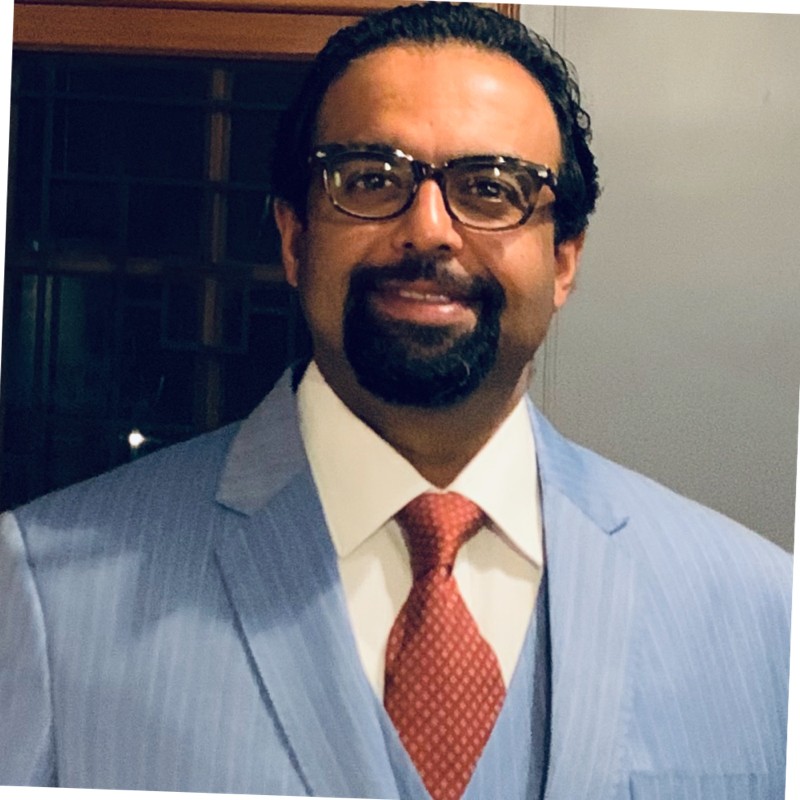
  • “From books to billboards, I believe in reading everything that crosses my path” – In an exclusive interview, Arushi Gupta, Founder and IP Attorney at Satyaki Legal, shares her remarkable journey from her early legal career to establishing Satyaki Legal.

    “From books to billboards, I believe in reading everything that crosses my path” – In an exclusive interview, Arushi Gupta, Founder and IP Attorney at Satyaki Legal, shares her remarkable journey from her early legal career to establishing Satyaki Legal.

    This interview has been published by Namrata Singh and The SuperLawyer Team

    Your experience includes working with renowned firms and handling diverse responsibilities. Could you walk us through your journey from your early career to founding Satyaki Legal, highlighting key milestones and experiences?

    I am an advocate who started her career 8 years ago, in 2016. After gaining experience of working with senior advocates, I eventually started working as a partner with a firm and now 2 years ago, I started with my own firm, Satyaki Legal. When in my career, I had almost worked in the domains I wanted to practice in, run a team of my own, I believed I could start my own firm. We started in the last month of 2021, where from finding the firm name to getting the website and team members was done, we are now a humble team of 5 with an established portfolio of start- ups and corporates to manage and work with. 

    As the founder of Satyaki Legal, you’ve had the opportunity to work with both national and international clients. How do you approach building relationships with clients, especially in a field that requires a deep understanding of their business and creative assets?

    From books to billboards, I believe in reading everything that crosses my path. To stay in the know has always been my thing- which forms a firm base of my communication skills. To constantly stay in touch with clients is also another thing that helps you understand their operations and the hurdles they face while conducting it. Being able to grasp a client’s work and their industry’s work culture can only be understood while being in touch with them on a 1-on-1 basis as well as having an open mindset towards their point of view.  

    Having worked with notable companies like Blinkit, McCain, and others, what are some of the most interesting or challenging projects you’ve undertaken in the realm of intellectual property, and how have they contributed to your growth as an IP attorney? 

    Intellectual Property has a lot to do with a brands’ market presence and the knowledge of the brand amongst the customers. The legal problems that I faced at that time weren’t simple textbook problems, they were dynamic in nature and needed understanding of the market/industry as well. So, whilst working with these Clients and some others as well, the mere textbook answers weren’t sufficient. There in that situation I learnt to develop a holistic point of view and also assess the legal problem and come out with resolutions accordingly. 

    With your extensive experience, you’ve worked on more than 500 trademarks, 50 patents, and numerous designs. Is there a particular case or project that you found particularly challenging or rewarding, and why?

    Every project or case that comes up to us has unique challenges and they thus after getting resolved or completed do seem rewarding. But I remember this one particular project where an extant variety of plant had to apply for Protection of Plant variety in India which led to several visits to the relevant authority. Similar was the case where I had to apply for registration of a novel food under FSSAI provisions. There was one case where we worked on the terms and conditions of the sale by launching an e- commerce portal a day before because it was then that it was sent to us, one before the Launch of their Sale. 

    You’ve assisted numerous start-ups in strategizing their IP assets. How crucial is intellectual property management for start-ups, and what advice do you often find yourself giving to emerging businesses in this regard?

    I keep telling this to start- ups and I can’t get tired of it, that first protect yourself and then launch yourself. We, often as start- ups are tired of just doing the operations and not launching the product or service. In this scenario, we do not consider IP important and go out and launch the product or service in the market. This also happens because we don’t very well recognise the IP that subsists in our key operations. So, I always ask them to take a pause, recognise their IP and first protect them/it and later on promote. This not only protects their work from being copied but also builds the trust of Investors. 

    Beyond the legal realm, we hear you’re involved in conducting webinars and seminars for IP awareness. What motivated you to take up this initiative, and what kind of impact do you hope to make through these sessions?

    This subject matter of IP is really close to my heart and hence, ensuring that people know the correct forms of it as well. So, in one of my opportunities to conduct a webinar, I got a chance to deliver a presentation to kids of around 10-12 years. This opportunity was so interesting, with all the witty answers and some extraordinary questions that I was motivated to do more of it!! The only impact I seek to create is awareness as well as certain importance and respect towards Intellectual Property that one holds. 

    Balancing departmental operations, client engagements, and business development requires skill. How do you manage these various aspects, and what strategies do you employ to ensure a smooth workflow?

    The only strategy we follow is to maintain dated notes, have clear start of day and end of day discussion along with weekly overview of tasks. Open communication, putting forth point of views within the team has been very helpful too. 

    Looking ahead, what is your vision for Satyaki Legal, and how do you see the firm contributing to the legal landscape, especially in intellectual property and media practice?

    The vision of course, is to engage more team members and work with more people. In a year, the work and team growth has been as per my target and that’s what we aim to maintain.  The mission is to also ensure that the subject matter which is dear to our hearts, Intellectual Property, is given due importance in each of the business operations that take place within an entity. 

    In addition to your legal expertise, we’re curious about your personal interests. When you’re not immersed in the world of IP law, what hobbies or activities do you enjoy to unwind and recharge?

    I have varied interests like reading books. But in order to be stress free as well as lead a healthy lifestyle I do regular workouts (strength training in particular) and meet my friends and family. I am a kathak dancer too, and I take those lessons too, occasionally. 

    What advice would you give to law students aspiring to specialize in intellectual property and media law, based on your own experiences and the evolving nature of the legal landscape?

    I would like to and I always do ask each of those students to simply read. Be well- read, know the market developments, read about brands, their marketing strategies, all of this trivia knowledge will ultimately help each one of them to understand the IP in all of these operations or industries I have told you about. Once that understanding is developed, to work in the realm of IP would not only be easy but interesting as well. 

    Get in touch with Arushi Gupta-

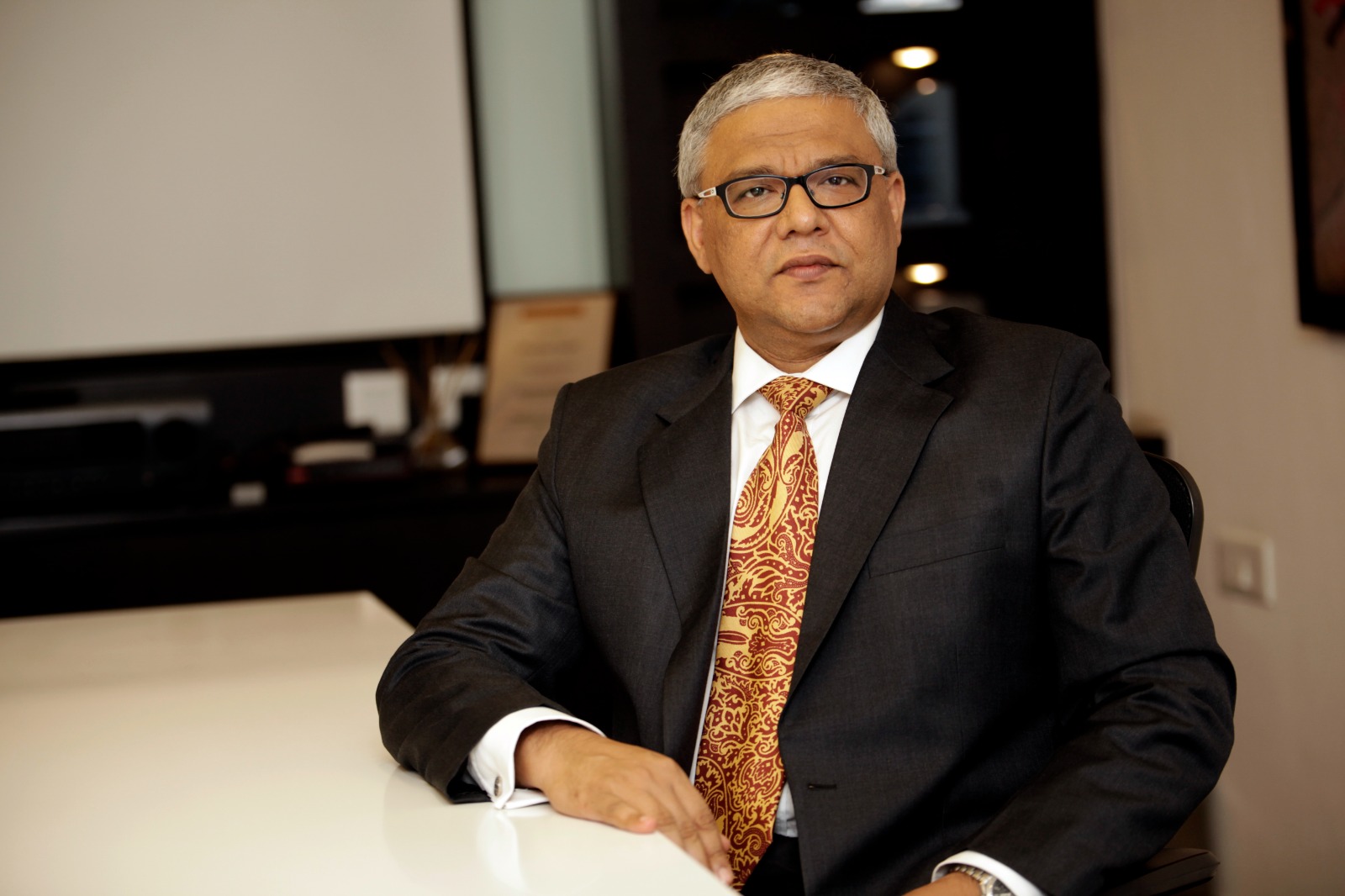
  • “It’s about being honest to yourself and respecting yourself by asking what would you want as a client, opponent or colleague for that matter” – Ajesh Kumar Shankar, Founder of AKS Law Associates

    “It’s about being honest to yourself and respecting yourself by asking what would you want as a client, opponent or colleague for that matter” – Ajesh Kumar Shankar, Founder of AKS Law Associates

    This interview has been published by Namrata Singh and The SuperLawyer Team

    We are extremely delighted to have you with us for this interview. Can you please introduce yourself, highlighting your journey from the establishment of AKS Law Associates in 1999 to becoming a prominent figure in the Indian legal fraternity?

    I was in the computer field back in the mid-nineties. Back then, I used to occasionally accompany my folks to meet with lawyers, either seeking advice or to engage them in a matter. It was a learning curve, to understand the complexity of law and/or that it was near to impossible to have a clear vision of the road ahead. So, on the one side, I was professionally engaged in the computer field wherein we were promising solutions for business enterprises with a certain amount of predictability, efficiency and transparency whereas, the real-life legal problems had the dusty road ahead. Intrigued, I studied law. Fascinated by the subject of law and its complexity, I started my independent legal practice after training for about a year under my senior.  For the first 10 years or so, I was predominantly engaged in chamber practice by advising clients in general corporate law and especially in Real Estate law. After 2009, I started attending Courts regularly and have been conducting matters before courts and tribunals across India. I have had the good fortune of appearing before the Supreme Court of India. There have been interesting cases addressed by me before International Arbitration Tribunals and the High Courts of Delhi, Bangalore and Chennai. As far as possible, I take instructions directly from the client and 9.9999 on 10, do not engage any Senior Counsel. I insist that my young colleagues in office must conduct a trial/argue a matter before the High Court. As far as possible practically, adjournment is not an option in our office. We have a small practice and keep a close connection with our clients. If we do not meet the client’s expectations, we own up to our shortcomings and do not pass the buck. What we try to do, in our first meet which is on the house, is to give the client a road map of their case’s journey to set expectations.

    Your areas of practice range from international arbitration to corporate advisory. How do you navigate the diverse challenges posed by different legal domains, and what aspects of your practice do you find most fulfilling?

    Every case is unique. I do not take up any matters concerning matrimonial disputes, service matters, direct and indirect tax. A client wants to hear the problem first and the solution thereafter, especially when it comes to corporate advisory in agreements. Due to our varied experiences in litigation, we can quickly identify the potholes and crossroads in an agreement and the challenges that may come up. Clients weigh in on our experiences in litigation to assist them in identifying clauses in an agreement that may be problematic and also offer solutions when such problems do arise.  As we work very closely with clients and the owners/ top management we have some understanding of their businesses and what they expect out of a dispute. Once we have clarity as to what is a client’s expectation, then to advise them on the legitimacy of their expectations or what would be the best outcomes is quite straightforward. We do not take up a case that we do not feel that we can address. The broad spectrum of cases we take up is because we are confident that we can address the issue in the matter. This is backed by painstaking research and understanding as to what could be the possible outcomes. If it’s an untrodden field, we take a reasonable lead time and tell the client that we lack prior experience in the matter. Quite often, clients come to us in areas we have never worked with to consider if we would approach the matter differently and many a time this has worked well for the client.

    Your commitment to pro bono cases and public interest litigation is commendable. What drives your passion for social justice, and Could you share a memorable experience where your legal expertise made a significant impact on social justice or community welfare?

    India is a land of plenty of everything. For over a decade, I have chosen to provide free legal services for economically weaker persons and work towards creating an efficient legal structure in solid-waste management. There are many anonymous Indians who do a lot, yet they do not find a place on the newsfeed and they are not interested either.  When we take on a pro bono case, the client gets equal treatment as a paid client. I believe that every legal professional must extend themselves to the community/ persons who need them the most. When you go and have a meal with a person who has had a legal closure of their case and you have had a small role in it, the satisfaction you get is much more than being paid by a corporate. I had a client who came to me with a matter where he had signed an agreement at terms that were patently unfavourable to him and he was forced to sign up for a song, he was in financially difficult circumstances and there was a good possibility that his land was going away. After being turned down by many prominent lawyers, he came to me. I confessed that I had no prior experience in dealing with the matter but I would put in an effort if he agreed. The matter was argued by me successfully from the Trial Court up to the Supreme Court and the client ended up with a fortune. 

    Your profile reflects a multifaceted personality with diverse interests such as equestrian sports, chess, running, yoga, and continuing education. How do these passions contribute to your life?

    You have one life, live it and enjoy it to the fullest! I do enjoy exploring my mind and my fears. Many of my decisions have been taken after a long ride with my horse, Ziggy. The best place to be in the world is on horseback… ride one to know it. Playing chess at school helped me to be patient and analyse people’s moves. Chess is such a challenging game and no two games of chess or players are the same. I tried to be fit and I started yoga to experience my inner and external journey of mind, body and soul, with my teachers at the Iyengar school. Learning is a lifelong process and learning for me is to improve my mental gym.

    Upholding the highest ethical standards is a hallmark of your practice. How do you ensure transparency for clients and fairness to opponents while navigating complex legal matters?

    Character must not change. You might get a good reputation if you win many cases, which may not be true if you lose many. It’s about being honest to yourself and respecting yourself by asking what would you want as a client, opponent or colleague for that matter. I would always be ready to apologize to anyone if I have made a mistake or hurt someone. Etiquette to your client opponent and colleagues is not limited to good language skills, it’s about being clear and laying all cards on the table. This helps you to have a committed client and respect from your opponent and colleagues. It is very important to note that while you may not be aware, others observe you and learn from your good and bad. Therefore, it does not cost anything to be a good human being, so why not?

    Your legal outreach initiative focuses on creating legal awareness and education in local communities. What inspired you to take up this initiative, and how do you see it making a difference in the lives of people?

    Many decisions are because you do not know your rights. We spend time educating and creating legal awareness in communities to enhance people’s knowledge about their rights which would help them in making decisions. Some of the most basic legally binding decisions that stare you in the face, are because you did not know better. I have seen this at home. As we come from an army background, going to lawyers was not naturally a done thing unlike how businessmen utilise the services. My folks have had to suffer serious hardships because they were not informed of their legal rights. This has always been in the back of my mind. Therefore, as promised early in my career as a lawyer, I have always been engaged in legal awareness with communities, senior citizens and lonely parents.

    You actively mentor younger lawyers to expand access to legal services. How do you approach mentorship, and what advice do you offer to aspiring lawyers entering the legal profession?

    I refer to all lawyers as colleagues. Once a lawyer has a license to practice we are all equal. The same lawyer younger in age may turn out to be a judge before whom we have to appear and say ‘M’lord’. That’s the most interesting part of the legal profession, there are no limits as to what you can achieve. It is only dependent on you. If you want to be a paper pusher or adjournment lawyer – you can. Or, if you want to be a Palkhiwala – you can. I spend and invest a lot of my time with my colleagues, running through their cases and preparing them for the matter by reviewing drafts, and agreeing on approaches for trial or final hearing. This helps them to be confident as they are well prepared. My only request to them is to do the same for their colleagues. 

    What advice would you offer to the coming generation of lawyers, considering the evolving landscape of legal practice and the societal challenges we face? Could you share a personal or professional mantra that has guided you throughout your career and continues to inspire your work at AKS Law Associates?

    The legal landscape is changing, it has increasingly no place for paper pushers or adjournment lawyers. The young, dynamic and hardworking professionals are dominating the field as either lawyers or judges. Technology is playing a larger role than ever. International arbitration is now becoming commonplace. If you want to find your niche and grow that practice, do it early. Have a general broader practice so that you can have an ear to the ground and earn a steady income and at the same time focus on growing your niche. Small is big! Clients want your time and they are willing to pay for it so long as you deliver. You don’t need a fancy name to your visiting card or a fancy office to start with; you need to focus on understanding how to resolve the client’s issue and after that it is a home run.

    Get in touch with Ajesh Kumar Shankar-

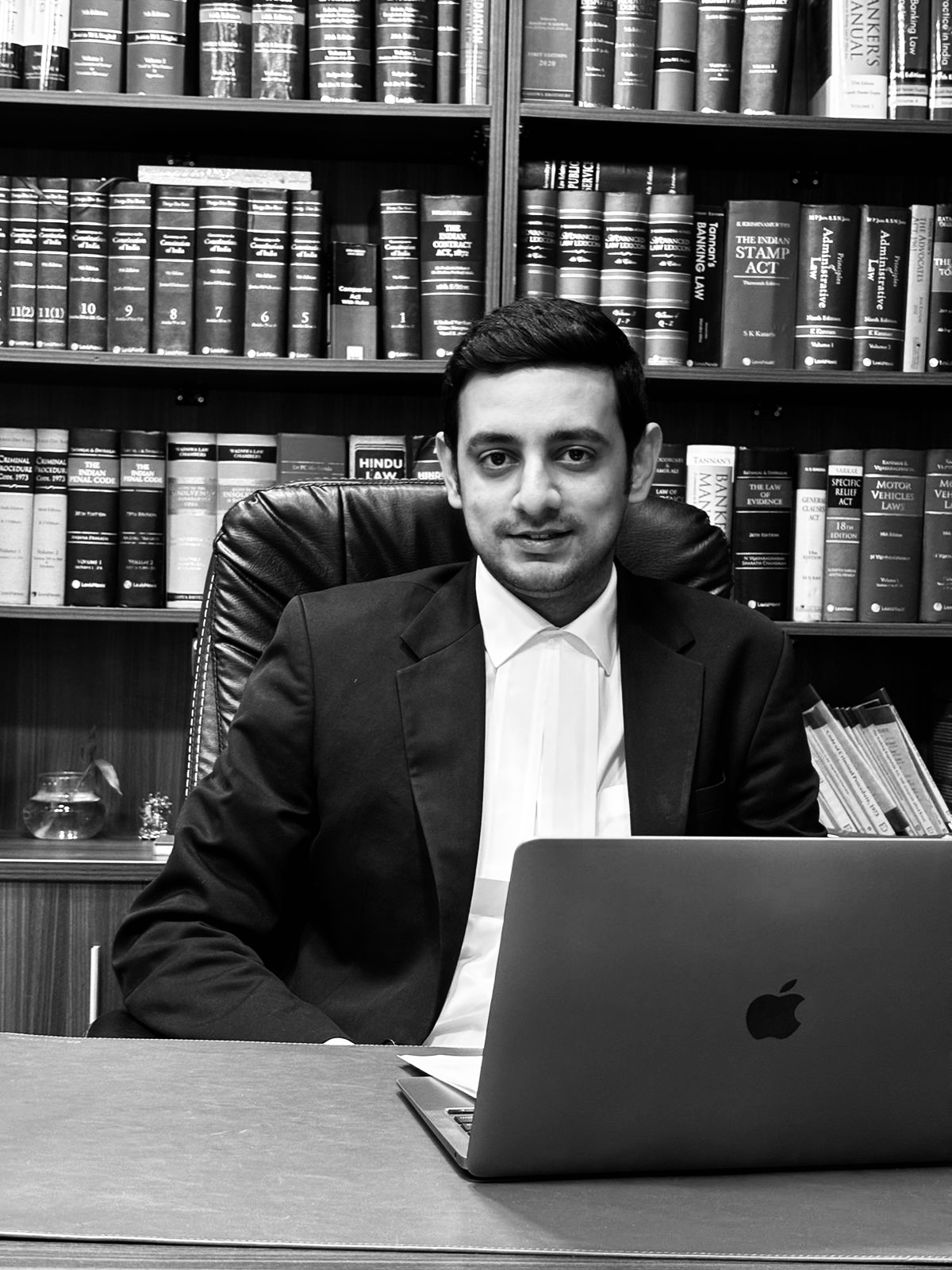
  • From an illustrious academic journey to representing clients in high-stakes litigation, discover how his early experiences and continuous engagement with legal education shape his approach to problem-solving and litigation strategy – Vipul Kumar, Advocate-on-Record, Supreme Court of India

    From an illustrious academic journey to representing clients in high-stakes litigation, discover how his early experiences and continuous engagement with legal education shape his approach to problem-solving and litigation strategy – Vipul Kumar, Advocate-on-Record, Supreme Court of India

    This interview has been published by  Priyanka Karwa and The SuperLawyer Team

    How would you like to introduce yourself to our readers and young freshers.

    I am an Advocate-on-Record (AOR) at the Supreme Court of India. I started practising in 2014 with Wadhwa Law Chambers, Delhi before setting up my own full service law chamber (with two other partners) in 2022. 

    Our key practice areas include arbitrations, Insolvency and Bankruptcy, high stake property litigation, Civil and Commercial Litigation, Criminal and constitutional litigation, Intellectual Property and MSME related litigation with a focus on litigation before Hon’ble Delhi High Court, NCLT/NCLAT and the Hon’ble Supreme Court. 

    During the course of last 10 years, I have had the opportunity to represent various Indian and multinational companies/government departments before various courts and tribunals in Delhi NCR, Punjab and Haryana High Court, Allahabad High Court, Bombay High Court and other courts in Lucknow, Jabalpur and Himachal Pradesh.

    You have a strong academic background, having completed your B.A. LL.B (Hons.) from Dr. RML National Law University. How has your academic journey influenced your approach to legal practice and problem-solving?

    I was fortunate to have spent my five years at law school with some of the brightest minds from across the country – who are now some of my closest friends. All of us continue to learn from each other during the course of our respective professional journeys as practising lawyers, at law firms, in house counsels – as we did during our time at law school. Apart from the usual academic rigour, RMLNLU gave me an excellent set of peers. 

    While law practice can keep you occupied 7 days a week, I try to keep in touch with the academia by teaching seminar courses/taking guest lectures. Infact, preparations for my lectures at NLU Delhi and NUJS Kolkata have often helped me discover new lines of arguments and case laws – which eventually help you while making submissions in court/drafting your pleadings. 

    Could you describe your current role as an Advocate on Record at the Supreme Court of India? What types of cases do you handle, and what are your primary responsibilities?

    My initial years in law practice gave me a lot of exposure to original side litigation at the Delhi High Court, NCLT/NCLAT and District Courts. Original side practice teaches you imperative litigation skills which involves asking the right questions from the client and procuring documents, drafting the pleadings only after one looks up the correct position of law, and most importantly, being precise and not verbose with the pleadings.

    It is imperative that a lawyer keeps the above in mind while drafting plaints in Suits, statement of claims in arbitrations and insolvency actions, since the client may not be able to rectify these errors at the Appellate stage.

    Having a strong original side practice background always gives you an edge with AOR practice at the Hon’ble Supreme Court. This skill set has certainly helped me with my AOR practice where I take up matters relating to arbitrations, Insolvency and Bankruptcy, high stake property litigation, Civil and Commercial Litigation, Criminal and constitutional litigation, Intellectual Property and MSME related litigation

    With your involvement in MSME-related litigation and practice, how do you approach defending recovery actions initiated by MSMEs? What unique challenges and legal considerations come into play in such cases?

    With the Government allowing for a completely self-declaration based registration under the MSME Act, a huge number of money recovery actions are now initiated under the MSME Act. If the dispute is contested and not settled before the Facilitation Council, it converts into a regular arbitration.  The obvious benefits are better rates of interest given to MSMEs under the MSME Act when compared to regular arbitrations/civil actions for unpaid dues.

    However, the self-declaration regime does not require any physical inspection of the proposed MSME unit prior to its registration under the Act. This is resulting in many vendors registering themselves as MSMEs overnight (who may or may not meet the required thresholds of turnover and investments under law for registration as an MSME) and filing their claims under the MSME Act. In my humble opinion, the entire self-declaration regime of registration needs a complete overhaul at least as far as recovery actions under the MSME Act are concerned.

    There are however some remedies in the current legal framework to address the aforesaid issue, though not very effective and practical. Some other remedies under the MSME Act include criminal prosecution against the buyer which are not explored routinely but can be very effective, especially in high stake MSME litigation.

    In addition to your legal practice, you have a background in writing and travelling. How has your interest in writing come up and what are some of your favourite places you have travelled to.

    I used to write ‘letters to the editor’ to various newspapers while I was in school, which my father had suggested. I still have a whole collection of those cut outs kept with me! It is indeed a great way to develop comprehension and improve writing early on – especially for litigating lawyers where you are required to churn out drafts on an everyday basis. I would also write some pieces here and there in college, but the litigation rigour does not allow much time for that anymore.

    The RIFF music festival at Jodhpur with its unique dawn/dusk classical concerts, the backwaters at Kerala, the unexplored Turkish coastline and old town Prague have been some of my favourite places to visit.

    With a significant portion of your career spent in representing various entities, what advice would you give to aspiring lawyers, What are some key lessons or insights you have learned along your journey that you would like to share with them?

    One should explore as many practice areas in the initial few years of practice and focus on reading as many precedents/case laws. Apart from the basics, being a nice and an easy person to work with is a very under-rated skill!

    Get in touch with Vipul Kumar –

  • A legal recruitment consultant needs to be flexible and adaptable to understand the unique dynamics in each of the markets for operating effectively- Jennica Bellani, Senior Consultant – Corporate Practice Group at Vahura

    A legal recruitment consultant needs to be flexible and adaptable to understand the unique dynamics in each of the markets for operating effectively- Jennica Bellani, Senior Consultant – Corporate Practice Group at Vahura

    This interview has been published by  Priyanka Karwa and The SuperLawyer Team

    Can you tell us about your journey into the field of legal recruitment? What inspired or led you to pursue this career path, especially with a background in international commercial law?

    “Choose a path less taken in the professional world, for it is here that you will find the opportunities and adventures that lead to true success ’’ 

    This quote truly resonates with my professional trajectory so far. As a first generation lawyer from a family largely involved in business, I was always interested in exploring the nexus between law and the corporate field. Choosing to pursue a degree in International Commercial Law at the University of Bristol came naturally to me since it gave me the opportunity to delve deeper into  modules such as IPR, Trade Law and Corporate Finance, and their applicability in a commercial context.

    As they say, destiny had other plans and I stumbled upon legal recruitment by chance post graduation. I was intrigued by the business side of law and being at the forefront of engaging with organisations as well as networking with legal professionals from different backgrounds. I am glad I ultimately took that leap of faith and ventured into the path less taken. My journey at Vahura has been nothing short of fantastic. It has given me the opportunity to be at the forefront of interesting projects such as the Covid-19 helpline, advising Fortune 500 companies on hiring requirements and setting up diverse teams from ground up. 

    Overall, I have evolved as a person and professional year after year. I have become more confident and less shy of my abilities. Vahura has encouraged me to push boundaries and develop a high level of ownership. As a legal consultant, I have built bonds and enduring relationships based on integrity, trust and genuine care. 

    You’ve had an impressive career with Vahura and achieved various accolades. Could you share some specific experiences or challenges that stand out during your time as a Senior Consultant, especially in the context of setting up legal teams for diverse organisations?

    As a legal search/recruitment consultant, the task of assembling a diverse and dynamic team for various organisations is in itself both a challenging and an exhilarating experience. Traditionally, the legal team demands a thorough understanding of the industry nuances and a keen eye for untapped potential. Legal hiring not only requires one to identify and attract talent from various backgrounds and experiences but also meet the job requirements and contribute to the broader perspective/goals of the organisation. The challenge that I have most commonly faced as a senior consultant has been in addressing unconscious biases, promoting inclusivity and advocating hiring strategies or principles in organisations that may not have been fully embraced in the past. For me, it’s been more than just matching qualifications, rather it has principally been about catalysing the advancement of the legal profession – which is our collective mission at Vahura.

    In your role as a Senior Consultant, you’ve handled diverse clients from MNCs to startups. How do you tailor your recruitment strategies to meet the unique needs of such a wide range of organisations?

    Tailoring recruitment strategies for organisations as diverse as a MNC or a startup is a nuanced endeavour that necessitates a keen understanding of their distinct needs and cultures. 

    For instance, when working with Multinational Corporations (MNCs), the emphasis often lies on talent acquisition who are well versed with international regulations, compliance and global stakeholder engagement. The focus is also on aligning professionals with a corporate culture that may be well-established. Essentially, MNCs also focus on comprehensive background checks, language proficiency and adaptability to diverse work environments. The experience can usually be daunting and time consuming which requires patience and thorough screening as a recruiter.

    Conversely, with startups, the recruitment approach shifts towards identifying talent who thrives in dynamic and high-growth settings. Here, it’s imperative to recognize and emphasise on qualities such as adaptability, innovation and the ability to wear multiple hats. Startups often require candidates who are not only skilled in their specific roles but are also passionate about the company’s vision and mission. The ideal candidate is someone who will take on responsibilities beyond their job description and handle uncertainty or ambiguity with resilience. 

    In both cases open communication with the hiring organisation has been a key strategy. Understanding their goals and values has more than often facilitated a precise match of candidates to specific corporate needs and cultures, whether that’s within a well-established MNC or a startup. 

    Could you elaborate on your involvement in the COVID-19 helpline initiative at Vahura? How did you create a database of legal professionals affected by the pandemic layoffs and assist them in finding new opportunities?

    The COVID-19 helpline was a collective initiative within Vahura to help the legal fraternity during the most uncertain and challenging times the world has faced in the recent past. As consultants, we witnessed rampant layoffs, redundancy of roles, restructuring of teams and hiring freeze within various organisations. Given our relationship-focused approach with candidates, the team felt that it was imperative we develop a resource to assist professionals whose careers were directly impacted as a result of Covid-19 pandemic.  Through the help of social media, we were able to market COVID-19 helpline and received a registration of over 130 professionals on our hotline. These included people who were laid off, retrenched and were available to join immediately. We were successful in placing most of the professionals either through secondments or as a permanent employee once the market began to slowly pick up. 

    As a part of the marketing team, I was extensively involved in posting market insights, publishing relevant blogs and creating videos to encourage professionals to sign up on our hotline. Additionally, I was also involved in the ‘Once a Lawyer’ series which focused on interviewing law graduates and lawyers who disavowed the world of law to pursue an unconventional career path. Since several professionals were facing a lack of inspiration due to layoff and retrenchments at the time, we showcased how they could try out new things, follow their passions and overcome certain boundaries. The idea was to help them broaden the horizon of opportunities they could pursue,  rather than worry about their current state. 

    All in all, I am grateful for being involved in such a noble project and being able to give back to the legal community. As they say, “True fulfilment in life is found by focussing on virtuous acts which not only create a deeper and meaningful connection but also contribute to a better world.’’

    You’ve been an integral part of Vahura’s social media team and contributed to a significant increase in followers. Can you share some tips on leveraging social media for candidate engagement and outreach within the legal recruitment sector?

    In the realm of legal talent acquisition, harnessing the power of social media is a dynamic and essential tool for candidate engagement and outreach. Platforms such as LinkedIn, Instagram, Youtube or even Twitter (now X) offer an expansive stage to not only identify potential candidates but also build and maintain meaningful connections within the legal community. As a part of the social media team, I was involved in strategic content sharing such as publishing informative articles, industry insights on our LinkedIn page through knowledgeable and credible resources which gradually attracted an audience interested in advancing their legal careers. 

    By staying active on the above platforms, we were also able to address candidate inquiries and concerns promptly. Over the years, as we continued to stay visible within these platforms we were not only able to locate the right talent but were also able to build lasting relationships which were mutually beneficial for candidates and employers and ultimately enhanced the effectiveness of the recruitment process.

    Your education includes a postgraduate degree in International Commercial Law. How has this academic background influenced your approach to legal recruitment, and how do you see it benefiting your career in this field?

    Although I didn’t take the traditional path and practised law, I still owe my education for having a profound impact on my role as a legal recruiter. It has provided me with a deep understanding of complex legal frameworks that govern international business transactions. Additionally, I can assess candidates better, hold a conversation with them and match their goals with the specific demands of multinational corporations looking to build global legal teams based in India.. Further, I have been able to provide valuable insights to organisations and helped them find legal talent best suited to navigate the intricacies of global commerce. I truly believe that a postgraduate degree not only enhances one’s professional credibility and fosters attention to detail but also amplifies their effectiveness in placing top-tier talent in the legal sector. 

    With your experience in both India and international markets, what differences have you observed in the legal recruitment landscape, and how have you adapted your strategies accordingly?

    Navigating the legal recruitment landscape in national and international markets presents unique challenges and opportunities. In the national market, the focus often revolves around familiarity with local laws, regulations, language and an understanding of regional markets and cultures. Strategy in this context may involve building extensive candidate networks and leveraging local connections for candidate and client engagement. 

    Conversely, the international market demands a broader perspective. The emphasis is on the complexities of cross border law and talent acquisition having a strong pedigree and exposure in global markets. Herein, one needs to be well versed in cultural sensitivities and diverse legal systems. Strategies in this context have ideally involved building a diverse pool of candidates who are open to cross cultural training and have a strong grasp of international legal trends. 

    In both markets, the approaches are different and building trust as well as credibility is crucial. Ultimately, a legal recruitment consultant needs to be flexible and adaptable to understand the unique dynamics in each of the markets for operating effectively. 

    Finally, as someone with extensive experience in the legal recruitment sector, what advice would you give to fresh graduates or aspiring legal professionals who are looking to embark on a career in law or legal recruitment?

    For fresh graduates and aspiring legal professionals who are seeking a career in law or otherwise, I would like to offer a few key pieces of advice. First, embrace continuous learning and stay curious. The legal field is constantly evolving and a commitment to stay informed or upskill is vital in the legal industry. Second, build a strong professional network as relationships are valuable in both law and consultancy. Attend legal events and connect with mentors who can offer guidance and support. Third, never underestimate the power of practical experience, Internship, clerkship and entry level positions provide valuable insights. Have realistic expectations of the corporate world and refine your career goals accordingly. 

    Lastly, always maintain integrity, transparency and ethical standards in your work. In any profession trust and credibility are your most valuable assets, more so in the legal field. Embrace these above principles and you will be unstoppable in achieving a rewarding and fulfilling career. 

    Get in touch with Jennica Bellani-

  • A good real estate practitioner needs to be familiar with multiple laws which impact real estate- Probal Bhaduri, Managing Partner at EVA Law

    A good real estate practitioner needs to be familiar with multiple laws which impact real estate- Probal Bhaduri, Managing Partner at EVA Law

    This interview has been published by  Priyanka Karwa and The SuperLawyer Team

    Sir, could you please share with us your journey and how you ended up pursuing a career in law, especially with such a diverse background that includes corporate, commercial, and employment law?

    Prior to joining Law School (National Law School of India University) I was lucky enough to have interacted with Prof. Dr. N. R. Madhava Menon.  It was these interactions that led me to sit for the entrance exam.

    At the time I graduated, law firms did not put lawyers into specific practice areas as is the case today.  I, therefore, got exposed to various areas of laws during my initial years.  At that point of time, the liberalisation of the Indian economy was slowly gathering steam and owing to the same, I ended up doing a lot of corporate and commercial work and found that I enjoyed it.  

    You have extensive experience in mergers, acquisitions, private equity investments, and joint ventures. Could you tell us about a particularly challenging or memorable deal you’ve worked on and what made it stand out?

    Every transaction is memorable since by its very nature a transaction consists of balancing competing interests and arriving at a result which is a win-win.  Personally speaking, the learnings from each transaction have been different since nearly all of them required me to ‘re-learn’. 

    In addition to your work in M&A and private equity, you’ve also advised on real estate transactions. What are some key considerations for clients when navigating the complexities of real estate deals, especially in India?

    Real estate practice in India is fairly varied in terms of local practices and on-ground situations.  A good real estate practitioner needs to be familiar with multiple laws which impact real estate such as stamp duty laws, succession laws under various communities, environmental laws, land acquisition, etc.

    For a good real estate practitioner, balancing commercial needs with on-ground realities and legal protection is key and this is something which requires time and experience.  A diligent real estate lawyer is one who is aware of the legal precedents on a continuous basis.

    You’ve had the opportunity to work both in India and internationally, including with European clients on investment opportunities in India. What are some key differences you’ve noticed in the legal landscape and business practices between these regions?

    One of the key differences I noticed while working abroad was the focus and attention given by law firms to the mental well-being of their lawyers.  The other big difference was the way big law firms were structured to ensure focus on quality of deliverables, knowledge management, standardisation of work products, etc.  Indian law firms have taken time to walk down this path.

    Shareholder and commercial disputes can be intricate and sensitive matters. Can you discuss some strategies or approaches you’ve used to successfully resolve these types of conflicts for your clients?

    In India, given the stress our judicial system has, it becomes imperative to resolve disputes efficiently in a time bound manner.  This makes alternative modes of dispute resolution including negotiation and mediation particularly important.  Drafting commercial agreements which will stand the test of a legal challenge is a first step towards ensuring prevention of such disputes.  Furthermore, a key aspect in intricate shareholder and commercial disputes is the careful balancing of interests of both parties that a lawyer must strive for to ensure a speedy redressal of grievances of the parties involved.  In my experience, commercial disputes usually arise when the thought process of the people at the time of entering into the transaction has shifted which leads to one of the parties trying to ‘re-interpret’ the intention behind a particular provision of a transaction document.  By drafting documents using language which is not capable of multiple interpretations, some of these disputes can be resolved without having to go down a lengthy process of dispute resolution.  

    In my view, mediation seems to be the way forward, especially for shareholder and commercial disputes considering the many benefits it offers.  Lawyers and law firms would be well advised in educating themselves in this area and then advising their clients to use mediation as a process to resolve issues.  

    Your career has spanned various roles, including Managing Partner at Lumiere Law Partners and Director (Legal) at the Avenue Capital Group. How have these diverse experiences shaped your approach to legal practice and client service?

    During my formative years as a legal professional, I was very fortunate to have worked directly under lawyers who I would consider as doyens of the legal profession. Their kindness in taking the time out to mentor me is perhaps the biggest reason why I enjoy what I do even today.  While reading and constantly updating oneself is a prerequisite for a lawyer to do well in the profession, client servicing (learning how to deal with clients) is something which is equally important.  I built upon my client servicing skills gradually over the course of my career while working at law firms in India and abroad.  When I was working at Avenue Capital, I was essentially a client for law firms and that stint was invaluable in giving me the perspective from the other side – how a client ‘measures’ law firms/ lawyers and what he expects from his legal counsel(s).  

    You’ve been recognized by prestigious legal publications like the Legal 500 and Chambers and Partners. What do you attribute to your success in the legal field, and how do you stay current and relevant in such a dynamic industry?

    One of my professors in law school had once made a comment, “Lawyers are not brilliant by birth, they become brilliant only by working hard”.  The legal profession is one of those where knowledge trumps everything else.  When I started off my career, there was no internet, no google, which have now become an integral part of our lives.  Reading and researching, the two essential elements that form a key part of a lawyer’s arsenal, were to be approached differently as compared to today’s times.  This, however, is only half the story. Truly brilliant lawyers, in my experience, have a third element which is ‘analysis’.  In order to stay relevant in an ever-evolving legal landscape, especially in India, the first order of business is to read as much as possible and then analyse what one has read to see how to best use that learning.  Further, having a problem-solving attitude is critical in order to be able to serve your clients effectively and efficiently.

    You’re currently the Managing Partner of EVA Law. Can you tell us about your vision for the firm and the areas of law where you see the most growth and potential in the coming years?

    The word ‘EVA’ stands for life itself. My vision for EVA Law is not so much for the firm but for the lawyers who work with us.  My learning over nearly three decades is that for any vision to be successful, it has to first become a value system for the people in the organization.  

    My vision for EVA would be threefold:  

    (a) Building a culture of extraordinary mentorship.  Lawyers in EVA Law must instil a culture of thirst for knowledge and achieving excellence.  The culture must embrace openness and inclusiveness.  The mentorship must encourage everyone to aspire to become leaders and decision makers.  

    (b) Recognising teamwork is critical.  Every team member in EVA Law will be respected and appreciated for their contribution and learn from each other in that process.  Younger members of the team must feel committed to the process.

    (c) Dealing with mistakes and failures – The work culture must empower people to be secure enough to admit wrong decisions.  Failures and mistakes are not about putting blame on someone but learning individually and collectively.

    In terms of the areas of law that have a lot of potential, data privacy is right up there. I also feel that with the growing trend towards digitisation, cyber security laws will be in vogue.  Also as I mentioned above, mediation will be an important area.  

    As someone who has achieved remarkable success in the legal profession, what advice would you give to law school graduates and young professionals aspiring to excel in their legal careers?

    All the recognitions and accolades that I have received in my career are not by any stretch of imagination attributable to anything extraordinary done by me.  They are a reflection of all my team members who have worked extremely hard to ensure that our work got noticed. Success means different things to different people. For me, success is the fact that people who have worked with me have gone on to become remarkable lawyers; success is the fact that lawyers in my team who are less than half my age call me by name; success is the fact that my clients allow me to tell them what they ought to hear rather than what they want to hear. To all the law graduates out there aspiring to make a mark in the legal profession, all I would like to say is that be the lawyer who other lawyers call when they need good advice and (quite importantly) don’t take yourself too seriously.

    Get in touch with Probal Bhaduri-

  • Success in IP law comes more from understanding your clients’ businesses and being dedicated to protecting their interests- Vivek Vashi, Head of Intellectual Property and Contracts at GormalOne LLP

    Success in IP law comes more from understanding your clients’ businesses and being dedicated to protecting their interests- Vivek Vashi, Head of Intellectual Property and Contracts at GormalOne LLP

    This interview has been published by  Priyanka Karwa and The SuperLawyer Team

    Could you please share a brief overview of your journey in the legal field and how you ultimately ended up as the Head of Legal, IPR, and Contracts at GormalOne LLP?

    My journey in the legal field has been both exciting and fulfilling. I always had an interest in law from a young age as both my grandfather and father practiced law. They motivated me to pursue a degree in law, where I gained a comprehensive understanding of legal principles, regulations, and case laws. Along with my studies I also enhanced my knowledge on Cyber Laws and Information technology through a diploma and certificate. Thanks to the encouragement from my learned faculty at college, mentors, and fellow seniors I efficiently represented India at the International Model United Nations in London and participated in intra-collegiate moot court competitions. Through these experiences, I honed my critical thinking, research, analytical, and advocacy skills, which are essential for success in the legal profession. 

    While obtaining my law degree I delved into an internship with a prominent IP law firm, Aditya & Associates, for over 2 years, where I had the opportunity to work closely with experienced attorneys. This allowed me to apply my theoretical knowledge to real-world scenarios, familiarizing me with legal research, drafting documents and interacting with clients.

    After graduating, I pursued my Master’s degree in Intellectual Property from Cardozo, a top ranked New York Law school. Cardozo offered me global exposure and enabled me to navigate the intricate world of Intellectual Property rights, a legal landscape surrounding innovation and creativity. While pursuing my Master’s degree, I worked at CBS Corporation in New York where I had the opportunity to be immersed in the American work environment which further helped diversify my experience in protecting and enforcing Intellectual Property rights. 

    As I gained more experience, I took on increasingly complex cases and responsibilities, representing clients in negotiations, hearings and court proceedings while working as a junior advocate at M.P.Vashi & Associates. Additionally, collaborating with my colleagues and engaging in continuous professional development further enriched my legal acumen. 

    Presently, I am Head of Legal for Intellectual Property and Contracts at GormalOne LLP where I play a pivotal role in safeguarding the organization’s intellectual property, managing contractual relationships and developing legal strategies to support business growth and innovation.

    Over the years, I have had the privilege of contributing to significant legal victories, advising clients on intricate matters, and navigating the evolving landscape of laws and regulations. I have remained dedicated to upholding ethical standards and promoting justice while adapting to the dynamic nature of the legal field. 

    Looking ahead, my journey in the legal field continues to be a rewarding and intellectually stimulating endeavour. 

    You’ve undoubtedly achieved remarkable success in the field of IP law. What do you believe sets you apart from other IP lawyers in the field?

    I believe my dedication to understanding my clients’ businesses truly sets me apart. By immersing myself in their industries and objectives, I can tailor legal strategies that align with their unique needs giving them a competitive advantage. I am able to do so due to my diverse experiences that have given me a 360-degree view in gaining client rights and protecting client interests in intellectual property. Additionally, my commitment to staying up-to-date with the latest developments in-field has contributed to my success in securing favourable outcomes for my clients. 

    Intellectual property cases can be quite intricate. Could you share one of your most challenging intellectual property cases and walk us through how you navigated it?

    Certainly! One of the most challenging cases I worked on involved a complex Copyright infringement dispute between two industry giants. The technology in question was cutting-edge, and both parties were determined to win. To navigate this case, I worked cohesively with a multidisciplinary team of experts, including engineers and technical specialists, to thoroughly analyze the intricacies of the Copyrights in question. We strategically approached the case, focusing on key arguments and leveraging prior court decisions to bolster our position. Ultimately, through rigorous preparation and effective negotiation, we reached a favourable settlement for our client, avoiding lengthy litigation.

    The world of IP laws is ever-evolving. How do you manage to stay current with the rapid changes in IP laws and regulations?

    Staying updated with the dynamic world of IP is essential to providing excellent legal guidance. My love for literature around the globe with respect to inventions and legal measures, helps me to not only stay relevant but also ahead of the industry. I regularly attend industry conferences, participate in legal seminars, and engage in continuing legal education programs focused on intellectual property. Additionally, I am an active member of various IP law associations, where I network with peers and gain insights into emerging trends and best practices.

    In the digital age, intellectual property protection has encountered new challenges. In your opinion, what is the most significant challenge facing IP protection in this era of digitalization?

    The rapid digitization of information and ease of data sharing have created new challenges for IP protection. One of the most significant issues is the rise of online piracy and counterfeiting, which can severely impact the revenues and reputation of businesses and creators. Additionally, the global nature of the internet makes it challenging to enforce IP rights across borders. Addressing these challenges are the need of the hour and I urge international cooperation and practical solutions to safeguard intellectual property rights in the digital realm.

    Your journey from being a legal intern to an accomplished International Lawyer is inspiring. What advice would you give to aspiring IP lawyers who want to excel in this field?

    First and foremost, develop a strong foundation in intellectual property law through formal education and hands-on experience. Be curious and continuously seek to deepen your understanding of the ever-changing landscape of IP laws and regulations. Cultivate excellent communication skills, as effective advocacy for clients is crucial in this field. Additionally, never underestimate the value of networking and building relationships with peers, mentors, and industry professionals. Finally, remember that success in IP law comes more from understanding your clients’ businesses and being dedicated to protecting their interests.

    Achieving accolades like the “Top 25 Emerging IP Partner” at IP LEGAL DIGITAL CONFEX AT DUBAI – 2023 is remarkable. Could you tell us more about your thoughts and feelings when receiving such recognition?

    Winning the prestigious Top 25 Emerging IP Partner Award was an incredibly humbling and exhilarating experience especially considering the impressive pool of nominees. The selection of the best 25 partners was based on a comprehensive evaluation that encompassed key criteria such as partners’ notable accomplishments, overall reach within the industry, their significant impact on the intellectual property landscape, their forward-looking readiness for future challenges and their alignment with market demands. This recognition highlights winners’ exceptional contributions to intellectual property and their potential to shape its future.

    To be recognized among my esteemed colleagues and peers in the legal profession was truly an honour beyond words.

    Lastly, your journey has surely been an enriching one. Looking back, what motivated you to pursue law, and specifically intellectual property law? 

    As a child, I was fascinated with progressive innovation and creativity and as a teen, I was fond of big brands. As a young adult, I understood the impact brands and their marketing can have on shaping societal views and customer behaviour. This highlighted to me the significance of providing protections to intellectual property which led me to pursue a career in law, where I could help individuals and companies safeguard their innovations and contribute to the growth of technological advancements. 

    Get in touch with Vivek Vashi-

  • When faced with a dispute that covers multiple countries, it is best to rely on local expertise and blend it with your own knowledge of the client’s expectations to arrive at a holistic solution- Astha Negi,  Partner at Fidus Law Chambers

    When faced with a dispute that covers multiple countries, it is best to rely on local expertise and blend it with your own knowledge of the client’s expectations to arrive at a holistic solution- Astha Negi, Partner at Fidus Law Chambers

    This interview has been published by  Priyanka Karwa and The SuperLawyer Team

    Can you tell us about your journey in the field of law and how you ended up specializing in intellectual property (IP) law?

    I never originally planned to study law. My parents were very keen on me sitting for the civil services examination, but I was not inclined towards it. After completing my schooling in Pune, ILS Law College seemed like a great option for college and fortunately, I was admitted. It was my father who inspired me to take up IP. We used to discuss his numerous patents that he had filed back in the day when he was a scientist and a professor at IIT. Our conversations revolved around plagiarism and authorship/ownership issues in works created in educational institutes..

    Before joining Fidus Law Chambers, you were part of a large IP firm in India, where you managed international trademark portfolios. How did that experience shape your career and expertise in trademark prosecution and contentious matters?

    At Anand and Anand, I had the opportunity to learn from some of the best brains in the industry. My work involved handling foreign filings and contentious matters outside India, which allowed me to connect with many law firms and foreign counsels. I built long-lasting relationships with them, and we continue to collaborate even today.

    Working on outbound matters taught me a lot. As a representative of my clients and their business, I had to consider costs, efficiency, and timelines for each case. I also had to navigate the challenges unique to each jurisdiction and present viable solutions to clients. This experience helped me gain valuable insights into practice and procedures in different countries, which I would have missed out on if I had continued to focus only on Indian-specific cases.

    As a Partner at Fidus Law Chambers, you supervise global trademark prosecution and contentious portfolios for your clients. Could you share some of the challenges you face in this role and how you tackle them?

    A one-size-fits-all approach never works when dealing with intellectual property (IP) on a global scale. When faced with a dispute that covers multiple countries, it is best to rely on local expertise and blend it with your own knowledge of the client’s expectations to arrive at a holistic solution. Another challenge that often arises is that, from a business perspective, clients prefer brand names that are easy for consumers to relate to, which means they may not make great trademarks. In such cases, the best solution is to conduct a comprehensive risk analysis and provide clients with various options to choose from. As a lawyer, you must always strive to find a middle ground.

    Achieving a 98% success rate in trademark contentious hearings in 2022 is an impressive feat. What strategies do you employ to ensure such remarkable results for your clients?

    It’s fairly simple for us. We spend hours preparing for each hearing, with written submissions that include robust timelines and case law. Credit also goes to our experienced team members, who are skilled in handling contentious hearings. We brainstorm before each hearing to decide on our strategy and argument, which has helped maintain our high success rate.

    You’ve filed trademarks in over 40 countries in 2022, which demonstrates a significant international presence. Can you highlight the importance of global IP strategies for businesses in today’s interconnected world?

    Today, businesses are no longer limited to local markets. Thus, having a robust global IP strategy is extremely important. There have been numerous cases of bad faith filings, where trademark squatters have obtained registrations for clients’ trademarks, and the clients were too late to apply. Businesses can take smart steps to protect their trademark rights. At the preliminary stage of brand checks, one doesn’t even have to engage lawyers. There are multiple databases and websites where any business can quickly check for identical or similar marks.

    Apart from your legal career, you are deeply passionate about promoting more women in the workforce and sports. Could you share some of your initiatives and experiences as a community ambassador, organizing and hosting games for working professionals, especially women, in Delhi/NCR?

    This is something I am deeply passionate about. I have always been interested in sports and fitness, but I struggled to find team members to play with. Fortunately, I discovered Hudle, a platform started by one of my seniors in college. Through Hudle, I was able to find groups and venues to play at. Last year, I started a group called “Sportsweekenders” in Noida. The group targets working professionals who enjoy team sports such as basketball, football, and badminton. The idea is to encourage more women to play team sports. We encourage men in the group to bring their wives, friends, and sisters to join. The biggest challenge I face in hosting games is retaining female players. Gender stereotypes in sports still prevail, and addressing this is a long and difficult fight.

    You have been recognized for your outstanding contributions to the field of IP law, such as being named one of the “Influential Women in IP” and receiving multiple recommendations from prestigious publications. How do you stay at the forefront of the industry and maintain your expertise?

    One has to keep evolving with the times. I have always been interested in emerging technologies and issues, and our opinions and strategies align with emerging trends. I encourage my team to come up with innovative solutions that can help our clients. Ultimately, there is no substitute for hard work and consistency.

    As an active member of INTA and Marques, you attend their annual conferences regularly. How have these memberships and conferences contributed to your professional growth and networking opportunities?

    Conferences are an excellent way to bond with peers, clients, and colleagues globally. Knowledge sessions offered at these conferences can facilitate personal growth and learning. As a member of INTA committees, I regularly attend committee sessions, which I find very helpful. The cultural diversity of these conferences is another plus point, as it can help you step out of your comfort zone.

    Could you share some key lessons or insights you gained from attending the trademark practitioners training course offered by the Japan Patent Office and the summer school in intellectual property laws at Xiamen University in China?

    The JPO training was intense. The group consisted mostly of lawyers from Asian countries. We analyzed IP laws in our respective countries and compared them with those of other countries. The summer school in Xiamen was enjoyable, as I got to experience life as a student in Xiamen. Our days were spent studying cases and going on field trips. Both experiences enriched me culturally.

    With your experience and success in the legal profession, what advice would you like to give to fresh law graduates who are starting their careers today, especially those interested in specializing in intellectual property law?

    Honestly, these days, freshers don’t need advice. They know exactly what they want and when they want it. Just be true and honest with yourself, make mistakes, learn from them, and eventually, you’ll end up doing something you love. For those who desire to get into intellectual property (IP), I suggest reading up a lot and subscribing to publications if you can. Some of the students who intern with us are very well-read, and it’s a pleasure to work with them. We regularly absorb such interns who show merit and hard work.

    IP is fascinating, and with emerging issues and technologies, it’s a whole new world out there, and the legal implications of these emerging laws are wide. We are blessed to be witnessing the future as some of the laws are now taking shape. This is a great time to be an IP lawyer.

    Lastly, looking ahead, what are your future aspirations and goals both professionally and personally, and how do you plan to continue making a positive impact in the legal and broader community?

    Professionally, I want to continue doing what I am doing. I want to lead with purpose and help the younger members of the firm become the best versions of themselves. Specifically, I want to mentor younger lawyers, especially female lawyers, as they navigate the challenging workspace, find balance, and become productive members of society.

    Personally, I want to build a bigger community of sports enthusiasts in my neighborhood, with more female participation from ages 30 and above.

  • Women possess an innate ability to empathise, communicate and offer solutions to bridge gaps, which could immensely help professionals in the field of law- Suhrita Majumdar, Partner at S. MAJUMDAR & CO. , Patent & Trademark Attorneys

    Women possess an innate ability to empathise, communicate and offer solutions to bridge gaps, which could immensely help professionals in the field of law- Suhrita Majumdar, Partner at S. MAJUMDAR & CO. , Patent & Trademark Attorneys

    This interview has been published by  Priyanka Karwa and The SuperLawyer Team

    Could you share with us the journey of how you ended up pursuing a career in law and specifically in the field of Intellectual Property Rights (IPR)?

    Since childhood I aspired to become a lawyer. If I remember correctly, around the age of 14 or 15, I thought it would be most exciting to take up criminal law. Courtesy movies! However, as time progressed, I started taking interest in what my Father did. Having been in the practice of core IPR, my Father, Mr. S Majumdar, set up his firm in Kolkata, under the banner of S Majumdar & Co. at a young age.  

    Upon completion of my academics and trainings, I joined the firm in 2008 at the Head Office in Kolkata. Initially I focused on trade marks and had the liberty to expand the team, with his unwavering support. In 2011, I shifted to New Delhi to manage operations of the newly setup branch office. Since then, I have been based in New Delhi, with frequent work trips to other offices at Kolkata and Mumbai.

    Joining S. Majumdar & Co. in 2008, could you tell us about the initial challenges you faced ?

    Challenges are constant and manifold and as a professional, one has to be open to such challenges. In our practice, soon upon joining, I realised that to become a part of the team, I had to be more patient, perhaps because I was required to hear more and make my notes. Complying with internal deadlines was mandatory and it is still so. Therefore, I had to ensure that I complied with the various timelines set for each activity (including meetings, deadlines, other deliverables, or even casual lunch time chats).

    But I have realised that it is the initial challenges and how you deal with them which are critical to mould one’s outlook and also equip one to handle further challenges which come with additional responsibility entrusted to you by the firm or the client.

    Additionally, the field of IPR, especially litigation in IPR, has its own unique challenges.

    With over 15 years of experience in the field of law, could you share some interesting or memorable cases or clients that you’ve worked with?

    I take special interest in suits involving civil/criminal raids and each of them become memorable ones. Nevertheless, I can certainly not miss out on mentioning some of the worthy ones.

    Around 2009, I was fortunate to have had the opportunity to assist Mr. Majumdar in the first the then Intellectual Property Appellate Board (IPAB) case relating to staying operation of a patent. This was a dual sim mobile case, before the Customs Office, Delhi and the IPAB. In this case, the patentee managed to obtain a frivolous patent in respect of a multiple sim mobile phone. Basis such patent, he approached the Customs office for confiscating all dual sim mobile sets being imported to India by the leading mobile phone manufacturers. Consequently, all such manufacturers had to wait for a decision from the appropriate forum to ensure that such goods could be released and launched in the Indian market. The Indian Cellular Association (ICA) was actively involved in trying to provide relief to all these leading mobile manufacturers.

    Back in 2010, I was fortunate to be a part of the first GI litigation in India, concerning Darjeeling tea. The said litigation was initiated by the Tea Board of India against ITC Limited on the basis of their registered GIs including Darjeeling. The matter went on for years and was eventually decided in ITC’s favour. At the SLP stage, the Supreme Court did not get into the merits of the case and the matter was disposed of, with certain directions to the High Court.  In fact, the matter was to be decided by the Suit Court (in Calcutta) on the question of law of GI and Certification Trade Mark only, without going into a lengthy trial and examination of documents/ witnesses. The Judgement was pronounced orally by the Hon’ble Justice Sahidullah Munshi on February 2, 2018, dismissing the suit, and the lawsuit was decided in favour of ITC. The Court reiterated the findings of the interlocutory Court. The Court found that the Plaintiff’s registered GI and Certification trademarks are restricted to tea and the protection afforded by the same cannot extend to lounge services. The Court further observed that Tea Board had failed to establish a case of passing, dilution or unfair competition. The Court specifically held that Darjeeling being the name of a place cannot function as a regular trademark, and though Darjeeling may be famous for tea, Tea Board is not entitled to allege that Darjeeling cannot be used by any other traders for their own goods and services for goods/ services, other than tea.

    Referring to a couple of the recent decisions, in 2020, I was involved in a copyright infringement case concerning A Sirkar Vs B Sirkar, which was instituted before the Commercial Court, Alipore, Kolkata where about 7 jewelleries were copied in toto by the Defendants. We received favourable orders at all levels and eventually the suit was settled. This case was quite unique and interesting.   

    In another infringement case, before the Federal Court of Canada, through the local Counsels, we were successful in an infringement suit concerning the well-known trade mark AMUL. Amul was awarded damages of $10,000 for actions contrary to the Trademarks Act, $5000 for actions contrary to the Copyright Act and awarded costs of US$ 17,733, payable by the Defendants.  

    As an active participant in IPR awareness programs organized by various institutes in India, could you share some insights into the importance of raising awareness about intellectual property rights, especially in today’s digital age?

    Raising awareness has always been important considering that IPR is a powerful tool that stimulates innovation and creativity leading to economic development. It is essential that we are conscious of the efforts taken at the stage of innovation and creation, by this I mean is that before any IP is created, one has to ensure that there is no encroachment into the rights of a third party, especially in the digital age where we have access to a lot more content than before. Therefore, on the one hand, it is easy to copy and on the other, it is easy not to copy. For these reasons, awareness is important, especially amongst the younger innovators/creators, irrespective of the domain. Such discussions are always helpful, infact, in the process, we also get to learn so many new things happening around us.

    In fact, under the current regime, IPR is of very high importance, and we see a lot more happening in terms of spreading awareness, at all levels.      

    The field of law, particularly IPR, is constantly evolving. How do you stay up-to-date with the latest developments and trends in the industry to provide the best advice to your clients?

    Yes, considering that IPR is constantly evolving, it is important that we are updated with the latest decisions being passed by the various fora and follow various discussions on relevant platforms. Interacting with clients, attending various conferences, including global conferences, are important to help keep one updated with development and trends in the industry as well as the global scenario with respect to IPR. One after all needs to ensure they are able to keep pace with the rapid technological developments and in that context advise clients on the securing and enforcing of IPR.

    Recently, on August 5, SILF marked a significant milestone with the virtual inauguration of the SILF ladies group on the occasion of Lady Lawyers Day event. What is the scope of women lawyers in the profession?

    Recollecting words of Late Ruth Bader Ginsburg, “women belong in all places where decisions are being made. It shouldn’t be that women are the exception”.  

    Women possess an innate ability to empathise, communicate and offer solutions to bridge gaps, which could immensely help professionals in the field of law. Always remember, gender shouldn’t be a bar at any point in time considering that we have the same ability to deliver. In any case, irrespective of gender, the profession demands perseverance.

    I personally look up to some of the eminent lady Judges and lawyers who have greatly contributed to the profession. I also admire some in-house counsels I have personally worked with, who have been significantly contributing to the growth of the companies with their acumen.

    Referring to eminent personalities in the world of IP, Hon’ble Mrs. Justice Prabha Sridevan (Retd) and our current Hon’ble Mrs. Justice Pratibha Singh are great inspirations.  

    Hon’ble Mrs. Justice Prabha Sridevan (Retd) delivered some pathbreaking judgments during her tenure as the Chairman of the then IPAB.

    Hon’ble Mrs. Justice Pratibha Singh, with her extensive experience in IPR, has shown exemplary dedication in her judicial responsibilities. I am sure all IP practitioners acknowledge her untiring contributions to the creation of the IPD in Delhi High Court.

    Lastly, with your extensive experience and success in the legal profession, what advice would you like to give to fresh law graduates who are considering a career in IPR?

    IPR is vast and therefore, there are several opportunities available for law graduates. In fact, after having completed the IP course at the law school, one should consider IP internships to gather experience and also to see if the subject suits. Subsequently, one may choose a career in between Court and in-house practice.  

    Get in touch with Suhrita Majumdar-

  • One of the key aspects in arbitrations is to  read and decipher the terms of the contract-Abhay Itagi, Partner at MV Kini Law Firm

    One of the key aspects in arbitrations is to read and decipher the terms of the contract-Abhay Itagi, Partner at MV Kini Law Firm

    This interview has been published by  Priyanka Karwa and The SuperLawyer Team

    Can you tell us about your journey and how you ended up pursuing a career in law, particularly  in litigation and arbitration? 

    Being born to a leading lawyer in a tier-2 city, the choice was clear with limited options to  embark and explore. My interest in litigation developed in law school, primarily by participation  in Moot Courts, while I took interest in arbitration in my 5th year of law school.  

    You have experience as lead counsel in domestic and international ad hoc arbitrations. Could  you share with us a notable case or experience from your arbitration practice that was particularly  challenging or memorable? 

    Arbitrations are born out of commercial contracts. One of the key aspects in arbitrations is to  read and decipher the terms of the contract. The more prudent reading of the contract is expected  to prevail. Recently, we successfully defended a claim of damages of Rs.350 crores against our  Client POSCO-Steel. The terms of the contract appeared to be skewed but on threadbare reading  the reciprocal obligations were found to be not fully filled. As a lawyer, every case is challenging  and an add-on to one’s memory and of course makes the journey memorable.  

    As part of your role, you draft various legal documents such as pleadings, written submissions,  and petitions. What are some key considerations you keep in mind when preparing these  documents for arbitration cases or other litigation matters? 

    Every lawyer enjoys freedom to present the case. Speaking for myself, I prefer to keep my  pleadings to the material facts and not dump voluminous bald statements or documents. Material  facts are to be carved out by marshalling the facts, as presented by the Client. One of the cardinal  principles that I follow is to not plead the law in the pleadings. Secondly, it is of paramount  importance to not suppress the facts or documents even if they are not in favour of your client.  Lastly, ensure that the client has disclosed all the facts without any judgment of relevance on such  facts. 

    You have appeared before various tribunals and courts, including the National Company Law  Tribunal, Bombay High Court, and National Green Tribunal. How do these appearances differ in  terms of the skills and strategies required

    The fundamental difference between different fora is the law under which a person  approaches. One of the aspects that I found was the lingo, language and communication to be  different. The fora that you mentioned, in ordinary course, do not conduct full-fledged trials but are  summary proceedings, so in that sense these fora are different from civil or commercial courts.  Secondly, the time available to a lawyer to present his case in these fora is limited as compared to  trial courts, therefore, precision is key. As a matter of skill and strategy, the stage of recording of 

    evidence is absent in these fora and the matters argued and decided on the basis of facts, as  presented and the documents that are relied upon.  

    In addition to your contentious work, you also have experience in non-contentious matters  such as providing strategy advisory and legal opinions. How does your approach differ when  working on non-contentious matters compared to litigation and arbitration? 

    Non-contentious matters are not limited to advisories and opinions, it can include drafting of  agreements, liasoning and compliance with regulatory authorities. The approach while drafting a  strategy or an opinion, the primary focus is on the business of the client and to the extent possible,  avoid potential litigation or non-compliance. Whereas, in arbitration the focus is on the claims  already raised either to seek or defend depending upon which side one represents.  

    During your time at Reliance ADA Group, you were involved in strategic planning of litigation  matters across the group’s businesses. Could you share an example of how you approached  strategic planning and mitigating legal risks for a complex business case? 

    Litigations are planned sounds like cases are filed with malice, which is incorrect. Secondly,  I was one of the juniors in the team of the General Counsel, and as a junior your role is to follow  the orders. But I must say that I did get opportunities to be part of the team engaged in drafting  Share Purchase Agreements, Shareholder’s Agreement. The exercise was to modify the corporate  structure in compliance with regulatory requirements. One such work which I found interesting  was to draft an Agreement of Sale for a yacht, for which I was exposed to a completely new  regulatory and review Charter Agreements.  

    You’ve also worked as Counsel for Tata Consultancy Services in New York, primarily  focusing on contract negotiation and drafting. What are some key challenges or considerations that  arise when dealing with IT contracts, IT infrastructure, and BPO contracts? 

    IT contracts revolve around a variety of intellectual property and intellectual property rights (IPR). The challenge is always to ensure assignment of IPR that may be required and to put or  negotiate a value. The second aspect is flexibility in licensing. The software is made available on  license basis and to ascertain the limitations on the usage of the software under the license. During  my time, the concept of SaaS i.e. software as a service was developing, but back to back service  level agreements would provide uptime and backups in case of a glitch. Therefore, clauses in  respect of indemnity and liability had to be drafted carefully.  

    As a foreign associate at Translegal LLP in Washington DC, you advised U.S. clients on  investments in India and provided opinions on multinational business transactions. What were some of the unique challenges or cultural differences you encountered while working with  international clients and navigating cross-border transactions? 

    I took up the engagement right out of college to understand and acclimatize the nature of  transactions between business entities in India and the USA. One of the aspects that I observed was that the decision making process is completely different. US businesses go back to the drawing board  only in case of a deviation or an addition, whereas Indian businesses go back to seek approval.  When the transactions are both inbound and outbound, the time spent on the decision making  process becomes vital.  

    With your educational background in litigation and international dispute resolution, how have  your studies influenced your approach to resolving disputes and handling international cases? 

    The fundamental qualification of LL.B is the only requirement whether you are a lawyer or  judge of the Apex Court. The other qualifications are only to accentuate one’s understanding of  law or out of academic interest. Fortunately, for me, I pursued my post-graduate studies with  emphasis particularly on litigation and international dispute resolution. During my LL.M, I got an  opportunity to work as an intern on a case involving a ship that was registered in the Cayman  Islands, fitted with a German engine that got spoiled during its voyage in Norway, and had a Chinese crew. The ship was insured by a US Company. I can only say this to convey the complexity of  various entities. But as a student, I could observe how the approach to a dispute varies depending on the party making the claim.  

    Lastly, based on your extensive experience in the legal field, what advice would you give to  fresh law graduates who are starting their careers or considering a specialization in litigation and  arbitration? 

    I don’t claim expertise in my field except to continue to remain a student. My suggestion to  my friends is that the key to flourish is to read. When I say read, I mean books that may or may not be  related to law. During my consistent interaction with current law students, one of the dangerous  trends that has crept in is to read and borrow mostly incorrect information from substandard books.  This practice has to be curbed. Another aspect is to always, as much as possible, be aware of the  developments that are taking place at the local and the policy level and form opinions and debate. 

    Get in touch with Abhay Itagi-