Tag: legal compliance

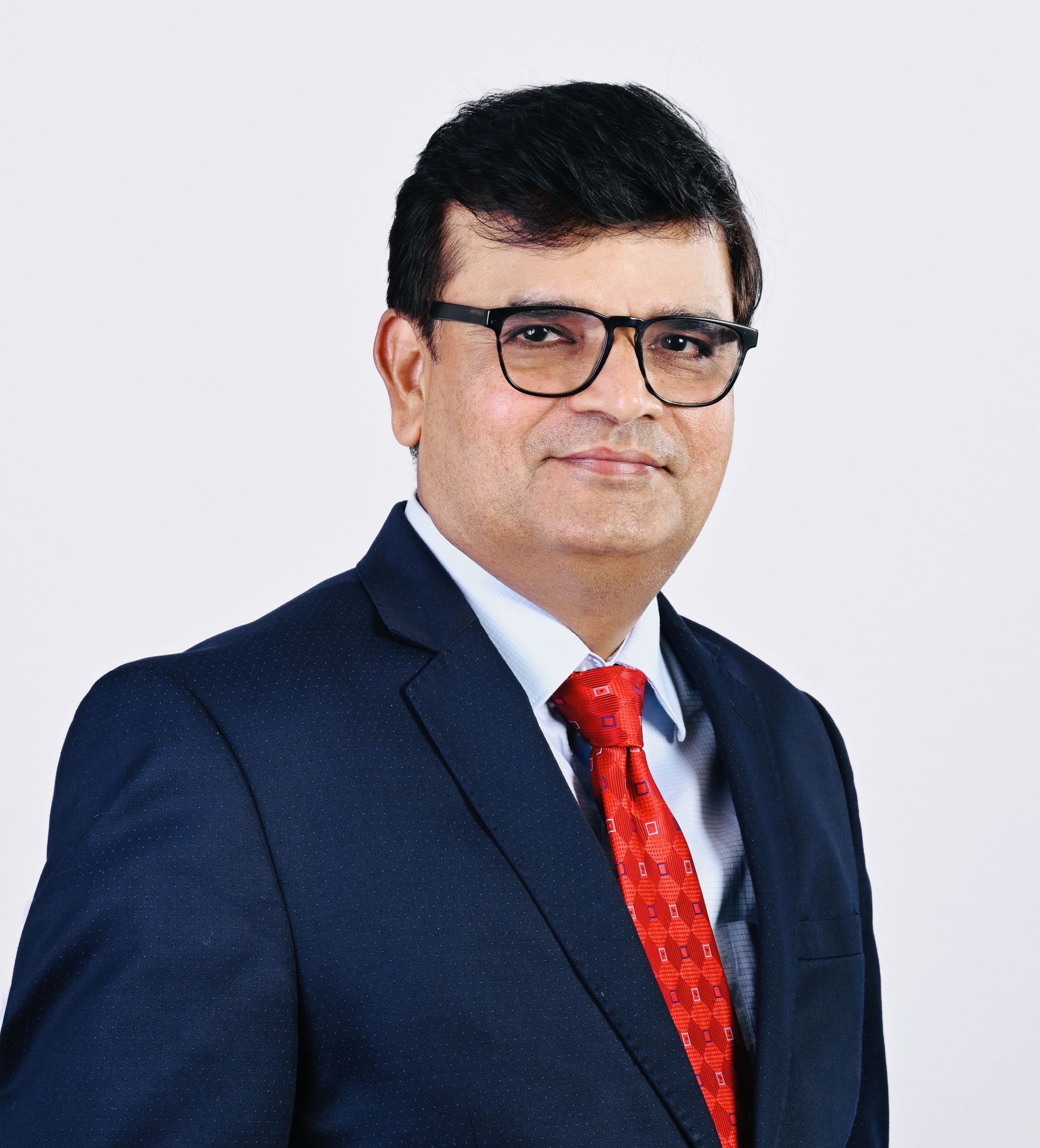
  • “With ever growing complexities in the business, it has become indispensable that a balanced approach is maintained between the requirement of the business, laws and my dual qualifications of CS and Law have helped me to find a win-win situation for both verticals.” – Gagan Preet Singh, Global General Counsel at Whitespan Business Solutions Private Limited.

    “With ever growing complexities in the business, it has become indispensable that a balanced approach is maintained between the requirement of the business, laws and my dual qualifications of CS and Law have helped me to find a win-win situation for both verticals.” – Gagan Preet Singh, Global General Counsel at Whitespan Business Solutions Private Limited.

    This interview has been published by Anshi Mudgal and The SuperLawyer Team

    You have over 21 years of experience in dealing with complex legal issues across various industries. How did your career journey begin, and what motivated you to specialize in Corporate Law, Mergers, Acquisitions, and regulatory matters?

    I grew up in Delhi and my school & college times were during the 90’s. Those were the times when the most sought-after career paths were law, engineering, medicine or chartered accountancy. Though I am a Science graduate, I somehow could not create the interest within me to pursue Science or its related fields as a career option. 

    I lived near the North Campus of Delhi University. So, quite often after college would get over, me and my friends would stroll within the North Campus area. There, outside the Faculty of Law, I used to see students carrying and studying voluminous books. The sight of such books created a spark of interest in Law within me. I really got fascinated by these voluminous books. Many times, it happened that I would visit any random book stall and pick any random law book to see what is written inside. As I explored this further, this spark became stronger and stronger. Those were the moments when I decided that yes, Law would be a career field for me and the topic that enticed me the most was – corporate law.

    With this passion, I enrolled myself for Company Secretary and after qualifying as a Company Secretary, my first step of becoming a corporate lawyer was taken. I joined a corporate group and was assigned to handle the matters relating to corporate law. This was my first exposure to the theoretical and practical aspects of corporate laws and my journey began.

    After a few years, I prepared myself for the Faculty of Law, University of Delhi (D.U.) entrance exams. I cleared it out and got admission into the LL.B. degree course offered by the University of Delhi. With my hard work and dedication, I became a Law Graduate as well. With the passage of time and getting more and more exposure to the various fields of corporate laws, I developed an inclination towards mergers, acquisition and related regulatory matters. Today, with an experience of two decades, I am cherishing my journey as a corporate lawyer.

    As a law graduate from Delhi University and a qualified Company Secretary, how has your dual qualification helped shape your approach to addressing legal and business challenges?

    The dual qualifications of being a law graduate from Delhi University and a qualified Company Secretary has helped me immensely in navigating an approach towards solving a corporate challenge. I have been able to view the risks involved in a task both from the business as well as from the legal angle and thereby able to provide a pragmatic solution.

    The dual qualifications have helped me to navigate the complexities of corporate law with tact, ensuring compliance and simultaneously providing legal advice, and thereby contributing to the smooth functioning of the business. With ever growing complexities in the business, it has become very indispensable that a balanced approach is maintained between the requirement of the business and the requirement of laws. For any business to thrive, the requirement of maintaining a balanced approach is a must and the dual qualifications have helped me to find a win-win situation for both the verticals. 

    Having dual qualifications have also helped the corporate whom I worked with in terms of single window resolution [for (i) non-litigation matters; (ii) litigation matters; and (iii) corporate matters] besides controlling the cost aspects. 

    In your current role as Global General Counsel at Whitespan Business Solutions, what are your primary responsibilities and obligations, and how do you effectively manage them?

    As a Global General Counsel at Whitespan Business Solutions, my primary responsibilities are that of a (i) business enabler; (ii) legal advising through evaluation and mitigation of risks involved in the business; and (iii) managing compliance. As a Global General Counsel, I have to see that unnecessary hindrances are identified and avoided.

    The challenges in managing these responsibilities are not easy. While the crossing of paths of business strategy and legal requirements can never be avoided, the biggest challenge for me is to ensure, not only in Whitespan but every other corporate I have worked with, that this cross does not become a dead end. To keep both the internal as well as the external stakeholders satisfied calls for an ardent approach toward the work, ability to convince the parties involved and thereby providing a win-win solution for all. 

    You have handled several mergers, acquisitions, and joint ventures. Can you share an example of a particularly complex transaction and the key legal strategies you employed to ensure its successful completion?

    As I mentioned earlier that with the passage of time and getting more and more exposure to the various fields of corporate laws, I developed an inclination towards mergers, acquisition and joint ventures (I would give here a common term to these – corporate restructuring – for the ease of understanding). Today, having undertaken a decent number of corporate restructurings, I would mince no word in mentioning that this line of business is not easy. Each and every case of corporate restructuring is unique and different from the other one and challenging. For e.g.: if one is working in a corporate group say ‘X’ and the ‘X’ takes, within its group, corporate restructuring twice, each of these two cases will be different from the other. There will be few common sections obviously, processes may be similar, but the schemes for undertaking these corporate restructuring will vary vastly on the grounds of: (i) due diligence; (ii) pricing; (ii) communication process; (iii) cultural diversity; (iii) employee engagement; (iv) financial integration; (v) system and data integration; (vi) management integration to name a few. And to make a point, each of these exercises in itself is a huge task.

    I will quote one case for an acquisition which I handled. However, since I am bound by the confidentiality clause, I will not name the parties. So, this was a case where an international company wanted to purchase a major stake in an Indian company. Thus, when a cross-border transaction is involved, in addition to the applicable Indian laws, I also had to keep in mind the provisions of RBI / FEMA. I was the counsel for the Indian group in which the international company intended to acquire a stake. My first test began with due diligence. While we provided all the relevant records to the counsel for the international company, their list of seeking clarifications would not end. Realising this, I decided that I would employ tact, legal strategy and sympathy to cross this bridge. With these action steps in mind, I discussed the open points with the opposite counsel. And as it turned out, after a few rounds of discussion, the due diligence was complete.

    The next and the biggest challenge came in the form of transaction documents i.e. Share Purchase Agreement, Shareholders Agreement etc. While drafting international agreements, it is essential to approach the process with a strategist mindset which involves a good number of key considerations like conditions precedent, conditions subsequent, selection of jurisdiction which would come into every aspect of dispute in a transaction. Coming back to the transaction, I had really hard negotiations on almost all the major clauses like tag along rights, drag along rights, pre-emptive rights, right of first refusal, reserved matter and indemnity clause. This exercise was a great experience for me and provided me with good learning as well as sharpened my professional and personal skills since the negotiations on the clauses were very hard, fierce sometimes, reached deadlock stages a few times and the entire process of negotiations consumed almost 3 months. But in the end, I could get the documents to a stage which was a win-win situation for all the stakeholders involved in the capital raise process which documents were at the beginning more of a one-sided affair. And thus, the transaction went through successfully.

    You have extensive experience advising on corporate governance and regulatory issues under the Companies Act, FEMA, and SEBI. How have these frameworks evolved over the years, and what changes do you foresee in the near future?

    The corporate actions in any corporate in India are majorly regulated by three laws namely, (i) Companies Act, (ii) RBI / FEMA; and (iii) SEBI. While Companies Act and RBI / FEMA applies to all companies whether listed or unlisted, SEBI is for listed companies.

    My experience of dealing with these regulatory bodies has always been good. Right from the starting days of my professional journey till date, I have always found the regulatory bodies supportive. My take on these regulatory bodies is that the first duty the corporate must do is to comply in letter and spirit. Even if some compliance is missed out, don’t panic and take any otherwise decision. Approach the regulator and speak with them, they are always ready to help.

    Having the understanding of business requirements, the authorities of these regulatory bodies are always working hard to make the respective framework business friendly keeping in mind the ask of the time. 

    How do you ensure that businesses remain compliant with the evolving regulatory landscape, especially in high-stakes transactions such as mergers, acquisitions, or foreign investments?

    Working in the corporate, my understanding of business and law is that both complement each other. A business cannot be successful without compliance with law and there will be no requirement of law if there is no business. This equilibrium is also necessary for the economy of the country. Businesses have also realised that to attract capital for business requirements, staying compliant is of utmost importance. Obviously, no one would like to join hands with a business which is non-compliant or less-compliant with the applicable laws. No one would like to pump their money into a business which has regulators running after it on account of non-compliance. Who would want to risk their money? Not even a single person. So, if any person thinks that compliance is costly, please ask him / her to try non-compliance. The person will get the answer.

    To ensure the business remains compliant, I would suggest the following:

    1. Keep a track of regulatory updates.
    2. Create an effective compliance program within the organisation and educate the employees about the same.
    3. Develop policies and procedures for compliance.
    4. Implement internal teams to monitor compliance.
    5. Create a business continuity plan in case of any unforeseen happening.
    6. Regular status update to the management on compliance.

    With such a demanding professional schedule, how do you unwind and maintain a work-life balance amidst your high-level commitments?

    Well, well, well, this is a tricky question and the most discussed topic nowadays. (Smile). Professional life is always demanding but as a human, one has to take out time for his / her personal well-being as well. Where work is important, life is equally important. For me, it’s like two pans of a weighing scale. Sometimes one goes up and the other comes down. But it should not happen that one is always up and the other is always down. To unwind myself, I listen to songs and read books. Besides, I also like watching suspense movies. It is very important for anyone to take care of oneself, in whatever way he / she likes. And so do I. Enjoy your life (both professionally and personally). 

    What advice would you give to young professionals aspiring to follow your path and build a successful career in corporate practice?

    My advice to the young professionals is simple, both for professional and personal growth – work hard and do not procrastinate. Avoid taking short-cuts. Learn new things and wherever required, de-learn and re-learn. Explore territories which scare you. Continuous learning is essential since our profession is ever evolving. Stay updated to the best possible way you can. This will give you a lot of confidence to face others whether it is your company management or your client. Networking is vital for success nowadays. Try making a decent circle of professionals where one can share, discuss and learn. 

    Remember, each day teaches you something. Every person around you teaches you something, bad people give you lessons and good people give you memories. Learn the lessons and enjoy the memories.

    Get in touch with Gagan Preet Singh –

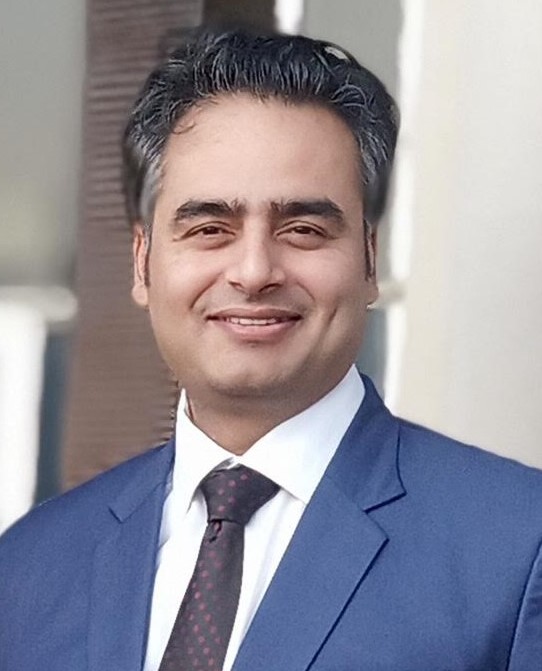
  • “Each day brings forth a fresh set of challenges that demand not only legal acumen but also strategic commercial thinking and a nuanced understanding of business dynamics” – Nidhi Arora, Partner at EVA Law

    “Each day brings forth a fresh set of challenges that demand not only legal acumen but also strategic commercial thinking and a nuanced understanding of business dynamics” – Nidhi Arora, Partner at EVA Law

    This interview has been published by Namrata Singh and The SuperLawyer Team

     What inspired you to pursue a career in law, and how did your education at ILS Law College and your qualification as a Company Secretary contribute to your professional development?

    I find the dynamic nature of legal work exciting. In the corporate world, the landscape is constantly shifting—new regulations emerge, industries evolve, and global markets interconnect in unprecedented ways. Each day brings forth a fresh set of challenges that demand not only legal acumen but also strategic commercial thinking and a nuanced understanding of business dynamics. Whether negotiating a complex merger, drafting a crucial contract, or navigating regulatory hurdles, I am driven by the impact my work can have in value creation for my clients and the broader business community.

    ILS Law College, with its strong alumni and emphasis judicial services focuses on jurisprudence-based teaching, which gave me a robust foundation of legal practice and legal perspective. Complementing this, my Company Secretary qualification offered a comprehensive grasp of corporate law procedures. I believe having dual degrees positively enhances my credibility, reinforcing my ability to deliver comprehensive legal counsel.

    With extensive experience in corporate transactions, what are some of the most challenging deals you have worked on, and what were the key factors that led to their successful closure?

    I recently concluded a brand acquisition which involved bifurcation of a long-standing family business. The transaction involved complex nuances of brand identification and family settlement. In such transactions, there are multiple layers of commercial and legal negotiations involved. Bringing all the elements together under one umbrella was a challenging task. The transaction’s success hinged on rigorous due diligence, effective communication among stakeholders, extensive negotiation rounds, and a comprehensive grasp of regulatory framework. Skillfully navigating these intricate challenges and anticipating potential hurdles was pivotal in achieving a seamless transaction. My team’s ability to navigate these complexities and foresee potential obstacles was critical in ensuring a smooth transaction.

    How do you approach mentoring junior lawyers at EVA LAW, and what qualities do you believe are essential for their growth and success in the legal field?

    At EVA Law, we’ve consciously moved away from the traditional hierarchical culture that is common in many law firms. Our approach to mentoring junior lawyers involves fostering an environment where designations and titles take a backseat in favour of hands-on experience, open dialogue, and regular feedback.

    We encourage junior lawyers to immerse themselves in real-world legal challenges from the outset. Practical experience is invaluable, and we ensure that they have opportunities to work directly on transactional documents and negotiations. This hands-on approach not only builds their confidence but also sharpens their analytical skills and deepens their understanding of legal complexities.

    We prioritise continuous learning and the importance of effective research, because a fail-safe differentiating factor that a young lawyer can have is ‘knowledge’. We encourage our lawyers to be approachable and reliable, qualities that build trust and enhance collaboration within the team.

    From your time as an Associate at Thakker & Thakker to your current role as a Partner at EVA LAW, what are some of the most significant lessons you have learned that you would like to share with young legal professionals?

    As an associate, I was often tasked with reviewing extensive documentation, which underscored the critical importance of attention to detail. Ensuring accuracy and thoroughness in these tasks established my reputation for reliability among peers and superiors. In my role as a Partner at EVA Law, I am required to think beyond the immediate legal issues and consider the broader business implications of my advice. One invaluable lesson which I would like to share is that as a lawyer one should constantly question the rationale behind our actions. This vision drives us to delve deeper into our work, gaining a thorough understanding of our decisions and ultimately enhancing our professional capabilities.

    Another significant lesson I learned early on was the importance of accountability and that one should not have an ‘employee mindset’. Even as a junior lawyer, I took a lot of pride in my profession and felt personally answerable and accountable to the client, before sending any draft to a senior.

    To young legal professionals, I would advise that while legal knowledge is fundamental, the ability to connect with clients and colleagues is equally essential. Strive to be reliable and approachable, and always be prepared to go the extra mile to deepen your understanding of the law and its application.

    As a prominent female leader in the legal field, what challenges have you faced, and what advice would you give to young women aspiring to enter and excel in this profession?

    I feel fortunate to have had incredibly supportive mentors who have treated me as an equal and provided me with the flexibility to manage both my professional and personal responsibilities effectively. Building rapport and trust with colleagues and mentors, irrespective of gender, is crucial. My mentors could always rely on me to balance my professional engagements while having a fulfilling personal life.

    For young women aspiring to enter and excel in the legal profession, my advice is to remain confident in their abilities and seek out supportive mentors who can guide and advocate for them. It is equally important to advocate for oneself, assert your value, and consistently strive for excellence in all aspects of your work.

    Have you been involved in any pro bono work or initiatives? How do you believe legal professionals can contribute to social justice and community service?

    Pro bono work represents a crucial avenue for legal professionals to contribute to social justice and community service. Legal professionals can contribute to social justice through pro bono work by advocating for marginalized communities, supporting nonprofit organizations, and assisting individuals facing legal challenges.

    What is your vision for the future of EVA LAW, and how do you plan to contribute to its growth and success in the coming years?

    Given our strong foundation and the significant strides we have made in just under a year, my vision for EVA Law is to continue focusing on its expertise, client-centric approach, and innovative solutions in the legal landscape. Client relationships will always be at the core of EVA Law’s success

    What motivated you to pursue the Company Secretary (CS) qualification alongside your LLB, and how has this dual qualification benefited your legal career and the clients you advise?

    The motivation to pursue the CS qualification alongside my LLB stemmed from a desire to deepen my understanding of corporate governance and regulatory compliance. This dual qualification has enabled me to provide holistic legal advice that encompasses both legal and corporate governance perspectives, thereby adding significant value to the clients I advise.

    Outside of your legal career, what personal hobbies or interests do you pursue, and how do they contribute to your overall well-being and professional performance?

    Beyond work, spending quality time with my family is a top priority. After work hours, I look forward to going home to my daughter, who eagerly waits to share every little detail about her day. This time together is incredibly precious, and it helps me unwind and recharge. Being involved in her life while being able to effectively contribute and enjoy my work brings a sense of fulfilment and joy that balances the demands of my professional life. In addition to family time, I have found yoga and meditation to be immensely beneficial for my overall well-being. Practicing yoga and meditation provides a much-needed mental respite from the pressures of work.

    Get in touch with Nidhi Arora (Gulati)-

  • “My advice to young professionals is to be yourself. Embrace your originality and avoid copying others. You are unique and have your own personality. Strive to discover and develop your true self to the fullest.” – Sameet Gambhir, Sr. Vice President & Group head,  UFLEX Limited

    “My advice to young professionals is to be yourself. Embrace your originality and avoid copying others. You are unique and have your own personality. Strive to discover and develop your true self to the fullest.” – Sameet Gambhir, Sr. Vice President & Group head, UFLEX Limited

    This interview has been published by Namrata Singh and The SuperLawyer Team

    Can you share with us how you began your career in law and company secretarial work? What inspired you to enter this field, and how did you progress to your current position?  

    Interestingly, my journey towards becoming a legal counsel and law professional started accidentally. When I was in college pursuing my B.Com, I aspired to become a Chartered Accountant. To gain some working experience before enrolling in CA, I joined an organization to work in the accounts function after completing my B.Com. There, I met the Company Secretary and Legal Counsel, and I was impressed by their role, interacting with top management, handling significant matters, and sitting in board meetings. I was fascinated by that role and, instead of CA, I joined the CS course.

    However, as fate would have it (and I believe that destiny plays a very important role in our lives), after becoming a Company Secretary and joining an organization as CS back in the early 90s, I was given the charge of the legal function as well. Since CS work also involves a lot of legal and compliance responsibilities, I was happy to take on this additional role. That’s where my journey as a legal counsel began, and I later completed my graduation in Law as well.

    Since then, I have always worked as a legal counsel or legal head, mostly in-house. It’s been around 30 years since I took on these roles, working with different Indian and multinational organizations. From the moment I was first given charge of the legal function, I realized that this was what I always wanted to do. Initially, I gained exposure in litigation, then contracting, followed by IPRs, brand protection, and all other related fields, including compliance and risk management. Of course, I have continued my role as a Company Secretary and take pride in that.

    The past three decades have flown by like it was yesterday. Presently, I am the Sr. Vice President and Head of Legal at UFlex Ltd., a multibillion-dollar organization and India’s largest multinational flexible packaging and solutions company. UFlex manufactures a wide variety of flexible packaging films for various industry sectors across the world. With headquarters in Noida (National Capital Region), the company has packaging films manufacturing facilities in India and overseas under the global subsidiary packaging films brand ‘Flex Films’ in UAE, Mexico, Poland, Egypt, Russia, USA, Hungary, and Nigeria, with a cumulative capacity of over 609,000 TPA.

    Can you share some of the most challenging legal cases or compliance issues you have faced and what you learned from those experiences? Additionally, what are some emerging trends in the legal field that you believe will shape the future of corporate law and compliance?  

    Data privacy is an important legislation that has a significant impact on all organizations. Cyber risk is another area that requires serious monitoring, review, and an effective framework. Additionally, SEBI’s existing and upcoming regulations and compliance on Responsible Business and Sustainability have brought ESG and sustainability to the forefront of all organizations. This is beneficial not only for the organizations but also for the nation and the world as a whole.

    During your tenure at DCM Shriram Ltd., you held the position of VP (Corp. Law) & Company Secretary for almost a decade. What were some of the key achievements and challenges during this time?  

     In the last ten years, particularly after the new Companies Act and new SEBI regulations, the role of in-house counsel and company secretaries has significantly increased and become very challenging. Compliance with SEBI Listing regulations, SEBI (Prohibition of Insider Trading) Regulations, FEMA compliance, Companies Act, and other corporate compliances require constant attention and a high level of proactiveness. Shareholder governance has also become a new challenge, with shareholder activism on the rise in India. This is beneficial for both the company and the shareholders. Therefore, providing appropriate and accurate disclosures with all relevant information to shareholders and the public has become a priority in governance today.

    Compliance and governance of insider trading and SEBI regulations are complex and challenging roles that require a proactive approach, including regular awareness sessions and training for employees and other connected persons. As we operate multiple businesses, each with its own dynamics, this is crucial.

    Outside of your professional life, do you have any hobbies or interests that you are passionate about? How do they help you maintain a work-life balance?  

    I am very passionate about golf. Every weekend starts with a round with friends. I am truly in love with this game and can’t imagine myself without it. Golf is purely a mind game and teaches you a lot of life lessons. Playing twice or thrice a week is a must for me. If I don’t play in any given week, it feels incomplete. This game not only relaxes and recharges me but also reveals one’s true character on the course. Golf is the best thing that has happened to me, and I could talk about it for pages.

    As a visiting faculty and guest lecturer, what topics do you find most crucial to impart to your students? How do you ensure they are prepared for the evolving legal landscape?  

    I usually teach corporate laws, IPRs, labor laws, and data protection. However, today’s generation needs to be fully geared up with technology in legal, what we call Techlegal. This is the time of AI, ML, and GenAI, and routine tasks will increasingly be handled by technology. To excel in the field, students need to be proficient with technology and demonstrate creativity and new ways of working.

    For students and young legal professionals trying to decide between pursuing a career in litigation or as an in-house counsel, what advice would you give to help them understand which area might be the best fit for them? 

    I think both have their taste. It depends on what is of your interest. However, in both situations, my advice to youngsters is – Be yourself – You are what you are – be original and don’t copy anyone. You are unique and have your personality. Find yourself to the optimum. Of course, there are many things one should learn from the seniors and other leaders that should be part of your development and increase your skillsets but don’t lose your originality, no one can replace you. Further as a career advice, since we are today living in a dynamic time and things are changing so fast that by the time you get to the details of a thing the new version or new avatar is already there. Therefore one needs to get to speed with this. Technical competency is mandatory but being proficient in technology is the need of the time as we are already in the era of AI, M, and Metaverse and it’s a reality. Keeping yourself updated with the time is crucial for the counsels to be successful. The other two most important things – one they should understand the business first before they advise and the second is the quick responsiveness and proper research.

    Get in touch with Sameet Gambhir-

  • “Remain focused and sincere, understanding that there are no shortcuts or substitutes for hard work. Ultimately, what matters most is enjoying what you do and approaching it with passion and pride.” – Mahashwetha Ghosh, Senior legal counsel APAC at Avery Dennison

    “Remain focused and sincere, understanding that there are no shortcuts or substitutes for hard work. Ultimately, what matters most is enjoying what you do and approaching it with passion and pride.” – Mahashwetha Ghosh, Senior legal counsel APAC at Avery Dennison

    This interview has been published by Namrata Singh and The SuperLawyer Team

    Looking back, what ignited your passion for law? Can you walk us through your journey, from those early inspirations to the defining moments that led you from ICICI Bank to your current leadership role at Avery Dennison? 

    When I finished school, the options seemed to be either medicine or engineering, but neither appealed to me as such. As a first generation lawyer, I didn’t know much about anything to do with law, except being intrigued by the popular image of them as fiery  eloquent champions of justice. It started out mostly as wanting to build a career while doing the right thing, being able to stay connected with my long-term fascination with logical reasoning & puzzles to solve problems, and also perhaps from watching too many Bengali courtroom dramas!

    In hindsight, joining ICICI Limited was a great decision because it helped me build a solid foundation in financial transactions and accounting principles – which are the bread and butter basics for a corporate lawyer. It helped that ICICI Limited at the time used to do most of its work in-house, so we got a lot of practice in drafting & reviewing complex contracts and working with (very talented) cross-functional teams. 

    Over the years, I have had a lot of mentors and I would not have been here without the guidance and advice received. I have worked at a couple of law firms, Cisco, United Spirits Ltd and Avery Dennison, and what shaped my path was an abiding  desire to excel, to do challenging work without being afraid to put in the hours needed and to go the extra mile to enable/ support the business teams.

    You worked for a while with Morgan Walker Solicitors in London. How was your experience working there, and what brought you back to India? Can you share the transition part of your career and how it influenced your professional growth? 

    Before joining Morgan Walker Solicitors, I was able to complete the Qualified Lawyer Transfer Test(QLTT) and successfully qualify as a Solicitor in England & Wales. MWS was a deeply useful addition to my UK stint, as I was exposed to complex transactional contracts and the more strategic advice needed for cross-border transactions. 

    I returned to India for personal reasons but am grateful for the years I worked in the UK, because it broadened my perspective significantly, exposing me to a different culture and way of doing things that I integrated into my own approach to the profession.

    As the Executive Sponsor for certain APAC DEI Council initiatives, what initiatives have you implemented to promote diversity and inclusion? How do these initiatives contribute to the overall success and culture of the organization? 

    The three main areas I have focussed on in the past four or five years in the APAC DEI Council are the Safe to Speak Up initiatives, setting up an employee resource group (WeRise) separately for women employees in South Asia distinct from the APAC group and starting a need-based mentoring program in the region. I think we have a long long way to go where DEI is concerned. Yes, the number of diverse employees is increasing and the talent acquisition team is working to balance the playing field at the entry level, but the problems of unconscious bias and years of patriarchy are tough to root out. 

    The initiatives I have chosen to work address three important aspects – providing a platform to raise concerns, bringing women together to support each other and trying to provide advice/ guidance on specific areas identified by employees themselves.

    DEI is something I am deeply passionate about, and I try to stay involved even when there is little bandwidth available. I feel that as a woman leader I should do whatever I can to make things easier for those who have (or will) come after me. Manufacturing is still such a male dominated industry, that women on the shop floor and in leadership roles are limited. The benefits of diversity are too obvious to ignore. But we have to move from mentorship to sponsorship, from silent supporters to active allies, from the safety of status quo to active challenging, from tokenism to owning the outcome.

    You have advised on legislation related to plastic waste management and are involved in sustainability and governance. How do you balance corporate interests with regulatory compliance and environmental responsibilities? 

    Both go hand in hand, specifically to meet the de facto and potentially to surpass the law de jure. At Avery Dennison, we strive to ensure a much higher standard than what legislation prescribes, ensuring that sustainability is upfront and centre of all our products and solutions. While I will not deny there are operational challenges, if the value-add is clearly captured and (if possible) quantified, in my experience there is complete support from the business leadership. 

    Among your many achievements, you’ve been awarded the Global Leadership Excellence Award multiple times. Which project or initiative are you most proud of and why? 

    I have been awarded the Global Leadership Excellence Award four times and I am most proud of the one I received for designing and setting up the Compliance Ambassador Program globally across the company. This program invites participation at the ground level (including the shop floor) from colleagues in a structured program format to help broadbase compliance initiates and messaging, to ensure that we involve every person in building a robust compliance culture in the company. 

    We know to focus on the tone-at -the-top, but it is when the tone-across-the-organisation is in sync with the tone-at-the-top that we can truly change culture and make integrity our true North. I have been amazed and humbled by the talent and motivation of colleagues in finding innovative ways to communicate and engage with all employees on compliance issues and messaging.

    You’ve held leadership positions across India, the UK, and other regions. What are some key differences in navigating legal landscapes across these diverse markets?

    In my current role as Senior Director – Legal for South Asia I support all business divisions of Avery Dennison across India, Bangladesh, Pakistan, Sri Lanka, Indonesia, Malaysia, South Africa and Kenya. While having a wide portfolio is great, it also means a lot more homework, especially when there is a different official language & business culture at play and multiple P&Ls in a matrixed structure. I think there are two critical but oft-ignored components to success as a business partner – familiarity with the legislation, precedents, practices and the ability to find the most suitable support needed for more complex matters. 

    Since we also play an active role in government relations, there is a need to be agile, on the ground and to build key relationships with multiple external stakeholders. Managing crisis and business continuity remotely is, of course,  a completely different ball game.  

    Outside of your professional life, what are some of your personal hobbies or interests that help you maintain a work-life balance?

    First I have to say that personally I think that ‘work-life balance’ is a misnomer! It is almost impossible to find a balance, as work is such a huge part of life itself, therefore impossible to categorise in separate buckets. What works for me is to prioritise what I need to do every day and then not to waste time thinking about my choices! 

    I am the mother of two boys (aged 20 and 16) and love spending time at home with my family as much as I enjoy being a legal professional. Other than that, I travel a lot, enjoy being with friends, cooking and working on various creative crafts (decoupage, resin art, Tanjore painting, crochet, cross-stitch etc). Am also a gardening enthusiast and an orchid addict! I find that being flexible with your hobbies is the key to fitting them into your career in a fulfilling manner. 

    What advice would you give to the current generation of aspiring lawyers who wish to build a successful career in corporate law? 

    Instead of advice, I would call them my tips for a successful career in-house and they would be as follows:

    • Be focused and sincere, and know that there are no short-cuts or substitutes to hard work, which means read, read, read some more and never stop learning; 
    • Be intelligent about how you work, chasing solutions and outcomes, but be wary of being a mere post-box counsel;
    • Appreciate that most corporations are under transformational change in this VUCA world and advising on doing the right thing and finding ethical solutions is becoming more difficult. However, it is not impossible and thats really our job as in-house counsel; 
    • Whether we practice or work inhouse, we lawyers should all uphold the honour of the profession and its standards of conduct; and finally
    • Don’t focus too much on the designation or the job title but on learning and acquiring skills/ knowledge. At the end of the day, what is most important is to enjoy what you do and to do it with passion and pride.

    Get in touch with Mahashwetha Ghosh

  • “Integrity is paramount. Build a strong foundation in legal principles, network actively, and gain practical experience through internships.” – AGM, Head – Business Ethics Compliance Officer at MANKIND PHARMA LTD

    “Integrity is paramount. Build a strong foundation in legal principles, network actively, and gain practical experience through internships.” – AGM, Head – Business Ethics Compliance Officer at MANKIND PHARMA LTD

    This interview has been published by Namrata Singh and The SuperLawyer Team

    Could you please tell us about how you started your career in law? Who or what inspired you to choose this path, and can you walk us through your journey, including the struggles you faced in the initial days of your career? 

    My journey into law started with a deep fascination for the legal system. My father wanted me to be a Chartered Accountant, so I chose commerce in high school and enrolled in a B.Com course at Delhi University. However, after just a month, I had a sudden realization that it was “now or never” to follow my true passion. Almost overnight, I moved to Pune to pursue a 5-year law course.

    Growing up, I was inspired by my uncle, a renowned lawyer in Assam. His approach to complex situations left a profound impression on me. This, combined with my interest in understanding the intricacies of the law, was all the motivation I needed to pursue a career in law.

    I started my career at R. K. Dewan & Co., a law firm known for its expertise in intellectual property law, thanks to a pre-placement offer I had received from them. The initial days were tough—the transition from academic learning to practical application was a steep learning curve. I faced the typical struggles of a novice lawyer: long hours, complex cases, and the pressure to prove myself, all while adjusting to a new city, Mumbai. However, looking back, I’m thankful for these experiences as they helped shape my professional skills and resilience.

    You started your career working with R. K. Dewan & Co., and after 1.5 years, you transitioned to Reliance Communications. What motivated your shift from working in a law firm to taking on a role in the corporate sector? 

    Joining Reliance was a strategic move for me, marking my entry into the corporate sector. I wanted to be more directly involved in business operations and strategy. The opportunity to work within a company, helping to shape its direction and growth from the inside, was incredibly appealing. Honestly, I was excited by the variety of challenges the job would involve.

    During my time at RKD, I developed a strong understanding of Intellectual Property laws, which was immensely valuable. However, as I mentioned, I wanted to gain a broader perspective and immerse myself in the business environment. Moving to the corporate sector offered me the chance to see how various legal frameworks operate within the broader context of a business, beyond just IP law.

    How do you see the field of business ethics and compliance evolving in the next five to ten years, and what new challenges and opportunities do you anticipate? 

    In the next five to ten years, the field of business ethics and compliance will be significantly influenced by technological advancements, globalization, and increasing societal expectations.

    Technologies such as AI, blockchain, and big data analytics will enhance compliance monitoring and fraud detection but also pose challenges related to data privacy and algorithmic bias. As businesses expand globally, they will need robust compliance frameworks to navigate diverse regulatory landscapes. The growing demand for transparency and sustainable practices will drive more stringent reporting requirements and elevate the importance of environmental, social, and governance (ESG) considerations.

    The primary challenges will include integrating ethical considerations into advanced technologies and maintaining compliance across different jurisdictions with evolving regulations. However, businesses that effectively leverage these technologies can achieve cost savings and operational efficiencies. Companies that prioritize ethics and compliance will gain a competitive edge by building strong reputations and fostering trust with stakeholders.

    As the Head of Business Ethics Compliance at Mankind Pharma, what are your primary responsibilities and how do they contribute to the organization’s success?

    My primary responsibilities at Mankind Pharma include overseeing the implementation of the company’s business ethics compliance program, ensuring adherence to regulatory requirements, and fostering a culture of integrity and accountability. I work closely with various departments to develop and enforce policies that align with the company’s mission of delivering affordable and quality healthcare.

    These responsibilities directly contribute to the organization’s success by mitigating legal risks, enhancing the company’s reputation, and building trust with stakeholders.

    In high-stress roles like yours, maintaining work-life balance can be challenging. What strategies do you use to maintain this balance effectively? Also what hobbies or passions do you follow to unwind yourself?

    It requires a deliberate effort and effective time management. I prioritize tasks based on their urgency and importance, delegate responsibilities when possible, and ensure that I set aside time for self-care and family.

    Listening to music is my favourite way to unwind; it helps me relax and recharge. Finding time for hobbies can be challenging in today’s fast-paced world, but I’ve discovered that taking short vacations, spending quality time with friends and family, and carving out small moments for personal gratification are essential.

    Based on your extensive experience, what advice would you give to young professionals aspiring to build a career in legal and compliance, particularly in the field of business ethics? 

    To develop a strong foundation in legal principles and continuously update their knowledge to keep pace with evolving regulations. Integrity is paramount in this field, so always strive to uphold the highest standards of honesty and fairness.

    Networking is also crucial. Building relationships with peers, mentors, and industry professionals can provide valuable insights and opportunities for career growth. Additionally, gaining practical experience through internships in compliance-related roles can help you understand the real-world applications of theoretical knowledge.

    How important do you think networking is in the field of legal and compliance, and how do you go about building and maintaining your professional network? 

    Extremely important. It not only helps in staying updated with industry trends and best practices but also provides opportunities for professional growth and collaboration. I actively participate in industry conferences, seminars, and professional associations to connect with peers and experts.

    What are some key qualities and skills that you believe are essential for success in the field of business ethics and compliance?

    First and foremost, integrity is paramount. They must lead by example. Analytical thinking is another crucial skill. The ability to dissect complex regulations, identify potential risks, and develop effective compliance strategies is essential. This involves a keen eye for detail and the capacity to anticipate and address issues before they escalate. Communication skills are also vital. Whether it’s training employees or reporting to senior management, the ability to clearly and effectively convey information is crucial. This also includes the ability to listen and understand the concerns of various stakeholders. Adaptability is important given the dynamic nature of regulations and the business environment.

    Finally, leadership and interpersonal skills are critical. Building a culture of compliance requires influencing and motivating others, often without direct authority. This means fostering strong relationships, earning trust, and inspiring a shared commitment across the organization.

    What are some common misconceptions about business ethics and compliance that you have encountered?

    The most common misconception is that “Business ethics and compliance are primarily about policing and punishment”. Many people view compliance departments as only enforcers who are there to catch and penalize wrongdoers. Maybe this was even true a decade ago! Not anymore. The true essence of business ethics and compliance is to act as advisors who guide and support the organization in making decisions.

    Another misconception is that compliance is solely the responsibility of the compliance department. In reality, business ethics and compliance are the responsibility of every employee, from the top executives to the entry-level staff.

    Lastly, some believe that compliance is a static, one-time effort. In truth, it’s an ongoing process that requires continuous improvement and adaptation to new challenges and regulatory changes.

    How has your background in law influenced your approach to managing business ethics and compliance?

    Significantly. Firstly, it has provided me with a strong foundation in legal principles and regulatory frameworks, which is essential for developing and implementing effective compliance programs.

    Moreover, my legal experience so far has honed my analytical and critical thinking skills, enabling me to identify potential risks and develop strategies to mitigate them. Additionally, it has taught me the importance of clear and precise communication. Whether drafting policies, conducting training sessions, etc., the ability to articulate complex legal concepts in an understandable manner is key to fostering a culture of compliance.

    Get in touch with Abhimanyu Dasgupta-

  • “As an in-house counsel for a technology start-up, my primary focus is to understand the evolving technology changing the nature of the products and services, along with the changing regulatory landscape across the globe”- Debopama Roy, General Counsel, Airmeet

    “As an in-house counsel for a technology start-up, my primary focus is to understand the evolving technology changing the nature of the products and services, along with the changing regulatory landscape across the globe”- Debopama Roy, General Counsel, Airmeet

    This Interview has been published by Pragya Chandni and The SuperLawyer Team

    Could you walk us through your journey from studying law to becoming a prominent figure in the legal field, including some key moments that shaped your career path?

    I am a first-generation lawyer. I found interest during middle school in social sciences, current affairs, debating, quizzing and a flare for languages and writing. In high school, ‘Plan A’ was to pursue a five-year integrated law course and ‘Plan B’ was to pursue higher studies in international studies. I prepared and took the admission tests for different law schools, then there was no CLAT. Plan A worked for me, I chose Amity Law School, New Delhi which was then affiliated with Guru Gobind Singh Indraprastha University in Delhi to be close to home and work in a lawyer’s chamber while studying. I worked in a lawyer’s chamber since my first year of college to learn the dynamics of legal practice. The lessons learnt over these years have shaped me for what I am today:

    Lesson 1: Always do your groundwork in any assignment thoroughly, it will help you in the long term.

    I worked in lawyers’ chambers and law firms to understand the dynamics of legal practice while pursuing my degree to find my area of interest upon graduation. The rigour I went through during the law school internships helped me to get through a campus placement with the Organizing Committee, Commonwealth Games 2010 Delhi. I cracked the interview questions in my campus placement as I knew the laws of broadcasting rights under the copyright laws in India which I had researched for a matter during internships. 

    Lesson 2: The key to being a good lawyer is ‘ATD’ i.e., pay ‘Attention to Detail’ in the documents you draft and review.

    Since my first assignment as a law student, I have developed a keen eye for whatever matter or document I draft and review. Every minute aspect of the matter or document makes a lasting impression on your work ethic. As lawyers, we are known for our choice of words and conduct. Documents we review and draft and the words we speak are reflections of our competence and capabilities.   

    Lesson 3: Every experience counts. Every role and experience brings learning which helps you to achieve your goals. 

    The various roles in India and the US across industries got me learning which helped me immensely as an in-house lawyer and working parent. Recently, while penning down words for an award nomination I realised that the varied roles I had undertaken ranging from a general counsel for a technology firm to a not-for-profit organisation have helped me understand and address a wide range of issues related to their operations, compliance, risk mitigation, fundraising and stakeholder management has groomed me into a resilient person with the ability to resolve legal concerns effectively for my stakeholders in the professional realm. I felt extremely privileged to be among the 5 nominees for the award among so many esteemed counsels of India. 

    Your work spans across various industries and geographies. How do you navigate the complexities of different legal systems and business landscapes?

    The varied opportunities across jurisdictions have taught me to stick to the fundamentals and tackle complexities across different legal systems and business landscapes on a case-to-case basis:

    1. Analytical bent of mind – develop the ability to deal with complex matters to cut across legal areas. I use the ‘IRAC’ (Issue, Rule, Analysis, Conclusion) method learnt in law school to dissect an issue and step-wise resolution. 
    2. Strong cross-cultural communication– the key to being an effective lawyer is communication through drafting, redlining, negotiating, and stakeholder management. Over the years I have learnt and am still learning the art of effective communication which has helped me learn culture across the globe and effectively communicate with my stakeholders across jurisdictions
    3. Business acumen – business knowledge is the key to success as a counsel. To be an effective in-house counsel it is essential to understand the business operations of the organisation/ your client and become a strategic partner to the business stakeholders;
    4. Execution– In the end what matters is effective execution and post-execution assessment. Effective and efficient execution comes with meticulous planning and a flexible mindset to make things work around situations with deviations from the original plan. Effective and efficient executors are always valued and appreciated. Post-execution assessment is important as it helps you understand the gaps and there is always room for improvement for the next time. 

    As someone who has held significant roles in both corporate and non-profit sectors, how do you approach the balance between legal compliance and broader social responsibility?

    Legal compliance and broader social responsibility go hand in hand in both sectors and have the same approach. On a case-to-case basis, the requirement of legal compliance and the obligation an organisation has towards social welfare are weighed against each other on the following parameters: 

    1. Risk Assessment: Is legal compliance mandatory or optional and what implications does it have for the organisation, if not adhered to?
    2. Impact Assessment: Does the broader social responsibility meet the objective of social welfare where the organisation can directly or consequentially give back to society for the resources utilised for its success?

    Balance of these two aspects is important as it ensures organic growth of the organisation while the checks and balances are in place. 

    Your experience involves spearheading legal departments and teams. What are some effective strategies you’ve employed to foster collaboration and drive efficiency within your teams?

    Legal team is a support services function in any organisation, it involves collaboration with internal and external stakeholders regularly. My aim is always to be an asset to my stakeholders by:

    1. Technical knowledge and understanding – Lawyers are subject matter experts so we are here to resolve legal issues, carry compliances, forecast and mitigate risks to ensure the smooth functioning of the organisation; 
    2. Approachability – Make sure you are approachable to everyone in the organisation with visibility of our schedule. It builds trust and transparency with the stakeholders and helps legal become a valued strategic partner for the business; 
    3. Empathy – Always place yourself in the shoes of the stakeholder coming to your desk expecting a solution. It goes a long way for a lawyer during our professional journey;  
    4. Adhere to your commitments– Pay attention to detail, stick to the timelines committed and work towards an efficient turn-around-time with accuracy; 
    5. Assumptions – Never assume, it never works and is a perfect recipe for disaster and miscommunication. Speak up, repeat, clarify and ask for help when required;
    6. Communication– Effective communication with your stakeholders or during a negotiation shows transparency and instil confidence in the other person on the table.

    Given your involvement in various mergers, acquisitions, and strategic collaborations, could you share some insights into navigating complex legal negotiations and ensuring favourable outcomes for your organizations?

    Complexities are natural in any transaction and deal where I always aim to achieve the best outcome in such situations for my client/ organisation by:

    1. Identifying the issues and dealing with the complexities, layer by layer by separating the multiple issues; 
    2. Doing in-depth research of facts and law– I follow the principle of redundancy while undertaking research on any matter to be well-prepared for the unusual, worst-case scenario;
    3. Evaluating the risks by aligning the risk matrix with the management of the organisation and focusing on the concerns on a priority basis; 
    4. Bring the cost-effective solution to the table– I always have multiple solutions and plans for back up which is cost-effective and beneficial for the organisation; 
    5. Being an executor – I always ensure a seamless execution and closure of the matter. Subsequently, I always ensure processes are laid down taking care of the concerns for future risk mitigation.

    Recently, there was success in settling a privacy troll matter without shelling out a single cent to the complainant by tapping into complete in-house resources while following the above steps.   

    With your extensive experience in policy formulation and implementation, how do you ensure that legal frameworks keep pace with rapidly evolving technologies and business practices?

    As an in-house counsel for a technology start-up, my primary focus is to understand the evolving technology changing the nature of the products and services, along with the changing regulatory landscape across the globe.

    The 3 main things which help my strategies in the rapidly changing scenarios are:

    1. Regular interactions with the product, engineering and revenue teams to gain visibility of the changes made or to be made on the products and services platform. Accordingly, assess and align the forecasted changes with the law, regulations and policy formulation well in advance; 
    2. Revisit policies and compliances related to business operations, employment and data regularly. Ensure all policies and compliances are always up-to-date, address business requirements and smooth functioning of the business with an efficient turn-around-time; 
    3. Maintain a detailed repository of all documents related to day-to-day operations, compliances, policies, disputes and other matters, it helps to understand the previous and present framework and its loopholes and make changes effectively and efficiently for the expected transactions.

    While following the above three points, always remember to optimise cost-effective and efficient resources.

    You’ve received recognition for your contributions to the legal field, including awards such as General Counsel of the Year. What do you believe sets exceptional legal professionals apart in today’s competitive landscape?

    1. Work on your concepts – No matter how high you go up on the ranks, stay in touch with your fundamentals, go back to conventional textbooks and revise your concepts; 
    2. Always be a work in progress – Be open to suggestions and learnings. Stay a lifelong student; 
    3. Knowledge sharing – Apply and share your learnings with others. The more you share the more you learn; 
    4. Make mistakes and learn from failures – Always look for challenges, do not shy away from them, make mistakes and learn from them and be better prepared for the next time; 
    5. Empathise – Always place yourself in others’ shoes which will help you understand the situation and arrive at optimal solutions; 
    6. Believe in yourself, then you can make others believe in you. 

    Your work with the Southwest Michigan Human Trafficking Task Force highlights a commitment to social justice. How do you integrate your legal expertise into advocacy efforts for vulnerable populations?

    I was fortunate to spend time with underprivileged children during school holidays as a teenager helping my mother run a not-for-profit school in the slums of Delhi. I understand that policies are easily drafted for the welfare and upliftment of the marginalised section of the society, however, there is a huge gap in implementation and execution of these policies. Learnings from my early days helped me understand the concepts while studying law in India and the US on identification, tackling, resolution, implementation and post-implementation follow-ups. 

    In the US, I again got the opportunity to work in the social welfare sector with the Southwest Michigan Human Trafficking Task Force, the underlying issues were the same i.e., to bridge the gap between policies and their implementation at the ground level. This is where I translate my legal knowledge into words understandable for stakeholders in society to facilitate a better understanding and implementation of the process at the ground level which benefits the human-trafficked survivors and their relocation to mainstream society with a normal means of livelihood. Moreover, efficient implementation involves significant monetary consideration where I also leveraged my knowledge of law and policies with the implementation plan to pitch project plans and raise funds to support the cause. Advocacy for social justice requires a holistic understanding of various factors such as social, political, economic and demographic along with laws and policies of that geography. It requires a lot of patience and empathy to stand for your conviction and belief in the cause as it is a long process for your hard work to yield fruits. 

    Finally, as someone who has achieved significant success in the legal profession, what advice would you offer to fresh graduates aspiring to embark on a similar path?

    I am a student, learning from everyone and anything I come across in this journey called ‘Life’. I consider success relative and temporary based on the circumstances, it is significant but short-term. I always keep the focus on the journey and experience. 

    In the last decade, opportunities have multiplied in the legal job sector especially as in-house counsels. The key to becoming a good lawyer is to stick to your fundamentals and keep patience. These days, I come across law graduates post-graduation who consider corporate or corporate law firm roles non-exciting and want to disrupt the legal field with their brilliant ideas. I feel so good to come across such young brilliant minds, but many need to gain knowledge of operations and administration which seems dull and mundane.  The boring, non-challenging work in the corporate, law firm, and lawyer’s chamber helps one understand the importance of processes and policies crucial for business operations and administration. Yes, learning from one’s mistakes is a must but it is equally important to leverage the things already in place through the opportunities. There is no need to reinvent the wheel as resources are limited and valuable, consider yourself fortunate to have access to whatever opportunities you come across. You never know what opportunity comes your way. 

    Get in touch with Debopama Roy-

  • “Each sector presents its own unique set of legal considerations, regulations, and challenges, requiring a nuanced approach to ensure compliance and mitigate risks effectively…” – Saurabh Tamang, Head – Legal at Sahakar Global Limited

    “Each sector presents its own unique set of legal considerations, regulations, and challenges, requiring a nuanced approach to ensure compliance and mitigate risks effectively…” – Saurabh Tamang, Head – Legal at Sahakar Global Limited

    This interview has been published by Namrata Singh and The SuperLawyer Team

    You pursued your Bachelor of Legal Science and LL.B from Government Law College, Mumbai. Can you walk us through the pivotal moment or experience that led you to choose law as your career path? What inspired you to take up law, and how has that decision shaped your professional journey?

    My decision to pursue law was greatly influenced by my father, who is also a lawyer. Following in his footsteps, I decided to study law, which led me to explore opportunities beyond my hometown of Gangtok. With a strong desire to receive a high-quality legal education, I set my sights on the prestigious Government Law College (GLC), Mumbai.

    GLC, with its rich heritage and esteemed alumni including Dr. B. R. Ambedkar, Lokmanya Tilak, and Justice M. C. Chagla, among others, stood out as a beacon of legal excellence and securing a seat in the five years B.LS., LLB. degree Course at GLC was a significant challenge, considering the limited availability of seats and the college’s reputation as one of the oldest and reputed law colleges in Asia.  For me, being accepted into GLC was a life-changing moment and marked the beginning of an exciting journey into the field of law. As a small-town boy, the opportunity to study at GLC opened doors to a world of knowledge, mentorship, and invaluable experiences that have immensely shaped my career and aspirations in law.

    As I progressed through my education, I was fortunate to have opportunities to delve deeper into legal studies and gain practical experience through internships and moot court competitions. These experiences solidified my passion for the subject of law and reinforced my desire to pursue it as a career.

    Since making the decision to pursue law, my professional journey has been both challenging and rewarding. It has involved continuous learning and growth. Each step along the way has further shaped my understanding of the law and deepened my commitment to serving organizations through the field of law.

    While my journey in the legal profession is still unfolding, I am grateful for the opportunities I have had thus far and excited about the possibilities that lie ahead. I look forward to contributing to the legal profession and making a meaningful impact in the lives of others.

    Your journey through various prestigious organizations like JP Morgan Chase, Thomson Reuters, and GroupM showcases a diverse career path. What inspired you to pursue such a varied professional trajectory?

    Thank you for noticing the diversity in my professional trajectory. My journey through organizations like JP Morgan Chase, Thomson Reuters, and GroupM and others, has indeed been varied, and each experience has contributed to my growth and development in unique ways.

    What inspired me to pursue such a varied career path is a combination of factors, including a thirst for learning, a desire for new challenges, and a curiosity about different industries and sectors. I have always been someone who thrives on variety and enjoys exploring different facets of my interests and skill sets.

    Working in organizations across finance, media, IT, real estate, etc., has helped me develop a versatile skill set that I can apply across different domains, from financial analysis and strategic planning to data analytics and marketing.

    Moreover, each role I have taken on, has presented its own set of opportunities for personal and professional growth. Whether it is navigating the fast-paced environment of a financial institution, staying ahead of industry trends in media and advertising, or leveraging data and technology to drive business outcomes, I have embraced each challenge as a chance to expand my knowledge and expertise.

    Ultimately, I believe that a varied career path not only keeps things interesting but also allows for greater adaptability and resilience in an ever-changing professional landscape. By seeking out diverse experiences and continuously pushing myself out of my comfort zone, I am able to stay agile and open to new opportunities that come my way.

    While my journey may seem unconventional to some, I see it as a reflection of my willingness to explore, grow, and evolve as a professional. I’m excited about the possibilities that lie ahead and look forward to continuing to learn, innovate, and make a positive impact wherever my career takes me.”

    As someone who has worked extensively across different sectors including Real Estate & Construction, Media & Entertainment, Information & Technology, and Labour & Employment, how do you navigate the complexities of each industry’s legal landscape?

    Navigating the complexities of legal landscapes across diverse industries such as Real Estate & Construction, Media & Entertainment, Information & Technology, etc., has been both challenging and rewarding. Each sector presents its own unique set of legal considerations, regulations, and challenges, requiring a nuanced approach to ensure compliance and mitigate risks effectively.

    In my experience, the key to navigating these complexities lies in a combination of thorough research, ongoing education, collaboration with industry experts, and a proactive approach to staying informed about emerging trends and regulatory changes.

    First and foremost, understanding the specific legal frameworks and regulations governing each industry is essential. This involves conducting comprehensive research and analysis to familiarize oneself with industry-specific laws, standards, and best practices.

    Additionally, staying abreast of legal developments through continuous learning and professional development is crucial. Whether it is attending industry conferences, participating in relevant workshops, or engaging in ongoing legal education courses, staying informed about the latest trends and changes in the legal landscape is essential for effective navigation.

    Collaboration with industry experts, including legal counsels specialized in each respective sector, can also provide valuable insights and guidance. By leveraging their expertise and staying connected to industry networks, one can gain a deeper understanding of industry-specific challenges and opportunities.

    Furthermore, as an in-house counsel, maintaining open communication and collaboration with internal stakeholders across different departments or business units is essential. By fostering cross-functional collaboration, legal professionals can gain valuable insights into the unique needs and priorities of each sector within the organization, enabling them to tailor their legal strategies accordingly.

    Ultimately, successful navigation of the legal landscape across diverse industries requires adaptability, agility, and a proactive approach to addressing legal challenges and opportunities as they arise. By staying informed, collaborating with industry experts, and maintaining open communication with stakeholders, legal professionals can effectively navigate the complexities of each industry’s legal landscape and contribute to the overall success of the organization.

    With your background in Financial Advisory Services at JP Morgan Chase, how do you think the financial industry has evolved in terms of legal compliance and risk management since you started your career?

    There has been significant evolution in terms of legal compliance and risk management within the financial industry over the years. Since the beginning of my career, there have been notable shifts driven by regulatory reforms, technological advancements, and changes in market dynamics.

    One of the most significant changes in the financial industry has been the tightening of regulatory frameworks following the global financial crisis of 2008. Regulators worldwide have implemented stricter rules and regulations aimed at enhancing transparency, stability, and consumer protection. This has necessitated a greater focus on legal compliance and risk management within financial institutions.

    In response to these regulatory reforms, financial institutions have invested heavily in compliance infrastructure and risk management systems. There has been a growing emphasis on implementing robust compliance programs, conducting thorough risk assessments, and establishing effective internal controls to mitigate legal and regulatory risks. 

    During my stint with Thomson Reuters Pangea3, I was a crucial member of the Corporate Governance, Risk Management & Compliance team, where I played a key role in successfully spearheading several pilot projects related to legal compliance & risk management for many prominent financial institutions such as Barclays, Credit Suisse, Deutsche Bank, etc., which are now considered as benchmarks in the industry. For this contribution I was fortunate to be bestowed with the Leadership Award, 2012 by Thomson Reuters.

    Furthermore, advancements in technology have played a pivotal role in transforming how legal compliance and risk management are approached within the financial industry. The adoption of innovative technologies such as artificial intelligence, machine learning, and data analytics has enabled financial institutions to enhance their risk identification and monitoring capabilities. These technologies enable more proactive and data-driven approaches to compliance and risk management, allowing institutions to identify potential issues more efficiently and effectively.

    Additionally, there has been a greater recognition of the interconnectedness of legal, compliance, and risk functions within financial institutions. Collaboration between these functions has become increasingly important to ensure a holistic approach to managing risks and complying with regulatory requirements. Cross-functional teams work together to assess risks, develop compliance strategies, and implement controls that align with both legal and business objectives.

    As the Head of Legal at Sahakar Group, what are the key legal challenges you encounter in the user fee collection and renewable energy sectors, and how do you address them?

    As the Head of Legal at Sahakar Group, I encounter several key legal challenges in both the user fee collection and renewable energy sectors. In the user fee collection sector, we work along with several government authorities across the country such as the National Highway Authority of India (NHAI), Municipal Corporation of Delhi (MCD), Uttar Pradesh Expressways Industrial Development Authority (UPEIDA), Maharashtra State Road Development Corporation (MSRDC), etc., and some of the main challenges include ensuring compliance with regulations governing fee collection, addressing disputes related to labour, contract terms with the authorities, and safeguarding customer data and privacy.

    To address these challenges, I work closely with relevant stakeholders within the organization to ensure that our fee collection processes and practices are fully compliant with applicable laws and regulations in addition to the requirement of the contracts with the authorities. This may involve conducting regular audits, staying updated on regulatory changes, and implementing robust internal controls to mitigate legal risks.

    Furthermore, I place a strong emphasis on data privacy and security measures to protect customer information from unauthorized access or breaches. This includes implementing stringent data protection policies, ensuring compliance with data privacy regulations, and investing in secure technology infrastructure to safeguard sensitive customer data.

    In the renewable energy sector, key legal challenges often revolve around regulatory compliance, permits and licensing requirements, land acquisition issues, and contractual negotiations with suppliers or project partners.

    To address these challenges, I collaborate closely with our internal teams & stakeholders to ensure that our projects adhere to all relevant regulatory requirements and obtain necessary permits and licenses in a timely manner. This may involve engaging with regulatory authorities, conducting thorough due diligence on land acquisition processes, and negotiating contracts with suppliers or project partners to ensure favourable terms and mitigate legal risks.

    Additionally, I stay informed about emerging legal trends and developments  including changes to government incentives or subsidies, evolving environmental regulations, and industry best practices. By staying proactive and adaptable, we can effectively navigate the legal landscape in the renewable energy sector and position our company for continued success in this rapidly growing industry.

    Overall, by addressing these key legal challenges head-on and implementing proactive legal strategies, I aim to support Sahakar Group’s business objectives while ensuring compliance with legal and regulatory requirements in both the user fee collection and renewable energy sectors.

    Outside of your professional endeavors, do you have any personal hobbies or interests that you find particularly fulfilling or rejuvenating? How do you balance your work and personal life?

    Outside of my professional endeavors, I do have several personal hobbies and interests that I find fulfilling and rejuvenating. Since I belong from the hills, one of my passions is spending time in nature and travelling. There is something incredibly therapeutic about immersing myself in the outdoors, whether it is exploring local trails, camping in remote wilderness areas, or simply taking a leisurely stroll through a nearby park. Connecting with nature helps me recharge and gain perspective, allowing me to return to my work with renewed energy and focus.

    Balancing my work and personal life is essential for my overall well-being and happiness. To achieve this balance, I prioritize time management and boundary-setting. I allocate specific time slots for work-related tasks and responsibilities, ensuring that I stay focused and productive during designated work hours. At the same time, I make a conscious effort to carve out time for my personal interests and hobbies, treating them as non-negotiable appointments in my schedule, all of which help me recharge and rejuvenate both mentally and physically.

    For aspiring legal professionals, especially those entering the field today, what advice would you give them to navigate the complexities of the legal landscape and build a successful career?

    The legal landscape is constantly evolving, with new laws, regulations, and precedents emerging regularly. Therefore, it is essential to prioritize lifelong learning and stay updated on legal developments in your practice area. This can involve attending seminars, workshops, and legal conferences, as well as reading legal publications and engaging in ongoing professional development opportunities.

    While it is important to have a broad understanding of the law, one may consider specializing in a specific practice area that aligns with his/her interests and strengths. Developing expertise in a particular niche can set a person apart from others and position him/her as a sought-after legal professional in that field.

    Further, building a strong professional network is crucial for success in the legal industry. Taking advantage of networking events, bar association meetings, and alumni gatherings to connect with fellow legal professionals, mentors, and potential clients can be highly beneficial. Also we should look  to cultivate genuine relationships and seek opportunities to collaborate and learn from others in our network.

    Another important thing to note is that theory is important, however practical experience is invaluable. As such, you should seek out internships, clerkships, or volunteer opportunities to gain hands-on experience in legal settings. Whether it is drafting contracts, conducting legal research, or appearing in court, practical experience will not only enhance your skills but also provide valuable insights into the day-to-day realities of legal practice.

    Last but not the least, upholding ethical standards is fundamental to the practice of law. Always prioritize honesty, integrity, and professionalism in your interactions with clients, colleagues, and the judiciary. Adhering to ethical principles not only fosters trust and credibility but also protects your reputation as a legal professional.

    By following these pieces of advice and remaining committed to your professional growth and development, you can navigate the complexities of the legal landscape and build a successful and fulfilling career in the field of law.

    With your extensive experience spanning various sectors of law, from financial services to media and real estate, could you share with us which area of law you are particularly passionate about? What drives your interest in that specific field?

    One of the main lines of business of Sahakar group is real estate and construction and I have worked on several construction & re-development projects in the organization.  As such, my particular area of interest in law has now become real estate and construction. What drives my passion for this field is the tangible impact it has on communities, economies, and the built environment, as well as the intricate legal frameworks that govern property rights, development projects, and transactions.

    Real estate and construction law encompass a wide range of legal issues, including property transactions, land use regulations, zoning laws, construction contracts, environmental compliance, and dispute resolution. As someone who is fascinated by the intersection of law, business, and urban development, I am drawn to the complex legal challenges and opportunities that arise in this field.

    One aspect that particularly excites me about real estate and construction law is its role in shaping the physical landscape of our cities and neighbourhoods. From acquisition and development of properties, negotiating construction contracts for large-scale projects, or navigating regulatory hurdles in land use and zoning, real estate and construction law plays a critical role in facilitating growth, infrastructure development, and urban revitalization.

    Moreover, I am passionate about the economic and social implications of real estate and construction activities, including issues of affordable housing, sustainable development, and community engagement. Real estate and construction law intersects with broader societal goals such as environmental sustainability, social equity, and economic development, providing opportunities to address pressing challenges and promote positive outcomes for communities and stakeholders.

    Overall, my interest in real estate and construction law stems from a desire to leverage my legal expertise to address complex issues related to property rights, development, and urban planning. By working in this field, I am able to contribute to the responsible and sustainable growth of our built environment while also advocating for the interests of clients, communities, and the public good.

    Being honored with the Lex Falcon Global Award and recognized as one of the Top Ten Chief Legal Officers of 2023 is truly remarkable. Could you share with us a pivotal moment in your career that you believe contributed to these accolades?

    Thank you for your kind words. Being honored with the Lex Falcon Global Award and recognized as one of the Top Ten Chief Legal Officers of 2023 was indeed a humbling and gratifying experience for me. Reflecting on my career journey, I believe there have been several pivotal moments that have contributed to these accolades.  On several occasions I was fortunate to get the opportunity to demonstrate leadership, strategic vision, and legal acumen in the organizations that I was associated with, which have ultimately led to the recognition I received with the Lex Falcon Global Award and recognition as one of the Top Ten Chief Legal Officers of 2023. These accolades remind me of the hard work, dedication, and passion that I have always endeavoured to bring to my role as a legal professional, and I am grateful for the opportunity to make a positive impact in the legal field

    Get in touch with Saurabh Tamang-

  • “It’s essential to explore different areas of law to gain a well-rounded understanding of the legal profession.” – Abhiraj Kumar, Legal Counsel and Data Protection Officer (DPO) at Deutsche Bank Group Company

    “It’s essential to explore different areas of law to gain a well-rounded understanding of the legal profession.” – Abhiraj Kumar, Legal Counsel and Data Protection Officer (DPO) at Deutsche Bank Group Company

    This interview has been published by Namrata Singh and The SuperLawyer Team

    Disclaimer: [All views are personal]

    Abhiraj, could you please introduce yourself to our readers and walk us through your journey, from what inspired you to pursue a career in law to where you are today at Deutsche Bank Group company? What pivotal moments or experiences have shaped your career trajectory thus far?

    Absolutely, it’s a pleasure to share my journey. My path into the world of law was somewhat unconventional. I was born and raised in a middle-class family in Samastipur, a small district in Bihar (India). During that time, engineering and medical were the go-to career choices, but I had a different path in mind where I decided to pursue commerce and later aim for CA, steering away from the mainstream. 

    While gearing up for a CA course in Delhi after my 12th board exam, a chance encounter with Chanakya National Law University advertisement in a newspaper changed everything. With my father’s attention drawn to that advertisement and his subsequent encouragement, I decided to give it a shot, despite doubts. Surprisingly :), I cleared the exam, prompting a last-minute decision to pursue law instead of commerce. Thus began my journey into the legal realm in 2006 and subsequently earned my law degree in 2011.

    Law school was an amazing time for me, packed with fun, studies, and a range of extracurricular activities. From internships to various co-curricular endeavors, these experiences not only enhanced my understanding of the law but also helped shape my character and confidence in this field.

    Transitioning from academia to the professional sphere wasn’t easy, especially as a first-generation lawyer. After gaining insights into court procedures at a boutique law firm for about a year, I made my foray into the corporate world, beginning my journey at UnitedLex Corporation. There, I honed my skills in contract drafting, vetting and negotiation for their Fortune 500 clients, eventually transitioning to in-house counsel roles at MNC’s like Pearson, Randstad (seconded to Idemia), MPS Ltd. I have acquired extensive and varied experience during my tenure at these companies, spanning across various facets of law and industries. This includes, but is not limited to, managing and supporting legal functions encompassing advisory services, litigation and arbitration, legal & regulatory compliance, Intellectual Property Rights (IPR), contract management, acquisitions, stakeholder management and other corporate matters. Today, I find myself at Deutsche Bank Group company, where I am fortunate to apply my legal expertise in a dynamic and challenging environment. My role here as a Technology, Regulatory & Privacy Lawyer allows me to not only navigate complex legal landscapes but also contribute to strategic decision-making processes that drive business success in a global market. 

    In short, I can say that each step has been filled with challenges and learning opportunities, supported by colleagues and mentors along the way. Throughout my journey so far, pivotal moments and experiences have played a significant role in shaping my trajectory in the field of law.

    Finally, I want to express my heartfelt gratitude to my family and my alma maters: Central Public School, DAV School, and Chanakya National Law University. Their unwavering support and dedication to nurturing my learning and skills have laid the foundation for my professional journey. 

    Your journey seems incredibly diverse, from legal counsel to data protection officer. How did you transition into your current role at Deutsche Bank Group company, and what inspired you to specialize in technology and data protection law?

    My journey has been quite varied, indeed. Transitioning into my current role at Deutsche Bank Group company was a result of my passion for technology and data protection law, coupled with my background in legal counsel. Over the years, I’ve been increasingly drawn to the intersection of law and technology, recognizing the critical importance of data protection in our digital age. This led me to pursue additional training and certifications in data protection and privacy, equipping me with the necessary expertise to transition into the role of a Data Protection Officer. The opportunity to work at Deutsche Bank Group company presented itself as an ideal platform to apply my skills and knowledge in a dynamic and challenging environment, where data protection is paramount. 

    For this, I would like to express my gratitude to my current company for providing me with the opportunity to learn and grow in the field of data privacy alongside with my responsibilities as legal counsel where I am currently providing strategic legal advice and support in relation to legal topics and issues around technology and outsourcing regulation, data protection, intellectual property, contracting, and related areas impacting bank business in the region. In addition, I also support the management of legal, regulatory and reputational risk in outsourcing and tech-related transactions.

    We noticed you’re passionate about technology. How do you see emerging technologies like AI, Blockchain, and Big Data impacting the legal landscape in the future?

    Technology is a great teacher. It constantly teaches us that change is the only constant in the evolution of technology. Over time, new technologies replace old ones, which can bring new problems and challenges. New technologies are constantly pushing the boundaries of the law and therefore lawyers and legal professionals around the world are witnessing significant changes in the way they practice law, thanks to innovations like artificial intelligence, blockchain, and data analytics.

    Emerging technologies such as AI, Blockchain etc. are poised to revolutionize the legal landscape in numerous ways:

    • AI in Legal Research: AI-powered tools can sift through vast amounts of legal data in seconds, significantly expediting legal research and document review. 
    • Predictive Analytics: By analyzing past case outcomes and legal trends, AI can predict potential outcomes of ongoing cases, enabling lawyers to make more informed decisions and develop stronger strategies.
    • Automating Routine Tasks: AI-driven automation can support repetitive tasks at preliminary stages like contract review, document drafting, and due diligence. This allows legal professionals to focus on higher-value activities that require more human judgment and creativity.
    • Data Analytics for Case Management: Big Data analytics can extract valuable insights from large volumes of legal data, helping lawyers identify patterns, assess risks, and optimize case management strategies.

    Overall, the convergence of AI, Blockchain, and Big Data is set to transform the legal profession, driving efficiency, reducing costs and providing new avenues for innovation. 

    In my opinion, while emerging technologies may reshape the legal profession and alter the nature of legal work, they are unlikely to eliminate the need for skilled legal professionals altogether. Instead, they will complement lawyers’ capabilities, create new opportunities for specialization, and require continuous adaptation and upskilling to thrive in the evolving legal landscape.

    Beyond your professional achievements, we hear you’re an avid traveller. How has exploring different cultures influenced your perspective, both personally and professionally?

    Certainly! Exploring different cultures through travel has been an enriching experience that has shaped both my personal outlook and professional approach in several ways.

    On a personal level, immersing myself in diverse cultures has enriched my understanding of the world and broadened my horizons. Experiencing new cuisines, customs, languages, and traditions has fostered a deep appreciation for the richness and complexity of human society. It has taught me to approach unfamiliar situations with an open mind, curiosity, and respect for cultural differences. Moreover, interacting with people from diverse backgrounds has helped me develop empathy, tolerance, and a global mindset.

    Professionally, my travels have enhanced my interpersonal skills, adaptability, and cross-cultural communication abilities. Working in a globalized world, where interactions with clients, colleagues, and stakeholders from different cultural backgrounds and jurisdictions are increasingly common, these skills are invaluable. Moreover, exposure to diverse perspectives and ways of thinking has fueled creativity and problem-solving in my professional endeavors.

    Overall, my passion for travel has been a source of inspiration and growth, both personally and professionally that I carry with me in all aspects of my life and work.

    You’ve worked with both law firms and in-house legal departments. How do these experiences differ, and which environment do you find more conducive to your professional growth?

    Having experienced both law firm and in-house legal environments, I can say that each offers unique advantages and challenges. The key differences between these two settings can influence professional growth in distinct ways.

    In a law firm setting, the pace is often fast-paced and diverse, with exposure to a wide range of clients, industries, and legal matters. This diversity provides ample opportunities for skill development, as lawyers are constantly challenged to adapt to new cases and clients. 

    On the other hand, in-house legal departments offer a more immersive experience within a single organization, allowing lawyers to develop a deep understanding of the company’s business operations, industry dynamics, and strategic objectives. This depth of knowledge enables in-house counsel to provide more targeted and strategic legal advice, aligning legal solutions with broader business goals. Moreover, working in-house provides opportunities to collaborate closely with non-legal departments, such as finance, operations, and marketing, fostering a holistic approach to problem-solving and decision-making.

    When considering which environment is more conducive to professional growth, it ultimately depends on individual preferences, career goals, and work style. Some lawyers thrive in the fast-paced, client-focused environment of law firms, where they can gain diverse experience and build a robust professional network. Others may prefer the stability, strategic focus, and sense of ownership that come with working in-house.

    Ultimately, the choice between these two environments depends on individual preferences, career goals, and the type of work that best aligns with one’s strengths and interests.

    With your broad expertise, what would you say is the one thing the current generation can do to excel in their legal careers, considering the dynamic nature of the profession?

    With the legal profession evolving rapidly due to technological advancements, globalization, and shifting societal norms, excelling in this dynamic environment requires a multifaceted approach. However, if I were to highlight one key aspect for the current generation to focus on, it would be adaptability and continuous learning.

    Adaptability encompasses the ability to embrace change, learn new skills, and pivot in response to evolving circumstances. In today’s legal landscape, where new laws, regulations, and technologies emerge regularly, lawyers must possess the agility to navigate these changes effectively.

    Here’s how the current generation can cultivate adaptability to excel in their legal careers:

    • Embrace Lifelong Learning: Continuous learning is essential for staying abreast of legal developments and acquiring new skills. Whether it’s through formal education, professional development programs, or self-directed learning, dedicating oneself to ongoing education fosters adaptability by ensuring relevance in a constantly evolving field.
    • Develop Technological Proficiency: Technology is reshaping the practice of law, from e-discovery tools to AI-powered legal research and contract management platforms. Lawyers who are proficient in leveraging technology to streamline workflows, enhance client services, and analyze data will be better equipped to thrive in the modern legal landscape.
    • Cultivate Interdisciplinary Skills: The intersection of law with other disciplines such as business, finance, technology etc. is becoming increasingly prominent. Lawyers who possess interdisciplinary skills can offer more holistic solutions to complex legal issues, making them invaluable assets to their clients and organizations.
    • Networking is key: Start networking with legal professionals, alumni, and legal experts early on. These connections can open doors to exciting opportunities such as jobs, valuable industry insights, and mentorship etc.

    In short, being adaptable is key to thriving in today’s fast-paced legal field. If current lawyers can adapt well, they’ll do great in their careers despite how things keep changing.

    How do you see a Data Protection Officer can balance the need for data security with the demand for innovation and efficiency in today’s digital age?

    Balancing the imperative of data security with the drive for innovation and efficiency is indeed a multifaceted challenge for a Data Protection Officer (DPO) in today’s digital landscape. Achieving this delicate balance requires a proactive approach that integrates robust security measures with agile and adaptable processes.

    First and foremost, a DPO can ensure that data protection policies and procedures align with relevant regulations such as GDPR, CCPA, or any other applicable laws. This foundation establishes clear guidelines for data handling, access controls, encryption protocols, and incident response procedures.

    To promote innovation and efficiency, one should collaborate closely with their IT and development teams to integrate privacy and security considerations into the design and development of new systems and technologies. By adopting a privacy-by-design approach, one can identify potential risks early in the development lifecycle and implement appropriate safeguards without impeding progress.

    Regular risk assessments and security audits are essential to identify vulnerabilities and ensure that security measures remain effective in the face of evolving threats. 

    Furthermore, one should prioritize the ongoing education and training for all their employees to foster a culture of data security awareness throughout the organization. By empowering staff with the knowledge and tools they need to recognize and respond to security threats,  can minimize the likelihood of data breaches while promoting a collective commitment to protecting sensitive information.

    By employing a combination of regulatory compliance, risk management, education, collaboration, and proactive measures, DPOs can navigate this balancing act successfully, ensuring that data security remains a priority without hindering the organization’s ability to innovate in today’s digital age.

    Your journey includes several internships across different law firms and organizations. Could you share one of your most memorable internship experiences and how it influenced your career path? Additionally, what advice would you give to students regarding the types of internships they should pursue, and how crucial do you believe internships are in shaping one’s legal career?

    I participated in internships as a mandatory part of my law curriculum. Throughout the five-year law course, students were required to undertake various internships based on their interests and career aspirations. During my internship with Tata Steel, I gained valuable insights into legal challenges from a corporate standpoint, particularly from an in-house counsel perspective. Working alongside a seasoned team, I had the opportunity to delve into various legal matters and comprehend the intricacies faced by the in-house legal department. This experience significantly influenced my interest in pursuing a career as a corporate lawyer. 

    My advice to students regarding internships is to seek opportunities that align with their interests and career goals. It’s essential to explore different areas of law to gain a well-rounded understanding of the legal profession. Additionally, internships provide valuable networking opportunities and allow students to build relationships with experienced professionals in the field. I believe that internships are essential for students to explore their interests, gain practical experience, and make informed decisions about their future legal careers.

    With your extensive experience across various industries, which one stands out as the most challenging or rewarding in terms of legal complexities?

    I firmly believe that with a solid grasp of the basics and a commitment to discipline, navigating various sectors and fields of expertise becomes quite manageable. Among the diverse industries I’ve worked in (service industry, publication & education, Edtech, Information Technology Enabled Services (ITes), banking services especially from technology and privacy standpoint), each has presented unique legal complexities. However, I found the technology sector particularly challenging and rewarding. Innovation in technology moves quickly, which can create new legal questions and challenges that haven’t been addressed before. Navigating these complexities requires staying ahead of emerging trends, understanding intricate intellectual property laws, and addressing complex data privacy concerns. Yet, overcoming these challenges can be immensely rewarding, as it involves shaping the legal framework for groundbreaking technologies that drive societal progress.

    Get in touch with Abhiraj Kumar-

  • “Any land transactions whether acquisition or disposition is highly complex in India because of applicability of various state laws as well as from retrieving documentation”- Atindra Basu, Group General Counsel and Company Secretary

    “Any land transactions whether acquisition or disposition is highly complex in India because of applicability of various state laws as well as from retrieving documentation”- Atindra Basu, Group General Counsel and Company Secretary

    This Interview has been published by Pragya Chandni and The SuperLawyer Team

    Can you walk us through your journey from starting as an in-house counsel at HUL to your current role as General Counsel & Company Secretary at Greaves Cotton Ltd? What pivotal moments or experiences shaped your career path along the way?

    22 + years of experience as an inhouse counsel – both an amazing journey and also a humbling experience. Immediately from the campus joining HUL was like a dream come true for any freshman. I have thoroughly enjoyed and immersed myself into an amazing experience of managing litigation, marketing schemes, sales promotion, labour issues, crises management et al working with a group of highly intelligent legal species, some of them continue to be my mentor. Post HUL, I have enriched myself in some short but interesting stints in Abbott and Marico before joining Johnson & Johnson where I spent a good 4 plus years in partnering the consumer business to witness its enormous growth. Post J&J and after a small stint in Jyothi Laboratories, joined GSK Consumer where from supporting supply chain business, got into the acquisition of Novartis OTC business, which going forward paved the way for its new GSK Consumer business. After being in GSK for 4 odd years, had a short stint in Cipla before joining Greaves Cotton. All my experiences before Greaves seem to be sublime in comparison with Greaves. My learning curve keeps going true north with exposure in – acquisitions, divestments, corporate structuring, compliance, brand management, managing litigation, handling crisis situations, investigations and on and on. 

    Your profile highlights extensive experience in mergers, acquisitions, and corporate restructuring. Could you share some insights into your approach to these strategic transactions and how they have contributed to the transformation of the businesses you’ve worked with?

    Inorganic growth is the easy target of every organisation but at the same time it’s difficult to achieve for multiple reasons which can cover cultural fitment to financial aspirations of both the investor and investor. As an inhouse lawyer our responsibility extends beyond documentation, from the commencement of hunting the target till the completion of all the condition precedents, my role encompasses every dimension of the transaction. From structuring transactions to negotiation of the commercials, I have been able to successfully complete around 7 transactions in a span of the last 5 years in Greaves and counting. All these transactions have completely transformed the company over the years – from one engine B2B play to multi dimensional, fuel agnostic B2C company. 

    With your background in legal operations, including advisory, litigation, and contract management, how do you balance the need for legal compliance with the broader business objectives of the company?

    To help the business to be compliant, one needs to be rooted in the business of the company very strongly and enforce the need to have a compliant framework in order to make the business growth sustainable. Compliance framework in order to be effective, need to be robust and look into not only the current state of affairs but should be able to capture the future business growth. It should also be able to detect and diagnose the problems early in order to take corrective actions before the system falls apart. Thus, an effective compliance framework should be futuristic and proactive. 

    You’ve been involved in numerous high-stakes litigations and dispute management scenarios throughout your career. Can you share a particularly challenging case you’ve encountered and how you navigated through it to achieve a favorable outcome for the company?

    I have been fortunate enough to be part of numerous litigation which continues to be relevant. But I enjoyed the most litigation with the Government and one such litigation was challenging an order of the National Pharmaceutical Pricing Authority under DPCO 2013 before the Delhi High Court through a writ petition. The stake was very high in the litigation, but some of our competitors decided to take the route of filing a revision application under DPCO, but we distinguished that no alternative remedy is available and filed a writ straightaway. While getting a stay immediately and ultimately it was disposed of in our favour. The impact of the judgement was very high not only for us but for the industry overall.

    Your expertise extends to real estate matters, including land acquisitions and liquidations across India. What are some key considerations or challenges you face in these transactions, and how do you ensure legal compliance and mitigate risks effectively?

    Any land transactions whether acquisition or disposition is highly complex in India because of applicability of various state laws as well as from retrieving documentation. I have faced various challenges including classification of land, claiming of ownership, trust land, mutation entries etc. In my view it is very important to ensure we have digitised the entire documentation of the land bank and tagging all the original documents for quick retrieval. Any missing documents, need to be restored to ensure we have a complete chain of title with respect to each of the land document. For any acquisition we need to ensure we have a complete traceability of title at least for a period of 50 years to avoid any future litigation. Another important aspect is the public notice which needs to be as comprehensive as possible and needs to be published by at least three to 4 newspapers with a decent coverage. Unfortunately whatever steps one take real estate continues to be a grey area and prone to litigation. 

    In terms of influencing the external environment, how do you engage with influencers and industry associations to advocate for your company’s interests while staying within legal boundaries?

    Influencing the external environment is a very difficult job considering that there is always a conflict of interest. The way I approach it is to understand the areas of focus of the government and help the government in order to achieve its objectives either by helping them through CSR initiatives like skilling, engaging with them to create awareness in some of the initiatives we strongly believe in or even helping them through professional advice pro bono. To summarise, influencing the external environment is possible only by demonstrating a strong purpose benefiting the society at large including the organisation.

    As both a General Counsel and Company Secretary, how do you assist the Board of Directors in understanding and navigating the complex landscape of corporate compliance and governance? What strategies do you employ to ensure effective decision-making at the highest level?

    I think the most important area of focus is to have a robust corporate governance mechanism to ensure that the Board is transparently privy to all the relevant information which can help them to make a decision. At the same time to ensure that the Board should not get into the executive role. The balance is difficult to maintain but as the GC and Company Secretary that has always been my endeavour.

    Drawing from your rich experience, what advice would you give to fresh graduates aspiring to pursue a career in law, particularly those interested in corporate law and company secretarial roles?

    The freshers I have interacted with are very intelligent, promising and talented. One word of caution to them is not to get swayed away by external perception, they need to understand the business at the grass root level like any other management trainee joining in any other function, show perseverance and wait for the opportune moment to flourish and not to rush. I am confident that the next generation is going to take the in house counsel role to the next zenith. 

    Get in touch with Atindra Basu-

  • “Culture plays a very important role not just in doing business or solving legal issues, but also managing the teams”- Deepak Maharishi,Legal and Contract management Director,  Alstom

    “Culture plays a very important role not just in doing business or solving legal issues, but also managing the teams”- Deepak Maharishi,Legal and Contract management Director, Alstom

    This Interview has been published by Pragya Chandni and The SuperLawyer Team

    Can you share with us the pivotal moments or influences in your life that led you to pursue a career in law, especially considering your background in commerce?

    I finished my CS and Law in the same year and started my career as a Company Secretary in Delhi. Soon after that I realized that a CS was potentially working (and reporting) to either a CFO or a GC. Since I already had a degree in law, I wanted to clearly pursue that path. However, it was only after I was really mentored by the Senior Counsels in GE that I could really see that world as to what their day was like. I tried my hands on small assignments, thanks to my mentors in GE, which were given to me with no formal change in my role, but I was quite happy to see that dimension of profile additionally. This motivated me to then take a step further and eventually move from core CS role to Legal Counsel role in my career.

    You’ve navigated through various sectors, from real estate with Emaar to transportation with Bombardier and now at Alstom. What drew you to specialize in legal affairs within these industries, and how do you adapt your expertise across different sectors?

    In Emaar, I worked as a company secretary where I reported to Head – Legal and CS. I could see how busy but passionate he was in delivering all the assignments making sure that Emaar was progressing well on its growth path in India. It was my first job, so I was handling whatever came my way, which by the way was unbelievably exciting for someone who had just started the career. Apart from litigation management, I believe I was exposed to almost all major corporate transactions during my tenure.

    In GE, again joined as a corporate governance person but with a very small team. Thankfully, I had my previous experience and so managing compliances for a substantially lesser number of companies was quite relaxing. However, here I developed and delivered our solutions on the parameters of cost, speed, and quality. This very concept made me independent in terms of taking my own decisions and selling the ideas to bosses and eventually to other businesses that we were supporting. I also started informally working with senior counsel in GE on legal agreements. I could see how a lawyer / governance person can impact the business and the board of directors do listen to them!

    Bombardier (and now Alstom) has been an entirely different journey. Just after joining, in 4 months I was heading the function which continues till date. This demanded from me that I not only understand the business as a whole or the issue but derive the solution and own it. Whether it is public procurement, competition law, contract laws, numerous agreements, litigation, IPR, investigations, mergers, de-mergers, negotiations with suppliers / joint venture partners / customers,  setting up an entire function, developing teams, simplification, supporting other regions beyond India, handling an international team…thanks to this profile I have done it all and still find every day as exciting as it was my first day.

    Your journey encompasses experiences in both burgeoning companies like Emaar and established giants like General Electric. How have these contrasting environments shaped your approach to legal affairs and leadership?

    A Company like Emaar which was so well established in Dubai was entering into India and at the time when real estate was booking (prior to 2008 financial crises in the US). I witnessed aggressive growth, numerous due diligence exercises, and finally preparing for one of the biggest IPOs in real estate (although didn’t get successful). Within a year we were working with investment bankers independently while tremendously supported by our managers. Everything was a ‘first’ that we did there and brought a unique experience. My core learning has been speedy delivery and workload management here.

    GE on the other exposed me to apply my learnings but in a more organized manner. There we specialised how simplification even in a Governance function can enable the businesses. It was great learning how a governance function can focus on cost, speed and quality and support business.

    Bombardier (now acquired by Alstom) has been an entirely different world where I have seen business very closely. In order to adapt in a company like Alstom (and Bombardier) which works with government for building the railway transportation in the country, the biggest pillars of my profile are enabling the business by anticipating the risk while giving approval; and then immediately after winning the business, making sure that in the project execution we make sound progress by addressing all contingencies and surprises. By far, this very role where I am working in all dimensions (bids, projects, legal affairs, governance and compliance) has taken me to simply great heights in terms of analysing the problem and carving out strategy for resolving the issue for the company.

    Even after working in these different companies and environments, my learning underscores the paramount importance of integrity and a genuine concern for individuals.

    As someone who has managed complex legal matters across multiple regions, what are some of the key challenges you’ve faced in ensuring compliance and effective contract management, especially in diverse cultural and regulatory landscapes?

    Culture plays a very important role not just in doing business or solving legal issues, but also managing the teams. At one point I had the privilege of handling 7 lawyers from 7 nationalities, and this has been a surreal experience.

    From customers and partners standpoint, it is extremely important which are the areas that are most important for them as part of their brand equity or their culture. That area may not be relevant in other regions or strangely enough, in fact customers in one country may definitely want you to provide a better solution compared to the country you are coming from. This is very sensitive and must be handled very carefully. Negotiation, resultantly, becomes extremely crucial as to how we can still put forward our proposal.

    I still remember, I was in South Korea doing one negotiation and the potential local partner asked me a question. I said “yes, agreed”.  And then he continuously asked me the same question. I said “yes” again and again. My European colleague who was a business development director then intervened and said, “which part of Y-e-s is not clear”?  and then we all laughed.

    My learning is that all the efforts must first go into developing trust with a diverse and cross-cultural environment.  This is non-negotiable and anyone can sense it beyond the boundaries of language.

    On Compliance, it is extremely important that the message is understood in the same way it was delivered. A simple training like dawn raid may not be fully understood by a team of engineers sitting in another country who have no relation with such matters and yet you want that everyone must understand it well as you can’t be present in that premises personally.  This is my personal experience when I did a compliance tour in India, Thailand, Malaysia and Singapore. I thought I could repeat the slides which I have done many times, but the fact that I was going to engage with entirely different nationalities made a huge difference. In India, for e.g. for a competition law training, I can bring the BCCI case and cricket.  Not possible for countries which have no relation or craze for cricket for instance.

    Your role involves leading multidimensional teams comprising lawyers, company secretaries, and engineers. How do you foster collaboration and ensure alignment towards common goals within such diverse teams?

    It is a natural reflection of people that probably they are working with their different objectives and have no connection whatsoever with other team members in different profiles. Yet somehow, they must report to one manager. This mindset requires change otherwise function can’t deliver.

    My endeavour is to first of all make them understand in an open meeting what every sub-function is doing and how they contribute to organizational goals. At the same time, they are informed that a decision on a particular matter requires concurrence of these functions together. Beyond the individual objective setting cycle, I don’t shy away from sharing country level larger objectives to practically tell them how they will be achieved by way of collective working.

    Cross alignment is also ensured with one function taking a lead and inputs from other functions are obtained.  For instance, when we are doing a new business review (bids), then legal counsel will take all the lead and work on the risk profile, however, he/she is expected to take the lessons learnt from current projects from a contract manager who happens to be an engineer.  Likewise, a contract manager, while addressing a key item to a customer which can become a potential issue later, must be supported by a lawyer to set the tone, language, intent and evidential value.

    Lastly, there are team motivational ideas which we work on in which all the heads of these 3 sub-functions make a cross functional team and engage with all the members. This has turned out to be a very good tool for us for having camaraderie among the team members.

    With your interest in astrophysics and metaphysics, how do you integrate these seemingly disparate interests into your professional life, and do they influence your approach to legal strategy or problem-solving?

    Both these topics provide a broader perspective and deeper understanding of the world around us.

    I have personally become a better listener after paying attention to these topics. Inclusiveness requires you to open your mind first and destroy the ‘I’ factor. I don’t think there can be any better tool than learning about the Universe and metaphysics for this.

    These topics also touch upon ethical considerations and understanding these concepts can help us make decisions that align with right values.

    It also involves complex and abstract thinking which can improve the problem-solving skills.

    I truly believe that this unlimited and never-ending knowledge of Universe and metaphysics can lead to personal growth and development. This can improve self-awareness and emotional intelligence which are important factors in decision making.

    You’ve been recognized for your contributions to the legal field, receiving awards such as the Asia Law Business Award for Best Transportation Legal Team. Could you share some insights into the strategies or initiatives that have contributed to such recognitions?

    LEGAL: With an astounding amount of around 1 lakh crores of tenders submitted during 2023, the legal teams comprising just 3 members have supported the business with more than 30 tenders during the year. The tenders span across railway stock, railway signalling, and railway services segment with multiple customers in Central and State Governments. The terms and conditions of such tenders are influenced by international funding agencies in addition to Govt of India Public Procurement guidelines, ‘Make in India’ orders and Restriction orders related to land borders; amidst all other legal nuances.  The team also has been engaged in strategic partnership discussion where they play a pivotal role in supporting the business teams. While the team delivers on this key task, their focus continues to remain on adopting legal tech and automation.

    CONTRACT MMANGEMENT: The average project lifecycle is 7 years for urban rail transportation projects and more than 30 years for mainline railways including long term maintenance contracts. With a team size of 20, the contract management team has been successfully executing as many as 50+ large railway contracts with various government customers for delivering the backlog.  Their key deliverable during last year has been successful cost avoidance, cost claim, variation orders, cash negotiations, liquidated damages avoidance.

    CORPORATE GOVERNANCE: With 6 industrial sites, 2 major engineering centers, 3 legal entities including 1 Joint Venture with Indian Railways, Employee trusts, multiple committees, around 14 Directors across entities and 1 Branch Office of foreign associate in India, the company not only caters to domestic project needs, but also delivers for international projects. Corporate Governance in such a scenario becomes extremely important and at the same time crucial for meeting the compliances for the company. Our CS team during last year, has completed a strategic merger, strategic dividing in joint venture, capital repatriation going beyond the routine compliances.

    While we focused and achieved these strategic deliverables, I am very happy and proud to share that our teams have taken special initiatives in process automation, data analytics for risk management, legal tech solutions and developing KPI metrics for themselves.  

    Considering your extensive experience and achievements, what advice would you offer to law graduates aspiring to embark on a successful career in the legal field, particularly in the dynamic landscape of corporate law and compliance?

    I would recommend the following to my young friends:

    1. Education was a ticket through which you have (or will have) entered into an organization. The company hired you for your excellent education but also had expectations in mind that you are capable of picking up what they would like you to do.  They know that you will take time to learn and grow. That’s what you must prove.
    2. Be inquisitive. Start asking questions as soon as you enter an organization. This is extremely important for a lawyer and business counsel. Understanding the business model is extremely important at first than understanding the issue at hand.
    3. Learn the cash cycle of the company / your client as to how a company earns its own money. Always remember that any decisions that you will take as a GC / Practising Advocate eventually will impact the business of the company. Moreover, even if you are preparing to work as a Compliance Manager, this will really help you.
    4. In the initial learning years, unless absolutely necessary, don’t be in a hurry to say “no, this is not my job”. This is one of the most important things that has helped me personally. I have understood the entire business just by helping someone in his problems whether it required a legal opinion or not.
    5. You are a good lawyer if you can derive a solution which helps your company and client. But you are on a path to become a better lawyer if someone has trust in you with his personal issues. Develop that trust!

    Get in touch with Deepak Maharishi-