Tag: LL.M

Abroad LL.M., Foreign University LL.M, Law school, study abroad, master of laws,

  • “Justice must be done for atrocity crimes, and it’s the responsibility of international law to ensure it.” — Dr. Matthew Gillett, Senior Lecturer at University of Essex School of Law

    “Justice must be done for atrocity crimes, and it’s the responsibility of international law to ensure it.” — Dr. Matthew Gillett, Senior Lecturer at University of Essex School of Law

    This interview has been published by Namrata Singh and The SuperLawyer Team
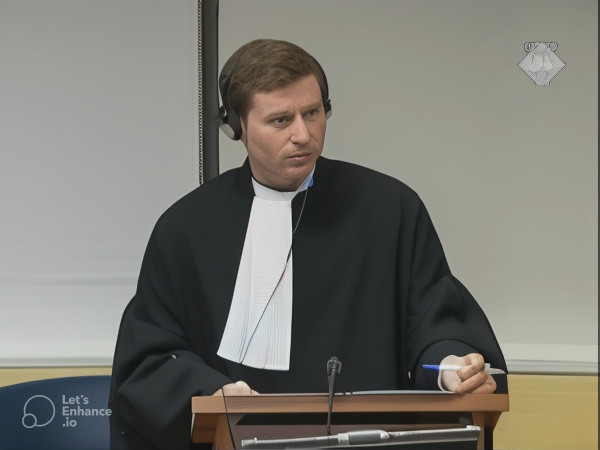
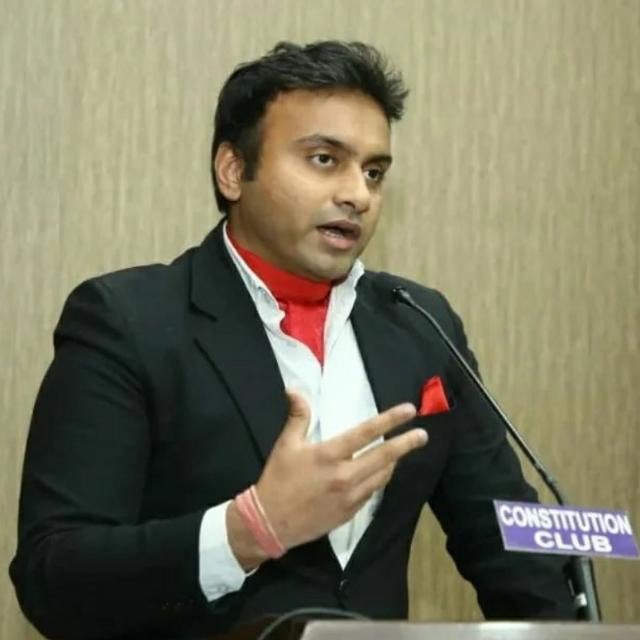
    Your career has spanned almost 15 years before the international courts, with significant cases including the destruction of cultural heritage. Can you share what initially inspired you to pursue a career in international law and what has kept you motivated throughout? 

    Living in New Zealand as a teenager in the 1990s, I saw the tragedies in Bosnia and Rwanda and wanted to do something about it. As I learned about the international criminal courts, I realised that was a means of taking action against the perpetrators of the worst crimes, including in those countries. Eventually I secured a position prosecuting international cases before those courts. My motivation was fueled by a sense of injustice and then later from meetings with victims who explained the impact these crimes had on their lives. Working with people from all over the world was also an inspiration. From Italy to India and everywhere in-between, you end up on teams with a huge range of backgrounds and legal traditions, which generates creative ideas as well as the odd procedural dispute. The international criminal courts face many challenges and the work can be frustrating. But ultimately there is no question that justice needs to be done for these atrocity crimes and that’s a major motivation.  

    As the Chair Rapporteur of the United Nations Working Group on Arbitrary Detention, what new dimensions or insights have you gained in the field of human rights and international law that were perhaps less visible in your earlier career? 

    As the Chair-Rapporteur, I see the organisational aspects of improving human rights practices. One of the key insights has been the importance of clear and open communication. A lot of problems can be avoided with regular and frank exchanges of information and communication helps to focus on the most serious issues which are directly affecting the victims. Closely linked to this is the need for inter-personal skills and empathy. When you are dealing with cases of persons arbitrarily detained for months and sometimes years, often in countries where they have no family, you have to picture the world from their perspective in order to understand the gravity of the threats and uncertainty they are facing. 

    Your work has involved prosecuting cases related to environmental harm at the International Criminal Court. How do you see the relationship between international criminal law and environmental protection evolving, and what key lessons have you learned from these cases?

    When I started writing about the International Criminal Court prosecuting environmental harm, it was just a theoretical idea. However, in 2024, prosecuting environmental harm under international law is becoming a reality. Significantly, three small island States (Vanuatu, Samoa, Fiji) have officially tabled the crime of genocide for inclusion at the ICC as the fifth crime along with war crimes, crimes against humanity, genocide, and aggression. This year has also seen the Office of the Prosecutor initiate a policy on the prosecution of environmental harm. International law is useful to combat threats to the environment, as it typically focuses on large-scale crimes committed by groups of people. However, there are many challenges in transposing international criminal law to the environmental context. The courts are not ecological research centers, and so there will be a lot of lessons to learn. My main observation is that experts from sciences should be brought in to avoid the law being applied on incorrect foundations. I also propose that the definition of ecocide needs to be carefully formulated to ensure that it is clear as to what is covered (and what is not) and that it provides fair notice to people and organisations as to what conduct is included. 

    In your opinion, how can international law be better utilized to combat rising global challenges such as climate change, digital privacy violations, and arbitrary detention, while ensuring justice for marginalized communities? 

    International law requires enforcement. For that to occur, international courts must be strengthened. In particular, States such as the USA, Russia, China and India should join the International Criminal Court. Bodies such as the United Nations Human Rights Special Procedures should be strongly reinforced, with sufficient resources and binding powers to improve human rights adherence. 

    As someone who has published widely and won prestigious academic awards, what advice would you give to young legal scholars who want to balance research, writing, and a practical legal career?

    For young lawyers and legal scholars, I highly recommend taking the time to research and write about legal issues that interest you. It’s one thing to work on a legal case but another to write about the broader context and the meaning of the laws and principles involved. If there are issues which strike your sense of justice or injustice, then there is likely to a scholarly question to examine. Balancing professional work and scholarship can be difficult, but the two facets reinforce each other. And it’s important to pass on what you learn to future generations of lawyers and human rights advocates. 

    For young professionals and students in international law, what would you say are the most crucial skills and knowledge they should develop, considering the evolving landscape of global justice, human rights, and environmental protection? 

    Young lawyers and students need to learn the fundamentals, such as the essential fair trial rights, while also developing an awareness of the emerging digital tools which can help them in their work. In terms of skills, good writing is critical. Take the time to follow a course on writing proficiency, as it is such a central skill in most roles. More importantly, clear writing reflects clear thinking, which is required more than ever at this time of crisis around many parts of the World. 

    You have contributed extensively to scholarly literature, what are the key gaps in international law research that you believe need to be addressed by future legal scholars? 

    Gaps in the literature on international law and human rights exist in relation to the procedures that ensure accurate fact-finding and in relation to measuring the impact of human rights work. All too often, it’s presumed that well-expressed and benignly motivated human rights conclusions will flow into enhanced human rights adherence by governments. However, that is a contestable claim, and more attention needs to be paid to measuring the impact of human rights work.

    As a Senior Lecturer at the University of Essex, how do you integrate your extensive practical experience in international law into your teaching, and what key lessons do you hope to impart to your students about the future of global justice? 

    My teaching at the University of Essex is highly interactive. I encourage my students to extemporize and to be prepared to support their claims with arguments and evidence. I also encourage them to develop the ability to entertain a contrary position in order to fully explore its strengths and weaknesses. Getting on the feet to present an argument animates the students and engages their uptake of the information that I’m trying to convey. Finally, I try to remind students that there are real people at the ends of the procedures, often languishing in detention, and so working efficiently and expeditiously is critical. 

    Looking ahead, how do you foresee the role of international law in addressing global challenges like artificial intelligence and cyber warfare, both of which have the potential to drastically alter traditional notions of conflict and justice? 

    We don’t need to look too far ahead to realise that cyber warfare and AI can revolutionalise major areas of human activity. Already, we have seen cyber strikes used in various conflicts, and increasingly it is being integrated into conventional warfare. AI can add digital steroids to human online activity. The potential benefits and efficiency gains are immense. But the risks of misuse, whether advertent or inadvertent, are real and pressing. Efforts are being made to have international law address AI. But a lot of work will be required to create any form of international law that can enforce restrictions on the misuse of AI – and the axiomatic importance of protecting free expression and liberty must always be borne in mind.

    With such a demanding career in international law and human rights, how do you find time to unwind, and what hobbies or activities help you maintain balance in your personal and professional life? 

    Keeping a balance between work and home life is important, especially when working on grave matters like atrocity crimes. My family keeps me grounded, and I enjoy sitting down with them to hear about their school and work days. Whereas I used to play a variety of sports, most of my activities now revolve around the family. But I still make time to watch the New Zealand All Blacks rugby team play whenever I can.  

    Get in touch with Dr Matthew Gillett-

  • “Lawyers make a unique contribution to corporate life, earning respect as professionals and influencing the company’s strategic priorities while upholding ethics and integrity in all decisions.” – Nitin Mittal, General Counsel at Signify (Formerly Philips Lighting)

    “Lawyers make a unique contribution to corporate life, earning respect as professionals and influencing the company’s strategic priorities while upholding ethics and integrity in all decisions.” – Nitin Mittal, General Counsel at Signify (Formerly Philips Lighting)

    This interview has been published by Namrata Singh and The SuperLawyer Team

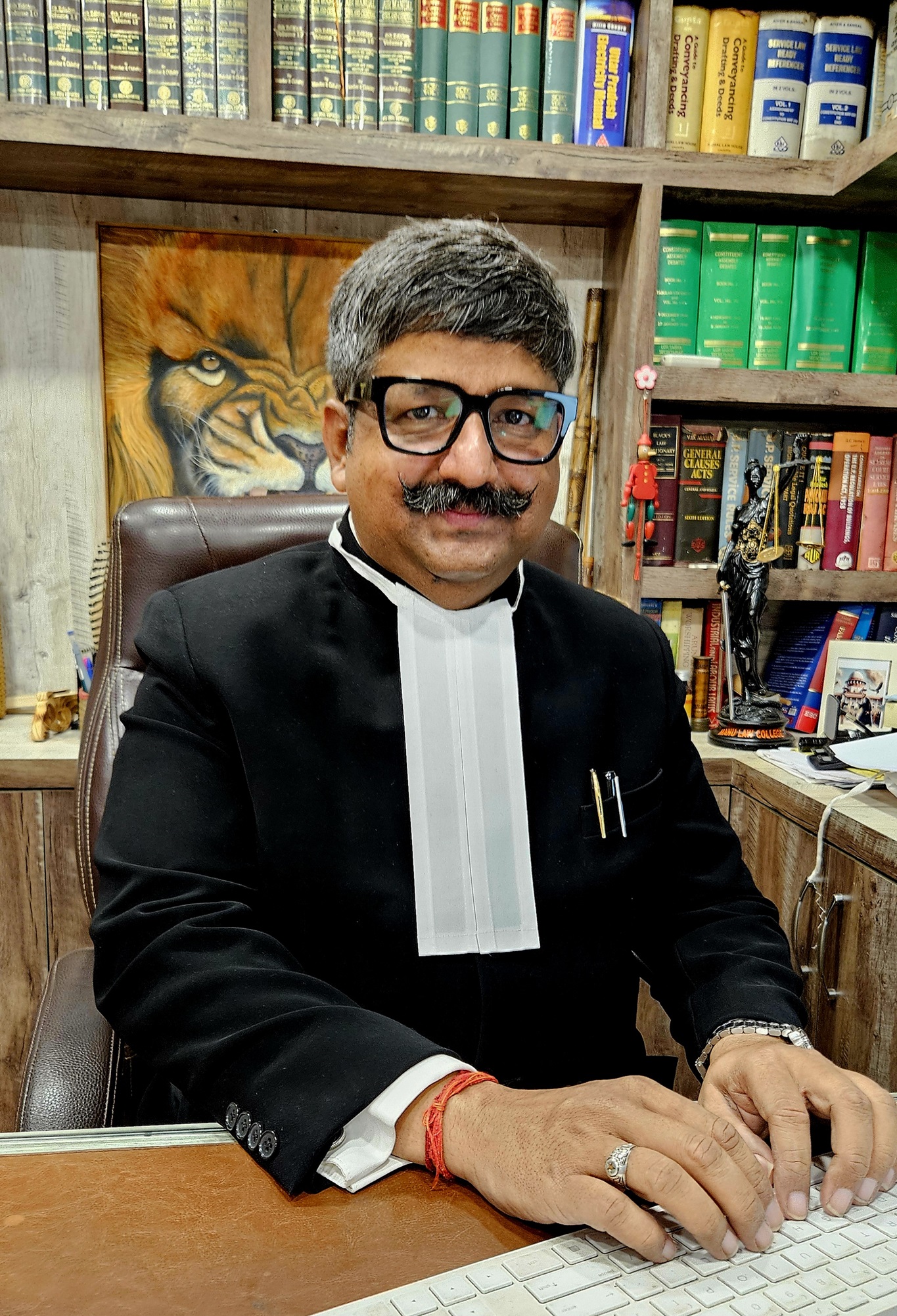
    You have an impressive journey- starting from your early days as counsel for Evergreen International Limited – Furniture Export industry to your current role at Signify Innovations India Limited (Formerly Philips Lighting India Limited) What were some pivotal moments that shaped your professional path?

     “First of all, thank you for the opportunity to share my journey. My professional path began long before I became a qualified lawyer and CS. While studying, I worked at a securities advisory firm and later at a consulting firm, engaging in a diverse range of tasks. I’ve always had a passion for innovation, hard work, growth, and learning. From my early struggles, I learned the importance of working hard and putting your heart and mind into whatever task comes your way, without worrying about money, job titles, or other benefits.

    There were several pivotal moments in my career. The first was in early 2003 when I worked at a manufacturing plant in Himachal Pradesh. This experience exposed me to various challenges and opportunities in a manufacturing setup, where I dealt with a wide range of legal and financial issues. I remember working on the shop floor for two weeks during a workers’ strike. This experience provided a solid foundation for my career, as working in a manufacturing plant requires a highly disciplined, structured, and efficient environment, which is also very demanding. My then-CEO advised me to take at least one round of the entire production process every day to learn about plant functioning, a piece of advice I cherish to this day. This taught me the concept of ‘Management by walking around.’ Since the company was also listed, I learned the value of having robust processes and systems to ensure compliance.

    During that time, I was inspired by my CEO to read ‘The Goal’ by Goldratt, which introduced me to the theory of constraints and how addressing bottlenecks can increase overall efficiency and help achieve business goals. This gave me a much better understanding of the production process.

    The second transformative point was when I had the opportunity to work at OSRAM, a German company. There, I was finally able to demonstrate my potential and expertise in various areas of legal, compliance, and governance. OSRAM was part of Siemens then, and I was part of the Siemens India compliance team, working on establishing the initial compliance program in India. I am grateful to have been part of the India compliance team at that time, which gave me a solid foundation in the compliance domain. I also worked on several complex litigations and M&A transactions.

    My last significant change was moving to Philips Lighting in 2016, which was transformative in every sense. Philips Lighting (now Signify) is the world leader in lighting and the largest lighting company in India. Here, I have had the opportunity to work on groundbreaking deals and transactions, making a real difference in helping the business achieve its strategic goals in line with the #BrighterLivesBetterWorld brand vision.”

    What do you love most about your current role at Signify?  What are some unique legal challenges you face in the lighting products and services industry? 

    “At Signify, the company values its people, and I am proud to be part of such an innovative and energetic team. In my current role, I lead the Legal, Compliance, and Governance function for the Greater India and Pacific region. I love my position as General Counsel and Company Secretary because each day brings new challenges that allow me to showcase my expertise and skills, ultimately benefiting the company.

    I handle a wide range of topics daily. For instance, last week, I advised on potential sales deals in systems and services for India and the Pacific, which involved contract reviews and risk mitigation. I also dealt with high-stakes criminal litigations, arbitration matters, commercial disputes, and compliance advisories on anti-corruption practices. Additionally, I structured an incentive program, managed a board meeting and a shareholders meeting, finalized the annual report with the board of directors’ agenda, worked on potential corporate transactions, and advised on compliance investigations with our regional team and global experts. I also conducted training for the Pacific region on anti-corruption, anti-trust, privacy, conflict of interest, and other compliance topics, and provided advice on deal structuring, corporate law matters, and other legal and integrity issues.

    Each day presents a new opportunity to work on diverse issues and demonstrate how law shapes key decisions within the organization.”

    Did you always want to become a lawyer? What made you choose law as a profession? 

    “I became a lawyer quite by chance, as my career path evolved serendipitously. Initially, I was drawn to the finance sector and aimed to combine my CS qualification with a CFO role. However, over time, my skills and interests shifted more towards law and compliance, leading me to focus on this area. In the end, I’m glad I chose law as my profession. Lawyers make a unique contribution to corporate life, earning respect as professionals and influencing the company’s strategic priorities while upholding ethics and integrity in all decisions.”

    With over two decades of experience in the legal field, what major shifts have you observed in corporate legal practices, especially in compliance and contract drafting?  What has been the role of technology in advancing these changes?

    “I believe the core principles for a lawyer remain unchanged: providing quality and timely advice without fear or favor. However, the legal profession is now much more recognized for its contribution and value to business decision-making compared to two decades ago.

    I also observe a significant shift towards digitalization in areas such as contract management, compliance approvals, and the automation and digitization of board and shareholder meetings. AI is increasingly being used to support counsels with research, drafting, presentations, and memos for any jurisdiction worldwide, as well as handling routine advice through bots.

    The successful General Counsel of the future will be one who leverages AI to drive efficiency and automation while balancing the use of digital tools with sound judgment and experience. Technology cannot replace the nuanced judgment that comes from years of experience, especially in complex legal matters such as litigation, contract negotiation, legal advisory, and other areas where the law is not black and white.”

    You have been honoured and recognized for your efforts across prestigious platforms like Global Legal 500 Power List, Indian Bar Association, BW Legal world etc. how have they impacted the way you and your approach to work?

    “These recognitions are a testament to the opportunities provided by the companies I have worked for and to my team who have been part of this journey. They humble me and inspire me to strive for excellence in everything I do, alongside our dynamic team at Signify. They also place a responsibility on me to mentor my team and other colleagues within the fraternity, sharing the insights and learnings I have gathered over my 22-year professional journey.”

    Can you share a personal development or mentorship experience that significantly impacted your career trajectory?  

    “I was influenced by many people over the years. I would call it silent mentoring, as there was no formal mentorship, but I learned a great deal through observation, intense reading, and practice. At various stages of my career, I had the privilege to learn from my supervisors and they had a transformative influence on my development and career, such as the CEO and CFO of Cosmo Films at that time ( on importance of processes/ governance/ diligence), the CEO of Cosmo Ferrites( importance of knowing the manufacturing process), and later the CFO and legal colleagues of OSRAM all over the world( gathered solid foundation on compliance, litigations, contractual matters, and overall development). At Signify, I have learned immensely from all the India CEOs, my global legal colleagues, and my team members 

    I also learnt a lot from diverse books I read over the years- whether on history, biographies, leadership, self- development, and even on fiction. Each book shaped my thoughts and I gained from the experience. 

    I greatly valued the training programs by the Siemens Compliance team and OSRAM over the years, which provided a strong foundation in core compliance topics. Additionally, a leadership program by Signify in partnership with Harvard Business School was highly beneficial.”

    You pursued various qualifications in law – including Masters in Business laws, Criminology, apart from LLB and Company Secretaryship (CS). What makes you keep learning even at this settled stage in your career? 

    I always consider myself a “student of law.” The field of law is ever-evolving, with continuous developments requiring constant learning in new areas of legal changes, judicial precedents, innovative problem-solving methods, and understanding emerging challenges. Staying relevant necessitates being on our toes. Throughout my career, I’ve identified and bridged learning and skill gaps by enrolling in various courses. My most recent course in criminology was driven by the rise in white-collar crimes and the trend of converting civil matters to criminal cases. More importantly, I developed a deep interest in this area of law.

    I continue to broaden my knowledge in emerging legal fields, particularly digital law, AI, and the criminal justice system. I have a keen interest in constitutional law, not only in India but also in other countries like the US. I enjoy reading works by various authors such as Austin, the late Fali Nariman, Gautam Bhatia, and Rohan Alva. In the future, I hope to extensively study the constituent assembly debates that shaped our Constitution.

    Given your extensive involvement in various legal and academic roles, how do you manage to balance your professional responsibilities with personal life? What strategies do you employ to maintain this equilibrium?

    The life of a lawyer can be quite stressful at times, with each decision having a significant impact on the company and its employees. The reputation of the company and the liberty of its employees can be at stake. Our job often requires long hours and even working on weekends, especially during crises. However, I don’t view this as an encroachment on my personal time, as my primary duty as a lawyer is to protect the company and its employees, even if it means going above and beyond.

    With over two decades of experience, I have developed an intuitive sense of which areas require more of my attention, allowing me to balance my work accordingly. As we are a lean department with a lot to do, I try not to work late into the evening and focus on personal interests unless something critical arises.

    I maintain a disciplined morning routine, incorporating daily runs, walks, yoga, and meditation. I also make time for daily reading on diverse topics before ending my day. This practice enriches my experience with different thoughts, areas, and philosophies.

    I believe in the following shloka from the Bhagavad Gita (2.48): “Perform your duty equipoised, O Arjuna, abandoning all attachment to success or failure. Such equanimity is called yoga.”

    What advice would you give to young legal professionals aspiring to excel in corporate law, especially in areas like compliance management and dispute resolution? Also, How does Signify support young learners in gaining practical experience?

    My advice to young lawyers is to ensure you understand the basics of law and gain an in-depth understanding of its principles and practices. Once you have a solid foundation, applying the law in diverse situations becomes easier. Areas like compliance management require a deep knowledge of legal nuances, so building a strong foundation is crucial. For dispute resolution, working with a dispute lawyer for a few years helps build a strong base in court procedures, practical issues, and quick thinking.

    In recent years, I have been deeply moved by the teachings of Lord Krishna, particularly this verse from the Bhagavad Gita: “कर्मण्येवाधिकारस्ते मा फलेषु कदाचन । मा कर्मफलहेतुर्भूर्मा ते सङ्गोऽस्त्वकर्मणि” (“You have a right to perform your prescribed duty, but you are not entitled to the fruits of action. Never consider yourself the cause of the results of your activities, and never be attached to not doing your duty”).

    A key skill for a lawyer is judgment, which can only come from experience and working on difficult and diverse matters. Judgment takes time to develop and cannot be achieved through shortcuts; young lawyers need to nurture this skill to see it blossom in future years.

    At Signify, we have a robust culture that encourages our young lawyers to learn on the job, take initiative, learn from others, and have the flexibility to shape their careers. There is no hierarchy in our company, and any employee is free to reach out to top management for support or guidance, who are always willing to help. We encourage risk-taking, active collaboration, speaking up, and most importantly, always taking initiatives. I have had the privilege of learning from both senior management in business and legal.

    Get in touch with Nitin Mittal-

  • The journey of a first-generation lawyer is never easy, but through hard work, personal networking, and an unwavering commitment to ethics, success is achievable for anyone,” -Vaibhav Mishra, Advocate-On-Record at the Supreme Court of India.

    The journey of a first-generation lawyer is never easy, but through hard work, personal networking, and an unwavering commitment to ethics, success is achievable for anyone,” -Vaibhav Mishra, Advocate-On-Record at the Supreme Court of India.

    This interview has been published by Namrata Singh and The SuperLawyer Team

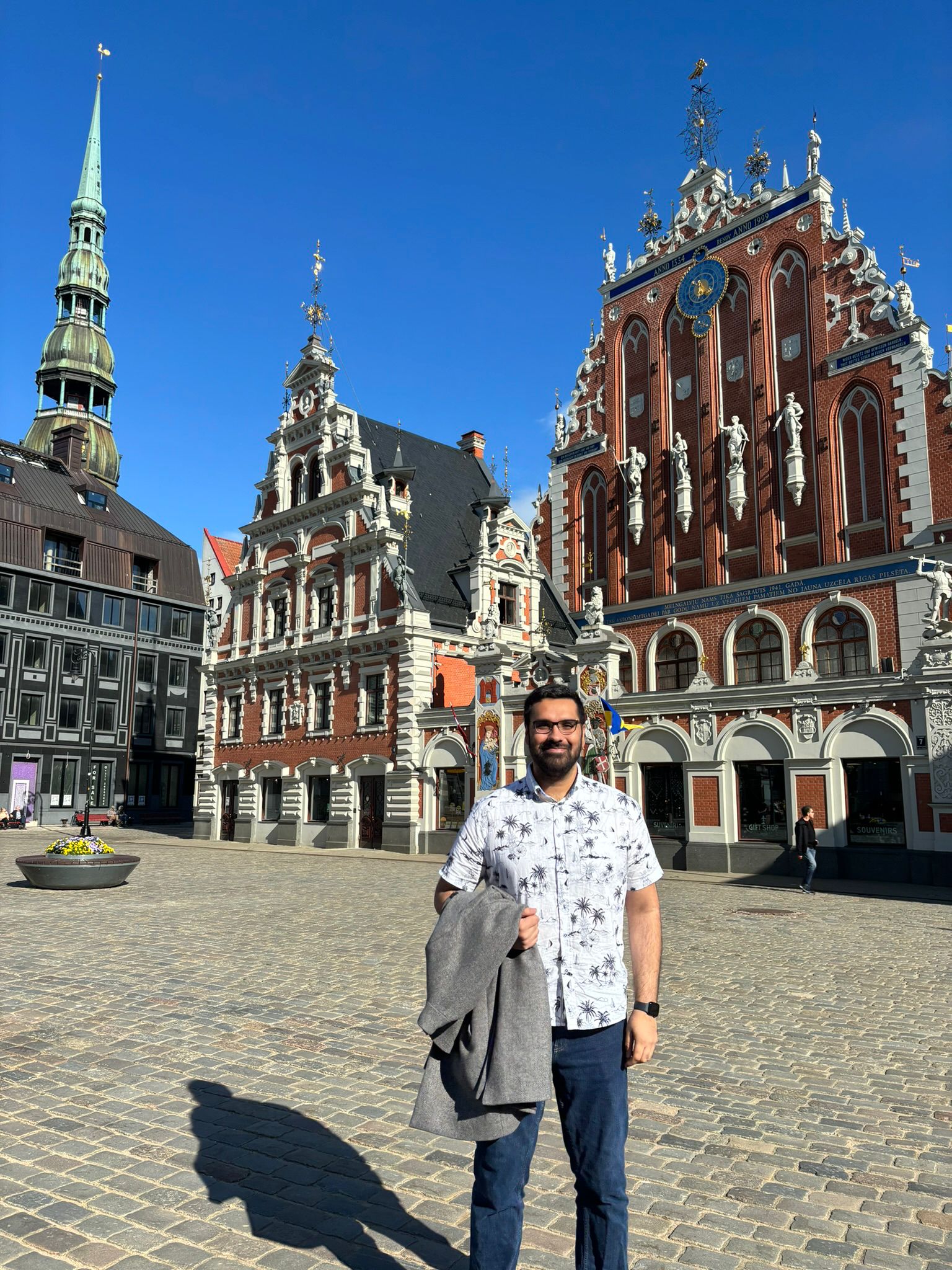
    Could you share what inspired you to pursue a career in law, and how your journey has evolved from your early days at Campus Law Center, Delhi University, to becoming an Advocate-On-Record at the Supreme Court?  

    In a way, I am an accidental lawyer as after my graduation in 2009 with B.Com (Hons.) course from Zakir Husain Delhi College(erstwhile Zakir Husain College), Delhi University I was preparing for CAT and other MBA entrance exams along with Combined Defence Services examination. I cleared my Combined Defence Services examination and went to 14 SSB (Service  Selection Board) Allahabad around March 2010. Unfortunately, I could not clear the Service Selection  Board interview and later joined Aon Hewitt (erstwhile Hewitt Associates) as a Research Associate.  In the meantime, I had cleared the Faculty Of Law, Delhi University entrance exam and got a decent rank so I took up the 3-year LLB course at Campus Law Centre. 

    During my days at Campus Law Centre, I took part in many Moot Court Competitions all over India and debates within the college itself. The atmosphere in Campus Law Centre is different as compared to other Law Schools’ be it National Law Universities or any other Law School. The vibe of studying at Delhi University, especially on North Campus and the exposure which one gets there develops the personality of an individual holistically. My internship stints in different offices after classes also helped me in making my decision towards taking up litigation as a career.  

    After my graduation in 2013, I was working as a Law Clerk with HMJ. (Retd.) Shiva Kirti Singh in  Hon’ble Supreme Court and later on in many different offices such as Suri & Co., Luthra & Luthra  Law Offices India (erstwhile L&L Partners), Chambers of Sr. Adv. Ajay Verma, C&C Associates,  M/s. Dev Bhumi Cold Chain Pvt. Ltd. before going fully independent. All these offices helped me in becoming a better individual in my professional career and maybe in life as well. The exposure of dealing with different kinds of people and different complex situations has its advantages &  disadvantages which one tries to navigate.  

    I had the opportunity to clear my Advocate-On-Record exam on my second attempt and got the result around April 2023. I think for establishing one’s career in litigation in the Supreme Court although it is not mandatory becoming an Advocate-On-Record does help as a stepping stone.  

    You are currently enrolled in the Professional Final Level of the Company Secretary course. What motivated you to pursue this course at this stage of your career? Do you see it as a strategic move for future growth in your field, or do you have any new plans or directions you aim to explore with this qualification?  

    I think this course will help as an add-on if one still pursues law as a career. I did B.Com  (Hons.) before doing law so I found taking up another course such as Company Secretary as an advantage. But mind you this course does take up quite some time & energy in preparations, even though I  am a bit held up in the Professional Final Level for quite some time. But it is also my opinion that the benefits after clearing this course are quite immense in commercial client buildups for individual practitioners specifically related to NCLT & NCLAT matters and even for those who want to join  Commercial Legal Practice of Law Firms or Corporate In-House jobs. 

    It is also a reality that at the end of the day one might have 2-3 or 7-8 academic/educational course degrees, but if one does not know how to use them practically, then it does not make much of a difference in a practical professional career.  

    As an Advocate-On-Record at the Supreme Court, could you describe the unique responsibilities and challenges associated with this role compared to other legal positions you have held? 

    As an Advocate-On-Record, one must be mindful of the Special Leave Petitions or other drafts drafted and filed in Hon’ble Supreme Court, since the language is explicitly read and re-read by Judges and Counsels in open Court. Anything that is seen as amateurish or even bordering contempt of court can have serious repercussions for the Advocate-On-Record on whose name the document has been filed. The strictness of the Hon’ble Supreme Court is also legitimate since there is no appellate court as per se after the Hon’ble Supreme Court. 

    The stakes are high being an Advocate-On-Record due to the responsibility being attached with cases in Court, hence that will be a big difference as compared to other positions held in my legal career.  

    Could you share some insights or memorable experiences from the high-profile cases you have handled, such as those involving the Delhi Development Authority (DDA) or the Airport Authority of  India? 

    With DDA, most cases were general land acquisitions in the manner of Writ Petitions in the High Court or Arbitrations related to the 2010 Commonwealth Games; henceforth, they were property law or commercial and arbitration-related. 

    However, there was one case while appearing for a private party against the Municipal Corporation of  Delhi wherein a commercial establishment was sealed which was against the Hon’ble Delhi High Court order. I was working at C&C Associates at that time and we had to apply with regard to the same in the High Court, got it mentioned and then listed so that it can be heard as soon as possible.  We argued in the evening and got a favourable order around 5:30-6 P.M. The efforts and the result of doing everything on almost the same day made this case special. 

    While looking after litigation matters at M/s. Dev Bhumi Cold Chain Pvt. Ltd. I had the opportunity to look after a case filed through a local Counsel in the United States Of America in the state of Washington, which required me to see witness depositions in a Court there till 2-4 A.M. in the night (Indian Standard Time) about 3-4 time and mediation attempt between parties couple of times, also had the opportunity to prep up an Indian witness being deposed in the Court in United States. I  must add that based on my experience just like most Indian Courts are not as depicted in Indian movies, similarly courts in the United States are not as depicted in their movies (may I mention A Few  Good Men!).  

    Another case was in Sikkim High Court wherein I flew to Gangtok to argue and get a stay order for the client. We had to file a Special Leave Petition in the Supreme Court to get the stay application heard in Sikkim High Court I think during winter vacation time. The climate terrain in that part of the region during winter is very cold, hence matter of preparation and getting a favourable order in an environment which one is not used to had its charm. I must add that North-East  India is extremely beautiful and if one can then one should see the natural scenery there. 

    What has your experience been like as a Group ‘A’ Panel Counsel for the Central Government, and how do you balance this role with your private practice? 

    Being a Group ‘A’ Central Govt. Counsel in the Hon’ble Supreme Court is a mixed bag, from criminal to tax to service matters all kinds of cases come up. The work quality gives great exposure and managing it with private practice is not that big a task if one gets used to handling it quickly &  efficiently.  

    You have significant experience in arbitration and mediation. What are the key skills a lawyer needs to succeed in these areas, and how do you prepare for arbitration proceedings? 

    I don’t know if I have significant experience in this field as it’s quite broad, but I can say that the preparation for cases in this area should be thorough since commercial arbitration matters have a lot at stake in terms of commercial repercussions. One should know the relevant provisions of law and the procedure before the appointment of an Arbitrator and after the appointment of an  Arbitrator.

    In Mediation proceedings, if parties are willing to settle the issues at hand, then all endeavours should be utilized to do so. Otherwise, prolonged litigation is in the interest of no one in the long run as compared to speedy disposal of a case at hand.  

    You have authored articles and a book on legal topics. How important do you think it is for practising lawyers to contribute to academic discourse, and what impact does it have on their practice? 

    I have written two books one on Patna High Court and its judgments and the other one on my  Grandfather Late Shri Lalit Narayan Mishra (Former Railways Minister). I believe writing is a flare that helps in augmenting the drafting skills of a lawyer. I also contribute articles for The Daily  Guardian, so I’ll encourage writing articles as a scope as well.  

    A practising lawyer should try to contribute to the academic discourse as a Guest Faculty or through any other medium as long as it does not affect the professional practice of the lawyer.  

    As someone with a highly demanding career, how do you manage to maintain a work-life balance,  and what advice do you have for young lawyers struggling with this aspect? 

    In my opinion, work-life balance goes for a toss whether you are an Independent Practitioner or working in a Chambers/Law Firm/In-House Corporate Office. The reason for the same is competition in the market especially when it’s difficult getting clientele for your practice or job in someone’s office.  

    Time management is quintessential in such situations. Although time management is still a work-in-progress for me, those who can handle time durations for work and family along with extracurricular activities such as theatre or sports can still have a decent work-life balance.  

    Based on your extensive experience, what advice would you give to young legal professionals who are just starting their careers, particularly in the areas of civil and commercial law?  

    My advice to someone would be to do your best, so you don’t have too many regrets later. Those who are young in the profession should work on what they can do rather than thinking of  something which might not be in their control for example applying for as much legal empanelment work as possible rather than waiting for work to come. 

    It’s a tough field where different types of people will come across in the profession, some as friends some may be something else. Always remember to value yourself no matter what the situation is while avoiding the fine line between self-confidence and arrogance.  

    The client whether an individual or a corporate house will be posting faith in you as a lawyer, so avoid letting someone down. Be ethical, since shortcuts and cutting corners will lead someone nowhere in the long run. 

    Any newcomer in the field should read the file at hand a lot and should be well-versed with the facts of the case while being updated with the recent judgments on the moot question in the matter. If opportunity is there then one should enjoy the process of arguing before the judge, whether District  Court or Supreme Court to the best of one’s ability; the next client/the next opportunity could very well be watching the proceedings.  

    I also believe that the difference between first-generation and second/third-generation lawyers is in the first few years of the profession, it all gets levelled out based on the hard work and personal networking skills of the individual. There are enough first-generation lawyers in the field who are role models for many. 

    Get in touch with Vaibhav Mishra-

  • “My need for intellectual challenge and a sense of justice led me to law, and with dual qualifications, I can now bridge different legal systems and cultures, offering nuanced advice to both domestic and international clients.” – Gunjan Chhabra, Partner at MRP Advisory

    “My need for intellectual challenge and a sense of justice led me to law, and with dual qualifications, I can now bridge different legal systems and cultures, offering nuanced advice to both domestic and international clients.” – Gunjan Chhabra, Partner at MRP Advisory

    This interview has been published by Namrata Singh and The SuperLawyer Team

    Congratulations on your new role as a partner at MRP Advisory. Could you share some insights into your journey from Law School to becoming a dual-qualified legal professional? What inspired you to pursue Indian and UK qualifications, and how will these qualifications enhance your role at MRP Advisory?

    My journey into law began unexpectedly from a science background, where I initially aimed to become an engineer. However, my need for intellectual challenge and a sense of justice led me to law. The pursuit of both Indian and UK qualifications was driven by a desire to gain a comprehensive understanding of global legal systems and to enhance my ability to handle complex cross-border disputes. These qualifications not only broaden my legal perspective but also allow me to offer nuanced advice that bridges different legal systems of law and cultures. At MRP Advisory, this dual qualification will enable me to better serve our domestic clients in contracts with foreign substantive law and international clients, ensuring expert navigation of diverse legal challenges with a well-rounded approach.

    With over a decade of experience in commercial litigation and arbitration, what motivated you to join MRP Advisory at this point in your career? How do you anticipate the firm’s focus and resources will impact your work in the arbitration landscape, both in India and internationally?

    Joining MRP Advisory is an exciting new chapter in my career, motivated by the firm’s reputation for innovation and its robust approach to construction and infrastructure disputes. The firm’s emphasis on leveraging cutting-edge resources and its commitment to a global perspective align perfectly with my background in domestic and international arbitration. At MRP Advisory, I anticipate that our collective expertise and resources will enhance our ability to tackle complex arbitration disputes and further strengthen our position in both the Indian and international arbitration arenas.

    Given your extensive experience representing clients before both national and international arbitration tribunals, how do you plan to leverage this expertise in your new role at MRP Advisory? Are there specific strategies you intend to employ when handling disputes in different arbitration forums, such as ad-hoc versus institutional arbitration?

    In my new role at MRP Advisory, I plan to leverage my experience by adopting a tailored approach to different arbitration forums. For ad-hoc arbitration, I will focus on flexibility and adaptability, ensuring that our strategies align with the specific needs of each case. For institutional arbitration, my approach will emphasize utilizing the established rules and procedures to streamline the process and enhance efficiency. By combining these strategies, I aim to deliver effective resolutions and uphold the firm’s high standards in both national and international disputes.

    Your profile highlights significant expertise in FIDIC contracts. How do you see your knowledge in this area contributing to MRP Advisory’s practice, especially in the context of construction law and dispute resolution? 

    I believe that my expertise in FIDIC contracts will significantly contribute to MRP Advisory’s construction law practice by providing deep insights into the complexities of international construction agreements. FIDIC contracts, with their intricate clauses and global usage, often present unique challenges in dispute resolution. I hope that my knowledge will help the firm navigate these complexities, ensuring that we offer precise and informed advice. This expertise will be integral in managing construction disputes effectively, enhancing our ability to represent clients in both contract management, contractual negotiations and dispute resolution processes.

    Having served as an arbitrator and mediator at various organizations, including the Court of Arbitration for Art and Sama, how will these experiences influence your approach to mediation and arbitration in your new role? What key factors do you believe will contribute to successful outcomes at MRP Advisory, and how will you ensure impartiality and fairness?

    My experiences as an arbitrator and mediator have provided me with a nuanced understanding of the arbitration process and the importance of impartiality. In my new role I hope that these experiences will guide my approach to mediation and arbitration, ensuring that I apply best practices and maintain fairness throughout. Key factors for successful outcomes include a thorough grasp of the subject matter, effective communication, and a commitment to neutrality. I will continue to uphold these principles by carefully balancing the interests of all parties and applying a detailed and reasoned approach to each case.

    You were honored with the “Pioneering Women Leadership Award.” What challenges have you faced as a woman in the legal field, and how have these experiences shaped your approach to leadership and mentorship at your new firm?

    The “Pioneering Women Leadership Award” is a testament to the challenges I’ve faced and overcome as a woman in law. I plan to continue to foster a culture of inclusivity and mentorship. 

    Considering your extensive background in arbitration and mediation, What trends or factors do you believe will drive this shift, and how will the firm position itself in this evolving landscape?

    Yes, the increasing complexity of disputes and the desire for more efficient, cost-effective resolution methods are driving this shift. ADR, particularly arbitration and mediation, offers flexible solutions that can accommodate the needs of modern businesses. We are well-positioned to leverage these trends by continuing to enhance our ADR capabilities and adopting innovative approaches to meet the evolving needs of our clients.

    Outside of your legal career, what hobbies or activities do you pursue to unwind and stay balanced? How do these personal interests contribute to your overall professional life, and do they influence your approach to your new role at MRP Advisory?

    To maintain balance, I believe it is important to engage in mindfulness practices, exercise, and creative activities such as painting. These activities can help manage stress and maintain a clear, focused mind. This in turn contributes to effectiveness in handling complex legal matters. Creative pursuits offer a valuable outlet for relaxation and creative thinking, which enhances overall problem-solving abilities.

    Get in touch with Gunjan Chhabra-

  • The real success of a merger or acquisition lies in the integration that follows completion of the transaction.” – Vasanthika Srinath, Founder Partner of Kosmos Partners

    The real success of a merger or acquisition lies in the integration that follows completion of the transaction.” – Vasanthika Srinath, Founder Partner of Kosmos Partners

    This interview has been published by Namrata Singh and The SuperLawyer Team

    Could you share with us your journey into the legal profession? What sparked your interest in law and led you to specialize in international privacy law and corporate law specifically?

    I started working as a business journalist in 1994, after graduating with a degree in commerce and economics from Bombay University (as it was called then). A chance meeting with a friend convinced me to study law, as I believed that it would improve my skills and help me become a better business journalist.  (The Stock Market was still reeling from the effect of the 1992 scam and knowledge of various corporate and business laws would help.) So I enrolled to study at the prestigious Government Law College at Church gate, mostly, because it was close to my workplace and early morning classes allowed us to work all day. I signed up for a moot court competition within a few months of classes and I immediately knew that this is what I want to do in the long run!  So I eventually quit journalism a few months later to focus on my law studies. 

    There were no privacy laws then – and my favourite subjects in college were the law of Torts, Contracts, Interpretation of Statutes and Private International law. I eventually joined Desai & Diwanji, where I was introduced to corporate commercial law, property law and commercial litigation. I wanted to become a counsel, so I joined the chambers of Snehal Paranjape and started my practice as a Counsel in the Original Side of the Bombay High Court. After a year and half I relocated to Bangalore, and as I did not know Kannada then (I am fluent now), I went back to doing corporate work and then moved in-house.

    I worked for a few companies, setting up their legal function and then became the General Counsel of some large IT / ITES companies. Contracts and negotiations are the life blood and most important aspect for any corporate lawyer, and as the legal head, I was also responsible for supporting growth of the business across countries, mergers and acquisitions and compliance, apart from everything else that comes with the role. When I was the General Counsel of Minacs, the Company was acquired by Concentrix, and I set up the Compliance function at Concentrix. That’s about when GDPR happened and I was one person in the company who had no conflict of interest in taking up the role of the Data Protection Officer (DPO). So I learned all about Data Protection and Privacy and set up the privacy function. Gradually, we saw the introduction of Artificial Intelligence where the laws are even more challenging. I was also responsible to ensure that we had a framework in place to ensure ethical and responsible AI design.  I learnt a lot on the job and it was very exciting and enriching for me.

    In December 2023, I joined hands with my old friend, Rashmi Sharma, and we set up Kosmos Partners together.

    So this is my career trajectory in a snapshot – property, corporate advisory, litigation, back to corporate transactions (this time in-house – mostly tech laws), corporate compliance and data protection and privacy, AI regulations and finally – back to practice.

    You’ve had an impressive career spanning over 25 years, with significant roles in various organizations. How have these experiences shaped your understanding of international privacy law and corporate legal practices?

    One can never understate the value of experience. Each and every transaction, incident, case or matter comes with its own learning. I was extremely fortunate to be at the right place at the right time and to handle the kind of matters I got to do. I was very fortunate to have the opportunity to handle quite a few mergers and acquisitions independently right at the start of my in-house career and that was a great learning. I negotiated a couple of very challenging multi-jurisdictional contracts with large corporations, who are known to be very rigid and unwilling to bend on some key terms, but we still managed to get excellent terms from them based on how we positioned ourselves. Some of these learnings taught me how to break up a problem into smaller pieces to solve it better, how to take a step back and understand the big picture, how to bring value to the table and demonstrate that, especially while negotiating.

    I travelled extensively to negotiate contracts with large clients and also, as part of my role as the Compliance leader.  This exposure taught me a lot about the laws and legal practices of many other countries, their cultures and also helped me understand the data protection, privacy and cyber security laws and practices in various countries.  I also began to appreciate how law and privacy are closely linked to the local culture. I think it is necessary to understand the history and culture of the other country before negotiating a contract or working on compliances or data privacy requirements of that country to be more effective.

    One of the biggest challenges is to try to help the business create business processes that comply with the laws of multiple jurisdictions without making it too complicated for the business.

    I also learned how important it is to understand the business and its challenges before we try to teach them the law. Once we understand their challenges, as lawyers, we should partner with the business and help solve their problems in a more practical way, rather than preaching to them. Raising awareness of the laws and regulations among business teams is also very important for business lawyers. 

    Given the dynamic nature of data privacy laws globally, how do you stay updated with the latest developments and how do these changes impact your clients?

    The only way to stay updated is to read, read and read. There are quite a few free online legal subscriptions that one can subscribe to, so one is updated of the latest regulations. Also, consider joining online groups and WhatsApp, which are good at information sharing, many of them are rather helpful too.   

    Could you walk us through a challenging case or project you’ve handled in international privacy law? How did you navigate through it and what were the key takeaways?

    One of the most challenging project was during the outbreak of the COVID-19 pandemic, and having to support the business teams in moving to work from home in a very short time. We barely had time to understand what was happening and we needed to move all equipment to employees’ homes in multiple countries around the same time. These had privacy and compliance implications, which we had to deal with for each country separately. Not only that, every country / city / state kept coming out with various regulations and notifications, which a couple of us were closely tracking real-time.

    Soon enough, the tech teams had to come up with tools to protect the security of the data that was to processed by employees from their homes, which had even more privacy challenges. Our challenge was to walk the fine line between protecting the company and its client data and confidential information and to ensure cyber security on one hand, while on the other hand, ensuring that we do not violate privacy rights. We had a great team that rose to the challenge very well. We had to understand the needs of the business, the proposed solution, its impact on privacy and then map it against the laws of each country, so we could then work with the teams on implementing a viable solution. The biggest takeaway from such projects was the importance of team effort.  Understanding the laws, of course, was important, but none of these challenging projects are successful unless everyone comes together as a larger team. 

    In your opinion, what are some of the most common misconceptions clients have about data privacy laws, and how do you address them in your practice?

    The largest misconception clients have about data privacy laws is that they are fully compliant since they are GDPR compliant. GDPR is considered as the gold standard in data privacy, but one does not need to implement GDPR across board indiscriminately. Some clients take pride in doing that. But the Indian privacy law is more focused on a consent driven approach, and if you needlessly implement GDPR for Indian data principles, you will anyway have to take a look at everything once again.

    Transitioning to corporate law, what are some of the most rewarding aspects of advising on mergers and acquisitions or structuring financial transactions? Could you share a memorable experience from your career in this field?

    I have handled and led quite a few mergers and acquisitions as the legal head. Though mergers and acquisitions are long, complex and challenging transactions, they are just the beginning. The real success of a merger or acquisition lies in the integration, that follows completion of the transaction.  And to ensure that the integration is complete and thorough, one must ensure that the due diligence was as complete and thorough. More often than not, sadly, due diligence is left to junior lawyers, who may not even understand the challenges in the documents they have been checking.

    One very memorable transaction for me, very early in my career was a deal where we were acquiring a company headquartered in the US with a subsidiary in India. The founder had passed and his wife was unable to run the business and hence selling it. There were quite a few challenges in the deal right from the start. We found tax issues and litigation in the due diligence, both in US and India. The seller wanted to retire and did not want to be saddled with any of the issues, especially in India, so she wanted us to buy the stocks in the holding company and take care of everything, while we wanted only to buy out all the assets so we did not have to deal with their tax matters. The negotiations, led by our CFO almost came to breaking point as we could not agree on the transaction structure.

    Finally, we went to our CEO and I will never forget how he broke down the transaction into smaller parts and suggested why don’t we take the stocks of the Indian company as we can deal with their litigation here since we are local and set up a new company in US and buy out the assets there, and leave the Seller to clean up the tax issues in US since she was a local there, which was acceptable to her too. We had to look at the key pain points for both parties and resolve that, and it suddenly became a win-win for both parties.  The same transaction also saw the Seller sacking her CA in the middle of the transaction. She had retained the CA to negotiate the transaction as well as vet the contract for her, but it turned out that he was not really providing her much support on the contract piece. After some time, she ended placing so much trust and faith in me that she would sign any document only if I confirmed that I have seen it and it is ok for her to sign. I had to remind her that I do not represent her, but she still reposed so much trust and faith in me to draft a fair document. That was a very overwhelming experience, and something I can’t forget.

    As someone who has held leadership positions in legal departments of major corporations, what advice would you give to young professionals looking to advance their careers in corporate law and privacy law?

    Young professionals should try to develop an understanding of the business and develop a strategic outlook.

    For in house counsels, focus on developing a deep understanding of the company’s business objectives. This involves not only knowing the law but also understanding how it impacts the bottom line. Additionally, cultivating strong interpersonal and communication skills is crucial. The ability to build relationships with colleagues across different departments, and to articulate complex legal concepts in clear and concise terms, is invaluable.

    Privacy lawyers, should necessarily try to develop some technical expertise. Beyond technical expertise, develop a strategic mindset. Anticipating legal risks and providing proactive solutions is essential for career growth. Seeking out opportunities to take on leadership roles, even at an early stage, can accelerate professional development.

    Also, do seek out a mentor, take their advice, and learn from their experience. Later, as you grow in your career, please do mentor juniors. It is our duty to keep grooming younger lawyers and build a legacy.

    Finally, considering your extensive experience and success in the legal field, what advice would you offer to fresh graduates aspiring to follow a similar path in international privacy law and corporate law?

    This is a very exciting time for fresh graduates – especially with the rapid changes to technology that we are seeing and will continue to see. The most important thing is for them to work on building a strong foundation and develop a deep understanding of the core legal principles and business fundamentals. Secondly, build a global outlook. Both privacy and corporate laws transcend borders nowadays, so it is important to stay updated on the legal and regulatory developments worldwide. Last, but not the least, as lawyers, we have to be committed to a lifetime of learning. Although Continued Legal Education is not mandatory in India, it is something we owe to ourselves. In addition, it is necessary to build a good professional network, and develop skills in legal writing, drafting, negotiations and communication and try to align yourself with a field of law that you feel passionate about. Don’t do something because it appears to be the cool thing to do. Otherwise, it will eventually wear you down. Enjoy your work and you will continue to cherish it. 

    Get in touch with Vasanthika Srinath-

  • “The ongoing appeal is a testament to the complexities and nuances involved in IP litigation and underscores the importance of jurisdictional clarity in legal proceedings.” – Shruhita Amit, Joint Partner at Photon Legal

    “The ongoing appeal is a testament to the complexities and nuances involved in IP litigation and underscores the importance of jurisdictional clarity in legal proceedings.” – Shruhita Amit, Joint Partner at Photon Legal

    This interview has been published by Namrata Singh and The SuperLawyer Team

    Can you share what inspired you to pursue a career in law and how you embarked on this journey?

    Growing up, I always had a keen interest in understanding the intricacies of systems, whether economic, social, or legal. However, after completing my Economics Honors degree, I was still determining my next steps and decided to take the Delhi University LLB exam. The decision to sit for the Delhi University LLB exam was initially driven by practical considerations; law seemed like a vocational course with promising career prospects.

    However, as I delved into my law studies, I developed a keen interest in commercial laws, particularly in the area of Intellectual Property (IP). This interest was sparked during internships at leading IP firms, where I witnessed the importance of trademarks and other IP elements in protecting business identities and innovations. My enthusiasm for law translated into academic success; I consistently ranked among the top 5% of my batch, which comprised around 800 students. My dedication led to an opportunity with Anand & Anand, a prestigious IP firm, which marked the beginning of my professional journey in law. What started as a pragmatic decision evolved into a fulfilling career focused on the intricate and impactful field of IP law.

    You’ve managed high-stakes litigation for leading companies. Can you describe one of the most challenging cases you’ve handled and the key takeaways from that experience?  

    In my career, I’ve been involved in several trademark litigations, successfully enforcing rights related to brand names, logos, trade dresses, copyrights, and other similar IP rights. One of the most challenging cases I’m currently handling is an ongoing appeal at the Delhi High Court in a patent matter. The dispute centers around the appropriate jurisdiction for filing an appeal against a refusal order issued by the Delhi Patent Office, despite the patent application being initially filed in Mumbai. We contend that the Delhi High Court should have jurisdiction since the refusal order was passed in Delhi.

    The case took a complex turn when a single judge bench at the Delhi High Court declared the appeal non-maintainable. We have now escalated the matter to a division bench, seeking a reconsideration of the jurisdictional issue. This case is particularly intriguing as it could set a precedent for similar jurisdictional disputes in IP law. The outcome will significantly impact the strategic considerations for patent litigation in India. The ongoing appeal is a testament to the complexities and nuances involved in IP litigation and underscores the importance of jurisdictional clarity in legal proceedings. [FILO EDTECH INC. Vs UNION OF INDIA LPA 375/2024]

    As an expert in Intellectual Property Law, what do you consider the most critical elements when managing trademark prosecution and litigation?

    In managing trademark prosecution and litigation, I find that the most critical elements revolve around preparation, strategy, and adaptability. First and foremost, comprehensive research is key. Before filing a trademark, it’s crucial to conduct thorough searches to ensure the mark is distinctive and doesn’t infringe on existing rights. This groundwork helps avoid potential conflicts and sets a solid foundation for the trademark’s protection.

    Another important aspect is strategic planning. Anticipating challenges whether, during the prosecution phase or in potential litigation, allows us to develop a proactive approach. For instance, being prepared for opposition or knowing when to negotiate versus litigate can significantly influence the outcome.

    Communication also plays a vital role. Clear and persuasive communication with clients, examiners, and even opposing parties can make a big difference. Whether, it’s drafting responses to office actions or presenting arguments in court, articulating our position effectively is crucial.

    Lastly, I believe in staying adaptive and informed. The landscape of IP law is constantly evolving, so keeping up with the latest legal developments and industry trends is essential. This not only helps in staying ahead of the curve but also in providing the best possible advice to clients.

    Overall, it’s a mix of thorough preparation, strategic thinking, clear communication, and continuous learning that I find most critical in managing trademark prosecution and litigation.

    What emerging trends in corporate and intellectual property law do you believe will shape the future of legal practice, and how should legal professionals prepare for these changes? 

    Emerging trends in corporate and intellectual property law are increasingly shaped by advancements in technology, particularly AI. AI is revolutionizing how we draft legal documents, from contracts to IP pleadings, by streamlining the process and handling repetitive tasks more efficiently. This shift is exciting because it allows us to focus more on the strategic aspects of our work and provides clients with faster turnaround times. However, while AI can handle many routine tasks, we legal professionals must remember that the nuanced understanding and strategic insight we bring to the table can’t be replicated by machines.

    To prepare for these changes, we need to embrace technology and stay updated on the latest tools and trends. Learning how to use AI effectively will enhance our productivity, but we should also focus on developing skills that complement these tools, such as critical thinking and personalized client interactions. By combining technological proficiency with our unique legal expertise, we can continue to add significant value and remain indispensable in a rapidly evolving legal landscape.

    You developed an online certificate course on Copyrights for Lawctopus. How do you see the role of online education in shaping the future of legal training?  

    Online education is revolutionizing legal training by making valuable knowledge more accessible and affordable. Platforms like Lawctopus, where I developed a course on Copyrights, exemplify how online courses provide keen learners with the opportunity to dive deep into specialized areas of law without the constraints of traditional, lengthy, and costly degrees. For me, online courses have been a game-changer. When I wanted to expand my practice to include complex corporate law assignments such as multi-jurisdictional M&As, advisory on equity structures, cross-border transactions, and corporate restructuring, these well-crafted courses allowed me to gain the necessary expertise efficiently and economically.

    The beauty of online education lies in its ability to offer flexible learning options that cater to various levels of expertise and interest. It empowers professionals to stay current with evolving legal trends and deepen their knowledge base, all from the comfort of their own homes. This democratization of education not only enhances individual careers but also contributes to a more knowledgeable and agile legal community.

    Outside of your professional life, do you have any hobbies or interests that you feel contribute to your legal thinking or problem-solving skills?  

    Outside of my professional life, my hobbies play a significant role in enhancing my legal thinking and problem-solving skills. I’m an avid reader with a broad range of interests, including fiction, history, and philosophy. Additionally, I have a strong interest in personal development literature, which offers valuable insights into human behaviour and decision-making. This diverse reading habit sharpens my critical thinking and helps me approach legal issues from multiple perspectives, enriching my problem-solving abilities.

    Travelling is another passion that complements my legal work. Exploring different cultures and engaging with people from various backgrounds provides me with unique viewpoints and approaches to problem-solving. This exposure fosters a more adaptable and open-minded approach, which is essential for tackling complex legal challenges. Both reading widely and travelling allow me to bring fresh insights and innovative solutions to my legal practice.

    As someone deeply involved in the legal aspects of emerging technologies, what do you see as the most pressing IP challenges in areas like AI and cybersecurity?  

    In the realm of AI, one major challenge is defining and protecting intellectual property rights for innovations that are driven by machine learning algorithms. Determining ownership of AI-generated inventions or works can be complex, especially when AI systems are creating novel solutions without direct human intervention. This raises questions about patentability and copyright, and whether current IP frameworks are adequate for these advancements.

    In cybersecurity, the challenge is ensuring that our intellectual property is safe from cyber threats. One notable example was when I was involved in a case where a company’s proprietary encryption algorithms were compromised during a sophisticated cyber-attack. The breach not only jeopardized their trade secrets but also raised complex questions about the effectiveness of their security measures and their legal obligations to protect their IP.

    A key technical challenge here was understanding the intricacies of how the encryption was bypassed. This required working closely with cybersecurity experts to assess the vulnerability and determine how it could have been exploited. We had to delve into the specifics of the encryption technology, analyze the breach, and then figure out how to fortify the IP protection moving forward. This experience highlighted the need for a legal approach that’s deeply integrated with the technical aspects of cybersecurity. It’s not just about having legal protections in place but also understanding the technology to ensure that our IP safeguards are robust and adaptable to evolving threats.

    Considering your diverse experience, if you could create a new area of IP law to address future challenges, what would it be and why? 

    If I could create a new area of IP law, it would focus on AI-generated innovations and Ownership Rights. As AI technology advances, it’s increasingly capable of generating new inventions, designs, and creative works autonomously. However, current IP frameworks are struggling to keep up with these developments, particularly in defining ownership and protection for AI-generated outputs.

    The new area of law would address several key issues: establishing clear guidelines for determining ownership of AI-generated inventions, defining the role of human contributors versus AI systems, and creating a framework for protecting AI-created intellectual property. This would involve setting standards for patent and copyright eligibility when an AI is the primary creator and resolving disputes related to the rights of the developers versus the AI itself.

    This proposed IP domain is crucial because it would ensure that as AI continues to innovate, the legal system can adequately protect and manage these advancements. It would help address the gaps in current IP laws and provide a structured approach to the future of creativity and invention in the age of AI.

    You’ve witnessed the rise of digital platforms and their impact on IP. How do you envision trademark and copyright law evolving to address challenges in the digital space? 

    On the trademark front, online counterfeiting is a significant menace that demands more effective legal measures. In the digital landscape, where brands are prevalent across social media, online marketplaces, and app stores, companies face persistent issues with unauthorized use of their trademarks. This often involves numerous counterfeiters operating anonymously or under false identities, making it challenging to address each instance individually. Therefore, trademark law needs to implement more robust policies and practices to combat these widespread infringements efficiently. Instead of pursuing multiple litigations against individual offenders, we need a streamlined approach that can address these issues comprehensively and proactively.

    As regards copyright, the digital revolution has made it incredibly easy to copy and distribute content, which complicates enforcement. I’ve dealt with cases where copyrighted materials were pirated across multiple platforms, making it a daunting task to track and address infringement. The law will need to evolve with better digital rights management tools and more effective takedown procedures. Additionally, as user-generated content becomes more widespread, we need to rethink how copyright law balances protecting original works by accommodating the way people build upon and remix existing content. This may involve developing new legal frameworks that both safeguard the rights of original creators and support the collaborative and adaptive nature of digital creativity.

    As someone who’s navigated law firms, what insights can you share about the different dynamics and challenges in these environments?   

    Navigating law firms across different cities has given me a unique perspective on the varying dynamics and challenges in these environments. While the essence of law firms remains consistent—a client-driven focus aiming to provide top-notch services and build strong portfolios—there are notable differences influenced by local practices and court systems.

    For instance, I’ve observed distinct operational nuances between law firms in cities like Delhi and Mumbai. The Delhi High Court and the Bombay High Court, for example, have different procedural practices and court cultures. Understanding these regional variations helps law firms tailor their strategies and services to better meet local demands and navigate the specific challenges of each jurisdiction. It also highlights the importance of adaptability and local expertise in providing effective legal solutions across different cities.

    Get in touch with Shruhita Amit-

  • “I had no ambition, no aspiration, no other option but to study law and to serve and aid the ailing humanity with the power of Law.” – Champion of Heritage Conservation: Syed Mohammad Haider Rizvi, Advocate at the High Court Of Judicature at Allahabad

    “I had no ambition, no aspiration, no other option but to study law and to serve and aid the ailing humanity with the power of Law.” – Champion of Heritage Conservation: Syed Mohammad Haider Rizvi, Advocate at the High Court Of Judicature at Allahabad

    This interview has been published by Namrata Singh and The SuperLawyer Team

    Can you share how you began your career in law and what motivated you to pursue this path? Was there someone who inspired or motivated you to make a career in Law?

    I have seen my father crusading the cause of litigants, most of whom were poor and oppressed, and his commitment to the cause of justice, irrespective of whether his clients could pay his fees. With his excellence as a private counsel, who rose to the position of the Chief Standing Counsel for the State, rescuing public departments from many a piquant situation that arose during his tenure, I held him (and still keep him) as my role model and therefore I had no ambition, no aspiration, no other option but to study law and to serve and aid the ailing humanity with the power of Law. 

    With over 25 years of diverse experience in the legal field, what significant changes have you observed in the practice of law?  

    The technological developments worldwide have lessened the gap between fellow humans across the globe and social interactions which now happen worldwide on various social media platforms have not only broadened the horizons for budding lawyers but have enhanced their capacities and abilities. In olden times, legal research which mandated visits to libraries, and reading through books, journals and digests is now available with the click of a mouse. The information, which is available freely on the world wide web can be accessed by anyone and everyone, but then, there is certainly a word of caution for those who just believe in cut and paste, as many times, deceptive websites may offer a concocted information which may land the user in trouble. Technology and Law go hand in hand, but so do caution and care, which need to be exercised by those using technology to aid their research. 

    In your private legal practice, you have handled various cases in Family Laws, Civil, and Criminal Litigation. Can you share a memorable case and its impact on your professional growth?  

    Post Covid, there has been a spurt in cases relating to matrimonial relationships where the couple fight a concerted battle, which results in multiple FIRs being filed from either sides and related litigation in the form of a maintenance case, a case under Domestic Violence Act also being agitated in courts of law. A close look at the cases would reveal that these cases are mostly an outcome of an ego clash between the spouses where the role of an Advocate is more of a counsellor, who must use his skills to mediate and bring the parties to a consensus as, in a matrimonial case, and the cases that ensue, it is not only the couple which suffers, it is their families which suffer the trauma. In my role as an Advocate in matrimonial cases, I have successfully closed dozens of cases brought about an amicable settlement between the parties, withdrawn criminal cases, ensuring a better tomorrow for the estranged couple, by way of an agreement that created a win-win for the estranged couple. 

    A Memorable case that I would share related to a frantic phone call to me from a lady, a mother whose daughter aged about 13 years, complained of stomach ache and was taken to a nearby hospital where it was revealed that the girl child was pregnant and was carrying a live foetus. The family extremely poor, was devastated. On our intervention and request made to the SP, an FIR was registered and the culprit was arrested and sent to judicial custody. The bigger concern was the pregnancy which would have cost the girl child, her life. We coordinated, got a petition filed in the High Court and procured permission to abort the foetus, at state expenses. Post this traumatic incident, we handheld the girl, ensured that she was treated well and left her home, while also ensuring the payment of a compensation of 3.00 Lacs from the government, which would go a long way in sustaining her in the drama called life. All this was done gratis, pro-bono for which not a single penny was charged from the family/child.

    Another memorable achievement, which is worth sharing, is the case of tourist guides of the all-famous Husainabad Trust, which owns the majestic and most beautiful monuments of Lucknow, the cultural hub of north India, and includes the signature monument of Lucknow – Rumi Darwaza, Asafi Imambada and Bhool Bhulayya, Chota Imambada etc. These tourist guides were not even paid the wages that were payable to an unskilled worker. At their request, we took up their cause pro-bono and ensured the grant of the minimum pay scale to these lesser privileged brethren, besides other social security initiatives, an effort which was lauded worldwide.  

    Having worked both as an in-house counsel and as an independent advocate, can you share your experiences and insights on the distinct challenges and rewards of each role, and how they have shaped your overall legal perspective?  

    Having aced my academics with distinction (Securing First Place in the LL.B. Examination from Jamia Millia Islamia and then having topped the Merit list of LL.M. from the University of Lucknow, securing 2 gold medals), I always craved knowledge on the working of the public as well as private institutions and I spent a considerable time, working for a central government PSU and a corporate giant, heading their legal wing. I learnt that while in government, officers are only conscious about saving their skin and trying how to delay and thereby stall a project (as one only becomes accountable when a particular action that is taken turns bad after a few years, making those who initiated and concluded the said appraisal vulnerable) private sector is just the reverse. The private sector is result/solution oriented, meaning thereby that the private sector understands the concerns and procedural hiccups but an in-house counsel is required to provide solutions on how to get a project going. In the private sector, it is the result that matters and the result is the determinant of the continuance of a job in a private entity, notwithstanding the business group which controls it. 

    The learnings from both the government and provide sectors which I have gathered through these formative years of my professional career are helping me in discharging my functions as a private counsel, as I understand the concerns and issues of both these enterprises and have an edge on my peers who are less aware on how the decision making takes place on these divergent sides. This knowledge and understanding help me serve my clients in a better and promising manner.

    Your work in the preservation of heritage monuments in Lucknow is well-known. What inspired you to take up this cause, and what has been your most rewarding experience in this area?  

    Protecting and preserving culture, which is a determinant of an individual’s personality is a fundamental duty of every Indian, and when I work towards the concertation and preservation of monuments, I do so in the discharge and fulfilment of my fundamental duty. The monuments of Lucknow and adjoining districts are uniquely distinct and have an aura that resonates once you even have a cursory glance over them. These monuments have always fascinated me as a child and I used to fight with my friends who would scribble on the monuments. The fascination turned into a passion when in the year 2008, I was entrusted with a monument (Mausoleum of King Amjad Ali Shah, Hazratganj, Lucknow constructed in 1847)  as a trustee appointed by the State Waqf Board. In a struggle that ensued, it transpired that the monument, which was a centrally protected monument was obscured, vandalised and on the verge of an imminent collapse, forming a part of the “Lost Monument” of Lucknow. Since neither the Wakf Board, nor the earlier committee of the Waqf had any documentation regarding this monument, the RTI Act came to our rescue and the RTI Applications we filed before the concerned authorities, visits to the Archives, regular follow-ups with the authorities resulted in the initiation of action, initially with the removal of encroachments from within and around the monument, and then its conservation and preservation, as a result whereof, the monument now stands restored as a live monument. Unfortunately, during the first COVID lockdown, the outer gate of the monument crumbled down, which has also now been fully repaired and conserved as a result of our efforts and follow-ups with the concerned stakeholders. The most rewarding moment was being adjudged “One Man Preservation Movement” by the internationally acclaimed magazine “The Economist” in Oct 2016.

    The learnings gathered from the Mausoleum of King Amjad Ali Shah are now being replicated for the other similarly situated monuments of Lucknow which are equally vandalised, encroached and unkempt. I am confident that I shall be able to ensure a proper conservation of our cultural heritage, with guidance from the Hon’ble High Court where my PIL on this count is engaging regular attention of the Hon’ble High Court whose intervention is proving to be a boon for the monuments and their conservation. 

    Your research on the Allahabad High Court Rules led to a significant amendment. What drove you to undertake this research, and what impact has it had on the legal community?  Please share some insights if you can.

    An Advocate, to be able to do justice with his profession, has to be inquisitive. In my endeavour to secure the rights of my fellow citizens, I came across this provision of the Allahabad High Court Rules in the form of Chapter XVIII Rule 18(3)(a) which mandated a 10 days notice to the Government Advocate (to enable him to seek instructions from the districts regarding criminal antecedents of the bail applicants and instructions on the said applications). This notice period was necessary before the bail application was placed before the Hon’ble Court for hearing. This rule indicated the deprivation of the right to life and personal liberty of an individual sans “due process of law”. This intrigued me and I initiated research on the subject, studying similar rules across the country only to note that no rule akin to this patently unjust rule existed in any High Court across the country, irrespective of geographical areas of the states. The rule was therefore challenged before the Hon’ble Supreme Court, by way of a PIL which was drafted after thorough research and in terms of the directions of the Hon’ble Supreme Court, the Rule was amended from 10 days to 2 days, to the respite of thousands of those who languished in jails without hearing, for a minimum period of 10 days, which even extended further on account of procedural technicalities. The rule that stood in the rulebook for almost 4 decades was not challenged and led to the deprivation of the rights of scores of citizens. This in fact, is my contribution towards my fellow citizens and profession which I cherish.

    Winning the prestigious Changemaker Award for five consecutive years is a remarkable achievement. How did these awards influence your work and inspire others?  

    The corporate sector, especially the larger companies with substantial turnover has a CSR wing, adhering to a legal mandate, and some of these companies including the Bharti group get involved in several far-reaching social initiatives and walk the talk by motivating their personnel towards public causes. I, for one, have been a Samaritan for whom public service and aiding the ailing humanity has been a priority had been crusading for many public causes all through, which were identified by the company’s foundation which enlisted my socially oriented individual efforts in the category for in-house professionals and post a detailed review which comprised of a committee of distinguished personnel and social activists selected globally, my initiatives were found laudable and creditworthy and they were rewarded by way of Changemaker Awards 5 years in a row, till I switched to a different role and reverted to hardcore advocacy.

    As a visiting faculty at various institutions, what key lessons do you impart to your students, and how do you prepare them for a successful legal career? Also, what advice would you give to young legal professionals who are just starting their careers in the current legal landscape?

    We, Indians have proven acumen and are conscious about our rights and reach the authorities whenever any of our rights are infringed, seeking prompt redress. While agitating for our rightful claims is our right, we have an equally important set of duties that are enshrined in Article 51A of the Indian Constitution. Unfortunately, most of my fellow countrymen are hardly aware of these duties and those who are aware, do not perform these duties. In all my interactions with the students and officers, I always insist that we must not only read, understand and perform the fundamental duties, but also imbibe upon our younger generation, especially the budding lawyers to inculcate these fundamental duties in our persona, and I am confident that if we do so, our country shall gradually rise and shine, becoming a world leader, a position which we aspire for and rightly deserve. 

    The young lawyers who are about to enter the unfathomable legal profession need to know that there is no alternative to hard work, and their interactions with the clients and the needy need to start with a notebook in their hands, where they need to give a patient hearing to the concerned, note down the concerns and then decide upon the course of action suited for a particular situation. 

    Outside of your professional life, what personal hobbies or interests do you pursue, and how do they influence your approach to your legal practice?  

    My personal hobbies include social interactions, reading and writing and these hobbies enable me to learn the human values of commitment, dedication, and devotion and to a larger role of a social reformer which an Advocate has to play as a person who is not only leaned but also knows how to interpret laws and write the petitions aimed at aiding the ailing humanity. The knack of a lawyer as a crusader for the rights of the poor and the oppressed is beautifully expressed by poet Waseem Barelvi when he writes : 

    Kaun see baat, kahan, kaise kahee jaati hai,

    Ye saleeqa ho toh, har baat suni jaati hai ……

    Get in touch with Syed Mohammad Haider Rizvi-

  • “Be open to collaborations and aim for higher. Working together with an advocate or a friend on a sharing basis will yield better results.” – Adv Pushkar Patil, Advocate at Adv Pushkar Patil and Associates.

    “Be open to collaborations and aim for higher. Working together with an advocate or a friend on a sharing basis will yield better results.” – Adv Pushkar Patil, Advocate at Adv Pushkar Patil and Associates.

    This interview has been published by Namrata Singh and The SuperLawyer Team

    Could you share what motivated you to pursue a career in law and how your journey began, especially your initial experiences in the legal field?

    I am a second-generation lawyer, many people think that it is only because my father is an Advocate, that I have come into this field. It is partly true, watching him as a kid has always been the real source of inspiration. But I always wanted to be into Sports, to be honest. I have played at National Level Cricket, but being in the shoes of an Advocate is something I have always been passionate about. And if I rightly remember, I have been visiting the Court since I was 6 years old.

    Reflecting on your early career, what were some of the significant challenges you faced when you first started practicing, and how did you overcome them?

    After completing my LLB degree, I simultaneously pursued my education in Diploma in Corporate Law and a Diploma in Housing Law. I also worked with a Real Estate group that was engaged in buying and selling of properties that initially had my liking. However, I completed my LLM from University of Glasgow, Scotland and I intended to work in the United Kingdom itself. But maybe it wasn’t destined. I came back to India and immediately went to Mumbai and joined Jaykar and Partners. It was a good experience. One fine day, I got a call from my close friend who was facing multiple cases, and since the “fee” part wasn’t the initial criteria for me, I took up his cases and that’s how the real journey began. Contrary to what others think, my father did not entertain me in his firm, which I believe was a good decision. As of the challenges you may ask, yes, it was difficult, I used to take guidance from many friends and seniors who sometimes did guide well. The truth is, you never find perfection in practice, there is nothing called stability, l or fixed income, there are always going to be downfalls, it depends on every individual how sportingly he takes it and faces the situation. For me, I have always taken it positively, as the legend says, every Storm is followed by the calm.

    How did your time at the University of Glasgow, particularly studying LLM in International Commercial Law, influence your approach to legal practice and contribute to your expertise in handling complex cases?  

    There is a vast difference between studying LLB and LLM, on top of it there is a huge difference between the LLM in India as well as the LLM in Scotland. The LLM courses in the United Kingdom also differ from university to university. Just as any other ordinary kid, I was guided by the Consultancy firms to opt for a good university. In 2013, University of Glasgow, School of Law ranked No. 1. It was but natural I opted for taking admission there. The course was indeed difficult, but you learn through the course. Not just in studies, I had the opportunity to meet new people and explore new opinions, new cultures, new traditions, and new concepts and I also found small-time jobs where I made new friends. All this affects our thinking plus the Dissertation studies also helped me a lot to work on research techniques. In real life, these things help a lot. In simple words, you find out that to reach the top of the mountain, there are multiple ways, you just have to find the right ones. In situations of studying and appearing complex and complicated cases, sometimes hiring an expert along with you always gives a new direction and a new perspective with experience of course.

    You were awarded the Cyber – Techno Legal Pioneer award in 2021. Could you elaborate on the contributions that led to this recognition?

    When I begin my practice, initially I only wanted to work in the Corporate field and that was the exact reason I completed my LLM in Commercial Law and I joined a corporate firm. But down the line, handling my friend’s case and the cases referred by friends and relatives, had a variety in them. From Civil disputes, Matrimonial Disputes, criminal cases, etc., to mediation, all of this variety pushed me into the different types of matters which were neither of the same nature nor similar facts. Since I did not completely understand the law regarding electronic evidence or I would say there was not much awareness about the same in the beginning of year 2015, I started researching on the authenticity of electronic evidence. In this phase, cyber frauds had also started to begin, and this was something worth exploring. I started to handle matters that had the part of electronic evidence, electronic records and areas that covered the Information Technology Act. It is here I received appreciation from the legal fraternity, including Police officers who would also call me up and ask for guidance. I have in fact delivered over 75 lectures to various colleges and institutions which covers the topic of Cyber Crimes. The word quickly spread and it’s here. I came into contact with Dr. Rohan Nyayadhish who recommended my name for the Cyber-Techno Legal Pioneer Award in 2021. It felt really good. 

    With over 1000 cases handled, can you discuss a particularly challenging case and what unique legal strategies you employed to achieve a successful outcome?  

    Well amongst thousands of cases that me and my firm have handled, we dealt with a case of rape and bigamy. There has been a long debate as to whether Matrimonial Rape is punishable or not, but this unique case we dealt with was regarding Bigamy and cheating as well. So whether this can amount to Rape (having sexual intercourse with a second wife), was a real question. Although the Indian Penal Code defines Consent, in this case, we had to research the very concept of “Consent” obtained by deceit and fraud. The case was almost 13 years old and because of the strict guidelines of the hon’ble High Court, this case was expedited to be concluded within 3 months. The prosecution testified several witnesses to prove every section in isolation and I had the opportunity to cross-examine them at length. This case also had the angle of Information Technology where we challenged the “65B certificate” as it was not in proper format. We succeeded in getting our client acquitted because of various lacunae of the prosecution and the failure by prosecution to prove the “fraudulent intention” of our client.

    How do you see the role of technology evolving in the practice of law, particularly in the areas of criminal and cyber law, and what steps have you taken to integrate technological advancements into your legal practice?  

    Technology has become a basic need for our human society. Hate it or love it, you cannot ignore it. With the Rapid growth in digitalisation and the courts also moving towards adopting the good uses of Artificial Intelligence, there are going to be several challenges to not just the Courts, but also to the investigation agencies and this also means a good area of practice to all the lawyers to explore. Since the implementation of mandatory e-filing and the requirement to upload every application online first, we have no choice but to work in hybrid mode. So we have to adopt what is existing and although there is no smoothness in the work as yet, it will eventually become normal, we have to go with the flow and adopt the changes. For the basics, getting a good-sized semi Commercial Printer Scanner Xerox machine is what every lawyer needs along with a good speed Internet and a good Mobile Tablet with a good camera. This has been a modern-day basic in practice.

    You’ve been a guest lecturer on various legal issues at numerous prestigious institutions. How has this experience contributed to your professional growth and understanding of the law?  

    I have delivered lectures to various institutions on various topics. Every time I have to deliver a lecture, I make sure to give at least 2 full days for its preparation. I also prepare a PPT which gives the listeners an ease in understanding the concept. Once again, before any lecture, what I do is research. This is something I have learned during my LLM course and this has helped me alot to sharpen my own knowledge. To simplify it, the more and more books you read, the more and more you understand a concept and then you can explain it to the others which again sharpens your knowledge. Delivering lectures is stressful, but the sense of satisfaction that I see on the faces of the listeners at the end of it is everything that matters. In all my lectures, the only thing I try to do is, Keep it simple.

    Working with a team of 17 advocates and 6 interns at Patil and Mantri Associates, how do you ensure effective collaboration and maintain high standards of legal practice?  And  what advice would you give to young lawyers and law students who aspire to specialize in criminal and cyber law?

    To all the students, aspirants and upcoming lawyers and freshers reading this, I would suggest you, welcome and be open to collaboration on a sharing basis. You cannot become a master of all the concepts overnight. Law is vast, but you can always be smart enough to accompany another advocate who has an expertise in that matter and work alongside them for the benefit of your client and a fair amount of professional fee. With the debate going on in various parts of the country over the stipend, I would suggest you to aim for higher. “Stipend” will cut off your wings and settle you down for less, but working together along with an advocate or your friend on a sharing basis will yield better fruits. Once you are into a good experience, take up pro-bono matters, work for legal aid and use your experience, expertise and knowledge to give back to society. To the lawyers, I advise you to read a lot of articles, case laws, judgments etc and observe the cross-examinations in Trial Court, do not jump to higher courts. And to the law students, I would suggest in addition to all of these, participating in the Moot Courts, it helps.

    You’ve mentioned interests in activities like gym and American football. How do you balance these personal hobbies with the demands of your legal career? Please share how important it is to unwind yourself from work?

    Well, I do have a lot of interest in staying fit. I have been into sports since childhood; I have played National Level Cricket and have also for a brief period, been into kickboxing. I have also held the Vice-president post for Wako Kickboxing Trust, Pune and I suggest that every lawyer must give at least an hour of his busy schedule daily to work on his body. A good appearance and a wonderful personality is a positive energy. A positive energy keeps the mind calm and open to learning new things. No man on earth is so busy that he cannot give time to work on his health, so please make sure you stay fit. Be it any sport you love. Do not settle for less.

    Get in touch with Adv. Pushkar Patil-

  • “Interdisciplinary approach is the key. Integrating knowledge from various fields enables you to provide innovative and practical solutions.” – Sahib Chadha, Competition Law officer at Competition Bureau Canada.

    “Interdisciplinary approach is the key. Integrating knowledge from various fields enables you to provide innovative and practical solutions.” – Sahib Chadha, Competition Law officer at Competition Bureau Canada.

    This interview has been published by Namrata Singh and The SuperLawyer Team

    Your educational journey has taken you from doing LLB in India to pursuing a Masters in law and economics from the EU. Could you share the motivation behind taking this diverse educational path and how each experience contributed to your growth as a legal professional?

    Through both chance and persistence I have developed interest in economics, particularly the role it plays in shaping law and policy. The practice of law concerns various legal issues which can only be understood by using economic tools and techniques. With the change in the Indian corporate environment, there is a definite demand for a new breed of lawyers who argue in court on the basis of a multi-disciplinary expertise in law, economics, politics, engineering, management and the social sciences. Post my Law degree and after working as a litigating lawyer under the esteemed tutelage of Mr. A.S. Chandhiok (who was then the Adl. Solicitor General of India,) I knew my next step was to choose an interdisciplinary programme. This made me opt for the European Masters in Law and economics where I took up courses like Competition Economics, Regulatory Impact Analysis and Cost Benefit Analysis. 

    The course turned out to be valuable in my journey as a legal professional as it nudged me in the direction of competition law and policy. The intersection of law and Economics helps in rigorous analysis and a better understanding of  competition issues in the market. Conducting efficiency analysis, assessing market power, impact on consumer welfare and even predictive power are a few areas where applying economic principles are very effective. As a result of my educational experience, I had the opportunity to work with some Law firms in the field of Antitrust in areas such as High technology, Standard essential patents (intersection of IP and competition), Fintech, agriculture ,healthcare amongst others. The academic experience also helped develop my writing skills(contributed to a Book on Comparative Competition Law and developed courses for some online education platforms) and oratory skills (enabled me to speak at public forums and conferences including giving guest lectures).

    Your educational journey didn’t stop here. You ended up doing another course in Policy from National University of Singapore. What was your goal behind this? What sort of opportunities can one think of in the field of policy after a course like yours? 

    While working for law firms, I realised that enforcement of law is just one facet. The way laws are made/developed have a drastic impact on how they are implemented in a society. I realised that there was a definite need for a more concrete understanding on how policies are framed, how stakeholders are dealt with and how to make decisions in the varied political setups. This made me attend the policy programme at National University of Singapore. Studying in Singapore, learning how some great policy decisions contributed to Singapore’s journey to becoming this current economic behemoth was an incredible experience. 

    While most of my cohort ended up joining government consultancies or organisations engaging in social policies, I chose a route that helps me fortify my interest and expertise in the field of digital economy. So, I ended up working as a legal and policy consultant to Asia Internet coalition which is an industry association representing policy interests of several technology companies in Asia. Here my role was to advice on technology regulation and policy related issues, promote stakeholder dialogue and sharing comparative best practices. The areas worked on included regulations around Data Privacy/protection, Cloud computing, intermediary liability, Artificial intelligence, e-commerce amongst others. I was fortunate to have gotten this opportunity to solidify my expertise in technology policy. 

    After your stint at AIC, you moved to Canada and started your current role as a law officer at Competition Bureau Canada. could you shed some light on your day-to-day responsibilities and the most rewarding aspects of your work? How do you see your role contributing to the broader landscape of competition law enforcement, especially in the context of evolving technologies and industries?

    I am extremely honoured to have been given this opportunity to work at the Canadian Competition bureau. Having worked on the private side for the better part of my legal career, the moment I was offered a chance to work on the public side, I pounced on it. I currently work for the Mergers and Monopolistic Practices Branch as a legal officer. Here my role includes conducting investigating steps i.e collect evidence to prove theory of harm. For this we conduct market calls, Document review, analyse all material so collected and make submissions to the competition tribunal. For ease of reference, my work is similar to what the Director General of Competition Commission of India does. This work has been extremely rewarding as it puts me in the centre of some of very interesting, contentious competition issues across diverse industries. Furthermore, Canadian competition law has recently gone through extreme changes via 3 rounds of amendments in the last few years. So this was an opportune time for me to witness and contribute to drastic policy changes in action.

    Across the world big tech has seen an upheaval of enforcement actions by several regulators. The Canadian competition bureau too continues to lay a great amount of emphasis on the conduct in the digital space and hence I have had the privilege of being in the centre of some very exciting proactive law and policy  work in this space. 

    How would you describe the differences between studying and working in the legal field in India and abroad? Are there specific aspects of your work that you found particularly enriching or challenging compared to your experiences in India 

    Based on my personal experience, workplaces in India often reflect a blend of traditional hierarchies, respect for authority, and strong emphasis on personal relationships. This can sometimes lead to a slower decision-making process and conflicts amongst colleagues. Which is not the case in places I’ve witnessed abroad, especially in Canada. Foreign workplaces seem to be more egalitarian with flatter organisational structure, hence is more efficiency enhancing and is result oriented. Here at the competition bureau for example, we officers are bestowed with complete responsibility for tasks assigned with minimal intervention from senior management. This helps me garner my leadership skills and gives a sense of accountability to the task assigned. 

    There is an obvious difference I observed in terms of work hours. In Most Indian workplaces I’ve been to long hours and extended workdays are common. Foreign workplaces however lay a lot of emphasis on clear boundaries between work and personal life. But that could also be attributed to differences in organisational setups.

    Your interests extend to areas like behavioural economics and mental health. How do these interests intersect with your legal work, and do you believe they bring a unique perspective to your role as a Law officer?

    During the early days of my masters programme I was exposed to a new discipline which fascinated me. Understanding behavioural economics helps comprehend how individuals and organisations make decisions. In the recent past regulators across the world have seen this as invaluable in legal context to analyse organisational behaviour, compliance with regulations and even strategize negotiations. Even at the Canadian Competition bureau we have a dedicated unit dealing with behavioural insights and how they aid in enforcement and policy work. So my curiosity back in the day has been helpful in my current career activities. 

    With regard to Mental health, it goes without saying that any job or any role requires an individual to be both physically and mentally fit. This is essential at workplace because it underpins well being, supports effective decision making, teamwork and positive work culture. Looking at the importance in the current era, I try to take every step possible to enhance my knowledge in the area hoping to be a good leader and an even better friend/colleague. It is my endeavour to help foster a culture of compassion and support. 

    On a lighter note, outside of your professional life, your interests include travel, playing table tennis, and playing the tabla. How do these activities contribute to your work-life balance, and do you have a favorite destination you’ve traveled to recently

    Engaging in travel and other co curricular activities all contribute uniquely to my work life balance. Growing up my parents always pushed me to do stuff outside of academics. Playing a music instrument, like tabla, is an amazing creative outlet that helps me relax and unwind mentally. Most of my colleagues, especially in India, complain about routine and mundane life. So channeling focus and discipline in an alternate creative activity seems very helpful. Further, Playing table tennis is a great physical activity that helps me stay active and relieve stress. It’s a great social sport where playing with friends or colleagues fosters camaraderie. 

    I am an extremely passionate traveller, having visited more than 40 countries across the world. Traveling allows me to wind down and gain fresh perspectives. Experiencing different cultures, cuisines, and landscapes broadens my horizons and stimulates creativity. It’s a way for me to recharge and return to work with renewed energy and enthusiasm. As for my favorite destination, I have always enjoyed going to Vienna. Weirdly, Vienna was the first city I visited outside of India for a moot court back in 2011. I ended up doing a semester during my masters later and visited Vienna a couple of times as an arbitrator for the vis moot. Recently I visited again for a good friend’s wedding which was beyond magical. The blend of amazing Austro-Hungarian architecture, scenic alps, delicious coffee and cake make it the perfect place for any traveler.   

    Considering your work across several jurisdictions, what advice do you have for aspiring legal professionals looking to make a mark in the field of law and policy?

    For aspiring legal professionals aiming to make a mark in the field interdisciplinary approach is the key. integrating knowledge from various fields such as economics, sociology, or technology with legal principles enables you to provide innovative and practical solutions. I have observed across all levels especially in regulatory fields economists and lawyers tend to think in Silos. It is essential that they work harmoniously in order to address complex issues in the new age. 

    Another aspect I would pay emphasis on is to find the right mentors. Seeking mentorship from experienced professionals can act as a major anchor when it comes to navigating one’s career. have noticed resistance from young individuals in seeking opinion/guidance. I was fortunate to have some really amazing mentors like Mr. A.S.Chandhiok, Justice Pratibha singh, Jeff paine and Max liu who at different points of life have provided my some sound advice not only professionally but personally too. The guidance so provided has helped me make a meaningful impact on my career but also make me a more wholesome human being. 

    Get in touch with Sahib Chadha-

  • “Intellectual property law and data protection law are both ‘future facing’ laws driven by technological advancement and global regulatory challenges”- Sanjukta Venkatesh, AVP – Legal at Godrej Group

    “Intellectual property law and data protection law are both ‘future facing’ laws driven by technological advancement and global regulatory challenges”- Sanjukta Venkatesh, AVP – Legal at Godrej Group

    This Interview has been published by Pragya Chandni and The SuperLawyer Team

    Can you share what initially drew you to pursue a career in law? Was there a particular moment or influence that sparked your interest?

    My decision to pursue a career in law stemmed from my love for books, writing and languages. Mystery, crime and thrillers have always been my favourite genres and continue to be so till date.  Whether it was devouring legal thrillers or reading about real-life cases, I couldn’t help but marvel at how the law shapes our world by helping us unravel clues and arguments to uncover the truth that can make all the difference. Moreover, from a young age I have found myself drawn to the concept of justice and fairness.  The law provides a platform to champion causes, protect the vulnerable, and advocate for change. It offers the opportunity to use analytical skills to solve complex problems, negotiate effectively, and provide counsel that can profoundly impact individuals and communities. It was a combination of all these factors that influenced my decision to pursue law as a career.

    How did your time at West Bengal National University of Juridical Sciences and King’s College London shape your perspective on law and your career path?

    The methodology adopted to teach law at WBNUJS was what made the institution stand out from the other law colleges and the way law was taught in those colleges. We were constantly encouraged to think critically and be intellectually curious. The rigorous coursework challenged us to delve into the complexities of legal theory and practice, and every class was a stepping stone towards a deeper appreciation for the nuances of law. Beyond the classroom, we were provided exciting opportunities for practical learning through internships at prestigious law firms and with eminent legal practitioners, which allowed us to apply theoretical knowledge to real world scenarios. These opportunities enabled us to decide on our areas of interest and work towards forging a career path accordingly upon graduation. 

    The diverse and inclusive community at King’s College London enriched my perspective on law. Interacting with students from various backgrounds and cultures exposed me to different legal traditions and societal norms, broadening my worldview and giving me useful insights into the importance of cultural competence in legal practice. The course that I was specialising in (Intellectual Property Law) was administered through engaging lectures, case studies, and discussions led by esteemed faculty members and industry experts, I gained a deep understanding of the legal frameworks and complexities surrounding IP law.  Beyond the classroom, King’s College offered unique networking opportunities with professionals in the field. Seminars, and alumni events connected me with practitioners who shared their insights and experiences, and provided me with a holistic perspective of the subject as well as the potential career opportunities therein. 

    What were some key takeaways from your early roles at Paras Kuhad & Associates and Khaitan & Co. that helped shape your legal career?

    My early roles at these law firms provided me with key insights and foundational lessons essential to my development as a legal professional. It taught me the importance of time management, prioritisation of work and multi-tasking, attention to detail and meticulousness. I also learnt important lessons in humility, team work, collaboration and acceptance of my strengths and weaknesses.  These skills not only enhanced my ability to analyze complex legal issues but also instilled a disciplined approach to problem-solving.  Furthermore, interacting with clients during my early career taught me the importance of client service and relationship-building, as well as understanding their needs and tailoring legal solutions that align with their objectives. 

    How did your transition from law firms to corporate roles, starting with ITC Limited, impact your approach to legal practice and compliance?

    While working in law firms provided me with a solid foundation in legal knowledge, rigorous training in analytical thinking, and exposure to diverse areas of law, moving in-house brought about a refreshing change in focus, where I was now on the other side of the fence and was immersing myself in the strategic and operational aspects of a specific company or organization. Rather than advising multiple clients on various matters, I now had the opportunity to align closely with the business’s objectives, understand its industry dynamics, and contribute directly to its success.  One of the most rewarding aspects of in-house practice is the opportunity to work closely with internal stakeholders, including executives, managers, and employees across different departments. This has taught me to think multi-dimensionally and has sharpened my ability to balance legal considerations with practical business realities. I am continuously challenged to find innovative solutions that not only comply with legal requirements but also align with the company’s strategic goals and values. This holistic approach to problem-solving has expanded my skill set and broadened my perspective in numerous exciting ways. 

    Can you describe some of the challenges and successes you experienced as the Regional Legal Counsel at Unilever, particularly in the fast-paced FMCG sector?

    One of the primary challenges I faced in my role as Regional Legal Counsel was navigating complexities across various operations in the FMCG sector. Each of these sectors have their own legal requirements, and understanding and complying with regulations while ensuring consistency in legal advice across the region required a meticulous approach and proactive communication with local teams. Another significant challenge has been managing legal risks in a rapidly evolving industry. From product compliance to advertising standards, litigation management and supply chain issues, staying ahead of regulatory changes and industry trends is essential. Implementing robust risk management strategies and providing timely guidance to stakeholders have been challenging in order to ensure operational continuity and safeguarding the Company’s reputation. 

    The successes in my role have also been significant. Some noteworthy ones would be successfully defending crucial litigation, significantly reducing overall litigation numbers in the region. actively working on anti-counterfeiting strategies, negotiating favorable commercial agreements, and resolving disputes through alternative dispute resolution mechanisms.  Furthermore, implementing compliance programs and training initiatives across the region to promote a culture of ethics and legal compliance has been rewarding.

    Given your specialty in Intellectual Property Law and recent certification in Data Protection, how do you see these areas evolving, and what excites you about these fields?

    Intellectual property law and data protection law are both ‘future facing’ laws driven by technological advancement and global regulatory challenges. Intellectual property law is an ever evolving landscape. Advances in technology, particularly in areas like artificial intelligence (AI), machine learning, and biotechnology, are challenging traditional IP frameworks. Issues such as patentability of AI-generated inventions and ownership of AI-generated works are becoming increasingly complex.  With businesses operating on a global scale, harmonization of IP laws across jurisdictions is a growing trend. The rise of digital platforms and online streaming services has led to new challenges in copyright protection. These developments reflect evolving consumer behaviors and industry demands and is an exciting area to be involved in, keeping in mind the role of an in-house counsel in protecting business interests. 

    Data protection law has also seen some key changes and developments, particularly in the Indian legislative context.  The new regulations impose strict obligations on organizations handling personal data, including enhanced consent requirements and data subject rights. Mandatory data breach notification requirements have been introduced in many jurisdictions to enhance transparency and accountability in data processing practices. Organizations are now required to promptly notify authorities and affected individuals in the event of a data breach, underscoring the need for robust cybersecurity measures.  Data protection authorities are increasingly proactive in enforcing compliance with data protection laws, imposing significant fines and penalties for non-compliance.

    In summary, both intellectual property law and data protection law are constantly evolving to address the complexities of a digital age. Staying abreast of these evolving landscapes is crucial for businesses, legal practitioners, and policymakers alike to navigate compliance challenges and deal with a rapidly changing legal environment.  

    What are your primary responsibilities as the AVP – Legal at Godrej Group, and how are you applying your previous experiences to this new role?

    My present role at Godrej Group involves handling areas such as legal compliance and risk management, risk assessment, contract management, policy development, environment and sustainability compliance, legal training and awareness, supporting strategic initiatives and enhancing corporate governance. My previous experiences in the FMCG sector have proved to be invaluable from the perspective of having equipped me with a unique blend of industry-specific knowledge, practical skills, and strategic insights that are crucial for effectively managing the legal aspects of an FMCG business. This has also proved to be useful in advising and managing the other businesses which are also part of my role as AVP Legal. 

    Finally, what advice would you give to fresh law graduates who are just starting their careers in the legal field?

    The focus should be on the following areas: a) Focus on basic concepts and constantly staying informed about changes b) Develop proficiency in research and writing c) Always look for opportunities to network and gain practical insights on the industry as a whole d) explore different areas of law and identify your interests before choosing to specialise e) plan your career path and set long and short term goals for yourself. 

    Get in touch with Sanjukta Venkatesh-