Tag: LL.M

Abroad LL.M., Foreign University LL.M, Law school, study abroad, master of laws,

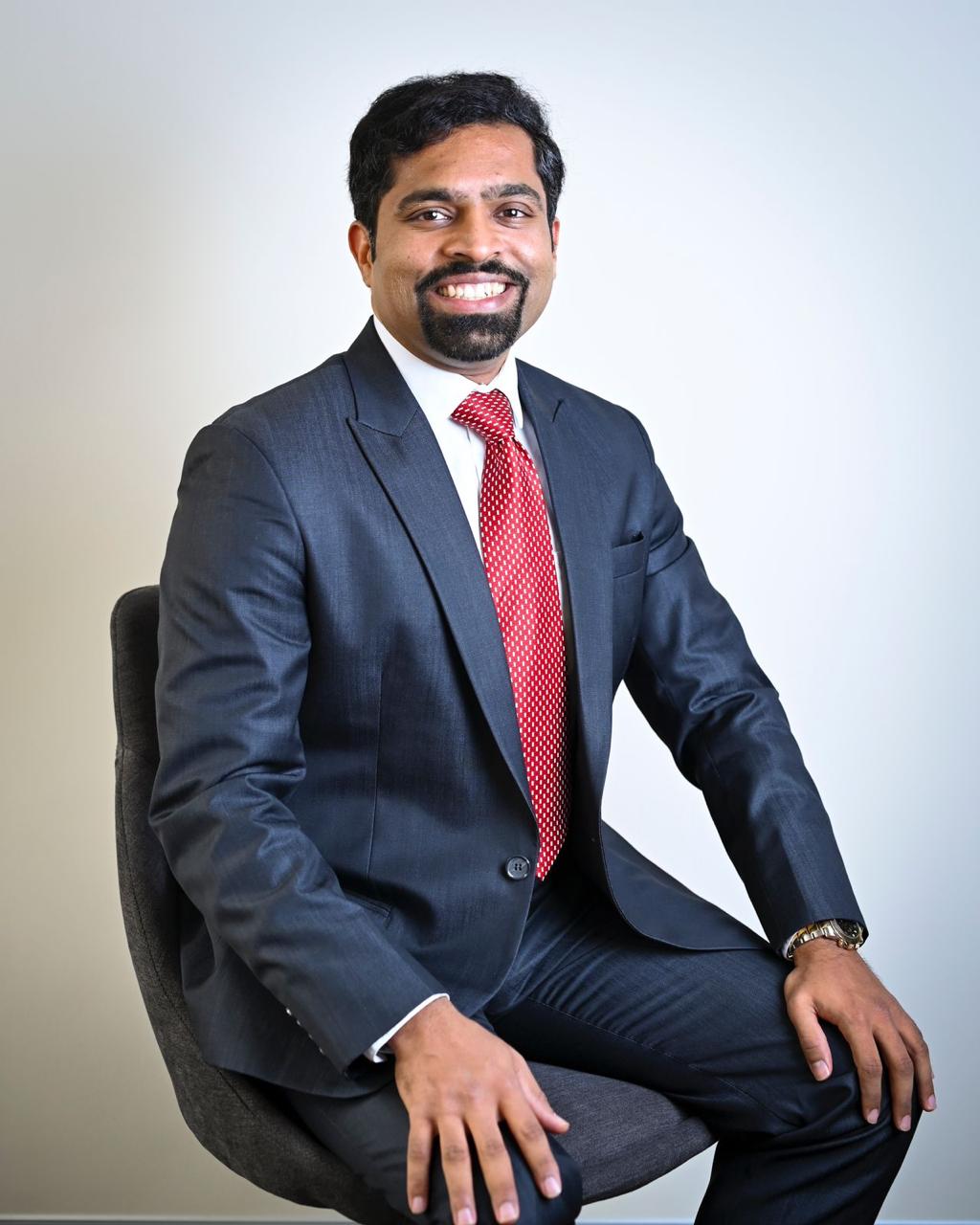
  • “Treat every task with utmost respect and diligence. Embrace new challenges and venture into unfamiliar legal domains, as this exposure expands both your legal knowledge and general awareness.” – Nikita Misra, Partner at Alpha Partners Dubai & Founder of Nicknanimous Consultants

    “Treat every task with utmost respect and diligence. Embrace new challenges and venture into unfamiliar legal domains, as this exposure expands both your legal knowledge and general awareness.” – Nikita Misra, Partner at Alpha Partners Dubai & Founder of Nicknanimous Consultants

    This interview has been published by Namrata Singh and The SuperLawyer Team

    Could you share with us what inspired you to pursue a career in law, and how did your journey begin back in 2008 in Delhi to your current role?

    I am the first born lawyer in my family. However, I feel my grandfather and my father could have been great lawyers themselves. They had sharp acumen and while growing up I saw them discuss a lot of legal issues at home and I was enthralled by how laws, policies, and regulations shaped the world around me.

    By the time I finished school, my mind was made up. The only question was what breed of lawyer I’d become. With India’s economy taking flight, corporate law stood out as the frontier practice – this new engine of business and innovation. I have worked in some renowned law firms like Indus, Mine & Young and worked on some good transactions. I have also worked in a startup as a legal manager which further helped me hone my skills as a lawyer and deeper understanding of the challenges faced by startups.  Actually this has helped me fit perfectly into the environment of an in-house Legal Counsel for a big company in India, which has been a great experience for me personally. Post my move to Dubai in 2018, it was a slow start to start my career, it was kind of a restart. However, I was lucky to get a job here and started  working as a corporate consultant for a firm which was more focused  on litigation and arbitration matters. Thereafter, I got this amazing opportunity to head and build an Indian based law firm in Dubai and since then I have managed  to work on various corporate matters  and dive deeper into the corporate legal world in the UAE. It is with this opportunity that I was able to create network and build relations and eventually led to starting my own consultancy firm in Tashkent, Uzbekistan where I have been working on a big litigation matter and also consult investors/business locally and even those looking at CIS as a territory to expand their business beyond UAE/India

    During your time at Indus Law Associate and Mine & Young, what were some of the key transactions that shaped your understanding of corporate law?

    When I first joined Indus Law, a boutique firm punching well above its weight, I had no idea I was opening a gateway to the global marketplace. Despite its modest size, the firm’s client roster read a few multinational corporations, so right out of the gates, I was dealing with cross-border transactions. During my time at Indus Law, I worked on a lot of JVs and takeovers  by International companies of Indian companies and vice versa, and I vividly remember the adrenaline-fueled all-nighters, the painstaking combing through contracts with fine-tooth cares – all amidst a whirlwind of takeovers, mergers and acquisitions. Those years were quite draining yet undeniably exciting. I made countless mistakes, learned on the fly, and had my conventional thinking upended daily. But I wouldn’t trade that experience for anything. It allowed me to get an insight and exposure to the globalized marketplace before age 30. 

    Which made my transition to a real estate law firm Mine & Young. After operating at startup speeds, I was now joining a firm which was one of the pioneers in real estate law.  From high speed transactions I was now dealing with slow paced but high end and exclusive luxury property matters. Yet this seeming 180-degree pivot helped me develop an entirely new mastery that perfectly complemented my prior style and a whole new world unlocked. But it was in bridging those extremes where I found my greatest advantage as a lawyer.  Constantly stretching between these dual disciplines was grueling, but also tremendously rewarding.

    What motivated you to start Nicknanimous Consultants, and how has your experience been in balancing your role as a corporate lawyer in Dubai while managing your consultancy firm in Tashkent?

    Well I had been visiting Tashkent regularly as my mother was working there.

    And each time I visited the place and met the locals, I realized that the country had  a lot of potential for growth. I quickly understood that any business that would enter Uzbekistan now, has the potential of holding a larger share of the market and expanding its business further into other CIS countries. Uzbekistan in the last recent years has been very welcoming to foreign investments and new FDI policies have been formed which are more investment friendly. Thus motivated me to start my own Consultancy through my own networks and relationships. I can help any business looking to expand, or explore Uzbekistan as a market and provide a complete end to end solution to set up their businesses there and at the same time giving local businesses an opportunity to explore UAE or India as a market. 

    I feel both the roles are interlinked. As a corporate lawyer, my role is intrinsically linked with understanding the nuances of my clients’ businesses. By working closely with clients, I gain deep insight into the challenges and opportunities they face. This allows me to not only provide legal counsel, but also connect the dots and advise on potential business strategies. My ability to understand the client’s business landscape puts me in a unique position to facilitate connections with potential investors or partners that could aid in their growth and expansion plans. Rather than merely offering legal services, I strive to be a comprehensive advisor – leveraging my network and business acumen to unlock new avenues for my clients’ success beyond just the legal realm. This synergistic approach provides comprehensive value that transcends traditional legal counsel.

    Moving to Dubai in 2018 marked a significant transition in your career. What were some of the biggest challenges you faced, and Can you elaborate on the unique legal and business landscape in the UAE, especially how it differs from your experiences in India?

    Yes I faced a significant transition when I began practicing as a corporate lawyer in the UAE back in 2018. At that time, the commercial laws were not as investor-friendly, and there were fewer SMEs entering the market compared to today’s booming ecosystem. However, I  recognized that this marked the beginning of a new era, and I think I am fortunate to witness and adapt to this transition and growth in the country. One advantage I feel is that if a corporate lawyer has substantial exposure and transactional experience from practicing in India, which has undergone its own boom, it becomes much easier to establish a practice in the UAE now. This is because free zones, especially like ADGM, and some of the UAE corporate laws,have closely adapted common law systems in recent years, aligning with the legal frameworks familiar to lawyers from common law jurisdictions like India.

    The primary challenge I think is the need to consistently stay updated on the rapidly evolving legal landscape in the UAE. As the country progresses at a rapid pace, new rules, regulations, and bye-laws are introduced frequently. Corporate lawyers must remain vigilant and continuously educate themselves to provide accurate counsel aligned with the latest legal developments. Overall, the opportunities are available for corporate lawyers in the UAE’s flourishing business environment, provided they can navigate the dynamic regulatory changes and leverage their prior exposure to common law practices.

    Aside from your professional life, you also hold a diploma in Interior Design. How do you balance your personal interests with your demanding career, and does this creative side influence your work as a lawyer?

    As a child, I was captivated by well-designed spaces and distinctive architectural styles from various eras and places. Whenever I traveled, I eagerly anticipated witnessing different architectural marvels that would fuel my fascination with interiors and design.

    When the COVID-19 pandemic brought the world to a standstill, I seized the opportunity to explore my artistic side. I decided to formally study interior design, finally indulging my long standing passion.

    I think in the legal field, creativity manifests itself in structuring intricate transactions, drafting contracts for innovative business models, and formulating strategies to navigate complex legal battles. While I agree law is firmly rooted in theory and research, the application of legal knowledge demands innovation and creative problem-solving abilities.

    It is my dream to ultimately transition into the interior design industry as a second career after 50 years of age, following my tenure as a lawyer, leveraging the design skills I’ve cultivated alongside my legal training.

    Nurturing personal creative outlets alongside one’s primary vocation is essential for a fulfilling life. My journey exemplifies how diverse interests can coexist, potentially converging into enriching experiences that span both professional and personal realms.

    I hope my story inspires others to explore their unique combinations of passions and professions.

    With over 12 years of experience, what advice would you give to young lawyers who aspire to have a versatile and dynamic career like yours?

    The fundamental lesson is that hard work and diligence invariably pay off, regardless of the nature of the task at hand. One should never underestimate the value of any given work assignment, as those skills may prove invaluable at a later stage in life or career.

    I vividly recall my time at Rainmaker, which presented a vastly different work experience that required a strong emphasis on client relationship building. At that juncture, I naively perceived this as a waste of time, believing I should focus solely on expanding my legal knowledge. However, in retrospect, those very skills in client relations that I honed during those days have become invaluable assets nearly a decade later.

    Fresh out of law school, many of us aspire to become partners at firms or establish our own practices, without realizing the multitude of skills required beyond legal expertise to build and sustain a successful practice. Client relationships, business acumen, and interpersonal skills are equally crucial.

    To young lawyers, I would advise treating every task with utmost respect and diligence. Embrace new challenges by venturing into unfamiliar legal domains, as this exposure expands both your legal knowledge and general awareness. Staying updated, maintaining an inquisitive mindset, conducting thorough research, and continuously acquiring new skills are imperative.

    Networking is crucial in the legal field. How have you built and maintained your professional relationships across different countries, and how has this network benefited your clients?

    Networking is a critical foundation for any entrepreneur or professional looking to create their mark, including in the legal field. It  begins by actively attending and participating in industry events, staying updated on developments, being part of relevant forums,and most importantly, taking the initiative to proactively engage with others. Through years of my working experience, I’ve realized that many individuals, including lawyers, hesitate to approach and converse with new people at networking events due to shyness or apprehension. However, I must say that the UAE’s business landscape, which heavily relies on networking, offers a welcoming environment that helps newcomers overcome this hesitation. Additionally, being well-versed in one’s subject matter is crucial to maintain others’ attention and establish initial trust. 

    Even though visibility is paramount in the initial stages, over time, the quality of one’s work and the ability to maintain strong client relationships become the driving forces behind success and growth. In my case, referrals and the network I’ve built by meeting lawyers in the UAE, Uzbekistan, and India have been invaluable in expanding my reach and clientele. Effective networking involves a combination of active participation, subject matter expertise, visibility, consistent high-quality work, and nurturing professional relationships. Basically it’s an ongoing process that requires persistence, confidence, and a genuine interest in connecting with others in the industry. 

    Working across various jurisdictions, from India to UAE and Uzbekistan, what are some of the key legal and cultural differences you’ve encountered, and how have they influenced your approach to legal practice?

    Each new territory has its own fresh challenges – different legal codes, cultural norms, business practices. 

    The UAE has a dual system comprising both Civil and Sharia Laws. However, in recent years, The free zones, especially the ADGM Courts, have directly applied English common law principles in matters brought before them. This development is advantageous for Indian lawyers who are familiar with the common law system.Additionally, many new corporate laws in the UAE mirror common law principles, making it easier for Indian lawyers to practice in the region. The familiarity with the legal framework streamlines their ability to navigate the UAE’s legal landscape.

    On the other hand, Uzbekistan follows a civil law system, which differs significantly from the common law tradition prevalent in India. Despite both the UAE and Uzbekistan being Islamic nations, Uzbekistan’s legal system, local laws, and traditions are markedly influenced by its Soviet heritage, setting it apart from the UAE’s legal landscape.This contrast between the UAE’s increasing alignment with common law principles and Uzbekistan’s civil law system rooted in its Soviet past presents an interesting dynamic. It highlights the need for legal professionals to adapt their expertise and understanding to the nuances of each jurisdiction’s distinct legal traditions and influences.Navigating these varied legal systems requires a deep appreciation for the underlying principles, cultural contexts, and historical factors that have shaped their evolution.  Even though all the three nations’ legal systems are very different from each other,  yet that has  become the thrill of the chase for me. Cracking the legal DNA of each new environment, then skillfully integrating it into transactions is exciting for me.

    Your experience with startups is extensive. What common legal challenges do startups face, especially outside India, and how do you help them navigate these issues?

    One of the most prevalent mistakes observed among startups is the tendency to neglect or overlook the importance of legally sound agreements, particularly during the seed funding round involving investments from family and friends. Failing to seek proper legal advice on structuring these investments can lead to complicated arrangements that deter future investors until the structure is properly rectified, thereby delaying business progress. It is crucial for startups to seek legal counsel before entering into any investment arrangements to ensure seamless operations.

    For startups entering the UAE market, a common challenge is the lack of understanding regarding the appropriate business license to obtain based on their specific business activities. Many startups, unaware of the local laws, are often misguided when comparing the legal environment to their home countries or other jurisdictions they are familiar with.

    This is where we, Alpha Partners, can play a pivotal role in guiding startups through the process of navigating and selecting the correct business structure that aligns with their objectives while adhering to legal restrictions. Comprehensive legal assistance is essential not only during the initial setup phase but also for ongoing support with general corporate commercial agreements and transactions post-establishment.

    By addressing these challenges through timely legal guidance, startups can avoid costly missteps, ensure compliance, and establish a solid foundation for growth and attracting future investments. We at Alpha Partners, play a critical role in helping startups navigate the complexities of the UAE’s legal landscape and structuring their business operations for long-term success.

    Get in touch with Nikita Misra-

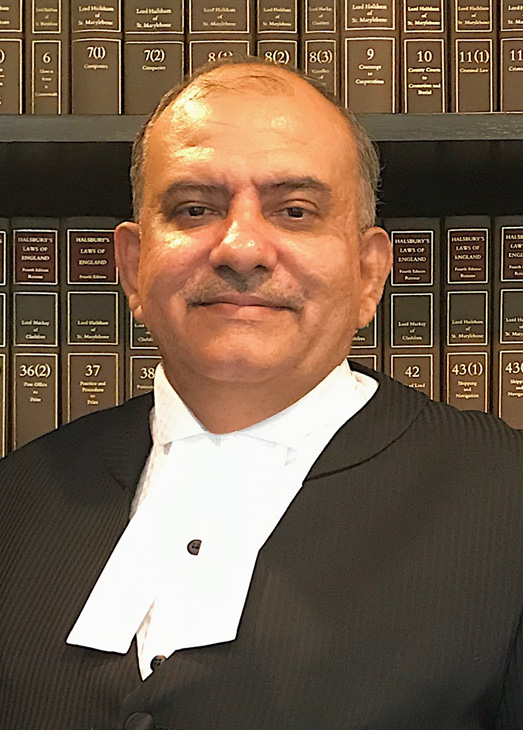
  • “Don’t resist any new experience or challenge, it is only in the deep end that we really learn how to swim”-  Tishampati Sen, Counsel at the Supreme court of India

    “Don’t resist any new experience or challenge, it is only in the deep end that we really learn how to swim”- Tishampati Sen, Counsel at the Supreme court of India

    This Interview has been published by Pragya Chandni and The SuperLawyer Team

    Can you share with us how your journey into law began? What inspired you to pursue a career in this field?

    My journey with law started only incidentally. As a child finishing high school, all I knew of what I wanted to do – was join the corporate world, and be a corporate honcho – I wanted to walk in my father’s rather large shoes – as I had always seen him as a top corporate executive. But I soon learnt that engineering was not for me. No matter how hard I  tried – I just didn’t grasp the concepts for JEE exams, while for my friends it was a piece of cake. Then someone told me of a few prominent corporate executives who were actually lawyers by training. Since I had always been a debater, the common opinion was that I would do well in law. That is what I wanted to do, complete my LL.B., do some work, pursue an MBA and then proceed with life. But clearly life had other plans. I started enjoying reading law in law school, and started performing well in Moot Court competitions. But even then I had no plans of pursuing law post my LL.B. Then one day in an international arbitration competition held in Delhi, I was awarded the best speaker, and more significantly, a scholarship to National University of Singapore for an LL.M. No one, in their right mind, can let such an opportunity go by and so that is how I went ahead and pursued my LL.M, even with no intention of continuing with law. When I returned to India, I decided to work in a law firm for about a year (or two) before I would go ahead for my MBA – as previously planned – but my tryst with law, started at JSA under Mr. Sumanto Basu, and that is when I fell in love with law, and with being a lawyer. I saw large corporations, value and plan entire business strategies based on the advice given by Mr. Basu, who in turn based his advice on the work done by us! That realisation was empowering and humbling at the same time. After this, there was no looking back.

    You graduated from NLU Jodhpur and then pursued your LL.M from the National University of Singapore. How did your academic experiences shape your career in law, especially in international commercial laws?

    Both NLUJ and NUS have had significant contributions to my life. These institutions helped create the foundation for the legal acumen, and the understanding of the principles of law and practice. I owe a lot to NLUJ of course, the fundamentals of our legal understanding, the basic concepts of law, jurisprudence, drafting and advocacy was taught to us, and ingrained in us by the alma mater. NLUJ taught us research methodology, how to articulate one’s opinion coherently in articles, and the art of persuasion – through moot court competitions. The plinth on which I have built my practice, was created at NLUJ. But I think even beyond the academic training, NLUJ played a very big role in the development of my personality. I don’t think law school, at the undergrad level especially, should be looked at only as a place to read and learn law. Much more importantly, this is a place where you’re mixed into a melting pot, and you learn a lot about yourself, and your relationship with the world. 

    NUS, because I was much older when I went there, and also because the LL.M. is only for a year or so – is where the focus was predominantly on academic rigour. I had the opportunity to sharpen the understanding and application of the laws. In an international LL.M., one is reading foreign law, which may or may not be relevant later. But that is precisely why an LL.M may be important. It trains you to read and comprehend all sorts of legislations – even those which you may not be able to relate to. What was very different in NUS for me, was the way examinations were held. Most of the exams were open – book exams, they didn’t want to assess one’s memory, but one’s understanding of the concepts. This forced me to learn to comprehend and articulate faster, rather than just mug things up. The LL.M. also taught me that there are multiple viewpoints available for the same issue, and that it often varies based on what one’s life journey has been and the culture / society one has been exposed to. This also became relevant and useful when interacting with other lawyers and arbitrators in the international context.

    Starting your career at J Sagar Associates, you worked on both the transactional and litigation sides of law. How did this dual experience influence your professional development and perspective as a lawyer?

    There is a marked difference in the way transactional lawyers and litigating lawyers deal with clients and with the mandate before them. In both, of course, you keep the client and the client’s interest at the forefront, but there is a difference in the approach. On the transactional side, the focus is on advice and in enabling the client to get a deal done. One is often batting for the client, against another party but, importantly, towards a common goal, i.e., arriving at an agreement, which is mutually beneficial to both the parties involved, and which will govern the relationship of the parties going forward. The understanding of the industry, the Client’s business, its weaknesses and needs, governs your advice and actions. 

    Whereas in litigation, it is almost always adversarial, where one has to strive to defeat the other side and their version –  in order to make one’s own client win. Here, the facts of the case, the law, and the specific personality of the court / tribunal, are what reign supreme in the mind of the advocate. Of course, this is overly simplified, and a generalisation, but that there is a difference in the approach is clear. I can happily say that I thoroughly enjoyed both sides of the coin, but it is the litigating and adversarial side of the practice that I love. The fact that I have received invaluable training from prominent people in both these fields in JSA, I feel I have widened my viewpoint and perspective as a lawyer, which has helped me to grasp issues in a matter, and also comprehend the business realities which cause the clients to make certain decisions. Some of the law firms require freshers to be on rotation, and go through various practice areas for the first 6 – months or so. Given my experience, I think it’s wonderful and long may it continue. 

    You’ve had the opportunity to work under prominent figures like Mr. Vipin Nair and Mr. Gopal Subramanium. How did these experiences and mentors impact your approach to practicing law and handling significant cases?

    My seniors have not merely had an impact on my approach to practicing law, they have all shaped me into the lawyer and the person I am today. My practice, and how I present myself in court and to other advocates / clients, is entirely a reflection of all my mentors and seniors. I have had a number of mentors in my life, but significantly, I must mention Mr. Sumanto Basu – who took me under his wing when I was an absolute fresher and who then taught me not just how to practice law, but even how to conduct myself. Mr. Amar Gupta – who was instrumental in my transition to litigation and who planted in me the love for litigation and court craft. Mr. Vipin Nair and Mr. P.B. Suresh taught me the tips and tricks of independent practice, advocacy, effective drafting and most importantly demonstrated how important it is to build a rapport with the Bench, other members of the bar and the court staff. From Mr Gopal Subramanium, of course, as a very senior and eminent senior counsel, I learnt how a person of his stature prepares for matters, deals with the pressure, the adulation and the criticism, and keeps the dignity of the Court and the need of the matter at the forefront. 

    Your practice covers a wide range of areas including corporate litigation, arbitration, and consumer law. How do you manage such a diverse portfolio, and what challenges have you faced in balancing these different specializations?

    It isn’t about managing a diverse portfolio, I have a practice that covers a wide range of areas, purely because I enjoy a wide range of subjects and each area comes with its own style of pleading, practice, and its own jurisprudence. It is a lot more enjoyable (at least for me), and the issues and the clientele that I interact with are also dynamic and different. As far as I am concerned, it keeps the hunger and the attraction for the law and litigation going. Having said that, I must clarify that having a wide practice area is not unusual, there are several other counsels as well, who practice in several fora and we regularly meet each other in different courts. Those predominantly practice in one type of practice area, do so probably because they have attained true expertise in that field of law and therefore are now required to devote most of their time assisting the courts, and advising clients, in that area of legal practice.

    You have been involved in several landmark cases, such as the class action matter involving data privacy and the whistleblower suit. Could you tell us more about these cases and what they mean for the legal landscape in India?

    Both of these matters that have been mentioned, are sub – judice, and so I don’t want to get into them in detail. But in short, the data privacy matter is an interesting one, where medical data entrusted with a cloud storage service provider went missing. The service provider took the defence that no liability can be attributed to it, since it provided a back – up only in the more expensive version of its service. The complainant therein was aggrieved by this position since the complainant felt that such a defence cannot be taken when data (and sensitive data such as this) has been admittedly lost based on the negligence and internal glitch of the service provider. Recognizing that this will be an issue for all those who have not taken the more expensive version of the service, a consumer complaint, with an application to treat the same in the interest of the class of consumers was filed. The National Commission passed certain significant orders in the matter (although the matter is pending adjudication), the issue is now before the Supreme Court. 

    Clearly this is an important issue because this not only deals with the sensitivity with which data must be dealt with, but also as to whether a class action proceeding can be maintained for an issue such as this. With data becoming the currency in the new world, matters such as this, would certainly become relevant for the law to develop appropriately. 

    The whistleblower matter is another interesting matter, where a person brought to the attention of the internal management of a large MNC that unethical practices were rampant within the organisation. Pursuant to an internal investigation, the admitted whistleblower was terminated from the employment on the ground that he too had been involved in the said unethical conduct. The whistleblower filed a civil suit challenging the said termination claiming that this is an attempt to penalise the person for blowing the whistle internally. He has also filed a Writ Petition bringing to the attention of the Court the fact that the law in India is woefully inadequate as far as according protection to whistleblowers is concerned while several countries have robust laws to protect whistleblowers and to prevent retaliatory conduct. A Judgment of the court in this regard, will certainly have a major impact and may actually cause the law and businesses to provide realistic mechanisms to prevent unethical conduct and to protect those who wish to speak out against such conduct. 

    As someone who has achieved considerable success in the legal field, what advice would you give to fresh law graduates who are just starting their careers?

    Its very nice of you to say so, I don’t know if I can be said to have achieved considerable success – as yet, but if I had to share a couple of my learnings with fresh law graduates, it would be this:

    Know your subject and the law very well. Please read the law. This includes being updated with the recent judgments and reading the bare acts. I have come to learn that knowing the law really well puts you at an advantage on any side of the practice. There is simply no substitute for it and those who really become prominent, almost always, have a strong command on their subject and are armed with a profound knowledge of the law.

    Not many really know what is good for them, and what they are meant to be, especially so, when you’re a fresh law graduate, and your only understanding of the legal world is through limited internships and maybe SUITS! Therefore take on all experiences wholeheartedly. Don’t resist any new experience or challenge, it is only in the deep end that we really learn how to swim. Plus, it is the ability to see a problem or a legal issue, from various viewpoints and perspectives, that sets one apart from the rest and that ability is honed especially by having a varied bouquet of life experiences. So don’t sweat the small stuff and dive – in deep.  

    Get in touch with Tishampati Sen-

  •  “The use of mediation not only provides a more amicable and cost-effective resolution for clients but also helps preserve relationships that might otherwise be damaged by adversarial litigation”- Ekakshra Mahajan Mandhar, Managing Partner at Mandhar Associates 

     “The use of mediation not only provides a more amicable and cost-effective resolution for clients but also helps preserve relationships that might otherwise be damaged by adversarial litigation”- Ekakshra Mahajan Mandhar, Managing Partner at Mandhar Associates 

    This Interview has been published by Pragya Chandni and The SuperLawyer Team

    Can you share what initially inspired you to pursue a career in law? Was there a specific moment or influence that set you on this path?

    From a young age, I had a strong inclination towards law because it represented a pathway to justice, which deeply appealed to me. The idea of being able to contribute to fairness and uphold the rights of individuals and communities was incredibly motivating. There wasn’t a single moment that set me on this path, but rather a consistent interest in the principles of justice and equity. This passion ultimately guided my decision to pursue a career in law.

    You have an impressive educational background, including an LL.M. from Penn State Law. How did your studies there shape your legal perspective, particularly in specialized fields like Antitrust, Bankruptcy, and Energy Law?

    Thank you for your kind words. Indian competition law has largely evolved from U.S. antitrust law, so studying this area in the U.S. provided me with valuable insights that I could apply back home. Bankruptcy law was particularly intriguing, as it was a nascent field in India with the recent enactment of the Insolvency and Bankruptcy Code (IBC). Engaging in a comparative analysis with U.S. bankruptcy laws provided me with a robust foundation, which has been incredibly beneficial as I now specialize in this area. Energy law, while still evolving in many respects, is a field where the growth of renewable energy sources presents significant opportunities. My studies at Penn State Law allowed me to explore emerging trends and regulatory frameworks in the U.S., equipping me with the knowledge to anticipate and navigate similar developments in India. 

    Being a dual-licensed attorney in both the State of New York and India is quite an accomplishment. What challenges did you face while obtaining these licenses, and how do they complement your practice?

    Obtaining licenses to practice law in both the State of New York and India was incredibly rewarding. Passing the New York Bar exam felt like a wonderful accomplishment. It was a daunting exam, but successfully navigating it instilled a sense of confidence and added credibility to my professional profile. Being dual-licensed complements my practice by allowing me to offer a broader range of legal services and insights, bridging the legal frameworks of both jurisdictions. This dual qualification enables me to better serve clients who operate internationally and provides a unique edge in comparative legal analysis.

    Your work primarily focuses on resolving civil and commercial disputes. What drew you to this area of law, and what are some of the key challenges you encounter in these cases?

    I have a profound understanding of the intricacies involved in civil and commercial fields like tax and bankruptcy, which provides a specialized edge in my practice.

    I enjoy tackling challenging subjects, and given the vastness of civil and commercial law, it’s akin to navigating an ocean with no shore. The complexity and diversity of issues keep me intellectually engaged and continuously learning.

    One of the key challenges in these cases is the depth and breadth of knowledge required to address the multifaceted legal and factual issues that arise. Each case is unique, demanding a thorough analysis and a tailored approach to achieve a resolution. Additionally, staying updated with constantly evolving laws and regulations is crucial. Overall, the dynamic and challenging nature of civil and commercial disputes aligns perfectly with my passion for the law and my desire to make a significant impact in this field.

    You’ve advised both domestic and international clients on complex legal issues. How does working with international clients differ from domestic ones, and what unique perspectives do you bring to the table? 

    Working with international clients often involves navigating diverse cultural backgrounds and managing a broader range of projects. This variety provides access to a wider array of legal issues and challenges, making the professional journey more enriching. Being well-versed in multiple jurisdictions allows us to offer valuable insights and advice that are beneficial from both regulatory and compliance perspectives. We guide clients on a macro level, considering the broader implications of their legal matters across different legal systems. This comprehensive understanding enables us to tailor our advice to meet the unique needs of international clients, ensuring they receive well-rounded and effective support and do not have to rely upon or engage multiple professionals across different jurisdictions. 

    As a trained mediator, how do you integrate mediation techniques into your legal practice, and what benefits do you see for your clients in resolving disputes through mediation?

    As an Advocate, it is essential to weigh the best interests of the client. Often a client is warring within their corporate circuit or amongst their familial relationships which could be settled out-of-court with third party intervention. Significant court backlogs and investment of time and resources required for litigation often motivate clients to pursue mediation, if counselled well. We do take pride in facilitating communication between disputing parties, by mediating between them and subsequently drawing up agreements, reiterating that issues can be resolved more efficiently and amicably through ADR than court proceedings. Even once litigation has been initiated, mediation techniques can play a crucial role in guiding parties towards a settlement. Overall, the use of mediation not only provides a more amicable and cost-effective resolution for clients but also helps preserve relationships that might otherwise be damaged by adversarial litigation.

    Finally, what advice would you like to give to fresh law graduates who are about to start their legal careers, especially those aspiring to achieve similar milestones as yours?

    My advice is not to fret and take the time to understand how vast the field of law truly is. It’s no longer confined to the dual choice of litigating or working for a corporate firm. The profession has expanded to offer numerous new, untapped opportunities.

    I delved into the specialized field of taxation law two years after graduation, which demonstrates that you don’t have to figure everything out during law school. Use internships to explore different areas and weigh where your interests lie. This practical experience will help you discover your passion and guide your career path.

    Remember, the journey to achieving milestones takes time, and each step, whether big or small, contributes to your growth as a legal professional. Stay open to learning and embrace the diversity of opportunities the legal field has to offer.

    Get in touch with Ekakshra Mahajan Mandhar-

  • “With AI coming in a big way the work of a new age lawyer has become more challenging as now you need to become more aware and be more updated on the legal developments than ever before”- Debashish Josh, Head Corporate Counsel at Wipro Technologies UK

    “With AI coming in a big way the work of a new age lawyer has become more challenging as now you need to become more aware and be more updated on the legal developments than ever before”- Debashish Josh, Head Corporate Counsel at Wipro Technologies UK

    This Interview has been published by Pragya Chandni and The SuperLawyer Team

    Can you share with us what initially drew you to the field of law and how your journey began?

    I come from a family of legal professionals as my father was a tax lawyer and so was my grandfather. Science was my major subject in school and I was good in Maths and like many of my batchmates wanted to become an engineer, however destiny had different plans, After I completed my graduation with honours in English I was encouraged by my father to appear for the various law school exams and consider law as a career option. Thankfully, I scored well and qualified for the University law LLB programme (three year course) and then did well and stood second overall in my LLB course. This success led me to think big and then I got selected for the LLM course (specialisation in Business Law) from NLSIU, Bangalore. However, the real interest in Law really took shape in NLSIU Bangalore with the help of modern analytical way of teaching and under the guidance of reputed professors of law in the University. Want to mention a few eminent teachers like Professor Devidas, Professor Ramakrishna, Professor Jayagovind, Professor Pillai who were key in shaping up my understanding and knowledge of Law and taking the first stepping stone in my career.

    Reflecting on your 16+ years of experience, can you discuss some key milestones that have shaped your career as the Head of Legal for UK & Ireland at Wipro Ltd.?

    Some of the key milestones that have shaped my career as the Head of the function in UK and Ireland are the following:

    • Working on numerous large deals (over 100 Mn GBP) across business lines and executing them efficiently by working closely with the key stakeholders like the Business, Finance, Delivery, Risk, Data Privacy, Human resources. 
    • Being part of the overall UKI leadership team and contributing effectively to the strategic development of the company over the years.
    • Helping the Business et up a new regulated company by ensuring that the right compliances are taken care of especially compliances with respect to FCA ,
    • Managing and supervising a team of lawyers which was working offshore and helping them act as business enablers and grow within the organisation.
    • Working closely as a data protection point of contact for all incidents related to data protection compliance and working with regulatory authorities in case of a data breach incident.
    • Coordinating efficiently with external counsels and seeking advice in case of large disputes and helping the company navigate through the entire lifecycle of a court case.

    You’ve managed litigation and represented clients in various legal proceedings. Can you highlight a particularly challenging case and how you navigated it?

    The case was with a client in the energy sector and lasted for over 4 years and went through two rounds of mediations. It was extremely complex with issues related to contractual breach and here I was required to be very close with our external advisors in close tandem and brief them about the facts which were quite unique and technical. Had to coordinate with solution architects, delivery managers, finance leads to communicate the entire spectrum of facts to the lawyers and experts. It was a long drawn case which demanded every bit of your attention to finer details especially on the factual aspect and eventually got settled recently amicably in the best ineterst of the company.

    Your experience with IT agreements is extensive. What are some of the unique challenges you’ve faced when drafting and negotiating contracts in the rapidly evolving IT sector?

    In the rapidly evolving IT sector what has become more challenging is that the opportunity to really negotiate on contractual terms have come down significantly to what used to happen say five years ago, Now it more of being compliant with the bid/tender terms and conditions and working your way through the various stages of the contract submission stage, where you work closely with the business stakeholders/leaders in understanding the risk and pain areas and then managing or mitigating the risk to the best of the organisation operational and commercial ability.

    You’ve led successful deal closures with significant values. Can you walk us through one of these high-stakes negotiations and what strategies you employed to ensure success?

    This is with regards to one particular deal with a retail client of repute and where we had to work through various stages of negotiation:

    • In the first stage where we had marked up the contract we had numerous points and many were at high level and not necessarily very specific. In the discussions that happened we had a few disconnects with the opposing legal side and had to take many of the contentious points back to re-evaluate and come back.
    • We went back and weighed in our positions and options available with close interactions with all key stakeholders be it HR for transfer of people, IP team for intellectual property clauses, operations for service level agreements, finance for penalties and liquidated damages.
    • We aligned well and our revised positions meet the customer requirements for a successful tender without compromising the business and commercial interest of the organisation.
    • The strategy here was of striking the right balance in our high stake negotiation and also as a legal function being a business enabler which helped our company win such a prestigious deal.

    You’ve worked closely with partners from top global law firms. How has this collaboration influenced your approach to legal practice and client representation?

    Yes indeed as this has certainly being beneficial in not resolving complex issues arising from many of the company deals or disputes but has also helped in building lot of relationships across the industry where you personally have gained through knowing many of the partners, who are experts in their field of practice and have contributed immensely to the legal industry at large through their knowledge in fields of data protection, regulatory matters, employment claims and disputes and contract drafting and negotiations.

    Given your experience with diverse regulatory matters, how do you stay ahead of the ever-changing legal landscape, particularly in areas like data protection and compliance?

    Ever Changing legal landscape is quite fascinating as you understand the new age technology developments in artificial intelligence, data protection , intellectual property etc. With AI coming in a big way the work of a new age lawyer has become more challenging as now you need to become more aware and be more updated on the legal developments than ever before and one way of doing it is to attend as many knowledge disseminating seminars, workshops, summits as much possible and getting out of your comfort zone and walking the extra mile to know more about the technology and the business changes. Trainings are also an integral part in our company and there are various customised training programmes which are designed to help lawyers to go through and learn more on the development on the technology. 

    Finally, what advice would you give to fresh law graduates who are just starting out and aiming to build a successful career in corporate law?

    I think the fundamental thing which is extremely important is the desire to learn and keep learning all the time. Be it research on tools or reading new articles or attending seminars, conferences, workshops etc. Also, please shed all inhibitions and please ask questions and not be shy about anything which apparently seems pretty straightforward as an answer. Also, be as scientific and as rational as possible and keep developing your strengths and improve on your weaknesses. The final point which I feel is highly critical is building relationships and knowing and understanding people from diverse fields in areas of work, though they may belong to different fields like being a technical architect or an enterprise risk manager or a information security associate. One will always do something again if they strike the right conversations.

    Get in touch with Debashish Josh-

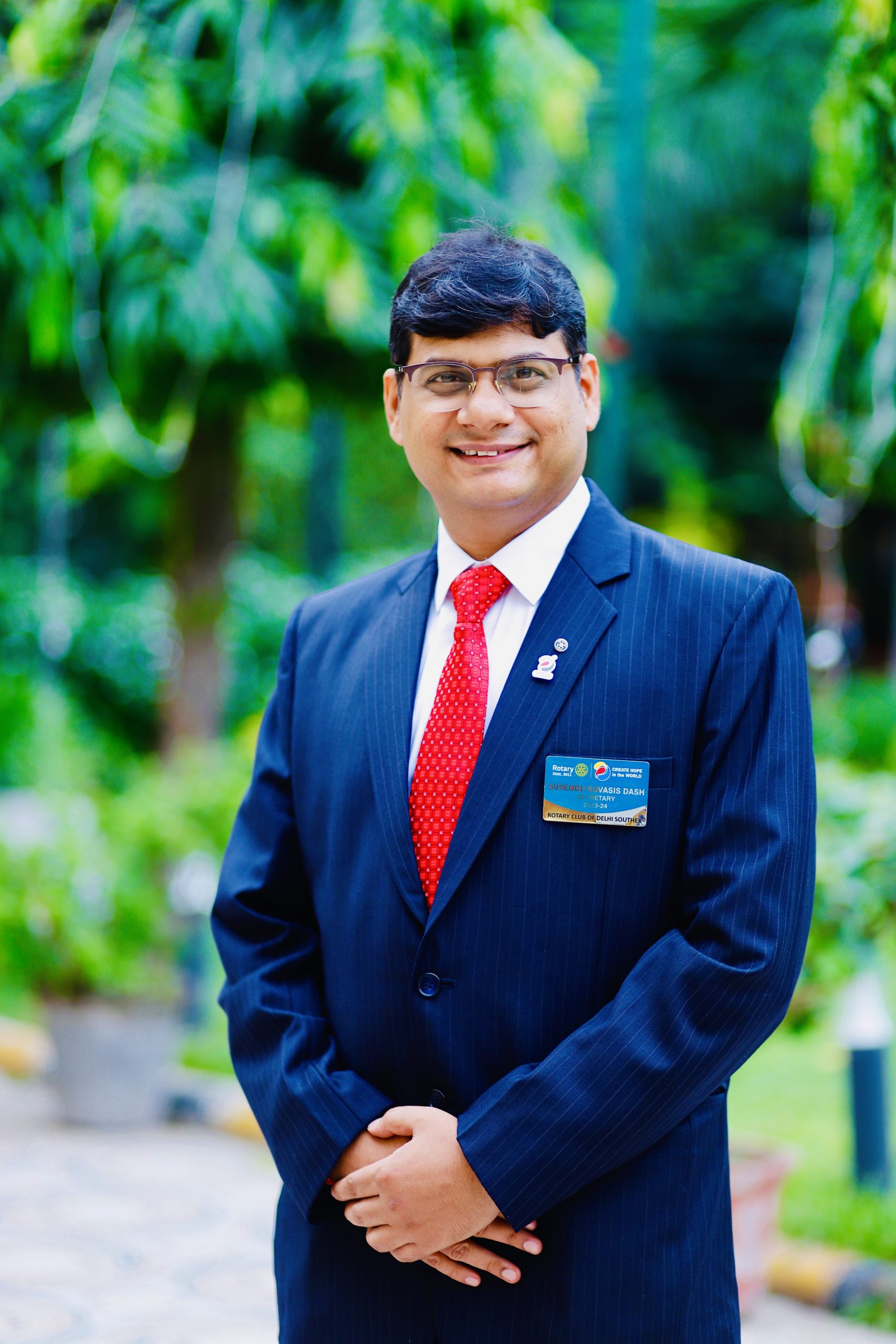
  • “My commitment to pro bono work is motivated by a fundamental belief in justice accessible to all”- Highlighting the role of lawyers in ensuring equitable access to legal representation and advocacy : Suvendu Suvasis Dash, Advocate-on-Record & Managing Partner at Vaibhav & Dash Law Associates

    “My commitment to pro bono work is motivated by a fundamental belief in justice accessible to all”- Highlighting the role of lawyers in ensuring equitable access to legal representation and advocacy : Suvendu Suvasis Dash, Advocate-on-Record & Managing Partner at Vaibhav & Dash Law Associates

    This interview has been published by Namrata Singh and The SuperLawyer Team

    Can you take us back to the beginning of your career? What motivated you to pursue law, and how did you start your journey in this field? 

    My journey into the realms of law began serendipitously as I turned the pages of an old magazine that featured an obituary of the legendary constitutional lawyer, Nani Palkhivala. The year was 2004, and I, a science student at the time, was at a crossroads about my future. Palkhivala’s profound influence on the legal landscape struck a chord with me, prompting my decision to pivot from science to law. This epiphany led me to enroll in a 3-year LL.B course with a deep-set desire to build a career in litigation and emulate Palkhivala’s mastery in constitutional law and interpretation of statutes. My affinity for literature blossomed simultaneously, nourishing my analytical skills and enriching my legal acumen. Eventually I would read a lot of literature on Palkhivala and read many judgments where he had argued. 

    Before pursuing your LL.B., you completed a B.Sc. in Physics. What was your career plan during your time studying physics, and what inspired you to transition to law?  

    While my initial academic pursuit in Physics was driven by a fascination with science and an aspiration to become an air force pilot, my career trajectory took a decisive turn following a series of introspections and a pivotal setback in the air force selection process. The rigorous analytical training from my science background seamlessly transitioned into legal studies, where I discovered a profound passion for law. This newfound path was not just a career choice but a calling to delve into the intricate domains of statutes and societal norms. 

    As an Advocate-on-Record at the Supreme Court, what unique challenges do you face compared to other courts and tribunals?

    Supreme Court practice is a unique ball game in itself. The challenges aren’t many but with constant and consistent preparation, it’s a delight to practice here in the long run. It eventually becomes more rewarding with passing years. As a Supreme Court lawyer, we require to inculcate all the requisite qualities of a good lawyer across all courts and tribunals. The emphasis however is on acquiring more and more knowledge on law, precedents and statutory interpretation. 

    Practicing at the Supreme Court is akin to playing in the major leagues of law where each case can set a precedent or influence national jurisprudence. The key challenges here are the rigorous scrutiny of Special Leave Petitions under Article 136 and the statistically low acceptance rates of such petitions. This requires a deep understanding of both law and material facts to present substantial questions that warrant the apex Court’s intervention. 

    Despite these hurdles, the satisfaction of advocating at India’s highest Court, where the stakes are monumental and the outcomes deeply impactful, is profoundly rewarding. The great thing about the practice in the Court is that it is the last resort of a litigant to get Justice and the Court, in many cases, allows substantial questions of law and also questions of fact to be opened up for rendering Justice to see that Justice is done in the case of deserving litigants. 

    You were associated with Dr. Justice Akshaya Kumar Rath and Mr. Ashok Panigrahi. How did these associations shape your professional path and legal philosophy?

    Both my seniors imbibed in me a sense of industriousness and punctuality during my early years of practice. Dr. Rath was eventually elevated as a Judge of the Hon’ble Orissa High Court. He is a man of unwavering integrity and imbibed in me those principles. He has voracious reading habits and that’s from where I picked up a taste of reading a lot on all subjects- from law to biographies, literature, spirituality, philosophy and science. He keeps himself updated on judgments and precedents and was a very good taskmaster. Subsequent to his retirement, we keep in touch and exchange a lot on our current reading. We talk about foreign judgments and articles in journals like Harvard Law Review etc. Dr. Rath instilled in me the virtues of diligence and broad intellectual curiosity.

    Mr. Panigrahi was very influential during my early years at the Supreme Court. He helped me connect with a lot of people. He reposed a lot of trust in me while pursuing drafting assignments during my early years.  He helped me a lot on the minute nuances in Supreme Court practice and the best methods to prepare a case and brief a Senior Advocate. 

    I shall always remain grateful to my seniors for where I am now and to have helped me set higher standards. These formative associations have not only crafted my legal perspective but have also deeply ingrained a commitment to excellence and ethical practice.

    Given your top position in the Advocates-on-Record Examination, can you elaborate on the importance of this exam for legal professionals and share some tips for aspiring candidates?  

    Passing the Advocates-on-Record examination is a sort of rite of passage into long-term, successful and progressive practice in the Supreme Court. It offers pan-India recognition as a Supreme Court Advocate and builds a great reputation while appearing in various Courts and jurisdictions. The preparation for the examination involves acquiring minutes of Supreme Court practice and procedure, developing deft drafting skills, building up good ethics in the practice of law, sound knowledge on legal principles, interpretation and precedents. The more a person spends time in the Courtrooms, administrative offices and sections of the Court, one builds up a sound practical idea about how things work in the Court. The academic environment in the Supreme Court with illustrious Senior Advocates and colleagues is also very conducive to efficient learning of legal concepts and effective performance of aspiring lawyers. 

    The Advocates-on-Record exam is also a quality control system adopted by the Supreme Court, akin to the Solicitor’s exam, to maintain high quality amongst Supreme Court practitioners. The exam stands as a gateway to distinguished practice in the Supreme Court, signifying a benchmark of competence and credibility. For aspiring candidates, my appeal is to immerse oneself in the daily proceedings of the Court, engage with seasoned practitioners, and maintain an unwavering commitment to the profession’s highest standards. This not only prepares one for the exam but also for a fulfilling career at the bar.

    What are some of your hobbies and personal interests, and how do they help you manage the demands of your legal career?  

    My personal interests—ranging from aviation to literature and community service through the Rotary Club—enrich my life beyond the courtroom and provide a balanced reservoir of calm and resilience. These pursuits offer fresh perspectives and a creative outlet that enhances my professional stamina and mental acuity, crucial for navigating the demanding landscape of legal practice. I relish reading a lot on diverse subjects, travelling, spending quality time with my family and small circle of friends. I find it interesting to keep myself updated on the latest trends in the aviation industry. I’ve been associated with the Rotary club and I am the incumbent secretary of my club where I engage in various social activities. I like going on long drives. I enjoy cooking on holidays. These help me maintain an inner calmness. Reading legal literature, biographies, legal anecdotes, science, fiction and technology related topics helps me build a balanced perspective on life. These activities not only provide relaxation but also keep me grounded and focused, enhancing my productivity and approach to legal practice.

    You recently completed a Diploma in Bhagavad Gita from ISKCON Bhagavata Mahavidyalaya. What inspired you to pursue this diploma, and how has it influenced your personal and professional life?  

    I was amazed as well as intrigued by being introduced to the life led by the Brahmachaaris at ISKCON who have renounced the worldly affairs and have dedicated their lives towards studying and learning of the Vedas and Vedic scriptures, and acquiring knowledge on their underlying philosophies. From them I came to know about the significance of Srimad Bhagavad Gita. Each verse of the Gita is a treasure trove of deep and elegant philosophies of life. The meditation and chanting techniques discussed therein are of a superlative order in the impact that they exert on our thoughts, way of life, and understanding of things, circumstances and people. The way of life enunciated in the Srimad Bhagavad Gita is par excellence. It has helped me gain perspectives in my personal, social and professional life. Recently, I faced something immensely life-threatening. My reference to verses of Gita and my association with instructors from ISKCON helped me face things with courage and positivity. 

    Life’s ephemeral nature coupled with its fledgling possibilities are sufficient reasons for one to study and understand the philosophies from Gita. It certainly helps me maintain equanimity of thoughts in both gains and losses. Pursuing the Diploma in Bhagavad Gita was an exploration into the philosophical bedrock of existence and ethics. The profound wisdom of the Gita provides a powerful framework for personal and professional resilience, guiding me through life’s tumultuous phases. This spiritual grounding enriches my legal practice, allowing me to approach each case with a balanced perspective and deep humanity

    Which area of law are you most passionate about, and what drives your interest in this field? Please share some memorable cases in this area.

    I am passionate about Constitutional Law, Administrative law and Criminal law. The vast amount of literature on the philosophy of law hovering around constitutional law, interpretation, evidence etc. have always drawn my interests. Such fondness helps me take up cases on diverse subjects of law. It helps me take up challenging work for my Law Firm. I have worked in a number of challenging cases both in the private practice arena as well as in the capacity of a government Advocate for the Orissa State. 

    My passion for Constitutional, Administrative, and Criminal Law is driven by the dynamic interplay between law and societal values. These fields offer a platform to address fundamental rights and freedoms, challenging me to forge paths of justice in complex legal terrains. From cases involving civil liberties to intricate administrative disputes, my role as an advocate and a managing partner at Vaibhav & Dash Law Associates provides a continuous engagement with law’s transformative power. I have come across some of my most memorable cases while representing the state in a number of criminal cases involving the offence of murder, cases involving land allotments made by the government, land acquisition cases and service matters involving intricate issues of pay scales and promotions. 

    While dealing with private cases, we were recently able to get an order of quashment of FIR from the Supreme Court in a case involving a purely commercial dispute which was given the cloak of a criminal prosecution. We have also been able to amicably settle a number of disputes before the Supreme Court through effective mediation.

    Can you share some of the pro bono cases you’ve worked on? What drives you to take on these cases, and how do you think they impact the community?  

    My commitment to pro bono work is motivated by a fundamental belief in justice accessible to all. I have worked on a number of pro bono cases in various courts including the Supreme Court. These are mainly criminal cases, consumer disputes, service matters for young recruits and matters for students in cases of admission to educational institutions. By some quirk of fate, I met an auto rickshaw driver in Delhi who was an accused in a death by negligence case. We prepared the case well and he was acquitted by the Trial Court.

    I have appeared in the NCDRC for an insurance claim of a person whose property was stolen during the super cyclone in Odisha. I have represented a person with disability suffering from mental disability while seeking recruitment in the All India Services before the Central Administrative Tribunal and the Delhi High Court. I have appeared for young medical students in matters relating to their fees and admission to post graduate degree courses. These cases reinforce the societal impact of law and underscore the profound responsibility lawyers have towards equity and advocacy.

    You are presently empanelled as Advocate-on-Record for the State of Odisha, Cuttack Development Authority (CDA), Odisha Hydroelectric Power Corporation Ltd (OHPC), and Canara Bank. Could you share some work details and responsibilities involved in these positions?  

    Being an advocate for the government, various public entities and corporations offer immensely enriching experience on diverse subjects. I have garnered a significant amount of professional work experience through working in matters concerning these institutions. While appearing in such matters the advocate is expected to maintain high standards of integrity and assist the Court on facts when needed. The work involves multifarious areas of law and requires a meticulous approach to legal and procedural details, ensuring that the entities I represent adhere to the highest standards of legal conduct and fairness. The responsibilities of a lawyer in these positions are heightened, and so do the standards expected of them from the Courts. It also involves dealing with government officials and advising them properly on the standards expected of their actions in Courts in respect of procedural propriety, fact based approach, correctness in the pleadings and avoidance of tardiness in approaching the Court while taking legal recourse and complying with Court’s orders and directives. 

    The sense of responsibility expected by Courts from state entities, as public trustees and model employers, is far too greater in comparison to ordinary litigants. A lawyer representing the state entities has to, therefore, (as expected and imperatively required) be very vigilant, maintain high standards of responsibility and integrity and act as a facilitating bridge between the Court and the state entities in the quest for justice. 

    Get in touch with Suvendu Suvasis Dash-

  • “Preparation and patience are the key virtues for any litigation lawyer. You may not get favorable orders every day, and therefore, you should carefully weigh all factors and avoid pushing your luck.” – Arjun Mahajan, Founder and Managing Partner at Expert Legal Services

    “Preparation and patience are the key virtues for any litigation lawyer. You may not get favorable orders every day, and therefore, you should carefully weigh all factors and avoid pushing your luck.” – Arjun Mahajan, Founder and Managing Partner at Expert Legal Services

    This interview has been published by Namrata Singh and The SuperLawyer Team

    Reflecting on your journey, what initially drew you to pursue a career in law, and what inspired you to choose this path? Could you share some of the challenges you faced during your early days in the legal profession and how you overcame them? 

    My first inspiration towards the legal profession came from my father who himself was a lawyer and practiced income-tax for a few years in Jammu and Kashmir. While my father’s initial footsteps were in law, he eventually transitioned to the family business of manufacturing high tension aluminum wires. However, he would always lovingly recount memoirs and anecdotes from his practice days and would consistently motivate me to take up law as a profession. From a very young age, I was exposed to the intricacies of the legal world through his work, experiences and stories. His influence remained a constant in my life, serving as a beacon of inspiration as I forged my own path in the legal profession. His commitment to integrity, diligence, and service instilled in me a deep respect for the law and a desire to become a lawyer.

    Entering the legal profession, I encountered a range of challenges typical of any newcomer to the field. One of the most significant hurdles was navigating the transition from academic halls of college to practical application of law in Courtrooms. The theoretical knowledge gained in law school provided a solid foundation, but applying that knowledge in real-world scenarios required a different skill set altogether. Be that as it may, I guess I always had the vision and belief in myself to navigate these challenges. Even though I come from a small town, Jammu, I decided to practice in the capital of the country, which offers the best exposure to fresh law graduates. I was never attracted to practice in the comfort of my hometown. 

    Another challenge was building credibility and establishing myself within the legal community. As a young lawyer, earning the trust of seniors, clients and colleagues was quintessential for success. I faced skepticism and uncertainty from some quarters, but I approached each interaction with unwavering professionalism, competence, and a commitment to excellence. Over time, through hard work and dedication, I earned a reputation for integrity and competence, gradually gaining the confidence of those around me.

    Despite these challenges, the inspiration that I drew from my father’s example kept me focused and motivated. His unwavering support and blessings and belief in my abilities gave me the strength to persevere during the tough times and celebrate the victories along the way. Reflecting on my journey, I am grateful for the foundation he provided and the lessons he imparted, which continue to guide me in my career as a lawyer.

    Your journey from Associate to founding your own full service law firm, i.e., Expert Legal Services is inspiring. What personal qualities or characteristics do you believe played a significant role in your career progression, and how do you nurture these traits in your team members? 

    Reflecting on my journey, I believe that humility, focus, hard work, attention to detail, approachability and giving precedence to the interest of the client have been the core tenets of my practice. I cannot single out any one quality that helped in my career progression and it is always the right mix of attitude, aptitude, luck and hard work that helps you grow.

    While mentoring my team members, I focus on their all-round development. I give them exposure to deal with clients independently under my supervision and to argue matters before various forums. This provides them with the much-needed exposure and also helps them in learning from their own mistakes and enables them to think on their feet. I always tell them to learn from their lows and to perform better. I am otherwise, in my peers’ view, an easy going and jovial person. This in my view helps them to perform without any stress and anxiety and to give their best in everything that they do. I also encourage open communication and constructive criticism. By fostering an environment, based on core values, we promote collaboration, respect, and continuous growth within our team.

    Given your expertise in litigation, could you share a memorable anecdote that exemplifies the dynamic nature of legal advocacy and the importance of quick thinking under pressure?

    I believe every day in court brings new lessons and stories. Through divine grace, I have been blessed with the opportunity to represent clients in diverse jurisdictions, providing me with first hand insight into the dynamics of these various courts across India. I believe that preparation and patience are the key virtues for any litigation lawyer. You may not get favorable orders everyday and therefore, you should carefully weigh all factors and avoid pushing your luck.  

    While there are many instances in my 17 years of practice, a recent incident that vividly comes to my mind, where a case demanded urgent interim protection for our client in securing a disputed amount. The opposing party was in the process of winding up their operations in the country and therefore, swift action was imperative. We immediately approached the court  and recognizing our urgency, the court directed the party to obtain prior permission before parting with their assets in India. At the end, we had a very happy and contented client. 

    Instances like these are the heartbeat of daily courtroom engagements, offering invaluable learning opportunities for legal practitioners at every level. In the realm of law, growth is perpetual, and each day brings forth new lessons to enrich our understanding.

    Your clientele includes renowned fortune 500 companies spanning different industries. What are some common legal issues or trends you have observed across these sectors and how do you tailor your approach to address their specific needs? 

    In my experience, serving a diverse clientele across various industries has exposed me to several  legal issues and trends. Every industry has its own set of issues and there is an overlapping legal trend as such. Consequently, there is no one-size-fits-all solution when it comes to addressing these diverse challenges. As a lawyer, it is our responsibility to tailor our approach to each unique situation, providing customized solutions that best align with the specific needs and circumstances of our clients.

    One requires a comprehensive understanding of both the legal framework and the practical realities of the business world, to successfully cater the needs of any client. At Expert Legal Services, we try to achieve the best possible outcome for the client while ensuring compliance with legal requirements and ethical standards. Cultivating an approach that prioritizes innovation, collaboration and problem-solving, has helped our clients succeed in an ever-evolving business environment. 

    Collaborating with esteemed legal professionals such as Senior Advocate Mr. Amarjit Singh Chandhiok, Senior Advocate Mr. Siddharth Luthra and Mr. Raian Karanjawala must have provided invaluable insights. Can you share a lesson or mentorship experience that significantly influenced your legal career?

    Certainly, being associated with esteemed legal luminaries like Senior Advocate Mr. Amarjit Singh Chandhiok, Senior Advocate Mr. Siddharth Luthra and Mr. Raian Karanjawala has provided me with invaluable experiences that have profoundly shaped my legal career. These experiences have instilled in me values of perseverance, decision making, hardwork and efficiency. From understanding the minutiae to grasping the broader legal implications, I have learned that attention to detail is of paramount importance. Moreover, the significance of punctuality has also been deeply ingrained in me. 

    One important lesson that I learnt from Mr. Chandhiok was that a good lawyer is one who is not impacted by the outcome of the case. One should always give their best and leave the rest to the judge. 

    As someone deeply entrenched in the legal domain, how do you maintain a work-life balance amidst the demanding nature of the profession? Are there any mindfulness practice or routines that you find particularly beneficial in managing stress and staying focused?

    Balancing work and life in the legal profession, especially in litigation, is indeed a constant juggle. While striving for equilibrium between professional demands and personal well-being, I’ve found that maintaining a structured approach to my workday helps manage this delicate balance. Each task is allocated a specific time slot, allowing for a more disciplined workflow.

    However, the unpredictable nature of legal practice means that flexibility is key. Clients may require urgent assistance at any hour, whether it’s seeking bail or filing a habeas corpus writ. In such instances, attending to these immediate needs takes precedence, often disrupting planned schedules. Nonetheless, amidst the demanding nature of the profession, I make a conscious effort to carve out time for personal pursuits and family. Engaging in hobbies or spending quality time with loved ones serves as a crucial counterbalance to the intensity of legal work.

    Your expertise in navigating anti-bribery and anti-corruption investigations is commendable. What proactive measures do you recommend to prevent such occurrences in businesses?

    To overcome illegal practices, I always advice clients to follow best practices and confirm to ethical standards. It is also important to introduce a system of checks and balances for early detection of any such occurrences.  Swift Action can help the companies to minimize the impact and nip such instances in the bud. Though, one cannot guarantee against any possible leaks but in my view, this shall considerably safeguard the exposure to a significant extent.  

    Beyond legal practice, you’re known for your philanthropic efforts. How do you integrate social responsibility into your professional life, and do you believe there’s a symbiotic relationship between community engagement and legal advocacy?

    Compassion, generosity and large heartedness are again virtues that I have inherited from my parents. Their dedication and persistent desire to help others has left a profound impact on me. I was always taught to help the poor and the needy. This is an extremely relevant trait that I also wish to pass on to my daughters. I also believe that being an advocate comes with a profound responsibility to serve the less fortunate, especially within the context of the legal system. 

    At our firm, we prioritize social responsibility and actively integrate it into our daily practice. We are committed to serving not only our well to do clients but also individuals and causes that may not have the means to afford legal representation. We are engaged in various pro bono matters, dedicating our time and expertise to assist marginalized communities, champion social justice causes, and address systemic inequalities. To give an example, we recently assisted a young boy who had been charged under POCSO and was languishing in jail and helped him in securing bail from the High Court.  I see a clear symbiotic relationship between community engagement and legal advocacy. Our involvement in the community fosters trust, builds meaningful relationships, and amplifies the voices of those who may otherwise go unheard. 

    You’ve been instrumental in mentoring young lawyers throughout your career. What advice do you impart to aspiring lawyers entering the field today, and what qualities do you believe are essential for success in the legal profession? 

    Certainly, mentoring young lawyers has been a rewarding aspect of my career, and I’m always eager to share insights with aspiring lawyers entering the field today. My advice to young lawyers is that success is not an overnight journey and requires considerable hard work, toil and burning the midnight oil. The key to success lies in developing expertise and being consistent and punctual in your work. Invest in your work and you’re bound to reap success. Also, it is important to realize that one should not get disheartened by adversities and remember that the castle of success is not built on victories  but on failure.   

    Get in touch with Arjun Mahajan-

  • “M&A transactions provide an opportunity to rearrange and/or review and revise the business strategy to make business more agile, strong, reachable, relevant, risk proof and robust”- Vikramsinh Yadav, Legal Head -Business Partner for Bayer Pharma

    “M&A transactions provide an opportunity to rearrange and/or review and revise the business strategy to make business more agile, strong, reachable, relevant, risk proof and robust”- Vikramsinh Yadav, Legal Head -Business Partner for Bayer Pharma

    This Interview has been published by Pragya Chandni and The SuperLawyer Team

    Can you walk us through your journey from being an Advocate at the High Court of Mumbai to your current role as Legal Head at Bayer? How did your previous experiences shape your path in the legal field?

    In the year 1999 summer I came to Mumbai from my village in Sangli district in Maharashtra, after having not so good results in 12th Science. I graduated in Science from Mumbai University in 2002 and became a law student. There I found my striving and secured a first class in LLB with scholarship in jurisprudence. During my law graduation, I was active in moot court and debate competitions and secured State Level Best Advocate award as well as special appreciation in National level moot court competition. Our team was felicitated at the hands of ex Chief Justice of India Shree Rajendra Babu. With dreamy eyes and strong desire to make my name in the legal fraternity, I joined the legal profession as an Advocate in Bombay High Court in August 2005. My journey began under the guidance of well-known Criminal Lawyer Late Shree Shyamkumar Marwadi and Senior Counsel Shree Ashok Mundargi. I got an opportunity to work in famous as well complicated criminal litigations including chinkara poaching case against Bollywood celebrities, Anticorruption case against well-known encounter specialist, MPSC scam etc. During this stint I also completed my LLM from Mumbai University with flying colours. Additional benefit from the LLM course was to secure hostel accommodation in University Hostels at Church gate.    

    Since my early practice days, I was conscious to be an independent lawyer and not to limit my growth as a small plant under the shadow of a big tree. So I resumed my independent practice as a criminal and civil lawyer in Bombay High Court. I got ample opportunities of conducting complex criminal trials including murder, cheating, rape as well as CBI prosecutions in the Sessions Court of Bombay & sub-urbs (Thane, Kalyan). I feel proud to say that all the trials were successful. 

    I was also acting as a senior law retainer with well-known real estate law firm Kishore Thakordas & Company, which provided me an opportunity to work on complex real estate litigations related to real estate development projects, property succession as well as land encroachment litigations.   

    In 2013-14, I felt an urge to join a law firm to know the legal business with big corporate houses, and I joined PDS & Associates (now Agrud Partners) as a Senior Associate. There I got access to big corporate clients with an opportunity to handle their cases including arbitrations and commercial contractual disputes as well as criminal litigations. In 2016, I got an opportunity to lead the litigation team of a highly reputed banking law firm SNG & Partners. In the same year Insolvency & Bankruptcy Code was notified. So I got engrossed in handling banking as well as insolvency litigations including the matters against Reliance Communications, ABG Shipyard etc. In the meantime, I also became an A-Panel Counsel for the Mumbai Municipal Corporation and Panvel Municipal Corporation in Bombay High Court as well as National Company Law Tribunal. During my illustrious journey in the Bombay High Court. 

    In my 13 years of journey as an Advocate I represented several reputed clients such as Hindustan Unilever Limited, Bunge India Private Limited, Monsanto Limited, Britannia Limited, Bank of America, Standard Chartered Bank, Barclays Bank, HSBC, HDFC, State Bank of India, Angel Broking Company, late Shree Irfan Khan, Essel Entertainment etc.  

    During all these years I developed a curiosity to know & understand the business of big corporate houses from inside. That made me grab an opportunity to join Siemens Ltd as a Senior Legal Counsel in 2018. It was the beginning of my journey as an in-house counsel. It was a huge legal team of around 30 colleagues. All the colleagues in Siemens including my mentors and seniors Brotin Das, Saugata Chakravarty & lastly Hanno Kunkel shaped me as an in-house counsel. They gave me ample scope to act on diverse matters independently including several high stake litigations as well as core issues related to compliance and corporate governance. Every year in Siemens, I was rewarded with performance awards and recognitions.                                               

    During the pandemic when the world was standing still, I received an opportunity to join Bayer Group as a Litigation Head and it was a shift from project-infra business to product centric business. In Bayer I worked on illustrious as well as voluminous litigations. In the last year I became a Legal Head Business Partner for Pharmaceutical, Consumer Health and Radiology Business. 

    As an in house counsel, my experiences during advocacy days were always handy and helpful in providing quick resolutions and facilitating effective decisions. Apart from functional expertise, the diverse experience as an Advocate helps to understand the root cause of the issue referred to and to suggest appropriate mitigating measures within a legally compliant framework. This makes business partnering authentic as well as agile. 

    With your extensive background in handling various types of litigation, could you share with us a particularly challenging legal case you’ve encountered in your career? How did you approach it, and what were the key strategies you employed to achieve a successful outcome?

    There were several such challenging cases I have encountered in my journey as an Advocate and in-house counsel. However, to make it more relevant and recent I would cite a litigation related to Competition law. It was a case that began with a commercial dispute between an aggressive group of licensees who got access to the innovative technology of our Company. In India, as we know, the patent regime is access and benefit centric, having inclination towards the working of technology for the benefit of the people at affordable means. This leads to the clash amongst the generics and innovators. In the field of agriculture, especially GM seeds, it is more complex and highly regulated. 

    So these licensees challenged the innovator’s royalty and technology fees, and approached competition regulating authorities (the then MRTP and now CCI) alleging abuse of dominance, excessive pricing & discrimination referring to the contractual terms. Simultaneously, the commercial dispute went through arbitration where the Company succeeded against the licensees who then appealed against the award. Meanwhile, a challenge was posed against the patentability of technologically modified seeds, confusing the technology in seeds where seeds being carrier of it with seeds being part of a plant. Governmental authorities also joined the licenses in an antitrust complaint. My vigilant predecessors & colleagues did also challenge the jurisdiction of CCI in dealing with commercial contractual disputes over a patented product, since the Competition Act and the Patent Act are complete codes distinct and independent of each other. We worked as a team in the litigation and successfully contested not only the arbitration but also the jurisdictional challenge. Whilst commercial dispute as well as patent validity proceeding got amicably settled with the group of licensees, the CCI proceeding remained. Last year, Delhi High Court passed quite an interesting judgment ousting CCI’s jurisdiction in matters related to the Patents Act.                                        

    We, as a team, worked on this matter firstly to separate the commercial dispute from the clutches of the Competition law and successfully seal the settlement with the licensees. That minimised the aggrieved stakeholders involved in the dispute. As well as it reduced other connected proceedings such as arbitration as well as patent validity. Only proceeding then remaining was with the Competition Commission. Under the expert guidance of the eminent Senior Advocate, Dr. Singhvi, we concentrated on the jurisdictional challenge before Delhi High Court. And, in the last June we were pleasantly surprised with a favourable judgment of Delhi High Court ousting CCI’s jurisdiction over the matters governed under patent laws of India. Of course the judgment has now been challenged in the Hon’ble Supreme Court and is pending sub-judice. When there are complex issues with multiple laws, we need to find out the ways to minimize the complexity by separating and resolving the disputes having potential of being settled amicably. So that we can concentrate on highly complex core issues involving questions of law. That helps in focussing our efforts and resources. 

    Keeping internal stakeholders engaged and informed on several stages of the litigation is also utmost necessary in securing their support and trust. It boosts confidence and strengthens your efforts to successfully implement the strategy.           

    Transitioning from being a Litigation Head to a Legal Head Business Partner at Bayer signifies a shift from a more adversarial role to a collaborative one. What adjustments did you have to make in your approach when moving into this new position?

    Certainly it is a significant shift. As a generic business partner one needs to have a broad as well as detailed picture in mind while formulating a strategy. As a litigation head more focus is on utilizing specialised skill to understand the dispute and mitigate it in a timely manner so that the ends will be favourable. Whereas being Legal Head Business Partner requires to have a generic perspective, which needs to be close to the business, management, compliance as well as other cross functional teams. More collaborative and strategic mindset is essential for effective business partnering. Fortunately, my senior colleagues in the legal team Nabeel Saleem and Devdas Baliga were always keen to involve me in several other challenging topics requiring a generalist mind-set apart from my litigation portfolio. That also is helping me in gelling well with this new responsibility.    

    As the Legal Head at Bayer, you’re tasked with managing corporate advisory functions and leading legal teams across different sectors. How do you ensure legal integrity and compliance while also fostering innovation and growth within the organization?

    As a leading legal business partner for pharmaceuticals, consumer health & radiology business, one needs to be aware of changing legal framework whether pharma Codes, price regulations, incidental compliances, D&C Act and Rules, Clinical Trials and GMP related provisions. As a legal team, we collaboratively work on understanding these changes and identifying its impact and relevance for our business. Then we work on communicating these changes and updates along with simplified implementation strategies with our business and cross functional stakeholders. We do conduct several informative sessions within the legal team as well as business. Ours is democratic function which believes in sharing of ideas and trying to work innovatively. As a legal function, we keep mapping and reviewing our activities and many times empower colleagues in business also to take their decisions on their own. Digitalisation helps us in being agile and efficient in serving business. Our organization works with the mind-set of Dynamic Shared Ownership (DSO) with a key focus on core mission and measured goals with defined outcomes in 90 days cycle.               

    Given your involvement in M&A transactions, what are some key legal considerations that you believe are crucial for ensuring a smooth and successful merger or acquisition?

    M&A transactions provide an opportunity to rearrange and/or review and revise the business strategy to make business more agile, strong, reachable, relevant, risk proof and robust. For smooth & successful merger or acquisition, clarity of purpose is at the core. With a holistic view we should be able to visualise the entire picture of the transaction. Accordingly, we have to map all the necessary activities from due diligence, necessary regulatory intimations and permissions, effect of FDI policies wherever relevant, effect on competition, Tax implications, corporate compliances, people integration etc. All the functions including tax, accounts, finance, communication, regulatory, quality, HR, SCM, marketing led by senior management and legal play a vital role in these transactions. `By nature, these are marathon transactions with long duration having internal, external and governmental stakeholders involved in it. Hence, planning in advance and securing consensus of all the stakeholders at every stage is essential. External as well as internal communication plays a big role in smooth implementation of M&A transactions. 

    Could you share some insights into how you navigate complex legal landscapes and deliver strategic dispute resolutions? What are some essential skills or approaches you rely on in these situations?

    Most of the disputes have inherent potential of pre-litigation amicable resolution. However, it is essential to be in contact with business to identify early signs of any possible dispute. If there are such inputs, as a litigation strategist, we prepare scenario analysis along with mapping of relevant substantive as well as procedural legal provisions and accordingly we guide business with a strategy. Preliminary focus is always on preventing litigation and securing amicable resolution. Eye for details, understanding of business and implication of dispute on it, interpretation of legal provisions and close familiarity with the practical side of the dispute resolution process whether it is the knowledge of courts procedures and practices or connection with external counsels play a vital role in handling dispute resolution. In some disputes such as possible patent or trademark infringement or bank guarantee invocation, we should be agile and aggressive in taking urgent measures to stop possible damage. Whereas in contractual disputes steps to be taken without having any adverse effect on the business, especially in project business.     

    Throughout your career, you’ve worked with notable companies such as Siemens and now Bayer. What do you think sets apart effective legal counsel in the corporate world, particularly in industries like pharmaceuticals and consumer health?

    As I mentioned earlier, understanding of business, becoming familiar with business language, expectations and needs, having connections with cross functional colleagues and access to the external peers in the industry including external counsels makes the legal Counsel effective in the corporate world. Effective communication at each level plays a key role. It requires conscious and consistent efforts. Needless to mention that these are essential qualities apart from the functional knowledge and expertise in respective core laws and legal aspects applicable to respective business.     

    Drawing from your own experiences and the challenges you’ve overcome, what advice would you offer to law graduates who aspire to pursue a career similar to yours?

    I am still in the process of learning and achieving the ultimate expertise in this field, however, I would like to share that law graduates aspiring to pursue such a career should keep their focus on expanding their understanding of laws governing diverse aspects (including substantive and procedural). They should gain real time experience of courts whether original or appellate, civil corporate or criminal to know their own strivings. Accordingly, they can choose the field of their interest and keep sharpening and shaping it consistently. Ability to learn, unlearn and relearn and communicate the same and becoming able to implement it is crucial for any lawyer.      

    Get in touch with Vikramsinh Yadav-

  • “There is more professional satisfaction in actually resolving a dispute rather than letting it linger in Courts for years together.” – A First Generation Lawyer’s Journey to Success, Mahesh Arkalgud, Partner at ATV Legal

    “There is more professional satisfaction in actually resolving a dispute rather than letting it linger in Courts for years together.” – A First Generation Lawyer’s Journey to Success, Mahesh Arkalgud, Partner at ATV Legal

    This interview has been published by Namrata Singh and The SuperLawyer Team

    Reflecting on your journey, could you share with us how you embarked on your career in law and what inspired you to pursue this profession? Additionally, what significant milestones or experiences along the way have shaped your trajectory and approach to the practice of law?

    In my childhood, I just went with the flow and as was the trend in the early 2000’s, I took up science in my 10+2. Having seen my elder siblings venture into Engineering studies, and having myself studied science in 10+2, I was clear that I was not cut out for that kind of studies and work. I was greatly influenced by the words of my father to look at law as an option. My father had obtained a law degree, but never practised. He went on to become a Civil Servant. He shared a lot of his experiences in his work, which was inevitably interspersed with the legal system. 

    Once I began my legal studies, there was no looking back. I took on legal studies like a duck to water. I must say I was at peace with myself and really enjoyed reading legal literature. During my college days, I took up internships largely with a view to understand which area of law to practise in. I did internships with law firms as well as chamber lawyers and was very keen to understand how a lawyer’s life would be. In every place I have interned, I would pick the brains of the seniors in that firm from every vertical of the practise, to understand how actually their work was. The guidance from the Partner in the last law firm I interned, whom I eventually regard as my mentor in the profession, enabled me to firm up my mind to be a litigator. I eventually joined that firm’s litigation practice.     

    As is the case with most litigators, the initiation was extremely rough with quite a few bitter experiences and novice mistakes in Court. Fortunately, my senior colleagues were very supportive and encouraged me. I always felt that I had more to offer than was being asked of me by my firm. I was quite restless and impatient to make a mark. 10 months into the practice, I got my first big opportunity. Due to various factors, I was the only person from the litigation team that was available in office, when a case in which we were on caveat, for a premier client of the firm, came up and we were required to appear. I grabbed the opportunity, channelised my restlessness and desperation well, and ensured that the Partner would have no reason to put any other person onto that matter. There onwards, I was looked upon as a reliable hand in litigation matters and my confidence grew day by day. 

    After moving on from established law firms, you started your own firm and later moved on and partnered with other lawyers. Can you reflect on this journey of yours?

    I was with two law firms in a period of five years after starting off. There afterwards, along with three other lawyers we started our own law firm in 2015. It was a leap of faith. An exciting phase of establishing a practice. Each of us knew that we had the potential to build a practice. The first few months were spent in establishing connections and meeting a lot of people. Most of the connections initially made, continue to result in referrals and work. It is crucial to meet people and network with them. Sincere and truthful efforts will always yield good positive results. Proud that some of the referrals that come about now are multi-tier referrals, which means that the word of mouth has travelled far and wide. Presently I have joined hands and partnered with a bunch of lawyers, who were all peers in my first law firm. We all have been through the growth curve and survived the rigors of the profession and now have similar career trajectories. 

    Given your diverse expertise, particularly in construction and commercial arbitration disputes, what common misconceptions do clients often have about this area of law, and how do you address them?

    In most construction disputes the construction company would inevitably want to make claims for damages. While the construction company feels shortchanged with the manner in which the owner of the project would have treated it, I find that claims are made for the sake of making it, with hope that at least a part of the claims come through. Same is the case in some commercial matters. I think it is extremely important to think through the claims and build a robust foundation for the claims which are in the nature of damages. It is critical to evaluate evidentiary value of what a client believes to be ‘evidence’. We should not encourage a client to just dump their files and expect the lawyers to churn out magic. It is important to educate a client about law and on how things will actually pan out before a Court/Tribunal. I believe that keeping the client fully in sync with the legal process and proceedings helps to bring the best out of the client as well as the lawyer. I have often found that a hands-on client is able to provide quality inputs and results in better output from the litigation.    

    In your extensive experience, what would you consider the most effective strategy for resolving disputes outside the courtroom? Could you share an example where alternative dispute resolution methods yielded exceptional results?

    An out of court settlement is achieved through negotiations and eventually mediation. I find that a large number of disputes are a result of frail egos or personal grudge. There are also the opportunistic litigations. In any event, it is imperative to understand every aspect of the dispute and all things that resulted in the creation of the dispute. If one is able to delve into the core of a dispute and unearth its origin, everything including that which is not stated on paper, one can actually do a good counselling job on the client to see how to proceed with the dispute. It is also important to set the expectations right and let a client know the best case and worst-case scenarios by explaining the law. 

    Such out of court settlement also depends largely on the psyche of the client. A recent case was where a client wanted a larger payout from a defaulting tenant. In the very first meeting the client said that they were willing to go up to the Hon’ble Supreme Court. I spent quite some time understanding the client and also on why the client was so passionate about fighting the tenant. As the client felt comfortable with me, they opened up and explained the entire history and the backstory. Upon several rounds of counselling, the matter was eventually resolved with the issuance of a lawyer’s notice. There is more professional satisfaction in actually resolving a dispute rather than letting it linger in Courts for years together.  

    As a first-generation lawyer, what advice would you give to aspiring legal professionals who are just starting their careers, especially those aiming to make a mark in the competitive legal landscape?

    While I agree that having someone who has been there and already done that helps, especially in the litigation vertical, it is not impossible to carve out a space for oneself being a first-generation lawyer. The challenges start from finding the right office to start off with; to getting the right leads for building a practice. One needs to be proactive and extremely alert to the opportunities and possibilities. I was fortunate that I found a great mentor to start my practice. Once you commence, it is important to be relevant and display the eagerness and hunger to learn. Resilience and adaptability are crucial traits to forge ahead. One needs to keep evolving with the times and stay abreast with new developments. At the beginning of a litigation career be ready to do all kinds of work and work in all jurisdictions. It helps you in the long run, especially when you venture out on your own. A lot of my learning has happened through witnessing other lawyers in action. While it is good to catch up with a friend in the corridors, it is extremely important that one does not waste the time while waiting for their turn in the Court. Inspirations are aplenty in Courtrooms and one must not miss such opportunities.     

    With your experience appearing before different High Courts and tribunals across the country, what key differences have you observed in legal proceedings and judicial interpretations, and how do you adapt your strategies accordingly?

    Every tribunal or forum has its own characteristics in terms of the process or presiding officers or the legal practitioners appearing therein. It is crucial to understand and respect the local practices and adapt quickly. Lawyers from Delhi are very assertive and persuasive, they go about their brief with extreme focus, while lawyers from Mumbai are highly efficient and meticulous. I find that lawyers from these two jurisdictions are thoroughly prepared and come with the go getter mentality. These days, with virtual appearances possible, it is indeed a great experience to appear in different jurisdictions. Each appearance in a different forum enriches one’s exposure immensely.    

    Continuous learning is essential for professional growth. How do you prioritize ongoing legal education and skill development within your firm, and what resources or platforms do you find most valuable for staying updated with legal developments and best practices?

    These days information is available in plenty and in various modes. The judicial precedents laid down by courts is the most important legal education for practising professionals. New legislation and amendments in our area of practice is something which we keenly keep an eye out for. Various portals reporting the Court rulings and publishing articles on various legal aspects, become the first point of reading about the developments. One tends to get busy with the cases on hand and at times stop reading other than for a case on hand. Therefore, it is a goal to publish articles and analyse new developments and roll out newsletters. That way not only are we keeping ourselves updated, but also enlightening clients on new developments. Needless to mention that for a litigator, the Courtroom remains the ultimate place to learn best practices. 

    With the demands of a challenging legal career, maintaining a healthy work-life balance is crucial. Could you share some of your favourite ways to unwind and recharge outside of work, and how do these activities contribute to your overall well-being and effectiveness as a legal professional? 

    It is important to give attention to oneself, family and the work. While in the initial stages of a career it is inevitable that work takes precedence over anything else, one should not completely kill any other passion for the sake of work. The earlier that one is able to obtain a work life balance, the quality of life would be better. Drawing up boundaries on each aspect of life and respecting those boundaries would help immensely. I am passionate about fitness and nutrition and end up doing quite a few activities on that front. While in pursuit of such endeavours, I meet people from different backgrounds and that too enriches my personality. Lately I have taken a liking to learn to play a musical instrument. It is a good way to unwind and quite relaxing. The cliched statement that if one makes it a priority, they will find the time to do it is very true. 

    Get in touch with Mahesh Arkalgud-

  • “Sports law presents challenges from rights protection to fair play, but it’s a domain ripe for innovation and crucial for athlete advocacy. I urge young lawyers to grasp a breadth of legal fields before specializing.” – Datuk Dr. Baljit Singh,  Founding Partner at Shukor Baljit & Partners

    “Sports law presents challenges from rights protection to fair play, but it’s a domain ripe for innovation and crucial for athlete advocacy. I urge young lawyers to grasp a breadth of legal fields before specializing.” – Datuk Dr. Baljit Singh, Founding Partner at Shukor Baljit & Partners

    This interview has been published by Namrata Singh and The SuperLawyer Team

    What inspired you to pursue a career in law, Sir?

    Firstly, thank you for having me on this forum. I must say, that amazing effort has been made, and I was overwhelmed to see that such a platform exists. Now, coming back to your question, what drove me at a young age is that my background; my father is a policeman, and my grandfather, who came from India in the 1940s, was also a policeman. So, in fact, my entire journey from a young age until I left for university, I grew up in a police station. I understand the dos and don’ts, the whole roll call, every flag post, every corner, what happens, and what doesn’t happen. I was ingrained from day one of my journey. In fact, in Malaysia, even though I’m Punjabi, as my first language, because I used to stay in the police barracks, most of them are Malaysians. So the first language I spoke was Malay. Punjabi came later, of course, and picked up with my parents. That was the influence of staying in the police barracks. When I finished my law degree, my father brought me a police application to join as the cadet assistant superintendent of police. For graduates at that time, they had the scheme for senior police officers. I said, “enough for two generations. I am definitely going to do law.” So, when you are at the age of 16, we have form four here. So you divide between the art stream and the science stream. I was given the science stream. I studied in Penang, a Lasallian school. I still remember my principal, who’s Irish from Ireland, Brother Casimir Hannon. So I was in the science stream. I told him, “Brother, I need to switch to arts.” He said, “What? People want to go to science stream and you want to go to arts?” I said, “yeah, because I’ve decided what I want to do. I want to do law. So I just want to focus on the subjects I want to do.” He said, “No, you focus on science. They give you a bigger perspective and all that.” Anyway, I was also adamant. So I took my dad. I told my dad, whatever it is, I want to do these subjects. I was determined. I knew it. This is what I want. This was my path. I knew it. So, that was my journey.

    So, Sir, you have been involved in a lot of legal publications as well, and you have authored many, many articles. What actually drives your passion for legal writing and how do you balance your time between practicing law and following your scholarly pursuits?

    I also don’t know that. How I do it, but I do it, you know. So sometimes I’m wondering how I do it, but I think I take small steps. I take baby steps and I just do it, like my first book on the criminal litigation process. That’s about 700 pages, but the first book took me about almost 10 years. Of course, when you update, it doesn’t take me long.

    I think when I update the book, it takes me about 6 to maybe 10 months. I can update it. But the first book took some time. So then you just progress and you just build on. Articles I pick up on my practice area, which I find interesting, like recently I’ve written on affidavit evidence by way of quasi-criminal cases. You know, what is the burden stand? What is the timeline and so on to file an affidavit? Do you bother about the timeline? Because I say it’s quasi-criminal offences. It’s a criminal case. So as far as I got the concern, that is the interest of justice and not to be procedurally governed.

    All right, so that article has just been published. So that’s from my cases when I do, so I came up with this topic just to add some jurisprudence to the entire legal community. And then I’ve done one more on the criminal investigation, the court’s perspective, sometimes how it is done, because sometimes when statements are given, the courts will say, Oh, this is an afterthought, but then they have to point out to you, that’s the first time that accused has got the opportunity to say something when he gives them and it cannot be an afterthought.

    And what statement he gave the police must do an investigation. The police must not just shrug it aside, you know, they can’t do that. So that’s the reason, I just take my cases, what I do so that I just come out with an article. So that will interest readers and also will help in the legal journey for others when they have cases and so on there’s something to look at. Then I progressed on to do my Masters at the University of Malaya. Then I also earned a Diploma in Sharia Law in UIA. That was an 18-month course.

    So, that was on Saturday morning. I said, “Why not just do it, you know?” PhD was torturous for me because it was a lonely journey, with no friends, nothing. I got to thank COVID for helping me complete my PhD because I realized I came home, I got nothing else to do other than sit down and work on my PhD. In fact, my viva was done by way of Zoom, my chapters also because towards the tail end. I completed almost seven years, but because of the exemption of the COVID period, I was able to complete it. I think I got, in a way, the blessing of COVID because I’ve been forced to sit down and do my work.

    And then of course, my family also supported me. My wife did the editing and checking everything, paragraphing all in order, giving some advice, and giving some pointers. Because she had done a PhD earlier than me, so I had a tutor at home also to make sure that I’m on track.

    That’s what I did during the COVID time because for months, we were at home base, you see, almost a year or so. That’s where I said, “Okay, now let’s complete this.” And during COVID, I also started on my book. So I always keep myself moving. There’s always something that I’m doing. Nowadays, I also start to get my younger lawyers to come in and to do articles with me so that I want them to also progress, so that they work together with me as a co-author on the articles. So they also gain a track, and of course, for me, I’m more or less walking to sunset already.

    So the younger generation, you are the future. So, you know, whatever I can do, why not? Because whatever I have is all given by the almighty God. So for me, just to hand down, so that’s about it.

    As the president of the Sports Law Association of Malaysia, and being deeply involved in the legal aspects of sports beyond criminal litigation, could you provide some insights into the distinctive challenges and opportunities within sports law? How does it intersect with the broader legal issues you encounter on a daily basis?

    Now, by virtue of sports law, I also chair the Malaysian Football Federation Disciplinary Committee for the entire Malaysia for discipline cases, players, and so on. Of course, that is a disciplinary angle, right? It’d be interesting to see because sports are very close to me. I was an all-rounder, you know. Whether you want me to play volleyball, I can play. Whether you want me to play tennis, I can play. Football, I play. Hockey, I play. The whole works, you know. You want to play basketball, I play. As a son of a policeman those days, we don’t have games, and we don’t have phones. We are out of the house at 4 PM, and we come back at 7. We play everything, including playing kite, playing marbles, the whole works. So sports are very close to me.

    Basically, when it comes to sports law, of course, this is a new area. It is a new jurisdiction. Of course, the law is quite settled, but it’s a new area in many jurisdictions. And of course, the United Kingdom, the US, and London, I think more track because they have the entire sports association like football and all, big thing.

    So, of course, they track more. Here is basically when you’re looking at the rights, the players’ rights, protecting the athletes’ rights. And then to make sure it’s fair play, and then the bigger issue is on doping cases. How to be dealt with, then contractual disputes. So this all derived from this sports law. It’s a good area to come in but sometimes I have this problem with younger members of the bar they say, “Sir, I want to come I just want to do shipping.”

    I want to do construction. I just want to do sports law. I think that’s a bad recipe, a bad formula. So whatever you intend to do, do general first for four, or five years, right? Pick up the entire thing. Then maybe after the seventh, or eighth year, you can think about what you want to do, okay?

    Because you must understand, the legal journey is a continuum, a continuous process. And you just take care. Everything is taken care of you. Because the other problem is nowadays, most of the young generation, I want to make this much. I want to make some X amount. Don’t worry, don’t worry. Be good at your work. Everything will come. Just be good. Be good. Do honesty, okay? Do your work well, prepare your files well, prepare your pleadings well, and prepare before going to court well. Be diligent. Hey, don’t worry. Things will be in your favour, but things will come.

    The younger generation, they can’t wait. So I just say maybe do some breathing therapy. Calm down, relax, and then take baby steps, and then just focus, and also don’t be too… I mean, of course, money, everybody needs, we don’t deny that, you know, you need to pay bills, but take it easy. And the law profession definitely can put a meal on your table, alright? There’s no doubt about that. Doctors, lawyers, and all that, the meal can be on your table, and pay your basic rights, things, what you need, your needs, can be done. But don’t worry. Spend time developing your work, and spend time doing quality work.

    So I build my career like a block, you know, block by block, block by block. So even today, it’s another block, another block. It goes on like that, okay? And of course, I always believe that if you can help anybody, help. There’s nothing, it doesn’t cost you any money. Where you can assist, assist. Alright? Because no man is an island, okay.

    Being appointed to the Royal Commission of Inquiry to review Malaysia’s sovereignty over Pedra Branca, Middle Rock, and South Ledge is indeed a remarkable achievement. What contributions do you aspire to make to this significant inquiry, and what are your expectations regarding the desired outcomes?

    Yeah, because I’m a member of the Royal Commission, I’m governed by secrecy, so I can talk about what is there in the public domain, all right? So, the public domain will be the judgment of the International Court of Justice in 2008, where I gave Pedra Branca to Singapore. Then there’s another process that Malaysia filed for revision and interpretation, in which Malaysia later withdrew the application to ICJ. But basically, that is all in the public domain. On our Royal Commission, I think it’s basically the due processes that took place, how the processes took place for future leaders, future generations to understand what’s going on. It’s a good decision for all students to read from the International Court of Justice, particularly international law.

    When I started my career, I did everything. So whether you’re doing a property transaction, whether you’re doing a civil case, whether you’re doing a criminal case, all I had to do is read up everything I can see. I can see the whole thing in the picture. So that’s why, unless you’re very certain, take one step at a time. I must inform the students. Remember, when I started, I was riding a motorcycle, I rode a motorcycle for two years. Of course, people don’t look. People look now at what I have and what I do but don’t realize that I was also living on my basic needs. I was the son of a policeman, you know, so my father was just a constable, corporal. So, he had to be careful with the budget. Then I used to give tuition to sustain myself. All this is a process. Be calm, relax, focus, and take baby steps. And of course, also to mix with the right company. If you mix with the wrong company, then that becomes a problem because you want to be in the places where you want to be seen.

    Then you start spending more than what you earn. For me, I would just say, if you can, no alcohol until you are established. I would say no alcohol. I didn’t take any alcohol until I was after 40. Because all this, you need to balance out, okay? You need to balance out.

    Of course, you need to enjoy, you need to relax, okay? But all things, you need to calibrate and balance it out. Okay.

    As someone deeply involved in numerous committees and task forces, including serving on the advisory panel to the Malaysian Anti-Corruption Commission, your dedication to combating corruption is evident. How do you perceive the role of legal professionals in tackling significant societal challenges like corruption? Furthermore, how do you envision the pursuit of justice in this context, aligning with the principles you have advocated for throughout your career?

    I think I wear too many hats around. You know, I also sit as honorary assistant commissioner of the police. Also, as a member of the MSCC advisory board, I’m in the preventive panel. So, you see, my role in the MSCC is basically preventive. So, what can we do?

    One is maybe having the syllabus being taught, maybe a small topic being taught in the universities. Start from the school, telling them about the corruption. What is corruption? Introducing some simple thing. Maybe it needs to be less than five pages. It’s all right, but give them an idea that this is not acceptable. This can cause chaos in a country, in a system.

    So one is preventive way, and then you have awareness campaigning in the universities. Even in the primary school, secondary school, you have this awareness campaign. Maybe you have a week of corruption, anti-corruption debate. Or maybe quiz or whatever, to bring the awareness to people and then in the shopping mall, in the big organizations, you have talks, you have anti-corruption pledges by the staff, so on.

    Of course, corruption is not easy. Every country has got it, but we need to make sure we can put it to the very minimum or maybe if possible eradicate, but not easy. It’s an uphill task. And of course, Malaysia, as you know, we have also very interesting cases going on in court which you have seen our former Prime Minister who’s been tried and convicted and other charges are pending. So, you can see Malaysia is okay, you know, in terms of democracy, in terms of processes and all. It’s all right. There is a due process in place.

    Your extensive contributions to society are evident. Did this influence your transition from practicing law to becoming an adjunct professor at multiple universities, offering a unique perspective on your varied approaches? Given your multifaceted background, how do you approach teaching law, and what advice do you typically impart to aspiring lawyers or law students entering this field? You mentioned being open to various practices earlier. Would you care to elaborate on that, Sir?

    I think I bring an interesting perspective because I bring real-life situations to the classroom. They can see how it’s related. I can tell them, “Okay, I picked up on a certain area. This is what happened. These are the facts, this is how this law is legislated, and then this is how it’s been applied. Can you see the case now going on in court? What happened?” So they can see the whole segment connection into one piece. That’s where students, I think—I don’t want to be too overconfident—they truly enjoy my class. They just like the connectivity that I bring from practice-related industry to the academic world, so that is a thing.

    The adjunct professor part is basically for me to bring industry experience to that particular area because, you know, nowadays, for any students, when they go out to work, some of the employers, maybe most of them, have this—they want the students to be the practice-ready approach. Some of the students that start their internship, they don’t even know how to use a photostat machine. They don’t even know how to do a file. They don’t even know how to staple this thing. How do you handle your correspondence? How do you handle your course papers? You know, simple things like that.

    Because nowadays I think some books are available online, but some of the textbooks are good textbooks. Sometimes, you know, must know how to navigate yourself with a textbook. How do you do research with the indexing, with the footnotes, with all this, so you must know how to navigate yourself from the textbook.

    So this is one area I think we’ll soon have a problem. It’s good. It’s good to be tech-savvy, yeah, but some of the books, especially some of the old books which carry, of course, you know, that law of trust. That is a dry area that the law of trust is not going to change, but most of the old books on this area, a lot of salient points are inside the old books, and of course, they’re not going to transcribe anything and put online because it is a question of how much can they earn from that—you can see how much revenue they can generate. Of course, nothing much, but if you’re doing certain areas of law, it is good for you to know how to do manual research, rather than, you know, being tech-savvy.

    Of course, tech-savvy is very good. But manual research also, do not abandon it.

    Given your extensive experience in criminal law, are there common misconceptions about the legal system that you frequently encounter? How do you actively address and dispel these misconceptions to ensure clarity and understanding among individuals seeking your expertise?

    One serious misconception they always have is if you’re innocent, you’ve got nothing to worry about. Let the case go on. But you must understand, you put a person on trial, and the trial then takes years down the road. And then you tell him you’re innocent, and you know, he lost the entire earning and so on.

    So this misconception by saying that, hey, if you’re innocent, you’ve got nothing to worry, that is not true per se. I think most of the investigations that are done are not objectively done, then you put the person through this, right? And of course, another misconception is people will say, Okay, if you sign a document, you’re bound by it.

    Okay, in a criminal case, so on, a lot of things you must see whether the person has authority to do so, whether it’s done by duress, whether it’s done by force, was he misled. So all these things by way of talks, by way of interaction. This misconception must be dispelled.

    We’d love to delve deeper into your passion areas within law. Could you share what specifically drives your passion and what you aim to impart to your learners regarding these exceptional and innovative areas you’re practicing in?

    Other than my practice, I would just say, you must have a balanced life. So if ever I can, if I can do daily walks or simple daily gym, I do it because that is to calibrate myself, to keep my body chemicals in balance, and for me to think better.

    In fact, if I go for walks, I go alone because there’s so many things that I’m thinking about, and I get so many ideas when I go for my walks. And better still, if I walk into a jungle tracking and so on, it gives me amazing. So that’s where I get my inspiration.

    I get my ideas and so on. Reading, reading makes a person, that you cannot deny. And I personally read autobiographies. I read all, I go from the left to right. I think the book that I love best is Long Walk to Freedom by Nelson Mandela.

    In fact, I read that four times, you know. Simple, very simple written. And then how he was incarcerated for almost three decades, you know, 27 years, 28 years put there almost three decades. And how he’s taken and how he’s dealing and coming back into power and so on. So the process.

    So I read the book, at least I think three to four times I’ve read it. I also even read, In Line of Fire by General Musharraf, Pakistani former Prime Minister. Anyway, all these books are available in India, so don’t say that you cannot get it. India has got great autobiographies of judges and so on. You can pick up, and the most famous crimes and all that, they have a lot of these books.

    In fact, one of my favorite bookstores is normally in a Jain bookstore in a corner place in Delhi. So that’s one place where I sit from morning to evening, looking at books. Sometimes I spend days just sitting down there, morning to evening. Vishal is the owner there, a good friend of mine. So he will be entertaining me with coffee and tea. So I sometimes sit one, two days from morning to evening, picking up the books, reading what I need to do. And I send it back. But nowadays, of course, some of it, I get it online.

    So there are other books also, even Gandhi. Of course, Gandhi, the entire book, how his journey, I read his book at least. I find it interesting. I read it twice. But I stumbled upon another book by Nathuram Godse. And into why he assassinated Gandhi. I found that book from Jain bookstore also. I’m not campaigning.

    I’m not selling it. I’m not marketing for Jain. I’m just, don’t get me wrong. So I’m just saying, I found the book from there. So I picked it up. I saw his train of thought. After committing that, after firing the shot, he stood there. He didn’t run away. All right. He wanted to make a statement.

    And then even in court, he refused to engage a lawyer. And he prepared his own printings and so on, and that book that I’ve got, I think I can’t remember. Yeah, but it’s written by himself. Yeah. All right. And the pleadings were done by him. So it’s interesting, you know, to see another perspective.

    And then of course you have Dalai Lama, then you have Bill Clinton, and then the former presidents of the United States. You have Lin Kuan Yew, even in Malaysia, Dr. Mahathir. You have a lot of these books to see their thinking process. How they look at things and their journeys.

    So when I go for holidays, I’ll normally have two books. One is autobiography, one is doing revision. Maybe on criminal procedure, on criminal law, on evidence, or civil procedure. I just have to revise. Just to catch up, and just to keep the momentum.

    I think the students must just not stick to the law books per se, but these books also give you dynamics, help you to build. And then, of course, there are some good movies as well. You know, you can look to articulate your advocacy skills and all that.

    Of course, movies, the movie world and the actual practice is different. But there are some good movies. There’s some good legal movies just to see the advocacy skill, but of course, practice is far away from the movie world, but just, if you’re looking at that, I think Bollywood is really run away, far away from the actual practice, except for the court surroundings. So that’s how you need to balance between yourself. And sometimes you must know when you’re a bit stuck in a particular corner, there’s things to be done, calm down and all that. And also sleep is very important. So do not compromise on your sleep. Do not study last minute. Then you know, when you study last minute, what happens? Then you get everything clamped up, then you get upset, then you’ll be throwing tantrums. And also, take care of yourself by doing your daily exercises. I’m not asking you to run marathon, no, or go for triathlon or go to Ironman. No, simple, simple exercise, 45 minutes walking, stretching, and then take vitamins, I think the vitamins that you really need is, B complex because mental fatigue, you know, because you read and you read, you get tired, you must be able to rest your eyes and all, these are small small things.

    If I presume that you’re doing your reading, and not socializing or gallivanting around town, la, so anything else if I can assist anyone.

    I’d like to inquire about how you navigate the balance between your personal and professional lives. You mentioned the importance of activities like taking walks, engaging in exercise, and incorporating both light and legal reading. How have you managed to strike that balance in your own life?

    I plan my day ahead, one day before, sometimes two days before, and occasionally even three days before. So when I get up in the morning, I know that 8 to 9 is scheduled for this, 9 to 10 for that, 10 to 11 for another task, and so on, with specific time slots allocated for each activity.

    I always have tasks lined up, ensuring a productive day. For instance, Saturday and Sunday afternoons are designated for my nap, while on other days, such breaks aren’t feasible due to work commitments. Sometimes, I also take short 10-15 minute naps in the office to recalibrate.

    I’ve structured my schedule in this manner, planning it out meticulously. For example, when working on an article, I may spend three to four months on it, revising and refining it in stages. It’s an iterative process of drafting, revising, and contemplating.

    As I mentioned, I have allocated time slots for everything, and I adhere to them. If I’m unable to complete a task, I don’t get upset; it’s a part of being human. I simply reschedule it for the next day because planning is crucial. As the saying goes, “If you fail to plan, you plan to fail.”

    It’s essential to plan and prepare a sequence of tasks. I always take time to prepare and analyze my schedule, ensuring efficient utilization of time. That’s how I approach my daily routine.

    Get in touch with Datuk Dr. Baljit Singh-

  • “Always consider yourself as a student throughout your lifetime and commit to lifelong learning. Master the fundamentals before branching out into multiple practice areas.” – Nidhi Mathur, Advocate & Managing Partner at Lawgical Associates

    “Always consider yourself as a student throughout your lifetime and commit to lifelong learning. Master the fundamentals before branching out into multiple practice areas.” – Nidhi Mathur, Advocate & Managing Partner at Lawgical Associates

    This interview has been published by Namrata Singh and The SuperLawyer Team

    Reflecting on your journey from college to becoming a Managing Partner at Lawgical Associates, could you share what initially inspired you to pursue a career in law? What experiences or influences shaped your decision to specialize in diverse areas such as labor law, corporate law, and sexual harassment laws?

    From my earliest memories, the legal world was ingrained in my upbringing. I come from a family of lawyers and judges and growing up in such a family where law was not just a profession but a way of life, I was surrounded by discussions about cases, debates over legal principles, and the importance of justice. As I delved deeper into my legal studies, I became fascinated by the complexity and diversity of legal issues. I realized that the law touches every aspect of our lives, from business transactions to workplace dynamics and individual rights. This realization motivated me to explore different areas of law and develop expertise in various specialties. 

    Corporate law appealed to me because of its intersection with business and commerce, offering opportunities to work with diverse clients and navigate complex legal frameworks. Abor and employment law was an extension of my experience as a HR professional. It brings in a human element while engaging with real people be it employer, employee or unions. Labor law has a potential for social impact as you have to handle a diverse range of issues.

    My interest in sexual harassment laws stemmed from a deep commitment to combatting gender-based discrimination and creating safer, more inclusive workplaces. I recognized the importance of addressing workplace harassment and discrimination and saw an opportunity to make a meaningful impact through legal advocacy and representation while holding perpetrators accountable.

    Overall, my decision to pursue a career in law and specialize in diverse areas was shaped by a combination of personal passion, intellectual curiosity, and a desire to contribute to positive social change. As I progressed in my career and eventually became a Managing Partner at Lawgical Associates, I remained committed to these core values and dedicated myself to using my legal expertise to serve clients and advocate for justice in all its forms.

    Your educational journey is quite diverse, starting with a B.Com followed by an MBA before transitioning to law. What motivated this transition?

    My family was very professionally driven and encouraged us to have a professional career of our choice and an identity of our own. I did B.Com and MBA in HR as I wanted to be professionally qualified. Post my MBA I worked in private Organizations including Telco wherein I realised that having a law degree especially working in HR & Labour Law domain was not only an additional advantage but necessity especially while dealing with women, blue collared and white collared employees. It also gives you an advantage to see things from a larger perspective. My journey through different fields of study was driven by a combination of curiosity, passion, and a desire for personal growth. In this diverse journey, I have learned that education isn’t a linear path; it’s a mosaic-each piece contributes to the whole.

    You have achieved lot of credibility and recognition on the area of Sexual harassment matters with clients across industries. Please elaborate your journey in this area.

    Thank you for appreciating and recognising my work in the area of sexual harassment matters. It’s a field that requires both dedication and sensitivity due to the complex and often emotionally charged nature of the cases involved. My journey in this area has been multifaceted, involving both professional development and personal commitment to advocating for justice and equality. It began with a recognition of the pervasive nature of sexual harassment in workplaces across industries and a commitment to addressing this issue head-on. Early on, I sought out opportunities to educate myself on the legal frameworks surrounding sexual harassment, including relevant laws, regulations, and case precedents.

    As I delved deeper into this field, I actively sought out opportunities to work with clients across various industries, offering legal guidance and support in navigating sexual harassment allegations and incidents. This involved providing advice on policies and procedures for preventing and addressing sexual harassment, conducting investigations into allegations and representing clients in legal proceedings when necessary.

    One of the key aspects of my journey has been building strong relationships with clients and earning their trust as a knowledgeable and reliable advisor in this sensitive area. I prioritize open communication, empathy, and a commitment to understanding each client’s unique needs and concerns. Over time, my efforts have been recognized, leading to increased credibility and recognition in the field of sexual harassment matters. This recognition has opened up opportunities to collaborate with diverse industries, including corporate, nonprofit, educational, and governmental sectors. I provide comprehensive legal counsel on developing and implementing effective sexual harassment policies, conducting investigations into complaints, and advising on appropriate disciplinary actions.

    I’ve been actively involved in raising awareness about sexual harassment prevention through speaking engagements, training sessions, and contributing to publications and thought leadership initiatives. By sharing insights, best practices, and practical strategies, I aim to empower organizations to create environments where harassment is not tolerated and where all individuals can thrive. 

    My experience and commitment in this area has led me to be empanelled with the Ministry of Women and Child Development, Government of India.

    Throughout my journey, I remain dedicated to supporting victims of sexual harassment, holding perpetrators accountable, and promoting environments where all individuals feel safe, respected, and valued. My work in this area is driven by a passion for justice, equity, and creating positive change in the workplace and beyond.

    How do you leverage your expertise in consumer laws and medical negligence matters to ensure fair representation for your clients, especially when dealing with sensitive issues like healthcare?

    As an advocate with a focus on consumer laws and medical negligence, my approach is to ensure fair representation for clients with a blend of legal acumen, empathy, and strategic advocacy. I delve deep into consumer protection laws, medical jurisprudence, and precedents. Healthcare issues are always emotionally charged so having empathetic listening is crucial which also allows me to tailor legal strategies to align with their unique circumstances. At the same time, it is my responsibility to demystify the legal complexities to my clients and give them right potential outcomes and available options so that they can make informed decisions.

    Building a strong case is equally important which I do by gathering medical records and taking expert opinions. I collaborate with medical experts, doctors, specialists and forensic professionals. Their testimony provides objective and insight which in result strengthens our case. At the same time, I believe not all cases need to be courtroom battles so I also explore negotiation and mediations. A fair settlement can provide for a quicker relief without prolonged litigation.

    Having advised both Indian and multinational clients on anti-corruption laws, what unique challenges do you encounter in ensuring compliance, and how do you address them effectively?

    Advising clients on anti-corruption laws presents unique challenges that require a delicate balance of legal expertise, cultural awareness and strategic thinking. Operating across borders means navigating diverse cultural norms, business practices, and legal systems. Anti-corruption laws vary globally like FCPA (U.S.), UK Bribery Act, Indian Prevention of Corruption Act, (India). Therefore, I have to be constantly updated on legal developments in different jurisdictions to conduct a thorough due diligence. Multinational companies rely on third parties—suppliers, distributors, agents, etc.-these intermediaries can pose corruption risks. Therefore, implementing a robust due diligence process for such third parties is not only a compliance need but an obligation. Further, to strengthen the systems, I also advise my clients to encourage a whistleblower protection scheme to encourage employees to report corruption without retaliation.

    Further, employees and stakeholders must understand anti-corruption policies for which regular training sessions and workshops have to be conducted to reinforce compliance expectations. For this also I conduct training workshops for my clients. Compliance is an ongoing process so risk assessment and updating of policies including being aware of changing legal landscapes needs to be there. Effective anti-corruption compliance fosters a culture of integrity, accountability, and transparency. 

    Given your involvement in conducting legal audits could you elaborate on the importance of due diligence in today’s legal landscape, especially in cross-border transactions? 

    In today’s complex legal landscape, due diligence plays a pivotal role, especially in cross-border transactions. Given the complexity and potential risks involved in cross-border transactions, conducting thorough due diligence is not just advisable but necessary for ensuring the success and legality of the deal. Different countries have varied laws and regulations governing business operations, contracts, taxation, employment, intellectual property etc. Conducting due diligence helps ensure that the transaction complies with all applicable laws and regulations in each relevant jurisdiction. Cross-border transactions often entail higher levels of risk due to differences in legal systems, cultural norms, political stability, and economic conditions. Due diligence helps identify and assess potential risks associated with the transaction, allowing parties to take appropriate measures to mitigate them.

    Thorough due diligence enables parties to assess the financial health and stability of the target company or assets involved in the transaction. Due diligence helps uncover any issues that could damage the parties’ reputations or lead to negative publicity, allowing them to address these issues proactively. The insights gained from due diligence inform the negotiation process and enable parties to make informed decisions regarding the transaction’s terms, structure, and valuation. Due diligence helps ensure that legal documentation, such as contracts, agreements, and disclosures, accurately reflect the terms and conditions of the transaction and adequately protect the parties’ interests.

    Whether acquiring a foreign company, forming joint ventures, or expanding globally, thorough due diligence maximizes the chances of a mutually beneficial and successful transaction

    As someone who has handled employment and labor law matters extensively, what advice would you give to organizations aiming to foster a harmonious employer-employee relationship while ensuring compliance with labor regulations?

    Fostering a harmonious employer-employee relationship while ensuring compliance with labor regulations is essential for organizational success and stability. A positive employer-employee relationship contributes to productivity, loyalty, and overall organizational success. 

    Having extensive experience in this domain both as a lawyer and a HR professional my advice to Organization would be: firstly, stay updated on labor laws, regulations and compliance requirements relevant to your industry and location. Secondly, encourage open and transparent communication between management and employees. Thirdly, Implement non-discriminatory policies and practices in recruitment, hiring, promotion, compensation, and other employment-related decisions. Fourthly, develop clear and comprehensive policies and procedures that outline employee rights, responsibilities, expectations, and disciplinary processes. Implementing an effective mechanism for resolving conflicts and grievances in the workplace ensures that disputes are addressed promptly and fairly

    Further, invest in training and development programs to enhance employee skills and knowledge. This not only improves job performance but also demonstrates a commitment to employee growth and well-being. Creating a positive work environment also goes a long way in building employer-employee relations. Recognize and reward employee contributions and achievements regularly. Encourage teamwork, collaboration, and mutual respect among colleagues

    With the ever-increasing stress which individuals face these days, it is advisable to recognize the importance of work-life balance and support initiatives that help employees achieve it which may include offering flexible work arrangements wherever feasible.

    When in doubt about compliance with labor laws or handling complex employment related issues, it is advisable to seek guidance from experienced legal professionals specializing in employment and labor law. This would help Organizations in mitigating risks and ensuring adherence to legal requirements.

    With your extensive experience, what advice would you offer to aspiring legal professionals looking to carve a niche in multiple practice areas, similar to your trajectory?

    First and foremost, advice to young professionals is always consider yourself as a student throughout your lifetime and commit to lifelong learning. Explore diverse legal fields during your education and early career. Master the fundamentals before branching out into multiple practice areas.

    Another important aspect is understanding your own strengths and interests and not copying others. Reflect on what aspects of law resonate with you. Gain practical experience in different practice areas through internships, clerkships, or volunteer opportunities. Intern or work in different legal settings be it an individual lawyer, law firms, PSU’S, NGOs or private companies in their corporate legal departments. This hands-on experience will not only help you determine your areas of interest but also develop a versatile skill set.

    Another crucial piece of advice I would like to give to young professionals is to develop effective communication skills. As you move forward in your professional journey, the ability to communicate complex legal concepts clearly and persuasively becomes paramount. Work on your oral advocacy, writing, and presentation skills to effectively convey your expertise to clients, colleagues, and other stakeholders.

    With your demanding schedule and multifaceted legal practice, how do you unwind and recharge outside of work? Could you share some of your hobbies or activities that help you maintain a healthy work-life balance? 

    While my schedule can indeed be demanding, but I carve out time to maintain a healthy work life balance Outside work, some of the activities I really like to do is: Travelling – I like exploring new places and experiencing different cultures and cuisines. It allows me to break away from routine, gain new perspectives, and create lasting memories. Music also helps me to unwind and relax. I Iike listening to all kind of music be it classical or upbeat tunes. I myself have learned sitar and table during my college days. Spending time with family and friends helps me to recharge my energy; whether it’s sharing a meal, engaging in meaningful conversations, or simply enjoying each other’s company, these moments help me to unwind and relax.

    Would you please share a memorable success story or a particularly challenging case you’ve handled, highlighting the lessons learned and the strategies employed to achieve a favorable outcome? 

    It was a sexual harassment case against a very renowned doctor of Delhi with more than 30 years’ experience. The complaint was made by two young nurses working with him. Unfortunately, the hospital was more concerned about the doctor and their own reputation rather than addressing such a serious allegation. It was a challenging situation where the credibility and reputation of a renowned doctor was being weighed against grave allegations of sexual harassment made by those nurses. Even within the ICC (Internal Complaints Committee), there was hesitation and discomfort among members about proceeding with the inquiry and few wanted to resign from the ICC. The reluctance of ICC members to continue stemmed from fear of backlash and disbelief in the allegations. It was understandable that the ICC members had reservations about their involvement in such a sensitive and high-profile case. However, their agreement to participate in the inquiry proceedings was a positive step forward, even if it left much of the responsibility on my shoulders as an external member.

    Additionally, it was vital to create an environment where the complainants would feel safe and supported throughout the process, despite the challenges posed by the doctor’s reputation and the hospital’s stance. Gathering evidence and securing witness cooperation was equally challenging, compounded by the doctor’s over-confidence and references to high-profile contacts, requires careful management. I knew what was my role in this complex case and so I looked into the matter very objectively without getting pressured by external factors.

    Despite the doctor’s challenges and references to high-profile contacts repeatedly, I remain impartial and focused on the facts of the case. I ensured that the inquiry proceeds according to established procedures and protocols, without being swayed by external influences. Though the doctor was very reactive and aggressive, I responded in a calm and professional manner clearly explaining to him the purpose and process of the inquiry, emphasizing the importance of gathering all relevant information to ensure a fair and thorough investigation. I also reassured the witnesses of their confidentiality and protection from any potential repercussions for cooperating with the investigation. I also reminded them that their safety is paramount and their testimony is critical to uncovering the truth. I documented all attempts to influence or obstruct the investigation and this information became relevant for inquiry proceedings. I followed up with witnesses regularly, addressed any concerns they may have, and continued to explore alternative avenues for obtaining information. I conducted a comprehensive investigation into the allegations, interviewing affected employees and reviewing relevant documentation. This helped in uncovering patterns of behavior that supported the claims of sexual harassment. I remained persistent and diligent in my efforts to gather evidence (both direct & corroborative) and secured witness cooperation. Finally, truth prevailed and despite the challenges faced, truth prevailed and appropriate action was taken against the doctor.

    Dealing with challenges and resistance in such cases can be emotionally taxing, but it’s important to remain resilient and committed to upholding justice.

    ********

    Get in touch with Nidhi Mathur-