Can you share with us how and why you decided to pursue a career in law? Was there a specific moment or influence that guided your decision?
My pursuit of a career in law was more accidental than pre-meditated. I am the first lawyer in my family and did not have any idea about the legal profession before I decided to study law.
Even my study of the law was more out of curiosity about the subject than out of any career aspirations. By the time I was applying to go to university, I had studied science subjects like Physics, Chemistry, Biology, Mathematics, and Pure Mathematics in addition to the social sciences and humanities like Economics, Commerce, Language, Literature, and Art. I did quite well in all the subjects but did not feel I wanted to pursue higher studies in any of those subjects. Thus, I decided to study law.
I eventually fell in love with international law and decided to pursue a career in that arena even though it was not something most graduates pursued at that time. International law was definitely the path less taken.
What was your experience like studying law at the London School of Economics and Political Science (LSE), and how did it shape your career trajectory?
Studying law at the LSE was truly a transformative experience for me. It was indeed a privilege to be taught law by the best experts. For instance, I studied Public International Law and was supervised by Sir Christopher Greenwood, who later went on to become a Judge at the International Court of Justice in the Hague. It was also an invaluable experience to be able to attend classes with a diverse group of international students while living in one of the most cosmopolitan cities in the world, London. The years at LSE clearly helped to broaden my horizon and exposed me to the career opportunities in the field of international law.
You’ve worked with top international law firms in the US and the UK. How did these experiences contribute to your expertise and influence your practice back in Bangladesh?
I worked in the UK for Eversheds LLP in their shipping department. That work experience was my first foray into the world of arbitration arising out of shipping law. During those early years of practice, I realized that a good lawyer not only needs to understand law but needs a well-rounded knowledge base which helps to think outside the box. Many of the issues that arise during a complex case may often involve highly technical matters where one’s understanding of subjects like physics and chemistry come in handy.
In the United States, I got the fortuitous opportunity to work for one of the world’s leading international arbitration firms, Foley Hoag LLP. I had gone to the United States as a Fulbright Scholar on the Hubert H Humphrey Fellowship to study at the Washington College of Law at American University (“WCL”). By chance, one of the Adjunct Professors who was teaching me at WCL was also a Managing Partner at Foley Hoag LLP, which had just been engaged by the Government of Bangladesh for the arbitration of the maritime boundary disputes in the Bay of Bengal between Bangladesh, Myanmar, and India. I was fortunately in the right place at the right time and got offered a position at Foley Hoag. I was particularly keen on assisting my own country Bangladesh in an international arena. While at Foley Hoag I also got to work for countries like Ecuador and Venezuela in arbitration cases arising from investment disputes. I was part of the team that advised the Philippines in their maritime boundary dispute with China in the South China Sea.
My international experiences in the law firms in the UK and USA greatly helped me in my international arbitration practice. Not only did I acquire legal skills by working with the best international lawyers in the world but I also built personal lasting friendships that provide indispensable support to me even today.
What motivated you to establish Alliance Laws in Bangladesh, and what have been some of the significant milestones for the firm since its inception?
The key motivation for establishing Alliance Laws was to have the freedom of choice about the kind of work I want to do. Now I only do cases that I find enjoyable or challenging. The law firm has grown exponentially since it was founded in 2019. We started with only two lawyers and in five years we have sixteen people working in the firm. Since our inception, we have assisted Bangladesh state owned entities in several international arbitration cases. In addition, we have also been involved in a number of complex cross-border transactions for international clients. The firm has been ranked by Chambers and Partners for its “Corporate and Finance” and “Dispute Resolution” works.
Given your extensive experience in international arbitration, what do you see as the most challenging aspects of this field, and how do you navigate them?
The most challenging aspect of the international arbitration field is to break into the system which is often referred to as the “insular arbitration bubble”. While some progress has been made with respect to gender, ethnicity, and cultural diversity, the system is still somewhat closed and controlled by a small group of people. I feel there is a need to encourage greater diversity in the pool of professionals which work in international arbitration, both as counsel and arbitrators.
For my part, whenever the opportunity arises, I try to encourage appointment of arbitrators and counsel from different regions and cultural backgrounds. I also try to ensure that tribunals and my legal teams have a good gender and multicultural balance.
Could you highlight one or two international arbitration cases you’ve worked on that you found particularly challenging or rewarding?
One of the most challenging international arbitration cases that I have worked on involved a dispute between my country, Bangladesh, and a Canadian energy company. The Canadian company had caused a massive explosion while negligently drilling a gas filled in northern Bangladesh and was about to get away without paying any compensation. When I was appointed to the case, half way through, I managed to get a team of lawyers together and succeeded in turning the outcome of the case in Bangladesh’s favour. It was difficult to take on a case which had been partially completed. However, in the end, it was rewarding to be able to change the outcome of the case through a combined team effort and a “never give up” mindset.
Lastly, what advice would you give to fresh law graduates who aspire to build a successful career in international law and arbitration?
My advice to all fresh law graduates would be to read as much, and as widely, as possible. Reading cultivates the mind and makes one more empathetic. To be a good lawyer one only needs to understand the law. But to be a great lawyer, especially in international law and arbitration, one has to solve complex legal issues from a culturally sensitive manner. There is also no short cut to success. In legal practice, if one is to succeed one must be prepared to go per aspera ad astra (through hardship to the stars).
Ms. Raghavan, you have a remarkable career in corporate law, leading the Corporate Transactions practice at AK Law Chambers. Can you share with us the journey that led you to pursue a career in law and what sparked your interest in this field?
I come from a family of litigating lawyers (my grandfather KR Gopivallabha Iyengar was a judge of the Karnataka High Court and my father, Mr. KG Raghavan, is a senior advocate in Bangalore) and I am now the third generation lawyer. While I was always keen on becoming a lawyer from very early on, I wanted to establish a practice to create an identity of my own and on my own merit and consequently, I wasn’t sure if I wanted to pursue litigation as my area of specialisation. In addition to being a lawyer, I am also a qualified company secretary. As part of the CS course, I worked with the GMR Group. During my stint for a little over a year there, I was exposed to working with the legal and secretarial team alongside the business vertical with a focus on getting business done within the framework of the law rather than academic interpretation of the law. I even had the opportunity to be a part of the board meetings. When I met my husband, Anirudh Krishnan, in London during my LLM at the London School of Economics, our idea was that if we were to setup our private practice together, our skill sets should complement each other and not duplicate. All of this instilled a keen sense of desire to work in an area that is a bridge between the business world and the law and consequently pursuing a career in corporate transactions was the perfect fit.
Your educational background is impressive, with a Bachelors in Law from University Law College, Bangalore, and an LLM from the London School of Economics. How did your educational experiences shape your legal career and influence your specialization in corporate and commercial law?
An undergrad degree equips you to be a lawyer sans specialisation in most 5 year programs However, the LLM degree in LSE, UK changed my perspective on how to approach a given factual matrix and debating the ‘why’ of the law given that I shared a classroom with some of the best students from top schools across the world and was taught by some of the world’s best subject matter specialists. While at LSE there were two specific courses that added to my already keen interest in corporate and commercial law – International Business Transactions and Project Finance & Public Private Partnerships. However, according to me, much of my specialisation came to me as a learning on my first job with Mr. TK Bhaskar. But I would like to add that, over the years, since I have setup my own vertical in the area of corporate commercial transactions at AK Law Chambers, the LLM has visibly given me an edge when a client has to decide between two or more prospective lawyers.
Being a qualified company secretary and securing a gold medal is quite an achievement. How has this additional qualification complemented your legal practice, particularly in corporate transactions?
Thank you. I believe that having an additional qualification such as the company secretaryship has definitely added an intangible benefit to my practice. I am now in a position to provide my clients with the wholistic advice on how to structure and negotiate a particular transaction not only from the legal point of view but also from the financial and secretarial point of view and any Private Equity or M&A transactions would necessarily involve all three aspects – legal , finance and secretarial.
You have been recognized by prestigious platforms such as Chambers & Partners, Thomson Reuters, and Legal 500. What do these accolades mean to you, and how have they impacted your professional journey and reputation in the legal community?
The accolades are a recognition of the good work that one has done and a motivation to keep getting better each year. However, today the market is flooded with plenty of awards and several that come with a ‘nomination fee’ or a ‘registration fee’. We as a firm have a no payment for recognition policy and therefore I feel that those that I have earned are truly on the basis of the work we do. That being said, I am very grateful for the recognition and accolades that I have received and several of these carry a very good reputation and value internationally.
Your work in private equity, mergers and acquisitions, and general corporate advisory has been highly acclaimed. Could you tell us more about one of the marquee deals you were involved in, specifically the Mahindra Logistics acquisition of Whizzard, and what made it stand out as the deal of the year?
After 15 years of practice, I have come to see how few women stay on in the profession and put themselves out there – especially at negotiation tables in PE & M&A transactions. I’d like to use the word ‘marquee’ in two contexts – one where the deal itself is complicated and requires manoeuvring through the nuances of the law – like the Mahindra deal which was a deal involving an acquisition by a listed company and also had to be completed in a time bound manner of less than 5 days (where typically deals take around 45-90 days). There was another deal that I advised on wherein the investors from Mayalsia were exiting an Indian hospital and selling shares to a non-resident Indian and therefore the deal involved compliances and structuring under multiple jurisdiction. There is yet another deal I advised on which was a Rs. 1200 crores fund raise by a Section 8 company involved in a highly sensitive project in India. Some of these deals are in the public domain, while others are not. The other context of marquee, in my view is a transaction where the entire team of lawyers for all parties were all women – in this deal even the CFO of the investor was also a woman and when we closed the deal it left me with a sense of pride!
In addition to your legal practice, you actively mentor the start-up community and engage with organizations like TiE Bangalore and NASSCOM. How do you balance these roles, and what drives your passion for supporting startups and innovation?
I work with companies at all stages – companies that are still at an idea stage to multi-national companies that have several business verticals across countries. I would like to bring my expertise to help startups since they are the future of business in India and when they grow we grow with them. Organisations such a TiE, NASSCOM, etc provide a great platform for me to give back to the society in the way I can.
Beyond your professional achievements, you are also a trained veena artist and serve on the executive committee of the Madras Music Academy. How do you integrate your passion for music with your demanding legal career, and what role does music play in your life?
I have learnt the veena for over 30 years now and it was something that my mother was very particular about. Her objective in me being trained in music was two-fold, I would learn the music itself and also would inculcate the art of being able to focus. I believe that this has truly helped me at several points. My profession can get a bit monotonous at times and music brings in the refreshing change to my day. I believe it is important to keep your passions alive outside of your profession so that when you take that break and come back to work, you are recharged to give your best.
As someone who has achieved so much in both your professional and personal life, what advice would you give to fresh law graduates who are just starting their careers in the legal field?
Use your time at your internships well to assess which is the area of law that interests you and not go behind the mere “image” of a practice that looks externally appealing. In my opinion the first boss is probably more important than the area of work since the mentorship that you receive in your initial years will shape your professional life for several years thereafter. Also, if you choose to take up a particular area of practice, give it atleast 2-3 years so that you are able to see the full cycle of a deal or a case and understand to some extent what the area of practice entails.
Can you share with us the story of what initially drew you to pursue a career in law, and what motivated you to specialize in criminal, civil, and arbitration disputes?
I did my graduation in English (H) and then wanted to pursue either CA or Law. Ultimately, I was more inclined towards law as the pursuit for justice and a desire to make a positive impact on society is something which can only be achieved in this profession. During the 2nd year of my LLB, I realised that litigation is my calling as I was fascinated with the dynamics of the criminal justice system. Later, during my initial training period, I was fortunate enough to have worked under the guidance of Mr. Ramesh Gupta (Senior Advocate) and those initial years of running around in the corridors of Patiala House Court is what further motivated me to pursue litigation as I was a witness to the countless lives which were touched by my senior daily. The relief on the faces of the clients and their gratitude towards the assistance provided to them by their counsel is what makes it all worthwhile at the end of the day. With passage of time, I ventured into civil and matrimonial matters and then from 2015 onwards Arbitrations as a field started gaining pace in India and a natural progression for me was to start delving into this new field.
As you are aware litigation (specifically criminal and civil litigation) is tough and the initial gestation period is around 5-6 years for any lawyer to start earning a respectable fee. However, if you have the grit and determination to sustain these initial years, then this profession gives you the maximum satisfaction of being a beacon of hope for so many individuals. Additionally, you are constantly learning something new every single day and the learning experience itself keeps you invigorated and makes you a better person and a better professional. This satisfaction of making a difference in someone else’s life by performing my professional duties to the best of my abilities is what motivated me to pursue litigation, and this is my guiding light even today after almost 16 years of being in the profession.
Reflecting on your extensive experience, can you tell us about a particularly challenging case you handled, and what you learned from it?
Well, there have been many memorable and challenging cases which I have dealt with but the one which stands out as being the most challenging of them all would be a CBI case in which allegations of forgery and bribery were levelled against the clients who were builders. The basic allegation was that land acquisition was done based on forged and fabricated sale deeds with the help of officials from tehsildar office. After going through the entire documentary evidence and the purported forged and fabricated sale deeds I managed to identify that the allegation of forgery was prior in time to when my clients had entered into the picture and their sale deeds were based on the previous chain by another person who was not even made an accused in the case whereas the allegations of forgery were of that period. Based on this glaring discrepancy which was highlighted before the Ld. Judge, ultimately my clients were acquitted because of this major flaw in the case put forth by the prosecution. The matter involved meticulous investigation into a lot of documents filed along with the chargesheet and it was all worthwhile in the end. This case taught me to be absolutely thorough with the reading of case documents since a simple date on a document could be the difference between a win or a loss for the client.
You’ve represented clients before some of the highest courts in India, including the Supreme Court and the Delhi High Court. How do you prepare for such high-stakes cases, and what does a typical day look like when you’re gearing up for a major court appearance?
Well, for any litigation lawyer a typical day starts at around 7.30-8am in the morning when you start preparing for your court hearing and post court timings it is usually conferences and meetings till later in the evening. Then by the end of the day you are preparing for the cases which are listed on the next day so to sum it up you are working round the clock as a litigation lawyer and that’s what a typical day looks like for me as well. This pressure has only increased since my foray into a firm as now I am also responsible for the work which my entire team is doing, and I must keep them motivated as well to put in their best efforts in all the tasks which are assigned to them.
There are a few days of temporary respite when there is a long weekend coming up but then that also must be utilised for the purpose of business development meetings. When a high stakes matter is involved then obviously your focus shifts completely for the preparation of that case and rest of the things take a backseat. The team working under me also prioritises on preparation of important matters whenever the need arises, and rest of the work is reallocated accordingly.
Your profile mentions your involvement in both substantive and procedural law. Can you explain how you balance these two aspects in your practice and why both are crucial for successful legal representation?
From my experience I can confidently state that procedural law should be the focus for any fresh graduate who wants to pursue litigation. The learnings from your formative years into the professional when you are either interning or working under a senior, are what will decide on how professionally sound you will be in the future. Substantive law can only provide you with broad guidelines in which you have to move but procedural law is what will determine how you will be able to succeed in a particular case.
I was fortunate enough to have worked under seniors who were doing extremely good trial court work and training under their guidance helped me in honing my procedural law skills. For any litigation aspirant practical knowledge of court craft including the art of cross examination of witnesses is the most important aspect of his learning and growth. Once you are confident in the procedural aspects, you automatically gain a better understanding of the substantive aspect of law as then reading through the relevant provisions of any act or rules becomes easier for you. Based on the knowledge and advice imparted to me by my seniors, I had also focused on the procedural and practical aspects of court craft during the formative years of my practice and that is what has helped in becoming a better professional. I keep myself abreast with any new developments in law by reading recent judgments of higher courts, books and commentaries of different fields of law and online articles on topics relating to my field of work. Reading is something which is imperative for any legal professional and that helps you in maintaining the balance between substantive law and procedural law.
Public speaking and interaction management with strategic clients and senior counsels are highlighted as your skills. How have these skills contributed to your success in the legal field?
From my law college days, I used to participate in moot court competitions which helped me in getting over stage fright since I had always been an introvert during my school days. I think doing my graduation in English language also helped me in becoming more confident while interacting in public. Client interaction is something which you get better at with experience and the same holds true for me as well. With time I got better at understanding the needs and requirements of clients since no two clients are the same and you must deal with each client accordingly. Being a good listener is an important skill in any lawyer’s repertoire as clients want a personalised experience where they feel comfortable discussing all their doubts and apprehensions with their lawyer. Ethics and integrity are two other aspects which are non-negotiable in my practice, and I believe that has helped me in retaining many of my clients as clients also appreciate honesty and sound advice from their lawyer.
I have briefed many seniors during my career and share an extremely cordial and respectful relationship with them. Briefing seniors is an important learning experience as watching them deal with a matter through their own vast experience gives you fresh insight and perspective on how to deal with a particular issue or case.
You’ve worked on cases involving the Indian Penal Code, Civil Procedure Code, and numerous other acts. Which legal area do you find the most complex and why?
All cases are challenging but for me particularly civil matters are more technical in nature and require thorough understanding of the Code and mere procedural defects can lead to unwarranted outcomes. Other than civil matters, cases involving IBC and SFIO are also technical in nature, and these are evolving fields, so they also offer some challenge and excitement due to complexities involved in interpretation of the statute and relevant rules. But to be honest, complexity is what keeps you on your toes and makes you a better professional as the need to learn and evolve constantly is permanent in this profession.
In your current role as Partner (Litigation) at AKS Partners, what are some of the significant trends or changes in arbitration and litigation that you’ve observed, and how do you see the field evolving in the next few years?
This is my first stint in a law firm so transitioning from an independent practitioner to a partner has been an interesting experience. I am thankful to my Managing Partner Mr. Sonal Kumar Singh for reposing his faith in me and for his constant help and guidance. This has been an extremely important learning curve in my professional journey.
Now to answer your specific question, commercial suits and arbitration have taken precedence over traditional civil litigation since they offer quicker resolution for commercial clients. With the recent amendments in both Commercial Courts Act and Arbitration & Conciliation Act, the lawmakers of the Country have tried to resolve some of the procedural aspects which were causing delays in the trial thereby making the process faster and more efficient.
One of the main reasons for me to join the firm was to gain more relevant experience in International Commercial Arbitration for myself and to enhance the ‘white collar crime’ practice of the firm. AKS Partners is renowned for its expansive arbitration practice and in recent years Government is also focusing on making India a major hub for conducting International Arbitrations. I see a tectonic shift in the Arbitration landscape of the Country in the near future with establishment of major Arbitration Centres like Delhi International Arbitration Centre as well as establishment of Arbitration Bar of India.
Finally, what advice would you give to fresh law graduates who are just starting their careers and aspiring to achieve success in the diverse areas of law that you have mastered?
Try to do as many internships as possible in order to gain experience in all fields of law whether it is corporate or litigation as that will help you in deciding which field attracts you the most. Clarity on this aspect is crucial for your growth as your initial years of training will determine your future in your chosen field of law.
If litigation is your chosen path, then be patient during the initial years. Don’t chase money but try to gain as much experience as you can during your initial years into the profession. Try gaining maximum exposure in trial courts for at least 3-4 years as that is where you will learn the procedural aspects of litigation including the art of cross examination of witnesses which I believe is imperative for any litigation lawyer. To all young professionals my most important advice will be to be thorough with the Evidence Act as that is the bread and butter for any litigation lawyer.
Finally, don’t be afraid of making mistakes as they will be your greatest teachers in your professional journey. Be faithful to your craft and never compromise on your ethics and professionalism.
Can you share with us the journey that led you to specialize in Corporate and Commercial law, particularly in the non-contentious aspect?
I am a second-generation lawyer, so attending law school, especially coming from a South Asian background, was almost a ‘fait accompli’. However, during law school, I discovered a keen interest in contract and commercial law modules. I found myself drawn to these modules much more than those dealing with subjects such as criminal or constitutional law, and I also realized that I had a natural aptitude for them. This interest led me to pursue internships that would allow me to delve deeper into related fields. My first internship was with the legal department of Unilever Sri Lanka, followed by another at a corporate law firm in Sri Lanka (where I got to directly work on M&A transactions and corporate restructurings). From then on, I never looked back.
What inspired you to pursue your master’s degree in International Trade Law after your undergraduate studies?
Pursuing a master’s degree was largely circumstantial. I had just returned to Sri Lanka after completing my LLB and was getting ready to sit for my attorney’s exams. I had also started working with a law firm as a legal assistant, which was a full-time commitment. The master’s degree in question was being administered by the Advanced Legal Studies Unit of the Sri Lanka Law College and was a part-time course specifically targeting working lawyers. Incidentally, it was a first of its kind at the time, although external LLM degrees from UK universities are now offered by various institutions in Sri Lanka. So, when I saw the advertisement, given the specialisation, the timing of classes (Saturdays and one evening a week) and the lecture panel (which consisted of some of the most eminent subject matter experts in the country, including two current Supreme Court judges – Justice Janak de Silva and Justice Arjuna Obeysekera), I was very keen to apply.
I would generally advise any young lawyer or aspiring lawyer to get some real-world experience before pursuing a master’s degree or doctorate, unless you’re inclined towards an academic career or very passionate about the topic of study. It shouldn’t simply become an exercise in enhancing your resume.
With your experience spanning across different regions and legal systems, particularly Singapore and Sri Lanka, what are some of the key differences you’ve observed in handling cross-border M&A transactions?
I’ve only practiced in Singapore and Sri Lanka, but both have involved a lot of cross-border work. In the last 6 months alone, I’ve handled acquisitions, corporate restructurings and VC transactions in the US, Kenya, India and Singapore. In my current role I’m predominantly a domestic lawyer in Sri Lanka, focusing on transactional and legal advisory work within the country, but I have some clients from my stint in Singapore keeping me occupied on offshore transactions. My firm also specialises in helping Sri Lankan companies expand internationally. Each jurisdiction is different; sometimes their legal systems are easier to reconcile and understand because of a common history. For example, Sri Lanka and India share a lot of similar laws and administrative practices due to both having been British colonies, and sometimes they can be very different (such as in civil law countries, as I experienced on a power sector investment in Germany a few years back). M&A or projects/project financing work in Singapore, as compared to Sri Lanka for instance, generally involves more sophisticated and voluminous documentation but comparatively less administrative or practical hurdles; this can perhaps be attributed to the maturity and size of the Singaporean economy.
A lawyer must be open-minded and adaptable enough to quickly adjust to different circumstances, for a successful legal practice. I think this is true regardless of practice specialisation, and it is a perspective and approach that my firm endeavours to instill in all our new trainees.
As a former Executive Committee member of the Sri Lanka Singapore Business Council and Vice-President of the Inter-Pacific Bar Association, how have your involvement in these organizations influenced your approach to legal practice?
It has reaffirmed my belief in the value and power of networking. The IPBA in particular (as well as the International Bar Association – IBA) is a fantastic place for any lawyer to make connections, learn of developments globally as well as in other jurisdictions and engage in knowledge-sharing.
Could you walk us through a particularly complex transaction or project you worked on, highlighting the challenges faced and how you navigated through them?
That’s a fairly difficult question to answer, as almost all large transactions and projects I’ve handled have come with some form of complexity.
One transaction does however stand out, just because of the timing and the circumstances. In mid-December 2021, I was engaged by an international law firm to assist in the sale of the majority shareholding in two Sri Lankan listed companies for a foreign headquartered MNC client. Whilst that would ordinarily be a challenging transaction in itself, this one had to be negotiated and completed during the Christmas break, when most offices in Sri Lanka were closed and I was on a wildlife safari with my family in Chitwan, Nepal! I remember navigating four different time-zones, negotiating documents from the back seat of a safari jeep and roaming around the camp at 4am for some internet connectivity to send out emails. Thankfully I almost never travel without my laptop and a roaming data connection. I also had fantastic support from the transaction intermediaries, including the Colombo Stock Exchange, the brokers, bankers and another Sri Lankan law firm which was acting as a share trustee. They went above and beyond, working through Christmas eve and Christmas day to ensure that we completed the transaction on time.
I think it’s important for lawyers to build and maintain close business relationships, particularly with regulators and other professional service providers in the market – you may never know when you need to ask for a favour. I think it’s also important, if you’re an M&A lawyer, to be prepared for a transaction to kick off at any time. Admittedly, this might mean less of a ‘work-life balance’ and more of a ‘work-life blend’.
In your opinion, what are some emerging trends or developments in corporate law, especially in the context of evolving regulatory frameworks and global economic shifts?
From a Sri Lankan viewpoint, I can say that we are seeing a lot more economic activity with India. Between 2013 and 2018, China was arguably the largest source of FDI into the country, particularly towards various infrastructure projects under the Belt-Road Initiative. From 2019 onwards, and particularly post Covid-19, India appears to have taken the overall lead in trade & investment relations with Sri Lanka. This is perhaps a result of PM Modi’s ‘Neighbourhood First’ policy, and consistent with a growing international perception that there is an emergent India – one that is utilising its clout and reach, and leveraging on its potential, as the world’s fifth largest economy. India also appears to be an economic beneficiary of worsening US-China relations, with US and European companies seeking to de-risk and diversify their supply chains.
Given the cultural and geographical links, as well as the substantial similarities in legal and administrative frameworks, I’ve long been an advocate for greater economic integration between India and Sri Lanka; it is, now more than ever, ‘low hanging fruit’ towards reaching our own development objectives in a mutually beneficial manner.
Finally, considering your wealth of experience, what advice would you offer to law graduates aspiring to specialize in corporate and commercial law, especially in today’s dynamic legal landscape?
I would say go for it. There are so many emerging practice areas to explore now, within the broader framework of non-contentious corporate and commercial law work, from data privacy to the developments in blockchain technology, cryptocurrency and the use and application of AI. The best way is to get insights and hands-on experience through internships and work placements etc.
Hello and welcome, today, we are honoured to have with us Mr. Aditya Parolia, who is one of the leading counsels in India for Corporate, Commercial, Real Estate and consumer disputes.
Sir, could you kindly share your professional journey with us? We would be particularly interested in learning about what motivated you to pursue a career in law. Furthermore, what inspired you to specialize in corporate, commercial, real estate, and consumer disputes?
Frankly, when I started pursuing law, it was not a common career choice. I don’t recall anyone in my immediate or extended family being a lawyer.
Coming from a small town, the focus was predominantly on engineering. Schools and colleges emphasized preparing students for IIT and AIEEE exams. In 11th and 12th grades, I chose PCM with computers, expecting to follow the engineering path. However, it never felt right to me. I strongly believe in not pursuing something that doesn’t feel correct.
In those days, if you told someone in a small town you were studying law, they often thought you were either not very bright or one of the unruly students who couldn’t handle math or science. My school, an ICSE board school, had a particularly bright batch. One of my batchmates topped the country in the 12th exams and got into IIT. The first seven students in my batch secured good ranks in AIEEE.
When I informed my principal and class teacher about my decision to pursue law, my class teacher was supportive. However, my principal and relatives tried to counsel me, arguing that I was a bright student and should consider other career options. At that time, many schools in small towns didn’t even offer humanities, let alone law. They only had science and commerce sections, so law wasn’t a natural choice for me initially.
Fortunately, my father was working in Delhi and interacted with many bureaucrats whose children were studying law. He suggested it to me, and it resonated. I found it interesting when I started reading about it. In my hometown, the district court wasn’t even called a district court—it was known as the “divani kachahari.” The infrastructure was poor, and the earning potential for lawyers was low, making the profession unattractive. Few people knew about national law colleges, and entrance exams often clashed, forcing students to choose between them.
I’m grateful to my parents for supporting my decision to pursue law. Career counselors in schools rarely mentioned law as an option; it was often seen as a last resort. Most would suggest commerce, DU, or competitive exams like UPSC, but not law. Few in my town could name more than a couple of famous lawyers like Mr. Jethmalani, Mr. Salve, or Mr. Sibal. Today, social media and online court proceedings have increased awareness about the legal profession, but back then, it was quite limited.
Given these circumstances, I chose to study at Indraprastha University in Delhi, which had only five seats for students from outside Delhi. I believed being in the capital, where all courts are located, would be beneficial. At that time, the concept of corporate practice in law was not well-known to us.
I’m very happy with my decision to pursue law. My younger brother also followed this path and became an Advocate on Record (AOR). Today, in my hometown, there are several law coaching institutes, but during my time, I had to travel to Jaipur or Delhi for preparation. I finished my board exams in March, and the first law entrance exam was in early May, giving me only a month to prepare. Now, there are more resources and opportunities for aspiring law students in small towns.
Sir, you have made history and continue to do so, and we hope that you keep making history so that we can proudly say we had the chance to interact with you. You have handled cases for around 73,000 aggrieved home buyers. On that note, Sir, we request you to share your experience managing such a significant number of cases, which is no easy feat. Could you please discuss the challenges you faced and the types of cases that arose from this scenario?
Furthermore, we would love to understand how you became involved in such a substantial case and how you have helped these home buyers. This is a crucial matter, as for many, purchasing a home is a lifetime investment and a matter of survival. Although people may have more options today, I am certain that you are highly respected by those 73,000 home buyers for your efforts.
Yes, today we can confidently say that we are leading practitioners in this domain. We likely have the highest number of clients in the country, spanning every sector and segment of society. Our clientele includes politicians, actors, retired judges, bureaucrats, corporates, high-net-worth individuals (HNWIs), ultra-high-net-worth individuals (UHNWIs), and private induvials as well. We do not like to say no to anyone who approaches us for help.
When we began this practice, we did not specifically aim to specialize in this domain. In litigation, we initially took on every kind of case that came our way. Litigation is not easy; it demands immense effort and versatility. As a renowned lawyer once told me, litigation is like digging a well every day to fetch water, only to start anew the next day.
A good friend, who was my batchmate, once shared a piece of wisdom that remains close to my heart. He said, “Aditya, everyone wants to specialize in something, but in law, you don’t choose your practice area. It’s like a democracy where people choose for you.” This insight resonated with our experience, as our practice evolved naturally based on the cases that came to us.
We initially handled a wide array of cases, including civil cases, criminal bail applications, and matrimonial matters. We travelled frequently to places like Allahabad and Chandigarh. However, due to our court engagements in Delhi, I hardly travel now. During this time, the real estate market was booming, and we began to receive more cases related to this sector.
The real estate market was characterized by rapid buying and selling, often driven by speculative investments. However, there was no regulatory regime in place, leading to overselling and eventual stagnation. This lack of regulation, coupled with the greed of builders, caused numerous projects to halt. As a result, many homebuyers were left without the properties they had paid for.
During this period, a prominent family from Bollywood approached us with a case against a builder, JP. This was in 2014-15, and the builder had failed to deliver the property by the promised date in 2011. Initially, we suggested using the Consumer Protection Act, but the client wanted to involve other affected buyers. We were surprised to find that there were 242 such buyers. This marked the beginning of a new jurisprudence in India, where class actions became more prevalent.
As we took on more cases, our practice grew rapidly. We handled high-profile cases, such as those against Amrapali, and our numbers swelled to the point where we had to expand our team significantly. At one point, we had to manage an influx of 3,000 clients in just seven days, which was a logistical challenge.
Our firm has since become a leading name in handling real estate and commercial disputes. We have played a significant role in shaping the legal landscape in these areas, with our cases often resulting in landmark judgments. Today, our team has grown to around 40-45 members, and we continue to manage a high volume of cases daily.
Despite the challenges, we are grateful for the trust our clients have placed in us. We always strive to give our best, though it’s impossible to satisfy everyone. The sheer volume of documents we handle is immense, and we have undoubtedly made our ragman very wealthy.
In conclusion, while we never anticipated specializing in this domain, it has become our primary focus over the past eight or nine years. We are proud of our contributions to the field and grateful for the opportunities that have come our way. Our practice continues to thrive, driven by the love and support of our clients and the dedication of our team.
Sir, it appears that your specialization chose you, and now you are recognized as the leading authority in this particular legal domain. The remarkable success you have achieved is not only a result of divine favor but also due to the hard work and dedication of your team towards home buyers.
During this journey, you have been highly active in national media, frequently being invited as a special guest on various channels to discuss legal matters.
In light of your experiences and insights, what do you believe are the most pressing issues of national importance in the current legal landscape? Considering the disruptions we are witnessing in the legal field, what future developments do you foresee, especially given your role as a prominent disruptor in this domain?
Nobody can foresee the future; I can assure you of this. Nobody can predict deception. I’ll take your questions one by one, in bits and pieces, but I’ll start from the end with the disruption part. Very frankly, as I said, I did not choose it, nor did we; the people chose it for us. We were just there at the right place at the right time. I always tell everyone that you just have to keep working hard. The Almighty has written your destiny, my destiny, everyone’s destiny. So, if you’re working hard, you’re moving towards your goal.
When destiny knocks on your door, and you’re there to open it and seize the opportunity, that’s all that is required. If you’re sleeping and waiting for the day to come before you act, it never happens. I’ve worked with some of the best lawyers as a student, and I didn’t work much as a junior or younger colleague. I barely did my traineeship for six months before we decided to open this law office. I’ve always taught my younger colleagues that while you have to put in constant effort and energy, consistency is key. You never know when that door will open or when someone will knock.
You mentioned the future. Everyone predicts that AI is the future, so you can pursue laws in AI. When I was a student, everyone thought arbitration and intellectual property rights were the right fields to pursue. There are hundreds and thousands of domains nobody has explored. For instance, we specialize in the Consumer Protection Act and the Insolvency and Bankruptcy Code (IBC). Nobody in law school considered a career in these areas because they weren’t even established back then. The Delhi Commercial Courts Act wasn’t there either. So, what went right for us? We were consistent. When opportunity knocked, we seized it and delivered results with a pragmatic approach, informing clients about what could and couldn’t be done. We never assured anyone of a specific outcome because, in law, it’s unethical to do so.
I’ve also tried my hand in matrimonial law, although I no longer practice it. I respect my sister, who does, because dealing with such cases is not easy. It involves handling emotional trauma, and it takes a significant mental toll. I’ve seen the best lawyers struggle with this.
Speaking of the future again, AI is a rat race. Students come to me for internships or interviews saying they want to do IBC or intellectual property rights. But I tell them what my dean at law school, Simon Chesterman, told me: read something new and try something different. For example, sports law is a burgeoning field with the rise of leagues like the IPL and Kabaddi. Few lawyers practice it, and it has huge potential. Similarly, gambling laws and laws related to cryptocurrencies are emerging fields.
I’ll give you an example. Two of my law school classmates are now policy lawyers at Twitter and Facebook. When we were in law school, we never considered such careers. These social media companies have to adhere to national policies and constantly engage with regulators. Policies vary from country to country, and what’s banned in one place might not be in another. This was a domain we never imagined practicing in.
So, I tell every student to keep their mind open. Don’t decide in your first year of law school that you’re going to be a litigating lawyer or a corporate lawyer. Explore different areas and see what resonates with you. Recently, a younger colleague at our firm realized litigation wasn’t for him and decided to pursue academia. There’s no harm in that. A good lawyer can excel in various fields, not just in corporate or litigation.
During a tour in Istanbul, I met a lawyer from Chile who was pursuing his master’s in Germany, specializing in Antarctic law, dealing with exploration and sovereignty rights. These are areas most law students wouldn’t even consider. When I did my master’s, I studied aviation law and space law, which are hardly taught in Indian law schools. Today, with the rise of electronic vehicles and companies like SpaceX, these areas are very relevant.
Younger students should consider these emerging domains. If they work hard and stay consistent, they will do exceptionally well. It’s important to understand the practice area you’re entering.
Regarding media and news channels, the glamour initially attracts everyone. It’s an opportunity for exposure. When the real estate market crashed and big companies like JP and Amrapali failed, we were called upon to address these issues on news channels. The insolvency laws were new, and there were few experts. But over time, I’ve stopped going on news channels unless it’s something very special. It’s important to balance professional and personal life and give adequate time to family, not just focus on career.
I hope I’ve answered your question about media involvement.
Sir, considering your emphasis on maintaining a balance between personal and professional life, my next question pertains to that topic.
Firstly, how do you achieve this balance? Secondly, once you find that balance, what activities do you enjoy outside of learning about law? For example, you mentioned gaining insights into Antarctic law and sovereignty rights through your travels. Sir, we would love to hear more about this, as it will help our learners understand the various pursuits they can engage in besides studying law.
It’s 5:40 PM, Madam. By this time, I start packing my bag. The maximum usual time for me to leave the office is 6:30 PM, and I believe my team should also leave around this time. I think my team leaves by 7:30 or 8:00 PM. It is very important that we manage our time. Unfortunately, in our profession, we often talk about stipends and salaries, but we rarely discuss mental health and well-being.
I believe that once you balance your time with your family, your mental well-being will improve. This is hardly discussed, and I am a strong advocate for maintaining a perfect balance between professional and personal life. Although I am relatively young in this profession, I have seen a lot with my batchmates, peers, and the opportunities we have had. We have the chance to argue cases against the best senior advocates in the country. Every day, we appear in almost every appellate court, which allows us to interact with top equity partners and law firms. However, I feel that younger lawyers, and we as lawyers, often get lost in the race to make more money or excel in a particular field, leading to burnout. Many of my law school batchmates have experienced this.
Despite not being in practice for long, some of the youngest lawyers I know have burned out and left traditional domains of law. Some have moved to in-house positions, opened their own smaller practices, or left law entirely for academics. I don’t understand people working until 11:00 PM or getting up at 4:00 AM every day. If you wake up at 4:00 AM to do yoga or go for a walk, that’s fine. If you play sports, that’s even better. But I don’t appreciate people calling me after 6:30 PM. Some clients criticize this because they get free from work late, but I tell them that their lack of time management shouldn’t affect my personal life. I am in the office from 9:30 AM to 6:30 PM. You can email me, but I will only work during these hours. If I need to prepare for the next day, I might spend an extra half hour or an hour at night reading files, but I will not jeopardize my personal life for others’ lack of time management.
A friend of mine, a very gifted lawyer, joined a good law firm and recently got married. He used to come home at 12:00 am, 1:00 am and at times 3:00 AM, by the time he was up the next day, his wife, who is not a lawyer, was leaving for work. Their entire married life was in turmoil. This story is not unique; many people have told me the same thing. I asked another senior friend about this, and we concluded that the work can often be done earlier. However, delegating tasks to younger colleagues at 8:00 PM or 9:00 PM with deadlines of 2:00 AM or 3:00 AM is unrealistic and has become a norm. Trying to satisfy clients by delivering work quickly in this competitive spirit often brings out the worst in us.
Some of the best lawyers suffer from poor mental health, although it is rarely discussed. I’ve seen younger lawyers develop health issues like high blood pressure and diabetes. I don’t understand why. In law firm culture, I see this problem as well. I run a law firm, and I tell new hires that while we have designations like associate, senior associate, and principal, I am against this hierarchical structure. It is there to keep people happy because they want it, for me a lawyer is a lawyer, designations create unnecessary competition.
Think about it: if you make lawyers partners at 33 or 34, they have to work until 60. After becoming a partner, their next goal is to become an equity partner. This constant pursuit can diminish their determination, which symbolic goals are achieved so early. You fight to become a partner, and once you achieve that, you might lose the drive. It’s essential to manage your career and life, rather than getting caught up in the rat race of titles and designations.
Advocates getting designated as senior advocates is different from the law firm hierarchy of associate levels. I believe law firms need to appreciate and possibly do away with this quick succession of designations, adopting a more uniform approach to maintain mental health and well-being.
There’s an unnatural competition that develops, not just with other law firms but internally, where people vie to become senior associates or managing partners. This should be addressed and highlighted. We need to educate the younger generation that these titles mean nothing if you are not mentally healthy. If you are a good lawyer, success will come no matter what. Don’t get caught in the race for titles. Judges & clients don’t care about your title, it is not that you are getting knighted; they care about your ability to argue a case well and get results.
The best lawyers always maintain a balance between their professional and personal lives. This profession is a marathon, not a sprint. Your family has supported you, and you have duties towards them. They need your time, and you should fulfill their expectations as well. Dedicating equal time to family is important for your mental peace.
I’m not saying I am perfect or never get angry, but my partner and I strive to go home early. When we are in the office, we are dedicated to work, but we also play sports, travel with our families, and socialize with our teams. Striking this perfect balance is crucial.
Sir, considering that some individuals may not enjoy the same privileges as others have had, how do we address this disparity to ensure that new entrants experience similar support and care, particularly those from humble backgrounds who rely on community support? Additionally, do you foresee an increasing focus on mental health discussions within the legal fraternity in the near future?
“It is imperative that senior members of the bar and the judiciary engage in discussions on crucial topics with the younger generation. It is necessary to elucidate to them that not everyone needs to possess luxury items such as a Mercedes or a Patek Philippe watch. Even individuals from humble backgrounds can thrive without such extravagances. This mindset shift is essential.
During informal discussions outside the courtroom, I always emphasize to judges the importance of not berating younger lawyers but instead offering them opportunities.
Now, turning to the pressing issue of mental health, it is vital for everyone to understand that not all legal paths lead to high-profile cases or lucrative positions. Each individual’s journey in the legal profession is unique, filled with its own challenges and struggles.
For instance, third or fourth generation lawyers from legacy families face immense pressure to live up to their predecessors’ reputations. Similarly, first-generation lawyers bear the weight of carving out their own paths in an unforgiving profession. It’s crucial for the younger generation to realize that success in law comes in various forms and that comparing oneself to others’ glamorous achievements only tells part of the story.
My own journey began without a personal vehicle, and relying on buses and metros to commute. However, through perseverance and interactions with seasoned professionals, I learned that success in law is not solely determined by material possessions or prestigious cases.
For instance, one of my professors from law school Professor Umakanth Varottil, a renowned expert in mergers and acquisitions, transitioned from a successful legal career to academia, demonstrating the importance of evolving and adapting in one’s professional journey.
The pressure to excel in high-profile areas of law, such as mergers and acquisitions or banking and finance, can be overwhelming for young lawyers. However, it’s essential to remember that success is not defined by early career choices or external validations.
The legal profession requires mentorship that emphasizes dedication and consistency over the pursuit of superficial markers of success. Additionally, maintaining good mental health is paramount, as undue stress and burnout can have severe consequences.
In conclusion, aspiring lawyers should focus on honing their skills, serving their clients diligently, and maintaining their humanity above all else. Success in law is not measured by material possessions or prestigious titles but by one’s integrity, dedication, and contribution to society.”
Can you walk us through your journey from being an in-house counsel and company secretary to becoming a business leader and now a practicing lawyer specializing in energy and infrastructure?
Yes, it has been an exciting journey so far. I started as company secretary and became in-house counsel and later on appointed as Head Legal in Fortum India. I had to set up legal, compliance and secretarial practice for businesses ranging from solar & wind projects, acquisition cases for hydro power, waste to energy and laying out EV charging infrastructure. It was a big shift from my earlier role in Schneider Electric and previous organisations. Fortum was a leadership position and businesses were new sun rising sectors in India, like solar and wind, EV, and biorefinery. Regulations are still evolving, hence, I have to push myself beyond legal knowledge, to acquire business and market understanding, which can help me in providing seamless legal support for business growth. I got opportunities for working on land acquisitions, regulatory approvals, funding of projects, selling of assets and a lot of drafting and contracting. All of this developed my understanding of capturing business true intentions into a legal paper and maybe, I started feeling more comfortable with business leadership.
After 6 years of leading legal function, got the responsibility as Country Director & Business Head for leading Biorefinery business (or Bio2X as Fortum calls it). It was a completely different role and I have to broaden my thinking. From finding flaws and identifying risks in business proposals, I have to find solutions, resolve issues and manage a big Joint Venture. Completely different work, but I believe my capability of learning fast, with legal knowledge, sector expertise and understanding of board practices helps me.
When last year, I joined AKS, as Partner-corporate, energy and projects, I believed that I am perfectly placed to advise my clients with the highest level of legal services and work with required domain expertise of energy sector as well as of projects. I understand the perspective of the in-house team, their business requirements and how to address matters in the energy sector.
Your career has seen you working with esteemed organizations like Schneider Electric, Hero Group, and Fortum India. How have these experiences influenced your approach to legal practice?
I started my career with a couple of Indian promoters driven by mid-size companies and from the last 15 years worked for MNCs like Schneider Electric and Fortum. In mid-size companies, you have opportunities for growing beyond your key responsibility areas, as all the functions are not hard lined. If you have desire, you may take up tasks beyond your key role and that will prove vital for my growth.
While working in MNCs you learn the importance of good corporate governance and putting statutory compliances in place. Working with different jurisdiction lawyers helps you sharpen your skills, and gives you a different perspective of thinking about the same issue. Also, I understood how “LESS IS MORE”. How I can plan and strategize my work to become more effective. Like, a legal document need not be lengthy, but sufficient enough to capture business understanding and required legal provisions.
Your expertise spans a wide range of areas within the energy sector, including renewable energy, EV charging infrastructure, and biofuels. What drew you to specialize in these specific niches?
Frankly speaking, when I was joining Schneider in 2009, I was going for a big MNC job, without much understanding of a sector specialisation etc. But, as it happened, a lot of contracts, transactions and legal work came through the energy and infra sector, which started developing my interest in this industry. Big opportunity came for me, in the form of a Fortum leadership position in legal, a decade ago. Fortum came to India, with the ambition of replicating their European businesses of Hydro, Nuclear, Waste to Energy etc. As a Legal Head, I had to gather all the possible knowledge and expertise of the sectors my organization was working. This leads to learning and research into specialised fields like EV charging infra, solar & wind, nuclear etc. For a sector, which is developing, you need to be very close to business and keep yourself updated with the latest happenings in the sector.
Could you share some insights into the process of establishing groundbreaking joint ventures like the one between Fortum & Chempolis and Numaligarh Refinery Limited for the 2G Ethanol Bio Refinery in Assam?
This one is special, real hard work, not only from legal, but for developing a business case to create a Joint Venture for setting up the first of its kind bio refinery in the world. JV was bringing new technology in India, which was developed in Finland by a company called Chempolis. I was tasked to work on Joint Venture from a legal perspective, and got so involved that I was entrusted with responsibility of leading Joint Venture as Director and key member in high powered committees.
Beautiful learning experiences, working between Indian and European Jurisdiction for technology transfer, IPR protection, funding and governance. With the opportunity of developing relationships with industry leaders, learning the whole business ecosystem. Understanding significance of proper documentation, drafting of contracts, resolving disputes along with true understanding of risk identification and mitigation from ground and not only on papers.
With your extensive experience in setting up solar projects across multiple states in India, what are some of the key challenges you’ve faced in navigating the regulatory landscape and securing investments for such projects?
The biggest challenge in solar projects across India is acquisition of land, connectivity and uncertainty of regulatory framework. With resolving these three important factors, India will achieve ambitious targets of renewable energy. In one of the projects, between the stage of LOI to signing of PPA, Govt. levied safeguard duty on import of solar panels. Of course, it was covered under Change in Law, but sudden policy changes create hurdles for investments and pose challenges from a legal perspective.
As someone deeply involved in the energy industry, how do you see the role of startups and new technology collaborations shaping the future of energy production and distribution?
It’s like selecting a cricket team. You need a mix of experience and youth to win a championship. If we are looking to solve the biggest challenge of global warming, while keeping the economic pace of India, we require a lot of new technologies and Startups that bring us close to a circular economy. We need new technology in developing green hydrogen, producing batteries with material available in India, utilising biowaste, etc. Without embracing new technologies, we will miss our targets. I personally believe, new technologies with small companies in Europe and other innovative jurisdictions, have great possibility of commercial success with Indian PSUs & Corporate houses. Likewise, India is also becoming a Startups hub and a lot of promising developments are happening.
In fact, we at AKS Partners, have a key focus for startups, either Indian or International for providing them, specially designed legal services and in some cases, maybe beyond legal, like connecting right industry players, some funding opportunities with our connection in the sector.
You’ve been actively involved in various industry forums and committees, including serving as a member of the Confederation of Indian Industry (CII) National Committee on Bioenergy. How has your participation in these groups enriched your understanding of the sector?
Absolutely, it has been a pleasure and privilege to be part of these committees and various similar forums, wherein, I got a chance to put my ideas and perspective and educate myself with experiences shared by other leaders. These platforms, like CII National Committee on bioenergy are good forums to deliberate and exchange ideas and make recommendations to the Government for sector growth. In fact, these things prepare you, what is the upcoming trend in the sector.
Lastly, drawing from your journey and expertise, what advice would you give to fresh graduates aspiring to build a career in law, particularly in specialized fields like energy and infrastructure?
First of all, the Indian economy is growing at an unprecedented pace, along with the aspiration of its people and living standards are rising. We are consuming more energy for home appliances, vehicles, data centres, houses, malls, etc. Therefore, the energy sector is going to rise in India. Solar, wind, green hydrogen, electric vehicles will take centre stage, but traditional sources will continue playing their part like Coal, Oil & Gas, etc.
To become a specialist in the energy sector, we need to understand the industry in detail. Energy sector is a highly regulated and capital-intensive business. For our clients, or for our organisations, if we are in-house counsel, we need to keep in mind that we are just a notification away from becoming a viable project to unviable business. Therefore, best practices, challenges of the sector, contentious areas and keeping a pace with regulatory development is a must for the energy sector.
Can you share with us the story of how you embarked on your journey in the field of law? What inspired you to pursue a career in this challenging yet rewarding profession?
It was a mere coincidence. I was waiting to join medical college and since my rank was a little high my parents were looking at various options, In the interim my mother insisted that I should expand my General knowledge and write some competitive exams. She was always interested in Law and when she read in the Newspaper that the State of Andhra Pradesh (then a combined state) has a National Law University akin to NLS Bangalore, she decided that I should write the entrance and once I wrote the entrance and was qualified, she wanted me to join NALSAR. 10 days into law school, I knew that I belonged there.
Transitioning from being an independent practitioner to partnering with esteemed law firms like Saraf and Partners must have been significant. What motivated you to make these transitions, and what unique opportunities did they offer?
There is a huge difference between being an independent Lawyer to being a Partner in Law firm or being part of a Law firm. I handled work for some Law firms while I was an independent practitioner and I enjoyed the quality and Variety of work that Law firms offered. Hence when I was offered a position in a Law firm, I decided to accept it. Getting an opportunity to work with Foreign Law firms and assisting them with their local disputes is something I enjoy and believe that only a Law firm can offer. The reason is that Foreign Law firms are comfortable engaging a reputed law firm instead of an individual lawyer as it assures them not only of quality of work but the immediate response and confidence of a team being involved instead of an individual.
As an Advocate-on-Record, you’ve represented clients before various legal forums. Could you share insights into how your approach differs when dealing with different types of cases, be it criminal, corporate, or others?
Connecting evidence to build a case and convincing the court to discard the evidence that falsifies your case is crucial in any Criminal matter. I feel what is required is thorough knowledge of facts and procedure and connecting the same with relevant case law wherever required. Sometimes I rely on the peculiarity/uniqueness of the case in the absence of case law to score an order.
Even in a civil dispute, I believe that a strong hold on facts is necessary as it will help you in taking varied steps without having any negative impact on main issue. Problem-solving and immediate relief are two aspects that the party intends to achieve when it is faced with litigation. I look at the problem holistically and adopt a foolproof approach, acknowledge the loopholes in our case and highlight the strength of our case to achieve better results.
In commercial disputes, my focus is mainly on obtaining immediate relief which gives the party an upper hand over the opponent which finally weighs during the final hearing or settlement.
Being appointed as Amicus Curiae by the Supreme Court for complicated criminal matters is quite an honor. Can you share an experience from one such case where your intervention made a significant impact?
The matters that I represented as Amicus curiae were of convicts facing life imprisonment. I cannot claim to have made a significant impact but it definitely gave me an opportunity to assist the court and bring before the court the facts and evidence which were not appreciated by lower courts.
Outside of your legal career, what are some personal hobbies or interests that you find enriching, and how do they complement your professional life?
I always enjoyed meeting new people, making new friends. I am a very outgoing person. Knowing more people and more life stories helps you in becoming a better person. Understanding others point of view brings a different perspective and I feel that guides me in professional life. When I work with a lawyer or against lawyer, I am able to appreciate some of their unique traits as lawyer which enhances their professional self and I am able to absorb the said qualities to the extent it suits me. I feel that it is because of my personal interest of knowing people that I am able to appreciate them.
Reflecting on your journey thus far, what advice would you give to aspiring lawyers looking to build a successful career in the legal field, especially in today’s dynamic and competitive landscape?
Hard work has always been the key to any success story. And updating oneself with all new developments would help in going long way. With emergence of AI, youngsters should brace themselves with appropriate skills to tackle the competition and stand out.
Recognizing your potential, top law firms have partnered with you. What qualities do you believe set you apart as a legal professional and make you a sought-after partner for these firms?
Giving 100% to work, being absolutely dedicated to organisation that I work for, having an intention to uphold the pride of organisation and doing good business to my potential may be the factors. I have been lucky to be associated with such great firms and people.
Having practiced both as an Advocate-On-Record and as a Partner in prominent law firms, how would you describe the differences in the nature of work and professional dynamics between these two roles?
One major difference is that you understand and act towards the desired results of the client better in a law firm setup. As an independent lawyer, you sometimes may tend to prevail over the client and limit his/her expectations as the same may seem to be beyond the purview of the case but sometimes when you listen to the client there are situations when better reliefs are obtained or at least doors have opened to better reliefs
In your extensive career, you’ve encountered a myriad of legal scenarios. Could you share a particularly unconventional or unexpected challenge you faced in a case and how you navigated through it, showcasing your adaptability and creative problem-solving skills?
I will use the latest example where we filed a review petition against the order in Writ Petition. The client had consulted renowned senior advocates at Hyderabad but could not come up with definitive plan and was confused about the way forward. The Opponents who are the third parties to the specific performance suit filed by the client obtained an order by filing a writ petition for registration of suit property in their favour. This was done by misleading the court that there is no injunction order in favour of my client. When the client approached us the issue was three fold
1. What would be the effect of reversing the order in the writ petition
2. Once the sale is complete can it be reversed by order in review.
3. What would be the right approach since a declaration suit filed by the opponent and a suit for cancellation of the sale deed filed by us are pending before other courts.
We have strategized the case and while taking steps simultaneously before different forums to avoid any further damage to the case, we were able to navigate towards success. Today my client has a favourable order for the cancellation of the sale deed of the opponent.
Can you walk us through your journey into the field of law, particularly specializing in intellectual property rights? What drew you to this area of practice?
My initial interest in law began during my school days when I had an interaction with one of my close family friends, who was a well-known lawyer, practicing at the Supreme Court. After high school, I wrote the entrance exams of the first five-year L.LB. (Hons.) course offered by the Guru Gobind Singh Indraprastha University in Delhi. I cleared the exams and joined Amity Law School to pursue the L.LB. (Hons.) course. My plan was to join my relatives after graduation. Unfortunately, this was not to be, as my relative passed away before I graduated in 2004. Unlike the present times, job opportunities were few and far (at least for first generation lawyers) during that time but with a little assistance from one of my batchmates, I was fortunate to get an interview at the Indian Red Cross. I joined the Indian Red Cross as a law officer and worked for almost 2 years. At that time, IP was an upcoming field of law and I wanted to explore it. Incidentally, I came across an opportunity at Remfry & Sagar, an IP Boutique Firm, sometime in 2006. I was interviewed for the Trade Marks (Litigation) practice and was selected. This was the beginning of my journey as an IP lawyer. As a part of my first assignment, I was required to work on a large litigation that was transferred from another Firm. As destiny would have it, I ended up handling this litigation, which over time grew manifoldly, till I was with Remfry & Sagar. Working with a boutique IP firm for more than a decade, helped me learn the intricacies of IP law and practice. Additionally, the firm also taught me the significance of time management and discipline at the workplace, which I value to date. While I was a part of the Trade Marks (Litigation) team, I used to work closely with other teams as well. The dynamic nature of IP law, coupled with its intersection with technology, business, and culture, also led me to specialize in this area of practice.
Your work experience showcases a significant trajectory from being a Law Officer at the Indian Red Cross Society to now being a Partner at Shardul Amarchand Mangaldas & Co. How did your early experiences shape your career path and your approach to practicing law?
My early experiences as a Law Officer at the Indian Red Cross Society provided me with a solid foundation in legal practice. Working in a multifaceted organization like the Red Cross exposed me to diverse legal issues ranging from civil cases, review of complex agreements, international humanitarian law issues and advocacy. I was also involved in organizing IP awareness programs at the Red Cross. The experience taught me the importance of being focused, adaptable, and thinking strategically in navigating complex legal matters.
As I progressed in my career, each role I undertook further shaped my approach to the practice of law. All throughout my career, I have always strived to leverage my expertise to achieve best outcomes for clients, while upholding the highest ethical standards. My early experiences taught me the value of diligence, discipline, perseverance, and continuous learning in the profession, traits that I have always tried to hold onto till date.
Throughout your career, you’ve handled a variety of cases ranging from civil and criminal cases to IP litigation. Could you share with us a particularly challenging case you’ve encountered and how you navigated through it?
One particularly challenging case that I encountered involved a high-stakes trade mark dispute between a well-known foreign newspaper and a big Indian publishing house. The case involved complex legal issues pertaining to violation of trademarks and newspaper titles. The case, which started as a singular lawsuit, quickly spread across multiple jurisdictions and forums. Additionally, the case had significant commercial implications for both parties, including potential damage to their respective brand reputations and market share. While dealing with the case, I conducted thorough research, gathered extensive evidence, and assisted in formulating a robust legal strategy tailored to the unique facts of the case. This ensured that we were able to safeguard our client’s interests. This experience underscored the value of diligence, thorough research and strategic thinking and decision making in achieving successful outcomes in litigation.
As a Partner at Shardul Amarchand Mangaldas & Co., you’re deeply involved in both the litigation and transactional aspects of intellectual property law. How do you balance these different aspects of your practice, and what unique challenges do each present?
Balancing the litigation and transactional aspects of Intellectual Property Law requires a versatile approach that combines expertise with strategic foresight and commercial acumen to understand clients’ specific business needs.
In my present role at Shardul Amarchand Mangaldas & Co., I assist and advise clients in IP litigation, prosecution and transactional IP issues such as licensing, franchising, and technology transfer. To effectively balance these different aspects of the practice, I rely on a combination of strategic delegation, collaboration with colleagues from other practice areas and effective case management. One of the unique challenges of balancing litigation and transactional work is managing priorities and deadlines, while maintaining the highest standards of quality and client service. To address this, I emphasize on strategic planning, and proactive assessment to anticipate potential issues and risks. The goal always is to provide holistic legal solutions while keeping clients’ business needs in mind.
In addition to your legal practice, you’ve been actively engaged in speaking opportunities and publications, both nationally and internationally. How do these activities complement your work as a lawyer, and what motivates you to participate in them?
Speaking opportunities and publications complement my work as a lawyer by allowing me to share insights, expertise, and thought leadership on key legal and industry issues. These activities enhance a person’s professional visibility and credibility and also leads to knowledge sharing with other legal professionals and clients. It also fosters strategic partnerships with industry stakeholders. These activities provide a valuable opportunity for professional development, personal growth, and continuous learning. They challenge me to stay informed, think critically, and push the boundaries of my expertise, thereby enhancing my skills as a lawyer and enriching my overall professional experience. I am of the view that sharing knowledge, experience, and perspectives with others, is the best means for updating oneself with the latest developments in law and strategy.
Your involvement in administrative decision-making and resource management within the IP practice at your firm indicates a leadership role. What strategies do you employ to effectively manage and empower your team?
For effective management and empowerment of the team, I have always adopted the “people first” approach. The emphasis is also on proactiveness, leadership, mentorship of other colleagues, and professional development.
The approach adopted by me is to foster a culture of client excellence, innovation, and accountability for work. I encourage open communication, mutual respect, and constructive feedback to create a supportive and inclusive work environment, where team members feel valued, motivated, and empowered to excel. Team members are also encouraged to enhance their skills, expand their knowledge, and achieve their career goals. I strive to provide guidance, support, and opportunities for growth that enable team members to realize their full potential and contribute to the success of the IP practice. By investing in the development and well-being of my team members, I believe I have been able to create a team which has achieved sustainable growth and success.
You’ve been recognized as a top IP lawyer in India and have received awards for your contributions to IP litigation. What do you attribute your success to in this highly competitive field?
In one word “determination”. My success can be attributed to my determination to be able achieve what I set-out to do at various stages of my career. I have always tried to stay ahead of the curve in terms of legal knowledge, skills, and expertise. Additionally, my ability to build strong relationships, both within the Firm and with clients has contributed to this success. I have been able to forge long-lasting partnerships that have fuelled my professional growth and contributed to my reputation as a trusted advisor to clients in the field of Intellectual Property Law. The support and mentorship of seniors throughout my career has also been instrumental in me being what I am today.
Lastly, considering your wealth of experience, what advice would you give to fresh graduates or aspiring lawyers looking to specialize in intellectual property rights or law in general?
For fresh graduates or aspiring lawyers looking to specialize in Intellectual Property Rights or law in general, my advice would be to cultivate a habit of continuous learning. Also, as cliché as it may sound, there is no shortcut to success, especially for a lawyer. So be ready to put in the hard work; be patient; adhere to your values; build a strong foundation in legal theory, research, writing and develop the ability for critical thinking. All these skills are required, especially for someone wanting to specialize in Intellectual Property Law, as it is a dynamic field that requires a deep understanding of legal principles, industry dynamics, and emerging trends. Also, I would advise aspiring lawyers to stay curious, adaptable, and open-minded, as the legal landscape, especially in the present times where technology and market dynamics have come to play a vital role, is constantly evolving.
You’ve had an extensive career spanning over 13 years in law. What initially drew you to this profession, and how has your journey been so far?
Law was not my first choice, I always dreamt to become a doctor. But there was no way I could have made it to a medical college, as I was not good in maths and science. 20 years back professions like law, engineering, and medicine were highly respected and prestigious, the level of respect they receive can fluctuate for a variety of reasons. So, I decided to pursue law to serve the community. Just as doctors work to heal and improve the health of individuals, lawyers work to uphold justice, protect rights, and ensure fairness within the legal system.
What inspired you to specialize in divorce law, service matters, civil, and criminal law?
At my law school I intended to become a corporate lawyer or work for corporates during my internships I discovered a passion for litigation.
As a junior I worked in the chamber of prominent lawyers such as Advocate Neelima Tripathi( now senior advocate) , Advocate Gurang Kanth( now Justice Guarang Kanth), Advocate Suparna Srivastava wherein each day was a learning experience, with victories and setbacks alike serving as fuel for my determination to continuously improve.
Working in the chamber of my seniors I wealth of knowledge in field of civil law and property law which enabled me to lay a strong foundation in the civil law and property law.
Why I became a family lawyer?
This is a question I, admittedly never actually asked myself before, that is until in 2015 when I started considering for opting an additional specialization. I sat down and actually asked myself … well , why did you want to become a family lawyer in the first place?
The answer I discovered was quite simple?
I am an empathic person, who likes to help people, I love to listen to people’s problems and help guide them through sometimes the most difficult time in their lives. When you’re going through a divorce, there’s a lot on the line. From your finances to your home and even the time that you spend with your children, it will all be a part of your pending divorce. Being a good Family Lawyer is to be understanding and empathetic, without becoming emotionally involved in your client’s life.
Family Law is a difficult area of law, it is emotional for clients as they are often at their most vulnerable, people are frustrated with delays and costs (both of which are increasing each year), and no-one ever really wins. But at the end of the day, I would say in nearly every case I have advised or acted for someone I can look back and say I helped that person (even if it was only in a small way) and that is what matters to me and what makes it all worth it.
You’ve been practicing independently for quite some time now. What motivated you to establish your own firm, RAY & ASSOCIATES?
Establishing my own firm, RAY & ASSOCIATES, was a decision driven by a combination of ambition, capability, and a desire for autonomy. After gaining valuable experience practicing independently, I felt compelled to create a platform where I could orchestrate operations according to my vision and values. The motivation stemmed from a deep-seated belief in my abilities and the conviction that I could lead a team to success. Founding my own firm allowed me to cultivate an environment where I and my associates could work collaboratively, pooling our strengths and expertise to achieve common goals. Moreover, the opportunity to work on my own terms, setting the pace and direction of our endeavour’s, was immensely empowering. By establishing RAY & ASSOCIATES, I aimed to create not just a business, but a supportive and inspiring workplace where every team member feels valued and motivated to excel. This journey has been fueled by a relentless determination to innovate, grow, and make a meaningful impact in the legal landscape, driving us forward with passion and purpose.
We understand that you specialize in matrimonial disputes among other legal areas. Can you share some insights or experience from one of your cases where the lady paid alimony to her husband? How do you approach such cases, and what factors might lead to such outcomes in matrimonial disputes?
There have been a plethora of memorable cases mostly in the field of family law but a exceptional case I handled was where a wife paid a certain amount to husband to get divorce. Certainly, in matrimonial disputes, the payment of amount by the wife to her husband is relatively uncommon but not unheard of.
I recollect that the client X ( Name not disclosed for privacy) entered by office and presented the brief. He said Mam I am a victim of false cases . I want compensation and alimony. I laughed on him and remarked “ You have gone crazy and this has never happened to my knowledge . My client was adamant and persistence to seek alimony from his wife.
Family law is patience and perseverance. This client of mine cooperated in all legal proceedings and mediation. The man was ready to face the trial without fearing for consequences.
In today’s time, there are increasing reports of men being victims of false allegations in matrimonial cases. What advice or insights would you offer to individuals who find themselves in such challenging situations and may not know how to navigate the legal complexities effectively?
Navigating false allegations in matrimonial cases can be an incredibly daunting and emotionally draining experience for anyone, regardless of gender. For individuals facing such challenging situations, it’s essential to approach the matter with composure and strategic thinking.
Firstly, seek legal counsel from a qualified and experienced lawyer specializing in family law. They can provide invaluable guidance and support, helping you understand your rights, obligations, and legal options.
If a wife files a false case, then the few advise which I can provide.
Stay Truthful and Transparent: Being honest and transparent with your lawyer is crucial. Provide them with all relevant information and facts pertaining to the case to enable them to represent you effectively.
Consider Mediation or Settlement: In some cases, opting for mediation or settlement negotiations can be a viable option to resolve the dispute amicably and avoid prolonged legal battles. However, this should be done under the guidance of your lawyer and with careful consideration of your best interests.
Stay Informed: Stay informed about your legal rights and obligations. Ask questions and seek clarification from your lawyer whenever necessary to ensure that you fully understand the legal proceedings and implications of various decisions.
Maintain Support Networks: Surround yourself with supportive friends and family members who can provide emotional support during this challenging time. Seeking counseling or therapy can also be beneficial in coping with the stress and anxiety associated with false allegations.
Trust the Legal System: Have faith in the legal system and trust that truth and justice will prevail. While the process may be daunting, having a skilled legal advocate by your side can significantly increase your chances of achieving a favorable outcome in your case.
By following these advice and insights and working closely with a knowledgeable lawyer, individuals facing false allegations in matrimonial cases can effectively navigate the legal complexities and protect their rights and interests.
Documenting any evidence that disproves the allegations or supports your case is crucial. This could include text messages, emails, witness statements, or any other relevant documentation. Additionally, maintain open communication with your attorney and follow their advice diligently throughout the legal process. It’s also important to prioritize self-care and seek emotional support from trusted friends, family members, or counselling professionals to help cope with the stress and uncertainty of the situation. Remember, false allegations can be disproven with patience, perseverance, and the right legal representation.
Looking back at your journey from law school to becoming a partner at VantaLegal, what are some pivotal lessons you’ve learned along the way that you would like to share with our readers aspiring to make their mark in the legal field?
In reflecting on my trajectory from law school to achieving the status of partner at VantaLegal, I have garnered pivotal insights that I deem invaluable for aspiring legal practitioners seeking to carve their niche in the legal realm. Through this journey, I have underscored the paramount importance of perpetual learning, which serves as a linchpin for professional advancement in the dynamic legal milieu. Specializing in a distinct area of legal expertise has proven to be transformative, allowing me to distinguish myself and furnish exceptional value to our esteemed clientele at VantaLegal. Cultivating robust professional relationships has been foundational to my career trajectory, enabling me to unlock new vistas of opportunity and glean insights from peers and mentors. Upholding an unwavering work ethic and demonstrating perseverance are cardinal virtues in the legal profession, qualities that have been pivotal to my ascension to partnership within VantaLegal. Finally, I accentuate the indispensable nature of ethical standards in the legal domain, advocating for the steadfast adherence to integrity, honesty, and ethical precepts as non-negotiable tenets that engender trust and credibility with clients and peers alike. In culmination, I proffer guidance for aspiring legal professionals to embrace continuous learning, cultivate specialized expertise, prioritize relationship-building, uphold a strong work ethic and perseverance, and maintain unwavering ethical standards, as a blueprint for success and impactful contributions within the legal arena.
Throughout your career, you’ve handled cases independently and provided legal consultancy services. Can you share a memorable case that taught you something profound about the legal profession or human nature?
Every case provides a unique opportunity for learning and growth, both professionally and personally in family law. I recollect a case which is quite dear to my heart which was child custody. Cases involving child custody can be emotionally challenging, especially when there is acrimony between the parties involved.
The parties had acrimonious relationship, due to dispute between parents affected child custody arrangement. The father was unable to meet the child for 2 years which had emotional and psychological consequences on both father and the child involved. In this case, the court’s decision to grant the father custody during the summer vacation demonstrates the court’s recognition of the importance of the father-son relationship and the need to ensure the child’s access to both parents. This decision not only provided the father with the opportunity to spend quality time with his son but also helped to restore and strengthen their bond after a prolonged period of separation.
This order enabled me to realize that moments like these, where the legal system can facilitate positive outcomes for families, that highlight the significance of the work done in family law courts.
Especially in child custody it is imperative to provide a forum for resolving disputes and making decisions in the best interests of children, being the officer of courts, we lawyer play a crucial role in promoting the well-being and stability of families.
Amidst the demands of a thriving legal career, how do you unwind and recharge? Could you share some of your favourite ways to relax and rejuvenate outside of the courtroom?
Balancing the demands of a busy legal career is crucial, and finding time to unwind and recharge is essential for maintaining productivity and well-being. Outside of the courtroom, I prioritize activities that promote relaxation and mental rejuvenation. Spending quality time with my pets, family and friends are incredibly rejuvenating. I practice mindfulness practices, such as meditation or deep breathing exercises, helps me to promote relaxation and reduce stress. Recognizing the importance of maintaining a healthy work-life balance, I believe that fostering a sense of humanity and camaraderie within our profession is essential for long-term success and fulfilment.
Collaboration seems to be a key aspect of your work, whether it’s negotiating agreements or providing legal support. How do you cultivate effective collaborations with clients and colleagues?
In my legal practice, fostering effective collaboration is fundamental, whether engaging in negotiations or providing legal support. This entails a comprehensive approach grounded in clear communication, cooperation, and trust. I prioritize transparent communication channels, ensuring clients and colleagues are consistently updated and engaged, fostering a sense of accountability and mutual understanding. Additionally, I actively listen to and empathize with stakeholders’ perspectives, tailoring legal strategies to align with their goals. Collaboration is further enhanced through teamwork and cooperation, leveraging diverse expertise to achieve shared objectives efficiently. Moreover, I uphold principles of professionalism and integrity, cultivating an environment of trust where all parties feel empowered to collaborate openly and confidently. By adhering to these principles, I facilitate robust collaborations that drive successful outcomes in legal matters.
Your journey from being a research scientist to a partner at United Trademark & Patent Services is quite diverse. Can you share a bit about your journey & how you transitioned from a technical role to one in intellectual property law?
I began my career as a research scientist right after finishing my engineering degree. Within a year, I realized that many legal experts didn’t grasp the technical side of things, which got me thinking about the exciting possibilities in Intellectual Property law, which required both science and legal acumen. This area of law is all about helping inventors/creators safeguard their creations, like patents, designs, trademarks, copyrights, and trade secrets. During that time, Intellectual Property law wasn’t as widely known as it is today. Before deciding to transition from my stable job to pursue law in the UK, I had to field some questions. But ultimately you pursue what you strongly believe in. And I was blessed to materialize that passion.
As the head of the patent and design department, you’ve overseen the prosecution of over 15,000 IP rights worldwide. What are some of the most memorable or challenging cases you’ve worked on during your time at United Trademark & Patent Services?
I consistently emphasize to my team members that each case is distinct, with its narrative—a culmination of years of research resulting in a tangible invention/creation. Like any profession, each day presents its own set of challenges. One particularly unique aspect of our work is navigating multiple time zones and jurisdictions simultaneously, often spanning at least five time zones and over seven jurisdictions daily. This dynamic introduces a blend of excitement and hurdles, particularly when faced with evolving legal frameworks, diverse cultures, and varying weekends and holidays across these countries.
During the pandemic, I assisted multiple clients in navigating disrupted Patent Office operations, guiding them through the patenting process with agility and adaptability. By maintaining open communication and staying informed about evolving regulations, we strategized effectively to meet deadlines despite logistical challenges. Our collaborative efforts successfully secured intellectual property protection for our clients’ innovations, empowering them to navigate the pandemic with confidence.
Apart from the regular deadlines, whenever we successfully fulfill last-minute instructions with a deadline of less than 12 hours and deliver exceptional service to the client with a high level of professionalism, it gives me [and of course the team] an adequate surge of dopamine.
Your experience as a tutor for Mobtakir, educating entrepreneurs on intellectual property, is noteworthy. What inspired you to take on this role, and what key principles do you emphasize in your teachings?
The reason I embraced this role is driven by my aspiration to empower entrepreneurs with the essential knowledge and resources needed to safeguard their innovations. Throughout my teaching, I prioritize crucial principles, highlighting the significance of comprehending diverse forms of intellectual property like patents, trademarks, copyrights, and trade secrets. I emphasize the importance of conducting thorough research, maintaining proper documentation, and implementing proactive strategies to protect intellectual property rights. Ultimately, my aim is to equip entrepreneurs with the expertise required to effectively navigate the intricate terrain of intellectual property and optimize the value of their innovations.
In your role as a partner and patent attorney, you’ve likely encountered various misconceptions about intellectual property. What is one common myth or misunderstanding that you frequently come across, and how do you go about debunking or clarifying it for your clients and colleagues?
In my experience as a partner and patent attorney, I’ve encountered prevalent misconceptions surrounding intellectual property, including the belief that once an idea is conceived, it automatically gains protection, and that patent filing is possible even after public disclosure. To clarify these misunderstandings, I stress the importance of recognizing that intellectual property rights necessitate formal registration or documentation. I actively educate my clients and colleagues on the proactive steps required, such as filing for patents, trademarks, or copyrights, to secure legal protection for their innovations. By dispelling these myths and offering clear guidance on the proper procedures for intellectual property protection, I ensure that their rights are effectively safeguarded in today’s competitive marketplace.
Being involved in various committees of international organizations like AIPPI, INTA, FICPI, APAA and AIPLA, how do you balance your time and commitments effectively, both professionally and personally?
I wish this would have been a straightforward answer from my practical experience. But I am still a work in progress. I try to adhere to a structured schedule, allocating quality time for family, relaxation, and personal interests. I make a conscious effort to rise early and retire early.
Balancing my participation in various committees of international organizations alongside my professional and personal obligations requires meticulous time management and prioritization. Professionally, I carve out dedicated time slots for committee work, ensuring it doesn’t conflict with client commitments. While achieving this balance isn’t always straightforward, I employ these strategies to ensure a harmonious blend of professional growth and personal well-being, allowing me to contribute meaningfully.
Your role as an IP consultant in the UK involved protecting and exploiting intellectual property assets. How did this international experience shape your perspective on intellectual property, and what were some key learnings from working in a different legal landscape?
My experience as an IP consultant in the UK has afforded me invaluable perspectives on the global dynamics surrounding the protection and utilization of intellectual property (IP).
The international experience sharpened my strategic thinking abilities by necessitating a comprehensive understanding of competitive landscapes, market trends, and emerging technologies. It highlighted the importance of proactive planning and foresight in identifying and capitalizing on opportunities while mitigating potential threats to IP assets.
My time as an IP consultant in the UK expanded my outlook on intellectual property, enriched my comprehension of global markets, and provided me with the capabilities and insights essential for navigating the intricacies of IP protection and utilization within an increasingly interconnected global landscape
With your involvement in the Young AIPPI Committee, what initiatives or programs do you believe are essential for nurturing the next generation of intellectual property professionals?
I advocate for empowering the next generation by offering them the chance to shoulder responsibility and own their work. Key initiatives are to prioritize mentorship, skill-building workshops, networking events, and opportunities for practical experience like internships or externships. Furthermore, educational programs tailored to the evolving landscape of IP law and technology will significantly aid aspiring professionals.
Beyond your professional pursuits, we understand you love to “disconnect and reflect” in your spare time. Could you share a bit about how you unwind and rejuvenate away from the world of patents and trademarks?
Absolutely! Disconnecting and reflecting hold significant importance in my life beyond my professional commitments. I find solace and rejuvenation in nurturing my spiritual dimension during these moments.
Engaging in activities like drawing, painting, or playing music isn’t just about expressing myself—it also helps me connect with my inner self and spirituality. These creative pursuits lift me above everyday worries, recharge my batteries, and give me a fresh outlook on my work.
Moreover, I cherish moments spent in the company of loved ones, whether we’re sharing a meal, engaging in meaningful conversations, or simply basking in each other’s presence. These connections serve as anchors to my spiritual and emotional well-being, reinforcing the importance of relationships and the profound essence of life beyond professional pursuits. In essence, disconnecting and reflecting in my spare time constitute a spiritual practice that allows me to realign with my core values, gain profound insights, and return to my professional undertakings with a renewed sense of purpose and clarity. This holistic approach enables me to navigate life’s complexities with grace and resilience.
In your role as a member of the Executive Board of the UAE Chapter of AIPPI, what you found particularly rewarding or impactful for the intellectual property community in the region?
Serving as a founding member of the Executive Board of the APPI UAE Chapter is both fulfilling and demanding. It involves significant dedication and effort. Notably, this initiative marked the inception of the first professional IP organization in the country, tailored for practicing IP agents.
Our chapter has provided a platform for fostering collaboration and knowledge-sharing among professionals in the field of intellectual property. Through various events, workshops, and seminars, we’ve facilitated meaningful exchanges of insights, best practices, and emerging trends, thereby enhancing the collective expertise of our community.
Our advocacy efforts have contributed to raising awareness about the importance of intellectual property rights and their role in driving innovation, creativity, and economic growth. By engaging with policymakers, stakeholders, and the public, we’ve advocated for policies and regulations that promote a robust intellectual property framework conducive to both local and international stakeholders. Additionally, this chapter has played a pivotal role in promoting professional development and education in the field of intellectual property.
In general, being a part of the Executive Board of the UAE Chapter of AIPPI has been deeply fulfilling, particularly due to the opportunity to collaborate closely with seasoned intellectual property experts across the country.


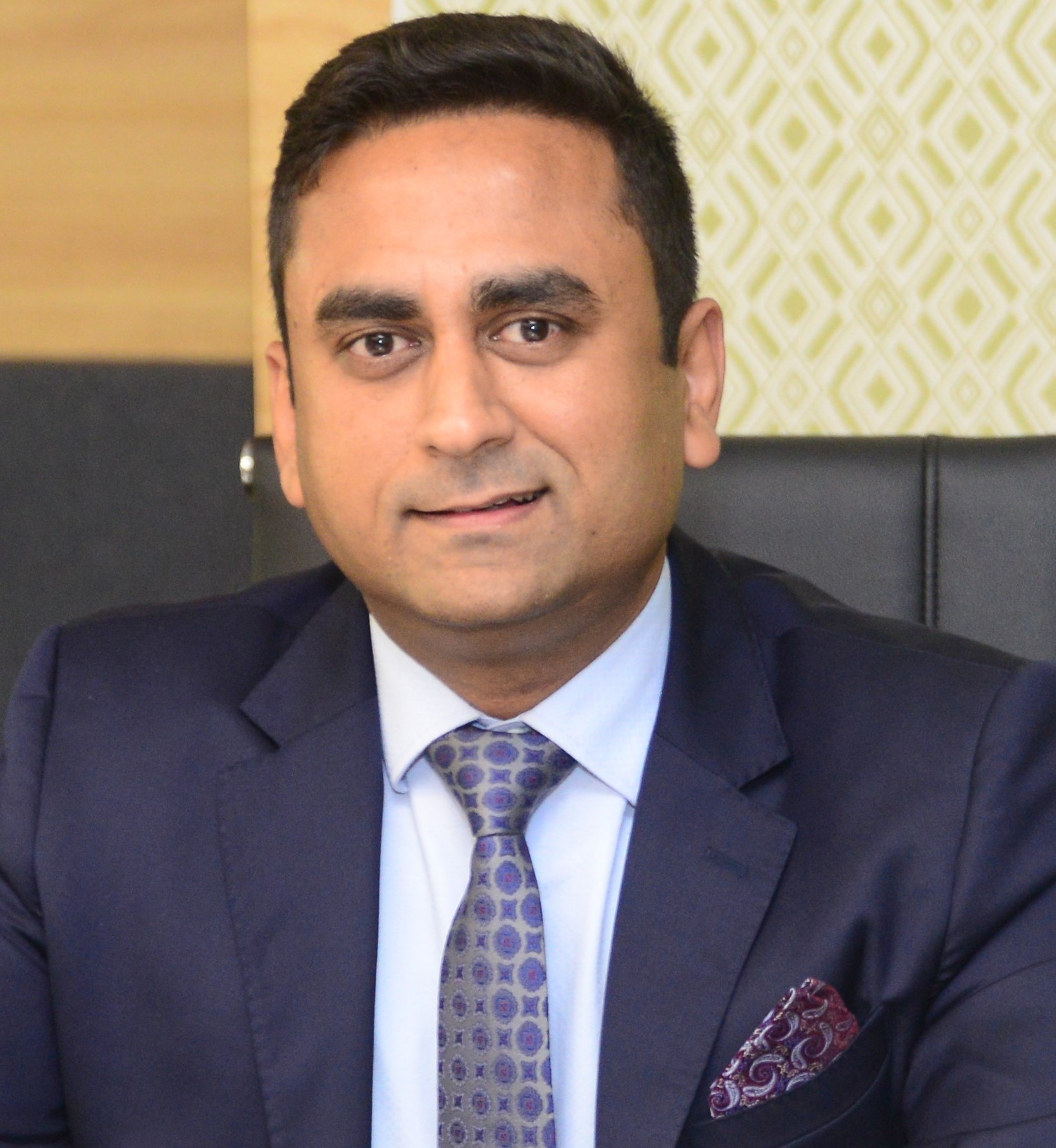
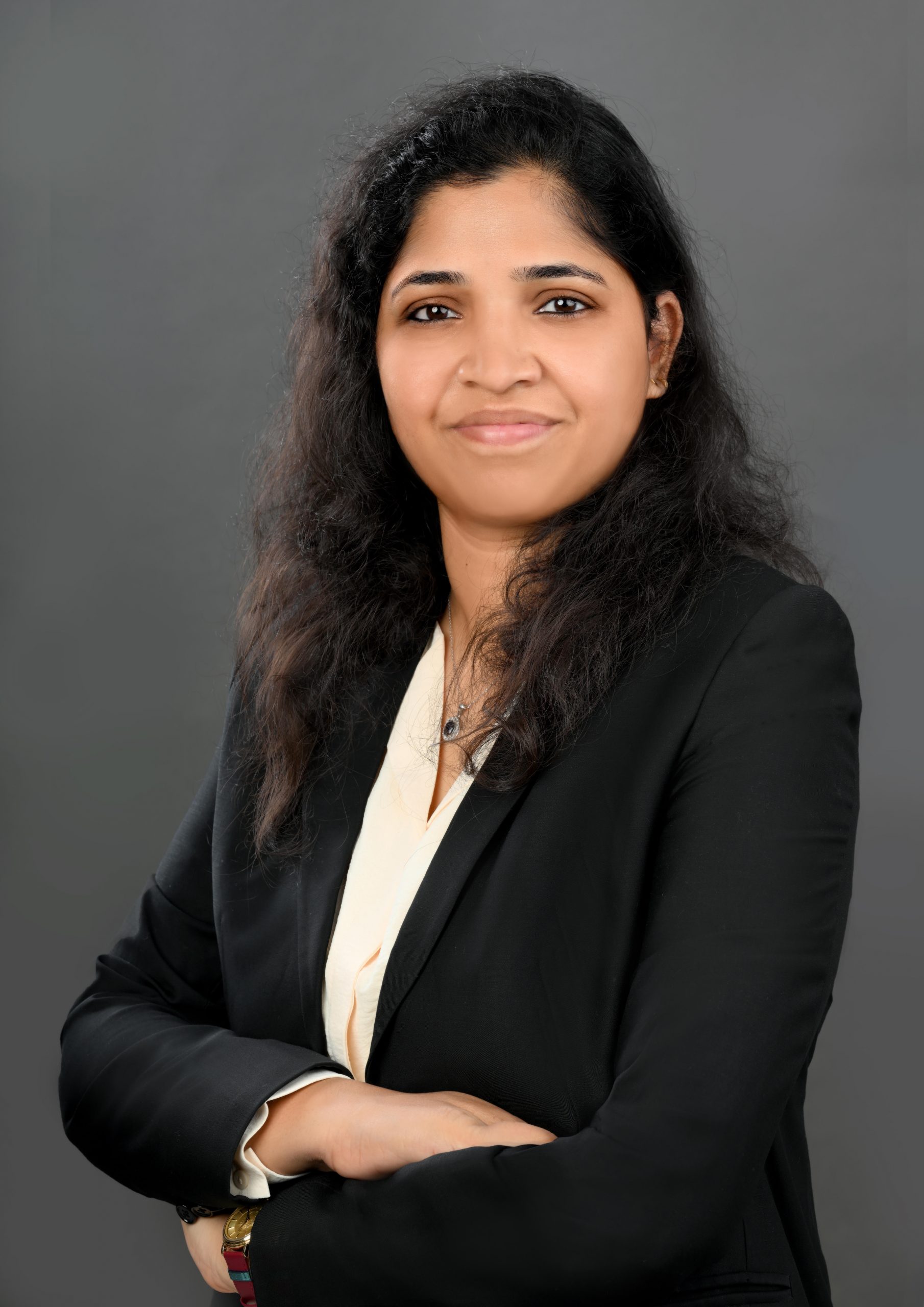
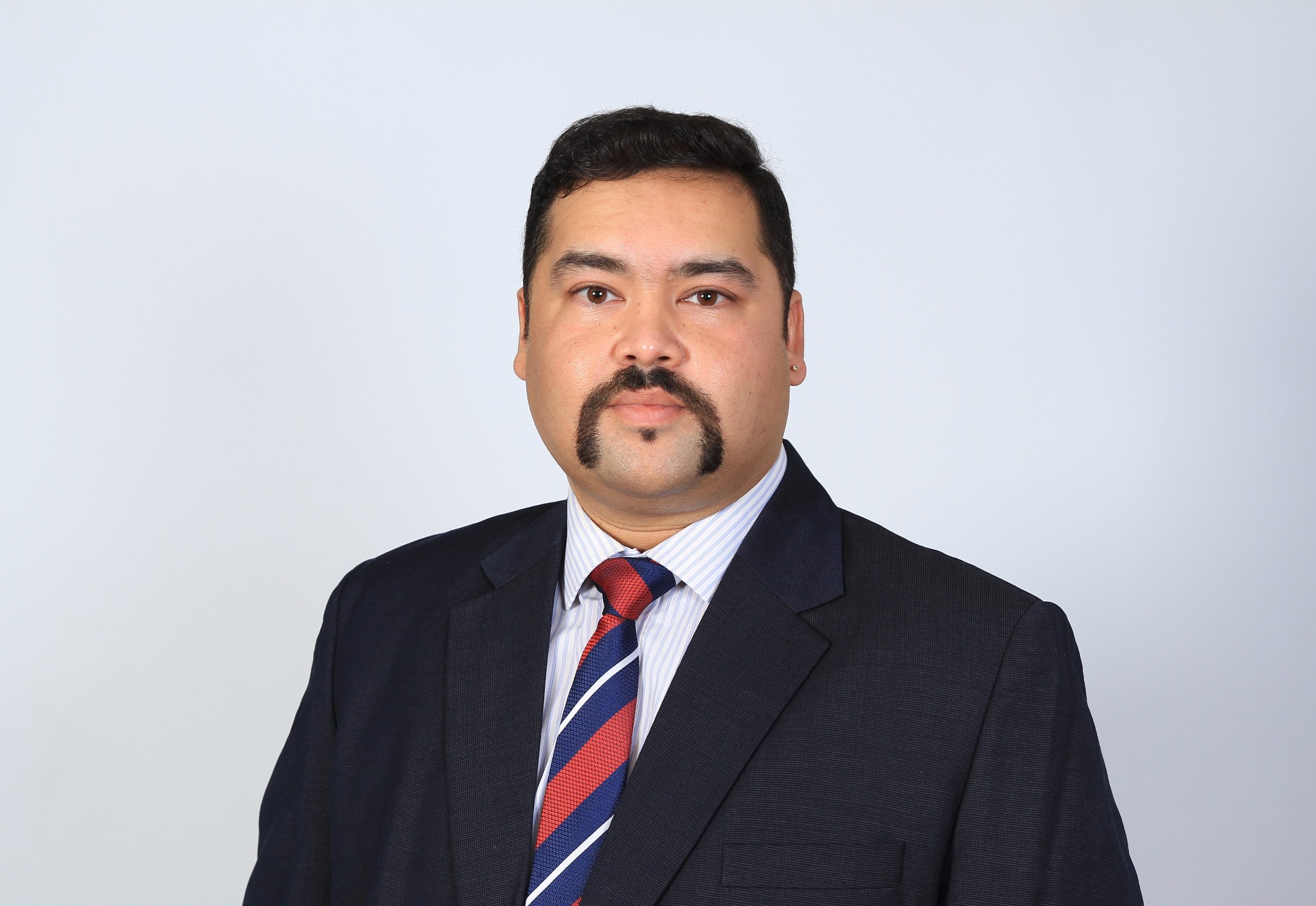





 Allow notifications