Could you please share with us the journey of how you found inspiration to pursue law, followed by your decision to delve into Company Secretaryship, and then continuing your education for Doctor of Laws with a focus on taxation? What motivated these transitions and how do you believe they have contributed to your expertise in the field today?
My journey into law was inspired by my family’s long-standing legacy in the legal profession. Growing up in a household where legal discussions were a part of everyday life, I developed a natural inclination towards the field. After completing my BA LLB (Hons.) from the University of Rajasthan, I realized the importance of understanding corporate governance, which led me to pursue Company Secretaryship from the Institute of Company Secretaries of India. This qualification provided me with a deep insight into corporate laws and practices, complementing my legal knowledge.
My interest in taxation, particularly GST, emerged from the evolving economic landscape in India and the significant impact of tax laws on businesses. Pursuing an LL.M in Commercial Law from the University of Bristol and later a Doctor of Laws with a focus on GST from JECRC University, allowed me to specialize in this area. These educational transitions were driven by a desire to build a comprehensive understanding of the legal and corporate world, which I believe has been instrumental in my role as a Managing Partner at KSV TAX CONSULTANTS, enabling me to provide holistic and informed advice to our clients.
As the Managing Partner at KSV TAX CONSULTANTS, you oversee various aspects of the firm’s operations. Could you share with us some key strategies or initiatives you’ve implemented to foster growth and maintain the firm’s competitive edge in the field of taxation?
When I took over as Managing Partner, my primary focus was on consolidating and expanding our services. One key strategy was to integrate all our legal services under the KSV banner, which provided a unified identity and streamlined our operations. We also expanded our reach beyond our traditional geographic limits, establishing a presence among international clientele such as Japanese, UK, US, and UAE.
Collaborating with firms that specialize in areas beyond our core competencies allowed us to offer a comprehensive suite of services to our clients. Additionally, we emphasize continuous learning and pro bono training, especially on GST, to ensure that our team and clients are well-informed and compliant with the latest regulations. Our high success ratio and strong market reputation are testaments to these initiatives.
As a lead speaker on GST, you’ve had the opportunity to educate and inform many. What do you believe are the most common misconceptions people have about GST, and how do you address them?
One of the most common misconceptions about GST is that it is overly complex and burdensome for businesses. Many people believe that complying with GST regulations requires excessive paperwork and frequent changes to their accounting systems. To address these concerns, we focus on educating our clients and the public about the long-term benefits of GST, such as one nation one tax, improved tax compliance, elimination of cascading taxes and most importantly eradication of non-compliant players in the market.
We also conduct training sessions to simplify the GST framework, providing practical examples and hands-on guidance to help businesses transition smoothly. By breaking down the complexities and demonstrating the operational advantages of GST, we aim to dispel myths and build confidence in the system.
Having appeared multiple times on CNN News 18 for live talks on GST, what do you believe are the most pressing issues or developments in the realm of taxation that the general public should be more aware of?
One pressing issue in the realm of taxation is the need for greater awareness and understanding of the dynamic nature of tax laws, particularly GST. The general public should be aware of the frequent updates and amendments to tax regulations, which can significantly impact their businesses and personal finances.
Another critical development is the increasing focus on digital taxation and compliance. As the economy becomes more digitized, understanding the implications of digital transactions and e-commerce on taxation is crucial. I also emphasize the importance of proactive tax planning and compliance to avoid legal complications and penalties. By staying informed and adapting to these changes, individuals and businesses can navigate the tax landscape more effectively.
Your dissertation on the success of mergers and acquisitions offers a unique perspective. How do you see the legal landscape evolving in facilitating such transactions, particularly in light of global economic shifts?
The legal landscape for mergers and acquisitions is becoming increasingly complex and dynamic, influenced by global economic shifts and regulatory changes. One significant trend is the emphasis on due diligence and compliance, ensuring that transactions are transparent and meet all legal requirements.
With globalization, cross-border mergers and acquisitions are becoming more common, necessitating a thorough understanding of international laws and regulations. The rise of technology and digital platforms is also transforming the way these transactions are conducted, making the process more efficient but also more susceptible to cybersecurity risks.
To facilitate successful mergers and acquisitions, it is crucial for legal professionals to stay updated with global economic trends, regulatory changes, and technological advancements. This proactive approach helps in anticipating challenges and navigating the complexities of such transactions effectively.
What do you believe are the key factors contributing to the success and recognition of KSV Tax Consultants on a global scale?
Several key factors have contributed to the success and global recognition of KSV Tax Consultants. Firstly, our long-standing legacy of over seven decades has established a strong foundation of trust and reliability in the market. This legacy has been a cornerstone, providing us with a solid reputation built by my grandfather and father.
Secondly, my strategic vision in expanding the firm’s services both nationally and internationally has significantly broadened our client base. By extending our reach beyond traditional geographic boundaries and establishing a presence in key international markets, we’ve been able to serve a diverse range of clients. Additionally, our focus on comprehensive service delivery, through strategic partnerships and a 360-degree service model, has set us apart from our competitors. This approach allows us to provide a full spectrum of legal and financial services, tailored to meet the unique needs of each client.
Furthermore, my emphasis on continuous learning and professional development has ensured that our team stays at the forefront of the latest legal and tax developments. We regularly engage in training sessions and consultancy services, often provided pro bono, to keep ourselves and our clients well-informed. This proactive approach has reinforced our reputation as a knowledgeable and client-centric firm.
Reflecting on your academic journey, you completed your LL.M at the University of Bristol, known for its excellence in legal education, and subsequently pursued a Doctor of Law at JECRC University. Could you share with us your experiences in both these academic environments, highlighting the insights gained from studying at an international institution like Bristol and how it compared to your experience at an Indian university like JECRC?
Studying at the University of Bristol was a transformative experience. The international exposure and diverse academic environment broadened my perspective on legal issues, particularly in commercial laws. The emphasis on critical thinking, research, and practical applications of law at Bristol equipped me with advanced skills and knowledge that have been invaluable in my professional career.
In contrast, my experience at JECRC University provided me with a deep understanding of the Indian legal framework of GST and its comparative study with Canada, Singapore, New Zealand and Malaysia . The focus on taxation law, especially GST, was particularly relevant given the significant tax reforms in India. The combination of these two academic experiences allowed me to integrate global best practices with local insights, enhancing my ability to address complex legal issues in both domestic and international contexts.
How do you approach mentoring and developing the next generation of tax professionals within your firm?
Mentoring and developing the next generation of tax professionals is a priority at KSV TAX CONSULTANTS. We adopt a structured approach that includes formal training programs, hands-on experience, and continuous learning opportunities.
New recruits undergo comprehensive onboarding training to familiarize them with our firm’s practices and the latest developments in taxation laws. We encourage them to participate in ongoing professional development courses and certifications to enhance their expertise.
Mentorship plays a crucial role in their development. Experienced partners and senior staff provide guidance and support, helping younger professionals navigate complex cases and client interactions. We foster a collaborative environment where knowledge sharing is encouraged, and every team member feels valued and supported.
Additionally, we also organize conferences, seminars, and workshops. These platforms not only expand our team member’s knowledge but also allow them to network with peers and industry leaders, furthering their professional growth.
With the demanding nature of your profession, how do you unwind and recharge outside of work? Could you share some of your favorite ways to relax and rejuvenate?
Exploring different Countries and Cultures;
Love to explore upcoming technology and models in automobiles being an automobile freak.
Love to explore luxury hotels for relaxation
Given your wealth of experience and expertise, what advice or suggestions would you offer to the current generation of aspiring tax professionals and legal scholars navigating the complexities of today’s business and legal landscapes?
Five mantras, “Dedication, Discipline, Honesty, Hard work and Self-confidence”. If you do your task with full confidence and efforts, you will succeed at first stage or next.
Could you please share with us what initially drew you to pursue a career in law, particularly in the specialized field of international trade law?
Frankly speaking, I was an above average student during my school days but was really drawn towards sports and extracurricular activities. I was sensitized to social issues through my association with civil and community service organisations like Indian Scout and Guide, I was fortunate to be one of the few candidates from the state of Uttar Pradesh to have received the Governor’s award.
Like any other aspiring student hailing from a humble background, I was very motivated and ambitious to do something for my family and the country. After completing my 12th standard from the Commerce stream with decent marks, I was certain that I didn’t want to pursue any conventional graduation course or pursue chartered accountancy. So, law as a career option came through the zeal to do something impactful.
Being a first generation lawyer, it was quite difficult to chalk out a typical plan in terms of selecting the institution and the subject of specialisation in law. Law College Dehradun, which was then affiliated to a Central University was recommended by one of our family friends based in Dehradun.
But initially like any other student belonging to a tier three city in 2011-12, I was a bit nervous about the choice of the institution in India due to limited exposure. However, it was a blessing in disguise as Law College, Dehradun really helped me to inculcate some of the best values of the profession and life. It was an excellent journey with experienced faculty (notably our Principal Prof (Dr.) Rajesh Bahuguna and Prof (Dr.) Poonam Rawat, supportive batch-mates and world class education facilities that laid the foundation for my legal profession.
I believe it was due to my keenness to learn and ask questions beyond the curriculum that motivated me to pursue my Master’s in Law right after my law graduation.
I was fortunate to get a reasonable rank to qualify CLAT PG-2017 to secure admission in one of the most prestigious law schools of India that is “West Bengal National University of Juridical Sciences (“NUJS”), Kolkata”.
Without reservation and with a humble acknowledgment, I admit that graduating in law from a traditional Central University, I was unaware of concepts like Anti-dumping (“ADD”) or Countervailing Measures (“CVD”) until my initial LL.M. class on International Trade Law at NUJS in 2017, under the guidance of my esteemed mentor, Prof. (Dr.) Sandeepa Bhat. However, that 45-minute class sparked my curiosity, driving me to delve deeper into the subject and inspiring nearly 7 years of passionate work in this domain.
Your academic journey is quite impressive, from your B.A. LLB at Law College Dehradun to your Ph.D. in International Trade Law. What were some of the key experiences or influences during your education that shaped your career path?
As I mentioned, I truly cherish every day of my law school that made me learn something or the other each day. During my law graduation days, I was really an active member of various student bodies and had an opportunity to be the President of the Legal Aid Centre of the college. I have participated and organised several national and international cultural and academic events that provided me with the exposure to learn a lot of things subconsciously.
What I can recall is that my initial internships were a bit unconventional like working for renowned NGOs like Childline India Foundation (Childline-1098) and Rural Litigation and Entitlement Kendra (RLEK) that provided me an exposure to understand the issues of the weak and marginalised sections of our society.
Also, my internships with Uttarakhand State Women Commission and Uttarakhand Human Rights Commission provided me a fair idea as to how good laws and policy, if implemented well, can act as an instrument to bring change and social justice.
After completing my Masters, in the initial phase of my career, I worked as a Research Associate with the Directorate General of Trade Remedies (“DGTR”), under the Ministry of Commerce & Industry, Government of India. This is India’s investigating authority to deal with Trade Remedial issues raised by Indian domestic industries against the unfair trade distortive practices.
At DGTR, I gained valuable insights on WTO jurisprudence and Indian practices while working with dynamic investigating teams (including officers from different cadres and ranks), handling ADD and CVD cases and actively contributed to providing institutional support to small and medium enterprises through awareness campaigns and technical assistance.
Your Ph.D. thesis focuses on “WTO Trade Remedial Measures.” Can you tell us about the most significant challenges you uncovered in your research and how they impact international trade, especially concerning India?
I started my research with a motivation or a quest to find answers to several questions regarding the hyper-technical concepts of International Trade Laws. My initial hypothesis that eventually stands correct in a technical sense was that the existing sensitive and procedural framework governing WTO Trade Remedial measures in India are not efficient and effective enough to address the contemporary issues in global trade.
One of the critical existing challenges in the WTO Trade Remedial investigations is the existence of unchecked administrative discretion of investigating authorities due to legislative shortcomings and procedural inconsistencies that impact international trade.
Transitioning from academia to professional practice, you worked as an Associate Director at SBA Group Solicitors and Consultants. How did this role help you apply your academic knowledge to real-world trade law cases?
Needless to mention, the legal profession is very demanding, such as International Trade Litigation.
I joined SBA Group Solicitors and Consultants (“SBA”) after working as a Trade Consultant with Government of India and as an in-house legal counsel with Jindal Group. So, by that time I got a reasonable idea of the expectations of the corporates/industry from Trade lawyers/consultants.
The experience at SBA was very rich and challenging but rewarding at the same time. Being one of the few Indian Trade Law firms in India that represents before the International Investigating Authorities like US Department of Commerce (USDOC) and European Commission, working with the firm was indeed an amazing and overwhelming experience.
At SBA, I led a team responsible for representing Indian industries in Trade Remedial Investigations, specifically ADD, CVD, and Safeguard Measures before Trade Investigating Authorities, primarily the United States and the European Union. During my tenure, I also conducted comprehensive legal research and prepared precise technical and legal submissions, contributing to the successful execution of strategic assignments for major Indian corporate entities covering Textile, Steel, Pharmaceutical and Ceramic Industries.
You’ve worked on more than 15 antidumping and countervailing duty cases, saving millions for your clients. Could you highlight one or two cases that were particularly challenging or rewarding and explain why?
I should confess that I was quite lucky to have such a rich experience so early in my career. I am especially grateful to my partners and the management at SBA to show such trust and confidence in me. Mr. Sunil Bhargava, Mr. Arpit Bhargava and Ms. Radhika Sharma deserve a special mention.
Though working for each case and assignment was quite exciting, two important cases that provided me exceptional exposure was working with the Senior US Trade Counsel to prepare a legal brief before the US Court of International Trade (USCIT) challenging the finding of USDOC and another was to facilitate the verification of European Commission for one of our client who was the largest exporter of ceramic tiles to EU and work closely with the European Commission officers for each details and arguments, we were able to successfully defend our clients in the case.
Your experience includes working with international clients and representing cases before the U.S. Department of Commerce. How has this international exposure influenced your perspective on trade law?
Since both India and the Unites States are common law countries, so principally the legal fundamentals are broadly similar. Having said that, working with international clients from different cultural and educational backgrounds and that too in different time-zones was quite challenging.
Further, practising before the USDOC was very fascinating, though it warrants a lot of diligence and accuracy but officials are very accommodating and are rational at the same time. This exposure provided me with a realisation that international trade litigation has a very significant impact on stakeholders globally.
In your current role as a Consultant at the Centre for WTO Studies, what are some of the key projects or initiatives you’re involved in, particularly regarding the India-EU FTA negotiations?
I joined the Centre for WTO Studies in December 2023, following the completion of my doctorate in International Tarde Law. The Centre, established in 1999, serves as a permanent repository for knowledge and documentation related to WTO negotiations.
My decision to join the Centre was driven by a strong desire to further my learning and research capabilities by working alongside some of the brightest academic minds in the fields of WTO and International Trade Law and policy. The Centre offers a unique environment that combines institutional training with international exposure, which is crucial for enhancing my research skills.
In my current role, I am working closely with India’s Free Trade Agreement (FTA) negotiating teams. These teams engage with potential strategic trade partners, and my primary responsibility is to provide research and technical insights that inform the negotiation process.
This experience has been exceptionally rewarding, as it has allowed me to delve into the complexities of trade negotiations. I have gained a deeper understanding of the challenges involved in negotiating with developed nations and reaching mutually beneficial agreements. It has also been an eye-opener, revealing that international trade and negotiations extend far beyond the realms of law, economics, and policy, involving intricate dynamics and strategic considerations.
We have noted that recently you have authored a book on WTO Trade Remedial Measures, what inspired you to write this book, what is the audience to seek to cater to?
My passion for international trade law and my hands-on experience in the domain have greatly motivated me to write a book titled “WTO Trade Remedial Measures: Navigating Legal and Economic Complexities in International Trade”. The book published by one of the renowned publication houses of the country, has received appreciation from academic and legal fraternity.
The multilateral trading system, epitomized by the World Trade Organization (WTO), is at a critical juncture due to escalating trade tensions and global crises. My book aims to unravel the evolution, challenges, and implications of trade remedy measures within the framework of WTO agreements. It offers a distinct focus on India’s perspective, enriched with a comparative analysis of practices in the United States and the European Union. This comprehensive exploration provides valuable insights into the contemporary trade environment and the specific issues faced by different jurisdictions.
In this context, the book undertakes a pioneering effort to evaluate existing laws and procedures concerning trade remedy measures in India. It sheds light on legislative shortcomings and procedural inconsistencies, advocating for safeguards against unchecked administrative discretion. By proposing amendments to enhance the efficacy of trade remedies, the book charts a course toward a more equitable and responsive global trading system.
This book is tailored for a diverse audience, including scholars, practitioners, policymakers, exporters, entrepreneurs, and students interested in international trade law, economics, and policy. It aims to serve as a critical resource for understanding the intricacies of trade remedy measures and their role in the multilateral trading system.
The motivation behind writing this book stems from my desire to contribute to the field by addressing existing gaps and offering practical solutions. My industrial exposure and passion for the subject drive me to advocate for a fairer and more effective global trade system, which I hope to achieve through this work.
Finally, based on your extensive academic and professional experience, what advice would you give to fresh graduates who are aspiring to build a career in law, especially in the niche field of international trade law?
Although I don’t consider myself an expert in career orientation. My mantra in my career is “to go with the flow and keep it simple”. However, here are some key points of advice for fresh graduates aspiring to build a career in law, especially in the niche field of international trade law:
Stay Updated
Keep Abreast of Developments: Regularly read journals, articles, and news related to international trade law and WTO updates.
Attend Seminars and Webinars: Participate in conferences and webinars to stay informed about the latest trends and issues in the field.
Subscribe to Industry Newsletters: Follow relevant organizations, think tanks, and law firms that specialize in international trade law.
Develop Soft Skills
Effective Communication: Work on your written and verbal communication skills to articulate complex legal concepts clearly.
Networking: Build and maintain professional relationships within the industry through networking events and social media platforms like LinkedIn.
Negotiation Skills: Develop strong negotiation skills, as they are crucial in trade law and dispute resolution.
Embrace Technology
Familiarize with Legal Tech: Learn about the latest legal technologies and software that can aid in research, document management, and case analysis.
Enhance IT Skills: Be proficient in using data analysis tools and legal research databases.
Identify Research Interests
Focus on Specific Areas: Identify and specialize in specific areas within international trade law, such as trade remedies, intellectual property rights, or dispute resolution.
Engage in Academic Research: Contribute to academic journals, write articles, and participate in research projects to build your expertise and profile.
Gain Practical Experience
Internships and Fellowships: Seek internships at law firms, international organizations, or government agencies that deal with trade law.
Pro Bono Work: Engage in pro bono work related to trade law to gain hands-on experience and contribute to your community.
Pursue Further Education and Certifications
Advanced Degrees: Consider pursuing an LLM or other advanced degrees in international trade law.
Certifications: Obtain certifications from recognized institutions to bolster your credentials.
Understand the Global Context
Study Comparative Law: Learn about the trade laws and practices of different countries to gain a global perspective.
Language Skills: Develop proficiency in foreign languages, as this can be advantageous in international legal practice.
Stay Open to Diverse Roles
Explore Various Roles: Be open to roles such as policy advisory, consultancy, or academia, which can provide diverse experiences and insights into international trade law.
Hello, everyone! We are back again with SuperLawyer. Today we have senior advocate Harish Narasappa, Sir, who has graciously and humbly accepted our invitation to be here and tell us about his life journey, how he chose to become a lawyer and how he has achieved so much in his life. So, Sir, most welcome and thank you again for being here.
I would start with a very simple question and would love to understand how you started on your journey of choosing law as your career to becoming a senior advocate. And if you have faced any challenges, how did you come ahead of those challenges in your initial stages while pursuing law as a profession?
My journey with law actually started as an accident. I didn’t consciously choose law. During my 12th standard, the bundle commission report was implemented by the then Prime Minister V.P. Singh. Following this, there was significant agitation by various student groups, resulting in a couple of deaths and one student attempting to immolate himself. This deeply impacted me, prompting my interest in societal issues beyond science. Despite being a science student, a botany professor encouraged us to look beyond our textbooks and engage with societal issues.
This triggered an interest in social affairs and the potential impact of law. Coincidentally, the examination for that year was delayed, and I happened to write the entrance exam for the National Law School. The results were announced before those of the engineering and medical college entrance exams.
Instead of waiting at home, my uncle suggested I join for a couple of months. If I didn’t like it by then, I could quit and pursue engineering or medicine, he said. However, I ended up staying even after the other results were announced. In short, I initially joined law for a month, but I have now been in the field for nearly 30 years.
We would love to hear about your insights that you have gained through practicing law in both India and UK. What kind of differences have you seen or encountered in these two legal systems and the kind of jurisprudence that these two states or jurisdictions havenurtured for themselves?
In comparison, there are two or three points of comparison, right? One is the legal system, of course. But also in connection with how the legal profession is organized and because we started, you know, even when we were chatting before the formal interview about how do we train youngsters?
How do we train people who are just starting in the legal profession? How do we sort of help each other? How do we train each other? All these are important questions. And I feel that in India, we have not addressed these questions and if you ask me, the primary difference between the legal profession in England and the legal profession in India is the organized training and organized knowledge sharing that happens in the UK.
Primarily England, because I worked in London and not in other parts of the UK, but I had to go to London. And if you compare that to what happens in India. I mean, in India, there’s no organized system, right? You just pick up as you go on. If you’re lucky, you get seniors or mentors who will teach you the right things.
Otherwise, it’s just hit or miss in terms of which office you join. What you learn in court or whatever, nobody points you in the right direction. And there’s no continuing legal education in a formal fashion. Whereas in England, they’re a very organized set.
So I worked in a law firm for about four and a half years, between 98 and 2002. And the things that I learned there have stood me in great stead over these years. They’ve helped me a lot. For example, drafting. Simplicity in drafting, use of simple language is something that I learned in England.
And it gave me the confidence that you’re as bright as any other lawyer in the world. And with the right amount of training and the right focus on what to read, what not to read you can do much better. And the other thing that I learned in the UK is how do you transform a sort of non-legal idea into a legal document, so drafting a legal document, whether it’s an agreement or a plain or counter objections.
Or anything. How do you make it simple? And how do you get people to read it? So that’s it! The training that the English law firms, the training mechanism of the English law firms in particular and the English legal profession in general. The way they have instituted it, I think that is something amazing, and we have a lot to learn from that.
I think corporate law firms in India now have these mechanisms, but they’re still evolving. Whereas in courts and among litigation lawyers, there’s hardly any formal training. You’re expected to look, learn, and absorb.
That’s the primary difference. It also transforms the legal system itself. That kind of training and knowledge-sharing transforms into the legal system. The UK has a more predictable legal system compared to ours. We have a very dynamic legal system, to be kind to our own.
I feel there’s a lot we can learn from the English legal system in terms of organization and knowledge-sharing. The firm I worked for had almost all documents and opinions issued for 30 to 40 years available on their internal system. If faced with a difficult question and unable to find the answer among colleagues or in a textbook, all you had to do was look into the firm’s history, and you would find the answer.
That is something we don’t have here, partly because law firms are relatively new in India. They’re only about 20 to 25 years old in terms of large law firms. The way knowledge is shared and transferred, it’s hit or miss. If you’re lucky and get a good senior, then you get to learn.
Otherwise, you learn to swim on your own. Even when a couple of friends and I started, we tried to inculcate this in the firm. Even when we were just a four-lawyer firm, we had knowledge-sharing sessions among ourselves.
As we grew, it became non-negotiable. Every week, for about an hour and a half, the entire firm would gather, even now they do. It’s across offices now, of course, through VC and others, it’s easy.
Either someone is talking on a topic or they share what’s happening on different transactions in terms of knowledge, what’s happening in court. We share various things. I think that is a critical aspect. I know now that a few other firms also do it, but we need to go beyond that.
We need bar associations and bar councils to organize these sessions. Every month there should be some session for lawyers to attend, to learn. Simple things like how to dress in court, for example. I see a lot of young lawyers wearing unpolished shoes, mismatched socks, trousers of different colors, shirts of different colors, messy hair, and so on.
I mean, you can express yourself differently, but nobody has taught them. Nobody in law colleges tells them how to appear in court on day one. Now there are a lot of videos from different courts where judges are shouting at young lawyers, like, you don’t know how to address a court.
You’re not dressed properly. You know, what is this? I think these things can be avoided. Bar associations and bar councils can take the lead. But they don’t do it, unfortunately. Then also organized training on where to research, how to research, these are things that are easily possible but are not done. And I think that’s the biggest difference between the English legal professional and the Indian legal professional.
Based on what you’ve shared, I can grasp what likely motivated you to establish Samvad Partners and Daksh, the legal research organization you’ve passionately promoted and dedicated your efforts to for so long. I’m curious about the inspiration behind your book, “Rule of Law in India: A Quest for Reason.” Was it driven by the same reasons, or did you discover a distinct understanding of the disparity between legal ideals and their practical implementations in India? What ignited this realization? Your insights are poised to profoundly impact students, to be candid. They stand to gain valuable perspective from your experiences and reflections.
The challenges the Indian legal system faces are evident all around us. An example I often give is our disregard for basic legal norms, such as stopping at red signals. We seem to lack discipline in adhering to these norms.
Anyone who has traveled to different parts of the world knows that we are unique in this aspect. While some other countries may also witness similar behavior in traffic, such as jumping signals or driving on footpaths, it ultimately affects everyone negatively. If everyone were to follow traffic rules, we would all reach our destinations much faster, but unfortunately, chaos reigns on our roads.
This chaos symbolizes the disorder present in other aspects of the law. Our weak implementation mechanism is evident in our courts, where despite the high number of cases, there is minimal resolution on a daily basis. Chaos and confusion seem to be the norm, rather than organized proceedings.
Despite having comprehensive laws in place, as reflected in our legal texts and statutes, the contrast between what is written and what is practiced is stark. While the intent to establish a rule of law society has been present since 1947, practical challenges persist.
This disconnect between theory and reality led me to explore the lack of respect for the rule of law in India. Whether from individuals, government, political parties, or even the police and certain parts of the judiciary, there seems to be a general disregard for the law.
This exploration forms the basis of my book. It evaluates the dichotomy between legal theory and practice, delving into what the rule of law means in India and the type of rule of law envisaged by the Indian Constitution. After pondering these issues for some time, I decided to document my thoughts in writing, resulting in the creation of my book.
Sir, during this period, you pursued your master’s degree at Oxford University. What differences did you observe between your postgraduate experience there and the systems followed at NLSIU in India? How did this experience impact your approach to understanding law and academia simultaneously?
I think, to be completely honest, Oxford was an accident. Many of my friends were applying to study masters, and I also applied. Thankfully, I got a scholarship at Oxford, which is why I chose it over other universities.
Coming from a modest financial background, I am the first generation lawyer in my family. A full scholarship was available at Oxford, which influenced my decision. However, I’ve always felt that I gained more from National Law School than from Oxford. I’ve expressed this sentiment in other forums as well. Perhaps it’s because I joined National Law School in its early stages, with a dedicated faculty and inspirational leadership.
The learning experience at National Law School, both inside and outside the classroom, was invaluable. We were like a family in the initial years, all striving to prove the success of this new experiment in legal education.
In contrast, the depth of reading expected at Oxford was much greater. While the master’s course at Oxford focused on knowledge rather than creating lawyers, National Law School had a more practical approach. For instance, in my jurisprudence class at Oxford, the expectation was to read the entire reading list, including works by renowned legal philosophers like Raz and Dworkin, not just excerpts.
Overall, the teaching approach was similar, but Oxford’s tutorial system sets it apart from other universities.
Even now, small groups of three to four students sit with professors, engaging in in-depth discussions on every problem and topic, which is a unique system. In hindsight, I feel that perhaps I should have spent more time at Oxford; I only pursued a one-year master’s course. I likely would have benefited more from a two-year stint at Oxford. However, attending a venerable institution like Oxford, which boasts a legacy of 500 to 600 years, was a stark contrast to NLS, which was only five years old when I joined. It was a lesson in institution building and maintaining excellence over centuries, which has stayed with me alongside the legal knowledge I acquired.
Regarding the difference between the two institutions, the ability to delve deep into a problem is something Oxford instills in its students. NLS, on the other hand, imparted great fundamental principles of law. I often advise law firms and lawyers that the focus of law school should be on teaching fundamental principles rather than specialized courses, especially at the undergraduate level. While specialized courses have merit at the master’s level, a strong grounding in fundamental principles is essential during the undergraduate years.
Oxford, with its diverse student body, provided insights into various legal systems, planting the seeds for evaluating the Indian legal system and inspiring my book. Interacting with international students from countries like Germany, France, the US, and the UK allowed for comparisons between legal systems, leading to a deeper understanding of the Indian legal framework.
Sir, I would like to now ask you about when you became a designated senior advocate the kind of advice which you would like to give to our aspiring lawyers who are trying, or I would say who are looking to make an impact in the legal field as you have made, or maybe they can try, what would be your advice?
There’s no clear path to success. You need to follow your own interests and there’s no substitute for hard work. Everybody keeps telling that, and I fully agree. You have to work hard. There’s no shortcut unfortunately. Yes, you need to develop more skills because the profession is competitive. Clients can easily find out about your reputation and your peers who also have a reputation in the same area you’re working in.
Getting clients and legal work is challenging. It’s not easy. Unless you’re part of an establishment that supports you. Then you have time, but if you’re an individual lawyer with a solo practice, then you have to follow your interests, do things that interest you, develop an interest outside the law as well.
For example, if you have an interest in the environment, or AI as we talked about earlier, or computer science, learn that. And then, you don’t have to give up the law, but marry the two, try and marry the two. So you don’t treat your legal profession as something only sitting in the office and reading case laws or judgments.
Law is a profession rooted in society. So you have to see what’s happening around you in society. And try to interact with people in other professions, people in civil society. You may have cousins who are computer engineers, software engineers; talk to them, understand different things.
Expand your horizons. Hard work, expanding your horizons, reading, and following your heart. Follow your passion. And there’s no one road to success. You’ll get there eventually, but do what you like. Not because of what other people are doing, but because of what you like.
You have already worked as a partner in law firms, and as an independent practitioner also, what kind of differences have you observed in the kind of work culture these two roles had, and particularly when you became a senior advocate, there must have been different kind of responsibilities and kind of domains must have come where you had to find new ways to take care of those responsibilities also. So how have you adapted those changes in your life professionally, mostly, and what kind of journey you have had through all this going through more than two decades now?
As a partner in a law firm, teamwork is essential. It’s about building an organization, not just about individual efforts. You have your fellow partners and junior colleagues, and collectively, you ensure the firm’s operations run smoothly.
In a law firm, there’s a dual aspect – it’s both a profession and a business. Managing a team, including juniors and colleagues, is crucial for the firm’s success. Ensuring profitability is key, and this requires effective organization not only in executing tasks but also in areas like HR, accounts, and business development.
Transitioning to an independent senior advocate has its differences. The focus shifts from impressing clients to earning respect from fellow lawyers who brief you. What I miss most about the law firm environment is the camaraderie among colleagues.
Now, with a smaller team in my office, interactions with other legal professionals are broader but lack the close-knit atmosphere of a firm. Informal learning through spontaneous discussions and consultations is something I miss as an independent practitioner. Furthermore, the absence of backup when one falls ill poses challenges in solo practice. Unlike in a law firm where others can step in, an independent practitioner bears the sole responsibility.
However, being a senior advocate offers unique opportunities. Dealing with complex legal matters and high-stakes cases provides a sense of fulfillment. Though client pressures are still present, the focus shifts to a more profound engagement with legal questions and expertise.
While I miss the collegial environment of a law firm, the focus on pure legal matters in my current role is intellectually stimulating and rewarding. It presents new challenges and opportunities for growth at this stage of my career.
Thank you for sharing so candidly about how you feel being a senior advocate from being a partner to an independent solo practitioner. You have made your name in commercial arbitration, I would say that’s your niche and you have found that space for yourself by working for so long and so diligently. What kind of misconceptions have you seen that people have related to arbitration and how do you address them when it comes in front of you or maybe someone is apprehensive about those understandings? Would you like to suggest some pointers or maybe your own experience?
I won’t say misconceptions. If you’re dealing with large commercial organizations and they’re handling arbitration, everyone pretty much knows what arbitration is about. Clients understand what arbitration entails.
The challenge with arbitration in India currently, as noted by Justice Raveendran, one of the best arbitrators in the country, is the lack of professionalism. I couldn’t agree more with him. What does this mean? He didn’t elaborate. This is my view; he pointed it out in a different context. For example, arbitrations need to be held on time, adhering to the prescribed time limits.
If you’re appointed as an arbitrator or conciliator in arbitration, we forget it’s not just a private form of dispute resolution, but a serious one. In India, we’re still struggling with situations where arbitrators don’t arrive on time.
The other day, an arbitration scheduled for 10:30 AM had all participants logged in, but the arbitrator didn’t join until 10:45 AM due to illness, without prior notice. This poses professional challenges for lawyers, as we need to manage client expectations.
It’s not just arbitrators; sometimes even lawyers don’t show up on time, causing delays. Awards are not passed on time either. These are challenges we face in arbitration.
Many lawyers think arbitration is a diluted form of arguing disputes in court. They forget that regular provisions like the CPC and the Evidence Act need not apply. We can follow a procedure as long as natural justice is met. Some people cite lengthy provisions from the CPC and the Evidence Act, prolonging cross-examination.
The misconception that arbitration is a substitute for trial is something the Indian arbitration system needs to address. The biggest challenge is improving professionalism among all involved, including lawyers and arbitrators, and developing arbitration institutions to make the system more efficient.
See, because there are two challenges, Divya, in terms of the moment cases get taken out of the court system and they’re arbitrated. We are losing the jurisprudence, right? Arbitral awards are not available in public. They’re not published in ACC or AIR or whatever. And that is what’s happening in most commercial disputes. Commercial jurisprudence is not becoming available to all the general lawyers. Only the small set of lawyers who are arguing arbitration cases are aware of that.
So when we’re doing that, we’re taking away from the courts an enormous opportunity to develop commercial jurisprudence. Then we need to do it properly. We can’t mess it up. Currently, because there are no, except one or two, significant arbitration institutions in this country.
Mostly we have ad hoc arbitrations, and they have become unfortunately very expensive, very long, and extremely unprofessional. This is a combination of all three things. Yes, things are changing now. There are a lot of people making a lot of effort to improve things, to follow professional organizations from other parts of the world, etc.
But as I said, the examples in other countries have been around, like I was talking about the legal profession earlier, that has been there for a long time. Other countries have organized their professions much better. But we have not been able to do it. Those are challenges that we have not been able to overcome.
And that, I am afraid, and I hope it doesn’t happen, is plaguing, and probably will continue to plague our arbitration system. So, well, there are no misconceptions, but people come rosy-eyed, with rose-tinted glasses to arbitration thinking they’ll get an award in six months. Sometimes it drags on for three years, four years.
And that’s frustrating. So that is a challenge that we are facing in arbitration. But I’m hopeful because there are a lot of developments in the arbitration world in India. Hopefully, things will improve.
How do you take care of your personal hobbies and interests? And balance your personal life with the kind of busy professional life that you have outside the law.How do you do all these things? Keep yourself calm and learn and understand how world works. Please tell us that as well, Sir.
That’s what all of humanity has been searching for, right? I mean, we’ve been searching for peace. From the times of the Buddha. We’re all searching for peace. Apart from all that, I think you raised an important question.
And I think Indian lawyers, in my view, work way too hard. For example, judges also, while we complain about the delays and all, I think Indian judges work extremely hard and so do Indian lawyers. There’s no respect for their own time.
And it’s something when we started Samvad we were very conscious of, and Samvad has a reputation even today that it’s a firm that balances work and life. And we were able to do that in that organization, but that comes with challenges, you know, young people want to make money, because their peers and other law firms are making money, more money.
So how do you deal with that? And it’s a difficult conundrum. In terms of whether you want to make money when you’re young and save all the money for later. And you don’t know whether you will be able to enjoy or do you want to do it now? I mean, these are questions that are difficult to answer. I have been lucky in the sense that I’ve been able to manage a reasonably good work-life balance.
So two things are important. One, you need to enjoy what you’re doing. Okay. And I know you asked me the question about Daksh earlier. The fact that I started Daksh at the same time as I started my law firm, and I continued to be involved in Daksh sort of encouraged me to spend more time in the profession also.
So you should do what you’re interested in. The fact that I was doing things beyond the pure practice of law and into policy research made me focus more on the profession also. Because I knew what I was doing, what I’m able to do. So all that is important. And at the same time, along with policy work or legal professional work, having time for your family or kids.
And what you like otherwise is also important. So in a long way, I’m coming, answering the question you asked. I’m lucky to have a few things that I enjoy. I like running. I run regularly. I like climbing mountains, I do a fair amount of trekking.
My daughter started playing tennis, so I began learning the sport to join her. Simple activities, when focused on, can yield significant benefits. My grandfather, now deceased, was a farmer who shared insights on various crops and fruits he cultivated.
Showing interest in the world around you is essential. Sometimes, we become engrossed in our tasks, but paying attention can naturally develop hobbies. These experiences have prompted me to realign my focus on work.
Regarding learning from others, observing their actions is crucial. For instance, I recall reading about Soni Saurabh ji, who was renowned in jazz music circles. Lawyers engage in diverse professions; recently, I visited an organic restaurant in Bangalore owned by a lawyer. Exploring different interests can enhance focus and efficiency in one’s profession.
Can you share with us how your journey into the field of law began? What motivated you to pursue a career in law, and what challenges did you encounter during your formative years in the legal profession?
Frankly speaking, I was really bad at science and mathematics so that door was closed but had always liked to engage into arguments only to ensure that I have to fight for the right coupled with the attraction of the robes that lawyers carried in the courts which motivated me to the core. Now, I thank myself for choosing law as my career as well as my family and friends who supported my decision.
I never faced any challenge by the way, as I loved what I was doing, that included drafting, reading, researching as well appearing before the courts and tribunals. The only difficulty was to cope up with the financial doldrums. So, with whatever time I could manage and owing to my passion for teaching which I had developed during my law school, I engaged myself in taking up classes at universities, coaching institutes including taking up training sessions at ICSI and ICAI and was the youngest guest faculty at most of the places. That not only encouraged me to read and be well versed with the latest updates, it also helped me to have a harmonious balance between my expenses and income. Though the journey at Infosys, Vaish and thereafter with my litigation guru, Late Shri MR Singhvi, Senior Advocate and most importantly, my favourite mentor, Sr. Advocate Shri Ravi Bhansali was phenomenal and all the hard work and perseverance has led to the present day, for which I can’t thank enough to all those who had supported me in minutes.
As the Founder and Head of Singhvi & Co., what inspired you to establish your own legal consultancy firm, and what were some of the challenges you faced in the initial stages?
I always believe that as a team of young individuals, you can always do more, think more and prosper more. The idea to have a team was dawning on my mind since law school days when we used to intern at various law offices and see the seamless way of functioning and sharing of thoughts and ideas. As a first generation lawyer, when you think of having your team, it brings along that guts to incur expenses of having proper office space, payment of professional fee to the team as well as office administration expenses. So, during the initial days, I ended up squeezing all my income in order to cope up with the management of the office. Though, the scope of work increased along with the client base and we could eventually end up serving varied clients at different locations with ease and came out with amazing reliefs and results from Hon’ble Courts and tribunals apart from serving the clients on non-litigation work.
Empanelled as counsel for various esteemed institutions, could you shed light on the significance of such partnerships in your legal practice? Also could you please share some insights to your role.
In the beginning of my career, I always saw others engaging and thriving into empanelment of various private and government institutions but I was always busy serving my clients and could not spare time to invest in the effort to get myself empanelled anywhere. I always focused on work and ensuring timely resolution of my client’s grievances. With 7-8 years of experience in my kitty and having developed little name and reputation, there came a time when various institutions and companies approached for engaging me as a retainer/empanel as their lawyer and time just went in a jiffy without realizing the journey which has been extremely rewarding, challenging and full of learning nuance. The focus is yet again on serving clients with honesty and integrity and that is the success mantra.
Given your interest in contract and arbitration, could you discuss the evolving landscape of dispute resolution mechanisms in India, particularly in light of recent legal developments?
Even as a law student, I was very keen in learning about the Arbitration and Conciliation Act, 1996 and used to request the seniors during my internships to involve and engage me in the respective arbitration and dispute resolution team which nurtured my mind at the very inception. The timely resolution of the disputes with such flexibility in approach revolutionized my mind and shaped me to work more and more towards this stream and today I have the honor to have resolved disputes related to partnerships, infrastructure, construction and JV and working capital consortium agreements amassing more than 3000 Crores. India has passed the proverbial litmus test after conjoint efforts from across the wings of the government in the last decade or so and has left no stone unturned to transform India into a matured arbitration hub and the future seems to be extremely promising and fructifying.
As a visiting faculty member at various institutions, how do you integrate academic insights into your legal practice, and what do you hope to impart to aspiring legal professionals through your teaching engagements?
I always believe that the best way to keep yourself updated is to read and exchange. When you have to teach, you end up doing both though you do not realize that you gain so much from the students and professionals you engage with which will shape you into a better, healthier and smarter lawyer. I have been very practical in my approach towards my life as well as profession and that’s what I request each and every individual.
As someone deeply involved in real estate transactions, what are some key legal considerations that individuals or companies often overlook when engaging in such deals, and how do you ensure comprehensive due diligence?
Land due diligence is the most critical aspect which was not really considered by the general public, barring corporate dealing into big land parcels. Over the past 10-15 years, I have witnessed imperative growth and recognition which has been extended to DD which assists to thoroughly investigate and assess the details & risks associated with a transaction before taking a final decision on the execution and acts as a shield to protect against possible fraud which is very common these days.
As someone pursuing CS [Final], how do you perceive the intersection of company secretarial practice with your legal expertise, and how does it complement your role as a legal consultant? Also what motivated you to pursue a Ph.D. in Law, and how has this advanced degree contributed to your expertise and outlook in the legal field?
I understood the importance of studies and knowledge gaining while being a part of Infosys which believed in the Continuous Education Programme (CEP) and that motivated me to improvise my skills and knowledge and learn every day. The process of learning in an advocate’s life is imperative and keeps you in line with the advancement of life, law and technology. Doctorate in law allowed me to understand the importance of research which I was always very keen on and is one of the important pillars for any one practicing law.
As a visiting faculty member interacting with students, what positive attributes do you find most prevalent among the current generation, and conversely, are there any areas you believe they could improve upon to excel in the legal profession?
The present generation is advanced, well-read and extremely stylish. Though, I see that they need to learn to remain grounded and stick to the basics of law and life which will prepare them to accommodate and live with the day to day challenges and set-backs litigation can offer you. Being punctual can add feathers to your profession as you may miss your matter by a fraction of second and the litigant suffers. This is just not a profession, this is service to the society and that’s why we lawyers are known as social engineers. Though, I believe that the upcoming generation should focus on dress well, address well and redress well.
With your busy schedule and demanding profession, it’s essential to find moments of relaxation. Could you share some activities or practices you engage in to unwind and recharge outside of work?
I am fortunate to have my life partner, Deepika as a professional partner as well and that keeps us occupied and entertained. We travel a lot for work and use it for leisure as well and that maintains work-life balance. Thankfully, in Rajasthan we have a long summer break and decent winter break, which we dedicate to travel abroad with family and this has now become a norm of our lifestyle. We also enjoy cricket and our leisure time is mostly spent with family and friends while enjoying music and rejuvenating ourselves.
Your internship experience includes working with Infosys, a renowned IT company. How has this experience influenced your perspective on legal matters, and what differences, if any, did you observe between working in a law firm and an IT corporation?
The work there was limited to compliance and drafting with minimal court work. Though, working with the top in-house legal team with fantabulous work style and strategies shaped my capacity to perceive, interpret and implement complex legal issues which has culminated into a matured and calculated approach in the legal profession.
Can you share with us your journey into the field of law, from your decision to pursue it as a career to your experience at Hidayatullah National Law University and GGSIPU for your LL.M. and your recent decision to enrol for a Ph. D. program with IIULER?
First of all, I would take this opportunity to thank Superlawyer for this interview and convey my deep appreciation for this endeavour as it could offer your young readers some valuable insights while planning their life around law as a career.
Addressing the first part of your question on deciding to pursue law as a career; I would like to tell you that I was a student of Physics, Chemistry and Biology up to 12th standard; and had no family member into active legal practice, but I think my flair for languages and my father’s inspiration who despite being a serving Army officer ; pursued Law. Since my scoring in languages had remained stable throughout my school career, the orientation classes helped in getting an insight into the field of law. Thereafter, after completion of my 12th Std, I cleared entrance examinations for Hidayatullah National Law University, Raipur (HNLU) and Army Institute of Law, Mohali (AIL) in the year 2003. I decided to continue with HNLU. HNLU was established in the year 2003, and I could become a part of its 1st Batch having passed out in the year 2008. The State of Chhattisgarh was established in the year 2001, so our batch had a unique distinction of being from a new university in a newly established state, which had its own challenges but, it soon turned into opportunities for all my batchmates.
Now coming to the second part of the question; I would like to say that the professional work environment of a career in law is quite dynamic which entails frequent changes in laws, new legislations, delegated legislations etc. I have always believed that life in general and Law in particular is an ongoing process of learning; one needs to keep a tab on new developments to keep oneself updated and the grasp the diversity of knowledge. I, thus, completed my LL.M in Corporate Law from USLLS, IP University, Delhi during 2014-16 and currently pursuing a Ph.D. from India International University for Legal Education & Research, Goa (IIULER), on the topic of ‘Food packaging and food Contact materials’ and its Regulatory & Legal Standards in India’. IIULER is designated as the 1st International University for Law in India and is an initiative of Bar Council of India Trust-Pearl First.
You have a diverse career path, including working with ZEUS Law Associates, KPMG, and the Ministry of Finance. How did these experiences shape your expertise in tax law and advocacy?
Law as a profession has always intrigued me with its depth and ambit and I have always wanted to explore the diverse verticals that it encompasses. During the final stages of college education, drawing inspiration from revered names in law practice i.e. Sh. Nani Palkhiwala & Sh. Harish Salve had both started their respective careers in the field of taxation. I was deeply inspired to take-up tax as a career option despite the general trend being to opt for court practice, corporate practice or capital markets. Despite being involved in matters of significant constitutional issues having national and international repercussions, they are still considered doyens of tax practice. My professional journey commenced with the tax team at Zeus Law Associates, New Delhi followed by KPMG. Both these stints gave me incredible insights into tax as an area of practice coupled with much desired cross-country work exposure. I had also learnt the importance of working with professionals from different disciplines, since it involved working with Chartered Accountants, Company Secretaries, Architects etc. These interactions gave me immense insight into overall working of ‘business transactions’ and added incredible value in my growth as a lawyer. From early part of 2013, I had ventured into independent practice and started to take-up matters in other areas of law in addition to my continued work in tax. Hence, I would encourage young graduates to bear in their mind that life shall always give you avenues to earn and learn. As long as you are able to identify those avenues which can catapult you and enhance your own sense of individuality, you should choose them over anything else no matter what the costs. I don’t intend to sermonise this but, if one were to practically see within the legal profession and perhaps medical profession too, there are no defined career progression or milestones which more or less exists for other professions. It’s all upto an individual about how one intends to lead his life. Hence, as and when one is able to identify an avenue of personal growth, one must prioritise it and seize the opportunity and work towards enhancing one’s skill set. Please understand that, skill set doesn’t really mean ‘legal skills’ alone it also means honing-up ‘life skills’ and can be as simple as one’s ‘ability to listen’, ‘time-management’, ‘language’ etc. It is for a reason that, law as a career lacks any entry age or retirement age as in life there is no specific age or stage for learning.
Could you tell us more about your role in formulating key proposals and legislative drafting for the Ministry of Finance? What were some of the most significant challenges you faced in this role?
I have had the opportunity to work as a Consultant with the Ministry of Finance, Department of Economic Affairs, Govt. of India in 2016-17. This assignment entailed exploring the arena of legislative drafting and policy making for the said Department. This entailed attending stakeholder’s consultation process, undertaking research, preparing notes from legal standpoint, and drafting of statutory legislations, amendments, circulars etc. as desired by the said Department. I can definitely say that it was quite an enriching experience. It gave me a bird’s eye view regarding the functioning of various securities laws in India and how policy making by the Departments tries to respond to challenges and concerns faced by the stakeholders and the public at large.
Co-founding Integricon Consultancy Services (ICS) is a significant milestone in your career. Can you share the motivation behind starting ICS & ILO and how it has evolved to offer comprehensive consultancy solutions?
The basic idea behind ICS is to bring the concept of seamless cross-practice experience to clients. As a result, myself and two other partners were able to establish ICS in the year 2020 as a one stop consultancy service solution for clients. So as to provide these consultancy services, we have a bouquet of professionals from myriad walks of life viz., bureaucrats, lawyers, chartered accountants, cost accountants, economists, engineers, technocrats and company secretaries. ICS engages with various Companies, PSU’s etc. for meeting their consultancy, research and training needs.
In addition to the same, we had established Integricon Law Offices (‘ILO’) as a full-service Law firm for legal services and as a think tank for research and legal services. The think tank works on various vacuum areas of anticipated legislation world over and elucidates various situations from a legal standpoint involved. On the legal services side, the ILO focuses on litigation practice, corporate practice and tax & regulatory practice. I personally look after the tax and regulatory practice including Food Safety and Standards Act, Legal Metrology Act, NMC Act & related Rules etc.
As someone with extensive experience in the legal field, what advice would you offer to fresh graduates who are just starting their careers in law? What skills and strategies do you believe are essential for success in the legal profession?
All fresh graduates should journal their life and professional experiences. This would not only assist them to traverse through a career in law but also make them mindful of their respective professional/ life environment that they are a part of. This would allow them an opportunity to evaluate their respective strengths and weaknesses. Law offers myriad career choices. Thus, in addition to these career choices, a graduate should also try and develop a sectoral focus by integrating technical knowledge and expertise and not merely restrict to the nature and kind of work coming their way. After all, apart from professional journey it’s a life journey as well hence, both needs separate prioritising. In a lighter vein, I can only say that in this world of T20 cricket, a career in law practice is a like that of a Test Match wherein after surviving a few testing sessions the playing conditions are bound to get better. Hence, it’s all about staying put on the crease while trying to be the best player version of oneself alongside.
It is famously said about lawyers that they have this unique capacity to do what common people might find boring. Therefore, so as to answer your question, fresh graduates who are at the stage of commencement of their careers need to really hone up their capacity to pay attention to details. Moreover, no work should yield satisfaction unless there is an internal assessment of whether one has performed to the best of their capacity on a given day. Late Nani Palkhiwala had mentioned that, graduates coming out of law colleges should not be ‘ethical literates’ and they should inculcate a greater sense of understanding about public good hence, it is important for graduates to develop a public character while pursuing a career in law.
For the lawyers/ young law graduates who aspire to take to court practice, my only advice is to be a keen practitioner who can challenge and alter his/her own thought process every day on settled legal propositions as per human and societal needs because that helps civilisations grow into a certain direction. Also, I appeal to the young lawyers to have an empathetic and humane approach with integrity towards the downtrodden and poor litigants for whom lawyer is the only hope to fight for justice for him/her.
In the end, I would like to once again thank Superlawyer for their initiative which has afforded me an opportunity to try to put my perspective on law as a multifaceted profession before the younger lawyers of the country.
Dr. Shrikant Hathi, it’s an honor to have you for this interview. Could you share some insights into your remarkable journey from being admitted to the Bar Council of Maharashtra & Goa to your current role as the Managing and Practicing Partner at Brus Chambers, Advocates & Solicitors, and the recognition you’ve received from prestigious legal entities?
Certainly, it’s my pleasure to share insights into my legal journey. My legal odyssey began with my admission to the Bar Council of Maharashtra & Goa as an Advocate in India then completing my master’s in law and my doctorate. This was followed by acquiring the qualification of Solicitor from India through the Bombay Incorporated Law Society. Subsequently, I expanded my horizons by successfully completing the solicitor’s examination through the Oxford Institute of Legal Practice (OXILP) (Oxford University and Oxford Brookes University), enabling me to be enrolled with the Solicitors Regulation Authority (SRA), United Kingdom, as a practicing solicitor. This dual qualification, coupled with my admission as an Advocate on Record with the Supreme Court of India, has provided me with a unique perspective on legal matters across India and the United Kingdom. Mr. Charles J E Grundy played a pivotal role in shaping my career as a shipping professional. As the Managing Partner at Little & Co, Solicitors, he served as my mentor, imparting invaluable knowledge and expertise. I owe a significant part of my understanding of shipping to his guidance and leadership during that time.
My journey to becoming the Managing and Practicing Partner at Brus Chambers, Advocates & Solicitors, has been shaped by a blend of unwavering dedication, continuous learning, and a passion for legal excellence. Over the years, I have honed my expertise in shipping, projects, and dispute resolution, particularly in ship arrest matters. This expertise has been recognized by esteemed legal entities, including Legal 500, which has consistently ranked me as a Leading Individual for shipping work in India since 2005. I am also part of the Legal 500 Hall of Fame for my contributions to shipping law
Throughout my career, I have strived to provide exceptional legal counsel to my clients, consistently exceeding their expectations. My commitment to integrity, professionalism, and client-centricity has been instrumental in building my reputation as a respected legal practitioner.
Here are some key highlights of my journey:
Admitted to the Bar Council of Maharashtra & Goa as an Advocate in India
Acquired the qualification of Solicitor from India through the Bombay Incorporated Law Society
Successfully completed the solicitor’s examination through the Oxford Institute of Legal Practice (OXILP) (Oxford University and Oxford Brookes University)
Enrolled with the Solicitors Regulation Authority (SRA), United Kingdom, as a practising solicitor
Admitted as an Advocate on Record with the Supreme Court of India
Managing and Practicing Partner at Brus Chambers, Advocates & Solicitors
Consistently ranked as a Leading Individual for shipping work in India by Legal 500 since 2005
Inducted into the Legal 500 Hall of Fame for contributions to shipping law
I am grateful for the opportunities and recognition I have received throughout my career. My journey continues, and I remain committed to providing the highest quality legal services to my clients while also contributing to the advancement of the legal profession.
Your expertise spans shipping, commercial arbitration, infrastructure projects, and more. How has your dual qualification and experience as an Advocate in India and a practising solicitor in England and Wales shaped your approach to handling diverse legal matters?
My dual qualification and experience as an Advocate and solicitor in India and a practising solicitor in England and Wales have been instrumental in shaping my approach to handling diverse legal matters. This unique blend of legal expertise has provided me with a comprehensive understanding of both Indian and English legal systems, enabling me to navigate the complexities of cross-border transactions and disputes effectively.
Broader Legal Perspective:
Dual qualification has equipped me with a broader legal perspective, allowing me to identify potential legal issues early on and advise clients on the most strategic approach to minimize risks and maximize their interests. This in-depth understanding of both Indian and English legal systems allows me to provide seamless legal advice to clients operating in a globalized marketplace.
In-depth Knowledge of Multiple Legal Areas:
My expertise in shipping, commercial arbitration, and infrastructure projects stems from my diverse legal practice in both India and England. This specialized legal knowledge enables me to provide tailored advice to clients operating in these sectors, ensuring that their specific legal needs are met effectively.
Cultural Sensitivity and Global Understanding:
Dual qualification and experience have instilled in me a deep appreciation for cultural sensitivities and global perspectives. This understanding is crucial when handling cross-border legal matters, as it allows me to build trust with clients from different backgrounds and communicate effectively with international legal teams.
Ability to Adapt to Different Legal Systems:
My experience in both Indian and English legal systems has honed my ability to adapt to different legal frameworks and procedures. This adaptability is essential for handling cross-border transactions and disputes, where legal requirements and practices can vary significantly.
Network of Contacts and Relationships:
Dual qualification has enabled me to build a strong network of contacts and relationships with lawyers, arbitrators, and industry experts in both India and England. This network provides me with valuable insights into the legal landscape and facilitates collaboration on cross-border matters.
In essence, my dual qualifications and experience have provided me with a unique toolkit to handle diverse legal matters effectively. I am able to navigate complex legal landscapes, provide specialized advice, and build strong relationships with clients and legal professionals across borders. This combination of expertise and global perspective allows me to deliver exceptional legal services to clients operating in an interconnected world.
Your career spans across India and the United Kingdom, with impressive credentials in both jurisdictions. How do you balance the legal landscapes of these two countries, and what unique perspectives do you bring to your role as Managing & Practicing Partner at Brus Chambers?
Balancing the legal landscapes of India and the UK:
Having practiced law in both India and the UK has enriched my professional journey and equipped me with a unique perspective. Balancing the legal landscapes of these two diverse countries requires an adaptable and nuanced approach. Here’s how I navigate this:
1. Maintaining a deep understanding of both legal systems:
I continuously update my knowledge of legal developments in both jurisdictions through ongoing research, engagement with legal professionals, and participation in relevant conferences and seminars.
I actively cultivate relationships with legal experts in both countries to access local insights and ensure my advice is tailored to the specific legal landscape.
2. Identifying common grounds and leveraging comparative law:
While the legal systems of India and the UK differ significantly, there are often common threads and underlying principles. I strive to identify these commonalities to devise legal strategies applicable across both jurisdictions.
My familiarity with both legal systems allows me to leverage comparative law, drawing on relevant precedents and legal principles from one jurisdiction to inform my approach in the other.
3. Building cross-cultural understanding and communication:
Effective legal representation necessitates understanding not only the legal system but also the cultural nuances of each country. I actively engage with both Indian and UK legal communities to stay attuned to cultural differences and ensure culturally sensitive communication with clients and colleagues.
My ability to navigate both cultures facilitates seamless collaboration with teams and clients across both jurisdictions, fostering trust and effective communication.
Unique perspectives brought to Brus Chambers:
This combined legal expertise allows me to offer clients a unique set of advantages:
1. Strategic guidance across jurisdictions:
I can advise clients on legal matters spanning multiple countries, providing a holistic and integrated perspective.
I can identify potential legal challenges and opportunities across different legal systems, enabling proactive risk management and strategic decision-making.
2. Cross-cultural expertise:
My understanding of both Indian and UK cultures allows me to build strong relationships with clients and stakeholders from diverse backgrounds.
I can effectively navigate cultural differences in communication and collaboration, ensuring a smooth and successful legal process.
3. Global legal network:
My experience and connections in both countries have allowed me to develop a strong network of legal professionals across the globe.
This network enables me to access resources, expertise, and support beyond the boundaries of India and the UK, further enhancing the value I can provide to clients.
In summary, my experience in both India and the UK has equipped me with a unique blend of legal expertise and cultural understanding. This allows me to navigate the complexities of international legal matters and provide clients with strategic guidance, effective representation, and a global perspective, all hallmarks of my role as Managing & Practicing Partner at Brus Chambers.
You are a co-author of the book ‘Ship Arrest in India and Admiralty Laws of India.’ What motivated you to contribute to the literature, and how do you believe such resources benefit both legal professionals and the broader community?
My motivation stemmed from two key factors:
1. Filling a critical knowledge gap: Admiralty law, particularly as it applies to ship arrests in India, is a complex and evolving field. Existing resources were limited and often scattered, making it difficult for legal professionals and academics to access comprehensive and up-to-date information. I saw a need for a comprehensive and authoritative work that would distil the complexities of the law and provide clear guidance on the practical aspects of ship arrest procedures.
2. Promoting informed practice: The consequences of ship arrests can be significant, impacting both maritime businesses and the broader economy. By contributing to this book, I aimed to empower legal professionals with the knowledge and tools they need to handle ship arrest cases effectively and responsibly. This, in turn, would contribute to a more efficient and predictable legal framework for the maritime industry.
How do you believe resources like “Ship Arrest in India and Admiralty Laws of India” benefit both legal professionals and the broader community?
I believe this book offers several key benefits for both legal professionals and the broader community:
For legal professionals:
Comprehensive and authoritative reference: The book provides a detailed analysis of the relevant legal framework, including the Admiralty (Jurisdiction and Settlement of Maritime Claims) Act, 2017 and applicable international conventions.
Practical guidance: The book offers practical guidance on various aspects of ship arrest procedures, including drafting applications, handling objections, and navigating court processes.
Case studies and precedents: The book includes real-world case studies and precedents, providing valuable insights into how the law is applied in practice.
For the broader community:
Improved understanding of maritime law: The book helps to demystify the complex legal framework surrounding ship arrests, increasing transparency and accountability within the maritime sector.
Enhanced predictability and efficiency: By providing clear guidance on legal procedures, the book can contribute to a more predictable and efficient legal environment for maritime businesses, facilitating smoother operations and reducing costs
Promoting fairness and justice: By ensuring that legal procedures are followed correctly, the book helps to uphold fairness and justice within the maritime industry, protecting the rights of all stakeholders.
Overall, I believe that “Ship Arrest in India and Admiralty Laws of India” is a valuable resource that can play a significant role in strengthening the legal framework for the maritime industry in India and beyond. I am proud to have contributed to this important work and hope that it will continue to benefit legal professionals and the broader community for years to come.
My book Shop Arrest in India is available on the internet you can download the book at free of cost. Very soon my book will be integrated with artificial intelligence and will continue to remain free for all.
Your career includes significant recognition, such as being listed in the Legal 500 “Hall of Fame” and as a “Leading Individual” since 2004. How do you handle the pressure and expectations that come with such acclaim, and what motivates you to maintain this level of excellence?
While I am deeply honored to be recognized in the Legal 500 “Hall of Fame” and as a “Leading Individual” since 2004, I don’t see these accolades as pressure or expectations, but rather as affirmations of the dedication and commitment I bring to my work. Instead of feeling burdened, I find these recognitions to be motivational forces, driving me to continuously strive for excellence and exceed my own expectations.
Here are some key strategies I employ to handle pressure and stay motivated:
1. Refocusing on My Core Values:
I ground myself in my core values of integrity, excellence, and client service. These values guide my decisions and actions, and remind me of the purpose and passion that drive my work. By staying true to these values, I feel confident and motivated, even under pressure.
2. Embracing Continuous Learning:
I believe that there is always room for growth and improvement. I actively seek out opportunities to learn new things, expand my knowledge base, and refine my skills. This ongoing learning process keeps me engaged, motivated, and confident in my ability to tackle new challenges.
3. Setting Realistic Goals:
I set specific, measurable, achievable, relevant, and time-bound (SMART) goals for myself. These goals are ambitious but attainable, and they provide me with a clear direction and sense of purpose. Achieving these goals fuels my motivation and reinforces my belief in my abilities.
4. Maintaining a Positive Mindset:
I cultivate a positive and optimistic outlook. I focus on the progress I’ve made and the opportunities that lie ahead. This positive mindset helps me bounce back from setbacks and stay motivated in the face of challenges.
5. Prioritizing Well-being:
I recognize the importance of maintaining a healthy work-life balance. I make time for activities that I enjoy, such as spending time with family and friends, exercising, and pursuing hobbies. This allows me to recharge and return to my work feeling refreshed and motivated.
6. Utilizing a Supportive Network:
I surround myself with positive and supportive individuals, including mentors, colleagues, and family members. These individuals provide me with invaluable feedback, encouragement, and support, which helps me stay motivated and on track.
Finally, my greatest motivation comes from the satisfaction of helping my clients achieve their goals. Knowing that I have made a positive impact on their lives is truly rewarding and fuels my passion to continue exceeding expectations
In conclusion, I don’t view recognition as pressure, but rather as motivation to keep pushing myself and reach even greater heights. By embracing continuous learning, setting SMART goals, maintaining a positive mindset, prioritizing well-being, and relying on a supportive network, I am able to sustain a high level of performance and continue to deliver exceptional results for my clients.
You’ve been involved in various professional associations and committees. How does your role as the President of Shippinglawyers.NET contribute to your broader vision for the maritime legal community, and what initiatives are you passionate about in this regard?
I’m passionate about the maritime legal community and firmly believe in the power of collaboration and collective action to advance the field. My involvement in various professional associations and committees, culminating in my current role as President of Shippinglawyers.NET, allows me to contribute to this vision in several ways:
1. Fostering a Global Network: Shippinglawyers.NET is a unique platform that connects maritime legal professionals worldwide. As President, I strive to strengthen this network by:
Organizing virtual and in-person conferences and events that facilitate knowledge exchange and collaboration across diverse legal systems and jurisdictions.
Developing online resources and tools that support the professional development of maritime lawyers, particularly young practitioners.
Promoting best practices and ethical standards within the industry.
2. Advocating for Industry Interests: Shippinglawyers.NET plays a vital role in advocating for the interests of the maritime legal community. We actively engage with international regulatory bodies and government agencies to:
Promote sound maritime legislation and policies that balance economic interests with environmental protection and safety at sea.
Defend the rights and interests of maritime stakeholders in legal disputes and policy discussions.
Contribute to the development of a more efficient and sustainable maritime industry.
3. Shaping the Future of the Profession: The maritime legal landscape is constantly evolving due to technological advancements and emerging challenges. As President of Shippinglawyers.NET, I am committed to:
Preparing the next generation of maritime lawyers for the challenges and opportunities of the future.
Promoting innovation and technology adoption within the legal profession.
Ensuring that the maritime legal community remains agile and adaptable in the face of change.
Initiatives I’m Passionate About:
Several initiatives are particularly close to my heart:
Bridging the knowledge gap between developed and developing nations: I believe it’s crucial to ensure that maritime lawyers worldwide have access to the latest knowledge and resources, regardless of their location.
Promoting diversity and inclusion in the maritime legal profession: A diverse legal community is essential for fostering creativity, innovation, and effective solutions.
Advocating for sustainable practices in the maritime industry: We must ensure that the maritime industry operates in an environmentally responsible manner.
By focusing on these initiatives and leveraging the power of the Shippinglawyers.NET network, I believe we can build a stronger, more vibrant, and future-proof maritime legal community that serves the needs of the industry for generations to come.
Brus Chambers has been consistently recognized as a top-tier law firm for shipping work in India What, in your opinion, sets the firm apart, and how do you ensure excellence in delivering legal services to your clients?
Brus Chambers’ consistent recognition as a top-tier shipping law firm in India is a testament to our unwavering commitment to excellence in legal services. Several key factors underpin our success:
Specialization and Depth of Expertise:
Dedicated Shipping Practice: Unlike many firms with a general practice, Brus Chambers boasts a dedicated team with extensive experience and expertise in the entire spectrum of dry and wet shipping law. This specialization allows us to provide clients with in-depth knowledge and nuanced understanding of the complexities involved in maritime legal matters.
Recognized Leaders: Our team includes Dr. Shrikant Pareshnath Hathi, consistently listed as a “Leading Individual” for shipping work in India by Legal 500 since 2004 since few years am also listed in the Hall of Fame by Legal 500. This recognition reflects the exceptional skills and expertise of our individuals, which translates to superior client service Our firms other partners are also listed as Leading Individual; Rising Star ; Next Generation partner and are in the spotlight for shipping work in India. In this regard I would like a special mention of my wife and partner Ms. Binita Hathi who works alongside with me in shipping matters.
Client-Centric Approach:
Tailored Solutions: We build strong relationships with our clients, taking the time to understand their specific needs and objectives. This allows us to tailor our solutions to their individual circumstances, delivering practical and commercially-driven advice.
Proactive Communication: We believe in clear and proactive communication throughout the process. We keep our clients informed of developments and potential challenges, ensuring they are actively involved in all decision-making.
International Perspective: Recognizing the global nature of shipping, we offer an international perspective, drawing on our network of associates and partners worldwide to provide clients with comprehensive legal support across jurisdictions.
Unmatched Track Record:
Proven Success: Our impressive track record in handling complex shipping disputes and transactions speaks for itself. We have successfully represented a diverse range of clients, including shipowners, charterers, cargo interests, and financial institutions.
Top-Tier Recognition: We are consistently recognized by leading legal directories such as Legal 500; Who’s Who Worldlawyers and Chambers & Partners as a top-tier shipping law firm in India. This independent recognition confirms our expertise and high-quality legal services.
Commitment to Excellence:
Continuous Learning: We are dedicated to providing our team with ongoing training and development opportunities to ensure they remain at the forefront of legal knowledge and best practices in the shipping industry.
Investment in Technology: We leverage technology to optimize our processes and improve efficiency, ultimately leading to a better experience for our clients.
Quality Assurance: We have a rigorous quality control system in place to ensure the accuracy and consistency of our work.
By combining specialization, a client-centric approach, a proven track record, and a commitment to excellence, Brus Chambers has established itself as a leading force in Indian shipping law. We are dedicated to exceeding client expectations and delivering exceptional legal services that contribute to their success.
With a busy and challenging legal career, how do you unwind and find balance? Can you share a bit about your personal hobbies or interests that provide a break from the legal intricacies?
While the legal world can be demanding and complex, maintaining a healthy balance is crucial for well-being and long-term success. In my personal journey, I prioritize several strategies to unwind and find balance:
1. Prioritizing Time for Disconnection:
Setting boundaries: I practice strict boundaries between work and personal time, ensuring I disconnect from emails and calls outside of designated work hours.
Digital detox: Regular digital detoxes, where I completely switch off from technology, allow me to reconnect with myself and my surroundings.
2. Embracing the Power of Movement:
Regular exercise: Physical activities like running or cycling help me release stress, improve focus, and boost energy levels.
Yoga and meditation: Incorporating yoga and meditation into my routine provides a powerful tool for inner peace and stress reduction.
3 Cultivating Creativity and Connection:
Exploring artistic pursuits: I find immense joy in engaging in creative hobbies like painting, writing, or playing music. These activities allow me to express myself and unwind from the analytical demands of law.
Nurturing relationships: Spending quality time with loved ones, friends, and family provides a sense of belonging and support, fostering a healthy work-life balance.
4. Engaging in Activities that Spark Joy:
Learning new skills: Continuously expanding my knowledge base through learning new skills, whether it be a foreign language, or photography, brings me immense joy and keeps my mind active.
Exploring the outdoors: Immersing myself in nature through hiking, camping, or simply enjoying a quiet walk in the park allows me to reconnect with the world around me and find peace.
5. Embracing Mindfulness:
Practicing gratitude: Regularly reflecting on and appreciating the positive aspects of my life helps cultivate a sense of contentment and well-being.
Living in the present moment: Mindfulness practices, like focusing on my breath and being fully present in the moment, help me manage stress and anxiety, allowing me to savor each experience.
By prioritizing these strategies, I’ve discovered that maintaining balance is not only possible but essential for achieving personal and professional fulfillment. While legal work can be demanding, by nurturing my passions and dedicating time to self-care, I ensure that I show up energized and focused, ready to tackle any challenge legal practice throws my way.
For junior lawyers aspiring to excel in the legal field, especially in areas like shipping and commercial arbitration, what new skill sets do you believe are crucial for achieving success in today’s legal landscape?
Emerging Skill Sets for Success in Shipping and Commercial Arbitration
The legal landscape is continuously evolving, driven by technological advancements and a rapidly changing global economy. For young lawyers aspiring to thrive in fields like shipping and commercial arbitration, mastering traditional legal expertise is no longer sufficient. Success demands a broader skill set that equips them to navigate the complexities of these dynamic fields. Here are some crucial new skill sets that junior lawyers should focus on:
1. Technological Proficiency:
Data Analytics: Familiarity with data analysis tools and platforms is crucial for effectively handling the increasing volume and complexity of legal data in shipping and arbitration. This includes extracting insights from contracts, invoices, and other documents to support legal arguments and identify potential risks.
Legal Technology: Understanding and leveraging legal technology, such as contract management software, artificial intelligence-powered legal research platforms, and e-discovery tools, can significantly enhance efficiency and accuracy in legal work.
Cybersecurity: As legal proceedings increasingly move online, understanding cybersecurity principles and best practices for protecting sensitive client information is essential.
Artificial intelligence: Artificial intelligence is the next hop and is growing at a very high speed, this cannot be ignored. AI assist in improving our quality.
2. Communication and Collaboration Skills:
Effective Communication: The ability to clearly and concisely communicate legal concepts and strategies to diverse audiences, both verbally and in writing, is paramount for success in arbitration and complex legal matters.
Cross-cultural Communication: Understanding and navigating cultural differences is crucial for working effectively with clients and colleagues from diverse backgrounds in international shipping and commercial arbitration.
Collaboration: Building strong relationships and collaborating effectively with colleagues, clients, and experts from other disciplines is vital for achieving successful outcomes in complex legal matters.
3. Business Acumen:
Commercial Awareness: Understanding the commercial realities of the shipping industry and the broader business environment is crucial for providing clients with commercially sound legal advice.
Negotiation and Dispute Resolution: Mastering the art of negotiation and developing strong dispute-resolution skills are essential for resolving complex legal issues efficiently and effectively.
Project Management: The ability to effectively manage legal projects, meet deadlines, and stay organized is critical for handling complex legal matters with multiple stakeholders.
4. Adaptability and Continuous Learning:
Adaptability: The legal landscape is constantly changing, and lawyers must be adaptable and willing to learn new skills and technologies to stay relevant and competitive.
Critical Thinking and Problem-Solving: Developing strong critical thinking and problem-solving skills is essential for analyzing complex legal issues, identifying potential solutions, and developing effective legal strategies.
Continuous Learning: Cultivating a commitment to continuous learning and staying abreast of legal developments, industry trends, and emerging technologies is crucial for long-term success in the legal field.
In addition to these specific skill sets, young lawyers should also cultivate strong ethical values, professional judgment, and a commitment to client service. By developing these diverse skill sets and remaining adaptable and eager to learn, young lawyers can position themselves for success in the ever-evolving legal landscape of shipping and commercial arbitration.
Can you share with our listeners your journey and what led you to pursue a career in law and arbitration, especially with your background in finance and management?
I have always been a fan of law. This may seem like a stereotypical answer, but imagine, law is one of the very few areas of study which mixes imagination with practicality. Reading a law or an act or a Bill is no different than reading a Grisham Novel. There is logic. There is context. There is ‘masala’ (if I may say so) and then a reader morphs into the lawmaker and thinks from the point of view of what was running in their mind when they wrote this. It is exciting. The same applies to Arbitration. Arbitration has a history which predates the formation of the Republic of India. Then, we have the UNCITRAL and the Model Law in 1996 coupled with the fervour in amending the law multiple times over the years. Finance is a numbers game along with strategy. To me, Law and Finance go hand in hand because, while the former sets the boundary for innovation, the latter sets the boundary for intricate analysis and strategy. Having been in 100+ Arbitrations and being commended by various courts, I can confidently say that the flavour of the two is currently being sought by the legal world.
You’ve been involved in a wide range of arbitration and mediation cases, from finance to art and maritime law. Could you tell us about one particularly challenging case that stands out in your career and the lessons you learned from it?
Contrary to what one may think, all arbitrations look rather similar in nature. I am not being a reductionist, however, when one has seen multiple arbitrations and strategies, it is rather easy to spot where it is heading. The case I am about to share is a case that made me the Lawyer that I am right now. A very senior lawyer was hired in a high-profile arbitration. They called me to represent a counterparty. We concluded the arguments in which I was accused of bias, which the arbitrator quickly dismissed. I was called a ‘Chote bacche’ during the session. I did not respond. The Senior Lawyer invited me for a drink in the evening (I am a teetotaller). I shared the camaraderie and joined them. In that meeting, she asked me how old I was. I quickly quipped “Not young enough to call me Beta, not old enough to call me ‘Uncle’ “. She is someone I still look up to. We became the thickest of friends and I am the Godfather to her grandson. This shows that arbitration hinges not entirely on the law, but in your ability to put up a strong face in spite of the oddities.
Being a certified mediator and arbitrator, what key skills and qualities do you believe are essential for success in your field, especially when dealing with complex international disputes?
Patience and Listening is non negotiable. Everything is a learning in its own might. I believe that everyone is a student of law, no matter how senior they are. Law is so vast that our understanding is miniscule compared to what it has to offer. Once someone is an arbitrator, the job gets harder as every move of yours is questioned.
You’ve worked in various jurisdictions, including India, Singapore, UAE, UK, and more. How do you navigate the different legal systems and cultural nuances when handling international cases?
All legal systems cannot deviate from the basic principle of ‘Justice’ . The way it is delivered may be different. Civil law countries have a system which ensures finality in the process and a certain level of deterrence from bringing vexatious claims. I have seen the UK Pre and post brexit. The nuances may be far more pronounced from, perhaps, wearing a wig (which I do, much to the amusement of my son). In the UK, it is difficult to take a matter to the UKSC unless the point of law in question is framed by the lower courts. They are very picky about what reaches the UKSC. UAE is a superb jurisdiction to practice finance and law, as you have the DIFC as well as the local courts. I sit in various arbitral panels of GCC and have advised them in framing the rules. They are very accepting of changes. I speak 13 languages and it certainly helps.
As a Certified Independent Director and with your extensive background in finance, what unique perspectives do you bring to corporate governance, and how do you see the role of independent directors evolving in today’s business landscape?
Corporate governance in India is going through a difficult phase right now. Primarily, the need for transparency has grown exponentially and is available only through the SEBI. However, integrity in governance is non negotiable in a private entity too. This prompts investors to actively look out for individuals who can be the ‘true independent’ in protecting their investment and also looking out for the shareholders. This has brought in a whole host of ‘stapled agreements’ in the term-sheets which include the clause that ‘such independent director’ shall be appointed and it is not open to negotiation. Being the Ministry of Corporate Affairs certified Independent Director, it is vital that we live up to the expectations of protecting the entity and to give a fair and an independent assessment. Whistleblower protection in private entities is certainly an area that can be strengthened.
Your involvement with the Government in various capacities is intriguing. Could you explain your role and share some insights into the intersection of policy, investment, and arbitration?
I have always felt that I should give back to society. Hence I teach in various schools for the visually challenged. I happened to meet a person who was a teacher in the school. We opened up and I realised that the person was a Secretary in the Government of India. He was very keen about my expertise. That is how the journey started with advising the Government on various bills and amendments. My work on the Arbitration Act of Maldives was appreciated and I was called in regularly as a person who can give a ‘Second Opinion’ on various laws. I consider it pure coincidence that my suggestions are the ones that finally made it to the law. Arbitration is strange.
With your teaching engagements at prestigious institutions and numerous publications, how do you balance your academic commitments with your professional practice? What motivates you to continue teaching and writing in addition to your legal work?
Teaching keeps the student alive in you. I teach at the top 5 NLUs and 2 QS ranked International universities. Ask my students how I balance the commitments and they will rant about how the classes are frequently rescheduled. However, I have always maintained the top ranked visiting professor status. Writing keeps the child in me alive. Since I don’t talk much, perhaps the best way to communicate is to write. Boring as it may sound, I write about law & medicine, and read the most random Wiki pages when exhausted.
Finally, what advice would you offer to law graduates and aspiring professionals who want to follow a similar path in arbitration, mediation, and law in general, especially in an international context?
Find the anchor in the career that you can latch on to. This is the person who you can ask anything and everything. I am what I am because of my juniors and my students. They call me by my first name (you are free to independently verify this). Arbitration is a practice that is more than what it seems and lesser than what you hear about it. Yes, it can be lucrative, but, be careful when you choose this path. Unlike litigation, where there is a fair amount of material available publicly, arbitration does not enjoy that benefit.
It can be exhausting. It can be nerve wrecking. It can feel like everyone out there is trying to put you down. However, if you know your law, nobody can surpass you.
Can you share your journey from being a B.A.LL.B (Hons.) graduate to completing your Master’s degree at the University of Oxford, specializing in Corporate Business Taxation and Arbitration? What inspired you to pursue such specific fields of law?
My initial inspiration towards litigation emanated from being a 3rd generation lawyer and seeing both my father and grandfather argue in courts. My journey thereafter was fuelled by my deep interest in litigation and commercial law, and during my undergraduate studies I became captivated by the complexities of business transactions and the legal aspects of taxation and dispute resolution. This fascination motivated me to further my education and seek a deeper understanding of these subjects.
My dream University was of course Oxford for pursuing their coveted Master’s degree immediately after my graduation, due to its renowned academic reputation and rich legal heritage. Specializing in Corporate Business Taxation and Arbitration seemed natural, given the increasing relevance of these fields in our globalized business landscape.
In essence, my academic journey reflects my passion for these two very specific and mutually exclusive fields of law.
Your academic achievements include a Ph.D. from the National Law University, Delhi, and being a Fellow with the Chartered Institute of Arbitrators, United Kingdom. How did these experiences shape your career in law, particularly in arbitration?
A short tete-a-tete with the legal luminary Dr. Abhishek Manu Singhvi propelled me towards embarking on pursuing a Doctorate degree. Completing my Ph.D. in a very niche area of Transfer Pricing provided me with a deep and comprehensive understanding of the intricacies of international tax law and practice. It allowed me to delve into complex legal issues, conduct in-depth research, and contribute to the evolving body of knowledge in this field. This academic journey not only honed my research and analytical skills but assisted me in my dealing of litigation challenges before the Courts while arguing complex issues.
Becoming a Fellow with the Chartered Institute of Arbitrators is a pivotal step in my Arbitration career. This globally recognized qualification not only enhanced my credibility as an arbitrator / practitioner but also exposed me to diverse Arbitration and Award Writing perspectives as well as international best practices in the field. It was a transformative experience that broadened my horizons and equipped me with the skills necessary to handle intricate International arbitrations and disputes.
In essence, these academic achievements have been instrumental in shaping my career by providing me with the knowledge, skills, and global perspective needed to excel in these specialized and rapidly evolving fields.
As the Founder Partner of DRSB Law Chambers, you’ve had an impressive career. Could you tell us about some of the significant milestones or cases that have defined your journey in the legal profession?
Founding and leading DRSB Law Chambers has indeed been a remarkable journey , and I’m proud of the milestones and cases that have defined the Chambers. It’s been more than a decade, so there have been many jewels and it’s a uniquely difficult task to pick out a select few but I’ll highlight two.
One notable case involved representing a Construction corporation in a complex 1000 Crore construction arbitration dispute. This case tested our expertise in not just the legal but the technical aspects around the much talked about Ashram Metro Station. The nuances argued before a 3-SC judges’ panel (retd.) was a challenging but ultimately successful endeavor that showcased the Chambers’ dedication to achieving the best outcomes for our clients as well as meticulous application of the law to the complicated facts.
Another milestone was successfully arguing a transfer pricing case before the Delhi HC on the issue of comparables wherein the uphill task was to distinguish our case with the then settled law pertaining to the ‘question of law’ surrounding the issue of comparables. The facts were not only legally intricate but also strategically significant for our client, an international MNC, given its implications for previous and next several years.
You’re known for your expertise in Domestic & International Arbitration and EPC Construction Claims. What drew you to these particular practice areas, and what challenges have you faced in handling such complex disputes?
My focus on Domestic & International Arbitration and EPC Construction Claims was driven by a combination of factors, as these practice areas have indeed presented both unique opportunities and encounters in my legal career.
The attraction to Domestic & International Arbitration emerged from my early experiences with a few established senior advocates practicing in this area. I was captivated by the idea of resolving disputes outside the traditional courtroom setting, especially in the context of infrastructure disputes. EPC (Engineering, Procurement, and Construction) Construction Claims, became an area of specialization due to the intricate and multi-faceted nature of construction projects. These claims involve complex contractual relationships, technical specifications, and often span multiple jurisdictions. My interest in this area grew as I realized the critical role it played in large-scale infrastructure and development projects worldwide.
While these practice areas have been rewarding, they do come with their fair share of challenges.
In EPC Construction Claims, the complexity lies in dissecting intricate technical details and translating them into legal arguments. Ensuring that both legal and technical aspects align in a claim can be a delicate balance. Additionally, construction claims often involve substantial sums of money, which adds pressure to deliver successful outcomes for clients, especially when involving ongoing projects.
Moreover, the evolving landscape of domestic & international arbitration laws and rules requires practitioners like myself to stay constantly updated and adapt to new norms and regulations. Keeping abreast of these changes while maintaining the highest standards of legal representation is a continuous challenge and opportunity for growth.
In summary, my attraction to Domestic & International Arbitration and EPC Construction Claims stemmed from a fascination with efficient dispute resolution and the complexity of construction projects and though the process can be demanding but eventually, also immensely gratifying.
With your involvement in various legal associations and committees, such as the Chartered Institute of Arbitrators (CIArb), Society for Construction Law (SCL) and the International Fiscal Association (IFA), how have these affiliations contributed to your professional growth and knowledge in the field of arbitration?
My involvement in various legal associations and committees, including the Chartered Institute of Arbitrators (CIArb), Society for Construction Law (SCL), and the International Fiscal Association (IFA), has been instrumental in my professional growth and has significantly enriched my knowledge in my fields.
First and foremost, these affiliations have provided me with invaluable opportunities to network and collaborate with leading experts and practitioners in their respective fields. Being part of CIArb, especially as the Core Committee Member of the YMG (Young Member Group), for instance, has allowed me to engage with a global community of arbitration professionals and mentor young(er) minds. These connections have not only broadened my perspective but have also facilitated the exchange of best practices and innovative ideas in the realm of arbitration. CIArb has the unique distinction of offering excellent mentorship led by Dr. Bhasin, Tejas Karia, Nusrat Hasan and Vyapak Desai, amongst others.
Furthermore, my involvement in the Society for Construction Law under the tutelage of Mr. Ratan Singh has been profoundly interesting, being in a category of a distinct few organizations of entirely focusing on the niche area of construction arbitration both domestic & international. Additionally, participation in these associations has granted me access to a wealth of resources and continuing qualification opportunities. Whether it’s attending seminars, conferences, or accessing specialized publications, these platforms have enabled me to stay updated with the latest developments and emerging trends in arbitration and related areas.
On the other end of the spectrum, two tax spearheads, Mr. Ajay Vohra & Mr. Mukesh Bhutani propelled me towards the IFA membership, where I am currently the Vice-Chairman [IFA India-NRC]. It has provided me with unique insights into the intersection of domestic & International taxation perspectives. This multidisciplinary exposure has been invaluable in understanding the complex legal landscape surrounding working and finance mechanisms of multinational companies, especially when it comes to addressing taxation issues.
These affiliations have also allowed me to contribute actively to the legal community by sharing my knowledge and experiences. Whether it’s through speaking engagements, publications, networking opportunities or committee work, I’ve had the privilege of giving back to the profession and promoting excellence in the field. In summary, my involvement in legal associations and committees, such as CIArb, SCL, and IFA, has been a catalyst for my professional growth.
You’ve presided as the Sole Arbitrator under the administration of DIAC and Delhi High Court appointments. Can you walk us through your experience in this role and some key takeaways from your time as an arbitrator?
Serving as a Sole Arbitrator appointed by the Delhi High Court and under the administration of DIAC (Delhi International Arbitration Centre) has been a fulfilling and enlightening experience. It has allowed me to witness first-hand the dynamics of dispute resolution from a neutral perspective. At the outset, it is easier said than done because once you don the hat of an Arbitrator, you have to ensure impartiality and neutrality on one hand while ensuring procedural efficiency and effective communication on the other hand.
It is essential to approach each case with an open mind, without any preconceived notions or biases. The realization that donned over me while sitting as an Arbitrator in a construction dispute, is combing through the complex factual aspects disputes assessing evidence, and documentary proof, which is crucial for rendering just awards. Fact-Finding Skills is indispensable to the process, especially while drafting the Award. Crafting a clear, comprehensive, and well-reasoned award is the final and critical step in the arbitration process, even in cases where the parties are settling and the Arbitrator is called upon to provide a settlement Award like in my case. The award should reflect the arbitrator’s understanding of the case and the legal principles applied.
In summary, my experience as a Sole Arbitrator has reinforced the importance of impartiality, procedural efficiency, effective communication, legal expertise, fact-finding skills, and adaptability. It has been a continuous journey of learning and growth, and I remain committed to upholding the highest standards of arbitration practice in all my future appointments as well.
In addition to being an advocate in the Supreme Court of India and High Courts, you’re also a voracious writer & author. Could you share some insights into this aspect compared to traditional legal advocacy?
Being both an advocate in the Courts and a writer/ author has been a rewarding dual journey that has allowed me to explore the legal profession from two distinct but complementary angles, where both the legal advocacy and writing complement each other. I have written several articles and even a Book, and this passion for writing and authorship allows me to engage with legal topics on a broader scale, and not just from the limited perspectives of an argument before the court.
Through articles, books, and legal commentary, I can explore complex legal issues in greater depth and detail. Writing provides a platform to share knowledge, insights, and analysis with a wider audience, including fellow legal professionals, scholars, and the public. It allows for a more contemplative and in-depth exploration of legal concepts and developments.
In fact, I feel writing and legal advocacy are not mutually exclusive but rather complementary. Writing enhances my advocacy skills by deepening my understanding of legal principles, enabling me to stay updated with legal developments, and improving my ability to communicate complex ideas clearly. It also helps in building a reputation as a thought leader in specific areas of law, which can enhance credibility as an advocate.
Both legal advocacy and writing offer personal fulfillment, but in different ways. Advocacy provides the satisfaction of directly representing clients and securing favorable outcomes for them. Writing, on the other hand, offers the joy of intellectual exploration and the opportunity to contribute to the legal body of knowledge.
In summary, the roles of an advocate and a writer/author are complementary facets of my legal career and I implore all young professionals starting their careers to embark upon their own writing expeditions.
Finally, as someone with a wealth of experience in commercial law and arbitration, what advice would you give to fresh law graduates who are just starting their legal careers, especially those who may be interested in pursuing a path similar to yours in arbitration and dispute resolution?
To fresh law graduates embarking on their legal careers, especially those considering a path in arbitration and dispute resolution, I offer the following advice:
1. Build a Strong Foundation – Begin by building a solid foundation in the fundamentals of law. Understand the core legal principles, procedures, and jurisprudence. This strong base will serve as the bedrock for your future endeavors.
2. Embrace Continuous Learning – The legal field is ever-evolving. Stay committed to lifelong learning. Attend seminars, workshops, and courses to keep abreast of legal developments, especially in the area of arbitration.
3. Seek Mentorship – Find mentors who can guide you in your legal journey. Experienced mentors can provide invaluable insights, advice, and opportunities for growth.
4. Develop Advocacy Skills – Whether you are interested in arbitration or litigation, honing your advocacy skills is essential. Practice public speaking, persuasive writing, and argumentation. These skills will serve you well in any legal field.
5. Pursue Alternative Dispute Resolution (ADR) Training – If you are interested in arbitration and dispute resolution, consider pursuing specialized training in ADR methods. This can include courses on arbitration, mediation, and negotiation.
In the end be patient and persistent and don’t be discouraged by setbacks or challenges. Also, consider engaging in pro bono work or community service ,as it is not only a way to contribute to society but also an opportunity to gain valuable experience and make a positive impact. Remember that your legal career is a journey, and each step, whether big or small, contributes to your growth and expertise.
Ma’am, please introduce yourself to our listeners and provide an overview of your current role as an Advocate-on-Record at the Supreme Court of India?
Hi! I’m a mom, wife, daughter, sister and also a lawyer and a lifelong learner. I’m deeply privileged to practice as an Advocate-on-Record before the Supreme Court. AORs as original envisioned have a deep role in efficient functioning of the apex court. An AOR is personally responsible to the court; there’s reason why close proximity to Supreme Court complex is provided in SC Rules. The idea is an AOR must be available to assist the court. Since the inception we have around 3000 lawyers who became AOR. The year I cleared my AOR Exams, some 20-25 people made the cut. Earlier only 3 or 4 people could clear AOR Examination. I’m particularly not happy that since past few years over 250 people are made AORs. It is good that so many people are able to clear the examinations but then it also speaks volume about the quality of assessment and nature of question paper set. It is actually disheartening to see that some of the speakers who conduct the lecture series on behalf of SCBA/SCAORA actually give out complete paper. This to me lowers the sanctity of examinations.
Coming back to my own journey, I come from a family of lawyers and some of them were elevated as judges as well. I did my LLB from LA Shah Law College, Ahmedabad. Right from my student days I worked under my senior Sh SN Shelat, Sr Adv and former AG of Gujarat. In my entire professional life, I have just one enduring motive that whatever I do or not do should bring glory to my senior- Sh SN Shelat and my father Justice NN Mathur; I pray that even accidently I should not do something that blemishes their fair name.
Post marriage I moved to Delhi. My husband is a fellow AOR and represent few States before the Hon’ble High Court. He has also penned a book on GST, one of the earliest. I’m particularly proud of that. His book explains conceptual GST soundly. He is a man of few words but probably the sharpest person I have come across.
You have an impressive academic journey with degrees in law, business laws, and even a Ph.D. in Legal Aspects of Pharmaceutical Patents. How did you find your way into the field of law and what motivated you to pursue such a diverse range of qualifications?
I think the answer to this lies in my gender and role attributed by the society. As long as I can remember, I always wanted to be a lawyer. Constitution of India is my only sacred book. My mother retired as a Professor from Jai Narain Vyas University, Jodhpur. So, I believe I have received some academically genes from her. As for my PhD and even AOR examinations I cleared while being a young mother. I absolutely believe in spending quality as well as quantity time with family. For me spending time with my son, reading to him was very important. I have read him many books multiple times. So, yes, at one point of time in my life reading to him and searching for books for him was my number one priority. I’m glad that our initial efforts turned him into a lifelong reader. He was judging MUNs at St Stephen’s and Hindu while he himself was a school kid. He did us proud by securing place to read Undergraduate law at Trinity College, University of Cambridge and topping the University in the 1st year. As for my own academic journey, I could devote time because I was master of my own time. I was privileged that as I was working with my husband I could decide on my own working hours and even choosing what I will work on what I will not. Saying all that, I do miss the fact that I could have advanced my litigation professional profile at better speed but it was the choice I made, so that it is.
With over 20 years of experience as a practicing lawyer before the Hon’ble Supreme Court, you’ve handled a wide range of legal matters. Could you share some highlights or cases that have been particularly memorable or impactful in your career?
Some of the memorable cases I can rattle is- my 1st appearance before the Supreme Court. It was a bail matter. My SLP was dismissed but not before the judge (Justice Rajender Babu) narrated the story of Bruce, the spider- try try again until you succeed.
I remember arguing murder reference of Purshottam Dashrath Borate before the three judges bench headed by the Chief Justice. One case which I particularly remember was fighting for an old father against her daughter. I could secure win for the father. It was emotionally charged matter. We have been doing medical entrance examination matters fairly regularly. We have seen pre and post NEET era. We have got relief in many of these matters. However, seeing these matters closely, I really question our medical education. Just like AOR exams the bar is getting lower and lower. I do educational matters also. I’m counsel for some of universities as well. I’m happy that relying upon an earlier judgement (where I was part) in a subsequent Writ under Article 32 could change the way seats are allocated in PG AIIMS.
You’ve also been involved in advisory work for various corporates and organizations. Could you elaborate on your role in providing legal counsel to corporate clients and startups?
I’m fortunate to get the diverse work. I believe, startups need hand holding. Legal issues are complex and to navigate this maze they need some guidance. Sometimes only discussing the point help them see the point with greater clarity. I do help them on transaction side as well as in drafting and vetting agreements, and even in arraying partners for them.
Your list of appearances before different high courts and your engagements as a speaker on various legal topics are extensive. Could you tell us about your motivations behind sharing your expertise through speaking engagements and publications?
I have started taking out station matters. I derive great satisfaction by arguing before various High Court. Recently, we could persuade a High Court to quash demand notice worth Rs 12 Crores, in another High Court could persuade the court that the fault was not of the tax official but the assessee and could get notice issued against his discharged. Likewise in Delhi High Court could persuade the court for relief in arbitration matter.
As for speaking engagement, I enjoy interacting with young law students and absorb their worldview.
You’ve also been involved in e-learning content development and have written books on legal topics. Could you elaborate on your experience in creating educational content and how it helps in disseminating legal knowledge?
Legal education is something close to my heart. With technological advancement, the access to justice and quality education is more probable now then ever. As a continuous lifelong learner, this is my way of giving back to society.
Lastly, what advice would you give to fresh law graduates who are just entering the legal profession? Are there any key lessons you’ve learned that you believe would be beneficial for them to know?
Like each successive generation, this generation is far smarter than the previous one. It has more resources at its disposal. However, there is no substitute for in-depth understanding, reading and introspection. You must have sometime to reflect, assimilate knowledge. We are not machines who keep on downloading information, idea is to read and reflect. In my opinion, running around for internships is meaningless. First, have conceptual clarity, read case laws, read provisions. Now, with live streaming you can witness finest oral advocacy.
Could you please share your journey and how you ended up pursuing a career in law after obtaining degrees in both engineering and law?
I developed an interest in law while pursuing a Master’s Degree in Engineering from the Warwick Manufacturing Group at the University of Warwick. I was studying regulations relating to automobiles and how they affect innovation, which instilled in me an interest in further exploring and understanding the functioning of legal systems through academic pursuits.
How do you believe your background in engineering complements your expertise in law, particularly in the realm of intellectual property?
The diverse educational backgrounds in the fields of Engineering and Law contributed to bring about a range of perspectives in the practice and application of law. This amalgamation of knowledge facilitated the development of a systematic problem-solving approach, nurtured critical thinking skills, and enhanced the ability to provide adept counsel to clients across various industries. It does also help in understanding technology and innovations and their protection under the Intellectual Property regime.
As the founder of Altacit Global, a leading Indian law firm, could you tell us about the key factors that led you to establish your own firm and what unique challenges you faced as an entrepreneur in the legal industry?
The founding impetus behind the establishment of Altacit Global was to create a firm capable of delivering international-caliber services to Indian clients, while fostering a culture of ethical practices. The foremost challenge at hand was to ensure the provision of consistent services on a considerable scale and across diverse geographic locations. This challenge extended to attracting and retaining premier talent, as well as establishing a platform that could foster and acknowledge excellence within a professional work environment. By embracing technology early on and maintaining a commitment to best practices, we have successfully positioned ourselves at the forefront of the spectrum, enabling us to serve esteemed clients.
You are a regular speaker at universities and national and international conferences. How do you balance your professional commitments with your passion for sharing knowledge and insights with others?
Professionals in all fields amass a wealth of experience and exposure to diverse facets and issues. This knowledge typically remains within an individual and is seldom shared unless direct interaction occurs through internships, apprenticeships or employment, reminiscent of the ancient gurukul systems. The act of imparting knowledge and contributing to the society from which we have gained is the principal impetus behind authoring articles, publishing books, and speaking. Furthermore, when one puts their thoughts into words, it unlocks additional dimensions of knowledge.
Your achievements are truly commendable, and you have been recognized as one of the 100 legal luminaries of India and top 100 IP leaders of India.
When someone is passionate about their pursuits and excels in them, recognition will inevitably follow. Such recognition serves as a motivating force, propelling individuals to push their boundaries and embark on unprecedented journeys, ultimately leading to a profound sense of satisfaction.
Your book “Intellectual Property Risk Management” delves into the process of identifying, assessing, and evaluating risks associated with intellectual property. What are some common misconceptions about IP risk management, and how can organizations better understand and address these risks?
Law is an evolving domain that continuously adapts to the prevailing social, economic, political, and technological developments. The publications “Intellectual Property and Taxation” and “IP Acquisition in India – Tax & Legal Aspects” include chapters authored by various subject matter experts, serving as quick-reference guides and starting points for navigating the intricate landscape of law and its implications on the commercial aspects of intellectual property. The intangible nature of intellectual property poses challenges for all stakeholders within the intellectual property regime. Ensuring appropriate value derivation from intellectual property requires careful attention, distinct from other forms of property.
The publication “Intellectual Property Risk Management” aimed to elucidate the inherent risks associated with intellectual property and strategies for their mitigation. However, the time has come to release updated versions of these publications to bridge recent developments.
Lastly, with your extensive experience in the legal and intellectual property domain, what advice would you give to fresh graduates who aspire to make a mark in the legal field and potentially pursue a career in intellectual property law?
It is of utmost importance for lawyers to remain abreast of developments, encompassing not only the legal field but also various aspects of life, such as technology, social dynamics, economic trends, and more. Grasping the implications of the law and effectively harmonizing economic interests with those of humanity holds immense significance.
When the process of learning comes to a halt, the growth of the lawyer also stagnates. For law students aspiring to build a career in the realm of intellectual property, which resides at the intersection of technology, law, and economics, a preparedness for perpetual and lifelong learning is imperative.


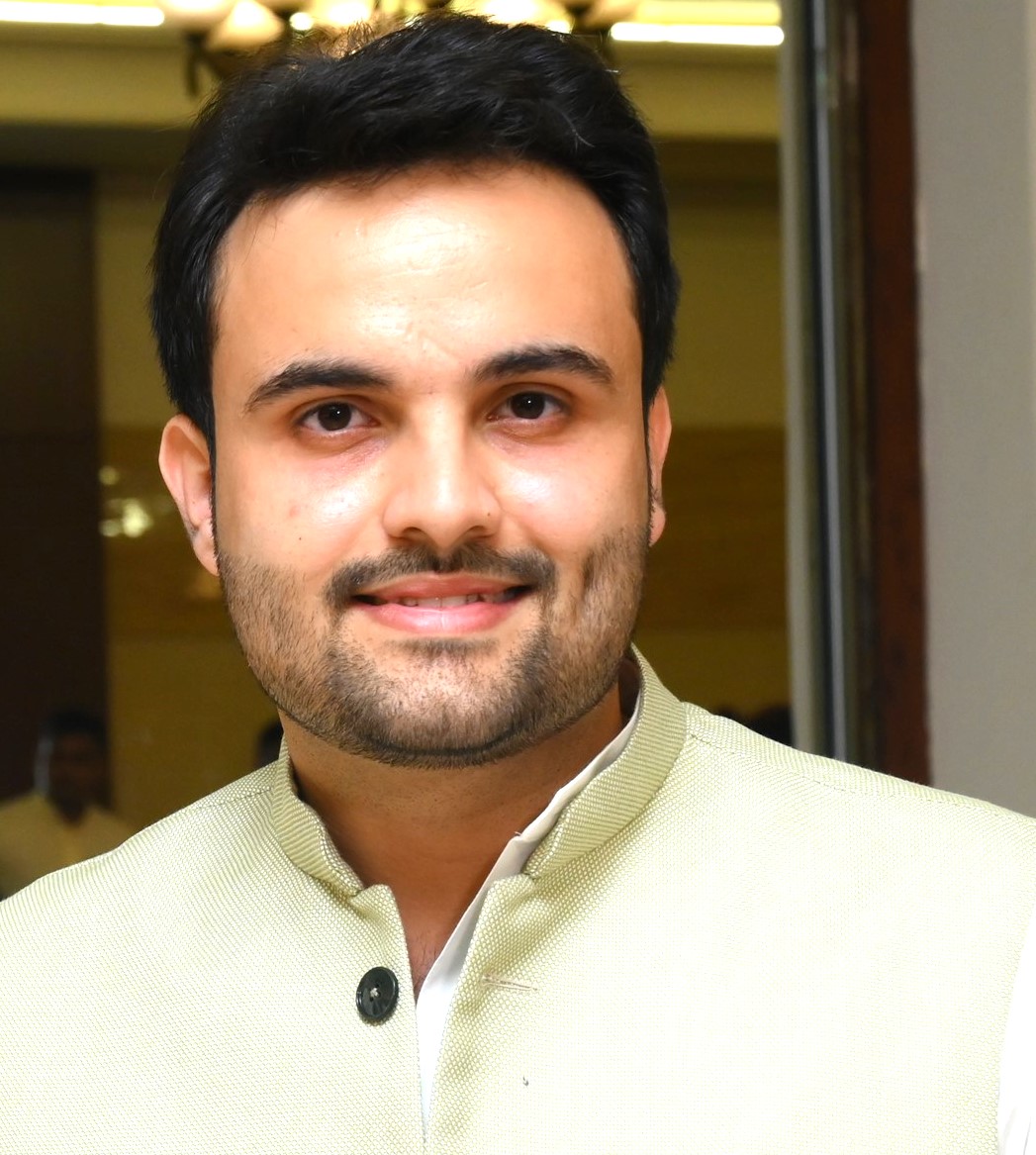







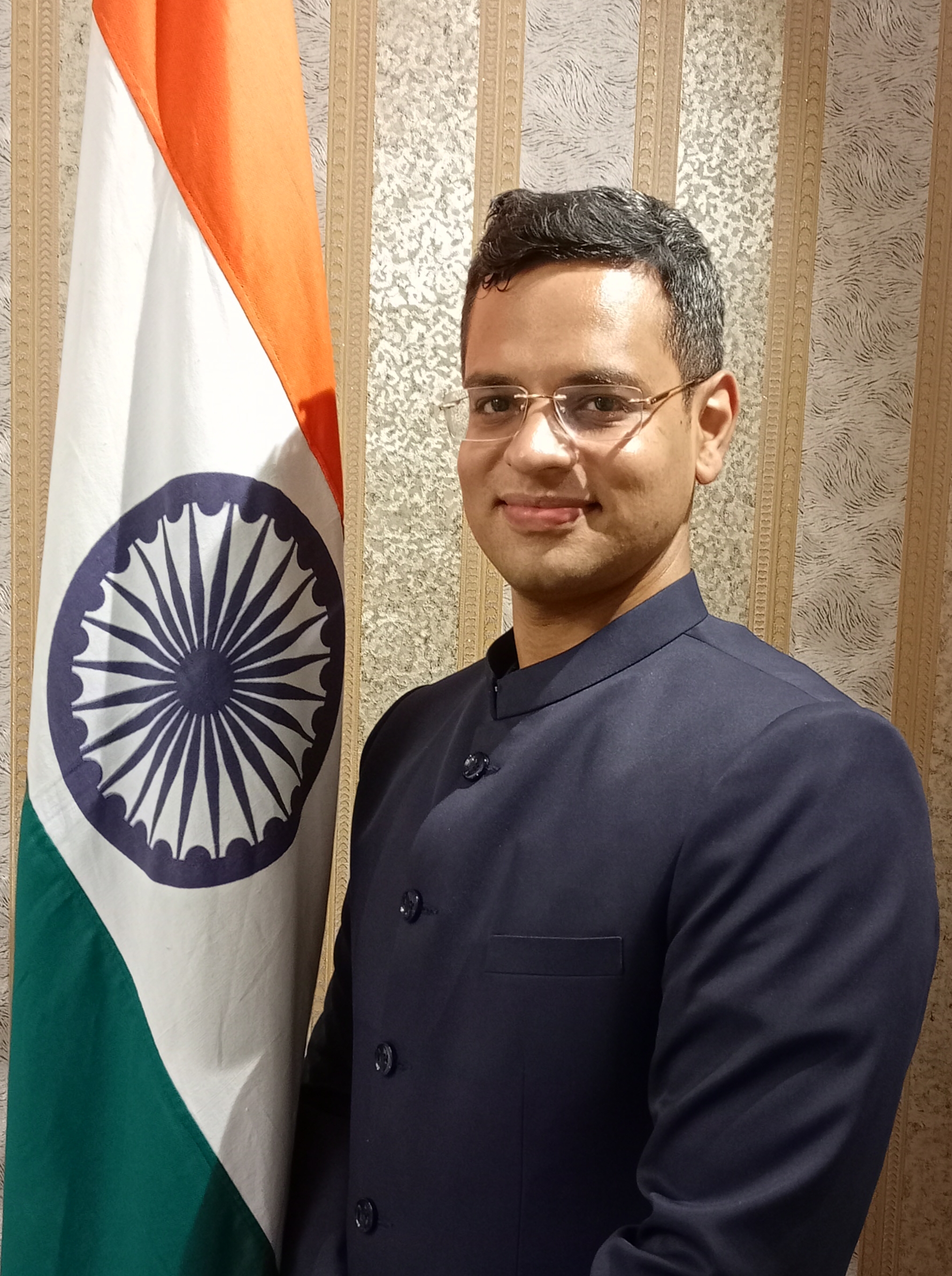

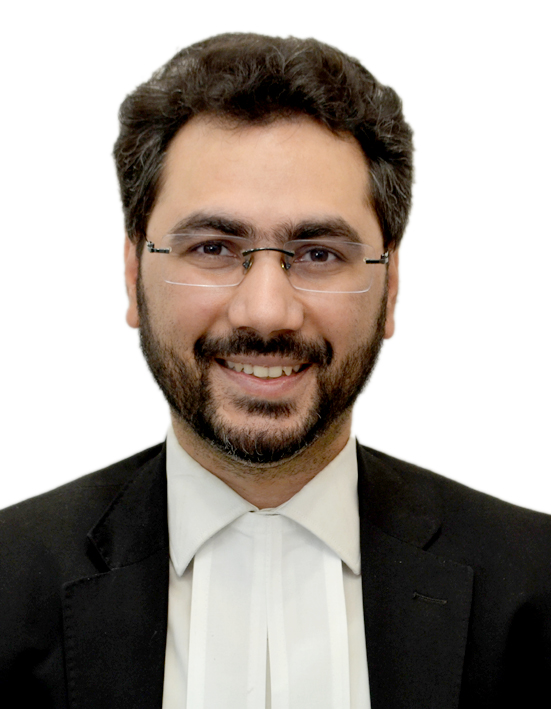




 Allow notifications