Being an AOR today with nearly a decade of experience, what initially motivated you to pursue law as a career? Was there a defining factor that guided this decision?
If I was to sum up my decision to opt for law, I would say that I was running away from engineering and landed up at law school. Law was not the obvious choice for me initially. I was a science student in school and my parents wanted me to prepare for competitive exams and pursue engineering as engineering was the obvious choice for all science students, however, very early on in 11th standard in school, I realized that it was not my cup of tea. I wanted more than just a simple 9 to 5 desk job. I wanted a career which would make me look forward to work everyday and also give me an opportunity to serve the society and that is how law, especially litigation became the obvious choice for me.
In your early years, you worked with various lawyers and law firms. What were some of the experiences that laid the foundation for your practice, and how did you deepen your understanding of law during that period?
I consider myself extremely fortunate to have worked with some of the greatest minds in the field of litigation very early on in my career. After completing law, my focus was to learn the complexities of litigation and understand the world of Trial Courts. I had initially joined the chamber of Mr. Ratan. Kumar Singh, Senior Advocate where I learned about arbitration and commercial litigation which was an enriching experience. Later, I joined BAV Partners where I got to work with Mr. Vibhor Garg, whom I deeply regard as he gave me ample opportunities to appear before various courts in Delhi. Mr. Garg encouraged me to argue matters independently and to cross examine witnesses whenever required which honestly laid down the foundation of the litigator that I am today. I also worked at a prestigious law firm like Dentons Link Legal where I saw the more organized and structured side of litigation and arbitration and handled some high-stake matters under the guidance of Mr. Atul Sharma and Mr. Ravi Varma who are both luminaries of the legal fraternity.
What challenges did you face being a first-generation lawyer?
Just like any other profession, litigation also has its share of challenges and being a first-generation lawyer sometimes puts that extra burden on your shoulders, however, I am a firm believer that first generation lawyers should stay away from these negative debates of “insider-outsider”. Thinking too much on these lines will put you in a negative loop and divert your focus from important things. Rather than focusing on other people’s plate, one should put their head down and focus on improving core skills that a litigator requires. At the end of the day consistency and hard work can beat any kind of legacy.
After almost five years in the legal industry, you took the step of establishing your own practice with Adel Legal. What inspired this decision, and what initial hurdles did you face in setting up your firm?
From day one of me joining litigation, I was absolutely clear that someday I will set up my independent practice/firm. Though it always confused me as to what should be the timing of going independent and how much experience would be enough to go independent. Later, I realised that there is no straight jacket formula to this and everyone has their own circumstances. I knew that as I progressed in the world of law firms, both remuneration and responsibilities would increase but my risk-taking capacity would decrease. Hence, I thought the sooner the better for me and decided to take this calculated risk of going independent with just 5 years of experience.
Having represented a wide range of clients, including banks, government entities, and foreign corporations before diverse judicial forums, what do you consider the most critical skills a litigator must develop to handle such varied cases effectively?
To handle a wide range of cases effectively, a litigator must develop a robust set of core skills that transcend subject matter. Analytical & Strategic Thinking, Oral & Written Advocacy, Interpersonal & Negotiation Skills are important to name a few. A litigator must have a good sense of judgment and he must knowwhen to push aggressively versus when to negotiate or settle. Also, litigation is adversarial and often high-stress. The ability to maintain focus, motivation, and composure through long, contentious cases is essential.
With your experience in arbitrations under international institutions such as ICC, SIAC, and LCIA, how do you see the role of international arbitration evolving for Indian practitioners and clients in the coming years?
I am extremely positive about the role of international arbitration evolving for Indian practitioners and clients in the coming years. Practitioners need to stay abreast of legislative reforms, institutional rules changes, and emerging jurisprudence. Indian parties are very active users of foreign arbitration institutions for international contracts. At the same time, there is increased demand for India‑seated or Indian institutions to handle international arbitrations, which reflects growing trust in domestic institutions. The Supreme Court and High Courts have increasingly issued pro‑arbitration judgments, pushing back against unnecessary judicial interference in arbitral awards, enforcing foreign awards.
Having represented the Government of Delhi before the Delhi High Court, what has been one of the most challenging cases in your practice, and how did you approach and handle it?
Handling Government litigation often involves chasing various departments, officials and civil servants for the required instructions, which is an additional challenge. I had recently worked on a case where government land worth hundreds of crores right in the heart of south Delhi had been encroached upon and even sale deeds were executed which were used to claim title over the said land leading to loss of revenue for government authorities. However, with the correct strategy and timely instructions, we were successfully able to defend the possession of the government authorities over the said land.
How has been your experience of working as Jail Visiting Advocate with the Delhi High Court Legal Services Committee?
I got empanelled as a Jail Visiting Advocate with the Delhi High Court Legal Services Committee in the year 2022. I visit various jails in Delhi every week and interact with prisoners to know their grievances and ensure that they get the required legal help and adequate representation before the High Court of Delhi and Supreme Court of India. I file bail applications for under trial prisoners and file appeals on behalf of inmates who have been convicted by trial courts. I have closely experienced the working of jails and have tried to contribute in making lives better for the prisoners. Overall, it has been one of the most satisfying experiences of my career.
What resources or methods do you rely on to stay updated with the latest legal developments, and what advice would you give to students aspiring to enter litigation? What habits should they build early in their careers?
One doesn’t need subscriptions of any legal database or fancy website to stay updated on legal issues. The website of the Hon’ble Supreme Court and various High Courts are good enough to keep you updated about the latest judgments and legal trends. But one must develop the habit of reading.
I consider myself a student of law and still learn from my mistakes, so I am not sure what advice I can offer but I can list down couple of mistakes I made in my career and would request my young friends joining litigation to avoid the same if possible:
Not doing enough internships with litigators and Judges.
Not networking enough from the very beginning.
I learnt it the hard way but the above mistakes can be avoided. Be Patient: Litigation takes time to pay off.
Becoming an AOR is a significant achievement. Could you share your journey towards this milestone and the responsibilities it brings to your role?
The Supreme Court of India conducts the AOR examination every year and the syllabus and study material can be found on the Supreme Court’s website. Preparation for the AOR exam was a learning curve, however, since I had been in practice for many years, that experience along with a solid strategy helped me sail through in my first attempt. Becoming an AOR and representing clients before the Supreme Court of India is a matter of great pride for me, but it does come with its share of responsibilities. The Supreme Court Rules and various landmark judgments of the Apex Court define the duties and responsibilities of an Advocate on Record. The Supreme Court only recognises AORs for the purposes of filing and an AOR can be held accountable for anything filed under his name and signature. But the biggest perk is that you get to file cases and represent clients from all parts of the country before the highest court of the land.
Balancing multiple responsibilities as an AOR and as the founder of your own firm can be demanding. How do you manage to strike a balance between professional commitments and personal life?
This is one challenge almost all litigators face in their lives, however, with effective time management one can easily wrap up work in reasonable working hours. I personally believe in putting in effective working hours and leaving office by 7pm and encourage associates at our firm to do the same. Unfortunately, at a lot of law firms working till late hours has become the new trend. I personally do not support or encourage that working style. Even in high-pressure environments, one should try to maintain core working hours and stick to them. Dinners with family, workouts, or personal hobbies should be treated as non-negotiable meetings.
You have built a 14-year legal journey rooted in public service and constitutional values. What inspired you to pursue a career in law, especially as a first-generation advocate coming from a commerce background?
My foray into the legal profession was driven not by legacy, but by purpose. I come from a humble background, having topped my Commerce stream at Kendriya Vidyalaya, Ghaziabad with 90% marks overall. I then pursued B.Com (Hons.) at a reputed college under Delhi University. While most of my classmates were preparing for Chartered Accountancy in what felt like a rat race, my journey took a sharp turn during my final year examination.
One particular incident changed my life. During the final B.Com (Hons.) exam, a mischievous student in our college was caught using unfair means. When the flying squad arrived, he threw the cheating material near an innocent girl student. The squad presumed her guilty and began disallowing her from writing the exam. I was a direct witness to the episode and immediately intervened, raising my voice against the injustice. I requested the squad to verify handwriting and narrated the true sequence of events. One of the senior officials sarcastically asked, ” Kya aap vakeel hain is ladki ke? ” That statement, although meant mockingly, ignited something deep within me.
From that day, my classmates teasingly began calling me “Abhishek Vakeel,” despite my not even holding a law degree. What was meant as a joke became a badge of honour. It planted the seed that an advocate is the one who defends the innocent when no one else does.
This awakening found further support in my elder brother, Vivek Choudhary—a Class I Central Government Officer and currently pursuing MBA from IIM Ahmedabad on Government sponsorship. He’s my role model. He took me to visit the Supreme Court, where I witnessed top lawyers arguing passionately, fearlessly answering judicial queries, and defending public causes with intellect and grace. That night, I couldn’t sleep. I dreamt of standing in those very courts, giving voice to those silenced by systemic oppression. My brother recognized this spark, and he invested his income and emotional support to help me pursue law. He is my hero, and I owe the advocate within me to his belief in my purpose.
Many of your Public Interest Litigations have addressed significant socio-economic challenges. In your view, what role do PILs play in strengthening democratic values and public accountability in India today?
Public Interest Litigations (PILs) are not merely judicial tools—they are the constitutional lifeline for the voiceless. They provide hope to the one standing last in the queue for justice. To many, courts are like the moon—visible but unreachable due to cost, complexity, and lack of legal awareness. But PILs create a bridge to that lunar surface.
A PIL is like Ganga Jal—pure and accessible. Like Bhagirath brought the Ganga down for mankind, a bonafide petitioner brings the concerns of the unheard to the court. PILs install fear in law-breakers and deter corporations and individuals with malicious intent. They make the powerful pause and re-evaluate when they see justice knocking at their door on behalf of the powerless.
The beauty of PILs lies in the fact that no locus standi is needed. Anyone with a genuine concern for public welfare can approach the court. It democratizes justice by empowering individuals to act as the conscience of society. For me, PILs are not cases—they are missions. Whether it’s securing food for paramilitary forces or demanding healthcare for the underserved, PILs are my way of translating constitutional values into real-world action.
Having had such immense experience over the years, could you share a particular case that was especially challenging for you personally and how you navigated it?
Every case has its own challenges, but the fight for Martyr Status for Paramilitary Forces stands out. Despite their sacrifices, paramilitary personnel were long denied the dignity of being recognized as martyrs. I had to battle bureaucratic indifference and convoluted policy frameworks. But more than that, I carried the emotional weight of families whose pain had long been ignored. That PIL wasn’t just a legal win—it was a tribute to sacrifice.
Over the years, I have filed over 36 successful PILs without charging a single rupee, with not one attracting adverse court remarks.
Another notable case was when Delhi Metro officials held a train hostage at Dwarka Metro Station over a dispute with CISF. Commuters, including students and senior citizens, were locked inside for 45 minutes. I filed a PIL the same day in the Delhi High Court. The result? 56 officials were suspended, and Delhi Metro was declared an Essential Public Service. That PIL sent a message: public inconvenience cannot be held hostage to internal disputes.
In another instance, I filed a PIL demanding identity protection for brave jawans whose families were endangered due to media interviews revealing names, schools, and addresses. I pleaded with the court to mandate blurring of faces and anonymizing sensitive details.
I have also sought a special law on road rage, after witnessing its terrifying consequences in Delhi, where innocent commuters are assaulted over minor incidents by muscle-wielding individuals.
These cases aren’t just files—they are lived experiences of pain, injustice, and eventual hope. And they reaffirm my belief: law can be a healing force.
In matters such as the Ola-Uber drivers’ strike and the regularization of DTC contractual workers, you have represented often-overlooked issues. What do you see as the key legal and structural challenges addressing issues relating to contractual workers under labour law?
The biggest issue lies in the legal ambiguity of contract-based employment, which often serves as a loophole for employers to bypass fair wages, job security, and benefits. In the DTC matter, drivers were being paid on a per-kilometer basis. To earn a livelihood, many drove buses for days without rest, leading to fatigue-induced accidents and loss of innocent lives. It was exploitation under the garb of employment.
Contractors earned crores by billing “minimum wages” under their name, while the actual drivers received only a fraction. There was no social security, no medical aid, and no dignity.
During the Ola-Uber drivers’ strike, I realized that app-based economies further compound this problem by designating workers as “partners,” removing all accountability for welfare.
We need enforceable parity, not just legal jargon. The system must acknowledge the humanity of the worker, not just their productivity.
You have described law as a responsibility toward humanity. What advice would you give to young lawyers aspiring to pursue pro bono or public interest litigation, and what values and skills should they instill in themselves for the next generation of legal professionals?
To young lawyers, I say: do not enter this profession only to earn, but also to serve. Cultivate empathy, resilience, and a deep understanding of constitutional values. Pro bono and PIL work may not always bring monetary returns, but they enrich your character and sharpen your advocacy skills in unmatched ways. Build your credibility through hard work and sincerity. Learn to listen. Be patient with the system, yet persistent with your purpose. The next generation of lawyers must embody not just knowledge but also compassion and courage.
In India, a single citizen is directly or indirectly touched by around 3,500 laws—yet ignorance of law is no excuse in our country. Even a rickshaw puller breaking a rule cannot claim he did not know the law; that is where the true responsibility of a lawyer begins: to serve those who do not have the privilege or resources to know the law. Law is like an ocean—vast and deep—and the lawyer must be the boatman for those who cannot swim through its complexities.
Being the voice of the voiceless is the highest calling—just as only a mother understands the silent cry of her child, a lawyer must develop the instinct to hear the unheard and stand as the voice of the powerless. Trees cannot come to court when they are cut illegally; the air of Delhi cannot file a petition when it is poisoned. It is we, lawyers with vision and a sense of ownership for our nation as our own home, who must stand up. If there is dust in our house, we do not wait for the neighbour to clean it—we clean it ourselves. Similarly, if you see injustice in society, do not wait for someone from America or London to come and fix it. Be the cure yourself.
Don’t be disheartened if you stand against a senior or well-known counsel. For your client, you are their Ram Jethmalani, because you are the only one they can afford. Treat each client—paid or pro bono—as your most important one. Remember: a single satisfied client becomes your unpaid ambassador to a hundred more.
As Swami Vivekananda rightly said, “All power is within you. You can do anything and everything. Believe in that.” These are the words I always speak to my juniors, associates, and interns—my office has produced many brilliant legal minds who now carry this spirit forward.
As a first-generation lawyer, what were some of the key challenges you faced early in your career and how did you overcome them while building a socially driven legal practice?
Lack of mentorship, limited networks, and financial uncertainty were significant hurdles. Unlike peers with established family chambers, I had to create my own space. After graduating from Campus Law Centre, Delhi University, I initially prepared for the judicial services exams at Mukherjee Nagar. But while my heart was always with litigation, half-hearted preparation could not yield results. After an unsuccessful year, I enrolled for my LL.M. and decided to apply for law researcher positions before Hon’ble Judges of the Delhi High Court.
Each interview, however, started with the same question: “Who is an advocate in your family? Is there any judge?”—a question that always kept me outside the door. I faced rejection after rejection while seeing my juniors and batchmates being selected. I stopped applying altogether—until I heard that Hon’ble Justice Rajiv Shakdher, then of Delhi High Court and later Chief Justice of Himachal High Court, needed a Law Researcher. I applied again. There were 10-15 candidates that day, but Justice Shakdher asked me only questions related to my legal knowledge—and selected me on the spot. He never asked the question I dreaded.
My mentor, my Guru, saw not my background but my potential. Justice Shakdher brought out the best in me. During my training under him, I found my calling as a PIL activist. I still remember reading Ghalib’s poetry books from his chamber—a hobby I cherish to this day. I carry with me his wisdom: Abhishek, when your case is strong on merit, you need not argue loudly. But when it is weak, you cannot afford to stay quiet.” His guidance shaped my understanding of the law and the role of the press too “The role of the press is like a mirror—it tells the king when he is naked.”In this profession, a senior’s role is crucial. If your master is Krishna, you will surely become an Arjuna. My mentor was my Krishna—he picked a small-town boy with no connections and made him an advocate for the unheard voices of this nation.
As panel counsel to various government bodies and PSUs, including NDMC, what kinds of matters do you typically handle and what are some unique challenges that come with representing public authorities?
I handle a wide spectrum of matters—ranging from service disputes, contractual enforcement, regulatory compliance, to urban development and infrastructure litigation. Representing public authorities like NDMC or Indraprastha Gas Limited means you must defend government action with integrity while ensuring legality, fairness, and public interest remain paramount.
There is always public scrutiny, frequent bureaucratic hurdles, and complex policy frameworks to navigate. It demands a deep understanding of administrative law and an ability to harmonize governance with justice. I remember a unique matter while representing Indraprastha Gas Limited—where a pipeline connection for residents had to pass beneath the Chief Minister’s official residence in Civil Lines, Delhi. Security protocols disallowed digging there. But by taking the plea of larger public welfare, we convinced the Hon’ble Court to direct the CM’s Secretariat to allow the underground pipeline work so that adjoining residents could get gas connections. This demonstrated how, in matters of genuine public interest, even the Chief Minister’s house can be dug up—because the law always serves the people first.
You have received recognition for your contributions to socially impactful cases, including improving food quality for paramilitary forces and advocating for alternate employment for UPSC interview-qualified candidates. What motivates you to take up such causes?
I am deeply motivated by the belief that law must uplift the vulnerable and forgotten. After graduating from Delhi University’s North Campus, I did my coaching for judiciary at Mukherjee Nagar, where many of my friends cracked the UPSC and now serve as IAS and IPS officers. Through them, I learned the harsh reality—sometimes, a candidate misses the final merit by just one mark and, out of despair, takes their own life. I have always felt that any candidate who reaches the UPSC interview stage—clearing the world’s toughest preliminary and main exams—has immense worth. Why should they not get an alternative government job from the pool of interview-qualified candidates?
Similarly, when I discovered that paramilitary officers and lower ranks were eating food of vastly different quality, I filed a PIL for uniform food standards—because the motherland does not feed one son better than the other. In a family, when a mother cooks food, it is served equally to the elder and the younger. The same must be true for our forces.
These cases chose me as much as I chose them. They remind me daily that justice delayed is justice denied. I am driven by conscience, not convenience. The path is long, but its impact brings dignity, hope, and change for countless lives.
Managing a demanding public interest and litigation practice can be intense. How do you maintain personal well-being and avoid burnout amidst such diverse responsibilities?
Balance is critical, though not always easy. I believe in compartmentalizing my work and carving out moments for reflection and rest. Staying connected with nature, spending time with family, and celebrating small victories keep me grounded. My hobbies—poetry writing, painting, cooking vegetarian food, listening to songs, and playing cricket—recharge me. I even captained my batch’s cricket team at Campus Law Centre.
Beyond courtrooms, I find purpose in acts of compassion. In Noida and Greater Noida, I noticed stray cows suffering in the scorching summer heat without water. I took the initiative to install water tubs for them and donated these to the Noida authorities. Today, thanks to this step, many cows are saved from thirst and heat waves every year. I have received awards and recognition from NGOs and news channels for this effort, and several housing societies have now adopted similar practices by installing water bowls for stray cattle and animals.
At the end of the day, when your work is rooted in service, it ceases to feel like a burden. But yes—rest, reflection, and self-care are vital. Only a healthy advocate can truly fight for justice.
Closing Note
Thank you, SuperLawyer and LawSikho, for this thoughtful opportunity. If my journey can inspire even one young lawyer to choose justice over convenience, I will consider it time well spent. Law is not just a profession—it is a mission. May we never forget that.
Becoming an Advocate-on-Record is a notable milestone. How has this role influenced your practice, and what added responsibilities and opportunities has it brought with it?
At the felicitation event for the Advocate-on-Record (AoR) cohort I was part of, one of the office bearers remarked on how many current Supreme Court judges and successful senior advocates once held the AoR designation. I fully agree, it is indeed a significant milestone. From the very beginning of my legal career, I have been involved in matters before the Hon’ble Supreme Court. Even as a law student, while interning with a Senior Advocate who was then the Additional Solicitor General of India, and another renowned Advocate-on-Record, my interest in practicing at the Supreme Court grew substantially. The allure of working at the apex court and daydreams of arguing before a Constitution Bench inspired my aspiration to become an AoR. Professionally, becoming an AoR has had a profound impact on my practice. A significant portion of my clientele comprises corporates, PSUs, and government bodies, many of whose matters ultimately reach the Supreme Court. Knowing that I am an AoR provides them the assurance that I can seamlessly handle their cases from initiation to conclusion. Furthermore, the AoR designation has opened new avenues, particularly access to appeals originating from courts outside Delhi, which make up a large portion of the Supreme Court’s docket. This has allowed me to engage with unfamiliar legal terrains, such as matters relating to mining or religious endowments, that are not commonly litigated in Delhi, thereby broadening both my exposure and expertise.
You began your career with some of the top law firms in the country. What were some of the most impactful experiences during that time that significantly shaped your professional trajectory?
Looking back, I feel quite lucky to have started out at some of the leading law firms in India. Making the shift from law school to a Tier-1 firm was a bit of a shock to the system at first. One day you’re attending lectures and the next you’re handling serious matters for big companies, many of them multinationals with huge stakes involved. There was a real sense that everything had to be perfect from the get-go, especially when it came to drafting and research. As a junior associate, that kind of pressure can either rattle you or sharpen you.
In my case, I think it did the latter. The fast-paced, high-stakes environment taught me to be meticulous and put in the work, right from day one. That habit stuck, and it’s something I still carry with me, no matter what kind of matter I’m dealing with.
One memory that stands out from those early days was when I was asked within my first week to brief Mr. P. Chidambaram, Senior Advocate, on a writ petition related to service tax. I won’t lie, I was nervous. I stayed up most of the night going over every detail of the case so I’d be ready. It was a trial by fire, but somehow, it went well and gave me a real boost of confidence.
Beyond individual moments, what really shaped me was the overall work culture particularly during my time at AZB & Partners and Cyril Amarchand Mangaldas. I got to work with international clients and interact with foreign lawyers, which gave me a fresh perspective. One thing that really stood out was how structured and transparent their approach was; frequent updates, clear timelines, and detailed billing were the norm. I’ve tried to bring some of that structure into my own work now, and it’s definitely helped in building better client relationships.
Having worked with both reputed law firms and Senior Advocates, what key differences have you observed in terms of work environment, nature of responsibilities, and overall approach to legal practice?
The common aspect of both law firms as well as senior advocates is that as associates/juniors there is an expectation of high level of professionalism. Working in a dispute resolution team at a law firm entails a lot of team work and coordination. Law firms also have a hierarchical structure and within a few years an associate upon getting promoted is expected to lead, guide and train junior members of the team as well. It is also noteworthy that in full service law firms we often worked with lawyers from corporate, transaction and tax teams where their clients got into matters of litigation. This is an advantage of working at full service law firms where even though you may be in a litigation team, there are instances where you get to experience and work along with peers from different practice areas which broadens your horizon. In contrast, when you are working with a senior advocate, there is no hierarchy as such and juniors are expected to directly assist the senior. In turn, however, you get to learn directly from the senior who has decades of experience in the field. There is also no expectation or requirement to lead or supervise other chamber members as each of them would assist the senior in their individual capacities. As far as the responsibilities are concerned, there is a clear distinction in role one plays as a lawyer at a law firm in contrast to a junior in the chamber of a designated Senior Advocate. Most of your readers would already know that Senior Advocates do not engage with litigants directly and the solicitors are their clients essentially. Further, Senior Advocates chambers do not draft pleadings and do not file matters. The aforesaid tasks are to be executed with great sincerity and precision in a law firm. I was lucky to have incredible mentors like Ms. Roopali Singh, Former Senior Partner AZB and Partners and currently the head of dispute resolution at Vritti Legal. I learnt the basics and nuances of drafting under her tutelage. In the initial years of practice at law firms, all filing related tasks are handled by the junior members of the team in collaboration with the court clerks. It is an art to file a petition with minimal or no defects and in cases which are time sensitive and urgent in nature, it can be a make or break thing. I think my experience in law firms also helped me gain proficiency in filing procedures dealing with the registry which is often overlooked as a rudimentary task.
In contrast, working with a senior advocate is totally focussed on mastering the facts and the law of the case and working with the Senior to bring out the most impactful and precise arguments for addressing the court. My Senior, Mr. Prashanto Chandra Sen, Senior Advocate is a product of Dr. AM Singhvi’s chamber and the first thing I learnt from him was a particular style of preparing a note for arguments which he had learnt from his senior, Dr. Singhvi. This consists of a list of relevant dates, submissions and response to contra points. I still follow this format for matters that I argue on my own and even for briefing other Senior Advocates in my matters. Working in a senior’s chamber also means more number of cases to deal with on a daily basis for hearings as compared to a big law firm where the number of hearings per day would be significantly lesser.
With a background in Computer Science (BTech), what inspired your transition to a career in law? How did your experience in law school shape your journey, and in what ways has your engineering education contributed to your legal practice?
A career in law was never on my list. I had started preparing for MBA exams like CAT in my final year of engineering and scored well in my first attempt. I decided to improve my score to get into a top IIM and dropped a year after completing Btech to reappear in CAT. In the meanwhile, on a friend’s suggestion, I gave the Delhi University, Faculty of Law entrance and cleared that. I enrolled and started attending classes out of curiosity. As fate would have it, I liked what was being taught in law college and jettisoned the plan of doing the MBA, leading to a switch in a career to law.
The Delhi University 3 year course experience is quite different from 5 year BA LLB residential programs. Even though we had excellent professors, there was a lack of guidance regarding career options post law school. So I decided it was best to intern as much as possible and get a taste of different practice areas and offices. Being in Delhi helped because there were several options from law firms to reputed chambers where one could look to land an internship. After interning extensively in various offices, I felt that being a first generation lawyer, the best option for me was to join a law firm preferably a tier one firm which pays well ;). I was lucky to intern a couple of times at the AZB and Partners Delhi Office and had offers to join the capital markets team and dispute resolution team. Given my interest in litigation I chose the latter. That was the formal start of my journey in litigation which I thoroughly cherish.
My science and engineering background has helped me immensely in practice. This was felt particularly while working on matters of interstate river water disputes where I was on the legal team from the State of Andhra Pradesh, led by Mr. R Venkatramani, Sr Adv and presently Attorney General of India. Water disputes require advocates to understand highly technical concepts related to hydrology, cropping etc. which in my humble opinion can be grasped better, faster and deeper by a student of science and technology as compared to someone who hasn’t received training and education in sciences. Even in my construction arbitration practice I have reaped the benefit of my science background, particularly on disputes arising out of issues relating to design and specifications in a construction contract.
You’ve advised and represented construction and project management firms in high-stakes arbitration involving contractor and subcontractor disputes. What are some of the recurring challenges in such matters, and how do you approach them to secure effective outcomes?
A lot of claims in construction and infrastructure disputes arise out of delays. Delays can be on many accounts, Invariably, when there is a dispute between a private party and government entity, it is the latter who is blamed to cause delay. Delays could arise on various counts such as lack of statutory approvals, late handover of site, change in scope of work and delay in delivery in drawings and designs, which are out of the contractor’s control. On the other hand, if a contractor defaults in its obligations and causes a delay, claims for liquidated damages (if already specified in the contract) or damages for breach can be made against the contractor by the principal. These are situations which should be handled tactically at an early stage before an aggrieved party precipitates the issue to become a legal dispute. A lot of these disputes can even be avoided by careful drafting of contracts which eliminates ambiguity. Proper contract management and risk mitigation is another aspect that parties must consider to avoid and reduce potential liabilities in the event a dispute arises. Once a dispute has been referred to arbitration, the first thing I would try to achieve, in case I am representing a claimant, is to identify if there are special equities in its favour which might result in getting interim relief in the form of stay on bank guarantees and forfeiture of security deposits. This is extremely difficult, albeit, not impossible and can go a long way in securing some level of financial relief for a party at the very inception of a dispute. I also believe that bringing on board experts can prove critical for the outcome in complex arbitration matters. The impact that experts make is greater in cases where there is a sole arbitrator who is trained judicially as a judge or an advocate. Expert reports along with oral testimonies can often bring the desired clarity to an arbitrator’s mind which can tip the scales in such disputes.
Another great challenge that counsels may face is the ‘Arbitrator’. Today we have a lot of talks, conferences and events centred on the arbitration practice. Every month something would be organized where lawyers, judges, in-house counsel, people from the law ministry come and give speeches about making India a hub for international arbitration, how challenge to awards and court interference should be limited etc. However, a topic which is often overlooked is the quality of arbitrators we have in our country, particularly with respect to their integrity. Unfortunately, if a party is pitted against an arbitrator who is deciding the matter for extraneous reasons, an effective immediate solution may not always be on the cards. In such cases it may be wise to come to a reasonable settlement.
Representing the Union of India and UPSC before various judicial forums, including the Supreme Court, involves complex litigation. How do you manage the legal and strategic dimensions of handling high-stakes public and service law matters on behalf of the government?
In my humble opinion, the most important part about litigating on behalf of the government is to get proper instructions from the concerned officers. I have been lucky to have worked with incredibly competent and energetic officers during my tenure as a panel counsel with various government entities which has helped me in effectively representing them before Courts. In the Supreme Court, the critical cases involving the Union of India are led by the Additional Solicitor Generals, the Solicitor General and the Attorney General. Briefing such stalwarts on matters which involve questions of interpretation of the constitution, issues related to national security, legality of policy decisions which has implications of thousands of crores is like doing a masters of law on these subjects with real life implications. Working closely with these Seniors on 300 + matters in the Supreme Court, often handling 5 fresh cases a day has helped me develop an instinct to identify what is most important in a petition to highlight and show to the Court. This experience has helped me with the skill to manage client expectations and offer better advice regarding the reliefs that are likely to be granted in their favor, rather than what is initially requested and prayed for. This is an essential part of advocacy whether you are representing the government or a private party. Sometimes our instincts may not be accurate enough, and the client may benefit from providence and get the relief they expected rather than the conservative outcome predicted by their advocate, however, such victories also taste sweet.
Looking back, what has been one of the most challenging cases in your career so far, and how did you approach and resolve the complexities involved?
Well, every case is challenging and has a certain degree of complexity involved, we wouldn’t be in Court otherwise ! I will, however, talk about a couple which came first to my mind when I read this question. This is a recent one where I was appointed as an amicus by the Supreme Court for an accused to whom notice could not be served and accordingly, he didn’t appear before the court. As we know, criminal matters cannot proceed ex parte, so I was appointed to assist the court on behalf of the accused. The allegations in this case were very grave which attracted provisions of POCSO. The challenge here was that I was representing a client who I never interacted with, which was a first for me. Upon thorough and meticulous examination of the trial court record, I successfully presented a defence that was accepted by the Court, resulting in the confirmation of his acquittal against the prosecution’s case.
A second very challenging case was one where I appeared on behalf of the revenue authorities before the Supreme Court and the question of interpretation of a customs and excise circular was involved. The other side was represented by Mr. Arvind Datar Sr Adv. After Mr. Datar’s arguments were concluded, the bench was convinced that I had no case, in fact the question put to me was – “what is left to argue now ?”. It is only because I had extensively prepared the matter, made a comprehensive note for arguments which had all the relevant page numbers cross referenced and had a compilation of judgments which was again numbered with an index which indicated the relevant paragraphs, that I could persuade the court to consider my submissions which lasted for around 45 minutes. It involved rigorous grilling from the bench as well. The judgment was reserved and the opposite party got the relief sought, but the experience I gained was something remarkable and gave me the confidence to have faith in myself irrespective of the stature and calibre of the counsel on the opposite side.
Given your diverse expertise across litigation and arbitration, what guidance would you offer to young lawyers who are just starting out, especially those aspiring to build a robust career in litigation?
Today a fresh graduate who wishes to pursue litigation has 3-4 different kinds of workplaces to start out. It could be the chamber of an advocate or senior advocate, a law firm, an in-house role where substantial litigation work exists or as a research associate/law clerk with a High Court or Supreme Court Judge. Out of these, 3 roles are transitory and one cannot continue in that position or establishment for their entire career. Law firms are one such place where you can start as an associate and rise up the ranks in a fairly structured and predictable manner. I would suggest someone who is a first generation lawyer without significant financial support from their family who does not have a great appetite for risk and uncertainty (which is certain in private practice), should try and join a law firm. It will give them financial stability, reasonable exposure to courts along with other advantages of working in law firms which I have already touched upon in some earlier questions. People who are passionate about law and want to build their own practice in the future should join a busy chamber and then look for a good senior’s chamber to polish and sharpen their skills further. Another thing worth noting in litigation is that one should be ready and available to work everyday of the week for long hours on a consistent basis under mentors and bosses who are strict and demand the highest standards. Going through such rigours is the best thing that a budding litigator can do for themselves. A quote attributable to a great figure- Abraham Lincoln may give my suggestion more context, which goes – “You can’t sharpen your razor on velvet”
Is there a core philosophy or guiding principle that you’ve followed throughout your legal career? Looking ahead, how do you envision the growth of your practice in the evolving legal landscape in India?
I have been a lawyer for a decade now. A core philosophy or guiding principle which has been there through and through is absent as far as I am concerned. But along the way I have learnt a few things which guide me now and I view them as beneficial generally.
There is one quote that I picked up from a book called “The 38 Letters from JD Rockefeller to his Son”. In one of the letters JD Rockefeller tells his son that – “To eat an elephant, you need to eat one bite at a time. The same goes to when you are doing something. If you want to accomplish everything in one go, you will only let the opportunity slip away.”
So, this field is a big elephant, you have to eat it one at a time. We cannot be an expert in every field of law or build a great network or have a great team or accomplish several other things which are essential for a successful practice, all at once. If we attempt that, there will be chaos which would lead to anxiety and nothing will be accomplished. Therefore, my 2 cents on an approach to a career in law would be to gradually advance, be patient, and take actions which are planned, structured and precise. This will slowly build into something very impressive and worth cherishing.
The second would be to be bold and ready to get outside your comfort zone. When I observe, read and hear about the great individuals who have been in this profession, the thought which comes to my mind is that if they could do it, why not me. This thought keeps me going when the chips seem to be down and doubt arises.
Third and last one is – to prioritise learning and upskilling. Look out for the latest trends and take the first mover advantage in this highly competitive market.
We are a rapidly growing firm led by two partners and one tax consultant. Apart from the conventional practice areas we are also looking at the future and emerging fields such as law and regulations surrounding AI, its impact on intellectual property, cybersecurity, energy law and data privacy. These fields are interesting from an academic as well as practice stand point. Jurisprudence on these subjects will rapidly develop in the future. As I have said before, there are opportunities for the early entrants which is golden for new firms like ours as the entry barriers are less. It goes without saying that we will build upon our strengths and continue serving our existing clients with top notch tier one level service in a cost effective manner, while we strive to grow by expanding our teams and clientele.
With a specialized academic background in Intellectual Property Law and experience in arbitration, what first sparked your interest in these fields, and how did you chart your path toward building a niche?
My interest in Intellectual Property (IP) Law and Arbitration developed early during my legal education, as I observed how legal structures could facilitate innovation and enable efficient dispute resolution. The interplay of creativity, commerce, and protection within IP law captivated me, while arbitration appealed to my inclination toward structured, time-bound mechanisms for conflict resolution. Recognizing their growing relevance in a globalized, technology-driven world, I pursued a specialization in Intellectual Property Law and complemented it with a Diploma in Cyber Law and a Diploma in Alternate Dispute Resolution. Early in my career, I had the opportunity to work on both IP-centric transactions and arbitration matters, particularly for technology and media clients. This exposure helped me build core competence in these areas. Over the years, I have advised and represented clients in complex IP disputes, as well as high-value arbitrations, thereby developing a niche, multidisciplinary litigation and advisory practice.
With over 12 years of diverse litigation experience across multiple domains, what inspired you to establish your own independent practice? What were some of the initial challenges you faced, and how did you overcome them?
The decision to establish my independent practice was a natural evolution in my professional journey. After years of working with reputed law firms and handling high-stakes litigation and arbitration, I felt the need to channel my experience into building a practice that reflects my values and strategic approach.
Presently, I am regularly engaged by clients and fellow advocates for representation and strategic assistance in matters before the Supreme Court of India, the High Court of Delhi, the NCLT/NCLAT, NCDRC, and Arbitral Tribunals. My practice spans a wide range of civil, commercial, and arbitration matters, with a strong emphasis on tailoring strategy to suit the forum and the nature of the dispute.
That said, the transition to independent practice came with its own set of challenges, particularly as a first-generation lawyer. Unlike those with family legacies in the profession, I did not inherit a chamber, a network, or a ready set of clients. Every brief, every introduction, every recommendation had to be earned through consistent effort and credibility.
One of the most immediate hurdles was building a reliable and cohesive team that aligned with the standards and expectations I had set. Another was gaining visibility and establishing credibility in a competitive legal ecosystem where institutional names often carry weight. Financial unpredictability, especially during the initial phase, was a very real concern.
But persistence, the trust of long standing clients, and the support of peers in the profession helped me navigate those early hurdles. Looking back, the absence of a safety net made the process harder, but it also made every milestone more meaningful.
You’ve represented various corporates and associations before the Hon’ble Supreme Court. What are some key strategic and procedural considerations when preparing matters for the Apex Court?
As an Advocate-on-Record, I am closely involved in ensuring procedural compliance at every stage, whether it is curating the record, certifying pleadings, or meeting filing timelines. The smallest procedural oversight can delay a matter or, worse, affect its prospects, so attention to detail is non-negotiable.
Strategically, it’s essential to identify and frame substantial questions of law that warrant the Court’s attention, especially when seeking special leave. The task is not just to argue well but to demonstrate why the matter deserves to be heard at the apex level. This often involves a careful study of precedents, anticipating the judicial approach, and distilling complex factual matrices into crisp legal propositions.
When representing corporates or industry bodies, an added layer of responsibility arises, ensuring that litigation strategy is aligned with their internal governance, compliance protocols, and long-term commercial outlook. In such cases, the objective is not only to secure relief but to do so in a manner that reinforces institutional credibility and legal preparedness.
Ultimately, preparation for the Supreme Court is not about volume of material, but the clarity of thought and brevity in presentation. Every word counts and every argument must serve a precise purpose.
With the rapid rise of technology including AI and digital platforms, how do you see the landscape of dispute resolution changing, particularly in the realms of IP and commercial litigation?
The rapid evolution of technology, particularly artificial intelligence, and digital platforms, is fundamentally reshaping the legal landscape. In the realms of commercial litigation and arbitration, we are already seeing an increased reliance on digital evidence, virtual hearings, and AI-enabled legal research tools.
In the context of intellectual property, technology has created both opportunities and complex challenges. Issues like digital piracy, AI-generated works, and automated infringement detection demand legal interpretations that go beyond traditional IP frameworks. The pace of innovation often outstrips legislative response, placing greater responsibility on lawyers and Courts to bridge that gap with well-reasoned, forward-looking arguments.
From a procedural standpoint, the integration of e-filing systems, hybrid hearings, and digital evidence management has significantly improved access to justice and case efficiency. These changes, initially introduced out of necessity during the pandemic, have now become institutional features, and rightly so.
Looking ahead, I believe technology will not just augment dispute resolution but redefine it. Online dispute resolution (ODR), smart contracts, and AI-assisted decision-making are likely to become more mainstream. For practitioners, this underscores the need to stay agile, continually upgrade their understanding of emerging technologies, and reimagine advocacy in a digital-first environment.
Having said that, while AI can assist in streamlining legal tasks, it cannot substitute the nuanced reasoning, ethical judgment, and strategic insight that human intelligence brings to the legal process. Law is not only about rules, it is about context, persuasion, and the ability to interpret human conduct. These are areas where human advocates remain irreplaceable. It will likely take considerable time, and fundamental shifts in legal philosophy, before AI can meaningfully replicate that depth of analysis and discretion. For Advocates today, the challenge lies in integrating new-age tools without losing the craft of advocacy.
In advising international clients, especially in technology-related matters, how do you navigate cross-border legal systems? Do you feel India’s evolving legal framework is now aligned with global standards in this space?
Advising international clients requires not just legal expertise but also cultural and regulatory sensitivity. I ensure that our advisory is aligned with both Indian legal requirements and the client’s jurisdictional obligations. This involves collaborating with foreign counsel, staying updated on global developments, and contextualizing advice for transnational operations. India’s legal framework, particularly in arbitration, data protection, fintech, and IP, is increasingly converging with global best practices, though there is room for further harmonization. With the evolving jurisprudence in arbitration law, cyber and tech law, India is on the right path to becoming a robust jurisdiction for global business.
Having handled numerous high-stakes arbitrations, what are the key challenges you’ve encountered? In your opinion, how is Alternate Dispute Resolution shaping the future of dispute resolution in India?
Arbitration, particularly in sectors like construction, infrastructure, and real estate, often brings with it layered complexities, voluminous records, overlapping issues, technical details, and multi-party coordination. One of the foremost challenges I have encountered is ensuring that the presentation of evidence remains streamlined and digestible for the arbitral tribunal, especially when dealing with expert reports, engineering documents, or financial data spanning several years.
Coordinating with technical experts, be it structural engineers, accountants, or valuation professionals, also demands careful calibration. Their inputs must be integrated in a legally coherent manner while preserving clarity. Additionally, procedural inefficiencies, such as fragmented hearings, delayed cross-examinations, or challenges in securing timely interim relief, can dilute the effectiveness of arbitration if not proactively managed.
Enforcement remains another practical concern. Winning an award is one part of the battle; ensuring its timely execution, particularly in cross-border contexts, can often test both patience and strategy.
That said, I firmly believe that Alternate Dispute Resolution is no longer just an alternative, it is becoming central to the evolution of commercial justice in India. With institutional arbitration gaining maturity, greater judicial support for party autonomy, and statutory amendments aimed at reducing timelines, ADR is now seen not only as a faster route to resolution but also as one that offers confidentiality, flexibility, and sector-specific expertise.
In my own practice, I have seen clients grow increasingly open to ADR mechanisms, not only for dispute resolution but also for pre-dispute risk management. The shift is encouraging and, in many ways, necessary for a modern, efficient legal ecosystem.
What guidance would you offer to young lawyers who aim to develop a multifaceted practice in litigation and advisory, especially in specialized areas such as intellectual property and arbitration?
Young lawyers have more access today than ever, judgments are online, mentors are more approachable, and the legal market is broader. But with this comes pressure to specialize early.
My advice is to not to rush it. Spend your first few years building a strong base helps immensely. Attend court. Observe. Take notes. I still remember sitting in the back row of a courtroom during my early days, watching a senior counsel argue a simple interim application. The way he positioned facts, paused, and responded taught me more than any classroom could. That moment stayed with me.
Do not hesitate to ask questions or seek feedback. Invest in courses, read beyond textbooks, and keep your curiosity alive. Most importantly, find mentors who do not just teach the law, but help shape how you think. I have been lucky in that regard and I try to offer the same to juniors in my chamber.
Honestly, there is no one-size-fits-all formula. But if you stay honest with your work, remain open to learning, and surround yourself with people who push you to grow, the law has a way of rewarding your efforts.
Being enrolled as an Advocate-on-Record at the Supreme Court is a significant professional milestone. How has this achievement influenced your practice, and what additional responsibilities does it entail?
Becoming an Advocate-on-Record at the Supreme Court has been one of the most defining moments of my professional journey. It has brought me honor and repute. It is both a privilege and a significant responsibility, one that has deepened my involvement in constitutional, commercial, and regulatory litigation at the highest level.
The designation has brought with it the ability to independently file and conduct matters before the Supreme Court, which naturally expands both the scope and depth of my practice. It has also instilled a heightened sense of accountability, not just to clients, but to the institution of the Court itself. Every filing under my name carries the weight of professional integrity and procedural precision.
As a first-generation practitioner, the journey to clearing the Advocate-on-Record examination and earning the trust of clients in this capacity has been particularly meaningful. The recognition has not only enhanced my standing within the legal fraternity but has also opened doors to more complex and high-stakes litigation assignments, often requiring strategic foresight, coordination with senior counsel, and deep research.
Managing a demanding legal practice, especially as an AOR, can be intense. How do you maintain personal well-being amidst professional commitments? What does unwinding and relaxation look like for you?
Managing a demanding legal practice, especially in the role of an Advocate-on-Record, requires more than just professional discipline. It calls for conscious balance, perspective, and self-care. The pace can be relentless, with high expectations and tight timelines, but I have learned over the years that sustainability in this profession depends on how well you manage your energy, not just your time.
The unwavering support of my family has been the bedrock of that balance. Their patience and encouragement, especially during peak court seasons or when critical matters are listed back-to-back, provide a sense of stability that anchors me amidst the intensity of litigation. Knowing that there is understanding and reassurance outside the courtroom makes the pressures inside it more manageable.
I also try to be deliberate about switching off. Reading, particularly outside of law, is something I turn to regularly. Even a short walk or a quiet break during the day can bring a surprising amount of clarity. Setting boundaries around work hours and consciously unplugging when possible has helped me stay mentally alert and emotionally steady.
Ultimately, it is the combined support system at home and at the workplace that sustains consistent performance and personal fulfillment in this profession.
The field of law is intellectually stimulating but undoubtedly comes with its own set of challenges. What initially inspired you to pursue a career in law, and what continues to drive your passion for this profession?
During my school days, even though I was a backbencher, I was deeply committed to my studies and consistently ranked among the top five students. In 12th grade, my sole focus was to score well in the board exams. At that stage, I didn’t have the right exposure or mentorship to guide me through structured career entrances like CLAT, so I missed that opportunity. But in hindsight, I believe everything unfolded as it was meant to.
My journey into law began soon after, and it felt like a natural progression. What initially inspired me was the intellectual challenge the field presents—law requires critical thinking, structured reasoning, and a constant engagement with real-world issues. I was drawn to its power to bring order, resolve disputes, and protect rights.
What keeps me passionate today is how dynamic and impactful the profession is. No two matters are ever the same. Whether I’m drafting arguments, interpreting statutes, or strategizing for a client, there’s always something new to learn and contribute. The sense of purpose that comes from knowing my work can help individuals, shape policies, or uphold justice is incredibly fulfilling. Law constantly challenges me to grow, not just as a professional but as a person. That’s what keeps me inspired every single day.
After completing your law degree, what motivated you to pursue a Master’s in Corporate and Business Law from Gujarat National Law University? Why did you choose this particular specialization and institution?
Before pursuing my Master’s, my journey as a first-generation lawyer was rooted in curiosity and a hunger to learn through experience. With no mentors in the field, I gravitated naturally toward litigation. My first internship was under Hon’ble Mr. Justice Aniruddha P. Mayee, who was then an Advocate-on-Record at the Supreme Court and is now a sitting judge of the Gujarat High Court. Observing his sharp advocacy and structured thinking left a lasting impression on me. It was there I discovered the energy and depth of courtroom practice, and I knew litigation was my path.
Being a hands-on learner, I expressed a desire to continue training under him. He encouraged me to first build a strong foundation at the trial court level, and referred me to a boutique litigation firm in Jangpura. For nearly three years, I balanced my law school schedule with intensive training at the firm, gaining invaluable exposure to real-world practice.
Later, I decided to pursue a Master’s in Corporate and Business Law from Gujarat National Law University. Having missed the NLU experience earlier, I was determined to learn in that ecosystem. GNLU’s academic rigor and national stature gave me the perfect platform to complement my practical litigation background with a solid corporate legal framework.
In the early stages of your legal career, what were some formative experiences that deepened your understanding of the law? How significant do you believe was the role of mentors or seniors during this phase?
In the early stages of my legal career, what truly deepened my understanding of the law was being exposed to its ground-level application. Working closely at the trial court level, I learned that law is not just about theory or interpretation; it is about people, timing, and precision. I saw firsthand how a strong cross-examination or a well-crafted written submission could influence the outcome of a case. This practical immersion gave me a sense of how justice is pursued step by step.
One particularly formative experience was learning to draft under tight deadlines in live matters. I understood the value of clarity, accuracy, and urgency. No classroom could have replicated that intensity.
Mentors played a critical role during this time. Their guidance was not limited to legal advice; they taught me how to carry myself in court, how to listen, when to push, and when to hold back. Their trust in giving me real responsibilities early on helped build my confidence. Being corrected in real time and then being encouraged to do better was more valuable than any textbook. These early lessons laid the foundation not just for my knowledge of law but for how I practice and perceive it to this day.
You have represented constitutional writ petitions involving sensitive issues, such as the rights of transgender and sexual minority prisoners. What inspired you to take on such complex matters? How do you approach the legal, ethical, and emotional dimensions of cases that receive widespread media attention?
Yes, I’ve always been deeply driven by causes rooted in social justice and constitutional values. My journey into such complex and sensitive matters began in 2020, when I filed a PIL in my own name before the Delhi High Court, seeking protection of attorney-client privilege in virtual communications during the COVID-19 pandemic. The court issued directions to the Bar Council of India, following which the BCI requested the government to specify secure apps for confidential communications. That experience showed me how a focused legal intervention can protect fundamental rights, even in emerging digital contexts.
Shortly after, I was approached by a legal correspondent who brought to my attention a disturbing gap, the complete absence of data regarding transgender in the NCRB’s prison statistics. This struck a chord with me. I filed another PIL arguing that in a system where transgender persons are neither acknowledged on paper nor provided with basic facilities in jails, their dignity and identity are systematically denied. I sought urgent judicial intervention to include “third gender” as a separate category in national prison statistics.
The Hon’ble Court took serious note, and the Union Government committed to including transgender persons in future jail data reporting.
Cases like these require more than legal knowledge, they demand empathy, courage, and a strong ethical compass. I approach such matters with humility and responsibility, knowing that they affect real lives and attract public scrutiny. My role is not only to argue persuasively but to uphold the dignity of those whose voices often go unheard. Media attention never distracts me, it reminds me of the greater duty I carry as a lawyer committed to constitutional values and human dignity.
After working with various Advocates-on-Record and Senior Advocates, what led you to establish your own independent practice? What were some of the initial hurdles you encountered, and how did you navigate those challenges?
I was fortunate to work under some of the finest legal minds in the profession, who not only sharpened my understanding of the law but also instilled in me the discipline, ethics, and confidence essential for courtroom practice. The exposure I received, whether through detailed research, complex drafting, or closely observing strategic litigation, made me realize the kind of advocate I aspired to become.
Eventually, I felt the urge to take ownership of my own matters and arguments. I believed that building an independent practice would allow me to grow beyond execution and step into strategic thinking, decision-making, and direct client advocacy. It was not an easy transition.
One of the biggest hurdles was earning the trust of clients without the backing of a senior’s name. I had to prove my capability in every brief and every appearance. There were also financial uncertainties and administrative pressures that come with running your own practice. But I overcame them through consistency, networking, and staying deeply committed to every matter I took up, big or small.
The challenges were many, but the sense of professional growth and personal fulfillment that comes with independence has made the journey deeply rewarding.
As an AOR you represent both private and government clients, particularly in matters under the Electricity Act. What are some recurring legal or procedural challenges you face in this domain?
As destiny would have it, my exposure to electricity and regulatory law began early in my career at one of the offices I worked in, where I had the opportunity to assist on matters for a panel representing electricity distribution companies before the Delhi High Court. That experience sparked a genuine interest in the regulatory framework under the Electricity Act. I gradually took on more responsibilities, working closely on drafting, strategy, and regulatory filings. Recognizing my growing familiarity and aptitude for the subject, the panel encouraged me to formally associate and handle matters independently. That marked the beginning of my journey in this specialized field.
Electricity law is a unique blend of legal, technical, and regulatory dimensions. One recurring challenge is navigating the procedural overlaps between forums such as the State Commissions, the Central Electricity Regulatory Commission, and Appellate Tribunal. Each has its own timelines, jurisdictional nuances, and compliance obligations. Another frequent hurdle is the technical complexity of issues, including tariff computations, grid code compliance, and power purchase agreements, which often require a detailed understanding of engineering and finance concepts.
To overcome this, I make it a point to engage regularly with technical experts and stay updated on evolving regulatory guidelines and judicial precedents. Whether I represent government utilities or private players, I approach each matter by balancing legal strategy with technical clarity. This intersectional understanding is what helps deliver real value to clients in this challenging yet intellectually rewarding area of law.
What has been one of the most challenging cases you’ve handled so far? Could you share insights into how you prepared for it and managed its complexities?
There have been several challenging cases in my journey, and each one, whether a high-stakes regulatory dispute or a sensitive constitutional matter, has tested my legal acumen in different ways. What I’ve learned is that no case is “simple” once you delve into its details. Every matter demands thorough preparation, a clear strategy, and a deep understanding of both law and facts.
I approach complex cases by breaking them down systematically, starting with exhaustive legal research, understanding procedural nuances, and aligning the facts with the most persuasive legal framework. Often, the real challenge lies in navigating unpredictability, whether it is evolving judicial trends, stakeholder expectations, or tight timelines.
Support from peers and mentors, along with constant self-discipline, has been critical. I believe the ability to remain calm under pressure, think logically, and communicate clearly both inside and outside court is what ultimately helps turn legal complexities into opportunities for impactful advocacy.
What advice would you offer to young lawyers starting their careers? Are there specific habits, mindsets, or resources that played a key role in shaping your professional journey?
My advice to young lawyers, especially those stepping into litigation, is to embrace patience and perseverance. This profession doesn’t offer immediate rewards but it promises lasting growth for those who are committed. In the early years, it’s easy to feel disheartened when you see peers in other fields earning more or progressing faster. But law, particularly litigation, is a long game. The knowledge, credibility, and client trust you build over time compound into something far more meaningful than just a paycheck.
One habit that shaped my journey was showing up consistently, even when the work felt repetitive or unrewarded. Staying curious, reading beyond case files, and learning from seniors helped me sharpen both my understanding of the law and the courtroom. I also found it crucial to remain humble. This field rewards those who are open to learning every day.
Litigation tests your character before it builds your career. But if you remain focused, disciplined, and honest in your work, the profession will eventually give you more than you imagined. There’s no shortcut, only the steady climb. And that’s what makes every milestone worth it.
Being an AOR and balancing a demanding legal practice with personal life can be challenging. How do you manage your professional responsibilities while also making time for yourself? What do you do to unwind and stay focused?
Balancing a demanding legal practice as an Advocate-on-Record with personal life certainly has its challenges, but I’ve come to believe that balance isn’t about doing everything; it’s about doing what truly matters with focus and intention. I’ve learned to manage my schedule by prioritizing what needs my attention most and creating small pockets of time for myself, no matter how busy the day is.
To unwind, I rely on simple but grounding routines: spending time with loved ones, going for long walks, and staying physically active. I also make it a point to disconnect from screens and step away from work conversations when I’m off duty. That break, however brief, allows me to return to work sharper and more focused.
For me, it’s not about achieving a perfect work-life balance every day, but about being present in whatever I’m doing, whether I’m in court or at the dinner table. That mindset keeps me centered. Over time, I’ve realized that sustaining a successful legal career isn’t just about how hard you work; it’s also about how well you care for your own well-being along the way.
Having achieved consistent success in your career as an Advocate-on-Record, what initially inspired you to pursue a career in law? Was there a particular factor or event that led you to choose this field?
I am eternally grateful to the team of Superlawyer for having me over. I truly appreciate their endeavor in providing a gridline which is constantly transmitting and distributing incredible experiences of the legal professionals generated during their journey from struggle to success.
Now coming to this question, landing myself in the field of law was more of a compulsion than choice as I never took interest in science or mathematics. I, though, pursued commerce in 10+2 but then at that juncture I didn’t see myself enjoying a career in the field of commerce down the line. Being born and brought up in a small town of Chhattisgarh i.e., Baloda Bazar, we were exposed to limited career options as available now so the sector that remained within my periphery was humanities.
Ultimately, the option boiled down to law for two reasons. One is my father is practicing law in the District and Session Court at Baloda Bazar so I have grown up around the musty smell of files, and with gossip regarding bar and bench at the dinner table which I feel that subconsciously pushed me into this field of law. Another reason is that I was into debating during my school days, and in the year 2012, a movement led by Mr. Anna Hazare for Lokpal Bill had caught the limelight all around. While researching on those topics, I was enjoying watching the parliamentary debate by the titans of the bar i.e., Late Mr. Arun Jaitley, Dr. AM Singhvi to name a few. Their art of persuasion was mesmerizing to that extent that my conscience at that fag end of teenage swept me in this field without much introspection or analysis.
During the early stages of your career, you interned with several lawyers and worked on research papers covering topics like IPR and Arbitration. How did these internships and research experiences shape your understanding of the law, and in what ways did they contribute to your professional growth?
In this regard, I convey my sincere thanks to my alma mater ILS Law College, Pune. The rich legacy and alumni network that our college holds, facilitated me to attract the bundle of skillful internships. Further, its faculty and the vast library played a vital role in developing our legal acumen. At that juncture, we were suggested by the seniors to intern with the Non-Governmental Organizations in the 1st year then at the District and Sessions Court in the 2nd and 3rd Year followed by the internship at the Constitutional Court or a law firm in the 4th and 5th year. Following that path, it gave me an idea as to where my passion lies, and provided me a short glimpse of practical exposure as to how law learned in the classroom unfolds in the courts.
In so far as research experience is concerned, we were fortunate enough to be guided by few of the country’s best legal minds who were also serving or served as a member of Law Commission of India or International Law Commission or were authors of the classical commentaries on law of contract, administrative law etc. Their lessons helped me in understanding the fundamental jurisprudence and interpretation of law.
After gaining experience working with renowned law firms in an Associate capacity, handling arbitration, litigation, and court appearances, you transitioned to independent practice as an Advocate/Counsel before the High Court of Chhattisgarh. What motivated this shift, and what cultural differences did you observe between working at firms and practicing independently?
The shift was motivated by the following quote which I read somewhere while commuting from my accommodation to office in Mumbai Local ie. “If you don’t design your own life plan, chances are you’ll fall into someone else’s plan. And guess what they have planned for you? Not much.”
Another motivation was the grandeur of counsel practice that I observed in the original side of Bombay High Court during my stint with the law firm Naik Naik and Co., Mumbai. The uniqueness, integrity and ethics that I discovered in the Bombay Bar was par excellence.
With specific reference to the cultural difference, I would say that working at a law firm is essential for a young law professional because the law firms create a base for litigation and imbibes discipline. By being in direct touch with the client, an associate or fresh law graduate gets first-hand experience of litigation as to how correspondences are built between the parties to strengthen their cases in the dispute. Once the dispute is ripened for resolution in the Court or Tribunal then the independent advocates are engaged to put forth the submission especially in Tier 1 city.
Another major cultural difference is the receipt of a fixed amount at the end of every month while working with the law firm. People who support this route justifies that law students who are paying a hefty sum for their legal education these days are entitled to work with firms while learning the foundation of this profession, however those who oppose say that fixed pay check at the end of month kills the desire to learn law. I favor the former over the latter in the current scenario as there are a majority of lawyers who go brief less for very long duration while going independent and at the same time, they are discharging their obligation towards educational loans. Such circumstances develop severe frustration as it makes survival very hard for young lawyers.
Your tenure at VSA Legal, particularly in drafting and arguing Special Leave Petitions and Writ Petitions before the Supreme Court of India, has been impactful. How has this experience shaped your approach to dispute resolution and regulatory practice, especially in landmark cases like the Chhattisgarh reservation case and the invalidation of the tricycle tender process?
Credit for that impact goes to those three partners cum mentors of VSA Legal. While observing the dogged and clever advocacy of Mr. Sumeer Sodhi, ingrained with in-depth scholarly knowledge and incessant painstaking effort of Mr. Aman Nandrajog while preparing for arguments and industrial ingenuity of Mr. Varun Tankha gave me courage to handle high stakes litigation independently without any fear and prejudice.
Starting your own practice is a significant leap. What were your thoughts and motivations behind taking this step, and what challenges did you face in the initial stages of setting up your independent practice?
The onset of Covid 19 from 2020-2022 was a major blow to my plan of going independent. It brought a lot of confusion with regards to place and area of practice to commence. I introspected a lot and researched on the market where I found the dearth of advocate-on-record in the Supreme Court of India to represent the accused facing financial crunch or litigant in the tier-3 or tier 4 cities. Without any trial, the accused are languishing in jail for years by giving up after the refusal of their application for release on bail before the High Court. The helplessness of a plethora of government employees facing termination or litigants losing their land without any cause are hesitating to approach the Supreme Court of India owing to high costs and travelling expenses. In view thereof, I decided to put my efforts to qualify for the Advocate on Record Examination, and serve the needful in these areas to the best of my ability.
Waiting for work was the biggest challenge I faced post establishing my office in Bilaspur, Chhattisgarh. The local briefing counsel wasn’t able to muster the courage to engage me as I was barely 5 years into the practice, however, time, humanity and hard work became the best healer to overcome that challenge.
Clearing the Advocate-on-Record (AOR) examination is a major milestone. What aspects of the AOR exam did you find most challenging, and what strategies did you use to prepare effectively for this prestigious qualification? Additionally, how has the AOR designation influenced your professional practice?
Indeed, it is a major milestone. During preparation, the reading of entire 64 landmark cases (now 86) was although worthwhile but cumbersome, and during appearance, the preparation of 4-5 drafts in the limited time of 4 hours was a tedious task.
I made my notes by analyzing the previous year’s question papers and referring to the latest law on it. I also divided my schedule for 2 months’ preparation as per the subjects. I diligently attended the lectures conducted by the exam cell as well as the Supreme Court Advocate on Record Association. Focusing on the drafting during my training, and assisting the clerk in filing documents or curing defects provided clarity in the procedure which is generally tested in the practice and procedure paper.
Being the only AoR qualified from Chhattisgarh this year brought me closer to some leading practitioners in the State as well as from my previous place of work i.e., Mumbai who are bestowing their valuable trust upon me to represent their clients before the Supreme Court of India.
Throughout your distinguished career, maintaining a healthy work-life balance must have been essential. What strategies have you employed to achieve this, and what advice would you offer to others looking to balance their professional ambitions with personal commitments?
Realization of the importance of work-life balance came to me when I got admitted in the hospital for a treatment of mosquito bitten disease which severely affected my body due to low immunity. Though achieving perfect work-life balance is far cry in our profession, doing pranayam, kriyas and yogas with a balanced diet helped me tremendously in getting my house in order. Another concern which I am trying to resolve these days is excessive screen time which sometimes causes brain fog or affects memory power. I would just advice that the first wealth is health followed by the immediate family. It is therefore, spare 2-3 hours for the health and family along with a minimum 6 hours’ sleep to rejuvenate yourself.
With your extensive experience across various areas of law, your advice would be invaluable to aspiring legal professionals. What guidance would you offer to students aspiring to build a successful legal career? Are there particular resources or strategies you would recommend for them?
Mentorship: Law is very similar to life as it throws a lot of surprises which may not be in good taste many times. To tackle or navigate in a journey, one must always find a mentor who can unselfishly hold your hands. I am always indebted to my encouraging mentors in the profession i.e., Ms. Manisha Karia, Senior Advocate, Supreme Court of India, Managing Partners and former colleagues at Naik Naik and Co. including but not limited to Mr. Ameet Naik, Mr. Abhishek Kale, Mr. Avdhoot Prabhu and Ms. Swati Singh for showing me light at the end of the tunnel.
Drafting and reading skill: Whether its corporate or litigation, one must shed its toil, tears and sweat at the initial days of career in improving their drafting skills. I am grateful to my mentors who suggested me to spend some time in Bombay for learning this invaluable skill as some of the country’s best draftsman are sitting there. Another important aspect is cultivating the reading skills from first year in the law schools especially the concepts such as property, crime and punishment, democracy etc. which has been borrowed into our system from the foreign land.
Discipline and Ethics: are the values that is vanishing into thin air in the profession. Touts, corruption in the judiciary, nepotism etc are putting negative impact. Without taking much care about such professional evils, one must always be truthful to himself/herself by following seven lamps of advocacy crystallized by Edward Abbott Parry. Whenever feeling low, take out and read some autobiography of the giants in the profession which will make you realized that you are not alone to struggle in this road to success.
Law is a jealous mistress – Lastly, success in the profession demands a lot of sacrifice. To keep yourself going on in the journey, one must remember the quote by John Scott i.e., To succeed as a lawyer, a man must work like a horse and live like a hermit.
Last but not least my advice to our law aspirant is embodied in the locus classicus of poem “If” by Rudyard Kipling i.e.
With over 9 years of remarkable experience and as an esteemed Advocate-on-Record (AOR), what initially inspired you to pursue a career in law? What was the driving force behind your decision to choose this prestigious profession, and how has your journey evolved over time?
Well, as far as my inspiration to pursue law as a career is concerned the same may easily find its way back to my hometown, Allahabad now Prayagraj. The idea and motivation to have a career in law is mostly from the city and from my father who’s a practising Advocate in Allahabad High Court. Although, putting a caveat to the first thought coming to the mind of everyone that I might have chosen law because of my father, he actually never wanted me to be a lawyer owing to the extremely busy lifestyle of lawyers. The city of Prayagraj is famous for many reasons and one of the most popular reasons is the Allahabad High Court and it’s legendary Advocates. There are many names to mention in the list of legal luminaries who have inspired me to make a mark in this profession but I would like to make a special mention of the legend Shri Pandit Kanhaiya Lal Mishra. Shri Mishra was a celebrated lawyer of the country and was offered Hon’ble High Court Judgeship and also the prestigious Judgeship of the Hon’ble Supreme Court He also served as the Advocate General of the state of Uttar Pradesh for 17 years, irrespective of the fact as to whose government it was in the State. People like him inspired me to become a lawyer.
So far as my journey is considered, I must tell everyone’s journey in this profession might be different. Initial years for lawyers (especially the first generation lawyers) entering into litigation, money could be a serious problem but if you keep working on your skills with patience and perseverance and be true to your profession, then sooner or later you’ll manage to break even. Leaving everything that my father had built in the legal profession in Prayagraj and shifting to Delhi was frankly quite a tough decision for me and for my family as it also turned many heads around. I believe my brother trusted my conviction and supported me which boosted my confidence and my trust in my own self that I might also make a mark on my own. My personal journey is filled with a lot of ups and downs. Sometimes you give your everything to the case but you don’t get the favourable orders, many times you expect a negative order from the Court but you get relief. I think, the only aspect a lawyer should be worried about is the value he is adding in his work so as to assist the Courts in the best way. All we need is to work with patience and perseverance. And as of now, I have reached a level where my first priority is to deliver quality work and fortunately we have been delivering reliefs to our clients.
Also, I have been very fortunate in terms of the support that I have from my family, friends and my office staff.
Having had the privilege of working with renowned senior Advocates and esteemed law firms early in your career, that must have been a truly enriching experience. Could you share some key experiences from that time that significantly enhanced your legal acumen and set you on the path toward excellence?
I think that you can shape an excellent academician in a Law School but you can’t shape a good lawyer there. The future of a young lawyer depends a lot upon the offices and seniors with whom he’s associated. The initial years of practice establish the very foundation of your career.
Since I was not from any NLU, it was quite a task for us back in the days even to be considered eligible for internships. I had the opportunity to intern in the Delhi Office of JSA wherein I was exposed to the working culture of a Tier 1 Law Firm in the country and honestly, I was really impressed. I thoroughly enjoyed my time there but I also concluded that I don’t want to pursue a career there. In my personal opinion, the problem that most of the law students who come from humble backgrounds who ultimately want to become Advocates and establish their own practise is that they initially join a good law firm with an idea to leave in future but the lucrative amount of compensation which is given by the law firm never ever allows them to leave. I, being a young law student, always had one thing in mind that I will not compromise with my dream to become an advocate irrespective of the amount of compensation I might get to do something else. Initially when I came over to Delhi just after college, I interned with Sh. Ashok Kumar Sharma, Senior Advocate, Supreme Court of India and later on joined him as an Associate. Thereafter, I joined Sh. Romy Chacko, Senior Advocate, Supreme Court of India. The experience that I gained from the office of Mr. Chacko was immeasurable. Then for a short period I joined Lex Indis Law Office as an Associate. I am lucky enough to say that I still have great relationships with all the offices that I have worked with. All my mentors in the profession have helped at all steps of my life to shape me into a better lawyer and a better human being.
After gaining valuable experience with various legal entities, what motivated you to establish your own law firm? What vision did you have in mind when starting it, and were there any challenges you had to overcome during its initial phase?
It was always a dream of mine to establish my own Law Firm. When I was deciding to leave Allahabad and practise at New Delhi, I had 2 goals, one to establish my own Law Firm and the other to become an Advocate-on-Record. Fortunately, I have achieved both the professional goals that I had set for myself at that time. The primary vision to establish a law firm was to provide Clients a one roof solution to all their legal problems and to have a systematic structure of working. At our Firm also, we always try to cater all the needs of our clients.
There are a lot of problems that you face while starting your own law firm. One of the biggest tasks is to have a founding partner with whom you can see a long term professional understanding. I was fortunate to have Sh Aditya Singh as my Partner. The other problem is managing the expenses and work management. So far, I have not faced a lot of issues with respect to these and that could be because of the understanding that we Partners have. So, my advice is that if you wish to start your own Law Firm, choose your team wisely.
Your involvement in numerous cases related to minority educational institutions has been pivotal. Could you share one of the most fascinating and impactful cases you’ve handled, and how it shaped the legal landscape for such institutions?
I have handled many cases of minority educations institutions. Even currently I am representing St Stephen’s College, St Charles School, Ryan International School and a few other institutions in ongoing cases. One of the cases that I would like to share with everyone is a civil appeal with respect to appointment of Headmaster in a minority institution before the Supreme Court. In that case I truly understood the spirit of Article 30 of the Constitution of India. In that case it was held by the Hon’ble Apex Court that a Minority Institution has the right to appoint any qualified person as its head or principal ignoring merit. The awareness with respect to this position of law is not that much. Many of the institutions still struggle to claim the benefit of being a minority institution as they don’t know where to get that recognition from. The National Commission for Minority Educational Institution at New Delhi is the body where institutions can apply for a certificate to be declared as a minority educational institution be it linguistic or religious. Minority institutions enjoy autonomy in their management, particularly in decisions related to admissions, curriculum, teaching staff, and other operational matters. However, this autonomy is subject to some regulatory oversight in the interest of quality education and public welfare.
The Supreme Court has clarified that while minorities have the right to establish and administer institutions, they must not violate the rights of others, such as admitting students on discriminatory grounds or failing to meet educational standards. In T.M.A. Pai Foundation v. State of Karnataka (2002), the Court emphasized that while minority institutions have certain rights, they must still adhere to principles of merit, fairness, and the welfare of society.
Indian competition law is evolving rapidly, especially with the growth of tech companies and ride-sharing services. Having represented clients in such high-stakes cases, could you elaborate on the key legal challenges faced and how you navigated these complex matters? Your insights into this area would be invaluable.
Indian competition law, under the Competition Act, 2002, is evolving to address the growing complexities of market dynamics, especially with the rapid rise of tech companies and ride-sharing services. This sector has experienced a significant increase in mergers, acquisitions, and market disruptions, which often challenge traditional legal frameworks. There are various legal challenges being faced in this industry like the Anti-competitive practices like predatory pricing. While I was working with Lex Indis Law Offices, we were handling the Ola, Uber and Meru’s competition case before NCLAT on behalf of the CCI, one of the issues of predatory pricing only. In my opinion Companies can navigate this by ensuring that their pricing practices do not harm the long-term viability of competition in the market. They need to demonstrate that low prices reflect efficiency or are necessary for market entry, not just predatory strategies. The other major problem is market dominance and the abuse of market dominance. With the rising teach industry in the nation, the problem of merger control and acquisitions is also becoming apparent. Especially in the ride-sharing sector, acquisitions of smaller competitors or startups are common. While mergers and acquisitions are not inherently anti-competitive, they can raise concerns if they lead to a significant reduction in competition or create a dominant player with too much market control.
As an Advocate, your involvement in landmark cases is commendable. Can you provide an overview of the P Mohanraj v. Shah Brothers case you argued before the Hon’ble Supreme Court? What were the legal principles at play, and what made this case so significant in shaping legal precedents?
I was appearing in one of the connected matters in the P Mohanraj Case before the Hon’ble Supreme Court of India. The question before the Supreme Court was whether any proceedings can be initiated against a Company under Section 138/141 of the Negotiable Instruments Act, 1881 (“NI Act”) for dishonoured cheques, if NCLT has already passed an order of moratorium under the Insolvency and Bankruptcy Code, 2016 (“IBC”) against the Company. As per Section 14 of the IBC, if Corporate Insolvency Resolution Process (“CIRP”) is initiated against a Company, a moratorium is provided on all judicial proceedings against the Company. The Supreme Court Bench comprising Justice RF Nariman, Justice Navin Sinha and Justice KM Joseph vide its judgment dated March 1, 2021 followed the logic with respect to the object of the IBC Code, if such proceedings will cause a depletion of the assets of the corporate debtor during the CIRP process which will negatively affect the Corporate Debtor from getting back on its feet during the resolution process. The Apex court analyzed this issue from various angles and held that the proceedings under Section 138/141 of the NI Act cannot be initiated against a corporate debtor if the NCLT has already passed an order of moratorium under the IBC. The Supreme Court observed that a quasi-criminal proceeding like the one under the Section 138 of the NI Act will result in the assets of the Corporate Debtor being depleted as a result of having to pay compensation which may amount to twice the amount of the dishonoured cheque. Although, the Court did not extend the same benefit to the Directors of the Corporate Debtors. This case gave a new shape to the interplay between the NI Act and the IBC Code.
Your role as a guest lecturer at St. Thomas Law College and Asian Law College is truly admirable. How does teaching law complement your busy legal practice, and what personal fulfillment do you derive from educating the next generation of legal professionals? How do you manage to strike a balance between such a demanding career and your personal life?
I find teaching an extremely noble and satisfying job. If not a lawyer, I would have chosen to become a Teacher. I have been teaching for a very long time in different capacities. I still remember that during my college days, when I was in 3rd year, after my classes I used to teach 4th year B. Tech students at Engineering Colleges for their Campus Recruitment Training. It was an extremely satisfying experience for me during those days. Since then, in some way I have been keeping myself in touch with the academics. After joining the professions, I had the privilege of giving guest lectures at law colleges and conduct seminars for the law students. Teaching law alongside a busy legal practice can be incredibly rewarding both professionally and personally. For many legal practitioners, it offers a unique opportunity to share their experience and expertise with the next generation, while also enhancing their own understanding of the law. Teaching complements legal practice and forces you to stay sharp and up-to-date with legal concepts, theories, and developments. As a practitioner, you may not always have the time to revisit foundational topics or explore new areas in depth, but teaching requires you to stay current, reinforcing your understanding and perhaps even challenging your assumptions. This intellectual engagement can help improve your skills and contribute to your practice.It gives you the opportunity to shape future lawyers, imparting practical knowledge and ethical values that can influence their careers.
While I used to teach as a Guest Faculty, I have always focussed to teaching the students the practical aspects of law. I used to take classes on drafting and pleadings, cpc, crpc, evidence, company law, family law and property law. Even workshops in law schools really help and expose the students to the practical world of the profession. I had ventured to teach students at United University about drafting and pleadings at the Supreme Court while conducting a one day workshop.
Given your extensive experience providing legal consultancy to start-ups, what are some of the most common legal challenges faced by emerging businesses in India? How do you guide them through these challenges and ensure their long-term success in a complex regulatory landscape?
In my opinion the start-us and emerging businesses in India are facing a variety of legal challenges, particularly given the complex regulatory environment. The very inception comes with the legal hurdles like business registration and compliances, whether to register as sole proprietorship, partnership, limited liability partnership (LLP), private limited company based on their objectives, funding sources, and long-term goals. Navigating through the documentation and formalities required for the registration. The protection of the Intellectual Property Rights and its infringement. Most of the Start-ups that contact us, their primary concern starts with funding and investment issues like raising capital, whether through equity, debt, or hybrid instruments, often involves legal complexities, particularly in structuring the deal, preparing shareholder agreements, and complying with regulatory filings. If the business is seeking foreign investment, it must comply with India’s FDI regulations, which can be quite specific depending on the industry. As start-ups grow and attract investors, conflicts over ownership structure, control, and profit-sharing can arise, necessitating well-structured agreements upfront. I have been advising the Start-ups to have a structured due diligence at the very start, as it helps them have stability and attract more investments. In my opinion an emerging business in India can mitigate these challenges by seeking early legal advice, creating clear business structures, staying on top of regulatory changes, and drafting well-defined contracts and agreements. Consulting with experienced legal professionals who specialize in start-up law can help avoid common pitfalls and establish a solid foundation for growth.
Your unwavering commitment to the legal profession is truly inspiring. What has been the most rewarding aspect of your legal career, and what continues to drive your passion for law? Additionally what advice would you give to the younger generation who wish to have a successful career in law?
The most rewarding aspect of my legal career has been the ability to make a tangible difference in people’s lives. Whether it’s advocating for a client in need, helping to ensure justice is served, or navigating complex legal issues, knowing that my work can have a positive impact on others is truly fulfilling.
When I look back I can certainly relate to many of the law students who believe that the profession is a lot about money and power. But I have evolved to understand that this noble profession is like an art and the most rewarding thing is the recognition that you get from the Hon’ble Judges and the senior members of the Bar. I still remember while I was arguing a case before the bench of Hon’ble Justice B R Gavai and Hon’ble Justice P S Narsimha, at the end of the hearing the Bench praised my arguments but I was in such a disbelief that I confirmed from the Court if they praised me or asked a question, resultantly they affirmed their opinion. There has been no fee that has been more rewarding than that particular recognition to me.
For younger generations interested in a career in law, I would advise them to remain persistent and curious. Law is a challenging field, but it’s also incredibly rewarding. It’s crucial to develop strong critical thinking skills, cultivate emotional intelligence to understand the people behind the cases, and always prioritize ethics and integrity in every step of your career. Networking and seeking mentorship from experienced professionals in the field can also provide invaluable guidance and opportunities for growth. Finally, I would say to never stop learning—law is dynamic, and the best lawyers are those who are always evolving.
Law is often considered both an intellectually stimulating and socially impactful profession. Could you share what initially inspired you to pursue law as a career? Was there a defining moment or a personal experience that deeply influenced your decision to enter this field? Furthermore, how did your early experiences during law school help shape your long-term career goals and aspirations?
After completing my senior secondary education in 2010, my father encouraged me to pursue a career as a Chartered Accountant, given my background in Commerce. However, I was drawn to the legal profession, which I regard as one of the most esteemed and impactful fields. The study of law not only offers an opportunity to contribute meaningfully to society but also provides a comprehensive understanding of its various facets.
I pursued a five-year integrated B.A., LL.B. (Hons.) degree from Amity Law School, Delhi, affiliated with Guru Gobind Singh Indraprastha University, Delhi and my academic journey was enriched by the institution’s distinguished faculty, participation in inter-college competitions, and engagement in various legal seminars. Additionally, I undertook internships every year, gaining substantial practical exposure by working with Advocates and Law Firms across diverse practice areas. These experiences were instrumental in shaping my professional aspirations and provided valuable insights into the legal profession.
I firmly believe that internships play a pivotal role in a law student’s career. Exposure to different legal domains and organizational structures is essential in making informed career decisions. Without such practical experience, it would be challenging for a student to identify the most suitable area of practice.
After completing your law degree, you worked with several senior advocates, law offices, and law firms. During the initial phase of your career, when you were just starting out, what were some of the key learning experiences or challenges that left a lasting impact on you? How did these early professional encounters enhance your understanding of the law and propel your career trajectory forward?
After gaining diverse experience through internships at various law offices and firms, I decided in the final year of my legal studies to pursue a career in litigation with the ultimate goal of establishing myself as an independent practitioner.
In August 2015, I commenced my professional journey at the Law Office of Mr. Vibhor Verdhan, Advocate, and Mr. Shwetank Sailakwal, Advocate-on-Record, based in Jangpura Extension, New Delhi. As their first and sole Associate at the time, I had the privilege of receiving extensive exposure to litigation practice. Subsequently, I joined the chambers of Mr. Manohar Malik, Advocate, where I once again worked as the only Associate, gaining significant hands-on experience in different fields of law.
In 2018, I transitioned to a full-service Law Firm, Sondhi Narula Dalal & Associates, Law Offices, where I worked under the guidance of the Firm’s Partners – Mr. Sunil Dalal, Ms. Sangeeta Sondhi and Ms. Ruchi Gour Narula. During my tenure, I was actively involved in handling complex and high profile litigations, further honing my legal acumen.
In 2021, following the designation of Sunil Sir as a Senior Advocate, I had the distinct opportunity to assist him and continued working in his office for an additional year.
I remain deeply grateful to all my seniors for their invaluable mentorship, trust, and the opportunities they provided, which have significantly contributed to my professional growth and shaped me into the legal practitioner I am today.
As the Founder and Managing Partner of Bhadauria & Associates, Law Offices, what motivated you to establish your own legal practice? Were there any specific challenges or obstacles you faced in the initial stages of setting up the firm? What is your long-term vision for the firm, and how do you plan to navigate its growth and success?
From the outset of my legal career, I aspired to establish my own law practice after gaining substantial experience in litigation. In pursuit of this goal, I commenced my independent practice in April 2022 and co-founded a Law Firm in East of Kailash, New Delhi, along with my wife, Ms. Sristi Sengupta, who is also a Partner. She leads the Firm’s Intellectual Property prosecution and litigation practice.
I am deeply grateful to my seniors for their unwavering support and guidance in establishing the Firm. This milestone would not have been possible without the blessings and encouragement of my parents, who have been my pillars of strength and motivation.
Transitioning to independent practice was a significant shift, but I was able to adapt within a few months, and I have not encountered any major challenges in managing the Firm. I firmly believe that the cornerstone of any successful legal practice is client satisfaction. I have always maintained transparency and fairness in my dealings with clients, ensuring they have confidence in their counsel. Regardless of the outcome of a case, I am committed to diligent advocacy, which fosters trust and long-term professional relationships with my clients.
Your appointment as Senior Panel Counsel for the Union of India is a significant milestone in your career. Could you elaborate on how this appointment came about and the responsibilities it entails? Additionally, being empanelled with prominent Government of India Enterprises such as PEC Ltd., NBCC, EESL, how has this shaped your legal practice?
Pursuant to my application, I was appointed as a ‘Senior Panel Counsel’ in March 2024 to conduct Central Government litigations and appear for Union of India before Hon’ble High Court of Delhi. This appointment entails significant responsibility, as I am entrusted with matters involving various government entities, including the Central Industrial Security Force (CISF), Indian Railways, Delhi Police, Directorate of Revenue Intelligence, and several Ministries.
Additionally, my empanelment with several Government of India Enterprises, such as PEC Ltd., NBCC (India) Ltd., Energy Efficiency Services Limited (EESL), and Telecommunications Consultants India Ltd. (TCIL), has been instrumental in strengthening my independent practice. These engagements have provided me with extensive experience in handling government litigation and further solidified my expertise in the field.
Clearing the Advocates-on-Record Examination on your first attempt is a remarkable achievement. Could you share your experience of this rigorous process and what it means to you personally and professionally? How has this accomplishment impacted your career and opened up new opportunities for you in the legal field?
Although I was exposed to the practice before the Hon’ble Supreme Court of India from the very beginning of my legal career, I had not initially considered pursuing the designation of Advocate-on-Record (AoR). However, after establishing my independent practice in 2022, I sought to expand my professional engagements before the Apex Court. Recognizing that obtaining the AoR designation would enable me to effectively handle matters before the Hon’ble Supreme Court of India, I appeared for the Advocates-on-Record Examination in June 2024 and successfully cleared it on my first attempt.
This achievement has opened new avenues in my legal practice, allowing me to independently file, argue, and appear before the highest Court of the country, further strengthening my ability to represent clients at the top level of the justice delivery system.
In your work with prominent clients like The Times of India and Mankind Pharma Limited, especially when handling complex intellectual property (IP) cases before the High Court of Delhi, and District Courts, what are some of the primary challenges you face regarding IP protection? With the digital age advancing rapidly, how do you foresee the evolution of IP law, particularly in light of the growing trends in digital technologies and online platforms?
I have been retained by Corporates like The Times of India Group and Mankind Pharma Limited since 2024, for whom I am working as their panel counsel and representing them before various Courts and Forums. The protection and enforcement of intellectual property (IP) rights in today’s rapidly evolving digital landscape present several challenges. The proliferation of digital platforms has significantly increased instances of copyright and trademark infringement. Unauthorized reproduction, counterfeiting, and domain squatting have become prevalent, making enforcement more complex. Identifying and holding infringers accountable, particularly when they operate from foreign jurisdictions, poses a significant legal hurdle. With the rise of e-commerce and social media platforms, determining the liability of intermediaries in cases of IP violations has become a contentious issue. Companies face significant challenges in protecting their brands from counterfeit goods, particularly in the pharmaceutical and consumer goods sectors. The enforcement mechanisms, though robust, often require swift legal action, including Anton Piller orders, John Doe orders, and cross-border enforcement strategies.
The legal fraternity, along with policymakers and stakeholders, must work towards an adaptive and robust IP framework that aligns with technological advancements while ensuring adequate protection of rights of holders. As Counsel, my focus remains on providing strategic legal solutions to clients to safeguard their intellectual property assets in this dynamic landscape.
Given your wealth of experience, what advice would you offer to aspiring lawyers and law students looking to build a successful and fulfilling career in law and especially cracking the AOR exam?
The cornerstone of a successful and fulfilling career in litigation lies in unwavering dedication, perseverance, and relentless hard work. There are no shortcuts in this profession, and a ‘never say no’ attitude is indispensable. I have consistently prioritized my professional commitments and embraced new challenges with the belief that each experience contributes to my growth and new learning. Furthermore, maintaining a respectful and collegial approach towards seniors and colleagues at the Bar is essential.
For those aspiring to become an Advocate-on-Record (AoR), practical exposure to proceedings before the Hon’ble Supreme Court is invaluable. The mandatory one-year training under an AoR provides critical insights into Supreme Court practice. Additionally, the official website of the Hon’ble Supreme Court offers extensive academic resources, including video lectures, notes, and other reference materials, which are instrumental in guiding and strategizing for the AoR Examination.
Balancing a demanding and dynamic legal career with personal well-being is a challenge many face. How do you manage to maintain a healthy work-life balance, ensuring that both your professional responsibilities and personal life thrive without one compromising the other?
Maintaining a healthy work-life balance remains a significant challenge for legal professionals engaged in litigation. Given the nature of litigation practice, there are no fixed timings for a legal practitioner and there are times when a person has to work even after returning home or on weekends. As integral members of the justice delivery system, we are expected to be accessible to our clients at all times, ensuring their legal concerns are addressed promptly and effectively.
In my case, I am fortunate to have a spouse who is also a legal professional and fully understands the complexities and demands of this profession. This mutual understanding has been invaluable in navigating the challenges associated with a career in litigation. Since establishing my independent practice in 2022, I have been able to exercise greater control over my schedule, allowing me to manage both professional and personal commitments more effectively. While the demands of litigation remain rigorous, having the autonomy to structure my work has enabled me to maintain a more balanced approach to my professional responsibilities while fulfilling other personal obligations.
With over eight (8) years of distinguished experience in the field of law, including being an Advocate-on-Record (AOR), Supreme Court of India, what initially inspired you to pursue a career in law? What was the driving force behind your decision to join such a prestigious profession?
Studying law after school was never on my list; I loved Physics and Mathematics, so I chose “Science with Maths” after 10th grade. Simultaneously, I started preparing for IIT-JEE – a common choice for a Science student. One day, on my way to coaching, a traffic police officer stopped me, checked my documents, and made me wait 30 minutes without assigning any reason. I complied, unaware of my rights and the police officer’s powers. This incident sparked my interest in Political Science and Civics, which discussed the concepts of rights, duties, government, democracy, civil liberties, etc. I discussed this new interest with my parents, who were astonishingly supportive of my shift in career aspirations. In fact, it was my father (not a lawyer) who suggested me to pursue a career in law – a suggestion I was keen to explore. The idea that knowledge of the law could empower individuals became a driving force in my decision to pursue law. My father introduced me to a law student, who apprised me of CLAT and National Law Universities. Thereafter, I appeared for CLAT and secured admission to National Law University, Odisha in 2012—an achievement I deeply cherish.
How has your journey as an advocate evolved, contributing to your expertise and success in the field?
My journey has been both exciting and challenging. Despite being a first-generation lawyer, I’ve been fortunate enough to have great mentors—from college seniors to the seniors in the profession, especially my bosses—who have played a crucial role in shaping my career.
Towards the end of law school, I interned with the Supreme Court team at Karanjawala & Co., a top-tier law firm. I was lucky to secure a job there during my internship, marking the start of my career in law. As a fresher, I gained invaluable experience at Karanjawala —assisting in briefing senior advocates, preparing update emails for clients, managing paperwork, and analysing court cause lists. These foundational skills continue to help me till date. I would like to make a special mention of my senior Mr. Utsav Trivedi (now Managing Partner at TAS Law) for his guidance.
I later joined Luthra & Luthra Law Offices, the team of Mr. Faisal Sherwani, Partner. He was not just a boss, but a true leader—the one who leads by example. Mr. Sherwani has been instrumental in shaping my career and continues to do so. His passion for constitutional law once led to a discussion on the Supreme Court’s judgments on “basic structure doctrine”. This discussion inspired me to prepare for the Advocate-on-Record (AOR) exam. Mr. Sherwani himself is an AOR and I have learnt a great deal from him.
At Luthra, I handled diverse matters pertaining to property disputes, IT laws, motor vehicle laws, IP, and criminal law. I significantly honed my drafting skills during my time in Luthra. However, I always aspired to start my independent practice—an idea fully supported by Mr. Sherwani.
After starting my independent practice, I realized the need to refine my courtroom advocacy. Seeking mentorship, I joined the chambers of a prominent senior advocate, Mrs. Madhavi Divan (former Additional Solicitor General of India), who was kind enough to include me in her team. No discussion on my career trajectory would be complete without mentioning her contributions.
Madhavi ma’am has a strong work ethic and unwavering consistency in preparation and performance. Despite thoroughly reading briefs, I often felt underprepared in conferences with her, as her questions pushed my intellectual limits. Over time, I began following her line of arguments and anticipating her questions. While assisting her in various matters, including arbitration, insolvency, property disputes, constitutional matters, I learned key advocacy skills—when not to speak in court, how to gauge a judge’s mind, restructuring arguments on the spot, etc. Mrs. Divan has been instrumental in my growth, and I continue to learn from her.
Having worked with law firms and a senior advocate, what motivated you to establish your own practice? What were the initial hurdles you faced, and what inspired you to take the leap into independent practice, building a firm that reflects your values and legal expertise?
I think every advocate in dispute resolution aspires to argue before the courts. While working at top-tier law firms, I worked on high-stake matters and assisted in briefing senior advocates but rarely got the chance to argue—rightly so, as I lacked the skills then. However, the urge to start my independent practice never faded. Unfortunately, the demanding law firm schedule left little time to act on it.
Ironically, the Covid-19 lockdown gave me the opportunity to rethink my career path. Instead of picking up a new hobby, my then flatmate, Mr. Siddharth Jain (now my partner in our law firm), and I focused on taking up independent matters. We started by sending legal notices for corporate clients—companies looking for young lawyers who offered quality work at competitive fees. This instilled confidence in some clients, leading to the launch of our law firm, Jain & Saigal Law Offices, in September 2020.
Starting out wasn’t easy. The biggest dilemma was leaving a handsome retainer for complete uncertainty—a tough decision every entrepreneur faces. Renting office space, hiring associates, and managing operations brought hidden challenges we hadn’t anticipated. But our determination and positive attitude helped us navigate the journey and build something we truly believed in.
Starting your career as an associate in law firms and participating in high-profile and landmark insolvency cases must have been a significant learning experience. Could you share some key insights from these cases?
When I had entered into the profession i.e., in 2017, the Insolvency and Bankruptcy Code, 2016 (IBC) was in its early days. The Reserve Bank of India had identified twelve (12) highly stressed corporate debtors—the “dirty dozen”—for resolution under IBC. Given the stakes, litigation was inevitable, with cases reaching the Supreme Court of India to address legislative gaps and uncertainties in the law. Most of the law firms across the country were engaged in these high-profile matters.
My interest in insolvency law developed during law school days, even before IBC was enacted. I closely followed mechanisms like Corporate Debt Restructuring and Strategic Debt Restructuring, introduced after statutes such as SICA, SARFAESI, etc. failed to achieve the intended objective. Naturally, I wanted to work on the insolvency matters, and at Karanjawala, I was fortunate to be involved in cases concerning the “dirty dozen”.
Attending long-hour conferences with clients and senior advocates was invaluable. These conferences made me learn about different perspectives involved in preparing arguments to be presented before the courts. It is not just the provisions of the statutes and their interpretations, or researching the case laws, but also the business’ perspective. In addition to studying the laws applicable, it is equally important for an advocate to understand the intricacies of its client’s business. Laws are meant to regulate business and commerce and not to prohibit them. Thinking beyond legal texts and grasping real-world business implications was my biggest takeaway from these experiences.
Clearing the AOR exam is a remarkable achievement that speaks volumes about your legal acumen. How did you prepare for this challenging exam, and how has passing the AOR exam enhanced your legal practice, especially in terms of the quality of your representation and legal strategy?
Preparing for the exam was a nostalgic experience. I studied with my law firm partner and an ex-colleague and a friend I met in Mrs. Divan’s chambers. It felt like college days again—last-minute cramming and somehow making it through. We had organized our schedules efficiently, giving us a full twenty (20) days to prepare. Fortunately, friends who had cleared the exam in the past few years guided us well.
For me, self-study was the key. I had numerous notes and strategies from friends and other contacts, but they only added to my stress. What truly helped was analyzing past question papers, watching lectures by senior advocates, and studying the material available on the Supreme Court of India’s website. I am immensely grateful to the senior advocates who took time from their busy schedules to help us prepare through their lectures and notes.
It’s still early to assess how passing the exam has impacted my legal practice, as the results were declared just a couple of months ago. However, the “Supreme Court matters” section in my firm’s “list of matters” is growing noticeably. We remain committed to delivering our best while strictly adhering to the Supreme Court Rules, 2013, and the Apex Court’s directions for the AORs.
Representing a high-profile retired bureaucrat in criminal defamation matter, is certainly a critical responsibility. What key legal arguments did you present in this case, and how did you approach defending such a prominent individual against serious allegations, ensuring a successful outcome?
Unfortunately, this matter is sub-judice before the High Court of Delhi, therefore I cannot comment on this.
You have been representing homebuyers in multiple courts across Delhi in recovery proceedings initiated by banks against those unable to pay EMIs after being deceived by builders. Could you share the key legal challenges you faced in these cases and the strategies you employed to secure a favourable outcome for your client? Additionally, how do you foresee the evolution of laws surrounding homebuyers’ rights and real estate projects in India moving forward?
Despite multiple legal remedies available to homebuyers against builders under consumer laws, IBC, and RERA, they lack protection from banks’ recovery proceedings. Many homebuyers, after investing their savings and taking home loans for their dream house, continued paying EMIs, only to realize they had been duped by builders who never began construction or could not complete it in time. When some stopped paying the EMIs, banks initiated legal action(s) against them.
The clauses of the contract obligates the homebuyers to repay the banks. Therefore, one of the biggest challenges was to determine the appropriate legal forum and remedies to protect the clients from banks’ recovery proceedings. Approaching the Delhi High Court under writ jurisdiction was not fruitful, as the Delhi High Court denied exercising its writ jurisdiction in matters concerning rights of the homebuyers arising purely out of contracts. Thus, beseeching the Supreme Court’s inherent jurisdiction was the only recourse. Initially, the Supreme Court stayed proceedings against homebuyers, but it has now allowed the proceedings before DRT and other tribunals to continue—while prohibiting the issuance of recovery certificates. Additionally, the Apex Court has ordered a special investigation team to probe the nexus between banks/ financial institutions and builders.
The legal framework for homebuyers’ rights and real estate in India is evolving to enhance consumer protection and transparency. While RERA has strengthened safeguards, enforcement remains a challenge.
Moving forward, I anticipate further judicial and legislative developments aimed at addressing delays in project completion, streamlining dispute resolution mechanisms, and imposing stricter compliance requirements on builders and banks/ financial institutions. Additionally, the interplay between RERA, insolvency laws and consumer laws, particularly in cases where builders default, might see further clarifications to ensure that the homebuyers’ rights are prioritized.
There is also a growing demand for digitization in real estate transactions, which could lead to the integration of blockchain technology for property records and increased transparency in financial dealings. The state of Andhra Pradesh has already taken steps in this direction. The role of AI in addressing industry challenges remains to be seen.
Your unwavering commitment to the legal profession is truly inspiring. What has been the most rewarding aspect of your legal career so far, and what continues to fuel your passion for law? Additionally, what advice would you offer to the younger generation aspiring to build a successful career in law?
The most rewarding aspect of my legal career has been the journey of establishing my own law firm. Building my practice from scratch, navigating complex legal challenges, and progressively gaining clients’ trust has been both fulfilling and humbling.
As a first-generation lawyer, the challenges are constant and sometimes make me question my decision. However, these very challenges push me to improve, adapt, and thrive. The core driving force remains my fundamental duty—to listen to my clients’ concerns, provide them with the best possible solutions available under law, and represent them effectively before the courts.
I am not sure if I have gained enough experience in the profession to be able to give advices. However, there are a few personal thoughts I can share from my journey so far. As a professional, one needs to always show up and inspire confidence in one’s surroundings—this profession demands commitment, and it is important to rise to the occasion. I also believe that one should broaden one’s perspective beyond law. A fair understanding of business, economics, philosophy, and current affairs can make you a more effective lawyer. Additionally, never trust the shortcuts that would inevitably come your way. Success in any profession is a marathon, not a sprint! Lastly, there is no thumb-rule for success, every individual has its own trajectory. One must trust the process and continue to give one’s best, success and excellence will follow.
Balancing a demanding legal career with personal well-being is undoubtedly challenging. How do you manage to strike a harmonious balance between your professional responsibilities and personal life, and what strategies do you employ to ensure that both aspects thrive without compromising either?
Balancing a demanding legal career with personal well-being is undoubtedly challenging, and honestly, I often find myself struggling to fulfill my personal responsibilities. While I firmly believe that achieving harmony between professional and personal life is essential, I am yet to devise an effective strategy. It is something I am actively working on, especially because my mentors have always emphasized the importance of managing work in a way that ensures every aspect of life is taken care of. I hope that with time and effort, I will be able to strike that balance.
With such a diverse range of skills and experiences, when you reflect on your journey, what were the pivotal moments that led you to choose law as a career? How did your time at Symbiosis Law School, Pune shape your legal interests, and which areas of law caught your attention early on?
Growing up in Shimla, a town known for its serene beauty and quality of life, I was fortunate to receive a good education. However, the opportunities for students to explore diverse interests and extracurricular activities were relatively limited. This changed when I moved to Delhi and joined Vasant Valley School, an institution renowned for its academic and extracurricular excellence. The shift broadened my perspective immensely.
At Vasant Valley, I actively participated in theatre, debates and business competitions, which helped me develop critical thinking, public speaking and teamwork skills early on. At the time, my plan was firmly set on pursuing entrepreneurship, an idea that took shape after I won an international business competition alongside my team, earning me a prestigious scholarship However, on the advice of teachers, peers, and family, I decided to also appear for law entrance exams while awaiting results from some top business schools. This decision, made at the last minute, turned out to be pivotal for my career path.
Joining Symbiosis Law School in Pune was a transformative experience. It was my first time living independently, away from the comfort of home and I found myself surrounded by incredibly intelligent peers. In Pune, I continued to explore my passions, albeit with some limitations. Theatre, which I had always loved, took a backseat, but I remained active in debating, public speaking and participating in moot court competitions. Representing Symbiosis at both national and international moot court competitions was a highlight of my time there, giving me invaluable practical experience and honing my legal acumen.
Law school also instilled in me a strong sense of community. The alumni network, which remains robust and supportive, has been an anchor in my journey in litigation. I was also fortunate to intern with some of the most respectable legal professionals, including Mr. Neeraj Kishan Kaul, Mr. Prashant Mehndi Ratta, Ms. Nandita Rao, and Mr. Sameer Oberoi. These internships were a window into the world of litigation and I liked the view! My law school experiences helped me discover my passion for law and I haven’t looked back since.
Having yourself pursued an LLM at the prestigious LSE, can you talk about your experiences studying there and also outline the advantages of getting a master’s degree?
The decision to pursue an LLM should not be made with the sole objective of securing a higher salary. An LLM is best pursued for the academic and holistic growth it offers. While it undoubtedly enhances one’s credentials, especially as an independent practitioner, it’s not a guaranteed pathway to higher financial rewards.
Initially, I hadn’t planned on pursuing an LLM, having interned extensively with my senior, Mr. Neeraj Kishan Kaul during law school, I was eager to start my litigation practice under his tutelage. However, at the encouragement of close friends, I decided to try my luck and applied to a handful of prestigious schools. To my surprise and delight, I was accepted into the London School of Economics & Political Science (LSE), an institution renowned for its remarkable legacy and association with eminent academics, lawyers and thought leaders, including luminaries like Dr. B.R. Ambedkar. Additionally, the central location of London, a global cultural and academic hub, was a significant factor in my decision.
I was also accepted and awarded a partial scholarship for taking residence at The Goodenough College, a highly selective residential college for distinguished graduate students from around the world. This scholarship made my decision to join LSE even more compelling as it would have significantly reduced my financial burden.
My experience at LSE was transformative. The faculty’s expertise and the rigorous academic environment pushed me to expand my intellectual boundaries. I delved deeply into subjects such as competition law, arbitration law, refugee law and international law, examining them through post-colonial and literary perspectives. These courses broadened my understanding of the law and shaped my approach to legal issues in a nuanced way. I was also fortunate to read under experts such as Dr. Chaloka Beyani, my supervisor, who is the former UN Special Rapporteur on the Human Rights of Internally Displaced Persons.
Equally enriching was my time at the Goodenough College, where I had the privilege of living amongst some of the brightest minds across various fields. Even our regular, dinner table conversations were intellectually stimulating and inspiring. Beyond academics, living in London allowed me to experience its vibrant cultural scene—world-class theatre, opera, orchestral performances—and explore Europe on a shoestring budget, further enriching my worldview.
The admissions process was rigorous but immensely rewarding. For aspiring students, my advice would be to focus on crafting a strong personal statement that highlights not just academic achievements but also a clear vision of how the LLM fits into your long-term goals. My journey to LSE taught me the value of taking unexpected opportunities and it’s a decision I’m deeply grateful for.
Prior to going independent, you worked alongside Mr. Neeraj Kishan Kaul, Senior Advocate. How did this experience enhance your legal expertise, and what valuable lessons did you gain from working with such an esteemed mentor?
When I first joined Mr. Kaul as an intern as early as 2012 I knew that I wanted to follow in his footsteps and be a litigator. I was in such awe of Mr. Kaul that I even kept the cause list from my internship days as souvenirs. Even when I chose to pursue my Masters in London, I knew I was never going to stay on and was going to come back to India to litigate. Which is why when I was invited to join Chambers with Mr. Kaul I was elated.
Working with Mr. Kaul was like a crash course in litigation and the art of advocacy- there are only a few, if any, who understand how to read the Court as well as him. Here, you can expect an extremely steep learning curve, where nothing short of perfection is expected from a Junior. We were always expected to add value to the brief by coming up with new arguments that even the solicitors missed out on. We were to pre-empt questions, whether direct or ancillary, that may fall from the Bench.
Equally important was the fact that Mr. Kaul‘s Chamber gave me invaluable colleagues who became my professional family, supporting me as I began my career and always a text message away whenever I needed to pick their brains or discuss strategy despite their own busy schedules. I will forever be grateful to Sir and my seniors and colleagues at the Chamber on who’s shoulders, today, I try to stand.
You have successfully argued some important cases before the Hon’ble Supreme Court of India, the NCLAT and the Delhi High Court. Could you walk us through the challenges you encountered while arguing and how you navigated them?
Each case presents its own unique challenges, but for a first-generation lawyer, especially one considered young in the profession, the hurdles are particularly distinct. Ours is a profession built on trust—trust from clients, peers, and, most importantly, the Courts. This trust must be earned, and for a young lawyer who is an unfamiliar face, the road can be difficult. Courts often view you with a degree of skepticism, and there is a natural resistance to accepting your arguments until you establish your credibility.
Arguing cases before forums such as the Supreme Court, the NCLAT, and the Delhi High Court has taught me that preparation is the key to overcoming these challenges. The only way to level the playing field—especially when appearing against eminent senior counsels—is to be thoroughly prepared, often better prepared than your opponent. Creativity and hard work are what help young lawyers stand out. When you can bring to the table insights or arguments that others, even with years of experience, might overlook, you begin to gain recognition.
Every appearance in court must be treated with the seriousness and dedication of a final hearing. There is no room for complacency. Judges often test the mettle of young lawyers by probing their understanding of the case and the law. If the court perceives even a hint of unpreparedness, it is likely to challenge you even more. Anticipating these challenges and preparing meticulously has been my strategy in navigating these situations.
One of the most significant lessons I’ve learned is that you must never allow yourself to be caught off guard. Being fully prepared not only helps in presenting your arguments convincingly but also helps you gain the court’s confidence. Over time, as you consistently demonstrate your competence and dedication, that initial resistance from the Court, gradually gives way to trust and acceptance.
While the challenges are real and sometimes daunting, they are also what drive me to work harder, think deeper, and perform better with each case. The journey of a young, first-generation lawyer is not easy, but it is incredibly rewarding when you start seeing the trust you’ve earned reflected in the court’s acknowledgment of your efforts.
You have been involved in a lot of pro bono work. What inspired you to dedicate time to legal aid, and how has this shaped your broader legal practice?
Law is often referred to as a noble profession and as officers of the court, our primary duty is to the cause of justice. For me, this principle has always been at the heart of my practice. I find enormous satisfaction in being able to provide my services to those in need, and I strongly believe that no person should be denied justice due to their financial constraints.
A significant portion of my practice has been dedicated to pro bono work. I was associated with the Delhi State Legal Services Authority (DSLSA) on the Criminal Panel for three years. This experience was both a profound learning opportunity and a stark reality check, as it exposed me to the vast inequalities in access to justice. It brought into sharp focus the glaring class divide in our country.
What struck me most during my time with the DSLSA was the reality that for the majority of Indians, litigation begins and ends at the trial courts. Even in a city like Delhi, where the High Court and Supreme Court are often less than 10 kilometres from any district court, access to justice remains out of reach for many. The economic and social barriers faced by individuals trying to navigate the legal system were a stark reminder of the responsibility we hold as lawyers.
Today, my private practice serves as a means to support my pro bono initiatives, allowing me to contribute meaningfully to society. I believe that as lawyers, we must recognize our obligation toward the community. Rendering services to those who cannot afford them is not just an act of charity—it is our duty to uphold the ideals of justice.
You’ve represented social media influencers and journalists in defamation cases against corporations. Given the fast-evolving nature of digital media, how do you approach defamation law in this context?
Freedom of speech and expression is one of the most vital facets of the fundamental rights enjoyed by individuals in India. Beyond being a constitutional guarantee, it is also recognized as a human right, forming the cornerstone of any democratic society. The right to express freely and without fear gives meaning to all other rights, making it essential to uphold. However, this right is not absolute and is subject to reasonable restrictions under Article 19(2) of the Constitution.
In my experience representing social media influencers and journalists in defamation cases, I have observed a worrying trend- powerful entities often misuse criminal and civil defamation proceedings to suppress fair and honest criticism. Freedom of speech in India, while constitutionally guaranteed, comes at a cost—it must be zealously protected from those who attempt to silence dissent or critique.
The rise of digital media has democratized the exchange of ideas like never before. Today, with greater means available to everyone to voice and exchange opinions without the institutional barriers that once limited public discourse, people are more empowered to engage in critical dialogue, satire, and even humour- all of which are essential for a healthy democracy. One must be mindful, however, that this freedom cannot be used to justify the spread of hate speech and malicious falsehoods.
My approach to defamation law in the digital age emphasizes striking a delicate balance. On one hand, it is crucial to safeguard freedom of speech and resist any attempts to weaponize defamation laws to curb legitimate critique, satire, or dissent. On the other hand, the right to reputation and privacy, both of individuals and corporations, must also be protected from truly defamatory or intentionally harmful statements.
Our society must develop a greater tolerance for humour, satire, and criticism while ensuring that boundaries are maintained to protect against harm caused by defamatory speech. In representing influencers and journalists, my goal is to advocate for the right to speak truth to power while promoting responsible discourse. The evolution of defamation law must adapt to this changing landscape, fostering an environment where free expression and accountability coexist.
Throughout your career, you’ve been invited to judge competitions, participate in panels, and deliver lectures. What role has mentorship and legal education played in your own professional journey, and how do you view the future of legal practice for young lawyers in India?
Mentorship and legal education have been integral to my professional journey, as they are for any lawyer striving to succeed in this noble profession. In law, one’s growth often relies on the guidance and wisdom of seniors, colleagues, and even opponents at the Bar.
My own journey has been deeply rooted in the mentorship I have received from my seniors and peers, as discussed previously. I have been fortunate to experience the kindness and support of both the Bar and the Bench, which has enabled me to make small but meaningful strides in my career.
Here’s where an interesting titbit comes to mind. Historically, in England, a lawyer qualified as a barrister and was called to the bar only after attending a series of formal dinners. While this tradition may seem unusual, it symbolized an important truth: the essence of legal education lies in the exchange of ideas and the wisdom shared by those who have walked the path before us. This spirit of learning continues in courtrooms, where lawyers and judges alike contribute to the collective growth of the legal community.
The law, being one of the oldest professions in the world, carries a rich tradition of passing the baton of knowledge from one generation to the next. For anyone who has attended court proceedings, it is evident that the legal fraternity operates as a community invested in nurturing young talent and preserving the integrity of the profession.
I view mentorship not just as an opportunity, but as a duty. One of the primary responsibilities of a lawyer is to carry forward this noble tradition by supporting and guiding the next generation. Whether through judging competitions, participating in panels or delivering lectures, I see these opportunities as ways to contribute to the ongoing dialogue of legal education and to help young lawyers navigate the challenges of a demanding profession.
As for the future of legal practice for young lawyers in India, it is both exciting and challenging. The landscape of law is rapidly evolving with technological advancements, the growth of niche areas like data privacy and fintech law, and increasing global interconnectivity. Young lawyers must adapt to these changes while staying rooted in the foundational values of the profession—integrity, diligence, and a commitment to justice.
As an Advocate-on-Record with extensive experience, what advice would you offer to young lawyers just starting out, particularly those interested in specializing in areas such as arbitration, company law, and bankruptcy?
I believe young lawyers embarking on their journey, particularly in specialized areas such as arbitration and bankruptcy, must approach their careers with a clear sense of purpose and dedication. Here’s my advice for those starting out:
Patience and Grit Are Essential: Success in the legal profession is a marathon, not a sprint. It requires unwavering patience and resilience. The journey can be slow, but perseverance and consistent hard work always pay off.
Prioritize Quality Work Over Monetary Gains: Early in your career, focus on gaining valuable experience and honing your craft. Money will follow as a byproduct of expertise and reputation.
Volunteer and Be Available: Offer to assist seniors on briefs and be available whenever they need help. The willingness to learn and support seniors demonstrates your commitment and eagerness to grow, which will open doors for mentorship and challenging opportunities.
Always Be Prepared and Professional: Every appearance in court, every draft you submit, is an opportunity to make an impression. Your reputation is built over years of consistent effort but can be lost in an instant. Never take any task for granted and always strive to be at the top of your game.
Stay Up-to date with the law: Laws specially like the IBC and Arbitration in India are still evolving and have not yet fully settled. Whether it’s new judgments, legislative amendments, or emerging trends, constant learning and staying up to date is a non-negotiable part of a lawyer’s journey.
Read the Travaux Préparatoires: To understand new laws like bankruptcy, it is essential to study the Travaux Préparatoires—the preparatory documents and discussions that shaped the legislation. For instance, the Bankruptcy Law Reform Committee (BLRC) Report, along with various Law Committee reports, provides invaluable insights into the origins and objectives of the Insolvency and Bankruptcy Code (IBC). By examining these foundational documents, one can better grasp the reasons behind the law’s enactment and its subsequent amendments, leading to a deeper and more nuanced understanding of the IBC.
Adopt a Holistic Perspective: No law operates in isolation. Having a broad-based understanding of other areas of law and industries will provide context and depth to your practice, making you a more versatile and effective lawyer.
The legal profession is demanding, but it offers unparalleled opportunities for growth and impact. By focusing on continuous learning, maintaining the highest standards of professionalism, and demonstrating a commitment to the law, lawyers can carve out successful and meaningful careers in arbitration, bankruptcy, or any other field.
Given your demanding professional commitments, how do you manage to strike a balance between your career and personal life? Are there specific practices or strategies you use to maintain focus and well-being?
“Law is a jealous mistress” is a saying often repeated for its undeniable truth. To pursue a career in law, especially in litigation, one must be deeply passionate about the profession, as it tends to permeate every aspect of a lawyer’s life.
While striking a good-balance is often very difficult when court is in session, litigators are fortunate to have court vacations scattered throughout the year, and I make the most of these breaks by traveling. I make the most of such breaks and ensure to plan at least one trek and one surfing trip each year to help me disconnect and recharge.
On weekends, I enjoy attending plays and concerts in Delhi, which provides a creative and cultural outlet. Maintaining health is also a priority; I’ve recently started swimming 2–3 times a week, which helps me keep physically active.
Ultimately, striking a balance is about finding activities that allow you to unwind and maintain focus. For me, travel, the arts and physical activity are key to sustaining my well-being alongside my professional commitments.

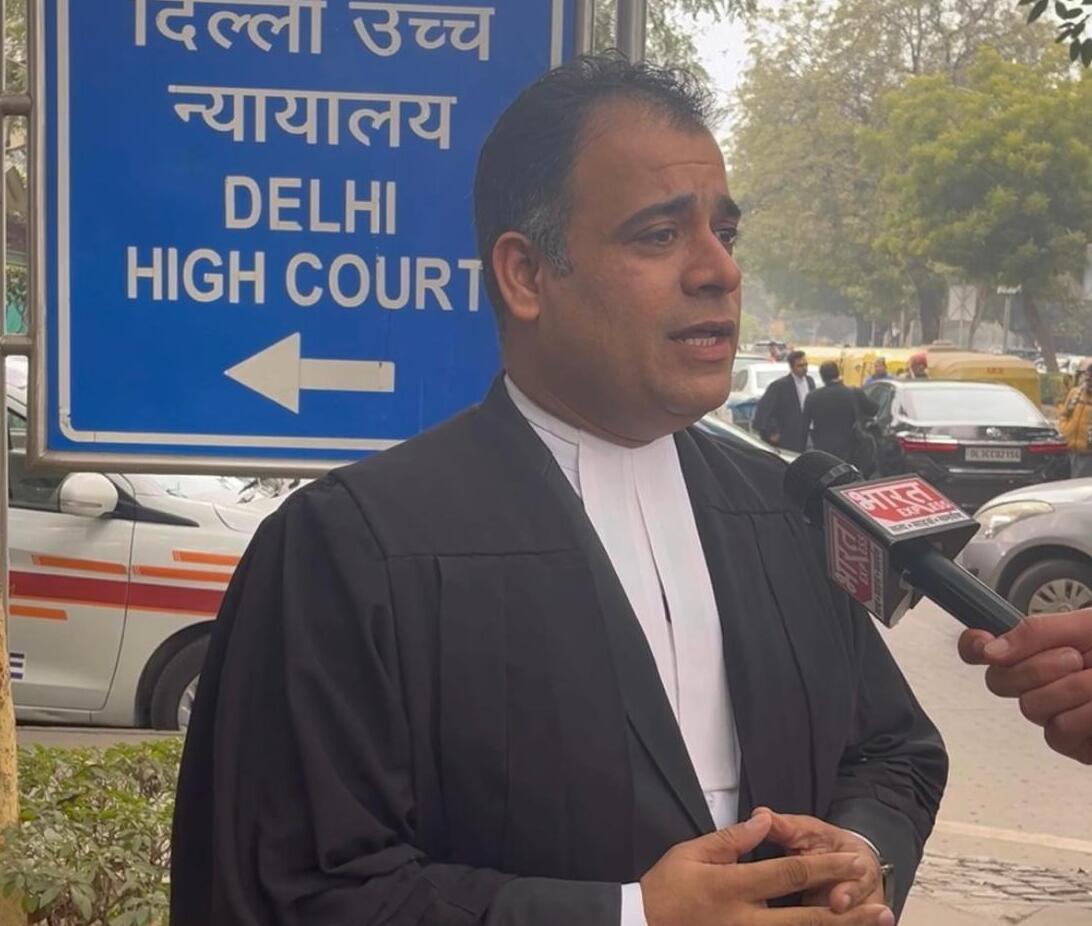



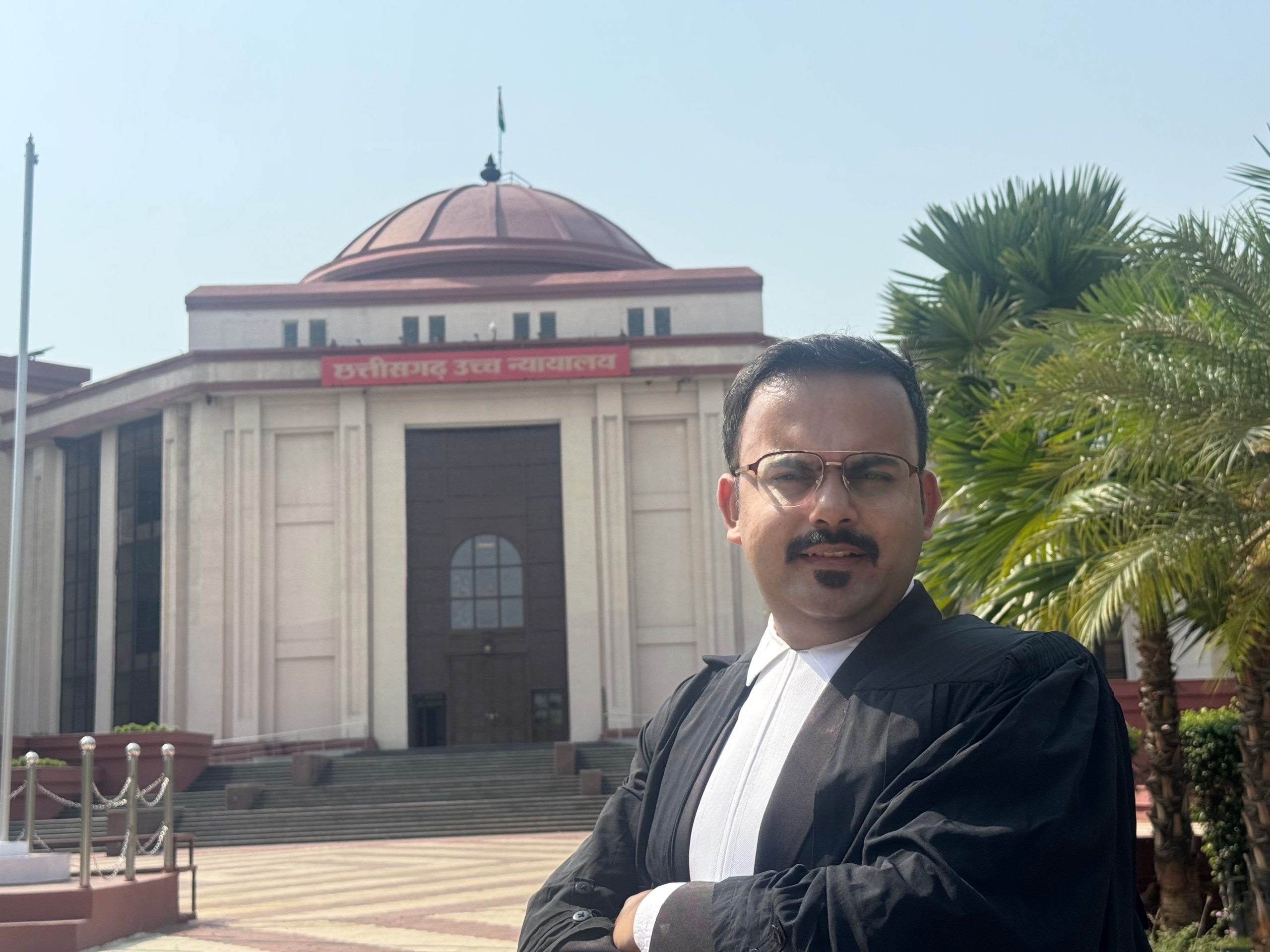







 Allow notifications