Tag: Supreme Court of India

  • My advice to those who dream of practising at the Supreme Court would be to start from the District Level-Sunil Kumar Singh, Advocate, Supreme Court of India

    My advice to those who dream of practising at the Supreme Court would be to start from the District Level-Sunil Kumar Singh, Advocate, Supreme Court of India

    This interview has been published by  Priyanka Karwa and The SuperLawyer Team
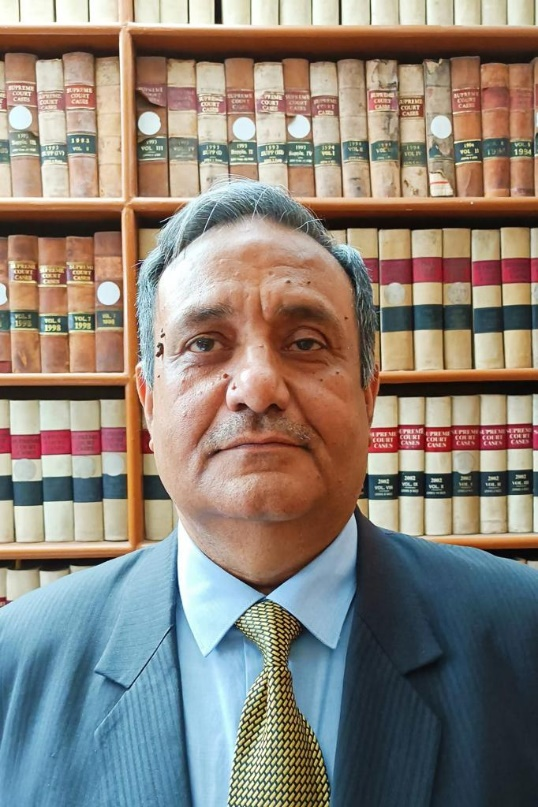
    Can you share with us the journey that led you to become a lawyer and eventually specialize in practising in the Supreme Court of India?  

    I come from a family of Lawyers, my grandfather, Late Shri Hari Shankar Singh, and my father Late Shri Rajendra Prasad Singh were eminent Advocates at Varanasi. Since childhood, I loved the environment at my ancestral chamber, and that’s what inspired me to pursue law.  

    The Chamber or the Office Area is in the front portion of our bungalow. Each day at our chamber was very eventful. There were thousands of law books and files, 10-15 lawyers, 4-5 clerks and 50-60 clients at any time. The Clients who used to visit were from various socio-economic strata, ranging from the poorest of the poor to the Rulers of erstwhile Princely States. 

    Unfortunately, my grandfather passed away when I was barely 2 years old, so I have faint memories of him. But I heard a lot about him. He was an alumnus of the first batch of LLB at Banaras Hindu University. He died in 1967 of a heart attack, around midnight, at that time he was amidst his files and books. 

    I was fortunate enough to get the opportunity to learn from my father. He sat in the centre of a large hall, along with my uncles and other advocates and clerks who used to work in our chamber. The walls of the large hall were covered with bookshelves and file racks. The hall always used to be filled with clients. And many clients used to sit outside in the waiting area until their turn came. His table had a fountain pen and an inkwell, and plies of journals and files. Even on festivals such as Diwali, my father used to read the law journals. 

    My father and grandfather were known for their exceptional legal acumen, compassionate nature, and their unwavering dedication to helping the underprivileged access justice. No client was returned for their inability to pay fees. In fact, I remember that it was a regular feature that my father used to give money to those clients who did not have money for the bus fare to return home. 

    The clerks at our chamber were very intriguing personalities in themselves; and left a lasting imprint on my mind. For instance, Munshi Nawal Kishore Lal Srivastava was as learned as a barrister. He had a command over several languages including English, Hindi, Persian, Urdu, and Sanskrit. He used to read law journals and made meaningful contributions to conferences. He hailed from Bhadani-Assi, Kashi (Varanasi), the area where Goswami Tulsi Das had authored Shri Ramcharitmanas

    My Uncles, Late Shri Surendra Narayan Singh and Late Shri Keshav Prasad Singh practised at the Allahabad High Court. Later on, both of them were elevated as Judges of the Allahabad High Court. 

    Since I grew up in such an environment, I developed a keen interest towards law and was able to appreciate the legal profession and its noble character. Thus, I decided to pursue law. 

    My uncle Late Justice Keshav Prasad Singh had asked me to start my practise from the Supreme Court since no one from our family practised there. Adhering to his advice, I came to Delhi in 1990 to start my practice at the Supreme Court. Before starting practice, I visited Late Justice Ram Manohar Sahai, then sitting Judge of the Hon’ble Supreme Court and sought his guidance and blessings. He was the brother of my father’s friend Late Mr. Madan Mohan Sahai, a leading advocate at Varanasi. Justice Sahai encouraged me a lot and was impressed by my commitment. I would like to express my special gratitude to him.  

    You’ve handled numerous high-profile cases throughout your career, including those involving Union Ministers and Members of Parliament. Can you tell us about a particularly challenging case that left a lasting impact on you and your career?

    Although I have represented many Union Ministers and Members of Parliament, if I am asked to share a case that left a lasting impact on my career, it would be the case of Rajinder @ Tinda, a 16-year-old boy who used to shine shoes in the Chambers Block of the Supreme Court along with his brother Rajpal. He used to shine my shoes daily. One day his brother Rajpal asked me “Sahab aapka Vakalat Padhna mere kis kaam ka?” (Sir, your law degree is of what help to me?). Surprised by his question, I asked him what happened. He then told me that his brother had been arrested by the Delhi Police without any warrant and was being subjected to custodial torture at Civil Lines Police Station, Delhi; and asked me what could be done about it. I immediately drafted a Writ Petition praying for the issuance of a writ in the nature of Habeas Corpus. The Supreme Court summoned The Commissioner of Police, Delhi and ordered the release of Rajinder. This case was reported in several newspapers. I still have a copy of the news published in the Hindustan Times on July 3, 1992. This case opened many doors for me and thus left a lasting impact on my career. 2 accused persons in the infamous JJ Hospital Shootout case in Mumbai contacted me and requested me to represent them in the TADA Court, Mumbai. They said that they had read my name in the newspaper in Rajinder’s case and wanted to engage me. Now, from here I got noticed by a Union Minister who wanted me to represent him in the TADA Court too. He was accused of harbouring terrorists/hitmen of the underworld Don Dawood Ibrahim’s Gang. Then I represented him before various courts, including the Hon’ble Supreme Court. 

    Who knew that helping Rajinder would open so many avenues for me? One thing that I have learnt from my father is that I handle all the cases with the same passion, irrespective of whether my client is some Union Minister or, a shoe shine boy or bonded labourer. 

    Serving as the Standing Counsel for the State of Uttarakhand is a significant achievement. Could you describe your experience in the roles and the responsibilities that come with it?

    My role as a standing counsel was to argue the matters and not drafting / filing. It is a common practice that a standing counsel is given multiple cases late in the evening, and he/she has to argue them before the court the very next day. Occasionally, I was even handed over the brief just before the matter was about to be taken up. What further tends to make it a challenging task is that you also have to argue cases of your private clients as well. Thus, you have to strike a balance between your private practice and your responsibility as a Standing Counsel of a State. The responsibilities of the Standing Counsel, or in fact any prosecution counsel, increase manifoldly when there is no private counsel for the complainant. Having served as the standing counsel for the State of Uttarakhand has indeed been an enriching experience. One of the significant reported Judgements in which I argued as the Standing Counsel for the State of Uttarakhand was Paramjeet Singh @ Pamma v. State of Uttarakhand 2010 (10) SCC 439. In this case, the Hon’ble Supreme Court held that the evidence of a person does not become effaced from the record merely because he turned hostile, and deposition must be examined more cautiously to find out to what extent he has supported the case of the prosecution. In other words, it meant that, just because the witness has turned hostile, the guilt of the perpetrator cannot be purged. 

    You have a reputation for taking up pro-bono cases for underprivileged clients. Could you share a memorable experience or case where your pro-bono work made a significant difference in someone’s life?

    I would like to share the case of Dharam Deo Yadav v. State of Uttar Pradesh, which was also reported in (2014) 5 SCC 509. Dharam Deo Yadav, a rickshaw puller, who was accused of murdering Diana Clare Routley, a 22-year-old girl from New Zealand who visited Varanasi in 1997. The Supreme Court in the judgement has emphasised the need to adopt scientific methods in crime detection to save the judicial system from low conviction rates. I appeared for Dharam Deo, who was challenging the High Court’s decision awarding him death penalty, holding that the case falls in the “rarest of rare category”. The Supreme Court altered the punishment from Death Sentence to Life Imprisonment for 20 years. The Supreme Court did not consider the case as the “rarest of rare” and therefore did not award capital punishment. 

    The prosecution’s case primarily rested upon the DNA test and circumstantial evidence. I relied upon a research paper by Yale University that highlighted the unreliability of DNA tests, why they should not be admissible as evidence in the courts and how they were far from foolproof. Another argument was that the case should not be categorized as “Rarest of Rare” on the basis of circumstantial evidence, especially when there was no neutral party to verify the claim of the police that the skeleton was recovered from the house of Dharam Deo, and it was highly probable that the evidence was placed by the police itself.  

    The case is significant not just because of the nature of the crime alleged, but also due to the various law points discussed in the Judgement such as Crime Scene Investigation, Expert Scientific Evidence, admissibility of DNA test, effect of statement of accused under 313 CrPC, meaning of the term custody, etc. This case was also taught in a Workshop at the National Judicial Academy.

    Besides, I have also worked for many bonded labourers, one such case which got published in the newspaper was filed by Subhash 

     (my client) who somehow managed to flee from the brick kiln in Meerut, U.P. where he and 29 others were being forced to work. The court ordered the SSP (Meerut) to produce before it all the 29 labourers, including 10 women and 11 children. On the next date, the Police brought them to the Court Campus on a bus. They were carrying all kinds of things with them like their cots, utensils and even their goats! The Vacation Bench of the Hon’ble Supreme Court was pleased to release these bonded labourers. 

    Over the course of your 34-year career, the legal landscape in India has likely evolved. How have you adapted to these changes?

    When I started my practice, the technology was not as advanced as nowadays. Typewriters were used by the stenographers and a cyclostyle was used to make copies of the petition. It was very difficult to get to know the status of a case. But in the early 1990s Courtnic” was introduced. It was a computer system provided by the Supreme Court which could be used to check the case status etc. Back then, each time we had to check the status of the case, we had to pay Rs. 20/-. Now, of course, the technology is so advanced that any layman can easily check the status of any case from the comfort of their home, using their mobile or computer. 

    Another significant change that has emerged was the emergence of Legal Research Engines. Now with the help of Platforms such as SCC Online and Manupatra, etc., thousands of Judgments and Legal Research materials are available within no time. Earlier we had to go through the yearly digest of important cases and even go through all the journals to find relevant case laws. 

    Nowadays we are lucky that we can just carry an iPad to the court instead of bulky files, and it is better for the environment too. All these changes have only made our job easier, and it was not at all challenging to adapt to them.  

    Being a member of the International Council of Jurists in London and the Supreme Court Bar Association, you have a global perspective on legal issues. Can you tell us how these international affiliations have enriched your legal practice? 

    I have been representing international clients in the Supreme Court of India since the beginning of my career. My first international client was Ms. Pratima Thapar who was from Manhattan. She claimed to be the legally wedded wife of Late Mr. L. M. Thapar, who was a noted industrialist. This case was widely reported in many Newspapers.

    I have been a member of the Supreme Court Bar Association since I started practising here.  

    The Distinguished Membership of the International Council of Jurists was recently bestowed upon me. 

    Finally, what advice would you like to give to fresh graduates aspiring to make a mark in the field of law, especially those who dream of practising at the Supreme Court level?

    My advice to those who dream of practising at the Supreme Court would be to start from the District Level. You need to have a certain kind of foundation that only a trial court can give you. Nowadays everyone wants to practise at the Supreme Court. A great myth I would like to bust is that Trial Court advocates do not earn much. There are many brilliant advocates in Trial Courts who earn as much as, and sometimes even more than what an advocate who practices in the Supreme Court or High Court typically earns. 

    My second advice to budding lawyers would be: work under a good senior and learn as much as you can from him/her. However, those who are 1st generation lawyers and do not get the opportunity to work in a famous chamber should not be disheartened. This profession is time taking and everyone may not be able to reach glorious heights. You would have to consistently work hard to achieve your goal. Perseverance is the key. 

    Get in touch with Sunil Kumar Singh-

  • The ever-changing regime of arbitration has become a major challenge for all of us. Every day the Courts are coming with different judgments with reference to interpretation of the Arbitration act provisions-Vaibhav Choudhary, Advocate, Supreme Court of India

    The ever-changing regime of arbitration has become a major challenge for all of us. Every day the Courts are coming with different judgments with reference to interpretation of the Arbitration act provisions-Vaibhav Choudhary, Advocate, Supreme Court of India

    This interview has been published by  Priyanka Karwa and The SuperLawyer Team

    Can you please share the story of how you embarked on your journey in law, from your days at National Law University to opening your own law firm, ‘YHprum Legal’ and establishing your practice in Delhi being a first-generation lawyer?

    To start with, I come from a family of engineers and pursuing law was never a consideration during my school time.  However, on advice of a family friend, I visited NLU Jodhpur and from there I was intrigued in law (as a probable career option), in the year 2006. I was enthralled by the environment & culture of NLU and after contemplating possible future opportunities in the field of law, decided to appear in the law entrance examination. 

    At that time, in the pre-CLAT era, each NLUs conducted their own entrance examination. Hence, I appeared for the entrance exams and got selected in the Rajiv Gandhi National University of Law (RGNUL), Punjab in the year 2007 for a five-year integrated B.A., LLB course.

    Speaking of initial days at Law school, I must say that it was a whole roller-coaster, from studying different branches of law to participating in Moot court competitions, to preparing research projects and multiple seminar presentations to then applying for internships! With so much to do and learn, those five years went by in a flash and shaped my personality in a way that changed my perspective towards life. 

    After completing the Law in 2012, I was selected for a prestigious Judicial clerkship in the Supreme Court of India, wherein, I was assigned to the office of HMJ Dipak Mishra (Former Chief Justice of India). While working for the Bench at the highest level for a considerable time-period, later on, I decided to join the litigation and joined the Chamber of Mr. Gopal Jain, Sr. Advocate, Supreme Court of India, as litigation associate thus embarking on my journey in the field of litigation in Delhi. 

    Being a first-generation advocate and an outsider for Delhi legal circles, I was also inclined to join a Tier-I dispute resolution firm in Delhi for financial stability and professional growth, just like every second lawyer. 

    The thought of going independent, establishing my own law firm was intimidating and a distant dream at that time. But destiny had different plans and the path was already chosen for me! 

    After learning some basics of law & litigation at the Chamber of Mr. Jain, I started my independent practice before the Supreme Court, Delhi High Court, and various other tribunals for a few months with limited financial resources, zero clientele at hand and without any support or mentors. As a first-generation advocate, had his own share of struggles and difficulties, and it takes a whole lot of perseverance to survive the initial turbulent years of independent litigation practice.

    The only strength that kept me going through that period was the consistent support of my colleagues from the Bar and my law school batch mates and friends, who were practising before different courts across the country and referred briefs to me in Delhi. 

    I was well aware that starting and running a law firm is not without its challenges, including competition, financial considerations, administrative responsibilities, and the need for marketing and business development.

    After gaining some experience as an independent litigator, I, along with my colleague, Akanksha, decided to launch our Law firm, ‘YHprum Legal’, which means “Everything that can work will work”, it is ‘Murphy’ spelled backwards.  The motive behind this move was to provide personalized, client-centric legal services, wherein, we can have client-focused practice that prioritizes individual needs and attention, with our expertise.  

    You’ve had a diverse legal career, working with prominent legal professionals and in various areas of practice. Could you highlight a few pivotal moments or experiences that significantly shaped your legal career?

    I must admit that I did not choose the brief/case or court, they were referred to me and I accepted them all with a challenge to perform to the best of my ability.

    All the briefs/cases that came my way were from different branches of law. As an independent litigator, you don’t really have an option of choosing the briefs or the area of practice. Fortunately or unfortunately, since the beginning of my litigation career, I had the opportunity to appear before different courts and forums, i.e., Supreme Court, Delhi High Court, and district courts, NCDRC, TDSAT, APTEL, CERC, NGT, NCLAT, NCLT, Arbitral Tribunals etc. 

    Appearing before a specialised Tribunal, such as APTEL, TDSAT, NCLAT & NGT, helped in expanding my horizon and understanding of the subject matter.

    Highlighting a few cases that played a significant role in shaping my diverse legal career, naming a few of those, are as follows: 

    • One of the intense legal battles that I was part of, TDSAT, was hearing AGR dues case wherein all the telecom companies challenged the validity of levy of license fee by TRAI, which was ultimately decided and settled in the Supreme Court. This intense legal battle has made me understand the nuances of telecom law.
    • Another case pertained to cancellation of AIPMT due to large scale irregularities in which a historical judgement was delivered by the Supreme Court by cancelling the examination on our plea. 
    • Then, a large-scale irrigation project in the state of Telangana was also challenged by us due to violation of various environmental norms before the National Green Tribunal and subsequent to the Supreme Court;
    • I had the opportunity to work on the Ansal brothers (Uphar cinema fire) case, on quantum of sentence before the Supreme Court along with legal tycoon, Late Sh. Ram Jethmalani, the case preparation had forced me into sleepless nights.  
    • In the Supreme Court the national newspaper were faced with contempt proceedings for non-implementation of Majithia wage board recommendation, wherein, we had to justify the non-action by the client and difficulties to implement to the committee report ;
    • I had been part of numerous mining lessees matters under the MMDR Act arising out of the state of Goa, wherein, the State Govt. had terminated the lease deed of various mining lessees due to non-compliance of Supreme Court direction in the landmark Goa foundation judgement.
    • Post cancellation of Coal blocks by the Supreme Court, various mining lessees had to fight hard for deemed renewal under Section 8A of the MMDR Act in various High Courts i.e. Delhi, Odisha and Jharkhand. 
    • Recently, we were representing home buyers before the Supreme Court on application of MOFA Act and RERA in relation to deemed or blanket consent for additional structure to be constructed by the Builder.
    • One of the highly contested litigation is the effective implementation of All India Quota in PG courses for AIPMT/NEET aspirants, which we keep doing as and when the situation arises. 

    The above list is just an indication, wherein, the dispute or the judgment had made significant impact by laying down legal principles of constitutional importance.

    As the founder and managing partner of ‘YHprum Legal’, you handle a wide range of cases, including arbitration, civil and criminal litigation, and commercial disputes. Can you tell us about a particularly challenging case that you’ve worked on and the lessons you learned from it, especially during COVID time?

    The firm was founded in the most turbulent times that the world was seeing at that time, the COVID Pandemic. Due to the national lockdown wherein the courts were also shut, we were facing a complicated and unimaginable situation, the Indian Courts were embarking a new tech-era through virtual hearings and e-courts across the country.  

    Our advisory work during lockdown increased exponentially, wherein, we were answering numerous legal queries regarding the effect of lockdown on the clients’ cases and business. The notifications issued by RBI for moratorium and by local governments in relation to rental payments and employee payments required interpretation by the Courts. All pending arbitration were made virtual or adjourned indefinitely. The limitation period was extended by the Supreme Court. There was a sudden death in regular appearances due to adjournments and sudden fall in fresh matters filing. 

    It became difficult to get relief in regular pending matters due to non-listing. We had multiple arbitration proceedings pending at various levels in different courts or arbitral tribunals and clients were getting restless due to decline of urgent hearing or relief by the Courts. It took a while for us to settle down and make peace with the lockdown and its aftermath. 

    The Supreme Court passed an order for the release of under trials which created havoc across the country for the execution. We had to approach the Supreme Court through IA for implementation of the order in favour of our clients due to reluctance shown by the local authorities and Courts. Due to a sudden health emergency, we had to approach different Courts for regular and anticipatory bails for our clients, which at that time was a herculean task. Our existing clients were seeking legal opinion on application of force majeure on a daily basis. All physical meetings shifted to virtual meetings, which now have become a norm in our office. 

    The ever-changing regime of arbitration has become a major challenge for all of us. Every day the Courts are coming with different judgments with reference to interpretation of the Arbitration act provisions. The recent Constitution bench judgment on the stamping of the arbitration agreement and followed by a detailed judgement of Delhi High Court in the NHAI case had changed the scenario overnight. The IBC, 2016 being a new law is getting a makeover on a daily basis, which has become a different game altogether.  

    Representing homebuyers, post the enactment of the RERA, IBC and new Consumer Protection Act, 2019 had caused unwarranted confusion among the homebuyers about their status and forum hunt for appropriate relief. The Supreme Court judgments on anticipatory bail have no universal application and each bench has their own set of rules and consideration, which put the advocates in a perplexing situation to make clients understand if bails are getting rejected by the SC. A new phenomenon of putting strange bail conditions in matrimonial matters is making our work harder to get relief for our clients. 

    Each case has its own merits and demerits, and we are learning with each brief that is coming to us. In my more than eleven years of journey into litigation in Delhi, every appearance has been a learning experience, though sometimes we won our battle and sometimes lost it. But each brief leaves memory and is an experience, which motivates us to work harder, smarter and faster making survival possible in this continual race of successful litigators with client satisfaction. 

    In addition to your legal practice, you also serve as a judge for international moot court competitions. How has this experience influenced your perspective on legal education and advocacy?

    During my law school, I had participated in a few moot competitions in which I played the role of a speaker as well as a researcher. I then realised that being a speaker in the moot competitions is not really my cup of tea and I was more comfortable in research & drafting. However, as an advocate, although initially I was hesitant to judge the moot competitions but eventually started enjoying the whole process of interacting with the participants and guiding them further. I had the honour to judge the international rounds and national rounds of the Jessup moot competition multiple times. I have now participated almost in every international moot court competition either as an arbitrator or judge viz., Willem C. Vis Moot (Vienna & Hong Kong), ICC trial, Frankfurt Moot, FDI Moot, Cross Examination Moot and various pre moots across continents. 

    During my journey as a judge for various international moot court competitions I had learnt various aspects of international law, commercial arbitration, investment law, international criminal law etc. Due to my extensive representation in different international moots, I am receiving multiple requests for support and assistance as a coach by different law (domestic and international) schools regularly, thereby complying to most of the requests.

    I firmly believe that participation in such competitions is necessary for the law students during their law school because it would eventually help them in preparing for the art & craft of advocacy.

    I think Indian legal education needs a revamp to realise the current reality and the same cannot be restricted or limited to bookish knowledge. The new emergent legal regime such as crypto currency, bitcoins, data protection, sports law, privacy law, AI, online ADR and emerging new technology needs to be taught in law school as part of their curriculum. The legal regime is changing with the speed of light and therefore, the law schools also need to catch up with the same to be at par with the real-time advocacy.

    Your practice covers a wide array of areas, including constitution, arbitration, commercial disputes, and more. Is there a specific area of law that you find particularly fascinating or challenging, and why?

    As you rightly mentioned, I have a whole diaspora of practice while appearing for my clients before various courts and forums. As I stated earlier, I had not selected my cases or had the privilege to select my clientele, therefore, it is very difficult to now admit or say which branch or specific area of law I find fascinating. But I can now confess, my most favourite part is appearing before the Supreme Court.

    In the Supreme Court, the advocates are like all-rounder players who draft a wide range of petitions i.e., special leave petitions, writ petition, transfer petition, arbitration petition, civil and criminal appeals and sometimes contempt petition and review petitions. 

    To answer the question, commercial litigation before any Court or Tribunal fascinates me as I find it exhilarating. Now after spending a good number of years in litigation, I had realised that arbitration matters, IBC related matters and disputes arising out of special laws i.e. RERA, Electricity Act, Telecom Law, and Consumer Protection are always challenging. 

    You’ve represented clients in various high-profile cases, including matters related to home buyers, sexual assault victims, and constitutional validity. Could you share some insights into the strategies and approaches you employ in handling such sensitive cases?

    The term ‘high-profile’ cases has no meaning in actual litigation. Every case is high profile for us. Our work strategy or approach is not different due to involvement of a high-profile individual or big amount. I had recently, represented a victim of gang rape before the Supreme by filing cancellation of bail application. The details of the case had shocked our conscience. We were shocked to see that the identity of the victim is disclosed everywhere by the local authorities, Trial Court and the High Court. We had to seek specific direction from the Supreme Court to redact her name from all court records.  

    Introduction of RERA and IBC has changed the legal scenario. While appearing in RERA, we had a different strategy in place if a case needs to be filed in UPRERA or HRERA. We prepared a ‘to do’ chart from filing till final grant of relief. The orders of RERA are paper decree and need special litigation strategy for enforcement, sometimes by approaching the High Court. We are representing home buyers under IBC, at different stages of the Insolvency before various NCLTs. The Supreme Court, post Judgement in Amrapali and post constitutional validity of the IBC, had settled law to certain crucial issues in favour of the home buyers, which eventually led to multiple litigation also. The challenge to constitutional validity of CAA is still pending in the Court, therefore, it would be difficult to divulge into that in more details. 

    There is no specific strategy or approach while handling sensitive cases. The facts speak for themselves, we make sure all facts are verified through documents and correctly represented in our drafts before filing. Our work is very client centric, wherein, we update our client about regular court proceedings as well our line of action. We believe that the client is first & foremost and it is ensured that the client is heard properly and advised as per law, to the best of our ability. 

    As a writer and columnist for legal publications, you have a keen interest in legal commentary. Are there any current legal issues or trends in India that you find particularly noteworthy and would like to share your perspective on?

    I am quite inquisitive about the Supreme Court Judgements and make sure that in my free time I read them and if possible, share my views through social networking or by writing articles or commentary. 

    The recent development in the arbitration law is worrisome and will work against our country’s official position of being an arbitration friendly nation. The judicial interference or intervention in arbitration matters especially in Section 34 and 37 proceedings needs a revisit by the legislature. 

    At times, the Supreme Court judgements/orders are contrary to already settled legal positions and passed by ignoring the previous precedents which is a dangerous proposition. 

    The decision of the Constitution bench in the demonization case had set a wrong precedent by going against the settled legal position in relation to RBI’s power and involvement of the Central Government by announcing the same in hurry without any application of mind.  

    The Maharashtra CB Judgement had failed to lay down any legal position and indirectly supported and gave a stamp of approval for dethroning an elected government by money power.

    I firmly believe that the State should not enter into the personal space of an individual and privacy must be respected as per the scheme of the Constitution. 

    The Supreme Court refusal to hear cases of individual liberty and matters of national importance has created a doubt on authority of the Court. I feel that the Supreme Court cannot be a CJI centric Court and the administrative side also needs to be run through a consultation process of the senior most judges. The ‘Master of the Roaster’ power given to the CJI must be reviewed and individuals cannot be given an absolute power, which can compromise integrity of the Institution. 

    I must laud the various measures taken by the current CJI DYC for making the court more litigant centric and approachable for a common man. The virtual hearing needs to be made permanent and not optional on behest of the Court. The litigant and advocate must be given the right to choose how they want to appear in the Court.  

    The enactment of the Mediation Act and Digital Protection Act and establishment of different arbitration centres across the country is a welcome step in the field of law. 

    Given your extensive experience in the legal field, what advice would you offer to recent law graduates who are starting their legal careers, especially those interested in litigation and dispute resolution?

    I consider myself as a student and try to learn everyday through different modes. Despite spending a considerable time in litigation and dispute resolution, I still go to the Court just to hear the arguments of the Counsel, whenever some important matter of national or constitutional importance is going on. I had also enrolled myself for various mentor mentee programs offered by multiple platforms. I interact with law students and share my experience with them by telling do’s and don’ts before entering litigation with my little experience. 

    In today’s AI centric world, the legal profession is also not immune from its impact. Adoption of technology and usage of social networking is a key to survival for a better future to all those who are planning to enter this profession. Young lawyer’s must do networking and interact with their seniors and colleagues in the profession for guidance.   

    All those who are planning to enter litigation as a first-generation lawyer or an outsider, start networking from college days itself and try to get internships from those places wherein you seek future opportunity post law school. Get accustomed to technology and AI and try to be updated with the latest legal news around you. If you are curious and patient, you will surely survive in this profession. 

    I feel that Delhi as a place for advocates is full of opportunities and there is work for everyone, even though the competition is tough, the best will survive and grow gradually. Patience, perseverance, optimism and inquisitiveness are the key factors for survival in the litigation. 

    Lastly, considering your diverse legal background, what are your future aspirations or goals in the field of law, and how do you plan to continue making an impact in the legal profession in India?

    We are growing gradually with help and assistance from all our well-wishers. Our aim is to continue making a difference in people’s lives through our legal work and assist all our clients to get them appropriate relief effectively.  

    I am planning to continue my contribution to legal education and advocacy by teaching law students in law schools and writing on legal issues to advance knowledge and promote legal research and writing. 

    I will continue to promote alternative dispute resolution (ADR) as an alternative to resolving issues through mediation and arbitration which can help reduce the burden on courts and promote quicker, cost-effective resolution of disputes for everyone.  

    I am a firm believer of sharing legal knowledge by teaching and mentoring law students and young lawyers which will ultimately help shaping the future of the legal profession.

    Get in touch with Vaibhav Choudhary-

  • Being self-employed and creating job opportunities for others is very fulfilling and exhilarating at the same time- Abhishek Gupta, Advocate, Supreme Court of India & Delhi High Court

    Being self-employed and creating job opportunities for others is very fulfilling and exhilarating at the same time- Abhishek Gupta, Advocate, Supreme Court of India & Delhi High Court

    This interview has been published by  Priyanka Karwa and The SuperLawyer Team

    Can you share with us the pivotal moments and motivations that led you to pursue a career in law, from your academic achievements to your early experiences in the legal field?

    Being born into a lawyer’s family, it was more likely that I would end up being a lawyer. However, apart from occasionally taking dictation from my father for his court matters, my exposure to law and litigation was quite limited. I was more inclined towards mathematics in school, which led me to pursue B.Com (Hons.) from Delhi University. My interest in law only piqued towards the fag end of my graduation when my interest in accountancy slightly waned. That is when I decided to join Campus Law Centre, Faculty of Law, Delhi University and study law. I truly embraced law only when I joined Luthra & Luthra Law offices after my graduation, where I got an opportunity to work on several high-profile disputes, connect with some of the brightest minds and occasionally enjoy five-star luxuries. Gradually, in the course of my journey, I have realised that a career in law apart from being a very effective vehicle for service to society, is equally remunerative and rewarding, and offers enough space and time to pursue other intellectual hobbies and interests as well. In hindsight, I feel I made the right decision to pursue a career in law as I could have never done a 9 to 5 job, or a regular government job. Being self-employed and creating job opportunities for others is very fulfilling and exhilarating at the same time.

     You started your career at Luthra & Luthra Law Offices and then transitioned to independent practice. What were the key lessons you learned during your initial years in the legal industry, and how did it shape your decision to go independent?

    Nearly a year that I worked with Luthra & Luthra was very rewarding and has stood me in good stead during all these years. It was there that I learnt to burn the proverbial midnight oil. On several occasions, after working the whole night, it would only be in the wee hours of the morning that I would come back home. Seeing the hierarchy of lawyers there classified as associates, senior associates etc., I realised that one cannot be in a secure environment for too long and the real challenge in law is to start independent practice. My father being a designated Senior Advocate also played a significant role in this decision. But he made it quite clear to me that your pedigree can only last you as long as you are able to satiate your clients and deliver results. Fortunately, quite early in my legal career, I understood that there are 100 lawyers pursuing 10 clients and that there is going to be stiff competition. And it is only sheer hard work that sets you apart from others. It also taught me to accept both good and bad with equanimity.

     As an independent practitioner, you’ve worked on a wide range of cases, including arbitration, complex contract litigation, and various other areas of law. Can you share one particularly challenging case that tested your skills and knowledge and what you learned from that experience?

    While there are many such cases and each case teaches you something new, I have a predilection towards my first case as an independent practitioner where I appeared before the Saket District Court and successfully argued a domestic violence matter filed against my client. I remember how I had gone fully armoured with three sets of case law and written notes of arguments and the other lawyers in the courtroom were quite astonished to see this level of preparation for an admission hearing, but that preparation kept me afloat and served me well. I was also commended by the learned Judge for my arguments who took me for a seasoned counsel. This experience taught me that no amount of preparation is too much and one should be fully conversant with the facts of the case supplemented by knowledge of the latest precedents on the subject. I cannot help but mention one of my first arbitrations in a tender matter for a PSU, which was one of the most fulfilling experiences in terms of the knowledge and skills that I acquired. More importantly, that case instilled a lot of self-belief and confidence in me. Another case close to my heart is one before the Orissa High Court where I resisted a petition for termination of the mandate of an arbitrator. I had to really think on my feet for that matter and pull a rabbit out of my hat. It is also true that every time you read a brief, you see a different angle to it and learn something new. Therefore, it is very important to read and re-read your brief.

    Your involvement in the ‘ONGC vs. Afcons Gunanusa JV’ case was significant. Could you elaborate on the key aspects of this case and how it influenced your expertise in arbitration and the interpretation of the Arbitration & Conciliation Act, 1996?

    The ‘ONGC vs. Afcons Gunanusa JV’ case was the consequence of looming uncertainty and opacity about the fixation of arbitration fees in ad hoc arbitrations in India. Though the Supreme Court in ‘NHAI vs. Gayatri Jhansi’ had upheld the agreement between the parties on arbitration fees as binding, no party dared to cross Lakshman Rekha of suggesting an appropriate fee to the Arbitrators. The Supreme Court finally laid rest to the fee conundrum in ONGC Afcons case and passed necessary directions on determination of arbitration fees; It particularly held that the Arbitral Tribunal does not have power to fix its own fees unilaterally and that the fees must be fixed at the inception of the proceedings to avoid unnecessary litigation and conflicts at later stage. This was truly a watershed case for me in many ways. The learning and lessons from assisting the then Attorney General for India, Mr. K.K. Venugopal, are for a lifetime; the opportunity of appearing before a Bench headed by the present Chief Justice of India and consisting of two future Chief Justices of India so early in my career; the satisfaction from intensive study, research and drafting and the sheer delight of participating in a landmark case is quite overwhelming. It taught me the single most important lesson- that a lawyer never ceases to be a student and it is essential to keep educating and updating oneself. More than the expertise in arbitration, it showed me how to develop command and competence in any branch of law. 

    You mentioned your academic background in commerce, which provides you with the ability to decipher complex financial statements and transactions. How has this background been beneficial in your legal career, especially in cases involving financial matters?

    I honestly believe that background in commerce is helpful particularly when you are handling heavy stake arbitration matters. In any commercial dispute, there are two important aspects to the case: firstly, the party who is in breach and secondly, the measure of damages. It is the latter aspect, when you go into the proof and quantification of damages, i.e. financial claims, interest on capital, vouchers, ledger accounts, balance sheets, auditor’s report running into thousands of pages, that the knowledge of commerce comes in handy. I know quite a few brilliant lawyers who are not able to decipher basic P&L Account statements. I therefore recommend everyone to take a crash course in commerce, even if one has not pursued it at graduation level.

    You’ve authored articles on a wide range of legal subjects. Could you share one article that you are particularly proud of and explain why it’s relevant in the legal landscape today?

    Honestly, at the school level or college level, I never had any occasion or inclination to write any article. In fact, it was a very dear friend of my father-a retired bureaucrat, who motivated me to write even before I became a lawyer. He was editing a magazine in the early 2010s and gave me a platform to publish my articles. But out of the 25-30 articles that I have authored so far, it is very difficult to pinpoint one, yet I will pick my article ‘Suo motu cognizance: A panacea or a predicament?’ that was published in ‘Bar and Bench’ during the first wave of Covid. I honestly believe that this article continues to be relevant even today and ought to kindle more debate and discourse. I had received a great deal of appreciation for that piece of writing from many retired judges, senior counsels and colleagues.

     Your experience involves working with various PSUs and handling different areas of law. How do you balance the diverse needs and legal challenges posed by your clients in the public sector, and what strategies do you employ to provide tailored solutions?

    Dealing with PSU clients, as a matter of fact, is much more challenging than dealing with a private client and there are several reasons for this. In a PSU, there are various departments, namely marketing, finance, contract & procurement, HR etc. headed by a particular officer. At times, they are working at cross purposes unknown to them. If a dispute erupts against a contractor, all departments are interacting with the contractor speaking in different voices and tones; The process of harmonisation becomes a challenge. There is a vigilance angle in every case; you have to be doubly cautious while drafting pleadings for them. Unlike a private company, RTI applies to PSUs, any suppression or misstatement can land you in a soup. Remuneration is also meagre compared to private clients, but yet it is a delight to appear for PSUs because by and large the officers are upright, sincere and very well-educated and committed as well, although public perception is somewhat different.

    Finally, what advice would you give to fresh law graduates who are just starting their careers in law? What skills and approaches do you believe are crucial for success in the legal profession, particularly in the context of your areas of expertise?

    All that I would wish to say is that there is no substitute for hard work. I also maintain that a brilliant person may fail, but a hard working one can never fail. Proficiency in written and spoken English cannot be overemphasized. Of course, honesty and integrity are an absolute must, particularly when dealing with PSU clients. In a way, the legal profession requires no different skills than you would need in any other profession. It is hard work and honesty, coupled with a little bit of luck and maintaining level headedness and an affable demeanour throughout that will succeed.

    Get in touch with Abhishek Gupta-

  • While I fully acknowledge my responsibilities as an advocate and my duty as an officer of the court, I work with an outlook that the client has engaged my services to secure the victory, not merely to secure my best efforts- Vishal Gehrana, Advocate on Record, Supreme Court of India

    While I fully acknowledge my responsibilities as an advocate and my duty as an officer of the court, I work with an outlook that the client has engaged my services to secure the victory, not merely to secure my best efforts- Vishal Gehrana, Advocate on Record, Supreme Court of India

    This interview has been published by  Priyanka Karwa and The SuperLawyer Team

    Sir, can you tell us about your journey and how you ended up becoming a lawyer and Advocate-on-Record before the Supreme Court of India?

    My journey in the legal profession started in my small hometown, Shikohabad, Uttar Pradesh. Despite hailing from the legal background, I initially found myself more drawn to the field of biology. The complexities of biology truly piqued my interest during those early days. However, fate had a different path for me, and in 2002, following my father’s steps, I decided to pursue my career in law. Little did I know that this decision would completely change my perspective and ignite a sincere passion for legal practice. I excelled as a student in my law school, and I was fortunate to have the valuable opportunity to extensively attend the civil and revenue courts and to also engage in case preparation right from my very first year in law college. I still have vivid memories of sitting in courtrooms, attentively hearing the lawyers’ arguments in unrelated cases, and diligently noting down the references of each judgment and provision cited during the hearing in my notebook. This enabled me to read most of the relevant judgments and provisions that may be used in a dayto-day practice and also gave me insights into the diverse categories of disputes. Also, my father encouraged me to regularly read the monthly law reports. He advised me to maintain a diary and write down the details of relevant judgments of each month. This not only helped me develop a good understanding of law but also improved my analytical skills as a student. Later, after relocating to Delhi, I decided to become the Advocate-on-Record before the Supreme Court of India and fortunately, I cleared it despite the challenges that came along with way. My journey has been enriching, and I am grateful for every twist and turn that led me to where I am today.

    You started your career as an independent legal practitioner at the original side. How did this experience shape your approach to resolving civil-commercial disputes? 

    I joined my father’s practice upon completing my graduation and worked on civil cases ranging from personal and family disputes to those involving the government departments and also public sector undertakings. At the same time, I also started handling and arguing my own cases at the revenue side. These early experiences honed my legal skills. I still cherish a wise advice my father gave me during my first year in law school. He told me to first seek the answers in the Bare Act, Commentaries, and the Law Reports before approaching him for any guidance. This advice gave me a strong sense of self-reliance. Undoubtedly, practical experience plays a vital role in shaping one’s journey as a lawyer. Being a good lawyer entails not just knowing the concepts but also the practical aspects of litigation! My experience as an independent legal practitioner has significantly shaped my approach in handling civil-commercial disputes. I approach every case with empathy for my client and a deep dive into the intricacies involved. My passion for law, however, remains the driving force behind my career as a lawyer. While I fully acknowledge my responsibilities as an advocate and my duty as an officer of the court, I work with an outlook that the client has engaged my services to secure the victory, not merely to secure my best efforts.

    Over the years, you have developed expertise in handling high-profile matters before various forums nationwide. Could you share some key insights or experiences from your practice that have had a significant impact on your legal career?

    Having accumulated valuable experience in civil and revenue cases, I consider myself fortunate to have had the opportunity to work on and handle noteworthy cases that not only tested my skills but also contributed significantly to the enhancement of my legal expertise. Upon relocating to Delhi, the first case assigned to me was a high-profile multi-pleading international arbitration, seated in London, wherein the dispute between the parties was related to the oil and gas fields in the western cost of India. In the course of this arbitration, I had the privilege of working with some of the most distinguished legal counsel from both India and Britain, who imparted to me invaluable lessons and knowledge. In addition to that, I also worked on international arbitrations related to the transfer of technology in the defence sector. This experience provided me with invaluable firsthand insights into arbitration procedures in different jurisdictions, level of preparation required, and the working of the foreign lawyers/law firms. After joining Karanjawala & Co., I worked on several high-profile cases, and I am deeply appreciative of the firm for placing trust in me. I would love to share about two of these notable cases. First case, that has a special place in my heart, is the Centrotrade Minerals case. I did the matter during the last two crucial rounds before three-judge benches of the Supreme Court of India. This led to the two landmark judgments of the apex court wherein the apex court legalised the concept of two-tier arbitration in India and the gave a green flag to the enforcement of arbitral award passed therein. It was an experience I will always cherish. The entire team, including the senior advocate, dedicated themselves to the case, and thanks to the collective hard work, we were able to achieve a positive outcome in this matter. The other case is Essar Steel Insolvency, which has been one of the largest cases under the Insolvency and Bankruptcy Code 2016 (IBC) regime. I have had the privilege of being part of the core legal team at all levels and working closely on this case. It all started in 2017 from a small room in NCLT, Ahmedabad and ended with the approval of the resolution plan on November 15, 2019, in the magnificent Court No. 5 of the Supreme Court of India. These two years were quite intensive and exhausting, with numerous hearings and multiple rounds at NCLT, Ahmedabad, NCLAT, and the Supreme Court. In this case, we found ourselves navigating through the intricacies of a statute that was in its nascent stage. Back then, we did not have a privilege of case laws or commentaries to lean on for guidance. This added an extra layer of complexity to our preparations. So, our team used to engage in rigorous discussions, which often escalated into spirited debates on the various possible interpretations of the relevant provisions. It was an intellectual tussle that we willingly accepted. These debates were crucial to ensure that we put our best foot forward. The entire team put in an incredible amount of effort, and their collective dedication and hard work paved the way for the positive results we achieved in these matters. Throughout this process, our senior advocates also played a vital role by guiding us in making the well-informed decisions. This case holds special importance in my heart as the two landmark judgments played a decisive role in shaping insolvency laws in India.

    You have an impressive track record in handling Corporate Insolvency Resolution Processes under the IBC. What drew you to this area of law, and how do you navigate the complexities of such cases?

    Indeed, my voyage into the world of the IBC has been nothing short of fascinating. What particularly impresses me about it is how a financially distressed corporate debtor revives under the IBC, much like a phoenix that rises from the ashes. Also, the necessity to properly balance the interests of all stakeholders distinguishes these cases from other forms of disputes. I must that the sense of satisfaction that comes from navigating thought it, as a lawyer, is truly fulfilling. My approach to handling these intricate cases revolves around thorough no-nonsense preparation, which means having an in-depth knowledge of the applicable laws and the facts of the case. It is also important to stay informed on the insolvency law developments and to understand the industry-specific dynamics at work.

    Your experience in international and domestic arbitration is extensive. Can you share some of the unique challenges and rewards of representing clients in diverse sectors during arbitration proceedings?

    Handling arbitration, whether on an international or domestic level, has been a journey filled with both unique challenges and incredibly rewarding experiences. Each case presents its own unique set of complexities, technical nuances, and industry-specific requirements, and I have had the privilege of representing clients in a variety of sectors, both in India and overseas. Effectively navigating these difficulties requires an in-depth knowledge of the specific subject. It is undoubtedly difficult, but the joy that comes from consistently growing your legal knowledge is very fulfilling. One of the main challenges in arbitration is the rigorous preparation it demands. Every facet of the case, from building your case to producing evidence or conscripting your arguments, requires thorough research and meticulous preparation. However, the satisfaction of presenting a well-prepared case and achieving favourable outcome for the clients makes all the effort worthwhile.

    As an accomplished lawyer, you have represented clients in various sectors, ranging from Real Estate and Healthcare to Information Technology and Pharma. How do you approach advising clients on legal matters in such diverse industries?

    When it comes to advising clients in diverse industries, I approach it with a practical and clientcentric perspective. I believe that understanding the client’s commercial interests is fundamental. My professor used to remind us that law is a multidisciplinary subject, and you cannot truly become a legal expert unless you are ready to delve into the subjects where you have to apply your legal knowledge. What I mean to say is that while practicing law, lawyers come across various disputes relating to industries, ranging from technology to healthcare to real estate to defence, and so on. To give clients the best legal advice, it is essential for us to have the basic understanding of these industries and the difficulties they encounter. These days clients expect more than just a legal counsel, they want trustworthy lawyers who can guide them through the practical implications of the law on their businesses. It is not just about giving textbook advise, but also about understanding how the law is developing and impacting the industries in which the clients operate. This approach allows me to give practical and strategic legal advice to the clients, ensuring that their wants are met with tailored solutions.

    You’ve been associated with well-known litigation firms like Karanjawala & Co. Can you talk about the significance of being part of such esteemed professional associations in your legal career?

    My association with Karanjawala & Co. has been a transformative experience for me. The firm handles a wide range of cases, from high-stakes and complex commercial cases to straightforward family matters. It is certainly one of the best litigation firms in the country, and the opportunities it provides cannot be equated with anything else. Every case I handled or worked-on during my association with the firm, gave me an opportunity for my professional and personal growth. I want to express my sincere gratitude to my seniors/colleagues, both within and outside the firm, who immensely contributed to my growth as a lawyer. Throughout this journey, their support has been crucial.

    Looking back at your educational journey, how did your LL.M. in Corporate Law & Governance from NALSAR University of Law contribute to your career growth as a lawyer?

    After some years of practice, I decided to pursue post-graduation at NALSAR University of Law, Hyderabad. It was a crucial turning point in my academic career. The university provided a two-year masters’ program in Corporate Law and Governance. These two years not only gave me with invaluable insights, but also provided me with an alternative perspective that benefited my career as a lawyer. The unique mix of students and the presence of prominent faculty members from all around the globe made my experience at NALSAR very special. Apart from the academics, I understood the immense power of networking and the importance of building connections within the legal community.

    Having accomplished so much in your legal career, what advice would you give to fresh graduates who are aspiring to succeed in the field of law? What qualities and skills should they focus on developing to excel in the legal profession? 

    When I reflect on my legal career, I realize that it is only the beginning. Having said that, and given my limited experience, my first and foremost advice to fresh law graduates is to work with sincerity and dedication, but also prioritize your health. This profession is stressful and draining and, therefore, selfcare is important. Second, establish a strong network of personal and professional contacts. These connections can provide crucial help and collaboration opportunities. Third, keep your client’s interest in mind at all times, try to understand their concerns from their point of view, and come up with sensible and ethical answers. Fourth, while your dedication to work is necessary, don’t forget to spend quality time with your loved ones. They sacrifice a lot for your success. Lastly, in our profession, English is gold, and it forms the foundation of effective communication at all fronts. Embrace it as your first language so that it would become a valuable tool for your legal journey.

    Get in touch with Vishal Gehrana-

  • Technology has significantly permeated the legal field, and currently, physical files are virtually non-existent in my practice- Devansh Srivastava, Advocate on Record at Supreme Court of India

    Technology has significantly permeated the legal field, and currently, physical files are virtually non-existent in my practice- Devansh Srivastava, Advocate on Record at Supreme Court of India

    This interview has been published by  Priyanka Karwa and The SuperLawyer Team

    Your journey in law has been quite impressive, with experience in various aspects of dispute resolution. Can you share with us what initially drew you towards pursuing a career in the legal field?

     My journey into the legal field has been driven by a simple but unwavering passion. I am a first-generation lawyer, with no prior family ties to the profession. Despite not being the top student in school, I was determined to become a lawyer from an early age. Influenced initially by depictions in the media, I soon delved into the lives of real legal luminaries like Ram Jethmalani, Soli Sorabjee, and Shanti Bhushan. Convincing my father, who had reservations about the traditional image of lawyers, was a challenge. However, I explained the modern opportunities in law, from law firms to in-house roles, and he eventually supported my decision. In over six years of practice, I’ve never regretted my choice. Law has never been just a career; it’s been a transformative force. It has provided me with a new perspective in life, for which I’m profoundly grateful. To those considering a career in law, remember that it can open diverse doors and create a meaningful impact. Embrace your passion, work diligently and the legal profession may offer you a rewarding journey, as it has for me.

    Over the years, you’ve gained expertise in Arbitration, Insolvency, Civil, Criminal, and Commercial Litigation. Could you tell us about a particularly challenging case you’ve worked on and the strategies you employed to achieve a successful outcome?

    Upon completing my college education, I had the privilege to meet Mr. Manish Bishnoi, an established Advocate on Record. Although there were no immediate openings in his Chambers at that time, Mr. Bishnoi expressed his willingness to accommodate me in the future. Eventually, an opportunity arose when one of his junior associates departed, and he offered me a position in his Chambers. At that time, I was relatively inexperienced compared to most of my peers, but I was determined to learn and grow in the legal profession with my hard work and compassion. During my early years, I engaged in a wide range of tasks, including drafting applications, filing cases, and rectifying procedural issues. Mr. Bishnoi provided me with extensive dictations to help me grasp both the facts and legal nuances of each case. Over time, my confidence in drafting grew. One particularly challenging case that stands out from my early career involved the National Highways Authority of India (NHAI) and a dispute over a price escalation formula, which was litigated before the Hon’ble Supreme Court. NHAI had faced unfavourable outcomes in multiple Arbitral Tribunals, with Section 34 applications under the Arbitration and Conciliation Act dismissed, along with unsuccessful Section 37 appeals. NHAI then approached the Supreme Court via a Special Leave Petition (SLP). This case demanded extensive legal research, meticulous documentation, and countless late-night efforts. As a junior practitioner, I was responsible for reviewing case law, annotating relevant decisions, and preparing comprehensive compilations. The hard work paid off when the Supreme Court granted relief in the SLP, marking a significant victory for NHAI. This experience taught me the importance of diligence, thoroughness, and unwavering dedication in navigating complex legal matters. It reinforced my commitment to the legal profession and the pursuit of justice through meticulous legal practice.

    From your work at different law firms, including your current position at Agarwal Law Associates, you’ve been involved in drafting pleadings, working with senior advocates, and appearing before courts. How do you manage the dynamic nature of court proceedings and the intricacies of drafting legal documents?

    Embarking on my legal journey was an exciting challenge. From the outset, I was determined to learn and evolve as a lawyer. It’s important to acknowledge that a lawyer’s life is filled with demanding hours, often starting in court from 9:30 am and extending well into the afternoon, sometimes beyond. Following our courtroom commitments, we retreat to our offices or chambers to delve deeper into our cases. 

    In my case, before I start drafting, I adhere to a structured routine. I begin by thoroughly reviewing the Impugned order, the core of the legal dispute. I meticulously compile a concise yet comprehensive list of crucial dates, which serves as a foundational reference point. Once I have a firm grasp of the facts and have conducted extensive research on the relevant laws, I start to draft the petition. 

    Through my journey, I’ve come to appreciate that the List of Dates is akin to a legal compass; it guides the way through the drafting process, simplifying what can often be a complex endeavour. 

    You’ve also been a part of cases involving insolvency and bankruptcy matters. Given the complex legal landscape in this area, could you share some insights into your approach when dealing with such cases and ensuring compliance with the Insolvency and Bankruptcy Code?

    In the initial years of my legal career, spanning until 2020, I hadn’t encountered a single Insolvency and Bankruptcy Code (IBC) matter. However, when I joined the Chambers of Mr. Nakul Mohta and Mrs. Misha Rohatgi Mohta, my very first assignment turned out to be an IBC case. Acknowledging the challenge, I fully immersed myself in the intricacies of the IBC and diligently studied the pertinent case laws in this specialized area. As I gradually grasped the foundational principles, my understanding of this complex subject deepened, and I can proudly say that I’ve played a role in several crucial judgments involving intricate IBC regulations. 

    This experience instilled in me a crucial lesson: the legal profession should never restrict itself to a single narrow field of law. Instead, we should remain open to exploring a diverse range of legal disciplines. While it might appear daunting initially, with unwavering dedication and a commitment to continuous learning through extensive reading and effort, any branch of law can become as intellectually stimulating and rewarding as the next..  

    Devansh, you’ve had the opportunity to work with various senior advocates and establish your presence in the legal community. Can you tell us about a mentor or experience that has significantly shaped your understanding of the legal profession?

    I’ve had the privilege of working alongside prominent Senior Advocates who currently practice before the Hon’ble Supreme Court, including legal luminaries such as Mr. Mukul Rohatgi, Mr. Kapil Sibal, Dr. Abhishek Manu Singhvi and Mr. Shyam Divan, among others. What I’ve gleaned from these experiences is that each senior advocate has their unique approach to case analysis, and crafting a Briefing Note tailored to their preferences is essential. There is an abundance of wisdom to be gained from senior advocates, especially in their exceptional ability to bring depth and nuance to a case. On numerous occasions, these seasoned practitioners have unearthed critical points that may have eluded others. 

    The legal field is constantly evolving, especially with technological advancements. How have you incorporated technology and legal research tools into your practice to stay ahead and provide the best possible service to your clients?

    Yes, technology has significantly permeated the legal field, and currently, physical files are virtually non-existent in my practice. I’ve transitioned entirely to digital files and documents. I must commend the efforts of our Hon’ble Chief Justice of India (CJI) in promoting the use of electronic devices, which has led to even senior advocates adopting iPads over traditional paper files. One noteworthy change worth mentioning is that senior advocates now request bookmarked and OCR (Optical Character Recognition) files instead of hard copies, a shift that has substantially reduced paper consumption. From filing to file service, everything in the Supreme Court has become electronic, and in my experience, nearly 50% of Supreme Court practitioners have embraced digital files. 

    Personally, I’ve become proficient in using software such as Adobe, PDF Expert and Liquid Text, enhancing my ability to read and manage files more effectively than was possible in the past. I recall numerous instances where case files spanned thousands of pages, making it exceedingly inconvenient to transport them to court. Now, everything is securely stored in the cloud, ensuring easy and instant accessibility. 

    Having recently cleared the Advocate on Record exam held by the Supreme Court, could you walk us through your preparation process and share any tips for aspiring lawyers looking to excel in their legal careers?

    I recently cleared the Advocate on Record (AOR) exam conducted by the Supreme Court in December 2022. It was my first attempt, undertaken immediately after becoming eligible. Before delving into my preparation process, it’s important to provide some context about this examination. 

    The AOR exam is an annual exam organized by the Supreme Court. Simply put, passing this exam grants you the eligibility to file cases before the Hon’ble Supreme Court. Currently, there are approximately 3000 AORs. The exam comprises four subjects: Practice and Procedure, Ethics, Drafting, and Leading Cases. To pass, you must achieve a minimum of 60 percent marks in each subject. Typically, this exam is held in June each year. As it coincides with the start of court holidays in mid-May, candidates have approximately 25 days to prepare. 

    In the year I took the exam, there were no court holidays, leaving me with limited preparation time. However, if you are a regular practitioner at the Supreme Court, your need for extensive preparation is diminished. Most aspects, including procedures and leading cases, are already familiar to you. Your goal is to refresh crucial aspects of each subject so that key points are readily accessible. 

    The most critical element for success in this exam is your writing proficiency. The AOR exam is primarily a written test, and the time allocated is relatively short. Therefore, to complete the exam successfully, you must have legible handwriting and maintain a good writing speed. This skill is essential to effectively address the examination’s demands

    Throughout your journey, you’ve navigated different law firms and areas of practice. What factors do you consider when choosing the cases or clients you take on, and how do you ensure a balanced workload?

    In addition to my full-time commitment at Agarwal Law Associates, which is a prominent Supreme Court litigation firm, I have managed to handle practice of my private cases. Learning from initial mistakes, I’ve adopted a strategy of exclusively handling Supreme Court matters. This decision ensures that I can consistently meet the demands of my casework, as timely attendance at other courts might pose challenges. My principle is to prioritize the firm’s work above all else, reserving nights and weekends for my private matters. So far, this approach has proven effective without significant difficulties. In my view, the primary consideration in taking on a case is whether I can deliver complete and impeccable service. It is paramount that clients do not harbour doubts that someone else could have handled their matter more proficiently. I am committed to ensuring that every case receives the utmost attention and diligence, aimed at achieving client satisfaction and upholding the highest standards of legal representation.

    Lastly, what advice would you give to fresh law graduates who are just starting their careers and looking to make a positive impact in the field of law?

    The field of law is not merely a subject learned from textbooks; it’s a practical domain that relies heavily on common sense. Throughout my journey, I’ve been consistently reminded by mentors that there are no shortcuts in the legal arena. Success hinges on relentless hard work and unwavering consistency. To the fresh graduates embarking on their legal careers, I offer this advice to be diligent and cultivate a “Never Give Up” attitude. When commencing our journey as lawyers, we often remain unaware of the hurdles ahead. Many who start this journey may feel inclined to quit prematurely. Initially, compensation may seem meagre, and the workload demanding. You’ll hear from friends in other fields that they earn more while working fixed hours, leaving you questioning your choices. However, rest assured, these initial challenges are temporary. Every lawyer, including the most accomplished, has navigated through this phase. Believe me, this initial grind will ultimately pay off, and you’ll emerge as a proud and accomplished professional. As a fresh graduate, your ability to contribute significantly to your senior may be somewhat limited initially. However, here are some pointers to make your mark which I have gained through my experience: 

    A. Good File Management: Prior to the day of a hearing, thoroughly review the case file and ensure it is complete. In the case of digital files, confirm that they are well-organized with proper bookmarks and OCR (Optical Character Recognition) applied. 

    B. Legal Research Mastery: Invest time in researching relevant laws and creating a comprehensive case law compilation. 

    C. Efficient Note-Making: Create concise, organized notes with page numbers, enabling you to navigate the case file seamlessly. I vividly recall a situation where I had to brief a senior advocate at the last minute when my immediate senior was unavailable. My well-structured notes proved invaluable, allowing me to brief the senior advocate effectively. Ultimately, it’s essential to have a firm grasp of the case’s facts, supported by page and paragraph references. This meticulous approach will not only assist your senior but also elevate your standing in the legal field. Remember, the early challenges are stepping stones to a rewarding and accomplished legal career. Keep the faith, persevere, and you’ll emerge stronger and more resilient in the world of law.

    Get in touch with Devansh Srivastava-

  • The Trials & Triumphs of a 1st generation Faujdari Vakil: Dhruv Gupta’s Story from Aarushi Hemraj to Delhi Liquor Excise Case -A Candid Conversation

    The Trials & Triumphs of a 1st generation Faujdari Vakil: Dhruv Gupta’s Story from Aarushi Hemraj to Delhi Liquor Excise Case -A Candid Conversation

    This interview has been published by  Priyanka Karwa and The SuperLawyer Team

    Could you please take us back to the beginning and share with us, what inspired you to pursue your career in law, especially in criminal law litigation and that too in Delhi only, despite having no law background in your family? 

    I always wanted to do something different from what my family had been doing for decades i.e. a private business in Jammu. I always found law to be more fascinating and enthralling versus my family business. During my school days, I developed a special inclination towards becoming a lawyer, though there was no specific trigger for the same, and it was just a feeling, which gradually turned into an ambition, with time. When I discussed my aspirations with my peers, most of them initially advised me, in good faith, that as I had a good hold on science subjects, I should opt for courses like engineering, finance, etc, instead of law. But, with my family support, after completing my higher secondary education, in 2006, I got myself enrolled into a 5-year law course at Fergusson Law College, Pune.

    During my undergrad, I made sure that I do plenty of internships in diverse fields of law, including civil, criminal, corporate, etc., at Delhi, which gave me practical insights into the legal profession. But even then, I was very confused as to which field I should initially pursue after graduating from law college. However, I vividly remember that during one of my internships with one of the renowned human rights NGOs in Delhi, I met a few people who claimed themselves to have been falsely implicated in criminal cases. I recall meeting the mother of a 23-year-old guy, who was incarcerated for almost four-years in an alleged cheating indictment punishable u/s. 420 IPC, and his matter had not even reached the stage of prosecution evidence and on account of his financial condition, he apparently had not even filed any bail application. I was deeply pained to listen to her agony. I assisted the office, where I was interning at that time, in drafting a bail application for her son, which ultimately came to be allowed and he was released. I remember, whilst I was present in court when the said bail was being argued, I was itching to argue it myself only. The said case is still fresh in my mind, it was one of those incidents that further catapulted me to pursue my career as a criminal defence lawyer. 

    Choosing Delhi instead of my hometown i.e. Jammu, as the place of my practice, was a very difficult decision, even emotionally, as I was here all by myself and my kith and kin were in Jammu. But after my internships’ experiences in Delhi, I was very clear in my mind that I want to practice in Delhi only. I feel that here in Delhi, the professionalism and talent are quite high and it always keeps you on your toes and forges the best out of you, which I personally relish.

    What challenges did you face, in the initial few years of finding your feet in the field of litigation, as a fresher? 

    ‘Challenge’ is just another name for ‘life’. After I graduated, I was pretty clear in my mind that I wanted to primarily pursue criminal law litigation only but the question was, “in which office?”. I had minimal contacts in Delhi as I hailed from Jammu and even my graduation was from Pune, so I had close to zero options. There almost came a  point when, instead of joining a criminal law litigation office, I almost decided to join a corporate law firm, where I was very hopeful of getting a job, on account of my past performances there during my internships in the said firm. Just at that point of inflection, I received a confirmation from an office to join them, where there were umpteen criminal law matters, besides civil law matters. I joined the same, instead of that corporate law firm. But the remuneration was another challenge, especially on account of the fact that Delhi was not my hometown and as we all know, it’s an expensive place to live. But I somehow managed to survive without thinking much about the remuneration aspect and continued to focus on the exposure I was getting not only in criminal law but also in other fields like civil law, arbitration, etc. As for me, ’exposure’ was far more important than the ’monetary aspect’.  

    Another challenge that I remember facing in my initial days, almost daily, was how to effectively assist my seniors without getting scolded, not only in preparing brief notes, and basic drafts but also in providing them with appropriate research to bolster his arguments. Initially, there used to be mistakes, which gradually reduced with the passage of time leading to a point where my senior did not even have to vet my drafts, research work, brief notes, etc. I remember, within the initial months of my first job, while drafting a petition, on behalf of an accused, which had to be filed before the Hon’ble Delhi High Court against an Order on charge passed by a Ld. Session’s Court in a dowry death case, I drafted a criminal writ petition instead of a criminal revision petition. When I showed that draft to my senior, he was infuriated and straightaway pressed ‘Ctrl+A & Delete’ and told me to first find out the remedy against an order on charge and then get back to him with the correct petition. Even today, when I draft a petition against a Charge Order, that incident brings a smile to my face.

    If we turn the clock back to 2011, when you were learning the ropes of criminal law litigation while working on a very basic salary, did you ever feel dissuaded from the idea of pursuing criminal law litigation when you saw your friends making a much higher amount practising corporate law or doing govt. job?

    Not really. My clarity of thought was my strength. I was very content with what I was doing and as I stated above, for me, exposure was far more precious than remuneration. When my counterparts, who were getting much higher salaries, used to call me to seek my advice on various legal propositions, they had no clue of, it used to give me immense satisfaction, which was unmatchable and incomparable to any amount of salary. I was very clear that no matter what, I will pursue primarily criminal law litigation only, which is my forte. Today, those very people, who used to advise me to go for higher paying jobs (regardless of how the exposure was), come to me and tell me that my approach was indeed better than theirs. It reaffirms my conviction in myself. 

    Being a 1st-generation lawyer from Jammu practising primarily in Delhi courts, you have certainly carved out a niche for yourself. But are there any challenges you face even today, despite being an established criminal law practitioner?

    After I started my independent practice, the biggest challenge I faced was to develop a good client base for me. Despite the fact that I, being an out-stationed lawyer, did not have any close friends/ relatives/ contacts in Delhi, who could send some good references to help my practice and my self-respect never allowed me to go to anybody’s office to ask for work, so getting clients initially was quite a task. 

    But then, I, alongside some senior counsels, secured an acquittal for the Talwar couple in the high-profile & widely covered ‘Aarushi Hemraj Double Murder Case’ from the Hon’ble Allahabad High Court, which gave me considerable media attention being a prominent part of the legal defence team. This success not only helped me in developing my legal practice in the beginning but it also gave me a lot of self-confidence and belief that I was definitely not wrong in choosing criminal law litigation as my career. However, even today, clientele development is an area where I still consider myself to be a ‘fresher’. “You can’t show your talent to a client unless he first engages you as his lawyer”, for which references are vital and, in my opinion, even various other far more talented lawyers face this challenge.

    Another major hurdle that I faced initially was to build a good team of lawyers on whom I could rely, as in litigation, stakes are always very high and one petty mistake can really turn the tables, which can deeply affect your association with the client and his case as well. I remember, once, I was occupied in one court arguing a bail application and had told one of my younger colleagues to seek a passover in the other matter which was a criminal complaint listed before a different court, however, my colleague did not reach on time and the said complaint was dismissed on account of non-prosecution. I still remember the embarrassment when I told my client about it. One thing I have always been very particular about is that there can be no explanation/excuse for coming late to the court.              

    Even today, one query that I often come across from various people is, “How can you defend an alleged rapist, murderer, etc?”, and they sometimes even judge you on that basis. It often gets very difficult to make them understand the difference between your professional duties and personal beliefs. However, I always tell them that one should not judge someone until the judicial procedure is taken to its logical conclusion and that everyone has a  fundamental right to be represented by a lawyer of his choice. I still remember, it was 2018, I secured an acquittal from the Hon’ble Delhi High Court in a rape indictment involving a visually challenged prosecutrix, and when I shared the news with a friend, he said “What are you so proud of?” and I immediately hung up the call. These sorts of challenges have become part and parcel of my journey, and I have reached a point where I don’t really become impassive about what others think of it. I am sure that after reading this particular anecdote, even some of the readers might be looking at it critically, but like I always say to my younger colleagues, “Becoming a faujdari vakil is no cake-walk, especially when you are an out stationed and 1st-generation lawyer and one should take such things as part and parcel of our esteemed profession”. 

    Could you tell us about any key experiences or moments whilst you were representing clients in any criminal law matter, be it a white-collar crime or a heinous crime or any other legal matter, including some anecdotes from your extensive experience of cross-examinations?

    Though, there are so many highlights which are still very fresh in my mind. But some of the most memorable moments are: 

    1. Once, I got the opportunity to argue a petition against an order of charge before the Hon’ble Delhi High Court when I was still a newbie in the profession. My god! I was bombarded with various queries by the Hon’ble Court like “Have you read this judgment i.e. against your contentions…?” to which I immediately reverted “Yes, my lord, I am carrying a printout of the same also and it is completely distinguishable from my case and my apologies that I didn’t bring it up earlier”, and then I argued as to how the said judgment was not applicable to my case. I thoroughly remember, after I concluded my arguments, I was told by a very senior lawyer, who was also present in the courtroom, “Your presentation today was better than a 10-year experienced lawyer”. 
    2. I was cross-examining a witness on behalf of the defence in an alleged rape indictment, and after my lengthy cross-examination running into various pages, the witness started crying in the middle of the court. The witness was none other than the Investigating officer of the case and was a very senior and experienced police official. When the Hon’ble Court asked the witness why is she crying, I still remember her answer given by her,“mjhe wakil sahab ke cross se bahut dar lag raha hai aur mujhe lag raha hai ki kahin vo meri naukari na khaa jaye”. The attempt on my part was to show that the entire investigation was shoddy and biased leading to false implication of my client. Thereafter, the matter was adjourned on account of the same and finally, my client was acquitted in the said case, though obviously not on this ground but on the merits of the case.
    3. Another case I remember clearly is when I got the privilege to cross-examine a witness at Kolkata, who was a very renowned Indian cricketer and had also been the Captain of the Indian men’s cricket team for a significant number of years. I was very confident rather overconfident that I would be able to demolish the testimony of the witness to corroborate the version of my client through the art of cross-examination, as he might not be very well-versed with the intricacies of the art of cross-examination, being a very renowned personality. However, within a few minutes of my cross-examination, I realised that I was being very overconfident and my perception was misplaced and that if I don’t improvise and change my line of cross-examination, I would achieve nothing. Accordingly, instead of continuing with an aggressive style of cross-examination, I switched to a very polite & subtle style, which is usually not my way, and finally, I could see the tides turning in favour of my client. 
    4. I recall that once, I had to argue one application on behalf of an old lady who was accused in a builder-buyer dispute, but somehow on account of my prior engagement in some other matter, by the time I reached the Court, the application had already been dismissed.  Though, I had already told the client before getting engaged that I might not be able to reach court on time on account of my prior engagement in some other matter, and in that event, their lawyer on-record should argue the application. However, when I reached the courtroom, the client insisted that I should request the court to re-hear the application, to which I had my reservations. However, as the stakes were very high and the client was repeatedly insisting, I thought of at least making an attempt for the client and accordingly requested the Hon’ble Court to take up the case file again, to which I was initially reprimanded and rightly so. However, on my polite persistence and some theatrics, the matter was taken up again and the Hon’ble Court heard my arguments for about an hour. It was a one-of-a-kind incident because the Hon’ble Court had already dictated the order but as they say, “luck favours the brave”. Though, the fate of the application remained the same, but the client’s words after the proceeding’s conclusion, still echo in my mind, when she said, ‘You will go a long way beta and, irrespective of the outcome of the application, I am most grateful to you for what you did today for me’.
    5. Another case that I still remember is when, I besides other counsels, had to go to All India Institute of Medical Sciences (AIIMS), New Delhi, to cross-examine the prosecutrix in an alleged rape indictment, where a special court had been set-up for 3-days inside the  hospital premises itself, upon the orders of the Ld. Trial Court. When we used to enter the hospital in our lawyers’ uniform surrounded by full security, commoners used to be totally astounded and shocked as to how come lawyers and the Hon’ble judge are conducting trials inside the hospital. During the lunch break when we used to have lunch in the common canteen, a lot of people used to come to me and ask “Why is the trial being held in the hospital premises instead of the court complex and which case is this?” and the only answer I could give them was “we are just rendering our professional duties”. The intense atmosphere of those 3-days still feels like yesterday.

    Your portfolio features an impressive array of high-profile cases, including representing Dr. Rajesh and Dr. Nupur Talwar in the ‘Aarushi Talwar – Hemraj Double Murders’ case or ‘Delhi Liquor Excise case’ or ‘the riots case in Panchkula’ or ‘Unnao rape case’? Do you adopt a different strategy for a high-profile case than that of a routine case?

    For me, every case is equally important and I try my level best to do justice with every brief irrespective of the fact that whether it’s a high-profile case or otherwise. It doesn’t matter how much coverage a case is getting in the media as I like to prepare my brief on the basis of the documents and the instructions and not by what’s happening in the media. However, I must admit that media-covered cases are more difficult to defend as everybody is on their toes and one small mistake can really put you in a bad light. But if you are confident in your preparation then ultimately, you will not be swayed by any outside attention. 

    I remember in my initial days I was requested to defend a pro-bono murder case for an accused who had come to me through his very aged father from a rural background who could hardly make ends meet. He wanted to engage me after seeing my arguments in some cases when he was standing in the same courtroom waiting for his son’s case and wanted me to lead the case of his son. I took up the challenge and never charged a penny to them and even bore basic expenses for the case all by myself, as I was deeply moved by the agony of the old father according to whom his son had been falsely implicated. To be very honest, I was also very excited to know that I would get to cross-examine various witnesses in a murder case all by myself, which was running into more than 70 witnesses. The said case got over somewhere in the year 2015 and amongst other accused persons, my client was the only one to be acquitted of the murder charges. It was this case that actually made me learn the nitty-gritty of cross-examination in the initial years of practice. I still remember, that after I secured an acquittal in the said case, the old father while gifting me three cartons of mangoes, said, “main apko aashirwaad ke ilawa yeh hi de sakta hun, vakil babu” and he hugged me and left. Though, despite securing an acquittal for the accused, the accused never came to meet me even once, which over a period of time, I learnt to be a part & parcel of our profession. I still keep that judgment in my drawer as a souvenir as a self-claimed achievement of mine. But yes, it still gives me a lot of confidence and perseverance to wade forward in this ever-demanding and highly challenging profession.

    Though, in white-collar crimes, usually, the prosecution complaints, relied-upon documents, digital evidence, etc. collectively run into thousands of pages, unlike heinous crime cases, and if you are comparatively a young counsel, you will be often asked to brief designated Senior Advocates in such matters. Therefore, in such matters, I ensure that I make a detailed list of dates & events and brief notes for the cases so that you don’t have to rummage through thousands of pages every time and the task gets easier whenever you have to address arguments or brief a Senior in such cases.  

    Therefore, if you have worked hard on your brief, irrespective of the nature of the case, you can really change the outcome. I feel that if you have built up a strong defence in the trial court, wherein the art of cross-examination is the best weapon in the hands of a defence lawyer, you can really give the prosecution a run for its money. 

    In the realm of corporate litigation, you argued one of the most landmark cases titled “BK Educational Services Pvt. Ltd vs. Parag Gupta Associates” before the Hon’ble Supreme Court of India. How was the experience in arguing such an important case? 

    The experience was very exciting and challenging. I was not conversant with the subject as the matter pertained to the provisions of The Insolvency and Bankruptcy Code, 2016. However, after I did thorough research and study on the subject, I was very excited to argue such a one-of-its-kind case. I still remember, after arguing for 2  days straight before the Hon’ble Supreme Court, I was feeling on top of the world, as the entire day I got quite a few phone calls from some lawyers who saw my arguments that day. I still remember one of them asking me, “Why don’t you shift your entire practice exclusively to the Supreme Court”, to which I humbly replied, “Sir, it’s definitely not my choice to make and it all depends on the client that engages me.”

    Do you ever get nervous when you are cross-examining, as the stakes in the same are extremely high, and the odds are desperately stacked against you and a minor mistake can deliver a permanent fatal blow to the client’s case? 

    Definitely not. I can’t recall a single day when I would have gone unprepared for a cross-examination. Rather, I feel absolutely thrilled to test my skills. I feel that your job as a criminal defence lawyer is like that of a cricketer as, no matter how well you have performed in the past, if you fail on a particular day, your entire case can go for a toss. One bad cross-examination can cause irretrievable damage to your client, so if you are nervous, that’s perfectly fine, but your nervousness should never be able to overpower your confidence and the rigour of your preparation. It’s very important to know what NOT to ask a witness in a cross-examination, as sometimes, unnecessary questions in a cross-examination can cause more harm than good to the case.

    In your 12 years of experience, when is the right time when one may consider before going independent as a criminal law practitioner?

    There is no hard-and-fast rule to it. It is quite subjective but I feel before going independent, one should definitely have a few years of experience at district courts, so that one can also learn the art of examination and cross-examination. The stage of evidence is very crucial for a criminal defence lawyer because, unlike civil law, the concept of filing a plaint, written statement and replication is not there and the cases are decided on the basis of the chargesheet, examination-in-chief, cross-examination, statement of accused recorded u/s. 313 CrPC, documents on-record, etc.

    I would also suggest that even if you want to pursue your career as a criminal defence lawyer only, you should also have some experience of civil law because the drafting work is more in civil law as compared to criminal law and it enhances your drafting skills if you have also laid your hands in civil cases. For example, if you are, as an independent criminal lawyer, engaged to draft a petition to be filed before the Hon’ble High Court or Supreme Court and your drafting skills are not up to the mark, it can be very problematic. Therefore, having a blend of experience of a few years, in both civil and criminal litigation at the district court level as well as higher courts, would be an ideal situation. But it doesn’t mean that those who don’t get such a chance cannot be good criminal defence lawyers as you can also choose to argue cases directly before the higher courts and still do justice with your work.

    Your journey in the legal field has undoubtedly been filled with challenges and accomplishments. Considering your vast experience, what advice would you give to freshly graduated lawyers?

    It’s a tough one! I would say that patience, hard work, sacrifice and perseverance are the basic qualities one must inculcate from day one. You should choose a field which you genuinely enjoy practicing. To be very honest, I love practising criminal law litigation as it’s my passion and I don’t even remember the day when I got this crazy about my career and I love it when I am called a “faujdari vakil”. Though, when I think of my college days, I was not even certain if I would actually practice law after completing my graduation or I would end up joining my family business only. But as the days passed by, I became more and more motivated and passionate towards my career.

    • So, don’t get swayed away by extraneous considerations and short-term monetary benefits, but one should strive towards her/his long-term goal, which can happen only after putting in a few years of practice. 
    • One should be ready to burn the midnight oil and make sacrifices for holidays for at least 3-4 years. Undergo training with full honesty and dedication towards her/his work. Because, remember, whatever you are doing today, even as a younger colleague or a senior, it would ultimately reap benefits for you only in the long run. 
    • Adopting unethical shortcuts for lucrative monetary benefits should never be done and you should have a firm belief in your abilities, while also being practical at the same time.
    • I have seen that sometimes new-grads are more eager to work only on higher-profile cases than on ordinary cases, which approach, I would advise, should not be adopted. 
    • In your initial days, you must read case files inside-out, try to have a good grip on facts of the case. 
    • Don’t get afraid of voluminous files. 
    • Try to make a chronological list of dates and events and also whatever petition/ application you are assigned to draft. 
    • Try to read as many judgments as possible.

    I know it’s quite a task to do all these things, but at the end of the day, like I said above, litigation is not a cake walk and no matter who you are, if you want to be a successful lawyer, realistically speaking, be ready to face the heat and yet continue to believe in yourself! I know, initially, you may have bad days at work and you will be reprimanded for your inadvertent mistakes, but when you will perform well and will be told “very well argued Mr. Counsel”, you will be on cloud nine and you will be even more fueled to continue your journey. There will come a time, when after concluding your arguments, you will be walking out of the courtroom and every other person will be asking for your visiting card and that day you will be extremely proud of yourself and would give you more boost to continue doing what you are doing. I am confident that if it can happen with a below-average lawyer like me (as against being termed as an “established” criminal law practitioner in this interview), then I am sure that the future holds much, much, much better for you!

    Get in touch with Dhruv Gupta-

  • As a dispute resolution lawyer, I have understood that what a litigant desires the most is to be heard by an adjudicator and the arbitration proceedings conveniently affords that comfort to a litigant- Soumya Priyadarshinee, Advocate-on-Record, Supreme Court of India

    As a dispute resolution lawyer, I have understood that what a litigant desires the most is to be heard by an adjudicator and the arbitration proceedings conveniently affords that comfort to a litigant- Soumya Priyadarshinee, Advocate-on-Record, Supreme Court of India

    This interview has been published by  Priyanka Karwa and The SuperLawyer Team

    Ma’am, please tell us about your educational background and how you ended up pursuing law? What motivated you to choose this career path?

    Prior to joining law school, my educational trajectory was fairly linear-small town CBSE schooling. I am a first generation lawyer. I decided to become a lawyer when I was just 13 years old. It was largely borne out of the urge to depart from the trend of making the stereotypical choices of either becoming an engineer or a doctor. Some of the credit also goes to the copious amounts of legal fiction which I read at that time.  However, all these years later, for entirely different reasons, the decision to become a lawyer seems more correct than ever.

    You have an impressive work experience, ranging from independent practice to working at various prestigious offices. How did your journey progress from your early career to where you are now?

    The seeds of my litigation career were sown through my law school internships where  I first learnt grasping legal propositions and delivering accurate legal research. Then, as a lawyer, being the youngest member of the team, executing the smallest of tasks with responsibility became a priority. Reading my corrected drafts several times to understand the shortfalls was a practice which has stood me in good stead. With time my drafts have evolved. As the years passed, my approach shifted from finding the correct law to finding the optimum solution for the client. The sweetest part came around the 5th year of my practice, when I started arguing before the Hon’ble High Court of Delhi. What seemed overwhelming in the beginning, slowly became thrilling and enjoyable. The feeling of having conveyed my case satisfactorily across the bar, is by far the most gratifying feeling for me; irrespective of the win or loss that follows.

    During your stint at the Office of Ms. Rukhmini S. Bobde, you handled criminal matters and intellectual property disputes, among others. How did these experiences contribute to your growth as a legal professional?

    Litigation is a nuanced craft. Working with Ms. Bobde, first as an intern and then as a lawyer has helped me immensely. Crystal clear instructions and  adherence to professional practices have been a good primer for me. For example, one can never expect a hassle free briefing session with her without having read the brief cover to cover. Similarly, remaining poised and attentive even in high pressure situations during court hearings is a core part of her arguing style which I have been able to imbibe.  The best part about working with her has been her inclusive way of teaching me. She would always ask my opinion about the possible outcome of a hearing or about the starting point of an argument. The deliberation that follows has taught me the difference between arguing a fresh matter for admission before the Hon’ble Supreme Court and addressing final arguments before an Arbitral Tribunal. In the former, identifying and pitching the best point of a case becomes cardinal. While in the latter, being lucid while marshalling facts is a must. 

    Your work experience at various law firms involved handling cases related to environmental matters, infrastructure disputes and mining regulations. How did you navigate through these complex and diverse legal areas?

    Every new kind of dispute poses a two-fold challenge. The first is to understand the law around it and the second is to get the technicalities straight.  Over the years, I have found that a thorough reading of the brief (however unfamiliar it may be) followed by a meticulous session with the clients who are experts in their fields, such as Engineers and Chartered Accountants etc. gives me good control over the brief. From this point, traversing through the law becomes simpler. Capturing the crux through written submissions seals the deal. This approach cuts across the different domains of disputes. 

    During your independent practice, you dealt with a diverse range of disputes, including public law matters and commercial arbitrations. Could you share some memorable experiences or cases that had a significant impact on your legal career?

    There are many. But one experience from March, 2023 is extremely bittersweet. I was representing a client for the very first time before the Hon’ble High Court of Judicature at Bombay in a case under s. 9 of the Arbitration and Conciliation Act, 1996. I had worked very hard. However, I somehow felt that my arguments did not meet the mark at all. And as my luck would have it, I also managed to get scolded by the Judge that day. The clients were present in court. I was disheartened. I even made the affidavits and the vakalatnama and sent it to the clients in anticipation of having to file an appeal. However, two days later, on the date of pronouncement, I was pleasantly surprised to know from the local lawyer that not only had the Judge decided partly in my favour but he had also praised me in open court. He in fact appointed me as an arbitrator in another matter. I was relieved and so was my client. Needless to say, more work has followed since, from that client.

    You have also lectured for educational organizations such as Law Sikho and Adani University. What drove you to take up teaching alongside your legal practice?

    I belong to a family of teachers which includes my mother and my grandmother. So, I think I have some natural inclination for teaching.  

    My stint at M.V Kini & Co, New Delhi had me working on the litigation portfolios of NHAI, BHEL, AAI and the likes. This acquainted me with technical nuances  of those industries such as the different kinds of Infrastructure Contracts including Engineering Procurement and Constructions Contracts, Build Operate Transfer-Annuity Contracts, Hybrid Annuity Contracts etc. As a result I was able to contribute with a mix of practical experiences and theoretical information while teaching. 

    Similarly, I am taking some classes for Law Sikho which caters to the aspirants of the Advocate-on-Record (‘AOR’) Examination. I just cleared this exam in December, 2022. The curriculum is fresh in my mind. Therefore, I decided to take up the opportunity to help out AOR aspirants.  

    Balancing a successful legal career and taking on outstation assignments can be challenging. How do you manage your professional commitments effectively?

    The challenges behind taking up outstation matters include getting used to the listing process and ensuring defect free filing. The style of drafting also differs. Similarly, when it comes to handling arguments, a new court and a new judge can be disconcerting in the beginning. But these are challenges that disappear sooner than they appear provided one is a keen observer and relies on a good local lawyer. I manage my professional commitments vis-a-vis outstation matters by appearing through video conferencing on non-effective dates, by maintaining my court calendar carefully and by collaborating with competent local lawyers. 

    Throughout your career, you’ve been involved in arbitration proceedings and mediation. Could you share some insights into the benefits of alternative dispute resolution methods in the legal system?

    As a dispute resolution lawyer, I have understood that what a litigant desires the most is to be heard by an adjudicator and the arbitration proceedings conveniently affords that comfort to a litigant. Additionally, the earnest effort of the parties, advocates, and arbitrators to dispose of the matter within a limited time frame augurs well. As judicial intervention is restricted and can be exercised only on limited grounds, the parties are much more likely to accept the arbitral award and save themselves from the seemingly endless cycle of appeals and revision etc.

    Mediation has also proven very effective, particularly for certain genres of disputes. Long years of litigation between family members on matters of property etc have an emotional cost. Thicker the tie, the harder it is to remain objective. However, when mediated effectively, I have seen parties settling old property disputes resulting in disposal of long drawn disputes. The same is true in Matrimonial disputes as well. I have attended many mediations in the Supreme Court Mediation Cell where often chequered disputes between estranged spouses end with a reasonable and dignified settlement. 

    Many fresh law graduates aspire to have a successful legal career like yours. What advice would you give to these graduates who are just starting their journey in the legal profession? What key qualities or skills do you believe are essential for their success?

    Success is a relative term and still seems elusive to me. Delivering my best on each and every opportunity has been my only priority. The two indispensable qualities that come in handy for a lawyer are humility and honesty. As rhetorical as it may sound, I feel with humility, one can identify and embrace one’s shortcomings and work on them effortlessly . With honesty, one can win trust and reliability. These eventually translate into valuable social capital. 

    As a successful legal professional, what are your future aspirations? Are there any particular legal areas or causes that you are passionate about and would like to focus on in the coming years?

    I wish to develop a career as an arguing counsel. Till that materializes, I am happy doing it all, namely arguing, drafting, filing, briefing etc. The core idea is to deliver quality legal services in every case.

    Lastly, could you share a personal or professional mantra that has guided you throughout your legal career and life in general?

    It is true that personal life and professional life tend to run hand in hand. But keeping the two separate is the test of a true professional. Having clinical objectivity towards my professional life has helped me protect and nurture it against the inevitable and sporadic turbulences in my personal life.

  • Rather  than existing in isolation, the law and its concepts should serve as tools to support  individuals and enterprises-Neeha Nagpal, Founder, NM Law chambers

    Rather than existing in isolation, the law and its concepts should serve as tools to support individuals and enterprises-Neeha Nagpal, Founder, NM Law chambers

    This interview has been published by  Priyanka Karwa and The SuperLawyer Team

    Please share with us the journey of how you ended up becoming a lawyer? What  inspired you to pursue a career in law, and what were the significant milestones along the  way? 

    I believe that my current profession, which is being a lawyer, has chosen me in a way. I  did not actively grow up with a strong aspiration to become a lawyer. My father used to  emphasize the importance of understanding the laws of the land, which planted a seed  of interest in me. This ultimately led me to pursue a double major in Law and Business  Studies at the University of Warwick. However, the idea of being a lawyer and going to  court every day was not something I had planned for myself. 

    Despite this, I feel incredibly fortunate to have received mentorship from a young age,  from Mr. Arun Jaitley. Fondly referred to as ‘Arun Uncle’, he was a close friend of my  father and had a profound impact on my life and maybe somewhere hearing him regale  his court antics had a subconscious impact on the choice I ultimately made. Though, I  must say that I learnt it is from Mr Jaitley, I learnt the value of conducting oneself with sincerity while interacting with Clients. He always said, “There is no replacement for  sincere hard work in the profession!” 

    You have an impressive work history, with experience in various areas of law, including  Supreme Court litigation, arbitrations, and commercial transactions. How did you decide to  focus on these particular areas, such as insolvency, competition law, and white-collar  crimes?  

    My journey in the legal profession started out by getting involved with the team that  was working on the BMW Sanjeev Nanda Hit and Run appeal in Delhi High Court. Following that, I commenced working with Agarwal Law Associates [‘ALA’] in 2009,  where I dedicated a decade of my career until 2019. 

    During my tenure at ALA, I found myself amidst the unfolding 2G scam, a major  controversy at the time. I actively represented the Essar Group and its promoters in this  matter. Coincidentally, around the same period, the coal scam was also coming to light,  and I got the opportunity to contribute to that case as well. This involvement marked  the beginning of my increasing engagement in matters related to white-collar crime. 

    Since I set up NM Law Chambers with my Partner- Malak M Bhatt, in 2019, there has  been vast amounts of work related to white collar crime and insolvency coming our way. Hence,  NM Law Chambers is essentially focused on these areas of legal practice. 

    As I delved deeper into my legal pursuits, I realized an interesting overlap between  insolvency and white-collar crime, which subsequently directed my focus toward  insolvency matters.  

    Presently, I consider myself fortunate to collaborate with the Insolvency Law Academy,  where I’m actively engaged in working on a research paper pertaining to personal  insolvency law in India.

    Throughout your career, you’ve represented a diverse range of clients, including  prominent companies and individuals. Could you tell us about a particularly challenging or  memorable case that you worked on and how it impacted your approach to law? 

    Each legal case comes with its own unique set of challenges and trials.  At that time, the 2G scam stood as one of India’s most significant white collar /  commercial crime cases. It reshaped the landscape of bail jurisprudence and required a  reevaluation of legal norms. 

    Likewise, I was involved in an International Arbitration case centered around the  complex concept of advance loss of profit. This particular case demanded a high level  of dedication and had a steep learning curve due to its intricate nature. 

    However, one case that will forever hold a special place in my heart is the effort towards  decriminalizing homosexuality. I initiated this petition on behalf of my dearest friend,  motivated by the power of love. The impact of the resulting judgment on people’s lives  was truly profound. 

    Your work played a crucial role in the challenge to homosexuality laws in India, leading  to the decriminalization of homosexuality. Can you share the experience of working on such  a groundbreaking case, and what was the most rewarding aspect of being a part of it? 

    The petition was a laborious endeavor fueled by deep affection. I drafted and filed it on  behalf of my childhood friend. However, during the process of having him sign the  affidavit, a sense of concern clouded my thoughts.  

    This worry stemmed from the fact that, at the time of filing the petition, Section 377 of  the Indian Penal Code criminalized even consensual relationships between homosexual  individuals. Essentially, I was seeking his endorsement on an affidavit that essentially  labeled him as a criminal. This apprehension unsettled me. 

    Despite my concerns, we proceeded with the filing, and as they say, the rest is history! The most gratifying element of our triumph was the outpouring of tears of happiness  that filled the courtroom that day. I bore witness to countless individuals, many of whom  I had never met before, stepping forward to convey their elation and gratitude. This  experience was truly humbling and served as a poignant reminder that actions  undertaken for the sake of love, guided by love, hold the potential for tremendous  impact. 

    You have received recognition and awards for your contributions to the legal field, such  as the Forbes ‘Tycoons of Tomorrow’ Award and being featured in the ‘Forbes Powerlist 2021′  and BW Legalworld’s ’40 under 40’ Elite Lawyers. How do you stay motivated and focused on  achieving excellence in your work? 

    The transition from motivation to discipline is a straightforward one. When motivation  wanes, discipline becomes the driving force. Personally, I find a sense of satisfaction in  adhering to discipline and staying devoted to my commitments. 

    Recognizing the profound impact our work as lawyers can have on individuals’ lives and  freedom, I understand the paramount importance of responsibility in our profession. 

    Hence, it’s the combination of my innate dedication and the weight of responsibility that  serves as the anchor keeping me rooted and concentrated on my path. 

    Over the years, you have worked with various high-profile clients and handled complex  legal matters. What are some of the essential skills and qualities that you believe have been  critical to your success as a lawyer? 

    In my genuine perspective, individuals seldom seek the services of lawyers or doctors  willingly and by preference. Their circumstances, often far from favourable, compel  them to approach professionals in these fields. Therefore, our role as lawyers (or  doctors) is to respond with empathy and compassion, striving to alleviate some of the  burdens that accompany their difficult journey. 

    My approach centers on treating clients with understanding and warmth, aiming to offer  them a measure of comfort along their challenging path. This approach serves as the  core of my practice, and from there, positive outcomes tend to naturally unfold. 

    You have experience advising clients in media/TV show productions and commercial  transactions. How does your legal background come into play when dealing with such  business-related matters, and what challenges do you often face in these areas? 

    Recognizing the significance of an interconnected legal framework is crucial. Rather  than existing in isolation, the law and its concepts should serve as tools to support  individuals and enterprises. The initial step involves comprehending and appraising the  practical realities of commerce, and subsequently aligning legal elements with those  realities. Through experience accrued over time, professionals acquire the acumen to  discern which strategies are viable within comparable factual contexts. 

    The real challenge emerges in persuading clients to remain open-minded and flexible.  Encouraging them to eschew rigid expectations and steadfastly held positions can be  demanding, particularly when they are fixated on specific outcomes or contractual  terms. 

    As a founding partner at NM Law Chambers, you are responsible for managing and  leading a team. What advice do you have for young lawyers aspiring to become partners and  leaders in their respective law firms or legal practices? 

    Your effectiveness is inherently tied to the quality of your team. They constitute the  bedrock of your efforts. Thus, it becomes crucial to provide feedback and actively invest  in their growth and development. 

    In addition, it’s imperative to define your personal work ethic and values, and then  steadfastly adhere to them.  

    Personally, I prioritize responsibility and responsiveness towards my clients. Likewise,  at NM LAW CHAMBERS, our emphasis lies in delivering optimal performance, focusing on 

    efficiency and effectiveness. Rather than fixating on monetary gains, we view them as  a natural outcome of the dedicated work we undertake. 

    Throughout your career, you’ve witnessed the legal landscape evolve and change. How  do you keep up with the latest developments in law and ensure that your legal knowledge  remains up-to-date? 

    Read. Read. Read. Read.  

    There is no shortcut to that.  

    As someone with vast experience in the legal profession, what advice would you like  to give to fresh law graduates who are just starting their careers in the field of law? What  key principles or lessons have you learned that you believe could benefit them as they  embark on their own journeys in the legal world? 

    1. Knowledge is power 

    2. Don’t just work hard but work smart! 

    3. Time management is a valuable life skill and the faster one learns how to manage  their time, the happier one will be. 

    4. Happiness is a choice, we will make everyday  

    5. Define your own success. You cannot define your success by someone else’s  parameters or lens! 

    6. Take time out for yourself- most important. Do something small everyday that is just  for you. Be it a workout or play a sport or read for leisure. Me time is essential. 

    7. Family and friends are your life support system. Give them the priority they deserve. 

    8. Lastly, trust the process. Life always has a larger plan for all of us.

  • Building a reputation for integrity and professionalism is essential for establishing a successful legal career- Pratik Pawar, Partner, at J. Sagar Associates

    Building a reputation for integrity and professionalism is essential for establishing a successful legal career- Pratik Pawar, Partner, at J. Sagar Associates

    This interview has been published by  Priyanka Karwa and The SuperLawyer Team

    Can you tell us about your journey and how you ended up practicing law with a focus on litigation and alternative dispute resolution?

    My journey in the legal profession has been deeply influenced by the inspiring example of my father, an esteemed and hardworking advocate in his own right. Witnessing his dedication and success in representing clients from diverse backgrounds before the courts instilled in me a profound interest in litigation from an early age.

    I believe my foundation in law was laid through observing my father’s work, engaging in discussions with him about courtroom strategies, and purely out of curiosity reading pleadings and cross-examination notes prepared by him. These formative experiences fostered a natural inclination towards litigation and reinforced my determination to follow in his footsteps and practice as a litigator.

    During my time at law school, I pursued internships and opportunities that allowed me to gain hands-on experience in the world of litigation. One significant association was with the law firm M/s Shaunak Satpute & Co., renowned for its expertise in representing clients before various courts and tribunals. As an intern and later as an associate with this distinguished firm, I had the privilege of drafting pleadings, handling ancillary court documents, and independently arguing cases in front of the judiciary. The guidance and mentorship of Mr. Satpute, a seasoned legal professional, played a pivotal role in honing my skills and bolstering my confidence. I am immensely grateful for the platform provided by M/s Shaunak Satpute & Co., as it equipped me with the necessary skill set and fortitude to build a fulfilling career in litigation.

    My journey as a litigator has been shaped by a passion for justice, a dedication to the legal profession, the invaluable lessons learned from my father coupled with the emotional urge to follow his footsteps and esteemed mentors and guiding forces like Mr. Shaunak Satpute, Mrs.  Zia Mody and Mr. Farhad Sorabjee throughout my career. 

    You’ve had extensive experience representing clients before various courts and tribunals in India, including the Supreme Court and different High Courts. What attracted you to this area of law and how did you become involved in such diverse and complex cases?

    Indeed, the allure of litigation lies in the profound opportunity to champion our clients’ causes and seek justice before the courts. I firmly believe that advocacy in the courtroom is the heart and soul of our profession, and it is this conviction that drew me to this area of law.

    Litigation is akin to a captivating game of chess, where strategic thinking, extensive research, and meticulous preparation are paramount. The thrill of pleading one’s case before the court is matched only by the satisfaction of crafting compelling arguments and presenting them effectively. Each case presents its unique challenges, requiring a keen understanding of the law and a proactive approach to anticipate the opposing party’s moves.

    After my tenure at M/s. Shaunak Satpute & Co., I had the invaluable opportunity to join AZB and Partners, a prominent law firm in India, where I had the privilege of working closely with Mrs. Zia Mody. This experience exposed me to complex and diverse litigations and arbitrations, including high-stakes disputes involving public trusts, international commercial arbitrations, and fiercely contested corporate disputes.

    Under the mentorship of Mrs. Zia Mody, I honed my skills and cultivated a never-say-die attitude. Over the course of my six years at AZB, I had the privilege of representing clients in matters before the Bombay High Court and the Supreme Court of India. Several of these landmark cases resulted in reported judgments, which further underscored the depth and complexity of the matters I handled. 

    Followed by my stint at AZB, I have been working with JSA as their disputes partner for last eleven years where I have continued to handle and lead high-value and intricate cases before various Courts, and fora.  At JSA I have had the opportunity of advising and representing diverse clients in arbitration proceedings both, domestic and international. This continued exposure at JSA has equipped me with the confidence and acumen necessary to navigate any challenge, no matter how intricate or critical. JSA has also provided me with the platform and independence to expand my practise in diverse areas of corporate & commercial disputes, as well as matters pertaining to Media & Entertainment law which include contentious matters pertaining to copyright infringements in cinematographic films, disputes pertaining to rights in a cinematographic film, legal opinions on copyright infringement, advertising standards, disparagement, advisory and documentation in relation to assignments of rights in a cinematographic film. This has shaped me into a seasoned litigator, capable of representing our clients’ interests with unwavering dedication and a commitment to excellence. 

    The field of law can be quite challenging and demanding. Could you share some of the most memorable or impactful cases you’ve handled throughout your career?

    I must admit that the field of law is indeed dynamic and presents a constant stream of challenges. Throughout my career, I have had the privilege of handling numerous impactful cases, each with its own unique set of facts and complexities.

    Among the most memorable and impactful cases was a dispute between two joint venture partners, which epitomized a classic shareholder’s dispute. This matter demanded urgent applications for interim relief, requiring my team to employ strategic foresight and navigate potential countermeasures. The late-night counsel conferences and rigorous internal discussions to chart the best course for our client were defining moments. Ultimately, achieving a favourable outcome in that matter remains a cherished and highly instructive experience for me as a litigator.

    Another significant case involved a contractual dispute between our client, a renowned software company, and a formidable counterparty engaged in the travel and tourism business. The counterparty resisted the appointment of an arbitrator and opposed Section 11 proceedings all the way to the Supreme Court. The complex arguments presented by both sides during the Section 11 proceedings at the High Court and the Supreme Court culminated in reported judgments in favour of our client.

    Adding a unique twist to the case, the arbitrator initially appointed by the Court on behalf of the counterparty recused himself, leading to the counterparty’s attempt to appoint an arbitrator of its choice after forfeiting its right to do so initially. My team successfully filed an application opposing this appointment, contending that the counterparty had relinquished its right and, given that the court had appointed the original arbitrator, only the court could appoint the replacement. This application, too, was contested vigorously before the High Court and the Supreme Court, ultimately resulting in a favourable judgment for our client.

    These cases exemplify the essence of practicing law, where relentless dedication, strategic acumen, and profound legal knowledge converge to secure the best possible outcomes for our clients. I take immense pride in leading our firm’s talented team to handle such impactful cases and provide exceptional legal representation to our valued clients.

    In your profile, you mentioned advising and representing clients in international arbitrations. How does the approach to international arbitration differ from domestic ones, and what are the unique challenges you face in cross-border disputes?

    Here, I must underscore that international arbitration stands apart from domestic proceedings due to its unique complexities and considerations. When dealing with cross-border disputes, we approach the process with careful attention to the applicable law governing the contract and the rules governing the arbitral proceedings. Given that, wherever necessary, engaging a local counsel or law firm specializing in the relevant law ensures sound legal advice and accurate contract interpretation, enhancing the overall effectiveness of the representation.

    One key distinction in international arbitration is the approach to discovery. The process of requesting and objecting to document production differs in form and practice compared to domestic arbitrations. Therefore, I along with my team adopt a tailored approach to address these nuanced aspects while representing our clients in international arbitrations.

    Cross-border disputes present distinct challenges, notably the fixed time frames allotted for conducting cross-examinations and advancing arguments. Adequate preparation is essential, and we meticulously adhere to time limits for cross-examination of witnesses and oral arguments. To ensure optimal performance, we conduct mock trials in advance of the hearings.

    Additionally, enforcement of foreign awards poses another challenge in cross-border disputes. My team remains vigilant in navigating the intricacies of enforcing such awards, employing our expertise to protect our clients’ interests throughout the process.

    White-collar criminal proceedings and investigations are another significant part of your practice. What drew you to this particular area of law, and how do you navigate the complexities of representing clients in such cases?

    My journey in the legal profession has been marked by versatility and adaptability. As a young litigator, I embraced the responsibility of handling both civil and criminal matters, as it was expected of me to be well-rounded in my practice. This early exposure to a diverse range of litigation mandates allowed me to develop a comprehensive skill set, enabling me to adeptly represent clients in various legal arenas.

    In recent times, the boundaries between civil and criminal proceedings have become less distinct. Commercial transactions can often lead to disputes where parties find themselves embroiled in parallel civil and criminal proceedings. Consequently, my team and I frequently find ourselves representing clients in both civil and criminal matters arising from the same transaction.

    Handling criminal proceedings and investigations demands agility and quick thinking. As we strategize, decisions must be made swiftly, always keeping in mind the imperative of minimizing risk exposure for our clients. Though it can be a demanding and sometimes stressful process, the adrenaline rush of navigating criminal cases is truly unmatched.

    To successfully navigate the complexities inherent in criminal matters, we place paramount importance on understanding the client’s perspective and the transaction at hand. Formulating a clear strategy, including anticipatory bail or bail applications, becomes essential in such cases. We also ensure that our clients are fully informed of the merits of their case, based on the charges they are facing. Sensitizing clients to the realities of the situation and emphasizing the significance of cooperating with the authorities during investigations are vital aspects of our counsel.

    When handling criminal matters for our corporate clients, we understand that certain criminal actions may be initiated as pressure tactics and may not necessarily warrant prosecution. Despite the frustration that may arise during such processes, I guide my clients through effective counter steps and actions to address these proceedings, always prioritizing their liberty and best interests.

    Your media and entertainment practice involves dealing with copyright infringements, film rights, and advertising standards. What are some of the key issues and legal nuances that arise in this area, and how do you protect your clients’ interests effectively?

    I happen to be acutely aware of the key issues and legal nuances that arise in this dynamic area of practice. Copyright infringement claims pertaining to film scripts, exclusive event photographs, and well-known trademarks, as well as cases involving comparative advertising, are among the prominent challenges faced in the realm of intellectual property. Over the years there has also been an increasing trend in matters concerning alleged copyright infringements at inter-office/corporate musical events.  

    To effectively protect the interests of our clients, we employ a comprehensive approach that begins with issuing cease and desist notices to parties infringing upon our clients’ IP rights. When necessary, we swiftly initiate appropriate legal actions seeking urgent ad-interim reliefs, which may include seeking injunctions or other forms of emergency relief. In certain cases, we also take recourse to initiating criminal proceedings under the relevant statutes to safeguard our clients’ rights under the trademarks act.

    In addition to our vigilant efforts in enforcing IP rights, I provide strategic advice to clients on matters concerning comparative advertisement, ensuring compliance with the Advertising Standards Council of India (ASCI) rules. Keeping abreast of evolving guidelines on misleading advertisement, we counsel our clients on adhering to the most recent regulatory standards to minimize legal risks.

    In a world where the media and entertainment landscape is constantly evolving, we pride ourselves on offering tailored legal solutions that safeguard our clients’ creative works, brand identities, and commercial interests. 

    Throughout your career, you’ve advised clients from various industries and regions. How do you stay updated with the ever-changing legal landscape, especially in the international arena?

    As a dedicated legal professional, I recognize the imperative of continuous learning to navigate the ever-changing legal landscape effectively. Staying updated with the latest legal developments, both domestically and internationally, is a top priority in my practice.

    To keep abreast of the dynamic legal landscape in India, I diligently monitor any amendments to statutes and the introduction of new legislative regimes. Additionally, I remain vigilant in tracking important judgments in my practice area, discussing them with my team to ensure we stay well-informed.

    Furthermore, being aware of the latest trends and practices in various industries where I advise clients is essential. This knowledge enables me to offer well-rounded and strategic legal counsel tailored to their specific needs.

    In the international arena, I would be remiss if I didn’t mention the multiple opportunities provided to me by my Partner Mr. Farhad Sorabjee to meet and interact with lawyers across international jurisdictions. I have been blessed to meet legal luminaries across the globe and speak in webinars and conferences on legal trends in these jurisdictions and build strong connections across borders. I also subscribe to newsletters and publications from reputable sources in various jurisdictions to maintain an up-to-date understanding of international legal developments.

    As a seasoned practitioner, I firmly believe that continuous reading and learning are indispensable for any successful legal professional. The commitment to being a lifelong student of the law allows me to provide the highest level of legal representation to clients from diverse industries and regions.

    Could you share a particularly challenging case you’ve worked on and how you were able to find a successful resolution for your client?

    One of the most demanding and distinctive cases in my career involved a representative suit filed against my clients during the challenging period of the Covid-19 pandemic when the Bombay High Court was functioning exclusively in a virtual manner. This case was particularly notable as it was the first matter taken up for final hearing and adjudicated virtually by the Bombay High Court, entailing extensive volumes of pleadings filed online by both parties.

    In this matter, two former employees of my client initiated a Representative Suit along with an Interim Application on behalf of 256 ex-employees before the Bombay High Court, seeking a stay on my client’s discontinuation of premium payments for medical insurance coverage. My team and I represented and defended the Company in these proceedings, which presented intricate legal issues involving the grant of mandatory injunctions and the application of promissory estoppel in India. Additionally, the court deliberated at length on the impact of the Covid-19 pandemic on the cessation of premium payments during an extensive online hearing. 

    The outcome of this complex case proved successful for our client. The Single Judge of the Bombay High Court dismissed the Interim Application, upholding our client’s position, and observing that while Covid-19 had indeed affected both individuals and companies, it could not serve as a ground to bypass the standard legal requirements for the grant of mandatory injunctions.

    The ex-employees filed an appeal before the Division Bench of the Bombay High Court, which, too, was subsequently dismissed, affirming the favourable outcome for our client.

    The proceedings of this case were marked by the unique experience of filing comprehensive pleadings online and conducting a final hearing of a complex matter virtually. The challenges posed by this novel approach to litigation underscored the adaptability and resilience of my team. Ultimately, the successful resolution of this case stands as a testament to our unwavering commitment to diligently represent our clients’ interests, even in unprecedented and challenging circumstances.

    As a seasoned attorney, what are the most valuable lessons you’ve learned from your experiences in the legal profession?

    Throughout my extensive journey in the legal profession, I have gained invaluable insights and learned several key lessons that have shaped my approach as an attorney. These lessons can be summarized as follows:

    • Patience and focus are essential virtues in the legal profession. Rather than seeking immediate results, I have learned the value of staying committed to the long-term goals of my clients, meticulously working towards achieving favourable outcomes.
    • In the dynamic world of law, learning is a perpetual process. Each case and every interaction with colleagues and mentors provide opportunities for growth and knowledge enrichment. I firmly believe that the willingness to learn and adapt is a hallmark of a successful legal professional.
    • Throughout my career, I have been fortunate to receive guidance from seasoned mentors. The wisdom imparted, whether through direct teachings or subtle corrections to my work, has left a lasting impact on my approach to legal practice.
    • Regardless of the nature of a court appearance or meeting, I have learned the importance of thorough preparation. Even when seeking an adjournment, being well-prepared demonstrates professionalism and respect for the judicial process.
    • As a legal practitioner, my primary duty is to my clients. I have learned to provide them with candid and honest assessments of their cases, ensuring that they have a realistic understanding of their situation and the potential outcomes. This approach fosters trust and enables clients to make informed decisions.

    Considering your extensive experience and expertise, what advice would you like to give to fresh law graduates who are just starting their legal careers?

    To the aspiring young law graduates embarking on their legal careers, I offer the following advice, drawing upon my own experiences in the field:

    • In the pursuit of a career in litigation, it is crucial to develop a strong foundation by learning the fundamentals of litigation practice. Familiarize yourself with the process of filing a matter, addressing office objections, and understanding court procedures. Embrace the basics, as they form the bedrock of your growth as a litigator.
    • Spend time in court observing experienced counsel argue their cases. Take note of the principles of law they cite, their approach to presenting arguments, and how they handle interactions with the judges. Observing seasoned practitioners will provide invaluable insights into the intricacies of court craft.
    • Entering the legal profession may seem overwhelming at first, as the practical aspects of litigation can differ from the theoretical knowledge imparted in law school. Be patient and recognize that success in this field requires perseverance and dedication. Embrace the learning curve, and with hard work and sincerity, you will gradually find your footing.
    • As you gain experience, strive to develop a holistic approach to litigation. Understand that legal practice is not solely about arguing cases but also encompasses diligent research, drafting persuasive pleadings, and mastering the art of negotiation and settlement.
    • Uphold the highest standards of professionalism and ethical conduct in all your interactions. Building a reputation for integrity and professionalism is essential for establishing a successful legal career.
    • The legal profession is ever evolving, with new laws and precedents shaping the landscape. Therefore, commit to lifelong learning and stay updated with legal developments to provide the best possible representation to your clients.
    • Be patient.

    Get in touch with Pratik Pawar-

  • I believe everyone should practice litigation for some year even if they eventually decide the pursue corporate law practice- Abhay Pratap Singh, Managing Partner at GnS Legal LLP and Advocate on Record at the Supreme Court of India

    I believe everyone should practice litigation for some year even if they eventually decide the pursue corporate law practice- Abhay Pratap Singh, Managing Partner at GnS Legal LLP and Advocate on Record at the Supreme Court of India

    This interview has been published by  Priyanka Karwa and The SuperLawyer Team

    Can you tell us about your educational background and how you ended up pursuing a career in law with a specialization in Business Law?

    I have done my schooling from New Delhi then I joined NLU Jodhpur after clearing their entrance examination in 2007. That time there was no CLAT examination and each college had their own individual entrance exams. I decided to pursue Business Law Hons because at that time NLU Jodhpur was offering in unique degree of BBA.,LLB (Business Law) Hons which was not given by any other college and since I wanted to pursue commercial law/ commercial litigation, I proceeded with specialisation in Business Law.

    What inspired you to focus on corporate advisory, commercial disputes, and various areas of law such as legal metrology, and insolvency and bankruptcy law?

    My initial days after graduation led to focus on these areas. Immediately after graduation, I joined a law firm and was with a senior advocate who had a substantial amount of commercial litigation work. That acted as a base for my practice and thereafter, I was fortunate enough to get associated with Clients who required advisory services in Legal Metrology and IBC Laws.

    Could you share some highlights from your work experience over the past 10 years, particularly your involvement with the Supreme Court of India, Delhi High Court, and various tribunals?

    Every court has a different learning experience and in the past 10 years, I have worked on a variety of matters including some constitutional law matters, commercial litigations as well as niche areas of law. I believe everyone should practice litigation for some year even if they eventually decide the pursue corporate law practice. It is in the courts that you understand completely how clauses are interpreted and how the law (through judgments) is laid down. I believe any lawyer should experience such things before moving into specialisation. 

    As the Managing Partner of a full-service law firm, GnS Legal LLP, how do you manage the diverse range of legal services provided by your firm?

    I am fortunate enough to have had the opportunity to open a law firm with people who were my friends for a long time. Because of the ease and comfort, due to knowing each other for a long time, we have been able to divide the areas of law firm management. Each partner handles a particular aspect of managing the firm and for issues requiring the involvement of all partners, we generally make a consensus and operate accordingly. 

    What are some of the challenges you face in litigations at the Debt Recovery Tribunal and insolvency proceedings before the NCLT and NCALT?

    When IBC was introduced, NCLT and NCLAT were functioning really well and cases were getting adjudicated upon at a very fast pace. Unfortunately, now due to a number of factors including but not limited to limited benches, increase in number of case and specially interim applications and also no adherence to timelines prescribed under the IBC, NCLT and NCLAT have slowly become like DRT/ DRAT. Cases for pending since long with no final decision in slight. In one of my cases, CIRP was initiated in the year 2018, COC passed the resolution plan in April 2020, however, till date the case is pending before the LD. NCLT for hearing and approval of the plan. 

    As part of your practice, you advise clients on commercial transactions and fundraising strategies. What are some key considerations and legal aspects that clients should keep in mind in these areas?

    Everyone should realise that the cost of non compliance is much higher than cost incurred in legal compliance. Our country is moving towards highly regulated businesses and therefore, it is important for everyone to take proper legal advice wherever necessary. 

    Lastly, what advice would you give to fresh graduates who are considering a career in law, particularly in the areas of business law and corporate advisory?

    I would like to say, internships are very important both from a learning perspective as well as building early contacts in the professional world. One has to be patient irrespective of the practice they decide to pursue, be it a law firm or joining a litigation chamber. Young graduates should not be in a hurry to go independent, and I personally believe one should work at different offices/ firms/ chambers for atleast 6-7 years before going independent. This is important to make sure you have enough experience before directly advising the Clients. 

    In litigation, having a good mentor is very important and if you find a good mentor, make sure to spend a reasonable amount of time in their office.

    Get in touch with Abhay Pratap Singh-

