Tag: white-collar crime

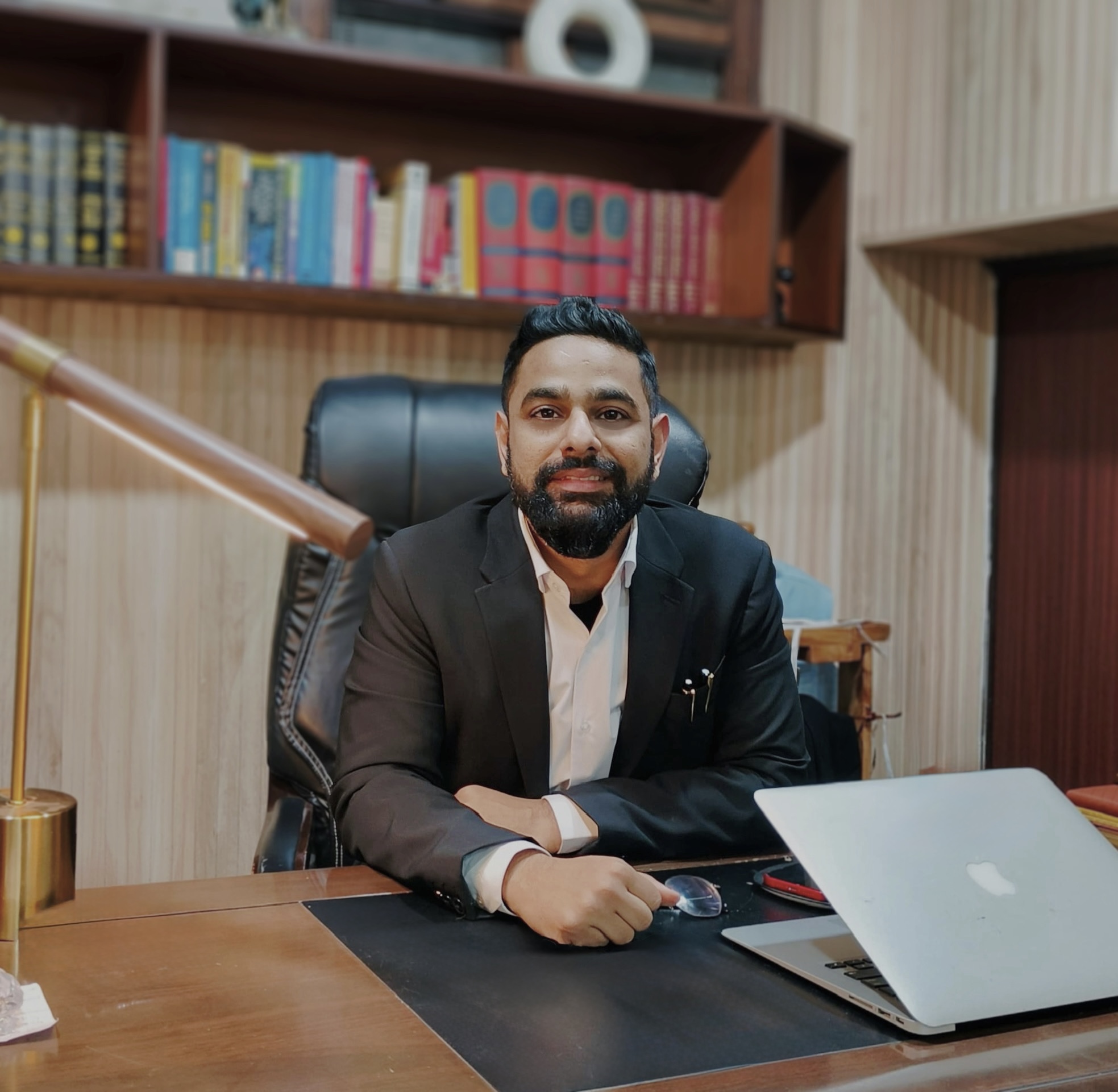
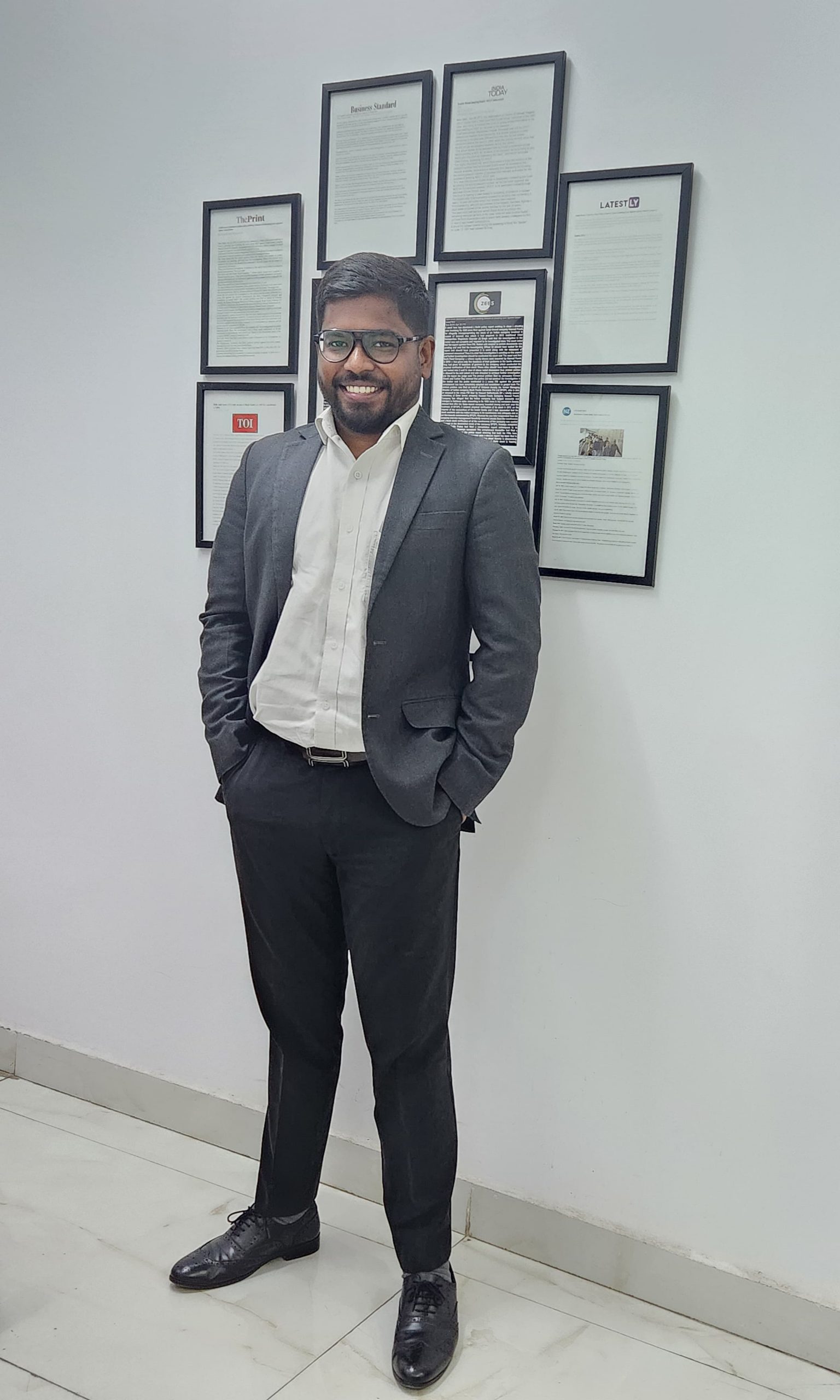
  • From a Passion for Investigation to Founding Tenet Law: The Journey of a Lawyer Specializing in Fraud and Financial Crime. – Arun Chauhan, Founder of Tenet Law.

    From a Passion for Investigation to Founding Tenet Law: The Journey of a Lawyer Specializing in Fraud and Financial Crime. – Arun Chauhan, Founder of Tenet Law.

    This interview has been published by Anshi Mudgal and The SuperLawyer Team

    How and when did you decide to become a lawyer and specialize in fraud detection, especially because this is something that influences almost all the communities, be it corporate, private, or public? It depends on which sector you are from. 

    So my Baba moved here from India in the 1960s over to England. And so I was born and raised here. So I grew up with British and American television. And I grew up watching a lot of television in the 1980s, so, you know, I’m 48 years old now.
    And during that time, there were some films which were starting then, the Indiana Jones series of films, which was Harrison Ford. And there was an American investigation kind of program called Magnum P.I. with an actor called Tom Selleck. And I was really fascinated with history, with Indiana Jones, and unraveling what the truth of history was, what the true state of affairs was, and learning from things that have happened.
    To try and piece together a jigsaw of a picture of what really has happened and investigation. So I started to get intrigued about just digging into things, looking into history, looking into working out what’s really going on. And at the same time, there were a few legal dramas coming around and again, US programs, a few UK programs.
    And that just drove my interest. I have no other lawyers in the family. My Baba was an engineer, and my sister’s an accountant. And there were no lawyers in our family. And I just took an interest in it. I gradually found the opportunity to study law, and right after I qualified, I got interested in some of the criminal side, some of the commercial contract side.
    And I always liked the idea of working out where there’s been wrongdoing in the workplace and wrongdoing to an individual or to a community and saying, right, how do we solve that? And how do we fix it? And it comes from watching programs like that in the 1980s.

    So, sir, we can call you the first-generation lawyer who has made a big name for himself.
    Way back in 2016, you parted ways with a large international law firm and decided to start your own law firm, Tenet. You have also won recognition for actually disrupting how law firms operate because what I have learned about Tenet is it operates without financial targets, billable hours, or office presentisms. How has this impacted the teams that have joined you, the way the client relationships have been built, and how you have made a whole name for yourself and the firm?

    Yeah, it’s interesting. I mean, if I go back to what took me to making those decisions, it was quite simple. So I worked at a large firm called DWF, an international firm, as you mentioned, and I was a partner there and I dealt with the civil fraud disputes and investigations team. That was my role. And I had a really nice time there. They are really wonderful companies to work for, a wonderful law firm to work for. And my boss who I worked for was really supportive, but at the time for me, I left because of burnout issues.
    My children were young, and work was quite demanding, my Baba was quite ill, in and out of hospital. And I wanted to just have more time to myself, to really manage the family issues more than anything. But I thought I’d been working in this area of law since about 2006, 2007. So by that time, 10 years, I thought I’d go and be a consultant and I set up Tenet to deliver consultancy services, but work quickly found me and I needed lawyers to join.
    And my wife, who’s not a lawyer, she’s a pharmacist, she said there are lots of women who’ve had children with their families. And they have left their place at work. Lawyers have left their place, but they can’t go back to work part time. And so a couple of my former colleagues were in that situation, and I contacted them about whether they could give me some support and just some extra hours to help me as work started to develop in the practice.
    And this was all in 2016. I started it in March of 2016. And I realized a few things quite early on. I had probably a chip on both shoulders that I didn’t think you could get the best out of people by driving them towards numbers and taking them away from thinking about the solution of their clients.
    And I also didn’t think you need to be seeing people in the office or always watching people to know that they were working. We’ve all grown up to be responsible adults. We’ve all invested many hours in our careers to get to a certain point. If we want to do well in our careers, that requires self-discipline.
    It doesn’t require someone telling you what to do. So I developed the concept around let’s have a firm without targets, without presenteeism. So it’s a traditional litigation law firm. We’ll have billable hours, financial targets, before COVID everyone would be in the office. Our business as usual was to come to the office if you need to, work where you want to, work when you need to, around the client’s demands.
    But just get the work done. Let’s not worry about the numbers. And what we did was we built a model, which was broadly people first, then the product, and then the profit. And what that means is, if we get the best for our people, ahead of our clients, and create an environment where they’re not distracted.
    The only focus they have is the solution for the clients. They’re not distracted by, have I made my numbers this week, this month, today. They’re only focused on sorting out the solution. They’re not driven by getting profit out of a client. So they focus on the product and you get the product right. The amazing thing that happens is people recommend you and refer you.
    So we developed that model of no targets because it gave the best chance for, I guess, creating the art of what’s possible for a client. If we just focus on sorting out that issue for a client, anything is possible. If we start to think about ourselves as part of that journey for a client, it’s a distraction.
    So my job here is to make the best environment for people, so they can get the best for the clients. And then hopefully life takes care of itself. And we make enough money along the way to be safe and everyone’s secure. Culturally it’s been really fascinating because lawyers are institutionalized in most of the law firms.
    You probably have experienced it where you think you’ll have lawyers who have a certain number of hours done in a month and then they’ll be asked by their management, what’s your recovery plan? You are behind track. And so what could that lead to? It could lead to bad behaviors. Do you spend more time on work than you need to?
    I’m not saying that happens, but it’s a risk. Do you hold on to work? Because you need to make up the hours, but that work is getting delayed if it was put in the hands of a colleague. So the client could have their work done quicker if you just passed it over. Well, if you’ve got a target and you hold on to it yourself, you delay the work product for the client.
    So there are lots of lateral benefits, but for the people themselves, it meant they could just be trusted to get on with their job. And we all just want to be lawyers, don’t we? We just want to be lawyers. And so it just allows people to be lawyers. Yeah, I guess that’s broadly how we’ve done it.

    Sir, keeping all that in mind, you already have built a name for yourself, but in a very specialized field of fraud, and especially the fraud cases, they involve sophisticated scheming and all those processes. With the rise of the digital space, with the rise of crypto and everything, how have you seen fraud evolve in the cyberspace and what kind of investigations or cautions have you suggested your clients, especially the ones who are HNIs or who are in fintech or who are SMEs and nowadays startups as well?

    So, I mean, we have to go a step back when we think about fraud because one person’s definition of fraud is not the same as somebody else’s. And when you think about cyber, people talk about cybercrime and cyber fraud or cryptocurrency fraud, where there’s not legitimate cryptocurrency, but ultimately cyber or digital age.
    Or digital mechanisms for committing fraud are just that—they’re just the mechanism for committing the fraud. It’s not the fraud itself. The fraud isn’t cyber, the fraud isn’t crypto, it’s the mechanism used. So the first thing is going back to what is fraud. For some people, fraud is very black and white.
    It’s misappropriation, it’s diverting assets, it’s breaching duties. For others, it can be more subtle. So, for example, you could have a very simple scenario that you’re in a restaurant with your family or friends, and at the end of the evening, an employee at that restaurant brings out the bill. And if they bring out the bill, and then you notice on that bill that they’ve forgotten to charge you for a drink or some food.
    And I ask people in training sessions. How many people would own up and would confess that they’ve been undercharged? And typically about 30 percent of people will say they would own up in the restaurant. And then I ask people, look, you know, just this definition of fraud, if your employer overpaid you and it was obviously a mistake, like the restaurant, how many of you would own up?
    And everybody owns up. And then you have to delve into why, and people don’t realize that taking money from your employer when they’ve overpaid you by mistake or taking the benefit of the restaurant food when they’ve undercharged you are both the same species of fraud. It’s called unjust enrichment, but they’re both fraudulent events, but people’s interpretation of fraud may be in one instance with the employer, but not with the restaurant.
    So your first concept is understanding, you know, fraud is about interpretation. And then that’s something that has to be a constant in your mind as a lawyer dealing with fraud is how people interpret that because as we’ve moved to this digital age, as you talked about,
    We are driving all our communications and we’re driving all of our purchases, acquisitions, investments, thought processes around how to utilize our money online, and how we engage with people, how people sell things to us, or how people invite us to invest.
    It comes down to our interpretation of fraud. What is that area of gray? If someone is optimistic about selling you an investment product, that crypto will get you a certain level of returns. Are they being fraudulent or are they being optimistic in telling you something to invite you to invest? So you have to think about how you interpret fraud?
    Because from the recipient’s point of view, you have to really be quite clear, the communications you want digitally. What you’re told digitally before you make a decision. Crypto space and cyberspace is really interesting.
    So in the digital world, now we’re in the situation were certainly around banking and fintechs, all our transactions are online. So in the UK, we have payment services, firms, fintechs, main retail banks. And there is new law that came in in October of last year, 2024, which makes it almost compulsory for banks to refund domestic transaction victims of fraud, if they’ve been tricked into making a transfer.
    And that law will probably spread as an idea around other Commonwealth countries in time. But we’re driven to do everything online. We’re accustomed to doing everything online in this digital age. And we don’t have enough digital literacy, certainly for the elder generation. And the younger generation think too quickly because they have too much digital access.
    So they don’t have time to stand back and think, is this behavior consistent? Am I being tricked? Is this too good to be true? So let’s take cyber. You mentioned cyber and I’m sorry, I’m giving quite long answers, but I’m trying to pick up all the points you raised. In the UK, there are three, sorry, crypto.
    There are three types of cryptocurrency you can think about and being duped on or being defrauded on in the UK. The first level is unlikely to be tricked. That’s where you’ve got a provider, a cryptocurrency exchange platform that is regulated by the Financial Conduct Authority in the UK for money laundering purposes.
    They are a legitimate enterprise engaging in selling and purchasing cryptocurrency. You are likely to be safe in their hands. The only risk is the fluctuation of the market. Then you have those cryptocurrency exchanges, which are in other countries. They are legitimate in that they are exchanges, but they are not regulated.
    So it’s slightly more loose and it’s very hard to recover from overseas. And then you have those, which are just smoke and dust. Those criminals that create the impression through very good digital tools that they have a platform for you to invest in. But the platform doesn’t exist.
    It’s all smoke and dust. It’s all fresh air, and your money is gone. And with any fraud situation, be it in procurement, be it with employees, be it with investments, be it with cryptocurrency, unless you educate yourself about what you’re about to invest in or the party you’re about to contract with, and really understand it yourself and verify independently, you’re having more fraud.
    And that’s the problem. The digital is the biggest enabler of fraud now, because it is so good at imitating legitimate organizations and people and transactions. And we are as humans, we’re short of time now, we’re all time poor. So we make transactions quicker without thinking, you put those two together, and you’ve got more friction and more risk.
    So for us, there’s a lot to unravel every time we get an investigation because there are

    so many moving parts. You have to check what’s real and what isn’t, and the growing number of fraudsters playing with these new technologies, it’s harder and harder to prevent.
    As a business, as a law firm, we are constantly looking out for those kinds of things. For instance, we work with financial institutions, and it’s really important for us to make sure we understand everything behind what’s happening, everything behind the platform, everything behind the person and always verifying every step of the way. That’s how we go about it.

    At Tenet, you specialize in this particular niche area. Let’s say, we would like to understand if new entrants are interested in this field and how they might navigate their way into the fraud and investigations space. Since you have mastered this area, how would you suggest they move forward, perhaps with a checklist? This could benefit learners, especially in India, who may be looking to qualify for SQ exams and practice in the UK. Is it possible for Indian lawyers to work in this field in the UK, or is there another path they can take to learn and practice there?
    Yes, on both counts. So, to anyone interested in fraud, I always say it’s important to build a foundation. Whatever you do in life, it should be something that interests you. It could be fraud, sports, or any subject at all. Once you have found something you are passionate about, you need to invest in yourself. This means dedicating time to learn and surround yourself with people involved in that subject.

    In the UK, fraud is not just limited to law. There’s a whole financial crime compliance and counter-fraud community across the UK, Europe, Asia, the US, and Africa, dealing with various aspects of financial crime—illicit funds, wildlife trafficking, people trafficking, money laundering, and fraud investigations. This is the ecosystem I love and work in.

    When I started showing an interest in this subject in 2006 or 2007, I joined a charity called the Fraud Advisory Panel in England. Anyone worldwide can become a member of this charity. It works to promote best practices for countering and combating fraud and financial crime. There are other organizations like the London Fraud Forum, the Midlands Fraud Forum, and more, but the Fraud Advisory Panel is where I focused my attention.

    By becoming a member, I learned about events in the industry, which could be anywhere in India, Asia, or wherever. This allowed me to connect with people who were passionate about fraud. I volunteered countless hours and met senior people from the big four accountancy firms, PwC, and law enforcement. They began trusting me with cases, and that helped me build my career.

    So, for anyone entering this field, I recommend joining charity organizations, volunteering, and surrounding yourself with people who have experience in fraud. In the UK, there are many firms that specialize in fraud, and even as a foreign-qualified lawyer, there are opportunities here. Fraud has existed for centuries and will continue to do so, requiring people who are dedicated to unraveling it.

    I’d like to ask about your role as a trustee director for the Fraud Advisory Panel, and how public awareness plays a role in combating fraud. You also frequently speak in the media, so what impact do awareness programs have, particularly in your area of work?

    Education plays a crucial role in combating fraud. Much like road safety, if we understand the risks and threats, we can be prepared. Awareness about fraud helps people recognize potential risks and avoid falling victim.

    I’ve been involved in media campaigns about fraud for years. One such campaign started in 2016, advocating for a law that requires UK banks to refund customers tricked into making transactions to fraudsters. After eight years of media engagement, the law was introduced in 2024. This law was necessary because, years ago, people didn’t think fraud would happen to them. Now, fraud and cybercrime account for 38% of all crime in the UK, though only 1% of the policing budget is allocated to economic crime.

    Raising awareness is critical because people tend to think fraud won’t affect them. If we can educate the public, businesses, and government bodies about fraud risks, we can help mitigate the harm. In India, for instance, fraud awareness is still in its early stages, especially when it comes to cybercrimes. It’s an ongoing challenge everywhere, but awareness is the key to fighting it.

    Unfortunately, fraud is still under-discussed in India. People may have heard of cybercrimes, but awareness has not fully caught on. This conversation itself is vital for combating the issue. Moving on, you studied law at King’s College, London. How did your college experience shape your thoughts on awareness and your approach to building a community through your work?

     King’s College London was a privilege. I wish I had worked harder, but it definitely shaped my understanding of the law. Before law school, I thought law might be dry, but I soon realized it’s about interpretation and human behavior. At King’s, I found that law is not just about rules but understanding the actions behind those rules.

    Criminology and tort law were key subjects that sparked my interest in fraud. It was here that I learned how criminal behavior can influence business conduct, particularly in fraud investigations. The diverse international student body at King’s also showed me how law transcends borders, which shaped my global perspective on legal practice.

    After qualifying in 2002, I spent 14 years in private practice before founding Tenet. For me, specializing in one area was important, so I chose fraud and financial crime. I decided to focus exclusively on fraud investigations, disputes, and compliance, helping individuals and businesses resolve issues stemming from dishonesty.

    Our firm, Tenet Compliance & Litigation, isn’t huge—only 11 people—but we’re highly focused. We’re recognized for our expertise in fraud and financial crime, which is why we win most of our work through recommendations. We make it relatable to clients, focusing on their concerns rather than just the financial aspect.

     Cultural aspects certainly influence change, and it’s clear your diverse college experience helped shape your perspective. Sir, outside of work, you are also a guitarist and into fitness. How do you balance these hobbies with your work, and how do you encourage your colleagues to do the same?

      Well-being is crucial. It’s not always easy to balance work and personal life, but I encourage my team to have hobbies and time for themselves. We have a “family first” policy, meaning if something comes up for family, you take care of it. I believe in making time for family, especially during the years when children are young.

    For me, fitness is a priority. I exercise three or four times a week, and I know that staying healthy improves my performance at work and at home. While I may not always have time to play the guitar or exercise as much as I’d like, I believe it’s important to have hobbies outside of work.

    I encourage my team to do the same. If you want your people to perform at their best, they need to have time for themselves. It’s hard to find that time, but it’s essential. We work to live, not live to work. It’s a reminder to experience life, see new places, enjoy theater or movies with friends, and take moments to appreciate life outside work.

    In the end, if you’re not living your life, work will lose its meaning. The balance between work and personal life is key to both professional and personal growth.

    Get in touch with Arun Chauhan –

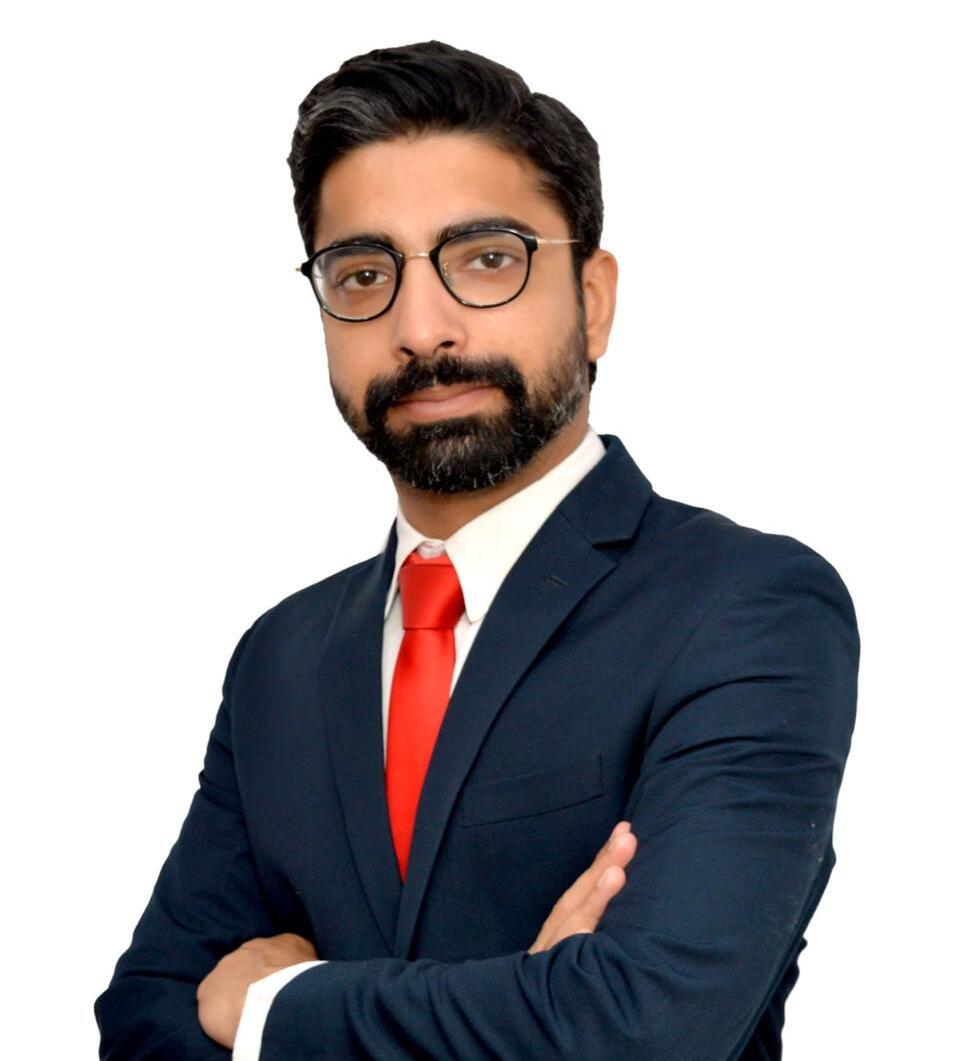
  • “It was not just the big-ticket cases that defined my journey—it was the groundwork, the nuts and bolts of practice and procedure, that shaped me.” – Nakul Gandhi, Founding Partner at NG Law Chambers.

    “It was not just the big-ticket cases that defined my journey—it was the groundwork, the nuts and bolts of practice and procedure, that shaped me.” – Nakul Gandhi, Founding Partner at NG Law Chambers.

    This interview has been published by Anshi Mudgal and The SuperLawyer Team

    Considering your background and early life experiences, how did those factors shape your understanding of the role of law in society and what made you eventually decide to pursue a career in law? Was there a specific event, experience, or person that influenced your decision to enter the legal profession?

    I was the quintessential mischievous kid—the kind who was always on a teacher’s radar for all the wrong reasons. Academically, I was average, but I had a natural flair for connecting with people and forming relationships. I credit my family for seeing beyond the chaos and recognizing that my energy could be channelled into something meaningful and encouraged me to pursue law.

    Coming from a business family with no legal background, I became a first-generation lawyer—a leap into the unknown. Stepping into the legal profession felt like finding the missing piece of a puzzle. The law, with its vast landscape and limitless opportunities for growth, resonated with me. It wasn’t just a career; it became a calling. Law, with its endless possibilities and avenues for growth, gave me hope that I could use my abilities to carve a small space for myself in this landscape.

    During the initial phase of your career, you handled disputes for major corporate clients. Could you share some of the formative experiences that enhanced your understanding of the law and helped you to enhance your career trajectory?

    I was fortunate enough to have worked with reputed litigation law firms throughout and have a diverse start in my career, experiencing the depths of civil, criminal, and commercial law. However, I sincerely believe that it was not just the big-ticket cases or influential clients that defined my journey—it was the groundwork, the nuts and bolts of practice and procedure, that shaped me.

    I made it a point to immerse myself in the procedural workings of courts and tribunals—not just in Delhi but across other states too. This hands-on exposure is my strength, and has added layers to my understanding of legal practice.

    A standout highlight of my journey has been regularly briefing some of the most prominent senior counsels across India on a variety of disputes. This experience led me to develop a deeper understanding of law, sharpened my skills and gave me the confidence to handle complex challenges with ease.

    One of the greatest blessings in my journey was working under bosses who were absolute masters of their craft. They set the bar high and demanded nothing less than excellence. Their mentorship wasn’t just about honing my legal acumen—it was about instilling discipline and a drive for excellence. That rigorous training has been the cornerstone of the lawyer I am today.

    After gaining valuable experience across different law firms and practice areas, what inspired you to take the leap and start your own law firm? What were some of the key challenges you encountered during the process of establishing your firm, and how did you overcome them?

    I always knew I had the skills and drive to start and manage my own law firm. While my career trajectory was steady and promising in my previous roles, the entrepreneurial itch was impossible to ignore. It was not just about ambition—it was about carving out my own space and building something from the ground up. So, when the moment felt right, I took the leap of faith.

    Starting out, the biggest challenge was managing expectations—both my own and those around me—and embracing the inherent uncertainty of going independent. The move from the steady comfort of a law firm job to the uncertainty of running my own practice was both challenging and exciting.

    I knew the key to survival and growth lay in two things: generating work and delivering results. So, I channeled all my energies into building trust with clients in the smallest of assignments, ensuring every case I handled spoke for itself and turning every challenge into an opportunity to prove myself. As someone from outside Delhi with a non-legal background, establishing a full-service law firm here, has been a proud achievement for me. The desire to excel as an outsider fuels my determination even further.

    You represent several prominent social media influencers, helping them navigate the legal complexities of the digital age. Could you share how the legal landscape for content creators has evolved, and how you support influencers in managing legal risks?

    Social media influencers are the celebrities of the digital age, and the legal landscape around them is evolving rapidly—touching everything from IT and IP laws to even fundamental rights. With their massive follower base, influencers have a unique power to shape public opinion, making their actions resonate far beyond their screens.

    My role is to help them navigate this complex terrain by ensuring they understand their rights, responsibilities and laws governing their space. The challenge lies in balancing freedom of speech with the legal and ethical boundaries of content creation. As online content becomes more unfiltered, conflicts are inevitable, and managing them goes beyond simply applying the law. I advise them on content and how to strike the right balance—protecting the integrity of their content while ensuring it doesn’t cross legal boundaries. In disputes, the focus shifts to safeguarding their fundamental right to free speech and the right of the public to have access to different perspectives.

    One of your notable cases involved defending a prominent youtuber against Dabur India Limited’s allegations related to a video critiquing. Could you elaborate on the approach towards this case and how you balanced freedom of expression with addressing the company’s concerns?

    This case highlighted the delicate balance between a content creator’s freedom of speech and the rights of others. For me, it was crucial to ensure that the YouTuber’s right to free expression wasn’t compromised. I was fortunate to work with a client who was not just willing but determined to fight for this right, recognizing its larger significance for creators and his audience.

    At the same time, I understood the importance of avoiding unnecessary litigation that could drain resources and prolong conflict—something neither the YouTuber nor the company wanted. The natural and necessary path was to pursue an amicable resolution.

    My focus was on preserving the educational value of the YouTuber’s video, which provided important insights on food and health to the public. After multiple rounds of rigorous negotiation from both sides, to achieve a settlement, we agreed to remove a few minor portions of the video that were the subject of the company’s IP disparagement claims, without prejudice to our client’s right to free speech. These changes did not affect the video’s core message or structure, allowing us to protect both the creator’s voice and the broader value of the content for society. This proposition was also acceptable to the Company, which led to a win-win situation for both sides.

    You have advised and represented clients in high-profile criminal cases, such as the CBI chargesheet concerning a PSU tender scam. What are the critical factors you focus on when advising clients in such complex criminal matters, and how do you approach preparing for these high-stakes cases?

    In criminal cases, even when companies stand accused, it’s the individuals who bear the weight, as the corporate veil often falls to reveal the human cost. The stakes couldn’t be higher, and this pressure is unlike anything else.

    My first priority is to extract every minute detail from the client about the case—no matter how trivial it may seem. In criminal law, even the smallest piece of information could turn out to be a smoking gun or a declaration of innocence.

    I also believe that it is equally important to manage expectations and give the client a realistic picture of the situation. Trust between client and counsel takes on a whole new level of significance in criminal matters. It’s not just about building a defense—it’s about standing calm and firm in the face of uncertainty, ensuring that every decision is informed and strategic. 

    A senior counsel once gave me advice I hold as gospel: to ensure the best defense, preparation must begin on day one. You should envision how the story ends for your client and craft the entire trial strategy around that vision.

    What advice would you give to aspiring lawyers who wish to follow a career path like yours? Additionally, could you recommend any resources that help them stay informed about the latest developments and trends in the legal field?

    Always see yourself as a student of law, not a master of law. The law evolves with society, and staying curious and adaptable is key. It’s just as crucial to understand your client’s needs as it is to understand the intricacies of a legal case. True innovation in legal practice comes when you bridge the gap between business realities and business laws. Equally, knowing how to connect with a judge’s perspective is vital. Sometimes, a case is not won by citing more precedents but by presenting solutions that create a win-win outcome.

    Another important skill worth developing is the art of networking—it’s all about fostering meaningful relationships that can provide fresh perspectives and open doors to many opportunities.

    For aspiring lawyers, staying updated and informed is easier than ever. Social media, news outlets and online legal platforms provide relevant updates on legal trends, making it simple to stay current. It is imperative to keep a close eye on these developments because a solid understanding of the world around you is essential—not just to stay updated but to offer sound advice to your clients.

    With your career balancing both high-profile legal work and professional responsibilities, how do you manage your work-life balance? What strategies or practices help you maintain personal growth and stay motivated to excel in such a demanding and fast-paced field?

    Speaking candidly, in our field—especially for independent practitioners—work-life balance often feels like a distant dream. However, with increasing awareness about its value, it’s worth making an effort to incorporate it, even in small ways. I personally am health conscious; I make it a point to monitor what I eat and stay consistent with my workouts to an extent, which keeps me disciplined and supports the demands of my rigorous professional life. During the court vacations, I like to travel. I also have a close-knit group of friends I regularly meet and spend time with. 

    Get in touch with Nakul Gandhi –

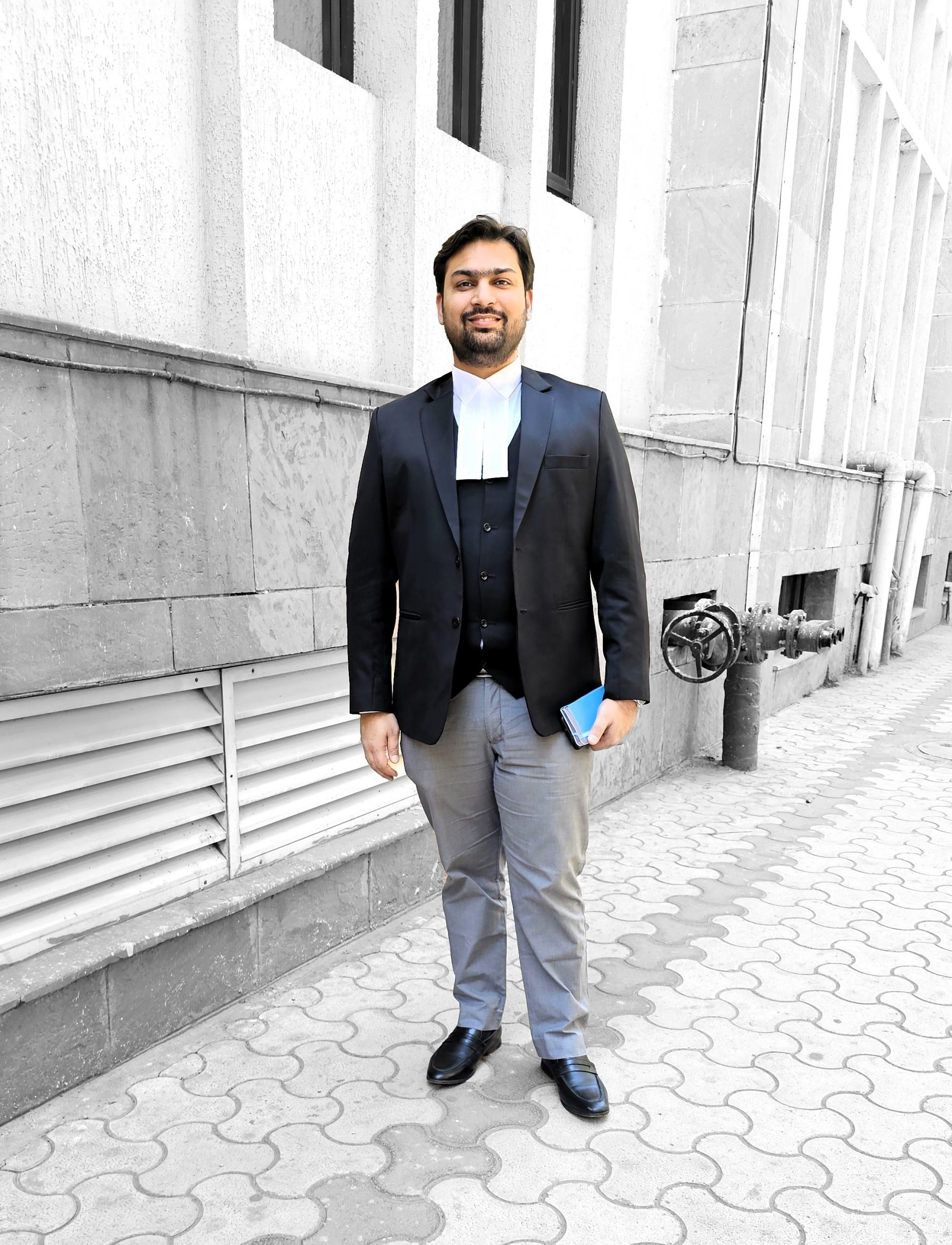
  • “There is no fixed formula and everyone may face their own challenges, however, hard work, perseverance and consistency are some of the key ingredients for everyone to succeed in the legal profession.” – Rohit Jolly, Partner at Hammurabi & Solomon Partners.

    “There is no fixed formula and everyone may face their own challenges, however, hard work, perseverance and consistency are some of the key ingredients for everyone to succeed in the legal profession.” – Rohit Jolly, Partner at Hammurabi & Solomon Partners.

    This interview has been published by Anshi Mudgal and The SuperLawyer Team

    With over a decade of experience across various areas of law, did you always see yourself pursuing a legal career, or were there specific events or influences that led you to choose this profession?

    I grew up in a family of lawyers and therefore, law seemed to be the automatic choice of profession to me from a young age. I was often privy to legal discussions at home, which involved interesting yet complex propositions which too ignited my interest in the field of law. Lastly, at a personal level, I find this profession fulfilling, as it involves helping people navigate difficult and challenging situations.

    Beginning your career as an associate at a law firm, what were some of the formative experiences that shaped your understanding of the law and sparked your interest in the field?

    In law school, we were taught the theoretical foundations of law, but when you enter the profession, you begin to understand how theory translates into real-world legal practice. As an associate at a law firm, I was exposed to the importance and intricacies of drafting and the practice of putting in all your effort for every brief in an attempt to achieve the perfect solution for the client. Law firms also provide you the exposure of working with the big clients and senior counsels on high stake matters right from a young age and teach you the art of dealing with pressure and deadlines. When the stakes are high, you automatically take more responsibility on the brief.

    Personally, apart from gaining the confidence to work under pressure and to meet the harshest deadlines, I learnt the importance of effective communication and attention to detail from the law firms that I worked with. Working closely under such great mentors, Mr. Mahesh Agarwal & Mr. Vijay Sondhi in my formative years and now with Ms. Shweta Bharti has offered invaluable learning opportunities as they provided insight into how they approach cases, their reasoning behind legal strategies, and showed how to think out of the box while navigating through complex legal issues. Their mentorship further ignited a passion for the intellectual rigor of law and gave confidence to tackle complex issues.

    Reflecting on your time as an Independent Litigation Counsel, can you highlight a pivotal learning moment or turning point that significantly influenced your approach to legal practice?

    After working in law firms for almost 9 years, the experience I gained working independently was completely different. Initially, it was quite tough as the nature and type of work that comes to you as in independent counsel is very different from the kind of work you are used to in a law firm. Further, in a law firm, you have a lot of support staff while as an independent counsel, even most of the clerical work is your responsibility. 

    Apart from learning the approach to working on a diverse range of matters, the most pivotal experience I learnt from independent practice was the ability to take complete ownership of the brief from managing client expectations to drafting, filing, getting the matter listed, arguing etc. 

    Coming to the turning point that significantly influenced my approach to legal practice, I learnt that eventually, what matters is the client’s ultimate goal. What we need to work towards is to give the client a practical and feasible solution to its problem, most times, the client is not looking to win a case or set a precedent. Therefore, the art is to achieve the client’s goal and it may not be relevant if you win or lose a case.

    In your representation of clients in the 2G spectrum case and matters related to the Prevention of Money Laundering Act (PMLA), what were the most challenging aspects, and how did you navigate those challenges?

    These cases involve complex legal issues that can be very challenging for any legal professional. These cases require an understanding of both substantive law and procedural nuances, as well as the ability to navigate intricate factual situations and government policies. Further, the intense public scrutiny in the 2G spectrum case created additional pressure on the lawyers. Hence, maintaining a clear communication with clients and stakeholders about the legal strategy, while also working closely with senior counsels to ensure these cases are handled effectively was a challenging task. Therefore, these cases reinforced the importance of attention to detail, strategic thinking, and a multidisciplinary approach to legal practice.

    What are the key legal obstacles that real estate companies face in consumer disputes, and how do you manage litigation across various forums such as the NCDRC and RERA?

    The Indian real estate sector operates within an intricate regulatory landscape that is fraught with inherent difficulties and delays. As seen first-hand, many times frivolous complaints are filed by such unscrupulous persons who are cognizant of these difficulties and delays and exploit them by alleging deficiencies in service, often citing delay in delivery of possession to exert undue pressure on developers and compel them to grant concessions or monetary compensation. As such, vindicating developers by demonstrating how delay in delivery of possession was beyond the control of the developer becomes the key obstacle. 

    To manage the litigation across diverse forums, the use of proper planning, proper use of technology, case management, and data storage play an important role. I have mentored my team to ensure that they possess the requisite skills to effectively represent clients before different forums and actively encourage my associates to appear in proceedings. Finally, I also try to formulize a proactive plan by maintaining daily and weekly schedules for task prioritization and time allocation for all court appearances so that the work is streamlined.

    In your current role, could you elaborate on your involvement in advising a multinational technology company on the implementation of data privacy laws within its Indian entities? What were the primary legal challenges in ensuring compliance with India’s data privacy regulations, particularly the Personal Data Protection Bill (PDPB)?

    The Digital Personal Data Protection Act, 2023 has cross-sectoral applicability and enjoys primacy over sectoral regulations in the event of any conflict. As such, to advise the company it was vital to identify whether the different types of data processed by the company qualify as “digital personal data” under the Act, the internal flow of such data within the company, and evaluate the data storage technology used by the company in order to design consent mechanisms, data principal right mechanisms, data breach mechanisms, and define data retention periods for different categories of data. 

    A significant challenge encountered during this engagement revolved around the provisions governing cross-border data transfers. As a multinational technology company, the seamless flow of data across international borders is critical for service delivery. Restrictions or prior approvals imposed on data transfers to specific jurisdictions can significantly impede operational efficiency. Furthermore, drafting a unified compliance framework that harmonizes the Act with international regulations such as the GDPR presented a considerable challenge, since varying data processing and security standards across jurisdictions can create conflicts and necessitate careful management to avoid non-compliance. 

    High-stakes cases must be incredibly demanding. How do you maintain a work-life balance, especially during intense periods of work and tight deadlines?

    As a lawyer, there cannot be a straightforward answer to this. This profession is very challenging, where you must burn the midnight oil and work on most of your weekends and sometimes you will feel there is no work-life balance. However, the key to managing this is setting clear priorities—both in terms of work tasks and personal time. I try and evaluate tasks based on urgency and importance, making sure I allocate time for essential activities while also recognizing when to delegate certain responsibilities. Secondly, effective collaboration with my team allows me to focus on high-priority tasks while ensuring that the workload is evenly distributed. Lastly, to maintain my mental sanity and make sure there is no burnout, I try and travel even if it is for a weekend to refuel and reenergize myself.

    What advice would you offer to young lawyers aiming to specialize in dispute resolution, particularly in areas like white-collar crime, commercial, and real estate disputes? Additionally, what resources do you rely on to stay informed about emerging legal trends?

    First of all, I still think I am a young lawyer. Having said that, I would strongly advise my younger colleagues to master legal research databases, practice drafting pleadings with precision and clarity, cultivate excellent communication and interpersonal skills, understand the intersection of law with finance and accounting since it is crucial for complex commercial disputes such as white-collar crimes, observe seasoned litigators in court to learn from their strategies and courtroom demeanour, participate in conferences and seminars to network with other professionals, and cultivate a strong work ethic to manage multiple tasks effectively.  There is no fixed formula and everyone may face their own challenges, however, hard work, perseverance and consistency are some of the key ingredients for everyone to succeed in this profession. 

    In order to stay informed about emerging legal trends, I rely on legal journals, real estate journals, corporate magazines, online news portals, and participate in continued legal education programs by professional organizations where I have memberships. 

    Get in touch with Rohit Jolly –

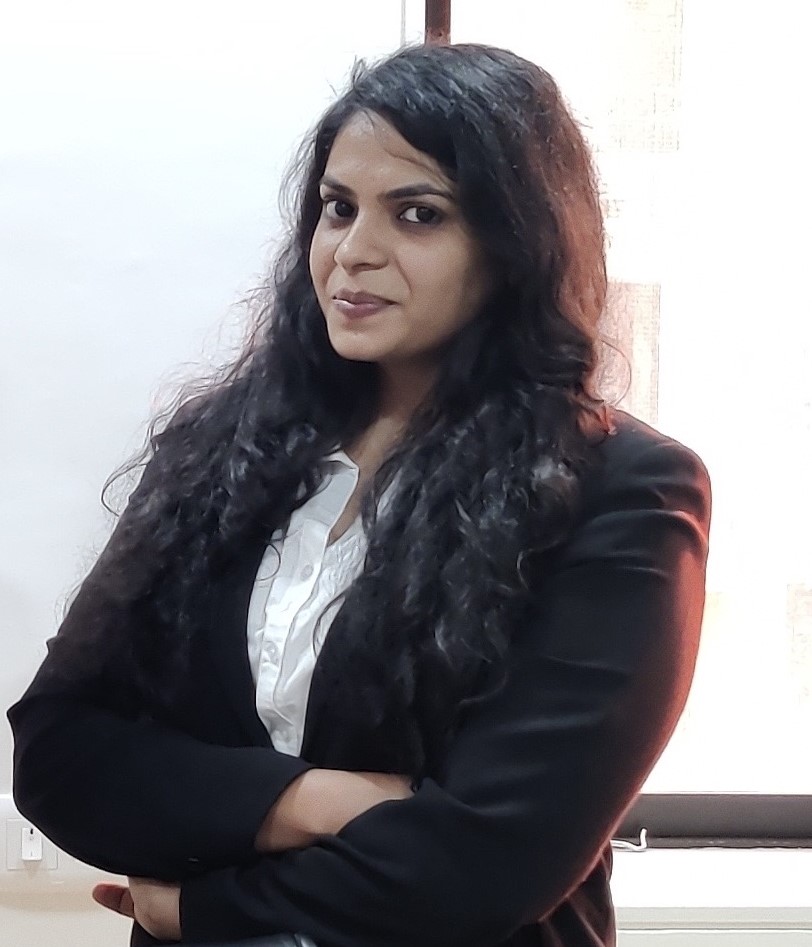
  • “Each failure pushed me harder to succeed, and that resilience shaped who I am today.” – Sumit Garg, Founder of Alpha Corporate Legal.

    “Each failure pushed me harder to succeed, and that resilience shaped who I am today.” – Sumit Garg, Founder of Alpha Corporate Legal.

    This interview has been published by Namrata Singh and The SuperLawyer Team

    Hello and welcome to the new episode of the SuperLawyer YouTube channel. Today we have with us Sumit Garg sir, who’s the founder of Alpha Corporate Legal and an experienced lawyer with a qualified CS degree, with a demonstrated history of working in the legal service industry for over 18 years now. He is skilled in matters related to mergers and acquisitions, corporate governance, SEBI, NBFC, regulatory and white-collar crime matters.

    Welcome, sir. And thank you so much for agreeing to be with us here. it’s an honour. Thank you so much, sir.

    Thank you, Divya. It’s a pleasure for me to get an opportunity to come on this platform and share my experience with budding professionals and fellow professionals as well because I believe that encouraging someone in turn encourages yourself. So, thank you so much for this opportunity. Let’s take it forward and I’m looking forward to an engaging session. Which I believe will add value to the budding professionals and my fellow professionals.

    Rightfully said, sir. Thank you so much.  Let’s start with the very first question when did you decide to pursue law or why did you decide to pursue law?  Even better, who inspired you to pursue law and what challenges did you face during the initial stages of your career? How was your journey? Please do share your experience.

    So, Divya, to answer that question, first of all, I never aspired to be a lawyer.

    I originally aimed to become a company secretary (CS) of a listed company. The inspiration for that came when I was in 12th grade, reading a newspaper. I’m from Meerut, and at that time, the trend was to read newspapers regularly. Being in 12th grade, I was more conscious about which stream I should choose.

    I had taken commerce in 11th grade, so I knew I was heading into the commerce field, but I was still confused about whether to pursue CA, CS, ICWA, MBA, or something else. Especially in my situation, where no one in my family or extended family was a lawyer—everyone was either an engineer, businessman, or MBA, managing their own businesses. There was no one to guide me, or perhaps, I didn’t seek out guidance actively.

    Then one Sunday, I picked up the newspaper and in the career section of Dainik Jagran, I read about the role of a company secretary. It explained what a CS does, how they function within a company, and the one thing that really resonated with me was the fact that in a listed company, there’s only one CS, who works closely with top management, assisting the company in every business decision—compliance with laws, disclosures, governance, and feasibility.

    That aspect of being a key decision-maker in the company attracted me to CS as a career. Later that evening, my eight friends and I—who had also read the same article—decided that we would all pursue CS together. And so the journey began in February 1998.

    We registered provisionally with the CS Institute, and I still remember the day when the eight of us traveled by bus from Meerut to Delhi. Reaching the CS Institute on Lodhi Road was quite a challenge, as we were all new to Delhi, despite Meerut being so close.

    That was the starting point. As we progressed through our CS Foundation and later the CS Intermediate, we encountered various laws that sparked my interest. It was during this time that I thought, “Why not also pursue law?” This could help me earn a little extra by working as a legal head in a company and expose me to more laws in practice.

    At that time, the MRTP Act and the Consumer Protection Act were prominent. These laws helped me understand legal nuances early on, like the difference between “flat 50% off” and “up to 50% off,” and the meaning behind the asterisk we often see with “T&C apply.” These details sparked my interest in law.

    After completing my B.Com from Delhi University and while pursuing CS, I decided to pursue law as well. I qualified as a lawyer in 2005, although I finished my CS in 2006.

    In 2007, I got enrolled with the Delhi Bar Council. Interestingly, I joined an office in January 2007 where I got the opportunity to work on mergers and demergers, but I was still unsure about whether I should get enrolled as an advocate. Even though I visited the High Court regularly, wearing the black tie (though without the band), I hadn’t fully committed to enrolling.

    It was in May 2007, after gaining more exposure to law and realizing it was my true calling, that I finally enrolled as an advocate. I had the knowledge, but practicing as an advocate—going to court—was what gave me the real practical experience.

    That’s how I became a lawyer and a practicing advocate, which is why I call myself an accidental lawyer.

    Beautifully said, an accidental lawyer who has made a name for himself in many kinds of legal worlds where the corporate world starts and ends at that particular space. You have actually merged both of these things and used both company secretaryship and bachelor of law degree in combination so beautifully that you have built a whole sphere around you and you also have founded Alpha Corporate Legal.

    Would you care to share your challenges or stories behind starting this particular company for your legal firm, and how has CS and law both helped you building that particular empire for yourself?

    I think, as much as I became engrossed in practicing law and corporate matters, I got more and more connected with it, or rather, it became ingrained in my blood. As I shared, I am a first-generation lawyer, and for me, it was really tough to make a mark in the legal industry or even find a suitable job.

    But, as luck would have it, I started working in January 2005, before I qualified as a CS or completed my law degree. One thing that gave me the strength to venture into law with perseverance, without ever doubting my decision, was my repeated failure in my CS examinations. I still remember that I couldn’t qualify for my CS Intermediate Group 1 in three attempts. It was only on the third attempt that I finally cleared it. Similarly, at the final level of my CS, I cleared Group 2 on my fourth attempt. It took me about eight years to complete my CS, but I am not shy about it.

    I openly share this because, despite the failures one may face in life, each failure should motivate you to push harder and succeed. In this regard, it would be unfair not to mention my teachers, Mr. Bhupesh Anand, who still teaches Direct Tax and Financial Management to CS students, and Mr. S.P. Rao, who taught Indirect Tax. I went to them when I couldn’t pass my exams, and I used to travel back to Meerut for my CS exams.

    I would impart the knowledge I gained in coaching classes to my fellow friends who were also pursuing CS, and they would clear their attempts, while I kept failing. One day, I went to Mr. S.P. Rao and told him that I wasn’t cut out for CS. It wasn’t happening.

    He told me, around late 2005 or early 2006, to write on a piece of A4 paper: “I will qualify my CS in the June 2006 attempt,” and put it on the wall where I studied. I did exactly that. He also told me to follow this, and meet him after the exams in June 2006. He gave me a piece of advice that I still follow today. He said, “Whenever you face a problem or can’t solve a question, make a fist, tell yourself that ‘I can do it, I have to do it,’ and try again.” I still follow that advice, and it really helped me.

    Despite the syllabus changing during my last attempt, I sat for all eight or nine papers consecutively, and I cleared my CS in the June 2006 attempt. His belief in me filled me with conviction that I had the ability to do it. It was just a matter of time and persistence. That belief in myself kept pushing me forward, shaping my career.

    In January 2005, I began working as a Secretarial Executive in a private limited company that provided secretarial services to its clients. It was there that I met Mr. Anil Goyal, a Chartered Accountant, Company Secretary, and a rank holder in both. He was a self-made man, and he recognized the potential in me. At that time, he was the auditor for a listed entity, and he referred me to work there. I went for the interview, got selected, and that’s how I started working for a listed company that had the second-best IPO of 2005.

    I told myself I wasn’t going to miss this chance at any cost. I learned a lot while working there, but I realized that my true calling wasn’t in working for a listed company because, even after completing my work, I had so much free time that I kept craving more.

    However, I stayed with the company because I was still pursuing my CS, and it gave me enough time to study. I remained there until I qualified, and, being fair to them, I didn’t leave without seeking employment as an Associate Company Secretary.

    As luck would have it, the main Company Secretary got an opportunity to work with a firm dealing in mergers and demergers, but he passed on that opportunity to me. I spoke to Mr. Anil Goyal, and he said, “Sumit, this is the best opportunity you can get.”

    At the same time, I was offered a much higher salary by a reputed company to join as their Company Secretary, but I chose the opportunity to work in the M&A domain with Mr. Deepak Deewan. I’m forever grateful to him for making me his first associate in his office, which exposed me to the world of mergers and demergers.

    In my first year, I handled my first scheme for a listed entity. It was a demerger where the real estate division was demerged and bogged into an SPV, which we got listed under the Securities Contracts Regulation Act without going through an IPO. Overnight, after the order passed, the person had another listed entity in his group, and that gave me immense satisfaction.

    I stayed with Mr. Deepak Deewan for almost four years, during which I worked on 50-60 schemes of mergers and demergers, including about 15 listed entities. Some of the names include Spentex Industries, Jindal Drilling, Maharashtra Seamless, Ansal Group Companies, DLF, and more.

    During my time there, I encountered unique cases. One was a scheme proposed by the shareholders of two listed entities involving two brothers with a family arrangement. Usually, it’s the company that proposes the scheme, but in this case, the shareholders were proposing it. It took me two hours to convince the Delhi High Court Registry that there were no transferee companies in this scheme.

    Another case was the merger of a real estate company involving farmlands and farmhouses around the airport area. After the merger was completed, the client came to us because their sale deeds were impounded by the sub-registrar of Kapashera. We approached the Delhi High Court, and I researched a pre-independence notification under the Indian Stamp Act of 1937. After months of effort, I found the notification, which was ultimately upheld by the Delhi High Court in the Delhi Towers Limited case. This became a highlight of my career at that nascent stage when the order was passed in December 2009.

    Although this order had far-reaching implications, I had fulfilled my duty to my client by exonerating them from paying stamp duty. Following this, the Delhi government withdrew the notification, and mergers and demergers in Delhi became subject to stamp duty. Other states followed suit.

    So, I may have deviated from your original question about setting up ACL, but all these events in my early professional career really solidified my commitment to the law. Or rather, I got married to the law because of these experiences.

    Yes, it is very difficult for people to accept that there have been failures in their career as well. But it’s commendable that you are accepting it with open arms. And you are sharing your learning from those failures. What I believe or what I have understood till now in my life, that yes, if you accept your failures, you will be more successful than what you would have imagined. And I guess that is the reason why you have such amazing clients also who tend to forget the parking charges for their planes, where you have saved them crores and crores of rupees.

    How do they compliment you with all these kind of things? And how do you keep yourself so aware that you get to understand that these all nitty gritties are also there and you help them in saving them their not only money, but their faces as well. How have you done that?

    Divya, there’s more to it. While I was working with Mr. Diwan, I was quite young at that time—still young at heart—but back then, I was young physically as well. I decided to go solo, and certain things happened. It was right after my marriage in November 2010 that I decided to work independently for about six months.

    Handling these matters boosted my confidence immensely. I felt like I could conquer the industry, so I thought, “Let me start on my own.” However, I soon faced reality and realized I was lacking experience.

    A lawyer is a lawyer to the world, whether you’re a corporate lawyer, criminal lawyer, or IPR lawyer—these distinctions come much later in your career. When I faced the reality that I couldn’t serve my clients properly due to a lack of experience, I accepted it.

    I couldn’t approach other friends, colleagues, or seniors for help because I believed that if I was working for a client, it was my responsibility. It changes your attitude toward work when you take ownership. It’s like buying a car—you look at every detail before making a decision. Similarly, how can anyone be lax when working for someone else? This attitude of treating my client’s work as my own pushed me to go the extra mile because, ultimately, if my client is happy, I’m happy—and I’m progressing.

    So, when I realized this, I joined DMD Advocates. At the time, it was known as Dutt, Menon, Dunmorr Sett. I’m really thankful to Mr. Rashi, the corporate head there, and to Ms. Anuradha Dutt, with whom I had the opportunity to work later in my career. These two individuals taught me what law truly is—how to read, analyze provisions, and much more.

    Mr. Rashi had recently returned to India after working in the US for 16 years, and he instilled in me the traits of being a true professional—true to your work, your clients, and yourself. I’ll always be indebted to him, Ms. Dutt, and DMD, as well as all my colleagues there. They believed in me and gave me the opportunity to work for their clients. After that, there was no looking back.

    I was with DMD for almost 11 years, and it gave me the confidence that if I ever decided to go independent, I wouldn’t fail. Many juniors at DMD started their own firms and are successful today. That’s the kind of training I received there, and I will always be grateful. Without my time at DMD, I wouldn’t have thought about setting up ACL.

    Like everyone, I had my highs and lows at DMD. I’m not shy to admit that at one point, I didn’t complete my appraisal form because my performance wasn’t up to the mark that year. But I was determined, and I’m thankful to Mr. Rashid for believing in me and giving me another opportunity. I bounced back, and for the next three years, I received the highest increments in DMD and was promoted to principal associate.

    I worked on numerous matters for MNCs, regulatory issues, and represented clients before SEBI, Enforcement Directorate, CBI, and RBI. That gave me a platform to hone my skills as a lawyer. Over time, I learned that a lawyer never gives up, and that’s why this profession is one of the strongest in the world.

    In July 2021, I finished a major assignment—part of a larger global disposition—and that gave me time to reflect on what I wanted to do. While I had no complaints about the quality of work, remuneration, or culture at DMD, I wanted to do something more. Working at a law firm doesn’t give you the time to pursue those extra things. So, I took a sabbatical.

    Interestingly, on 13th July 2021, my last day at DMD before my sabbatical, an old friend called me out of the blue. He asked what I was doing, and I told him I was going on vacation. He said, “I’m hiring you as my outside general counsel right now, and I’ll pay you this much.” I told him I was on vacation and didn’t want to work for the next 15-20 days. He insisted, saying, “Your retainer ship starts today, but I won’t disturb you during your vacation.” And just like that, I got my first client.

    During the vacation, I discussed things with my wife, who is a crucial part of my life. At the time, our son was about to start school, so it was a critical juncture. My wife asked, “Are you mad? How will we pay our bills and EMIs if you leave DMD and start your own firm?” I told her I had saved enough money to survive for a couple of years, even if I didn’t earn anything. She gave me one year to prove that I could sustain our family without denting our savings.

    That’s when I started thinking about what to name the firm. I didn’t want my name on the board—Sumit Garg & Associates or SD Advocates—because I wanted to create an organization where anyone could contribute without feeling it wasn’t their office. I wanted to be at the top of our game, the “alpha males” of the industry. So, we named it Alpha Corporate Legal. I called a friend in IT, got the domain registered, and started working from home.

    That’s how ACL came into existence. It’s still a proprietorship because I’m looking for the right person to partner with—someone who shares my commitment to clients. My associates, the ones who started with me, should eventually step up and become partners. That will give me the ultimate satisfaction—that my colleagues are now my partners.

    I tell them all the time, “This is your office, not mine. You decide what’s best, plan policies, take on client work, but always be available, accountable, and responsible to your clients. If you’re late on a deliverable, own it, reach out to the client, and explain. Never let the client chase you.”

    I’ve noticed, after almost 20 years in the profession, that many lawyers dodge their clients when they’re delayed on something. It’s wrong. You should be proactive. Clients will respect you more for being honest and forthcoming. That’s what I tell my colleagues and anyone who seeks guidance on how to progress in their career.

    These are traits I’ve learned the hard way, but if I can impart them to others, why not? That’s my philosophy when I say I want to give back to society and the profession. And that’s what this journey with ACL is all about.

    I would like to ask about your involvement with Startup ventures, because I guess you are very much involved into helping them as well. But major question there would be to understand the psychology of the young aspirants or aspiring entrepreneurs who regarding to the legal aspect they try and take more risk in terms of not having absolute legal team ready for them from the very start and later they suffer because of that.

    So how do you adjust to this particular thought process of startups and how do you help them or train them in case they have come in the start and once they have gotten into some trouble and come to you at a later stage.

    So, Divya, you’re absolutely right. This generally happens not because anyone wants to cut costs, but because entrepreneurs want to focus on their business. That’s their passion, their vision – to grow the business. However, some entrepreneurs have a broader vision and believe, “Whatever I’m doing, I need to do it right.” For them, having the right team is the most important thing. I personally believe that setting up the business team is crucial, and the second most important thing is setting up the legal compliance team.

    If my business or the way I conduct it is not in compliance with the applicable law, there won’t be a business for long. There’s been a paradigm shift in the mindset of entrepreneurs compared to 10, 15, or 20 years ago. Now, they don’t see the legal team as a cost center; they see it as an integral part of the business and invest in it. Because when the business is new, there are numerous challenges – managing the team, setting it up, and money is usually tight in the beginning as you’re seeking funding.

    Sometimes, promoters or entrepreneurs try to cut down on legal costs by not hiring a legal expert or not seeking legal advice. In fact, just last night, I was on a call with a foreign client who had set up a company in India a few years ago. While they weren’t hesitant to spend money, they didn’t bring the right people on board to advise them properly.

    This acts as a checkpoint for Indian entrepreneurs because when funding happens, the investors, who are putting their hard-earned money into a startup, want it to succeed. It’s up to the promoter to find the right person – a lawyer or corporate legal expert – who can guide them through legal processes so they can focus on the business while ensuring that all aspects are legally sound.

    My advice to entrepreneurs is always to hire the right person to support them in all legal decision-making, ensuring that their business decisions will stand the test of time and law, if required in the future. Secondly, I advise them to be transparent. In business, it’s not necessary to make 100% right decisions all the time. Sometimes wrong decisions are made, but if they are, own up to them, learn from them, and be honest with your investors. Explain why the decision was made, what changed, and what corrective steps you’re taking to rectify it.

    Another key point I want to highlight is that many professionals focus solely on problems. Few look at solutions. We have to be solution-oriented in life. If one door closes, we must look for the other five doors that have opened for us. Transparency is key – with business partners, employees, vendors, customers – everyone. It is essential to grow and scale up your business.

    Moreover, it’s important to form bonds of friendship. An employee is not just an employee; they are a vital component of the business. They become family. Unfortunately, some businesses merely pay lip service to this idea. But real success only comes when you truly create a family out of your team. Without the support of your team, it’s difficult to achieve anything.

    I always tell entrepreneurs not to cut corners on legal and compliance budgets. One wrong compliance move could become a major obstacle for future fundraising or obtaining licenses for the business. Maintaining high levels of integrity is critical if you want to create a scalable business.

    Once these aspects are covered, the rest comes down to passion. If you have the right passion, you will build and scale the business and make a name for yourself. I particularly remember a client I served in 2012, who had built a well-established brand in the F&B sector with a major Indian conglomerate in consumer goods. He sold his minority stake in the company and started his own F&B business, where he was the 100% owner.

    With a proven track record and a passion for food, he scaled his startup in just three years. He secured funding of ₹18 crores, followed by ₹100 crores a year later, and then another ₹50 crores after another year, eventually reaching ₹100 crores again. He built 10-15 dominant brands in the F&B sector, with restaurants in India and abroad. We even did a master franchise agreement for him at a global level.

    He was true to himself, his investors, his employees, and his partners, which is why he could scale his business so rapidly. I’m still associated with him, and I take pride in being part of that organization. It gives me a different level of satisfaction because, for me, earning isn’t everything. Building relationships and achieving a sense of satisfaction is far more important. And that’s what I try to instill in my team as well.

    Taking all of these kinds of learnings, I would like to move forward and ask you about your experience related to educating people, giving them lectures, interacting with students, new entrants.

    What are your observations about the upcoming generation of legal professionals and the kind of challenges probably they are going to face with the kind of technologies that are upcoming and the way law is also changing in relation to the kind of disruptive tech which we are now seeing, it has taken shape?

    And how do you see when you guide them or when you lecture them, how do you convince them that they can make a name for themselves? Along with being truthful and honest, what all are your guidance to them and how do you make sure that they do not get disheartened by big names and try and make a name for themselves?

    Divya, I always share my failures more than my successes because, as professionals, we know that platforms like LinkedIn, blogs, and podcasts are filled with success stories. There’s a lot of digital content available online these days, but merely going through it mechanically doesn’t give you that zeal, and it often doesn’t resonate with you.

    That’s why I prefer face-to-face interactions over virtual ones. However, we have to keep up with technology and the times, so I’ve adapted to virtual hearings, interactions, and everything else. Still, my first preference remains physical, face-to-face meetings.

    The biggest strength I see in today’s younger professionals is their clarity of thought about what they want to pursue in their careers. When I started law in 2007, I worked on everything—corporate M&A transactions, general corporate, IPR-related matters—because IPR is crucial to any business. When you’re negotiating corporate or M&A agreements, significant time and effort go into negotiating the IPR aspects. It took me 6 to 8 years to figure out what I really wanted to focus on. But today’s youngsters know exactly what they want to do, whether it’s corporate law, IPR, criminal law, civil commercial litigation, or family law. They have that clarity, and I think a lot of it comes from the immense content available online, which gives them deep insights into career paths and specialized fields.

    However, my suggestion to them is that in the first five years of your career, do everything that comes your way. Get a sense of the various practice areas before deciding which one suits you best. Only then can you make an informed decision based on your skills and experiences.

    Another strength they possess is that they have their priorities right. When we interact with young lawyers for hiring purposes, they aren’t shy about asking practical questions like, “What are the office timings?” or “What are the working days?” In the four or five interviews I’ve had in my life, I never dared to ask such questions. My objective was always to secure the job. But I respect that they ask these questions, and I even encourage them to do so because if they’re comfortable with the work culture and conditions, then we move on to technical evaluations. Otherwise, there’s no point in wasting anyone’s time.

    These are some of the strengths I’ve observed in freshers entering the industry. I believe everyone should ask these questions because work-life balance is important. I know many colleagues who burned out in the first five years of their careers. If you’re running a marathon, you have to train for it. It’s not a sprint. We need perseverance, conviction, and the endurance to finish the marathon, not leave it halfway.

    Youngsters have a lot of questions, and what I’ve learned is to ask as many questions as you can. If you’re asking questions, it shows you’re eager to learn. The problem arises when you’re not asking questions—either because you’re shy or because you think asking might invite trouble. Maybe your reporting partner or senior will ask, “If you had this question, how did you finish the work already?” Some people avoid that interaction and think, “If the work is done correctly, I’m good. I’ve managed to hide my shortcomings.” But you can’t rely on luck every time.

    I used to wonder, back when I was with DMD, how my reporting partners instantly caught things I missed in a document. Now I know that after 15 to 20 years of experience, you can immediately tell how much work has gone into a document.

    Since you brought up the aspect of work-life balance, being such an accomplished professional, how do you manage to maintain that balance? If possible, could you share any personal experiences, hobbies, or approaches you use to handle this? Work-life balance has become such a pertinent issue, especially with burnout becoming more common, as you rightly pointed out. How have you managed it so far, and how do you ensure your team learns from your example?

    My hobby is singing and playing the guitar. Although I haven’t played the guitar in a long time, I never miss the opportunity to sing whenever I can, whether it’s at social gatherings or other events. Even if it’s just a couple of lines, I enjoy it. There’s another aspect I consider important, and that’s spirituality. I believe it plays a crucial role in everyone’s life. We may not realize its significance when we are young, but as time passes, spirituality brings calmness and the wisdom to understand what’s happening around us.

    I was fortunate to be introduced to Nichiren Daishonin’s Buddhism through my wife, who was practicing it even before we got married. It’s a Buddhist philosophy that I’ve been following ever since. This practice has helped me achieve a sense of spirituality in my life and taught me how to take responsibility for everything that happens to me. The philosophy is based on the concept of cause and effect—what I do today will shape the outcomes I experience tomorrow. It keeps me grounded, humble, and gives me the strength to keep moving forward.

    This philosophy emphasizes accountability and highlights the importance of happiness. It teaches that once you achieve happiness, it’s your responsibility to spread it to others, regardless of their social status—whether it’s the security guard in your building, your domestic help, the cook, your driver, colleagues, wife, kids, or mentors. Gratitude is at the core of this practice, and it has become a guiding principle in my life.

    My Buddhist faith was a significant factor in establishing ACL, and it helps me bring a humanistic touch to all my interactions—whether with clients, colleagues, or family. It keeps me grounded and level-headed. I also devote a lot of time to Buddhist activities and encourage my colleagues to learn about it as well. I believe no philosophy can harm you—you can always take what resonates and leave the rest.

    This philosophy is not just my hobby or passion; it influences my work and personal life, allowing me to do good for my clients, associates, family, and friends. It helps me stay connected to the human nature that exists within all of us, but which we sometimes forget in the fast pace of life. I strongly believe in being humane to everyone because if you don’t like something happening to you, it’s likely the other person won’t like it either.

    This belief is what inspired me to ensure a healthy work-life balance at ACL. That’s why we operate on a five-day work week, unlike the seven-day trend in many law firms. Of course, when necessary, we do work on Sundays or overnight, but that’s a rare occurrence at ACL. I believe if work is managed efficiently, there is no need to work overtime or on weekends.

    Another principle I’ve instilled in the work culture at ACL is respect for personal time. If someone is on leave, we don’t call or email them. We don’t disturb them because it’s important for everyone to spend time with their families and recharge from the demands of being a lawyer.

    Sir, would you care to share some thoughts about ACL? Are you planning to expand it? How do you envision bringing more people on board, and what are your future plans for the firm?

    Given the philosophy you’re promoting; many people would be eager to join a firm where they have the freedom to take leave without interruptions. It would be fantastic to hear more about this approach, and it’s inspiring to know that such firms exist.

    let me clarify one thing. When I said that we don’t disturb, it’s only when it’s absolutely urgent that we contact our associates. Otherwise, I avoid disturbing them when they’re not working. I feel the same way about not being disturbed while I’m with my family. It’s a two-way street; it cannot be one-sided. As I mentioned earlier, I’m not in a rush to expand ACL. I often see LinkedIn posts like, “We now have 500 lawyers in our office” or “We’re growing at a 2x pace” or “We’ve opened this office and that office.” And while that’s great and encouraging for people like us, when it comes to ACL, I’m not in a hurry to grow because I believe in expanding with a humanistic approach, gradually, not instantly. I’m here for the long haul. It’s a marathon, not a sprint, and I don’t want to be a fly-by-night operator.

    At ACL, God has been kind, and I want to express my deepest gratitude to our clients, those who entrust us with such intricate tasks and believe in us. Securing clients for a relatively small office is no easy task, neither for me nor for the clients. But thanks to my experience in the industry and the work I’ve done, word-of-mouth has been spreading at a good pace. Recently, we completed three years at ACL. During these three years, we’ve worked on notable assignments, such as the acquisition of a listed entity by one of the top five Indian groups, representing media companies in their acquisition through the SEBI route, and navigating the SEBI takeover code. This was one of the first listed company assignments we handled at ACL.

    Also, because of my long-standing relationships with clients I had served during my time at DMD, some of them wanted to connect with me as soon as I started ACL. But having spent nearly 11 years at DMD, I learned invaluable lessons in integrity from the people there. So, even though I hadn’t signed any non-compete agreement with DMD, I decided on day one that I wouldn’t take on any client I had worked with at DMD for at least six months. That was my way of honoring the place where I learned so much. I didn’t want to give anyone the impression that I was poaching clients. However, there was one particular client who was adamant that if I left DMD, they wanted to move with me. Incidentally, I had been the one to introduce that client to DMD, and my managing partner was gracious enough to let me take the client with me, encouraging me to do my best for them.

    For this client, I represented them before the Securities Appellate Tribunal (SAT) against penalties and debarment orders, where a penalty of ₹10.25 crore had been imposed, along with a five-year debarment not just on the company, but also on its promoters and directors. We successfully got the penalty reduced to just ₹25 lakhs. This was the first company to receive relief from SAT in GDR-related matters, out of 70-80 similar cases pending with SEBI and SAT. This level of commitment is what builds lifelong connections with clients, not just for a single transaction, but for life.

    Some of those clients have returned, and I continue to work with them, having signed engagement letters only after the required time period. Since then, our client list has only expanded.

    Another significant client we gained was a listed entity in the travel sector, which entrusted us with acquiring a majority stake in three domestic companies. With a team of just three people, we successfully completed these transactions, which involved drafting definitive agreements, negotiating with selling shareholders, and structuring the deal. What made this transaction unique was that there was no cash consideration involved. The listed company acquired the majority stake via a share swap, issuing its own shares as payment.

    The next stage was to obtain in-principle approvals from the stock exchanges for the listing of the newly issued shares, which we successfully secured. We then applied for the listing and trading approvals from the stock exchanges, which were also granted. This is how we successfully closed that transaction for the listed entity. Impressed with our approach, availability, and commitment levels, the client entrusted us with three more overseas acquisitions.

    I take immense pride in how we approach our assignments. We work on a lot of SEBI-related matters. Recently, we represented an individual who couldn’t afford our fees, but we took him on anyway, offering him a substantially discounted fee and the flexibility to pay when he could. I believe even if you charge a nominal fee, it helps the client retain their self-respect while valuing the work you’ve done for them.

    I’m proud to say we represented him, and after several hearings with the whole-time members, we managed to get him exonerated from all the allegations. The satisfaction that comes from such outcomes is immense. In this case, one of my team members, who had worked with me on the assignment, had left ACL due to health issues. I made it a point to call him and inform him that we had won the case and achieved a fantastic result.

    This is how I plan to grow ACL—by ensuring that every person associated with us brings a human touch to everything they do, offering the highest level of commitment to clients, colleagues, and the office.

    What a wonderful thought, sir: aiming not only to grow your organization organically but to make it more human and client-centric. After all, we are here to serve our clients. Your honesty in this interview was truly refreshing. The beauty of it lies in your openness about both your failures and successes, without any hesitation.

    I’m genuinely thankful that Namrata brought you in for this interview and that you graciously accepted. I thoroughly enjoyed this candid conversation. Thank you once again for being with us at SuperLawyer. It has been an amazing experience today.

    Thank you so much.

    My pleasure! I feel a responsibility towards my fellow colleagues and the new generation entering the legal profession. This is the reason I engage in these conversations; it gives purpose to my life. While we live for ourselves and our families, we should also live for others. This is a lesson I’ve learned from my practice of Nichiren Daishonin’s Buddhism.

    I am deeply grateful to the Buddhism I follow, to my wife, and to my parents who have always supported me through both challenging and happy times. If in the future you think my input might be valuable, I am more than willing to help. It would be my pleasure to assist and be available for my fellow colleagues.

    Get in touch with Sumit Garg-

  • “When we speak of white-collar crime and criminal law, I firmly believe that everyone deserves a chance to be represented vigorously and fairly”- Vaibhavi Sharma, Associate Partner, Prosoll Law

    “When we speak of white-collar crime and criminal law, I firmly believe that everyone deserves a chance to be represented vigorously and fairly”- Vaibhavi Sharma, Associate Partner, Prosoll Law

    This Interview has been published by Pragya Chandni and The SuperLawyer Team

    Can you share what inspired you to pursue a career in law, particularly focusing on criminal law and white-collar crime?

    I would be honest to confess that law was not my first choice. Initially, I did not aspire to become a lawyer, considering the inherent expectations that come with being a second-generation lawyer. For all the years I was growing up, I had observed my Father from close quarters, putting his soul into the profession and it seemed overwhelming at that time. I also deeply admired all my teachers in school and realized the power of academics in shaping an individual’s life. Therefore, I was inclined towards being an educator and I started pursuing Bachelors in Commerce from Daulat Ram College, University of Delhi, thinking that would be my path. The course got me deeper insights into the ecosystem of commerce, and some of the subjects including contracts, commercial law, and taxation piqued my interest. With this new-found interest, law as a subject started pulling me towards it and after a discussion at home, I finally took the plunge to pursue law. You can say it was a ‘what you seek is also seeking you’ moment for me!

    During my tenure in law school, I developed a profound affinity for criminal law, a passion that led me to delve deeper into its various facets. The background in commerce had anyway sharpened my faculties in the field of economics and financial matters, which finally led to my focus gravitating towards white-collar crime. This was also the field where I could get the best mentor in my father who is renowned for his impeccable body of work in this area. I couldn’t have asked for more. So here I am, not where I thought I would be, but definitely where I am meant to be. Turns out, the unexpected detour into law was exactly what I needed.

    With such a diverse range of clients, including high-ranking officials and business ventures, could you elaborate on how you navigate the complexities of representing such varied interests in the legal realm?

    Building and maintaining trust across such a broad spectrum of clients requires more than just legal expertise; it demands a holistic understanding of their background, career trajectory, growth challenges, aspirations, and most importantly the circumstances in which they approach you. The law and its applicability will remain the same, what is differentiating factor in any particular case is the legal strategy, the court craft and the merit in your advocacy when you’re representing a client in the court of law. For me, each client mandate deserves its due attention because while we may be dealing with many clients, for clients we are the only one they have chosen over other service providers. Empathy, prioritization of clients’ needs and giving them an experience that addresses their concerns are the other important aspects that go beyond legal acumen. Effective communication and ethical integrity are other two areas where I would never compromise. All my clients are personally informed by me even for the smallest of updates. This is my way of showing them my respect and that they are not one more ‘case’ in our file. Ethical integrity comes from the moral compass that guides my decisions and actions.

    Your experience spans various aspects of litigation, from arguing cases to drafting legal documents. Could you highlight a particularly challenging case you’ve worked on and the strategies you employed to achieve a favourable outcome?

    I strongly believe that each and every case has its own unique challenges and nuances. However, in a significant case I handled alongside my team at Prosoll Law, a major challenge revolved around an alleged incriminating telephonic conversation crucial to the prosecution’s case. Recognizing the pivotal role of this evidence, we strategically devised a unique approach.

    We formulated a legal strategy focused on elevating crucial issues of law, particularly centered on the contested telephonic exchange. Anticipating the importance of the original call details, we proactively filed Criminal Miscellaneous Petitions before the High Court of Delhi after our initial application was rejected by the Trial Court.

    This helped us in identifying and capitalising on key opportunities. By framing the legal discourse around the need for the original call details, we not only highlighted the criticality of this evidence but also emphasised its potential impact on the case’s outcome.

    This matter always serves as a reminder to me of the importance of employing innovative and effective strategies to overcome challenges in crucial times.

    You’ve been recognized by several esteemed legal publications and platforms for your work in white-collar crime and criminal law. What do you believe sets your approach apart in this field?

    When we speak of white-collar crime and criminal law, I firmly believe that everyone deserves a chance to be represented vigorously and fairly. I approach each case with a deep-understanding of the facts of the case along with the fundamental principle in it. By doing so, I can effectively navigate the substantive as well as procedural aspects, while ensuring that my client’s interests are safeguarded. Our distinction lies in our consistent client base. As lawyers, our commitment is rooted in strong legal knowledge, staying updated with precedents, and honing courtroom skills. When our reputation spreads through word of mouth, our consistent clients truly set us apart.

    As an Associate Partner at Prosoll Law, you appear in matters before various judicial and quasi-judicial forums. Can you shed light on the differences in strategy when presenting cases before different courts or tribunals?

    Ultimately, successful litigation demands a dynamic and adaptable approach. When appearing before an appellate, a more formal and precedent-focused approach is often effective. In contrast, when appearing before quasi-judicial forums or specialized courts, a more technical and specialized strategy is required. These forums often deal with specific areas of law, such as tax, environmental, or administrative law, and demand an in-depth understanding of the subject matter. Curating arguments that align with the technicalities of the court’s jurisdiction and expertise can significantly enhance the case’s prospects.

    Given your involvement in high-profile cases, such as representing a former Chief Minister, could you discuss the unique challenges and responsibilities that come with representing public figures in legal matters?

    Representing public figures in legal matters, especially in high-profile cases, presents a unique set of challenges and responsibilities. While dealing with such cases, one has to maintain a fine balance between legal intricacies and public perception, like in the case you have mentioned about.

    One of the foremost challenges lies in mitigating reputational risks for our clients. Public figures often face intense scrutiny and media attention, which can potentially impact the free and fair investigation and may also adversely impact their public image. My philosophy has always been to primarily prioritize shielding our clients from sensationalism while concurrently formulating a robust defence strategy. This dual focus ensures that the legal proceedings remain the focal point, safeguarding our clients’ reputations from undue damage and media trial.

    In such cases, upholding fairness and justice becomes paramount. I recognize the importance of ensuring that our clients receive a fair trial and are not unduly influenced by external factors, be it media or public discourse

    You’ve co-authored articles on topics such as telephonic surveillance and the Prevention of Corruption Act. How do you balance your legal practice with scholarly pursuits, and how do these academic contributions inform your work?

    Balancing my legal practice with scholarly pursuits is a deliberate and symbiotic process. This dual commitment is not a mere juggling act; rather, it is a synergy that enhances both facets of my professional life. Writing and research are fundamental to a lawyer’s life. They not only sharpen the analytical bent of mind, but also help one in keeping their finger on the pulse of what’s happening. In legal practice, staying ahead requires more than courtroom acumen—it demands a continuous pursuit of knowledge. Writing articles allows me to delve deep into legal research and the evolution of law and its application that takes shape every day in our courts. This ensures that my understanding of the law and evolving jurisprudence remains not only current but also finely nuanced. Similarly, the daily rigours of my legal practice make my writing relevant, real and transfused with experience. Real-world experiences provide insights that add a practical point of view to theoretical frameworks. This infusion of my academic contributions with tangible and practical relevance adds weight to my writing. 

    Finally, what advice would you offer to law students or recent graduates who are embarking on their legal careers, particularly those interested in criminal law and litigation?

    In the realm of legal careers, particularly for those venturing into criminal law and litigation, my foremost advice would be to understand that – there are no shortcuts. Perseverance coupled with merit is the key. The second important aspect is to break the barriers, myths and stereotypes like ‘criminal law is not for women’, As I reflect on my own journey, resilience and grit became my compass as I chose the less trodden path of criminal law. To aspiring students, I emphasize the importance of listening to their true calling. Only when you make your field your primary interest, will you be able to focus on the path to mastery.. With the end-goal in mind, every action becomes a calculated step towards success. 

    Get in touch with Vaibhavi Sharma-

  • “Strong coordination and regular liaising with law enforcement authorities is the key in initiating swift actions against the counterfeit activities”- Kshitiz Karjee, Managing Partner,  Semita Legal, Advocates & Solicitors 

    “Strong coordination and regular liaising with law enforcement authorities is the key in initiating swift actions against the counterfeit activities”- Kshitiz Karjee, Managing Partner,  Semita Legal, Advocates & Solicitors 

    This Interview has been published by Pragya Chandni and The SuperLawyer Team

    Can you share a bit about your journey into the legal profession? What inspired you to pursue law, and how did you navigate your career to reach your current position as an Advocate-on-Record before the Supreme Court of India?

    Being a science student in school, I had no idea about law as a profession until just before the Class 12 Board Exams I happened to read in the newspapers about CLAT which was happening for the first time in 2008. Out of curiosity I began to research about the legal profession in general and it struck to me that I have to be litigator given my persona and aptitude. Moreover, I wanted to enrol in a professional course which would enable me to later have my own practice. Though I cracked a few of the prestigious engineering entrance exams, I was firm in my mind that I would study law. Accordingly, I studied law in Delhi during 2008-13.

    Being a first-generation litigation lawyer, I was fortunate to be placed at Economic Laws Practice (ELP) a top tier full-service law firm. I met some amazing professionals and colleagues at ELP who moulded my thought processes and the inherent need of the profession to put in the extra hours. Post gaining experience on commercial matters and client interactions, I set up my independent practice in 2015 in the fields of commercial laws, white-collar crimes and IPR enforcement and litigation under the name SEMITA LEGAL, Advocates & Solicitors.

    While in independent practice, I happened to be guided and groomed by a senior Advocate-on-Record at the Supreme Court who inspired me to keep working without expecting any rewards. Due to his blessings and the support of my entire family, I became an Advocate-on-Record before the Hon’ble Supreme Court. The constant support of seniors, colleagues and juniors through my professional life have played a key part in my practice.

    Your experience covers a wide range of legal areas, from corporate commercial disputes to white-collar crimes and regulatory litigation. What drew you to specialize in these specific fields, and what challenges have you encountered along the way?

    Being trained at ELP in commercial disputes and white-collar crimes, I gravitated towards this branch of law. Our team at ELP focussed on a wide variety of disputes primarily concerning commercial and regulatory issues for large corporate clients. Apart from this, I also happened to be involved in advisory and litigation regarding two of the biggest scams of the times – 2G Spectrum Scam case and the Coal Block Allocation Scam case. Exposure to such matters strengthened my confidence as a lawyer to take up independent mandates.

    Primary challenges for young professionals in commercial disputes and white-collar crimes are instilling trust in the minds of the senior in-house legal counsels in multi-national companies that you can ably assist on the legal challenges and confidently brief senior counsels wherever required. Coupled with this is the challenge to deliver top notch advisory and representation and at the same time hustle for new mandates and clients while keeping abreast with the legal developments wherein currently a lot of regulatory updates flows in every day.

    You’ve been involved in high-stakes litigations and arbitrations, including cases related to government contracts, telecom, and power sectors. Could you share a particularly memorable case or experience from your career and how it shaped your approach to litigation and dispute resolution?

    A corporate client was blacklisted by a PSU, which enjoys a 100% dominance in the railways ticketing and allied services, from participating in any future tenders due to a fault attributable to the railways and the PSU itself. From the time the client got the debarment order, we prepared the petition overnight, filed the petition the next morning and got the matter listed urgently. We were able to secure immediate relief for the client from the Delhi High Court within approx. 24 hours of the debarment. Post this matter, I did a couple of similar matters on blacklisting; however, was not able to secure interim stay in those matters since the clients in those matters had not understood the fact that while approaching the constitutional courts in writ matters, timing was of utmost importance and the alacrity in taking steps weighs in with the judges while deciding interim applications.

    As a member of various legal associations and with extensive experience representing clients before different tribunals and courts, what are some key lessons you’ve learned about effective advocacy and navigating the complexities of the legal system in India?

    During the initial years of advocacy, an advocate must spend some time with the Court clerk to understand the nuances of filing of petitions and removal of defects apart from the drafting of petitions. This helps with getting to know about the intricacies of working at different tribunals and courts and gives an idea about the listing procedure. There are courts which list fresh matters the same afternoon, while there are courts and tribunals which list matters after a week or fortnight of the matters being filed and the defects being removed. Having a clear picture about the same, goes a long way in devising the strategy and appraising the clients.

    The nomenclature and the short names for landmark judgments cited before a particular tribunal and court are to be noted for an effective practice at such forums and to give a sense to the Bench that you are adept with the developments in that particular branch of law.

    Your work also extends to advising clients on regulatory actions and compliance issues, as well as defending against investigations by agencies such as the CBI and ED. What strategies do you employ when representing clients facing such challenges, and how do you ensure the protection of their interests?

    I advise clients to keep records of all transactions and possible leakages/ ramifications flowing therefrom. Drawing down a list of potential threats on liberty and property arising from actions by investigation agencies helps in strategizing the course to be followed while defending the interests of the clients. Pointing out pros and cons to the senior counsels during conferences helps to charter a clear course to be adopted at appropriate stages of trial.

    With your expertise in IPR enforcement and brand protection, could you discuss some notable cases or strategies you’ve employed to combat counterfeiting and piracy issues? How do you stay ahead of emerging threats in this area?

    My practice of IPR enforcement and brand protection at Semita Legal, Advocates & Solicitors, which I spearhead along with my wife involves a multifaceted approach:

    ·         Monitoring and surveillance – employment of advanced tools and services such as keyword monitoring etc to track online mentions on social media and e-commerce platforms

    ·         Collaboration with online marketplaces for reporting counterfeit listings and consequent takedowns

    ·         Legal measures to actively monitor infringements and take legal action against counterfeiters to protect brand’s goodwill and market share

    ·         Consumer awareness to identify genuine products and distinguish them from counterfeit ones; provision of information on official websites and packaging about authentication methods etc.

    ·         Supply chain transparency and security to prevent unauthorized access to products or intellectual property. Implementation of technologies such as blockchain to track and authenticate products from manufacturing to distribution

    ·         Engagement with law enforcement agencies to investigate and prosecute counterfeiters

    ·         Regularly review and update the brand protection strategies to stay ahead of emerging threats and technologies used by counterfeiters.

    Strong coordination and regular liaising with law enforcement authorities is the key in initiating swift actions against the counterfeit activities. The most effective way to handle this is to always be prompt and responsive to any support being sought from the authorities, whether understanding the law, conducting regular training, providing prompt responses to notices, all of which ultimately aids in timely filing of chargesheets. Once the authorities develop confidence that proper support has been provided, they equally support in nabbing down the counterfeiters. Basically, it’s two-way traffic and to foster a positive roadmap to curb this menace, we need to be transparent and responsive to each other’s requirements.

    Your involvement in both domestic and international legal matters is impressive. How do you adapt your approach when dealing with clients from diverse backgrounds and legal systems? Are there any unique challenges or opportunities that arise in such cases?

    My IPR enforcement practice helps me interact with foreign clients quite frequently. While most of them by now are abreast with the Indian legal system, the pace at which the system works really bothers most of them. My interaction with the marketing/ sales team of the corporates seeking enforcement actions on the counterfeiters allow me to break down the processes and present a seamless scenario so as to help them navigate challenges of dealing with enforcement authorities without being bothered about possible harassment at their hands.

    Finally, considering your extensive experience and success in the legal field, what advice would you offer to recent law graduates aspiring to follow in your footsteps? What key skills or qualities do you believe are essential for success in the legal profession, especially in today’s rapidly evolving legal landscape?

    Read law and non-law matters every day for some time. With technology in place, this is sorted and only requires a routine to be followed. Interact with senior lawyers and watch Court proceedings to learn the nuances. In the initial years, work with lawyers in different stages of their careers to learn from each phase of a lawyer regarding how to approach a case. Explore different branches of law. The professional has endless opportunities – if you are patient and keep working and associating with the senior professionals, rewards will flow naturally.

    Get in touch with Kshitiz Karjee-

  • In Conversation with: Sneha Sudhir Nanandkar Advocate and Solicitor at Phoenix Legal

    In Conversation with: Sneha Sudhir Nanandkar Advocate and Solicitor at Phoenix Legal

    This Interview has been published by Pragya Chandni and The SuperLawyer Team

    Can you share with us what initially inspired you to pursue a career in law and Solicitors thereafter? considering your diverse experience across various legal domains?

    I am an ardent believer of the famous quote “If you think small, your world will be small. If you think big, your world will be big.” — by Paulo Coelho.

    I am a first-generation lawyer and right from childhood I had seen my father Dr. Sudhir Nanandkar handling several sensitive and high-profile cases as a Forensic Expert and his job profile required him to be constantly updated about not only medical expertise but applicable laws as well for which, he even enrolled for LLB. My father obviously could not practise law but he inspired me to take it up as a profession. My decision was further crystalized when I saw my mother Mrs. Neeta Nanandkar helping kids with special abilities and needs as a Counsellor and Special Educator, fighting for their rights and inclusion in the society. Thus, I always wanted to choose a profession which was not only empowering but also gave me a sense of purpose. 

    My horizons were further broadened when I started my internship with a Solicitor firm at fort “Vivek Kantawala & Co.” and my Mentor, Mr. Vivek Kantawala motivated me to push beyond my comfort zone and I embarked on a journey to become a Solicitor. This journey was marked by rigorous preparation for the Solicitors examination, which I successfully cleared.

    I am thus deeply grateful for the opportunities and people that shaped my journey till date and today as a seasoned lawyer with fourteen years of experience, I carry forward my multitudinous enriching experiences with pride.

    With your extensive background in Commercial Litigation, Dispute Resolution, Insolvency and Bankruptcy, Real Estate, White Collar Crime, Shipping and more, could you walk us through a pivotal moment in your career that solidified your passion for Litigation?

    I am extremely thankful for the opportunities and trust of my seniors throughout my career and it has been a constant source of impetus for me. Though my foray into the diverse legal landscape of Commercial Litigation, Dispute Resolution, Insolvency and Bankruptcy, Real Estate, White Collar Crime and Shipping was not a deliberate choice, it was a natural evolution guided by the legal stalwarts that I have worked with throughout my career, coupled with my enthusiasm and constant thirst for knowledge resulted in strengthening my business development skills and strong clientele. 

    I have worked on several complex and enthralling matters in my career and regardless of its nature, every matter has been a stepping stone for my professional growth but pivotal moment of career was when I was impelled by a Hon`ble Judge of The Hon’ble Bombay City Civil Court to argue a case despite me being a fresher who was still exploring possibilities of Litigation and Non-litigation! It was a memorable and scary experience as I had to prepare my submissions in just one hour. I distinctly remember, me and my opponent, both freshers, tried to wriggle out of the situation by calling our respective seniors to court, but they were made to sit behind us and we were asked to argue the case. In retrospect, I did not choose litigation, litigation chose me! making me forever indebted to this Learned Judge of Hon’ble Bombay City Civil Court! I must admit after this incident I have not looked back. 

    What are the causes you feel strongly about?

    I come from a family which believes in giving back to the society and right from childhood, my parents have instilled in me the values and virtues of empathy, compassion, and quality conscience, encouraging me to volunteer in several pro bono campaigns. I strongly believe that we need better resources and employment opportunities for kids with special abilities and needs which can be achieved through inclusion alone, which necessitates combined efforts from government authorities and society for expeditious and effective implementation. Further, issues pertaining to awareness in respect of women’s rights and equal representation deserve to be addressed at a larger level.

    Having worked with various reputable firms, what valuable lessons did you learn about the legal profession and the intricacies of your practice areas?

    I am blessed to have worked with various reputed law firms in my career, which offered me invaluable exposure of litigation and non-litigation cases at domestic and international level, helping me enhance my knowledge of law, oratory skills and analytical thinking. These experiences made me proficient in courtroom advocacy and after court management with strategic use of skills, experience, and court craft. Thus, as lawyers we need to be constantly updated and ready to learn and adapt as and when required.

    I can sum it up by saying that there is no shortcut to success and it is a rewarding road filled with thrilling challenges, which ultimately lead to triumph! 

    I am happy and honoured to be part of Phoenix Legal now and I am confident that I can contribute significantly to the firm’s expansion and success.

    Your journey reflects a blend of corporate representation, high-stakes disputes, and involvement in significant cases. Could you share a memorable experience from your time advising and representing well-known companies before the NCLT, RERA Tribunal, or other courts?

    In my legal career spanning fourteen years, I have handled some high-profile cases, each carrying its own weight of significance but some cases challenge you to think out-of-box   and are one of a kind. I had opportunity to represent two reputed gaming companies in a defamation suit before the Hon’ble Bombay City Civil Court against “John Doe/Ashok Kumar” unknown or unidentified persons, who were reportedly posting defamatory content about the makers and investors and their video game on Facebook, Twitter, Google, YouTube, LinkedIn, and other social media platforms. The miscreants were targeting the two companies, their promoters, and their ambassador on various social media platforms by posting posts, tweets, messages, videos and spreading rumours that the game was conceptualised by late actor Sushant Singh Rajput. Thus, causing “irreparable damage” to the companies’ reputation. We had to obtain an interim order / “John Doe” Order from the Hon’ble Bombay City Civil Court urgently to restrict these several unknown people from spreading defamatory rumours. This case was unique as the obligations of Intermediaries at that point of time were unclear and it was easy for them to shrug their responsibility by taking a stand that they were merely intermediate platforms, having limited liabilities. It was enthralling to explore and highlight the interplay between the then existing laws pertaining to Intermediaries and their liabilities towards the content uploaded by unknown miscreants and we were successful in obtaining the “John Doe” Order and was reported in various newspapers and social media platforms. This case honed my abilities to navigate through a high-pressure environment and accentuated the importance of innovative legal solutions.

    With a notable track record of handling complex matters such as mergers, insolvency cases, and high-profile disputes, what challenges have you encountered, and how did you overcome them?

    I believe that most complex situations can be diffused easily with an out-of-box thinking and calm mind. I have learnt this with my own set of trial & error experiences, especially when stakes are high for clients and time is of essence, every strategic step matters. I must emphasize that handling a particular case can never have a straight-jacket formula solution, it involves several permutations and combinations of cautious interpretation of laws, industry-specific expertise, communication with non-legal professionals /officials, managing compliance burdens, continuous research and developing cost-effective solutions. 

    I distinctly remember one of my clients approaching me with a peculiar problem. Client had availed loan from a reputed bank for building a resort at Nagpur and though bank was disbursing money on one hand and it was being recovered on other hand, with interest. Thus, not actually helping the client to apply the said money for resort construction and interest simply went on mounting in crores. Client tried closing the account but the same was not allowed by the bank and bank further refused to release original property documents, making it difficult for client to approach other banks or entities. Client later realised discrepancies in the documents establishing forgery of crucial documents.  Thereafter the bank declared the client NPA and sued them before the Hon’ble National Company Law Tribunal for alleged non-paid loan amounts. Superficially, it looked like a normal debt and default case, hence the Hon’ble Tribunal was initially inclined to admit the petition against the client, as there were no precedents allowing forensic audit by Hon’ble Tribunal and not many cases on evergreening of loans. Thus, we had to highlight the evergreening committed by bank along with the forgery of documents committed by officials of bank owing to personal vendetta against the promoter of client company, which is when our application seeking forensic audit of bank`s documents was allowed by the Hon’ble Tribunal. I would thus say, a little out-of-box thinking goes a long way. 

    Considering your vast experience and insights gained throughout your career, what advice would you offer to law students or recent graduates embarking on their legal journey? How can they navigate the complexities of the legal profession effectively?

    In an era of mindless herd mentality and allure of firm remunerations, it is essential for law graduates to ascertain what drives and motivates them at an early stage, so that focused efforts can be invested in a particular area of Law. For example: whether one enjoys vibrancy of court or not, will aid a person in determining whether litigation is their calling or not, failing which burnout or scattered exertions will be an inevitable consequence. 

    Thus, the key is to not to trade passion for glory, enjoy the thrill of challenges which often are opportunities in disguise and stay abreast of these evolving trends and developments as the dynamics of the legal profession keep fluctuating.

    Get in touch with Sneha Nanandkar-

  • “While dealing with complex criminal matters, the main challenge one faces sometimes is the lack of knowledge when it comes to these specific subjects”-Lakshmi Raman, Co-Founder & Partner – Criminal Litigation at Numen Law Offices 

    “While dealing with complex criminal matters, the main challenge one faces sometimes is the lack of knowledge when it comes to these specific subjects”-Lakshmi Raman, Co-Founder & Partner – Criminal Litigation at Numen Law Offices 

    This Interview has been published by Pragya Chandni and The SuperLawyer Team

    Can you share with us what inspired you to pursue a career in law, especially specializing in criminal law?
    Being a 1st generation lawyer, the only law I was privy to was on television. I have to confess that it was in my 9th or 10th Standard that the television was what got me intrigued into pursuing law, solely for the reason that a lawyer got to wear a blazer and a gown that looked like Batman’s cape. After my first corporate internship behind a desk all day, I knew corporate law was not meant for me and the court was where I would want to be. I was lucky enough to get an internship under Mr. Satish Maneshinde in my second year of Symbiosis Law School, Pune, and that was where my fondness and passion for criminal litigation began growing. I interned for a brief period with Mr. Siddharth Luthra as well in Delhi and thereafter continued my internship under Mr. Maneshinde until I graduated in the year 2013. It was these periods of my internships wherein I used to observe the court proceedings and arguments, that made me realize that I want to practice criminal litigation.

    With your extensive experience working under Advocate Satish Maneshinde and handling high-profile cases, how did those experiences shape your approach to practicing law?

    Immediately upon graduation, I joined the Chamber of Mr. Satish Maneshinde as a Junior Advocate and that is when I realized, what was studied in college in our CrPC syllabus was 5% of the learning of criminal litigation. It is not the books that will help you practice law in this field, but it is the experiences, practical teachings and observing advocates in court. I was fortunate enough to assist Mr. Maneshinde in various High Courts across the country and the Supreme Court and I realized how the practice is very different in each state, be it inside Maharashtra itself or in Karnataka, Delhi, Hyderabad, Tamil Nadu or Uttar Pradesh. From these experiences I learnt the soft skills which are very important in our practice area.  With respect to the high profile cases, those experiences taught me how important it is to keep calm and no matter who your client may be, in your head, he or she should remain just a client. In high profile cases the stress will be greater, there are people watching you at all times, and thanks to the new generation of paparazzi, your every move can be tracked. It taught me how sometimes it is important to stay shut and just say no comment when the media comes at you, because publicity is not how one should practice law, and sometimes anything that you say or do can be used against your client at a later stage.

    What motivated you to co-found Numen Law Offices, and how does your firm differentiate itself in the legal landscape?

    I always had it in my head to go independent one day, so that motivation was there from the beginning and I was grateful enough to have a boss and colleagues in my chamber who supported and helped me spread my wings, and till date cheer me on. I initially wanted to set up my own chamber practice but then a common friend of Arush, George, Chaitanyaa (my partners) and mine, got the 4 of us together and I guess, we were all at the same page in life so we decided to throw in our personalities and practice areas together and establish Numen Law Offices. We created a Firm wherein the Partners were young, the enthusiasm and passion was high and the determination was shared. Our firm, as of now, captures the best of the two cities in India when it comes to litigation – Bombay & Delhi. After more than 6 years of practice, when we started Numen Law Offices, I had learnt the ropes of dealing with varied criminal cases where the work started from the police station and went all the way up to the Supreme Court. I take up all kinds of criminal cases ranging from serious offences of murder, and rape to cheque bouncing and PMLA, EOW, MPID and other white collar crime matters. My idea was to bring criminal litigation into the law firm space and have all the work done within the firm, instead of outsourcing it. Basically have a mix of chamber practice and a law firm. I myself conduct trials that involve IPC, NIA, CBI, EOW, MPID, POCSO, and cheque bouncing.  

    Apart from having its own specific criminal litigation team that deals in various facets of criminal law including white collar crime, our Firm is truly unique owing to what each Partner brings to the table. We have Arush Khanna who is an officer of the International Bar Association’s Young Lawyers Committee and India’s first ever Ambassador of the Vienna International Arbitral Centre, apart from his regular practice in courts. There is George Thomas, who is an Advocate on Record (a tough exam to crack) in the Supreme Court and deals with all subject matters of law, be it civil, criminal, tax, etc. And there is Chaitanyaa Bhandarkar who practices a variety of commercial law, real estate, arbitration and private clients among other areas. Owing to this wonderful combination of what I would like to call “”the Fantastic 4”, we being a new law firm with very young partners managed to survive covid and are successfully managing to grow our Firm and win various accolades and recognitions from IBLJ, ALB, Legal 500, Benchmark Litigation and Legal Era, apart from getting orders and reported judgements. 

    Could you discuss some of the key challenges you’ve faced while representing clients in complex criminal matters, and how you’ve overcome them?

    Each case in criminal litigation is different and has to be approached and tackled differently. It will hardly ever be the same route as another case. Apart from knowing the law, it is very important to know various other fields such as accounts, medicine, etc. While dealing with complex criminal matters, the main challenge one faces sometimes is the lack of knowledge when it comes to these specific subjects. Without understanding these subjects, it will be difficult to find the right strategy for your client. In the beginning, there were times where I was faced with a challenge of being unable to comprehend some accounting work or unable to understand a doctor’s analysis with medical jargon on a post mortem report and that’s when I turned to my friends. Friends who are CAs or doctors, who I can question time and again and in the manner I would need to in order to find the correct path to get my client out of the mess, which Google and textbooks could not provide. With respect to white collar crime, another challenge has been “how and why has the client done this” because it may make no sense to you at first. To overcome this, I realized, it is as easy and basic as just learning how to get correct instructions from your client and get them to open up and narrate their thought process to you. 

    You’ve been involved in a variety of cases, including white-collar crimes, sexual offenses, and drug-related offenses. Can you walk us through a particularly challenging case and how you navigated through it?

    This would have been 3 years into practice, where I was approached in court by an accused who was standing trial under the POCSO Act and he was requesting me to represent him and it was a pro bono matter. I of course enthusiastically said yes and later got to know the victim was 10 years old at the time of the incident. Then came the court date wherein the child had to be examined by the prosecutor and cross examined by me. Under POCSO, the recording of evidence is dealt with differently. The prosecutor, the defence lawyer and the judge sit on the same table next to the victim. None of us wore our bands or coats or gowns and there was candy on the table for the child to feel comfortable. I think this scenario enabled me to also be comfortable and my human side just kicked in and I was able to ask the questions I wanted to without affecting the child and at the same time carrying out my duty towards my client. Post court, I had a conversation with my sister about it and we discussed the emotions going through me and I realized being an officer of the court is all about representing a person who has a right to be defended. As lawyers we need to perform to the best of our ability for our client, but before everything else, we are officers of the court and we can maintain our humanity while doing so. I did have a candy as well and chose not to be hard on myself for having to do this, because at the end of the day, every person has a right to be defended, so it’s better you do it ethically than another lawyer who may not have been so kind to the child. 

    As a recognized legal leader, you’ve been acknowledged in prestigious lists such as “India’s Future Legal Leaders” and “India’s Rising Stars.” How do you maintain your professional excellence and stay at the forefront of the legal industry?

    It is all about hard work, consistency, being a good lawyer not only in court but towards your clients as well. I am always punctual, be it in court or when it comes to delivering work to a client and updating the client about the status of the case. I realized after getting into the law firm space that networking is integral and I try my best to work on that. At the same time it is crucial to keep reading the latest judgments so I ensure I take time out to read. And sometimes driving my car while blasting music to blow some steam off definitely helped maintain professional excellence. 

    Can you share some insights into your role as an external member of the Internal Complaints Committee under the POSH Act and its importance in ensuring workplace safety and gender equality?

    One of the main advantages of implementing the POSH Act is the establishment of safe and inclusive workspaces. When employees are assured that their workplace is free from sexual harassment, they feel more comfortable and confident. This improved sense of security encourages more women to actively participate in the workforce, leading to better gender representation across all levels of the organization. When carrying out the work as an external member, you have to be responsible as you have a very crucial role to play in the Internal Complaints Committee. This is the member that needs to act as a neutral third party that keeps the bias of the ICC in check and ensures that the management does not influence the decisions. Both parties involved are counting on you to carry out your job independently.

    Lastly, drawing from your rich experiences, what advice would you give to recent law graduates who are embarking on their legal careers, particularly those interested in criminal law?

    Be patient and first train under a senior for a considerable period of time. The only way to ace this field is by observing in court and gaining practical experiences. No book will be able to tell you how to cross-examine. Only observing our seniors in court when they are conducting trials will educate you. Start from the lowest level and learn the procedures upwards. One cannot directly start practicing in the High Court as a criminal lawyer. You need to know the procedures right from the time that a FIR is registered. If you are interested in criminal law you need to know that it does not start and end with white collar crime.

    Get in touch with Lakshmi Raman-

  • “Having the right to file pleadings before the Hon’ble Supreme Court of India, an AOR is an integral connecting tissue between the aggrieved party, the arguing counsel and the highest court of the land”- Vikash Kumar Jha, Partner at Cyril Amarchand Mangaldas and  Advocate-on-Record at the Supreme Court of India

    “Having the right to file pleadings before the Hon’ble Supreme Court of India, an AOR is an integral connecting tissue between the aggrieved party, the arguing counsel and the highest court of the land”- Vikash Kumar Jha, Partner at Cyril Amarchand Mangaldas and Advocate-on-Record at the Supreme Court of India

    This Interview has been published by Pragya Chandni and The SuperLawyer Team

    Can you share with us what inspired you to pursue a career in law, particularly in the field of dispute resolution and arbitration?

    Funnily enough, I would have to say that my entry into the law school and eventually into the legal profession was not all planned and happened by accident. I was initially a Zoology (Hons.) student at North Campus, Delhi University, where through the internet, peers, and friends, I found out about the various national law schools in India. I was instantly intrigued; decided to leave zoology behind; and apply to law schools. It was at NLIU Bhopal, that I realised the emancipatory potential of law; my inclination and ability towards analytical thinking and its capability of a positive impact on society and human civilization at large. Further, during the 5 years I spent at Bhopal as well as the various internships I completed during that period, I realised and accordingly decided that dispute resolution would be the practice area for me. 

    I started my journey as a lawyer in 2011, upon graduating from NLIU, Bhopal and joining the disputes practice of Amarchand & Mangaldas & Suresh A. Shroff & Co. (AMSS), at its Mumbai Office. I thereafter shifted my base to Delhi in 2016, and presently, I am a Partner at Cyril Amarchand Mangaldas, at its Delhi, NCR Office.

    Now, 13 years later, I am a qualified Advocate-on-Record and endeavouring to build and develop a practice in advising and representing both Indian and foreign clients in a diverse spectrum of areas under the disputes and arbitration umbrella.

    You have a specialization in various areas such as complex, civil and commercial disputes; contractual disputes; securities laws; white-collar crimes; and environmental matters. What drew you or motivated you to pursue such diverse practice areas within dispute resolution?

    The preference for a super specialised practice versus a more general one, of course, differs from practitioner to practitioner. However, for me, personally, having a more holistic and well-rounded practice and knowledge in the age of specialisation, is definitely an important arrow in my quiver. I would credit my early curiosity to learn and explore more than one area of a law, as well as the various opportunities which my firm has provided me – as equipping me to effectively advise and represent clients in a diverse variety of matters.

    As a gold-medalist graduate from NLIU, Bhopal, what pivotal moments during your education shaped your interest in dispute resolution and arbitration? 

    Numerous peers, professors and mentors and my experiences have shaped the interest I have and which I continue to learn on a daily basis in dispute resolution and arbitration. I would have to give due credit to my colleagues at my firm, college seniors, who were already placed in various law firms and who regularly advised me on various aspects of practice; my professors, who were instrumental in developing my keen interest in disputes; the various internships and clinical courses I completed which helped create a sound foundation of procedural and substantive law and of course, the people around, who constantly reinforced my desire and determination to use my legal knowledge to help people, create a more aware surrounding, and whatever I can contribute towards building a just world, the best I can. 

    Could you discuss some of the key matters you’ve worked on, such as advising and representing premier associations, international publications, and major infrastructure projects? How have these experiences influenced your approach to dispute resolution?

    During my time at Cyril Amarchand Mangaldas, I have been fortunate enough to work on a variety of high profile and very interesting matters. Whilst it may not be advisable to get into specifics, I have advised big conglomerates, reputed developers and builders, cricket bodies, tech companies etc. I have recently advised and represented a premier association of private sugar mills, on inter alia challenging the implementation of a state policy by way of writ proceedings instituted before the High Court of Allahabad. I have also advised and represented a highly reputed international magazine and multi-platform publication, in a civil defamation suit in Delhi; a major tea estate before the Madras High Court as well as the Supreme Court of India; a leading steel plant in various critical matters before the National Green Tribunal, Principal Bench; as well as the court appointed Administrator of a club/association before the Supreme Court, High Court, NCLAT and NCLT – amongst many other varied cases.

    These matters, like all my others, greatly influence my approach to dispute resolution. They reinforce what I believe is a prerequisite to any matter being effectively handled – first, very frankly evaluating the needs and requirements of my client in a solution-oriented approach, and then dynamically exploring the strengths and weaknesses of their case, i.e., whether they would benefit from alternate dispute resolution methods, if at all, etc. I have found that this enables me to best, realistically advise my clients and have their expectations managed from the get-go. In my view, it is very important to have a long-term vision and to have a solution based and practical approach.

    As an Advocate-on-Record, Supreme Court of India, what unique challenges and opportunities do you encounter while representing clients in the highest court of the country?

    I believe an AOR has to be cognisant of the immense responsibility that accompanies its title. Having the right to file pleadings before the Hon’ble Supreme Court of India, an AOR is an integral connecting tissue between the aggrieved party, the arguing counsel and the highest court of the land. Almost on a fortnightly basis, one hears of directives and observations passed by the SC that an AOR cannot merely be a signing authority and file meritless or frivolous petitions. Thus, being an AOR is a balancing act between the needs of the client and the responsibility towards the court, which must be exercised responsibly. It is in fact a privilege. 

    In your opinion, what are some of the critical skills and qualities necessary for a successful career in dispute resolution and arbitration, especially when handling complex cases involving multiple jurisdictions and legal nuances?

    Good question. In my opinion, the first critical quality that is necessary for a successful career as a dispute resolution practitioner is hard-work, hard-work, and hard-work! It is also imperative that no matter how many years of practice have gone by, as a lawyer, one must stay abreast of developments in the legal arena and open to new and challenging ideas. This will greatly facilitate one’s capability to strategize and effectively advise the client. It is also important that one is aware of the changing needs and aspirations of the people of India, the corporate world and the nation as a whole – it will only help in molding one into a lawyer for today and for tomorrow. It is of course also important to have basic ideas about other jurisdictions and build good and reliable contacts with lawyers and experts in varied jurisdictions. The ability to learn fast and on the go is also very critical.  

    Always remember that dedicated hard-work, perseverance, and good relationships will never steer you astray! 

    Lastly, what advice would you offer to recent law graduates aspiring to excel in the field of dispute resolution and arbitration, based on your years of experience and expertise?

    Borrowing, from what I have said above, broadly I would like to synthesise my advice to law students/recent graduates as follows:

    • Sustained hard work and regular reading are your most powerful allies, whether you are a fresh entrant into the practice or a seasoned veteran. It is important to carve out the time to stay updated, accordingly.
    • Stay in touch with your alumni; your mentors; and your peers and seniors at your internships – those who are already practising and take ‘on ground’ practical advice from them. 
    • Further, do not dismiss procedural aspects or courses to the peripheries of your studies. Knowing the ins and outs of CPC is just as important as Constitutional Law or Contracts Law, if not more. Having sound procedural knowledge is vital and will provide for an excellent base/first principles knowledge, when practicing. 

    Get in touch with Vikash Kumar Jha-

  • “Another important aspect I learnt in the formative years of my career is teamwork. It is one of the most crucial yet neglected areas, if properly appreciated teamwork can yield results which have no bounds.”- Tushar Roy, Founding Partner at RG & Kumar LLP

    “Another important aspect I learnt in the formative years of my career is teamwork. It is one of the most crucial yet neglected areas, if properly appreciated teamwork can yield results which have no bounds.”- Tushar Roy, Founding Partner at RG & Kumar LLP

    This Interview has been published by Pragya Chandni and The SuperLawyer Team

    Could you please share with us what initially sparked your interest in pursuing a career in law?

    I was born and raised in Kolkata, West Bengal. After completing Class 12, I was looking for options other than the traditional courses like B.Com, BBA or pursuing CA.  It was then, I chanced upon the integrated 5-year law course and thought of giving it a try. I pursued my graduation B.A. LLB from M.S. Ramaiah College of Law.

    In college my interest towards Law grew more, as I was fascinated about Contracts and its various facets which has helped me later in building a career as an Arbitration Lawyer. Till date the nuances of contract fascinate me.

    With your diverse experience across various law firms and legal internships, how did those early experiences shape your understanding of the legal profession?

    Each internship and each role in my previous law firms taught me a different lesson. As far as my internships are concerned, I was learning the practical aspects of law as practice. Furthermore, during internships, I was more inclined to join in-house or corporate law firms. In my college I was also steer heading the placement committee with my dear batch mates. Being involved in the placement committee, I realised getting through in-house and joining a well known law firm would be difficult. Hence, after finishing college, I went to Delhi, through a friend’s reference I had joined a litigating lawyer practicing before the Supreme Court of India. I still remember my first day at the senior’s office. I was told to go to the Competition Commission of India, where I had the good fortune of observing a high-stake matter between a star cricketer and a sports apparel giant. During my first few weeks as a litigation lawyer, it was tough, as the picture I drew in my mind was of a big office and big pay scale. During this time, I had got an opportunity to join in-house, however, by this time I enjoyed appearing before various Courts and it was then I realised, I want to be a litigating lawyer. During my time as a junior advocate, since I was not local and being a first-generation lawyer, it was difficult to join good chambers/law firms, I used my learning from my placement committee days in college and kept on contacting chambers/law firms, fortunately, I have been able to get through some good chambers in Delhi and worked with a well-known law firm in Delhi. I have learned a lot from my seniors/mentors with whom I have been associated.

    During my term as senior associate with a well-known law firm, I was trying to start my own setup. I had consulted a very good friend, who already had her own practice ongoing. She agreed to join me as a partner for opening a law firm. My journey with RG Legal Associates started in 2019 and thereafter we grew in number and we had the good fortune of adding two more partners and then our law firm was rebranded to RG & Kumar LLP. It is always tricky when one starts practicing/runs their own setup, that becomes a different ball game altogether, because, as a professional one becomes answerable to their clients. Especially when stakes are very high in the matter, the entire gamut changes. I have also learned through my seniors. What I am today in the professional field I owe to my mentors under whose mentorship I commenced my professional journey.

    Another important aspect I learnt in the formative years of my career is teamwork. It is one of the most crucial yet neglected areas, if properly appreciated teamwork can yield results which have no bounds.

    .                            

    What motivated you to specialize in areas such as Corporate and Commercial Litigation, Arbitration, and White-Collar Crimes?

    I took up all sorts of work that came my way. However, since the start of my career, I have always joined chambers/law firms specialising or have worked in arbitration/commercial litigation. I have been keen in reading materials about Arbitration, I still try to read one judgment on arbitration every day. For my love for the subject, I had completed the Associate level of professional curriculum offered by Chartered Institute of Arbitrators, London. I still plan to complete the remaining curriculum.

    For matters in White Collar Crimes, I would have to give credit to my friend Ms. Kinnori Ghosh, Partner, RG & Kumar LLP. She is the one who heads this practice area in our firm and I have learned a lot from her. Whatmore attracted me to White Collar Crimes cases is the commercial angle involved in it. Interestingly, my client base has been more of Commercial litigation and white-collar crimes. Also, the complexities of special acts added as a catalyst to me, to read and find out of the box strategies for my client, which has in turn helped my clients.

    We see you’ve represented clients across different forums and even internationally. Can you walk us through a particularly challenging case and how you navigated through it?

    There is this case, wherein, the Government of India is requesting the extradition of my Client from London and the extradition proceedings were going on before the Westminster’s Court, UK. We as a team were working remotely round the clock for our client during the COVID-19, we had to work both Indian and UK time as well, as we had conference calls with a law firm based in London. We were opposing our Client’s extradition proceedings. Also, we had to appear as an expert witness in the matter to assist the Magistrate Westminster’s Court, UK in understanding Indian laws. That is one case where my team and myself had to work on dual jurisdictions and work on both UK and Indian timings. Coupled with the fact that extradition in itself is a very critical aspect where a number of technical aspects are to be checked and extensively worked upon.

    As a certified Associate Arbitrator and a member of the Young Singapore International Arbitration Centre, what drew you to arbitration, and how has it enriched your legal practice?

    Arbitration as a subject always excites me and as the law in arbitration is evolving and the steps taken by the various stakeholders to make it more efficient further adds to my interest. Further, being members of these prestigious institutions, the one advantage that one gets is to attend events and interact with the experts. We as a firm always encourage our partners to attend knowledge sharing events organised by the likes of SIAC.

    You’ve been involved in matters related to Money Laundering, Customs, and other White-Collar Crimes. What unique challenges do you face in handling such high-stake cases, and how do you overcome them?

    In matters of money laundering, customs and other white-collar crimes, the stakes involved are huge, to share one of such incident, we were assisting one of the companies in customs case, wherein, we as an organisation had to get a stay order from the Jaipur Bench of Rajasthan High Court, failure on our part would have resulted in halting of production of our client, in consequence it would have impacted the production of another listed company of which our client is the exclusive supplier for certain product to that listed company. Overnight we had the writ petition drafted and the same was filed and listed the next day. We were shuttling between Delhi and Jaipur for this specific matter. Our team had strategized the situation so well that we were able to get relief for our client without hampering the production and/or business of our client.

    Lastly, considering your journey from law school to becoming a partner at RG & Kumar LLP, what advice would you offer to recent law graduates embarking on their legal careers?

    Well, first and foremost, take care of your health, this was the first advice that I had received from my seniors that I have worked with. One can deliver the best if one can take care of his/her health. 

    Never give up, the worst of situations can turn around the best for you. To share one incident, in one of the matters we were briefed by a lawyer from Kolkata, wherein, our client had lost before the MM Court, Sessions Court, Calcutta High Court and thereafter we had filed SLP for stay of arrest for our client before Supreme Court of India, we had no hope in the matter, as concurrent findings were against our client, to our surprise we were able to get a stay on arrest from the Supreme Court of India. 

    Always be prepared with your brief, a client is more comfortable with a professional who is well versed with the facts of the case, this will help one to retain the client for a long period and most importantly will help one to get the best results for the client.

    One should stay updated with the latest developments of law, one aspect I have learnt from my senior is reading one judgment a day. It helps you give a boost to your knowledge and also helps you stay confident in representing your clients or appearing for an interview.

    Further, a lawyer should always socialise and should always meet people not only from the legal fraternity but also from people from different industries.

    Lastly, you will know what choices you make.

    Get in touch with Tushar Roy-