Author: SuperLawyerTeam

  • “Teaching is one of the best ways to learn. It gave me the ability to view complex cases with a broader perspective and has immensely helped in my practice.” – Surya Senthil, Partner at Surana & Surana International Attorneys India

    “Teaching is one of the best ways to learn. It gave me the ability to view complex cases with a broader perspective and has immensely helped in my practice.” – Surya Senthil, Partner at Surana & Surana International Attorneys India

    This interview has been published by Namrata Singh and The SuperLawyer Team
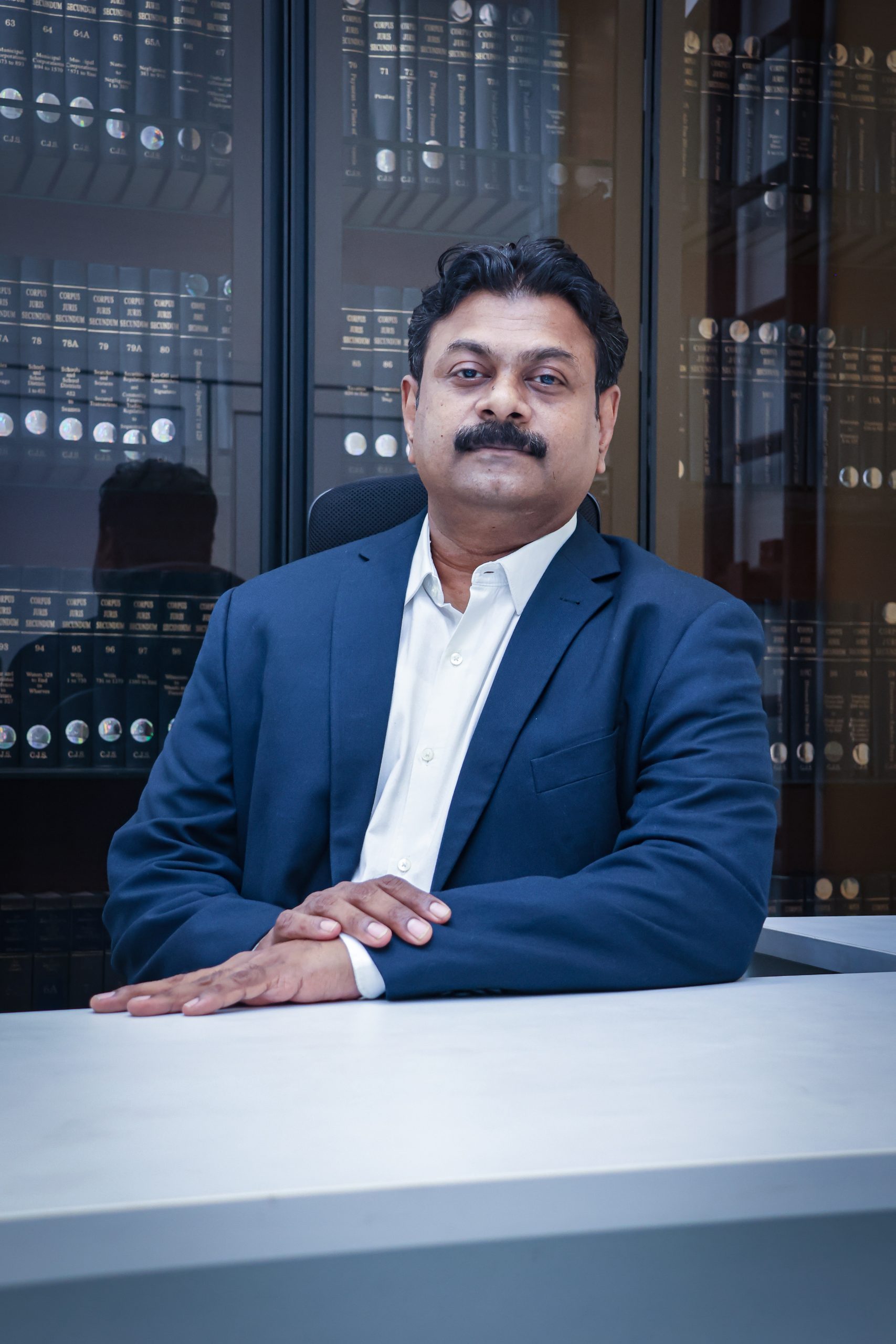
    You began your legal journey under the mentorship of Advocate Radhakrishnan. How did that experience shape your foundational years, and how have those early lessons influenced your practice today? Could you please walk us through your journey?  

    To say the truth, I am fortunate to have two learned seniors who have mentored me. As soon as I passed out of law school, I was propelled by a passion for justice and was initially attracted towards Criminal law practise. My first Senior Late Advocate R. Radhakrishnan used to say that, though I may not continue my law practise in Cuddalore, a district headquarters in the State of Tamilnadu and will eventually move out to Madras High Court, nevertheless, the short stint of Law practise in District and lower courts where one will learn basic advocacy, nuances of conducting a trial and client handling, will help me in the long run career of an advocate. Today I realise the foresightedness of my Senior, when I practically see that I have an edge over others while conducting the trials.

    My first senior helped me understand the art of choosing the right questions to be asked in cross-examination by identifying the loopholes in the evidence given by a witness and drawing a comparison with the documents and statements made by them. Further, I learnt from him the exercise of mentally charting the course of a cross-examination rather than writing it on a piece of paper in question format, unlike most practitioners.

    I used to keenly observe the trials he conducted in criminal cases, wherein he would walk the witness through simple questions based on accepted facts and slowly make the witness comfortable. At this point, he will lead the witness to walk into the trap of reliability where the witness will become at his ease and real self. Subsequently, he will gradually shift the gear and ask about the pertinent contradictions in his statement to elucidate the truth of the witness. Though in criminal cases it worked well I was very sceptical as to how it would work in civil or commercial cases, but to my astonishment, it has worked very well and notably even in a few of my cases the opposite party whom I have cross-examined, has immediately after the cross-examination has proposed for a settlement and the matters have been settled.

    I started my second innings of advocacy under my Senior PS Surana before the Madras High Court in the year 2004 focussing on Intellectual Property law practice. My second senior not only taught me the nitty-gritty of civil litigation, but also the importance of attention to detail and essential qualities to become a successful lawyer. On the personal front, he is also my spiritual guide who has made a significant awakening in realising my inner potential, by practically living through the values of detachment, fearlessness and minimal materialistic needs. For example, though he could afford a luxurious car, he used to always have value-for-money cars. These observations made me realise that there are bigger and better achievements in one’s life rather than going for materialistic comfort.

    As someone who transitioned between academia and active practice, what unique insights did you gain from teaching law, and how did it enhance your approach to complex cases later in your career?  

    Though I was to resume my Court Practice, after the completion of my Master’s in Law, I was pulled into teaching, by my mentor in the NLSIU, Professor Dr. N L Mitra who was not only an academician of excellence but also a Jurist with profound thinking and deep understanding of commercial laws. Just after completing my master’s from NLS, I was offered a teaching job by Professor Mitra at the newly found National Law University, Jodhpur in the year 2003. This was his dream project where for the first time in India courses including BSc LLB and BCom LLB were offered in addition to the traditional BA LLB. 

    I was offered to teach the law of Torts and Commercial Transactions for undergraduate students and Trademark and Copyright laws for Post Graduate students. Though I have taught only for a short stint of 18 months, it was a great experience for me and those students whom I taught are still fond of me and maintain a good relationship with me even today. In my opinion, the teaching profession has still not received its due recognition with lucrative pay and societal respect, which in turn will attract the best talent. It is noteworthy to mention the commendable move by the Bar Council of India to relax its rules in making leading practitioners’ contributions to academia, by way of recognising ‘Professors of Practice’. This transition is only a beginning, and I strongly believe that we still have a long way to go.

    My first takeaway from my teaching experience comes from my exposure to International Jurisprudence, especially the evolution of law from the American courts and the English courts, which immensely helps me to trace the evolution and march of law in a particular subject. This understanding gives me a better perspective, which when presented before our Courts aids them, in interpreting the law more convincingly.

    My second takeaway from the teaching experience is the learning of effective use of case law research tools and the habit of being updated with current legal events. In the era of the internet and the availability of an enormous amount of knowledge in any given field from online resources to students, modern Teachers of law must use these online tools.

    Further, I always feel that ‘Teaching is one of the best ways to learn’.

    Your pro bono work, such as the case advocating for the retrospective regularization of a Tamil Nadu government driver, is commendable. What lessons did this case teach you about the power of law in changing individual lives?

    There are two driving forces I get as a lawyer, when I do pro bono works. Firstly, I get the satisfaction that by using my legal knowledge and acumen, I can get a relief for a person whose rights have been affected by the system since he is not able to defend himself or get the services of a lawyer due to his economic and/or social background. This also comes from my brought up, where my mother always supports the underdogs in any given situation. The next level of satisfaction arising out of pro bono work is when I attempt to challenge a particular law or proposition of law propounded by a case law which in general perception is not conformity with the equity and good conscience. 

    My first pro bono case was for a driver, who was working in Government of Tamil Nadu and has worked under my father, when he was in service. He came to meet my father knowing that I have become an advocate, and he wanted my help to fight his case, as he is not a financial position to engage a lawyer. I fought that service matter for retrospective regularisation from the date of his joining in the service and got a successful order before the Madras High Court.

    I realised the power of the Court especially the Constitutional Courts, to alter a person’s destiny when I handled a case in 2011. A second-year student from Madras Dental college approached me saying that she has scored 200/200 in physics and chemistry and 196 in Biology but was not able to secure an admission in MBBS and therefore got admitted in BDS in Madras Dental College. Subsequently the TN Govt had brought in a G.O wherein any student studying in a professional course and has Witten an improvement exam conducted by TN Higher Secondary Board gets an improved score , then he/she can secure admission in a better professional course on merits as per his/her choice, without having any impediment of studying in another professional course. In that student’s case, she gave the improvement exam and scored an improved score of 200/200 in Biology also. She then applied for MBBS, and she was called for counselling to get admitted in Madras Medical college for MBBS. In the middle of counselling, her candidature was cancelled, based on an order passed by the First Bench of Madras High Court quashing the said Govt. Order as unconstitutional.  I was able to relate myself personally to this as I myself joined an engineering course but had to forcefully discontinue that when I wanted to pursue medicine, as the law at that point stated that one has to discontinue a professional course before the commencement of the semester exam, if they wish to pursue another professional course or one has to wait for 3years after the completion of the first professional course to pursue the 2nd professional course. 

    The rationale given in support of this rule is that if anyone discontinues a professional course in the middle of the Course then that seat cannot be filled and goes waste. Further, another argument put forth was that Government spends a considerable amount to make any student study a professional course and by quitting in the middle, the student is wasting the money spent on his/her studies by the Government. 

    However, the said GO, Government had relaxed that rule and allowed any students to discontinue in the middle of his/her first professional course to join or pursue another professional course of his/her choice if he/she is otherwise eligible. However, the First Bench of the Madras High Court believed that GO was unconstitutional and struck it as violative of Article 14 of the Constitution of India. 

    The student was not keen on challenging as she was already into BDS and bet the odds-on uncertainty. Therefore, I took up the matter as pro bono and convinced my friend Mr. Senthil Jagadeesan who was an AOR then, now a designated Senior Counsel in Supreme Court, and engaged Retired Justice Nageshwar Rao, then a designated Senior Counsel to appear in this matter. We were able to convince the then Chief Justice of India Justice K.G. Balakrishnan, on the point that if a person is determined to study a particular professional course, then he/she would anyway do it after the mandatory cooling off period and therefore such restriction does not seem to be rationale and serve any purpose.

    This particular case was an eye opener for me and I realised the enormous power vested by the Constitution on the High Courts and Supreme Court to mould a suitable relief to the deserving, which made me realise the power of the court to alter a person’s destiny and in which along with the judge, a lawyer also gets to plays a small but vital role.

    Serving on the Intellectual Property Appellate Board (IPAB), you played a key role in landmark decisions, including setting royalty rates for music composers and lyricists. How did these decisions impact the intellectual property landscape in India, and what challenges did you face during such high-profile cases? 

    Intellectual Property Appellate Board served as a specialized tribunal to adjudicate matters pertaining to intellectual property laws and as an appellate body it provided for appeals against decisions of IP offices. I served under Hon’ble Mr. Justice Manmohan Singh of the Delhi High Court (Retd) and gained a significant experience in contributing the bench towards the effective adjudication of complex intellectual property issues. In my tenure of 8 months, was part of the bench deciding on the rate of royalty and the right of claiming it by the IPRS in respect of the broadcast of lyrics and music underlying sound recordings by FM Radio Stations in India. The hearings took place continuously for 28 days and all leading Senior counsels like Mr. Mukhul Rohtagi, Mr. Abhishek Manu Singhvi, Mr. Neeraj Kishan Kaul among others, appeared for the parties to present their arguments. We have judiciously examined their legal arguments, analysed the case laws stated and interpreted the legal provisions pertaining to copyright licensing in India and delivered an order recognising the rights of lyricists and music composers to claim royalties based on the 2012 amendments to the Copyright Act, 1957.  I am glad that the Chairman of IPAB had allowed me to pronounce the order.    

    As a Copyright member of IPAB, we were mandated to fix the Royalty rates by 31-12-2021, before the expiry of the rates fixed by Copyright Board. During that exercise, under the able guidance of Hon’ble Mr. Justice Manmohan Singh, Chairman of the Board, we have not only fixed the royalty rates but also applied the position of law as it stood by recognising the right of the music composers and lyricists through the Copyright Amendment Act 2012. Notably, this order was subjected to judicial scrutiny by way of writ petitions before the High Courts of Bombay and Delhi and subsequently has received affirmations from these Hon’ble courts attesting to the soundness of the decisions made by the IPAB.  

    While adjudicating as a member of IPAB, though for a shorter period, I felt that I have a strong sense of justice and a desire to play a direct role in upholding justice and ensuring the fair application of the law. Though as a member of the bar, I made my earning for my living and contributed my bit to the society and legal fraternity, I have not got the fullest personal satisfaction of making a positive impact on society when compared to my sitting as a part of the Bench.

    Your work has touched both legal practitioners and the broader community. How do you believe your role as a litigator and advisor contributes to helping businesses and individuals protect their intellectual property while fostering innovation?

    As IP practitioner, my foremost duty is to sensitise my client on the value of creating an IP, the significance of lawfully protecting it and to reap the benefits out of it. As it is a negative right, creating a limited monopoly rights for one’s intellectual efforts, it is also my bounden duty to give a fair warning to my client, not to abuse such power by trying to create an absolute monopoly out of it. This delicate balance must be imbibed in the minds of an IP creator/client to fully utilise the IP laws to its letter and spirit. This is the role of an advisor played by me towards my client for fostering innovation and strategic growth in their business. 

    Once, my client’s IP right has been rightfully oriented under the existing IP regime, thereafter my role as a litigator begins in guarding the IP of my client at all possible ways. In my experience, either at the Cease-and-Desist stage or at the Pre suit mediation stage (as mandated by Section 12 A of the Commercial Courts Act) itself matters have resulted in settlement due to the rightful presentation of facts on how the infringer is infringing my client’s IP.

    With the current generation of legal professionals seeking to specialize in areas like intellectual property, what key skills and knowledge areas do you think are crucial for their success in this domain?  

    According to me, specialising in an area like IP needs a broader perspective and an in-depth understanding of the laws. Further, IP laws constantly evolve due to the ongoing International Trade talks through WTO and subsequent normalisation of IP laws in addition to the emerging jurisprudence of IP due to the interpretation by Courts in accordance with the Countries’ specific needs. 

    As a practitioner, one must subscribe to latest journals or website which keeps updating the latest jurisprudential developments along with commentary or viewpoints of the eminent authors. One should also organise/attend conferences and seminars where peers in the field are given a platform to share and brainstorm ideas that have evolved in IP practise. 

    As a legal expert in intellectual property law, how do you see IPR playing a critical role in today’s business landscape, especially in India’s growing tech and innovation sectors?  

    Intellectual Property Rights (IPR) plays a crucial role in shaping the business landscape, especially in a rapidly growing economy like India. Here are some key points highlighting the importance of IPR in India’s technology and innovation sectors.  IP laws encourage innovations by providing legal protection for inventions and innovations, which incentivizes individuals and companies to invest in research and development. This is particularly significant in sectors like Information Technology, Biotechnology, Health care and Renewable Energy. 

    A robust IPR regime is essential for the growth of startups and small and medium-sized enterprises (SMEs). SMEs play a vital role in stimulating the economic growth, providing employment opportunities for large number of people and promoting grass root level innovations which normally results in lot of products which will ease our living and improve our comfort. This potential of the SMEs as a trigger for economic boom is realised by the Government and has the Govt taken lot of measures to promote and support MSME’s at the State and the Central level through various policies and implementation of beneficial schemes.

    By harnessing Intellectual Property and protecting it, companies can have a competitive edge over others in the market. A strong IP culture in their organisation is essential for Indian companies that are looking to leave their footprint Globally and to compete with the MNC giants.

    When we talk about IPR regime and IPR enforcement they are two parts of the same structure. While India has made significant strides in strengthening its IPR regime, challenges remain in terms of enforcement and awareness. A sound strategy to address the issue of enforcement can further enhance the effectiveness of the IPR regime in India, which in turn will attract FDI that will result in economic boost leading to creation of high value jobs. 

    Introduction of commercial courts is one such bold step taken by the Government of India to bring in an effective and efficacious dispute resolution mechanism for the business disputes including IPR related disputes. In my opinion, India’s evolving Commercial Court’s litigation and practice is a strategic move that will promote an environment of growth for technology and innovation sectors. As the country continues to grow, a robust IPR system with proper enforcing mechanism, will be pivotal in sustaining this momentum and ensuring long-term economic prosperity.

    With such a dynamic and demanding legal career, how do you unwind in your personal time, and what hobbies or activities do you pursue to maintain balance and recharge?  

    I unwind by watching movies regularly on weekends, mostly humour or action genre. I also have the habit of listening to music on the way to home and office. Once in 3 or 4 months, I venture out for Trekking, Hiking or biking which rejuvenates me. I have completed the Leh to Manali bike expedition with my wife in 2006 and alone in 2023, which I would say one of most enchanting as well as enduring trip. I have also travelled by car from Chennai to Chardhams with my Parents for a 22-day long pilgrimage tour covering many temples on the way including the famous Siddheswara temple, Kashi, etc. I have climbed multiple times Chaturagiri hills, Agasthya hills, Parvatha malai, Velliangiri hills, Tirupathi hills etc. to name a few.

    Trekking allows you to connect with nature, experience diverse flora and fauna, and enjoy breathtaking view and reminds us about the destruction mankind has done to mother nature in the name of unsustainable development and growth. The serene and picturesque environment of hill stations can significantly reduce stress and anxiety. Being in the nature and breathing the fresh air, boosts mental clarity, improve the general mood and brings inner peace. Once you practise this regularly then you will develop a connection with the universe which will provide a deep sense of fulfilment which cannot be expressed by words until one experience it personally. From health perspective, trekking or hiking in hilly uneven terrains is equal to a tough work out and burns more calories and develop endurance the body. Trekking can be a family activity also, I used to go with my friends, niece and nephews. After marriage, my wife who is a pillar of strength and a guiding factor in all my activities either professional or personal, used to accompany me. 

    You’ve had the opportunity to interact with both senior legal luminaries and upcoming law students throughout your career. What common threads do you see between these generations of legal minds, and how do you think legal education should evolve to address future challenges?

    Definitely, more sharper minds are coming into the profession after the emergence of 5 year Integrated professional course and National Law Schools. Common threads between these generations of legal minds are to protect the rights and defend the vulnerable section of the society. Legal Education also tries to modernise its curriculum to be more practical and legal practitioners should be brought in to interact with students to share their practical knowledge.

    Compared to 30 years ago, when I completed law, the internship opportunities offered by universities today are more structured and systematic whereby it gives a plethora of exposure and versatile experiences. For example, nowadays universities provide a structured guidance wherein first year students are expected to do an internship with an NGO, second year students are expected to do an internship with companies and from 3rd year onwards they can intern with a lawyer or law firm, and they can intern twice a year. Universities should play a vital role in continuous legal education in collaboration with Bar Council/ Bar Association for a structured two-week course on specialised areas such as Arbitration Practise, IP Practise etc for the practising advocates to keep them updated in their respective fields. Further, just like how medical colleges have attached hospitals and patients treated by the final year house surgeons, Law Universities should also facilitate legal aid clinics in law colleges, in which under the guidance of professors, students can provide free legal aid. 

    Get in touch with Surya Senthil-

  • “A positive approach is a must while working in a team. ‘You’re almost there’ is always better than ‘you cannot do it.'” – Ritin Vatrana, Legal Counsel -Corporate Litigation, Piramal Capital & Housing Finance Limited

    “A positive approach is a must while working in a team. ‘You’re almost there’ is always better than ‘you cannot do it.’” – Ritin Vatrana, Legal Counsel -Corporate Litigation, Piramal Capital & Housing Finance Limited

    This interview has been published by Namrata Singh and The SuperLawyer Team

    You started your legal career in 2007 after completing your BALLB (Hons.) from Kurukshetra University. What motivated you to choose law as your career, and could you walk us through your journey from those early days to where you are now?  

    My entry into the Legal field was very much certain since I am a third generation Lawyer. My grandfather practiced in Labour Laws, my father is still practicing in District Courts Patiala and hence my parents had already decided during my childhood about my profession and hence I entered the field. Initially, I started learning the procedures followed in court and the ground realities of the Legal field where I came to know about how to apply what I learnt in my degree. For this, I actually went through the entire degree subjects 4-5 times again doing self-study in order to get a deep knowledge of the subjects so that I can have better understanding of the cases I got to handle. Slowly and gradually, I developed my own understanding in law and by that time I was able to handle the cases independently. Being a trial lawyer, handling the evidence part was most challenging and most interesting as well. I started cross examining the witnesses independently and luckily many cases went my way. However, in Patiala there wasn’t much to learn about since there was hardly any variety in the cases we got; mostly there used to be Cheque bounce matters, matrimonial disputes, NDPS etc. and those cases were very much cyclostyled and my eagerness to learn wanted me go out and do something new in the field. 

    You began your law practice at the Patiala district courts, where your father was a well-established professional. How did working in the district courts shape your approach to law, and what key lessons did you take away from those early formative years?    

    My time in the Courts was extremely important. Being a legal professional, the most important thing is to know how to draft a legal document and an in-house Counsel is always expected to have very crisp drafting skills which would go on to protect the interest of the organization. Further, being meticulous, attention to detail, presence of mind, patience and calculated aggression were the key qualities I learnt during my practice days.

    You mentioned your encounter with the Legal Head of CIPLA, which inspired your transition into corporate law. What about that interaction made you decide to shift from litigation to becoming an in-house counsel?  

    As I had stated, in one of my cases related to CIPLA, I met the in-house counsel of the company and had a great conversation with him about how things go as an in-house counsel and what are the prospects. He told me that as an in-house, he came across several types of different cases and that made his knowledge in the field vast and comprehensive and to add to that the biggest incentive was the opportunity to travel. Afterwards, I discussed it with my elder brother, who was already working in corporate and he also reiterated a similar view. That was perhaps the trigger point of me looking to shift to the Corporate. It took me quite a while to get my first opportunity in a large organization. The first one month was like a roller coaster but gradually I managed to get into the system and started understanding corporate governance and that was perhaps the turning point of my life both professionally and personally as it gave me so much energy to work and live round the clock. Leaving the comfort zone was tough initially but once you are out of it, THERE BEGINS THE LIFE.

    What advice would you give to young legal professionals who aspire to transition from litigation to corporate in-house roles, especially those aiming to work with large multinational corporations?

    Ever since I have started my journey with the corporate, I have met many legal professionals eager to know how things work in the sector. Many are under the myth of “Corporate Slavery”. I shared my experiences with them of how I managed PAN India litigation and contracts of my first Company single handedly. From working for 4-5 hours a day in practice to working 16-18 hours in corporate was an eye opener and a huge confidence booster. I only advise the youngsters to look for excellence and not results early on. Law is a vast field and to move on in this field, not only you need to know the law, but how and where to apply it and this requires both theoretical as well as practical knowledge. In-House Counsels do a whole lot of drafting work including contracts, complaints, notices etc. Litigation lawyers hardly get to know about drafting of contracts and hence i advise them to find some good books pertaining to contract drafting if they have any plans to shift to the sector.  

    You’ve been involved in arbitration cases with values ranging from ₹50 lakh to ₹300 crore. What are some key skills a lawyer needs to successfully handle such high-stakes cases, and how do you manage the pressure?  

    When the stakes are high, the pressure is high as well but as a legal professional, my job is to find the law point and the circumstances favouring my organization so that I can benefit them or at least prevent any loss. The skills I learnt in practice also lets me foresee the tentative result sometimes and that helps us to plan accordingly. The thing with high stake matters is that you need to thing out of the box sometimes to get the desired results and for that you need to have strong legal knowledge but also to know the ground realities. 

    With over 17 years of legal experience and handling high-pressure cases, how do you manage work-life balance, and what advice would you give to legal professionals to avoid burnout?  

    In my previous organization, I did go through that burnout because of the urgencies involved. The stakes were high and time was less and that is when you learn and develop a strong temperament. Sometimes, there were late hour calls and emails but I had set a time for my “homework” so that I can give time to family and household works too and me being a travel bug, occasional holiday was always going to be there. To add to that, I am an early riser and a cyclist so every morning an hour’s ride would freshen me up with all the energy to go hard for the day.

    In your view, how important is interdisciplinary knowledge, such as understanding business or finance, for a successful legal career in the corporate world?

    Corporate is all about business and finances and whosoever is working in corporate needs to know about it. During my stint with Isgec Heavy Engineering, I learnt a lot about International Business processes as to how contracts of supply work and how the conditions are set by the companies and where to negotiate. I was naive back then but going through so many Contracts of Supply, Erection and Commissioning and those tender documents was another experience. Especially when I was told that the documents drafted by me are going to Russia or Dubai; it sometimes gave me goosebumps but it made me work harder and to get a better understanding about the subject. 

    You’ve managed a team of 40 lawyers in your current role. What leadership qualities do you think are essential for managing a successful legal team, and how do you mentor young lawyers under your guidance?  

    My job is to allocate the work to empanelled lawyers. Generally, I have a 5-10 conversation with the lawyer to understand his understanding on the subject and if he is a newcomer or unaware about the topic, I provide him/her with the relevant information along with legal provision and let them prepare the draft and as they say, a lawyer’s calibre can be judged by his drafting skills and so i always advise youngsters to draft the document from scratch and avoid doing copy paste; you’re never going to learn copying and pasting. Drafting skill to a lawyer is like a sword to a warrior.  Further, a positive approach is a must while you work in a team. “you’re almost there” is always better than “you cannot do it”. 

    Looking ahead, what emerging legal trends do you think will significantly impact the corporate legal landscape, and how should aspiring legal professionals prepare for them?  

    The advent of technology has really brought a huge window for legal professionals to enter the corporate world. Earlier, the legal professionals were limited to law practice, judiciary or teaching but now the upcoming generation is proactive and are perhaps 5-7 years quicker than ours. Nowadays, in-house Counsel’s job is not limited to civil, consumer, criminal laws or contract laws; Technology laws, Artificial Intelligence, Intellectual Property Rights, Data Privacy laws have taken over and in the coming times, knowledge about these is going to play a key role. So, I always advise the aspiring professionals to keep getting some knowledge in the fields as they are going to play a pivotal role in carving them a successful in-house Counsel. 

    Get in touch with Ritin Vatrana

  • “In the courtroom, it’s not about the length of arguments but the merits—crisp and to the point is my mantra for success.” – Neetica Sharma, Partner at MV Kini Law Firm

    “In the courtroom, it’s not about the length of arguments but the merits—crisp and to the point is my mantra for success.” – Neetica Sharma, Partner at MV Kini Law Firm

    This interview has been published by Namrata Singh and The SuperLawyer Team

    Can you take us through the journey of how you started your legal career, from your early days at Maharishi Dayanand University to becoming a Partner at MV Kini Law Firm?  What made you choose law as your career initially?

    I come from a small city, and I completed my LLB from a small town as well, though Maharishi Dayanand University has always been considered a reputable institution for law courses. Growing up in a small town presents its own set of challenges. When I pursued my LLB, a career in law was typically seen as either practicing in district courts, securing a government job like ADA, or preparing for the judiciary. But I had bigger dreams — I wanted to move to Delhi and carve a different path for myself.

    As a first-generation lawyer, I had to find my own way. The lack of proper resources and guidance, especially compared to those from metro cities, made things difficult for me. My journey began with working in an LPO (Legal Process Outsourcing), where I worked for a brief period. At the time, LPOs were booming.

    After a year, I transitioned to the corporate sector, but I quickly realized it wasn’t where my passion lay. I’ve always been drawn to the courts, so I made the decision that for me, law meant “litigation,” and that’s what I truly wanted to pursue.

    I eventually applied to my current firm, and after years of hard work and dedication, I am now a Partner here. However, the journey was far from easy — it wasn’t a bed of roses. What kept me going was my commitment to hard work, my dedication, and my unwavering love for the courts.

    You’ve appeared before various legal forums, including the Supreme Court, High Court, and Arbitral Tribunals. Could you share the key differences in how cases are presented, argued, and decided across these different courts, and how you adapt your approach based on the forum you’re in?  

    Definitely, there is a difference in how we present and argue cases before different forums, such as Arbitral Tribunals, High Courts, and the Supreme Court. In my view, the key difference is that with each advancing stage, arguments become more concise.

    For instance, when presenting a case before an Arbitral Tribunal, a counsel needs to lay out the case in as much detail as possible. Every relevant factual detail must be presented to the Tribunal without fail. However, when it comes to the High Court, the focus shifts to explaining why an award is flawed in law and how the challenge fits within the legal grounds or criteria.

    Finally, when arguing before the Supreme Court, the presentation should be as brief and precise as possible. The synopsis of the Special Leave Petition (SLP) essentially encapsulates the entire case, and it should be drafted in a manner that allows the judge to grasp the case without needing to delve further.

    As someone who is proficient in handling mainstream commercial litigation, what are some of the emerging challenges in this field, and how should legal professionals prepare to tackle them?  

    Nowadays, commercial dealings are centred around arbitration. Almost every contract agreement includes an arbitration clause, with one of the primary objectives being to secure a speedy remedy that avoids the procedural complexities of court proceedings. However, we are gradually drifting away from the advantages of arbitration. Arbitration proceedings are increasingly resembling court processes, as arbitral tribunals adopt similar procedures. In my view, this should not be the case. If arbitration starts functioning like a court, what is the point of having an arbitration clause?

    I began handling arbitrations in 2010 and have attended almost hundreds of proceedings since then. The way arbitration was conducted back then was very different from how it is now. It was more party-friendly than compared to the current scenario. As a lawyer, one must continuously learn and be open to accepting changes, as the arbitration process evolves over time.

    Your successful representation of NHAI in several landmark cases has set significant legal precedents. Could you share the key factors that contributed to your success in these cases?

    For me, the key factor that helped me getting success in the cases is “to be focussed on the issue”. Just be thorough with the facts, updated on the law point and be very relevant in the arguments. I personally don’t believe in the length of arguments; I believe in the merits of arguments. For me “crisp and to the point” is the mantra. 

    Further, when it comes to arbitration/dispute resolution, law is getting stricter with regard to court’s interference so whenever an award is challenged, it’s very important to just focus on the key points of the case where courts can interfere rather just presenting a long history of case when courts can only deal with question of law. Further, I believe to give a right advice/opinion to my clients and do not encourage habitual litigation. 

    You’ve led litigation teams for several years. How important do you think mentorship is in the legal profession, and what role has it played in shaping your career? Do you actively mentor young advocates?  

    Mentorship is very important in every field. It gives a certain kind of confidence and motivation. I remember I was so naïve when I joined this profession. I have also had my own struggles of coming from a small city. So, I always try to make sure that young lawyers joining the firm get my support, mentorship. I believe in Teamwork.   

    Not every case ends in success. Can you share an experience where the outcome was not in your favor? How did you handle that, and what lessons did you take from it?  

    I have been representing government clients mostly and have been appearing on behalf of the government in very high-stakes and complex matters. I will not feel shy to say that success rate of government is less in comparison to private parties in commercial matters. So, I also have an experience of not getting the outcome in my favour. But what I have learnt is that our approach should be defend or fight for our client to a maximum level possible. In dispute resolution/Commercial litigation, specially in Arbitrations, outcome is not always in the form of black-and-white. For eg. defending a client and getting 5 out of 8 claims rejected is also a win to an extent. In the same way, getting an award of 100 crores out of the claimed amount of 150 crores, is also a win. 

    As a leader in your field, what is your vision for the future of arbitration and litigation in India? What reforms or changes do you believe are necessary to improve the efficiency of the legal process?  

    Without any doubt, future of litigation in India is commercial litigation. After acknowledging the need of developing a strong dispute resolution mechanism in India, amendments of 2015 and 2019 were made in Arbitration and Conciliation Act and Commercial Courts act was introduced. The way Commercial Courts Act has simplified the process of litigation in commercial disputes is commendable. 

    Arbitration has been a continuously growing filed. However, it comes with its own challenges which require to be addressed practically. First and foremost is regarding the cost involved in the arbitrations as arbitration these days has become a luxury litigation. In my view, 3 issues which require immediate attention are: Cost effectiveness, procedural simplification and impartiality. 

    As a female partner at a prestigious law firm, what challenges, if any, have you faced in the male-dominated legal industry, and how have you overcome them? What advice would you offer to women aspiring to reach leadership positions in law?  

    I have been lucky enough to not face any gender-based discrimination at my organisation. However, there is one challenge which I have always felt in this profession is Networking. A male lawyer can easily go out with clients, have a professional dinner (which many a times ends up getting more work) but a female lawyer has to consider many things before doing any such networking. So, even if we don’t face any man-made discrimination but some natural discriminations are there in our society. 

    My advice to young women lawyers is that just keep going, no matter how many struggles come in your way. 

    Given your extensive workload and responsibilities, how do you manage to balance your professional life with your personal life? What do you do to recharge and maintain a healthy balance?  

    Legal profession is a very demanding profession and there is no chance of negotiation. So, to balance it out with my personal life, I try to finish up my work by 7.30 pm and that’s only possible with proper planning. Though our profession is full of surprises when it comes to work but I try to plan everything which makes it possible for me to wrap up major portion of my work by 7.30 pm. Another thing is that I always prefer to reside near office area which helps me save travelling time. 

    When it comes to health, litigation lawyers unlike corporate lawyers remain physically active by walking entire day in court which is a benefit to us. I am not a gym or fitness enthusiast, but I try to do 30 mins brisk walk in my colony park. Whenever I get some more time, I try to do little bit of running. I have also successfully run Delhi Half Marathon (21 kms) twice. 

    Apart from physical health, mental health is equally important. Everybody can see your physical illness, but nobody sees your mental illness. And due to “work pressure” and for some “no work”, lawyers are more vulnerable to it. I am a mental health advocate and want to do something more concrete in this area to spread mental awareness.

    Get in touch with Neetica Sharma-

  • “Balancing litigation and corporate advisory is a delicate dance, but both complement each other and contribute equally to my growth.” – Charulata Chaudhary, Advocate on Record at the Supreme Court of India

    “Balancing litigation and corporate advisory is a delicate dance, but both complement each other and contribute equally to my growth.” – Charulata Chaudhary, Advocate on Record at the Supreme Court of India

    This interview has been published by Namrata Singh and The SuperLawyer Team

    Can you share what inspired you to pursue law, and how have your early experiences shaped your current practice and how the journey of your legal career began after graduating from Rajiv Gandhi National University of Law?

    I had chosen the Science group in the Higher Secondary education and wanted to become doctor by profession, having inspired by a family friend excelling in Nureo Surgery. Choosing law as a career option was by chance with the constant support and guidance from my father and family who have been my pillar of strength and source for inspiration till date. My father happened to do law but chosen to become a Police officer in State services. Since I have had an immense interest in general knowledge and my family discussions generally revolved around current affairs, politics, history, I guess it had a silent part in helping me preparing for the NLU’s entrance exams. I was introduced to the study material of LST, Universal Publishers and GK books since many familiar acquaintances and seniors were studying in NLU’s and suggested to consider law as a career option. The 5 years B.A. LLB. NLU’s courses entrance examination was conducted separately, I appeared only for a few colleges having a proximity and comfort of my residence.

    By the third year of law, I had decided to appear for the judicial examinations, so the inclination remained towards acquiring in depth knowledge of Civil and Criminal laws. After passing out, on basis of college merit, my profile was shortlisted for interview and led to appointment as Law clerk cum Research Assistant.

    You’ve had an impressive journey from a Law-Clerk- Cum-Research Assistant to becoming an Advocate- On-Record at the Supreme Court of India. Could you share the key moments or decisions that guided your career towards this prestigious role?

    In terms of exposure, the clerkship has opened wide horizons and given an entirely different take to observe, examine and analyse the nuanced approach employed to address the intricacies of law points from the bench side. In terms of the internships I did, they provided me with exposure, varied from a firm’s and/to a senior advocate’s perspective, so these experiences were different and rewarding for me and helped immensely and ignited a yearning in the initial years to pursue law as a profession.

    After working with esteemed law firms and Senior Advocates, you transitioned to independent practice. What challenges did you face during this shift, and how did you overcome them?

    I would say working with the law firm happened to be the best decision in terms of learning various branches of law and access right from trial courts to the Supreme Court of India, that has given a first-hand exposure to argue the matters before various forums and enabled me to brief the senior counsels for the matters.

    While working at senior’s office, the approach was different, and it was predominantly assisting on the case briefs received by senior before the Supreme Court and various High Courts.

    The Advocate-On-Record Examination is known for its rigor. How did you prepare for this exam, and what advice would you give to aspiring advocates aiming to take this path?

    By the time I wanted to take up the AOR Examination, I had already started my practice before the Apex Court. Hence, was having fair amount of exposure towards the practice and procedure of the Supreme Court. Though, at present there is ample literature readily available for clearing the exam, it’s always advisable to undergo 1-year training period seriously with an AOR to gain knowledge and nuances in practice and procedure as this is one amongst the four subjects in the examination. Besides that, the three other papers being drafting, legal ethics and case laws must be prepared meticulously with focus on various intricate details.

    How do you balance your work life between litigation and corporate advisory? Do you find one more fulfilling than the other, or do they complement each other in your practice?

    While working with law firm, I had first-hand experience with drafting notices, due diligence for companies, handling and advising high-profile clients before DRT, BIFR, and CLB helped me in enhancing the skills of corporate advisory practice.

    I would say, a delicate balance must be maintained between the two. I apparently enjoy both fields thoroughly and get a very fulfilling feel while employing the intricacies of one field in terms of execution and implementation in the other.  As per me, a well-drafted advocate will have an upper hand in court crafting and presenting the case. Therefore, I find both complimenting each other.

    As a partner at ABM Chambers, you head the Capital Markets, Compliances & Advisory division. Could you elaborate on the complexities involved in advising corporate clients, especially in dispute resolution?

    Balancing the interest of various stakeholders in the corporate entity is a challenge in itself. For a corporate client, a dispute resolution usually requires taking a multifaceted approach, integrating the legal expertise with the understanding of the business needs. Evaluating the costs of various dispute resolution options and the potential benefits /damages both in terms of cost and time are key in a decision-making process. So, advising a corporate client, is a sum total of various factors before arriving at a decision.

    Considering the diverse areas, you practice in, such as Constitutional Law and Corporate Advisory, did you pursue any specialized courses or training after your formal education to enhance your expertise? How important do you think continued legal education is for a successful legal career?

    It is too individualistic; a different viewpoint always exists and can’t be generic. There is a sub-set, who secure jobs through PPO’s and pursue one field continuously, develop a domain knowledge and commend over that stream out of their extensive experience spanning the years due to exposure through handling a similar set of matters. However, this is solely dependent on individual knowledge, skill set, and extensive experience over discipline.

    For me, it has been about the development of interest in capital market through continuous reading and being exposed to the field through my work with the law firm and my own investments that I had acquired over the years. While working, I have undertaken various assignments as to advising policy drafting for startup companies, MSME’s, advising them regularly with the ever changing legal and regulatory landscape, drafting and reviewing various sorts of agreements and contracts tailored for their need, keeping touch base with them and navigating the compliance aspects on regular basis.

    Serving as a Panel Counsel for Railways and ONGC involves significant responsibility. What are some of the unique legal challenges you’ve encountered in these roles, and how have they contributed to your professional growth?

    The issues that involve vast organization like ONGC and Railways are across the broad spectrum from Labour issues to contractual disputes. At an earlier stage in your career, working as a panel counsel for the PSU, you feel empowered and put to task in some of the complex legal issues. Because of the sheer volume of the work executed by these organizations, they invariably have to go through some legal impediments which from a legal perspective you cannot be exposed in any other organization, that to, at the formative stage of your career.

    You practice before the Supreme Court of India, the High Court of Delhi, and Madras, as well as various tribunals. How do you manage the differences in legal procedures and expectations across these jurisdictions?

    I had a brief work experience with an established decade old law firm based out of Chennai, which has helped in shaping my career and always kept me grounded while balancing my professional needs along with keeping empathy with clients and their requirements. In fact, appearing before different High Courts has helped me in observing the approach of judges while dealing the original and appellate side matters in different light altogether and enabled me to learn the high courts practice and procedure and neck of arguing the matter.

    As a partner at ABM Chambers, you are in a leadership position. How do you mentor young lawyers in your firm, and what qualities do you believe are essential   for   leadership   in   the legal profession?

    I believe in integrity and honesty to undertake and complete the assignment with swiftness in a stipulated period. While dealing with any matter be it litigation or advisory, one should adhere to the laws, rules and regulations operating in the field to provide a holistic shape to it before drafting or presenting. I believe being a part of such a vibrant and dynamic field we grow, learn, unlearn and relearn altogether, depending on the needs and requirement. But what’s more important is to have a positive outlook and constant feedback from your circle is key to achieve the goal. Law as a field is quite extensive and has a luring capacity extending an invitation to all for a level field and fair play. It’s just a combination of hard and smart work any individual ready to put in and the rewards would be unique and manifold.

    Get in touch with Charulata Chaudhary-

  • “Justice must be done for atrocity crimes, and it’s the responsibility of international law to ensure it.” — Dr. Matthew Gillett, Senior Lecturer at University of Essex School of Law

    “Justice must be done for atrocity crimes, and it’s the responsibility of international law to ensure it.” — Dr. Matthew Gillett, Senior Lecturer at University of Essex School of Law

    This interview has been published by Namrata Singh and The SuperLawyer Team

    Your career has spanned almost 15 years before the international courts, with significant cases including the destruction of cultural heritage. Can you share what initially inspired you to pursue a career in international law and what has kept you motivated throughout? 

    Living in New Zealand as a teenager in the 1990s, I saw the tragedies in Bosnia and Rwanda and wanted to do something about it. As I learned about the international criminal courts, I realised that was a means of taking action against the perpetrators of the worst crimes, including in those countries. Eventually I secured a position prosecuting international cases before those courts. My motivation was fueled by a sense of injustice and then later from meetings with victims who explained the impact these crimes had on their lives. Working with people from all over the world was also an inspiration. From Italy to India and everywhere in-between, you end up on teams with a huge range of backgrounds and legal traditions, which generates creative ideas as well as the odd procedural dispute. The international criminal courts face many challenges and the work can be frustrating. But ultimately there is no question that justice needs to be done for these atrocity crimes and that’s a major motivation.  

    As the Chair Rapporteur of the United Nations Working Group on Arbitrary Detention, what new dimensions or insights have you gained in the field of human rights and international law that were perhaps less visible in your earlier career? 

    As the Chair-Rapporteur, I see the organisational aspects of improving human rights practices. One of the key insights has been the importance of clear and open communication. A lot of problems can be avoided with regular and frank exchanges of information and communication helps to focus on the most serious issues which are directly affecting the victims. Closely linked to this is the need for inter-personal skills and empathy. When you are dealing with cases of persons arbitrarily detained for months and sometimes years, often in countries where they have no family, you have to picture the world from their perspective in order to understand the gravity of the threats and uncertainty they are facing. 

    Your work has involved prosecuting cases related to environmental harm at the International Criminal Court. How do you see the relationship between international criminal law and environmental protection evolving, and what key lessons have you learned from these cases?

    When I started writing about the International Criminal Court prosecuting environmental harm, it was just a theoretical idea. However, in 2024, prosecuting environmental harm under international law is becoming a reality. Significantly, three small island States (Vanuatu, Samoa, Fiji) have officially tabled the crime of genocide for inclusion at the ICC as the fifth crime along with war crimes, crimes against humanity, genocide, and aggression. This year has also seen the Office of the Prosecutor initiate a policy on the prosecution of environmental harm. International law is useful to combat threats to the environment, as it typically focuses on large-scale crimes committed by groups of people. However, there are many challenges in transposing international criminal law to the environmental context. The courts are not ecological research centers, and so there will be a lot of lessons to learn. My main observation is that experts from sciences should be brought in to avoid the law being applied on incorrect foundations. I also propose that the definition of ecocide needs to be carefully formulated to ensure that it is clear as to what is covered (and what is not) and that it provides fair notice to people and organisations as to what conduct is included. 

    In your opinion, how can international law be better utilized to combat rising global challenges such as climate change, digital privacy violations, and arbitrary detention, while ensuring justice for marginalized communities? 

    International law requires enforcement. For that to occur, international courts must be strengthened. In particular, States such as the USA, Russia, China and India should join the International Criminal Court. Bodies such as the United Nations Human Rights Special Procedures should be strongly reinforced, with sufficient resources and binding powers to improve human rights adherence. 

    As someone who has published widely and won prestigious academic awards, what advice would you give to young legal scholars who want to balance research, writing, and a practical legal career?

    For young lawyers and legal scholars, I highly recommend taking the time to research and write about legal issues that interest you. It’s one thing to work on a legal case but another to write about the broader context and the meaning of the laws and principles involved. If there are issues which strike your sense of justice or injustice, then there is likely to a scholarly question to examine. Balancing professional work and scholarship can be difficult, but the two facets reinforce each other. And it’s important to pass on what you learn to future generations of lawyers and human rights advocates. 

    For young professionals and students in international law, what would you say are the most crucial skills and knowledge they should develop, considering the evolving landscape of global justice, human rights, and environmental protection? 

    Young lawyers and students need to learn the fundamentals, such as the essential fair trial rights, while also developing an awareness of the emerging digital tools which can help them in their work. In terms of skills, good writing is critical. Take the time to follow a course on writing proficiency, as it is such a central skill in most roles. More importantly, clear writing reflects clear thinking, which is required more than ever at this time of crisis around many parts of the World. 

    You have contributed extensively to scholarly literature, what are the key gaps in international law research that you believe need to be addressed by future legal scholars? 

    Gaps in the literature on international law and human rights exist in relation to the procedures that ensure accurate fact-finding and in relation to measuring the impact of human rights work. All too often, it’s presumed that well-expressed and benignly motivated human rights conclusions will flow into enhanced human rights adherence by governments. However, that is a contestable claim, and more attention needs to be paid to measuring the impact of human rights work.

    As a Senior Lecturer at the University of Essex, how do you integrate your extensive practical experience in international law into your teaching, and what key lessons do you hope to impart to your students about the future of global justice? 

    My teaching at the University of Essex is highly interactive. I encourage my students to extemporize and to be prepared to support their claims with arguments and evidence. I also encourage them to develop the ability to entertain a contrary position in order to fully explore its strengths and weaknesses. Getting on the feet to present an argument animates the students and engages their uptake of the information that I’m trying to convey. Finally, I try to remind students that there are real people at the ends of the procedures, often languishing in detention, and so working efficiently and expeditiously is critical. 

    Looking ahead, how do you foresee the role of international law in addressing global challenges like artificial intelligence and cyber warfare, both of which have the potential to drastically alter traditional notions of conflict and justice? 

    We don’t need to look too far ahead to realise that cyber warfare and AI can revolutionalise major areas of human activity. Already, we have seen cyber strikes used in various conflicts, and increasingly it is being integrated into conventional warfare. AI can add digital steroids to human online activity. The potential benefits and efficiency gains are immense. But the risks of misuse, whether advertent or inadvertent, are real and pressing. Efforts are being made to have international law address AI. But a lot of work will be required to create any form of international law that can enforce restrictions on the misuse of AI – and the axiomatic importance of protecting free expression and liberty must always be borne in mind.

    With such a demanding career in international law and human rights, how do you find time to unwind, and what hobbies or activities help you maintain balance in your personal and professional life? 

    Keeping a balance between work and home life is important, especially when working on grave matters like atrocity crimes. My family keeps me grounded, and I enjoy sitting down with them to hear about their school and work days. Whereas I used to play a variety of sports, most of my activities now revolve around the family. But I still make time to watch the New Zealand All Blacks rugby team play whenever I can.  

    Get in touch with Dr Matthew Gillett-

  • “Lawyers make a unique contribution to corporate life, earning respect as professionals and influencing the company’s strategic priorities while upholding ethics and integrity in all decisions.” – Nitin Mittal, General Counsel at Signify (Formerly Philips Lighting)

    “Lawyers make a unique contribution to corporate life, earning respect as professionals and influencing the company’s strategic priorities while upholding ethics and integrity in all decisions.” – Nitin Mittal, General Counsel at Signify (Formerly Philips Lighting)

    This interview has been published by Namrata Singh and The SuperLawyer Team

    You have an impressive journey- starting from your early days as counsel for Evergreen International Limited – Furniture Export industry to your current role at Signify Innovations India Limited (Formerly Philips Lighting India Limited) What were some pivotal moments that shaped your professional path?

     “First of all, thank you for the opportunity to share my journey. My professional path began long before I became a qualified lawyer and CS. While studying, I worked at a securities advisory firm and later at a consulting firm, engaging in a diverse range of tasks. I’ve always had a passion for innovation, hard work, growth, and learning. From my early struggles, I learned the importance of working hard and putting your heart and mind into whatever task comes your way, without worrying about money, job titles, or other benefits.

    There were several pivotal moments in my career. The first was in early 2003 when I worked at a manufacturing plant in Himachal Pradesh. This experience exposed me to various challenges and opportunities in a manufacturing setup, where I dealt with a wide range of legal and financial issues. I remember working on the shop floor for two weeks during a workers’ strike. This experience provided a solid foundation for my career, as working in a manufacturing plant requires a highly disciplined, structured, and efficient environment, which is also very demanding. My then-CEO advised me to take at least one round of the entire production process every day to learn about plant functioning, a piece of advice I cherish to this day. This taught me the concept of ‘Management by walking around.’ Since the company was also listed, I learned the value of having robust processes and systems to ensure compliance.

    During that time, I was inspired by my CEO to read ‘The Goal’ by Goldratt, which introduced me to the theory of constraints and how addressing bottlenecks can increase overall efficiency and help achieve business goals. This gave me a much better understanding of the production process.

    The second transformative point was when I had the opportunity to work at OSRAM, a German company. There, I was finally able to demonstrate my potential and expertise in various areas of legal, compliance, and governance. OSRAM was part of Siemens then, and I was part of the Siemens India compliance team, working on establishing the initial compliance program in India. I am grateful to have been part of the India compliance team at that time, which gave me a solid foundation in the compliance domain. I also worked on several complex litigations and M&A transactions.

    My last significant change was moving to Philips Lighting in 2016, which was transformative in every sense. Philips Lighting (now Signify) is the world leader in lighting and the largest lighting company in India. Here, I have had the opportunity to work on groundbreaking deals and transactions, making a real difference in helping the business achieve its strategic goals in line with the #BrighterLivesBetterWorld brand vision.”

    What do you love most about your current role at Signify?  What are some unique legal challenges you face in the lighting products and services industry? 

    “At Signify, the company values its people, and I am proud to be part of such an innovative and energetic team. In my current role, I lead the Legal, Compliance, and Governance function for the Greater India and Pacific region. I love my position as General Counsel and Company Secretary because each day brings new challenges that allow me to showcase my expertise and skills, ultimately benefiting the company.

    I handle a wide range of topics daily. For instance, last week, I advised on potential sales deals in systems and services for India and the Pacific, which involved contract reviews and risk mitigation. I also dealt with high-stakes criminal litigations, arbitration matters, commercial disputes, and compliance advisories on anti-corruption practices. Additionally, I structured an incentive program, managed a board meeting and a shareholders meeting, finalized the annual report with the board of directors’ agenda, worked on potential corporate transactions, and advised on compliance investigations with our regional team and global experts. I also conducted training for the Pacific region on anti-corruption, anti-trust, privacy, conflict of interest, and other compliance topics, and provided advice on deal structuring, corporate law matters, and other legal and integrity issues.

    Each day presents a new opportunity to work on diverse issues and demonstrate how law shapes key decisions within the organization.”

    Did you always want to become a lawyer? What made you choose law as a profession? 

    “I became a lawyer quite by chance, as my career path evolved serendipitously. Initially, I was drawn to the finance sector and aimed to combine my CS qualification with a CFO role. However, over time, my skills and interests shifted more towards law and compliance, leading me to focus on this area. In the end, I’m glad I chose law as my profession. Lawyers make a unique contribution to corporate life, earning respect as professionals and influencing the company’s strategic priorities while upholding ethics and integrity in all decisions.”

    With over two decades of experience in the legal field, what major shifts have you observed in corporate legal practices, especially in compliance and contract drafting?  What has been the role of technology in advancing these changes?

    “I believe the core principles for a lawyer remain unchanged: providing quality and timely advice without fear or favor. However, the legal profession is now much more recognized for its contribution and value to business decision-making compared to two decades ago.

    I also observe a significant shift towards digitalization in areas such as contract management, compliance approvals, and the automation and digitization of board and shareholder meetings. AI is increasingly being used to support counsels with research, drafting, presentations, and memos for any jurisdiction worldwide, as well as handling routine advice through bots.

    The successful General Counsel of the future will be one who leverages AI to drive efficiency and automation while balancing the use of digital tools with sound judgment and experience. Technology cannot replace the nuanced judgment that comes from years of experience, especially in complex legal matters such as litigation, contract negotiation, legal advisory, and other areas where the law is not black and white.”

    You have been honoured and recognized for your efforts across prestigious platforms like Global Legal 500 Power List, Indian Bar Association, BW Legal world etc. how have they impacted the way you and your approach to work?

    “These recognitions are a testament to the opportunities provided by the companies I have worked for and to my team who have been part of this journey. They humble me and inspire me to strive for excellence in everything I do, alongside our dynamic team at Signify. They also place a responsibility on me to mentor my team and other colleagues within the fraternity, sharing the insights and learnings I have gathered over my 22-year professional journey.”

    Can you share a personal development or mentorship experience that significantly impacted your career trajectory?  

    “I was influenced by many people over the years. I would call it silent mentoring, as there was no formal mentorship, but I learned a great deal through observation, intense reading, and practice. At various stages of my career, I had the privilege to learn from my supervisors and they had a transformative influence on my development and career, such as the CEO and CFO of Cosmo Films at that time ( on importance of processes/ governance/ diligence), the CEO of Cosmo Ferrites( importance of knowing the manufacturing process), and later the CFO and legal colleagues of OSRAM all over the world( gathered solid foundation on compliance, litigations, contractual matters, and overall development). At Signify, I have learned immensely from all the India CEOs, my global legal colleagues, and my team members 

    I also learnt a lot from diverse books I read over the years- whether on history, biographies, leadership, self- development, and even on fiction. Each book shaped my thoughts and I gained from the experience. 

    I greatly valued the training programs by the Siemens Compliance team and OSRAM over the years, which provided a strong foundation in core compliance topics. Additionally, a leadership program by Signify in partnership with Harvard Business School was highly beneficial.”

    You pursued various qualifications in law – including Masters in Business laws, Criminology, apart from LLB and Company Secretaryship (CS). What makes you keep learning even at this settled stage in your career? 

    I always consider myself a “student of law.” The field of law is ever-evolving, with continuous developments requiring constant learning in new areas of legal changes, judicial precedents, innovative problem-solving methods, and understanding emerging challenges. Staying relevant necessitates being on our toes. Throughout my career, I’ve identified and bridged learning and skill gaps by enrolling in various courses. My most recent course in criminology was driven by the rise in white-collar crimes and the trend of converting civil matters to criminal cases. More importantly, I developed a deep interest in this area of law.

    I continue to broaden my knowledge in emerging legal fields, particularly digital law, AI, and the criminal justice system. I have a keen interest in constitutional law, not only in India but also in other countries like the US. I enjoy reading works by various authors such as Austin, the late Fali Nariman, Gautam Bhatia, and Rohan Alva. In the future, I hope to extensively study the constituent assembly debates that shaped our Constitution.

    Given your extensive involvement in various legal and academic roles, how do you manage to balance your professional responsibilities with personal life? What strategies do you employ to maintain this equilibrium?

    The life of a lawyer can be quite stressful at times, with each decision having a significant impact on the company and its employees. The reputation of the company and the liberty of its employees can be at stake. Our job often requires long hours and even working on weekends, especially during crises. However, I don’t view this as an encroachment on my personal time, as my primary duty as a lawyer is to protect the company and its employees, even if it means going above and beyond.

    With over two decades of experience, I have developed an intuitive sense of which areas require more of my attention, allowing me to balance my work accordingly. As we are a lean department with a lot to do, I try not to work late into the evening and focus on personal interests unless something critical arises.

    I maintain a disciplined morning routine, incorporating daily runs, walks, yoga, and meditation. I also make time for daily reading on diverse topics before ending my day. This practice enriches my experience with different thoughts, areas, and philosophies.

    I believe in the following shloka from the Bhagavad Gita (2.48): “Perform your duty equipoised, O Arjuna, abandoning all attachment to success or failure. Such equanimity is called yoga.”

    What advice would you give to young legal professionals aspiring to excel in corporate law, especially in areas like compliance management and dispute resolution? Also, How does Signify support young learners in gaining practical experience?

    My advice to young lawyers is to ensure you understand the basics of law and gain an in-depth understanding of its principles and practices. Once you have a solid foundation, applying the law in diverse situations becomes easier. Areas like compliance management require a deep knowledge of legal nuances, so building a strong foundation is crucial. For dispute resolution, working with a dispute lawyer for a few years helps build a strong base in court procedures, practical issues, and quick thinking.

    In recent years, I have been deeply moved by the teachings of Lord Krishna, particularly this verse from the Bhagavad Gita: “कर्मण्येवाधिकारस्ते मा फलेषु कदाचन । मा कर्मफलहेतुर्भूर्मा ते सङ्गोऽस्त्वकर्मणि” (“You have a right to perform your prescribed duty, but you are not entitled to the fruits of action. Never consider yourself the cause of the results of your activities, and never be attached to not doing your duty”).

    A key skill for a lawyer is judgment, which can only come from experience and working on difficult and diverse matters. Judgment takes time to develop and cannot be achieved through shortcuts; young lawyers need to nurture this skill to see it blossom in future years.

    At Signify, we have a robust culture that encourages our young lawyers to learn on the job, take initiative, learn from others, and have the flexibility to shape their careers. There is no hierarchy in our company, and any employee is free to reach out to top management for support or guidance, who are always willing to help. We encourage risk-taking, active collaboration, speaking up, and most importantly, always taking initiatives. I have had the privilege of learning from both senior management in business and legal.

    Get in touch with Nitin Mittal-

  • “Leadership isn’t about rank; it’s about professionalism, setting an example, and teamwork. Whether in the field or the office, that’s what builds commitment and trust.” – Ronen Avner, Tax Partner at Herzog, Fox & Neeman

    “Leadership isn’t about rank; it’s about professionalism, setting an example, and teamwork. Whether in the field or the office, that’s what builds commitment and trust.” – Ronen Avner, Tax Partner at Herzog, Fox & Neeman

    This interview has been published by Namrata Singh and The SuperLawyer Team

    You have an impressive academic background in law and accounting, coupled with your experience in the Field Intelligence Corps. Can you share with us what inspired you to pursue a career in tax law, and how your journey has evolved from your early days as a legal intern to becoming a Partner at Herzog, Fox & Ne’eman?

    My path to tax law began at university. However, with Israel having the highest density of lawyers per capita in the world, I wanted to have something extra to stand out. My interest in finance led me to pursue an accounting degree alongside law. I enjoyed almost all of my legal courses, but tax law stood out and felt like the perfect combination of my interests. Additionally, in tax practice, both areas of expertise (law and accounting) come together, allowing me to maximize the use of my knowledge and capabilities.

    Becoming a partner at Herzog, Fox & Ne’eman, Israel’s leading law firm, was a goal I set from the start. After law school at the Hebrew University of Jerusalem, which is probably the best law faculty in Israel, I was allowed to intern at Herzog, and even though I left for a few years to complete my CPA qualification, I was determined to return. That persistence, combined with hard work and dedication after rejoining the firm, eventually promoted me as a partner in the tax department.

    Your experience as a commanding officer in the Field Intelligence Corps must have provided you with unique leadership skills. How has your military background influenced your approach to leading teams and managing complex tax cases? Could you please share your experience as a commanding officer?

    While there are key differences between leading military teams and legal teams, the core principle remains the same: leadership isn’t about rank; it’s about professionalism, setting an example, and teamwork. If your team looks up to you and knows you have their best interests at heart, they’re more likely to be motivated and committed to the work.

    My military experience also taught me that pushing a team too hard can backfire. There’s a fine line between creating a disciplined, professional team and overwhelming them. This balance is something I carry with me when managing legal teams today. Another key takeaway from military service is perspective. After leading teams under life-threatening conditions, I’ve developed a calmness in office life. Having experienced the intensity of field command, I received tools (such as the importance of preparations, practice, meeting timelines, etc.) that helped me stay more focused in the face of tough client meetings or deadlines. In my opinion, understanding this balance is crucial for every legal practitioner.

    Could you please describe some of the most challenging tax cases you’ve handled, particularly those involving international aspects like MAPs (Mutual Agreement Procedures) and APAs (Advance Pricing Agreements)?

    Dealing with multinational enterprises, aggressive tax authorities, and multi-million-dollar tax assessments can be complex, but that’s what makes these cases so interesting. Over the years, I have been involved in numerous tax audits, many of which eventually developed, per Herzog’s recommendation, into MAPs. One case involved an Israeli subsidiary of a major US tech company. The Israel Tax Authority (ITA) claimed that the Israeli company transferred all its functions, assets, and risks (FAR) to its non-Israeli parent company shortly after its acquisition. This argument is raised by the ITA against almost every Israeli company acquired by a multinational group. The ITA’s position, which we believed was baseless, resulted in a USD 40 million tax assessment. After the taxpayer’s administrative appeal was rejected by the ITA, we took the case to the Israeli District Court. At this stage, we also recommended the taxpayer initiate a MAP. After years of litigation and negotiations, the ITA eventually admitted to the US Competent Authorities that it could not support its arguments and dropped the assessment entirely, accepting the original tax returns.

    Another interesting international case I handled did not require a MAP, fortunately, but demonstrated some of the challenges that global activities of multinational enterprises (MNEs) create from a tax perspective. In this case, we had to convince the ITA of the appropriateness of a complex transfer pricing method, which resulted in most Israeli revenue and potential profits being attributed to other group entities. The case involved an Israeli subsidiary of a European-based multinational group. The group implemented a complex transfer pricing methodology called the Residual Profit Split Method (RPSM) for allocating profits among group entities based on their contributions to the business. After multiple meetings, the ITA accepted the methodology and its implementation and upheld the company’s tax filings. This was especially challenging, considering the fact that the ITA’s ability to audit the worldwide implementation of the transfer pricing methodology by the group was limited.

    How do you stay updated with the ever-evolving tax laws and regulations both in Israel and internationally? Are there specific resources or practices that you rely on to maintain your expertise?

    Staying up to date is crucial for every law practitioner, especially in the dynamic field of tax law. I follow newsletters from top law and accounting firms in Israel and abroad, keep an eye on updates from the ITA, review court cases weekly, and attend both local and international tax conferences. 

    At Herzog (and also PwC Israel, where I worked for two years), we encourage our teams to stay updated and hold periodic update meetings. We have regular team discussions to review new developments, which help everyone stay sharp. Personally, I make it a point to dedicate at least one hour a week to reading and catching up on new developments. I also try to learn as much as I can from my team and partners: if I overhear an interesting discussion between partners, I try to participate, even if it’s not billable (yes, billable hours aren’t everything!).

    Additionally, outside of formal meetings, I often discuss cases and ideas with colleagues. These discussions are invaluable for staying current in such a fast-changing environment.

    You’ve been involved in drafting responses to the Israel Tax Authority’s circulars and proposed legislation. What role do you think legal professionals should play in shaping tax policy, and how do you approach this task?

    Tax law is intricate, and changes in one area can have a ripple effect on others, impacting various aspects of taxpayers’ business activities. That’s why legal professionals must be involved in shaping tax policy. The Israel Tax Authority has significant expertise, but legal practitioners bring insights from daily interactions with clients and authorities. This practical experience is invaluable for refining policies and regulations.

    When working on policy, I believe it’s important to broaden our perspective beyond just clients’ interests. We need to think about what’s best for the taxpayers, the business community, and the overall relationship with tax authorities. Constructive feedback from legal professionals can lead to better, more balanced tax laws and policies. Working on legislation allows practitioners and regulators to collaborate, fostering relationships that may later be beneficial for more efficient tax audits.

    Throughout your career, you have mentored teams and led significant tax projects. What key lessons have you learned that you believe are crucial for young legal professionals entering the tax field today?

    My advice is simple: aim high and always strive to do your best. Surround yourself with the best people, challenge yourself, and continually seek improvement. The best way to grow is by pushing yourself, whether through challenging tasks or by working with top professionals, which often goes hand-in-hand with studying or working at highly-ranked universities or firms.

    Also, never underestimate the value of learning from those around you. You can learn from anyone—a boss, a colleague, even representatives of the tax authorities. Every task, no matter how small, is a learning opportunity. Pay attention to details, understand the bigger picture even if your task is limited, and don’t be afraid to ask questions when the time is right.

    Looking forward, what do you see as the biggest challenges and opportunities in the field of tax law, particularly in the context of digital economies and global trade?

    The ever-increasing global trade and the digitization of commerce present significant challenges and opportunities in tax. On one hand, businesses can now operate in markets and jurisdictions previously inaccessible. Additionally, tax authorities are offering incentives to encourage companies to relocate. On the other hand, new regulations like the OECD’s BEPS project, especially Pillar 1 and Pillar 2 rules, are adding layers of complexity to tax planning and compliance for multinational enterprises. These trends will require tax professionals to be more creative than ever, developing a deep understanding of clients’ business activities and becoming familiar with global tax regimes to provide the best advice.

    AI technologies could also significantly impact the tax field. While tax authorities are in the early stages of using machine learning and big data, it’s likely only a matter of time before these tools are more widely adopted in audits. This will create challenges for taxpayers but also open new opportunities for professionals prepared to navigate these changes.

    With your demanding career and significant responsibilities, how do you find time to unwind? What are some of your favorite ways to relax and recharge outside of work?

    Maintaining work-life balance is a challenge, but I’ve learned that it’s essential. Early in my career, I had a rule of not working at home, even if it meant long hours at the office, late nights, etc. At a certain point, I decided to change my approach. Now, I wake up earlier to exercise, tend to my garden, and spend time with my dog before starting the day. I also make it a point to have dinner with my family, recharging before diving back into work later in the evening. This balance has made a significant difference.

    Get in touch with Ronen Avner

  • The journey of a first-generation lawyer is never easy, but through hard work, personal networking, and an unwavering commitment to ethics, success is achievable for anyone,” -Vaibhav Mishra, Advocate-On-Record at the Supreme Court of India.

    The journey of a first-generation lawyer is never easy, but through hard work, personal networking, and an unwavering commitment to ethics, success is achievable for anyone,” -Vaibhav Mishra, Advocate-On-Record at the Supreme Court of India.

    This interview has been published by Namrata Singh and The SuperLawyer Team

    Could you share what inspired you to pursue a career in law, and how your journey has evolved from your early days at Campus Law Center, Delhi University, to becoming an Advocate-On-Record at the Supreme Court?  

    In a way, I am an accidental lawyer as after my graduation in 2009 with B.Com (Hons.) course from Zakir Husain Delhi College(erstwhile Zakir Husain College), Delhi University I was preparing for CAT and other MBA entrance exams along with Combined Defence Services examination. I cleared my Combined Defence Services examination and went to 14 SSB (Service  Selection Board) Allahabad around March 2010. Unfortunately, I could not clear the Service Selection  Board interview and later joined Aon Hewitt (erstwhile Hewitt Associates) as a Research Associate.  In the meantime, I had cleared the Faculty Of Law, Delhi University entrance exam and got a decent rank so I took up the 3-year LLB course at Campus Law Centre. 

    During my days at Campus Law Centre, I took part in many Moot Court Competitions all over India and debates within the college itself. The atmosphere in Campus Law Centre is different as compared to other Law Schools’ be it National Law Universities or any other Law School. The vibe of studying at Delhi University, especially on North Campus and the exposure which one gets there develops the personality of an individual holistically. My internship stints in different offices after classes also helped me in making my decision towards taking up litigation as a career.  

    After my graduation in 2013, I was working as a Law Clerk with HMJ. (Retd.) Shiva Kirti Singh in  Hon’ble Supreme Court and later on in many different offices such as Suri & Co., Luthra & Luthra  Law Offices India (erstwhile L&L Partners), Chambers of Sr. Adv. Ajay Verma, C&C Associates,  M/s. Dev Bhumi Cold Chain Pvt. Ltd. before going fully independent. All these offices helped me in becoming a better individual in my professional career and maybe in life as well. The exposure of dealing with different kinds of people and different complex situations has its advantages &  disadvantages which one tries to navigate.  

    I had the opportunity to clear my Advocate-On-Record exam on my second attempt and got the result around April 2023. I think for establishing one’s career in litigation in the Supreme Court although it is not mandatory becoming an Advocate-On-Record does help as a stepping stone.  

    You are currently enrolled in the Professional Final Level of the Company Secretary course. What motivated you to pursue this course at this stage of your career? Do you see it as a strategic move for future growth in your field, or do you have any new plans or directions you aim to explore with this qualification?  

    I think this course will help as an add-on if one still pursues law as a career. I did B.Com  (Hons.) before doing law so I found taking up another course such as Company Secretary as an advantage. But mind you this course does take up quite some time & energy in preparations, even though I  am a bit held up in the Professional Final Level for quite some time. But it is also my opinion that the benefits after clearing this course are quite immense in commercial client buildups for individual practitioners specifically related to NCLT & NCLAT matters and even for those who want to join  Commercial Legal Practice of Law Firms or Corporate In-House jobs. 

    It is also a reality that at the end of the day one might have 2-3 or 7-8 academic/educational course degrees, but if one does not know how to use them practically, then it does not make much of a difference in a practical professional career.  

    As an Advocate-On-Record at the Supreme Court, could you describe the unique responsibilities and challenges associated with this role compared to other legal positions you have held? 

    As an Advocate-On-Record, one must be mindful of the Special Leave Petitions or other drafts drafted and filed in Hon’ble Supreme Court, since the language is explicitly read and re-read by Judges and Counsels in open Court. Anything that is seen as amateurish or even bordering contempt of court can have serious repercussions for the Advocate-On-Record on whose name the document has been filed. The strictness of the Hon’ble Supreme Court is also legitimate since there is no appellate court as per se after the Hon’ble Supreme Court. 

    The stakes are high being an Advocate-On-Record due to the responsibility being attached with cases in Court, hence that will be a big difference as compared to other positions held in my legal career.  

    Could you share some insights or memorable experiences from the high-profile cases you have handled, such as those involving the Delhi Development Authority (DDA) or the Airport Authority of  India? 

    With DDA, most cases were general land acquisitions in the manner of Writ Petitions in the High Court or Arbitrations related to the 2010 Commonwealth Games; henceforth, they were property law or commercial and arbitration-related. 

    However, there was one case while appearing for a private party against the Municipal Corporation of  Delhi wherein a commercial establishment was sealed which was against the Hon’ble Delhi High Court order. I was working at C&C Associates at that time and we had to apply with regard to the same in the High Court, got it mentioned and then listed so that it can be heard as soon as possible.  We argued in the evening and got a favourable order around 5:30-6 P.M. The efforts and the result of doing everything on almost the same day made this case special. 

    While looking after litigation matters at M/s. Dev Bhumi Cold Chain Pvt. Ltd. I had the opportunity to look after a case filed through a local Counsel in the United States Of America in the state of Washington, which required me to see witness depositions in a Court there till 2-4 A.M. in the night (Indian Standard Time) about 3-4 time and mediation attempt between parties couple of times, also had the opportunity to prep up an Indian witness being deposed in the Court in United States. I  must add that based on my experience just like most Indian Courts are not as depicted in Indian movies, similarly courts in the United States are not as depicted in their movies (may I mention A Few  Good Men!).  

    Another case was in Sikkim High Court wherein I flew to Gangtok to argue and get a stay order for the client. We had to file a Special Leave Petition in the Supreme Court to get the stay application heard in Sikkim High Court I think during winter vacation time. The climate terrain in that part of the region during winter is very cold, hence matter of preparation and getting a favourable order in an environment which one is not used to had its charm. I must add that North-East  India is extremely beautiful and if one can then one should see the natural scenery there. 

    What has your experience been like as a Group ‘A’ Panel Counsel for the Central Government, and how do you balance this role with your private practice? 

    Being a Group ‘A’ Central Govt. Counsel in the Hon’ble Supreme Court is a mixed bag, from criminal to tax to service matters all kinds of cases come up. The work quality gives great exposure and managing it with private practice is not that big a task if one gets used to handling it quickly &  efficiently.  

    You have significant experience in arbitration and mediation. What are the key skills a lawyer needs to succeed in these areas, and how do you prepare for arbitration proceedings? 

    I don’t know if I have significant experience in this field as it’s quite broad, but I can say that the preparation for cases in this area should be thorough since commercial arbitration matters have a lot at stake in terms of commercial repercussions. One should know the relevant provisions of law and the procedure before the appointment of an Arbitrator and after the appointment of an  Arbitrator.

    In Mediation proceedings, if parties are willing to settle the issues at hand, then all endeavours should be utilized to do so. Otherwise, prolonged litigation is in the interest of no one in the long run as compared to speedy disposal of a case at hand.  

    You have authored articles and a book on legal topics. How important do you think it is for practising lawyers to contribute to academic discourse, and what impact does it have on their practice? 

    I have written two books one on Patna High Court and its judgments and the other one on my  Grandfather Late Shri Lalit Narayan Mishra (Former Railways Minister). I believe writing is a flare that helps in augmenting the drafting skills of a lawyer. I also contribute articles for The Daily  Guardian, so I’ll encourage writing articles as a scope as well.  

    A practising lawyer should try to contribute to the academic discourse as a Guest Faculty or through any other medium as long as it does not affect the professional practice of the lawyer.  

    As someone with a highly demanding career, how do you manage to maintain a work-life balance,  and what advice do you have for young lawyers struggling with this aspect? 

    In my opinion, work-life balance goes for a toss whether you are an Independent Practitioner or working in a Chambers/Law Firm/In-House Corporate Office. The reason for the same is competition in the market especially when it’s difficult getting clientele for your practice or job in someone’s office.  

    Time management is quintessential in such situations. Although time management is still a work-in-progress for me, those who can handle time durations for work and family along with extracurricular activities such as theatre or sports can still have a decent work-life balance.  

    Based on your extensive experience, what advice would you give to young legal professionals who are just starting their careers, particularly in the areas of civil and commercial law?  

    My advice to someone would be to do your best, so you don’t have too many regrets later. Those who are young in the profession should work on what they can do rather than thinking of  something which might not be in their control for example applying for as much legal empanelment work as possible rather than waiting for work to come. 

    It’s a tough field where different types of people will come across in the profession, some as friends some may be something else. Always remember to value yourself no matter what the situation is while avoiding the fine line between self-confidence and arrogance.  

    The client whether an individual or a corporate house will be posting faith in you as a lawyer, so avoid letting someone down. Be ethical, since shortcuts and cutting corners will lead someone nowhere in the long run. 

    Any newcomer in the field should read the file at hand a lot and should be well-versed with the facts of the case while being updated with the recent judgments on the moot question in the matter. If opportunity is there then one should enjoy the process of arguing before the judge, whether District  Court or Supreme Court to the best of one’s ability; the next client/the next opportunity could very well be watching the proceedings.  

    I also believe that the difference between first-generation and second/third-generation lawyers is in the first few years of the profession, it all gets levelled out based on the hard work and personal networking skills of the individual. There are enough first-generation lawyers in the field who are role models for many. 

    Get in touch with Vaibhav Mishra-

  • “My journey has been one from experiment to passion. As a business lawyer, it’s not just about saying ‘yes’ or ‘no’—it’s about providing solutions that operate in the best interest of the business, while also mitigating risks.” – Puneet Vyas, Lead Legal Counsel at Hitachi Energy

    “My journey has been one from experiment to passion. As a business lawyer, it’s not just about saying ‘yes’ or ‘no’—it’s about providing solutions that operate in the best interest of the business, while also mitigating risks.” – Puneet Vyas, Lead Legal Counsel at Hitachi Energy

    This interview has been published by Namrata Singh and The SuperLawyer Team

    Could you share the story of how you began your career in law? What motivated you to pursue this path, and how has your journey evolved from your early days at Gujarat State Petroleum Corporation Ltd to your current role at Hitachi Energy?  

    It has been a journey from experiment to passion. Although I had opted for Science and Maths when I was doing higher secondary in School, I was clear I would not pursue engineering and wanted to try my hand at something different. I tried getting admitted to a few merchant navy schools. Thereafter, found law to be an exciting upcoming career choice. 

    Pursuant to taking exams at various law schools (pre-CLAT era), I was admitted to the National Law University Jodhpur. The Hon’ble Vice Chancellor, Mr. N L Mitra, had a truly inspiring vision for the law school. It was my first meeting with Mr Mitra, post-admission, that gave me confidence that I had made an excellent choice. 

    I had done my specialization in IPRs and however fate had other plans. I opted to join a company as an in-house counsel.  My first job at GSPC Legal Department, taught me the 3 most relevant capabilities, an in-house lawyer should possess (1) Attention to detail (2) Reading the facts at hand, meticulously (3) Research skills. 

    From GSPC I moved to BHEL at their Corporate Office in New Delhi. BHEL is a mammoth organization, with numerous law officers. The variety of work and the exposure at BHEL was incomparable. I handled numerous disputes along with International arbitrations as well. I had the opportunity to brief and to interact with Senior Counsels quite frequently. 2016, I moved to the Industry Sector Division of BHEL, which was more focused on new businesses and I got to work on agreements pertaining to renewables and e-mobility. This gave a new insight, wherein the focus shifted from being a lawyer to becoming a Business lawyer. Business lawyers are not only supposed to provide opinions in ‘YES’ or ‘NO’, but to provide solutions that can operate in the best interests of the Business. 

    Same journey of developing self as a specialist Business Lawyer continued to my current role at Hitachi Energy. With the varied experiences of working and Government organisations as well as Private firm, the perspective as a lawyer has improved and the focused attention is on Business requirements, at the same time highlighting the risks involved and providing mitigation solutions to the said risk. Therefore, a journey which had started as a student looking for career choices, to an experienced In-house counsel is enriching and could not have asked for better experience 

    After completing your law degree, you joined Gujarat State Petroleum Corporation Ltd. Was that simply an opportunity that came your way, or had you already decided that you would focus on corporate legal work rather than pursuing a career in litigation? What factors influenced your choice at that stage?  

    As I have already mentioned, I chose to join a company as a Corporate Lawyer. I did not want to get into litigation since I don’t belong to a lawyer’s family. During Campus recruitment I got offers from Zydus Cadila and GSPC. GSPC being energy sector, seemed a more lucrative choice. The factors that influenced my choice were (1) Getting a career choice, wherein Litigation is not involved (2) GSPC being in Petroleum/energy sector, which is most promising sector even as on date. (3) Getting to know nuances of working a public sector.

    Reflecting on your experience representing NLU Jodhpur in the 12th Inter-American Human Rights Moot Court Competition, how did this experience shape your approach to real-world legal challenges? Do you see any parallels between moot court competitions and your work today?  

    I went as a researcher and obviously, the experience was outstanding in terms of providing an exposure to interact with teammates from all across the globe. Also, exposure of knowing perspective of international judges and panellists was more than what anyone could have asked as a student. A moot court competition cannot be compared to and real life work, however, if it’s a real life situation or a competition, practice and preparation are the key to be successful in your deliverables. 

    Given your vast experience in contract negotiations and dispute resolution, what are some of the most significant lessons you’ve learned that you believe could benefit the next generation of legal professionals?  

    Contract negotiations are not yet that developed in India as compared to Cross jurisdictional negotiations. The opportunity of Legal to Legal interaction is comparatively lesser. From the other party the person negotiating can be Contract Manager, Procurement head or even a Marketing person. Therefore, the key is patience and also translating your legal acumen into a language that is understood by the other person, irrespective of his field. Logical and clearly articulated reasons are the key to successful negotiations. 

    In case of negotiations with Lawyers, the key is to stick to your course of argument and to provide a reasoning which cannot be denied. Opposite side lawyers are also generally more focussed on resolving the deadlock because that is what is expected in a business organization. Cross Jurisdictional negotiations are generally based on other factors such as culture etc. that can influence the negotiations. 

    Your experience includes handling both domestic and international arbitrations. How do you approach the complexities of these cases, and what advice would you give to young lawyers aspiring to specialize in arbitration?  

    It is sad that arbitrations have neither proven to be cost effective, nor do they save on time. We are defending a Section 37 application in respect of arbitration award that was passed 10 years back. As a business organization, the huge costs incurred in Arbitration can be huge hit to the business. Therefore, emphasis should be more on pre-arbitration dispute resolution mechanisms such as mediation/conciliations. The contractual conciliations are also given more importance and the decision of the conciliation panel is also given relevance. All these mechanisms have grown in importance because of the costly resolution that arbitration offers. 

    How important is it for legal professionals to have a global perspective in today’s interconnected world?  

    Global perspective is most important for lawyers these days. This not only opens up opportunity for cross jurisdictional hiring, however in a managerial role the expectation is to be conversant with laws of Jurisdictions the business operates. Therefore, it is not an additional qualification but mandatory expectation in a business firm working in different jurisdictions. 

    Along with the above, India offers a talent HUB who can cater to different Jurisdictions. Like engineers and other professionals, Lawyer Hubs are also being developed across organizations who can cater to different jurisdictions. Young aspirants therefore having cross jurisdictional expertise have good chances of being absorbed in MNCs. 

    Recovery proceedings and insolvency cases are critical areas of your expertise. How do you navigate the intricate legalities involved in these proceedings, and what role does innovation play in resolving such disputes effectively?  

    Litigation strategy formation is the key for any success. Once a dispute/situation is at hand, the key is to analyse all the pros and cons and to evaluate best course of action. This analysis includes reviewing the costs involved, the time a probable action would take and also will the desired objective be met if a proceeding is opted. The insolvency although not a recovery proceedings, has been proven to be a very effective measure to deter companies to pay genuine dues. Interim injunctions also have proven to be a effective coercive measure against the parties, so that desired results are obtained. 

    The legal profession can be demanding and stressful. How do you maintain resilience and mental well-being in such a high-pressure environment? Any hobbies you pursue that help you to unwind?

    Mindfulness is key for every lawyer. “We live in times where we forget the Present” . Lawyers are poor listeners and also with the ever increasing pressure, the mind is constantly at work. Therefore, overthinking cannot be avoided. Mindfulness activities such as meditation and other mindful activities can help train the mind to be focussed on the problem at hand. Stress is caused when you are thinking about a problem or for issues you have no control. Once mindfulness is inculcated as part of daily practice, stress can be reduced tremendously. There is also no stress when you actually love what you are doing at work. 

    Disclaimer – Views expressed are personal to Puneet Vyas and does not represent views of Hitachi Energy.

    Get in touch with Puneet Vyas-

  • “As a first-generation lawyer, I was driven by a desire to make a difference. My passion for justice and service has always been my guiding force.” – Gaurav Sharma, Independent practitioner at the Supreme Court of India & High Court of Delhi 

    “As a first-generation lawyer, I was driven by a desire to make a difference. My passion for justice and service has always been my guiding force.” – Gaurav Sharma, Independent practitioner at the Supreme Court of India & High Court of Delhi 

    This interview has been published by Namrata Singh and The SuperLawyer Team

    What inspired you to pursue a career in law, and how did your journey begin at the National Law Institute University, Bhopal? 

    I was always inspired by a desire to make a difference, always had an interest in justice and fairness, and a passion for resolving issues. It either had to be civil services or advocacy for me! Starting law school at NLIU Bhopal was an exciting experience. I was all set to tackle law and life. However, initially, it is like being hit by a whirlwind of confusion, trying to get a hang of things. Eventually, you get used to the law school life, make friends, and, ironic as it sounds, they end up becoming your partners in crime! By the end of your time at NLIU, you’ll emerge not only as a legal professional but also as a treasure trove of memorable experiences and friendships that will last a lifetime. 

    When you first began your career in litigation, what were some of the key challenges you faced, and how did you overcome them? Additionally, how has your approach to handling complex litigation evolved over the years, given your extensive experience across various legal domains? 

    In the early stages of my litigation career, one of the main challenges was adapting to the high-pressure environment of court proceedings and developing the ability to think quickly and strategically. Building my reputation and gaining trust in such a competitive field also took time and effort. I focused on learning procedural law, improving my courtroom skills, and seeking advice from my seniors and other experienced lawyers. Taking on smaller cases helped me build confidence and experience. Over the years, my approach to handling complex cases has become more strategic. With more experience, I now focus on aligning legal strategies with my client’s long-term goals, managing teams effectively,  and navigating the complexities of challenging cases. My methods have evolved to be more thoughtful and aimed at achieving the best possible outcomes.

    Working with prominent figures like Mr. Sumeet Pushkarna and Ms. Jyoti  Mendiratta must have been enriching. What were some key learnings from these experiences? 

    Working with Mr. Sumeet Pushkarna and Ms. Jyoti Mendiratta was an incredible experience. These experiences were both, the founding and the building stones of my career in litigation. From Mr. Pushkarna, I learnt the importance of time and developed the ability to multitask. Working with him inculcated a sense of discipline and punctuality, which has helped me immensely in my professional life. Ms. Mendiratta, on the other hand, taught me the value of empathy and understanding in legal practice. She showed me how important it is to truly listen to clients and understand their concerns. Both of them emphasized the importance of maintaining integrity and professionalism in all aspects of the job. These lessons have been invaluable for me. 

    You handle a diverse range of cases, from civil and criminal matters to arbitration and consumer disputes. How do you manage such a broad spectrum, and what are the challenges and rewards of this diversity? 

    Juggling such a variety of cases is like running a legal marathon! It keeps my mind constantly engaged, and my days are anything but boring. The key is to stay organized and to keep learning. I make it a point to stay updated with the latest laws and rely on my network and colleagues for advice when things get challenging. The main challenge is balancing the demands of each type of case. Criminal cases can be quite urgent and intense, while arbitration involves more strategic thinking and patience. Despite the challenges, diversity is ultimately rewarding. It keeps me on my toes and allows me to help a wide range of clients, which I find not only satisfying but also fun. Each case teaches me something new and contributes to my growth as a lawyer.

    Could you discuss a few notable cases you have worked on, particularly those involving public interest litigations or significant legal challenges? 

    One notable experience that stands out for me in my litigation career was my first-ever arbitration case, handed over to me by my senior. It was a complex dispute, and I had the opportunity to handle it from start to finish. The arbitration award was in our favor, which was a significant win for our client. What made this case particularly memorable was the recognition I received not just from the arbitrator but also from the opposing counsel, who appreciated my work. 

    What advice would you give to young lawyers entering the profession today?  What key skills and attributes should they focus on developing?

    My advice to young lawyers in a single line would be: Brace yourselves for a wild ride and keep a sense of humour handy. Jokes apart, I would advise young lawyers to never stop learning. The legal field is constantly evolving, so stay curious and keep up with the latest developments. Networking is crucial, too. Build relationships with colleagues and mentors, they’ll be invaluable throughout your career. Additionally, I would advise them to work on their communication and to be respectful, empathetic and resilient. The legal profession can be demanding and unpredictable and it is important to be able to bounce back from setbacks. Finally, keep your passion alive. 

    Outside of law, what are your personal interests or hobbies? How do these activities help you maintain a work-life balance?

    Maintaining a work-life balance is of immense importance to me. I try not to bring my work back home and have a personal life beyond it. I usually turn to music and movies to unwind and enjoy catching up with my friends and family after work. These things help me maintain a work-life balance by providing a healthy distraction and keeping me refreshed. They remind me that there’s more to life than just work, which is essential for staying motivated and avoiding burnout. 

    Can you share your experiences with pro bono work? How do you choose the causes you support, and what impact do you hope to make through these efforts? 

    There’s something remarkably fulfilling about being able to help and give back to society. I would like to think that I try to do it to the best of my capabilities, not only legally but otherwise as well. I typically choose causes that resonate with me or where I feel I can make a positive difference, even if it’s small. 

    You have the unique experience of practicing in various courts, from District  Courts to the High Court and the Supreme Court of India. How do the experience and approach differ when handling cases in these different judicial environments, and what insights can you share about the nuances of working at each level? 

    Practicing in various courts and fora has shown me just how varied the legal process can be at each level and how each level has its own approaches and challenges. It makes you understand the importance of learning both the procedural aspects and the strategic elements of legal practice. In District Courts, the focus is on gathering facts and building the groundwork of a case. In High Courts, you need to be able to present clear and persuasive arguments and dive deep into legal principles. At the Supreme Court, the focus shifts to bigger legal questions. Practicing at each level has taught me to be adaptable and helped me grow as a lawyer. 

    As an experienced advocate, how do you mentor junior lawyers and interns in your chamber? What are the key lessons you emphasize to them? 

    Mentoring junior lawyers and interns is as rewarding as it is demanding. It involves guiding them through the practicalities of legal practice, fostering their professional development, and instilling core values. I’m anyway more of a friendly colleague than a tough taskmaster to them. I give complete freedom to my junior associates to take up independent work. Allowing independence while maintaining a supportive framework helps junior lawyers and interns develop essential skills and confidence, preparing them for more significant responsibilities in their careers.

    Get in touch with Gaurav Sharma-