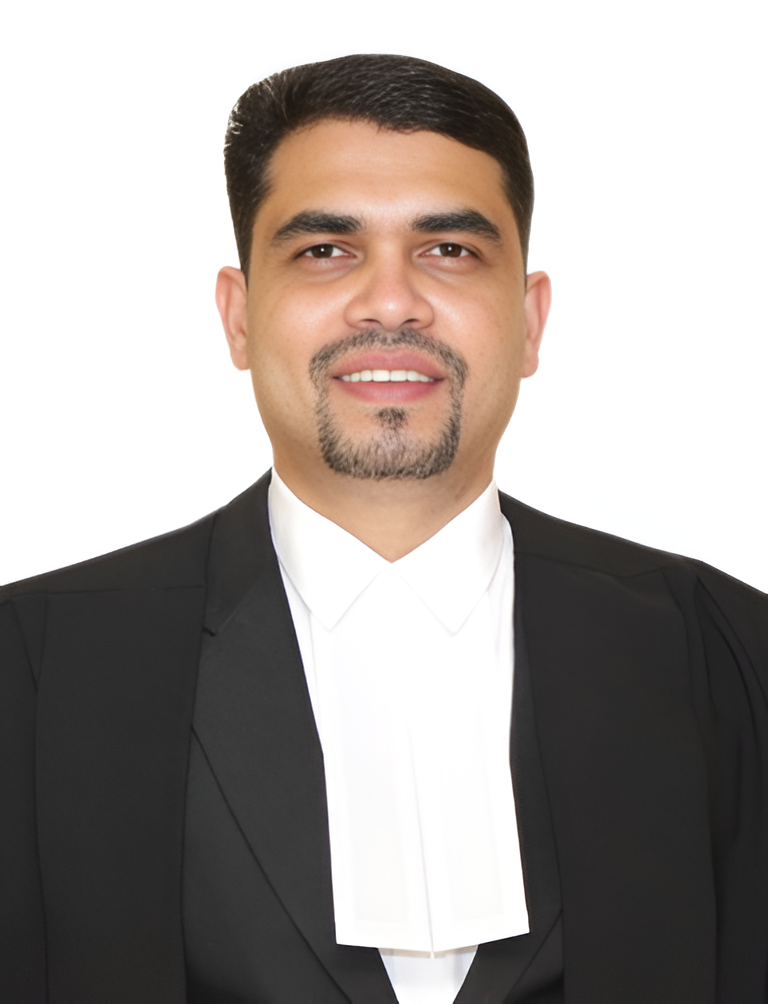
Author: SuperLawyerTeam

  • “People will put their faith in the legal system only if they believe in it. The access to the justice system shouldn’t be restricted to the top 1%; it must also extend to the remaining 99%.” – Sahil Salvi, Partner at D N Salvi and Associates.

    “People will put their faith in the legal system only if they believe in it. The access to the justice system shouldn’t be restricted to the top 1%; it must also extend to the remaining 99%.” – Sahil Salvi, Partner at D N Salvi and Associates.

    This interview has been published by Anshi Mudgal and The SuperLawyer Team

    What inspired you to pursue a career in law, and how did starting as a law clerk for Justice Kurian Joseph at the Supreme Court shape your early understanding of the legal profession?

    From a very early age, I was fascinated by the concept of law, justice and the judiciary. Conversations about justice, ethics, and the intricate workings of the legal system would often surround me. I would often visit the courts or spend time in my father’s chambers. It was all these things coupled with the conversations that generally happened at home that played a monumental role in piquing my interest in Law. His thriving practice, a short stint as a Sessions Judge, and power-packed career as a special prosecutor painted a vivid picture of what I wanted my tomorrow to be. 

    Over the years, my father encouraged me to look at multiple viewpoints or to think critically. I would look forward to the lengthy dinner-time discussions with him, where he would dissect varied matters and he would explain to me the nitty-gritty. I can recollect the lengthy discussions that would span over a few hours to a few days over civics lessons relating to working of the parliament and the judiciary, etc. Though I could grasp only as much in my nascent years, early interactions with several legal luminaries and their working etiquettes taught me that law is more than just a set of rules- it is a breathing, evolving framework that shapes the society. This was enough to gravitate towards the profession. 

    Now for the second part of your question, I want to tell you after graduating from Symbiosis Law School, Pune, I was fortunate to work as a judicial clerk cum research assistant with Justice Kurian Joseph, a former judge of the Supreme Court of India. As a raw professional, learning from a noteworthy Supreme Court Judge was an unforgettable experience that was instrumental in paving my legal journey from there. My responsibilities involved undertaking extensive research (they could sometimes get pretty daunting) and learning how landmark judgements come into existence. I remember sitting in the judge’s library of the Supreme Court on many occasions for hours like once we had to look at the Cooperative Societies Act of all the Indian states to find out which states have the provision to recall the elected nominees or during the NJAC case when we had to look at all the countries of the world how they appoint their higher judiciary. I used to be pleasantly surprised as Justice Joseph would spend quality time with all the clerks and interns, providing feedback to our research and perspectives to the cases argued in front of his bench on that day. I also had the opportunity to watch the country’s best lawyers showcase their impeccable court craft and legal acumen. It was like a dream brought to life for an aspiring counsel like me. 

    However, something else about him will forever be etched in my mind and soul. My precious takeaways were that I could closely observe his dedication, discipline, work ethic and eye for the most astute and acute details. I would love to tell you how on a couple of occasions he would take Suo Moto cognizance of Delhi’s most neglected causes like the case of the deplorable conditions of the Delhi public parks. In my interview he had asked me questions about the lesser-known fundamental duties, something which the law students generally miss out on while learning constitutional law, and the fact that he has authored a book on the same shows his eye for detail. The way he made the work look effortless is evidenced by the fact that he was a very vibrant judge and has authored 1110 judgements, the 10th highest among all the supreme court judges till today. Working under a visionary like Justice Kurian Joseph sir not only broadened my vision horizon but was also instrumental in shaping my core principles. 

    You’ve mentioned providing pro-bono legal services. What drives you to take on such cases, and how important do you think it is for lawyers to contribute to access to justice for all? 

    There is a quote by the American author, Raymond Chandler,” The law isn’t justice. It’s a very imperfect mechanism. If you press exactly the right buttons – and are also lucky – justice may show up in the answer. A mechanism is all the law was ever intended to be.” And I swear by it. As an officer of the court and a member of the legal fraternity, I feel, the importance of public trust in the judicial system is paramount. People will put their faith in the legal system only if they believe in it. The access to the justice system shouldn’t be restricted to the top 1%; it must also extend to the remaining 99%. More and more people need positive experiences with the system to build trust and to retain it. Hence, many litigants who cannot afford the best legal services but fight for just causes need to be seen and heard. I genuinely believe that, as lawyers, we are the voice of the common man who stands behind the closed doors of justice waiting and hoping for the miracle to happen. 

    It is about giving back to society. Do you know that once, while working at the office of Mr. Sidharth Luthra, he asked me if I knew why lawyers with extensive practice opt for the bench, the positions like the ASG/SG/AG, or undertake pro bono cases? After a few moments of pondering, he told me they want to make society a better place for their children. These words have never left me and have acted as my compass as I walk this journey. 

    With such diverse experience, what would you advise young legal professionals who are just starting their careers and aim to navigate the complexities of litigation? 

    As a budding lawyer or a young professional, you must explore various fields before finding your true calling. As popularly quoted by Julian Assange — ‘What we know is everything, it is our limit, of what we can be.’ So, budding legal entrants should try to know everything to find out where and how they can channel themselves. 

    My father’s wisdom often reminds me that law is prudence- it is a manifestation of common sense. It revolves around what a person of normal prudence would do in a given situation. This practical, judicious perspective is the foundation of interpreting any law. 

    One common myth I encountered early in my legal journey was the idea of ‘Sundays in litigation’. There is a very famous interview of a Senior Counsel who has said that there are no Sundays when you work at a litigation office. It is absolutely true. While the entire week goes attending to matters in court, weekends are spent in litigation offices drafting and conducting conferences. It’s a life of dedicated hard work and discipline. I believe, success in litigation is not about being a born genius, but about years of hard work, dedication, honesty, patience, integrity and self-belief. In the end, like my father says, law is just common sense. 

    As far as my journey as a young professional goes, my clerkship at the Supreme Court was immensely helpful. I took lessons in court craft from the country’s best counsels which was through self-learning as they argued in front of the court. I would say, that for those who don’t have time to invest in clerkship, spend some time sitting in the court halls and observing the court proceedings— that is where the best learning experience lies. One should also invest time in learning about the trial court proceedings even if you aspire to practice in the appellate courts. If you are unaware of how the artist performs critiquing the art, is something you cannot self-learn. Keeping up with the latest judicial pronouncements by the High Courts and the Supreme Court is something that you can’t miss on this journey. These are the basic blocks to making a career as a sound counsel. 

    You’ve worked on both prosecution (such as the 1993 Bombay Bomb Blast case) and defense (such as the Kamala Mills fire case). How do you balance these two perspectives, and what key lessons have you learned from each side?

    Once you get a decent grasp of the law, you realise that defence and prosecution are just two sides of the same coin. It is a matter of perspective. A good litigator should be able to anticipate both the prosecutor’s and defence’s arguments trajectory.  It’s like when you argue at the Writ court, there are several parties involved. As a legal counsel, you must safeguard the client’s interests while also keeping an eye out for the bigger picture. 

    At the trial stage, the prosecutor shoulders the most challenging task. As per the Supreme Court, the prosecutor’s job is to assist the court to come to a judicious conclusion, but in reality, it involves proving every fact in the chargesheet beyond a reasonable doubt. This requires presenting the entire chain and sequence of events with utmost precision while the defence attempts to discredit their narrative. 

    The defence tries every trick in the book to get some relief for the undertrial accused persons. I remember in one of the recent trials the defence lawyer did everything in his ability to delay the trial and he also argued on the fact about the continued delay to try to secure bail. The issue of systemic delays in courts in India has become so rampant that the courts have laid down precedents to avoid punitive detention of the undertrials. But the same is now being misused in this fashion. While the prosecutor is proving the charges, he also has to counter the defence’s attempt to take undue advantage of the systematic delay. Balancing these multiple counteracting factors while being fair to the accused is akin to balancing on a tied rope.  

    The job of a defence attorney is akin to that of a hawk. They must meticulously examine the entire prosecution story, searching for the weak links that can be exploited without disturbing certain aspects of the prosecution’s story. As a defence lawyer, you align with the prosecutor until it doesn’t incriminate you, and you must converge just enough to avoid liability. The goal is not to disprove the whole theory but to create enough doubts to hint at the fallacies in the prosecutor’s premise. 

    Practically, therefore, it’s not a difficult task to balance out the two perspectives and as a lawyer, professionally, you should not let the moral compass get in the way of your balance.

    How did pursuing your LL.M. at Queen Mary, University of London, enhance your understanding of international legal systems, and how has that influenced your practice in India?

    Pursuing my LL.M. at Queen Mary, University of London, significantly enhanced my understanding of international legal systems. The program allowed me to interact with peers representing different nations and learn from globally renowned professors. This exposure broadened my perspective on legal frameworks in various jurisdictions, particularly in the context of commercial law and arbitration.

    When the Supreme Court faces any legal dilemma, we look up to the legal frameworks of other international jurisdictions to find solutions, especially the commonwealth countries. Similarly, a commercial law-arbitration comparative study assists in determining how the law is going to evolve. 

    Studying alongside brilliant legal minds from multiple jurisdictions allowed me to gain insights into how different courts behave and interpret laws. Understanding these differences has been invaluable in my practice in India, especially when dealing with cross-border disputes. It has also helped me navigate the complexities of international arbitration and work towards establishing uniformity in interpreting and implementing arbitration awards.

    Overall, the experience has equipped me with the knowledge and tools to navigate the complexities of international legal systems and apply comparative insights to my practice in India.

    Looking back on your career so far, what do you believe is the most significant impact your work has had on your clients and the legal system, and how do you hope to continue shaping the legal landscape moving forward? 

    Every small relief we secure has a profound impact on the lives of the litigants. For them, it can be a life-changing moment. We deal with people’s lives, and it feels like a lifesaver when you bail out an innocent person or secure an acquittal. A favorable judgement not only impacts their life but also extends to many more lives dependent on them. I recall a case from Kolhapur in which I had taken pro bono. The accused and his father had killed the accused’s brother over a property dispute, leaving three women in the family without any support or protection. We fought tirelessly to get his bail rejected, knowing that this rejection order meant saving the lives of those three women. For every client, each order we secure makes a significant impact. 

    There was another case in which, as sad as it may sound, a 13-year-old girl was molested by her own uncle. The accused secured anticipatory bail from the trial court within a week without notice to the victim. We approached the High Court to get his anticipatory bail cancelled, even the Supreme Court refused to grant him protection and thereafter he was finally arrested. 

    However, there are many systematic delays which happen in the judicial system. So many times, the essence of the order is only when the court decides in a time-bound manner. Otherwise, the impact can be subdued or the meaning entirely lost. Hence, I strive to resolve matters as early as possible through my work. I do not believe in unnecessary adjournments to fuel selfish goals. There have been instances when I have secured an ABA from the Bombay High Court for a client within 4 days from the filing date. I try and minimise systematic delays at my end as much as possible. Sometimes, the delays are imminent, but as an officer of court, you can at least try. A pioneer of this can be Justice Kathawala, who sat till 5:00 AM on the day before Diwali vacations. Not that in one day he could solve the issue of pendency, but everyone deserving relief on the day got one which could have been prolonged for a month at least. 

    The unfortunate reality is that many have lost faith in the country’s two limbs, but there is still hope in the efficacy of the judiciary system. It is crucial that justice is not just done, but, done in a timely manner. Justice delayed is justice denied, and it is only by ensuring timely justice that we can restore faith in the judiciary and uphold the rights of every individual. 

    With your busy schedule and involvement in high-profile cases, how do you unwind and maintain a work-life balance? Are there any specific hobbies or activities that help you recharge? 

    As a litigating lawyer, I know that there are effectively no Sundays. But everyone deserves and needs that breath of fresh air now and then to keep re-fueling the inner juices. But, as we are city dwellers, there is a way to escape. Hence, as litigating lawyers, court vacations must be spent out of your residential town, somewhere you can’t be disturbed. I love travelling. I travel with my wife on longer weekends and during court vacations. It helps me ease out of the monotone. 

    When time is short, I turn to simple activities like swimming or running. These acts of self-care can work wonders, refreshing and rejuvenating the mind, body, and soul. There’s something almost therapeutic about a peaceful run or a swim before starting a hectic day, it’s like meditation. And on those rare days when I wrap up early, indulging in OTT content is my guilty pleasure. On rare occasions, I also love to don my chef’s hat and cook up a storm. Finding time for these activities and also indulging in meaningful conversations with my law school friends keeps me grounded during this journey.

    Get in touch with Sahil Salvi-

  • “Without humans, tech is nothing; without tech, our lives can’t be transformed to meet modern challenges. A harmonious interaction between tech and humanity will create a better world for all.” – Majiuzu Daniel Moses, Founder at Africa Tech For Development Initiative

    “Without humans, tech is nothing; without tech, our lives can’t be transformed to meet modern challenges. A harmonious interaction between tech and humanity will create a better world for all.” – Majiuzu Daniel Moses, Founder at Africa Tech For Development Initiative

    This interview has been published by Namrata Singh and The SuperLawyer Team

    Could you share how you first became interested in technology, artificial intelligence, and social good? What inspired you to start your career, and how has your journey evolved over time? 

    My interest in technology, Artificial Intelligence and Social good sprung out of my curiosity to make the world a better place. Growing up I had always imagined how the First World War and the second world wars were fought including the humanitarian casualties. The use of guns, bullets, war planes and bombs were human inventions used to exterminate humanity. My human rights background as a lawyer further advanced knowledge on human rights violations and the perils of crisis and wars occasioned by technology with the ultimate victim being humanity. Hence, I wanted to see how we can channel human innovation on tech and artificial intelligence to advance social good and human coexistence. I believed that without humans, tech is nothing and without tech our lives can’t be transformed to meet modern challenges. A harmonious interaction between tech and humanity will create a better world for all.

    The journey so far in technology and artificial intelligence for social good has been one with a lot of positives. Though while there have been amazing opportunities, success stories but equally there have been setbacks as well. In all it’s been a journey with grit and determination and placing self-belief above every challenge. There have been a lot of lessons learned, experience to pick up and grow with.

    You are an advocate for bridging the inclusion gap for marginalized communities. How do you ensure that underrepresented groups have a voice in the rapidly evolving field of technology and AI? 

    While the issue of inclusion is a global challenge little has been done to bridge this. As an advocate and firm believer of inclusion I have been able to bridge the inclusion gap through several projects and initiatives. I have carried out AI and tech for good advocacy projects in citadels of learning from primary, Secondary and universities.

    To give more persons in education a voice in AI, informed the AI club in these institutions whereby students can belong to and co-create ideas in AI. I also established the AI Journal to encourage research work in the field of AI and tech for good. In addition, I have established two awards for the best graduating student in AI and the best AI Innovator. This is done to encourage scholarship in AI amongst students.

    I created an AI and tech community in marginalized areas to galvanize efforts in AI in rural areas and communities. I organized the first of its kind AI in Slums to give those living in slums a chance to understand AI and have practical hands-on experience. I carried out AI advocacy in local languages in diverse communities.

    Also, through my AI podcast initiative those in marginalized communities have a chance to express their views about AI and learn more on how they can contribute to the growth of AI.

    Africa4dev focuses on leveraging AI for social good. Can you share a specific project or initiative where you successfully applied AI to address societal challenges? What were the outcomes? 

    Through our AI training for Civil Servants in Government Ministries we have been able to achieve sustainable digitalization. Also our AI in Journalism project has trained journalists and reporters to report on unethical practices inherent in technology systems in the global south thereby keeping watch over inhumane tech practices and putting tech companies and developers in check.

    In furtherance of achieving a veritable legal human centered framework for AI, we created an AI Policy for social good to the legislative arm of government in Rivers State as well as train the officials on the rudiments of AI legislation and best global practices. This solved the challenges of lack of legal provisions governing AI and tech development.

    The challenges of insecurity in the state required use of modern technology and AI systems. Our AI training initiative for Security personnels on use of AI surveillance systems helped tackle incessant security challenges.

    Our AI for rural health in communities Project ensures we partnered with different health organizations to bring health solutions to remote communities. This ensured people get quality health care services irrespective of their location.

    As a mentor at platforms like “All Tech is Human” and “Deep Indaba Africa,” what are the key lessons you impart to emerging AI enthusiasts, and how does mentoring contribute to the overall growth of AI in Africa?

    Mentoring in top organizations like the All Tech is Human and Deep Indaba Africa was an opportunity to educate mentees and AI enthusiasts on diverse areas of ethical challenges of AI. Key lessons were centered on how they can become a voice in advocacy for AI for social good, adopting a learning curve to grow in the field of AI, being a willing learner and having a mindset of making an impact in their world. I made them understand that AI has its own shortcomings, and that human oversight is what will make AI serve us not otherwise.

    Mentorship is essential if AI is to thrive in the global south. Africa has a lot of young and vibrant youths, and this is an advantage it possesses over others. However, without proper mentoring of these youth on AI, it is difficult to achieve digitalization. The people must be part of the process and not run away from it.

    Mentorship ensures the youths are guided in diverse AI and tech fields and this enables them to contribute their knowledge to AI and tech growth in Africa. AI is a foreign concept and for it to thrive in Africa in Africa we must localize it through mentorship of Africans to understand its use, limitations, design, development and deployment. Africans need to be more involved in AI conversations.

    During your participation in the Women Techmakers Port Harcourt Conference, you advocated for inclusion and gender equality in tech. How do you believe AI can help bridge the gender gap, and what challenges do we still face in achieving equality in the tech space?

    My participation at the Women Techmakers Port Harcourt Conference was one that centered on inclusion and gender equality and this is because AI has the potential to either widen the already existing inclusion gap or reduce it. AI can help identify existing biases and discriminatory practices in AI systems used in recruitment, training and promotion in the employment sector for instance.

    AI can be used to empower marginalized groups as women through remote learning to obtain digital skills and training especially in regions where women do not have equal access to education and training. Also nursing mothers can continue to work via remote work through AI systems enabling them to keep up with their male counterparts while at same time effectively discharging their home duties.

    AI can also help government and civil society organizations make informed decisions on areas of existential gender inequality towards addressing and curbing this trend.

    Challenges:

    The challenges in achieving equality in the tech space include the prevalence of social and cultural beliefs which places men more preferred in pursuing STEM careers. Also workplace norms can place value more on men in tech than women. In developing countries particularly in Africa, women are at a disadvantage in accessing resources and opportunities needed to thrive in the tech field. Lack of financial, education, and mentorship to embark on tech is far reaching on the female gender.

    Also, the existence of bias in AI algorithms means that most AI systems are already programmed and trained on biased datasets which do not favour women. The results of this is that women are subjected to discriminatory policies and biased outcomes.

    The underrepresentation of women in active tech roles is a major concern and a hindrance to gender equality in tech. Few women are actively involved in the design, development and deployment of tech systems and this results in a one gender sided perspective in technology designs.

    In what ways do you believe your work at Africa4dev is empowering the next generation of leaders and innovators? How do you envision AI shaping the future of education and workforce development in Africa?   

    At the Africa tech for development Initiative-Africa4dev we are advancing responsible technology and Artificial Intelligence for social good through areas of research, innovation, policy development, education and advocacy.

    We believe that the future is now hence our mission to promote ethical tech and collaboration for sustainable development. At Africa4dev our work is significantly empowering the next generation of leaders and innovators through several ways such as promotion of AI literacy accessible to youth through training programs and partnership with Universities and integrating AI into school curriculums. This empowers young Africans with skills and knowledge needed to thrive in a digital economy.

    The introduction of our student awards for innovation fosters competition and creativity amongst students as well as encourages them to practically apply this knowledge thereby nurturing to be able to solve local and global challenges through AI.

    Our work in digital workforce development aims to bridge the skills gap that exists between education and the demands of the current and future job market. This will ensure youths are ready to face the challenges of the future as well as create solutions to future challenges. Also, by empowering marginalized communities, Africa4dev is ensuring that no one is left behind in the digital revolution.

    No doubt Africa’s education and workforce development is undergoing vast transformation and the future is promising. AI would play an integral role in education through personalized learning, easy access to digital tools and education resources making learning more accessible to all, especially those in remote communities.

    African workforce will need to digitally adapt to contemporary global best wishes practices hence the ongoing wave of AI and tech awareness in Africa will position her to compete favourably globally. This is even more possible as Africa has one of the highest populations of youths globally.

    There would be a need for the future workforce to constantly upskill due to the dynamic nature of technology. This would become essential to enable adaptive and sustainable workforce in a future driven by tech.

    Also, there would be more increased collaboration and partnership between academia and the private sector industry in Africa. This will ensure the youths and workforce remain on track to compete both locally and internationally. We also envision a future of inclusive and equitable growth where every youth irrespective of background or geography will have unhindered equal access to technology education and workforce opportunities.

    As a lawyer who has successfully transitioned into Tech and AI, what key strategies would you recommend for other lawyers to remain relevant in the Fourth Industrial Revolution? 

    To remain relevant in the Fourth Industrial Revolution a lawyer must learn, relearn and unlearn. The world is changing rapidly and new ideas are replacing the old order. A lawyer who fails to adapt will be left behind in this revolution. Hence the need to be abreast with developments in tech and see how modern tech and AI trends have aligned with law to improve legal practice. This requires having an open mind to learn the new and embellish the old ways of law practice. In a dynamic tech driven world, a lawyer must understand the role and need for educating himself and upskilling where necessary. A lawyer must embrace innovations in tech and AI that can aid the legal profession while being open to more knowledge outside the law.

    Do you believe lawyers are well-suited for roles in Artificial Intelligence and tech-driven industries? What unique skills do they bring to these fields?

    The law profession is a versatile one and a lawyer is trained to be a willing learner. Hence lawyers are well suited for a plethora of roles in Artificial Intelligence and tech driven industries. Lawyers bring the skills of ethical evaluation of Artificial Intelligence, tech systems and their algorithms and ensure whether they comply or violate ethical guidelines and standards by way of bias, discrimination, privacy issues, inequality and harm by ensuring transparency and accountability.

    Also, lawyers are useful in the field of AI governance and Policy framework. Without the deep legal knowledge of lawyers, it will be difficult to come up with a comprehensive legal framework to guardrail AI development. Lawyers also play prominent roles in ensuring that tech organizations and companies have and comply with their own AI governance mechanism.

    Data privacy is at the heart of many AI-driven applications. Lawyers bring a detailed understanding of data protection laws, such as the GDPR and CCPA, and help ensure that AI systems comply with privacy regulations. They can also advise on cybersecurity regulations, helping to protect the integrity and confidentiality of data of companies and organizations.

    As governments increasingly turn their attention to regulating AI, there’s a growing need for legal professionals who can shape public policy. Lawyers can engage in lobbying, advising on legislation, or working within governmental bodies to advocate for balanced, forward-looking regulations that foster innovation while protecting public interests.

    Protecting innovations through patents, copyrights, and trademarks is a core concern for tech companies, especially in AI, where new algorithms, machine learning models, and software are continually developed. Lawyers with expertise in IP law and tech can help tech firms safeguard their proprietary technology, handle licensing issues, and navigate complex IP disputes.

    Could you share some of the key steps or strategies that helped you successfully transition from traditional law to a career in tech? What were the biggest challenges, and how did you overcome them?

    One key step to transforming from track law to a career in tech is self-belief. If you believe in yourself, dreams and competence you are halfway there. Belief holds about 50% of one’s success in any endeavour. With the belief to upskill and succeed I proceeded to identify areas of tech that align with my deep interest. Which became Artificial Intelligence. Thereafter I underwent rigorous training and learning on Artificial intelligence, obtained certifications, attended several seminars and conferences on AI, offered volunteering in organizations and this earned me vast experience. In addition, I constantly updated my knowledge as the tech field is dynamic. I equally showed up by being visible in the tech space, made research contributions, spoke at local and global conferences and summits, attended seminars and initiated tech projects in my field.

    The biggest challenge I experienced was not having a mentor to guide me into the new field of tech. I had to claw myself from knowing nothing about tech to being where I am today. Also, I faced the challenge of embarking on a novel field that is relatively unknown hence I was dissuaded against upskilling into AI as many feared it wasn’t a profitable area for a lawyer. However, I held my ground and I was able to overcome these challenges through firm self-belief, having a well-structured plan to upskill into a new niche as Artificial Intelligence, then having the willingness to learn every day and show up even if the ovation isn’t there. I’m glad it turned out to be one of the best decisions I have made.

    With such a busy and impactful career, how do you find time to unwind, and what activities help you recharge and maintain a healthy work-life balance?     

    I understand that the mind is the engine that propels great ideas and having a good work-life balance is crucial hence I find time out of my busy schedule to unwind always. I relax by reading novels, seeing movies and taking a walk. I also enjoy good music and watch football or play table tennis over the weekends. In my spare time I visit the gym to keep fit. These help me to be mentally, physically and emotionally ready for the work ahead.

    Get in touch with Majiuzu Daniel Moses-

  • “Success in law requires not just technical expertise, but also an understanding of human dynamics and effective communication.” – 𝐀𝐛𝐡𝐢𝐬𝐡𝐞𝐤 𝐄𝐬𝐪.,  Attorney at Law, at Delhi High Court

    “Success in law requires not just technical expertise, but also an understanding of human dynamics and effective communication.” – 𝐀𝐛𝐡𝐢𝐬𝐡𝐞𝐤 𝐄𝐬𝐪., Attorney at Law, at Delhi High Court

    This interview has been published by Namrata Singh and The SuperLawyer Team

    You have a diverse academic background, from hotel management to law. What inspired your transition into the legal profession, and how have your experiences in corporate hospitality and business management shaped your legal career?  

    My transition from hotel management to law was driven by a deep-seated passion for advocacy and a desire to impact the corporate landscape meaningfully. It was a natural progression stemming from a deep-seated fascination with human interaction, problem-solving, and the intricate web of laws that govern our society. While working in corporate hospitality, I gained invaluable insights into business operations, customer relations, and the importance of legal frameworks in guiding ethical practices. This experience fostered my understanding of how law intersects with various industries. The dynamic and often complex nature of the hospitality industry exposed me to a myriad of legal challenges. The hospitality sector sharpened my skills in negotiation and conflict resolution, which are crucial in legal practice. Additionally, managing diverse teams allowed me to appreciate the nuances of communication and the importance of clear, actionable advice—skills that I apply daily in my legal career.

    With over 18 years of experience in industries as varied as hospitality, language industry, and legal services, what have been the key lessons learned from working in such different fields, and how have they contributed to your current practice?  

    My journey across diverse industries has been a rich tapestry of experiences that have shaped my professional perspective and enriched my current practice. Working in hospitality, language industry, and legal services has provided me with unique insights into different business cultures, communication styles, and legal frameworks. One of the most valuable lessons I have learned is the importance of adaptability and cultural sensitivity. In hospitality, I encountered clients from all walks of life, each with their own expectations and preferences. This experience taught me to approach each situation with empathy and understanding, tailoring my approach to meet their specific needs. Similarly, working in localization industry exposed me to the nuances of different languages and cultures, fostering a deep appreciation for linguistic diversity. This adaptability allows me to navigate complex legal issues with a creative mindset, drawing from different perspectives and methodologies. Another key takeaway is the power of effective communication. In all three industries, clear and concise communication is essential for building relationships, resolving disputes, and achieving desired outcomes. My experience in these fields has honed my ability to articulate complex legal concepts in a way that is easily understood by clients and stakeholders, while also fostering open and productive dialogue with opposing counsel. Lastly, my diverse background has reinforced the value of collaboration. Each sector relies on teamwork and leveraging varied skill sets to achieve common goals. This collaborative spirit enhances my ability to work effectively with clients, colleagues, and other professionals, fostering a holistic approach to legal solutions.

    You specialize in both corporate and criminal law. How do you balance the intricacies of corporate governance and criminal defense, and what unique insights have you gained from handling cases across such varied legal disciplines?  

    Balancing the intricacies of corporate and criminal law requires a delicate interplay of analytical skills, strategic thinking, and a deep understanding of the ethical and legal implications of corporate conduct. While these two areas of law may seem disparate, they are interconnected in many ways. Corporate misconduct can often lead to criminal charges, and effective corporate governance can help prevent legal and reputational risks. One of the key insights I have gained from practicing in both corporate and criminal law is the importance of understanding the broader context of a case. By analyzing the corporate culture, business practices, and regulatory environment, I can identify potential vulnerabilities and develop strategies to mitigate risks. Additionally, my experience in criminal defense has taught me the value of aggressive representation and the importance of protecting my clients’ rights. Another valuable insight is the interconnectedness of legal issues. For example, a corporate fraud case may involve complex financial transactions, regulatory violations, and potential criminal liability for individuals. By understanding the interplay of these different legal areas, I can provide comprehensive advice and develop a tailored approach to address the specific needs of my clients.

    In your experience as a corporate governance expert and Independent Director, what ethical challenges do companies commonly face, and how do you guide them through ensuring compliance and ethical business practices?  

    As a corporate governance expert and Independent Director, I have encountered a wide range of ethical challenges faced by companies. Common issues include conflicts of interest, bribery and corruption, environmental sustainability concerns, and data privacy breaches. To address these challenges, I guide companies by promoting transparency, accountability, and ethical decision-making. This involves establishing robust governance frameworks, implementing ethical policies and procedures, conducting regular risk assessments, and fostering a culture of integrity within the organization. By providing independent oversight and guidance, I help companies navigate ethical complexities and maintain a strong reputation in the marketplace. Additionally, I stress the importance of board oversight to ensure accountability and adherence to ethical standards, ultimately guiding companies toward sustainable compliance and ethical business practices.

    As a seasoned legal professional, what advice would you give to young lawyers starting their careers, especially those interested in combining multiple areas of law as you have with corporate, criminal, and commercial law? 

    To young lawyers starting their careers, I would advise them to embrace a broad-based approach to their legal education and practice. While specializing in a particular area of law can be beneficial, a diverse background can offer unique insights and opportunities. By exploring multiple areas of law, you can develop a well-rounded understanding of the legal landscape and better serve your clients’ needs. Additionally, don’t be afraid to step outside of your comfort zone and take on challenging cases. Every experience, whether positive or negative, can contribute to your professional growth and development.

    Having qualifications in both corporate law and mediation, how do you blend these seemingly contrasting roles of litigation and peaceful dispute resolution in your day-to-day practice?

    Blending my qualifications in corporate law and mediation allows me to approach disputes with a unique perspective that balances advocacy and resolution. In my day-to-day practice, I assess each situation to determine the most effective strategy. While these two approaches may seem contrasting, they are actually complementary. In many cases, mediation can be a valuable tool for resolving disputes before they escalate into litigation. By leveraging my mediation skills, I can help parties identify common ground, explore mutually beneficial solutions, and reach agreements that avoid the time, expense, and stress of a courtroom battle.

    However, there are also situations where litigation may be necessary to protect clients’ rights or interests. In such cases, my corporate law expertise enables me to develop a strong legal strategy, advocate effectively in court, and negotiate favourable settlements when appropriate.

    As the founder of “Legal Eloquence” and an advocate for continuous learning, how do you mentor young lawyers and legal professionals in developing both technical legal skills and the softer skills required for success in the industry?  

    In today’s rapidly evolving legal landscape, marked by advancements in artificial intelligence and the increasing complexity of legal issues, success requires a multifaceted approach. At “Legal Eloquence,” we believe that thriving as a legal professional, demands not only a strong foundation of technical legal skills but also a deep understanding of human dynamics and effective communication. To mentor young lawyers and legal professionals, we focus on developing both aspects of their professional development. On the technical side, we provide comprehensive training in legal research, writing, and analysis, equipping them to navigate the complexities of the legal system and understand the ethical implications of their practice. We emphasize the importance of staying up-to-date with legal developments and industry trends, including the integration of AI tools into legal workflows.

    However, we also recognize that the legal profession is increasingly interpersonal. Therefore, we invest in developing the softer skills that are essential for building relationships, communicating effectively, and navigating the challenges of the legal workplace. By fostering a culture of continuous learning and professional development, we aim to inspire the next generation of legal leaders.

    Your background includes working with environmental, social, and governance (ESG) matters. How do you see interdisciplinary collaboration between lawyers and other professionals (like environmental scientists) playing a role in corporate legal strategies in the future?  

    Interdisciplinary collaboration between lawyers and professionals such as environmental scientists will be crucial in shaping corporate legal strategies related to ESG matters, particularly in the context of Business Responsibility and Sustainability Reporting (BRSR). This collaboration enables organizations to align legal compliance with environmental objectives, ensuring that their strategies meet BRSR requirements while addressing sustainability challenges. By integrating legal expertise with scientific insights, companies can develop comprehensive frameworks that not only enhance compliance but also drive innovation and responsible practices, ultimately fostering greater transparency and accountability in their operations.

    With such a demanding and diverse career, how do you find time to unwind and recharge? Are there any specific activities or hobbies that help you maintain a healthy work-life balance?  

    Balancing a demanding and diverse career with personal well-being is essential for long-term success and happiness. I prioritize unwinding through activities that allow me to disconnect and recharge.

    One of my favourite ways to relax is spending time in nature. I enjoy hiking, gardening, and simply being outdoors. Additionally, I find meditation and mindfulness practices to be invaluable tools for managing stress and maintaining focus. Regular exercise, such as jogging and yoga, helps me clear my mind and stay physically fit. Additionally, I enjoy reading, both fiction and non-fiction, as it provides an escape and stimulates my creativity. Spending time with family and friends is also vital; it keeps me grounded and offers a supportive network. Finally, I dedicate time to hobbies like cooking and exploring new cuisines, which not only relaxes me but also adds a personal touch to my life outside of work. These activities collectively help me maintain focus and energy in my professional endeavors.

    Get in touch with Abhishek ESQ-

  • “As a first-generation lawyer, I’ve had to carve my own path forward, brick by brick. The legal field is highly competitive, and success requires not only hard work but also being in the right place at the right time.” – Swapna Chandramouli, Fintech Lawyer. 

    “As a first-generation lawyer, I’ve had to carve my own path forward, brick by brick. The legal field is highly competitive, and success requires not only hard work but also being in the right place at the right time.” – Swapna Chandramouli, Fintech Lawyer. 

    This interview has been published by Namrata Singh and The SuperLawyer Team

    You’ve mentioned that your interest in law developed through the process of eliminating other career options. Can you tell us more about how you eventually decided on law and how that decision has shaped your career trajectory?  

    I grew up in Kolkata during the 90’s and early 2000s, a time when the most sought-after career paths were typically in engineering, medicine, or accountancy. Coming from a family of engineers and doctors, I felt an innate urge to break away from this conventional path and carve out something different for myself. This led me to choose the Commerce stream for my XII standard examinations, leaving chartered accountancy as a potential option if I excelled academically.

    Around this time, one of my school seniors was preparing for the National Law School entrance exams, and that sparked a deep interest in Law within me. As I explored this further, the idea of pursuing a legal career began to resonate more strongly. My decision solidified as I found myself thoroughly enjoying the CLAT syllabus, especially subjects like Logical Reasoning, Legal Reasoning, and Mathematics. With this growing passion, I pursued Law school admissions and successfully cleared the entrance exams for several institutions, including Government Law College (GLC), Mumbai.

    I ultimately chose GLC, Mumbai, drawn by its distinguished alumni network and its proximity to the bustling legal landscape of the city. Reflecting on my school years, I realize I wasn’t always sure of my strengths, but my decision to pursue Law and Commerce led me to excel in both the legal and financial sectors. Today, with over a decade of experience as a lawyer, I find myself just as enthusiastic as I was during my first internship. A career in law has proven to be both dynamic and fulfilling, with each day bringing new challenges and learning opportunities.

    You interned with prestigious law firms like Khaitan, JSA, and Nishith Desai, but after completing your education, you chose to start your career in the corporate world. What led to this decision, and how did transitioning from law firms to in-house legal roles shape your career path?  

    Law firms often hold strong appeal for law students, especially for those influenced by TV series like Suits. During my time in law school, I was determined to secure internships with top-tier law firms and was fortunate to have the opportunity to do so. Notably, my internship at Nishith Desai Associates (NDA) stood out for its culture of rigorous learning and research. Here, I honed my skills in meticulous drafting, meeting tight deadlines, and delving deeply into research to resolve complex problem statements. At that stage, starting my career at a law firm seemed like the most organic choice.

    However, destiny had other plans, leading me to secure a placement with Kotak Mahindra Bank’s Corporate Legal Department in Mumbai. This shift made me realize the unique value of being an in-house counsel, where legal practice intersects with business strategy. In-house counsel roles offer the opportunity to develop a strong understanding of business dynamics, as your clients are internal stakeholders, and business acumen becomes integral to your work.

    Over the years, I’ve transitioned through various roles in the Banking and Finance sector, as well as in e-commerce and Fintech, with each in-house position adding depth to my legal expertise. I thrive on the unpredictability and problem-solving challenges that come with in-house roles. As an in-house counsel, I am continually faced with a diverse legal issue—from product design and process development to policy framing, contract negotiations with key business partners, regulatory compliance, and handling employment matters. The role is deeply integrated with business operations at every level, making it both dynamic and fulfilling.

    Being a first-generation lawyer, what were the key challenges you faced when you started your legal career, and how did you overcome those hurdles to establish yourself in such competitive sectors like fintech, e-commerce, and banking?  

    As a first-generation lawyer, I didn’t have the benefit of family precedents or insider guidance when navigating my career in law. I relied on my own judgment and intuition. However, I’ve been fortunate to have exceptional mentors who have generously offered their guidance throughout my career and are always just a phone call away.

    One key difference between first-generation lawyers and those from legal legacies is the clarity of the path ahead. Those with a legal lineage often have a well-defined roadmap, while first-generation lawyers must thoughtfully and deliberately lay each brick to build their own path forward. While this process is deeply fulfilling, it can also mean missing out on opportunities due to a lack of exposure or knowledge.

    From my journey, I would advise fellow first-generation lawyers to stay vigilant and open to opportunities and to actively seek out trusted mentors who can provide valuable guidance. The legal field is highly competitive, and success requires not only hard work but also being in the right place at the right time. Proactively expanding your network and knowledge base is crucial to thriving in this profession.

    Having extensive experience dealing with regulators like the RBI and IRDAI, what are some key learnings you’ve gained from these interactions? How do these regulatory engagements influence legal strategies in fintech and NBFCs?  

    A crucial skill for lawyers working in regulated sectors is the ability to deeply understand the regulator’s perspective and intentions. It’s important to remain open to engaging with regulators and fostering a constructive dialogue. Often, it’s surprising how receptive regulators can be when approached with the right intent. Whether it’s for obtaining licenses or during annual audits, each interaction has given me invaluable insights into the rationale behind specific regulations and the purpose of certain prohibitions or compliance requirements.

    A key lesson from these interactions is that regulators consistently expect transparency. Regulated entities must be willing to collaborate with the regulator to find business solutions that align with regulatory objectives. Understanding the regulator’s intent is particularly helpful when navigating ambiguous areas of regulation, allowing for more informed and strategic advice to internal business stakeholders, rather than simply interpreting the letter of the law.

    For in-house lawyers, especially in regulated entities, the ability to offer compliant yet practical solutions is a highly sought-after skill. By bridging the gap between regulatory compliance and business needs, in-house counsel can play a critical role in helping organizations thrive within the bounds of the law.

    In your experience negotiating complex contracts in fintech startups like Rupeek and larger organizations like Kotak & Flipkart, what do you see as the crucial aspects where an in-house lawyer can contribute to driving business success? How can legal counsel go beyond compliance to add strategic value?  

    My experience in different kinds of organizations has taught me that the role of an in-house counsel also changes based on the nature of the organization. In established organizations, departmental roles are well-defined, and each stakeholder plays a vital part in closing contracts. In contrast, within start-ups, the business often relies heavily on legal counsel, not just for legal and compliance advice but also for insights on structuring financial transactions and commercial terms.

    Negotiating for established organizations often provides greater leverage when dealing with counterparties. However, representing a start-up has allowed me to engage deeply with the commercial and operational intricacies of contracts. Both experiences have been fulfilling in their way. For instance, while working for large Banks like Ujjivan & Kotak, I negotiated with Big Tech companies, gaining exposure to deals of significant scale. Similarly, during my tenure at Flipkart/Myntra, handling high-value celebrity contracts with intellectual property right implications showcased the complexity of working with major influencers. On the other hand, my work representing fintechs has allowed me to negotiate with larger banks and lending partners (perceived with higher negotiating power) to come to a consensus in commercial and regulatory structuring of deals.

    Ultimately, when legal counsel provides comprehensive, well-thought-out advice that considers both legal and financial risks, they are no longer seen as obstacles but as essential partners in driving contract closure. This shift transforms the counsel’s role from a perceived barrier to a catalyst for success.

    You cleared your CS professional exams in one shot while also pursuing law. What strategies or insights helped you manage both demanding courses simultaneously? Could you share some advice for young students who are pursuing multiple qualifications?   

    Both the Company Secretary (CS) and Law courses are highly demanding, given the vastness of their syllabi and the intensity of their exam schedules. However, I was determined to complete the CS course alongside law school. Opting to take all the modules of the CS professional course in one go was admittedly a bold decision — I sat for nine papers back-to-back, without a break. The enormity of the challenge made my resolve to stay determined and focused stronger. I don’t think I put any pressure on myself, but I just wanted to test my potential.

    I devised a strategy to balance both fields of study. During the first half of the year, I concentrated on law school exams, while the latter half was dedicated to CS studies, though I maintained some focus on law for mid-term exams. Interestingly, much of the CS syllabus overlapped with legal concepts, which created a natural synergy in how I applied my understanding to both courses. What also helped me is the constant support and encouragement of my friends who were taking the exams with me. We often talk about team efforts in corporate life, student life also taught me the importance of a solid team in competitive exams. For students navigating similar challenges, my advice would be to prioritize and strategize — knowing when to focus on each subject is key. And most importantly, enjoy the learning process. Both law and CS test your understanding of core concepts, so cultivating a genuine interest in the material will ultimately lead to success.

    With your wealth of experience in fintech, e-commerce, and banking, what advice would you offer to current law students and early-career professionals who aspire to work in these sectors?

    A career in Fintech, e-commerce or any other regulated sector is very demanding, especially for lawyers because the regulatory landscape keeps changing. In my experience, you truly understand the essence and requirements of the regulations by reading it multiple times from different perspectives.  

    Developing a genuine interest in regulatory frameworks and their interaction with business offerings is fundamental for finding your footing as a lawyer in these sectors. For anyone looking to break into or transition into these industries, my advice is to invest time in understanding regulations, and their underlying purpose, and to cultivate business acumen around the various products in the space. This combination of legal expertise and business insight will make you a valuable asset in any organization.

    As a mother, how have you managed to balance such a demanding career with your personal responsibilities? What advice would you give to others trying to navigate similar challenges?  

    I have always seen my mother as a role model who dedicated herself to her profession as a teacher all through her life while raising two children. Her resilience and dedication made it a natural choice for me to continue working after I had my baby. I was fortunate to have the support of a wonderful organization like Rupeek and an understanding manager, which allowed me to manage my professional responsibilities while being fully present for my daughter during her early years.

    For mothers looking to maintain their professional careers, I recommend investing in quality child-care support if possible. Our role as mothers goes beyond simply managing a child’s daily routine—we are their source of inspiration and pride. I firmly believe that a child’s happiness is closely tied to their mother’s fulfilment. If you are passionate and happy in what you do, that joy will resonate with your child.

    I am deeply passionate about my profession, and my daughter is a constant source of motivation, encouraging me to explore my full potential instead of setting limits. That said, balancing work and family life is always a dynamic process. It requires thoughtful decision-making and sometimes tough choices about when to prioritize what. But I believe that by staying true to ourselves and our passions, we set a powerful example for our children.

    With such a demanding career in multiple sectors, how do you unwind and recharge? Are there any hobbies or activities that help you maintain a healthy work-life balance?

    Weekends for me are completely dedicated to my home and family. As much as I enjoy staying at home and cleaning to my satisfaction, I also enjoy social gatherings. These days, I often find myself at gatherings with my daughter’s friends and their parents, enjoying the sense of community it brings. I also like to unwind by watching some thoughtful and reality-inspired series/movies. As a family, we also make it a point to plan small getaways or vacations whenever possible. These trips allow us to recharge, connect with nature, and explore historical places, creating lasting memories together.

    Recently, my husband and I have embraced a healthier lifestyle. We’ve started making conscious choices for our well-being, and one of our favourite weekend routines is our Saturday morning workouts at Cubbon Park. It’s become a refreshing way to kick off the weekend, balancing physical wellness with the joy of being outdoors.

    Get in touch with Swapna Chandramouli-

  • “Gender is not a barrier to success. I believe in creating a unique path, and it’s okay to take the road less travelled.” – Ibukunoluwa Owa, Lead, Regulations Unit – Legal Enforcement and Regulations Department at Nigeria Data Protection Commission, Nigeria

    “Gender is not a barrier to success. I believe in creating a unique path, and it’s okay to take the road less travelled.” – Ibukunoluwa Owa, Lead, Regulations Unit – Legal Enforcement and Regulations Department at Nigeria Data Protection Commission, Nigeria

    This interview has been published by Namrata Singh and The SuperLawyer Team

    You’ve had an impressive legal journey from Nigeria to working with leading firms in London and Hamburg. Could you share what inspired you to pursue law, and how your career has evolved over the years?  

    My decision to pursue a legal career was influenced by a combination of factors. While I cannot pinpoint a single defining moment, I am certain that law has always been a natural fit for me. Growing up, I was drawn to reading, arguing, and intellectual competitions. My parents, who are both lawyers, also played a role in shaping my aspirations.

    Before enrolling at the University of Dundee to study English Law, I completed a one-year foundation program at Global College in Lagos, Nigeria. During this time, I excelled in both economics and law but ultimately chose to pursue law due to my stronger aptitude for Law and English. I have never regretted this decision, as law has provided me with a dynamic and fulfilling career.   

    My career has evolved, and this has been marked by a continuous pursuit of knowledge and new opportunities. I have been privileged to work locally and internationally on interesting cases and projects and have also been able to successfully transition from the private sector to the public sector. 

    I believe my career evolution has been largely influenced by direction from God, intentional acts towards my goals, support from family and friends, networking, and a willingness and curiosity to embrace new challenges and opportunities. 

    Having worked with prominent arbitration firms in Lagos, London, and Hamburg, what key lessons have you learned about managing cross-border disputes that could benefit young lawyers entering international arbitration?  

    Before I specifically answer this question, I would like to state what I usually tell my friends and mentors when describing my experience in these three jurisdictions. While working at Aluko & Oyebode in Lagos, I learned the importance of hard work and dedication. 

    While working at WilmerHale in London, I learned that my career advancement requires proactive steps and I have the personal responsibility for my career growth. As one of fifteen international arbitration interns, I had to take proactive steps to stand out and contribute positively to the Firm. 

    While working at Hanefeld in Germany, I learned the value of efficiency and delivering high-quality work within short deadlines. 

    Aside from these anecdotes, thorough legal analysis, cultural sensitivity, effective communication skills and strategic planning are necessary for effectively managing cross-border disputes.

    In your current role with the Nigeria Data Protection Commission (NDPC), you’re shaping the country’s data protection framework. How do you think data protection laws can drive economic growth, and what challenges do you face in balancing innovation with privacy?  

    Thank you for this insightful question. I am proud to be working alongside brilliant professionals at the NDPC and relevant stakeholders to develop comprehensive and effective regulations. It is an interesting and dynamic role. 

    Data plays a crucial role in driving economic growth by enabling informed decision-making, fostering innovation, and improving efficiency. By protecting personal data and ensuring its responsible use, we can create a trustworthy environment that attracts investment, stimulates entrepreneurship, and promotes economic development.

    Balancing innovation with privacy is a key challenge in today’s digital age. At the NDPC, we prioritise the protection of citizens’ privacy rights while recognising the importance of fostering innovation. We strive to develop data protection laws that strike a balance between these competing interests, ensuring that citizens’ privacy rights are safeguarded while allowing for responsible data use in innovation.

    In your opinion, what new dimensions in law, such as technology and data privacy, should upcoming legal professionals focus on to remain competitive in the evolving global legal market?  

    The global legal market is constantly evolving, driven by technological advancements and changing societal dynamics. To remain competitive, upcoming legal professionals should focus on developing expertise in unique and contemporary areas of law to distinguish themselves. A few examples of these are; technology law; data privacy and protection; international dispute resolution; cyber security; anti-trust; and restitution law.  

    While it is important to specialise in specific areas, a strong foundation in general legal principles is essential for a successful legal career. 

    Throughout your career, have there been any cases or projects where the outcome didn’t go as planned? What did you learn from those experiences, and how do you view the role of failure in professional growth?

    Throughout my career, I have encountered cases and projects that did not unfold as planned. In these moments, I focus on understanding the reasons for these outcomes and developing strategies to resolve these issues. This often involves open communication with clients, strategic thinking and exploring alternative approaches. These experiences have been valuable learning opportunities, teaching me the importance of resilience, adaptability, and strategic thinking.

    Most times what we perceive as “failure” is often subjective, and shaped by our individual goals and inspirations. In my journey, I have come to view these “failures” as opportunities for growth and redirection. By embracing challenges and learning from them, young lawyers can develop resilience and a determination to succeed. 

    I believe that “failure” plays a valuable role in professional growth. It helps us to identify our strengths and weaknesses, develop new strategies, and ultimately achieve our goals. So instead of fearing “failure”, we should embrace it as a natural part of the learning process.

    You’ve been recognized as a rising star in the legal world. How do you personally define success in your career, and what values do you prioritize when working on high-stakes legal matters?  

    I define success as continuous growth and development in my legal career. This means staying curious, seeking new challenges, and striving to become better every day. 

    When working on high-stakes legal matters, I prioritise the following values; analytical skills; diligence; hard work; resilience; discipline and respect for colleagues.  

    As a successful female lawyer in international arbitration and data protection, what challenges have you faced in navigating these male-dominated sectors, and what advice would you give to young women aspiring to enter similar fields?  

    One thing that has defined my attitude to work is my belief that I can achieve anything I put my mind to and that my gender does not limit my capabilities as a legal professional. 

    I have also been fortunate to have the support of mentors, both male and female, who have continually provided advice and assistance at various stages of my career. In addition, having female colleagues who are equally excelling in their careers demonstrates that gender is not a barrier to success. 

    Initiatives like the Equal Representation in Arbitration, and ARBinBRIEF have been instrumental in promoting diversity and inclusion in international arbitration. ARBinBRIEF is a practical video guide on arbitration issues led by female practitioners. As a founding member, I had the privilege of working alongside talented and inspiring women from around the world. This experience was insightful and inspirational. 

    I would advise young women to have unwavering confidence in their abilities, work hard, pursue knowledge, seek mentorship, network actively, participate in diversity initiatives, and not be afraid to create their unique path. It is okay to take the road less travelled. 

    You developed a short documentary on the Arbitration and Mediation Act 2023. How did this creative process of storytelling influence your perspective on law, and do you believe more legal professionals should engage in creative forms of legal education?  

    Creating a documentary on the Arbitration and Mediation Act, 2023 (AMA) was a rewarding experience that allowed me to explore my creative side. I decided to pursue this at a period in my life when I had a bit of time. My main goal while developing the documentary was to educate professionals on the significance, potential impact, and rationale behind certain key provisions of the AMA.

    While producing the documentary did not significantly alter my perspective on law, it did open my eyes to the intricacies of visual storytelling. The creative process required skills beyond my typical legal practice, such as developing a theme, creating an effective teaser and video editing. 

    I firmly believe that legal professionals should explore creative forms of legal education. People are more likely to remember information presented compellingly and engagingly. In today’s digital world, incorporating visual storytelling can be a powerful tool for attracting clients, educating the public, and building a strong brand.  

    With such a demanding and diverse legal career, how do you find time to unwind and recharge? Are there any specific activities or practices that help you maintain a healthy work-life balance?  

    Balancing a demanding legal career with a personal life can be challenging. While the traditional concept of “work-life balance” may not always be achievable, I have found that integrating work into my life has been useful. 

    One thing I do to stay organised and manage my workload effectively is to prioritise completing small tasks during downtime. This includes responding to short emails during lunch breaks, catching up with projects on weekends, and creating weekly to-do lists on Sundays. This allows me to stay organised and avoid feeling overwhelmed.

    To fully unwind, I prioritize spending quality time with my family and friends, exploring new places and travelling. One of my personal goals is to visit a new country every year. This year, I was fortunate enough to travel to China as part of the NDPC delegation, which was a truly rewarding and insightful experience. 

    Get in touch with Ibukunoluwa Owa-

  • “Success, for me, is not just about individual achievements but the legacy we build through our work and the impact we have on those around us.” – Yashwant Rai Grover, Managing Associate at Inttl Advocare 

    “Success, for me, is not just about individual achievements but the legacy we build through our work and the impact we have on those around us.” – Yashwant Rai Grover, Managing Associate at Inttl Advocare 

    This interview has been published by Namrata Singh and The SuperLawyer Team

    Could you please walk us through your journey in law and share what inspired or motivated you to choose this career path? Was there a particular moment or influence that played a significant role in your decision to pursue a career in law?  

    My journey in law began in a family deeply rooted in the legal profession. From a young age, I was captivated by the sight of my grandfather donning his black coat, a symbol that became one of my earliest memories. Accompanying him to court, I was mesmerized by the lawyers’ confidence and grace, which left a lasting impression on me and ignited my passion for the legal field. This early exposure naturally led me to develop a fascination with the profession and its practitioners. When it came time to choose a career, I instinctively gravitated towards law.

    Intellectual Property Law is a specialized field with its own set of challenges and opportunities. Was IPR always your first choice for a legal career, or did it become a more appealing option as you progressed in your studies and early professional experiences? How did you come to decide to continue your career in this area?  

    While Intellectual Property (IP) law was not initially my first choice, it became increasingly appealing as I progressed through my studies and early professional experiences. My internships with multinational corporations such as PepsiCo and Airtel exposed me to the dynamic and innovative world of IP law. These experiences allowed me to see firsthand how legal principles could protect and promote creativity and innovation. My passion for art and music further fuelled my interest in this field, as I found great satisfaction in working on cases that intersected with my personal interests. Over time, I realized that specializing in IP law would allow me to combine my professional skills with my creative passions, making it a natural and fulfilling career choice.

    As Oprah Winfrey wisely said, “Passion is energy. Feel the power that comes from focusing on what excites you.” Choosing to specialize in IP law was a defining moment in my career, as it enabled me to combine my professional work with my personal passions.

    In your role as the Head of Trademark, Copyright & Design Prosecution, what strategies do you implement to manage and grow your clients’ portfolios effectively? Can you share a success story that highlights the impact of your approach?  

    In my role as the Head of Trademark, Copyright & Design Prosecution, I specialize in advising diverse industries on all aspects of trademarks, copyrights, and designs. This includes conducting clearance searches, managing applications, and strategically developing and overseeing global trademark, copyright, and design portfolios. 

    I am recognized for my analytical skills, exceptional multitasking abilities, and proficiency in liaising with international law firms, clients, and other external agencies. I have represented our firm in numerous sessions, speaker series, and international and national networking events. Additionally, I have successfully argued numerous challenging cases before the Trade Marks Registry and the Design Office.

    My strategy involves thorough preparation, anticipating potential challenges, and understanding the preferences of each Judge, Registrar, or Hearing Officer. While legal knowledge is fundamental, the key to success lies in effective presentation and maintaining the willpower to reach logical conclusions. Out-of-the-box thinking is essential for a lawyer’s success.

    One notable success story involves representing a client for the trademark “Church *****” for alcoholic beverages, specifically wine. The hearing officer initially hesitated to accept the mark, fearing it might offend religious sentiments. Recognizing that conventional arguments would not suffice, I argued that the use of the word “Church” was appropriate, citing that Jesus himself turned water into wine, thus it would not offend but rather be appreciated. This argument was accepted, and the mark was registered. This case exemplifies how understanding the situation and presenting compelling arguments can lead to success, even beyond strict legal reasoning.

    You’ve had the opportunity to intern with prestigious organizations like Sanders Ortoli Vaughn-Flam Rosenstadt LLP and PepsiCo. How did these internships contribute to your understanding of intellectual property law and shape your career?  

    Interning with prestigious organizations like Sanders Ortoli Vaughn-Flam Rosenstadt LLP and PepsiCo has been instrumental in shaping my understanding of intellectual property law and my career trajectory. My internship at Sanders Ortoli Vaughn-Flam Rosenstadt LLP was an extension of my Master’s in New York, providing me with a unique perspective on how the law is practiced in New York. This experience broadened my outlook and allowed me to imbibe a wealth of knowledge from a different legal environment, enhancing my analytical and practical skills.

    Interning with PepsiCo (and Airtel) offered me invaluable insights from the client’s perspective. These experiences taught me how corporate departments function and the importance of tailoring legal advice to meet the needs of business teams. I learned that while legal expertise is crucial, the ability to communicate complex legal concepts clearly and concisely is equally important. This understanding has been pivotal in my approach to providing practical and business-oriented legal solutions, ensuring that my advice is not just legally sound but also easily comprehensible and actionable for clients.

    How do you balance your professional responsibilities with your personal hobbies and interests? Can you tell us about a hobby or interest that helps you unwind and perhaps even inspires your professional work?  

    For me, listening to music is a wonderful way to unwind. It helps me relax and often sparks creativity, which can be surprisingly beneficial in my professional work. Spending quality time with family and friends is another essential aspect of my life. These moments of connection and laughter provide a much-needed break from the demands of work and help me return to my responsibilities with renewed energy and focus.

    I also try to make time for physical health by going to the gym—sometimes. While my attendance might not be as consistent as I’d like, the effort to stay active is important. Physical exercise not only attempts to keep me fit but also clears my mind, making me more effective and focused in my professional tasks.

    Ultimately, maintaining a balance between work and personal life allows me to stay motivated and inspired. It ensures that I can give my best both in my career and in my personal relationships, leading to a more fulfilling and well-rounded life.

    As a recognized leader in intellectual property law, what advice would you give to young professionals entering this field? What skills and qualities do you believe are essential for success in IP law?  

    As emphasised above, my advice to all young professionals would be to spend more time in the preparation of your case, be able to ascertain all of the twists and turns that may happen and know what your response will be. Each Judge / Registrar / Hearing Officer has a way of dealing with a case. The best way is to know what would trigger them.

    At the end of the day, everybody can learn the law, it’s about how you present yourself to get your case in your favour. As long as you don’t lose willpower and the ability to reach to a logical conclusion, any difficult situation can be handled. Out-of-the-box thinking is what makes a lawyer successful.

    Success is a deeply personal journey, unique to each individual. As Ralph Waldo Emerson once said, “To be yourself in a world that is constantly trying to make you something else is the greatest accomplishment.” In the legal profession, where careers are built case by case, visions of success can vary greatly. For some, it’s about becoming a partner at a prestigious firm, winning high-profile cases, and making a significant impact on the legal landscape. For others, success might mean advocating for underrepresented communities, building a practice that prioritizes client relationships, or having the freedom to work on cases you are passionate about.

    There is no right or wrong answer. The key is to define success on your terms. What excites you? What brings you fulfilment? What impact do you want to make? Ambition plays a crucial role in this journey. It drives us to set higher goals, push our boundaries, and strive for excellence. Being ambitious means not settling for mediocrity but constantly seeking growth and improvement.

    Remember, it’s perfectly okay to have a different vision. Your journey is uniquely yours. Celebrate your wins, no matter how big or small, and most importantly, enjoy the ride. Stay ambitious and let your passion guide you.

    Your role involves handling complex intellectual property portfolios for both domestic and multinational clients. How do you approach cultural and jurisdictional differences when advising clients on IP strategies globally?

    Navigating cultural and jurisdictional differences is a critical aspect of our work. We prioritize understanding and respecting cultural nuances, learning about their local practices, market conditions, communication styles, and how our clients operate. Additionally, we stay updated on the latest legal developments in key jurisdictions, collaborating closely with local counsel to ensure compliance with regional laws and leveraging their expertise. 

    Each client’s needs are unique, so we develop tailored IP strategies that consider both global and local contexts, conducting thorough risk assessments and devising strategies that align with the client’s business objectives while mitigating jurisdictional risks. Clear and effective communication is vital, and we ensure our communication is precise, transparent, and adapted to the preferences of our clients, building trust and ensuring alignment on IP strategies. 

    Committing to continuous learning and adaptation, we stay ahead of changes in laws, regulations, and cultural trends, providing informed and forward-thinking advice. By integrating cultural sensitivity, jurisdictional expertise, tailored strategies, effective communication, and continuous learning, we ensure our clients receive comprehensive and contextually relevant advice on their intellectual property matters, regardless of where they operate.

    As someone who has achieved significant recognition early in your career, what personal philosophies or principles do you attribute to your success, and how do you implement them in your day-to-day work?  

    Achieving recognition early in my career has been a rewarding journey, and I attribute my success to a few core personal philosophies and principles. Foremost among these is the importance of staying humble. Humility allows us to remain open to learning and growth, recognizing that there is always more to understand and new perspectives to consider. This mindset helps me build strong, collaborative relationships with colleagues, clients, and mentors, fostering an environment of mutual respect and continuous improvement.

    Diligence is another cornerstone of my professional philosophy. I believe that consistent, dedicated effort is crucial to achieving long-term success. In my day-to-day work, this means meticulously preparing for each case, paying attention to every detail, and anticipating potential challenges. By being thorough and proactive, I ensure that I am always well-prepared to advocate effectively for our clients.

    Implementing these principles involves a few key practices. First, I prioritize continuous learning, and staying updated on the latest developments in intellectual property law and related fields. This not only enhances my expertise but also demonstrates my commitment to providing the best possible service to our clients. Second, I maintain a strong work ethic, approaching each task with the same level of dedication and care, regardless of its size or complexity. This consistency builds trust and reliability, both within my team and with our clients.

    Additionally, I strive to lead by example, fostering a culture of humility and diligence within my team. By encouraging open communication, valuing diverse perspectives, and recognizing the contributions of others, I create an environment where everyone feels valued and motivated to do their best work. This collaborative approach not only enhances our collective performance but also contributes to a positive and supportive workplace culture.

    Ultimately, I believe that staying humble and diligent in our work creates a solid foundation for success. By focusing on continuous improvement, maintaining a strong work ethic, and fostering a collaborative and respectful environment, I am able to achieve my professional goals while also contributing positively to the broader legal community. Success, in my view, is not just about individual achievements but also about the impact we have on those around us and the legacy we build through our work.

    Mentorship can play a critical role in career development. Have you had any mentors who significantly influenced your career, and how do you now approach mentorship with junior associates in your firm?  

    Mentorship has been instrumental in my career, with several mentors significantly influencing my professional journey. One mentor, in particular, taught me the importance of integrity, perseverance, and continuous learning, guiding me through complex legal challenges and inspiring me to strive for excellence. Drawing from these experiences, I now approach mentorship with junior associates by actively listening to their concerns and aspirations, providing constructive feedback, and encouraging continuous learning. I strive to lead by example, demonstrating hard work, integrity, and dedication, while fostering independence and celebrating their achievements. By creating a supportive and empowering environment, I aim to help my team reach their full potential and prepare for future leadership roles.

    Get in touch with Yashwant Rai Grover-

  • “Starting my independent practice felt like a calling, but it was like graduating all over again. The learning curve was steep, the hours long, but the support I received was overwhelming.” – Mohit Mudgal, Independent consultant at Mudgal Law Chambers

    “Starting my independent practice felt like a calling, but it was like graduating all over again. The learning curve was steep, the hours long, but the support I received was overwhelming.” – Mohit Mudgal, Independent consultant at Mudgal Law Chambers

    This interview has been published by Namrata Singh and The SuperLawyer Team

    Could you please share what inspired you to pursue law, and how your journey from a student to an established advocate shaped your perspective on the legal profession?  

    I am an accidental lawyer. I come from a background of a wide array of professionals, including engineers, doctors, academicians, and armed forces veterans. During my school days, I was keen to serve in the armed forces growing up in a defence household. However, as a turn of fate, I could not take the NDA examination since I was severely unwell on the day of the exam. Luckily for me, at that time, the curriculum for the NDA entrance examination and LLB courses used to broadly overlap, so I could sit for the LLB examinations and qualify for the 5 year integrated law course at Amity Law School, GGSIPU. The thought of pursuing law as a profession, without any familial guidance, was both daunting and at the same time, exciting. As my college was based in Delhi, throughout the tenure of my course, I interned at various law offices practising diverse spheres of law after college hours. This developed my interest in the profession while giving me invaluable exposure to real practice outside of classrooms and an understanding of the legal profession in its practicality. 

    At the inspection of your career, you started working with the magic circle firm –  Clifford Chance. What motivated you to shift your focus to active litigation and dispute resolution in India? How did this transition add a new dimension to your understanding of the law?  

    Around the time of my graduation in 2009, the global economic crisis was going on and the future seemed uncertain. In this background, opportunities and recruitment offers were few and far between. When I got an offer from Clifford Chance’s Indian office (now known as Clifford Chance Business Services) as a campus placement, I decided to take it up – even though it departed from my conventional choice of work –litigation and disputes. Working here provided an entirely new exposure where I was part of international transactions while interacting with top legal brains across the globe. Apart from the learnings in the field of law, this role helped me understand various global professional standards and work etiquette. After having honed my skills in this role for a year, I decided it was time to explore litigation & dispute resolution (my most preferred area of interest during my internships) and don robes!

    In 2018, you established the Chambers of Mohit K. Mudgal. Could you share the story behind starting your independent practice?  

    During my formative years in litigation and dispute resolution, I was fortunate to come across offices that provided great mentorship, a wide array of work and ample opportunity.

    From 2013-2018, I worked in Karanjawala and Co. where I gained invaluable exposure while advising and representing some of the biggest corporate houses and public figures. The issues involved in my work there ranged from complex high-value commercial disputes to matters of public importance being heard by constitutional benches of the Supreme Court. A large part of my work was briefing prominent senior advocates on complex issues which required one to be very thorough – not only with the brief but also with the law. 

    In 2018, I mustered the courage to venture into independent practice. Being a first-generation lawyer, the decision was not taken lightly. Having my practice felt like a calling to me, something I had wanted to do since day one. However, starting independent practice was like graduating all over again – the learning curve was steep and the hours were (and still are) long and exhausting. I was blessed to receive support from all corners – my previous employers, seniors at the bar, and even my peers. I am grateful for the trust bestowed upon me by these people in those initial years of independent practice. 

    As an expert in electricity laws, what challenges do you face in this niche area? How do you see the evolution of energy law in India in the coming years? 

    Electricity law is complex work that requires you to have a keen sector-specific expertise. It needs one to unlearn everything one knows about general legal principles and approach the field with a fresh perspective. The usual tricks of the trade do not always work in these forums, as the subject matter is very technical and the judges/ adjudicators are very clued in to these nuances. There is also a lack of organized dissemination of information when it comes to Electricity Laws. Some of senior lawyers provide

    When I started electricity work in 2018, there were very few established names in this sector. However, the last 6 years, it has seen a mushrooming of both work and lawyers in these tribunals. Given the vision of the country towards electrification of rural India coupled with the transition to green energy from conventional sources,  I believe that the sector shall continue to expand at a rapid and exponential pace over the next 10 – 15 years, at the very least. 

    Alongside your work, you are actively involved in providing legal aid to the needy. How important do you think pro bono work is in the legal profession, and how has it influenced your approach to justice and fairness?  

    I always tell my junior friends at the bar and my office – to be thankful for their privilege and what they’ve received, and always dedicate some time to those who can’t afford to pay for legal services. We make it a point to try and help every such person who knocks at my door and encourage the same in my office. It is a service to society and makes you a better lawyer and human being.  

    With the evolving legal landscape, what advice would you give to young lawyers and law students who aspire to excel in litigation and dispute resolution? What skills should they develop to succeed in today’s competitive environment?  

    While embracing technology in today’s time, the young lawyer can churn out results like never before and in record time. However, in this endeavour, it is paramount not to lose sight of the old-school ways of taking up the rigour and hard work to be well-read and researched.  The gestation period in mainstream litigation is long and young lawyers should not give up easily or early. Do not look at others and yearn for more or feel like you’ve been dealt an unfair hand- the comparator is always yourself. You set your standards and those are the only markers you have to live up to. 

    As someone who has transitioned from a global law firm to running your practice, how do you approach mentorship within your team? What qualities do you look for in budding lawyers, and how do you help them develop their skills and careers?  

    Mentorship is one of the hardest and most rewarding aspects of this profession. It gives me immense pleasure to see my junior colleagues thriving and learning to problem-solve on their own. 

    Ownership and responsibility are something I always look for in budding lawyers. I always throw them in the deep end and give them all the tools and resources they need to do a good job, including guidance from me. I want their ambition and drive to be so high, and their performance so good, that they should be able to replace me on a brief. That is when I know I am doing a good job!

    What qualities do you observe in current law graduates, and where do you think they might be lacking in skills? 

    Current law graduates are mostly worldly wise and confident. However, often this confidence is misplaced owing to the lack of the basic understanding and reading of the law. The practice of law is hard work and dedication which requires one to have immense patience and perseverance. This is a taxing profession and gets the best out of us. Unless we put in the hours, we can never reap the rewards. 

    Given the demanding nature of your work in litigation, arbitration, and mediation, how do you unwind and manage stress? Are there any particular hobbies or activities you enjoy that help you relax and maintain a work-life balance?  

    Music is a part of my daily routine which helps me unwind. I’m catching a live gig over most weekends given the time! I enjoy sports and am a fairly outdoorsy person. I particularly enjoy trekking, boxing, cricket, badminton and the occasional poker game!

    Get in touch with Mohit Mudgal-

  • “Immigration law in India is still underdeveloped, which is why I focused on it. My goal is to educate and empower migrant laborers who often face exploitation, fraud, and other challenges.” – Jose Abraham, Advocate-On-Record at the Supreme Court of India

    “Immigration law in India is still underdeveloped, which is why I focused on it. My goal is to educate and empower migrant laborers who often face exploitation, fraud, and other challenges.” – Jose Abraham, Advocate-On-Record at the Supreme Court of India

    This interview has been published by Namrata Singh and The SuperLawyer Team

    Hello, and welcome to yet another episode of SuperLawyer YouTube channel. Today, we have with us esteemed advocate, Jose Abraham, who is Advocate on Record as well. And we are excited to hear his journey, who has authored five books alongside his booming practice and the kind of the connections he has built and the way he represents his clients. Thank you so much for joining us here. Hope you’ll enjoy the interview. Sir, let’s start with the very, very first question and an interesting one I would say that we want to hear your story from your school days till now, the kind of learnings, the kind of pivotal moments that you have gone through in the making of the Advocate on record and the author of five books, Jose Abraham, sir please.

    First of all, Namaskaram to all the viewers of SuperLawyer, and I would like to sincerely thank SuperLawyer for giving me this wonderful opportunity to interact with all of you. The first question is about my journey, from my school days to today.

    I am originally from a remote village in Kerala called Madampam, which is in the Kannur district. It’s a very remote area, and I attended a government school, which was a Malayalam-medium school. The reason I am mentioning this is because, nowadays, people might assume that one needs to come from an elite background or have a convent school education to succeed. So, I want to be honest and share my true background, as it might resonate with some of you and be of help.

    Coming from a remote area and attending a regular school, I am also a first-generation lawyer. During my school years, I developed an interest in reading books and newspapers, which made me aware of the significant role played by the judiciary and the legal profession. This became my motivation, and by the time I was in the 9th and 10th standards, my aim was very clear: I wanted to enter the legal profession.

    For my 11th and 12th grades, I chose humanities, and later pursued my law degree from Government Law College, Kozhikode, which is also in the northern part of Kerala. During my final years of law school, I considered preparing for the civil services. With that ambition, I moved to Delhi.

    However, after a month of civil services coaching, I had a realization. I felt that if a lawyer has the potential to be a civil servant, then a lawyer can contribute even more effectively than a civil servant. This realization came to me very quickly, and I decided to focus on my legal career.

    I began practicing at the Supreme Court, but I didn’t limit myself to just the Supreme Court. The office I joined handled cases from trial courts, high courts, and various tribunals in Delhi, which is a hub of legal opportunities. I took on cases in all these forums and even handled small matters, such as paying fines for traffic challans. These are cases where a lawyer might not even be necessary, but that’s how I started my journey.

    Wow, sir! You knew your passion from childhood. It’s rare to meet someone who decides at such a young age what they want to become and actually achieves it. You’ve been an Advocate-On-Record for over 16 years now. How has the legal landscape in India evolved during this time, and what new challenges have you or your colleagues faced? With the rapid advancements in technology and the constant introduction of new laws, we’d love to hear your thoughts on these changes and how they have impacted the legal profession.

    I would like to divide these 16 years of my practice into two periods: pre-COVID and post-COVID, because COVID has changed everything, including our legal profession. Yes, pre-COVID, there were challenges at that time as well. But after COVID, the whole system has changed. Of course, challenges remain, but I prefer to look at it from a positive perspective. New doors have opened for the legal fraternity.

    Now, a lawyer sitting in a remote place like Rajasthan can attend matters in the trial court, the High Court, and even the Supreme Court, all thanks to COVID and advancements in technology. Nowadays, lawyers can manage multiple cases simultaneously, sitting in their chambers with several devices in front of them. That’s one of the greatest advantages COVID and technology have brought to us. It’s one of the most positive changes I’d like to highlight.

    I also recognize that many law students or newly practicing lawyers might be listening. Virtual streaming is now available, and all courts are on YouTube or other specific platforms. I would like to request all young lawyers and law students: whenever you have time, please watch court proceedings. You can learn a lot by simply observing how things work.

    During my initial days, we would go to court just to see how senior lawyers like Nariman Sir, Arjun Sir, and other legal luminaries addressed the court, persuaded judges, and secured favorable orders. Back then, to witness these events, we had to be present in the Supreme Court, and it was rare to see them in High Courts. Today, however, everyone can watch how the Supreme Court’s constitutional bench handles matters. You can see the top lawyers arguing various cases.

    COVID has, in fact, given us many opportunities along with advancements in technology. There are numerous platforms now. For instance, SuperLawyer, which I believe is a more recent creation, is a result of technology. We are getting more opportunities, more platforms where we can interact and gain a wealth of knowledge. That’s what the present era offers us.

    Sir, beautifully said. The SuperLawyer YouTube channel is a relatively recent addition, but SuperLawyer written interviews have been conducted for over a decade now. This has actually helped us transition to more video interviews, as people often feel more comfortable speaking on camera rather than writing their responses. So, it has been beneficial for us as well.

    With that in mind, sir, I would first like to ask: how do you find the time to write such amazing books? One book, in particular, I’d like to discuss is Indians and Immigration Laws: Concerns and Remedies, which addresses the critical issue of migration in Indian society and explores the legal framework surrounding it. Could you elaborate on your thought process while writing this book and perhaps share some insights into the cases you’ve encountered related to Indian migration laws?

    Yes, as a first-generation lawyer, to establish a successful practice, we need to do multiple things. One of these things is writing books, as it gives the impression that we may be an authority on a particular subject. That’s why many choose to author books. This helps us gain recognition within the legal fraternity.

    I would advise participants and viewers to start writing whenever possible. You can begin by publishing articles in newspapers or journals—there are many available now. Take advantage of these opportunities as they can give you an edge and increase your visibility. Writing, especially authoring books, is one of the best ways to present yourself to your fraternity and potential clientele. It is essential for establishing a solid practice.

    The first book I authored is on immigration. Immigration law may be a well-developed area in most developed countries, but in India, unfortunately, it is still underdeveloped. Very few lawyers focus on this area. I realized that this was an untapped field, so I decided to concentrate on it and write a book about it.

    A large number of Indians migrate to foreign countries for jobs or studies, and this is covered under the Indian Immigration Act of 1983. There are laws and systems in place governing immigration, but the common person may not be aware of how the entire process works. I authored this book as a way to educate and empower ordinary people migrating abroad, particularly migrant laborers and domestic workers heading to the Middle East. Many of them face exploitation on multiple levels, such as fraudulent recruitment agencies, high fees, human trafficking, and bonded labor.

    I wrote this book to help NGOs and society as a whole, particularly those working in the field of migration. It also addresses the broader issues surrounding the migration process. Many cases are now emerging in courts related to recruitment fraud and other issues. When something happens to an Indian citizen abroad, it is often the responsibility of the Indian Embassy to intervene and provide legal support. The high courts can also entertain petitions regarding the kind of legal assistance Indian missions and embassies are supposed to provide if they fail to do so.

    What a beautiful area and as you rightly said that there are very few who are practicing this particular immigration laws in India. Outside India, especially developed countries, they have developed their own immigration system, which is more prominent.

    Sir, given all of this and your connection with NGOs and you being the global president of Pravasi Legal Cell, what inspired you to establish this particular NGO? And what unique legal issues do you actually encounter while dealing with the cases that are related to NRIs?

    In 2009, I was fortunate to have the opportunity to establish an NGO, Pravasi Legal Cell, aimed at providing legal assistance. I came to Delhi in 2007 to start my practice, and despite India being one country, the vast differences in languages and cultures across states made my initial years challenging, particularly as I am from the southern part of India. These early struggles inspired me to create an NGO that would offer pro bono legal aid to migrants, who often face similar challenges.

    That’s how Pravasi Legal Cell was founded. Initially, we focused on providing legal support to migrants in Delhi. At the time, a significant portion of these migrants were nurses from Kerala, who were subject to severe exploitation. There was a bond system in the nursing field that was prevalent between 2009 and 2011. Even though the Constitution abolishes bonded labor and specific legislation exists to prevent it, the bond system persisted in the nursing sector. Nurses, after completing their education and joining a hospital, were forced to sign a bond that required them to work for the hospital for three to five years. If they broke the bond, they had to pay a hefty compensation, sometimes as high as five to seven lakhs.

    In 2009, I filed a Public Interest Litigation (PIL) on behalf of one of these nurses. The Honorable Delhi High Court ruled that such bonded labor practices were not permissible in the nursing profession. The court directed the Nursing Council to issue proper guidelines and circulars to address this issue. Later, we filed another PIL in the Supreme Court, which led to a national resolution of the matter.

    This case was one of the first significant issues Pravasi Legal Cell tackled. Afterward, we gradually expanded our reach to other countries. We started with the Middle East and now have offices in almost all major countries in the Middle East, Europe, and the U.S. Pravasi Legal Cell has established chapters worldwide, and our primary objective is to provide legal aid to those in need and to advocate for policy changes related to immigration.

    What an accomplishment, sir! It’s truly amazing to hear about the changes you’ve brought forward. The kind of discrimination that was prevalent and the way you’ve addressed it is remarkable. I sincerely hope we have more dedicated individuals like you in this field, and that many more will follow. These changes are not only necessary but crucial for ensuring that India becomes one of the best countries on the global stage, both for work and immigration. This is something we constantly face, and addressing it is vital.

    Sir, considering you’re also an avid writer, how do you view the intersection of education and law, particularly the teaching aspect? As the Chairman of Paideia Institute in Delhi, how do you feel legal education in India has improved? Is it paving the way for a better future, and how are we working to make it even more competitive on an international level?

    What are your thoughts on ensuring that our legal education system becomes even more globally compatible than it was before?

    Yes, I have seen a lot of changes and improvements in the legal education system over the last decade, especially with the establishment of national law schools in multiple locations. This has significantly enhanced the quality of legal education in India. During my own law graduation, a systematic education was lacking. There were many law colleges that existed only on paper, and by spending some money, anyone could obtain a law degree. I had heard about many such instances at that time.

    However, as you rightly pointed out, the system has changed. Now, we can see a more structured approach to legal studies. Students who approach us for internships today are highly qualified. The standard of legal education has improved dramatically, thanks to various authorities, including the Bar Council of India and the State Bar Councils. Additionally, multiple orders from the Supreme Court have helped streamline legal education. Now, like IITs and IIMs, law schools are also offering campus placements, and bright students can secure high-paying jobs straight out of college.

    This is a very encouraging scenario. I am also heading an institute called Paidiea Institute, where we provide extensive training focused on capacity building, particularly in areas like POCSO, POSH, and RTI. RTI is one area where we have done a lot of work in spreading awareness about the Right to Information Act. In fact, we filed a PIL before the Supreme Court last year, which led to an order directing all High Courts and state governments to establish online RTI portals. Now, citizens can file RTI applications online, making the process more accessible.

    Paidiea Institute aims to provide training and capacity building to empower ordinary citizens.

    What has your experience been like while practicing in the Supreme Court, the High Court of Kerala, and other High Courts? What differences have you observed in the legal processes? And what are the challenges between these two levels of the judiciary? There seems to be a misconception among people who don’t fully understand the legal system. They often feel scared or think the case could have been resolved earlier, without moving to the Supreme Court. It’s difficult to explain to clients why a case had to escalate to the Supreme Court. How do you handle such questions, and how do you ensure your clients are satisfied with the solutions you find for them?

    In our legal system, we have multiple jurisdictions. At the district level, we have trial courts, at the state level, we have High Courts, and at the top, we have the Supreme Court. The skill set required to practice in these courts can differ significantly. For example, the skills needed in a trial court are different from those required in a High Court, and at the Supreme Court, it’s even more refined.

    In the Supreme Court, especially on an admission day, the court may hear around 80 to 90 petitions in just three to four hours. A lawyer only gets two or three minutes to present a case, and within that time, the court decides whether to admit the case. This requires a very specific skill set to handle such cases at the admission level.

    However, in a High Court, especially in its original jurisdiction, the process is not as fast-paced, and there is more room to present the case. So, yes, different courts require different skill sets. You also mentioned clients who question why a case wasn’t resolved at the first level itself, or why it had to move to the appellate level.

    As lawyers, we can only do our part, but for various reasons, justice may not be achieved at the first instance. That’s why we have a robust legal system with appellate jurisdictions. If there has been a misunderstanding or misapplication of the law, we can seek correction from a higher court. This is the beauty of our legal system.

    Yes, different platforms may require different skill sets, but my personal opinion is that it’s crucial to gain experience at the trial court level. The trial is the heart and soul of litigation, the foundation. If a lawyer can gain trial court experience early in their career, they will have a better understanding of the legal system—how to draft a plaint, how to file a complaint, how to conduct examinations and cross-examinations.

    This trial experience makes the transition to practicing in the High Court or even the Supreme Court much easier. I’ve seen some very talented colleagues in the Supreme Court, but because they lack trial experience, they sometimes feel a sense of incompleteness. On the other hand, a lawyer who has trial court experience often carries a higher level of confidence. That has been my experience.

    There are many aspirants for the AOR exam, but they often don’t know the right approach to prepare or understand the importance of being an Advocate on Record. We would request you to share some of the key details about the kind of preparation one should do, the resources they can use, and the strategies you followed that helped you become an Advocate on Record at such an early stage in your career.

    An Advocate on Record (AOR) is a designation given by the Supreme Court, allowing the advocate to file matters before the Supreme Court. This designation is an added advantage for getting cases in the Supreme Court. Yes, clearing the AOR examination requires significant preparation and effort. The passing percentage is around 10 to 15%, which shows that it requires thorough preparation to succeed.

    Most of the questions or syllabus for the AOR examination are related to the practical aspects of drafting, practice, procedure, and leading cases. These can be mastered through at least one year of practice in the Supreme Court, which will equip you with the skills needed to draft Special Leave Petitions (SLPs), Article 32 petitions, and transfer petitions before the Supreme Court.

    The key to passing the AOR exam is developing practical skills rather than relying solely on theoretical knowledge. Understanding leading cases is also crucial, as it equips you to draft well-supported petitions with settled laws or authoritative pronouncements of the Supreme Court.

    Additionally, knowledge of practice and procedure will inform you on when to file or approach the Supreme Court and how it handles matters under Article 136, Article 32 petitions, or even original jurisdiction cases. The Supreme Court can sometimes entertain original suits directly. These are all practical aspects of litigation in the Supreme Court.

    A year of sincere preparation will certainly help in clearing the AOR examination. The Supreme Court’s website provides access to previous question papers, materials, and the syllabus for the exam. There is a dedicated AOR section with a separate link where all this information can be accessed. I believe even interviews and other helpful resources may be available on other websites or in similar repositories of information.

    Now, I would like to move on and talk about work-life balance, which is such an important topic nowadays, especially when it comes to mental and physical health. How do you balance all of this with the kind of busy schedule you have with your cases? Is it just about hobbies and interests outside of law, or how do you make sure to carve out time for your family as well? I believe that’s one of the most important things, and we’d love to hear your perspective on it. Additionally, I’d like to ask about your views on mental health, especially for lawyers, as we are definitely under a lot of pressure.

    That’s a very interesting and relevant question. A balanced life is essential for any professional. Of course, all of us aim to be successful lawyers, but at the same time, we should also strive to be successful fathers, sons, and brothers. A balanced life enables success in all areas—personal, professional, and community life.

    You see, there are many “super lawyers” with wonderful practices, but some struggle to maintain their family relationships because they can’t make time for their loved ones. There are also lawyers who, by the time they reach 40 or 45, may have impressive careers but are physically weak due to neglecting their health. So yes, Divyaji, your question is very important. We must learn to balance our personal, private, and professional lives. Only then can we truly achieve success. There’s no point in sacrificing one for the other.

    Regarding mental health, it is indeed a growing concern, even for young children. The COVID pandemic gave us opportunities but also challenges, especially with technology. The increase in screen time has reduced personal interactions, whether with family or friends. While technology has its advantages, we must use it wisely to maintain a balanced and successful life. A content and happy life, in essence.

    Beautifully said, sir. Yes, screen time has definitely increased, and there are many perspectives we need to keep in check as the world, and India, continues to evolve. As a successful advocate, what advice would you give to first-generation lawyers who are just starting their practice? What kind of challenges do you think independent litigators face, and how can young lawyers stay motivated? Because often, we have a tendency to give up too early. You didn’t give up and made a name for yourself. Could you share your insights on that?

    Divyaji, it’s always a bit uncomfortable to talk about oneself. And I don’t claim to be a “successful” lawyer, but as a student of law and someone who has been in this profession for 17 years, I can offer a few observations.

    To succeed in this noble profession, certain skill sets are essential, and those can be developed through a committed and dedicated lifestyle. If you are sincere in your profession, it will reward you. Don’t worry if you’re a first-generation lawyer or come from a humble background. These factors don’t matter. A lot of young lawyers come from families with judges or senior lawyers, which may help them in the initial stages, but even for them, this profession requires continuous dedication, hard work, and commitment.

    This is a wonderful profession. Every day brings new challenges—new cases, new judges, new legal issues. The legal system is constantly evolving, so we must update ourselves regularly. Being a successful lawyer requires a unique set of skills, including excellent communication, both in drafting and oral arguments. It’s important to learn how to draft effectively and argue convincingly.

    Maintaining a good relationship with your clients is another key skill. There will be a lot of pressures—financial, familial, and emotional—but you must be able to manage these while staying focused. This profession, which deals with human issues like family matters and disputes, not only shapes us into successful professionals but also helps us become better human beings. That’s one of the most fulfilling aspects of being a lawyer.

    Thank you, Divyaji, for giving me this opportunity to share my thoughts. You’ve asked all the right questions in such a way that I felt comfortable sharing my experiences. Thanks again.

    Thank you so much for your humility and for agreeing to join us, sir. On behalf of the SuperLawyer team, Namrata, and myself, we sincerely thank you. You’ve shared your story so beautifully, even though we often hesitate to talk about our personal lives and motivations. I believe that those watching this video will learn so much from you—how to better themselves in life and in this profession. Once again, thank you for your time.

    Thank you very much, Divyaji, for giving me this opportunity. You are doing such important work by supporting young professionals. Please keep it up. You’ll always have my support, and best wishes to all the participants. Thanks again.

    Get in touch with Jose Abraham-

  • “Mediation is about finding common ground—something I strive for not just in disputes, but in all my professional relationships.” – Sunil Jose, Founder & Managing Attorney at SUNS LEGAL

    “Mediation is about finding common ground—something I strive for not just in disputes, but in all my professional relationships.” – Sunil Jose, Founder & Managing Attorney at SUNS LEGAL

    This interview has been published by Namrata Singh and The SuperLawyer Team

    Could you walk us through the pivotal moments and decisions that shaped your career path, from your early days in college to landing your first job, and ultimately, to where you are today? What inspired you to pursue a career in law, particularly specializing in Intellectual Property?

    I have always loved reading and listening to the news and have been deeply interested in politics and social issues. Naturally, becoming a lawyer seemed like the right path for me. After finishing college, I developed an interest in company law and moved to Chennai to start my legal career. The turning point in my career came in 1995 when I happened to watch a court case involving a trademark dispute by chance. I attended all the hearings of that case and had the opportunity to listen to arguments in a few other cases as well. I had a fair understanding of Intellectual Property, but witnessing a court argument over IP for the first time was a pivotal moment for me. This was when India became a member of the WTO, and the controversy surrounding India’s WTO membership and TRIPS agreement conditions was a hot topic. Observing these cases sparked my curiosity and deepened my interest in the subject. This inspiration led me to pursue a master’s degree in IP in 1999.

    After completing my master’s, I had the opportunity to work for a new law firm in the Middle East that sought lawyers with expertise in then trending subject, Intellectual Property. This firm had several foreign clients dealing with IP issues, marking my initial exposure to Intellectual Property disputes. Later, I joined Abu Ghazaleh Intellectual Property (AGIP), which opened doors to working with Forbes 500 clients. My experience at AGIP significantly shaped my career as an IP lawyer.

    Your professional journey includes solo practice as well as working with leading IP firms. What motivated you to establish Suns Legal, and what unique value proposition do you bring to your clients as a solo practitioner?  

     Being a solo practitioner has its perks. For one, I can give each client my full attention, which means I can create legal strategies that are just right for their specific problems. I can quickly adapt to any changes and offer flexible solutions. Running my practice also lets me keep my prices competitive while maintaining high quality. With my expertise in Intellectual Property law and the experience I have gained from working with top firms, I can provide clients with expert advice and solutions. Building long-term relationships based on trust is very important to me. All these factors help me deliver high-quality service and show my commitment to meeting my client’s legal needs with professionalism and care. 

    Beyond your professional accomplishments, you’ve also been recognized as a LinkedIn Top Voice for your contributions to thought leadership in Intellectual Property. What motivates you to share your expertise and insights with a wider audience?

    I am not a social media expert, but I love creating content. LinkedIn is the only platform I am active on. My strong belief in the power of knowledge sharing and the incredible reach LinkedIn offers drives me to share my expertise and insights.

    Intellectual Property (IP) is such a complex and evolving field, and I feel a real responsibility to make it easier for others to understand. My passion for teaching plays a big role in my eagerness to write on LinkedIn. By sharing my experiences and insights, I aim to help individuals and businesses get a better grasp of IP issues.

    Engaging with a broader audience helps me stay updated with the latest trends and developments in the field. It also creates a community of like-minded professionals and enthusiasts who can learn from each other. Through LinkedIn, I have connected with many such individuals who regularly interact with me.

    I often get direct messages from people who appreciate my efforts to explain these complex topics in simple terms. It makes me especially proud when teachers tell me they use my insights to help them teach the subject more effectively. That kind of recognition means a lot to me.

    I often find my associates and interns through this platform. While generating leads was not my primary goal, many of my clients have come through LinkedIn. Plus, the platform has allowed me to connect with the vibrant Kerala Creators community, which has been fantastic.

    Being recognized as a LinkedIn Top Voice was such a pleasant surprise! I humbly accept it as a testament to my efforts, and it inspires me to keep contributing to the IP community.

    Your extensive experience spans across various countries and cultures. How do you navigate the nuances of Intellectual Property laws in different jurisdictions, and what challenges do you commonly encounter?

    Dealing with Intellectual Property (IP) laws across different countries and cultures can be quite challenging. However, many advantages made the experience rewarding. The basics of intellectual property are the same worldwide, which provides a solid foundation. The support from bilingual lawyers was invaluable. Working with Forbes 500 companies and their lawyers was a rare and valuable experience.

    That said, the challenges were more significant than the advantages. Most Middle Eastern countries follow civil law, while many of my clients are from common law countries. This difference needed careful adjustment. Additionally, Arabic is the main language in most Arab countries, which introduces additional complexities. The judicial systems in these regions were still developing, with few established precedents. IP was a new subject, and there were only a few judges or officers with knowledge of it. Many countries were monarchies, making it difficult to resolve disputes, especially when the other side had the support of the ruling families. The bureaucracy was often not transparent or easily accessible, and there were significant differences in culture and values that needed to be addressed.

    Despite the challenges, I survived and thrived, gaining incredible learning and exposure. It was a journey filled with learning and growth, and I continue to overcome the challenges.

    In addition to your legal expertise, you’re also a Certified Mediator and a Distinguished Toastmaster. How do you think these skills complement your role as a legal professional, and how have they influenced your approach to advocacy and negotiation?

    I have been a Toastmaster for around 15 years, and it has helped me improve my public speaking and leadership skills. In law, effective communication is crucial, whether it is presenting a case in court, negotiating with opposing counsel, or talking with clients. Toastmasters has made me more confident and articulate. It has also significantly boosted both my verbal and non-verbal communication skills, and my ability to handle unexpected questions or situations gracefully. It also taught me how to manage my time effectively and handle spontaneous questions during seminars, classes, and training programs.

    I love mediation. It has always come naturally to me, but I decided to get certified later in my career to validate my skills. Mediation is all about finding common ground and facilitating communication between parties. It has taught me to listen actively, understand different perspectives, and work towards solutions that benefit everyone involved. This approach not only helps resolve disputes but also prevents them from escalating. It plays a special role in settling Intellectual Property disputes, which often demand time-bound solutions.

    These skills have changed how I handle advocacy and negotiation. They have made me more understanding, patient, and thoughtful. I can better understand what everyone needs and worries about, which helps me make stronger arguments and find effective solutions. Overall, these skills have made me a better and more effective legal professional.

    You’ve been involved in numerous high-profile cases, such as advising multinational corporations and assisting in preventing unauthorized use of copyrighted material. Can you share a particularly challenging case and how you navigated through it?

    One of the toughest cases I handled was quite unusual. A Ministry in a Middle Eastern country, which was responsible for handling copyright matters, ended up using a copyrighted design from an internationally known magazine. The irony was that we had to contest a copyright violation against the very government department that oversees copyright issues! This made the situation delicate and complex. 

    After a lot of negotiation and presenting a strong case, we managed to convince the Ministry of the violation they had committed. They eventually agreed to rectify the mistake by removing the copyrighted design. This case was particularly challenging due to the involvement of a government entity, but it was incredibly satisfying to reach a successful resolution. 

    Given your experience in portfolio management strategies, what advice would you offer to businesses looking to safeguard their intellectual property assets in an increasingly digital and globalized world?

    It is very important for businesses to regularly review their IP portfolio to keep track of all assets and identify any areas that might need attention. Registering IP, such as trademarks, patents, and copyrights, in all the places where they do business provides legal protection and makes it easier to defend their rights. 

    Monitoring the market for any unauthorized use of IP is essential. When working with third parties, using clear contracts that outline IP ownership and usage rights helps prevent disputes and ensures proper use. Leveraging technology is another great strategy. 

    Staying informed about changes in IP laws and regulations, both locally and internationally, helps you adapt your strategies to stay compliant and protect your assets effectively. Finally, seeking professional advice from IP lawyers and consultants can provide you with expert advice tailored to your specific needs and challenges.

    On a personal note, what do you enjoy doing in your leisure time? Any hobbies or interests that help you unwind and recharge outside of your demanding legal practice?

    In my free time, I love spending quality moments with my family. Watching movies together is always refreshing, especially when we find one everyone enjoys. I also value the time I spend with close friends; their company is always a joy. Listening to spiritual talks helps me find peace and balance, and I find it very calming. I also enjoy reading psychology books, which offer interesting insights into human behaviour. Attending Toastmasters meetings is something I look forward to as well. It’s a fantastic way to connect with like-minded individuals. 

    You’ve mentored many young law graduates and interns throughout your career. What advice would you give to the current generation aspiring to build a successful career in Intellectual Property or law in general?

    Staying curious and always learning is crucial, as the legal field is constantly changing. Keep your eyes open and stay updated on the latest developments. Networking is crucial, so build strong relationships with peers, mentors, and professionals in the industry. These connections can provide valuable insights and opportunities. Gaining practical experience through internships helps you understand the field better and apply what you have learned. Patience and persistence are essential, as building a successful career takes time and effort. Being a self-starter and giving one hundred percent dedication to your work will make you unique. Loving what you do and always striving to improve will set you apart. 

    Suns Legal has recently completed six years, marking a significant milestone. Could you share some of the key achievements and challenges you’ve experienced during this journey, and how they have shaped the firm’s growth and vision for the future?

    Celebrating six years at Suns Legal is indeed a significant milestone for us. We have had our share of achievements and challenges that have shaped our journey and vision for the future.

    One of the biggest challenges has been keeping up with fast-changing technology, which requires huge investments. During our early growth stage, we were hit by the pandemic, which forced us to adapt quickly to remote working. We also faced extremely high competition, with undercutting and fly-by-night firms making the market tough.

    Despite these challenges, we have had some remarkable achievements. We have built a diverse client base and formed extensive friendships along the way. Stepping out of our comfort zone has allowed us to grow, and we have focused on training young talent and absorbing them into our team. Building trust with our clients has been crucial, and we are now known as experts in our field. This journey has also allowed us to do things we could not do before.

    Looking forward, we aim to develop the firm by focusing on quality and expertise. We plan to expand our team, embrace updated technology, and broaden our service areas. Our goal is to continue growing while maintaining our commitment to excellence.

    Get in touch with Sunil Jose-

  • “Whether in litigation or corporate advisory, balancing dynamic challenges requires not just legal skills but also an entrepreneurial mindset.” – Ramaiya Narayan Sharma, General Legal Consultant at R&R Advocates Law Office

    “Whether in litigation or corporate advisory, balancing dynamic challenges requires not just legal skills but also an entrepreneurial mindset.” – Ramaiya Narayan Sharma, General Legal Consultant at R&R Advocates Law Office

    This interview has been published by Namrata Singh and The SuperLawyer Team

    Could you please share what initially sparked your interest in law and how your early experiences at ILS Law College and Crawford Bayley & Co. shaped your legal career?

    Well, an interest in law sparked since it was a technical field for students after high school (12th) who did not want or rather could not become doctors or engineers, could join five five-year integrated law courses. I wanted to pursue a technical field rather than going for a simple graduation of three years and then preparing for civil services (UPSC) or any State government jobs, etc.  The five-year integrated law course was in trend at that time in the year 1998. Further, the third year of the law degree i.e., Bachelor of Socio-Legal Sciences (BSL) of the five-year law course was considered and treated as equivalent to any graduation degree. Hence one had the flexibility to switch from law and pursue a job, take government examinations, etc. after completing the third year of the five-year law course. Lastly, the five-year law course also saved an additional year for those who did not want to graduate from any stream for three years and then pursue the conservative law course for an additional three years.

    As regards ILS Law College Pune, I must say it is a complete institution for shaping someone who wants to make his or her career in law. The campus, the Library and the faculty were at our time and even now the best. At that time in 1998, I also had an offer to join Symbiosis Law College, Pune but I chose ILS for the reasons above.

    After passing out law from ILS Law College Pune, I got placed in Crawford Bayley & Co. Mumbai in their customs and central excise department. It was a Solicitor’s firm where I learnt about how do firms practise and functions. As a novice, I had to do lots of research work, file reading, notes preparation, and brief keeping and assist seniors both in courts as well as back office. Initially working here taught me a lot. 

    From starting as an Advocate Assistant to holding senior roles in renowned companies, how has your understanding of the legal profession evolved over the years?

    I pursued law as a means to earn my bread and butter. Initially, like many, I was unsure of where I would land in this profession because it is such a diverse field. One thing was clear: I had to learn and earn. In my view, what we study or do during our law degree is primarily for passing exams and obtaining a license. The real challenge begins when we have to apply that knowledge practically once we start working. The learning process is never-ending in this profession. Everyone will agree that we are learning every day because the law is always evolving based on facts, needs, and circumstances. Laws are amended, updated, and are dynamic.

    I have learned throughout my journey, starting as an Advocate Assistant in law firms, moving to corporate houses as an in-house counsel and head, and even now as an independent legal counsel. As an in-house counsel, my role focused more on addressing business and commercial needs with the laws applicable to the industries I was supporting. On the other hand, as an independent counsel, I am responsible for ensuring the overall execution of legal strategies.

    As an in-house counsel, I relied heavily on timely feedback and inputs from the business team to achieve the best results. Therefore, networking and maintaining good relationships with the business team were crucial. In both in-house and independent roles, the application of any law, strategy, or action in a given scenario can only be effective when we have the correct and relevant facts.

    Having been part of both in-house and independent setups has given me valuable insight into what is expected from me in any given assignment. Additionally, as lawyers, whether in-house or otherwise, we must stay up-to-date with technology, computers, legal software, and MS Office, as these tools enhance our efficiency and boost overall productivity.

    What motivated you to establish R&R Advocates Law Office in 2020?  

    I have been in a job for a long time either in law firms initially or as an in-house and head legal later with domestic and multinational corporate houses. I wanted to give it a try to independent work. Some of my well-wishers from the industries I worked with, their trust and networking motivated me to establish my office fully in January 2022 although I had initiated the setup in October 2020. 

    With your extensive experience in arbitration, can you share key strategies that have helped you successfully resolve complex disputes without resorting to court battles? 

    The strategies would depend on the stage of the arbitration proceedings one is involved in. If we are defending or initiating arbitration, it may ultimately be difficult to avoid a court battle, as either party is likely to challenge the arbitration award. In my experience, I have not encountered a situation where the parties involved in arbitration have fully accepted the award without further dispute. However, from a commercial standpoint, there may be opportunities for the parties to negotiate before the commencement of arbitration proceedings and mutually agree on a way forward, rather than pursuing arbitration or other legal recourses. This would depend entirely on the commercial aspects, the agreement in place, and the specific facts and circumstances of the case.

    The construction of the agreement is crucial. As an in-house legal professional working with corporates, I always ensured that business agreements were thoroughly vetted, with legal clauses carefully aligned to meet both commercial and industry requirements. This approach left very few loopholes for the other party and allowed us to enforce or negotiate the terms of the agreement in the event of a dispute, thus securing the organization’s rights and minimizing the chances of legal battles in court.

    You’ve worked on matters involving international collaborations, like with IFFCO-TOKIO. How do you navigate the complexities of cross-border legal issues in today’s globalized business environment?

    Before addressing the main part of the question, I would like to mention that while working with IFFCO-TOKIO, I also pursued my Master’s degree in Law (LLM) in 2017 from K.R. Mangalam University. The classes for my Master’s were held after office hours.

    IFFCO-TOKIO operates in the General Insurance sector, and it was crucial to regularly review and adhere to relevant government policies and regulatory circulars to avoid any non-compliance issues that could affect both domestic and international stakeholders.

    Regarding the complexities of cross-border legal issues, it’s essential to ensure that stakeholders and regulatory compliance are properly managed to minimize business risks. Today, technology has advanced to the point where connecting with offshore partners is no longer a challenge. This allows for comprehensive strategies to be planned well in advance, effectively foreseeing and mitigating risks within a set timeframe.        

    You have experience in both litigation and corporate advisory. How do you balance the dynamic challenges of litigation with the strategic nature of corporate legal work?

    The best part of having worked as an in-house counsel with various corporate houses is the exposure to a diverse range of legal issues related to different businesses. This experience has been invaluable in my independent practice, allowing me to better manage the dynamic challenges of corporate legal work. As an independent practitioner, one must also embrace an entrepreneurial mindset. You are responsible for overseeing all aspects of the work, whether you handle it personally or collaborate with others. In this role, you’re not just functioning as a lawyer—you also take on responsibilities in PR, office management, administration, and promotions.

    For current law students or early-career professionals, what areas of law do you think will be most crucial or in-demand in the next decade? 

    In my views there are many but to name few, corporate and commercial laws, Human Rights & labour laws, tax laws, Intellectual Property Rights, Criminal Laws, Consumer Laws, Competition Laws and Arbitration will be in demand. 

    What advice would you give to young legal professionals who are starting their careers? How can they effectively navigate the challenges of today’s legal landscape?  

    In my views there is no fit formula. It is all based upon an individual as to how does he want to mould his career in law. If we go by conservative mechanism, sincerity and continuity in whatever one is doing is important without thinking about what others are doing. One has his own potentials, hence he or she should give the best out of it. To know what is happening around or to say be aware of the environment around him or her to evaluate, calculate and take decision will be important at any stage. Identify your strengths and weaknesses and work upon them but do not waste much time thinking because may are in the race and no one is indispensable.     

    With such a demanding profession, how do you unwind and maintain balance in your life? What activities or practices help you recharge?  

    I have always starved for time management. The more I try, the difficult it gets. While in job there is a fixed schedule of reporting to office with punch in and punch out and many work even after office hours. But till I was in job, I tried not to carry pending work home unless it was unavoidable. I focused on being physically active from very beginning of my career and even before that. Every day for past 20 years I have spent one and half hour daily either going to gym for light exercises and cardio, running, jogging and playing different sports like badminton, cricket, etc. This has helped me staying fit both physically and mentally as not only this profession but any demand good health. I am a teetotaler. I do party very occasionally but not late nights. I spend time with family and my near and dear ones mostly. These are the few things that has kept me going.

    Get in touch with Ramaiya Narayan Sharma-