Can you share the story behind your decision to pursue a career in law? What drew you to specialize in corporate law, mergers and acquisitions, and tech law?
My decision to pursue law was greatly influenced by my father, who was an advocate. From a young age, I was fascinated by how companies operate, who holds control, and how decisions are made. This curiosity sparked my interest in corporate law. As a lawyer, I have always believed that our knowledge should extend beyond a single area of law, and we should continually strive to broaden our understanding.
My tenure with two major IT companies offered me the perfect opportunity to deepen my understanding and gain specialized expertise in IT laws.
You have led some high-value M&A transactions. Can you walk us through one of the most challenging deals you’ve handled and the key takeaways from that experience?
One of the most challenging M&A transactions I handled in the last few years involved a cross-border acquisition that spanned multiple jurisdictions with varying regulatory frameworks. The deal required coordinating extensive due diligence across different time zones, managing compliance with complex local regulations, and aligning the objectives of diverse stakeholders. A key challenge was balancing the legal intricacies with the strategic goals of both the acquiring and acquired company.
The key takeaways from this experience were the importance of conducting thorough due diligence and implementing proactive risk management to address potential regulatory challenges before they escalate. In cross-border deals, it’s also crucial to be sensitive to cultural differences, in addition to navigating various regulatory frameworks. Understanding these nuances can help ensure smoother negotiations and successful deal closures. Balancing both legal and cultural complexities is essential for aligning interests and achieving the strategic goals of the transaction.
You regularly contribute to national publications like the Economic Times. What motivates you to share your insights publicly, and how do you think your contributions have influenced the legal community?
When I contribute to national publications, my primary motivation is to share practical insights and knowledge that can reach a broader audience. Contributing to these platforms also helps me stay informed about emerging legal trends and challenges, fostering my ongoing professional growth. I view these contributions as a way to give back to the legal community, ensuring that valuable knowledge is not confined to closed circles but is shared and applied to drive progress and innovation.
Given your experience as a product attorney for cloud products, what unique legal challenges do you foresee in the rapidly evolving tech industry and how should legal professionals prepare for them?
In the rapidly evolving tech industry, particularly with the rise of cloud computing, several unique legal challenges are emerging. One of the most pressing is data privacy and security. As companies increasingly rely on cloud services, the risk of data breaches and unauthorized access to sensitive information has grown significantly. Legal professionals must navigate a complex landscape of applicable regulations to ensure compliance while safeguarding data.
Another critical challenge is managing cross-border data transfers. Cloud services often operate across multiple jurisdictions, which requires a thorough understanding of international data transfer laws. The varying regulations and standards across different countries add to this complexity, making it essential for legal professionals to stay informed about global legal developments.
Intellectual property (IP) protection is also a key concern. Legal professionals advising product engineering/development teams need to ensure that IP rights are rigorously protected while addressing challenges related to the use of open-source software and licensing agreements.
To effectively prepare for these challenges, legal professionals must develop a deep understanding of technology and its legal implications. This involves staying updated on the latest developments in data privacy, cybersecurity, and IP law, and closely collaborating with technical teams to provide informed and proactive legal guidance.
With nearly two decades of experience, what advice would you give to young lawyers entering the field of corporate law, particularly those interested in M&A and regulatory compliance?
I recommend starting by building a solid foundation before delving into complex deals. A comprehensive understanding of corporate law, corporate structures, contract law, and relevant regulations is essential. This groundwork will equip you to confidently navigate the more intricate aspects of M&A and compliance. Given the constantly evolving legal and regulatory landscape, staying informed about new laws and market trends is equally important. Moreover, attention to detail is paramount in M&A transactions, as even minor errors can lead to significant repercussions. Since M&A deals are inherently complex, it’s vital to have a thorough grasp of all facets of a transaction—beyond just the legal aspects—such as tax and financial considerations, to accurately evaluate its legal impact.
What motivated you to transition from working with multinational corporations to starting your independent legal practice? How different is independent legal practice from working with a corporate?
The motivation to transition from multinational corporations to independent legal practice stemmed from my desire for more autonomy, flexibility, and the ability to work on varied matters. In a corporate role, you are part of a structured team with access to established resources and support systems, and your focus is often aligned with a single organization’s specific business and legal needs. As an independent practitioner, you deal with different clients from different industries and are responsible for managing all aspects of your practice. It requires greater self-reliance, adaptability, and business development skills, but it also offers more autonomy and flexibility in choosing clients and areas of focus.
You began your practice working in corporate roles, then transitioned to law firms, and eventually moved back to the corporate sector. Can you highlight the key differences in working in these two environments? How have your experiences in both segments shaped your approach to legal practice?
My career has provided me with valuable experiences in both law firm and in-house roles, each offering distinct perspectives and challenges that have profoundly influenced my approach to legal practice. In a law firm, the focus is on cultivating deep legal expertise and offering specialized advice to a diverse array of clients and industries. The work is fast-paced, demanding precision, thorough research, and a keen awareness of evolving legal trends.
In in-house roles, the focus shifts from pure legal analysis to a comprehensive understanding of the business context. This involves not just applying the law but also aligning with the company’s goals, risk tolerance, and strategic direction. In-house work requires a pragmatic approach, balancing legal risks with business realities and often involves contributing to boardroom discussions where your legal advice directly influences key business decisions.
The combination of these experiences has provided me with a well-rounded perspective. My law firm background instilled the importance of rigorous legal analysis and staying updated on legal developments, while my in-house experience underscored the need for practical, business-focused legal solutions. These experiences together have honed my ability to offer legal advice that is both sound and strategically aligned with organizational goals.
Outside of your professional life, what personal interests or hobbies do you pursue? How do these activities influence or complement your work as a senior corporate lawyer?
Outside of my professional life, I enjoy baking, travelling, and spending quality time with my daughter. Baking provides a creative outlet and a calming respite from the demands of my legal work. Travelling allows me to step back, reflect, and immerse myself in different cultures, which broadens my perspective and enhances my ability to approach challenges with an open mind. Time with my daughter brings immense happiness and helps me stay grounded, enabling me to manage stress and maintain a healthy work-life balance.
Congratulations on your new role as a partner at MRP Advisory. Could you share some insights into your journey from Law School to becoming a dual-qualified legal professional? What inspired you to pursue Indian and UK qualifications, and how will these qualifications enhance your role at MRP Advisory?
My journey into law began unexpectedly from a science background, where I initially aimed to become an engineer. However, my need for intellectual challenge and a sense of justice led me to law. The pursuit of both Indian and UK qualifications was driven by a desire to gain a comprehensive understanding of global legal systems and to enhance my ability to handle complex cross-border disputes. These qualifications not only broaden my legal perspective but also allow me to offer nuanced advice that bridges different legal systems of law and cultures. At MRP Advisory, this dual qualification will enable me to better serve our domestic clients in contracts with foreign substantive law and international clients, ensuring expert navigation of diverse legal challenges with a well-rounded approach.
With over a decade of experience in commercial litigation and arbitration, what motivated you to join MRP Advisory at this point in your career? How do you anticipate the firm’s focus and resources will impact your work in the arbitration landscape, both in India and internationally?
Joining MRP Advisory is an exciting new chapter in my career, motivated by the firm’s reputation for innovation and its robust approach to construction and infrastructure disputes. The firm’s emphasis on leveraging cutting-edge resources and its commitment to a global perspective align perfectly with my background in domestic and international arbitration. At MRP Advisory, I anticipate that our collective expertise and resources will enhance our ability to tackle complex arbitration disputes and further strengthen our position in both the Indian and international arbitration arenas.
Given your extensive experience representing clients before both national and international arbitration tribunals, how do you plan to leverage this expertise in your new role at MRP Advisory? Are there specific strategies you intend to employ when handling disputes in different arbitration forums, such as ad-hoc versus institutional arbitration?
In my new role at MRP Advisory, I plan to leverage my experience by adopting a tailored approach to different arbitration forums. For ad-hoc arbitration, I will focus on flexibility and adaptability, ensuring that our strategies align with the specific needs of each case. For institutional arbitration, my approach will emphasize utilizing the established rules and procedures to streamline the process and enhance efficiency. By combining these strategies, I aim to deliver effective resolutions and uphold the firm’s high standards in both national and international disputes.
Your profile highlights significant expertise in FIDIC contracts. How do you see your knowledge in this area contributing to MRP Advisory’s practice, especially in the context of construction law and dispute resolution?
I believe that my expertise in FIDIC contracts will significantly contribute to MRP Advisory’s construction law practice by providing deep insights into the complexities of international construction agreements. FIDIC contracts, with their intricate clauses and global usage, often present unique challenges in dispute resolution. I hope that my knowledge will help the firm navigate these complexities, ensuring that we offer precise and informed advice. This expertise will be integral in managing construction disputes effectively, enhancing our ability to represent clients in both contract management, contractual negotiations and dispute resolution processes.
Having served as an arbitrator and mediator at various organizations, including the Court of Arbitration for Art and Sama, how will these experiences influence your approach to mediation and arbitration in your new role? What key factors do you believe will contribute to successful outcomes at MRP Advisory, and how will you ensure impartiality and fairness?
My experiences as an arbitrator and mediator have provided me with a nuanced understanding of the arbitration process and the importance of impartiality. In my new role I hope that these experiences will guide my approach to mediation and arbitration, ensuring that I apply best practices and maintain fairness throughout. Key factors for successful outcomes include a thorough grasp of the subject matter, effective communication, and a commitment to neutrality. I will continue to uphold these principles by carefully balancing the interests of all parties and applying a detailed and reasoned approach to each case.
You were honored with the “Pioneering Women Leadership Award.” What challenges have you faced as a woman in the legal field, and how have these experiences shaped your approach to leadership and mentorship at your new firm?
The “Pioneering Women Leadership Award” is a testament to the challenges I’ve faced and overcome as a woman in law. I plan to continue to foster a culture of inclusivity and mentorship.
Considering your extensive background in arbitration and mediation, What trends or factors do you believe will drive this shift, and how will the firm position itself in this evolving landscape?
Yes, the increasing complexity of disputes and the desire for more efficient, cost-effective resolution methods are driving this shift. ADR, particularly arbitration and mediation, offers flexible solutions that can accommodate the needs of modern businesses. We are well-positioned to leverage these trends by continuing to enhance our ADR capabilities and adopting innovative approaches to meet the evolving needs of our clients.
Outside of your legal career, what hobbies or activities do you pursue to unwind and stay balanced? How do these personal interests contribute to your overall professional life, and do they influence your approach to your new role at MRP Advisory?
To maintain balance, I believe it is important to engage in mindfulness practices, exercise, and creative activities such as painting. These activities can help manage stress and maintain a clear, focused mind. This in turn contributes to effectiveness in handling complex legal matters. Creative pursuits offer a valuable outlet for relaxation and creative thinking, which enhances overall problem-solving abilities.
Can you tell us about the beginning of your career in law? What inspired you to pursue this field and how did you navigate the initial challenges?
I’d be happy to share. My interest in law began at a young age when I interacted with a corporate lawyer in Delhi during my civil services exam preparation. He told me that if you wanted to be recognised as a good corporate lawyer, then you must have a Company Secretary degree along with an LL.B degree from a reputed law college. After having this dual qualification you may advise businesses and become an essential part of running them, which intrigued me. Being a first-generation lawyer without much guidance was challenging, but my passion drove me forward.
I studied BA History (Hons.) and thereafter decision to pursue the law and Company Secretary course was unconnected to my domain however my passion and dedication made it easy for me. Additionally, I pursued a Company Secretary (CS) course, deepening my interest in corporate law and governance. Law school was both challenging and rewarding. I specialized in corporate law and was drawn to courses like mergers and acquisitions.
The steep learning curve and balancing work-life demands were significant challenges, but internships provided invaluable practical experience. My first significant step was an internship with a prestigious law firm, where I gained practical insights and faced the realities of the legal profession. Mentorship from senior colleagues was crucial, helping me develop my skills and confidence.
You have both a CS qualification and an LL.B degree. Was Company Secretary your first choice, or did you always plan to pursue law? How do you integrate the knowledge from both fields in your practice?
Initially, I pursued a Company Secretary (CS) qualification to gain a comprehensive understanding of corporate regulations and governance, which I knew would complement my legal education. Law has always been my primary passion, and the CS course deepened my interest in corporate law and governance.
Having both a CS qualification and an L.L.B degree has been incredibly beneficial in my practice. The CS qualification provides me with a solid foundation in corporate law, regulatory frameworks, company management, financial part of transaction and business aspects. It also enhances my ability to analyse financial statements and other relevant documents of a company. This knowledge is invaluable when advising business clients on legal matters related to corporate restructuring, as it allows me to understand and navigate the complexities of corporate law more effectively.
Integrating knowledge from both fields enables me to offer holistic advice to clients. For instance, when working on mergers and acquisitions, my legal expertise helps in drafting and negotiating contracts, while my CS background ensures that all regulatory, compliance, and financial aspects are thoroughly addressed. This dual perspective enhances my ability to provide comprehensive solutions, making me a more effective and versatile legal advisor.
How has your journey been from a Management Trainee at Ashiana Housing Limited to founding Corp Legex? What key experiences shaped your path?
My journey from a Management Trainee at Ashiana Housing Limited to founding Corp Legex has been both challenging and rewarding. At Ashiana Housing, I gained invaluable insights into the real estate industry and corporate law. This hands-on experience in managing compliance and corporate affairs was instrumental in shaping my understanding of the practical applications of law.
A pivotal experience during my training was working on a major merger matter. This exposure to complex regulatory and legal challenges significantly piqued my interest in corporate law and mergers. Additionally, I observed that many in-house counsels outsourced their legal needs to law firms, which sparked my interest in the potential of creating a firm that could offer integrated solutions.
The combination of these experiences solidified my desire to specialize further in corporate law and establish a firm like Corp Legex. My goal in founding Corp Legex was to offer comprehensive solutions that combine legal expertise with corporate governance insights, helping businesses navigate complex regulatory environments. Throughout this journey, mentorship from industry leaders and continuous learning has been crucial, reinforcing my commitment to providing strategic, client-focused services through Corp Legex.
With extensive experience in corporate restructuring, what do you believe are the most critical elements to consider during such processes to ensure a successful outcome?
Successful corporate restructuring hinges on several critical elements. First and foremost, a thorough understanding of the company’s current financial health and operational structure is essential. This involves conducting a detailed analysis of financial statements, cash flow, and market position to identify the core issues that need addressing.
Secondly, clear communication with all stakeholders is paramount. Ensuring that employees, shareholders, creditors, and other relevant parties are informed and engaged throughout the process helps maintain trust and support. Transparent communication also aids in managing expectations and mitigating resistance to change.
Legal compliance is another crucial factor. Restructuring often involves complex legal considerations, including regulatory approvals, contract renegotiations, and potential litigation risks. Ensuring all legal aspects are meticulously addressed minimizes potential obstacles and delays.
Lastly, having a strong leadership team to drive the restructuring process is critical. Effective leadership ensures that the restructuring efforts are aligned with the company’s long-term vision and strategic goals, fostering a successful and sustainable transformation.
Fintech is an evolving field with unique regulatory challenges. Can you share your experiences dealing with fintech companies and the specific legal issues they face?
Absolutely. Working with fintech companies has exposed me to a range of unique legal challenges that are intrinsic to the sector’s rapid innovation.
One significant legal issue is the structuring of complex financial transactions. For instance, I’ve been involved in drafting and negotiating agreements for new digital payment platforms and blockchain-based solutions. These transactions often require careful legal structuring to address the intricacies of new technologies and ensure that all parties’ rights and obligations are clearly defined.
Intellectual property is another critical area. Fintech companies often develop proprietary technologies or algorithms, making it essential to secure patents and protect trade secrets. I’ve worked on securing intellectual property rights for fintech innovations and handling disputes related to technology licensing and patent infringement.
Additionally, navigating contractual relationships between fintech companies and traditional financial institutions involves addressing unique legal concerns. Drafting clear, enforceable agreements that account for the innovative nature of fintech services is crucial.
Having started Corp Legex just five months ago, how are things progressing so far? What are some of the initial challenges you are encountering, and how are you addressing them?
Starting Corp Legex has been an exciting and challenging journey. The progress so far has been encouraging. We’ve been able to establish a solid client base and our team has been working diligently to deliver high-quality services. However, like any new venture, we are facing hiccups, but our collective energies are moving ahead day by day. Ensuring that we have the right team in place has been crucial. We’ve been actively recruiting talented professionals who share our vision and can contribute to our growth. Additionally, we’ve invested in training and development to ensure our team is equipped to handle complex client needs efficiently.
We’ve established robust processes for continuous learning and internal collaboration to stay ahead in these areas. Additionally, we leverage advanced technology to streamline our legal research and analysis, ensuring that we provide precise and informed guidance on our services offered to client. This approach allows us to offer comprehensive and strategic legal support tailored to our clients’ needs.
Overall, while there have been challenges, we’ve tackled them head-on with a proactive and strategic approach. The response from the market has been positive, and we are optimistic about the future as we continue to grow and refine our offerings.
You co-founded Unmukt Udaan, focusing on child education and development in rural areas. How has this initiative shaped your perspective on the importance of education and legal awareness in underserved communities?
I come from very humble background and understand how access to quality education can transform lives. Unmukt Udaan is an initiative to give shape to my belief and hope to spread education to all corners of the nation. It’s not just about academic learning but also about empowering individuals with the skills and confidence to pursue opportunities and advocate for their rights.
The Initiative has highlighted the critical role that legal awareness plays in these communities. Many families lack basic knowledge about their rights and the legal resources available to them. This gap often exacerbates their challenges and limits their ability to address issues like land rights, access to social benefits, and protection from exploitation.
Our efforts to integrate legal education into our programs have shown that when people understand their rights and legal frameworks, they are better equipped to make informed decisions and improve their circumstances. This experience has reinforced my belief in the intersection of education and legal awareness as fundamental tools for societal development and empowerment.
With your extensive experience, what advice would you give to young legal professionals who are just starting their careers? How can they develop a strategic and business-focused approach to law?
For young legal professionals, my advice is to cultivate a blend of technical expertise and strategic thinking. Start by mastering the fundamentals of the law and continually seek opportunities for practical experience. This will build a solid foundation and help you understand the nuances of various legal issues.
Simultaneously, develop a business mindset. Understand your client’’ industries, their strategic goals, and how legal decisions impact their business objectives. Engage in conversations with clients about their broader business challenges and look for ways to align your legal advice with their strategic needs.
Networking is crucial. Build relationships with mentors, colleagues, and industry professionals to gain diverse perspectives and insights. Stay updated on industry trends and regulatory changes, as these can significantly impact legal strategies.
Finally, embrace a problem-solving mindset. Approach each case or issue with a focus on finding effective and innovative solutions rather than just legal answers. This will help you become a valuable advisor and contribute to your client’’ success, thus enhancing your own career growth.
How do you balance your professional responsibilities with your personal interests and hobbies? What activities do you engage in outside of work to maintain this balance?
Balancing professional responsibilities with personal interests is crucial for maintaining overall well-being. I prioritize managing my time effectively by setting clear boundaries between work and personal life. This involves scheduling dedicated times for both work-related tasks and personal activities.
One of my key hobbies is cricket, which I find invaluable for maintaining balance. I try to play on a regular basis and stay physically active, it provides a mental break from work. Cricket helps me in recharging and improving my focus and productivity when I return to work.
In addition to sports, I make time for other personal interests such as reading and traveling. These activities offer me a change of scenery and a chance to unwind. Regularly disconnecting from work and pursuing these hobbies helps me stay refreshed and motivated, ultimately benefiting both my professional performance and personal satisfaction.
Having worked with both domestic and multinational companies, what differences do you observe in handling legal issues across different jurisdictions?
Working with domestic and multinational companies has revealed distinct differences in handling legal issues across jurisdictions. Domestically, the legal environment tends to be more predictable, with established regulations and a clear framework for compliance. This allows for more straightforward legal strategies and risk management.
In contrast, multinational operations introduce complexities due to varying legal systems, cultural norms, and regulatory requirements across countries. This necessitates a more nuanced approach to legal issues. For instance, navigating different regulatory frameworks requires careful coordination and understanding of each jurisdiction’s specific rules, which can impact compliance strategies and operational decisions.
Multinational companies also face challenges related to cross-border transactions, such as differing standards for data protection, intellectual property, and labor laws. Addressing these issues requires a comprehensive approach, often involving local legal experts and tailored strategies to ensure compliance and mitigate risks in each jurisdiction.
Overall, handling legal issues in a global context demands adaptability, thorough research, and effective coordination with local legal teams to address the diverse regulatory landscapes effectively.
Hello and welcome to the new episode of the SuperLawyer YouTube channel. Today we have with us Sumit Garg sir, who’s the founder of Alpha Corporate Legal and an experienced lawyer with a qualified CS degree, with a demonstrated history of working in the legal service industry for over 18 years now. He is skilled in matters related to mergers and acquisitions, corporate governance, SEBI, NBFC, regulatory and white-collar crime matters.
Welcome, sir. And thank you so much for agreeing to be with us here. it’s an honour. Thank you so much, sir.
Thank you, Divya. It’s a pleasure for me to get an opportunity to come on this platform and share my experience with budding professionals and fellow professionals as well because I believe that encouraging someone in turn encourages yourself. So, thank you so much for this opportunity. Let’s take it forward and I’m looking forward to an engaging session. Which I believe will add value to the budding professionals and my fellow professionals.
Rightfully said, sir. Thank you so much. Let’s start with the very first question when did you decide to pursue law or why did you decide to pursue law? Even better, who inspired you to pursue law and what challenges did you face during the initial stages of your career? How was your journey? Please do share your experience.
So, Divya, to answer that question, first of all, I never aspired to be a lawyer.
I originally aimed to become a company secretary (CS) of a listed company. The inspiration for that came when I was in 12th grade, reading a newspaper. I’m from Meerut, and at that time, the trend was to read newspapers regularly. Being in 12th grade, I was more conscious about which stream I should choose.
I had taken commerce in 11th grade, so I knew I was heading into the commerce field, but I was still confused about whether to pursue CA, CS, ICWA, MBA, or something else. Especially in my situation, where no one in my family or extended family was a lawyer—everyone was either an engineer, businessman, or MBA, managing their own businesses. There was no one to guide me, or perhaps, I didn’t seek out guidance actively.
Then one Sunday, I picked up the newspaper and in the career section of Dainik Jagran, I read about the role of a company secretary. It explained what a CS does, how they function within a company, and the one thing that really resonated with me was the fact that in a listed company, there’s only one CS, who works closely with top management, assisting the company in every business decision—compliance with laws, disclosures, governance, and feasibility.
That aspect of being a key decision-maker in the company attracted me to CS as a career. Later that evening, my eight friends and I—who had also read the same article—decided that we would all pursue CS together. And so the journey began in February 1998.
We registered provisionally with the CS Institute, and I still remember the day when the eight of us traveled by bus from Meerut to Delhi. Reaching the CS Institute on Lodhi Road was quite a challenge, as we were all new to Delhi, despite Meerut being so close.
That was the starting point. As we progressed through our CS Foundation and later the CS Intermediate, we encountered various laws that sparked my interest. It was during this time that I thought, “Why not also pursue law?” This could help me earn a little extra by working as a legal head in a company and expose me to more laws in practice.
At that time, the MRTP Act and the Consumer Protection Act were prominent. These laws helped me understand legal nuances early on, like the difference between “flat 50% off” and “up to 50% off,” and the meaning behind the asterisk we often see with “T&C apply.” These details sparked my interest in law.
After completing my B.Com from Delhi University and while pursuing CS, I decided to pursue law as well. I qualified as a lawyer in 2005, although I finished my CS in 2006.
In 2007, I got enrolled with the Delhi Bar Council. Interestingly, I joined an office in January 2007 where I got the opportunity to work on mergers and demergers, but I was still unsure about whether I should get enrolled as an advocate. Even though I visited the High Court regularly, wearing the black tie (though without the band), I hadn’t fully committed to enrolling.
It was in May 2007, after gaining more exposure to law and realizing it was my true calling, that I finally enrolled as an advocate. I had the knowledge, but practicing as an advocate—going to court—was what gave me the real practical experience.
That’s how I became a lawyer and a practicing advocate, which is why I call myself an accidental lawyer.
Beautifully said, an accidental lawyer who has made a name for himself in many kinds of legal worlds where the corporate world starts and ends at that particular space. You have actually merged both of these things and used both company secretaryship and bachelor of law degree in combination so beautifully that you have built a whole sphere around you and you also have founded Alpha Corporate Legal.
Would you care to share your challenges or stories behind starting this particular company for your legal firm, and how has CS and law both helped you building that particular empire for yourself?
I think, as much as I became engrossed in practicing law and corporate matters, I got more and more connected with it, or rather, it became ingrained in my blood. As I shared, I am a first-generation lawyer, and for me, it was really tough to make a mark in the legal industry or even find a suitable job.
But, as luck would have it, I started working in January 2005, before I qualified as a CS or completed my law degree. One thing that gave me the strength to venture into law with perseverance, without ever doubting my decision, was my repeated failure in my CS examinations. I still remember that I couldn’t qualify for my CS Intermediate Group 1 in three attempts. It was only on the third attempt that I finally cleared it. Similarly, at the final level of my CS, I cleared Group 2 on my fourth attempt. It took me about eight years to complete my CS, but I am not shy about it.
I openly share this because, despite the failures one may face in life, each failure should motivate you to push harder and succeed. In this regard, it would be unfair not to mention my teachers, Mr. Bhupesh Anand, who still teaches Direct Tax and Financial Management to CS students, and Mr. S.P. Rao, who taught Indirect Tax. I went to them when I couldn’t pass my exams, and I used to travel back to Meerut for my CS exams.
I would impart the knowledge I gained in coaching classes to my fellow friends who were also pursuing CS, and they would clear their attempts, while I kept failing. One day, I went to Mr. S.P. Rao and told him that I wasn’t cut out for CS. It wasn’t happening.
He told me, around late 2005 or early 2006, to write on a piece of A4 paper: “I will qualify my CS in the June 2006 attempt,” and put it on the wall where I studied. I did exactly that. He also told me to follow this, and meet him after the exams in June 2006. He gave me a piece of advice that I still follow today. He said, “Whenever you face a problem or can’t solve a question, make a fist, tell yourself that ‘I can do it, I have to do it,’ and try again.” I still follow that advice, and it really helped me.
Despite the syllabus changing during my last attempt, I sat for all eight or nine papers consecutively, and I cleared my CS in the June 2006 attempt. His belief in me filled me with conviction that I had the ability to do it. It was just a matter of time and persistence. That belief in myself kept pushing me forward, shaping my career.
In January 2005, I began working as a Secretarial Executive in a private limited company that provided secretarial services to its clients. It was there that I met Mr. Anil Goyal, a Chartered Accountant, Company Secretary, and a rank holder in both. He was a self-made man, and he recognized the potential in me. At that time, he was the auditor for a listed entity, and he referred me to work there. I went for the interview, got selected, and that’s how I started working for a listed company that had the second-best IPO of 2005.
I told myself I wasn’t going to miss this chance at any cost. I learned a lot while working there, but I realized that my true calling wasn’t in working for a listed company because, even after completing my work, I had so much free time that I kept craving more.
However, I stayed with the company because I was still pursuing my CS, and it gave me enough time to study. I remained there until I qualified, and, being fair to them, I didn’t leave without seeking employment as an Associate Company Secretary.
As luck would have it, the main Company Secretary got an opportunity to work with a firm dealing in mergers and demergers, but he passed on that opportunity to me. I spoke to Mr. Anil Goyal, and he said, “Sumit, this is the best opportunity you can get.”
At the same time, I was offered a much higher salary by a reputed company to join as their Company Secretary, but I chose the opportunity to work in the M&A domain with Mr. Deepak Deewan. I’m forever grateful to him for making me his first associate in his office, which exposed me to the world of mergers and demergers.
In my first year, I handled my first scheme for a listed entity. It was a demerger where the real estate division was demerged and bogged into an SPV, which we got listed under the Securities Contracts Regulation Act without going through an IPO. Overnight, after the order passed, the person had another listed entity in his group, and that gave me immense satisfaction.
I stayed with Mr. Deepak Deewan for almost four years, during which I worked on 50-60 schemes of mergers and demergers, including about 15 listed entities. Some of the names include Spentex Industries, Jindal Drilling, Maharashtra Seamless, Ansal Group Companies, DLF, and more.
During my time there, I encountered unique cases. One was a scheme proposed by the shareholders of two listed entities involving two brothers with a family arrangement. Usually, it’s the company that proposes the scheme, but in this case, the shareholders were proposing it. It took me two hours to convince the Delhi High Court Registry that there were no transferee companies in this scheme.
Another case was the merger of a real estate company involving farmlands and farmhouses around the airport area. After the merger was completed, the client came to us because their sale deeds were impounded by the sub-registrar of Kapashera. We approached the Delhi High Court, and I researched a pre-independence notification under the Indian Stamp Act of 1937. After months of effort, I found the notification, which was ultimately upheld by the Delhi High Court in the Delhi Towers Limited case. This became a highlight of my career at that nascent stage when the order was passed in December 2009.
Although this order had far-reaching implications, I had fulfilled my duty to my client by exonerating them from paying stamp duty. Following this, the Delhi government withdrew the notification, and mergers and demergers in Delhi became subject to stamp duty. Other states followed suit.
So, I may have deviated from your original question about setting up ACL, but all these events in my early professional career really solidified my commitment to the law. Or rather, I got married to the law because of these experiences.
Yes, it is very difficult for people to accept that there have been failures in their career as well. But it’s commendable that you are accepting it with open arms. And you are sharing your learning from those failures. What I believe or what I have understood till now in my life, that yes, if you accept your failures, you will be more successful than what you would have imagined. And I guess that is the reason why you have such amazing clients also who tend to forget the parking charges for their planes, where you have saved them crores and crores of rupees.
How do they compliment you with all these kind of things? And how do you keep yourself so aware that you get to understand that these all nitty gritties are also there and you help them in saving them their not only money, but their faces as well. How have you done that?
Divya, there’s more to it. While I was working with Mr. Diwan, I was quite young at that time—still young at heart—but back then, I was young physically as well. I decided to go solo, and certain things happened. It was right after my marriage in November 2010 that I decided to work independently for about six months.
Handling these matters boosted my confidence immensely. I felt like I could conquer the industry, so I thought, “Let me start on my own.” However, I soon faced reality and realized I was lacking experience.
A lawyer is a lawyer to the world, whether you’re a corporate lawyer, criminal lawyer, or IPR lawyer—these distinctions come much later in your career. When I faced the reality that I couldn’t serve my clients properly due to a lack of experience, I accepted it.
I couldn’t approach other friends, colleagues, or seniors for help because I believed that if I was working for a client, it was my responsibility. It changes your attitude toward work when you take ownership. It’s like buying a car—you look at every detail before making a decision. Similarly, how can anyone be lax when working for someone else? This attitude of treating my client’s work as my own pushed me to go the extra mile because, ultimately, if my client is happy, I’m happy—and I’m progressing.
So, when I realized this, I joined DMD Advocates. At the time, it was known as Dutt, Menon, Dunmorr Sett. I’m really thankful to Mr. Rashi, the corporate head there, and to Ms. Anuradha Dutt, with whom I had the opportunity to work later in my career. These two individuals taught me what law truly is—how to read, analyze provisions, and much more.
Mr. Rashi had recently returned to India after working in the US for 16 years, and he instilled in me the traits of being a true professional—true to your work, your clients, and yourself. I’ll always be indebted to him, Ms. Dutt, and DMD, as well as all my colleagues there. They believed in me and gave me the opportunity to work for their clients. After that, there was no looking back.
I was with DMD for almost 11 years, and it gave me the confidence that if I ever decided to go independent, I wouldn’t fail. Many juniors at DMD started their own firms and are successful today. That’s the kind of training I received there, and I will always be grateful. Without my time at DMD, I wouldn’t have thought about setting up ACL.
Like everyone, I had my highs and lows at DMD. I’m not shy to admit that at one point, I didn’t complete my appraisal form because my performance wasn’t up to the mark that year. But I was determined, and I’m thankful to Mr. Rashid for believing in me and giving me another opportunity. I bounced back, and for the next three years, I received the highest increments in DMD and was promoted to principal associate.
I worked on numerous matters for MNCs, regulatory issues, and represented clients before SEBI, Enforcement Directorate, CBI, and RBI. That gave me a platform to hone my skills as a lawyer. Over time, I learned that a lawyer never gives up, and that’s why this profession is one of the strongest in the world.
In July 2021, I finished a major assignment—part of a larger global disposition—and that gave me time to reflect on what I wanted to do. While I had no complaints about the quality of work, remuneration, or culture at DMD, I wanted to do something more. Working at a law firm doesn’t give you the time to pursue those extra things. So, I took a sabbatical.
Interestingly, on 13th July 2021, my last day at DMD before my sabbatical, an old friend called me out of the blue. He asked what I was doing, and I told him I was going on vacation. He said, “I’m hiring you as my outside general counsel right now, and I’ll pay you this much.” I told him I was on vacation and didn’t want to work for the next 15-20 days. He insisted, saying, “Your retainer ship starts today, but I won’t disturb you during your vacation.” And just like that, I got my first client.
During the vacation, I discussed things with my wife, who is a crucial part of my life. At the time, our son was about to start school, so it was a critical juncture. My wife asked, “Are you mad? How will we pay our bills and EMIs if you leave DMD and start your own firm?” I told her I had saved enough money to survive for a couple of years, even if I didn’t earn anything. She gave me one year to prove that I could sustain our family without denting our savings.
That’s when I started thinking about what to name the firm. I didn’t want my name on the board—Sumit Garg & Associates or SD Advocates—because I wanted to create an organization where anyone could contribute without feeling it wasn’t their office. I wanted to be at the top of our game, the “alpha males” of the industry. So, we named it Alpha Corporate Legal. I called a friend in IT, got the domain registered, and started working from home.
That’s how ACL came into existence. It’s still a proprietorship because I’m looking for the right person to partner with—someone who shares my commitment to clients. My associates, the ones who started with me, should eventually step up and become partners. That will give me the ultimate satisfaction—that my colleagues are now my partners.
I tell them all the time, “This is your office, not mine. You decide what’s best, plan policies, take on client work, but always be available, accountable, and responsible to your clients. If you’re late on a deliverable, own it, reach out to the client, and explain. Never let the client chase you.”
I’ve noticed, after almost 20 years in the profession, that many lawyers dodge their clients when they’re delayed on something. It’s wrong. You should be proactive. Clients will respect you more for being honest and forthcoming. That’s what I tell my colleagues and anyone who seeks guidance on how to progress in their career.
These are traits I’ve learned the hard way, but if I can impart them to others, why not? That’s my philosophy when I say I want to give back to society and the profession. And that’s what this journey with ACL is all about.
I would like to ask about your involvement with Startup ventures, because I guess you are very much involved into helping them as well. But major question there would be to understand the psychology of the young aspirants or aspiring entrepreneurs who regarding to the legal aspect they try and take more risk in terms of not having absolute legal team ready for them from the very start and later they suffer because of that.
So how do you adjust to this particular thought process of startups and how do you help them or train them in case they have come in the start and once they have gotten into some trouble and come to you at a later stage.
So, Divya, you’re absolutely right. This generally happens not because anyone wants to cut costs, but because entrepreneurs want to focus on their business. That’s their passion, their vision – to grow the business. However, some entrepreneurs have a broader vision and believe, “Whatever I’m doing, I need to do it right.” For them, having the right team is the most important thing. I personally believe that setting up the business team is crucial, and the second most important thing is setting up the legal compliance team.
If my business or the way I conduct it is not in compliance with the applicable law, there won’t be a business for long. There’s been a paradigm shift in the mindset of entrepreneurs compared to 10, 15, or 20 years ago. Now, they don’t see the legal team as a cost center; they see it as an integral part of the business and invest in it. Because when the business is new, there are numerous challenges – managing the team, setting it up, and money is usually tight in the beginning as you’re seeking funding.
Sometimes, promoters or entrepreneurs try to cut down on legal costs by not hiring a legal expert or not seeking legal advice. In fact, just last night, I was on a call with a foreign client who had set up a company in India a few years ago. While they weren’t hesitant to spend money, they didn’t bring the right people on board to advise them properly.
This acts as a checkpoint for Indian entrepreneurs because when funding happens, the investors, who are putting their hard-earned money into a startup, want it to succeed. It’s up to the promoter to find the right person – a lawyer or corporate legal expert – who can guide them through legal processes so they can focus on the business while ensuring that all aspects are legally sound.
My advice to entrepreneurs is always to hire the right person to support them in all legal decision-making, ensuring that their business decisions will stand the test of time and law, if required in the future. Secondly, I advise them to be transparent. In business, it’s not necessary to make 100% right decisions all the time. Sometimes wrong decisions are made, but if they are, own up to them, learn from them, and be honest with your investors. Explain why the decision was made, what changed, and what corrective steps you’re taking to rectify it.
Another key point I want to highlight is that many professionals focus solely on problems. Few look at solutions. We have to be solution-oriented in life. If one door closes, we must look for the other five doors that have opened for us. Transparency is key – with business partners, employees, vendors, customers – everyone. It is essential to grow and scale up your business.
Moreover, it’s important to form bonds of friendship. An employee is not just an employee; they are a vital component of the business. They become family. Unfortunately, some businesses merely pay lip service to this idea. But real success only comes when you truly create a family out of your team. Without the support of your team, it’s difficult to achieve anything.
I always tell entrepreneurs not to cut corners on legal and compliance budgets. One wrong compliance move could become a major obstacle for future fundraising or obtaining licenses for the business. Maintaining high levels of integrity is critical if you want to create a scalable business.
Once these aspects are covered, the rest comes down to passion. If you have the right passion, you will build and scale the business and make a name for yourself. I particularly remember a client I served in 2012, who had built a well-established brand in the F&B sector with a major Indian conglomerate in consumer goods. He sold his minority stake in the company and started his own F&B business, where he was the 100% owner.
With a proven track record and a passion for food, he scaled his startup in just three years. He secured funding of ₹18 crores, followed by ₹100 crores a year later, and then another ₹50 crores after another year, eventually reaching ₹100 crores again. He built 10-15 dominant brands in the F&B sector, with restaurants in India and abroad. We even did a master franchise agreement for him at a global level.
He was true to himself, his investors, his employees, and his partners, which is why he could scale his business so rapidly. I’m still associated with him, and I take pride in being part of that organization. It gives me a different level of satisfaction because, for me, earning isn’t everything. Building relationships and achieving a sense of satisfaction is far more important. And that’s what I try to instill in my team as well.
Taking all of these kinds of learnings, I would like to move forward and ask you about your experience related to educating people, giving them lectures, interacting with students, new entrants.
What are your observations about the upcoming generation of legal professionals and the kind of challenges probably they are going to face with the kind of technologies that are upcoming and the way law is also changing in relation to the kind of disruptive tech which we are now seeing, it has taken shape?
And how do you see when you guide them or when you lecture them, how do you convince them that they can make a name for themselves? Along with being truthful and honest, what all are your guidance to them and how do you make sure that they do not get disheartened by big names and try and make a name for themselves?
Divya, I always share my failures more than my successes because, as professionals, we know that platforms like LinkedIn, blogs, and podcasts are filled with success stories. There’s a lot of digital content available online these days, but merely going through it mechanically doesn’t give you that zeal, and it often doesn’t resonate with you.
That’s why I prefer face-to-face interactions over virtual ones. However, we have to keep up with technology and the times, so I’ve adapted to virtual hearings, interactions, and everything else. Still, my first preference remains physical, face-to-face meetings.
The biggest strength I see in today’s younger professionals is their clarity of thought about what they want to pursue in their careers. When I started law in 2007, I worked on everything—corporate M&A transactions, general corporate, IPR-related matters—because IPR is crucial to any business. When you’re negotiating corporate or M&A agreements, significant time and effort go into negotiating the IPR aspects. It took me 6 to 8 years to figure out what I really wanted to focus on. But today’s youngsters know exactly what they want to do, whether it’s corporate law, IPR, criminal law, civil commercial litigation, or family law. They have that clarity, and I think a lot of it comes from the immense content available online, which gives them deep insights into career paths and specialized fields.
However, my suggestion to them is that in the first five years of your career, do everything that comes your way. Get a sense of the various practice areas before deciding which one suits you best. Only then can you make an informed decision based on your skills and experiences.
Another strength they possess is that they have their priorities right. When we interact with young lawyers for hiring purposes, they aren’t shy about asking practical questions like, “What are the office timings?” or “What are the working days?” In the four or five interviews I’ve had in my life, I never dared to ask such questions. My objective was always to secure the job. But I respect that they ask these questions, and I even encourage them to do so because if they’re comfortable with the work culture and conditions, then we move on to technical evaluations. Otherwise, there’s no point in wasting anyone’s time.
These are some of the strengths I’ve observed in freshers entering the industry. I believe everyone should ask these questions because work-life balance is important. I know many colleagues who burned out in the first five years of their careers. If you’re running a marathon, you have to train for it. It’s not a sprint. We need perseverance, conviction, and the endurance to finish the marathon, not leave it halfway.
Youngsters have a lot of questions, and what I’ve learned is to ask as many questions as you can. If you’re asking questions, it shows you’re eager to learn. The problem arises when you’re not asking questions—either because you’re shy or because you think asking might invite trouble. Maybe your reporting partner or senior will ask, “If you had this question, how did you finish the work already?” Some people avoid that interaction and think, “If the work is done correctly, I’m good. I’ve managed to hide my shortcomings.” But you can’t rely on luck every time.
I used to wonder, back when I was with DMD, how my reporting partners instantly caught things I missed in a document. Now I know that after 15 to 20 years of experience, you can immediately tell how much work has gone into a document.
Since you brought up the aspect of work-life balance, being such an accomplished professional, how do you manage to maintain that balance? If possible, could you share any personal experiences, hobbies, or approaches you use to handle this? Work-life balance has become such a pertinent issue, especially with burnout becoming more common, as you rightly pointed out. How have you managed it so far, and how do you ensure your team learns from your example?
My hobby is singing and playing the guitar. Although I haven’t played the guitar in a long time, I never miss the opportunity to sing whenever I can, whether it’s at social gatherings or other events. Even if it’s just a couple of lines, I enjoy it. There’s another aspect I consider important, and that’s spirituality. I believe it plays a crucial role in everyone’s life. We may not realize its significance when we are young, but as time passes, spirituality brings calmness and the wisdom to understand what’s happening around us.
I was fortunate to be introduced to Nichiren Daishonin’s Buddhism through my wife, who was practicing it even before we got married. It’s a Buddhist philosophy that I’ve been following ever since. This practice has helped me achieve a sense of spirituality in my life and taught me how to take responsibility for everything that happens to me. The philosophy is based on the concept of cause and effect—what I do today will shape the outcomes I experience tomorrow. It keeps me grounded, humble, and gives me the strength to keep moving forward.
This philosophy emphasizes accountability and highlights the importance of happiness. It teaches that once you achieve happiness, it’s your responsibility to spread it to others, regardless of their social status—whether it’s the security guard in your building, your domestic help, the cook, your driver, colleagues, wife, kids, or mentors. Gratitude is at the core of this practice, and it has become a guiding principle in my life.
My Buddhist faith was a significant factor in establishing ACL, and it helps me bring a humanistic touch to all my interactions—whether with clients, colleagues, or family. It keeps me grounded and level-headed. I also devote a lot of time to Buddhist activities and encourage my colleagues to learn about it as well. I believe no philosophy can harm you—you can always take what resonates and leave the rest.
This philosophy is not just my hobby or passion; it influences my work and personal life, allowing me to do good for my clients, associates, family, and friends. It helps me stay connected to the human nature that exists within all of us, but which we sometimes forget in the fast pace of life. I strongly believe in being humane to everyone because if you don’t like something happening to you, it’s likely the other person won’t like it either.
This belief is what inspired me to ensure a healthy work-life balance at ACL. That’s why we operate on a five-day work week, unlike the seven-day trend in many law firms. Of course, when necessary, we do work on Sundays or overnight, but that’s a rare occurrence at ACL. I believe if work is managed efficiently, there is no need to work overtime or on weekends.
Another principle I’ve instilled in the work culture at ACL is respect for personal time. If someone is on leave, we don’t call or email them. We don’t disturb them because it’s important for everyone to spend time with their families and recharge from the demands of being a lawyer.
Sir, would you care to share some thoughts about ACL? Are you planning to expand it? How do you envision bringing more people on board, and what are your future plans for the firm?
Given the philosophy you’re promoting; many people would be eager to join a firm where they have the freedom to take leave without interruptions. It would be fantastic to hear more about this approach, and it’s inspiring to know that such firms exist.
let me clarify one thing. When I said that we don’t disturb, it’s only when it’s absolutely urgent that we contact our associates. Otherwise, I avoid disturbing them when they’re not working. I feel the same way about not being disturbed while I’m with my family. It’s a two-way street; it cannot be one-sided. As I mentioned earlier, I’m not in a rush to expand ACL. I often see LinkedIn posts like, “We now have 500 lawyers in our office” or “We’re growing at a 2x pace” or “We’ve opened this office and that office.” And while that’s great and encouraging for people like us, when it comes to ACL, I’m not in a hurry to grow because I believe in expanding with a humanistic approach, gradually, not instantly. I’m here for the long haul. It’s a marathon, not a sprint, and I don’t want to be a fly-by-night operator.
At ACL, God has been kind, and I want to express my deepest gratitude to our clients, those who entrust us with such intricate tasks and believe in us. Securing clients for a relatively small office is no easy task, neither for me nor for the clients. But thanks to my experience in the industry and the work I’ve done, word-of-mouth has been spreading at a good pace. Recently, we completed three years at ACL. During these three years, we’ve worked on notable assignments, such as the acquisition of a listed entity by one of the top five Indian groups, representing media companies in their acquisition through the SEBI route, and navigating the SEBI takeover code. This was one of the first listed company assignments we handled at ACL.
Also, because of my long-standing relationships with clients I had served during my time at DMD, some of them wanted to connect with me as soon as I started ACL. But having spent nearly 11 years at DMD, I learned invaluable lessons in integrity from the people there. So, even though I hadn’t signed any non-compete agreement with DMD, I decided on day one that I wouldn’t take on any client I had worked with at DMD for at least six months. That was my way of honoring the place where I learned so much. I didn’t want to give anyone the impression that I was poaching clients. However, there was one particular client who was adamant that if I left DMD, they wanted to move with me. Incidentally, I had been the one to introduce that client to DMD, and my managing partner was gracious enough to let me take the client with me, encouraging me to do my best for them.
For this client, I represented them before the Securities Appellate Tribunal (SAT) against penalties and debarment orders, where a penalty of ₹10.25 crore had been imposed, along with a five-year debarment not just on the company, but also on its promoters and directors. We successfully got the penalty reduced to just ₹25 lakhs. This was the first company to receive relief from SAT in GDR-related matters, out of 70-80 similar cases pending with SEBI and SAT. This level of commitment is what builds lifelong connections with clients, not just for a single transaction, but for life.
Some of those clients have returned, and I continue to work with them, having signed engagement letters only after the required time period. Since then, our client list has only expanded.
Another significant client we gained was a listed entity in the travel sector, which entrusted us with acquiring a majority stake in three domestic companies. With a team of just three people, we successfully completed these transactions, which involved drafting definitive agreements, negotiating with selling shareholders, and structuring the deal. What made this transaction unique was that there was no cash consideration involved. The listed company acquired the majority stake via a share swap, issuing its own shares as payment.
The next stage was to obtain in-principle approvals from the stock exchanges for the listing of the newly issued shares, which we successfully secured. We then applied for the listing and trading approvals from the stock exchanges, which were also granted. This is how we successfully closed that transaction for the listed entity. Impressed with our approach, availability, and commitment levels, the client entrusted us with three more overseas acquisitions.
I take immense pride in how we approach our assignments. We work on a lot of SEBI-related matters. Recently, we represented an individual who couldn’t afford our fees, but we took him on anyway, offering him a substantially discounted fee and the flexibility to pay when he could. I believe even if you charge a nominal fee, it helps the client retain their self-respect while valuing the work you’ve done for them.
I’m proud to say we represented him, and after several hearings with the whole-time members, we managed to get him exonerated from all the allegations. The satisfaction that comes from such outcomes is immense. In this case, one of my team members, who had worked with me on the assignment, had left ACL due to health issues. I made it a point to call him and inform him that we had won the case and achieved a fantastic result.
This is how I plan to grow ACL—by ensuring that every person associated with us brings a human touch to everything they do, offering the highest level of commitment to clients, colleagues, and the office.
What a wonderful thought, sir: aiming not only to grow your organization organically but to make it more human and client-centric. After all, we are here to serve our clients. Your honesty in this interview was truly refreshing. The beauty of it lies in your openness about both your failures and successes, without any hesitation.
I’m genuinely thankful that Namrata brought you in for this interview and that you graciously accepted. I thoroughly enjoyed this candid conversation. Thank you once again for being with us at SuperLawyer. It has been an amazing experience today.
Thank you so much.
My pleasure! I feel a responsibility towards my fellow colleagues and the new generation entering the legal profession. This is the reason I engage in these conversations; it gives purpose to my life. While we live for ourselves and our families, we should also live for others. This is a lesson I’ve learned from my practice of Nichiren Daishonin’s Buddhism.
I am deeply grateful to the Buddhism I follow, to my wife, and to my parents who have always supported me through both challenging and happy times. If in the future you think my input might be valuable, I am more than willing to help. It would be my pleasure to assist and be available for my fellow colleagues.
Can you share what initially inspired you to pursue a legal career and how this journey has shaped your professional philosophy?
My introduction to law happened in my 7th or 8th grade (around 2002) – my father was arguing a matter before the High Court – I knew nothing about what a Court is, what a lawyer does or for that matter, even what a Judge did. I was curious because I wanted to know what my dad did for a living.
It was a tax matter that he and his team were arguing – I didn’t quite understand the matter because I went on the 3rd day of their arguments, so a large part of the matter had been argued. But I understood the underlying transaction and the business model.
This pulled me into reading newspapers, especially the business section, to understand the changing aspects of the business environment, new technologies etc. I decided then, that science and aspects of science, are not my cup of tea and to pursue arts and commerce, which eventually led to law (clubbed with my very menial academic scores).
Studying for an examination and/or interviews has never been a strong suit of mine, so cracking anything in the first instance was out of the question – which is why, I liked the concept of doing something with ‘practice’ – I played cricket when I was in school and university (under-graduation and graduation), so I know the impact of practising before a game. I think of law the same way, where a Courtroom is a beautiful playground where there is an interpretation of something in black and white against the backdrop of the kind of businesses – law catches up with changing business experiences.
My philosophy for practising law is based on everyday practice and reading – there is no escaping hard work and long hours, no matter which generation relays this out – there is no denying that there needs to be a balance between work and life, but there will be many instances where work will take away many vacations and time away from life and family, so choose well.
Your academic credentials include a Master’s degree in Competition Law from Queen Mary University of London. How has this international education influenced your practice, and what value do you think global exposure brings to a lawyer’s career?
Interestingly, many seniors I spoke to during my law school days and the first two years of my practice, said a master’s degree in law was completely unnecessary to practice in Indian Courts. But 2 years into practice, I got so engrossed in work, with long hours and no breaks, and that was when I had a moment of realization that led me to think – I like working and the long hours, but the longer I stretch this out, the harder it will be to come out and become a full-time student with a lot of time on my hands.
I then decided to maybe take a couple of years when I could (luckily with no financial and other obligations), to study something I wanted and also, see a part of the world, meet different people across the world, understand different cultures, learn different business models, firm models etc. To this day, I value and cherish my period in London and the connections I made then.
I think a master’s degree abroad is good and valuable when you have a specific goal in mind – I wanted to study Competition Law (from an EU and UK perspective) and understand how the Magic / Silver Circle law firms work, how the ‘Chamber’ model works in the UK. Plus, I like driving and travelling, so there was no better place than the UK for me (even considering the cost, since it is significantly cheaper than the US).
You have a rich background in various areas of law, including Competition and Antitrust, Corporate and Commercial laws, Taxation etc. Could you share how you developed such a diverse expertise, and what drew you to specialize in these specific fields?
Antitrust was and continues to be my first love, I fell in love with it in law school because there is a very balanced economic approach to it. Unfortunately, I do not practice it as much as I would like, but I do keep up with its evolution.
The other intriguing area that is coming up and that has excited me for a while is data protection – especially, with the current growth of AI – it will be very fascinating to bring out a fine line between right and wrong, in this technologically advanced society.
Tax for me is a much-liked inheritance – having started with despising the area because of its complexities, my growth in law has been because of tax matters. I have over time, grown into and loved tax, with these same complexities it creates.
I think coming to like a subject/area in law, is intensely personal. I know lots of friends, who love doing original civil and criminal work since it gives them a different kind of joy – muddled in facts and evidence, interpretation of a different area of law and procedure daily etc. – different Courts of practice (original, appellate, quasi-judicial), city of practice etc. also make for a decision.
But if I were to specialise in a certain area, I’d give myself a good 5 years, before I can even begin to think that I have a hold on the subject.
Your firm, Shivadass & Shivadass (Law Chambers), is known for its work in Litigation (taxation, commercial etc.), Corporate Law etc. How do you approach building a specialized practice in these areas, and what advice would you give to young lawyers aspiring to excel in these fields?
Building a practice is convoluted. Some factors are beyond control (time, place, resources etc.), but quality of work and staying updated with the law is always within one’s control. Sometimes, a pragmatic approach towards the question of law and the transaction goes a long way in assisting both the Client and the Court.
I’ve also noticed that knowledge sharing by way of writing articles, and books, helps dissipate your point of view of a certain area or provision of law. This also gives people a chance to gauge their understanding of law and personality.
Unfortunately, building a practice takes a long time. But should lawyers choose to build a core practice, my advice would be to let your growth in that area be ‘organic’ – it will be more credible that way. Avoid instant marketing and instant gratification, because as a field, instant gratification in law tends to break you more than you would think.
Having worked with top law firms and the office of the Solicitor General of India, how did these experiences shape your perspective on the practice of law, and what key learnings have you carried forward into your own firm? Please share your experience.
For this question, I will consider my experience from both my internship and practice perspective – be it firms, companies or chambers (including the SG’s office).
You garner different perspectives of law when you either intern or work. Big law has never fascinated me much, but I’ve always wanted to learn how big law functions – administratively i.e., marketing, practice area development, quality of work and output, deadlines, team structure, management structure etc., as opposed to a chamber practice, where your quality is determined by your legal prowess and how you present the case before a Court – the marketing here, is your presentation and skills before a Court, which spreads more by way of word of mouth, often the older marketing tactic.
Having become a lawyer and spent nearly 12 years so far, I have now come to terms with what areas I want to specialise in and how I want to take this forward. Therefore, while driving this ethos for our ‘boutique firm’, I draw a fine balance between a law firm model and a chamber model. It’s been a great learning and there is so much more to learn – but I don’t shy away from making mistakes because, for me, mistakes are the only way to test your ideas.
As a trained Carnatic classical singer and a state-level cricket player, how do you balance your demanding legal career with your hobbies, and do you believe these interests contribute to your professional success?
I honestly wish I’d kept up with my singing and/or my cricketing abilities – to date, I feel I’ve spent more time on work and law than my hobbies, which is not a good sign. Frankly, having a passion/hobby outside of law is of real benefit.
While people do say that work is passion etc., I must admit, there are situations in my very small career, where reading books, musical therapy (be it in the form of listening to new music styles or immersing yourself in age-old classics) or catching a small practice game or tapping a few balls in the nets, helps clear your mind off negative energy, which tends to be a lot more in this industry.
We get stuck with trying to achieve a great deal, too soon, that we fail to realise that life as a lawyer is a test match (that ends on day 5 at 4.30 PM) and not a t-20 that ends in 3 hours. Teamwork and building a team (any team), is the fulcrum of any sport.
Music, on the other hand, brings out the creative energy and strength in a person, which helps in clear thinking and concentration. I often ignite my spiritual side with a little of MS Subbulakshmi and some Carnatic music daily, which then moves to some Indie-rock, classic rock etc. It also gives you a sense of calm in toxic situations and keeps your emotions in check.
This has helped me in various ways to keep that balance and I genuinely encourage everyone, not just lawyers, to have these hobbies (and just think of them as hobbies and not ‘side hustles’). This keeps you grounded.
With your extensive experience, what do you consider to be the most important skills or qualities that a lawyer should develop to succeed in litigation?
By default, every lawyer has to read – there is no escaping. You may have a team either giving their comments on an agreement or briefing you on a matter (post discussions with Clients) – but unless you pick up the draft or file to read and make your notes, it will never survive the quality you want to achieve and build a name for yourself. We have to read for life, so the sooner this realisation hits, the better. We must strive to constantly read, and there is enough for everyone who wishes to absorb. Reading also makes your life easy when drafting, presenting a case before Court or simply, comprehending a bulky file in a time-efficient manner.
The second skill is to use simple but effective words and learn the art of presentation and speaking. A lawyer should never have visible ‘stage fright’ – you may be shaking with fear within, but strong oratory skills and clarity of thought, take you a long way.
The third and rather important skill is to treat ‘time’ as a dear friend –‘time’ can make or break you. Usage of time effectively and efficiently is an art in itself and respecting time is another. We cannot strive to have a silk gown within 10 years of being an advocate and yet, not use 24 hours effectively and efficiently.
I take whatever pending work I have to Court, for instance – while waiting for a matter, I read up on new cases, correct opinions and other drafts and/or, watch proceedings and note down similar cases that are being argued, which can be used as a precedent for some of my cases. I trust the process and patiently wait for my time to shine, while choosing all along, to keep putting my head down and working.
You’ve been involved with a wide variety of matters across different forums / Courts. How do you navigate complexities of different matters across these forums?
A few years ago, I was in Court as part of a batch matter and the leading Senior Advocate on the matter was sitting beside me. Out of curiosity, I asked him, ‘Sir, do you think the matter will end today?’. He smiled, looked at me and said ‘Just remember, every matter has its fate and destiny’. I’ve come to realise that line today when on certain days, the Bench is with you and then flips completely the very next day. There are also situations, where you may be close to a disposal of a matter, but the matter never reaches and is not picked up for the next 6 – 8 months.
Amongst other things, which is reading the file (concrete factual aspects, the law and the application of law to facts), making your notes etc., some other things we keep in mind is the language of the Judge i.e., the Judge’s view on an area or subject of law, their insistence on procedure, decorum in Court, manner of presentation, grip and handle on the subject, etc.
We don’t realise it often, but Judges today are under the immense pressure of workload – it is never an easy task being a Judge; social media only brings out one side of it but there is a side that only arguing counsels know – on an average day, each Judge (of whatever position), works at least 16 – 18 hours. It is sometimes inhumane but that is the reality. If you keep this in mind, you know how to navigate in a Court viz., your facts, arguments and the law. Being always prepared is never a bad thing – 5 minutes is enough to turn a case around and get a positive order from the Courts.
Given your extensive experience, what advice would you offer to young legal professionals aspiring to become litigating lawyers?
I know this will be hard for many to read – but give litigation a chance. I do understand that the hard work and long hours with menial pay are not as attractive as the fancy pay and lifestyle of big law or a corporate law firm – but if one can push themselves, there isn’t a place to be at, other than a Court. The money, name/fame, and adoration, that you receive from Judges, peers etc., is unmatched.
The second is to never take a file/matter, lightly – even if it is just for an adjournment/Passover or the fact that it is ‘just a matter at consumer court’ or ‘just a civil court hearing’. Every matter, of whatever nature, is absolutely important to your credibility as a litigator.
Third – find a mentor; a mentor who is willing to take risks with you, a mentor who not only guides you but allows you to fail and learn, a mentor who gives you opportunities. Unfortunately, such mentors may not be in a position to pay you much – but, when you have such opportunities, you can create your own brand, perhaps even get some of your cases to cover up the balance in terms of pay.
Can you share with us how your journey in the field of law began after graduating from the Army Institute of Law, Mohali? What initially drew you to Intellectual Property law? And we would also love to know what inspired you to make a career in Law.
I graduated from the Army Institute of Law in 2012 and began my career at S.S. Rana and Associates that same year, working under the guidance of Mr. Vikrant Rana. Mr. Rana’s extensive knowledge and experience in intellectual property law left a lasting impression on me. Although my work initially focused on the opposition department, I gained valuable insights into strategy, meticulous drafting, and vetting of written pleadings from him and my dearest colleague, Ms. Meenal Khurana. What I cherished most during my time at the firm were the friendships I formed, many of which I still hold dear. They say the friends you make at your first workplace remain for life, and in my case, it holds.
Law wasn’t my first career choice; I dreamt of becoming a chef. Life, however, had different plans. I’ve always been the type to question things, to ask too many questions, as those who know me can attest. So, naturally, law felt like the perfect fit for someone like me. Plus, I’ve developed a knack for delving into the nitty-gritty details, over-researching, and finding solutions – it just clicked.
Entering the field of intellectual property law was a stroke of luck. I developed a passion for IP during my college years, but it wasn’t until I joined S.S. Rana that I truly fell in love with it. The dynamic nature of IP law presents new challenges and opportunities for learning every day. They say, “Every day is an opportunity to learn something new. Embrace it, cherish it, and let it inspire you.”
You spent eight years at Saikrishna and Associates working with the Trade Marks Prosecution Team. What are some of the most significant cases or projects you worked on during this period? Also could you please share insights on your time at Saikrishna & Associates?
After a rewarding tenure of less than two years with S.S. Rana, I joined Saikrishna and Associates in 2014, where I had the privilege of working under the exceptional guidance of Mr. Pushpam Jha. Mr. Jha’s profound knowledge and unwavering support in prosecution practice were instrumental in my professional growth. Under his mentorship, I gained comprehensive exposure to trade mark, copyright, and design prosecution.
Initially joining as an Associate, I was promoted to Senior Associate in 2018 and remained with the firm until 2022. During this period, I worked with a diverse clientele across various sectors, including media and entertainment, FMCG, beauty, and pharmaceuticals.
One of the most memorable experiences was managing a significant portfolio for a cosmetic client grappling with extensive infringements. This involved addressing identical applications not only within the core class but also across multiple other classes. I played a pivotal role in strategizing, clearing the Trade Marks Register, and maintaining vigilant oversight of potential infringements. This experience was incredibly enriching, providing me with profound insights into portfolio management and strategic enforcement.
Another notable project involved an international portfolio in the automobile sector, encompassing over 800 marks. When the portfolio was handed over to me, it was fraught with challenges. My team and I dedicated several months to addressing and resolving these issues, ultimately streamlining the portfolio and enhancing its global compliance. This endeavour significantly bolstered my confidence and broadened my understanding of international trademark laws.
At Ashwathh Legal, your expertise expanded to include media, entertainment, and publishing. How have you navigated these new domains, and what unique challenges have you encountered?
With nearly a decade of experience in intellectual property prosecution, I recognized the importance of evolving and broadening my professional horizons. The vast expanse of knowledge in the field offers endless opportunities for growth and development.
Building on my background in IP, I have ventured into advising production houses on potential projects and representing authors to safeguard their rights. This transition has not only extended my professional reach but also enriched my understanding of the industry. Engaging with these new facets of IP has provided me with a broader perspective and a more comprehensive skill set, allowing me to contribute effectively across diverse areas within the field.
Given your experience with global trademark prosecution, what are some of the biggest challenges you face with cross-border IP issues, and how do you address them?
One of the most significant challenges we encounter in international trademark practice arises from differing jurisdictional principles, particularly between “first-to-file” and “first-to-use” systems.
In India, which follows a common law tradition, the “first-to-use” principle prevails. This means that if you can provide evidence of the first use of a trademark, you generally hold superior rights to that mark. In contrast, many countries operate on a “first-to-file” basis. In these jurisdictions, the right to a trademark is granted to the first party to apply, regardless of who used the mark first.
This discrepancy often leads to difficulties, especially in jurisdictions like China and Nepal, where “first-to-file” rules can pose substantial challenges. If another individual or entity files for your trademark in such countries, it becomes significantly more difficult to secure registration or to expunge the mark.
To mitigate these challenges, I always advise my clients to allocate a separate budget for these jurisdictions. This proactive approach helps in managing potential risks and safeguarding their trademark rights effectively.
Can you share any specific strategies or practices you use to maintain a healthy work-life integration, particularly as a working mother in a demanding profession?
Balancing a demanding career as a lawyer with the responsibilities of being a parent is an incredibly complex challenge, and finding a true equilibrium can be elusive. The nature of legal work often requires long hours and flexibility, and this can be especially difficult when unexpected situations arise, such as a child’s illness or urgent court deadlines.
Becoming a mother has deepened my understanding of the difficulties involved, which are often only fully appreciated once experienced firsthand. While it’s easy to acknowledge the challenges from the outside, living them is a different reality.
As a lawyer, the work often lacks clear timelines or boundaries, making it a continuous commitment. I am still navigating this balance and learning to prioritize effectively. Each day presents new challenges, and the key is to focus on what is most important at any given moment.
Being a single parent adds another layer of complexity, making the balancing act even more demanding. Despite the difficulties, I am committed to managing both roles as best as I can, continually adapting to meet both professional and personal priorities.
As a leader and mentor in your firm, what qualities do you believe are essential for nurturing the next generation of lawyers? Additionally, what specific qualities do you look for in interns or fresh graduates when selecting them to join your team?
As a mentor and leader, I believe that patience is essential, especially when guiding new team members and interns. It is important to provide them with the time and support they need to learn and grasp concepts thoroughly. I also encourage them to cultivate their own patience and to approach their learning with a focus on accuracy and understanding.
Equally important is the ability to listen to colleagues and to ask questions whenever something is unclear or seems amiss. Learning is a continuous process, and there may be aspects that even I am not fully aware of. Encouraging a culture where questioning is welcomed and valued helps everyone grow.
I seek individuals who are not only eager to learn but also possess the courage to challenge the status quo and think outside the box. A willingness to question and innovate is essential for both personal and professional development.
What are some personal and professional milestones that you are particularly proud of, and how did you achieve them? Also what are your aspirations for your career and for the growth and development of Ashwathh Legal?
Personal Milestones: I take immense pride in having the strength to stand up for myself and make the difficult decision to leave a broken marriage. Choosing to create a better environment for my child, away from a fractured home, was a significant step toward ensuring her well-being and future.
Professional Milestones: For me, success isn’t defined by awards or titles. Instead, I measure my growth by the knowledge I’ve accumulated and the respect I earn from my peers. If colleagues and former associates feel comfortable reaching out to me for guidance and value my input, that signifies true success. Knowing that I am approachable and that positive things are said about me behind my back reaffirms my belief that humility and respect are the real markers of achievement.
I am proud of the professional reputation I’ve built and strive to continue being this person—one who values knowledge, approachability, and mutual respect.
Have you been involved in any pro bono work or community service related to your field, and if so, can you share some experiences and their impact on you and the community?
I often provide free advice on trademarks, whether to paying clients or those who may not be in a position to engage my services financially. My primary goal is to offer accurate and helpful guidance rather than focusing solely on monetary compensation. I believe that the value of my experience and knowledge extends beyond just earning money.
Sometimes, it’s more important to be a good person and contribute meaningfully to others’ understanding than to prioritize financial gain. By consistently offering sound advice and support, I uphold the true purpose of my expertise and maintain a commitment to helping others.
How do you balance the traditional aspects of Intellectual Property law with the increasing importance of digital IP, such as domain names, online content, and digital media rights? Also Can you share any innovative practices or approaches you’ve implemented in your work?
Balancing traditional aspects of IP law—such as trademarks, copyrights, and patents—with the growing significance of digital IP involves integrating both domains into a cohesive strategy. Traditional IP rights provide the foundation for protecting brand identities, innovations, and creative works, while digital IP covers newer challenges related to online content, domain names, and digital media rights.
Unified Strategy: I maintain a comprehensive IP strategy that includes both traditional and digital elements. For instance, when handling trademarks, I ensure that registration and protection extend to relevant digital platforms, including social media and domain names.
Cross-Disciplinary Knowledge: Staying updated on the latest digital trends and legal developments is crucial. I continuously educate myself on emerging issues such as digital rights management (DRM), online content distribution, and cybersecurity to address new challenges effectively.
Integrated Approach: In practice, I integrate traditional IP protection with digital strategies. For example, I may combine trademark registration with domain name monitoring and enforcement to ensure a client’s brand is safeguarded across both physical and digital spaces.
Innovative Practices and Approaches:
Digital Monitoring Tools: Implementing advanced digital monitoring tools has been a game-changer. These tools help in tracking unauthorized use of trademarks, domain name squatting, and infringement of digital content across various platforms. Real-time alerts and analytics enable prompt action and mitigation.
Block chain for IP Protection: Exploring block chain technology for IP protection has been an innovative approach. Block chain can offer secure and transparent records for copyright ownership and transactions, reducing the risk of piracy and unauthorized distribution.
Collaborative Platforms: Utilizing collaborative platforms and legal tech tools for IP management enhances efficiency. These platforms streamline processes for managing IP portfolios, conducting due diligence, and coordinating with international counsel.
Educational Workshops and Webinars: Conducting workshops and webinars for clients and colleagues on digital IP issues helps in raising awareness and providing practical insights. These sessions cover topics such as digital rights management, social media IP enforcement, and best practices for protecting online content.
Customized IP Solutions: Offering tailored IP solutions that address both traditional and digital aspects ensure comprehensive protection. For instance, creating specific strategies for digital content creators, e-commerce businesses, or tech startups helps in addressing their unique needs and challenges.
When developing Intellectual Property strategies for clients, what factors do you consider to ensure their brands are not only protected but also positioned for growth and sustainability?
Understanding Client Objectives and Market Position:
Business Goals: Align the IP strategy with the client’s overall business objectives. Whether they aim for market expansion, product innovation, or brand differentiation, the IP strategy should support these goals.
Market Analysis: Conduct a thorough analysis of the client’s industry, competitors, and market trends. Understanding where the client stands and where they aim to go is crucial for crafting a strategy that supports growth.
Comprehensive IP Protection:
Trademarks: Ensure that trademarks are registered in all relevant jurisdictions and classes to cover the client’s products or services. Consider protecting variations and related brand elements to avoid potential conflicts.
Patents: For clients with innovative products or technologies, secure patent protection to safeguard their inventions. This includes evaluating patentability, conducting freedom-to-operate analyses, and considering international patent filings if applicable.
Copyrights: For creative works such as software, literature, or artistic content, ensure proper copyright registration and enforcement strategies to protect against unauthorized use and infringement.
Designs: Protect unique product designs through design patents or industrial design rights as appropriate.
Digital and Online Presence:
Domain Names: Register relevant domain names, including variations and common misspellings, to secure the client’s online identity and prevent cybersquatting.
Social Media: Develop a strategy for protecting the brand across social media platforms. This includes monitoring for unauthorized use and addressing potential conflicts promptly.
Digital Rights Management (DRM): Implement DRM strategies to safeguard digital content and ensure compliance with licensing agreements.
Growth and Expansion Planning:
Geographic Expansion: Consider the client’s plans for international expansion and ensure IP protection strategies are adaptable to new markets. This may involve registering trademarks, patents, and copyrights in additional jurisdictions.
Product Line Diversification: Plan for future product or service diversification by evaluating and protecting new innovations or brand extensions. This helps in maintaining a strong IP portfolio as the business evolves.
Risk Management and Enforcement:
Monitoring and Enforcement: Implement monitoring systems to track potential IP infringements and unauthorized use. Develop enforcement strategies to address violations effectively, including legal actions if necessary.
IP Audits: Regularly conduct IP audits to assess the strength and coverage of the IP portfolio. This helps in identifying potential gaps and ensuring that IP assets are managed effectively.
Leveraging IP for Business Development:
Licensing and Partnerships: Explore opportunities for licensing IP assets or forming strategic partnerships. Licensing agreements can generate revenue and expand market reach, while partnerships can enhance brand visibility and growth.
IP Valuation: Assess the value of IP assets for purposes such as fundraising, mergers, or acquisitions. Understanding the economic value of IP can support strategic business decisions.
Compliance and Ethical Considerations:
Legal Compliance: Ensure that the IP strategy complies with local, national, and international IP laws and regulations. This includes adhering to legal requirements for IP registration and protection.
Ethical Practices: Maintain ethical standards in IP enforcement and management. Avoid aggressive litigation tactics and focus on constructive resolution of disputes.
Hello and welcome, everyone! The SuperLawyer’s team is excited to bring you yet another insightful session today. If you are seeking inspiration through diversification and unwavering dedication, look no further—today’s guest embodies both.
We are honored to welcome Advocate Pinak Mitra, a respected figure in the legal community.
For those joining us today, let me briefly introduce our esteemed guest. Advocate Mitra is a distinguished lawyer at the High Court of Calcutta, serving as Counsel for the State of West Bengal. He is a distinguished Member of the International Council of Jurists and a National Board Member of the Indian Lawyers Association—yet this is just the beginning of his impressive journey.
With a dynamic practice spanning criminal law, constitutional law, consumer law, medico-legal issues, family law, and matrimonial disputes, Advocate Mitra’s legal expertise is truly vast. He continually upskills himself, delving into intellectual property law, and navigating the intricacies of economic offenses.
We are thrilled to have you with us today, sir. Thank you for graciously accepting our invitation and joining us to share your knowledge. Welcome, Advocate Mitra!
Thank you so much, Akash.
Sir, let’s begin with a topic that resonates with many young lawyers. Litigation, as we know, is a challenging path, and it can feel overwhelming, especially for those just starting out.
Given your remarkable achievements in this field, could you share with us how you navigated this journey and what drew you to pursue a career in litigation? We would love to hear about your experiences and the key insights that shaped your path
Actually, for me, law was never my first choice. I wanted to study medicine and become a doctor. Law was my second option. The reason I chose between medicine and law was that I wanted to be a professional and not have a job where I worked under an employer. I didn’t want to be just another employee. That’s precisely why medicine and law were my two options. After failing to crack the medical exams, I shifted my focus to law.
I managed to get into law, took the entrance exams—though without much preparation—and got into the Department of Law at the University of Calcutta for a five-year BA LLB course. Initially, it was very boring because we had several papers related to humanities, and I came from a science background. The first and second years were especially dull since we didn’t have semester exams at that time in Calcutta University. But once we started with the law subjects, things slowly became more interesting.
After graduating and joining court, I realized the stark contrast between what I had heard, seen on TV, and the reality. It’s very different from the common notion that lawyers are flashy people earning truckloads of money. The reality is that it’s a tough nut to crack, especially in the initial years, where you need a lot of resilience to sustain yourself.
I’ve seen many of my batchmates join court after graduating from law school, but within two or three years, their initial energy fizzles out. The struggle is real, especially when you see friends from other fields, like engineering or MBA, earning decent salaries, enjoying job security, buying cars, and investing. Meanwhile, someone who studied law and joined litigation finds it incredibly difficult, not just to sustain themselves, but even to ask family members for basic expenses to travel to court.
It’s quite embarrassing to ask for small amounts of money just to sustain yourself when you’re 24 or 25 years old and should ideally be independent. And when you see your friends with steady salaries, negativity can easily creep in. It’s challenging not to get depressed or bogged down by these realities and to just keep going. This is why some people, despite their potential, eventually give up or lose the patience to hang on after a few years. That’s the biggest challenge anyone entering litigation has to face.
Thank you, sir. Your insights are truly grounded in the practical realities that many face at the start of their careers. I believe the motivational mantra you shared at the beginning of this interview—to persist, remain resilient, and stay dedicated—will resonate deeply with everyone listening today.
Now, moving on to the next question: Your career has spanned the judicial hierarchy, from the trial courts to the High Court and eventually to the Supreme Court. Could you share with us your journey through these stages? Any memorable experiences, key moments, or valuable insights you’d like to pass on from your progression through these courts?
Yes, so I’ll tell you. During my five-year tenure in law school, I only did two internships. The first was as a judicial intern under a Supreme Court judge, and the second was in a trial court for three months. I didn’t have the chance to intern in the high court. There was a stark contrast between my experiences in the Supreme Court and the trial court.
I really enjoyed my time at the Supreme Court, watching the stalwarts of law argue, and I learned a great deal from them. On the other hand, when I returned to the trial court, especially in West Bengal, I found it very difficult to understand what was happening. What I was reading in my books didn’t seem to align with the reality of the trial court. There wasn’t much synchronization between the two. I’ve even heard judicial officers mention that each trial court seems to have its own separate procedures, which, as a law student, was quite shocking for me to hear and witness.
Now, that’s one side of the story. As far as the High Court and the Supreme Court go, particularly the Calcutta High Court, the standard there is exceptionally high and has been maintained over the years. Bengalis, as a community, are very academic in nature, which leads them to always engage in legal discussions and have a deep understanding of the nuances of law, both in letter and spirit.
In my opinion, if you’re practicing in the Calcutta High Court, dealing with complex legal issues or arguing a matter in the Supreme Court becomes relatively easier because of the high standards upheld here.
Now, coming back to the trial courts—without any offense, I have to say there are some brilliant trial court advocates in our state and across India. However, the problem is that their work often goes unrecognized because the judgments from trial courts are rarely reported. Even though they sometimes do a fantastic job, trial court lawyers don’t receive the recognition they deserve.
That’s another side of the story. The second aspect is that a law student or candidate must decide early on which area of practice they want to pursue. For example, if someone is interested in constitutional law, then the trial court is not an option, and they must focus on building their practice in the High Court or the Supreme Court.
On the other hand, if someone is passionate about trial court work, including examination and cross-examination, they should focus on trial courts or the original side of the High Court, where suits are filed and heard. So, it all depends on personal preference. One should first choose their area of practice and then make a decision accordingly. Also, gaining some internship experience in both trial courts and high courts is crucial to understand if they like the setup and environment because, ultimately, after graduation, they need to blend into that environment and become part of it.
In order to make an informed decision, it’s important to get a heads-up about these things beforehand. Otherwise, one might spend three or four years practicing in the High Court only to later realize they prefer trial court work. In such cases, they could end up losing two or three years of their practical life, even though they would have gained valuable experience.
That’s the problem. Experience-wise, they would certainly benefit, but in terms of establishing their own practice, they might lose those crucial years.
Sir, how was your experience when you first argued, represented, or took on a matter in the Supreme Court? Could you share what it was like transitioning from the state level to the Supreme Court?
During my internship at the Supreme Court, I had the unique opportunity to see a side of the Court that most lawyers don’t—working behind the scenes with a Supreme Court judge. This was especially insightful before the miscellaneous days, which are Mondays and Fridays. I saw firsthand how the research is done, and I gained an understanding of the level of preparation and efficiency involved when judges handle SLPs (Special Leave Petitions).
Usually, these hearings last just a few seconds, and at that time, we had to prepare a short note outlining the legal point involved so that the judge could quickly frame his mind. Everything moves very fast, and this experience was incredibly valuable during my internship.
The second significant experience was when I joined the bar at the High Court. At that time, the Criminal Motion Bench was headed by Justice Bagchi for a considerable period, and he was extremely fast. We had to be quick and precise in presenting ourselves, and that definitely helped me when preparing for SLP admissions as well. The way Justice Bagchi conducted motion admission hearings at the Calcutta High Court was very similar to how the Supreme Court handles SLP admissions.
This experience proved invaluable. You must know your brief inside out because you won’t have time to fumble through papers during the hearing. Even in a heavy matter, you might only get one minute to present, and there are always super seniors in the field of law arguing.
As a young lawyer, it’s particularly challenging to get an audience with a Supreme Court judge. You have to make an impact right away, like hitting a six on the first ball. That’s my approach to it.
Thank you so much, sir, for sharing these insights. This discussion feels like a technical workshop with all the nuances you’re imparting. I’m certain that individuals in independent litigation practice who aspire to reach the highest levels will greatly benefit from the wealth of experience you’ve brought to this session today.
Sir, your experience extends beyond India, encompassing both local and global perspectives. If your awe-inspiring trajectory were to be anchored in specific professional virtues, what would those virtues be? And would you be willing to share them with junior professionals?
When it comes to professional virtues, I would highlight three key qualities. First is discipline. There is no substitute for discipline; you need to maintain a fixed routine and adhere to it. This principle applies across all fields—law, politics, Bollywood, and beyond. Successful individuals, regardless of their profession, follow a rigorous and disciplined lifestyle.
The second quality is hard work, coupled with staying updated. Hard work is crucial, and it includes keeping abreast of developments in your field. Nowadays, we don’t wait for a Supreme Court bound volume to arrive; updates are provided through various websites and legal articles. Supreme Court decisions are reported within the same day. Embracing technology and staying informed is essential; otherwise, you risk being outpaced by your opponents if you aren’t up-to-date.
The third quality is the ability to build good public relations skills. In the legal field, especially as a lawyer, connecting with people socially is vital. Initially, clients may come through your relatives, friends, or referrals from teachers. Your network grows over time through these connections. Just as in medicine, where a patient’s choice of doctor is influenced by reputation and referrals, the same holds true for law. Effective social skills help in client acquisition, which in turn drives your success.
To summarize, discipline, hard work, and strong interpersonal skills are interconnected. Discipline ensures you stick to your routine, even on slow days. Hard work involves both effort and staying updated. Building social connections helps in gaining clients, which requires continued hard work. Each quality supports and enhances the others, creating a successful professional path.
Given that you have continually upskilled yourself through various courses and degrees, and considering the current legal landscape with its transformative changes across sectors, what are your thoughts on the legal and technological upskilling of lawyers? How should they adapt to these changes, and how significant is this process within the legal profession?
Regarding the integration of technology into the legal field, I believe it is no longer a choice but a necessity. Whether we like it or not, we have to adapt.
For instance, I recently visited the Supreme Court, which has nearly gone completely paperless. In contrast, the Calcutta High Court still relies heavily on paper and bulky briefs. During my recent appearance at the Supreme Court, my advocate on record provided me with a digital copy of the SLP. Even though I have a tablet and a MacBook, I am accustomed to holding a physical brief. Nonetheless, I tried to go paperless and use the digital copy.
It’s a matter of habit; initially, it was a bit challenging. I can only imagine the difficulties faced by senior members of the bar, who have been trained to handle physical books and documents. Personally, I still prefer having an SCC (Supreme Court Cases) in hand rather than reading judgments on a screen. It may be easier on the eyes, but we must embrace technology.
Furthermore, technology helps us stay updated. Without it, we would miss out on current developments. For a lawyer to grow and evolve, accepting technology is essential.
During the COVID-19 pandemic, courts adopted a hybrid model of physical and virtual hearings. After the pandemic, some high courts moved away from this model, but the Supreme Court mandated that hybrid hearings continue. This has been beneficial, though there is still some resistance to accepting virtual appearances. However, technology allows lawyers who are unwell or cannot afford junior lawyers to participate virtually and seek adjournments without harming their clients.
Technology has also improved court processes. Orders are now uploaded to the high court servers and e-courts, eliminating the need for certified copies. Additionally, we can now view which cases are being heard in which courtrooms via our phones, which was not possible in the past. This advancement saves time and effort compared to earlier practices where one had to physically check courtrooms or rely on clerks.
Another significant benefit of virtual hearings is that clients can observe their representation and proceedings. This transparency helps address issues where clients have been misled about hiring senior advocates or other concerns. Clients can now view hearings and understand the proceedings better.
In summary, technology is crucial in the legal field today, and there is no way to proceed without it in the current age.
Sir, what is the constant drive or motivating force that sustains you in your profession? Is there a particular philosophy or mantra that you believe in?
I have been quite inspired by the story of Mr. Ram Jethmalani. He has been a guiding force for me. During my internship days, I saw him argue a case in the Supreme Court on the principles of bail, and I was awestruck by his aura. After that, I read about him—his struggles and his journey as a lawyer—and I was fascinated by how he transformed himself.
Outside the realm of law, I would also say I have been inspired by the journey of Mr. Shah Rukh Khan. He has been a role model for me, not just as an actor but as a personality as well. His journey is incredible. These people have had a profound impact on my journey as a lawyer. They have motivated me, especially when I see how they faced failures and bounced back.
If you look at the trajectory of any successful person, they go through ups and downs. Even Mr. Amitabh Bachchan, the legend of Bollywood, experienced highs and lows, and his transformation later in life is remarkable. Figures like these—successful individuals in their respective fields—should serve as a motivation for others. Whether it’s sports, Bollywood, film, politics, or the legal field, their journeys and the challenges they faced can guide and inspire aspiring individuals.
Their stories have been a tremendous source of inspiration for me and have helped me in my own journey.
On that note, sir, a demanding profession like law can certainly take a toll on mental health. How do you manage the pressure of work while maintaining your personal space? Are there any hobbies, interests, or general routines you follow to strike a balance that you’d like to share?
Yes, law is very taxing. It is extremely demanding on our mental health as well, because it takes at least 14 to 15 hours of our daily life. Apart from that, you need time for your daily activities—sleep, rest, and spending time with your family. Unfortunately, if you’re in the field of law, especially as a litigating lawyer, you don’t get much time with your family. That is one of the hardest parts. You don’t get time to hang out with friends either.
Initially, you might, but as you become busier, the profession consumes a lot of your time, so you won’t be able to do that. Sometimes it becomes overwhelming. You might feel like taking an evening off to watch a movie or go out with friends or family, but then you remember you have cases the next day and need to study. You’re forced to study, and it can become very difficult and, at times, even depressing. I wouldn’t say it doesn’t. That’s one aspect—if you’re busy.
The other aspect is if you don’t have work, which many lawyers experienced during COVID. The pandemic was a huge eye-opener for everybody. Most courts weren’t functioning properly at first, though they eventually moved to a hybrid model and virtual hearings. But initially, it wasn’t like that.
So, for almost two years, many lawyers didn’t have work. At that time, it was very depressing and mentally challenging for lawyers to sustain themselves and take care of their families. Our profession is already very uncertain. I might have a very busy week now, and the next week, I could be completely without work.
During that free time, how you channel your thoughts is very important. It takes a huge mental toll on every serious lawyer because the insecurity looms large. As for me, I used to enjoy reading as a hobby. But after joining litigation, the profession has taken that hobby away from me. Now, in my free time, I hardly read books because I’m already reading so much during the day. So instead, I’ve taken to watching a lot of content on OTT platforms, which I enjoy.
Another principle I’ve maintained during my 10 years of practice is not going to court during the vacations. Many people work through the vacations, but I’ve made it a point not to work during the three vacations we have in Calcutta. For the good part of that time, I spend it with my family.
I love traveling a lot, so whenever I get the opportunity, I leave the city and go somewhere to spend some time. Traveling helps keep me refreshed. We have such an amazing country with so much to offer, and I love exploring the length and breadth of it. So, that’s how I unwind.
Since you’ve been involved in various editorial and pedagogical activities, where you’ve interacted with both students and practitioners, how do you think this involvement has enhanced your legal acumen and expertise? Additionally, how much do you enjoy these activities alongside your primary role in litigation?
Yes, actually, I would say it is very helpful, even for the growth of an individual as a lawyer. Let me share an anecdote: during my early years of practice, and even more recently during the COVID period, I used to mentor some law students, including my interns. Apart from them interning with me, I would teach them about the practical aspects of the legal field and different statutes that aren’t covered in their syllabus.
I also gave them basic insights into how cases are filed, conducted, and so on. In addition, I was involved in editing journals for CHN at one point in time. This experience was helpful in two main ways. Firstly, for the purpose of editing, I had to go through judgments passed by various courts. In the process of reading those judgments, I was constantly updating myself as a lawyer.
Secondly, reading judgments for editing purposes allowed me to cover a lot of material in a short span of time. This not only increased my reading speed but also improved my ability to quickly identify the key portions of a judgment.
Thirdly, dealing with different aspects of law—whether with law students or fellow lawyers—helped me revise what I had learned earlier, either during law school or later in practice. For example, while I may have studied the Domestic Violence Act or the Negotiable Instruments Act thoroughly during my college days, in practice, we mostly focus on a few sections like Sections 138 to 143, 143A of the NI Act. However, when discussing the entire statute with a student or fellow lawyer, it forces you to revisit and refresh your knowledge of the full text.
In a way, by teaching others, you’re also learning and revising. This helps to reinforce your understanding of the law and ensures you don’t forget important sections. So, it definitely aids in personal growth and keeps you sharp as a lawyer.
Thank you, sir. As a concluding note, could you please share your long-term plans, particularly in light of your impressive involvement with various professional legal groups and associations? What are your long-term goals?
This is a very difficult question for me to answer. In terms of long-term plans, as an individual, I aim to advocate for the cause of law to a certain extent. I also plan to author a few books in the field of law, which I will likely begin working on soon. These books will offer a more practical insight into certain aspects of law, focusing on topics that I choose. The goal is for these books to be beneficial not only for law students but also for legal practitioners.
There are numerous books on various legal topics available in the market, but I’ve observed that some of them exist just for the sake of being there. They don’t provide a proper or meaningful insight into the areas of law they cover. That’s one side of it. On the other hand, I have a long-term plan to establish a legal institute that imparts practical legal training to students.
When or how this institute will materialize, I can’t say. It may never happen, or it could happen in the near future, but I believe it’s very important. Many people who enter law school are not from legal backgrounds, and the five years of legal education often don’t provide sufficient practical knowledge. That’s my perspective on that.
Additionally, many law colleges today focus on ensuring students complete a set number of internships, but it doesn’t necessarily mean that students are learning anything valuable during those internships. It has become more of a target-oriented task—complete the internship, get the certificate, and move on.
However, in reality, interns who come to courts or law offices aren’t truly learning much. I regularly have interns at my law office, and it’s a practice in my office to interact with them after a week or so. I make sure to ask for their feedback on their previous internships—whether it was in someone else’s chamber or a law firm—and also about what they have learned while working with me. If they come here, they should leave with something productive that will help them in their careers.
These are the aspects I want to focus on as part of my long-term plans in the field of law. So, let’s see where this journey takes me.
A very big thanks from the entire team of SuperLawyer. Thank you so much.
Thank you, Akash, for having me. It was truly a pleasure to discuss various aspects of our day-to-day professional lives and to share a glimpse into how I maintain balance in my personal life as well. I’m confident that young lawyers will find value in this, as it will help them gain a better understanding of the practical realities in the legal field. Thank you once again for having me.
You’ve had an impressive journey in the legal field. Can you share what inspired you to pursue a career in law, and how did you navigate your early years to build a strong foundation in this field?
My journey into law was shaped by a unique blend of family expectations and personal discovery. Growing up in a family with a strong tradition of public service, particularly in the Central Government sector, there was an implicit expectation for me to follow a similar path. My father’s distinguished career as a “Government Officer” set a high bar, exemplifying the respect, authority, and satisfaction that came with this role.
Initially, I ventured into Aeronautical Engineering in 2008, driven by my background in the science stream. However, after a semester, I realized that this field did not ignite the same passion I had observed in my father’s career. I was missing the sense of purpose and impact.
This realization led me to pivot towards a field of law that I believed could offer the opportunity to make a meaningful difference in society, much like the government service I had grown up admiring. I saw “law” as a path that could lead to either judiciary or advocacy, both of which aligned with my desire to contribute significantly to society.
My legal education and early career were driven by a passion for understanding and navigating complex legal systems, to create positive change. I laid a strong foundation by immersing myself in litigation, gaining valuable hands-on experience across various courts and tribunals under the guidance of excellent legal professionals practising in Delhi High Court and Supreme Court. This diverse exposure was instrumental in bridging the gap between theoretical knowledge and practical application, providing me with a comprehensive understanding of law that went far beyond what textbooks could offer.
During your time at LEX JURIS and SKC & Associates, you handled a wide range of cases across various courts and tribunals. What strategies do you find most effective in preparing for and managing high-stakes litigation?
When it comes to high-stakes litigation, I believe in thorough preparation using tried-and-true methods. My approach starts with diving deep into the core of the case through legal research and understanding the correct facts of the case. I make sure to note down all relevant precedents that could support my case. A crucial part of my preparation involves anticipating what arguments the opposing side might present and observing myself in his shoes.
Before stepping into the courtroom, I always ensure a few essential elements are in place. First, I develop a solid case theory – this is our roadmap for the entire litigation process. Then, I create a concise summary document “by hand-noting” that helps me remember all the critical points of our case. Still, I always make a diagram of the whole story of the case on the first page of the file, a diagram structure as it helps me to remember the cruciality of the case. It is also fundamental to gather and organize all the key facts from my client, ensuring nothing important is overlooked.
Furthermore, understanding the framework and operation structure of the Client’s business helps me a lot to represent my case before the Court as it makes it easy to judge/presiding officer, how this person’s business works and why the dispute arose, which the relief I am asking for my client.
Sometimes, complex cases require additional expertise. In such situations, I do not hesitate to collaborate with senior advocates. Their experience and insights can provide valuable direction to our litigation strategy.
This comprehensive preparation method, combining detailed research, strategic thinking, and collaborative efforts when needed, forms the backbone of handling a high-stakes litigation.
You started your career in litigation, representing clients in court, and later transitioned to an in-house counsel role. What motivated this shift, and how did your litigation experience influence your approach to handling legal matters within a corporate environment?
My time in litigation was incredibly valuable, and I am truly grateful for the guidance and learning opportunities provided by my senior advocates as well as by the Hon’ble Judges. They gave me a solid foundation and the right environment to grow professionally.
In my early years as a litigation lawyer, I learned crucial skills about how to structure a case. I discovered the importance of presenting arguments in a way that clearly shows why my client deserves the relief they are asking for. This involves carefully organizing facts, legal points, and evidence before presenting them to the court.
While practising as a litigation lawyer, I also obtained insights into “why disputes often end up in court”. While there can be many reasons, I noticed that “commercial litigation” frequently stems from two main issues:
1. Unclear or confusing terms in business contracts
2. Misunderstandings or disagreements between parties involved in a transaction
Recognizing these common causes of litigation sparked my interest in preventing legal issues before they escalate to court battles. Thereafter, I decided to shift to the corporate sector so I may construct a better foundation and avoid potential disputes as well as financial stability too.
Having transitioned from working in law firms to an in-house counsel role, what key differences have you noticed in the approach to legal issues? Please share your experience.
In-house work requires a more holistic approach compared to law firm practice. In law firms, I primarily dealt with issues after they had escalated into disputes. As an in-house counsel, I now focus more on preventing legal problems before they arise.
As an in-house counsel, I am much more integrated into the company’s day-to-day operations and strategic planning. This allows me to understand the business context of legal issues better.
In a law firm, the focus was often on winning cases. In-house, there is a greater emphasis on managing risks and compliances. I now assess potential legal issues in terms of their business impact and help the company make informed decisions about which risks to take or avoid.
While law firm work often allows for specialization, as an in-house counsel, I deal with a wider range of legal matters. This requires me to have a broader knowledge base and to be more versatile in my approach as well as I may learn more and more in my career.
In-house work involves more interaction with various departments and levels of management. I need to communicate legal concepts to non-lawyers and miscellaneous department and further balance legal considerations with business objectives.
Unlike in a law firm where client relationships might be more transactional, as an in-house counsel, I am invested in the company’s long-term success.
My litigation experience now serves as a foundation for preventive law. I use my knowledge of common dispute causes, like unclear contract terms, to draft better agreements and advise on potential pitfalls in business decisions. My contribution and suggestions may help my organization to grow in an organized manner
As an in-house counsel, I am often involved in strategic decision-making processes. My role is not just to provide legal advice but to help shape business strategies that minimize legal risks.
Overall, the transition has shifted my focus from resolving conflicts to preventing them, from specialized legal work to a more holistic business-oriented approach. This in-house role allows me to use my legal skills in a more preventive and strategic manner, directly contributing to the company’s overall success and risk management.
The shift from working in law firms to becoming an in-house counsel is much like moving from being a mason to becoming the architect of a building. By being the architect, I can now avoid potential risks and build a good foundation for the entire structure.
As an in-house counsel, you’ve advised management on regulatory compliance issues. What do you see as the biggest challenges for companies in maintaining compliance, and how do you stay updated with changing regulations?
As an in-house counsel, I have found that advising on regulatory compliance is much like ensuring our building meets all the necessary codes and standards. India is an evolving country day by day and those rapidly changing regulations across various sectors is a significant challenge. Further, many regulations are intricate and can be interpreted in multiple ways, being complicated sometimes.
As still in India for any sector, there is no such thing as a “One Window Solution”, where you may find all the compliances at once, so you have to follow several rules and regulations together without executing any contradiction and also following the interest of the Company. Operating a business in India has several major challenges due to the long processes of compliance and obtaining those approvals.
For companies operating in multiple regions, complying with different sets of regulations is often too hectic. Ensuring that this compliance does not hinder business operations is also a big challenge.
I keep myself updated on specific regulations belonging to my company’s business by continuous learning through webinars, seminars, my consultant newsletters. I also subscribe to legal journals accordingly.
Maintaining a strong network with professional legal associations and collaborating with external consultants and experts in the legal industry also provides help. Further, now in this Digital era, using technology and the internet helps corporate lawyers to track their compliance management and ensure all aspects of such requirements.
Legal research and writing are critical aspects of your role. How do you approach legal research, and what tools or methods do you find most effective in ensuring thorough and accurate legal analysis?
For legal research, I rely on a combination of online databases, legal journals, and case laws. Cross-referencing multiple sources ensures accuracy and comprehensiveness. Even, having such great mentors and seniors also guided me from time to time, whenever required, and through their vast experiences in the legal field, I got a better and wider approach to research and writing.
When it comes to legal research and writing, I think of myself as a student preparing for a really important exam. This mindset helps me stay thorough and focused.
First, I start by clearly defining what I’m looking for. This helps me stay on track and not waste time. I use a mix of online and traditional resources. Online databases like indian kanoon, scconline etc. are great for finding recent cases and laws.
I always cross-check information from multiple sources. This helps make sure I’m getting accurate and up-to-date information. When I find something useful, I take careful notes. I write down where I found the information so I can easily go back to it later.
I also try to understand the context of the laws or cases I am researching. It is not just about finding a rule, but understanding why it exists and how it has been applied.
For complex topics, I sometimes use mind maps or flowcharts to organize my thoughts. This visual approach helps me see connections I might have missed.
I always aim to write clearly and simply, like I am explaining it to a non-lawyer. This helps ensure that anyone reading my work can understand it easily.
Finally, I always double-check my work and, when possible, get a colleague to review it. Fresh eyes can catch things I might have missed. This approach helps me be thorough in my research and clear in my writing, which are key to providing solid legal analysis.
Reflecting on your career journey from a Junior Advocate to an In-House Counsel, what advice would you give to young lawyers who aspire to follow a similar path?
As a young lawyer, your early career should focus on gaining diverse experience, especially in litigation. This courtroom work will prove invaluable, even if you plan to move in-house later. Developing strong research and writing skills is crucial, as is maintaining an unwavering commitment to ethical practice.
Don’t underestimate the power of networking and continuous learning for career growth. Two often overlooked but critical skills are observation and active listening.
By carefully listening to your clients, you’ll build a stronger case and resolve issues more effectively. Meanwhile, keen observation in client meetings and in court will provide you with a broader perspective on your career. There’s much to learn from watching senior advocates in action and paying close attention to judges’ explanations.
These experiences can reveal new angles to cases you might not have considered before. Remember, the legal profession is as much about constant learning and adapting as it is about applying the law. By staying curious, ethical, and open to new experiences, you’ll set a strong foundation for a successful legal career.
As a lawyer, it is beneficial to adopt what we call the “T-shaped” approach to your professional development. Picture the letter “T” – the horizontal bar represents a broad, general knowledge, while the vertical bar signifies deep expertise in a specific area.
This means you should strive to gain a wide-ranging understanding of various sectors and how they operate. Familiarize yourself with different industries, business models, and how companies function in general. This broad knowledge forms the top of the “T” and gives you valuable context for your legal work.
However, the vertical bar of the “T” represents your core expertise – the law. In this area, you need to excel. Your legal knowledge and skills should be deep, thorough, and constantly refined. This is where you focus most of your energy and become a true expert.
You’ve done diplomas in Advanced Contract Drafting and International Contract Negotiation. How have these certifications enhanced your ability to negotiate and draft contracts, and what are the key elements you focus on during negotiations?
I am currently 60% through a Diploma in Advanced Contract Drafting and Negotiation, which has significantly improved my skills. I have also enrolled myself in 4 other Diploma courses in Law Sikho, which have also started simultaneously. I have learned to focus on clear language, anticipate disputes, and cover all key elements in contracts. The course has changed my perspective on contract drafting for modern entrepreneurs, showing me how to mitigate risks with crystal-clear drafting.
It has also enhanced my negotiation skills, teaching me to evaluate the purpose, identify specific terms, consider past limitations, stay informed, listen patiently, control my reactions, stand firm on non-negotiable points, avoid suggesting alternatives, and close negotiations effectively. This learning has transformed my approach to both contract drafting and negotiations, equipping me to better serve my company and clients in today’s business environment.
The legal profession is constantly evolving, especially with the rise of digital technologies and changing regulations. How do you stay adaptable and continuously improve your skill set in such a dynamic environment?
To stay adaptable and continuously improve my skills in the dynamic legal environment, I employ a multifaceted approach. I prioritize ongoing education through formal courses and diplomas, as evidenced by my current studies in advanced contract drafting and negotiation. I embrace new technologies and understand their impact on legal practice.
Adopting a ‘T-shaped’ skill set, I maintain broad knowledge across sectors while deepening my legal expertise. I adapt my communication and drafting skills to meet modern clients’ needs, focusing on clarity and efficiency.
Continuously refining my negotiation techniques, I emphasize understanding business objectives and finding mutually beneficial solutions. I network with peers, attend conferences, and stay open to emerging areas of law. A client-centric approach keeps me attuned to changing industry needs, while I also develop crucial soft skills like emotional intelligence and problem-solving.
Regular reflection on my experiences, such as my evolved perspective on contract drafting, ensures I am constantly improving and providing relevant, valuable legal services in this ever-changing landscape.
Law can be a demanding profession. How do you manage the balance between your professional responsibilities and personal life? What strategies do you use to maintain your well-being while handling high-pressure legal work?
Balancing professional and personal life is a constant challenge, but it is crucial. To manage this, I employ several strategies. I prioritize effective time management, set clear boundaries, and practice stress-management techniques like meditation. Maintaining a regular exercise routine and a strong support network also helps me navigate the high-pressure nature of legal work. Additionally, I ensure I take regular breaks and vacations to recharge.
Rather than adhering to a standard corporate culture, I believe in focusing on the desired outcomes for the company. This means I do not feel the need to be bounded by a rigid 9-to-5 framework. Instead, I concentrate on resolving issues and finding a healthy balance between my professional and personal life. Ultimately, maintaining good mental health and a stress-free mindset allows me to better overcome the hurdles faced by the company.
Could you share with us your journey into the legal profession? What sparked your interest in law and led you to specialize in international privacy law and corporate law specifically?
I started working as a business journalist in 1994, after graduating with a degree in commerce and economics from Bombay University (as it was called then). A chance meeting with a friend convinced me to study law, as I believed that it would improve my skills and help me become a better business journalist. (The Stock Market was still reeling from the effect of the 1992 scam and knowledge of various corporate and business laws would help.) So I enrolled to study at the prestigious Government Law College at Church gate, mostly, because it was close to my workplace and early morning classes allowed us to work all day. I signed up for a moot court competition within a few months of classes and I immediately knew that this is what I want to do in the long run! So I eventually quit journalism a few months later to focus on my law studies.
There were no privacy laws then – and my favourite subjects in college were the law of Torts, Contracts, Interpretation of Statutes and Private International law. I eventually joined Desai & Diwanji, where I was introduced to corporate commercial law, property law and commercial litigation. I wanted to become a counsel, so I joined the chambers of Snehal Paranjape and started my practice as a Counsel in the Original Side of the Bombay High Court. After a year and half I relocated to Bangalore, and as I did not know Kannada then (I am fluent now), I went back to doing corporate work and then moved in-house.
I worked for a few companies, setting up their legal function and then became the General Counsel of some large IT / ITES companies. Contracts and negotiations are the life blood and most important aspect for any corporate lawyer, and as the legal head, I was also responsible for supporting growth of the business across countries, mergers and acquisitions and compliance, apart from everything else that comes with the role. When I was the General Counsel of Minacs, the Company was acquired by Concentrix, and I set up the Compliance function at Concentrix. That’s about when GDPR happened and I was one person in the company who had no conflict of interest in taking up the role of the Data Protection Officer (DPO). So I learned all about Data Protection and Privacy and set up the privacy function. Gradually, we saw the introduction of Artificial Intelligence where the laws are even more challenging. I was also responsible to ensure that we had a framework in place to ensure ethical and responsible AI design. I learnt a lot on the job and it was very exciting and enriching for me.
In December 2023, I joined hands with my old friend, Rashmi Sharma, and we set up Kosmos Partners together.
So this is my career trajectory in a snapshot – property, corporate advisory, litigation, back to corporate transactions (this time in-house – mostly tech laws), corporate compliance and data protection and privacy, AI regulations and finally – back to practice.
You’ve had an impressive career spanning over 25 years, with significant roles in various organizations. How have these experiences shaped your understanding of international privacy law and corporate legal practices?
One can never understate the value of experience. Each and every transaction, incident, case or matter comes with its own learning. I was extremely fortunate to be at the right place at the right time and to handle the kind of matters I got to do. I was very fortunate to have the opportunity to handle quite a few mergers and acquisitions independently right at the start of my in-house career and that was a great learning. I negotiated a couple of very challenging multi-jurisdictional contracts with large corporations, who are known to be very rigid and unwilling to bend on some key terms, but we still managed to get excellent terms from them based on how we positioned ourselves. Some of these learnings taught me how to break up a problem into smaller pieces to solve it better, how to take a step back and understand the big picture, how to bring value to the table and demonstrate that, especially while negotiating.
I travelled extensively to negotiate contracts with large clients and also, as part of my role as the Compliance leader. This exposure taught me a lot about the laws and legal practices of many other countries, their cultures and also helped me understand the data protection, privacy and cyber security laws and practices in various countries. I also began to appreciate how law and privacy are closely linked to the local culture. I think it is necessary to understand the history and culture of the other country before negotiating a contract or working on compliances or data privacy requirements of that country to be more effective.
One of the biggest challenges is to try to help the business create business processes that comply with the laws of multiple jurisdictions without making it too complicated for the business.
I also learned how important it is to understand the business and its challenges before we try to teach them the law. Once we understand their challenges, as lawyers, we should partner with the business and help solve their problems in a more practical way, rather than preaching to them. Raising awareness of the laws and regulations among business teams is also very important for business lawyers.
Given the dynamic nature of data privacy laws globally, how do you stay updated with the latest developments and how do these changes impact your clients?
The only way to stay updated is to read, read and read. There are quite a few free online legal subscriptions that one can subscribe to, so one is updated of the latest regulations. Also, consider joining online groups and WhatsApp, which are good at information sharing, many of them are rather helpful too.
Could you walk us through a challenging case or project you’ve handled in international privacy law? How did you navigate through it and what were the key takeaways?
One of the most challenging project was during the outbreak of the COVID-19 pandemic, and having to support the business teams in moving to work from home in a very short time. We barely had time to understand what was happening and we needed to move all equipment to employees’ homes in multiple countries around the same time. These had privacy and compliance implications, which we had to deal with for each country separately. Not only that, every country / city / state kept coming out with various regulations and notifications, which a couple of us were closely tracking real-time.
Soon enough, the tech teams had to come up with tools to protect the security of the data that was to processed by employees from their homes, which had even more privacy challenges. Our challenge was to walk the fine line between protecting the company and its client data and confidential information and to ensure cyber security on one hand, while on the other hand, ensuring that we do not violate privacy rights. We had a great team that rose to the challenge very well. We had to understand the needs of the business, the proposed solution, its impact on privacy and then map it against the laws of each country, so we could then work with the teams on implementing a viable solution. The biggest takeaway from such projects was the importance of team effort. Understanding the laws, of course, was important, but none of these challenging projects are successful unless everyone comes together as a larger team.
In your opinion, what are some of the most common misconceptions clients have about data privacy laws, and how do you address them in your practice?
The largest misconception clients have about data privacy laws is that they are fully compliant since they are GDPR compliant. GDPR is considered as the gold standard in data privacy, but one does not need to implement GDPR across board indiscriminately. Some clients take pride in doing that. But the Indian privacy law is more focused on a consent driven approach, and if you needlessly implement GDPR for Indian data principles, you will anyway have to take a look at everything once again.
Transitioning to corporate law, what are some of the most rewarding aspects of advising on mergers and acquisitions or structuring financial transactions? Could you share a memorable experience from your career in this field?
I have handled and led quite a few mergers and acquisitions as the legal head. Though mergers and acquisitions are long, complex and challenging transactions, they are just the beginning. The real success of a merger or acquisition lies in the integration, that follows completion of the transaction. And to ensure that the integration is complete and thorough, one must ensure that the due diligence was as complete and thorough. More often than not, sadly, due diligence is left to junior lawyers, who may not even understand the challenges in the documents they have been checking.
One very memorable transaction for me, very early in my career was a deal where we were acquiring a company headquartered in the US with a subsidiary in India. The founder had passed and his wife was unable to run the business and hence selling it. There were quite a few challenges in the deal right from the start. We found tax issues and litigation in the due diligence, both in US and India. The seller wanted to retire and did not want to be saddled with any of the issues, especially in India, so she wanted us to buy the stocks in the holding company and take care of everything, while we wanted only to buy out all the assets so we did not have to deal with their tax matters. The negotiations, led by our CFO almost came to breaking point as we could not agree on the transaction structure.
Finally, we went to our CEO and I will never forget how he broke down the transaction into smaller parts and suggested why don’t we take the stocks of the Indian company as we can deal with their litigation here since we are local and set up a new company in US and buy out the assets there, and leave the Seller to clean up the tax issues in US since she was a local there, which was acceptable to her too. We had to look at the key pain points for both parties and resolve that, and it suddenly became a win-win for both parties. The same transaction also saw the Seller sacking her CA in the middle of the transaction. She had retained the CA to negotiate the transaction as well as vet the contract for her, but it turned out that he was not really providing her much support on the contract piece. After some time, she ended placing so much trust and faith in me that she would sign any document only if I confirmed that I have seen it and it is ok for her to sign. I had to remind her that I do not represent her, but she still reposed so much trust and faith in me to draft a fair document. That was a very overwhelming experience, and something I can’t forget.
As someone who has held leadership positions in legal departments of major corporations, what advice would you give to young professionals looking to advance their careers in corporate law and privacy law?
Young professionals should try to develop an understanding of the business and develop a strategic outlook.
For in house counsels, focus on developing a deep understanding of the company’s business objectives. This involves not only knowing the law but also understanding how it impacts the bottom line. Additionally, cultivating strong interpersonal and communication skills is crucial. The ability to build relationships with colleagues across different departments, and to articulate complex legal concepts in clear and concise terms, is invaluable.
Privacy lawyers, should necessarily try to develop some technical expertise. Beyond technical expertise, develop a strategic mindset. Anticipating legal risks and providing proactive solutions is essential for career growth. Seeking out opportunities to take on leadership roles, even at an early stage, can accelerate professional development.
Also, do seek out a mentor, take their advice, and learn from their experience. Later, as you grow in your career, please do mentor juniors. It is our duty to keep grooming younger lawyers and build a legacy.
Finally, considering your extensive experience and success in the legal field, what advice would you offer to fresh graduates aspiring to follow a similar path in international privacy law and corporate law?
This is a very exciting time for fresh graduates – especially with the rapid changes to technology that we are seeing and will continue to see. The most important thing is for them to work on building a strong foundation and develop a deep understanding of the core legal principles and business fundamentals. Secondly, build a global outlook. Both privacy and corporate laws transcend borders nowadays, so it is important to stay updated on the legal and regulatory developments worldwide. Last, but not the least, as lawyers, we have to be committed to a lifetime of learning. Although Continued Legal Education is not mandatory in India, it is something we owe to ourselves. In addition, it is necessary to build a good professional network, and develop skills in legal writing, drafting, negotiations and communication and try to align yourself with a field of law that you feel passionate about. Don’t do something because it appears to be the cool thing to do. Otherwise, it will eventually wear you down. Enjoy your work and you will continue to cherish it.
Hello, and welcome to the new episode of SuperLawyer. Today, we have with us an esteemed fellow and Program Director at DAKSH, Surya Prakash BS Sir. Welcome, Sir, and thank you for agreeing to meet with us and give this particular interview to SuperLawyer YouTube channel.
Thank you so much, Divya ji. I’m happy to be part of it. I’m looking forward to this conversation and sharing my journey.
Let me begin with Sir’s journey about DAKSH, a civil society organization that undertakes research and activities to promote accountability and better governance in India, which almost all of us try to find in society.
Now, I would like to begin this interview with a very small question: When did you decide to become a lawyer? Why did you decide to become a lawyer after having such an amazing career as a CA since the year 2000?
So, I was a Chartered Accountant, working in the IT industry on the corporate side. After I started getting into tax litigation and handling tax matters for these companies, I realized the importance of having knowledge of the law, not just tax expertise. Law is such a broad field that I believe everyone should have some understanding of it. It’s like arithmetic—it’s as fundamental as reading and writing.
In modern society, law should be a necessary subject for all of us to be aware of in some form or another. And this is especially true when you’re dealing with a complex topic like taxation. Taxation is not for everyone—it’s a highly technical subject. But when it is applied and administered by officials, and adjudicated by generalists like judges or lawyers, it takes on a life of its own.
That’s when I realized that you need to be able to speak the language of these other communities. It was a very intellectual realization that led me to choose to study law. I thought, “There’s something on the other side of the river; let me explore it and see how much more enjoyable it might be.”
Sir, given that fact, you have transitioned from being a CA and absolutely successful career and then to law. And you have also been the program director at DAKSH. You have led many, many initiatives, like rule of law project and setting it up in the law and technology department at IT Delhi. How do you see these projects aligned with your vision for the future of India’s legal landscape? What are your plans regarding that?
I’ll take a few minutes to address this, so please bear with me. This is a very important question, and many of us may not fully grasp the gravity of the situation.
As India matures and transitions from a middle-income to a high-income society, we need strong institutions. Our society is evolving—from an agricultural-based economy to an industrial, and now a technological income-based society. During this transition, many aspects of our society are creating friction. Personal lives are being disrupted, people are being uprooted due to migration and environmental changes, and there is a constant clash between the haves and the have-nots.
In this journey as a nation, I believe that what will hold us together—apart from each of us individually becoming more enlightened and aware of our motivations—are strong public and governance institutions. These institutions need to withstand the rise and fall of the tides of time and the pressures of street politics. The key question is, how do we maintain our integrity and distance ourselves from these pressures?
With that objective in mind, the rule of law project at DAKSH was initiated by a group of people, including Harish Narsappa, now a Senior Advocate at the Karnataka High Court, and Kishore Mandiam, one of the active members of the team. I joined the project in 2015. As we began working, we realized that while systemic change and strong institutions are crucial, it is equally important to engage with the citizens on the ground. What do they want? What are their expectations? How do they perceive these institutions?
Our perspective has always been focused on systemic change and institutional engagement, but from the citizen’s perspective. This approach has been our guiding principle over the years. We do not reject any perspective—whether sociological, economic, systems thinking, or technological. All these are tools that we should use appropriately to make change possible. One significant advantage of technology is that it allows for scale; it overcomes geographical and physical limitations, making it a very attractive tool. However, it must be used carefully and appropriately, which is always a challenge.
When we were contemplating how to use technology and analytics, an opportunity arose for us to partner with IIT Delhi, leading to the establishment of the center there. We look forward to many more collaborations with other institutions and engaging in impactful initiatives.
So, sir, given your background, you have also co-edited the book called Technology and Analysis for Law and Justice. How do you see technology and analytics playing a role in improving access to justice and enhancing legal outcomes? I would like to also add to this, how do you foresee it is going to change our legal justice system? The problem is, that we have to first understand how technology is infiltrating our lives as well. We would love to hear your views.
I think the answer to the question is evident in the fact that we’re speaking seamlessly with each other, despite being in different cities. Technology has integrated so well into our lives that sometimes it feels too comfortable. The fact that technology is so ingrained in our day-to-day functioning, yet seems somewhat out of place in the legal and justice space, highlights a bridge that needs to be crossed. Technology can significantly impact all aspects of law and justice, whether it’s access to law, information about your rights, or finding out who the appropriate agency is for your situation—whether it be a paralegal, a law firm, a lawyer, or an NGO that can assist you. All these entities support a citizen’s journey from being aware of their rights to enforcing them. I believe that is the foremost priority.
Everything else should be viewed as assisting the citizen in that process, whether it involves law firms that have embraced AI and databases or courts that are now starting to integrate technology. It is also true that the courts are fairly downstream in this process. For example, if a hypothetical Zomato order ends up in court, it is at the very end of the transaction chain. So, courts will always be in a reactive mode when adopting technology, but this needs to happen sooner rather than later.
India has an advantage here. It’s similar to how mobile penetration in India scaled up much faster than in some Western countries because landlines had not yet penetrated deeply. Likewise, many courts in our country do not even have desktops, so moving to the next generation of technology—whether it’s video conferencing, text-to-speech features, or other advancements—becomes much more feasible because the starting point is essentially zero.
There’s no need to convince anyone on the impact of technology; lawyers who are attuned to the needs of citizens are already aware of it. They use WhatsApp, and people expect updates on WhatsApp, QR codes for payments, and so on. All of these are becoming integral parts of our lives, and they will naturally flow into the court systems in the days to come. I have no doubt about that.
The challenge for us is to ensure that this transition is done in a structured manner, with the citizen at the center of it. We need to focus on the design, accessibility, and, in parallel, like with all institutions, how to maintain accountability and transparency. For example, does the use of video conferencing compromise the principle of open courts? The purpose of an open court is to be seen as part of society, but if links are only accessible to a few, how compliant are we with that principle? These are the aspects that require serious engagement from all of us.
Our book, Technology and Analytics, co-edited with Professor Nomesh Bholia, the head of the center at IIT Delhi, who has done significant work on operations research and optimization, addresses these issues. The efficiency of court functioning is an area that needs substantial improvement, and techniques from other sectors need to be brought into the justice system. The journey of writing this book was fantastic, and it includes some excellent chapters.
Many people are aware of the impact of technology, but fewer understand the importance of analytics. We have consciously used the term “analytics” instead of “artificial intelligence” because the latter can seem somewhat conceited. Some experts we consulted recommended using the terms “algorithms” or “analytics,” which is why we chose the latter. I hope readers will pick up the book to understand the reasoning behind this choice.
Sir, considering the various approaches, particularly the citizen-centric approach you’ve mentioned, it’s evident that this perspective would lead to a different way of handling the transition within the legal system. Your background is primarily in the corporate sector, and you have extensive experience in tax controversy management, a very unique and niche field.
How have these experiences shaped your views and approach in embracing a citizen-centric perspective? It’s quite distinct, transitioning from a corporate background to an NGO setting and adopting that mindset. How have you managed that transition? We would love to hear your thoughts on this.
I was fortunate that the leadership at DAKSH at that time found it appropriate to give me the opportunity to be here. However, the thought process was seeded much earlier when I was in a corporate role where we had to manage a lot of complicated litigation.
We had these trackers and Excel sheets with case numbers, years, dispute amounts, chances of failure or success, next hearing dates, and the expected final outcomes. You would jump onto a call with large companies, speak with management, and they would ask, “Okay, when is this matter likely to end?” I understood why they needed to ask, but the reality was that I didn’t really know when it would end, because that’s the nature of the Indian justice system. This made me think more deeply about the courts, how they function, and how difficult they are to understand for people unfamiliar with them.
Fortunately, at that time, I was also taking a course at Takshashila on public policy, where quantitative methods were one of the topics I found particularly interesting. I tried applying these methods and wrote a few blogs using them. Coincidentally, I came across an op-ed in The Hindu by Sudhir Krishnaswamy, who is now the Vice Chancellor of NLS Bangalore. He wrote about the work of a Harvard researcher who pioneered using quantitative methods to study the Indian Supreme Court. I found this very interesting and thought, “Yes, this is exactly what I’m talking about!” He discussed how the distance from Delhi impacts appeal rates, among other things.
I decided to write a cold email to Professor Sudhir Krishnaswamy. I introduced myself, mentioned that I had read his op-ed, and found it very interesting. I shared that I had some ideas and asked if I could come and discuss them with him. To my surprise, he replied to my email and connected me with his team. I visited them, and we shared ideas. One thing led to another, and I was introduced to the team at DAKSH—Harish and Kishore—who were also working on using quantitative methods to understand the justice system. I started volunteering with DAKSH, which was a big eye-opener for me and helped me gain a more systemic perspective on things.
At that point, I was contemplating my next career move, and I felt that if something as significant as the Indian justice system needed to be talked about, researched, and studied for the benefit of the nation, then there was no better time than now to do it.
Around that time, there was also a Law Commission report by Justice A.P. Shah—the 245th Law Commission Report. For the first time, they had extensively used numbers to understand the system. I wondered, “Why hasn’t this been done before? If this is the first such effort, imagine what more can be achieved.” This solidified my decision to move into this field on a full-time basis. So, this is my full-time job now, working on DAKSH projects.
Sir, you also have worked a lot in advocacy and community building. How do you engage the stakeholders who are involved to drive them into meaningful changes that can be brought in the legal ecosystem in India, as well as worldwide, because India cannot only be seen in a jurisdictional format now, now that we are entering into a digital world, and almost all of the tech-related laws are built on universal laws?
So how do you see the kind of changes that we are looking forward to and how do you make sure that people understand these things as well?
It’s not easy at all. I think we all need to start with the expectation that there will be resistance and pushback because the status quo will be disturbed. People will be pushed out of their comfort zones, and existing methods and ways of working will be disrupted. Once we begin the conversation with that expectation, it becomes easier to navigate the next steps.
The tools—well, it’s wrong to simply call them tools. It’s really about conviction. It’s about communicating convictions, sharing ideas, and figuring out who on the other side connects with them. It’s about listening for echoes in society. While we can do all the planning we want, ultimately, it’s about finding people who resonate with your way of thinking, who share your vision, and who understand that this is a path they need to tread. It’s about recognizing fellow travelers when you see them. So, it’s as much about understanding yourself as it is about understanding others.
There’s a fantastic line that I sometimes hesitate to use: there are people who claim to be doing advocacy, and then there are people who are actually doing advocacy. Sometimes, those who seem to be doing advocacy really are. When I say advocacy, I don’t mean just advocates and lawyers, but those who are advocating for change in the system. It’s a very fine line to tread, and you have to be humble. You have to be understanding of various perspectives and try to bring as many people along with you as you can. It’s very difficult to say, “I did this, and therefore this happened.” That linear equation does not exist, especially in society and particularly in the field of law and justice, which is just one subsystem within the larger complex adaptive system that is society. To claim that one action directly led to another is a very tenuous argument. It’s possible, and if you’re lucky, it might happen. I can clearly say I’ve been fortunate to have been part of some of these moments, but it doesn’t happen to everyone or every time.
In that context, given the global surge in using technology across everything, India cannot remain isolated. India will have to learn how to adapt to this situation. I believe there’s a strong case for India to take the lead in many areas. Many countries recognize this, and we’ve seen this with initiatives like UPI and DPI—other countries are now waking up to the fact that there are newer ways of building systems that can benefit society at large. India should strive to take the lead in many of these domains, particularly in law and justice, where I believe we have a huge opportunity, especially given that developments in other countries are not very encouraging from an overall social perspective.
I guess sir, India is the front-runner when it comes to AI and its usage in social upliftment.
That’s what I understand from the ethical perspective and the think tanks with whom I’m involved. I would like to ask that question also, if you allow me to, that since we are front runners in terms of ethics, morality, and spirituality, and we are trying to understand these concepts and the world is trying to understand it as well, along with us.
How do you see that this is going to take us as a country as a legal framework? And how do you see that society is catching up to it? Because law as always has been told everywhere that it catches up with technology, but technology runs forward. Do you see any time sooner that we will be having similar kinds of laws, which will be much more enforceable, even without a lot of gaps?
Because researchers are going on to understand how these things are going to take shape when it comes to, let’s say, driverless cars. And given the kind of population that we have, will that become a reality anytime soon for us with obviously all the implications?
I would break that question into two parts: how does law catch up with technology? And more generally, how does law catch up at all? In India, we haven’t been particularly strong in adapting law to technology. We’ve been reactive, very reactive. As you rightly pointed out, this reactivity is common in most countries, but it’s fair to say that we might even be lagging behind many other countries in this regard.
If I were to make an educated guess, I would say that where laws directly impact citizens on a personal level, we will see legislation emerge more quickly, whether it’s related to health, food, or other immediate concerns. Take the example of BT cotton; you’ll recall the significant pushback against it. So, when we talk about technology, we need to use the term more broadly, including areas like our environment.
In some cases, you will see more direct resistance and quicker legislative action. But where the impact of technology is more removed from individuals—one or two steps away—you’re likely to see a slower response. This brings me to the broader issue of laws being reactive to social expectations. Social norms, conventions, and practices eventually need to be translated into law.
However, I believe that feedback loop is not very strong in India. It’s often either the government preemptively making decisions or interest groups pushing their agendas. The general lawmaking process in our democracy hasn’t fully matured. There’s a lack of widespread consultations, and we rarely see solid research reports backing the introduction of new laws. There’s also little study on the impact of existing laws.
This is why I predicted earlier that when laws affect individuals personally, election cycles will ensure a quicker response. But in other areas, the pushback might be slower. This isn’t necessarily good or bad, but it’s something we need to be mindful of. As a society, we should think critically about the processes and mechanisms we need to strengthen to meet societal expectations.
How do you view the new generation of learners entering both the legal and technology fields? With technology law now becoming a significant reality in India, what advice would you give to these new entrants? What kind of plan or timeline should they consider? How should they approach their careers, especially considering that our legal system is evolving and the movement towards technology is gaining momentum?
We would love to hear your suggestions on how these newcomers can get acquainted with these changes. How do you see these new norms coming into play, and how can everyone adapt to the integration of technology into the legal field?
Actually, I think this is a very good question. We’ve been trying to think about a curriculum or a reading list aimed at bringing lawyers together, and I believe it’s best to start with where you are. Any person joining law school today has already been using mobile devices for the last three to five years.
So, begin with that. What laws govern WhatsApp? What are the legal rules around posts on WhatsApp, Instagram, Facebook, or Twitter? If I create a post on Instagram, what material can I use? What laws govern that material? If I tag someone, and it’s not a very nice tag, what are the consequences for me?
I would urge law students who are entering the course to start with these daily experiences and build from there. If they are curious, keen, and diligent, it will naturally lead them to understand constitutional rights and institutional mechanisms. But starting with something as simple as breaking down the mechanics of a mobile phone is essential.
I wouldn’t recommend textbooks or other formal books, especially for this purpose. Start with your experiences. For example, when you do a Paytm or UPI transaction, what are your rights if it doesn’t go through? If there’s a dispute, what are the mechanisms available?
I believe that thinking along these lines will be far more educational than compiling a list of textbooks and research articles.
The practical perspective you’re suggesting often raises the question: the way we are educated and the way we are trained in practical life are two completely different worlds. Once we step out of college, we realize we’re entering a new world, and we have to learn everything from scratch.
Sir, you’ve always been busy developing your career and contributing to societal systems. But outside of these professional endeavors, what personal hobbies or interests do you have? How do you balance these with your busy legal and corporate life?
I have always made time for my interests, and I encourage everyone to dedicate time to something beyond their professional life—something just for themselves, something that nourishes the soul and the body. It’s super important to keep that priority straight.
Recently, I’ve discovered the benefits of physical activity—maybe it’s age catching up with me—but I’ve taken up swimming, and I strongly encourage as many people as possible to do the same. Aside from that, I’m really into reading books. Sometimes it feels fashionable to say that, but I read books that can’t be finished—and I mean that in a good way. The classics, which you can keep revisiting at any time. I read a lot of classical Indian literature in Kannada, Sanskrit, and English.
I also read many traditional Indian texts, which I find very useful. Art and music are big parts of my life as well. I’m open to all types of music, and it plays a significant role in helping me unwind and shift my mood, depending on how the day goes. I think music is an important element to have handy—you never know when you’ll need it.
Wow, sir, you are so humble in sharing these insights. Considering how lawyers typically unwind, especially the new entrants I’ve interacted with—they often wonder how anyone finds time for hobbies when they’re focused on earning a living. I sometimes struggle to answer when they ask how they can make time for such things.
Given that, what suggestions do you have for the new generation of legal professionals and researchers who are eager to make a meaningful impact in this field but feel restricted by various challenges? How can they find new ways of learning and approaching life and their careers?
I think it’s a very important point, and something I’ve recently been considering more deeply. There isn’t a straightforward answer, as a lawyer’s income depends significantly on the domain they work in. If that domain is thriving, clients will naturally be able to meet the needs of the lawyers. For instance, if you work on high-level transactions like corporate M&A, you will generally be compensated more. Conversely, if you’re involved in areas less relevant to current major deals, your income will reflect the section of society and the economy you are serving.
It’s crucial to understand that the fees you earn from traditional advisory work are influenced by the economic sector you serve, which also has its own business cycles. What was highly lucrative two decades ago might not be as appealing now. Therefore, I believe there’s an oversupply of law graduates in the market. While they are highly skilled and intelligent, it’s important to build additional skills adjacent to legal expertise. For example, writing skills can be valuable in various roles, logical thinking can be applied in numerous situations, and crafting arguments can be useful in diverse contexts.
I would strongly recommend exploring how these skills might transfer to other domains. Many legally trained professionals have succeeded in other sectors, demonstrating the applicability of their legal training beyond traditional legal roles. For instance, having a deep understanding of constitutional law provides a unique perspective on how institutions function, which is a valuable skill that can be applied in many other areas.
I don’t claim to have fully answered your question, but I can honestly say that I would advise my child, if they chose to pursue law, to view it as a means to learn how to learn, rather than committing to a lifelong career in law. If a career in law happens, that’s great, but it’s also important to be open to applying the skills learned to different situations and continuing to grow.
Wow, Sir! You answered the question in a nuanced way, and your suggestions are absolutely fascinating. Choosing wisely is crucial. Looking ahead, and without taking much more of your time. Could you share what you see as the most pressing challenges or opportunities in India’s journey toward a more equitable and efficient judicial system? How do you plan to address these with your involvement with so many prominent organizations in India?
I have no doubt that it is only by coming together that we can make a difference. The path forward for all of us is to identify and connect with a purpose larger than ourselves. As a nation and as a society, we have reached a point where our basic needs are, to a large extent, fulfilled for many people.
As lawyers, it is crucial to identify a purpose beyond oneself and strive to achieve it. This could involve advocating for particular rights, making courts and laws more accessible, or increasing public awareness about possible legal actions and legal aid.
Consider what you can contribute and remember that this mindset is valuable in corporate settings as well. When legal opinions are sought for business purposes, keeping the larger context in mind is essential. Without this perspective, legal advice may remain a mere pedantic exercise. Identifying and connecting with a larger purpose is vital for future generations and for everyone.
I strongly recommend finding a group of people who share similar values and becoming part of that community. At DAKSH, we are engaged in many interesting projects and look forward to collaborating with others who share our enthusiasm for these initiatives.
Whether as professionals, young professionals, or students, there is much to be done collectively. Our journey has only just begun, and we have numerous ideas for what could be accomplished. I am happy to share these ideas with those who are interested.
Thank you so much, sir, for your thoughtful interview and for extending an invitation for us to connect and build our own community to better serve society. Once again, thank you for your time and for listening to us. I’m your host, Divya Dwivedi, and I extend my gratitude to Surya Prakash sir for being here and giving us so much of your time.




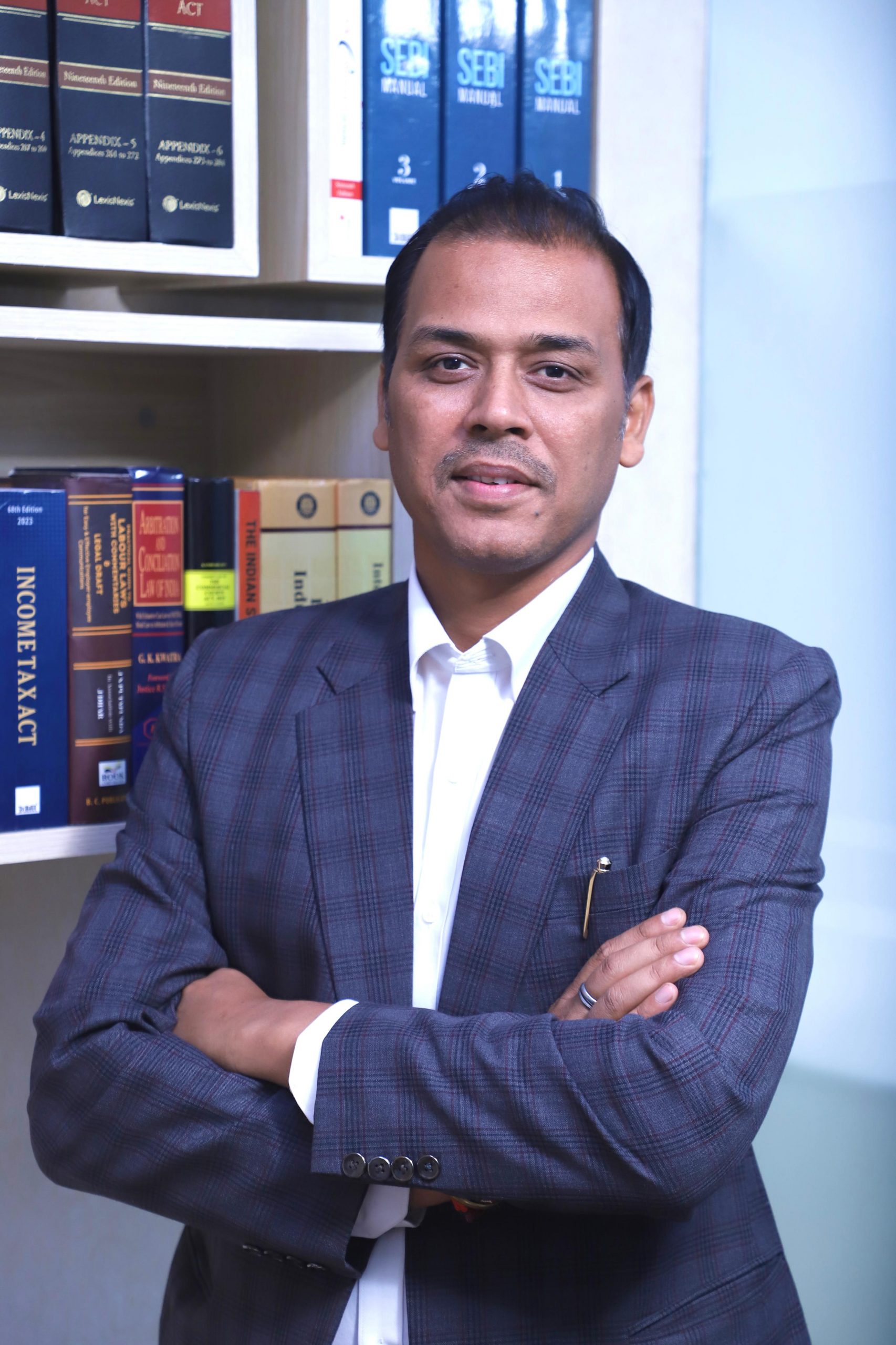


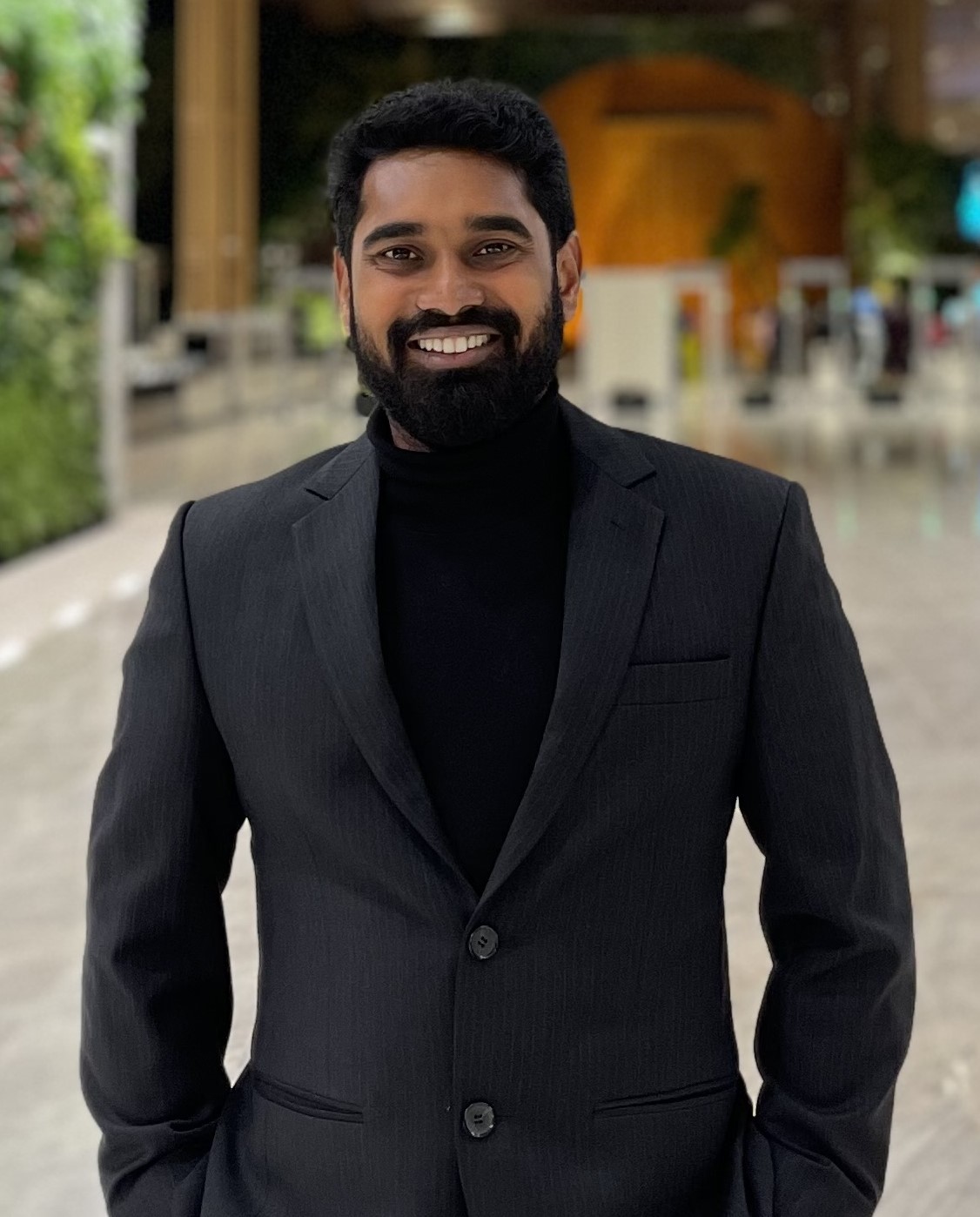


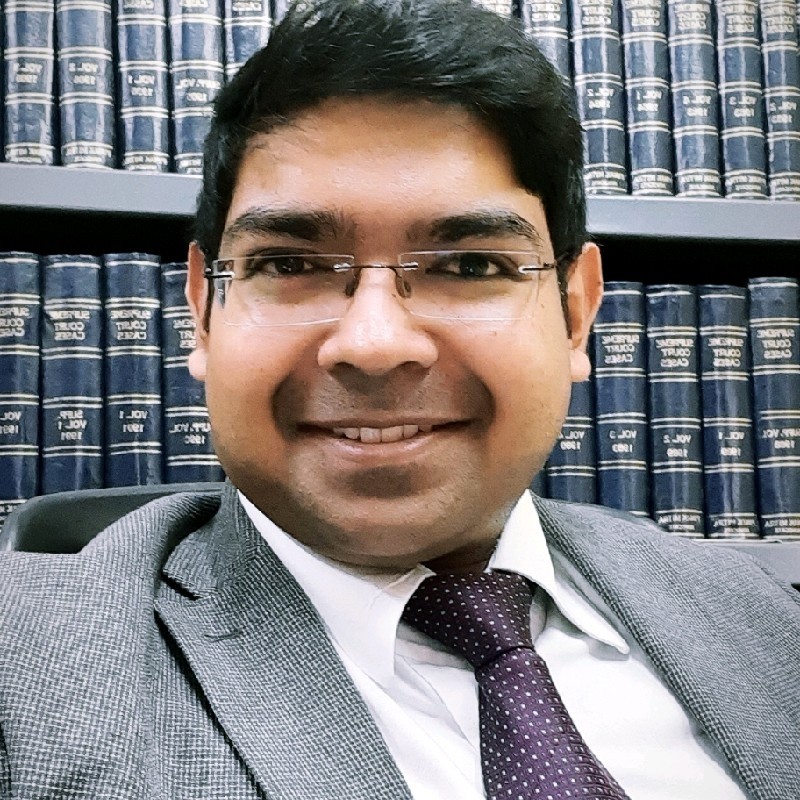



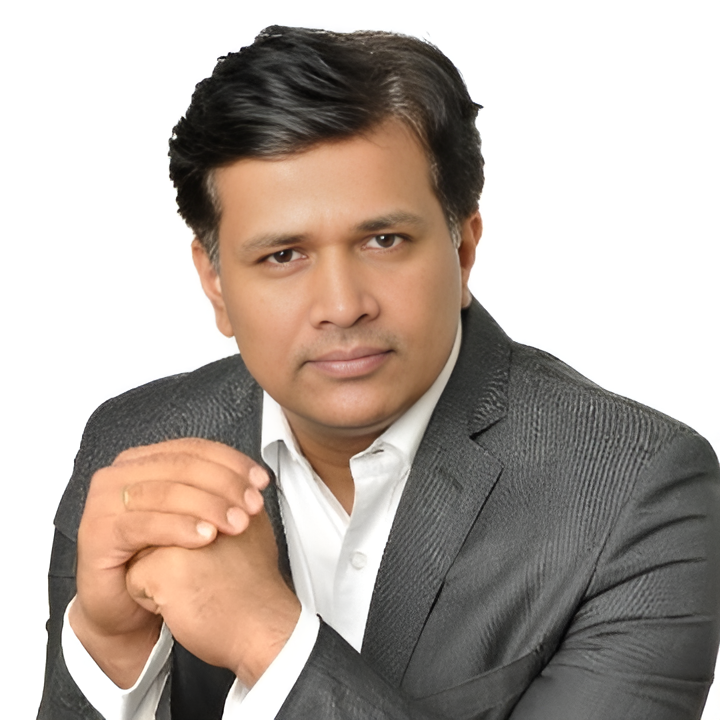


 Allow notifications