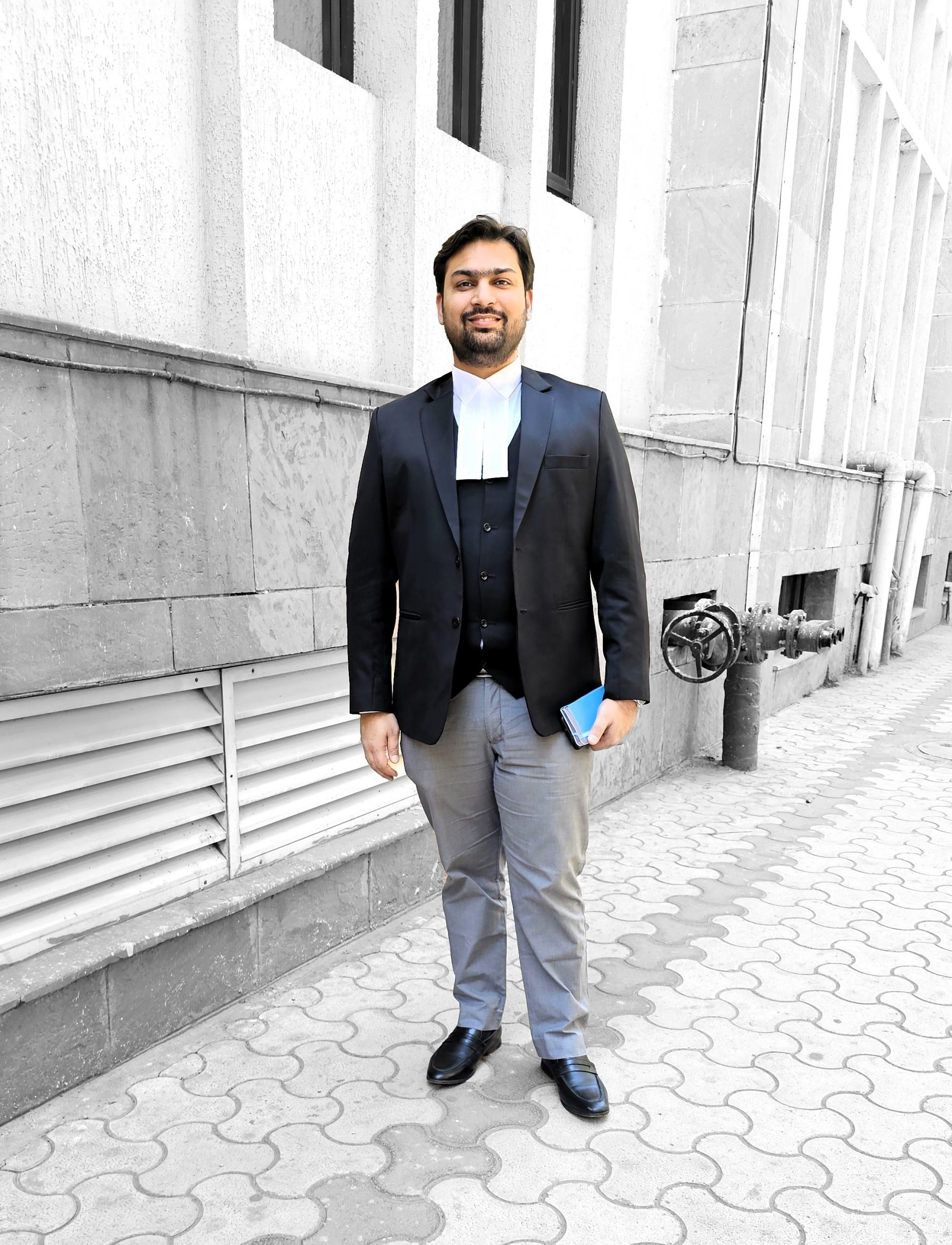
Author: SuperLawyerTeam

  • “Sports law presents challenges from rights protection to fair play, but it’s a domain ripe for innovation and crucial for athlete advocacy. I urge young lawyers to grasp a breadth of legal fields before specializing.” – Datuk Dr. Baljit Singh,  Founding Partner at Shukor Baljit & Partners

    “Sports law presents challenges from rights protection to fair play, but it’s a domain ripe for innovation and crucial for athlete advocacy. I urge young lawyers to grasp a breadth of legal fields before specializing.” – Datuk Dr. Baljit Singh, Founding Partner at Shukor Baljit & Partners

    This interview has been published by Namrata Singh and The SuperLawyer Team
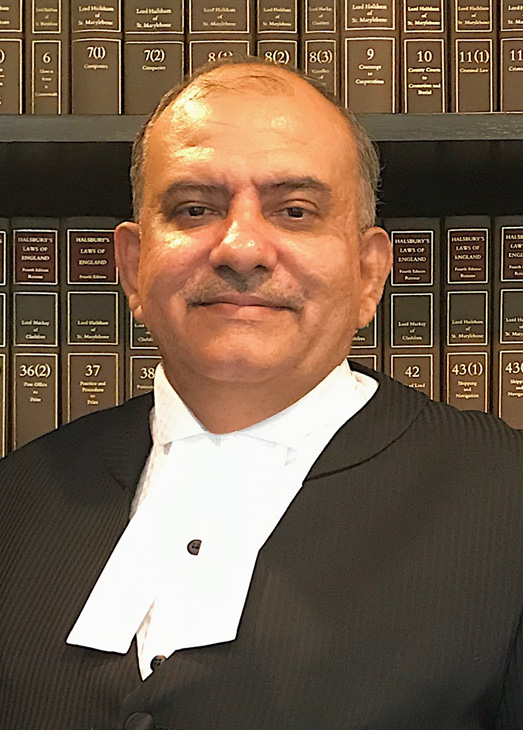
    What inspired you to pursue a career in law, Sir?

    Firstly, thank you for having me on this forum. I must say, that amazing effort has been made, and I was overwhelmed to see that such a platform exists. Now, coming back to your question, what drove me at a young age is that my background; my father is a policeman, and my grandfather, who came from India in the 1940s, was also a policeman. So, in fact, my entire journey from a young age until I left for university, I grew up in a police station. I understand the dos and don’ts, the whole roll call, every flag post, every corner, what happens, and what doesn’t happen. I was ingrained from day one of my journey. In fact, in Malaysia, even though I’m Punjabi, as my first language, because I used to stay in the police barracks, most of them are Malaysians. So the first language I spoke was Malay. Punjabi came later, of course, and picked up with my parents. That was the influence of staying in the police barracks. When I finished my law degree, my father brought me a police application to join as the cadet assistant superintendent of police. For graduates at that time, they had the scheme for senior police officers. I said, “enough for two generations. I am definitely going to do law.” So, when you are at the age of 16, we have form four here. So you divide between the art stream and the science stream. I was given the science stream. I studied in Penang, a Lasallian school. I still remember my principal, who’s Irish from Ireland, Brother Casimir Hannon. So I was in the science stream. I told him, “Brother, I need to switch to arts.” He said, “What? People want to go to science stream and you want to go to arts?” I said, “yeah, because I’ve decided what I want to do. I want to do law. So I just want to focus on the subjects I want to do.” He said, “No, you focus on science. They give you a bigger perspective and all that.” Anyway, I was also adamant. So I took my dad. I told my dad, whatever it is, I want to do these subjects. I was determined. I knew it. This is what I want. This was my path. I knew it. So, that was my journey.

    So, Sir, you have been involved in a lot of legal publications as well, and you have authored many, many articles. What actually drives your passion for legal writing and how do you balance your time between practicing law and following your scholarly pursuits?

    I also don’t know that. How I do it, but I do it, you know. So sometimes I’m wondering how I do it, but I think I take small steps. I take baby steps and I just do it, like my first book on the criminal litigation process. That’s about 700 pages, but the first book took me about almost 10 years. Of course, when you update, it doesn’t take me long.

    I think when I update the book, it takes me about 6 to maybe 10 months. I can update it. But the first book took some time. So then you just progress and you just build on. Articles I pick up on my practice area, which I find interesting, like recently I’ve written on affidavit evidence by way of quasi-criminal cases. You know, what is the burden stand? What is the timeline and so on to file an affidavit? Do you bother about the timeline? Because I say it’s quasi-criminal offences. It’s a criminal case. So as far as I got the concern, that is the interest of justice and not to be procedurally governed.

    All right, so that article has just been published. So that’s from my cases when I do, so I came up with this topic just to add some jurisprudence to the entire legal community. And then I’ve done one more on the criminal investigation, the court’s perspective, sometimes how it is done, because sometimes when statements are given, the courts will say, Oh, this is an afterthought, but then they have to point out to you, that’s the first time that accused has got the opportunity to say something when he gives them and it cannot be an afterthought.

    And what statement he gave the police must do an investigation. The police must not just shrug it aside, you know, they can’t do that. So that’s the reason, I just take my cases, what I do so that I just come out with an article. So that will interest readers and also will help in the legal journey for others when they have cases and so on there’s something to look at. Then I progressed on to do my Masters at the University of Malaya. Then I also earned a Diploma in Sharia Law in UIA. That was an 18-month course.

    So, that was on Saturday morning. I said, “Why not just do it, you know?” PhD was torturous for me because it was a lonely journey, with no friends, nothing. I got to thank COVID for helping me complete my PhD because I realized I came home, I got nothing else to do other than sit down and work on my PhD. In fact, my viva was done by way of Zoom, my chapters also because towards the tail end. I completed almost seven years, but because of the exemption of the COVID period, I was able to complete it. I think I got, in a way, the blessing of COVID because I’ve been forced to sit down and do my work.

    And then of course, my family also supported me. My wife did the editing and checking everything, paragraphing all in order, giving some advice, and giving some pointers. Because she had done a PhD earlier than me, so I had a tutor at home also to make sure that I’m on track.

    That’s what I did during the COVID time because for months, we were at home base, you see, almost a year or so. That’s where I said, “Okay, now let’s complete this.” And during COVID, I also started on my book. So I always keep myself moving. There’s always something that I’m doing. Nowadays, I also start to get my younger lawyers to come in and to do articles with me so that I want them to also progress, so that they work together with me as a co-author on the articles. So they also gain a track, and of course, for me, I’m more or less walking to sunset already.

    So the younger generation, you are the future. So, you know, whatever I can do, why not? Because whatever I have is all given by the almighty God. So for me, just to hand down, so that’s about it.

    As the president of the Sports Law Association of Malaysia, and being deeply involved in the legal aspects of sports beyond criminal litigation, could you provide some insights into the distinctive challenges and opportunities within sports law? How does it intersect with the broader legal issues you encounter on a daily basis?

    Now, by virtue of sports law, I also chair the Malaysian Football Federation Disciplinary Committee for the entire Malaysia for discipline cases, players, and so on. Of course, that is a disciplinary angle, right? It’d be interesting to see because sports are very close to me. I was an all-rounder, you know. Whether you want me to play volleyball, I can play. Whether you want me to play tennis, I can play. Football, I play. Hockey, I play. The whole works, you know. You want to play basketball, I play. As a son of a policeman those days, we don’t have games, and we don’t have phones. We are out of the house at 4 PM, and we come back at 7. We play everything, including playing kite, playing marbles, the whole works. So sports are very close to me.

    Basically, when it comes to sports law, of course, this is a new area. It is a new jurisdiction. Of course, the law is quite settled, but it’s a new area in many jurisdictions. And of course, the United Kingdom, the US, and London, I think more track because they have the entire sports association like football and all, big thing.

    So, of course, they track more. Here is basically when you’re looking at the rights, the players’ rights, protecting the athletes’ rights. And then to make sure it’s fair play, and then the bigger issue is on doping cases. How to be dealt with, then contractual disputes. So this all derived from this sports law. It’s a good area to come in but sometimes I have this problem with younger members of the bar they say, “Sir, I want to come I just want to do shipping.”

    I want to do construction. I just want to do sports law. I think that’s a bad recipe, a bad formula. So whatever you intend to do, do general first for four, or five years, right? Pick up the entire thing. Then maybe after the seventh, or eighth year, you can think about what you want to do, okay?

    Because you must understand, the legal journey is a continuum, a continuous process. And you just take care. Everything is taken care of you. Because the other problem is nowadays, most of the young generation, I want to make this much. I want to make some X amount. Don’t worry, don’t worry. Be good at your work. Everything will come. Just be good. Be good. Do honesty, okay? Do your work well, prepare your files well, prepare your pleadings well, and prepare before going to court well. Be diligent. Hey, don’t worry. Things will be in your favour, but things will come.

    The younger generation, they can’t wait. So I just say maybe do some breathing therapy. Calm down, relax, and then take baby steps, and then just focus, and also don’t be too… I mean, of course, money, everybody needs, we don’t deny that, you know, you need to pay bills, but take it easy. And the law profession definitely can put a meal on your table, alright? There’s no doubt about that. Doctors, lawyers, and all that, the meal can be on your table, and pay your basic rights, things, what you need, your needs, can be done. But don’t worry. Spend time developing your work, and spend time doing quality work.

    So I build my career like a block, you know, block by block, block by block. So even today, it’s another block, another block. It goes on like that, okay? And of course, I always believe that if you can help anybody, help. There’s nothing, it doesn’t cost you any money. Where you can assist, assist. Alright? Because no man is an island, okay.

    Being appointed to the Royal Commission of Inquiry to review Malaysia’s sovereignty over Pedra Branca, Middle Rock, and South Ledge is indeed a remarkable achievement. What contributions do you aspire to make to this significant inquiry, and what are your expectations regarding the desired outcomes?

    Yeah, because I’m a member of the Royal Commission, I’m governed by secrecy, so I can talk about what is there in the public domain, all right? So, the public domain will be the judgment of the International Court of Justice in 2008, where I gave Pedra Branca to Singapore. Then there’s another process that Malaysia filed for revision and interpretation, in which Malaysia later withdrew the application to ICJ. But basically, that is all in the public domain. On our Royal Commission, I think it’s basically the due processes that took place, how the processes took place for future leaders, future generations to understand what’s going on. It’s a good decision for all students to read from the International Court of Justice, particularly international law.

    When I started my career, I did everything. So whether you’re doing a property transaction, whether you’re doing a civil case, whether you’re doing a criminal case, all I had to do is read up everything I can see. I can see the whole thing in the picture. So that’s why, unless you’re very certain, take one step at a time. I must inform the students. Remember, when I started, I was riding a motorcycle, I rode a motorcycle for two years. Of course, people don’t look. People look now at what I have and what I do but don’t realize that I was also living on my basic needs. I was the son of a policeman, you know, so my father was just a constable, corporal. So, he had to be careful with the budget. Then I used to give tuition to sustain myself. All this is a process. Be calm, relax, focus, and take baby steps. And of course, also to mix with the right company. If you mix with the wrong company, then that becomes a problem because you want to be in the places where you want to be seen.

    Then you start spending more than what you earn. For me, I would just say, if you can, no alcohol until you are established. I would say no alcohol. I didn’t take any alcohol until I was after 40. Because all this, you need to balance out, okay? You need to balance out.

    Of course, you need to enjoy, you need to relax, okay? But all things, you need to calibrate and balance it out. Okay.

    As someone deeply involved in numerous committees and task forces, including serving on the advisory panel to the Malaysian Anti-Corruption Commission, your dedication to combating corruption is evident. How do you perceive the role of legal professionals in tackling significant societal challenges like corruption? Furthermore, how do you envision the pursuit of justice in this context, aligning with the principles you have advocated for throughout your career?

    I think I wear too many hats around. You know, I also sit as honorary assistant commissioner of the police. Also, as a member of the MSCC advisory board, I’m in the preventive panel. So, you see, my role in the MSCC is basically preventive. So, what can we do?

    One is maybe having the syllabus being taught, maybe a small topic being taught in the universities. Start from the school, telling them about the corruption. What is corruption? Introducing some simple thing. Maybe it needs to be less than five pages. It’s all right, but give them an idea that this is not acceptable. This can cause chaos in a country, in a system.

    So one is preventive way, and then you have awareness campaigning in the universities. Even in the primary school, secondary school, you have this awareness campaign. Maybe you have a week of corruption, anti-corruption debate. Or maybe quiz or whatever, to bring the awareness to people and then in the shopping mall, in the big organizations, you have talks, you have anti-corruption pledges by the staff, so on.

    Of course, corruption is not easy. Every country has got it, but we need to make sure we can put it to the very minimum or maybe if possible eradicate, but not easy. It’s an uphill task. And of course, Malaysia, as you know, we have also very interesting cases going on in court which you have seen our former Prime Minister who’s been tried and convicted and other charges are pending. So, you can see Malaysia is okay, you know, in terms of democracy, in terms of processes and all. It’s all right. There is a due process in place.

    Your extensive contributions to society are evident. Did this influence your transition from practicing law to becoming an adjunct professor at multiple universities, offering a unique perspective on your varied approaches? Given your multifaceted background, how do you approach teaching law, and what advice do you typically impart to aspiring lawyers or law students entering this field? You mentioned being open to various practices earlier. Would you care to elaborate on that, Sir?

    I think I bring an interesting perspective because I bring real-life situations to the classroom. They can see how it’s related. I can tell them, “Okay, I picked up on a certain area. This is what happened. These are the facts, this is how this law is legislated, and then this is how it’s been applied. Can you see the case now going on in court? What happened?” So they can see the whole segment connection into one piece. That’s where students, I think—I don’t want to be too overconfident—they truly enjoy my class. They just like the connectivity that I bring from practice-related industry to the academic world, so that is a thing.

    The adjunct professor part is basically for me to bring industry experience to that particular area because, you know, nowadays, for any students, when they go out to work, some of the employers, maybe most of them, have this—they want the students to be the practice-ready approach. Some of the students that start their internship, they don’t even know how to use a photostat machine. They don’t even know how to do a file. They don’t even know how to staple this thing. How do you handle your correspondence? How do you handle your course papers? You know, simple things like that.

    Because nowadays I think some books are available online, but some of the textbooks are good textbooks. Sometimes, you know, must know how to navigate yourself with a textbook. How do you do research with the indexing, with the footnotes, with all this, so you must know how to navigate yourself from the textbook.

    So this is one area I think we’ll soon have a problem. It’s good. It’s good to be tech-savvy, yeah, but some of the books, especially some of the old books which carry, of course, you know, that law of trust. That is a dry area that the law of trust is not going to change, but most of the old books on this area, a lot of salient points are inside the old books, and of course, they’re not going to transcribe anything and put online because it is a question of how much can they earn from that—you can see how much revenue they can generate. Of course, nothing much, but if you’re doing certain areas of law, it is good for you to know how to do manual research, rather than, you know, being tech-savvy.

    Of course, tech-savvy is very good. But manual research also, do not abandon it.

    Given your extensive experience in criminal law, are there common misconceptions about the legal system that you frequently encounter? How do you actively address and dispel these misconceptions to ensure clarity and understanding among individuals seeking your expertise?

    One serious misconception they always have is if you’re innocent, you’ve got nothing to worry about. Let the case go on. But you must understand, you put a person on trial, and the trial then takes years down the road. And then you tell him you’re innocent, and you know, he lost the entire earning and so on.

    So this misconception by saying that, hey, if you’re innocent, you’ve got nothing to worry, that is not true per se. I think most of the investigations that are done are not objectively done, then you put the person through this, right? And of course, another misconception is people will say, Okay, if you sign a document, you’re bound by it.

    Okay, in a criminal case, so on, a lot of things you must see whether the person has authority to do so, whether it’s done by duress, whether it’s done by force, was he misled. So all these things by way of talks, by way of interaction. This misconception must be dispelled.

    We’d love to delve deeper into your passion areas within law. Could you share what specifically drives your passion and what you aim to impart to your learners regarding these exceptional and innovative areas you’re practicing in?

    Other than my practice, I would just say, you must have a balanced life. So if ever I can, if I can do daily walks or simple daily gym, I do it because that is to calibrate myself, to keep my body chemicals in balance, and for me to think better.

    In fact, if I go for walks, I go alone because there’s so many things that I’m thinking about, and I get so many ideas when I go for my walks. And better still, if I walk into a jungle tracking and so on, it gives me amazing. So that’s where I get my inspiration.

    I get my ideas and so on. Reading, reading makes a person, that you cannot deny. And I personally read autobiographies. I read all, I go from the left to right. I think the book that I love best is Long Walk to Freedom by Nelson Mandela.

    In fact, I read that four times, you know. Simple, very simple written. And then how he was incarcerated for almost three decades, you know, 27 years, 28 years put there almost three decades. And how he’s taken and how he’s dealing and coming back into power and so on. So the process.

    So I read the book, at least I think three to four times I’ve read it. I also even read, In Line of Fire by General Musharraf, Pakistani former Prime Minister. Anyway, all these books are available in India, so don’t say that you cannot get it. India has got great autobiographies of judges and so on. You can pick up, and the most famous crimes and all that, they have a lot of these books.

    In fact, one of my favorite bookstores is normally in a Jain bookstore in a corner place in Delhi. So that’s one place where I sit from morning to evening, looking at books. Sometimes I spend days just sitting down there, morning to evening. Vishal is the owner there, a good friend of mine. So he will be entertaining me with coffee and tea. So I sometimes sit one, two days from morning to evening, picking up the books, reading what I need to do. And I send it back. But nowadays, of course, some of it, I get it online.

    So there are other books also, even Gandhi. Of course, Gandhi, the entire book, how his journey, I read his book at least. I find it interesting. I read it twice. But I stumbled upon another book by Nathuram Godse. And into why he assassinated Gandhi. I found that book from Jain bookstore also. I’m not campaigning.

    I’m not selling it. I’m not marketing for Jain. I’m just, don’t get me wrong. So I’m just saying, I found the book from there. So I picked it up. I saw his train of thought. After committing that, after firing the shot, he stood there. He didn’t run away. All right. He wanted to make a statement.

    And then even in court, he refused to engage a lawyer. And he prepared his own printings and so on, and that book that I’ve got, I think I can’t remember. Yeah, but it’s written by himself. Yeah. All right. And the pleadings were done by him. So it’s interesting, you know, to see another perspective.

    And then of course you have Dalai Lama, then you have Bill Clinton, and then the former presidents of the United States. You have Lin Kuan Yew, even in Malaysia, Dr. Mahathir. You have a lot of these books to see their thinking process. How they look at things and their journeys.

    So when I go for holidays, I’ll normally have two books. One is autobiography, one is doing revision. Maybe on criminal procedure, on criminal law, on evidence, or civil procedure. I just have to revise. Just to catch up, and just to keep the momentum.

    I think the students must just not stick to the law books per se, but these books also give you dynamics, help you to build. And then, of course, there are some good movies as well. You know, you can look to articulate your advocacy skills and all that.

    Of course, movies, the movie world and the actual practice is different. But there are some good movies. There’s some good legal movies just to see the advocacy skill, but of course, practice is far away from the movie world, but just, if you’re looking at that, I think Bollywood is really run away, far away from the actual practice, except for the court surroundings. So that’s how you need to balance between yourself. And sometimes you must know when you’re a bit stuck in a particular corner, there’s things to be done, calm down and all that. And also sleep is very important. So do not compromise on your sleep. Do not study last minute. Then you know, when you study last minute, what happens? Then you get everything clamped up, then you get upset, then you’ll be throwing tantrums. And also, take care of yourself by doing your daily exercises. I’m not asking you to run marathon, no, or go for triathlon or go to Ironman. No, simple, simple exercise, 45 minutes walking, stretching, and then take vitamins, I think the vitamins that you really need is, B complex because mental fatigue, you know, because you read and you read, you get tired, you must be able to rest your eyes and all, these are small small things.

    If I presume that you’re doing your reading, and not socializing or gallivanting around town, la, so anything else if I can assist anyone.

    I’d like to inquire about how you navigate the balance between your personal and professional lives. You mentioned the importance of activities like taking walks, engaging in exercise, and incorporating both light and legal reading. How have you managed to strike that balance in your own life?

    I plan my day ahead, one day before, sometimes two days before, and occasionally even three days before. So when I get up in the morning, I know that 8 to 9 is scheduled for this, 9 to 10 for that, 10 to 11 for another task, and so on, with specific time slots allocated for each activity.

    I always have tasks lined up, ensuring a productive day. For instance, Saturday and Sunday afternoons are designated for my nap, while on other days, such breaks aren’t feasible due to work commitments. Sometimes, I also take short 10-15 minute naps in the office to recalibrate.

    I’ve structured my schedule in this manner, planning it out meticulously. For example, when working on an article, I may spend three to four months on it, revising and refining it in stages. It’s an iterative process of drafting, revising, and contemplating.

    As I mentioned, I have allocated time slots for everything, and I adhere to them. If I’m unable to complete a task, I don’t get upset; it’s a part of being human. I simply reschedule it for the next day because planning is crucial. As the saying goes, “If you fail to plan, you plan to fail.”

    It’s essential to plan and prepare a sequence of tasks. I always take time to prepare and analyze my schedule, ensuring efficient utilization of time. That’s how I approach my daily routine.

    Get in touch with Datuk Dr. Baljit Singh-

  • “Hard work has always been the key to any success story. And updating oneself with all new developments would help in going long way” – Altaf Fathima, Advocate-On-Record & Partner at Saraf and Partners

    “Hard work has always been the key to any success story. And updating oneself with all new developments would help in going long way” – Altaf Fathima, Advocate-On-Record & Partner at Saraf and Partners

    This interview has been published by Namrata Singh and The SuperLawyer Team

    Can you share with us the story of how you embarked on your journey in the field of law? What inspired you to pursue a career in this challenging yet rewarding profession?

    It was a mere coincidence. I was waiting to join medical college and since my rank was a little high my parents were looking at various options, In the interim my mother insisted that I should expand my General knowledge and write some competitive exams. She was always interested in Law and when she read in the Newspaper that the State of Andhra Pradesh (then a combined state) has a National Law University akin to NLS Bangalore, she decided that I should write the entrance and once I wrote the entrance and was qualified, she wanted me to join NALSAR. 10 days into law school, I knew that I belonged there.

    Transitioning from being an independent practitioner to partnering with esteemed law firms like Saraf and Partners must have been significant. What motivated you to make these transitions, and what unique opportunities did they offer?

    There is a huge difference between being an independent Lawyer to being a Partner in Law firm or being part of a Law firm. I handled work for some Law firms while I was an independent practitioner and I enjoyed the quality and Variety of work that Law firms offered. Hence when I was offered a position in a Law firm, I decided to accept it. Getting an opportunity to work with Foreign Law firms and assisting them with their local disputes is something I enjoy and believe that only a Law firm can offer. The reason is that Foreign Law firms are comfortable engaging a reputed law firm instead of an individual lawyer as it assures them not only of quality of work but the immediate response and confidence of a team being involved instead of an individual.

    As an Advocate-on-Record, you’ve represented clients before various legal forums. Could you share insights into how your approach differs when dealing with different types of cases, be it criminal, corporate, or others?

    Connecting evidence to build a case and convincing the court to discard the evidence that falsifies your case is crucial in any Criminal matter. I feel what is required is thorough knowledge of facts and procedure and connecting the same with relevant case law wherever required. Sometimes I rely on the peculiarity/uniqueness of the case in the absence of case law to score an order.

    Even in a civil dispute, I believe that a strong hold on facts is necessary as it will help you in taking varied steps without having any negative impact on main issue. Problem-solving and immediate relief are two aspects that the party intends to achieve when it is faced with litigation. I look at the problem holistically and adopt a foolproof approach, acknowledge the loopholes in our case and highlight the strength of our case to achieve better results. 

    In commercial disputes, my focus is mainly on obtaining immediate relief which gives the party an upper hand over the opponent which finally weighs during the final hearing or settlement.

    Being appointed as Amicus Curiae by the Supreme Court for complicated criminal matters is quite an honor. Can you share an experience from one such case where your intervention made a significant impact?

    The matters that I represented as Amicus curiae were of convicts facing life imprisonment. I cannot claim to have made a significant impact but it definitely gave me an opportunity to assist the court and bring before the court the facts and evidence which were not appreciated by lower courts.

    Outside of your legal career, what are some personal hobbies or interests that you find enriching, and how do they complement your professional life?

    I always enjoyed meeting new people, making new friends. I am a very outgoing person. Knowing more people and more life stories helps you in becoming a better person. Understanding others point of view brings a different perspective and I feel that guides me in professional life. When I work with a lawyer or against lawyer, I am able to appreciate some of their unique traits as lawyer which enhances their professional self and I am able to absorb the said qualities to the extent it suits me. I feel that it is because of my personal interest of knowing people that I am able to appreciate them.

    Reflecting on your journey thus far, what advice would you give to aspiring lawyers looking to build a successful career in the legal field, especially in today’s dynamic and competitive landscape?

    Hard work has always been the key to any success story. And updating oneself with all new developments would help in going long way. With emergence of AI, youngsters should brace themselves with appropriate skills to tackle the competition and stand out.

    Recognizing your potential, top law firms have partnered with you. What qualities do you believe set you apart as a legal professional and make you a sought-after partner for these firms?

    Giving 100% to work, being absolutely dedicated to organisation that I work for, having an intention to uphold the pride of organisation and doing good business to my potential may be the factors. I have been lucky to be associated with such great firms and people.

    Having practiced both as an Advocate-On-Record and as a Partner in prominent law firms, how would you describe the differences in the nature of work and professional dynamics between these two roles?

    One major difference is that you understand and act towards the desired results of the client better in a law firm setup. As an independent lawyer, you sometimes may tend to prevail over the client and limit his/her expectations as the same may seem to be beyond the purview of the case but sometimes when you listen to the client there are situations when better reliefs are obtained or at least doors have opened to better reliefs

    In your extensive career, you’ve encountered a myriad of legal scenarios. Could you share a particularly unconventional or unexpected challenge you faced in a case and how you navigated through it, showcasing your adaptability and creative problem-solving skills?

    I will use the latest example where we filed a review petition against the order in Writ Petition. The client had consulted renowned senior advocates at Hyderabad but could not come up with definitive plan and was confused about the way forward. The Opponents who are the third parties to the specific performance suit filed by the client obtained an order by filing a writ petition for registration of suit property in their favour. This was done by misleading the court that there is no injunction order in favour of my client. When the client approached us the issue was three fold

    1. What would be the effect of reversing the order in the writ petition

    2. Once the sale is complete can it be reversed by order in review.

    3. What would be the right approach since a declaration suit filed by the opponent and a suit for cancellation of the sale deed filed by us are pending before other courts.

    We have strategized the case and while taking steps simultaneously before different forums to avoid any further damage to the case, we were able to navigate towards success. Today my client has a favourable order for the cancellation of the sale deed of the opponent.

    Get in touch with Altaf Fatima-

  • “As an in-house counsel for a technology start-up, my primary focus is to understand the evolving technology changing the nature of the products and services, along with the changing regulatory landscape across the globe”- Debopama Roy, General Counsel, Airmeet

    “As an in-house counsel for a technology start-up, my primary focus is to understand the evolving technology changing the nature of the products and services, along with the changing regulatory landscape across the globe”- Debopama Roy, General Counsel, Airmeet

    This Interview has been published by Pragya Chandni and The SuperLawyer Team

    Could you walk us through your journey from studying law to becoming a prominent figure in the legal field, including some key moments that shaped your career path?

    I am a first-generation lawyer. I found interest during middle school in social sciences, current affairs, debating, quizzing and a flare for languages and writing. In high school, ‘Plan A’ was to pursue a five-year integrated law course and ‘Plan B’ was to pursue higher studies in international studies. I prepared and took the admission tests for different law schools, then there was no CLAT. Plan A worked for me, I chose Amity Law School, New Delhi which was then affiliated with Guru Gobind Singh Indraprastha University in Delhi to be close to home and work in a lawyer’s chamber while studying. I worked in a lawyer’s chamber since my first year of college to learn the dynamics of legal practice. The lessons learnt over these years have shaped me for what I am today:

    Lesson 1: Always do your groundwork in any assignment thoroughly, it will help you in the long term.

    I worked in lawyers’ chambers and law firms to understand the dynamics of legal practice while pursuing my degree to find my area of interest upon graduation. The rigour I went through during the law school internships helped me to get through a campus placement with the Organizing Committee, Commonwealth Games 2010 Delhi. I cracked the interview questions in my campus placement as I knew the laws of broadcasting rights under the copyright laws in India which I had researched for a matter during internships. 

    Lesson 2: The key to being a good lawyer is ‘ATD’ i.e., pay ‘Attention to Detail’ in the documents you draft and review.

    Since my first assignment as a law student, I have developed a keen eye for whatever matter or document I draft and review. Every minute aspect of the matter or document makes a lasting impression on your work ethic. As lawyers, we are known for our choice of words and conduct. Documents we review and draft and the words we speak are reflections of our competence and capabilities.   

    Lesson 3: Every experience counts. Every role and experience brings learning which helps you to achieve your goals. 

    The various roles in India and the US across industries got me learning which helped me immensely as an in-house lawyer and working parent. Recently, while penning down words for an award nomination I realised that the varied roles I had undertaken ranging from a general counsel for a technology firm to a not-for-profit organisation have helped me understand and address a wide range of issues related to their operations, compliance, risk mitigation, fundraising and stakeholder management has groomed me into a resilient person with the ability to resolve legal concerns effectively for my stakeholders in the professional realm. I felt extremely privileged to be among the 5 nominees for the award among so many esteemed counsels of India. 

    Your work spans across various industries and geographies. How do you navigate the complexities of different legal systems and business landscapes?

    The varied opportunities across jurisdictions have taught me to stick to the fundamentals and tackle complexities across different legal systems and business landscapes on a case-to-case basis:

    1. Analytical bent of mind – develop the ability to deal with complex matters to cut across legal areas. I use the ‘IRAC’ (Issue, Rule, Analysis, Conclusion) method learnt in law school to dissect an issue and step-wise resolution. 
    2. Strong cross-cultural communication– the key to being an effective lawyer is communication through drafting, redlining, negotiating, and stakeholder management. Over the years I have learnt and am still learning the art of effective communication which has helped me learn culture across the globe and effectively communicate with my stakeholders across jurisdictions
    3. Business acumen – business knowledge is the key to success as a counsel. To be an effective in-house counsel it is essential to understand the business operations of the organisation/ your client and become a strategic partner to the business stakeholders;
    4. Execution– In the end what matters is effective execution and post-execution assessment. Effective and efficient execution comes with meticulous planning and a flexible mindset to make things work around situations with deviations from the original plan. Effective and efficient executors are always valued and appreciated. Post-execution assessment is important as it helps you understand the gaps and there is always room for improvement for the next time. 

    As someone who has held significant roles in both corporate and non-profit sectors, how do you approach the balance between legal compliance and broader social responsibility?

    Legal compliance and broader social responsibility go hand in hand in both sectors and have the same approach. On a case-to-case basis, the requirement of legal compliance and the obligation an organisation has towards social welfare are weighed against each other on the following parameters: 

    1. Risk Assessment: Is legal compliance mandatory or optional and what implications does it have for the organisation, if not adhered to?
    2. Impact Assessment: Does the broader social responsibility meet the objective of social welfare where the organisation can directly or consequentially give back to society for the resources utilised for its success?

    Balance of these two aspects is important as it ensures organic growth of the organisation while the checks and balances are in place. 

    Your experience involves spearheading legal departments and teams. What are some effective strategies you’ve employed to foster collaboration and drive efficiency within your teams?

    Legal team is a support services function in any organisation, it involves collaboration with internal and external stakeholders regularly. My aim is always to be an asset to my stakeholders by:

    1. Technical knowledge and understanding – Lawyers are subject matter experts so we are here to resolve legal issues, carry compliances, forecast and mitigate risks to ensure the smooth functioning of the organisation; 
    2. Approachability – Make sure you are approachable to everyone in the organisation with visibility of our schedule. It builds trust and transparency with the stakeholders and helps legal become a valued strategic partner for the business; 
    3. Empathy – Always place yourself in the shoes of the stakeholder coming to your desk expecting a solution. It goes a long way for a lawyer during our professional journey;  
    4. Adhere to your commitments– Pay attention to detail, stick to the timelines committed and work towards an efficient turn-around-time with accuracy; 
    5. Assumptions – Never assume, it never works and is a perfect recipe for disaster and miscommunication. Speak up, repeat, clarify and ask for help when required;
    6. Communication– Effective communication with your stakeholders or during a negotiation shows transparency and instil confidence in the other person on the table.

    Given your involvement in various mergers, acquisitions, and strategic collaborations, could you share some insights into navigating complex legal negotiations and ensuring favourable outcomes for your organizations?

    Complexities are natural in any transaction and deal where I always aim to achieve the best outcome in such situations for my client/ organisation by:

    1. Identifying the issues and dealing with the complexities, layer by layer by separating the multiple issues; 
    2. Doing in-depth research of facts and law– I follow the principle of redundancy while undertaking research on any matter to be well-prepared for the unusual, worst-case scenario;
    3. Evaluating the risks by aligning the risk matrix with the management of the organisation and focusing on the concerns on a priority basis; 
    4. Bring the cost-effective solution to the table– I always have multiple solutions and plans for back up which is cost-effective and beneficial for the organisation; 
    5. Being an executor – I always ensure a seamless execution and closure of the matter. Subsequently, I always ensure processes are laid down taking care of the concerns for future risk mitigation.

    Recently, there was success in settling a privacy troll matter without shelling out a single cent to the complainant by tapping into complete in-house resources while following the above steps.   

    With your extensive experience in policy formulation and implementation, how do you ensure that legal frameworks keep pace with rapidly evolving technologies and business practices?

    As an in-house counsel for a technology start-up, my primary focus is to understand the evolving technology changing the nature of the products and services, along with the changing regulatory landscape across the globe.

    The 3 main things which help my strategies in the rapidly changing scenarios are:

    1. Regular interactions with the product, engineering and revenue teams to gain visibility of the changes made or to be made on the products and services platform. Accordingly, assess and align the forecasted changes with the law, regulations and policy formulation well in advance; 
    2. Revisit policies and compliances related to business operations, employment and data regularly. Ensure all policies and compliances are always up-to-date, address business requirements and smooth functioning of the business with an efficient turn-around-time; 
    3. Maintain a detailed repository of all documents related to day-to-day operations, compliances, policies, disputes and other matters, it helps to understand the previous and present framework and its loopholes and make changes effectively and efficiently for the expected transactions.

    While following the above three points, always remember to optimise cost-effective and efficient resources.

    You’ve received recognition for your contributions to the legal field, including awards such as General Counsel of the Year. What do you believe sets exceptional legal professionals apart in today’s competitive landscape?

    1. Work on your concepts – No matter how high you go up on the ranks, stay in touch with your fundamentals, go back to conventional textbooks and revise your concepts; 
    2. Always be a work in progress – Be open to suggestions and learnings. Stay a lifelong student; 
    3. Knowledge sharing – Apply and share your learnings with others. The more you share the more you learn; 
    4. Make mistakes and learn from failures – Always look for challenges, do not shy away from them, make mistakes and learn from them and be better prepared for the next time; 
    5. Empathise – Always place yourself in others’ shoes which will help you understand the situation and arrive at optimal solutions; 
    6. Believe in yourself, then you can make others believe in you. 

    Your work with the Southwest Michigan Human Trafficking Task Force highlights a commitment to social justice. How do you integrate your legal expertise into advocacy efforts for vulnerable populations?

    I was fortunate to spend time with underprivileged children during school holidays as a teenager helping my mother run a not-for-profit school in the slums of Delhi. I understand that policies are easily drafted for the welfare and upliftment of the marginalised section of the society, however, there is a huge gap in implementation and execution of these policies. Learnings from my early days helped me understand the concepts while studying law in India and the US on identification, tackling, resolution, implementation and post-implementation follow-ups. 

    In the US, I again got the opportunity to work in the social welfare sector with the Southwest Michigan Human Trafficking Task Force, the underlying issues were the same i.e., to bridge the gap between policies and their implementation at the ground level. This is where I translate my legal knowledge into words understandable for stakeholders in society to facilitate a better understanding and implementation of the process at the ground level which benefits the human-trafficked survivors and their relocation to mainstream society with a normal means of livelihood. Moreover, efficient implementation involves significant monetary consideration where I also leveraged my knowledge of law and policies with the implementation plan to pitch project plans and raise funds to support the cause. Advocacy for social justice requires a holistic understanding of various factors such as social, political, economic and demographic along with laws and policies of that geography. It requires a lot of patience and empathy to stand for your conviction and belief in the cause as it is a long process for your hard work to yield fruits. 

    Finally, as someone who has achieved significant success in the legal profession, what advice would you offer to fresh graduates aspiring to embark on a similar path?

    I am a student, learning from everyone and anything I come across in this journey called ‘Life’. I consider success relative and temporary based on the circumstances, it is significant but short-term. I always keep the focus on the journey and experience. 

    In the last decade, opportunities have multiplied in the legal job sector especially as in-house counsels. The key to becoming a good lawyer is to stick to your fundamentals and keep patience. These days, I come across law graduates post-graduation who consider corporate or corporate law firm roles non-exciting and want to disrupt the legal field with their brilliant ideas. I feel so good to come across such young brilliant minds, but many need to gain knowledge of operations and administration which seems dull and mundane.  The boring, non-challenging work in the corporate, law firm, and lawyer’s chamber helps one understand the importance of processes and policies crucial for business operations and administration. Yes, learning from one’s mistakes is a must but it is equally important to leverage the things already in place through the opportunities. There is no need to reinvent the wheel as resources are limited and valuable, consider yourself fortunate to have access to whatever opportunities you come across. You never know what opportunity comes your way. 

    Get in touch with Debopama Roy-

  • “Always consider yourself as a student throughout your lifetime and commit to lifelong learning. Master the fundamentals before branching out into multiple practice areas.” – Nidhi Mathur, Advocate & Managing Partner at Lawgical Associates

    “Always consider yourself as a student throughout your lifetime and commit to lifelong learning. Master the fundamentals before branching out into multiple practice areas.” – Nidhi Mathur, Advocate & Managing Partner at Lawgical Associates

    This interview has been published by Namrata Singh and The SuperLawyer Team

    Reflecting on your journey from college to becoming a Managing Partner at Lawgical Associates, could you share what initially inspired you to pursue a career in law? What experiences or influences shaped your decision to specialize in diverse areas such as labor law, corporate law, and sexual harassment laws?

    From my earliest memories, the legal world was ingrained in my upbringing. I come from a family of lawyers and judges and growing up in such a family where law was not just a profession but a way of life, I was surrounded by discussions about cases, debates over legal principles, and the importance of justice. As I delved deeper into my legal studies, I became fascinated by the complexity and diversity of legal issues. I realized that the law touches every aspect of our lives, from business transactions to workplace dynamics and individual rights. This realization motivated me to explore different areas of law and develop expertise in various specialties. 

    Corporate law appealed to me because of its intersection with business and commerce, offering opportunities to work with diverse clients and navigate complex legal frameworks. Abor and employment law was an extension of my experience as a HR professional. It brings in a human element while engaging with real people be it employer, employee or unions. Labor law has a potential for social impact as you have to handle a diverse range of issues.

    My interest in sexual harassment laws stemmed from a deep commitment to combatting gender-based discrimination and creating safer, more inclusive workplaces. I recognized the importance of addressing workplace harassment and discrimination and saw an opportunity to make a meaningful impact through legal advocacy and representation while holding perpetrators accountable.

    Overall, my decision to pursue a career in law and specialize in diverse areas was shaped by a combination of personal passion, intellectual curiosity, and a desire to contribute to positive social change. As I progressed in my career and eventually became a Managing Partner at Lawgical Associates, I remained committed to these core values and dedicated myself to using my legal expertise to serve clients and advocate for justice in all its forms.

    Your educational journey is quite diverse, starting with a B.Com followed by an MBA before transitioning to law. What motivated this transition?

    My family was very professionally driven and encouraged us to have a professional career of our choice and an identity of our own. I did B.Com and MBA in HR as I wanted to be professionally qualified. Post my MBA I worked in private Organizations including Telco wherein I realised that having a law degree especially working in HR & Labour Law domain was not only an additional advantage but necessity especially while dealing with women, blue collared and white collared employees. It also gives you an advantage to see things from a larger perspective. My journey through different fields of study was driven by a combination of curiosity, passion, and a desire for personal growth. In this diverse journey, I have learned that education isn’t a linear path; it’s a mosaic-each piece contributes to the whole.

    You have achieved lot of credibility and recognition on the area of Sexual harassment matters with clients across industries. Please elaborate your journey in this area.

    Thank you for appreciating and recognising my work in the area of sexual harassment matters. It’s a field that requires both dedication and sensitivity due to the complex and often emotionally charged nature of the cases involved. My journey in this area has been multifaceted, involving both professional development and personal commitment to advocating for justice and equality. It began with a recognition of the pervasive nature of sexual harassment in workplaces across industries and a commitment to addressing this issue head-on. Early on, I sought out opportunities to educate myself on the legal frameworks surrounding sexual harassment, including relevant laws, regulations, and case precedents.

    As I delved deeper into this field, I actively sought out opportunities to work with clients across various industries, offering legal guidance and support in navigating sexual harassment allegations and incidents. This involved providing advice on policies and procedures for preventing and addressing sexual harassment, conducting investigations into allegations and representing clients in legal proceedings when necessary.

    One of the key aspects of my journey has been building strong relationships with clients and earning their trust as a knowledgeable and reliable advisor in this sensitive area. I prioritize open communication, empathy, and a commitment to understanding each client’s unique needs and concerns. Over time, my efforts have been recognized, leading to increased credibility and recognition in the field of sexual harassment matters. This recognition has opened up opportunities to collaborate with diverse industries, including corporate, nonprofit, educational, and governmental sectors. I provide comprehensive legal counsel on developing and implementing effective sexual harassment policies, conducting investigations into complaints, and advising on appropriate disciplinary actions.

    I’ve been actively involved in raising awareness about sexual harassment prevention through speaking engagements, training sessions, and contributing to publications and thought leadership initiatives. By sharing insights, best practices, and practical strategies, I aim to empower organizations to create environments where harassment is not tolerated and where all individuals can thrive. 

    My experience and commitment in this area has led me to be empanelled with the Ministry of Women and Child Development, Government of India.

    Throughout my journey, I remain dedicated to supporting victims of sexual harassment, holding perpetrators accountable, and promoting environments where all individuals feel safe, respected, and valued. My work in this area is driven by a passion for justice, equity, and creating positive change in the workplace and beyond.

    How do you leverage your expertise in consumer laws and medical negligence matters to ensure fair representation for your clients, especially when dealing with sensitive issues like healthcare?

    As an advocate with a focus on consumer laws and medical negligence, my approach is to ensure fair representation for clients with a blend of legal acumen, empathy, and strategic advocacy. I delve deep into consumer protection laws, medical jurisprudence, and precedents. Healthcare issues are always emotionally charged so having empathetic listening is crucial which also allows me to tailor legal strategies to align with their unique circumstances. At the same time, it is my responsibility to demystify the legal complexities to my clients and give them right potential outcomes and available options so that they can make informed decisions.

    Building a strong case is equally important which I do by gathering medical records and taking expert opinions. I collaborate with medical experts, doctors, specialists and forensic professionals. Their testimony provides objective and insight which in result strengthens our case. At the same time, I believe not all cases need to be courtroom battles so I also explore negotiation and mediations. A fair settlement can provide for a quicker relief without prolonged litigation.

    Having advised both Indian and multinational clients on anti-corruption laws, what unique challenges do you encounter in ensuring compliance, and how do you address them effectively?

    Advising clients on anti-corruption laws presents unique challenges that require a delicate balance of legal expertise, cultural awareness and strategic thinking. Operating across borders means navigating diverse cultural norms, business practices, and legal systems. Anti-corruption laws vary globally like FCPA (U.S.), UK Bribery Act, Indian Prevention of Corruption Act, (India). Therefore, I have to be constantly updated on legal developments in different jurisdictions to conduct a thorough due diligence. Multinational companies rely on third parties—suppliers, distributors, agents, etc.-these intermediaries can pose corruption risks. Therefore, implementing a robust due diligence process for such third parties is not only a compliance need but an obligation. Further, to strengthen the systems, I also advise my clients to encourage a whistleblower protection scheme to encourage employees to report corruption without retaliation.

    Further, employees and stakeholders must understand anti-corruption policies for which regular training sessions and workshops have to be conducted to reinforce compliance expectations. For this also I conduct training workshops for my clients. Compliance is an ongoing process so risk assessment and updating of policies including being aware of changing legal landscapes needs to be there. Effective anti-corruption compliance fosters a culture of integrity, accountability, and transparency. 

    Given your involvement in conducting legal audits could you elaborate on the importance of due diligence in today’s legal landscape, especially in cross-border transactions? 

    In today’s complex legal landscape, due diligence plays a pivotal role, especially in cross-border transactions. Given the complexity and potential risks involved in cross-border transactions, conducting thorough due diligence is not just advisable but necessary for ensuring the success and legality of the deal. Different countries have varied laws and regulations governing business operations, contracts, taxation, employment, intellectual property etc. Conducting due diligence helps ensure that the transaction complies with all applicable laws and regulations in each relevant jurisdiction. Cross-border transactions often entail higher levels of risk due to differences in legal systems, cultural norms, political stability, and economic conditions. Due diligence helps identify and assess potential risks associated with the transaction, allowing parties to take appropriate measures to mitigate them.

    Thorough due diligence enables parties to assess the financial health and stability of the target company or assets involved in the transaction. Due diligence helps uncover any issues that could damage the parties’ reputations or lead to negative publicity, allowing them to address these issues proactively. The insights gained from due diligence inform the negotiation process and enable parties to make informed decisions regarding the transaction’s terms, structure, and valuation. Due diligence helps ensure that legal documentation, such as contracts, agreements, and disclosures, accurately reflect the terms and conditions of the transaction and adequately protect the parties’ interests.

    Whether acquiring a foreign company, forming joint ventures, or expanding globally, thorough due diligence maximizes the chances of a mutually beneficial and successful transaction

    As someone who has handled employment and labor law matters extensively, what advice would you give to organizations aiming to foster a harmonious employer-employee relationship while ensuring compliance with labor regulations?

    Fostering a harmonious employer-employee relationship while ensuring compliance with labor regulations is essential for organizational success and stability. A positive employer-employee relationship contributes to productivity, loyalty, and overall organizational success. 

    Having extensive experience in this domain both as a lawyer and a HR professional my advice to Organization would be: firstly, stay updated on labor laws, regulations and compliance requirements relevant to your industry and location. Secondly, encourage open and transparent communication between management and employees. Thirdly, Implement non-discriminatory policies and practices in recruitment, hiring, promotion, compensation, and other employment-related decisions. Fourthly, develop clear and comprehensive policies and procedures that outline employee rights, responsibilities, expectations, and disciplinary processes. Implementing an effective mechanism for resolving conflicts and grievances in the workplace ensures that disputes are addressed promptly and fairly

    Further, invest in training and development programs to enhance employee skills and knowledge. This not only improves job performance but also demonstrates a commitment to employee growth and well-being. Creating a positive work environment also goes a long way in building employer-employee relations. Recognize and reward employee contributions and achievements regularly. Encourage teamwork, collaboration, and mutual respect among colleagues

    With the ever-increasing stress which individuals face these days, it is advisable to recognize the importance of work-life balance and support initiatives that help employees achieve it which may include offering flexible work arrangements wherever feasible.

    When in doubt about compliance with labor laws or handling complex employment related issues, it is advisable to seek guidance from experienced legal professionals specializing in employment and labor law. This would help Organizations in mitigating risks and ensuring adherence to legal requirements.

    With your extensive experience, what advice would you offer to aspiring legal professionals looking to carve a niche in multiple practice areas, similar to your trajectory?

    First and foremost, advice to young professionals is always consider yourself as a student throughout your lifetime and commit to lifelong learning. Explore diverse legal fields during your education and early career. Master the fundamentals before branching out into multiple practice areas.

    Another important aspect is understanding your own strengths and interests and not copying others. Reflect on what aspects of law resonate with you. Gain practical experience in different practice areas through internships, clerkships, or volunteer opportunities. Intern or work in different legal settings be it an individual lawyer, law firms, PSU’S, NGOs or private companies in their corporate legal departments. This hands-on experience will not only help you determine your areas of interest but also develop a versatile skill set.

    Another crucial piece of advice I would like to give to young professionals is to develop effective communication skills. As you move forward in your professional journey, the ability to communicate complex legal concepts clearly and persuasively becomes paramount. Work on your oral advocacy, writing, and presentation skills to effectively convey your expertise to clients, colleagues, and other stakeholders.

    With your demanding schedule and multifaceted legal practice, how do you unwind and recharge outside of work? Could you share some of your hobbies or activities that help you maintain a healthy work-life balance? 

    While my schedule can indeed be demanding, but I carve out time to maintain a healthy work life balance Outside work, some of the activities I really like to do is: Travelling – I like exploring new places and experiencing different cultures and cuisines. It allows me to break away from routine, gain new perspectives, and create lasting memories. Music also helps me to unwind and relax. I Iike listening to all kind of music be it classical or upbeat tunes. I myself have learned sitar and table during my college days. Spending time with family and friends helps me to recharge my energy; whether it’s sharing a meal, engaging in meaningful conversations, or simply enjoying each other’s company, these moments help me to unwind and relax.

    Would you please share a memorable success story or a particularly challenging case you’ve handled, highlighting the lessons learned and the strategies employed to achieve a favorable outcome? 

    It was a sexual harassment case against a very renowned doctor of Delhi with more than 30 years’ experience. The complaint was made by two young nurses working with him. Unfortunately, the hospital was more concerned about the doctor and their own reputation rather than addressing such a serious allegation. It was a challenging situation where the credibility and reputation of a renowned doctor was being weighed against grave allegations of sexual harassment made by those nurses. Even within the ICC (Internal Complaints Committee), there was hesitation and discomfort among members about proceeding with the inquiry and few wanted to resign from the ICC. The reluctance of ICC members to continue stemmed from fear of backlash and disbelief in the allegations. It was understandable that the ICC members had reservations about their involvement in such a sensitive and high-profile case. However, their agreement to participate in the inquiry proceedings was a positive step forward, even if it left much of the responsibility on my shoulders as an external member.

    Additionally, it was vital to create an environment where the complainants would feel safe and supported throughout the process, despite the challenges posed by the doctor’s reputation and the hospital’s stance. Gathering evidence and securing witness cooperation was equally challenging, compounded by the doctor’s over-confidence and references to high-profile contacts, requires careful management. I knew what was my role in this complex case and so I looked into the matter very objectively without getting pressured by external factors.

    Despite the doctor’s challenges and references to high-profile contacts repeatedly, I remain impartial and focused on the facts of the case. I ensured that the inquiry proceeds according to established procedures and protocols, without being swayed by external influences. Though the doctor was very reactive and aggressive, I responded in a calm and professional manner clearly explaining to him the purpose and process of the inquiry, emphasizing the importance of gathering all relevant information to ensure a fair and thorough investigation. I also reassured the witnesses of their confidentiality and protection from any potential repercussions for cooperating with the investigation. I also reminded them that their safety is paramount and their testimony is critical to uncovering the truth. I documented all attempts to influence or obstruct the investigation and this information became relevant for inquiry proceedings. I followed up with witnesses regularly, addressed any concerns they may have, and continued to explore alternative avenues for obtaining information. I conducted a comprehensive investigation into the allegations, interviewing affected employees and reviewing relevant documentation. This helped in uncovering patterns of behavior that supported the claims of sexual harassment. I remained persistent and diligent in my efforts to gather evidence (both direct & corroborative) and secured witness cooperation. Finally, truth prevailed and despite the challenges faced, truth prevailed and appropriate action was taken against the doctor.

    Dealing with challenges and resistance in such cases can be emotionally taxing, but it’s important to remain resilient and committed to upholding justice.

    ********

    Get in touch with Nidhi Mathur-

  • “My focus on technology law, data privacy, cybersecurity, and intellectual property rights as the General Counsel for our organization is driven by the industry’s unique demands and my passion for leveraging legal expertise in a rapidly evolving digital landscape”- Sandeep Dembla, Director – Legal and Compliance at Evalueserve

    “My focus on technology law, data privacy, cybersecurity, and intellectual property rights as the General Counsel for our organization is driven by the industry’s unique demands and my passion for leveraging legal expertise in a rapidly evolving digital landscape”- Sandeep Dembla, Director – Legal and Compliance at Evalueserve

    This Interview has been published by Pragya Chandni and The SuperLawyer Team

    Can you share what initially drew you to pursue a career in law, especially considering your diverse educational background that includes both commerce and cyber laws, as well as the influence of your family of lawyers, including your father who practiced law in courts and your brother who is a corporate litigating partner with a law firm?

    I chose to pursue a career in law for several reasons. Firstly, my diverse educational background prepared me to handle complex and diverse situations. It also prepared me for a wide variety of challenges given my exposure to various areas, from financial to business environment and to technology. Particularly my exposure to cyber laws helped me understand the intersection of technology, business, and regulations in a fast-paced environment.

    My family’s deep roots within the legal profession were a stepping-stone for me to grow in the sphere with dedication and diligence, which was inspired by my father and brother’s commitment and success story. In essence, my journey into law reflects a blend of personal passion, academic rigor, and the enduring legacy of my family’s commitment to the legal profession.

    Your journey seems to have transitioned from commerce to law. How did your experience at Delhi College of Arts and Commerce influence your decision to delve into the legal field and what further solidified your interest in pursuing a degree in law?

    I had secured admission at the Delhi College of Arts and Commerce (DCAC) in the commerce program through sports quota as a cricketer. Balancing academic pursuits with rigorous cricket practice taught me valuable lessons in discipline, time management, and perseverance, skills that later proved invaluable in my legal studies and career.

    During this time, my father’s guidance was particularly influential. He recognized my potential and encouraged me to pursue a Bachelor of Law degree, understanding that while I may not have been inclined towards courtroom practice, my aptitude for analysis, problem-solving, and attention to details made me well-suited for a role as an in-house lawyer within a company.

    A pivotal moment that solidified my interest in pursuing a law degree was my interactions at the evening law college. The unique setting provided an opportunity for students, many of whom were already working in various government and private sectors, to pursue their LLB degrees while juggling professional responsibilities. It was through these shared experiences and collective efforts to overcome challenges that I gained a deeper appreciation for the power of legal expertise in driving positive change.

    Moving forward to your experience at National Academy of Legal Studies and Research (NALSAR) University Hyderabad, could you elaborate on how your PG diploma in Cyber Laws has complemented your overall legal expertise?

    My experience at National Academy of Legal Studies and Research (NALSAR) University Hyderabad, where I pursued a PG diploma in Cyber Laws, has been invaluable for upgrading and upskilling myself, particularly in the context of emerging legal challenges in the digital age.

    This specialized program has significantly enhanced my overall legal expertise, particularly in the field of cyber law, which is increasingly relevant for all in-house lawyers. The PG diploma curriculum provided me with a comprehensive understanding of the legal complexities surrounding cyberspace, including data privacy, intellectual property rights and cybercrime. It has prepared me to contribute effectively as an in-house lawyer, ensuring that my organization remains compliant with cyber laws, protects sensitive information, and mitigates risks associated with digital operations.

    As the General Counsel for Evalueserve, your focus is on technology law, data privacy, cybersecurity, and intellectual property rights. What inspired you to specialize in these areas?

    My focus on technology law, data privacy, cybersecurity, and intellectual property rights as the General Counsel for our organization is driven by the industry’s unique demands and my passion for leveraging legal expertise in a rapidly evolving digital landscape.

    · Industry Focus: Our work involves managing data, technology platforms, and digital assets, requiring a deep understanding of legal regulations and risks in these areas.

    · Regulatory Landscape: Laws governing technology and data are constantly changing, so I stay updated to ensure compliance and mitigate risks.

    · Strategic Importance: Our organization’s value depends on technology, data, and intellectual property, so I provide strategic legal guidance to protect our assets and interests.

    · Ethical Considerations: I advocate for ethical data practices and responsible innovation to uphold privacy rights and promote trust in our industry.

    · Personal Interest: I am genuinely interested in the intersection of law and technology, and I am driven by the opportunity to apply legal principles to solve complex challenges.

    Your profile mentions your passion for enhancing legal efficiencies through automation and innovation. Could you share an example of a particularly impactful automation project you have implemented?

    Recognizing the manual and time-intensive nature of our day-to-day work, I led several initiatives to evaluate, select, and implement a robust automation solution tailored to our business needs, including contract management software. This involved collaborating closely with cross-functional teams including IT, various corporate functions and stakeholders across business units and CXOs. The complex organization structure and global footprint of my company required end-to-end business process management to define requirements, assess available options, and customize the software to align with our workflows and business objectives.

    I had recently implemented the contract management system at Evalueserve, aimed at streamlining the contract lifecycle process and enhancing efficiencies across the organization, with several impactful outcomes:

    · Centralized Repository: The system provided a centralized repository for storing all contracts, enabling easy access, retrieval, and tracking of contract data across the organization. This eliminated the need for cumbersome manual filing systems and reduced the risk of misplaced or lost contracts.

    · Automated Workflows: We configured the system to automate key contract management workflows, such as contract creation, review, approval, and renewal. By automating routine tasks and standardizing processes, we significantly accelerated the contract lifecycle, reducing turnaround times and improving overall productivity.

    · Enhanced Compliance: The system included built-in compliance features, such as contract templates with predefined clauses and compliance checklists.

    · Reporting and Analytics: The system offered robust reporting and analytics capabilities, allowing us to gain insights into contract performance, identify trends, and track key metrics such as contract volumes, expiration dates, and renewal rates. This data-driven approach enabled us to make informed decisions and optimize contract management strategies.

    Being recognized by Forbes Legal Powerlist as one of the top General Counsels in India reflects your commitment to excellence and innovation. What strategies do you employ to stay at the forefront of legal innovation in such a dynamic field?

    Staying ahead in legal innovation means learning continuously, building partnerships, adopting new technologies, collaborating across teams, and staying flexible.

    · Continuous Learning: to stay updated on legal changes and trends through conferences, seminars, and ongoing education.

    · Strategic Partnerships: working closely with legal tech providers and experts to find innovative solutions.

    · Cross-Functional Collaboration: engage closely with leaders from different functions to share knowledge and build innovation pipelines.

    · Agile Mindset: stay flexible and adapt quickly to changing needs and market dynamics.

    By using these strategies, I steer the legal & compliance function to lead our organization by adding value to the company and staying ahead in a dynamic legal landscape.

    Finally, drawing from your extensive experience, what advice would you give to fresh law graduates stepping into the legal profession, particularly in the realm of technology and compliance?

    For new law graduates stepping into technology and compliance law-

    · Build Strong Foundation: Learn core legal principles and get practical experience through internships.

    · Keep Learning: Stay updated on legal trends and tech advancements through seminars and webinars.

    · Tech-Savvy: Learn legal tech tools like contract management systems to streamline processes.

    · Stay Ethical: Follow ethical standards, especially in areas like data privacy and cybersecurity.

    · Network: Build connections in the legal community for mentorship and career opportunities.

    By following these tips, you can prepare for success and contribute to the evolving fields of technology and compliance.

    Get in touch with Sandeep Dembla-

  • “Each sector presents its own unique set of legal considerations, regulations, and challenges, requiring a nuanced approach to ensure compliance and mitigate risks effectively…” – Saurabh Tamang, Head – Legal at Sahakar Global Limited

    “Each sector presents its own unique set of legal considerations, regulations, and challenges, requiring a nuanced approach to ensure compliance and mitigate risks effectively…” – Saurabh Tamang, Head – Legal at Sahakar Global Limited

    This interview has been published by Namrata Singh and The SuperLawyer Team

    You pursued your Bachelor of Legal Science and LL.B from Government Law College, Mumbai. Can you walk us through the pivotal moment or experience that led you to choose law as your career path? What inspired you to take up law, and how has that decision shaped your professional journey?

    My decision to pursue law was greatly influenced by my father, who is also a lawyer. Following in his footsteps, I decided to study law, which led me to explore opportunities beyond my hometown of Gangtok. With a strong desire to receive a high-quality legal education, I set my sights on the prestigious Government Law College (GLC), Mumbai.

    GLC, with its rich heritage and esteemed alumni including Dr. B. R. Ambedkar, Lokmanya Tilak, and Justice M. C. Chagla, among others, stood out as a beacon of legal excellence and securing a seat in the five years B.LS., LLB. degree Course at GLC was a significant challenge, considering the limited availability of seats and the college’s reputation as one of the oldest and reputed law colleges in Asia.  For me, being accepted into GLC was a life-changing moment and marked the beginning of an exciting journey into the field of law. As a small-town boy, the opportunity to study at GLC opened doors to a world of knowledge, mentorship, and invaluable experiences that have immensely shaped my career and aspirations in law.

    As I progressed through my education, I was fortunate to have opportunities to delve deeper into legal studies and gain practical experience through internships and moot court competitions. These experiences solidified my passion for the subject of law and reinforced my desire to pursue it as a career.

    Since making the decision to pursue law, my professional journey has been both challenging and rewarding. It has involved continuous learning and growth. Each step along the way has further shaped my understanding of the law and deepened my commitment to serving organizations through the field of law.

    While my journey in the legal profession is still unfolding, I am grateful for the opportunities I have had thus far and excited about the possibilities that lie ahead. I look forward to contributing to the legal profession and making a meaningful impact in the lives of others.

    Your journey through various prestigious organizations like JP Morgan Chase, Thomson Reuters, and GroupM showcases a diverse career path. What inspired you to pursue such a varied professional trajectory?

    Thank you for noticing the diversity in my professional trajectory. My journey through organizations like JP Morgan Chase, Thomson Reuters, and GroupM and others, has indeed been varied, and each experience has contributed to my growth and development in unique ways.

    What inspired me to pursue such a varied career path is a combination of factors, including a thirst for learning, a desire for new challenges, and a curiosity about different industries and sectors. I have always been someone who thrives on variety and enjoys exploring different facets of my interests and skill sets.

    Working in organizations across finance, media, IT, real estate, etc., has helped me develop a versatile skill set that I can apply across different domains, from financial analysis and strategic planning to data analytics and marketing.

    Moreover, each role I have taken on, has presented its own set of opportunities for personal and professional growth. Whether it is navigating the fast-paced environment of a financial institution, staying ahead of industry trends in media and advertising, or leveraging data and technology to drive business outcomes, I have embraced each challenge as a chance to expand my knowledge and expertise.

    Ultimately, I believe that a varied career path not only keeps things interesting but also allows for greater adaptability and resilience in an ever-changing professional landscape. By seeking out diverse experiences and continuously pushing myself out of my comfort zone, I am able to stay agile and open to new opportunities that come my way.

    While my journey may seem unconventional to some, I see it as a reflection of my willingness to explore, grow, and evolve as a professional. I’m excited about the possibilities that lie ahead and look forward to continuing to learn, innovate, and make a positive impact wherever my career takes me.”

    As someone who has worked extensively across different sectors including Real Estate & Construction, Media & Entertainment, Information & Technology, and Labour & Employment, how do you navigate the complexities of each industry’s legal landscape?

    Navigating the complexities of legal landscapes across diverse industries such as Real Estate & Construction, Media & Entertainment, Information & Technology, etc., has been both challenging and rewarding. Each sector presents its own unique set of legal considerations, regulations, and challenges, requiring a nuanced approach to ensure compliance and mitigate risks effectively.

    In my experience, the key to navigating these complexities lies in a combination of thorough research, ongoing education, collaboration with industry experts, and a proactive approach to staying informed about emerging trends and regulatory changes.

    First and foremost, understanding the specific legal frameworks and regulations governing each industry is essential. This involves conducting comprehensive research and analysis to familiarize oneself with industry-specific laws, standards, and best practices.

    Additionally, staying abreast of legal developments through continuous learning and professional development is crucial. Whether it is attending industry conferences, participating in relevant workshops, or engaging in ongoing legal education courses, staying informed about the latest trends and changes in the legal landscape is essential for effective navigation.

    Collaboration with industry experts, including legal counsels specialized in each respective sector, can also provide valuable insights and guidance. By leveraging their expertise and staying connected to industry networks, one can gain a deeper understanding of industry-specific challenges and opportunities.

    Furthermore, as an in-house counsel, maintaining open communication and collaboration with internal stakeholders across different departments or business units is essential. By fostering cross-functional collaboration, legal professionals can gain valuable insights into the unique needs and priorities of each sector within the organization, enabling them to tailor their legal strategies accordingly.

    Ultimately, successful navigation of the legal landscape across diverse industries requires adaptability, agility, and a proactive approach to addressing legal challenges and opportunities as they arise. By staying informed, collaborating with industry experts, and maintaining open communication with stakeholders, legal professionals can effectively navigate the complexities of each industry’s legal landscape and contribute to the overall success of the organization.

    With your background in Financial Advisory Services at JP Morgan Chase, how do you think the financial industry has evolved in terms of legal compliance and risk management since you started your career?

    There has been significant evolution in terms of legal compliance and risk management within the financial industry over the years. Since the beginning of my career, there have been notable shifts driven by regulatory reforms, technological advancements, and changes in market dynamics.

    One of the most significant changes in the financial industry has been the tightening of regulatory frameworks following the global financial crisis of 2008. Regulators worldwide have implemented stricter rules and regulations aimed at enhancing transparency, stability, and consumer protection. This has necessitated a greater focus on legal compliance and risk management within financial institutions.

    In response to these regulatory reforms, financial institutions have invested heavily in compliance infrastructure and risk management systems. There has been a growing emphasis on implementing robust compliance programs, conducting thorough risk assessments, and establishing effective internal controls to mitigate legal and regulatory risks. 

    During my stint with Thomson Reuters Pangea3, I was a crucial member of the Corporate Governance, Risk Management & Compliance team, where I played a key role in successfully spearheading several pilot projects related to legal compliance & risk management for many prominent financial institutions such as Barclays, Credit Suisse, Deutsche Bank, etc., which are now considered as benchmarks in the industry. For this contribution I was fortunate to be bestowed with the Leadership Award, 2012 by Thomson Reuters.

    Furthermore, advancements in technology have played a pivotal role in transforming how legal compliance and risk management are approached within the financial industry. The adoption of innovative technologies such as artificial intelligence, machine learning, and data analytics has enabled financial institutions to enhance their risk identification and monitoring capabilities. These technologies enable more proactive and data-driven approaches to compliance and risk management, allowing institutions to identify potential issues more efficiently and effectively.

    Additionally, there has been a greater recognition of the interconnectedness of legal, compliance, and risk functions within financial institutions. Collaboration between these functions has become increasingly important to ensure a holistic approach to managing risks and complying with regulatory requirements. Cross-functional teams work together to assess risks, develop compliance strategies, and implement controls that align with both legal and business objectives.

    As the Head of Legal at Sahakar Group, what are the key legal challenges you encounter in the user fee collection and renewable energy sectors, and how do you address them?

    As the Head of Legal at Sahakar Group, I encounter several key legal challenges in both the user fee collection and renewable energy sectors. In the user fee collection sector, we work along with several government authorities across the country such as the National Highway Authority of India (NHAI), Municipal Corporation of Delhi (MCD), Uttar Pradesh Expressways Industrial Development Authority (UPEIDA), Maharashtra State Road Development Corporation (MSRDC), etc., and some of the main challenges include ensuring compliance with regulations governing fee collection, addressing disputes related to labour, contract terms with the authorities, and safeguarding customer data and privacy.

    To address these challenges, I work closely with relevant stakeholders within the organization to ensure that our fee collection processes and practices are fully compliant with applicable laws and regulations in addition to the requirement of the contracts with the authorities. This may involve conducting regular audits, staying updated on regulatory changes, and implementing robust internal controls to mitigate legal risks.

    Furthermore, I place a strong emphasis on data privacy and security measures to protect customer information from unauthorized access or breaches. This includes implementing stringent data protection policies, ensuring compliance with data privacy regulations, and investing in secure technology infrastructure to safeguard sensitive customer data.

    In the renewable energy sector, key legal challenges often revolve around regulatory compliance, permits and licensing requirements, land acquisition issues, and contractual negotiations with suppliers or project partners.

    To address these challenges, I collaborate closely with our internal teams & stakeholders to ensure that our projects adhere to all relevant regulatory requirements and obtain necessary permits and licenses in a timely manner. This may involve engaging with regulatory authorities, conducting thorough due diligence on land acquisition processes, and negotiating contracts with suppliers or project partners to ensure favourable terms and mitigate legal risks.

    Additionally, I stay informed about emerging legal trends and developments  including changes to government incentives or subsidies, evolving environmental regulations, and industry best practices. By staying proactive and adaptable, we can effectively navigate the legal landscape in the renewable energy sector and position our company for continued success in this rapidly growing industry.

    Overall, by addressing these key legal challenges head-on and implementing proactive legal strategies, I aim to support Sahakar Group’s business objectives while ensuring compliance with legal and regulatory requirements in both the user fee collection and renewable energy sectors.

    Outside of your professional endeavors, do you have any personal hobbies or interests that you find particularly fulfilling or rejuvenating? How do you balance your work and personal life?

    Outside of my professional endeavors, I do have several personal hobbies and interests that I find fulfilling and rejuvenating. Since I belong from the hills, one of my passions is spending time in nature and travelling. There is something incredibly therapeutic about immersing myself in the outdoors, whether it is exploring local trails, camping in remote wilderness areas, or simply taking a leisurely stroll through a nearby park. Connecting with nature helps me recharge and gain perspective, allowing me to return to my work with renewed energy and focus.

    Balancing my work and personal life is essential for my overall well-being and happiness. To achieve this balance, I prioritize time management and boundary-setting. I allocate specific time slots for work-related tasks and responsibilities, ensuring that I stay focused and productive during designated work hours. At the same time, I make a conscious effort to carve out time for my personal interests and hobbies, treating them as non-negotiable appointments in my schedule, all of which help me recharge and rejuvenate both mentally and physically.

    For aspiring legal professionals, especially those entering the field today, what advice would you give them to navigate the complexities of the legal landscape and build a successful career?

    The legal landscape is constantly evolving, with new laws, regulations, and precedents emerging regularly. Therefore, it is essential to prioritize lifelong learning and stay updated on legal developments in your practice area. This can involve attending seminars, workshops, and legal conferences, as well as reading legal publications and engaging in ongoing professional development opportunities.

    While it is important to have a broad understanding of the law, one may consider specializing in a specific practice area that aligns with his/her interests and strengths. Developing expertise in a particular niche can set a person apart from others and position him/her as a sought-after legal professional in that field.

    Further, building a strong professional network is crucial for success in the legal industry. Taking advantage of networking events, bar association meetings, and alumni gatherings to connect with fellow legal professionals, mentors, and potential clients can be highly beneficial. Also we should look  to cultivate genuine relationships and seek opportunities to collaborate and learn from others in our network.

    Another important thing to note is that theory is important, however practical experience is invaluable. As such, you should seek out internships, clerkships, or volunteer opportunities to gain hands-on experience in legal settings. Whether it is drafting contracts, conducting legal research, or appearing in court, practical experience will not only enhance your skills but also provide valuable insights into the day-to-day realities of legal practice.

    Last but not the least, upholding ethical standards is fundamental to the practice of law. Always prioritize honesty, integrity, and professionalism in your interactions with clients, colleagues, and the judiciary. Adhering to ethical principles not only fosters trust and credibility but also protects your reputation as a legal professional.

    By following these pieces of advice and remaining committed to your professional growth and development, you can navigate the complexities of the legal landscape and build a successful and fulfilling career in the field of law.

    With your extensive experience spanning various sectors of law, from financial services to media and real estate, could you share with us which area of law you are particularly passionate about? What drives your interest in that specific field?

    One of the main lines of business of Sahakar group is real estate and construction and I have worked on several construction & re-development projects in the organization.  As such, my particular area of interest in law has now become real estate and construction. What drives my passion for this field is the tangible impact it has on communities, economies, and the built environment, as well as the intricate legal frameworks that govern property rights, development projects, and transactions.

    Real estate and construction law encompass a wide range of legal issues, including property transactions, land use regulations, zoning laws, construction contracts, environmental compliance, and dispute resolution. As someone who is fascinated by the intersection of law, business, and urban development, I am drawn to the complex legal challenges and opportunities that arise in this field.

    One aspect that particularly excites me about real estate and construction law is its role in shaping the physical landscape of our cities and neighbourhoods. From acquisition and development of properties, negotiating construction contracts for large-scale projects, or navigating regulatory hurdles in land use and zoning, real estate and construction law plays a critical role in facilitating growth, infrastructure development, and urban revitalization.

    Moreover, I am passionate about the economic and social implications of real estate and construction activities, including issues of affordable housing, sustainable development, and community engagement. Real estate and construction law intersects with broader societal goals such as environmental sustainability, social equity, and economic development, providing opportunities to address pressing challenges and promote positive outcomes for communities and stakeholders.

    Overall, my interest in real estate and construction law stems from a desire to leverage my legal expertise to address complex issues related to property rights, development, and urban planning. By working in this field, I am able to contribute to the responsible and sustainable growth of our built environment while also advocating for the interests of clients, communities, and the public good.

    Being honored with the Lex Falcon Global Award and recognized as one of the Top Ten Chief Legal Officers of 2023 is truly remarkable. Could you share with us a pivotal moment in your career that you believe contributed to these accolades?

    Thank you for your kind words. Being honored with the Lex Falcon Global Award and recognized as one of the Top Ten Chief Legal Officers of 2023 was indeed a humbling and gratifying experience for me. Reflecting on my career journey, I believe there have been several pivotal moments that have contributed to these accolades.  On several occasions I was fortunate to get the opportunity to demonstrate leadership, strategic vision, and legal acumen in the organizations that I was associated with, which have ultimately led to the recognition I received with the Lex Falcon Global Award and recognition as one of the Top Ten Chief Legal Officers of 2023. These accolades remind me of the hard work, dedication, and passion that I have always endeavoured to bring to my role as a legal professional, and I am grateful for the opportunity to make a positive impact in the legal field

    Get in touch with Saurabh Tamang-

  • “The biggest challenge is improving professionalism among all involved, including lawyers and arbitrators, and developing arbitration institutions to make the system more efficient.” – Harish Narassapa, Senior Advocate at Karnataka High Court & Founder of DAKSH Society India

    “The biggest challenge is improving professionalism among all involved, including lawyers and arbitrators, and developing arbitration institutions to make the system more efficient.” – Harish Narassapa, Senior Advocate at Karnataka High Court & Founder of DAKSH Society India

    This interview has been published by Namrata Singh and The SuperLawyer Team

    Hello, everyone! We are back again with SuperLawyer. Today we have senior advocate Harish Narasappa, Sir, who has graciously and humbly accepted our invitation to be here and tell us about his life journey, how he chose to become a lawyer and how he has achieved so much in his life. So, Sir, most welcome and thank you again for being here.

    I would start with a very simple question and would love to understand how you started on your journey of choosing law as your career to becoming a senior advocate. And if you have faced any challenges, how did you come ahead of those challenges in your initial stages while pursuing law as a profession?

    My journey with law actually started as an accident. I didn’t consciously choose law. During my 12th standard, the bundle commission report was implemented by the then Prime Minister V.P. Singh. Following this, there was significant agitation by various student groups, resulting in a couple of deaths and one student attempting to immolate himself. This deeply impacted me, prompting my interest in societal issues beyond science. Despite being a science student, a botany professor encouraged us to look beyond our textbooks and engage with societal issues.

    This triggered an interest in social affairs and the potential impact of law. Coincidentally, the examination for that year was delayed, and I happened to write the entrance exam for the National Law School. The results were announced before those of the engineering and medical college entrance exams.

    Instead of waiting at home, my uncle suggested I join for a couple of months. If I didn’t like it by then, I could quit and pursue engineering or medicine, he said. However, I ended up staying even after the other results were announced. In short, I initially joined law for a month, but I have now been in the field for nearly 30 years.

    We would love to hear about your insights that you have gained through practicing law in both India and UK. What kind of differences have you seen or encountered in these two legal systems and the kind of jurisprudence that these two states or jurisdictions have nurtured for themselves?

    In comparison, there are two or three points of comparison, right? One is the legal system, of course. But also in connection with how the legal profession is organized and because we started, you know, even when we were chatting before the formal interview about how do we train youngsters?

    How do we train people who are just starting in the legal profession? How do we sort of help each other? How do we train each other? All these are important questions. And I feel that in India, we have not addressed these questions and if you ask me, the primary difference between the legal profession in England and the legal profession in India is the organized training and organized knowledge sharing that happens in the UK.

    Primarily England, because I worked in London and not in other parts of the UK, but I had to go to London. And if you compare that to what happens in India. I mean, in India, there’s no organized system, right? You just pick up as you go on. If you’re lucky, you get seniors or mentors who will teach you the right things.

    Otherwise, it’s just hit or miss in terms of which office you join. What you learn in court or whatever, nobody points you in the right direction. And there’s no continuing legal education in a formal fashion. Whereas in England, they’re a very organized set.

    So I worked in a law firm for about four and a half years, between 98 and 2002. And the things that I learned there have stood me in great stead over these years. They’ve helped me a lot. For example, drafting. Simplicity in drafting, use of simple language is something that I learned in England.

    And it gave me the confidence that you’re as bright as any other lawyer in the world. And with the right amount of training and the right focus on what to read, what not to read you can do much better. And the other thing that I learned in the UK is how do you transform a sort of non-legal idea into a legal document, so drafting a legal document, whether it’s an agreement or a plain or counter objections.

    Or anything. How do you make it simple? And how do you get people to read it? So that’s it! The training that the English law firms, the training mechanism of the English law firms in particular and the English legal profession in general. The way they have instituted it, I think that is something amazing, and we have a lot to learn from that.

    I think corporate law firms in India now have these mechanisms, but they’re still evolving. Whereas in courts and among litigation lawyers, there’s hardly any formal training. You’re expected to look, learn, and absorb.

    That’s the primary difference. It also transforms the legal system itself. That kind of training and knowledge-sharing transforms into the legal system. The UK has a more predictable legal system compared to ours. We have a very dynamic legal system, to be kind to our own.

    I feel there’s a lot we can learn from the English legal system in terms of organization and knowledge-sharing. The firm I worked for had almost all documents and opinions issued for 30 to 40 years available on their internal system. If faced with a difficult question and unable to find the answer among colleagues or in a textbook, all you had to do was look into the firm’s history, and you would find the answer.

    That is something we don’t have here, partly because law firms are relatively new in India. They’re only about 20 to 25 years old in terms of large law firms. The way knowledge is shared and transferred, it’s hit or miss. If you’re lucky and get a good senior, then you get to learn.

    Otherwise, you learn to swim on your own. Even when a couple of friends and I started, we tried to inculcate this in the firm. Even when we were just a four-lawyer firm, we had knowledge-sharing sessions among ourselves.

    As we grew, it became non-negotiable. Every week, for about an hour and a half, the entire firm would gather, even now they do. It’s across offices now, of course, through VC and others, it’s easy.

    Either someone is talking on a topic or they share what’s happening on different transactions in terms of knowledge, what’s happening in court. We share various things. I think that is a critical aspect. I know now that a few other firms also do it, but we need to go beyond that.

    We need bar associations and bar councils to organize these sessions. Every month there should be some session for lawyers to attend, to learn. Simple things like how to dress in court, for example. I see a lot of young lawyers wearing unpolished shoes, mismatched socks, trousers of different colors, shirts of different colors, messy hair, and so on.

    I mean, you can express yourself differently, but nobody has taught them. Nobody in law colleges tells them how to appear in court on day one. Now there are a lot of videos from different courts where judges are shouting at young lawyers, like, you don’t know how to address a court.

    You’re not dressed properly. You know, what is this? I think these things can be avoided. Bar associations and bar councils can take the lead. But they don’t do it, unfortunately. Then also organized training on where to research, how to research, these are things that are easily possible but are not done. And I think that’s the biggest difference between the English legal professional and the Indian legal professional.

    Based on what you’ve shared, I can grasp what likely motivated you to establish Samvad Partners and Daksh, the legal research organization you’ve passionately promoted and dedicated your efforts to for so long. I’m curious about the inspiration behind your book, “Rule of Law in India: A Quest for Reason.” Was it driven by the same reasons, or did you discover a distinct understanding of the disparity between legal ideals and their practical implementations in India? What ignited this realization? Your insights are poised to profoundly impact students, to be candid. They stand to gain valuable perspective from your experiences and reflections.

    The challenges the Indian legal system faces are evident all around us. An example I often give is our disregard for basic legal norms, such as stopping at red signals. We seem to lack discipline in adhering to these norms.

    Anyone who has traveled to different parts of the world knows that we are unique in this aspect. While some other countries may also witness similar behavior in traffic, such as jumping signals or driving on footpaths, it ultimately affects everyone negatively. If everyone were to follow traffic rules, we would all reach our destinations much faster, but unfortunately, chaos reigns on our roads.

    This chaos symbolizes the disorder present in other aspects of the law. Our weak implementation mechanism is evident in our courts, where despite the high number of cases, there is minimal resolution on a daily basis. Chaos and confusion seem to be the norm, rather than organized proceedings.

    Despite having comprehensive laws in place, as reflected in our legal texts and statutes, the contrast between what is written and what is practiced is stark. While the intent to establish a rule of law society has been present since 1947, practical challenges persist.

    This disconnect between theory and reality led me to explore the lack of respect for the rule of law in India. Whether from individuals, government, political parties, or even the police and certain parts of the judiciary, there seems to be a general disregard for the law.

    This exploration forms the basis of my book. It evaluates the dichotomy between legal theory and practice, delving into what the rule of law means in India and the type of rule of law envisaged by the Indian Constitution. After pondering these issues for some time, I decided to document my thoughts in writing, resulting in the creation of my book.

    Sir, during this period, you pursued your master’s degree at Oxford University. What differences did you observe between your postgraduate experience there and the systems followed at NLSIU in India? How did this experience impact your approach to understanding law and academia simultaneously?

    I think, to be completely honest, Oxford was an accident. Many of my friends were applying to study masters, and I also applied. Thankfully, I got a scholarship at Oxford, which is why I chose it over other universities.

    Coming from a modest financial background, I am the first generation lawyer in my family. A full scholarship was available at Oxford, which influenced my decision. However, I’ve always felt that I gained more from National Law School than from Oxford. I’ve expressed this sentiment in other forums as well. Perhaps it’s because I joined National Law School in its early stages, with a dedicated faculty and inspirational leadership.

    The learning experience at National Law School, both inside and outside the classroom, was invaluable. We were like a family in the initial years, all striving to prove the success of this new experiment in legal education.

    In contrast, the depth of reading expected at Oxford was much greater. While the master’s course at Oxford focused on knowledge rather than creating lawyers, National Law School had a more practical approach. For instance, in my jurisprudence class at Oxford, the expectation was to read the entire reading list, including works by renowned legal philosophers like Raz and Dworkin, not just excerpts.

    Overall, the teaching approach was similar, but Oxford’s tutorial system sets it apart from other universities.

    Even now, small groups of three to four students sit with professors, engaging in in-depth discussions on every problem and topic, which is a unique system. In hindsight, I feel that perhaps I should have spent more time at Oxford; I only pursued a one-year master’s course. I likely would have benefited more from a two-year stint at Oxford. However, attending a venerable institution like Oxford, which boasts a legacy of 500 to 600 years, was a stark contrast to NLS, which was only five years old when I joined. It was a lesson in institution building and maintaining excellence over centuries, which has stayed with me alongside the legal knowledge I acquired.

    Regarding the difference between the two institutions, the ability to delve deep into a problem is something Oxford instills in its students. NLS, on the other hand, imparted great fundamental principles of law. I often advise law firms and lawyers that the focus of law school should be on teaching fundamental principles rather than specialized courses, especially at the undergraduate level. While specialized courses have merit at the master’s level, a strong grounding in fundamental principles is essential during the undergraduate years.

    Oxford, with its diverse student body, provided insights into various legal systems, planting the seeds for evaluating the Indian legal system and inspiring my book. Interacting with international students from countries like Germany, France, the US, and the UK allowed for comparisons between legal systems, leading to a deeper understanding of the Indian legal framework.

    Sir, I would like to now ask you about when you became a designated senior advocate the kind of advice which you would like to give to our aspiring lawyers who are trying, or I would say who are looking to make an impact in the legal field as you have made, or maybe they can try, what would be your advice?

    There’s no clear path to success. You need to follow your own interests and there’s no substitute for hard work. Everybody keeps telling that, and I fully agree. You have to work hard. There’s no shortcut unfortunately. Yes, you need to develop more skills because the profession is competitive. Clients can easily find out about your reputation and your peers who also have a reputation in the same area you’re working in.

    Getting clients and legal work is challenging. It’s not easy. Unless you’re part of an establishment that supports you. Then you have time, but if you’re an individual lawyer with a solo practice, then you have to follow your interests, do things that interest you, develop an interest outside the law as well.

    For example, if you have an interest in the environment, or AI as we talked about earlier, or computer science, learn that. And then, you don’t have to give up the law, but marry the two, try and marry the two. So you don’t treat your legal profession as something only sitting in the office and reading case laws or judgments.

    Law is a profession rooted in society. So you have to see what’s happening around you in society. And try to interact with people in other professions, people in civil society. You may have cousins who are computer engineers, software engineers; talk to them, understand different things.

    Expand your horizons. Hard work, expanding your horizons, reading, and following your heart. Follow your passion. And there’s no one road to success. You’ll get there eventually, but do what you like. Not because of what other people are doing, but because of what you like.

    You have already worked as a partner in law firms, and as an independent practitioner also, what kind of differences have you observed in the kind of work culture these two roles had, and particularly when you became a senior advocate, there must have been different kind of responsibilities and kind of domains must have come where you had to find new ways to take care of those responsibilities also. So how have you adapted those changes in your life professionally, mostly, and what kind of journey you have had through all this going through more than two decades now?

    As a partner in a law firm, teamwork is essential. It’s about building an organization, not just about individual efforts. You have your fellow partners and junior colleagues, and collectively, you ensure the firm’s operations run smoothly.

    In a law firm, there’s a dual aspect – it’s both a profession and a business. Managing a team, including juniors and colleagues, is crucial for the firm’s success. Ensuring profitability is key, and this requires effective organization not only in executing tasks but also in areas like HR, accounts, and business development.

    Transitioning to an independent senior advocate has its differences. The focus shifts from impressing clients to earning respect from fellow lawyers who brief you. What I miss most about the law firm environment is the camaraderie among colleagues.

    Now, with a smaller team in my office, interactions with other legal professionals are broader but lack the close-knit atmosphere of a firm. Informal learning through spontaneous discussions and consultations is something I miss as an independent practitioner. Furthermore, the absence of backup when one falls ill poses challenges in solo practice. Unlike in a law firm where others can step in, an independent practitioner bears the sole responsibility.

    However, being a senior advocate offers unique opportunities. Dealing with complex legal matters and high-stakes cases provides a sense of fulfillment. Though client pressures are still present, the focus shifts to a more profound engagement with legal questions and expertise.

    While I miss the collegial environment of a law firm, the focus on pure legal matters in my current role is intellectually stimulating and rewarding. It presents new challenges and opportunities for growth at this stage of my career.

    Thank you for sharing so candidly about how you feel being a senior advocate from being a partner to an independent solo practitioner. You have made your name in commercial arbitration, I would say that’s your niche and you have found that space for yourself by working for so long and so diligently. What kind of misconceptions have you seen that people have related to arbitration and how do you address them when it comes in front of you or maybe someone is apprehensive about those understandings? Would you like to suggest some pointers or maybe your own experience?

    I won’t say misconceptions. If you’re dealing with large commercial organizations and they’re handling arbitration, everyone pretty much knows what arbitration is about. Clients understand what arbitration entails.

    The challenge with arbitration in India currently, as noted by Justice Raveendran, one of the best arbitrators in the country, is the lack of professionalism. I couldn’t agree more with him. What does this mean? He didn’t elaborate. This is my view; he pointed it out in a different context. For example, arbitrations need to be held on time, adhering to the prescribed time limits.

    If you’re appointed as an arbitrator or conciliator in arbitration, we forget it’s not just a private form of dispute resolution, but a serious one. In India, we’re still struggling with situations where arbitrators don’t arrive on time.

    The other day, an arbitration scheduled for 10:30 AM had all participants logged in, but the arbitrator didn’t join until 10:45 AM due to illness, without prior notice. This poses professional challenges for lawyers, as we need to manage client expectations.

    It’s not just arbitrators; sometimes even lawyers don’t show up on time, causing delays. Awards are not passed on time either. These are challenges we face in arbitration.

    Many lawyers think arbitration is a diluted form of arguing disputes in court. They forget that regular provisions like the CPC and the Evidence Act need not apply. We can follow a procedure as long as natural justice is met. Some people cite lengthy provisions from the CPC and the Evidence Act, prolonging cross-examination.

    The misconception that arbitration is a substitute for trial is something the Indian arbitration system needs to address. The biggest challenge is improving professionalism among all involved, including lawyers and arbitrators, and developing arbitration institutions to make the system more efficient.

    See, because there are two challenges, Divya, in terms of the moment cases get taken out of the court system and they’re arbitrated. We are losing the jurisprudence, right? Arbitral awards are not available in public. They’re not published in ACC or AIR or whatever. And that is what’s happening in most commercial disputes. Commercial jurisprudence is not becoming available to all the general lawyers. Only the small set of lawyers who are arguing arbitration cases are aware of that.

    So when we’re doing that, we’re taking away from the courts an enormous opportunity to develop commercial jurisprudence. Then we need to do it properly. We can’t mess it up. Currently, because there are no, except one or two, significant arbitration institutions in this country.

    Mostly we have ad hoc arbitrations, and they have become unfortunately very expensive, very long, and extremely unprofessional. This is a combination of all three things. Yes, things are changing now. There are a lot of people making a lot of effort to improve things, to follow professional organizations from other parts of the world, etc.

    But as I said, the examples in other countries have been around, like I was talking about the legal profession earlier, that has been there for a long time. Other countries have organized their professions much better. But we have not been able to do it. Those are challenges that we have not been able to overcome.

    And that, I am afraid, and I hope it doesn’t happen, is plaguing, and probably will continue to plague our arbitration system. So, well, there are no misconceptions, but people come rosy-eyed, with rose-tinted glasses to arbitration thinking they’ll get an award in six months. Sometimes it drags on for three years, four years.

    And that’s frustrating. So that is a challenge that we are facing in arbitration. But I’m hopeful because there are a lot of developments in the arbitration world in India. Hopefully, things will improve.

    How do you take care of your personal hobbies and interests? And balance your personal life with the kind of busy professional life that you have outside the law. How do you do all these things? Keep yourself calm and learn and understand how world works. Please tell us that as well, Sir.

    That’s what all of humanity has been searching for, right? I mean, we’ve been searching for peace. From the times of the Buddha. We’re all searching for peace. Apart from all that, I think you raised an important question.

    And I think Indian lawyers, in my view, work way too hard. For example, judges also, while we complain about the delays and all, I think Indian judges work extremely hard and so do Indian lawyers. There’s no respect for their own time.

    And it’s something when we started Samvad we were very conscious of, and Samvad has a reputation even today that it’s a firm that balances work and life. And we were able to do that in that organization, but that comes with challenges, you know, young people want to make money, because their peers and other law firms are making money, more money.

    So how do you deal with that? And it’s a difficult conundrum. In terms of whether you want to make money when you’re young and save all the money for later. And you don’t know whether you will be able to enjoy or do you want to do it now? I mean, these are questions that are difficult to answer. I have been lucky in the sense that I’ve been able to manage a reasonably good work-life balance.

    So two things are important. One, you need to enjoy what you’re doing. Okay. And I know you asked me the question about Daksh earlier. The fact that I started Daksh at the same time as I started my law firm, and I continued to be involved in Daksh sort of encouraged me to spend more time in the profession also.

    So you should do what you’re interested in. The fact that I was doing things beyond the pure practice of law and into policy research made me focus more on the profession also. Because I knew what I was doing, what I’m able to do. So all that is important. And at the same time, along with policy work or legal professional work, having time for your family or kids.

    And what you like otherwise is also important. So in a long way, I’m coming, answering the question you asked. I’m lucky to have a few things that I enjoy. I like running. I run regularly. I like climbing mountains, I do a fair amount of trekking.

    My daughter started playing tennis, so I began learning the sport to join her. Simple activities, when focused on, can yield significant benefits. My grandfather, now deceased, was a farmer who shared insights on various crops and fruits he cultivated.

    Showing interest in the world around you is essential. Sometimes, we become engrossed in our tasks, but paying attention can naturally develop hobbies. These experiences have prompted me to realign my focus on work.

    Regarding learning from others, observing their actions is crucial. For instance, I recall reading about Soni Saurabh ji, who was renowned in jazz music circles. Lawyers engage in diverse professions; recently, I visited an organic restaurant in Bangalore owned by a lawyer. Exploring different interests can enhance focus and efficiency in one’s profession.

    Get in touch with Harish Narasappa-

  • “Strong coordination and regular liaising with law enforcement authorities is the key in initiating swift actions against the counterfeit activities”- Kshitiz Karjee, Managing Partner,  Semita Legal, Advocates & Solicitors 

    “Strong coordination and regular liaising with law enforcement authorities is the key in initiating swift actions against the counterfeit activities”- Kshitiz Karjee, Managing Partner,  Semita Legal, Advocates & Solicitors 

    This Interview has been published by Pragya Chandni and The SuperLawyer Team

    Can you share a bit about your journey into the legal profession? What inspired you to pursue law, and how did you navigate your career to reach your current position as an Advocate-on-Record before the Supreme Court of India?

    Being a science student in school, I had no idea about law as a profession until just before the Class 12 Board Exams I happened to read in the newspapers about CLAT which was happening for the first time in 2008. Out of curiosity I began to research about the legal profession in general and it struck to me that I have to be litigator given my persona and aptitude. Moreover, I wanted to enrol in a professional course which would enable me to later have my own practice. Though I cracked a few of the prestigious engineering entrance exams, I was firm in my mind that I would study law. Accordingly, I studied law in Delhi during 2008-13.

    Being a first-generation litigation lawyer, I was fortunate to be placed at Economic Laws Practice (ELP) a top tier full-service law firm. I met some amazing professionals and colleagues at ELP who moulded my thought processes and the inherent need of the profession to put in the extra hours. Post gaining experience on commercial matters and client interactions, I set up my independent practice in 2015 in the fields of commercial laws, white-collar crimes and IPR enforcement and litigation under the name SEMITA LEGAL, Advocates & Solicitors.

    While in independent practice, I happened to be guided and groomed by a senior Advocate-on-Record at the Supreme Court who inspired me to keep working without expecting any rewards. Due to his blessings and the support of my entire family, I became an Advocate-on-Record before the Hon’ble Supreme Court. The constant support of seniors, colleagues and juniors through my professional life have played a key part in my practice.

    Your experience covers a wide range of legal areas, from corporate commercial disputes to white-collar crimes and regulatory litigation. What drew you to specialize in these specific fields, and what challenges have you encountered along the way?

    Being trained at ELP in commercial disputes and white-collar crimes, I gravitated towards this branch of law. Our team at ELP focussed on a wide variety of disputes primarily concerning commercial and regulatory issues for large corporate clients. Apart from this, I also happened to be involved in advisory and litigation regarding two of the biggest scams of the times – 2G Spectrum Scam case and the Coal Block Allocation Scam case. Exposure to such matters strengthened my confidence as a lawyer to take up independent mandates.

    Primary challenges for young professionals in commercial disputes and white-collar crimes are instilling trust in the minds of the senior in-house legal counsels in multi-national companies that you can ably assist on the legal challenges and confidently brief senior counsels wherever required. Coupled with this is the challenge to deliver top notch advisory and representation and at the same time hustle for new mandates and clients while keeping abreast with the legal developments wherein currently a lot of regulatory updates flows in every day.

    You’ve been involved in high-stakes litigations and arbitrations, including cases related to government contracts, telecom, and power sectors. Could you share a particularly memorable case or experience from your career and how it shaped your approach to litigation and dispute resolution?

    A corporate client was blacklisted by a PSU, which enjoys a 100% dominance in the railways ticketing and allied services, from participating in any future tenders due to a fault attributable to the railways and the PSU itself. From the time the client got the debarment order, we prepared the petition overnight, filed the petition the next morning and got the matter listed urgently. We were able to secure immediate relief for the client from the Delhi High Court within approx. 24 hours of the debarment. Post this matter, I did a couple of similar matters on blacklisting; however, was not able to secure interim stay in those matters since the clients in those matters had not understood the fact that while approaching the constitutional courts in writ matters, timing was of utmost importance and the alacrity in taking steps weighs in with the judges while deciding interim applications.

    As a member of various legal associations and with extensive experience representing clients before different tribunals and courts, what are some key lessons you’ve learned about effective advocacy and navigating the complexities of the legal system in India?

    During the initial years of advocacy, an advocate must spend some time with the Court clerk to understand the nuances of filing of petitions and removal of defects apart from the drafting of petitions. This helps with getting to know about the intricacies of working at different tribunals and courts and gives an idea about the listing procedure. There are courts which list fresh matters the same afternoon, while there are courts and tribunals which list matters after a week or fortnight of the matters being filed and the defects being removed. Having a clear picture about the same, goes a long way in devising the strategy and appraising the clients.

    The nomenclature and the short names for landmark judgments cited before a particular tribunal and court are to be noted for an effective practice at such forums and to give a sense to the Bench that you are adept with the developments in that particular branch of law.

    Your work also extends to advising clients on regulatory actions and compliance issues, as well as defending against investigations by agencies such as the CBI and ED. What strategies do you employ when representing clients facing such challenges, and how do you ensure the protection of their interests?

    I advise clients to keep records of all transactions and possible leakages/ ramifications flowing therefrom. Drawing down a list of potential threats on liberty and property arising from actions by investigation agencies helps in strategizing the course to be followed while defending the interests of the clients. Pointing out pros and cons to the senior counsels during conferences helps to charter a clear course to be adopted at appropriate stages of trial.

    With your expertise in IPR enforcement and brand protection, could you discuss some notable cases or strategies you’ve employed to combat counterfeiting and piracy issues? How do you stay ahead of emerging threats in this area?

    My practice of IPR enforcement and brand protection at Semita Legal, Advocates & Solicitors, which I spearhead along with my wife involves a multifaceted approach:

    ·         Monitoring and surveillance – employment of advanced tools and services such as keyword monitoring etc to track online mentions on social media and e-commerce platforms

    ·         Collaboration with online marketplaces for reporting counterfeit listings and consequent takedowns

    ·         Legal measures to actively monitor infringements and take legal action against counterfeiters to protect brand’s goodwill and market share

    ·         Consumer awareness to identify genuine products and distinguish them from counterfeit ones; provision of information on official websites and packaging about authentication methods etc.

    ·         Supply chain transparency and security to prevent unauthorized access to products or intellectual property. Implementation of technologies such as blockchain to track and authenticate products from manufacturing to distribution

    ·         Engagement with law enforcement agencies to investigate and prosecute counterfeiters

    ·         Regularly review and update the brand protection strategies to stay ahead of emerging threats and technologies used by counterfeiters.

    Strong coordination and regular liaising with law enforcement authorities is the key in initiating swift actions against the counterfeit activities. The most effective way to handle this is to always be prompt and responsive to any support being sought from the authorities, whether understanding the law, conducting regular training, providing prompt responses to notices, all of which ultimately aids in timely filing of chargesheets. Once the authorities develop confidence that proper support has been provided, they equally support in nabbing down the counterfeiters. Basically, it’s two-way traffic and to foster a positive roadmap to curb this menace, we need to be transparent and responsive to each other’s requirements.

    Your involvement in both domestic and international legal matters is impressive. How do you adapt your approach when dealing with clients from diverse backgrounds and legal systems? Are there any unique challenges or opportunities that arise in such cases?

    My IPR enforcement practice helps me interact with foreign clients quite frequently. While most of them by now are abreast with the Indian legal system, the pace at which the system works really bothers most of them. My interaction with the marketing/ sales team of the corporates seeking enforcement actions on the counterfeiters allow me to break down the processes and present a seamless scenario so as to help them navigate challenges of dealing with enforcement authorities without being bothered about possible harassment at their hands.

    Finally, considering your extensive experience and success in the legal field, what advice would you offer to recent law graduates aspiring to follow in your footsteps? What key skills or qualities do you believe are essential for success in the legal profession, especially in today’s rapidly evolving legal landscape?

    Read law and non-law matters every day for some time. With technology in place, this is sorted and only requires a routine to be followed. Interact with senior lawyers and watch Court proceedings to learn the nuances. In the initial years, work with lawyers in different stages of their careers to learn from each phase of a lawyer regarding how to approach a case. Explore different branches of law. The professional has endless opportunities – if you are patient and keep working and associating with the senior professionals, rewards will flow naturally.

    Get in touch with Kshitiz Karjee-

  • “Although you climb up the professional ladder, you continue to study and learn all throughout your career just like you did in your first year of practice”- Dr. Kanika Arora, Founder & Managing Partner at Nirka Law Advisory

    “Although you climb up the professional ladder, you continue to study and learn all throughout your career just like you did in your first year of practice”- Dr. Kanika Arora, Founder & Managing Partner at Nirka Law Advisory

    This Interview has been published by Pragya Chandni and The SuperLawyer Team


    Can you walk us through your journey from studying Oil and Gas Law to pursuing a Doctorate in Business Administration? What inspired this transition?

    Having studied at the University of Reading, by the end of the degree I was amply clear that I wanted to pursue a specialised LL.M. degree right after. After having done thorough research, I narrowed down to doing a majors in Oil & Gas Law, which touched upon policy as well as commercial learning with regard to the industry vertical. In fact, despite the fact that I was the youngest out of my batch of LL.M. students, I ended up acquiring the first rank at the end of the year. It was a subject-matter that I was passionate about right from the beginning, owing to the fact that I had grown up in the Middle East and had been exposed to the industry from an early age.

    Once I had completed the degree programmes in the UK, I was at the juncture of deciding where I wanted to practice and that is exactly when I took the leap of faith and moved to Mumbai- the commercial hub of India. I spent a couple of years practising on various domestic and international arbitrations- gradually and eventually building my expertise in construction, infrastructure and energy arbitrations.

    Deciding to go ahead with a Doctorate in Business Administration was motivated partly by taking my academic qualifications a notch higher and also coupled with the fact that the profession of law is hugely infused with the education of business and commercial skills. The degree added value to my already existing portfolio, and in fact, helped me to strengthen my business foundations.

    With experience in both legal practice and business advisory roles, how do you see the intersection between law and business, especially in your area of expertise?

    Absolutely- without a doubt. Once you move ahead of your formative years in practice where you acquire experience in research and drafting, you are then exposed to the next level of the legal industry, being the business of law. Just like any other industry, the legal profession also demands one to be fluent enough with commercial sensibility and business development skills.

    In fact, in my opinion, it is important to understand another perspective. Clients share a fiduciary relationship with their lawyers wherein they confide in them to understand that their case possibly involves a huge financial responsibility. Sometimes only legal knowledge does not suffice. Any commercial case would also require one to apply basic financial understanding, technical understanding of certain claims and strategizing the most effective and efficient way of closing the case for the client.

    You’ve worked in various legal positions across different regions like the UK, UAE, and India. How have these diverse experiences shaped your approach to law and business?

    Looking back, I’m very fortunate to have been exposed to multiple markets and jurisdictions. Especially today, when we see that commercial players in India are a part of few of the biggest transactions taking place globally. Since I have focused on construction and infrastructure arbitrations, both domestically and internationally, having exposure to multiple markets has made it simpler to deal with complex cross-border cases. It also makes it easier to understand client mentality and procedures of courts.

    As the founder of Nirka Law Advisory, could you share some insights into the challenges you faced while establishing your own firm and how you overcame them?

    I think I have been lucky enough to have had a range of mentors to look up to and gain inspiration and advice from, which made the process a lot more simpler. This was the ultimate target and I am glad that it worked out in time and just in the way our team had planned for it.

    Initially setting up shop in any industry vertical demands time, money and effort – relentlessly. Unlike employment, the entire burden of ensuring that quality of work generated remains uncompressed, clients are satisfied, the team is well-equipped and happy with the work being done, etc. all lies with the founders. However, having a team and compartmentalizing duties and responsibilities has helped immensely. We have hand-picked our team to provide optimum quality services, and we are thankful to have retained our clients through our quality of work.

    What motivated you to specialize in Oil and Gas Law, and how do you see this sector evolving in the coming years, especially in the context of global energy transitions?

    The conventional energy sector has for decades been a dynamic and interesting sector to study and work in. For someone who wants to gain insight into it, I always recommend watching the documentary, ‘Story of the Seven Sisters’. The sector is vast and ever evolving, that at no point would the learning stop. Yes, the non-conventional energy sector has picked up at a rapid pace in the last couple of years, however, in my opinion we are still largely dependent upon conventional sources of energy and that would be the case even for the next couple of decades.

    Throughout your career, you’ve held roles ranging from Legal Intern to Partner. How have these different positions contributed to your professional growth and perspective?

    I think this is the basic life cycle of any lawyer. It’s a slow yet promising transition. Although you climb up the professional ladder, you continue to study and learn all throughout your career just like you did in your first year of practice. The profession comes along with this.

    Could you highlight some key lessons or insights you gained during your time at Advani Law and AZB & Partners that have been particularly valuable in your current role as a Managing Partner?

    I think all the firms that I had worked with have contributed to my learning curve in one way or another. With Advani Law LLP, I gained a lifetime mentor, Mr. Hiroo Advani who I would all the credit to for making me the professional I am today. The firm worked more like a chamber practice and when I had first arrived I was absolutely clueless about what practice would really entail. The firm taught me everything that I know about being an arbitration lawyer, because I had the best arbitration lawyer in the country as my teacher. AZB & Partners gave me an insight as to how the top law firms in the country work, which is vastly different from how boutique firms run. The learning involved working with a much larger team and the expectations were very different in terms of timelines and performance.

    Finally, considering your journey from law school to founding your own firm, what advice would you offer to recent graduates aspiring to build a successful career in law and business?

    The best thing that a law graduate can do is to get themselves the right mentor at the very beginning of their career. Secondly, it is all about persistence. The learning curve is not just for a couple of years, but for the entire life of a lawyer’s career. Lastly, take risks. Step out of the comfort zone and take the initiative to think out of the box.

    Get in touch with Dr. Kanika Arora-

  • “Misalignment often arises when lawyers within law firms fail to grasp the significance of commercial imperatives or when in-house counsel overlook the critical importance of legal compliance.” – Shiju PV, Senior Partner at IndiaLaw LLP

    “Misalignment often arises when lawyers within law firms fail to grasp the significance of commercial imperatives or when in-house counsel overlook the critical importance of legal compliance.” – Shiju PV, Senior Partner at IndiaLaw LLP

    This interview has been published by Namrata Singh and The SuperLawyer Team

    Can you walk us through your journey from when you decided to pursue a career in law? What inspired that decision, and how did you navigate through the process? 

    In the realm of academia, my interests gravitated towards disciplines such as social science and political science. Consequently, the prospect of pursuing law as a career naturally appealed to me. Although I harbored a passion for journalism, I made the deliberate decision to pursue law instead.

    During the inception of my professional journey, our economy underwent a significant transformation with the liberalization of global capital. This ushered in a wave of foreign investment, acquisitions, and various forms of financial activity. Following a brief stint in litigation, I transitioned to Nishit Desai Associates, where I specialized in matters pertaining to funds and foreign investments, thereby gaining valuable exposure in areas such as FDI, private equity transactions, fund structuring etc.

    Subsequently, I further honed my expertise through engagements with several other prestigious law firms, focusing particularly on the corporate, infrastructure and real estate sectors. These experiences culminated in my tenure at IndiaLaw LLP, where I have found my niche and established myself within the legal landscape.

    Considering IndiaLaw LLP celebrated 25 years last year, how do you envision the future growth and development of the firm?

    The practice of law is characterized by perpetual evolution, demanding a continuous process of learning, unlearning, and self-reinvention. The landscape is replete with examples of centenarian law firms rendered obsolete due to their inability to adapt to changing times. As a first-generation law firm, we have navigated through the nepotistic tendencies prevalent in India’s legal sphere by fostering a culture of innovation.

    Central to our ethos is a steadfast commitment to client service, underscored by the establishment of a dedicated client service team—an uncommon practice within our industry. Anticipating the pivotal role of technology in the legal profession, we took proactive measures by developing a proprietary, in-house software tool in the early 2000s, seamlessly integrating our operations under a unified interface. Presently, we are diligently working on harnessing technology to prepare ourselves for the future trajectory of the legal landscape.

    With a strategic presence in key Indian metropolises, our firm has now set its sights on international expansion, laying the groundwork for overseas ventures that align with our vision and values.

    You’ve been instrumental in building up a non-litigation practice at IndiaLaw LLP. What challenges did you face during this process, and how did you overcome them?

    Led by our Founder and Managing Partner, Mr. K.P. Sreejith, an esteemed dispute resolution lawyer, our firm was initially established with a primary focus on litigation and arbitration. Presently, we boast a comprehensive portfolio encompassing a wide spectrum of litigation matters, ranging from civil, corporate, and commercial disputes to property, banking, and insolvency litigations. Additionally, our expertise extends to both domestic and international arbitration proceedings.

    The expansion into non-litigation areas transpired following my joining, representing a strategic pivot for our firm. Despite encountering formidable competition from well-established counterparts, we surmounted these challenges through our dedication, innovative strategies, and commitment to client satisfaction. Presently, our non-litigation practice is helmed by distinct partners, each overseeing specialized verticals within the domain.

    In a testament to our growth trajectory, we recently inaugurated our second office in Mumbai dedicated exclusively to our non-litigation practice, underscoring our commitment to providing comprehensive legal services to our clientele.

    You have been in legal practice, especially in the corporate and transactional laws, for almost two and half decades? You are involved in various committees related to legal services and corporate laws, how do you see the evolution of the Indian legal and regulatory regime over the years and how do you perceive the future landscape of corporate law practice evolving in India?

    The legal landscape is currently experiencing significant transformation driven by rapid technological advancements, notably in the field of artificial intelligence (AI). AI stands poised to revolutionize corporate law practices by enhancing efficiency and productivity. Leveraging AI-powered tools enables expedited analysis of extensive legal datasets, thereby simplifying research processes and affording lawyers the opportunity to delve deeper into analysis and strategic deliberation.

    Moreover, AI facilitates the streamlining of contract analysis and due diligence procedures, enabling swift identification of pertinent issues and empowering legal practitioners to allocate their time towards critical thinking and decision-making endeavors. The integration of AI is poised to fundamentally reshape the legal profession, particularly within corporate law practices.

    Those who proactively embrace AI technologies stand to gain a competitive edge in their professional endeavors, positioning themselves favorably within the legal landscape.

    With your expertise in M&A transactions, what do you believe is the key to a successful negotiation in this field?

    Achieving successful negotiation outcomes hinges upon a clear understanding of your objectives, whether advocating for the acquirer or the seller. It is imperative to delineate non-negotiable terms and areas open to flexibility. Given that M&A transactions are collaborative endeavors, thorough deliberation with clients and fellow advisers prior to entering negotiation proceedings is essential.

    Conducting comprehensive due diligence, whether from the perspective of the seller or the acquirer, is paramount to gauging the strengths and weaknesses of the target entity. This informed assessment facilitates a nuanced understanding of one’s negotiating position. Moreover, adopting a collaborative stance, as opposed to an adversarial approach, is pivotal for transactional lawyers, fostering constructive dialogue and conducive negotiation environments.

    As a corporate lawyer, you often work closely with in-house lawyers. Could you share insights into  how the role of a lawyer differs from law firm and inhouse?

    The responsibilities of a lawyer remain largely consistent, whether operating as an in-house counsel or within a law firm setting. The hallmark of success for a corporate lawyer lies in their ability to perceive their role as a facilitator of business objectives rather than a mere impediment. Misalignment often arises when lawyers within law firms fail to grasp the significance of commercial imperatives or when in-house counsel overlook the critical importance of legal compliance.

    Irrespective of the organizational context, a corporate lawyer’s duty is to strike a delicate equilibrium between business imperatives and legal mandates. By doing so, they empower the business to operate within the confines of the law while concurrently pursuing strategic objectives.

    Considering your extensive experience in Insolvency and Bankruptcy Code (IBC) since its inception, what is your evaluation of the progress of this law?

    The Insolvency and Bankruptcy Code (IBC) commenced with significant momentum as the Reserve Bank of India directed chronic defaulters, responsible for a substantial portion of non-performing assets (NPAs) in the nation, to the IBC framework. Our involvement in numerous such cases, representing diverse stakeholders, underscored the pivotal role we played during this period of transition.

    Preceding the implementation of the IBC, India’s insolvency laws were characterized by fragmentation; the IBC consolidated these disparate statutes under a singular framework. However, the abrupt initiation of the IBC exposed several inadequacies within the legal framework, compounded by the unpreparedness of National Company Law Tribunals (NCLTs) to manage the influx of cases. Although the legal landscape has evolved considerably since then, infrastructural deficiencies persist, impeding optimal efficiency.

    Nevertheless, the impact of the IBC is palpable, evident in the fostering of a more prudent credit culture across the country. Promoters now exercise greater caution when seeking financing, cognizant of the potential ramifications of losing control over their enterprises.

    With your extensive experience advising clients across various sectors, what suggestions would you give to the current generation of aspiring lawyers in deciding between working for law firms or in-house legal departments at companies? What criteria or considerations should they prioritize in making this decision?

    As previously mentioned, the fundamental responsibilities of lawyers remain consistent regardless of whether they operate within a law firm or serve as in-house counsel. However, the role of an in-house lawyer presents unique challenges, necessitating a comprehensive understanding of the company’s business operations—a facet often more demanding than that required of a law firm lawyer. Moreover, an in-house lawyer must function as a generalist, whereas their counterparts in law firms often benefit from specialized expertise.

    Nonetheless, law firms afford invaluable opportunities for first-hand experience in executing legal transactions, thereby providing a solid foundation for burgeoning legal practitioners. Therefore, I advocate for aspiring lawyers to commence their careers within a law firm to acquire essential skills and exposure before contemplating a transition to an in-house role, should they desire to do so.

    Beyond the professional realm, what’s a hobby or interest you have that might surprise people?

    That’s rather unsurprising. I have a penchant for literature, cinema, and indulging in travel experiences.

    Could you walk us through what a typical day looks like for you as a Senior Partner at IndiaLaw LLP? And on that note, what aspect of the daily job of being a lawyer interests you the most?

    With a robust presence spanning eight offices across major metropolitan areas, encompassing a diverse range of practice areas and a substantial team of legal professionals, our firm caters to a clientele comprising major corporations and High Net Worth Individuals (HNIs) known for their exacting standards. As a result, a considerable portion of my time is dedicated to firm management—a responsibility that brings forth distinct challenges on a daily basis.

    One aspect of legal practice that particularly captivates me is its tendency to present continual surprises and challenges. Despite believing that matters are well in hand, unforeseen circumstances often arise, capable of derailing even the most meticulously laid plans. In such instances, the primary approach is to innovate by leveraging all available resources and meticulously referencing legal precedents to realign our strategy. This perpetual cycle of adaptation underscores the reality that law is an ongoing educational journey, necessitating a perpetual commitment to learning in order to remain relevant in the legal profession.

    Get in touch with Shiju PV-