Author: SuperLawyerTeam

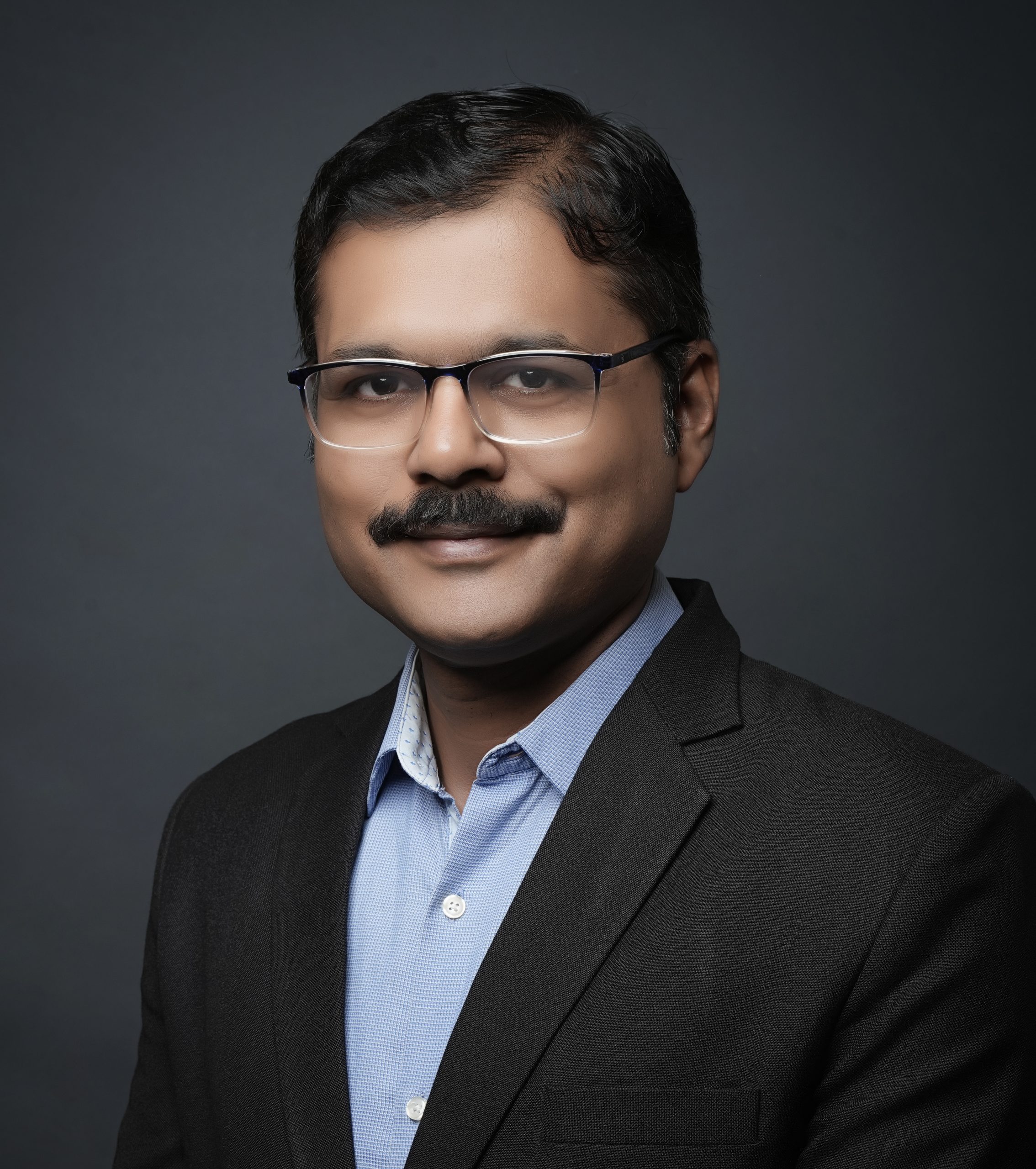
  • “As digital transformation takes the center stage, the generalist vs specialist debate is taking a definitive turn”- Rai S Mittal, Senior Partner, TITUS & CO., ADVOCATES

    “As digital transformation takes the center stage, the generalist vs specialist debate is taking a definitive turn”- Rai S Mittal, Senior Partner, TITUS & CO., ADVOCATES

    This Interview has been published by Pragya Chandni and The SuperLawyer Team

    You’ve had an impressive journey in the legal field spanning over three decades, with experiences ranging from trial court practice to senior partnership at leading law firms. What initially drew you to pursue a career in law, and how did your early experiences shape your path?

    To tell you what drove me, or what motivated me, to pursue a career in law can be an obvious answer but still it requires a bit of self-reflection. My passion for law and interest in becoming a lawyer came largely from it being intellectually challenging. I was perhaps also passionate about legally connected issues during my school and college days. My father being a lawyer and my interest in watching movies and reading crime fiction also contributed a bit in my desire to become a lawyer. Moreover, to be honest, with little understanding of science and lack of interest in accounting and management professions, I was left with just a few options and law was one of them. 

    I’m normally quite a private person, so my journey as a lawyer wasn’t quite easy. As a ‘baby’ lawyer, I worked across many different areas of law. I was fortunate enough to have some amazing experiences very early in my career on a variety of issues including family laws, labour laws, consumer laws, criminal laws, revenue laws and property matters. While the thrill of being in district courts of my small hometown and learning so much in one go was amazing, it just wasn’t the same as practising in a large city in a professional environment with matters having substantial stakes. I then moved to Delhi and have since then practised all kinds of business and corporate laws across different practice areas. 

    Your expertise encompasses various legal domains, from dispute resolution to intellectual property rights. Could you share a pivotal moment or case in your career that significantly influenced your approach to practicing law or shaped your specialization?

    During the initial years of my law practice, I got an amazing opportunity to work on a complicated matter which required substantial skills in a variety of laws including intellectual property laws, trade and contractual issues, criminal laws, foreign collaboration laws, government policies and tax laws as well as skills in court litigation and arbitration. It is then I realised that complexity requires teamwork and collaboration. In order to manage client matters effectively and efficiently, lawyers have to utilize a more diverse group of skills and people. What is also clear is that teamwork and collaboration require heavy doses of trust and shared responsibility. Furthermore, working on this case and many other interesting assignments of different nature ensured that I enjoy offering a range of diverse skills and an intelligent mix of knowledge from a variety of disciplines. 

    As a seasoned business attorney, you’ve worked extensively with multinational corporations, navigating complex legal landscapes across different industries. Could you elaborate on a particularly challenging situation you encountered and how you successfully resolved it?

    Another challenging work situation I encountered during the initial years of my career was when I was assigned a client project with tight deadlines and high expectations. There were several experienced legal teams working on the assignment for different parties from different jurisdictions including India, UAE, Japan and Mauritius. As someone lacking experience, I somewhat struggled with interactions and communication, which made collaborating with diverse teams a bit challenging. However, I soon recognised the importance of effective teamwork and found ways to navigate this situation. To overcome this difficulty, I proactively communicate my needs and concerns to the client and different teams. I asked for clear guidelines and expectations, ensuring that I had a clear understanding of my role and responsibilities. By focusing on my individual strengths, such as attention to detail and problem-solving abilities, I was able to make valuable contributions to the project. This experience taught me the importance of open communication, seeking support when needed, and the importance of meeting small deadlines to meet the primary deadline. 

    Your track record boasts a high success rate and a remarkable ability to manage legal affairs with a commercial mindset. How do you balance legal intricacies with strategic business objectives to deliver optimal outcomes for your clients?

    We live in a world of strategic compliance – or as I like to call it, “Winning at Business Without Landing in Jail.” Gone are the days when legal compliance was seen merely as a back-office function. Today, it is recognized as a key player in shaping business strategies. This shift is partly driven by the increasing complexity of regulatory landscapes across different jurisdictions, especially for global businesses. The rise of technology, data privacy concerns, and the dynamic nature of international trade laws further complicate this scenario. 

    At its core, strategic compliance is about finding a balance. On one side, there are the business goals – growth, profitability, market expansion, and innovation. On the other, there are legal and regulatory requirements, which can often seem like barriers to these objectives. However, instead of seeing these groups as opposing forces, we should focus on integrating compliance into business strategy, thereby enhancing, not hindering, the pursuit of business. 

    In my view, compliance shouldn’t be seen as the party pooper showing up after the decisions are made; it’s part of the party-planning committee, and we need to ensure that the business goals don’t end up with a noise from the legal department. Ideally, in the world of strategic compliance, it’s all about making the law work for you, not against you.

    Throughout your career, you’ve demonstrated exceptional leadership skills by managing teams of attorneys and fostering a collaborative environment. What strategies have you found most effective in leading legal teams, especially in high-stakes situations?

    Becoming more effective in leading a team is certainly more of an art than a science. Often, it can also mean adapting to the team you have or the circumstances at hand. However, the key is to encourage collaboration across people, teams and departments. It is also important to set an organisation vision and communicate the big picture. 

    What will you say on Client Retention vs. Client Acquisition? Where do you think that most law firms go wrong on this? 

    A law firm’s past and existing clients are a huge asset to the firm, so it’s crucial to maintain a strong relationship with them so that they stay loyal and do not leave the firm. And yet most law firms, in particular small to midsize firms, spend most of their marketing budget on finding new clients instead of nurturing the ones they already have or had not too long ago. It is common knowledge that acquiring a new client can cost 5 to 10 times more than retaining an existing client. In my experience, increasing customer retention by 5% to 10% can increase profits from 25% to 100% in mid term. The success rate of selling your services to a client you already have is 50% or more, while the success rate of selling to a new client is just about 10% in most cases. There are some surveys which have found that loyal clients are 5x as likely to repurchase, 5x as likely to forgive, 4x as likely to refer, and 7x as likely to try your new offering, as compared to a new client/potential client.

    What, in your experience, is necessary for a lawyer to stay relevant in the fast changing legal industry? 

    The legal industry is on the verge of a major transition and it has in fact already changed a lot in the last decade or so, which is driven by the introduction of technology. The legal industry is changing because of the introduction of new innovations related to the industry and hundreds of new legal start-ups emerging every year. Today, machine learning is beginning to transform the legal profession in many ways but in most cases it augments what humans do and frees them up to take higher-level tasks such as advising clients, negotiating deals and appearing in courts. In machine learning, computers use an algorithm, analyze data, learn the pattern and glean insights from the data, so a lot of routine or easy work can be taken care of without much involvement of a senior lawyer. Without a doubt, the ecosystem will continuously affect the way lawyers are working and will work in the future. If lawyers learn legal management practice with the latest technology, then only they will be able to survive in the future. 

    Another very important aspect is that the lawyers have to continuously update their knowledge in order to stay relevant. There was a time when lawyers could do well just by having knowledge of general laws of the land or by having understanding of traditional practice areas, like contract law, torts and civil and criminal procedures. That’s no longer the case in view of special laws and tribunals and specialised practice areas that are coming up very fast. 

    Also, I have a strong feeling that lawyers who don’t add value to the client relationship won’t survive in an ever-competitive environment; they will simply become irrelevant. One should therefore be very efficient in delivering the outcome. So get better at management of client assignments. Give commercially pragmatic advice, not just advice that’s legally correct. Keep in touch with the clients regularly with helpful tips and advice, even if you don’t get paid for this. Pass on the knowledge you are getting about their business or industry. Understand clients’ businesses and the industries in which they operate so you can tell them of pitfalls before they arrive.

    A Generalist or a Specialist: What’s the Best Fit for A Lawyer’s Career?

    Personally I have always been inclined to offer a range of diverse skills and an intelligent mix of knowledge from a variety of disciplines. Hence, I have been a generalist lawyer by choice throughout my career.

    Generally speaking, handling diverse roles provides generalists a good understanding of all the functioning parts of the business or industry. Generalists multitask and collaborate to tap into related domains when opportunities arise. This hones their ability to handle unique situations and formulate enduring perspectives. However, there is a limitation in as much as generalists aren’t sometimes that competent in niche projects. Moreover, there is a higher chance of their early burnout as they work across multiple teams and tackle a host of responsibilities, especially if they are in leadership roles. 

    As digital transformation takes the center stage, the generalist vs specialist debate is taking a definitive turn. One should definitely ask oneself the following questions, amongst others, to gain a comprehensive understanding of one’s needs and goal: Do you like a diverse breadth of knowledge or do you prefer deep research on any specific topic? Do you change your career perspective often and prefer taking time to find the niche you are interested in? Or have you already determined your career trajectory? What kind of work ignites your interests and passions? Does it require you to hone different skills or demand specific subject-matter expertise?

    What are the biggest challenges that the legal sector is facing or will be facing in the short to mid term? 

    From economic pressures to cyber threats, lawyers are facing a number of challenges. The economy remains volatile in 2024, marked by ongoing geopolitical tensions. This is making clients even more price conscious when choosing a law firm. There is also an expectation for greater cybersecurity and verifications for online activity as law firms are wary of increased risks of cyberattacks. Most law firms are however yet to implement effective cyber mitigation strategies. Further, even though integrating legal softwares and systems is not a new challenge, it’s increasingly becoming important as law firms strive for increased profitability while improving client service and experience. Talent attraction and retention in the legal sector will also continue to be a significant challenge in 2024. 

    Get in touch with Rai S Mittal-
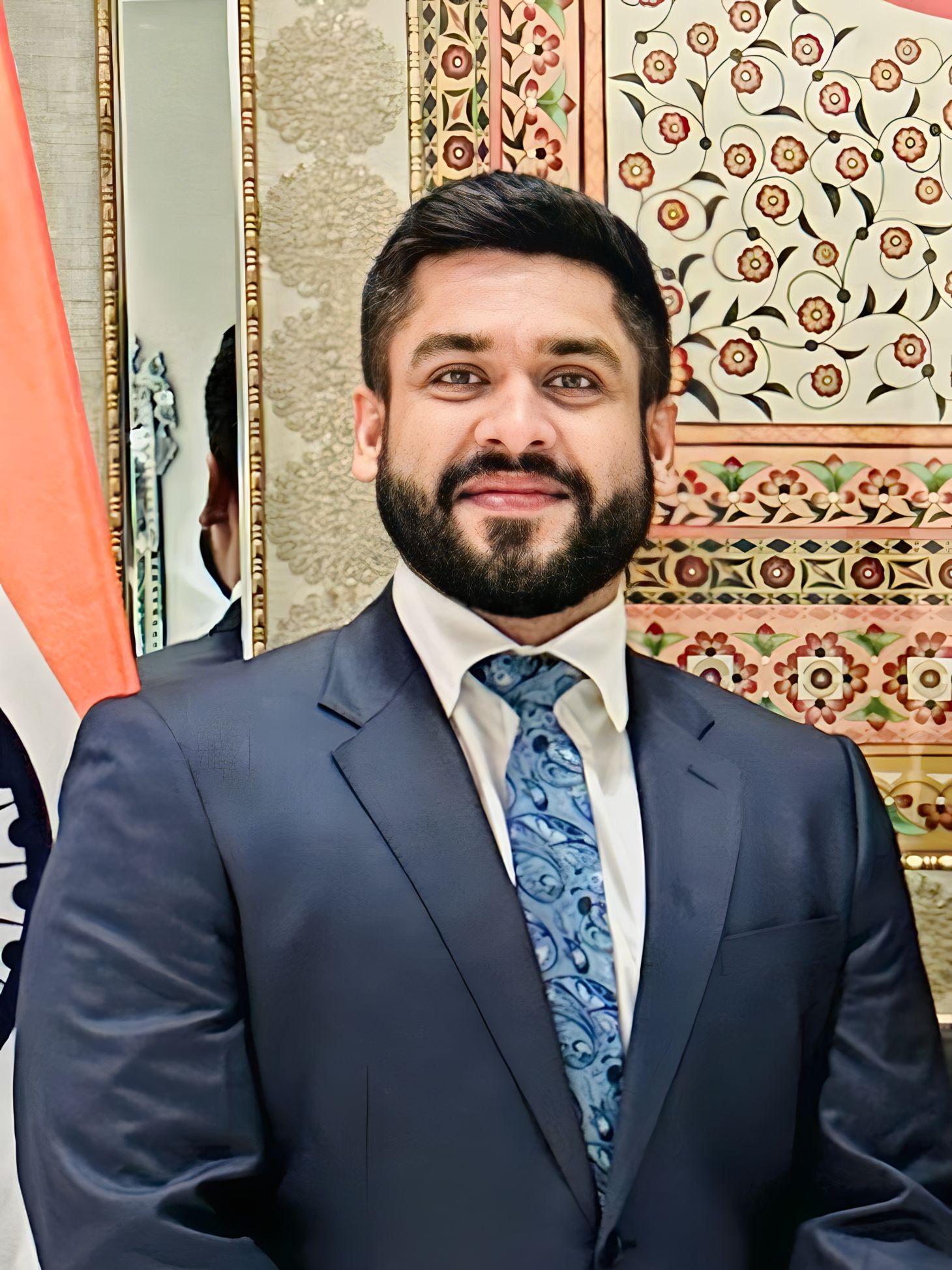
  • “I have always wanted to be in a profession that is more society-centric and has good opportunities to meet people from different walks of life.” – Manish Gaurav, Founding Partner at Lexspectrum

    “I have always wanted to be in a profession that is more society-centric and has good opportunities to meet people from different walks of life.” – Manish Gaurav, Founding Partner at Lexspectrum

    This interview has been published by Namrata Singh and The SuperLawyer Team

    Could you take us back to the beginning of your career journey? What inspired you to pursue law, and can you share any pivotal moments or experiences that shaped your decision to enter this field? Additionally, what were some of the challenges you faced when starting out, and how did you overcome them to establish yourself as a prominent figure in the legal profession?

    I have always believed that God has bestowed grace upon me. Importantly, my parents have always encouraged me to make decisions and have provided enough freedom and information to make an important decision that has a long-term impact on my life.

    I have always wanted to be in a profession that is more society-centric and has good opportunities to meet people from different walks of life. In this context, law as a profession was an obvious option for me. I consulted many of my friends/seniors and some reputed lawyers before taking this decision to pursue law. Their encouraging words (along with challenges in the profession that they mentioned) encouraged me to pursue my career in this field.

    Since I am first generation lawyer, there were plenty of difficulties. I was very clueless in my initial days (after completing my law degree) about my next step and other related aspects. But, there is always someone to help me or guide me in such difficult situations. They were either friends/colleagues or strangers (as well). I am thankful to all of them.  

    Lexspectrum is known for its comprehensive legal services. What inspired you and your partner to establish this firm, and what sets it apart from others in the field?

    I have always believed that there is enough space for new law firms in the sector that can be more focused (handholding approach) towards clients. Additionally, having experience of a certain number of years, acted as an asset for me in this endeavour.

    Importantly, I sought feedback from various clients/friends to provide their suggestions regarding setting up a new law firm. In most the cases, I got very positive and encouraging suggestions/responses that helped me make such a decision.

    Your bio mentions you’re recognized as a recommended lawyer for Corporate and Mergers & Acquisitions. What advice would you give to young lawyers aspiring to achieve similar recognition in their careers?

    Well, such recognitions are always welcome. It gives a sense of satisfaction and improves confidence. In my opinion, consistency with quality work is key to success in the field. It is important for a young lawyer to be very consistent with quality work to achieve their professional goal.  

    In your opinion, what can the current generation do to carve out successful careers in law, especially in a field as dynamic as yours?

    The current generation of lawyers should focus (in addition to basics) on the changes which is taking place in the field of law. For example, legal practice in the field of data/AI/the international context of multi-party disputes/PE/VC transactions was not so common a few years ago but now it is very much mainstream practice. Hence, it is imperative that a lawyer should pay adequate attention to the development/changes in the legal field wherein such lawyer is practising.

    Additionally, quality of work and timely response to clients is imperative. I have noticed that these days clients are well informed about the existing legal provision(which affects them) and their expectation from the lawyer is not only to be better informed about applicable legal provisions but also to have good understanding of the case which such a lawyer is handling. Hence, a lawyer should be much more attentive to the case/assignment that they are being entrusted with. 

    Outside of your professional life, do you have any hobbies or interests that you’re passionate about? How do you balance your personal interests with your demanding career?

    Typically, I do not get much time to pursue my hobbies which has changed with time. I love travelling with my family and friends and I try to do the same whenever it is possible. Being with family and friends is always a wonderful experience. 

    With the constantly evolving legal landscape, how do you stay updated with industry trends and changes, and how do you ensure your team at Lexspectrum remains ahead of the curve?

    We, as a firm, have weekly sessions on the legal updates on the matter concerning the current assignments and generally related to the subject matter of practice area. Additionally, we encourage our team members to write articles/updates regularly to get a better understanding of the subject matter. We also encourage our team to participate in relevant conferences to be fully updated.

    There is always an emphasis that we as Lexspectrum should be well aware of the subject matter which we are dealing with. There is also an emphasis on having a good understanding of the sector in which such client is engaged.

    Being recognized as one of the highly recommended lawyers in Mergers & Acquisitions is a remarkable achievement. For students aspiring to excel in this field, what specific skills or knowledge areas would you recommend they focus on during their education and early career to position themselves for success in M&A transactions?

    Typically, I have noticed that law schools have a higher degree of inclination towards litigation than corporate matters. Likewise, law students have better exposure to litigation matters. Hence, it is imperative that law students must participate in all relevant events /seminars (typically organised by Investment banking firms/law firms/CA firms) to get exposure to the subject matter.

    Additionally, various blogs/research paper are being published by law firms that should be referred regularly. Having internships in law firms with maximum exposure to corporate matters will be very helpful. 

    Could you share with us the experience of the first time you stepped into a courtroom to argue a case? What was going through your mind, and how did it shape your approach to advocacy?

    I consider myself lucky in this respect wherein my senior permitted me to argue a matter when I was just 4-5 months into the profession. My senior mentored/guided me well on the said case. However, it was a bit shaking moment for me till I started making submissions to the Hon’ble Court. Once, I started, it became relatively normal for me.

    Courtrooms often witness intriguing moments and unexpected twists. Can you recall any particularly memorable anecdotes or moments from your time practicing law that stand out to you?

    On several occasions wherein the Hon’ble judge and/or opposite counsel has agreed to deviate from the established norms keeping the larger interest of the litigants in mind and the same has served very well in the interest of justice. On one such occasion, a key witness has arrived here in India for a minimal time period. Such a witness was critical to the matter. On our request, the Hon’ble court and opposite counsel agreed to complete all procedural aspects concerning such witness on the same day which is not so common.

    On several occasions, we are informed about certain documents/events on the day of the hearing which is critically important.  Such events on many occasions require us to immediately make suitable changes in our strategy/submission. Due to confidentiality, I will not be able to delve into this any further.

    Get in touch with Manish Gaurav-

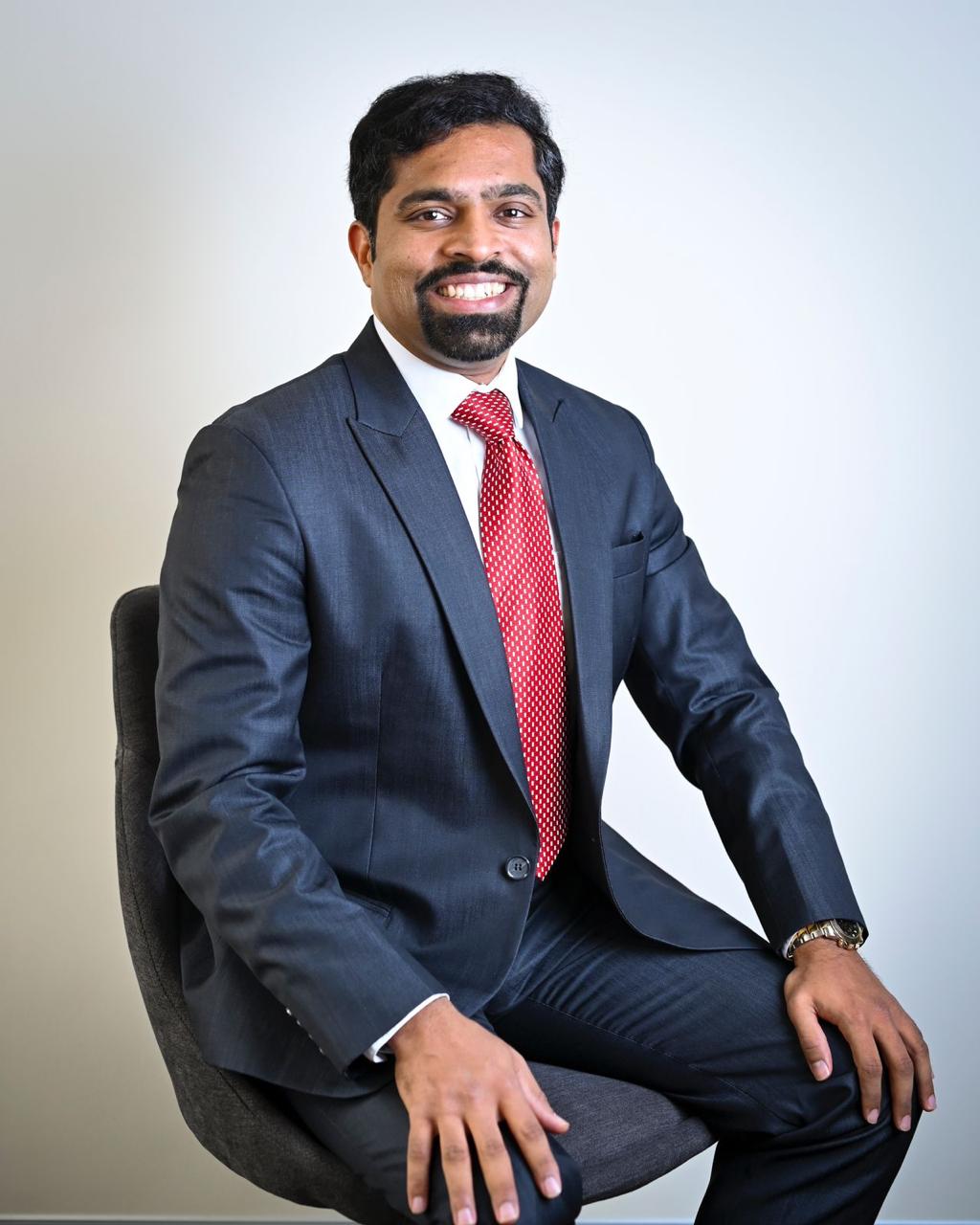
  • “M&A transactions provide an opportunity to rearrange and/or review and revise the business strategy to make business more agile, strong, reachable, relevant, risk proof and robust”- Vikramsinh Yadav, Legal Head -Business Partner for Bayer Pharma

    “M&A transactions provide an opportunity to rearrange and/or review and revise the business strategy to make business more agile, strong, reachable, relevant, risk proof and robust”- Vikramsinh Yadav, Legal Head -Business Partner for Bayer Pharma

    This Interview has been published by Pragya Chandni and The SuperLawyer Team

    Can you walk us through your journey from being an Advocate at the High Court of Mumbai to your current role as Legal Head at Bayer? How did your previous experiences shape your path in the legal field?

    In the year 1999 summer I came to Mumbai from my village in Sangli district in Maharashtra, after having not so good results in 12th Science. I graduated in Science from Mumbai University in 2002 and became a law student. There I found my striving and secured a first class in LLB with scholarship in jurisprudence. During my law graduation, I was active in moot court and debate competitions and secured State Level Best Advocate award as well as special appreciation in National level moot court competition. Our team was felicitated at the hands of ex Chief Justice of India Shree Rajendra Babu. With dreamy eyes and strong desire to make my name in the legal fraternity, I joined the legal profession as an Advocate in Bombay High Court in August 2005. My journey began under the guidance of well-known Criminal Lawyer Late Shree Shyamkumar Marwadi and Senior Counsel Shree Ashok Mundargi. I got an opportunity to work in famous as well complicated criminal litigations including chinkara poaching case against Bollywood celebrities, Anticorruption case against well-known encounter specialist, MPSC scam etc. During this stint I also completed my LLM from Mumbai University with flying colours. Additional benefit from the LLM course was to secure hostel accommodation in University Hostels at Church gate.    

    Since my early practice days, I was conscious to be an independent lawyer and not to limit my growth as a small plant under the shadow of a big tree. So I resumed my independent practice as a criminal and civil lawyer in Bombay High Court. I got ample opportunities of conducting complex criminal trials including murder, cheating, rape as well as CBI prosecutions in the Sessions Court of Bombay & sub-urbs (Thane, Kalyan). I feel proud to say that all the trials were successful. 

    I was also acting as a senior law retainer with well-known real estate law firm Kishore Thakordas & Company, which provided me an opportunity to work on complex real estate litigations related to real estate development projects, property succession as well as land encroachment litigations.   

    In 2013-14, I felt an urge to join a law firm to know the legal business with big corporate houses, and I joined PDS & Associates (now Agrud Partners) as a Senior Associate. There I got access to big corporate clients with an opportunity to handle their cases including arbitrations and commercial contractual disputes as well as criminal litigations. In 2016, I got an opportunity to lead the litigation team of a highly reputed banking law firm SNG & Partners. In the same year Insolvency & Bankruptcy Code was notified. So I got engrossed in handling banking as well as insolvency litigations including the matters against Reliance Communications, ABG Shipyard etc. In the meantime, I also became an A-Panel Counsel for the Mumbai Municipal Corporation and Panvel Municipal Corporation in Bombay High Court as well as National Company Law Tribunal. During my illustrious journey in the Bombay High Court. 

    In my 13 years of journey as an Advocate I represented several reputed clients such as Hindustan Unilever Limited, Bunge India Private Limited, Monsanto Limited, Britannia Limited, Bank of America, Standard Chartered Bank, Barclays Bank, HSBC, HDFC, State Bank of India, Angel Broking Company, late Shree Irfan Khan, Essel Entertainment etc.  

    During all these years I developed a curiosity to know & understand the business of big corporate houses from inside. That made me grab an opportunity to join Siemens Ltd as a Senior Legal Counsel in 2018. It was the beginning of my journey as an in-house counsel. It was a huge legal team of around 30 colleagues. All the colleagues in Siemens including my mentors and seniors Brotin Das, Saugata Chakravarty & lastly Hanno Kunkel shaped me as an in-house counsel. They gave me ample scope to act on diverse matters independently including several high stake litigations as well as core issues related to compliance and corporate governance. Every year in Siemens, I was rewarded with performance awards and recognitions.                                               

    During the pandemic when the world was standing still, I received an opportunity to join Bayer Group as a Litigation Head and it was a shift from project-infra business to product centric business. In Bayer I worked on illustrious as well as voluminous litigations. In the last year I became a Legal Head Business Partner for Pharmaceutical, Consumer Health and Radiology Business. 

    As an in house counsel, my experiences during advocacy days were always handy and helpful in providing quick resolutions and facilitating effective decisions. Apart from functional expertise, the diverse experience as an Advocate helps to understand the root cause of the issue referred to and to suggest appropriate mitigating measures within a legally compliant framework. This makes business partnering authentic as well as agile. 

    With your extensive background in handling various types of litigation, could you share with us a particularly challenging legal case you’ve encountered in your career? How did you approach it, and what were the key strategies you employed to achieve a successful outcome?

    There were several such challenging cases I have encountered in my journey as an Advocate and in-house counsel. However, to make it more relevant and recent I would cite a litigation related to Competition law. It was a case that began with a commercial dispute between an aggressive group of licensees who got access to the innovative technology of our Company. In India, as we know, the patent regime is access and benefit centric, having inclination towards the working of technology for the benefit of the people at affordable means. This leads to the clash amongst the generics and innovators. In the field of agriculture, especially GM seeds, it is more complex and highly regulated. 

    So these licensees challenged the innovator’s royalty and technology fees, and approached competition regulating authorities (the then MRTP and now CCI) alleging abuse of dominance, excessive pricing & discrimination referring to the contractual terms. Simultaneously, the commercial dispute went through arbitration where the Company succeeded against the licensees who then appealed against the award. Meanwhile, a challenge was posed against the patentability of technologically modified seeds, confusing the technology in seeds where seeds being carrier of it with seeds being part of a plant. Governmental authorities also joined the licenses in an antitrust complaint. My vigilant predecessors & colleagues did also challenge the jurisdiction of CCI in dealing with commercial contractual disputes over a patented product, since the Competition Act and the Patent Act are complete codes distinct and independent of each other. We worked as a team in the litigation and successfully contested not only the arbitration but also the jurisdictional challenge. Whilst commercial dispute as well as patent validity proceeding got amicably settled with the group of licensees, the CCI proceeding remained. Last year, Delhi High Court passed quite an interesting judgment ousting CCI’s jurisdiction in matters related to the Patents Act.                                        

    We, as a team, worked on this matter firstly to separate the commercial dispute from the clutches of the Competition law and successfully seal the settlement with the licensees. That minimised the aggrieved stakeholders involved in the dispute. As well as it reduced other connected proceedings such as arbitration as well as patent validity. Only proceeding then remaining was with the Competition Commission. Under the expert guidance of the eminent Senior Advocate, Dr. Singhvi, we concentrated on the jurisdictional challenge before Delhi High Court. And, in the last June we were pleasantly surprised with a favourable judgment of Delhi High Court ousting CCI’s jurisdiction over the matters governed under patent laws of India. Of course the judgment has now been challenged in the Hon’ble Supreme Court and is pending sub-judice. When there are complex issues with multiple laws, we need to find out the ways to minimize the complexity by separating and resolving the disputes having potential of being settled amicably. So that we can concentrate on highly complex core issues involving questions of law. That helps in focussing our efforts and resources. 

    Keeping internal stakeholders engaged and informed on several stages of the litigation is also utmost necessary in securing their support and trust. It boosts confidence and strengthens your efforts to successfully implement the strategy.           

    Transitioning from being a Litigation Head to a Legal Head Business Partner at Bayer signifies a shift from a more adversarial role to a collaborative one. What adjustments did you have to make in your approach when moving into this new position?

    Certainly it is a significant shift. As a generic business partner one needs to have a broad as well as detailed picture in mind while formulating a strategy. As a litigation head more focus is on utilizing specialised skill to understand the dispute and mitigate it in a timely manner so that the ends will be favourable. Whereas being Legal Head Business Partner requires to have a generic perspective, which needs to be close to the business, management, compliance as well as other cross functional teams. More collaborative and strategic mindset is essential for effective business partnering. Fortunately, my senior colleagues in the legal team Nabeel Saleem and Devdas Baliga were always keen to involve me in several other challenging topics requiring a generalist mind-set apart from my litigation portfolio. That also is helping me in gelling well with this new responsibility.    

    As the Legal Head at Bayer, you’re tasked with managing corporate advisory functions and leading legal teams across different sectors. How do you ensure legal integrity and compliance while also fostering innovation and growth within the organization?

    As a leading legal business partner for pharmaceuticals, consumer health & radiology business, one needs to be aware of changing legal framework whether pharma Codes, price regulations, incidental compliances, D&C Act and Rules, Clinical Trials and GMP related provisions. As a legal team, we collaboratively work on understanding these changes and identifying its impact and relevance for our business. Then we work on communicating these changes and updates along with simplified implementation strategies with our business and cross functional stakeholders. We do conduct several informative sessions within the legal team as well as business. Ours is democratic function which believes in sharing of ideas and trying to work innovatively. As a legal function, we keep mapping and reviewing our activities and many times empower colleagues in business also to take their decisions on their own. Digitalisation helps us in being agile and efficient in serving business. Our organization works with the mind-set of Dynamic Shared Ownership (DSO) with a key focus on core mission and measured goals with defined outcomes in 90 days cycle.               

    Given your involvement in M&A transactions, what are some key legal considerations that you believe are crucial for ensuring a smooth and successful merger or acquisition?

    M&A transactions provide an opportunity to rearrange and/or review and revise the business strategy to make business more agile, strong, reachable, relevant, risk proof and robust. For smooth & successful merger or acquisition, clarity of purpose is at the core. With a holistic view we should be able to visualise the entire picture of the transaction. Accordingly, we have to map all the necessary activities from due diligence, necessary regulatory intimations and permissions, effect of FDI policies wherever relevant, effect on competition, Tax implications, corporate compliances, people integration etc. All the functions including tax, accounts, finance, communication, regulatory, quality, HR, SCM, marketing led by senior management and legal play a vital role in these transactions. `By nature, these are marathon transactions with long duration having internal, external and governmental stakeholders involved in it. Hence, planning in advance and securing consensus of all the stakeholders at every stage is essential. External as well as internal communication plays a big role in smooth implementation of M&A transactions. 

    Could you share some insights into how you navigate complex legal landscapes and deliver strategic dispute resolutions? What are some essential skills or approaches you rely on in these situations?

    Most of the disputes have inherent potential of pre-litigation amicable resolution. However, it is essential to be in contact with business to identify early signs of any possible dispute. If there are such inputs, as a litigation strategist, we prepare scenario analysis along with mapping of relevant substantive as well as procedural legal provisions and accordingly we guide business with a strategy. Preliminary focus is always on preventing litigation and securing amicable resolution. Eye for details, understanding of business and implication of dispute on it, interpretation of legal provisions and close familiarity with the practical side of the dispute resolution process whether it is the knowledge of courts procedures and practices or connection with external counsels play a vital role in handling dispute resolution. In some disputes such as possible patent or trademark infringement or bank guarantee invocation, we should be agile and aggressive in taking urgent measures to stop possible damage. Whereas in contractual disputes steps to be taken without having any adverse effect on the business, especially in project business.     

    Throughout your career, you’ve worked with notable companies such as Siemens and now Bayer. What do you think sets apart effective legal counsel in the corporate world, particularly in industries like pharmaceuticals and consumer health?

    As I mentioned earlier, understanding of business, becoming familiar with business language, expectations and needs, having connections with cross functional colleagues and access to the external peers in the industry including external counsels makes the legal Counsel effective in the corporate world. Effective communication at each level plays a key role. It requires conscious and consistent efforts. Needless to mention that these are essential qualities apart from the functional knowledge and expertise in respective core laws and legal aspects applicable to respective business.     

    Drawing from your own experiences and the challenges you’ve overcome, what advice would you offer to law graduates who aspire to pursue a career similar to yours?

    I am still in the process of learning and achieving the ultimate expertise in this field, however, I would like to share that law graduates aspiring to pursue such a career should keep their focus on expanding their understanding of laws governing diverse aspects (including substantive and procedural). They should gain real time experience of courts whether original or appellate, civil corporate or criminal to know their own strivings. Accordingly, they can choose the field of their interest and keep sharpening and shaping it consistently. Ability to learn, unlearn and relearn and communicate the same and becoming able to implement it is crucial for any lawyer.      

    Get in touch with Vikramsinh Yadav-

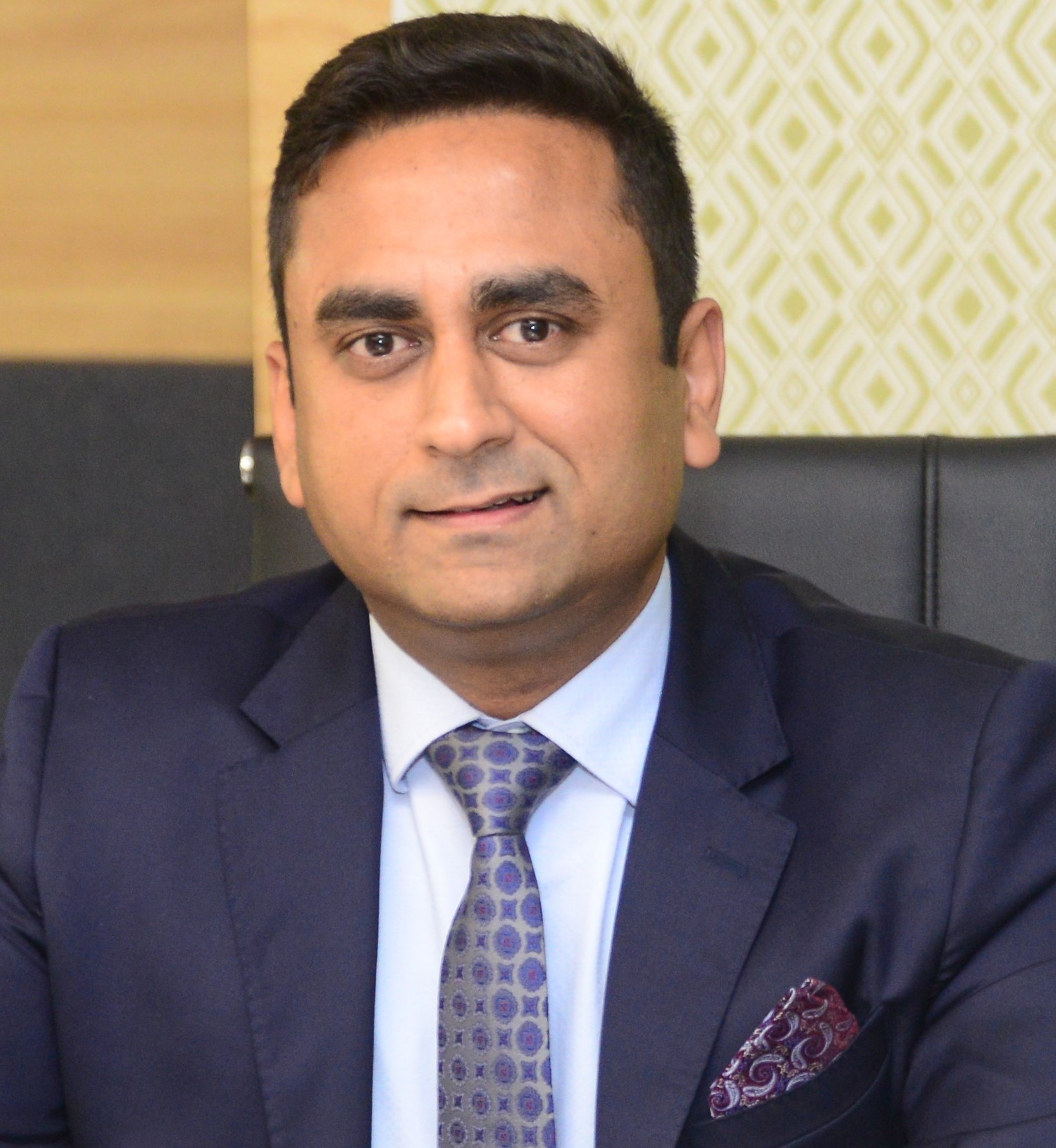
  • “Hard work pays off… ‘Fall down seven times, Stand up eight.” – From Mumbai’s Legal Haven to Dubai’s Dispute Resolution Hub: Adhiraj Malhotra, Managing Director at Singularity Legal

    “Hard work pays off… ‘Fall down seven times, Stand up eight.” – From Mumbai’s Legal Haven to Dubai’s Dispute Resolution Hub: Adhiraj Malhotra, Managing Director at Singularity Legal

    This interview has been published by Namrata Singh and The SuperLawyer Team

    Your journey from Government Law College, Mumbai to becoming a Managing Director at Singularity Legal in Dubai is quite impressive. Could you share some insights into how you started your career and the pivotal moments that shaped your trajectory?

    • Since I am a first-generation lawyer, there was little to no guidance for me from anyone in my family into what the legal profession entailed and the various nuances one needs to understand to completely foresee a career as a lawyer. My years at Government Law College were remarkable inasmuch as while the curriculum was largely manageable, the extra-curricular activities that went on in college were immersive. 
    • I was fortunate to find considerable interest in Students for Promotion of International Law. This was my first pivotal moment where the idea of practicing international disputes was seeded in my mind. During college I was never counted in one of the sharpest minds in class. That title belonged to my college friends and some of whom I continue to remain in touch with even today. The next pivotal moment was the chance to do internships while studying. My college has a storied history, one which needs no introduction and has always pushed students to gain practical exposure. 
    • The chance to intern with one of the best law firms in the country during the last three years of law school not only gave me a sense of understanding of what differs between theoretical and practical know-how of the study of law but also the several intricacies which are involved in the practice. This allowed me to get a pre-placement offer from a leading boutique law firm, DMD Advocates and allowed me to gain experience from a stellar mentor in Ms. Fereshte D. Sethna. I am humbly grateful to her for teaching me the ropes and this is where I truly fell in love with international disputes. 
    • During my time at DMD Advocates and then at Bharucha & Partners, I not only have had the chance to work alongside the top legal eagles in India but have also been fortunate to work with magic circle firms and King’s Counsel(s) allowing me to gain exposure and enabling me to think from the standpoint of a client with projects and interests in different jurisdictions.

    As someone who has worked with Fortune 500 companies and private equity firms, could you elaborate on the role of legal strategy and advisory in facilitating strategic acquisitions and setting up industrial projects?

    • There are several lenses that one needs to wear if they are to advise any Fortune 500 company or private equity firm and that is because you are working with one of the sharpest minds in the profession and those who have specific expertise in the subject matter. 
    • My role as a legal advisor to these companies and firms was from the standpoint of a strategist in highlighting the various issues which are required to be looked at not only from a legal perspective but also from a securities and regulatory perspective. My experience in handling international disputes for similar clients helped me to understand their issues fairly quickly and deliver as per the client’s requirements. 
    • Almost all the companies which I have dealt with have been publicly traded entities either on the Indian stock exchange or other exchanges across the globe. There has been a high demand for data center setups in Maharashtra and has seen an increased interest from various international conglomerates. This poses its own challenges with different cultures and jurisdictions at play. Thus, it becomes extremely crucial to understand the pain points from a client perspective when it comes to entering into a transaction for setting up an industrial project. 
    • Another important requirement one needs to keep in mind is to ensure that the wider team working on due-diligence aspect and other issues are aligned and fine-tuned to the real-world issues being faced on the transaction. My role entailed leading the transaction from top to bottom and included overseeing the legal, operations, diligence and architectural teams to ensure the client’s targets are achieved. 

    You’ve recently cleared the UK Solicitor Qualification Examination. How do you think this additional qualification will enhance your practice, particularly in the context of international disputes? Additionally, could you share what motivated you to pursue this exam amidst your already demanding career? And any tips for the person who wants to give this exam.

    • First and foremost, the UK Solicitors Qualification Exam is one of the toughest exams there are across fields and that in itself puts immense pressure. The rigorous curriculum not only enhances your thinking and capabilities but the hours one puts in crossing the line engrains the different threads of law in oneself. 
    • As an Indian lawyer working in Dubai, which is steadily becoming the global melting pot, it has tremendous advantages. There is a huge influx of investments from all across the globe. While the UAE judicial system is extremely robust, there is a high demand for a system which is closer to home. The DIFC Courts and ADGM Courts are common law dispute resolution centers, one which have put Dubai on the map for dispute resolution. As a Solicitor of England & Wales, the DIFC and ADGM Courts are home ground for me more so now than before. 
    • In terms of pursuing the SQE and the motivation, all I could say is that I had very early on in my career decided that I would not pursue a master’s degree considering I was predominantly a commercial disputes lawyer and found no reasons as to how a master’s degree could help me. I was obviously wrong. At this stage of my career, I felt that a dual qualification would benefit me more professionally than a master’s degree and I plunged straight into it. I took it as a challenge, and one which was very hard considering I had shifted jurisdictions as well. In the end, hard work pays off and nonetheless I have always believed in myself and stand by my motto “Fall down seven time Stand up eight”.

    In your opinion, what are some emerging trends or challenges in the field of international arbitration and commercial disputes that legal professionals should be mindful of?

    • At the outset, I would say that there are far too many to really count. But there are some important ones which I would like to highlight, specifically litigation finance and cross-border enforcement and recognition. 
    • Litigation finance is third party funding obtained by a company from a financier, to pay the litigation costs incurred during a dispute. A funder may also act as a general contractor to help strategies and manage the dispute and costs. This type of funding adjudges the value of legal claims even before they can be recovered before a Court or Tribunal. In this arrangement, the financier is entitled to an agreed share in the monetary settlement received by the company, and only if the litigation is favourable i.e. it is entirely non-recourse. While the Indian litigation financing industry is in a nascent stage, there is tremendous scope for this market in the country. There are now an association of major global players in litigation financing which have come together and formed the Indian Association of Litigation Finance. 
    • Cross-border enforcement and recognition is somewhat an underlying secret. Usually, a party would straight up go and enforce and award and order in a jurisdiction where they have secured relief. In reality, things are very difficult and tricky. Enforcement and execution have since ages been a pain point for a judgment creditor and one which takes the most amount of effort. In my experience, it is very important to ensure that the lawyers are alive to challenges such as dissipation of assets and incognito preferential sale(s) since almost always the assets of a judgment debtor are in a completely alien jurisdiction or a tax-haven entirely unbeknownst to the creditors. This way dissipation of assets is carried out under the rug and the judgment or award is rendered as a mere piece of papers. 
    • One advice I give all my clients is to invest in an investigative asset search exercise at the outset, and sometimes even prior to invocation just as a safety net to ensure that enforcement and execution is smooth. This has helped me in my career and luckily has served well for all my clients. I have been fortunate to have been part of teams where we have secured execution of judgment(s) and award(s) in as less as 3 months. 

    After years of practicing law in India, what motivated your decision to transition to Dubai and take on the role of Managing Director at Singularity Legal? Could you share some insights into the factors that influenced this move and how it has impacted your professional journey?

    • This was more of a personal choice rather than a professional one. I was well established in India and practiced regularly before the Supreme Court, High Court(s) and Tribunals, when I took the chance of going in-house. The only other thing then which was left was to try working in a different jurisdiction altogether. While I have been fortunate to have worked on disputes ranging across Europe, United Kingdom, United States of America and South-East Asia, I had not permanently moved my base. 
    • With Singularity Legal it was an easy decision. Singularity Legal had been making great strides in the international disputes sector and I had been keenly looking at their growth. The chance to associate myself with an international disputes firm and grow the firm in a very interesting jurisdiction like the Middle East was an opportunity which comes to few lawyers and I grabbed it with both hands. 
    • Another factor which played an important role was my inclination to work across jurisdictions. Since I have done a fair bit of international arbitrations and investor-state disputes, this was a playground which was far too familiar albeit with its own set of challenges. The challenge to make my presence and name while at the same time growing the reputation of the firm in an entirely new jurisdiction was exciting and invigorating at the same time. Fair to say that the last one year has been an eventful journey and I am glad that I chose to make the decision rather than sit in a comfortable cocoon after having spent 10 years building my name in the legal profession in India. 

    Your work spans across diverse sectors such as energy, maritime, aviation, and taxation. How do you stay updated with the latest developments and regulations across these industries?

    • It is an arduous task and one which every lawyer needs to embody in their schedule to ensure continuous growth and development. We are only as good as our knowledge. Lawyers like doctors never stop learning and studying. A few ways which I manage to keep abreast with developments across the various sectors in which I practice are:
    • Continuous Learning: I dedicate a fixed amount of time to ongoing learning through seminars, workshops, conferences, and webinars specific to each industry. These events often feature industry experts who discuss emerging trends, regulatory changes, and best practices.
    • Industry Publications and Journals: I also subscribe to industry-specific publications, journals, newsletters, and online platforms allows me to stay informed about the latest news, case law, regulatory updates, and market trends relevant to each sector.
    • Professional Associations and Networks: I have actively participated in professional associations and industry-specific networks. These are exceptionally useful not only as a networking platform but also to hone skills and gather knowledge across various sectors. 
    • Research and Legal Update Tools: I constantly use various legal research portals to seif through updates in different industries as also jurisdictions considering I cover different territories. I cannot emphasize how important it is to go on these research portals irrespective of whether you need to research or not just to ensure that you read what the new cases are and what is the legal point which is being discussed. 
    • The last thing which I do is no industry secret but one which I have taken from the practice of several leading luminaries through the last 11 years. This is to maintain a record of all the different areas of law where I have read an interesting point of law. At the same time, I also maintain a sheet which has a list of all the individuals whom I have met. These are my holy grail(s) and I would swear by every lawyer making a similar one for themselves. It is the most efficient reference point for me in time where I am stuck. 

    As the Managing Director at Singularity Legal, could you provide insight into your role and responsibilities within the firm, and how you contribute to shaping its growth strategies and operational efficiency?

    As the Managing Director at Singularity Legal, I lead the operations of the firm’s Middle East practice group and work in a dual role. As a key member of the firm, my role and responsibilities are multifaceted, encompassing various aspects of legal practice, strategic planning, and operational management. I advise clients in my capacity as a counsel and at the same time I am involved with the growth team to increase the firm’s reach in the Middle East. 

    • Operationally, it is imperative to ensure that time is chalked out for each activity especially considering the amount of networking activities that are going on across the Middle East. I actively engage in business development initiatives, including client prospecting, relationship building, and networking activities. By cultivating strong relationships with existing clients and identifying opportunities to expand our client base, I contribute to the firm’s revenue growth and market presence.
    • I actively engage in training and mentorship initiatives to support the professional development of junior associates and staff members. By sharing my knowledge, experience, and best practices, I help cultivate a culture of continuous learning and excellence within the firm. I also collaborate closely with colleagues across different jurisdictions to leverage collective expertise, resources, and synergies. Singularity Legal is an international disputes firm with offices across India, UAE and Singapore and by fostering a collaborative and cohesive working environment, I contribute to the firm’s overall effectiveness and success.

    In today’s digital age, technology plays a significant role in various industries. How do you envision the coming generation leveraging technology to achieve success in the legal profession, and what advice would you give to young aspiring lawyers on effectively utilizing technological advancements to enhance their growth and expertise?

    • Embrace technology as a tool to enhance your legal practice rather than fearing it as a disruptor. Stay open-minded about exploring new technologies and learning how they can improve efficiency and effectiveness in your work. AI has made significant strides in each industry and it is only a matter of time that we lawyers are also subsumed with the AI bug. Already a lot of the international law firms have developed their own proprietary AI tools to assist in regular day-to-day functioning. Technology helps in upskilling an industry and one should only embrace it. 
    • Investing time and resources in acquiring technological skills relevant to the legal profession as also growing aware of the recent technological developments in the legal field. It would be very useful to attend training programs, workshops, and online courses to develop proficiency in legal tech tools and platforms. 
    • Stay informed about the latest developments in legal technology and be proactive in adapting to changes in the digital landscape. Follow industry publications, attend conferences, and engage with legal tech communities to stay updated on emerging trends and innovations. There is a huge Fintech boom and Legal tech is not far behind. 
    • Collaborate with colleagues and peers to share knowledge, experiences, and best practices related to technology in the legal profession. Networking with professionals in legal tech startups, innovation hubs, and accelerators can also provide valuable insights and opportunities for collaboration. However, it is most important to focus on client value and use technology to deliver greater benefit to the client by offering innovative solutions, enhancing efficiency, and improving the overall client experience. Keeping client needs and objectives at the forefront of your technological initiatives is what will allow a lawyer to absolutely shine.

    Amidst your demanding professional commitments, it’s important to find time for relaxation and rejuvenation. Could you share with us what hobbies or activities you enjoy to unwind and recharge after a busy day in the legal realm?

    • Absolutely, being a lawyer is a demanding and hi-octane profession and one which is extremely mentally saturating as well. I have always been very vocal about maintaining a good balance between professional and personal goals. One may be doing exceptionally well professionally but if they are struggling personally, it is not worth it. 
    • I am a sports enthusiast and have tried my hands at multiple sports. However, football and golf are my go-to sporting activities to unwind. I have also recently found long-distance cycling to be a calming force which allows me to unwind amidst a busy and hectic day or week. Apart from these, I enjoy running and will be training to run the marathon this year. 

    Get in touch with Adhiraj Malhotra-

  • “Marrying Facts and Law for Practical Counsel & understanding the intricacies of business alongside legalities ensures effective client execution and success in today’s dynamic market.” – Nayantara Devaya, Founding & Managing Partner of Catkin Legal

    “Marrying Facts and Law for Practical Counsel & understanding the intricacies of business alongside legalities ensures effective client execution and success in today’s dynamic market.” – Nayantara Devaya, Founding & Managing Partner of Catkin Legal

    This interview has been published by Namrata Singh and The SuperLawyer Team

    You’ve had an impressive journey from working in prestigious firms like Khaitan & Co and AZB & Partners to founding Catkin Legal. Could you please walk us through your journey and share how each phase of your career contributed to your growth as a legal professional and entrepreneur?

    AZB & Partners and Khaitan & Co, are important institutions in my growth as a professional. It provided me with the experience and finesse that a corporate lawyer requires to navigate the era where lawyers are considered valid in board rooms and business transactions, other than just court rooms. While I was working with the firms, they provided me with opportunities to work on some important transactions in the business world. The firms gave me an idea of acceptable global standards and exposure to global working environments. The pedigree I got from the firms has shaped a lot of how we do business in Catkin Legal.

    Given your extensive experience in Corporate & Commercial laws, what unique challenges have you encountered in advising companies on Information Security Privacy Law and Cyber Risk Management amidst the digital surge in various industries?

    AZB We are seeing a surge in the relevance of lawyers in the new business era. Business heads are recognising the importance of working with lawyers on a day-to-day business to ensure smoother operations of their businesses. While old business houses are passing on hands to the new generation new leaders are very encouraging of legal support to their business teams in closing transactions and operational issues. While real time businesses are going digital sensitizing leaders on the security of information they are procuring, and the importance of certifications is increasing.

    As a strong advocate for mental health, how do you integrate initiatives for well-being within Catkin Legal, and what impact do you believe it has on the overall performance and satisfaction of your team?

    At Catkin, we propagate mental health and well-being. Our employees may avail of mental health leave once a month for a day which can be extended. The associates do not need to cite their reason for being on MHL. Additionally, the partners are very aware of not overburdening our associates with manic hours. Associates have the freedom to tell their leaders that they need a break. As leaders, we are responsible for the work but not for deciding when one need a break. The career is very demanding, and we want our associates to run long not fast.

    Considering your multifaceted experience, what advice would you give to aspiring legal professionals aiming to build a successful career that transcends traditional boundaries and embraces new dimensions of law and business?

    With the energy and enthusiasm the young blood brings to the profession, I would always advise not just new but any lawyer to marry the facts and understand how the business or product runs along with the law. If this does not happen the advice we are dispensing to the client becomes redundant as they cannot execute it on the ground. Due to this gap, there have been numerous judgements that are impossible to implement.

    Mentors often play a crucial role in one’s professional development. Could you discuss the influence of any mentors or role models who have inspired and guided you throughout your career journey?

    My career is basically me being a living proof that I have had the most amazing mentors. They have helped me navigate the legal profession and understand how to manage teams and clients. But more importantly in their understanding of the law, people management skills, negotiating skills, and life skills

    Founding Catkin Legal marked a significant milestone in your career. What motivated you to establish your own firm, and what were some of the initial challenges you faced in setting up and establishing its reputation in the legal industry?

     I think starting my own law firm was always a goal. My parents- who have always been the wind beneath my wings were very encouraging of starting my own practice even though I do not come from a family of lawyers. Believing in my goal every day in the last 15 years and working on that goal every day and working on myself made me start my firm. One of the key challenges we face is to keep being relevant. We keep upgrading our skill set and recrafting our working models to ensure we are a relevant and sustainable firm

    Building a clientele and reputation from scratch can be daunting. Can you share some strategies or initiatives you implemented in the early days of Catkin Legal to attract clients and differentiate your firm in a competitive market?

    Balancing multiple responsibilities as a managing partner, legal advisor, and advocate for mental health advocacy can be demanding. How do you prioritize your time and commitments to ensure both professional excellence and personal well-being? I think all these roles are interdependent. I try and understand the urgency and support required for each situation on a weekly basis and set my priority on a need basis. I believe in a physically fit and mentally healthy life, so for me, that comes first. I do not work alone. I have teams for all tasks and project- Home-work -or anywhere else where I want to contribute. Creating and cherishing capable leaders and individuals within or teams, helps us go a long way.

    Your career has seen transitions from working in prestigious law firms to in-house legal roles and eventually founding your own firm. Could you share your experience of navigating these transitions and highlight the differences in working environments between law firms, corporate settings, and running your own legal practice?

    Law firms and business houses systems are already in place. You come in and integrate into an already existing system and grow with the system. Starting a law firm or any business involves starting or creating systems that others can integrate into. As a business owner, the biggest challenge is not creating that ecosystem but ensuring its sustainability. A huge part of my role is troubleshooting to ensure the ecosystem of catkin remains healthy and sustainable in all areas.

    With your busy schedule and diverse professional engagements, how do you unwind and recharge outside of work? Could you share some of your favorite relaxation techniques or activities that help you maintain balance and rejuvenate your energy?

    A good cardio workout and yoga is my favourite kind of unwinding. I try to pack in this at least six times a week. I enjoy a good movie. I like to read, but we read a lot at work and usually, it becomes my last option. Oh, recently I’ve been enjoying reading storybooks to my two-year-old son.

    Get in touch with Nayantara Devaya-

  • “Technology is revolutionizing legal and compliance functions, offering innovative solutions to streamline processes, enhance efficiency, and mitigate risks”- Ashish Pandey, General Counsel and Company Secretary, Luminous Power Technologies (P) Ltd.

    “Technology is revolutionizing legal and compliance functions, offering innovative solutions to streamline processes, enhance efficiency, and mitigate risks”- Ashish Pandey, General Counsel and Company Secretary, Luminous Power Technologies (P) Ltd.

    This Interview has been published by Pragya Chandni and The SuperLawyer Team

    Your career journey reflects a diverse range of experiences in legal, regulatory, compliance, and governance roles across various industries. What initially drew you to pursue a career in law and company secretarial services?

    My fascination with the intersection of law, business, and governance led me into the legal and company secretarial realm. The structured yet dynamic nature of the legal profession, coupled with the opportunity to make a tangible impact by upholding justice and promoting ethical conduct, resonated deeply with my values. Recognizing the pivotal role of governance and compliance in safeguarding stakeholders’ interests, I pursued company secretarial services to foster transparency, accountability, and regulatory adherence across industries.

    With over two decades of experience, including more than 10 years heading the secretarial department of listed companies, what pivotal moments or experiences shaped your expertise in corporate governance and compliance?

    With over two decades in corporate governance and compliance, including over 10 years leading secretarial departments of listed firms, I’ve been shaped by pivotal moments. These include navigating regulatory changes, managing crises, collaborating with boards, and participating in M&A. Ethical dilemmas and ongoing learning also contributed, deepening my understanding and enhancing crisis management and governance skills, ensuring relevance in a dynamic corporate landscape.

    Your profile highlights significant achievements, such as orchestrating complex business hive-offs and leading big-ticket arbitrations. Could you share a particularly challenging situation you encountered in your career and how you navigated through it?

    One notable challenge involved managing a high-stakes arbitration involving intricate contractual disputes. I strategically collaborated with legal experts, meticulously analyzed evidence, and maintained clear communication with stakeholders to navigate the complex legal terrain. Ultimately, our comprehensive approach led to a favorable resolution, showcasing resilience and strategic acumen.

    As VP Legal & Company Secretary at Luminous Power Technologies, you’ve led initiatives to enhance ethics and compliance programs, resulting in increased employee awareness and adherence to regulatory requirements. What strategies did you employ to achieve such notable improvements?

    Implementing a multifaceted approach, I initiated comprehensive training sessions, disseminated clear and concise compliance guidelines, and established robust reporting mechanisms to encourage ethical behavior. Additionally, fostering a culture of transparency and accountability, I regularly communicated the importance of compliance from top leadership down. These strategies not only heightened employee awareness but also cultivated a culture of integrity, resulting in enhanced compliance and regulatory adherence across the organization.

    Collaboration seems to be a recurring theme in your career, whether it’s fostering collaboration with stakeholders or leading cross-functional teams. How do you approach building and maintaining effective collaborations, especially in complex legal and regulatory environments?

    In navigating complex legal and regulatory environments, I prioritize open communication, mutual respect, and a shared commitment to common goals. By fostering an inclusive culture that values diverse perspectives and expertise, I promote active collaboration across departments and stakeholders. Regular meetings, clear delegation of responsibilities, and establishing common metrics for success help maintain alignment and momentum. Additionally, cultivating strong interpersonal relationships and demonstrating empathy fosters trust and strengthens collaborative efforts, ensuring collective success in achieving strategic objectives.

    Your experience includes extensive work in listed companies and leading rights issues. What unique challenges do you face in managing legal and regulatory matters in a listed company, and how do you address them?

    Managing legal and regulatory matters in listed companies presents unique challenges due to heightened scrutiny, stringent reporting requirements, and the need for transparent governance. I address these challenges by prioritizing proactive compliance measures, staying abreast of evolving regulations, and fostering a culture of transparency and accountability. Regular communication with regulatory bodies, thorough risk assessments, and robust internal controls help mitigate potential issues. Additionally, building strong relationships with legal counsel and leveraging technology for efficient compliance tracking are essential. By taking a proactive and collaborative approach, I ensure legal and regulatory compliance while facilitating sustainable growth and investor confidence.

    Implementing IT-based governance tools for monitoring trademarks, designs, and patents showcases your adaptability to technological advancements. How do you see technology shaping the future of legal and compliance functions, and what role do you envision it playing in the coming years?

    Technology is revolutionizing legal and compliance functions, offering innovative solutions to streamline processes, enhance efficiency, and mitigate risks. In the future, advancements such as artificial intelligence (AI), blockchain, and data analytics will play a pivotal role in transforming how legal and compliance tasks are performed. AI-powered tools can automate routine tasks like contract review, allowing legal professionals to focus on strategic initiatives. Blockchain technology offers secure and transparent transaction records, enhancing compliance with regulatory requirements such as data privacy laws. Data analytics enable proactive risk identification and predictive compliance monitoring, empowering organizations to anticipate and address potential issues before they escalate. Additionally, cloud-based platforms facilitate collaboration and information sharing, improving communication and alignment across departments. Embracing these technological innovations will be crucial for staying competitive and agile in a rapidly evolving regulatory landscape, enabling legal and compliance functions to proactively address challenges and drive business success.

    Finally, considering your wealth of experience, what advice would you offer to fresh graduates aspiring to enter the field of law, corporate governance, or compliance?

    For fresh graduates aspiring to enter law, corporate governance, or compliance fields, I offer several pieces of advice. Firstly, prioritize gaining practical experience through internships, clerkships, or entry-level positions to supplement academic knowledge with real-world insights. Secondly, continuously invest in professional development by pursuing further education, certifications, and staying updated on industry trends and regulatory changes. Additionally, cultivate strong communication, analytical, and problem-solving skills, as these are essential for success in these fields. Networking with professionals in the industry and seeking mentorship can provide valuable guidance and opportunities for growth. Lastly, demonstrate integrity, ethics, and a commitment to upholding legal and regulatory standards, as these qualities are highly valued in the corporate world. By embracing these principles and actively pursuing opportunities for growth and learning, aspiring professionals can embark on a rewarding and fulfilling career in law, corporate governance, or compliance.

    Get in touch with Ashish Pandey-

  • “Business helps social empowerment firstly by breaking down barriers, secondly by generating income for livelihood and thirdly by providing mental-emotional support.” – Niharika Gaonkar Naikar, Independent Legal Practitioner & Founder of “KriNi”

    “Business helps social empowerment firstly by breaking down barriers, secondly by generating income for livelihood and thirdly by providing mental-emotional support.” – Niharika Gaonkar Naikar, Independent Legal Practitioner & Founder of “KriNi”

    This interview has been published by Namrata Singh and The SuperLawyer Team

    Could you walk us through your journey from college to becoming an established professional in the Media & Entertainment law sector? What inspired you to pursue a career in law, particularly within this niche industry?

    Absolutely! My journey as a legal professional wasn’t something that I had preplanned like any other child. Anyone who knows me will tell you how creative and artistic I am as an individual. Craft and arts, including performing arts, have been my favourite subjects. So, the childhood dream was always to be a designer. However, my mom was too fascinated by her brother (my mama) who is a first generation lawyer practising in a different field of law and has always been outperforming. He set the bar so high that my parents somewhere deeply wished for me to be a lawyer like him. So, as they say the universe always has better plans, I started my journey with Government Law College, Mumbai and graduated in 2014. Until my last year I was very sure that I would make a career in criminal litigation, however when I studied Intellectual Property Rights in my last year, I was so fascinated by the subject that I decided to build my career in the same. I had the opportunity to intern with a media distribution company in my last year which further made the decision concrete.  

    Your journey has been quite remarkable, transitioning from esteemed organizations to establishing your independent practice. Could you share with us how your experiences in those organizations have shaped your approach to legal practice in the Media & Entertainment industry?

    The choice between being an in-house lawyer vs a law firm lawyer is a tough one. The remuneration of law firms is high but the work-life balance is off. Similarly, there is good work-life balance in an in-house role but there might not be as much diversity in work as compared to a law firm. I started my career with a leading media distribution company where I also did my last internship. I was given an offer to join immediately after I finished my exams. I was honestly more than elated as I loved the work culture there along with the international level exposure I was going to have. Many times I get asked in interviews as to why I have switched places, well I kept transitioning from one Media and Entertainment sector to another like from distribution company to a production house to studios etc. because each such transition allowed me to learn and master the different verticals in the M&E sector. I strongly believe that in-house roles offer you a better understanding of business as well as commercials. Later on moving out from these in-house roles to getting into a law firm was solely because I lost both my parents in the second wave of Covid in a week and I knew that work is the only thing that will keep me going ahead positively and this challenging role will allow me to have a strong change of environment. I consider myself fortunate to have worked at different organisations because it not only helped me grow as a professional but also allowed me to grow into a better person. Be it handling clients to handling tough situations to standing for/ with your team to extensive learnings to working under great mentors (legal as well as non-legal) it all has been a wonderful journey. Starting up my own practice was something that happened a bit earlier in life than what I had planned for but I am deeply grateful for the amount of trust and respect showered by my clients in me. The aim is to build an organisation where fairness is the key.

    Having worked extensively with clients from the Media & Entertainment industry, what would you say are the key challenges they face regarding Intellectual Property rights, especially in the digital age?

    Primarily, it’s the protection of their IP’s that the Clients face challenges in this digital age. However, when I started in 2014 there were 3-4 major categories of rights for generating revenues. Whereas if you see now, there is a plethora of rights with sub-categories. With due respect not all at present be it lawyers or clients understand the possibilities that they have when it comes to rights. So, the key challenge I feel they face is to understand the various options they have to monetise the IP and generate as much revenue as they can. 

    You’ve had the opportunity to work extensively in both Bollywood and the South Indian film industry. How do you adapt your legal strategies and approaches to suit the different dynamics of these industries? Could you please share some insights of emerging trends or challenges faced by these industries?

    The aim of moving down south in 2020 was to understand the industry better. I strongly believe that with just legal knowledge we cannot emerge as great lawyers until we actually understand the practicalities and functioning of the business side of any industry. The M&E industry in the Southern states of India functions very differently from the Bollywood. It was my privilege to help set up a branch office for one of my ex-law firms in Chennai. The challenges that are faced there are very different compared to those in Bollywood. The value system, the modes of working, agreements drafting to negotiations, and remuneration received vary in South and in Bollywood. The legal approach is of course the same as the same set of laws apply, however the functioning is not the same. In my honest opinion, entering the market as a leading law firm or as an eminent lawyer will not get you any place there unless you have the patience to wait until being accepted. 

    Apart from your legal career, you’re also the founder of “KriNi”, aiming to create job opportunities for women. How do you balance your professional life with such philanthropic endeavors, and what role do you think businesses can play in social empowerment?

    Crochet is a hobby turned into side business. My mom and my aunts were crocheters in their young days. One day during the first lockdown while I was cleaning a chest of drawers, I came across a crochet needle and a tiny ball of yarn. I picked up a very basic video on YouTube and started learning and it came out so well that I decided to continue. 6 months down the line I was so addicted that I started picking up random projects and tried to better my craft and then started posting it on my Insta page. Crochet is my therapy! I started getting crazy orders so much so that in January 2023 I got KriNi registered. I was falling short of hands and then I decided that I can take help from family or from people outside. I get messages from women in their 40’s-50’s and kids in colleges wanting to tie up because they are studying/ retired/ bored at home and are looking for some sort of extra income. The goal of KriNi is bigger and I hope I achieve it someday soon. I honestly can’t dedicate as much time as I want to but I make sure that I treat it respectfully and do as much justice as I can. Business help’s social empowerment firstly by breaking down barriers, secondly by generating income for livelihood and thirdly by providing mental-emotional support.

    Your expertise includes talent management in addition to Intellectual Property rights. How do you navigate the legal aspects of talent management while ensuring the best interests of both the talent and the production houses?

    Well, this is one of my favourite aspects of being a M&E lawyer. Having represented multiple artists/ talents in Bollywood as well as South including influencers, when I am on this side of the table the aim is to protect my talents to the maximum possible. That doesn’t mean that I come out with one sided clause. I choose to be a business friendly lawyer who is fair and understands the practicality faced by these production houses but someone who also ensures that the talent is protected as well. I believe closing transactions is an art, we all can very well stretch and argue for hours as lawyers however, it’s important to understand what to fight for and what to let go! 

    As a recipient of the LEX FALCON GLOBAL AWARDS, what advice would you give to aspiring lawyers looking to excel in the field of Intellectual Property, Media, and Entertainment law?

    Firstly, I am honoured to be a recipient of this prestigious award. Today’s aspiring lawyers function contrarily compared to our days. We believed in grilling and not focusing on work-life balance, where money was secondary and grabbing opportunity was primary. Well, the debate on this can go on however my one sincere advice to all aspiring lawyers would be to be honest to your profession. There are plenty of lawyers in the market who might be way more knowledgeable than what you are. But what will make you stand out in the crowd is your honesty and dedication towards your profession. Don’t just stick to the legal side of things, also try to understand the business/ commercial functioning.

    Your dedication to educating students and professionals about the legal and business aspects of the industry is commendable. What motivated you to start these private sessions, and what do you hope participants take away from them?

    I had just finished my 10th boards when my neighbour asked me to help her kid with studies as she had some personal emergencies. The journey started there! It was purely through word of mouth and was unplanned! I was surprised with the kind of response I received. Until my very last year of law college, I took private classes. While my friends were enjoying their college lives, I was busy teaching school kids post my college hours. Abdul Kalam once said that “Teaching is a very noble profession that shapes the character, caliber, and future of an individual. If people remember me as a good teacher, that will be the biggest honor for me.” I am extremely happy to see all my students well settled today. I personally do not like glamourising this side of mine and love to maintain the nobility of the teaching profession. Over the weekends I take online legal classes. The aim is for my students to not just acquire knowledge about the M&E industry but have a mentor whom they can reach out to for any sort of career guidance.

    With such a demanding and dynamic career, how do you unwind and recharge outside of work? Could you share some of your favorite hobbies or activities that help you find balance in your life?

    Travel! With the kind of multi-tasking that I do, travel is the only way I unwind and recharge myself. I work hard so that I can earn more and travel more! Travel adds more colour and adventure to your life. Every New Year’s I have a list of places I manifest to explore and ensure I tick them year after year! My work philosophy is “don’t overexert yourself if you don’t have to”. Hence, it’s very important to maintain a work life balance.

    Get in touch with Niharika Gaonkar Naikar-

  • “When we speak of white-collar crime and criminal law, I firmly believe that everyone deserves a chance to be represented vigorously and fairly”- Vaibhavi Sharma, Associate Partner, Prosoll Law

    “When we speak of white-collar crime and criminal law, I firmly believe that everyone deserves a chance to be represented vigorously and fairly”- Vaibhavi Sharma, Associate Partner, Prosoll Law

    This Interview has been published by Pragya Chandni and The SuperLawyer Team

    Can you share what inspired you to pursue a career in law, particularly focusing on criminal law and white-collar crime?

    I would be honest to confess that law was not my first choice. Initially, I did not aspire to become a lawyer, considering the inherent expectations that come with being a second-generation lawyer. For all the years I was growing up, I had observed my Father from close quarters, putting his soul into the profession and it seemed overwhelming at that time. I also deeply admired all my teachers in school and realized the power of academics in shaping an individual’s life. Therefore, I was inclined towards being an educator and I started pursuing Bachelors in Commerce from Daulat Ram College, University of Delhi, thinking that would be my path. The course got me deeper insights into the ecosystem of commerce, and some of the subjects including contracts, commercial law, and taxation piqued my interest. With this new-found interest, law as a subject started pulling me towards it and after a discussion at home, I finally took the plunge to pursue law. You can say it was a ‘what you seek is also seeking you’ moment for me!

    During my tenure in law school, I developed a profound affinity for criminal law, a passion that led me to delve deeper into its various facets. The background in commerce had anyway sharpened my faculties in the field of economics and financial matters, which finally led to my focus gravitating towards white-collar crime. This was also the field where I could get the best mentor in my father who is renowned for his impeccable body of work in this area. I couldn’t have asked for more. So here I am, not where I thought I would be, but definitely where I am meant to be. Turns out, the unexpected detour into law was exactly what I needed.

    With such a diverse range of clients, including high-ranking officials and business ventures, could you elaborate on how you navigate the complexities of representing such varied interests in the legal realm?

    Building and maintaining trust across such a broad spectrum of clients requires more than just legal expertise; it demands a holistic understanding of their background, career trajectory, growth challenges, aspirations, and most importantly the circumstances in which they approach you. The law and its applicability will remain the same, what is differentiating factor in any particular case is the legal strategy, the court craft and the merit in your advocacy when you’re representing a client in the court of law. For me, each client mandate deserves its due attention because while we may be dealing with many clients, for clients we are the only one they have chosen over other service providers. Empathy, prioritization of clients’ needs and giving them an experience that addresses their concerns are the other important aspects that go beyond legal acumen. Effective communication and ethical integrity are other two areas where I would never compromise. All my clients are personally informed by me even for the smallest of updates. This is my way of showing them my respect and that they are not one more ‘case’ in our file. Ethical integrity comes from the moral compass that guides my decisions and actions.

    Your experience spans various aspects of litigation, from arguing cases to drafting legal documents. Could you highlight a particularly challenging case you’ve worked on and the strategies you employed to achieve a favourable outcome?

    I strongly believe that each and every case has its own unique challenges and nuances. However, in a significant case I handled alongside my team at Prosoll Law, a major challenge revolved around an alleged incriminating telephonic conversation crucial to the prosecution’s case. Recognizing the pivotal role of this evidence, we strategically devised a unique approach.

    We formulated a legal strategy focused on elevating crucial issues of law, particularly centered on the contested telephonic exchange. Anticipating the importance of the original call details, we proactively filed Criminal Miscellaneous Petitions before the High Court of Delhi after our initial application was rejected by the Trial Court.

    This helped us in identifying and capitalising on key opportunities. By framing the legal discourse around the need for the original call details, we not only highlighted the criticality of this evidence but also emphasised its potential impact on the case’s outcome.

    This matter always serves as a reminder to me of the importance of employing innovative and effective strategies to overcome challenges in crucial times.

    You’ve been recognized by several esteemed legal publications and platforms for your work in white-collar crime and criminal law. What do you believe sets your approach apart in this field?

    When we speak of white-collar crime and criminal law, I firmly believe that everyone deserves a chance to be represented vigorously and fairly. I approach each case with a deep-understanding of the facts of the case along with the fundamental principle in it. By doing so, I can effectively navigate the substantive as well as procedural aspects, while ensuring that my client’s interests are safeguarded. Our distinction lies in our consistent client base. As lawyers, our commitment is rooted in strong legal knowledge, staying updated with precedents, and honing courtroom skills. When our reputation spreads through word of mouth, our consistent clients truly set us apart.

    As an Associate Partner at Prosoll Law, you appear in matters before various judicial and quasi-judicial forums. Can you shed light on the differences in strategy when presenting cases before different courts or tribunals?

    Ultimately, successful litigation demands a dynamic and adaptable approach. When appearing before an appellate, a more formal and precedent-focused approach is often effective. In contrast, when appearing before quasi-judicial forums or specialized courts, a more technical and specialized strategy is required. These forums often deal with specific areas of law, such as tax, environmental, or administrative law, and demand an in-depth understanding of the subject matter. Curating arguments that align with the technicalities of the court’s jurisdiction and expertise can significantly enhance the case’s prospects.

    Given your involvement in high-profile cases, such as representing a former Chief Minister, could you discuss the unique challenges and responsibilities that come with representing public figures in legal matters?

    Representing public figures in legal matters, especially in high-profile cases, presents a unique set of challenges and responsibilities. While dealing with such cases, one has to maintain a fine balance between legal intricacies and public perception, like in the case you have mentioned about.

    One of the foremost challenges lies in mitigating reputational risks for our clients. Public figures often face intense scrutiny and media attention, which can potentially impact the free and fair investigation and may also adversely impact their public image. My philosophy has always been to primarily prioritize shielding our clients from sensationalism while concurrently formulating a robust defence strategy. This dual focus ensures that the legal proceedings remain the focal point, safeguarding our clients’ reputations from undue damage and media trial.

    In such cases, upholding fairness and justice becomes paramount. I recognize the importance of ensuring that our clients receive a fair trial and are not unduly influenced by external factors, be it media or public discourse

    You’ve co-authored articles on topics such as telephonic surveillance and the Prevention of Corruption Act. How do you balance your legal practice with scholarly pursuits, and how do these academic contributions inform your work?

    Balancing my legal practice with scholarly pursuits is a deliberate and symbiotic process. This dual commitment is not a mere juggling act; rather, it is a synergy that enhances both facets of my professional life. Writing and research are fundamental to a lawyer’s life. They not only sharpen the analytical bent of mind, but also help one in keeping their finger on the pulse of what’s happening. In legal practice, staying ahead requires more than courtroom acumen—it demands a continuous pursuit of knowledge. Writing articles allows me to delve deep into legal research and the evolution of law and its application that takes shape every day in our courts. This ensures that my understanding of the law and evolving jurisprudence remains not only current but also finely nuanced. Similarly, the daily rigours of my legal practice make my writing relevant, real and transfused with experience. Real-world experiences provide insights that add a practical point of view to theoretical frameworks. This infusion of my academic contributions with tangible and practical relevance adds weight to my writing. 

    Finally, what advice would you offer to law students or recent graduates who are embarking on their legal careers, particularly those interested in criminal law and litigation?

    In the realm of legal careers, particularly for those venturing into criminal law and litigation, my foremost advice would be to understand that – there are no shortcuts. Perseverance coupled with merit is the key. The second important aspect is to break the barriers, myths and stereotypes like ‘criminal law is not for women’, As I reflect on my own journey, resilience and grit became my compass as I chose the less trodden path of criminal law. To aspiring students, I emphasize the importance of listening to their true calling. Only when you make your field your primary interest, will you be able to focus on the path to mastery.. With the end-goal in mind, every action becomes a calculated step towards success. 

    Get in touch with Vaibhavi Sharma-

  • “There is more professional satisfaction in actually resolving a dispute rather than letting it linger in Courts for years together.” – A First Generation Lawyer’s Journey to Success, Mahesh Arkalgud, Partner at ATV Legal

    “There is more professional satisfaction in actually resolving a dispute rather than letting it linger in Courts for years together.” – A First Generation Lawyer’s Journey to Success, Mahesh Arkalgud, Partner at ATV Legal

    This interview has been published by Namrata Singh and The SuperLawyer Team

    Reflecting on your journey, could you share with us how you embarked on your career in law and what inspired you to pursue this profession? Additionally, what significant milestones or experiences along the way have shaped your trajectory and approach to the practice of law?

    In my childhood, I just went with the flow and as was the trend in the early 2000’s, I took up science in my 10+2. Having seen my elder siblings venture into Engineering studies, and having myself studied science in 10+2, I was clear that I was not cut out for that kind of studies and work. I was greatly influenced by the words of my father to look at law as an option. My father had obtained a law degree, but never practised. He went on to become a Civil Servant. He shared a lot of his experiences in his work, which was inevitably interspersed with the legal system. 

    Once I began my legal studies, there was no looking back. I took on legal studies like a duck to water. I must say I was at peace with myself and really enjoyed reading legal literature. During my college days, I took up internships largely with a view to understand which area of law to practise in. I did internships with law firms as well as chamber lawyers and was very keen to understand how a lawyer’s life would be. In every place I have interned, I would pick the brains of the seniors in that firm from every vertical of the practise, to understand how actually their work was. The guidance from the Partner in the last law firm I interned, whom I eventually regard as my mentor in the profession, enabled me to firm up my mind to be a litigator. I eventually joined that firm’s litigation practice.     

    As is the case with most litigators, the initiation was extremely rough with quite a few bitter experiences and novice mistakes in Court. Fortunately, my senior colleagues were very supportive and encouraged me. I always felt that I had more to offer than was being asked of me by my firm. I was quite restless and impatient to make a mark. 10 months into the practice, I got my first big opportunity. Due to various factors, I was the only person from the litigation team that was available in office, when a case in which we were on caveat, for a premier client of the firm, came up and we were required to appear. I grabbed the opportunity, channelised my restlessness and desperation well, and ensured that the Partner would have no reason to put any other person onto that matter. There onwards, I was looked upon as a reliable hand in litigation matters and my confidence grew day by day. 

    After moving on from established law firms, you started your own firm and later moved on and partnered with other lawyers. Can you reflect on this journey of yours?

    I was with two law firms in a period of five years after starting off. There afterwards, along with three other lawyers we started our own law firm in 2015. It was a leap of faith. An exciting phase of establishing a practice. Each of us knew that we had the potential to build a practice. The first few months were spent in establishing connections and meeting a lot of people. Most of the connections initially made, continue to result in referrals and work. It is crucial to meet people and network with them. Sincere and truthful efforts will always yield good positive results. Proud that some of the referrals that come about now are multi-tier referrals, which means that the word of mouth has travelled far and wide. Presently I have joined hands and partnered with a bunch of lawyers, who were all peers in my first law firm. We all have been through the growth curve and survived the rigors of the profession and now have similar career trajectories. 

    Given your diverse expertise, particularly in construction and commercial arbitration disputes, what common misconceptions do clients often have about this area of law, and how do you address them?

    In most construction disputes the construction company would inevitably want to make claims for damages. While the construction company feels shortchanged with the manner in which the owner of the project would have treated it, I find that claims are made for the sake of making it, with hope that at least a part of the claims come through. Same is the case in some commercial matters. I think it is extremely important to think through the claims and build a robust foundation for the claims which are in the nature of damages. It is critical to evaluate evidentiary value of what a client believes to be ‘evidence’. We should not encourage a client to just dump their files and expect the lawyers to churn out magic. It is important to educate a client about law and on how things will actually pan out before a Court/Tribunal. I believe that keeping the client fully in sync with the legal process and proceedings helps to bring the best out of the client as well as the lawyer. I have often found that a hands-on client is able to provide quality inputs and results in better output from the litigation.    

    In your extensive experience, what would you consider the most effective strategy for resolving disputes outside the courtroom? Could you share an example where alternative dispute resolution methods yielded exceptional results?

    An out of court settlement is achieved through negotiations and eventually mediation. I find that a large number of disputes are a result of frail egos or personal grudge. There are also the opportunistic litigations. In any event, it is imperative to understand every aspect of the dispute and all things that resulted in the creation of the dispute. If one is able to delve into the core of a dispute and unearth its origin, everything including that which is not stated on paper, one can actually do a good counselling job on the client to see how to proceed with the dispute. It is also important to set the expectations right and let a client know the best case and worst-case scenarios by explaining the law. 

    Such out of court settlement also depends largely on the psyche of the client. A recent case was where a client wanted a larger payout from a defaulting tenant. In the very first meeting the client said that they were willing to go up to the Hon’ble Supreme Court. I spent quite some time understanding the client and also on why the client was so passionate about fighting the tenant. As the client felt comfortable with me, they opened up and explained the entire history and the backstory. Upon several rounds of counselling, the matter was eventually resolved with the issuance of a lawyer’s notice. There is more professional satisfaction in actually resolving a dispute rather than letting it linger in Courts for years together.  

    As a first-generation lawyer, what advice would you give to aspiring legal professionals who are just starting their careers, especially those aiming to make a mark in the competitive legal landscape?

    While I agree that having someone who has been there and already done that helps, especially in the litigation vertical, it is not impossible to carve out a space for oneself being a first-generation lawyer. The challenges start from finding the right office to start off with; to getting the right leads for building a practice. One needs to be proactive and extremely alert to the opportunities and possibilities. I was fortunate that I found a great mentor to start my practice. Once you commence, it is important to be relevant and display the eagerness and hunger to learn. Resilience and adaptability are crucial traits to forge ahead. One needs to keep evolving with the times and stay abreast with new developments. At the beginning of a litigation career be ready to do all kinds of work and work in all jurisdictions. It helps you in the long run, especially when you venture out on your own. A lot of my learning has happened through witnessing other lawyers in action. While it is good to catch up with a friend in the corridors, it is extremely important that one does not waste the time while waiting for their turn in the Court. Inspirations are aplenty in Courtrooms and one must not miss such opportunities.     

    With your experience appearing before different High Courts and tribunals across the country, what key differences have you observed in legal proceedings and judicial interpretations, and how do you adapt your strategies accordingly?

    Every tribunal or forum has its own characteristics in terms of the process or presiding officers or the legal practitioners appearing therein. It is crucial to understand and respect the local practices and adapt quickly. Lawyers from Delhi are very assertive and persuasive, they go about their brief with extreme focus, while lawyers from Mumbai are highly efficient and meticulous. I find that lawyers from these two jurisdictions are thoroughly prepared and come with the go getter mentality. These days, with virtual appearances possible, it is indeed a great experience to appear in different jurisdictions. Each appearance in a different forum enriches one’s exposure immensely.    

    Continuous learning is essential for professional growth. How do you prioritize ongoing legal education and skill development within your firm, and what resources or platforms do you find most valuable for staying updated with legal developments and best practices?

    These days information is available in plenty and in various modes. The judicial precedents laid down by courts is the most important legal education for practising professionals. New legislation and amendments in our area of practice is something which we keenly keep an eye out for. Various portals reporting the Court rulings and publishing articles on various legal aspects, become the first point of reading about the developments. One tends to get busy with the cases on hand and at times stop reading other than for a case on hand. Therefore, it is a goal to publish articles and analyse new developments and roll out newsletters. That way not only are we keeping ourselves updated, but also enlightening clients on new developments. Needless to mention that for a litigator, the Courtroom remains the ultimate place to learn best practices. 

    With the demands of a challenging legal career, maintaining a healthy work-life balance is crucial. Could you share some of your favourite ways to unwind and recharge outside of work, and how do these activities contribute to your overall well-being and effectiveness as a legal professional? 

    It is important to give attention to oneself, family and the work. While in the initial stages of a career it is inevitable that work takes precedence over anything else, one should not completely kill any other passion for the sake of work. The earlier that one is able to obtain a work life balance, the quality of life would be better. Drawing up boundaries on each aspect of life and respecting those boundaries would help immensely. I am passionate about fitness and nutrition and end up doing quite a few activities on that front. While in pursuit of such endeavours, I meet people from different backgrounds and that too enriches my personality. Lately I have taken a liking to learn to play a musical instrument. It is a good way to unwind and quite relaxing. The cliched statement that if one makes it a priority, they will find the time to do it is very true. 

    Get in touch with Mahesh Arkalgud-

  • “The biggest challenge in solar projects across India is acquisition of land, connectivity and uncertainty of regulatory framework”- Faizur Rehman, Partner-Corporate, Energy & Projects at AKS Partners

    “The biggest challenge in solar projects across India is acquisition of land, connectivity and uncertainty of regulatory framework”- Faizur Rehman, Partner-Corporate, Energy & Projects at AKS Partners

    This Interview has been published by Pragya Chandni and The SuperLawyer Team

    Can you walk us through your journey from being an in-house counsel and company secretary to becoming a business leader and now a practicing lawyer specializing in energy and infrastructure?

    Yes, it has been an exciting journey so far. I started as company secretary and became in-house counsel and later on appointed as Head Legal in Fortum India. I had to set up legal, compliance and secretarial practice for businesses ranging from solar & wind projects, acquisition cases for hydro power, waste to energy and laying out EV charging infrastructure. It was a big shift from my earlier role in Schneider Electric and previous organisations. Fortum was a leadership position and businesses were new sun rising sectors in India, like solar and wind, EV, and biorefinery. Regulations are still evolving, hence, I have to push myself beyond legal knowledge, to acquire business and market understanding, which can help me in providing seamless legal support for business growth. I got opportunities for working on land acquisitions, regulatory approvals, funding of projects, selling of assets and a lot of drafting and contracting. All of this developed my understanding of capturing business true intentions into a legal paper and maybe, I started feeling more comfortable with business leadership. 

    After 6 years of leading legal function, got the responsibility as Country Director & Business Head for leading Biorefinery business (or Bio2X as Fortum calls it). It was a completely different role and I have to broaden my thinking. From finding flaws and identifying risks in business proposals, I have to find solutions, resolve issues and manage a big Joint Venture. Completely different work, but I believe my capability of learning fast, with legal knowledge, sector expertise and understanding of board practices helps me. 

    When last year, I joined AKS, as Partner-corporate, energy and projects, I believed that I am perfectly placed to advise my clients with the highest level of legal services and work with required domain expertise of energy sector as well as of projects. I understand the perspective of the in-house team, their business requirements and how to address matters in the energy sector. 

    Your career has seen you working with esteemed organizations like Schneider Electric, Hero Group, and Fortum India. How have these experiences influenced your approach to legal practice?

    I started my career with a couple of Indian promoters driven by mid-size companies and from the last 15 years worked for MNCs like Schneider Electric and Fortum. In mid-size companies, you have opportunities for growing beyond your key responsibility areas, as all the functions are not hard lined. If you have desire, you may take up tasks beyond your key role and that will prove vital for my growth. 

    While working in MNCs you learn the importance of good corporate governance and putting statutory compliances in place. Working with different jurisdiction lawyers helps you sharpen your skills, and gives you a different perspective of thinking about the same issue. Also, I understood how “LESS IS MORE”. How I can plan and strategize my work to become more effective. Like, a legal document need not be lengthy, but sufficient enough to capture business understanding and required legal provisions.

     Your expertise spans a wide range of areas within the energy sector, including renewable energy, EV charging infrastructure, and biofuels. What drew you to specialize in these specific niches?

    Frankly speaking, when I was joining Schneider in 2009, I was going for a big MNC job, without much understanding of a sector specialisation etc. But, as it happened, a lot of contracts, transactions and legal work came through the energy and infra sector, which started developing my interest in this industry. Big opportunity came for me, in the form of a Fortum leadership position in legal, a decade ago. Fortum came to India, with the ambition of replicating their European businesses of Hydro, Nuclear, Waste to Energy etc. As a Legal Head, I had to gather all the possible knowledge and expertise of the sectors my organization was working. This leads to learning and research into specialised fields like EV charging infra, solar & wind, nuclear etc. For a sector, which is developing, you need to be very close to business and keep yourself updated with the latest happenings in the sector.

    Could you share some insights into the process of establishing groundbreaking joint ventures like the one between Fortum & Chempolis and Numaligarh Refinery Limited for the 2G Ethanol Bio Refinery in Assam?

    This one is special, real hard work, not only from legal, but for developing a business case to create a Joint Venture for setting up the first of its kind bio refinery in the world. JV was bringing new technology in India, which was developed in Finland by a company called Chempolis. I was tasked to work on Joint Venture from a legal perspective, and got so involved that I was entrusted with responsibility of leading Joint Venture as Director and key member in high powered committees. 

    Beautiful learning experiences, working between Indian and European Jurisdiction for technology transfer, IPR protection, funding and governance. With the opportunity of developing relationships with industry leaders, learning the whole business ecosystem. Understanding significance of proper documentation, drafting of contracts, resolving disputes along with true understanding of risk identification and mitigation from ground and not only on papers.

    With your extensive experience in setting up solar projects across multiple states in India, what are some of the key challenges you’ve faced in navigating the regulatory landscape and securing investments for such projects?

    The biggest challenge in solar projects across India is acquisition of land, connectivity and uncertainty of regulatory framework. With resolving these three important factors, India will achieve ambitious targets of renewable energy. In one of the projects, between the stage of LOI to signing of PPA, Govt. levied safeguard duty on import of solar panels. Of course, it was covered under Change in Law, but sudden policy changes create hurdles for investments and pose challenges from a legal perspective.  

    As someone deeply involved in the energy industry, how do you see the role of startups and new technology collaborations shaping the future of energy production and distribution?

    It’s like selecting a cricket team. You need a mix of experience and youth to win a championship. If we are looking to solve the biggest challenge of global warming, while keeping the economic pace of India, we require a lot of new technologies and Startups that bring us close to a circular economy. We need new technology in developing green hydrogen, producing batteries with material available in India, utilising biowaste, etc. Without embracing new technologies, we will miss our targets. I personally believe, new technologies with small companies in Europe and other innovative jurisdictions, have great possibility of commercial success with Indian PSUs & Corporate houses. Likewise, India is also becoming a Startups hub and a lot of promising developments are happening. 

    In fact, we at AKS Partners, have a key focus for startups, either Indian or International for providing them, specially designed legal services and in some cases, maybe beyond legal, like connecting right industry players, some funding opportunities with our connection in the sector.       

    You’ve been actively involved in various industry forums and committees, including serving as a member of the Confederation of Indian Industry (CII) National Committee on Bioenergy. How has your participation in these groups enriched your understanding of the sector?

    Absolutely, it has been a pleasure and privilege to be part of these committees and various similar forums, wherein, I got a chance to put my ideas and perspective and educate myself with experiences shared by other leaders. These platforms, like CII National Committee on bioenergy are good forums to deliberate and exchange ideas and make recommendations to the Government for sector growth. In fact, these things prepare you, what is the upcoming trend in the sector. 

    Lastly, drawing from your journey and expertise, what advice would you give to fresh graduates aspiring to build a career in law, particularly in specialized fields like energy and infrastructure?

    First of all, the Indian economy is growing at an unprecedented pace, along with the aspiration of its people and living standards are rising. We are consuming more energy for home appliances, vehicles, data centres, houses, malls, etc. Therefore, the energy sector is going to rise in India. Solar, wind, green hydrogen, electric vehicles will take centre stage, but traditional sources will continue playing their part like Coal, Oil & Gas, etc.  

    To become a specialist in the energy sector, we need to understand the industry in detail. Energy sector is a highly regulated and capital-intensive business. For our clients, or for our organisations, if we are in-house counsel, we need to keep in mind that we are just a notification away from becoming a viable project to unviable business. Therefore, best practices, challenges of the sector, contentious areas and keeping a pace with regulatory development is a must for the energy sector.

    Get in touch with Faizur Rehman-