What motivated you to pursue the LL.M. in Comparative and International Dispute Resolution at Queen Mary University?
While I was very satisfied with my Cornell experience, my LLM at Cornell was a general program. After working for a few years in the field of international dispute resolution, I felt like I wanted to do a specialized LLM in the field. I had by then worked on construction and energy related arbitrations, and felt the need to have more specialized knowledge. At QMUL, I took courses like ‘International Arbitration and Energy’ and ‘International Construction Contracts and Dispute Resolution’, which were specialized courses designed to equip one to work on high-stake arbitrations.
Interestingly, I had also, at that point, never taken a full- fledged course on investor-state arbitration. I describe it as interesting, because by then I had already worked on four investor-state cases, written articles and my Cornell thesis on the subject. While working on two high profile investor- state arbitrations, I realised that at times I didn’t know some basics because most of my knowledge was self-taught. Hence, I felt the need to go back to school.
How did your experiences at QMUL and at Cornell Law School together shape your understanding of international arbitration and dispute resolution?
My LLM experiences not only taught me the law of two major jurisdictions but also taught me their distinct approaches to dispute resolution, legal drafting and style of argumentation. Together, these experiences gave me a comparative lens and also trained me to adapt my drafting, argumentation, and advocacy to different styles- an essential skill when working in cross-border disputes involving counsel and parties from diverse jurisdictions.
As a dual-qualified legal professional in India and England & Wales, how has this cross-jurisdictional qualification helped you?
I believe being dual-qualified in India and England & Wales has helped me be taken more seriously as an international lawyer. Passing the two SQE exams is no easy feat and really trains you on effective written and oral advocacy. This is something law firms across the world acknowledge. In my personal experience, my profile was assessed more seriously by international law firms after I became dual-qualified. Further, with a qualification from England & Wales, you become eligible to work on cases across common law jurisdictions, significantly broadening the scope of your work.
What were some pivotal experiences that helped lay the foundation for your arbitration career?
A pivotal experience that helped lay the foundation for my arbitration career was in my second year- I had participated in a moot called Frankfurt Investment Arbitration Moot Court Competition. I remember making my submissions during the quarter final rounds and thinking- I could do this for the rest of my life! From that moment onwards, I tried everything in my capacity to be in the field, which led me to different countries and a wide range of work. I believe each experience of mine, be it an internship or a summer course, added something to my journey and led me down a certain path. For example, it is because I had participated in the Frankfurt Investment Arbitration Moot that I was given investor-state work in my internships. It is because I did investor-state work in those internships that I was hired by law firms to work on investor-state cases. And it is because I worked on investor-state cases that I got hired to work on bilateral investment treaty negotiations. Each step helped lay the foundation for the next step.
You’ve handled arbitration matters under UNCITRAL and ICSID rules across sectors like energy, banking, and construction. How do you approach disputes involving sovereign states, and what are the key considerations in such cases specially in the energy sector?
I have mostly worked on disputes where I represented a State. When developing arguments or defences for a State, it is important to keep in mind that, unlike private entities, decisions by a State are policy-oriented. It is important that you not only understand the policy perspective to the dispute but to effectively convey it in your pleadings.
As for disputes in the energy sector, it is important to remember that energy sector disputes are usually complex and involve a lot of technical jargon. However, that is precisely what makes it interesting to work on these cases. In my opinion, a key consideration while working on such cases is to make an active attempt to understand, to the extent possible, the technical aspects involved. I believe that greatly helps with legal part of the case as well.
Having studied and worked in various legal systems including India, the U.K., U.S., France, Germany, South Korea, and Hong Kong what differences do you observe and which system do you find most effective in dispute resolution and ADR?
Studying and working in so many different jurisdictions has been an invaluable experience. I now have a better understanding of cultural and social nuances, which helps me be a better lawyer. There are several differences I have observed, particularly, I have found the approaches of common law jurisdictions and civil law jurisdictions distinct. While I wouldn’t say that one system is inherently superior to the other, I have observed notable efficiency in dispute management in jurisdictions such as South Korea, Hong Kong, and Germany. These are models from which our own system could draw valuable lessons.
You’ve worked across major arbitration hubs such as Hong Kong, Frankfurt, and Seoul. How did you identify and secure these opportunities, and what advice would you offer to students and young lawyers aspiring to pursue an international legal career?
There is no easy path to pursue an international legal career. It involves a lot of luck and a lot of trying. My advice to young lawyers and students is to be brave and slightly shameless and take risks in their initial years. It’s the best time to take risks. All the places I worked, I applied to these places mostly through unsolicited emails. I didn’t have the courage to approach people in networking events for internships, but I would recommend it. Don’t be afraid of facing a rejection or worried that you will appear desperate. As far as you don’t harass someone with persistent emails, it is totally fine to write to someone unsolicited. They may reply or they may not, but it is your job to try. Also, do not hold back from applying for a vacancy because you don’t meet all the criteria. Recruitment processes have a huge element of luck. I have seen people with many years of work experience struggle to land something and I have also seen people with no work experience get a job offer. You just never know. Hence, don’t ever reject yourself by not even trying.
With the evolving landscape of international arbitration, how do you see its future shaping up in India? What steps do you take to stay abreast of legal developments and global trends in this field?
The arbitration law in India is ever evolving, with each amendment to the law inculcating the real-time issues arbitration lawyers face. Over the past decade, legislative and judicial developments have demonstrated a clear intent to make India a more arbitration-friendly jurisdiction. We are also seeing more Indian lawyers returning to India after gaining experience with international law firms, and bringing with them global best practices in arbitration. This, coupled with the growing business links between India and foreign counter-parts, makes me very positive about the future of international arbitration in India.
I regularly follow newsletters and forums that track recent developments, emerging trends, and case law to keep myself abreast with legal developments. I also find following people working in the field on LinkedIn to be quite useful. Academicians and practitioners in the field regularly post either legal developments or their own writings on their LinkedIn feed. This is an easy way to keep yourself updated.
Given the demands of a high-intensity legal career, how do you maintain a healthy work-life balance? Are there any personal interests or activities that help you unwind and recharge?
I am very grateful for the fact that throughout my career I have gotten to do interesting and cutting-edge work. However, the drawback of a high intensity legal career and doing cutting-edge work is that maintaining a healthy work-life balance becomes incredibly hard. One way I try to maintain my work-life balance is trying as much as possible to take vacations and not working on the weekends. During a working day, I recharge by making sure I get adequate sleep every night. No matter how busy my schedule is, I try my level best to get enough sleep. I truly believe it is really important that all of us put in active effort into eating and sleeping well, no matter our workload. It’s an everyday battle where you win some days and lose some days, but it’s important to actively create that boundary.
From graduating top of your class at NALSAR to training with Allen & Overy in London and Prague, how did your early international exposure shape your approach to dispute resolution and arbitration in India?
It was transformational. The vacation scheme (akin to an internship) at Allen & Overy (now A&O Shearman) felt like an introduction to a whole new world back in the day. So naturally, I was very excited when I got selected as a Trainee Solicitor at A&O in 2012, straight out of NALSAR, Hyderabad. As a Trainee Solicitor, you had to work for six months each in different practice areas. I had a great time working with the best legal minds in banking law and corporate law. In particular, I learnt and enjoyed the most while working on international commercial arbitrations under the guidance of Angeline Welsh, (now Kings Counsel) at the London office and investment treaty arbitrations under the guidance of Matthew Hodgson at the Prague office.
Being exposed to such complex disputes, multinational clients and the best solicitors and barristers in the field of arbitration, at the very start of my career, was an amazing learning experience for me. I am grateful to this day for the training that I received at A&O, especially under someone as brilliant as Ms. Welsh. The excellence and professionalism with which we worked at A&O is something that has stayed with me till today. I approach all my matters with the same vigour, professionalism and discipline. It is because of this training that I am confident of advising my clients in India and across the globe independently on international commercial arbitrations. My international arbitration practice in India is built on the early exposure I had at A&O. In later years, with referrals by former colleagues and seniors from A&O, I have been fortunate to assist foreign law firms in some international commercial arbitrations, on matters arising under Indian law.
What inspired you to transition from a global law firm environment to establishing your own chamber practice in Delhi? What were some of the key challenges you faced during that shift?
The transition from A&O to my own chamber practice has been a rather interesting journey with challenges aplenty. I quit A&O due to a combination of personal and professional reasons. I had already qualified as a Solicitor of England & Wales in 2014 and there were various job opportunities offered to me by A&O at their other overseas offices. However, I knew that my heart was in litigation so I decided to take the plunge and come back to India with a vision to someday have my own Chamber.
The challenge with this decision was that I was entirely clueless of what the right way forward was, after coming back to India. I started off with Amritsar District Courts since I belong to Amritsar, Punjab, and later joined a lawyer’s office in the Punjab and Haryana High Court. Soon thereafter, I felt compelled to try the final frontier of litigation for me – Delhi. I came to Delhi with no job in hand and applied relentlessly to all the top lawyers and disputes practices I knew. Most of them rejected my application. But I knew I had to make it work and there was no going back. I may have lost confidence by so many rejections, but I never lost hope. I knew I was meant to be in Delhi and I just needed to wait. Within a few days, I found an office that would form the foundation of my future practice. I started working with HMJ Manmeet Pritam Singh Arora in 2015 and I cannot express in words my gratitude to her as she made me the lawyer I am today. In litigation, if you find the right mentor and you have the hunger to succeed, nothing can stop you from growing. With encouragement and support from her and Mr. D. S. Narula, Sr. Adv., I set up my own Chamber in 2018.
I realised that while setting up your own Chamber practice is one challenge, the bigger challenge is maintaining your client base, and the biggest challenge is growing your practice, given the tough competition in Delhi. That is where impatience kicks in because growing your practice happens at a consistent but gradual speed. The remuneration commensurate with your effort, also comes in much later. In the age of instant gratification, that can seem very disheartening especially if one falls prey to comparisons with other colleagues who may be growing at a much faster pace. However, if there is one thing that I steer clear of, it is comparison to others. I have come to realise that everyone is fighting their own battles at their own pace and all one can do is be sincere and diligent in their own efforts without comparing their circumstances to others. No two people will have the same background, or education or opportunities or capability or intelligence or luck even. You can only control your life and your actions. I have seen my cause list / clients grow organically and there is no greater joy in seeing your growth on your own terms, with hard work, sincerity and integrity. This growth would of course not have happened without my team. While different associates have come and gone, I am extremely thankful to my clerk, Naved Khan, who has been with me since Day 1 and who singlehandedly manages all the back-end administrative tasks for the Chamber letting me focus entirely on my legal practice.
I must add here that the support I have got from the Judges and the bar at the Delhi High Court has been phenomenal. This Court has encouraged me and given me room to grow and that is all I could have ever asked for as a first generation lawyer. The Hon’ble Judges have appointed me as a Sole Arbitrator, Amicus Curiae, Local Commissioner / Court Auctioneer in several matters. If the Court where you are practising is entrusting you with matters, that is the biggest encouragement you need as a first generation lawyer with no legal pedigree.
Having said that, there still exist biases in litigation and arbitration, especially towards women. The legal community needs to acknowledge that and take steps to promote more women in this profession, especially as Senior Advocates, Arbitrators and Judges. The profession can also feel exclusionary and elitist at times, and we need to do more to promote diversity and inclusion in our profession.
I have been lucky in as much as I have had great mentors in this profession who have held my hand during my most difficult times, especially when I have doubted myself. Destiny also was kinder to me in Delhi as I met the love of my life, Arshiya, within a few days of moving to Delhi. So all in all, despite the hardships, everything worked out when it had to. All I needed was some patience and faith. I continue to need it, as I work on growing my practice.
You represent PSUs and government organizations on sensitive matters including constitutional issues. What are some challenges unique to working with public sector entities?
Representing PSUs is highly rewarding, but can also get frustrating at times. For instance, for me, I am a panel counsel for Delhi Development Authority (DDA). Since I was not raised in Delhi, this panel provided me with the unique opportunity to learn about land related issues that are peculiar to Delhi, since DDA is one of the largest land owning agencies in Delhi. With this panel, I have had the privilege and opportunity to appear and argue complex arbitration matters, and constitutional matters as well. The biggest challenge in working with public sector entities is getting clear instructions, which sometimes may not come timely. You have to then be ready to bear the wrath of the judges and also work extra hard to make the case yourself from the limited information you have. Notwithstanding these challenges, I would highly recommend working with a Government / PSU panel because of the sheer variety of cases that you get exposed to and the learning and confidence that comes with the said experience.
Through your involvement with the Quarterly Bar Review, Delhi High Court as well as a Research Editor with the Milon K Banerji Arbitration Centre, MKBAC, NALSAR you regularly write and research on issues of legal significance. How do you believe academic writing strengthens legal practice?
Writing brings clarity of thought and conversely, if you have clarity of thought, you will make a good writer. Academic writing in any particular field of law definitely strengthens your legal practice. For one, you will be seen as a sector expert and it will be easier for clients to reach out to you on issues you have regularly written about. Second, to write an academic article, the level of research you do, enhances your knowledge and builds your confidence in that field. Third, it helps build connections with your peers and lastly, it greatly improves your drafting skills. It is very difficult as a practising lawyer, especially given the long hours we work, to find time to write academic articles. But it is certainly something that I aspire to do more often and encourage all young lawyers to as well.
You’ve been a vocal advocate for LGBTQ+ rights and speak on panels addressing the community’s legal concerns. How do you see the legal profession’s role in pushing for more inclusive rights in India?
Being a member of this community, it is my duty to speak and educate people on LGBTQ+ issues and legal concerns in this country. If I cannot fight for my own rights, how will I ever do justice and fight for my clients’ rights! The legal profession, by its very nature, being the upholder of human rights, ought to be inclusive. The majority of legal professionals I interact with, are keen to see the community grow and are keen to take the fight for equality forward. The lawyers who were representing the petitioners in the Supriyo batch matters are continuing to do a phenomenal job in raising awareness on LGBTQ+ issues and working towards legal solutions for the benefit of the community. I am excited to have joined hands with them.
Among the many matters you’ve handled, could you share one particularly challenging case whether due to its legal complexity, or procedural hurdles and how you navigated it?
What I love about litigation is that every day and every case is a new challenge. In my practice, I have worked on some really complex property disputes as well as given legal opinions on a couple of complicated international commercial arbitrations. What I have learnt is that even the most complicated matters, sometimes have their answers in first principles. Therefore, I always start from first principles and then navigate the development of the law in that area. My most challenging case is still ongoing and I will write about it when we have a judgment, hopefully, in our favour.
Being a poet and an avid badminton player, how do these creative and athletic pursuits contribute to your personal and professional growth in a demanding field like law and how do you manage your personal life with the professional pursuits?
Law is demanding and sometimes too serious a profession. There was no work life balance in my initial years in litigation. However, that is because I chose to work long hours, as I was driven by the desire to learn and open my own Chamber practice. I did not find time to either write poetry or play badminton then. It is only after about 8 years of rigorous hard work and long hours that I have finally come to a place where I can balance my personal life with my professional pursuits. However, I do firmly believe one has to find time and ways to destress beyond work else the profession can burn you out early on. Playing a sport helps your mental health and also makes you more disciplined with your physical health. Being both, physically and mentally fit, makes you more efficient and energetic at work. Spending quality time with your family and friends is very important for your mental health. I am blessed to have a partner and two families who have supported me in my journey so far and will, no doubt, support me in the longer journey ahead. It is my priority now to balance work in a way that I get to spend time with my loved ones, including my dog. I also love travelling and litigation gives you ample opportunity to travel and take good breaks during Court vacations.
With your experience across jurisdictions and forums, what advice would you offer to young lawyers who wish to build a meaningful career in arbitration and civil litigation?
I certainly feel that young lawyers today (although I do not consider myself too old to be giving this advice!) need to work harder because there is way more competition today than there was 10 years ago. While there may be more technology to assist them, at its core, civil litigation and arbitration require conceptual clarity. You have to understand what you are doing, why you are doing it, read bare acts, and not mindlessly follow formats or read only one line in a judgment and be happy with it. There are no shortcuts in this profession. Also, it is very easy to get swayed these days by social media profiles of legal influencers or the glamour reported at the top tier in the profession, especially in international arbitrations. That is not the reality. Reality is in the daily grind, in turning up day after day without fail, in being prepared for a matter even if it is the last matter on the list, in never giving up, despite the odds being stacked against you. Rewards will follow, but you have to put in the hard work. You have to be committed to your own growth on your own terms while never losing sight of the fact that you hold great power and responsibility as a lawyer. So be passionate, be diligent, be smart and run your litigation marathon with sincerity, humility and integrity. Surround yourself with people who will be happy with your growth. Most importantly, always be your biggest cheerleader.
With over 15 years of experience in Corporate Law and Litigation Management, how have you observed the evolution of India’s corporate legal landscape, particularly with the emergence of tech-driven businesses?
Thank you for the question. Over the past 15 years, I’ve witnessed a remarkable transformation in India’s corporate legal landscape.
In the earlier years, the focus for most corporates was largely on traditional compliance — company law filings, ROC, SEBI regulations for listed entities, and occasional contract disputes. Litigation was also relatively straightforward, often revolving around shareholder disputes or debt recovery.
However, with the emergence of tech-driven businesses — be it startups, e-commerce platforms, fintech, or now even Web3 and blockchain ventures — the ecosystem has evolved dramatically. We’re seeing much more dynamic areas of law now shaping up, such as data privacy, cyber security, intellectual property monetization, intermediary liabilities, and cross-border tax structuring.
At the same time, the courts and regulatory bodies have also come a long way“. There’s been a sharper emphasis on codifying norms, like the introduction of the IBC, the data protection regime that’s taking shape, and robust SEBI frameworks for tech IPOs. The judiciary, too, has embraced digital filings, virtual hearings, and has shown more readiness to adapt to the business exigencies of tech companies.
From a litigation management standpoint, disputes have become more complex — involving intricate shareholder agreements, IP enforcement, regulatory investigations, or even white-collar compliance matters. We now often have to advise clients not just on ‘law’, but also on risk mitigation strategies involving technology platforms and data footprints.
In short, the evolution has been from a largely form-driven, compliance-heavy environment to a more nuanced, strategy-focused, tech-sensitive legal landscape. And as practitioners, we’ve had to upgrade continuously — whether it’s understanding how smart contracts work or guiding clients on digital evidence and cybersecurity incident responses.
What initially inspired you to pursue a career in law and how has your background as a Company Secretary strengthened your legal practice particularly in the areas of corporate governance and compliance?
Right from the initial stage of my career, I was drawn to how law shapes businesses and society. The idea of using legal knowledge to solve complex strategic problems and enable organizations to grow responsibly truly inspired me.
My background as a Company Secretary has been a huge advantage. It has given me a deep, practical grounding in corporate governance, statutory compliance, and regulatory frameworks. So when I handle litigation or advisory matters, I don’t just look at them as disputes or transactions, but also ensure they align with sound governance and compliance practices.
This dual perspective helps clients not only tackle immediate legal issues but also build stronger, compliant businesses in the long run.
What inspired your involvement in POSH awareness, and how do you approach training with sensitivity and impact? Additionally, what are the major challenges you have to deal with while spreading awareness relating to POSH?
I’ve always believed that a truly successful workplace is not just legally compliant, but also safe and respectful for everyone. That’s what inspired my involvement in POSH awareness. It’s an area where legal compliance directly shapes people’s everyday dignity and confidence at work.
When I conduct POSH training, I approach them with a lot of empathy and practical examples. It’s important to go beyond the text of the law and address real scenarios, bust myths, and encourage open dialogue so participants genuinely understand the spirit behind the Act.
One major challenge is overcoming the hesitation or awkwardness people often feel around this topic. Many fear it’s only about punishment or blame. So, I focus on normalizing conversations about respectful behavior, clarifying rights and responsibilities, and building trust — which ultimately help foster a healthier work culture.
In your experience in handling Cybercrime and Intellectual Property disputes, what are some of the most critical risks businesses face today, and how can they establish strong preventive frameworks?
From my experience with cybercrime and IP disputes, two of the biggest risks businesses face today are data breaches which can expose sensitive customer or trade data and infringement issues, especially with brands and digital content being copied or misused online.
Cyber risks have grown with increased digitization, remote work, and online data space dependency. Similarly, with global markets and e-commerce, protecting trademarks, software, and proprietary content is now far more complex.
To build a strong preventive framework, I always advise businesses to invest in robust data security policies, regular employee training on phishing and cyber security hygiene, and to have clear incident response plans. On the IP side, timely registrations, vigilant monitoring for infringements and well-drafted contracts covering ownership and licensing rights — are critical.
In short, prevention is far more cost-effective than crisis management, whether it’s through internal audits, tech safeguards, or proactive IP protection.
You’ve led several compliance audits and risk mitigation initiatives. What are some common legal oversights organizations tend to make that could lead to long-term liabilities?
A few common oversights I’ve seen repeatedly are:
Lack of proper executed contracts or poor drafting which does not cover some very critical areas which often leads to litigation at later stage
Not updating statutory registers, policies, or board resolutions in line with evolving laws which creates gaps visible during due diligence.
Overlooking related party transactions and not maintaining proper documentation, this can lead to serious regulatory scrutiny.
Failing to robustly implement POSH or data privacy norms, treating them as formality rather than embedding them into workplace practices — this often surfaces later as litigation or reputational damage.
Ultimately, many organizations focus heavily on firefighting current issues but don’t invest in building a strong compliance culture. That’s where long-term liabilities quietly accumulate. Through audits and risk reviews, my aim has been to identify these blind spots early, so they can plug gaps before they escalate into major exposures
Reflecting on your early career experiences across various companies, which lessons or moments significantly shaped your legal perspective and continue to influence your practice today?
In my early years working across different companies, one lesson that stayed with me is how critical it is to understand the business first, not just the law. I saw situations where technically perfect compliance still failed because it didn’t fit the commercial realities or missed the human aspect.
Another defining moment was handling my first complex board dispute. It taught me that beyond statutes and contracts, corporate law is often about managing relationships, trust, and strategic communication.
These experiences shaped my approach today: I try to be a solution-oriented advisor who aligns legal strategies with the client’s larger business goals, while always being mindful of governance and long-term risks
As someone committed to both legal reform and social justice, what are your long-term aspirations for your firm and your role in the legal profession?
My long-term vision is to build a practice that’s not just known for strong technical expertise, but also for driving meaningful impact whether that’s through shaping better compliance cultures in companies, supporting alternate dispute resolution to ease systemic burdens, or contributing to causes like workplace dignity through POSH awareness.
For me personally, it’s also about mentoring the next generation of professionals, fostering an environment where ethical, business-focused, and socially conscious lawyering becomes the norm.
Ultimately, I’d like our firm to be seen as a trusted partner that helps businesses grow responsibly while also championing legal reforms and social justice initiatives that make workplaces and markets fairer and more transparent
Having established a firm that offers litigation support across the country, what were the key challenges in building such an extensive associate network? How do you manage the demands of leadership while maintaining personal well-being?
Building a pan-India associate network came with its own challenges ensuring consistency in quality across different jurisdictions, aligning varied local practices with our firm’s standards, and cultivating trust so associates truly function as an extended part of our team.
It required a lot of groundwork: clear processes, regular communication, and investing time in relationships beyond transactions.
As for balancing leadership demands with personal well-being, I’ve learned to prioritize delegation and build capable teams who take ownership. I also set aside time for short breaks and personal pursuits which actually makes me more effective and present when I’m back at work.
Ultimately, I see leadership not just as driving results, but creating an environment where both the team and I can grow sustainably.
With over a decade of experience behind you, what initially drew you to the field of media, entertainment, and technology law as your niche area of practice? Were there any specific instances or experiences in your early career that inspired this choice?
While I was pursuing my undergraduate studies in law, I found myself naturally drawn to intellectual property law. It was the subject that most piqued my interest and felt aligned with my strengths, which led me to pursue a master’s degree specializing in IP law. I would say that I chanced into the niche of media and entertainment, rather than setting out with a deliberate plan.
While at BananaIP Counsels, a boutique IP law firm based out of Bengaluru, where I started my career, an opportunity came up for a secondment with Yash Raj Films Pvt. Ltd., one of the most prominent film production houses in India. I happened to be available at the time and willing to make the move from Bengaluru to Mumbai. That secondment turned out to be the defining moment in my career – it exposed me to the world of media and entertainment law in a very hands-on way and sparked an enduring interest in the field.
Over time, that interest organically expanded into the technology space, mirroring the broader industry shift from traditional theatrical models to digital streaming and content distribution. It’s been a rewarding journey watching the intersection of IP, media, and tech evolve – and being able to grow along with it.
What motivated you to pursue law as a career in the first place? How was your experience pursuing your LL.M. in Intellectual Property Law at NLU Jodhpur, and in what ways has that specialization shaped or benefited your professional journey?
I’d have to be absolutely transparent here: I’d be lying if I said I always wanted to be a lawyer. Growing up, I explored several career paths, and even when the time came to make a serious decision, I didn’t have a clear plan. Like most parents, mine nudged me toward becoming an engineer or a doctor. But the problem was, I was genuinely terrible at math and chemistry. To this day, integration, differentiation, and organic chemistry remain terrifying concepts! That’s when the idea of law entered the picture – something that seemed respectable enough to satisfy my parents (especially since my father was once a lawyer), and doable enough for me to take a chance on.
That’s how I ended up in law, and while my entry wasn’t driven by some lifelong calling, I’ve loved every moment of it since. The learning process, the anxiety of the early years, the timidness in client calls, the thrill of my first contract closure – it’s been a rewarding journey in every sense.
Pursuing my LL.M. in Intellectual Property Law at NLU Jodhpur was a pivotal experience. I still vividly remember stepping onto campus and being immediately overwhelmed by the sheer intellectual energy around me. While I already had a budding interest in IP law, the environment at NLU Jodhpur – exceptional professors, a rigorous curriculum, and fiercely bright batchmates – amplified that interest manifold. Some of my most valuable lessons came not just from the faculty, but from my peers, who constantly challenged me to think sharper and work harder.
The academic foundation I received there has consistently supported me in my professional life, especially during complex negotiations. The theoretical grounding in IP law has helped me back my legal arguments with confidence and clarity. I truly credit NLU Jodhpur for deepening my interest in intellectual property and for equipping me with the tools that continue to shape my practice to this day.
You began your career with a prominent IP law firm. How did that experience help deepen your understanding of intellectual property law, and what aspects of that role proved to be particularly beneficial in building your foundation?
I began my career with BananaIP Counsels, a boutique IP law firm based in Bengaluru. For any young lawyer keen on intellectual property law, I’d say it’s one of the best places to start – and that’s coming from firsthand experience. The kind of exposure and practical learning I received there helped build a solid foundation that I continue to rely on to this day.
In the initial months, I was completely immersed in trademarks, copyrights, and designs, primarily focused on registration and prosecution work. BananaIP managed a massive portfolio for clients across diverse sectors, most of which were still at the prosecution stage. I was part of a two-member team handling the entire portfolio, which meant I was thrown into the deep end very early on. It was intense, but incredibly enriching. That level of responsibility so early in my career helped me develop a strong grip on the basics and a sense of confidence in client-facing work. One of the things I particularly enjoyed was engaging with clients, understanding their businesses, their concerns, and helping them make informed decisions.
The first contract I ever worked on was a software development agreement, and it was anything but simple. At the time, I felt like I was stretching every intellectual muscle I had, even though in hindsight, my contribution was probably quite limited! Still, I remember enjoying the process thoroughly – it was a taste of what was to come.
The secondment with Yash Raj Films, as I mentioned earlier, was a turning point. It marked my entry into the world of film production agreements, artist contracts, licensing and merchandising arrangements – areas I wouldn’t have accessed so early in my career if not for that opportunity. I firmly believe that I have had takeaways from each and every contract that I have worked on, and the negotiations around them.
While I may not have applied it consistently over the years, one lesson from my time at BananaIP that has stayed with me is the understanding that a contract doesn’t need to be 50 or 100 pages long to be effective. I learned this early on under the guidance of Dr. Kalyan C. Kankanala, the Managing Partner. With the right language and clarity, even a concise document can robustly protect a client’s interests. It’s a principle I continue to keep in mind with every deal I work on.
After your time with the law firm, you transitioned into in-house legal roles. What prompted that shift, and what differences did you observe in terms of work culture, responsibilities, and expectations between law firm and corporate legal environments?
The engagement with Yash Raj Films (YRF) gave me an initial taste of the in-house life – though not entirely, since it was still a secondment. I was technically still a firm representative, embedded within a corporate setup. That said, I was dedicated exclusively to YRF and found myself enjoying what seemed like the relatively comfortable pace of an in-house role. Being in the media and entertainment space definitely had its allure as well, and I was keen to explore the other side.
But I soon realised how misleading that perception was!
When I eventually transitioned into a full-fledged in-house role, I quickly understood that the challenges are very real – just different from those in a law firm setting. Gone were the days where I could present multiple legal options to a client and leave the final decision to them. As in-house counsel, you’re not just an advisor – you’re a stakeholder. The responsibility to safeguard the organisation’s interests rests squarely on your shoulders, and that burden isn’t one to be taken lightly.
You have to own every piece of advice you give, make judgment calls with clarity, and ensure that risks are mitigated to the greatest extent possible. It’s a role that demands both precision and accountability.
While I do sometimes appreciate not having to worry about business development targets – something law firm lawyers are always chasing – I’ve also come to understand just how critical relationship building is within an in-house setup. Whether it’s negotiating a contract or resolving a dispute, trust and rapport with internal teams and external partners make all the difference in getting things done efficiently.
During your time at Sony Pictures Networks, you dealt with a wide range of legal responsibilities, from content acquisition and syndication to anti-piracy and artist engagement. What were some of the major legal or strategic challenges you encountered in that role?
My time at Sony Pictures Networks was incredibly enriching and dynamic. I was brought on board specifically to handle the legal work for Sony’s sports network of channels – a significant shift from my prior experience, which had been largely focused on films. That transition itself was a steep learning curve. Sports broadcasting brought with it a whole new set of commercial structures, rights frameworks, and timelines. But it also offered a fantastic opportunity to expand my understanding of the broader media ecosystem and quickly adapt to a fast-paced, high-stakes environment.
We had a very lean team at Sony, which came with its advantages. The exposure I received there was tremendous—not only in terms of the volume of work but also the variety. Fortunately, Sony as an organisation extended to me the flexibility to go beyond sports, and I had the opportunity to work on transactions related to entertainment content as well—both regional and international. This included production agreements, satellite service arrangements, IT services, and more. It gave me a well-rounded perspective of the business and the interconnectivity between various content verticals.
The breadth of work – from content acquisition and syndication to anti-piracy, platform distribution, marketing, and brand partnerships – meant that no two days were ever the same. I particularly enjoyed working on contracts related to Sony’s digital streaming platform, SonyLIV. It was exciting to be part of the team navigating the legal landscape for a platform that was growing rapidly and experimenting with new formats, content categories, and user engagement models. Drafting and negotiating deals for SonyLIV required a different lens, one that considered evolving consumption patterns, dynamic digital rights, and a constantly shifting regulatory backdrop.
One of the major legal and strategic challenges I encountered was in the area of content acquisition and syndication, particularly in navigating the complexities of rights management across multiple platforms and territories. With the growing dominance of digital platforms and shifting consumer behaviours, it became crucial to ensure that the licensing frameworks we were working with were future-ready, accounting for evolving monetisation models like OTT distribution, catch-up rights, and platform-specific windows. Negotiating these deals required a strong grasp of both legal nuance and business strategy, especially when dealing with high-value content.
Anti-piracy was another area that stood out as both challenging and rewarding. The legal framework was only part of the solution – what truly made a difference was working cross-functionally with technical teams, content security partners, and external counsel to develop a holistic strategy. We had to move fast, be proactive, and often act under significant time pressure to protect high-value broadcast properties from unauthorised distribution online.
Overall, my time at Sony helped sharpen my commercial acumen just as much as my legal skills. I was fortunate to work alongside brilliant business and creative minds, and I walked away with a deeper understanding of how to structure deals that are legally sound, commercially viable, and operationally practical.
As Vice President – Legal now, you manage complex global commercial contracts across industries like media, gaming, and cryptocurrency. How did you navigate legal challenges in emerging and often uncertain areas like cryptocurrency, where the regulatory framework is still developing?
As Vice President – Legal at ITW Consulting Pvt. Ltd., a leading sports marketing consultancy, I’ve had the opportunity to work across a wide spectrum of sectors, including cryptocurrency platforms and brokers. While our core domain is sports marketing, our client base is incredibly diverse, and increasingly includes players from emerging sectors like crypto who are keen on expanding their market footprint through promotional campaigns and activations.
One of the more nuanced legal challenges in this space has been navigating the advertising and marketing compliance landscape for crypto-related clients. The regulatory framework around cryptocurrency in India continues to evolve and remains somewhat fragmented, particularly in the context of promotion and advertising. This makes it critical for us to be proactive and cautious when facilitating campaigns for such clients, especially those involving high-visibility assets like athlete endorsements, jersey branding, and on-ground activations during major sporting events.
Advertising, particularly in the crypto space, is highly dynamic. Over the past couple of years, we’ve seen increased scrutiny from regulators and self-regulatory bodies like the Advertising Standards Council of India (ASCI). The ASCI guidelines, for instance, mandate that all crypto-related ads carry specific disclaimers, avoid misleading statements, and are framed in a way that ensures consumer awareness of the associated risks. These requirements apply not just to traditional media but also to digital formats, influencer-led promotions, and branded content.
In our role, we take it upon ourselves to closely monitor regulatory developments and ensure that the marketing campaigns we help structure are fully compliant. This involves vetting creatives, advising on appropriate language and disclaimers, coordinating with talent managers to ensure alignment with endorsement regulations, and flagging any potential reputational or legal exposure to both the client and the sporting entities involved.
What makes this particularly challenging is the pace at which the landscape changes. We’ve had instances where guidelines were updated mid-campaign cycle, requiring real-time legal intervention and rapid reworking of campaign material. It has reinforced the need for agility and close coordination between legal, creative, and client servicing teams.
Overall, the experience of working with crypto clients has sharpened our ability to operate within uncertain legal terrain while still enabling effective, compliant brand campaigns. It’s an ongoing balancing act – protecting the interests of all stakeholders while allowing innovation in the way brands engage with sports audiences.
Currently, your company operates across jurisdictions such as the UK, UAE, Sri Lanka and Bangladesh. How do you handle cross-border legal compliances, especially when it comes to reconciling differing regulatory standards, managing jurisdictional risks, and ensuring contractual consistency?
At ITW, our operations span multiple jurisdictions including the UK, UAE, Sri Lanka and Bangladesh, each with its own unique regulatory and commercial landscape. Managing legal compliance across these markets requires a combination of structured internal processes, a proactive risk management approach, and at times, collaboration with reliable local counsel.
Our approach typically begins with in-depth legal research to understand the local regulatory environment and identify key areas where local laws diverge from Indian law or from each other. This helps us tailor our contractual structures accordingly and flag jurisdiction-specific risks early in the deal cycle. Where matters are particularly nuanced, sensitive, or enforcement-heavy, we do supplement our internal research with guidance from trusted local counsels. However, we remain deeply involved in the interpretation and application of such advice to ensure it aligns with our business context and deal objectives.
One of the core challenges is reconciling differing regulatory standards, particularly around areas like advertising laws, data protection, taxation, anti-bribery, and foreign exchange regulations. The first step is always jurisdictional risk mapping: understanding where local laws diverge significantly from Indian legal standards or from each other, and identifying areas that may require bespoke contractual treatment.
We mitigate these risks by working closely with experienced local counsel in each jurisdiction, especially when it comes to structuring agreements, reviewing campaign compliance requirements, or interpreting local laws that impact talent contracts, IP rights, or payment flows. We also build jurisdiction-specific clauses into our contracts, ranging from governing law and dispute resolution mechanisms to regulatory compliance representations and exit rights, ensuring each agreement is not only enforceable but also commercially viable across markets.
Contractual consistency across jurisdictions is another key priority. While commercial terms may vary, we maintain a common legal backbone for our master service agreements, advertising agreements, and IP licensing documents. This standardisation ensures internal clarity and operational ease, while still allowing flexibility for local adaptation.
Additionally, we’ve institutionalised internal legal review protocols for cross-border deals, including multi-tier approval processes, and regular compliance check-ins with our business and finance teams.
Ultimately, operating across borders requires striking a balance between legal risk management and commercial pragmatism. Our goal is to be a business enabler, facilitating seamless execution while ensuring that every deal aligns with both global compliance standards and local legal realities.
Looking back, what has been one of the most challenging cases or experiences you’ve faced in your legal career, and how did you overcome it? Also, how do you stay updated with the ever-evolving landscape of IP and technology law?
I’ve always found answering the first question quite challenging. Unfortunately, I wouldn’t be able to give you a straight answer in this instance either. All I can say is that whenever I’ve faced challenges during the course of my career, they felt at the time like insurmountable mountains – situations I had no idea how I’d navigate. Some of those I managed to overcome; in many others, I failed miserably. But with the benefit of hindsight, I now view those moments through the lens of what they taught me. Often, I find myself wondering if they were really as daunting as they seemed back then. What has remained with me are the lessons – whether it was about managing expectations, communicating under pressure, or simply learning how not to handle a situation. Every experience has contributed to shaping how I approach my work today.
As for staying updated with the ever-evolving landscape of IP and technology law, I try to stay curious and consistent in my learning. I regularly track regulatory updates, case law developments, and global trends through a mix of legal journals, newsletters, and reliable blogs, both domestic and international. I also find that industry-specific reports and thought pieces published by consulting firms often provide valuable insight into how law intersects with business strategy in tech and media.
Most importantly, I learn a lot through practical exposure, by working on transactions that push the boundaries of existing frameworks and force me to explore new interpretations. In many ways, the clients and teams I work with keep me on my toes more than any publication can. Conversations, negotiations, and even internal debates often lead to the most meaningful learning moments.
What advice would you offer to young lawyers or law students aspiring to enter the dynamic fields of media and IP law? Are there any values, habits, or skills they should focus on developing early in their careers?
If I had to give one piece of advice to young lawyers or law students aspiring to enter the world of media and IP law, it would be this: stay curious and stay patient.
It’s a fascinating field – creative, fast-moving, and filled with opportunities, but it also takes time to find your footing. You might start out doing what seems like routine or administrative work, but those early experiences often lay the strongest foundations. Be open to learning from everything, even the smallest tasks.
Develop the habit of reading – contracts, case law, industry news. Understanding how the law interacts with business, creativity, and technology is key in this space. At the same time, work on your communication skills. You don’t just need to know the law – you need to be able to explain it clearly to people who may not.
Another thing I’d say is: don’t be afraid to ask questions. Some of the best learning I’ve had came from simply being curious enough to say, “I don’t understand, can you explain?” Over the years, I’ve also found that when younger colleagues or interns ask me questions, it often leads to discussions that help me reflect and learn as well. Sometimes, their questions challenge assumptions or bring in a fresh perspective I hadn’t considered. Those exchanges are some of the most rewarding parts of the job, and a reminder that learning is always a two-way street.
And finally, be kind, to yourself and others. Law can be intense, and it’s easy to get caught up in chasing the next big thing. But if you focus on doing good work, being dependable, and staying grounded, the rest has a way of falling into place.
There’s no one path to success in this field, and that’s the beauty of it. So take your time, build your skills, and don’t forget to enjoy the ride.
Lastly, given the demanding nature of your work, how do you strike a balance between your professional and personal life? What does unwinding or relaxing look like for you?
To be honest, that’s something I’m still figuring out. Striking a balance between work and personal life doesn’t come naturally to me – disconnecting from work can be difficult, especially when you’re fully invested in what you do. Thankfully, I have a very strict (albeit quite understanding) wife and the cutest one-year-old who keep me in check and remind me when it’s time to log off.
Unwinding, for me, is all about the simple joys – spending time with my family, catching up with friends, planning a quick trip, or just having a quiet evening at home. I enjoy reading, and I try to stay active through football, badminton, and more recently, pickleball (was just curious to know what the fuss was all about, but I’ve grown to really like it).
Balance is still a work in progress, but I’m grateful for the people and little routines in my life that help me step away from the legal grind and recharge.
Your journey from Dhanbad to where you stand today is truly inspiring. How have your personal experiences and academic background in Political Science shaped your decision to pursue law, and how have they influenced your strong legal journey and commitment to the profession?
I’m a first-generation lawyer, born into a family deeply rooted in the pharmaceutical business, a world far removed from the courts and statutes that now define my everyday life. Growing up with cerebral palsy in a small town like Dhanbad, I often felt the need to prove myself – to be seen, to be heard, and to be taken seriously. For me, the black coat was more than a symbol of the legal profession, it signified a possibility – that merit could speak louder than mobility and that confidence and conviction could override any preconceived notions about ability.
I came to Delhi and pursued Political Science. The discipline deepened my understanding of the Constitution, legal systems, and power structures. It eventually led me to Campus Law Centre, Faculty of Law where I discovered my calling in Intellectual Property law.
My personal experience instilled in me a deep sense of resilience, to persist, adapt, and advocate in a world not always built for difference. At the same time, my academic grounding in Political Science gave me a strong structural lens helping me understand laws and their intricate interplay with legal systems and institutions.
This foundation, combined with lived experience, has shaped not just how I view the law but how I approach Intellectual Property, with empathy for creators and right holders, strategic thinking for brand protection, and a deep sense of purpose in safeguarding invention.
In the early phase of your career, you worked in a full-service law firm and an independent general practitioner. What motivated your transition into intellectual property law, and how did those foundational years shape your current approach to IP practice?
In the early phase of my career, working with a full-service law firm and an independent general practitioner exposed me to the breadth and intensity of legal practice – from civil suits to commercial disputes. It was a rigorous training ground that honed my advocacy, research, and drafting skills.
I began noticing how deeply brands, trademarks, domain names, content, and technology were getting intertwined with legal disputes. I was drawn to the unique intersection of law, commerce, and creativity that intellectual property law offered. The shift to IP felt organic—it allowed me to work not just reactively in disputes, but also proactively with creators, individuals and businesses to safeguard what they were building.
Those foundational litigation years instilled in me a detail-oriented, strategic mindset. They taught me how to anticipate risks, think like a litigator even in advisory work, and approach IP not in isolation, but in its commercial and legal context.
You’ve represented clients in domain name disputes before WIPO and INDRP. Could you walk us through your experience in this space? What are some of the key legal and strategic challenges entities commonly face in such matters?
The legal framework under both WIPO’s UDRP and India’s INDRP is robust but exacting, placing the onus on the Complainant to establish three core elements: (1) that the domain is identical or confusingly similar to a trademark in which it has rights, (2) that the registrant lacks legitimate interests in the domain, and (3) that the domain has been registered and is being used in bad faith. While WIPO offers quicker, globally recognized redress—typically resolving disputes within 60–75 days—INDRP is key for .in domain disputes and may take 3–6 months or more due to procedural flexibilities and single-arbitrator handling under NIXI.
Success before both forums relies heavily on the Complainant’s ability to present comprehensive evidence, including proof of trademark rights, prior and continuous use, and supporting documentation like screenshots of misuse, WHOIS records, archived web content, and prior communications. This evidence must clearly align with the legal criteria, particularly to demonstrate the registrant’s bad faith and lack of legitimate interest. The process is evidence-driven and leaves little room for error.
One of the significant challenges is that infringers often hide behind privacy services or proxy registrations, making it harder to trace the true registrant. WIPO has mechanisms in place to request unmasking, usually coordinated with the registrar, though it’s not guaranteed. INDRP poses more hurdles due to NIXI’s limited procedural transparency and lack of early disclosure protocols. In such cases, complainants must rely on circumstantial and digital forensics—such as WHOIS history, DNS and IP data, website metadata, and linkages across abusive registrations—to build a strong, inferential case.
While dealing with software piracy and advising software firms, what major trends and challenges have you observed globally? How do you think India’s legal and enforcement mechanisms compare with international frameworks in addressing piracy?
Software piracy today has evolved into a highly complex and dynamic threat, fuelled by digital proliferation and the increasing sophistication of infringers. We’ve seen a decisive shift from physical duplication to digital piracy, with unauthorized downloads, license key sharing, and hacked installations spreading through torrent sites, web platforms, and even on social media and e-commerce portals. A major trend is the rise of ‘cracked’ enterprise solutions being sold at a fraction of their actual price, often through resellers masquerading as legitimate vendors. In the SaaS ecosystem, misuse takes subtler forms – such as license overuse, unauthorized API calls, credential stuffing, and cloning of proprietary software models.
From a comparative lens, India’s enforcement mechanisms have strengthened in recent years. Courts have become more proactive in granting Anton Piller orders, John Doe orders, and dynamic injunctions to block rogue websites. The IT Act and Rules coupled with the Copyright Act, provides a statutory framework for enforcement, and cybercrime units in metro cities are increasingly equipped to tackle software piracy, especially in B2B settings.
However, when compared with jurisdictions like the U.S., EU, or even Singapore, India still lags in certain areas- particularly in digital forensics, quick takedown protocols and cross-border enforcement cooperation. Lack of digital IP expertise in certain enforcement bodies and different judicial approaches to damages also pose challenges.
To combat this, software companies must take a multi-pronged strategy: strong, enforceable EULAs with audit rights; proactive license tracking using Software Asset Management (SAM) tools; deployment of digital watermarking and DRM technologies; and active online surveillance of infringing platforms. Legal action must often be supported by pre-suit investigations to establish unauthorized use, followed by civil enforcement and, where appropriate, criminal prosecution.
The most effective anti-piracy efforts globally involve a mix of litigation, technology, partnerships with enforcement agencies, and user education, something India is slowly but surely aligning itself.
You’ve also championed client interests during mediations at the Delhi High Court Mediation Centre. In your view, how effective is mediation in resolving complex IP disputes, and what role does it play in balancing commercial and legal interests?
Mediation, especially in the context of IP disputes, can be a remarkably effective tool when approached with the right mindset. At the Delhi High Court Mediation Centre, I’ve seen firsthand how it creates space for parties to move beyond rigid legal positions and engage in commercially meaningful dialogue. Unlike litigation, which is often adversarial and time-consuming, mediation allows for tailored, confidential, and business-sensitive solutions, making it particularly valuable in high-stakes IP matters.
In disputes involving brand reputation, time-to-market pressures or ongoing commercial relationships, mediation offers the flexibility to craft outcomes that litigation may not be equipped to provide, such as licensing arrangements, joint ventures, or mutually acceptable phased withdrawals. Pre-suit mediation, in particular, has emerged as a powerful tool to resolve conflicts early, avoid escalation, and maintain goodwill – saving time, cost, and reputational strain.
Ultimately, mediation helps balance legal rights with commercial realities. It empowers clients to co-create outcomes that serve both legal and business interests. In an IP landscape shaped by innovation and speed, mediation is increasingly becoming a strategic first step—particularly effective in resolving disputes early and efficiently, with the exception of aggravated cases of infringement or passing off that merit litigation.
Having advised multinational clients in sectors such as automotive, pharmaceuticals, e-commerce, and hospitality, what unique IP challenges have you seen in the automotive sector? What preventive strategies would you recommend to avoid trademark issues early on?
The automotive sector in India faces distinct IP challenges due to its vast supply chain, aggressive branding strategies, and a rapidly growing aftermarket ecosystem. Trademark infringement today extends beyond core brand names and registered marks to include sub-brands, model names, variant tags, and even alphanumeric identifiers. Infringers, particularly in the spare parts and accessories markets, routinely misuse these marks to falsely suggest association or compatibility to original vehicle manufacturers (the rightful IP holders). This not only dilutes brand equity but also risks consumer deception and safety, especially when counterfeit or substandard parts and accessories are involved.
A common defence invoked by unauthorised sellers is Section 30(2)(d) of the Trade Marks Act, which allows the use of a registered mark to indicate the intended purpose of a product or service (e.g., “compatible with Brand X”). However, this defence is not absolute. The protection under the provision ceases to apply where the use is not in accordance with honest industrial or commercial practices, or where it takes unfair advantage of or is detrimental to the distinctive character or repute of the mark. In the automotive space, this line is often crossed when infringers stylise logos, mimic trade dress, or market counterfeit parts under the guise of compatibility.
Design infringement is another major concern, especially with regard to spare parts like headlights, grills, mirrors, and alloy wheels. Many of these are reverse-engineered and sold in the grey market without authorization, undermining both brand value and consumer safety. Companies often fail to register industrial designs or delay doing so, weakening their enforcement stance in cases of replication by third-party manufacturer.
To address this, companies must actively monitor and enforce rights not just in their principal marks but also in model-specific and component-related branding, which are often more vulnerable. Registering sub-brands and variant names in relevant classes, including digital and retail categories, is key. Furthermore, legal notices and litigation should specifically challenge bad-faith use that exceeds the scope of Section 30(2) (d) focusing on consumer confusion, deceptive marketing, and reputational harm.
On the design front, preventive strategies include timely registration of industrial designs for high-risk components such as headlights, mirrors, grilles, and alloy wheels, especially those with distinctive visual appeal likely to be replicated. Companies should conduct regular design audits, embed subtle identifiers to support enforcement, and use border enforcement mechanisms to block infringing imports. Where misuse persists, design infringement lawsuits under the Designs Act, 2000—seeking injunctions, damages, and delivery of infringing goods—are vital tools to deter copycats and affirm rights. Combined with trademark enforcement, these steps help safeguard brand equity and product integrity across the automotive ecosystem.
You’ve often mentored and guided younger professionals. What advice would you offer to law students or litigators looking to shift to IP law, and what resources or habits can help them stay competitive and updated in this fast-evolving domain?
For law students or litigators looking to transition into IP law, my first piece of advice would be: ‘cultivate curiosity’.It is important to ground yourself in the fundamentals—copyrights, trademarks, patents, and designs but it is equally imperative to go beyond textbooks. Following case law developments and tracking decisions of various courts, as well as international bodies like WIPO and dispute resolution platforms like INDRP, is essential. These decisions not only reflect how the law is being interpreted in real time but also reveal emerging trends, judicial attitudes, and strategic nuances that shape IP enforcement and protection.
Using legal search engines like Manupatra and Westlaw, staying tuned into online news portals such as Live Law and Bar & Bench, and regularly reading blogs like SpicyIP and IPKat are excellent ways to stay updated. Newsletters, national and international legal magazines and webinars (hosted by bar associations or IP firms) also offer timely insights into evolving jurisprudence and policy shifts.
I would recommend interning with or working alongside seasoned practitioners. Many young professionals grow the most by observing and absorbing. Simply being in the room with experienced lawyers, watching how they interpret statutes, craft arguments and strategy and navigate court dynamics can shape your legal thinking in ways that are both subtle and lasting. Know the procedure as regards court filings and court practice. Most importantly, stay open to learning and listening whether from seniors, peers, or juniors. The humility will keep you sharp and grounded.
Balancing demanding professional responsibilities with personal well-being is no small feat. How do you manage this balance, and what practices or mindset have helped you stay grounded over the years?
Balancing the intensity of legal practice with personal well-being has been one of the most challenging and ongoing lessons of my career. In the early years, it was easy to get swept up in the long hours and high-pressure deadlines and the constant push to prove myself. But over time, I’ve come to realize that sustainability in this profession requires more than endurance, it needs intentionality, boundaries and deliberate pauses.
Balance comes from prioritizing high-impact tasks and pressing deadlines, while simultaneously planning a clear roadmap for research, preparation, and argument execution in other matters. This structured approach ensures that urgent work is handled efficiently without losing sight of long-term responsibilities, helping me stay steady, focused, and prepared across all fronts.
Spending time with family and friends, engaging in conversations beyond law, and learning to disconnect have become vital. Music, movies, and books are more than just breaks, they’re essential tools to break monotony, spark creativity, and keep me grounded.
From being mentored by senior lawyers to independently handling high-stakes litigation, your journey has been marked by growth and learning. What are some of the most valuable lessons you’ve carried forward, especially when it comes to leadership and courtroom advocacy?
Every journey has its highs and lows, and mine has been no exception. I did make my share of mistakes in the early years – be it in court, professional interactions, or even client handling. Each misstep became a valuable lesson. I learnt to face embarrassment, accept feedback, and grow from it. One of the most important lessons was to remain both tenacious in facing challenges and malleable enough to learn from seniors and peers—an essential balance not just at the start, but throughout one’s legal career.
I’m deeply grateful for the mentorship I received, especially from Mr. Achuthan Shreekumar, Mr. Saif Khan and Ms. Binny Kalra in my early years. They taught me to take full ownership of my work, to be meticulous in my preparation, and to argue with clarity, conviction, and courage. These values continue to guide me through complex matters and high-pressure situations in court with balance and self-belief.
Observing some of the finest legal minds during my legal career has been my privilege. It has helped me absorb the nuances of court craft, statutory interpretation, and legal strategy, often through a quiet process of osmosis.
Equally important have been the lessons in procedural rigour, understanding filings, registry practices, court processes, and client coordination. Perhaps most importantly, I’ve learned to listen, whether to seniors, peers, or juniors. Staying open and receptive has I’ve imbibed the importance of discipline, resilience, ethics, and a commitment to timeline – qualities that help build a legal culture that respects creativity, integrity, and innovation.
As a lawyer with cerebral palsy, you’ve spoken powerfully about inclusion and structural challenges. What changes would you like to see in the legal industry to make it more accessible, and how can organizations move from intent to implementation on this aspect?
Navigating the legal profession as a differently-abled lawyer has been a mixed journey. I’ve been fortunate to encounter mentors and colleagues who valued my credentials and potential over visible physical limitations. Despite the same, I’ve also faced scepticism—about whether I could handle the physical demands of litigation or keep pace in a high-pressure environment. These misconceptions stem from deeper social conditioning around disability and competence. The only real way to counter them is through consistent performance, meaningful outcomes, and quiet persistence.
Over time, I’ve realised the issue isn’t about access to opportunity. Many firms today are open to hiring professionals with disabilities, especially as diversity becomes a core organisational value. The real challenge lies in organisations being truly disability-cognizant beyond the point of entry.
Genuine inclusion means going beyond symbolic representation—it requires accessible infrastructure, assistive tech and software apps, flexible work schedules. Most importantly, more organisations need to invest in inclusive training across teams and levels and to build a culture rooted in empathy, understanding, and intentional dialogue. Equally important is addressing ‘disability blindness’—the expectation that disabled professionals meet identical performance standards without acknowledging their physical limitation or the systemic barriers they navigate. It must be understood that true inclusion lies in recognising difference, not ignoring it and creating conditions that enable success on equal terms.
Looking ahead, how do you see IP law evolving over the next decade, especially with the rise of AI-generated content, deepfakes, and non-traditional trademarks? What key reforms or innovations do you think are essential to future-proof the IP framework?
Over the next decade, IP law in India will be under mounting pressure to modernise in response to rapid technological advances. AI generated content fundamentally challenges the traditional copyright framework, which is centred on human authorship and originality. As machines autonomously create literary, artistic, and musical works, existing laws struggle to define ownership, liability, and infringement. To address this, regulatory clarity is essential either through specific amendments to the Copyright Act or by introducing sui generis protections tailored to AI generated and machine generated content.
To address deepfake misuse, India’s IP regime must strengthen personality rights to prevent unauthorized digital cloning of a person’s image, voice, or likeness, especially for commercial use. There must be an expansion of the scope of ‘misrepresentation’ under trademark and passing-off laws to cover deepfake endorsements or AI-generated impersonations that mislead consumers or dilutes brand identity.
Additionally, there must be an introduction of mandatory disclosure or watermarking requirements for AI-generated or manipulated content, especially on social media or commercial platforms, to ensure transparency and traceability. Lastly, there is a need of faster takedown mechanisms and intermediary liability guidelines tailored to AI and deepfake content under IP enforcement rules, empowering right holders to act swiftly.
Trademark law must evolve to protect non-traditional marks like sound, scent, motion, and holograms. With businesses increasingly operating in digital-first or virtual environments, including the metaverse, the law must address how trademarks function when use is no longer confined to physical goods or services. This will require not only legislative amendments but also updated examination guidelines, jurisprudence, and technological competence within the Trademark Registry and Judiciary.
In the early stages of your career, you interned with several leading law firms. Could you share specific experiences or lessons from those internships that significantly shaped your understanding of the law and laid the foundation for your litigation practice?
Thank you very much for inviting me—it’s a pleasure to be here at this platform, and I truly appreciate the opportunity.
Coming from a non-NLU background, having pursued my BA LL.B. from Aligarh Muslim University followed by an LL.M. from NALSAR, the path to breaking into top-tier law firms wasn’t straightforward. However, through determination and consistent effort, I was fortunate to secure internships with leading firms such as the erstwhile Amarchand Mangaldas and Luthra & Luthra.
I consciously chose to work across both corporate and litigation teams to gain a well-rounded understanding of the legal landscape. On the corporate side, I was involved in drafting commercial contracts, conducting due diligence, and assisting in deal structuring—experiences that honed my attention to detail, regulatory knowledge, and commercial insight.
However, it was in Litigation that I found my true calling. Attending court proceedings, grasping procedural intricacies, drafting legal responses, and conducting research using platforms like SCC Online and Manupatra, etc. significantly shaped my litigation skill set—tools, which I still continue to rely on in my current practice.
A particularly formative experience was assisting in a complex arbitration matter, where I had the opportunity to observe Senior Counsels navigating the procedural and substantive challenges with strategic finesse. This experience further solidified my interest in litigation, especially in the realm of Criminal law, which demands keen analytical thinking, real-time problem-solving, and persuasive advocacy.
Beyond technical proficiency, these internships instilled in me essential soft skills—discipline, time management, and the ability to perform under pressure. They laid a strong foundation for my litigation practice and continue to influence the professional I aspire to be.
What drew you to the legal profession? Was law always a planned career path for you, or did your interest develop gradually over time?
To be honest, Law was not my initial career plan. Coming from a commerce background, I had originally considered pursuing professional courses like CA or CS. Around 2010, when I completed my 12th grade, awareness about legal education—especially institutions like National Law Universities and entrance exams like CLAT—was still quite limited, particularly at the grassroots level.
It was actually through my father that I first came to know about the option of studying law. That sparked my curiosity, and I began researching about the Law schools, the Legal Profession, placements, top law firms, and prominent lawyers. The more I explored, the more I found the field fascinating—it felt like an opportunity to do something meaningful and different.
Once I joined law school, my interest deepened gradually. Studying various legal subjects and gaining practical exposure through internships helped me understand the vastness and depth of the profession.
Most lawyers tend to pick a specialization early on—fields like IPR, corporate law, or tax. But I deliberately took the longer route. I wanted to earn clarity through lived experience rather than rushing into a niche. By working across different domains, I gained a broader perspective and eventually discovered that my true passion lies in Litigation.
What motivated you to pursue an LL.M. in Corporate & Commercial Laws from NALSAR University of Law? How did that specialization deepen your grasp of commercial legal issues and impact your practice?
After qualifying CLAT, I thoroughly researched LL.M. specialization options offered by various National Law Universities. NALSAR stood out to me for its diverse range of specializations and academic excellence. Given my prior internship experience with corporate teams in Law Firms as well as Litigation Chambers, I decided to pursue Corporate and Commercial Laws as my primary specialization.
I was particularly drawn to this field because of its dynamic interplay between legal reasoning, business strategy, and regulatory frameworks. However, my interest didn’t stop there. During my internships, I also discovered a genuine passion for litigation. I initially aimed to pursue a dual specialization with Criminology but couldn’t formally opt for it due to program constraints. Nevertheless, I chose Criminologyas an elective to complement my corporate focus.
This combination—Corporate & Commercial Laws with an understanding of Criminology— equipped me with a well-rounded legal perspective. It allowed me to develop the skill set needed for both corporate advisory roles and litigation practice, offering me flexibility in career direction while deepening my understanding of complex commercial and criminal legal issues.
You’ve worked on landmark constitutional cases like Aadhaar and M. Nagaraj alongside senior advocates. What were some of the most challenging or rewarding aspects of those matters? How have those experiences shaped your current approach to litigation?
After completing my legal studies, I was fortunate to work under the guidance of esteemed Legal Professionals, including under Chambers of Advocate-on-Record and prominent Senior Advocates such as Mr. Arun Kathpalia and Mr. Sidharth Luthra. Working in their Chambers gave me the rare and invaluable opportunity to contribute to Landmark Constitutional matters such as M. Nagaraj, Aadhaar, Ayodhya, and cases concerning mob lynching, among others.
One of the most enriching aspects of these experiences was engaging with complex constitutional questions and the evolving landscape of public law. Tasks such as conducting in-depth legal research, preparing concise briefing notes for senior counsels, and closely observing courtroom strategy helped refine my analytical abilities and broaden my legal perspective.
What I came to appreciate deeply is that litigation extends far beyond courtroom appearances— it’s about the discipline, consistency, and integrity brought to each stage of a case. The rigorous process of preparing briefs, anticipating counterarguments, and grasping the wider constitutional ramifications of a judgment has significantly shaped my litigation approach. I’ve learned to pay close attention to detail, think critically, and always stay anchored in the constitutional values underlying each matter.
These experiences have cemented my long-term interest in constitutional litigation and criminal law practice. They’ve also taught me that even behind-the-scenes contributions play a vital role in shaping outcomes and influencing the development of the law.
You’ve had the opportunity to work under Chambers of the most distinguished Senior Advocates in the country, including Mr. Sidharth Luthra and Mr. Arun Kathpalia, predominantly in areas like criminal law and insolvency. What were some of your key takeaways from working in their Chambers, both in terms of legal acumen and professional growth?
I began my legal career after completing my studies by joining Chambers of Advocate on-Record Mr. Fuzail Ahmad Ayyubi, who has a robust criminal law practice, followed by Mr. Sanjay Kapur, a leading counsel for the State Bank of India with a strong practice in civil and commercial laws. These initial experiences were truly foundational. I was actively involved not only in legal drafting but also in understanding court procedures and clerical work—skills, which I believe are essential for any young lawyer starting a career in litigation. Gaining this procedural insight early, gave me a practical edge and helped solidify my interest in courtroom advocacy.
While working under AOR’s Chambers, I gradually developed a deep interest in Criminal law. One of my aspirations was to work under the guidance of Mr. Sidharth Luthra, Senior Advocate— an opportunity I knew would be both rare and competitive, given his stature in the field. Before joining his chamber, I had the privilege of working with Mr. Arun Kathpalia, Senior Advocate, who is widely regarded as a top-tier Counsel for complex IBC matters before the Hon’ble Courts.
Mr. Kathpalia’s exceptional memory and mastery of Insolvency Law were immensely inspiring. Assisting him in high-stake matters and undertaking intensive legal research helped me build a strong foundation in commercial litigation and develop a more strategic, structured approach to handling complex cases.
Eventually, I was fortunate enough to get a chance and join the Chambers of Mr. Sidharth Luthra— a long-standing goal of mine. Working under his mentorship has truly been a best once-in-a lifetime experience. He is a tough master yet a remarkable mentor one can ever have. As I often say, you may enter his Chamber like a puppy, but you leave it with the strength and discipline of a Rottweiler. The transformation is that intense, but incredibly rewarding.
Mr. Luthra’s Chamber molds you into a well-rounded Litigator, regardless of your area of specialization. But particularly for someone inclined toward Criminal Law, the exposure is unmatched. From sharpening your legal research and drafting skills to preparing argument notes and managing the pressure of a fast-paced litigation environment, you are constantly challenged to grow. You lose the fear of reading voluminous bulky case files and develop habits that sustain a long-term career in litigation.
While I may never match his brilliance, what I’ve truly tried to internalize are his work ethic, time management, argumentation style, command over case laws, and unwavering dedication to the craft of advocacy. These experiences have been pivotal in shaping both my legal acumen and professional outlook, instilling the discipline and resilience required for a meaningful career in litigation.
What inspired you to establish your independent practice? What initial challenges did you face while setting it up, and what vision did you have for your role as an independent counsel?
From the early days of my undergraduate and postgraduate legal studies, I was determined to immerse myself in every dimension of the law—be it Corporate practice or Litigation—rather than confining myself to a single niche. My internships across leading Law Firms and prominent Chambers exposed me to the nuances of drafting, court procedures, and client handling. But it was through those hands-on experiences that I discovered my deeper inclination toward Litigation. I came to understand that Litigation isn’t just about mastering statutes and precedents; it’s about crafting compelling narratives, building trust through connections and referrals, and delivering real justice to clients.
Starting an independent practice as a first-generation lawyer—from a mid-tier city to the legal landscape of Delhi—was undoubtedly daunting. I had no legacy to rely on, no ready-made client base, and there were days in the beginning when court appearances were few and far between. Establishing credibility meant more than just refining my research and drafting abilities; it meant absorbing the invaluable lessons I learned under mentors like Mr. Arun Kathpalia and Mr. Sidharth Luthra, developing strong interpersonal and conversational skills with a blend of strong command over the Laws.
The vision behind KH Law Office has always been twofold. First, to build a practice rooted in integrity, meticulous preparation, and genuine client empathy—ensuring that anyone who walks through my doors, whether for a criminal matter, commercial dispute, NGT proceeding, or an IBC case, feels assured that they have a dedicated and dependable advocate. Second, to maintain intellectual and professional versatility. While my core focus lies in Criminal and White-collar matters, I actively take up the cases in civil litigation, GST, environmental law, and Insolvency.
Today, with established branches in both Delhi and Gorakhpur and a steadily growing practice, I look back with pride and can say, it was perseverance, belief in myself, and the understanding that true excellence in Litigation goes beyond specialization, that helped turn my vision of independent practice into a growing, dynamic reality.
As an empanelled legal counsel for the Competition Commission of India, what are some of the unique challenges that arise in representing regulatory authorities? How do you address complex, sector-specific legal issues in such matters?
Representing a regulatory authority like the Competition Commission of India brings a unique set of challenges. One of the key responsibilities is to ensure that legal arguments not only align with statutory mandates but also uphold public interest and regulatory integrity. Unlike private clients, where strategy often centers on protecting individual interests, working with a regulator demands a broader, sector-wide perspective.
As an independent practitioner, I value the objectivity and responsibility that comes with such empanelment. It’s not just about winning a case—it’s about reinforcing regulatory frameworks and promoting fair competition in the economy.
Many of your publications explore important issues like trials by media, cybercrime, and gender justice. How do you manage to balance the demands of a full-fledged legal practice, your commitment to writing on socially relevant topics, and finding time for your personal life?
Balancing a full-fledged legal practice with writing on socially relevant topics and maintaining a personal life does come with its challenges, but it’s something I’ve been passionate about for a long time. Since my college days, I’ve been actively involved in academic writing and have had several papers published. After completing my post-graduation, my inclination toward academia only grew stronger, and I made a conscious decision to pursue it alongside my litigation practice.
Over the years, I’ve delivered lectures on various legal subjects—predominantly in criminal law— which has not only helped me deepen my own understanding but has also allowed me to stay updated with evolving legal concepts. I genuinely enjoy interacting with law students; those engagements are often mutually enriching and offer fresh perspectives.
Balancing litigation, academic writing, and teaching definitely requires good time management. I usually try to dedicate some of my weekends—Saturdays and Sundays—to research, writing, or preparing for lectures. I firmly believe that a lawyer should possess dynamic qualities and should actively contribute to both the practice and academic sides of the profession. Engaging with the next generation of legal minds is both energizing and intellectually stimulating, and that’s how I strive to maintain balance in my professional life.
What advice would you offer to young law graduates aspiring to enter litigation? Are there any specific resources or practices you would recommend to help them stay updated on the latest legal trends and developments?
My genuine advice to young Law graduates aspiring to enter Litigation, especially from the lens of someone who built an independent practice as a first-generation lawyer with no legal background, would be this—have a strong vision, stay persistent, and believe in your ability to grow through the process.
Litigation is not about instant rewards—it’s a long game. It tests your patience, builds your character, and teaches you lessons that no textbook ever can. Many freshers walk into Chambers asking, “What’s the starting salary?” And while it’s understandable, Litigation doesn’t begin with a CTC—it begins with court. If your first instinct is to calculate income before understanding the practice, Litigation might not be for you. This profession pays, but only after it shapes you. It pays when you’ve shown that you’re worth paying.
In the initial phase, your goal should be to learn—not to earn. Some may pay you in the first month, others may wait until you prove your contribution. What matters is your presence, your commitment, and your curiosity to grow.
My advice:
Keep reading—not just judgments and articles, but also good books on legal reasoning, advocacy, and even biographies of great lawyers.
Develop the habit of going through Bare Acts—they are the backbone of Legal interpretation. Strengthen your Legal Research and Drafting Skills—these are the tools of your trade.
Build your communication skills and cultivate professional relationships—referrals and a good reputation can take you a long way.
Stay updated with legal developments through platforms like SCC Online, LiveLaw, Bar & Bench, and newsletters by reputed firms or legal portals.
Also, don’t try to immediately narrow your focus. In the early years of your independent practice, take up all kinds of matters—Civil, Criminal, Commercial, Environmental, Tax, IBC—whatever comes your way. It helps you gain exposure across various Hon’ble Courts and develop command over a range of subjects. Gradually, you’ll discover where your core interest lies.
Ultimately, the path is tough, especially if you’re starting from scratch—but if I could do it with perseverance and a clear vision, so can you. Stay consistent, stay grounded, and don’t be afraid of the slow climb. Because in litigation, once you rise, the view is absolutely worth it.
You’ve worked across diverse areas of law. Which ones have you found most intellectually stimulating, and how do you stay updated with developments?
I’ve had the opportunity to work across a wide spectrum of legal matters, and each area has contributed uniquely to my growth as a litigator. However, I find economic offences and corporate litigation particularly stimulating. These fields are intellectually rigorous—they demand deep strategic planning, constant engagement with evolving jurisprudence, and the ability to navigate complex factual and legal matrices. They keep you on your toes because no two cases are ever truly alike. At the same time, handling matrimonial disputes and IPR matters has been deeply fulfilling, as these areas bring me face-to-face with the human, emotional, and creative dimensions of law.
To stay current, I treat learning as a non-negotiable part of my routine. I regularly follow recent judgments, legislative updates, and expert commentaries. I attend bar association seminars, workshops, and informal discussions with peers and seniors. In this profession, the law is a living organism—it evolves constantly, and staying attuned to its rhythm is essential.
In the early stages of your career, what were some of the key skills or insights you gained while assisting senior counsel on these high-stakes cases?
Starting my legal journey with matters involving serious criminal offences—ranging from economic frauds to murder trials—was a transformative experience. These cases taught me the irreplaceable value of clarity, precision, and presence of mind. Every word matters, every fact must be double-checked, and your ability to stay composed under pressure can be the difference between success and failure in court.
Assisting senior advocates during those formative years gave me a masterclass in legal strategy. I learned how to dissect a case, anticipate counterarguments, and build a narrative that is both factually robust and legally sound. Most importantly, I absorbed the discipline of courtroom conduct—how to be persuasive without being aggressive, how to command attention while respecting the court. These early lessons still guide me every time I step into a courtroom.
You’ve handled a broad spectrum of civil and criminal matters, particularly matrimonial disputes which have a high emotional quotient. How do you craft a legal strategy that balances the emotional complexity with the legal rigor these cases demand?
Matrimonial litigation is unlike any other—it’s not just about statutes and precedents but about people, emotions, relationships, and often, pain. As a lawyer, I believe our role here extends beyond legal representation—we’re also emotional anchors during what can be one of the most vulnerable periods of a client’s life.
I begin by listening deeply and without judgment. It’s important to understand not just the legal facts, but the emotional currents underlying the conflict. From there, I work to create a strategy that is empathetic yet firm—one that protects my client’s rights while also guiding them toward resolution, not escalation. Wherever possible, I advocate for amicable settlements, particularly where children or long-term emotional repercussions are involved. At the same time, I stand resolute when legal intervention is necessary. It’s a delicate balance—but one that can lead to outcomes that are both just and healing.
You’ve credited your experience with Mr. Viraj R. Datar as foundational. Could you tell us more about that influence?
Working under the mentorship of Mr. Viraj R. Datar at the Delhi High Court was one of the most formative chapters of my career. It was in his chamber that I first witnessed what it truly means to practice law with purpose. He wasn’t just a brilliant legal mind—he was deeply ethical, humane, and committed to justice in its truest sense.
From him, I learned that legal practice is not merely a profession—it’s a service. He taught me the importance of integrity, thorough preparation, and above all, empathy. His approach was never transactional; he cared about the impact of every case on the people involved. Those values left a lasting imprint on me. To this day, I try to uphold those same principles in my independent practice—doing my best not just to win cases, but to ensure fairness, compassion, and dignity are never compromised.
Starting your independent practice in 2020 must have come with its own set of challenges and opportunities. What inspired you to take that step, and how did you navigate the early phase of building your clientele and case portfolio?
Starting my independent practice in 2020 was a leap of faith—but one rooted in conviction. After years of chamber work and rich mentorship, I felt ready to take ownership of my legal path and build a practice that reflected my values. I wanted to be more hands-on with clients, more accountable for outcomes, and freer to choose matters that aligned with my sense of purpose.
The timing, however, was far from ideal—courts were functioning in a limited capacity due to the pandemic, and the entire legal system was undergoing a digital transformation. But adversity became my teacher. I focused on being highly accessible, responsive, and consistent in my work. I relied heavily on referrals, built a network through online legal forums, and made it a point to stay visible within the legal community. Slowly but steadily, the practice grew. Each case taught me something new—not just about the law, but about resilience, adaptability, and faith in one’s own journey.
You’ve represented several corporate entities, including private limited companies and firms. What are some recurring legal challenges you’ve noticed in business litigation and how do you think they can be avoided at an initial stage?
One of the most recurring issues I see in business litigation is the prevalence of poorly drafted agreements. Many of the disputes that land in court could have been prevented with a little more legal foresight. Vague clauses, inconsistent terms, and the absence of dispute resolution mechanisms often create avoidable friction between parties.
Another major challenge is the lack of organized documentation and communication records. In today’s fast-paced commercial environment, businesses sometimes neglect formalities—which leads to evidentiary gaps when disputes arise. My advice to businesses is simple: invest early in sound legal structuring, contracts, and compliance. Preventive legal care is much more cost-effective than reactive litigation.
Managing a diverse litigation portfolio is demanding. How do you maintain consistency and balance?
Indeed, litigation can be all-consuming. But over time, I’ve realized that consistency stems from mindful planning and being fully present in each task. I rely heavily on structured routines—prioritizing my week based on urgency, court appearances, and client needs. I carve out time for drafting, case review, and quiet research without distractions.
Outside of work, I make a conscious effort to reconnect with my roots—be it through time with family, spiritual reading, or simply being in silence. These little rituals ground me and allow me to show up with focus and clarity. I also try to maintain strong professional boundaries, where possible, to avoid burnout. It’s still a work in progress, but I’ve learned that sustainable success comes not from doing everything at once, but from doing each thing with presence and purpose.
Having worked in reputed chambers and now leading your own firm, what advice would you offer to young lawyers who aspire to develop a well-rounded litigation career spanning multiple areas of law?
My advice would be: begin with curiosity and carry it with commitment. Don’t pigeonhole yourself too early—explore various domains of law, because each one strengthens a different muscle. Seek out mentors who challenge you to think deeper and work harder. Watch court proceedings, learn how judges think, and observe how experienced lawyers argue—that exposure is invaluable.
Focus on building your core skills—research, drafting, procedural clarity, and client interaction. But more than anything else, build your reputation—for reliability, professionalism, and ethics. The legal world is smaller than it seems, and your name carries weight even when you’re not in the room. A well-rounded career doesn’t happen overnight—it’s built over years, with patience, self-discipline, and a genuine love for the law.
What initially drew you to law, and how did your education shape your decision to pursue litigation?
What drew me to law was its power to resolve real-world conflicts through reasoning, dialogue, and structured thinking. I was always fascinated by how law could bring order to chaos, how a well-argued case could lead to justice, and how legal tools could be used to empower the voiceless.
My education laid the foundation for this journey. Moot courts, legal research assignments, and internships gave me a taste of courtroom dynamics early on. I found myself naturally drawn to litigation—it challenged my intellect, honed my articulation, and gave me a platform to engage with real people and their stories. From there, building my own practice felt like the most organic next step—a space where I could not only argue cases but shape my path on my own terms, in a way that resonated with my values and aspirations.
You have built a 14-year legal journey rooted in public service and constitutional values. What inspired you to pursue a career in law, especially as a first-generation advocate coming from a commerce background?
My foray into the legal profession was driven not by legacy, but by purpose. I come from a humble background, having topped my Commerce stream at Kendriya Vidyalaya, Ghaziabad with 90% marks overall. I then pursued B.Com (Hons.) at a reputed college under Delhi University. While most of my classmates were preparing for Chartered Accountancy in what felt like a rat race, my journey took a sharp turn during my final year examination.
One particular incident changed my life. During the final B.Com (Hons.) exam, a mischievous student in our college was caught using unfair means. When the flying squad arrived, he threw the cheating material near an innocent girl student. The squad presumed her guilty and began disallowing her from writing the exam. I was a direct witness to the episode and immediately intervened, raising my voice against the injustice. I requested the squad to verify handwriting and narrated the true sequence of events. One of the senior officials sarcastically asked, ” Kya aap vakeel hain is ladki ke? ” That statement, although meant mockingly, ignited something deep within me.
From that day, my classmates teasingly began calling me “Abhishek Vakeel,” despite my not even holding a law degree. What was meant as a joke became a badge of honour. It planted the seed that an advocate is the one who defends the innocent when no one else does.
This awakening found further support in my elder brother, Vivek Choudhary—a Class I Central Government Officer and currently pursuing MBA from IIM Ahmedabad on Government sponsorship. He’s my role model. He took me to visit the Supreme Court, where I witnessed top lawyers arguing passionately, fearlessly answering judicial queries, and defending public causes with intellect and grace. That night, I couldn’t sleep. I dreamt of standing in those very courts, giving voice to those silenced by systemic oppression. My brother recognized this spark, and he invested his income and emotional support to help me pursue law. He is my hero, and I owe the advocate within me to his belief in my purpose.
Many of your Public Interest Litigations have addressed significant socio-economic challenges. In your view, what role do PILs play in strengthening democratic values and public accountability in India today?
Public Interest Litigations (PILs) are not merely judicial tools—they are the constitutional lifeline for the voiceless. They provide hope to the one standing last in the queue for justice. To many, courts are like the moon—visible but unreachable due to cost, complexity, and lack of legal awareness. But PILs create a bridge to that lunar surface.
A PIL is like Ganga Jal—pure and accessible. Like Bhagirath brought the Ganga down for mankind, a bonafide petitioner brings the concerns of the unheard to the court. PILs install fear in law-breakers and deter corporations and individuals with malicious intent. They make the powerful pause and re-evaluate when they see justice knocking at their door on behalf of the powerless.
The beauty of PILs lies in the fact that no locus standi is needed. Anyone with a genuine concern for public welfare can approach the court. It democratizes justice by empowering individuals to act as the conscience of society. For me, PILs are not cases—they are missions. Whether it’s securing food for paramilitary forces or demanding healthcare for the underserved, PILs are my way of translating constitutional values into real-world action.
Having had such immense experience over the years, could you share a particular case that was especially challenging for you personally and how you navigated it?
Every case has its own challenges, but the fight for Martyr Status for Paramilitary Forces stands out. Despite their sacrifices, paramilitary personnel were long denied the dignity of being recognized as martyrs. I had to battle bureaucratic indifference and convoluted policy frameworks. But more than that, I carried the emotional weight of families whose pain had long been ignored. That PIL wasn’t just a legal win—it was a tribute to sacrifice.
Over the years, I have filed over 36 successful PILs without charging a single rupee, with not one attracting adverse court remarks.
Another notable case was when Delhi Metro officials held a train hostage at Dwarka Metro Station over a dispute with CISF. Commuters, including students and senior citizens, were locked inside for 45 minutes. I filed a PIL the same day in the Delhi High Court. The result? 56 officials were suspended, and Delhi Metro was declared an Essential Public Service. That PIL sent a message: public inconvenience cannot be held hostage to internal disputes.
In another instance, I filed a PIL demanding identity protection for brave jawans whose families were endangered due to media interviews revealing names, schools, and addresses. I pleaded with the court to mandate blurring of faces and anonymizing sensitive details.
I have also sought a special law on road rage, after witnessing its terrifying consequences in Delhi, where innocent commuters are assaulted over minor incidents by muscle-wielding individuals.
These cases aren’t just files—they are lived experiences of pain, injustice, and eventual hope. And they reaffirm my belief: law can be a healing force.
In matters such as the Ola-Uber drivers’ strike and the regularization of DTC contractual workers, you have represented often-overlooked issues. What do you see as the key legal and structural challenges addressing issues relating to contractual workers under labour law?
The biggest issue lies in the legal ambiguity of contract-based employment, which often serves as a loophole for employers to bypass fair wages, job security, and benefits. In the DTC matter, drivers were being paid on a per-kilometer basis. To earn a livelihood, many drove buses for days without rest, leading to fatigue-induced accidents and loss of innocent lives. It was exploitation under the garb of employment.
Contractors earned crores by billing “minimum wages” under their name, while the actual drivers received only a fraction. There was no social security, no medical aid, and no dignity.
During the Ola-Uber drivers’ strike, I realized that app-based economies further compound this problem by designating workers as “partners,” removing all accountability for welfare.
We need enforceable parity, not just legal jargon. The system must acknowledge the humanity of the worker, not just their productivity.
You have described law as a responsibility toward humanity. What advice would you give to young lawyers aspiring to pursue pro bono or public interest litigation, and what values and skills should they instill in themselves for the next generation of legal professionals?
To young lawyers, I say: do not enter this profession only to earn, but also to serve. Cultivate empathy, resilience, and a deep understanding of constitutional values. Pro bono and PIL work may not always bring monetary returns, but they enrich your character and sharpen your advocacy skills in unmatched ways. Build your credibility through hard work and sincerity. Learn to listen. Be patient with the system, yet persistent with your purpose. The next generation of lawyers must embody not just knowledge but also compassion and courage.
In India, a single citizen is directly or indirectly touched by around 3,500 laws—yet ignorance of law is no excuse in our country. Even a rickshaw puller breaking a rule cannot claim he did not know the law; that is where the true responsibility of a lawyer begins: to serve those who do not have the privilege or resources to know the law. Law is like an ocean—vast and deep—and the lawyer must be the boatman for those who cannot swim through its complexities.
Being the voice of the voiceless is the highest calling—just as only a mother understands the silent cry of her child, a lawyer must develop the instinct to hear the unheard and stand as the voice of the powerless. Trees cannot come to court when they are cut illegally; the air of Delhi cannot file a petition when it is poisoned. It is we, lawyers with vision and a sense of ownership for our nation as our own home, who must stand up. If there is dust in our house, we do not wait for the neighbour to clean it—we clean it ourselves. Similarly, if you see injustice in society, do not wait for someone from America or London to come and fix it. Be the cure yourself.
Don’t be disheartened if you stand against a senior or well-known counsel. For your client, you are their Ram Jethmalani, because you are the only one they can afford. Treat each client—paid or pro bono—as your most important one. Remember: a single satisfied client becomes your unpaid ambassador to a hundred more.
As Swami Vivekananda rightly said, “All power is within you. You can do anything and everything. Believe in that.” These are the words I always speak to my juniors, associates, and interns—my office has produced many brilliant legal minds who now carry this spirit forward.
As a first-generation lawyer, what were some of the key challenges you faced early in your career and how did you overcome them while building a socially driven legal practice?
Lack of mentorship, limited networks, and financial uncertainty were significant hurdles. Unlike peers with established family chambers, I had to create my own space. After graduating from Campus Law Centre, Delhi University, I initially prepared for the judicial services exams at Mukherjee Nagar. But while my heart was always with litigation, half-hearted preparation could not yield results. After an unsuccessful year, I enrolled for my LL.M. and decided to apply for law researcher positions before Hon’ble Judges of the Delhi High Court.
Each interview, however, started with the same question: “Who is an advocate in your family? Is there any judge?”—a question that always kept me outside the door. I faced rejection after rejection while seeing my juniors and batchmates being selected. I stopped applying altogether—until I heard that Hon’ble Justice Rajiv Shakdher, then of Delhi High Court and later Chief Justice of Himachal High Court, needed a Law Researcher. I applied again. There were 10-15 candidates that day, but Justice Shakdher asked me only questions related to my legal knowledge—and selected me on the spot. He never asked the question I dreaded.
My mentor, my Guru, saw not my background but my potential. Justice Shakdher brought out the best in me. During my training under him, I found my calling as a PIL activist. I still remember reading Ghalib’s poetry books from his chamber—a hobby I cherish to this day. I carry with me his wisdom: Abhishek, when your case is strong on merit, you need not argue loudly. But when it is weak, you cannot afford to stay quiet.” His guidance shaped my understanding of the law and the role of the press too “The role of the press is like a mirror—it tells the king when he is naked.”In this profession, a senior’s role is crucial. If your master is Krishna, you will surely become an Arjuna. My mentor was my Krishna—he picked a small-town boy with no connections and made him an advocate for the unheard voices of this nation.
As panel counsel to various government bodies and PSUs, including NDMC, what kinds of matters do you typically handle and what are some unique challenges that come with representing public authorities?
I handle a wide spectrum of matters—ranging from service disputes, contractual enforcement, regulatory compliance, to urban development and infrastructure litigation. Representing public authorities like NDMC or Indraprastha Gas Limited means you must defend government action with integrity while ensuring legality, fairness, and public interest remain paramount.
There is always public scrutiny, frequent bureaucratic hurdles, and complex policy frameworks to navigate. It demands a deep understanding of administrative law and an ability to harmonize governance with justice. I remember a unique matter while representing Indraprastha Gas Limited—where a pipeline connection for residents had to pass beneath the Chief Minister’s official residence in Civil Lines, Delhi. Security protocols disallowed digging there. But by taking the plea of larger public welfare, we convinced the Hon’ble Court to direct the CM’s Secretariat to allow the underground pipeline work so that adjoining residents could get gas connections. This demonstrated how, in matters of genuine public interest, even the Chief Minister’s house can be dug up—because the law always serves the people first.
You have received recognition for your contributions to socially impactful cases, including improving food quality for paramilitary forces and advocating for alternate employment for UPSC interview-qualified candidates. What motivates you to take up such causes?
I am deeply motivated by the belief that law must uplift the vulnerable and forgotten. After graduating from Delhi University’s North Campus, I did my coaching for judiciary at Mukherjee Nagar, where many of my friends cracked the UPSC and now serve as IAS and IPS officers. Through them, I learned the harsh reality—sometimes, a candidate misses the final merit by just one mark and, out of despair, takes their own life. I have always felt that any candidate who reaches the UPSC interview stage—clearing the world’s toughest preliminary and main exams—has immense worth. Why should they not get an alternative government job from the pool of interview-qualified candidates?
Similarly, when I discovered that paramilitary officers and lower ranks were eating food of vastly different quality, I filed a PIL for uniform food standards—because the motherland does not feed one son better than the other. In a family, when a mother cooks food, it is served equally to the elder and the younger. The same must be true for our forces.
These cases chose me as much as I chose them. They remind me daily that justice delayed is justice denied. I am driven by conscience, not convenience. The path is long, but its impact brings dignity, hope, and change for countless lives.
Managing a demanding public interest and litigation practice can be intense. How do you maintain personal well-being and avoid burnout amidst such diverse responsibilities?
Balance is critical, though not always easy. I believe in compartmentalizing my work and carving out moments for reflection and rest. Staying connected with nature, spending time with family, and celebrating small victories keep me grounded. My hobbies—poetry writing, painting, cooking vegetarian food, listening to songs, and playing cricket—recharge me. I even captained my batch’s cricket team at Campus Law Centre.
Beyond courtrooms, I find purpose in acts of compassion. In Noida and Greater Noida, I noticed stray cows suffering in the scorching summer heat without water. I took the initiative to install water tubs for them and donated these to the Noida authorities. Today, thanks to this step, many cows are saved from thirst and heat waves every year. I have received awards and recognition from NGOs and news channels for this effort, and several housing societies have now adopted similar practices by installing water bowls for stray cattle and animals.
At the end of the day, when your work is rooted in service, it ceases to feel like a burden. But yes—rest, reflection, and self-care are vital. Only a healthy advocate can truly fight for justice.
Closing Note
Thank you, SuperLawyer and LawSikho, for this thoughtful opportunity. If my journey can inspire even one young lawyer to choose justice over convenience, I will consider it time well spent. Law is not just a profession—it is a mission. May we never forget that.
Having gained intensive experience and developed commendable expertise in dispute resolution, what initially inspired you to pursue law as a career? Could you share some insights from your law school journey that helped shape your path?
When I was deciding what career to pursue, I knew that I wanted to do something that was stimulating and intellectually challenging – and law fit the bill perfectly. Growing up, my dinner table conversations often revolved around legal issues, thanks to my father being a lawyer himself. So early on, I got front-row tickets to watch him in action which undoubtedly influenced my decision to pursue law. His anecdotes and insights into the legal world were like fascinating stories that gradually drew me into the profession.
Law school was a whirlwind of case studies, moot court competitions, and sleepless nights. The mentorship I received was instrumental in shaping my career path. Academic learning apart, what helped me immensely was the chance to get an insight into all areas of law, whether through internships or moots, that finally helped me decide my calling. Participating in moot court competitions gave a taste of the adversarial nature of legal practice, while internships provided practical insights into the real-world workings of the legal profession. While you leave law school one day, it is the friends you make and the professors you meet along the way that stay, who I continue to learn from and consult from time to time.
Reflecting on my journey, I realize that every step—from those dinner table conversations to the academic pursuits—played a crucial role in my development as a lawyer.
What motivated you to pursue a Master’s in International Commercial Law at University College London? How do you believe your experience at UCL differed from other institutions offering similar programs, and in what ways has it broadened your perspective and enhanced your practice?
I chose UCL for my Master’s because of a few things that really stood out to me. The biggest draw was the unique composition of their faculty. Unlike many institutions where professors are primarily theoretical scholars, UCL’s program was taught by professors who were actively practicing. This made a huge difference because everything we learned was based on real cases and situations they were dealing with, not just textbook theory. The insights I gained were immediately relevant to the challenges I would face in practice, giving me a significant advantage.
What I also loved about UCL was the flexibility to pick and choose courses that interested me. As someone just starting out, I was not sure exactly which area of law I wanted to focus on, so I took courses in arbitration, commercial law, and corporate finance. That mix turned out to be perfect—today, when I am reviewing financial documents for clients, I am able to quickly comprehend what I am looking at because of that corporate finance background. It helped me figure out that arbitration and commercial law were really my thing, and those subjects form the core of my practice today.
The alumni network has been incredibly helpful too. UCL has a really strong presence in India and internationally, and I have found that UCL alumni are genuinely willing to help each other out. When I get a case that involves foreign law—I often reach out to UCL graduates practicing in those countries for advice. Plus, being in London was amazing because it’s basically the hub of international arbitration. I could attend industry events, see how things actually work, and meet people in the field while I was still studying. Those connections and that exposure to the real arbitration world have been invaluable.
Looking back after six years of practice, choosing UCL was definitely one of my best decisions. The experience taught me to think beyond just Indian law and spot international issues that other lawyers might miss. I believe that my clients benefit from this broader perspective, especially when their businesses have cross-border elements.
You’ve worked alongside several prominent lawyers and leading law firms early in your career. Could you share some of the most formative or memorable experiences during that time, and how they laid the foundation for your current practice?
I was incredibly fortunate to work with some of the most respected names in Indian law early in my career, and honestly, those experiences shaped everything about how I approach the profession today. Getting a chance to observe and work with stalwarts like Mr Sibal and Mr Jethmalani was inspiring beyond words. Each day was genuinely exciting—I don’t think there was a single day I came home without being amazed by how productive and intense their work was. Watching them up close taught me that there’s absolutely no replacement for hard work in this field, and the level of discipline it requires is something you can only truly appreciate when you see it in action.
What struck me most was their work ethic and attention to detail. These weren’t just naturally gifted lawyers coasting on their reputation—they were putting in the hours, preparing meticulously, and constantly pushing themselves. That observation really drove home the point that success in law is not just about being smart or having good arguments; it’s about the relentless effort you put in behind the scenes. That lesson has stayed with me throughout my career, and I try to bring that same level of commitment to every case I handle.
After that experience, I moved to a premier law firm in India, and that’s where I really learned the art of legal writing. My mentors there were incredibly particular about quality drafting—they taught me how to think through legal arguments systematically and then put them on paper in a way that was clear and compelling. I’ll be honest, at the time, the constant revisions and re-revisions of drafts often felt unnecessary and frankly exhausting and I remember thinking some of the feedback was nitpicking − but looking back now, I can see what a huge difference that process made in developing my drafting skills – a crucial skill as a lawyer.
You’ve handled high-stakes arbitrations across diverse industries such as energy, chemicals, aviation, and mining. When it comes specifically to the energy sector, what are some unique legal or regulatory challenges you’ve encountered?
The energy sector is one of the most challenging areas I work in because energy arbitrations can get incredibly technical and complex. As lawyers, we can’t just rely on legal knowledge—we really need to understand the commercial perspective, and of course, the science behind these projects to grasp the facts properly and apply the law correctly. I’ve spent hours trying to understand power generation technologies, transmission systems, and renewable energy processes because without that foundation, you’re essentially preparing your case in the dark.
Another unique challenge is how many different laws and regulations intersect in energy disputes. You’re dealing with contract law, environmental regulations, power sector reforms, electricity acts, renewable energy policies, and often state-specific regulations all at once. The research becomes much more extensive because each regulatory framework can significantly impact your case strategy. What makes this even more complex is that the energy sector is extremely important for the government given their emission targets and climate goals, which means they’re constantly revising regulations and policies. This dynamic regulatory environment can be challenging, but it’s extremely important to stay abreast of these developments to properly represent your clients. When foreign clients are involved, you’re also navigating FDI regulations and FEMA compliance, which adds another layer of complexity.
Energy arbitrations are also extremely document-heavy, with tons of technical documentation that can be overwhelming. What’s crucial is having strong communication with clients who can distil these technical points into simpler terms that we as lawyers can then convey effectively to a tribunal.
Being qualified to practice law in both India and the UK is a notable accomplishment. How has your dual qualification influenced your strategy and perspective in handling cross-border disputes?
Having dual qualification in both India and the UK has been really helpful in my practice, especially when dealing with cross-border disputes. The biggest advantage is when I’m working on arbitrations that involve English law—I can understand English law concepts much more easily because of my UK qualification rather than having to rely entirely on expert opinions or academic research.
When you’re dealing with English law governed contracts or English legal principles in international arbitrations, having that background makes a huge difference. I can read English case law and understand the nuances in a way that feels natural, rather than struggling to interpret concepts from an outside perspective. This helps me structure arguments better and anticipate how English law points might be argued by the other side.
The dual qualification also helps when I’m coordinating with English solicitors or barristers on cases. There’s a common understanding of how things work, which makes collaboration smoother. I can communicate more effectively because I understand their legal framework and approach, and they don’t have to spend time explaining basic English law concepts to me.
Overall, it’s made me more confident in handling international disputes where English law elements come up, which happens quite frequently in commercial arbitrations. Instead of feeling like I’m working in unfamiliar territory, I can approach these cases with the same comfort level I’d have with Indian law matters.
Among the many significant matters you’ve handled, which case stands out as the most complex or strategically demanding, and how did you approach resolving it?
While confidentiality prevents me from discussing specific details – generally speaking, arbitration disputes can get quite complex when there are parallel proceedings in multiple jurisdictions. Each proceeding can have an impact on the other, with laws differing in each jurisdiction, and overall, often can be too much to track at the same time – that can be quite challenging.
I recently worked on an arbitration, followed by set aside proceedings before Singapore Courts and enforcement proceeding in the US, which was very interesting and complex. Earlier last year, I successfully represented a major oil and gas giant against its downstream purchaser relating to non-supply of gas – that led to a contentious Section 9 before the Delhi High Court. Then, some of the arbitrations I am working on are a bit technical, and they can be quite demanding but equally interesting.
The way I approach these disputes is to adopt a methodical approach and distil complex issues into simple fragments, making it easier to understand. And then, I align the strategy overall to have a unified approach. There is no substitute to hard work – and the more time I spend on understanding the matter, and going through the material – the easier it becomes to strategize and form arguments.
What guidance would you offer to young lawyers aspiring to build a practice in international arbitration? What resources would you recommend to them to stay updated on the latest legal developments?
Start with substance before specialisation. If you master the fundamentals, then transferring those learnings and skills to a specialisation such as international arbitration becomes easy. The glamour of international arbitration means nothing without a rock-solid foundation. My strategy has been simple, do all kinds of work that come your way early on – each experience teaches you something that will be useful later.
For staying current, I would suggest reading arbitration blogs, such as Global Arbitration Review and Kluwer International Law – they are goldmines for understanding trends and recent decisions. Attend webinars and events hosted by organisations like Young ITA, SIAC, ICC etc.
As an arbitration lawyer one needs to develop commercial awareness – understand your clients’ businesses. In my experience, the best arbitration lawyers are not just great with legal knowledge, they are strategic advisors who understand how legal outcomes can affect business objectives. To achieve this, read the newspaper. Every morning, read the newspaper, specifically the financial section. If you prefer digital means, get a subscription like Magzter that will get you access to most publications.
Looking ahead, how do you foresee the field of international arbitration evolving over the next five years, particularly in the context of emerging technologies like AI and shifting geopolitical dynamics?
According to me, the next five years will likely see a significant evolution. AI will revolutionise document review and legal research but, in my view, will not replace the strategic thinking that disputes require. We are already seeing firms adopt AI models which has been a blessing for combing through volumes of data. While the existing AI models offer better support to corporate work, I am confident that models that are better suited for disputes will also come soon. I am also hopeful for more technological integration in arbitration – we have already seen virtual hearings being normalised – a trend that is making arbitration more accessible. The adoption of such dispute resolution platforms will make arbitration more accessible, allowing parties to resolve disputes remotely and reducing costs associated with travel. Additionally, the integration of robust cybersecurity measures and compliance with global data protection standards will become paramount as reliance on digital technologies increases. Arbitration rules and procedures will keep on evolving to accommodate these changes, with updated guidelines for digital evidence and flexible procedural frameworks.
The geopolitical shift is where the things get interesting. Geopolitical tensions, like the Russia-Ukraine conflict and shifting alliances, are fueling a rise in disputes—especially in energy, infrastructure, and sectors affected by sanctions. Now with tensions increasing in Middle East as well, it is possible that we see an increase in disputes in that area as well. With these developments, the enforcement of arbitral awards may face new challenges as geopolitical tensions affect cooperation between jurisdictions. Specifically, investment arbitration will be impacted by changes in international trade agreements and policies.
With such a demanding professional life, how do you manage to maintain a work-life balance?
The absolute game changer for me has been to have a well organised calendar and better planning. I block out time for everything – client calls, research etc. That helps me plan my day better and find time for things except just work. Start your day with a to-do list and plan your day accordingly. Better planning = better control over your day.
Try your best to set realistic timelines with your seniors and your clients about response times – a concept that might seem shocking at first, but more often than not, if you make a reasonable request to your client / senior, they will likely understand.
To sustain this ‘life’, it’s important to find pockets of sanity throughout the day. Maybe it is a proper lunch, a quick walk, a session of pickleball or just an episode of ‘Friends’. Sooner or later, everyone realises that physical and mental health directly impacts your ability to serve your clients well, so always remember to take care of yourself.
Of course, the nature of the profession is that you will pulling all-nighters or eat out of a cardboard box some days, or perhaps weeks. But the idea is to try and disconnect when the work becomes manageable and then come back rested and focussed.
What keeps you motivated, and is there a personal philosophy or motto that has guided you through your journey?
As cheesy as it might sound, I genuinely love what I do. Every dispute that I work on is like an intellectual challenge that teaches me something I didn’t already know. One week I am trying to figure out how electrical plants work and then the next I am knee deep in a mining dispute. The thrill of being intellectually tested in completely different ways keeps me on my toes – which is very exciting.
What really drives me is ambition and the hunger to get better. The goal is to keep improving at what I do and constantly grow. Each case is an opportunity to push myself further than the last one, to understand something new, to develop a skill I didn’t have before. There’s something incredibly satisfying about looking back at cases from a year ago and realising how far ahead I have come and how my approach has improved. I am always trying to level up.
You’ve advised on major infrastructure, real estate, and cross-border commercial transactions across India and Southeast Asia. How has this international exposure influenced your approach to corporate legal practice?
Advising on major cross-border transactions in Southeast Asian Countries including Laos, Cambodia and Myanmar has significantly shaped my approach to corporate legal practice in three key ways: adaptability, cultural intelligence, and risk sensitivity.
Working across jurisdictions each with its own regulatory landscape, commercial norms, and legal frameworks requires a flexible, solution-oriented mindset. I have learned to quickly assess unfamiliar legal systems and align them with international best practices, ensuring seamless integration for clients operating in multiple markets. Cross-border deals are not just about laws they are about people, relationships, and negotiation styles that vary widely across Southeast Asia. Understanding these nuances has allowed me to anticipate counterparties’ priorities and negotiate more effectively, often bridging gaps that go beyond legal language.
I remember, in the beginning of my career, I was a part of foreign lawyers team, where we used to discuss best practices in various jurisdictions. We use to work collaboratively with local counsel to structure transactions that are both legally sound and commercially viable. Overall, this international experience has reinforced a pragmatic, forward-thinking approach to corporate law balancing legal precision with commercial acumen, always with a view toward helping clients achieve cross-border growth sustainably.
Having worked on joint ventures, franchise agreements, and market entry strategies in countries like Cambodia, Myanmar, and Laos, what legal or regulatory challenges do you think foreign investors often underestimate in these markets?
In my experience advising on joint ventures, franchise agreements, and market entry strategies in countries like Cambodia, Myanmar, and Laos, foreign investors often underestimate several legal and regulatory challenges, particularly in three areas: regulatory opacity, local partner risks, and enforcement/judicial system. Investors often assume that laws, especially investment and company laws are fully codified and consistently applied. In reality, many regulations in these markets are underdeveloped, ambiguously worded, or enforced unevenly. In joint ventures and franchise models, investors may overlook the importance of deep local due diligence. Investors sometimes don’t appreciate how vital it is to assess a partner’s political exposure, informal influence networks, or track record of compliance, not just their balance sheet. I have also done due diligence of local entities for JV transactions. While contracts might be drafted to international standards, enforcement is a different story. Judicial systems in these markets may lack independence, speed, or the capacity to handle commercial disputes efficiently. Arbitration clauses are increasingly used, but enforcing foreign arbitral awards still comes with practical and procedural hurdles.
From securing mining permissions to resolving land litigation and facilitating tribal land sales, your work requires extensive coordination with government authorities. What strategies have proven most effective for you in managing complex regulatory and compliance issues?
Managing complex regulatory and compliance issues especially in areas like mining permissions, land litigation, and tribal land transactions requires a combination of strategic planning, stakeholder engagement, and proactive communication. initiating dialogue early in the process. Building trust and rapport helps in reducing delays and misunderstandings later. Collaborating with local consultants or retired officials who understand the ground realities and bureaucratic procedures helps in navigating procedural bottlenecks effectively.
With your diverse experience across jurisdictions and sectors, how do you stay abreast of rapidly evolving legal landscapes, particularly when advising on cross-border transactions?
I stay updated through leading international legal databases, newsletters from top law firms, and updates from regulatory bodies like SEBI, RBI, and international organizations.
For cross-border matters, I work closely with reputed local law firms in the relevant jurisdictions such as Lao Law and Consultancy. Their insights help ensure that advice is aligned with both local practice and international best standards.
Beyond black-letter law, I track economic policies, sanctions regimes, and trade developments that influence cross-border deal structuring and risk allocation. This enables more holistic legal advisory.
You’ve worked closely with operations and tech teams to streamline legal workflows. In your view, what role should technology play in modern legal practice, especially in areas like due diligence and contract lifecycle management?
Technology is no longer a support function, it’s becoming a core enabler of modern legal practice. Especially in areas like due diligence and contract lifecycle management (CLM), its role is transformative.
CLM platforms provide insights into contract performance, risk patterns, and renewal cycles. This allows legal teams to move from reactive to proactive governance and to offer business-aligned advice. Tech solutions can flag non-standard clauses, track obligations, etc. By offloading routine work to tech tools, legal teams can focus on higher-value tasks such as negotiation, risk strategy, etc.
What inspired you to pursue a career in law, and how did your time at Rajiv Gandhi National University of Law, including your Master’s specialization in Business Law, shape your legal perspective?
Coming from a family with no legal background, I often saw people around me struggle with legal issues due to a lack of awareness and access to proper legal guidance. I realized there was a gap and I felt a strong desire to bridge it. The idea of becoming the first in my family to step into the legal field gave me both a sense of responsibility and purpose. It inspired me to be a source of support not just for my family, but for others in similar situations. I wanted to break new ground and prove that even without a legal legacy, one can make a meaningful impact through dedication, learning, and service.”
My time at Rajiv Gandhi National University of Law (RGNUL) was pivotal in shaping this vision. The university’s strong academic rigor, coupled with exposure to national-level moot courts, legal aid work, and policy discussions, grounded my understanding of the law not just as theory, but as a practical force. RGNUL also offered a diverse peer network and faculty mentorship that encouraged critical thinking, debate, and an ethical approach to legal practice.
You began your career with an international legal consultancy which is a significant early achievement. What steps did you take to secure this opportunity, and what foundational lessons from that phase still guide your practice today?
Securing an opportunity with Lao Law & Consultancy (LLC) early in my career was the result of deliberate planning, consistent effort, and a focus on aligning my skills with global standards. During law school, I prioritized building a strong foundation in commercial and corporate law while simultaneously engaging in internships, seminars and research etc.
Foundational lessons from that early phase continue to guide my practice today. Understanding that legal advice must be commercially viable and actionable. Recognizing the importance of jurisdictional nuances and the need for precision in cross-border matters. Operating in a fast-paced international setting taught me to stay agile, culturally sensitive, and committed to lifelong learning.
In your current role, where you oversee land-related legal compliance and litigation for mining operations, what are the industry specific legal challenges you face?
Mining projects often span large, fragmented parcels of land, including private, government, forest, and tribal lands. Ensuring clear title, verifying ownership history, and addressing legacy encumbrances or informal claims requires intensive due diligence and strategic legal structuring. I was fortunate to advice and clear more than 600 Acres acquisition in Maharashtra for mining activities. Having previous experience in dealing with land acquisition and due diligence for renewable energy projects helped me a lot in mining projects as well.
A significant challenge lies in obtaining approvals for tribal land transfer, conversion of land from Class-II to Class-I. Obtaining approvals from Directorate General of Mines Safety (DGMS), Forest Departments etc. These processes are time-consuming, community-sensitive, and legally intricate. I was also witness to the Public Hearing for a mining project in Maharashtra.
Mining projects frequently face PILs, NGO-led litigation on grounds of environmental impact, displacement, or procedural lapses, litigation for land compensation enhancement. I have seen and studied more than 70 petition filed by local persons for land acquisition compensation enhancement.
The involvement of multiple authorities revenue, forest, tribal welfare, mining, Directorate General of Mines Safety (DGMS) and environment often leads to conflicting interpretations or procedural overlaps.
What advice would you give to students aiming to build an international legal career? Are there any resources or habits that have helped you stay ahead of evolving global legal trends?
Solid grounding in contract law, corporate law, and dispute resolution is essential. Prioritize analytical thinking and precision in legal writing skills that are universally respected across jurisdictions. Don’t limit your reading to national statutes. Study international treaties, arbitral awards, and cross-border case law to understand legal reasoning across systems. Intern with firms that handle cross-border work.Learn a foreign language if possible it can be a major advantage.
Lastly, stay curious and open to different legal cultures. An international legal career is not just about crossing borders it’s about bridging legal systems, people, and perspectives.

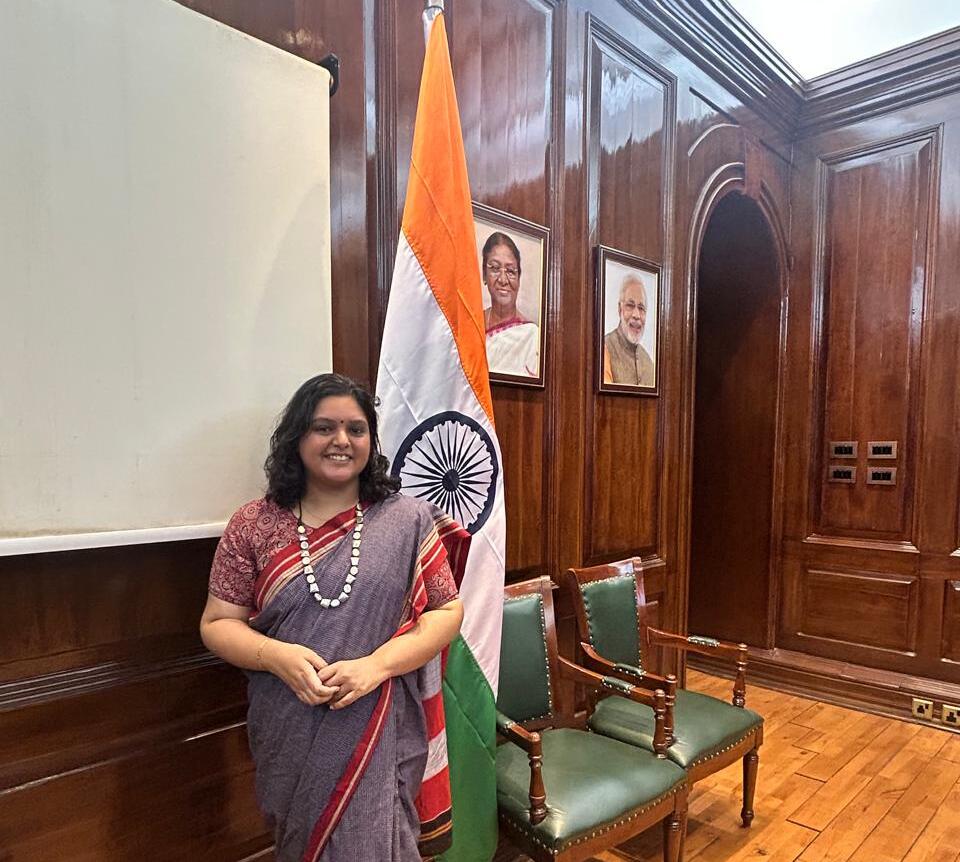






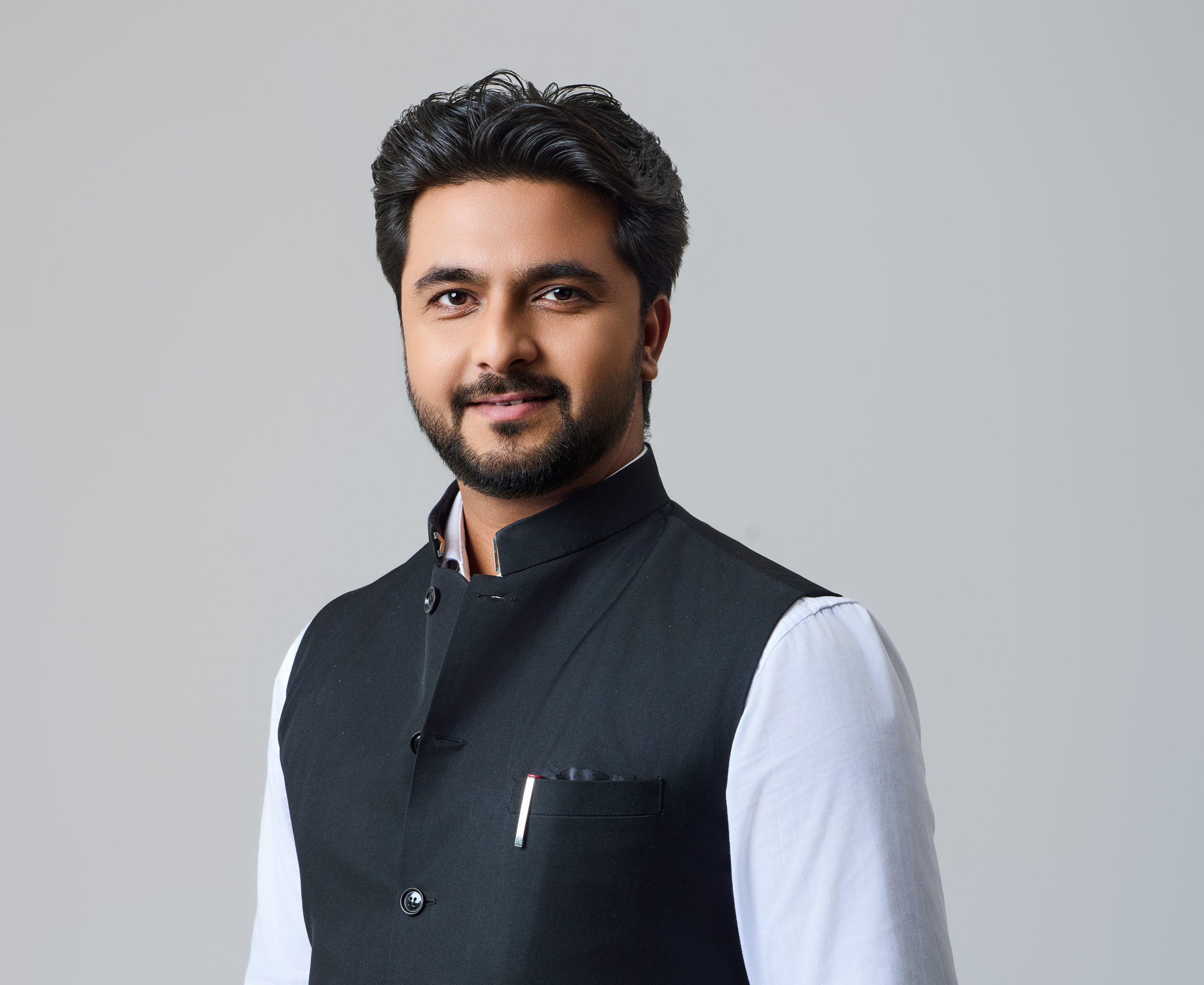

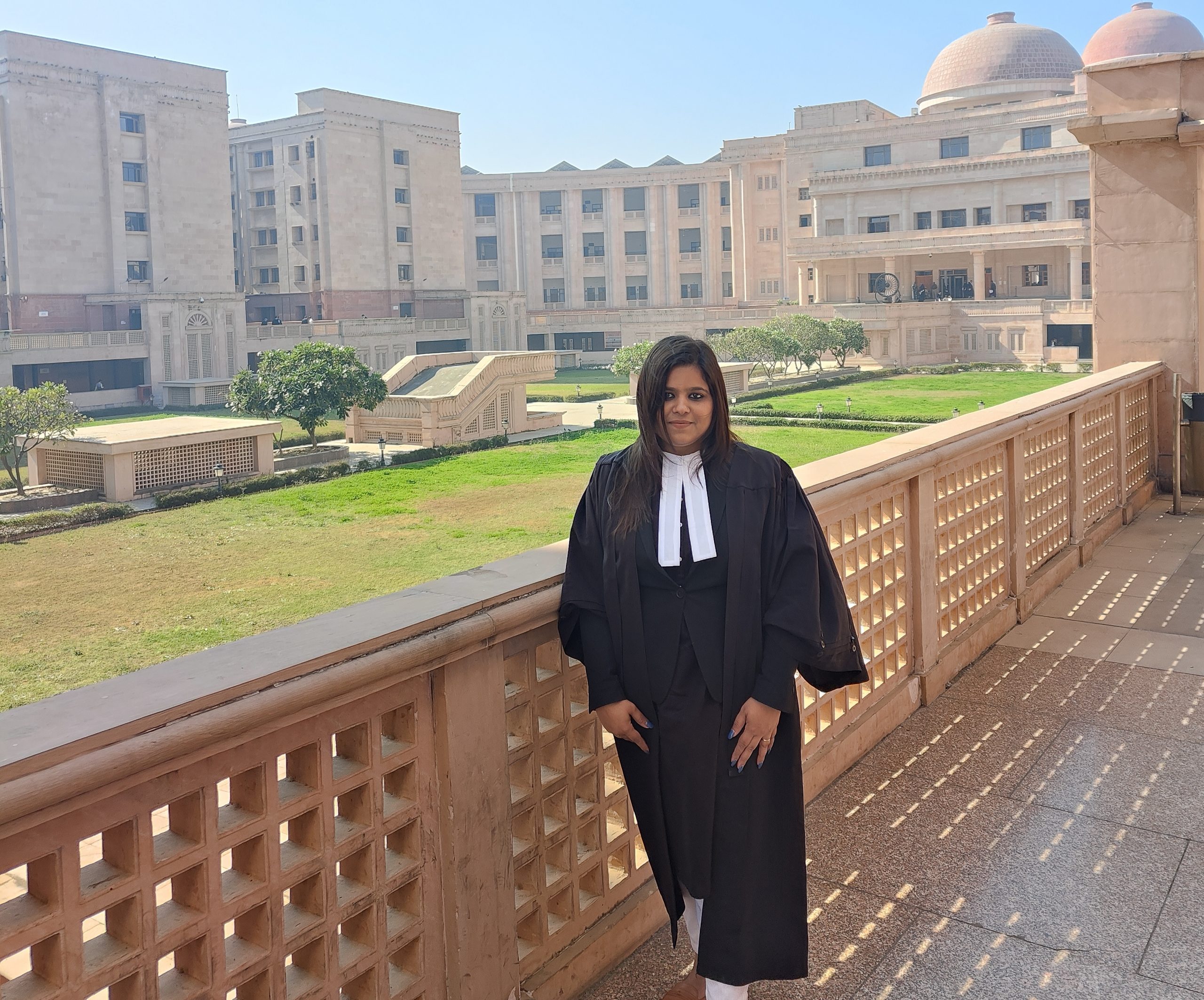

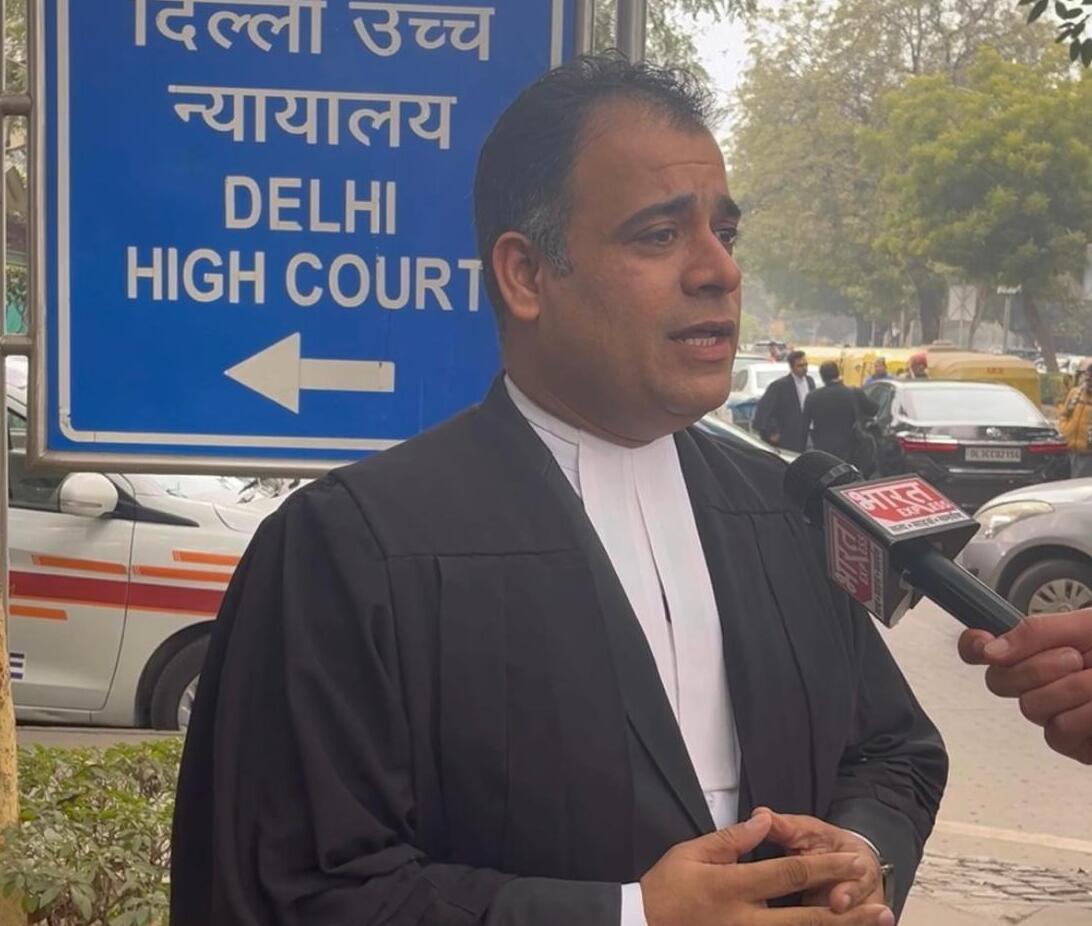





 Allow notifications