Category: Featured Insights

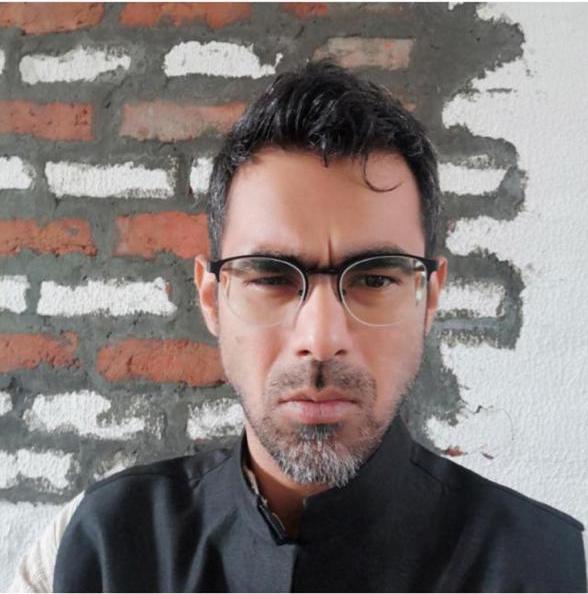
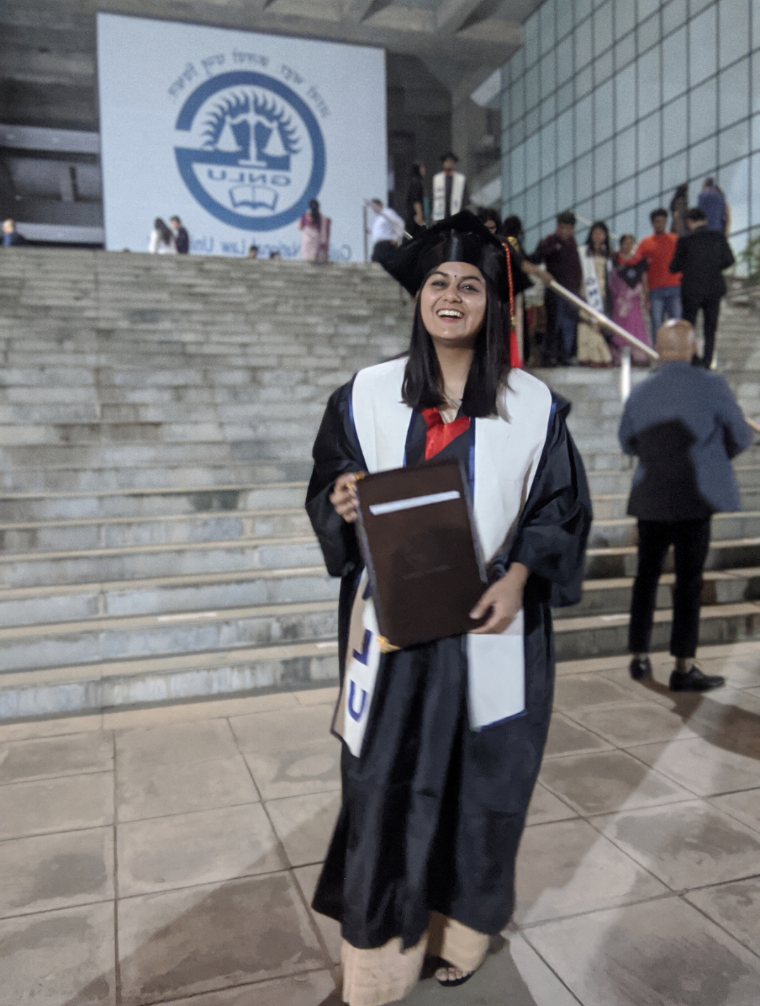
  • Humility, Combined with expertise, is the key to successful client interactions in the legal profession. – Nandita Khurana’s evolution from Litigation to International Corporate Leadership, Sr. Partner (Public Policy and Regulatory Matters), Anhad Law

    Humility, Combined with expertise, is the key to successful client interactions in the legal profession. – Nandita Khurana’s evolution from Litigation to International Corporate Leadership, Sr. Partner (Public Policy and Regulatory Matters), Anhad Law

    This interview has been published by Namrata Singh and The SuperLawyer Team

    We would love to know about your journey from the college days in Delhi University to becoming a senior legal other than that  you are in the leadership role with  companies. So please share your journey and how you reach there. And what were your learning’s?

    Yes, my journey began in Delhi, where I spent a significant part of my early life due to my father’s service in the income tax department. Although we moved around a bit, we eventually settled in Delhi. After completing my education at Convent of Jesus and Mary, I joined St. Stephen’s College and later pursued law at Campus Law Center, predating the establishment of National Law Schools.

    I graduated in 1984 with honors in English from St. Stephen’s and then pursued a full-time law course at Campus Law Center, completing it in 1987. The career landscape in those days was limited to professions like engineering, medicine, and law. Considering my passion for communication, I briefly explored the possibility of entering the field but eventually focused on law, drawn to its capacity for expressing opinions and views.

    During my law studies, I engaged in extracurricular activities such as hosting state shows and working as a radio jockey. After graduating, I joined the Supreme Court and gained valuable experience representing the State of Gujarat. The supportive environment of the judiciary at that time encouraged young lawyers like me to present cases confidently.

    Following my time with Mr. Shroff, where I also contributed to legal aid work, I moved on to work with Rani Jethmalani and gained exposure to commissions, primarily MRTP (now Competition Commission). After a brief stint in an independent law firm, life happened, and personal priorities led to a temporary pause in my legal career.

    As India opened up, I joined law firms such as IILC and later Singhania and Company, gaining experience in mergers, acquisitions, and foreign funding. Despite enjoying criminal law, I found myself increasingly involved in women-centric matters due to gender biases prevalent at the time.

    However, by 2005, I reached a point where I realized I had my fill. The joy of being in courtrooms had waned, and I felt that continuing was a futile investment of my time.

    Making the decision to prioritize my enjoyment and satisfaction, I acknowledged that my heart was no longer in the legal battles. Fortunately, I’ve been blessed with unwavering support from my family—especially my husband and children—who have consistently encouraged my pursuits in life.

    In 2005, I decided it was time for a change. Returning to the legal sphere, I joined Kochhar & Co. and immersed myself in corporate law once again. This period, spanning about one and a half years, proved to be a rejuvenating experience as I rediscovered my enthusiasm for the intricacies of corporate legal matters. Subsequently, I ventured into in-house counsel roles, including a significant stint with Michelin in Singapore, where I served as General Counsel for India and Australia. The role expanded to overseeing the legal aspects of a billion-dollar factory setup in India.

    Upon returning to India, I continued to evolve within Michelin, eventually taking on the role of Regional General Counsel for Africa, India, and the Middle East. The company’s culture of constant growth and challenges suited my evolving professional aspirations.

    In 2016, I embraced the additional responsibility of Public Affairs Director. This dual role continued until my departure in August 2022, marking around 14 years with Michelin—a period where I found satisfaction and continuous learning.

    Post Michelin, I transitioned back to the legal side, collaborating with the law firm Anhad Law as a Senior Partner. Additionally, I contribute to the legal education sector by teaching LLM at IILM, a private law university known for its MBA programs.

    My life extends beyond the legal profession, and I find fulfillment in various pursuits, living a well-rounded life beyond being just a lawyer.

    I’m eager to delve into your roles as an independent director and consultant in legal and public affairs. Could you elaborate on your approach to these responsibilities? Furthermore, what guidance would you offer to someone seeking to comprehend these roles? Additionally, could you shed light on why it is imperative for businesses to actively engage in social cooperation?

    Certainly, you’ve presented several questions simultaneously, and I’m considering the best order in which to address them. For now, let’s explore the significance of ethical organizations.

    When we talk about ESG (Environmental, Social, Governance), it encompasses policies that underscore our responsibility towards the environment and future generations. Establishing a robust governance system is crucial for ensuring sustainability. This awareness has gained traction globally, with a notable surge in the last few years, emphasizing the three Ps—People, Profit, and Planet.

    The growing emphasis on responsibility towards the planet is a response to the evident repercussions, as we witness the environment reacting to our actions. People are increasingly demanding that organizations be socially conscious and considerate in delivering projects and services. Consumer consciousness has played a pivotal role in shaping corporate practices.

    In the past, companies focused solely on profitability when relocating production to countries like China, often overlooking environmental and labor conditions. However, this paradigm has shifted. The impact of consumers’ demands for ethical practices has led to a change in how companies operate globally.

    For instance, let’s consider the tire industry, where I have substantial experience. Michelin, as a tire company, has long prioritized the production of “green tires,” considering environmental aspects in its processes. This commitment to ethical production not only contributes to environmental sustainability but also aligns with the consciousness of consumers. People are now more inclined to avoid products that are perceived to harm the environment or have unethical production processes.

    This shift in consumer behavior has prompted corporations, governments, and semi-governments to establish ethical processes and systems. While profit remains a driving force, companies have realized that ethical practices contribute to better profits. This movement has evolved into a self-sustaining cycle.

    As we discuss this, it’s essential to acknowledge a sense of righteousness that comes with contributing to positive change. There’s a shared responsibility among companies, employees, and consumers. Establishing transparent, visible, and easily accessible systems is crucial. Companies must educate their employees, align their ethics with societal expectations, and constantly work towards building a sustainable ecosystem.

    For someone starting their career, I would advise thorough research before accepting an offer. Young professionals today play a significant role in shaping the future, and making ethically aligned choices can lead to a fulfilling and prosperous career. It’s about more than just chasing money; it’s about contributing to a sustainable and responsible future.

    Could you elaborate on the intricate dynamics between antitrust, corruption, and compliance? Additionally, what proactive strategies do you believe businesses should employ to navigate through the prevalent legal and ethical challenges, especially considering the contemporary norm where discussions on ethics, technology, compliance, and ethical standards have become commonplace? How do you perceive this affecting companies directly and, consequently, their profits, their personnel, and the broader impact on the planet?

    You’ve likely heard the saying, “No point bolting the stable door after the horses have bolted.” This essentially means that addressing issues only after they occur is not effective. When we discuss critical topics such as ethics, privacy, competition, and other impactful considerations for organizations, it’s clear that consequences can be severe. Every organization is naturally concerned about repercussions and seeks to address issues proactively.

    However, waiting until after an incident has occurred to take action is insufficient. Organizations have learned, often from the experiences of others, that by the time they start addressing a problem, it might be too late. It’s crucial to establish systems and processes beforehand. Successful organizations, whether global or socially responsible entities with a long-term vision, have robust risk management systems in place.

    Creating a risk map involves defining top risks across various categories, such as legal, technical, regulatory, and financial risks. For legal risks, compliance with laws, antitrust concerns, and data privacy are often significant considerations. Identifying major risks is just the beginning. To effectively allocate resources, organizations must differentiate between higher and lower risks.

    Key management personnel or directors often face direct penal or significant financial risks. Once high risks are identified, working with teams to develop a risk mitigation process is essential. This process includes implementing policies, providing education, conducting regular internal audits, and periodic external audits.

    By conducting a comprehensive risk mitigation exercise, organizations are better equipped to handle potential issues when faced with regulatory authorities. While mistakes and slip-ups may still occur, being well-prepared significantly improves an organization’s ability to navigate challenges. This proactive approach not only benefits the organization but also provides peace of mind to its consultants, advisors, and external teams who want to see the organization thrive. It emphasizes the importance of performing these exercises long before trouble arises, as once a crisis hits, control may already be lost.

    When we are dealing with complexities in international legal cross border transactions and other aspects.How do you see yourself focusing on that? Because when we start we do not realize that it’s only legal issue. So How have you learned that combination thing, and What would be your views as in when you are trying to explain these things to the Newbies. How to Be focused, find a calling, and then only get into a job or get into a work. But how does that work? How do you suggest that can work for them.

    When delving into international legal compliance’s, understanding your client goes beyond viewing it merely as a legal matter. It’s crucial to comprehend your client’s business thoroughly. While legal issues, especially involving contracts, have transitioned to digital platforms with the advent of technologies like ChatGPT, It’s becoming a lot easier while contracts is a big part of what you, as a lawyer in any organization international or national, will do.

    The first step for any lawyer, even external consultants, is to ask pertinent questions and gain a deep understanding of the client’s business. Drawing from personal experience working in-house and collaborating with international players, it became evident that understanding the client’s business is paramount. International consultants often visited factories, observed processes, and interacted with various teams, not just the legal department. This holistic approach provided diverse perspectives.

    To be effective in the legal field, one must adopt a business-centric mindset. Understanding the larger picture involves grasping the culture, values, and driving force of the business. Lawyers are integral, but they must recognize their role as a part of a more extensive machinery. It’s not about preventing actions; it’s about guiding clients on how to navigate within legal boundaries.

    This approach is essential for lawyers to add substantial value. Whether in-house or external, spending time to understand the client’s business creates a lasting partnership. Lawyers become invaluable advisors when they align legal advice with the client’s business objectives. Rather than hastily providing answers, the emphasis should be on asking the right questions and comprehending the nuances of the client’s business.

    For aspiring lawyers, the message is clear: be patient, ask the right questions, and understand the client’s business intricately. The goal is not to dictate terms but to collaborate effectively. The tendency for some lawyers to have an inflated opinion of themselves and talk down to clients is discouraged. Humility, along with expertise, is the key to successful client interactions in the legal profession.

    In your role, how do you actively foster awareness and cultivate values of humbleness and humility within the legal community? Particularly, while instructing LLM courses and other legal programs, How do you ensure that students grasp the significance of simplicity, humble conduct, and the avoidance of the traditional tendency among lawyers to assert authority over clients? Could you share your motivation behind these efforts and the strategies you employ in this regard?

    I wouldn’t term it as a specific strategy. To be completely transparent, when I teach, I’m fortunate to have a class of professionals, all of whom are qualified lawyers. I encourage them not only to express their thoughts but also to question and challenge not just me but the established norms. I urge them to bring innovative perspectives to the table because this generation, although confident, is incredibly intelligent. They respond well to friendly conversations and are open to embracing new ideas and challenges, more so than previous generations. I try to nurture their curiosity and inclination to question, making them more open-minded.

    Allow me to share an example. In one of the courses I teach, “Law and Justice in a Globalized World,” we delve into legal theories, which can often be perceived as dull. However, during the class, I observed an enthusiastic group of students. Recognizing differing opinions, I transformed it into a debate, providing a safe space for them to challenge each other on sensitive topics like religious freedom. I encouraged open discussion, allowing them to express their views, whether positive or negative, as a form of catharsis. The outcome was fascinating, with diverse theories emerging, and it turned out to be an enriching experience.

    By exposing today’s students to such humbling and learning experiences, I believe they become adept at considering various perspectives. It’s crucial for them to grasp that their opinions may not always be the only correct ones. These experiences instill humility and a continuous thirst for learning. While I can guide them in the classroom, life remains the ultimate teacher, and maintaining a questioning and curious mindset is vital for personal and professional growth.

    What do you believe are the key qualities that make a successful person an entrepreneurial leader? And how do you see? how do you think that you can instill this kind of win-win environment in your own leadership style? And we can learn from that particular thing? How did you do that for yourself?

    I have consistently maintained an open and transparent communication style, coupled with a genuine enthusiasm for acquiring new knowledge. A fundamental aspect of my approach is the pleasure I derive from collaborating with individuals and functioning as a team player. Throughout my journey, I’ve come to realize that the learning process is perpetual, and I humbly acknowledge that there is always more to explore. I firmly believe that working together with others is the most effective and rewarding way to achieve common goals.

    Maintaining open lines of communication is crucial. Respecting others and acknowledging that they possess knowledge and perspectives I may lack fosters a positive working environment. Taking responsibility for actions or inaction’s is another vital aspect. While some may feel hesitant or scared, building confidence, even if it requires a bit of false bravado, is important, especially in leadership roles.

    Confidence, coupled with knowledge, tends to get recognized. It’s about accepting the role as someone capable and being open to new ideas. Many individuals, despite their intelligence, often undersell themselves. I’ve observed that even highly intelligent people may hesitate to articulate their thoughts or needs. Soft skills, including effective communication and public speaking, are essential for success, and I believe there should be more emphasis on developing these skills in our educational and professional journeys.

    Given your experience in fostering relationships with CXOs, clients, and government departments, what role do you believe effective communication plays in the success of a legal professional, both in and out of the courtroom?

    First and foremost, a solid understanding of your subject is imperative. Attempting to navigate without a thorough knowledge is not a strategy. It’s crucial to recognize that the individuals on the other side of the conversation are likely well-versed in the subject matter as well. Therefore, thorough preparation is key, and it’s a form of respect towards those you’re engaging with. Honesty plays a pivotal role in effective communication.

    Being forthright and transparent is essential. Some might withhold information for various reasons, but effective communication requires openness. Whether interacting with C-level executives or individuals at lower organizational levels, the approach should remain consistent. Transparency, honesty, and respect should be extended to everyone, regardless of their position.

    Moreover, active listening is paramount. Responding to questions appropriately and addressing concerns reflects attentiveness. People want to be heard, and effective communication involves not just expressing your thoughts clearly but also genuinely listening to others. It’s a two-way street, and understanding the questions posed is crucial for maintaining the flow of the conversation.

    Is there a particular achievement or project in your career that you are especially proud of, and would like to share with our readers? Also what advice would you offer to the upcoming generation, Specially the generation one, because they always have this feeling that if I’m Gen.1 there is a possibility we would not get that pampering.

    Absolutely, there’s no denying the presence of nepotism in the legal industry, just as it exists across various professions. While it might be more accessible for second or third-generation lawyers, I can personally attest to the fact that being a first-generation lawyer isn’t an insurmountable hurdle. I come from a lineage where my father studied law, but never practiced, and my grandfather’s experience with the legal system predates my active involvement.

    Breaking into the field might not be instant, but with hard work and sincerity, opportunities will come your way. It’s essential to discover your passion within the legal landscape—whether it’s litigation, in-house work, or exploring the expanding realms of quasi-legal roles in public affairs and regulatory domains.

    Today’s legal professionals have a plethora of opportunities beyond traditional roles, providing a chance to find a niche that truly resonates with their interests. It’s crucial to experiment, explore, and identify what brings genuine happiness because longevity in the profession requires fulfillment.

    As for my own achievements, every milestone, no matter how significant at the time, pales in comparison to the long-term success of overseeing the establishment of a billion-dollar factory in India. Commencing in , this venture involved navigating complexities, securing approvals, addressing corruption issues, and developing comprehensive legal frameworks. Witnessing the first product roll off the production line was a moment of immense pride.

    Beyond financial victories, I consider creating an ethical and compliant organizational culture as one of my most substantial achievements. This involved instigating change, imparting global corporate norms to local teams, and fostering an environment where individuals could thrive without compromising personal ethics. The recognition from the government, acknowledging our entry into India without financial obligations, stands out as a testament to the success of building this ecosystem.

    While I can recount various legal cases and wins, the real excitement lies in the trans-formative projects that contribute positively to society and business.

    Get in touch with Nandita Khurana-
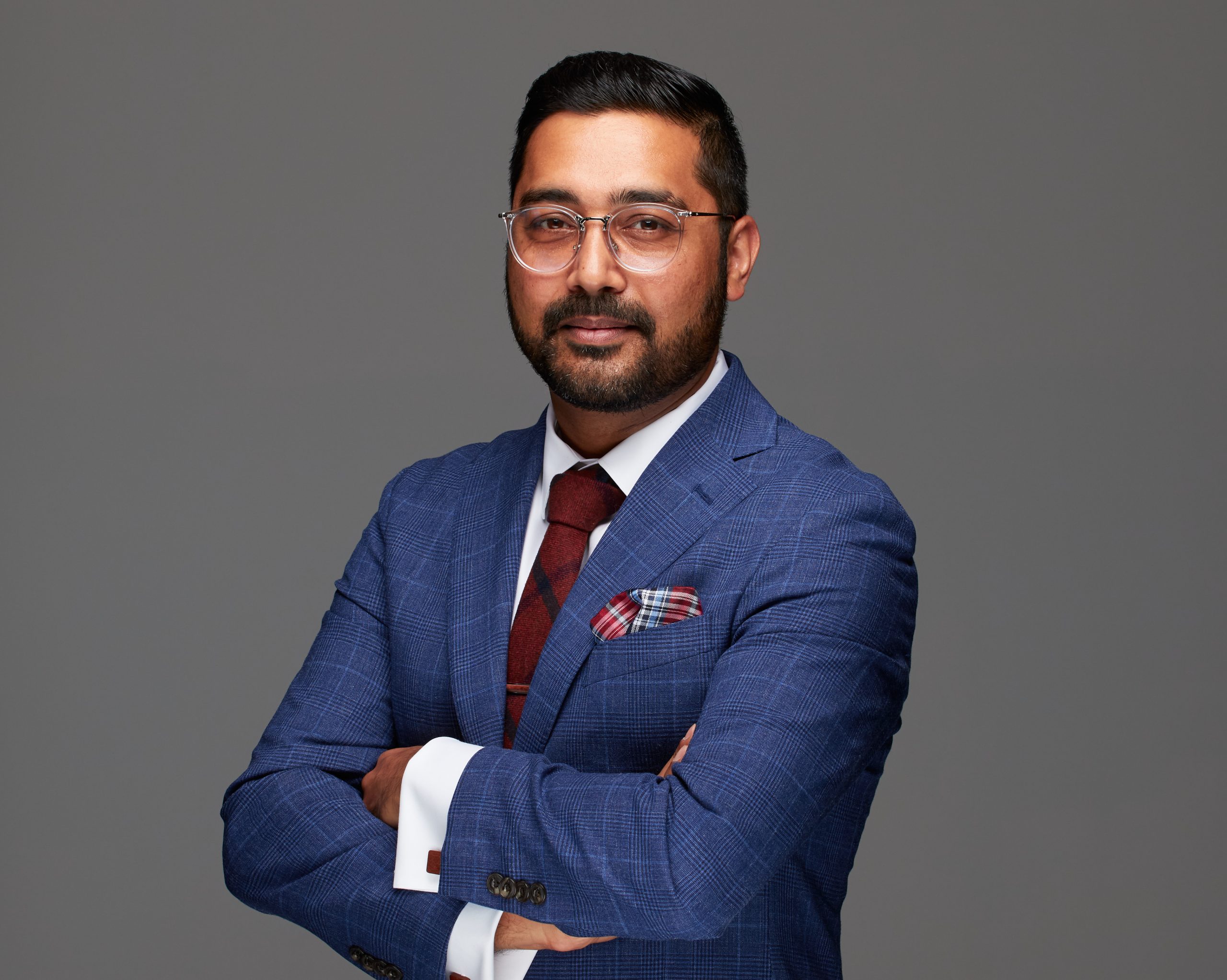
  • “From Corporate Law in India to Shaping US Policies: A Journey of Resilience and Advocacy”- In an illuminating interview, Samar Jha, Government Affairs Director at AARP shares his remarkable journey.

    “From Corporate Law in India to Shaping US Policies: A Journey of Resilience and Advocacy”- In an illuminating interview, Samar Jha, Government Affairs Director at AARP shares his remarkable journey.

    This interview has been published by Namrata Singh and The SuperLawyer Team

    To start, could you please introduce yourself to our readers, providing a glimpse into your professional journey and the pivotal moments that shaped your career?

    I am Samar Jha, a government affairs and advocacy professional working for American Association of Retired Persons (AARP) in Washington D.C. and I lead the state and local housing advocacy for our organization. In my previous role, I was a corporate lawyer in India, having worked in a few of the big law firms in New Delhi, India. I think every professional experience I have had has contributed to my development as a professional. My academic experience in NALSAR coupled with my legal training at law firms has contributed immensely to my government affairs work. I also have to say that my time at University of Pennsylvania (Penn) at the law school (Penn Law) and at the Fels Institute of Government (Fels) was pivotal as it provided me with a massive boost to my work in the US. It took me time to finally find my niche, but I think I am now at a position where I can safely say that I love what I am doing.  

    You’ve navigated through various roles, from law firms to the City Council and now AARP. What motivated your transition from legal practice to government affairs, and how have these diverse experiences shaped your approach to advocacy?

    It has been a fascinating journey for me. After working as a corporate lawyer for close to 6 years, I took a break to study at Penn Law. After my LLM, I was looking to do something different other than corporate law, subsequently, in 2015 I applied for a public policy fellowship at the Philadelphia City Council President’s office. I was lucky to be accepted as a fellow. At that time, I was the first foreign trained lawyer to be accepted as a fellow. That was the pivotal moment in my professional career, as I fell in love with public policy work. I got to work on issues ranging from criminal justice reform to housing issues. It was a wide range of public policy issues that I had the privilege of working on. At the end of my fellowship, I was recommended for a position of Director of Government and Public Affairs at the Greater Philadelphia Association of Realtor® (GPAR), which is a trade association in Philadelphia. I was lucky to get that position, which allowed me to do advocacy and government affairs at the city level and sometimes at the state level due to Philadelphia’s importance in the state of Pennsylvania. While I was working at GPAR, I also got my Master of Public Administration (MPA) at Fels. All these experiences provided me a solid grounding on US public policy and advocacy work. And then in November 2020, I joined AARP as their Government Affairs Director, where I oversee the state and local housing advocacy for our 53 state offices. 

    Your work at GPAR included advocacy at the city and state level.  Could you share some insights into your work at GPAR?

    As I had mentioned GPAR is a trade association that advocates for policies in relation to the real estate industry. As the lead advocacy person at GPAR, I was responsible for tracking legislation that pertained to our industry. I was tasked to review or draft legislation, provide adequate amendments, and/or negotiate legislation on behalf of the association. I was in touch with lawmakers and their staff to discuss the proposed bills. Invariably the work involved, making sure the legislation that eventually is signed into law does minimum harm to our members and residents of the City of Philadelphia. At GPAR, I also was tasked to work on political campaigns and work on fundraising for our political action committee (PAC). 

    With degrees from NALSAR, University of Pennsylvania Law School, and the Fels Institute of Government, your education has been diverse and extensive. How have these academic experiences contributed to your professional roles, especially in the areas of government affairs and public policy?

    I always credit NALSAR, Penn Law, and Fels for providing me with a great foundation to my career. My time at NALSAR afforded me an opportunity to work at some great law firms in India, which provided me with the legal application, which I still use. Penn Law was instrumental in providing me the grounding on US Law and how the legal system works. And having passed the NY State Bar exam, I am hoping to be registered as an Attorney in the state of New York by the end of 2024. Lastly, a huge credit goes to Fels Institute of Government for getting me acclimated to the US public policy and advocacy arena. Each of these institutions have been instrumental in my life as a professional, and I will always be very grateful for that. 

    Your role as the Government Affairs Director at AARP is pivotal. Could you share some insights into your responsibilities and the impact you aim to make in this position, particularly in the context of housing advocacy and policies for Americans aged 50 and older?

    While at GPAR, my work was geographically limited to Philadelphia. Whereas my role at AARP dramatically increased. AARP is a member-based organization that advocates for policies that improve quality of life for all ages, especially for older adults (typically 50+). It is the United States largest member organization with nearly 38 million members. AARP has 53 state offices (50 states and offices in Washington D.C., Puerto Rico, and American Virgin Islands). I am tasked to lead AARP’s local and state housing advocacy, which means I work with state offices on their housing advocacy. States offices reach out to me regarding legislation to be reviewed, provide adequate legislative language that protects our interest, or draft complete legislative text that can be shared with their respective lawmakers. It is interesting how your legal training tends to be so useful in government affairs work. I always say advocacy and government affairs is very similar to being a corporate lawyer. As a corporate lawyer, you work on strategy, drafting, and negotiation. That is exactly what you do in advocacy, as you strategize your legislative work, and then assist in drafting legislation, and it ends with negotiating with lawmakers and other stakeholders to pass an optimal legislation. Similar to clients in law firms, I treat my state offices my clients and try to provide the best quality service that I can. 

    Lastly, in addition to helping state offices, I am also invited to speak at various conferences and panel discussions at the local, state, and national level to discuss our housing policy and advocacy work. This is an important aspect of my work, as we try to engage with as many stakeholders as possible, because any legislative work, in the end, cannot be accomplished alone and needs allies and coalition members to cross the finish line. So, in a nutshell, that is what I do for AARP.       

    As the Co-Chair of the Young Professionals Committee for the World Heritage City Celebration in 2022, how did you contribute to the event, and what significance does preserving global heritage hold for you personally?

    This was one of my favorite volunteering experiences. I was invited by the Global Philadelphia Association (GPA) to be the co-chair of the Young Professionals Committee for the World Heritage City Celebration in 2022. In 2015, GPA was successful in getting Philadelphia recognized as the first World Heritage City in the nation by the Organization of World Heritage Cities. GPA organizes this event every year to celebrate Philadelphia’s World Heritage Status and raise Philadelphia’s international profile and inspire a new level of local heritage recognition and activity. Along with my co-chair Toyin Ogunfolaju, we fundraised for the event, as well as being featured on videos to raise the profile of the event. We also welcomed the attendees at the event, and we were lucky to be part of the team that welcomed Ali Velshi, MSNBC anchor and the main draw of the event. Lastly, I love the city of Philadelphia, as I owe a lot to the city, so being part of the celebration was special to me. 

    You’ve received several awards and recognitions, such as the Audrey Miller Poritzky Award for Leadership. How do you balance professional achievement with your commitment to community service and leadership roles?

    It was a pleasant surprise to be awarded the Audrey Miller Portizky Award for Leadership by the Fels Institute of Government. This was during my second year of my MPA program. My wife (Anjali Chainani) and I believe it is important to give back. For example, many people advised and mentored us while we were coming up during our career. Hence, our way of giving back is to mentor young professionals and hoping they will do the same for the next person. So, we do try to volunteer our time to things we believe in. I am part of the Penn Alumni Ambassador program where I get to have conversations with prospective undergraduate student applicants about their experience and my Penn experience. More recently, I was appointed to City of Philadelphia Mayor-Elect Cherelle Parker’s Transition team for Housing, Planning, and Development. The purpose of the transition committee is to come together and recommend plans and policies that the Mayor-Elect Parker can undertake for the city when she takes oath as the 100th and the first female Mayor of Philadelphia in January 2024. Fortunately, Anjali was also asked to serve on another transition committee. Therefore, as I mentioned, we try to give our time to causes that we believe in.   

    Outside of your professional life, what hobbies or personal interests do you engage in to unwind and find inspiration? How do these activities contribute to your overall well-being?

    Anjali and I are avid cyclists. We love doing long distance cycling and try to go on the long cycling trails that Philadelphia and its suburbs have to offer. We also try to plan our vacations that involve cycling. Especially, if we are in a new country, we typically like cycling and going through the country. It is a great way of seeing parts of the country you may not see while driving. More recently, we were cycling through the Bavarian Alps in Germany and Austria.

    Cycling helps us not only stay fit but also Anjali and I can spend time doing something we enjoy a lot. Both of us get busy with work and travel, therefore, it is important to take out time for ourselves and cycling together helps in doing that. 

    Navigating a career as dynamic as yours surely comes with challenges. Can you share some significant obstacles you’ve faced along the way and how you overcame them, offering any lessons for those aspiring to follow a similar path?

    I have had my share of ups and downs in my professional career. Life after NALSAR looked easy, as I was able to earn a spot as an Associate in one of the biggest law firms in India. However, it took a toll on me mentally and physically. Moving to the US, I had to completely change my outlook towards networking. The way networking happens in India, at least when I was in India, is very different from how it is done in the US. I had to learn how to network for myself, which is not something I did in India, and it took some funny and embarrassing moments before I could find myself in the rooms where I belong. So, when I decided to pursue a policy position in the US, I had to start from scratch. Imagine, being an Indian, working as an advocacy and government affairs professional in a country like the US, and in one of the biggest cities in the country. Initially, I was non-existent for people, and no one knew who I was. I had to go through the grind of proving myself firstly, through my work and then through networking. I always tell upcoming professionals that, let your work product speak for you first before you want the person in front of you to engage with you.   

    As we conclude, we would love to hear your thoughts on the current state and future trajectory of government affairs and advocacy. What trends or developments do you foresee shaping these fields, and how can professionals prepare for the evolving landscape?

    Government Affairs and advocacy is an ever-changing field of work. One must be very aware of, among other things, the political climate at the local, state, and federal level, the legal system, and the stakeholders in your issues. Whenever I talk to students, I explain the process of an idea becoming law. It starts with an idea, which people start talking in conferences and forums, and then policy is developed, which is used to draft a legislation, and is negotiated between stakeholders, and is deliberated in legislative chambers, and then it passes, eventually signed by the Executive. The process does not end there, as it needs to be implemented. Having said that, I think I have oversimplified the process a lot and it does not do justice to the field of work. Therefore, advocacy involves various parts, and students interested in entering the field of advocacy must be aware of the ever-changing aspects of the process. 

    In the US, government affairs and advocacy have rules, which are strictly governed by regulations at the local, state, and federal level. In India, government affairs and advocacy work are still evolving and need more codified legal requirements. When I was a law student in India, there weren’t many opportunities to enter policy and advocacy work apart from taking the UPSC exam and joining the Civil Services. However, currently there are some amazing policy think tanks in India and a lot of students are interested in pursuing policy work and it is very heartening to see more Indian law students willing to enter the field of policy and advocacy work. And I sincerely hope I get a chance to talk to policy and advocacy students in India as I would love to share the US advocacy perspective with them.  

    Get in touch with Samar Jha-

  • Mahafrin Mehta, Senior Associate at HSA Advocates, In a FireSide Chat With SuperLawyer Sharing Insights On Challenges Faced By Budding Litigators

    Mahafrin Mehta, Senior Associate at HSA Advocates, In a FireSide Chat With SuperLawyer Sharing Insights On Challenges Faced By Budding Litigators

    This interview has been published by Prabhjot Singh, Priyanka Karwa and The SuperLawyer Team

    What was your motivation behind choosing law as a career?

    Whilst growing up, the law always fascinated me. For some reason, there is a lot of misconception surrounding law as a profession. I was discouraged at many points in time by a lot of people from taking up this profession as well. However, I was determined to study law. My parents have been my biggest supporters and were overjoyed with my decision. Initially, I was intimidated by it all but gradually I started enjoying the learning process.

    What are the challenges that are faced by budding litigators at the start of their careers?

    With lakhs of students graduating from law schools/ colleges across the country, every year, the competition for freshers is fierce, to say the least. Not only to get a job, even to get an internship with a reputed firm, it is tough process.

    It is important to gain exposure through internships and identify their ultimate area of interest within the law. In my second year of LLB, I was certain that I wanted to be a litigator and hence started my association with a reputed law firm in Mumbai, first as an intern and then as an articled clerk.

    Freshers and interns are at the bottom of the hierarchy and are taken most advantage of, especially in litigation. In order to gain exposure, many a times, they agree to work for a miniscule amount or at no cost at all. I was blessed and privileged enough to not have any overheads. However, it is tough for a lot of freshers and interns to work without any salary stipend.

    What are your thoughts on “Arbitration” as a mechanism for dispute resolution?

    At the outset, I’d like to say that there is a noticeable shift during the course of the last few years. Contracts/ Agreements have but naturally become more arbitration centric. It is very rare that you would come across a contract/ agreement nowadays which would not contain an arbitration clause. Not only is Arbitration effective but it is also a speedy mechanism for dispute resolution. Having said that, arbitration has also got flack for being a “luxury” litigation i.e. there is a substantial amount of expenditure involved to conduct the same.

    How do you make pleadings/ contracts understandable/ more accessible for your clients?

    I enjoy drafting! It has always been a complete joy and pleasure for me to draft pleadings and other documents. Not all our clients are fellow lawyers and not all of them have any legal knowledge. The key to make you pleadings/ contracts understandable/ accessible to your clients is to keep your drafts as simple and concise as far as possible.

    Talking about work-life balance, there has been ample amount of discussion on health issues as a lawyer, what do you believe are the best practices to maintain the equilibrium?

    The legal profession is a demanding one. Urgent matters and tight deadlines are a common feature. Its only but natural that in such a demanding environment, individuals are exposed to high amounts of stress. In order to maintain balance, its important that one takes time off and undertake any activity(s) which helps them to relax. Mental health issues are often overlooked and not talked about.

    Do not let this go unchecked and seek appropriate help. Nothing is more important than your health. As cliched as it sounds but “health is truly wealth”.

    Lastly, what advice would you give to someone starting out in the field of litigation?

    My advice to freshers and interns who want to be litigators, would be to read up on the various statutes. Sadly, there is a noticeable lack of knowledge of basic provisions of the CPC, in a lot of juniors, which is your foundation. Being in the legal profession, you never stop learning. Its constantly evolving.

    Therefore, I think it is also very important to be abreast with the latest developments and judgments.

    Lastly, hard work is definite key to success in this profession. More the effort you put into it, the more results/ benefits you can reap out of it.

    – MAHAFRIN MEHTA

    Get in touch with Mahafrin Mehta-

  • Mohit Pandey, Staff Lawyer at Volterra Fietta, The Public International Law Firm, In a FireSide Chat with SuperLawyer On Investment Arbitration

    Mohit Pandey, Staff Lawyer at Volterra Fietta, The Public International Law Firm, In a FireSide Chat with SuperLawyer On Investment Arbitration

    This interview has been published by Prabhjot Singh, Priyanka Karwa and The SuperLawyer Team

    What inspired you to choose law as a career? How has been the decision so far?

    Well, I am an accidental lawyer.  I wanted to be a cricketer and have represented the U.P. state U-19 team in Cooch-Behar Trophy.  An unfortunate injury lead to sudden break in that career.  When the time came for figuring out alternative career paths, law seemed like a compelling choice, especially on account of its glorification by Bollywood and media.  It was an instinctive decision rather than a calculative one and I would say it has turned out to be one of the best decisions of my life.  Being a lawyer is more than a simple 9 to 5 job as it gives a sense of purpose towards a greater good of the society.  One feels like a warrior of justice.

    What were the challenges that you faced in the beginning of your career?

    I would say that to opt for a niche was quite challenging.  My initial interest lied in core criminal litigation until I came across arbitration.  Thankfully it happened sooner for me rather than at a later stage.  I realise that seniors generally advise us to practice across the spectrum and not look for a specialisation but in my understanding, law is so competitive that to succeed, a lawyer ought to be a specialist in their chosen field. 

    You have worked with a Senior Counsel, an international law firm, and independently, how has been your experience working in these setups and what are the differences?

    I have been lucky enough to have these wide experiences fairly early on in my career.  I will first talk about working with Mr Gourab Banerji, Senior Advocate.  Mr Banerji is an excellent mentor who takes keen interest in the careers of his juniors.  He takes the effort to teach and guide. 

    In a Senior Counsel’s chambers apart from assisting the Senior to prepare case briefs and research, you are also the bridge between him and the briefing counsels. You are his eyes and ears.  You are expected to be at the top of cases as well as the courts they are listed in. Being aware of the bench and its decisional inclination also becomes an important part of your work scope. 

    Working with Mr Banerji also resulted in lots of independent briefs.  Foreign law firms started engaging me to act as their co-Counsel in India related commercial arbitration’s and enforcement of foreign awards. 

    When you are working independently, you ought to be extra careful in every step you take as the only time your work will be scrutinised is before a tribunal or a judge with your client’s interest at stake.  In my experience, working independently has the highest learning curve and every young lawyer must do it in whatever capacity they can.

    Separate from the above two, working at a law firm is a different ball game altogether.  Herein you often work in a hierarchy with multiple chain of commands, be involved with the client at every stage of dispute, and also work substantially on business development.  My present office, Volterra Fietta, is the world’s only specialist public international law firm.  This has ensured some very exciting opportunities for me to work on like working with governments of prominent countries, advising cabinets and Prime Ministers, and also private investors.

    Could you tell us about some interesting cases that you have worked on?

    Although the nature of my work is highly-confidential and I cannot name drop many of the cases, I can speak about couple of them that are in public domain.  One is on behalf of the exiled Myanmar Government wherein we are tasked to collect evidence of human rights violation and other atrocities committed by the Myanmar Military and submit before the United Nations.   

    Another is an investment arbitration on behalf of an investor against a major European country.  The dispute arose out of gold mining concessions which were expropriated by the State in full display of unilateral authority.  This case is also challenging because the investors belong to a sanctioned state and every argument in their favour is met with a certain bias.   

    Mohit, how was your LL.M. experience at the MIDS?  Would you recommend this course to others?

    MIDS is truly the number one arbitration programme in the world.  It is a highly professional programme designed for individuals with a certain level of work experience in international dispute settlement.  The classes are taught by the finest in the field.  Not only the professors teaching the course are academically the best but they are also highly sought after by parties as counsels before the International Court of Justice and as arbitrators. 

    The MIDS also ensures ample exposure to students by regularly organising events and conferences with leading law firms.

    I would certainly recommend the MIDS to any student that is looking to make a career in international disputes.  Being in Geneva will give you an unparalleled exposure to international organisations and institutions.   However, my advice is that before venturing on a foreign LL.M., students should gain prior work experience.  This will ensure that you are fully prepared to respond to the challenges of a demanding degree.

    Could you highlight some of your success habits that enable you to meet your goal?

    Finding out the optimum performance hour has done wonders for me.  I work the best between 11 pm to 4 am and always schedule my most important drafts, document reviews, and important life decisions in that period.  Second habit that keeps me going is eating good food.  Never miss out on a meal!

    Lastly, what advice would you give to someone starting out?

    You have to be relentless in your pursuit.  Take fewer leaves in the formative years of your career.   However, it is also important to ensure that you don’t burnout. 

    Find what works best for you, my escapes are playing with dogs and multiple power naps!


    Get in touch with Mohit Pandey-

  • Ekta Bahl, Partner at Samvad Partners, Accredited Mediator at Singapore International Mediation Institute In a FireSide Chat With SuperLawyer On Role Of AI & Legal Technology In Legal Profession

    Ekta Bahl, Partner at Samvad Partners, Accredited Mediator at Singapore International Mediation Institute In a FireSide Chat With SuperLawyer On Role Of AI & Legal Technology In Legal Profession

    This interview has been published by Prabhjot Singh, Priyanka Karwa and The SuperLawyer Team

    Did you always want to become a Lawyer or was it something that you decided in the later part of your school life? What other career options would you have considered, if not law?

    While in school, there were a lot of things that I was interested in – Biology, Computers, Design (not Fashion), etc and I was exploring careers in those areas. Law was not really on the radar even though my paternal grandfather was a practicing lawyer and his father, grandfather and several of his siblings were lawyers. I had written the entrance exam to National Institute of Design since I had a thing for magazine covers and even had an admission in Microbiology after my twelfth standard.

    Law came into the picture courtesy a friend who was going to write the entrance exam for NLSIU and I tagged along with him. When I made it through, my mum was unsure and she spoke to my god-father who convinced her that NLSIU was a good school and that I should take it up. The rest is history.

    How do different approaches of adjudicators help in critical thinking? Do you believe that it helps in understanding cross-cultural overlaps in legal systems?

    The profession of law, is all about interpretation of the law to a given set of facts, irrespective of which area of law you are practicing. The context, nature and circumstances may change, but a lawyer will always need to be able see what law “fits in”.  In my view, “critical thinking” as a word is an abstract term and the interpretation of that itself can spark a debate.

    There is a co-relation between law, logic and reasoning. I also believe that each of us have inherent problem solving skills. It is these skills that we need to focus on and hone. If we get lost in the complexity of legal issues, we will forget the most fundamental of them all.

    While it is important to observe and learn from different approaches used by different from of adjudicators, it is equally important to understand which of these approaches work for you and then adapt accordingly. At the end of the day, you need to be your own person.

    When it comes to understanding cross-cultural over-laps in legal systems, while it may give you a well-rounded understanding of the world-view of legal jurisprudence and shape you as a lawyer and a person, the choice of whether it is a necessity or not, will eventually boil down to whether it is something that you need in your chosen practice area.

    Do you believe that being related to a family of lawyers helps in this profession? 

    I am a believer of hard work, smart work and merit. While having lawyers in the family, may provide an initial push, your growth is where you take it. If you look at the who’s who of the legal fraternity today, you will find a significant number of professionals in that list who do not come from a family of lawyers/have close relatives who are lawyers.  

    Being specialised in technology law matters, how do you think this area will evolve in the future? 

    My areas of specialisation are not limited to technology laws. I also do a significant amount of work in the area of life-sciences and healthcare and real estate. Additionally, I am a trained mediator.

    Technology has infiltrated almost every area of business and consequentially every area of law – it has become a suffix used with other areas of specialization – and we will see more of that. For example, fintech, medtech, healthtech, biotech, edtech, etc.

    Technology has always pushed the boundaries of traditional legal concepts/understanding and even technologies in the early 1990’s drove conversations around “jurisdiction” and “person” – issues that we are still grappling with. Technologies such as blockchain have triggered discussions when it comes to smart contracts and crypto-currency.  

    Technology will also impact the way we do our work as lawyers, as some mundane and routine tasks will be digitised or be undertaken by using artificial intelligence. We are seeing that even today. When I started working, we went to the office of the registrar of companies do undertake a manual search for the purpose of a legal due diligence, then came online search of the documents on the website of the Ministry of Corporate Affairs – today we have AI tools that give you the entire search report and that too customised for what you are looking. You also have automatic document generators that can prepare first cut drafts of agreements. Technology is also assisting in dispute resolution.

    There is innovation happening at a faster pace than ever and we see emerging technologies being announced almost every day. Some of these emerging technologies will disrupt our lives and the way we think and work. We may see the need to amend existing laws, pass newer legislations, think of interpretation of law differently because of these emerging technologies. We also need to really evaluate as to the real value that we bring on the table as lawyers, which is something that technology cannot replace or replicate.

    AI and the role of legal technology in our profession is literally booming, do you think it will create further opportunities for young law professionals ahead?

    As mentioned earlier, AI and technology have already made inroads into the legal profession. While there are tools that assist us, they have also made certain mundane tasks that were done by people almost obsolete. The use of AI and technology in law will increase. However, it is important to differentiate the use of such AI or technology as a tool for lawyers (such as case management software, case search engines, etc) or to reduce the reliance of parties on lawyers (such as document generators) is something that legal professionals need to understand.

    A legal professional needs to be able to use AI and technology as a tool and also be able to understand and adapt to future tools. On the other hand, legal professionals need to be aware of the impact that future technologies will have on the profession of law and constantly upskill themselves for any possible disruption.

    Having said that, whenever we see disruptive new technologies, there are legal issues that go hand in hand and in some instances, we see newer business/industry verticals arising as well as newer learning. As mentioned earlier, we may see the need to amend existing laws, pass newer legislation’s, think of interpretation of law differently because of these emerging technologies.

    Newer opportunities will arise and young professionals need to keep up with the emerging developments in AI and technology to identify them.

    Please tell us a few challenges that being a mediator one has to be prepared for facing?

    Mediation is an emerging field in India. While it has been in the law books for over two decades, in some form or another, it has been in the spotlight only in the last couple of years.

    The law makers, courts, lawyers and most of all, the litigants or parties in conflict are still not aware as to what is mediation, the role of a mediator and how mediation can be used as an effective dispute resolution tool.

    Lawyers in mediation need not be only mediators. Lawyers also represent parties in mediation and they play a significant role in the mediation process. The focus so far seems to be on the mediators. However, the challenge really is having good counsel to the parties in mediation.

    Counsel to disputing parties play an important part in a mediation since they are the ones who understand the dispute from a legal perspective and are also who the parties usually trust at the first instance. The counsel also plays an important role in preparing the parties for mediation. Unfortunately, because of a lack of awareness, this preparation for mediation is seldom there and this can derail the mediation process or result in delays. Additionally, most conversations on mediation happen from either from the perspective of the mediator or on the process, but there is little conversation that happens on the role of the counsel.

    Infact, young lawyers who feel passionate about mediation, should really look at the skills required for them to be able to support and engage their clients effectively in mediation.

    Ekta, what has been your motivation for reaching thus far in life? I mean, how do you make yourself well equipped for every challenge?

    I would love to say that the challenges that every new matter brings is the motivation for me. However, that is only a small part of what motivates me. I am a very people person, so my partners, my team and clients keep me motivated to continue. I learn and reflect from my interactions with them. And for that, I am forever thankful and grateful. Adding to that bundle is the constant learning – it keeps me on my toes and keeps monotony at bay. I am forever reading and learning as the law keeps changing and this also keeps me motivated.

    I do not believe that we are always equipped for every challenge. If we were, the challenge would cease to be that – a challenge. Rather, I am always open to deal with and handle any challenge, and for that I broadly follow the following steps

    (i) keeping an open mind – my existing thought process/opinions should not cloud my judgment;

    (ii) taking a pause and reflecting on the challenge to understand it – so that I do not hurry into it without a full understanding of what I am dealing with;

    (iii) break down the challenge into smaller pieces – this gets me to understand the real issue or challenge;

    (iv) deal with the pieces that I am familiar with – comfort of being in a familiar territory;

    (v) consult with others and discuss issues that I do not understand – I am not always right and another view gives me additional perspective;

    (vi) look the final outcome holistically after putting together the pieces and see if I am satisfied with the outcome as a whole – pieces may make sense individually, but they also need to work as a whole.

    Lastly, any few suggestions for our young law professionals?

    Find yourself and be yourself – as a person and a professional. Develop your own working style, including your own language. While you may learn and be influenced by best practices, being a copycat of someone else’s personality or working style may seem good in the first, but in the longer run it catches up with you and you may not be able to keep up.  

    EKTA BAHL

    Get in touch with Ekta Bahl-

  • Nikhil Mathur, Senior Associate at Shardul Amarchand Mangaldas & Co In a FireSide Chat With SuperLawyer On Corporate Litigation, IBC & Opportunities In Same

    Nikhil Mathur, Senior Associate at Shardul Amarchand Mangaldas & Co In a FireSide Chat With SuperLawyer On Corporate Litigation, IBC & Opportunities In Same

    This interview has been published by Prabhjot Singh, Priyanka Karwa and The SuperLawyer Team

    How would you describe yourself?

    I am a litigation lawyer who got into Law School wanting to be a corporate lawyer, took up science in my 10th standard to become an engineer (like my father) and aspired to be a sportsperson throughout my life. While I stand at risk to be deemed as ‘fickle minded’, I have been blessed to have the constant support from family members and the necessary guidance from mentors which eventually led me to my field of interest-litigation, that not only gets me excited to go to work every morning, but also pays the bills!

    Why did you decide to pursue law? Is there any specific reason for opting to choose litigation? Kindly share with our readers.

    The decision to pursue law was never planned. My poor performance in academics, especially in the subjects such as science/math and interest in subjects such as English and love for reading (coupled with my talent for providing detailed arguments at home) made it clear that engineering would not be the ideal way forward and pursuing law could be an exciting alternative.

    I credit my decision to opt for litigation, more specifically practicing the field of corporate litigation and IBC to Mr. Vivek Kohli, currently designated as a Senior Advocate and Advocate General, State of Sikkim and formerly the founding partner at Zeus Law Associates.

    As a fresher, I approached him for work in the field of corporate law at his firm. However, his passionate and almost bullish love for the field of litigation and my insistence on doing something in the field of corporate law led me to have the best of both worlds-i.e., the field of corporate litigation and subsequently the mandate of figuring out IBC which was very kindly offered to me at Zeus Law Associates by him.

    As rightly pointed out by him in our first meeting, litigation has the ability to not only consume a person but also give an adrenaline rush on a daily basis which would not make ‘work’ feel like ‘work’.  I feel like waking up with this feeling on a daily basis fully justifies decision to opt for this field.

    Which specific advice has helped you come thus far in law? Could you describe the role of mentors in your professional career?

    An advice I resonate with the most was actually framed in the form of a very simple question- “how bad do you want it?” I feel like this question encapsulates all the key ingredients required to be undertaken behind the scenes to achieve anything in life including forming a vision of your goals and possessing the necessary resolve and determination to continue despite failures and sacrifices.  

    I have been fortunate enough to have many wonderful mentors. As highlighted above, the entire credit and opportunity to practice in a field I love was due to my mentor Mr. Vivek Kohli.

    The very basics of the field of litigation was taught to me by my immediate senior Ms. Anubha Singh and my fellow colleagues Mr. Aishwarya Kaushiq and Ms. Sanjana Mohanty at Zeus Law Associates who still remain extremely close to me.

    The chance to work at Shardul Amarchand Mangaldas & Co. and be involved in such critical litigations which have huge impacts across various sectors was given only because Ms. Misha, Senior Partner, placed her trust on me to be part of her team at Shardul Amarchand Mangaldas & Co. Our professional careers are also dictated by one’s immediate seniors who act as mentors on a daily basis such as Mr. Vaijayant Paliwal and Mr. Siddhant Kant who being my immediate seniors at Shardul Amarchand Mangaldas & Co. have always been extremely supportive, patient and willing to offer their advice on managing situations on a daily basis.

    How did you come to work with Shardul Amarchand Mangaldas & Co.? What are some of the qualities you believe makes Shardul Amarchand Mangaldas & Co. one of the top tier firms of India?

    During my time at college, the brand name of Amarchand Mangaldas was synonymous with excellence and having a job at the firm was the most sought after by various students, including me. Thereafter, as an advocate practicing regularly before the NCLT, NCLAT and the Supreme Court, I would always notice that Shardul Amarchand Mangaldas & Co. and Ms. Misha’s team in particular always had the high stake matters which would often shape the interpretation of the law and be declared as precedents in the field of insolvency.

    From the outside, I would often notice the lawyers of Shardul Amarchand Mangaldas & Co. would always have an edge over their counterparts. The desire to be a part of such a team eventually led to my sending a hopeful email to Ms. Misha, seeking for an interview without any personal contact or reference. To my surprise and to her complete credit, not only did Ms. Misha notice my CV but also called me for an interview and gave me an opportunity to work in her team. 

    I feel Shardul Amarchand Mangaldas & Co. adopt a client centric approach working towards outcomes which not only legally but also commercially cater to clients that have huge stakes in matters.

    I believe the willingness to go above and beyond in managing deadlines, meeting Client expectations and generating true value for Clients in addition to the vast resources that the firm possesses comprising of the best lawyers in their respective fields gives Shardul Amarchand Mangaldas & Co. the edge in the market.      

    How do you maintain work-life balance Nikhil?

    While maintaining a work-life balance is crucial, I personally feel like instead of putting efforts to maintain that balance, more effort needs to be put in making sure one truly stays in the present. By this I mean, one should ideally not be thinking about their work pressures while spending their free time and vice versa.

    However, practically speaking, working at a tier-1 firm is extremely demanding and I admit it is difficult to do the above. While I do struggle with this, I have consciously worked towards implementing it.

    What are some of the challenges you have faced while representing a variety of clients before the Supreme Court, NCLAT and NCLT in the field of IBC?

    The entire field of IBC is centred around ensuring speedy and effective resolution. Any client we represent (whether it be Banks/Financial Creditors, Resolution Professionals/Liquidators, Corporate Debtors/Ex-Promoters or any other party seeking to protect their rights during the process) is usually on a deadline which requires us to constantly manage tight deadlines while delivering the high standards that the firm is known for.

    Additionally, another challenge I have sometimes faced is that due to the reputation of the firm in the market, clients which usually come to us have high expectations and unrealistic demands which sometimes are not plausible. Providing a realistic expectation of possible outcomes to clients and explaining how courts work and deal with matters from a legal standpoint is sometimes challenging with clients who only look at matters from a commercial perspective.

    How do you see corporate litigation and the field of IBC developing and creating new opportunities for lawyers?

    The field of corporate litigation is vast and involves any type of legal proceeding having anything to do with a company including disputes between inter-se management as well as incorporating measures to manage such business disputes. The field requires an intricate studying of not only corporate laws but also an understanding of the commercial aspect behind disputes.

    The field of IBC is ever evolving and dynamic with the law constantly attempting to adapt in line with the demands of its stakeholders thus necessitating the need for lawyers to not only be fully updated but also constantly strive to be ahead of the curve while advising their clients.

    Thus, there are always going to be opportunities in the field of IBC and corporate litigation and if one is interesting in merging the corporate and commercial side while also practicing disputes/litigation, these fields have huge opportunities for future lawyers.

    Any tips on how one should go about framing a CV and preparing for an interview?

    I have learnt the hard way that it is not the guy with the longest CV that gets the job. The CV should be to the point, clear and should have a purpose demonstrating to the interviewer that your core competence suits the firm and relevant team you are applying for. 

    For the interview, it is critical to know your CV. Any possible technical questions which can emanate out of your CV need to be fully prepared for in advance including any updates in the law since you last worked on that particular work item. One needs to have confidence and certainty in any statement being made. Also a sense of humour may sometimes work as well.

    Lastly, a few tips that you would like to share with our readers?

    I would say choose your mentors wisely and always have your family/support system around. My family is my biggest source of strength and it’s important to have such a strong support system in your corner specially on the tough days. 

    Also, irrespective of years of experience, actively believe and work as if you are the best in your field. Take yourself and the work you send out seriously and put yourself on such a pedestal that you are obliged to give it your best.


    Get in touch with Nikhil Mathur-

  • Deborshi Barat, Counsel at S&R Associates In a Discussion With SuperLawyer On Current Demands And Importance Of Practical Skills In The Legal Profession

    Deborshi Barat, Counsel at S&R Associates In a Discussion With SuperLawyer On Current Demands And Importance Of Practical Skills In The Legal Profession

    This interview has been published by Prabhjot Singh, Priyanka Karwa and The SuperLawyer Team

    What motivated you to take law as a career and how has been the decision so far?

    Law was appealing at the level of ideas when I was young. In law school, like at NUJS, said ideas tend to get affirmed (absent extraordinary circumstances). For those of us who didn’t grow up with lawyers in the family, some self-selection invariably occurs. Since law wasn’t part of the Indian board curriculum in my time, certain proxies, such as affinities for logic, language, argument, etc., informed the decision-making process. I’m not sure if these proxies are useful, let alone representative, but we do rely on them disproportionately at that stage of life, given informational and experiential scarcity.

    It’s been a pretty good journey so far. I’ve lucked out over time with regard to being able to dabble variously, and I enjoy diverse aspects and manifestations of the law. I look forward to more learning.

    Your internship experiences are filled with renowned firms and other reputed people, was there any roadmap for the same or all did was in flow? How would you guide students in choosing internships?

    I suppose these things are part of an organic trajectory, perhaps steered by a latent sense of purpose. Things do happen in a flow, but we ultimately end up navigating viable paths. Curiosity helps. I see students these days choose internships based on niche interests and very specific practice areas. I admire such clarity, especially at that young an age. While it’s difficult to know yourself completely in law school, elimination is useful. However, I still think that sampling from a large spread is a good idea before marrying into the unknown.

    Could you shed some light on your journey in the topmost university, Fletcher? I’d love to know the flashbacks.

    Fletcher was a cherished destination. Even when I first joined S&R Associates (where I currently work), I had an idea that I might want to explore a specialization later, preferably in a different country. I liked Fletcher because of many things, but most of all for the flexibility and eclectic environment that it offered. The crowd is truly diverse and international, and my ways of looking at the world changed fundamentally when I came out.

    The best memories are perhaps the simplest ones, the quiet neighbourhood, the bucolic surroundings, the redbrick buildings, hours spent inside the ‘Harry Potter Room’, trudging to Harvard amidst the first snow of winter, and endless cups of coffee with friends. Add to that, the opportunity to genuinely engage with people from various walks of life, from various parts of the world, from contexts wildly different from yours: that kind of exposure is irreplaceable.

    Deborshi, among all the specialisations, i.e., in MALD, LLM, and Ph.D. Fletcher’s programme, what do you find the most interesting to you? How far did you use all this expertise in your practical areas of work?

    I liked the Master of Arts in Law & Diplomacy (MALD) program because it gave me the chance to keep law as a base and build on that substratum by adding disciplinary layers to it, including those involving public policy, political economy, international relations, comparative politics, global history, research methods, national security, foreign policy, international organizations, transnational business, and others. The MALD remains Fletcher’s keystone graduate program, and for good reason.

    Also, it’s a 2-year program, as opposed to the 1-year LLM. I’d heard from others before me that a year’s duration often feels too short from a learning perspective, and I wanted a more immersive experience.

    I received two awards as a student under the MALD program: the William L. Blue and Joan R. Blue Scholarship, and the Alfred P. Rubin Prize – awarded by the Fletcher law faculty to the ‘outstanding student of international law’ in a given year. Other than my core specializations at Fletcher, I also cross-registered with the Harvard Law School (HLS) for a semester-long seminar on law and politics.

    Accordingly, I decided to apply for the LLM thereafter. The LLM is a distinctly curated program, comprising smaller cohorts, a very close-knit community, regular exchanges with faculty and peers, periodic events and updates, and some amazing international law professors.

    The career trips to New York and DC pivot away to interactions with partners from global law firms, rather than with policy thinktanks and international organizations alone, such as in the MALD. For instance, Prof. John Burgess, then partner of WilmerHale, was the Director of the LLM program during my stint there.

    His insights on international M&A and cross-border financial intricacies were deeply valuable. At the same time, cross-listed faculty like Profs. Jeswald Salacuse and Ian Johnstone brought with them multi-disciplinary perspectives on investment law, arbitration, the UN, the World Bank, along with constructivist approaches and sociological constructions of the law.

    The PhD, of course, is a very different animal. It’s a self-driven process, especially after you finish your coursework, clear the comprehensive exams, and defend your proposal. That’s when the real research begins, and it’s easy to get lost en route. Besides, life happens. Managing things and people in the course of the PhD – which, in a US curricular perspective, remains an immensely trying, albeit templated, process with several discrete milestones – is one of the bigger challenges.

    Going through your background information, it seems you’re always up for learning something new. Even though you worked independently in the Calcutta High Court, after obtaining MALD and LLM degrees, you indulged yourself in teaching a self-designed elective course in “Law and Public Policy.” So, Deborshi, was that challenging or thrilling for you, and how?

    Being from NUJS myself, I wanted to offer a course there. This was before my PhD coursework began. However, by that time I’d already decided to adopt a more ‘law and policy’ approach to work. That way, offering such a course at NUJS was a culmination of many things, including my interest in weaving together miscellaneous disciplinary paradigms into mainstream legal analysis.

    How about your experience with Harvard LIDS, Boston, and working with ? What do you think is the most exciting part you would like to share with our readers regarding the same?

    From the perspective of personal evolution, these stints were hugely significant, where I wanted to push myself to try new things, especially in the context of applying my learning to situations on the ground. For instance, ‘law and development’ was one of my main focus areas. Working with the Law and International Development Society (LIDS) at Harvard thus provided a great opportunity in respect of putting to use some of the theoretical constructs I’d learnt across real-life problems and circumstances. We worked with the secretariat of Transparency International about the possibility of reparations for victims of ‘grand corruption’ in international criminal proceedings.

    Further, ‘international negotiation, mediation, and conflict resolution’ was one of my other specializations. I was taking a course on mediation with Prof. Eileen Babbitt. Around this time, I joined MWI, a company in Boston working in the ADR space, specializing in dispute resolution for companies through ombudsman, negotiation, consulting, arbitration, facilitation, and mediation services. I worked with instructors at the Harvard Negotiation Project of HLS, learning from their experience of negotiating with Fortune 500 clients and vendors. As part of my training, I mediated a few cases in Massachusetts district courts as well, particularly in south Boston.

    Similarly, I was working with Prof. John Cerone on matters of international criminal law and humanitarian law, which culminated in representing Fletcher for the Model International Criminal Court Moot held at Krzyżowa, Poland; serving as editor for the Journal of Humanitarian Assistance; and joining the Fletcher Human Rights Practicum, pursuant to which a small group of us had the opportunity to collaborate on drafting amicus briefs for the Committee on the Elimination of Discrimination against Women (CEDAW), a body of independent experts that monitors implementation of the corresponding treaty.

    This last experience came in handy because I’d already been working as Supervising Lawyer with Femin Ijtihad – Strategic Advocacy of Human Rights (SAHR) – a 501(c)(3) nonprofit organization. Accordingly, I continued working with SAHR until 2017 as its Global Legal Counsel using lessons from such experiences.

    As Global Legal Counsel at SAHR, I developed best practices and drafted model laws for the purpose of legislative reform, designed judges’ and lawyers’ training workshops, and advised individuals, organizations, and local lawyers/judges in various jurisdictions, including in the US, Afghanistan, Iraq, and Nigeria.

    Later, during the formative stages of my PhD, when I first got interested in the legitimacy of dispute resolution, I worked with my advisor, Prof. Salacuse – an ICSID-empanelled arbitrator and a leading expert on negotiation theory – with the Judicial Leadership Project conducted by the National Center for State Courts at the Harvard Kennedy School of Government.

    I also taught a lot during this stage and worked on several consultancy, research, and training assignments, including in terms of: taking foundational classes on International Law for undergraduate students of the Political Science Department at Tufts University; teaching introductory courses on American Politics, Sociology of Race & Ethnicity, and Globalization & Social Change under the School of Arts and Sciences at Tufts University; updating Prof. Salacuse’s book on “The Law of Investment Treaties” (3rd edition) for Oxford University Press and another book on “International Business Planning: Law & Taxation (U.S.)”; coordinating and teaching a course called “Debates in Economic and Political Relations” conducted by the Horizon Academic Research Program, New York for exchange students from mainland China; and serving as coordinating instructor for the Tavitian Scholars Program in Public Policy – conducted by Fletcher for diplomats and officials from the Foreign Service of the Government of Armenia.                    

    So far we’ve seen lawyers not focusing on their mental health because of work pressure and tight deadlines. Please shed some light on this issue, any tips that can make the situation better?

    We develop our own coping mechanisms over time. If there is meaningful work to be done, there will be appurtenant pressures and timelines within which one needs to deliver. I can’t speak for others, but I like to treat work as an extension of self. Accordingly, it’s very important to me that I enjoy the work that I’m doing, to be really invested in it. When that happens, I think a couple of things coincide: you end up being better at your job, and the pressure stops being a bother. In fact, the pressure might become a thrill in itself.

    I’m deeply aware that mental health is an important issue for all professionals, including for lawyers. Modern-day work ends up creating high-pressure situations for everybody. We ourselves as clients and consumers in quotidian contexts demand fast, efficient service. It’s not so much fun, perhaps, when the boot is on the other foot.

    Work-life balance is what everyone talks about, presumably as an ideal. I’m not big on that myself. I don’t mean that we should sacrifice life, or the pursuit of happiness, at the altar of work. But when work goes beyond a set of itemized chores, or when work means more than something one has to do out of a sense of compulsion or duty, it starts creating a balance of its own. Life gathers around work. Personally, I like that kind of life.

    If, on the other hand, work starts feeling like a lot of work – an ordeal, a terrible burden, etc. – then maybe one needs to move things around. I realize that this view reeks of some kind of privilege that many are ill afford to harbour, on account of variegated factors ranging from family, finances, health, and sundry responsibilities. Having said that, I was diagnosed with Multiple Sclerosis (MS), an incurable and debilitating autoimmune disease, in 2006 when I was in my third year of law school. At that time, I had no idea what MS was, or what to expect from it over the long-term.

    I remember thinking that it sounded pretty awful when the neurologist looked at my MRI and pronounced his verdict. Some other doctors suggested that I leave studies altogether and focus on maintaining my health, let alone maintain hopes of building a career, legal or otherwise. It’s been an interesting journey ever since, for sure. I’ve had incidents of relapse during internships at JSA and NDA. I’ve been tempted to give up many times, because simple things that others take for granted, or tasks that ‘normal’ people do on an everyday basis, get very difficult to complete at times. Since I have the relapsing-remitting kind of MS, there are good days and there are bad days, and some phases of relapse, along with a progressive accumulation of disability over time.

    With that qualification, however, I know that I have been very lucky to have had the kind of support from family, friends, doctors, physiotherapists, gym instructors, peers, colleagues, bosses, and employers that allowed me to continue – be it at Tufts, Fletcher, AQUILAW – where I worked during my PhD, Jindal, or S&R.

    We have to reach out for support when we need it. It sounds simple, but it’s very difficult to do. This realization itself goes a long way in taking care of oneself.

    We have heard that most law schools don’t focus on practical skills, and the current demands as well, what are your thoughts on the same, and how law students and other professionals can upskill their game?

    I was teaching at the Jindal Global Law School before re-joining S&R Associates as Counsel. I think that educational institutions (and the wider pedagogical culture that such institutions uphold) undergo some learning over time and adapt themselves to new dynamics, especially in order to remain competitive and relevant. Compared to my time as a student, law schools these days need to, and do, focus a lot more on practical skills, including actively seeking out legal practitioners to conduct sessions where stories from the trenches are shared to give students a better idea of how things work in the real world.

    At least that’s what my first-hand takeaway was, from my 3-year stint at Jindal – where as an Associate Professor, I offered courses on contract law, investment law, M&A and PE, etc. I myself used case-studies and real-life examples to familiarize students with the commercial law aspects of the courses I taught. The idea was to provide a holistic and ‘practical’ learning experience for all students. The Bar Council of India, too, has introduced various new curricular requirements that focus on such practical skills in keeping with the times.

    Lastly, any 5 best pieces of advice for our readers?

    I honestly doubt that my ‘advice’ will find resonance across the board. Nevertheless, here goes:

    1. Make plans. These are building blocks of your future.

    2. Expect said plans to go awry. Bad things happen, none of us is special. Be prepared to improvise.

    3. Keep an open mind, and keep learning. Staying relevant and curious is half the battle.

    4. Stick to your strengths and build on them.

    5. If possible, have fun meanwhile. Life is short. No point making it more painful than it needs to be.


    Get in touch with Deborshi Barat-

  • Anmol Maheshwari, Commissioning Editor at LexisNexis India In a FireSide Chat With SuperLawyer On LLM in IPR, Role Of Content Manager and Legal Researching

    Anmol Maheshwari, Commissioning Editor at LexisNexis India In a FireSide Chat With SuperLawyer On LLM in IPR, Role Of Content Manager and Legal Researching

    This interview has been published by Prabhjot Singh, Priyanka Karwa and The SuperLawyer Team

    What was your motivation behind choosing law as a career?

    Growing up, I spent my formative years in the company of my grandfather, who remained deeply embedded in social and political life for as long as he lived. I used to accompany him to many of his social gatherings full of lawyers, local politicians and judges which gave me an opportunity to plunge in the stirring political discussions. Every time I listened to them, I realized there was so much more to it, than what was being said. During one such event, my grandfather once said, “Look around…if you also pursue law, it will help you be whoever you want to be” and that is when I finally decided to turn his words into actions.

    What were the challenges that you faced in the beginning of your career?

    To get a job was probably the easy part but real game is to survive and thrive in it. There is a significant difference between knowing the law and its application to any legal role held by you. To put it simply, knowledge is theoretical, and skills are practical. You may be well versed with the rules of the game, its history and the statistics. But this only makes you well informed and knowledgeable, it does not make you skilled in it. To be good at a game, you must consistently practice your skills and techniques.

    Similarly, in a job knowledge is not everything. Skimming through multiple case laws, absorbing wide range of legal knowledge, being able to itemize relevant legislations does form an integral part of law school curriculum. But this is only the first step. Once you enter the real world, the project or case you are handling might require advanced research and that is where you have to showcase your skills.

    To be able to undertake that research, articulate thoughts and express ideas effectively using verbal and written communication skills to multiple audiences, as well as to listen for meaning and understanding forms a crucial part of your career.

    With LLM in Intellectual Property Laws, what drew you to this field of legal researcher and content manager, eventually as a commissioning editor?

    I studied Intellectual Property Laws from Gujarat National Law University. Ostensibly, it doesn’t sound relevant to any of my jobs but my education is coming strangely handy as my course helped me develop research and writing skills, the ability to present and argue persuasively and to develop an eye for detail.

    In particular, I chose to be in research and academic publishing because I have always enjoyed interacting with the professors and other scholars as they are the people really cutting edge with their subject area and sometimes many subjects at the same time. So, I thought it would be terrific to work with these people and be paid for it.

    What are the essential skills, abilities and personal attributes required to make it to the field of Legal Research, Writing and Publication?

    Publishing is a creative industry so commercial awareness and strong verbal and written communication skills will get one far in publishing. Focusing on research skills is also equally important. It is crucial to understand how to perform legal research, including where to start and the steps to follow. Perseverance is the key when it comes down to research.

    Can you recommend trade journals, magazines or professional associations which would be helpful for our readers?

    The World Trade Organisation produces a wide range of publications on various trade-related issues. Most of these publications may be downloaded from the WTO website. Also, WorldTradeLaw.net offers a free library of trade news and resources, as well as a subscription service, which provides summary and analysis of all WTO reports and arbitrations; a keyword index; a database of dispute settlement tables and statistics; and a user-friendly search tool for WTO cases, legal texts, and other documents.

    How does your work affect your general lifestyle?

    The working culture of publishing industry is exciting, and the working hours can be long sometimes but not insane. The industry does offers you a good work life balance. It’s a busy-buzzy environment to work in so one must be highly organized and really good at juggling between multiple tasks.

    What kind of problems and challenges do you deal in the publishing process?

    The biggest challenge is to procure manuscripts from authors within the scheduled time frame. Editors have to ensure that they do not miss the publishing deadline and authors don’t miss their writing deadline. For this, the editors are required to establish a tremendous working relationship with the authors which involves detailed correspondence and having a lot of empathy for the authors to be able to put yourself in their shoes.

    Throughout the publication process the role of editor never ceases. At any stage between signing a contract till the product hits the market, editor is the point of contact for all concerns and queries authors might have. Suppose if you are giving the authors really tight deadlines you have to explain why that is and do what you can to help them through to avoid potential slippages. Any delays at early stages can have dramatic effects on publication schedules especially when the publishers have already been advertising a book’s release and the due date needs to be changed.

    Therefore, to avoid any delays, editors spend a large part of their working week speaking with their authors. All of this is in addition to a whole myriad of administrative tasks that always need to be done.

    If you could do it all over again, would you choose the same path for yourself? If not, what would you change?

    Big YES! By the end of graduation, I was certain that litigation or working at a law firm never inspired me and during my post-graduation I realized that I am more inclined towards research and writing. Needless to say, the decision to follow my passion came with its own adjustments, particularly in terms of compensation. But the flexibility and work life balance my job offers always keeps me afloat.

    What advice would you give someone who is considering being in this field?

    The key to achieving anything and everything you desire is Action.

    So, “Wish for it, Hope for it, Dream of it, but by all means do it.” – Leslie Levine


    Get in touch with Anmol Maheshwari-

  • Avi Kalra, Founding Partner at Clergy and Wisemen In Conversation With SuperLawyer On Startups, Arbitration and Much More Interesting Aspects

    Avi Kalra, Founding Partner at Clergy and Wisemen In Conversation With SuperLawyer On Startups, Arbitration and Much More Interesting Aspects

    This interview has been published by Prabhjot Singh, Priyanka Karwa and The SuperLawyer Team

    Was pursuing law planned for you or it all happened in a flow? Kindly share with our readers.

    Well to start with, I am a first-generation lawyer, and to be very honest law was never a career option for me until the 10th Grade, I had planned to either join my father’s business or start something of my own. However, it all changed in the year 2012, when my father was involved in a car accident, in which one bike hit his car and the pillion rider died on the spot.

    After this, it was the first time that I ever visited the Local District Court of my city. During court visits, I was highly influenced by the impact the lawyers could have over their clients. Soon after, I developed interest in Criminal Law and the same grew over me and made my belief indeed stronger. So today, I can proudly say that being in the legal fraternity was a well thought decision and didn’t happen by chance.

    What do you think, which specific advice has helped you come thus far in law? What is that one motivation that keeps you going in life?

    The advice that has helped me come this far is that if you roll up your sleeves and decide to do something, nothing in this world is impossible. Everything is doable, you just need to have the courage.

    Frankly speaking, I never participated in any public speaking event in high school and had stage fear. Now came the time in Law School, when I realized the importance of Moot Courts but the continuous insecurity of never being a good public speaker or having no prior experience kept acting as a barrier.

    It was only in the third year when I got the opportunity to participate in the Intra Mock Trial, where although in my opinion, my public speaking was not up to the mark, however, this opportunity gave me a sense of understanding that it was these mental barriers which were stopping me to do something. Since then, I have worked upon my oratory skills, and have never said no to such an event, which has helped me tremendously in becoming a better orator and Advocate.

    Speaking about Motivation, after winning the National Mock Trial Competition in 2017, me and Prateek Lakra made a goal to start our own law firm after completing 3 years at the Bar. In 2021, we started Clergy & Wisemen, and since then there has been no looking back, and taking our Law Firm to the level of top law firms in India is the motivation that keeps me going.

    Could you brief a case you were led on that substantially broadened your knowledge of the legal field?

    From what I have learned while practicing law is that law is nothing but common sense, one should just have the vision to see the answers. It is an art that is learned through experience and wisdom. During the initial years of practice, the most crucial part is to understand the implementation of what we study in the Law School.

    It was in 2019, when a Fraud had been committed by a person, which was worth crores. In the same case, my client was duped for a handsome amount. Initially, we filed a Suit for Specific Performance against one of the properties of the Accused before the Delhi High Court, however, it came to our knowledge that the Accused had created multiple third-party rights over the property, therefore, we also had to move before DRT, since the bank had started proceedings against the accused. Also, there were claims from various entities, due to which there were multiple suits and cross impleadments.

    Parallelly, proceedings under the 156(3) Cr.P.C. were also instituted against the accused, wherein we got favourable order and an F.I.R. was also registered with the Economic Offences Wing (EOW), Delhi Police.

    These proceedings helped me understood various remedies that a person has under both the Civil & Criminal Laws in India and how the Courts and Tribunals function.

    Among all the specialisation, i.e., Administration law, RERA, Taxation, Corporate law and Arbitration, which area of law is the most interesting to you and why?

    I would say that Corporate Law, since Corporate Law can itself be classified into various other sub-specializations, and due to the recent increase of Startups in India, Corporate Law has opened up various opportunities for Young Lawyers.

    Now, with Startups the issue that usually comes up is that they cannot afford Big Law Firms, and it is where young lawyers can step in.

    Further, in Corporate Law, a Lawyer has to get into the shoes of the Founders so as to protect their interests while making agreements such as the Shareholders and Founders Agreement, so that in case the Company goes for funding or dilutes its equity, the founders don’t lose the control over their own company. Moreover, issues like dispute resolution between founders also has to be carefully drafted. With contracts, it is necessary that the Liabilities are limited, indemnification clauses are watertight, and in the case of Intellectual Property, the rights are carefully defined. I can go on with such examples, such is the nature of Corporate Law.

    What would you do if you had taken on a case that went against your values? Any prior experience you could relate with?

    I take cases as per my conscience; however, I am a firm believer in the fact that a person is innocent until proven guilty.

    Yes, there have been certain cases where I had to self-introspect whether I was doing the right thing, however, I tend to keep my personal opinions and professional life apart. As the great Mr. Ram Jethmalanai once said: “A lawyer who refuses to defend a person on the grounds that people believe him to be guilty is himself guilty of professional misconduct.”

    How do you maintain the work-life balance Avi?

    As a Lawyer, I feel that law is that field where once you are at the initial stage you need to spend more hours, drafting, researching, and navigating through documents, but as you practice more and more it gets easier to locate the crux of the case and you exactly know where to hit the nail, so spend in your initial years, it will reap well. Also, law is just like investing, the more you invest in your legal skills right now, the more returns in the later years.

    Personally, for me, what has helped me maintain my sanity with this schedule is waking up early in the day, and having some time to myself before the whole show at the law firm begins. I believe that one must do something that is good for his/her soul once a week. It’s okay to take a break, but you should know when the break ends. The work should not suffer, make yourself that efficient.

    What strategies do you use to ensure that your clients receive the best possible?

    There is no secret sauce to ensure the best possible results. Each case has to be seen in its own strategic manner.

    In my previous experience be it working at chambers of a lawyer or law firms, one thing I saw was that although the Clients were getting reliefs in their cases, however, they were not satisfied by the management. For example, the client would not know what is going around in the case, sometimes they won’t know what is next date, no regular updates, so on and so forth.

    After starting Clergy & Wisemen, we not only ensured that our clients get the best legal services but also focused on the management of the Law Firm, be it the regular updates of their cases, addressing their doubts, having dynamic meeting slots, taking regular follow ups about our services, etc.

    Now with Corporate Clients, we have come out with certain services such as Contract Lifecycle Management (CLM), Legal Manager, which have substantially increased the effectiveness and efficiency of the services provided by us. Recently, we have tied up with certain AI companies, which help us in the drafting of contracts, although each contract is reviewed by either an Associate or Partner at the Law firm, but it has helped us in reducing the TAT and Cost.

    What challenges have you faced as in bank matters with DRT, DRAT, NCLT & NCLAT?

    DRT and NCLT, alongwith their appellate tribunals, were made so that the burden over the courts is reduced and the cases can be fast tracked. Although, the burden over the courts have been substantially decreased, but I would not agree with the fact that the matters have been fast tracked.

    Since, due to a smaller number of benches, the matters usually take a substantial time to be adjudicated, wherein the sitting benches are not able even finish half of the cause list, and requests such as to list the matter at the top of cause list have to be mentioned.

    Moreover, these tribunals are not on par with the High Courts, be it the adjudication process, or the working of the registry.

    Therefore, I believe that the number of Benches in the Tribunals should be increased and only in the rare cases the timeline mentioned under the Code shall be extended.

    Lastly Avi, any advice for our young legal professionals?

    My advise to the young legal professionals would be that they should always be updated with what is going around in the Legal Sector, this would not only help them in increasing their knowledge, but also to strike out a conversation at a relevant place and time, and trust me this helps significantly.

    The other would be that they should understand that whatever service you are giving should be a valuable addition to the client and it must solve their problem, taking care of these would definitely help a professional building up his name, since the person would not only happily pay his/her fees to you, but also would recommend you to others.   

    Lastly, in case someone is planning to start his own practise, then rather than just possessing the legal skills, one must also have the skills of a sales person, it might sound a little different, but Law is a Business until you get a client, one might be a very good lawyer and possess good skills, but till the time he has got no client, those skills would be worth nothing. Therefore, it is advisable that you must know to sell whatever skills and knowledge you possess. 

    All the best!


    Get in touch with Avi Kalra-

  • In Conversation with: Aonghus Kelly, Executive Director of Irish Rule of Law International.

    In Conversation with: Aonghus Kelly, Executive Director of Irish Rule of Law International.

    This interview has been published by Prabhjot Singh, Priyanka Karwa and The SuperLawyer Team

    How do you see law as a career and what strategies can make the journey better when someone opts for law?

    I see it as an amazingly diverse and varied career that offers endless possibilities and opportunities. The law is one of the cornerstones of every human society for good or ill. I think pursuing a career in the type of law that interests you if at all possible is key. You will hopefully be working for many years so being enthusiastic and committed to that career will be much easier if you enjoy that area of law and are interested in it.

    Let’s not kid ourselves though, if we as lawyers don’t respect the rule of law then how can we expect others too. With the great rights we enjoy come great responsibilities.

    Being an international lawyer, how do you manage completing the tasks considering the fact that you should always be aware of the recent legal updates on the same?

    I think one has to be open to learning every single day as a lawyer, from your clients and your colleagues. There is always something new to learn and therefore grow and improve. This is particularly so in international law as you are often working with different contexts, legal systems, languages and cultures.

    The way you’ve handled critical cases is commendable, but then on the same hand, do you take the assistance of legal tech or some AI tools to manage laborious tasks in your litigation practice?

    The future of human society in general will be driven by developments in technology. The law is no different. We can already see the massive effect on the gathering of evidence that recent technologies have created. It also will be hugely important in the way we as humans deal with the effects of the climate emergency. Lawyers will have a key role in the massive improvements we need across the planet to move to sustainable methodologies that create a fairer, more just society.

    The Environmental, Social, and Governance (ESG) agenda that is an enormous part of legal practice today, and will only grow, also demands that we examine how technology can assist in dealing with the enormous challenges we face.

    It would be great if you can share a roadmap in terms of your career?

    I studied law after secondary school at University College Cork in Ireland. I later qualified as a barrister and solicitor in New Zealand while living there. I then qualified as a solicitor in Ireland and then completed a master’s degree in International Human Rights Law at the Irish Centre for Human Rights at the University of Galway while working a solicitor in the city.

    I then moved to the United Kingdom and worked on human rights cases there and was admitted as a solicitor in England & Wales. Following on from that I worked at the Prosecutor’s Office of Bosnia and Herzegovina in Sarajevo on mass atrocity cases from the war in that country.

    While in Sarajevo I completed a Diploma in Islamic Studies at Sarajevo University. I later moved to the Special Prosecution Office in Pristina in Kosovo where I worked on both organised crime and wars crimes cases.

    Having represented victims and worked in the prosecution I wanted to undertake some defence work. I moved to the Extraordinary Chambers in the Courts in Cambodia (ECCC) where I worked on the team defending IM Chaem and I was admitted as an attorney in that jurisdiction.

    After my time in Phnom Penh, I moved to Libya where I worked for the European Union on assisting our Libyan colleagues with work on their criminal justice system. Most recently I was Executive Director of Irish Rule Law International, and I have been admitted as a solicitor in Northern Ireland.

    I am presently undertaking a master’s degree in Sustainability Leadership at the University of Cambridge as well as working in my present post.

    How do you manage work-life balance?

    Badly I think many of my family and friends would say. But I think I am getting better, at least I hope so, but it is a struggle I must admit. Doing a master’s in Cambridge certainly demands that I move away from work and to my studies every day. I also like to play and watch sport so that helps a lot.

    Lastly some tips for our readers?

    Well, everyone has their own route, but I think the parting words of my mother before I left the car and started in boarding school when I was 12 are still key in my view. “Never look down on anyone, never think you are better than anyone, respect everyone you meet.”

    I am a great admirer of the Stoic philosophers also, so much to learn from them and from wise thinkers around the world from Rumi to the Buddha to Mandela to Iris Murdoch. Finally, happiness is perspective, as lawyers we are lucky to have the chance to change the world, work on being happy, it will help you achieve much more.


    Get in touch with Aonghus Kelly-