Your educational background includes a Bachelor’s in Science (B.Sc.) followed by a transition to law. Could you share the journey of how you made this switch and embarked on your legal career? What were the challenges or struggles you faced during this transitional period, and how did you overcome them?
In 2008, I moved to Delhi to pursue a Diploma in Clinical Research with weekend classes. While looking for a job, I ended up at a law firm specializing in intellectual property (IP) with the help of a friend. Initially I was assigned with creating a database for 300 patent cases they were handling, I became familiar with the patent process and began identifying deficiencies in the files. Upon expressing my observations to my boss, who noticed my science background, I was encouraged to try patent prosecution. This marked the beginning of my journey, and within the same year, I successfully cleared the Patent Agent exam and there was no looking back after that.
Understanding the legal language, it took me some time to get the flow of it. I think constant exposure to it by reading every day helped me get used to the flow.
Nishi, with a background in toxicology, law, and extensive experience in IPR, what sparked your interest in this unique combination of fields, and how has your background in toxicology influenced your approach to handling cases related to intellectual property and food laws?
It’s all about curiosity. When I started in this field, everything was new to me. Learning about inventions and brands before they hit the market really fascinated me. For example, back in 2009, I worked on a patent application for a mobile wallet, which felt like a big deal at the time. Now, we use it for almost every transaction.
An extensive research oriented program of toxicology helped me a lot in handling and understanding patent applications.
Being recognized as a “Top 50 emerging IP Player” by IP Gorilla is a remarkable achievement. Can you share a pivotal moment or case in your career that you believe contributed significantly to this recognition?
During my time with my previous firm, I was honoured to be recommended twice by RSG rankings as the most recommended lawyer in the firm. Additionally, I received recognition as one of the recommended lawyers in IP by Legal 500 and was acknowledged as one of the most read authors on Mondaq. I believe these recognitions played a role in my selection by IP Gorilla.
As a founding partner at Lume Legal, you handle various aspects of intellectual property rights, including patent, design, and trademark issues. What inspired you to establish your own firm, and what unique vision or approach do you bring to the legal landscape through Lume Legal?
Honestly, it wasn’t a planned move. I took a break from my job, but I continued to get work through recommendations. That’s when I thought, why not start something on my own? That’s how it all began. We aim to adapt to the evolving legal landscape influenced by changing technology and assist our clients in navigating these changes.
As an advocate for IP rights awareness, you’re actively involved in speaking at various seminars and conferences. What message do you often find yourself emphasizing to businesses and entrepreneurs regarding the importance of intellectual property?
Protecting intellectual property (IP) is crucial for any business, but I stress the importance of enforcing IP rights. Business owners need to be clear about where they stand. It’s essential to avoid infringing on others’ IP and, at the same time, ensure that their own rights are not violated. Setting these boundaries is key for a successful business
Having advised Fortune 500 companies on the protection and use of trademarks, could you highlight a key strategy you employ when working with such high-profile clients to ensure the safeguarding of their intellectual property?
Diligence, staying informed, and maintaining honesty have consistently been my guiding principles, and they have proven to be beneficial in various situations.
You’ve written for various national and international law journals. Could you share the motivation behind your writing, and how do you believe it contributes to the legal community and public understanding of intellectual property issues?
I follow the principle of writing for those who aren’t familiar with legal terms and need straightforward answers. Coming from a science background, I realize that grasping legal jargon can be challenging. My goal is to communicate in simple language so that even the average person can easily understand the content.
Maintaining a successful career in law requires a high level of self-discipline. Can you share your thoughts on the importance of self-discipline in your professional journey and any strategies you use to stay focused and organized in your work?
Thanks to IP prosecution, whether it’s dealing with patents or trademarks, it’s a field that operates on tight deadlines. Missing a deadline means having to explain, so being self-disciplined is crucial. When you genuinely enjoy your work, you don’t need elaborate strategies; it simply becomes part of your daily routine.
Beyond your legal pursuits, what are your hobbies, and how do you like to spend your free time?
I enjoy experimenting with various activities, ranging from music and dance to reading, and my interests tend to shift over time. Currently, I’m engrossed in watching documentaries.
For students aspiring to specialize in Intellectual Property Rights, what would be your top piece of advice or a recommended approach to gain a strong foothold in this field while still in law school or early in their legal careers?
My approach is simple: read, read, and read. Staying updated on current events, brands, and new innovations is crucial. Reading case laws helps me understand how the court addresses different sections or aspects. I firmly believe in the power of perseverance and the importance of continuous learning.
Can you share your journey and tell us what motivated you to pursue a career in law, from your early internships to your current role as a Managing Associate at Lall & Sethi in New Delhi?
As a child, you would find me engaging in lengthy discussions, be it with my parents, friends, or teachers at school. And my mother’s dedication to social service has always inspired me – despite having a full-time job and two young kids, she never stopped doing whatever she could to give back to those in need. This instilled in me a strong responsibility to give back to society. As law was the way to advocate for people’s rights and engage in arguments, it was a natural progression for me to decide on law as a career. However, as a first-generation lawyer, my first real experience of the practical side of the law was through my early internships, which provided hands-on experience, and solidified my commitment to this career. Now, as a Managing Associate at Lall & Sethi, I continue this journey, driven by the belief that law is a powerful tool for society. My pursuit aligns with a deep-seated desire to contribute meaningfully to society.
You have an extensive background in intellectual property law. Could you explain what drew you to this particular field and share some of the most interesting cases or projects you’ve worked on in the realm of intellectual property?
The arts have always played a major role throughout my life. My mother is a classically trained singer and started training me at the age of three. Thus, having been trained in singing and dancing, and having dabbled in drawing, craftwork and directing, my curiosity was piqued by the interplay between the arts and the law, thus making intellectual property law a natural choice for my specialization. The dynamic nature of this field, especially given the developing nature of the law in India, drove me towards it. Throughout my career, I have had the privilege of learning from and being involved in complicated cases that raised interesting questions of law spanning different fields. One particularly intriguing project involved navigating the complexities of derivative work performed by different artists vis-à-vis the rights of the original artist in the underlying work. Another highlight was considering and advising clients on the interpretation of comparative advertising through implied comparison. One other matter that comes to mind is advising clients on ambush marketing and its implications. I’ve also had the privilege of delving into the interplay between trademarks and geographical indications. These experiences have not only honed my legal skills, but also reinforced my commitment to excelling in intellectual property law.
Your experience includes working as a US and India Associate Attorney. How did you navigate the legal systems in both countries, and what were the key differences or similarities you encountered?
Navigating the legal systems as a US and India licensed Attorney in IP law involves a focus on different strategies. What is interesting is that both countries have similarities in the manner in which they prioritize prior use in the market over the first to file with the government. But the process of registration is very different in both countries. As a US-licensed attorney, I learnt the need to be extremely thorough in running clearance searches before filing a trademark because of the strict nature of examination by the United States Patent and Trademarks Office. Conversely, in India, my focus extended to strategic advisory work, embracing a more solution-oriented approach, as Indian procedure before the Trade Marks Registry focuses on the prior user in the market. The concept of use of a trademark and what is considered sufficient is also quite different in both jurisdictions, thus changing the focus of the advice that one would give clients to prove use in the respective countries. However, despite these disparities, the Indian judiciary often considers it relevant to examine the laws abroad, more particularly in the US, UK and EU when passing orders on interesting points of law. As a result, the development of intellectual property law in these countries is relevant for the progress of Indian law as well. This motivates me to not only keep abreast of new Indian judgments, but to also keep track of changing US jurisprudence in IP law.
You’ve been featured in the World Trademark Review as a top filer in the US. What strategies did you employ to achieve such recognition, and what challenges did you overcome during your time with LegalForce RAPC Worldwide?
Securing recognition as a prominent filer in the US very early in my career was a result of highly meticulous case management, learning the law quickly and efficiently in a manner that best served the needs of my clients, of course with the integration of technological solutions for enhanced efficiency, and a vigilant awareness of evolving trademark laws. Building strong client relationships was a priority, ensuring a profound understanding of their unique needs and fostering enduring relationships. This journey was not without its challenges. As a young lawyer, one learns by immersing themselves fully in the law and its changes by being a voracious reader and also learning to observe their peers, seniors and juniors. Much of my learning relating to procedure was due to the time I spent with paralegals who assisted me in my filings. I realized that effectively managing time and cultivating a collaborative team approach were imperative in order to achieve the best efficiency. Observing my peers and learning from their different styles of being a lawyer also encouraged me to look inwards to find the kind of lawyer I wished to be. This reinforced the importance of maintaining, in me, an unwavering commitment to complete honesty in work and excellence in both client service and legal research.
In your career, you’ve worked on trademark prosecution and enforcement across various countries. How do you approach providing detailed country-specific advice to clients who operate in multiple jurisdictions?
Navigating trademark prosecution and enforcement across diverse jurisdictions demands an approach that harmonizes black letter law with case law and procedural insights. I have had the unique opportunity of being deeply involved in Indian, US and south east Asian legal frameworks which exposed me to the nuances of each country’s laws and procedures. Past prosecution and enforcement experiences combined with discussions with legal counsels in different jurisdictions on a range of matters has provided invaluable lessons, allowing me to anticipate challenges and optimize strategies based on my experiences in those countries. Beyond legal technicalities, grasping the unique dynamics of each country is crucial. Procedural requirements combined with an understanding of how the judiciary reacts significantly impact enforcement strategies. Regular engagement with local counsels fortifies my advisory role, facilitating a proactive response to emerging issues. Of course – clear communication with clients is paramount for me – if I am unable to distill complex legal intricacies into actionable insights, I would not be helping them make informed decisions. Flexibility is key, allowing for tailored approaches that resonate with the legal and business requirements of each client. I always strive to understand the business needs of every client. This holistic method ensures comprehensive and effective counsel, fostering robust trademark strategies for clients operating seamlessly across multiple countries.
As a guest lecturer and judge in various legal events, you’ve had the opportunity to share your legal expertise. Could you tell us more about your experiences in educating and mentoring future legal professionals?
As a guest lecturer and judge at various legal events, I have had the privilege of interacting with inquisitive future legal professionals, especially students in law schools. I encourage students to come forward and ask me any question to help them understand law as a profession as this is one such profession which can benefit people from all walks of life. Through lectures, I convey how black letter law translates to practice in an attorney’s everyday life, highlighting the relevance of judicial pronouncements and legal research.
As a first generation lawyer myself, I have relied heavily on connections I had built over the years, to navigate my journey as a professional. So, my aim in serving as a mentor to students, aspiring lawyers or young professionals is to help them navigate the profession a little better, guide them on refining their advocacy skills and nurture a respect for research and reading. Playing a role in shaping a new cadre of adept, socially aware, and justice-committed legal practitioners is incredibly fulfilling for me personally and I am always available to anyone who reaches out for my guidance.
You’ve earned several degrees in law, including an LL.M. from The George Washington University Law School. How did your academic pursuits contribute to your career, and what advice would you give to law students who aspire to excel in their studies and those interested in intellectual property law and international practice ?
My legal education, an LL.M. from The George Washington University Law School, has been the compass guiding my career. When I graduated from law school with my undergraduate degree, I was still keen on delving deeper into the field that I knew was my calling. So, pursuing a masters was a natural choice and I find myself much enhanced as an overall professional because of this experience.
As Gandhi said, ‘Be the change you wish to see in the world’. To aspiring law students: Blend academic prowess with practical wisdom. Engage in internships, embrace moot courts, and build a network. Excellence demands dedication and a commitment to continuous learning. Success in law is not just about knowledge, but embodying the change you seek. The journey from student to legal professional is a transformative process; let Gandhi’s wisdom inspire your path to becoming a catalyst for positive change in the legal realm. As I reflect on my journey and accomplishments, my advice to fresh law graduates would be to foster a curious mindset, staying attuned to the constant, very evolving legal frameworks. Pursue diverse experiences through actively participating in networking to construct a strong professional foundation. In the dynamic realm of intellectual property, nurture a fervor for research and keeping abreast of the latest legal developments, whether it is through reading judgments or conducting research on the aspects of law which are yet to be explored. With evolving technology, there is an ever expanding scope for the law itself given the ambiguity in the current legal framework that has not changed at the same speed as innovations. So, keeping yourself informed of legal and technological developments is key for any growing professional. As a young lawyer, it is also very important to work towards being the kind of professional you intend to be throughout your career. Prioritizing communication skills, adeptness in communicating intricate legal concepts in a simple, easily understandable manner, establishing a mentorship network to actively seek guidance, never compromising your integrity or ethical standards – are all foundational to a flourishing legal career. It is important to remember that every miss, every challenge and every mistake is a chance for growth, and this commitment to continuous learning will pave the way for a gratifying and impactful journey in law.
Could you please share your journey and the pivotal moments that led you to pursue a career in law, particularly in the field of entertainment and media law?
As a teenager, I possessed a skill of questioning and having healthy negotiations at home and with teachers in school towards studies and life. Parents always wanted me to become a doctor or an engineer, however due to my low maths score I couldn’t qualify in either of the fields. Whilst growing up there were property related issues in the family, thus at a very young age I had started reading the legal notices and their responses. The legal language mentioned in such notices was very intriguing for me and as such I was always curious to know the nitty-gritties involved in various types of laws which governed our country. Consequently, before I could complete my 10th grade she had decided to become a lawyer. Also, law does not require any maths or complex chemical calculations. Throughout my school life always had a good command over spoken and written English language and could memorise vast portions of her school syllabus along with general knowledge gained by reading newspapers, these basic skills were enough to have a zeal to become a lawyer and to get into a good law school.
Thus, after completing school in 1999, I got into commerce stream and completed my basic graduation from Mumbai wherein she got to learn about business management and economics. Post that in 2004 I got admission into the 3 year Law Course from Jitendra Chauhan College of Law, Mumbai. In those 3 years I was also interning at a reputed law firm wherein I obtained hands-on experience of drafting the legal language, visiting the High Court of Bombay, meeting counsels, reviewing the agreements, drafting legal notices. Over the period of 3 years my teenage dream of drafting and executing legal documents unfolded and by the end of the internship and law college in 2007 Persis was ready to take on the legal fraternity with her skills of drafting, negotiating and executing legal documents.
On a personal front, during my childhood, my parents used to take me to watch Hindi films in the theatres at Mumbai and thus as a child I always had this thought that someday my name should appear on that big theatre screen in the capacity of a lawyer. Unknown to how life after 2007 would open avenues for me in the media and entertainment sector.
Thus in 2007 after completion of B.com and LLB graduation, I was very aggressive in search of a legal job in the market. As destiny would have it, I secured a job as a Legal Executive in Adlabs Films, Filmcity Mumbai in October 2007. In her tenure of 3 years there, she got hands-on experience in drafting, negotiating and executing all the Film production, distribution agreements. Not only I worked in the legal side of the company but was also fortunate enough to learn the technical side of converting the final film footage into a digital cinema print and distributing the same worldwide. In this tenure I also got a chance of reviewing and negotiating the business conducting agreements wherein the single screen and multiplex cinema chains owners were giving their old cinemas to be refurbished and run under the brand name of Big Cinemas in India. On the other hand, the benefit of working in the entertainment sector was that I got a chance to see and meet many film actors and was also invited to a lot of film screenings and parties. Overall during the entire tenure I had a holistic approach of how the Film fraternity functions and gained the legal and commercial knowledge of each and every aspect involved in the Filmmaking business in India.
Thus by the year 2010 I was sure that I would pursue a career in my lifetime in the Media and Entertainment industry as it was very challenging and vulnerable. Being very hard working and a person who is open to learning new things happening in the industry along with multitasking and managing numerous verticals in the company made me an all-rounder in the media and entertainment industry. All this was possible due to the support of my seniors and friends which I had made whilst working in Adlabs Films.
Given your diverse educational background, how have your experiences at Southwestern Law School, NALSAR University and Mumbai University contributed to shaping your legal career, especially in the entertainment sector?
I graduated in Law from Mumbai in the year 2007 wherein my major subject was Intellectual Property. At that time I thought that field was much more exciting and challenging to be a part of. Back then, the Entertainment and Media Industry in India was not as structured as it is today and people worked with each other based on the relations amongst them. However, it was later that this industry evolved with the agreements and contracts and commercial deal structures. Hence there was a need to further study the market and the laws in depth to cater to this industry. Hence, I later went to pursue her Post Graduate Diploma from Nalsar University, Hyderabad.
In this PGD Course I got a chance to study the laws governing the content which is circulated through cable and radio in India along with the advertisement codes applicable on brands. This was an in-depth study of the laws and real life examples prevailing in the media and entertainment industry. Thus, I completed the course in 2011.
However, post that when I was working for another media company in Mumbai which was dealing with Hollywood studios in Los Angeles, I realized the importance of learning the nuances of the legal framework prevailing in the US entertainment and media industry. Whilst working, I also wanted to learn about the various commercial aspects which are required in structuring the deals internationally.
Thus in the year 2012 I came across a law school named Southwestern Law School, Los Angeles which was providing a masters level 24 credits program in filmmaking, copyright law and commercial deal structuring in the media and entertainment sector. This was an 18 months course for international students who qualify to become a part of this course after passing the TOEFL exam and seeking the requisite score. After a long struggle of another year, I got myself enrolled into the course which commenced on/from January 2014 and graduated in May 2015.
During this course I have learnt and mastered the art and skill of drafting and executing agreements prevailing in the international media and entertainment market along with US Copyright Law. In this course I have learnt the nuisances of the Content Curating Industry. It was during this course that I learned to raise red flags in the script, train the production team and conduct due diligence of the underlying works of any original content and draft commercial agreements towards exploitation of each and every right which are embedded in the content.
Hence, by 2015 I had my qualifications and skills and abilities to take on the legal and commercial work in the media and entertainment industry in Mumbai. In the year 2016 India was also shaping up to acquire a lot of content to make films and/or web-series based on books, remake films into Hindi languages, commercially exploit and earn revenues through sale of theatrical and non-theatrical rights of the Film in India and worldwide. I had not only acquired all the knowledge through my education but also had hands-on experience by working as an In House lawyer for many companies, more particularly studios which were primarily into film making and distribution.
You’ve held key legal positions at prominent entertainment companies such as Eros International, Reliance Big Entertainment, and Phantom Films. Could you highlight some of the unique challenges you faced in negotiating and executing agreements in the dynamic world of film production, distribution, and intellectual property rights?
As an In House Counsel working for the Media & Entertainment Studios it is mandatory to firstly acquire all the intellectual property in the form of copyright embedded in the literary, musical, sound recordings and dance works from the original author of the work. The structuring of the deals are done in such a way that each and every person working on the content is engaged by the producer on work made for hire basis and in lieu thereof the producers have to pay off the monies to these cast and crew people.
On an average we as lawyers have to draft, review and execute more than 100 agreements and contracts on one film or web-series. Most of the crew i.e. the below the line agreements consisting of secondary cast, production artists are templatised and are on automated mode, thus executing them is always a fast track process. On the other hand writer, director and actor agreements are extremely critical to draft and execute as there are numerous clauses to be drafted in the same. The clause needs to ensure that all the intellectual property in terms of copyright and trademark are firstly acquired by the producer and then safeguarded in a diligent manner. Whilst drafting these agreements we as the lawyers representing the producer ensure that the intellectual property existing not only now but in future is also acquired for exploitation. These agreements are more than 15 pages which capture clauses like name, recitals, obligations, consideration, credits, termination, consequences of termination, representation and warranties, indemnity, miscellaneous etc. along with the annexures.
The unique challenges to close these agreements are to get all the lawyers representing the respective talents on the same page and align with the business understandings of the project. Most of the clauses are not acceptable by the producers as the demands from the talents are much more which are beyond the given approved budgets. Hence we either get on con-calls or sit across the table with the lawyers of the actors, writers, directors and musicians to arrive at a consensus wherein all the parties can amicably agree with each other and get the clauses drafted accordingly. Once all the parties have given their approval on all the clauses then the final approved version of the document is circulated amongst all the parties for confirmation and then proceeded towards execution thereof.
The other challenge is that a lot of time goes in negotiating these clauses and commercial understanding of the deal with the lawyers of these talents. We have spent at times more than 10 human hours in a single day negotiating these agreements and turning it around for execution within the next 36 hours. These are the times when our skills and abilities to deliver our work along with people handling skills are being put to test. At no point in time can we afford to lose our patience or get aggressive with the opposite party lawyers as media and entertainment is a very close knit industry and we have to work with such people time and again.
As a Partner at JP Legal Corp, you’re deeply involved in content production agreements and project viability assessments. How do you navigate the delicate balance between creative freedom and legal constraints in the entertainment industry?
JP Legal is best known for providing its clients end-to end services i.e. from Script to Screen.
JP Legal provides personalised services to its clientele wherein its involved in the processes of content making right from the time the literary works for such content is being developed by the writer which is engaged by the Producer.
Once the first draft of the script is being developed JP Legal reads the same and points out the red flags i.e. if there are any names of real persons mentioned in the script, branded products are showcased in the story line, any third party copyrighted materials (i.e. paintings, news footages, photos, music) are used in the script. This is done to ensure that none of the third-party copyrights are infringed in the script. Further in the event any footage, paintings, music is forming a part of the story line, then JP Legal initiates the License Agreements with the copyright owner and producer of the content and legally acquires the license to showcase such third-party material in the content.
Once the final draft of the script along with the above necessary changes suggested by JP Legal is locked by the Producer, then JP Legal trains the production team about the Dos and Don’ts to be followed whilst actual filming of the content to avoid any third-party copyright infringement issues.
In the meantime, whilst the script is getting locked and pre-production period of the content is under process, JP Legal drafts, reviews and executes all the Above the Line Agreements (i.e. Agreements for the Writers, Actors, Director, Head of Departments) and Below the Line Agreements (i.e. remaining crew) and hands it over to the production house. Under these agreements the obligations, representations and warranties of each cast and crew is detailed in depth and all the intellectual property is acquired by the Producer from them in universal perpetuity in lieu of the agreed consideration.
Since Producer can be the assignor of the exploitation rights of the Content, JP Legal also drafts, reviews and executes agreements for Theatrical Distribution Rights of the Film, Non-Theatrical Distribution Rights Agreements like Satellite Rights, OTT Rights, Music Rights etc. with third parties. All these agreements ensure that the content is commercially exploited on every available window worldwide.
The new area of focus and revenue generating window for any content produced is the over-the-top platform. In the year 2020 when the world was hit due to the Covid19 Pandemic OTT’s role became more significant in India as the audience had no other source of entertainment sitting at home.
The top 3 OTT Players are Prime Video, Disney Hotstar and Netflix, other Indian OTT players are Zee5, SonyLiv, Voot, JioTV, Alt Balaji and many others. On an average these OTT platforms require a new show every fortnight of the month in order to cater to the audience of every genre quenching their viewing thirst and keeping them engaged and holding on to the respective content available on the OTT platform.
Most of the OTT players prefer to have content which is based either on the books, real life stories, old TV shows etc. So, the OTT platforms acquire the requisite rights for developing these web-shows from the book publishers, real persons on whom the show is being made or from the satellite companies with whom the old TV show rights are acquired accordingly. If the OTT platforms have any slightest doubt about any underlying rights not being cleared then they will not showcase such content.
Most of the clientele of JP Legal are now inclined towards making content for the OTT platforms, hence at each stage JP Legal is involved with their clients to produce the content as required by the OTT Platforms in accordance with their rules and regulations. In order to be a support system to the clients towards production of the content for OTT Platforms, JP Legal has to from time to time be abreast with the applicable laws of the land and the current market scenario as we not only are a legal function but extend our support to commercial aspects of the content to ensure that the producer earns maximum revenues from the production of such content.
In the Indian content creation industry, a writer is usually considered the most important person to create intellectual property in literary works. Thus, when an audio-visual content piece is developed, JP Legal ensures that a writer’s agreement (s) is elaborately drafted and executed to ensure that the writer has written the original script for the audio-visual content. But, of course, unless the script/story is an adaptation from a book or is a derivative work developed based on original content, then such aspects are in depth captured in the writer’s agreement. Similarly, music composers who create musical works, directors directing the content and the actors who are also part of embodying artistic works are important copyright owners of the works. Thus JP Legal ensures all the assignment of the intellectual property rights stemming from their work is assigned to the Producer.
In the event any of our client is interested in producing a content based on the published Book or remake the content in another language, then we at JP Legal conduct a thorough due diligence of the chain of title on all the underlying materials of the original content is clear from any third-party infringement ensuring that all the intellectual property rights are flowing well from the original author/creator to the final exploiter/producer. Thus, to ensure the same, JP Legal will draft and execute numerous rights acquisition agreements to acquire the original rights from the original copyright owner or author.
As mentioned above JP Legal is appreciated by all their clients because there is JP Legal’s legal and commercial in-depth involvement in each and every content which is created by its client, unlike other law firms who only provide a production pack to their clients. This really sets JP Legal apart from all the other law firms.
Whilst JP Legal ensures that the creative bend of the director is always safeguarded with the legal implications and regulations to ensure that there are no future litigations on the project and all rights of the project are safeguarded and well exploited in universal perpetuity by the producer and recoup all the investments made towards the content in a diligent and timely manner.
Throughout your career, you’ve received several awards, including being recognized as the Best IP Lawyer among 100 Female Lawyers in India. Can you share the significance of these accolades and how they have impacted your approach to your legal work?
I have been very obliged and humbled to every fraternity for rewarding her the awards and accolades for the work done by me in the media and entertainment industry over the last 17 years. From 2019 when I was an In house Senior Manager at Phantom Films and later at Reliance Entertainment Limited, I have been a speaker at many Intellectual Property Forums in India and also had made submissions of my yearly work done to the respective fraternity to qualify for such awards. Thus to be a speaker on the panel the person has to have in-depth subject matter knowledge and confidence to speak on the stage. With the help of my seniors at work and colleagues I had gathered the strength to be on the panel with other renowned IP lawyers. These fraternities conduct a deep research about my profile and work and my speaking skills and then qualify my profile for the awards.
In the year 2023 I was also awarded the 40 under 40 Rising Star Award by Legal Era forum, JP Legal Corp. have been awarded the Lex Falcon Award in Dubai and many more. These awards and accolades always push a person to work hard and achieve their dreams and take a step towards success and get recognition amongst the legal fraternity.
This year has given me an immense pleasure as Legal500 has once again ranked me as a Leading Individual in the TMT Category – India – Mumbai Focus, this ranking means a lot to me as after extensive research and scrutiny this title is being given to a lawyer. Further JP Legal Corp. has also been ranked in the Tier 2 – TMT category & Tier 3 for IP category for India – Mumbai focus for the year 2024. The Legal500 accolade is considered as epitome for me as it elevates me and the law firm over and above other existing firms.
Your social media presence is quite extensive. How has leveraging platforms like LinkedIn contributed to your professional growth, networking, and perhaps even attracting opportunities in the legal and entertainment domain?
In today’s day and age social media is a blessing for all the lawyers as the pace at which they can connect with the legal fraternity and clients is immense. On Linkedin we also reach out to lawyers who are working in the intellectual property area like trademark, patents and seek their advice as and when required for our projects. Also through LinkedIn we come to know about the current employment opportunities prevailing in the legal fraternity and if we have a candidate for the same then we surely reach out and put in a word for the candidate with the employer.
Further, through the LinkedIn portal, I have been very fortunate enough to connect with the various forums or groups who conduct intellectual property seminars across India. Once connected with these forums subject to my availability and the topics being discussed at the seminars, I participated as a panelist for one of the sessions hosted by these forums. Also time and again my profile has been shortlisted for many accolades and awards which through the LinkedIn portal is being publicised and known to the world.
A few reputed law firms practising intellectual property rights and these law firms on a weekly or fortnightly basis issue magazines which mentions about prevailing laws, latest judgements and litigations prevailing in the media and entertainment industry and they also upload the same on Linkedin. I also follow most of these law firms on LinkedIn and keep myself updated about the media and entertainment industry.
Lastly, over the years I have been conducting numerous legal and business workshops in the law schools at Mumbai, Hyderabad and have taught the students about copyright law, drafting agreements and nuances of media and entertainment business. Through the LinkedIn chat box these students also get a chance to interact with me and ask their concerns and seek career guidance for themselves. I surely respond to each one of them as and when time persists.
Thus LinkedIn is a great social media platform for professionals to showcase their career progress, achievements, accolades and seek information on various related topics. I make sure that my LinkedIn profile is well updated and intact with the latest information and news related to herself and JP Legal Corp.
Considering your achievements and experiences, what advice would you give to recent law graduates aspiring to make a mark in the field of entertainment and media law, or law in general?
Today’s generation has a lot of advantages of having access to a lot of social media platforms which provides them with a lot of knowledge and current information. Over the period of years and working experience I have realized that a person has to be evolving with the time and have a complete control and know-how of its surroundings along with current legal and technical knowledge of gadgets.
When I conduct the workshops in the law schools, I emphasize and encourage the students who want to pursue media and entertainment law to firstly study contract act and copyright act in depth, along with that have a fair idea about trademarks and patents. These students should be inclined towards drafting, vetting, negotiating and executing agreements prevailing in the media and entertainment sector. If a student wants to join a studio or production house, firstly that student should acquire knowledge about the businesses conducted by such a company and have a hands down experience in knowing the different types of agreements which will be executed for a particular deal.
In the media and entertainment sector the law students should understand that more than legal knowledge this industry functions based on mutual trust and confirmation between the parties and also respect and value the sentiments of the persons creatively involved in the process of content making, thus firstly the student should have people’s management skill within themselves. Also this industry is very volatile and growing thus the student should be open to learning the new aspects of the business and be able to cater to the same.
Lastly, this industry has no fixed working hours, hence the student should be completely passionate about the industry to work for long hours. Students should have knowledge about the business and have zeal towards working in the industry. To their seniors this will showcase their sustainability in the industry. Also this industry requires a lot of hard work and one should be ready to give their best towards the legal work. Always keep yourself updated with the latest judgements, industry know-how, local laws, commercial deals happening across the industry all this will provide skills and abilities to negotiate the deals in better manner and get the best commercials for the clients.
Can you share some insights into your journey in the legal profession and how you decided to specialize in dispute resolution, particularly in areas such as arbitrations, insolvency, and regulatory practice?
Being the fourth-generation lawyer in a family of reputed criminal lawyers, it was clear that I will build my career in dispute resolution. During internships at various prestigious law firms in Delhi, I had the opportunity to work in various areas of practice in litigation, including Arbitrations, Company Law and Securities Law, which eventually opened new horizons for me. I began to realise that with increasing tribunalisation and diversification of the legal field, one cannot have a short-term vision. I believe that in our legal profession, initial three to five years are most crucial for self-development and therefore, in order to gain as much practical exposure as possible in my initial years, I ventured in all practice areas by associating with senior professionals specialising in different areas like Civil Trials, Company Law, Arbitrations, White Collar Crimes, Telecommunication Law, Electricity Law, Securities Law, Service Law and Constitutional Law.
You have extensive experience representing clients in various high-profile cases before different courts and tribunals. Could you highlight a case that you found particularly challenging or rewarding, and what lessons did you learn from it?
Many of the cases, argued by me, have been widely reported by news and legal journals, ranging from landmark judgments in Arbitration, Insolvency and Commercial Law issues to the judgments granting bail in Delhi Riots case and establishing the principle that ‘holding weapon is not a fundamental right’. I have worked on numerous high-profile cases, including those involving leading FMCG companies, real estate developers, hospitality group, electricity transmission cos., 2G spectrum allocation trial proceedings, challenging constitutionality of provisions of Companies Act, as well as cases related to SFIO, EOW, ED prosecutions involving hundreds of crores, and SEBI and FEMA violation cases. Each of these cases has been a different learning experience, particularly, in forming strategies to build the case in a manner that achieves the desired relief.
I always believe that litigation is akin to a game of chess where you must anticipate three to four steps of your opponent’s preparation accordingly. With time, I have also learned the importance of identifying the “fulcrum of the case”, that one crucial point in the brief around which the case needs to be built. Proficiency in drafting and research is invaluable in devising the right strategy. However, it’s important to emphasize that in my philosophy, I do not discriminate between cases or compromise my level of commitment based on factors such as monetary value or property valuation, or the stature of the individual / organisation involved.
Your career includes handling SFIO, EOW, ED prosecutions involving hundreds of crores and SEBI and FEMA violation cases. How do you navigate the complexities of economic offences and regulatory issues while dealing with such cases?
I have handled economic offences, regulatory violation proceedings and white collar crimes ranging from alleged Ponzi Schemes to alleged manipulation of accounts, incomplete disclosures to regulatory authorities and the 2G spectrum allocation process, where the alleged quantum is in multiples of hundred of crores based on initial investigations., These cases are unique as they require an understanding of accounts, commercial law, criminal intent and ultimate loss or injury caused. Additionally, one must gauge the aggrieved party’s nature of loss or injury caused and accordingly analyse the case. When representing clients in such cases, I adopt the simplest approach of assuming the client is placed at the weakest point and start self-questioning regarding the alleged act as presented, level of involvement shown, possible intent and natural consequences or repercussions on others as well as on the client.
Having worked with various senior advocates and legal luminaries, how has that shaped your professional growth and influenced your approach to legal practice?
In the past 16 years, I have been fortunate to work closely with many legal luminaries, senior advocates, namely Mr. Mukul Rohatgi, Dr. Abhishek Manu Singhvi, Mr. Sudipto Sarkar, Mr. Amit Sibal, Mr. Amarjit Singh Chandhiok, Mr. Dhruv Mehta, Mr. Neeraj Kishan Kaul, Mr. Arvind Nigam, Mr. Ashwini Kumar Mata, Mr. Mohit Mathur, Mr. Vikas Pahwa, Mr. Tarun Gulati, Mr. U.K. Chaudhary and my mentors Mr. Meet Malhotra, Mr. Vivek Kohli and Mr. Sumeet Pushkarna.
From my interactions and close work with all these respected senior advocates, I have learned that one must be a master of the facts of their brief. The entire facts, pages and interconnection of different documents must be mapped in your mind so clearly that you can anticipate the questions from the Bench and opponents and be ready with references in the case file instantaneously. While arguing in Court, you cannot leave grip of the facts because sometimes, you need to frame the argument thinking on your feet. Clarity of thought while preparing the case and explaining the case or arguing in Court is the most crucial aspect to be learned.
You have worked with government departments such as the Central Government, State Government, departments like Delhi Electricity Regulatory Commission, Delhi Transport Corporation, Delhi Jal Board, Employees’ Provident Fund Organisation. How has your experience with these government bodies influenced your approach to handling cases and managing client expectations?
Working with Government Regulators and Departments has been an enriching experience for me. I have had the opportunity to handle a variety of issues, ranging from defending constitutionality of Acts / Rules / Regulations to defending discretion in approvals, licensing, allotment of tenders, as well as intent and implementation of policies & schemes and also dealing with service law related issues.
Being a government lawyer is a position of utmost responsibility. It requires careful handling of confidential files and also defending executive actions, each of which is taken after detailed deliberation and approvals at different levels within the concerned department and ministry. I must commend government departments for their diligence in adhering timelines granted by Courts for preparation of pleadings or compliance with any interim or final decisions. In recent times, government departments have significantly ramped up recruitment of legal officers, leading to an overall improvement in case management at departmental level.
As an Advocate-on-Record with a significant presence in the Supreme Court, could you share some insights into the dynamics of presenting cases before the highest court in India? How do you approach advocacy in such a distinguished forum?
As an Advocate-on-Record, when filing pleadings or presenting cases before the Hon’ble Supreme Court, it is paramount to be thoroughly knowledgeable about the subject matter of the case. Being well-read extends beyond understanding the legal issues at hand, it also entails being familiar with judicial precedents and legal developments pertaining to the relevant statute.
The Hon’ble Supreme Court plays a pivotal role in the ongoing process of evolution of law, adapting to changing societal norms and refining legal complexities. This includes redefining principles of bail, fundamental rights, shaping jurisprudence of economic offences or commercial laws. Therefore, it is imperative to possess a strong foundation of legal knowledge when assisting the Bench.
Considering your extensive experience, what advice would you give to law graduates who are entering the legal profession today, especially in terms of specialization and adapting to the ever-changing legal landscape?
As I mentioned earlier, the initial three to five years in the legal profession are extremely crucial for professional development. Certain good practices, such as reading judgments, if cultivated since the beginning, prove invaluable in the long run. When I refer to “reading”, I don’t mean merely skimming legal news or excerpts of judgments available on various portals but reading the entire judgment – the original text.
Learning should not be confined to assignments alone. It’s only when you immerse yourself in reading and compiling research subject-wise that you can not only identify your areas of interest but also be well-prepared to adapt to the ever-changing legal landscape in any field of law.
Could you take us on a brief journey from your college days, highlighting key experiences or lessons that have shaped your path in the legal profession, leading to the establishment of Charter Law Chambers?
Sure! Starting from my college days, I learned the importance of critical thinking and research skills, which are essential in the legal profession. Participating in moot court competitions honed my advocacy skills and taught me the importance of preparation and presentation. Internships at law firms exposed me to real-world legal practice, where I learned about different areas of law and gained practical experience. Networking with professionals and mentors helped me understand the industry and navigate career opportunities. Overall, my college experiences laid the foundation for my journey in the legal profession, shaping my skills, knowledge, and passion for justice.
Additionally, the passion for justice and dedication to serving clients that were cultivated during college continue to drive the ethos of the law firm, ensuring a commitment to excellence and client satisfaction.
From its inception in 2019 to now, Charter Law Chambers has grown remarkably. What inspired you to establish this firm, and how has the journey been so far?
The inspiration to establish a law firm stemmed from a desire to create a space where I could apply my legal skills, knowledge, and passion for justice in a way that aligned with my values and goals. I wanted to build a firm that prioritized client service, innovation, and making a positive impact in the community.
The journey so far has been both challenging and rewarding. Building a law firm from the ground up requires dedication, hard work, and perseverance. There have been obstacles to overcome, such as navigating the complexities of running a business, attracting clients, and establishing a reputation in the legal industry. However, each challenge has provided an opportunity for growth and learning.
Your profile emphasizes your significant role in electricity regulatory matters. Can you share a specific case or achievement in the energy sector that you are particularly proud of?
My office assisted Adani Electricity Mumbai Limited (AEML) & Adani Electricity Mumbai Infra Limited (AEMIL) before the Supreme Court against a Civil Appeal filed by Tata Power Company Limited-Transmission challenging allocation of a Rs. 7000 Crore, 1000 MW HVDC VSC based Transmission Project, being one-of-a-kind Transmission Project in the City of Mumbai to to AEMIL (100% owned subsidiary of AEML) under Section 62/ non-bidding route of the Electricity Act, 2003, instead of Section 63/ bidding route.
Supreme Court on 23.11.2022 passed a landmark judgment thereby dismissing the Civil Appeal filed by Tata Power Company Limited-Transmission, thereby holding that the Transmission Project was rightly awarded to AEMIL under Section 62/ non-bidding route, and further held that Section 63/ bidding route is not the dominant route
Starting as a boutique regulatory litigation firm, CLC has expanded its practice areas. How did this diversification come about, and what factors influenced the decision to broaden the firm’s scope?
Expanding the practice areas of a boutique law firm involves careful consideration of various factors:
Client demand
Market Analysis
Competitor Analysis
Expertise and resources
Growth strategy
Client relationships
Regulatory considerations
Overall, a combination of market demand, strategic analysis, existing expertise, and client relationships typically influences the decision to expand the practice areas of a boutique law firm.
Being a member of the Supreme Court Bar Association and Delhi High Court Bar Association, how has networking within these professional societies contributed to your professional growth?
Being a member of both the Supreme Court Bar Association and the High Court Bar Association provides invaluable opportunities for networking and professional growth. Networking within these esteemed associations allows for:
Access to expertise
Referrals and collaborations
Mentorship and guidance
Visibility and reputation
Advocacy and influence
Overall, networking within the Supreme Court Bar Association and the High Court Bar Association offers numerous benefits for professional growth, including access to expertise, referrals, mentorship, visibility, and opportunities for advocacy and collaboration. These connections help foster a vibrant and supportive legal community, enriching the professional journey of its members.
Beyond legal practice, you’ve been involved in community development. How do you integrate social responsibility into the ethos of Charter Law Chambers, and can you share a specific initiative that holds personal significance for you?
Integrating social responsibility into legal practice involves a multifaceted approach aimed at making a positive impact on the community. Some instances such as doing pro bono work, policy advocacy and reform, diversity, equity and inclusion.
One such instance would be organising guest lectures at esteemed colleges all over India and holding conferences on in Delhi
Given your involvement in international workshops, like the one in Switzerland, how do global perspectives influence your advocacy, and how do you incorporate lessons from international experiences into your practice?
Overall, a global perspective enhances advocacy by promoting a deeper understanding of international laws and norms, recognising interconnectedness, fostering empathy and solidarity, promoting cultural sensitivity and diversity and utilising global platforms to advance social, economic and environmental justice.
Law is demanding, and stress management is crucial. How do you personally prioritize wellness amidst a busy legal practice, and do you encourage similar practices within your team?
Prioritizing wellness amidst a busy legal practice is essential for maintaining overall health and effectiveness. Overall, prioritizing wellness amidst a busy legal practice involves setting boundaries, practicing self-care, managing workload effectively, fostering open communication, promoting work-life balance, and providing resources and support to team members. By prioritizing wellness within the team, we can create a healthier and more productive work environment where individuals can thrive professionally and personally.
Given your involvement in education initiatives like teaching at Vivekananda College, how important do you think it is for legal professionals to engage in education, and what benefits do you see in such endeavors?
Engaging in ongoing education is crucial for legal professionals to stay current with developments in the law, enhance their skills and knowledge, and adapt to changes in the legal landscape.
As such, continuing education is essential for legal professionals to remain competent, relevant, and successful in an ever-changing legal landscape. By staying informed, enhancing skills, building expertise, fulfilling professional obligations, networking, and pursuing growth opportunities, legal professionals can continue to thrive in their careers and make meaningful contributions to the legal profession and society.
Having over 15 years of experience, what advice would you give to young lawyers aspiring to make a mark in the legal field, especially those interested in energy and infrastructure practice?
As a seasoned lawyer with over 15 years of experience in energy and infrastructure practice, here are some pieces of advice for young lawyers interested in this field:
Build a strong foundation
Specialize and gain expertise
Seek mentorship
Gain practical experience
Network strategically
Stay adaptable and open-minded
Demonstrate commitment and passion
Focus on client service
By following these pieces of advice and continuously learning, growing, and networking within the energy and infrastructure industry, young lawyers can position themselves for a successful and fulfilling career in this dynamic and impactful field.
Reflecting on your journey from ILS Law College, Pune, to your current position as a Founding Partner at Pransh Law Offices, what pivotal moments or experiences shaped your career in law and What inspired you to establish a legal practice in Chhattisgarh, and what unique approach does Pransh bring to the legal landscape?
My first encounter with Law was when I was an hour away from my higher secondary mid-term examinations at Symbiosis Junior College, Pune. I had received a call from my inconsolable mother, “Your father has been arrested”. I remember returning to my hometown Korba, Chhattisgarh after my exam and spending months going through the complex legal proceedings. It was then that I studied the law in detail and had a very many meaningful conversations with the lawyers. It took 4 months of hardships before he was discharged of all offences. I believe that’s when I found my true calling and joined ILS Law College in 2008.
At ILS, one had to be self-motivated in order to learn since the College did not mandatorily require anyone to partake in any activity other than attending lectures, which too, ended at 10 in the morning. This meant one had ample time to explore and identify one’s area of interest. I did a couple of internships in Corporate Law during the initial years, but it was my internship with a Senior Advocate in the Supreme Court in my penultimate year that made me realise that litigation was what intrigued me. Therefore, after passing out of ILS, I applied to a few law firms and Senior Advocates in Delhi to begin my career in litigation, however, nothing materialised and I was forced to start my career from my hometown in Chhattisgarh.
In Chhattisgarh, I realised that although opportunities abounded, the learning curve was slow and Seniors did not take particular interest in teaching the nuances of the law to a young graduate. As such, at the advice of my peers, I left my practice in a year and joined Tech Mahindra in their litigation team in Hyderabad. Tech Mahindra had just taken over Satyam Computers at that time, which meant, being involved in several high stake litigations to deal with. I enjoyed my time at Tech Mahindra but since the goal was always to gain experience and come back to Chhattisgarh, I left that job within a year; pursued a Master’s Degree from the National University of Singapore; and founded Pransh Law Offices in Raipur in July 2016.
At Pransh, we believe in keeping things simple. We ensure that our drafts are prepared on time and there are no unnecessary adjournments in Court. We thoroughly research the legal issue involved before giving opinions. We are polite, we do not overcharge, and we keep our Clients up to date with the developments in their matters. We are a team of 11 lawyers who stand shoulder to shoulder in pursuance of holistic growth. We also often collaborate with other firms/lawyers to ensure the best possible outcome for our Clients.
Having pursued your LL.M. in International and Comparative Law from the National University of Singapore, how has your international education influenced your approach to legal practice in India?
Studying at NUS for a year taught me to meticulously draft a legal document after extensive research. It helped me develop analytical skills, since at NUS, we were given reading material a week prior to lectures – where we were supposed to share our thoughts on the reading material. Other than that, the substantive law that I read there has not really helped me yet in my legal practice in India. In fact, a Masters does not really help in litigation, other than the skills one develops, and it is advisable only if academics is one’s calling.
As a seasoned legal professional, you have extensive experience in high-value commercial disputes and advising clients in various industries. Can you share some insights into the challenges and rewards of practicing law in the domains of DDUGKY, Mining, Construction, and Infrastructure?
In commercial disputes, it is important to know the business as much as it is important to know the law. These disputes are mainly governed by a Contract in writing, and therefore, a thorough understanding of the Law of Contracts is extremely important.
Early on in my practice, I got the opportunity to work on several low-stake commercial matters. Every matter had its own complexity where I made mistakes and learnt from them. Over time, it gave me the confidence to take on high-value commercial disputes; since there is no scope for making mistakes in high-value transactions.
One of the many challenges we often face in these domains is to quantify the damages that arise out of breach of the Contract. Courts, after Kailash Nath v/s DDA, have held that even Liquidated Damages have to be proved. Often, Clients – at least in a jurisdiction such as Chhattisgarh – don’t maintain their books of accounts properly to enable lawyers to quantify damages such as loss of profits and profitability. As such, a favourable Award / Order in such circumstances is always rewarding.
Pransh Law Offices covers a range of practice areas. Which area do you find the most fascinating or challenging, and why?
As a firm, my colleagues practice extensively in criminal and civil law; however, I personally don’t have the temperament to practice criminal law. As such, I stick to commercial disputes only.
The fascinating part about commercial disputes is that they can be settled; there’s a quietus to the never ending litigation. I think lawyers have a substantial role to play when it comes to settlement, as they are the ones who initially inform their Clients of the merits involved in the matter. An honest opinion can help litigants make an informed choice whether to pursue the matter in Court or settle.
Your time with the Global Litigation and Arbitration Team at Tech Mahindra involved handling diverse cases. Can you share an interesting or unexpected challenge you encountered during that phase of your career?
We were dealing with a litigation against Tech Mahindra in the Courts at Los Angeles, California, filed by a disgruntled employee who was sent Onsite from India. During discovery, we found documents against the employee; however, the legal costs, publicity, and risks of going through a jury trial forced us to settle the matter. It was then as an in-house counsel that I realised that litigation is not just about the law or proving who is right/wrong. There are many variables and considerations, such as costs, bargaining power of the parties involved, and attitude of the Presiding Officer of the Court, among others, that are to be kept in mind while dealing with a dispute.
Beyond your legal work, you’ve volunteered as a teacher with Make A Difference. How has your experience in community engagement shaped your perspective, both personally and professionally?
During my time at Make A Difference, I was tasked with teaching English to a Class of 4 Juvenile Convicts in a Juvenile Home in Pune. Professionally, it was obviously a very enriching experience since it was hands-on learning on how the Juvenile Justice Act worked. Personally, it was an experience that made me culturally sensitive and socially aware. These Juveniles were some of the smartest 10-year-olds I met who were also grateful for the learning opportunity. It made me trust the reformative form of punishment.
You’ve been recognized for your contributions. Could you share a bit about any notable publications you’ve authored or awards you’ve received, and what those moments meant to you?
I have not had the honour of receiving any of the prestigious legal awards.
My last publication was a result of a sleepless night during COVID-19 graciously published by Bar & Bench on Access to Justice in the State of Chhattisgarh, which can be accessed here:
Although it has been a while since I have done any legal writing, I believe legal writing offers a unique avenue for the expression of creative arguments; which unfortunately, legal pleadings do not provide. Legal writing fosters a dynamic and evolving dialogue within the legal community. I regularly read articles published on “indianconlawphil” and “indiacorplaw”. I can only wish that my practice affords me time to write such enriching articles.
As someone deeply connected to Chhattisgarh, how do you perceive the evolving legal landscape in the state, and what role does Pransh play in contributing to that evolution?
We have been making representations to the Government urging them to establish more Commercial Courts in the State as well as set up other Tribunals like DRT, NGT, and NCLT but to no avail. More Tribunals would mean more opportunities for Lawyers as well as access to litigants. It would also ensure the development of a Commercial Bar in the State, which is non-existent as of date. There is still a long way to go!
Beyond the legal realm, what are your hobbies or interests that bring you joy and relaxation outside of work?
General interests in movies/music aside, I went for a 7-day trek to Har-ki-doon a couple of years ago, which got me hooked on trekking. I make it a point to go on a trek during Court vacations in summer. It allows me to be completely disconnected, reducing the mental strain associated with information overload.
What advice do you have for law students and aspiring lawyers who are navigating their way through legal education and considering a career in law?
a) Politeness is an understated skill to possess; b) Don’t be arrogant, it reflects in Court, and no one likes to deal with an arrogant person – neither the judge nor the client; c) Try and make the job of the Court easier – submit brief written arguments with case compilations, whenever possible; d) Be patient, the learning process is slow; e) Don’t be hard on yourself.
Starting with the basics, can you share a bit about your journey into law and what inspired you to pursue a career in this field?
I started as a litigating lawyer with Mr. Vivek Chaudhary who was elevated as a HC Judge from Allahabad. Thereafter, I worked with Sr. Adv. Aman Lekhi for some time and went on to become an in-house counsel with CREDAI. Worked with CREDAI for a span of few years and realised that I could call myself a real estate lawyer. I got an offer from MAX subsidiary Antara Senior Living and joined Antara in 2021. I worked with MAX for two years and got an offer from an MNC to lead their real estate team in India. I resigned from Antara only to find out that the company’s culture is bad – hence, instead of finding another job, I ended up making MAYSS Partners with two other colleagues.
As the Founder of MAYSS Partners Law Offices, can you tell us about the ethos or guiding principles that define your law firm and set it apart in the legal landscape?
We wish to make a law firm that understands its Client’s business. Very soon, we will be taking up interns and freshers from Tier 3 colleges and try to give them exposure to good Clients and Courts in New Delhi
You transitioned from the role of Legal Counsel at Antara Senior Living to becoming the Managing Partner at MAYSS Partners. What motivated or inspired this transition, and how has your perspective on the legal profession evolved as a result of taking on a leadership role in your firm?
Honestly, it was never planned, it all accidental – A coffee meeting with my Promoter made me think if I should really work for a company that does not have very good intentions for its employees, I resigned immediately after the meeting and thanked the Promoter for being so honest on day one – Ended up making MAYSS Partners
As a Managing Partner, you lead a team of ten lawyers. What qualities do you look for in team members, and how do you foster a collaborative and productive work environment?
I honestly believe that everyone can learn and anyone can be trained. Therefore, the idea is to help young professionals from Tier 3 cities come to Delhi and Mumbai and learn the art of practice in these cities.
Given your expertise in regulatory compliance, what are some key considerations for businesses dealing with RERA, RBI, SEBI, IBC, and other relevant regulatory frameworks?
The only thing that businesses should bear in mind is that they cannot cheat the investors anymore.
Looking ahead, what are some trends or developments in the legal landscape that you find particularly intriguing or that you believe will shape the future of legal practice?
I think AI will bring in a massive change and it is high time that we start learning to use AI.
With your extensive experience, what are your thoughts on the dynamics of working as legal counsel compared to being a managing partner? How do you navigate the challenges and find fulfilment in these distinct roles?
In employment, you work for business teams who are your clients and the same goes for a law firm. As long as you are committed to solving a problem, it’s all the same.
For aspiring law students, internships are often pivotal in shaping their understanding of the legal profession. In your experience, what kind of internship do you believe is crucial for a law student, and what advice would you give on how students can make the most out of their internship experiences?
I think students must intern with good companies, law firms and lawyers. Students should learn how businesses are run and how do we reach out to the Clients.
Beyond the legal realm, what are some of your personal interests or hobbies that you find relaxing or rejuvenating?
I am trying to run five km every day. I love to cook and hang out with my family.
Considering your extensive experience, what are your thoughts on aspiring legal professionals choosing to intern or work with Tier 1 law firms as opposed to Tier 2 or Tier 3 firms?
How do you believe the choice of the firm tier can impact one’s career trajectory in the legal field? I think all three are important. Learning happens with all sorts of firms in different ways and means.
Can you share with us what initially inspired you to pursue a career in law, and how did your journey in the legal field begin?
My father who is a practising lawyer inspired me to become a lawyer. He believed that my analytical skills, command on languages and oratory skills would get me immense success in the legal profession. During my college days I interned with some of the best senior lawyers of the country and was mesmerised by their personalities and their court craft. I aspired to become a senior counsel one day and that’s why I started my career as a litigator. I started my career with my father but shortly thereafter joined the office of a young and successful lawyer in Tis Hazari District court. With my mentor and first boss I got the opportunity to work on some very high stake white collar crimes cases as off-counsels for tier 1 law firms. I was taking up my own matters as well as assisting my senior in his matters. After 4 years of litigation I felt I was stagnated as I had ready playbooks for all kinds of criminal and civil litigation and the cases progressed very slowly. I felt I should expand my horizons and learn a little bit about corporate legal work before I can decide which way to go.
At this time I got the opportunity to work in the legal department of a popular Indian mobile phone company (Micromax) where I got to draft,review and negotiate commercial agreements for the first time. During my two years of working with the said company I learnt immensely about business and the role of lawyers in ensuring good business hygiene. I would work directly with business heads of various departments and get to learn in detail about their respective departments. I understood the scale of legal operations that are there in big corporations and how to manage them using available digital tools. I also learnt how to get things done by making interpersonal bonds with people which I could never learn as a litigation counsel. Later, I started my own boutique law firm with a few of my friends from law college and started providing comprehensive legal services to startups in NCR including disputes resolution, general corporate, M&A, IPR, compliances etc. In the year 2022 I decided to finally start working on my long standing dream of starting my own business in legal-tech space and that’s when i incorporated my own company to develop a B2B legal tech SaaS platform under the brand name “TrueCounsel”
Versatility in Legal Practice:
Legal profession is more art than science and although I do believe in the importance of specialisation, I feel a good lawyer can do anything and everything. Many great lawyers choose to specialise in one area of law but if needed they can take up any kind of challenge. A lawyer who has the capability of representing a client before the Hon’ble Supreme Court of India, can also represent a client in an international arbitration, can also negotiate a high stake deal, can also become a politician, can become a great entrepreneur etc. The level of preparedness, meticulousness, foresightedness and oratory skills that are expected of lawyers, make us ready to take any challenges head-on and with ease. We are mostly performing and at best of our behaviour be it before a court or in a virtual meeting or even when casually meeting anyone in our social circle.
You have expertise in both litigation and corporate legal work. How did you find yourself navigating both these aspects of law, and which area do you find more challenging or rewarding?
I find myself navigating between all aspects of law quite smoothly. I believe good research is the key to do well in any area of law or business or technology. I like to take on challenging problems and solve them by sheer hard work. All areas of law are equally challenging and rewarding in my experience and I feel that I thrive under pressure. Whenever I feel that I have become comfortable and bored, I try to take on a new and bigger challenge for myself. Presently I am focussed on learning how to mentor and train the young generation of lawyers which is very different from my generation and becoming a good leader. Also I am facing the challenges of being a tech founder and running a highly competitive business which is very different from being a lawyer.
You mention a strong aptitude for managing large volumes of corporate disputes using the latest technology. How has technology played a role in your legal practice, and how do you see it shaping the future of dispute resolution?
The first time I started managing huge volumes of agreements, consumer disputes and recovery matters as an in-house legal counsel, I realised this was completely different from being a litigator. This was the first time I used Microsoft Excel with the help of my boss and second mentor who is also a Chartered Accountant. I understood the importance of using digital tools effectively in order to manage large volumes of data. I had been using technology for legal research during my litigation days already along with OCR tools for extracting data easily for drafting but beyond that I did not know much about the need of tech in the legal profession. This was the time when companies such as ProVakil, Vakilsearch, MyAdvo, Mikelegal etc. had also come up with the objective of solving major pain points in the legal industry using technology. These companies provided solutions for easy discovery of legal professionals, contracts workflow management, automatic updates on court cases, enforcement of IPR etc. This caught my interest immensely as I could see that any problem can be solved using technology and that India is booming with a tech workforce which can create any kind of tech very fast. During the Covid times, the necessity for incorporating tech in legal practice got highlighted and we saw fast advancement in this direction.
I feel that increased technological advancement in legal practice will create better opportunities for young lawyers, will lead to increased transparency, lower rates of disputes, faster dispute resolution, standardisation of legal fees and overall improvement of the legal system which directly impacts ease of business.
Could you share one or two experiences representing clients in high-stakes disputes that have left a lasting impact on your approach to legal representation?
During my initial litigation days and also when I was working as an in-house counsel, I got to work on some very high stake disputes involving foreign entities. I got the opportunity to work with foreign lawyers and I was highly inspired by their inquisitive approach towards understanding Indian law. I drafted memos and legal opinions which were then vetted by tier-1 Indian law firms and finally shared with these foreign lawyers and that taught me how to appreciate law from an outsider’s perspective. I became more critical and inquisitive about statutes and legal provisions. Also I learned the importance of strategising in detail at the very commencement of a dispute and factoring in all possible outcomes of every step well in advance so that you are never caught by surprise. It also taught me how to manage voluminous documents and data effectively in order to succeed in any dispute because more than law, the facts make or break a case.
Moving on to your current role as a Partner at Ortis Law Offices, what prompted this transition, and how has this role differed from your previous experiences?
When I merged my law firm with Ortis Law offices, I made a hard decision to stop doing everything and focus completely on corporate legal work. This decision was prompted by the need for specialisation. I had been doing everything that would come to me and even actively generating work in all possible directions but I realised that although this keeps me motivated, it is not very effective in many ways. I realised that once you have more than 10 years of experience, you must pick an area of law and focus completely on it while generating other work for your partners in the law firm. This creates a good structural foundation for scaling up your legal practice. At Ortis Law Offices I learnt how to be a good mentor and senior. Earlier I would expect a bit too much from my juniors and as a result would become very frustrated with them. This led to low motivation and a toxic environment in my team but my senior partners at Ortis Law Offices taught me how to keep your team happy and motivated and give them space to blossom. Also, while working with other partners at the firm I learnt a lot more about working with MNCs and big clients than I had in my earlier experience.
You’ve been involved in various acquisitions, funding rounds, and legal proceedings. Could you highlight a recent case or advisory role that stands out to you and share some key lessons or insights gained from it?
Recently I worked on the acquisition of a company undergoing financial distress wherein I had to represent the said company and its founders. At the same time I had to negotiate settlements with the creditors of the company. This was a very stressful and hectic project wherein I learned how to keep calm and stand your ground under tremendous pressure while representing the losing side in a transaction.
As someone with over a decade of experience in the legal field, what advice would you give to law students or recent graduates who are starting their careers in law? What lessons have you learned that you believe would be valuable for them?
My only advice to young law students and lawyers is to do as much freelance work as possible. I believe that while working with seniors or in a law firm structure or as an in-house lawyer one tends to have huge scope for error and a lot of cushion but when you freelance you are directly answerable to the client which teaches you professionalism at a whole different level. It teaches you how to value their time and provide the highest quality of services that you can.
Another important advice is that you must keep adding skills in your arsenal. The moment you stop updating your skills you become obsolete and redundant. I recommend that the young lawyers should use as much technology as possible while doing their research, drafting or any other work to increase efficiency and quality of their product and keep a lookout for the latest advancements in legal tech.
Sir, could you please share with our readers how your journey in law began and evolved, leading you to specialize in commercial litigation, arbitration, and mediation?
I had intended to join the Indian Air Force as a reconnaissance pilot rather than practice law. The National Defence Academy in Pune required unaided 6/6 eye vision as a visual criterion and a passing grade in mathematics and physics in 12th standard as an educational requirement for admission to the Air Force wing. However, when I was in my early teens, I developed myopia and found that I struggled with mathematics. It implied that I wouldn’t even meet the eligibility criteria to take the entrance exam. At first, I was dejected, but as they say time is a great healer!
Years passed by and in my high school years, I developed an interest in civics and business studies which contained chapters on constitution, business law and ethics which propelled me to take up commerce stream in 11th standard and eventually I pursued undergraduate course in law. I took up internships with an independent counsel, LPO and law firms to understand different facets of law and organizational structure of lawyers. Initially, I worked on a bouquet of dispute resolution matters,
My work included inter alia real estate, testamentary, writ, arbitration, commercial, company, banking, labour and with the passage of time, I realised that my area of interest was in commercial litigation, arbitration and mediation.
You’ve achieved significant recognition, being enlisted by Forbes India and acknowledged by The Legal 500 and with experience across various industry sectors, from aviation to real estate, you’ve covered a wide array of legal areas. How do you manage to navigate and excel in such diverse practice areas?
I believe to excel in diverse legal practice areas, a thorough understanding of facts and legal issues, effective strategy and planning, and time management are crucial. Keeping abreast of recent updates through legal publications is also essential.
A successful lawyer should adopt a personable approach, comprehensively understanding the client’s business, and creatively using resources to address the legal issues. In my view, continuous learning and dedication to provide quality support to my clients drives my motivation to excel. In addition to this, a successful lawyer must imbibe the spirit of learning throughout one’s career and be able to creatively use its resources to fulfill the requirements of the client.
Your academic background includes an LLM in International and Commercial Law from King’s College London. How has your international education shaped and influenced you?
Pursuing a master’s degree in London on a scholarship gave me a great deal of exposure to a relatively different university pedagogy and to students from diverse backgrounds. The subjects were more advanced and in-depth than those I studied in the undergraduate law program and writing assignments and thesis helped me develop my research and analytical skills. Most of the assignments which were given to us revolved around practical legal issues compelling us to apply our legal knowledge in real-world settings.
Pursuing a degree abroad also made me become self-reliant and independent. I think when you face challenges independently, you develop resilience and confidence which benefits you in various aspects of life.
Interacting with fellow international students and locals enabled me to expand my network. Building friendships establishes a global alumni network, expanding your horizons and introducing you to diverse ideas and perspectives that may not have been part of your previous considerations.
From your independent practice to your current role at Fox & Mandal, you’ve navigated various professional settings. How has this journey contributed to your personal and professional growth, and what key lessons have you learned along the way?
Working in diverse work environments enabled me to understand the perspectives and challenges one goes through in its legal practice. For example, in an independent counsel setting, one needs to pay attention to the legal cases as well as take care of administrative tasks such as billing, operational requirements of the setup and HR aspects etc. However, in a law firm you might be spared from the administrative responsibilities and focus only on your work that has been assigned to you.
It is essential to know and understand your role in each professional setting. Once this is clear in your mind, it will be easier to handle and navigate the work and the expectations of your seniors and your team. Another thing to remember is that the learning in this profession never stops. The law, and the practice, is constantly evolving. You either evolve with it or be left behind.
In my short professional journey, I have learnt that one must be open to embrace new opportunities. It is only when you open yourself up, wonderful opportunities come your way to help you polish your skills and be instrumental in your professional and personal growth.
For law students and recent graduates aspiring to build a successful career, what advice would you give based on your own experiences and observations within the legal industry?
I believe law students and graduates should act like a sponge trying to absorb knowledge and information from wherever they receive, be it reading an article/newspaper/blog, or listening to the submissions advanced by counsels or observations made by the judge in a courtroom or discussion on a legal topic with colleagues over lunch.
I also believe that one must have the hunger and passion to excel in his/her field of specialization. In addition, one must also be honest towards the work assigned to them. When you give your all to the matter, whether you win or lose, it does not matter, what matters is – did I give my best? If your answer is yes, you will get immense gratification, there will be no regrets.
I’ve learned that being organized and having your case files at hand is crucial, whether you’re conducting your own study or research or briefing a senior counsel.
Another factor which is instrumental in building a successful career is having a mentor to offer you guidance and support when you require the most. I consider myself fortunate to have numerous mentors in my field like Mr. Sanjay Kumar Pathak, Mr. Kanishk Vardhan Shahi, Mr. Sonal Kumar Singh and Mr. Kunal Vajani who have shaped both my professional and personal development. My deepest gratitude to all of them.
Considering the evolving landscape of law and legal practice, are there specific trends or changes that you foresee impacting the field in the coming years? How should aspiring lawyers prepare for these changes?
The Covid-19 pandemic has not only showcased the feasibility of remote work but also emphasized the flourishing potential through effective work procedures and cutting-edge technologies, a concept previously unthinkable.
This shift emphasizes the increasing significance of technology in the legal sector. Whether you’re a law student or a legal professional, proficiency in working efficiently in virtual environments and familiarity with online collaboration tools is essential in the evolving landscape.
One trend which is already making its impact felt across the entire world is generative artificial intelligence (AI). AI is being increasingly used by law firms/companies nowadays for document review, legal research, contract analysis, communication etc. Aspiring Lawyers should make themselves acquainted with legal tech tools and understand how technology is transforming the way we practice law.
Furthermore, the use of blockchain technology and smart contracts is increasing across industries, including legal practice. Despite challenges, blockchain has revolutionized the world of technology and business. Law aspirants should familiarize themselves with this disruptive technology and understand its implications in a wide array of areas such as contract law, regulations, data privacy, intellectual property, and digital currencies.
Finally, drawing on your extensive experience, what advice would you offer to fresh law graduates who are just starting their professional journeys in the legal field?
The early years of this profession are the formative years and important for the fresh law graduates. I reckon in my early years of the profession; a senior advocate narrated the importance of commitment in the profession by quoting United States Supreme Court Justice Joseph Story – “The law is a jealous mistress and requires long and constant courtship. It is not to be won by trifling favors, but by lavish homage.” One needs to devote a lot of time to the subject and not be casual in the approach. Commitment and perseverance are inseparable and work hand in hand for success. As a practicing lawyer, I have realized that learning in this profession is perpetual. Embracing the idea of being a lifelong student is paramount, resonating with the timeless adage, “Once a student, always a student.”
Can you share the journey that led you to pursue a career in law, starting from your education at Hidayatullah National Law University? What motivated you to choose law as a profession?
Honestly speaking I stumbled upon law by chance. I was always interested in humanities and social sciences but took up a Science in my plus 2. But I soon realised that I was not very good at it. A friend of mine then informed me that there are these institutions called the National Law Universities and people graduating for these institutions are getting well-paying jobs. It was the first time that CLAT was being conducted for admission to these colleges. I did some research and thought that it might suit my interest. So I must admit candidly that I chose law to avoid doing Engineering and was lured by the promise of a Fat Pay Cheque .
As an Advocate-on-Record at the Supreme Court of India, you’ve handled matters of constitutional and national importance. Could you discuss a specific case that stood out to you, and how it shaped your perspective on legal practice?
Ans. As an AOR one matter which really stood out for me was a case wherein My Client, who is an RTI Activist, was not being allowed to reside within the confines of a District on the basis of false FIR’s registered against him. The FIR’s were registered by the same people against whom action was being taken on the basis of representations made by My Client. The Supreme Court while allowing the Appeal observed and reiterated that the fundamental right of Free Movement and Residence across the Country cannot be curtailed on flimsy grounds.
Your experience involves representing clients in various High Courts, dealing with matters related to the Arbitration and Conciliation Act, 1996. Can you share insights into the challenges and strategies you often encounter in this area of law?
Ans. An Arbitration is nothing but a trial being conducted by a judge chosen by the parties and as per rules chosen by the parties. Therefore every Arbitration has to be approached in the same manner as one would approach a Trial before a Court of First Instance. As is the case with any Trial, even in Arbitration, it is of utmost importance that all the documents and facts, which are essential for establishing the claim, are brought on record. Even though it is said that one should not hide any facts from a doctor and a lawyer, however it is also a part of Human Nature to narrate only those facts which are beneficial to us. Therefore it is our job as lawyers to even extract those facts and documents, which are harmful to us so that we are not blindsided by them during the Arbitration. If you are thorough with your facts then all other challenges are manageable.
In your independent practice, you’ve represented clients before the National Company Law Tribunal and drafted appeals before the National Company Law Appellate Tribunal. How did this experience contribute to your understanding of corporate law and insolvency matters?
As a firm our primary focus is towards commercial litigation and naturally that includes litigation before the NCLT and the NCLAT. Since Insolvency Law is still at a fairly nascent stage, every case brings with it a new set of challenges. That also gives you the opportunity of contributing towards the Insolvency Jurisprudence as a whole. One case that stand out for us, which also then became a landmark judgment with respect to powers of NCLT under the IBC, is the case of E.S. Krishnamurthy v. Bharath Hi-tech Builders Ltd. We handled that case from the NCLT uptill the Supreme Court and therefore it is very close to our Hearts.
As an Associate at Gohil and Singh Law Chambers, you were involved in drafting and researching on petitions before the Supreme Court. Can you share a memorable case and the legal issues you tackled during that time?
Mr. Pradhuman Gohil, has played a big role in my development as a lawyer. I worked with him for four years and extensively worked on matters before the Supreme Court. There were several cases which helped me to hone my skills as a lawyer. However one case which stands out was a Criminal Appeal in which we were defending a person convicted for murder. The case was based purely on Circumstantial Evidence and primarily based on statements of witnesses. We prepared for that matter for over six months and the hearing went on for 3 weeks. That case had all the issues can can think of a in a Criminal Case, ranging from importance of a Statement under Section 313 CrPC, Completion of Chain in a case of Circumstantial Evidence, Veracity of the testimony of a Hostile Witness, etc.
During your association with the office of Mr. Ajit Kumar Sinha, Senior Advocate, you were involved in researching matters before the Supreme Court and High Courts. Can you elaborate on the types of cases you worked on and the legal principles you engaged with?
Mr. Ajit Kumar Sinha is my mentor in the profession. I did majority of my internships under him and eventually started my career with him. I worked under his guidance for 2 and a half year. During my time with Mr. Sinha, I had the opportunity to work on matters pertaining to mining laws, service laws, Land Laws, Tender Matters etc. I also had the opportunity to assist him in the Coal Scam Matter and the NJAC matter.
Given your diverse legal background, from constitutional matters to criminal law and commercial transactions, what advice would you offer to recent law graduates aspiring to build a versatile legal careerandthose interested in practicing law at a high level and dealing with matters of constitutional significance?
My Advice to recent law graduates to not restrict themselves to practising only in one area of Law. The Beauty of the profession lies in its diversity and therefore one must try and grab onto all the work that comes their way. One must be a jack of all trades, because that goes a long way at retaining clients. The aim has to be that for your Client you should be the one stop shop.
Every person has a different journey and one advice that a friend of mine once gave me is to not compare my journey with that of others. Law, and especially litigation, demands perseverance. You just need to stick around and give your hundred percent, and at the cost of sounding preachy, I must say that there are no short cuts.










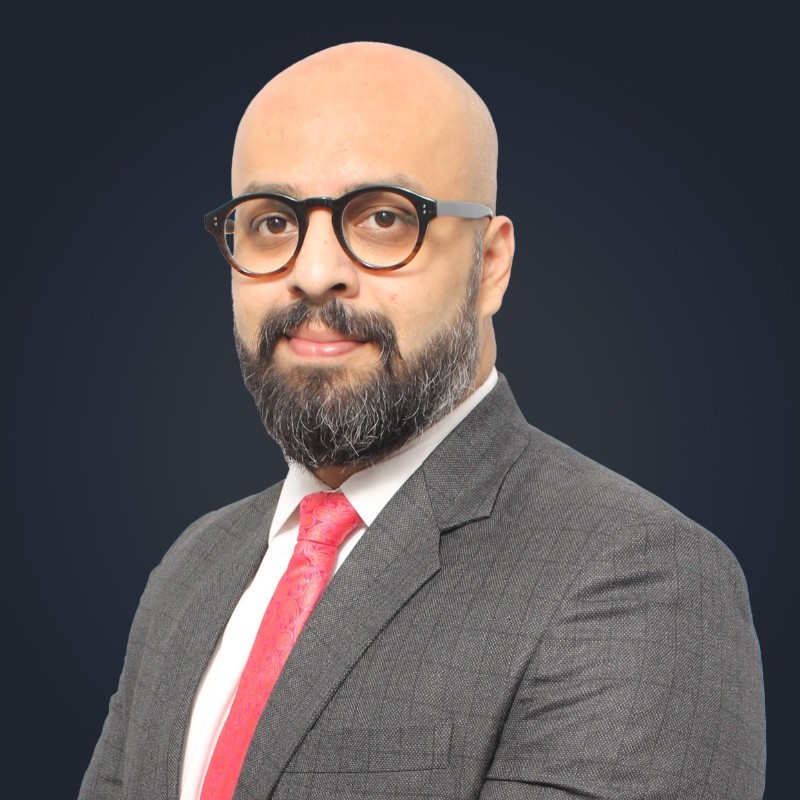


 Allow notifications