Category: Law Firm

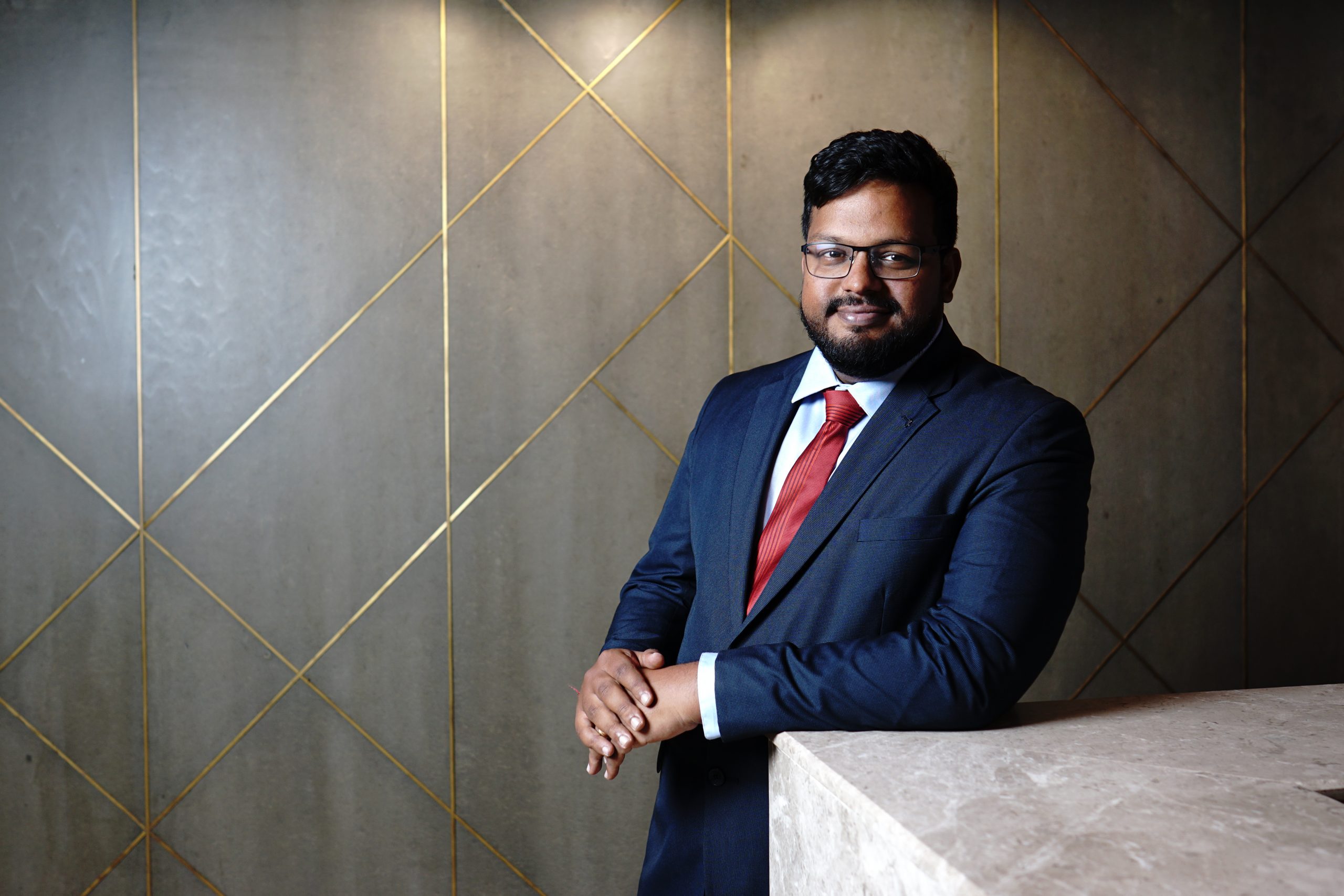
  • “In today’s world, with increasing globalization and the opening up of the “legal market” with the proliferation of international arbitration, we also need to be proactive about adopting best practices from other practitioners and jurisdictions”- Zafar Khurshid, Senior Partner/IP Chair, TKC Partners LLP

    “In today’s world, with increasing globalization and the opening up of the “legal market” with the proliferation of international arbitration, we also need to be proactive about adopting best practices from other practitioners and jurisdictions”- Zafar Khurshid, Senior Partner/IP Chair, TKC Partners LLP

    This Interview has been published by Pragya Chandni and The SuperLawyer Team

    Can you walk us through your journey from being a law student to becoming a founding partner at TKC Partners LLP? What pivotal moments or experiences shaped your career trajectory?

    I would say my journey toward becoming who I am today began even before law school. As an Undergraduate at St. Stephen’s College I had the opportunity to explore not only where my interests lay academically, but also to begin to explore who I was, and who I wanted to become, as a person. I wasn’t always certain about pursuing law, at the time I was quite keen on exploring the dramatic arts. By my third year I was more set on my path towards the law. Reading History helped inform that decision. 

    That was followed by three years at CLC, Faculty of Law. I was not the most academically gifted student, nor, to be candid, the most hard-working. When I first joined I was not certain whether I was pursuing law because of the expectations of family, or because it was right for me. But I found myself drawn to certain courses, particularly Jurisprudence and Intellectual Property Law, which reinforced my decision to pursue law as a career. 

    After LL.B. I joined the Office of Mr. Gourab Banerji, Senior Advocate, who was Additional Solicitor General in the Supreme Court at the time. They say you never forget your first boss – and I certainly couldn’t. Mr. Banerji provided a nurturing and professional environment for a young legal professional to learn the ropes, and to make mistakes without fear or judgment. Many of the habits I try to inculcate in my Office even today I imbibed from my boss and my colleagues in that Chamber.

    While practicing in the Courts in India has a thrill that cannot be matched, I had already begun thinking about pursuing higher studies in England. The drive had been fuelled over the years by visits to my family in the UK, and my father’s stories of his time at Oxford. The University of Oxford was my first choice. Having marginally missed a First Division I didn’t make it through. But sometimes life finds a way to give you what you need, even if it isn’t what you think you want. I joined Queen Mary, University of London for the LL.M. in Intellectual Property Law. That definitive year studying in the heart of London provided some of the most pivotal moments in my journey. Far from the nest, and challenged to break free from the shackles of rote learning, I got the opportunity to truly develop a zeal for the study of law, a joy for learning and analytical reasoning, and to dive deep into the study of Intellectual Property Law. Truly enjoying what I was learning pushed me to strive like never before, which happily culminated in graduating with Distinctions in each of my Courses. QMUL enlivened my passion for the law, and gave me some of my most endearing and enduring friendships. I can truly say that if not for that year, I would not find myself where I am today.

    After my academic success at QMUL I was accepted into Oxford, which fulfilled a burning desire I had held in my heart for a quarter of my lifetime. I spent two years at St. Edmund Hall, University of Oxford pursuing the BCL and then the M. Phil in Law. Oxford helped me take my abilities and my ardour for academia to new levels. I had the opportunity to study under and with some of the sharpest intellectual minds I ever had the privilege of interacting with, both inside and outside of the legal realm. Though I probably did struggle with “imposter syndrome” at first, being intimidated intellectually pushed me to challenge and better myself. I was privileged to have this opportunity, and I did my best to take the fullest advantage of it. I was scared, I was excited – I had worked hard to get there and I hope it’s okay to admit that, despite all my anxieties, I was proud of myself. Reaching Oxford helped me believe in my capabilities and shape the confidence that I feel one needs to push oneself to the next level professionally. Not only did I meet my best friend at Teddy Hall, but I found the freedom and space to strive towards becoming my best self.

    After returning from England, it was an adjustment being back in litigation in Delhi. The Oxford bubble had popped, and I had to find a way to transfer the skills developed during my time in academia to my professional pursuits. Despite offers and advice pushing me in other directions, I relished the chance to work under my father Mr. Salman Khurshid, Senior Advocate. His practice was varied, his grasp of the law disparate, and his academic bent familiar. Many days were spent having intellectual debates over lunch with all his juniors in the Office, and countless hours running from forum to forum – calling for familiarity with everything from Constitutional and Administrative Law to Competition and Anti-Trust. Exposure to so many different fields developed my general appreciation and grasp of law and, despite my specialisations, convinced me of the value of being a generalist – A jack of trades, master of none – but better than just the master of one.

    After a few years the opportunity presented itself to join with dear friends and colleagues to set up our own firm – TKC Partners. Once again I found myself anxious, doubting myself and my potential – but the time had come to take the skills and abilities developed over the last decade and to push myself to the next step. 

    Pivotal moments in life rarely present themselves as such when they are before us. For most of us, in life the key moments are often gradual or imperceptible until we’re much further down our path. I think every step has culminated to bring me where I am today. While some may feel more definitive, none would be the same without those that have come before.

    You’ve had significant experience in both litigation and arbitration, particularly in high-stakes cases before various forums, including the Supreme Court of India. What draws you to these areas of law, and how do you navigate the complexities they present?

    From the very beginning I knew that I was more drawn to the Courtroom than the Boardroom. While Corporate Law offered more stability and remuneration, and many of my friends went in that direction, I knew my first love was litigation. Perhaps it is, as my friends and family often insist – that I am a born lawyer – eager to argue with anyone and everyone, about anything. Or perhaps it is as my father once told me when I had more whimsical fancies of being a stage actor – that litigation and theatre have many correlating and overlapping skills – oration, diction, the ability to command a room and capture the attention of your audience.

    While litigation in India certainly has its share of drama, I think along with being an inherent performer, what draws me to dispute resolution is the thrill of argument, and the excitement and pace of litigation in India (though sometimes there is more excitement than necessary). Once I joined the profession I also had the opportunity to explore arbitration, and see many of the advantages it offers over litigation in an often over-burdened system.

    Each area of law has its own thrills and its own obstacles. Navigating the complexities is often just about weathering the storm of backlog, managing the expectations of clients unfamiliar with the system, pushing your colleagues and contemporaries to help improve the system rather than take advantage of its shortcomings, and most importantly – patience. And in today’s world, with increasing globalization and the opening up of the “legal market” with the proliferation of international arbitration, we also need to be proactive about adopting best practices from other practitioners and jurisdictions.

    As someone who has been deeply involved in intellectual property rights (IPR) practice, could you share some insights into the evolving landscape of IPR enforcement, both domestically and internationally? What are some of the key challenges you’ve encountered in this field?

    Intellectual Property is an ever-evolving discipline. While its foundational concepts may not change, its application can rapidly adapt and develop in the face of technological advances, globalisation, the clash between the interests of developed countries and the needs of developing nations, and several other such factors. One of the most important developments however, especially for growing markets such as India, is cross-border recognition and enforcement, both for international brands that bring investment and economic growth into India, as well as for home-grown brands that have found an international market.

    India has made great strides when it comes to the awareness, proliferation, recognition, and protection of IP rights. But we cannot rest on our laurels. Our infrastructure needs to catch up with the pace and requirements of market demands; we need to be proactive about facing the challenges of IP enforcement in the digital age; the level of expertise required from offices and the judiciary is not uniform across the country; and we need to ensure that a robust IP system does not create a space for IP bullying or takeover by larger vested interests against the freedom of creation and innovation.

    Your time as a Research Assistant and then co-Author for your Chapter in the publication by the Office for the Harmonisation of the Internal Market (OHIM) involved studying the enforcement of intellectual property rights in the European Union. How has this experience influenced your approach to handling IPR matters in your legal practice?

    The opportunity to co-Author a Chapter in European Case Law on Infringements of Intellectual Property Rights (Bruylant, 2016), published by OHIM (now known as the EUIPO) was an exciting opportunity to delve deep into a specific issue from an unfamiliar perspective. It helped acquaint me with some of the potential conflicts and challenges that proprietors and practitioners can face when it comes to the cross-border enforcement of IP rights.

    It also helped me truly appreciate the impact and importance of Intellectual Property Law in commerce. Now known by a more appropriate name, the EU Intellectual Property Office used to be the Office of the Harmonisation of the Internal Market – which started with the remit to administer the new EU-wide unitary property right, the EU Trade Mark. Through the application and enforcement of various EU Directives, this Office played a vital role in breaking down several trade barriers in IP, showing how IP plays a pivotal role in creating, facilitating, and influencing cross-border trade and growth of mutual economies.

    I think the experience has helped me develop a foundational expertise with the issues associated with such enforcement, which aids me in advising clients with multi-national offices or businesses, and also helps with a key aspect of IP advisory – litigation management and avoidance.

    In addition to your legal practice, you’ve been actively involved in academia, including co-interviewing undergraduate law candidates at the University of Oxford. How do you balance your legal career with academic engagements, and what value do you see in contributing to legal education?

    During my time at Oxford I was primarily dedicated to purely academic pursuits. But I also had the opportunity to carry on some of my practice, in an advisory capacity. The opportunity to co-interview undergraduate students, along with Professor Aileen Kavanagh, was interesting. It was funny to be on the other side of the table just a year after getting into Oxford myself – to try and gauge and appraise these young candidates and to make recommendations on whether they should be offered a place. This was perhaps the first time I felt the weight and gravity of the influence we in the profession can have on the future of the next generation of legal practitioners, jurists, and policy makers.

    After re-joining the profession back in India I have attempted to make time to make myself available for similar opportunities through symposiums, lecture series, podcasts, etc. But balance is always the greatest challenge in the legal profession. I’ve not been able to make the time to take on more formal and structured academic roles, despite being approached a few times, as I’ve felt that I needed to provide more time to my role in growing my Firm. But it is always on my agenda to find ways to reach law students and young professionals when suitable opportunities present themselves – the worlds of academia and practice cannot be divorced from each other – this is a loss to both. I think it’s important that law students have the opportunity to know the realities of the legal profession, and to explore the profession before making the heavy commitments that it demands – this is only possible through access to practitioners who can help them gain a better understanding of law beyond their textbooks. The value in this is elementary – better, more well-rounded students will lead to a better, well-rounded legal profession.

    Your publication on ‘State-State Arbitration and its Role in Entrenching the Rule of Law in the International Legal Community’ explores a crucial aspect of international arbitration. Could you elaborate on the significance of this topic and its implications for the legal profession globally?

    First let me say what an honour it was to be given the opportunity by the PCA to co-author a Chapter in International Arbitration and the Rule of Law. It was such a privilege to be part of the PCA’s recognition of the work and contributions of the eminent and unmatched jurist and legal luminary – Mr. Fali S. Nariman – who sadly is no longer with us.

    This piece, as indeed much of the collection, focussed on various aspects and examples of international arbitration and inter-state arbitration, and how they have influenced the development and entrenchment of the Rule of Law, a traditionally domestic principle, in the realm of international law – which is traditionally driven by the concepts of sovereignty and State autonomy.

    Our article focussed on the role of interstate arbitration in promoting the rule of law, focussing on two significant PCA arbitrations – the Bay of Bengal Maritime Boundary Arbitration (between India and Bangladesh) and the South China Sea Arbitration (between China and the Philippines). An examination of cases such as these highlights several challenges that practitioners in the field of international law and international arbitration must contend with – the Rule of Law remains a somewhat contested concept in the international context, though there is a greater uniformity to the dimensions of the principles under domestic law. The nature of the disputes under these cases, and the stands taken by the Nation-States – both during and in the aftermath of these cases – highlights the challenges to international law, and the continuous necessity of the willing participation of States in maintaining its principles. Some of the lessons from the comparative analysis of these cases are particularly relevant for India today.

    Collaboration seems to be a recurring theme in your career, from assisting Senior Advocates to co-authoring publications. How do you approach collaboration within the legal field, and how has it contributed to your professional growth?

    ‘If you want to go fast, go alone; if you want to go far, go together’. This traditional African proverb quite succinctly exemplifies my outlook towards law and the legal profession. In a fast-paced and often aggressive landscape, legal practitioners become hard-wired for competition – treating their practice as a zero-sum game. This can cultivate unproductive outlooks that can harm the system long-term.

    I believe some of my greatest successes have come, not from side-lining or “defeating” competitors, but from finding opportunities to collaborate and cooperate. But often this is easier said than done. Collaboration requires trust, and as they say – once bitten, twice shy. Maintaining a collaborative attitude can be difficult, especially in the face of emulous elements. But patience, belief, and a little luck, can help one find genuine contemporaries to work and grow with.

    This also informs the manner in which I aim to guide and advise Clients, encouraging them to look at conciliatory approaches, focussing on larger interests and benefits. Though Clients ca be similarly motivated/programmed – to see conciliation as a mark of timidness and weakness – but I have found that many stay with us because we show them that our approach focusses on their best interests, and often bears results in otherwise quagmired situations.

    Finally, considering your diverse experiences and accomplishments, what advice would you offer to aspiring law graduates who are about to embark on their legal careers? What key principles or strategies should they keep in mind as they navigate the legal profession?

    There may honestly be no end to the advice someone could dole out to aspiring graduates poised on the brink of starting their journeys in the profession. There is just so much to learn and experience. Some of it you may have guides and mentors that can prepare you, some you will just learn the hard way.

    One thing I would emphasise is that law is a life-long pursuit of knowledge. You must constantly be open to learning and growing. Your early years are the best time to chase diverse and varied experiences – don’t hem yourself in early – there is plenty of time in life to “specialise”. One must also focus on foundational concepts, and don’t be afraid to grow slowly – chasing the “30 under 30” label can often lead to shortcuts or missed opportunities that could be hard to make up later. You must look inwards to define your image of success, don’t chase someone else’s.

    You shape the system as much as it shapes you. It may be difficult, but always strive to better yourself, and those around you, and be slow to frustration. Surround yourself with people who push you to expand and grow. Take the best habits from your mentors, ignore the worst. You will have many unwelcome experiences, learn from them but don’t let them define you.

    Get in touch with Zafar Khurshid-

  • “Each firm I worked at contributed in a significant way to my growth and development as a lawyer”- Anantha Krishnan, Partner at IndusLaw

    “Each firm I worked at contributed in a significant way to my growth and development as a lawyer”- Anantha Krishnan, Partner at IndusLaw

    This Interview has been published by Pragya Chandni and The SuperLawyer Team

    Can you walk us through your journey from studying law at Dr. Ram Manohar Lohiya National Law University to becoming a Partner at IndusLaw in Bangalore? What inspired you to pursue a career in law, especially focusing on corporate and commercial matters?

    I did my schooling in Chennai, loved writing, public speaking and was enthusiastic about problem solving. Around the time I was contemplating my career choice, the national law schools in India had decided to come together to conduct the common law proficiency test (CLAT), which looked like a good opportunity to explore. 

    Studying law at RMLNLU, Lucknow was a beautiful experience. I had a plethora of opportunities at my disposal, ranging from moot courts, parliamentary debates, MUNs to paper publications/presentations. Having said that, while law schools have a well thought out curriculum and they do help initiate efforts on building skills, they don’t prepare you for the fine print of any practice area and only just about scratch the surface in terms of concepts. This results in a significant void between theory and practice. To make up for practical knowledge and exposure, I spent each of my vacations doing internships, largely in the cities of Chennai and Mumbai. Mid-way through law school, I started interning with law firms, dabbling across practice areas such as litigation, project finance, intellectual property and corporate/commercial matters. I was still however looking for a specific practice area of interest, though I had developed a focused interest towards contract law and by then, corporate laws had been introduced as a subject. Around this time, an opportunity came by to participate in a national corporate law moot court competition, and we ended up winning it. What I loved about that experience was how interesting, vast and ever-evolving corporate and commercial laws were. I thoroughly enjoyed researching, drafting, preparing arguments and advocating them for that problem statement. It gave me direction that this is something I could really immerse myself in. I shifted my focus thereafter to internships solely in corporate law practice.

    From there on, it has been a voyage of dedicated and diligent learning across firms I’ve been a part of. Being a first generation lawyer, a lot of effort went into building my principles, knowledge and processes with focus on what I wanted to be and stand for as a professional. The initial years in practice went into establishing my fundamentals and processes which enabled me to deliver well thought out work products. Each deal that came by helped me build expertise on different sectors and issues around them. I’m a believer of self-assessment and feedback, used to approach my seniors on where I could improve after each deal. This helped me identified the chinks in my armoury and I worked consistently towards getting better at those. It has been a long yet fulfilling journey so far and I’m excited about what the future has in store for me.

    You’ve had a diverse range of experiences across various law firms such as Phoenix Legal and HSB Partners. How did these experiences shape your understanding of legal practice, particularly in the realms of mergers & acquisitions, private equity, and venture capital?

    Each firm I worked at contributed in a significant way to my growth and development as a lawyer. In the initial years, when I started out in Chennai post graduating from law school, I was lucky enough to be at the crossroads of the biggest overhaul of company law in Indian history. With the Companies Act, 2013 being introduced and to take effect from June 1, 2014, my first year in practice was almost entirely focused on interpretation of the new legislation and how it differed from the 1956 Act. These exercises were in fact driven by a plethora of queries from clients seeking advice on specific provisions of the 2013 Act. There were many engaging and interactive sessions with my seniors at the time to get a grasp of what we were dealing with, coupled with research drill downs, both in terms of interpretation of statutes and precedents in case laws. This helped me a great deal to get confident with my understanding of the legal practice involved in transactions and advisory. I had dealt with the 1956 Act in my internships. Hence, being able to deploy that understanding against the change in positions vis-à-vis the newly effective legislation in the 2013 Act gave me ample avenues to get better at shaping my understanding of the practice area. My stint in Mumbai was largely focused on mergers & acquisitions and venture capital. I got to do a lot of domestic and cross-border acquisitions and venture capital deals. It was a big learning curve for me which I embraced with all the efforts I could possibly put in. In your early years, observing your seniors negotiate on deals teaches you a lot, and over time, you tend to develop your own style of negotiating and handling multiple facets of the profession. 

    In any law firm, the work environment is dynamic, providing a diverse range of opportunities to learn from. With good mentors, exposure and diligence, one can dive deep into the requirements of a client and cater to its basis the demands of a given problem statement. From there on, it’s akin to polishing a precious stone, every bit of experience aggregates to fine tune a lawyer’s understanding and it only gets better with time. This, I believe, provides valuable insights and practice guidelines to develop oneself as a well reasoned and articulate legal professional capable of providing sound legal advice to clients. A couple of valuable lessons I’ve learnt over time with experiential learning are identifying client demands early on into a transaction and reflecting on them to deliver the desired results at every stage of the transaction. This varies based on the deal as well as from one client to another. For instance, a venture capital investment is akin to occupying a space in a newly built house while an acquisition is cleaning up and buying the entire house. What an investor is looking for from an investee company in an early stage venture capital investment differs vastly from what they are looking at in a late stage investment or what a buyer is looking to achieve from an acquisition. These differences range right from the level of detailing and lookback period involved in the diligence to the rights matrix to be negotiated for the relationship going forward. Negotiation is yet another skillset which requires constant learning and unlearning. With every deal, you take back something new from negotiations. Reassessment and reworking your approach to essentially figure out if your existing modus operandi could be better with the new learnings adds immense value in terms of reflecting on the outcomes of a deal. 

    Your work at IndusLaw involves advising on a multitude of transactions, including mergers and acquisitions, venture capital investments, and private equity deals. Could you share with us some of the most memorable or challenging transactions you’ve worked on and what lessons you’ve learned from them?

    There are quite a few deals I’ve absolutely loved working on at IndusLaw. Some memorable transactions I’ve done here include a series of acquisitions which set up daily delivery and instant vending businesses of a leading entity in the food and groceries space. These acquisitions included a business transfer, an asset purchase and a share purchase acquisition, and each acquisition structure came with its own set of challenges. In addition, these acquisitions taught me a lot about integrating new business models into an already well-grounded and flourishing model and practical challenges in terms of doing that. One of those acquisitions also included a founder exit, which was my first experience of a co-captain leaving the ship. Another transaction recently was internalization of a leading quick commerce brand from Singapore to India as part of a larger acquisition transaction. We dove deep into the process which happens at Singapore, including by working closely with our counsel there. The timing had to be spot on, given this internalization would need to seamlessly flow into the larger goal of the internalized entity being acquired by a listed company in India. The learnings from this deal were invaluable and while we faced multiple challenges on a daily basis, solving for each of them gave me a strong understanding of the process and its possible pitfalls. 

    More recently, with the changing trends, I’ve been closely involved with startups in the fashion space and manufacturing of materials (deployable across multiple industries), in both cases, with emphasis on sustainable and eco-friendly models. Transactions I’ve worked on have taught me a lot, in addition to fine-tuning my skills as a lawyer. These learnings range from interpersonal skills, understanding and appreciating the nuances of each product ecosystem (and the innovations that come with it) in this dynamic startup environment to understanding perspectives of founders who invested a lifetime of dedication, commitment and diligence to building successful businesses, and eventually decided to call it a day and sell. 

    Your expertise spans across sectors like e-commerce, healthcare, logistics, and media & entertainment. How do you stay updated with the legal developments and industry trends in such diverse areas, and how does this knowledge contribute to your advisory role?

    In a way, this was one of the main reasons I moved from Mumbai to Bengaluru. To get involved in the exciting startup ecosystem, in my area of competence. For A Long time, each sector presented itself in deals, and I loved working on each of those sectors.

    In terms of staying updated, early on in my career, I used to visit the websites of regulators such as RBI, MCA and SEBI to look for recent updates. Eventually, I figured out some useful hacks, which still serve me well to date. One of these was setting up Google alerts in my email driven by keywords. I placed a few alerts on keywords which most mattered to me, such as ‘venture capital’, ‘ministry of corporate affairs’, ‘reserve bank of india’, ‘foreign direct investment’, to hit my inbox at a time I could catch up on updates. So everyday, I get a collection of articles sourced from the web in my mailbox, to catch up on. In addition to this, I also spend some time on a weekly basis to stay updated by reading newsletters/articles by IndusLaw and other law firms (not just in my practice area but others as well), articles on legal and professional network platforms, publications by legal databases/journals, funding trends (generally through accessing periodic analysis reports released by various investors), sectors which get more traction than others and so on. Updating oneself regularly is of paramount importance in the legal services industry, and it helps a lot in staying honest and relevant with the trends. This has helped me in striking conversations with clients about what’s happening and could be expected in their sectors, the sector’s outlook going forward and so on. Another efficient way to stay updated is also to write articles. Along with our team at IndusLaw, I endeavour to write articles regularly and we put out a lot of content expressing our thoughts on a plethora of subjects. The firm also chalks out and conducts training sessions on specific subjects in each practice area, which gives me an overview in terms of thinking through and updating my understanding on those and our views on contentious issues. 

    In addition to your transactional work, you’ve also been involved in drafting legal opinions, conducting due diligence, and providing compliance advice. How do you balance the demands of these different aspects of legal practice, and what advice would you give to young lawyers looking to excel in these areas?

    Every deal is an opportunity to learn something new and nail the brief. First up, having a positive outlook on the profession is vital. Yes, the demands are rigorous and in a given day, you may be switching between multiple matters ranging from transactions to opinions to conducting due diligence to providing compliance advice. The ability to switch off from one matter to another is quite critical (and a skill in itself) in the profession and that can happen seamlessly only with a well grounded and firm understanding of each given matter. Preparation and planning prior to commencement of the transaction, establishing a workflow process and regular review sessions with the team are some of the other practices which help me navigate through multiple matters at the same time.

    I still have a long way to go in this profession, so I wouldn’t call this advice, rather a rational thought to ponder for young lawyers. Each matter is unique, treat each one of them with the attention to detail it deserves. A lawyer cannot convince a client unless they are convinced themselves. Deliberate, research and reflect on your own thought process and solutions which result from it until you’re convinced that it’s the way forward.

    There is a quote by the former secretary of state of the United States, Colin Powell, in his Thirteen Rules of Leadership – It ain’t as bad as you think! It will look better in the morning. Couldn’t ring truer in terms of being stuck in a thought loop on a problem statement. Anything complex is only an aggregation of simpler problems stacked over one another. So if you’re facing a complex problem statement, break it down into simpler ones and solve for each of them.

    Your publications reflect a deep understanding of complex legal issues, including trending topics such as GIFT City, relocation of supply chains to India and ESOPs/stock appreciation rights. Could you tell us about your approach to legal research and writing, and how it helps you in your day-to-day work?

    Research forms the fundamental base of any understanding. The more your research, the more you achieve in terms of clarity of conceptual understanding of a subject matter. I’m generally on the lookout to write articles on subjects which my practice area requires clarity on. This invariably helps me get better at my understanding of the subject as well. Once the topic is identified, conducting comprehensive research (including perspectives by various stakeholders) helps me to chalk out a framework for the article. From there on, I go into analysing precedents, statutory provisions and commentaries available on the subject. Once the above checkpoints are complete, the writing requires further deliberation (and a fair bit of drafting and rehashing) in terms of achieving coherence and flow in the article. 

    Legal research and writing has been a part of my life ever since law school. Establishing a process (as explained above) and following it religiously helps a lot, not only in terms of legal writing, but also to deal with multiple transactions at any given point of time. 

    As someone who has been deeply involved in the startup ecosystem, what are some common legal pitfalls or challenges that startups often face, and how do you guide your clients through these obstacles?

    Some of the common challenges which I’ve seen early stage startups face are keeping up with compliances, which sometimes includes obtaining necessary licenses and permits. This is understandable as startups invest a lot of their energies into solving the problem which is the genesis of their creation. Given the gamut of laws which apply to a company in India, it is quite possible to miss getting some of that paperwork done. Another challenge I would say is standardization of contracts. In early stages, there may be quite a few commercial contracts with multiple stakeholders in the startup ecosystem, such as suppliers, vendors, service providers etc., whereunder a startup may have signed up to onerous terms, such as say uncapped indemnity or not adequately covering for risks which may arise from the counterparty’s role in a contract. 

    For any such pitfalls, I prefer to explain the problem upfront to a client and then proceed to providing options which may be considered to resolve such issues, ranging from ones which could provide a quick fix for the time being to more robust and elegant long term solutions. Of course, there is gradation of the risk involved as well which goes into this process, so the client is aware which issue (and options available to fix it) needs their immediate attention as against the ones which could be addressed a little later in time.   

    Transitioning from being a law student to a successful legal professional can be challenging. What advice would you give to law students or young lawyers who aspire to follow a similar career path in corporate law and specialize in areas like mergers & acquisitions, venture capital, and private equity?

    Having interacted with quite a few students looking to enter the practice area, I would encourage young lawyers to explore their interests in law school and understand what their possible options could be. Thereafter, they should shortlist their areas of interest over the others, understand further on what each such shortlisted practice area demands. This can be easily achieved through their peer network of seniors who may be involved in those practice areas, and with the information publicly available. Understanding the rigours of the profession and what is required from their end in their formative years will go a long way in setting their expectations straight. 

    In addition to this, if young aspirants are interested in deal making, they need to do more than just understanding and reflecting the law in practice. Making a conscious effort to develop their commercial knowledge and understanding practical challenges and aspects which come along with deal making (including in terms of execution and implementation of structures) would give them a competitive edge by getting familiar with the challenges associated with deal making and solving for them. Such proactive steps would help them establish the contours of the profession and their capabilities quite early on. 

    Get in touch with Anantha Krishnan-

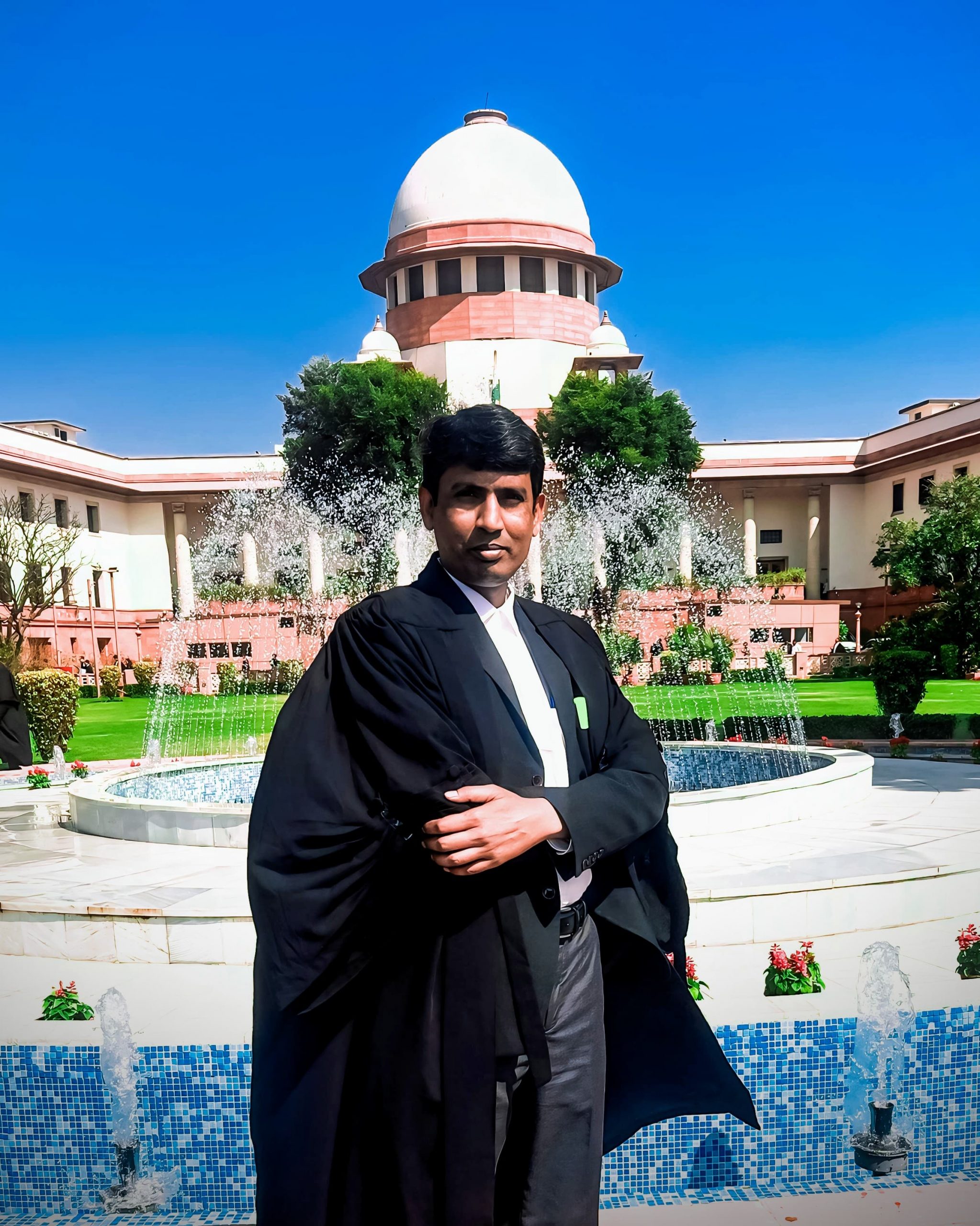
  • “The experience of handling complex disputes is significantly more rewarding and provides greater insight into sectoral dynamics”- Adarsh Saxena, Partner at Cyril Amarchand Mangaldas.

    “The experience of handling complex disputes is significantly more rewarding and provides greater insight into sectoral dynamics”- Adarsh Saxena, Partner at Cyril Amarchand Mangaldas.

    This Interview has been published by Pragya Chandni and The SuperLawyer Team

    Can you walk us through your journey to becoming a disputes lawyer, particularly focusing on what drew you to this field and how you navigate your career path to reach your current position at Cyril Amarchand Mangaldas?

    I was drawn to the law because of my love for debating and for solving puzzles. For the same reason, disputes were a natural choice. Being a first-generation lawyer, I opted to join a law firm because I felt that is where I would have the most opportunities. I was recruited directly from campus by what was then the Mumbai office of Amarchand & Mangaldas & Suresh A. Shroff & Co. (AMSS). After AMSS split in 2015, I continued working with the same set of colleagues at Cyril Amarchand Mangaldas (CAM). I worked hard and tried to approach each assignment with the same amount of intensity. Having the opportunity of working on unique cases has ensured that I have been regularly confronted with new challenges in areas of law that I have not previously encountered. I have been fortunate to have excellent mentors to guide me through my professional journey. This positive experience caused my continuation with AMSS/ CAM for over a decade. Becoming a partner in 2019 brought with it a new set of responsibilities. I believe that the most important of these involves managing a team and being responsible for the professional growth of my team members.   

    With your extensive experience in handling complex commercial litigation and arbitration cases, often with international aspects, could you share with us a particularly challenging case you’ve worked on? What were the key strategies you employed to navigate through the complexities of that case?

    A particularly challenging case I handled involved advising a court-appointed committee of administrators tasked with implementing reforms in a sports body. There were several stakeholders whose interests needed to be considered. Apart from the legal complexities involving multiple proceedings before the Supreme Court and different High Courts, I had to fulfil different roles including those of a traditional disputes lawyer (drafting pleadings, briefing senior advocates, and appearing in court) as well as those of a board-room advisor. There was little progress before the Supreme Court during the initial period. However, when different High Courts started passing orders in related proceedings and these were carried in appeal, the Supreme Court realised the need to expedite hearing of the matter. In this way, the strategy of precipitating matters before various High Courts helped progress the matter in the Supreme Court.    

    Your work spans across various sectors including sports, corporate governance, construction, infrastructure, media, banking/finance, securities, and energy. How do you approach transitioning between these different sectors when handling disputes? Are there any unique challenges or opportunities presented by each sector?

    I try to understand how each sector is organised and how the interests of each stakeholder are accommodated by the laws governing that sector. Applying this approach has helped me to understand the dynamics of the sector and I have found this invaluable when dealing with challenges unique to each sector. I have also been able to apply the learnings from one sector to another when I found similarities between them. The quality of the experience also plays a significant role. When you work at a large law firm, the nature of disputes that you work on are usually intricate and often first-of-their-kind. The experience of handling such complex disputes is significantly more rewarding and provides greater insight into sectoral dynamics.  

    You’ve represented several large Indian conglomerates, a national sports body, court-appointed committees, and directors. Could you share some insights into how you adapt your approach when working with such diverse clients and stakeholders?

    Just like every sector has its own dynamics, each client has its own values and ethos. Often, two clients in the same sector will have different approaches to similar issues because of their organisational DNA. Some clients are primarily concerned with mitigating the potential financial consequences of a dispute whereas others are more concerned with retaining the trust of their customers/ suppliers and protecting their reputation even if that entails financial consequences. Working with such diverse clients and stakeholders requires a flexible approach that is in sync with the values and ethos of the client in question. I try to discern client priorities and, as far as possible, provide solutions that I believe will fit their value system. 

    Recently, you completed your LL.M. in International Commercial & Economic Law from the School of Oriental & African Studies, University of London. How has this additional qualification influenced your approach to handling disputes, particularly those with an international dimension?

    The experience of being in a classroom after over a decade of working in a law firm was enriching. Several of my professors were active disputes practitioners and came from different jurisdictions in Africa, continental Europe, the Middle East and the USA. The varied ways in which they dealt with issues that I faced during my work in India was extremely helpful in understanding the approach in their respective home jurisdictions. This insight is invaluable when handling disputes with an international dimension, especially in advising international clients and collaborating with international law firms. The course also helped me build upon my existing work experience in commercial dispute resolution and deepen my understanding of evolving areas like business and human rights.

    As a partner at Cyril Amarchand Mangaldas, you’ve not only handled legal aspects but also been involved in business development activities and managed teams. Could you share some strategies you’ve found effective in maintaining and strengthening relationships with key clients, as well as in managing and mentoring your team?

    I have found that understanding the commercial and other considerations that drive client behaviour is useful for empathizing with the client’s situation. For corporate clients, this helps me understand the pressures that the instructing legal officer is likely to be facing from the company’s business teams. This understanding is critical to ensuring delivery of quality advice in a timely manner. It is natural for clients to want to avoid disputes but I try to ensure that they remember me as the person who helped them on their last one. 

    Empathy has also been critical to managing and mentoring team members. For this purpose, I have drawn upon my own early experiences as a junior associate and listened patiently when my team members express themselves. One thing I have learnt over the years is to recognise that each team member is different. Staffing them on assignments that play to each team member’s strengths while giving them time to become more well-rounded professionals is a strategy that I have frequently employed. In my interactions with team members, I try to be as forthright as possible whilst ensuring that they remain motivated to constantly become better versions of themselves. 

    Looking back at your career journey, what advice would you give to law students or young professionals aspiring to build a successful career in disputes law, especially in the context of the Indian legal landscape?

    Based on my personal experience, I believe that there is no substitute for hard work. I have tried to treat every assignment as an opportunity to learn something new and not merely as a task to be completed. When appropriate, I did not shy away from making suggestions and providing inputs that went beyond what was asked of me. Having a positive attitude towards learning has helped me significantly. I have found that there is something to be learnt from each and every person, no matter how young or old. This has worked out positively for me and I believe that it will do so for any law student or young professional as well. 

  • “The most rewarding aspect of having my own practice is that I get to pick my clients without having any pressures of meeting revenue targets, and I am able to create flexibility around work timings because I answer to only my clients”- Harini Subramani, Founder at HS Law & Associates

    “The most rewarding aspect of having my own practice is that I get to pick my clients without having any pressures of meeting revenue targets, and I am able to create flexibility around work timings because I answer to only my clients”- Harini Subramani, Founder at HS Law & Associates

    This Interview has been published by Pragya Chandni and The SuperLawyer Team

    Can you share with us your journey from being a financial journalist to becoming a corporate lawyer, and what inspired this transition?

    During my time as a reporter for Mint and the Wall Street Journal, I had to specifically track investment banks and write on mergers and acquisitions. As a primer, one of my sources suggested I read ‘Barbarians at the Gate’; that along with my conversations with bankers and private equity professionals got me hooked into the world of M&As. I was eager to explore the other side. 

    I had initially tried my hand at investment banking but the mundane work of creating spreadsheets and data analysis as an everyday role didn’t much enthuse me. Within a week though, I joined a boutique law firm and pursuing a business law programme at NLSIU parallely seemed natural. The law firm had a highly motivated team and enabled a varied exposure in corporate law – I learnt trademark application processes, commercial contracts drafting including transaction documents and base arbitration. I continued to write for Your Story occasionally. I had the best of both worlds and was learning something new everyday. I decided to stick on and take each day as it came.

    Given your diverse background in journalism, economics, and law, how do you believe it has shaped your approach to practicing law, particularly in M&A and commercial law?

    So my late entry in the legal world has worked to my advantage given my journalism background. While my initial degree was in economics, a lot of my learning of the law, especially around the securities market and SEBI, was from my days as a financial journalist. Aside from reviewing the regulatory sites (like MCA, SEBI and RBI) for latest circulars / amendments on a daily basis, I would routinely follow corporate announcements on the BSE and NSE. Any seasoned reporter would tell you that it’s a goldmine for story leads. When I needed guidance to understand concepts, (luckily) as a journalist I could ask industry seniors to share their knowledge. I was fortunate to be ably guided by some bankers in the equity and debt markets; I’d go armed with a lot of questions for breakfast meetings. All of this helped lay the foundation to understand not just the law but also complexities / challenges of the M&A world. Now, as I sift through the laws, my ground work in economics helps review it from a policy perspective. 

    Could you tell us about a particularly challenging case or project you’ve worked on in your legal career, and how you navigated through it?

    Every project has its own set of challenges. While I wouldn’t want to name a particular case, I’d like to share that since I handle corporate and a few litigation matters, I find a dichotomy with respect to timelines and outcomes. Because litigation has its own procedures, and owing to its sometimes time-consuming nature there’s more thrill in setting expectations for faster closures in M&A or commercial negotiations. I have to consciously set my mind to a different frame for litigation. 

    You’ve been involved in drafting various agreements and advising on regulatory matters. What are some key considerations you always keep in mind when advising clients, especially in the realm of mergers and acquisitions?

    Create an internal priority checklist of terms and flag them off – i.e., understand from the client the aspects that they are absolutely unwilling to let go off vs less important points. Discuss the business angle in the transaction as it goes in tandem. If representing an acquirer, then go the extra mile for a thorough diligence on the target to ensure that at least the key industry specific permissions are in place, and forensics on the promoter are clean.

    Your experience spans from working with Vichar Partners to establishing your own practice. What motivated you to start your own firm, and what have been some of the most rewarding aspects of being an entrepreneur in the legal field?

    After my stint at JSA – given my unconventional background, it was initially challenging for 2 law firms to accurately gauge my skill set because I could be a rainmaker and yet not as seasoned as a partner. It was easier to get clients. And some industry seniors, entrepreneurs themselves, motivated me to begin on my own. My work with one of the senior partners at Vichar (Partners) had already exposed me to the ‘business management’ side and the transparent culture in my team at JSA also helped place many things in perspective. Being a first generation entrepreneur, I had nothing to lose by charting my journey on my own. The objective has always been one of learning. The most rewarding aspect of having my own practice is that I get to pick my clients without having any pressures of meeting revenue targets, and I am able to create flexibility around work timings because I answer to only my clients.  

    As someone who has contributed to agrarian policy and worked on projects funded by organizations like the UN World Food Programme, how do you see the intersection of law and policy-making, particularly in areas like food security?

    For countries that have faced depredations of famine and hunger under colonial rule, food-security is a very sensitive and key matter of policy. Emerging nations have to safeguard and sustain their agrarian ecosystems against OECD nations’ policies at an international level. At the same time they also have to increase yield, shield themselves against crop losses as well as shift populations away from agriculture and into industry. Policy-making is a vital exercise to attain this goal while the law attempts to provide safeguards for all stakeholders during this process.

    With your interests in tennis, dance, and cultures, how do you find these aspects complementing your legal career, if at all?

    Sports and the fine arts play a vital role in expanding one’s horizons and for agility. In my view, having a wide exposure to different aspects of the society exposes me to varied thought processes and perspectives thereby enabling me to become a better lawyer. They are also an easy way to switch off and relax.

    Considering your journey and expertise, what advice would you give to law graduates aspiring to specialize in corporate law, especially in the areas of M&A and commercial law?

    Go full throttle, always try to understand the issue at hand, do your own research (the law changes and nobody knows everything), never work on an empty stomach, and continue pursuing your hobbies. 

    Get in touch with Harini Subramani-

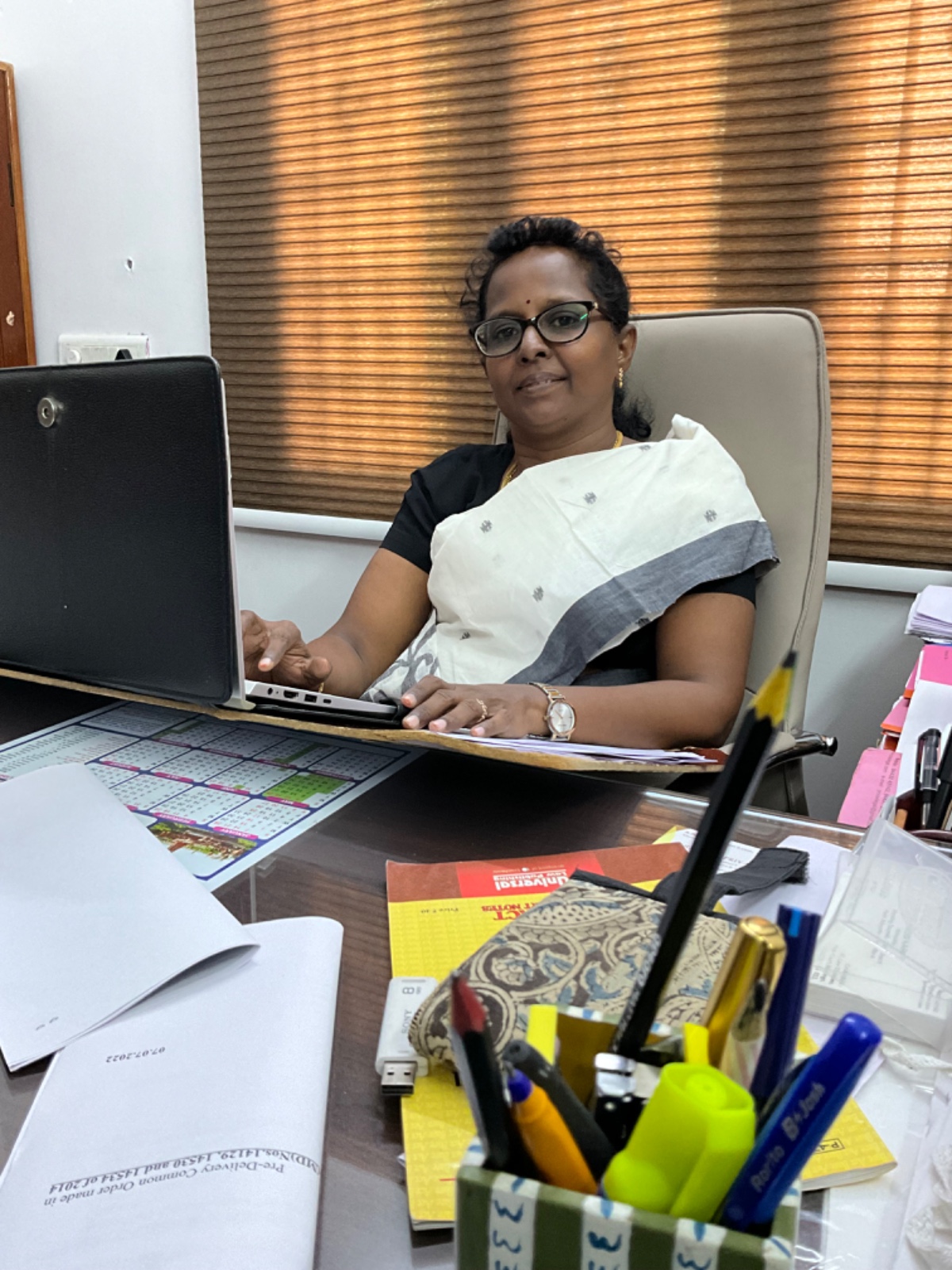
  • “The most important thing is we should not treat clients as a single point solution for all our financial needs, we should explain to them exactly what we are going to do and the win or lose situation”- Advocate Porkodi Karnan, Founder of Polax Legal Solutions

    “The most important thing is we should not treat clients as a single point solution for all our financial needs, we should explain to them exactly what we are going to do and the win or lose situation”- Advocate Porkodi Karnan, Founder of Polax Legal Solutions

    This Interview has been published by Pragya Chandni and The SuperLawyer Team

    Can you share the journey that led you to pursue a career in law, especially considering your background and childhood ambition?

    I am from a backward district of Tamilnadu and I am one among the four daughters of my parents. Everyone opted for various professions, but interestingly, this profession attracted me more, even in my young days.  The reason might be that the Sub Court campus at my native is existing near to my school.  I was going to school everyday by watching the court campus, with the busy advocates roaming here and there with robes.  I was very eager to know more about it and lots of questions came into my mind and the same were clarified by my father who was a teacher by profession and the entire outcome was that this is the only profession where I could question anybody, however giant he or she might be. Further I found this profession makes one closer with human problems. I am fond of moving with people and would like to be surrounded with people always. The litigation area turned out to be a good option for me. This is the main curiosity that pushed me to choose this profession as my childhood ambition approximately from my 6th standard onwards.

    With 25 years of experience in law, what inspired you to specialize in labor, service, and writ matters, particularly in the high court setting?

    Yes… after choosing law as my career, I did not have any clear idea initially. But while studying the Constitutional Law and Administrative law as subjects, my mind was very much obsessed with various decisions of the Supreme Court and High Courts questioning the excessive actions or inactions of the Government and that had driven me to concentrate my work in the High Court.

    Founding a law firm, especially one like POLAX LEGAL SOLUTIONS, requires vision and determination. What motivated you to take that step, and what challenges did you face in establishing and maintaining it?

    Being a woman, I had to balance both family life and profession, though my family is a supportive system for me. Sometimes our presence is very much needed at home to take care of our elders, kids etc. My husband, Mr.Ramar is also an advocate on the criminal side but I wanted to establish a separate office, though he is very supportive to me in personal life and professional life. I felt the necessity of someone to continue my cases even in my absence to justify my Clients.  The same was felt by my friend, Mrs.Lakshmi. We both used to help each other in all our cases from drafting to arguing. This went well and we both realised our compatibility and thus the concept of a Law Firm was coined.  The Firm was conceptualised into reality in the year 2013. We both had the determination to continue the profession without any break and that was the main reason for the concept of this Law Firm.  It is also time to show our young woman advocates that persuasion and patience in the profession would make you withstand forever. We have to create our own path to success. Moreover, since it was my childhood ambition to become an advocate, I have never felt any stress or depression in my professional life. As we face different cases, dealing with each case needs to be addressed individually and so I feel refreshed in each and every case. In fact I enjoy working and I don’t see any difficulty in family life and professional life. So go by what your heart says and life is so beautiful.  

    As a founder-partner of a leading law firm, what are some key lessons you’ve learned about leadership and collaboration, especially in an industry that traditionally has been male-dominated?

    In fact, we don’t feel any difficulty in running the firm as all the junior advocates associated with us were more co-operative, helpful and played a vital role in running our Firm. Legal profession is basically a 24 x 7 job and all of us were ready to work even at midnight, if it is necessitated by considering the urgency of the case. In fact, we created an atmosphere of joining together, working together, growing together and celebrating together. It enhanced our personal relationship also. 

    Being recognized as the only law firm with women advocates as partners running for 10 years is a significant achievement. Can you tell us about the importance of gender diversity and inclusivity in the legal profession from your perspective?

    Of course, it is a male dominated profession. When I entered into this profession during 2000, the daily cause list consisting of the list of cases published in Madras High Court consisted of 95% of male advocates names. And there were only a handful of women judges at that time, though there were well performing women seniors were found at Madras High Court. But going by the years, this trend has now changed.  In fact, I had not considered any of my co advocates, either male or female, as my competitor. I felt myself as the competitor and hence I never felt that I am running in a race along with male.  But, the way male advocates and even male judges look at the woman advocates is absolutely discriminatory. I can put an incident, one Mr.X, who is a sitting judge now, when he was an advocate made a comment to me that “a woman from a good family will not come for this profession”. This did not resist me or my character, but it made me change my perspective towards him.  One more incident to be pointed out, one of the senior advocates, who claims to be a progressive thinker,  threw a question that “from where and how do you get briefs?”. I don’t think that he could have put this question to any of the male advocates ever.

    -as in all the fields, there need not be any discrimination between male advocate or woman advocate,  and it should be termed only as “ADVOCATE”. An advocate is an advocate and where does the question of woman advocate or male advocate arise? We both are doing the same work with the same effort and determination. Even today, the Judges used to identify by saying “woman advocate”. We don’t want to be identified and we are advocates as such. 

    You’ve had the opportunity to work with esteemed companies as clients. Could you share some insights into maintaining successful client relationships and handling high-profile cases effectively?

    The issues of the clients should be given much more importance from the time of discussion with them till explaining the outcome of the cases. It is also needless to say that we have to let them explain the exact disputes or issues they are facing. Then only we can advise them of the legal solutions and we should not blindly follow their words without substantiating documents. The right legal advice given by you will make the Clients have confidence with you, sometimes, the advice could be not to initiate any legal proceedings. The most important thing is we should not treat them as a single point solution for all our financial needs, we should explain to them exactly what we are going to do and the win or lose situation. To be precise, proper legal advice, and  transparency are the key to retain your clientele. 

    Considering your extensive experience, what advice would you give to fresh graduates aspiring to pursue a career in law, particularly those interested in practicing in high courts?

    If litigation is your option, then  be ready to undergo proper training under the guidance of a senior; Be ready to work for 24 x 7; Be ready to do all the work in office, either it is drafting, research work or clerical work; get updated with latest decisions in important cases of your area of practice; spend more time in reading either case papers or the decisions related to cases; Knowledge is power in litigation so get equipped; consider each and every work as an opportunity as each and every single work done during this period would be an experience for you.  

    Get in touch with Porkodi Karnan-

  • “My diverse practice is a result of experience with a diverse set of clients and colleagues doing niche work, exposure to the start-up community of Bangalore, and constant learning and growth”- Aditi Verma Thakur, Senior Partner at Ediplis Counsels

    “My diverse practice is a result of experience with a diverse set of clients and colleagues doing niche work, exposure to the start-up community of Bangalore, and constant learning and growth”- Aditi Verma Thakur, Senior Partner at Ediplis Counsels

    This Interview has been published by Pragya Chandni and The SuperLawyer Team

    Ma’am, could you please share with our listeners how your journey into the field of law began? What sparked your interest in pursuing a career in intellectual property and corporate commercial law?

    My fascination with the legal field began when I witnessed my father’s dedication to law. He pursued his law during my teenage years. Though at that young age, I never thought of being a lawyer myself. Before entering the field of law, I explored different options. However, I lacked a sense of connection with what I was doing. Eventually I tried my hands at legal studies by enrolling myself in B.A. LL.B. (Hons.) course at Devi Ahilya University. I found law and arts subjects quite interesting, focussed on my law education, and enjoyed exploring diverse avenues of law, with strong inclination towards constitutional law, criminal law, contractual law, and intellectual property. I consistently excelled in my studies, and was recognized as the university topper in my graduating class.

    Upon completing my undergraduate studies, I pursued a Master of Laws in Intellectual Property at National Law University, Jodhpur, where I delved deeper into the intricate world of IP law. Through focussed internships, I was fortunate to see different sides of IP practice, such as advisory, litigation, valuation and commercialization of IPs. Additionally, my interest in international technology transfer drove me to undertake a university dissertation on the subject, further enriching my understanding of this domain.

    My first role as a full-time IP role at Krishna & Saurastri culminated from an earlier long-term internship at the firm. At K&S, I learnt the basics and practical aspects of trademark and copyright law practice, sharpen my drafting and documentation as well as hone skills, such as, communications, critical analysis, and attention to detail. While working on contested and uncontested IP matters at my first firm, I developed a keen interest in commercial and contractual IP work, and generally in contractual law too. 

    Your profile mentions that you have a versatile practice, covering soft IP, corporate commercial, technology, data protection, and media law. How did you develop expertise in such diverse areas, and what motivated you to explore these different facets of law? How do you balance these differences in your practice?

    I’ve been fortunate to encounter exceptional opportunities throughout my professional journey. Following my initial role at my first law firm, where I handled various contested matters under the mentorship of seasoned industry professionals, I transitioned to corporate firms, where I further refined my legal skills and broaden my expertise. At IndusLaw, I was entrusted with leading then-growing IP practice, which allowed me to deepen my understanding and proficiency in this area.

    My tenure in corporate firms played a pivotal role in sharpening my legal acumen and skills. Collaborating across different practice teams within these firms, I had the chance to engage in diverse projects tailored to meet our clients’ specific needs. While my primary role was to manage IP and IP litigation assignments, I also had the opportunity to delve into a wide range of commercial, IP, technology, data, and media contracts, both independently and as part of larger transactions. This collaborative environment facilitated a continuous exchange of knowledge and expertise, contributing significantly to my professional growth and development.

    Throughout my tenure in Bangalore, I have had the privilege of serving a diverse clientele, ranging from foreign firms and large multinationals to investors, universities, and small enterprises across various industry sectors. Given Bangalore’s status as a hub for niche tech start-ups seeking comprehensive legal support, a significant portion of my work revolves around providing a wide range of commercial legal and intellectual property services to tech and media enterprises, including start-ups in these domains. My responsibilities within the management committee of Ediplis Counsels (which began as an IP boutique firm focussing on technology and related domain, and now has evolved into a full-service national firm) have been pivotal in expanding my expertise. My role at the firm has provided me with a nuanced understanding in the legal domains of technology, media, data, and corporate commercial laws, allowing me to provide more comprehensive and tailored solutions to our clients. 

    In addition to my client-facing responsibilities, I am actively engaged in thought leadership initiatives. Collaborating with other senior partners at the firm, I participate in discussions concerning the policies and governance of Ediplis. Moreover, I dedicate time to mentoring young lawyers and contributing to both national and international publications, drawing from my experience as the former editor of a bi-monthly IP newsletter. These initiatives foster knowledge-sharing and professional development.

    So, my diverse practice is a result of experience with a diverse set of clients and colleagues doing niche work, exposure to the start-up community of Bangalore, and constant learning and growth. 

    I believe the different aspects of my practice have synergies and that is the core strength of my practice. For instance, my experience in contentious work has provided valuable insights that inform my advisory role, allowing me to anticipate and address potential legal challenges proactively. Similarly, my understanding of technology and media law enables me to advise clients on both the creation and commercialization of intangible assets, ensuring compliance, and mitigating risks effectively. 

    Congratulations on being recognized as the ‘Copyright Lawyer of the Year’ and achieving various accolades. Clients have praised your problem-solving skills and transparent communications. How do you think these recognitions have shaped your career, and what impact have they had on the way you approach your work?

    Many thanks for your kind wishes. I am sincerely grateful for the recognition that I have received from esteemed industry bodies, both in India and internationally. It is truly an honour to have one’s work acknowledged in such a manner, especially when such recognitions are also tied with positive feedback from clients. These industry recognitions provide credibility to my practice to a great extent, and there is an underlying sense of serving better to clients. I have also been told by several lady lawyers that my work and achievements motivate them to excel. I remember one of my neighbours trying to motivate his daughter citing my achievements. It is incredibly rewarding to know that my journey has had a positive impact, and it encourages others to excel in their own endeavours.

    However, I believe it is essential to maintain a balanced perspective on industry awards and accolades. While they provide validation and encouragement, it is crucial not to allow them to overshadow the primary focus of our work. For me, maintaining a sense of humility and dedication to my craft is paramount. I approach each day with the energy and enthusiasm of a newcomer, eager to learn and grow, while also drawing on my experience and sense of responsibility in handling both my work and relationships.

    Ultimately, my goal is to continue delivering high-quality legal services to my clients. By remaining focused on the task at hand and staying true to my values, I hope to uphold the trust and confidence that clients place in me and my abilities.

    You’ve served as a guest faculty at premier law schools and contributed to national and international publications. What value do you see in sharing your knowledge with others?

    I have always held a deep interest in teaching and writing, recognizing them as invaluable tools for personal and professional development. Besides this, I view teaching and writing as essential means of giving back to the broader community. 

    Whether engaging with colleagues or clients, I make it a priority to share insights, perspectives and anecdotes from my own experiences. For instance, I regularly share legal and practical knowledge with my colleagues, promoting a culture of continuous learning and growth within our team. Similarly, I ensure that my clients are equipped with a comprehensive understanding of the legal landscape relevant to their matters, empowering them to make informed decisions. My mentors’ willingness to share their wisdom and perspectives – both on work-related matters and broader life topics – has instilled in me a deep appreciation for the value of knowledge exchange. 

    What role have your mentors played in your career growth? What is the importance of mentorship and guidance in one’s career and growth? 

    I am incredibly grateful for the guidance and mentorship I have received from various individuals throughout my professional journey. From my parents, seniors at Krishna & Saurastri and IndusLaw, my husband and now my peers at Ediplis, I have been fortunate to have wise mentors who have played a pivotal role in shaping my professional and personal life. Their mentorship has been multifaceted, encompassing everything from learning the fundamentals of law and drafting to navigating complex professional challenges and finding a balance between work and family life. Each mentor has provided invaluable insights and guidance, contributing to my growth and success in different ways.

    I feel mentorship plays a huge role in one’s success. If you get a wise mentor early on and they also are willing to invest in you, you can advance well in your professional life. It’s certainly important to find and believe in good mentors. 

    What are your thoughts on work-life balance? Are you able to achieve that considering the kind of work you do? 

    I believe if you don’t have a healthy work-life balance, you have stress, fatigue and burnouts. I understand a good work-life balance is very difficult to achieve when you want to also grow professionally, but one has to keep trying to achieve that state for your physical and mental being. 

    In fact, we at Ediplis encourage our firm members to focus on their work and well-being both. We try and ensure a good work culture at the firm. Members are able to spend time on their interests and hobbies. We support working parents at our firm so that they are able to devote time to their families while managing their professional responsibilities. These efforts have resulted in well-organized and productive teams who are able to thrive both personally and professionally.

    In the past, I have experienced first-hand the challenges of balancing work and personal life. There was a time when I prioritized work over everything else, believing that it was necessary for career growth. However, I realized that neglecting my personal well-being had adverse effects on my health and overall happiness. 

    Since then, I have made a conscious effort to establish boundaries and prioritize self-care. While maintaining work-life balance can still be challenging at times, I am committed to making consistent efforts to achieve it. I have found that by taking care of my physical and mental health, I am able to work more efficiently and mindfully, ultimately leading to greater overall satisfaction.

    As a lawyer and a mother, I recognize the importance of finding a balance between professional responsibilities and personal commitments. While there may be moments when work pressures demand more of my time, I remain optimistic and resilient, knowing that I am continually striving to do better.

    Lastly, considering your extensive experience, what advice would you offer to law graduates who are just starting their careers in the legal field?

    My advice to the younger pool of lawyers is to remain focussed, patient, persistent and consistent; seek out mentorship; and embrace lifelong learning. By adhering to these mantras, young lawyers can build a solid foundation for a successful and fulfilling career in the legal profession.

    Get in touch with Aditi Verma Thakur-

    Website of the firm: https://www.ediplis.com/

  • “The asset management domain is undergoing rapid expansion in a highly dynamic and competitive environment”- Anita Jain, Partner at IC Universal Legal

    “The asset management domain is undergoing rapid expansion in a highly dynamic and competitive environment”- Anita Jain, Partner at IC Universal Legal

    This Interview has been published by Pragya Chandni and The SuperLawyer Team

    Can you share with us the pivotal moment or experience that led you to pursue a career in law, especially considering your initial inclination towards marketing and sales?

    As a teenager, I was very keen to pursue a career in the field of sales & marketing and enrolled for a specialized course in marketing & sales. The course was being conducted by the esteemed Narsee Monjee college of commerce & economics. It was a certificate course at the Higher Secondary school level for the academic session 2005-2007. I was all set to pursue bachelor’s in management studies and to follow it up with a master’s in business administration. It couldn’t have been a mere coincidence that my dad had to file a special leave petition in supreme court at around the same time. He so strongly wished we had a lawyer in our family who would manage all the family’s legal matters. Dad would narrate to us siblings the regular courtroom happenings in that matter. The narrations stirred in me a great interest in the profession of lawyering. Around the time I was wrapping up my junior college, dad was fully convinced that I would make a fine lawyer. Thus, I enrolled for a five years integrated law programme at Government Law College fulfilling my dad’s long held wish. 

    Transitioning from a specialized vocational course in marketing and sales to pursuing a degree in law must have been quite a shift. How did you navigate this transition, and what motivated you to embrace it wholeheartedly?
    Contrary to the popular belief, one really doesn’t need a grounding in law as a sine qua non for maturing perfectly. Honestly, the first year in college was completely orientational. Towards the beginning of the second semester all my scarcely precious lawyering skills were severely tested in an intra-college Moot Court event. I enjoyed studying law and shared the commonly found eagerness amongst law college nestlings – to apply all freshly earned knowledge to the various real-world situations at the drop of a hat. Much like my new peers I too quickly realised that the procedural aspects of the real courtroom made it a different place and the experience was overwhelming.
    In my early days, the prevalent myth was that courtrooms would be the eternal resting place for lawyers. It wasn’t late when after only a handful of interactions with the college seniors and professors alike, I realized that a degree in law would rather open up a wide range of career opportunities across sectors viz private practice, government sector, academia, nonprofit organizations and corporate world to name a few. All of that really motivated me to gain a deeper understanding and knowledge of business laws. Consequently, I also enrolled for the company secretary course to gain a deeper understanding about the corporate laws. 


    Your journey seems to have been influenced significantly by your father’s vision of having a lawyer in the family. How did his guidance shape your perception of the legal profession, and what role did it play in your career decisions?
    Precisely as the words ‘a lawyer in the family’ convey, his longing stemmed from the need he felt as a common man to successfully negotiate the turns and bends of the tortuous legal system. The trust you have on family you would not find anywhere even though you entrust your wellbeing into the hands of professionals. The missing link was the element of trust. Thus, he secured in his daughter a legal professional of utmost competence and trust. As a lawyer I hold these two virtues above anything else. My father was a businessman and ethics formed the bedrock of his enterprise. He believed that
    one shall pour his/her heart and soul into whatever he or she does”. I have been unconditionally following that belief to this day. He instilled in me a sense of propriety and wisdom. For him lawyering was not merely about securing judgments but much more about securing the larger interests of the common man and the wellbeing of the society as a whole. Two wrongs don’t make a right. Balance of time and resources is optimised through informed legal reasoning. Conciliation and mediation were the approaches rooted in my father’s vision of law as a means for rapprochement in the never-ending wrangle of lis and I have borrowed heavily from him to strike a fine balance between approaches hawkish and dovish without actually lending myself to either.

    Your sabbatical to focus on well-being and completing a Vipassana course is intriguing. How did this break impact your professional outlook and approach towards your legal career?
    Initially, I was very hesitant to take a break and had few concerns about taking a sabbatical from a career progression perspective. I was worried that taking time off would lead to falling behind in the field or missing out on opportunities for advancement. I had addressed these concerns and weighed them against the potential benefits of a sabbatical.
    Vipassana is one of India’s ancient techniques of meditation. It is this observation-based, self-exploratory journey to the common root of mind and body. The entire practice is actually mental training. The human body is not a machine. We have a mind and a soul. You can’t be good to your calling unless you are good to yourself. Your mind has to free itself for new ideas to sink in. The fourth dimension of spiritual creativity widens your field of view. Just as we use physical exercises to improve our bodily health, Vipassana can be used to develop a healthy mind.
    My outlook towards life (including professional goals) completely changed during that sabbatical. I realized that it was important to focus on one’s well being to do a long marathon rather than aiming at a short sprint.

    Having worked with various esteemed firms and handled significant projects, could you highlight a particular project or accomplishment that has been the most fulfilling or impactful for you so far? Invariably every completed project gives you a happy feeling. However, one unforgettable experience at IC Universal Legal, which has simultaneously been the most fulfilling & impactful, was of getting an opportunity to assist a committee of experts on investment funds, constituted by the International Financial Services Centres Authority (IFSCA) to review global best practices in making recommendations to the IFSCA on the roadmap for the industry. It was another great opportunity to have been able to contribute to the development of the investment funds regime at IFSC. The regular advocacy initiatives undertaken at IC Universal Legal makes my association very enriching and highly rewarding.

    Your expertise lies in funds practice, particularly in the asset management domain. What are some key challenges you face in this area, and how do you approach addressing them? 

    The asset management domain is undergoing rapid expansion in a highly dynamic and competitive environment. It brings forth challenges hitherto unseen and the scales and stakes involved are of epic proportions. One of the biggest challenges being faced by the contemporary asset management industry is that of the continuously evolving and somewhat complicated regulatory landscape. The industry functions subject to various regulations and guidelines issued by the SEBI & RBI, to name a few. Asset management lawyers need to remain ever updated and familiar with the continuously evolving regulatory framework. An in-depth understanding of the regulatory working mechanism is another indispensable requisite to say the least. At IC Universal Legal, we have detailed biweekly sessions entirely focussed on the latest legal developments, regulations and industry best practices. My role entails collaboration with clients, legal professionals and other industry stakeholders for the exchange of knowledge, sharing of best practices, and addressing common challenges collectively. 

    In addition to your professional journey, we’re curious to know if you have any hobbies or interests outside the work zone? 

    I have a passion for traveling. I enjoy traveling for leisure, engaging in adventure sports, outdoor activities such as scuba diving, river rafting, sea walking etc. My Wishlist is to catch northern lights soon and also cover major rafting zones across the world. 

    On weekends, I love exploring cafes across Mumbai to find the best smoothie bowl and hot chocolate. My friends call me Zomato and ping me for instant recommendations

    As a seasoned professional in the legal field, what advice would you give to fresh graduates who are aspiring to build a successful career in law, especially considering the evolving landscape of the industry?

    • Be Yourself‘. Don’t benchmark your aim and purpose of life against someone else’s life achievements or goals. Draw inspiration from other people’s achievements. Introspect upon what you really want in life; define your goals wisely. Don’t participate in the rat race or glorify the hustle culture. Have your own vision and road map for your career goals. 
    • Track the latest developments in the legal field, especially in areas of law that interest you the most. 
    • Along with Intelligence Quotient, focus on soft skills such as communication, negotiation, problem-solving, and emotional intelligence. These skills are crucial for building relationships with clients, colleagues, and stakeholders and navigating complex legal situations.
    • Don’t take shortcuts, be honest and commit to learning to gain in-depth knowledge about the field. 
    • Attend legal conferences, events and sessions as this will help in building some great network and add to the learning curve. 

    Get in touch with Anita Jain-

  • “Keep moving forward with unwavering determination, and you’ll find that the rewards are bound to follow.” – Evolution from a First-Generation Lawyer to IP Law Specialist, Anil Kumar Sahu, Managing Partner of ALL IP CARE.

    “Keep moving forward with unwavering determination, and you’ll find that the rewards are bound to follow.” – Evolution from a First-Generation Lawyer to IP Law Specialist, Anil Kumar Sahu, Managing Partner of ALL IP CARE.

    This interview has been published by Namrata Singh and The SuperLawyer Team
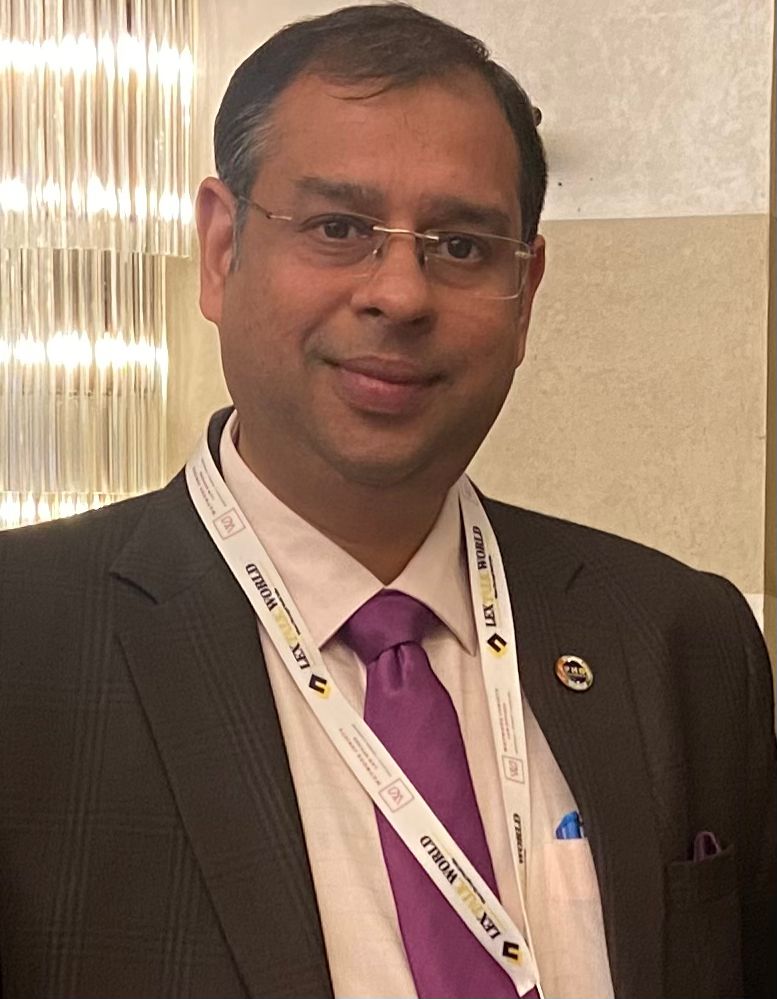
    Can you share with us the story behind your journey into the field of law? What inspired you to pursue a career in law, and how did your early experiences shape your path to becoming a seasoned legal professional?

    As a child, I witnessed my family go through a challenging and emotionally taxing ordeal that required multiple visits to various courts. During this time, my father faced significant hardship due to family disputes and it was during these moments of adversity that I had a profound realization that I would never want to see my family or anyone I cared about go through such difficulties again.

    This poignant experience became the catalyst for my decision to pursue a career in law. I was determined to gain the knowledge and skills necessary to navigate the legal system effectively, to protect the rights and interests of my loved ones, and to ensure that justice was served. It was a deeply personal motivation that fuelled my journey into the field of law, driven by a heartfelt commitment to prevent others from experiencing the same kind of turmoil and uncertainty that my family endured.

    Your firm, ALL IP CARE, specializes in Intellectual Property Rights among other legal services. What drew you to focus on this particular area of law, and what excites you the most about working in the realm of IP rights?

    Becoming an advocate, especially as a first-generation lawyer, presented me with numerous challenges on my path to success. In 2002, I embarked on a journey of advocacy at Tis Hazari Court. I gained first-hand experience in handling a diverse range of legal matters, including civil, criminal, matrimonial, writ, and service cases.

    However, life had other plans and in 2007, when I decided to switch my practice in the domain of Intellectual Property laws. This transition introduced me to the intricate world of IP laws.

    During my tenure at the IP law firm, I was fortunate to be presented with significant opportunities that I regard as noteworthy achievements. I was entrusted with the task of working on a research paper related to prior publication in the Designs Act, and I was also deeply involved in trademark research. These experiences allowed me to delve deeply into the realm of Intellectual Property Rights (IPR) laws.

    Given your extensive experience in criminal law, could you share some insights into how you approach defending clients in criminal cases, especially in light of your specialization in areas like Intellectual Property infringement?

    When approaching clients, particularly in cases of Intellectual Property infringement, I adhere to a strategic and comprehensive approach. Though stringent laws on criminal prosecution exist, their enforcement is challenged by limited awareness among law enforcement bodies. Investigation and scrutinizing evidence surrounding the alleged infringement go hand in hand, further buttressed by assertions from potential witnesses such as subject matter experts or law enforcement officers who can support building the case, whether it be a civil or criminal prosecution. Being able to adapt strategies based on evolving circumstances ensures the best possible outcome for the client in protecting their IP.

    Your profile mentions your involvement in organizing workshops and seminars on various legal topics. What motivates you to engage in these initiatives, and how do you believe they contribute to the legal community?

    As an IP lawyer, organizing workshops and seminars is not only a professional responsibility but also a passionate pursuit. The lack of awareness among people about intellectual property remains a significant hurdle, leading to substantial challenges in enforcing IP rights. It provides a platform to disseminate knowledge about trending developments and legislative changes within the field among young lawyers and business professionals which in return provides space to enhance understanding of complex IP concepts, as well as moulding opportunities for collaborative ventures. At the same time, it allows for an interesting brainstorming session with budding lawyers and business professionals.

    As a seasoned advocate, you’ve undoubtedly encountered diverse legal challenges. Can you tell us about a particularly challenging case you handled and how you navigated through it to achieve a favourable outcome for your client?

    I could recollect a notably challenging case that I handled which involved securing an injunction against a defendant who was dealing in jewellery falling under class 14, while using a tagline deceptively similar to our client’s tagline registered in class 3. Dealing with this complex matter required a strategic combination of legal research, expert collaboration, and meticulous argumentation and we crafted a compelling case by highlighting the infringement of both trademark rights and the deceptive trade practices involved. Through persistent negotiation and leveraging the strength of our legal arguments, we successfully obtained the injunction, thereby protecting my client’s intellectual property rights and securing a favourable outcome.

    However, I would like to stress that it is not a particular case but the domain of IPR laws which is itself a very challenging and rocky terrain which requires intellectually eccentric application of mind.

     Your firm has been involved in various legal initiatives and collaborations, including workshops with law enforcement agencies. Could you elaborate on the significance of such collaborations and how they contribute to the broader goal of legal awareness and enforcement?

    These collaborations with legal firms and law enforcement agencies are important for promoting legal awareness and enforcement of IP rights. These initiatives facilitate the exchange of knowledge and expertise, creating a better understanding of complex legal issues and procedures which in return helps in building capacity through proper guidance. Altogether, these efforts contribute to more effective problem-solving strategies, enhanced enforcement outcomes, and increased community engagement, by working together comprehensively and securing awareness among all channels of enforcement.

    Away from the courtroom, do you have any hobbies or interests that you like to indulge in? How do you strike a balance between your professional commitments and personal pursuits?

    Maintaining a healthy work-life balance for me involves a clear distinction between my professional and personal life. I establish boundaries to ensure that when I’m working, I’m fully engaged and focused on my professional responsibilities, and when I’m off-duty, I prioritize personal time with my family and watching documentary/ Bollywood movies. Additionally, I love to Share my knowledge and passion by becoming a mentor or teaching others about the different realm of the provision of laws.This separation allows me to recharge, spend quality moments with loved ones, and pursue hobbies and interests, ultimately ensuring that both my professional and personal aspects of life coexist harmoniously and contribute to my overall well-being.

    Lastly, considering the rapidly evolving legal landscape and the challenges faced by the current generation of legal professionals, what advice would you offer to young lawyers aspiring to make their mark in the legal field?

    Perseverance and patience are the fundamental keys to success. It’s essential never to lose faith in yourself and your journey because life has a way of presenting opportunities that make all the challenges and efforts worthwhile. I suggest to all young lawyers to remember a famous dialogue from the movie ‘3 Idiots’ – “All is well.”. This simple mantra serves as a reminder that, despite difficulties, maintaining a positive mindset can be a powerful tool to navigate through life’s ups and downs. Keep moving forward with unwavering determination, and you’ll find that the rewards are bound to follow.

    Get in touch with Anil Kumar Sahu-

  • “Resilience and adaptability are crucial especially in a rapidly evolving field like law”- Arun Visweswaran, Partner, Addleshaw Goddard

    “Resilience and adaptability are crucial especially in a rapidly evolving field like law”- Arun Visweswaran, Partner, Addleshaw Goddard

    This Interview has been published by Pragya Chandni and The SuperLawyer Team

    Sir, could you please share the pivotal moments or experiences during your academic journey, from studying Electronics and Communication Engineering at Anna University to pursuing Law at King’s College London? What influenced your decision to transition to law?

    I enrolled in Engineering as I always had an interest in the sciences and intended to pursue a career as an Engineer. However, both during school and later during my Engineering degree, I found myself consistently drawn to activities such as debating and writing and taking on leadership roles representing my peers. This led me to explore other career opportunities and law presented a perfect confluence of speaking, reading and writing skills which attracted me greatly more so given its impact on every aspect of society.  I also realised that the analytical and problem-solving skills I had developed while studying engineering would be an asset in legal practice and provide a unique perspective on legal issues.

    Studying law at King’s College London was a transformative experience. It not only provided me with a solid foundation in law (and confirmed my decision to switch paths) but also exposed me to a diverse and dynamic legal environment in one of the world’s leading legal hubs. 

    How did your early experiences as a trainee at Clifford Chance shape your career path? 

    My early experiences as a trainee at Clifford Chance were invaluable and played a significant role in shaping my career path. During my training, I was exposed to a broad range of practice areas including transactional work and disputes. This gave me a well-rounded understanding of the legal profession and allowed me to identify the areas I was most passionate about.  It also gave me many life-long friends who continue to inspire me.

    Being part of a global law firm also offered me the opportunity to work on complex and high stakes matters in three different jurisdictions being the UK, Dubai and Singapore. This experience was instrumental in developing my skills in navigating cross-border legal issues and managing diverse client relationships.

    The firm’s approach of providing the highest quality of service to clients and its emphasis on continuous learning and development have greatly influenced my approach to legal practice. These early experiences laid a strong foundation for my subsequent roles and continues to guide me in my current position as a Partner at Addleshaw Goddard LLP.

    How has your experience evolved with your recent transition to Addleshaw Goddard LLP as a Partner in their disputes team?

    I am grateful for the opportunity to join the talented team of lawyers at Addleshaw Goddard LLP who are a leading global law firm. I joined them at a time of unprecedented growth for the firm which has been built on a solid platform of expertise and providing exceptional legal services to clients. These principles resonate strongly with my approach to legal practice, and I look forward to growing further with them. 

    You’ve been involved in many high-value and complex cases throughout your career. Could you walk us through a specific case that stands out to you and share the challenges you faced and lessons learned? 

    The first construction dispute I handled as an associate was also a memorable one due to the challenges it posed to me personally and the lessons learned. This was a large infrastructure dispute valued at over USD 200 million and I was leading all aspects of the matter from drafting the pleadings, handling witnesses and experts to conducting a large part of the advocacy.  

    While I had participated in various moots during law school, this was my first experience of advocacy (after law school) where I had to cross-examine three fact witnesses and the delay expert. In the process of preparing my questions, I came across one of the clearest expositions of the art of cross-examination in Irving Younger’s lecture from the 1970’s (which is available on Youtube). Taking his “10 commandments” as a guide, I carefully prepared my strategy for cross-examination and delved into technical questions with the assistance of our delay expert. It was therefore entirely satisfying to have effectively cross-examined the expert’s opinion and challenged their credibility such that the Tribunal dismissed their report entirely.  It was particularly gratifying when the other side personally congratulated me on a very good cross-examination. 

    This case taught me the importance of thorough preparation and the value of a well-planned cross-examination. It also reinforced my focus on construction disputes where my engineering background brings an ability to delve into both the legal and technical issues.  

    With your extensive experience across the Middle East how has working in diverse legal systems and cultures shaped your approach to dispute resolution, and what unique challenges have you encountered?

    Working in diverse legal systems and cultures in the Middle East has significantly shaped my approach to dispute resolution. It has taught me the importance of understanding the local business culture, legal landscape, and the unique dynamics of each jurisdiction. 

    Each country in the Middle East has a unique legal system and regulatory framework. For instance, the DIFC Courts in Dubai and the ADGM Courts in Abu Dhabi operate on a common law framework, while other parts of the UAE follow civil law. Understanding these differences and being able to operate effectively within these diverse legal systems requires adaptability and has been an opportunity for professional growth.

    Overall, my experience in the Middle East has enriched my legal practice and provided me with a broader and more nuanced perspective on dispute resolution.

    Given your role in tech disputes, how do you navigate the intersection of technology and law? Can you share a notable case or challenge you faced in this realm and how it was resolved?

    Navigating the intersection of technology and law requires a good understanding of both fields. It’s about being able to understand the technical aspects of a case, as well as the legal implications. This is where my background in engineering combined with my legal expertise comes into play.

    One notable case I handled involved advising a global tech company on a multi-million-dollar software licensing dispute with a global software/cloud service provider. The case was complex as it involved intricate details of software licensing, cloud computing and IP rights. The challenge was to understand the technical aspects of the software provided and how that interacted with the contract terms and the facts which were quite complex. 

    Our advice allowed the client to successfully conclude a settlement with more than 90% reduction of the claim amount. The case was a testament to the importance of understanding both the technology and the law in tech disputes. It also highlighted the value of negotiation and mediation skills in resolving complex disputes.

    How has sharing your insights through publications contributed to your professional growth, and how do you stay updated on the latest developments in your areas of expertise?

    Sharing insights through publications has been a vital part of my professional growth. It has not only allowed me to contribute to the broader legal discourse but has also helped me clarify my own understanding of complex issues. Furthermore, my publications have also been a valuable tool for engaging with clients and other professionals in the field.

    Staying updated on the latest developments in my areas of expertise is a continuous process. I regularly read legal articles, attend seminars and conferences, and participate in professional networks and associations. I also engage in regular discussions with colleagues and other professionals in the field, who often provide valuable insights into emerging trends and issues.

    Drawing on your experience, what advice would you give to recent law graduates who are just starting their legal careers? What key lessons have you learned that you believe would be valuable for those entering the legal profession today?

    1. Find your passion: Law is a broad field with many specializations. Try to gain exposure to different areas of law early in your career to identify what truly interests you. Once you find your passion, dive in and become an expert in that area.
    2. Never stop learning: The law is constantly evolving, and it’s important to stay updated on the latest developments in your field of practice. Regularly read legal journals, attend seminars and webinars, and participate in professional associations.
    3. Develop strong relationships: Building strong relationships with colleagues, mentors, and clients is crucial for advancement in the legal profession – and this starts right from law school!  
    4. Work on communication skills: Effective communication is key in the legal profession. Whether you’re advocating for a client in court or drafting legal advice the ability to convey your ideas in a simple, structured, and persuasive manner is crucial. 
    5. Embrace technology: Technology is transforming the legal profession. Be open to learning about new legal tech tools (e.g.AI) and how they can enhance your practice.

    As for key lessons, one of the most important I’ve learned is that resilience and adaptability are crucial especially in a rapidly evolving field like law and one should remain curious about developments rather than shun them altogether. The other lesson imparted to me by a senior counsel I admire is that of the 3 P’s – Preparation, Preparation, Preparation – which is critical to success in any case.

    Get in touch with Arun Visweswaran-

  • “Never underestimate the importance of mastering cross-examination. Whether you’re dealing with civil or criminal cases, it’s the bread and butter of legal practice.”- Sandeep Chatterjee, Founder at Chatterjee Law Chambers

    “Never underestimate the importance of mastering cross-examination. Whether you’re dealing with civil or criminal cases, it’s the bread and butter of legal practice.”- Sandeep Chatterjee, Founder at Chatterjee Law Chambers

    This Interview has been published by Pragya Chandni and The SuperLawyer Team

    Can you walk us through your journey into the field of law? 

    My journey into law began long before I even stepped foot into a law school. It all started with my mother’s unfulfilled dream of becoming a lawyer—a dream she passed on to me, along with a burning curiosity for all things legal. But unlike most, I took a bit of a detour. Before diving into my LL.B., I pursued a Master’s in Political Science. Why? Because I’ve always believed that understanding the broader political landscape is crucial for any lawyer. Sure, some might see it as an outdated approach, but for me, it’s been nothing but beneficial. It’s given me a deeper perspective on the law, allowing me to approach legal issues from a more practical angle. Instead of just diving into statutes and cases, I first dissect the underlying principles. This “old-school” approach, as some might call it, has been my secret weapon. It helps me craft stronger legal arguments and advocate more effectively for my clients. And in a field as competitive as law, having that extra edge can make all the difference.

    What inspired or motivated you to pursue a career in arbitration and general civil litigation?

    During my internship with Mr. Harish Salve, Senior Advocate, I had the privilege of delving into the world of arbitration—an experience that left an indelible mark on my legal journey. Working alongside Mr. Salve exposed me to the intricate workings of arbitration cases, offering me invaluable insights into this specialized field. Witnessing firsthand the rapid evolution of arbitration in India and its growing significance on the global stage was eye-opening. It became clear to me that arbitration holds immense practical importance and has the potential for significant expansion in our country. Seeing India’s conducive environment for arbitration, I’m inspired by the vision of it becoming a leading hub in this domain, and I’m eager to contribute to its advancement.

    Additionally, I’m drawn to general civil litigation for its diverse practice areas, including property disputes, contract law, and family matters. The bustling demand for legal services in civil matters highlights the constant flow of meaningful work in this field. Starting out as a generalist allows me the opportunity to explore various areas and gradually specialize in those that resonate with me. This journey towards specialization not only fosters deeper engagement but also facilitates continuous development of expertise over time.

    Furthermore, the direct interaction with clients in civil litigation adds a tangible sense of fulfillment to my work. Witnessing the real impact of my efforts on their lives is truly rewarding. The autonomy, flexibility, and ongoing learning opportunities inherent in this field make it an incredibly fulfilling career path for those who are passionate about effecting positive change through the practice of law in India.

    With your extensive experience in various legal roles, could you share some highlights or memorable cases that have shaped your career?

    In my career journey, while I’ve encountered numerous memorable moments, two cases hold particular significance for me. One of them was representing Dr. R. K. Pachauri, which served as a pivotal moment marking my entry into the legal profession as a junior in a law chamber. This case was unique in that it involved aspects of both civil and criminal law, offering me invaluable learning experiences. Through working on this case, I gained a deeper appreciation for the necessity of meticulous clerical work and thorough research in ensuring effective advocacy.

    Another case that remains vivid in my memory involved a service matter with clear legal precedents but unique circumstances for my client. It was a challenging situation that required me to present arguments before the Hon’ble Division Bench of the Karnataka High Court. I vividly remember the pressure and intensity of the courtroom as I meticulously prepared to address the nuanced aspects of the case. With countless hours of research and preparation, coupled with careful attention to every detail, I stood before the bench, advocating for my client’s rights for 4 hours before the bench. The experience was intense, but seeing the judges carefully consider my arguments and ultimately ruling in favor of my client was incredibly rewarding. It was a testament to the importance of dedication, hard work, and attention to detail in achieving success in the legal profession.

    These experiences have truly highlighted for me the critical importance of being thoroughly prepared and having a deep understanding of the intricacies within each case. It’s not just about knowing the law; it’s about going deep into the unique circumstances of every situation. These cases have shown me that with dedication and hard work, even the most challenging situations can be handled successfully. They’ve solidified my belief that true excellence in legal practice comes from this level of commitment and understanding.

    You’ve been recognized for your excellent reputation in delivering high-quality client service. How do you ensure client satisfaction while navigating complex legal matters?

    In my practice, my clients’ well-being is at the heart of everything I do. I believe in real, meaningful communication—not just ticking boxes. I make it a priority to have open and honest conversations with my clients regularly. Every case is different, so I adapt my approach to suit their individual needs, ensuring they have a clear understanding of what to expect. When the going gets tough, I’m not just a legal advisor—I’m a supportive ally. I’m there to provide not just legal expertise, but also a listening ear and a comforting presence during challenging times. I actively seek feedback from my clients because I value their perspective—it helps me refine my strategies and provide even better service. 

    Your educational background includes a Bachelor of Law from Campus Law Centre, University of Delhi as well as a Master’s Degree in Political Science. How did your academic experiences contribute to your professional development in the legal field?

    In addition to my Law Degree, as already mentioned, I’ve pursued a Postgraduate degree in Political Science, a deliberate choice aimed at broadening my understanding of the legal field. I firmly believe that a multidisciplinary approach enhances one’s comprehension of law. Political science has provided me with valuable insights into the historical, social, and ideological factors that shape legal systems and frameworks. Through studying governance, policy-making, and power dynamics, I’ve gained a deeper understanding of the broader context in which legal decisions are made. By integrating these disciplines, I’ve developed a comprehensive perspective that enables me to understand legal matters effectively and advocate for my clients with clarity and depth. 

    As the founder and lead lawyer of Chatterjee Law Chambers, what challenges did you face in establishing your own practice, and what strategies did you employ to overcome them?

    Establishing your own legal practice presents a myriad of challenges that are all too real. One of the biggest hurdle is attracting and retaining clients. It’s not just about being a great lawyer You also need to master the art of networking and marketing to build a solid client base. And once you’ve got clients, keeping them happy and loyal requires constant dedication and delivering top-notch service.

    Financial management is another tough nut to crack. You’ve got to balance your income and expenses, handle billing and collections, and plan for future growth—all while keeping a keen eye on your bottom line.

    Then there’s the administrative side of things, which can feel like a full-time job in itself. From managing paperwork and documentation to overseeing staff and office operations, there’s always something demanding your attention.

    I’ve delved deep into these challenges in an article I wrote titled ‘Challenges Faced by Advocates When Establishing Their Own Chamber.’ In it, I share the gritty realities of starting and running a successful legal practice, along with practical strategies to overcome these obstacles. It’s all about proactive problem-solving and a relentless commitment to making it work, despite the hurdles that come your way.

    Collaboration and teamwork are essential in the legal profession. How do you foster a collaborative environment within your legal team to achieve success in your cases?

    We thrive on open communication, where everyone’s ideas and insights are valued and freely shared. We’ve learned that clearly defining roles and responsibilities is key to keeping things running smoothly and maximizing our efficiency. Plus, having a diverse range of perspectives around the table sparks creativity and helps us tackle problems from all angles.

    Our collaboration isn’t limited to formal meetings; it’s a constant exchange of ideas and information. Whether we’re discussing case strategies over coffee or brainstorming solutions late into the night, everyone’s voice is heard and respected. Technology plays a big role in keeping us connected, especially since we often work remotely. But it’s the personal connections we’ve built—through mentorship, knowledge sharing, and celebrating each other’s successes—that truly bring our team together. And it’s not just about winning cases; it’s about growing together as professionals and as people.

    In addition to your legal expertise, you also possess strong organizational skills and strategic communication abilities. How do these skills play a role in effectively representing your clients’ interests?

    My ability to represent my clients effectively stems from a multifaceted skill set that I’ve gained through my limited years of experience. It’s not just about knowing the law; it’s about being organized, strategic, and an excellent communicator. When it comes to organization, I’m meticulous. I leave no stone unturned in managing every aspect of a case, ensuring nothing slips through the cracks. This attention to detail allows me to plan strategically, tailoring my approach to fit the unique needs of each case and maximizing our chances of success. But it’s not just about what happens in the courtroom. Building and maintaining strong relationships with my clients is equally important. I pride myself on my ability to communicate clearly and transparently, keeping my clients informed every step of the way. Whether it’s explaining legal options, providing updates, or preparing for negotiations, I ensure my clients are empowered to make informed decisions and actively participate in their legal matters.

    Finally, considering your journey and accomplishments, what advice would you offer to fresh graduates aspiring to pursue a career in law, especially those interested in areas like arbitration and civil litigation?

    Here’s some down-to-earth advice I’ve gathered from my own experience: Stay focused and humble. Surround yourself with people who can teach you something new every day. Don’t get sucked into office gossip—instead, listen to the constructive criticism your senior colleagues offer. Leave your ego at the door, especially when dealing with your immediate superiors. It’s crucial for maintaining good professional relationships. And when it comes to choosing a law firm to work for, do your homework. Don’t just settle for any firm out of desperation. It’s better to wait for the right fit than to end up feeling stuck and unfulfilled. 

    Finally, never underestimate the importance of mastering cross-examination. Whether you’re dealing with civil or criminal cases, it’s the bread and butter of legal practice. Approach it with dedication and sincerity, because it’s a skill that will serve you well throughout your career.

    Get in touch with Sandeep Chatterjee-